ABC Family Arquivos Brasileiros de Cardiologia International Journal of Cardiovascular Sciences ABC Heart Failure & Cardiomyopathy ABC Imagem Cardiovascular
Português English
ABC Family
Português English
  • About
    • About ABC Family
    • Internal Regulation
    • Editorial Board
    • Brazilian Society of Cardiology (SBC)
  • Issues
  • SBC Guidelines
  • Content
    • Videos
    • Podcasts
    • News
  • About
    • About ABC Family
    • Internal Regulation
    • Editorial Board
    • Brazilian Society of Cardiology (SBC)
  • Issues
  • SBC Guidelines
  • Content
    • Videos
    • Podcasts
    • News

ABC Family

  • ABC Family
  • Arquivos Brasileiros de Cardiologia
  • International Journal of Cardiovascular Sciences
  • ABC Heart Failure & Cardiomyopathy
  • ABC Imagem Cardiovascular
Search in

No content found.

Journals
Ordering
Article types
Others

  1. Home
  2. Keyword: Heart Failure / mortality
ABC
Letter to the Editor

A Simple Clinical Risk Score to Predict Post-Discharge Mortality in Chinese Patients Hospitalized with Heart Failure

Guillermo Alberto Arana Morales et al. Hugo Alpaca-Salvador Ricardo Salazar-Ramírez

We have read with great interest the article published by Wang et al. on the clinical risk score to predict mortality in Chinese patients hospitalized for heart failure (HF). The authors developed a scale with five variables to predict mortality from HF after hospital discharge within one year: age, female sex, New York Heart Association (NYHA) score >3, left atrial diameter, and body mass index; with good predictive ability. One limitation of the study is the design of random division into two groups, one for the development of the predictive model and the other to evaluate its performance, which, when drawn from the same cohort, have similar characteristics and therefore the predictive performance may be overestimated.

A very interesting aspect of the study is that it focuses on the evaluation of patients with HF at hospital discharge, uses simple, easily assessable predictive variables, and predicts mortality at one year. There are a variety of studies of prognostic scores for HF, in outpatient, hospitalized, or emergency patients, and they predict mortality during hospitalization, within the first 30 days, or a year; many of them with biases that limit their validity.

[…]
  • China
  • Heart Failure / mortality
  • Hospitalization
  • Latin America
  • population
Read Full Article
Creative Commons Attribution (CC BY) Creative Commons license
27/02/2023 DOI: 10.36660/abc.2022050
ABC
Editorial

Thrombolysis in Pulmonary Embolism: Octagenarians Deserve More Attention!

Hugo Hyung Bok Yoo

Pulmonary embolism (PE) is a common cardiovascular disease that may be life threatening, and its incidence increases with age. It is the third most common cause of cardiovascular mortality and is also responsible for 100,000 to 180,000 deaths per year. Right-sided heart failure and recurrences are the main causes of death associated with PE. Most deaths occur within the first hour of patients presenting hemodynamic instability. Therefore, the prognostic of those patients depends on rapid treatment.,

To determine a suitable therapeutic management approach in patients with PE, the appropriate risk stratification is decisive in order to begin effective treatment as early as possible and to prevent death. Thus, patients at a low-risk of mortality may be candidates for home anticoagulant treatment or early hospital discharge. Patients at intermediate risk may require antithrombotic therapy and close clinical observation to escalate the treatment regime in case of clinical impairment, whereas patients at high-risk should proceed to prompt revascularization either by pharmacologic or percutaneous catheter-directed or surgical treatment.

[…]

  • Aged, 80 and Over
  • Anticoagulants / therapeutic use
  • Heart Failure / mortality
  • Hemorrhage
  • Pulmonary embolism
  • Thrombolytic Therapy
Read Full Article
Creative Commons Attribution (CC BY) Creative Commons license
21/02/2022 DOI: 10.36660/abc.20210912
Figure 1
ABC
Original Article

Characteristics and Temporal Trends in the Mortality of Different Heart Failure Phenotypes in Primary Care

Antonio José Lagoeiro Jorge et al. Leticia Mara dos Santos Barbetta Eduardo Thadeu de Oliveira Correia Wolney de Andrade Martins … Adson Renato Leite Maria Auxiliadora Nogueira Saad Márcia Maria Sales dos Santos Dayse Mary Correia Maria Luiza Garcia Rosa Sérgio Chermont Cárita Cunha dos Santos Evandro Tinoco Mesquita

Abstract

Background:

The classification of heart failure (HF) by phenotypes has a great relevance in clinical practice.

Objective:

The study aimed to analyze the prevalence, clinical characteristics, and outcomes between HF phenotypes in the primary care setting.

Methods:

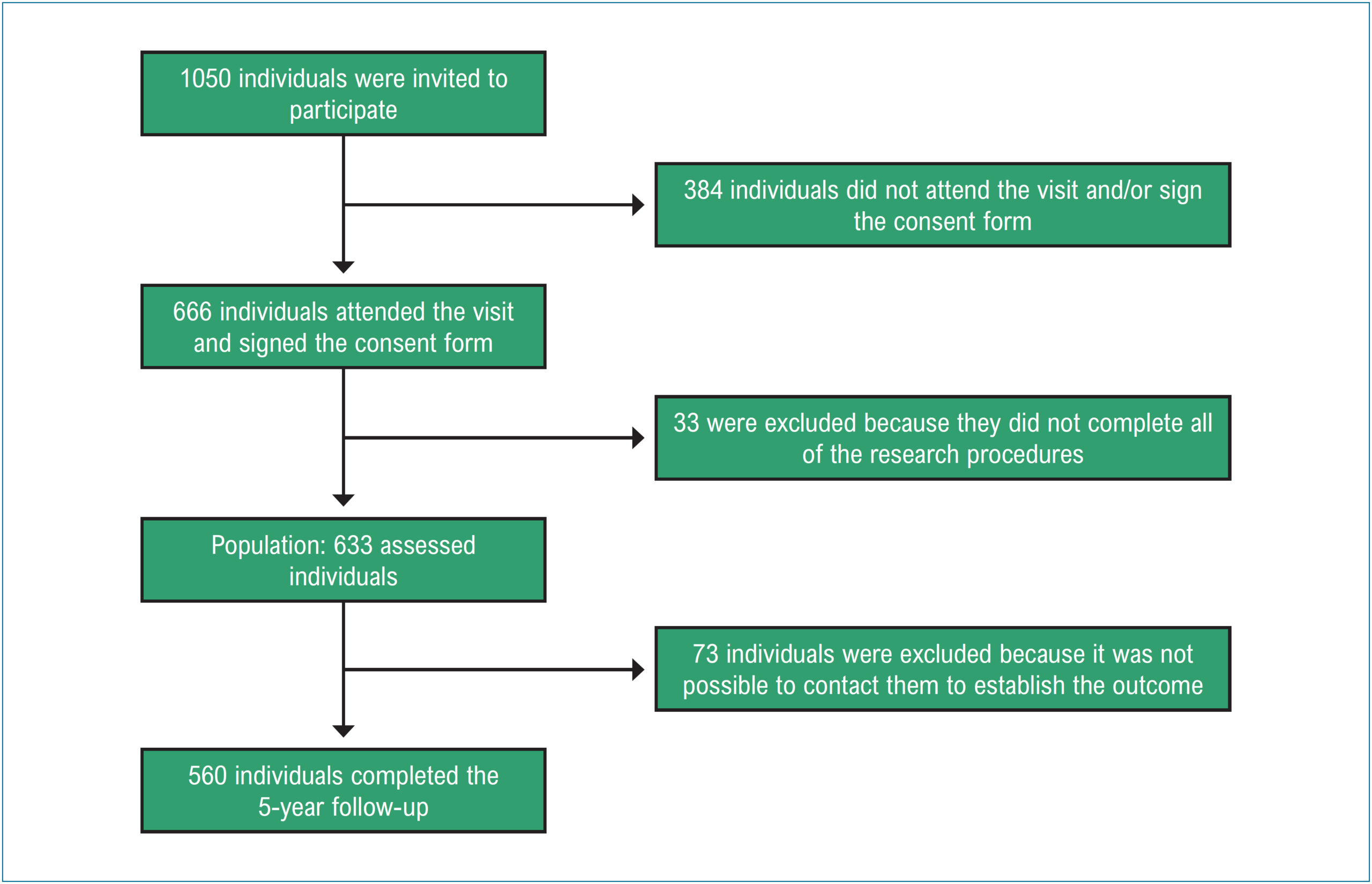
This is an analysis of a cohort study including 560 individuals, aged ≥ 45 years, who were randomly selected in a primary care program. All participants underwent clinical evaluations, b-type natriuretic peptide (BNP) measurements, electrocardiogram, and echocardiography in a single day. HF with left ventricular ejection fraction (LVEF) < 40% was classified as HF with reduced ejection fraction (HFrEF), LVEF 40% to 49% as HF with mid-range ejection fraction (HFmrEF) and LVEF ≥ 50% as HF with preserved ejection fraction (HFpEF). After 5 years, the patients were reassessed as to the occurrence of the composite outcome of death from any cause or hospitalization for cardiovascular disease.

Results:

Of the 560 patients included, 51 patients had HF (9.1%), 11 of whom had HFrEF (21.6%), 10 had HFmrEF (19.6%) and 30 had HFpEF (58.8%). HFmrEF was similar to HFpEF in BNP levels (p < 0.001), left ventricular mass index (p = 0.037), and left atrial volume index (p < 0.001). The HFmrEF phenotype was similar to HFrEF regarding coronary artery disease (p = 0.009). After 5 years, patients with HFmrEF had a better prognosis when compared to patients with HFpEF and HFrEF (p < 0.001).

Conclusion:

The prevalence of ICFEI was similar to that observed in previous studies. ICFEI presented characteristics similar to ICFEP in this study. Our data show that ICFEi had a better prognosis compared to the other two phenotypes.

  • Eidemiology
  • Heart Failure / mortality
  • Heart Failure/trends
  • Prevalence
  • Primary Health Care
  • Prognosis
  • Stroke Volume
Read Full Article
Creative Commons Attribution (CC BY) Creative Commons license
06/09/2021 DOI: 10.36660/abc.20190912
Figure 1
ABC
Original Article

Increased, Decreased, or Stable Left Ventricle Ejection Fraction over Time in a Series of 626 Heart Failure Patients Receiving Medical Treatment

Meng-Meng Han et al. Wen-Shu Zhao Xiao-Rong Xu Xin Wang … Kui-Bao Li Cai-Jing Dang Juan Zhang Jia-Mei Liu Mu-Lei Chen Xin-Chun Yang Lin Xu Hua Wang

Abstract

Background:

Ejection fraction (EF) has been used in phenotype analyses and to make treatment decisions regarding heart failure (HF). Thus, EF has become a fundamental part of daily clinical practice.

Objective:

This study aims to investigate the characteristics, predictors, and outcomes associated with EF changes in patients with different types of severe HF.

Methods:

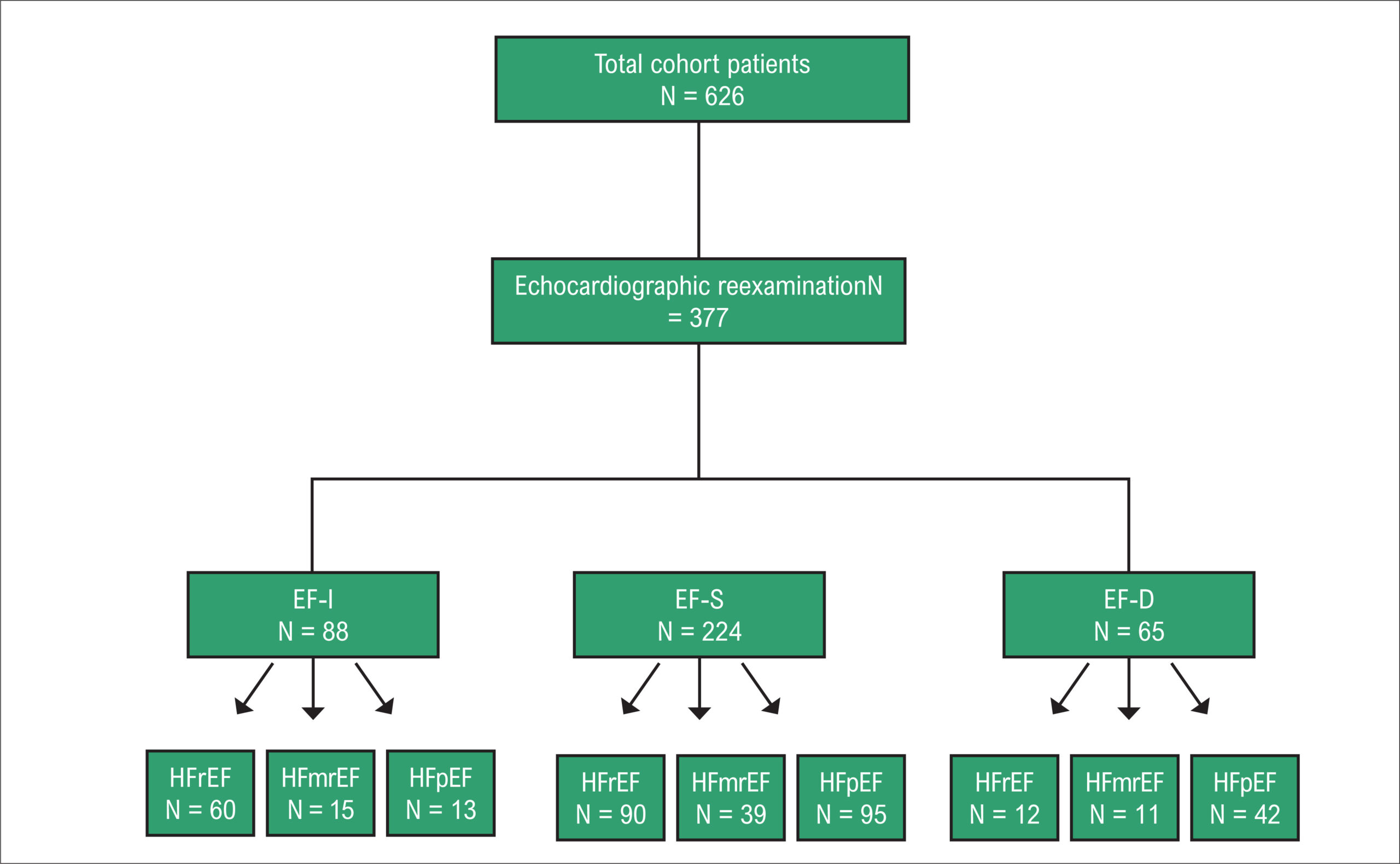
A total of 626 severe HF patients with New York Heart Association (NYHA) class III–IV were enrolled in this study. The patients were classified into three groups according to EF changes, namely, increased EF (EF-I), defined as an EF increase ≥10%, decreased EF (EF-D), defined as an EF decrease ≥10%, and stable EF (EF-S), defined as an EF change <10%. A p-value lower than 0.05 was considered significant.

Results:

Out of 377 severe HF patients, 23.3% presented EF-I, 59.5% presented EF-S, and 17.2% presented EF-D. The results further showed 68.2% of heart failure with reduced ejection fraction (HFrEF) in the EF-I group and 64.6% of heart failure with preserved ejection fraction (HFpEF) in the EF-D group. The predictors of EF-I included younger age, absence of diabetes, and lower left ventricular ejection fraction (LVEF). The predictors of EF-D were absence of atrial fibrillation, lower uric acid level, and higher LVEF. Within a median follow-up of 40 months, 44.8% of patients suffered from all-cause death.

Conclusion:

In severe HF, HFrEF presented the highest percentage in the EF-I group, and HFpEF was most common in the EF-D group.

  • Drug Utilization
  • Heart Failure / mortality
  • Prognosis
  • Stroke Volume
  • Ventricular Dysfunction, Left
Read Full Article
Creative Commons Attribution (CC BY) Creative Commons license
30/07/2021 DOI: 10.36660/abc.20200250
ABC
Editorial

Heart Failure Mid-Range Ejection Fraction

Paula Felippe Martinez et al. Marina Politi Okoshi Katashi Okoshi Silvio Assis de Oliveira-Junior

Heart failure (HF) is a clinical syndrome with typical symptoms caused by structural and/or functional cardiac abnormalities. It has a prevalence of up to 1-2% in adults from developed countries with high mortality due to cardiovascular causes., Elevated morbidity and mortality can also be seen in developing countries such as Brazil.

The main terminology used to classify HF is based on left ventricular ejection fraction (LVEF) values. In 2016, the European Society of Cardiology (ESC) Task Force for the Diagnosis and Treatment of Acute and Chronic Heart Failure introduced a new HF class consisting of patients with an LVEF between 40 and 49%, which was called HF with mid-range ejection fraction (HFmrEF). A grey area between heart failure with reduced (HFrEF) and preserved (HFpEF) ejection fraction had been recognized in previous studies. The introduction of this new HF classification led to a rapid increase in the number of studies on HFmrEF over the next few years,, with many conflicting results in terms of survival and the clinical characteristics of HFmrEF being reported in literature. Although mortality and morbidity in HFrEF has been reduced by improving treatment in the last thirty years, similar results were not seen in HFpEF and few studies were specifically designed to evaluate mortality in patients with HFmrEF.

[…]

  • Heart Failure / mortality
  • medication adherence
  • Prognostic
  • Stroke Volume
Read Full Article
Creative Commons Attribution (CC BY) Creative Commons license
03/02/2021 DOI: 10.36660/abc.20200576 Views 1
ABC
Editorial

Short Editorial: Ser49Gly Beta1-adrenergic Receptor Genetic Polymorphism as a Death Predictor in Brazilian Patients with Heart Failure

Antonio Carlos Pereira-Barretto

Heart failure (HF) is a disease that develops into high morbidity/mortality. However, not all patients have a bad evolution. Symptomatic patients and those who require hospitalization for treatment comprise the group with the worst prognosis. Symptom intensity has shown to be a good predictor of prognosis. However, in less symptomatic patients, we have a much more limited capacity to identify those who will have a worse evolution.

In the article “Ser49Gly Beta1-adrenergic Receptor Genetic Polymorphism as a Death Predictor in Brazilian Patients with Heart Failure”, published in this issue, the authors discuss a current topic, in which they show that patient evolution is, at least in part, related to their genetic profile, and that this profile determines the intensity of HF and symptom development.

[…]

  • Adrenergic beta-1
  • Adrenergic beta-2
  • Genetic,Polymorphism
  • Heart Failure / mortality
  • Heart Failure/physiopathology
  • Prognosis
  • Receptor Agonists
  • Sympathetic Nervous System
Read Full Article
Creative Commons Attribution (CC BY) Creative Commons license
29/05/2020 DOI: 10.36660/abc.20200183 Views 1
Figure 1
ABC
Original Article

Ser49Gly Beta1-Adrenergic Receptor Genetic Polymorphism as a Death Predictor in Brazilian Patients with Heart Failure

Felipe Neves de Albuquerque et al. Andrea Araujo Brandão Dayse Aparecida Silva Ricardo Mourilhe Rocha … Marcelo Imbroinise Bittencourt Ana Luiza Ferreira Sales Pedro Pimenta de Mello Spineti Gustavo Salgado Duque Lucas Rangel de Souza Azevedo Roberto Pozzan Bernardo Rangel Tura Denilson Campos de Albuquerque

Abstract

Background

The role of Ser49Gly beta1-adrenergic receptor genetic polymorphism (ADBR1-GP-Ser49Gly) as a predictor of death in heart failure (HF) is not established for the Brazilian population.

Objectives

To evaluate the association between ADBR1-GP-Ser49Gly and clinical outcomes in individuals with HF with reduced ejection fraction.

Methods

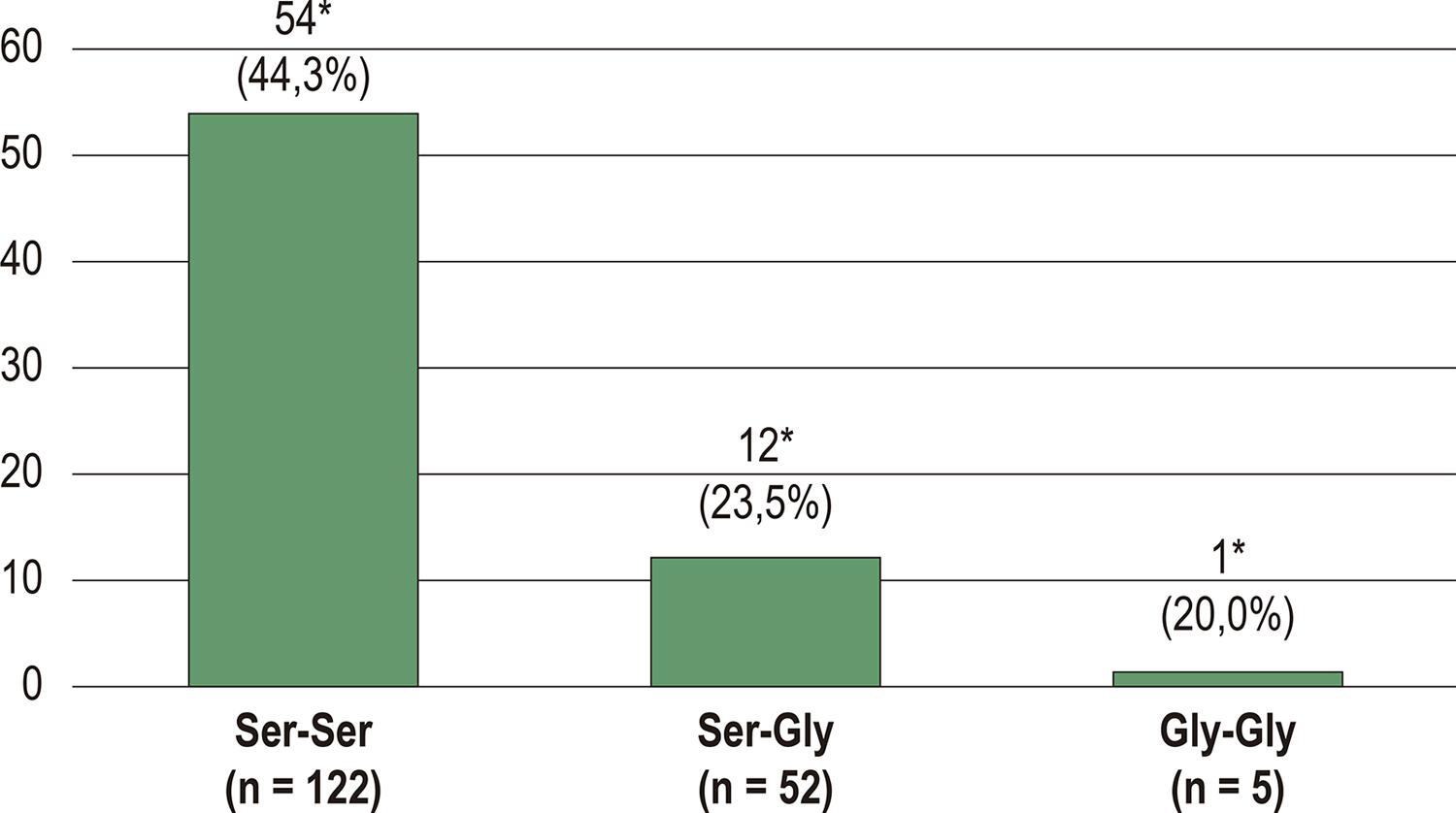
Secondary analysis of medical records of 178 patients and genotypes of GPRβ1-Ser49Gly variants, classified as Ser-Ser, Ser-Gly and Gly-Gly. To evaluate their association with clinical outcome. A significance level of 5% was adopted.

Results

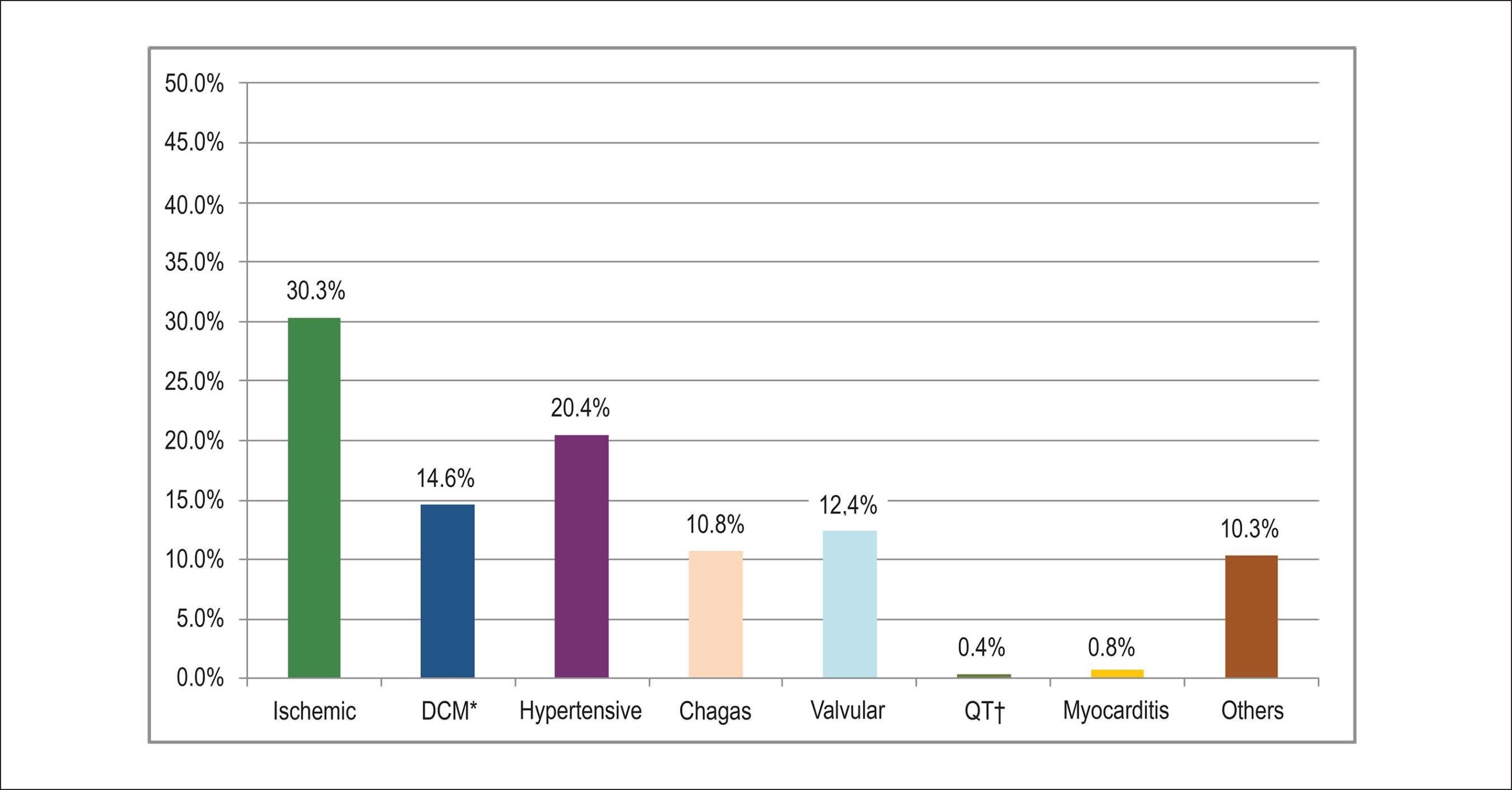
Cohort means were: clinical follow-up 6.7 years, age 63.5 years, 64.6% of men and 55.1% of whites. HF etiologies were predominantly ischemic (31.5%), idiopathic (23.6%) and hypertensive (15.7%). The genetic profile was distributed as follows: 122 Ser-Ser (68.5%), 52 Ser-Gly (28.7%) and 5 Gly-Gly (2.8%). There was a significant association between these genotypes and mean NYHA functional class at the end of follow-up (p = 0.014) with Gly-Gly being associated with less advanced NYHA. In relation to the clinical outcomes, there was a significant association (p = 0.026) between mortality and GPRβ1-Ser49Gly: the number of deaths in patients with Ser-Gly (12) or Gly-Gly (1) was lower than in those with Ser-Ser (54). The Gly allele had an independent protective effect maintained after multivariate analysis and was associated with a reduction of 63% in the risk of death (p = 0.03; Odds Ratio 0.37 – CI 0.15–0.91).

Conclusion

The presence of β1-AR-GP Gly-Gly was associated with better clinical outcome evaluated by NYHA functional class and was a predictor of lower risk of mortality, regardless of other factors, in a 6.7-year of follow-up. (Arq Bras Cardiol. 2020; 114(4):613-615)

  • Cardiotoxicity
  • cardiovascular Dieases
  • Epidemiology
  • Epinephrine/therapeutic use
  • Heart Failure / mortality
  • Hospitalization
  • Polymorfism, Geetic
  • Receptors,Adreneic, beta
Read Full Article
Creative Commons Attribution (CC BY) Creative Commons license
29/05/2020 DOI: 10.36660/abc.20190187
ABC
Editorial

Heart Failure Trends in Paraíba: Earlier Diagnosis or Better Treatment? – That is One of the Questions

Ana Teresa Timóteo

Heart Failure (HF) is a clinical syndrome with high prevalence, morbidity and mortality worldwide.– It is also one of the main causes for hospital admissions with elevated direct and indirect costs.– The prevalence of HF is expected to increase due to the increase in cardiovascular risk factors in the general population and to the increase in life expectancy. Elderly patients are more prone to the development of HF, as well as of admissions for HF. For that reason, an increase in the economic burden of HF is expected in the next decades.–

Previously published data showed, however, some epidemiological differences according to the world region, when comparing developing and developed countries. Recently published data from the European Society of cardiology Heart Failure Long-term Registry, a registry that included a wide spectrum of countries with very different socio-economic backgrounds, from Southern, Western, Northern and Eastern Europe, as well as Middle East and Northern Africa, showed significant between-region differences in baseline characteristics, clinical characteristics and also treatment and outcomes in patients with acute and chronic HF.

[…]

  • Comorbidity
  • Health Care Costs
  • Heart Failure / mortality
  • Heart Failure/epidemiology
  • Heart Failure/physiopathology
  • Heart Failure/trends
  • Hospitalization
Read Full Article
Creative Commons Attribution (CC BY) Creative Commons license
20/03/2020 DOI: 10.36660/abc.20190898 Views 1
Figure 1
ABC
Original Article

A 10-Year Trend Analysis of Heart Failure in the Less Developed Brazil

Amanda D. F. Fernandes et al. Gilson C. Fernandes Manuel Rivera Mazza Leonardo M. Knijnik … Gustavo Soares Fernandes Andre Telis de Vilela Amit Badiye Sandra V. Chaparro

Abstract

Background:

Data on heart failure (HF) epidemiology in less developed areas of Brazil are scarce.

Objective:

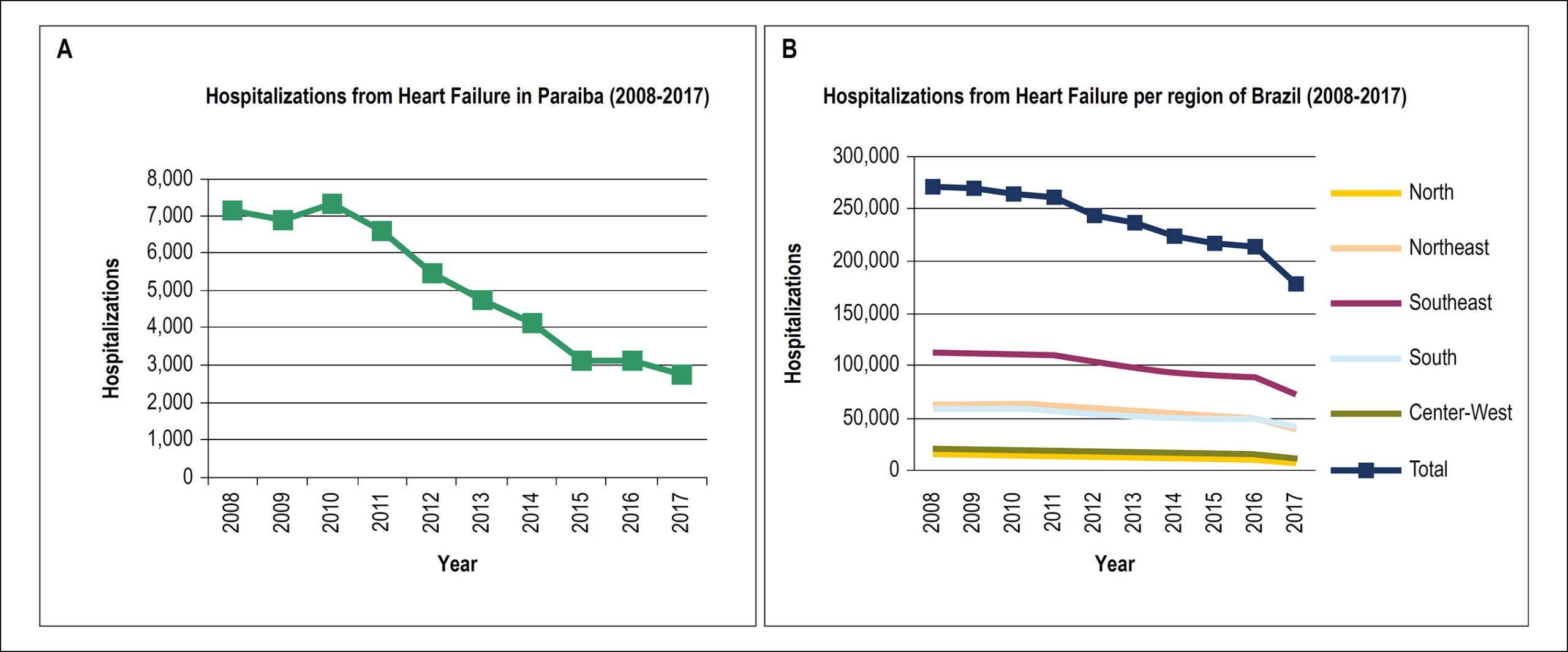
Our aim was to determine the HF morbidity and mortality in Paraiba and Brazil and its 10-year trends.

Methods:

A retrospective search was conducted from 2008 to 2017 using the DATASUS database and included patients ≥ 15 years old with a primary diagnosis of HF. Data on in-hospital and population morbidity and mortality were collected and stratified by year, gender and age. Pearson correlation and linear-by-linear association test for trends were calculated, with a level of significance of 5%.

Results:

From 2008 to 2017, HF admissions decreased 62% (p = 0.004) in Paraiba and 34% (p = 0.004) in Brazil. The in-hospital mortality rate increased in Paraiba and Brazil [65.1% (p = 0.006) and 30.1% (p = 0.003), respectively], but the absolute in-hospital mortality had a significant decrease only in Paraiba [37.5% (p = 0.013)], which was maintained after age stratification, except for groups 15-19, 60-69 and > 80 years. It was observed an increase in the hospital stay [44% (p = 0.004) in Paraiba and 12.3% (p = 0.004) in Brazil]. From 2008 to 2015, mortality rate for HF in the population decreased 10.7% (p = 0.047) in Paraiba and 7.7% (p = 0.017) in Brazil.

Conclusions:

Although HF mortality rate has been decreasing in Paraiba and Brazil, an increase in the in-hospital mortality rate and length of stay for HF has been observed. Hospital-based clinical studies should be performed to identify the causes for these trends of increase.

  • Comorbidity
  • Heart Failure / mortality
  • Heart Failure/epidemiology
  • Heart Failure/physiopathology
  • Heart Failure/trends
  • Hospitalization
Read Full Article
Creative Commons Attribution (CC BY) Creative Commons license
20/03/2020 DOI: 10.36660/abc.20180321
Figure 1
IJCS
Original Article

Diagnostic and Prognostic Role of Liver Elastography in Heart Failure

Diane Xavier Ávila et al. Priscila Abreu Matos Gabriel Quintino Wolney de Andrade Martins … Dalmo Machado Claudio Tinoco Mesquita Humberto Villacorta Junior

Abstract

Background:

Hepatic congestion is a frequent finding in patients with heart failure (HF). Physical examination has limitations in quantifying systemic congestion and requires correlation with echocardiographic and laboratory data (usually B-type natriuretic peptide, BNP, or N-terminal pro-B type natriuretic peptide, NT-proBNP). Hepatic elastography evaluates liver stiffness using a transducer that transmits low-frequency vibrations (50 Hz), and the speed of shear waves propagating through the tissues is measured by ultrasound. The faster the vibrations propagate in the hepatic parenchyma, the stiffer the liver, which, in case of HF, can be correlated with hepatic congestion.

Objective:

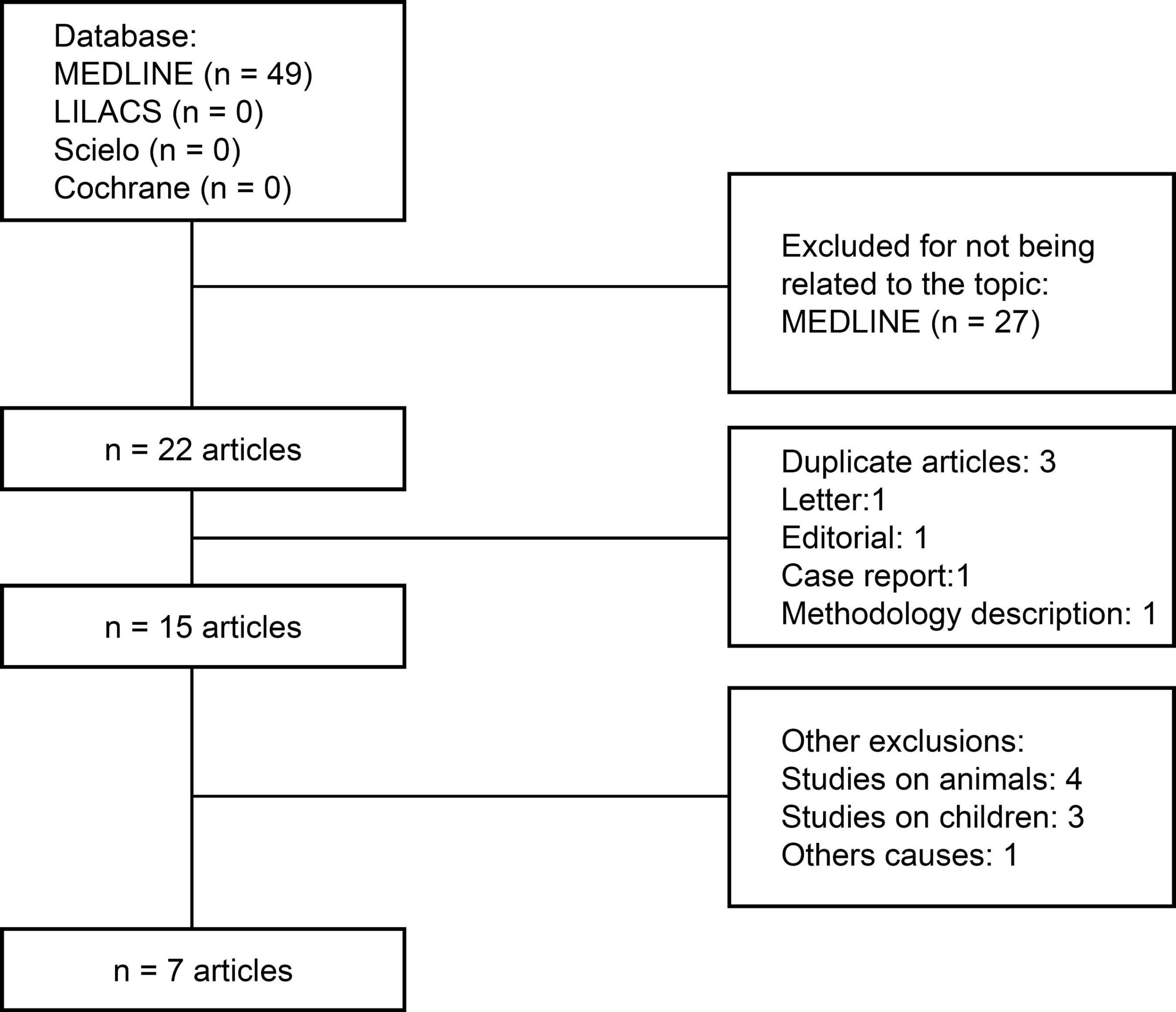
In this systematic review, case-controls, cohort studies, and randomized clinical trials were searched in MEDLINE, LILACS and Cochrane Database of Systematic Review, to evaluate the use of elastography in the detection of hepatic congestion in patients with HF.

Methods:

From the 49 articles retrieved, seven were selected for review, according to the inclusion and exclusion criteria. The most used methods for the diagnosis and evaluation of HF were echocardiography combined with BNP and NT-proBNP measurements.

Results:

Elastography performed at bedside was able to establish a significant correlation between increased liver stiffness and increased venous capillary pressure. In addition, liver elastography performed at hospital discharge was able to predict rehospitalization and mortality.

Conclusion:

Liver elastography is a non-invasive method that can be useful in predicting prognosis and mortality of individuals with HF, contributing to the clinical management of these patients.

  • Echocardiography/methods
  • Elastography
  • Heart Failure / mortality
  • Heart Failure/physiopathology
  • Hepatic Congestion
  • Hospitalizartion
  • Humans
  • Ultrassonography/ methods
Read Full Article
Creative Commons Attribution (CC BY) Creative Commons license
03/02/2020 DOI: 10.36660/ijcs.20190005 Views 1
IJCS
Original Article

Impact of Coronary Artery Bypass Grafting on Muscle Mass Reduction on the 7th Postoperative Day

Bárbara de Oliveira Costa et al. Gabrielle Maciel Ana Beatriz Huguenin Geisiane da Silva … Sheila Moreira da Silva Guimarães Wanise Maria de Souza Cruz Alexandre Siciliano Colanfranceschi Gilson Teles Boaventura

Abstract

Background:

Ischemic heart failure is a chronic and degenerative disease with high morbidity and mortality in the world. Coronary artery bypass grafting is indicated as elective treatment and may cause a catabolic state that depletes energy reserves. Data on body composition evaluation in the postoperative period of major cardiac surgery are limited.

Objective:

To evaluate the influence of elective coronary artery bypass grafting on body composition on the seventh postoperative day of patients with ischemic heart failure.

Methods:

A cross-sectional study was carried out in which eighteen volunteers with New York Heart Association Class II and III heart failure underwent coronary artery bypass grafting. The energy and protein reserves of the participants were evaluated by anthropometry in the preoperative and on the seventh postoperative day. Paired t-Test or Mann-Whitney test was used if applicable. A significance level was considered at p value < 0.05.

Results:

A significant loss of muscle mass was observed through the reduction of arm muscle circumference after surgery (4.2%, p 0.007). Major surgery causes hypermetabolic state and systemic inflammatory stimulus, due to the release of hormones and cytokines that may justify the observed loss of muscle mass.

Conclusion:

Coronary artery bypass grafting had an impact on muscle mass reduction seven days after surgery in patients with ischemic heart failure.

  • Body Composition
  • Coronary,Artery Bypass Grafting
  • Heart Failure / mortality
  • Heart Failure/physiopathology
  • Postoperative Period
Read Full Article
Creative Commons Attribution (CC BY) Creative Commons license
01/04/2019 DOI: 10.5935/2359-4802.20190018
ABC
Editorial

Infections in Heart Failure – Impact on Mortality

Evandro Tinoco Mesquita

Infections represent an important emerging clinical problem that cause decompensation of heart failure (HF), and in many cases, life-threatening acute systemic disorder (sepsis) and septic shock. Cardiovascular system plays an important role in the development of multiorgan dysfunction in sepsis and refractory septic shock. Although intra-hospital death for sepsis decreased from 35% in 2000 to 18% in 2002, one third of patients die within one year after a septic event. Cardiovascular dysfunction significantly increases mortality rates in sepsis as compared with sepsis without cardiac dysfunction. Infection, per se, precipitates the occurrence of cardiac decompensation and is a direct marker of mortality in HF patients.

The study by Cardoso et al. report a high hospital infection rate (45.8%) and relevant mortality (21,5%) among patients with decompensated HF. Interestingly, during the first year after hospital discharge, mortality rate was lower in patients with infection as compared with those without infection (11.5%vs. 22.2%; p = 0.04).

[…]

  • Heart Failure / mortality
  • Hospitalization
  • Infection Control
  • Infections
  • Sepsis
  • Shock,Septic
Read Full Article
Creative Commons Attribution (CC BY) Creative Commons license
01/04/2018 DOI: 10.5935/abc.20180067 Views 1
Figure 1
ABC
Original Article

Predictors of Total Mortality and Echocardiographic Response for Cardiac Resynchronization Therapy: A Cohort Study

Guilherme Ferreira Gazzoni et al. Matheus Bom Fraga Andres Di Leoni Ferrari Pablo da Costa Soliz … Anibal Pires Borges Eduardo Bartholomay Carlos Antonio Abunader Kalil Vanessa Giaretta Luis Eduardo Paim Rohde

Abstract

Background:

Clinical studies demonstrate that up to 40% of patients do not respond to cardiac resynchronization therapy (CRT), thus, appropriate patient selection is critical to the success of CRT in heart failure.

Objective:

Evaluation of mortality predictors and response to CRT in the Brazilian scenario.

Methods:

Retrospective cohort study including patients submitted to CRT in a tertiary hospital in southern Brazil from 2008 to 2014. Survival was assessed through a database of the State Department of Health (RS). Predictors of echocardiographic response were evaluated using Poisson regression. Survival analysis was performed by Cox regression and Kaplan Meyer curves. A two-tailed p value less than 0.05 was considered statistically significant.

Results:

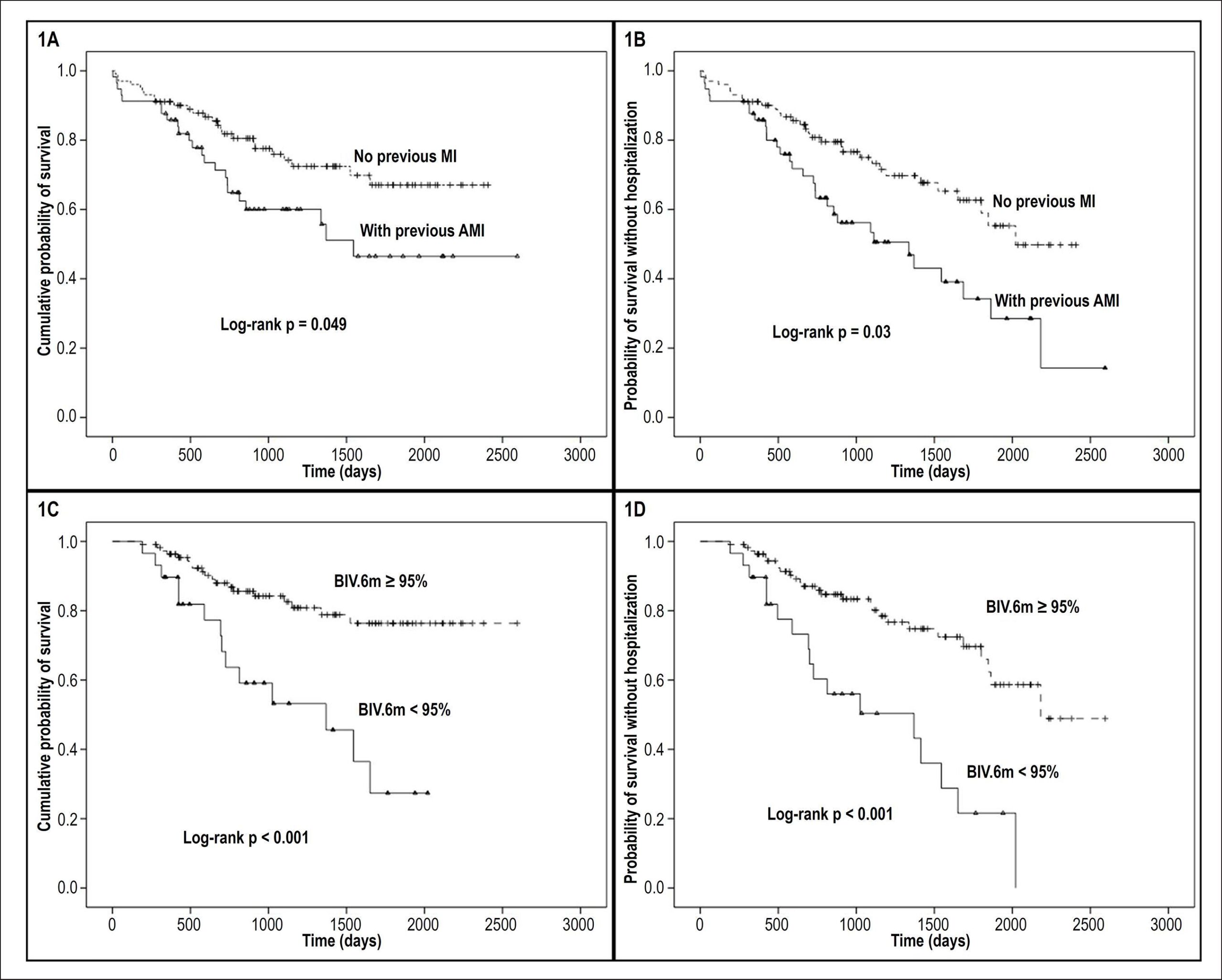
A total of 170 patients with an average follow-up of 1011 ± 632 days were included. The total mortality was 30%. The independent predictors of mortality were age (hazard ratio [HR] of 1.05, p = 0.027), previous acute myocardial infarction (AMI) (HR of 2.17, p = 0.049) and chronic obstructive pulmonary disease (COPD) (HR of 3.13, p = 0.015). The percentage of biventricular stimulation at 6 months was identified as protective factor of mortality ([HR] 0.97, p = 0.048). The independent predictors associated with the echocardiographic response were absence of mitral insufficiency, presence of left bundle branch block and percentage of biventricular stimulation.

Conclusion:

Mortality in patients submitted to CRT in a tertiary hospital was independently associated with age, presence of COPD and previous AMI. The percentage of biventricular pacing evaluated 6 months after resynchronizer implantation was independently associated with improved survival and echocardiographic response.

  • Bundle Branch Block
  • Cardiac Resynchronization Therapy
  • Cohort Studies
  • Heart Failure / mortality
  • Stroke Volume
Read Full Article
Creative Commons Attribution (CC BY) Creative Commons license
27/11/2017 DOI: 10.5935/abc.20170171 Views 2
Figure 1
IJCS
Original Article

NT-ProBNP at Admission Versus NT-ProBNP at Discharge as a Prognostic Predictor in Acute Decompensated Heart Failure

Janine Magalhães et al. Fábio Soares Márcia Noya Gabriel Neimann … Lucas Andrade Luiz Correia

Abstract

Background:

Patients admitted for decompensated heart failure (HF) receive intensive diuretic and vasodilator therapy in the first days. Normally, this is a successful approach that leads to HF compensation and hospital discharge. However, recurrences within the first week of discharge are common.

Objective:

to evaluate whether the main predictor of recurrent outcomes in patients with HF is the severity of decompensation at admission or patient’s blood volume after clinical management.

Methods:

Prospective, cohort study of patients admitted between January 2013 and October 2014, with diagnosis of acute decompensated HF, who were followed-up for 60 days after discharge. Inclusion criterion was increased plasma NT-proBNP (> 450 pg/mL for patients younger than 50 years or > 900 pg/mL for patients older than 50 years). Primary outcome was the combination of cardiovascular death with rehospitalization for decompensated HF in 60 days.

Results:

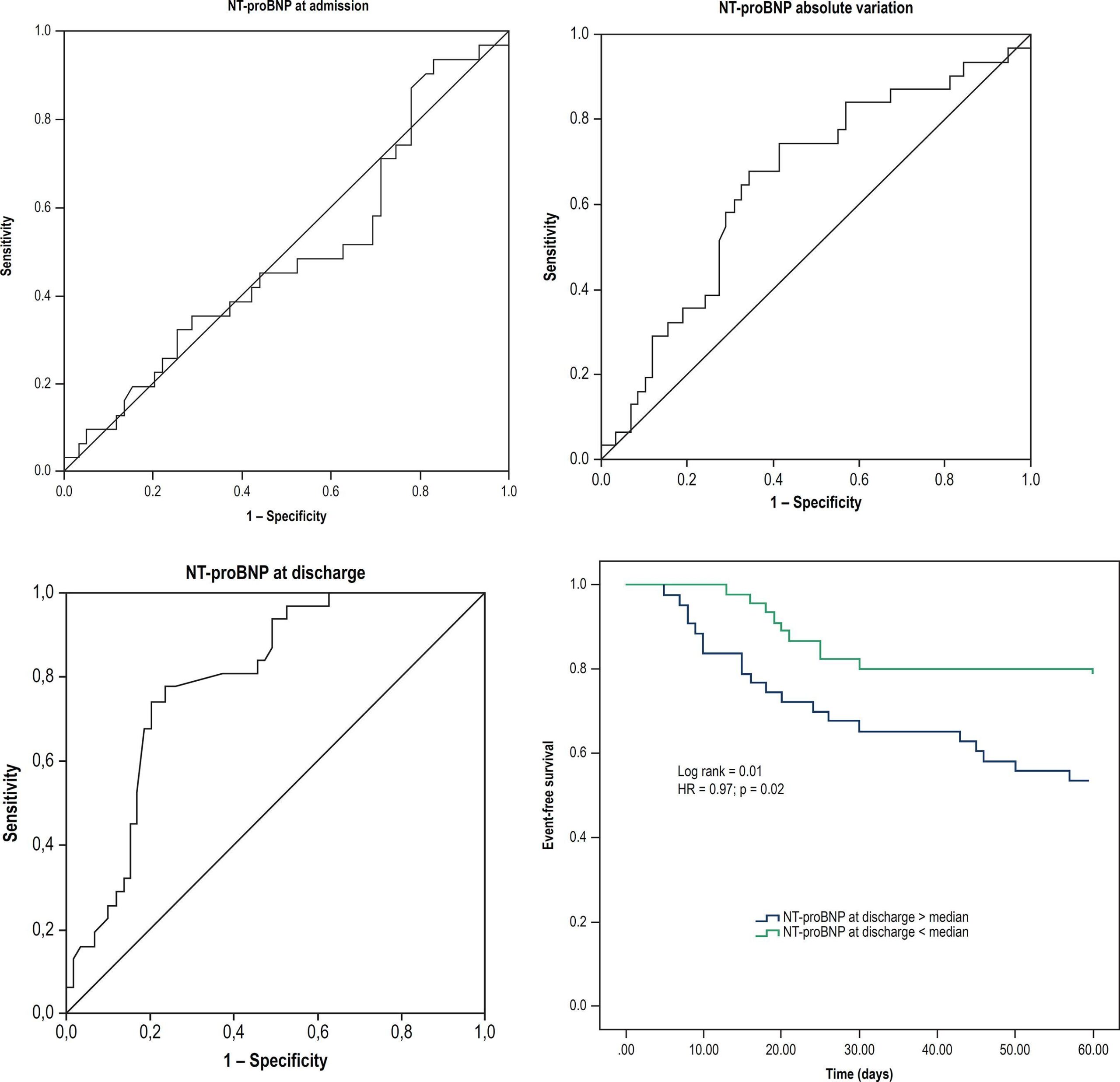
Ninety patients were studied, with median NT-proBNP at admission of 3,947pg/mL (IQR: 2,370 – 7,000 pg/mL), and median NT-proBNP at discharge of 1,946pg/mL (IQR: 1,000 – 3,781 pg/mL). The incidence of combined outcome was 30% (12.2% of deaths and 20% of rehospitalization). The area under the ROC curve for NT-proBNP at admission and 60-day cardiovascular events was 0.49 (p = 0.89; 95% CI = 0.36 – 0.62). The area under the curve of NT-proBNP absolute variation for 60 day-events was 0.65 (p = 0.04; 95%CI = 0.51 – 0.79), and the area under the curve for NT-BNP at discharge was 0.69 (p = 0.03; 95%CI = 0.58 – 0.80). In the multivariate analysis, pre-discharge NT-proBNP was a predictor of the primary outcome, independently of the NT-proBNP at admission and other risk factors.

Conclusion:

Different from the severity of decompensation at hospitalization, blood volume after compensation of HF is associated with recurrent event. This finding suggests that, regardless of initial severity, therapy response during hospitalization is determinant of the risk of recurrent decompensation.

  • Heart Failure / mortality
  • Heart Failure /therapy
  • Hospitalization
  • Natriuretic Peptide
  • Ventricular Dysfunction
Read Full Article
Creative Commons Attribution (CC BY) Creative Commons license
25/09/2017 DOI: 10.5935/2359-4802.20170082 Views 1
Figure 1
ABC
Original Article

Prognostic Factors in Severe Chagasic Heart Failure

Sandra de Araújo Costa et al. Salvador Rassi Elis Marra da Madeira Freitas Natália da Silva Gutierrez … Fabiana Miranda Boaventura Larissa Pereira da Costa Sampaio João Bastista Masson Silva

Abstract

Background:

Prognostic factors are extensively studied in heart failure; however, their role in severe Chagasic heart failure have not been established.

Objectives:

To identify the association of clinical and laboratory factors with the prognosis of severe Chagasic heart failure, as well as the association of these factors with mortality and survival in a 7.5-year follow-up.

Methods:

60 patients with severe Chagasic heart failure were evaluated regarding the following variables: age, blood pressure, ejection fraction, serum sodium, creatinine, 6-minute walk test, non-sustained ventricular tachycardia, QRS width, indexed left atrial volume, and functional class.

Results:

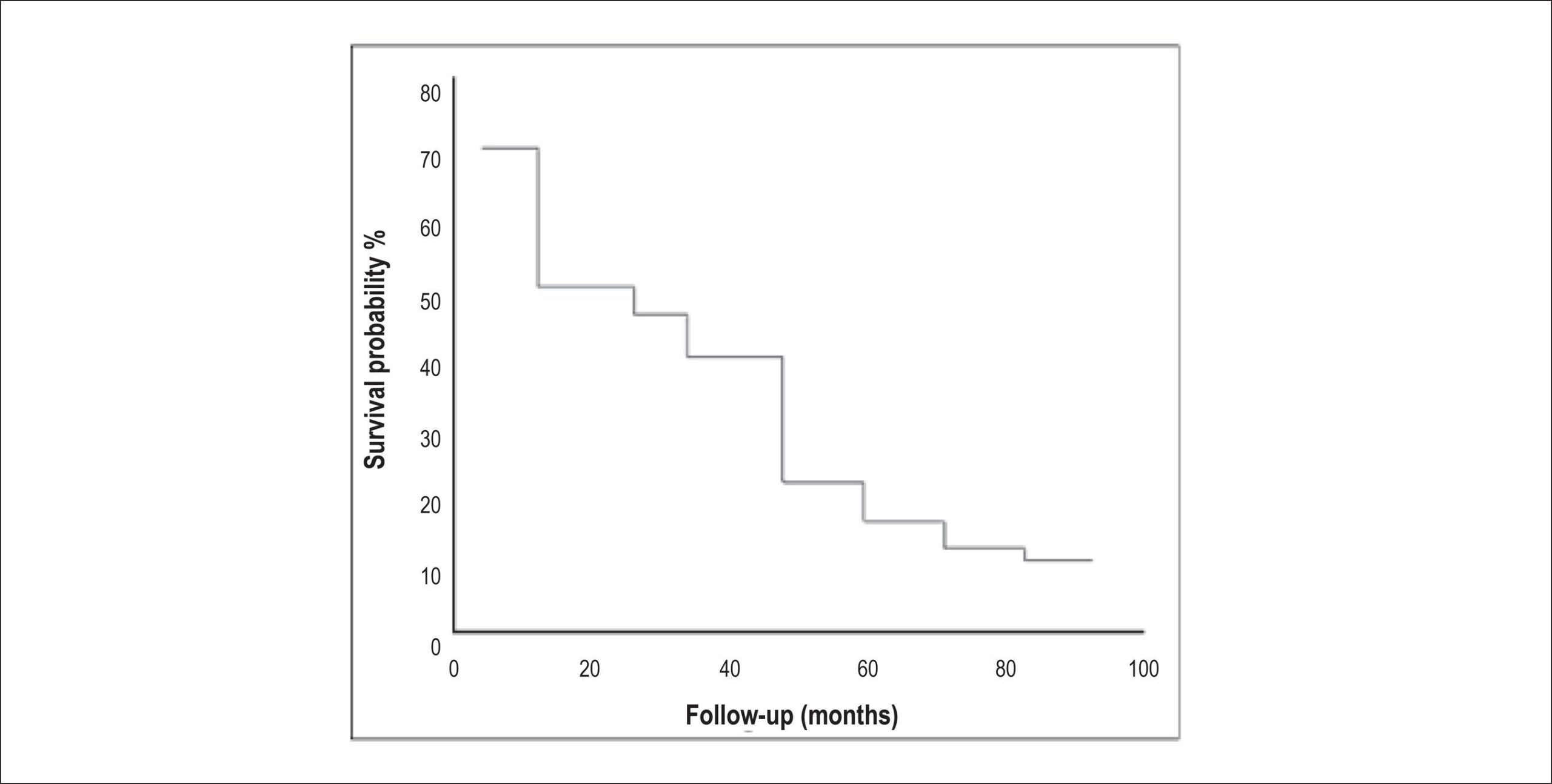
53 (88.3%) patients died during follow-up, and 7 (11.7%) remained alive. Cumulative overall survival probability was approximately 11%. Non-sustained ventricular tachycardia (HR = 2.11; 95% CI: 1.04 – 4.31; p<0.05) and indexed left atrial volume ≥ 72 mL/m2 (HR = 3.51; 95% CI: 1.63 – 7.52; p<0.05) were the only variables that remained as independent predictors of mortality.

Conclusions:

The presence of non-sustained ventricular tachycardia on Holter and indexed left atrial volume > 72 mL/m2 are independent predictors of mortality in severe Chagasic heart failure, with cumulative survival probability of only 11% in 7.5 years.

  • Chagas Cardiomyopathy
  • Chagas disease
  • Heart Failure / mortality
  • Prognosis
Read Full Article
Creative Commons Attribution (CC BY) Creative Commons license
01/03/2017 DOI: 10.5935/abc.20170027
Figure 1
IJCS
Review Article

Understanding Hospitalization in Patients with Heart Failure

Evandro Tinoco Mesquita et al. Antonio José Lagoeiro Jorge Luciana Morais Rabelo Celso Vale Souza Jr

Abstract

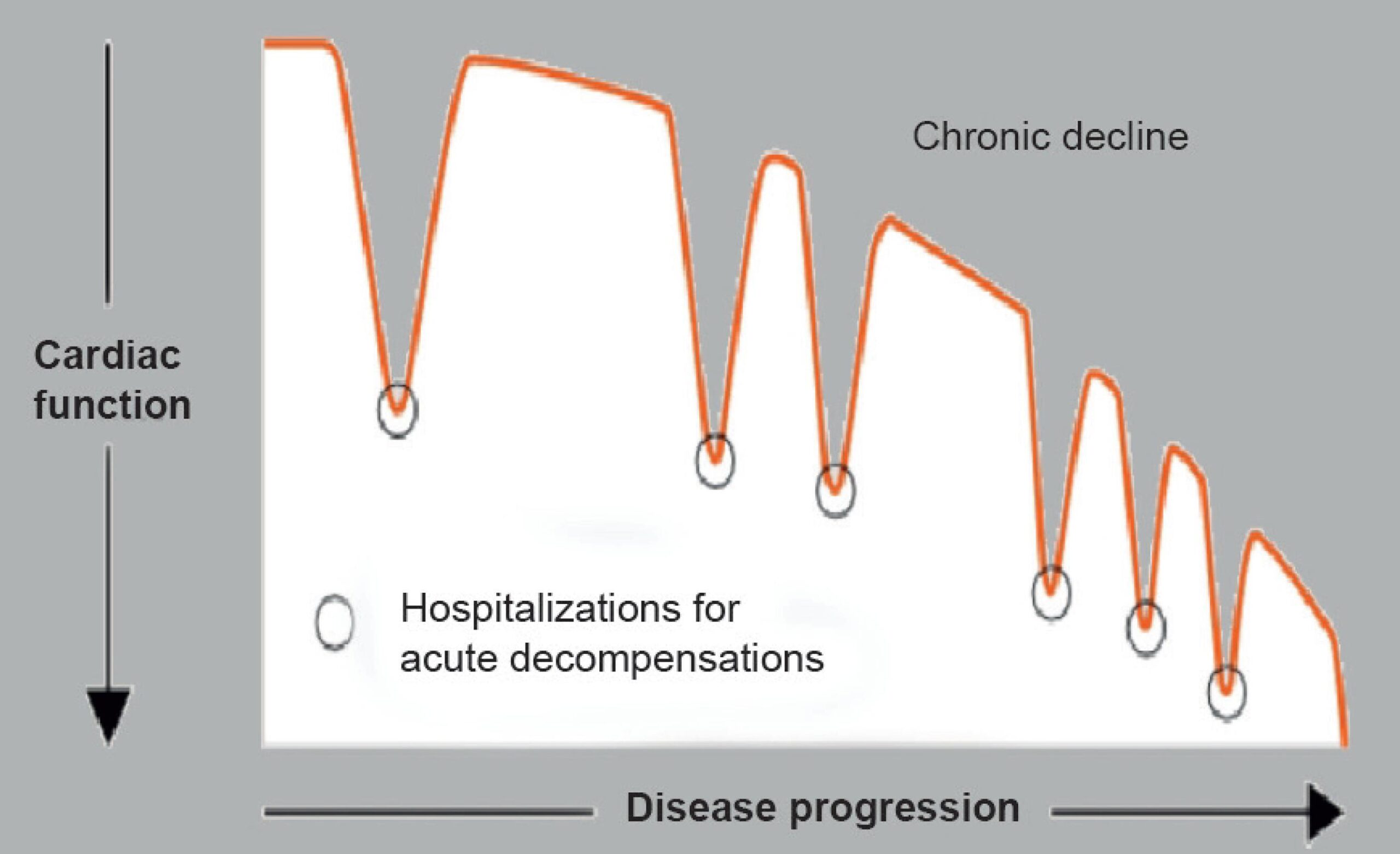
Heart failure is one of the most important and challenging public health problems of the 21st century and is associated with hard outcomes, such as death and hospitalization. New treatments for heart failure, despite the decrease in mortality, have not contributed to the decrease in hospitalization rates. Patients admitted with heart failure have a high event rate (> 50%) with a mortality rate between 10 and 15% and a rehospitalization rate within 6 months after discharge of 30 to 40%. Three major causes seem to directly affect the rehospitalization of patients with heart failure: comorbidities, congestion and target-organ lesion. The transition from inpatient to outpatient is a period of vulnerability, due to the progressive nature complexity of heart failure, with an impact on prognosis and which can extend for up to 6 months after hospital discharge. The physician has an important role in the actions that can minimize the risk of hospitalization for heart failure and the multidisciplinary approach, associated with the implementation of good practices supported by scientific evidence, can reduce the risk of hospitalization. The use of routines that have been proven to reduce hospitalization should be used in Brazilian hospitals. The objective of this review was to discuss the main causes of hospitalization, their impact on heart failure evolution and strategies that can be used to reduce it.

  • Comorbidity
  • Heart Failure / mortality
  • Hospitalization / trends
  • medication adherence
  • Prognosis
Read Full Article
Creative Commons Attribution (CC BY) Creative Commons license
01/01/2017 DOI: 10.5935/2359-4802.20160060 Views 2
Figure 1
IJCS
Original Article

Profile of Patients Hospitalized for Heart Failure in Tertiary Care Hospital

Milton Ricardo Poffo et al. Amberson Vieira de Assis Maíra Fracasso Ozir Miguel Londero Filho … Sulyane Matos de Menezes Alves Ana Paula Bald Camila Bussolo Schmitt Nilton Rogério Alves Filho

Abstract

Background:

Heart failure is a highly prevalent disease, responsible for many admissions and high mortality rates in our country. The treatment influences patient’s mortality and quality of life.

Objective:

To identify and compare the clinical and epidemiological survivor’s and non-survivor’s profiles and treatment of patients hospitalized with heart failure with the international literature.

Methods:

Cross-sectional, retrospective study of 816 survivors and non-survivors with heart failure. All patients had their clinical and epidemiological, laboratory and echocardiographic data and treatment recorded.

Results:

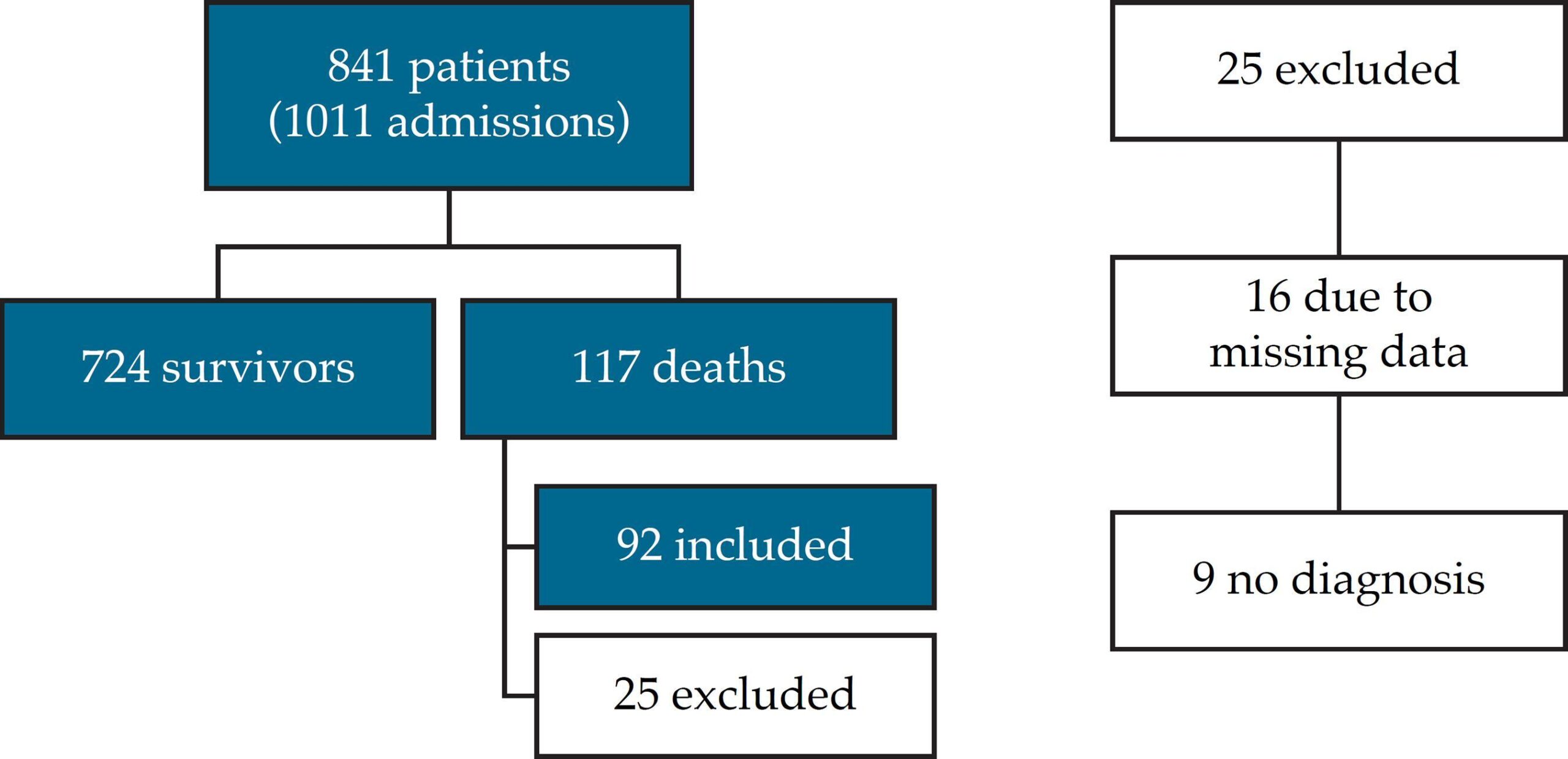
Most patients were in functional class III/IV. Mean age was 66.5 ± 13.8 years. Half of the patients were men and 88.3% were Caucasians. In-hospital mortality was 11,2%. Highly mortality was associated with old age, Caucasian ethnicity, high functional class, readmissions, prolonged hospitalization, presence of coronary artery disease, chronic atrial fibrillation, severe mitral regurgitation, restrictive diastolic dysfunction, renal dysfunction, and elevated natriuretic peptide levels, as well as with patients who had pulmonary embolism, acute coronary syndrome, pulmonary infection or required dialysis during hospitalization. The use of angiotensin-converting enzyme inhibitors or angiotensin-receptor blockers at admission was significantly higher among survivors.

Conclusion:

In-hospital mortality was high when compared to international averages, but it was similar to other Brazilian referral services. Numerous higher severity indicators were observed in the non-survivor group.

  • Heart Failure / mortality
  • Hospitalization
  • Prevalence
  • Restrospective Studies
Read Full Article
Creative Commons Attribution (CC BY) Creative Commons license
01/01/2017 DOI: 10.5935/2359-4802.20170044 Views 1
Figure 1
ABC
Original Article

Proportional Mortality due to Heart Failure and Ischemic Heart Diseases in the Brazilian Regions from 2004 to 2011

Eduardo Nagib Gaui et al. Carlos Henrique Klein Glaucia Maria Moraes de Oliveira

Abstract

Background:

Heart failure (HF) and ischemic heart diseases (IHD) are important causes of death in Brazil.

Objective:

To assess proportional mortality (PM) due to HF and IHD as underlying causes stratified by sex and age groups in the Brazilian geoeconomic regions from 2004 to 2011.

Methods:

Data from death certificates were obtained in the DATASUS site under the following International Statistical Classification of Diseases and Related Health Problems codes, 10th Revision: 1) from chapter IX: I20 to I24 for acute IHD, I25 for chronic IHD, and I50 for HF; and 2) from chapter XVIII, for ill-defined causes (IDC).

Results:

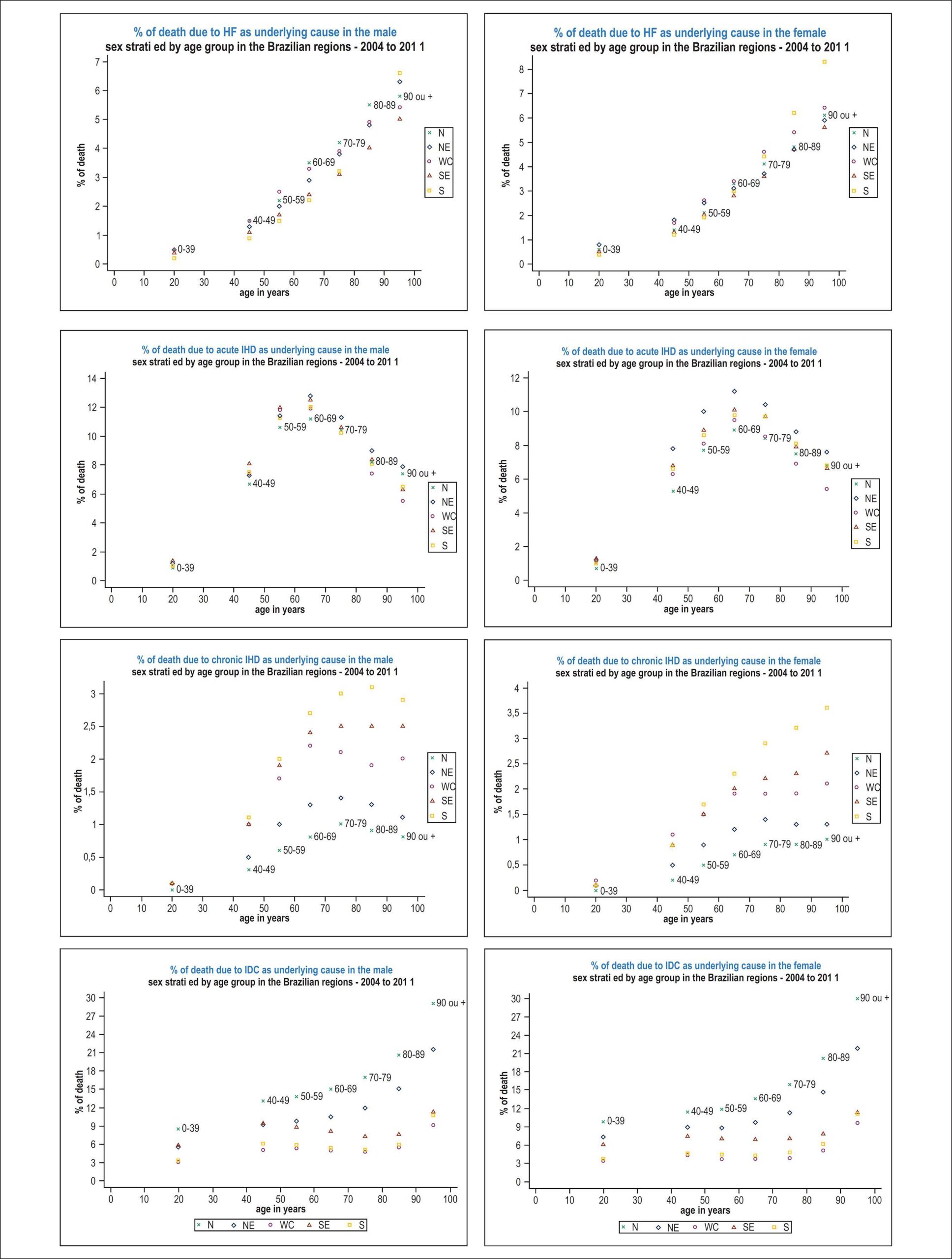
Proportional mortality due to HF increased with age in both sexes and all regions, the highest percentages being found among elderly women. Among men, the highest percentages were observed in the West-Central region up to the ninth decade, but, among the eldest individuals, the highest percentages were identified in the Southern region. Among women, the regions did not differ up to the age group of 70-79 years, although the West-Central region took the lead from 50 to 79 years; however, from the age of 80 years on, the Southern region showed the highest PM due to HF. Proportional mortality due to acute IHD in all Brazilian regions and in both sexes increased up to the age group of 60-69 years, from which it decreased. Among men, the Southeastern region had the highest percentages in the age group of 50-59 years, while women had lower PM due to acute IHD than men in all regions. In both sexes, PM due to chronic IHD increased with age in the Southern and Southeastern regions, which did not happen in the others, while the Southern region had the highest rate of all regions for all age groups.

Conclusions:

Regional differences were more prominent at more advanced ages, especially when deaths due to IDC were excluded.

  • Brazil
  • Death Certificates
  • Epidemiology
  • Heart Failure / mortality
  • Myocardial Ischemia/mortaity
Read Full Article
Creative Commons Attribution (CC BY) Creative Commons license
11/08/2016 DOI: 10.5935/abc.20160119
Figure 1
ABC
Original Article

Fractal Dimension in Quantifying Experimental-Pulmonary-Hypertension-Induced Cardiac Dysfunction in Rats

Francis Lopes Pacagnelli et al. Ana Karênina Dias de Almeida Sabela Thaoan Bruno Mariano Guilherme Akio Tamura Ozaki … Robson Chacon Castoldi Edna Maria do Carmo Robson Francisco Carvalho Loreta Casquel Tomasi Katashi Okoshi Luiz Carlos Marques Vanderlei

Abstract

Background:

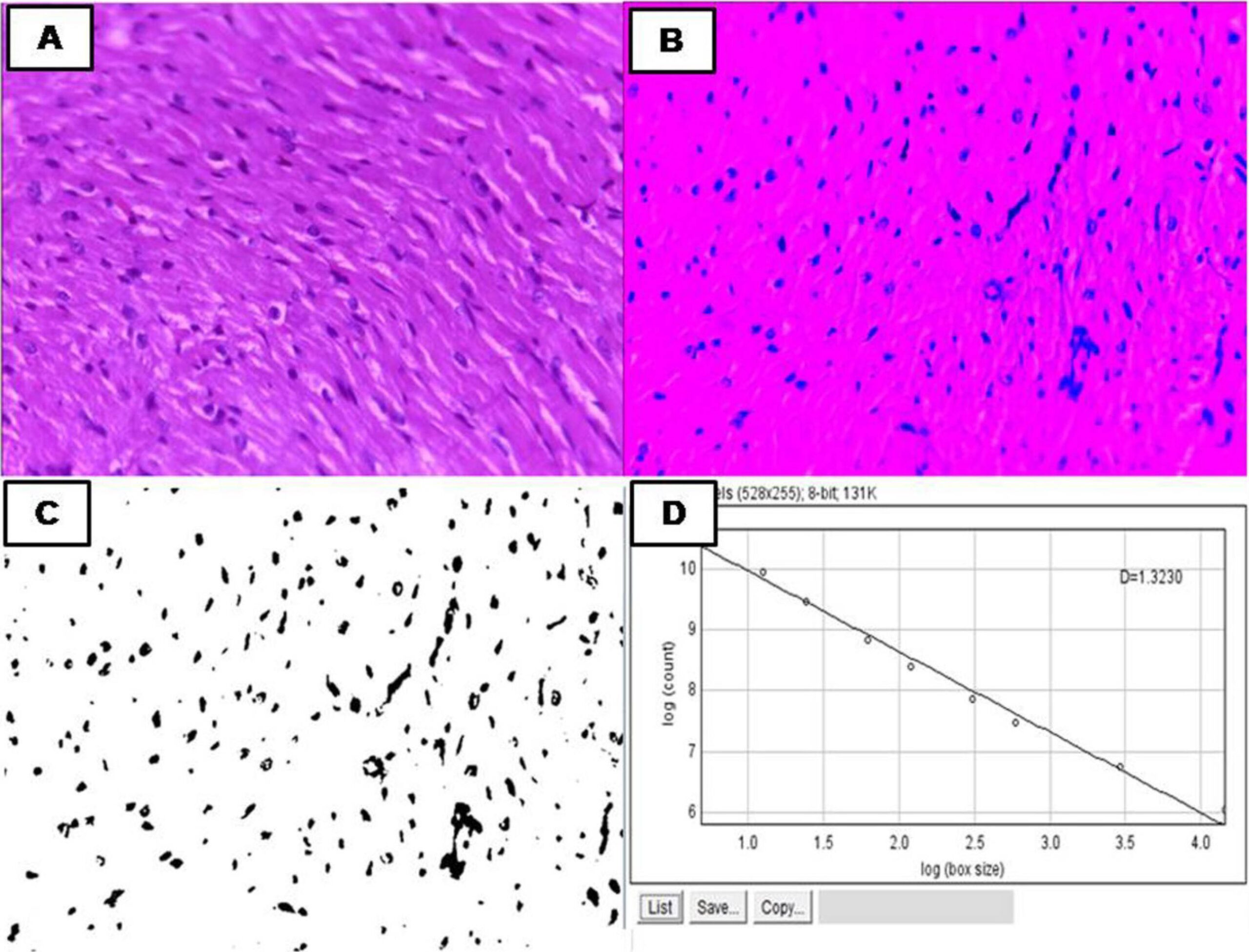
Right-sided heart failure has high morbidity and mortality, and may be caused by pulmonary arterial hypertension. Fractal dimension is a differentiated and innovative method used in histological evaluations that allows the characterization of irregular and complex structures and the quantification of structural tissue changes.

Objective:

To assess the use of fractal dimension in cardiomyocytes of rats with monocrotaline-induced pulmonary arterial hypertension, in addition to providing histological and functional analysis.

Methods:

Male Wistar rats were divided into 2 groups: control (C; n = 8) and monocrotaline-induced pulmonary arterial hypertension (M; n = 8). Five weeks after pulmonary arterial hypertension induction with monocrotaline, echocardiography was performed and the animals were euthanized. The heart was dissected, the ventricles weighed to assess anatomical parameters, and histological slides were prepared and stained with hematoxylin/eosin for fractal dimension analysis, performed using box-counting method. Data normality was tested (Shapiro-Wilk test), and the groups were compared with non-paired Student t test or Mann Whitney test (p < 0.05).

Results:

Higher fractal dimension values were observed in group M as compared to group C (1.39 ± 0.05 vs. 1.37 ± 0.04; p < 0.05). Echocardiography showed lower pulmonary artery flow velocity, pulmonary acceleration time and ejection time values in group M, suggesting function worsening in those animals.

Conclusion:

The changes observed confirm pulmonary-arterial-hypertension-induced cardiac dysfunction, and point to fractal dimension as an effective method to evaluate cardiac morphological changes induced by ventricular dysfunction.

  • Cardiomegaly
  • Echocardiography/methods
  • Heart Failure / mortality
  • Hypertension Pulmonary
  • Monocrotaline
  • Rats
Read Full Article
Creative Commons Attribution (CC BY) Creative Commons license
24/05/2016 DOI: 10.5935/abc.20160083
Figure 1
ABC
Original Article

Echocardiographic Predictors of Worse Outcome After Cardiac Resynchronization Therapy

Eduardo Arrais Rocha et al. Francisca Tatiana Moreira Pereira José Sebastião Abreu José Wellington O. Lima … Marcelo de Paula M. Monteiro Almino Cavalcante Rocha Neto Ana Rosa Pinto Quidute Camilla Viana A. Goés Carlos Roberto Martins Rodrigues Sobrinho Maurício Ibrahim Scanavacca

Abstract

Background:

Cardiac resynchronization therapy (CRT) is the recommended treatment by leading global guidelines. However, 30%-40% of selected patients are non-responders.

Objective:

To develop an echocardiographic model to predict cardiac death or transplantation (Tx) 1 year after CRT.

Method:

Observational, prospective study, with the inclusion of 116 patients, aged 64.89 ± 11.18 years, 69.8% male, 68,1% in NYHA FC III and 31,9% in FC IV, 71.55% with left bundle-branch block, and median ejection fraction (EF) of 29%. Evaluations were made in the pre‑implantation period and 6-12 months after that, and correlated with cardiac mortality/Tx at the end of follow-up. Cox and logistic regression analyses were performed with ROC and Kaplan-Meier curves. The model was internally validated by bootstrapping.

Results:

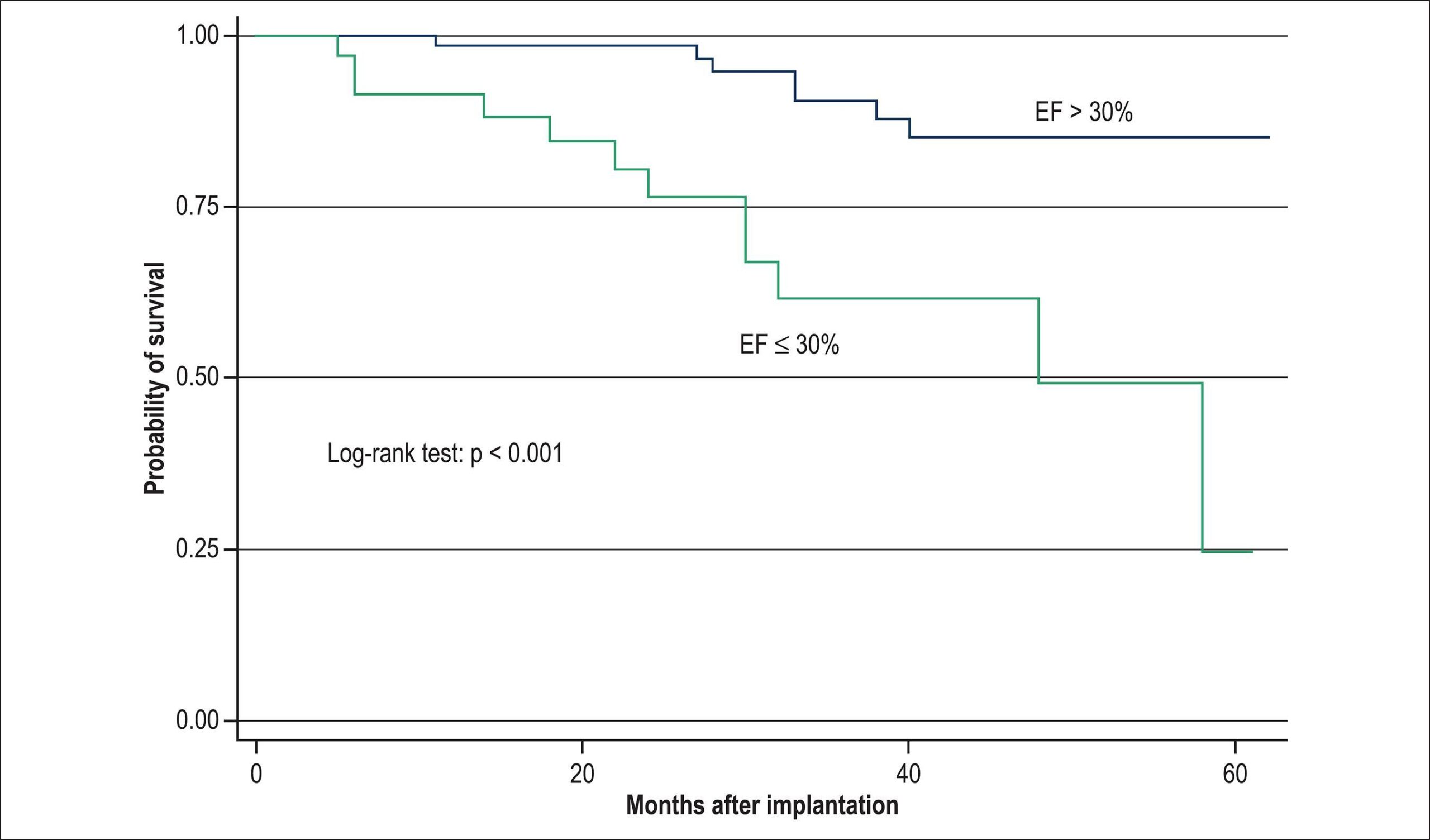
There were 29 (25%) deaths/Tx during follow-up of 34.09 ± 17.9 months. Cardiac mortality/Tx was 16.3%. In the multivariate Cox model, EF < 30%, grade III/IV diastolic dysfunction and grade III mitral regurgitation at 6‑12 months were independently related to increased cardiac mortality or Tx, with hazard ratios of 3.1, 4.63 and 7.11, respectively. The area under the ROC curve was 0.78.

Conclusion:

EF lower than 30%, severe diastolic dysfunction and severe mitral regurgitation indicate poor prognosis 1 year after CRT. The combination of two of those variables indicate the need for other treatment options.

  • Cardiac Resynchronization Therapy
  • Echocardiography
  • Heart Failure / mortality
  • Pacemaker, Artificial
  • Risk Factors
Read Full Article
Creative Commons Attribution (CC BY) Creative Commons license
04/09/2015 DOI: 10.5935/abc.20150108 Views 1
Figure 1
ABC
Special Article

Executive Summary – Guideline on Telecardiology in the Care of Patients with Acute Coronary Syndrome and Other Cardiac Diseases

Mucio Tavares de Oliveira Jr. et al. Leonardo Jorge Cordeiro de Paula Milena Soriano Marcolino Manoel Fernandes Canesin

Basic concepts

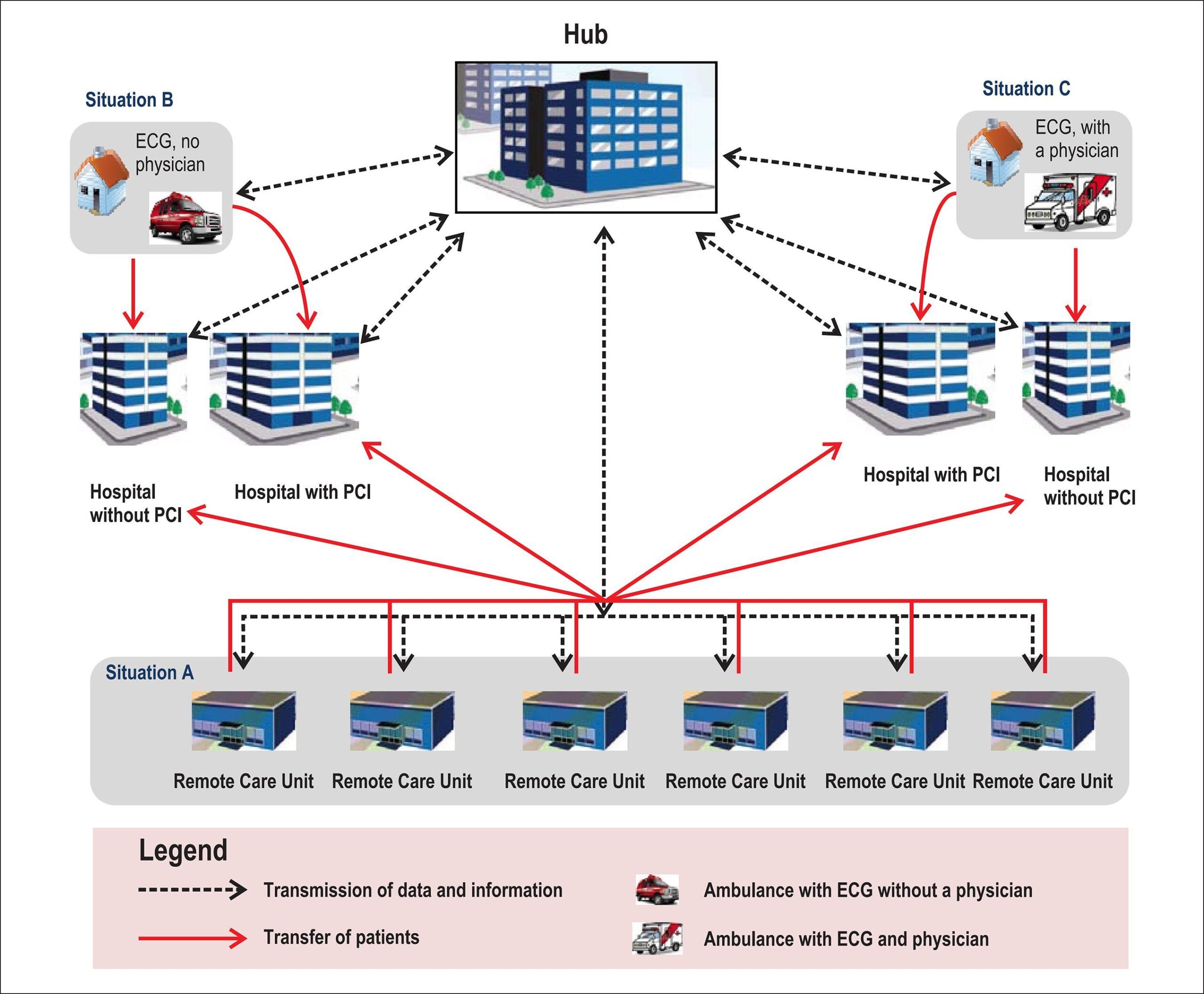
In a health system geographically distributed like the Brazilian system, in which Basic Health Units (Unidades Básicas de Saúde, UBSs), Emergency Care Units (Unidades de Pronto Atendimento, UPAs), secondary hospitals, and ambulances are scattered throughout the country (often in remote locations), and specialized centers are located in advanced care units in large cities (such as tertiary hospitals), telemedicine offers the opportunity to improve the treatment of emergencies. The clinical ability of specialists in tertiary hospitals may be used to improve the care in Remote Care Units (Unidades Remotas de Atendimento, URAs), offering support for early diagnosis and therapy guidance for non‑specialist medical practitioners providing medical care to patients in URAs,.

Communication channels in telemedicine include telephone lines for voice communication and connection to the internet, and for transmission of test results, ECG tracings, and images. Optionally, a video link may be used for visualization of the patient.

[…]

  • Electrocardiography
  • Heart Failure / mortality
  • Mobile Health Units
  • Myocardial Infarction/mortality
  • Telemedicine / utilization
Read Full Article
Creative Commons Attribution (CC BY) Creative Commons license
01/08/2015 DOI: 10.5935/abc.20150104 Views 2
Figure 1
ABC
Original Article

Testosterone Deficiency Increases Hospital Readmission and Mortality Rates in Male Patients with Heart Failure

Marcelo Rodrigues dos Santos et al. Ana Luiza Carrari Sayegh Raphaela Vilar Ramalho Groehs Guilherme Fonseca … Ivani Credidio Trombetta Antônio Carlos Pereira Barretto Marco Antônio Arap Carlos Eduardo Negrão Holly R. Middlekauff Maria-Janieire de Nazaré Nunes Alves

Background:

Testosterone deficiency in patients with heart failure (HF) is associated with decreased exercise capacity and mortality; however, its impact on hospital readmission rate is uncertain. Furthermore, the relationship between testosterone deficiency and sympathetic activation is unknown.

Objective:

We investigated the role of testosterone level on hospital readmission and mortality rates as well as sympathetic nerve activity in patients with HF.

Methods:

Total testosterone (TT) and free testosterone (FT) were measured in 110 hospitalized male patients with a left ventricular ejection fraction < 45% and New York Heart Association classification IV. The patients were placed into low testosterone (LT; n = 66) and normal testosterone (NT; n = 44) groups. Hypogonadism was defined as TT < 300 ng/dL and FT < 131 pmol/L. Muscle sympathetic nerve activity (MSNA) was recorded by microneurography in a subpopulation of 27 patients.

Results:

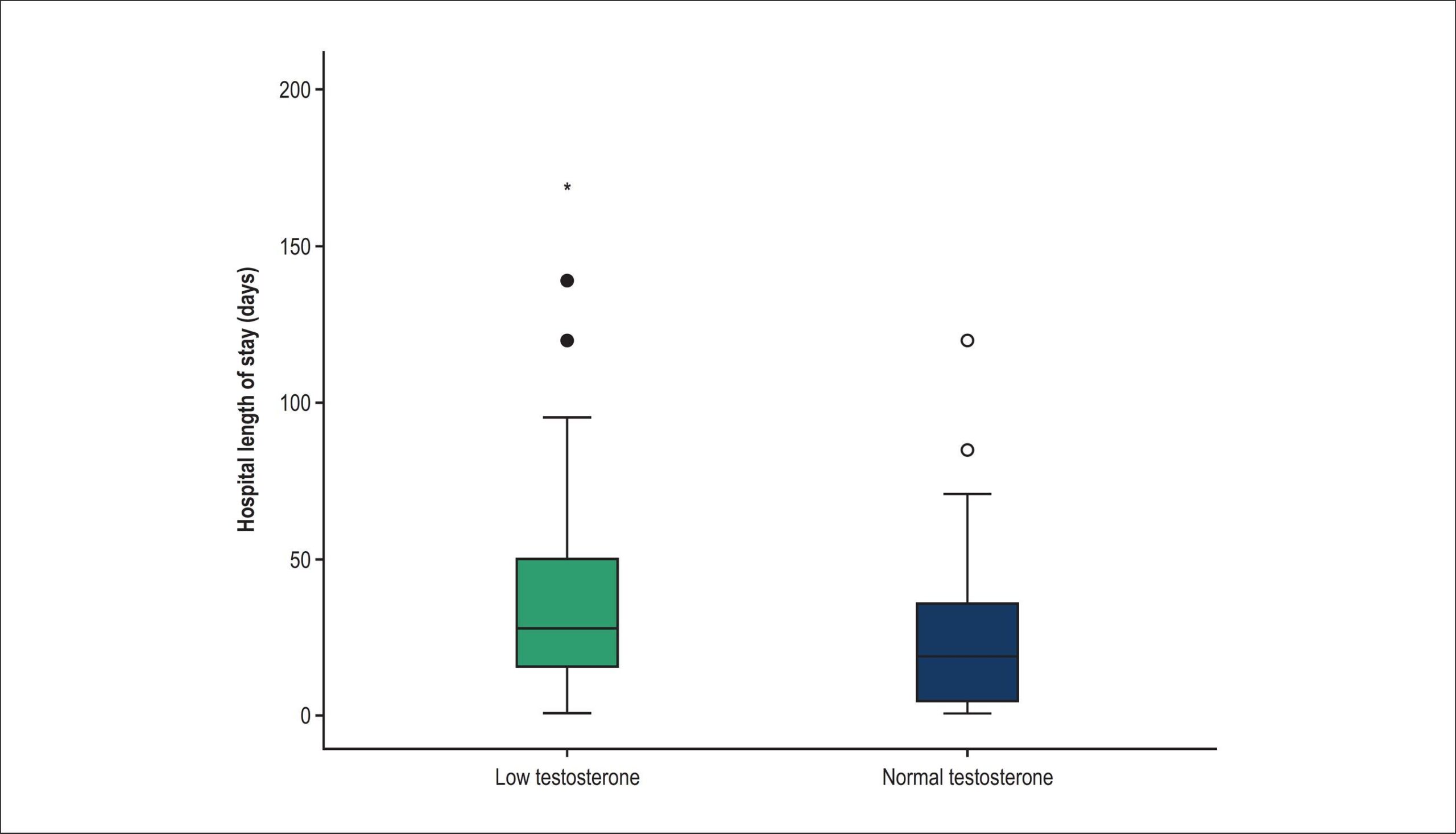
Length of hospital stay was longer in the LT group compared to in the NT group (37 ± 4 vs. 25 ± 4 days; p = 0.008). Similarly, the cumulative hazard of readmission within 1 year was greater in the LT group compared to in the NT group (44% vs. 22%, p = 0.001). In the single-predictor analysis, TT (hazard ratio [HR], 2.77; 95% confidence interval [CI], 1.58–4.85; p = 0.02) predicted hospital readmission within 90 days. In addition, TT (HR, 4.65; 95% CI, 2.67–8.10; p = 0.009) and readmission within 90 days (HR, 3.27; 95% CI, 1.23–8.69; p = 0.02) predicted increased mortality. Neurohumoral activation, as estimated by MSNA, was significantly higher in the LT group compared to in the NT group (65 ± 3 vs. 51 ± 4 bursts/100 heart beats; p < 0.001).

Conclusion:

These results support the concept that LT is an independent risk factor for hospital readmission within 90 days and increased mortality in patients with HF. Furthermore, increased MSNA was observed in patients with LT.

  • Heart Failure / mortality
  • Men
  • Patient Readmission
  • Testosterone / deficiency
Read Full Article
Creative Commons Attribution (CC BY) Creative Commons license
21/07/2015 DOI: 10.5935/abc.20150078 Views 1
Figure 1
ABC
Original Article

I Brazilian Registry of Heart Failure – Clinical Aspects, Care Quality and Hospitalization Outcomes

Denilson Campos de Albuquerque et al. João David de Souza Neto Fernando Bacal Luiz Eduardo Paim Rohde … Sabrina Bernardez-Pereira Otavio Berwanger Dirceu Rodrigues Almeida Investigadores Estudo BREATHE

Background:

Heart failure (HF) is one of the leading causes of hospitalization in adults in Brazil. However, most of the available data is limited to unicenter registries. The BREATHE registry is the first to include a large sample of hospitalized patients with decompensated HF from different regions in Brazil.

Objective:

Describe the clinical characteristics, treatment and prognosis of hospitalized patients admitted with acute HF.

Methods:

Observational registry study with longitudinal follow-up. The eligibility criteria included patients older than 18 years with a definitive diagnosis of HF, admitted to public or private hospitals. Assessed outcomes included the causes of decompensation, use of medications, care quality indicators, hemodynamic profile and intrahospital events.

Results:

A total of 1,263 patients (64±16 years, 60% women) were included from 51 centers from different regions in Brazil. The most common comorbidities were hypertension (70.8%), dyslipidemia (36.7%) and diabetes (34%). Around 40% of the patients had normal left ventricular systolic function and most were admitted with a wet-warm clinical-hemodynamic profile. Vasodilators and intravenous inotropes were used in less than 15% of the studied cohort. Care quality indicators based on hospital discharge recommendations were reached in less than 65% of the patients. Intrahospital mortality affected 12.6% of all patients included.

Conclusion:

The BREATHE study demonstrated the high intrahospital mortality of patients admitted with acute HF in Brazil, in addition to the low rate of prescription of drugs based on evidence.

  • Epidemiology
  • Heart Failure / mortality
  • Hospitalization
  • Inappropriate Prescribing
Read Full Article
Creative Commons Attribution (CC BY) Creative Commons license
03/04/2015 DOI: 10.5935/abc.20150031 Views 2
ABC
Editorial

Percutaneous Treatment of Functional Mitral Regurgitation in Heart Failure

Guilherme F. Attizzani et al. Pedro A. Lemos

Congestive heart failure (HF) remains one of the most important and challenging clinical problems in cardiovascular medicine in Brazil and worldwide. Evidence suggests that mortality in this setting has decreased in Brazil over recent years, which may be related, at least partially, to a more intense and widespread use of neurohormonal blockade (with angiotensin-converting-enzyme inhibitors and beta-blockers) in patients with advanced HF. To better evaluate the characteristics of end-stage heart disease in Brazil, the ongoing I Brazilian Registry of Heart Failure (BREATHE registry) will evaluate the profile of 1,200 patients admitted with decompensated HF to 60 hospitals representative of the different Brazilian regions. Final results of the BREATHE registry are expected to be available within the next months. In spite of recent improvements in medical therapy, advanced HF continues to impose an ominous prognosis; in some subsets, mortality rates can reach up to 30% to 50% in the first year of disease, according to contemporary series of Brazilian centers. In this context, therapeutic alternatives have been intensively investigated in an attempt to improve the outcomes of patients with HF.

Mitral regurgitation (MR) is a frequent finding among individuals with end-stage HF,. Indeed, observational studies revealed that most patients with HF and severe (≥ 3+) MR have functional (74%), rather than degenerative (21%), MR. While surgery is the gold-standard therapy in patients with organic (i.e., degenerative) mitral valve disease associated with symptoms or evidence of left ventricle dysfunction, its benefit to patients with MR secondary to underlying ventricular dysfunction (i.e., functional MR) remains unclear. Therefore, individuals with functional MR are frequently referred to isolated clinical management, carrying poor long-term prognosis.

[…]

  • Cardiac Catheterization/instrumentation
  • Heart Failure / mortality
  • Mitral Valve Insufficiency / physiopathology
  • Ventricular Remodeling
Read Full Article
Creative Commons Attribution (CC BY) Creative Commons license
01/09/2014 DOI: 10.5935/abc.20140143 Views 1

Could not load more articles. Please try again.

How to cite this article

EndNote RIS

Electronic Document Format (Vancouver)

Morales GAA, Alpaca-Salvador H, Salazar-Ramírez R. A Simple Clinical Risk Score to Predict Post-Discharge Mortality in Chinese Patients Hospitalized with Heart Failure. Arquivos Brasileiros de Cardiologia 2023;120(2):e20220250.

Electronic Document Format (ABNT)

Morales, Guillermo Alberto Arana; Alpaca-Salvador, Hugo; Salazar-Ramírez, Ricardo. A Simple Clinical Risk Score to Predict Post-Discharge Mortality in Chinese Patients Hospitalized with Heart Failure. Arquivos Brasileiros de Cardiologia, v. 120, n. 2, e20220250, Feb. 2023.

Electronic Document Format (APA)

Morales, G. A. A., Alpaca-Salvador, H., & Salazar-Ramírez, R. (2023). A Simple Clinical Risk Score to Predict Post-Discharge Mortality in Chinese Patients Hospitalized with Heart Failure. Arquivos Brasileiros de Cardiologia, 120(2), e20220250.

Electronic Document Format (ISO)

Morales, Guillermo Alberto Arana and Alpaca-Salvador, Hugo and Salazar-Ramírez, Ricardo. A Simple Clinical Risk Score to Predict Post-Discharge Mortality in Chinese Patients Hospitalized with Heart Failure. Arquivos Brasileiros de Cardiologia [online]. 2023, vol. 120, n. 2, [cited 2026-10-14], e20220250. Available from: <https://journals.cardiol.br/en/article/a-simple-clinical-risk-score-to-predict-post-discharge-mortality-in-chinese-patients-hospitalized-with-heart-failure-2/>. ISSN 0066-782X

EndNote RIS

Electronic Document Format (Vancouver)

Yoo HHB. Thrombolysis in Pulmonary Embolism: Octagenarians Deserve More Attention!. Arquivos Brasileiros de Cardiologia 2022;118(1):75-6.

Electronic Document Format (ABNT)

Yoo, Hugo Hyung Bok. Thrombolysis in Pulmonary Embolism: Octagenarians Deserve More Attention!. Arquivos Brasileiros de Cardiologia, v. 118, n. 1, p. 75-76, Feb. 2022.

Electronic Document Format (APA)

Yoo, H. H. B. (2022). Thrombolysis in Pulmonary Embolism: Octagenarians Deserve More Attention!. Arquivos Brasileiros de Cardiologia, 118(1), 75-76.

Electronic Document Format (ISO)

Yoo, Hugo Hyung Bok. Thrombolysis in Pulmonary Embolism: Octagenarians Deserve More Attention!. Arquivos Brasileiros de Cardiologia [online]. 2022, vol. 118, n. 1, [cited 2026-10-14], pp. 75-76. Available from: <https://journals.cardiol.br/en/article/thrombolysis-in-pulmonary-embolism-octagenarians-deserve-more-attention/>. ISSN 0066-782X

EndNote RIS

Electronic Document Format (Vancouver)

Jorge AJL, Barbetta LMS, Correia ETO, Martins WA, Leite AR, Saad MAN, Santos MMS, et al. Characteristics and Temporal Trends in the Mortality of Different Heart Failure Phenotypes in Primary Care. Arquivos Brasileiros de Cardiologia 2021;117(2):300-6.

Electronic Document Format (ABNT)

Jorge, Antonio José Lagoeiro; Barbetta, Leticia Mara dos Santos; Correia, Eduardo Thadeu de Oliveira; Martins, Wolney de Andrade; Leite, Adson Renato; Saad, Maria Auxiliadora Nogueira; Santos, Márcia Maria Sales dos; Correia, Dayse Mary; Rosa, Maria Luiza Garcia; Chermont, Sérgio; Santos, Cárita Cunha dos; Mesquita, Evandro Tinoco. Characteristics and Temporal Trends in the Mortality of Different Heart Failure Phenotypes in Primary Care. Arquivos Brasileiros de Cardiologia, v. 117, n. 2, p. 300-306, Sep. 2021.

Electronic Document Format (APA)

Jorge, A. J. L., Barbetta, L. M. S., Correia, E. T. O., Martins, W. A., Leite, A. R., Saad, M. A. N., Santos, M. M. S. , Correia, D. M., Rosa, M. L. G., Chermont, S., Santos, C. C. , & Mesquita, E. T. (2021). Characteristics and Temporal Trends in the Mortality of Different Heart Failure Phenotypes in Primary Care. Arquivos Brasileiros de Cardiologia, 117(2), 300-306.

Electronic Document Format (ISO)

Jorge, Antonio José Lagoeiro and Barbetta, Leticia Mara dos Santos and Correia, Eduardo Thadeu de Oliveira and Martins, Wolney de Andrade and Leite, Adson Renato and Saad, Maria Auxiliadora Nogueira and Santos, Márcia Maria Sales dos and Correia, Dayse Mary and Rosa, Maria Luiza Garcia and Chermont, Sérgio and Santos, Cárita Cunha dos and Mesquita, Evandro Tinoco. Characteristics and Temporal Trends in the Mortality of Different Heart Failure Phenotypes in Primary Care. Arquivos Brasileiros de Cardiologia [online]. 2021, vol. 117, n. 2, [cited 2026-10-14], pp. 300-306. Available from: <https://journals.cardiol.br/en/article/characteristics-and-temporal-trends-in-the-mortality-of-different-heart-failure-phenotypes-in-primary-care/>. ISSN 0066-782X

EndNote RIS

Electronic Document Format (Vancouver)

Han M, Zhao W, Xu X, Wang X, Li K, Dang C, Zhang J, et al. Increased, Decreased, or Stable Left Ventricle Ejection Fraction over Time in a Series of 626 Heart Failure Patients Receiving Medical Treatment. Arquivos Brasileiros de Cardiologia 2021;117(4):639-47.

Electronic Document Format (ABNT)

Han, Meng-Meng; Zhao, Wen-Shu; Xu, Xiao-Rong; Wang, Xin; Li, Kui-Bao; Dang, Cai-Jing; Zhang, Juan; Liu, Jia-Mei; Chen, Mu-Lei; Yang, Xin-Chun; Xu, Lin; Wang, Hua. Increased, Decreased, or Stable Left Ventricle Ejection Fraction over Time in a Series of 626 Heart Failure Patients Receiving Medical Treatment. Arquivos Brasileiros de Cardiologia, v. 117, n. 4, p. 639-647, Jul. 2021.

Electronic Document Format (APA)

Han, M., Zhao, W., Xu, X., Wang, X., Li, K., Dang, C., Zhang, J., Liu, J., Chen, M., Yang, X., Xu, L., & Wang, H. (2021). Increased, Decreased, or Stable Left Ventricle Ejection Fraction over Time in a Series of 626 Heart Failure Patients Receiving Medical Treatment. Arquivos Brasileiros de Cardiologia, 117(4), 639-647.

Electronic Document Format (ISO)

Han, Meng-Meng and Zhao, Wen-Shu and Xu, Xiao-Rong and Wang, Xin and Li, Kui-Bao and Dang, Cai-Jing and Zhang, Juan and Liu, Jia-Mei and Chen, Mu-Lei and Yang, Xin-Chun and Xu, Lin and Wang, Hua. Increased, Decreased, or Stable Left Ventricle Ejection Fraction over Time in a Series of 626 Heart Failure Patients Receiving Medical Treatment. Arquivos Brasileiros de Cardiologia [online]. 2021, vol. 117, n. 4, [cited 2026-10-14], pp. 639-647. Available from: <https://journals.cardiol.br/en/article/increased-decreased-or-stable-left-ventricle-ejection-fraction-over-time-in-a-series-of-626-heart-failure-patients-receiving-medical-treatment/>. ISSN 0066-782X

EndNote RIS

Electronic Document Format (Vancouver)

Martinez PF, Okoshi MP, Okoshi K, Oliveira-Junior SA. Heart Failure Mid-Range Ejection Fraction. Arquivos Brasileiros de Cardiologia 2021;116(1):24-5.

Electronic Document Format (ABNT)

Martinez, Paula Felippe; Okoshi, Marina Politi; Okoshi, Katashi; Oliveira-Junior, Silvio Assis de. Heart Failure Mid-Range Ejection Fraction. Arquivos Brasileiros de Cardiologia, v. 116, n. 1, p. 24-25, Feb. 2021.

Electronic Document Format (APA)

Martinez, P. F., Okoshi, M. P., Okoshi, K., & Oliveira-Junior, S. A. (2021). Heart Failure Mid-Range Ejection Fraction. Arquivos Brasileiros de Cardiologia, 116(1), 24-25.

Electronic Document Format (ISO)

Martinez, Paula Felippe and Okoshi, Marina Politi and Okoshi, Katashi and Oliveira-Junior, Silvio Assis de. Heart Failure Mid-Range Ejection Fraction. Arquivos Brasileiros de Cardiologia [online]. 2021, vol. 116, n. 1, [cited 2026-10-14], pp. 24-25. Available from: <https://journals.cardiol.br/en/article/heart-failure-mid-range-ejection-fraction/>. ISSN 0066-782X

EndNote RIS

Electronic Document Format (Vancouver)

Pereira-Barretto AC. Short Editorial: Ser49Gly Beta1-adrenergic Receptor Genetic Polymorphism as a Death Predictor in Brazilian Patients with Heart Failure. Arquivos Brasileiros de Cardiologia 2020;114(4):625-6.

Electronic Document Format (ABNT)

Pereira-Barretto, Antonio Carlos. Short Editorial: Ser49Gly Beta1-adrenergic Receptor Genetic Polymorphism as a Death Predictor in Brazilian Patients with Heart Failure. Arquivos Brasileiros de Cardiologia, v. 114, n. 4, p. 625-626, May. 2020.

Electronic Document Format (APA)

Pereira-Barretto, A. C. (2020). Short Editorial: Ser49Gly Beta1-adrenergic Receptor Genetic Polymorphism as a Death Predictor in Brazilian Patients with Heart Failure. Arquivos Brasileiros de Cardiologia, 114(4), 625-626.

Electronic Document Format (ISO)

Pereira-Barretto, Antonio Carlos. Short Editorial: Ser49Gly Beta1-adrenergic Receptor Genetic Polymorphism as a Death Predictor in Brazilian Patients with Heart Failure. Arquivos Brasileiros de Cardiologia [online]. 2020, vol. 114, n. 4, [cited 2026-10-14], pp. 625-626. Available from: <https://journals.cardiol.br/en/article/short-editorial-ser49gly-beta1-adrenergic-receptor-genetic-polymorphism-as-a-death-predictor-in-brazilian-patients-with-heart-failure/>. ISSN 0066-782X

EndNote RIS

Electronic Document Format (Vancouver)

Albuquerque FN, Brandão AA, Silva DA, Rocha RM, Bittencourt MI, Sales ALF, Spineti PPM, et al. Ser49Gly Beta1-Adrenergic Receptor Genetic Polymorphism as a Death Predictor in Brazilian Patients with Heart Failure. Arquivos Brasileiros de Cardiologia 2020;114(4):616-24.

Electronic Document Format (ABNT)

Albuquerque, Felipe Neves de; Brandão, Andrea Araujo; Silva, Dayse Aparecida; Rocha, Ricardo Mourilhe; Bittencourt, Marcelo Imbroinise; Sales, Ana Luiza Ferreira; Spineti, Pedro Pimenta de Mello; Duque, Gustavo Salgado; Azevedo, Lucas Rangel de Souza; Pozzan, Roberto; Tura, Bernardo Rangel; Albuquerque, Denilson Campos de. Ser49Gly Beta1-Adrenergic Receptor Genetic Polymorphism as a Death Predictor in Brazilian Patients with Heart Failure. Arquivos Brasileiros de Cardiologia, v. 114, n. 4, p. 616-624, May. 2020.

Electronic Document Format (APA)

Albuquerque, F. N. , Brandão, A. A., Silva, D. A., Rocha, R. M., Bittencourt, M. I., Sales, A. L. F., Spineti, P. P. M., Duque, G. S., Azevedo, L. R. S., Pozzan, R., Tura, B. R., & Albuquerque, D. C. (2020). Ser49Gly Beta1-Adrenergic Receptor Genetic Polymorphism as a Death Predictor in Brazilian Patients with Heart Failure. Arquivos Brasileiros de Cardiologia, 114(4), 616-624.

Electronic Document Format (ISO)

Albuquerque, Felipe Neves de and Brandão, Andrea Araujo and Silva, Dayse Aparecida and Rocha, Ricardo Mourilhe and Bittencourt, Marcelo Imbroinise and Sales, Ana Luiza Ferreira and Spineti, Pedro Pimenta de Mello and Duque, Gustavo Salgado and Azevedo, Lucas Rangel de Souza and Pozzan, Roberto and Tura, Bernardo Rangel and Albuquerque, Denilson Campos de. Ser49Gly Beta1-Adrenergic Receptor Genetic Polymorphism as a Death Predictor in Brazilian Patients with Heart Failure. Arquivos Brasileiros de Cardiologia [online]. 2020, vol. 114, n. 4, [cited 2026-10-14], pp. 616-624. Available from: <https://journals.cardiol.br/en/article/ser49gly-beta1-adrenergic-receptor-genetic-polymorphism-as-a-death-predictor-in-brazilian-patients-with-heart-failure/>. ISSN 0066-782X

EndNote RIS

Electronic Document Format (Vancouver)

Timóteo AT. Heart Failure Trends in Paraíba: Earlier Diagnosis or Better Treatment? – That is One of the Questions. Arquivos Brasileiros de Cardiologia 2020;114(2):232-3.

Electronic Document Format (ABNT)

Timóteo, Ana Teresa. Heart Failure Trends in Paraíba: Earlier Diagnosis or Better Treatment? – That is One of the Questions. Arquivos Brasileiros de Cardiologia, v. 114, n. 2, p. 232-233, Mar. 2020.

Electronic Document Format (APA)

Timóteo, A. T. (2020). Heart Failure Trends in Paraíba: Earlier Diagnosis or Better Treatment? – That is One of the Questions. Arquivos Brasileiros de Cardiologia, 114(2), 232-233.

Electronic Document Format (ISO)

Timóteo, Ana Teresa. Heart Failure Trends in Paraíba: Earlier Diagnosis or Better Treatment? – That is One of the Questions. Arquivos Brasileiros de Cardiologia [online]. 2020, vol. 114, n. 2, [cited 2026-10-14], pp. 232-233. Available from: <https://journals.cardiol.br/en/article/heart-failure-trends-in-paraiba-earlier-diagnosis-or-better-treatment-that-is-one-of-the-questions/>. ISSN 0066-782X

EndNote RIS

Electronic Document Format (Vancouver)

Fernandes ADF, Fernandes GC, Mazza MR, Knijnik LM, Fernandes GS, Vilela AT, Badiye A, et al. A 10-Year Trend Analysis of Heart Failure in the Less Developed Brazil. Arquivos Brasileiros de Cardiologia 2020;114(2):222-31.

Electronic Document Format (ABNT)

Fernandes, Amanda D. F.; Fernandes, Gilson C.; Mazza, Manuel Rivera; Knijnik, Leonardo M.; Fernandes, Gustavo Soares; Vilela, Andre Telis de; Badiye, Amit; Chaparro, Sandra V.. A 10-Year Trend Analysis of Heart Failure in the Less Developed Brazil. Arquivos Brasileiros de Cardiologia, v. 114, n. 2, p. 222-231, Mar. 2020.

Electronic Document Format (APA)

Fernandes, A. D. F., Fernandes, G. C., Mazza, M. R., Knijnik, L. M., Fernandes, G. S., Vilela, A. T. , Badiye, A., & Chaparro, S. V. (2020). A 10-Year Trend Analysis of Heart Failure in the Less Developed Brazil. Arquivos Brasileiros de Cardiologia, 114(2), 222-231.

Electronic Document Format (ISO)

Fernandes, Amanda D. F. and Fernandes, Gilson C. and Mazza, Manuel Rivera and Knijnik, Leonardo M. and Fernandes, Gustavo Soares and Vilela, Andre Telis de and Badiye, Amit and Chaparro, Sandra V.. A 10-Year Trend Analysis of Heart Failure in the Less Developed Brazil. Arquivos Brasileiros de Cardiologia [online]. 2020, vol. 114, n. 2, [cited 2026-10-14], pp. 222-231. Available from: <https://journals.cardiol.br/en/article/a-10-year-trend-analysis-of-heart-failure-in-the-less-developed-brazil/>. ISSN 0066-782X

EndNote RIS

Electronic Document Format (Vancouver)

Ávila DX, Matos PA, Quintino G, Martins WA, Machado D, Mesquita CT, Villacorta Junior H, et al. Diagnostic and Prognostic Role of Liver Elastography in Heart Failure. International Journal of Cardiovascular Sciences 2020;33(3):227-32.

Electronic Document Format (ABNT)

Ávila, Diane Xavier; Matos, Priscila Abreu; Quintino, Gabriel; Martins, Wolney de Andrade; Machado, Dalmo; Mesquita, Claudio Tinoco; Villacorta Junior, Humberto. Diagnostic and Prognostic Role of Liver Elastography in Heart Failure. International Journal of Cardiovascular Sciences, v. 33, n. 3, p. 227-232, Feb. 2020.

Electronic Document Format (APA)

Ávila, D. X., Matos, P. A., Quintino, G., Martins, W. A., Machado, D., Mesquita, C. T., & Villacorta Junior, H. (2020). Diagnostic and Prognostic Role of Liver Elastography in Heart Failure. International Journal of Cardiovascular Sciences, 33(3), 227-232.

Electronic Document Format (ISO)

Ávila, Diane Xavier and Matos, Priscila Abreu and Quintino, Gabriel and Martins, Wolney de Andrade and Machado, Dalmo and Mesquita, Claudio Tinoco and Villacorta Junior, Humberto. Diagnostic and Prognostic Role of Liver Elastography in Heart Failure. International Journal of Cardiovascular Sciences [online]. 2020, vol. 33, n. 3, [cited 2026-10-14], pp. 227-232. Available from: <https://journals.cardiol.br/en/article/diagnostic-and-prognostic-role-of-liver-elastography-in-heart-failure/>. ISSN 2359-4802

EndNote RIS

Electronic Document Format (Vancouver)

Costa BO, Maciel G, Huguenin AB, Silva G, Guimarães SMS, Cruz WMS, Colanfranceschi AS, et al. Impact of Coronary Artery Bypass Grafting on Muscle Mass Reduction on the 7th Postoperative Day. International Journal of Cardiovascular Sciences 2019;32(3):269-73.

Electronic Document Format (ABNT)

Costa, Bárbara de Oliveira; Maciel, Gabrielle; Huguenin, Ana Beatriz; Silva, Geisiane da; Guimarães, Sheila Moreira da Silva; Cruz, Wanise Maria de Souza; Colanfranceschi, Alexandre Siciliano; Boaventura, Gilson Teles. Impact of Coronary Artery Bypass Grafting on Muscle Mass Reduction on the 7th Postoperative Day. International Journal of Cardiovascular Sciences, v. 32, n. 3, p. 269-273, Mar. 2019.

Electronic Document Format (APA)

Costa, B. O., Maciel, G., Huguenin, A. B., Silva, G. , Guimarães, S. M. S., Cruz, W. M. S., Colanfranceschi, A. S., & Boaventura, G. T. (2019). Impact of Coronary Artery Bypass Grafting on Muscle Mass Reduction on the 7th Postoperative Day. International Journal of Cardiovascular Sciences, 32(3), 269-273.

Electronic Document Format (ISO)

Costa, Bárbara de Oliveira and Maciel, Gabrielle and Huguenin, Ana Beatriz and Silva, Geisiane da and Guimarães, Sheila Moreira da Silva and Cruz, Wanise Maria de Souza and Colanfranceschi, Alexandre Siciliano and Boaventura, Gilson Teles. Impact of Coronary Artery Bypass Grafting on Muscle Mass Reduction on the 7th Postoperative Day. International Journal of Cardiovascular Sciences [online]. 2019, vol. 32, n. 3, [cited 2026-10-14], pp. 269-273. Available from: <https://journals.cardiol.br/en/article/impact-of-coronary-artery-bypass-grafting-on-muscle-mass-reduction-on-the-7th-postoperative-day/>. ISSN 2359-4802

EndNote RIS

Electronic Document Format (Vancouver)

Mesquita ET. Infections in Heart Failure – Impact on Mortality. Arquivos Brasileiros de Cardiologia 2018;110(4):371-2.

Electronic Document Format (ABNT)

Mesquita, Evandro Tinoco. Infections in Heart Failure – Impact on Mortality. Arquivos Brasileiros de Cardiologia, v. 110, n. 4, p. 371-372, Mar. 2018.

Electronic Document Format (APA)

Mesquita, E. T. (2018). Infections in Heart Failure – Impact on Mortality. Arquivos Brasileiros de Cardiologia, 110(4), 371-372.

Electronic Document Format (ISO)

Mesquita, Evandro Tinoco. Infections in Heart Failure – Impact on Mortality. Arquivos Brasileiros de Cardiologia [online]. 2018, vol. 110, n. 4, [cited 2026-10-14], pp. 371-372. Available from: <https://journals.cardiol.br/en/article/infections-in-heart-failure-impact-on-mortality/>. ISSN 0066-782X

EndNote RIS

Electronic Document Format (Vancouver)

Gazzoni GF, Fraga MB, Ferrari ADL, Soliz PC, Borges AP, Bartholomay E, Kalil CAA, et al. Predictors of Total Mortality and Echocardiographic Response for Cardiac Resynchronization Therapy: A Cohort Study. Arquivos Brasileiros de Cardiologia 2017;109(6):569-78.

Electronic Document Format (ABNT)

Gazzoni, Guilherme Ferreira; Fraga, Matheus Bom; Ferrari, Andres Di Leoni; Soliz, Pablo da Costa; Borges, Anibal Pires; Bartholomay, Eduardo; Kalil, Carlos Antonio Abunader; Giaretta, Vanessa; Rohde, Luis Eduardo Paim. Predictors of Total Mortality and Echocardiographic Response for Cardiac Resynchronization Therapy: A Cohort Study. Arquivos Brasileiros de Cardiologia, v. 109, n. 6, p. 569-578, Nov. 2017.

Electronic Document Format (APA)

Gazzoni, G. F., Fraga, M. B., Ferrari, A. D. L., Soliz, P. C., Borges, A. P., Bartholomay, E., Kalil, C. A. A., Giaretta, V., & Rohde, L. E. P. (2017). Predictors of Total Mortality and Echocardiographic Response for Cardiac Resynchronization Therapy: A Cohort Study. Arquivos Brasileiros de Cardiologia, 109(6), 569-578.

Electronic Document Format (ISO)

Gazzoni, Guilherme Ferreira and Fraga, Matheus Bom and Ferrari, Andres Di Leoni and Soliz, Pablo da Costa and Borges, Anibal Pires and Bartholomay, Eduardo and Kalil, Carlos Antonio Abunader and Giaretta, Vanessa and Rohde, Luis Eduardo Paim. Predictors of Total Mortality and Echocardiographic Response for Cardiac Resynchronization Therapy: A Cohort Study. Arquivos Brasileiros de Cardiologia [online]. 2017, vol. 109, n. 6, [cited 2026-10-14], pp. 569-578. Available from: <https://journals.cardiol.br/en/article/predictors-of-total-mortality-and-echocardiographic-response-for-cardiac-resynchronization-therapy-a-cohort-study/>. ISSN 0066-782X

EndNote RIS

Electronic Document Format (Vancouver)

Magalhães J, Soares F, Noya M, Neimann G, Andrade L, Correia L. NT-ProBNP at Admission Versus NT-ProBNP at Discharge as a Prognostic Predictor in Acute Decompensated Heart Failure. International Journal of Cardiovascular Sciences 2017;30(6):469-75.

Electronic Document Format (ABNT)

Magalhães, Janine; Soares, Fábio; Noya, Márcia; Neimann, Gabriel; Andrade, Lucas; Correia, Luiz. NT-ProBNP at Admission Versus NT-ProBNP at Discharge as a Prognostic Predictor in Acute Decompensated Heart Failure. International Journal of Cardiovascular Sciences, v. 30, n. 6, p. 469-475, Sep. 2017.

Electronic Document Format (APA)

Magalhães, J., Soares, F., Noya, M., Neimann, G., Andrade, L., & Correia, L. (2017). NT-ProBNP at Admission Versus NT-ProBNP at Discharge as a Prognostic Predictor in Acute Decompensated Heart Failure. International Journal of Cardiovascular Sciences, 30(6), 469-475.

Electronic Document Format (ISO)

Magalhães, Janine and Soares, Fábio and Noya, Márcia and Neimann, Gabriel and Andrade, Lucas and Correia, Luiz. NT-ProBNP at Admission Versus NT-ProBNP at Discharge as a Prognostic Predictor in Acute Decompensated Heart Failure. International Journal of Cardiovascular Sciences [online]. 2017, vol. 30, n. 6, [cited 2026-10-14], pp. 469-475. Available from: <https://journals.cardiol.br/en/article/nt-probnp-at-admission-versus-nt-probnp-at-discharge-as-a-prognostic-predictor-in-acute-decompensated-heart-failure/>. ISSN 2359-4802

EndNote RIS

Electronic Document Format (Vancouver)

Costa SA, Rassi S, Freitas EMM, Gutierrez NS, Boaventura FM, Sampaio LPC, Silva JBM, et al. Prognostic Factors in Severe Chagasic Heart Failure. Arquivos Brasileiros de Cardiologia 2017;108(3):246-54.

Electronic Document Format (ABNT)

Costa, Sandra de Araújo; Rassi, Salvador; Freitas, Elis Marra da Madeira; Gutierrez, Natália da Silva; Boaventura, Fabiana Miranda; Sampaio, Larissa Pereira da Costa; Silva, João Bastista Masson. Prognostic Factors in Severe Chagasic Heart Failure. Arquivos Brasileiros de Cardiologia, v. 108, n. 3, p. 246-254, Feb. 2017.

Electronic Document Format (APA)

Costa, S. A., Rassi, S., Freitas, E. M. M., Gutierrez, N. S., Boaventura, F. M., Sampaio, L. P. C., & Silva, J. B. M. (2017). Prognostic Factors in Severe Chagasic Heart Failure. Arquivos Brasileiros de Cardiologia, 108(3), 246-254.

Electronic Document Format (ISO)

Costa, Sandra de Araújo and Rassi, Salvador and Freitas, Elis Marra da Madeira and Gutierrez, Natália da Silva and Boaventura, Fabiana Miranda and Sampaio, Larissa Pereira da Costa and Silva, João Bastista Masson. Prognostic Factors in Severe Chagasic Heart Failure. Arquivos Brasileiros de Cardiologia [online]. 2017, vol. 108, n. 3, [cited 2026-10-14], pp. 246-254. Available from: <https://journals.cardiol.br/en/article/prognostic-factors-in-severe-chagasic-heart-failure/>. ISSN 0066-782X

EndNote RIS

Electronic Document Format (Vancouver)

Mesquita ET, Jorge AJL, Rabelo LM, Souza Jr CV. Understanding Hospitalization in Patients with Heart Failure. International Journal of Cardiovascular Sciences 2017;30(1):81-90.

Electronic Document Format (ABNT)

Mesquita, Evandro Tinoco; Jorge, Antonio José Lagoeiro; Rabelo, Luciana Morais; Souza Jr, Celso Vale. Understanding Hospitalization in Patients with Heart Failure. International Journal of Cardiovascular Sciences, v. 30, n. 1, p. 81-90, Dec. 2016.

Electronic Document Format (APA)

Mesquita, E. T., Jorge, A. J. L., Rabelo, L. M., & Souza Jr, C. V. (2017). Understanding Hospitalization in Patients with Heart Failure. International Journal of Cardiovascular Sciences, 30(1), 81-90.

Electronic Document Format (ISO)

Mesquita, Evandro Tinoco and Jorge, Antonio José Lagoeiro and Rabelo, Luciana Morais and Souza Jr, Celso Vale. Understanding Hospitalization in Patients with Heart Failure. International Journal of Cardiovascular Sciences [online]. 2017, vol. 30, n. 1, [cited 2026-10-14], pp. 81-90. Available from: <https://journals.cardiol.br/en/article/understanding-hospitalization-in-patients-with-heart-failure/>. ISSN 2359-4802

EndNote RIS

Electronic Document Format (Vancouver)

Poffo MR, Assis AV, Fracasso M, Londero Filho OM, Alves SMM, Bald AP, Schmitt CB, et al. Profile of Patients Hospitalized for Heart Failure in Tertiary Care Hospital. International Journal of Cardiovascular Sciences 2017;30(3):189-98.

Electronic Document Format (ABNT)

Poffo, Milton Ricardo; Assis, Amberson Vieira de; Fracasso, Maíra; Londero Filho, Ozir Miguel; Alves, Sulyane Matos de Menezes; Bald, Ana Paula; Schmitt, Camila Bussolo; Alves Filho, Nilton Rogério. Profile of Patients Hospitalized for Heart Failure in Tertiary Care Hospital. International Journal of Cardiovascular Sciences, v. 30, n. 3, p. 189-198, Dec. 2016.

Electronic Document Format (APA)

Poffo, M. R., Assis, A. V. , Fracasso, M., Londero Filho, O. M., Alves, S. M. M., Bald, A. P., Schmitt, C. B., & Alves Filho, N. R. (2017). Profile of Patients Hospitalized for Heart Failure in Tertiary Care Hospital. International Journal of Cardiovascular Sciences, 30(3), 189-198.

Electronic Document Format (ISO)

Poffo, Milton Ricardo and Assis, Amberson Vieira de and Fracasso, Maíra and Londero Filho, Ozir Miguel and Alves, Sulyane Matos de Menezes and Bald, Ana Paula and Schmitt, Camila Bussolo and Alves Filho, Nilton Rogério. Profile of Patients Hospitalized for Heart Failure in Tertiary Care Hospital. International Journal of Cardiovascular Sciences [online]. 2017, vol. 30, n. 3, [cited 2026-10-14], pp. 189-198. Available from: <https://journals.cardiol.br/en/article/profile-of-patients-hospitalized-for-heart-failure-in-tertiary-care-hospital/>. ISSN 2359-4802

EndNote RIS

Electronic Document Format (Vancouver)

Gaui EN, Klein CH, Oliveira GMM. Proportional Mortality due to Heart Failure and Ischemic Heart Diseases in the Brazilian Regions from 2004 to 2011. Arquivos Brasileiros de Cardiologia 2016;107(3):230-8.

Electronic Document Format (ABNT)

Gaui, Eduardo Nagib; Klein, Carlos Henrique; Oliveira, Glaucia Maria Moraes de. Proportional Mortality due to Heart Failure and Ischemic Heart Diseases in the Brazilian Regions from 2004 to 2011. Arquivos Brasileiros de Cardiologia, v. 107, n. 3, p. 230-238, Aug. 2016.

Electronic Document Format (APA)

Gaui, E. N., Klein, C. H., & Oliveira, G. M. M. (2016). Proportional Mortality due to Heart Failure and Ischemic Heart Diseases in the Brazilian Regions from 2004 to 2011. Arquivos Brasileiros de Cardiologia, 107(3), 230-238.

Electronic Document Format (ISO)

Gaui, Eduardo Nagib and Klein, Carlos Henrique and Oliveira, Glaucia Maria Moraes de. Proportional Mortality due to Heart Failure and Ischemic Heart Diseases in the Brazilian Regions from 2004 to 2011. Arquivos Brasileiros de Cardiologia [online]. 2016, vol. 107, n. 3, [cited 2026-10-14], pp. 230-238. Available from: <https://journals.cardiol.br/en/article/proportional-mortality-due-to-heart-failure-and-ischemic-heart-diseases-in-the-brazilian-regions-from-2004-to-2011/>. ISSN 0066-782X

EndNote RIS

Electronic Document Format (Vancouver)

Pacagnelli FL, Sabela AKDA, Mariano TB, Ozaki GAT, Castoldi RC, Carmo EM, Carvalho RF, et al. Fractal Dimension in Quantifying Experimental-Pulmonary-Hypertension-Induced Cardiac Dysfunction in Rats. Arquivos Brasileiros de Cardiologia 2016;107(1):33-9.

Electronic Document Format (ABNT)

Pacagnelli, Francis Lopes; Sabela, Ana Karênina Dias de Almeida; Mariano, Thaoan Bruno; Ozaki, Guilherme Akio Tamura; Castoldi, Robson Chacon; Carmo, Edna Maria do; Carvalho, Robson Francisco; Tomasi, Loreta Casquel; Okoshi, Katashi; Vanderlei, Luiz Carlos Marques. Fractal Dimension in Quantifying Experimental-Pulmonary-Hypertension-Induced Cardiac Dysfunction in Rats. Arquivos Brasileiros de Cardiologia, v. 107, n. 1, p. 33-39, May. 2016.

Electronic Document Format (APA)

Pacagnelli, F. L., Sabela, A. K. D. A., Mariano, T. B., Ozaki, G. A. T., Castoldi, R. C., Carmo, E. M. , Carvalho, R. F., Tomasi, L. C., Okoshi, K., & Vanderlei, L. C. M. (2016). Fractal Dimension in Quantifying Experimental-Pulmonary-Hypertension-Induced Cardiac Dysfunction in Rats. Arquivos Brasileiros de Cardiologia, 107(1), 33-39.

Electronic Document Format (ISO)

Pacagnelli, Francis Lopes and Sabela, Ana Karênina Dias de Almeida and Mariano, Thaoan Bruno and Ozaki, Guilherme Akio Tamura and Castoldi, Robson Chacon and Carmo, Edna Maria do and Carvalho, Robson Francisco and Tomasi, Loreta Casquel and Okoshi, Katashi and Vanderlei, Luiz Carlos Marques. Fractal Dimension in Quantifying Experimental-Pulmonary-Hypertension-Induced Cardiac Dysfunction in Rats. Arquivos Brasileiros de Cardiologia [online]. 2016, vol. 107, n. 1, [cited 2026-10-14], pp. 33-39. Available from: <https://journals.cardiol.br/en/article/fractal-dimension-in-quantifying-experimental-pulmonary-hypertension-induced-cardiac-dysfunction-in-rats/>. ISSN 0066-782X

EndNote RIS

Electronic Document Format (Vancouver)

Rocha EA, Pereira FTM, Abreu JS, Lima JWO, Monteiro MPM, Rocha Neto AC, Quidute ARP, et al. Echocardiographic Predictors of Worse Outcome After Cardiac Resynchronization Therapy. Arquivos Brasileiros de Cardiologia 2015;105(6):552-9.

Electronic Document Format (ABNT)

Rocha, Eduardo Arrais; Pereira, Francisca Tatiana Moreira; Abreu, José Sebastião; Lima, José Wellington O.; Monteiro, Marcelo de Paula M.; Rocha Neto, Almino Cavalcante; Quidute, Ana Rosa Pinto; Goés, Camilla Viana A.; Sobrinho, Carlos Roberto Martins Rodrigues; Scanavacca, Maurício Ibrahim. Echocardiographic Predictors of Worse Outcome After Cardiac Resynchronization Therapy. Arquivos Brasileiros de Cardiologia, v. 105, n. 6, p. 552-559, Sep. 2015.

Electronic Document Format (APA)

Rocha, E. A., Pereira, F. T. M., Abreu, J. S., Lima, J. W. O., Monteiro, M. P. M., Rocha Neto, A. C., Quidute, A. R. P., Goés, C. V. A., Sobrinho, C. R. M. R., & Scanavacca, M. I. (2015). Echocardiographic Predictors of Worse Outcome After Cardiac Resynchronization Therapy. Arquivos Brasileiros de Cardiologia, 105(6), 552-559.

Electronic Document Format (ISO)

Rocha, Eduardo Arrais and Pereira, Francisca Tatiana Moreira and Abreu, José Sebastião and Lima, José Wellington O. and Monteiro, Marcelo de Paula M. and Rocha Neto, Almino Cavalcante and Quidute, Ana Rosa Pinto and Goés, Camilla Viana A. and Sobrinho, Carlos Roberto Martins Rodrigues and Scanavacca, Maurício Ibrahim. Echocardiographic Predictors of Worse Outcome After Cardiac Resynchronization Therapy. Arquivos Brasileiros de Cardiologia [online]. 2015, vol. 105, n. 6, [cited 2026-10-14], pp. 552-559. Available from: <https://journals.cardiol.br/en/article/echocardiographic-predictors-of-worse-outcome-after-cardiac-resynchronization-therapy/>. ISSN 0066-782X

EndNote RIS

Electronic Document Format (Vancouver)

Oliveira Jr. MT, Paula LJC, Marcolino MS, Canesin MF. Executive Summary – Guideline on Telecardiology in the Care of Patients with Acute Coronary Syndrome and Other Cardiac Diseases. Arquivos Brasileiros de Cardiologia 2015;105(2):105-11.

Electronic Document Format (ABNT)

Oliveira Jr., Mucio Tavares de; Paula, Leonardo Jorge Cordeiro de; Marcolino, Milena Soriano; Canesin, Manoel Fernandes. Executive Summary – Guideline on Telecardiology in the Care of Patients with Acute Coronary Syndrome and Other Cardiac Diseases. Arquivos Brasileiros de Cardiologia, v. 105, n. 2, p. 105-111, Jul. 2015.

Electronic Document Format (APA)

Oliveira Jr., M. T. , Paula, L. J. C. , Marcolino, M. S., & Canesin, M. F. (2015). Executive Summary – Guideline on Telecardiology in the Care of Patients with Acute Coronary Syndrome and Other Cardiac Diseases. Arquivos Brasileiros de Cardiologia, 105(2), 105-111.

Electronic Document Format (ISO)

Oliveira Jr., Mucio Tavares de and Paula, Leonardo Jorge Cordeiro de and Marcolino, Milena Soriano and Canesin, Manoel Fernandes. Executive Summary – Guideline on Telecardiology in the Care of Patients with Acute Coronary Syndrome and Other Cardiac Diseases. Arquivos Brasileiros de Cardiologia [online]. 2015, vol. 105, n. 2, [cited 2026-10-14], pp. 105-111. Available from: <https://journals.cardiol.br/en/article/executive-summary-guideline-on-telecardiology-in-the-care-of-patients-with-acute-coronary-syndrome-and-other-cardiac-diseases/>. ISSN 0066-782X

EndNote RIS

Electronic Document Format (Vancouver)

Santos MR, Sayegh ALC, Groehs RVR, Fonseca G, Trombetta IC, Barretto ACP, Arap MA, et al. Testosterone Deficiency Increases Hospital Readmission and Mortality Rates in Male Patients with Heart Failure. Arquivos Brasileiros de Cardiologia 2015;105(3):256-64.

Electronic Document Format (ABNT)

Santos, Marcelo Rodrigues dos; Sayegh, Ana Luiza Carrari; Groehs, Raphaela Vilar Ramalho; Fonseca, Guilherme; Trombetta, Ivani Credidio; Barretto, Antônio Carlos Pereira; Arap, Marco Antônio; Negrão, Carlos Eduardo; Middlekauff, Holly R.; Alves, Maria-Janieire de Nazaré Nunes. Testosterone Deficiency Increases Hospital Readmission and Mortality Rates in Male Patients with Heart Failure. Arquivos Brasileiros de Cardiologia, v. 105, n. 3, p. 256-264, Jul. 2015.

Electronic Document Format (APA)

Santos, M. R. , Sayegh, A. L. C., Groehs, R. V. R., Fonseca, G., Trombetta, I. C., Barretto, A. C. P., Arap, M. A., Negrão, C. E., Middlekauff, H. R., & Alves, M. N. N. (2015). Testosterone Deficiency Increases Hospital Readmission and Mortality Rates in Male Patients with Heart Failure. Arquivos Brasileiros de Cardiologia, 105(3), 256-264.

Electronic Document Format (ISO)

Santos, Marcelo Rodrigues dos and Sayegh, Ana Luiza Carrari and Groehs, Raphaela Vilar Ramalho and Fonseca, Guilherme and Trombetta, Ivani Credidio and Barretto, Antônio Carlos Pereira and Arap, Marco Antônio and Negrão, Carlos Eduardo and Middlekauff, Holly R. and Alves, Maria-Janieire de Nazaré Nunes. Testosterone Deficiency Increases Hospital Readmission and Mortality Rates in Male Patients with Heart Failure. Arquivos Brasileiros de Cardiologia [online]. 2015, vol. 105, n. 3, [cited 2026-10-14], pp. 256-264. Available from: <https://journals.cardiol.br/en/article/testosterone-deficiency-increases-hospital-readmission-and-mortality-rates-in-male-patients-with-heart-failure/>. ISSN 0066-782X

EndNote RIS

Electronic Document Format (Vancouver)

Albuquerque DC, Souza Neto JD, Bacal F, Rohde LEP, Bernardez-Pereira S, Berwanger O, Almeida DR, et al. I Brazilian Registry of Heart Failure – Clinical Aspects, Care Quality and Hospitalization Outcomes. Arquivos Brasileiros de Cardiologia 2015;104(6):433-42.

Electronic Document Format (ABNT)

Albuquerque, Denilson Campos de; Souza Neto, João David de; Bacal, Fernando; Rohde, Luiz Eduardo Paim; Bernardez-Pereira, Sabrina; Berwanger, Otavio; Almeida, Dirceu Rodrigues; BREATHE, Investigadores Estudo. I Brazilian Registry of Heart Failure – Clinical Aspects, Care Quality and Hospitalization Outcomes. Arquivos Brasileiros de Cardiologia, v. 104, n. 6, p. 433-442, Apr. 2015.

Electronic Document Format (APA)

Albuquerque, D. C. , Souza Neto, J. D. , Bacal, F., Rohde, L. E. P., Bernardez-Pereira, S., Berwanger, O., Almeida, D. R., & BREATHE, I. E. (2015). I Brazilian Registry of Heart Failure – Clinical Aspects, Care Quality and Hospitalization Outcomes. Arquivos Brasileiros de Cardiologia, 104(6), 433-442.

Electronic Document Format (ISO)

Albuquerque, Denilson Campos de and Souza Neto, João David de and Bacal, Fernando and Rohde, Luiz Eduardo Paim and Bernardez-Pereira, Sabrina and Berwanger, Otavio and Almeida, Dirceu Rodrigues and BREATHE, Investigadores Estudo. I Brazilian Registry of Heart Failure – Clinical Aspects, Care Quality and Hospitalization Outcomes. Arquivos Brasileiros de Cardiologia [online]. 2015, vol. 104, n. 6, [cited 2026-10-14], pp. 433-442. Available from: <https://journals.cardiol.br/en/article/i-brazilian-registry-of-heart-failure-clinical-aspects-care-quality-and-hospitalization-outcomes/>. ISSN 0066-782X

EndNote RIS

Electronic Document Format (Vancouver)

Attizzani GF, Lemos PA. Percutaneous Treatment of Functional Mitral Regurgitation in Heart Failure. Arquivos Brasileiros de Cardiologia 2014;103(3):172-3.

Electronic Document Format (ABNT)

Attizzani, Guilherme F.; Lemos, Pedro A.. Percutaneous Treatment of Functional Mitral Regurgitation in Heart Failure. Arquivos Brasileiros de Cardiologia, v. 103, n. 3, p. 172-173, Aug. 2014.

Electronic Document Format (APA)

Attizzani, G. F., & Lemos, P. A. (2014). Percutaneous Treatment of Functional Mitral Regurgitation in Heart Failure. Arquivos Brasileiros de Cardiologia, 103(3), 172-173.

Electronic Document Format (ISO)

Attizzani, Guilherme F. and Lemos, Pedro A.. Percutaneous Treatment of Functional Mitral Regurgitation in Heart Failure. Arquivos Brasileiros de Cardiologia [online]. 2014, vol. 103, n. 3, [cited 2026-10-14], pp. 172-173. Available from: <https://journals.cardiol.br/en/article/percutaneous-treatment-of-functional-mitral-regurgitation-in-heart-failure/>. ISSN 0066-782X

  • About ABC Family
  • Internal Regulation
  • Editorial Board
  • Brazilian Society of Cardiology (SBC)

Issues

SBC Guidelines

  • Videos
  • Podcasts
  • News