ABC Family Arquivos Brasileiros de Cardiologia International Journal of Cardiovascular Sciences ABC Heart Failure & Cardiomyopathy ABC Imagem Cardiovascular
Português English
ABC Family
Português English
  • About
    • About ABC Family
    • Internal Regulation
    • Editorial Board
    • Brazilian Society of Cardiology (SBC)
  • Issues
  • SBC Guidelines
  • Content
    • Videos
    • Podcasts
    • News
  • About
    • About ABC Family
    • Internal Regulation
    • Editorial Board
    • Brazilian Society of Cardiology (SBC)
  • Issues
  • SBC Guidelines
  • Content
    • Videos
    • Podcasts
    • News

ABC Family

  • ABC Family
  • Arquivos Brasileiros de Cardiologia
  • International Journal of Cardiovascular Sciences
  • ABC Heart Failure & Cardiomyopathy
  • ABC Imagem Cardiovascular
Search in

No content found.

Journals
Ordering
Article types
Others

  1. Home
  2. Keyword: Cardiotoxicity
ABCIC
Editorial

Chemotherapy-Induced Cardiotoxicity in the Pediatric Population: What Are the Unique Aspects of Cardiovascular Imaging Follow-Up?

Jéssica Laureano Martins et al. Maria do Carmo Menezes Bezerra Duarte Fabiana Gomes Aragão Magalhães Feitosa Maria Verônica Câmara dos Santos

Special considerations for the pediatric population,

The pediatric perspective in cardio-oncology presents particular challenges, given that cardiotoxicity related to cancer treatment is not limited to an acute event, but represents a dynamic process that can interfere with myocardial growth and maturation over time. The vulnerability of the developing heart, associated with early exposure to potentially cardiotoxic therapies, confers a prolonged risk of progressive myocardial dysfunction. In this context, the use of more sensitive, reproducible, and integrated cardiovascular imaging strategies becomes fundamental. The multimodal approach, with emphasis on echocardiography (and cardiac magnetic resonance imaging in selected situations), increases diagnostic accuracy and contributes to better risk stratification. Additionally, structured longitudinal follow-up, with interpretation based on clinical individualization, is essential for adequate follow-up of these patients.

Finally, the incorporation of genetic, clinical, and therapeutic factors into risk models, coupled with continuous imaging monitoring, represents a promising perspective for precision medicine, with the goal of reducing cardiovascular morbidity and mortality and improving the quality of life of pediatric cancer survivors.

[…]
  • Cardiotoxicity
  • Child
  • Drug Therapy
  • Echocardiography
  • Neoplasms
Read Full Article
Creative Commons Attribution (CC BY) Creative Commons license
20/07/2026 DOI: 10.36660/abcimg.20260044i Views 1
Figure 1
ABC
Editorial

Association between Cardiac Metabolic Patterns in Oncological PET/CT and Cardiovascular Risk Factors. Contribution to the Early Investigation of Cardiotoxicity

Paola Emanuela Poggio Smanio

Introduction

The advancement of cancer therapies in recent decades has radically transformed the prognosis of various types of cancer, significantly improving patient survival. However, this progress has brought a significant increase in cardiovascular (CV) complications.

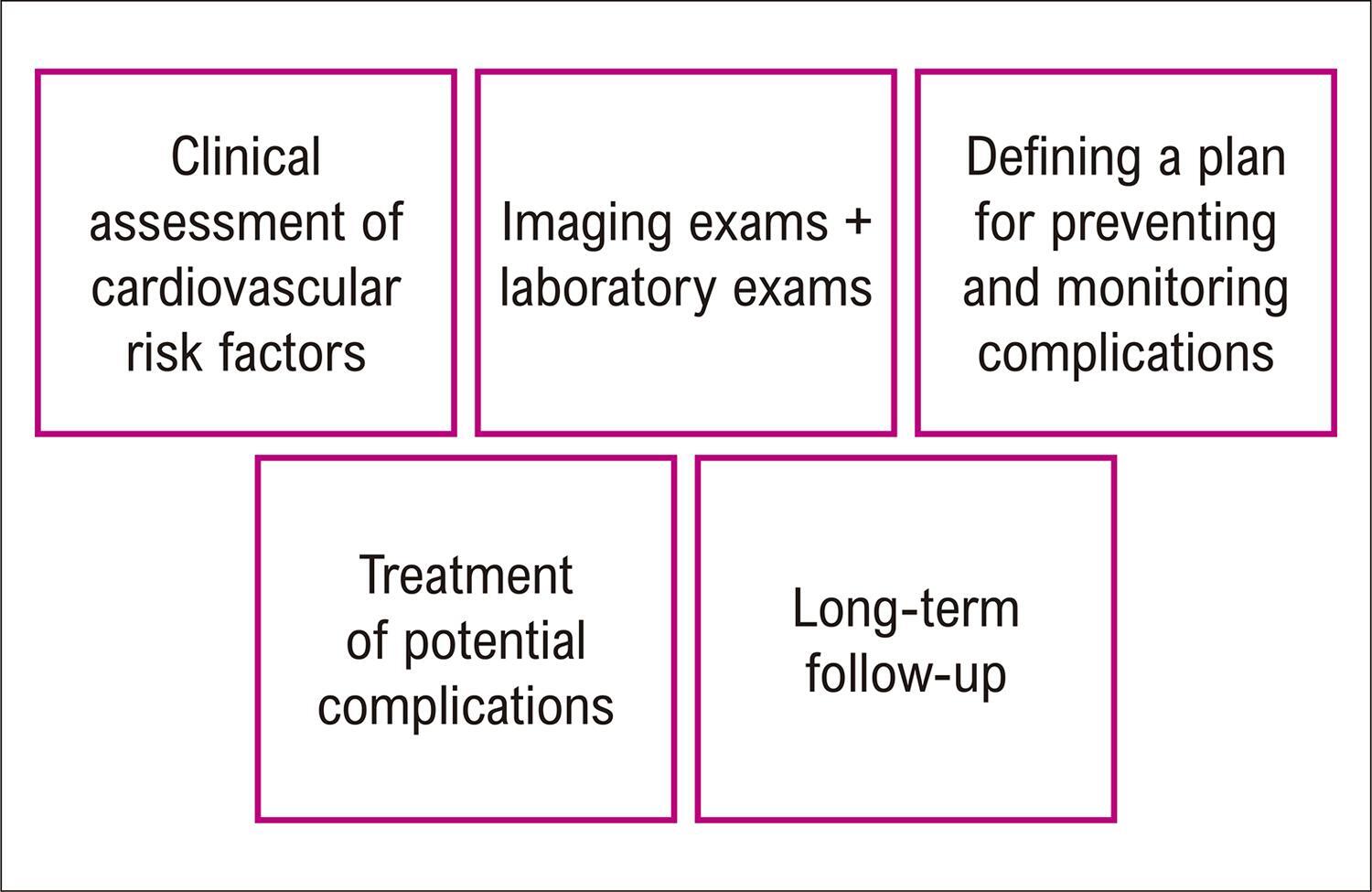
In this scenario, cardio-oncology has established itself as an essential field, requiring diagnostic strategies with ever-increasing accuracy in the early identification of cardiological impairments, even in the subclinical phase, in addition to the implementation of appropriate monitoring and control plans.

[…]

  • Cardiotoxicity
  • Medical Oncology
  • Positron Emission Tomography-Computed Tomography
  • Risk Factors
Read Full Article
Creative Commons Attribution (CC BY) Creative Commons license
15/05/2026 DOI: 10.36660/abc.20260107i Views 2
Figure 1
ABCIC
Original Article

Monitoring Myocardial Metabolic Changes in Lymphoma Patients Undergoing Chemotherapy Using FDG PET/CT

Diego Rafael Freitas Berenguer et al. Gustavo Freitas Alves de Arruda Monica de Moraes Chaves Becker Mayara Lais Coelho Dourado … Roberto de Oliveira Buril Felipe Alves Mourato Paulo José de Almeida Filho Brivaldo Markman-Filho Simone Cristina Soares Brandão

Abstract

Background:

Cardiotoxicity is a serious adverse effect of chemotherapy, often identified only after irreversible myocardial damage has occurred. Positron emission tomography/computed tomography (PET/CT) using fluorine-18 fluorodeoxyglucose (18F-FDG) allows for the evaluation of myocardial glucose metabolism and may help detect early metabolic changes related to chemotherapy.

Objective:

To assess changes in 18F-FDG standardized uptake values (SUVs) across different cardiac regions before and after chemotherapy in patients with lymphoma, and to identify which region exhibits the greatest increase.

Methods:

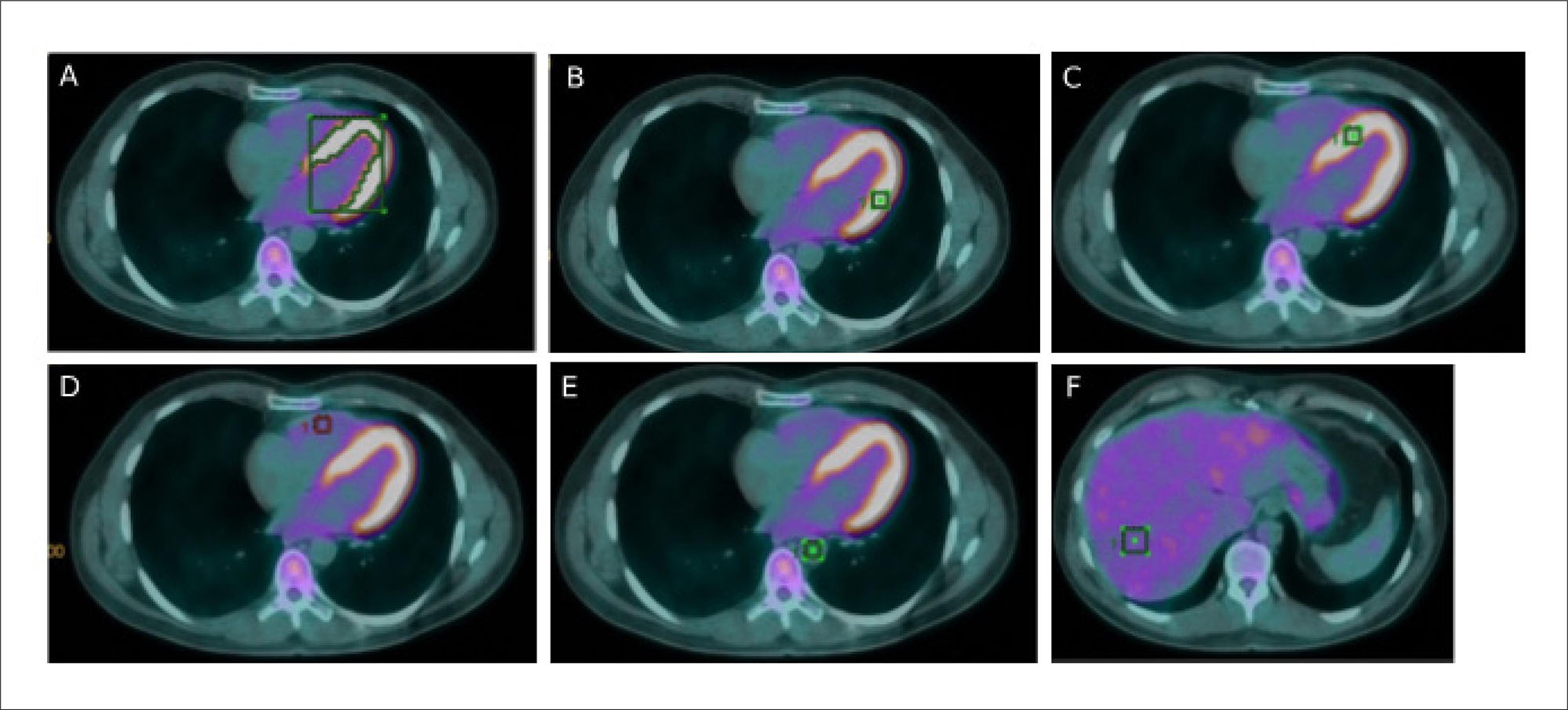
This retrospective cohort study included 62 lymphoma patients who underwent 18F-FDG PET/CT before and after chemotherapy. SUV measurements were obtained in the left ventricular (LV) free wall, interventricular septum (IVS), right ventricular (RV) free wall, and global myocardium. Control regions included the liver and aorta. Pre- and post-treatment SUV values were compared to evaluate metabolic changes related to chemotherapy.

Results:

Myocardial 18F-FDG uptake increased significantly after chemotherapy across all cardiac regions, with the most pronounced rise observed in the LV free wall (maximum SUV increase of 73%, p<0.001). The RV free wall showed a non-significant increase in SUV, and no significant changes were observed in the liver or aorta.

Conclusions:

Chemotherapy was associated with a global increase in myocardial 18F-FDG uptake, with the most pronounced elevation observed in the LV free wall. This regional predominance highlights the LV free wall as the most sensitive site for detecting early metabolic changes potentially related to cardiotoxicity.

  • 18F-FDG PET/CT
  • Cardiotoxicity
  • Chemotherapy
  • Lymphoma
  • Myocardial metabolism
Read Full Article
Creative Commons Attribution (CC BY) Creative Commons license
31/12/2025 DOI: 10.36660/abcimg.20250067i Views 12
Figure 1
IJCS
Editorial

Anabolic-Androgenic Steroids and Cardiotoxicity

José Antônio Caldas Teixeira et al. Joelma Dominato Rocha Carvalho Mateus Freitas Teixeira

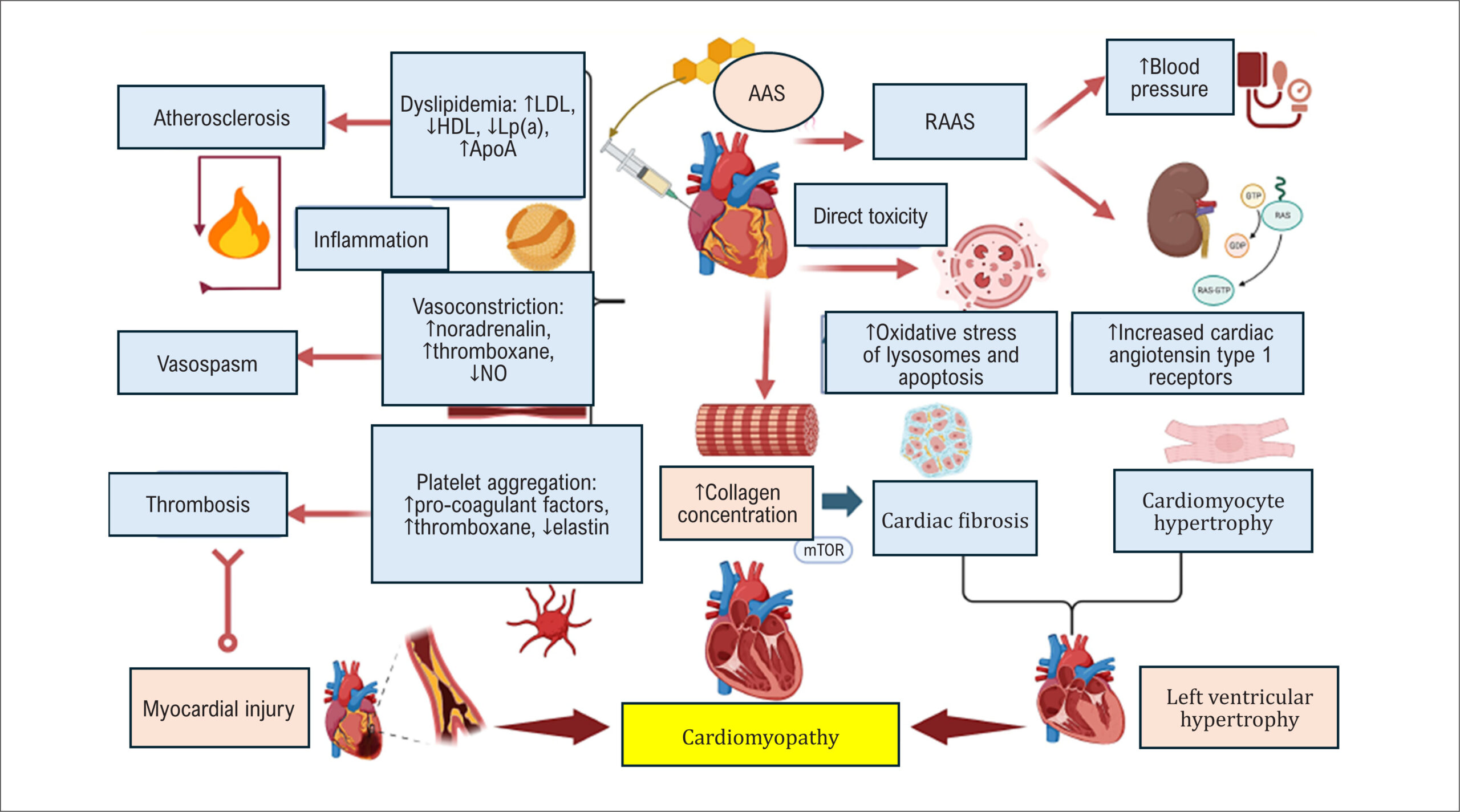
Anabolic-androgenic steroids (AAS) are a class of natural and synthetic hormones, which owe their name to their chemical structure (steroid nucleus) and their biological, anabolic, and androgenic effects. Misuse of AAS for aesthetic and performance purposes has become widespread, as they provide increases in muscle mass and strength. It is estimated that approximately 3.5% of the world’s population uses AAS.

Use of AAS dates back to ancient Greece, followed by the Second World War. They were detected in sports competitions in 1954 and later disseminated among bodybuilders and identified in various sports in the Tokyo 1964 Olympic Games. Currently, we are witnessing a growing encouragement of AAS use for aesthetic purposes, through “beauty chips” and disguised as hormone replacement therapy. This indiscriminate use culminated in a resolution by the Brazilian Federal Council of Medicine against the prescription of these hormones for aesthetic purposes.

[…]

  • Anabolic Androgenic Steroids
  • Androgens
  • Cardiotoxicity
  • Steroids
  • Testosterone
Read Full Article
Creative Commons Attribution (CC BY) Creative Commons license
15/08/2025 DOI: 10.36660/ijcs.20250096 Views 1
Central Illustration
ABCIC
Review Article

Permissive Cardiotoxicity: When the Optimal Is the Enemy of the Good

Carolina Maria Pinto Domingues Carvalho Silva et al. Juliane Dantas Seabra-Garcez Ana Palmira Lima Neves Ariane Vieira Scarlatelli Macedo

Abstract

Cancer and cardiovascular diseases are the leading causes of mortality worldwide. As these diseases share common metabolic pathways, patients with cancer are currently seen as having subclinical alterations with great potential for developing cardiovascular diseases (and vice versa). This tenuous interrelationship has led to the emergence of cardio-oncology (CO) as an area of study and discussion, with a major impact on the management of these cases.

In clinical practice, CO is dominated by the dilemma of how to best manage cardiovascular toxicity during cancer treatment. The management of these cases focuses not only on restoring cardiovascular balance, but also on ensuring that the best oncological treatment will be offered, without suspensions or interruptions.

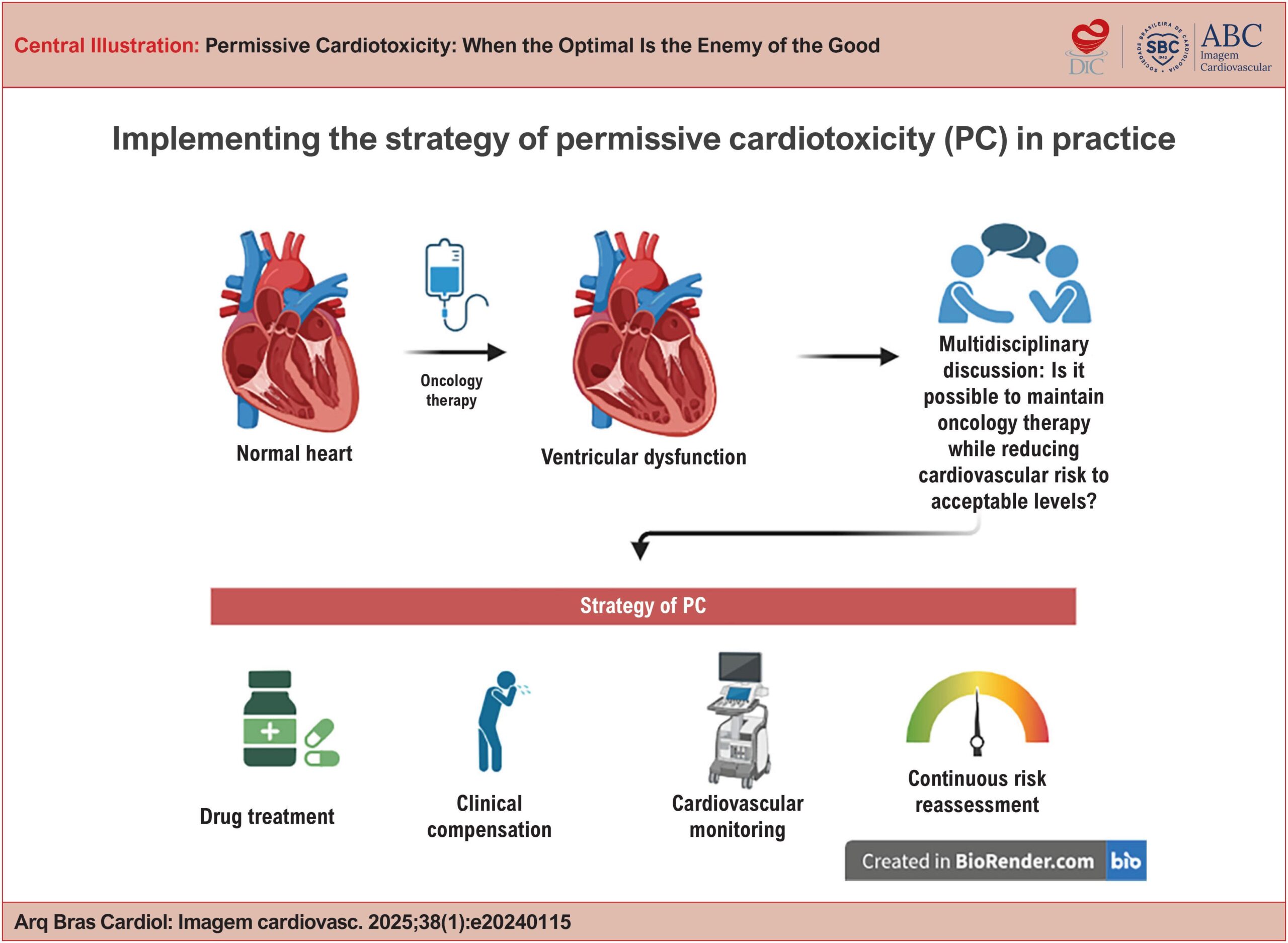
Within this context, the concept of permissive cardiotoxicity (PC) has emerged, proposing the idea of maintaining antitumor treatment in the event that ventricular dysfunction is detected, with no pauses or interruptions, provided that certain premises are respected.

This review aims to examine the concept of PC in depth, contextualizing its emergence, reviewing definitions, and analyzing the evidence from experimental clinical studies. Furthermore, management strategies are detailed, discussing the central role of cardiovascular imaging in guiding this management. Finally, limitations and gaps in the literature in the area are discussed.

  • Antineoplastic Agents
  • Cardio-Oncology
  • Cardiotoxicity
  • Neoplasms
  • Ventricular Dysfunction
Read Full Article
Creative Commons Attribution (CC BY) Creative Commons license
28/03/2025 DOI: 10.36660/abcimg.20240115i
Figure 1
ABCIC
Original Article

Variations in Myocardial FDG Uptake and Metformin Use: Implications for Survival during Immunotherapy

Matheus Coelho Torres et al. Juliana Goes Martins Fagundes Luís Fábio Barbosa Botelho Alinne Fernanda Amaral Verçosa Marcelo Dantas Tavares de Melo

Abstract

Background:

The rise of immune checkpoint inhibitors (ICIs) has significantly improved lung cancer outcomes; however, there is a lack of response prediction protocols. Furthermore, preclinical studies have indicated a promising association between metformin, β-blockers (BBs), and improved cancer patient outcomes.

Objectives:

The primary objective of this study was to investigate metformin’s impact on survival outcomes. The secondary objectives included assessing myocardial FDG uptake variation (change in standardized uptake value [ΔSUV]) during ICI treatment and evaluating the effects of smoking, diabetes, hypertension, and BB usage on survival outcomes.

Methods:

This single-arm, unicentric retrospective cohort study evaluated lung cancer patients who started using ICIs from July 2016 to December 2021. Inclusion criteria were age 18 years or above, lung cancer treated with ICIs (CTLA-4, PD-1, and PD-L1 inhibitors), and having undergone at least two positron emission tomography-computed tomography (PET-CT) scans.

Results:

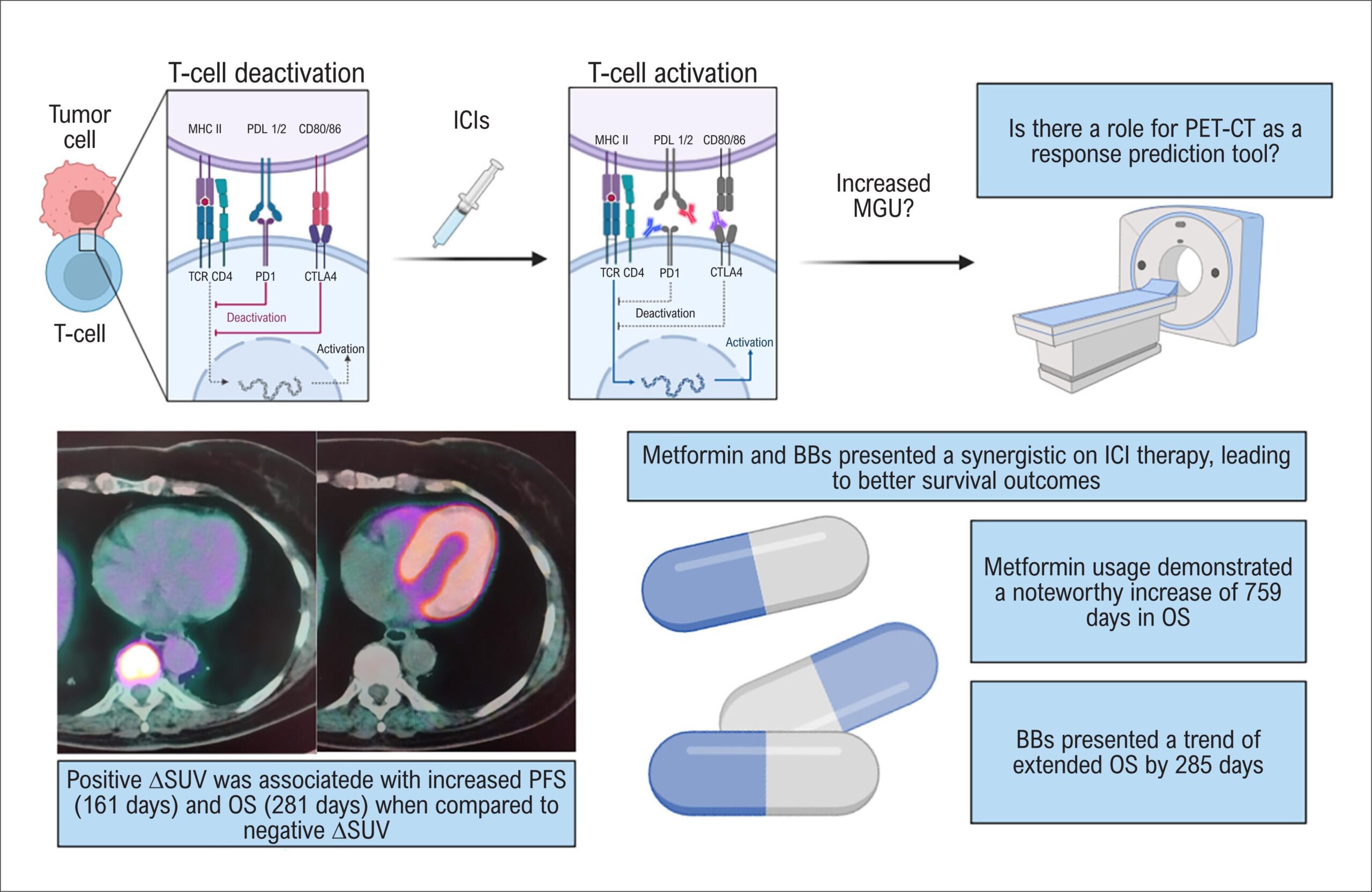
Fifty-eight patients fulfilled all the inclusion criteria. Metformin users presented a 759-day increase in overall survival (OS) (p = 0.015). A trend of a 161-day increase in progression-free survival was observed in patients with positive myocardial ΔSUV compared to the negative ΔSUV group (p = 0.066), along with a trend of a 285-day increase in favor of BB users (p=0.886).

Conclusion:

The significant association between metformin use and increased OS suggests metformin as a promising adjuvant for ICI therapy. A trend of positive myocardial ΔSUV and improved outcomes may suggest a potential role of PET-CT in response prediction; however, larger studies are necessary to solidify this hypothesis.

  • Cardio-Oncology
  • Cardiotoxicity
  • Immune Checkpoint Inhibitors
  • Metformin
  • Positron Emission Tomography-Computed Tomography
Read Full Article
Creative Commons Attribution (CC BY) Creative Commons license
30/01/2025 DOI: 10.36660/abcimg.20240108i Views 2
ABC
Editorial

Long Non-Coding RNA, Apoptosis, and Doxorubicin-Induced Cardiotoxicity

Carolina R. Tonon et al. Bertha F. Polegato

Doxorubicin is one of the most effective chemotherapy drugs used in the treatment of many types of solid and hematologic malignancies. However, it causes several adverse effects. Cardiotoxicity is the most important collateral effect because it can lead to the development of heart failure, a chronic condition with high mortality, reaching with a 1-year risk of 15-30% and a 5-year risk of up to 75% in specific populations.

The pathophysiology of doxorubicin-induced cardiotoxicity is not completely understood. Classical pathways are involved such as direct damage to DNA, oxidative stress, inflammation, alteration in intracellular calcium transient, inhibition of muscle protein-related genes, mitochondrial dysfunction, and activation of cell death pathways, such as apoptosis. However, new mechanisms have gained more importance in the last decade, mainly in the genetic field.

[…]

  • Apoptosis Inducing Factor
  • Cardiotoxicity
  • Doxorubicin/toxicity
  • Heart Failure
  • Oxidative Stress
  • RNA, Long Noncoding
Read Full Article
Creative Commons Attribution (CC BY) Creative Commons license
23/08/2024 DOI: 10.36660/abc.20240331i Views 1
Figure 1
ABC
Original Article

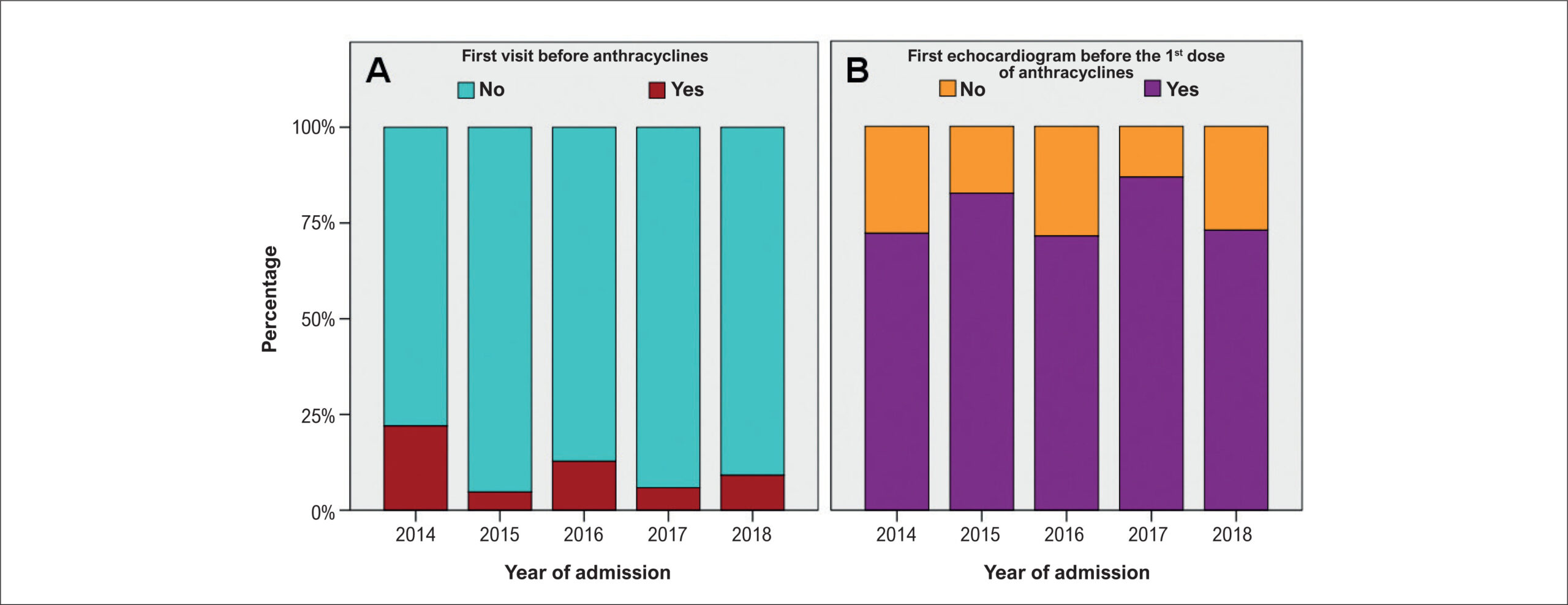
Incidence of Cardiovascular Complications in Pediatric Patients Treated with Anthracyclines at a Brazilian Cancer Center

Cristina Chaves dos Santos de Guerra et al. Geisa Sant'Ana Osório Luiz Rangel de Almeida

Abstract

Background:

The introduction of anthracyclines in the treatment of children and adolescents with cancer has promoted a significant increase in survival, but also in morbidity and mortality rates due to cardiovascular (CV) complications.

Objectives:

To determine the cardiovascular profile of pediatric patients treated with anthracyclines at a cancer center in Brazil and the incidence of CV complications.

Methods:

The following data were collected from the medical records of patients of both sexes, aged younger than 19 years – frequency and form of clinical presentation of general CV complications (G1) and CV complications related to ventricular dysfunction (G2) – and correlated with risk factors, age range and vital status, cardiovascular and cardioprotective medications. A p<0.05 was considered statistically significant.

Results:

A total of 326 patients were included, 214 (65.6%) were younger than 10 years and 192 (58.9%) of male sex. G1 complications occurred in 141 (43.3%) patients, and the most frequent was systemic arterial hypertension; G2 complications occurred in 84 patients (25.8%). Cumulative dose (CD) of anthracyclines > 250mg/m2 was used in 26.7% of patients and the association of G2 complications with this CD was not statistically significant (p=0.305; OR=1.330 and [95% CI = 0.770- 2.296]). The most used cardiac medications were diuretics (34.7% of patients).

Conclusions:

In accordance with literature, the study showed a high incidence of CV complications in the treatment of children and adolescents with cancer, with general CV complications as the most prevalent.

  • Anthracyclines
  • Cardiotoxicity
  • Child
  • Drug Therapy
  • Neoplasms
Read Full Article
Creative Commons Attribution (CC BY) Creative Commons license
24/06/2024 DOI: 10.36660/abc.20210352i Views 2
Figure 1
ABC
Research Letter

Progression of Myocardial 18F-FDG Uptake in a Patient with Cardiotoxicity

Diego Rafael Freitas Berenguer et al. Monica de Moraes Chaves Becker Roberto de Oliveira Buril Paula Araruna Bertão … Brivaldo Markman Filho Simone Cristina Soares Brandão

Abstract

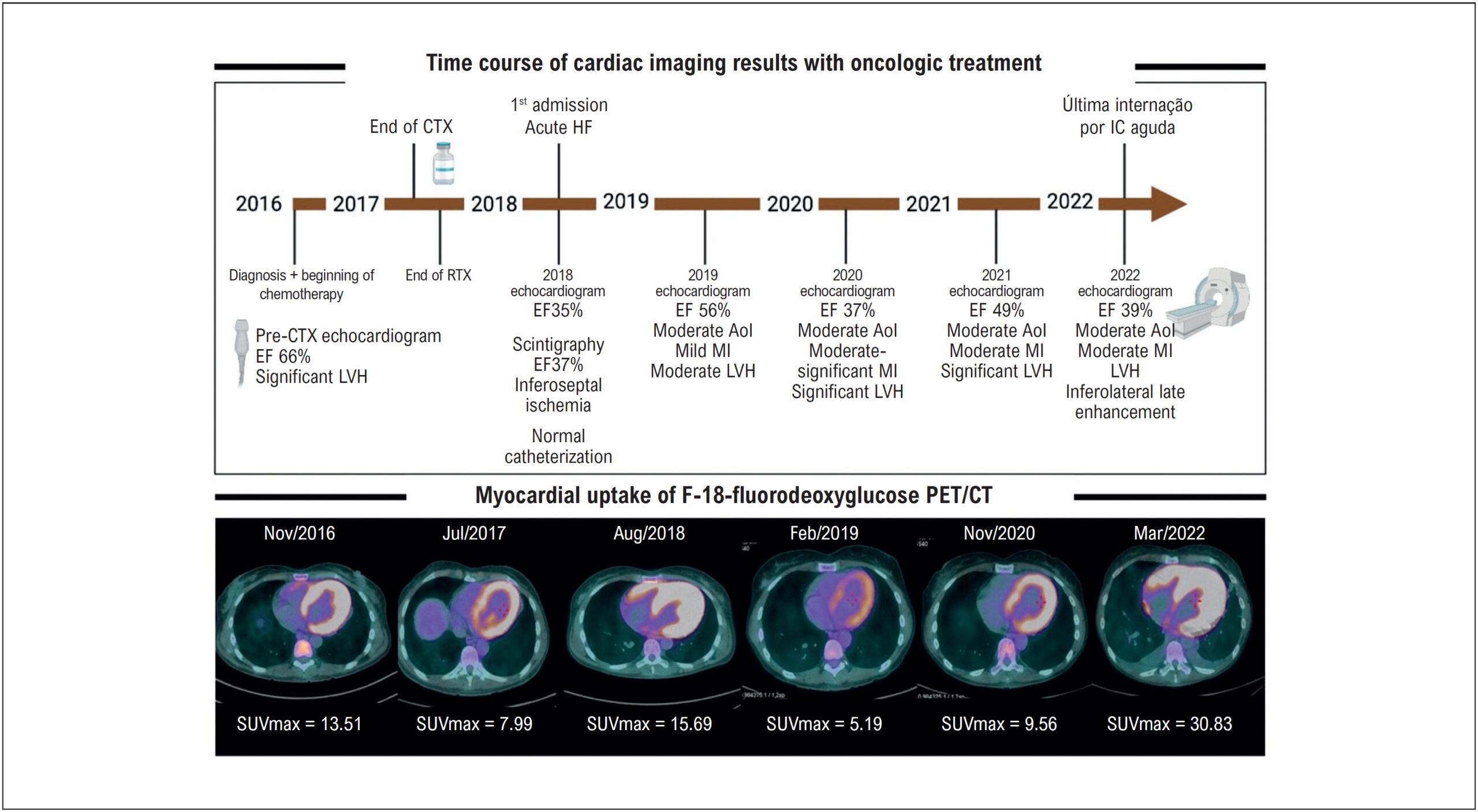
The objective of this case report was to present the progression of chemotherapy-induced cardiotoxicity in a patient with lymphoma, highlighting the importance of myocardial fluor-18-fluorodeoxyglucose (18F-FDG) uptake by positron emission tomography coupled with computed tomography (PET/CT).

43-year-old female patient with uterine lymphoma, who underwent hysterectomy followed by three chemotherapy regimens and radiotherapy. The patient had episodes of acute heart failure two years after chemotherapy. Echocardiogram revealed a reduction in left ventricular ejection fraction (LVEF). A retrospective analysis of 18F-FDG PET/CT showed an increase in myocardial uptake in all tests performed during oncologic treatment.

Despite disease remission, the patient developed heart failure with reduced LVEF. During chemotherapy, there was a diffuse, significant increase in myocardial 18F-FDG uptake, which preceded the decrease in myocardial performance and seemed to reflect metabolic changes in cardiomyocytes, related to cardiotoxicity. Would an analysis of myocardial 18F-FDG uptake yield a different cardiac outcome in this patient? This question is relevant, considering that other patients may benefit from the use of PET as an early marker of cardiotoxicity.

Imaging tests are essential in the follow-up of patients at risk of cardiotoxicity. Although echocardiography remains the main imaging test in the diagnosis of cardiotoxicity, 18F-FDG PET/CT may be a powerful tool for the early diagnosis of this condition.

  • Cardiotoxicity
  • Doxorubicin
  • Heart Failure
  • Lymphoma
  • Positron Emission Tomography-Computed Tomography
Read Full Article
Creative Commons Attribution (CC BY) Creative Commons license
23/02/2024 DOI: 10.36660/abc.20230276 Views 1
Cardiovascular Disease in Women With Breast Cancer: A Contemporary Review
IJCS
Review Article

Cardiovascular Disease in Women With Breast Cancer: A Contemporary Review

Adriana Puente Barragán et al. Patricia Nuriulú Escobar Alejandra Madrid Miller Luis Antonio Moreno Ruiz

Abstract

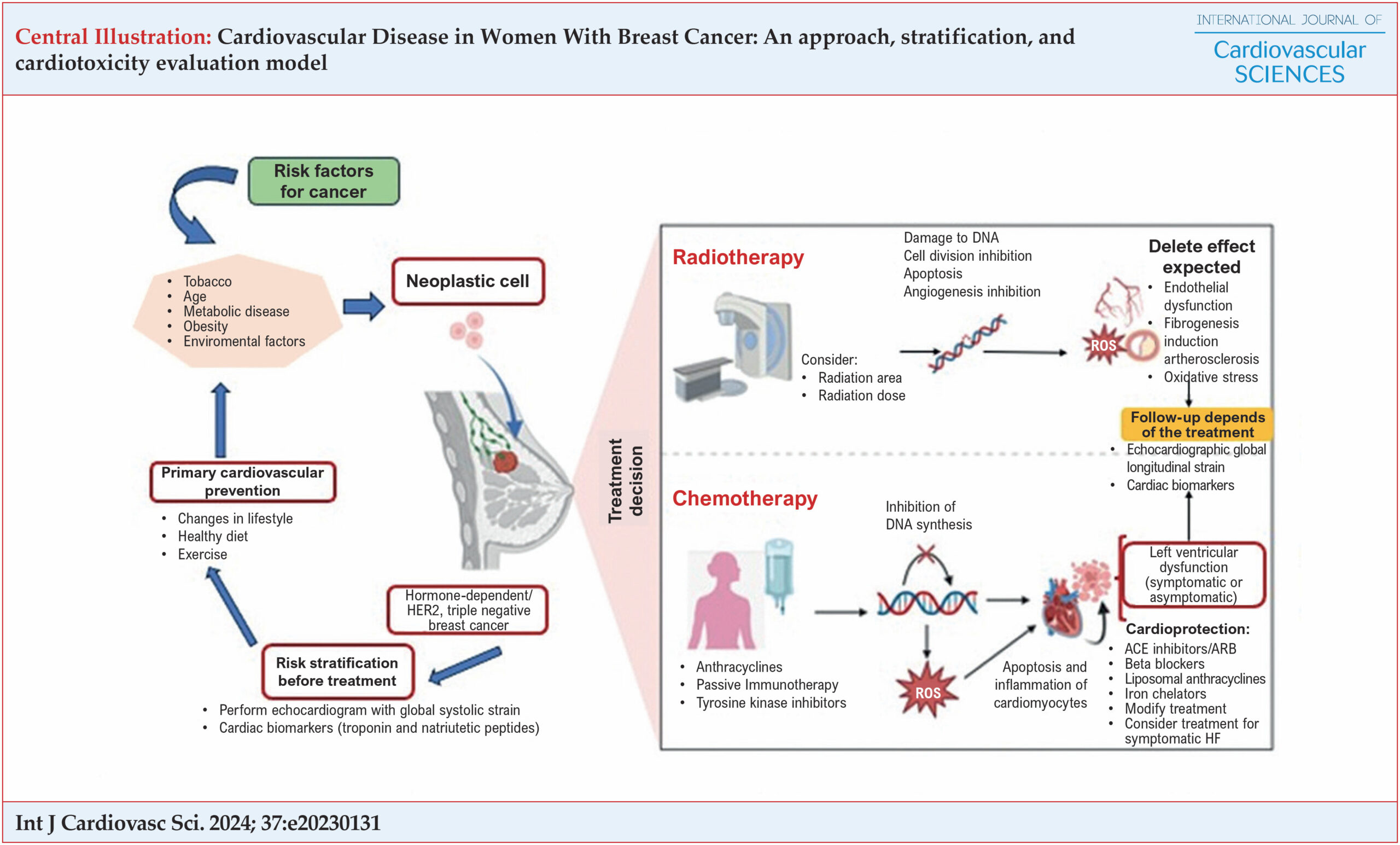
Breast cancer (BC) is the most common malignant neoplasia in women and is responsible for one in six deaths from cancer in the female population. Five years after diagnosis, BC survival rates currently exceed 80%. Cardiovascular disease (CVD) is a frequent cause of morbidity and mortality in BC, mainly in patients receiving cardiotoxic drugs (anthracyclines, immunotherapy) and radiotherapy (RT).

CVD and BC have common risk factors (RF), which are related to aging, traditional and cardiometabolic RFs (obesity, dyslipidemia, consumption of alcoholic beverages), and others associated with sex and reproductive women’s age, such as early menarche, late menopause, nulliparity, use of oral contraceptives, as well as hormone replacement therapy in postmenopause.

Risk stratification and the promotion of an ideal state of cardiovascular (CV) health are fundamental in preventing CVD in survivors. Therapeutic management and follow-up of patients with BC require a multidisciplinary team to reduce complications and mortality of CV origin.

  • Breast Neoplasms
  • Cardiotoxicity
  • Cardiovascular Diseases
  • Women
Read Full Article
Creative Commons Attribution (CC BY) Creative Commons license
12/02/2024 DOI: 10.36660/ijcs.20230131 Views 1
Cardiovascular Diseases in Oncological Patients Treated at a Tertiary Hospital in the Northern Macroregion of Rio Grande do Sul
ABCHF
Original Article

Cardiovascular Diseases in Oncological Patients Treated at a Tertiary Hospital in the Northern Macroregion of Rio Grande do Sul

Gabriel Amaral Lorencini et al. Renata dos Santos Rabello

ABSTRACT

Background:

Cancers (CAs) are related to cardiovascular diseases (CVDs), mainly due to the cardiotoxicity of oncological therapies (OTs).

Objectives:

Analyze and describe the CVDs that affect oncological patients (OPs) before and after the diagnosis of CA.

Methods:

This is a retrospective cohort study carried out with OPs from a Tertiary Hospital in the Northern Macroregion of Rio Grande do Sul, in which data was obtained from medical records dated between 2011 and 2020, which were analyzed using statistical techniques, mainly with the objective of determining the prevalence, incidence, and factors associated with CVDs.

Results:

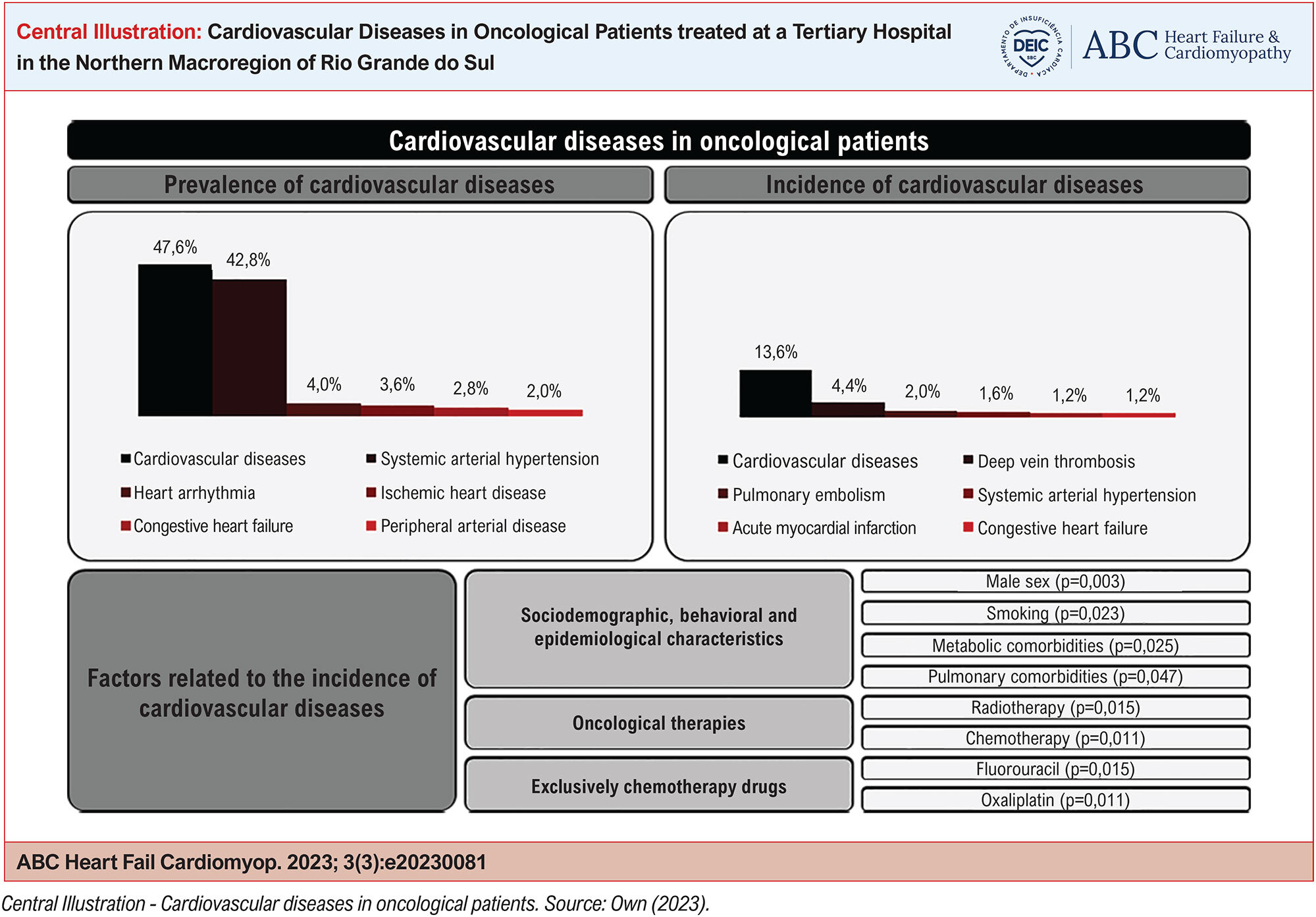
The sample included 250 OPs distributed over 10 years. Regarding CVDs, prevalence and incidence were, respectively, 47.6% and 13.6%. It was noted the predominance, in the previous conditions, of systemic arterial hypertension (67.7%) and, in the incident disorders, of deep vein thrombosis (30.6%). The total incidence was associated with male sex (p=0.003), smoking (p=0.023) and metabolic (p=0.025) and pulmonary (p=0.047) comorbidities. The incidence after the start of OT was linked to radiotherapy (p=0.015) and chemotherapy (p=0.011), in particular, fluorouracil (p=0.025) and oxaliplatin (p=0.033).

Conclusions:

The relationship between CAs and CVDs has become clear, highlighting the importance of promoting the progress of cardio-oncology, especially with the aim of providing better therapeutic perspectives for OPs.

  • Cardiotoxicity
  • Chemically-induced disorders
  • Radiation injuries
Read Full Article
Creative Commons Attribution (CC BY) Creative Commons license
31/12/2023 DOI: 10.36660/abchf.20230081 Views 4
ABC
Editorial

Empowering the Imagers with 3D-Speckle Tracking Echocardiography to Detect Subclinical Cancer Therapy-Related Myocardial Dysfunction

Jennifer Mancio

Despite the expansion of the cardio-oncology field, defining cardiotoxicity to guide therapeutic decisions and impact prognosis is still a work in progress. The most widely recognized diagnosis of cardiotoxicity is based on serial changes in the left ventricular ejection fraction (LVEF). The ESC Position Paper recommends that if LVEF decreases by 10% to a value below the lower limit of normal (considered as an LVEF >50%), angiotensin-converting enzyme inhibitors (or angiotensin receptor blockers) in combination with beta-blockers are recommended to prevent further left ventricular (LV) dysfunction or the development of symptomatic heart failure. However, different LVEF thresholds have been proposed by different authors and guidelines,, and the 2-dimensional (2D)-echocardiography LVEF depends on loading conditions (fluid status varies significantly in cancer patients), has low sensitivity for detecting small LV function changes, is subject to intra- and interobserver variability and relies on geometrical assumptions. Hence, due to the limited availability of cardiac magnetic resonance imaging, 3D echocardiography is the preferred technique for monitoring cardiotoxicity in oncological patients, and the 3D-LVEF is the method of choice for cardiotoxicity surveillance.

Because any grade of cancer therapy-induced myocardial dysfunction matters, a growing body of literature has explored the role of myocardial deformation analysis in patients receiving cancer therapy for early detection of myocardial damage before LVEF starts declining. Speckle-tracking echocardiography (STE) allows quantitative assessment of global and segmental LV myocardial function by measuring strain in a manner largely independent of angle and ventricular geometry. Compared with 2D-strain, 3D-strain has the advantage of tracking the speckle patterns in any direction and out-of-the imaging plane, offering additional deformation parameters (such as area strain) and a more comprehensive quantitation of LV geometry and function.,

[…]

  • Cardiotoxicity
  • Left Ventricular Function
  • Myocardial deformation
  • Myocardium/diagnosis imaging
  • Tridensional Echocardiography/methods
Read Full Article
Creative Commons Attribution (CC BY) Creative Commons license
25/09/2023 DOI: 10.36660/abc.20230554 Views 1
Figure 1
ABC
Original Article

Diagnostic Value of Three-Dimensional Speckle Tracking Imaging Strain Parameters for Detection of Cancer Chemotherapy-Related Cardiac Dysfunction: A Meta-Analysis

Yingying Guan

Abstract

Background

Chemotherapeutic agents (e.g., anthracyclines, trastuzumab) commonly used for treating malignant tumors have been demonstrated to have cardiotoxic effects, which is associated with poor prognosis. Three-dimensional echocardiography has been used to predict cancer chemotherapy-induced cardiac dysfunction.

Objectives

Evaluation of the diagnostic performance of strain parameters, global area strain (GAS), longitudinal strain (GLS), circumferential strain (GCS), and radial strain (GRS) by meta-analysis.

Methods

Relevant studies were searched from the Embase, PubMed, and Web of Science databases. Statistical analysis was performed using Stata 12. The summary receiver operating characteristic curve, sensitivity, specificity, positive likelihood ratio (PLR), negative likelihood ratio (NLR), and corresponding 95% confidence interval for the four strain parameters were pooled. P<0.05 was considered statistically significant.

Results

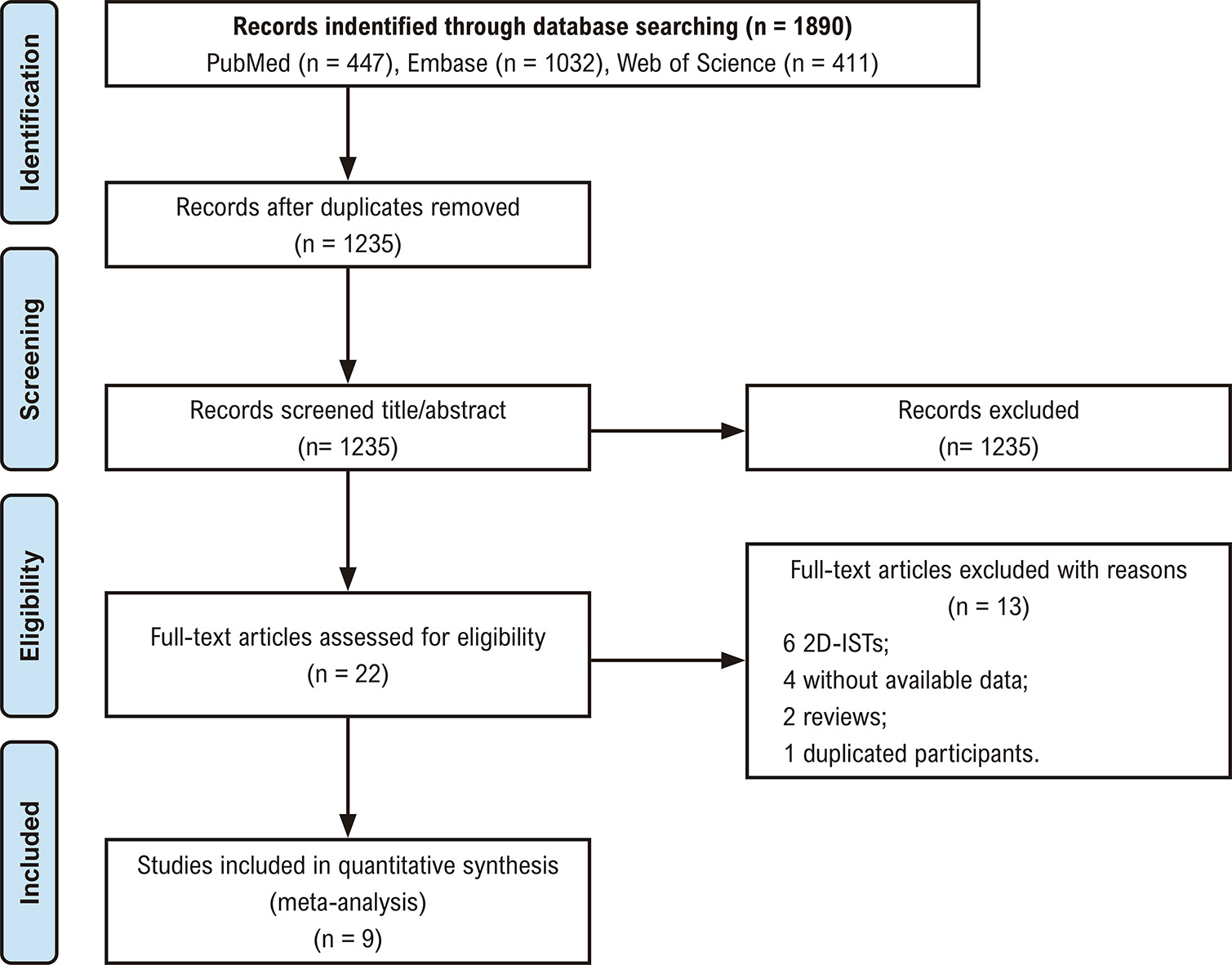
Nine studies involving 650 participants were included. GAS and GLS showed significant diagnostic advantages over GCS and GRS. For GAS, the sensitivity was 0.85 (0.70, 0.93) and specificity was 0.82(0.78, 0.86) with PLR of 4.76 (3.55, 6.39) and NLR of 0.18 (0.09, 0.39) and an area under the curve (AUC) of 0.85 (0.82, 0.88). For GLS, the sensitivity was 0.81 (0.74, 0.86) and specificity was 0.81(0.68, 0.90) with PLR of 4.35(2.42, 7.80) and NLR of 0.23 (0.17, 0.33) and an AUC of 0.85 (0.82, 0.88). The GCS showed a sensitivity of 0.63 and a specificity of 0.79 with an AUC of 0.77. The GRS showed a sensitivity of 0.74 and a specificity of 0.66 with an AUC of 0.73.

Conclusion

3D-STI strain parameters GAS and GLS showed good performance in detecting early cardiac dysfunction in patients with tumors receiving chemotherapy.

  • Anthracyclines
  • Cardiotoxicity
  • Drug Therapy
  • Heart Failure
  • Neoplasms
Read Full Article
Creative Commons Attribution (CC BY) Creative Commons license
31/07/2023 DOI: 10.36660/abc.20220370 Views 1
Figure 1
ABCIC
Editorial

Radiotherapy-Induced Heart Disease: What Can We Evaluate?

Marcelo Goulart Paiva

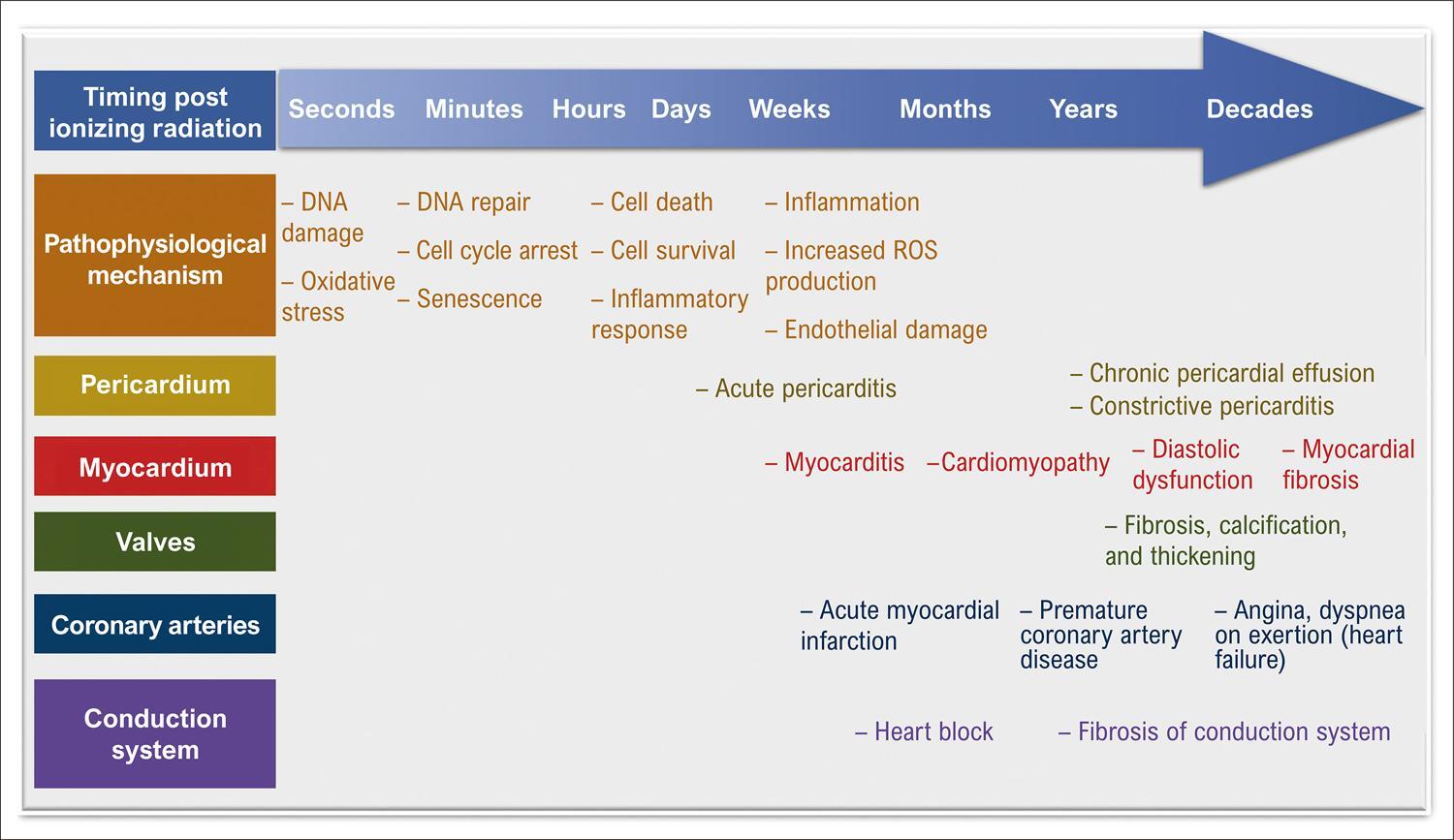
Radiotherapy (RT) has been part of oncological treatment since 1899 and is currently used with more than 50% of all patients. Breast, lung, esophagus, and lymphoma tumors are commonly submitted to RT treatment, showing improvements in the total survival and freedom from diseases. By contrast, when including mediastinal structures, such as the heart and blood vessels, in 10% to 30% of the patients, adverse cardiovascular events were observed after 5 and 10 years, defined as Radiation-Induced Heart Disease (RIHD).,

The RIHD spectrum includes pericardial diseases, coronary artery disease, valvar heart disease, cardiomyopathy, as well as conduction abnormality and dysautonomia, leading to an increase in the cardiovascular morbidity and mortality of the survivors.

[…]

  • Cardiotoxicity
  • Echocardiography
  • Radiotherapy
Read Full Article
Creative Commons Attribution (CC BY) Creative Commons license
24/03/2023 DOI: 10.36660/abcimg.2023358i Views 3
Figure 1
ABCIC
Original Article

Global Longitudinal Strain as Predictor of Chemotherapy-Induced Cardiotoxicity

Monica Samuel Avila et al. Marco Stephan Lofrano Alves Silvia Moreira Ayub-Ferreira Mauro Rogerio de Barros Wanderley Junior … Fatima das Dores Cruz Sara Michelly Gonçalves Brandão Ludhmila Abrahão Hajjar Roberto Kalil Filho Cecilia Beatriz Bittencourt Viana Cruz Maria Cristina Abduch Danilo Bora Moleta Edimar Alcides Bocchi

Abstract

Background

Chemotherapy-induced cardiotoxicity (ChC) is an important complication among patients receiving anthracyclines. Biomarkers and imaging parameters have been studied for their ability to identify patients at risk of developing ChC. Left ventricular global longitudinal strain (LV-GLS) is a sensitive parameter for detecting systolic dysfunction despite the presence of preserved left ventricular ejection fraction (LVEF).

Objective

To evaluate the role of the LV-GLS as a predictor of ChC.

Methods

This was a post-hoc analysis of the Carvedilol for Prevention of Chemotherapy-Related Cardiotoxicity trial, which evaluated the primary prevention of cardiotoxicity with carvedilol during doxorubicin chemotherapy in a population of patients with breast cancer. Cardiotoxicity was defined as a reduction ≥10% in LVEF. LV-GLS was determined before chemotherapy in patients with no prior cardiovascular disease or echocardiogram abnormalities.

Results

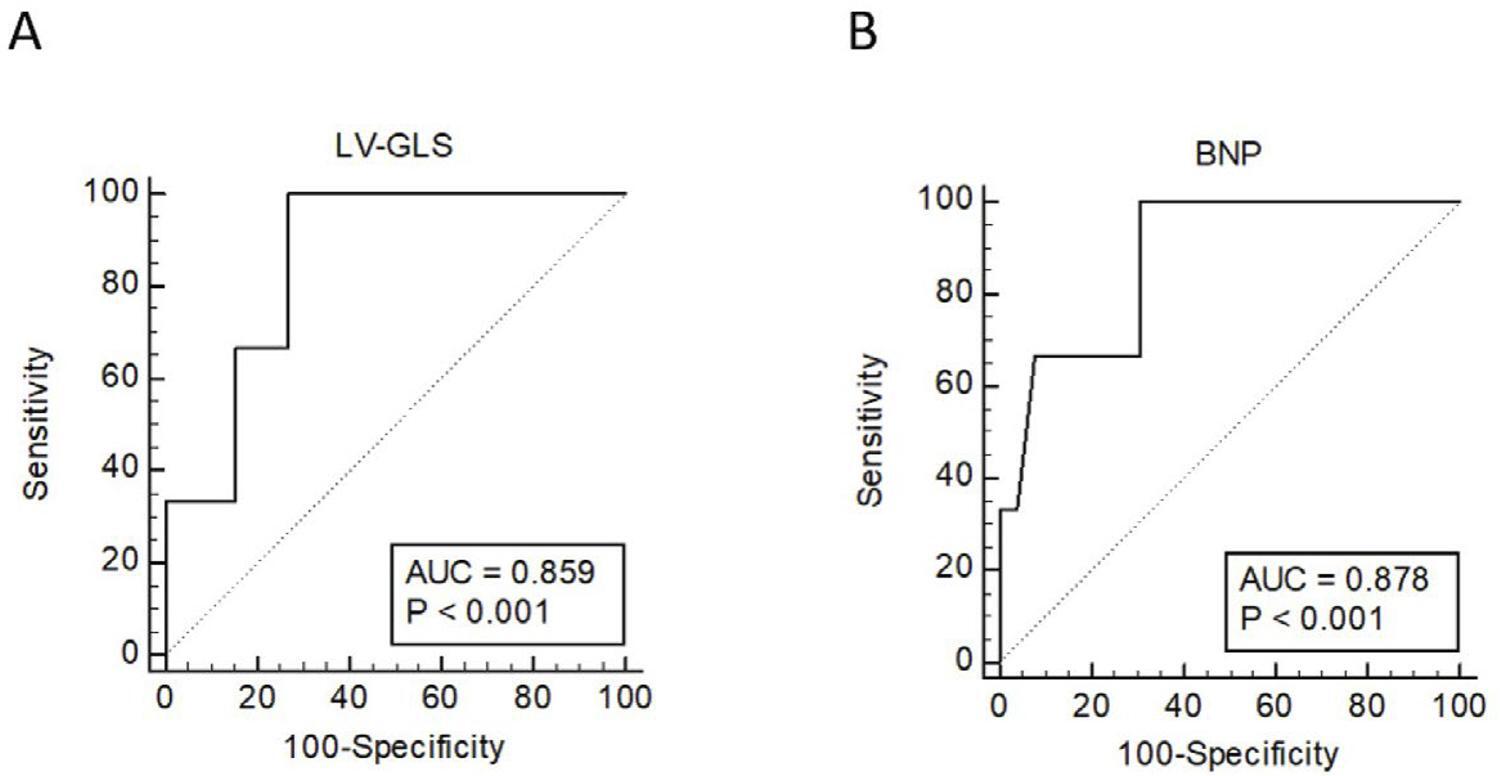
Thirty-one patients for whom a complete echocardiography study including measurement of LV-GLS was performed before chemotherapy were included in this analysis. An absolute LV-GLS<16.9% before chemotherapy showed 100% sensitivity and 73% specificity for predicting cardiotoxicity (area under the curve [AUC], 0.85; 95% confidence interval [CI], 0.680–0.959; p<0.001). In this population, LVEF values before chemotherapy did not predict ChC (95% CI, 0.478 to -0.842; p=0.17). The association of low LV-GLS (17 pg/mL) at 2 months after chemotherapy increased the accuracy for detecting early-onset ChC (100% sensitivity, 88% specificity; AUC, 0.94; 95% CI, 0.781–0.995; p<0.0001).

Conclusions

Our data suggest that LV-GLS is a potential predictor of ChC. Larger studies are needed to confirm its clinical relevance in this clinical setting.

  • Cardiotoxicity
  • Chemotherapy
  • Echocardiogram
  • Prevention
  • Strain
  • β-blockers
Read Full Article
Creative Commons Attribution (CC BY) Creative Commons license
21/12/2022 DOI: 10.47593/2675-312X/20223504eabc340i Views 1
ABCHF
Viewpoint

Functional Capacity in Cardiotoxicity: Effects of Physical Exercise

Amanda Gonzales Rodrigues et al. Adriano Cavalcante Trindade

Abstract

Heart failure induced by chemotherapy is an adverse event of cancer treatment that results in high morbidity and mortality. Previous studies have shown that physical exercise improves functional capacity in patients with heart failure due to other etiologies. However, studies with a multimodal approach, including exercise interventions in patients with cardiotoxicity, are still scarce in the literature. The objective of this article was to discuss the effects of physical training in patients with heart failure induced by chemotherapy and the role of cardio-oncological rehabilitation as a tool to improve functional capacity and quality of life in this group of patients.

  • Cardiac Rehabilitation
  • Cardiotoxicity
  • Exercise
Read Full Article
Creative Commons Attribution (CC BY) Creative Commons license
18/12/2022 DOI: 10.36660/abchf.20220089 Views 1
Figure 1
ABCHF
Review Article

Asymptomatic Ventricular Dysfunction and HFrEF Secondary to Classic Chemotherapy

Monica S. Avila et al. Deborah de Sá Pereira Belfort Silvia Marinho Martins Ludhmila Abrahão Hajjar

Introduction

Advances in oncology, such as better access to the health care system, earlier cancer diagnosis, and new chemotherapies, have led to longer survival of patients with cancer over the last decades. However, this population is vulnerable to drug-related adverse cardiovascular events, like cardiomyopathy, which leads to heart failure and impairs survival and quality of life., Among different classes of chemotherapeutic agents, classically anthracyclines and trastuzumab stand out as the most related to cardiomyopathy. Anthracyclines may cause cardiac dysfunction in cancer survivals in 9% of cases depending on risk factors and cumulative dose, and trastuzumab may cause it in 18.6% of cases with adjuvant chemotherapy.,

[…]

  • Anthracyclines
  • Cardiotoxicity
  • Heart Failure
  • Trastuzumab
Read Full Article
Creative Commons Attribution (CC BY) Creative Commons license
18/12/2022 DOI: 10.36660/abchf.20220078 Views 2
Figure 1
ABCHF
Review Article

Critical Analysis and Applicability of Imaging Methods in Monitoring and Diagnosing Ventricular Dysfunction in Patients with Cancer

Claudio Tinoco Mesquita et al. Marcelo Dantas Tavares de Melo Ariane Binoti Pacheco Leal André Luiz Cerqueira de Almeida

Abstract

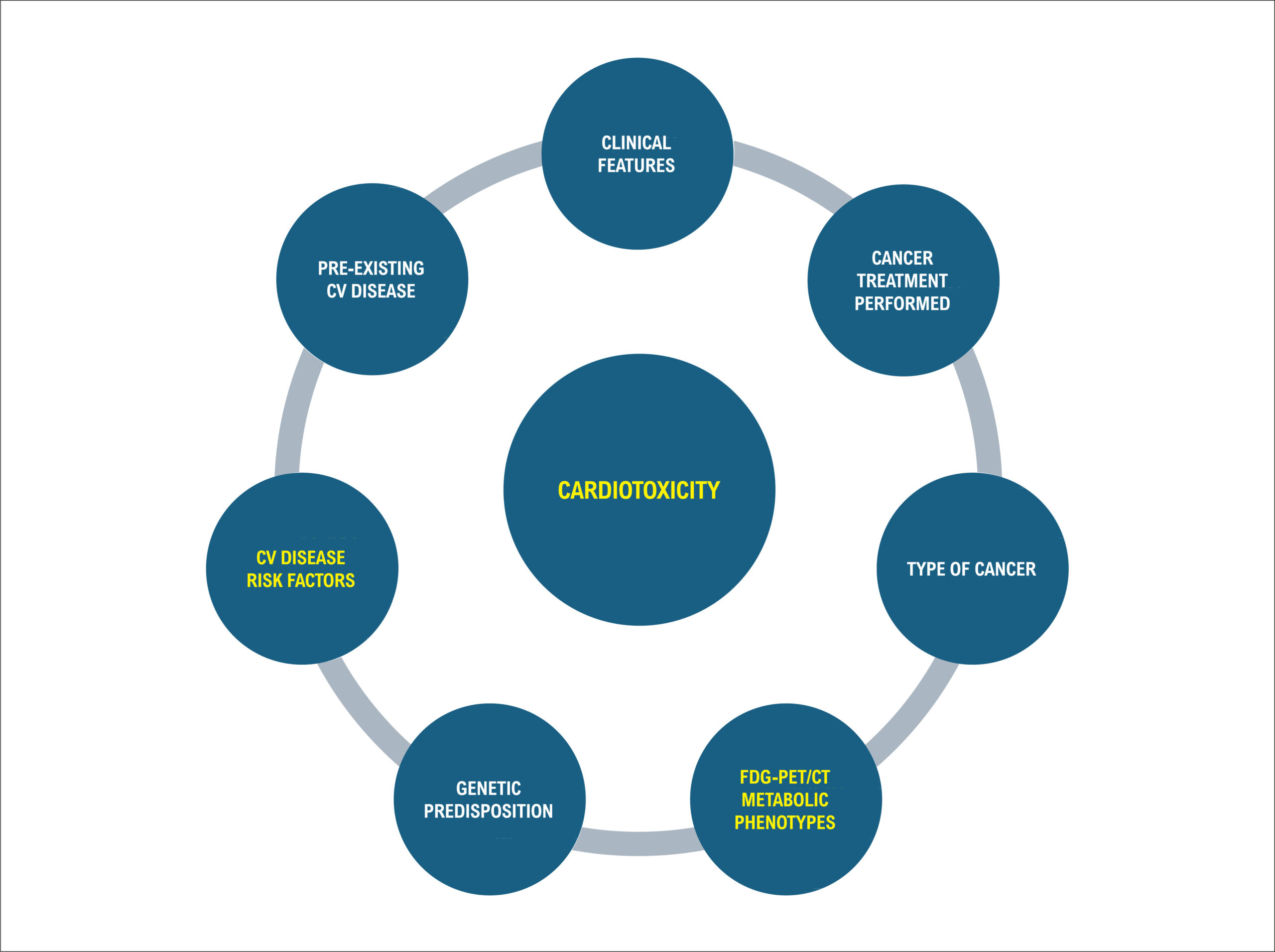
Cardio-oncology is a subspecialty of cardiology that has become necessary as a consequence of the favorable impact of cancer treatment, which increases patients’ survival rates, but makes them more prone to the cardiovascular side effects of cancer therapies in the short and long term. The presence of predisposing factors such as pre-existing cardiovascular disease, cardiovascular risk factors, genetic predisposition, previous antineoplastic therapies, and increased patient age is associated with a higher risk of cardiotoxicity in cancer treatment and may aggravate its complications. The use of imaging methods is fundamental in the management and detection of complications in cancer treatment. Echocardiography is considered the standard method for assessing left ventricular function and should be used in all patients. Magnetic resonance imaging is the best alternative for evaluation in patients with other associated conditions, especially advanced coronary disease, and in cases where it is difficult to obtain adequate echocardiographic images. Nuclear medicine offers options for patients for whom the use of echocardiography and magnetic resonance imaging is limited and for patients whose clinical and laboratory assessments conflict. Judicious use of imaging techniques leads to better patient outcomes during cancer treatment.

  • Cardiotoxicity
  • Computed Tomography
  • Echocardiography
  • Heart Failure
  • Magnetic Resonance
  • Scintigraphy
Read Full Article
Creative Commons Attribution (CC BY) Creative Commons license
18/12/2022 DOI: 10.36660/abchf.20220087 Views 2
Figure 1
ABCHF
Review Article

Heart Failure with Preserved Ejection Fraction and Cancer

Antonio José Lagoeiro Jorge et al. Humberto Villacorta Luiz Claudio Danzmann Evandro Tinoco Mesquita

Abstract

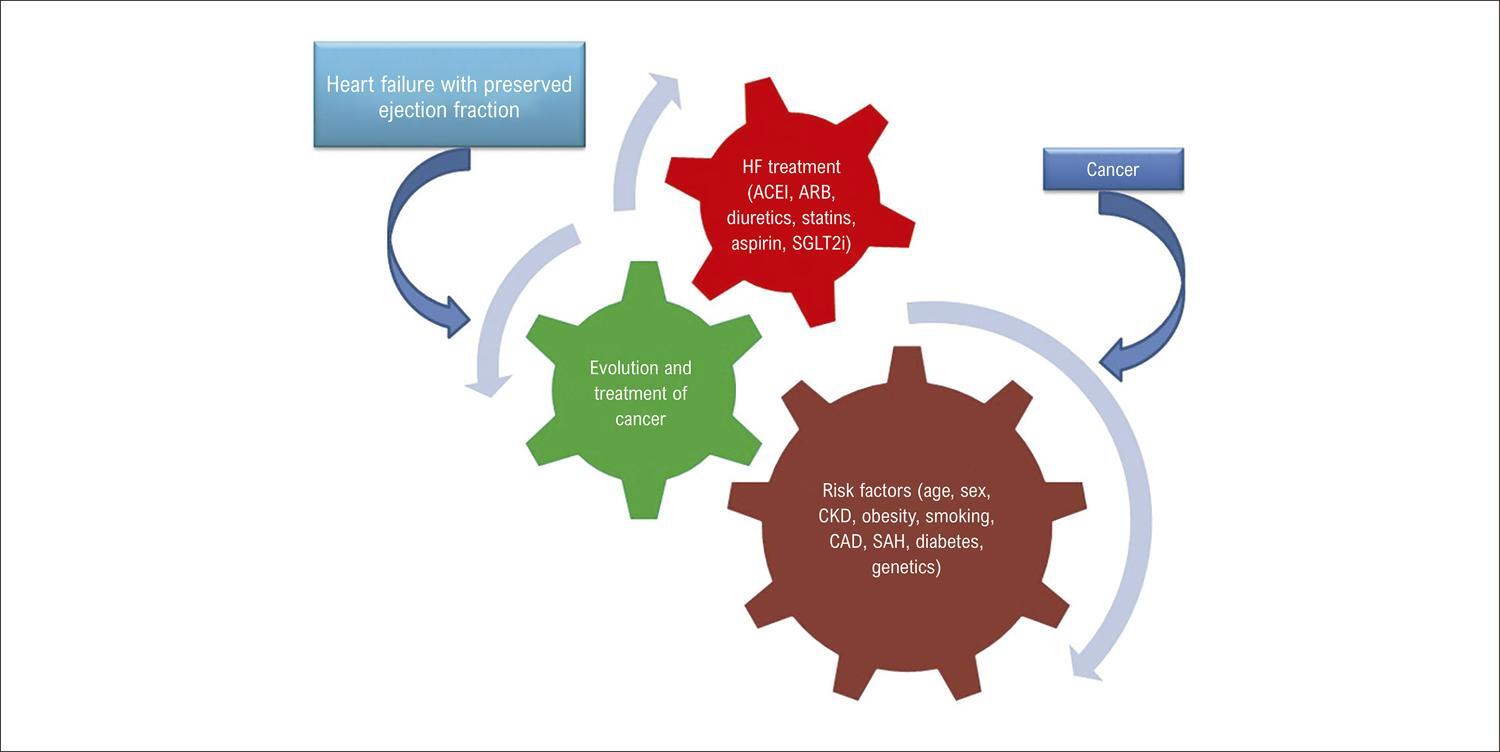
Heart failure with preserved ejection fraction (HFpEF) is associated with high morbidity and mortality. After hospitalization for heart failure, the 5-year survival of HFpEF is 35%, which is worse than many forms of cancer. HFpEF and cancer share common risk factors. The use of chemotherapy medications such as anthracyclines is associated with increased aortic stiffness and diastolic dysfunction, suggesting that anthracycline therapy may increase the risk of HFpEF, given that worsening of diastolic function, which can be associated with the occurrence of HFpEF, is an early sign of cardiotoxicity. Radiotherapy, widely used in the treatment of breast cancer, leads to an increased risk of developing heart disease since radiation induces coronary microvascular endothelial damage and inflammation, leading to microvascular rarefaction, myocardial inflammation, oxidative stress, and fibrosis, which favor the development of HFpEF. Early diagnosis of cardiotoxicity is an important issue in the care of patients with cancer, and biomarkers have been extensively studied in predicting systolic dysfunction and heart failure with reduced ejection fraction, as well as in the development of HFpEF. HFpEF and cancer have an elevated prevalence, and they share age group, risk factors, and the pathophysiological phenomenon, in which inflammation plays a preponderant role. Biomarkers, especially natriuretic peptides, and ultrasound imaging are fundamental tools in the diagnostic detection and follow-up of these patients.

  • Cancer
  • Cardiotoxicity
  • Chemotherapy
  • Heart Failure with Preserved Ejection Fraction
  • Radiotherapy
Read Full Article
Creative Commons Attribution (CC BY) Creative Commons license
18/12/2022 DOI: 10.36660/abchf.20220079 Views 1
Figure 1
ABCHF
Review Article

Takotsubo Cardiomyopathy in Patients with Cancer

Ariane Vieira Scarlatelli Macedo et al. Gustavo Luiz Gouvêa de Almeida Junior Marília Harumi Higuchi dos Santos Rehder

Abstract

Takotsubo cardiomyopathy (TC) in cancer patients has been predominantly noted as a cardiotoxic complication of oncologic therapy or secondary to catecholamine overload in specific tumors such as pheochromocytomas. The underlying pathophysiological mechanisms that lead to TC are not entirely understood. The diagnosis of TC can be challenging and may be neglected during cancer treatment, given the wide range of cardiotoxic effects of antineoplastic therapies. However, TC in oncology exists more often than formerly assumed, and it should be included in the differential diagnosis by physicians dealing with cancer patients. An increased suspicion is crucial for earlier diagnosis and treatment to improve outcomes. In addition to a risk model strategy identifying those cancer patients with the highest risk of having TC, translational studies are awaited. They would clarify the underlying mechanism of TC, disclose targets for prevention and treatment and determine whether re-exposing the patient to the same or equivalent anticancer agents would be secure and feasible.

  • Cardiotoxicity
  • Neoplasms
  • Takotsubo Cardiomyopathy
Read Full Article
Creative Commons Attribution (CC BY) Creative Commons license
18/12/2022 DOI: 10.36660/abchf.20220083 Views 3
Figure 1
ABCHF
Review Article

Myocarditis in Cancer Patients: A Review of an Emerging Problem in Cardio-Oncology

Wolney de Andrade Martins et al. Eduardo Schlabendorff

Abstract

Patients with cancer have a multitude of etiological factors for developing myocarditis. Classical or conventional chemotherapy, radiation therapy, and, more recently, immunotherapy have all been described as possible etiologies of myocarditis. Furthermore, patients with cancer are immunosuppressed and more susceptible to bacterial and viral infections that can cause myocarditis. This narrative review addresses the many possible causes of myocarditis in patients with cancer. Particular emphasis will be given to immune checkpoint inhibitor (ICI)-induced myocarditis. ICI myocarditis generally affects male patients, over the age of 50, who are being treated for lung cancer, melanoma, or renal cell carcinoma and have multiple comorbidities. Clinical manifestations present early, with elevated troponin and electrocardiogram changes. The case fatality rate is high. Treatment consists of discontinuation of the offending ICI and corticosteroid therapy. Myocarditis due to cyclophosphamide, anthracyclines, 5-fluorouracil, cisplatin, carboplatin, proteasome inhibitors, immunomodulators, tyrosine kinase inhibitors, and radiation therapy will also be addressed.

  • Cardiotoxicity
  • Drug Therapy
  • Immune Checkpoint Inhibitors
  • Immunotherapy
  • Myocarditis
  • Neoplasms
Read Full Article
Creative Commons Attribution (CC BY) Creative Commons license
18/12/2022 DOI: 10.36660/abchf.20230009 Views 4
ABCHF
Case Report

Heart Transplantation in Patients with Chemotherapy-Induced Cardiotoxicity

Aurora Felice Castro Issa et al. Tereza Cristina Felippe Guimarães Vithoria Vidotti Gabriela Zagni … Milena Santos Jacqueline Miranda

Abstract

We report 3 cases of heart transplantation in adults due to chemotherapy-induced cardiotoxicity in a transplant center in Rio de Janeiro, Brazil. All patients received anthracyclines during cancer treatment. We reviewed and discussed the cases with data from the literature, addressing the importance of early diagnosis and treatment of heart failure in cancer survivors.

  • Cardiotoxicity
  • Heart Failure
  • Heart Transplantation
Read Full Article
Creative Commons Attribution (CC BY) Creative Commons license
18/12/2022 DOI: 10.36660/abchf.20220096
ABCHF
Review Article

Right Ventricular Dysfunction in the Cancer Patient

Marina Macedo Kuenzer Bond et al. Fernando Pivatto Júnior Andreia Biolo

Abstract

Right ventricular dysfunction (RVD) is present in several clinical conditions, and its clinical impact and prognosis in cardiology has been more studied in recent years. In oncology, some studies have tried to determine the role of RVD in cardiotoxicity caused by some therapies including anthracyclines, trastuzumab, cyclophosphamide and dasatinib. In the present study, we made a literature review on the subject, trying to highlight the challenges for the coming years.

  • Cardiac Dysfunction
  • Cardio-Oncology
  • Cardiotoxicity
  • Right Heart Failure
Read Full Article
Creative Commons Attribution (CC BY) Creative Commons license
18/12/2022 DOI: 10.36660/abchf.20230007 Views 2
Figure 1
ABCHF
Original Article

Efficacy of Different Cumulative Doses of Doxorubicin in the Induction of a Dilated Cardiomyopathy Model in Rats

Denise Mayumi Tanaka et al. João Lucas O’Connell Camila Godoy Fabricio Minna Moreira Dias Romano … Erica Carolina Campos Luciano Fonseca Lemos de Oliveira André Schmidt Eduardo Elias Vieira de Carvalho Marcus Vinícius Simões

Abstract

Background:

Doxorubicin (DOXO) has been used to induce dilated cardiomyopathy (DCM) in experimental models.

Objective:

To analyze cardiac changes after DOXO infusion and define the most effective protocol to reproduce an experimental model of DCM.

Methods:

Male Wistar rats were divided into 4 groups and received increasing cumulative doses of DOXO (at a rate of 2 mg/kg/week) or saline solution: the control group (CTR) received saline solution, Group D-8 received a total infusion of 8 mg/kg, Group D-12 received 12 mg/kg, and Group D-16 received 6 mg/kg. All animals underwent echocardiography at baseline and after the end of infusion. The animals were then euthanized and cardiac tissue was collected for histological analysis.

Results:

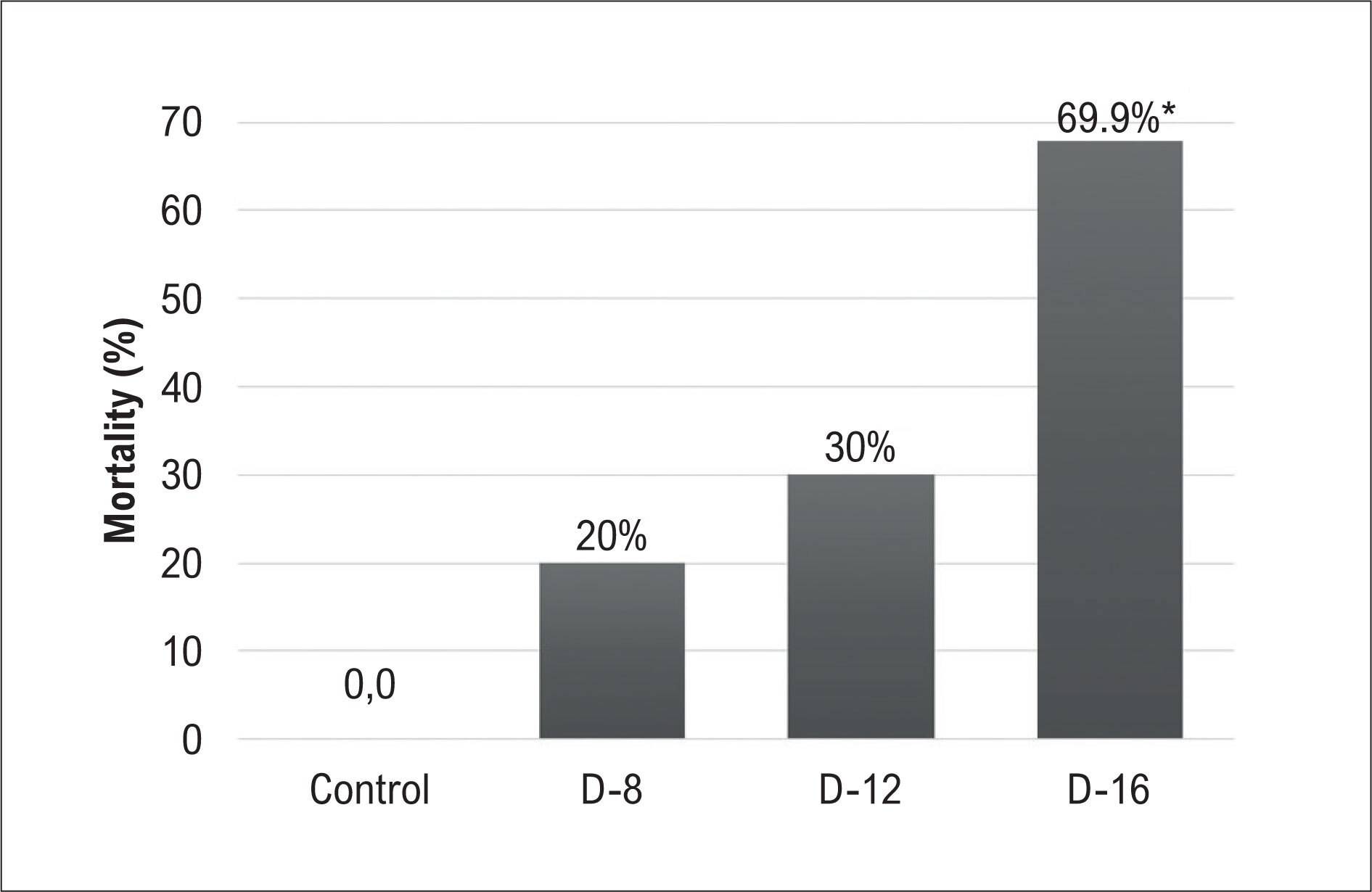
Mortality rates were 20% (D-8), 30% (D-12), and 67.6% (D-16). The 8 mg/kg dose was not associated with a significant reduction in left ventricular ejection fraction (LVEF) or an increase in left ventricular end-diastolic diameter (LVEDD). There was significant LVEF impairment with 12 mg/kg and 16 mg/kg doses compared to the control (68.3±5% vs 58.4±9%, p < 0.01, for CTR-12 vs D-12; and 66.0±6% vs 47.6±15%, p < 0.01, for CTR-16 vs D-16). Histological analyses revealed a greater percentage of fibrosis in D-12 (10.6±3.3%) and D-16 (9.8±2.3%) compared to CTR (2.3±1.0%), p < 0.001.

Conclusions:

The DOXO dose of 16 mg/kg was associated with severe cardiac changes and high mortality. Thus, we propose a DOXO dose of 12 mg/kg as the most appropriate and effective for inducing DCM with an acceptable mortality rate.

  • Cardiotoxicity
  • Dilated Cardiomyopathy
  • Doxorubicin
  • Heart Failure
  • Left Ventricular Dysfunction
Read Full Article
Creative Commons Attribution (CC BY) Creative Commons license
01/12/2022 DOI: 10.36660/abchf.20220074

Could not load more articles. Please try again.

How to cite this article

EndNote RIS

Electronic Document Format (Vancouver)

Martins JL, Duarte MCMB, Feitosa FGAM, Santos MVC. Chemotherapy-Induced Cardiotoxicity in the Pediatric Population: What Are the Unique Aspects of Cardiovascular Imaging Follow-Up?. ABC Imagem Cardiovascular 2026;39(2):e20260044.

Electronic Document Format (ABNT)

Martins, Jéssica Laureano; Duarte, Maria do Carmo Menezes Bezerra; Feitosa, Fabiana Gomes Aragão Magalhães; Santos, Maria Verônica Câmara dos. Chemotherapy-Induced Cardiotoxicity in the Pediatric Population: What Are the Unique Aspects of Cardiovascular Imaging Follow-Up?. ABC Imagem Cardiovascular, v. 39, n. 2, e20260044, Jul. 2026.

Electronic Document Format (APA)

Martins, J. L., Duarte, M. C. M. B., Feitosa, F. G. A. M., & Santos, M. V. C. (2026). Chemotherapy-Induced Cardiotoxicity in the Pediatric Population: What Are the Unique Aspects of Cardiovascular Imaging Follow-Up?. ABC Imagem Cardiovascular, 39(2), e20260044.

Electronic Document Format (ISO)

Martins, Jéssica Laureano and Duarte, Maria do Carmo Menezes Bezerra and Feitosa, Fabiana Gomes Aragão Magalhães and Santos, Maria Verônica Câmara dos. Chemotherapy-Induced Cardiotoxicity in the Pediatric Population: What Are the Unique Aspects of Cardiovascular Imaging Follow-Up?. ABC Imagem Cardiovascular [online]. 2026, vol. 39, n. 2, [cited 2026-10-14], e20260044. Available from: <https://journals.cardiol.br/en/article/chemotherapy-induced-cardiotoxicity-in-the-pediatric-population-what-are-the-unique-aspects-of-cardiovascular-imaging-follow-up/>. ISSN 2318-8219

EndNote RIS

Electronic Document Format (Vancouver)

Smanio PEP. Association between Cardiac Metabolic Patterns in Oncological PET/CT and Cardiovascular Risk Factors. Contribution to the Early Investigation of Cardiotoxicity. Arquivos Brasileiros de Cardiologia 2026;123(1):e20260107.

Electronic Document Format (ABNT)

Smanio, Paola Emanuela Poggio. Association between Cardiac Metabolic Patterns in Oncological PET/CT and Cardiovascular Risk Factors. Contribution to the Early Investigation of Cardiotoxicity. Arquivos Brasileiros de Cardiologia, v. 123, n. 1, e20260107, May. 2026.

Electronic Document Format (APA)

Smanio, P. E. P. (2026). Association between Cardiac Metabolic Patterns in Oncological PET/CT and Cardiovascular Risk Factors. Contribution to the Early Investigation of Cardiotoxicity. Arquivos Brasileiros de Cardiologia, 123(1), e20260107.

Electronic Document Format (ISO)

Smanio, Paola Emanuela Poggio. Association between Cardiac Metabolic Patterns in Oncological PET/CT and Cardiovascular Risk Factors. Contribution to the Early Investigation of Cardiotoxicity. Arquivos Brasileiros de Cardiologia [online]. 2026, vol. 123, n. 1, [cited 2026-10-14], e20260107. Available from: <https://journals.cardiol.br/en/article/association-between-cardiac-metabolic-patterns-in-oncological-pet-ct-and-cardiovascular-risk-factors-contribution-to-the-early-investigation-of-cardiotoxicity/>. ISSN 0066-782X

EndNote RIS

Electronic Document Format (Vancouver)

Berenguer DRF, Arruda GFA, Becker MMC, Dourado MLC, Buril RO, Mourato FA, Almeida Filho PJ, et al. Monitoring Myocardial Metabolic Changes in Lymphoma Patients Undergoing Chemotherapy Using FDG PET/CT. ABC Imagem Cardiovascular 2025;38(4):e20250067.

Electronic Document Format (ABNT)

Berenguer, Diego Rafael Freitas; Arruda, Gustavo Freitas Alves de; Becker, Monica de Moraes Chaves; Dourado, Mayara Lais Coelho; Buril, Roberto de Oliveira; Mourato, Felipe Alves; Almeida Filho, Paulo José de; Markman-Filho, Brivaldo; Brandão, Simone Cristina Soares. Monitoring Myocardial Metabolic Changes in Lymphoma Patients Undergoing Chemotherapy Using FDG PET/CT. ABC Imagem Cardiovascular, v. 38, n. 4, e20250067, Dec. 2025.

Electronic Document Format (APA)

Berenguer, D. R. F., Arruda, G. F. A. , Becker, M. M. C., Dourado, M. L. C., Buril, R. O., Mourato, F. A., Almeida Filho, P. J. , Markman-Filho, B., & Brandão, S. C. S. (2025). Monitoring Myocardial Metabolic Changes in Lymphoma Patients Undergoing Chemotherapy Using FDG PET/CT. ABC Imagem Cardiovascular, 38(4), e20250067.

Electronic Document Format (ISO)

Berenguer, Diego Rafael Freitas and Arruda, Gustavo Freitas Alves de and Becker, Monica de Moraes Chaves and Dourado, Mayara Lais Coelho and Buril, Roberto de Oliveira and Mourato, Felipe Alves and Almeida Filho, Paulo José de and Markman-Filho, Brivaldo and Brandão, Simone Cristina Soares. Monitoring Myocardial Metabolic Changes in Lymphoma Patients Undergoing Chemotherapy Using FDG PET/CT. ABC Imagem Cardiovascular [online]. 2025, vol. 38, n. 4, [cited 2026-10-14], e20250067. Available from: <https://journals.cardiol.br/en/article/monitoring-myocardial-metabolic-changes-in-lymphoma-patients-undergoing-chemotherapy-using-fdg-pet-ct/>. ISSN 2318-8219

EndNote RIS

Electronic Document Format (Vancouver)

Teixeira JAC, Carvalho JDR, Teixeira MF. Anabolic-Androgenic Steroids and Cardiotoxicity. International Journal of Cardiovascular Sciences 2025;38:e20250096.

Electronic Document Format (ABNT)

Teixeira, José Antônio Caldas; Carvalho, Joelma Dominato Rocha; Teixeira, Mateus Freitas. Anabolic-Androgenic Steroids and Cardiotoxicity. International Journal of Cardiovascular Sciences, v. 38, e20250096, Aug. 2025.

Electronic Document Format (APA)

Teixeira, J. A. C., Carvalho, J. D. R., & Teixeira, M. F. (2025). Anabolic-Androgenic Steroids and Cardiotoxicity. International Journal of Cardiovascular Sciences, 38, e20250096.

Electronic Document Format (ISO)

Teixeira, José Antônio Caldas and Carvalho, Joelma Dominato Rocha and Teixeira, Mateus Freitas. Anabolic-Androgenic Steroids and Cardiotoxicity. International Journal of Cardiovascular Sciences [online]. 2025, vol. 38, [cited 2026-10-14], e20250096. Available from: <https://journals.cardiol.br/en/article/anabolic-androgenic-steroids-and-cardiotoxicity/>. ISSN 2359-4802

EndNote RIS

Electronic Document Format (Vancouver)

Silva CMPDC, Seabra-Garcez JD, Neves APL, Macedo AVS. Permissive Cardiotoxicity: When the Optimal Is the Enemy of the Good. ABC Imagem Cardiovascular 2025;38(1):e20240115.

Electronic Document Format (ABNT)

Silva, Carolina Maria Pinto Domingues Carvalho; Seabra-Garcez, Juliane Dantas; Neves, Ana Palmira Lima; Macedo, Ariane Vieira Scarlatelli. Permissive Cardiotoxicity: When the Optimal Is the Enemy of the Good. ABC Imagem Cardiovascular, v. 38, n. 1, e20240115, Mar. 2025.

Electronic Document Format (APA)

Silva, C. M. P. D. C., Seabra-Garcez, J. D., Neves, A. P. L., & Macedo, A. V. S. (2025). Permissive Cardiotoxicity: When the Optimal Is the Enemy of the Good. ABC Imagem Cardiovascular, 38(1), e20240115.

Electronic Document Format (ISO)

Silva, Carolina Maria Pinto Domingues Carvalho and Seabra-Garcez, Juliane Dantas and Neves, Ana Palmira Lima and Macedo, Ariane Vieira Scarlatelli. Permissive Cardiotoxicity: When the Optimal Is the Enemy of the Good. ABC Imagem Cardiovascular [online]. 2025, vol. 38, n. 1, [cited 2026-10-14], e20240115. Available from: <https://journals.cardiol.br/en/article/permissive-cardiotoxicity-when-the-optimal-is-the-enemy-of-the-good/>. ISSN 2318-8219

EndNote RIS

Electronic Document Format (Vancouver)

Torres MC, Fagundes JGM, Botelho LFB, Verçosa AFA, Melo MDT. Variations in Myocardial FDG Uptake and Metformin Use: Implications for Survival during Immunotherapy. ABC Imagem Cardiovascular 2025;38(1):e20240108.

Electronic Document Format (ABNT)

Torres, Matheus Coelho; Fagundes, Juliana Goes Martins; Botelho, Luís Fábio Barbosa; Verçosa, Alinne Fernanda Amaral; Melo, Marcelo Dantas Tavares de. Variations in Myocardial FDG Uptake and Metformin Use: Implications for Survival during Immunotherapy. ABC Imagem Cardiovascular, v. 38, n. 1, e20240108, Jan. 2025.

Electronic Document Format (APA)

Torres, M. C., Fagundes, J. G. M., Botelho, L. F. B., Verçosa, A. F. A., & Melo, M. D. T. (2025). Variations in Myocardial FDG Uptake and Metformin Use: Implications for Survival during Immunotherapy. ABC Imagem Cardiovascular, 38(1), e20240108.

Electronic Document Format (ISO)

Torres, Matheus Coelho and Fagundes, Juliana Goes Martins and Botelho, Luís Fábio Barbosa and Verçosa, Alinne Fernanda Amaral and Melo, Marcelo Dantas Tavares de. Variations in Myocardial FDG Uptake and Metformin Use: Implications for Survival during Immunotherapy. ABC Imagem Cardiovascular [online]. 2025, vol. 38, n. 1, [cited 2026-10-14], e20240108. Available from: <https://journals.cardiol.br/en/article/variations-in-myocardial-fdg-uptake-and-metformin-use-implications-for-survival-during-immunotherapy/>. ISSN 2318-8219

EndNote RIS

Electronic Document Format (Vancouver)

Tonon CR, Polegato BF. Long Non-Coding RNA, Apoptosis, and Doxorubicin-Induced Cardiotoxicity. Arquivos Brasileiros de Cardiologia 2024;121(6):e20240331.

Electronic Document Format (ABNT)

Tonon, Carolina R.; Polegato, Bertha F.. Long Non-Coding RNA, Apoptosis, and Doxorubicin-Induced Cardiotoxicity. Arquivos Brasileiros de Cardiologia, v. 121, n. 6, e20240331, Aug. 2024.

Electronic Document Format (APA)

Tonon, C. R., & Polegato, B. F. (2024). Long Non-Coding RNA, Apoptosis, and Doxorubicin-Induced Cardiotoxicity. Arquivos Brasileiros de Cardiologia, 121(6), e20240331.

Electronic Document Format (ISO)

Tonon, Carolina R. and Polegato, Bertha F.. Long Non-Coding RNA, Apoptosis, and Doxorubicin-Induced Cardiotoxicity. Arquivos Brasileiros de Cardiologia [online]. 2024, vol. 121, n. 6, [cited 2026-10-14], e20240331. Available from: <https://journals.cardiol.br/en/article/long-non-coding-rna-apoptosis-and-doxorubicin-induced-cardiotoxicity/>. ISSN 0066-782X

EndNote RIS

Electronic Document Format (Vancouver)

Guerra CCS, Sant’Ana G, Almeida OLR. Incidence of Cardiovascular Complications in Pediatric Patients Treated with Anthracyclines at a Brazilian Cancer Center. Arquivos Brasileiros de Cardiologia 2024;121(5):e20210352.

Electronic Document Format (ABNT)

Guerra, Cristina Chaves dos Santos de; Sant’Ana, Geisa; Almeida, Osório Luiz Rangel de. Incidence of Cardiovascular Complications in Pediatric Patients Treated with Anthracyclines at a Brazilian Cancer Center. Arquivos Brasileiros de Cardiologia, v. 121, n. 5, e20210352, Jun. 2024.

Electronic Document Format (APA)

Guerra, C. C. S. , Sant’Ana, G., & Almeida, O. L. R. (2024). Incidence of Cardiovascular Complications in Pediatric Patients Treated with Anthracyclines at a Brazilian Cancer Center. Arquivos Brasileiros de Cardiologia, 121(5), e20210352.

Electronic Document Format (ISO)

Guerra, Cristina Chaves dos Santos de and Sant’Ana, Geisa and Almeida, Osório Luiz Rangel de. Incidence of Cardiovascular Complications in Pediatric Patients Treated with Anthracyclines at a Brazilian Cancer Center. Arquivos Brasileiros de Cardiologia [online]. 2024, vol. 121, n. 5, [cited 2026-10-14], e20210352. Available from: <https://journals.cardiol.br/en/article/incidence-of-cardiovascular-complications-in-pediatric-patients-treated-with-anthracyclines-at-a-brazilian-cancer-center/>. ISSN 0066-782X

EndNote RIS

Electronic Document Format (Vancouver)

Berenguer DRF, Becker MMC, Buril RO, Bertão PA, Markman Filho B, Brandão SCS. Progression of Myocardial 18F-FDG Uptake in a Patient with Cardiotoxicity. Arquivos Brasileiros de Cardiologia 2024;121(2):e20230276.

Electronic Document Format (ABNT)

Berenguer, Diego Rafael Freitas; Becker, Monica de Moraes Chaves; Buril, Roberto de Oliveira; Bertão, Paula Araruna; Markman Filho, Brivaldo; Brandão, Simone Cristina Soares. Progression of Myocardial 18F-FDG Uptake in a Patient with Cardiotoxicity. Arquivos Brasileiros de Cardiologia, v. 121, n. 2, e20230276, Feb. 2024.

Electronic Document Format (APA)

Berenguer, D. R. F., Becker, M. M. C., Buril, R. O., Bertão, P. A., Markman Filho, B., & Brandão, S. C. S. (2024). Progression of Myocardial 18F-FDG Uptake in a Patient with Cardiotoxicity. Arquivos Brasileiros de Cardiologia, 121(2), e20230276.

Electronic Document Format (ISO)

Berenguer, Diego Rafael Freitas and Becker, Monica de Moraes Chaves and Buril, Roberto de Oliveira and Bertão, Paula Araruna and Markman Filho, Brivaldo and Brandão, Simone Cristina Soares. Progression of Myocardial 18F-FDG Uptake in a Patient with Cardiotoxicity. Arquivos Brasileiros de Cardiologia [online]. 2024, vol. 121, n. 2, [cited 2026-10-14], e20230276. Available from: <https://journals.cardiol.br/en/article/progression-of-myocardial-18f-fdg-uptake-in-a-patient-with-cardiotoxicity/>. ISSN 0066-782X

EndNote RIS

Electronic Document Format (Vancouver)

Barragán AP, Escobar PN, Miller AM, Ruiz LAM. Cardiovascular Disease in Women With Breast Cancer: A Contemporary Review. International Journal of Cardiovascular Sciences 2024;37:e20230131.

Electronic Document Format (ABNT)

Barragán, Adriana Puente; Escobar, Patricia Nuriulú; Miller, Alejandra Madrid; Ruiz, Luis Antonio Moreno. Cardiovascular Disease in Women With Breast Cancer: A Contemporary Review. International Journal of Cardiovascular Sciences, v. 37, e20230131, Feb. 2024.

Electronic Document Format (APA)

Barragán, A. P., Escobar, P. N., Miller, A. M., & Ruiz, L. A. M. (2024). Cardiovascular Disease in Women With Breast Cancer: A Contemporary Review. International Journal of Cardiovascular Sciences, 37, e20230131.

Electronic Document Format (ISO)

Barragán, Adriana Puente and Escobar, Patricia Nuriulú and Miller, Alejandra Madrid and Ruiz, Luis Antonio Moreno. Cardiovascular Disease in Women With Breast Cancer: A Contemporary Review. International Journal of Cardiovascular Sciences [online]. 2024, vol. 37, [cited 2026-10-14], e20230131. Available from: <https://journals.cardiol.br/article/cardiovascular-disease-in-women-with-breast-cancer-a-contemporary-review/>. ISSN 2359-4802

EndNote RIS

Electronic Document Format (Vancouver)

Lorencini GA, Rabello RS. Cardiovascular Diseases in Oncological Patients Treated at a Tertiary Hospital in the Northern Macroregion of Rio Grande do Sul. ABC Heart Fail Cardiomyop 2023;3(3):e20230081.

Electronic Document Format (ABNT)

Lorencini, Gabriel Amaral; Rabello, Renata dos Santos. Cardiovascular Diseases in Oncological Patients Treated at a Tertiary Hospital in the Northern Macroregion of Rio Grande do Sul. ABC Heart Fail Cardiomyop, v. 3, n. 3, e20230081, Dec. 2023.

Electronic Document Format (APA)

Lorencini, G. A., & Rabello, R. S. (2023). Cardiovascular Diseases in Oncological Patients Treated at a Tertiary Hospital in the Northern Macroregion of Rio Grande do Sul. ABC Heart Fail Cardiomyop, 3(3), e20230081.

Electronic Document Format (ISO)

Lorencini, Gabriel Amaral and Rabello, Renata dos Santos. Cardiovascular Diseases in Oncological Patients Treated at a Tertiary Hospital in the Northern Macroregion of Rio Grande do Sul. ABC Heart Fail Cardiomyop [online]. 2023, vol. 3, n. 3, [cited 2026-10-14], e20230081. Available from: <https://journals.cardiol.br/en/article/cardiovascular-diseases-in-oncological-patients-treated-at-a-tertiary-hospital-in-the-northern-macroregion-of-rio-grande-do-sul/>

EndNote RIS

Electronic Document Format (Vancouver)

Mancio J. Empowering the Imagers with 3D-Speckle Tracking Echocardiography to Detect Subclinical Cancer Therapy-Related Myocardial Dysfunction. Arquivos Brasileiros de Cardiologia 2023;120(8):e20230554.

Electronic Document Format (ABNT)

Mancio, Jennifer. Empowering the Imagers with 3D-Speckle Tracking Echocardiography to Detect Subclinical Cancer Therapy-Related Myocardial Dysfunction. Arquivos Brasileiros de Cardiologia, v. 120, n. 8, e20230554, Sep. 2023.

Electronic Document Format (APA)

Mancio, J. (2023). Empowering the Imagers with 3D-Speckle Tracking Echocardiography to Detect Subclinical Cancer Therapy-Related Myocardial Dysfunction. Arquivos Brasileiros de Cardiologia, 120(8), e20230554.

Electronic Document Format (ISO)

Mancio, Jennifer. Empowering the Imagers with 3D-Speckle Tracking Echocardiography to Detect Subclinical Cancer Therapy-Related Myocardial Dysfunction. Arquivos Brasileiros de Cardiologia [online]. 2023, vol. 120, n. 8, [cited 2026-10-14], e20230554. Available from: <https://journals.cardiol.br/en/article/empowering-the-imagers-with-3d-speckle-tracking-echocardiography-to-detect-subclinical-cancer-therapy-related-myocardial-dysfunction/>. ISSN 0066-782X

EndNote RIS

Electronic Document Format (Vancouver)

Guan Y. Diagnostic Value of Three-Dimensional Speckle Tracking Imaging Strain Parameters for Detection of Cancer Chemotherapy-Related Cardiac Dysfunction: A Meta-Analysis. Arquivos Brasileiros de Cardiologia 2023;120(8):e20220370.

Electronic Document Format (ABNT)

Guan, Yingying. Diagnostic Value of Three-Dimensional Speckle Tracking Imaging Strain Parameters for Detection of Cancer Chemotherapy-Related Cardiac Dysfunction: A Meta-Analysis. Arquivos Brasileiros de Cardiologia, v. 120, n. 8, e20220370, Jul. 2023.

Electronic Document Format (APA)

Guan, Y. (2023). Diagnostic Value of Three-Dimensional Speckle Tracking Imaging Strain Parameters for Detection of Cancer Chemotherapy-Related Cardiac Dysfunction: A Meta-Analysis. Arquivos Brasileiros de Cardiologia, 120(8), e20220370.

Electronic Document Format (ISO)

Guan, Yingying. Diagnostic Value of Three-Dimensional Speckle Tracking Imaging Strain Parameters for Detection of Cancer Chemotherapy-Related Cardiac Dysfunction: A Meta-Analysis. Arquivos Brasileiros de Cardiologia [online]. 2023, vol. 120, n. 8, [cited 2026-10-14], e20220370. Available from: <https://journals.cardiol.br/en/article/diagnostic-value-of-three-dimensional-speckle-tracking-imaging-strain-parameters-for-detection-of-cancer-chemotherapy-related-cardiac-dysfunction-a-meta-analysis/>. ISSN 0066-782X

EndNote RIS

Electronic Document Format (Vancouver)

Paiva MG. Radiotherapy-Induced Heart Disease: What Can We Evaluate?. Arquivos Brasileiros de Cardiologia Imagem cardiovascular 2023;36(1):e358.

Electronic Document Format (ABNT)

Paiva, Marcelo Goulart. Radiotherapy-Induced Heart Disease: What Can We Evaluate?. Arquivos Brasileiros de Cardiologia Imagem cardiovascular, v. 36, n. 1, e358, Mar. 2023.

Electronic Document Format (APA)

Paiva, M. G. (2023). Radiotherapy-Induced Heart Disease: What Can We Evaluate?. Arquivos Brasileiros de Cardiologia Imagem cardiovascular, 36(1), e358.

Electronic Document Format (ISO)

Paiva, Marcelo Goulart. Radiotherapy-Induced Heart Disease: What Can We Evaluate?. Arquivos Brasileiros de Cardiologia Imagem cardiovascular [online]. 2023, vol. 36, n. 1, [cited 2026-10-14], e358. Available from: <https://journals.cardiol.br/en/article/radiotherapy-induced-heart-disease-what-can-we-evaluate/>. ISSN 2318-8219

EndNote RIS

Electronic Document Format (Vancouver)

Avila MS, Alves MSL, Ayub-Ferreira SM, Wanderley Junior MRB, Cruz FD, Brandão SMG, Hajjar LA, et al. Global Longitudinal Strain as Predictor of Chemotherapy-Induced Cardiotoxicity. ABC Imagem Cardiovascular 2022;35(4):eabc340.

Electronic Document Format (ABNT)

Avila, Monica Samuel; Alves, Marco Stephan Lofrano; Ayub-Ferreira, Silvia Moreira; Wanderley Junior, Mauro Rogerio de Barros; Cruz, Fatima das Dores; Brandão, Sara Michelly Gonçalves; Hajjar, Ludhmila Abrahão; Kalil Filho, Roberto; Cruz, Cecilia Beatriz Bittencourt Viana; Abduch, Maria Cristina; Moleta, Danilo Bora; Bocchi, Edimar Alcides. Global Longitudinal Strain as Predictor of Chemotherapy-Induced Cardiotoxicity. ABC Imagem Cardiovascular, v. 35, n. 4, eabc340, Dec. 2022.

Electronic Document Format (APA)

Avila, M. S., Alves, M. S. L., Ayub-Ferreira, S. M., Wanderley Junior, M. R. B., Cruz, F. D., Brandão, S. M. G., Hajjar, L. A., Kalil Filho, R., Cruz, C. B. B. V., Abduch, M. C., Moleta, D. B., & Bocchi, E. A. (2022). Global Longitudinal Strain as Predictor of Chemotherapy-Induced Cardiotoxicity. ABC Imagem Cardiovascular, 35(4), eabc340.

Electronic Document Format (ISO)

Avila, Monica Samuel and Alves, Marco Stephan Lofrano and Ayub-Ferreira, Silvia Moreira and Wanderley Junior, Mauro Rogerio de Barros and Cruz, Fatima das Dores and Brandão, Sara Michelly Gonçalves and Hajjar, Ludhmila Abrahão and Kalil Filho, Roberto and Cruz, Cecilia Beatriz Bittencourt Viana and Abduch, Maria Cristina and Moleta, Danilo Bora and Bocchi, Edimar Alcides. Global Longitudinal Strain as Predictor of Chemotherapy-Induced Cardiotoxicity. ABC Imagem Cardiovascular [online]. 2022, vol. 35, n. 4, [cited 2026-10-14], eabc340. Available from: <https://journals.cardiol.br/en/article/global-longitudinal-strain-as-predictor-of-chemotherapy-induced-cardiotoxicity/>. ISSN 2318-8219

EndNote RIS

Electronic Document Format (Vancouver)

Rodrigues AG, Trindade AC. Functional Capacity in Cardiotoxicity: Effects of Physical Exercise. ABC: Heart Failure & Cardiomyopathy 2022;2(4):410-4.

Electronic Document Format (ABNT)

Rodrigues, Amanda Gonzales; Trindade, Adriano Cavalcante. Functional Capacity in Cardiotoxicity: Effects of Physical Exercise. ABC: Heart Failure & Cardiomyopathy, v. 2, n. 4, p. 410-414, Dec. 2022.

Electronic Document Format (APA)

Rodrigues, A. G., & Trindade, A. C. (2022). Functional Capacity in Cardiotoxicity: Effects of Physical Exercise. ABC: Heart Failure & Cardiomyopathy, 2(4), 410-414.

Electronic Document Format (ISO)

Rodrigues, Amanda Gonzales and Trindade, Adriano Cavalcante. Functional Capacity in Cardiotoxicity: Effects of Physical Exercise. ABC: Heart Failure & Cardiomyopathy [online]. 2022, vol. 2, n. 4, [cited 2026-10-14], pp. 410-414. Available from: <https://journals.cardiol.br/en/article/functional-capacity-in-cardiotoxicity-effects-of-physical-exercise/>

EndNote RIS

Electronic Document Format (Vancouver)

Avila MS, Belfort DSP, Martins SM, Hajjar LA. Asymptomatic Ventricular Dysfunction and HFrEF Secondary to Classic Chemotherapy. ABC: Heart Failure & Cardiomyopathy 2022;2(4):335-42.

Electronic Document Format (ABNT)

Avila, Monica S.; Belfort, Deborah de Sá Pereira; Martins, Silvia Marinho; Hajjar, Ludhmila Abrahão. Asymptomatic Ventricular Dysfunction and HFrEF Secondary to Classic Chemotherapy. ABC: Heart Failure & Cardiomyopathy, v. 2, n. 4, p. 335-342, Dec. 2022.

Electronic Document Format (APA)

Avila, M. S., Belfort, D. S. P., Martins, S. M., & Hajjar, L. A. (2022). Asymptomatic Ventricular Dysfunction and HFrEF Secondary to Classic Chemotherapy. ABC: Heart Failure & Cardiomyopathy, 2(4), 335-342.

Electronic Document Format (ISO)

Avila, Monica S. and Belfort, Deborah de Sá Pereira and Martins, Silvia Marinho and Hajjar, Ludhmila Abrahão. Asymptomatic Ventricular Dysfunction and HFrEF Secondary to Classic Chemotherapy. ABC: Heart Failure & Cardiomyopathy [online]. 2022, vol. 2, n. 4, [cited 2026-10-14], pp. 335-342. Available from: <https://journals.cardiol.br/en/article/asymptomatic-ventricular-dysfunction-and-hfref-secondary-to-classic-chemotherapy/>

EndNote RIS

Electronic Document Format (Vancouver)

Mesquita CT, Melo MDT, Leal ABP, Almeida ALC. Critical Analysis and Applicability of Imaging Methods in Monitoring and Diagnosing Ventricular Dysfunction in Patients with Cancer. ABC: Heart Failure & Cardiomyopathy 2022;2(4):386-94.

Electronic Document Format (ABNT)

Mesquita, Claudio Tinoco; Melo, Marcelo Dantas Tavares de; Leal, Ariane Binoti Pacheco; Almeida, André Luiz Cerqueira de. Critical Analysis and Applicability of Imaging Methods in Monitoring and Diagnosing Ventricular Dysfunction in Patients with Cancer. ABC: Heart Failure & Cardiomyopathy, v. 2, n. 4, p. 386-394, Dec. 2022.

Electronic Document Format (APA)

Mesquita, C. T., Melo, M. D. T. , Leal, A. B. P., & Almeida, A. L. C. (2022). Critical Analysis and Applicability of Imaging Methods in Monitoring and Diagnosing Ventricular Dysfunction in Patients with Cancer. ABC: Heart Failure & Cardiomyopathy, 2(4), 386-394.

Electronic Document Format (ISO)

Mesquita, Claudio Tinoco and Melo, Marcelo Dantas Tavares de and Leal, Ariane Binoti Pacheco and Almeida, André Luiz Cerqueira de. Critical Analysis and Applicability of Imaging Methods in Monitoring and Diagnosing Ventricular Dysfunction in Patients with Cancer. ABC: Heart Failure & Cardiomyopathy [online]. 2022, vol. 2, n. 4, [cited 2026-10-14], pp. 386-394. Available from: <https://journals.cardiol.br/en/article/critical-analysis-and-applicability-of-imaging-methods-in-monitoring-and-diagnosing-ventricular-dysfunction-in-patients-with-cancer/>

EndNote RIS

Electronic Document Format (Vancouver)

Jorge AJL, Villacorta H, Danzmann LC, Mesquita ET. Heart Failure with Preserved Ejection Fraction and Cancer. ABC: Heart Failure & Cardiomyopathy 2022;2(4):343-5.

Electronic Document Format (ABNT)

Jorge, Antonio José Lagoeiro; Villacorta, Humberto; Danzmann, Luiz Claudio; Mesquita, Evandro Tinoco. Heart Failure with Preserved Ejection Fraction and Cancer. ABC: Heart Failure & Cardiomyopathy, v. 2, n. 4, p. 343-353, Dec. 2022.

Electronic Document Format (APA)

Jorge, A. J. L., Villacorta, H., Danzmann, L. C., & Mesquita, E. T. (2022). Heart Failure with Preserved Ejection Fraction and Cancer. ABC: Heart Failure & Cardiomyopathy, 2(4), 343-353.

Electronic Document Format (ISO)

Jorge, Antonio José Lagoeiro and Villacorta, Humberto and Danzmann, Luiz Claudio and Mesquita, Evandro Tinoco. Heart Failure with Preserved Ejection Fraction and Cancer. ABC: Heart Failure & Cardiomyopathy [online]. 2022, vol. 2, n. 4, [cited 2026-10-14], pp. 343-353. Available from: <https://journals.cardiol.br/en/article/heart-failure-with-preserved-ejection-fraction-and-cancer/>

EndNote RIS

Electronic Document Format (Vancouver)

Macedo AVS, Almeida Junior GLG, Rehder MHHS. Takotsubo Cardiomyopathy in Patients with Cancer. ABC: Heart Failure & Cardiomyopathy 2022;2(4):374-80.

Electronic Document Format (ABNT)

Macedo, Ariane Vieira Scarlatelli; Almeida Junior, Gustavo Luiz Gouvêa de; Rehder, Marília Harumi Higuchi dos Santos. Takotsubo Cardiomyopathy in Patients with Cancer. ABC: Heart Failure & Cardiomyopathy, v. 2, n. 4, p. 374-380, Dec. 2022.

Electronic Document Format (APA)

Macedo, A. V. S., Almeida Junior, G. L. G. , & Rehder, M. H. H. S. (2022). Takotsubo Cardiomyopathy in Patients with Cancer. ABC: Heart Failure & Cardiomyopathy, 2(4), 374-380.

Electronic Document Format (ISO)

Macedo, Ariane Vieira Scarlatelli and Almeida Junior, Gustavo Luiz Gouvêa de and Rehder, Marília Harumi Higuchi dos Santos. Takotsubo Cardiomyopathy in Patients with Cancer. ABC: Heart Failure & Cardiomyopathy [online]. 2022, vol. 2, n. 4, [cited 2026-10-14], pp. 374-380. Available from: <https://journals.cardiol.br/en/article/takotsubo-cardiomyopathy-in-patients-with-cancer/>

EndNote RIS

Electronic Document Format (Vancouver)

Martins WA, Schlabendorff E. Myocarditis in Cancer Patients: A Review of an Emerging Problem in Cardio-Oncology. ABC: Heart Failure & Cardiomyopathy 2022;2(4):354-61.

Electronic Document Format (ABNT)

Martins, Wolney de Andrade; Schlabendorff, Eduardo. Myocarditis in Cancer Patients: A Review of an Emerging Problem in Cardio-Oncology. ABC: Heart Failure & Cardiomyopathy, v. 2, n. 4, p. 354-361, Dec. 2022.

Electronic Document Format (APA)

Martins, W. A., & Schlabendorff, E. (2022). Myocarditis in Cancer Patients: A Review of an Emerging Problem in Cardio-Oncology. ABC: Heart Failure & Cardiomyopathy, 2(4), 354-361.

Electronic Document Format (ISO)

Martins, Wolney de Andrade and Schlabendorff, Eduardo. Myocarditis in Cancer Patients: A Review of an Emerging Problem in Cardio-Oncology. ABC: Heart Failure & Cardiomyopathy [online]. 2022, vol. 2, n. 4, [cited 2026-10-14], pp. 354-361. Available from: <https://journals.cardiol.br/en/article/myocarditis-in-cancer-patients-a-review-of-an-emerging-problem-in-cardio-oncology/>

EndNote RIS

Electronic Document Format (Vancouver)

Issa AFC, Guimarães TCF, Vidotti V, Zagni G, Santos M, Miranda J. Heart Transplantation in Patients with Chemotherapy-Induced Cardiotoxicity. ABC: Heart Failure & Cardiomyopathy 2022;2(4):425-7.

Electronic Document Format (ABNT)

Issa, Aurora Felice Castro; Guimarães, Tereza Cristina Felippe; Vidotti, Vithoria; Zagni, Gabriela; Santos, Milena; Miranda, Jacqueline. Heart Transplantation in Patients with Chemotherapy-Induced Cardiotoxicity. ABC: Heart Failure & Cardiomyopathy, v. 2, n. 4, p. 425-427, Dec. 2022.

Electronic Document Format (APA)

Issa, A. F. C., Guimarães, T. C. F., Vidotti, V., Zagni, G., Santos, M., & Miranda, J. (2022). Heart Transplantation in Patients with Chemotherapy-Induced Cardiotoxicity. ABC: Heart Failure & Cardiomyopathy, 2(4), 425-427.

Electronic Document Format (ISO)

Issa, Aurora Felice Castro and Guimarães, Tereza Cristina Felippe and Vidotti, Vithoria and Zagni, Gabriela and Santos, Milena and Miranda, Jacqueline. Heart Transplantation in Patients with Chemotherapy-Induced Cardiotoxicity. ABC: Heart Failure & Cardiomyopathy [online]. 2022, vol. 2, n. 4, [cited 2026-10-14], pp. 425-427. Available from: <https://journals.cardiol.br/en/article/heart-transplantation-in-patients-with-chemotherapy-induced-cardiotoxicity/>

EndNote RIS

Electronic Document Format (Vancouver)

Bond MMK, Pivatto Júnior F, Biolo A. Right Ventricular Dysfunction in the Cancer Patient. ABC: Heart Failure & Cardiomyopathy 2022;2(4):381-5.

Electronic Document Format (ABNT)

Bond, Marina Macedo Kuenzer; Pivatto Júnior, Fernando; Biolo, Andreia. Right Ventricular Dysfunction in the Cancer Patient. ABC: Heart Failure & Cardiomyopathy, v. 2, n. 4, p. 381-385, Dec. 2022.

Electronic Document Format (APA)

Bond, M. M. K., Pivatto Júnior, F., & Biolo, A. (2022). Right Ventricular Dysfunction in the Cancer Patient. ABC: Heart Failure & Cardiomyopathy, 2(4), 381-385.

Electronic Document Format (ISO)

Bond, Marina Macedo Kuenzer and Pivatto Júnior, Fernando and Biolo, Andreia. Right Ventricular Dysfunction in the Cancer Patient. ABC: Heart Failure & Cardiomyopathy [online]. 2022, vol. 2, n. 4, [cited 2026-10-14], pp. 381-385. Available from: <https://journals.cardiol.br/en/article/right-ventricular-dysfunction-in-the-cancer-patient/>

EndNote RIS

Electronic Document Format (Vancouver)

Tanaka DM, O’Connell JL, Fabricio CG, Romano MMD, Campos EC, Oliveira LFL, Schmidt A, et al. Efficacy of Different Cumulative Doses of Doxorubicin in the Induction of a Dilated Cardiomyopathy Model in Rats. ABC: Heart Failure & Cardiomyopathy 2022;2(3):242-9.

Electronic Document Format (ABNT)

Tanaka, Denise Mayumi; O’Connell, João Lucas; Fabricio, Camila Godoy; Romano, Minna Moreira Dias; Campos, Erica Carolina; Oliveira, Luciano Fonseca Lemos de; Schmidt, André; Carvalho, Eduardo Elias Vieira de; Simões, Marcus Vinícius. Efficacy of Different Cumulative Doses of Doxorubicin in the Induction of a Dilated Cardiomyopathy Model in Rats. ABC: Heart Failure & Cardiomyopathy, v. 2, n. 3, p. 242-249, Nov. 2022.

Electronic Document Format (APA)

Tanaka, D. M., O’Connell, J. L., Fabricio, C. G., Romano, M. M. D., Campos, E. C., Oliveira, L. F. L. , Schmidt, A., Carvalho, E. E. V. , & Simões, M. V. (2022). Efficacy of Different Cumulative Doses of Doxorubicin in the Induction of a Dilated Cardiomyopathy Model in Rats. ABC: Heart Failure & Cardiomyopathy, 2(3), 242-249.

Electronic Document Format (ISO)

Tanaka, Denise Mayumi and O’Connell, João Lucas and Fabricio, Camila Godoy and Romano, Minna Moreira Dias and Campos, Erica Carolina and Oliveira, Luciano Fonseca Lemos de and Schmidt, André and Carvalho, Eduardo Elias Vieira de and Simões, Marcus Vinícius. Efficacy of Different Cumulative Doses of Doxorubicin in the Induction of a Dilated Cardiomyopathy Model in Rats. ABC: Heart Failure & Cardiomyopathy [online]. 2022, vol. 2, n. 3, [cited 2026-10-14], pp. 242-249. Available from: <https://journals.cardiol.br/en/article/efficacy-of-different-cumulative-doses-of-doxorubicin-in-the-induction-of-a-dilated-cardiomyopathy-model-in-rats/>

  • About ABC Family
  • Internal Regulation
  • Editorial Board
  • Brazilian Society of Cardiology (SBC)

Issues

SBC Guidelines

  • Videos
  • Podcasts
  • News