ABC Family Arquivos Brasileiros de Cardiologia International Journal of Cardiovascular Sciences ABC Heart Failure & Cardiomyopathy ABC Imagem Cardiovascular
Português English
ABC Family
Português English
  • About
    • About ABC Family
    • Internal Regulation
    • Editorial Board
    • Brazilian Society of Cardiology (SBC)
  • Issues
  • SBC Guidelines
  • Content
    • Videos
    • Podcasts
    • News
  • About
    • About ABC Family
    • Internal Regulation
    • Editorial Board
    • Brazilian Society of Cardiology (SBC)
  • Issues
  • SBC Guidelines
  • Content
    • Videos
    • Podcasts
    • News

ABC Family

  • ABC Family
  • Arquivos Brasileiros de Cardiologia
  • International Journal of Cardiovascular Sciences
  • ABC Heart Failure & Cardiomyopathy
  • ABC Imagem Cardiovascular
Search in

No content found.

Journals
Ordering
Article types
Others

  1. Home
  2. Keyword: Heart Rate
Correlating Invasive and Echocardiographic Hemodynamic Measures in Patients with Heart Failure with Reduced Ejection Fraction
ABCIC
Original Article

Correlating Invasive and Echocardiographic Hemodynamic Measures in Patients with Heart Failure with Reduced Ejection Fraction

João Pedro da Rosa Barbato et al. Fernando Luis Scolari Guilherme Pinheiro Machado André Barcellos Amon … Pedro Castilhos de Freitas Crivelaro Willian R. Menegazzo Solano Vinicius Berger Gustavo Neves de Araujo Felipe Homem Valle Rodrigo Vugman Wainstein

Abstract

Background:

The management of heart failure with reduced ejection fraction (HFrEF) has advanced with the use of invasive hemodynamic markers such as cardiac power output (CPO) and pulmonary artery pulsatility index (PAPI). Simultaneously, interest has grown in noninvasive prognostic indicators, especially the left ventricular outflow tract velocity–time integral (LVOT-VTI).

Objective:

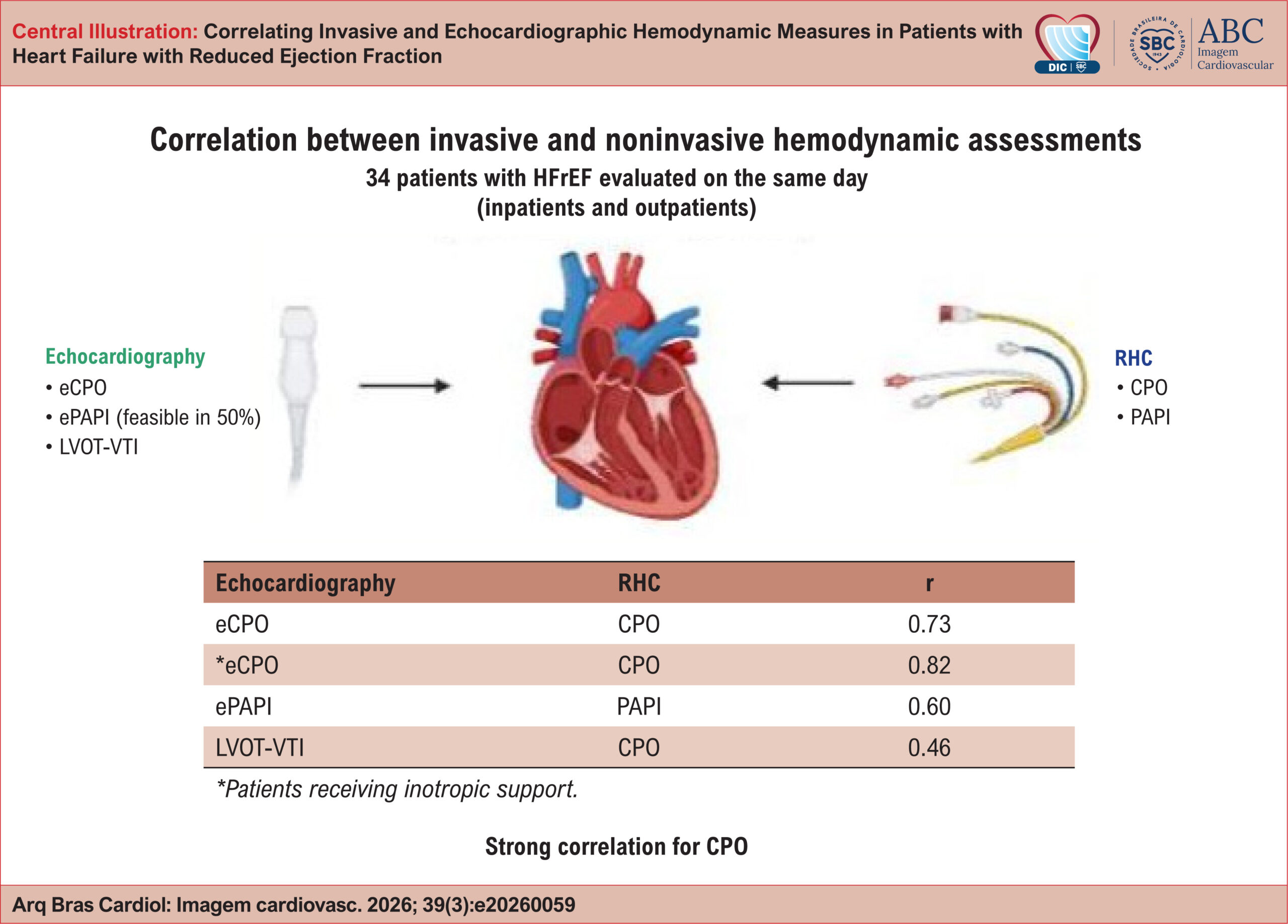
This study aimed to assess the correlation between invasive and echocardiographic parameters, particularly CPO, PAPI, and LVOT-VTI, in patients with HFrEF.

Methods:

This cross-sectional, single-center study included inpatients and outpatients with chronic stable or acutely decompensated HFrEF. Individuals with cardiogenic shock (CS) were excluded. Right heart catheterization (RHC) and echocardiography were performed on the same day. Statistical significance was defined as a two-sided p value < 0.05.

Results:

Significant correlations were observed between invasive and echocardiographic CPO (r = 0.737, p < 0.001) and PAPI (r = 0.604, p < 0.05). LVOT-VTI showed significant correlation with CPO measured via pulmonary artery catheter (PAC) (r = 0.469, p < 0.01). Echocardiographic PAPI was measurable in only 16 patients. A sensitivity analysis of those receiving inotropes showed an even stronger correlation between invasive and echocardiographic CPO (r = 0.812, p = 0.005).

Conclusion:

Echocardiographic and invasive hemodynamic parameters showed significant correlations in HFrEF, particularly CPO, supporting echocardiography as a potential alternative for hemodynamic assessment. However, the low feasibility of noninvasive PAPI measurement highlights important limitations in this population.
  • Echocardiography
  • Heart Rate
  • Hemodynamic Monitoring
  • Systolic Heart Failure
Read Full Article
Creative Commons Attribution (CC BY) Creative Commons license
03/09/2026 DOI: 10.36660/abcimg.20260059i Views 3
I - Evaluation of Cardiovascular Autonomic Function in Healthy Individuals
ABC
Review Article

I – Evaluation of Cardiovascular Autonomic Function in Healthy Individuals

Benedito Carlos Maciel et al. Lourenço Gallo-Jr André Schmidt José Antonio Marin-Neto

Abstract

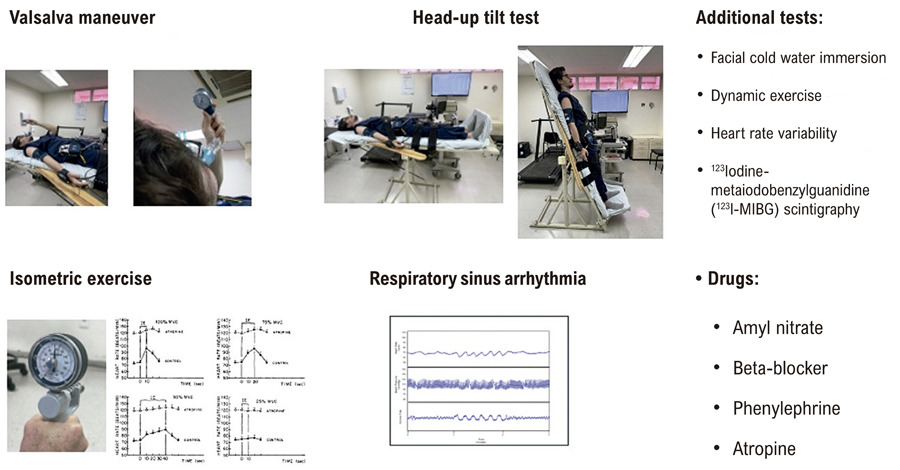
This first part of the review presents nearly 60 years of experience from our laboratory in standardizing cardiovascular autonomic tests in healthy individuals. The wide range of tests includes pharmacological blockade of both the sympathetic and parasympathetic divisions, baroreflex sensitivity assessment through transient hypertension and hypotension, the Valsalva maneuver, head-up tilt testing, isometric and dynamic exercise, facial immersion in cold water, respiratory sinus arrhythmia, heart rate variability analysis in the frequency domain, and imaging with 123I-metaiodobenzylguanidine. Autonomic function was evaluated based on test responses under baseline conditions in healthy individuals. The analysis also covers physiological adaptations to endurance training and aging, providing a reference framework for identifying autonomic dysfunction involving both parasympathetic and adrenergic components in patients with various pathophysiological conditions, as discussed in the second part of this review.

  • Autonomic Nervous System Diseases
  • Heart Rate
  • Parasympathetic Nervous System
  • Sympathetic Nervous System
Read Full Article
Creative Commons Attribution (CC BY) Creative Commons license
30/01/2026 DOI: 10.36660/abc.20250111i Views 1
II – Evaluation of Autonomic Control of Heart Rate in Various Clinical Conditions
ABC
Review Article

II – Evaluation of Autonomic Control of Heart Rate in Various Clinical Conditions

Benedito Carlos Maciel et al. Lourenço Gallo-Jr André Schmidt José Antonio Marin-Neto

Abstract

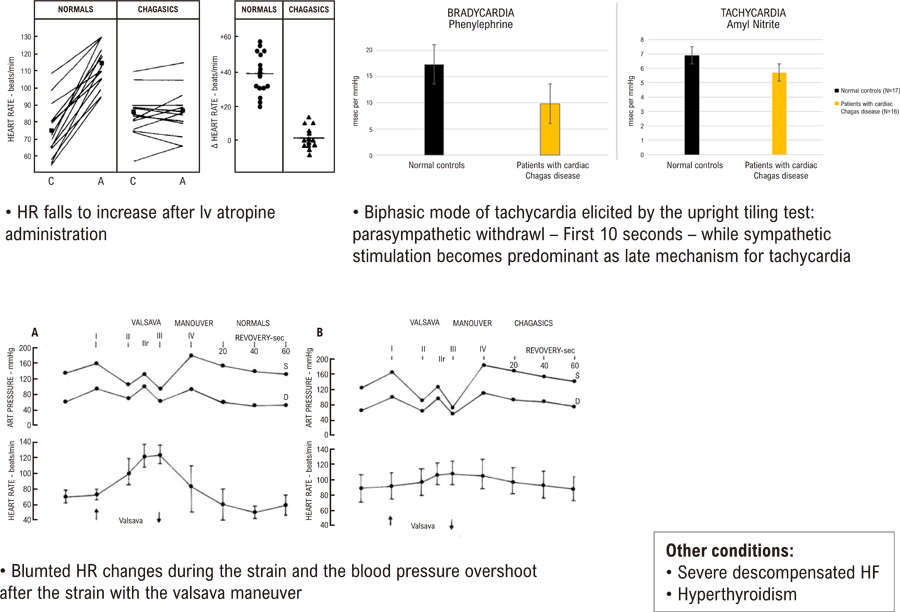
Through the comparison of responses of normal volunteers, assessment of autonomic function under abnormal clinical conditions focused on the detection of dysautonomia involving both the parasympathetic and adrenergic limbs in patients with Chagas heart disease, post-cardiac surgery, chronic heart failure, mitral valve prolapse, and hyperthyroidism. In particular, the autonomic impairment observed in Chagas disease patients involved predominantly the parasympathetic control of heart rate at the sinus node level, and the adrenergic innervation at the myocardial ventricular level. The autonomic derangements observed in Chagas cardiomyopathy patients have only recently been explored in terms of their prognostic relevance, and their potential clinical implications for therapeutic purposes remain to be investigated.

Over the last nearly seven decades, our laboratory has accumulated significant expertise using several tests described above to evaluate autonomic control of heart rate, now focusing on various pathophysiological clinical conditions. The effect of endurance physical training and of aging was mostly focused on studies of normal volunteers whose responses at baseline served as controls to be compared during tests employed in individuals with some morbid clinical conditions. By far, the pathophysiology of Chagas heart disease involving the autonomic nervous system was the most predominant subject studied in our laboratory, since the early studies in the 1960s until the late studies just recently published in international journals (Central Illustration). Other pathological conditions focused on our studies were mitral valve prolapse, heart failure, post-cardiac surgery, and hyperthyroidism.

  • Autonomic Nervous System Diseases
  • Heart Rate
  • Parasympathetic Nervous System
  • Sympathetic Nervous System
Read Full Article
Creative Commons Attribution (CC BY) Creative Commons license
30/01/2026 DOI: 10.36660/abc.20250112i Views 1
Figure 1
ABCIC
Review Article

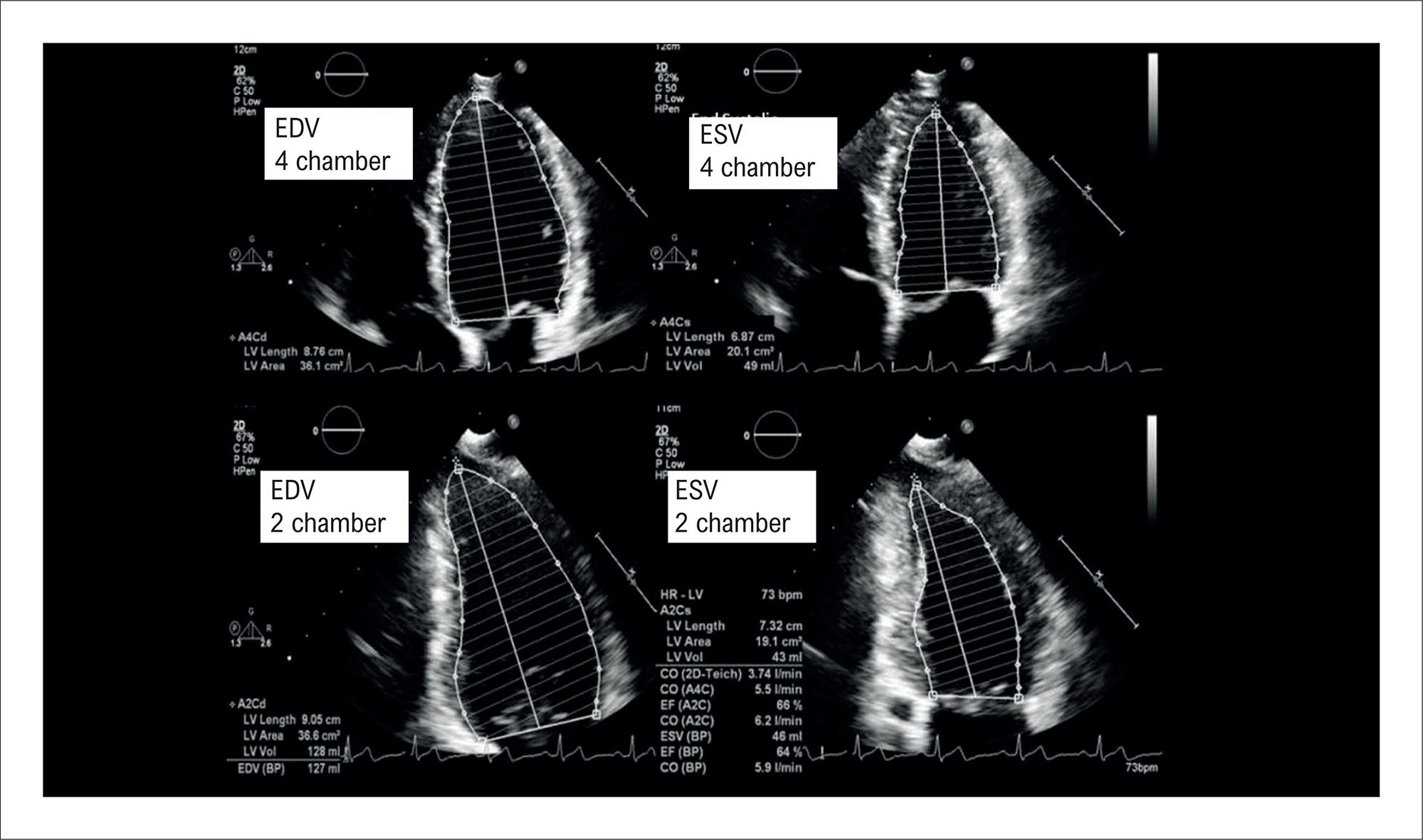
How I Assess Left Ventricular Systolic Function

Ana Clara Tude Rodrigues

Abstract

Assessment of left ventricular systolic function is central to transthoracic echocardiography and remains essential in clinical practice and research. Although left ventricular ejection fraction is still the most widely used parameter, advances in echocardiographic techniques have broadened diagnostic assessment. This review summarizes key methods for evaluating systolic function, from traditional linear measurements to modern two- and three-dimensional volumetric approaches. The roles and limitations of the Simpson method, contrast echocardiography, three-dimensional imaging, myocardial deformation analysis, and artificial intelligence are discussed, emphasizing the importance of an integrated and individualized approach.

  • Echocardiography
  • Heart Rate
  • Left Ventricular Function
Read Full Article
Creative Commons Attribution (CC BY) Creative Commons license
30/12/2025 DOI: 10.36660/abcimg.20250078i Views 3
ABC
Letter to the Editor

Understanding the Link between Visceral Fat and Heart Health

Moacir Fernandes Godoy

I read with interest the paper “Resting Heart Rate Variability is Independently Associated with Visceral Fat Rating Scores in Saudi Adult Males” by Syed Shahid Habib et al., published in ABC Cardiolcomparing heart rate variability (HRV) in 99 healthy men stratified by visceral fat rating (VFR) and showing associations between HRV and body composition metrics, but I have some reservations.

Heart rate variability has been demonstrated as a convenient method for assessing individual homeostatic status. Attempts to establish reference values according to age group and degree of impairment have been numerous in the specialized literature since the launch of the Task Force in 1996.– Among the most studied HRV variables are the standard deviation of normal RR intervals (SDNN) and the Root-mean square of successive differences (RMSSD) in the time domain and Low-Frequency power (LF ms2) and High-Frequency power (HF) in addition to the LF/HF ratio, in the frequency domain. These were exactly the variables studied by Habib and collaborators, concluding that men in the lowest visceral fat rating category (G1) had the highest HRV. Visceral Fat Rating was more strongly associated with HRV than body fat percentage and muscle mass to visceral fat ratio (MMVFR). Time domain parameters were more sensitive to visceral adipose tissue (VAT) than frequency domain parameters. They conclude by saying that HRV parameters could be the primary parameters of interest in monitoring cardiac-autonomic status in response to interventions targeting VAT reduction. These are all relevant points but there was a crucial problem in the presentation of this study. The HRV values cited in the results must have suffered a typing error as they are completely incompatible with the reference ranges.

[…]

  • Autonomic Nervous System
  • Heart Rate
  • Intra-Abdominal Fat
Read Full Article
Creative Commons Attribution (CC BY) Creative Commons license
03/02/2025 DOI: 10.36660/abc.20240466i
Figure 1
ABC
Brief Communication

Heart Rate Reduction after Effort Test Is Higher in Physically Active Adults without Familial Cardiovascular Risk Factor

Larissa de Almeida Dourado et al. Paulo Magno Martins Dourado Jaciara Gomes de Oliveira Evandra Maria da Silva … João Paulo de Almeida Dourado Pedro Gabriel Senger Braga

Abstract

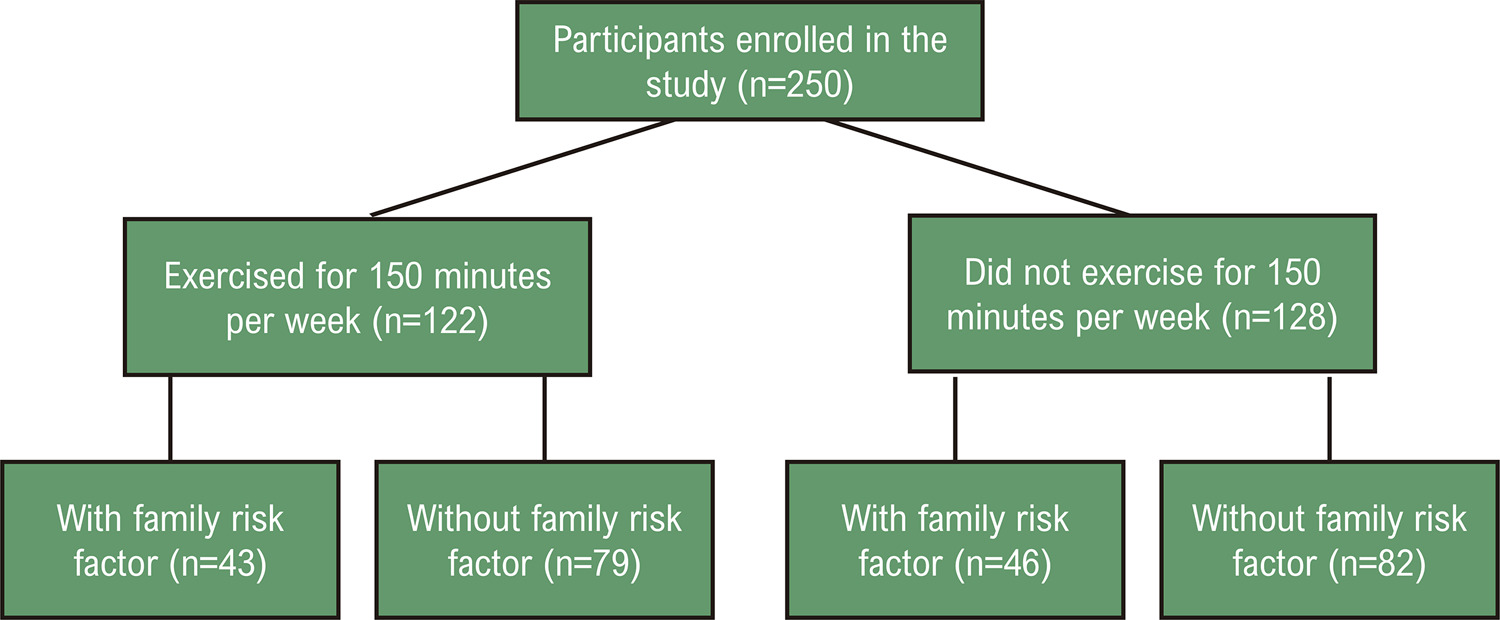
The objective of this study is to investigate the influence of physical activity on heart rate (HR) recovery, after treadmill exercise testing, in asymptomatic adults, with and without familial risk factors (FR) for cardiovascular disease. Two hundred and fifty (250) adults of both sexes aged 18 to 59 years were included in the study. None of the participants had a history of cardiovascular disease or used medications for chronic diseases. All individuals underwent exercise testing using the Ellestad protocol. Delta values were calculated by subtracting peak HR from HR in the first, second, fourth, and sixth minutes of recovery. The family history of cardiovascular disease and physical activity were documented. For statistical analysis, ANOVA was performed, followed by Bonferroni or Kruskall-Wallis multiple comparisons, followed by Dunn’s multiple comparisons. The delta values at the first, second, fourth, and sixth minutes of recovery were lower in individuals who did not engage in physical activity and had no family cardiovascular risk factor, compared to those who were physically active and had no family risk factor. No differences in delta values were observed between physically active individuals with cardiovascular risk factors and physically inactive individuals with a family history at the time points studied. In individuals without a family risk factor, physical activity appears to enhance autonomic control, increasing the capacity to reduce HR after exercise. However, this effect was not evident in those with a family risk factor, as physical activity did not impact recovery HR.

  • Autonomic Nervous System
  • Autonomic Nervous System Diseases
  • Exercise
  • Heart Rate
  • Risk Factors
Read Full Article
Creative Commons Attribution (CC BY) Creative Commons license
03/02/2025 DOI: 10.36660/abc.20240435i Views 1
Figure 1
ABC
Brief Communication

Intrarater Reliability and Agreement of Blood Pressure, Arterial Stiffness, and Heart Rate Variability Assessments in Patients With Parkinson’s Disease

Verônica de Fátima Souza Lima et al. Rafael Yokoyama Fecchio Maria Elisa Pimentel Piemonte Marilia de Almeida Correia … Hélcio Kanegusuku Raphael Mendes Ritti-Dias

Abstract

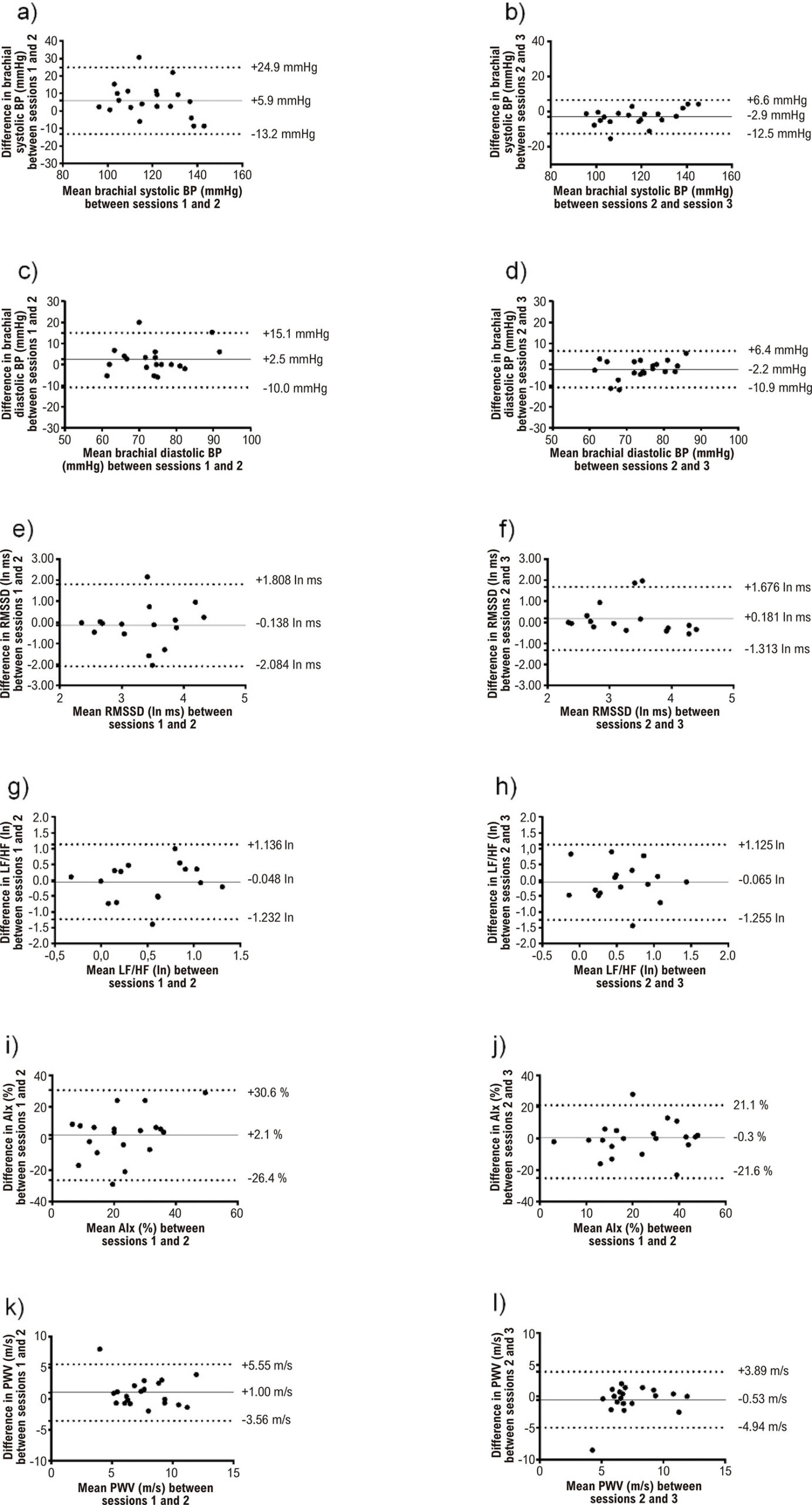
To assess the intrarater reliability and agreement of blood pressure (BP), arterial stiffness, and heart rate variability (HRV) assessments in patients with Parkinson`s disease (PD). Twenty patients with PD visited the laboratory three times, during which brachial and central BP (auscultatory and applanation tonometry, respectively), arterial stiffness (carotid-femoral pulse wave velocity and augmentation index), and HRV assessments were performed at rest. Brachial and central systolic BP presented greater values on visit 1 when compared to visits 2 and 3 (122±13 vs. 116±16 vs. 120±15, p=0.029). There were no significant differences (p>0.05) among the experimental visits for other parameters. Brachial and central BP showed an intraclass correlation coefficient (ICC) above 0.842 and a standard error of measurement (SEM) lower than 5.0%. Bland–Altman plots indicated low agreement between visits 1 and 2 and good agreement between visits 2 and 3. Arterial stiffness indices exhibited ICC values between 0.781 and 0.886, and SEM ranged from 7.3% to 25.2%. Bland–Altman plots indicated moderate to good agreement among visits for arterial stiffness parameters. HRV indices presented ICC values ranging from 0.558 to 0.854 and SEM values ranging from 5.1% to 76.0%. Bland–Altman plots indicated moderate agreement among visits for HRV parameters. In PD patients, brachial and central BP present low intrarater reliability and agreement between visits 1 and 2 and good intrarater reliability and agreement between visits 2 and 3. In general, arterial stiffness and HRV assessments present acceptable intrarater reliability and agreement among visits, except for cardiac sympathovagal balance.

  • Blood Pressure
  • Heart Rate
  • Parkinson Disease
  • Vascular Stiffness
Read Full Article
Creative Commons Attribution (CC BY) Creative Commons license
11/11/2024 DOI: 10.36660/abc.20240132i Views 1
Resting Heart Rate Variability is Independently Associated with Visceral Fat Rating Scores in Saudi Adult Males
ABC
Original Article

Resting Heart Rate Variability is Independently Associated with Visceral Fat Rating Scores in Saudi Adult Males

Syed Shahid Habib et al. Shaea Alkahtani Nouf Aljawini Syed Mohammad Habib Andrew A. Flatt

Abstract

Background

Visceral adipose tissue (VAT) may be a specific modifiable contributor to body composition-related autonomic impairment.

Objectives

To compare heart rate variability (HRV) between groups stratified by visceral fat rating (VFR) and compare associations between HRV and body composition metrics.

Methods

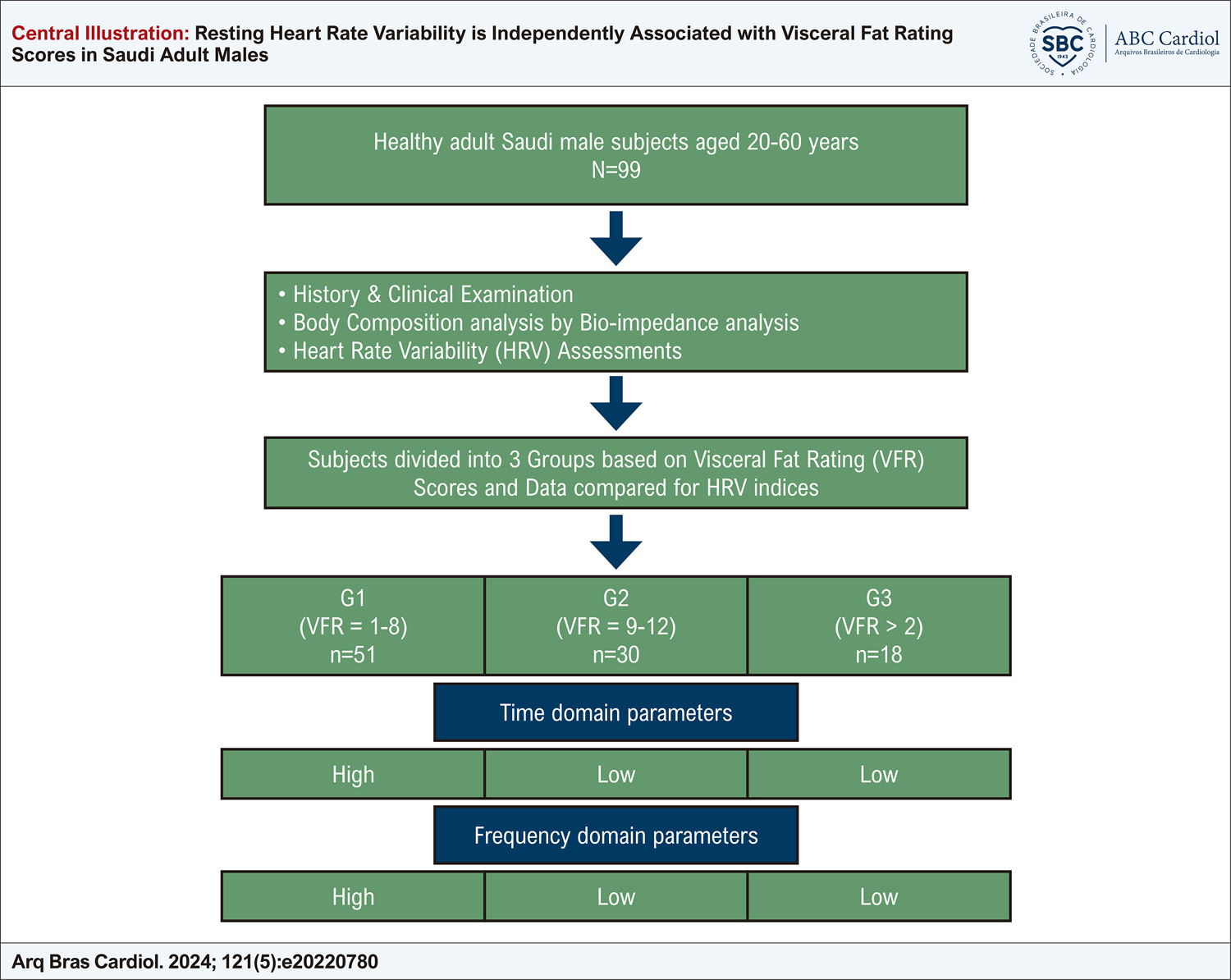
A cross-sectional study was conducted on healthy men (n=99,age=37.8±13.4 years, body mass index [BMI]=26.9±4.6 kg/m2). HRV was derived from 5-minute electrocardiographic recordings. Body composition (body fat percentage, VFR, and muscle mass to visceral fat ratio [MMVFR]) was estimated using tetrapolar bioelectrical impedance analysis. Participants were categorized into groups according to VFR: G1 (VFR=1-8); G2(VFR=9-12); and G3(VFR>12). Age-adjusted comparisons were made between groups. Independent associations were quantified with multiple linear regressions. P <0.05 was significant.

Results

Root-mean square of successive differences (RMSSD) and standard deviation of normal RR intervals (SDNN) were higher for G1 vs. G2 and G3 (p<0.05). Low-frequency power (LF) was higher in G1 than in G2 (p<0.05). VFR and MMVFR were negatively associated with SDNN, RMSSD, LF, and HF (p<0.05). After adjusting for age, BMI, and systolic and diastolic blood pressure, VFR was significantly predictive of RMSSD, SDNN, and HF (p=0.002,–0.027), and MMVFR was significantly predictive of RMSSD and SDNN (p=0.020,–0.023).

Conclusions

Men in the lowest VFR category had the highest HRV. VFR was more strongly associated with HRV than body fat percentage and MMVR. Time domain parameters were more sensitive to VAT than frequency domain parameters. HRV parameters could be the primary parameters of interest in tracking cardiac-autonomic status in response to interventions targeting VAT reduction.

  • Autonomic Nervous System
  • Heart Rate
  • Intra-Abdominal Fat
Read Full Article
Creative Commons Attribution (CC BY) Creative Commons license
14/10/2024 DOI: 10.36660/abc.20220780i
Figure 1
ABC
Editorial

Resting Heart Rate to Assess Patients with Heart Failure: That is All We Need

Humberto Villacorta

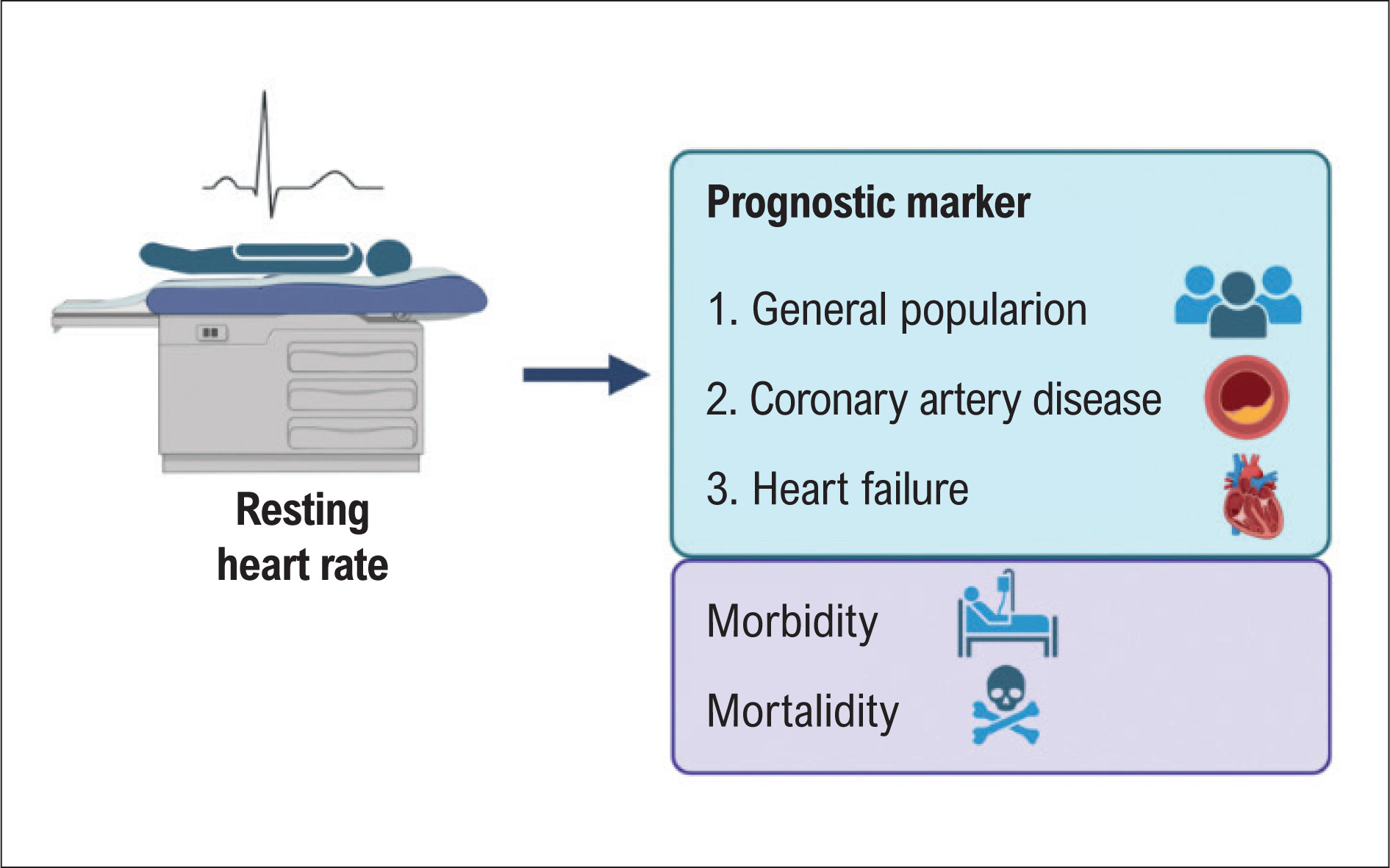
Heart rate (HR) is an important marker of prognosis in cardiovascular diseases. It is present as a predictor of survival in nature itself. For example, animals with a low HR live much longer than animals with a high HR. In the general population, HR has been related to mortality, as demonstrated in the Framingham Study. Additionally, since the 1980s, it has been known that resting HR is a prognostic factor in patients with coronary artery disease., Data from the Coronary Artery Surgery Study (CASS) showed that it predicts morbidity (hospital readmission rate) as well as total and cardiovascular mortality.

In heart failure (HF) resting HR is a prognostic marker as well, as shown in . The treatment of HF with reduced ejection fraction includes the utilization of beta-blockers.– Although beta-blockers have many mechanisms through which they may benefit patients with HF, HR reduction probably contributes to the beneficial effects of this class. However, even on maximum tolerated doses of beta-blockers, some patients may remain with HR >70 bpm (recommended range for patients with HF is 50-60 bpm). For this reason, a new class of drugs was developed. Ivabradine is a selective HR reductor that works by inhibiting the if channels in the sinus node. Ivabradine was tested against a placebo in the SHIFT study, in patients with symptomatic HF, sinus rhythm, left ventricular ejection fraction ≤35%, and HR ≥70 bpm despite optimized HF treatment. Ivabradine reduced the composite endpoint of cardiovascular mortality or HF hospitalization. In a subanalysis, it was observed that the magnitude of HR reduction by beta-blocker plus ivabradine, rather than background beta-blocker dose, primarily determined subsequent effect on outcomes.

[…]

  • Electrocardiography
  • Heart Failure
  • Heart Rate
Read Full Article
Creative Commons Attribution (CC BY) Creative Commons license
23/09/2024 DOI: 10.36660/abc.20240521i
Comparative Analysis of ECG and Holter Monitoring in the Assessment of Heart Rate in Heart Failure with Reduced Ejection Fraction and Sinus Rhythm
ABC
Original Article

Comparative Analysis of ECG and Holter Monitoring in the Assessment of Heart Rate in Heart Failure with Reduced Ejection Fraction and Sinus Rhythm

Fabio Eduardo Camazzola et al. Pedro Vellosa Schwartzmann Marcelo Sabedotti Rafael Massuti … Tulio Zortea Vitoria Chen Ana Carolina Guimarães Maggi Francine Fonseca de Souza Andressa da Silva Cardoso Luciano da Silva Selistre

Abstract

Background

Heart rate (HR) has shown prognostic value in patients with heart failure with reduced ejection fraction (HFrEF) and sinus rhythm. However, the method of measurement is debated in the literature.

Objectives

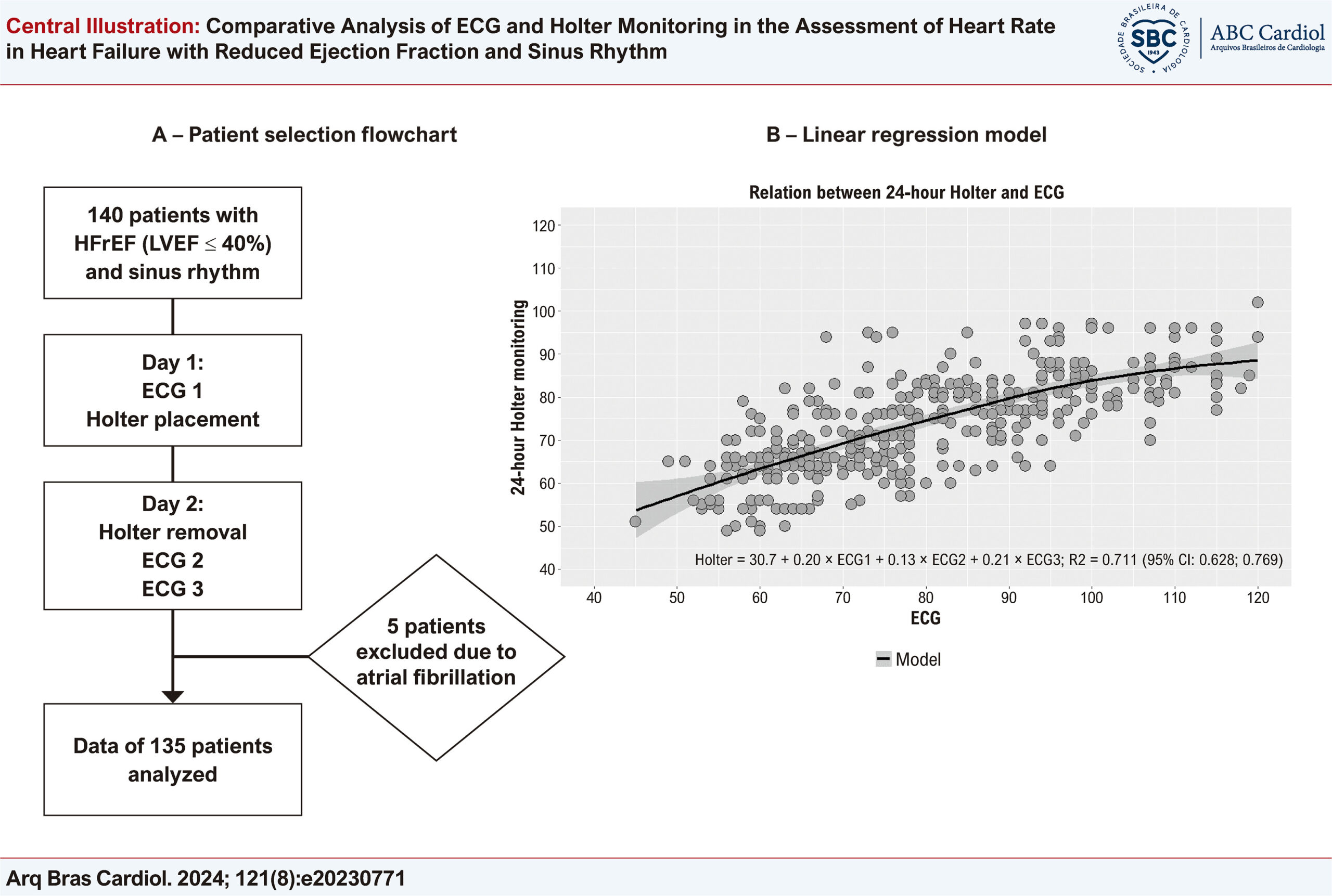
To compare HR on Holter with 3 resting electrocardiograms (ECG1, ECG2, and ECG3) in patients with HFrEF and sinus rhythm.

Methods

This was a cross-sectional study with 135 patients with heart failure with ejection fraction ≤ 40% and sinus rhythm. HR was assessed by ECG and Holter. Analyses included intraclass correlation coefficient (ICC), robust regression, root mean squared error, Bland-Altman, and area under the receiver operating characteristic (ROC) curve. A significance level of 0.05 and Bonferroni-Holm adjustment were adopted to minimize type I errors.

Results

The median [interquartile range] age and ejection fraction were 65 years [16] and 30% [11], respectively. The ICC of the 3 ECGs was 0.922 (95% confidence interval: 0.892; 0.942). The robust regression coefficients for ECG1 and ECG3 were 0.20 (95% confidence interval: 0.12; 0.29) and 0.21 (95% confidence interval: 0.06; 0.36). The robust R2 was 0.711 (95% confidence interval: 0.628; 0.76). In the Bland-Altman agreement analysis, the limits of agreement were −17.0 (95% confidence interval: −19.0; −15.0) and 32.0 (95% confidence interval: 30.0; 34.0). The area under the ROC curve was 0.896 (95% confidence interval: 0.865; 0.923).

Conclusion

The HR on ECG showed high agreement with the HR on Holter, validating its clinical use in patients with HFrEF and sinus rhythm. However, agreement was suboptimal in one third of patients with HR below 70 bpm on ECG; thus, 24-hour Holter monitoring should be considered in this context.

  • Ambulatory Electrocardiography
  • Electrocardiography
  • Heart Failure
  • Heart Rate
Read Full Article
Creative Commons Attribution (CC BY) Creative Commons license
26/08/2024 DOI: 10.36660/abc.20230771i Views 1
Electrocardiographic and Autonomic Nervous System Changes after Changes in the Posture of Children and Adolescents with Duchenne Muscular Dystrophy
ABC
Original Article

Electrocardiographic and Autonomic Nervous System Changes after Changes in the Posture of Children and Adolescents with Duchenne Muscular Dystrophy

Rose Mary Ferreira Lisboa da Silva et al. Nathalia Mussi Monteze Juliana Gurgel Giannetti Zilda Maria Alves Meira

Abstract

Background:

Duchenne Muscular Dystrophy (DMD) is a rare inherited neuromuscular disease. At first, cardiac involvement may be asymptomatic. Therefore, assessing patients using non-invasive methods can help detect any changes.

Objectives:

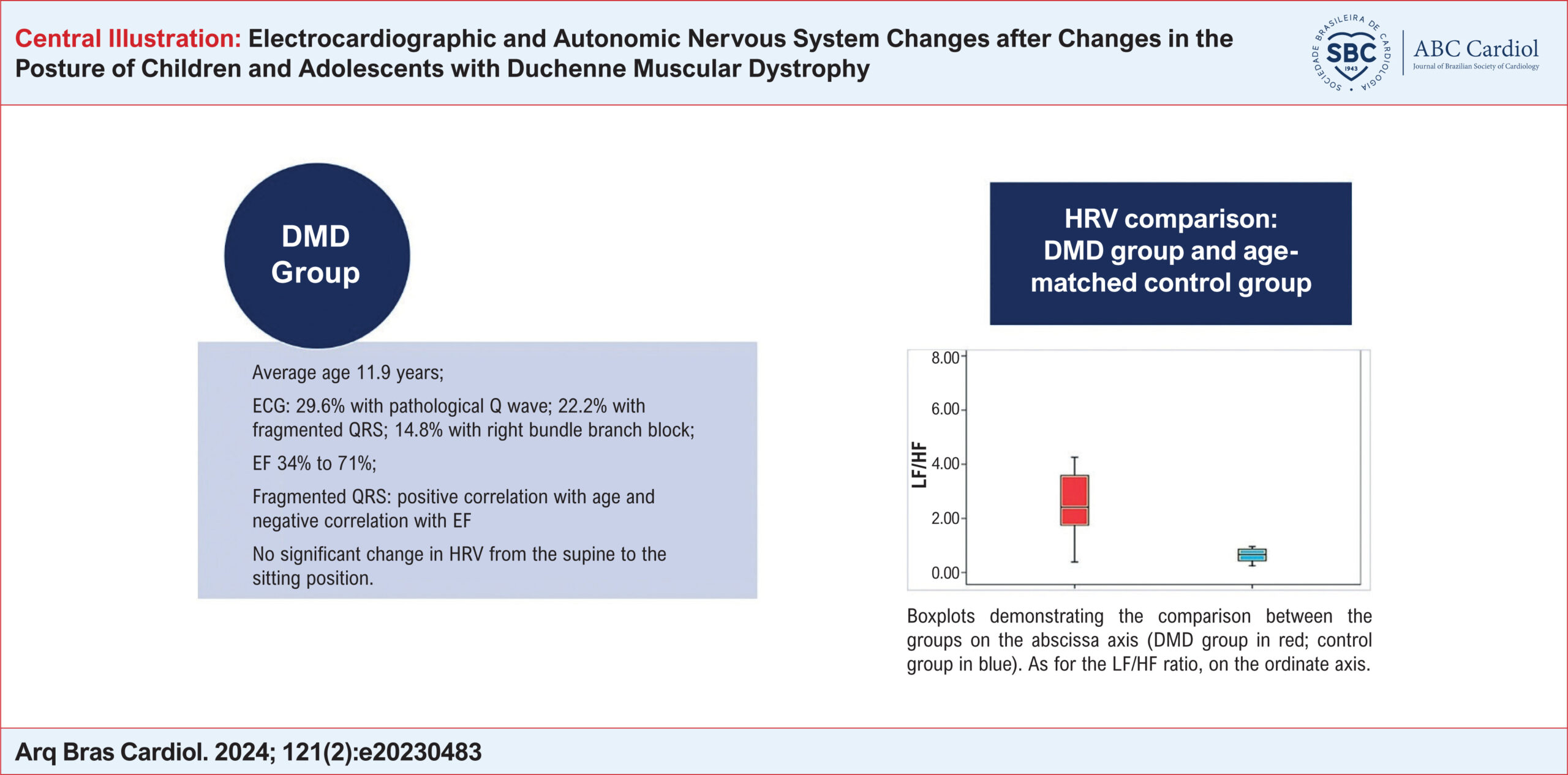
Analyze the electrocardiogram (ECG) test and heart rate variability (HRV) of the DMD group and compare the information with that of the age-matched control group.

Methods:

A prospective study with 27 male patients with DMD (11.9 years old), who underwent clinical evaluation, ECG, echocardiogram, and Holter monitoring. ECG (200% increase) was assessed by two independent observers. HRV was measured over time (24 h) and in the frequency domain, in the supine and sitting positions. The healthy group consisted of nine patients (11.0 years old). A value of p < 0.05 was considered statistically significant.

Results:

The mean ejection fraction (EF) was 60% (34 to 71%). The Kappa coefficient for ECG measurements ranged from 0.64 to 1.00. An increase in the R/S ratio in V1 was observed in 25.9% of the subjects, pathological Q wave in 29.6%, and fragmented QRS in 22.2% in inferior/high lateral regions, with a negative correlation with EF (p = 0.006). There was low HRV, without the influence of any variable, including treatment. With the change in position, there was an increase in HR (p = 0.004), but there was no change in HRV. The LF/HF ratio was 2.7 in the DMD group and 0.7 in the control group (p = 0.002).

Conclusions:

In DMD subjects, prominent R waves in V1 and changes in the inferior/high lateral regions occurred in almost 30% of the cases. Lower vagal tone was observed without the influence of the variables age, ejection fraction, QT dispersion, and treatment. Despite the increase in HR, there was no adequate HRV response to the change in position.

  • Autonomic Nervous System
  • Duchenne Muscular Dystrophy
  • Electrocardiography
  • Heart Rate
Read Full Article
Creative Commons Attribution (CC BY) Creative Commons license
05/04/2024 DOI: 10.36660/abc.20230483 Views 1
My Approach to Assess Cardiac Sympathetic Activity
ABCIC
Review Article

My Approach to Assess Cardiac Sympathetic Activity

Adriana Soares Xavier de Brito et al. Jessica Costa Leite Simone Cristina Soares Brandão

Abstract

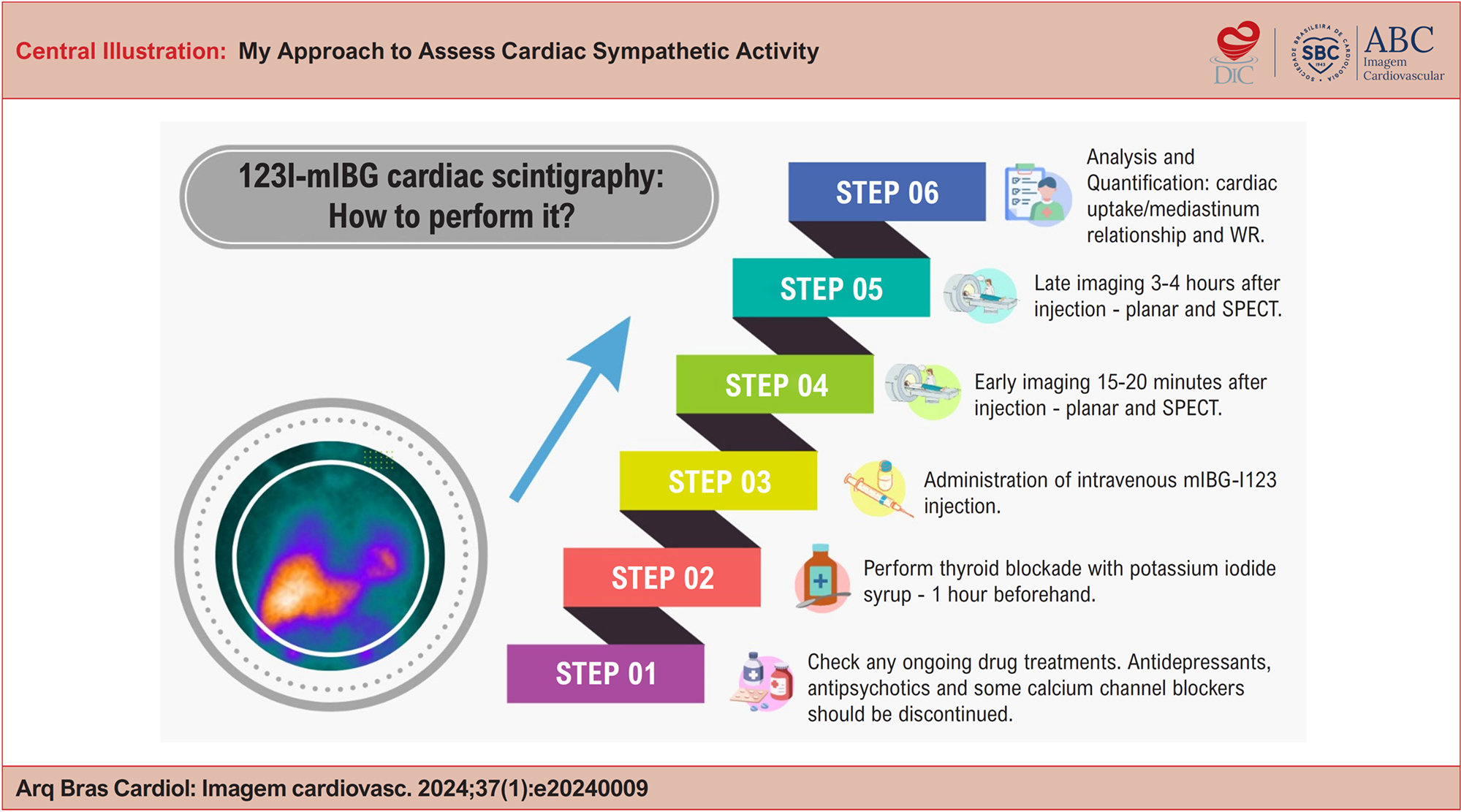
Sympathetic innervation plays a crucial role in regulating blood flow, chronotropism, dromotropism, lusitropism, and myocardial inotropism. In several cardiac and neurodegenerative disorders, the autonomic nervous system (ANS) undergoes alterations. Cardiac neuronal imaging can aid in understanding the pathophysiology, diagnosis, and prognosis of these conditions. This article provides a clear and objective overview of the step-by-step procedure for mIBG-I123 scintigraphy, which assesses cardiac sympathetic activity in primary clinical practice settings.

  • 123-metaiodobenzylguanidine
  • Heart Failure
  • Heart Rate
  • Parkinson Disease
Read Full Article
Creative Commons Attribution (CC BY) Creative Commons license
27/03/2024 DOI: 10.36660/abcimg.20240009i
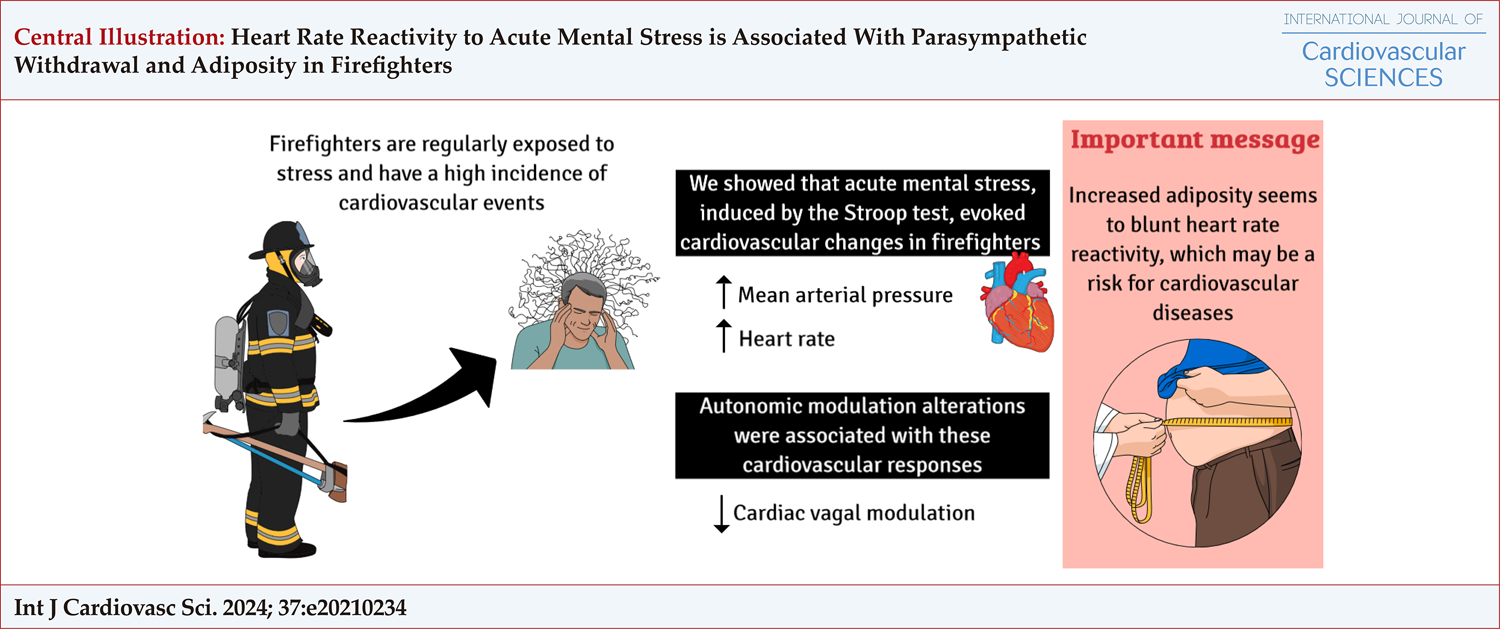
Heart Rate Reactivity to Acute Mental Stress is Associated With Parasympathetic Withdrawal and Adiposity in Firefighters
IJCS
Original Article

Heart Rate Reactivity to Acute Mental Stress is Associated With Parasympathetic Withdrawal and Adiposity in Firefighters

Haissa A. Mendes et al. Natália E. Canto Luiz Rodrigo A. Lima Guilherme F. Speretta

Abstract

Background

Firefighters are regularly exposed to stress and have a high incidence of cardiovascular events. Investigating cardiovascular and autonomic reactivity to acute mental stress (AMS) and its association with adiposity may contribute to explaining the increased cardiovascular risk in these professionals.

Objectives

To evaluate cardiovascular and autonomic reactivity to AMS in firefighters while considering adiposity parameters.

Methods

This study recorded the blood pressure and heart rate (HR) of twenty-five firefighters (38±8 years) at rest, while performing the Stroop color-word test to induce AMS, and recovery. Cardiac autonomic modulation (HR variability), baroreflex sensitivity (BRS — sequential method), and adiposity (electrical bioimpedance) were assessed. One-way or two-way analysis of variance followed by Tukey’s post hoc test and multiple linear regression were performed. The significance level was P<0.05.

Results

The AMS increased mean arterial pressure (MAP — Δ16±13 mmHg) and HR (Δ14±7 bpm) ( P <0.05). These responses were associated with parasympathetic modulation withdrawal (RMSSD: baseline: 29.8±18 vs. AMS: 21.5±14 ms; High-frequency: baseline: 5.2±1.4 vs. AMS: 4.5±1.3 Ln ms 2 ; P <0.05) and decreased in the Up gain of the baroreflex (baseline: 8.9±5.1 vs. AMS: 6.3±3.0 mmHg/ms; P <0.05). Groups divided by HR reactivity peak showed parasympathetic modulation withdrawal only in firefighters with lower adiposity (RMSSD: baseline: 27.8±17.6 vs. AMS: 14.4±9.2 ms; High-Frequency: baseline: 5.3±1.2 vs. AMS: 3.8±1.4 Ln ms 2 ; P <0.05). Fat percentage (β = -0.499), BRS (β = 0.486), and sympathetic/parasympathetic balance (β = -0.351) were predictors of HR reactivity ( P <0.05).

Conclusion

Our results demonstrated that HR reactivity to AMS modulated by cardiac vagal withdrawal seems to be influenced by body composition in this group of firefighters.

  • Body Composition
  • Firefighters
  • Heart Rate
  • Psychological Stress
Read Full Article
Creative Commons Attribution (CC BY) Creative Commons license
09/02/2024 DOI: 10.36660/ijcs.20210234
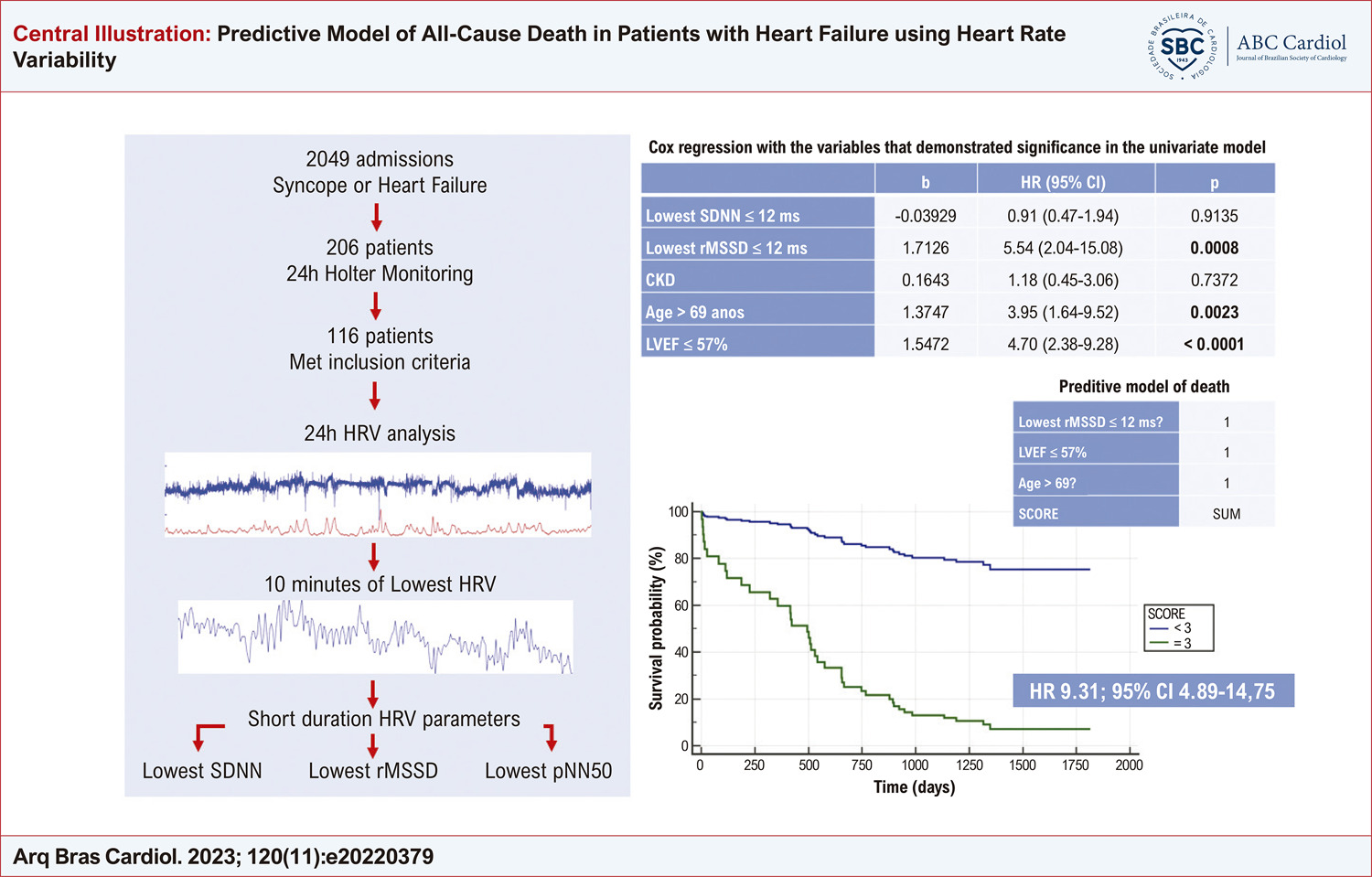
Predictive Model of All-Cause Death in Patients with Heart Failure using Heart Rate Variability
ABC
Original Article

Predictive Model of All-Cause Death in Patients with Heart Failure using Heart Rate Variability

Bruno Ferraz de Oliveira Gomes et al. Paulo Roberto Benchimol-Barbosa Jurandir Nadal

Abstract

Background

Short and long-duration heart rate variability (HRV) data from Holter monitoring could identify predictors of all-cause death in heart failure (HF) patients.

Objectives

To build a predictive model of all-cause death in patients with HF using HRV.

Methods

Retrospective study including patients with suspected or confirmed HF who were admitted for decompensated HF or syncope that underwent Holter monitoring. In analysis of augmented sympathetic tonus, we evaluated the lowest HRV in nonoverlapping 10-minutes periods throughout 24h continuous electrocardiographic signal recording (short HRV variables). Variables with p<0.01 were included in a multivariate Cox regression model to determine the occurrence of the all-cause death. Variables with statistical significance in Cox regression were chosen to build the predictive model. P<0.05 was considered significant.

Results

A total of 116 patients were included, mean age of 71.9±16.3 years, 45.7% men, mean follow-up of 2.83±1.27 years. Thirty-nine deaths occurred (33.6%). By comparing survivors vs. non-survivors, the variables that showed statistical significance were lowest SDNN, lowest rMSSD, age and left ventricular ejection fraction (LVEF). In Cox regression, independent predictors of all-cause death were: age>69 years (HR 3.95, 95%CI 1.64-9.52); LVEF≤57% (HR 4.70, 95%CI 2.38-9.28) and lowest rMSSD≤12ms (HR 5.54, 95%CI 2.04-15.08). An integer value was assigned to each variable. Score<3 showed AUC=0.802 (95%CI 0.72-0.87).

Conclusion

In HF patients hospitalized for decompensated HF or syncope, independent long-term predictors of all-cause death were age, LVEF, and 10-minutes rMSSD. These findings indicate that even brief moments of high sympathetic tone can impact survival, specifically in the elderly and patients with HF with reduced ejection fraction.

  • Heart Failure
  • Heart Rate
  • Mortality
Read Full Article
Creative Commons Attribution (CC BY) Creative Commons license
22/12/2023 DOI: 10.36660/abc.20220379 Views 1
Figure 1
ABC
Original Article

Clinical and Autonomic Profile, and Modified Calgary Score for Children and Adolescents with Presumed Vasovagal Syncope Submitted to the Tilt Test

Pamela Michelle Leite Oliveira et al. Rose Mary Ferreira Lisboa da Silva Henrique de Assis Fonseca Tonelli Zilda Maria Alves Meira Cleonice de Carvalho Coelho Mota

Abstract

Background

In the pediatric population, syncope is mainly from vasovagal (VVS) origin. Its evaluation must be done by clinical methods, and the tilt test (TT) can contribute to the diagnosis.

Objectives

To analyze the clinical profile, Calgary and modified Calgary scores, response to TT and heart rate variability (HRV) of patients aged ≤ 18 years with presumed VVS. To compare the variables between patients with positive and negative responses to TT.

Method

Observational and prospective study, with 73 patients aged between 6 and 18 years, submitted to clinical evaluation and calculation of scores without previous knowledge of the TT. It was done at 70º under monitoring for HRV analysis. P-value < 0.05 was the statistical significance criterion.

Results

Median age was 14.0 years; 52% of participants were female, 72 had Calgary ≥ -2 (mean 1.80), and 69 had modified Calgary ≥ -3 (mean 1.38). Prodromes were observed in 59 patients, recurrence in 50 and trauma in 19. The response to TT was positive in 54 participants (49 vasovagal, with 39 vasodepressor responses), with an increase in the low frequency (LF) component and a decrease in the high frequency (HF) component (p < 0,0001). In the supine position, LF was 33.6 in females and 47.4 in normalized units for males (p = 0.02). When applying the operating characteristic curve for positive TT, there was no statistical significance for HRV and scores.

Conclusion

Most children and adolescents with a presumed diagnosis of VVS presented a typical clinical scenario, with a Calgary score ≥ -2, and a predominant vasodepressor response to TT. Greater sympathetic activation was observed in the supine position in males. Calgary scores and sympathetic activation did not predict the response to TT.

  • Adolescent
  • Child
  • Heart Rate
  • Syncope, Vasovagal
  • Tilt Table Test
Read Full Article
Creative Commons Attribution (CC BY) Creative Commons license
07/08/2023 DOI: 10.36660/abc.20220543 Views 1
IJCS
Editorial

Safety of Dental Anesthesia in ICD Recipients

Ricardo Alkmim Teixeira

Some anesthetic agents administered during general anesthesia can cause heart rhythm disorders, mainly associated with autonomic imbalance. Off-target cardiac sodium channel blockade is considered the canonical mechanism behind cardiotoxicity.

Lidocaine, the most common local anesthetic, produces a transient loss of sensory, motor, and autonomic function when the drug is injected or applied close to neural tissues; furthermore, it has a good safety margin before reaching toxic blood levels. However, care must be taken to keep track of the total dose given to minimize its systemic toxicity. In addition to direct nerve toxicity, systemic toxicity affecting the brain and/or cardiac muscle can also occur. Cardiovascular toxicity usually appears as tachycardia and hypertension; however, with increasing toxicity, bradycardia and hypotension can occur. Ventricular arrhythmias and cardiac arrest also have been described. Because of its potential effects upon the heart, it is also commonly used as an antiarrhythmic agent to depress ventricular arrhythmias in controlled doses.

[…]

  • Anesthesis,Dental
  • Anesthetics/adverse effects
  • Cardiac Arrhythmias
  • Cardiovascular Diseases/complications
  • Heart Rate
  • Hypertension
  • Lidocaine/complications
  • Tachycardia
Read Full Article
Creative Commons Attribution (CC BY) Creative Commons license
17/07/2023 DOI: 10.36660/ijcs.20230023
Central Illustration
ABC
Original Article

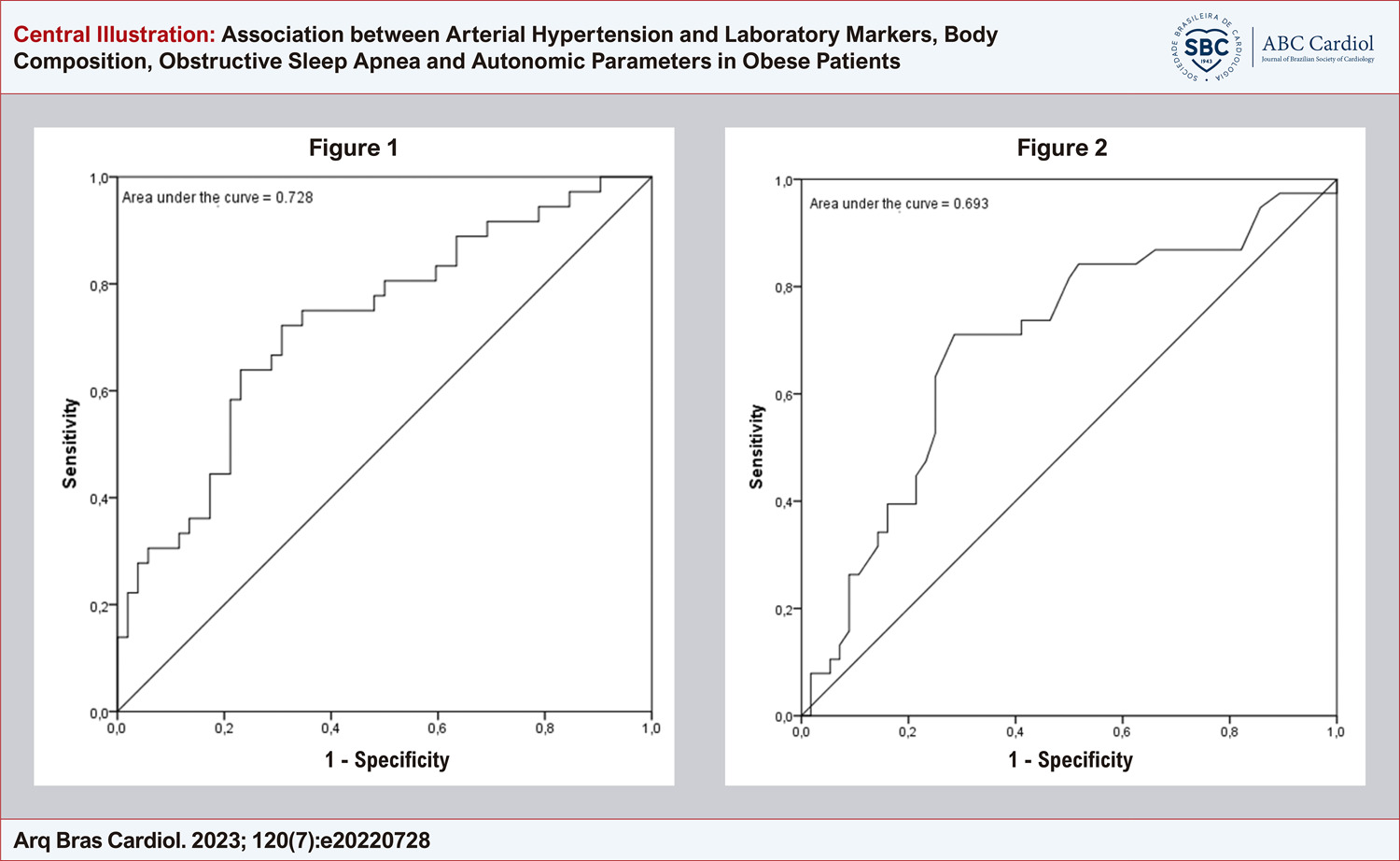
Association between Arterial Hypertension and Laboratory Markers, Body Composition, Obstructive Sleep Apnea and Autonomic Parameters in Obese Patients

Clarcson Plácido Conceição Santos et al. Laura Souza Lagares Sarah Rafaela Mascarenhas Santos Mariana Sousa de Pina Silva … Rodrigo Colares de Macedo Luiz Alberto Bastos de Almeida Eric Simas Bomfim

Abstract

Background

Systemic arterial hypertension (SAH) is a multifactorial disease, highly prevalent and associated with health risks.

Objective

The purpose of this study was to investigate the association between SAH and laboratory, anthropometric, heart rate variability (HRV), and obstructive sleep apnea markers and, secondarily, to analyze the sensitivity and specificity of the variables that are independent factors in the association.

Methods

Cross-sectional study with 95 obese patients treated at an obesity referral clinic in Salvador, BA, Brazil. SAH data were obtained from electronic medical records. The sample was stratified in the Normotensive Group (NG) and the Hypertensive Group (HG), and laboratory markers, body composition, polysomnography, and HRV were measured to evaluate the association of SAH with the predictor variables. For the analysis, p<0.05 was adopted.

Results

The average age of the NG was 36.3 ± 10.1 and HG 40.4 ± 10.6 years; 73.7% were women in the NG and 57.9% in HG; 82.4% in HG had insulin resistance. In the multivarious logistics regression model with adjustments in age, sex, height, and oxyhemoglobin saturation, SAH was inversely associated with fasting plasma glucose mg/dL (odds ratio [OR] = 0.96; 95% confidence interval [CI] = 0.92-0.99) and visceral fat area (VFA) cm2(OR = 0.98; 95% CI = 0.97-0.99). The area under the VFA curve was 0.728; CI 95% (0.620-0.836); fasting plasma glucose 0.693;CI 95% (0.582-0.804).

Conclusions

Lower VFA and fasting plasma glucose concentrations were inversely associated with SAH. In addition, fasting plasma glucose and VFA showed a high sensitivity for SAH screening.

  • Adults
  • Biomarkers, Body Composition
  • Heart Rate
  • Hypertension
  • Obesity
  • Sleep Apnea, Obstructive
Read Full Article
Creative Commons Attribution (CC BY) Creative Commons license
17/07/2023 DOI: 10.36660/abc.20220728 Views 1
ABC
Editorial

Diabetes Mellitus, Physical Exercise and Heart Rate Variability

Gustavo Augusto Ferreira Mota et al. Mariana Gatto Luana Urbano Pagan Suzana Erico Tanni Marina Politi Okoshi

The prevalence of diabetes mellitus (DM) has grown in recent decades.Risk factors for developing DM have been well established in clinical studies. Among these, sedentary lifestyles, aging and obesity stand out.DM, defined by increased plasma glucose concentration, is commonly accompanied by cardiovascular alterations such as hypertension, coronary disease, heart failure, and cardiac autonomic neuropathy.As cardiovascular diseases are currently the main causes of death and morbidity, studies aimed at better understanding the pathophysiological mechanisms inherent in DM are of great importance.

Cardiac autonomic neuropathy is characterized by changes in fibers that innervate the heart and blood vessels. , In this condition, changes in nerve function lead to reduced heart rate variability and altered baroreflex sensitivity.Physical exercise is considered an important non-pharmacological therapy to help prevent and control DM and its clinical consequences.Researchers have recently observed that exercise can also prevent and treat cardiac autonomic neuropathy.

[…]

  • Aged
  • Diabetes Mellitus/prevention and control
  • Exercise
  • Heart Rate
  • Obesity
  • Risk Factors
  • Sedentary Behavior
Read Full Article
Creative Commons Attribution (CC BY) Creative Commons license
13/02/2023 DOI: 10.36660/abc.20220902 Views 1
Figure 1
ABC
Original Article

Effects of High-Intensity Interval Training and Continuous Training on Exercise Capacity, Heart Rate Variability and Isolated Hearts in Diabetic Rats

Eduardo Gomes de Souza Neto et al. João Victor Capelli Peixoto Claucio Rank Filho Ricardo Rasmussen Petterle … Rosalvo Tadeu Hochmuller Fogaça Beata Maria Wolska Fernando Augusto Lavezzo Dias

Abstract

Background

High-intensity interval training (HIIT) has been suggested as an alternative for continuous training (CT) in people with diabetes mellitus (DM) due to its short duration and potential to improve adherence to exercise. However, data on its impact on heart rate variability (HRV) are scarce.

Objectives

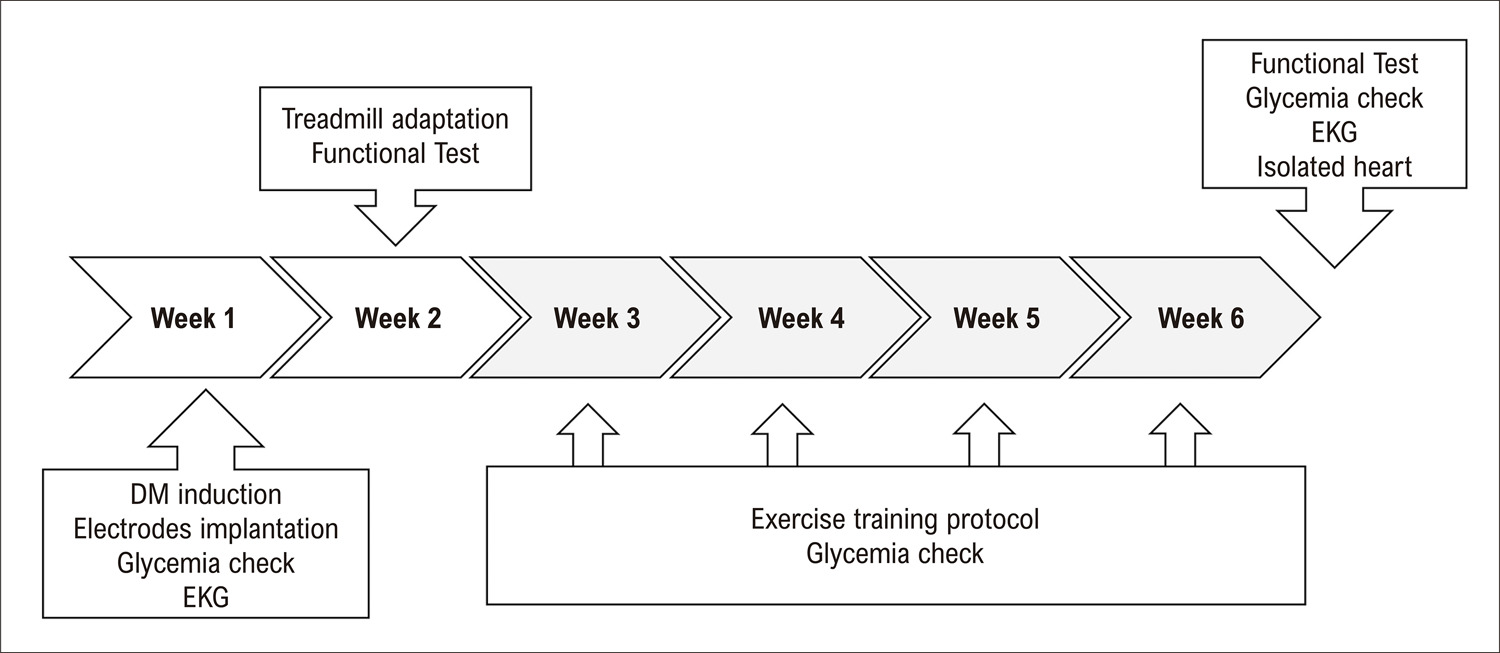
To assess and compare the effects of HIIT and CT on exercise capacity, HRV and isolated hearts in diabetic rats.

Methods

DM (intravenous streptozotocin, 45 mg.kg -1 ) and control (C) animals performed 20 sessions (5 days/week, 50 min, for 4 weeks) of CT on a treadmill (70% of maximal exercise capacity) or HIIT (cycles of 1:1min at 50% and 90% of maximal exercise capacity). HRV was assessed by continuous electrocardiogram, and cardiac function assessed in isolated perfused hearts. For data analysis, we used the framework of the multivariate covariance generalized linear model or one-way ANOVA followed by Tukey’s test, considering p<0.05 as significant.

Results

Higher exercise capacity (m/min) was achieved in HIIT (DM-HIIT: 36.5 [IQR 30.0-41.3]; C-HIIT: 41.5 [37.8-44.5], both n=10) compared to CT (DM-CT: 29.0 [23.8-33.0]; C-CT: 32.0 [29.5-37.0], both n=10) (p<0.001). Heart rate (bpm) was lower in DM compared to controls (p<0.001) both in vivo (DM-HIIT:348±51, C-HIIT:441±66, DM-CT:361±70, C-CT:437±38) and in isolated hearts. There were no differences in HRV between the groups. Maximum and minimal dP/dt were reduced in DM, except +dP/dt in DM-HIIT vs. C-HIIT (mean difference: 595.5±250.3, p=0.190).

Conclusion

Short-term HIIT promotes greater improvement in exercise performance compared to CT, including in DM, without causing significant changes in HRV.

  • Diabetes Mellitus
  • Exercise
  • Heart Rate
  • Physical Exertion
  • Rats
Read Full Article
Creative Commons Attribution (CC BY) Creative Commons license
09/01/2023 DOI: 10.36660/abc.20220396 Views 1
ABC
Editorial

Fibrillatory Wave Amplitude: Should We Use It Routinely in Clinical Practice?

Andre Assis L. Carmo

Atrial fibrillation (AF) is the most prevalent sustained arrhythmia worldwide and is associated with an increased burden of morbidity and mortality in different clinical scenarios, even for patients with optimal anticoagulation and rate control treatment., Although previous studies did not show the benefit of rhythm control strategy compared to rate-control,, recent data suggest that current rhythm control strategies, in addition to symptom control, can improve hard clinical outcomes, including mortality and stroke.,

Rhythm control strategy refers to attempts to restore or maintain sinus rhythm and includes antiarrhythmic drugs, electrical cardioversion and atrial fibrillation ablation. Despite progressive improvement in rhythm control strategies over the years, a substantial amount of failure in maintaining sinus rhythm, mainly in patients with persistent forms of AF, underscores the importance of properly selecting patients for rhythm-control strategies.

[…]

  • Atrial Fibrillation
  • Electric Stimulation Therapy
  • Heart Rate
  • Practice Guideline
Read Full Article
Creative Commons Attribution (CC BY) Creative Commons license
25/11/2022 DOI: 10.36660/abc.20220680 Views 1
Figure 1
IJCS
Original Article

Dysautonomia Evaluation by Holter in Chagas Heart Disease

Michele Alves Rocha de Oliveira et al. Thais Aguiar Nascimento Gilson Soares Feitosa-Filho Luiz Eduardo Fonteles Ritt … Constança Margarida Sampaio Cruz Mário de Seixas Rocha

Abstract

Background

Sudden cardiac death is the main lethal mechanism associated with Chagas cardiomyopathy. Studies suggest that dysautonomia may represent a relevant, intense, independent, and early phenomenon in the natural history of the disease, even when ventricular systolic function is preserved, and may also be the mechanism that triggers malignant ventricular arrhythmias.

Objective

To evaluate the degree of dysautonomia and its possible association with ventricular arrhythmias in patients with Chagas cardiomyopathy, according to different categories of mortality risk, as defined by the score proposed by Rassi, used as a surrogate outcome for death.

Methods

A cross-sectional study involving 43 patients with Chagas cardiomyopathy stratified into risk categories based on the Rassi score, with 23 being classified as low risk and 20 as intermediate-to-high risk. Heart rate variability (HRV) was assessed using Holter monitoring for long-term recordings of 24 hours (time domain) and for short-term recordings of 5 minutes (frequency domain) at rest and after autonomic tests: deep breathing and Valsalva maneuver. The HRV variables were compared between the groups using the Student’s t-test and α=0.05.

Results

Comparison of the results between the risk stratification groups showed no differences in HRV indexes, either in the time or frequency domain. However, results showed a significant increase in the number of arrhythmias as a function of increased risk (p=0.02).

Conclusion

There was no association between the degree of dysautonomia, evaluated by Holter monitoring, and the categories of mortality risk, despite a direct association between the rate of arrhythmias and the higher risk group.

  • Chagas Cardiomyopathy/physiopathology
  • Chagas disease
  • Death, Sudden, Cardiac
  • Heart Rate
  • Primary Dysautonomias
  • Prognosis
  • Sympathetic Nervous System / physiopathology
Read Full Article
Creative Commons Attribution (CC BY) Creative Commons license
09/05/2022 DOI: 10.36660/ijcs.20200405 Views 1
IJCS
Original Article

Impact of Air Pollutant on Heart Rate Variability in Healthy Young Adults

Anita de Cássia Melinski et al. Aparecida Maria Catai Sílvia Cristina Garcia de Moura Juliana Cristina Milan-Mattos Monica Yuri Takito

Abstract

Background:

Air pollution and sex independently affect cardiac autonomic control, which can be assessed by heart rate variability (HRV). The research hypothesis is that individuals exposed to low concentrations of pollution have higher cardiac autonomic modulation compared to those exposed to high concentrations and that women have better cardiac autonomic control than men.

Objective:

To analyze the impact of exposure to air pollutants, specifically smoke, and sex on HRV in healthy young people exposed to different concentrations of pollution over an average period of 22 years.

Methods:

From April to September 2011, 36 participants of both sexes (20-30 years old) were selected, grouped by levels of air pollution exposure according to indices provided by the Environmental Company of São Paulo State. The R-R intervals (R-Ri) of the electrocardiogram were captured using a heart rate monitor during supine rest. HRV was analyzed by spectral analysis and conditional entropy. The Queen’s College step test was used to characterize functional capacity. A between-group comparison was performed using the two-way ANOVA statistical test (post hoc Tukey) and p<0.05.

Results:

Significant differences were found in mean R-Ri (p<0.01) and cardiac parasympathetic modulation between sexes in the same city (p=0.02) and between groups exposed to different air pollution concentrations (p<0.01).

Conclusion:

Our results suggest that long-term exposure to air pollutants, specifically smoke, has an unfavorable impact on HRV, with reduced cardiac vagal autonomic modulation in healthy young adults, especially females.

  • Air Pollution
  • Autonomic Nervous System
  • Heart Rate
  • Sex
Read Full Article
Creative Commons Attribution (CC BY) Creative Commons license
01/04/2022 DOI: 10.36660/ijcs.20200380 Views 1
Figure 1
ABC
Original Article

Impact of Preoperative Functional Capacity on Postoperative Outcomes in Congenital Heart Surgery: An Observational and Prospective Study

Angela Sachiko Inoue et al. Antônio Augusto Barbosa Lopes Ana Cristina Sayuri Tanaka Maria Ignêz Zanetti Feltrim … Filomena R.B.G. Galas Juliano Pinheiro Almeida Ludhmila Abrahão Hajjar Emilia Nozawa

Abstract

Background

Despite advances in surgical technique and postoperative care in congenital heart disease, cardiovascular morbidity is still high.

Objective

To evaluate the association between preoperative cardiovascular fitness of children and adolescents, measured by the 6-minute walk test (6MWT) and Heart Rate Variability (HRV), and the occurrence of cardiogenic, septic shock and death in the postoperative period.

Methods

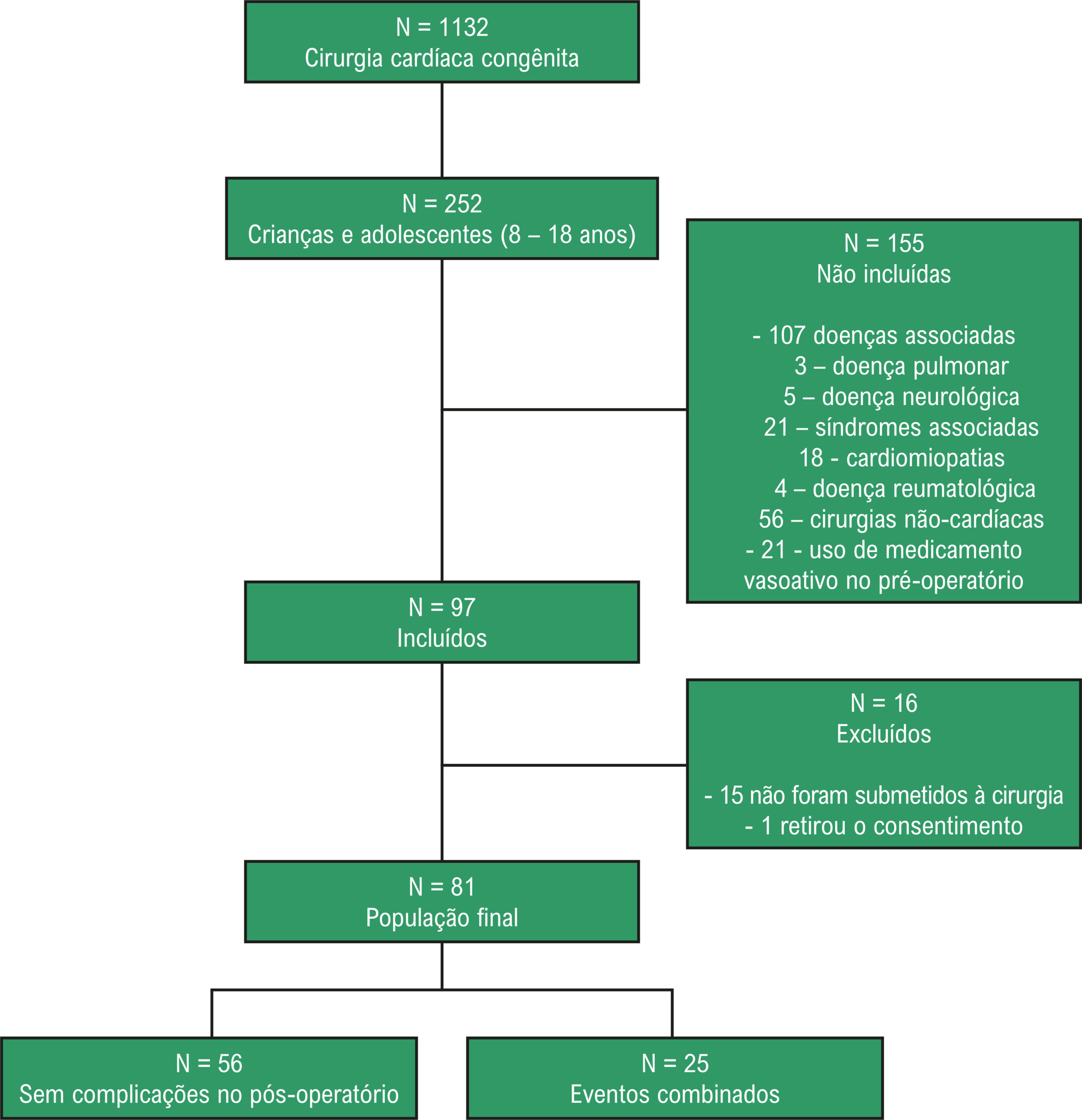
Prospective, observational clinic study including 81 patients aged from 8 to 18 years. In the preoperative period, the 6MWT (distance walked and SpO2) and HRV were performed. The adjusted risk score for surgeries for congenital heart disease (RACHS-1) was applied to predict the surgical risk factor for mortality. The occurrence of at least one of the listed complications was considered as a combined event. P values < 0.05 were considered as significant.

Results

Of the patients, 59% were male, with mean age of 12 years; 33% were cyanotic; and 72% had undergone previous cardiac surgery. Cardiogenic shock was the most common complication, and 31% had a combined event. Prior to surgery, type of current heart disease, RACHS-1, SpO2at rest, during the 6MWT and recovery were selected for the multivariate analysis. The SpO2at recovery by the 6MWT remained as an independent risk factor (OR 0.93, 95%CI [0.88 – 0.99], p=0.02) for the increasing occurrence of combined events.

Conclusion

SpO2after the application of the 6MWT in the preoperative period was an independent predictor of prognosis in children and adolescents undergoing surgical correction; the walked distance and the HRV did not present this association.

  • Heart Defects, Congenital
  • Heart Rate
  • Physical Functional Performance
  • postoperative complications
  • Walk Test
Read Full Article
Creative Commons Attribution (CC BY) Creative Commons license
07/03/2022 DOI: 10.36660/abc.20201137
Figure 1
ABC
Original Article

Sensitivity and Specificity of Cutoff Points of Resting Heart Rate from 6,794 Brazilian Adolescents: A Cross-Sectional Study

Breno Quintella Farah et al. Diego Giulliano Destro Christofaro Aluísio Andrade-Lima Antonio Henrique Germano-Soares … William Rodrigues Tebar Mauro Virgílio Gomes de Barros Raphael Mendes Ritti-Dias

Abstract

Background

Resting heart rate (RHR) may be a useful screening tool for cardiovascular risk. However, RHR cutoff points, an interesting clinical approach, have never been described in young populations.

Objective

To establish RHR cutoff points in Brazilian adolescents and to analyze whether cutoff points are associated with cardiovascular risk factors.

Methods

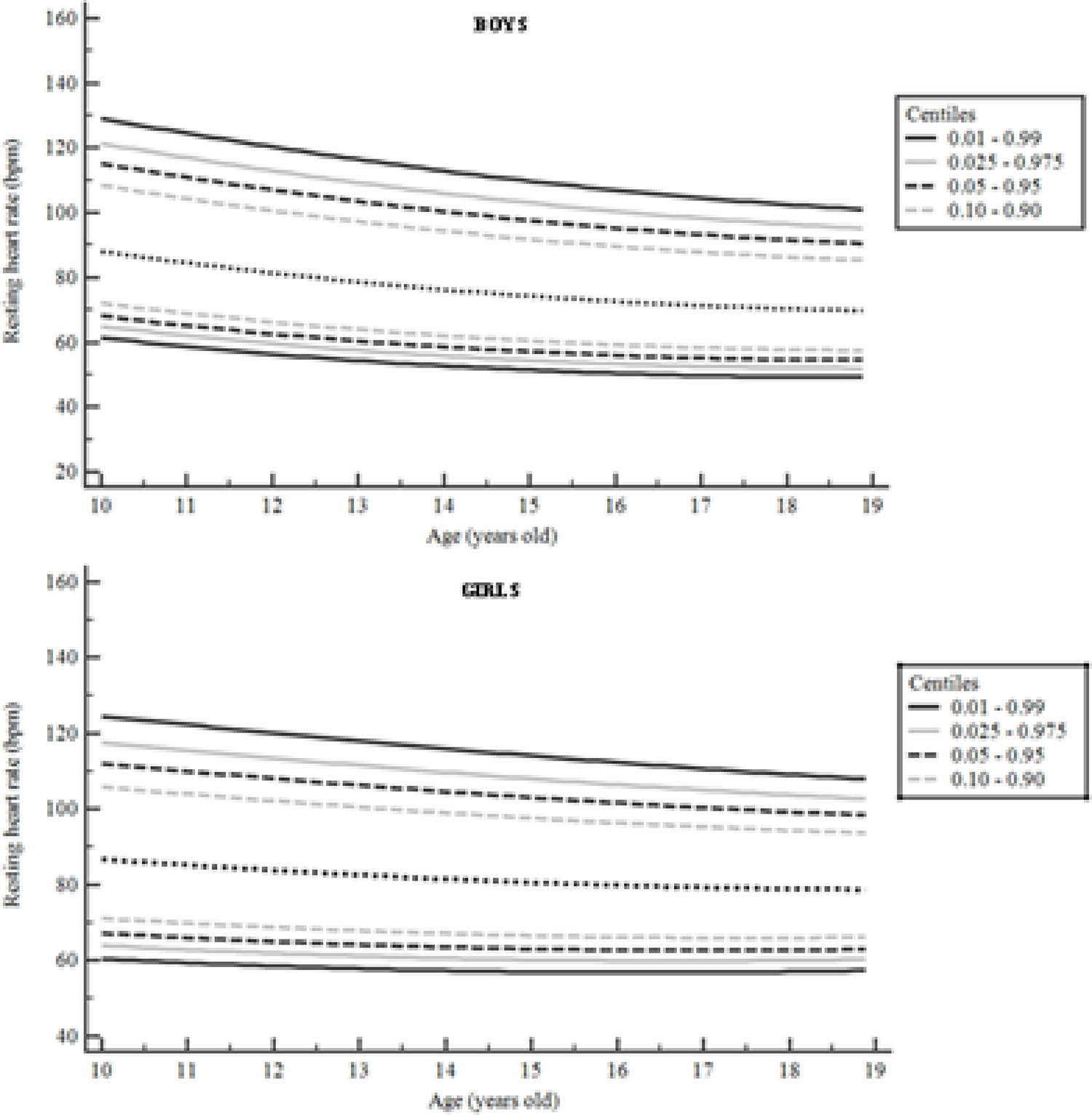
The sample was composed of 6,794 adolescents (10 to 19 years old). Blood pressure and RHR were assessed by oscillometric device. Body mass index and waist circumference were also assessed. Receiver operating characteristic curve was adopted to analyze the sensitivity and specificity, and associations of high RHR with cardiovascular risk factors were analyzed by binary logistic regression. A p value < 0.05 was considered statistically significant for all the analyses.

Results

Mean RHR values were higher among participants ages 10 to 14 years than 15 to 19 years, for boys (p < 0.001) and girls ( 92 bpm) and 15 to 19 years (> 82 bpm), as well as for girls ages 15 to 19 years (> 82 bpm) (p 0.05). Proposed RHR cutoff points were associated with abdominal obesity, overweight, and high blood pressure in boys in girls. RHR cutoff points were associated with the cluster of cardiovascular risk factors in adolescents ages 15 to 19 years.

Conclusion

The proposed RHR cutoff points were associated with cardiovascular risk factors in adolescents.

  • Adiposity
  • Adolescent
  • Blood Arterial
  • Cross-Sectional Studies
  • Epidemiology
  • Heart Rate
  • Obesity
  • Risk Factors
Read Full Article
Creative Commons Attribution (CC BY) Creative Commons license
26/07/2021 DOI: 10.36660/abc.20200111 Views 1

Could not load more articles. Please try again.

How to cite this article

EndNote RIS

Electronic Document Format (Vancouver)

Barbato JPR, Scolari FL, Machado GP, Amon AB, Crivelaro PCF, Menegazzo WR, Berger SV, et al. Correlating Invasive and Echocardiographic Hemodynamic Measures in Patients with Heart Failure with Reduced Ejection Fraction. ABC Imagem Cardiovascular 2026;39(3):e20260059.

Electronic Document Format (ABNT)

Barbato, João Pedro da Rosa; Scolari, Fernando Luis; Machado, Guilherme Pinheiro; Amon, André Barcellos; Crivelaro, Pedro Castilhos de Freitas; Menegazzo, Willian R.; Berger, Solano Vinicius; Araujo, Gustavo Neves de; Valle, Felipe Homem; Wainstein, Rodrigo Vugman. Correlating Invasive and Echocardiographic Hemodynamic Measures in Patients with Heart Failure with Reduced Ejection Fraction. ABC Imagem Cardiovascular, v. 39, n. 3, e20260059, Sep. 2026.

Electronic Document Format (APA)

Barbato, J. P. R., Scolari, F. L., Machado, G. P., Amon, A. B., Crivelaro, P. C. F., Menegazzo, W. R., Berger, S. V., Araujo, G. N. , Valle, F. H., & Wainstein, R. V. (2026). Correlating Invasive and Echocardiographic Hemodynamic Measures in Patients with Heart Failure with Reduced Ejection Fraction. ABC Imagem Cardiovascular, 39(3), e20260059.

Electronic Document Format (ISO)

Barbato, João Pedro da Rosa and Scolari, Fernando Luis and Machado, Guilherme Pinheiro and Amon, André Barcellos and Crivelaro, Pedro Castilhos de Freitas and Menegazzo, Willian R. and Berger, Solano Vinicius and Araujo, Gustavo Neves de and Valle, Felipe Homem and Wainstein, Rodrigo Vugman. Correlating Invasive and Echocardiographic Hemodynamic Measures in Patients with Heart Failure with Reduced Ejection Fraction. ABC Imagem Cardiovascular [online]. 2026, vol. 39, n. 3, [cited 2026-10-14], e20260059. Available from: <https://journals.cardiol.br/en/article/correlating-invasive-and-echocardiographic-hemodynamic-measures-in-patients-with-heart-failure-with-reduced-ejection-fraction/>. ISSN 2318-8219

EndNote RIS

Electronic Document Format (Vancouver)

Maciel BC, Gallo-Jr L, Schmidt A, Marin-Neto JA. I – Evaluation of Cardiovascular Autonomic Function in Healthy Individuals. Arquivos Brasileiros de Cardiologia 2026;122(12):e20250111.

Electronic Document Format (ABNT)

Maciel, Benedito Carlos; Gallo-Jr, Lourenço; Schmidt, André; Marin-Neto, José Antonio. I – Evaluation of Cardiovascular Autonomic Function in Healthy Individuals. Arquivos Brasileiros de Cardiologia, v. 122, n. 12, e20250111, Jan. 2026.

Electronic Document Format (APA)

Maciel, B. C., Gallo-Jr, L., Schmidt, A., & Marin-Neto, J. A. (2026). I – Evaluation of Cardiovascular Autonomic Function in Healthy Individuals. Arquivos Brasileiros de Cardiologia, 122(12), e20250111.

Electronic Document Format (ISO)

Maciel, Benedito Carlos and Gallo-Jr, Lourenço and Schmidt, André and Marin-Neto, José Antonio. I – Evaluation of Cardiovascular Autonomic Function in Healthy Individuals. Arquivos Brasileiros de Cardiologia [online]. 2026, vol. 122, n. 12, [cited 2026-10-14], e20250111. Available from: <https://journals.cardiol.br/en/article/i-evaluation-of-cardiovascular-autonomic-function-in-healthy-individuals/>. ISSN 0066-782X

EndNote RIS

Electronic Document Format (Vancouver)

Maciel BC, Gallo-Jr L, Schmidt A, Marin-Neto JA. II – Evaluation of Autonomic Control of Heart Rate in Various Clinical Conditions. Arquivos Brasileiros de Cardiologia 2026;122(12):e20250112.

Electronic Document Format (ABNT)

Maciel, Benedito Carlos; Gallo-Jr, Lourenço; Schmidt, André; Marin-Neto, José Antonio. II – Evaluation of Autonomic Control of Heart Rate in Various Clinical Conditions. Arquivos Brasileiros de Cardiologia, v. 122, n. 12, e20250112, Jan. 2026.

Electronic Document Format (APA)

Maciel, B. C., Gallo-Jr, L., Schmidt, A., & Marin-Neto, J. A. (2026). II – Evaluation of Autonomic Control of Heart Rate in Various Clinical Conditions. Arquivos Brasileiros de Cardiologia, 122(12), e20250112.

Electronic Document Format (ISO)

Maciel, Benedito Carlos and Gallo-Jr, Lourenço and Schmidt, André and Marin-Neto, José Antonio. II – Evaluation of Autonomic Control of Heart Rate in Various Clinical Conditions. Arquivos Brasileiros de Cardiologia [online]. 2026, vol. 122, n. 12, [cited 2026-10-14], e20250112. Available from: <https://journals.cardiol.br/en/article/ii-evaluation-of-autonomic-control-of-heart-rate-in-various-clinical-conditions/>. ISSN 0066-782X

EndNote RIS

Electronic Document Format (Vancouver)

Rodrigues ACT. How I Assess Left Ventricular Systolic Function. ABC Imagem Cardiovascular 2025;38(4):e20250078.

Electronic Document Format (ABNT)

Rodrigues, Ana Clara Tude. How I Assess Left Ventricular Systolic Function. ABC Imagem Cardiovascular, v. 38, n. 4, e20250078, Dec. 2025.

Electronic Document Format (APA)

Rodrigues, A. C. T. (2025). How I Assess Left Ventricular Systolic Function. ABC Imagem Cardiovascular, 38(4), e20250078.

Electronic Document Format (ISO)

Rodrigues, Ana Clara Tude. How I Assess Left Ventricular Systolic Function. ABC Imagem Cardiovascular [online]. 2025, vol. 38, n. 4, [cited 2026-10-14], e20250078. Available from: <https://journals.cardiol.br/en/article/how-i-assess-left-ventricular-systolic-function/>. ISSN 2318-8219

EndNote RIS

Electronic Document Format (Vancouver)

Godoy MF. Understanding the Link between Visceral Fat and Heart Health. Arquivos Brasileiros de Cardiologia 2025;122(1):e20240466.

Electronic Document Format (ABNT)

Godoy, Moacir Fernandes. Understanding the Link between Visceral Fat and Heart Health. Arquivos Brasileiros de Cardiologia, v. 122, n. 1, e20240466, Feb. 2025.

Electronic Document Format (APA)

Godoy, M. F. (2025). Understanding the Link between Visceral Fat and Heart Health. Arquivos Brasileiros de Cardiologia, 122(1), e20240466.

Electronic Document Format (ISO)

Godoy, Moacir Fernandes. Understanding the Link between Visceral Fat and Heart Health. Arquivos Brasileiros de Cardiologia [online]. 2025, vol. 122, n. 1, [cited 2026-10-14], e20240466. Available from: <https://journals.cardiol.br/en/article/understanding-the-link-between-visceral-fat-and-heart-health-2/>. ISSN 0066-782X

EndNote RIS

Electronic Document Format (Vancouver)

Dourado LA, Dourado PMM, Oliveira JG, Silva EM, Dourado JPA, Braga PGS. Heart Rate Reduction after Effort Test Is Higher in Physically Active Adults without Familial Cardiovascular Risk Factor. Arquivos Brasileiros de Cardiologia 2025;122(1):e20240435.

Electronic Document Format (ABNT)

Dourado, Larissa de Almeida; Dourado, Paulo Magno Martins; Oliveira, Jaciara Gomes de; Silva, Evandra Maria da; Dourado, João Paulo de Almeida; Braga, Pedro Gabriel Senger. Heart Rate Reduction after Effort Test Is Higher in Physically Active Adults without Familial Cardiovascular Risk Factor. Arquivos Brasileiros de Cardiologia, v. 122, n. 1, e20240435, Feb. 2025.

Electronic Document Format (APA)

Dourado, L. A., Dourado, P. M. M., Oliveira, J. G. , Silva, E. M. , Dourado, J. P. A., & Braga, P. G. S. (2025). Heart Rate Reduction after Effort Test Is Higher in Physically Active Adults without Familial Cardiovascular Risk Factor. Arquivos Brasileiros de Cardiologia, 122(1), e20240435.

Electronic Document Format (ISO)

Dourado, Larissa de Almeida and Dourado, Paulo Magno Martins and Oliveira, Jaciara Gomes de and Silva, Evandra Maria da and Dourado, João Paulo de Almeida and Braga, Pedro Gabriel Senger. Heart Rate Reduction after Effort Test Is Higher in Physically Active Adults without Familial Cardiovascular Risk Factor. Arquivos Brasileiros de Cardiologia [online]. 2025, vol. 122, n. 1, [cited 2026-10-14], e20240435. Available from: <https://journals.cardiol.br/en/article/heart-rate-reduction-after-effort-test-is-higher-in-physically-active-adults-without-familial-cardiovascular-risk-factor/>. ISSN 0066-782X

EndNote RIS

Electronic Document Format (Vancouver)

Lima VFS, Fecchio RY, Piemonte MEP, Correia MA, Kanegusuku H, Ritti-Dias RM. Intrarater Reliability and Agreement of Blood Pressure, Arterial Stiffness, and Heart Rate Variability Assessments in Patients With Parkinson’s Disease. Arquivos Brasileiros de Cardiologia 2024;121(10):e20240132.

Electronic Document Format (ABNT)

Lima, Verônica de Fátima Souza; Fecchio, Rafael Yokoyama; Piemonte, Maria Elisa Pimentel; Correia, Marilia de Almeida; Kanegusuku, Hélcio; Ritti-Dias, Raphael Mendes. Intrarater Reliability and Agreement of Blood Pressure, Arterial Stiffness, and Heart Rate Variability Assessments in Patients With Parkinson’s Disease. Arquivos Brasileiros de Cardiologia, v. 121, n. 10, e20240132, Nov. 2024.

Electronic Document Format (APA)

Lima, V. F. S., Fecchio, R. Y., Piemonte, M. E. P., Correia, M. A., Kanegusuku, H., & Ritti-Dias, R. M. (2024). Intrarater Reliability and Agreement of Blood Pressure, Arterial Stiffness, and Heart Rate Variability Assessments in Patients With Parkinson’s Disease. Arquivos Brasileiros de Cardiologia, 121(10), e20240132.

Electronic Document Format (ISO)

Lima, Verônica de Fátima Souza and Fecchio, Rafael Yokoyama and Piemonte, Maria Elisa Pimentel and Correia, Marilia de Almeida and Kanegusuku, Hélcio and Ritti-Dias, Raphael Mendes. Intrarater Reliability and Agreement of Blood Pressure, Arterial Stiffness, and Heart Rate Variability Assessments in Patients With Parkinson’s Disease. Arquivos Brasileiros de Cardiologia [online]. 2024, vol. 121, n. 10, [cited 2026-10-14], e20240132. Available from: <https://journals.cardiol.br/en/article/intrarater-reliability-and-agreement-of-blood-pressure-arterial-stiffness-and-heart-rate-variability-assessments-in-patients-with-parkinsons-disease/>. ISSN 0066-782X

EndNote RIS

Electronic Document Format (Vancouver)

Habib SS, Alkahtani S, Aljawini N, Habib SM, Flatt AA. Resting Heart Rate Variability is Independently Associated with Visceral Fat Rating Scores in Saudi Adult Males. Arquivos Brasileiros de Cardiologia 2024;121(5):e20220780.

Electronic Document Format (ABNT)

Habib, Syed Shahid; Alkahtani, Shaea; Aljawini, Nouf; Habib, Syed Mohammad; Flatt, Andrew A.. Resting Heart Rate Variability is Independently Associated with Visceral Fat Rating Scores in Saudi Adult Males. Arquivos Brasileiros de Cardiologia, v. 121, n. 5, e20220780, Oct. 2024.

Electronic Document Format (APA)

Habib, S. S., Alkahtani, S., Aljawini, N., Habib, S. M., & Flatt, A. A. (2024). Resting Heart Rate Variability is Independently Associated with Visceral Fat Rating Scores in Saudi Adult Males. Arquivos Brasileiros de Cardiologia, 121(5), e20220780.

Electronic Document Format (ISO)

Habib, Syed Shahid and Alkahtani, Shaea and Aljawini, Nouf and Habib, Syed Mohammad and Flatt, Andrew A.. Resting Heart Rate Variability is Independently Associated with Visceral Fat Rating Scores in Saudi Adult Males. Arquivos Brasileiros de Cardiologia [online]. 2024, vol. 121, n. 5, [cited 2026-10-14], e20220780. Available from: <https://journals.cardiol.br/en/article/resting-heart-rate-variability-is-independently-associated-with-visceral-fat-rating-scores-in-saudi-adult-males/>. ISSN 0066-782X

EndNote RIS

Electronic Document Format (Vancouver)

Villacorta H. Resting Heart Rate to Assess Patients with Heart Failure: That is All We Need. Arquivos Brasileiros de Cardiologia 2024;121(8):e20240521.

Electronic Document Format (ABNT)

Villacorta, Humberto. Resting Heart Rate to Assess Patients with Heart Failure: That is All We Need. Arquivos Brasileiros de Cardiologia, v. 121, n. 8, e20240521, Sep. 2024.

Electronic Document Format (APA)

Villacorta, H. (2024). Resting Heart Rate to Assess Patients with Heart Failure: That is All We Need. Arquivos Brasileiros de Cardiologia, 121(8), e20240521.

Electronic Document Format (ISO)

Villacorta, Humberto. Resting Heart Rate to Assess Patients with Heart Failure: That is All We Need. Arquivos Brasileiros de Cardiologia [online]. 2024, vol. 121, n. 8, [cited 2026-10-14], e20240521. Available from: <https://journals.cardiol.br/en/article/resting-heart-rate-to-assess-patients-with-heart-failure-that-is-all-we-need/>. ISSN 0066-782X

EndNote RIS

Electronic Document Format (Vancouver)

Camazzola FE, Schwartzmann PV, Sabedotti M, Massuti R, Zortea T, Chen V, Maggi ACG, et al. Comparative Analysis of ECG and Holter Monitoring in the Assessment of Heart Rate in Heart Failure with Reduced Ejection Fraction and Sinus Rhythm. Arquivos Brasileiros de Cardiologia 2024;121(8):e20230771.

Electronic Document Format (ABNT)

Camazzola, Fabio Eduardo; Schwartzmann, Pedro Vellosa; Sabedotti, Marcelo; Massuti, Rafael; Zortea, Tulio; Chen, Vitoria; Maggi, Ana Carolina Guimarães; Souza, Francine Fonseca de; Cardoso, Andressa da Silva; Selistre, Luciano da Silva. Comparative Analysis of ECG and Holter Monitoring in the Assessment of Heart Rate in Heart Failure with Reduced Ejection Fraction and Sinus Rhythm. Arquivos Brasileiros de Cardiologia, v. 121, n. 8, e20230771, Aug. 2024.

Electronic Document Format (APA)

Camazzola, F. E., Schwartzmann, P. V., Sabedotti, M., Massuti, R., Zortea, T., Chen, V., Maggi, A. C. G., Souza, F. F. , Cardoso, A. S., & Selistre, L. S. (2024). Comparative Analysis of ECG and Holter Monitoring in the Assessment of Heart Rate in Heart Failure with Reduced Ejection Fraction and Sinus Rhythm. Arquivos Brasileiros de Cardiologia, 121(8), e20230771.

Electronic Document Format (ISO)

Camazzola, Fabio Eduardo and Schwartzmann, Pedro Vellosa and Sabedotti, Marcelo and Massuti, Rafael and Zortea, Tulio and Chen, Vitoria and Maggi, Ana Carolina Guimarães and Souza, Francine Fonseca de and Cardoso, Andressa da Silva and Selistre, Luciano da Silva. Comparative Analysis of ECG and Holter Monitoring in the Assessment of Heart Rate in Heart Failure with Reduced Ejection Fraction and Sinus Rhythm. Arquivos Brasileiros de Cardiologia [online]. 2024, vol. 121, n. 8, [cited 2026-10-14], e20230771. Available from: <https://journals.cardiol.br/en/article/comparative-analysis-of-ecg-and-holter-monitoring-in-the-assessment-of-heart-rate-in-heart-failure-with-reduced-ejection-fraction-and-sinus-rhythm/>. ISSN 0066-782X

EndNote RIS

Electronic Document Format (Vancouver)

Silva RMFL, Monteze NM, Giannetti JG, Meira ZMA. Electrocardiographic and Autonomic Nervous System Changes after Changes in the Posture of Children and Adolescents with Duchenne Muscular Dystrophy. Arquivos Brasileiros de Cardiologia 2024;121(2):e20230483.

Electronic Document Format (ABNT)

Silva, Rose Mary Ferreira Lisboa da; Monteze, Nathalia Mussi; Giannetti, Juliana Gurgel; Meira, Zilda Maria Alves. Electrocardiographic and Autonomic Nervous System Changes after Changes in the Posture of Children and Adolescents with Duchenne Muscular Dystrophy. Arquivos Brasileiros de Cardiologia, v. 121, n. 2, e20230483, Apr. 2024.

Electronic Document Format (APA)

Silva, R. M. F. L. , Monteze, N. M., Giannetti, J. G., & Meira, Z. M. A. (2024). Electrocardiographic and Autonomic Nervous System Changes after Changes in the Posture of Children and Adolescents with Duchenne Muscular Dystrophy. Arquivos Brasileiros de Cardiologia, 121(2), e20230483.

Electronic Document Format (ISO)

Silva, Rose Mary Ferreira Lisboa da and Monteze, Nathalia Mussi and Giannetti, Juliana Gurgel and Meira, Zilda Maria Alves. Electrocardiographic and Autonomic Nervous System Changes after Changes in the Posture of Children and Adolescents with Duchenne Muscular Dystrophy. Arquivos Brasileiros de Cardiologia [online]. 2024, vol. 121, n. 2, [cited 2026-10-14], e20230483. Available from: <https://journals.cardiol.br/en/article/electrocardiographic-and-autonomic-nervous-system-changes-after-changes-in-the-posture-of-children-and-adolescents-with-duchenne-muscular-dystrophy/>. ISSN 0066-782X

EndNote RIS

Electronic Document Format (Vancouver)

Brito ASX, Leite JC, Brandão SCS. My Approach to Assess Cardiac Sympathetic Activity. ABC Imagem Cardiovascular 2024;37(1):e20240009.

Electronic Document Format (ABNT)

Brito, Adriana Soares Xavier de; Leite, Jessica Costa; Brandão, Simone Cristina Soares. My Approach to Assess Cardiac Sympathetic Activity. ABC Imagem Cardiovascular, v. 37, n. 1, e20240009, Mar. 2024.

Electronic Document Format (APA)

Brito, A. S. X. , Leite, J. C., & Brandão, S. C. S. (2024). My Approach to Assess Cardiac Sympathetic Activity. ABC Imagem Cardiovascular, 37(1), e20240009.

Electronic Document Format (ISO)

Brito, Adriana Soares Xavier de and Leite, Jessica Costa and Brandão, Simone Cristina Soares. My Approach to Assess Cardiac Sympathetic Activity. ABC Imagem Cardiovascular [online]. 2024, vol. 37, n. 1, [cited 2026-10-14], e20240009. Available from: <https://journals.cardiol.br/en/article/my-approach-to-assess-cardiac-sympathetic-activity/>. ISSN 2318-8219

EndNote RIS

Electronic Document Format (Vancouver)

Mendes HA, Canto NE, Lima LRA, Speretta GF. Heart Rate Reactivity to Acute Mental Stress is Associated With Parasympathetic Withdrawal and Adiposity in Firefighters. International Journal of Cardiovascular Sciences 2024;37:e20210234.

Electronic Document Format (ABNT)

Mendes, Haissa A.; Canto, Natália E.; Lima, Luiz Rodrigo A.; Speretta, Guilherme F.. Heart Rate Reactivity to Acute Mental Stress is Associated With Parasympathetic Withdrawal and Adiposity in Firefighters. International Journal of Cardiovascular Sciences, v. 37, e20210234, Feb. 2024.

Electronic Document Format (APA)

Mendes, H. A., Canto, N. E., Lima, L. R. A., & Speretta, G. F. (2024). Heart Rate Reactivity to Acute Mental Stress is Associated With Parasympathetic Withdrawal and Adiposity in Firefighters. International Journal of Cardiovascular Sciences, 37, e20210234.

Electronic Document Format (ISO)

Mendes, Haissa A. and Canto, Natália E. and Lima, Luiz Rodrigo A. and Speretta, Guilherme F.. Heart Rate Reactivity to Acute Mental Stress is Associated With Parasympathetic Withdrawal and Adiposity in Firefighters. International Journal of Cardiovascular Sciences [online]. 2024, vol. 37, [cited 2026-10-14], e20210234. Available from: <https://journals.cardiol.br/en/article/heart-rate-reactivity-to-acute-mental-stress-is-associated-with-parasympathetic-withdrawal-and-adiposity-in-firefighters/>. ISSN 2359-4802

EndNote RIS

Electronic Document Format (Vancouver)

Gomes BFO, Benchimol-Barbosa PR, Nadal J. Predictive Model of All-Cause Death in Patients with Heart Failure using Heart Rate Variability. Arquivos Brasileiros de Cardiologia 2023;120(11):e20220379.

Electronic Document Format (ABNT)

Gomes, Bruno Ferraz de Oliveira; Benchimol-Barbosa, Paulo Roberto; Nadal, Jurandir. Predictive Model of All-Cause Death in Patients with Heart Failure using Heart Rate Variability. Arquivos Brasileiros de Cardiologia, v. 120, n. 11, e20220379, Dec. 2023.

Electronic Document Format (APA)

Gomes, B. F. O., Benchimol-Barbosa, P. R., & Nadal, J. (2023). Predictive Model of All-Cause Death in Patients with Heart Failure using Heart Rate Variability. Arquivos Brasileiros de Cardiologia, 120(11), e20220379.

Electronic Document Format (ISO)

Gomes, Bruno Ferraz de Oliveira and Benchimol-Barbosa, Paulo Roberto and Nadal, Jurandir. Predictive Model of All-Cause Death in Patients with Heart Failure using Heart Rate Variability. Arquivos Brasileiros de Cardiologia [online]. 2023, vol. 120, n. 11, [cited 2026-10-14], e20220379. Available from: <https://journals.cardiol.br/en/article/predictive-model-of-all-cause-death-in-patients-with-heart-failure-using-heart-rate-variability/>. ISSN 0066-782X

EndNote RIS

Electronic Document Format (Vancouver)

Oliveira PML, Silva RMFL, Tonelli HAF, Meira ZMA, Mota CCC. Clinical and Autonomic Profile, and Modified Calgary Score for Children and Adolescents with Presumed Vasovagal Syncope Submitted to the Tilt Test. Arquivos Brasileiros de Cardiologia 2023;120(7):e20220543.

Electronic Document Format (ABNT)

Oliveira, Pamela Michelle Leite; Silva, Rose Mary Ferreira Lisboa da; Tonelli, Henrique de Assis Fonseca; Meira, Zilda Maria Alves; Mota, Cleonice de Carvalho Coelho. Clinical and Autonomic Profile, and Modified Calgary Score for Children and Adolescents with Presumed Vasovagal Syncope Submitted to the Tilt Test. Arquivos Brasileiros de Cardiologia, v. 120, n. 7, e20220543, Aug. 2023.

Electronic Document Format (APA)

Oliveira, P. M. L., Silva, R. M. F. L. , Tonelli, H. A. F., Meira, Z. M. A., & Mota, C. C. C. (2023). Clinical and Autonomic Profile, and Modified Calgary Score for Children and Adolescents with Presumed Vasovagal Syncope Submitted to the Tilt Test. Arquivos Brasileiros de Cardiologia, 120(7), e20220543.

Electronic Document Format (ISO)

Oliveira, Pamela Michelle Leite and Silva, Rose Mary Ferreira Lisboa da and Tonelli, Henrique de Assis Fonseca and Meira, Zilda Maria Alves and Mota, Cleonice de Carvalho Coelho. Clinical and Autonomic Profile, and Modified Calgary Score for Children and Adolescents with Presumed Vasovagal Syncope Submitted to the Tilt Test. Arquivos Brasileiros de Cardiologia [online]. 2023, vol. 120, n. 7, [cited 2026-10-14], e20220543. Available from: <https://journals.cardiol.br/en/article/clinical-and-autonomic-profile-and-modified-calgary-score-for-children-and-adolescents-with-presumed-vasovagal-syncope-submitted-to-the-tilt-test/>. ISSN 0066-782X

EndNote RIS

Electronic Document Format (Vancouver)

Teixeira RA. Safety of Dental Anesthesia in ICD Recipients. International Journal of Cardiovascular Sciences 2023;36:e20230023.

Electronic Document Format (ABNT)

Teixeira, Ricardo Alkmim. Safety of Dental Anesthesia in ICD Recipients. International Journal of Cardiovascular Sciences, v. 36, e20230023, Jul. 2023.

Electronic Document Format (APA)

Teixeira, R. A. (2023). Safety of Dental Anesthesia in ICD Recipients. International Journal of Cardiovascular Sciences, 36, e20230023.

Electronic Document Format (ISO)

Teixeira, Ricardo Alkmim. Safety of Dental Anesthesia in ICD Recipients. International Journal of Cardiovascular Sciences [online]. 2023, vol. 36, [cited 2026-10-14], e20230023. Available from: <https://journals.cardiol.br/en/article/safety-of-dental-anesthesia-in-icd-recipients/>. ISSN 2359-4802

EndNote RIS

Electronic Document Format (Vancouver)

Santos CPC, Lagares LS, Santos SRM, Silva MSP, Macedo RC, Almeida LAB, Bomfim ES, et al. Association between Arterial Hypertension and Laboratory Markers, Body Composition, Obstructive Sleep Apnea and Autonomic Parameters in Obese Patients. Arquivos Brasileiros de Cardiologia 2023;120(7):e20220728.

Electronic Document Format (ABNT)

Santos, Clarcson Plácido Conceição; Lagares, Laura Souza; Santos, Sarah Rafaela Mascarenhas; Silva, Mariana Sousa de Pina; Macedo, Rodrigo Colares de; Almeida, Luiz Alberto Bastos de; Bomfim, Eric Simas. Association between Arterial Hypertension and Laboratory Markers, Body Composition, Obstructive Sleep Apnea and Autonomic Parameters in Obese Patients. Arquivos Brasileiros de Cardiologia, v. 120, n. 7, e20220728, Jul. 2023.

Electronic Document Format (APA)

Santos, C. P. C., Lagares, L. S., Santos, S. R. M., Silva, M. S. P., Macedo, R. C. , Almeida, L. A. B. , & Bomfim, E. S. (2023). Association between Arterial Hypertension and Laboratory Markers, Body Composition, Obstructive Sleep Apnea and Autonomic Parameters in Obese Patients. Arquivos Brasileiros de Cardiologia, 120(7), e20220728.

Electronic Document Format (ISO)

Santos, Clarcson Plácido Conceição and Lagares, Laura Souza and Santos, Sarah Rafaela Mascarenhas and Silva, Mariana Sousa de Pina and Macedo, Rodrigo Colares de and Almeida, Luiz Alberto Bastos de and Bomfim, Eric Simas. Association between Arterial Hypertension and Laboratory Markers, Body Composition, Obstructive Sleep Apnea and Autonomic Parameters in Obese Patients. Arquivos Brasileiros de Cardiologia [online]. 2023, vol. 120, n. 7, [cited 2026-10-14], e20220728. Available from: <https://journals.cardiol.br/en/article/association-between-arterial-hypertension-and-laboratory-markers-body-composition-obstructive-sleep-apnea-and-autonomic-parameters-in-obese-patients/>. ISSN 0066-782X

EndNote RIS

Electronic Document Format (Vancouver)

Mota GAF, Gatto M, Pagan LU, Tanni SE, Okoshi MP. Diabetes Mellitus, Physical Exercise and Heart Rate Variability. Arquivos Brasileiros de Cardiologia 2023;120(1):e20220902.

Electronic Document Format (ABNT)

Mota, Gustavo Augusto Ferreira; Gatto, Mariana; Pagan, Luana Urbano; Tanni, Suzana Erico; Okoshi, Marina Politi. Diabetes Mellitus, Physical Exercise and Heart Rate Variability. Arquivos Brasileiros de Cardiologia, v. 120, n. 1, e20220902, Feb. 2023.

Electronic Document Format (APA)

Mota, G. A. F., Gatto, M., Pagan, L. U., Tanni, S. E., & Okoshi, M. P. (2023). Diabetes Mellitus, Physical Exercise and Heart Rate Variability. Arquivos Brasileiros de Cardiologia, 120(1), e20220902.

Electronic Document Format (ISO)

Mota, Gustavo Augusto Ferreira and Gatto, Mariana and Pagan, Luana Urbano and Tanni, Suzana Erico and Okoshi, Marina Politi. Diabetes Mellitus, Physical Exercise and Heart Rate Variability. Arquivos Brasileiros de Cardiologia [online]. 2023, vol. 120, n. 1, [cited 2026-10-14], e20220902. Available from: <https://journals.cardiol.br/en/article/diabetes-mellitus-physical-exercise-and-heart-rate-variability/>. ISSN 0066-782X

EndNote RIS

Electronic Document Format (Vancouver)

Souza Neto EG, Peixoto JVC, Rank Filho C, Petterle RR, Fogaça RTH, Wolska BM, Dias FAL, et al. Effects of High-Intensity Interval Training and Continuous Training on Exercise Capacity, Heart Rate Variability and Isolated Hearts in Diabetic Rats. Arquivos Brasileiros de Cardiologia 2023;120(1):e20220396.

Electronic Document Format (ABNT)

Souza Neto, Eduardo Gomes de; Peixoto, João Victor Capelli; Rank Filho, Claucio; Petterle, Ricardo Rasmussen; Fogaça, Rosalvo Tadeu Hochmuller; Wolska, Beata Maria; Dias, Fernando Augusto Lavezzo. Effects of High-Intensity Interval Training and Continuous Training on Exercise Capacity, Heart Rate Variability and Isolated Hearts in Diabetic Rats. Arquivos Brasileiros de Cardiologia, v. 120, n. 1, e20220396, Jan. 2023.

Electronic Document Format (APA)

Souza Neto, E. G. , Peixoto, J. V. C., Rank Filho, C., Petterle, R. R., Fogaça, R. T. H., Wolska, B. M., & Dias, F. A. L. (2023). Effects of High-Intensity Interval Training and Continuous Training on Exercise Capacity, Heart Rate Variability and Isolated Hearts in Diabetic Rats. Arquivos Brasileiros de Cardiologia, 120(1), e20220396.

Electronic Document Format (ISO)

Souza Neto, Eduardo Gomes de and Peixoto, João Victor Capelli and Rank Filho, Claucio and Petterle, Ricardo Rasmussen and Fogaça, Rosalvo Tadeu Hochmuller and Wolska, Beata Maria and Dias, Fernando Augusto Lavezzo. Effects of High-Intensity Interval Training and Continuous Training on Exercise Capacity, Heart Rate Variability and Isolated Hearts in Diabetic Rats. Arquivos Brasileiros de Cardiologia [online]. 2023, vol. 120, n. 1, [cited 2026-10-14], e20220396. Available from: <https://journals.cardiol.br/en/article/effects-of-high-intensity-interval-training-and-continuous-training-on-exercise-capacity-heart-rate-variability-and-isolated-hearts-in-diabetic-rats/>. ISSN 0066-782X

EndNote RIS

Electronic Document Format (Vancouver)

Carmo AAL. Fibrillatory Wave Amplitude: Should We Use It Routinely in Clinical Practice?. Arquivos Brasileiros de Cardiologia 2022;119(5):789-90.

Electronic Document Format (ABNT)

Carmo, Andre Assis L.. Fibrillatory Wave Amplitude: Should We Use It Routinely in Clinical Practice?. Arquivos Brasileiros de Cardiologia, v. 119, n. 5, p. 789-790, Nov. 2022.

Electronic Document Format (APA)

Carmo, A. A. L. (2022). Fibrillatory Wave Amplitude: Should We Use It Routinely in Clinical Practice?. Arquivos Brasileiros de Cardiologia, 119(5), 789-790.

Electronic Document Format (ISO)

Carmo, Andre Assis L.. Fibrillatory Wave Amplitude: Should We Use It Routinely in Clinical Practice?. Arquivos Brasileiros de Cardiologia [online]. 2022, vol. 119, n. 5, [cited 2026-10-14], pp. 789-790. Available from: <https://journals.cardiol.br/en/article/fibrillatory-wave-amplitude-should-we-use-it-routinely-in-clinical-practice/>. ISSN 0066-782X

EndNote RIS

Electronic Document Format (Vancouver)

Oliveira MAR, Nascimento TA, Feitosa-Filho GS, Ritt LEF, Cruz CMS, Rocha MS. Dysautonomia Evaluation by Holter in Chagas Heart Disease. International Journal of Cardiovascular Sciences 2022;35(6):708-17.

Electronic Document Format (ABNT)

Oliveira, Michele Alves Rocha de; Nascimento, Thais Aguiar; Feitosa-Filho, Gilson Soares; Ritt, Luiz Eduardo Fonteles; Cruz, Constança Margarida Sampaio; Rocha, Mário de Seixas. Dysautonomia Evaluation by Holter in Chagas Heart Disease. International Journal of Cardiovascular Sciences, v. 35, n. 6, p. 708-717, May. 2022.

Electronic Document Format (APA)

Oliveira, M. A. R. , Nascimento, T. A., Feitosa-Filho, G. S., Ritt, L. E. F., Cruz, C. M. S., & Rocha, M. S. (2022). Dysautonomia Evaluation by Holter in Chagas Heart Disease. International Journal of Cardiovascular Sciences, 35(6), 708-717.

Electronic Document Format (ISO)

Oliveira, Michele Alves Rocha de and Nascimento, Thais Aguiar and Feitosa-Filho, Gilson Soares and Ritt, Luiz Eduardo Fonteles and Cruz, Constança Margarida Sampaio and Rocha, Mário de Seixas. Dysautonomia Evaluation by Holter in Chagas Heart Disease. International Journal of Cardiovascular Sciences [online]. 2022, vol. 35, n. 6, [cited 2026-10-14], pp. 708-717. Available from: <https://journals.cardiol.br/en/article/dysautonomia-evaluation-by-holter-in-chagas-heart-disease/>. ISSN 2359-4802

EndNote RIS

Electronic Document Format (Vancouver)

Melinski AC, Catai AM, Moura SCG, Milan-Mattos JC, Takito MY. Impact of Air Pollutant on Heart Rate Variability in Healthy Young Adults. International Journal of Cardiovascular Sciences 2022;35(4):523-9.

Electronic Document Format (ABNT)

Melinski, Anita de Cássia; Catai, Aparecida Maria; Moura, Sílvia Cristina Garcia de; Milan-Mattos, Juliana Cristina; Takito, Monica Yuri. Impact of Air Pollutant on Heart Rate Variability in Healthy Young Adults. International Journal of Cardiovascular Sciences, v. 35, n. 4, p. 523-529, Mar. 2022.

Electronic Document Format (APA)

Melinski, A. C., Catai, A. M., Moura, S. C. G. , Milan-Mattos, J. C., & Takito, M. Y. (2022). Impact of Air Pollutant on Heart Rate Variability in Healthy Young Adults. International Journal of Cardiovascular Sciences, 35(4), 523-529.

Electronic Document Format (ISO)

Melinski, Anita de Cássia and Catai, Aparecida Maria and Moura, Sílvia Cristina Garcia de and Milan-Mattos, Juliana Cristina and Takito, Monica Yuri. Impact of Air Pollutant on Heart Rate Variability in Healthy Young Adults. International Journal of Cardiovascular Sciences [online]. 2022, vol. 35, n. 4, [cited 2026-10-14], pp. 523-529. Available from: <https://journals.cardiol.br/en/article/impact-of-air-pollutant-on-heart-rate-variability-in-healthy-young-adults/>. ISSN 2359-4802

EndNote RIS

Electronic Document Format (Vancouver)

Inoue AS, Lopes AAB, Tanaka ACS, Feltrim MIZ, Galas FR, Almeida JP, Hajjar LA, et al. Impact of Preoperative Functional Capacity on Postoperative Outcomes in Congenital Heart Surgery: An Observational and Prospective Study. Arquivos Brasileiros de Cardiologia 2022;118(2):411-9.

Electronic Document Format (ABNT)

Inoue, Angela Sachiko; Lopes, Antônio Augusto Barbosa; Tanaka, Ana Cristina Sayuri; Feltrim, Maria Ignêz Zanetti; Galas, Filomena R.B.G.; Almeida, Juliano Pinheiro; Hajjar, Ludhmila Abrahão; Nozawa, Emilia. Impact of Preoperative Functional Capacity on Postoperative Outcomes in Congenital Heart Surgery: An Observational and Prospective Study. Arquivos Brasileiros de Cardiologia, v. 118, n. 2, p. 411-419, Mar. 2022.

Electronic Document Format (APA)

Inoue, A. S., Lopes, A. A. B., Tanaka, A. C. S., Feltrim, M. I. Z., Galas, F. R., Almeida, J. P., Hajjar, L. A., & Nozawa, E. (2022). Impact of Preoperative Functional Capacity on Postoperative Outcomes in Congenital Heart Surgery: An Observational and Prospective Study. Arquivos Brasileiros de Cardiologia, 118(2), 411-419.

Electronic Document Format (ISO)

Inoue, Angela Sachiko and Lopes, Antônio Augusto Barbosa and Tanaka, Ana Cristina Sayuri and Feltrim, Maria Ignêz Zanetti and Galas, Filomena R.B.G. and Almeida, Juliano Pinheiro and Hajjar, Ludhmila Abrahão and Nozawa, Emilia. Impact of Preoperative Functional Capacity on Postoperative Outcomes in Congenital Heart Surgery: An Observational and Prospective Study. Arquivos Brasileiros de Cardiologia [online]. 2022, vol. 118, n. 2, [cited 2026-10-14], pp. 411-419. Available from: <https://journals.cardiol.br/en/article/impact-of-preoperative-functional-capacity-on-postoperative-outcomes-in-congenital-heart-surgery-an-observational-and-prospective-study/>. ISSN 0066-782X

EndNote RIS

Electronic Document Format (Vancouver)

Farah BQ, Christofaro DGD, Andrade-Lima A, Germano-Soares AH, Tebar WR, Barros MVG, Ritti-Dias RM, et al. Sensitivity and Specificity of Cutoff Points of Resting Heart Rate from 6,794 Brazilian Adolescents: A Cross-Sectional Study. Arquivos Brasileiros de Cardiologia 2021;117(1):74-81.

Electronic Document Format (ABNT)

Farah, Breno Quintella; Christofaro, Diego Giulliano Destro; Andrade-Lima, Aluísio; Germano-Soares, Antonio Henrique; Tebar, William Rodrigues; Barros, Mauro Virgílio Gomes de; Ritti-Dias, Raphael Mendes. Sensitivity and Specificity of Cutoff Points of Resting Heart Rate from 6,794 Brazilian Adolescents: A Cross-Sectional Study. Arquivos Brasileiros de Cardiologia, v. 117, n. 1, p. 74-81, Jul. 2021.

Electronic Document Format (APA)

Farah, B. Q., Christofaro, D. G. D., Andrade-Lima, A., Germano-Soares, A. H., Tebar, W. R., Barros, M. V. G. , & Ritti-Dias, R. M. (2021). Sensitivity and Specificity of Cutoff Points of Resting Heart Rate from 6,794 Brazilian Adolescents: A Cross-Sectional Study. Arquivos Brasileiros de Cardiologia, 117(1), 74-81.

Electronic Document Format (ISO)

Farah, Breno Quintella and Christofaro, Diego Giulliano Destro and Andrade-Lima, Aluísio and Germano-Soares, Antonio Henrique and Tebar, William Rodrigues and Barros, Mauro Virgílio Gomes de and Ritti-Dias, Raphael Mendes. Sensitivity and Specificity of Cutoff Points of Resting Heart Rate from 6,794 Brazilian Adolescents: A Cross-Sectional Study. Arquivos Brasileiros de Cardiologia [online]. 2021, vol. 117, n. 1, [cited 2026-10-14], pp. 74-81. Available from: <https://journals.cardiol.br/en/article/sensitivity-and-specificity-of-cutoff-points-of-resting-heart-rate-from-6794-brazilian-adolescents-a-cross-sectional-study/>. ISSN 0066-782X

  • About ABC Family
  • Internal Regulation
  • Editorial Board
  • Brazilian Society of Cardiology (SBC)

Issues

SBC Guidelines

  • Videos
  • Podcasts
  • News