ABC Family Arquivos Brasileiros de Cardiologia International Journal of Cardiovascular Sciences ABC Heart Failure & Cardiomyopathy ABC Imagem Cardiovascular
Português English
ABC Family
Português English
  • About
    • About ABC Family
    • Internal Regulation
    • Editorial Board
    • Brazilian Society of Cardiology (SBC)
  • Issues
  • SBC Guidelines
  • Content
    • Videos
    • Podcasts
    • News
  • About
    • About ABC Family
    • Internal Regulation
    • Editorial Board
    • Brazilian Society of Cardiology (SBC)
  • Issues
  • SBC Guidelines
  • Content
    • Videos
    • Podcasts
    • News

ABC Family

  • ABC Family
  • Arquivos Brasileiros de Cardiologia
  • International Journal of Cardiovascular Sciences
  • ABC Heart Failure & Cardiomyopathy
  • ABC Imagem Cardiovascular
Search in

No content found.

Journals
Ordering
Article types
Others

  1. Home
  2. Keyword: Patient Safety
ABC
Research Letter

Simulation in Cardiovascular Medicine Education: Innovation, Safety, and Competency-Based Training

André Luiz Lisboa Cordeiro et al. Tiago Veltri Ormastroni da Trindade Rinaldo Antunes Barros

The incorporation of simulators into cardiovascular medicine education represents one of the most significant transformations in contemporary medical training. In a scenario marked by high clinical complexity, rapid technological evolution, and time-dependent decision-making, simulation emerges as a pedagogical strategy capable of integrating theoretical knowledge, technical skills, and non-technical competencies in a structured and safe manner., However, despite its growing adoption, simulation-based education should be interpreted within the context of its current evidence base, which still presents important limitations, particularly regarding its direct impact on patient-centered outcomes.

Contemporary cardiology, characterized by rapid advances in pharmacological therapies, complex interventional procedures, and sophisticated cardiac imaging, requires professionals not only to acquire new skills but also to maintain continuous proficiency. In this context of rapid evolution and increasing demands for safety and effectiveness, simulation positions itself as an important ally. Nevertheless, its role should be understood as complementary rather than substitutive to real clinical exposure. These needs are reinforced by the newly established National Curricular Guidelines for the Undergraduate Medical Course (DCNs 2025), which explicitly advocate the provision of “protected, controlled, and technically adequate learning environments, such as skills laboratories and clinical simulation,” aiming at patient safety and the analysis of error as a pedagogical tool, while also emphasizing that clinical training in real healthcare environments must remain predominant throughout medical education. This vision aligns with the already consolidated experience of programs that train simulation multipliers, which are essential for the continuing education of health professionals within the SUS and for the training of students and residents.

[…]
  • Cardiology
  • Medical Education
  • Patient Safety
  • Professional Competence
  • Simulation Training
Read Full Article
Creative Commons Attribution (CC BY) Creative Commons license
10/08/2026 DOI: 10.36660/abc.20260233i
ABCIC
Editorial

"Triple Rule-Out": Including the Abdominal Aorta With a Clear Conscience?

Tiago A. Magalhães

Less is More – Less Radiation Dose, More Patient Safety

The main strength of the study lies in its methodological approach. The authors selected patients who had previously undergone the TRO CTA protocol including the abdominal aorta with full electrocardiographic synchronization. After obtaining consent, they performed a new examination using the partial electrocardiographic synchronization protocol, enabling a robust comparison through a “matched case-control” model. This approach minimizes bias related to anatomical and technical variability among different individuals.

The results were interesting. The dose reduction was significant: the mean effective dose of the protocol with partial ECG synchronization was 47.9% lower than that of the protocol with full synchronization (17.0 mSv vs. 32.6 mSv, p<0.001). It is noteworthy that this reduction in radiation dose was not accompanied by a compromise in image quality. The quantitative assessment of attenuation values in critical vascular regions – such as the ascending aorta, descending aorta, abdominal aorta, and pulmonary trunk – showed no statistically significant differences. Similarly, the subjective qualitative evaluation demonstrated equivalence between the two protocols in terms of image quality of the assessed anatomical structures.

[…]

  • Angiography
  • Patient Safety
  • X-Ray Computed Tomography
Read Full Article
Creative Commons Attribution (CC BY) Creative Commons license
01/07/2025 DOI: 10.36660/abcimg.20250041i
ABCIC
Editorial

Intracardiac Echocardiography: Current Status, Clinical Benefits, and Future Perspectives

Renner Augusto Raposo Pereira et al. Daniel Moreira Costa Moura

Intracardiac echocardiography (ICE) is an ultrasound imaging technique capable of providing real-time, high-quality visualization of cardiac structures and their adjacent tissues through a catheter with a transducer inserted directly into the heart chambers, typically via transfemoral venous access. By allowing direct and precise visualization of intracardiac anatomy, ICE has been increasingly used to guide structural interventions and catheter ablations for cardiac arrhythmias, as well as to enable immediate detection of intraoperative complications.

Initial clinical investigations began in the 1960s, focusing on the assessment of atrial septal defects. Since then, ICE has evolved significantly. The introduction of the phased-array transducer, the addition of color Doppler functionality, and advancements in manipulation systems have enabled its widespread clinical application. The latest version of phased-array ICE features a position sensor at the catheter tip, allowing real-time integration with three-dimensional electroanatomic mapping systems used in complex ablations. The ability to precisely maneuver the catheter, combined with its versatile positioning, makes ICE a valuable tool for anatomic navigation and real-time monitoring during complex interventions.

[…]

  • Cardiac Electrophysiology
  • Echocardiography
  • Patient Safety
Read Full Article
Creative Commons Attribution (CC BY) Creative Commons license
17/06/2025 DOI: 10.36660/abcimg.20250031i
Figure 1
ABC
Research Letter

Preparing Patients And Optimizing Processes In The Perioperative Period Of Cardiac Surgery: How To Redesign The Flow Of Care After COVID-19

Omar Asdrúbal Vilca Mejia et al. Bruno Mahler Mioto Gabrielle Barbosa Borgomoni Juliana Mendanha Camilo … Danielle Misumi Watanabe Sirlei Pereira Nunes Vanessa Santos Sallai Maraina Pegorini Libório de Lima Jurema da Silva Herbas Palomo Helenice Moreira da Costa Elisandra Trevisan Arita Maria Ignêz Zanetti Feltrim Vera Coimbra Roger Daglius Dias Filomena Regina Barbosa Gomes Galas José Otávio Costa Auler Junior Fabio Biscegli Jatene

Introduction

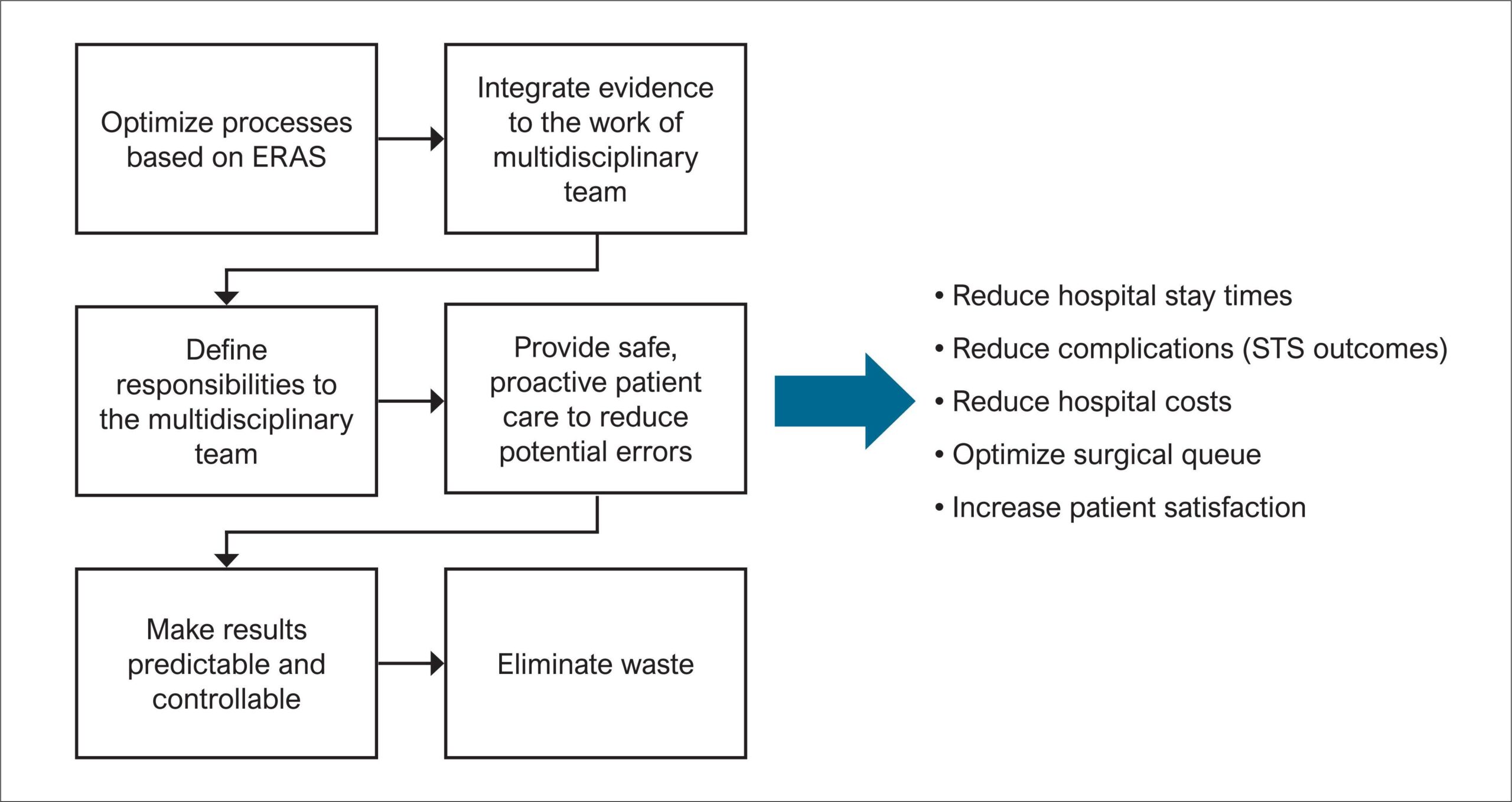
The lack of proactive care strategies influences the fragmentation of care, deparametrization of processes and extension of hospital times, while evidence has shown that multidisciplinary protocols based on evidence executed by synchronized teams, with standardized processes, proactivity and patient-centered care decrease complications, hospital times and hospital costs., In this context, care based on the Enhanced Recovery After Surgery (ERAS) concept revolutionizes traditional flows. Guidelines for cardiac surgery were recently published, producing encouraging results.,

This approach showed efficiency and safety in hospital discharge within three days after cardiac surgery,, which is promising in the COVID-19 era, in which surgical queues have grown due to procedural delays, enabling a greater number of visits in less time, reducing the risk of contamination and hospital costs.

[…]

  • Cardiovascular Surgical Procedures
  • COVID-19
  • Enhanced Recovery After Surgery
  • Patient Safety
  • Quality Improvement
Read Full Article
Creative Commons Attribution (CC BY) Creative Commons license
21/02/2022 DOI: 10.36660/abc.20210484 Views 1
IJCS
Letter to the Editor

Effectiveness of Rapid Response Teams and the Importance of Preprints

Hermano Alexandre Lima Rocha et al. Sabrina Gabriele Maia Oliveira Rocha Antônia Célia de Castro Alcântara

To the Editor of the International Journal of Cardiovascular Sciences,

We have read with interest the Point of View: “Performance of the Rapid Response Systems in Health Care Improvement: Benefits and Perspectives” by Viviane Cordeiro Veiga and Salomón Soriano Ordinola Rojas, published ahead of print in the International Journal of Cardiovascular Sciences on April 15, 2019. Rapid response teams to treat trauma patients in Australia 30 years ago, in 1989. From the outset, the aim was to early recognize signs of deterioration and provide a quick response, hence the name of the methodology. The discussion about the activation criteria is relevant and up to date and was treated in a solid manner by the authors in the introduction of the point of view. Indeed, it is known that this is the cause of part of the heterogeneity of results found in studies on the subject.

[…]

  • Hospital Mortality
  • Hospital Rapid Response Team
  • Patient Care Team
  • Patient Safety
Read Full Article
Creative Commons Attribution (CC BY) Creative Commons license
25/11/2020 DOI: 10.36660/ijcs.20190084
Figure 1
ABC
Editorial

How Do We Know a Change is an Improvement? The (Not So) New Scientific Knowledge Every Physician Should Learn, Master and Lead

Alexandre Siciliano Colafranceschi

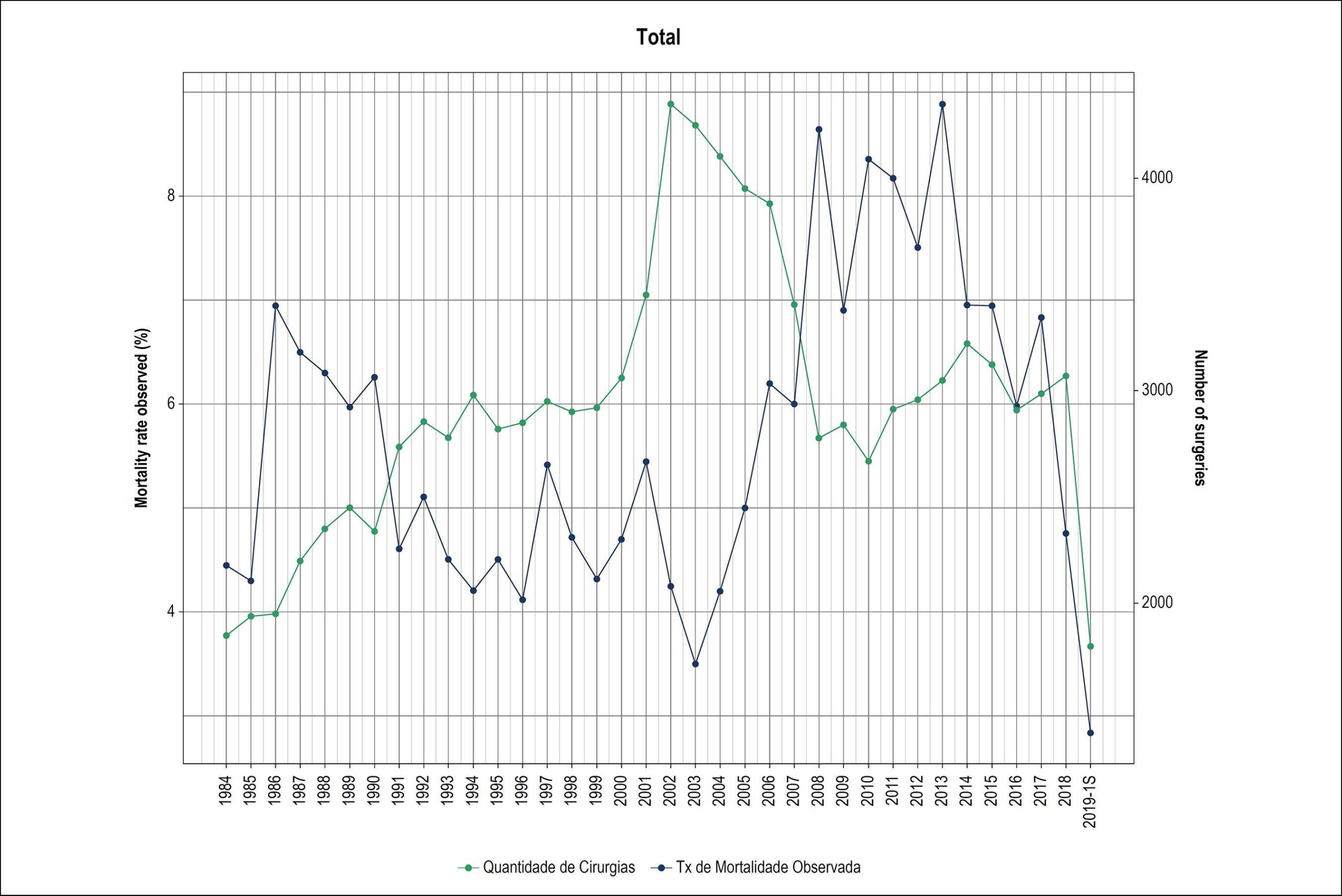
Cardiothoracic surgeons have a rich history of quality improvement and a strong ethos of transparency and innovation allowing for the rapid diffusion of standards, techniques, and benchmarks worldwide. Nationally, few medical specialties have contributed as much to the development of knowledge as the Brazilian cardiac surgery. From the hard work developed during decades by pioneering surgeons such as Euryclides Zerbini and Adib Jatene to the most contemporaneous leaders in the field, the Instituto do Coração do Hospital das Clínicas da Faculdade de Medicina da Universidade de São Paulo – InCor – is definitely at the heart of this journey. In this issue of Arquivos Brasileiros de Cardiologia the work by Mejia et al. has the merit of taking into account the evolution of the number of cardiovascular surgeries performed at InCor during a 35-year period. The total number is a remarkable one: over 100,000 open heart procedures were analyzed. After all, the mean number of procedures/year is 2,964, – or more than 11 procedures per workday. It is noteworthy the fact that the total number of procedures has been increasing, especially due to an increase in valvular operations and the correction of congenital cardiopathies. Also, of note, there is a 7% decrease in coronary artery bypass graft surgery volume in the most recent period studied.

Besides describing the volume of disease-specific open-heart surgical procedures throughout five different periods of time over the 35 years of data, another objective of the study by Mejia et al. was to evaluate the impact of the actions taken from a continuous quality improvement program on mortality from cardiovascular surgery. It is not clear, however, how the periods of time were selected for the analyses.

[…]

  • Cardiovascular Surgical Procedures/trends
  • Database
  • Hospital Mortality
  • Patient Safety
  • Quality Improvement
Read Full Article
Creative Commons Attribution (CC BY) Creative Commons license
29/05/2020 DOI: 10.36660/abc.20200249
IJCS
Editorial

Is Bovine Heparin, an Old Fellow, a Safe Anticoagulation Approach during Extracorporeal Circulation Inside the Cardiac Operating Room?

Ivis Levy Fernandes Martins et al. Christianne Bretas Vieira Scaramello

Antithrombotic agents include anticoagulants, antiplatelet and fibrinolytic drugs. They are prescribed in several situations related to hemostasis disturbances that favor thrombi formation. Since bleeding is a common adverse effect of these drugs, a cost-benefit analysis of antithrombotic therapy prior to surgery should be performed. In order to consider the preoperative therapy for patients undergoing cardiac surgery, the risk of thrombosis must outweigh the risk of bleeding. Nonetheless, the literature has reported the use of anticoagulant therapy with unfractionated heparin (UFH) during extracorporeal circulation (ECC) inside and outside the cardiac operating room. –

The development of the heart-lung machine made ECC possible. Therefore, heart surgery became a routine practice. The literature describes that complications related to ECC have diminished due to modern monitoring, highly trained staff, special cannulation methods, as well as the latest advances in techniques. However, some authors suggest that guidelines based on more researches would improve the safety of this procedure. During cardiac surgery, ECC preserves the functional characteristics of the heart, provides a clean surgical environment and offers safety to the team.

[…]

  • blood coagulation
  • Cardiac Surgical Prcedures
  • Extracorporeal Circulation
  • Heparin
  • Patient Safety
Read Full Article
Creative Commons Attribution (CC BY) Creative Commons license
29/05/2020 DOI: 10.36660/ijcs.20200077
Figure 1
ABC
Original Article

Analysis of >100,000 Cardiovascular Surgeries Performed at the Heart Institute and a New Era of Outcomes

Omar A.V. Mejia et al. Luiz Augusto Ferreira Lisboa Luiz Fernando Caneo Elisandra Trevisan Arita … Carlos Manuel de Almeida Brandão Ricardo Ribeiro Dias Roberto Costa Marcelo Biscegli Jatene Pablo Maria Alberto Pomerantzeff Luís Alberto Oliveira Dallan Fabio Biscegli Jatene

Abstract

Background:

The current challenge of cardiovascular surgery (CVS) is to improve the outcomes in increasingly severe patients. In this respect, continuous quality improvement (CQI) programs have had an impact on outcomes.

Objective:

To assess the evolution of the incidence and mortality due to CVS, as well as the current outcomes of the Hospital das Clínicas Heart Institute of the University of São Paulo Medical School (InCor-HCFMUSP).

Methods:

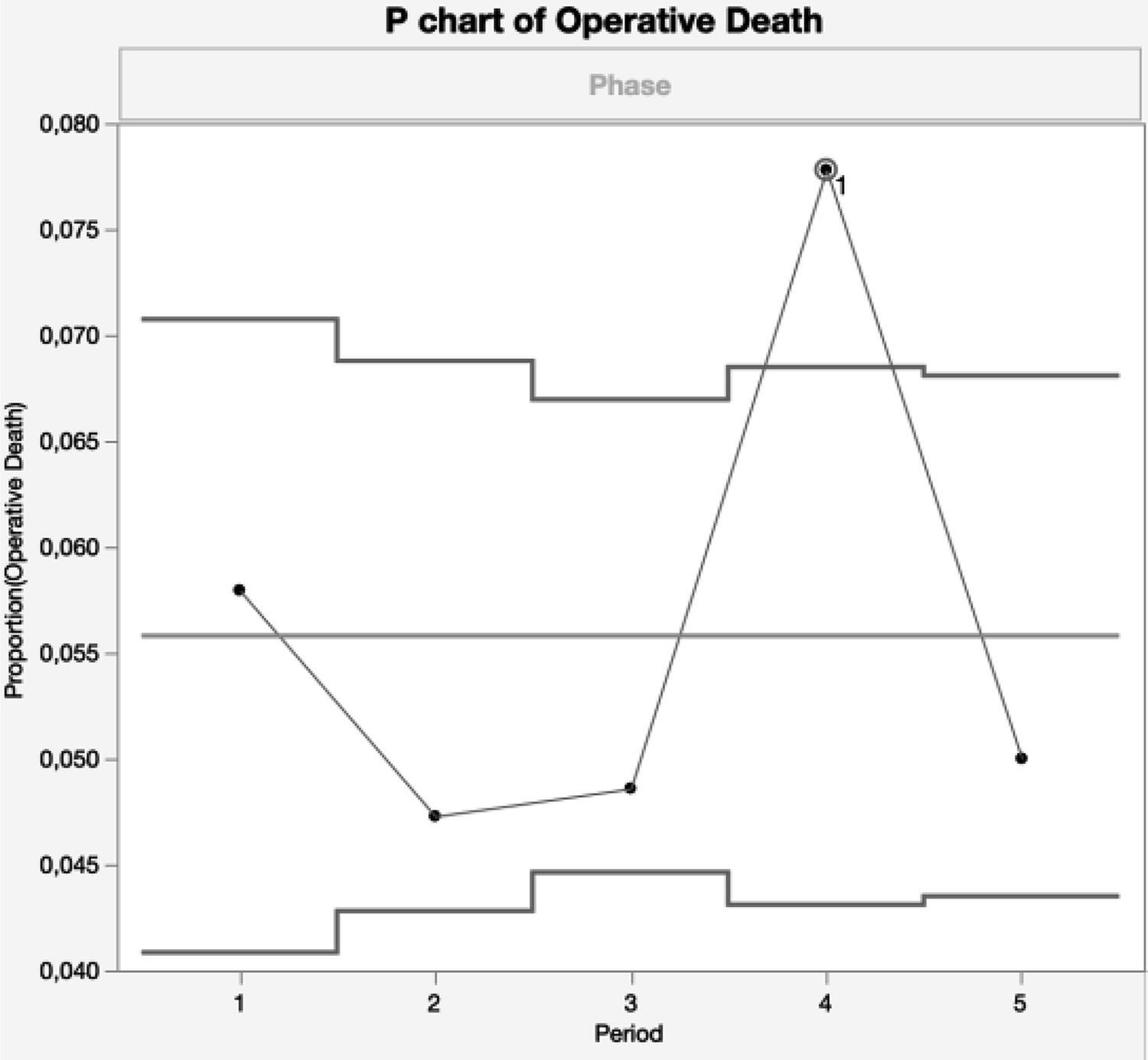
An outcome analysis of CVSs performed at the InCor, between January 1984 and June 2019. We observed the surgical volume and mortality rates in 5 time periods: 1st (1984-1989), 2nd (1990-1999), 3rd (2000-2007), 4th (2008-2015) and 5th (2016-2019). The CQI program was implemented between 2015 and 2016. The analysis included the total number of surgeries and the evolution of the most frequent procedures.

Results:

A total of 105,599 CCVs were performed, with an annual mean of 2,964 procedures and mortality of 5,63%. When comparing the 4th and the 5th periods, the average global volume of surgeries was increased from 2,943 to 3,139 (p = 0.368), bypass graft (CABG), from 638 to 597 (p = 0.214), heart valve surgery, from 372 to 465 (p = 0.201), and congenital heart disease surgery, from 530 to 615 (p = 0.125). The average global mortality went from 7.8% to 5% (p < 0.0001); in CABG surgery, from 5.8% to 3.1% (p < 0.0001); in heart valve surgery, from 14% to 7.5% (p < 0.0001) and in congenital heart disease surgery, from 12.1% to 9.6% (p < 0.0001).

Conclusion:

In spite of a recent trend towards increased surgical volume, there was a significant decrease in operative mortality in the groups studied. After the implementation of the CQI program, the mortality rates were closer to international standards.

  • Cardiovascular Surgical Procedures/trends
  • Database
  • Hospital Mortality
  • Patient Safety
  • Quality Improvement
Read Full Article
Creative Commons Attribution (CC BY) Creative Commons license
14/02/2020 DOI: 10.36660/abc.20190736 Views 2
IJCS
Viewpoint

Performance of the Rapid Response Systems in Health Care Improvement: Benefits and Perspectives

Viviane Cordeiro Veiga et al. Salomón Soriano Ordinola Rojas

Introduction

In the last two decades, the rapid response systems (RRS) have been explored as initiatives to increase the safety of hospitalized patients. The main function is to identify and treat patients at risk, or who are presenting signs of clinical instability, and to prevent adverse events during hospital stay, with a consequent reduction in in-hospital mortality. Every year in the United States, more than 200,000 intrahospital cardiac arrests (CAs) occur, most of which could be avoided. RRS are formed by two health care components called the afferent limb and the efferent limb. The afferent limb is represented by the health care team in the admission units, responsible for the care of hospitalized patients and trained to activate the afferent limb, when physiological changes that predict adverse events are detected, especially cardiac arrests. The efferent limb is represented by a team of health care professionals, who respond to codes, and may be headed by a physician, a nurse or a physiotherapist. The efferent limb is better known as the rapid response team (RRT). In addition to these health care components, the rapid response systems must also have two other components, namely the administrative arm, which provides the necessary documentation and is responsible for the systems daily activities and the quality and governance arm, which contributes to continuous improvement and reassessment of the system. These systems have been implemented around the globe, but still in a non-uniform way in institutions and health systems with different characteristics. However, in Brazil, there are few reports on this issue.,

[…]

  • Hospital Mortality
  • Hospital Rapid Response Team
  • Patient Care Team
  • Patient Safety
Read Full Article
Creative Commons Attribution (CC BY) Creative Commons license
15/04/2019 DOI: 10.5935/2359-4802.20180101 Views 2

How to cite this article

EndNote RIS

Electronic Document Format (Vancouver)

Cordeiro ALL, Trindade TVO, Barros RA. Simulation in Cardiovascular Medicine Education: Innovation, Safety, and Competency-Based Training. Arquivos Brasileiros de Cardiologia 2026;123(6):e20260233.

Electronic Document Format (ABNT)

Cordeiro, André Luiz Lisboa; Trindade, Tiago Veltri Ormastroni da; Barros, Rinaldo Antunes. Simulation in Cardiovascular Medicine Education: Innovation, Safety, and Competency-Based Training. Arquivos Brasileiros de Cardiologia, v. 123, n. 6, e20260233, Aug. 2026.

Electronic Document Format (APA)

Cordeiro, A. L. L., Trindade, T. V. O. , & Barros, R. A. (2026). Simulation in Cardiovascular Medicine Education: Innovation, Safety, and Competency-Based Training. Arquivos Brasileiros de Cardiologia, 123(6), e20260233.

Electronic Document Format (ISO)

Cordeiro, André Luiz Lisboa and Trindade, Tiago Veltri Ormastroni da and Barros, Rinaldo Antunes. Simulation in Cardiovascular Medicine Education: Innovation, Safety, and Competency-Based Training. Arquivos Brasileiros de Cardiologia [online]. 2026, vol. 123, n. 6, [cited 2026-10-14], e20260233. Available from: <https://journals.cardiol.br/en/article/simulation-in-cardiovascular-medicine-education-innovation-safety-and-competency-based-training/>. ISSN 0066-782X

EndNote RIS

Electronic Document Format (Vancouver)

Magalhães TA. “Triple Rule-Out”: Including the Abdominal Aorta With a Clear Conscience?. ABC Imagem Cardiovascular 2025;38(2):e20250041.

Electronic Document Format (ABNT)

Magalhães, Tiago A.. “Triple Rule-Out”: Including the Abdominal Aorta With a Clear Conscience?. ABC Imagem Cardiovascular, v. 38, n. 2, e20250041, Jun. 2025.

Electronic Document Format (APA)

Magalhães, T. A. (2025). “Triple Rule-Out”: Including the Abdominal Aorta With a Clear Conscience?. ABC Imagem Cardiovascular, 38(2), e20250041.

Electronic Document Format (ISO)

Magalhães, Tiago A.. “Triple Rule-Out”: Including the Abdominal Aorta With a Clear Conscience?. ABC Imagem Cardiovascular [online]. 2025, vol. 38, n. 2, [cited 2026-10-14], e20250041. Available from: <https://journals.cardiol.br/en/article/triple-rule-out-including-the-abdominal-aorta-with-a-clear-conscience/>. ISSN 2318-8219

EndNote RIS

Electronic Document Format (Vancouver)

Pereira RAR, Moura DMC. Intracardiac Echocardiography: Current Status, Clinical Benefits, and Future Perspectives. ABC Imagem Cardiovascular 2025;38(2):e20250031.

Electronic Document Format (ABNT)

Pereira, Renner Augusto Raposo; Moura, Daniel Moreira Costa. Intracardiac Echocardiography: Current Status, Clinical Benefits, and Future Perspectives. ABC Imagem Cardiovascular, v. 38, n. 2, e20250031, Jun. 2025.

Electronic Document Format (APA)

Pereira, R. A. R., & Moura, D. M. C. (2025). Intracardiac Echocardiography: Current Status, Clinical Benefits, and Future Perspectives. ABC Imagem Cardiovascular, 38(2), e20250031.

Electronic Document Format (ISO)

Pereira, Renner Augusto Raposo and Moura, Daniel Moreira Costa. Intracardiac Echocardiography: Current Status, Clinical Benefits, and Future Perspectives. ABC Imagem Cardiovascular [online]. 2025, vol. 38, n. 2, [cited 2026-10-14], e20250031. Available from: <https://journals.cardiol.br/en/article/intracardiac-echocardiography-current-status-clinical-benefits-and-future-perspectives/>. ISSN 2318-8219

EndNote RIS

Electronic Document Format (Vancouver)

Mejia OAV, Mioto BM, Borgomoni GB, Camilo JM, Watanabe DM, Nunes SP, Sallai VS, et al. Preparing Patients And Optimizing Processes In The Perioperative Period Of Cardiac Surgery: How To Redesign The Flow Of Care After COVID-19. Arquivos Brasileiros de Cardiologia 2022;118(1):110-4.

Electronic Document Format (ABNT)

Mejia, Omar Asdrúbal Vilca; Mioto, Bruno Mahler; Borgomoni, Gabrielle Barbosa; Camilo, Juliana Mendanha; Watanabe, Danielle Misumi; Nunes, Sirlei Pereira; Sallai, Vanessa Santos; Lima, Maraina Pegorini Libório de; Palomo, Jurema da Silva Herbas; Costa, Helenice Moreira da; Arita, Elisandra Trevisan; Feltrim, Maria Ignêz Zanetti; Coimbra, Vera; Dias, Roger Daglius; Galas, Filomena Regina Barbosa Gomes; Auler Junior, José Otávio Costa; Jatene, Fabio Biscegli. Preparing Patients And Optimizing Processes In The Perioperative Period Of Cardiac Surgery: How To Redesign The Flow Of Care After COVID-19. Arquivos Brasileiros de Cardiologia, v. 118, n. 1, p. 110-114, Feb. 2022.

Electronic Document Format (APA)

Mejia, O. A. V., Mioto, B. M., Borgomoni, G. B., Camilo, J. M., Watanabe, D. M., Nunes, S. P., Sallai, V. S., Lima, M. P. L. , Palomo, J. S. H., Costa, H. M. , Arita, E. T., Feltrim, M. I. Z., Coimbra, V., Dias, R. D., Galas, F. R. B. G., Auler Junior, J. O. C., & Jatene, F. B. (2022). Preparing Patients And Optimizing Processes In The Perioperative Period Of Cardiac Surgery: How To Redesign The Flow Of Care After COVID-19. Arquivos Brasileiros de Cardiologia, 118(1), 110-114.

Electronic Document Format (ISO)

Mejia, Omar Asdrúbal Vilca and Mioto, Bruno Mahler and Borgomoni, Gabrielle Barbosa and Camilo, Juliana Mendanha and Watanabe, Danielle Misumi and Nunes, Sirlei Pereira and Sallai, Vanessa Santos and Lima, Maraina Pegorini Libório de and Palomo, Jurema da Silva Herbas and Costa, Helenice Moreira da and Arita, Elisandra Trevisan and Feltrim, Maria Ignêz Zanetti and Coimbra, Vera and Dias, Roger Daglius and Galas, Filomena Regina Barbosa Gomes and Auler Junior, José Otávio Costa and Jatene, Fabio Biscegli. Preparing Patients And Optimizing Processes In The Perioperative Period Of Cardiac Surgery: How To Redesign The Flow Of Care After COVID-19. Arquivos Brasileiros de Cardiologia [online]. 2022, vol. 118, n. 1, [cited 2026-10-14], pp. 110-114. Available from: <https://journals.cardiol.br/en/article/preparing-patients-and-optimizing-processes-in-the-perioperative-period-of-cardiac-surgery-how-to-redesign-the-flow-of-care-after-covid-19/>. ISSN 0066-782X

EndNote RIS

Electronic Document Format (Vancouver)

Rocha HAL, Rocha SGMO, Alcântara ACC. Effectiveness of Rapid Response Teams and the Importance of Preprints. International Journal of Cardiovascular Sciences 2020;33(6):721-2.

Electronic Document Format (ABNT)

Rocha, Hermano Alexandre Lima; Rocha, Sabrina Gabriele Maia Oliveira; Alcântara, Antônia Célia de Castro. Effectiveness of Rapid Response Teams and the Importance of Preprints. International Journal of Cardiovascular Sciences, v. 33, n. 6, p. 721-722, Nov. 2020.

Electronic Document Format (APA)

Rocha, H. A. L., Rocha, S. G. M. O., & Alcântara, A. C. C. (2020). Effectiveness of Rapid Response Teams and the Importance of Preprints. International Journal of Cardiovascular Sciences, 33(6), 721-722.

Electronic Document Format (ISO)

Rocha, Hermano Alexandre Lima and Rocha, Sabrina Gabriele Maia Oliveira and Alcântara, Antônia Célia de Castro. Effectiveness of Rapid Response Teams and the Importance of Preprints. International Journal of Cardiovascular Sciences [online]. 2020, vol. 33, n. 6, [cited 2026-10-14], pp. 721-722. Available from: <https://journals.cardiol.br/en/article/effectiveness-of-rapid-response-teams-and-the-importance-of-preprints/>. ISSN 2359-4802

EndNote RIS

Electronic Document Format (Vancouver)

Colafranceschi AS. How Do We Know a Change is an Improvement? The (Not So) New Scientific Knowledge Every Physician Should Learn, Master and Lead. Arquivos Brasileiros de Cardiologia 2020;114(4):613-5.

Electronic Document Format (ABNT)

Colafranceschi, Alexandre Siciliano. How Do We Know a Change is an Improvement? The (Not So) New Scientific Knowledge Every Physician Should Learn, Master and Lead. Arquivos Brasileiros de Cardiologia, v. 114, n. 4, p. 613-615, May. 2020.

Electronic Document Format (APA)

Colafranceschi, A. S. (2020). How Do We Know a Change is an Improvement? The (Not So) New Scientific Knowledge Every Physician Should Learn, Master and Lead. Arquivos Brasileiros de Cardiologia, 114(4), 613-615.

Electronic Document Format (ISO)

Colafranceschi, Alexandre Siciliano. How Do We Know a Change is an Improvement? The (Not So) New Scientific Knowledge Every Physician Should Learn, Master and Lead. Arquivos Brasileiros de Cardiologia [online]. 2020, vol. 114, n. 4, [cited 2026-10-14], pp. 613-615. Available from: <https://journals.cardiol.br/en/article/how-do-we-know-a-change-is-an-improvement-the-not-so-new-scientific-knowledge-every-physician-should-learn-master-and-lead/>. ISSN 0066-782X

EndNote RIS

Electronic Document Format (Vancouver)

Martins ILF, Scaramello CBV. Is Bovine Heparin, an Old Fellow, a Safe Anticoagulation Approach during Extracorporeal Circulation Inside the Cardiac Operating Room?. International Journal of Cardiovascular Sciences 2020;33(3):243-4.

Electronic Document Format (ABNT)

Martins, Ivis Levy Fernandes; Scaramello, Christianne Bretas Vieira. Is Bovine Heparin, an Old Fellow, a Safe Anticoagulation Approach during Extracorporeal Circulation Inside the Cardiac Operating Room?. International Journal of Cardiovascular Sciences, v. 33, n. 3, p. 243-244, May. 2020.

Electronic Document Format (APA)

Martins, I. L. F., & Scaramello, C. B. V. (2020). Is Bovine Heparin, an Old Fellow, a Safe Anticoagulation Approach during Extracorporeal Circulation Inside the Cardiac Operating Room?. International Journal of Cardiovascular Sciences, 33(3), 243-244.

Electronic Document Format (ISO)

Martins, Ivis Levy Fernandes and Scaramello, Christianne Bretas Vieira. Is Bovine Heparin, an Old Fellow, a Safe Anticoagulation Approach during Extracorporeal Circulation Inside the Cardiac Operating Room?. International Journal of Cardiovascular Sciences [online]. 2020, vol. 33, n. 3, [cited 2026-10-14], pp. 243-244. Available from: <https://journals.cardiol.br/en/article/is-bovine-heparin-an-old-fellow-a-safe-anticoagulation-approach-during-extracorporeal-circulation-inside-the-cardiac-operating-room/>. ISSN 2359-4802

EndNote RIS

Electronic Document Format (Vancouver)

Mejia OA, Lisboa LAF, Caneo LF, Arita ET, Brandão CMA, Dias RR, Costa R, et al. Analysis of >100,000 Cardiovascular Surgeries Performed at the Heart Institute and a New Era of Outcomes. Arquivos Brasileiros de Cardiologia 2020;114(4):603-12.

Electronic Document Format (ABNT)

Mejia, Omar A.V.; Lisboa, Luiz Augusto Ferreira; Caneo, Luiz Fernando; Arita, Elisandra Trevisan; Brandão, Carlos Manuel de Almeida; Dias, Ricardo Ribeiro; Costa, Roberto; Jatene, Marcelo Biscegli; Pomerantzeff, Pablo Maria Alberto; Dallan, Luís Alberto Oliveira; Jatene, Fabio Biscegli. Analysis of >100,000 Cardiovascular Surgeries Performed at the Heart Institute and a New Era of Outcomes. Arquivos Brasileiros de Cardiologia, v. 114, n. 4, p. 603-612, Feb. 2020.

Electronic Document Format (APA)

Mejia, O. A., Lisboa, L. A. F., Caneo, L. F., Arita, E. T., Brandão, C. M. A., Dias, R. R., Costa, R., Jatene, M. B., Pomerantzeff, P. M. A., Dallan, L. A. O., & Jatene, F. B. (2020). Analysis of >100,000 Cardiovascular Surgeries Performed at the Heart Institute and a New Era of Outcomes. Arquivos Brasileiros de Cardiologia, 114(4), 603-612.

Electronic Document Format (ISO)

Mejia, Omar A.V. and Lisboa, Luiz Augusto Ferreira and Caneo, Luiz Fernando and Arita, Elisandra Trevisan and Brandão, Carlos Manuel de Almeida and Dias, Ricardo Ribeiro and Costa, Roberto and Jatene, Marcelo Biscegli and Pomerantzeff, Pablo Maria Alberto and Dallan, Luís Alberto Oliveira and Jatene, Fabio Biscegli. Analysis of >100,000 Cardiovascular Surgeries Performed at the Heart Institute and a New Era of Outcomes. Arquivos Brasileiros de Cardiologia [online]. 2020, vol. 114, n. 4, [cited 2026-10-14], pp. 603-612. Available from: <https://journals.cardiol.br/en/article/analysis-of-100000-cardiovascular-surgeries-performed-at-the-heart-institute-and-a-new-era-of-outcomes/>. ISSN 0066-782X

EndNote RIS

Electronic Document Format (Vancouver)

Veiga VC, Rojas SSO. Performance of the Rapid Response Systems in Health Care Improvement: Benefits and Perspectives. International Journal of Cardiovascular Sciences 2019;32(5):536-9.

Electronic Document Format (ABNT)

Veiga, Viviane Cordeiro; Rojas, Salomón Soriano Ordinola. Performance of the Rapid Response Systems in Health Care Improvement: Benefits and Perspectives. International Journal of Cardiovascular Sciences, v. 32, n. 5, p. 536-539, Apr. 2019.

Electronic Document Format (APA)

Veiga, V. C., & Rojas, S. S. O. (2019). Performance of the Rapid Response Systems in Health Care Improvement: Benefits and Perspectives. International Journal of Cardiovascular Sciences, 32(5), 536-539.

Electronic Document Format (ISO)

Veiga, Viviane Cordeiro and Rojas, Salomón Soriano Ordinola. Performance of the Rapid Response Systems in Health Care Improvement: Benefits and Perspectives. International Journal of Cardiovascular Sciences [online]. 2019, vol. 32, n. 5, [cited 2026-10-14], pp. 536-539. Available from: <https://journals.cardiol.br/en/article/performance-of-the-rapid-response-systems-in-health-care-improvement-benefits-and-perspectives/>. ISSN 2359-4802

  • About ABC Family
  • Internal Regulation
  • Editorial Board
  • Brazilian Society of Cardiology (SBC)

Issues

SBC Guidelines

  • Videos
  • Podcasts
  • News