ABC Family Arquivos Brasileiros de Cardiologia International Journal of Cardiovascular Sciences ABC Heart Failure & Cardiomyopathy ABC Imagem Cardiovascular
Português English
ABC Family
Português English
  • About
    • About ABC Family
    • Internal Regulation
    • Editorial Board
    • Brazilian Society of Cardiology (SBC)
  • Issues
  • SBC Guidelines
  • Content
    • Videos
    • Podcasts
    • News
  • About
    • About ABC Family
    • Internal Regulation
    • Editorial Board
    • Brazilian Society of Cardiology (SBC)
  • Issues
  • SBC Guidelines
  • Content
    • Videos
    • Podcasts
    • News

ABC Family

  • ABC Family
  • Arquivos Brasileiros de Cardiologia
  • International Journal of Cardiovascular Sciences
  • ABC Heart Failure & Cardiomyopathy
  • ABC Imagem Cardiovascular
Search in

No content found.

Journals
Ordering
Article types
Others

  1. Home
  2. Keyword: Body Composition
Heart Rate Reactivity to Acute Mental Stress is Associated With Parasympathetic Withdrawal and Adiposity in Firefighters
IJCS
Original Article

Heart Rate Reactivity to Acute Mental Stress is Associated With Parasympathetic Withdrawal and Adiposity in Firefighters

Haissa A. Mendes et al. Natália E. Canto Luiz Rodrigo A. Lima Guilherme F. Speretta

Abstract

Background

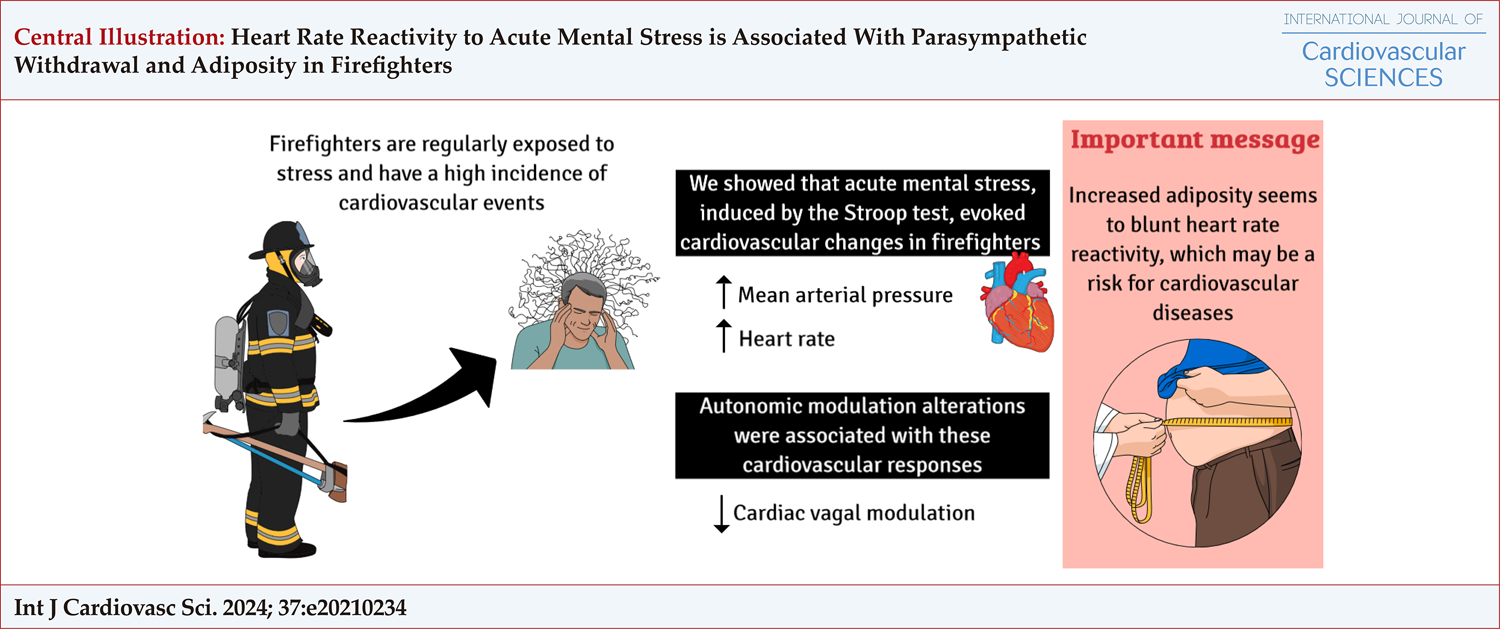
Firefighters are regularly exposed to stress and have a high incidence of cardiovascular events. Investigating cardiovascular and autonomic reactivity to acute mental stress (AMS) and its association with adiposity may contribute to explaining the increased cardiovascular risk in these professionals.

Objectives

To evaluate cardiovascular and autonomic reactivity to AMS in firefighters while considering adiposity parameters.

Methods

This study recorded the blood pressure and heart rate (HR) of twenty-five firefighters (38±8 years) at rest, while performing the Stroop color-word test to induce AMS, and recovery. Cardiac autonomic modulation (HR variability), baroreflex sensitivity (BRS — sequential method), and adiposity (electrical bioimpedance) were assessed. One-way or two-way analysis of variance followed by Tukey’s post hoc test and multiple linear regression were performed. The significance level was P<0.05.

Results

The AMS increased mean arterial pressure (MAP — Δ16±13 mmHg) and HR (Δ14±7 bpm) ( P <0.05). These responses were associated with parasympathetic modulation withdrawal (RMSSD: baseline: 29.8±18 vs. AMS: 21.5±14 ms; High-frequency: baseline: 5.2±1.4 vs. AMS: 4.5±1.3 Ln ms 2 ; P <0.05) and decreased in the Up gain of the baroreflex (baseline: 8.9±5.1 vs. AMS: 6.3±3.0 mmHg/ms; P <0.05). Groups divided by HR reactivity peak showed parasympathetic modulation withdrawal only in firefighters with lower adiposity (RMSSD: baseline: 27.8±17.6 vs. AMS: 14.4±9.2 ms; High-Frequency: baseline: 5.3±1.2 vs. AMS: 3.8±1.4 Ln ms 2 ; P <0.05). Fat percentage (β = -0.499), BRS (β = 0.486), and sympathetic/parasympathetic balance (β = -0.351) were predictors of HR reactivity ( P <0.05).

Conclusion

Our results demonstrated that HR reactivity to AMS modulated by cardiac vagal withdrawal seems to be influenced by body composition in this group of firefighters.
  • Body Composition
  • Firefighters
  • Heart Rate
  • Psychological Stress
Read Full Article
Creative Commons Attribution (CC BY) Creative Commons license
09/02/2024 DOI: 10.36660/ijcs.20210234
Associations between Normal-Weight Obesity and Disturbances in the Lipid Profile of Young Adults
ABC
Original Article

Associations between Normal-Weight Obesity and Disturbances in the Lipid Profile of Young Adults

Anna Flavia Ferreira Passos et al. Acsa de Castro Santos Alexandre Siqueira Guedes Coelho Cristiane Cominetti

Abstract

Background

Normal-weight obesity (NWO) is characterized by normal body mass index (BMI) but high body fat percentage (%BF) that increases the risks of cardiometabolic comorbidities. Accurate assessment and interpretation of body composition data are necessary to reduce these risks.

Objectives

To compare the cardiometabolic profile of individuals with NWO and normal %BF and evaluate the associated risk factors.

Methods

A cross-sectional study was conducted with 222 Brazilian adults from a university community, of whom 157 had NWO and 65 had normal BMI and %BF (non-NWO). All participants reported being asymptomatic and without underlying health conditions. Socioeconomic, lifestyle, food intake, anthropometry, body composition measures (using dual-energy radiological absorptiometry), and lipid and glycemic profiles were evaluated. A p < 0.05 was established as significant.

Results

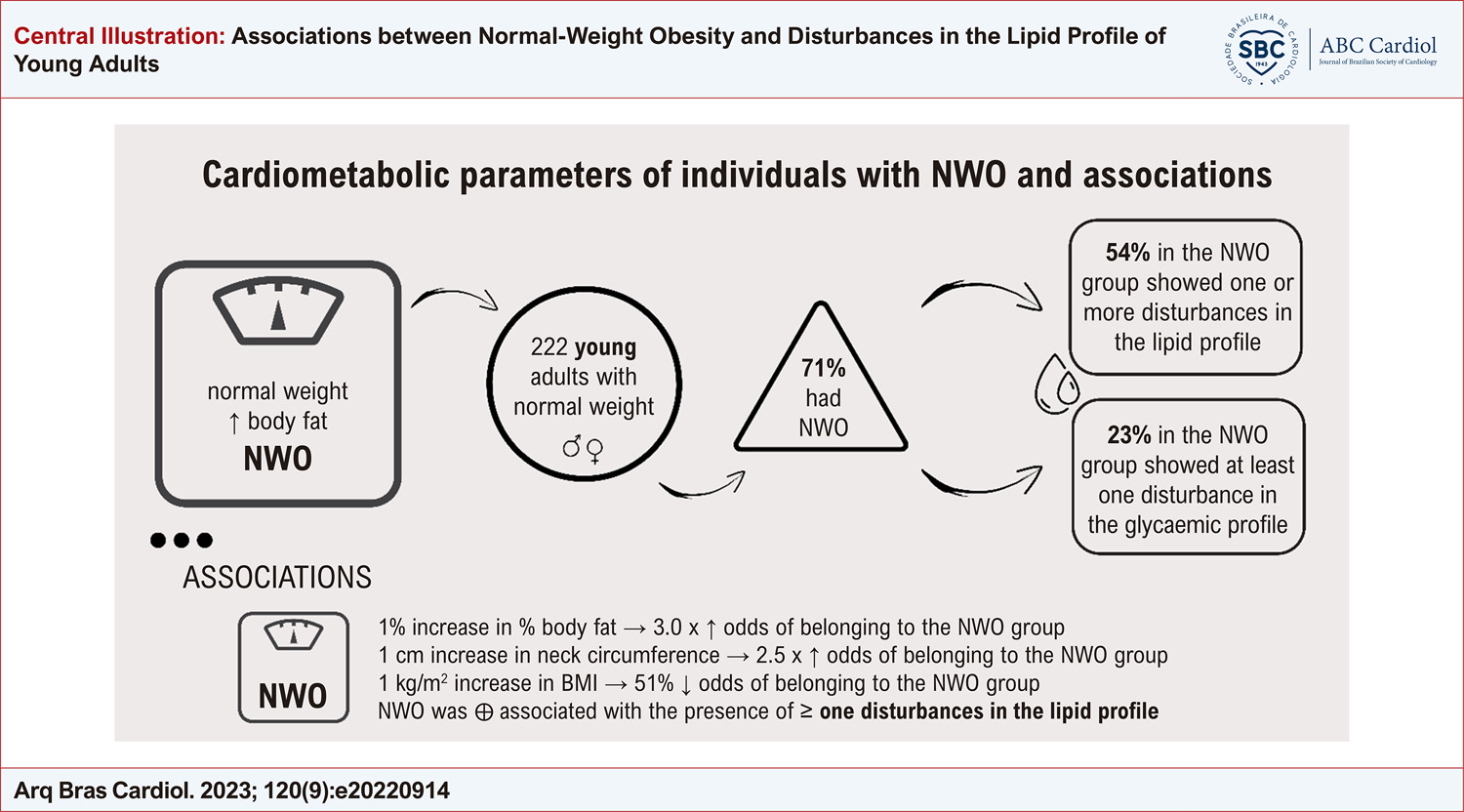
The median age of the participants was 23 years (interquartile range: 21 to 25), and most were female (67.1%). No significant differences were found in blood pressure, age, or physical activity levels between the NWO and non-NWO groups. However, the frequency of lipid profile disturbances was higher in the NWO group (54%) compared to the non-NWO group (34%) (p < 0.006). Neck circumference, %BF, and lipid profile disturbances were positively associated with NWO.

Conclusion

Individuals with NWO have a worse cardiometabolic profile than those without NWO, and this condition is associated with important biomarkers. Addressing these outcomes is important for preventing long-term cardiometabolic complications. Accurate assessment and interpretation of body composition data, regardless of BMI, are crucial in this scenario.

  • Apolipoproteins
  • Blood Glucose
  • Body Composition
  • Cardiovascular Diseases
  • Dyslipidemias
Read Full Article
Creative Commons Attribution (CC BY) Creative Commons license
23/10/2023 DOI: 10.36660/abc.20220914 Views 2
Figure 1
ABC
Original Article

Association of Body Composition with Arterial Stiffness in Long-lived People

Flávia Veríssimo Melo e Silva et al. Franciellen Bruschi Almonfrey Cinthia Medice Nishide de Freitas Flávia Kurebayashi Fonte … Mariana Bellaguarda de Castro Sepulvida Clineu de Mello Almada-Filho Maysa Seabra Cendoroglo Egli Belinazzi Quadrado Celso Amodeo Rui Povoa Roberto Dischinger Miranda

Abstract

Background

Arterial stiffness, obesity and sarcopenia correlate with each other and with cardiac outcomes in younger adults. However, there is little evidence of the association between body composition and markers of central arteries stiffness in long-lived people.

Objective

To evaluate the relationship between arterial stiffness and body composition in functionally independent long-lived individuals.

Methods

This is a cross-sectional analysis of the association between markers of arterial stiffness and body composition among participants in a longitudinal cohort of elderly individuals aged 80 years or older who were functionally independent and lived in the community . Body composition measurements were performed using dual energy X-ray absorptiometry (DEXA) and central circulation parameters (CCP) obtained by a non-invasive oscillometric method through the Mobil-O-Graph 24h PWA Monitor® device. The central parameters evaluated were: pulse wave velocity (PWV), augmentation Index (AIx), pulse pressure amplification index (PPAi) and central pulse pressure (cPP). These were correlated to total lean mass (LM) and appendicular lean mass (aLM), body fat percentage, and Baumgartner’s Index (BI). The level of significance was set at 5% for all tests.

Results

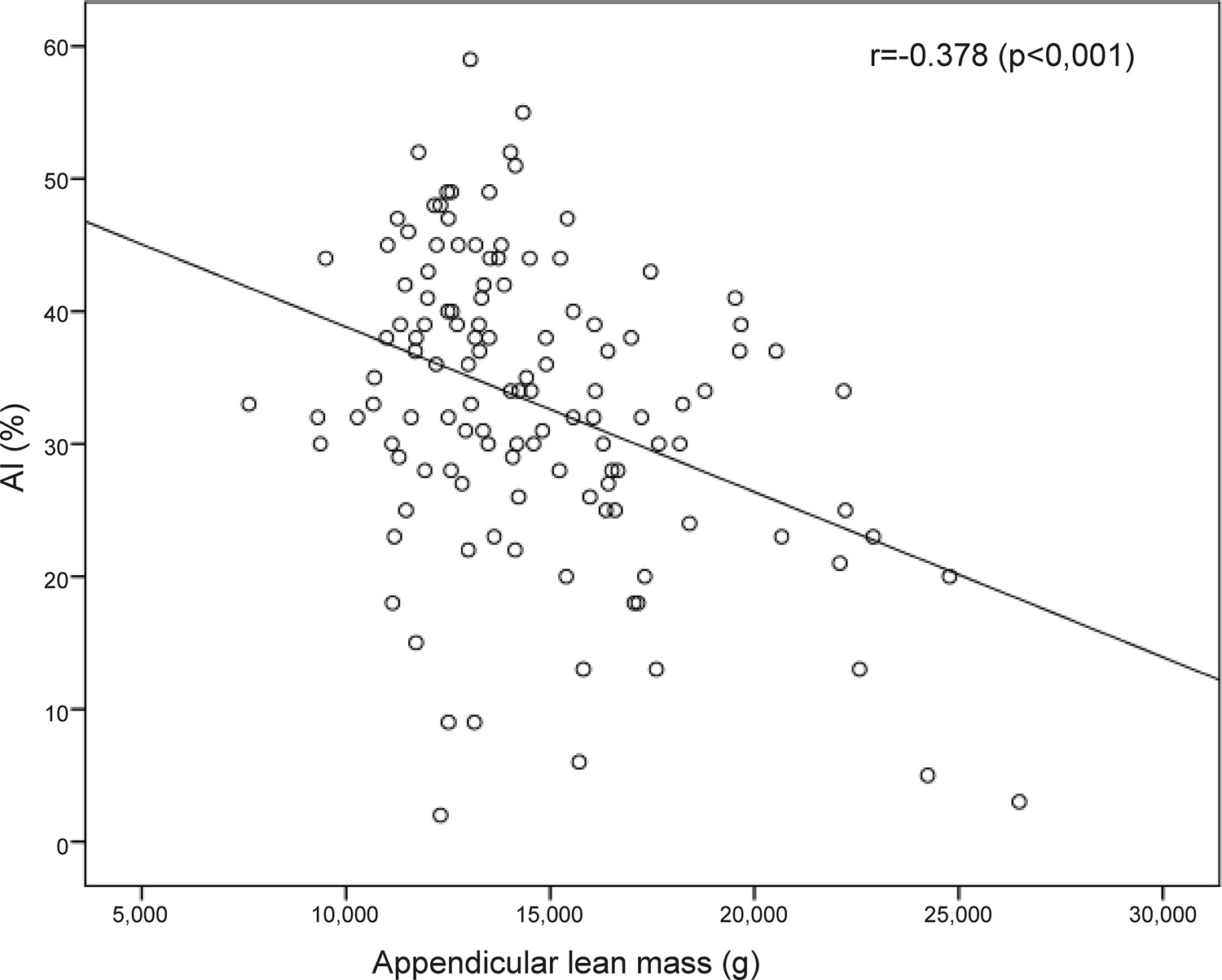
Data from 124 elderly people with a mean age of 87.1 years (SD ± 4.3 years) were analyzed, with 74.2% of women and 57.3% of white. There was a statistically significant inverse correlation of AIx with LM (r = -0.391, p <0.001), aLM (r = -0.378, p <0.001), and BI (r = -0.258, p = 0.004). Also, cPP had an inversely proportional association with LM (r = -0.268, p = 0.003), aLM (r = -0.288, p = 0.001), and BI (r = -0.265, p = 0.003). When assessing the relationship between fat mass and CCP, a statistically significant direct relationship was observed only between AIx and body fat percentage (r = 0.197, p = 0.029).

Conclusion

In long-lived people, body fat percentage is directly associated with arterial stiffness and inversely associated with the amount of LM. These findings may be associated with increased cardiovascular risk.

  • Aged
  • Body Composition
  • DEXA
  • fats
  • Vascular Stiffness
Read Full Article
Creative Commons Attribution (CC BY) Creative Commons license
16/07/2021 DOI: 10.36660/abc.20190774 Views 1
ABC
Original Article

Blood Pressure in Children: Association with Anthropometric Indicators, Body Composition, Cardiorespiratory Fitness and Physical Activity

Gisele Pinheiro et al. Júlio Mello Adroaldo Gaya Anelise Reis Gaya

Abstract

Background:

Evidence points to anthropometric and fitness variables as associated factors with children’s blood pressure. Analysing these factors in a single context is a relevant possibility of identifying the weight that each factor can present for the development of arterial hypertension.

Objective:

Identify the possible associations between anthropometric measurements, body composition, moderate-vigorous physical activity (MVPA) and cardiorespiratory fitness (CRF) with blood pressure in children.

Methods:

Correlational study with a quantitative approach. Sample: 215 schoolchildren aged 6-12 years selected by convenience criteria of a public school in Porto Alegre, Brazil. Blood pressure was measured with a digital sphygmomanometer. For data treatment, the values of systolic and diastolic blood pressure were standardized (Z score) and added. The variables tested as predictors were: MVPA; body fat percentage (BF%); Body Mass Index (BMI); waist-height ratio (WHTR); maturity-offset and CRF. After checking the normality parameters, the crude and adjusted associations (for sex, age and maturity-offset) were tested with linear regression equations. For the analyses, p <0.05 was considered.

Results:

Three different models indicated the best sets of factors associated with standardized blood pressure. Model 1 (R2 = 0.21) consisted of the variables WHTR (β = 9.702) and MVPA (β = −0.021). Model 2 (R2 = 0.19) was composed of the variables BMI (β = 0.156) and MVPA (β = −0.021). Model 3 (R2 = 0.18) included the variables BF% (β = 0.063) and CRF (β = −0.004).

Conclusion:

Blood pressure in children is predicted by the body variables BF%, BMI and WHTR, in addition, it is negatively associated with MVPA and CRF.

  • Anthropometry
  • Blood Pressure
  • Body Composition
  • Child
  • Exercise
  • Motor Activity
  • physical fitness
Read Full Article
Creative Commons Attribution (CC BY) Creative Commons license
17/05/2021 DOI: 10.36660/abc.20190520 Views 1
ABC
Original Article

Dynamic Balance and Mobility Explain Quality of Life in HFpEF, Outperforming All the Other Physical Fitness Components

Cristine Schmidt et al. Mário Santos Lucimere Bohn Bruno Miguel Delgado … Daniel Moreira-Gonçalves Adelino Leite-Moreira José Oliveira

Abstract

Background

Physical fitness is an important determinant of quality of life (QoL) in heart failure with preserved ejection fraction (HFpEF) patients. However, how the different physical fitness components correlate with the specific dimensions of QoL in HFpEF patients remains unknown.

Objective

To evaluate the association between different physical fitness components and QoL dimensions in HFpEF patients, and, assess which physical fitness components were independently associated to QoL.

Methods

Patients with HFpEF were assessed for physical fitness [dynamic balance and mobility (8-foot-up-and go test), upper body strength (handgrip), cardiorespiratory fitness (CRF) (6-minute-walking test) and body composition (body mass index)] and for QoL (Minnesota Living With Heart Failure Questionnaire). Partial correlation was used to verify the association between physical fitness components and QoL dimensions. The determination of independent predictors in QoL dimensions was assessed through stepwise multivariate linear regression analysis. Statistical significance was set at p<0.05.

Results

Both CRF and dynamic balance and mobility are significantly associated with the total score and physical dimensions of QoL (p<0.05), but only dynamic balance and mobility were concomitantly associated with the emotional dimension (r=0.597; p=0.004). Dynamic balance and mobility were independently associated with total score (β=0.651; r2=0.424; p=0.001), physical (β=0.570; r2=0.324; p=0.04) and emotional (β=0.611; r2=0.373 p=0.002) dimensions of QoL.

Conclusion

Our data suggests that dynamic balance and mobility better assess QoL than CRF, which is commonly measured in clinical practice. Whether interventions specifically targeting dynamic balance and mobility have different impacts on QoL remains unknown. (Arq Bras Cardiol. 2020; 114(4):701-707)

  • Body Composition
  • Breathing Exercises
  • Heart Failure/physiopathology
  • physical fitness
  • Quality of life
  • Work-Life Balance/methods
Read Full Article
Creative Commons Attribution (CC BY) Creative Commons license
29/05/2020 DOI: 10.36660/abc.20190080
IJCS
Original Article

Impact of Coronary Artery Bypass Grafting on Muscle Mass Reduction on the 7th Postoperative Day

Bárbara de Oliveira Costa et al. Gabrielle Maciel Ana Beatriz Huguenin Geisiane da Silva … Sheila Moreira da Silva Guimarães Wanise Maria de Souza Cruz Alexandre Siciliano Colanfranceschi Gilson Teles Boaventura

Abstract

Background:

Ischemic heart failure is a chronic and degenerative disease with high morbidity and mortality in the world. Coronary artery bypass grafting is indicated as elective treatment and may cause a catabolic state that depletes energy reserves. Data on body composition evaluation in the postoperative period of major cardiac surgery are limited.

Objective:

To evaluate the influence of elective coronary artery bypass grafting on body composition on the seventh postoperative day of patients with ischemic heart failure.

Methods:

A cross-sectional study was carried out in which eighteen volunteers with New York Heart Association Class II and III heart failure underwent coronary artery bypass grafting. The energy and protein reserves of the participants were evaluated by anthropometry in the preoperative and on the seventh postoperative day. Paired t-Test or Mann-Whitney test was used if applicable. A significance level was considered at p value < 0.05.

Results:

A significant loss of muscle mass was observed through the reduction of arm muscle circumference after surgery (4.2%, p 0.007). Major surgery causes hypermetabolic state and systemic inflammatory stimulus, due to the release of hormones and cytokines that may justify the observed loss of muscle mass.

Conclusion:

Coronary artery bypass grafting had an impact on muscle mass reduction seven days after surgery in patients with ischemic heart failure.

  • Body Composition
  • Coronary,Artery Bypass Grafting
  • Heart Failure / mortality
  • Heart Failure/physiopathology
  • Postoperative Period
Read Full Article
Creative Commons Attribution (CC BY) Creative Commons license
01/04/2019 DOI: 10.5935/2359-4802.20190018
Figure 1
ABC
Original Article

Whole-Body Vibration Training Increases Myocardial Salvage Against Acute Ischemia in Adult Male Rats

Shahnaz Shekarforoush et al. Mohammad Reza Naghii

Abstract

Background:

Whole body vibration training (WBV) is a new training program, which is safe and effective. It can be followed by the public. However, data on the safety and efficacy of vibration on myocardial ischemia reperfusion (IR) injury are lacking.

Objective:

To examine the effect of WBV on the tolerance of the myocardium to acute IR injury in an experimental rat model.

Methods:

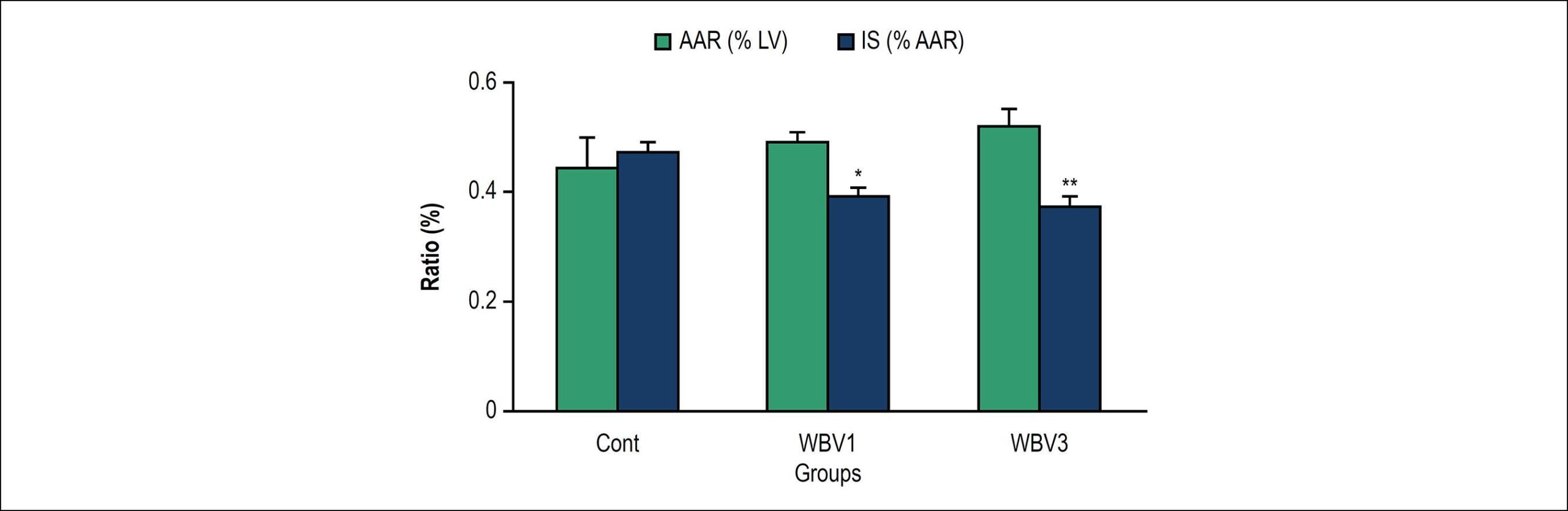
Twenty-four male Wistar rats were divided into control and vibration groups. Vibration training consisted of vertical sinusoidal whole body vibration for 30 min per day, 6 days per week, for 1 or 3 weeks (WBV1 and WBV3 groups, respectively). All the rats were submitted to myocardial IR injury. Myocardial infarct size and ischemia-induced arrhythmias were assessed. Differences between variables were considered significant when p < 0.05.

Results:

No differences were observed between the groups regarding the baseline hemodynamic parameters. Infarct size was smaller in the experimental group (control, 47 ± 2%; WBV1, 39 ± 2%; WBV3, 37 ± 2%; p < 0.05, vs. control). Vibration produced a significant decrease in the number and duration of ventricular tachycardia (VT) episodes compared to the control value. All ventricular fibrillation (VF) episodes in the vibration groups were self-limited, while 33% of the rats in the control group died due to irreversible VF (p = 0.02).

Conclusion:

The data showed that vibration training significantly increased cardiac tolerance to IR injury in rats, as evidenced by reduction in the infarct size and cardiac arrhythmias, and by facilitating spontaneous defibrillation.

  • Blood Viscosity
  • Body Composition
  • Cardiovascular Diseases
  • Ischemia
  • Ischemic Preconditioning
  • Osteoporosis/prevention and control
  • Rats Wistar
  • Vibration
Read Full Article
Creative Commons Attribution (CC BY) Creative Commons license
17/12/2018 DOI: 10.5935/abc.20180252 Views 1
IJCS
Original Article

Acuracy and Concordance of Anthropometric Indicators and Body Composition in Heart Failure

Daniela de Oliveira Rocha et al. Raquel Costa Silva Dantas Fernanda Lambert de Andrade Regina Ranielly dos Santos Avelino … Clélia de Oliveira Lyra Rosiane Viana Zuza Diniz Niethia Regina Dantas de Lira Karine Cavalcanti Mauricio Sena-Evangelista

Abstract

Background:

Anabolic/catabolic disorder in heart failure (HF) favors cardiac cachexia, implying a reduction in HF survival.

Objectives:

To assess the accuracy and concordance of the diagnosis of protein malnutrition and excess fat among the anthropometric and body composition methods in individuals with HF.

Method:

A study of accuracy that included 60 individuals with HF. Body mass index (BMI), arm circumference (AC), triceps skinfold thickness (TST), adductor pollicis muscle thickness (APMT), arm muscle circumference (AMC) and corrected arm muscle area (cAMA). Fat free mass index (FFMI) and body fat percentage (BF%), obtained by electrical bioimpedance (EBI), were used to compare the diagnosis of protein malnutrition and excess fat. Accuracy was assessed by calculating sensitivity, specificity, positive and negative predictive value. The concordance of the EBI diagnosis and other methods was performed by the chi-square test and kappa (k) statistic, where p<0.05 was considered significant.

Results:

Higher frequencies of protein malnutrition were identified by cAMA and AMC, and excess fat by BF%. BMI presented low sensitivity (43%) and accuracy (38.5%), with moderate concordance (0.50). AMC sensitivity was 86%, accuracy 66.4%, and acceptable concordance (0.36) compared to FFMI. Similar percentages of moderate sensitivity and low accuracy were observed for TST and BMI.

Conclusion:

AMC may be useful to identify protein malnutrition and TST has not been adequate to diagnose adiposity. BMI was not sensitive to assess muscle and adipose reserve. EBI was more accurate.

  • Body Composition
  • Cachexia
  • Heart Failure
  • Nutrition Assessment, Anthropometry
Read Full Article
Creative Commons Attribution (CC BY) Creative Commons license
17/12/2018 DOI: 10.5935/2359-4802.20180093 Views 1
Figure 1
IJCS
Original Article

Effects of Conventional and Virtual Reality Cardiovascular Rehabilitation in Body Composition and Functional Capacity of Patients with Heart Diseases: Randomized Clinical Trial

João Pedro Lucas Neves Silva et al. Luiz Felipe Marques Novaes Lorrany Caroline Rocha dos Santos Bianca Pinhal Galindo … Margaret Assad Cavalcante Bruna Corral Garcia de Araújo Francis Lopes Pacagnelli Ana Paula Coelho Figueira Freire

Abstract

Background:

Virtual reality is an alternative therapeutic resource to be inserted into cardiovascular rehabilitation, stimulating the practice of physical activity through man-machine interaction.

Objective:

To compare the effects of conventional and virtual reality cardiac rehabilitation on body composition and functional capacity in patients with heart disease.

Methods:

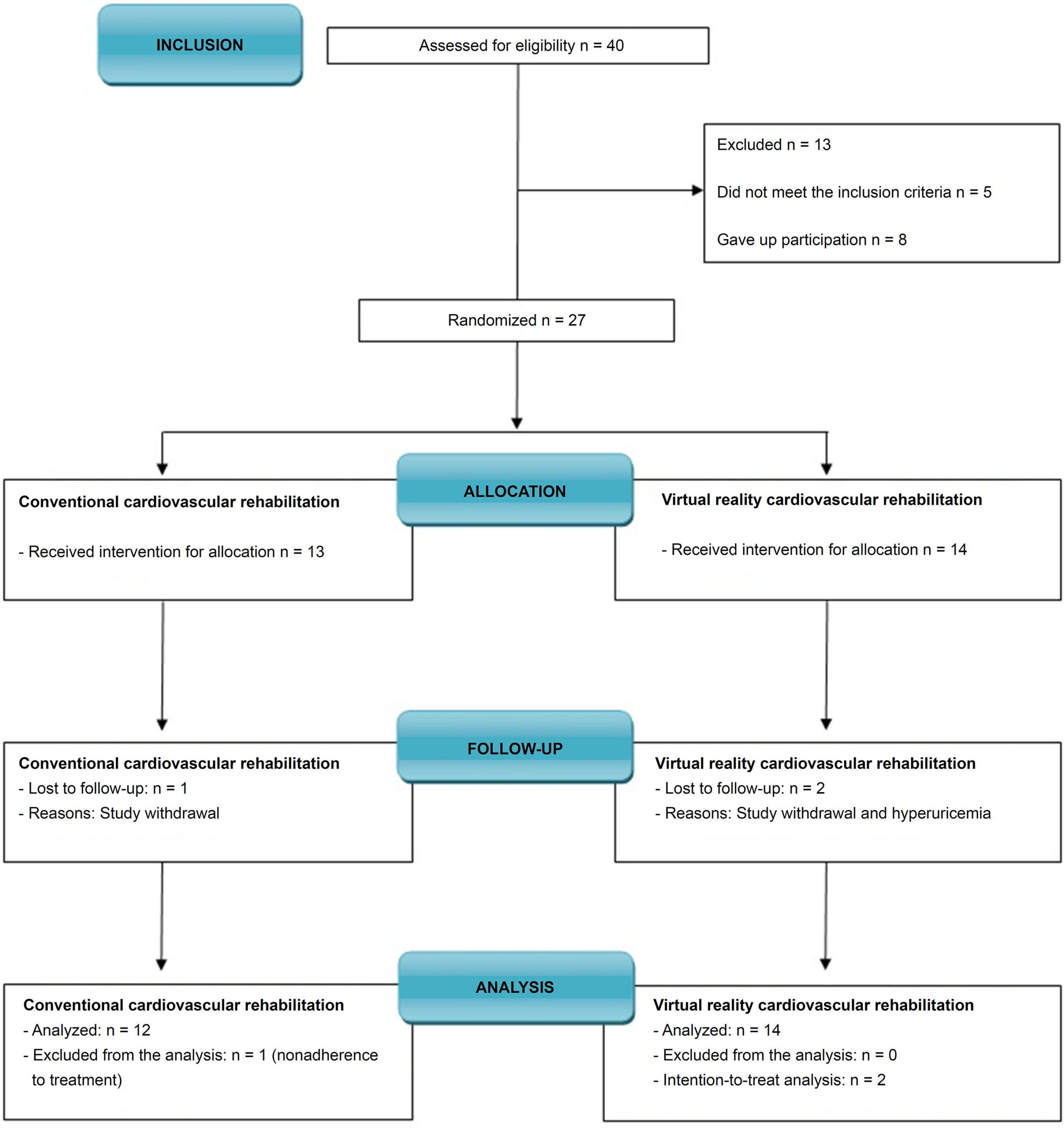
Randomized clinical trial with 27 cardiac patients divided into conventional rehabilitation group (CRG) and virtual reality rehabilitation group (VRG). They underwent a rehabilitation program with 60-minute training sessions twice a week for eight weeks. The VRG training consisted of exercises from the Xbox 360® with Kinect(tm), using YourShape(tm) and Dance Central 3(tm) games. The CRG used conventional treadmills for aerobic exercise and free weights for resistance exercise. Bioimpedance and 6-minute walk test (6MWT) were evaluated at baseline and after training. For main outcome analysis, Student t and Mann Whitney tests were used with a 5% significance level.

Results:

The VRG showed a significant increase in body fat percentage and fat weight when compared to the CRG, and a smaller amount of total water. There was a significant improvement in functional capacity evidenced by the increase in the distance covered in the 6MWT (54.00 m and 32.25 m in the CRG and VRG, respectively), but the gains did not differ between the groups.

Conclusion:

The two rehabilitation modalities had no effect on the body composition of the groups. In addition, the improvement in functional capacity was similar in both groups.

  • Body Composition
  • Cardiac Rehabilitation
  • Cardiovascular Diseases
  • physical therapy modalities
  • Virtual Reality Exposure Therapy
Read Full Article
Creative Commons Attribution (CC BY) Creative Commons license
06/09/2018 DOI: 10.5935/2359-4802.20180071 Views 1
IJCS
Original Article

Heart Failure: Correlation between Anthropometric Parameters, Body Composition and Cell Integrity

Tathiana Carestiato Faria et al. Denise Tavares Giannini Patrícia Vasconcelos Fontana Gasparini Ricardo Mourilhe Rocha

Abstract

Background:

Knowledge about phase angle and its use as a prognostic determinant in patients with heart failure is still scarce.

Objective:

To evaluate the correlation between anthropometric indicators, cardiac function and cell integrity in patients with heart failure with reduced ejection fraction.

Methods:

This was a cross-sectional study that evaluated patients with heart failure with reduced ejection fraction by anthropometry and bioelectrical impedance analysis. Chi-square test and Student’s t test were used to analyze differences, and Pearson’s linear correlation was used to evaluate associations, using p < 0.05 to indicate statistical significance.

Results:

We evaluated 41 subjects aged 30-74 years, of which 34 were men (82.9%). Mean phase angle was higher among women (7.1%), but significant differences between men and women were found only for body fat percentage. Phase angle correlated with body mass index (r = 0.44, p = 0.004) and there was a trend of correlation of the phase angle with waist-to-height ratio (r = 0.29, p = 0.06) and the left ventricular ejection fraction (r = 0.29, p = 0.07).

Conclusions:

Phase angle showed a good correlation with body mass index and showed a trend of correlation with the left ventricular ejection fraction, supporting the obesity paradox and the prognostic importance of this marker. Further studies on the applicability of the phase angle in the prognosis of these patients are still needed.

  • Body Composition
  • body mass index
  • Heart Failure
  • Obesity
  • Stroke Volume
Read Full Article
Creative Commons Attribution (CC BY) Creative Commons license
01/01/2018 DOI: 10.5935/2359-4802.20180006 Views 1
Triceps skinfold as a prognostic predictor in outpatient heart failure
ABC
Artigo Original

Triceps skinfold as a prognostic predictor in outpatient heart failure

Priccila Zuchinali et al. Gabriela Corrêa Souza Fernanda Donner Alves Karina Sanches Machado d'Almeida … Lívia Adams Goldraich Nadine Oliveira Clausell Luis Eduardo Paim Rohde

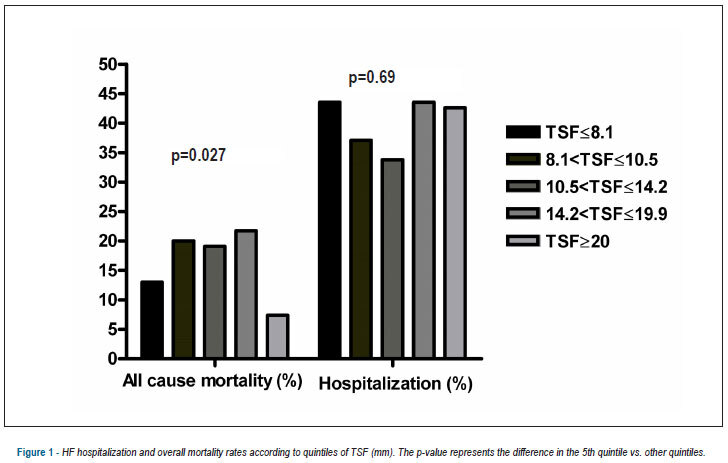
BACKGROUND: Most reports regarding the obesity paradox have focused on body mass index (BMI) to classify obesity and the prognostic values of other indirect measurements of body composition remain poorly examined in heart failure (HF). Objective: To evaluate the association between BMI and other indirect, but easily accessible, body composition measurements associated with the risk of all-cause mortality in HF. METHODS: Anthropometric parameters of body composition were assessed in 344 outpatients with a left ventricular ejection fraction (LVEF) of 20 mm was present in 9% of patients that died and 22% of those who survived (p = 0.027). Univariate analysis showed that serum creatinine level, LVEF, and NYHA class were associated with the risk of death, while Cox proportional hazard regression analysis showed that TSF > 20 was a strong independent predictor of all-cause mortality (hazard ratio = 0.36; 95% confidence interval = 0.13-0.97, p = 0.03). CONCLUSION: Although BMI is the most widely used anthropometric parameter in clinical practice, our results suggested that TSF is a better predictive marker of mortality in HF outpatients.

  • Body Composition
  • body mass index
  • Heart Failure
  • Mortality
Read Full Article
Creative Commons Attribution (CC BY) Creative Commons license
13/09/2013 DOI: 10.5935/abc.20130185
ABC
Artigo Original

Body composition, biochemical and clinical changes of adolescents with excessive adiposity

Hiara Miguel Stanciola Serrano et al. Gisele Queiroz Carvalho Patrícia Feliciano Pereira Maria do Carmo Gouveia Peluzio … Sylvia do Carmo Castro Franceschini Silvia Eloiza Priore

BACKGROUND: Adolescents with excess body fat and eutrophic had the same metabolic changes expected in obese individuals. OBJECTIVE: To evaluate body composition, anthropometric changes, biochemical and clinical characteristics of female adolescents. METHODS: A total of 113 adolescents from public schools in Viçosa, MG, divided into three groups: group 1 – consisting of eutrophic adolescents with excess body fat; group 2 – eutrophic with body fat within normal limits; and group 3 – with excess weight and body fat. Weight, height, waist and hip circumference, blood pressure were measured. The body mass index (BMI) and waist-hip ratio were calculated. The percentage of body fat was obtained by bioelectrical impedance horizontally, following its own protocol for this evaluation. The assessment of the percentage of body fat and biochemistry was performed after 12 hours of fasting, and analyzed the lipid profile, blood glucose and insulin, homocysteine, leptin and C-reactive protein. Insulin resistance was calculated by HOMA index. RESULTS: The group of eutrophic adolescents, with higher adiposity, behaved in relation to blood pressure, HDL and glucose levels, similarly to adolescents who are overweight. It can be seen that the HOMA index, insulin and leptin increased with increasing body fat. More than half of adolescents had total cholesterol and CRP levels above recommended levels. The most obvious metabolic disorder related to the lipid profile for both groups studied. CONCLUSION: Excess adiposity in normal weight adolescents may be related to clinical and biochemical changes similar to those found in adolescents who are overweight.

  • Adiposity
  • Adolescent
  • Body Composition
  • body weight changes
  • Obesity
Read Full Article
Creative Commons Attribution (CC BY) Creative Commons license
13/08/2010 DOI: 10.1590/S0066-782X2010005000109 Views 1
ABC
Artigo Original

Effect of diet and indoor cycling on body composition and serum lipid

Valéria Sales do Valle et al. Danielli Braga de Mello Marcos de Sá Rego Fortes Estélio Henrique Martin Dantas Marco Antonio de Mattos

BACKGROUND: Indoor cycling is an aerobic exercise that employs large muscle groups of the lower limbs, lacking osteoarticular impact and high energy expenditure, which makes it interesting to generate a non-pharmacological strategy. OBJECTIVE: To assess body composition and lipid profile in overweight women after twelve weeks of low-calorie diet and indoor cycling training. METHODS: We randomly assigned 40 women (23.90 ± 3.10 years), divided into four groups: control (C), indoor cycling (CI), indoor cycling combined with low-calorie diet (CD) and low-calorie diet (D). The variables were: height and body mass, BMI, fat percentage, lean body mass, triglycerides, cholesterol and lipoproteins (HDL, LDL, VLDL). The indoor cycling training consisted of three weekly sessions of 45 minutes each and an energy restriction of about 1,200 kcal. The study lasted 12 weeks. We used descriptive statistics (mean and standard deviation) and inferential statistics (Student’s t test). The level of significance was p < 0.05. RESULTS: The groups CI, CD and D significantly reduced the mean anthropometric variables after 12 weeks of intervention (body mass, fat percentage and body mass index), and serum levels of total cholesterol and triglycerides. HDL cholesterol increased significantly for groups CI and CD. CONCLUSION: According to the results, the indoor cycling and the low-calorie diet helped fight overweight and control serum lipids.

  • bicycling
  • Body Composition
  • Lipids
  • Overweight
Read Full Article
Creative Commons Attribution (CC BY) Creative Commons license
02/07/2010 DOI: 10.1590/S0066-782X2010005000080 Views 1
ABC
Artigo Original

Physical inactivity, TV-watching hours and body composition in children and adolescents

Ivan Romero Rivera et al. Maria Alayde Mendonça da Silva Renata D'Andrada Tenório Almeida Silva Bruno Almeida Viana de Oliveira Antonio Carlos Camargo Carvalho

BACKGROUND: Physical inactivity is a predisposing factor to the onset/worsening of other cardiovascular risk factors, particularly obesity. OBJECTIVE: To determine physical activity level (PAL) and daily number of hours of TV (HTV) and the association and/or correlation of these variables with age, gender, economic class, public/private school, overweight and obesity in children and adolescents. METHODS: Cross sectional study, school-based population, public and private education, primary and secondary education. The sample was calculated based on the minimum expected prevalence of several variables, including physical inactivity. Cluster sampling. Protocol: structured questionnaire, including Physical Activity for Older Children Questionnaire (PAQ-C) measurements of weight, height, body mass index (BMI) and triceps skinfold (TSF). Statistical analysis: Chi-square, linear correlation. RESULTS: Among the 1,253 students, averaging 12.4 ± 2.9 years old, of which 549 were male, there was a prevalence of inactivity in 93.5%, more commonly found in female adolescents and there was no association between PAL and excess weight or body fat, soccer and dance were the most frequent activities in boys and girls, respectively; 60% of students did not have physical education classes. Average and median HTV were respectively 3.6 and 3 hours; there was a significant association between HTV and obesity and significant correlation between PAL and age (negative) and between BMI and TSF (positive). CONCLUSION: Physical inactivity is present in 93.5% of children and adolescents from Maceió. It is more commonly found among teenagers and females, with no association or correlation of this variable with excess weight or body fat; obesity was associated with > 3 HTV.

  • Adolescents
  • Body Composition
  • Children
  • Obesity
  • Sedentary Lifestyle
  • television
Read Full Article
Creative Commons Attribution (CC BY) Creative Commons license
11/06/2010 DOI: 10.1590/S0066-782X2010005000065
ABC
Artigo Original

Correlation between metabolic and body composition variables in female adolescents

Eliane Rodrigues de Faria et al. Sylvia do Carmo Castro Franceschini Maria do Carmo Gouveia Peluzio Luciana Ferreira da Rocha Sant'Ana Silvia Eloiza Priore

BACKGROUND: Analysis of metabolic alterations and body composition in adolescents. OBJECTIVES: To study the correlation of serum levels of lipids, glycemia, insulin, homocysteine, HOMA-IR and blood pressure among themselves and with body variables. METHODS: Data concerning glycemia, total cholesterol and fractions (LDL, HDL and VLDL), triacylglycerols, insulin, homocysteine and blood pressure were measured in 100 adolescents at the age range of 14 to 17 years, who had already had menarche and attended the public schools in Vicosa, state of Minas Gerais, Brazil. The percentage of body fat (%BF) was evaluated by horizontal bioimpedance. RESULTS: In relation to nutritional status, 83%, 11% and 6%, respectively were eutrophic (EU), presented overweight/overweight risk (OW/OR) or low weight (LW) (CDC/NCHS, 2000) and 61% presented high percentage of BF. Total cholesterol presented the highest percentage of inadequacy (57%), followed by HDL (50%), LDL (47%) and triacylglycerols (22%). Inadequacy in 11%, 9%, 5% and 4% were observed in relation to insulin resistance, insulin, blood pressure and glycemia, respectively. For total cholesterol, insulin, HOMA-IR and nutritional state, OW/OR>LW (pEU>LW (p <0.001). Some positive and strong correlations were found between BMI and the anthropometrical measures estimating the % of total BF, as well as central distribution, except for the waist/hip ratio. The %BF was correlated with insulin levels (r=0.303; p <0.001) and HOMA-IR (r=0.281; p<0.001). CONCLUSIONS: Some metabolic alterations, most often related with excess weight and body fat as well as insulin resistance were found, reinforcing the importance of specific programs directed at the adolescent health.

  • Adolescent
  • Body Composition
  • body weight changes
  • Female
  • Insulin Resistance
Read Full Article
Creative Commons Attribution (CC BY) Creative Commons license
13/10/2009 DOI: 10.1590/S0066-782X2009000800009
Effects of aerobic and anaerobic exercise on cardiac risk variables in overweight adults
ABC
Artigo Original

Effects of aerobic and anaerobic exercise on cardiac risk variables in overweight adults

Mônica Medeiros Moreira et al. Helder Porto Carozo de Souza Paulo Adriano Schwingel Cloud Kennedy Couto de Sá Cláudio Cesar Zoppi

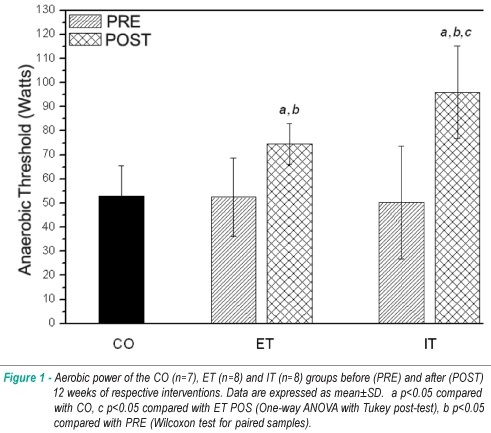
BACKGROUND: Aerobic exercise is an important ally in the fight against cardiovascular risk factors. However, the effects of high-intensity exercise on these factors are still poorly known. OBJECTIVE: To compare the effects of aerobic and anaerobic exercise protocols on cardiac risk factors. METHODS: 22 individuals with mean age of 40±8 years were distributed into the following groups: control (CO), endurance training (ET) and interval training (IT). The protocols lasted 12 weeks, three times a week, with intensities of 10% below and 20% above the anaerobic threshold (AnT). The following measurements were taken: total body mass (TBM), body mass index (BMI), waist circumference (WC), hip circumference (HC), and body composition, in addition to plasma concentrations of glucose (GLU), total cholesterol (CHO), and triglycerides (TG). Waist-hip ratio (WHR) and conicity index (C index) were also calculated. RESULTS: The TBM, BMI, WC, GLU, and body composition variables showed significant changes in the ET and IT groups. CHO and HC values were significantly reduced in the ET group, whereas WHR showed a significant reduction in the IT group. AnT and C index in the IT group were significantly different in relation to ET. CONCLUSION: In view of the differences found in the results of the variables studied in relation to the training performed, we conclude that an exercise program that includes both high and low-intensity activities is more efficient to ensure the reduction of a greater number of cardiac risk variables.

  • abdominal circunference
  • Adult
  • Body Composition
  • body mass index
  • Cholesterol
  • Exercise
  • Overweight
Read Full Article
Creative Commons Attribution (CC BY) Creative Commons license
14/11/2008 DOI: 10.1590/S0066-782X2008001600003
The effects of nonsupervised exercise program, via internet, on blood pressure and body composition in normotensive and pré-hipertensive individuals
ABC
Artigo Original

The effects of nonsupervised exercise program, via internet, on blood pressure and body composition in normotensive and pré-hipertensive individuals

Ana Paula de Oliveira Barbosa Nunes et al. Aline Cristina dos Santos Rios Gisela Arsa da Cunha Antonio Carlos Pereira Barretto Carlos Eduardo Negrão

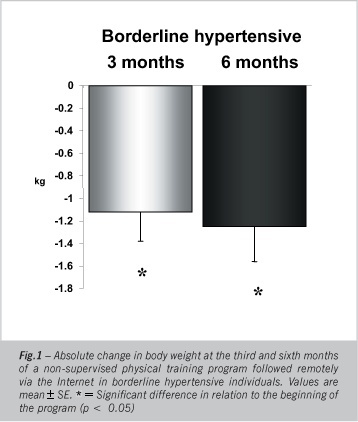
OBJECTIVE: To verify the effects of a six-month non-supervised physical training program followed via the Internet on blood pressure and body composition in normotensive and borderline hypertensive individuals. METHODS: One hundred and thirty five individuals were divided into two groups: 1) normotensive individual (n = 57), 43 ± 1 years of age, systolic blood pressure (SBP) < 120 and diastolic blood pressure (DBP) < 80 mmHg (GI); and 2) borderline hypertensive individual (n = 78), 46 ± 1 years of age, SBP 120 to 139 and DBP 80 to 89 mmHg (GII). RESULTS: After a three and six-month physical training, GII individuals showed a significant reduction in SBP (-3.6 ± 0.94 and -10 ± 0.94 mmHg, p < 0.05, respectively) and PAD (-6.5 ± 1 and -7.1 ± 0.9 mmHg, p < 0.05, respectively), body weight (-1.12 ± 0.26 and -1.25 ± 0.31 kg, p < 0.05, respectively), BMI (-0.79 ± 0.4 and -0.84 ± 0.41 kg/m², p < 0.05, respectively) and waist circumference (-1.12 ± 0.53 and -1.84 ± 0.56 cm, p < 0.05, respectively). In the GI group, the physical training led to a decrease in waist circumference at the sixth month (-1.6 ± 0.63 cm, p < 0.05). CONCLUSION: This program decreases blood pressure, body weight, BMI, and waist circumference in borderline hypertensive individuals, and is therefore a safe and low-cost strategy in the prevention of cardiovascular diseases and improvement of health status of the population.

  • Blood Pressure
  • Body Composition
  • Non-supervised physical training
Read Full Article
Creative Commons Attribution (CC BY) Creative Commons license
25/04/2006 DOI: 10.1590/S0066-782X2006000400009

How to cite this article

EndNote RIS

Electronic Document Format (Vancouver)

Mendes HA, Canto NE, Lima LRA, Speretta GF. Heart Rate Reactivity to Acute Mental Stress is Associated With Parasympathetic Withdrawal and Adiposity in Firefighters. International Journal of Cardiovascular Sciences 2024;37:e20210234.

Electronic Document Format (ABNT)

Mendes, Haissa A.; Canto, Natália E.; Lima, Luiz Rodrigo A.; Speretta, Guilherme F.. Heart Rate Reactivity to Acute Mental Stress is Associated With Parasympathetic Withdrawal and Adiposity in Firefighters. International Journal of Cardiovascular Sciences, v. 37, e20210234, Feb. 2024.

Electronic Document Format (APA)

Mendes, H. A., Canto, N. E., Lima, L. R. A., & Speretta, G. F. (2024). Heart Rate Reactivity to Acute Mental Stress is Associated With Parasympathetic Withdrawal and Adiposity in Firefighters. International Journal of Cardiovascular Sciences, 37, e20210234.

Electronic Document Format (ISO)

Mendes, Haissa A. and Canto, Natália E. and Lima, Luiz Rodrigo A. and Speretta, Guilherme F.. Heart Rate Reactivity to Acute Mental Stress is Associated With Parasympathetic Withdrawal and Adiposity in Firefighters. International Journal of Cardiovascular Sciences [online]. 2024, vol. 37, [cited 2026-10-14], e20210234. Available from: <https://journals.cardiol.br/en/article/heart-rate-reactivity-to-acute-mental-stress-is-associated-with-parasympathetic-withdrawal-and-adiposity-in-firefighters/>. ISSN 2359-4802

EndNote RIS

Electronic Document Format (Vancouver)

Passos AFF, Santos AC, Coelho ASG, Cominetti C. Associations between Normal-Weight Obesity and Disturbances in the Lipid Profile of Young Adults. Arquivos Brasileiros de Cardiologia 2023;120(9):e20220914.

Electronic Document Format (ABNT)

Passos, Anna Flavia Ferreira; Santos, Acsa de Castro; Coelho, Alexandre Siqueira Guedes; Cominetti, Cristiane. Associations between Normal-Weight Obesity and Disturbances in the Lipid Profile of Young Adults. Arquivos Brasileiros de Cardiologia, v. 120, n. 9, e20220914, Oct. 2023.

Electronic Document Format (APA)

Passos, A. F. F., Santos, A. C., Coelho, A. S. G., & Cominetti, C. (2023). Associations between Normal-Weight Obesity and Disturbances in the Lipid Profile of Young Adults. Arquivos Brasileiros de Cardiologia, 120(9), e20220914.

Electronic Document Format (ISO)

Passos, Anna Flavia Ferreira and Santos, Acsa de Castro and Coelho, Alexandre Siqueira Guedes and Cominetti, Cristiane. Associations between Normal-Weight Obesity and Disturbances in the Lipid Profile of Young Adults. Arquivos Brasileiros de Cardiologia [online]. 2023, vol. 120, n. 9, [cited 2026-10-14], e20220914. Available from: <https://journals.cardiol.br/en/article/associations-between-normal-weight-obesity-and-disturbances-in-the-lipid-profile-of-young-adults/>. ISSN 0066-782X

EndNote RIS

Electronic Document Format (Vancouver)

Silva FVM, Almonfrey FB, Freitas CMN, Fonte FK, Sepulvida MBC, Almada-Filho CM, Cendoroglo MS, et al. Association of Body Composition with Arterial Stiffness in Long-lived People. Arquivos Brasileiros de Cardiologia 2021;117(3):457-62.

Electronic Document Format (ABNT)

Silva, Flávia Veríssimo Melo e; Almonfrey, Franciellen Bruschi; Freitas, Cinthia Medice Nishide de; Fonte, Flávia Kurebayashi; Sepulvida, Mariana Bellaguarda de Castro; Almada-Filho, Clineu de Mello; Cendoroglo, Maysa Seabra; Quadrado, Egli Belinazzi; Amodeo, Celso; Povoa, Rui; Miranda, Roberto Dischinger. Association of Body Composition with Arterial Stiffness in Long-lived People. Arquivos Brasileiros de Cardiologia, v. 117, n. 3, p. 457-462, Jul. 2021.

Electronic Document Format (APA)

Silva, F. V. M. , Almonfrey, F. B., Freitas, C. M. N. , Fonte, F. K., Sepulvida, M. B. C., Almada-Filho, C. M., Cendoroglo, M. S., Quadrado, E. B., Amodeo, C., Povoa, R., & Miranda, R. D. (2021). Association of Body Composition with Arterial Stiffness in Long-lived People. Arquivos Brasileiros de Cardiologia, 117(3), 457-462.

Electronic Document Format (ISO)

Silva, Flávia Veríssimo Melo e and Almonfrey, Franciellen Bruschi and Freitas, Cinthia Medice Nishide de and Fonte, Flávia Kurebayashi and Sepulvida, Mariana Bellaguarda de Castro and Almada-Filho, Clineu de Mello and Cendoroglo, Maysa Seabra and Quadrado, Egli Belinazzi and Amodeo, Celso and Povoa, Rui and Miranda, Roberto Dischinger. Association of Body Composition with Arterial Stiffness in Long-lived People. Arquivos Brasileiros de Cardiologia [online]. 2021, vol. 117, n. 3, [cited 2026-10-14], pp. 457-462. Available from: <https://journals.cardiol.br/en/article/association-of-body-composition-with-arterial-stiffness-in-long-lived-people/>. ISSN 0066-782X

EndNote RIS

Electronic Document Format (Vancouver)

Pinheiro G, Mello J, Gaya A, Gaya AR. Blood Pressure in Children: Association with Anthropometric Indicators, Body Composition, Cardiorespiratory Fitness and Physical Activity. Arquivos Brasileiros de Cardiologia 2021;116(5):950-6.

Electronic Document Format (ABNT)

Pinheiro, Gisele; Mello, Júlio; Gaya, Adroaldo; Gaya, Anelise Reis. Blood Pressure in Children: Association with Anthropometric Indicators, Body Composition, Cardiorespiratory Fitness and Physical Activity. Arquivos Brasileiros de Cardiologia, v. 116, n. 5, p. 950-956, May. 2021.

Electronic Document Format (APA)

Pinheiro, G., Mello, J., Gaya, A., & Gaya, A. R. (2021). Blood Pressure in Children: Association with Anthropometric Indicators, Body Composition, Cardiorespiratory Fitness and Physical Activity. Arquivos Brasileiros de Cardiologia, 116(5), 950-956.

Electronic Document Format (ISO)

Pinheiro, Gisele and Mello, Júlio and Gaya, Adroaldo and Gaya, Anelise Reis. Blood Pressure in Children: Association with Anthropometric Indicators, Body Composition, Cardiorespiratory Fitness and Physical Activity. Arquivos Brasileiros de Cardiologia [online]. 2021, vol. 116, n. 5, [cited 2026-10-14], pp. 950-956. Available from: <https://journals.cardiol.br/en/article/blood-pressure-in-children-association-with-anthropometric-indicators-body-composition-cardiorespiratory-fitness-and-physical-activity/>. ISSN 0066-782X

EndNote RIS

Electronic Document Format (Vancouver)

Schmidt C, Santos M, Bohn L, Delgado BM, Moreira-Gonçalves D, Leite-Moreira A, Oliveira J, et al. Dynamic Balance and Mobility Explain Quality of Life in HFpEF, Outperforming All the Other Physical Fitness Components. Arquivos Brasileiros de Cardiologia 2020;114(4):701-7.

Electronic Document Format (ABNT)

Schmidt, Cristine; Santos, Mário; Bohn, Lucimere; Delgado, Bruno Miguel; Moreira-Gonçalves, Daniel; Leite-Moreira, Adelino; Oliveira, José. Dynamic Balance and Mobility Explain Quality of Life in HFpEF, Outperforming All the Other Physical Fitness Components. Arquivos Brasileiros de Cardiologia, v. 114, n. 4, p. 701-707, May. 2020.

Electronic Document Format (APA)

Schmidt, C., Santos, M., Bohn, L., Delgado, B. M., Moreira-Gonçalves, D., Leite-Moreira, A., & Oliveira, J. (2020). Dynamic Balance and Mobility Explain Quality of Life in HFpEF, Outperforming All the Other Physical Fitness Components. Arquivos Brasileiros de Cardiologia, 114(4), 701-707.

Electronic Document Format (ISO)

Schmidt, Cristine and Santos, Mário and Bohn, Lucimere and Delgado, Bruno Miguel and Moreira-Gonçalves, Daniel and Leite-Moreira, Adelino and Oliveira, José. Dynamic Balance and Mobility Explain Quality of Life in HFpEF, Outperforming All the Other Physical Fitness Components. Arquivos Brasileiros de Cardiologia [online]. 2020, vol. 114, n. 4, [cited 2026-10-14], pp. 701-707. Available from: <https://journals.cardiol.br/en/article/dynamic-balance-and-mobility-explain-quality-of-life-in-hfpef-outperforming-all-the-other-physical-fitness-components/>. ISSN 0066-782X

EndNote RIS

Electronic Document Format (Vancouver)

Costa BO, Maciel G, Huguenin AB, Silva G, Guimarães SMS, Cruz WMS, Colanfranceschi AS, et al. Impact of Coronary Artery Bypass Grafting on Muscle Mass Reduction on the 7th Postoperative Day. International Journal of Cardiovascular Sciences 2019;32(3):269-73.

Electronic Document Format (ABNT)

Costa, Bárbara de Oliveira; Maciel, Gabrielle; Huguenin, Ana Beatriz; Silva, Geisiane da; Guimarães, Sheila Moreira da Silva; Cruz, Wanise Maria de Souza; Colanfranceschi, Alexandre Siciliano; Boaventura, Gilson Teles. Impact of Coronary Artery Bypass Grafting on Muscle Mass Reduction on the 7th Postoperative Day. International Journal of Cardiovascular Sciences, v. 32, n. 3, p. 269-273, Mar. 2019.

Electronic Document Format (APA)

Costa, B. O., Maciel, G., Huguenin, A. B., Silva, G. , Guimarães, S. M. S., Cruz, W. M. S., Colanfranceschi, A. S., & Boaventura, G. T. (2019). Impact of Coronary Artery Bypass Grafting on Muscle Mass Reduction on the 7th Postoperative Day. International Journal of Cardiovascular Sciences, 32(3), 269-273.

Electronic Document Format (ISO)

Costa, Bárbara de Oliveira and Maciel, Gabrielle and Huguenin, Ana Beatriz and Silva, Geisiane da and Guimarães, Sheila Moreira da Silva and Cruz, Wanise Maria de Souza and Colanfranceschi, Alexandre Siciliano and Boaventura, Gilson Teles. Impact of Coronary Artery Bypass Grafting on Muscle Mass Reduction on the 7th Postoperative Day. International Journal of Cardiovascular Sciences [online]. 2019, vol. 32, n. 3, [cited 2026-10-14], pp. 269-273. Available from: <https://journals.cardiol.br/en/article/impact-of-coronary-artery-bypass-grafting-on-muscle-mass-reduction-on-the-7th-postoperative-day/>. ISSN 2359-4802

EndNote RIS

Electronic Document Format (Vancouver)

Shekarforoush S, Naghii MR. Whole-Body Vibration Training Increases Myocardial Salvage Against Acute Ischemia in Adult Male Rats. Arquivos Brasileiros de Cardiologia 2018;112(1):32-7.

Electronic Document Format (ABNT)

Shekarforoush, Shahnaz; Naghii, Mohammad Reza. Whole-Body Vibration Training Increases Myocardial Salvage Against Acute Ischemia in Adult Male Rats. Arquivos Brasileiros de Cardiologia, v. 112, n. 1, p. 32-37, Dec. 2018.

Electronic Document Format (APA)

Shekarforoush, S., & Naghii, M. R. (2018). Whole-Body Vibration Training Increases Myocardial Salvage Against Acute Ischemia in Adult Male Rats. Arquivos Brasileiros de Cardiologia, 112(1), 32-37.

Electronic Document Format (ISO)

Shekarforoush, Shahnaz and Naghii, Mohammad Reza. Whole-Body Vibration Training Increases Myocardial Salvage Against Acute Ischemia in Adult Male Rats. Arquivos Brasileiros de Cardiologia [online]. 2018, vol. 112, n. 1, [cited 2026-10-14], pp. 32-37. Available from: <https://journals.cardiol.br/en/article/whole-body-vibration-training-increases-myocardial-salvage-against-acute-ischemia-in-adult-male-rats/>. ISSN 0066-782X

EndNote RIS

Electronic Document Format (Vancouver)

Rocha DO, Dantas RCS, Andrade FL, Avelino RRS, Lyra CO, Diniz RVZ, Lira NRD, et al. Acuracy and Concordance of Anthropometric Indicators and Body Composition in Heart Failure. International Journal of Cardiovascular Sciences 2018;32(2):143-51.

Electronic Document Format (ABNT)

Rocha, Daniela de Oliveira; Dantas, Raquel Costa Silva; Andrade, Fernanda Lambert de; Avelino, Regina Ranielly dos Santos; Lyra, Clélia de Oliveira; Diniz, Rosiane Viana Zuza; Lira, Niethia Regina Dantas de; Sena-Evangelista, Karine Cavalcanti Mauricio. Acuracy and Concordance of Anthropometric Indicators and Body Composition in Heart Failure. International Journal of Cardiovascular Sciences, v. 32, n. 2, p. 143-151, Dec. 2018.

Electronic Document Format (APA)

Rocha, D. O., Dantas, R. C. S., Andrade, F. L. , Avelino, R. R. S., Lyra, C. O., Diniz, R. V. Z., Lira, N. R. D. , & Sena-Evangelista, K. C. M. (2018). Acuracy and Concordance of Anthropometric Indicators and Body Composition in Heart Failure. International Journal of Cardiovascular Sciences, 32(2), 143-151.

Electronic Document Format (ISO)

Rocha, Daniela de Oliveira and Dantas, Raquel Costa Silva and Andrade, Fernanda Lambert de and Avelino, Regina Ranielly dos Santos and Lyra, Clélia de Oliveira and Diniz, Rosiane Viana Zuza and Lira, Niethia Regina Dantas de and Sena-Evangelista, Karine Cavalcanti Mauricio. Acuracy and Concordance of Anthropometric Indicators and Body Composition in Heart Failure. International Journal of Cardiovascular Sciences [online]. 2018, vol. 32, n. 2, [cited 2026-10-14], pp. 143-151. Available from: <https://journals.cardiol.br/en/article/acuracy-and-concordance-of-anthropometric-indicators-and-body-composition-in-heart-failure/>. ISSN 2359-4802

EndNote RIS

Electronic Document Format (Vancouver)

Silva JPLN, Novaes LFM, Santos LCR, Galindo BP, Cavalcante MA, Araújo BCG, Pacagnelli FL, et al. Effects of Conventional and Virtual Reality Cardiovascular Rehabilitation in Body Composition and Functional Capacity of Patients with Heart Diseases: Randomized Clinical Trial. International Journal of Cardiovascular Sciences 2018;31(6):619-2.

Electronic Document Format (ABNT)

Silva, João Pedro Lucas Neves; Novaes, Luiz Felipe Marques; Santos, Lorrany Caroline Rocha dos; Galindo, Bianca Pinhal; Cavalcante, Margaret Assad; Araújo, Bruna Corral Garcia de; Pacagnelli, Francis Lopes; Freire, Ana Paula Coelho Figueira. Effects of Conventional and Virtual Reality Cardiovascular Rehabilitation in Body Composition and Functional Capacity of Patients with Heart Diseases: Randomized Clinical Trial. International Journal of Cardiovascular Sciences, v. 31, n. 6, p. 619-629, Sep. 2018.

Electronic Document Format (APA)

Silva, J. P. L. N., Novaes, L. F. M., Santos, L. C. R. , Galindo, B. P., Cavalcante, M. A., Araújo, B. C. G. , Pacagnelli, F. L., & Freire, A. P. C. F. (2018). Effects of Conventional and Virtual Reality Cardiovascular Rehabilitation in Body Composition and Functional Capacity of Patients with Heart Diseases: Randomized Clinical Trial. International Journal of Cardiovascular Sciences, 31(6), 619-629.

Electronic Document Format (ISO)

Silva, João Pedro Lucas Neves and Novaes, Luiz Felipe Marques and Santos, Lorrany Caroline Rocha dos and Galindo, Bianca Pinhal and Cavalcante, Margaret Assad and Araújo, Bruna Corral Garcia de and Pacagnelli, Francis Lopes and Freire, Ana Paula Coelho Figueira. Effects of Conventional and Virtual Reality Cardiovascular Rehabilitation in Body Composition and Functional Capacity of Patients with Heart Diseases: Randomized Clinical Trial. International Journal of Cardiovascular Sciences [online]. 2018, vol. 31, n. 6, [cited 2026-10-14], pp. 619-629. Available from: <https://journals.cardiol.br/en/article/effects-of-conventional-and-virtual-reality-cardiovascular-rehabilitation-in-body-composition-and-functional-capacity-of-patients-with-heart-diseases-randomized-clinical-trial/>. ISSN 2359-4802

EndNote RIS

Electronic Document Format (Vancouver)

Faria TC, Giannini DT, Gasparini PVF, Rocha RM. Heart Failure: Correlation between Anthropometric Parameters, Body Composition and Cell Integrity. International Journal of Cardiovascular Sciences 2018;31(3):226-34.

Electronic Document Format (ABNT)

Faria, Tathiana Carestiato; Giannini, Denise Tavares; Gasparini, Patrícia Vasconcelos Fontana; Rocha, Ricardo Mourilhe. Heart Failure: Correlation between Anthropometric Parameters, Body Composition and Cell Integrity. International Journal of Cardiovascular Sciences, v. 31, n. 3, p. 226-234, Dec. 2017.

Electronic Document Format (APA)

Faria, T. C., Giannini, D. T., Gasparini, P. V. F., & Rocha, R. M. (2018). Heart Failure: Correlation between Anthropometric Parameters, Body Composition and Cell Integrity. International Journal of Cardiovascular Sciences, 31(3), 226-234.

Electronic Document Format (ISO)

Faria, Tathiana Carestiato and Giannini, Denise Tavares and Gasparini, Patrícia Vasconcelos Fontana and Rocha, Ricardo Mourilhe. Heart Failure: Correlation between Anthropometric Parameters, Body Composition and Cell Integrity. International Journal of Cardiovascular Sciences [online]. 2018, vol. 31, n. 3, [cited 2026-10-14], pp. 226-234. Available from: <https://journals.cardiol.br/en/article/heart-failure-correlation-between-anthropometric-parameters-body-composition-and-cell-integrity/>. ISSN 2359-4802

EndNote RIS

Electronic Document Format (Vancouver)

Zuchinali P, Souza GC, Alves FD, d’Almeida KSM, Goldraich LA, Clausell NO, Rohde LEP, et al. Triceps skinfold as a prognostic predictor in outpatient heart failure. Arquivos Brasileiros de Cardiologia 2013;101(5):434-41.

Electronic Document Format (ABNT)

Zuchinali, Priccila; Souza, Gabriela Corrêa; Alves, Fernanda Donner; d’Almeida, Karina Sanches Machado; Goldraich, Lívia Adams; Clausell, Nadine Oliveira; Rohde, Luis Eduardo Paim. Triceps skinfold as a prognostic predictor in outpatient heart failure. Arquivos Brasileiros de Cardiologia, v. 101, n. 5, p. 434-441, Sep. 2013.

Electronic Document Format (APA)

Zuchinali, P., Souza, G. C., Alves, F. D., d’Almeida, K. S. M., Goldraich, L. A., Clausell, N. O., & Rohde, L. E. P. (2013). Triceps skinfold as a prognostic predictor in outpatient heart failure. Arquivos Brasileiros de Cardiologia, 101(5), 434-441.

Electronic Document Format (ISO)

Zuchinali, Priccila and Souza, Gabriela Corrêa and Alves, Fernanda Donner and d’Almeida, Karina Sanches Machado and Goldraich, Lívia Adams and Clausell, Nadine Oliveira and Rohde, Luis Eduardo Paim. Triceps skinfold as a prognostic predictor in outpatient heart failure. Arquivos Brasileiros de Cardiologia [online]. 2013, vol. 101, n. 5, [cited 2026-10-14], pp. 434-441. Available from: <https://journals.cardiol.br/en/article/triceps-skinfold-as-a-prognostic-predictor-in-outpatient-heart-failure/>. ISSN 0066-782X

EndNote RIS

Electronic Document Format (Vancouver)

Serrano HMS, Carvalho GQ, Pereira PF, Peluzio MCG, Franceschini SCC, Priore SE. Body composition, biochemical and clinical changes of adolescents with excessive adiposity. Arquivos Brasileiros de Cardiologia 2010;95(4):464-72.

Electronic Document Format (ABNT)

Serrano, Hiara Miguel Stanciola; Carvalho, Gisele Queiroz; Pereira, Patrícia Feliciano; Peluzio, Maria do Carmo Gouveia; Franceschini, Sylvia do Carmo Castro; Priore, Silvia Eloiza. Body composition, biochemical and clinical changes of adolescents with excessive adiposity. Arquivos Brasileiros de Cardiologia, v. 95, n. 4, p. 464-472, Aug. 2010.

Electronic Document Format (APA)

Serrano, H. M. S., Carvalho, G. Q., Pereira, P. F., Peluzio, M. C. G., Franceschini, S. C. C., & Priore, S. E. (2010). Body composition, biochemical and clinical changes of adolescents with excessive adiposity. Arquivos Brasileiros de Cardiologia, 95(4), 464-472.

Electronic Document Format (ISO)

Serrano, Hiara Miguel Stanciola and Carvalho, Gisele Queiroz and Pereira, Patrícia Feliciano and Peluzio, Maria do Carmo Gouveia and Franceschini, Sylvia do Carmo Castro and Priore, Silvia Eloiza. Body composition, biochemical and clinical changes of adolescents with excessive adiposity. Arquivos Brasileiros de Cardiologia [online]. 2010, vol. 95, n. 4, [cited 2026-10-14], pp. 464-472. Available from: <https://journals.cardiol.br/en/article/body-composition-biochemical-and-clinical-changes-of-adolescents-with-excessive-adiposity/>. ISSN 0066-782X

EndNote RIS

Electronic Document Format (Vancouver)

Valle VS, Mello DB, Fortes MSR, Dantas EHM, Mattos MA. Effect of diet and indoor cycling on body composition and serum lipid. Arquivos Brasileiros de Cardiologia 2010;95(2):173-8.

Electronic Document Format (ABNT)

Valle, Valéria Sales do; Mello, Danielli Braga de; Fortes, Marcos de Sá Rego; Dantas, Estélio Henrique Martin; Mattos, Marco Antonio de. Effect of diet and indoor cycling on body composition and serum lipid. Arquivos Brasileiros de Cardiologia, v. 95, n. 2, p. 173-178, Jul. 2010.

Electronic Document Format (APA)

Valle, V. S. , Mello, D. B. , Fortes, M. S. R., Dantas, E. H. M., & Mattos, M. A. (2010). Effect of diet and indoor cycling on body composition and serum lipid. Arquivos Brasileiros de Cardiologia, 95(2), 173-178.

Electronic Document Format (ISO)

Valle, Valéria Sales do and Mello, Danielli Braga de and Fortes, Marcos de Sá Rego and Dantas, Estélio Henrique Martin and Mattos, Marco Antonio de. Effect of diet and indoor cycling on body composition and serum lipid. Arquivos Brasileiros de Cardiologia [online]. 2010, vol. 95, n. 2, [cited 2026-10-14], pp. 173-178. Available from: <https://journals.cardiol.br/en/article/effect-of-diet-and-indoor-cycling-on-body-composition-and-serum-lipid/>. ISSN 0066-782X

EndNote RIS

Electronic Document Format (Vancouver)

Rivera IR, Silva MAM, Silva RDTA, Oliveira BAV, Carvalho ACC. Physical inactivity, TV-watching hours and body composition in children and adolescents. Arquivos Brasileiros de Cardiologia 2010;95(2):159-65.

Electronic Document Format (ABNT)

Rivera, Ivan Romero; Silva, Maria Alayde Mendonça da; Silva, Renata D’Andrada Tenório Almeida; Oliveira, Bruno Almeida Viana de; Carvalho, Antonio Carlos Camargo. Physical inactivity, TV-watching hours and body composition in children and adolescents. Arquivos Brasileiros de Cardiologia, v. 95, n. 2, p. 159-165, Jun. 2010.

Electronic Document Format (APA)

Rivera, I. R., Silva, M. A. M. , Silva, R. D. T. A., Oliveira, B. A. V. , & Carvalho, A. C. C. (2010). Physical inactivity, TV-watching hours and body composition in children and adolescents. Arquivos Brasileiros de Cardiologia, 95(2), 159-165.

Electronic Document Format (ISO)

Rivera, Ivan Romero and Silva, Maria Alayde Mendonça da and Silva, Renata D’Andrada Tenório Almeida and Oliveira, Bruno Almeida Viana de and Carvalho, Antonio Carlos Camargo. Physical inactivity, TV-watching hours and body composition in children and adolescents. Arquivos Brasileiros de Cardiologia [online]. 2010, vol. 95, n. 2, [cited 2026-10-14], pp. 159-165. Available from: <https://journals.cardiol.br/en/article/physical-inactivity-tv-watching-hours-and-body-composition-in-children-and-adolescents/>. ISSN 0066-782X

EndNote RIS

Electronic Document Format (Vancouver)

Faria ER, Franceschini SCC, Peluzio MCG, Sant’Ana LFR, Priore SE. Correlation between metabolic and body composition variables in female adolescents. Arquivos Brasileiros de Cardiologia 2009;93(2):119-27.

Electronic Document Format (ABNT)

Faria, Eliane Rodrigues de; Franceschini, Sylvia do Carmo Castro; Peluzio, Maria do Carmo Gouveia; Sant’Ana, Luciana Ferreira da Rocha; Priore, Silvia Eloiza. Correlation between metabolic and body composition variables in female adolescents. Arquivos Brasileiros de Cardiologia, v. 93, n. 2, p. 119-127, Oct. 2009.

Electronic Document Format (APA)

Faria, E. R. , Franceschini, S. C. C., Peluzio, M. C. G., Sant’Ana, L. F. R., & Priore, S. E. (2009). Correlation between metabolic and body composition variables in female adolescents. Arquivos Brasileiros de Cardiologia, 93(2), 119-127.

Electronic Document Format (ISO)

Faria, Eliane Rodrigues de and Franceschini, Sylvia do Carmo Castro and Peluzio, Maria do Carmo Gouveia and Sant’Ana, Luciana Ferreira da Rocha and Priore, Silvia Eloiza. Correlation between metabolic and body composition variables in female adolescents. Arquivos Brasileiros de Cardiologia [online]. 2009, vol. 93, n. 2, [cited 2026-10-14], pp. 119-127. Available from: <https://journals.cardiol.br/en/article/correlation-between-metabolic-and-body-composition-variables-in-female-adolescents/>. ISSN 0066-782X

EndNote RIS

Electronic Document Format (Vancouver)

Moreira MM, Souza HPC, Schwingel PA, Sá CKC, Zoppi CC. Effects of aerobic and anaerobic exercise on cardiac risk variables in overweight adults. Arquivos Brasileiros de Cardiologia 2008;91(4):219-26.

Electronic Document Format (ABNT)

Moreira, Mônica Medeiros; Souza, Helder Porto Carozo de; Schwingel, Paulo Adriano; Sá, Cloud Kennedy Couto de; Zoppi, Cláudio Cesar. Effects of aerobic and anaerobic exercise on cardiac risk variables in overweight adults. Arquivos Brasileiros de Cardiologia, v. 91, n. 4, p. 219-226, Nov. 2008.

Electronic Document Format (APA)

Moreira, M. M., Souza, H. P. C. , Schwingel, P. A., Sá, C. K. C. , & Zoppi, C. C. (2008). Effects of aerobic and anaerobic exercise on cardiac risk variables in overweight adults. Arquivos Brasileiros de Cardiologia, 91(4), 219-226.

Electronic Document Format (ISO)

Moreira, Mônica Medeiros and Souza, Helder Porto Carozo de and Schwingel, Paulo Adriano and Sá, Cloud Kennedy Couto de and Zoppi, Cláudio Cesar. Effects of aerobic and anaerobic exercise on cardiac risk variables in overweight adults. Arquivos Brasileiros de Cardiologia [online]. 2008, vol. 91, n. 4, [cited 2026-10-14], pp. 219-226. Available from: <https://journals.cardiol.br/en/article/effects-of-aerobic-and-anaerobic-exercise-on-cardiac-risk-variables-in-overweight-adults/>. ISSN 0066-782X

EndNote RIS

Electronic Document Format (Vancouver)

Nunes APOB, Rios ACS, Cunha GA, Barretto ACP, Negrão CE. The effects of nonsupervised exercise program, via internet, on blood pressure and body composition in normotensive and pré-hipertensive individuals. Arquivos Brasileiros de Cardiologia 2006;86(4):289-96.

Electronic Document Format (ABNT)

Nunes, Ana Paula de Oliveira Barbosa; Rios, Aline Cristina dos Santos; Cunha, Gisela Arsa da; Barretto, Antonio Carlos Pereira; Negrão, Carlos Eduardo. The effects of nonsupervised exercise program, via internet, on blood pressure and body composition in normotensive and pré-hipertensive individuals. Arquivos Brasileiros de Cardiologia, v. 86, n. 4, p. 289-296, Apr. 2006.

Electronic Document Format (APA)

Nunes, A. P. O. B., Rios, A. C. S., Cunha, G. A. , Barretto, A. C. P., & Negrão, C. E. (2006). The effects of nonsupervised exercise program, via internet, on blood pressure and body composition in normotensive and pré-hipertensive individuals. Arquivos Brasileiros de Cardiologia, 86(4), 289-296.

Electronic Document Format (ISO)

Nunes, Ana Paula de Oliveira Barbosa and Rios, Aline Cristina dos Santos and Cunha, Gisela Arsa da and Barretto, Antonio Carlos Pereira and Negrão, Carlos Eduardo. The effects of nonsupervised exercise program, via internet, on blood pressure and body composition in normotensive and pré-hipertensive individuals. Arquivos Brasileiros de Cardiologia [online]. 2006, vol. 86, n. 4, [cited 2026-10-14], pp. 289-296. Available from: <https://journals.cardiol.br/en/article/the-effects-of-nonsupervised-exercise-program-via-internet-on-blood-pressure-and-body-composition-in-normotensive-and-pre-hipertensive-individuals/>. ISSN 0066-782X

  • About ABC Family
  • Internal Regulation
  • Editorial Board
  • Brazilian Society of Cardiology (SBC)

Issues

SBC Guidelines

  • Videos
  • Podcasts
  • News