ABC Family Arquivos Brasileiros de Cardiologia International Journal of Cardiovascular Sciences ABC Heart Failure & Cardiomyopathy ABC Imagem Cardiovascular
Português English
ABC Family
Português English
  • About
    • About ABC Family
    • Internal Regulation
    • Editorial Board
    • Brazilian Society of Cardiology (SBC)
  • Issues
  • SBC Guidelines
  • Content
    • Videos
    • Podcasts
    • News
  • About
    • About ABC Family
    • Internal Regulation
    • Editorial Board
    • Brazilian Society of Cardiology (SBC)
  • Issues
  • SBC Guidelines
  • Content
    • Videos
    • Podcasts
    • News

ABC Family

  • ABC Family
  • Arquivos Brasileiros de Cardiologia
  • International Journal of Cardiovascular Sciences
  • ABC Heart Failure & Cardiomyopathy
  • ABC Imagem Cardiovascular
Search in

No content found.

Journals
Ordering
Article types
Others

  1. Home
  2. Keyword: Heart Failure/physiopathology
ABC
Editorial

Importance of Clinical Examination in the Assessment of Hemodynamic Profiles and Their Relationship with Outcomes in Patients with Acute Heart Failure

Suellen Rodrigues Rangel Siqueira et al. Vera Maria Cury Salemi

Cardiovascular diseases are the main causes of mortality in Brazil and worldwide and heart failure (HF) is one of the most prevalent causes of morbidity and mortality. In the last three months, we had a monthly average of 15,406 hospitalizations for HF in Brazil according to data collected in DATASUS. It is a public health concern due to its high morbidity, mortality, and cost associated with frequent hospitalizations. Therefore, it is of fundamental importance that the diagnosis is rapid so that treatment is effective.

The first Brazilian registry of acute HF included 1263 patients from 51 Brazilian centers. BREATH showed that the main etiologies are ischemic, hypertensive, and dilated cardiomyopathy, followed by valvular and Chagas disease. The prevalence of etiologies is similar to international records, except for Chagas disease. The main cause of rehospitalization was poor medication adherence, in addition, the study showed a high in-hospital mortality rate. Such a prevalent and fatal disease requires a careful and systematic approach to avoid failures during treatment.

[…]

  • Heart Failure/physiopathology
  • Hemodynamic
  • medical examination
  • Mortality
  • Prognosis
Read Full Article
Creative Commons Attribution (CC BY) Creative Commons license
12/08/2024 DOI: 10.36660/abc.20240308i
Figure 1
ABC
Image

Transesophageal Two- and Three-Dimensional Echocardiographic Assessment of Spontaneous Left Atrial Dissection

Javier Ivan Armenta-Moreno et al. Joaquin Berarducci Abel Mauricio Garcia-Cardenas José Carlos Armendariz-Ferrari … Jorge Luis Bermudez-Gonzalez Juan Ignacio Straface Jose Antonio Luna-Alvarez-Amezquita Nilda Espinola-Zavaleta

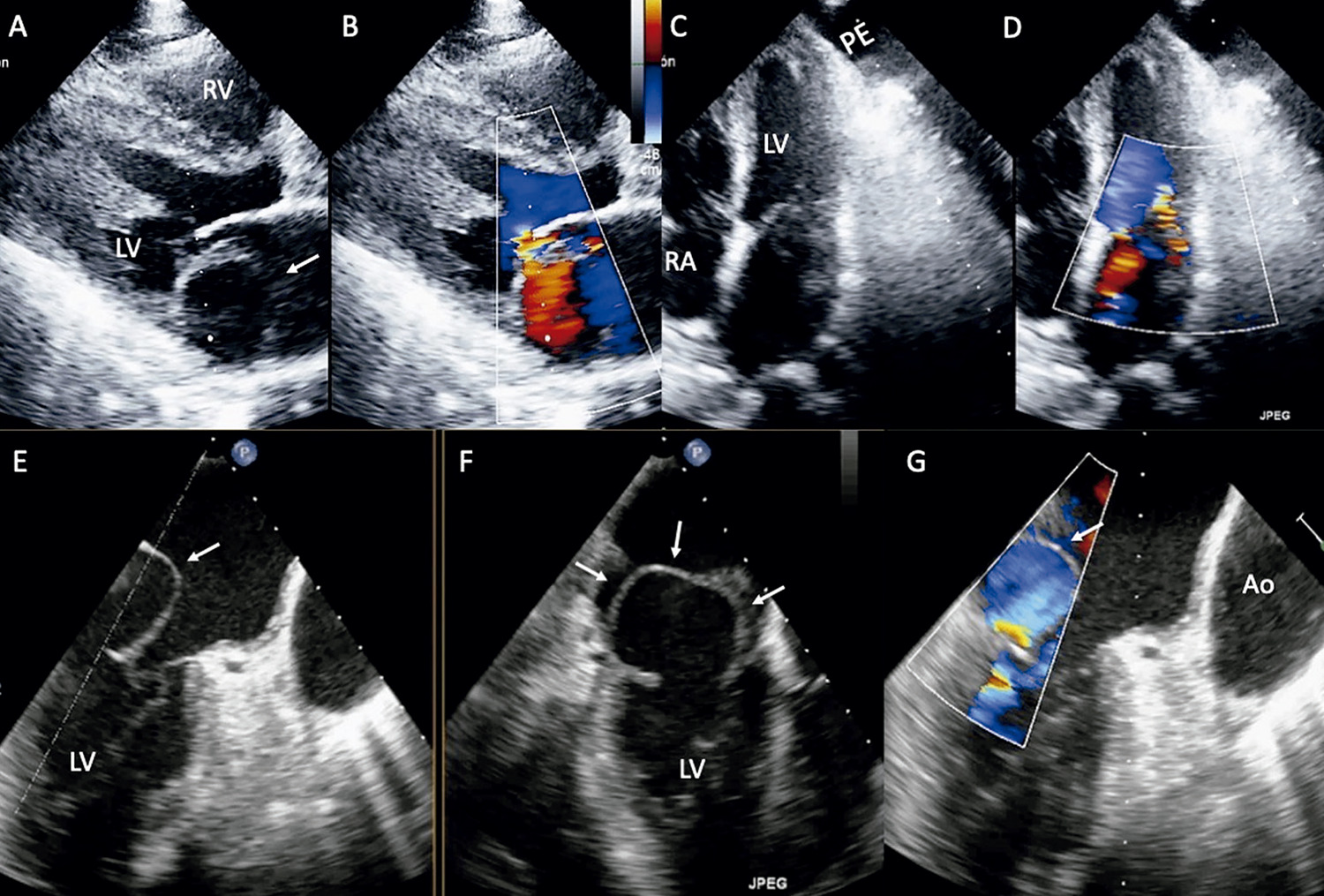
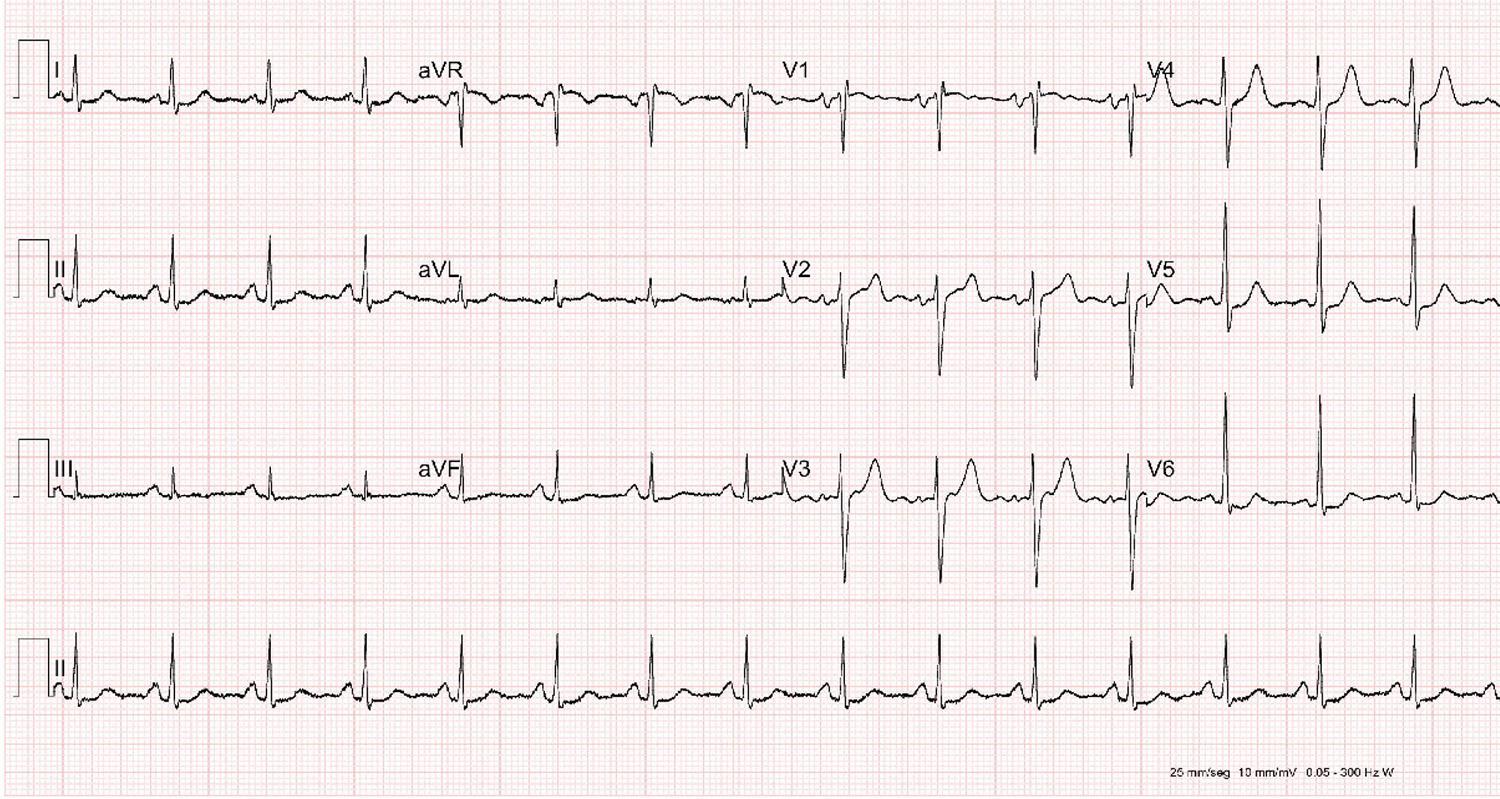
A 41-year-old woman was admitted to the emergency room with an onset of acute dyspnea, jugular ingurgitation, and with the first heart sound diminished, followed by a grade III/IV holosystolic murmur that was better heard at the apex and edema of the lower limbs.

The vital signs were heart rate 91 bpm, respiratory rate 21 rpm, blood pressure 110/60 mmHg, and oxygen saturation 91%. The chest x-ray showed cardiomegaly with a cardiothoracic index of 0.62 and pulmonary venocapillary hypertension.

[…]

  • Atrial Function, Left/physiology
  • Diagnostic Imaging/methods
  • Echocardiography, Three Dimensional / methods
  • Heart Failure/physiopathology
  • Shock, Cardiogenic
Read Full Article
Creative Commons Attribution (CC BY) Creative Commons license
05/09/2022 DOI: 10.36660/abc.20210740
Figure 1
ABC
Review Article

Critical Analysis and Limitations of the Diagnosis of Heart Failure with Preserved Ejection Fraction (HFpEF)

Viviane Tiemi Hotta et al. Daniela do Carmo Rassi José Luiz Barros Pena Marcelo Luiz Campos Vieira … Ana Clara Tude Rodrigues Juliano Novaes Cardoso Felix Jose Alvarez Ramires Luciano Nastari Charles Mady Fábio Fernandes

Abstract

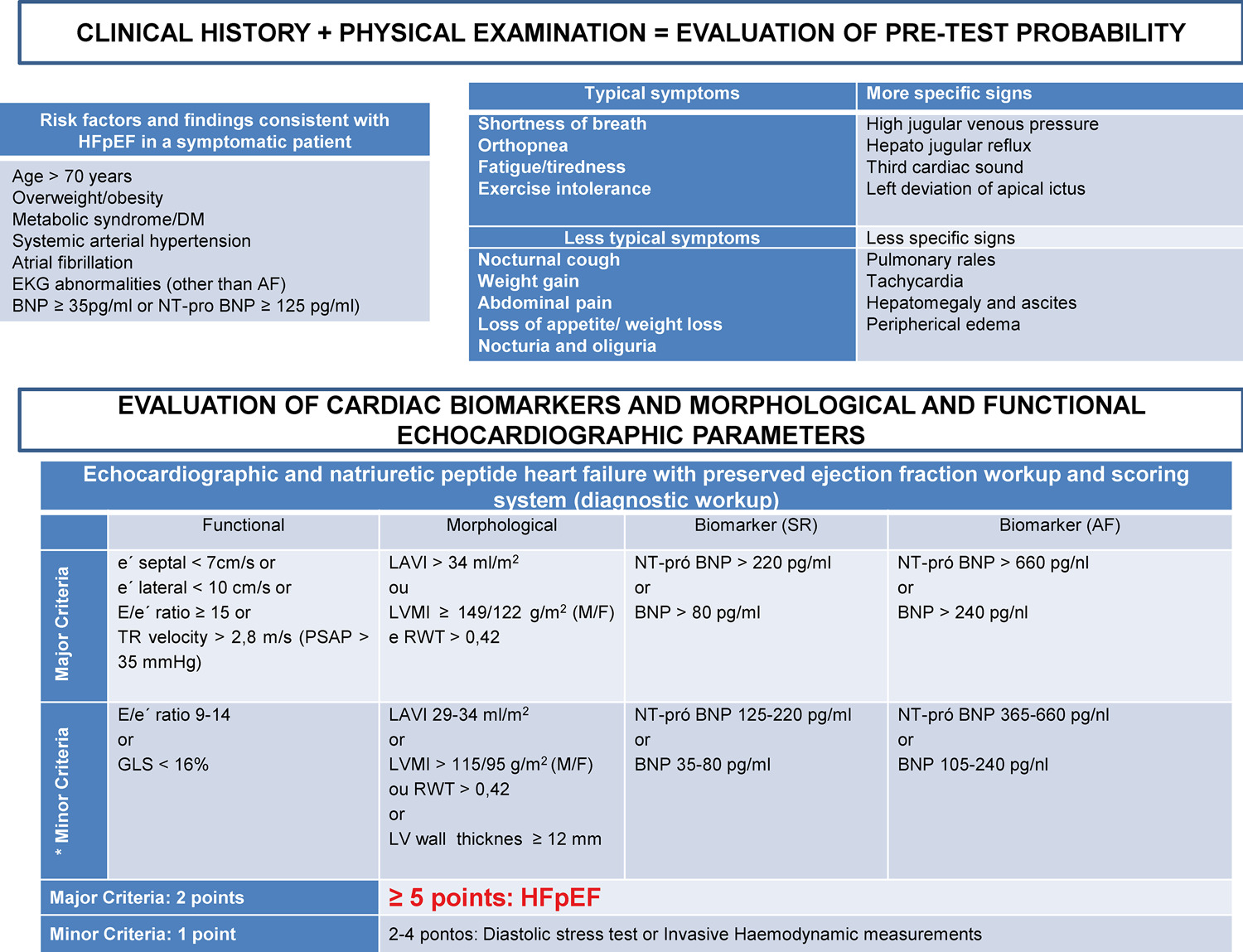
With the increase in the population’s life expectancy and the higher frequency of risk factors such as obesity, hypertension and diabetes, an increase in the prevalence of heart failure with preserved ejection fraction (HFpEF) is expected. However, to date, the diagnosis and treatment of patients with HFpEF remain challenging. The syndromic diagnosis of HFpEF includes several etiologies and diseases with specific treatments but has points in common regarding the clinical presentation, laboratory evaluation related to biomarkers, such as BNP and NT-ProBNP, and echocardiographic evaluation of cardiac remodeling and left ventricular diastolic filling pressures. Extensive randomized clinical trials involving the treatment of this condition have failed to demonstrate benefits to the patient, making it necessary to reflect on the diagnosis, mechanisms of morbidity, mortality and reversibility in this syndrome. In this review, the current concepts, controversies and challenges, especially regarding diagnosis, will be addressed, critically analyzing the European Heart Failure Association score for the diagnosis of HFpEF.

  • Diagnostic,Imaging
  • Echocardiography/methods
  • Heart Failure/physiopathology
  • Natriuretic Peptides
Read Full Article
Creative Commons Attribution (CC BY) Creative Commons license
11/07/2022 DOI: 10.36660/abc.20210052 Views 1
ABC
Editorial

Microalbuminuria and the Risk of Mortality in Patients with Acute Heart Failure

Jerzy Beltowski

Heart failure (HF) is a chronic and progressive clinical syndrome resulting from structural or functional abnormalities of the heart. The most common symptoms and signs of HF are dyspnea, fatigue, pulmonary and peripheral congestion or edema and jugular vein distension. The prevalence of HF continuously increases due to improved treatment and reduced short-term mortality in patients with acute coronary syndromes, congenital heart disease, population aging and improved survival of patients with already developed heart failure by the widespread application of modern disease-modifying medications and devices.

Acute heart failure (AHF) is recognized when symptoms of HF appear in the patient without the history of previous HF (de novo HF) or when symptoms and signs are rapidly exacerbating in a patient with previously recognized HF (decompensated HF). Acute heart failure is the most common cause of unplanned hospital admissions in older patients. The pathophysiology of both conditions is similar, but de novo HF requires a more detailed diagnostic approach to find the underlying pathology. The initial treatment of AHF includes intravenous diuretics and short-acting vasodilators. The minority of patients with AHF present with cardiogenic shock associated with low blood pressure and severely compromised perfusion of peripheral tissues; the cardiogenic shock is associated with much higher mortality than AHF without shock. Whereas the treatment of chronic HF has substantially improved survival rates, the outcome of AHF is still poor, with high mortality and hospital readmission rates. Currently used therapy is directed to reduce the pre and afterload of the heart and does not target the specific underlying pathology in a given patient, which may explain unsatisfactory progress of clinical outcomes. Therefore, individualized therapy is highly appreciated, requiring establishing specific markers.,

[…]

  • Albuminuria/physiopathology
  • Diuretics/therapeutic use
  • Heart Failure/physiopathology
  • Natriuretic Peptides/therapeutic use
  • Stroke Volume
Read Full Article
Creative Commons Attribution (CC BY) Creative Commons license
29/04/2022 DOI: 10.36660/abc.20220172
ABC
Editorial

Prognosis of Heart Failure with Mid-Range Ejection Fraction: A Story or a Version?

Adriana Lopes Latado

The category “heart failure (HF) with mid-range ejection fraction” (HFmrEF), i.e., with left ventricular ejection fraction (LVEF) between 40-49%, was first described in 2016 in the European Society of Cardiology Guidelines on the syndrome. After that, much of the worldwide cardiology community has adopted HF’s classification into three categories of LVEF (reduced, mid-range and preserved), including the Brazilian Society of Cardiology (2018), despite existing uncertainties about the real meaning of the new classification and, more importantly, what the identification of HFmrEF subgroup would impact on clinical practice. Unlike most, the American Heart Association and the American College of Cardiology (2013) has used ‘borderline’ HF with preserved LVEF (HFpEF) to define patients with LVEF between 41 and 49%, which was not updated in the document of 2017.,

In this context, in 2021, different international cardiological societies published a report proposing a universal definition and classification of HF. Regarding the classification by LVEF, although attractive from a clinical and epidemiological point of view, authors reviewed the limitations of its use from different aspects and proposed HF categories in which therapeutic strategy would be different. HFmrEF became synonymous with “lightly reduced” LVEF HF, now including LVEF between 41-49%, which was also adopted by Brazilian HF Guidelines update, 2021.,

[…]

  • Atrial Fibrillation
  • Cardiovascular Diseases/physiopathology
  • Heart Failure/epidemiology
  • Heart Failure/physiopathology
  • Mortality
  • Prognosis
  • Stroke
Read Full Article
Creative Commons Attribution (CC BY) Creative Commons license
29/04/2022 DOI: 10.36660/abc.20220170
ABC
Editorial

Is There a Role for Telemonitoring in Heart Failure?

Mônica Samuel Avila et al. Deborah de Sá Pereira Belfort

Heart failure (HF) is the leading cause of cardiovascular hospitalization in the world. Mortality rate ranges from 5% to 15%, and up to 50% of patients are readmitted in the emergency department in 90 days after discharge. Different strategies have been implemented in recent years to avoid readmission, and telemedicine is a growing field in this scenario. The use of telecommunication technologies brings potential advantages when compared to in-person care, overcoming organizational and geographic barriers. However, divergent results in randomized trials evaluating the efficacy of telemedicine in reducing heart failure hospitalizations and mortality discouraged the routine use of digital resources in clinical practice until the COVID-19 pandemic.

In this issue of Arquivos Brasileiros de Cardiologia, retrospective observational research evaluated the impact of an advanced telemonitoring program in a heart failure population. Thirty-nine patients were included, and the researchers compared the number of hospitalizations one year before the program, with hospitalizations during the program. The program used vital signs and variables such as heart rate, blood pressure, weight variation, peripheral blood oxygenation, temperature, and a seminal 3-derivation electrocardiogram. Thirty-four patients were included in the final analysis. The authors reported a 66% reduction in emergency department admissions and a reduction of 68% in heart failure hospitalizations, considering the patients themselves as controls.

[…]

  • Emergency Services
  • Heart Failure/physiopathology
  • Hospitalization
  • Telemonitoring
Read Full Article
Creative Commons Attribution (CC BY) Creative Commons license
18/03/2022 DOI: 10.36660/abc.20220034
ABC
Original Article

Telemonitoring in Heart Failure – A Single Center Experience

Isabel O. Cruz et al. Susana Costa Rogério Teixeira Fátima Franco Lino Gonçalves

Abstract

Background

The natural history of heart failure is a progressive decline and recurrent hospital admissions. New strategies to timely detect decompensations are needed. The use of telemonitoring in heart failure is inconsistent.

Objectives

This study aimed to evaluate the impact of this telemonitoring program (TMP) in hospitalizations and emergency department admissions.

Methods

This is a retrospective observational study, that analyzed data of all the patients who enrolled in the TMP program from January 2018 to December 2019. Demographic, clinical, and TMP-related data were collected. The number of hospitalizations and emergency department admissions from the year before and after enrollment were compared, using the Wilcoxon test. A two-sided p<0.05 was considered significant.

Results

A total of 39 patients were enrolled, with a mean age of 62.1 ± 14 years and a male predominance (90%). The most common causes of heart failure were ischemic and dilated cardiomyopathy. The mean ejection fraction was 30% and the median time of disease duration was 84 months (IQR 33-144). Patients who were enrolled for less than one month were excluded, with a total of 34 patients analyzed. Patients were followed in the TMP for a median of 320 days. The number of emergency department admissions was reduced by 66% (p<0.001), and the number of hospitalizations for heart failure was reduced by 68% (p<0.001). The TMP had no impact on the number of hospitalizations for other causes.

Conclusions

This trial suggests that a TMP could reduce health service use in patients with heart failure.

  • Emergency Services
  • Heart Failure/physiopathology
  • Hospitalization
  • Telemonitoring
Read Full Article
Creative Commons Attribution (CC BY) Creative Commons license
07/02/2022 DOI: 10.36660/abc.20201264
ABCIC
Case Report

Ramp-Test Echocardiography in Patients with Long-Term Continuous-Flow Ventricular Assist Device: Case Report and Systematic Review

Marco Stephan Lofrano-Alves et al. Carolina Santana dos Reis Santos Ana Carolina Miguel Pedro Henrique Basto Miranda … Marlon Almeida Guedes Silvia Moreira Ayub-Ferreira

[…]

  • Echocardiography/methods
  • Exercise
  • Heart Failure/physiopathology
  • Heart Transplantation/trends
  • Hemodynamics/physiology
  • Ramps
  • Velocity
  • Ventricular Dysfunction, Left/physiopathology
Read Full Article
Creative Commons Attribution (CC BY) Creative Commons license
20/01/2022 DOI: 10.5935/2318-8219.20190011
ABC
Editorial

The Challenge of Assessing Sudden Cardiac Death Risk in Patients with Nonischemic Heart Failure

Pedro Pimenta de Mello Spineti et al. Rodrigo Souto da Silva Sá Bruno Reznik Wajsbrot

Sudden cardiac death (SCD) accounts for approximately 50% of deaths in patients with ischemic and nonischemic heart disease in the presence of severe left ventricular systolic dysfunction. Many clinical trials– have evaluated the effectiveness of implantable cardioverter defibrillators (ICDs) in primary prevention of SCD in the last 20 years.

The Multicenter Automatic Defibrillator Implantation Trial II (MADIT II) and the Sudden Cardiac Death in Heart Failure (SCD-HeFT) defined the principles for indication, of ICDs in primary prophylaxis of SCD of patients with heart failure (HF) of ischemic etiology. On the other hand, clinical trials evaluating patients with HF of nonischemic origin,– have shown heterogeneous results and, so far, there are uncertainties on the best candidates for this type of therapy.

[…]

  • Biomarkers
  • Death, Sudden, Cardiac
  • Endomyocardial Fibrosis
  • Galectin 3
  • Heart Failure/physiopathology
  • Mortality
  • Ventricular Dysfunction, Left
Read Full Article
Creative Commons Attribution (CC BY) Creative Commons license
20/09/2021 DOI: 10.36660/abc.20210633 Views 1
ABC
Editorial

Heart Failure with Mid-Range Ejection Fraction – A Temporary Condition or a Specific Group?

Eduardo Arrais Rocha et al. Camila Pinto Cavalcante Miná Maria Eduarda Quidute Arrais Rocha

The latest epidemiological report from the American Heart Association indicates that 6.2 million Americans over 20 years of age had heart failure (HF), with the projection that this number could reach 8 million by 2030. In Brazil, between 2008 and 2017, HF was the leading cardiovascular cause of hospitalization, accounting for 2.25% of all hospitalizations, with mortality of 14/100,000. According to Fernandes et al., this rate reaches 19.2/100,000 in less developed states of Brazil.

Faced with the prevalence of the severity of this disease, the study “Characteristics and temporal trends in the mortality of different heart failure phenotypes in primary care” has brought valuable data to better understand, stratify, and treat patients with HF..

[…]

  • Epidemiology
  • Heart Failure/physiopathology
  • Hospitalization
  • Mortality
  • Stroke Volume
Read Full Article
Creative Commons Attribution (CC BY) Creative Commons license
06/09/2021 DOI: 10.36660/abc.20210482
Figure 1
ABCHF
Original Article

Acute Inspiratory Muscle Training Modifies Hemodynamic Indices in Patients with Heart Failure with Preserved Ejection Fraction

Márcio Garcia Menezes et al. Eduardo Lima Garcia Leandro Tolfo Franzoni Vanessa Grings Luiz Claudio Danzmann

Abstract

Background:

Heart failure with preserved ejection fraction (HFpEF), a syndrome associated to decrease functional capacity, is quite difficult to manage. Inspiratory muscle training (IMT) has been used to treat symptoms and to improve functional capacity of patients with HFpEF. Thus, we aimed to evaluate the immediate effects and after 1 h of IMT on arterial pulsatile hemodynamics and on hemodynamic indices of left ventricular filling derived from Doppler echocardiography in patients with HFpEF.

Methods:

Eighteen patients with HFpEF who underwent IMT at an intensity of 80% of maximum inspiratory pressure were evaluated by Doppler echocardiogram in the pre, post-immediate and post-late periods; furthermore, pulsatile hemodynamic variables were collected. Functional capacity was assessed using the 6-minute walk test.

Results:

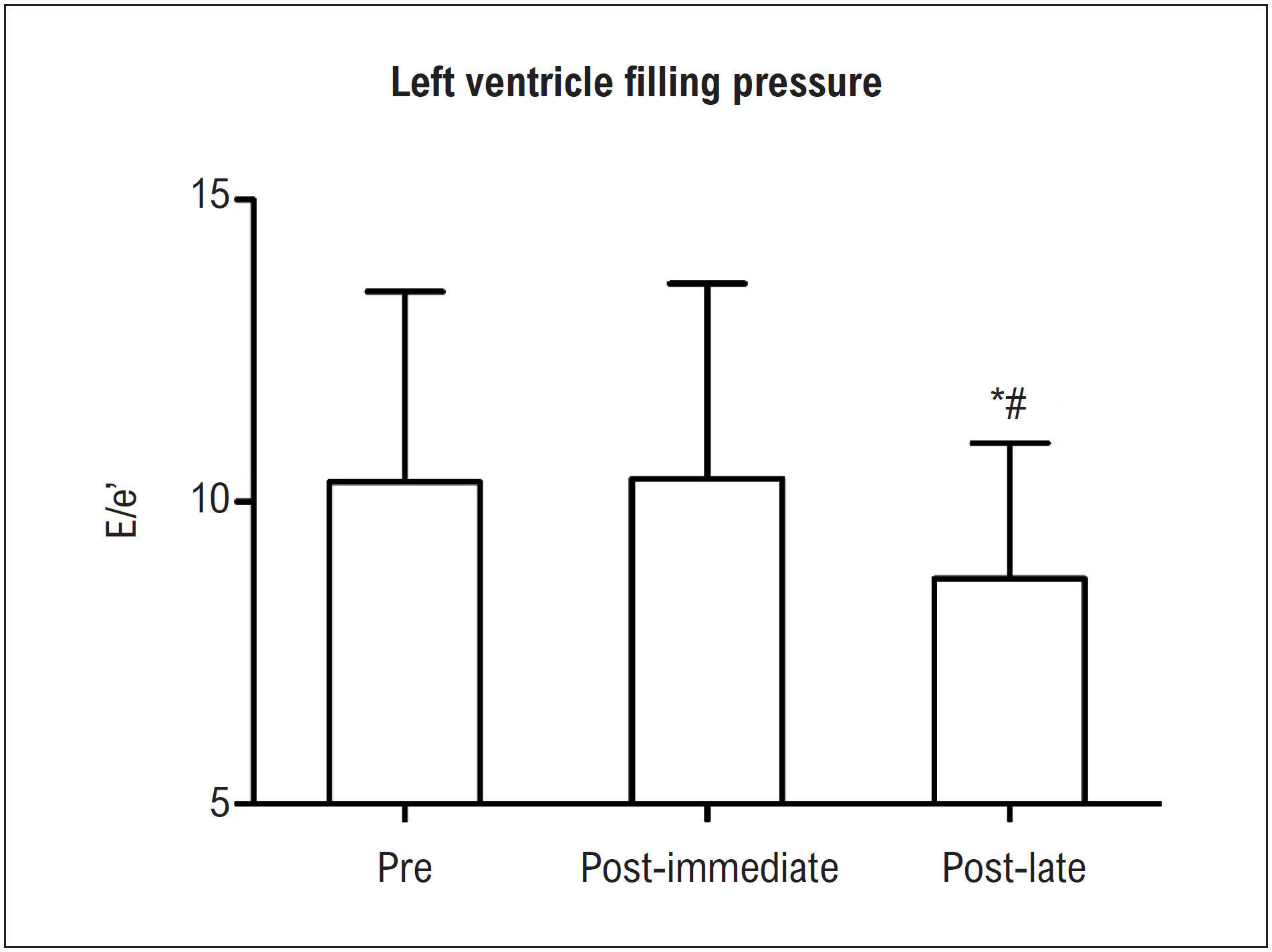
The population was composed predominantly of women (66.7%), mean age of 61.3 (7.2) years. Modifications were observed in the non-invasive LV filling pressure index (E/e’) (pre: 10.33 (SD, 3.15) vs post: 8.73 (SD, 2.24); p < 0.001) and in the pulse wave velocity (pre: 8.33 (SD, 1.67) vs post: 7.63 (SD, 1.66) m/s; p < 0.001), as well as pulse pressure (pre: 54.81 (SD, 18.73) vs post: 48.52 (SD, 15.74) mm Hg; p = 0.023).

Conclusion:

Our results demonstrated that a unique session of high-intensity IMT improved hemodynamic indices of LV filling and arterial stiffness in patients with HFpEF.

  • Dyspnea
  • Echocardiography/methods
  • Heart Failure/physiopathology
  • Hemodynamic
  • Inspiratory Reserve Volume
  • Pulmonary Medicine
  • Rehabilitation
  • Respiratory System
  • Stroke Volume
Read Full Article
Creative Commons Attribution (CC BY) Creative Commons license
06/07/2021 DOI: 10.36660/abchf.20210006
Heart Failure – Pathophysiology and Current Therapeutic Implications
IJCS
Editorial

Heart Failure – Pathophysiology and Current Therapeutic Implications

Mariana Vieira de Oliveira Bello et al. Fernando Bacal

The concept of translational medicine involves promoting the rapid transfer of observations made in the areas of research and pathophysiological understanding to the medical practice. This approach is a reality in major Brazilian research centers which link academia and clinical practice.

Heart failure (HF) is a complex syndrome that can manifest itself as heart failure with preserved ejection fraction (HFpEF), acute heart failure, or chronic heart failure with reduced ejection fraction (HFrEF). Here, we will cover the type of HF whose pathophysiology is understood the best and thus has disease-modifying treatments: HFrEF.

[…]

  • Digitalis Glycosides
  • Diuretics
  • Edema
  • Heart Failure/physiopathology
  • Myocardial Contraction
  • Stroke Volume
  • Translational Medical Research
Read Full Article
Creative Commons Attribution (CC BY) Creative Commons license
09/10/2020 DOI: 10.36660/ijcs.20200056 Views 2
ABC
Editorial

Short Editorial: Ser49Gly Beta1-adrenergic Receptor Genetic Polymorphism as a Death Predictor in Brazilian Patients with Heart Failure

Antonio Carlos Pereira-Barretto

Heart failure (HF) is a disease that develops into high morbidity/mortality. However, not all patients have a bad evolution. Symptomatic patients and those who require hospitalization for treatment comprise the group with the worst prognosis. Symptom intensity has shown to be a good predictor of prognosis. However, in less symptomatic patients, we have a much more limited capacity to identify those who will have a worse evolution.

In the article “Ser49Gly Beta1-adrenergic Receptor Genetic Polymorphism as a Death Predictor in Brazilian Patients with Heart Failure”, published in this issue, the authors discuss a current topic, in which they show that patient evolution is, at least in part, related to their genetic profile, and that this profile determines the intensity of HF and symptom development.

[…]

  • Adrenergic beta-1
  • Adrenergic beta-2
  • Genetic,Polymorphism
  • Heart Failure / mortality
  • Heart Failure/physiopathology
  • Prognosis
  • Receptor Agonists
  • Sympathetic Nervous System
Read Full Article
Creative Commons Attribution (CC BY) Creative Commons license
29/05/2020 DOI: 10.36660/abc.20200183 Views 1
ABC
Editorial

Time to Include Balance Training in the Cardiac Rehabilitation Programs of Patients with Heart Failure with Preserved Ejection Fraction

Fernando Ribeiro

The burden of heart failure exerts a significant personal, social and economic impact not only on patients and their families but also on society (including health care systems). Heart failure is a chronic, progressive condition affecting a huge amount of individuals worldwide (>37.7 million cases estimated in 2010). It is characterized by typical symptoms (e.g. breathlessness and fatigue) that may be accompanied by signs (e.g. peripheral edema) caused by cardiac abnormalities – structural and/or functional –, resulting in reduced cardiac output and/or elevated intracardiac pressures at rest or during stress. Heart failure has been categorized in heart failure with preserved (HFpEF), mid-range (HFmrEF) and reduced ejection fraction (HFrEF) according to the left ventricular ejection fraction.

Heart failure with preserved ejection fraction has become an increasingly recognized phenotype; despite being primarily considered a condition that affects old-age individuals, it represents approximately half of all cases of heart failure. , Despite the available pharmacological and device therapies, heart failure patients’ prognosis, quality of life, and 5-year survival remain poor and similar across all heart failure categories. –

[…]

  • Cardiac Output
  • Cardiac Rehabilitation
  • Heart Failure/physiopathology
  • Hospitalization
  • Stroke Volume
Read Full Article
Creative Commons Attribution (CC BY) Creative Commons license
29/05/2020 DOI: 10.36660/abc.20200157
ABC
Original Article

Dynamic Balance and Mobility Explain Quality of Life in HFpEF, Outperforming All the Other Physical Fitness Components

Cristine Schmidt et al. Mário Santos Lucimere Bohn Bruno Miguel Delgado … Daniel Moreira-Gonçalves Adelino Leite-Moreira José Oliveira

Abstract

Background

Physical fitness is an important determinant of quality of life (QoL) in heart failure with preserved ejection fraction (HFpEF) patients. However, how the different physical fitness components correlate with the specific dimensions of QoL in HFpEF patients remains unknown.

Objective

To evaluate the association between different physical fitness components and QoL dimensions in HFpEF patients, and, assess which physical fitness components were independently associated to QoL.

Methods

Patients with HFpEF were assessed for physical fitness [dynamic balance and mobility (8-foot-up-and go test), upper body strength (handgrip), cardiorespiratory fitness (CRF) (6-minute-walking test) and body composition (body mass index)] and for QoL (Minnesota Living With Heart Failure Questionnaire). Partial correlation was used to verify the association between physical fitness components and QoL dimensions. The determination of independent predictors in QoL dimensions was assessed through stepwise multivariate linear regression analysis. Statistical significance was set at p<0.05.

Results

Both CRF and dynamic balance and mobility are significantly associated with the total score and physical dimensions of QoL (p<0.05), but only dynamic balance and mobility were concomitantly associated with the emotional dimension (r=0.597; p=0.004). Dynamic balance and mobility were independently associated with total score (β=0.651; r2=0.424; p=0.001), physical (β=0.570; r2=0.324; p=0.04) and emotional (β=0.611; r2=0.373 p=0.002) dimensions of QoL.

Conclusion

Our data suggests that dynamic balance and mobility better assess QoL than CRF, which is commonly measured in clinical practice. Whether interventions specifically targeting dynamic balance and mobility have different impacts on QoL remains unknown. (Arq Bras Cardiol. 2020; 114(4):701-707)

  • Body Composition
  • Breathing Exercises
  • Heart Failure/physiopathology
  • physical fitness
  • Quality of life
  • Work-Life Balance/methods
Read Full Article
Creative Commons Attribution (CC BY) Creative Commons license
29/05/2020 DOI: 10.36660/abc.20190080
Figure 1
ABC
Anatomopathological Correlation

Case 1/2020 – A 56 Year-Old Woman Developed Heart Failure after a Presumed Diagnosis of Acute Myocardial Infarction and Mitral Valve Regurgitation with Rupture of Chordae Tendineae

Desiderio Favarato et al. Luiz Alberto Benvenuti

Clinical aspects

A 55-year-old patient with arterial hypertension and heart failure for one year and with chest pain, had a cardiorespiratory arrest five months before, developed heart failure and mitral regurgitation due to mitral valve prolapse and rupture of chordae tendineae.

The diagnostic impression is that heart failure due to mitral valve disease preceded the episode of precordial pain and severe dyspnea.

[…]

  • Heart Failure/physiopathology
  • Mitral Valve Prolapse/surgery
  • Myocardial Infarction
  • Postoperative Care
  • Renal Insufficiency
  • Sepsis
  • Shock, Cardiogenic
Read Full Article
Creative Commons Attribution (CC BY) Creative Commons license
18/05/2020 DOI: 10.36660/abc.20200024
Figure 1
ABC
Case Report

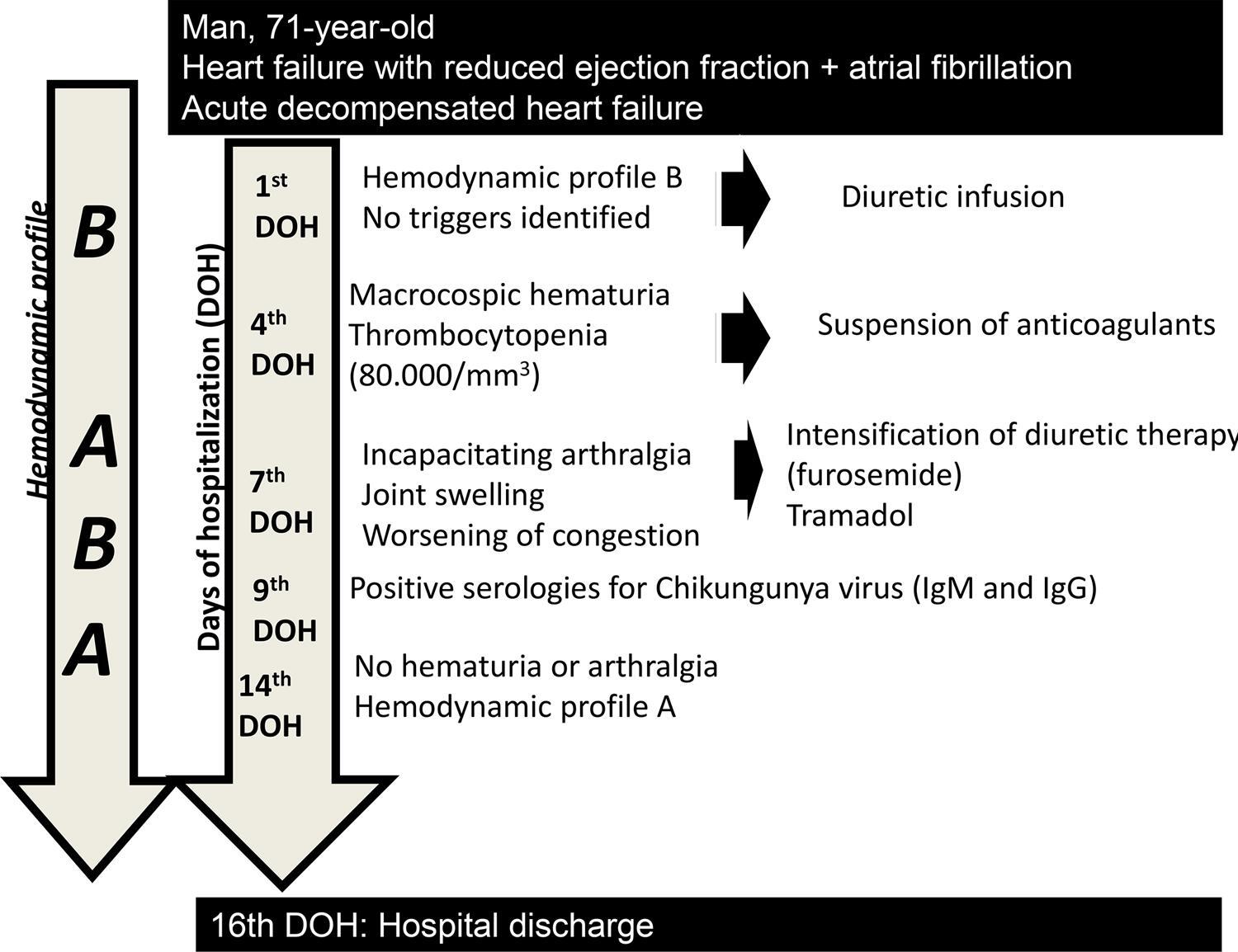
Acute Decompensated Heart Failure due to Chikungunya Fever

Carolina Cunto de Athayde et al. Fabio Akio Nishijuka Márcia Cavalcanti de Campos Queiroz Monica Medeiros Luna … Jaime Lobo Figueiredo Nadia Matias de Albuquerque Sebastião Carlos Ribeiro de Castilho Renata R. T. Castro

Introduction

Heart failure (HF) is a chronic condition with worldwide high and growing prevalence. –

It is extremely important to identify the cause of decompensated HF in order to manage cases correctly, given that identification makes it possible to implement specific treatment and prevent new hospitalizations. In Brazil, the main causes are poor adherence to medical treatment (30%) and infections (23%), mainly pulmonary bacterial ones. For this reason, patients with HF should receive the pneumococcal vaccine. Although it is less common, decompensation may occur due to viral infections, which justifies vaccination against influenza in these patients.

[…]

  • ChiKungunia fever
  • Heart Failure/physiopathology
  • Pneumococcal Vaccine, Arbovirus Infections
  • Treatment Refusai
  • Zika Virus Infection
Read Full Article
Creative Commons Attribution (CC BY) Creative Commons license
18/05/2020 DOI: 10.36660/abc.20180316 Views 1
IJCS
Viewpoint

PARAGON-HF: Lessons Learned and Perspectives

José Francisco Kerr Saraiva et al. Isadora de Oliveira

An estimated 6.5 million Americans aged 20 and over have heart failure (HF) and projections show that the prevalence of HF will increase by 46% from 2012 to 2030, resulting in over 8 million people with HF.

Patients with HF can be stratified into different categories of left ventricular ejection fraction (LVEF), presenting different phenotypes in terms of demographics, clinical presentation, etiology and outcomes. The current classification comprises HF with reduced ejection fraction (EF) [EF ≤ 40% (HFrEF)], with intermediate EF [EF 40-50% (HFiEF), and preserved EF [EF ≥ 50% (HFpEF).,

[…]

  • Dysfunction Left Ventricular/abnormalities
  • Echocardiography/methods
  • Heart Failure/physiopathology
  • Indicators of Morbidity and Mortality
  • Neprilysin/therapeutic use
  • Risk Factors
  • Valsartan/therapeutic use
Read Full Article
Creative Commons Attribution (CC BY) Creative Commons license
17/04/2020 DOI: 10.36660/ijcs.20190222
ABC
Letter to the Editor

How to Approach Elevated NT-pro BNP Level on Admission to Prevent Left Ventricular Aneurysm Following Acute ST-Segment Elevation Myocardial Infarction

Teruhiko Imamura

I have read with great interest the article written by Celebi and colleagues, demonstrating that elevated plasma N-terminal pro-B-type natriuretic peptide (NT-pro BNP) level on admission is a significant predictive biomarker of development of left ventricular aneurysm following acute ST-segment elevation myocardial infarction (STEMI) in the current era.

Their findings are straightforward and would lead us the next concerns. The first concern is reversibility of NT-pro BNP and its impact on post-STEMI outcomes. Is the reduction of NT-pro BNP following STEMI associated with a lower rate of left ventricular aneurysm formation?

[…]

  • Coronary Aneurysm/complications
  • Heart Failure/physiopathology
  • Indicators of Morbidity and Mortality
  • Natriuretic Peptide, B-Type
  • ST Elevation Myocardial Infarction
  • Stroke Volume
Read Full Article
Creative Commons Attribution (CC BY) Creative Commons license
20/03/2020 DOI: 10.36660/abc.20190773 Views 1
ABC
Editorial

Heart Failure Trends in Paraíba: Earlier Diagnosis or Better Treatment? – That is One of the Questions

Ana Teresa Timóteo

Heart Failure (HF) is a clinical syndrome with high prevalence, morbidity and mortality worldwide.– It is also one of the main causes for hospital admissions with elevated direct and indirect costs.– The prevalence of HF is expected to increase due to the increase in cardiovascular risk factors in the general population and to the increase in life expectancy. Elderly patients are more prone to the development of HF, as well as of admissions for HF. For that reason, an increase in the economic burden of HF is expected in the next decades.–

Previously published data showed, however, some epidemiological differences according to the world region, when comparing developing and developed countries. Recently published data from the European Society of cardiology Heart Failure Long-term Registry, a registry that included a wide spectrum of countries with very different socio-economic backgrounds, from Southern, Western, Northern and Eastern Europe, as well as Middle East and Northern Africa, showed significant between-region differences in baseline characteristics, clinical characteristics and also treatment and outcomes in patients with acute and chronic HF.

[…]

  • Comorbidity
  • Health Care Costs
  • Heart Failure / mortality
  • Heart Failure/epidemiology
  • Heart Failure/physiopathology
  • Heart Failure/trends
  • Hospitalization
Read Full Article
Creative Commons Attribution (CC BY) Creative Commons license
20/03/2020 DOI: 10.36660/abc.20190898 Views 1
Figure 1
ABC
Original Article

A 10-Year Trend Analysis of Heart Failure in the Less Developed Brazil

Amanda D. F. Fernandes et al. Gilson C. Fernandes Manuel Rivera Mazza Leonardo M. Knijnik … Gustavo Soares Fernandes Andre Telis de Vilela Amit Badiye Sandra V. Chaparro

Abstract

Background:

Data on heart failure (HF) epidemiology in less developed areas of Brazil are scarce.

Objective:

Our aim was to determine the HF morbidity and mortality in Paraiba and Brazil and its 10-year trends.

Methods:

A retrospective search was conducted from 2008 to 2017 using the DATASUS database and included patients ≥ 15 years old with a primary diagnosis of HF. Data on in-hospital and population morbidity and mortality were collected and stratified by year, gender and age. Pearson correlation and linear-by-linear association test for trends were calculated, with a level of significance of 5%.

Results:

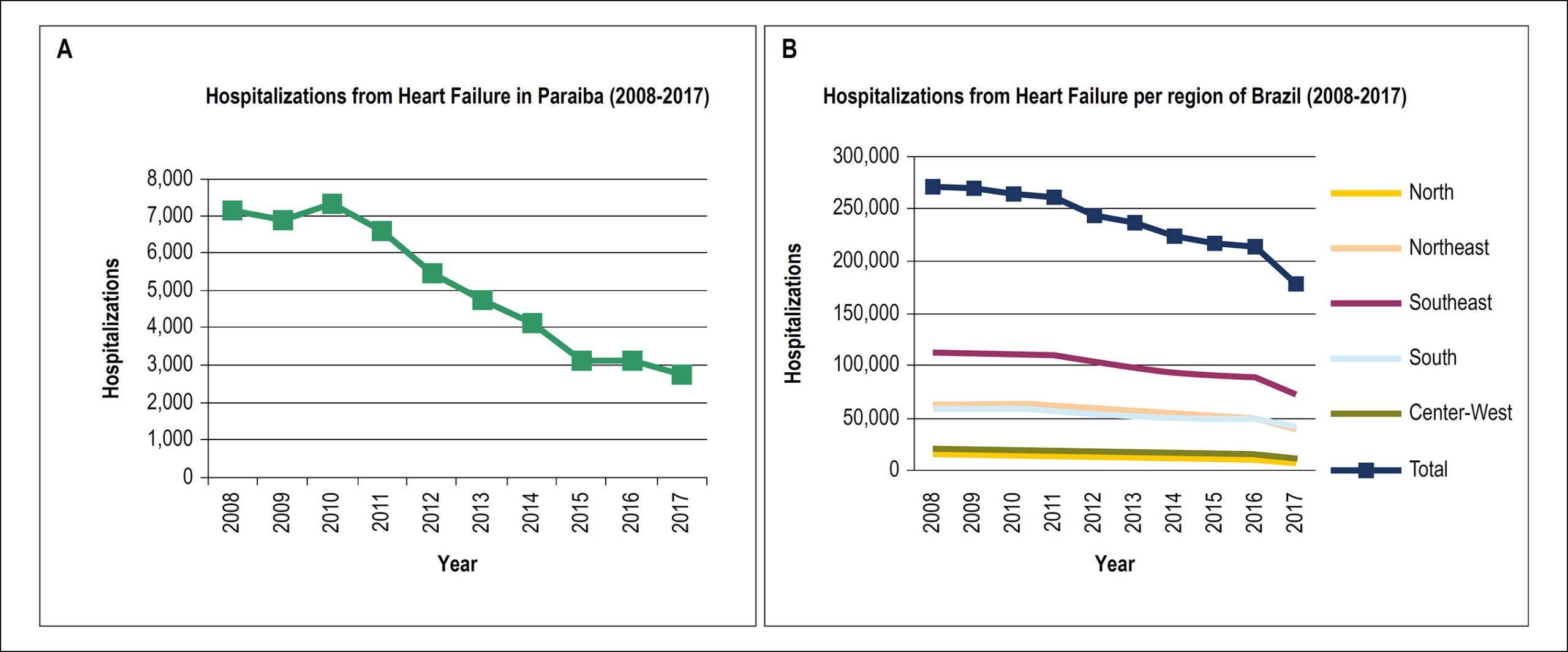
From 2008 to 2017, HF admissions decreased 62% (p = 0.004) in Paraiba and 34% (p = 0.004) in Brazil. The in-hospital mortality rate increased in Paraiba and Brazil [65.1% (p = 0.006) and 30.1% (p = 0.003), respectively], but the absolute in-hospital mortality had a significant decrease only in Paraiba [37.5% (p = 0.013)], which was maintained after age stratification, except for groups 15-19, 60-69 and > 80 years. It was observed an increase in the hospital stay [44% (p = 0.004) in Paraiba and 12.3% (p = 0.004) in Brazil]. From 2008 to 2015, mortality rate for HF in the population decreased 10.7% (p = 0.047) in Paraiba and 7.7% (p = 0.017) in Brazil.

Conclusions:

Although HF mortality rate has been decreasing in Paraiba and Brazil, an increase in the in-hospital mortality rate and length of stay for HF has been observed. Hospital-based clinical studies should be performed to identify the causes for these trends of increase.

  • Comorbidity
  • Heart Failure / mortality
  • Heart Failure/epidemiology
  • Heart Failure/physiopathology
  • Heart Failure/trends
  • Hospitalization
Read Full Article
Creative Commons Attribution (CC BY) Creative Commons license
20/03/2020 DOI: 10.36660/abc.20180321
IJCS
Editorial

The Ejection Fraction Returns to Hyde Park Session's Speakers' Corner

Wolney de Andrade Martins et al. Antonio José Lagoeiro Jorge

The ejection fraction returns to Hyde Park Session’s Speakers’ Corner

About two decades ago, the Heart Failure Society of America created the Hyde Park Session at its annual meeting. The analogy with the free and innovative proposals that took place in the historic London park were transposed to that scientific event. One of the first proposals made there was the extinction of the left ventricular ejection fraction (LVEF) as if it was an absolutist tyrant determining the life of his/her subjects. The proposition took no breath. The overwhelming majority of heart failure (HF) trials used LVEF as an inclusion criterion. The cutoff points varied. Magical numbers had little pathophysiological or clinical foundation. LVEF was measured by noninvasive methods, especially echocardiography, with high intra-and inter-examiner variability, dependent on preload and afterload changes.

Later, in 2001, a clinical entity was recognized, where acute pulmonary edema of cardiogenic cause occurred despite LVEF at levels above 50%. The following years saw incredulous initial acceptance until the epidemiological and clinical characterization of what we today call “heart failure with preserved ejection fraction (HFpEF).” From rare, it became frequent, especially in primary care. Considered benign, the prognosis became almost as reserved as heart failure with reduced ejection fraction (HFrEF). There were different proposals for diagnosis, prognostic scores, but such evolution in the knowledge of HFpEF resulted in a frustrating succession of negative therapeutic trials.

[…]

  • Heart Failure/physiopathology
  • Prognosis
  • Stroke Volume / physiology
  • Ventricular Dysfunction
Read Full Article
Creative Commons Attribution (CC BY) Creative Commons license
17/02/2020 DOI: 10.36660/ijcs.20190230
Figure 1
IJCS
Original Article

Diagnostic and Prognostic Role of Liver Elastography in Heart Failure

Diane Xavier Ávila et al. Priscila Abreu Matos Gabriel Quintino Wolney de Andrade Martins … Dalmo Machado Claudio Tinoco Mesquita Humberto Villacorta Junior

Abstract

Background:

Hepatic congestion is a frequent finding in patients with heart failure (HF). Physical examination has limitations in quantifying systemic congestion and requires correlation with echocardiographic and laboratory data (usually B-type natriuretic peptide, BNP, or N-terminal pro-B type natriuretic peptide, NT-proBNP). Hepatic elastography evaluates liver stiffness using a transducer that transmits low-frequency vibrations (50 Hz), and the speed of shear waves propagating through the tissues is measured by ultrasound. The faster the vibrations propagate in the hepatic parenchyma, the stiffer the liver, which, in case of HF, can be correlated with hepatic congestion.

Objective:

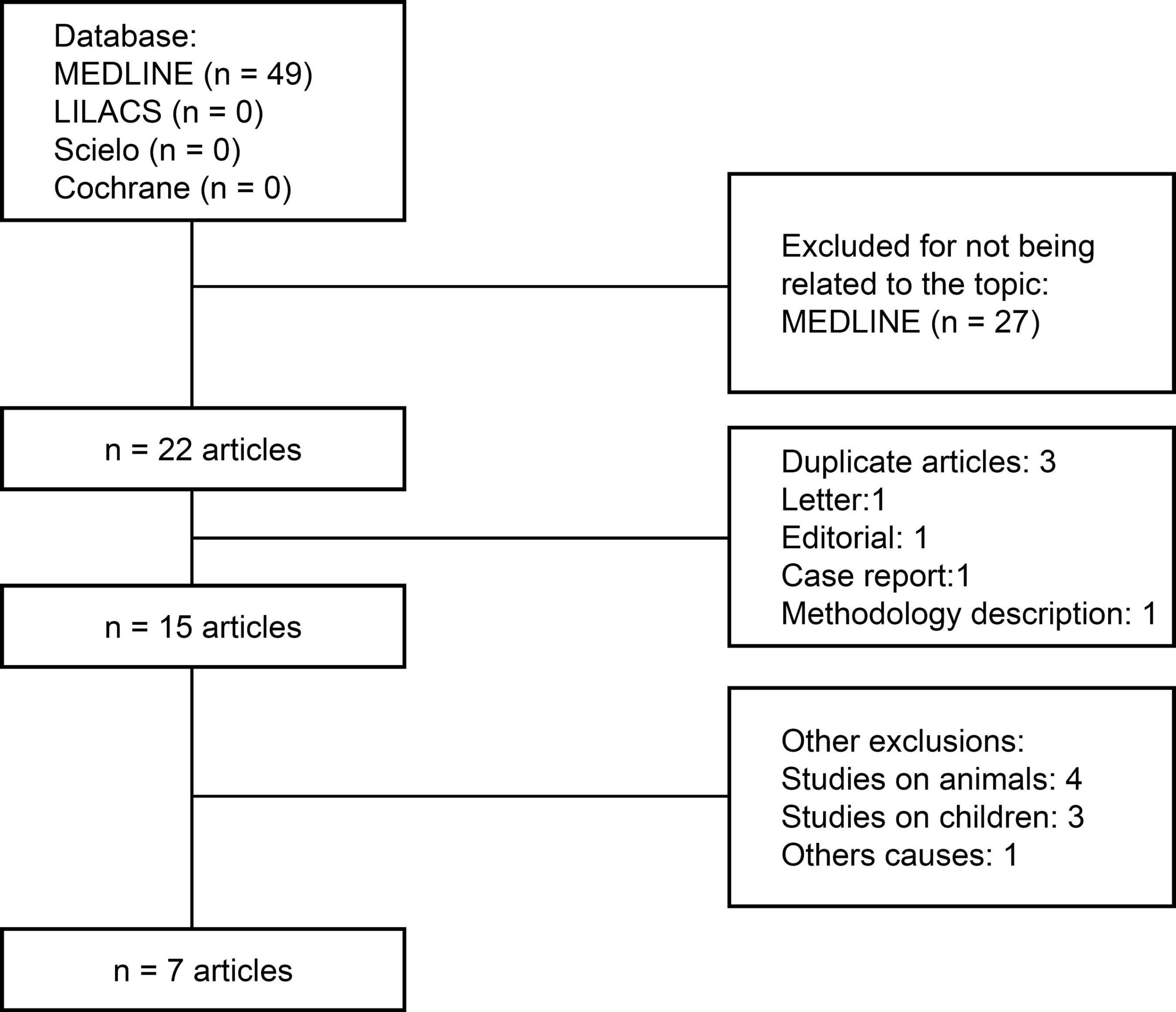
In this systematic review, case-controls, cohort studies, and randomized clinical trials were searched in MEDLINE, LILACS and Cochrane Database of Systematic Review, to evaluate the use of elastography in the detection of hepatic congestion in patients with HF.

Methods:

From the 49 articles retrieved, seven were selected for review, according to the inclusion and exclusion criteria. The most used methods for the diagnosis and evaluation of HF were echocardiography combined with BNP and NT-proBNP measurements.

Results:

Elastography performed at bedside was able to establish a significant correlation between increased liver stiffness and increased venous capillary pressure. In addition, liver elastography performed at hospital discharge was able to predict rehospitalization and mortality.

Conclusion:

Liver elastography is a non-invasive method that can be useful in predicting prognosis and mortality of individuals with HF, contributing to the clinical management of these patients.

  • Echocardiography/methods
  • Elastography
  • Heart Failure / mortality
  • Heart Failure/physiopathology
  • Hepatic Congestion
  • Hospitalizartion
  • Humans
  • Ultrassonography/ methods
Read Full Article
Creative Commons Attribution (CC BY) Creative Commons license
03/02/2020 DOI: 10.36660/ijcs.20190005 Views 1
Figura 1
ABC
Review Article

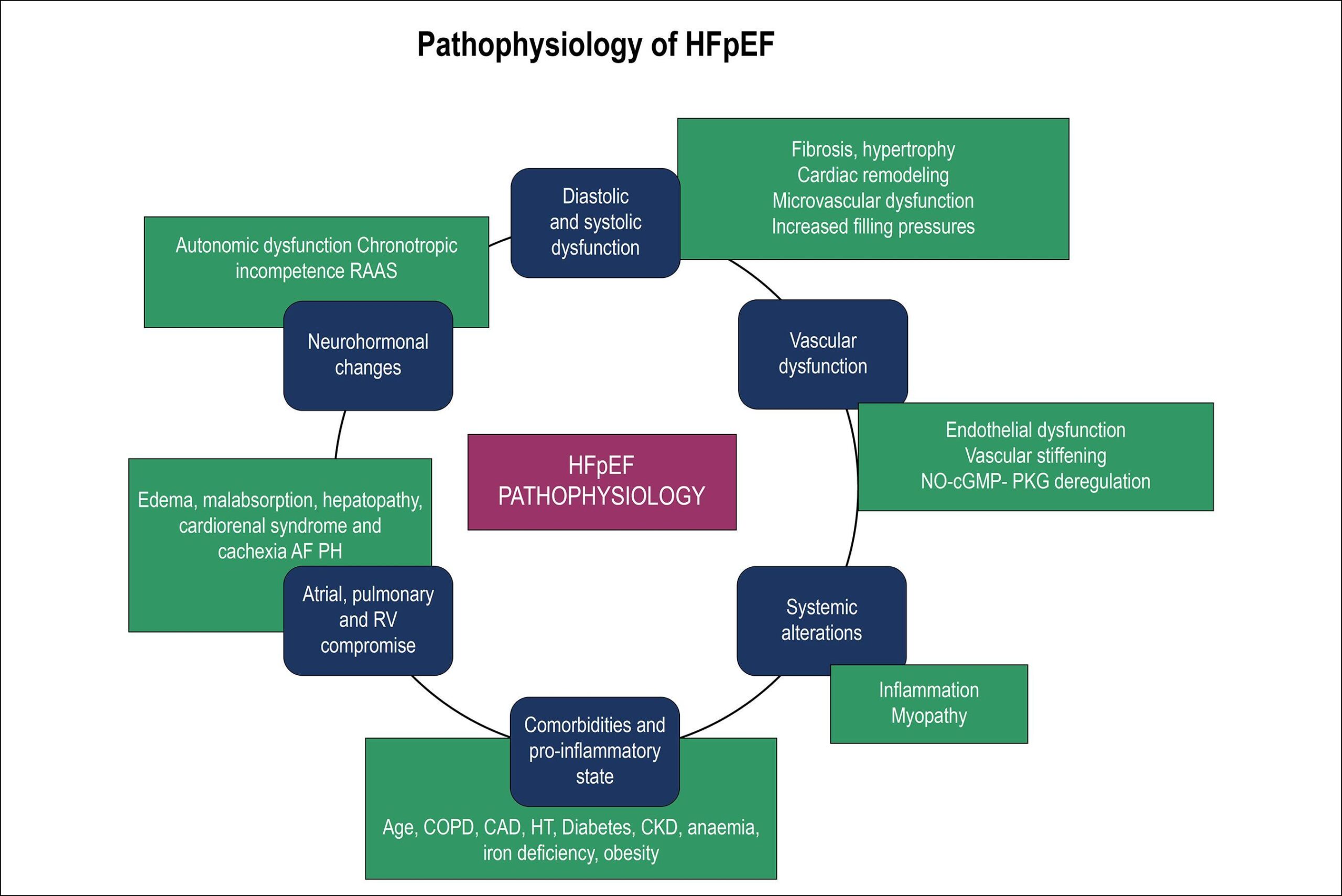
Pathophysiology and Treatment of Heart Failure with Preserved Ejection Fraction: State of the Art and Prospects for the Future

Sara Lopes Fernandes et al. Rita Ribeiro Carvalho Luís Graça Santos Fernando Montenegro Sá … Catarina Ruivo Sofia Lázaro Mendes Hélia Martins João Araujo Morais

Introduction

Heart failure (HF) is extremely prevalent and has a considerable impact on mortality and quality of life. It affects nearly 1-3% of the adult population in developed countries, exponentially increasing with age and affecting more than 10% of the population over 70 years. Given the increase in the average life expectancy, better diagnostic methods and increased comorbidities, a greater prevalence of heart failure is expected.

It is a clinical syndrome characterized by classic symptoms (such as fatigue, dyspnea) that may be accompanied by clinical signs (elevated jugular pressure, pulmonary crackles and peripheral edema). It is caused by structural and/or functional cardiac abnormalities, resulting in reduced cardiac output and/or elevated intracardiac pressures at rest or during stress.

[…]

  • Heart Failure / diagnosis
  • Heart Failure/complications
  • Heart Failure/drug therapy
  • Heart Failure/physiopathology
  • Systolic Volume
Read Full Article
Creative Commons Attribution (CC BY) Creative Commons license
14/11/2019 DOI: 10.36660/abc.20190111

Could not load more articles. Please try again.

How to cite this article

EndNote RIS

Electronic Document Format (Vancouver)

Siqueira SRR, Salemi VMC. Importance of Clinical Examination in the Assessment of Hemodynamic Profiles and Their Relationship with Outcomes in Patients with Acute Heart Failure. Arquivos Brasileiros de Cardiologia 2024;121(5):e20240308.

Electronic Document Format (ABNT)

Siqueira, Suellen Rodrigues Rangel; Salemi, Vera Maria Cury. Importance of Clinical Examination in the Assessment of Hemodynamic Profiles and Their Relationship with Outcomes in Patients with Acute Heart Failure. Arquivos Brasileiros de Cardiologia, v. 121, n. 5, e20240308, Aug. 2024.

Electronic Document Format (APA)

Siqueira, S. R. R., & Salemi, V. M. C. (2024). Importance of Clinical Examination in the Assessment of Hemodynamic Profiles and Their Relationship with Outcomes in Patients with Acute Heart Failure. Arquivos Brasileiros de Cardiologia, 121(5), e20240308.

Electronic Document Format (ISO)

Siqueira, Suellen Rodrigues Rangel and Salemi, Vera Maria Cury. Importance of Clinical Examination in the Assessment of Hemodynamic Profiles and Their Relationship with Outcomes in Patients with Acute Heart Failure. Arquivos Brasileiros de Cardiologia [online]. 2024, vol. 121, n. 5, [cited 2026-10-14], e20240308. Available from: <https://journals.cardiol.br/en/article/importance-of-clinical-examination-in-the-assessment-of-hemodynamic-profiles-and-their-relationship-with-outcomes-in-patients-with-acute-heart-failure/>. ISSN 0066-782X

EndNote RIS

Electronic Document Format (Vancouver)

Armenta-Moreno JI, Berarducci J, Garcia-Cardenas AM, Armendariz-Ferrari JC, Bermudez-Gonzalez JL, Straface JI, Luna-Alvarez-Amezquita JA, et al. Transesophageal Two- and Three-Dimensional Echocardiographic Assessment of Spontaneous Left Atrial Dissection. Arquivos Brasileiros de Cardiologia 2022;119(3):499-501.

Electronic Document Format (ABNT)

Armenta-Moreno, Javier Ivan; Berarducci, Joaquin; Garcia-Cardenas, Abel Mauricio; Armendariz-Ferrari, José Carlos; Bermudez-Gonzalez, Jorge Luis; Straface, Juan Ignacio; Luna-Alvarez-Amezquita, Jose Antonio; Espinola-Zavaleta, Nilda. Transesophageal Two- and Three-Dimensional Echocardiographic Assessment of Spontaneous Left Atrial Dissection. Arquivos Brasileiros de Cardiologia, v. 119, n. 3, p. 499-501, Sep. 2022.

Electronic Document Format (APA)

Armenta-Moreno, J. I., Berarducci, J., Garcia-Cardenas, A. M., Armendariz-Ferrari, J. C., Bermudez-Gonzalez, J. L., Straface, J. I., Luna-Alvarez-Amezquita, J. A., & Espinola-Zavaleta, N. (2022). Transesophageal Two- and Three-Dimensional Echocardiographic Assessment of Spontaneous Left Atrial Dissection. Arquivos Brasileiros de Cardiologia, 119(3), 499-501.

Electronic Document Format (ISO)

Armenta-Moreno, Javier Ivan and Berarducci, Joaquin and Garcia-Cardenas, Abel Mauricio and Armendariz-Ferrari, José Carlos and Bermudez-Gonzalez, Jorge Luis and Straface, Juan Ignacio and Luna-Alvarez-Amezquita, Jose Antonio and Espinola-Zavaleta, Nilda. Transesophageal Two- and Three-Dimensional Echocardiographic Assessment of Spontaneous Left Atrial Dissection. Arquivos Brasileiros de Cardiologia [online]. 2022, vol. 119, n. 3, [cited 2026-10-14], pp. 499-501. Available from: <https://journals.cardiol.br/en/article/transesophageal-two-and-three-dimensional-echocardiographic-assessment-of-spontaneous-left-atrial-dissection/>. ISSN 0066-782X

EndNote RIS

Electronic Document Format (Vancouver)

Hotta VT, Rassi DC, Pena JLB, Vieira MLC, Rodrigues ACT, Cardoso JN, Ramires FJA, et al. Critical Analysis and Limitations of the Diagnosis of Heart Failure with Preserved Ejection Fraction (HFpEF). Arquivos Brasileiros de Cardiologia 2022;119(3):470-9.

Electronic Document Format (ABNT)

Hotta, Viviane Tiemi; Rassi, Daniela do Carmo; Pena, José Luiz Barros; Vieira, Marcelo Luiz Campos; Rodrigues, Ana Clara Tude; Cardoso, Juliano Novaes; Ramires, Felix Jose Alvarez; Nastari, Luciano; Mady, Charles; Fernandes, Fábio. Critical Analysis and Limitations of the Diagnosis of Heart Failure with Preserved Ejection Fraction (HFpEF). Arquivos Brasileiros de Cardiologia, v. 119, n. 3, p. 470-479, Jul. 2022.

Electronic Document Format (APA)

Hotta, V. T., Rassi, D. C., Pena, J. L. B., Vieira, M. L. C., Rodrigues, A. C. T., Cardoso, J. N., Ramires, F. J. A., Nastari, L., Mady, C., & Fernandes, F. (2022). Critical Analysis and Limitations of the Diagnosis of Heart Failure with Preserved Ejection Fraction (HFpEF). Arquivos Brasileiros de Cardiologia, 119(3), 470-479.

Electronic Document Format (ISO)

Hotta, Viviane Tiemi and Rassi, Daniela do Carmo and Pena, José Luiz Barros and Vieira, Marcelo Luiz Campos and Rodrigues, Ana Clara Tude and Cardoso, Juliano Novaes and Ramires, Felix Jose Alvarez and Nastari, Luciano and Mady, Charles and Fernandes, Fábio. Critical Analysis and Limitations of the Diagnosis of Heart Failure with Preserved Ejection Fraction (HFpEF). Arquivos Brasileiros de Cardiologia [online]. 2022, vol. 119, n. 3, [cited 2026-10-14], pp. 470-479. Available from: <https://journals.cardiol.br/en/article/critical-analysis-and-limitations-of-the-diagnosis-of-heart-failure-with-preserved-ejection-fraction-hfpef/>. ISSN 0066-782X

EndNote RIS

Electronic Document Format (Vancouver)

Beltowski J. Microalbuminuria and the Risk of Mortality in Patients with Acute Heart Failure. Arquivos Brasileiros de Cardiologia 2022;118(4):710-1.

Electronic Document Format (ABNT)

Beltowski, Jerzy. Microalbuminuria and the Risk of Mortality in Patients with Acute Heart Failure. Arquivos Brasileiros de Cardiologia, v. 118, n. 4, p. 710-711, Apr. 2022.

Electronic Document Format (APA)

Beltowski, J. (2022). Microalbuminuria and the Risk of Mortality in Patients with Acute Heart Failure. Arquivos Brasileiros de Cardiologia, 118(4), 710-711.

Electronic Document Format (ISO)

Beltowski, Jerzy. Microalbuminuria and the Risk of Mortality in Patients with Acute Heart Failure. Arquivos Brasileiros de Cardiologia [online]. 2022, vol. 118, n. 4, [cited 2026-10-14], pp. 710-711. Available from: <https://journals.cardiol.br/en/article/microalbuminuria-and-the-risk-of-mortality-in-patients-with-acute-heart-failure/>. ISSN 0066-782X

EndNote RIS

Electronic Document Format (Vancouver)

Latado AL. Prognosis of Heart Failure with Mid-Range Ejection Fraction: A Story or a Version?. Arquivos Brasileiros de Cardiologia 2022;118(4):701-2.

Electronic Document Format (ABNT)

Latado, Adriana Lopes. Prognosis of Heart Failure with Mid-Range Ejection Fraction: A Story or a Version?. Arquivos Brasileiros de Cardiologia, v. 118, n. 4, p. 701-702, Apr. 2022.

Electronic Document Format (APA)

Latado, A. L. (2022). Prognosis of Heart Failure with Mid-Range Ejection Fraction: A Story or a Version?. Arquivos Brasileiros de Cardiologia, 118(4), 701-702.

Electronic Document Format (ISO)

Latado, Adriana Lopes. Prognosis of Heart Failure with Mid-Range Ejection Fraction: A Story or a Version?. Arquivos Brasileiros de Cardiologia [online]. 2022, vol. 118, n. 4, [cited 2026-10-14], pp. 701-702. Available from: <https://journals.cardiol.br/en/article/prognosis-of-heart-failure-with-mid-range-ejection-fraction-a-story-or-a-version/>. ISSN 0066-782X

EndNote RIS

Electronic Document Format (Vancouver)

Avila MS, Belfort DSP. Is There a Role for Telemonitoring in Heart Failure?. Arquivos Brasileiros de Cardiologia 2022;118(3):605-6.

Electronic Document Format (ABNT)

Avila, Mônica Samuel; Belfort, Deborah de Sá Pereira. Is There a Role for Telemonitoring in Heart Failure?. Arquivos Brasileiros de Cardiologia, v. 118, n. 3, p. 605-606, Mar. 2022.

Electronic Document Format (APA)

Avila, M. S., & Belfort, D. S. P. (2022). Is There a Role for Telemonitoring in Heart Failure?. Arquivos Brasileiros de Cardiologia, 118(3), 605-606.

Electronic Document Format (ISO)

Avila, Mônica Samuel and Belfort, Deborah de Sá Pereira. Is There a Role for Telemonitoring in Heart Failure?. Arquivos Brasileiros de Cardiologia [online]. 2022, vol. 118, n. 3, [cited 2026-10-14], pp. 605-606. Available from: <https://journals.cardiol.br/en/article/is-there-a-role-for-telemonitoring-in-heart-failure/>. ISSN 0066-782X

EndNote RIS

Electronic Document Format (Vancouver)

Cruz IO, Costa S, Teixeira R, Franco F, Gonçalves L. Telemonitoring in Heart Failure – A Single Center Experience. Arquivos Brasileiros de Cardiologia 2022;118(3):599-604.

Electronic Document Format (ABNT)

Cruz, Isabel O.; Costa, Susana; Teixeira, Rogério; Franco, Fátima; Gonçalves, Lino. Telemonitoring in Heart Failure – A Single Center Experience. Arquivos Brasileiros de Cardiologia, v. 118, n. 3, p. 599-604, Feb. 2022.

Electronic Document Format (APA)

Cruz, I. O., Costa, S., Teixeira, R., Franco, F., & Gonçalves, L. (2022). Telemonitoring in Heart Failure – A Single Center Experience. Arquivos Brasileiros de Cardiologia, 118(3), 599-604.

Electronic Document Format (ISO)

Cruz, Isabel O. and Costa, Susana and Teixeira, Rogério and Franco, Fátima and Gonçalves, Lino. Telemonitoring in Heart Failure – A Single Center Experience. Arquivos Brasileiros de Cardiologia [online]. 2022, vol. 118, n. 3, [cited 2026-10-14], pp. 599-604. Available from: <https://journals.cardiol.br/en/article/telemonitoring-in-heart-failure-a-single-center-experience/>. ISSN 0066-782X

EndNote RIS

Electronic Document Format (Vancouver)

Lofrano-Alves MS, Santos CSR, Miguel AC, Miranda PHB, Guedes MA, Ayub-Ferreira SM. Ramp-Test Echocardiography in Patients with Long-Term Continuous-Flow Ventricular Assist Device: Case Report and Systematic Review. Arquivos Brasileiros de Cardiologia Imagem cardiovascular 2022;32(1):52-6.

Electronic Document Format (ABNT)

Lofrano-Alves, Marco Stephan; Santos, Carolina Santana dos Reis; Miguel, Ana Carolina; Miranda, Pedro Henrique Basto; Guedes, Marlon Almeida; Ayub-Ferreira, Silvia Moreira. Ramp-Test Echocardiography in Patients with Long-Term Continuous-Flow Ventricular Assist Device: Case Report and Systematic Review. Arquivos Brasileiros de Cardiologia Imagem cardiovascular, v. 32, n. 1, p. 52-62, Jan. 2022.

Electronic Document Format (APA)

Lofrano-Alves, M. S., Santos, C. S. R., Miguel, A. C., Miranda, P. H. B., Guedes, M. A., & Ayub-Ferreira, S. M. (2022). Ramp-Test Echocardiography in Patients with Long-Term Continuous-Flow Ventricular Assist Device: Case Report and Systematic Review. Arquivos Brasileiros de Cardiologia Imagem cardiovascular, 32(1), 52-62.

Electronic Document Format (ISO)

Lofrano-Alves, Marco Stephan and Santos, Carolina Santana dos Reis and Miguel, Ana Carolina and Miranda, Pedro Henrique Basto and Guedes, Marlon Almeida and Ayub-Ferreira, Silvia Moreira. Ramp-Test Echocardiography in Patients with Long-Term Continuous-Flow Ventricular Assist Device: Case Report and Systematic Review. Arquivos Brasileiros de Cardiologia Imagem cardiovascular [online]. 2022, vol. 32, n. 1, [cited 2026-10-14], pp. 52-62. Available from: <https://journals.cardiol.br/en/article/ramp-test-echocardiography-in-patients-with-long-term-continuous-flow-ventricular-assist-device-case-report-and-systematic-review/>. ISSN 2318-8219

EndNote RIS

Electronic Document Format (Vancouver)

Spineti PPM, Sá RSS, Wajsbrot BR. The Challenge of Assessing Sudden Cardiac Death Risk in Patients with Nonischemic Heart Failure. Arquivos Brasileiros de Cardiologia 2021;117(3):542-3.

Electronic Document Format (ABNT)

Spineti, Pedro Pimenta de Mello; Sá, Rodrigo Souto da Silva; Wajsbrot, Bruno Reznik. The Challenge of Assessing Sudden Cardiac Death Risk in Patients with Nonischemic Heart Failure. Arquivos Brasileiros de Cardiologia, v. 117, n. 3, p. 542-543, Sep. 2021.

Electronic Document Format (APA)

Spineti, P. P. M., Sá, R. S. S., & Wajsbrot, B. R. (2021). The Challenge of Assessing Sudden Cardiac Death Risk in Patients with Nonischemic Heart Failure. Arquivos Brasileiros de Cardiologia, 117(3), 542-543.

Electronic Document Format (ISO)

Spineti, Pedro Pimenta de Mello and Sá, Rodrigo Souto da Silva and Wajsbrot, Bruno Reznik. The Challenge of Assessing Sudden Cardiac Death Risk in Patients with Nonischemic Heart Failure. Arquivos Brasileiros de Cardiologia [online]. 2021, vol. 117, n. 3, [cited 2026-10-14], pp. 542-543. Available from: <https://journals.cardiol.br/en/article/the-challenge-of-assessing-sudden-cardiac-death-risk-in-patients-with-nonischemic-heart-failure/>. ISSN 0066-782X

EndNote RIS

Electronic Document Format (Vancouver)

Rocha EA, Miná CPC, Rocha MEQA. Heart Failure with Mid-Range Ejection Fraction – A Temporary Condition or a Specific Group?. Arquivos Brasileiros de Cardiologia 2021;117(2):307-8.

Electronic Document Format (ABNT)

Rocha, Eduardo Arrais; Miná, Camila Pinto Cavalcante; Rocha, Maria Eduarda Quidute Arrais. Heart Failure with Mid-Range Ejection Fraction – A Temporary Condition or a Specific Group?. Arquivos Brasileiros de Cardiologia, v. 117, n. 2, p. 307-308, Sep. 2021.

Electronic Document Format (APA)

Rocha, E. A., Miná, C. P. C., & Rocha, M. E. Q. A. (2021). Heart Failure with Mid-Range Ejection Fraction – A Temporary Condition or a Specific Group?. Arquivos Brasileiros de Cardiologia, 117(2), 307-308.

Electronic Document Format (ISO)

Rocha, Eduardo Arrais and Miná, Camila Pinto Cavalcante and Rocha, Maria Eduarda Quidute Arrais. Heart Failure with Mid-Range Ejection Fraction – A Temporary Condition or a Specific Group?. Arquivos Brasileiros de Cardiologia [online]. 2021, vol. 117, n. 2, [cited 2026-10-14], pp. 307-308. Available from: <https://journals.cardiol.br/en/article/heart-failure-with-mid-range-ejection-fraction-a-temporary-condition-or-a-specific-group/>. ISSN 0066-782X

EndNote RIS

Electronic Document Format (Vancouver)

Menezes MG, Garcia EL, Franzoni LT, Grings V, Danzmann LC. Acute Inspiratory Muscle Training Modifies Hemodynamic Indices in Patients with Heart Failure with Preserved Ejection Fraction. ABC: Heart Failure & Cardiomyopathy 2021;1(1):27-32.

Electronic Document Format (ABNT)

Menezes, Márcio Garcia; Garcia, Eduardo Lima; Franzoni, Leandro Tolfo; Grings, Vanessa; Danzmann, Luiz Claudio. Acute Inspiratory Muscle Training Modifies Hemodynamic Indices in Patients with Heart Failure with Preserved Ejection Fraction. ABC: Heart Failure & Cardiomyopathy, v. 1, n. 1, p. 27-32, Jul. 2021.

Electronic Document Format (APA)

Menezes, M. G., Garcia, E. L., Franzoni, L. T., Grings, V., & Danzmann, L. C. (2021). Acute Inspiratory Muscle Training Modifies Hemodynamic Indices in Patients with Heart Failure with Preserved Ejection Fraction. ABC: Heart Failure & Cardiomyopathy, 1(1), 27-32.

Electronic Document Format (ISO)

Menezes, Márcio Garcia and Garcia, Eduardo Lima and Franzoni, Leandro Tolfo and Grings, Vanessa and Danzmann, Luiz Claudio. Acute Inspiratory Muscle Training Modifies Hemodynamic Indices in Patients with Heart Failure with Preserved Ejection Fraction. ABC: Heart Failure & Cardiomyopathy [online]. 2021, vol. 1, n. 1, [cited 2026-10-14], pp. 27-32. Available from: <https://journals.cardiol.br/en/article/acute-inspiratory-muscle-training-modifies-hemodynamic-indices-in-patients-with-heart-failure-with-preserved-ejection-fraction/>

EndNote RIS

Electronic Document Format (Vancouver)

Bello MVO, Bacal F. Heart Failure – Pathophysiology and Current Therapeutic Implications. International Journal of Cardiovascular Sciences 2020;33(5):439-46.

Electronic Document Format (ABNT)

Bello, Mariana Vieira de Oliveira; Bacal, Fernando. Heart Failure – Pathophysiology and Current Therapeutic Implications. International Journal of Cardiovascular Sciences, v. 33, n. 5, p. 439-446, Oct. 2020.

Electronic Document Format (APA)

Bello, M. V. O., & Bacal, F. (2020). Heart Failure – Pathophysiology and Current Therapeutic Implications. International Journal of Cardiovascular Sciences, 33(5), 439-446.

Electronic Document Format (ISO)

Bello, Mariana Vieira de Oliveira and Bacal, Fernando. Heart Failure – Pathophysiology and Current Therapeutic Implications. International Journal of Cardiovascular Sciences [online]. 2020, vol. 33, n. 5, [cited 2026-10-14], pp. 439-446. Available from: <https://journals.cardiol.br/en/article/heart-failure-pathophysiology-and-current-therapeutic-implications/>. ISSN 2359-4802

EndNote RIS

Electronic Document Format (Vancouver)

Pereira-Barretto AC. Short Editorial: Ser49Gly Beta1-adrenergic Receptor Genetic Polymorphism as a Death Predictor in Brazilian Patients with Heart Failure. Arquivos Brasileiros de Cardiologia 2020;114(4):625-6.

Electronic Document Format (ABNT)

Pereira-Barretto, Antonio Carlos. Short Editorial: Ser49Gly Beta1-adrenergic Receptor Genetic Polymorphism as a Death Predictor in Brazilian Patients with Heart Failure. Arquivos Brasileiros de Cardiologia, v. 114, n. 4, p. 625-626, May. 2020.

Electronic Document Format (APA)

Pereira-Barretto, A. C. (2020). Short Editorial: Ser49Gly Beta1-adrenergic Receptor Genetic Polymorphism as a Death Predictor in Brazilian Patients with Heart Failure. Arquivos Brasileiros de Cardiologia, 114(4), 625-626.

Electronic Document Format (ISO)

Pereira-Barretto, Antonio Carlos. Short Editorial: Ser49Gly Beta1-adrenergic Receptor Genetic Polymorphism as a Death Predictor in Brazilian Patients with Heart Failure. Arquivos Brasileiros de Cardiologia [online]. 2020, vol. 114, n. 4, [cited 2026-10-14], pp. 625-626. Available from: <https://journals.cardiol.br/en/article/short-editorial-ser49gly-beta1-adrenergic-receptor-genetic-polymorphism-as-a-death-predictor-in-brazilian-patients-with-heart-failure/>. ISSN 0066-782X

EndNote RIS

Electronic Document Format (Vancouver)

Ribeiro F. Time to Include Balance Training in the Cardiac Rehabilitation Programs of Patients with Heart Failure with Preserved Ejection Fraction. Arquivos Brasileiros de Cardiologia 2020;114(4):708-10.

Electronic Document Format (ABNT)

Ribeiro, Fernando. Time to Include Balance Training in the Cardiac Rehabilitation Programs of Patients with Heart Failure with Preserved Ejection Fraction. Arquivos Brasileiros de Cardiologia, v. 114, n. 4, p. 708-710, May. 2020.

Electronic Document Format (APA)

Ribeiro, F. (2020). Time to Include Balance Training in the Cardiac Rehabilitation Programs of Patients with Heart Failure with Preserved Ejection Fraction. Arquivos Brasileiros de Cardiologia, 114(4), 708-710.

Electronic Document Format (ISO)

Ribeiro, Fernando. Time to Include Balance Training in the Cardiac Rehabilitation Programs of Patients with Heart Failure with Preserved Ejection Fraction. Arquivos Brasileiros de Cardiologia [online]. 2020, vol. 114, n. 4, [cited 2026-10-14], pp. 708-710. Available from: <https://journals.cardiol.br/en/article/time-to-include-balance-training-in-the-cardiac-rehabilitation-programs-of-patients-with-heart-failure-with-preserved-ejection-fraction/>. ISSN 0066-782X

EndNote RIS

Electronic Document Format (Vancouver)

Schmidt C, Santos M, Bohn L, Delgado BM, Moreira-Gonçalves D, Leite-Moreira A, Oliveira J, et al. Dynamic Balance and Mobility Explain Quality of Life in HFpEF, Outperforming All the Other Physical Fitness Components. Arquivos Brasileiros de Cardiologia 2020;114(4):701-7.

Electronic Document Format (ABNT)

Schmidt, Cristine; Santos, Mário; Bohn, Lucimere; Delgado, Bruno Miguel; Moreira-Gonçalves, Daniel; Leite-Moreira, Adelino; Oliveira, José. Dynamic Balance and Mobility Explain Quality of Life in HFpEF, Outperforming All the Other Physical Fitness Components. Arquivos Brasileiros de Cardiologia, v. 114, n. 4, p. 701-707, May. 2020.

Electronic Document Format (APA)

Schmidt, C., Santos, M., Bohn, L., Delgado, B. M., Moreira-Gonçalves, D., Leite-Moreira, A., & Oliveira, J. (2020). Dynamic Balance and Mobility Explain Quality of Life in HFpEF, Outperforming All the Other Physical Fitness Components. Arquivos Brasileiros de Cardiologia, 114(4), 701-707.

Electronic Document Format (ISO)

Schmidt, Cristine and Santos, Mário and Bohn, Lucimere and Delgado, Bruno Miguel and Moreira-Gonçalves, Daniel and Leite-Moreira, Adelino and Oliveira, José. Dynamic Balance and Mobility Explain Quality of Life in HFpEF, Outperforming All the Other Physical Fitness Components. Arquivos Brasileiros de Cardiologia [online]. 2020, vol. 114, n. 4, [cited 2026-10-14], pp. 701-707. Available from: <https://journals.cardiol.br/en/article/dynamic-balance-and-mobility-explain-quality-of-life-in-hfpef-outperforming-all-the-other-physical-fitness-components/>. ISSN 0066-782X

EndNote RIS

Electronic Document Format (Vancouver)

Favarato D, Benvenuti LA. Case 1/2020 – A 56 Year-Old Woman Developed Heart Failure after a Presumed Diagnosis of Acute Myocardial Infarction and Mitral Valve Regurgitation with Rupture of Chordae Tendineae. Arquivos Brasileiros de Cardiologia 2020;114(4 suppl 1):47-56.

Electronic Document Format (ABNT)

Favarato, Desiderio; Benvenuti, Luiz Alberto. Case 1/2020 – A 56 Year-Old Woman Developed Heart Failure after a Presumed Diagnosis of Acute Myocardial Infarction and Mitral Valve Regurgitation with Rupture of Chordae Tendineae. Arquivos Brasileiros de Cardiologia, v. 114, n. 4 suppl 1, p. 47-56, May. 2020.

Electronic Document Format (APA)

Favarato, D., & Benvenuti, L. A. (2020). Case 1/2020 – A 56 Year-Old Woman Developed Heart Failure after a Presumed Diagnosis of Acute Myocardial Infarction and Mitral Valve Regurgitation with Rupture of Chordae Tendineae. Arquivos Brasileiros de Cardiologia, 114(4 suppl 1), 47-56.

Electronic Document Format (ISO)

Favarato, Desiderio and Benvenuti, Luiz Alberto. Case 1/2020 – A 56 Year-Old Woman Developed Heart Failure after a Presumed Diagnosis of Acute Myocardial Infarction and Mitral Valve Regurgitation with Rupture of Chordae Tendineae. Arquivos Brasileiros de Cardiologia [online]. 2020, vol. 114, n. 4 suppl 1, [cited 2026-10-14], pp. 47-56. Available from: <https://journals.cardiol.br/en/article/case-1-2020-a-56-year-old-woman-developed-heart-failure-after-a-presumed-diagnosis-of-acute-myocardial-infarction-and-mitral-valve-regurgitation-with-rupture-of-chordae-tendineae/>. ISSN 0066-782X

EndNote RIS

Electronic Document Format (Vancouver)

Athayde CC, Nishijuka FA, Queiroz MCC, Luna MM, Figueiredo JL, Albuquerque NM, Castilho SCR, et al. Acute Decompensated Heart Failure due to Chikungunya Fever. Arquivos Brasileiros de Cardiologia 2020;114(4 suppl 1):19-22.

Electronic Document Format (ABNT)

Athayde, Carolina Cunto de; Nishijuka, Fabio Akio; Queiroz, Márcia Cavalcanti de Campos; Luna, Monica Medeiros; Figueiredo, Jaime Lobo; Albuquerque, Nadia Matias de; Castilho, Sebastião Carlos Ribeiro de; Castro, Renata R. T.. Acute Decompensated Heart Failure due to Chikungunya Fever. Arquivos Brasileiros de Cardiologia, v. 114, n. 4 suppl 1, p. 19-22, May. 2020.

Electronic Document Format (APA)

Athayde, C. C. , Nishijuka, F. A., Queiroz, M. C. C., Luna, M. M., Figueiredo, J. L., Albuquerque, N. M. , Castilho, S. C. R. , & Castro, R. R. T. (2020). Acute Decompensated Heart Failure due to Chikungunya Fever. Arquivos Brasileiros de Cardiologia, 114(4 suppl 1), 19-22.

Electronic Document Format (ISO)

Athayde, Carolina Cunto de and Nishijuka, Fabio Akio and Queiroz, Márcia Cavalcanti de Campos and Luna, Monica Medeiros and Figueiredo, Jaime Lobo and Albuquerque, Nadia Matias de and Castilho, Sebastião Carlos Ribeiro de and Castro, Renata R. T.. Acute Decompensated Heart Failure due to Chikungunya Fever. Arquivos Brasileiros de Cardiologia [online]. 2020, vol. 114, n. 4 suppl 1, [cited 2026-10-14], pp. 19-22. Available from: <https://journals.cardiol.br/en/article/acute-decompensated-heart-failure-due-to-chikungunya-fever/>. ISSN 0066-782X

EndNote RIS

Electronic Document Format (Vancouver)

Saraiva JFK, Oliveira I. PARAGON-HF: Lessons Learned and Perspectives. International Journal of Cardiovascular Sciences 2020;33(3):278-81.

Electronic Document Format (ABNT)

Saraiva, José Francisco Kerr; Oliveira, Isadora de. PARAGON-HF: Lessons Learned and Perspectives. International Journal of Cardiovascular Sciences, v. 33, n. 3, p. 278-281, Apr. 2020.

Electronic Document Format (APA)

Saraiva, J. F. K., & Oliveira, I. (2020). PARAGON-HF: Lessons Learned and Perspectives. International Journal of Cardiovascular Sciences, 33(3), 278-281.

Electronic Document Format (ISO)

Saraiva, José Francisco Kerr and Oliveira, Isadora de. PARAGON-HF: Lessons Learned and Perspectives. International Journal of Cardiovascular Sciences [online]. 2020, vol. 33, n. 3, [cited 2026-10-14], pp. 278-281. Available from: <https://journals.cardiol.br/en/article/paragon-hf-lessons-learned-and-perspectives/>. ISSN 2359-4802

EndNote RIS

Electronic Document Format (Vancouver)

Imamura T. How to Approach Elevated NT-pro BNP Level on Admission to Prevent Left Ventricular Aneurysm Following Acute ST-Segment Elevation Myocardial Infarction. Arquivos Brasileiros de Cardiologia 2020;114(2):323-4.

Electronic Document Format (ABNT)

Imamura, Teruhiko. How to Approach Elevated NT-pro BNP Level on Admission to Prevent Left Ventricular Aneurysm Following Acute ST-Segment Elevation Myocardial Infarction. Arquivos Brasileiros de Cardiologia, v. 114, n. 2, p. 323-324, Mar. 2020.

Electronic Document Format (APA)

Imamura, T. (2020). How to Approach Elevated NT-pro BNP Level on Admission to Prevent Left Ventricular Aneurysm Following Acute ST-Segment Elevation Myocardial Infarction. Arquivos Brasileiros de Cardiologia, 114(2), 323-324.

Electronic Document Format (ISO)

Imamura, Teruhiko. How to Approach Elevated NT-pro BNP Level on Admission to Prevent Left Ventricular Aneurysm Following Acute ST-Segment Elevation Myocardial Infarction. Arquivos Brasileiros de Cardiologia [online]. 2020, vol. 114, n. 2, [cited 2026-10-14], pp. 323-324. Available from: <https://journals.cardiol.br/en/article/how-to-approach-elevated-nt-pro-bnp-level-on-admission-to-prevent-left-ventricular-aneurysm-following-acute-st-segment-elevation-myocardial-infarction/>. ISSN 0066-782X

EndNote RIS

Electronic Document Format (Vancouver)

Timóteo AT. Heart Failure Trends in Paraíba: Earlier Diagnosis or Better Treatment? – That is One of the Questions. Arquivos Brasileiros de Cardiologia 2020;114(2):232-3.

Electronic Document Format (ABNT)

Timóteo, Ana Teresa. Heart Failure Trends in Paraíba: Earlier Diagnosis or Better Treatment? – That is One of the Questions. Arquivos Brasileiros de Cardiologia, v. 114, n. 2, p. 232-233, Mar. 2020.

Electronic Document Format (APA)

Timóteo, A. T. (2020). Heart Failure Trends in Paraíba: Earlier Diagnosis or Better Treatment? – That is One of the Questions. Arquivos Brasileiros de Cardiologia, 114(2), 232-233.

Electronic Document Format (ISO)

Timóteo, Ana Teresa. Heart Failure Trends in Paraíba: Earlier Diagnosis or Better Treatment? – That is One of the Questions. Arquivos Brasileiros de Cardiologia [online]. 2020, vol. 114, n. 2, [cited 2026-10-14], pp. 232-233. Available from: <https://journals.cardiol.br/en/article/heart-failure-trends-in-paraiba-earlier-diagnosis-or-better-treatment-that-is-one-of-the-questions/>. ISSN 0066-782X

EndNote RIS

Electronic Document Format (Vancouver)

Fernandes ADF, Fernandes GC, Mazza MR, Knijnik LM, Fernandes GS, Vilela AT, Badiye A, et al. A 10-Year Trend Analysis of Heart Failure in the Less Developed Brazil. Arquivos Brasileiros de Cardiologia 2020;114(2):222-31.

Electronic Document Format (ABNT)

Fernandes, Amanda D. F.; Fernandes, Gilson C.; Mazza, Manuel Rivera; Knijnik, Leonardo M.; Fernandes, Gustavo Soares; Vilela, Andre Telis de; Badiye, Amit; Chaparro, Sandra V.. A 10-Year Trend Analysis of Heart Failure in the Less Developed Brazil. Arquivos Brasileiros de Cardiologia, v. 114, n. 2, p. 222-231, Mar. 2020.

Electronic Document Format (APA)

Fernandes, A. D. F., Fernandes, G. C., Mazza, M. R., Knijnik, L. M., Fernandes, G. S., Vilela, A. T. , Badiye, A., & Chaparro, S. V. (2020). A 10-Year Trend Analysis of Heart Failure in the Less Developed Brazil. Arquivos Brasileiros de Cardiologia, 114(2), 222-231.

Electronic Document Format (ISO)

Fernandes, Amanda D. F. and Fernandes, Gilson C. and Mazza, Manuel Rivera and Knijnik, Leonardo M. and Fernandes, Gustavo Soares and Vilela, Andre Telis de and Badiye, Amit and Chaparro, Sandra V.. A 10-Year Trend Analysis of Heart Failure in the Less Developed Brazil. Arquivos Brasileiros de Cardiologia [online]. 2020, vol. 114, n. 2, [cited 2026-10-14], pp. 222-231. Available from: <https://journals.cardiol.br/en/article/a-10-year-trend-analysis-of-heart-failure-in-the-less-developed-brazil/>. ISSN 0066-782X

EndNote RIS

Electronic Document Format (Vancouver)

Martins WA, Jorge AJL. The Ejection Fraction Returns to Hyde Park Session’s Speakers’ Corner. International Journal of Cardiovascular Sciences 2020;33(1):43-4.

Electronic Document Format (ABNT)

Martins, Wolney de Andrade; Jorge, Antonio José Lagoeiro. The Ejection Fraction Returns to Hyde Park Session’s Speakers’ Corner. International Journal of Cardiovascular Sciences, v. 33, n. 1, p. 43-44, Feb. 2020.

Electronic Document Format (APA)

Martins, W. A., & Jorge, A. J. L. (2020). The Ejection Fraction Returns to Hyde Park Session’s Speakers’ Corner. International Journal of Cardiovascular Sciences, 33(1), 43-44.

Electronic Document Format (ISO)

Martins, Wolney de Andrade and Jorge, Antonio José Lagoeiro. The Ejection Fraction Returns to Hyde Park Session’s Speakers’ Corner. International Journal of Cardiovascular Sciences [online]. 2020, vol. 33, n. 1, [cited 2026-10-14], pp. 43-44. Available from: <https://journals.cardiol.br/en/article/the-ejection-fraction-returns-to-hyde-park-sessions-speakers-corner/>. ISSN 2359-4802

EndNote RIS

Electronic Document Format (Vancouver)

Ávila DX, Matos PA, Quintino G, Martins WA, Machado D, Mesquita CT, Villacorta Junior H, et al. Diagnostic and Prognostic Role of Liver Elastography in Heart Failure. International Journal of Cardiovascular Sciences 2020;33(3):227-32.

Electronic Document Format (ABNT)

Ávila, Diane Xavier; Matos, Priscila Abreu; Quintino, Gabriel; Martins, Wolney de Andrade; Machado, Dalmo; Mesquita, Claudio Tinoco; Villacorta Junior, Humberto. Diagnostic and Prognostic Role of Liver Elastography in Heart Failure. International Journal of Cardiovascular Sciences, v. 33, n. 3, p. 227-232, Feb. 2020.

Electronic Document Format (APA)

Ávila, D. X., Matos, P. A., Quintino, G., Martins, W. A., Machado, D., Mesquita, C. T., & Villacorta Junior, H. (2020). Diagnostic and Prognostic Role of Liver Elastography in Heart Failure. International Journal of Cardiovascular Sciences, 33(3), 227-232.

Electronic Document Format (ISO)

Ávila, Diane Xavier and Matos, Priscila Abreu and Quintino, Gabriel and Martins, Wolney de Andrade and Machado, Dalmo and Mesquita, Claudio Tinoco and Villacorta Junior, Humberto. Diagnostic and Prognostic Role of Liver Elastography in Heart Failure. International Journal of Cardiovascular Sciences [online]. 2020, vol. 33, n. 3, [cited 2026-10-14], pp. 227-232. Available from: <https://journals.cardiol.br/en/article/diagnostic-and-prognostic-role-of-liver-elastography-in-heart-failure/>. ISSN 2359-4802

EndNote RIS

Electronic Document Format (Vancouver)

Fernandes SL, Carvalho RR, Santos LG, Sá FM, Ruivo C, Mendes SL, Martins H, et al. Pathophysiology and Treatment of Heart Failure with Preserved Ejection Fraction: State of the Art and Prospects for the Future. Arquivos Brasileiros de Cardiologia 2019;114(1):120-9.

Electronic Document Format (ABNT)

Fernandes, Sara Lopes; Carvalho, Rita Ribeiro; Santos, Luís Graça; Sá, Fernando Montenegro; Ruivo, Catarina; Mendes, Sofia Lázaro; Martins, Hélia; Morais, João Araujo. Pathophysiology and Treatment of Heart Failure with Preserved Ejection Fraction: State of the Art and Prospects for the Future. Arquivos Brasileiros de Cardiologia, v. 114, n. 1, p. 120-129, Nov. 2019.

Electronic Document Format (APA)

Fernandes, S. L., Carvalho, R. R., Santos, L. G., Sá, F. M., Ruivo, C., Mendes, S. L., Martins, H., & Morais, J. A. (2019). Pathophysiology and Treatment of Heart Failure with Preserved Ejection Fraction: State of the Art and Prospects for the Future. Arquivos Brasileiros de Cardiologia, 114(1), 120-129.

Electronic Document Format (ISO)

Fernandes, Sara Lopes and Carvalho, Rita Ribeiro and Santos, Luís Graça and Sá, Fernando Montenegro and Ruivo, Catarina and Mendes, Sofia Lázaro and Martins, Hélia and Morais, João Araujo. Pathophysiology and Treatment of Heart Failure with Preserved Ejection Fraction: State of the Art and Prospects for the Future. Arquivos Brasileiros de Cardiologia [online]. 2019, vol. 114, n. 1, [cited 2026-10-14], pp. 120-129. Available from: <https://journals.cardiol.br/en/article/pathophysiology-and-treatment-of-heart-failure-with-preserved-ejection-fraction-state-of-the-art-and-prospects-for-the-future/>. ISSN 0066-782X

  • About ABC Family
  • Internal Regulation
  • Editorial Board
  • Brazilian Society of Cardiology (SBC)

Issues

SBC Guidelines

  • Videos
  • Podcasts
  • News