ABC Family Arquivos Brasileiros de Cardiologia International Journal of Cardiovascular Sciences ABC Heart Failure & Cardiomyopathy ABC Imagem Cardiovascular
Português English
ABC Family
Português English
  • About
    • About ABC Family
    • Internal Regulation
    • Editorial Board
    • Brazilian Society of Cardiology (SBC)
  • Issues
  • SBC Guidelines
  • Content
    • Videos
    • Podcasts
    • News
  • About
    • About ABC Family
    • Internal Regulation
    • Editorial Board
    • Brazilian Society of Cardiology (SBC)
  • Issues
  • SBC Guidelines
  • Content
    • Videos
    • Podcasts
    • News

ABC Family

  • ABC Family
  • Arquivos Brasileiros de Cardiologia
  • International Journal of Cardiovascular Sciences
  • ABC Heart Failure & Cardiomyopathy
  • ABC Imagem Cardiovascular
Search in

No content found.

Journals
Ordering
Article types
Others

  1. Home
  2. Keyword: Sympathetic Nervous System
I - Evaluation of Cardiovascular Autonomic Function in Healthy Individuals
ABC
Review Article

I – Evaluation of Cardiovascular Autonomic Function in Healthy Individuals

Benedito Carlos Maciel et al. Lourenço Gallo-Jr André Schmidt José Antonio Marin-Neto

Abstract

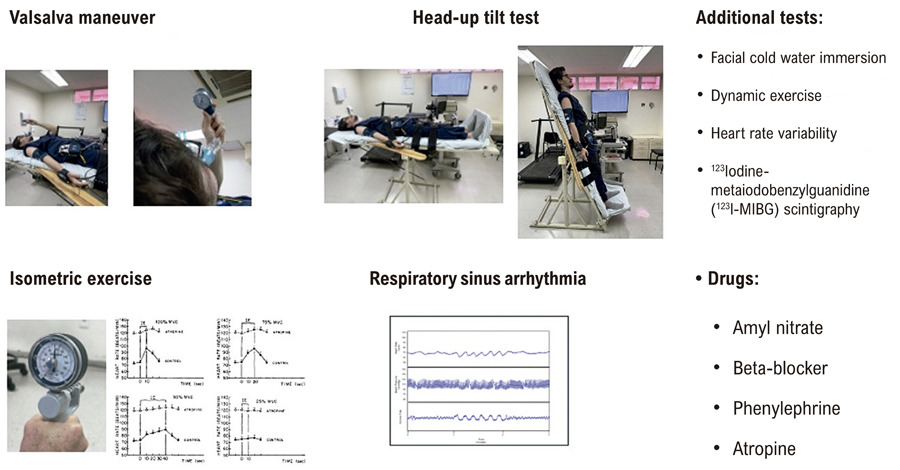
This first part of the review presents nearly 60 years of experience from our laboratory in standardizing cardiovascular autonomic tests in healthy individuals. The wide range of tests includes pharmacological blockade of both the sympathetic and parasympathetic divisions, baroreflex sensitivity assessment through transient hypertension and hypotension, the Valsalva maneuver, head-up tilt testing, isometric and dynamic exercise, facial immersion in cold water, respiratory sinus arrhythmia, heart rate variability analysis in the frequency domain, and imaging with 123I-metaiodobenzylguanidine. Autonomic function was evaluated based on test responses under baseline conditions in healthy individuals. The analysis also covers physiological adaptations to endurance training and aging, providing a reference framework for identifying autonomic dysfunction involving both parasympathetic and adrenergic components in patients with various pathophysiological conditions, as discussed in the second part of this review.
  • Autonomic Nervous System Diseases
  • Heart Rate
  • Parasympathetic Nervous System
  • Sympathetic Nervous System
Read Full Article
Creative Commons Attribution (CC BY) Creative Commons license
30/01/2026 DOI: 10.36660/abc.20250111i Views 1
II – Evaluation of Autonomic Control of Heart Rate in Various Clinical Conditions
ABC
Review Article

II – Evaluation of Autonomic Control of Heart Rate in Various Clinical Conditions

Benedito Carlos Maciel et al. Lourenço Gallo-Jr André Schmidt José Antonio Marin-Neto

Abstract

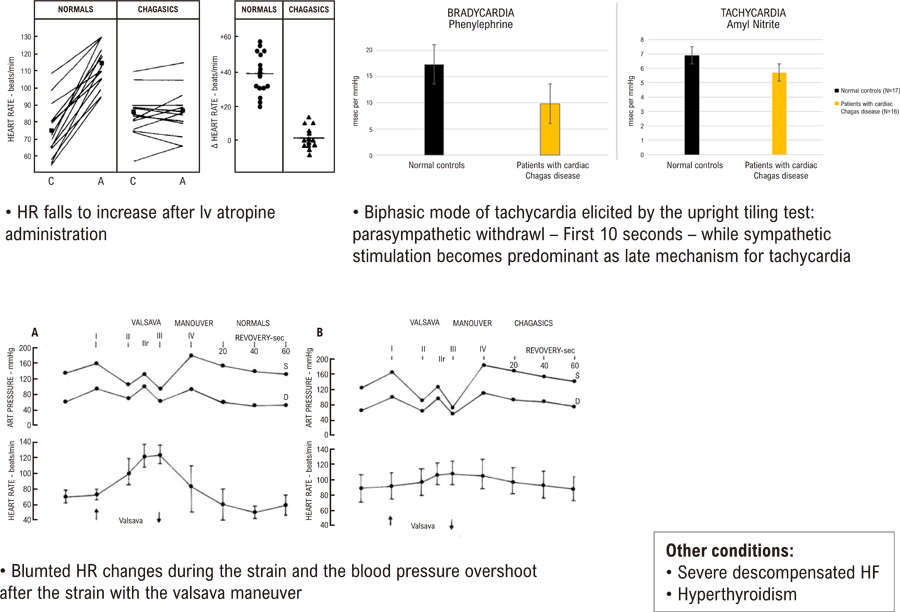
Through the comparison of responses of normal volunteers, assessment of autonomic function under abnormal clinical conditions focused on the detection of dysautonomia involving both the parasympathetic and adrenergic limbs in patients with Chagas heart disease, post-cardiac surgery, chronic heart failure, mitral valve prolapse, and hyperthyroidism. In particular, the autonomic impairment observed in Chagas disease patients involved predominantly the parasympathetic control of heart rate at the sinus node level, and the adrenergic innervation at the myocardial ventricular level. The autonomic derangements observed in Chagas cardiomyopathy patients have only recently been explored in terms of their prognostic relevance, and their potential clinical implications for therapeutic purposes remain to be investigated.

Over the last nearly seven decades, our laboratory has accumulated significant expertise using several tests described above to evaluate autonomic control of heart rate, now focusing on various pathophysiological clinical conditions. The effect of endurance physical training and of aging was mostly focused on studies of normal volunteers whose responses at baseline served as controls to be compared during tests employed in individuals with some morbid clinical conditions. By far, the pathophysiology of Chagas heart disease involving the autonomic nervous system was the most predominant subject studied in our laboratory, since the early studies in the 1960s until the late studies just recently published in international journals (Central Illustration). Other pathological conditions focused on our studies were mitral valve prolapse, heart failure, post-cardiac surgery, and hyperthyroidism.

  • Autonomic Nervous System Diseases
  • Heart Rate
  • Parasympathetic Nervous System
  • Sympathetic Nervous System
Read Full Article
Creative Commons Attribution (CC BY) Creative Commons license
30/01/2026 DOI: 10.36660/abc.20250112i Views 1
Figure 1
ABC
Brief Communication

Risk Stratification and Cardiac Sympathetic Activity Assessment Using Myocardial [123I] MIBG Imaging in Renal Denervation

Joana Delgado-Silva et al. Ana Paula Moreira Gracinda Costa Lino Gonçalves

Abstract

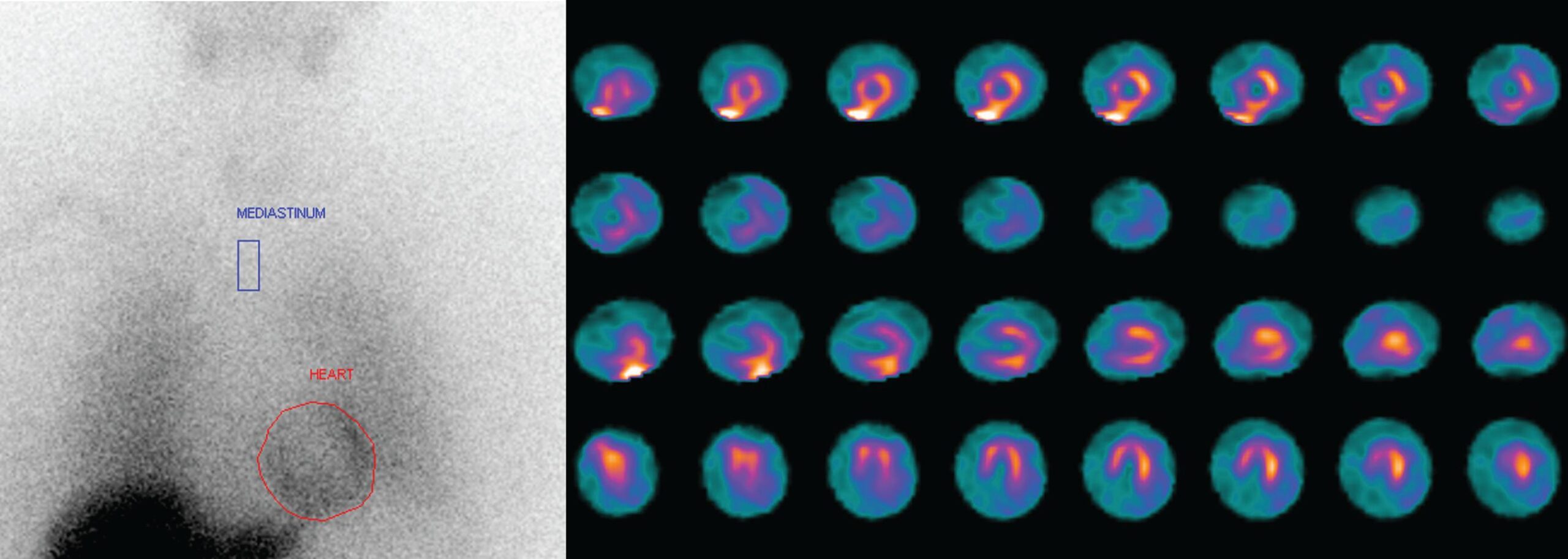
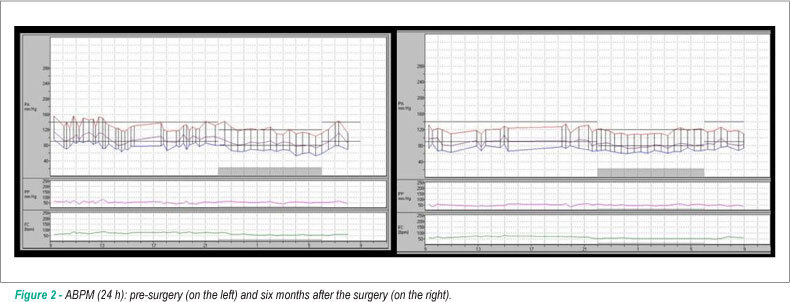
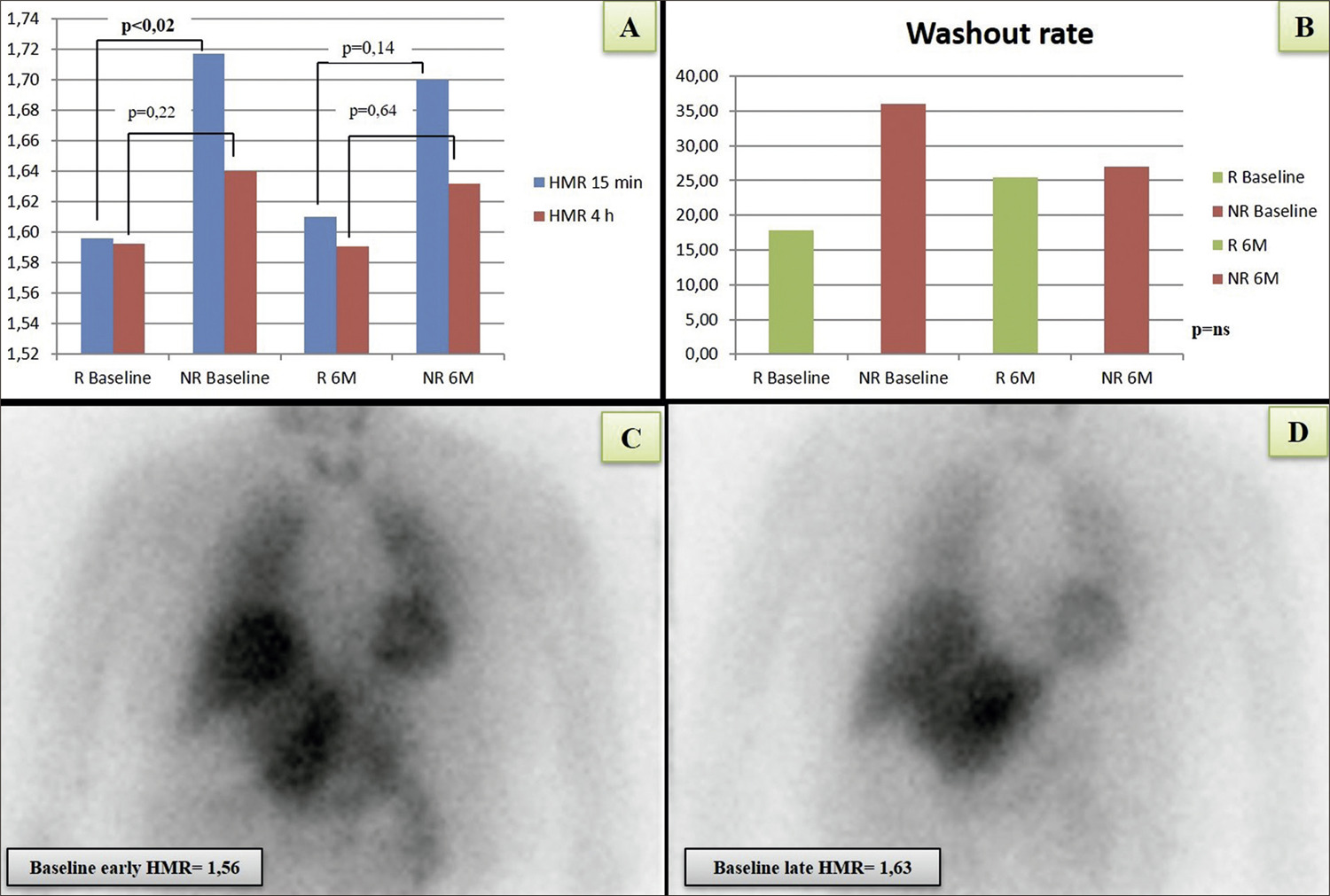
Hyperactivation of the sympathetic nervous system plays a central role in the pathophysiology of hypertension. The aim of this study was to assess cardiac sympathetic activity and investigate the role of myocardial123I-labelled meta-iodo benzyl guanidine ([123I] MIBG) scintigraphy in cardiovascular risk stratification of patients with resistant hypertension treated with renal denervation (RDN). Eighteen patients were included in this prospective study (mean age 56 ± 10 years old, 27.8% females). Transthoracic echocardiogram, general blood analysis and myocardial ([123I] MIBG scintigraphy were performed before and six-months after RDN. A patient was considered a responder (R) if a drop ≥ 5mmHg on mean systolic ambulatory blood pressure (BP) monitoring was observed at the six-month follow-up. 66.7% of patients were R (drop in systolic BP of 20.6 ± 14.5mmHg, vs minus 8 ± 11.6mmHg in non-responders (NR), p=0.001). Early heart-mediastinum ratio (HMR) was significantly lower at baseline in the R group (1.6 ± 0.1 vs 1.72 ± 0.1, p<0.02) but similar at six months. Considering both instants in time, the R group had lower early HMR values than the NR group (p<0.05). Both the late HMR and the washout rate were identical and no significant correlation between response to RDN or any MIBG imaging index was found. Renal denervation effectively lowered blood pressure in the majority of patients but [123I] MIBG was not useful in predicting the response. However, there was evidence of sympathetic overdrive and, both early and late HMR were overall reduced, probably putting this population at a higher risk of adverse events.

  • 3-iodobenzylguanidine
  • Kidney/denervation
  • Myocardial/diagnostic imaging
  • Radionuclide Imaging
  • Resistant Hypertension
  • Sympathetic Nervous System
Read Full Article
Creative Commons Attribution (CC BY) Creative Commons license
07/03/2022 DOI: 10.36660/abc.20201253 Views 2
ABC
Editorial

Short Editorial: Ser49Gly Beta1-adrenergic Receptor Genetic Polymorphism as a Death Predictor in Brazilian Patients with Heart Failure

Antonio Carlos Pereira-Barretto

Heart failure (HF) is a disease that develops into high morbidity/mortality. However, not all patients have a bad evolution. Symptomatic patients and those who require hospitalization for treatment comprise the group with the worst prognosis. Symptom intensity has shown to be a good predictor of prognosis. However, in less symptomatic patients, we have a much more limited capacity to identify those who will have a worse evolution.

In the article “Ser49Gly Beta1-adrenergic Receptor Genetic Polymorphism as a Death Predictor in Brazilian Patients with Heart Failure”, published in this issue, the authors discuss a current topic, in which they show that patient evolution is, at least in part, related to their genetic profile, and that this profile determines the intensity of HF and symptom development.

[…]

  • Adrenergic beta-1
  • Adrenergic beta-2
  • Genetic,Polymorphism
  • Heart Failure / mortality
  • Heart Failure/physiopathology
  • Prognosis
  • Receptor Agonists
  • Sympathetic Nervous System
Read Full Article
Creative Commons Attribution (CC BY) Creative Commons license
29/05/2020 DOI: 10.36660/abc.20200183 Views 1
ABC
Editorial

The Neurolinguistics of the Heart

Esteban Wisnivesky Rivarola et al. Mauricio Scanavacca

The association between mental stress and cardiac function has always been of major interest. In the 19th century, Claude Bernard, the father of evidence-based medicine, first acknowledged the vagus nerve as a structural and functional link connecting the heart and the brain. Nowadays, stress is considered one of the most significant health problems in modern society, related to the physiopathology of psychiatric, metabolic and cardiovascular diseases, and the search for its biomarkers remains a challenging task for researchers and clinicians.

But what is stress? How can we define it, before we tackle it?

[…]

  • Heart Failure;Gini Coefficient
  • Neurolinguistic Programming
  • Parasympathetic Nervous System
  • Stress, Psychological, Action Spectrum
  • Sympathetic Nervous System
Read Full Article
Creative Commons Attribution (CC BY) Creative Commons license
04/11/2019 DOI: 10.5935/abc.20190218 Views 2
Figure 1
ABC
Original Article

Acute Physical Stress Preconditions the Heart Against Ischemia/Reperfusion Injury Through Activation of Sympathetic Nervous System

Alireza Imani et al. Hoda Parsa Leila Gholami Chookalaei Kamran Rakhshan … Masoomeh Golnazari Mahdieh Faghihi

Abstract

Background:

Stress is defined as a complicated state that related to homeostasis disturbances, over-activity of the sympathetic nervous system and hypothalamus-pituitary-adrenal axis responses. Cardiac preconditioning reduces myocardial damages.

Objective:

This study was designed to assess the cardioprotective effects of acute physical stress against ischemia/reperfusion (I/R) injury through the activation of the sympathetic nervous system.

Methods:

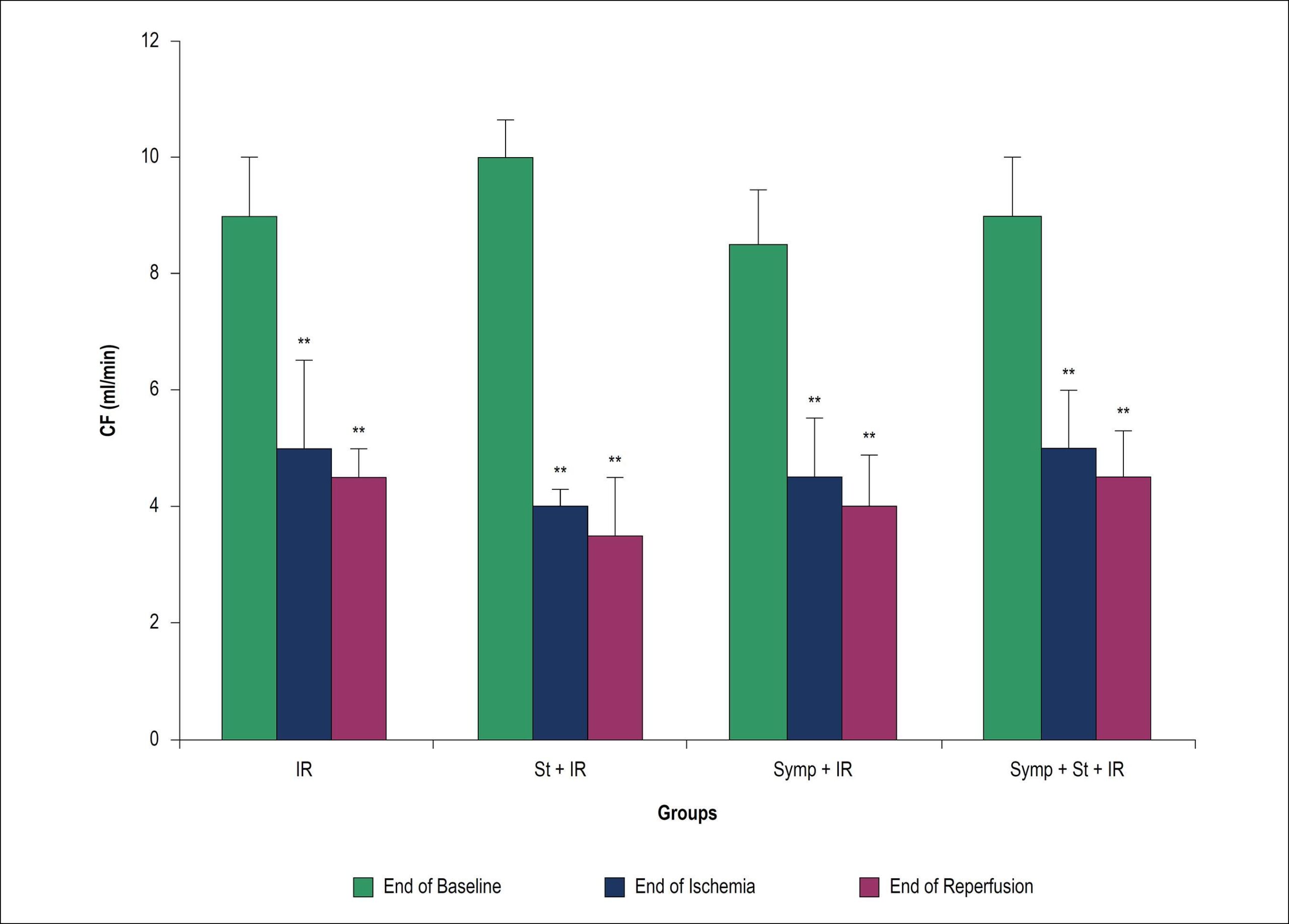
Thirty-two male Wistar rats were divided into four groups; (1) IR (n = 8): rats underwent I/R, (2) Acute stress (St+IR) (n = 8): physical stress induced 1-hour before I/R, (3) Sympathectomy (Symp+IR) (n = 8): chemical sympathectomy was done 24-hours before I/R and (4) Sympathectomy- physical stress (Symp+St+IR) (n = 8): chemical sympathectomy induced before physical stress and I/R. Chemical sympathectomy was performed using 6-hydroxydopamine (100 mg/kg, sc). Then, the hearts isolated and located in the Langendorff apparatus to induce 30 minutes ischemia followed by 120 minutes reperfusion. The coronary flows, hemodynamic parameters, infarct size, corticosterone level in serum were investigated. P < 0.05 demonstrated significance.

Results:

Physical stress prior to I/R could improve left ventricular developed pressure (LVDP) and rate product pressure (RPP) of the heart respectively, (63 ± 2 versus 42 ± 1.2, p < 0.05, 70 ± 2 versus 43 ± 2.6, p < 0.05) and reduces infarct size (22.16 ± 1.3 versus 32 ± 1.4, p < 0.05) when compared with the I/R alone. Chemical sympathectomy before physical stress eliminated the protective effect of physical stress on I/R-induced cardiac damages (RPP: 21 ± 6.6 versus 63 ± 2, p < 0.01) (LVDP: 38 ± 4.5 versus 43 ± 2.6, p < 0.01) (infarct size: 35 ± 3.1 versus 22.16 ± 1.3, p < 0.01).

Conclusion:

Findings indicate that acute physical stress can act as a preconditional stimulator and probably, the presence of sympathetic nervous system is necessary.

  • Hypothalamo-Hypophyseal System
  • Ischemia
  • Stress, Mechanical
  • Sympathectomy
  • Sympathetic Nervous System
Read Full Article
Creative Commons Attribution (CC BY) Creative Commons license
10/10/2019 DOI: 10.5935/abc.20190189 Views 2
Figure 1
IJCS
Review Article

The use of Cardiac 123I-mIBG Scintigraphy in Clinical Practice: The Necessity to Standardize!

Euclides Timóteo da Rocha et al. Wilson Eduardo Furlan Matos Alves Derk O. Verschure Hein J Verberne

Abstract

Cardiac adrenergic imaging has a great potential in a wide variety of clinical applications. Cardiac 123I-meta-iodobenzylguanidine (123I-mIBG) scintigraphy has a key role to assess chronic heart failure (CHF) by risk stratifying patients for cardiac events. The mIBG is a norepinephrine (NE) analogue that can evaluate cardiac sympathetic activity by assessing the down expression of β-adrenergic receptor (β-AR) in CHF. Furthermore, 123I-mIBG scintigraphy in combination with other parameters of left ventricular function can be used to identify the best responder for implantable cardiac devices, as well as to assess oncological cardiotoxicity. Despite its usefulness, 123I-mIBG scintigraphy is not widely performed because of the lack of standardization between different institutions. Thus, standardization and validation may contribute to its acceptance in clinical setting.

  • 3-iodobenzylguanidine
  • Heart Failure
  • Myocardium/diagnostic imaging
  • Radionuclide Imaging
  • Sympathetic Nervous System
Read Full Article
Creative Commons Attribution (CC BY) Creative Commons license
21/09/2017 DOI: 10.5935/2359-4802.20170070 Views 1
Figure 1
ABC
Original Article

Elevated Heart Rate is Associated with Cardiac Denervation in Patients with Heart Failure: A 123-Iodine-MIBG Myocardial Scintigraphy Study

Aline Sterque Villacorta et al. Humberto Villacorta Junior Jenne Serrão de Souza José Antônio Caldas Teixeira … Maria Clara S. S. S. Muradas Christiane Rodrigues Alves Bernardo Campanário Precht Pilar Porto Letícia Ubaldo Cláudio Tinoco Mesquita Antônio Cláudio Lucas da Nóbrega

Abstract

Background:

In the Systolic Heart Failure Treatment With the If Inhibitor Ivabradine Trial (SHIFT), heart rate (HR) reduction with ivabradine was associated with improved survival and reduced hospitalizations in patients with heart failure (HF). The mechanisms by which elevated HR increases mortality are not fully understood.

Objective:

To assess the relationship of baseline HR with clinical, neurohormonal and cardiac sympathetic activity in patients with chronic HF and elevated HR.

Method:

Patients with chronic HF who were in sinus rhythm and had resting HR>70 bpm despite optimal medical treatment were included in a randomized, double-blind study comparing ivabradine versus pyridostigmine. This report refers to the baseline data of 16 initial patients. Baseline HR (before randomization to one of the drugs) was assessed, and patients were classified into two groups, with HR below or above mean values. Cardiac sympathetic activity was assessed by 123-iodine-metaiodobenzylguanidine myocardial scintigraphy.

Results:

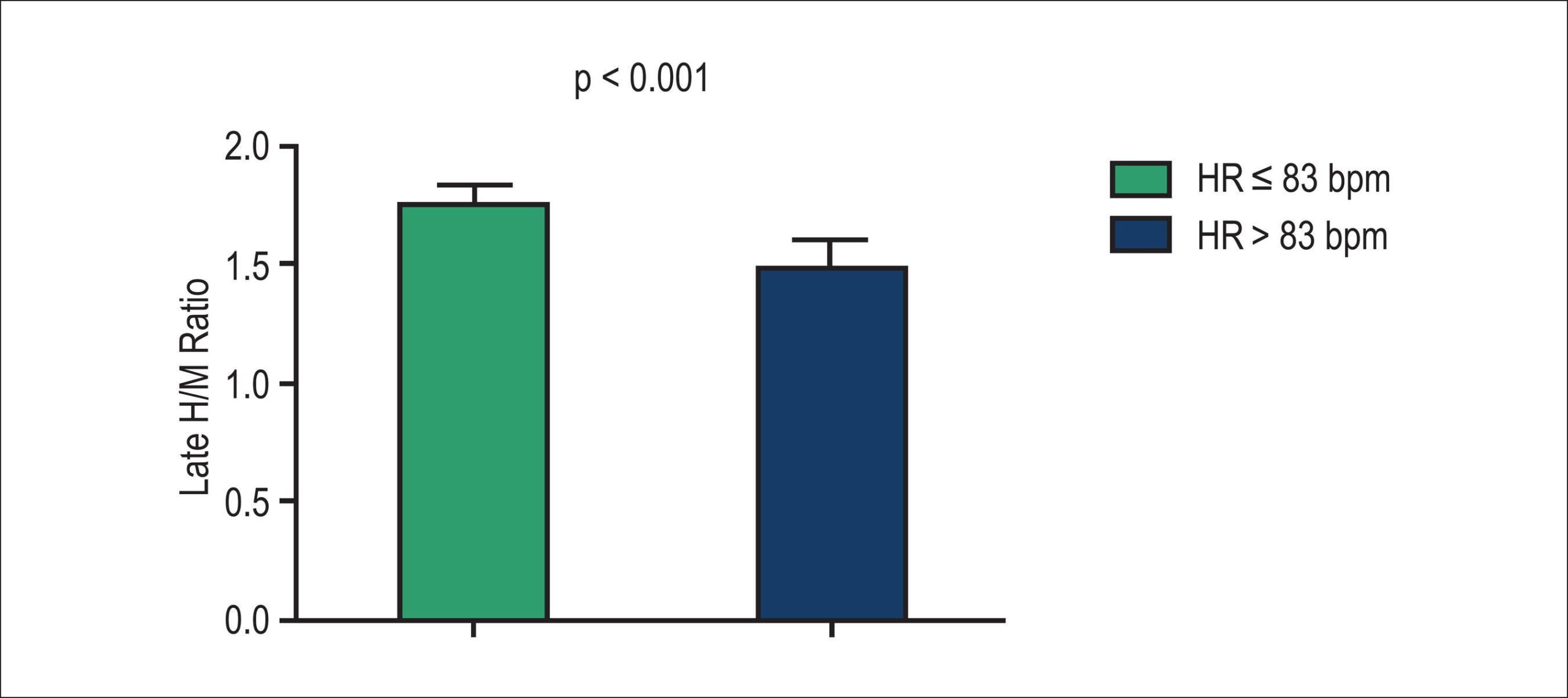
Mean HR was 83.5±11.5 bpm (range 72 to 104), and seven (43.7%) patients had HR above the mean. These patients had lower 6-min walk distance (292.3±93 vs 465.2±97.1 m, p=0.0029), higher values of N-Terminal-proBNP (median 708.4 vs 76.1, p=0.035) and lower late heart/mediastinum rate, indicating cardiac denervation (1.48±0.12 vs 1.74±0.09, p<0.001).

Conclusion:

Elevated resting HR in patients with HF under optimal medical treatment was associated with cardiac denervation, worse functional capacity, and neurohormonal activation.

  • Denervation
  • Heart Failure
  • Heart Rate
  • Myocardium / radionuclide imaging
  • Sympathetic Nervous System
Read Full Article
Creative Commons Attribution (CC BY) Creative Commons license
01/11/2016 DOI: 10.5935/abc.20160166 Views 1
Figure 1
ABC
Original Article

Cardiac Sympathetic Hyperactivity after Chemotherapy: Early Sign of Cardiotoxicity?

Sarita Lígia Pessoa de Melo Machado Guimarães et al. Simone Cristina Soares Brandão Luciana Raposo Andrade Rafael José Coelho Maia Brivaldo Markman Filho

Background:

Chemotherapy with anthracyclines and trastuzumab can cause cardiotoxicity. Alteration of cardiac adrenergic function assessed by metaiodobenzylguanidine labeled with iodine-123 (123I-mIBG) seems to precede the drop in left ventricular ejection fraction.

Objective:

To evaluate and to compare the presence of cardiovascular abnormalities among patients with breast cancer undergoing chemotherapy with anthracyclines and trastuzumab, and only with anthracycline.

Methods:

Patients with breast cancer were analyzed clinical, laboratory, electrocardiographic and echocardiographic and cardiac sympathetic activity. In scintigraphic images, the ratio of 123I-mIBG uptake between the heart and mediastinum, and the washout rate were calculated. The variables were compared between patients who received anthracyclines and trastuzumab (Group 1) and only anthracyclines (Group 2).

Results:

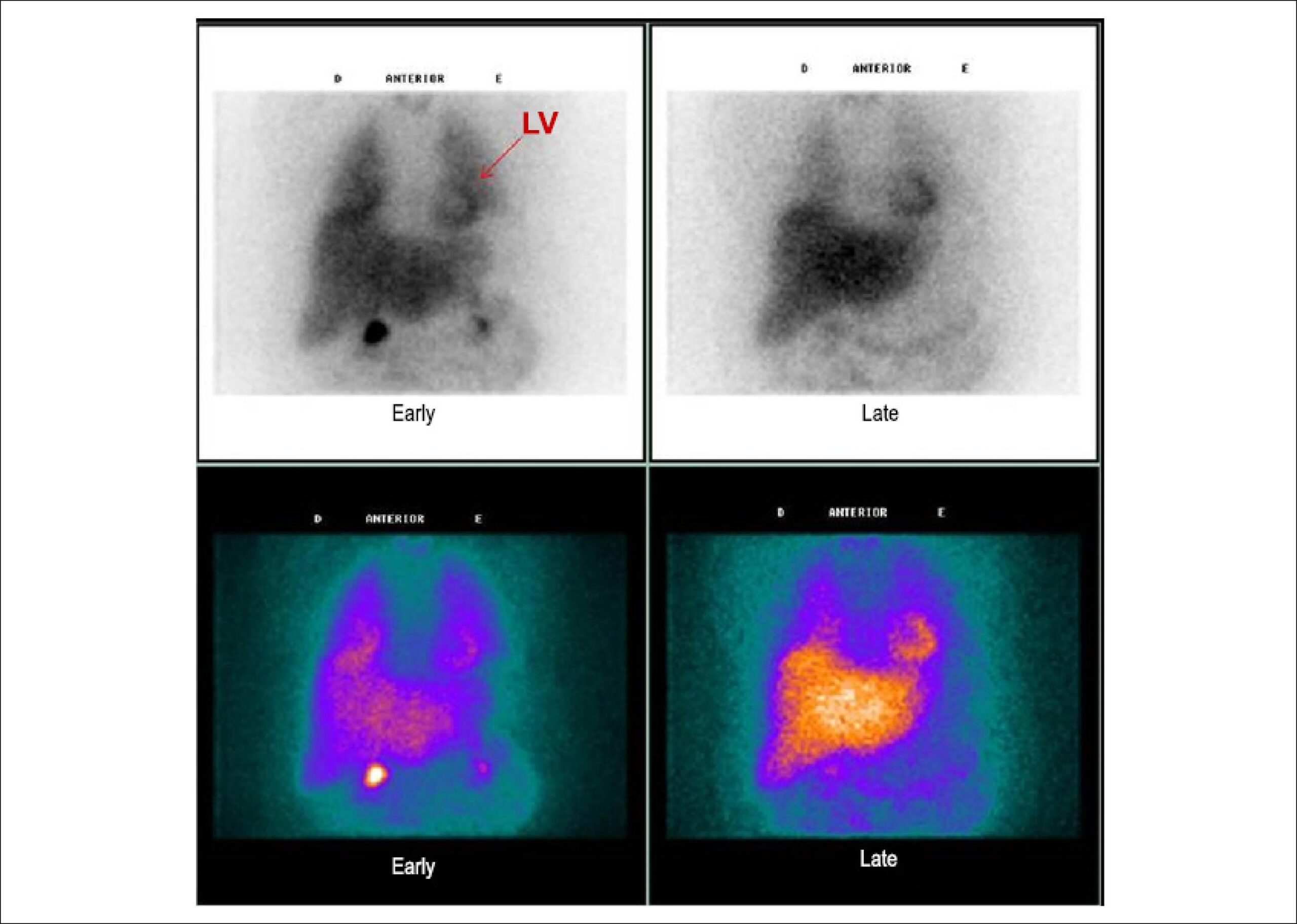
Twenty patients, with mean age 57 ± 14 years, were studied. The mean left ventricular ejection fraction by echocardiography was 67.8 ± 4.0%. Mean washout rate was 28.39 ± 9.23% and the ratio of 123I-mIBG uptake between the heart and mediastinum was 2.07 ± 0.28. Of the patients, 82% showed an increased in washout rate, and the ratio of 123I-mIBG uptake between the heart and mediastinum decreased in 25%. Concerning the groups, the mean washout rate of Group 1 was 32.68 ± 9.30% and of Group 2 was 24.56 ± 7.72% (p = 0,06). The ratio of 123I-mIBG uptake between the heart and mediastinum was normal in all patients in Group 2, however, the Group 1, showed 50% the ratio of 123I-mIBG uptake between the heart and mediastinum ≤ 1.8 (p = 0.02).

Conclusion:

In women with breast cancer undergoing chemotherapy, assessment of cardiac sympathetic activity with 123I-mIBG appears to be an early marker of cardiotoxicity. The combination of chemotherapy showed higher risk of cardiac adrenergic hyperactivity.

  • Breast Neoplasms
  • Drug Therapy
  • Drug-Related Side Effects and Adverse Reactions
  • Sympathetic Nervous System
Read Full Article
Creative Commons Attribution (CC BY) Creative Commons license
03/07/2015 DOI: 10.5935/abc.20150075
Figure 1
ABC
Original Article

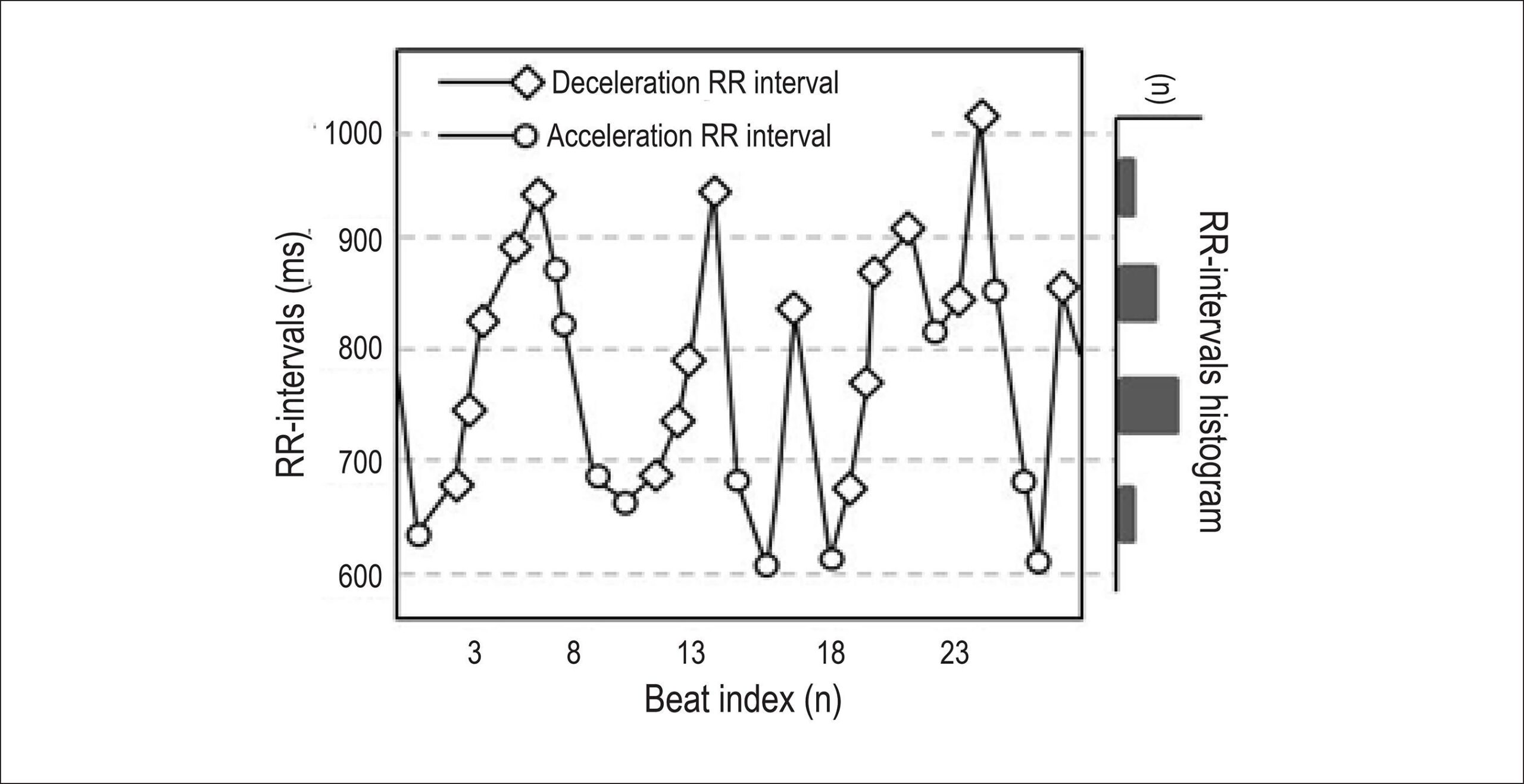
Assessment of Autonomic Function by Phase Rectification of RRInterval Histogram Analysis in Chagas Disease

Olivassé Nasari Junior et al. Paulo Roberto Benchimol-Barbosa Roberto Coury Pedrosa Jurandir Nadal

Background:

In chronic Chagas disease (ChD), impairment of cardiac autonomic function bears prognostic implications. Phase‑rectification of RR-interval series isolates the sympathetic, acceleration phase (AC) and parasympathetic, deceleration phase (DC) influences on cardiac autonomic modulation.

Objective:

This study investigated heart rate variability (HRV) as a function of RR-interval to assess autonomic function in healthy and ChD subjects.

Methods:

Control (n = 20) and ChD (n = 20) groups were studied. All underwent 60-min head-up tilt table test under ECG recording. Histogram of RR-interval series was calculated, with 100 ms class, ranging from 600–1100 ms. In each class, mean RR-intervals (MNN) and root-mean-squared difference (RMSNN) of consecutive normal RR-intervals that suited a particular class were calculated. Average of all RMSNN values in each class was analyzed as function of MNN, in the whole series (RMSNNT), and in AC (RMSNNAC) and DC (RMSNNDC) phases. Slopes of linear regression lines were compared between groups using Student t-test. Correlation coefficients were tested before comparisons. RMSNN was log-transformed. (α < 0.05).

Results:

Correlation coefficient was significant in all regressions (p < 0.05). In the control group, RMSNNT, RMSNNAC, and RMSNNDCsignificantly increased linearly with MNN (p < 0.05). In ChD, only RMSNNAC showed significant increase as a function of MNN, whereas RMSNNT and RMSNNDC did not.

Conclusion:

HRV increases in proportion with the RR-interval in healthy subjects. This behavior is lost in ChD, particularly in the DC phase, indicating cardiac vagal incompetence.

  • Chagas Cardiomyopathy
  • Chagas disease
  • Charts
  • Heart Rate
  • Organ Dysfunction Scores
  • Statistics as Topic
  • Sympathetic Nervous System
Read Full Article
Creative Commons Attribution (CC BY) Creative Commons license
14/04/2015 DOI: 10.5935/abc.20150032 Views 2
ABC
Revisão

Renal sympathetic denervation for resistant hypertension treatment : current perspectives

Andréa Araujo Brandão et al. Erika Maria Gonçalves Campana Maria Eliane Campos Magalhães Esmeralci Ferreira

The authors review the concept of resistant hypertension and the involvement of the sympathetic nervous system in hypertension as a rational basis for the technique of renal sympathetic denervation (RSD) performed percutaneously. This revision is the result of an active search for scientific articles with the term “renal denervation” in the Medline and PubMed databases. The techniques and devices used in the procedure are presented, as well as clinical outcomes at six, 12 and 24 months after the intervention with the Symplicity catheter. Significant decreases and progressively higher reductions of systolic and diastolic blood pressure were observed after RSD. The complication rate was minimal. New devices for RSD and its ongoing clinical studies are cited. In conclusion, the RSD presents itself as an effective and safe approach to resistant hypertension. Results from ongoing studies and longer follow-up of these patients are expected to confirm the initial results and put into perspective the expansion of the procedure use in hypertension approach.

  • Blood Pressure
  • Hypertension
  • renal artery
  • Sympathetic Nervous System
Read Full Article
Creative Commons Attribution (CC BY) Creative Commons license
13/09/2013 DOI: 10.5935/abc.20130187 Views 1
ABC
Artigo Original

Cardiac I123-MIBG correlates better than ejection fraction with symptoms severity in systolic heart failure

Sandra M. Miranda et al. Samuel D. Moscavitch Larissa R. Carestiato Renata M. Felix … Ronaldo C. Rodrigues Leandro R. Messias Jader C. Azevedo Antonio Cláudio L. Nóbrega Evandro Tinoco Mesquita Claudio Tinoco Mesquita

BACKGROUND:The association of autonomic activation, left ventricular ejection fraction (LVEF) and heart failure functional class is poorly understood. OBJECTIVE: Our aim was to correlate symptom severity with cardiac sympathetic activity, through iodine-123-metaiodobenzylguanidine (123I-MIBG) scintigraphy and with LVEF in systolic heart failure (HF) patients without previous beta-blocker treatment. METHODS: Thirty-one patients with systolic HF, class I to IV of the New York Heart Association (NYHA), without previous beta-blocker treatment, were enrolled and submitted to 123I-MIBG scintigraphy and to radionuclide ventriculography for LVEF determination. The early and delayed heart/mediastinum (H/M) ratio and the washout rate (WR) were performed. RESULTS: According with symptom severity, patients were divided into group A, 13 patients in NYHA class I/II, and group B, 18 patients in NYHA class III/IV. Compared with group B patients, group A had a significantly higher LVEF (25% ± 12% in group B vs. 32% ± 7% in group A, p = 0.04). Group B early and delayed H/M ratios were lower than group A ratios (early H/M 1.49 ± 0.15 vs. 1.64 ± 0.14, p = 0.02; delayed H/M 1.39 ± 0.13 vs. 1.58 ± 0.16, p = 0.001, respectively). WR was significantly higher in group B (36% ± 17% vs. 30% ± 12%, p= 0.04). The variable that showed the best correlation with NYHA class was the delayed H/M ratio (r= -0.585; p=0.001), adjusted for age and sex. CONCLUSION: This study showed that cardiac 123I-MIBG correlates better than ejection fraction with symptom severity in systolic heart failure patients without previous beta-blocker treatment.

  • 3-iodobenzylguanidine
  • Heart Failure
  • Stroke Volume
  • Sympathetic Nervous System
Read Full Article
Creative Commons Attribution (CC BY) Creative Commons license
09/08/2013 DOI: 10.5935/abc.20130111 Views 1
Leptin and aldosterone in sympathetic activity in resistant hypertension with or without type 2 diabetes
ABC
Artigo Original

Leptin and aldosterone in sympathetic activity in resistant hypertension with or without type 2 diabetes

Leandro Boer-Martins et al. Valéria Nasser Figueiredo Caroline Demacq Luiz Cláudio Martins … Ana Paula Cabral de Faria Carolina de Haro Moraes Heitor Moreno Jr.

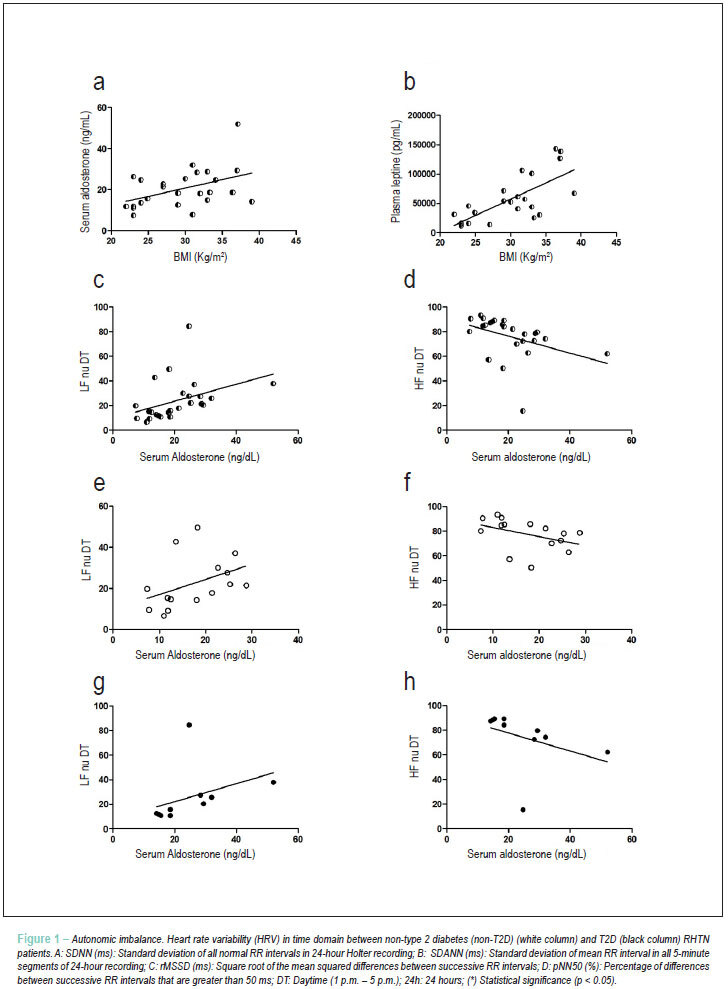
BACKGROUND: The finding of adipocyte-derived hormone leptin as an overstimulator of sympathetic activity brought a new perspective to the pathophysiological mechanisms of obesity-hypertension. OBJECTIVES: As aldosterone also increases sympathetic activity, we aimed to assess the relationship between sympathetic overactivity and plasma leptin and aldosterone levels in resistant hypertension (RHTN), comparing the groups with and without T2D. METHODS: Twenty-five RHTN patients underwent ambulatory electrocardiography to analyze heart rate variability (HRV) in time and frequency domains, which were stratified into two periods: 24 hours and daytime (DT), comprising the records between 2:00 p.m to 6:00 p.m (time domain) and one hour at 3:00 p.m (frequency domain). RESULTS: T2D group (n=10) had higher serum aldosterone and plasma leptin levels than the non-T2D (n=15) (26.0±11.5 vs. 16.9±7.0 ng/dL – p=0.021; 81.368.7±47.086.1 vs 41.228.1±24.523.1 pg/mL – p=0.048, respectively). Both groups had aldosterone correlated with HRV in frequency domain. Non-T2D had aldosterone correlated with DT low frequency in normalized units (LF nu) (r=0.6 [0.12-0.85] p=0.018) and DT high frequency in normalized units (HF nu) (r=-0.6 [-0.85- -0.12] p=0.018). Type-2-diabetes group had aldosterone correlated with DT LF nu (r=0.72 [0.16-0.93] p=0.019) and DT HF nu (r=-0.72 [-0.93- -0.16] p=0.019). However, despite of the importance of leptin in sympathetic overactivity in hypertension, leptin did not correlate with HRV. CONCLUSION: Aldosterone seems to overdrive sympathetic activity in RHTN with and without T2D. This information combined with the clinical efficacy of mineralocorticoid receptor blocker in RHTN may reinforce that aldosterone is a major player to be a therapeutic target in RHTN. (Arq Bras Cardiol. 2012; [online].ahead print, PP.0-0)

  • aldosterone
  • Diabetes Mellitus
  • Hypertension
  • Leptin
  • Sympathetic Nervous System
  • type 2
Read Full Article
Creative Commons Attribution (CC BY) Creative Commons license
29/05/2012 DOI: 10.1590/S0066-782X2012005000047 Views 1
Acute effect of resistance exercise intensity in cardiac autonomic modulation after exercise
ABC
Artigo Original

Acute effect of resistance exercise intensity in cardiac autonomic modulation after exercise

Aluísio Henrique Rodrigues de Andrade Lima et al. Cláudia Lúcia de Moraes Forjaz Gleyson Queiroz de Moraes Silva Annelise Lins Menêses … Anderson José Melo Rodrigues Silva Raphael Mendes Ritti-Dias

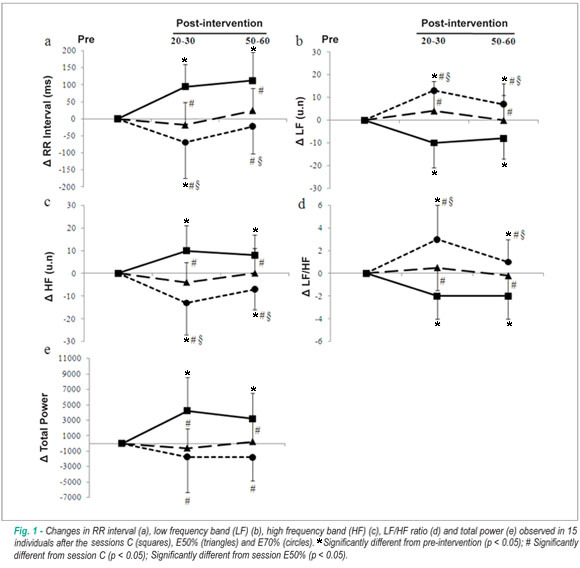
BACKGROUND: Cardiac sympathovagal balance is altered after resistance exercise. However, the impact of the characteristics of resistance training in this response remains unclear. OBJECTIVE: Analyze the acute effect of resistance exercise intensity for trunk and upper limbs in cardiac autonomic modulation after exercise. METHODS: Fifteen young men performed three experimental sessions in random order: control (C), resistance exercise with 50% of 1-RM (E50%) and resistance exercise with 70% of 1-RM (E70%). The sessions included 05 exercises for the trunk and upper limbs performed in three sets of 12, 9 and 6 repetitions, respectively. Before and at 20 and 50 minutes after the interventions, the heart rate was measured for spectral analysis of variability. RESULTS: In comparison to the values before the intervention, the RR interval and the band of high frequency (HF) increased (major changes: + 112 ± 83 ms; +10 ± 11 un, respectively, p < 0.01), while the low frequency band (LF) and LF/HF ratio decreased (major changes: -10 ± 11 pc; -2 ± 2, respectively, p 0.05). Compared to pre-exercise values, the RR interval and the HF band decreased (major changes: -69 ± 105 ms; -13 ± 14 un, respectively, p <0.01), while the LF band and the LF/HF ratio increased (major changes: -13 ± 14 un, 13 ± 3 14 ± 3 and un, respectively, p <0.01) after E70%. CONCLUSION: The higher intensity of resistance exercise for trunk and upper limbs promoted, in an acute manner, greater increase in cardiac sympathovagal balance after exercise.

  • Autonomic Nervous System
  • Exercise
  • Physical Exertion
  • Sympathetic Nervous System
Read Full Article
Creative Commons Attribution (CC BY) Creative Commons license
15/04/2011 DOI: 10.1590/S0066-782X2011005000043 Views 1
Secondary hypertension to rare adrenal gland tumor
ABC
Case Report

Secondary hypertension to rare adrenal gland tumor

Joana Silva et al. Maria do Carmo Cachulo António Leitão-Marques

The ganglioneuroma is a tumor of the sympathetic nervous system and may be associated with hypersecretion of vasoactive substances responsible for various symptoms and signs such as hypertension. The authors report a case of ganglioneuroma and a literature review, focusing on the most important aspects of diagnosis and therapy. The patient had recurrent symptomatic hypertensive crises, having performed an imaging study that found a nodule in the right adrenal gland. As neuroblastic tumors are radiologically undistinguishable, the patient underwent excision, confirming the diagnosis by pathology analysis. This case demonstrates the clinical variability of ganglioneuroma, the usefulness of imaging and the importance of histological study.

  • ganglioneuroma
  • Hypertension
  • Sympathetic Nervous System
Read Full Article
Creative Commons Attribution (CC BY) Creative Commons license
26/01/2011 DOI: 10.1590/S0066-782X2010001600020 Views 2
Association of physical training with beta-blockers in heart failure in mice
ABC
Artigo Original

Association of physical training with beta-blockers in heart failure in mice

Andréa Somolanji Vanzelli et al. Alessandra Medeiros Raquel de Assis Sirvente Vera Maria Cury Salemi … Charles Mady Patricia Chakur Brum

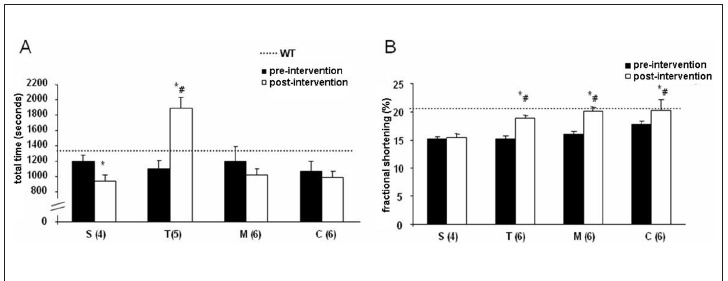
BACKGROUND: Currently there are several types of interventions for the treatment of heart failure (HF). Among these are beta-blocker therapy (BB) and physical training (PT). However, the effects of the combination of these therapies are poorly studied. OBJECTIVE: To investigate the effects of BB treatment with metoprolol (M) and carvedilol (C) associated with PT in mice with HF. METHODS: We used a genetic model of sympathetic hyperactivity-induced heart failure in mice. Initially, we divided the HF animals into three groups: sedentary (S); trained (T); treated with M (138 mg/kg) (M); or C (65 mg/kg) (C). In the second part, we divided the groups into three subgroups: sedentary (S); trained and treated with M (TM); and trained and treated with C (CT). The PT consisted of aerobic training on a treadmill for 8 weeks. Exercise tolerance was assessed by maximal graded test, and fractional shortening (FS) was assessed by echocardiography. Cardiomyocyte diameter and collagen volume fraction were evaluated by histological analysis. Data were compared by one way ANOVA and post hoc Duncan test. The significance level was set at p < 0.05. RESULTS: As to FS and cardiac remodeling, we found that, in isolation, T, M, and C showed an improvement of the variables analyzed. As to therapy combination, after the intervention period, we observed an increase in exercise tolerance in MT and CT (43.0% and 33.0% respectively). There was also a reduction in cardiomyocyte diameter (10.0% and 9.0% respectively) and in collagen volume fraction (52.0% and 63.0%) after the intervention. However, only CT significantly improved FS. CONCLUSION: The association of PT with M or C therapies provided benefits on cardiac function and remodeling in HF mice.

  • b-blockers
  • Exercise
  • Heart Failure
  • Mice
  • Sympathetic Nervous System
  • Training
Read Full Article
Creative Commons Attribution (CC BY) Creative Commons license
30/07/2010 DOI: 10.1590/S0066-782X2010005000098 Views 1

How to cite this article

EndNote RIS

Electronic Document Format (Vancouver)

Maciel BC, Gallo-Jr L, Schmidt A, Marin-Neto JA. I – Evaluation of Cardiovascular Autonomic Function in Healthy Individuals. Arquivos Brasileiros de Cardiologia 2026;122(12):e20250111.

Electronic Document Format (ABNT)

Maciel, Benedito Carlos; Gallo-Jr, Lourenço; Schmidt, André; Marin-Neto, José Antonio. I – Evaluation of Cardiovascular Autonomic Function in Healthy Individuals. Arquivos Brasileiros de Cardiologia, v. 122, n. 12, e20250111, Jan. 2026.

Electronic Document Format (APA)

Maciel, B. C., Gallo-Jr, L., Schmidt, A., & Marin-Neto, J. A. (2026). I – Evaluation of Cardiovascular Autonomic Function in Healthy Individuals. Arquivos Brasileiros de Cardiologia, 122(12), e20250111.

Electronic Document Format (ISO)

Maciel, Benedito Carlos and Gallo-Jr, Lourenço and Schmidt, André and Marin-Neto, José Antonio. I – Evaluation of Cardiovascular Autonomic Function in Healthy Individuals. Arquivos Brasileiros de Cardiologia [online]. 2026, vol. 122, n. 12, [cited 2026-10-14], e20250111. Available from: <https://journals.cardiol.br/en/article/i-evaluation-of-cardiovascular-autonomic-function-in-healthy-individuals/>. ISSN 0066-782X

EndNote RIS

Electronic Document Format (Vancouver)

Maciel BC, Gallo-Jr L, Schmidt A, Marin-Neto JA. II – Evaluation of Autonomic Control of Heart Rate in Various Clinical Conditions. Arquivos Brasileiros de Cardiologia 2026;122(12):e20250112.

Electronic Document Format (ABNT)

Maciel, Benedito Carlos; Gallo-Jr, Lourenço; Schmidt, André; Marin-Neto, José Antonio. II – Evaluation of Autonomic Control of Heart Rate in Various Clinical Conditions. Arquivos Brasileiros de Cardiologia, v. 122, n. 12, e20250112, Jan. 2026.

Electronic Document Format (APA)

Maciel, B. C., Gallo-Jr, L., Schmidt, A., & Marin-Neto, J. A. (2026). II – Evaluation of Autonomic Control of Heart Rate in Various Clinical Conditions. Arquivos Brasileiros de Cardiologia, 122(12), e20250112.

Electronic Document Format (ISO)

Maciel, Benedito Carlos and Gallo-Jr, Lourenço and Schmidt, André and Marin-Neto, José Antonio. II – Evaluation of Autonomic Control of Heart Rate in Various Clinical Conditions. Arquivos Brasileiros de Cardiologia [online]. 2026, vol. 122, n. 12, [cited 2026-10-14], e20250112. Available from: <https://journals.cardiol.br/en/article/ii-evaluation-of-autonomic-control-of-heart-rate-in-various-clinical-conditions/>. ISSN 0066-782X

EndNote RIS

Electronic Document Format (Vancouver)

Delgado-Silva J, Moreira AP, Costa G, Gonçalves L. Risk Stratification and Cardiac Sympathetic Activity Assessment Using Myocardial [123I] MIBG Imaging in Renal Denervation. Arquivos Brasileiros de Cardiologia 2022;118(2):519-24.

Electronic Document Format (ABNT)

Delgado-Silva, Joana; Moreira, Ana Paula; Costa, Gracinda; Gonçalves, Lino. Risk Stratification and Cardiac Sympathetic Activity Assessment Using Myocardial [123I] MIBG Imaging in Renal Denervation. Arquivos Brasileiros de Cardiologia, v. 118, n. 2, p. 519-524, Mar. 2022.

Electronic Document Format (APA)

Delgado-Silva, J., Moreira, A. P., Costa, G., & Gonçalves, L. (2022). Risk Stratification and Cardiac Sympathetic Activity Assessment Using Myocardial [123I] MIBG Imaging in Renal Denervation. Arquivos Brasileiros de Cardiologia, 118(2), 519-524.

Electronic Document Format (ISO)

Delgado-Silva, Joana and Moreira, Ana Paula and Costa, Gracinda and Gonçalves, Lino. Risk Stratification and Cardiac Sympathetic Activity Assessment Using Myocardial [123I] MIBG Imaging in Renal Denervation. Arquivos Brasileiros de Cardiologia [online]. 2022, vol. 118, n. 2, [cited 2026-10-14], pp. 519-524. Available from: <https://journals.cardiol.br/en/article/risk-stratification-and-cardiac-sympathetic-activity-assessment-using-myocardial-123i-mibg-imaging-in-renal-denervation/>. ISSN 0066-782X

EndNote RIS

Electronic Document Format (Vancouver)

Pereira-Barretto AC. Short Editorial: Ser49Gly Beta1-adrenergic Receptor Genetic Polymorphism as a Death Predictor in Brazilian Patients with Heart Failure. Arquivos Brasileiros de Cardiologia 2020;114(4):625-6.

Electronic Document Format (ABNT)

Pereira-Barretto, Antonio Carlos. Short Editorial: Ser49Gly Beta1-adrenergic Receptor Genetic Polymorphism as a Death Predictor in Brazilian Patients with Heart Failure. Arquivos Brasileiros de Cardiologia, v. 114, n. 4, p. 625-626, May. 2020.

Electronic Document Format (APA)

Pereira-Barretto, A. C. (2020). Short Editorial: Ser49Gly Beta1-adrenergic Receptor Genetic Polymorphism as a Death Predictor in Brazilian Patients with Heart Failure. Arquivos Brasileiros de Cardiologia, 114(4), 625-626.

Electronic Document Format (ISO)

Pereira-Barretto, Antonio Carlos. Short Editorial: Ser49Gly Beta1-adrenergic Receptor Genetic Polymorphism as a Death Predictor in Brazilian Patients with Heart Failure. Arquivos Brasileiros de Cardiologia [online]. 2020, vol. 114, n. 4, [cited 2026-10-14], pp. 625-626. Available from: <https://journals.cardiol.br/en/article/short-editorial-ser49gly-beta1-adrenergic-receptor-genetic-polymorphism-as-a-death-predictor-in-brazilian-patients-with-heart-failure/>. ISSN 0066-782X

EndNote RIS

Electronic Document Format (Vancouver)

Rivarola EW, Scanavacca M. The Neurolinguistics of the Heart. Arquivos Brasileiros de Cardiologia 2019;113(4):734-6.

Electronic Document Format (ABNT)

Rivarola, Esteban Wisnivesky; Scanavacca, Mauricio. The Neurolinguistics of the Heart. Arquivos Brasileiros de Cardiologia, v. 113, n. 4, p. 734-736, Nov. 2019.

Electronic Document Format (APA)

Rivarola, E. W., & Scanavacca, M. (2019). The Neurolinguistics of the Heart. Arquivos Brasileiros de Cardiologia, 113(4), 734-736.

Electronic Document Format (ISO)

Rivarola, Esteban Wisnivesky and Scanavacca, Mauricio. The Neurolinguistics of the Heart. Arquivos Brasileiros de Cardiologia [online]. 2019, vol. 113, n. 4, [cited 2026-10-14], pp. 734-736. Available from: <https://journals.cardiol.br/en/article/the-neurolinguistics-of-the-heart/>. ISSN 0066-782X

EndNote RIS

Electronic Document Format (Vancouver)

Imani A, Parsa H, Chookalaei LG, Rakhshan K, Golnazari M, Faghihi M. Acute Physical Stress Preconditions the Heart Against Ischemia/Reperfusion Injury Through Activation of Sympathetic Nervous System. Arquivos Brasileiros de Cardiologia 2019;113(3):401-8.

Electronic Document Format (ABNT)

Imani, Alireza; Parsa, Hoda; Chookalaei, Leila Gholami; Rakhshan, Kamran; Golnazari, Masoomeh; Faghihi, Mahdieh. Acute Physical Stress Preconditions the Heart Against Ischemia/Reperfusion Injury Through Activation of Sympathetic Nervous System. Arquivos Brasileiros de Cardiologia, v. 113, n. 3, p. 401-408, Oct. 2019.

Electronic Document Format (APA)

Imani, A., Parsa, H., Chookalaei, L. G., Rakhshan, K., Golnazari, M., & Faghihi, M. (2019). Acute Physical Stress Preconditions the Heart Against Ischemia/Reperfusion Injury Through Activation of Sympathetic Nervous System. Arquivos Brasileiros de Cardiologia, 113(3), 401-408.

Electronic Document Format (ISO)

Imani, Alireza and Parsa, Hoda and Chookalaei, Leila Gholami and Rakhshan, Kamran and Golnazari, Masoomeh and Faghihi, Mahdieh. Acute Physical Stress Preconditions the Heart Against Ischemia/Reperfusion Injury Through Activation of Sympathetic Nervous System. Arquivos Brasileiros de Cardiologia [online]. 2019, vol. 113, n. 3, [cited 2026-10-14], pp. 401-408. Available from: <https://journals.cardiol.br/en/article/acute-physical-stress-preconditions-the-heart-against-ischemia-reperfusion-injury-through-activation-of-sympathetic-nervous-system/>. ISSN 0066-782X

EndNote RIS

Electronic Document Format (Vancouver)

Rocha ET, Alves WEFM, Verschure DO, Verberne HJ. The use of Cardiac 123I-mIBG Scintigraphy in Clinical Practice: The Necessity to Standardize!. International Journal of Cardiovascular Sciences 2017;30(6):533-41.

Electronic Document Format (ABNT)

Rocha, Euclides Timóteo da; Alves, Wilson Eduardo Furlan Matos; Verschure, Derk O.; Verberne, Hein J. The use of Cardiac 123I-mIBG Scintigraphy in Clinical Practice: The Necessity to Standardize!. International Journal of Cardiovascular Sciences, v. 30, n. 6, p. 533-541, Sep. 2017.

Electronic Document Format (APA)

Rocha, E. T. , Alves, W. E. F. M., Verschure, D. O., & Verberne, H. J. (2017). The use of Cardiac 123I-mIBG Scintigraphy in Clinical Practice: The Necessity to Standardize!. International Journal of Cardiovascular Sciences, 30(6), 533-541.

Electronic Document Format (ISO)

Rocha, Euclides Timóteo da and Alves, Wilson Eduardo Furlan Matos and Verschure, Derk O. and Verberne, Hein J. The use of Cardiac 123I-mIBG Scintigraphy in Clinical Practice: The Necessity to Standardize!. International Journal of Cardiovascular Sciences [online]. 2017, vol. 30, n. 6, [cited 2026-10-14], pp. 533-541. Available from: <https://journals.cardiol.br/en/article/the-use-of-cardiac-123i-mibg-scintigraphy-in-clinical-practice-the-necessity-to-standardize/>. ISSN 2359-4802

EndNote RIS

Electronic Document Format (Vancouver)

Villacorta AS, Villacorta Junior H, Souza JS, Teixeira JAC, Muradas MCSSS, Alves CR, Precht BC, et al. Elevated Heart Rate is Associated with Cardiac Denervation in Patients with Heart Failure: A 123-Iodine-MIBG Myocardial Scintigraphy Study. Arquivos Brasileiros de Cardiologia 2016;107(5):455-9.

Electronic Document Format (ABNT)

Villacorta, Aline Sterque; Villacorta Junior, Humberto; Souza, Jenne Serrão de; Teixeira, José Antônio Caldas; Muradas, Maria Clara S. S. S.; Alves, Christiane Rodrigues; Precht, Bernardo Campanário; Porto, Pilar; Ubaldo, Letícia; Mesquita, Cláudio Tinoco; Nóbrega, Antônio Cláudio Lucas da. Elevated Heart Rate is Associated with Cardiac Denervation in Patients with Heart Failure: A 123-Iodine-MIBG Myocardial Scintigraphy Study. Arquivos Brasileiros de Cardiologia, v. 107, n. 5, p. 455-459, Oct. 2016.

Electronic Document Format (APA)

Villacorta, A. S., Villacorta Junior, H., Souza, J. S. , Teixeira, J. A. C., Muradas, M. C. S. S. S., Alves, C. R., Precht, B. C., Porto, P., Ubaldo, L., Mesquita, C. T., & Nóbrega, A. C. L. (2016). Elevated Heart Rate is Associated with Cardiac Denervation in Patients with Heart Failure: A 123-Iodine-MIBG Myocardial Scintigraphy Study. Arquivos Brasileiros de Cardiologia, 107(5), 455-459.

Electronic Document Format (ISO)

Villacorta, Aline Sterque and Villacorta Junior, Humberto and Souza, Jenne Serrão de and Teixeira, José Antônio Caldas and Muradas, Maria Clara S. S. S. and Alves, Christiane Rodrigues and Precht, Bernardo Campanário and Porto, Pilar and Ubaldo, Letícia and Mesquita, Cláudio Tinoco and Nóbrega, Antônio Cláudio Lucas da. Elevated Heart Rate is Associated with Cardiac Denervation in Patients with Heart Failure: A 123-Iodine-MIBG Myocardial Scintigraphy Study. Arquivos Brasileiros de Cardiologia [online]. 2016, vol. 107, n. 5, [cited 2026-10-14], pp. 455-459. Available from: <https://journals.cardiol.br/en/article/elevated-heart-rate-is-associated-with-cardiac-denervation-in-patients-with-heart-failure-a-123-iodine-mibg-myocardial-scintigraphy-study/>. ISSN 0066-782X

EndNote RIS

Electronic Document Format (Vancouver)

Guimarães SLPMM, Brandão SCS, Andrade LR, Maia RJC, Markman Filho B. Cardiac Sympathetic Hyperactivity after Chemotherapy: Early Sign of Cardiotoxicity?. Arquivos Brasileiros de Cardiologia 2015;105(3):228-34.

Electronic Document Format (ABNT)

Guimarães, Sarita Lígia Pessoa de Melo Machado; Brandão, Simone Cristina Soares; Andrade, Luciana Raposo; Maia, Rafael José Coelho; Markman Filho, Brivaldo. Cardiac Sympathetic Hyperactivity after Chemotherapy: Early Sign of Cardiotoxicity?. Arquivos Brasileiros de Cardiologia, v. 105, n. 3, p. 228-234, Jul. 2015.

Electronic Document Format (APA)

Guimarães, S. L. P. M. M., Brandão, S. C. S., Andrade, L. R., Maia, R. J. C., & Markman Filho, B. (2015). Cardiac Sympathetic Hyperactivity after Chemotherapy: Early Sign of Cardiotoxicity?. Arquivos Brasileiros de Cardiologia, 105(3), 228-234.

Electronic Document Format (ISO)

Guimarães, Sarita Lígia Pessoa de Melo Machado and Brandão, Simone Cristina Soares and Andrade, Luciana Raposo and Maia, Rafael José Coelho and Markman Filho, Brivaldo. Cardiac Sympathetic Hyperactivity after Chemotherapy: Early Sign of Cardiotoxicity?. Arquivos Brasileiros de Cardiologia [online]. 2015, vol. 105, n. 3, [cited 2026-10-14], pp. 228-234. Available from: <https://journals.cardiol.br/en/article/cardiac-sympathetic-hyperactivity-after-chemotherapy-early-sign-of-cardiotoxicity/>. ISSN 0066-782X

EndNote RIS

Electronic Document Format (Vancouver)

Nasari Junior O, Benchimol-Barbosa PR, Pedrosa RC, Nadal J. Assessment of Autonomic Function by Phase Rectification of RRInterval Histogram Analysis in Chagas Disease. Arquivos Brasileiros de Cardiologia 2015;104(6):450-5.

Electronic Document Format (ABNT)

Nasari Junior, Olivassé; Benchimol-Barbosa, Paulo Roberto; Pedrosa, Roberto Coury; Nadal, Jurandir. Assessment of Autonomic Function by Phase Rectification of RRInterval Histogram Analysis in Chagas Disease. Arquivos Brasileiros de Cardiologia, v. 104, n. 6, p. 450-455, Apr. 2015.

Electronic Document Format (APA)

Nasari Junior, O., Benchimol-Barbosa, P. R., Pedrosa, R. C., & Nadal, J. (2015). Assessment of Autonomic Function by Phase Rectification of RRInterval Histogram Analysis in Chagas Disease. Arquivos Brasileiros de Cardiologia, 104(6), 450-455.

Electronic Document Format (ISO)

Nasari Junior, Olivassé and Benchimol-Barbosa, Paulo Roberto and Pedrosa, Roberto Coury and Nadal, Jurandir. Assessment of Autonomic Function by Phase Rectification of RRInterval Histogram Analysis in Chagas Disease. Arquivos Brasileiros de Cardiologia [online]. 2015, vol. 104, n. 6, [cited 2026-10-14], pp. 450-455. Available from: <https://journals.cardiol.br/en/article/assessment-of-autonomic-function-by-phase-rectification-of-rrinterval-histogram-analysis-in-chagas-disease/>. ISSN 0066-782X

EndNote RIS

Electronic Document Format (Vancouver)

Brandão AA, Campana EMG, Magalhães MEC, Ferreira E. Renal sympathetic denervation for resistant hypertension treatment : current perspectives. Arquivos Brasileiros de Cardiologia 2013;101(4):364-71.

Electronic Document Format (ABNT)

Brandão, Andréa Araujo; Campana, Erika Maria Gonçalves; Magalhães, Maria Eliane Campos; Ferreira, Esmeralci. Renal sympathetic denervation for resistant hypertension treatment : current perspectives. Arquivos Brasileiros de Cardiologia, v. 101, n. 4, p. 364-371, Sep. 2013.

Electronic Document Format (APA)

Brandão, A. A., Campana, E. M. G., Magalhães, M. E. C., & Ferreira, E. (2013). Renal sympathetic denervation for resistant hypertension treatment : current perspectives. Arquivos Brasileiros de Cardiologia, 101(4), 364-371.

Electronic Document Format (ISO)

Brandão, Andréa Araujo and Campana, Erika Maria Gonçalves and Magalhães, Maria Eliane Campos and Ferreira, Esmeralci. Renal sympathetic denervation for resistant hypertension treatment : current perspectives. Arquivos Brasileiros de Cardiologia [online]. 2013, vol. 101, n. 4, [cited 2026-10-14], pp. 364-371. Available from: <https://journals.cardiol.br/en/article/renal-sympathetic-denervation-for-resistant-hypertension-treatment-current-perspectives/>. ISSN 0066-782X

EndNote RIS

Electronic Document Format (Vancouver)

Miranda SM, Moscavitch SD, Carestiato LR, Felix RM, Rodrigues RC, Messias LR, Azevedo JC, et al. Cardiac I123-MIBG correlates better than ejection fraction with symptoms severity in systolic heart failure. Arquivos Brasileiros de Cardiologia 2013;101(1):4-8.

Electronic Document Format (ABNT)

Miranda, Sandra M.; Moscavitch, Samuel D.; Carestiato, Larissa R.; Felix, Renata M.; Rodrigues, Ronaldo C.; Messias, Leandro R.; Azevedo, Jader C.; Nóbrega, Antonio Cláudio L.; Mesquita, Evandro Tinoco; Mesquita, Claudio Tinoco. Cardiac I123-MIBG correlates better than ejection fraction with symptoms severity in systolic heart failure. Arquivos Brasileiros de Cardiologia, v. 101, n. 1, p. 4-8, Aug. 2013.

Electronic Document Format (APA)

Miranda, S. M., Moscavitch, S. D., Carestiato, L. R., Felix, R. M., Rodrigues, R. C., Messias, L. R., Azevedo, J. C., Nóbrega, A. C. L., Mesquita, E. T., & Mesquita, C. T. (2013). Cardiac I123-MIBG correlates better than ejection fraction with symptoms severity in systolic heart failure. Arquivos Brasileiros de Cardiologia, 101(1), 4-8.

Electronic Document Format (ISO)

Miranda, Sandra M. and Moscavitch, Samuel D. and Carestiato, Larissa R. and Felix, Renata M. and Rodrigues, Ronaldo C. and Messias, Leandro R. and Azevedo, Jader C. and Nóbrega, Antonio Cláudio L. and Mesquita, Evandro Tinoco and Mesquita, Claudio Tinoco. Cardiac I123-MIBG correlates better than ejection fraction with symptoms severity in systolic heart failure. Arquivos Brasileiros de Cardiologia [online]. 2013, vol. 101, n. 1, [cited 2026-10-14], pp. 4-8. Available from: <https://journals.cardiol.br/en/article/cardiac-i123-mibg-correlates-better-than-ejection-fraction-with-symptoms-severity-in-systolic-heart-failure/>. ISSN 0066-782X

EndNote RIS

Electronic Document Format (Vancouver)

Boer-Martins L, Figueiredo VN, Demacq C, Martins LC, Faria APC, Moraes CH, Moreno Jr. H, et al. Leptin and aldosterone in sympathetic activity in resistant hypertension with or without type 2 diabetes. Arquivos Brasileiros de Cardiologia 2012;99(1):642-8.

Electronic Document Format (ABNT)

Boer-Martins, Leandro; Figueiredo, Valéria Nasser; Demacq, Caroline; Martins, Luiz Cláudio; Faria, Ana Paula Cabral de; Moraes, Carolina de Haro; Moreno Jr., Heitor. Leptin and aldosterone in sympathetic activity in resistant hypertension with or without type 2 diabetes. Arquivos Brasileiros de Cardiologia, v. 99, n. 1, p. 642-648, May. 2012.

Electronic Document Format (APA)

Boer-Martins, L., Figueiredo, V. N., Demacq, C., Martins, L. C., Faria, A. P. C. , Moraes, C. H., & Moreno Jr., H. (2012). Leptin and aldosterone in sympathetic activity in resistant hypertension with or without type 2 diabetes. Arquivos Brasileiros de Cardiologia, 99(1), 642-648.

Electronic Document Format (ISO)

Boer-Martins, Leandro and Figueiredo, Valéria Nasser and Demacq, Caroline and Martins, Luiz Cláudio and Faria, Ana Paula Cabral de and Moraes, Carolina de Haro and Moreno Jr., Heitor. Leptin and aldosterone in sympathetic activity in resistant hypertension with or without type 2 diabetes. Arquivos Brasileiros de Cardiologia [online]. 2012, vol. 99, n. 1, [cited 2026-10-14], pp. 642-648. Available from: <https://journals.cardiol.br/en/article/leptin-and-aldosterone-in-sympathetic-activity-in-resistant-hypertension-with-or-without-type-2-diabetes/>. ISSN 0066-782X

EndNote RIS

Electronic Document Format (Vancouver)

Lima AHRA, Forjaz CLM, Silva GQM, Menêses AL, Silva AJMR, Ritti-Dias RM. Acute effect of resistance exercise intensity in cardiac autonomic modulation after exercise. Arquivos Brasileiros de Cardiologia 2011;96(6):498-503.

Electronic Document Format (ABNT)

Lima, Aluísio Henrique Rodrigues de Andrade; Forjaz, Cláudia Lúcia de Moraes; Silva, Gleyson Queiroz de Moraes; Menêses, Annelise Lins; Silva, Anderson José Melo Rodrigues; Ritti-Dias, Raphael Mendes. Acute effect of resistance exercise intensity in cardiac autonomic modulation after exercise. Arquivos Brasileiros de Cardiologia, v. 96, n. 6, p. 498-503, Apr. 2011.

Electronic Document Format (APA)

Lima, A. H. R. A., Forjaz, C. L. M., Silva, G. Q. M., Menêses, A. L., Silva, A. J. M. R., & Ritti-Dias, R. M. (2011). Acute effect of resistance exercise intensity in cardiac autonomic modulation after exercise. Arquivos Brasileiros de Cardiologia, 96(6), 498-503.

Electronic Document Format (ISO)

Lima, Aluísio Henrique Rodrigues de Andrade and Forjaz, Cláudia Lúcia de Moraes and Silva, Gleyson Queiroz de Moraes and Menêses, Annelise Lins and Silva, Anderson José Melo Rodrigues and Ritti-Dias, Raphael Mendes. Acute effect of resistance exercise intensity in cardiac autonomic modulation after exercise. Arquivos Brasileiros de Cardiologia [online]. 2011, vol. 96, n. 6, [cited 2026-10-14], pp. 498-503. Available from: <https://journals.cardiol.br/en/article/acute-effect-of-resistance-exercise-intensity-in-cardiac-autonomic-modulation-after-exercise/>. ISSN 0066-782X

EndNote RIS

Electronic Document Format (Vancouver)

Silva J, Cachulo MC, Leitão-Marques A. Secondary hypertension to rare adrenal gland tumor. Arquivos Brasileiros de Cardiologia 2011;95(6):144-7.

Electronic Document Format (ABNT)

Silva, Joana; Cachulo, Maria do Carmo; Leitão-Marques, António. Secondary hypertension to rare adrenal gland tumor. Arquivos Brasileiros de Cardiologia, v. 95, n. 6, p. 144-147, Jan. 2011.

Electronic Document Format (APA)

Silva, J., Cachulo, M. C., & Leitão-Marques, A. (2011). Secondary hypertension to rare adrenal gland tumor. Arquivos Brasileiros de Cardiologia, 95(6), 144-147.

Electronic Document Format (ISO)

Silva, Joana and Cachulo, Maria do Carmo and Leitão-Marques, António. Secondary hypertension to rare adrenal gland tumor. Arquivos Brasileiros de Cardiologia [online]. 2011, vol. 95, n. 6, [cited 2026-10-14], pp. 144-147. Available from: <https://journals.cardiol.br/en/article/secondary-hypertension-to-rare-adrenal-gland-tumor/>. ISSN 0066-782X

EndNote RIS

Electronic Document Format (Vancouver)

Vanzelli AS, Medeiros A, Sirvente RA, Salemi VMC, Mady C, Brum PC. Association of physical training with beta-blockers in heart failure in mice. Arquivos Brasileiros de Cardiologia 2010;95(3):373-80.

Electronic Document Format (ABNT)

Vanzelli, Andréa Somolanji; Medeiros, Alessandra; Sirvente, Raquel de Assis; Salemi, Vera Maria Cury; Mady, Charles; Brum, Patricia Chakur. Association of physical training with beta-blockers in heart failure in mice. Arquivos Brasileiros de Cardiologia, v. 95, n. 3, p. 373-380, Jul. 2010.

Electronic Document Format (APA)

Vanzelli, A. S., Medeiros, A., Sirvente, R. A., Salemi, V. M. C., Mady, C., & Brum, P. C. (2010). Association of physical training with beta-blockers in heart failure in mice. Arquivos Brasileiros de Cardiologia, 95(3), 373-380.

Electronic Document Format (ISO)

Vanzelli, Andréa Somolanji and Medeiros, Alessandra and Sirvente, Raquel de Assis and Salemi, Vera Maria Cury and Mady, Charles and Brum, Patricia Chakur. Association of physical training with beta-blockers in heart failure in mice. Arquivos Brasileiros de Cardiologia [online]. 2010, vol. 95, n. 3, [cited 2026-10-14], pp. 373-380. Available from: <https://journals.cardiol.br/en/article/association-of-physical-training-with-beta-blockers-in-heart-failure-in-mice/>. ISSN 0066-782X

  • About ABC Family
  • Internal Regulation
  • Editorial Board
  • Brazilian Society of Cardiology (SBC)

Issues

SBC Guidelines

  • Videos
  • Podcasts
  • News