ABC Family Arquivos Brasileiros de Cardiologia International Journal of Cardiovascular Sciences ABC Heart Failure & Cardiomyopathy ABC Imagem Cardiovascular
Português English
ABC Family
Português English
  • About
    • About ABC Family
    • Internal Regulation
    • Editorial Board
    • Brazilian Society of Cardiology (SBC)
  • Issues
  • SBC Guidelines
  • Content
    • Videos
    • Podcasts
    • News
  • About
    • About ABC Family
    • Internal Regulation
    • Editorial Board
    • Brazilian Society of Cardiology (SBC)
  • Issues
  • SBC Guidelines
  • Content
    • Videos
    • Podcasts
    • News

ABC Family

  • ABC Family
  • Arquivos Brasileiros de Cardiologia
  • International Journal of Cardiovascular Sciences
  • ABC Heart Failure & Cardiomyopathy
  • ABC Imagem Cardiovascular
Search in

No content found.

Journals
Ordering
Article types
Others

  1. Home
  2. Keyword: Breathing Exercises
Inspiratory and Peripheral Muscle Training in Patients with Heart Failure: Randomized Controlled Trial
IJCS
Original Article

Inspiratory and Peripheral Muscle Training in Patients with Heart Failure: Randomized Controlled Trial

André Luiz Lisboa Cordeiro et al. Fernanda Andrade da Silva de Jesus Jéssica Conceição Santos Vaneide Machado Nogueira

Abstract

Background

Current guidelines recommend incorporating exercise and physical activity, such as inspiratory muscle training (IMT) and neuromuscular training, as adjunctive therapies alongside pharmacological treatments for patients with heart failure (HF).

Objective

To evaluate the effects of IMT and peripheral muscle training (PMT) on respiratory and peripheral muscle strength, lung function, and functional capacity in patients with HF.

Methods

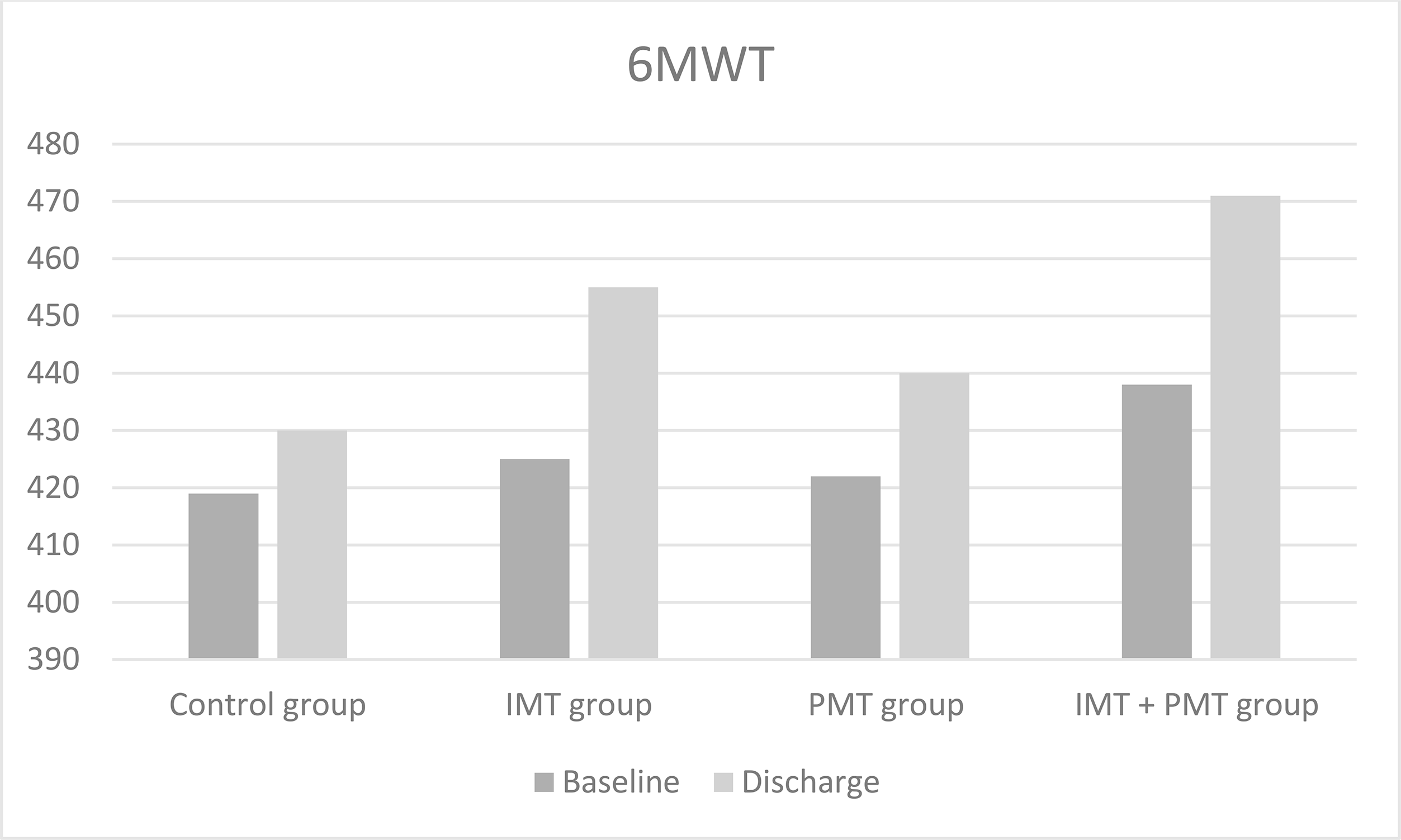
This is a randomized controlled trial. Prior to randomization, all patients were assessed with the 6-minute walk test, inspiratory muscle strength (maximum inspiratory pressure [MIP]), expiratory muscle strength (maximum expiratory pressure [MEP]), vital capacity (VC), peak expiratory flow (PEF), and peripheral muscle strength (using the Medical Research Council [MRC] scale). Participants were then randomly assigned to one of four groups: group 1 (control), group 2 (IMT), group 3 (PMT), or group 4 (IMT + PMT). This study was registered in the Brazilian Registry of Clinical Trials (ReBEC) under number 2.382.698. One-way ANOVA with Bonferroni post-test was used to evaluate the four groups. The paired Student’s t test was used to compare the groups at different times. A p value < 0.05 was considered significant.

Results

A total of 52 patients were assessed. Regarding muscle strength, the group that underwent IMT combined with PMT showed a significant increase in both MIP (74 ± 15 at baseline versus 91 ± 16 at hospital discharge, p < 0.01) and MEP (92 ± 19 at baseline versus 102 ± 18 at hospital discharge, p < 0.01).

Conclusion

Based on these findings, it can be concluded that IMT combined with PMT has a positive impact in patients with HF, including improvements in both peripheral and respiratory muscle strength, reduction in dyspnea and fatigue, and enhanced tolerance to physical exercise.
  • Breathing Exercises
  • Heart Failure
  • Muscle Strength
Read Full Article
Creative Commons Attribution (CC BY) Creative Commons license
28/02/2025 DOI: 10.36660/ijcs.20230189 Views 3
IJCS
Editorial

Breathing and Cardiovascular Patterns: What can we Learn from Respiratory Exercises?

Gabriel Dias Rodrigues

In the current issue of the International Journal of Cardiovascular Sciences, Fetter and colleagues found that respiratory movements of the abdominal cavity and rib cage, evaluated by circumferences measurements, were higher in Yoga practitioners than in an age-matched sedentary group. Also, the study confirmed that Yoga practitioners showed higher maximal expiratory strength and lower heart rate at rest than non-practitioners.

Yoga has been recommended as a non-pharmacological therapy to control cardiovascular risk factors. Respiratory exercises are part of the Yoga program that includes abdominal and rib cage expansion by rhythmic movements. – It was demonstrated that four months of Yoga respiratory training improved inspiratory and expiratory muscle strength, forced vital capacity and quality of life in healthy elderly. Another study demostrated that Yoga influenced cardiorespiratory control, affecting the resting sympatho-vagal balance, with a shift from vagal to sympathetic predominance, reflecting a sympathetic withdrawal. Several disease subsets are marked by autonomic dysfunction characterized by sympathetic overactivity at rest, and in this context, respiratory exercises such as Yoga may be a potential countermeasure.

[…]

  • Breathing
  • Breathing Exercises
  • Cardiovascular Diseases
  • Continuity of Patient Care
  • physical therapy modalities
  • Yoga
Read Full Article
Creative Commons Attribution (CC BY) Creative Commons license
10/03/2023 DOI: 10.36660/ijcs.20210191 Views 1
Figure 1
IJCS
Original Article

Ventilatory Muscle Strength Six Months After Coronary Artery Bypass Grafting in Patients Submitted to Inspiratory Muscular Training Based on Anaerobioc Threshold: A Clinical Trial

André Luiz Lisboa Cordeiro et al. Larissa Costa Almeida Jackeline Ferreira Dos Santos Leite Hayssa de Cássia Mascarenhas Barbosa … André Raimundo França Guimarães Luiz Alberto Forgiarini Junior Jandesson Cena Jefferson Petto

Abstract

Introduction

Coronary artery bypass grafting (CABG) surgery is associated with a decline in ventilatory muscle strength and lung function. Inspiratory muscle training (IMT) based on anaerobic threshold (AT) has been used to minimize the impact of CABG on these parameters, but the long-term impact is unknown.

Objective

To test the hypothesis that AT-based IMT improves inspiratory muscle strength and lung function even six months after CABG.

Methods

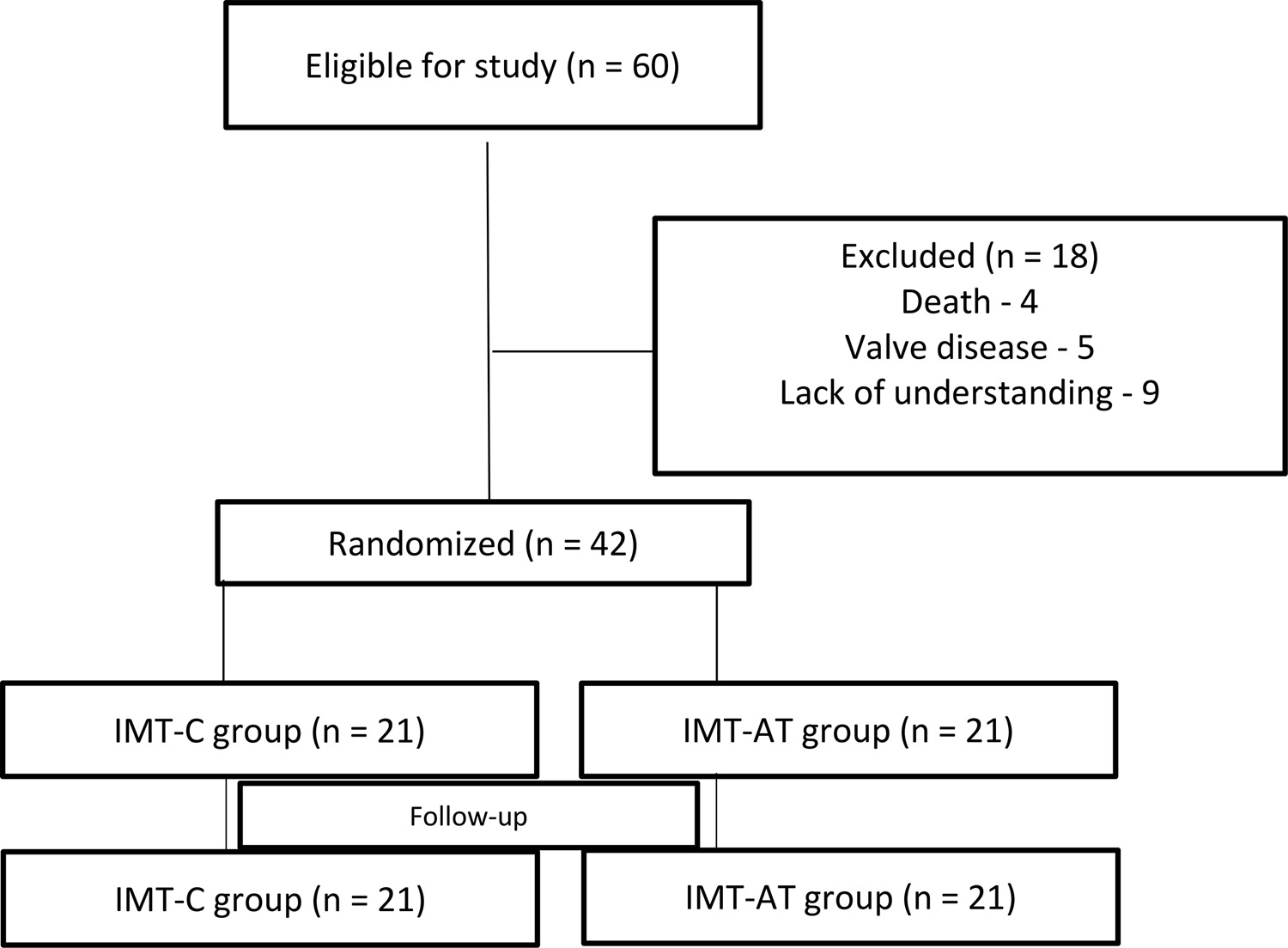
This is a randomized controlled clinical trial. In the preoperative period, maximum inspiratory pressure (MIP), maximum expiratory pressure (MEP), vital capacity (VC) and peak expiratory flow (PEF) rate were assessed. On the first postoperative day, patients were randomized into two groups: AT-based IMT (IMT-AT) (n=21) where the load was prescribed based on glycemic threshold and conventional IMT (IMT-C) (n=21), with load of 40% of MIP. Patients were trained during hospitalization until the day of discharge and were assessed at discharge and six months later. For within-group comparison, paired Student’s t-test or Wilcoxon test was used, and independent Student’s t-test or the Mann-Whitney test was used to analyze the different time points. A p<0.05 was considered significant.

Results

At six months after CABG surgery, statistical difference was found between the IMT-AT and the IMT-C groups in MIP (difference between the means of -5cmH2; 95% CI=- 8.21to-1.79) and VC (difference between the means of -2ml/kg;95%CI=-3.87to-0.13). No difference was found between groups in the other variables analyzed.

Conclusion

IMT-AT promoted greater recovery of inspiratory muscle strength and VC after six months of CABG when compared to conventional training.

  • Anaerobiosis
  • Breathing Exercises
  • Hospital Discharge
  • Muscular Strength
  • Myocardial Revascularization/surgery
  • Respiratory Muscles
Read Full Article
Creative Commons Attribution (CC BY) Creative Commons license
03/03/2023 DOI: 10.36660/ijcs.20210238 Views 1
IJCS
Brief Communication

Increased Maximal Expiratory Pressure, Abdominal and Thoracic Respiratory Expansibility in Healthy Yoga Practitioners Compared to Healthy Sedentary Individuals

Cláudia Fetter et al. Liliane Appratto de Souza Daniela Ravizzoni Dartora Andressa Schein … Bruna Eibel Karina Casali Maria Cláudia Irigoyen

Abstract

Background

Increasing thoracic expansion is effective at reducing blood pressure in hypertensive subjects. Yoga prescribes many respiratory techniques with a growing number of practitioners. However, very little is known whether sedentary or yoga practitioners show measurable differences in their respiratory patterns.

Objective

This study aims to demonstrate differences between healthy sedentary individuals and healthy yoga practitioners regarding maximal respiratory pressures and thoracic and abdominal respiratory expansibility.

Methods

Maximal inspiratory and expiratory pressures (MIP and MEP, respectively) were evaluated by manovacuometry, while respiratory expansion was assessed by the cirtometry of abdominal (CA), thoracic xiphoidal (CTX), and thoracic axillary (CTA) circumferences at rest (end expiratory moment) and at full inspiration in healthy sedentary individuals (SED) and yoga practitioners (YOGA). A delta derived from rest and full inspiration measures (ΔCA, ΔCTX, and ΔCTA, respectively), followed by a percentage of each item (ΔCA/CA, ΔCTX/CTX, and ΔCTA/CTA) was then calculated. Groups were compared by means of an unpaired Student’s t-test, with a significance level p < 0.05.

Results

All respiratory expansion measures were significantly higher in in the YOGA group. A significantly higher MEP (cmH2O) was also detected in yoga practitioners: SED 89.3 ± 19.3 and YOGA 114.7 ± 24.8 ( p = 0.007), along with decreased heart rate at rest (bpm): SED 84±6 and YOGA 74±15 ( p = 0.001).

Conclusions

Yoga practitioners have shown greater thoracic and abdominal expansion and increased MEP, when compared to healthy sedentary individuals, as well as significantly lower heart rates at rest and body mass index (BMI). However, whether or not these findings are related to respiratory patterns is uncertain.

  • Blood Pressure
  • Breathing Exercises
  • Heart Rate
  • Maximal Respiratory Pressures
  • Sedentarism
  • Yoga
Read Full Article
Creative Commons Attribution (CC BY) Creative Commons license
07/07/2021 DOI: 10.36660/ijcs.20200030 Views 1
Figure 1
IJCS
Original Article

Effects of Inspiratory Muscle Training Using an Electronic Device on Patients Undergoing Cardiac Surgery: A Randomized Controlled Trial

João Vyctor Silva Fortes et al. Mayara Gabrielle Barbosa Borges Maria Jhany da Silva Marques Rafaella Lima Oliveira … Liana Rodrigues da Rocha Érica Miranda de Castro Mateus Souza Esquivel Daniel Lago Borges

Abstract

Background

Cardiac surgery causes pathophysiological changes that favor the occurrence of pulmonary and functional complications.

Objective

To investigate the effects of inspiratory muscle training (IMT) with an electronic device on patients undergoing cardiac surgery.

Methods

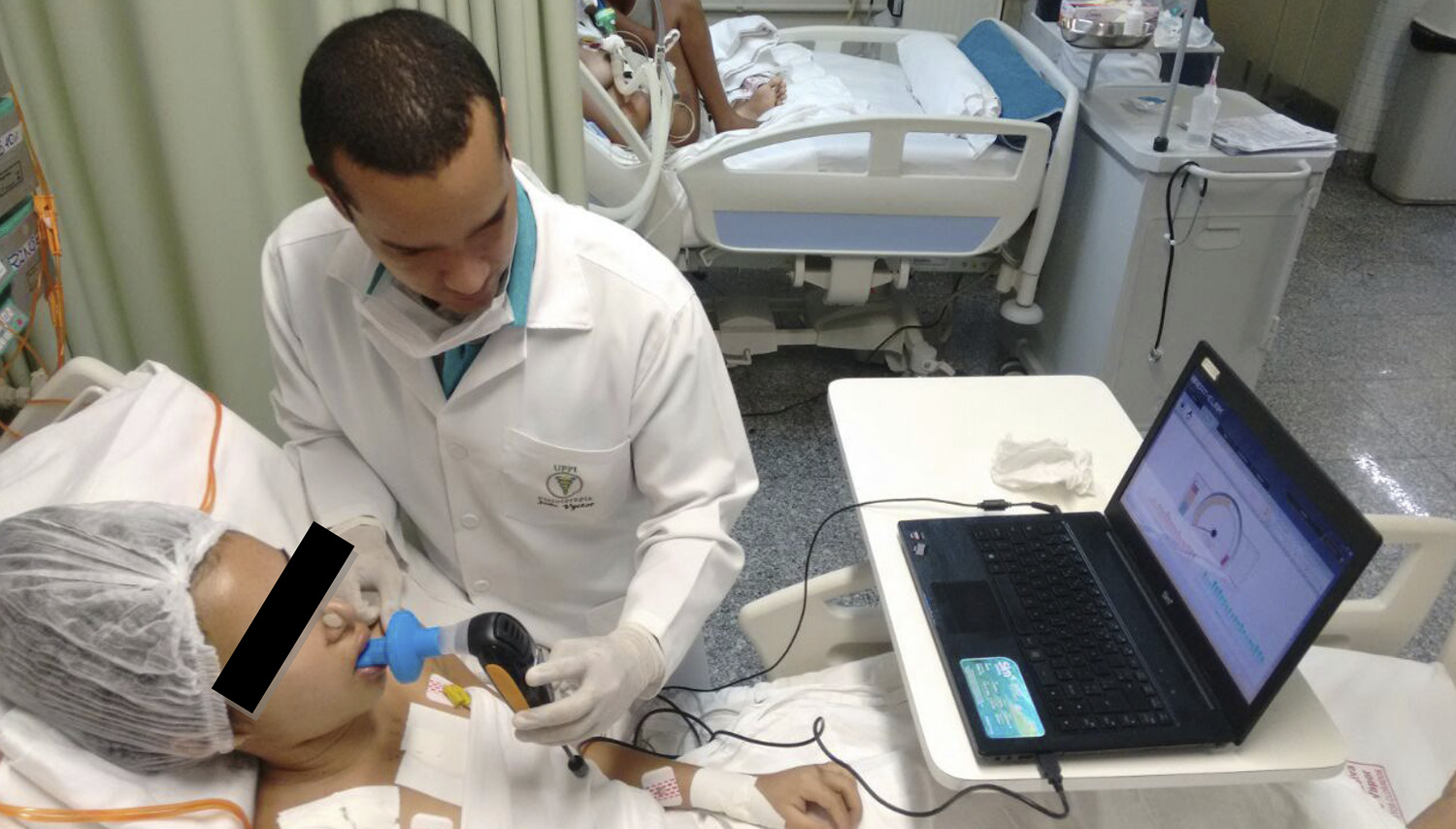
A randomized controlled trial was conducted with 30 adult patients undergoing elective cardiac surgery. A control group (CG) received conventional physical therapy care, and an intervention group (IG) received IMT using the POWERbreathe K5® electronic device. Two daily sessions of physical therapy were performed at the intensive care unit and one daily session at the ward until the sixth postoperative day. The following variables were measured preoperatively and on the sixth postoperative day, in both groups: inspiratory muscle strength, dynamic inspiratory muscle strength, and peak inspiratory flow. Data distribution was evaluated by the Shapiro-Wilk test. Analysis of variance was used, and the results were considered statistically significant when p < 0.05.

Results

Maximal inspiratory pressure (71.7 ± 17.1 cmH2O vs 63.3 ± 21.3 cmH2O; p = 0.11], S-index (52.61 ± 18.61 vs 51.08 ± 20.71), and peak inspiratory flow [(2.94 ± 1.09 vs 2.79 ± 1.26)] were maintained in the IG but had a significant reduction in the CG.

Conclusion

IMT performed with an electronic device was effective at maintaining inspiratory muscle strength, dynamic inspiratory muscle strength, and peak inspiratory flow when compared to conventional physical therapy. Int J Cardiovasc Sci. 2020; [online].ahead print, PP.0-0

  • Breathing Exercises
  • Cardiac Surgery/complications
  • Muscle Strength
  • Physiotherapy
  • Rehabilitation
  • Respiratory Tract Diseases/complications
Read Full Article
Creative Commons Attribution (CC BY) Creative Commons license
06/11/2020 DOI: 10.36660/ijcs.20190093 Views 1
Figure 1
ABC
Original Article

Impact of Cardiorespiratory Fitness on the Obesity Paradox in Heart Failure with Reduced Ejection Fraction

Rita Ilhão Moreira et al. Tiago Pereira Silva António Valentim Gonçalves Joana Feliciano … Pedro Rio Rui Soares Rui Cruz Ferreira

Abstract

Background:

Higher body mass index (BMI) has been associated with improved outcomes in heart failure with reduced ejection fraction. This finding has led to the concept of the obesity paradox.

Objective:

To investigate the impact of exercise tolerance and cardiorespiratory capacity on the obesity paradox.

Methods:

Outpatients with symptomatic heart failure and left ventricular ejection fraction (LVEF) ≤ 40%, followed up in our center, prospectively underwent baseline comprehensive evaluation including clinical, laboratorial, electrocardiographic, echocardiographic, and cardiopulmonary exercise testing parameters. The study population was divided according to BMI (< 25, 25 – 29.9, and ≥ 30 kg/m2). All patients were followed for 60 months. The combined endpoint was defined as cardiac death, urgent heart transplantation, or need for mechanical circulatory support. P value < 0.05 was considered significant.

Results:

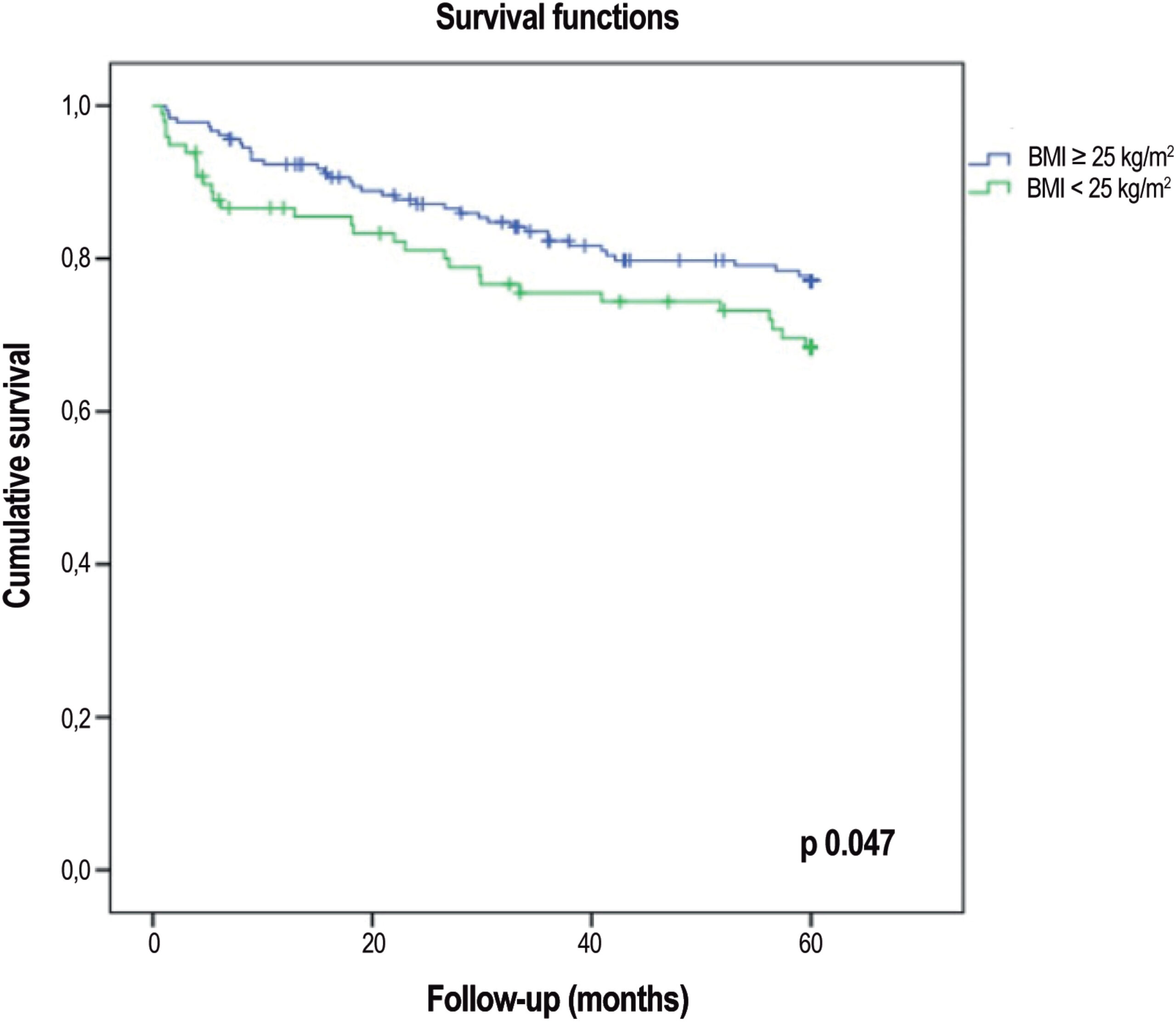
In the 282 enrolled patients (75% male, 54 ± 12 years, BMI 27 ± 4 kg/m2, LVEF 27% ± 7%), the composite endpoint occurred in 24.4% during follow-up. Patients with higher BMI were older, and they had higher LVEF and serum sodium levels, as well as lower ventilatory efficiency (VE/VCO2) slope. VE/VCO2 and peak oxygen consumption (pVO2) were strong predictors of prognosis (p < 0.001). In univariable Cox regression analysis, higher BMI was associated with better outcomes (HR 0.940, CI 0.886 – 0.998, p 0.042). However, after adjusting for either VE/VCO2 slope or pVO2, the protective role of BMI disappeared. Survival benefit of BMI was not evident when patients were grouped according to cardiorespiratory fitness class (VE/VCO2, cut-off value 35, and pVO2, cut-off value 14 mL/kg/min).

Conclusion:

These results suggest that cardiorespiratory fitness outweighs the relationship between BMI and survival in patients with heart failure.

  • body mass index
  • Breathing Exercises
  • Cardiorespiratory Fitness
  • Heart Failure
  • Obesity
  • Respiratory Function Tests
  • Stroke Volume
Read Full Article
Creative Commons Attribution (CC BY) Creative Commons license
23/10/2020 DOI: 10.36660/abc.20190337 Views 1
ABC
Original Article

Dynamic Balance and Mobility Explain Quality of Life in HFpEF, Outperforming All the Other Physical Fitness Components

Cristine Schmidt et al. Mário Santos Lucimere Bohn Bruno Miguel Delgado … Daniel Moreira-Gonçalves Adelino Leite-Moreira José Oliveira

Abstract

Background

Physical fitness is an important determinant of quality of life (QoL) in heart failure with preserved ejection fraction (HFpEF) patients. However, how the different physical fitness components correlate with the specific dimensions of QoL in HFpEF patients remains unknown.

Objective

To evaluate the association between different physical fitness components and QoL dimensions in HFpEF patients, and, assess which physical fitness components were independently associated to QoL.

Methods

Patients with HFpEF were assessed for physical fitness [dynamic balance and mobility (8-foot-up-and go test), upper body strength (handgrip), cardiorespiratory fitness (CRF) (6-minute-walking test) and body composition (body mass index)] and for QoL (Minnesota Living With Heart Failure Questionnaire). Partial correlation was used to verify the association between physical fitness components and QoL dimensions. The determination of independent predictors in QoL dimensions was assessed through stepwise multivariate linear regression analysis. Statistical significance was set at p<0.05.

Results

Both CRF and dynamic balance and mobility are significantly associated with the total score and physical dimensions of QoL (p<0.05), but only dynamic balance and mobility were concomitantly associated with the emotional dimension (r=0.597; p=0.004). Dynamic balance and mobility were independently associated with total score (β=0.651; r2=0.424; p=0.001), physical (β=0.570; r2=0.324; p=0.04) and emotional (β=0.611; r2=0.373 p=0.002) dimensions of QoL.

Conclusion

Our data suggests that dynamic balance and mobility better assess QoL than CRF, which is commonly measured in clinical practice. Whether interventions specifically targeting dynamic balance and mobility have different impacts on QoL remains unknown. (Arq Bras Cardiol. 2020; 114(4):701-707)

  • Body Composition
  • Breathing Exercises
  • Heart Failure/physiopathology
  • physical fitness
  • Quality of life
  • Work-Life Balance/methods
Read Full Article
Creative Commons Attribution (CC BY) Creative Commons license
29/05/2020 DOI: 10.36660/abc.20190080
Figure 1
ABC
Original Article

Controlled Study of Central Hemodynamic Changes in Inspiratory Exercise with Different Loads in Heart Failure

Luana de Decco Marchese et al. Sergio Chermont Danielle Warol Lucia Brandão de Oliveira … Sabrina Bernardez Pereira Mônica Quintão Evandro Tinoco Mesquita

Abstract

Background

Inspiratory muscle weakness contributes to exercise intolerance and decreased quality of life in patients with heart failure. Studies with inspiratory muscle training show improvement in inspiratory muscle strength, functional capacity and quality of life. However, little is known about the central hemodynamic response (CHR) during inspiratory exercise (IE).

Objective

To evaluate CHR in a single IE session with different loads (placebo, 30% and 60%) in heart failure.

Methods

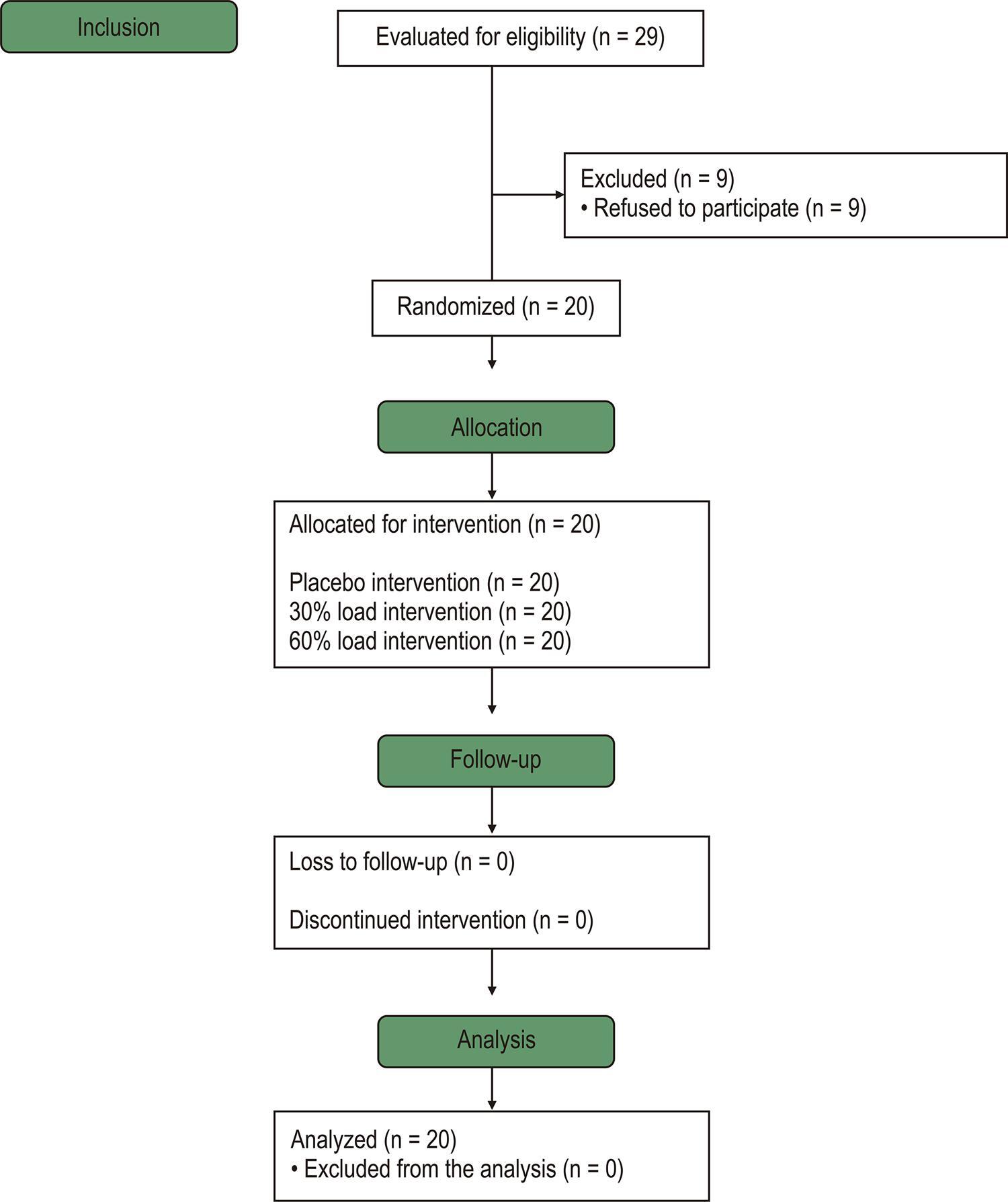
Randomized placebo-controlled clinical trial in patients with heart failure with reduced ejection fraction, functional class II and III. Twenty patients aged 65 ± 11 years completed a single session of inspiratory exercise, in 3 cycles of 15 minutes, with a 1-hour washout, involving loads of 30% (C30), 60% (C60) and placebo, using a linear load resistor (PowerBreathe Light). The noninvasive hemodynamic study was performed by cardiothoracic bioimpedance (Niccomo™ CardioScreen®). Statistical analysis was performed with Student’s t-test and Pearson’s correlation, and P≤0.05 was considered significant.

Results

An increase in heart rate (HR) was observed with C30 (64 ± 15 vs 69 ± 15 bpm; p = 0.005) and C60 (67 ± 14 vs 73 ± 14 bpm, p = 0.002). A decrease was observed in systolic volume (SV) with C30 (73 ± 26 vs 64 ± 20 ml; p = 0.004). Cardiac output (CO), on its turn, increased only with C60 (4.6 ± 1.5 vs 5.3 ± 1.7 l/min; p = -0.001).

Conclusion

When using the 60% load, in a single IE session, changes in CHR were observed. HR and CD increased, as did the Borg scales and subjective sensation of dyspnea. The 30% load reduced the SV. (Arq Bras Cardiol. 2020; 114(4):656-663)

  • Breathing Exercises
  • Exercise Movement Techniques
  • Exercise Therapy
  • Fatigue Syndrome, Chronic
  • Heart Failure
  • Hemodynamics
  • Muscle Weaknerss
  • Quality of life
Read Full Article
Creative Commons Attribution (CC BY) Creative Commons license
29/05/2020 DOI: 10.36660/abc.20180375 Views 1
Figure 1
IJCS
Original Article

CLINIMEX Aerobic Fitness Questionnaire: Proposal and Validation

Claudio Gil S. Araújo et al. Claudia Lucia Castro João Felipe Franca Christina Grüne de Souza e Silva

Abstract

Background:

Cardiorespiratory (aerobic) fitness is strongly and directly related to major health outcomes, including all-cause mortality. Maximum oxygen uptake (VO2max), directly measured by maximal cardiopulmonary exercise test (CPET), represents the subject’s aerobic fitness. However, as CPET is not always available, aerobic fitness estimation tools are necessary.

Objectives:

a) to propose the CLINIMEX Aerobic Fitness Questionnaire (C-AFQ); b) to validate C-AFQ against measured VO2max; and c) to analyze the influence of some potentially relevant variables on the error of estimate.

Methods:

We prospectively studied 1,000 healthy and unhealthy subjects (68.6% men) aged from 14 to 96 years that underwent a CPET. The two-step C-AFQ describes physical activities with corresponding values in metabolic equivalents (METs) – ranging from 0.9 to 21 METs.

Results:

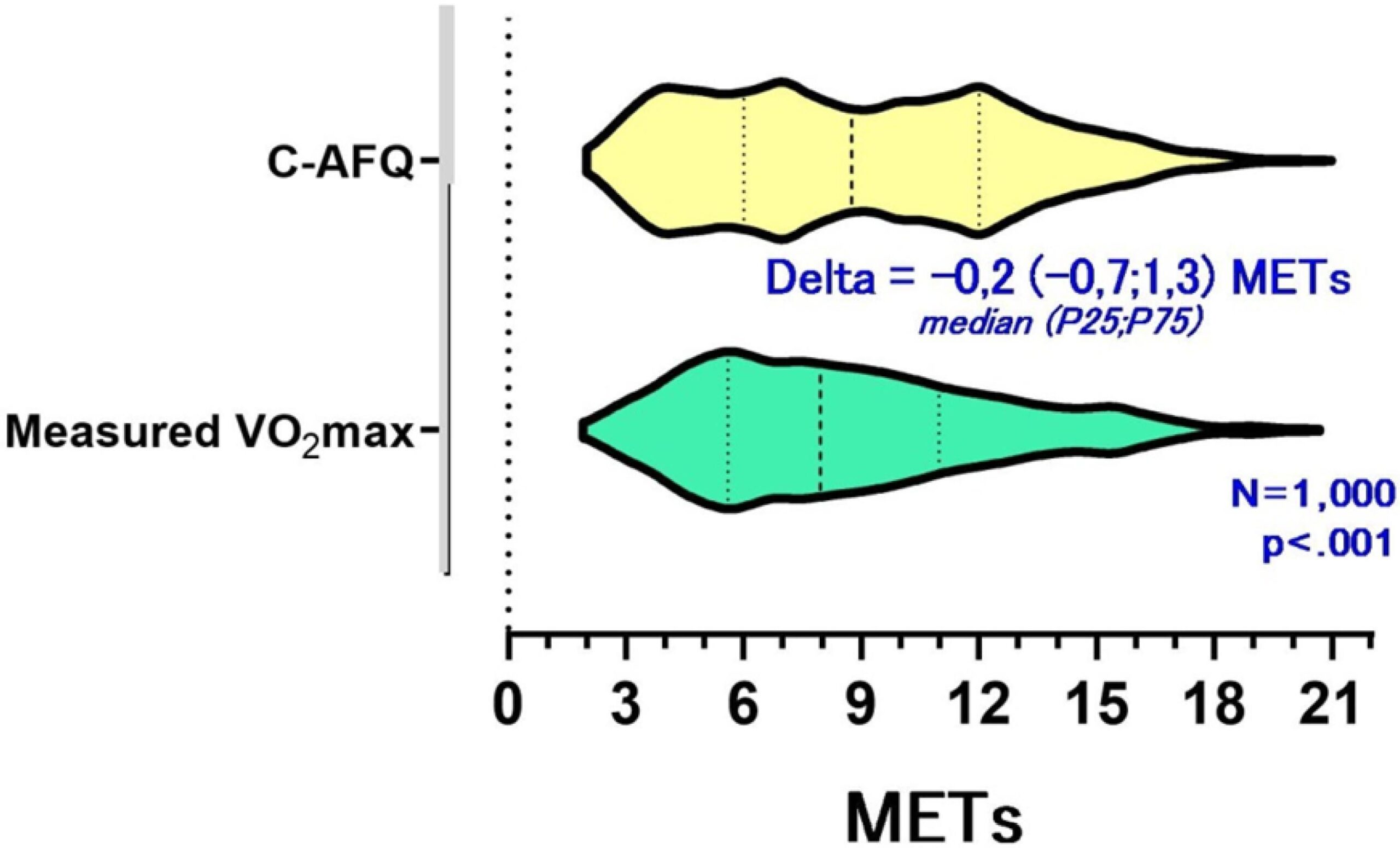
Application of C-AFQ took less than two minutes. Linear regression analysis indicated a very strong association between estimated (C-AFQ) and measured (CPET) maximal METs – r2 = 0.83 (Sy.x = 1.63; p < .001) – with median difference of only 0.2 METs between both values and interquartile range (percentiles 25 and 75) of 2 METs. The difference between estimated and measured METs was not influenced by age, sex, body mass index, clinical condition, ß-blocker use or sitting-rising test scores.

Conclusion:

C-AFQ is a simple and valid tool for estimating aerobic fitness when CPET is unavailable and it is also useful in planning individual ramp protocols. However, individual error of estimate is quite high, so C-AFQ should not be considered a perfect substitute for CPET’s measured VO2max.

  • Breathing Exercises
  • Exercise
  • Exercise Test
  • Exercise Therapy
  • Health Impact
  • Surveys and Questionnaires
  • Validation Studies
Read Full Article
Creative Commons Attribution (CC BY) Creative Commons license
12/08/2019 DOI: 10.5935/2359-4802.20190064 Views 1
Figure 1
ABC
Original Article

Characterization of Cardiopulmonary Exercise Testing Variables in Patients with Endomyocardial Fibrosis after Endocardial Resection

Ana Luiza C. Sayegh et al. Marcelo R. dos Santos Patricia de Oliveira Fábio Fernandes … Eduardo Rondon Francis R. de Souza Vera M. C. Salemi Maria Janieire de N. N. Alves Charles Mady

Abstract

Background:

Endomyocardial fibrosis (EMF) is a rare disease, characterized by diastolic dysfunction which leads to reduced peak oxygen consumption (VO2). Cardiopulmonary exercise testing (CPET) has been proved to be a fundamental tool to identify central and peripheral alterations. However, most studies prioritize peak VO2 as the main variable, leaving aside other important CPET variables that can specify the severity of the disease and guide the clinical treatment.

Objective:

The aim of this study was to evaluate central and peripheral limitations in symptomatic patients with EMF by different CPET variables.

Methods:

Twenty-six EMF patients (functional class III, NYHA) were compared with 15 healthy subjects (HS). Functional capacity was evaluated using CPET and diastolic and systolic functions were evaluated by echocardiography.

Results:

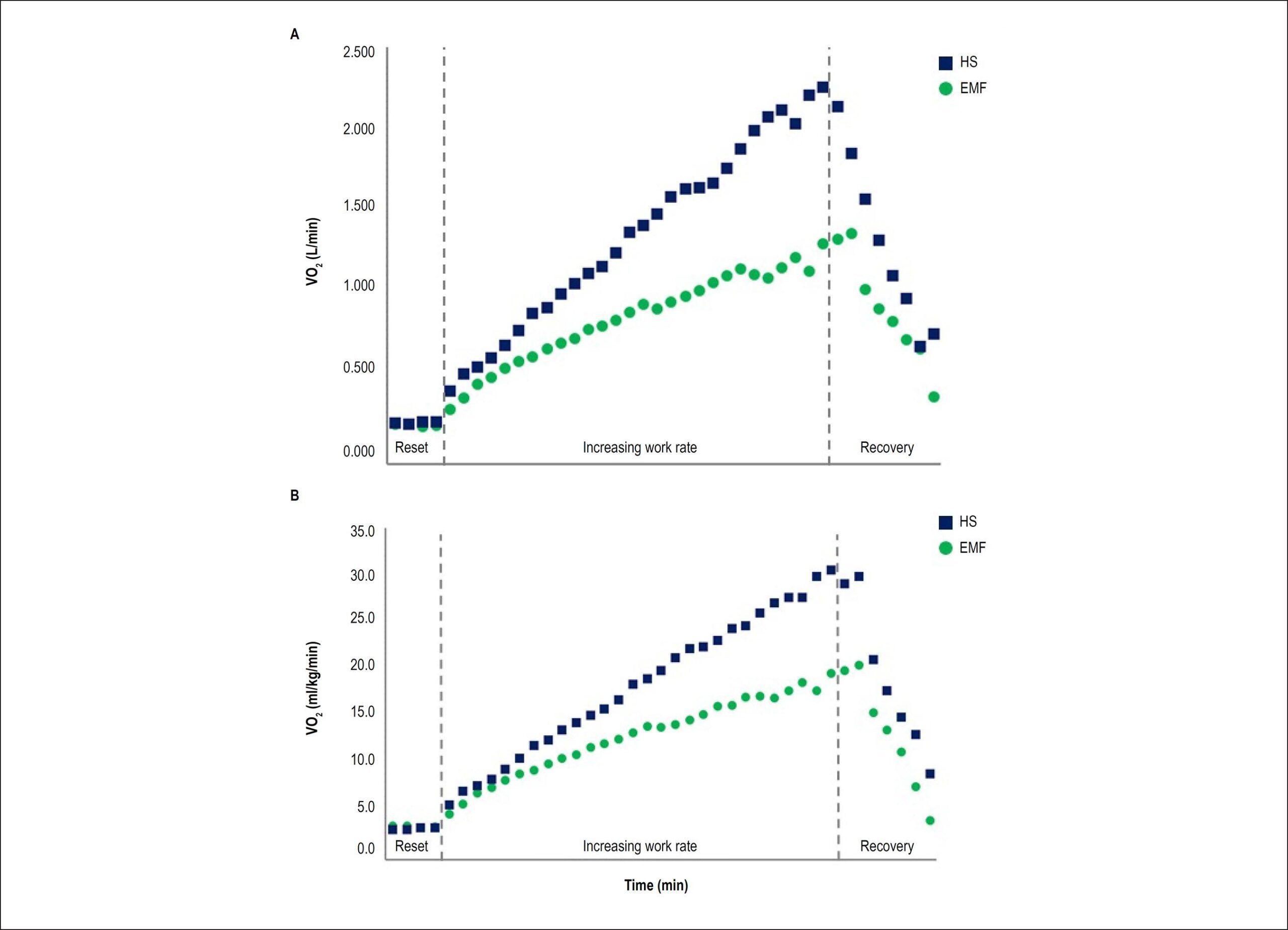
Age and gender were similar between EMF patients and HS. Left ventricular ejection fraction was normal in EMF patients, but decreased compared to HS. Peak heart rate, peak workload, peak VO2, peak oxygen (O2) pulse and peak pulmonary ventilation (VE) were decreased in EMF compared to HS. Also, EMF patients showed increased Δ heart rate /Δ oxygen uptake and Δ oxygen uptake /Δ work rate compared to HS.

Conclusion:

Determination of the aerobic capacity by noninvasive respiratory gas exchange during incremental exercise provides additional information about the exercise tolerance in patients with EMF. The analysis of different CPET variables is necessary to help us understand more about the central and peripheral alterations cause by both diastolic dysfunction and restrictive pattern.

  • Breathing Exercises
  • Cardiomyopathies
  • Cardiomyopathy, Restrictive
  • Endocardium / surgery
  • Exercise Test
  • Respiratory Function Tests
Read Full Article
Creative Commons Attribution (CC BY) Creative Commons license
01/12/2017 DOI: 10.5935/abc.20170179 Views 1
Inspiratory muscle training in patients with heart failure: meta-analysis of randomized trials
ABC
Review Article

Inspiratory muscle training in patients with heart failure: meta-analysis of randomized trials

Rodrigo Della Méa Plentz et al. Graciele Sbruzzi Rodrigo Antonini Ribeiro Janaína Barcellos Ferreira Pedro Dal Lago

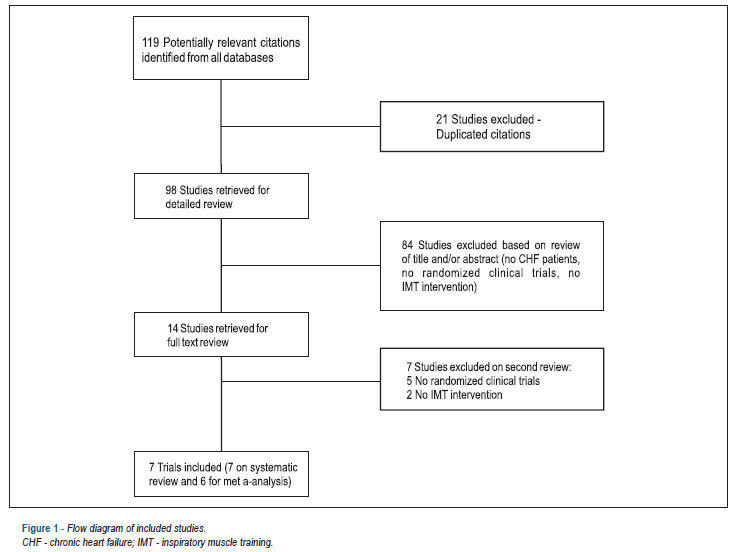
Patients with chronic heart failure (CHF) may have lower inspiratory muscle strength and endurance, which may contribute to exercise intolerance. Inspiratory muscle training (IMT) can have beneficial effects on these patients. Thus, the aim of this study was to systematically review the effects of IMT compared to control groups (placebo-IMT or another intervention) in patients with CHF. A search of databases (MEDLINE, Cochrane CENTRAL and PEDro) and references of published studies, from 1960 to 2011, was conducted. Randomized trials comparing IMT to control groups in the treatment of patients with CHF were included. The GRADE approach was used to determine the quality of evidence for each outcome. Of 119 articles identified, 7 studies were included. IMT increased the distance walked in the six-minute walk test [69 m (95% CI: 7.21 to 130.79)] (very low evidence) and maximal static inspiratory pressure [23.36 cmH20 (95% CI: 11.71 to 35.02)] (low evidence) compared to control groups. However, IMT provides a significant improvement in peak oxygen consumption only in the studies that performed IMT for 12 weeks against no inspiratory load in patients with inspiratory muscle weakness [3.02 ml/kg/min-1 (95% CI: 0.43 to 5.61)]. IMT improves functional capacity and inspiratory muscle strength thereby deserving consideration as an additional intervention in patients with CHF. Larger and better-designed studies, however, are needed to clarify the potential benefit of IMT in this patient population.

  • Breathing Exercises
  • Heart Failure
  • Meta-Analysis
  • Review
Read Full Article
Creative Commons Attribution (CC BY) Creative Commons license
04/09/2012 DOI: 10.1590/S0066-782X2012001100011 Views 1
Spontaneous respiratory modulation improves cardiovascular control in essential hypertension
ABC
Artigo Original

Spontaneous respiratory modulation improves cardiovascular control in essential hypertension

Carlos Hermano da Justa Pinheiro et al. Renato Antônio Ribeiro Medeiros Denise Gonçalves Moura Pinheiro Maria de Jesus Ferreira Marinho

BACKGROUND: Recent studies show that controlled breathing improves baroreflex and heart rate variability and lowers blood pressure in hypertensive patients. OBJECTIVE: To evaluate the effects of slow breathing training on cardiorespiratory system modulation of patients (n=10, men and women, ages ranging from 45 to 60) with essential hypertension seen in an outpatient setting. METHODS: According to the study design, each patient was used as his/her own control, and data were collected before and after the intervention. The following parameters were assessed: heart rate variability (HRV), systolic blood pressure (SBP), diastolic blood pressure (DBP), mean arterial blood pressure (MAP), respirometry, chest expansion measurement, and statistical data analysis. Respiratory training was performed in 30-minute sessions held twice a week over one month using slow breathing exercises. RESULTS: Our results were as follows: a reduction in SBP, DPB, and MAP (p < 0.05 vs control); an increase in heart rate variability, as evidenced by greater RR interval variation and SDNN index; a decline in respiratory rate (p < 0.01 vs control); and an increase in tidal volume (p < 0.01 vs control) and thoracic expansibility (p < 0.01 vs control). CONCLUSION: Respiratory retraining using the slow breathing technique appears to be a useful adjunctive for cardiorespiratory control in hypertensive patients.

  • Blood Pressure
  • Breathing Exercises
  • Hypertension
  • Respiration
Read Full Article
Creative Commons Attribution (CC BY) Creative Commons license
23/07/2007 DOI: 10.1590/S0066-782X2007000600005 Views 1
Clinical and economic outcome of a cardiopulmonary and metabolic rehabilitation program
ABC
Artigo Original

Clinical and economic outcome of a cardiopulmonary and metabolic rehabilitation program

Fabiana Pereira Vecchio Rebelo et al. Aline dos Santos Garcia Dalton Francisco de Andrade Cláudio Ribeiro Werner Tales de Carvalho

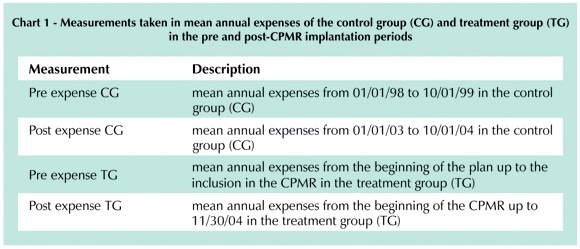
OBJECTIVE: To evaluate the clinical and economic outcome of a Cardiopulmonary and Metabolic Rehabilitation Program (CPMR) created by an HMO. METHODS: The sample was comprised of 96 clients, divided into two groups of 48 individuals (treatment group – TG, individuals who participated in the CPMR program, and control group – CG, individuals who did not participate in the program) of both genders, with age ranging between 54 and 79 years. Training time of the TG was 22 (±3) months. To assess the clinical outcome before and after CPMR, exercise tolerance, plasma lipoprotein profile (TC, LDL-C, HDL-C, TC/HDL-C and triglycerides), resting blood pressure (BP), and body composition (Body mass index – BMI and Waist-to-hip ratio – W/HR) were determined. RESULTS: The TG presented the following results in the pre and post CPMR assessment, respectively: TC (mg/dL) 242,5 (±48,32) and 189.47(±39.83); LDL-C (mg/dL) 162(±37.72) and 116,3(±33,28); HDL-C (mg/dL) 46,5(±8,59) and 57.8(±10.36); Tg (mg/dL) 165.15(±90.24) and 113.29(±54,92); TC/HDL-C 5.42 (±1.10) and 3.35 (±0.81); VO2 peak (mL/Kg/min) 26.92 ± 7 and 32.64 ± 5.92; BMI 29.35 (±3.93) and 28.12 (±3.55) for women and 29.17 (±5.14) and 27.88 (±4.83) for men; W/HR 0.93(±0.05) and 0.94(±0.04) for women and 0.93(±0.07) and 0.92(±0.06) for men; BP (mmHg) 151(±13.89) and 132(±9.56); DBP (mmHg) 83(±8.07) and 77(±5.92); monthly expenses CG (R$) 8,840.05 (±5,656.58) and 8,978.32 (±5,500.78); monthly expenses TG (R$) 2,016.98 (±2,861.69) and 1,470.73 (±1,333.25). CONCLUSION: In the group undergoing the CPMR Program, favorable clinical changes were observed in relation to the plasma lipoprotein profile, blood pressure, and exercise tolerance, with no relation to changes in medications.

  • Breathing Exercises
  • Cardiovascular Diseases
  • Exercise
  • health programmes and projects
  • metabolic disease
  • Rehabilitation
  • Treatment Outcome
Read Full Article
Creative Commons Attribution (CC BY) Creative Commons license
21/05/2007 DOI: 10.1590/S0066-782X2007000300011

How to cite this article

EndNote RIS

Electronic Document Format (Vancouver)

Cordeiro ALL, Jesus FAS, Santos JC, Nogueira VM. Inspiratory and Peripheral Muscle Training in Patients with Heart Failure: Randomized Controlled Trial. International Journal of Cardiovascular Sciences 2025;38:e20230189.

Electronic Document Format (ABNT)

Cordeiro, André Luiz Lisboa; Jesus, Fernanda Andrade da Silva de; Santos, Jéssica Conceição; Nogueira, Vaneide Machado. Inspiratory and Peripheral Muscle Training in Patients with Heart Failure: Randomized Controlled Trial. International Journal of Cardiovascular Sciences, v. 38, e20230189, Feb. 2025.

Electronic Document Format (APA)

Cordeiro, A. L. L., Jesus, F. A. S. , Santos, J. C., & Nogueira, V. M. (2025). Inspiratory and Peripheral Muscle Training in Patients with Heart Failure: Randomized Controlled Trial. International Journal of Cardiovascular Sciences, 38, e20230189.

Electronic Document Format (ISO)

Cordeiro, André Luiz Lisboa and Jesus, Fernanda Andrade da Silva de and Santos, Jéssica Conceição and Nogueira, Vaneide Machado. Inspiratory and Peripheral Muscle Training in Patients with Heart Failure: Randomized Controlled Trial. International Journal of Cardiovascular Sciences [online]. 2025, vol. 38, [cited 2026-10-14], e20230189. Available from: <https://journals.cardiol.br/en/article/inspiratory-and-peripheral-muscle-training-in-patients-with-heart-failure-randomized-controlled-trial/>. ISSN 2359-4802

EndNote RIS

Electronic Document Format (Vancouver)

Rodrigues GD. Breathing and Cardiovascular Patterns: What can we Learn from Respiratory Exercises?. International Journal of Cardiovascular Sciences 2023;34(6):732-3.

Electronic Document Format (ABNT)

Rodrigues, Gabriel Dias. Breathing and Cardiovascular Patterns: What can we Learn from Respiratory Exercises?. International Journal of Cardiovascular Sciences, v. 34, n. 6, p. 732-733, Mar. 2023.

Electronic Document Format (APA)

Rodrigues, G. D. (2023). Breathing and Cardiovascular Patterns: What can we Learn from Respiratory Exercises?. International Journal of Cardiovascular Sciences, 34(6), 732-733.

Electronic Document Format (ISO)

Rodrigues, Gabriel Dias. Breathing and Cardiovascular Patterns: What can we Learn from Respiratory Exercises?. International Journal of Cardiovascular Sciences [online]. 2023, vol. 34, n. 6, [cited 2026-10-14], pp. 732-733. Available from: <https://journals.cardiol.br/en/article/breathing-and-cardiovascular-patterns-what-can-we-learn-from-respiratory-exercises/>. ISSN 2359-4802

EndNote RIS

Electronic Document Format (Vancouver)

Cordeiro ALL, Almeida LC, Leite JFDS, Barbosa HCM, Guimarães ARF, Forgiarini Junior LA, Cena J, et al. Ventilatory Muscle Strength Six Months After Coronary Artery Bypass Grafting in Patients Submitted to Inspiratory Muscular Training Based on Anaerobioc Threshold: A Clinical Trial. International Journal of Cardiovascular Sciences 2023;36:e20210238.

Electronic Document Format (ABNT)

Cordeiro, André Luiz Lisboa; Almeida, Larissa Costa; Leite, Jackeline Ferreira Dos Santos; Barbosa, Hayssa de Cássia Mascarenhas; Guimarães, André Raimundo França; Forgiarini Junior, Luiz Alberto; Cena, Jandesson; Petto, Jefferson. Ventilatory Muscle Strength Six Months After Coronary Artery Bypass Grafting in Patients Submitted to Inspiratory Muscular Training Based on Anaerobioc Threshold: A Clinical Trial. International Journal of Cardiovascular Sciences, v. 36, e20210238, Mar. 2023.

Electronic Document Format (APA)

Cordeiro, A. L. L., Almeida, L. C., Leite, J. F. D. S., Barbosa, H. C. M., Guimarães, A. R. F., Forgiarini Junior, L. A., Cena, J., & Petto, J. (2023). Ventilatory Muscle Strength Six Months After Coronary Artery Bypass Grafting in Patients Submitted to Inspiratory Muscular Training Based on Anaerobioc Threshold: A Clinical Trial. International Journal of Cardiovascular Sciences, 36, e20210238.

Electronic Document Format (ISO)

Cordeiro, André Luiz Lisboa and Almeida, Larissa Costa and Leite, Jackeline Ferreira Dos Santos and Barbosa, Hayssa de Cássia Mascarenhas and Guimarães, André Raimundo França and Forgiarini Junior, Luiz Alberto and Cena, Jandesson and Petto, Jefferson. Ventilatory Muscle Strength Six Months After Coronary Artery Bypass Grafting in Patients Submitted to Inspiratory Muscular Training Based on Anaerobioc Threshold: A Clinical Trial. International Journal of Cardiovascular Sciences [online]. 2023, vol. 36, [cited 2026-10-14], e20210238. Available from: <https://journals.cardiol.br/en/article/ventilatory-muscle-strength-six-months-after-coronary-artery-bypass-grafting-in-patients-submitted-to-inspiratory-muscular-training-based-on-anaerobioc-threshold-a-clinical-trial/>. ISSN 2359-4802

EndNote RIS

Electronic Document Format (Vancouver)

Fetter C, Souza LA, Dartora DR, Schein A, Eibel B, Casali K, Irigoyen MC, et al. Increased Maximal Expiratory Pressure, Abdominal and Thoracic Respiratory Expansibility in Healthy Yoga Practitioners Compared to Healthy Sedentary Individuals. International Journal of Cardiovascular Sciences 2021;34(6):728-31.

Electronic Document Format (ABNT)

Fetter, Cláudia; Souza, Liliane Appratto de; Dartora, Daniela Ravizzoni; Schein, Andressa; Eibel, Bruna; Casali, Karina; Irigoyen, Maria Cláudia. Increased Maximal Expiratory Pressure, Abdominal and Thoracic Respiratory Expansibility in Healthy Yoga Practitioners Compared to Healthy Sedentary Individuals. International Journal of Cardiovascular Sciences, v. 34, n. 6, p. 728-731, Jul. 2021.

Electronic Document Format (APA)

Fetter, C., Souza, L. A. , Dartora, D. R., Schein, A., Eibel, B., Casali, K., & Irigoyen, M. C. (2021). Increased Maximal Expiratory Pressure, Abdominal and Thoracic Respiratory Expansibility in Healthy Yoga Practitioners Compared to Healthy Sedentary Individuals. International Journal of Cardiovascular Sciences, 34(6), 728-731.

Electronic Document Format (ISO)

Fetter, Cláudia and Souza, Liliane Appratto de and Dartora, Daniela Ravizzoni and Schein, Andressa and Eibel, Bruna and Casali, Karina and Irigoyen, Maria Cláudia. Increased Maximal Expiratory Pressure, Abdominal and Thoracic Respiratory Expansibility in Healthy Yoga Practitioners Compared to Healthy Sedentary Individuals. International Journal of Cardiovascular Sciences [online]. 2021, vol. 34, n. 6, [cited 2026-10-14], pp. 728-731. Available from: <https://journals.cardiol.br/en/article/increased-maximal-expiratory-pressure-abdominal-and-thoracic-respiratory-expansibility-in-healthy-yoga-practitioners-compared-to-healthy-sedentary-individuals/>. ISSN 2359-4802

EndNote RIS

Electronic Document Format (Vancouver)

Fortes JVS, Borges MGB, Marques MJS, Oliveira RL, Rocha LR, Castro M, Esquivel MS, et al. Effects of Inspiratory Muscle Training Using an Electronic Device on Patients Undergoing Cardiac Surgery: A Randomized Controlled Trial. International Journal of Cardiovascular Sciences 2020;34(1):44-52.

Electronic Document Format (ABNT)

Fortes, João Vyctor Silva; Borges, Mayara Gabrielle Barbosa; Marques, Maria Jhany da Silva; Oliveira, Rafaella Lima; Rocha, Liana Rodrigues da; Castro, Érica Miranda de; Esquivel, Mateus Souza; Borges, Daniel Lago. Effects of Inspiratory Muscle Training Using an Electronic Device on Patients Undergoing Cardiac Surgery: A Randomized Controlled Trial. International Journal of Cardiovascular Sciences, v. 34, n. 1, p. 44-52, Nov. 2020.

Electronic Document Format (APA)

Fortes, J. V. S., Borges, M. G. B., Marques, M. J. S., Oliveira, R. L., Rocha, L. R. , Castro, M. , Esquivel, M. S., & Borges, D. L. (2020). Effects of Inspiratory Muscle Training Using an Electronic Device on Patients Undergoing Cardiac Surgery: A Randomized Controlled Trial. International Journal of Cardiovascular Sciences, 34(1), 44-52.

Electronic Document Format (ISO)

Fortes, João Vyctor Silva and Borges, Mayara Gabrielle Barbosa and Marques, Maria Jhany da Silva and Oliveira, Rafaella Lima and Rocha, Liana Rodrigues da and Castro, Érica Miranda de and Esquivel, Mateus Souza and Borges, Daniel Lago. Effects of Inspiratory Muscle Training Using an Electronic Device on Patients Undergoing Cardiac Surgery: A Randomized Controlled Trial. International Journal of Cardiovascular Sciences [online]. 2020, vol. 34, n. 1, [cited 2026-10-14], pp. 44-52. Available from: <https://journals.cardiol.br/en/article/effects-of-inspiratory-muscle-training-using-an-electronic-device-on-patients-undergoing-cardiac-surgery-a-randomized-controlled-trial/>. ISSN 2359-4802

EndNote RIS

Electronic Document Format (Vancouver)

Moreira RI, Silva TP, Gonçalves AV, Feliciano J, Rio P, Soares R, Ferreira RC, et al. Impact of Cardiorespiratory Fitness on the Obesity Paradox in Heart Failure with Reduced Ejection Fraction. Arquivos Brasileiros de Cardiologia 2020;115(4):639-45.

Electronic Document Format (ABNT)

Moreira, Rita Ilhão; Silva, Tiago Pereira; Gonçalves, António Valentim; Feliciano, Joana; Rio, Pedro; Soares, Rui; Ferreira, Rui Cruz. Impact of Cardiorespiratory Fitness on the Obesity Paradox in Heart Failure with Reduced Ejection Fraction. Arquivos Brasileiros de Cardiologia, v. 115, n. 4, p. 639-645, Oct. 2020.

Electronic Document Format (APA)

Moreira, R. I., Silva, T. P., Gonçalves, A. V., Feliciano, J., Rio, P., Soares, R., & Ferreira, R. C. (2020). Impact of Cardiorespiratory Fitness on the Obesity Paradox in Heart Failure with Reduced Ejection Fraction. Arquivos Brasileiros de Cardiologia, 115(4), 639-645.

Electronic Document Format (ISO)

Moreira, Rita Ilhão and Silva, Tiago Pereira and Gonçalves, António Valentim and Feliciano, Joana and Rio, Pedro and Soares, Rui and Ferreira, Rui Cruz. Impact of Cardiorespiratory Fitness on the Obesity Paradox in Heart Failure with Reduced Ejection Fraction. Arquivos Brasileiros de Cardiologia [online]. 2020, vol. 115, n. 4, [cited 2026-10-14], pp. 639-645. Available from: <https://journals.cardiol.br/en/article/impact-of-cardiorespiratory-fitness-on-the-obesity-paradox-in-heart-failure-with-reduced-ejection-fraction/>. ISSN 0066-782X

EndNote RIS

Electronic Document Format (Vancouver)

Schmidt C, Santos M, Bohn L, Delgado BM, Moreira-Gonçalves D, Leite-Moreira A, Oliveira J, et al. Dynamic Balance and Mobility Explain Quality of Life in HFpEF, Outperforming All the Other Physical Fitness Components. Arquivos Brasileiros de Cardiologia 2020;114(4):701-7.

Electronic Document Format (ABNT)

Schmidt, Cristine; Santos, Mário; Bohn, Lucimere; Delgado, Bruno Miguel; Moreira-Gonçalves, Daniel; Leite-Moreira, Adelino; Oliveira, José. Dynamic Balance and Mobility Explain Quality of Life in HFpEF, Outperforming All the Other Physical Fitness Components. Arquivos Brasileiros de Cardiologia, v. 114, n. 4, p. 701-707, May. 2020.

Electronic Document Format (APA)

Schmidt, C., Santos, M., Bohn, L., Delgado, B. M., Moreira-Gonçalves, D., Leite-Moreira, A., & Oliveira, J. (2020). Dynamic Balance and Mobility Explain Quality of Life in HFpEF, Outperforming All the Other Physical Fitness Components. Arquivos Brasileiros de Cardiologia, 114(4), 701-707.

Electronic Document Format (ISO)

Schmidt, Cristine and Santos, Mário and Bohn, Lucimere and Delgado, Bruno Miguel and Moreira-Gonçalves, Daniel and Leite-Moreira, Adelino and Oliveira, José. Dynamic Balance and Mobility Explain Quality of Life in HFpEF, Outperforming All the Other Physical Fitness Components. Arquivos Brasileiros de Cardiologia [online]. 2020, vol. 114, n. 4, [cited 2026-10-14], pp. 701-707. Available from: <https://journals.cardiol.br/en/article/dynamic-balance-and-mobility-explain-quality-of-life-in-hfpef-outperforming-all-the-other-physical-fitness-components/>. ISSN 0066-782X

EndNote RIS

Electronic Document Format (Vancouver)

Marchese LD, Chermont S, Warol D, Oliveira LB, Pereira SB, Quintão M, Mesquita ET, et al. Controlled Study of Central Hemodynamic Changes in Inspiratory Exercise with Different Loads in Heart Failure. Arquivos Brasileiros de Cardiologia 2020;114(4):656-63.

Electronic Document Format (ABNT)

Marchese, Luana de Decco; Chermont, Sergio; Warol, Danielle; Oliveira, Lucia Brandão de; Pereira, Sabrina Bernardez; Quintão, Mônica; Mesquita, Evandro Tinoco. Controlled Study of Central Hemodynamic Changes in Inspiratory Exercise with Different Loads in Heart Failure. Arquivos Brasileiros de Cardiologia, v. 114, n. 4, p. 656-663, May. 2020.

Electronic Document Format (APA)

Marchese, L. D., Chermont, S., Warol, D., Oliveira, L. B. , Pereira, S. B., Quintão, M., & Mesquita, E. T. (2020). Controlled Study of Central Hemodynamic Changes in Inspiratory Exercise with Different Loads in Heart Failure. Arquivos Brasileiros de Cardiologia, 114(4), 656-663.

Electronic Document Format (ISO)

Marchese, Luana de Decco and Chermont, Sergio and Warol, Danielle and Oliveira, Lucia Brandão de and Pereira, Sabrina Bernardez and Quintão, Mônica and Mesquita, Evandro Tinoco. Controlled Study of Central Hemodynamic Changes in Inspiratory Exercise with Different Loads in Heart Failure. Arquivos Brasileiros de Cardiologia [online]. 2020, vol. 114, n. 4, [cited 2026-10-14], pp. 656-663. Available from: <https://journals.cardiol.br/en/article/controlled-study-of-central-hemodynamic-changes-in-inspiratory-exercise-with-different-loads-in-heart-failure/>. ISSN 0066-782X

EndNote RIS

Electronic Document Format (Vancouver)

Araújo CGS, Castro CL, Franca JF, Silva CGS. CLINIMEX Aerobic Fitness Questionnaire: Proposal and Validation. International Journal of Cardiovascular Sciences 2019;32(4):331-42.

Electronic Document Format (ABNT)

Araújo, Claudio Gil S.; Castro, Claudia Lucia; Franca, João Felipe; Silva, Christina Grüne de Souza e. CLINIMEX Aerobic Fitness Questionnaire: Proposal and Validation. International Journal of Cardiovascular Sciences, v. 32, n. 4, p. 331-342, Aug. 2019.

Electronic Document Format (APA)

Araújo, C. G. S., Castro, C. L., Franca, J. F., & Silva, C. G. S. (2019). CLINIMEX Aerobic Fitness Questionnaire: Proposal and Validation. International Journal of Cardiovascular Sciences, 32(4), 331-342.

Electronic Document Format (ISO)

Araújo, Claudio Gil S. and Castro, Claudia Lucia and Franca, João Felipe and Silva, Christina Grüne de Souza e. CLINIMEX Aerobic Fitness Questionnaire: Proposal and Validation. International Journal of Cardiovascular Sciences [online]. 2019, vol. 32, n. 4, [cited 2026-10-14], pp. 331-342. Available from: <https://journals.cardiol.br/en/article/clinimex-aerobic-fitness-questionnaire-proposal-and-validation/>. ISSN 2359-4802

EndNote RIS

Electronic Document Format (Vancouver)

Sayegh ALC, Santos MR, Oliveira P, Fernandes F, Rondon E, Souza FR, Salemi VMC, et al. Characterization of Cardiopulmonary Exercise Testing Variables in Patients with Endomyocardial Fibrosis after Endocardial Resection. Arquivos Brasileiros de Cardiologia 2017;109(6):533-40.

Electronic Document Format (ABNT)

Sayegh, Ana Luiza C.; Santos, Marcelo R. dos; Oliveira, Patricia de; Fernandes, Fábio; Rondon, Eduardo; Souza, Francis R. de; Salemi, Vera M. C.; Alves, Maria Janieire de N. N.; Mady, Charles. Characterization of Cardiopulmonary Exercise Testing Variables in Patients with Endomyocardial Fibrosis after Endocardial Resection. Arquivos Brasileiros de Cardiologia, v. 109, n. 6, p. 533-540, Nov. 2017.

Electronic Document Format (APA)

Sayegh, A. L. C., Santos, M. R. , Oliveira, P. , Fernandes, F., Rondon, E., Souza, F. R. , Salemi, V. M. C., Alves, M. J. N. N., & Mady, C. (2017). Characterization of Cardiopulmonary Exercise Testing Variables in Patients with Endomyocardial Fibrosis after Endocardial Resection. Arquivos Brasileiros de Cardiologia, 109(6), 533-540.

Electronic Document Format (ISO)

Sayegh, Ana Luiza C. and Santos, Marcelo R. dos and Oliveira, Patricia de and Fernandes, Fábio and Rondon, Eduardo and Souza, Francis R. de and Salemi, Vera M. C. and Alves, Maria Janieire de N. N. and Mady, Charles. Characterization of Cardiopulmonary Exercise Testing Variables in Patients with Endomyocardial Fibrosis after Endocardial Resection. Arquivos Brasileiros de Cardiologia [online]. 2017, vol. 109, n. 6, [cited 2026-10-14], pp. 533-540. Available from: <https://journals.cardiol.br/en/article/characterization-of-cardiopulmonary-exercise-testing-variables-in-patients-with-endomyocardial-fibrosis-after-endocardial-resection/>. ISSN 0066-782X

EndNote RIS

Electronic Document Format (Vancouver)

Plentz RDM, Sbruzzi G, Ribeiro RA, Ferreira JB, Lago PD. Inspiratory muscle training in patients with heart failure: meta-analysis of randomized trials. Arquivos Brasileiros de Cardiologia 2012;99(2):762-71.

Electronic Document Format (ABNT)

Plentz, Rodrigo Della Méa; Sbruzzi, Graciele; Ribeiro, Rodrigo Antonini; Ferreira, Janaína Barcellos; Lago, Pedro Dal. Inspiratory muscle training in patients with heart failure: meta-analysis of randomized trials. Arquivos Brasileiros de Cardiologia, v. 99, n. 2, p. 762-771, Sep. 2012.

Electronic Document Format (APA)

Plentz, R. D. M., Sbruzzi, G., Ribeiro, R. A., Ferreira, J. B., & Lago, P. D. (2012). Inspiratory muscle training in patients with heart failure: meta-analysis of randomized trials. Arquivos Brasileiros de Cardiologia, 99(2), 762-771.

Electronic Document Format (ISO)

Plentz, Rodrigo Della Méa and Sbruzzi, Graciele and Ribeiro, Rodrigo Antonini and Ferreira, Janaína Barcellos and Lago, Pedro Dal. Inspiratory muscle training in patients with heart failure: meta-analysis of randomized trials. Arquivos Brasileiros de Cardiologia [online]. 2012, vol. 99, n. 2, [cited 2026-10-14], pp. 762-771. Available from: <https://journals.cardiol.br/en/article/inspiratory-muscle-training-in-patients-with-heart-failure-meta-analysis-of-randomized-trials/>. ISSN 0066-782X

EndNote RIS

Electronic Document Format (Vancouver)

Pinheiro CHJ, Medeiros RAR, Pinheiro DGM, Marinho MJF. Spontaneous respiratory modulation improves cardiovascular control in essential hypertension. Arquivos Brasileiros de Cardiologia 2007;88(6):651-9.

Electronic Document Format (ABNT)

Pinheiro, Carlos Hermano da Justa; Medeiros, Renato Antônio Ribeiro; Pinheiro, Denise Gonçalves Moura; Marinho, Maria de Jesus Ferreira. Spontaneous respiratory modulation improves cardiovascular control in essential hypertension. Arquivos Brasileiros de Cardiologia, v. 88, n. 6, p. 651-659, Jul. 2007.

Electronic Document Format (APA)

Pinheiro, C. H. J., Medeiros, R. A. R., Pinheiro, D. G. M., & Marinho, M. J. F. (2007). Spontaneous respiratory modulation improves cardiovascular control in essential hypertension. Arquivos Brasileiros de Cardiologia, 88(6), 651-659.

Electronic Document Format (ISO)

Pinheiro, Carlos Hermano da Justa and Medeiros, Renato Antônio Ribeiro and Pinheiro, Denise Gonçalves Moura and Marinho, Maria de Jesus Ferreira. Spontaneous respiratory modulation improves cardiovascular control in essential hypertension. Arquivos Brasileiros de Cardiologia [online]. 2007, vol. 88, n. 6, [cited 2026-10-14], pp. 651-659. Available from: <https://journals.cardiol.br/en/article/spontaneous-respiratory-modulation-improves-cardiovascular-control-in-essential-hypertension/>. ISSN 0066-782X

EndNote RIS

Electronic Document Format (Vancouver)

Rebelo FPV, Garcia AS, Andrade DF, Werner CR, Carvalho T. Clinical and economic outcome of a cardiopulmonary and metabolic rehabilitation program. Arquivos Brasileiros de Cardiologia 2007;88(3):321-8.

Electronic Document Format (ABNT)

Rebelo, Fabiana Pereira Vecchio; Garcia, Aline dos Santos; Andrade, Dalton Francisco de; Werner, Cláudio Ribeiro; Carvalho, Tales de. Clinical and economic outcome of a cardiopulmonary and metabolic rehabilitation program. Arquivos Brasileiros de Cardiologia, v. 88, n. 3, p. 321-328, May. 2007.

Electronic Document Format (APA)

Rebelo, F. P. V., Garcia, A. S., Andrade, D. F. , Werner, C. R., & Carvalho, T. (2007). Clinical and economic outcome of a cardiopulmonary and metabolic rehabilitation program. Arquivos Brasileiros de Cardiologia, 88(3), 321-328.

Electronic Document Format (ISO)

Rebelo, Fabiana Pereira Vecchio and Garcia, Aline dos Santos and Andrade, Dalton Francisco de and Werner, Cláudio Ribeiro and Carvalho, Tales de. Clinical and economic outcome of a cardiopulmonary and metabolic rehabilitation program. Arquivos Brasileiros de Cardiologia [online]. 2007, vol. 88, n. 3, [cited 2026-10-14], pp. 321-328. Available from: <https://journals.cardiol.br/en/article/clinical-and-economic-outcome-of-a-cardiopulmonary-and-metabolic-rehabilitation-program/>. ISSN 0066-782X

  • About ABC Family
  • Internal Regulation
  • Editorial Board
  • Brazilian Society of Cardiology (SBC)

Issues

SBC Guidelines

  • Videos
  • Podcasts
  • News