| IJCS
ABC Family Arquivos Brasileiros de Cardiologia International Journal of Cardiovascular Sciences ABC Heart Failure & Cardiomyopathy ABC Imagem Cardiovascular
Português English
ABC Family | IJCS
Português English
  • About
    • About the Journal
    • Internal Regulation
    • Editors Section
    • Editorial Board
    • SBC Award
  • Instructions to Authors
    • Guidelines for Publication
    • Editorial Policy
    • Ethics Policy
    • Policy on the Use of Artificial Intelligence
    • Mandatory Publication Form
    • Publication Fee
  • Issues
  • SBC Guidelines
  • Abstracts
    • How to Publish an Abstract Supplement?
    • Published Supplements
  • About
    • About the Journal
    • Internal Regulation
    • Editors Section
    • Editorial Board
    • SBC Award
  • Instructions to Authors
    • Guidelines for Publication
    • Editorial Policy
    • Ethics Policy
    • Policy on the Use of Artificial Intelligence
    • Mandatory Publication Form
    • Publication Fee
  • Issues
  • SBC Guidelines
  • Abstracts
    • How to Publish an Abstract Supplement?
    • Published Supplements

ABC Family

  • ABC Family
  • Arquivos Brasileiros de Cardiologia
  • International Journal of Cardiovascular Sciences
  • ABC Heart Failure & Cardiomyopathy
  • ABC Imagem Cardiovascular
Search in

No content found.

Journals
Ordering
Article types
Others

  1. Home
  2. IJCS
  3. Issues
  4. 2020, Volume 33, Number 5
Figure 1
Editorial

Translational Medicine – New Frontiers in Cardiology

Protásio Lemos da Luz et al. Claudio Tinoco Mesquita

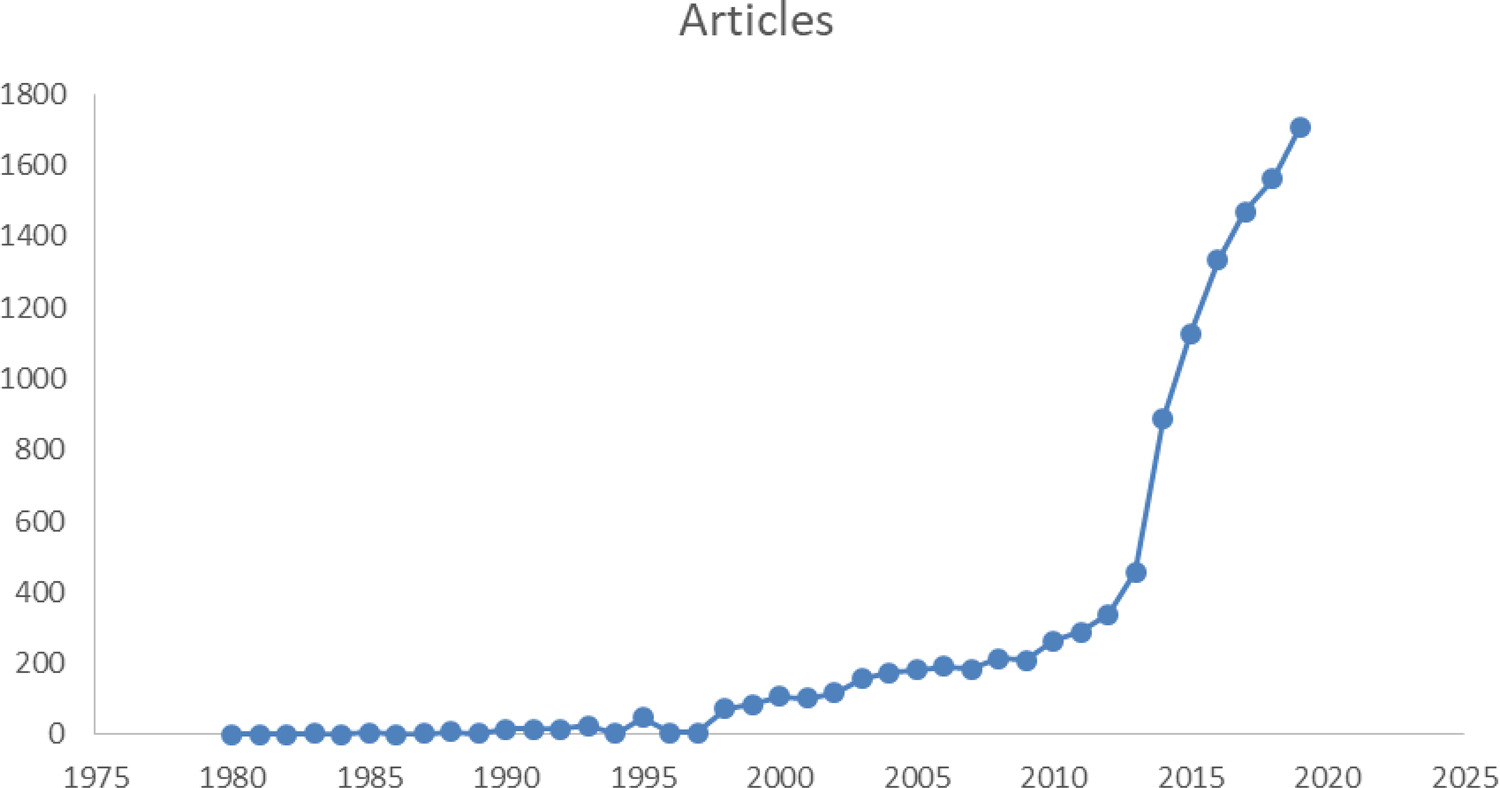
Translational medicine is defined by the European Society for Translational Medicine (EUSTM) as “an interdisciplinary branch of the biomedical field supported by three main pillars: benchside, bedside, and community. Frequently, translational medicine dedicated to cardiology is known as translational cardiology. The International Journal of Cardiovascular Sciences is dedicating a special thematic issue on translational cardiology due to the significant importance of this field in the last years. Searching PubMed for the keywords “translational” and “cardiology,” the number of papers on translational cardiology were no more than 10 per year in mid-80’s, with an increase to around 50 papers per year in mid-90’s, 200 articles per year in the 2000’s and, thereafter, a significant exponential increase in the absolute number of publications, close to 2,000 papers/year in 2019 ( ). Cardiac journals are increasingly accepting translational papers covering different aspects of this exciting field, so diverse as cardiotoxic mechanisms targeting RNA with antisense oligonucleotides and small interfering RNA in amyloidosis or nitrosative stress as a modulator of inflammatory change in Takotsubo Syndrome to name a few.

[…]

  • Access health technologies and informations/ trends
  • Basic Research/trends
  • Implementation Science/ trends
  • Translational Medical Research/trends
  • Translational Medicine/ trends
Read Full Article
Creative Commons Attribution (CC BY) Creative Commons license
09/10/2020 DOI: 10.36660/ijcs.20200259 Views 1
Figure 1
Viewpoint

Severe Cardiovascular Complications of COVID-19: a Challenge for the Physician

Nathalie Cristina Crivelari et al. Gisele Queiroz de Oliveira Clarice Hyesuk Lee Park Gregorio da Cruz Riemma … Isabela Bispo Santos da Silva Costa Marcus Vinícius Guimarães de Lacerda Glaucia Maria Moraes de Oliveira Francisco Carlos da Costa Darrieux Luciana Sacilotto Ludhmila Abrahão Hajjar

Introduction

Since December 31, 2019, when China reported the appearance of cases of acute respiratory failure caused by a new species of coronavirus, SARS-CoV-2, which causes the disease called COVID-19, almost 20 million cases were confirmed, causing 726 thousand deaths worldwide. In Brazil, on August 8th, 2020, there was approximately 3 million cases and 100 thousand death by the disease.

Its rapid spread, its high potential for hospitalization, and its high lethality, especially in the most fragile groups such as geriatric patients and those with comorbidities, particularly cardiovascular ones, make this pandemic a challenge never faced by modern medicine. To date, we have no specific medication that has effective and safe results for the treatment of COVID-19. The scientific community has sought to research drugs with therapeutic plausibility, and controlled and randomized studies are underway. Many therapeutic proposals are based on in vitro experiments. The medications used are described in case records, with no solid scientific evidence for their use, and with a high probability of causing damage due to their adverse effects alone or in combination.

[…]

  • Arrhythmias Cardiac
  • Azythromycin
  • Betacoronavirus
  • Cardiovascular Diseases/complications
  • Chloroquine
  • Covid-19/complications
  • Death, Sudden
  • Hydroxychloroquine
  • Pandemics
  • Stroke Volume
Read Full Article
Creative Commons Attribution (CC BY) Creative Commons license
09/10/2020 DOI: 10.36660/ijcs.20200125 Views 2
Editorial

Association between the Average Ratio of Platelet Volume and the Presence of Mural Thrombus in Post-Myocardial Infarction

Fernando Augusto Alves da Costa

Cardiovascular disease is a serious public health problem, responsible for 31% of all deaths worldwide. Population growth, urbanization and the lack of proper policies to control modifiable risk factors lead to an increased number in cases. Associated with this, we have new factors such as stress, pollution, income, unemployment, among others, which, associated with classical factors, increase the speed of atherosclerosis development. Acute ischemic syndromes are some of the worst consequences of the evolution of atherosclerosis, with mortality rates varying according to the type of infarction, place of care and the healthcare resources available.

Among the types of infarction, those with ST segment elevation (STEMI), particularly in the anterior wall, present peculiarities in their natural history, and may lead to complications, such as sudden death, heart failure and embolic events, usually due to the formation of apical thrombus (AT) in the left ventricle.

[…]

  • Atherosclerosis
  • Cardiovascular Diseases/prevention and control
  • Mortality
  • Public Health Program
  • Risk Factors
  • ST Elevation Myocardial Infarction
  • Stress
  • Thrombosis
Read Full Article
Creative Commons Attribution (CC BY) Creative Commons license
09/10/2020 DOI: 10.36660/ijcs.20200263 Views 1
Figure 1
Viewpoint

Difficult Times: The Coronavirus Pandemic and Cardiology Residency – The Experience of the Rio Grande do Sul Cardiology Institute

Raphael Boesche Guimarães et al. Simone Louise Savaris Henrique Basso Gomes Marcelo Haertel Miglioranza

Medical residency programs were first established in 1889 in Baltimore, Maryland, at John Hopkins University. At the time, Dr. William Healstead realized that seriously ill patients treated by recently certified clinicians had higher mortality rates. In response to this, and in the hopes of increasing the quality and success rates of patient care, Healstead created a new type of training program, in which emerging clinicians would receive their final training in the hospital environment itself. This model, replicated globally, is currently known as medical residency.

In Brazil, the Orthopedic Department at Hospital of Clínicas, associated with the University of São Paulo (USP), pioneered the first Brazilian medical residency program in 1945. However, this training model was not officially adopted in the country until September 5, 1977, through decree No. 80281, which instituted residency training as a formal component of medical graduate training. – Since then, physicians worldwide have been able to train in specialized medical residency programs that not only deepen their theoretical understanding, but also provide a supervised environment for development of the practical skills required by their desired area of expertise.

[…]

  • Betacoronavirus
  • Confidentiality
  • Containment of Biohazards
  • Information Security
  • Internship and Residency
  • Pandemics
Read Full Article
Creative Commons Attribution (CC BY) Creative Commons license
09/10/2020 DOI: 10.36660/ijcs.20200114 Views 2
Figure 1
Editorial

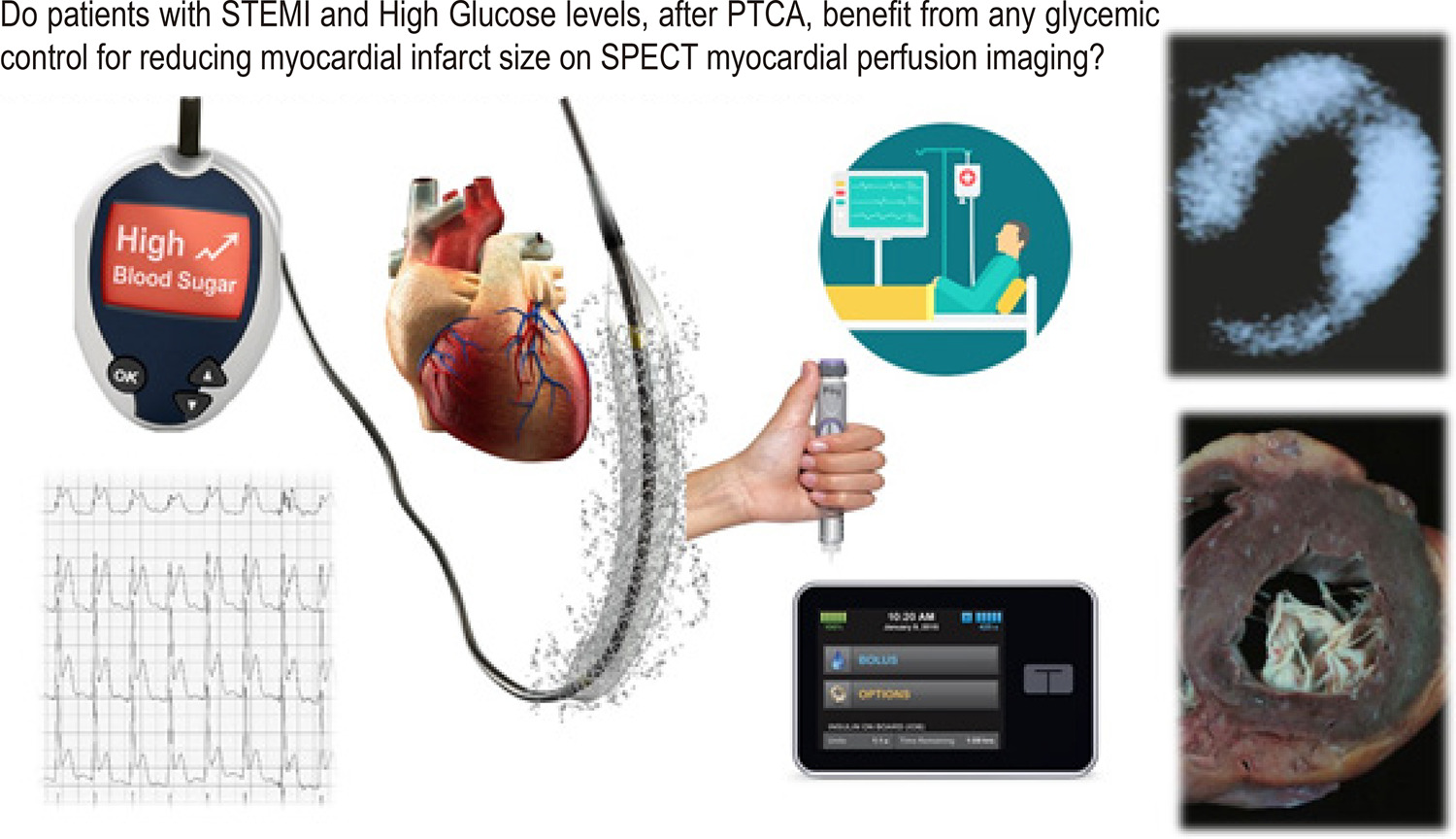
After a STEMI, is Less Sugar more Protective to Myocardium?

Rafael Willain Lopes et al. Alexandre Hohl

The infarct size reduction in acute myocardial infarction (AMI) has been studied for more than 50 years. Animal experiments were conducted in the 1970s, followed by the first clinical studies to reduce infarct size (IS), with fibrinolytic agents or with mechanical coronary angioplasty (PTCA). The clinical experience of coronary reperfusion indicated that left ventricle function was not normalized in 30% of the patients, and despite unblocking the epicardial vessel, demonstrated hemodynamically, there was no equivalent in myocardial perfusion. New concepts emerged such as reperfusion injury, microvascular dysfunction, “no-reflow” phenomenon, and stunned and hibernating myocardium, which became the focus of basic research and clinical investigation. To improve characterization, different technologies were used, such as contrast echocardiography, isotopic studies, including positron emission tomography, and magnetic resonance.

Cardioprotection (CP) aims to reduce IS and improve clinical outcomes. The translation of CP from preclinical and promising proof-of-concept studies to clinical benefit (CB) for patients has been quite unsatisfactory. Almost all these studies that did not translate into CB had infarct size reduction as the primary endpoint and used protocols selected to achieve IS reduction.

[…]

  • Angioplasty
  • Diagnostic Imaging
  • Fibrinolytic Agents
  • Myocardial Reperfusion
  • Myocardial Stunning
  • Percutaneous Coronary Intervention
  • ST Elevation Myocardial Infarction
  • Ventricular Dysfunction, Left
Read Full Article
Creative Commons Attribution (CC BY) Creative Commons license
09/10/2020 DOI: 10.36660/ijcs.20200173 Views 1
Figure 1
Editorial

Intracardiac Conduction Intervals: An Electrophysiological Mirror of the Brazilian Population

Erivelton A. do Nascimento

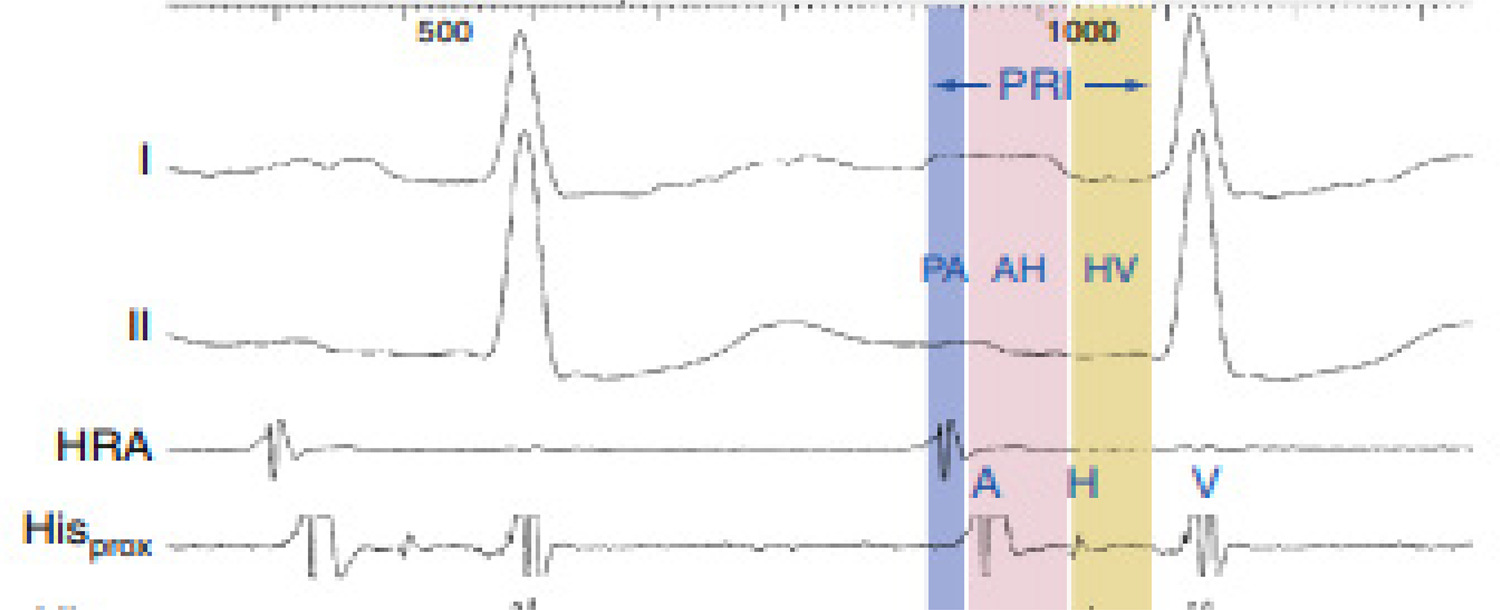
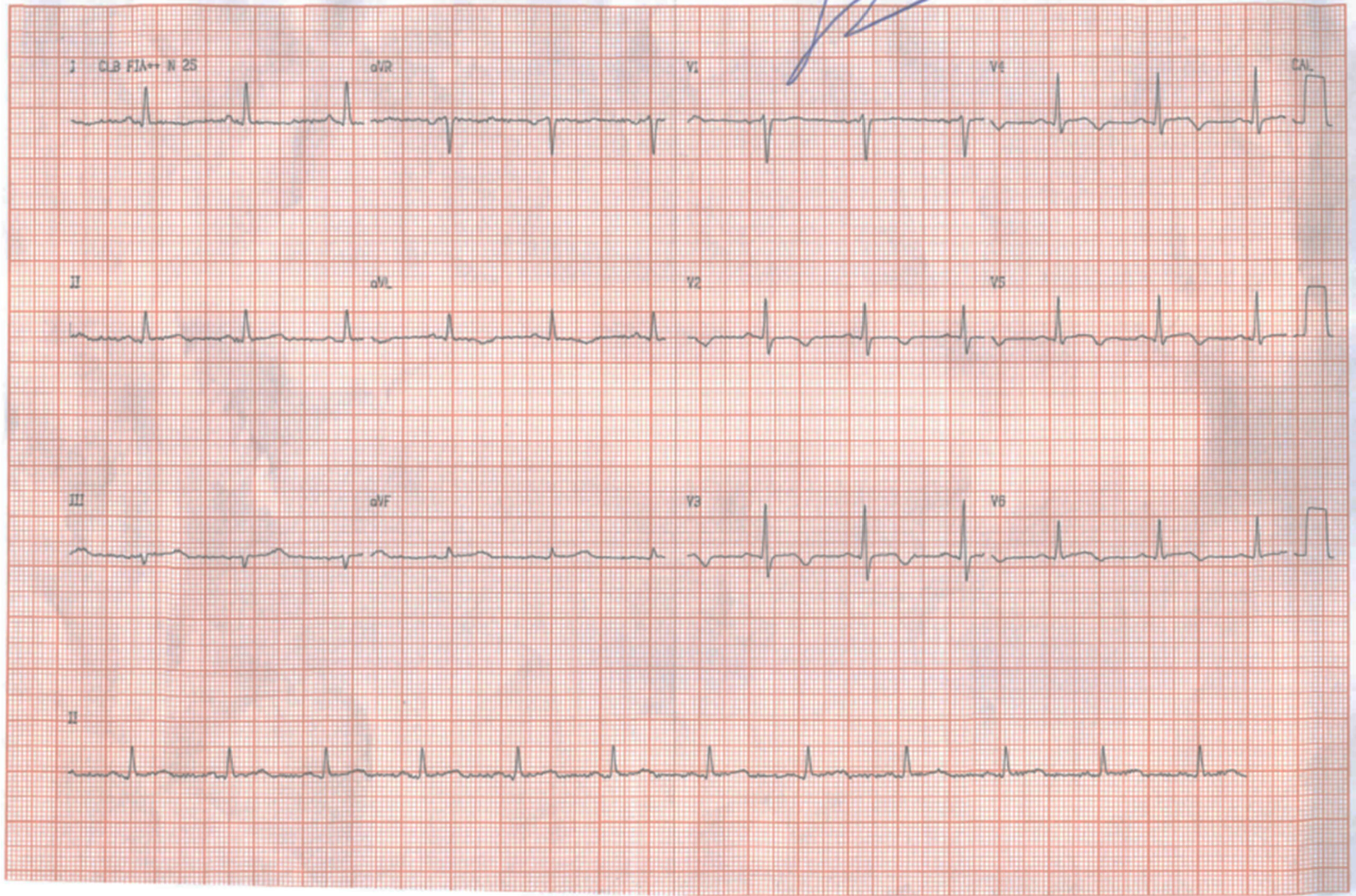
In the current edition of the International Journal of Cardiovascular Sciences, Leiria et al. have published a historical cohort of 124 electrophysiological studies considered normal, and evaluated three parameters of intracardiac conduction: (1) PA interval; (2) AH interval and (3) HV interval. The reference values for baseline electrophysiological parameters in the Brazilian population are of great interest due to their unique characteristics.

Since the description of the electrical potential in the end portion of the atrioventricular (AV) node by, Dandamudi and Vijayaraman related Wilhelm His Jr., in 1893, which would come to be named the bundle of His, cardiac electrophysiology has added knowledge to both the diagnosis and treatment of the different forms cardiac arrhythmias, and to the field of artificial cardiac stimulation.

[…]

  • Cardiac Arrhythmias
  • Cardiac Electrophysiological Techniques
  • Cardiac Electrophysiology
Read Full Article
Creative Commons Attribution (CC BY) Creative Commons license
09/10/2020 DOI: 10.36660/ijcs.20200260 Views 1
Figure 1
Review Article

Translational Approach for Percutaneous Interventions for the Treatment of Cardiac Arrhythmias

Angelo Amato Vincenzo de Paola

Abstract

New translational concepts on cellular and tissue substrate of cardiac arrhythmias have been responsible for the development of non-pharmacological interventions, with important achievements compared to the conventional approach with antiarrhythmic drugs. In addition, the increasing knowledge of anatomical and electrophysiological studies, sophisticated mapping methods, special catheters, and controlled clinical trials have favored the progression of ablation of tachyarrhythmias, particularly of ventricular tachyarrhythmias and atrial fibrillation.

  • Anti-Arrhythmia Agents
  • Arrhythmias Cardiac/physiopathology
  • atrioventricular node
  • Catheter Ablation
  • Cryosurgery / methods
  • Echocardiography/methods
  • Tomography, X Ray-Computed/methods
  • Translational Medical Research
Read Full Article
Creative Commons Attribution (CC BY) Creative Commons license
09/10/2020 DOI: 10.36660/ijcs.20200152 Views 1
Heart Failure – Pathophysiology and Current Therapeutic Implications
Editorial

Heart Failure – Pathophysiology and Current Therapeutic Implications

Mariana Vieira de Oliveira Bello et al. Fernando Bacal

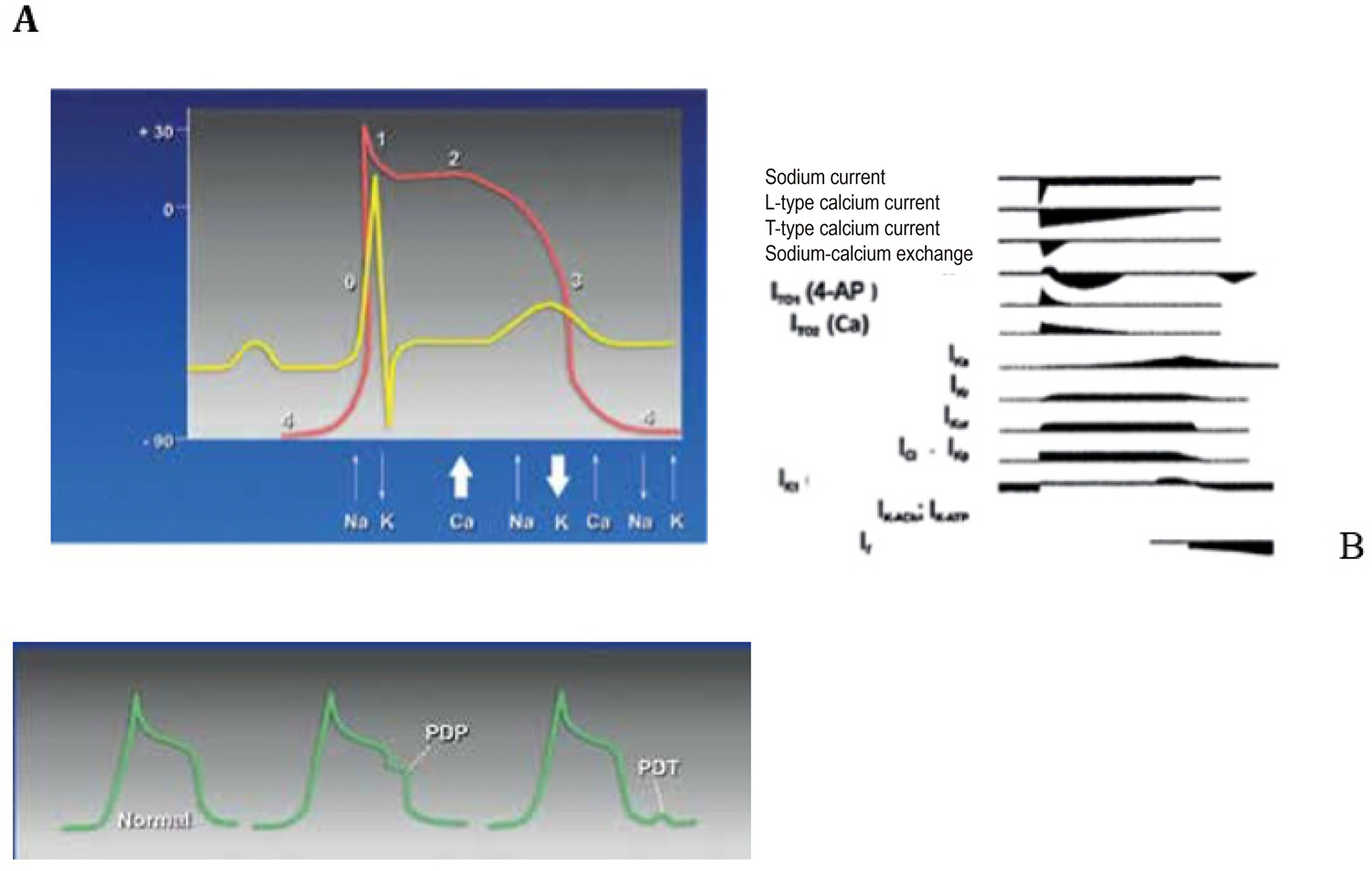
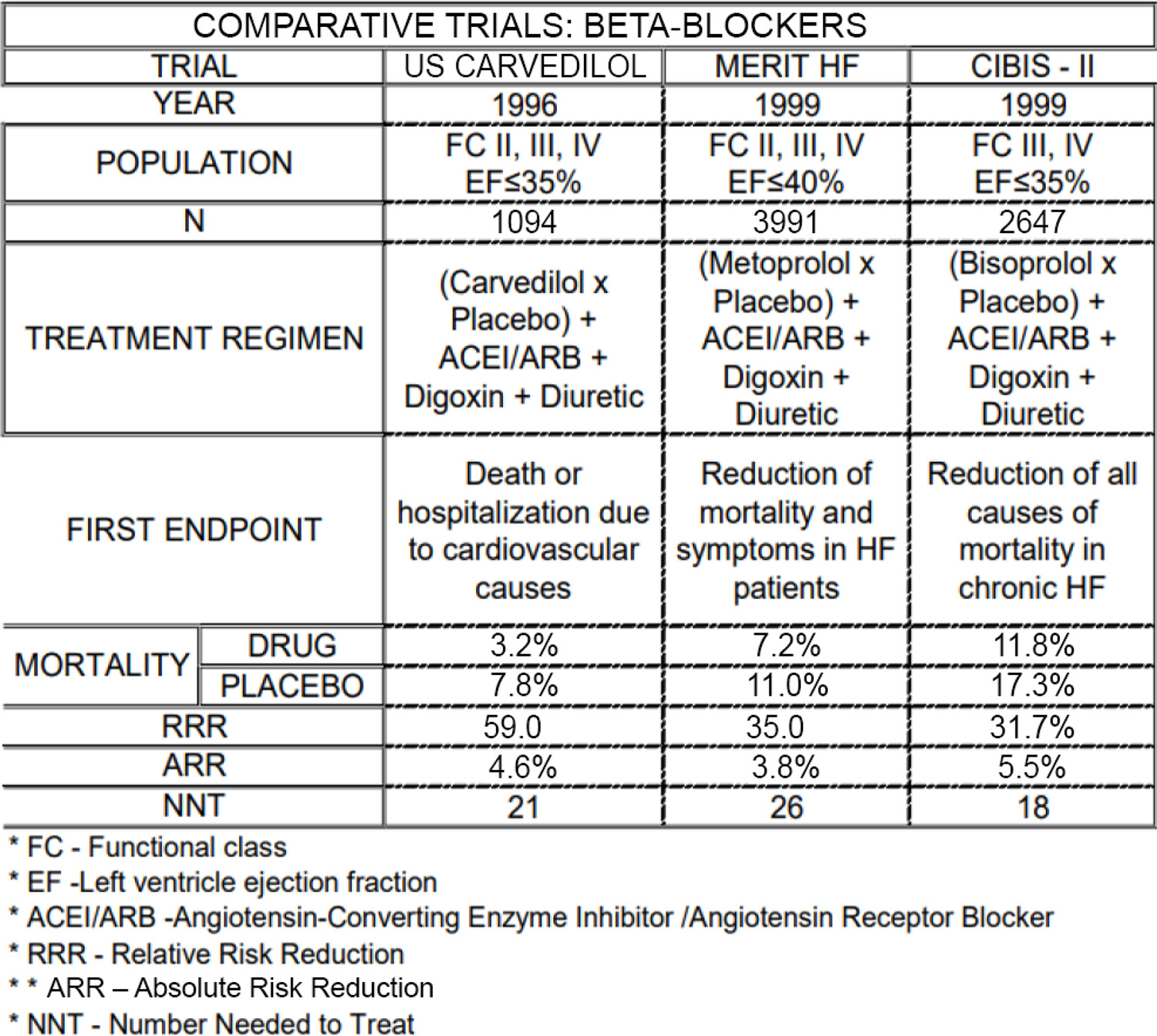
The concept of translational medicine involves promoting the rapid transfer of observations made in the areas of research and pathophysiological understanding to the medical practice. This approach is a reality in major Brazilian research centers which link academia and clinical practice.

Heart failure (HF) is a complex syndrome that can manifest itself as heart failure with preserved ejection fraction (HFpEF), acute heart failure, or chronic heart failure with reduced ejection fraction (HFrEF). Here, we will cover the type of HF whose pathophysiology is understood the best and thus has disease-modifying treatments: HFrEF.

[…]

  • Digitalis Glycosides
  • Diuretics
  • Edema
  • Heart Failure/physiopathology
  • Myocardial Contraction
  • Stroke Volume
  • Translational Medical Research
Read Full Article
Creative Commons Attribution (CC BY) Creative Commons license
09/10/2020 DOI: 10.36660/ijcs.20200056 Views 2
Figure 1
Original Article

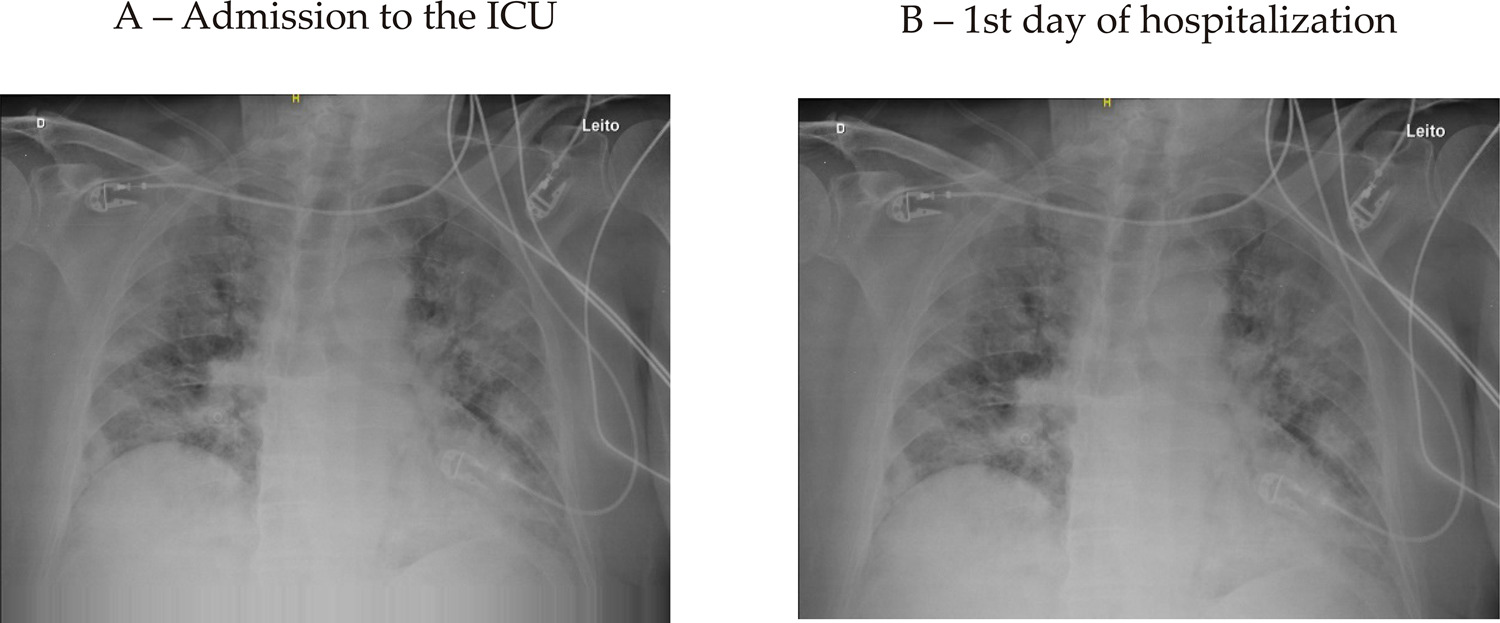
Lung Ultrasound as a Triage Tool in an Emergency Setting during the Covid-19 Outbreak: comparison with CT Findings

Monica Luiza de Alcantara et al. Marcos Paulo Lacerda Bernardo Tatiana Bagrichevsky Autran Rodolfo de Paula Lustosa … Marcelo Tayah Lucia Antunes Chagas Dequitier Carvalho Machado

Abstract

Background

Lung ultrasound (LUS) can detect interstitial alveolar changes confined to the subpleural region, like those described in Covid-19.

Objetive

To evaluate how LUS findings correlate with chest computed tomography (CT) in patients admitted to the emergency department (ED) with suspicion of Covid-19.

Methods

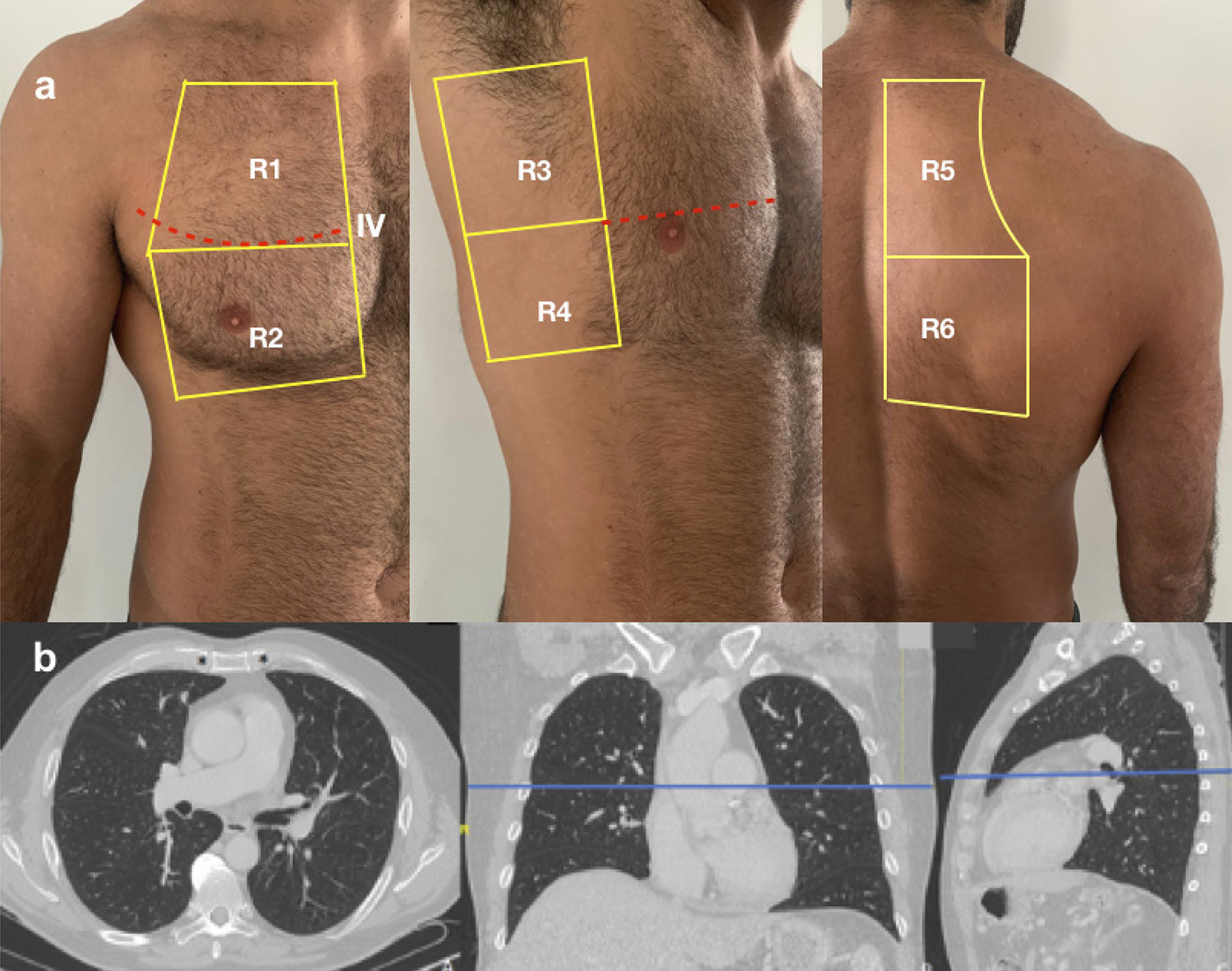
Cross-sectional study of 20 patients (median age 43 years; interquartile range, 37–63 years; 50% male). All patients underwent LUS and chest CT on the day of ED admission. Each hemithorax was divided into 6 segments with similar landmarks, and equivalent scores (sc) of lesion severity were defined for both methods. The number of affected segments on LUS (LUSseg) was divided into tertiles (0-1, 2-5, and ≥6), and compared with number of affected segments on CT (CTseg), LUSsc, CTsc, and percentage of affected lung parenchyma through visual analysis (CTvis). ANOVA or Kruskal–Wallis test for continuous variables, chi-square test for categorical variables, and receiver operating characteristic (ROC) curve analysis to define optimal cutoff points were performed. P<0.05 was considered statistically significant.

Results

Median LUSsc, CTsc, CTseg, and CTvis were significantly different between groups. A clear separation between groups was demonstrated; patients with 7 LUSsc and >3 LUSseg, respectively.

Conclusion

LUS findings correlate with chest CT, and can help identify patients with normal lung or minor pulmonary involvement secondary to Covid-19. Int J Cardiovasc Sci. 2020; [online].ahead print, PP.0-0

  • COVID-19
  • Lung
  • Pandemics
  • Pleura
  • Pulmonary Alveoli
  • Tomography, X Ray-Computed/methods
  • Triage
  • Ultrasonography/methods
Read Full Article
Creative Commons Attribution (CC BY) Creative Commons license
28/08/2020 DOI: 10.36660/ijcs.20200133 Views 1
Letter to the Editor

Declaring Physical Activity as ‘Essential’ During the COVID-19 Pandemic May not be a Good Measure

Rogério Tosta Almeida et al. Ciro Oliveira Queiroz Estela M. L. Aquino

Dear Editor,

We congratulate the authors on the viewpoint entitled “Should Physical Activity Be Considered Essential During the COVID-19 Pandemic?”, and we are thankful for the opportunity to provide some contributions on this current and relevant topic.

[…]

  • Betacoronavirus
  • COVID-19
  • Exercise
  • Mental Health
  • Motor Activity
  • Pandemics
  • Social Distancing
  • Sports
Read Full Article
Creative Commons Attribution (CC BY) Creative Commons license
28/08/2020 DOI: 10.36660/ijcs.20200165 Views 1
Figure 2
Review Article

Transcatheter Aortic Valve Implantation: Where are we in 2020?

Rogerio Sarmento-Leite et al. Gilberto Eder de Oliveira Junior

Abstract

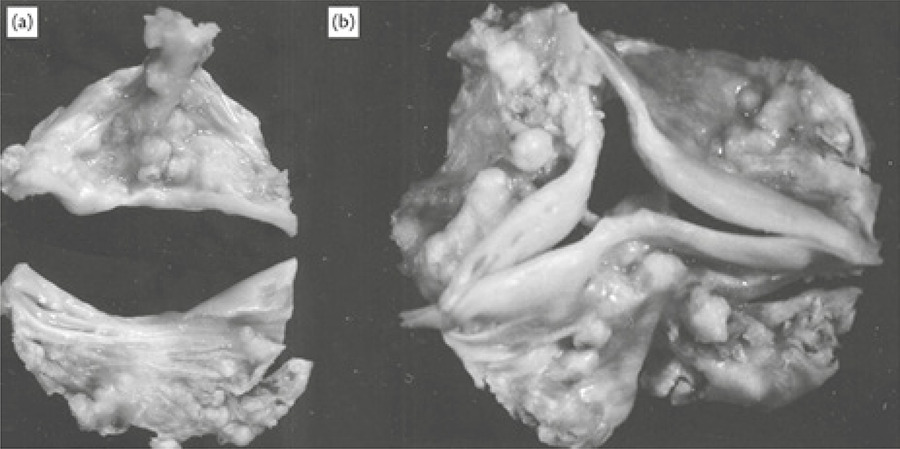
Aortic stenosis is an insidious disease of rapid progression after the onset of symptoms. Aortic valve replacement surgery is a well-established therapy that reduces symptoms and increases survival rates. However, the procedure may be associated with high operative mortality rates and promote comorbidity. Depending on the local reality, the prevalence of patients considered inoperable (due to medical comorbidities and age) may achieve 30%. For these patients, transcatheter aortic valve implantation (TAVI) was initially indicated; over time, the method has advanced technologically and been simplified, and become an alternative therapy for patients at low and intermediate surgical risk also, and considered one of the major advances of modern medicine.

  • Aged
  • Aortic Valve Stenosis
  • Morbidity
  • Mortality
  • Percutaneous Aortic Valve Replacement
  • Risk Factors
Read Full Article
Creative Commons Attribution (CC BY) Creative Commons license
28/08/2020 DOI: 10.36660/ijcs.20200089 Views 1
Figure 1
Original Article

Association between Mean Platelet Volume-to-Lymphocyte Ratio and the Presence of Apical Mural Thrombus in Post-Myocardial Infarction Patients

Cemal Koseoglu et al. Ozge Kurmus

Abstract

Background

Left ventricular apical thrombus (AT) is generally associated with ischemic and non-ischemic cardiomyopathies. The thrombo-inflammatory process plays an important role in the pathophysiology of acute coronary syndromes and post-myocardial thromboembolic complications. Mean platelet volume (MPV) has been linked to poor prognosis following myocardial infarction. Recently, platelet-to-lymphocyte ratio (PLR) has emerged as a new marker of worse outcomes linking inflammation and thrombosis.

Objective

We aimed to investigate the prognostic significance of the marker – mean platelet volume to lymphocyte ratio (MPVLR) in patients with AT.

Methods

Fifty-six patients with left ventricular AT after an anterior myocardial infarction and 51 patients without left ventricular AT after an anterior myocardial infarction were enrolled in this study retrospectively. Admission MPVLR was compared between the two groups. Logistic regression analysis was carried out to identify whether MPVLR is an independent predictor of AT. The receiver operating curve (ROC) analysis was used to show the optimal cut-off for MPVLR to predict AT. P values less than 0.05 were considered statistically significant.

Results

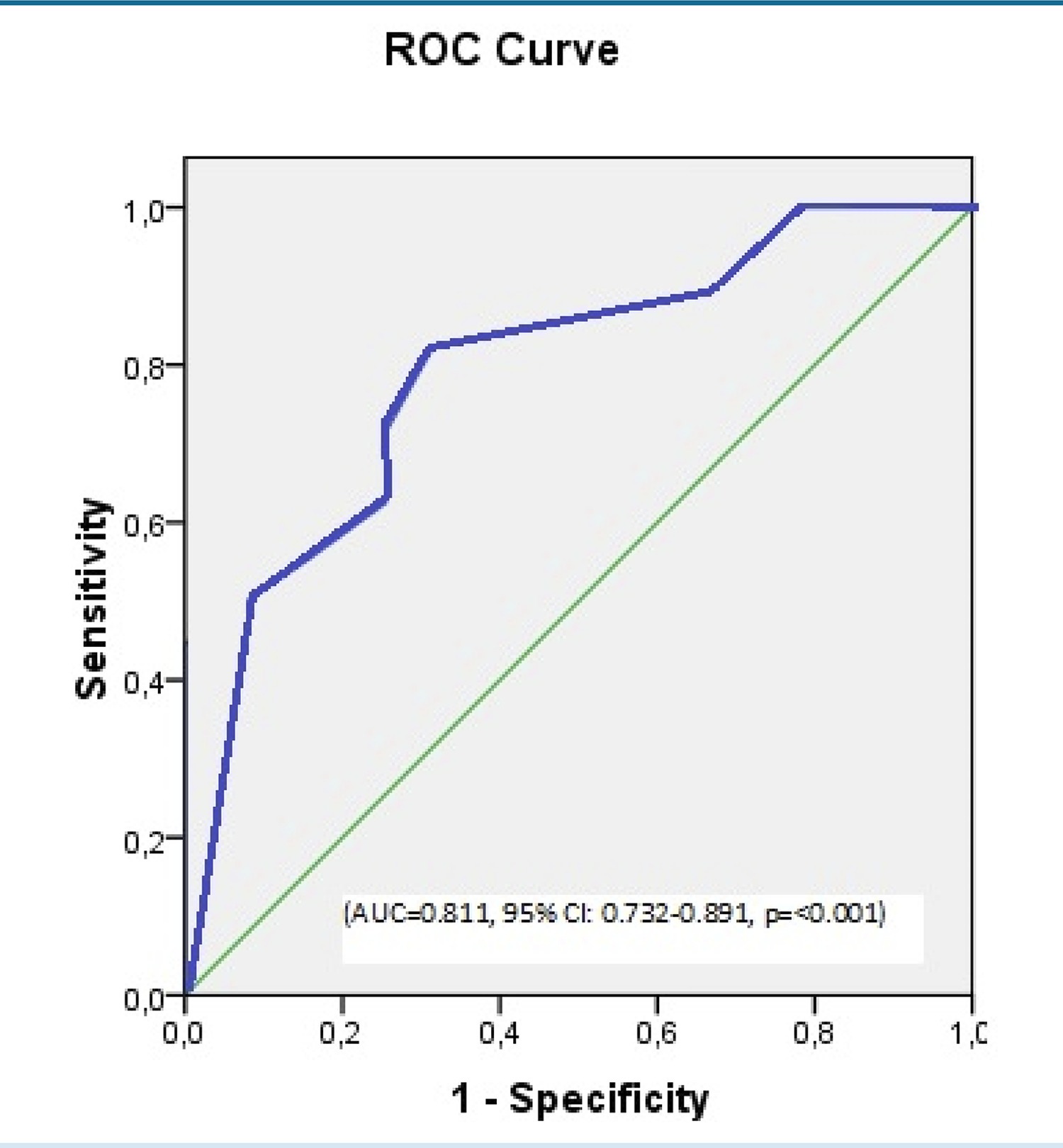
Age, gender, frequency of diabetes mellitus, hypertension and atrial fibrillation, and ejection fraction values did not differ between the groups. MPVLR was higher in patients with AT than patients without AT (7.91±2.5 vs 5.1±2.1, p 4.75 (82.1% sensivity and 70.2% specifity (area under the curve=0.811, 95% confidence interval [CI]: 0.731-0.891, p<0.001). MPVLR was found to be an independent risk factor for the formation of AT (B:0.441, p.0.001).

Conclusion

MPVLR is a simple, cheap and easily accessible test that can predict left ventricular AT formation. (Int J Cardiovasc Sci. 2020; [online].ahead print, PP.0-0)

  • Cardiac Mass
  • Cardiomyopathies
  • Lymphocyte Ratio
  • Myocardial Infarction
  • Thrombosis/complications
Read Full Article
Creative Commons Attribution (CC BY) Creative Commons license
07/08/2020 DOI: 10.36660/ijcs.20190140 Views 2
Figure 1
Original Article

Does Tight Glucose Control During the First 24 hours of Hospitalization Reduce Scintigraphic Infarct Size in STEMI Patients?

Kamil Gulsen et al. Burak Ayca Murat Baskurt Baris Okcun Murat Kazim Ersanli

Abstract

Background

Hyperglycemia at the time of admission is related to increased mortality and poor prognosis in patients diagnosed with ST-segment elevation myocardial infarction (STEMI).

Objective

We aimed to investigate whether tight glucose control during the first 24 hours of STEMI decreases the scintigraphic infarct size.

Methods

The study population consisted of 56 out of 134 consecutive patients hospitalized with STEMI in a coronary care unit. Twenty-eight patients were treated with continuous insulin infusion during the first 24 hours of hospitalization, while the other 28 patients were treated with subcutaneous insulin on an as-needed basis. The final infarct size was evaluated with single-photon emission computed tomography (SPECT) in all patients on days 4 to 10 of hospitalization. The groups were compared and then predictors of final infarct size were analyzed with univariate and multivariate linear regression analysis. A p-value < 0.05 was considered statistically significant.

Results

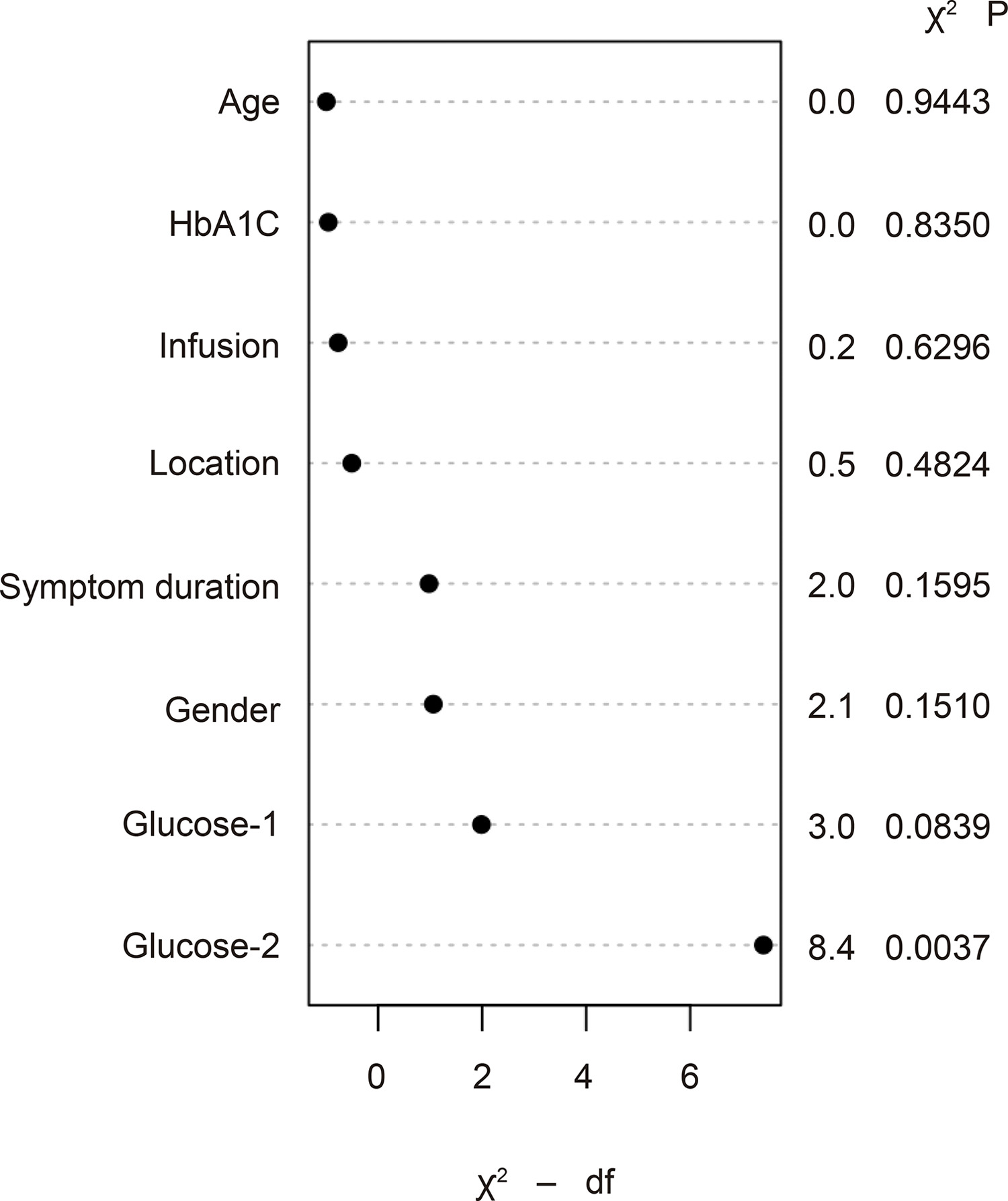
The mean glucose level in the first 24 hours was 130 ± 20 mg/dL in the infusion group and 152 ± 31 mg/dL in the standard care group (p = 0.002), while the mean final infarct size was 20 ± 12% and 27 ± 15% (p = 0.06), respectively. The multivariate linear regression analysis demonstrated that the mean 24-hour glucose level was an independent predictor of the final infarct size (beta 0.29, p = 0.026).

Conclusion

Tight glucose control with continuous insulin infusion was not associated with smaller infarct size when compared to standard care in STEMI patients. (Int J Cardiovasc Sci. 2020; [online].ahead print, PP.0-0)

  • Hospitalization
  • Hyperglycemia
  • Insulin
  • Myocardial Perfusion Imaging
  • ST-Elevation Myocardial Infarction/mortality/mortality
  • Tomography, Emission Computed,Single Photon/methods
Read Full Article
Creative Commons Attribution (CC BY) Creative Commons license
07/08/2020 DOI: 10.36660/ijcs.20200020 Views 1
Review Article

The Gut Brain-Axis in Neurological Diseases

Pedro Melo Barbosa et al. Egberto Reis Barbosa

Abstract

Recent evidence suggests that dysfunction of the gut-brain axis may be an important factor contributing to many diseases of the nervous system. Increased gut permeability associated with chronic gastrointestinal dysfunction, as well as changes in the composition of the gut microbiota could contribute to exposure of the enteric and central nervous system to pathogens and its metabolites, including endotoxins and pro-inflammatory cytokines. As a consequence, dysfunction of the host’s immune system could contribute to an abnormal immunological response leading to auto-immune conditions, such as multiple sclerosis. So far, gut dysbiosis has been reported in association with Parkinson’s disease, Alzheimer’s disease, multiple sclerosis, neurodevelopmental and neuropsychiatric conditions, and cerebrovascular disease. These findings suggest that the possibility of targeting the gut microbiota could become a future therapeutic option to treat these conditions. However, before this knowledge can be useful in the clinical setting, more data is needed to establish clear causal relationships between dysfunction of the gut-brain axis and neurological diseases.

  • Brain
  • Gastrointestinal Tract
  • Microbiome Gastrointestinal/complications
  • Nervous System
  • Neurobehavioral Manifestations
Read Full Article
Creative Commons Attribution (CC BY) Creative Commons license
07/08/2020 DOI: 10.36660/ijcs.20200039 Views 1
Figure 1
Viewpoint

Controversies in the Indications of Percutaneous Angioplasty Or Coronary Artery Bypass Grafting In The Treatment Of Left Main Disease

Renato A. K. Kalil et al. Roberto T. Sant´Anna Felipe Borsu de Salles

Introduction

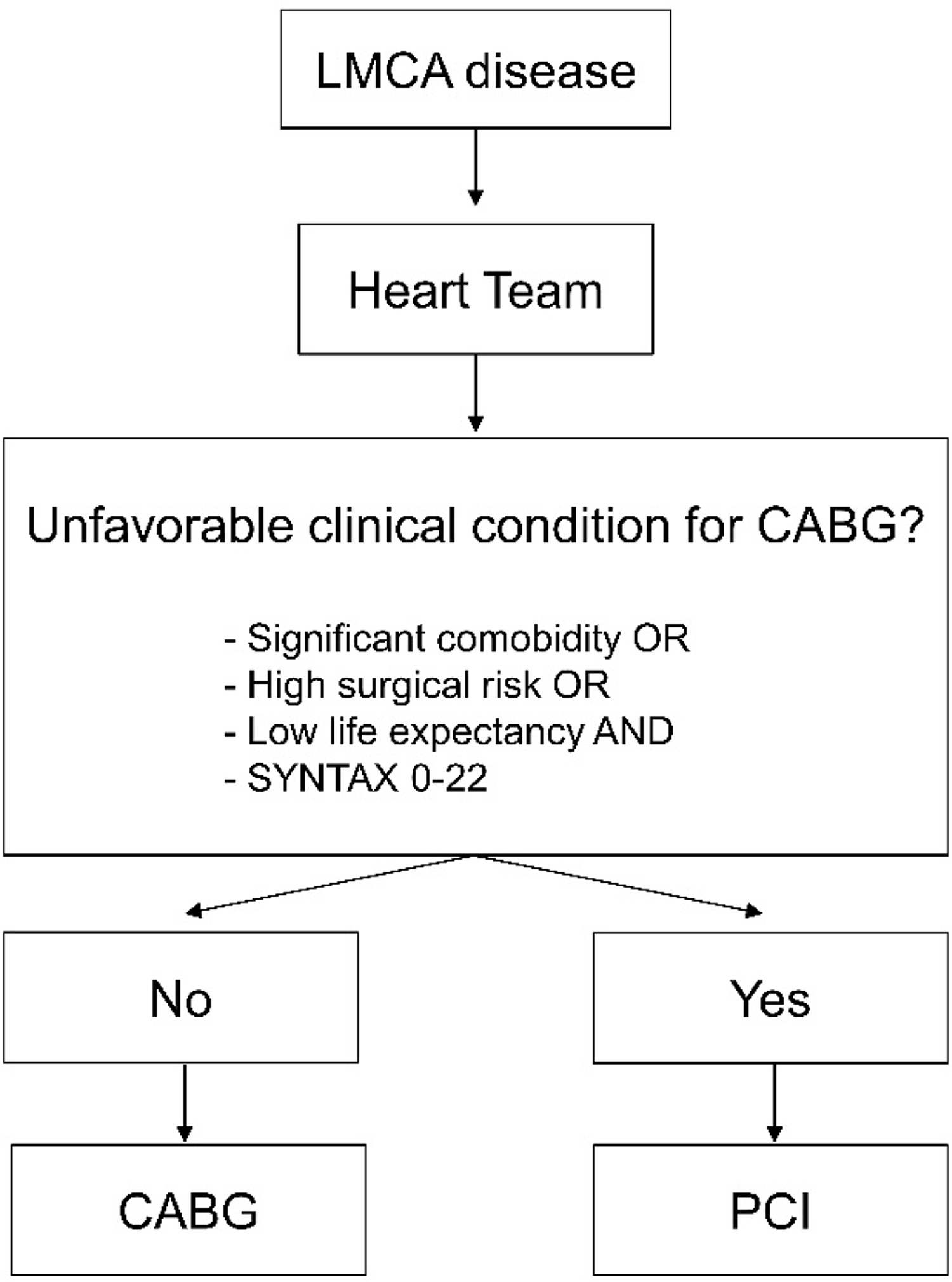
Left main coronary artery (LMCA) disease is a high-risk clinical situation, since this artery is responsible for the irrigation of more than two-thirds of the myocardial tissue, LMCA disease is associated with increased risk of adverse cardiac events. Traditionally, the gold standard of treatment for significant LMCA disase, understood as a stenosis> 50%, is coronary artery bypass grafting (CABG) surgery. –

The technological evolution of percutaneous treatment and its safe application for LMCA disease in the PRECOMBAT study made it a viable alternative, initially restricted to patients at high surgical risk and with LMCA disease confined to the proximal portion of the trunk. Subsequent studies have suggested the equivalence of percutaneous coronary intervention (PCI) and CABG in low and moderate complexity LMCA disease, which was reflected in the most recent guidelines ( ). Clinical registries, with real-patient outcomes, – and long-term results from the EXCEL study, contest this notion of equivalence between therapies in terms of mortality. The study was controversial, especially regarding the definition of clinical outcomes.

[…]

  • Coronary Angiography
  • Coronary Artery Bypass
  • Coronary Artery Disease
  • Coronary Restenosis
  • Left Main Coronary Artery
  • Myocardial Revascularization
  • Percutaneous Coronary Intervention
Read Full Article
Creative Commons Attribution (CC BY) Creative Commons license
17/07/2020 DOI: 10.36660/ijcs.20200037 Views 1
Figure 1
Original Article

An Approach to Technology Development and Current Medical Practice

Gilson Feitosa

Abstract

Background

An approach to technology development and the current medical practice.

Objective

To consider the many stages of medical-applied technological developments and its main consequences related to the current medical practice and speculate on future developments.

Methods

Assessment of historical publications and individual and metanalysis of comparative evaluation of old versus new techniques.

Results

Documentation of progressive improvement in diagnostic skill and therapeutics toward less invasive procedures along the last decades, since the introduction of the scientific medicine.

Conclusion

Progress has been unequivocally documented albeit an effort to maintain time-proven established previous technique is advised, especially in favor of stimulating a personal patient-physician relationship. (International Journal of Cardiovascular Sciences. 2020; [online].ahead print, PP.0-0)

  • Electronic Health Records/trends
  • Medical Education
  • Medical Practice
  • Patient Participation
  • Physician-Patient Relations
  • Robotics
  • Technology/trends
  • Telemedicine
Read Full Article
Creative Commons Attribution (CC BY) Creative Commons license
17/07/2020 DOI: 10.36660/ijcs.20200032 Views 1
Figure 1
Original Article

Intestinal Microbiota and Cardiovascular Diseases

Protásio L. da Luz et al. Elisa Alberton Haas Desiderio Favarato

Abstract

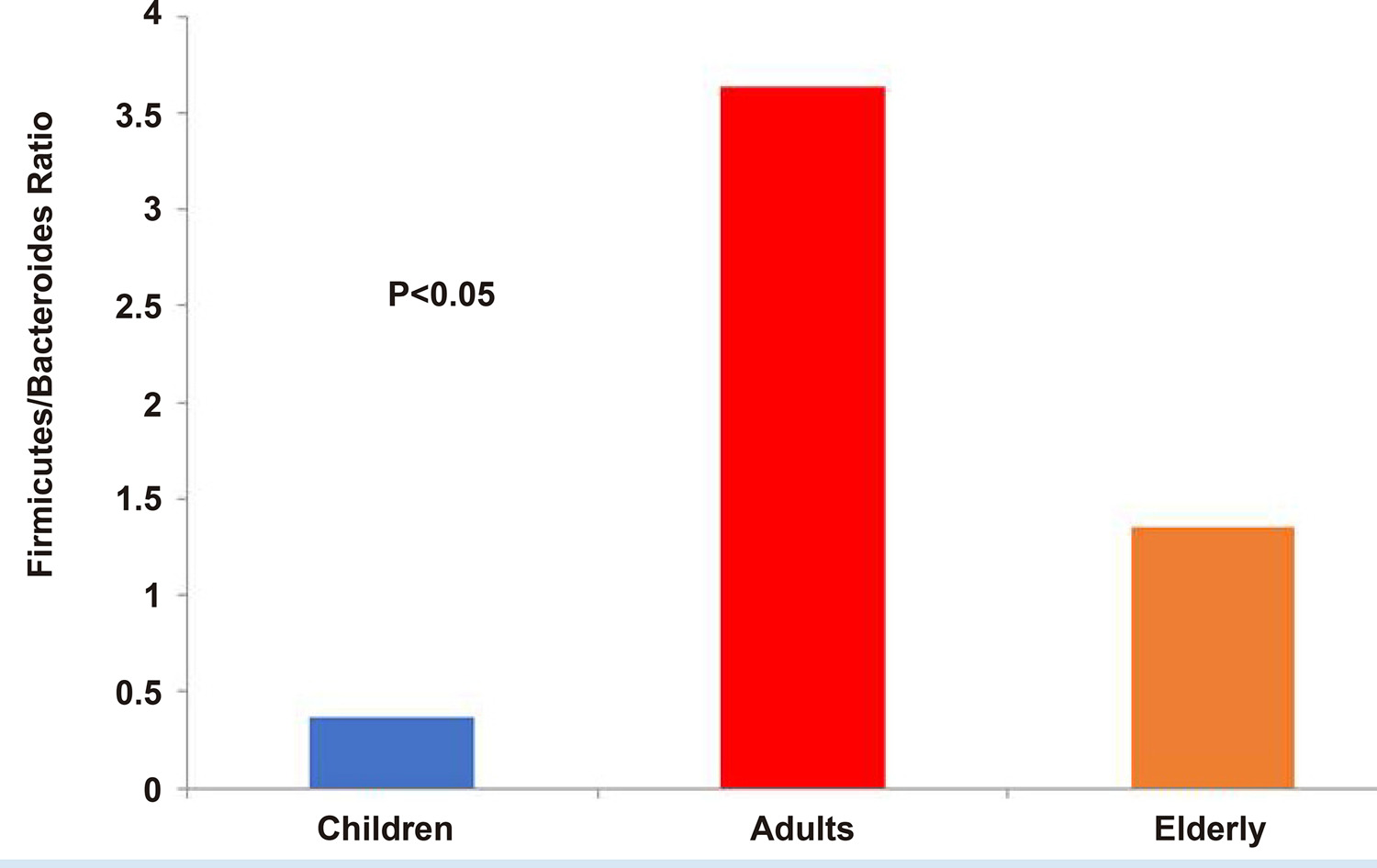
Recently, gut microbiota has emerged as an important mediator of several diseases such as diabetes, atherosclerosis, arterial hypertension, obesity, cancers and neuropsychiatric diseases including Alzheimer, autism and depression. Intestinal microbiota is formed by bacteria, fungi and viruses and its main function is to facilitate the absorption and metabolism of foods (protein, fat and carbohydrate). One example of the multiple actions of the gut microbiota is the bidirectional relationship between the intestine and the brain, the so-called “gut/brain axis”. Furthermore, metabolites produced by gut microbiota can induce effects locally or at distance, which suggests that the intestine is an endocrine organ. Given the participation of the gut microbiota in several diseases, there is great interest in strategies that may positively affect the gut flora and prevent or even treat diseases. Among these strategies, lifestyle change, but specially diet modulation has gained importance. In this article, we review the mechanisms through which intestinal microbiota participates in cardiovascular diseases and possible therapeutic interventions.

  • Alzheimer Disease
  • Atherosclerosis
  • Cardiovascular Diseases
  • Diabetes Mellitus
  • Diet, Mediterranean
  • Gastrointestinal Microbiome/physiology
  • Hypertension
  • Metabolism
  • Neoplasms
  • Obesity
  • Risk Factors
Read Full Article
Creative Commons Attribution (CC BY) Creative Commons license
17/07/2020 DOI: 10.36660/ijcs.20200043
Figure 1
Review Article

Inflammation in Cardiovascular Disease: From Basic Concepts to Clinical Application

David D. Waters

Abstract

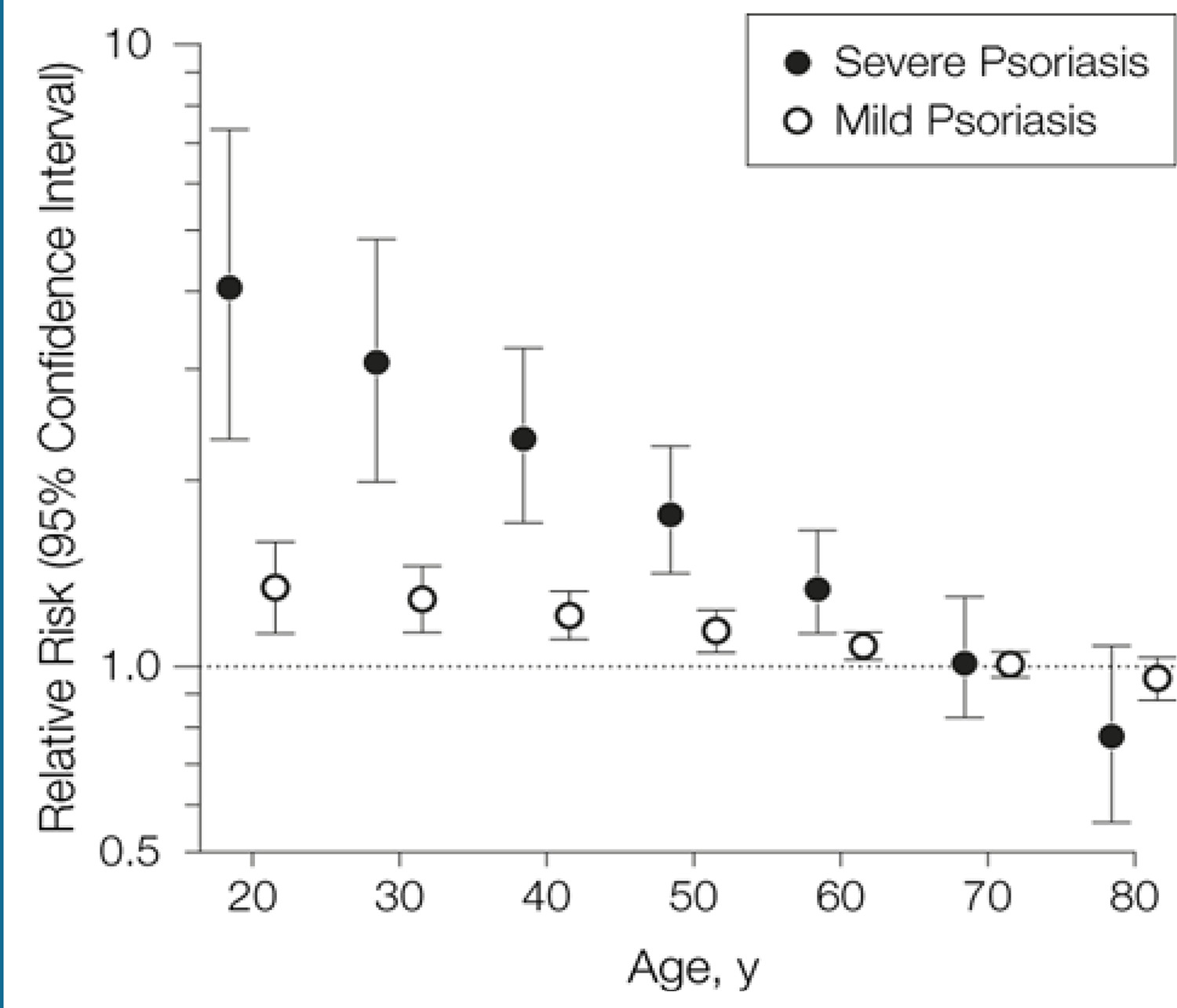
Although low-density lipoprotein cholesterol is central to the development and progression of atherosclerosis, the role of inflammation in the atherosclerotic process is becoming better understood and appreciated. Chronic inflammatory conditions such as rheumatoid arthritis, lupus, psoriasis, HIV infection, and inflammatory bowel disease have all been shown to be associated with an increased blood levels of inflammatory biomarkers and increased risk of cardiovascular events. Evidence from observational studies suggests that anti-inflammatory therapy decreases this risk in these conditions. Clinical trials of anti-inflammatory drugs in patients with coronary disease have yielded mixed results. Drugs that have failed in recent trials include the P38 MAP kinase inhibitor losmapimod, the phospholipase A2 inhibitors darapladib and varespladib, and methotrexate. Canakinumab, an interleukin-1β inhibitor, reduced cardiovascular events in patients with coronary disease in the Canakinumab Anti-inflammatory Thrombosis Outcome Study (CANTOS). Canakinumab increased the rate of fatal infections in CANTOS and is very expensive; it is thus unlikely to be widely used for risk reduction in cardiology. On the other hand, colchicine is a safe and inexpensive anti-inflammatory drug. In the Colchicine Cardiovascular Outcomes Trial (COLCOT), where patients within 30 days of a myocardial infarction were randomized to low-dose colchicine or placebo and followed for a median of almost 2 years, colchicine treatment was associated with a 23% reduction (p=0.02) in cardiovascular events. Newer studies with anti-inflammatory drugs have the potential to improve outcomes of patients with atherosclerosis, just as low-density lipoprotein cholesterol-lowering drugs have done over the past two decades.

  • Anti-Inflammatory Agents/therapeutic use
  • Arthritis, Rheumatoid
  • Canakinumab/therapeutic use
  • Cardiovascular Diseases
  • Colchicine/therapeutic use
  • Coronary Disease
  • Inflammation
  • Lipoproteins,LDL, Atherosclerosis
  • Risk Factors
Read Full Article
Creative Commons Attribution (CC BY) Creative Commons license
17/07/2020 DOI: 10.36660/ijcs.20200048 Views 1
Viewpoint

Potential Role of Hematological Parameters in Patients with Acute Myocardial Infarction: viewpoint

José Gildo de Moura Monteiro Júnior et al. Dário Celestino Sobral Filho

Acute myocardial infarction (AMI) is one of the most important cardiovascular diseases, leading to disability and death worldwide. Atherosclerosis is the main etiology of AMI, which is characterized by a series of highly specific cellular and molecular responses that can best be described, in aggregate, as an inflammatory disease. Risk factors such as arterial hypertension, diabetes mellitus, smoking, dyslipidemia, obesity, emotional stress and family history are not, in themselves, sufficient for in-hospital risk assessment of patients with AMI. Recently, several studies have found an association between oxidative stress, due to inflammation, and hypoxemia processes, with hematological changes and coronary arterial diseases, suggesting their usefulness in identifying the risk of death. These studies have shown the association of hematological parameters with prognostic biomarkers in patients with coronary artery disease. – This issue of the International Journal of Cardiovascular Sciences includes the paper “Performance of a Hematological Scoring System in Predicting All-Cause Mortality in Patients with Acute Myocardial Infarction”, with a proposed scoring system for in-hospital surveillance.

Several studies have shown that hypoxemia and infection are the main stimulus to differentiation processes in distinct hematological cell lines in the bone marrow, when hematological diseases, cancer, congestive heart failure, acute and chronic anemias are excluded. , These cells originate from a single progenitor cell called the stem cell, when for example, blood exposure to low oxygen concentrations over a long period results in differentiation and increased production of red blood cells. This stimulus to the bone marrow is produced by erythropoietin, a glycoprotein, 90% of which is produced in the kidneys, the rest being mostly formed in the liver, in response to hypoxemia. Infectious diseases cause the differentiation and final formation of specific types of leukocytes for each pathogen. Platelets have an important role in hemostasis, inflammation and innate immunity. In the last five decades, with the advent of automated counting, the hemogram was transformed into a useful clinical tool to demonstrate the daily variability in the hematopoietic response according to the patient’s injury. , In recent years, a large number of studies have provided a better knowledge of these hematological parameters, with independent information on pathophysiology and risk stratification. For example, nucleated red blood cells (NRBCs) are immature erythrocyte cells present in the bone marrow in the process of hematopoiesis. In a healthy adult, there are no NRBCs in the peripheral blood. Therefore, the presence of NRBCs in the peripheral circulation is associated with a poorer prognosis. – The neutrophil to lymphocyte ratio (NLR), a combination of two independent markers of inflammation, is considered a simple and nonspecific marker of inflammation. White blood cells, particularly lymphocytes, cause a major important modulation in the inflammatory response. Clinical and experimental studies have associated lymphopenia with progressive atherosclerosis. , Basem et al., demonstrated that NLR is a strong predictor of short- and long-term mortality in stable and unstable coronary insufficiency. Patients with non-ST-segment elevation myocardial infarction with NLR > 4.7 have a mortality rate of 29.8%, whereas those with NLR < 3 have a mortality rate of 8.4 (p <0.001). In another study, using a 2.54 cut-off point, NLR was a predictor of severe atherosclerosis, with a sensitivity of 74% and specificity of 53% (ROC curve 0.627; 95% CI: 0.545-0.704, p = 0.004). There are also studies demonstrating the association between NLR and the extent and severity of coronary artery disease. , Large platelets are metabolically and enzymatically more active than small platelets and are characterized by an elevation in mean platelet volume (MPV). In the study by Uysal et al., an MPV value greater than 10.4 is considered a predictor of severe atherosclerosis, with a senstitivity of 39% and specificity of 90% (ROC curve: 0.631, 95% CI: 0.549-0.708, p = 0.003), and can be used as a predictor and cardiac risk identifier in patients with coronary artery disease. MPV has thus been identified as an independent risk factor for acute myocardial infarction in patients with coronary artery disease. ,

[…]
  • Atherosclerosis
  • Inflamatory Diseases
  • Mean Platelet Volume
  • Mortality
  • Myocardial Infarction
  • neutrophil-to-lymphocyte ratio
  • Nucleated Red Blood Cells
Read Full Article
Creative Commons Attribution (CC BY) Creative Commons license
17/07/2020 DOI: 10.36660/ijcs.20200108 Views 1
Figure 1
Original Article

Dietary Fat Intake and its Association with Adiposity and Inflammatory Markers in Individuals at Cardiometabolic Risk

Fernanda Santos Fortes et al. Alinne Paula de Almeida Carla de Oliveira Barbosa Rosa Brenda Kelly Souza Silveira … Nínive de Almeida Reis Helen Hermana Miranda Hermsdorff

Abstract

Background

Fatty acids are important components of diet that may influence the development of CVD.

Objective

To verify the relationship of dietary fatty acids with cardiometabolic markers in individuals at the cardiometabolic risk.

Methods

This cross-sectional study involved 282 subjects (116 M/166 F, 42 ± 16 years) attended the Cardiovascular Health Care Program, Universidade Federal de Viçosa (Brazil). Anthropometric and body composition measurements as well as metabolic and inflammatory markers were assessed by standard procedures. Demographic and lifestyle variables were obtained by semi-structured questionnaire. Food consumption was evaluated by 24h recall. Student’s t-test or Mann-Whitney-U test and chi-square test were used, considering the statistical significance level of 5% probability.

Results

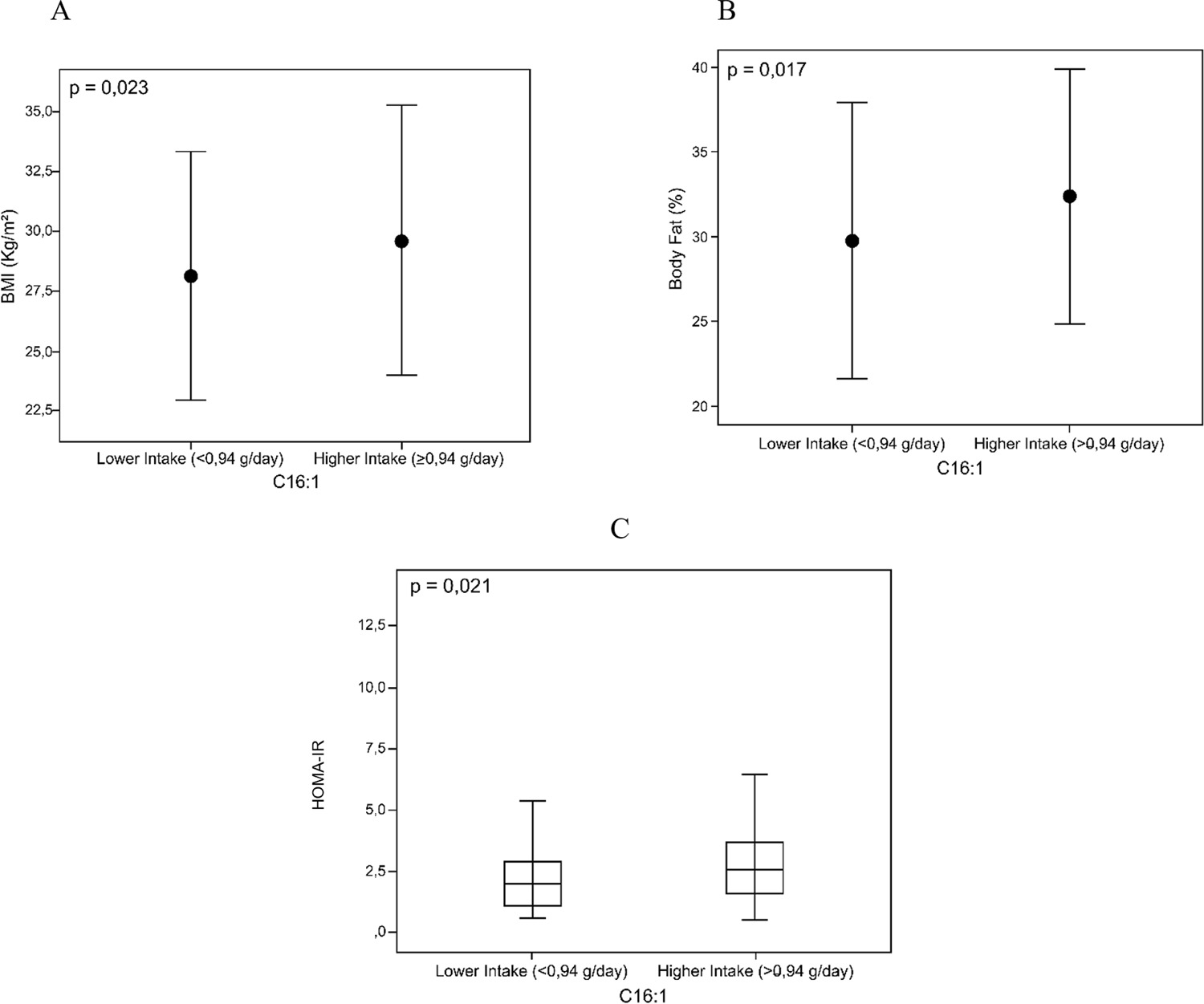
Individuals who eaten fat, fatty acids saturated and fatty acids polyunsaturated above recommendation (> 35, 7%, and 10% of caloric intake) were more likely to be overweight (p < 0.05). Those individuals with higher intake of medium-chain fatty saturated acids (≥ 1.05 g/d) had lower values (p < 0.05) of body mass index, waist circumference, waist-hip ratio and waist-height ratio and higher values (p < 0.05) of total leukocytes, C-reactive protein and total cholesterol, and LDL. Subjects with higher of palmitoleic acid intake (≥ 0.94 g/d) presented higher values of BMI, fat percentage and HOMA-IR (p < 0.05).

Conclusion

This cross-sectional study found different associations of dietary fat and cardiometabolic risk related to adiposity and inflammatory markers, according with chain-size and saturation, indicating the need the more detailed on the dietary assessment of obese patients to identify risk factors and established best strategies to control. (Int J Cardiovasc Sci. 2020; [online].ahead print, PP.0-0)

  • Biomarkers
  • Cardiovascular Diseases, Risk Factors
  • Fatty Acids
  • Metabolic Syndrome
  • Obesity/prevention and control
Read Full Article
Creative Commons Attribution (CC BY) Creative Commons license
09/03/2020 DOI: 10.36660/ijcs.20190066 Views 1
Figure 1
Original Article

Analysis of Conduction Intervals in Normal Electrophysiological Studies: Establishment of Reference Values the Brazilian Population

Tiago Luiz Luz Leiria et al. Catarine Benta Lopes dos Santos Roberto Tofani Sant'anna Julia Santana Trombetta … Gabriela Osterkamp Marcelo Lapa Kruse Leonardo Martins Pires Gustavo Glotz Lima

Abstract

Background

In the investigation of cardiac rhythm disorders, a normal electrophysiological (EPS) study is associated with a favorable prognosis. One of the normality criteria is established by conduction intervals within expected range.

Objective

To establish reference values in EPS for the intracavitary conduction intervals (PA, AH and HV) in a Brazilian population.

Methods

A retrospective cohort study of the first 1,500 patients submitted to EPS ablation was performed at Instituto de Cardiologia do Rio Grande do Sul, Brazil. The EPS was considered normal if the test was performed for diagnostic purpose; absence of induced arrhythmias; and conduction intervals within the expected range. The REDCap software was used for data collection and management, and the SPSS Statistics 22.0 used for data analysis. Continuous variables were compared with Student’s t-test for independent samples and categorical variables with the chi-square test (X 2 ). Values of p ≤ 0.05 were considered significant.

Results

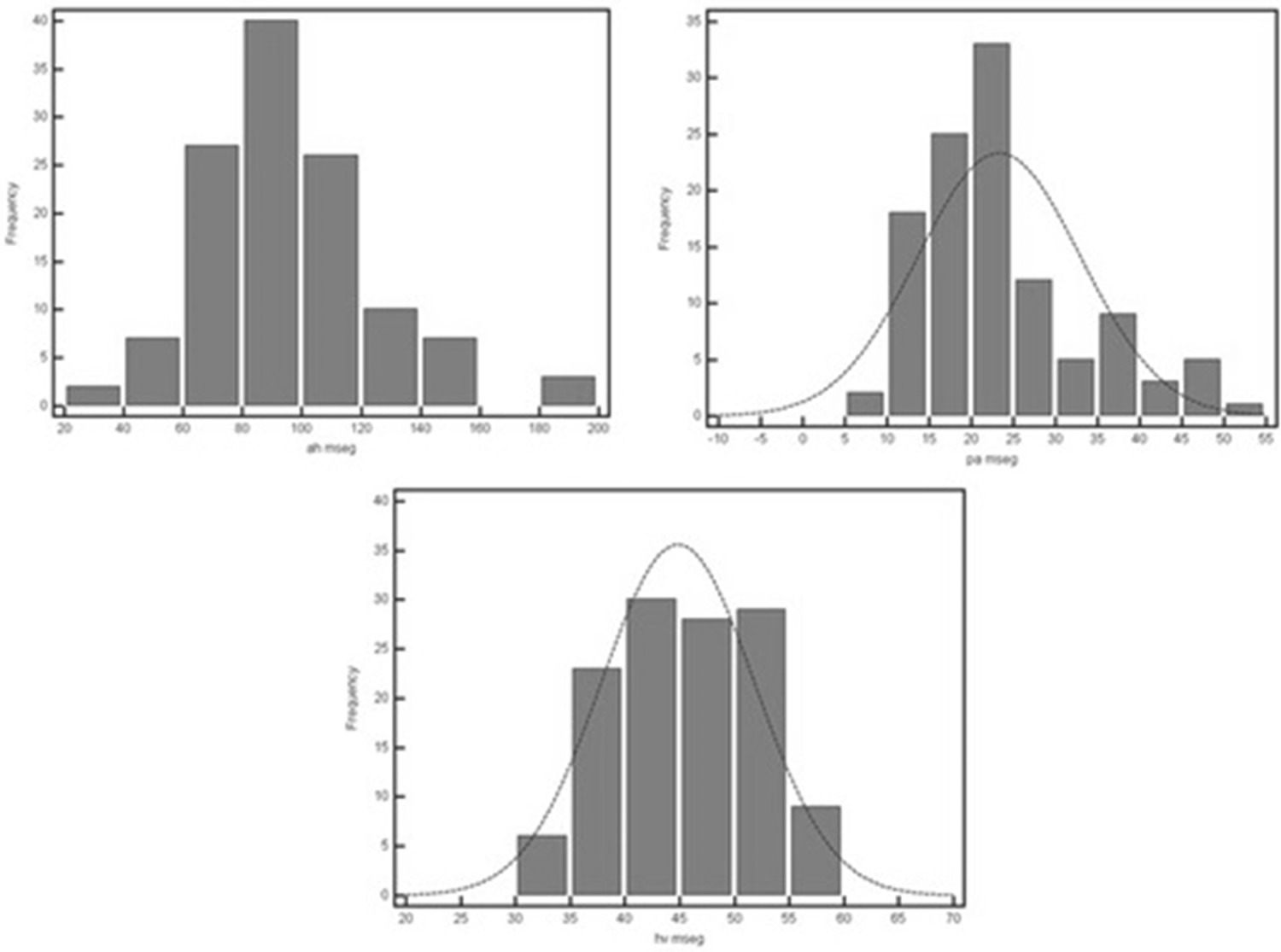
A total of 124 (8.3%) with EPS considered normal were included; mean age was 52 ± 21 years, and 63 were male. The mean values in milliseconds of PA, AH and HV were 23 ± 9, 88 ± 25 and 44 ± 7, respectively. The PA, AH, and HV percentile ranges were 13 – 25, 81-107 and 40 – 52, respectively. When the patients were divided into three age groups (1 to 18 years, 19 to 64 years and 65 or more), we observed that the group of older patients had significantly higher values of PA, AH and HV compared with younger patients.

Conclusion

This study showed that intracavitary conduction intervals in a sample of the Brazilian population were similar to previously published studies. Elderly patients tend to have higher values of intracavitary conduction intervals in EPS. Future studies including broader age ranges could enable the acquisition of more reliable and reproducible reference values. (Int J Cardiovasc Sci. 2020; [online].ahead print, PP.0-0)

  • Arrhythmias Cardiac
  • Brazil / epidemiology
  • Electrocardiography/methods
  • Predictive Value of Tests
  • Syncope/physiopathology
  • Syncope/therapy
  • Treatment Outcome
Read Full Article
Creative Commons Attribution (CC BY) Creative Commons license
09/03/2020 DOI: 10.36660/ijcs.20180087 Views 3
Figure 1
Original Article

Early Outcomes of Modified De Vega Annuloplasty for Functional Tricuspid Regurgitation at a Brazilian Hospital

Diogo Luiz de Magalhães Ferraz et al. Karina Mascarenhas Bezerra Alves Larissa Almeida Barp Santos Girliney dos Santos Leandro … Cristiano Berardo Carneiro da Cunha Rodrigo Mezzalira Tchaick Igor Correia Silva João Paulo Segundo de Paiva Oliveira Jeú Delmondes de Carvalho Júnior Felipe Ribeiro Walter Stephanie Steremberg Pires D'Azevedo Tais Lins Severo da Silva Verônica Soares Monteiro Fernando Augusto Marinho dos Santos Figueira

Abstract

Background:

Right valve diseases are not benign, the tricuspid regurgitation has a significant impact on morbidity and mortality of patients.

Objectives:

This study aimed to report the short-term results of tricuspid annuloplasty using the De Vega technique modified by Manuel Antunes.

Methods:

A descriptive-analytical study was performed to evaluate the results of the tricuspid valvuloplasty performed at the Instituto de Medicina Integral Professor Fernando Figueira between 2012 and 2017. Data were collected by reviewing charts and databases of the Department of Cardiology and Cardiovascular Surgery of the institution. Those with rheumatic diseases or infective endocarditis with tricuspid valve involvement, or reoperation of the tricuspid valve were excluded. Student’s t-test and McNemar’s were used for statistical analysis. A p-value < 0.05 was considered statistically significant.

Results:

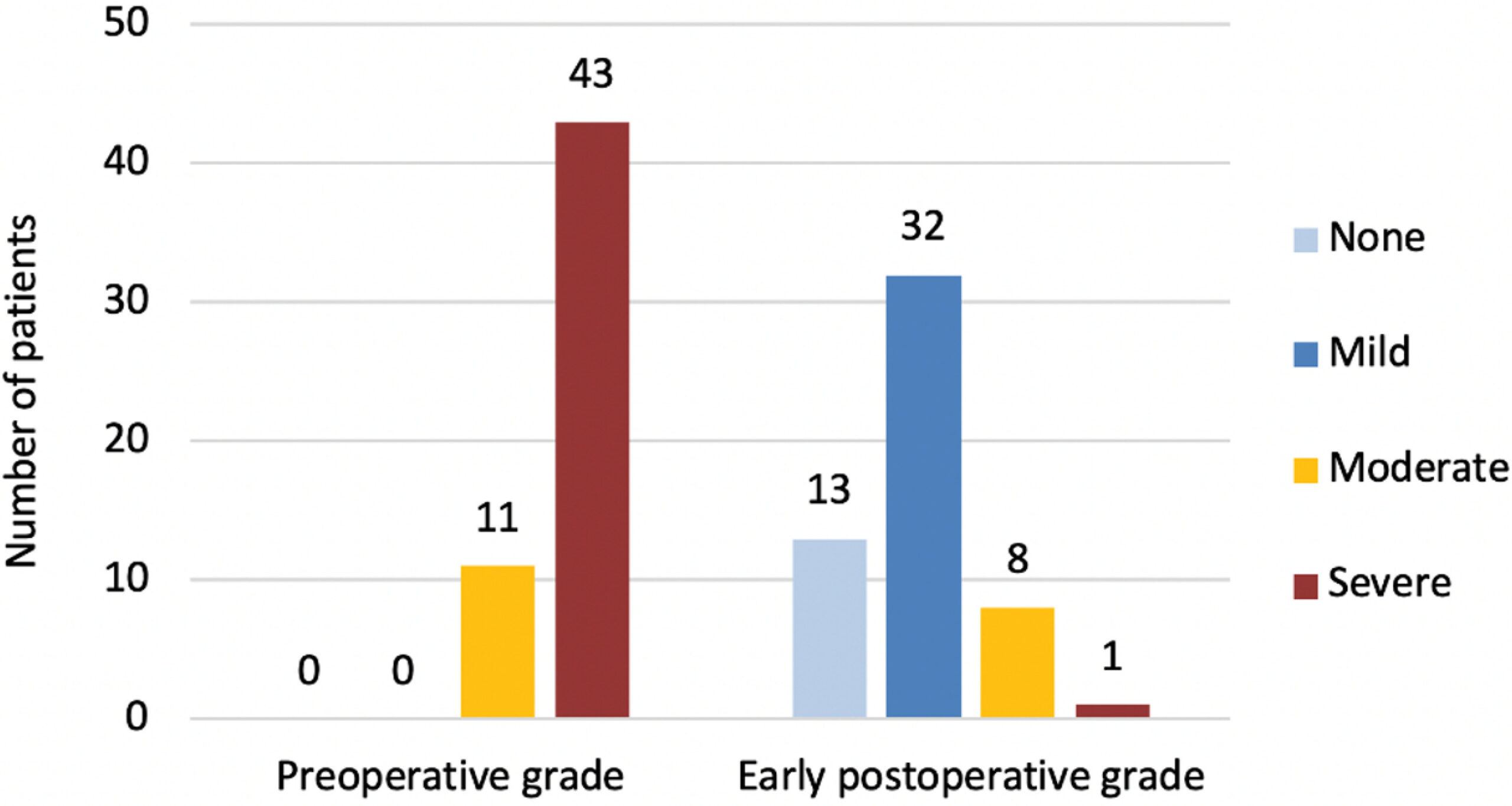
A total of 87 patients were studied, most of them were women (56.3%). The most associated heart valve diseases were mitral regurgitation (27.6%) and aortic regurgitation (20.7%). There was a significant decrease in the degree of tricuspid regurgitation in the postoperative period, with 83.3% of patients with none or mild regurgitation and only 1.1% with severe regurgitation (p = 0.0077).

Conclusions:

In the current study, tricuspid valve annuloplasty using the modified De Vega technique was shown to be effective in the short term. Further studies are needed to evaluate the long-term results.

  • Cardiac Valve Annuloplasty/methods
  • De Vega Annuloplasty
  • Heart Valve Diseases/physiopathology
  • Tricuspid Valve Insufficiency
Read Full Article
Creative Commons Attribution (CC BY) Creative Commons license
03/02/2020 DOI: 10.36660/ijcs.20180086 Views 1
Figure 1
Case Report

Case Report: Myocardial Bypass in Left Descending Artery – A Rare Congenital Anomaly

Vergílio Pereira Carvalho et al. Eraldo Ribeiro Ferreira Leão de Moraes João Emílio Hanum Paes Daniela Textor … Hugo Leonardo Shigenaga Ribeiro Amara Chebli Baptista Stephanie Borges Vilela Ana Paula Fontana Isabella Beatriz Silva Rocha Jair Pereira Melo Junior

Abstract

Myocardial bypass (MB) is known to have scientific relevance and is present in several studies with great statistical significance regarding its clinical manifestations and complications. There are still questions about MB in its relationship with heart disease and repercussion in life-threatening conditions. We present a case report of a MB in the left anterior descending coronary artery, whose objective is to identify this rare congenital anomaly and to highlight the patient’s clinical outcome in order to elicit greater contributions about the presence of this variant in the emergency room, its diagnosis by angiography and therapeutic management.

  • Angiography/methods
  • Cardiac Electrophysiology
  • Heart Defects, Congenital
  • Myocardial Bridging
  • Myocardial Ischemia
Read Full Article
Creative Commons Attribution (CC BY) Creative Commons license
03/02/2020 DOI: 10.36660/ijcs.20180032
Figure 1
Case Report

Pacemaker Implantation in Dextrocardia with Congenitally Corrected Transposition of the Great Arteries: A Case Report

Orçun Çiftci et al. Ersin Doğanözü Kerem Can Yılmaz Mustafa Yılmaz … İlyas Atar Bülent Özin

Introduction

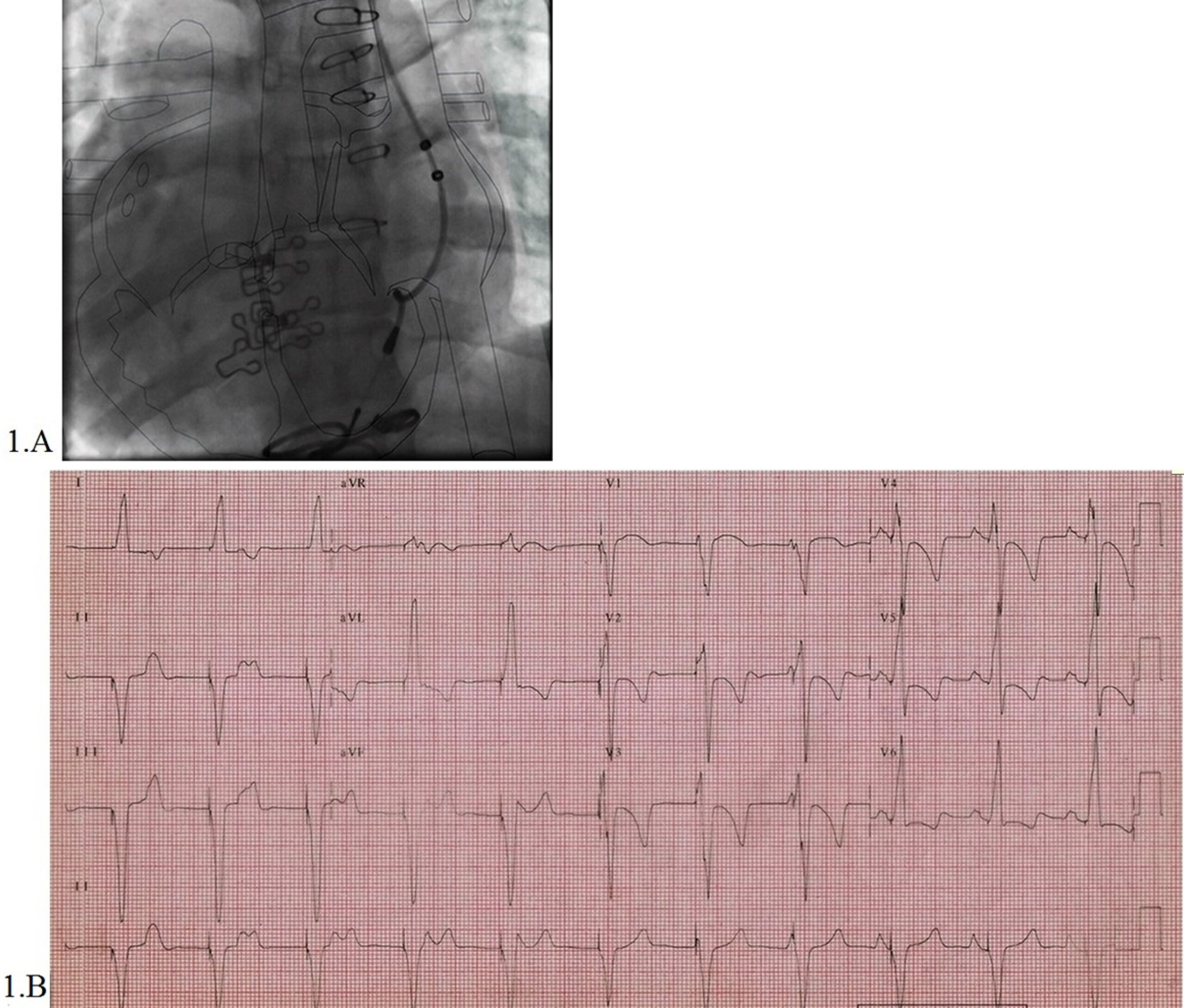
Dextrocardia is a rare congenital cardiac malformation with an incidence of 0.83 per 10,000 births, characterized by displacement of the cardiac apex to the right of the thoracic midline., Congenitally corrected transposition of the great arteries (CCTGA) is a congenital malformation characterized by atrioventricular (AV) and ventriculoarterial discordance where patients are at increased risk of conduction system blocks and need for pacemaker (PM) implantation.– PM implantation is a complex procedure in patients with situs inversus dextrocardia (SID) and CCTGA because of altered anatomy and operator inexperience. Herein we present a case of SID) and CCTGA who underwent a successful transvenous permanent PM implantation via left subclavian vein for permanent complete heart block.

[…]

Read Full Article
Creative Commons Attribution (CC BY) Creative Commons license
08/08/2019 DOI: 10.5935/2359-4802.20190050 Views 1

How to cite this article

EndNote RIS

Electronic Document Format (Vancouver)

Luz PL, Mesquita CT. Translational Medicine – New Frontiers in Cardiology. International Journal of Cardiovascular Sciences 2020;33(5):437-8.

Electronic Document Format (ABNT)

Luz, Protásio Lemos da; Mesquita, Claudio Tinoco. Translational Medicine – New Frontiers in Cardiology. International Journal of Cardiovascular Sciences, v. 33, n. 5, p. 437-438, Oct. 2020.

Electronic Document Format (APA)

Luz, P. L. , & Mesquita, C. T. (2020). Translational Medicine – New Frontiers in Cardiology. International Journal of Cardiovascular Sciences, 33(5), 437-438.

Electronic Document Format (ISO)

Luz, Protásio Lemos da and Mesquita, Claudio Tinoco. Translational Medicine – New Frontiers in Cardiology. International Journal of Cardiovascular Sciences [online]. 2020, vol. 33, n. 5, [cited 2026-10-14], pp. 437-438. Available from: <https://journals.cardiol.br/en/article/translational-medicine-new-frontiers-in-cardiology/>. ISSN 2359-4802

EndNote RIS

Electronic Document Format (Vancouver)

Crivelari NC, Oliveira GQ, Park CHL, Riemma GC, Costa IBSS, Lacerda MVG, Oliveira GMM, et al. Severe Cardiovascular Complications of COVID-19: a Challenge for the Physician. International Journal of Cardiovascular Sciences 2020;33(5):572-81.

Electronic Document Format (ABNT)

Crivelari, Nathalie Cristina; Oliveira, Gisele Queiroz de; Park, Clarice Hyesuk Lee; Riemma, Gregorio da Cruz; Costa, Isabela Bispo Santos da Silva; Lacerda, Marcus Vinícius Guimarães de; Oliveira, Glaucia Maria Moraes de; Darrieux, Francisco Carlos da Costa; Sacilotto, Luciana; Hajjar, Ludhmila Abrahão. Severe Cardiovascular Complications of COVID-19: a Challenge for the Physician. International Journal of Cardiovascular Sciences, v. 33, n. 5, p. 572-581, Oct. 2020.

Electronic Document Format (APA)

Crivelari, N. C., Oliveira, G. Q. , Park, C. H. L., Riemma, G. C., Costa, I. B. S. S., Lacerda, M. V. G. , Oliveira, G. M. M. , Darrieux, F. C. C., Sacilotto, L., & Hajjar, L. A. (2020). Severe Cardiovascular Complications of COVID-19: a Challenge for the Physician. International Journal of Cardiovascular Sciences, 33(5), 572-581.

Electronic Document Format (ISO)

Crivelari, Nathalie Cristina and Oliveira, Gisele Queiroz de and Park, Clarice Hyesuk Lee and Riemma, Gregorio da Cruz and Costa, Isabela Bispo Santos da Silva and Lacerda, Marcus Vinícius Guimarães de and Oliveira, Glaucia Maria Moraes de and Darrieux, Francisco Carlos da Costa and Sacilotto, Luciana and Hajjar, Ludhmila Abrahão. Severe Cardiovascular Complications of COVID-19: a Challenge for the Physician. International Journal of Cardiovascular Sciences [online]. 2020, vol. 33, n. 5, [cited 2026-10-14], pp. 572-581. Available from: <https://journals.cardiol.br/en/article/severe-cardiovascular-complications-of-covid-19-a-challenge-for-the-physician/>. ISSN 2359-4802

EndNote RIS

Electronic Document Format (Vancouver)

Costa FAA. Association between the Average Ratio of Platelet Volume and the Presence of Mural Thrombus in Post-Myocardial Infarction. International Journal of Cardiovascular Sciences 2020;33(5):516-7.

Electronic Document Format (ABNT)

Costa, Fernando Augusto Alves da. Association between the Average Ratio of Platelet Volume and the Presence of Mural Thrombus in Post-Myocardial Infarction. International Journal of Cardiovascular Sciences, v. 33, n. 5, p. 516-517, Oct. 2020.

Electronic Document Format (APA)

Costa, F. A. A. (2020). Association between the Average Ratio of Platelet Volume and the Presence of Mural Thrombus in Post-Myocardial Infarction. International Journal of Cardiovascular Sciences, 33(5), 516-517.

Electronic Document Format (ISO)

Costa, Fernando Augusto Alves da. Association between the Average Ratio of Platelet Volume and the Presence of Mural Thrombus in Post-Myocardial Infarction. International Journal of Cardiovascular Sciences [online]. 2020, vol. 33, n. 5, [cited 2026-10-14], pp. 516-517. Available from: <https://journals.cardiol.br/en/article/association-between-the-average-ratio-of-platelet-volume-and-the-presence-of-mural-thrombus-in-post-myocardial-infarction/>. ISSN 2359-4802

EndNote RIS

Electronic Document Format (Vancouver)

Guimarães RB, Savaris SL, Gomes HB, Miglioranza MH. Difficult Times: The Coronavirus Pandemic and Cardiology Residency – The Experience of the Rio Grande do Sul Cardiology Institute. International Journal of Cardiovascular Sciences 2020;33(5):582-5.

Electronic Document Format (ABNT)

Guimarães, Raphael Boesche; Savaris, Simone Louise; Gomes, Henrique Basso; Miglioranza, Marcelo Haertel. Difficult Times: The Coronavirus Pandemic and Cardiology Residency – The Experience of the Rio Grande do Sul Cardiology Institute. International Journal of Cardiovascular Sciences, v. 33, n. 5, p. 582-585, Oct. 2020.

Electronic Document Format (APA)

Guimarães, R. B., Savaris, S. L., Gomes, H. B., & Miglioranza, M. H. (2020). Difficult Times: The Coronavirus Pandemic and Cardiology Residency – The Experience of the Rio Grande do Sul Cardiology Institute. International Journal of Cardiovascular Sciences, 33(5), 582-585.

Electronic Document Format (ISO)

Guimarães, Raphael Boesche and Savaris, Simone Louise and Gomes, Henrique Basso and Miglioranza, Marcelo Haertel. Difficult Times: The Coronavirus Pandemic and Cardiology Residency – The Experience of the Rio Grande do Sul Cardiology Institute. International Journal of Cardiovascular Sciences [online]. 2020, vol. 33, n. 5, [cited 2026-10-14], pp. 582-585. Available from: <https://journals.cardiol.br/en/article/difficult-times-the-coronavirus-pandemic-and-cardiology-residency-the-experience-of-the-rio-grande-do-sul-cardiology-institute/>. ISSN 2359-4802

EndNote RIS

Electronic Document Format (Vancouver)

Lopes RW, Hohl A. After a STEMI, is Less Sugar more Protective to Myocardium?. International Journal of Cardiovascular Sciences 2020;33(5):506-8.

Electronic Document Format (ABNT)

Lopes, Rafael Willain; Hohl, Alexandre. After a STEMI, is Less Sugar more Protective to Myocardium?. International Journal of Cardiovascular Sciences, v. 33, n. 5, p. 506-508, Oct. 2020.

Electronic Document Format (APA)

Lopes, R. W., & Hohl, A. (2020). After a STEMI, is Less Sugar more Protective to Myocardium?. International Journal of Cardiovascular Sciences, 33(5), 506-508.

Electronic Document Format (ISO)

Lopes, Rafael Willain and Hohl, Alexandre. After a STEMI, is Less Sugar more Protective to Myocardium?. International Journal of Cardiovascular Sciences [online]. 2020, vol. 33, n. 5, [cited 2026-10-14], pp. 506-508. Available from: <https://journals.cardiol.br/en/article/after-a-stemi-is-less-sugar-more-protective-to-myocardium/>. ISSN 2359-4802

EndNote RIS

Electronic Document Format (Vancouver)

Nascimento EA. Intracardiac Conduction Intervals: An Electrophysiological Mirror of the Brazilian Population. International Journal of Cardiovascular Sciences 2020;33(5):495-6.

Electronic Document Format (ABNT)

Nascimento, Erivelton A. do. Intracardiac Conduction Intervals: An Electrophysiological Mirror of the Brazilian Population. International Journal of Cardiovascular Sciences, v. 33, n. 5, p. 495-496, Oct. 2020.

Electronic Document Format (APA)

Nascimento, E. A. (2020). Intracardiac Conduction Intervals: An Electrophysiological Mirror of the Brazilian Population. International Journal of Cardiovascular Sciences, 33(5), 495-496.

Electronic Document Format (ISO)

Nascimento, Erivelton A. do. Intracardiac Conduction Intervals: An Electrophysiological Mirror of the Brazilian Population. International Journal of Cardiovascular Sciences [online]. 2020, vol. 33, n. 5, [cited 2026-10-14], pp. 495-496. Available from: <https://journals.cardiol.br/en/article/intracardiac-conduction-intervals-an-electrophysiological-mirror-of-the-brazilian-population/>. ISSN 2359-4802

EndNote RIS

Electronic Document Format (Vancouver)

Paola AAV. Translational Approach for Percutaneous Interventions for the Treatment of Cardiac Arrhythmias. International Journal of Cardiovascular Sciences 2020;33(5):550-64.

Electronic Document Format (ABNT)

Paola, Angelo Amato Vincenzo de. Translational Approach for Percutaneous Interventions for the Treatment of Cardiac Arrhythmias. International Journal of Cardiovascular Sciences, v. 33, n. 5, p. 550-564, Oct. 2020.

Electronic Document Format (APA)

Paola, A. A. V. (2020). Translational Approach for Percutaneous Interventions for the Treatment of Cardiac Arrhythmias. International Journal of Cardiovascular Sciences, 33(5), 550-564.

Electronic Document Format (ISO)

Paola, Angelo Amato Vincenzo de. Translational Approach for Percutaneous Interventions for the Treatment of Cardiac Arrhythmias. International Journal of Cardiovascular Sciences [online]. 2020, vol. 33, n. 5, [cited 2026-10-14], pp. 550-564. Available from: <https://journals.cardiol.br/en/article/translational-approach-for-percutaneous-interventions-for-the-treatment-of-cardiac-arrhythmias/>. ISSN 2359-4802

EndNote RIS

Electronic Document Format (Vancouver)

Bello MVO, Bacal F. Heart Failure – Pathophysiology and Current Therapeutic Implications. International Journal of Cardiovascular Sciences 2020;33(5):439-46.

Electronic Document Format (ABNT)

Bello, Mariana Vieira de Oliveira; Bacal, Fernando. Heart Failure – Pathophysiology and Current Therapeutic Implications. International Journal of Cardiovascular Sciences, v. 33, n. 5, p. 439-446, Oct. 2020.

Electronic Document Format (APA)

Bello, M. V. O., & Bacal, F. (2020). Heart Failure – Pathophysiology and Current Therapeutic Implications. International Journal of Cardiovascular Sciences, 33(5), 439-446.

Electronic Document Format (ISO)

Bello, Mariana Vieira de Oliveira and Bacal, Fernando. Heart Failure – Pathophysiology and Current Therapeutic Implications. International Journal of Cardiovascular Sciences [online]. 2020, vol. 33, n. 5, [cited 2026-10-14], pp. 439-446. Available from: <https://journals.cardiol.br/en/article/heart-failure-pathophysiology-and-current-therapeutic-implications/>. ISSN 2359-4802

EndNote RIS

Electronic Document Format (Vancouver)

Alcantara ML, Bernardo MPL, Autran TB, Lustosa RP, Tayah M, Chagas LA, Machado DC, et al. Lung Ultrasound as a Triage Tool in an Emergency Setting during the Covid-19 Outbreak: comparison with CT Findings. International Journal of Cardiovascular Sciences 2020;33(5):479-87.

Electronic Document Format (ABNT)

Alcantara, Monica Luiza de; Bernardo, Marcos Paulo Lacerda; Autran, Tatiana Bagrichevsky; Lustosa, Rodolfo de Paula; Tayah, Marcelo; Chagas, Lucia Antunes; Machado, Dequitier Carvalho. Lung Ultrasound as a Triage Tool in an Emergency Setting during the Covid-19 Outbreak: comparison with CT Findings. International Journal of Cardiovascular Sciences, v. 33, n. 5, p. 479-487, Aug. 2020.

Electronic Document Format (APA)

Alcantara, M. L. , Bernardo, M. P. L., Autran, T. B., Lustosa, R. P., Tayah, M., Chagas, L. A., & Machado, D. C. (2020). Lung Ultrasound as a Triage Tool in an Emergency Setting during the Covid-19 Outbreak: comparison with CT Findings. International Journal of Cardiovascular Sciences, 33(5), 479-487.

Electronic Document Format (ISO)

Alcantara, Monica Luiza de and Bernardo, Marcos Paulo Lacerda and Autran, Tatiana Bagrichevsky and Lustosa, Rodolfo de Paula and Tayah, Marcelo and Chagas, Lucia Antunes and Machado, Dequitier Carvalho. Lung Ultrasound as a Triage Tool in an Emergency Setting during the Covid-19 Outbreak: comparison with CT Findings. International Journal of Cardiovascular Sciences [online]. 2020, vol. 33, n. 5, [cited 2026-10-14], pp. 479-487. Available from: <https://journals.cardiol.br/en/article/lung-ultrasound-as-a-triage-tool-in-an-emergency-setting-during-the-covid-19-outbreak-comparison-with-ct-findings/>. ISSN 2359-4802

EndNote RIS

Electronic Document Format (Vancouver)

Almeida RT, Queiroz CO, Aquino EML. Declaring Physical Activity as ‘Essential’ During the COVID-19 Pandemic May not be a Good Measure. International Journal of Cardiovascular Sciences 2020;33(5):589-90.

Electronic Document Format (ABNT)

Almeida, Rogério Tosta; Queiroz, Ciro Oliveira; Aquino, Estela M. L.. Declaring Physical Activity as ‘Essential’ During the COVID-19 Pandemic May not be a Good Measure. International Journal of Cardiovascular Sciences, v. 33, n. 5, p. 589-590, Aug. 2020.

Electronic Document Format (APA)

Almeida, R. T., Queiroz, C. O., & Aquino, E. M. L. (2020). Declaring Physical Activity as ‘Essential’ During the COVID-19 Pandemic May not be a Good Measure. International Journal of Cardiovascular Sciences, 33(5), 589-590.

Electronic Document Format (ISO)

Almeida, Rogério Tosta and Queiroz, Ciro Oliveira and Aquino, Estela M. L.. Declaring Physical Activity as ‘Essential’ During the COVID-19 Pandemic May not be a Good Measure. International Journal of Cardiovascular Sciences [online]. 2020, vol. 33, n. 5, [cited 2026-10-14], pp. 589-590. Available from: <https://journals.cardiol.br/en/article/declaring-physical-activity-as-essential-during-the-covid-19-pandemic-may-not-be-a-good-measure/>. ISSN 2359-4802

EndNote RIS

Electronic Document Format (Vancouver)

Sarmento-Leite R, Oliveira Junior GE. Transcatheter Aortic Valve Implantation: Where are we in 2020?. International Journal of Cardiovascular Sciences 2020;33(5):537-49.

Electronic Document Format (ABNT)

Sarmento-Leite, Rogerio; Oliveira Junior, Gilberto Eder de. Transcatheter Aortic Valve Implantation: Where are we in 2020?. International Journal of Cardiovascular Sciences, v. 33, n. 5, p. 537-549, Aug. 2020.

Electronic Document Format (APA)

Sarmento-Leite, R., & Oliveira Junior, G. E. (2020). Transcatheter Aortic Valve Implantation: Where are we in 2020?. International Journal of Cardiovascular Sciences, 33(5), 537-549.

Electronic Document Format (ISO)

Sarmento-Leite, Rogerio and Oliveira Junior, Gilberto Eder de. Transcatheter Aortic Valve Implantation: Where are we in 2020?. International Journal of Cardiovascular Sciences [online]. 2020, vol. 33, n. 5, [cited 2026-10-14], pp. 537-549. Available from: <https://journals.cardiol.br/en/article/transcatheter-aortic-valve-implantation-where-are-we-in-2020/>. ISSN 2359-4802

EndNote RIS

Electronic Document Format (Vancouver)

Koseoglu C, Kurmus O. Association between Mean Platelet Volume-to-Lymphocyte Ratio and the Presence of Apical Mural Thrombus in Post-Myocardial Infarction Patients. International Journal of Cardiovascular Sciences 2020;33(5):509-15.

Electronic Document Format (ABNT)

Koseoglu, Cemal; Kurmus, Ozge. Association between Mean Platelet Volume-to-Lymphocyte Ratio and the Presence of Apical Mural Thrombus in Post-Myocardial Infarction Patients. International Journal of Cardiovascular Sciences, v. 33, n. 5, p. 509-515, Aug. 2020.

Electronic Document Format (APA)

Koseoglu, C., & Kurmus, O. (2020). Association between Mean Platelet Volume-to-Lymphocyte Ratio and the Presence of Apical Mural Thrombus in Post-Myocardial Infarction Patients. International Journal of Cardiovascular Sciences, 33(5), 509-515.

Electronic Document Format (ISO)

Koseoglu, Cemal and Kurmus, Ozge. Association between Mean Platelet Volume-to-Lymphocyte Ratio and the Presence of Apical Mural Thrombus in Post-Myocardial Infarction Patients. International Journal of Cardiovascular Sciences [online]. 2020, vol. 33, n. 5, [cited 2026-10-14], pp. 509-515. Available from: <https://journals.cardiol.br/en/article/association-between-mean-platelet-volume-to-lymphocyte-ratio-and-the-presence-of-apical-mural-thrombus-in-post-myocardial-infarction-patients/>. ISSN 2359-4802

EndNote RIS

Electronic Document Format (Vancouver)

Gulsen K, Ayca B, Baskurt M, Okcun B, Ersanli MK. Does Tight Glucose Control During the First 24 hours of Hospitalization Reduce Scintigraphic Infarct Size in STEMI Patients?. International Journal of Cardiovascular Sciences 2020;33(5):497-505.

Electronic Document Format (ABNT)

Gulsen, Kamil; Ayca, Burak; Baskurt, Murat; Okcun, Baris; Ersanli, Murat Kazim. Does Tight Glucose Control During the First 24 hours of Hospitalization Reduce Scintigraphic Infarct Size in STEMI Patients?. International Journal of Cardiovascular Sciences, v. 33, n. 5, p. 497-505, Aug. 2020.

Electronic Document Format (APA)

Gulsen, K., Ayca, B., Baskurt, M., Okcun, B., & Ersanli, M. K. (2020). Does Tight Glucose Control During the First 24 hours of Hospitalization Reduce Scintigraphic Infarct Size in STEMI Patients?. International Journal of Cardiovascular Sciences, 33(5), 497-505.

Electronic Document Format (ISO)

Gulsen, Kamil and Ayca, Burak and Baskurt, Murat and Okcun, Baris and Ersanli, Murat Kazim. Does Tight Glucose Control During the First 24 hours of Hospitalization Reduce Scintigraphic Infarct Size in STEMI Patients?. International Journal of Cardiovascular Sciences [online]. 2020, vol. 33, n. 5, [cited 2026-10-14], pp. 497-505. Available from: <https://journals.cardiol.br/en/article/does-tight-glucose-control-during-the-first-24-hours-of-hospitalization-reduce-scintigraphic-infarct-size-in-stemi-patients/>. ISSN 2359-4802

EndNote RIS

Electronic Document Format (Vancouver)

Barbosa PM, Barbosa ER. The Gut Brain-Axis in Neurological Diseases. International Journal of Cardiovascular Sciences 2020;33(5):528-36.

Electronic Document Format (ABNT)

Barbosa, Pedro Melo; Barbosa, Egberto Reis. The Gut Brain-Axis in Neurological Diseases. International Journal of Cardiovascular Sciences, v. 33, n. 5, p. 528-536, Aug. 2020.

Electronic Document Format (APA)

Barbosa, P. M., & Barbosa, E. R. (2020). The Gut Brain-Axis in Neurological Diseases. International Journal of Cardiovascular Sciences, 33(5), 528-536.

Electronic Document Format (ISO)

Barbosa, Pedro Melo and Barbosa, Egberto Reis. The Gut Brain-Axis in Neurological Diseases. International Journal of Cardiovascular Sciences [online]. 2020, vol. 33, n. 5, [cited 2026-10-14], pp. 528-536. Available from: <https://journals.cardiol.br/en/article/the-gut-brain-axis-in-neurological-diseases/>. ISSN 2359-4802

EndNote RIS

Electronic Document Format (Vancouver)

Kalil RAK, Sant´Anna RT, Salles FB. Controversies in the Indications of Percutaneous Angioplasty Or Coronary Artery Bypass Grafting In The Treatment Of Left Main Disease. International Journal of Cardiovascular Sciences 2020;33(5):565-71.

Electronic Document Format (ABNT)

Kalil, Renato A. K.; Sant´Anna, Roberto T.; Salles, Felipe Borsu de. Controversies in the Indications of Percutaneous Angioplasty Or Coronary Artery Bypass Grafting In The Treatment Of Left Main Disease. International Journal of Cardiovascular Sciences, v. 33, n. 5, p. 565-571, Jul. 2020.

Electronic Document Format (APA)

Kalil, R. A. K., Sant´Anna, R. T., & Salles, F. B. (2020). Controversies in the Indications of Percutaneous Angioplasty Or Coronary Artery Bypass Grafting In The Treatment Of Left Main Disease. International Journal of Cardiovascular Sciences, 33(5), 565-571.

Electronic Document Format (ISO)

Kalil, Renato A. K. and Sant´Anna, Roberto T. and Salles, Felipe Borsu de. Controversies in the Indications of Percutaneous Angioplasty Or Coronary Artery Bypass Grafting In The Treatment Of Left Main Disease. International Journal of Cardiovascular Sciences [online]. 2020, vol. 33, n. 5, [cited 2026-10-14], pp. 565-571. Available from: <https://journals.cardiol.br/en/article/controversies-in-the-indications-of-percutaneous-angioplasty-or-coronary-artery-bypass-grafting-in-the-treatment-of-left-main-disease/>. ISSN 2359-4802

EndNote RIS

Electronic Document Format (Vancouver)

Feitosa G. An Approach to Technology Development and Current Medical Practice. International Journal of Cardiovascular Sciences 2020;33(5):457-61.

Electronic Document Format (ABNT)

Feitosa, Gilson. An Approach to Technology Development and Current Medical Practice. International Journal of Cardiovascular Sciences, v. 33, n. 5, p. 457-461, Jul. 2020.

Electronic Document Format (APA)

Feitosa, G. (2020). An Approach to Technology Development and Current Medical Practice. International Journal of Cardiovascular Sciences, 33(5), 457-461.

Electronic Document Format (ISO)

Feitosa, Gilson. An Approach to Technology Development and Current Medical Practice. International Journal of Cardiovascular Sciences [online]. 2020, vol. 33, n. 5, [cited 2026-10-14], pp. 457-461. Available from: <https://journals.cardiol.br/en/article/an-approach-to-technology-development-and-current-medical-practice/>. ISSN 2359-4802

EndNote RIS

Electronic Document Format (Vancouver)

Luz PL, Haas EA, Favarato D. Intestinal Microbiota and Cardiovascular Diseases. International Journal of Cardiovascular Sciences 2020;33(5):462-71.

Electronic Document Format (ABNT)

Luz, Protásio L. da; Haas, Elisa Alberton; Favarato, Desiderio. Intestinal Microbiota and Cardiovascular Diseases. International Journal of Cardiovascular Sciences, v. 33, n. 5, p. 462-471, Jul. 2020.

Electronic Document Format (APA)

Luz, P. L. , Haas, E. A., & Favarato, D. (2020). Intestinal Microbiota and Cardiovascular Diseases. International Journal of Cardiovascular Sciences, 33(5), 462-471.

Electronic Document Format (ISO)

Luz, Protásio L. da and Haas, Elisa Alberton and Favarato, Desiderio. Intestinal Microbiota and Cardiovascular Diseases. International Journal of Cardiovascular Sciences [online]. 2020, vol. 33, n. 5, [cited 2026-10-14], pp. 462-471. Available from: <https://journals.cardiol.br/en/article/intestinal-microbiota-and-cardiovascular-diseases/>. ISSN 2359-4802

EndNote RIS

Electronic Document Format (Vancouver)

Waters DD. Inflammation in Cardiovascular Disease: From Basic Concepts to Clinical Application. International Journal of Cardiovascular Sciences 2020;33(5):518-27.

Electronic Document Format (ABNT)

Waters, David D.. Inflammation in Cardiovascular Disease: From Basic Concepts to Clinical Application. International Journal of Cardiovascular Sciences, v. 33, n. 5, p. 518-527, Jul. 2020.

Electronic Document Format (APA)

Waters, D. D. (2020). Inflammation in Cardiovascular Disease: From Basic Concepts to Clinical Application. International Journal of Cardiovascular Sciences, 33(5), 518-527.

Electronic Document Format (ISO)

Waters, David D.. Inflammation in Cardiovascular Disease: From Basic Concepts to Clinical Application. International Journal of Cardiovascular Sciences [online]. 2020, vol. 33, n. 5, [cited 2026-10-14], pp. 518-527. Available from: <https://journals.cardiol.br/en/article/inflammation-in-cardiovascular-disease-from-basic-concepts-to-clinical-application/>. ISSN 2359-4802

EndNote RIS

Electronic Document Format (Vancouver)

Monteiro Júnior JGM, Sobral Filho DC. Potential Role of Hematological Parameters in Patients with Acute Myocardial Infarction: viewpoint. International Journal of Cardiovascular Sciences 2020;33(5):586-8.

Electronic Document Format (ABNT)

Monteiro Júnior, José Gildo de Moura; Sobral Filho, Dário Celestino. Potential Role of Hematological Parameters in Patients with Acute Myocardial Infarction: viewpoint. International Journal of Cardiovascular Sciences, v. 33, n. 5, p. 586-588, Jul. 2020.

Electronic Document Format (APA)

Monteiro Júnior, J. G. M., & Sobral Filho, D. C. (2020). Potential Role of Hematological Parameters in Patients with Acute Myocardial Infarction: viewpoint. International Journal of Cardiovascular Sciences, 33(5), 586-588.

Electronic Document Format (ISO)

Monteiro Júnior, José Gildo de Moura and Sobral Filho, Dário Celestino. Potential Role of Hematological Parameters in Patients with Acute Myocardial Infarction: viewpoint. International Journal of Cardiovascular Sciences [online]. 2020, vol. 33, n. 5, [cited 2026-10-14], pp. 586-588. Available from: <https://journals.cardiol.br/en/article/potential-role-of-hematological-parameters-in-patients-with-acute-myocardial-infarction-viewpoint/>. ISSN 2359-4802

EndNote RIS

Electronic Document Format (Vancouver)

Fortes FS, Almeida AP, Rosa COB, Silveira BKS, Reis NA, Hermsdorff HHM. Dietary Fat Intake and its Association with Adiposity and Inflammatory Markers in Individuals at Cardiometabolic Risk. International Journal of Cardiovascular Sciences 2020;33(5):447-56.

Electronic Document Format (ABNT)

Fortes, Fernanda Santos; Almeida, Alinne Paula de; Rosa, Carla de Oliveira Barbosa; Silveira, Brenda Kelly Souza; Reis, Nínive de Almeida; Hermsdorff, Helen Hermana Miranda. Dietary Fat Intake and its Association with Adiposity and Inflammatory Markers in Individuals at Cardiometabolic Risk. International Journal of Cardiovascular Sciences, v. 33, n. 5, p. 447-456, Mar. 2020.

Electronic Document Format (APA)

Fortes, F. S., Almeida, A. P. , Rosa, C. O. B., Silveira, B. K. S., Reis, N. A., & Hermsdorff, H. H. M. (2020). Dietary Fat Intake and its Association with Adiposity and Inflammatory Markers in Individuals at Cardiometabolic Risk. International Journal of Cardiovascular Sciences, 33(5), 447-456.

Electronic Document Format (ISO)

Fortes, Fernanda Santos and Almeida, Alinne Paula de and Rosa, Carla de Oliveira Barbosa and Silveira, Brenda Kelly Souza and Reis, Nínive de Almeida and Hermsdorff, Helen Hermana Miranda. Dietary Fat Intake and its Association with Adiposity and Inflammatory Markers in Individuals at Cardiometabolic Risk. International Journal of Cardiovascular Sciences [online]. 2020, vol. 33, n. 5, [cited 2026-10-14], pp. 447-456. Available from: <https://journals.cardiol.br/en/article/dietary-fat-intake-and-its-association-with-adiposity-and-inflammatory-markers-in-individuals-at-cardiometabolic-risk/>. ISSN 2359-4802

EndNote RIS

Electronic Document Format (Vancouver)

Leiria TLL, Santos CBL, Sant’anna RT, Trombetta JS, Osterkamp G, Kruse ML, Pires LM, et al. Analysis of Conduction Intervals in Normal Electrophysiological Studies: Establishment of Reference Values the Brazilian Population. International Journal of Cardiovascular Sciences 2020;33(5):488-94.

Electronic Document Format (ABNT)

Leiria, Tiago Luiz Luz; Santos, Catarine Benta Lopes dos; Sant’anna, Roberto Tofani; Trombetta, Julia Santana; Osterkamp, Gabriela; Kruse, Marcelo Lapa; Pires, Leonardo Martins; Lima, Gustavo Glotz. Analysis of Conduction Intervals in Normal Electrophysiological Studies: Establishment of Reference Values the Brazilian Population. International Journal of Cardiovascular Sciences, v. 33, n. 5, p. 488-494, Mar. 2020.

Electronic Document Format (APA)

Leiria, T. L. L., Santos, C. B. L. , Sant’anna, R. T., Trombetta, J. S., Osterkamp, G., Kruse, M. L., Pires, L. M., & Lima, G. G. (2020). Analysis of Conduction Intervals in Normal Electrophysiological Studies: Establishment of Reference Values the Brazilian Population. International Journal of Cardiovascular Sciences, 33(5), 488-494.

Electronic Document Format (ISO)

Leiria, Tiago Luiz Luz and Santos, Catarine Benta Lopes dos and Sant’anna, Roberto Tofani and Trombetta, Julia Santana and Osterkamp, Gabriela and Kruse, Marcelo Lapa and Pires, Leonardo Martins and Lima, Gustavo Glotz. Analysis of Conduction Intervals in Normal Electrophysiological Studies: Establishment of Reference Values the Brazilian Population. International Journal of Cardiovascular Sciences [online]. 2020, vol. 33, n. 5, [cited 2026-10-14], pp. 488-494. Available from: <https://journals.cardiol.br/en/article/analysis-of-conduction-intervals-in-normal-electrophysiological-studies-establishment-of-reference-values-the-brazilian-population/>. ISSN 2359-4802

EndNote RIS

Electronic Document Format (Vancouver)

Ferraz DLM, Alves KMB, Santos LAB, Leandro GS, Cunha CBC, Tchaick RM, Silva IC, et al. Early Outcomes of Modified De Vega Annuloplasty for Functional Tricuspid Regurgitation at a Brazilian Hospital. International Journal of Cardiovascular Sciences 2020;33(5):472-8.

Electronic Document Format (ABNT)

Ferraz, Diogo Luiz de Magalhães; Alves, Karina Mascarenhas Bezerra; Santos, Larissa Almeida Barp; Leandro, Girliney dos Santos; Cunha, Cristiano Berardo Carneiro da; Tchaick, Rodrigo Mezzalira; Silva, Igor Correia; Oliveira, João Paulo Segundo de Paiva; Carvalho Júnior, Jeú Delmondes de; Walter, Felipe Ribeiro; D’Azevedo, Stephanie Steremberg Pires; Silva, Tais Lins Severo da; Monteiro, Verônica Soares; Figueira, Fernando Augusto Marinho dos Santos. Early Outcomes of Modified De Vega Annuloplasty for Functional Tricuspid Regurgitation at a Brazilian Hospital. International Journal of Cardiovascular Sciences, v. 33, n. 5, p. 472-478, Feb. 2020.

Electronic Document Format (APA)

Ferraz, D. L. M., Alves, K. M. B., Santos, L. A. B., Leandro, G. S., Cunha, C. B. C. , Tchaick, R. M., Silva, I. C., Oliveira, J. P. S. P., Carvalho Júnior, J. D. , Walter, F. R., D’Azevedo, S. S. P., Silva, T. L. S. , Monteiro, V. S., & Figueira, F. A. M. S. (2020). Early Outcomes of Modified De Vega Annuloplasty for Functional Tricuspid Regurgitation at a Brazilian Hospital. International Journal of Cardiovascular Sciences, 33(5), 472-478.

Electronic Document Format (ISO)

Ferraz, Diogo Luiz de Magalhães and Alves, Karina Mascarenhas Bezerra and Santos, Larissa Almeida Barp and Leandro, Girliney dos Santos and Cunha, Cristiano Berardo Carneiro da and Tchaick, Rodrigo Mezzalira and Silva, Igor Correia and Oliveira, João Paulo Segundo de Paiva and Carvalho Júnior, Jeú Delmondes de and Walter, Felipe Ribeiro and D’Azevedo, Stephanie Steremberg Pires and Silva, Tais Lins Severo da and Monteiro, Verônica Soares and Figueira, Fernando Augusto Marinho dos Santos. Early Outcomes of Modified De Vega Annuloplasty for Functional Tricuspid Regurgitation at a Brazilian Hospital. International Journal of Cardiovascular Sciences [online]. 2020, vol. 33, n. 5, [cited 2026-10-14], pp. 472-478. Available from: <https://journals.cardiol.br/en/article/early-outcomes-of-modified-de-vega-annuloplasty-for-functional-tricuspid-regurgitation-at-a-brazilian-hospital/>. ISSN 2359-4802

EndNote RIS

Electronic Document Format (Vancouver)

Carvalho VP, Moraes ERFL, Paes JEH, Textor D, Ribeiro HLS, Baptista AC, Vilela SB, et al. Case Report: Myocardial Bypass in Left Descending Artery – A Rare Congenital Anomaly. International Journal of Cardiovascular Sciences 2020;33(5):591-6.

Electronic Document Format (ABNT)

Carvalho, Vergílio Pereira; Moraes, Eraldo Ribeiro Ferreira Leão de; Paes, João Emílio Hanum; Textor, Daniela; Ribeiro, Hugo Leonardo Shigenaga; Baptista, Amara Chebli; Vilela, Stephanie Borges; Fontana, Ana Paula; Rocha, Isabella Beatriz Silva; Melo Junior, Jair Pereira. Case Report: Myocardial Bypass in Left Descending Artery – A Rare Congenital Anomaly. International Journal of Cardiovascular Sciences, v. 33, n. 5, p. 591-596, Feb. 2020.

Electronic Document Format (APA)

Carvalho, V. P., Moraes, E. R. F. L. , Paes, J. E. H., Textor, D., Ribeiro, H. L. S., Baptista, A. C., Vilela, S. B., Fontana, A. P., Rocha, I. B. S., & Melo Junior, J. P. (2020). Case Report: Myocardial Bypass in Left Descending Artery – A Rare Congenital Anomaly. International Journal of Cardiovascular Sciences, 33(5), 591-596.

Electronic Document Format (ISO)

Carvalho, Vergílio Pereira and Moraes, Eraldo Ribeiro Ferreira Leão de and Paes, João Emílio Hanum and Textor, Daniela and Ribeiro, Hugo Leonardo Shigenaga and Baptista, Amara Chebli and Vilela, Stephanie Borges and Fontana, Ana Paula and Rocha, Isabella Beatriz Silva and Melo Junior, Jair Pereira. Case Report: Myocardial Bypass in Left Descending Artery – A Rare Congenital Anomaly. International Journal of Cardiovascular Sciences [online]. 2020, vol. 33, n. 5, [cited 2026-10-14], pp. 591-596. Available from: <https://journals.cardiol.br/en/article/case-report-myocardial-bypass-in-left-descending-artery-a-rare-congenital-anomaly/>. ISSN 2359-4802

EndNote RIS

Electronic Document Format (Vancouver)

Çiftci O, Doğanözü E, Yılmaz KC, Yılmaz M, Atar , Özin B. Pacemaker Implantation in Dextrocardia with Congenitally Corrected Transposition of the Great Arteries: A Case Report. International Journal of Cardiovascular Sciences 2019;33(5):597-9.

Electronic Document Format (ABNT)

Çiftci, Orçun; Doğanözü, Ersin; Yılmaz, Kerem Can; Yılmaz, Mustafa; Atar, İlyas; Özin, Bülent. Pacemaker Implantation in Dextrocardia with Congenitally Corrected Transposition of the Great Arteries: A Case Report. International Journal of Cardiovascular Sciences, v. 33, n. 5, p. 597-599, Aug. 2019.

Electronic Document Format (APA)

Çiftci, O., Doğanözü, E., Yılmaz, K. C., Yılmaz, M., Atar, , & Özin, B. (2019). Pacemaker Implantation in Dextrocardia with Congenitally Corrected Transposition of the Great Arteries: A Case Report. International Journal of Cardiovascular Sciences, 33(5), 597-599.

Electronic Document Format (ISO)

Çiftci, Orçun and Doğanözü, Ersin and Yılmaz, Kerem Can and Yılmaz, Mustafa and Atar, İlyas and Özin, Bülent. Pacemaker Implantation in Dextrocardia with Congenitally Corrected Transposition of the Great Arteries: A Case Report. International Journal of Cardiovascular Sciences [online]. 2019, vol. 33, n. 5, [cited 2026-10-14], pp. 597-599. Available from: <https://journals.cardiol.br/en/article/pacemaker-implantation-in-dextrocardia-with-congenitally-corrected-transposition-of-the-great-arteries-a-case-report/>. ISSN 2359-4802

Sede – Rio de Janeiro
Av. Marechal Câmara, 160
3º andar – Sala: 330 – Centro
Rio de Janeiro – CEP: 20020-907
Tel.: (55 +21) 3478-2700
ou (21) 99386-3961
E-mail: revista@cardiol.br

Sede – São Paulo
Alameda Santos, 705 – 11º andar
Cerqueira César | São Paulo
CEP: 01419-001
Tel.: (55 +11) 3411-5500
E-mail: revista@cardiol.br

  • About the Journal
  • Internal Regulation
  • Editors Section
  • Editorial Board
  • SBC Award

  • Guidelines for Publication
  • Editorial Policy
  • Ethics Policy
  • Policy on the Use of Artificial Intelligence
  • Mandatory Publication Form
  • Publication Fee

Issues

SBC Guidelines

  • How to Publish an Abstract Supplement?
  • Published Supplements