ABC Family Arquivos Brasileiros de Cardiologia International Journal of Cardiovascular Sciences ABC Heart Failure & Cardiomyopathy ABC Imagem Cardiovascular
Português English
ABC Family
Português English
  • About
    • About ABC Family
    • Internal Regulation
    • Editorial Board
    • Brazilian Society of Cardiology (SBC)
  • Issues
  • SBC Guidelines
  • Content
    • Videos
    • Podcasts
    • News
  • About
    • About ABC Family
    • Internal Regulation
    • Editorial Board
    • Brazilian Society of Cardiology (SBC)
  • Issues
  • SBC Guidelines
  • Content
    • Videos
    • Podcasts
    • News

ABC Family

  • ABC Family
  • Arquivos Brasileiros de Cardiologia
  • International Journal of Cardiovascular Sciences
  • ABC Heart Failure & Cardiomyopathy
  • ABC Imagem Cardiovascular
Search in

No content found.

Journals
Ordering
Article types
Others

  1. Home
  2. Keyword: Predictive Value of Tests
IJCS
Editorial

Myocardial Perfusion Imaging: Always Evolving

Renata Christian Martins Felix

Myocardial perfusion assessed by nuclear medicine began to be used in clinical practice in the 1970s with the radiotracer 201-thallium chloride in two-dimensional images.

Advances in the development of equipment, from the possibility of three-dimensional images by single-photon emission computed tomography (SPECT), and new tracers, such as those linked to 99-technetium, have allowed the consolidation of nuclear cardiology as a non-invasive tool with high diagnostic accuracy in the context of coronary artery disease.

[…]

  • Coronary Artery Disease
  • Myocardial Perfusion Imaging
  • Predictive Value of Tests
  • Single Photon Emission Computed Tomography Computed Tomography
Read Full Article
Creative Commons Attribution (CC BY) Creative Commons license
01/06/2026 DOI: 10.36660/ijcs.20260007 Views 1
Clinical and Laboratory Data Up on Hospital Admission are Predictors of New-Onset Atrial Fibrillation in Patients Hospitalized Due to COVID-19 Pneumonia
ABC
Original Article

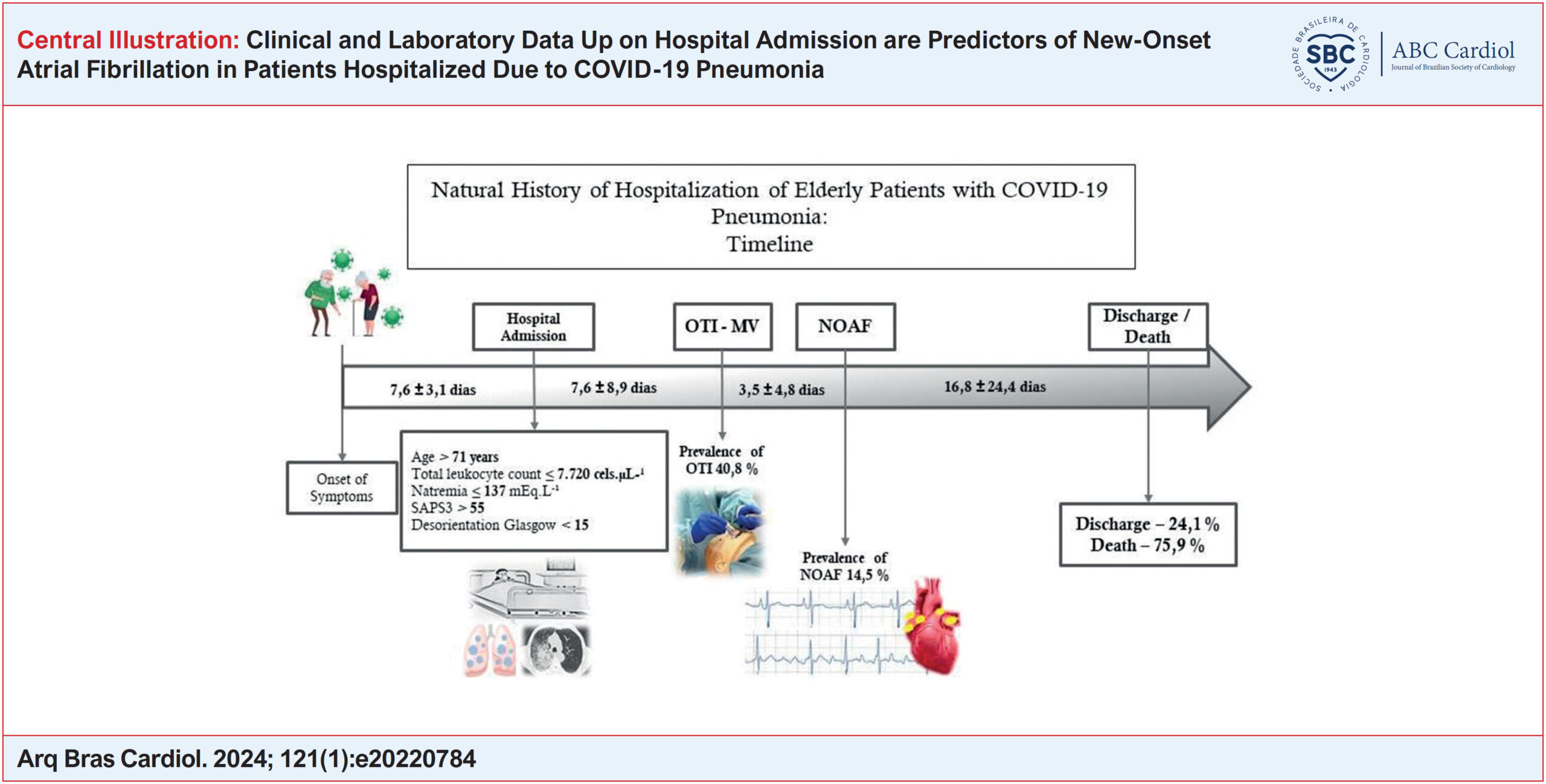
Clinical and Laboratory Data Up on Hospital Admission are Predictors of New-Onset Atrial Fibrillation in Patients Hospitalized Due to COVID-19 Pneumonia

Bruno Rustum Andrea et al. Paulo Roberto Benchimol-Barbosa Simone Farah Alexandra Monteiro

Abstract

Background

New-onset atrial fibrillation (NOAF) occurs in patients hospitalized due to COVID-19. It is still unknown whether clinical and laboratory data assessed upon hospital admission have predictive value for NOAF.

Objectives

To analyze, upon hospital admission, variables with predictive potential for the occurrence of NOAF in patients with COVID-19 pneumonia.

Methods

Observational, retrospective, case-control study. Electronic medical reports of consecutive patients, 60 years of age or older, hospitalized due to COVID-19 pneumonia between March 1st and July 15th, 2020, were reviewed. Non-paired Student or chi-squared tests compared variables. A Cox proportional hazard model was employed to identify independent predictors of NOAF. P value < 0.05 was considered statistically significant.

Results

Among 667 patients hospitalized due to COVID-19, 201 (30.1%) fulfilled the inclusion criteria. NOAF was documented in 29 patients (14.4%), composing group 1. Group 2 was composed of 162 patients without NOAF. Ten patients were excluded due to the AF rhythm upon hospital admission. In groups 1 and 2, there were differences in overall in-hospital survival rate (24.1 % vs. 67.9%; p<0.001), length of stay in ICU (11.1 ± 10.5 days vs. 4.9 ± 7.5 days; p=0.004) and need for mechanical ventilation rate (82.9% vs. 32.7%; p 71 y/o (HR=6.8; p<0.001), total leukocyte count ≤ 7,720 cels.μL-¹ (HR=6.6; p 55 (HR=5.6; p=0.002), and disorientation (HR=2.5; p=0.04) on admission were independent predictors of NOAF.

Conclusion

NOAF is a common arrhythmia in elderly hospitalized patients with COVID-19 pneumonia. Clinical and laboratory parameters evaluated on admission have a predictive value for the occurrence of NOAF during hospitalization.

  • Atrial Fibrillation
  • COVID-19
  • Hospitalization
  • Predictive Value of Tests
  • Prognosis
Read Full Article
Creative Commons Attribution (CC BY) Creative Commons license
08/04/2024 DOI: 10.36660/abc.20220784 Views 2
ABCIC
Brief Communication

The Importance of the Learning Curve in the Positive Predictive Value of Magnetic Resonance Myocardial Perfusion Imaging

Glauco Franco Santana et al. Thalles Oliveira Gomes Ana Carolina Ruela Vieira Onivaldo Pereira dos Santos

[…]

  • Coronary Artery Disease
  • Magnetic Resonance Imaging
  • Myocardial Perfusion Imaging
  • Predictive Value of Tests
Read Full Article
Creative Commons Attribution (CC BY) Creative Commons license
20/01/2022 DOI: 10.5935/2318-8219.20180018 Views 2
Early Use of Handgrip Exercise Associated with Dobutamine Stress Echocardiography in Women
IJCS
Original Article

Early Use of Handgrip Exercise Associated with Dobutamine Stress Echocardiography in Women

Isabela de Andrade Lindner et al. Patricia Sens de Oliveira Caroline de Oliveira Fischer Bacca Josie Budag Matsuda … Franciani Rodrigues da Rocha Jeancarlo Visentainer Luiz Eduardo Bacca

Abstract

Background

Coronary artery disease (CAD) is an important cause of morbidity and mortality in women and requires early diagnosis for defining the appropriate treatment.

Objective

To identify the positive predictive value (PPV) and safety of the early use of handgrip exercise in pharmacological stress echocardiography using dobutamine (early-ECHO) in women.

Methods

Positive ischemic early-ECHO records from 111 women were evaluated from January 2012 to March 2018. Subsequently, the hospital medical records were verified to locate patients who underwent conventional coronary angiography (CCA), and we analyzed the medical conduct adopted for these patients. Statistical analyses were performed using SPSS employing one-way analysis of variance (ANOVA), Fisher’s exact test, or Pearson’s chi-square test. The level of statistical significance was set at p < 0.05 for all analyses.

Results

Four patients (4.4%) presented serious complications during the examination. Out of 90 patients who underwent CCA, 71 (78.9%) had CAD. Among these 71 patients, 58 (81.7%) had severe lesions and 13 (18.3%) presented moderate CAD. Moreover, CCA did not demonstrate relevant coronary lesions in 19 of the 90 patients (21.1%). Among patients with severe CAD, 16 (27.6%) underwent myocardial revascularization surgery; 34 (58.6%) underwent percutaneous coronary angioplasty; and 08 (13.7%) had their clinical treatments intensified. The PPV for early-ECHO was 78.9%.

Conclusions

Early-ECHO showed a high PPV for diagnosing myocardial ischemia in women. It presented a low complication rate and provided rapid disease identification, allowing the early treatment of injuries and potentially preventing CAD complications.

  • Coronary Artery Disease
  • Predictive Value of Tests
  • Safety
  • Stress echocardiography
  • Women
Read Full Article
Creative Commons Attribution (CC BY) Creative Commons license
16/07/2021 DOI: 10.36660/ijcs.20200420 Views 1
Figure 1
IJCS
Original Article

Analysis of Conduction Intervals in Normal Electrophysiological Studies: Establishment of Reference Values the Brazilian Population

Tiago Luiz Luz Leiria et al. Catarine Benta Lopes dos Santos Roberto Tofani Sant'anna Julia Santana Trombetta … Gabriela Osterkamp Marcelo Lapa Kruse Leonardo Martins Pires Gustavo Glotz Lima

Abstract

Background

In the investigation of cardiac rhythm disorders, a normal electrophysiological (EPS) study is associated with a favorable prognosis. One of the normality criteria is established by conduction intervals within expected range.

Objective

To establish reference values in EPS for the intracavitary conduction intervals (PA, AH and HV) in a Brazilian population.

Methods

A retrospective cohort study of the first 1,500 patients submitted to EPS ablation was performed at Instituto de Cardiologia do Rio Grande do Sul, Brazil. The EPS was considered normal if the test was performed for diagnostic purpose; absence of induced arrhythmias; and conduction intervals within the expected range. The REDCap software was used for data collection and management, and the SPSS Statistics 22.0 used for data analysis. Continuous variables were compared with Student’s t-test for independent samples and categorical variables with the chi-square test (X 2 ). Values of p ≤ 0.05 were considered significant.

Results

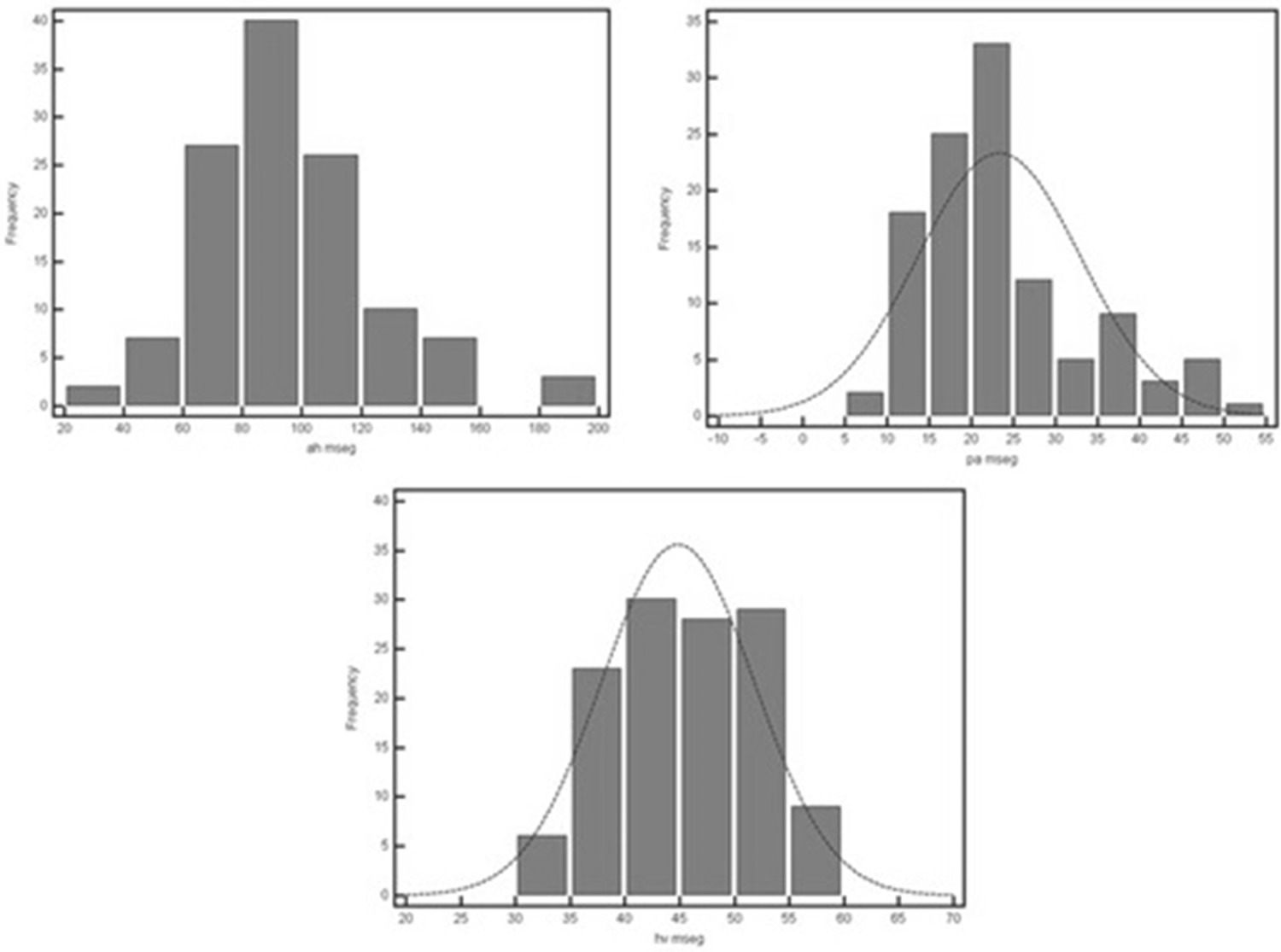
A total of 124 (8.3%) with EPS considered normal were included; mean age was 52 ± 21 years, and 63 were male. The mean values in milliseconds of PA, AH and HV were 23 ± 9, 88 ± 25 and 44 ± 7, respectively. The PA, AH, and HV percentile ranges were 13 – 25, 81-107 and 40 – 52, respectively. When the patients were divided into three age groups (1 to 18 years, 19 to 64 years and 65 or more), we observed that the group of older patients had significantly higher values of PA, AH and HV compared with younger patients.

Conclusion

This study showed that intracavitary conduction intervals in a sample of the Brazilian population were similar to previously published studies. Elderly patients tend to have higher values of intracavitary conduction intervals in EPS. Future studies including broader age ranges could enable the acquisition of more reliable and reproducible reference values. (Int J Cardiovasc Sci. 2020; [online].ahead print, PP.0-0)

  • Arrhythmias Cardiac
  • Brazil / epidemiology
  • Electrocardiography/methods
  • Predictive Value of Tests
  • Syncope/physiopathology
  • Syncope/therapy
  • Treatment Outcome
Read Full Article
Creative Commons Attribution (CC BY) Creative Commons license
09/03/2020 DOI: 10.36660/ijcs.20180087 Views 3
Figure 1
ABC
Original Article

Zero Calcium Score as a Filter for Further Testing in Patients Admitted to the Coronary Care Unit with Chest Pain

Luis Cláudio Lemos Correia et al. Fábio P. Esteves Manuela Carvalhal Thiago Menezes Barbosa de Souza … Nicole de Sá Vitor Calixto de Almeida Correia Felipe Kalil Beirão Alexandre Fernanda Lopes Felipe Ferreira Márcia Noya-Rabelo

Abstract

Background:

The accuracy of zero coronary calcium score as a filter in patients with chest pain has been demonstrated at the emergency room and outpatient clinics, populations with low prevalence of coronary artery disease (CAD).

Objective:

To test the gatekeeping role of zero calcium score in patients with chest pain admitted to the coronary care unit (CCU), where the pretest probability of CAD is higher than that of other populations.

Methods:

Patients underwent computed tomography for calcium scoring, and obstructive CAD was defined by a minimum 70% stenosis on invasive angiography.

Results:

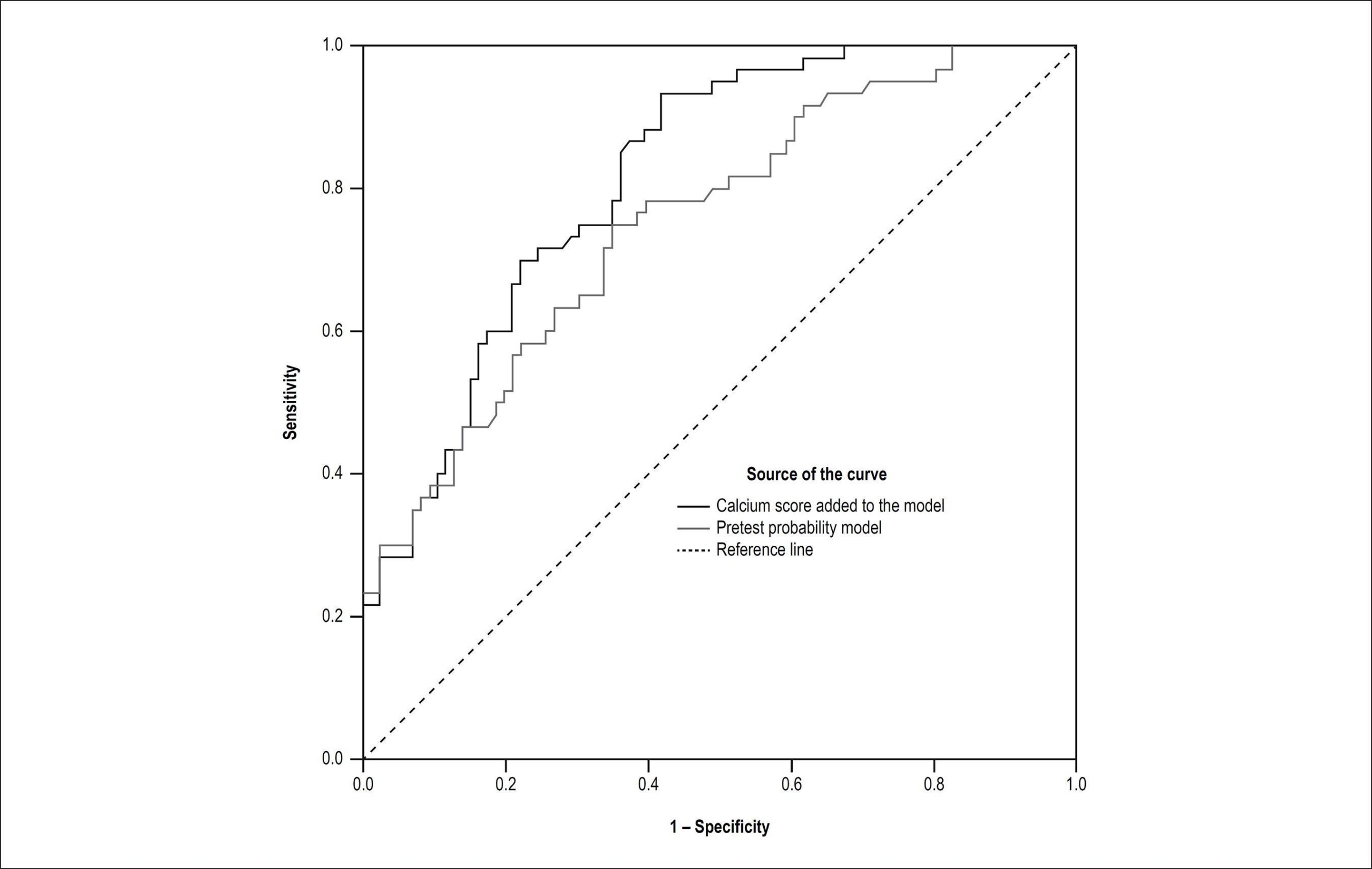
In 146 patients studied, the prevalence of CAD was 41%. A zero calcium score was present in 35% of the patients. The sensitivity and specificity of zero calcium score yielded a negative likelihood ratio of 0.16. After logistic regression adjustment for pretest probability, zero calcium score was independently associated with lower odds of CAD (OR = 0.12, 95%CI = 0.04-0.36), increasing the area under the ROC curve of the clinical model from 0.76 to 0.82 (p = 0.006). Zero calcium score provided a net reclassification improvement of 0.20 (p = 0.0018) over the clinical model when using a pretest probability threshold of 10% for discharging without further testing. In patients with pretest probability < 50%, zero calcium score had a negative predictive value of 95% (95%CI = 83%-99%), with a number needed to test of 2.1 for obtaining one additional discharge.

Conclusion:

Zero calcium score substantially reduces the pretest probability of obstructive CAD in patients admitted to the CCU with acute chest pain. (Arq Bras Cardiol. 2017; [online].ahead print, PP.0-0)

  • Acute Coronary Syndrome / diagnosis
  • Chest Pain, Calcinosis / diagnosis
  • Emergency Medical Services
  • Predictive Value of Tests
Read Full Article
Creative Commons Attribution (CC BY) Creative Commons license
12/06/2017 DOI: 10.5935/abc.20170076 Views 3
Figure 1
ABC
Original Article

Validation of a Brazilian Portuguese Version of the Walking Estimated-Limitation Calculated by History (WELCH)

Gabriel Grizzo Cucato et al. Marilia de Almeida Correia Breno Quintella Farah Glauco Fernandes Saes … Aluísio Henrique de Andrade Lima Raphael Mendes Ritti-Dias Nelson Wolosker

Abstract

Background:

The Walking Estimated-Limitation Calculated by History (WELCH) questionnaire has been proposed to evaluate walking impairment in patients with intermittent claudication (IC), presenting satisfactory psychometric properties. However, a Brazilian Portuguese version of the questionnaire is unavailable, limiting its application in Brazilian patients.

Objective:

To analyze the psychometric properties of a translated Brazilian Portuguese version of the WELCH in Brazilian patients with IC.

Methods:

Eighty-four patients with IC participated in the study. After translation and back-translation, carried out by two independent translators, the concurrent validity of the WELCH was analyzed by correlating the questionnaire scores with the walking capacity assessed with the Gardner treadmill test. To determine the reliability of the WELCH, internal consistency and test–retest reliability with a seven-day interval between the two questionnaire applications were calculated.

Results:

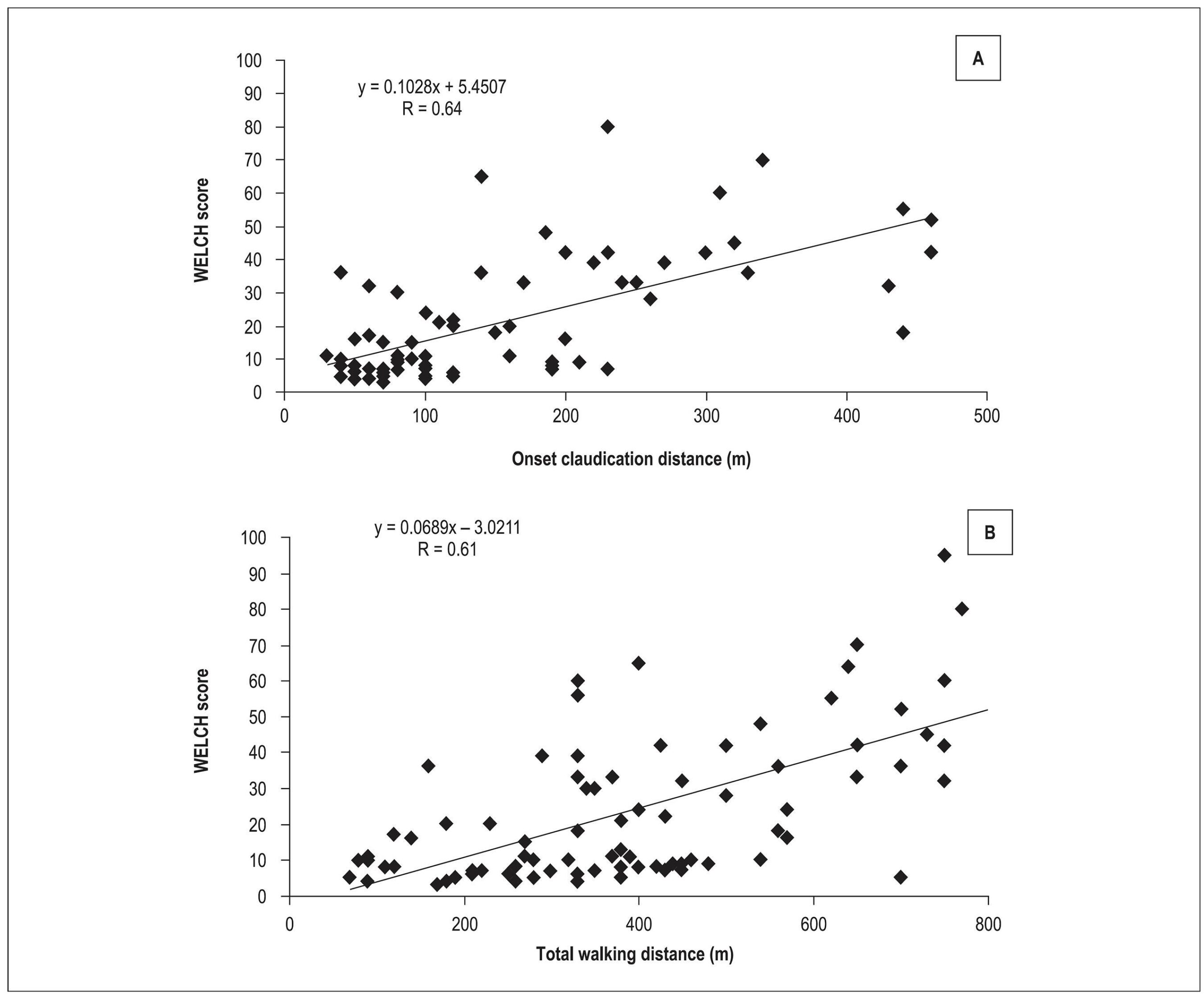
There were significant correlations between the WELCH score and the claudication onset distance (r = 0.64, p = 0.01) and total walking distance (r = 0.61, p = 0.01). The internal consistency was 0.84 and the intraclass correlation coefficient between questionnaire evaluations was 0.84. There were no differences in WELCH scores between the two questionnaire applications.

Conclusion:

The Brazilian Portuguese version of the WELCH presents adequate validity and reliability indicators, which support its application to Brazilian patients with IC.

  • Brazil
  • Disability Evaluation
  • Gait
  • Intermittent Claudication
  • Predictive Value of Tests
  • questionnaires
  • walking
Read Full Article
Creative Commons Attribution (CC BY) Creative Commons license
08/12/2015 DOI: 10.5935/abc.20160004 Views 2
Figure 1
ABC
Original Article

Relevance to Home Blood Pressure Monitoring Protocol of Blood Pressure Measurements Taken Before First- Morning Micturition and in the Afternoon

Antonio Eduardo Monteiro de Almeida et al. Ricardo Stein Miguel Gus João Agnaldo Nascimento … Karlyse Claudino Belli Jorge Rene Garcia Arévalo Flávio Dani Fuchs Jorge Pinto Ribeiro

Background:

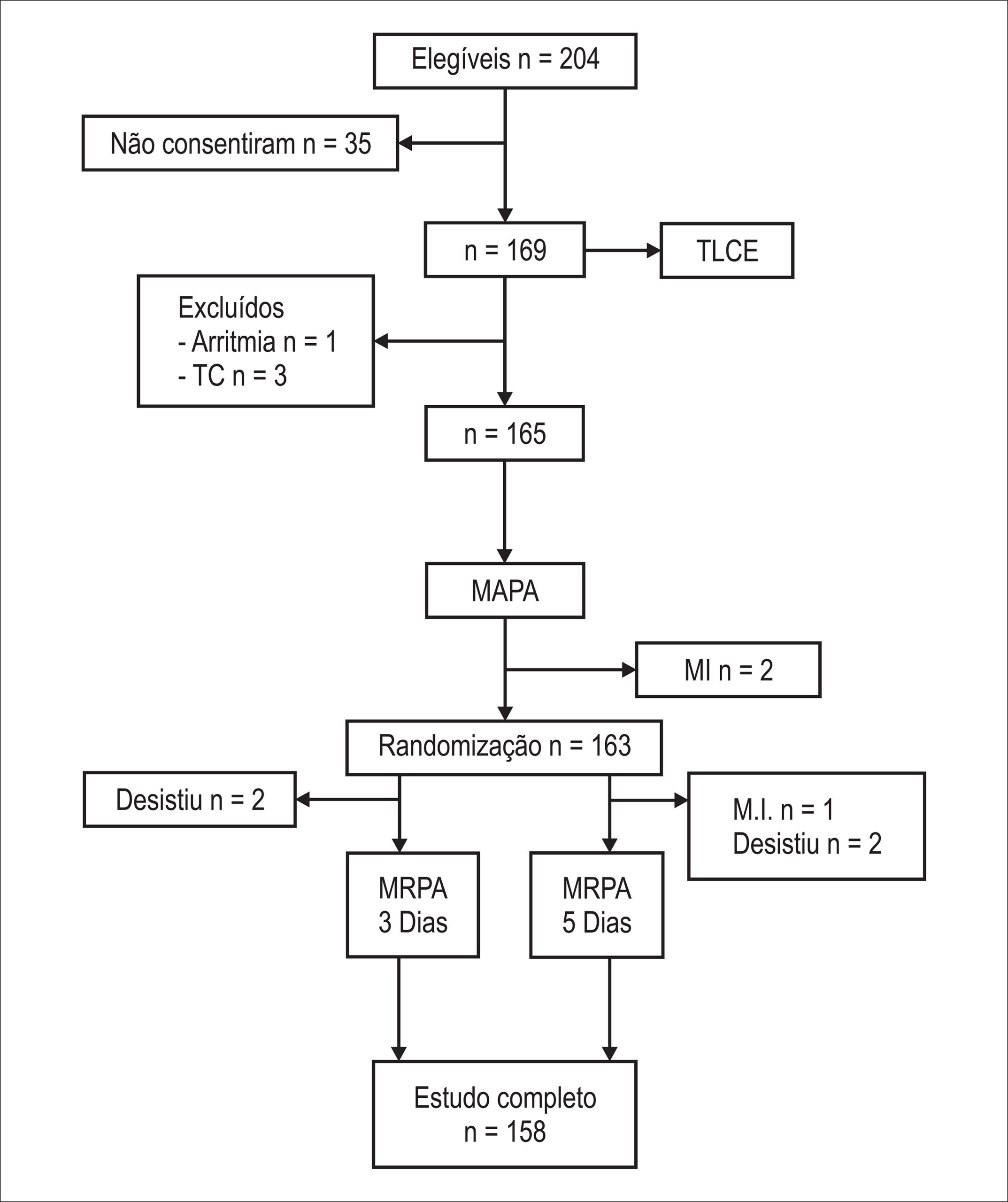
The importance of measuring blood pressure before morning micturition and in the afternoon, while working, is yet to be established in relation to the accuracy of home blood pressure monitoring (HBPM). Objective: To compare two HBPM protocols, considering 24-hour ambulatory blood pressure monitoring (wakefulness ABPM) as gold-standard and measurements taken before morning micturition (BM) and in the afternoon (AM), for the best diagnosis of systemic arterial hypertension (SAH), and their association with prognostic markers.

Methods:

After undergoing 24-hour wakefulness ABPM, 158 participants (84 women) were randomized for 3- or 5-day HBPM. Two variations of the 3-day protocol were considered: with measurements taken before morning micturition and in the afternoon (BM+AM); and with post-morning-micturition and evening measurements (PM+EM). All patients underwent echocardiography (for left ventricular hypertrophy – LVH) and urinary albumin measurement (for microalbuminuria – MAU).

Result:

Kappa statistic for the diagnosis of SAH between wakefulness-ABPM and standard 3-day HBPM, 3-day HBPM (BM+AM) and (PM+EM), and 5-day HBPM were 0.660, 0.638, 0.348 and 0.387, respectively. The values of sensitivity of (BM+AM) versus (PM+EM) were 82.6% × 71%, respectively, and of specificity, 84.8% × 74%, respectively. The positive and negative predictive values were 69.1% × 40% and 92.2% × 91.2%, respectively. The comparisons of intraclass correlations for the diagnosis of LVH and MAU between (BM+AM) and (PM+EM) were 0.782 × 0.474 and 0.511 × 0.276, respectively.

Conclusions:

The 3 day-HBPM protocol including measurements taken before morning micturition and during work in the afternoon showed the best agreement with SAH diagnosis and the best association with prognostic markers.

  • Ambulatory Blood Pressure Monitoring
  • Arterial Pressure
  • Cardiovascular Diseases/urine
  • Hypertension
  • Mass Screening
  • Predictive Value of Tests
Read Full Article
Creative Commons Attribution (CC BY) Creative Commons license
23/09/2014 DOI: 10.5935/abc.20140139 Views 1
Predictive value of resting heart rate for cardiovascular and all-cause mortality
ABC
Artigo Original

Predictive value of resting heart rate for cardiovascular and all-cause mortality

Jaqueline Eilert Fagundes et al. Iran Castro

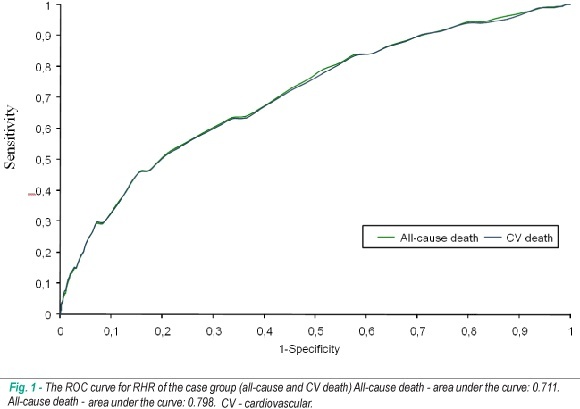
BACKGROUND: Resting heart rate (which ranges from 60 to 80 bpm) is one of the simplest cardiovascular parameters, and has been considered as a predictor of cardiovascular and all-cause mortality. OBJECTIVE: To determine the predictive value of resting heart rate (RHR) before exercise stress testing (ET) for cardiovascular (CV) and all-cause mortality. METHODS: This was a case-control study using data from the database of the Exercise Testing Laboratory of a cardiac hospital and the death records of the Health Department of a city located in the South of Brazil from January 1995 to June 2007. A total of 7,055 patients were studied; 1,645 (23.3%) in the case group (deceased) and 5,410 (76.7%) in the control group (alive). The cut-off value of RHR for mortality was derived from the ROC curve, and a multivariate analysis was performed for the selected variables. The study’s outcome measures were cardiovascular and all-cause mortality. RESULTS: Six hundred and seventy-four patients died of cardiovascular diseases (9.5%); the cut-off value was RHR > 78 bpm). After adjusting for selected variables, the odds ratio (OR) of RHR > 78 bpm was 3.5 (95% CI 2.9 to 4.2) for CV mortality and 3.6 (95% CI 3.2 to 4.0) for all-cause mortality. CONCLUSION: Resting heart rate > 78 is an independent predictor of cardiovascular and all-cause mortality.

  • Exercise Test
  • Heart Rate
  • Predictive Value of Tests
Read Full Article
Creative Commons Attribution (CC BY) Creative Commons license
12/11/2010 DOI: 10.1590/S0066-782X2010005000149 Views 1
ABC
Artigo Original

Assessing Ankle-Brachial Index (ABI) by using automated oscillometric devices

Takao Kawamura

BACKGROUND: Assessing Ankle-Brachial Index is an essential procedure in clinical settings, but since its measurement by the gold standard Doppler Ultrasonic (DU) technique is impaired by technical difficulties, it is underperformed. OBJECTIVE: The aim of this study was to assess the efficacy of an automated oscillometric device (AOD) by performing Ankle-Brachial Index (ABI) assessments and to suggest delta brachial-brachial (delta-BB) and delta-ABI as markers of cardiovascular risk. METHODS: In this observational and descriptive study, 247 patients (56.2% females, mean age 62.0 years) had their arterial blood pressure (ABP) measured for ABI calculation. Two AOD (OMRON-HEM705CP) devices were used for simultaneous measurements of the ABP, first of the two arms and then of the arm with higher systolic ABP and a leg, first the left and then the right one. When leg ABP measurements were not possible, ABI determination was performed by using the standard Doppler Ultrasonic (DU) technique. Patients were designated to Group N (normal ABI: 0.91 to 1.30) or Group A (abnormal ABI: 1.30). Other indexes were also calculated: delta-BB (absolute difference in mmHg of systolic ABP between arms) and delta-ABI (absolute difference of ABI between legs) and the results were compared. RESULTS: In most patients (90.7%), it was possible to determine the ABI. Group N data allowed calculation of the 95th percentile reference values (RV) of delta-BB (0 to 8 mmHg) and delta-ABI (0 to 0.13). When compared to Group N, Group A had a significantly higher prevalence of high values greater than the RVs of delta-ABI (30 of 52 and 10 of 195, respectively; Odds Ratio = 25.23; p<0.0001) and delta-BB (13 of 52 and 7 of 195, respectively; Odds Ratio = 8.95; p<0.0001). CONCLUSION: In most patients, the ABI could be measured by AOD. Both indexes, delta-BB and delta-ABI greater than the RVs, were significantly more prevalent in patients with abnormal ABI values, and their usefulness as new markers of cardiovascular disease should be further appraised in epidemiological studies.

  • Blood Pressure
  • Brachial Artery
  • peripheral vascular diseases
  • Predictive Value of Tests
Read Full Article
Creative Commons Attribution (CC BY) Creative Commons license
27/05/2008 DOI: 10.1590/S0066-782X2008000500003 Views 1

How to cite this article

EndNote RIS

Electronic Document Format (Vancouver)

Felix RCM. Myocardial Perfusion Imaging: Always Evolving. International Journal of Cardiovascular Sciences 2026;39:e20260007.

Electronic Document Format (ABNT)

Felix, Renata Christian Martins. Myocardial Perfusion Imaging: Always Evolving. International Journal of Cardiovascular Sciences, v. 39, e20260007, May. 2026.

Electronic Document Format (APA)

Felix, R. C. M. (2026). Myocardial Perfusion Imaging: Always Evolving. International Journal of Cardiovascular Sciences, 39, e20260007.

Electronic Document Format (ISO)

Felix, Renata Christian Martins. Myocardial Perfusion Imaging: Always Evolving. International Journal of Cardiovascular Sciences [online]. 2026, vol. 39, [cited 2026-10-14], e20260007. Available from: <https://journals.cardiol.br/en/article/myocardial-perfusion-imaging-always-evolving/>. ISSN 2359-4802

EndNote RIS

Electronic Document Format (Vancouver)

Andrea BR, Benchimol-Barbosa PR, Farah S, Monteiro A. Clinical and Laboratory Data Up on Hospital Admission are Predictors of New-Onset Atrial Fibrillation in Patients Hospitalized Due to COVID-19 Pneumonia. Arquivos Brasileiros de Cardiologia 2024;121(1):e20220784.

Electronic Document Format (ABNT)

Andrea, Bruno Rustum; Benchimol-Barbosa, Paulo Roberto; Farah, Simone; Monteiro, Alexandra. Clinical and Laboratory Data Up on Hospital Admission are Predictors of New-Onset Atrial Fibrillation in Patients Hospitalized Due to COVID-19 Pneumonia. Arquivos Brasileiros de Cardiologia, v. 121, n. 1, e20220784, Apr. 2024.

Electronic Document Format (APA)

Andrea, B. R., Benchimol-Barbosa, P. R., Farah, S., & Monteiro, A. (2024). Clinical and Laboratory Data Up on Hospital Admission are Predictors of New-Onset Atrial Fibrillation in Patients Hospitalized Due to COVID-19 Pneumonia. Arquivos Brasileiros de Cardiologia, 121(1), e20220784.

Electronic Document Format (ISO)

Andrea, Bruno Rustum and Benchimol-Barbosa, Paulo Roberto and Farah, Simone and Monteiro, Alexandra. Clinical and Laboratory Data Up on Hospital Admission are Predictors of New-Onset Atrial Fibrillation in Patients Hospitalized Due to COVID-19 Pneumonia. Arquivos Brasileiros de Cardiologia [online]. 2024, vol. 121, n. 1, [cited 2026-10-14], e20220784. Available from: <https://journals.cardiol.br/en/article/clinical-and-laboratory-data-up-on-hospital-admission-are-predictors-of-new-onset-atrial-fibrillation-in-patients-hospitalized-due-to-covid-19-pneumonia/>. ISSN 0066-782X

EndNote RIS

Electronic Document Format (Vancouver)

Santana GF, Gomes TO, Vieira ACR, Santos OP. The Importance of the Learning Curve in the Positive Predictive Value of Magnetic Resonance Myocardial Perfusion Imaging. Arquivos Brasileiros de Cardiologia Imagem cardiovascular 2022;31(2):112-4.

Electronic Document Format (ABNT)

Santana, Glauco Franco; Gomes, Thalles Oliveira; Vieira, Ana Carolina Ruela; Santos, Onivaldo Pereira dos. The Importance of the Learning Curve in the Positive Predictive Value of Magnetic Resonance Myocardial Perfusion Imaging. Arquivos Brasileiros de Cardiologia Imagem cardiovascular, v. 31, n. 2, p. 112-114, Jan. 2022.

Electronic Document Format (APA)

Santana, G. F., Gomes, T. O., Vieira, A. C. R., & Santos, O. P. (2022). The Importance of the Learning Curve in the Positive Predictive Value of Magnetic Resonance Myocardial Perfusion Imaging. Arquivos Brasileiros de Cardiologia Imagem cardiovascular, 31(2), 112-114.

Electronic Document Format (ISO)

Santana, Glauco Franco and Gomes, Thalles Oliveira and Vieira, Ana Carolina Ruela and Santos, Onivaldo Pereira dos. The Importance of the Learning Curve in the Positive Predictive Value of Magnetic Resonance Myocardial Perfusion Imaging. Arquivos Brasileiros de Cardiologia Imagem cardiovascular [online]. 2022, vol. 31, n. 2, [cited 2026-10-14], pp. 112-114. Available from: <https://journals.cardiol.br/en/article/the-importance-of-the-learning-curve-in-the-positive-predictive-value-of-magnetic-resonance-myocardial-perfusion-imaging/>. ISSN 2318-8219

EndNote RIS

Electronic Document Format (Vancouver)

Lindner IA, Oliveira PS, Bacca COF, Matsuda JB, Rocha FR, Visentainer J, Bacca LE, et al. Early Use of Handgrip Exercise Associated with Dobutamine Stress Echocardiography in Women. International Journal of Cardiovascular Sciences 2021;34(4):443-51.

Electronic Document Format (ABNT)

Lindner, Isabela de Andrade; Oliveira, Patricia Sens de; Bacca, Caroline de Oliveira Fischer; Matsuda, Josie Budag; Rocha, Franciani Rodrigues da; Visentainer, Jeancarlo; Bacca, Luiz Eduardo. Early Use of Handgrip Exercise Associated with Dobutamine Stress Echocardiography in Women. International Journal of Cardiovascular Sciences, v. 34, n. 4, p. 443-451, Jul. 2021.

Electronic Document Format (APA)

Lindner, I. A., Oliveira, P. S. , Bacca, C. O. F., Matsuda, J. B., Rocha, F. R. , Visentainer, J., & Bacca, L. E. (2021). Early Use of Handgrip Exercise Associated with Dobutamine Stress Echocardiography in Women. International Journal of Cardiovascular Sciences, 34(4), 443-451.

Electronic Document Format (ISO)

Lindner, Isabela de Andrade and Oliveira, Patricia Sens de and Bacca, Caroline de Oliveira Fischer and Matsuda, Josie Budag and Rocha, Franciani Rodrigues da and Visentainer, Jeancarlo and Bacca, Luiz Eduardo. Early Use of Handgrip Exercise Associated with Dobutamine Stress Echocardiography in Women. International Journal of Cardiovascular Sciences [online]. 2021, vol. 34, n. 4, [cited 2026-10-14], pp. 443-451. Available from: <https://journals.cardiol.br/en/article/early-use-of-handgrip-exercise-associated-with-dobutamine-stress-echocardiography-in-women/>. ISSN 2359-4802

EndNote RIS

Electronic Document Format (Vancouver)

Leiria TLL, Santos CBL, Sant’anna RT, Trombetta JS, Osterkamp G, Kruse ML, Pires LM, et al. Analysis of Conduction Intervals in Normal Electrophysiological Studies: Establishment of Reference Values the Brazilian Population. International Journal of Cardiovascular Sciences 2020;33(5):488-94.

Electronic Document Format (ABNT)

Leiria, Tiago Luiz Luz; Santos, Catarine Benta Lopes dos; Sant’anna, Roberto Tofani; Trombetta, Julia Santana; Osterkamp, Gabriela; Kruse, Marcelo Lapa; Pires, Leonardo Martins; Lima, Gustavo Glotz. Analysis of Conduction Intervals in Normal Electrophysiological Studies: Establishment of Reference Values the Brazilian Population. International Journal of Cardiovascular Sciences, v. 33, n. 5, p. 488-494, Mar. 2020.

Electronic Document Format (APA)

Leiria, T. L. L., Santos, C. B. L. , Sant’anna, R. T., Trombetta, J. S., Osterkamp, G., Kruse, M. L., Pires, L. M., & Lima, G. G. (2020). Analysis of Conduction Intervals in Normal Electrophysiological Studies: Establishment of Reference Values the Brazilian Population. International Journal of Cardiovascular Sciences, 33(5), 488-494.

Electronic Document Format (ISO)

Leiria, Tiago Luiz Luz and Santos, Catarine Benta Lopes dos and Sant’anna, Roberto Tofani and Trombetta, Julia Santana and Osterkamp, Gabriela and Kruse, Marcelo Lapa and Pires, Leonardo Martins and Lima, Gustavo Glotz. Analysis of Conduction Intervals in Normal Electrophysiological Studies: Establishment of Reference Values the Brazilian Population. International Journal of Cardiovascular Sciences [online]. 2020, vol. 33, n. 5, [cited 2026-10-14], pp. 488-494. Available from: <https://journals.cardiol.br/en/article/analysis-of-conduction-intervals-in-normal-electrophysiological-studies-establishment-of-reference-values-the-brazilian-population/>. ISSN 2359-4802

EndNote RIS

Electronic Document Format (Vancouver)

Correia LCL, Esteves FP, Carvalhal M, Souza TMB, Sá N, Correia VCA, Alexandre FKB, et al. Zero Calcium Score as a Filter for Further Testing in Patients Admitted to the Coronary Care Unit with Chest Pain. Arquivos Brasileiros de Cardiologia 2017;109(2):97-102.

Electronic Document Format (ABNT)

Correia, Luis Cláudio Lemos; Esteves, Fábio P.; Carvalhal, Manuela; Souza, Thiago Menezes Barbosa de; Sá, Nicole de; Correia, Vitor Calixto de Almeida; Alexandre, Felipe Kalil Beirão; Lopes, Fernanda; Ferreira, Felipe; Noya-Rabelo, Márcia. Zero Calcium Score as a Filter for Further Testing in Patients Admitted to the Coronary Care Unit with Chest Pain. Arquivos Brasileiros de Cardiologia, v. 109, n. 2, p. 97-102, Jun. 2017.

Electronic Document Format (APA)

Correia, L. C. L., Esteves, F. P., Carvalhal, M., Souza, T. M. B. , Sá, N. , Correia, V. C. A., Alexandre, F. K. B., Lopes, F., Ferreira, F., & Noya-Rabelo, M. (2017). Zero Calcium Score as a Filter for Further Testing in Patients Admitted to the Coronary Care Unit with Chest Pain. Arquivos Brasileiros de Cardiologia, 109(2), 97-102.

Electronic Document Format (ISO)

Correia, Luis Cláudio Lemos and Esteves, Fábio P. and Carvalhal, Manuela and Souza, Thiago Menezes Barbosa de and Sá, Nicole de and Correia, Vitor Calixto de Almeida and Alexandre, Felipe Kalil Beirão and Lopes, Fernanda and Ferreira, Felipe and Noya-Rabelo, Márcia. Zero Calcium Score as a Filter for Further Testing in Patients Admitted to the Coronary Care Unit with Chest Pain. Arquivos Brasileiros de Cardiologia [online]. 2017, vol. 109, n. 2, [cited 2026-10-14], pp. 97-102. Available from: <https://journals.cardiol.br/en/article/zero-calcium-score-as-a-filter-for-further-testing-in-patients-admitted-to-the-coronary-care-unit-with-chest-pain/>. ISSN 0066-782X

EndNote RIS

Electronic Document Format (Vancouver)

Cucato GG, Correia MA, Farah BQ, Saes GF, Lima AHA, Ritti-Dias RM, Wolosker N, et al. Validation of a Brazilian Portuguese Version of the Walking Estimated-Limitation Calculated by History (WELCH). Arquivos Brasileiros de Cardiologia 2015;106(1):49-55.

Electronic Document Format (ABNT)

Cucato, Gabriel Grizzo; Correia, Marilia de Almeida; Farah, Breno Quintella; Saes, Glauco Fernandes; Lima, Aluísio Henrique de Andrade; Ritti-Dias, Raphael Mendes; Wolosker, Nelson. Validation of a Brazilian Portuguese Version of the Walking Estimated-Limitation Calculated by History (WELCH). Arquivos Brasileiros de Cardiologia, v. 106, n. 1, p. 49-55, Dec. 2015.

Electronic Document Format (APA)

Cucato, G. G., Correia, M. A., Farah, B. Q., Saes, G. F., Lima, A. H. A., Ritti-Dias, R. M., & Wolosker, N. (2015). Validation of a Brazilian Portuguese Version of the Walking Estimated-Limitation Calculated by History (WELCH). Arquivos Brasileiros de Cardiologia, 106(1), 49-55.

Electronic Document Format (ISO)

Cucato, Gabriel Grizzo and Correia, Marilia de Almeida and Farah, Breno Quintella and Saes, Glauco Fernandes and Lima, Aluísio Henrique de Andrade and Ritti-Dias, Raphael Mendes and Wolosker, Nelson. Validation of a Brazilian Portuguese Version of the Walking Estimated-Limitation Calculated by History (WELCH). Arquivos Brasileiros de Cardiologia [online]. 2015, vol. 106, n. 1, [cited 2026-10-14], pp. 49-55. Available from: <https://journals.cardiol.br/en/article/validation-of-a-brazilian-portuguese-version-of-the-walking-estimated-limitation-calculated-by-history-welch/>. ISSN 0066-782X

EndNote RIS

Electronic Document Format (Vancouver)

Almeida AEM, Stein R, Gus M, Nascimento JA, Belli KC, Arévalo JRG, Fuchs FD, et al. Relevance to Home Blood Pressure Monitoring Protocol of Blood Pressure Measurements Taken Before First- Morning Micturition and in the Afternoon. Arquivos Brasileiros de Cardiologia 2014;103(4):338-47.

Electronic Document Format (ABNT)

Almeida, Antonio Eduardo Monteiro de; Stein, Ricardo; Gus, Miguel; Nascimento, João Agnaldo; Belli, Karlyse Claudino; Arévalo, Jorge Rene Garcia; Fuchs, Flávio Dani; Ribeiro, Jorge Pinto. Relevance to Home Blood Pressure Monitoring Protocol of Blood Pressure Measurements Taken Before First- Morning Micturition and in the Afternoon. Arquivos Brasileiros de Cardiologia, v. 103, n. 4, p. 338-347, Sep. 2014.

Electronic Document Format (APA)

Almeida, A. E. M. , Stein, R., Gus, M., Nascimento, J. A., Belli, K. C., Arévalo, J. R. G., Fuchs, F. D., & Ribeiro, J. P. (2014). Relevance to Home Blood Pressure Monitoring Protocol of Blood Pressure Measurements Taken Before First- Morning Micturition and in the Afternoon. Arquivos Brasileiros de Cardiologia, 103(4), 338-347.

Electronic Document Format (ISO)

Almeida, Antonio Eduardo Monteiro de and Stein, Ricardo and Gus, Miguel and Nascimento, João Agnaldo and Belli, Karlyse Claudino and Arévalo, Jorge Rene Garcia and Fuchs, Flávio Dani and Ribeiro, Jorge Pinto. Relevance to Home Blood Pressure Monitoring Protocol of Blood Pressure Measurements Taken Before First- Morning Micturition and in the Afternoon. Arquivos Brasileiros de Cardiologia [online]. 2014, vol. 103, n. 4, [cited 2026-10-14], pp. 338-347. Available from: <https://journals.cardiol.br/en/article/relevance-to-home-blood-pressure-monitoring-protocol-of-blood-pressure-measurements-taken-before-first-morning-micturition-and-in-the-afternoon/>. ISSN 0066-782X

EndNote RIS

Electronic Document Format (Vancouver)

Fagundes JE, Castro I. Predictive value of resting heart rate for cardiovascular and all-cause mortality. Arquivos Brasileiros de Cardiologia 2010;95(6):713-9.

Electronic Document Format (ABNT)

Fagundes, Jaqueline Eilert; Castro, Iran. Predictive value of resting heart rate for cardiovascular and all-cause mortality. Arquivos Brasileiros de Cardiologia, v. 95, n. 6, p. 713-719, Nov. 2010.

Electronic Document Format (APA)

Fagundes, J. E., & Castro, I. (2010). Predictive value of resting heart rate for cardiovascular and all-cause mortality. Arquivos Brasileiros de Cardiologia, 95(6), 713-719.

Electronic Document Format (ISO)

Fagundes, Jaqueline Eilert and Castro, Iran. Predictive value of resting heart rate for cardiovascular and all-cause mortality. Arquivos Brasileiros de Cardiologia [online]. 2010, vol. 95, n. 6, [cited 2026-10-14], pp. 713-719. Available from: <https://journals.cardiol.br/en/article/predictive-value-of-resting-heart-rate-for-cardiovascular-and-all-cause-mortality/>. ISSN 0066-782X

EndNote RIS

Electronic Document Format (Vancouver)

Kawamura T. Assessing Ankle-Brachial Index (ABI) by using automated oscillometric devices. Arquivos Brasileiros de Cardiologia 2008;90(5):322-6.

Electronic Document Format (ABNT)

Kawamura, Takao. Assessing Ankle-Brachial Index (ABI) by using automated oscillometric devices. Arquivos Brasileiros de Cardiologia, v. 90, n. 5, p. 322-326, May. 2008.

Electronic Document Format (APA)

Kawamura, T. (2008). Assessing Ankle-Brachial Index (ABI) by using automated oscillometric devices. Arquivos Brasileiros de Cardiologia, 90(5), 322-326.

Electronic Document Format (ISO)

Kawamura, Takao. Assessing Ankle-Brachial Index (ABI) by using automated oscillometric devices. Arquivos Brasileiros de Cardiologia [online]. 2008, vol. 90, n. 5, [cited 2026-10-14], pp. 322-326. Available from: <https://journals.cardiol.br/en/article/assessing-ankle-brachial-index-abi-by-using-automated-oscillometric-devices/>. ISSN 0066-782X

  • About ABC Family
  • Internal Regulation
  • Editorial Board
  • Brazilian Society of Cardiology (SBC)

Issues

SBC Guidelines

  • Videos
  • Podcasts
  • News