ABC Family Arquivos Brasileiros de Cardiologia International Journal of Cardiovascular Sciences ABC Heart Failure & Cardiomyopathy ABC Imagem Cardiovascular
Português English
ABC Family
Português English
  • About
    • About ABC Family
    • Internal Regulation
    • Editorial Board
    • Brazilian Society of Cardiology (SBC)
  • Issues
  • SBC Guidelines
  • Content
    • Videos
    • Podcasts
    • News
  • About
    • About ABC Family
    • Internal Regulation
    • Editorial Board
    • Brazilian Society of Cardiology (SBC)
  • Issues
  • SBC Guidelines
  • Content
    • Videos
    • Podcasts
    • News

ABC Family

  • ABC Family
  • Arquivos Brasileiros de Cardiologia
  • International Journal of Cardiovascular Sciences
  • ABC Heart Failure & Cardiomyopathy
  • ABC Imagem Cardiovascular
Search in

No content found.

Journals
Ordering
Article types
Others

  1. Home
  2. Keyword: Betacoronavirus
ABC
Editorial

Our Patients Deserve More

Roberto Muniz Ferreira

Clinical decision-making implies that multiple options are possible for any given medical situation. Fortunately, science is constantly evolving and will continue to do so incrementally. Thus, physicians should routinely analyze previous outcomes of similar circumstances to increase the probability of selecting the most appropriate alternative. Discerning data that may assist in decision-making from inconsistent scientific information is a fundamental requirement of evidence-based medicine (EBM).

For over 40 years, EBM has been the cornerstone of clinical practice, improving the efficacy and safety involved with medical decisions, according to the most current scientific knowledge. Nevertheless, publications do not always adhere to validated methodological concepts and may rely solely on non-scientific motivations. When personal beliefs overshadow medical science, it invariably occurs to the detriment of patient care. Conversely, EBM provides a systematic and organized method to appraise scientific information in various medical literature forms.

[…]

  • Azithromycine
  • Betacoronavirus
  • Coronavirus infections
  • COVID-19
  • Evidence-Based Medicine
  • Hydroxychloroquine
  • Pandemics
Read Full Article
Creative Commons Attribution (CC BY) Creative Commons license
20/10/2023 DOI: 10.36660/abc.20230626 Views 1
ABC
Editorial

Much More Than Just Women: Wonder Women

Marcia Koike et al. Luciana Aikawa

The impact of the SARS-Cov2 pandemic hit the world quickly and overwhelmingly and highlighted the heroes of the white cover: healthcare professionals. It took more than two years of uninterrupted work, facing various challenges and external and internal conflicts to preserve the patient’s life, colleagues, their families and themselves. A complicated scenario, not only due to the overload of professional demand but also the scientific lack of knowledge of what we were facing. Scientists worldwide have joined forces to disseminate scientific evidence, and, at the same time, medical societies have mobilized to optimize care procedures with protection for active professionals.

Stress and Burnout syndrome are part of occupational diseases in health professionals. However, the particular scenario of Covid-19 has shown that although it is not easy to be on the front lines in the fight against SARS-CoV2, nurses and doctors demonstrated high stress and exhaustion in studies, so behavioral/collective strategies can help.– This mini-editorial is dedicated to female doctors.

[…]

  • Betacoronavirus
  • COVID-19
  • Efficiency
  • Epidemiology
  • Health Occupations
  • Life Style
  • Medical Profissional
  • Medicals
  • Pandemics
  • Professional Practice
  • SARS-CoV2
  • Staff Development/ethics
  • Women/psychology
Read Full Article
Creative Commons Attribution (CC BY) Creative Commons license
05/08/2022 DOI: 10.36660/abc.20220443 Views 1
ABC
Editorial

The High Pressure of Fighting the COVID-19 Pandemic

Isabela Bispo Santos da Silva Costa et al. Hugo Bizetto Zampa

Although we have been facing the challenges posed by the new coronavirus for almost two years, we still have a long way to go. The rapid and easy spread of the virus not only worries the population and scientific society as a whole but also exposes the fragility of the Brazilian public health system. The numbers speak for themselves – the exorbitant rates of infected people and, consequently, the number of deaths made us question the handling of this health crisis.

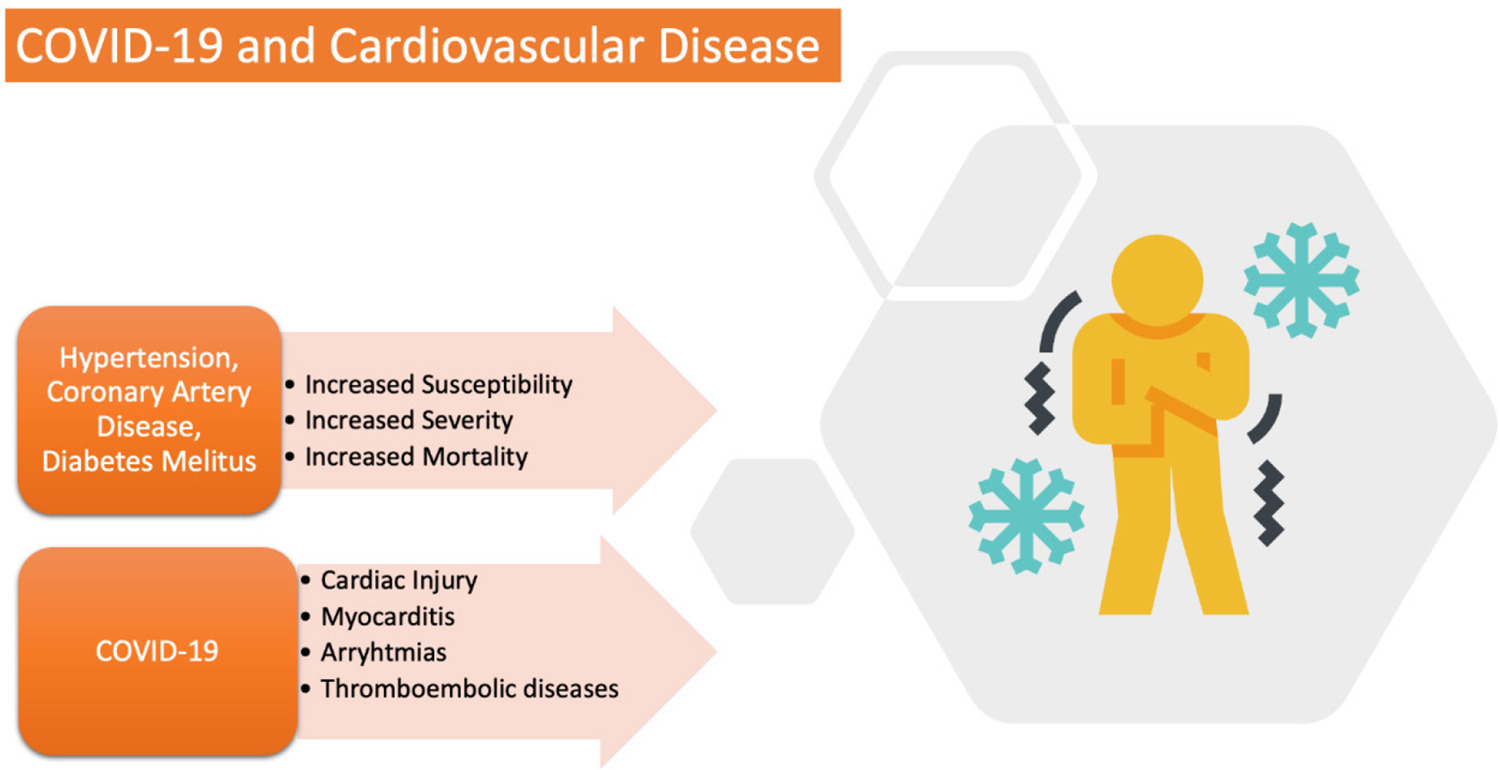
In this scenario, elderly individuals with comorbidities such as hypertension, diabetes, obesity and coronary artery disease were the ones who suffered most from COVID-19. The virus in the body leads to extensive endothelial dysfunction, mediated by inflammatory cytokines and thrombogenic factors, disseminated microvascular lesions and serious complications, such as pulmonary and systemic embolism, myocardial injury and renal dysfunction. These manifestations proved to be potentially fatal, especially in the group listed here, mainly due to the concomitant presence of cardiovascular diseases (CVD).

[…]

  • Aged
  • Betacoronavirus
  • Cardiovascular Diseases
  • Comorbidities
  • COVID-19
  • Hospitalization
  • Hypertension
  • Pandemics
Read Full Article
Creative Commons Attribution (CC BY) Creative Commons license
22/11/2021 DOI: 10.36660/abc.20210811 Views 1
ABC
Original Article

Relationship between Right Ventricular Strain Signs in Electrocardiography and Levels of Biomarkers Associated with COVID-19 Pneumonia Severity

Veli Polat et al. Evin Bozcali Kadriye Kart Yasar Hayat Kumbasar Karaosmanoglu Ibrahim Faruk Akturk

Abstract

Background

The novel coronavirus disease (COVID-19) may lead to severe disease that can cause death. COVID-19 is known to affect the cardiovascular system. Early detection of the progression to the severe disease stage that affects the cardiovascular system may play a critical role in the treatment of COVID-19.

Objectives

To explore the possible relationship between the COVID-19 pneumonia and right ventricular strain findings on electrocardiography (ECG).

Methods

We conducted a retrospective study of 141 hospitalized patients with COVID-19. Spearman’s correlation and logistic regression analyses were applied to assess relationships between ECG manifestations of right ventricular strain and levels of biomarkers and other laboratory and chest imaging findings. The significance level was considered as < 0.05.

Results

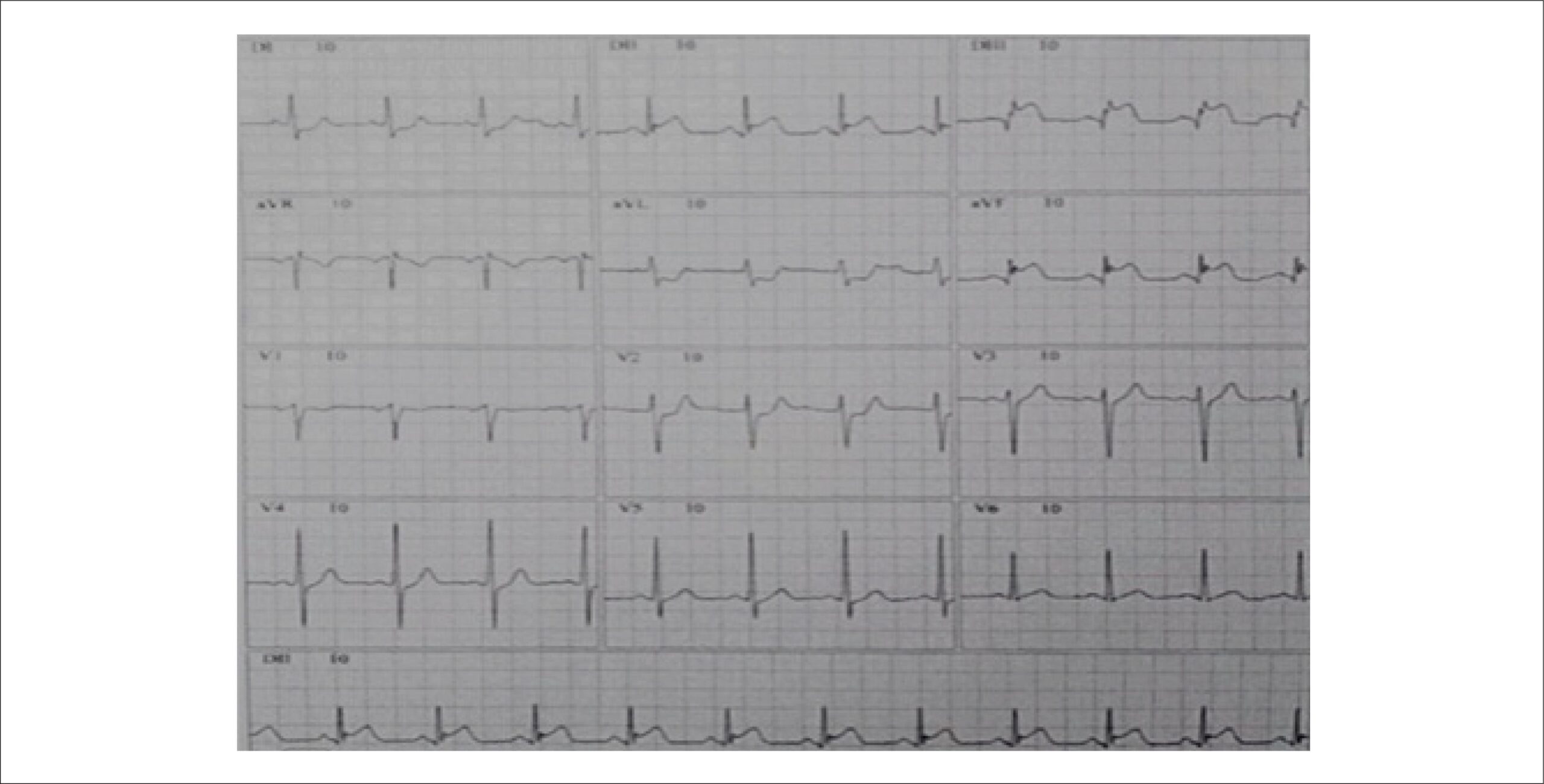
The ECG signs of right ventricular stress were significantly more frequent and the levels of fibrinogen, CRP, and ferritin were significantly higher in COVID-19 patients with elevated levels of hs-cTnI, procalcitonin and D-dimer. The univariate analysis showed there are significant relations between the presence of bilateral pneumonia, most of the ECG signs of right ventricular strain and cardiac injury and inflammatory and thrombotic biomarkers. The multivariate analysis revealed that ST-segment elevation in V1and the S1Q3T3pattern are independent predictors of cardiac damage (odds ratio=0.23; 95% CI, 0.06 to 0.90; p=0.035) and elevated procalcitonin levels (odds ratio=0.19; 95% CI, 0.06 to 0.62; p=0.006), respectively.

Conclusion

The findings of the present study suggest that right heart damage is prevalent in COVID-19. In addition, our study shows the clinical value of ECG in evaluating and monitoring the patients with COVID-19 pneumonia.

  • Betacoronavirus
  • Biomarkers
  • Cardiovascular Diseases
  • COVID-19
  • Eletrocardiography/methods
  • Pneumonia/complications
  • Stress
  • Ventricular Function, Right
Read Full Article
Creative Commons Attribution (CC BY) Creative Commons license
02/07/2021 DOI: 10.36660/abc.20200724 Views 2
IJCS
Review Article

Kawasaki-Like Disease, a New Phenotype in Sars-CoV-2?

Beatriz Sordi Chara et al. Júlia Machado Rickli Caroline Figueiredo da Silva Gabriela Pomaleski … Rafael de March Ronsoni Marcus Vinícius Magno Gonçalves

Abstract

The coronavirus disease (COVID-19), that assumed pandemic proportions in March 2020, mainly affects the respiratory tract, causing severe interstitial pneumonia in adults. Worldwide data indicate that COVID-19 tends to be more benign in children, which is evidenced by a high incidence of asymptomatic or mild upper airways’ infection cases in this population. However, recent studies have been associating Kawasaki-like symptoms as a nonclassical presentation of coronavirus disease in pediatrics. It is suggested that the intense cytokine cascade, promoted by the SARS-CoV-2 infection, can trigger a multisystem inflammatory response as an atypical Kawasaki form in genetically predisposed individuals. In this context, patients may develop more severe clinical features with a greater predisposition to myocardial involvement, Macrophage Activation Syndrome, and Kawasaki Disease Shock Syndrome. Despite critical conditions, patients usually respond to conventional treatment of Kawasaki Disease with intravenous immunoglobulin. This article intends to provide an approach to the association between Kawasaki-Like Syndrome and COVID-19.

  • Betacoronavirus
  • COVID-19
  • Mucocutaneous Lymph Node Syndrome
  • Pandemics
  • Phenotype
  • Respiratory System/complications
Read Full Article
Creative Commons Attribution (CC BY) Creative Commons license
23/06/2021 DOI: 10.36660/ijcs.20200186 Views 1
Figure 1
ABC
Original Article

The Heart of Pediatric Patients with COVID-19: New Insights from a Systematic Echocardiographic Study in a Tertiary Hospital in Brazil

Maria de Fátima Rodrigues Diniz et al. Maira Freire Cardoso Karen Saori Shiraishi Sawamura Carolina Rocha Brito Menezes … Alessandro Cavalcanti Lianza Maria Fernanda Badue Pereira Nadia Litvinov Juliana Ferreira Ferranti Silvana Forsait Andreia Watanabe Sylvia Costa Lima Farhat Nadia Emi Aikawa Lucia Maria Arruda Campos Artur Figueiredo Delgado Magda Carneiro-Sampaio Werther Brunow de Carvalho Clovis Artur Silva Gabriela Nunes Leal

Abstract

Background

COVID-19 pandemic represents a huge burden to the health system in the world. Although pediatric COVID-19 patients have been relatively spared compared with adults, recent reports showed an increasing number of critically ill patients with multisystemic inflammatory syndrome in children (MIS-c), with marked cardiovascular impairment. Nevertheless, little is known about the relationship between cardiac abnormalities and inflammatory and coagulation biomarkers.

Objectives

to investigate echocardiographic abnormalities in pediatric patients with COVID-19 admitted to tertiary hospital.

Methods

this was a retrospective longitudinal study, based on the review of medical records and echocardiograms of patients (0-19 years) admitted to a tertiary hospital between March 30 and June 30, 2020. For statistical analysis, the significance level was set at 5% (p < 0.05).

Results

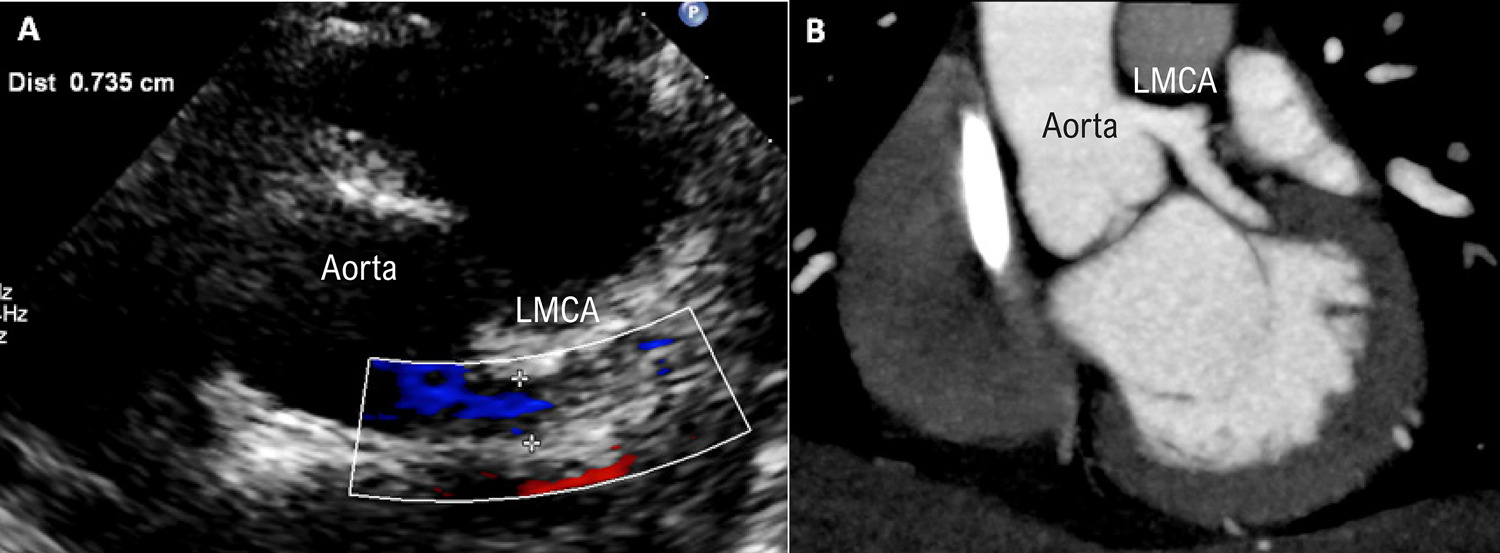
Forty-eight patients were enrolled, 73% with preexisting diseases, 20 (41.7%) with MIS-c. Median age was 7.5 (0-18.6) years; 27 (56.2%) were male. Median duration of hospitalization was 15.4 (2-92) days and seven (14.6%) patients died. A total of 70 echocardiograms were performed; 66.7% patients were scanned only once and 33.3% multiple times. Twenty-three (48%) patients showed echocardiographic abnormalities: eight (16.6%) left ventricle (LV) systolic dysfunction, six (12.5%) right ventricle (RV) systolic dysfunction and 12 (25%) coronary dilatation (Z-score>+2.5). Echocardiographic abnormalities were significantly associated with MIS-c, admission to the pediatric intensive care unit, multiple organ dysfunction, ventilatory/vasoactive support, and death (p<0.05). Significantly higher d-dimer (ng/mL) levels were detected in patients with LV dysfunction [16733(4157-115668) vs. 2406.5(190-95040)], RV dysfunction [25769(3422-115668) vs. 2803.5(190-95040)] and coronary artery dilation [9652.5(921-115668) vs. 2724(190- 95040)] (p<0.05).

Conclusion

Echocardiographic abnormalities in COVID-19 pediatric patients were frequent and associated with worse clinical outcomes. Exacerbation of the inflammation and coagulation pathways may play an important role in cardiovascular injury in those patients.

  • Betacoronavirus
  • Biomarkers
  • Child
  • COVID-19
  • Echocardiography/methods
  • Heart Failure
  • Inflammation
  • Pandemics
Read Full Article
Creative Commons Attribution (CC BY) Creative Commons license
18/06/2021 DOI: 10.36660/abc.20200920 Views 3
IJCS
Editorial

Cardiovascular Rehabilitation at Distance: A New Moment

Ricardo Vivacqua Cardoso Costa

Cardiovascular rehabilitation consists of a non-pharmacological intervention process in individuals with metabolic, pulmonary, or cardiovascular disorders, aiming at reducing symptoms, quality of life improvement, and the possible increase in life expectancy.

It consists, predominantly, in the practice of regular, individualized physical exercises, in addition to guidance concerning other risk factors, including physical inactivity, as well as nutritional and psychological support, intending to slow down and cause possible regression of the patient’s pathology.,

[…]

  • Betacoronavirus
  • Cardiac Rehabilitation
  • COVID-1
  • Exercise Tolerance
  • Guidelines
  • Pandemia
  • Physical Exertion
  • physical therapy modalities
  • Telerehabilitation
Read Full Article
Creative Commons Attribution (CC BY) Creative Commons license
12/05/2021 DOI: 10.36660/ijcs.20210022 Views 1
Figure 1
IJCS
Original Article

Cardiovascular Risk Assessment after COVID-19 Infection before Resuming Sports Activities – Practical Flowchart and Meta-Analysis

Luís Puga et al. Paulo Dinis Rogério Teixeira Joana Maria Ribeiro … Hélder Dores Lino Gonçalves

Abstract

Background:

The risk of sports-related sudden cardiac arrest after COVID-19 infection can be a serious problem. There is an urgent need for evidence-based criteria to ensure patient safety before resuming exercise.

Objective:

To estimate the pooled prevalence of acute myocardial injury caused by COVID-19 and to provide an easy-to-use cardiovascular risk assessment toolkit prior to resuming sports activities after COVID-19 infection.

Methods:

We searched the Medline and Cochrane databases for articles on the prevalence of acute myocardial injury associated with COVID-19 infection. The pooled prevalence of acute myocardial injury was calculated for hospitalized patients treated in different settings (non-intensive care unit [ICU], ICU, overall hospitalization, and non-survivors). Statistical significance was accepted for p values <0.05. We propose a practical flowchart to assess the cardiovascular risk of individuals who recovered from COVID-19 before resuming sports activities.

Results:

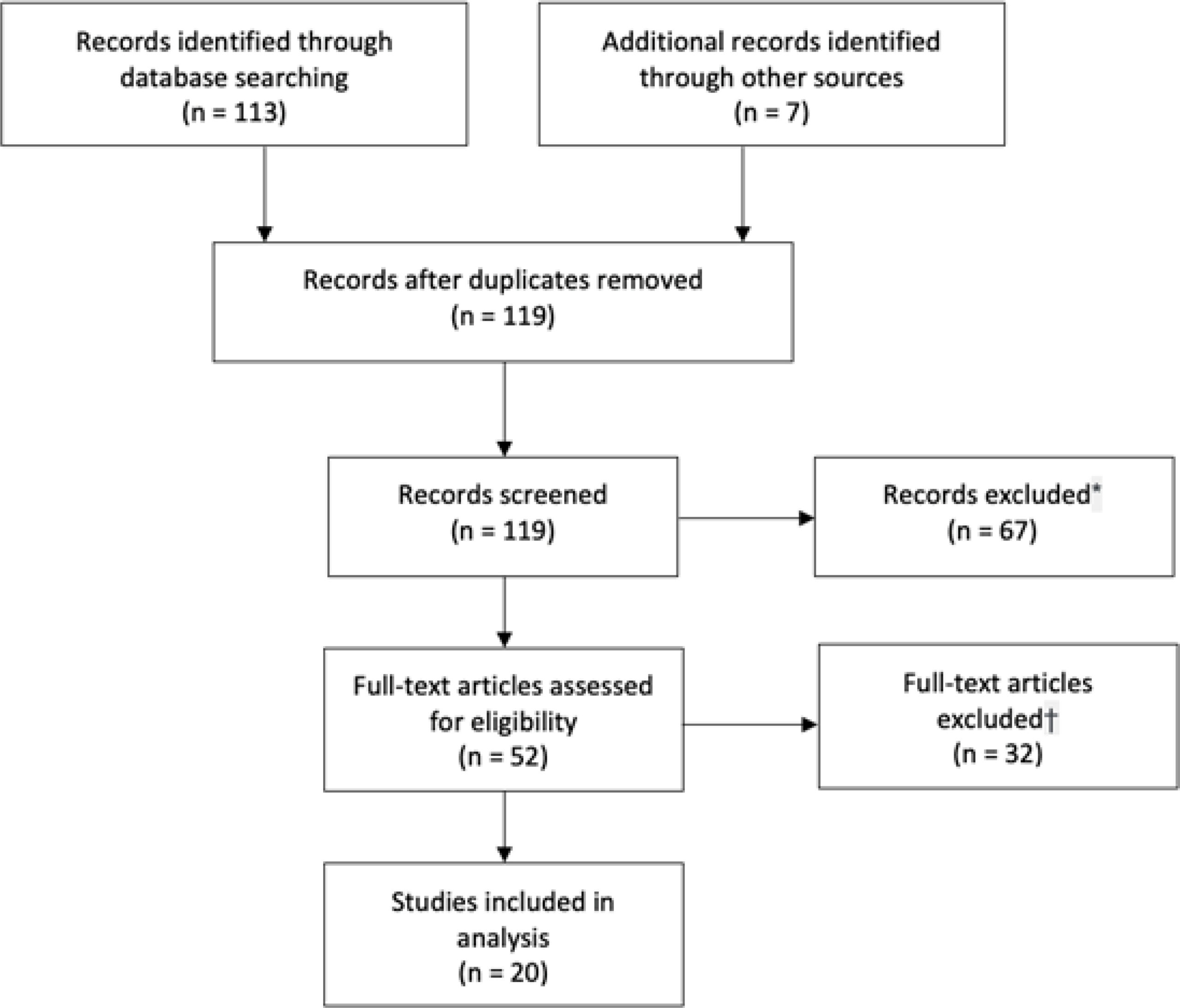
A total of 20 studies (6,573 patients) were included. The overall pooled prevalence of acute myocardial injury in hospitalized patients was 21.7% (95% CI 17.3-26.5%). The non-ICU setting had the lowest prevalence (9.5%, 95% CI 1.5-23.4%), followed by the ICU setting (44.9%, 95% CI 27.7-62.8%), and the cohort of non-survivors (57.7% with 95% CI 38.5-75.7%). We provide an approach to assess cardiovascular risk based on the prevalence of acute myocardial injury in each setting.

Conclusions:

Acute myocardial injury is frequent and associated with more severe disease and hospital admissions. Cardiac involvement could be a potential trigger for exercise-induced clinical complications after COVID-19 infection. We created a toolkit to assist with clinical decision-making prior to resuming sports activities after COVID-19 infection.

  • Betacoronavirus
  • COVID-19
  • Inflammation
  • Myocarditis
  • Risk Factors
  • Sports
  • Sports Medicine
  • Sudden Cardiac Death
Read Full Article
Creative Commons Attribution (CC BY) Creative Commons license
12/05/2021 DOI: 10.36660/ijcs.20200288 Views 2
Figure 1
IJCS
Viewpoint

A Probable Relationship between Physical Exercise and COVID-19 Mediated by the Renin-Angiotensin-Aldosterone System

Renato Aparecido de Souza et al. Priscila Missaki Nakamura Inaian Pignatti Teixeira Marco Tulio de Souza Wonder Passoni Higino

The Pathways of the RAAS

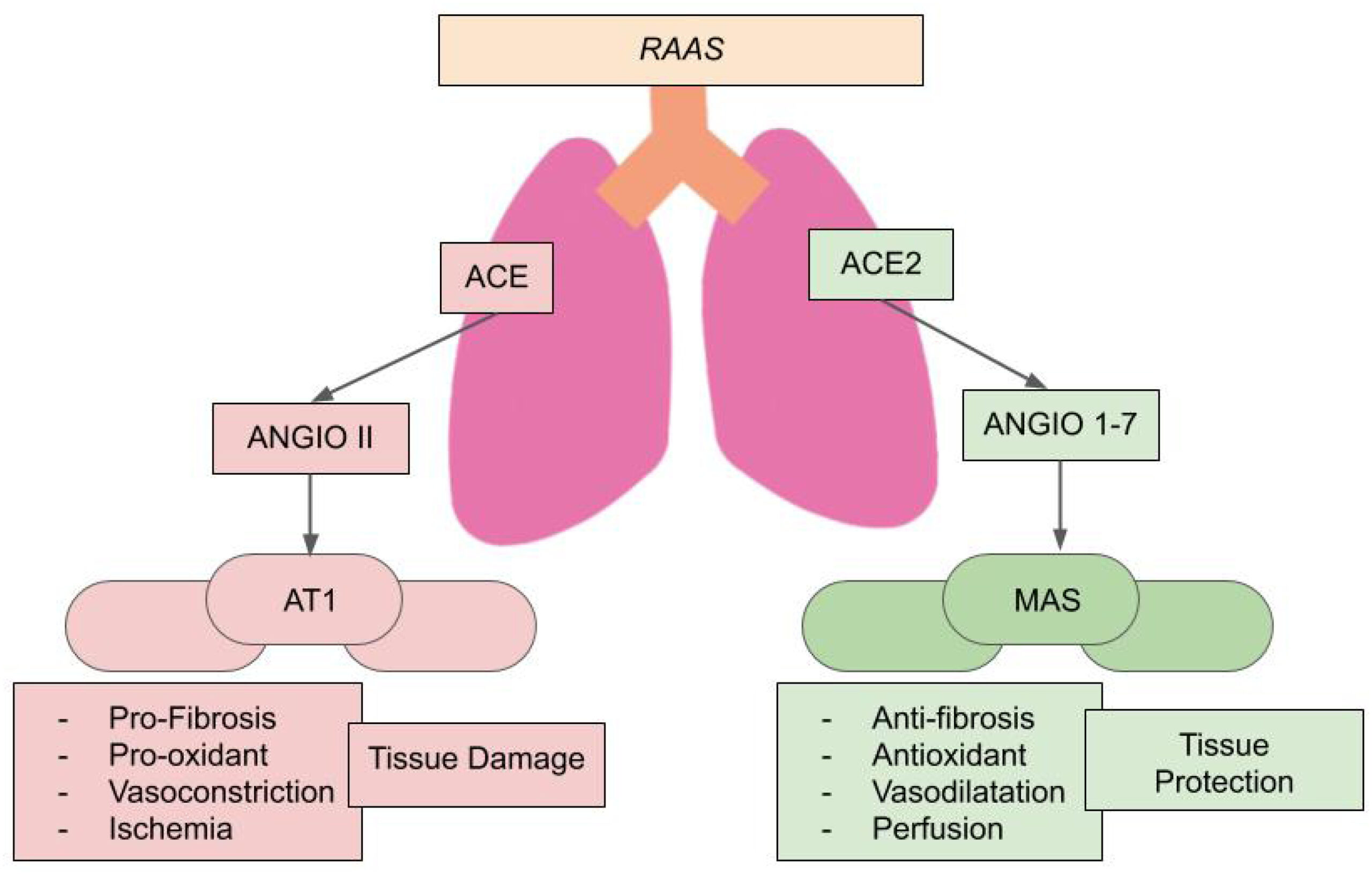
The classical pathway of the RAAS is initiated by the release of angiotensinogen by the liver, which, combined with renin secreted by the kidneys, produces angiotensin I (Angio I). Angio I is converted to angiotensin II (Angio II) by the action of the angiotensin-converting enzyme (ACE) in the lungs. The physiological effects of Angio II are mediated primarily through membrane receptors, especially of the Angio II type 1 (AT1) receptor. These receptors, when stimulated, promote vasoconstriction, hypertrophy and hyperplasia of vascular cells, sodium retention, generation of reactive oxygen species (ROS), and inflammatory, thrombotic and fibrotic processes, which can cause tissue damage.

A counter-regulatory pathway of the RAAS involves the conversion of Angio II to angiotensin 1–7 (Angio-1–7) and membrane receptors (MAS) through the enzymatic activity of angiotensin-converting enzyme 2 (ACE2), which promotes a vasodilatory, anti-inflammatory, anti-fibrotic, and anti-proliferative effect on the tissues. Under appropriate physiological conditions, there is a balance between these two RAAS pathways ().

[…]

  • Betacoronavirus
  • COVID-19
  • Exercise/prevention and control
  • Pandemics
  • Renin-Angiotensin System
  • SARS-CoV2
  • Severe Acute Respiratory Syndrome
Read Full Article
Creative Commons Attribution (CC BY) Creative Commons license
30/04/2021 DOI: 10.36660/ijcs.20200188 Views 1
Figure 1
IJCS
Viewpoint

The Athlete's Return in the Post-COVID-19

José Antônio Caldas Teixeira et al. Mateus Freitas Teixeira Pedro Soares Teixeira Juliana Grael Jorge

Specific Complications in the Organs and Influences in Athletes

[…]

  • Athletes
  • Betacoronavirus
  • COVID-19
  • Exercise
  • Pandemic
  • Patient Discharge
  • Return to Sport/psychology
  • Sport
Read Full Article
Creative Commons Attribution (CC BY) Creative Commons license
30/04/2021 DOI: 10.36660/ijcs.20200181
ABC
Editorial

Avoidable Cardiovascular Events: A Serious Side Effect of the COVID-19 Pandemic

Fernando H. Y. Cesena

Soon after the beginning of the COVID-19 pandemic, a general feeling arose among the doctors: many patients would have poor outcomes due to delays in seeking medical services for fear of infection. Patients with acute myocardial infarction, decompensated heart failure or stroke would stay at home or go to the hospital late in the course of the event. Investigation of potentially serious diseases, such as cancer, would be postponed. Besides, healthcare collapse would prove to be a contributor to inadequate care of non-COVID-19 diseases.

It took some months for the researchers to gather data on the nuances of this phenomenon. Several publications have confirmed the expectations, shedding light on an aspect that must be discussed and disseminated.

[…]

  • Betacoronavirus
  • Cardiovascular Diseases, mortality
  • COVID-19
  • Heart Failure
  • Myocardial Infarction
  • Pandemics
  • Vaccination
Read Full Article
Creative Commons Attribution (CC BY) Creative Commons license
23/04/2021 DOI: 10.36660/abc.20210113 Views 3
Figure 1
ABC
Image

Acute Myocardial Infarction with Coronary Thrombosis in a Covid-19 Patient without Risk Factors for Cardiovascular Disease

Tainá Viana et al. Mariana Lins Baptista Guedes Bezerra Rodrigo Morel Vieira de Melo Cristiano Guedes Bezerra … Vítor Mamédio Gabriela Pio Dourado Clara Salles Figueiredo Luiz Carlos Santana Passos

Case Report

A 32-year-old young man, without cardiovascular risk factors, sought an Emergency Unit due to severe chest pain 30 minutes before admission, without irradiation. Admission vital signs: T 36.1°C, heart rate of 89 bpm and peripheral O2 saturation of 96% in room air. During systematic interrogation, anosmia and ageusia were reported two days ago and fever or any other respiratory symptom was denied.

He was previously healthy and denied use of illicit drugs or previous history of angina. He denies a family history of acute myocardial infarction or coronary artery disease.

[…]

  • Betacoronavirus
  • Coronary Thrombosis
  • COVID-19
  • Myocardial Infarction
  • Thrombolytic Therapy
  • Young Adult
Read Full Article
Creative Commons Attribution (CC BY) Creative Commons license
23/04/2021 DOI: 10.36660/abc.20200972 Views 2
ABC
Letter to the Editor

Troponin-T and B-Type Natriuretic Peptide in COVID-19

Sora Yasri et al. Viroj Wiwanitkit

Dear Editor,

We would like to share ideas on the publication “Prognostic Value of Troponin-T and B-Type Natriuretic Peptide in Patients Hospitalized for COVID-19 [1].” Almeida Jr. et al. reported using Memory box as a tool to support grief and concluded that “In the first 24h of admission, TnT, but not BNP, was an independent marker of mortality or need for invasive mechanical ventilation.” In COVID-19, cardiac complication is possible and is common in severe infection. Myocardial involvement is a common cardiac problem and immunological myocarditis is an important severe manifestation of COVID-19. Therefore, troponin-T, which is a good biomarker for myocardial injury, might have good prognostic factor for severity of COVID-19. Nevertheless, it should be noted that renal problems can also induce troponin-T abnormality. If the patient has an underlying renal problem, the interpretation of troponin-T in COVID-19 patients must be careful.

[…]

  • Betacoronavirus
  • Biomarkers
  • Covid-19/complications
  • Hospitalization
  • Mortality
  • Myocarditis
  • Natriuretic B-Type
  • Troponi-T
Read Full Article
Creative Commons Attribution (CC BY) Creative Commons license
16/04/2021 DOI: 10.36660/abc.20201191 Views 1
IJCS
Editorial

Home-Based Resistance Training in Heart Diseases: Don't Stop the Music, your Muscles are still Listening

Gabriel Dias Rodrigues et al. Pedro Paulo da Silva Soares

Cardiovascular diseases (CVDs) are a well-known cause of death and physical incapacity worldwide. Heart failure (HF) is a common disease resulting from multiple etiologies that contribute to decreasing physical capacity and quality of life (QOL)., Not long ago physical exercises were discouraged in CVDs, but evidence-based exercise programs augment QOL, reduce mortality and hospital readmission in HF2. Strength training is an important component of a cardiac rehabilitation program due to its close relationship with improvements in functional capacity reverberating in activities of daily living and QOL.

Unfortunately, supervised-rehabilitation programs in fitness centers are not widely available for the majority of patients with heart disease. Nevertheless, home-based rehabilitation programs could be more accessible to most patients, because of its relatively low cost and feasibility. Especially during COVID-19 pandemic lockdown, many opportunities to exercise were suspended, including cardiac rehabilitation services and community health programs. Also, social distancing increased sedentarism numbers and several position statements have encouraged people to stay active at home, trying to reverse or counterbalance the additional impact of social distance on physical inactivity., In a practical perspective, resistance training is conventionally performed through free weights or weight machines that usually require extensive physical space and outside facilities (i.e., gym or rehabilitation centers). Thus, resistance exercises, in particular, are not easily adopted at home and could be omitted from home-based cardiac rehabilitation. To underscore, a question that must be made: How patients remain strong at home?

[…]

  • Betacoronavirus
  • Cardiac Rehabilitaion
  • Cardiovascular Diseases/complications
  • COVID-19
  • Heart Failure
  • Music
  • Resistance Training
  • Social Distance
Read Full Article
Creative Commons Attribution (CC BY) Creative Commons license
12/03/2021 DOI: 10.36660/ijcs.20210034 Views 2
Figure 1
ABC
Original Article

Increased Home Death Due to Cardiopulmonary Arrest in Times of COVID-19 Pandemic

Nathalia Sernizon Guimarães et al. Taciana Malheiros Lima Carvalho Jackson Machado-Pinto Roger Lage … Renata Mascarenhas Bernardes Alex Sander Sena Peres Mariana Amaral Raposo Ricardo Machado Carvalhais Renan Avelino Mancini Gabriella Yuka Shiomatsu Bruna Carvalho Oliveira Valéria de Melo Rodrigues Maria do Carmo Barros de Melo Unaí Tupinambás

Abstract

Background

Cardiovascular diseases constitute an important group of causes of death in the country. Ischemic heart diseases that are the main causes of cardiopulmonary arrest, leading to an impact on the mortality of the cardiovascular diseases in the health system.

Objective

Assess the number of home deaths by cardiopulmonary arrest notified by the Mobile Emergency Medical Service (SAMU) in March 2018, 2019 and 2020.

Methods

Observational study carried out from the analysis of cardiopulmonary arrest mortality data of citizens assisted by SAMU in Belo Horizonte, Minas Gerais, Brazil. Social and clinical characteristics and occurrence information of the patients were analyzed. The mortality rate due to cardiopulmonary arrest in relation to the total number of attendances was assessed. A significance level of 95% was considered.

Results

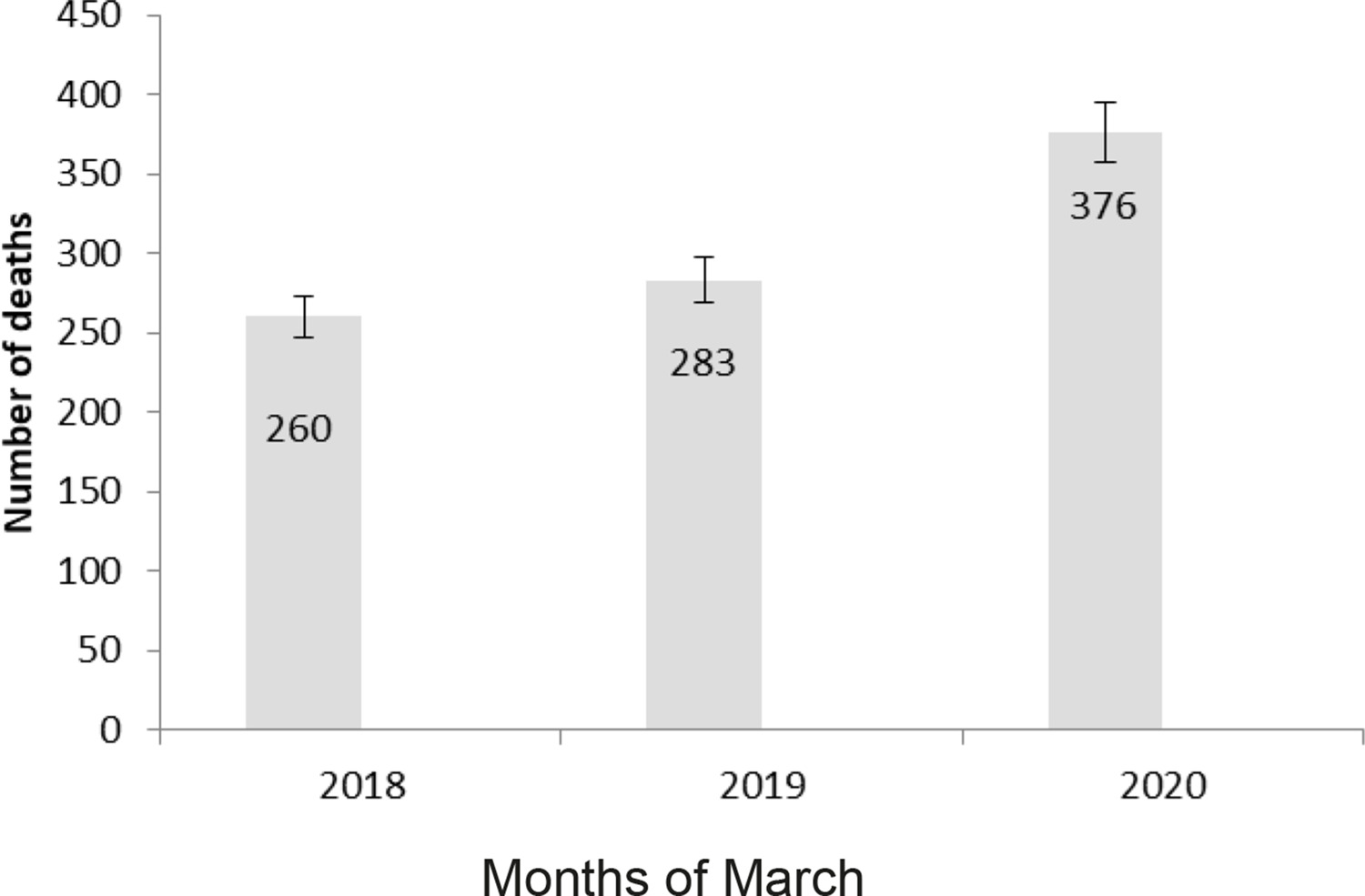
There was increase of home deaths due to cardiopulmonary arrest in March 2020 compared to March 2018 (p<0.001) and March 2019 (p=0.050). Of the deaths reported in 2020, 63.8% of the patients were aged 60 years or older, 63.7% of the occurrences were performed in the afternoon and approximately 87% of the cardiopulmonary arrest notified had associated clinical comorbidities, with systemic arterial hypertension and heart failure represented by 22.87% and 13.03% of the reported cases, respectively. The majority of the evaluated sample of this study did not have any medical care follow-up (88.7%).

Conclusion

Considering the increase in the number of the deaths, we suggest reflections and readjustments regarding the monitoring of chronic non-transmissible diseases during a pandemic, as well as improvements in death surveillance. (Arq Bras Cardiol. 2021; 116(2):266-271)

  • Betacoronavirus
  • COVID-19
  • Deaths
  • Emergency Medical Services
  • Heart Arrest
  • Pandemics
Read Full Article
Creative Commons Attribution (CC BY) Creative Commons license
01/03/2021 DOI: 10.36660/abc.20200547 Views 3
Figure 1
ABC
Editorial

Out-Of-Hospital Cardiac Arrest during the Coronavirus Disease 2019 (COVID-19) Pandemic in Brazil: The Hidden Mortality

Claudio Tinoco Mesquita

Abstract

The world changed in just a few months after the emergence of the novel coronavirus disease 2019 (COVID-19), caused by a beta coronavirus named severe acute respiratory syndrome coronavirus 2 (SARS-CoV-2). COVID-19 was declared a pandemic by the World Health Organization (WHO) on March 11, 2020. Brazil currently has the world’s second-highest COVID-19 death toll, second only to the USA. The COVID-19 pandemic is spreading fast in the world with more than 181 countries affected. This editorial refers to the article published in Arquivos Brasileiros de Cardiologia: “Increase in home deaths due to cardiorespiratory arrest in times of COVID-19 pandemic.”1 Their main results show a gradual increase in the rate of out-of-hospital cardiac arrest during the Coronavirus disease 2019 (COVID-19) pandemic in the city of Belo Horizonte, Minas Gerais, Brazil. Their data demonstrate a proportional increase of 33% of home deaths in March 2020 compared to previous periods. Their study is the first Brazilian paper to demonstrate the same trend observed in other countries.

  • Betacoronavirus
  • Cardiovascular Diseases, Pneumopathies
  • Covid-19/complications
  • Heart Arrest
  • Mortality
  • Pandemics
  • Risk Factors, Elderly
Read Full Article
Creative Commons Attribution (CC BY) Creative Commons license
01/03/2021 DOI: 10.36660/abc.20210041 Views 1
Figure 1
IJCS
Review Article

Effects of Chloroquine and Hydroxychloroquine on the Cardiovascular System – Limitations for Use in the Treatment of COVID-19

Stephani Correia Brazão et al. Lis Jappour Autran Rosane de Oliveira Lopes Christianne Brêtas Vieira Scaramello … Fernanda Carla Ferreira de Brito Nadia Alice Vieira Motta

Abstract

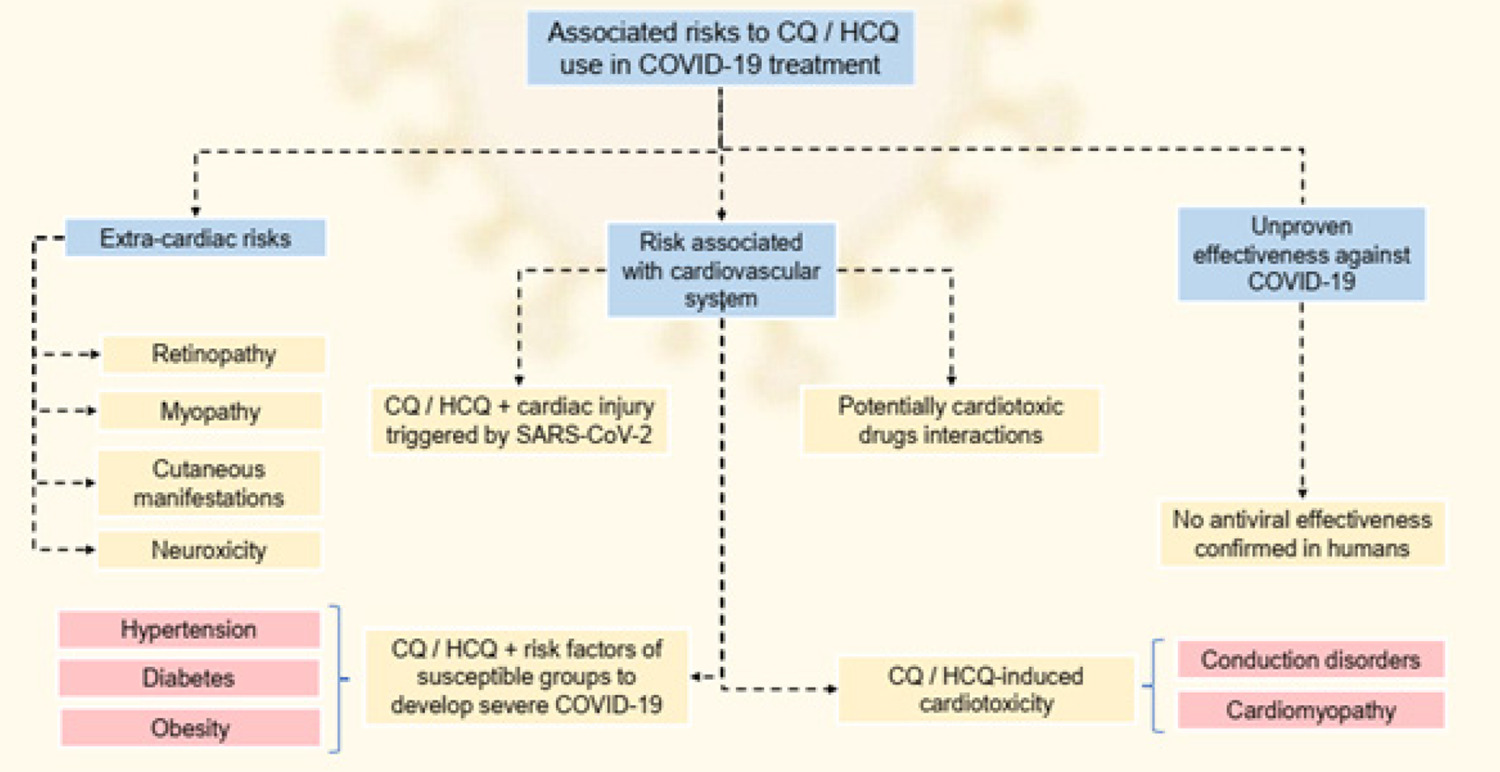
Chloroquine (CQ) and Hydroxychloroquine (HCQ) are antimalarial drugs, with anti-inflammatory properties that justify their use in the treatment of systemic lupus erythematosus and rheumatic diseases. A pandemic caused by the new coronavirus led the entire world’s scientific community to look for drugs already available on the market, capable of exercising beneficial actions in the fight against the disease. Preliminary studies in patients, as well as in vitro studies, suggested possible therapeutic effects associated with the use of HCQ and CQ in the treatment of COVID-19. Despite controversies over the effects of these drugs in combating the “cytokine storm” associated with COVID and the dismal of results in different clinical trials in Brazil, their use has been encouraged and several ongoing investigative studies are underway. In addition to the possible beneficial effects on the prognosis of patients with SARS-CoV-2, such drugs include varied effects on the cardiovascular system, ranging from positive developments related to their vasodilator properties to potential negative effects, such as cardiotoxicity. This work presents the main effects exerted by these drugs on the cardiovascular system, in order to contribute to a scientific discussion about the repurposing of these drugs in the context of COVID-19.

  • Azithromycin/ therapeutic use
  • Betacoronavirus
  • Cardiovascular System
  • Chloroquine/toxicity
  • COVID-19
  • Hydroxychloroquine/toxicity
Read Full Article
Creative Commons Attribution (CC BY) Creative Commons license
26/02/2021 DOI: 10.36660/ijcs.20200162 Views 1
IJCS
Editorial

Physical Activity, Exercise and Sports and Covid-19: What Really Matters

Claudio Gil Soares de Araújo

The ability to move is essential for an independent life. It is widely recognized that those who spend the most time either lying down or sitting and are physically inactive tend to have limited autonomy, poor health-related quality of life, and adverse prognosis of outcomes.

This editorial will briefly discuss the relationship between COVID-19 and physical movement. To better address this important relationship and for sake of clarity, some concepts should be defined first. In sport and exercise sciences, “physical activity” is defined as any bodily movement produced by skeletal muscles that results in energy expenditure, “exercise” is a subset of physical activity that is planned, structured, and repetitive and “sport” is an activity that most often, but not always, involves exercise and predetermined rules and participation in games or races or competitions.

[…]

  • Betacoronavirus
  • COVID-19
  • Exercise
  • Exercise Movement Techniques
  • Pandemics
  • Physical activity
  • Sports
Read Full Article
Creative Commons Attribution (CC BY) Creative Commons license
26/02/2021 DOI: 10.36660/ijcs.20210003 Views 1
Figure 1
ABC
Original Article

Reduction in Hospitalization and Increase in Mortality Due to Cardiovascular Diseases during the COVID-19 Pandemic in Brazil

Paulo Garcia Normando et al. José de Arimatéia Araujo-Filho Gabriela de Alcântara Fonseca Rodrigo Elton Ferreira Rodrigues … Victor Agripino Oliveira Ludhmila Abrahão Hajjar André Luiz Cerqueira Almeida Edimar Alcides Bocchi Vera Maria Cury Salemi Marcelo Melo

Abstract

Background

In the COVID-19 pandemic, the increase in the incidence of cardiovascular diseases (CVD) and mortality from them has been recognized worldwide. In Brazil, the impact of COVID-19 on CVD must be evaluated.

Objectives

To assess the impact of the current pandemic on the numbers of hospital admissions (HA), in-hospital deaths (ID), and in-hospital fatality (IF) from CVD by use of national epidemiological data from the Brazilian Unified Public Health System.

Methods

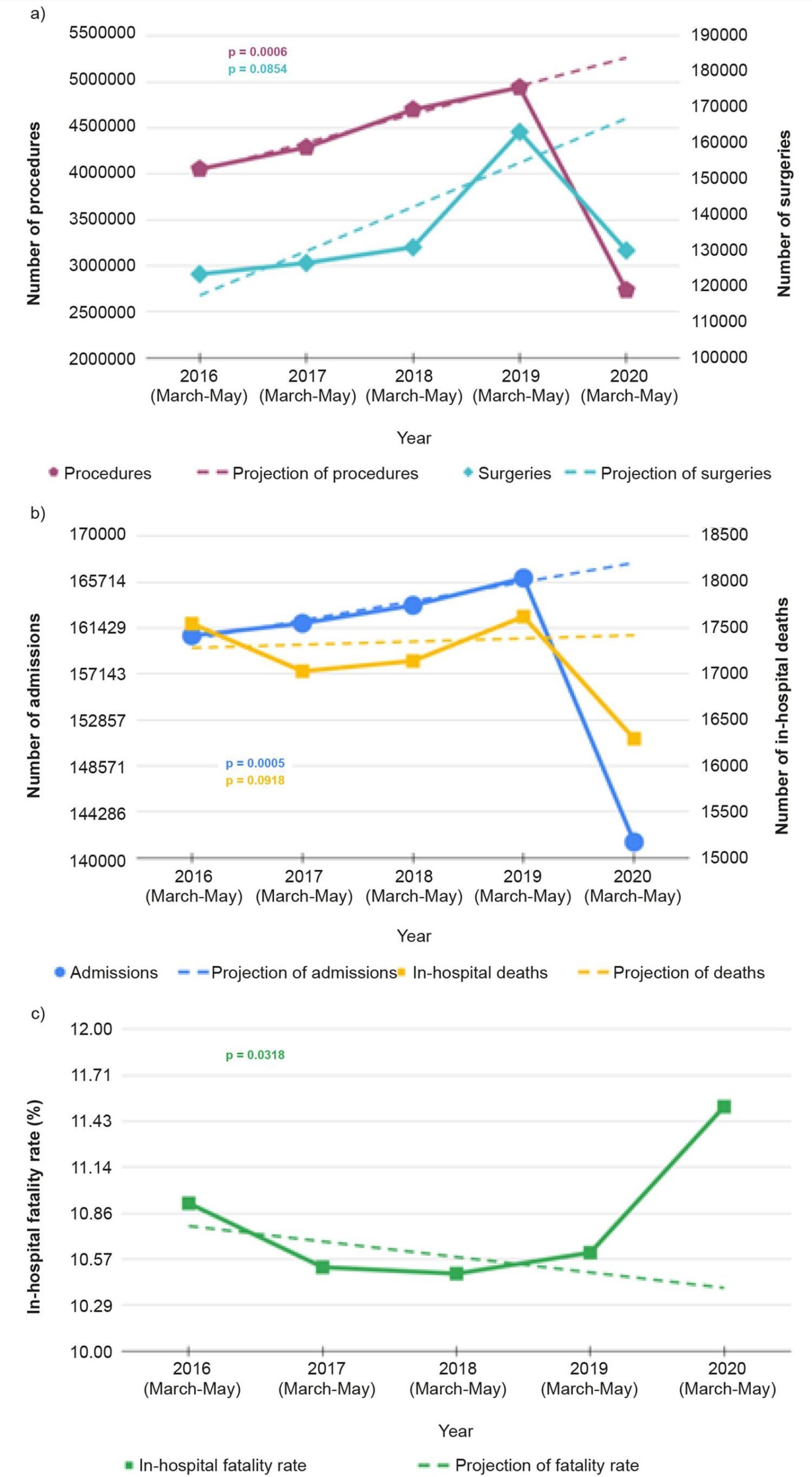
Time-series observational study using comparative analysis of the HA, ID, and IF due to CVD recorded from January to May 2020, having as reference the values registered in the same period from 2016 to 2019 and the values projected by linear regression methods for 2020. The statistical significance level applied was 0.05.

Results

Compared to the same period in 2019, there was a 15% decrease in the HA rate and a 9% decrease in the total ID due to CVD between March and May 2020, followed by a 9% increase in the IF rate due to CVD, especially among patients aged 20-59 years. The HA and IF rates registered in 2020 differed significantly from the projected trend for 2020 (p = 0.0005 and 0.0318, respectively).

Conclusions

During the first months of the pandemic, there were a decline in HA and an increase in IF due to CVD in Brazil. These data might have resulted from the inadequate planning of the CVD management during the pandemic. Thus, immediate actions are required to change this scenario. (Arq Bras Cardiol. 2021; [online].ahead print, PP.0-0)

  • Betacoronavirus
  • Cardiovascular Diseases/complications
  • Comorbidities
  • COVID-19
  • Epidemiology
  • Hospitalization
  • Mortality
  • Pandemics
  • Unified Health System
Read Full Article
Creative Commons Attribution (CC BY) Creative Commons license
08/02/2021 DOI: 10.36660/abc.20200821 Views 2
ABC
Case Report

Covid-19 in Heart Transplant Recipients in São Paulo: A Case Series

Rafaela Vale de Miranda Soriano et al. João Manoel Rossi Neto Marco A. Finger Carolina Casadei Santos

Introduction

The disease caused by the new coronavirus (Covid-19), SARS-CoV-2 (severe acute respiratory syndrome coronavirus 2), was declared a pandemic by the World Health Organization (WHO) on March 11, 2020. By analogy to others respiratory infections, mainly based on the 2009 pandemic of the influenza virus H1N1,, an increase in cases of pneumonia and progression to septic shock with acute respiratory distress syndrome was expected among recipients of solid-organ transplantation with Covid-19 in comparison with the non-transplanted population. However, immunosuppression in transplantation could theoretically revoke the hyperinflammatory syndrome secondary to the cytokine storm, responsible for the majority of deaths by Covid-19., Data on immunosuppression potentially leading to atypical clinical presentations or increasing the risk of adverse events in the presence of Covid-19 are conflicting.,

We report our experience with heart transplant (HT) recipients diagnosed with Covid-19 at an institution with an HT program since 1992 in São Paulo, Brazil.

[…]

  • Betacoronavirus
  • Cardiovascular Diseases/surgery
  • COVID-19
  • Heart Transplantation: Coronavirus
  • Inflammation
  • SARS-CoV2
  • Severe Acute Respiratory Syndrome
  • Transplant Recipients
Read Full Article
Creative Commons Attribution (CC BY) Creative Commons license
05/02/2021 DOI: 10.36660/abc.20200722 Views 1
Figure 1
ABC
Research Letter

Statins and COVID-19: To Suspend or Not to Suspend? That is the Question!

Filipe Ferrari et al. Raul D. Santos

Introduction

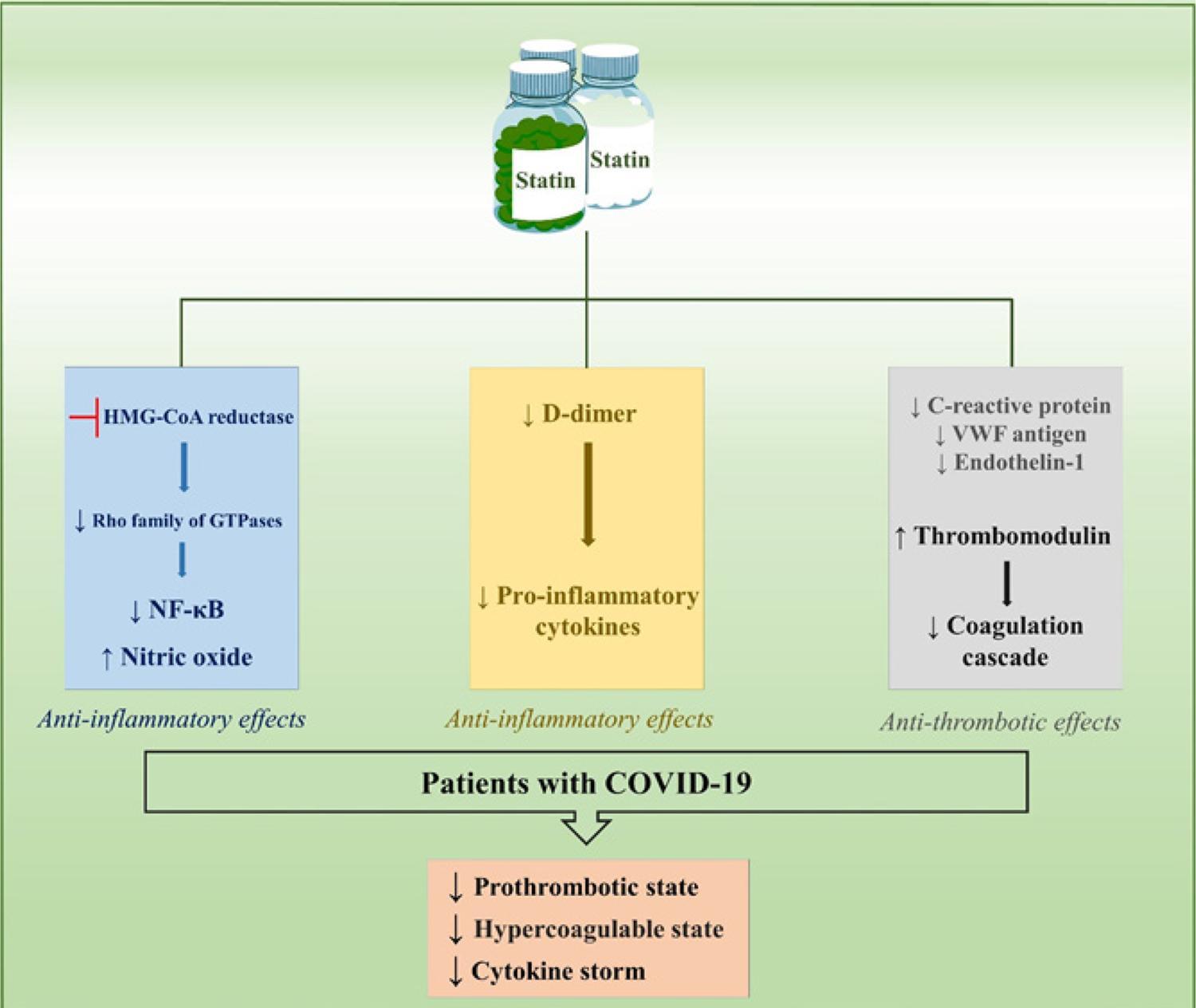
In the midst of so many uncertainties that permeate the new coronavirus disease 2019 (COVID-19), the evidence relating the presence of dyslipidemia to disease severity and consequent prognostic implications are still scarce. In May 2020, a retrospective Chinese study investigated the association between changes in cholesterol levels and prognosis in approximately 600 patients with COVID-19, who were paired by age and sex with healthy controls. First, it was observed that low-density lipoprotein cholesterol (LDL-C) and total cholesterol levels were significantly lower in patients with COVID-19. Second, there was a trend for LDL-C and total cholesterol levels to decrease as the severity of infection increased (mild, severe, and critical, respectively). In that study, high-density lipoprotein cholesterol (HDL-C) levels were also decreased in severe cases. Similar data were observed by Fan et al.,where levels of LDL-C were inversely associated with the severity of COVID-19. These data suggested a possible relation between low cholesterol levels and worsening of COVID-19 infection. In addition, experimental studies have shown that statins might increase the abundance of the angiotensin-converting enzyme 2 (ACE2), which could in part contribute to the entry of the virus into the cell and increase the risk of infectivity.

Based on these previous findings, it was hypothesized that use of lipid-lowering therapies like statins could aggravate COVID-19 infection. However, it is known that serum cholesterol levels may drop in patients with active viral or bacterial infections,, since LDL and HDL have a role in the immune system. On the other hand, hyperlipidemia can compromise the immune response and further exacerbate the inflammatory status of COVID-19 patients, increasing cardiovascular risk.So, the question that ensues is, should statins be suspended or not in patients with COVID-19?

[…]

  • Betacoronavirus
  • Cholesterol
  • Coronavirus
  • COVID-19
  • Dydroxymethylglutaryl-CoA Reductase Inhibitors
  • Dyslipidemias
  • Infection
  • Lipoproteins
  • Pandemics
Read Full Article
Creative Commons Attribution (CC BY) Creative Commons license
03/02/2021 DOI: 10.36660/abc.20200949 Views 2
Figure 1
IJCS
Viewpoint

Health Promotion to Reduce Hypertension Patients’ Vulnerability to Coronavirus Disease-19 (COVID-19)

Charles Nsanzabera

Abstract

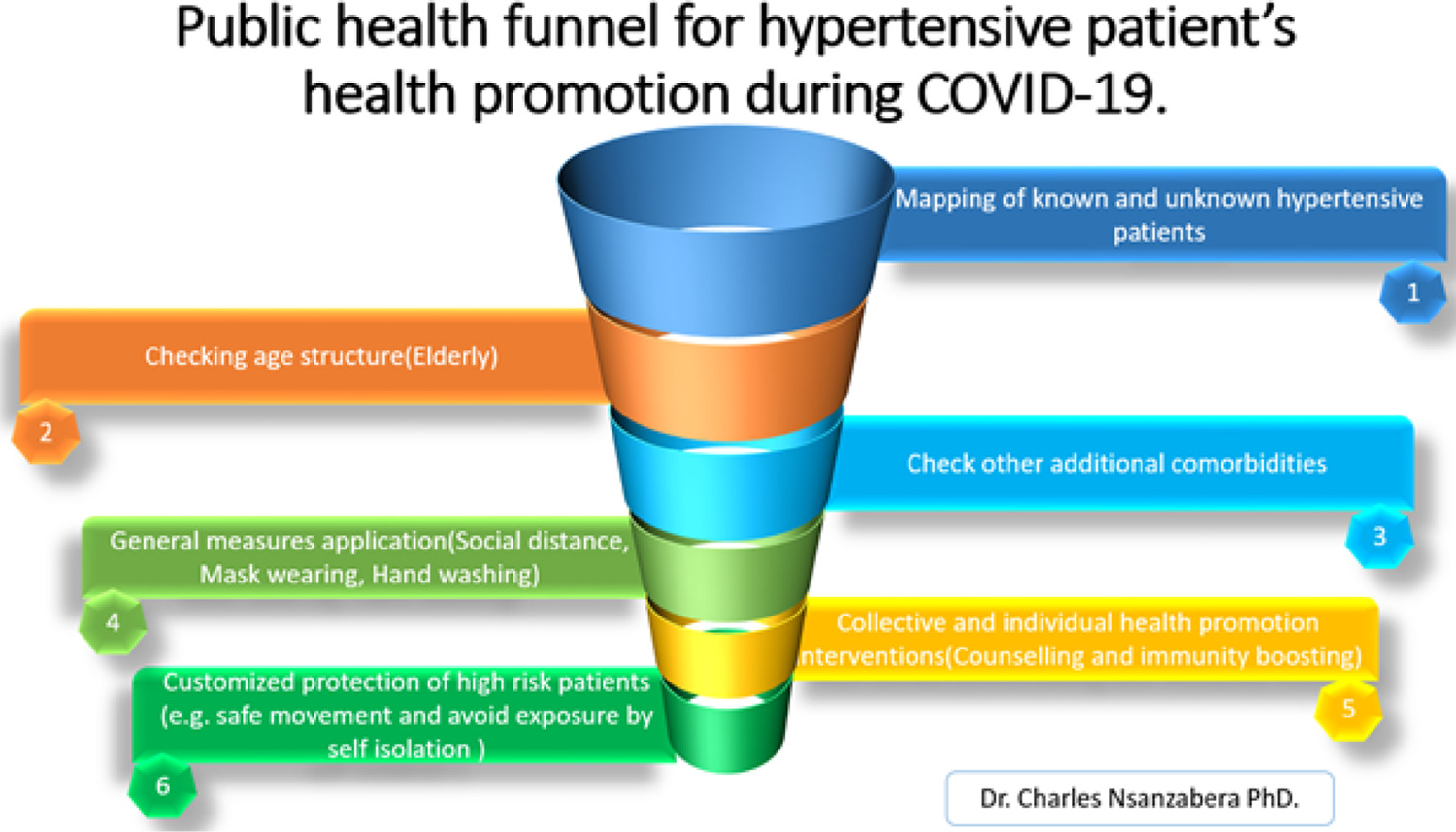
Hypertension remains a prominent risk factor for cardiovascular diseases. It is not a coincidence that 23% to 30% of coronavirus disease-19 (COVID-19) confirmed cases are hypertensive patients, and the case-fatality rate of adult COVID-19 cases with hypertension was estimated at 6%. It is important that hypertensive patients be aware of their vulnerability to COVID-19, which may be achieved by a health promotion program in addition to preventive measures.

  • antihypertensive agents
  • Betacoronavirus
  • COVID-19
  • Health Promotion
  • Hypertension/complications
Read Full Article
Creative Commons Attribution (CC BY) Creative Commons license
01/02/2021 DOI: 10.36660/ijcs.20200147 Views 1
Figure 1
ABC
Original Article

COVID-19 and Myocardial Injury in a Brazilian ICU: High Incidence and Higher Risk of In-Hospital Mortality

Jorge Henrique Paiter Nascimento et al. Rafael Lessa da Costa Luiz Fernando Nogueira Simvoulidis João Carlos de Pinho … Roberta Santos Pereira Andrea Dornelles Porto Eduardo Costa de Freiras Silva Liszt Palmeira Oliveira Max Rogerio Freitas Ramos Gláucia Maria Moraes de Oliveira

Abstract

Background

The incidence of myocardial injury (MI) in patients with COVID-19 in Brazil and the prognostic impact of MI have not been elucidated.

Objectives

To describe the incidence of MI in patients with COVID-19 in the intensive care unit (ICU) and to identify variables associated with its occurrence. The secondary objective was to assess high-sensitivity troponin I as a predictor of in-hospital mortality.

Methods

Retrospective, observational study conducted between March and April 2020 with cases of confirmed COVID-19 admitted to the ICU. Numerical variables were compared by using Student t test or Mann-Whitney U test. The chi-square test was used for categorical variables. Multivariate analysis was performed with variables associated with MI and p<0.2 to determine predictors of MI. The ROC curve was used to determine the troponin value capable of predicting higher in-hospital mortality. Survival functions were estimated by use of the Kaplan-Meier method from the cut-off point indicated in the ROC curve.

Results

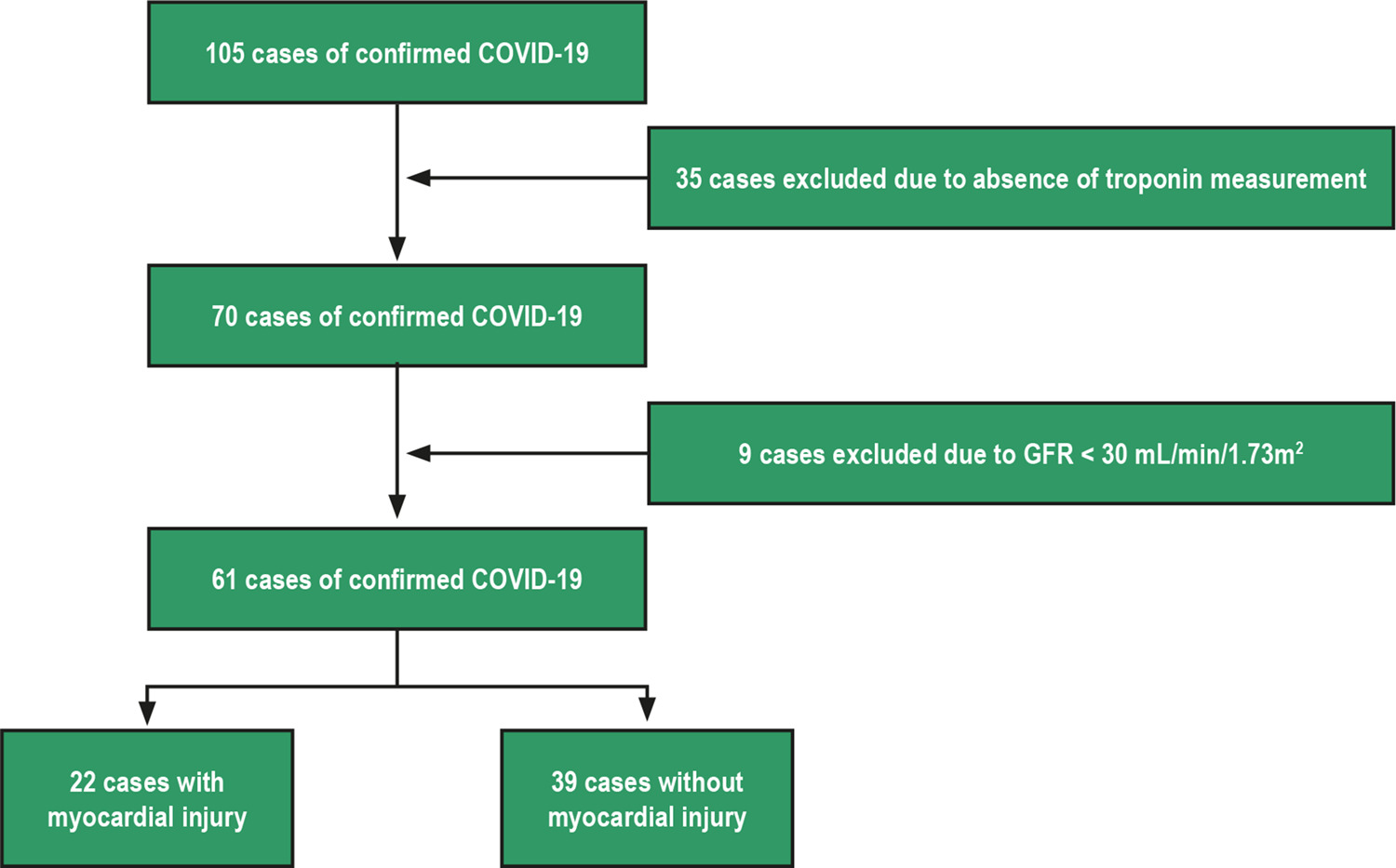
This study assessed 61 patients (63.9% of the male sex, mean age of 66.1±15.5 years). Myocardial injury was present in 36% of the patients. Systemic arterial hypertension (HAS) [OR 1.198; 95%CI: 2.246-37.665] and body mass index (BMI) [OR 1.143; 95%CI: 1.013-1.289] were independent risk predictors. High-sensitivity troponin I >48.3 ng/mL, which was determined in the ROC curve, predicts higher in-hospital mortality [AUC 0.786; p48.3 ng/mL was lower than that in the group with values ≤48.3 ng/dL [20.3 x 43.5 days, respectively; p<0.05].

Conclusion

There was a high incidence of MI in severe COVID-19 with impact on higher in-hospital mortality. The independent risk predictors of MI were SAH and BMI. (Arq Bras Cardiol. 2020; [online].ahead print, PP.0-0)

  • Betacoronavirus
  • Coronavirus
  • COVID-19
  • Hospitalization
  • Infection
  • Morbidity
  • Myocardial Infarction
  • Myocarditis
  • SARS-CoV-2
Read Full Article
Creative Commons Attribution (CC BY) Creative Commons license
18/01/2021 DOI: 10.36660/abc.20200671 Views 1
Figure 1
ABC
Research Letter

The Role of the Endothelium in Severe COVID-19

Simone Cristina Soares Brandão et al. Emmanuelle Tenório Albuquerque Madruga Godoi Júlia de Oliveira Xavier Ramos Leila Maria Magalhães Pessoa de Melo … Luca Terracini Dompieri Djair Falcão Brindeiro Filho Emanuel Sávio Cavalcanti Sarinho

Introduction

Studies have unveiled a significant link between the severity of COVID-19 ( CO rona VI rus D isease 2019) and immune markers. It is well-known that the endothelium participates actively in the immune response and interacts closely with the coagulation system. Chronic inflammatory processes of the endothelium are involved in the physiopathology of cardiovascular diseases (CVDs) and metabolic diseases. These diseases can negatively impact the evolution of COVID-19 and an exacerbated immune response of the endothelium seems to be a determining factor of this effect.

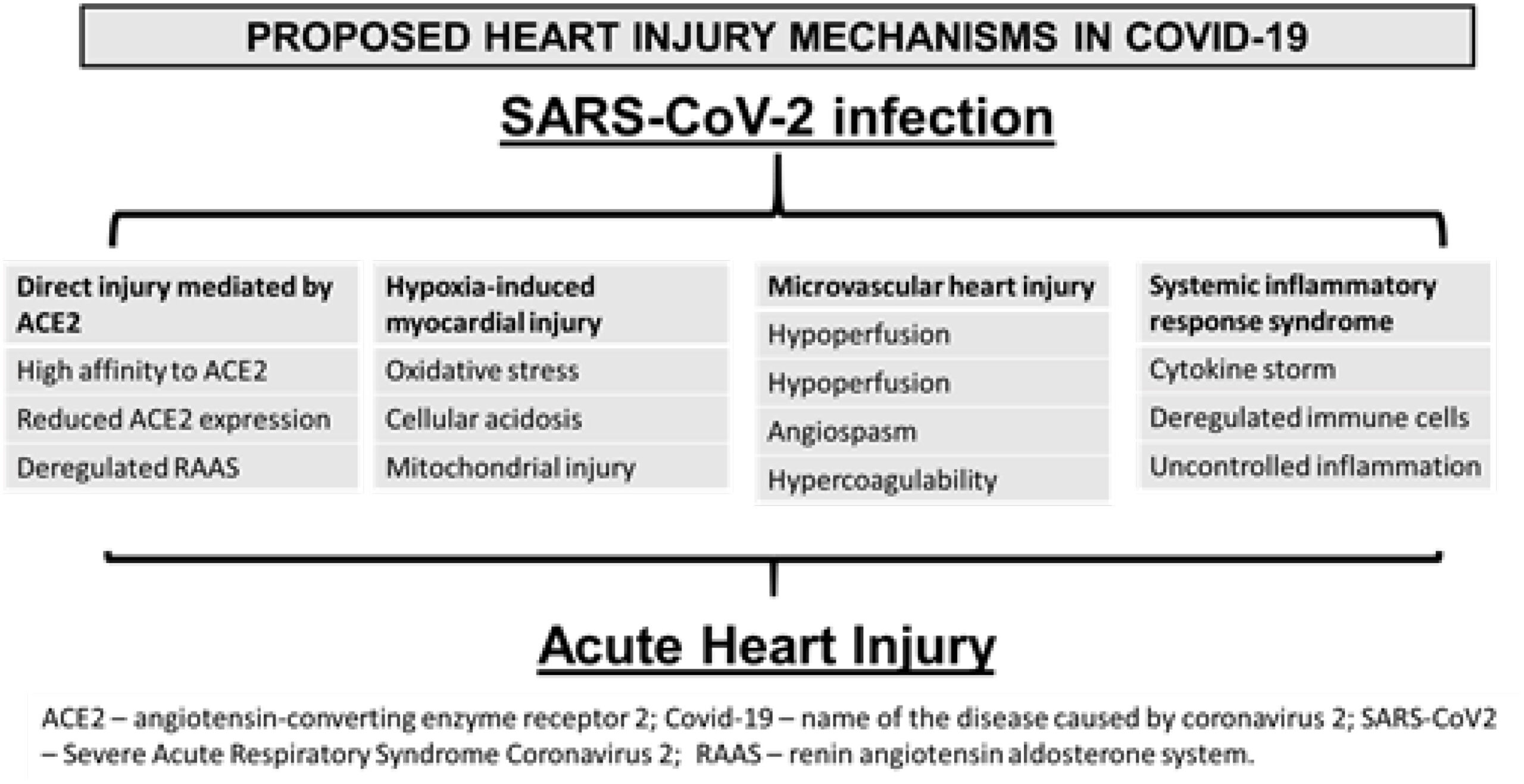
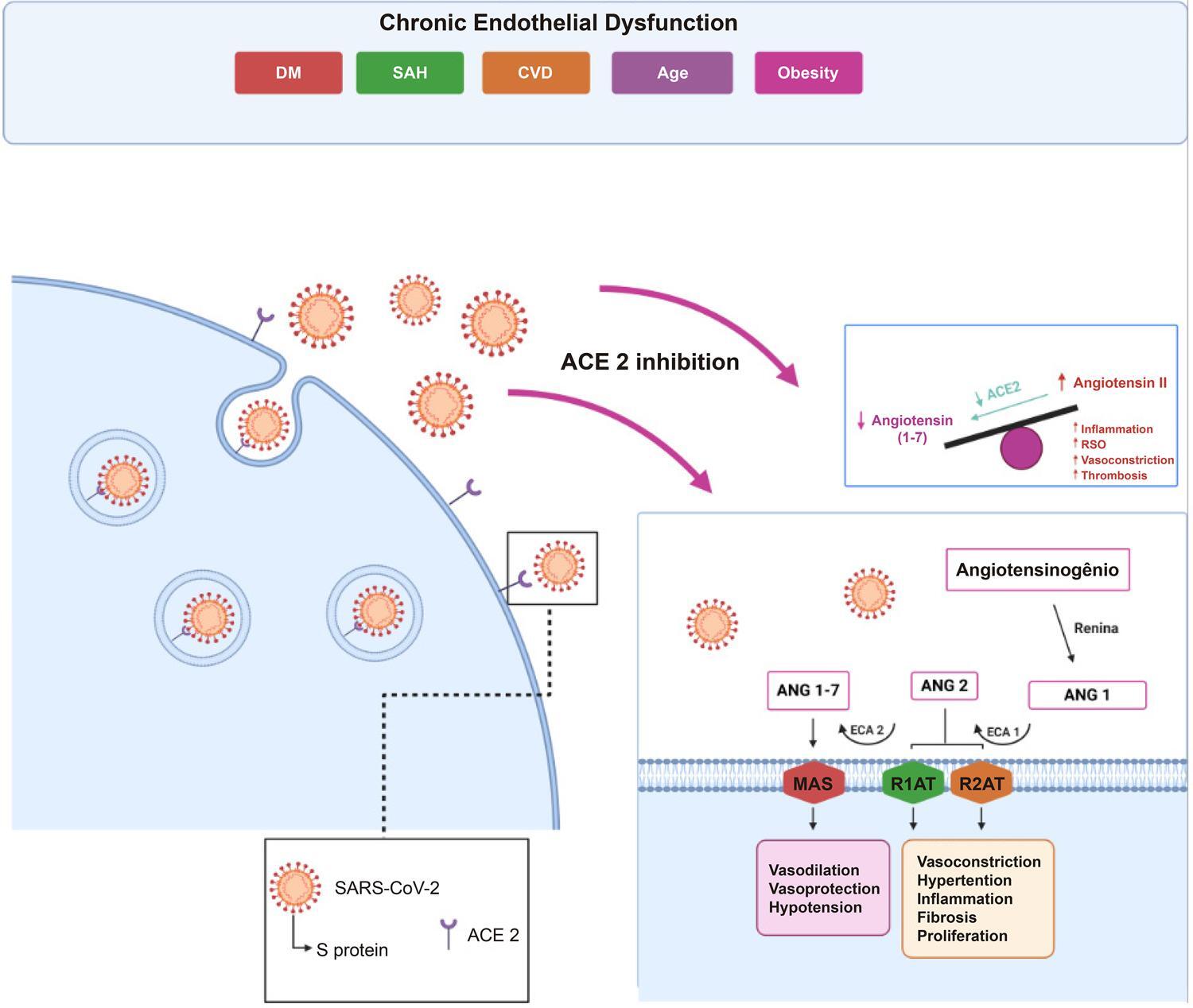
Coronavirus 2 of the Severe Acute Respiratory Syndrome (SARS-CoV-2) causes infection by means of the link of the S protein to the Angiotensin-Converting Enzyme 2 (ACE 2) on the surface of human cells. In this sense, a reduction in the availability of this enzyme can be observed, which is widely expressed in a number of bodily tissues, most notably, the lungs, heart, and endothelium, with a disorder in the modulation of the renin-angiotensin-aldosterone system (RAAS). Consequently, what can be seen is a favoring of the greater concentration of angiotensin 2 with a series of deleterious actions against our organism. Conditions associated with the chronic dysfunction of the endothelium, such as age, systemic arterial hypertension (SAH), CVD, diabetes, and obesity are the most common in patients with severe COVID-19 ( ). ,

[…]

  • Atherosclerosis
  • Betacoronavirus
  • Cardiovascular Diseases/physiopathology
  • COVID-19
  • Endothelium
  • Immunity
  • Thrombosis
Read Full Article
Creative Commons Attribution (CC BY) Creative Commons license
18/01/2021 DOI: 10.36660/abc.20200643 Views 1

Could not load more articles. Please try again.

How to cite this article

EndNote RIS

Electronic Document Format (Vancouver)

Ferreira RM. Our Patients Deserve More. Arquivos Brasileiros de Cardiologia 2023;120(9):e20230626.

Electronic Document Format (ABNT)

Ferreira, Roberto Muniz. Our Patients Deserve More. Arquivos Brasileiros de Cardiologia, v. 120, n. 9, e20230626, Oct. 2023.

Electronic Document Format (APA)

Ferreira, R. M. (2023). Our Patients Deserve More. Arquivos Brasileiros de Cardiologia, 120(9), e20230626.

Electronic Document Format (ISO)

Ferreira, Roberto Muniz. Our Patients Deserve More. Arquivos Brasileiros de Cardiologia [online]. 2023, vol. 120, n. 9, [cited 2026-10-14], e20230626. Available from: <https://journals.cardiol.br/en/article/our-patients-deserve-more/>. ISSN 0066-782X

EndNote RIS

Electronic Document Format (Vancouver)

Koike M, Aikawa L. Much More Than Just Women: Wonder Women. Arquivos Brasileiros de Cardiologia 2022;119(2):317-8.

Electronic Document Format (ABNT)

Koike, Marcia; Aikawa, Luciana. Much More Than Just Women: Wonder Women. Arquivos Brasileiros de Cardiologia, v. 119, n. 2, p. 317-318, Aug. 2022.

Electronic Document Format (APA)

Koike, M., & Aikawa, L. (2022). Much More Than Just Women: Wonder Women. Arquivos Brasileiros de Cardiologia, 119(2), 317-318.

Electronic Document Format (ISO)

Koike, Marcia and Aikawa, Luciana. Much More Than Just Women: Wonder Women. Arquivos Brasileiros de Cardiologia [online]. 2022, vol. 119, n. 2, [cited 2026-10-14], pp. 317-318. Available from: <https://journals.cardiol.br/en/article/much-more-than-just-women-wonder-women/>. ISSN 0066-782X

EndNote RIS

Electronic Document Format (Vancouver)

Costa IBSS, Zampa HB. The High Pressure of Fighting the COVID-19 Pandemic. Arquivos Brasileiros de Cardiologia 2021;117(5):922-3.

Electronic Document Format (ABNT)

Costa, Isabela Bispo Santos da Silva; Zampa, Hugo Bizetto. The High Pressure of Fighting the COVID-19 Pandemic. Arquivos Brasileiros de Cardiologia, v. 117, n. 5, p. 922-923, Nov. 2021.

Electronic Document Format (APA)

Costa, I. B. S. S., & Zampa, H. B. (2021). The High Pressure of Fighting the COVID-19 Pandemic. Arquivos Brasileiros de Cardiologia, 117(5), 922-923.

Electronic Document Format (ISO)

Costa, Isabela Bispo Santos da Silva and Zampa, Hugo Bizetto. The High Pressure of Fighting the COVID-19 Pandemic. Arquivos Brasileiros de Cardiologia [online]. 2021, vol. 117, n. 5, [cited 2026-10-14], pp. 922-923. Available from: <https://journals.cardiol.br/en/article/the-high-pressure-of-fighting-the-covid-19-pandemic/>. ISSN 0066-782X

EndNote RIS

Electronic Document Format (Vancouver)

Polat V, Bozcali E, Yasar KK, Karaosmanoglu HK, Akturk IF. Relationship between Right Ventricular Strain Signs in Electrocardiography and Levels of Biomarkers Associated with COVID-19 Pneumonia Severity. Arquivos Brasileiros de Cardiologia 2021;117(4):728-36.

Electronic Document Format (ABNT)

Polat, Veli; Bozcali, Evin; Yasar, Kadriye Kart; Karaosmanoglu, Hayat Kumbasar; Akturk, Ibrahim Faruk. Relationship between Right Ventricular Strain Signs in Electrocardiography and Levels of Biomarkers Associated with COVID-19 Pneumonia Severity. Arquivos Brasileiros de Cardiologia, v. 117, n. 4, p. 728-736, Jul. 2021.

Electronic Document Format (APA)

Polat, V., Bozcali, E., Yasar, K. K., Karaosmanoglu, H. K., & Akturk, I. F. (2021). Relationship between Right Ventricular Strain Signs in Electrocardiography and Levels of Biomarkers Associated with COVID-19 Pneumonia Severity. Arquivos Brasileiros de Cardiologia, 117(4), 728-736.

Electronic Document Format (ISO)

Polat, Veli and Bozcali, Evin and Yasar, Kadriye Kart and Karaosmanoglu, Hayat Kumbasar and Akturk, Ibrahim Faruk. Relationship between Right Ventricular Strain Signs in Electrocardiography and Levels of Biomarkers Associated with COVID-19 Pneumonia Severity. Arquivos Brasileiros de Cardiologia [online]. 2021, vol. 117, n. 4, [cited 2026-10-14], pp. 728-736. Available from: <https://journals.cardiol.br/en/article/relationship-between-right-ventricular-strain-signs-in-electrocardiography-and-levels-of-biomarkers-associated-with-covid-19-pneumonia-severity/>. ISSN 0066-782X

EndNote RIS

Electronic Document Format (Vancouver)

Chara BS, Rickli JM, Silva CF, Pomaleski G, Ronsoni RM, Gonçalves MVM. Kawasaki-Like Disease, a New Phenotype in Sars-CoV-2?. International Journal of Cardiovascular Sciences 2021;34(5):566-9.

Electronic Document Format (ABNT)

Chara, Beatriz Sordi; Rickli, Júlia Machado; Silva, Caroline Figueiredo da; Pomaleski, Gabriela; Ronsoni, Rafael de March; Gonçalves, Marcus Vinícius Magno. Kawasaki-Like Disease, a New Phenotype in Sars-CoV-2?. International Journal of Cardiovascular Sciences, v. 34, n. 5, p. 566-569, Jun. 2021.

Electronic Document Format (APA)

Chara, B. S., Rickli, J. M., Silva, C. F. , Pomaleski, G., Ronsoni, R. M., & Gonçalves, M. V. M. (2021). Kawasaki-Like Disease, a New Phenotype in Sars-CoV-2?. International Journal of Cardiovascular Sciences, 34(5), 566-569.

Electronic Document Format (ISO)

Chara, Beatriz Sordi and Rickli, Júlia Machado and Silva, Caroline Figueiredo da and Pomaleski, Gabriela and Ronsoni, Rafael de March and Gonçalves, Marcus Vinícius Magno. Kawasaki-Like Disease, a New Phenotype in Sars-CoV-2?. International Journal of Cardiovascular Sciences [online]. 2021, vol. 34, n. 5, [cited 2026-10-14], pp. 566-569. Available from: <https://journals.cardiol.br/en/article/kawasaki-like-disease-a-new-phenotype-in-sars-cov-2/>. ISSN 2359-4802

EndNote RIS

Electronic Document Format (Vancouver)

Diniz MFR, Cardoso MF, Sawamura KSS, Menezes CRB, Lianza AC, Pereira MFB, Litvinov N, et al. The Heart of Pediatric Patients with COVID-19: New Insights from a Systematic Echocardiographic Study in a Tertiary Hospital in Brazil. Arquivos Brasileiros de Cardiologia 2021;117(5):954-6.

Electronic Document Format (ABNT)

Diniz, Maria de Fátima Rodrigues; Cardoso, Maira Freire; Sawamura, Karen Saori Shiraishi; Menezes, Carolina Rocha Brito; Lianza, Alessandro Cavalcanti; Pereira, Maria Fernanda Badue; Litvinov, Nadia; Ferranti, Juliana Ferreira; Forsait, Silvana; Watanabe, Andreia; Farhat, Sylvia Costa Lima; Aikawa, Nadia Emi; Campos, Lucia Maria Arruda; Delgado, Artur Figueiredo; Carneiro-Sampaio, Magda; Carvalho, Werther Brunow de; Silva, Clovis Artur; Leal, Gabriela Nunes. The Heart of Pediatric Patients with COVID-19: New Insights from a Systematic Echocardiographic Study in a Tertiary Hospital in Brazil. Arquivos Brasileiros de Cardiologia, v. 117, n. 5, p. 954-964, Jun. 2021.

Electronic Document Format (APA)

Diniz, M. F. R., Cardoso, M. F., Sawamura, K. S. S., Menezes, C. R. B., Lianza, A. C., Pereira, M. F. B., Litvinov, N., Ferranti, J. F., Forsait, S., Watanabe, A., Farhat, S. C. L., Aikawa, N. E., Campos, L. M. A., Delgado, A. F., Carneiro-Sampaio, M., Carvalho, W. B. , Silva, C. A., & Leal, G. N. (2021). The Heart of Pediatric Patients with COVID-19: New Insights from a Systematic Echocardiographic Study in a Tertiary Hospital in Brazil. Arquivos Brasileiros de Cardiologia, 117(5), 954-964.

Electronic Document Format (ISO)

Diniz, Maria de Fátima Rodrigues and Cardoso, Maira Freire and Sawamura, Karen Saori Shiraishi and Menezes, Carolina Rocha Brito and Lianza, Alessandro Cavalcanti and Pereira, Maria Fernanda Badue and Litvinov, Nadia and Ferranti, Juliana Ferreira and Forsait, Silvana and Watanabe, Andreia and Farhat, Sylvia Costa Lima and Aikawa, Nadia Emi and Campos, Lucia Maria Arruda and Delgado, Artur Figueiredo and Carneiro-Sampaio, Magda and Carvalho, Werther Brunow de and Silva, Clovis Artur and Leal, Gabriela Nunes. The Heart of Pediatric Patients with COVID-19: New Insights from a Systematic Echocardiographic Study in a Tertiary Hospital in Brazil. Arquivos Brasileiros de Cardiologia [online]. 2021, vol. 117, n. 5, [cited 2026-10-14], pp. 954-964. Available from: <https://journals.cardiol.br/en/article/the-heart-of-pediatric-patients-with-covid-19-new-insights-from-a-systematic-echocardiographic-study-in-a-tertiary-hospital-in-brazil/>. ISSN 0066-782X

EndNote RIS

Electronic Document Format (Vancouver)

Costa RVC. Cardiovascular Rehabilitation at Distance: A New Moment. International Journal of Cardiovascular Sciences 2021;34(6):642-3.

Electronic Document Format (ABNT)

Costa, Ricardo Vivacqua Cardoso. Cardiovascular Rehabilitation at Distance: A New Moment. International Journal of Cardiovascular Sciences, v. 34, n. 6, p. 642-643, May. 2021.

Electronic Document Format (APA)

Costa, R. V. C. (2021). Cardiovascular Rehabilitation at Distance: A New Moment. International Journal of Cardiovascular Sciences, 34(6), 642-643.

Electronic Document Format (ISO)

Costa, Ricardo Vivacqua Cardoso. Cardiovascular Rehabilitation at Distance: A New Moment. International Journal of Cardiovascular Sciences [online]. 2021, vol. 34, n. 6, [cited 2026-10-14], pp. 642-643. Available from: <https://journals.cardiol.br/en/article/cardiovascular-rehabilitation-at-distance-a-new-moment/>. ISSN 2359-4802

EndNote RIS

Electronic Document Format (Vancouver)

Puga L, Dinis P, Teixeira R, Ribeiro JM, Dores H, Gonçalves L. Cardiovascular Risk Assessment after COVID-19 Infection before Resuming Sports Activities – Practical Flowchart and Meta-Analysis. International Journal of Cardiovascular Sciences 2021;35(1):14-2.

Electronic Document Format (ABNT)

Puga, Luís; Dinis, Paulo; Teixeira, Rogério; Ribeiro, Joana Maria; Dores, Hélder; Gonçalves, Lino. Cardiovascular Risk Assessment after COVID-19 Infection before Resuming Sports Activities – Practical Flowchart and Meta-Analysis. International Journal of Cardiovascular Sciences, v. 35, n. 1, p. 14-24, May. 2021.

Electronic Document Format (APA)

Puga, L., Dinis, P., Teixeira, R., Ribeiro, J. M., Dores, H., & Gonçalves, L. (2021). Cardiovascular Risk Assessment after COVID-19 Infection before Resuming Sports Activities – Practical Flowchart and Meta-Analysis. International Journal of Cardiovascular Sciences, 35(1), 14-24.

Electronic Document Format (ISO)

Puga, Luís and Dinis, Paulo and Teixeira, Rogério and Ribeiro, Joana Maria and Dores, Hélder and Gonçalves, Lino. Cardiovascular Risk Assessment after COVID-19 Infection before Resuming Sports Activities – Practical Flowchart and Meta-Analysis. International Journal of Cardiovascular Sciences [online]. 2021, vol. 35, n. 1, [cited 2026-10-14], pp. 14-24. Available from: <https://journals.cardiol.br/en/article/cardiovascular-risk-assessment-after-covid-19-infection-before-resuming-sports-activities-practical-flowchart-and-meta-analysis/>. ISSN 2359-4802

EndNote RIS

Electronic Document Format (Vancouver)

Souza RA, Nakamura PM, Teixeira IP, Souza MT, Higino WP. A Probable Relationship between Physical Exercise and COVID-19 Mediated by the Renin-Angiotensin-Aldosterone System. International Journal of Cardiovascular Sciences 2021;34(6):737-41.

Electronic Document Format (ABNT)

Souza, Renato Aparecido de; Nakamura, Priscila Missaki; Teixeira, Inaian Pignatti; Souza, Marco Tulio de; Higino, Wonder Passoni. A Probable Relationship between Physical Exercise and COVID-19 Mediated by the Renin-Angiotensin-Aldosterone System. International Journal of Cardiovascular Sciences, v. 34, n. 6, p. 737-741, Apr. 2021.

Electronic Document Format (APA)

Souza, R. A. , Nakamura, P. M., Teixeira, I. P., Souza, M. T. , & Higino, W. P. (2021). A Probable Relationship between Physical Exercise and COVID-19 Mediated by the Renin-Angiotensin-Aldosterone System. International Journal of Cardiovascular Sciences, 34(6), 737-741.

Electronic Document Format (ISO)

Souza, Renato Aparecido de and Nakamura, Priscila Missaki and Teixeira, Inaian Pignatti and Souza, Marco Tulio de and Higino, Wonder Passoni. A Probable Relationship between Physical Exercise and COVID-19 Mediated by the Renin-Angiotensin-Aldosterone System. International Journal of Cardiovascular Sciences [online]. 2021, vol. 34, n. 6, [cited 2026-10-14], pp. 737-741. Available from: <https://journals.cardiol.br/en/article/a-probable-relationship-between-physical-exercise-and-covid-19-mediated-by-the-renin-angiotensin-aldosterone-system/>. ISSN 2359-4802

EndNote RIS

Electronic Document Format (Vancouver)

Teixeira JAC, Teixeira MF, Teixeira PS, Jorge JG. The Athlete’s Return in the Post-COVID-19. International Journal of Cardiovascular Sciences 2021;34(5):575-81.

Electronic Document Format (ABNT)

Teixeira, José Antônio Caldas; Teixeira, Mateus Freitas; Teixeira, Pedro Soares; Jorge, Juliana Grael. The Athlete’s Return in the Post-COVID-19. International Journal of Cardiovascular Sciences, v. 34, n. 5, p. 575-581, Apr. 2021.

Electronic Document Format (APA)

Teixeira, J. A. C., Teixeira, M. F., Teixeira, P. S., & Jorge, J. G. (2021). The Athlete’s Return in the Post-COVID-19. International Journal of Cardiovascular Sciences, 34(5), 575-581.

Electronic Document Format (ISO)

Teixeira, José Antônio Caldas and Teixeira, Mateus Freitas and Teixeira, Pedro Soares and Jorge, Juliana Grael. The Athlete’s Return in the Post-COVID-19. International Journal of Cardiovascular Sciences [online]. 2021, vol. 34, n. 5, [cited 2026-10-14], pp. 575-581. Available from: <https://journals.cardiol.br/en/article/the-athletes-return-in-the-post-covid-19/>. ISSN 2359-4802

EndNote RIS

Electronic Document Format (Vancouver)

Cesena FHY. Avoidable Cardiovascular Events: A Serious Side Effect of the COVID-19 Pandemic. Arquivos Brasileiros de Cardiologia 2021;116(3):381-2.

Electronic Document Format (ABNT)

Cesena, Fernando H. Y.. Avoidable Cardiovascular Events: A Serious Side Effect of the COVID-19 Pandemic. Arquivos Brasileiros de Cardiologia, v. 116, n. 3, p. 381-382, Apr. 2021.

Electronic Document Format (APA)

Cesena, F. H. Y. (2021). Avoidable Cardiovascular Events: A Serious Side Effect of the COVID-19 Pandemic. Arquivos Brasileiros de Cardiologia, 116(3), 381-382.

Electronic Document Format (ISO)

Cesena, Fernando H. Y.. Avoidable Cardiovascular Events: A Serious Side Effect of the COVID-19 Pandemic. Arquivos Brasileiros de Cardiologia [online]. 2021, vol. 116, n. 3, [cited 2026-10-14], pp. 381-382. Available from: <https://journals.cardiol.br/en/article/avoidable-cardiovascular-events-a-serious-side-effect-of-the-covid-19-pandemic/>. ISSN 0066-782X

EndNote RIS

Electronic Document Format (Vancouver)

Viana T, Bezerra MLBG, Melo RMV, Bezerra CG, Mamédio V, Dourado GP, Figueiredo CS, et al. Acute Myocardial Infarction with Coronary Thrombosis in a Covid-19 Patient without Risk Factors for Cardiovascular Disease. Arquivos Brasileiros de Cardiologia 2021;116(3):511-5.

Electronic Document Format (ABNT)

Viana, Tainá; Bezerra, Mariana Lins Baptista Guedes; Melo, Rodrigo Morel Vieira de; Bezerra, Cristiano Guedes; Mamédio, Vítor; Dourado, Gabriela Pio; Figueiredo, Clara Salles; Passos, Luiz Carlos Santana. Acute Myocardial Infarction with Coronary Thrombosis in a Covid-19 Patient without Risk Factors for Cardiovascular Disease. Arquivos Brasileiros de Cardiologia, v. 116, n. 3, p. 511-515, Apr. 2021.

Electronic Document Format (APA)

Viana, T., Bezerra, M. L. B. G., Melo, R. M. V. , Bezerra, C. G., Mamédio, V., Dourado, G. P., Figueiredo, C. S., & Passos, L. C. S. (2021). Acute Myocardial Infarction with Coronary Thrombosis in a Covid-19 Patient without Risk Factors for Cardiovascular Disease. Arquivos Brasileiros de Cardiologia, 116(3), 511-515.

Electronic Document Format (ISO)

Viana, Tainá and Bezerra, Mariana Lins Baptista Guedes and Melo, Rodrigo Morel Vieira de and Bezerra, Cristiano Guedes and Mamédio, Vítor and Dourado, Gabriela Pio and Figueiredo, Clara Salles and Passos, Luiz Carlos Santana. Acute Myocardial Infarction with Coronary Thrombosis in a Covid-19 Patient without Risk Factors for Cardiovascular Disease. Arquivos Brasileiros de Cardiologia [online]. 2021, vol. 116, n. 3, [cited 2026-10-14], pp. 511-515. Available from: <https://journals.cardiol.br/en/article/acute-myocardial-infarction-with-coronary-thrombosis-in-a-covid-19-patient-without-risk-factors-for-cardiovascular-disease/>. ISSN 0066-782X

EndNote RIS

Electronic Document Format (Vancouver)

Yasri S, Wiwanitkit V. Troponin-T and B-Type Natriuretic Peptide in COVID-19. Arquivos Brasileiros de Cardiologia 2021;116(4):854.

Electronic Document Format (ABNT)

Yasri, Sora; Wiwanitkit, Viroj. Troponin-T and B-Type Natriuretic Peptide in COVID-19. Arquivos Brasileiros de Cardiologia, v. 116, n. 4, p. 854-854, Apr. 2021.

Electronic Document Format (APA)

Yasri, S., & Wiwanitkit, V. (2021). Troponin-T and B-Type Natriuretic Peptide in COVID-19. Arquivos Brasileiros de Cardiologia, 116(4), 854-854.

Electronic Document Format (ISO)

Yasri, Sora and Wiwanitkit, Viroj. Troponin-T and B-Type Natriuretic Peptide in COVID-19. Arquivos Brasileiros de Cardiologia [online]. 2021, vol. 116, n. 4, [cited 2026-10-14], pp. 854-854. Available from: <https://journals.cardiol.br/en/article/troponin-t-and-b-type-natriuretic-peptide-in-covid-19/>. ISSN 0066-782X

EndNote RIS

Electronic Document Format (Vancouver)

Rodrigues GD, Soares PPS. Home-Based Resistance Training in Heart Diseases: Don’t Stop the Music, your Muscles are still Listening. International Journal of Cardiovascular Sciences 2021;34(2):157-8.

Electronic Document Format (ABNT)

Rodrigues, Gabriel Dias; Soares, Pedro Paulo da Silva. Home-Based Resistance Training in Heart Diseases: Don’t Stop the Music, your Muscles are still Listening. International Journal of Cardiovascular Sciences, v. 34, n. 2, p. 157-158, Mar. 2021.

Electronic Document Format (APA)

Rodrigues, G. D., & Soares, P. P. S. (2021). Home-Based Resistance Training in Heart Diseases: Don’t Stop the Music, your Muscles are still Listening. International Journal of Cardiovascular Sciences, 34(2), 157-158.

Electronic Document Format (ISO)

Rodrigues, Gabriel Dias and Soares, Pedro Paulo da Silva. Home-Based Resistance Training in Heart Diseases: Don’t Stop the Music, your Muscles are still Listening. International Journal of Cardiovascular Sciences [online]. 2021, vol. 34, n. 2, [cited 2026-10-14], pp. 157-158. Available from: <https://journals.cardiol.br/en/article/home-based-resistance-training-in-heart-diseases-dont-stop-the-music-your-muscles-are-still-listening/>. ISSN 2359-4802

EndNote RIS

Electronic Document Format (Vancouver)

Guimarães NS, Carvalho TML, Machado-Pinto J, Lage R, Bernardes RM, Peres ASS, Raposo MA, et al. Increased Home Death Due to Cardiopulmonary Arrest in Times of COVID-19 Pandemic. Arquivos Brasileiros de Cardiologia 2021;116(2):266-71.

Electronic Document Format (ABNT)

Guimarães, Nathalia Sernizon; Carvalho, Taciana Malheiros Lima; Machado-Pinto, Jackson; Lage, Roger; Bernardes, Renata Mascarenhas; Peres, Alex Sander Sena; Raposo, Mariana Amaral; Carvalhais, Ricardo Machado; Mancini, Renan Avelino; Shiomatsu, Gabriella Yuka; Oliveira, Bruna Carvalho; Rodrigues, Valéria de Melo; Melo, Maria do Carmo Barros de; Tupinambás, Unaí. Increased Home Death Due to Cardiopulmonary Arrest in Times of COVID-19 Pandemic. Arquivos Brasileiros de Cardiologia, v. 116, n. 2, p. 266-271, Feb. 2021.

Electronic Document Format (APA)

Guimarães, N. S., Carvalho, T. M. L., Machado-Pinto, J., Lage, R., Bernardes, R. M., Peres, A. S. S., Raposo, M. A., Carvalhais, R. M., Mancini, R. A., Shiomatsu, G. Y., Oliveira, B. C., Rodrigues, V. M., Melo, M. C. B. , & Tupinambás, U. (2021). Increased Home Death Due to Cardiopulmonary Arrest in Times of COVID-19 Pandemic. Arquivos Brasileiros de Cardiologia, 116(2), 266-271.

Electronic Document Format (ISO)

Guimarães, Nathalia Sernizon and Carvalho, Taciana Malheiros Lima and Machado-Pinto, Jackson and Lage, Roger and Bernardes, Renata Mascarenhas and Peres, Alex Sander Sena and Raposo, Mariana Amaral and Carvalhais, Ricardo Machado and Mancini, Renan Avelino and Shiomatsu, Gabriella Yuka and Oliveira, Bruna Carvalho and Rodrigues, Valéria de Melo and Melo, Maria do Carmo Barros de and Tupinambás, Unaí. Increased Home Death Due to Cardiopulmonary Arrest in Times of COVID-19 Pandemic. Arquivos Brasileiros de Cardiologia [online]. 2021, vol. 116, n. 2, [cited 2026-10-14], pp. 266-271. Available from: <https://journals.cardiol.br/en/article/increased-home-death-due-to-cardiopulmonary-arrest-in-times-of-covid-19-pandemic/>. ISSN 0066-782X

EndNote RIS

Electronic Document Format (Vancouver)

Mesquita CT. Out-Of-Hospital Cardiac Arrest during the Coronavirus Disease 2019 (COVID-19) Pandemic in Brazil: The Hidden Mortality. Arquivos Brasileiros de Cardiologia 2021;116(2):272-4.

Electronic Document Format (ABNT)

Mesquita, Claudio Tinoco. Out-Of-Hospital Cardiac Arrest during the Coronavirus Disease 2019 (COVID-19) Pandemic in Brazil: The Hidden Mortality. Arquivos Brasileiros de Cardiologia, v. 116, n. 2, p. 272-274, Feb. 2021.

Electronic Document Format (APA)

Mesquita, C. T. (2021). Out-Of-Hospital Cardiac Arrest during the Coronavirus Disease 2019 (COVID-19) Pandemic in Brazil: The Hidden Mortality. Arquivos Brasileiros de Cardiologia, 116(2), 272-274.

Electronic Document Format (ISO)

Mesquita, Claudio Tinoco. Out-Of-Hospital Cardiac Arrest during the Coronavirus Disease 2019 (COVID-19) Pandemic in Brazil: The Hidden Mortality. Arquivos Brasileiros de Cardiologia [online]. 2021, vol. 116, n. 2, [cited 2026-10-14], pp. 272-274. Available from: <https://journals.cardiol.br/en/article/out-of-hospital-cardiac-arrest-during-the-coronavirus-disease-2019-covid-19-pandemic-in-brazil-the-hidden-mortality/>. ISSN 0066-782X

EndNote RIS

Electronic Document Format (Vancouver)

Brazão SC, Autran LJ, Lopes RO, Scaramello CBV, Brito FCF, Motta NAV. Effects of Chloroquine and Hydroxychloroquine on the Cardiovascular System – Limitations for Use in the Treatment of COVID-19. International Journal of Cardiovascular Sciences 2021;34(2):211-22.

Electronic Document Format (ABNT)

Brazão, Stephani Correia; Autran, Lis Jappour; Lopes, Rosane de Oliveira; Scaramello, Christianne Brêtas Vieira; Brito, Fernanda Carla Ferreira de; Motta, Nadia Alice Vieira. Effects of Chloroquine and Hydroxychloroquine on the Cardiovascular System – Limitations for Use in the Treatment of COVID-19. International Journal of Cardiovascular Sciences, v. 34, n. 2, p. 211-222, Feb. 2021.

Electronic Document Format (APA)

Brazão, S. C., Autran, L. J., Lopes, R. O., Scaramello, C. B. V., Brito, F. C. F. , & Motta, N. A. V. (2021). Effects of Chloroquine and Hydroxychloroquine on the Cardiovascular System – Limitations for Use in the Treatment of COVID-19. International Journal of Cardiovascular Sciences, 34(2), 211-222.

Electronic Document Format (ISO)

Brazão, Stephani Correia and Autran, Lis Jappour and Lopes, Rosane de Oliveira and Scaramello, Christianne Brêtas Vieira and Brito, Fernanda Carla Ferreira de and Motta, Nadia Alice Vieira. Effects of Chloroquine and Hydroxychloroquine on the Cardiovascular System – Limitations for Use in the Treatment of COVID-19. International Journal of Cardiovascular Sciences [online]. 2021, vol. 34, n. 2, [cited 2026-10-14], pp. 211-222. Available from: <https://journals.cardiol.br/en/article/effects-of-chloroquine-and-hydroxychloroquine-on-the-cardiovascular-system-limitations-for-use-in-the-treatment-of-covid-19/>. ISSN 2359-4802

EndNote RIS

Electronic Document Format (Vancouver)

Araújo CGS. Physical Activity, Exercise and Sports and Covid-19: What Really Matters. International Journal of Cardiovascular Sciences 2021;34(2):113-5.

Electronic Document Format (ABNT)

Araújo, Claudio Gil Soares de. Physical Activity, Exercise and Sports and Covid-19: What Really Matters. International Journal of Cardiovascular Sciences, v. 34, n. 2, p. 113-115, Feb. 2021.

Electronic Document Format (APA)

Araújo, C. G. S. (2021). Physical Activity, Exercise and Sports and Covid-19: What Really Matters. International Journal of Cardiovascular Sciences, 34(2), 113-115.

Electronic Document Format (ISO)

Araújo, Claudio Gil Soares de. Physical Activity, Exercise and Sports and Covid-19: What Really Matters. International Journal of Cardiovascular Sciences [online]. 2021, vol. 34, n. 2, [cited 2026-10-14], pp. 113-115. Available from: <https://journals.cardiol.br/en/article/physical-activity-exercise-and-sports-and-covid-19-what-really-matters/>. ISSN 2359-4802

EndNote RIS

Electronic Document Format (Vancouver)

Normando PG, Araujo-Filho JA, Fonseca GA, Rodrigues REF, Oliveira VA, Hajjar LA, Almeida ALC, et al. Reduction in Hospitalization and Increase in Mortality Due to Cardiovascular Diseases during the COVID-19 Pandemic in Brazil. Arquivos Brasileiros de Cardiologia 2021;116(3):371-80.

Electronic Document Format (ABNT)

Normando, Paulo Garcia; Araujo-Filho, José de Arimatéia; Fonseca, Gabriela de Alcântara; Rodrigues, Rodrigo Elton Ferreira; Oliveira, Victor Agripino; Hajjar, Ludhmila Abrahão; Almeida, André Luiz Cerqueira; Bocchi, Edimar Alcides; Salemi, Vera Maria Cury; Melo, Marcelo. Reduction in Hospitalization and Increase in Mortality Due to Cardiovascular Diseases during the COVID-19 Pandemic in Brazil. Arquivos Brasileiros de Cardiologia, v. 116, n. 3, p. 371-380, Feb. 2021.

Electronic Document Format (APA)

Normando, P. G., Araujo-Filho, J. A., Fonseca, G. A., Rodrigues, R. E. F., Oliveira, V. A., Hajjar, L. A., Almeida, A. L. C., Bocchi, E. A., Salemi, V. M. C., & Melo, M. (2021). Reduction in Hospitalization and Increase in Mortality Due to Cardiovascular Diseases during the COVID-19 Pandemic in Brazil. Arquivos Brasileiros de Cardiologia, 116(3), 371-380.

Electronic Document Format (ISO)

Normando, Paulo Garcia and Araujo-Filho, José de Arimatéia and Fonseca, Gabriela de Alcântara and Rodrigues, Rodrigo Elton Ferreira and Oliveira, Victor Agripino and Hajjar, Ludhmila Abrahão and Almeida, André Luiz Cerqueira and Bocchi, Edimar Alcides and Salemi, Vera Maria Cury and Melo, Marcelo. Reduction in Hospitalization and Increase in Mortality Due to Cardiovascular Diseases during the COVID-19 Pandemic in Brazil. Arquivos Brasileiros de Cardiologia [online]. 2021, vol. 116, n. 3, [cited 2026-10-14], pp. 371-380. Available from: <https://journals.cardiol.br/en/article/reduction-in-hospitalization-and-increase-in-mortality-due-to-cardiovascular-diseases-during-the-covid-19-pandemic-in-brazil/>. ISSN 0066-782X

EndNote RIS

Electronic Document Format (Vancouver)

Soriano RVM, Rossi Neto JM, Finger MA, Santos CC. Covid-19 in Heart Transplant Recipients in São Paulo: A Case Series. Arquivos Brasileiros de Cardiologia 2021;116(2 suppl 1):1-3.

Electronic Document Format (ABNT)

Soriano, Rafaela Vale de Miranda; Rossi Neto, João Manoel; Finger, Marco A.; Santos, Carolina Casadei. Covid-19 in Heart Transplant Recipients in São Paulo: A Case Series. Arquivos Brasileiros de Cardiologia, v. 116, n. 2 suppl 1, p. 1-3, Feb. 2021.

Electronic Document Format (APA)

Soriano, R. V. M., Rossi Neto, J. M., Finger, M. A., & Santos, C. C. (2021). Covid-19 in Heart Transplant Recipients in São Paulo: A Case Series. Arquivos Brasileiros de Cardiologia, 116(2 suppl 1), 1-3.

Electronic Document Format (ISO)

Soriano, Rafaela Vale de Miranda and Rossi Neto, João Manoel and Finger, Marco A. and Santos, Carolina Casadei. Covid-19 in Heart Transplant Recipients in São Paulo: A Case Series. Arquivos Brasileiros de Cardiologia [online]. 2021, vol. 116, n. 2 suppl 1, [cited 2026-10-14], pp. 1-3. Available from: <https://journals.cardiol.br/en/article/covid-19-in-heart-transplant-recipients-in-sao-paulo-a-case-series/>. ISSN 0066-782X

EndNote RIS

Electronic Document Format (Vancouver)

Ferrari F, Santos RD. Statins and COVID-19: To Suspend or Not to Suspend? That is the Question!. Arquivos Brasileiros de Cardiologia 2021;116(1):147-52.

Electronic Document Format (ABNT)

Ferrari, Filipe; Santos, Raul D.. Statins and COVID-19: To Suspend or Not to Suspend? That is the Question!. Arquivos Brasileiros de Cardiologia, v. 116, n. 1, p. 147-152, Feb. 2021.

Electronic Document Format (APA)

Ferrari, F., & Santos, R. D. (2021). Statins and COVID-19: To Suspend or Not to Suspend? That is the Question!. Arquivos Brasileiros de Cardiologia, 116(1), 147-152.

Electronic Document Format (ISO)

Ferrari, Filipe and Santos, Raul D.. Statins and COVID-19: To Suspend or Not to Suspend? That is the Question!. Arquivos Brasileiros de Cardiologia [online]. 2021, vol. 116, n. 1, [cited 2026-10-14], pp. 147-152. Available from: <https://journals.cardiol.br/en/article/statins-and-covid-19-to-suspend-or-not-to-suspend-that-is-the-question/>. ISSN 0066-782X

EndNote RIS

Electronic Document Format (Vancouver)

Nsanzabera C. Health Promotion to Reduce Hypertension Patients’ Vulnerability to Coronavirus Disease-19 (COVID-19). International Journal of Cardiovascular Sciences 2021;34(1):99-102.

Electronic Document Format (ABNT)

Nsanzabera, Charles. Health Promotion to Reduce Hypertension Patients’ Vulnerability to Coronavirus Disease-19 (COVID-19). International Journal of Cardiovascular Sciences, v. 34, n. 1, p. 99-102, Jan. 2021.

Electronic Document Format (APA)

Nsanzabera, C. (2021). Health Promotion to Reduce Hypertension Patients’ Vulnerability to Coronavirus Disease-19 (COVID-19). International Journal of Cardiovascular Sciences, 34(1), 99-102.

Electronic Document Format (ISO)

Nsanzabera, Charles. Health Promotion to Reduce Hypertension Patients’ Vulnerability to Coronavirus Disease-19 (COVID-19). International Journal of Cardiovascular Sciences [online]. 2021, vol. 34, n. 1, [cited 2026-10-14], pp. 99-102. Available from: <https://journals.cardiol.br/en/article/health-promotion-to-reduce-hypertension-patients-vulnerability-to-coronavirus-disease-19-covid-19/>. ISSN 2359-4802

EndNote RIS

Electronic Document Format (Vancouver)

Nascimento JHP, Costa RL, Simvoulidis LFN, Pinho JC, Pereira RS, Porto AD, Silva ECF, et al. COVID-19 and Myocardial Injury in a Brazilian ICU: High Incidence and Higher Risk of In-Hospital Mortality. Arquivos Brasileiros de Cardiologia 2021;116(2):275-82.

Electronic Document Format (ABNT)

Nascimento, Jorge Henrique Paiter; Costa, Rafael Lessa da; Simvoulidis, Luiz Fernando Nogueira; Pinho, João Carlos de; Pereira, Roberta Santos; Porto, Andrea Dornelles; Silva, Eduardo Costa de Freiras; Oliveira, Liszt Palmeira; Ramos, Max Rogerio Freitas; Oliveira, Gláucia Maria Moraes de. COVID-19 and Myocardial Injury in a Brazilian ICU: High Incidence and Higher Risk of In-Hospital Mortality. Arquivos Brasileiros de Cardiologia, v. 116, n. 2, p. 275-282, Jan. 2021.

Electronic Document Format (APA)

Nascimento, J. H. P., Costa, R. L. , Simvoulidis, L. F. N., Pinho, J. C. , Pereira, R. S., Porto, A. D., Silva, E. C. F., Oliveira, L. P., Ramos, M. R. F., & Oliveira, G. M. M. (2021). COVID-19 and Myocardial Injury in a Brazilian ICU: High Incidence and Higher Risk of In-Hospital Mortality. Arquivos Brasileiros de Cardiologia, 116(2), 275-282.

Electronic Document Format (ISO)

Nascimento, Jorge Henrique Paiter and Costa, Rafael Lessa da and Simvoulidis, Luiz Fernando Nogueira and Pinho, João Carlos de and Pereira, Roberta Santos and Porto, Andrea Dornelles and Silva, Eduardo Costa de Freiras and Oliveira, Liszt Palmeira and Ramos, Max Rogerio Freitas and Oliveira, Gláucia Maria Moraes de. COVID-19 and Myocardial Injury in a Brazilian ICU: High Incidence and Higher Risk of In-Hospital Mortality. Arquivos Brasileiros de Cardiologia [online]. 2021, vol. 116, n. 2, [cited 2026-10-14], pp. 275-282. Available from: <https://journals.cardiol.br/en/article/covid-19-and-myocardial-injury-in-a-brazilian-icu-high-incidence-and-higher-risk-of-in-hospital-mortality/>. ISSN 0066-782X

EndNote RIS

Electronic Document Format (Vancouver)

Brandão SCS, Godoi ETAM, Ramos JOX, Melo LMMP, Dompieri LT, Brindeiro Filho DF, Sarinho ESC, et al. The Role of the Endothelium in Severe COVID-19. Arquivos Brasileiros de Cardiologia 2021;115(6):1184-9.

Electronic Document Format (ABNT)

Brandão, Simone Cristina Soares; Godoi, Emmanuelle Tenório Albuquerque Madruga; Ramos, Júlia de Oliveira Xavier; Melo, Leila Maria Magalhães Pessoa de; Dompieri, Luca Terracini; Brindeiro Filho, Djair Falcão; Sarinho, Emanuel Sávio Cavalcanti. The Role of the Endothelium in Severe COVID-19. Arquivos Brasileiros de Cardiologia, v. 115, n. 6, p. 1184-1189, Jan. 2021.

Electronic Document Format (APA)

Brandão, S. C. S., Godoi, E. T. A. M., Ramos, J. O. X., Melo, L. M. M. P. , Dompieri, L. T., Brindeiro Filho, D. F., & Sarinho, E. S. C. (2021). The Role of the Endothelium in Severe COVID-19. Arquivos Brasileiros de Cardiologia, 115(6), 1184-1189.

Electronic Document Format (ISO)

Brandão, Simone Cristina Soares and Godoi, Emmanuelle Tenório Albuquerque Madruga and Ramos, Júlia de Oliveira Xavier and Melo, Leila Maria Magalhães Pessoa de and Dompieri, Luca Terracini and Brindeiro Filho, Djair Falcão and Sarinho, Emanuel Sávio Cavalcanti. The Role of the Endothelium in Severe COVID-19. Arquivos Brasileiros de Cardiologia [online]. 2021, vol. 115, n. 6, [cited 2026-10-14], pp. 1184-1189. Available from: <https://journals.cardiol.br/en/article/the-role-of-the-endothelium-in-severe-covid-19/>. ISSN 0066-782X

  • About ABC Family
  • Internal Regulation
  • Editorial Board
  • Brazilian Society of Cardiology (SBC)

Issues

SBC Guidelines

  • Videos
  • Podcasts
  • News