
ABC Family Arquivos Brasileiros de Cardiologia International Journal of Cardiovascular Sciences ABC Heart Failure & Cardiomyopathy ABC Imagem Cardiovascular
Português English
ABC Family
Português English
  • About
    • About ABC Family
    • Internal Regulation
    • Editorial Board
    • Brazilian Society of Cardiology (SBC)
  • Issues
  • SBC Guidelines
  • Content
    • Videos
    • Podcasts
    • News
  • About
    • About ABC Family
    • Internal Regulation
    • Editorial Board
    • Brazilian Society of Cardiology (SBC)
  • Issues
  • SBC Guidelines
  • Content
    • Videos
    • Podcasts
    • News

ABC Family

  • ABC Family
  • Arquivos Brasileiros de Cardiologia
  • International Journal of Cardiovascular Sciences
  • ABC Heart Failure & Cardiomyopathy
  • ABC Imagem Cardiovascular
Search in

No content found.

Journals
Ordering
Article types
Others

  1. Home
  2. Keyword: Morbidity
IJCS
Original Article

Sociodemographic Profile of Acute Myocardial Infarction in Rio De Janeiro, Brazil (2010-2019)

Lucas André de Carvalho

Abstract

Background

Cardiovascular Diseases (CVDs) are the main cause of mortality in Brazil, which includes acute myocardial infarction (AMI). In 2017, 12% of deaths caused by infarction in Brazil occurred in the state of Rio de Janeiro, characterizing it as an important “hotspot” in the country.

Objectives

This study aimed to characterize the population affected by AMI over the past decade within the state so as to guide future public policies related to CVDs.

Methods

Secondary data of patients affected by AMI between 2010 and 2019 were obtained by DATASUS. In-hospital case-fatality rates, mortality rates, and proportional mortality were calculated using information gathered by the Mortality Information System (SIM) and demographic statistics produced by the Brazilian Institute of Geography and Statistics (IBGE).

Results

The main results showed that in-hospital case-fatality rates were higher in women, patients aged 60 years and over, the black color/race, and the state’s Northwest region. The mortality rate was higher among men, especially in the South-central region and those over 50 years of age. People aged 40-49 years presented a considerable risk of death by infarction. The major categories of data classified as “ignored” in hospital admissions and death certificates were those related to race and education level.

Conclusions

Prevention should not only focus on the elderly, but also on people over 40, especially men. The incompleteness of electronic public data systems can affect the use of race/color or education level as epidemiological variables. New studies should be conducted to understand why the South-central region is so heavily affected by infarction.

  • Descriptive Epidemiology
  • Hospital Mortality
  • Morbidity
  • Socioeconomic Factors, Vital Statistics
Read Full Article
Creative Commons Attribution (CC BY) Creative Commons license
15/05/2023 DOI: 10.36660/ijcs.20210275 Views 1
Figure 1
IJCS
Original Article

Overview of Cardiovascular Disease Risk Factors in Adults in São Paulo, Brazil: Prevalence and Associated Factors in 2008 and 2015

Jaqueline L. Pereira et al. Michelle A de Castro Jean M. R. S. Leite Marcelo M. Rogero … Flavia M. Sarti Chester Luís Galvão César Moisés Goldbaum Regina M. Fisberg

Abstract

Background

Cardiovascular diseases (CVDs) are the main cause of morbidity and mortality in Brazil.

Objective

To provide population-based data on prevalence and factors associated with CVD risk factors.

Methods

Individuals aged ≥20 years from two editions of the cross-sectional Health Survey of São Paulo focusing on Nutrition (ISA-Nutrition), performed in Sao Paulo city in 2008 (n=590) and 2015 (n=610), were evaluated for: obesity, central obesity, waist/height ratio, high blood pressure (HBP), dyslipidemia, diabetes, and number of CVD risk factors ≥3. Prevalence was estimated according to complex survey procedures. Factors associated with cardiovascular risk factors were assessed using logistic regression, with statistical significance of p<0.05.

Results

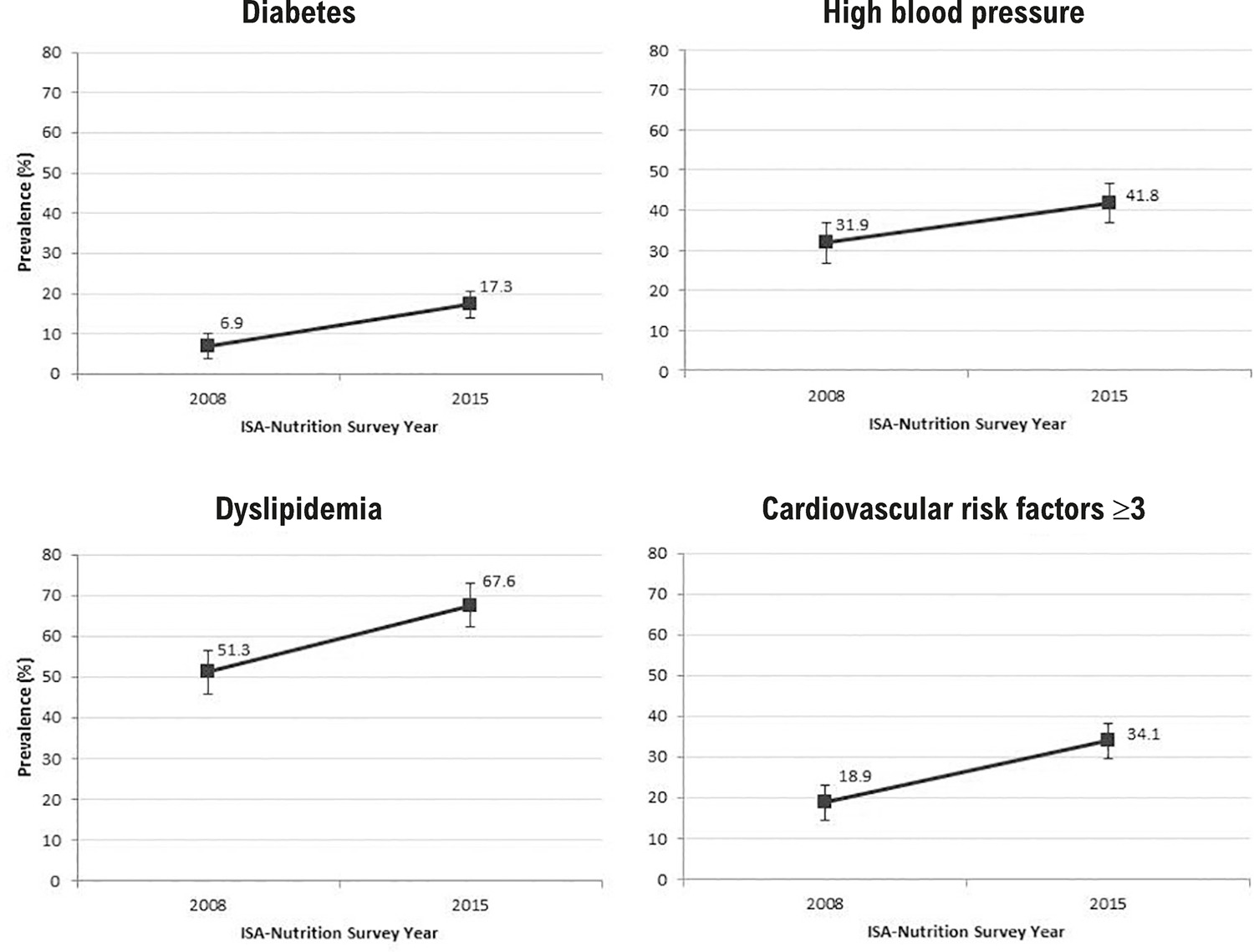
Obesity and older age were associated with higher odds of all cardiovascular risk factors investigated, except for dyslipidemia. HBP was positively associated with being Black/Brown and negatively associated with being physicaly active in leisure time. Women were more likely to have increased adiposity indicators and three or more cardiovascular risk factors than men. Those with higher education had lower chances of having diabetes, HBP and dyslipidemia, and those with higher income had higher chances of having three or more risk factors. Former smokers had higher odds of diabetes, obesity, and high waist/height ratio, and smokers had higher odds of high non-HDL cholesterol levels. From 2008 to 2015, there was an increase (p<0.001) in the prevalence of diabetes (6.9% to 17.3%), HBP (31.9% to 41.8%), dyslipidemia (51.3% to 67.6%), and number of CVD risk factors ≥3 (18.9% to 34.1%).

Conclusion

This study shows increasing prevalence of CVD risk factors in adult population in Sao Paulo and may support the definition of target groups and priority actions on CVD prevention and treatment.

  • Cardiovascular Diseases / epidemiology
  • Morbidity
  • Mortality
  • Prevalence
  • Risk Factors
  • Urban Health Services
Read Full Article
Creative Commons Attribution (CC BY) Creative Commons license
07/01/2022 DOI: 10.36660/ijcs.20210076
Women Undergoing Mitral Valve Replacement: A Retrospective Analysis
IJCS
Original Article

Women Undergoing Mitral Valve Replacement: A Retrospective Analysis

Júlia Lasserre Moreira et al. Pedro Henrique Andrade Araújo Salvatore Barletta José Augusto Baucia

Abstract

Background

Although cardiovascular disease is the leading cause of death in women, few data exist on risk factors and treatment of these diseases in women. This leads to a delay in the institution of appropriate therapies and worse outcomes in this population.

Objective

We aimed to identify predictors of morbidity and mortality in women undergoing isolated mitral valve replacement.

Methods

This was a retrospective cohort study with 104 women who underwent isolated mitral valve replacement at a referral hospital for treatment of cardiovascular diseases, performed from January 2011 to December 2016. Data were obtained from medical records. Statistical analysis was performed to calculate odds ratio, unpaired Student’s t-test, and binary logistic regression. P values <0.05 were considered statistically significant.

Results

Mean age of patients was 43.73 (±13.85) years. Most patients had a diagnosis of rheumatic disease prior to surgery (76%; N=79). Mortality rate was 4.9% (N = 5). There was a statistically higher risk of death among patients with reduced ejection fraction (EF) (<50%) (OR = 14.833, 95% CI 2.183 – 100.778, P=0.001) and older age (P = 0.009). There was an inverse association between a previous diagnosis of rheumatic disease and death (OR = 0.064, 95% CI 0.007 – 0.606, P=0.002). Logistic regression showed reduced EF at preoperative evaluation as a predictor of death and a diagnosis of rheumatic disease as a protective factor.

Conclusion

Older age and reduced EF were associated with postoperative mortality. Reduced EF was a predictor of death, and rheumatic disease was associated with better surgical outcomes.

  • Mitral Valve
  • Morbidity
  • Mortality
  • Thoracic Surgery
  • Women
Read Full Article
Creative Commons Attribution (CC BY) Creative Commons license
07/07/2021 DOI: 10.36660/ijcs.20200412
ABC
Editorial

Association of Cardiac Injury with Mortality in Hospitalized Patients with COVID-19

Edson Romano

Covid-19 disease emerged in December 2019 in Wuhan City, Hubei Province, China. It is caused by the new coronavirus called severe acute respiratory syndrome coronavirus 2 (SARS-CoV-2), the seventh coronavirus identified to date, which is different from other coronaviruses that cause pneumonia and common cold.Due to the greater and faster transmissibility, a pandemic was declared by the World Health Organization on 11 March 2020.

Since then, several studies worldwide have been conducted and published with the aim of determining the risk factors for developing the disease, as well as its complications, degrees of severity, treatment, morbidity, and mortality.

[…]

  • Coronavirus, Betacoronavirus, SARS CoV-2, Infection
  • COVID-19
  • Hospitalization
  • Morbidity
  • Myocardial Infarction
  • Myocarditis
Read Full Article
Creative Commons Attribution (CC BY) Creative Commons license
01/03/2021 DOI: 10.36660/abc.20201284 Views 2
Figure 1A
IJCS
Editorial

Risk Prediction Systems: One for all or all for Some

Jorge Paiter et al. Gláucia Maria Moraes de Oliveira

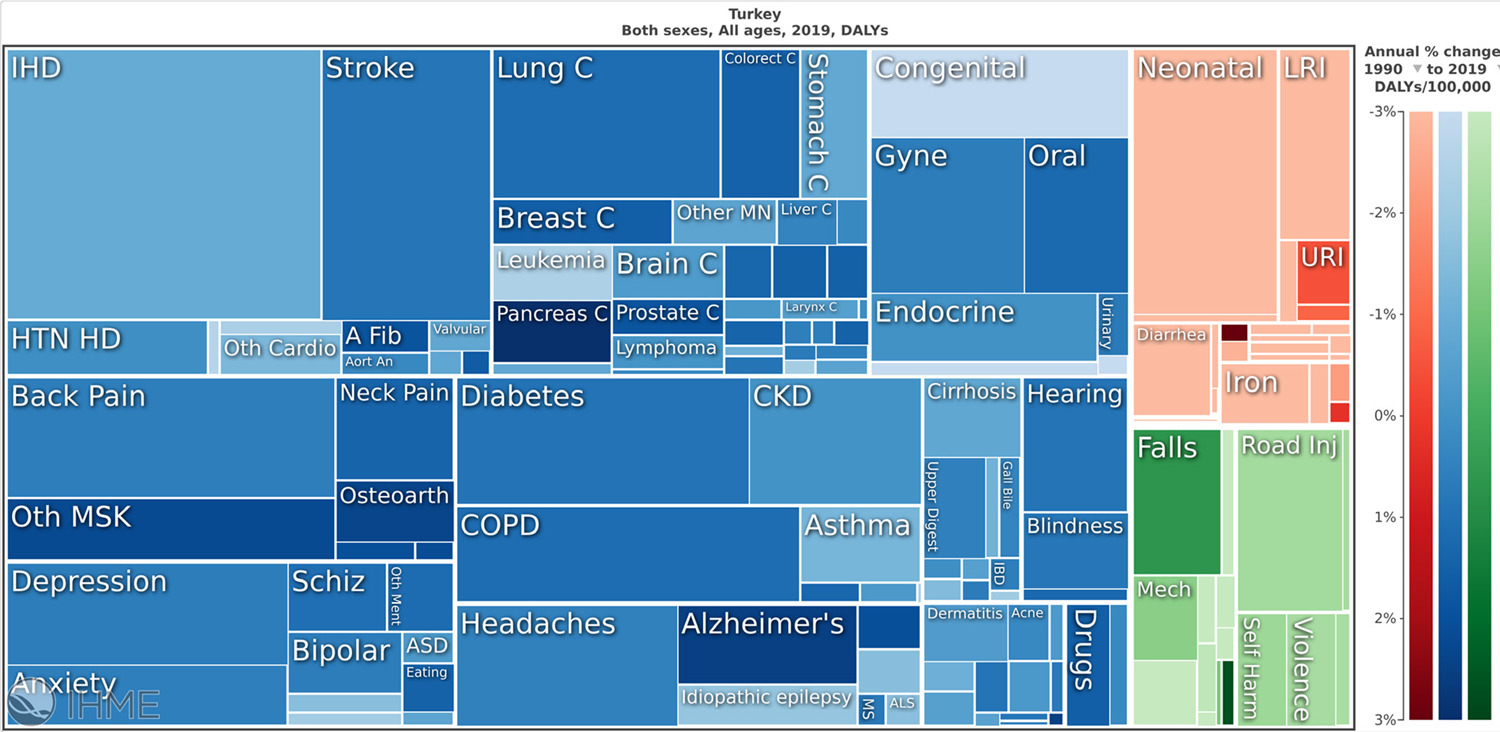
Cardiovascular diseases (CVD) are the main cause of death in Brazil and worldwide, determining an increase in morbidity and disability-adjusted life years (DALYs). The prevalence of CVD increased from 271 million (95% uncertainty interval [UI]: 257–285) in 1990 to 523 million (95% UI: 497–550) in 2019, and the number of deaths steadily grew from 12.1 million (95% UI: 11.4–12.6) in 1990 to 18.6 million (95% UI: 17.1–19.7) in 2019 in the 21 world regions analyzed by the Global Burden of Disease (GBD) 2019 study. The prevalence of CVD is likely to increase in Northern Africa and Western Asia, Central and Southern Asia, Eastern and Southeastern Asia, and Latin America and the Caribbean due to population growth and aging.

Ischemic heart disease (IHD) is part of this heterogeneous group of disorders, in which an acute coronary event is the first manifestation in approximately half of the cases., The total number of DALYs due to IHD has risen steadily since 1990, reaching 182 million (95% UI: 170-194) DALYs and 9.14 million (95% UI: 8.40-9.74) deaths in 2019. The GBD 2019 study has estimated 197 million (95% UI: 178-220) prevalent cases of IHD in 2019.

[…]

  • Cardiovascular Diseases
  • Coronary Artery Disease
  • coronary atherosclerosis
  • Morbidity
  • Risk Factors
Read Full Article
Creative Commons Attribution (CC BY) Creative Commons license
01/02/2021 DOI: 10.36660/ijcs.20200372
Figure 1
ABC
Original Article

COVID-19 and Myocardial Injury in a Brazilian ICU: High Incidence and Higher Risk of In-Hospital Mortality

Jorge Henrique Paiter Nascimento et al. Rafael Lessa da Costa Luiz Fernando Nogueira Simvoulidis João Carlos de Pinho … Roberta Santos Pereira Andrea Dornelles Porto Eduardo Costa de Freiras Silva Liszt Palmeira Oliveira Max Rogerio Freitas Ramos Gláucia Maria Moraes de Oliveira

Abstract

Background

The incidence of myocardial injury (MI) in patients with COVID-19 in Brazil and the prognostic impact of MI have not been elucidated.

Objectives

To describe the incidence of MI in patients with COVID-19 in the intensive care unit (ICU) and to identify variables associated with its occurrence. The secondary objective was to assess high-sensitivity troponin I as a predictor of in-hospital mortality.

Methods

Retrospective, observational study conducted between March and April 2020 with cases of confirmed COVID-19 admitted to the ICU. Numerical variables were compared by using Student t test or Mann-Whitney U test. The chi-square test was used for categorical variables. Multivariate analysis was performed with variables associated with MI and p<0.2 to determine predictors of MI. The ROC curve was used to determine the troponin value capable of predicting higher in-hospital mortality. Survival functions were estimated by use of the Kaplan-Meier method from the cut-off point indicated in the ROC curve.

Results

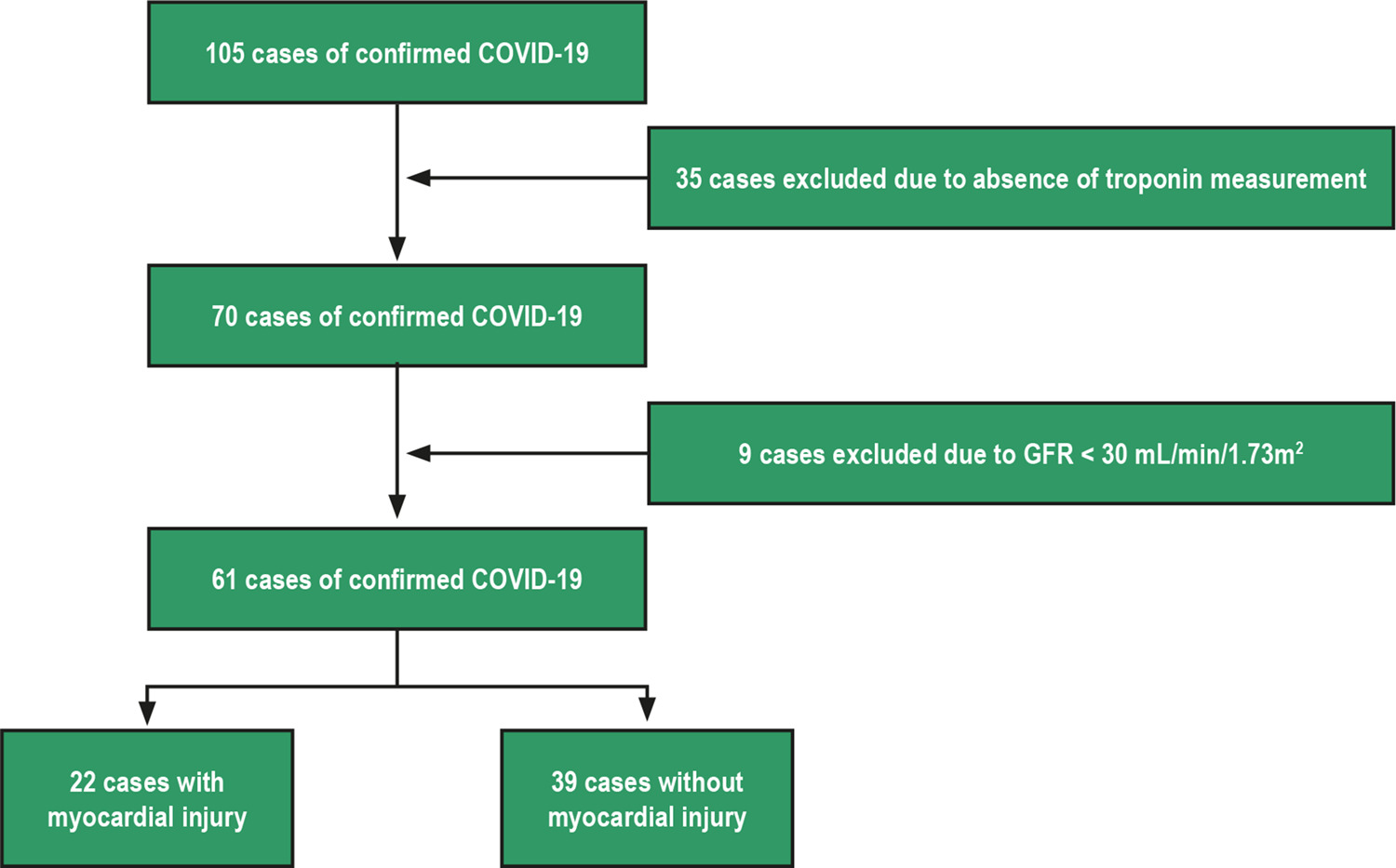
This study assessed 61 patients (63.9% of the male sex, mean age of 66.1±15.5 years). Myocardial injury was present in 36% of the patients. Systemic arterial hypertension (HAS) [OR 1.198; 95%CI: 2.246-37.665] and body mass index (BMI) [OR 1.143; 95%CI: 1.013-1.289] were independent risk predictors. High-sensitivity troponin I >48.3 ng/mL, which was determined in the ROC curve, predicts higher in-hospital mortality [AUC 0.786; p48.3 ng/mL was lower than that in the group with values ≤48.3 ng/dL [20.3 x 43.5 days, respectively; p<0.05].

Conclusion

There was a high incidence of MI in severe COVID-19 with impact on higher in-hospital mortality. The independent risk predictors of MI were SAH and BMI. (Arq Bras Cardiol. 2020; [online].ahead print, PP.0-0)

  • Betacoronavirus
  • Coronavirus
  • COVID-19
  • Hospitalization
  • Infection
  • Morbidity
  • Myocardial Infarction
  • Myocarditis
  • SARS-CoV-2
Read Full Article
Creative Commons Attribution (CC BY) Creative Commons license
18/01/2021 DOI: 10.36660/abc.20200671 Views 1
Figure 1
ABC
Original Article

Frequency and Reasons for Non-Administration and Suspension of Drugs During an Acute Coronary Syndrome Event. The ERICO Study

Rafael C. O. Santos et al. Isabela M. Bensenor Alessandra C. Goulart Paulo A. Lotufo Itamar S. Santos

Abstract

Background:

Few studies have discussed the reasons for pharmacological undertreatment of Acute Coronary Syndrome (ACS).

Objectives:

To determine the frequency and reasons for the non-administration and suspension of medications during in-hospital treatments of ACS in the Strategy of Registry of Acute Coronary Syndrome (ERICO) study.

Methods:

The present study analyzed the medical charts of the 563 participants in the ERICO study to evaluate the frequency and reasons for the non-administration and/or suspension of medications. Logistic regression models were built to analyze if sex, age ≥65 years of age, educational level, or ACS subtype were associated with (a) the non-administration of ≥1 medications; and (b) the non-administration or suspension of ≥1 medications. The significance level was set at 5%.

Results:

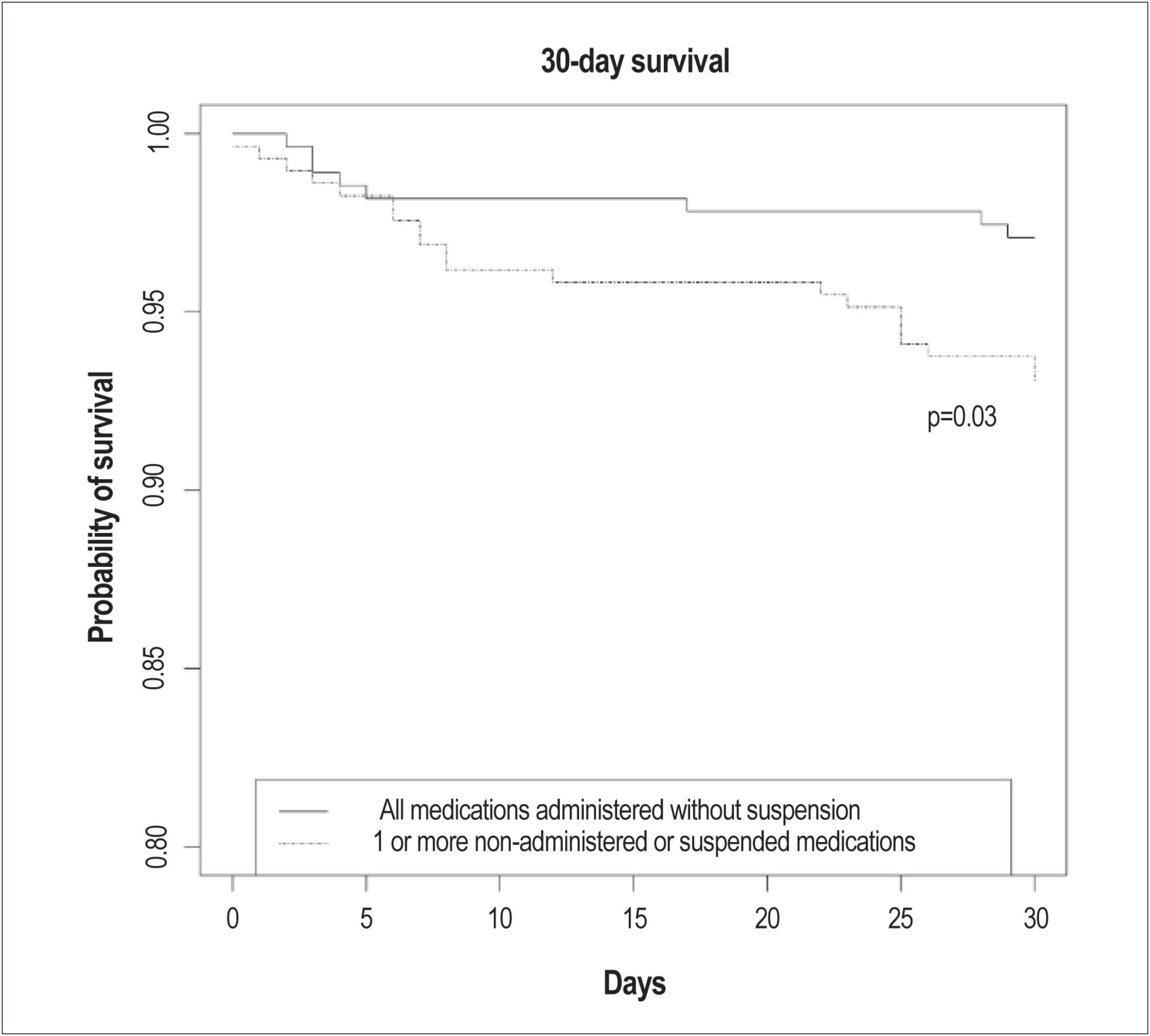
This study’s sample included 58.1% males, with a median of 62 years of age. In 183 (32.5%) participants, ≥1 medications were not administered, while in 288 (51.2%), ≥1 medications were not administered or were suspended. The most common reasons were the risk of bleeding (aspirin, clopidogrel, and heparin), heart failure (beta blockers), and hypotension (angiotensin-converting enzyme inhibitors and angiotensin receptor blockers). Individuals aged ≥65 (odds ratio [OR]:1.51; 95% confidence interval [95% CI]:1.05-2.19) and those with unstable angina (OR:1.72; 95% CI:1.07-2.75) showed a higher probability for the non-administration of ≥1 medication. Considering only patients with myocardial infarction, being ≥65 years of age was associated with both the non-administration and the non-administration or suspension of ≥1 medication.

Conclusions:

Non-administration or suspension of ≥1 medication proved to be common in this ERICO study. Individuals of ≥65 years of age or with unstable angina showed a higher probability of the non-administration of ≥1 medication and may be undertreated in this scenario. (Arq Bras Cardiol. 2020; 115(5):830-839)

  • Acute Coronary Syndrome / mortality
  • Health Care/Public Health)
  • Morbidity
  • Withholding Treatment /drug therapy
Read Full Article
Creative Commons Attribution (CC BY) Creative Commons license
07/12/2020 DOI: 10.36660/abc.20190317 Views 1
ABC
Editorial

Angiotensin Receptor-Neprilysin Inhibition Therapy and Improved Exercise Parameters in Heart Failure with Reduced Ejection Fraction

Pedro Schwartzmann

Heart failure (HF) with reduced ejection fraction (HFrEF) has increased significantly in the last three decades and is associated with high morbidity and mortality. In patients with HF, exercise intolerance suggested by dyspnea or fatigue during exertion is the hallmark of the disease. Additionally, health-related quality of life is known to be markedly reduced in HFrEF patients. The severity of this exercise limitation and low quality of life has been shown to correlate to worse prognosis. For this functional and objective assessment, cardiopulmonary exercise testing (CPET) has played an important role on identifying those worse-prognosis patients and has been able to evaluate the effectiveness of different therapies for this HF population, such as the switch of angiotensin-converting enzyme inhibitors (ACEI) to angiotensin receptor neprilysin inhibition (ARNI).

The Prospective Comparison of ARNI with ACEI to Determine Impact on Global Mortality and Morbidity in Heart Failure (PARADIGM-HF) trial randomized HFrEF patients with New York Heart Association functional class (NYHA) II-IV to the angiotensin receptor neprilysin inhibitor (sacubitril-valsartan) 200 mg twice daily or enalapril 10 mg twice daily and showed a consistent reduction on cardiovascular death, all-cause death and HF-related hospitalizations in the sacubitril-valsartan group. Moreover, the PARADIGM-HF showed improvement in overall quality of life as determined by the Kansas City Cardiomyopathy Questionnaire (KCCQ). Specifically, the greatest baseline limitations and improvements after sacubitril-valsartan were related to activities such as jogging and sexual intercourse, which might be a surrogate marker of better exercise capacity after switching the therapy, although very subjective.

[…]

  • Exercise
  • Fatigue
  • Heart Failure
  • Intolerance
  • Morbidity
  • Mortality
  • Prognosis
  • Stroke Volume
Read Full Article
Creative Commons Attribution (CC BY) Creative Commons license
07/12/2020 DOI: 10.36660/abc.20200566 Views 2
ABC
Editorial

Evolving Outcome of Acute Myocardial Infarctions in Five Brazilian Geographic Regions Over Two Decades

Alfredo José Mansur

It is a current research method to evaluate the outcome of diseases over decades, mainly in most prevalent diseases such as myocardial infarction, a public health issue with a significant toll in morbidity and mortality of the population. In addition to evolving over time, local conditions may also contribute to differences in outcome, mainly in countries with continental dimensions as Brazil is, as well as with large populations (206.081.432 habitants in 2016; 210.147.125 habitants in 2019). Other epidemiologic variables, such as age, sex, access to treatment, co-morbidities, etc. – are part of the continuous spectrum of health care and risk factors for cardiovascular diseases.

In the current study authors evaluated mortality data from a National Database System on Mortality in five geographic Brazilian regions between 1996 and 2016. Researchers corrected obtained from death certificates adjusting for: a) ill defined causes of death; b) codes-garbage without meaning for a causality study; c) correction for under registry or notification. The analysis was made in time series with segmented linear regression.

[…]

  • Cardiovascular Diseases/complication
  • Epidemiology
  • Morbidity
  • Mortality
  • Myocardial Infarction
  • Public Health Administration
Read Full Article
Creative Commons Attribution (CC BY) Creative Commons license
07/12/2020 DOI: 10.36660/abc.20200563
ABC
Editorial

Analysis of a Population-Based Registry of Hospitalizations for Acute Myocardial Infarction

Gabriel Porto Soares

Ischemic heart disease (IHD) is the leading cause of mortality in the world, being responsible for more than 9 million deaths in 2016. The trend profile of IHD mortality rates varied according to the economic level of countries. Developed nations have experienced a dramatic reduction in IHD mortality rates in recent years, perhaps attributed to a greater focus on primary prevention and better diagnosis and treatment. However, in the so-called developing countries, the reduction was not so accentuated, representing a major challenge for public health.,

Among the IHDs, the most severe form of presentation is acute myocardial infarction with ST-segment elevation (STEMI), which corresponds to approximately one-third of IHD presentations but has higher mortality when compared to non-ST-segment elevation myocardial infarction and unstable angina.,

[…]

  • Cardiovascular Diseases, mortality
  • Hospitalization
  • Morbidity
  • Myocardial Infarction/mortality
  • Myocardial Ischemia
  • Unified Health System
Read Full Article
Creative Commons Attribution (CC BY) Creative Commons license
07/12/2020 DOI: 10.36660/abc.20200611 Views 2
IJCS
Editorial

Lung Ultrasound in COVID 19 Outbreak: Can we Reduce the Burden from the Overloaded CT Departments?

Filipe Penna de Carvalho et al. Alex dos Santos Felix

Since the first descriptions on the use of lung ultrasound (LUS) for bedside evaluation of critically ill patients, important publications have underscored the utility of LUS for the detection of a wide array of pulmonary and pleural diseases, as well as for the differential diagnosis of acute respiratory failure, proving to be an important tool for a point-of-care based examination and an extended resource for examining critical patients, cited by many as the “new stethoscope”.,

The coronavirus disease-2019 (COVID-19) outbreak has emerged as a global health burden since late 2019, challenging healthcare systems around the world due to the constant need for intensive care support and isolation of patients, many of whom evolve with severe hemodynamic involvement, leading to high morbidity and mortality. This critical scenario highlights the importance of appropriateness and best appliance of all diagnostic and therapeutic resources. In this regard, the use of point-of-care ultrasound (POCUS) is proving to be a cost-effective tool for the management of these potentially critical patients, from the initial presentation (triage) to in-hospital management and post-discharge follow-up.

[…]

  • Computed Tomography
  • COVID-19/complications, Pandemics, Acute Failure Respiratory
  • Critic care
  • Morbidity
  • Mortality
  • Pleural Diseases/Diagnosis
  • Ultrasonography/methods
Read Full Article
Creative Commons Attribution (CC BY) Creative Commons license
25/11/2020 DOI: 10.36660/ijcs.20200283
Figure 1
IJCS
Original Article

Prognosis of Heart Failure with Preserved Ejection Fraction in Primary Care by the H2FPEF Score

Antonio Jose Lagoeiro Jorge et al. Maria Luiza Garcia Rosa Wolney de Andrade Martins Adson Leite … Dayse Mary da Silva Correia Maria Auxiliadora Nogueira Saad Humberto Villacorta Sergio Chermont Ronaldo Altenburg Gismondi Breno Macedo Almeida Evandro Tinoco Mesquita

Abstract

Background:

Primary care physicians have difficulty dealing with patients who have HF with preserved LVEF(HFpEF). The prognosis of HFpEF is poor, and difficult to predict on primary care.

Objective:

The aim of the study is to apply the H2FPEF score to primary care patients and verify its power to assess the risk of death or hospitalization due to cardiovascular disease.

Methods:

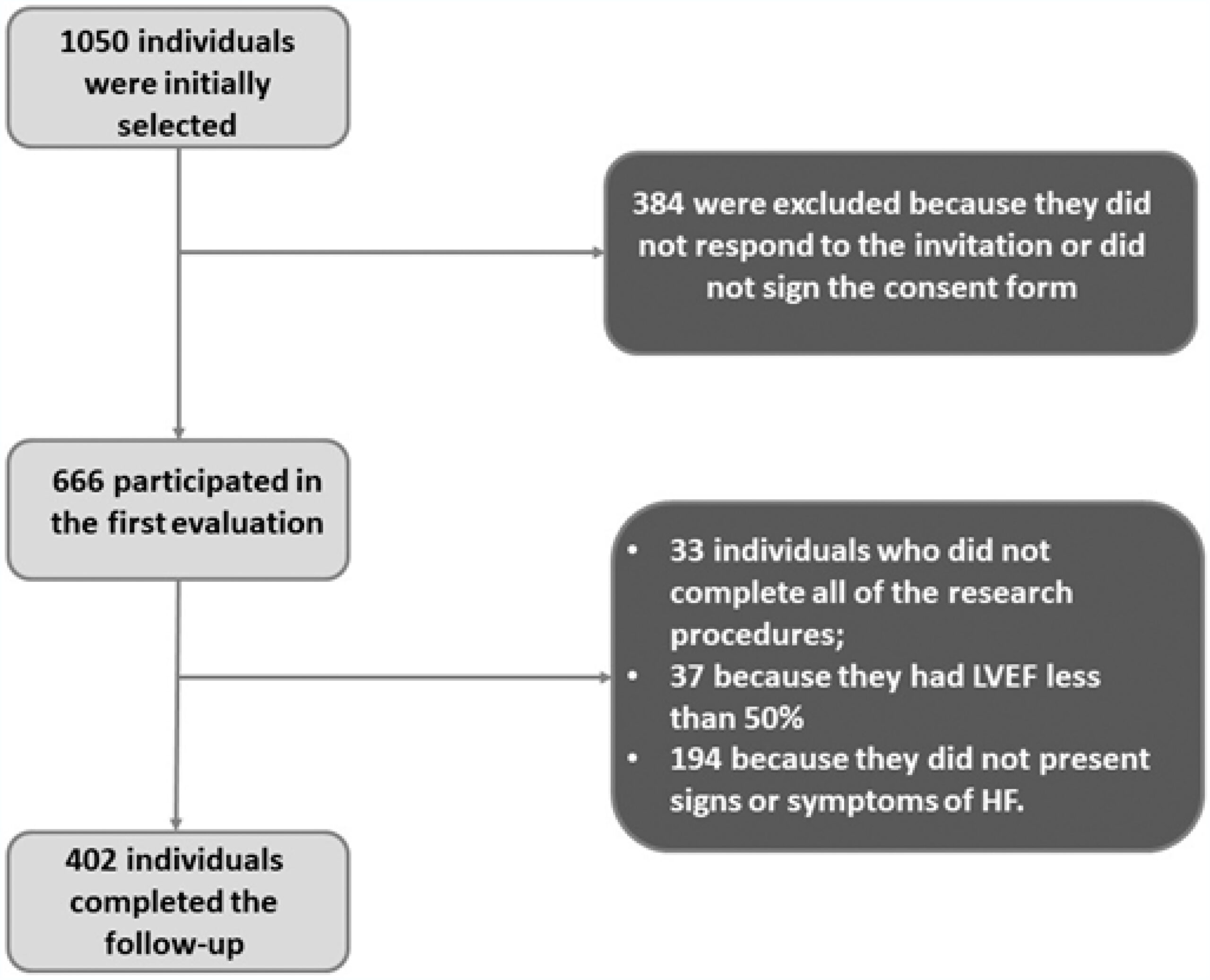
This longitudinal study included 402 individuals, with signs or symptoms of HF, aged≥45 years and, underwent an evaluation which included clinical examination, BNP and echocardiogram. The diagnosis of HFpEF was confirmed by the criteria of the European Society of Cardiology. After five years, the patients were reassessed as to the occurrence of the composite outcome, death from any cause or hospitalization for cardiovascular disease. H2FPEF used six variables: body mass index, medications for hypertension, age, pulmonary artery systolic pressure, atrial fibrillation and E/e’ ratio ranged from 0 to 9 points. The level of statistical significance was p<0.05.

Results:

HFpEF was diagnosed in 58(14.4%). Among patients with H2FPEF≥4, 30% had HFpEF and in those with a score≤4, HFpEF was present in 12%. Patients with HFpEF and H2FPEF≥4 had 53% of outcomes, whereas patients with HFpEF and a score ≤4 had a 21% of outcomes. BNP values were higher in patients with HFpEF compared to those without HFpEF(p<0.0001).

Conclusion:

H2FPEF≥4 indicated a worse prognosis in patients with HFpEF assisted in primary care. H2FPEF may be a simple and useful tool for risk stratification in patients with HFpEF at the primary care.

  • H2FPEF Score
  • Heart Failure
  • Morbidity
  • Mortality
  • Risk Assessment
  • Stroke Volume
Read Full Article
Creative Commons Attribution (CC BY) Creative Commons license
25/11/2020 DOI: 10.36660/ijcs.20200076 Views 1
ABC
Original Article

Current Impact of Cardiopulmonary Bypass in Coronary Artery Bypass Grafting in São Paulo State

Gabrielle Barbosa Borgomoni et al. Omar Asdrúbal Vilca Mejia Bianca Maria Maglia Orlandi Maxim Goncharov … Luiz Augusto Ferreira Lisboa Pedro Henrique Conte Marco Antonio Praca Oliveira Alfredo Inácio Fiorelli Orlando Petrucci Junior Marcos Grandim Tiveron Luís Alberto de Oliveira Dallan Fabio Biscegli Jatene

Abstract

Background

Previous results on the use of cardiopulmonary bypass (CPB) have generated difficulties in choosing the best treatment for each patient undergoing myocardial revascularization surgery (CABG) in the current context.

Objective

Evaluate the current impact of CPB in CABG in São Paulo State.

Methods

A total of 2905 patients who underwent CABG were consecutively analyzed in 11 São Paulo State centers belonging to the São Paulo Registry of Cardiovascular Surgery (REPLICCAR) I. Perioperative and follow-up data were included online by trained specialists in each hospital. Associations of the perioperative variables with the type of procedure and with the outcomes were analyzed. The study outcomes were morbidity and operative mortality. The expected mortality was calculated using EuroSCORE II (ESII). The values of p <5% were considered significant.

Results

There were no significant differences concerning the patients’ age between the groups (p=0.081). 72.9% of the patients were males. Of the patients, 542 underwent surgery without CPB (18.7%). Of the preoperative characteristics, patients with previous myocardial infarction (p=0.005) and ventricular dysfunction (p=0.031) underwent surgery with CPB. However, emergency or New York Heart Association (NYHA) class IV patients underwent surgery without CPB (p<0.001). The ESII value was similar in both groups (p=0.427). In CABG without CPB, the radial graft was preferred (p<0.001), and in CABG with CPB the right mammary artery was the preferred one (p<0.001). In the postoperative period, CPB use was associated with reoperation for bleeding (p=0.012).

Conclusion

Currently in the REPLICCAR, reoperation for bleeding was the only outcome associated with the use of CPB in CABG. (Arq Bras Cardiol. 2020; 115(4):595-601)

  • Epidemiology
  • Extracorporeal Circulation
  • Hospital Mortality
  • Morbidity
  • Myocardial Revascularization
  • Postoperative Care
  • Risk Factors
Read Full Article
Creative Commons Attribution (CC BY) Creative Commons license
23/10/2020 DOI: 10.36660/abc.20190145 Views 1
Figure 2
IJCS
Review Article

Transcatheter Aortic Valve Implantation: Where are we in 2020?

Rogerio Sarmento-Leite et al. Gilberto Eder de Oliveira Junior

Abstract

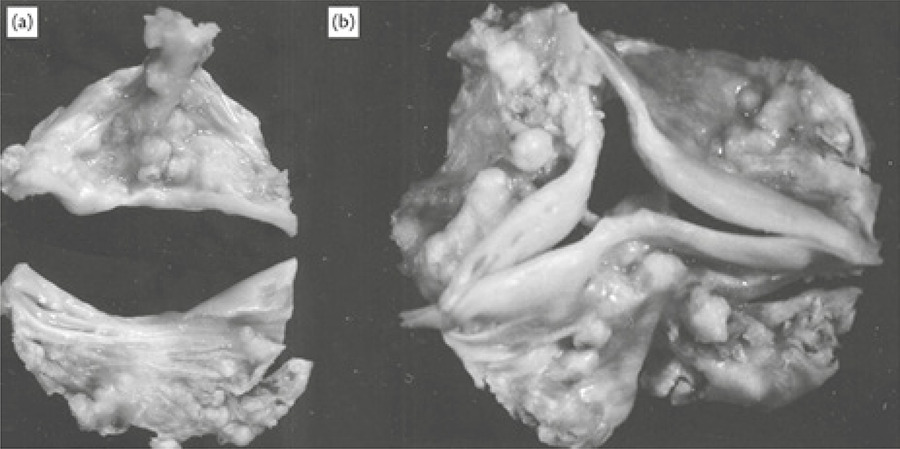
Aortic stenosis is an insidious disease of rapid progression after the onset of symptoms. Aortic valve replacement surgery is a well-established therapy that reduces symptoms and increases survival rates. However, the procedure may be associated with high operative mortality rates and promote comorbidity. Depending on the local reality, the prevalence of patients considered inoperable (due to medical comorbidities and age) may achieve 30%. For these patients, transcatheter aortic valve implantation (TAVI) was initially indicated; over time, the method has advanced technologically and been simplified, and become an alternative therapy for patients at low and intermediate surgical risk also, and considered one of the major advances of modern medicine.

  • Aged
  • Aortic Valve Stenosis
  • Morbidity
  • Mortality
  • Percutaneous Aortic Valve Replacement
  • Risk Factors
Read Full Article
Creative Commons Attribution (CC BY) Creative Commons license
28/08/2020 DOI: 10.36660/ijcs.20200089 Views 1
ABC
Editorial

COVID-19: A New Challenge in Pregnancy and Heart Disease

Walkiria Samuel Avila et al. Regina Coeli de Carvalho

The outbreak of coronavirus disease 2019 (COVID-19), caused by the severe acute respiratory syndrome coronavirus 2 (SARS-CoV-2), was declared a pandemic by the World Health Organization on March 11, 2020. Although SARS-CoV-2 isolation, gene sequencing, and structural analysis have been completed,therapies for COVID-19.

The first epidemiological data have pointed to a worse outcomes and higher mortality of COVID-19 in patients with chronic diseases, such as heart disease and arterial hypertension. Subsequently, the Brazilian Health Ministry included in the high-risk group pregnant, puerperal and post-abortion women.

[…]

  • Coronavirus
  • COVID19
  • Hypertension/prevention and control
  • Morbidity
  • Mortality
  • Pandemics
  • Pneumonia
  • Pregnancy
  • Pregnancy / high-risk
  • Risk Factors
  • Severe Acute Respiratory Syndrome
Read Full Article
Creative Commons Attribution (CC BY) Creative Commons license
07/08/2020 DOI: 10.36660/abc.20200511 Views 2
Graph 1
IJCS
Original Article

Reliability between Cardiovascular Risk Assessment Tools: A Pilot Study

Rodrigo Conill Marasciulo et al. Ana Maria Nunes de Faria Stamm Guilherme Thomé Garcia Antônio Carlos Estima Marasciulo … Ariel Córdova Rosa Alexandre Augusto de Costa Remor Cristian Battistella

Abstract

Background

The prevention of cardiovascular disease (CVD) is important in clinical practice due to its high morbidity and mortality. Different guidelines have recommended the use of different cardiovascular risk assessment tools, which may have implications on therapeutic decisions.

Objective

To evaluate the agreement rate between the Framingham risk score (FRS) and the Systematic Coronary Risk Evaluation (SCORE) tool on CVD risk assessment in disease-free subjects.

Methods

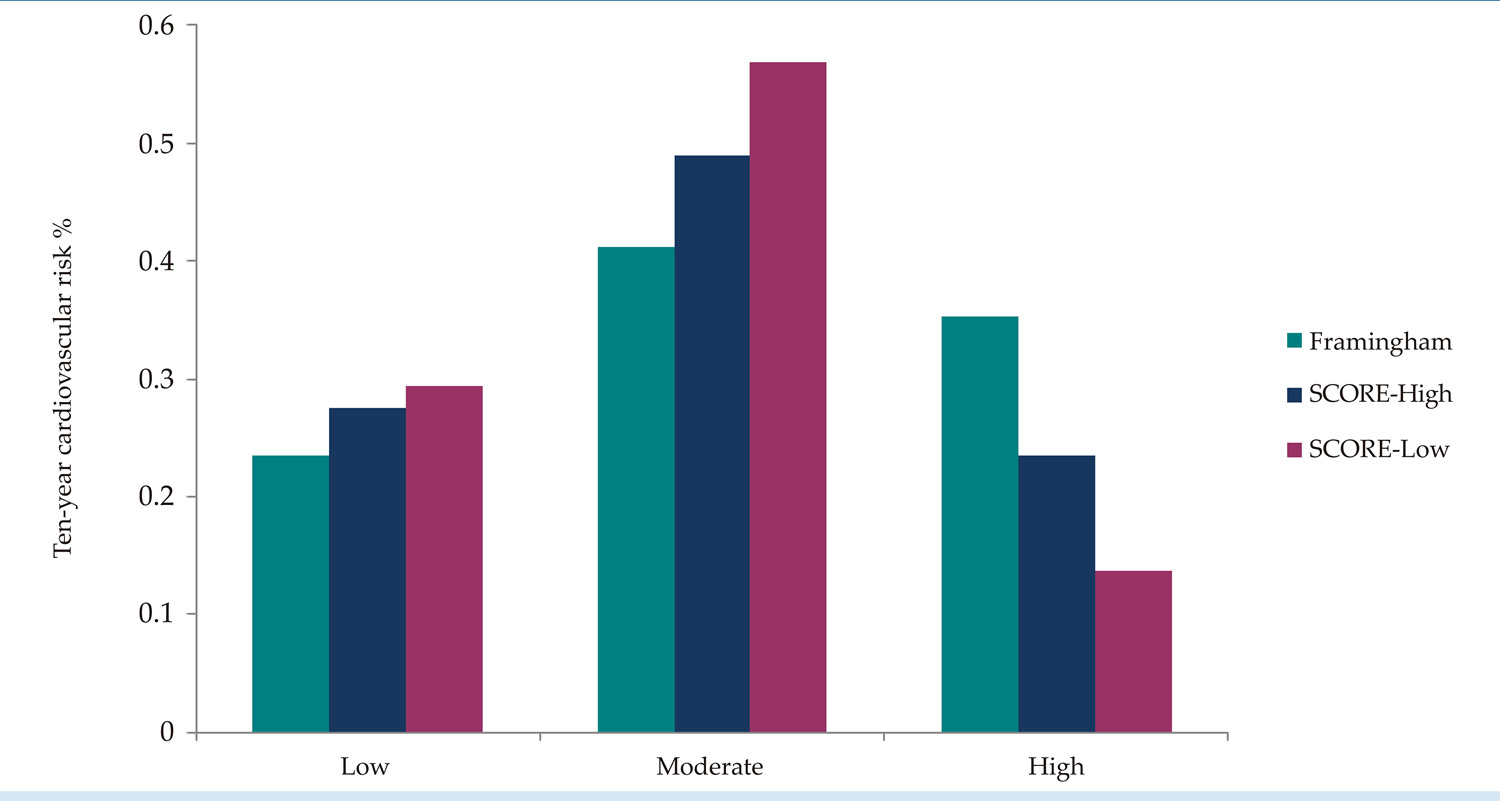
Cross-sectional study with a sample of 51 subjects treated at the outpatient clinic of a university hospital in Brazil between January 2014 and January 2015. The FRS and two versions of the European SCORE (SCORE-High and SCORE-Low) were used to assess CVD risk; patients were classified as low/moderate risk (< 20% and <5%, respectively) or high risk (≥ 20% and ≥5%, respectively). The agreement rate was evaluated using kappa statistics, a test for interrater reliability that ranges from -1 to 1, and results above 0.6 represent a high agreement rate.

Results

The FRS classified a higher proportion of subjects as high risk for CVD (35.3% [18/51] vs. 23.5% [12/51] with the SCORE-High and 13.7% [7/51] with SCORE-Low). However, there was a high agreement rate between FRS and SCORE-High (k=0.628). The agreement between FRS and SCORE-Low was poor (k=0.352).

Conclusions

There was a high agreement rate between FRS and SCORE-High in cardiovascular risk assessment in the study sample. (Int J Cardiovasc Sci. 2020; [online].ahead print, PP.0-0)

  • Cardiovascular Diseases/prevention and control
  • Cross-Sectional Studies
  • diabetes
  • Hypertension
  • Morbidity
  • Mortality
  • Risk Assessment
  • Risk Factors
Read Full Article
Creative Commons Attribution (CC BY) Creative Commons license
07/07/2020 DOI: 10.36660/ijcs.20190157 Views 1
IJCS
Editorial

Oral Contraceptives and Cardiovascular Risk: Adding Clinical Evidence to the Pathophysiology

Daniel Arthur B Kasal et al. Andrea De Lorenzo

Women cardiovascular health is an important and often neglected issue. Cardiovascular diseases (CVDs) are the main cause of death in women, in Brazil and worldwide. Oral contraceptives are the main method used for contraception in Brazil. The issue of oral contraceptives and cardiovascular risk has been raised since the first descriptions of this class of pharmaceuticals, in the 1960s. The development of low-dose combined oral contraceptives (COCs) containing ethinyl estradiol and different progestins has reduced, albeit not eliminated, cardiovascular morbidity in women taking these medications. The main side effects associated with COCs are procoagulant effects. Therefore, the use of COCs is associated with increased risk of developing acute myocardial infarction, venous thromboembolism and stroke. In addition, adverse changes in the lipid profile and glucose tolerance have been described. Clearly, ageing and exposure to other risk factors, mainly smoking and obesity, play an important role in the development of adverse outcomes related to COCs. In addition, formulations with different progestins may produce distinct effects on circulation.

Another important side effect associated with COCs is the development of hypertension. A meta-analysis including 24 studies and over 250,000 participants found a significant association between the duration of oral contraceptive use and risk of hypertension. Studies regarding the pathophysiology of this association have revealed a number of different and complementary mechanisms. These include oxidative stress, endothelial dysfunction and the activation of the Renin-Angiotensin-Aldosterone system (RAAS). In this issue, Oliveira et al., published an interesting clinical observational study, with young volunteers using low-dose COCs for at least one year, compared to women not using the medication. The authors found higher plasma renin levels in women using COC, with a strong correlation with plasma C-reactive protein (CRP). Additionally, although they did not reach the level of hypertension, systolic arterial pressure measurements of COC users were higher than those of non-users. This finding suggests that RAAS activation, if sustained, could eventually shift blood pressure in women using this medication into the hypertension range. The increase of inflammatory pathways, which is associated with RAAS activation, is also shown by the positive correlation with CRP. While the study was restricted to young and healthy participants, and COC use included five different formulations, the results add clinical evidence linking RAAS activation to oral contraceptive use, inflammation and even hypertension development, in a Brazilian sample.

[…]

  • Blood Coagulation Factors
  • Hypertension
  • Morbidity
  • Oral Contraceptives/adverse effects
  • Oxidative Stress/drug effects
  • Woman
Read Full Article
Creative Commons Attribution (CC BY) Creative Commons license
29/05/2020 DOI: 10.36660/ijcs.20200078 Views 1
IJCS
Editorial

The Challenge of Controlling Resistant Hypertension

Marcus Vinicius Bolivar Malachias

Hypertension is the main risk factor for cardiovascular disease, stroke, disability and death. Despite the accumulated knowledge about hypertension and many treatment options, some hypertensive patients do not achieve the recommended blood pressure goals even receiving non-pharmacological treatment and three antihypertensive drugs. These individuals have the so-called “resistant hypertension” and are at increased risk of involvement of target organs, higher morbidity and mortality.

Several international scientific societies, including the Brazilian Society of Cardiology, have dedicated to publishing evidence-based guidelines for the management of arterial hypertension,, and specific position statements on resistant hypertension have also been produced., The Department of Hypertension of the Brazilian Society of Cardiology is about to issue an updated statement on the subject.

[…]

  • Blood Pressure
  • drug resistance
  • Hypertension/prevention and control
  • medication adherence
  • Morbidity
Read Full Article
Creative Commons Attribution (CC BY) Creative Commons license
03/04/2020 DOI: 10.36660/ijcs.20200009 Views 1
Figure 1
IJCS
Original Article

Heart Failure: An Overview of Morbidity and Mortality in Rio Grande do Sul

Carolina Zenilda Nicolao et al. Juliana Bischoff Ferreira Adriana Aparecida Paz Graciele Fernanda da Costa Linch … Marciane Rover Emiliane Nogueira de Souza

Abstract

Background:

Heart failure (HF) is the final pathway of most cardiac diseases. Although the prevalence of HF has increased, due to the ageing of the population, more comprehensive data have shown a reduction in the percentage of HF hospital admissions over the last years.

Objective:

Assess the morbidity and mortality of HF patients in Brazil, Rio Grande do Sul and Porto Alegre.

Method:

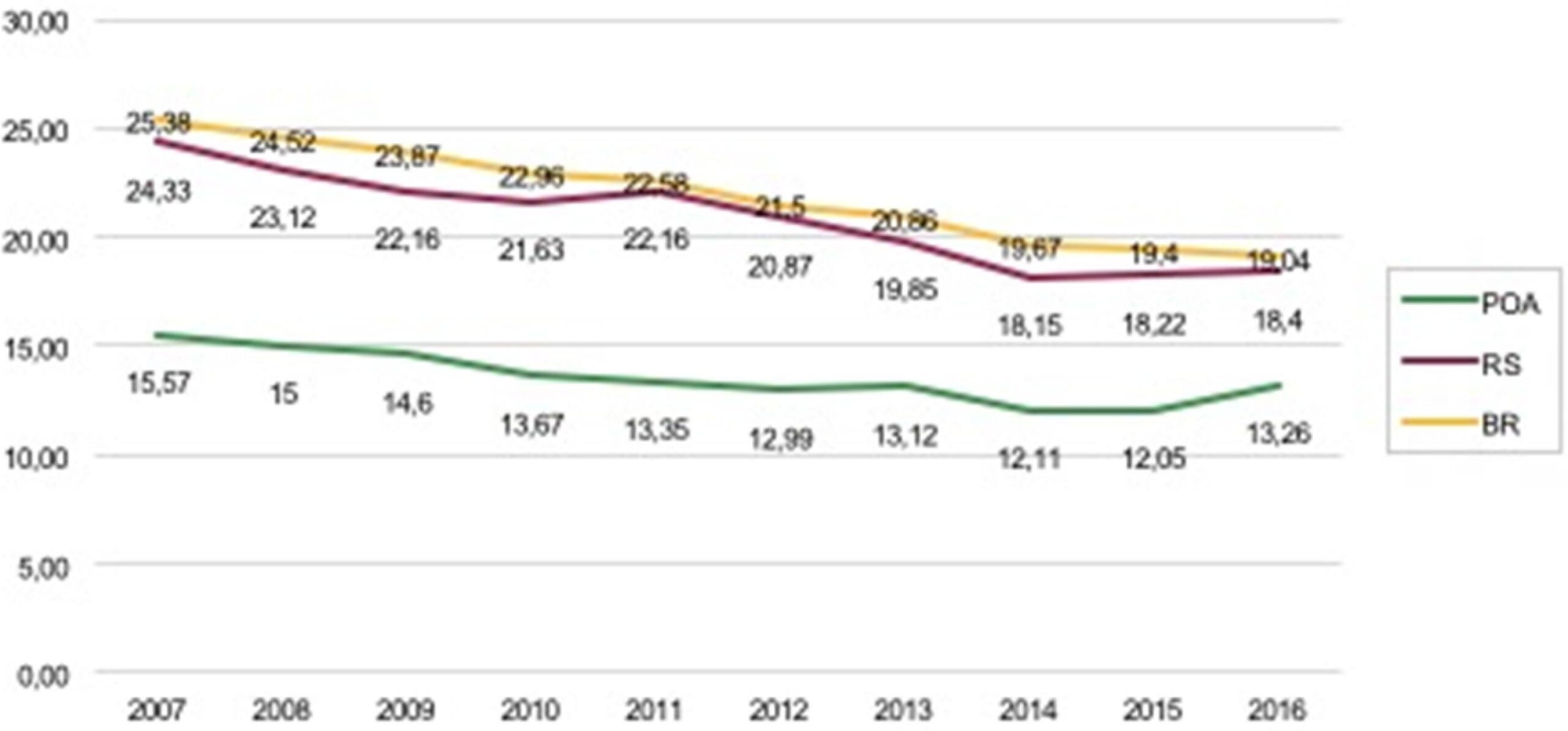
The study is a retrospective analysis of data from the Brazilian Unified Health System’s (Sistema Único de Saúde [SUS]) Department of Informatics (DataSUS). We evaluated the incidence of HF hospital admissions, the average length of stay, hospital costs and sex ratio, during a ten-year period (2007 to 2016). Due to availability of the system, mortality rate and age range, the total duration of the study was nine years.

Results:

Within this period, the percentage of hospitalizations for HF decreased. On the other hand, the length of stay increased in all regions studied. Mortality rates were in decline in all regions. Hospital costs showed an increase of 110.8%. HF was more prevalent in patients between the seventh and eighth decades of life, with men being more affected than women, except in Rio Grande do Sul.

Conclusion:

We conclude that, in spite of the high costs of HF to healthcare providers, hospitalizations and mortality rates have shown a significant decline over the last years, which results from the advances in the treatment of this disease, through initiatives to improve patient education, engagement and planning in health care and self-care.

  • aging
  • Heart Failure/physiopathology
  • Hospitalization
  • Morbidity
  • Mortality
  • Plans Health
  • SUS- Unified Health System
Read Full Article
Creative Commons Attribution (CC BY) Creative Commons license
15/04/2019 DOI: 10.5935/2359-4802.20190032 Views 1
ABC
Editorial

Real World of Percutaneous Coronary Interventions in the Public Health System in Rio de Janeiro: How Can It Be Improved?

Stefano Garzon et al. Expedito E. Ribeiro

Cardiovascular diseases (CVD) are currently the leading cause of death in Brazil and in the world, with 80% of the cases occurring in low- and middle-income countries. It impacts these countries economies negatively, with reductions in the Gross Domestic Product (GDP), and increases in the burden on already precarious health care systems. The risk factors associated with CVD are largely preventable, and raising awareness and increasing access to primary health care for prevention are key factors for reducing events.

The present study examined mortality rates in patients who underwent percutaneous coronary interventions (PCI) for both stable coronary disease (SCD) and acute coronary syndromes (ACS) in the State of Rio de Janeiro Public Health System (SUS) from 1999 to 2010. It provides us with interesting data regarding mortality outcomes in such patients, dividing them by gender, age groups, and type of intervention (balloon coronary angioplasty, stenting with bare metal stents and primary PCI for STEMI). It has obvious limitations: it is a retrospective populational cohort; its data were extracted from different databases, and the information had to be paired (hospital admissions versus death certificates, which are not in the same dataset); the mortality outcome was death by any cause, and although the authors cite that the cause of death was divided into two groups (cardiovascular death and any other cause), it is not clear which data was used; there is no information regarding comorbidities, single vessel versus multivessel disease, or medications prescribed; and patients with more than one PCI were excluded.

[…]

  • Coronary Artery Disease
  • Epidemiology
  • Morbidity
  • Mortality
  • Percutaneous Coronary Intervention/economics
  • Unified Health System/economics
Read Full Article
Creative Commons Attribution (CC BY) Creative Commons license
01/11/2018 DOI: 10.5935/abc.20180227 Views 1
ABC
Editorial

Cardiovascular Diseases in Portuguese: The Importance of Preventive Medicine

Fausto J. Pinto

Cardiovascular diseases (CVD) are the leading cause of mortality and morbidity worldwide. Because several CVD have sequelae that significantly impact the life of affected individuals, knowing the importance of those diseases, as well as their associated factors, is essential to develop preventive measures to reduce that impact.–

The study published in this issue of the Arquivos Brasileiros de Cardiologia conducts an epidemiological assessment of CVD in Portuguese-speaking countries (PSC) from 1996 to 2016, being, in that context, unprecedented and relevant. Despite some limitations, always present in that type of study, the analysis has considerable merit and allows us to draw very important conclusions. That study assesses, from an innovative perspective, CVD in a set of countries scattered around the world, which share a common language and cultural base, but have totally distinct geographic locations. In that type of analysis, the impact of local aspects, such as sanitation structures, health policies, economic and political conditions, on the parameters assessed must be properly considered, and that study does it in a very elegant way. The authors clearly indicate that the relative importance of the burden of CVD differs in the different PSC, and they directly relate those differences to the socioeconomic conditions of the countries. Of the CVD, ischemic heart disease is the major cause of death in all PSC, except for Mozambique and Sao Tome and Principe. In addition, the authors report that the most relevant risk factors for CVD, arterial hypertension and dietary factors, are common in the PSC. Furthermore, they conclude that “Genetic factors, implicit in the cultural identity, the factors inherent in the host, as well as the huge social inequality might have contributed to explain the mortality rates observed.” It is worth noting that the authors report the general reduction in mortality from CVD as a common denominator among all the PSC, although the intensity of that reduction differs in the countries.

[…]

  • Cardiovascular Diseases / prevention & control
  • Cardiovascular Diseases, mortality
  • Community of Portuguese- Speaking Countries
  • Morbidity
  • Myocardial Ischemia
  • Risk Factors
  • Terapeutics / trends
Read Full Article
Creative Commons Attribution (CC BY) Creative Commons license
01/06/2018 DOI: 10.5935/abc.20180103 Views 1
ABC
Original Article

Association of Severity of Coronary Lesions with Bone Mineral Density in Postmenopausal Women

Rui Xu et al. Xin-Chun Cheng Yuan Zhang Hong-Mei Lai Hong-Ni Yang

Abstract

Background:

Coronary artery disease (CAD) and osteoporosis (OP) are common diseases in postmenopausal women. In both cross-sectional and longitudinal epidemiologic studies, low bone mass has been related to increased frequency of CAD. However, available data on the relationship between bone mineral density (BMD) and severity of coronary lesions is limited.

Objective:

To investigate association between the BMD and severity of coronary lesions assessed by Gensini score in postmenopausal women.

Methods:

This study included 122 postmenopausal women who were diagnosed with CAD. These patients were divided into two groups according to the severity of coronary lesions assessed by the Gensini score – patients with mild coronary lesions (Gensini score < 25) and patients with severe coronary lesions (Gensini score ≥ 25). Femoral neck mineral density was measured with dual energy X-ray absorptiometry (DXA).

Results:

The study included postmenopausal women aged 64.31 ± 4.71 years, 85 of whom (69.7%) exhibited severe coronary lesions. Participants with severe coronary lesions had a significantly higher T score than did those with mild coronary lesions at the femoral neck (p < 0.05). The mean T-score was −0.84 ± 1.01 in mild coronary lesions group, −1.42 ± 1.39 in severe coronary lesions group (p < 0.05). Multivariable logistic regression analysis showed that osteopenia-osteoporosis at the Femoral neck (odds ratio 2.73; 95% confidence interval 1.06 to 6.13) was associated with an increased risk of developing severe coronary lesions. The multiple regression model showed that T-scores (b = −0.407, SE = 0.151, p=0.007) were the independent predictors of Gensini score.

Conclusion:

The relationship between severity of coronary lesions and BMD was significant in postmenopausal women. BMD, a low-cost technique involving minimal radiation exposure, widely used for osteoporosis screening, is a promising marker of severity of coronary lesions.

  • Bone Density
  • Bone Diseases, Metabolic
  • Coronary Artery Disease
  • Morbidity
  • Osteoporosis, Postmenopausal
  • Stroke
Read Full Article
Creative Commons Attribution (CC BY) Creative Commons license
01/03/2018 DOI: 10.5935/abc.20180035 Views 2
Figure 1
ABC
Viewpoint

The CRISPR/Cas9 System and the Possibility of Genomic Edition for Cardiology

Marcela Corso Arend et al. Jessica Olivaes Pereira Melissa Medeiros Markoski

Introduction

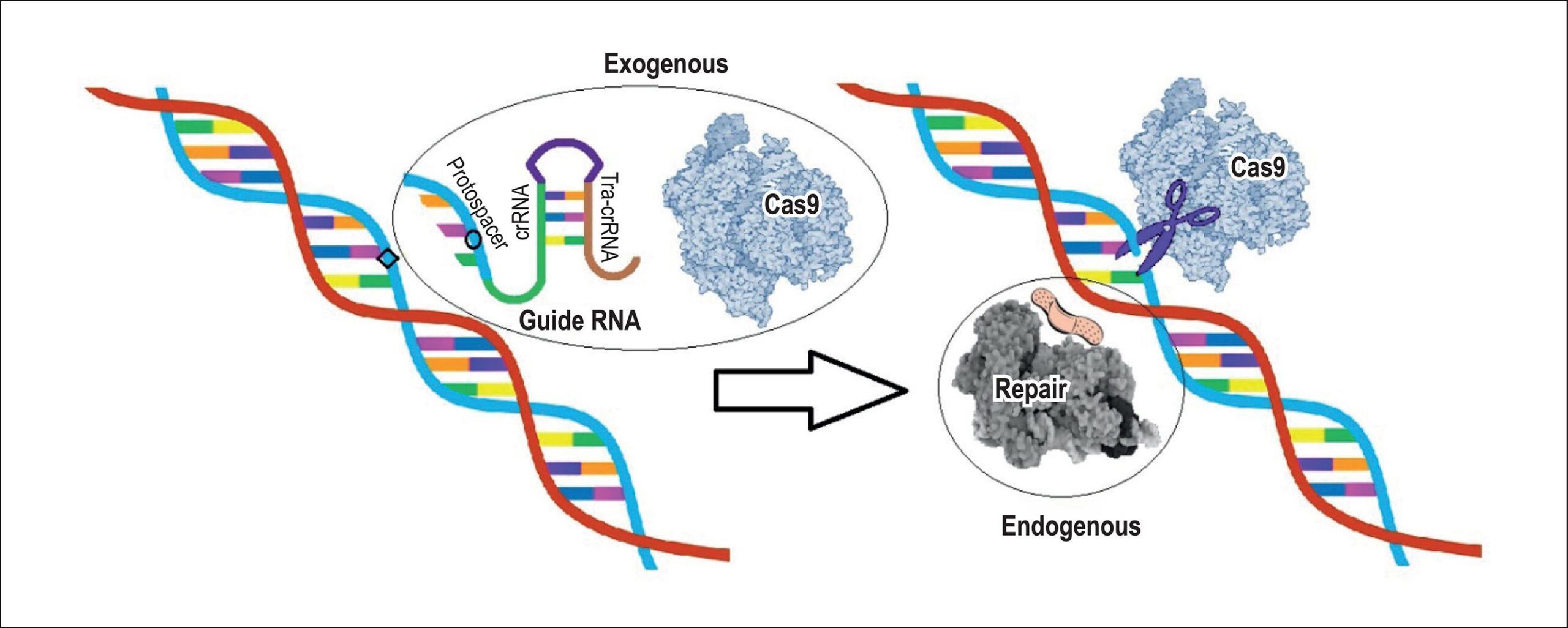
Cardiovascular diseases (CVD) and their associated pathologies are among the greatest causes of morbidity and mortality, entailing approximately 17.3 deaths a year. This class of pathology as a whole has a multi-factor etiology. Its possible prognoses lead to public health issues, with its incidence being related to behavioral, metabolic and genetic risk factors. In spite of the fact that the treatments established for the CVDs and their possible prognoses decrease the rhythm of progression of the illness, the need to develop therapeutic approaches able to reverse the pathology and its complications is growing.

The progresses in the fields of molecular and cellular biology have allowed the elucidation of molecular pathways and genetic causes involved in the establishment and progression of the CVDs, outlining a new viewpoint with regard to the prevention, treatment and possible outcomes of this pathological class. Recent discoveries, both experimental and those obtained by means of bioinformatics tools, regarding the molecular bases of cardiovascular dysfunctions, have been pointing to considerable therapeutic targets. However, most of these targets cannot be pharmacologically manipulated, which makes them potential candidates for genic therapy, such as the factors involved, for example, in angiogenesis, apoptosis and endothelial dysfunction. Within such context, gene manipulation may help suppress genetic factors connected to the incidence of the CVDs, as well as to mitigate the clinical complications caused by ischemic and occlusive events. Thus, the development and improvement of genome edition tools allow the creation of therapies focused in the genetic risk factors to cardiovascular damage and fundamental morphophysiological issues caused by the CVDs. In such context, the system formed by clustered regularly interspaced short palindromic repeats (CRISPR), and its CRISPR associated protein-9 (Cas9), stands out due to how easy it is to use it, its high specificity, easy in vitro and in vivo manipulation, in addition to the possibility of simultaneously editing multiple targets. Given the genomic complexity that intervenes in the CVDs, we shall indicate herein certain possibilities of applying the CRISPR/Cas9 tool in Cardiology.

[…]

  • Cardiovascular Diseases, mortality
  • Genomics
  • Molecular Biology
  • Morbidity
  • Prevention & Control
  • Risk Factors
Read Full Article
Creative Commons Attribution (CC BY) Creative Commons license
01/01/2017 DOI: 10.5935/abc.20160200 Views 2
Figure 1
ABC
Original Article

Cardiac Surgery Costs According to the Preoperative Risk in the Brazilian Public Health System

David Provenzale Titinger et al. Luiz Augusto Ferreira Lisboa Bruna La Regina Matrangolo Luis Roberto Palma Dallan … Luis Alberto Oliveira Dallan Evelinda Marramon Trindade Ivone Eckl Roberto Kalil Filho Omar Asdrúbal Vilca Mejía Fabio Biscegli Jatene

Abstract

Background:

Heart surgery has developed with increasing patient complexity.

Objective:

To assess the use of resources and real costs stratified by risk factors of patients submitted to surgical cardiac procedures and to compare them with the values reimbursed by the Brazilian Unified Health System (SUS).

Method:

All cardiac surgery procedures performed between January and July 2013 in a tertiary referral center were analyzed. Demographic and clinical data allowed the calculation of the value reimbursed by the Brazilian SUS. Patients were stratified as low, intermediate and high-risk categories according to the EuroSCORE. Clinical outcomes, use of resources and costs (real costs versus SUS) were compared between established risk groups.

Results:

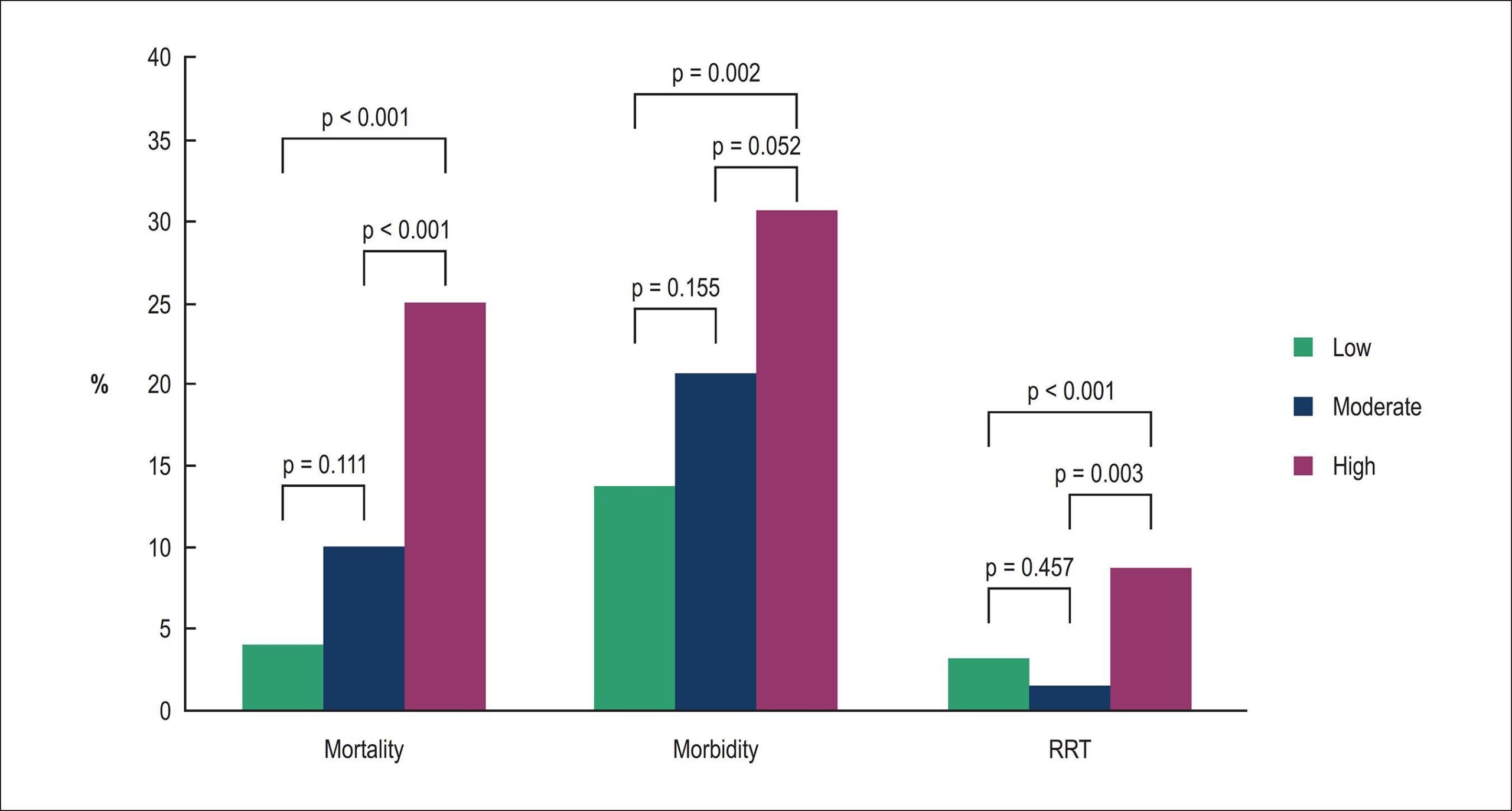
Postoperative mortality rates of low, intermediate and high-risk EuroSCORE risk strata showed a significant linear positive correlation (EuroSCORE: 3.8%, 10%, and 25%; p < 0.0001), as well as occurrence of any postoperative complication EuroSCORE: 13.7%, 20.7%, and 30.8%, respectively; p = 0.006). Accordingly, length-of-stay increased from 20.9 days to 24.8 and 29.2 days (p < 0.001). The real cost was parallel to increased resource use according to EuroSCORE risk strata (R$ 27.116,00 ± R$ 13.928,00 versus R$ 34.854,00 ± R$ 27.814,00 versus R$ 43.234,00 ± R$ 26.009,00, respectively; p < 0.001). SUS reimbursement also increased (R$ 14.306,00 ± R$ 4.571,00 versus R$ 16.217,00 ± R$ 7.298,00 versus R$ 19.548,00 ± R$935,00; p < 0.001). However, as the EuroSCORE increased, there was significant difference (p < 0.0001) between the real cost increasing slope and the SUS reimbursement elevation per EuroSCORE risk strata.

Conclusion:

Higher EuroSCORE was related to higher postoperative mortality, complications, length of stay, and costs. Although SUS reimbursement increased according to risk, it was not proportional to real costs.

  • Cardiac Surgical Procedures / economics
  • Hospital Costs
  • Hospital Mortality
  • Morbidity
  • Preoperative Care
  • Risk Groups
  • Unified Health System
Read Full Article
Creative Commons Attribution (CC BY) Creative Commons license
23/06/2015 DOI: 10.5935/abc.20150068 Views 1

Could not load more articles. Please try again.

How to cite this article

EndNote RIS

Electronic Document Format (Vancouver)

Carvalho LA. Sociodemographic Profile of Acute Myocardial Infarction in Rio De Janeiro, Brazil (2010-2019). International Journal of Cardiovascular Sciences 2023;36:e20210275.

Electronic Document Format (ABNT)

Carvalho, Lucas André de. Sociodemographic Profile of Acute Myocardial Infarction in Rio De Janeiro, Brazil (2010-2019). International Journal of Cardiovascular Sciences, v. 36, e20210275, May. 2023.

Electronic Document Format (APA)

Carvalho, L. A. (2023). Sociodemographic Profile of Acute Myocardial Infarction in Rio De Janeiro, Brazil (2010-2019). International Journal of Cardiovascular Sciences, 36, e20210275.

Electronic Document Format (ISO)

Carvalho, Lucas André de. Sociodemographic Profile of Acute Myocardial Infarction in Rio De Janeiro, Brazil (2010-2019). International Journal of Cardiovascular Sciences [online]. 2023, vol. 36, [cited 2026-10-14], e20210275. Available from: <https://journals.cardiol.br/en/article/sociodemographic-profile-of-acute-myocardial-infarction-in-rio-de-janeiro-brazil-2010-2019/>. ISSN 2359-4802

EndNote RIS

Electronic Document Format (Vancouver)

Pereira JL, Castro MA, Leite JMRS, Rogero MM, Sarti FM, César CLG, Goldbaum M, et al. Overview of Cardiovascular Disease Risk Factors in Adults in São Paulo, Brazil: Prevalence and Associated Factors in 2008 and 2015. International Journal of Cardiovascular Sciences 2022;35(2):230-42.

Electronic Document Format (ABNT)

Pereira, Jaqueline L.; Castro, Michelle A de; Leite, Jean M. R. S.; Rogero, Marcelo M.; Sarti, Flavia M.; César, Chester Luís Galvão; Goldbaum, Moisés; Fisberg, Regina M.. Overview of Cardiovascular Disease Risk Factors in Adults in São Paulo, Brazil: Prevalence and Associated Factors in 2008 and 2015. International Journal of Cardiovascular Sciences, v. 35, n. 2, p. 230-242, Jan. 2022.

Electronic Document Format (APA)

Pereira, J. L., Castro, M. A. , Leite, J. M. R. S., Rogero, M. M., Sarti, F. M., César, C. L. G., Goldbaum, M., & Fisberg, R. M. (2022). Overview of Cardiovascular Disease Risk Factors in Adults in São Paulo, Brazil: Prevalence and Associated Factors in 2008 and 2015. International Journal of Cardiovascular Sciences, 35(2), 230-242.

Electronic Document Format (ISO)

Pereira, Jaqueline L. and Castro, Michelle A de and Leite, Jean M. R. S. and Rogero, Marcelo M. and Sarti, Flavia M. and César, Chester Luís Galvão and Goldbaum, Moisés and Fisberg, Regina M.. Overview of Cardiovascular Disease Risk Factors in Adults in São Paulo, Brazil: Prevalence and Associated Factors in 2008 and 2015. International Journal of Cardiovascular Sciences [online]. 2022, vol. 35, n. 2, [cited 2026-10-14], pp. 230-242. Available from: <https://journals.cardiol.br/en/article/overview-of-cardiovascular-disease-risk-factors-in-adults-in-sao-paulo-brazil-prevalence-and-associated-factors-in-2008-and-2015/>. ISSN 2359-4802

EndNote RIS

Electronic Document Format (Vancouver)

Moreira JL, Barletta PHAAS, Baucia JA. Women Undergoing Mitral Valve Replacement: A Retrospective Analysis. International Journal of Cardiovascular Sciences 2021;34(4):431-42.

Electronic Document Format (ABNT)

Moreira, Júlia Lasserre; Barletta, Pedro Henrique Andrade Araújo Salvatore; Baucia, José Augusto. Women Undergoing Mitral Valve Replacement: A Retrospective Analysis. International Journal of Cardiovascular Sciences, v. 34, n. 4, p. 431-442, Jul. 2021.

Electronic Document Format (APA)

Moreira, J. L., Barletta, P. H. A. A. S., & Baucia, J. A. (2021). Women Undergoing Mitral Valve Replacement: A Retrospective Analysis. International Journal of Cardiovascular Sciences, 34(4), 431-442.

Electronic Document Format (ISO)

Moreira, Júlia Lasserre and Barletta, Pedro Henrique Andrade Araújo Salvatore and Baucia, José Augusto. Women Undergoing Mitral Valve Replacement: A Retrospective Analysis. International Journal of Cardiovascular Sciences [online]. 2021, vol. 34, n. 4, [cited 2026-10-14], pp. 431-442. Available from: <https://journals.cardiol.br/en/article/women-undergoing-mitral-valve-replacement-a-retrospective-analysis/>. ISSN 2359-4802

EndNote RIS

Electronic Document Format (Vancouver)

Romano E. Association of Cardiac Injury with Mortality in Hospitalized Patients with COVID-19. Arquivos Brasileiros de Cardiologia 2021;116(2):283-4.

Electronic Document Format (ABNT)

Romano, Edson. Association of Cardiac Injury with Mortality in Hospitalized Patients with COVID-19. Arquivos Brasileiros de Cardiologia, v. 116, n. 2, p. 283-284, Feb. 2021.

Electronic Document Format (APA)

Romano, E. (2021). Association of Cardiac Injury with Mortality in Hospitalized Patients with COVID-19. Arquivos Brasileiros de Cardiologia, 116(2), 283-284.

Electronic Document Format (ISO)

Romano, Edson. Association of Cardiac Injury with Mortality in Hospitalized Patients with COVID-19. Arquivos Brasileiros de Cardiologia [online]. 2021, vol. 116, n. 2, [cited 2026-10-14], pp. 283-284. Available from: <https://journals.cardiol.br/en/article/association-of-cardiac-injury-with-mortality-in-hospitalized-patients-with-covid-19/>. ISSN 0066-782X

EndNote RIS

Electronic Document Format (Vancouver)

Paiter J, Oliveira GMM. Risk Prediction Systems: One for all or all for Some. International Journal of Cardiovascular Sciences 2021;34(1):39-43.

Electronic Document Format (ABNT)

Paiter, Jorge; Oliveira, Gláucia Maria Moraes de. Risk Prediction Systems: One for all or all for Some. International Journal of Cardiovascular Sciences, v. 34, n. 1, p. 39-43, Jan. 2021.

Electronic Document Format (APA)

Paiter, J., & Oliveira, G. M. M. (2021). Risk Prediction Systems: One for all or all for Some. International Journal of Cardiovascular Sciences, 34(1), 39-43.

Electronic Document Format (ISO)

Paiter, Jorge and Oliveira, Gláucia Maria Moraes de. Risk Prediction Systems: One for all or all for Some. International Journal of Cardiovascular Sciences [online]. 2021, vol. 34, n. 1, [cited 2026-10-14], pp. 39-43. Available from: <https://journals.cardiol.br/en/article/risk-prediction-systems-one-for-all-or-all-for-some/>. ISSN 2359-4802

EndNote RIS

Electronic Document Format (Vancouver)

Nascimento JHP, Costa RL, Simvoulidis LFN, Pinho JC, Pereira RS, Porto AD, Silva ECF, et al. COVID-19 and Myocardial Injury in a Brazilian ICU: High Incidence and Higher Risk of In-Hospital Mortality. Arquivos Brasileiros de Cardiologia 2021;116(2):275-82.

Electronic Document Format (ABNT)

Nascimento, Jorge Henrique Paiter; Costa, Rafael Lessa da; Simvoulidis, Luiz Fernando Nogueira; Pinho, João Carlos de; Pereira, Roberta Santos; Porto, Andrea Dornelles; Silva, Eduardo Costa de Freiras; Oliveira, Liszt Palmeira; Ramos, Max Rogerio Freitas; Oliveira, Gláucia Maria Moraes de. COVID-19 and Myocardial Injury in a Brazilian ICU: High Incidence and Higher Risk of In-Hospital Mortality. Arquivos Brasileiros de Cardiologia, v. 116, n. 2, p. 275-282, Jan. 2021.

Electronic Document Format (APA)

Nascimento, J. H. P., Costa, R. L. , Simvoulidis, L. F. N., Pinho, J. C. , Pereira, R. S., Porto, A. D., Silva, E. C. F., Oliveira, L. P., Ramos, M. R. F., & Oliveira, G. M. M. (2021). COVID-19 and Myocardial Injury in a Brazilian ICU: High Incidence and Higher Risk of In-Hospital Mortality. Arquivos Brasileiros de Cardiologia, 116(2), 275-282.

Electronic Document Format (ISO)

Nascimento, Jorge Henrique Paiter and Costa, Rafael Lessa da and Simvoulidis, Luiz Fernando Nogueira and Pinho, João Carlos de and Pereira, Roberta Santos and Porto, Andrea Dornelles and Silva, Eduardo Costa de Freiras and Oliveira, Liszt Palmeira and Ramos, Max Rogerio Freitas and Oliveira, Gláucia Maria Moraes de. COVID-19 and Myocardial Injury in a Brazilian ICU: High Incidence and Higher Risk of In-Hospital Mortality. Arquivos Brasileiros de Cardiologia [online]. 2021, vol. 116, n. 2, [cited 2026-10-14], pp. 275-282. Available from: <https://journals.cardiol.br/en/article/covid-19-and-myocardial-injury-in-a-brazilian-icu-high-incidence-and-higher-risk-of-in-hospital-mortality/>. ISSN 0066-782X

EndNote RIS

Electronic Document Format (Vancouver)

Santos RCO, Bensenor IM, Goulart AC, Lotufo PA, Santos IS. Frequency and Reasons for Non-Administration and Suspension of Drugs During an Acute Coronary Syndrome Event. The ERICO Study. Arquivos Brasileiros de Cardiologia 2020;115(5):830-9.

Electronic Document Format (ABNT)

Santos, Rafael C. O.; Bensenor, Isabela M.; Goulart, Alessandra C.; Lotufo, Paulo A.; Santos, Itamar S.. Frequency and Reasons for Non-Administration and Suspension of Drugs During an Acute Coronary Syndrome Event. The ERICO Study. Arquivos Brasileiros de Cardiologia, v. 115, n. 5, p. 830-839, Dec. 2020.

Electronic Document Format (APA)

Santos, R. C. O., Bensenor, I. M., Goulart, A. C., Lotufo, P. A., & Santos, I. S. (2020). Frequency and Reasons for Non-Administration and Suspension of Drugs During an Acute Coronary Syndrome Event. The ERICO Study. Arquivos Brasileiros de Cardiologia, 115(5), 830-839.

Electronic Document Format (ISO)

Santos, Rafael C. O. and Bensenor, Isabela M. and Goulart, Alessandra C. and Lotufo, Paulo A. and Santos, Itamar S.. Frequency and Reasons for Non-Administration and Suspension of Drugs During an Acute Coronary Syndrome Event. The ERICO Study. Arquivos Brasileiros de Cardiologia [online]. 2020, vol. 115, n. 5, [cited 2026-10-14], pp. 830-839. Available from: <https://journals.cardiol.br/en/article/frequency-and-reasons-for-non-administration-and-suspension-of-drugs-during-an-acute-coronary-syndrome-event-the-erico-study/>. ISSN 0066-782X

EndNote RIS

Electronic Document Format (Vancouver)

Schwartzmann P. Angiotensin Receptor-Neprilysin Inhibition Therapy and Improved Exercise Parameters in Heart Failure with Reduced Ejection Fraction. Arquivos Brasileiros de Cardiologia 2020;115(5):828-9.

Electronic Document Format (ABNT)

Schwartzmann, Pedro. Angiotensin Receptor-Neprilysin Inhibition Therapy and Improved Exercise Parameters in Heart Failure with Reduced Ejection Fraction. Arquivos Brasileiros de Cardiologia, v. 115, n. 5, p. 828-829, Dec. 2020.

Electronic Document Format (APA)

Schwartzmann, P. (2020). Angiotensin Receptor-Neprilysin Inhibition Therapy and Improved Exercise Parameters in Heart Failure with Reduced Ejection Fraction. Arquivos Brasileiros de Cardiologia, 115(5), 828-829.

Electronic Document Format (ISO)

Schwartzmann, Pedro. Angiotensin Receptor-Neprilysin Inhibition Therapy and Improved Exercise Parameters in Heart Failure with Reduced Ejection Fraction. Arquivos Brasileiros de Cardiologia [online]. 2020, vol. 115, n. 5, [cited 2026-10-14], pp. 828-829. Available from: <https://journals.cardiol.br/en/article/angiotensin-receptor-neprilysin-inhibition-therapy-and-improved-exercise-parameters-in-heart-failure-with-reduced-ejection-fraction/>. ISSN 0066-782X

EndNote RIS

Electronic Document Format (Vancouver)

Mansur AJ. Evolving Outcome of Acute Myocardial Infarctions in Five Brazilian Geographic Regions Over Two Decades. Arquivos Brasileiros de Cardiologia 2020;115(5):860-1.

Electronic Document Format (ABNT)

Mansur, Alfredo José. Evolving Outcome of Acute Myocardial Infarctions in Five Brazilian Geographic Regions Over Two Decades. Arquivos Brasileiros de Cardiologia, v. 115, n. 5, p. 860-861, Dec. 2020.

Electronic Document Format (APA)

Mansur, A. J. (2020). Evolving Outcome of Acute Myocardial Infarctions in Five Brazilian Geographic Regions Over Two Decades. Arquivos Brasileiros de Cardiologia, 115(5), 860-861.

Electronic Document Format (ISO)

Mansur, Alfredo José. Evolving Outcome of Acute Myocardial Infarctions in Five Brazilian Geographic Regions Over Two Decades. Arquivos Brasileiros de Cardiologia [online]. 2020, vol. 115, n. 5, [cited 2026-10-14], pp. 860-861. Available from: <https://journals.cardiol.br/en/article/evolving-outcome-of-acute-myocardial-infarctions-in-five-brazilian-geographic-regions-over-two-decades/>. ISSN 0066-782X

EndNote RIS

Electronic Document Format (Vancouver)

Soares GP. Analysis of a Population-Based Registry of Hospitalizations for Acute Myocardial Infarction. Arquivos Brasileiros de Cardiologia 2020;115(5):925-6.

Electronic Document Format (ABNT)

Soares, Gabriel Porto. Analysis of a Population-Based Registry of Hospitalizations for Acute Myocardial Infarction. Arquivos Brasileiros de Cardiologia, v. 115, n. 5, p. 925-926, Dec. 2020.

Electronic Document Format (APA)

Soares, G. P. (2020). Analysis of a Population-Based Registry of Hospitalizations for Acute Myocardial Infarction. Arquivos Brasileiros de Cardiologia, 115(5), 925-926.

Electronic Document Format (ISO)

Soares, Gabriel Porto. Analysis of a Population-Based Registry of Hospitalizations for Acute Myocardial Infarction. Arquivos Brasileiros de Cardiologia [online]. 2020, vol. 115, n. 5, [cited 2026-10-14], pp. 925-926. Available from: <https://journals.cardiol.br/en/article/analysis-of-a-population-based-registry-of-hospitalizations-for-acute-myocardial-infarction/>. ISSN 0066-782X

EndNote RIS

Electronic Document Format (Vancouver)

Carvalho FP, Felix AS. Lung Ultrasound in COVID 19 Outbreak: Can we Reduce the Burden from the Overloaded CT Departments?. International Journal of Cardiovascular Sciences 2020;33(6):604-5.

Electronic Document Format (ABNT)

Carvalho, Filipe Penna de; Felix, Alex dos Santos. Lung Ultrasound in COVID 19 Outbreak: Can we Reduce the Burden from the Overloaded CT Departments?. International Journal of Cardiovascular Sciences, v. 33, n. 6, p. 604-605, Nov. 2020.

Electronic Document Format (APA)

Carvalho, F. P. , & Felix, A. S. (2020). Lung Ultrasound in COVID 19 Outbreak: Can we Reduce the Burden from the Overloaded CT Departments?. International Journal of Cardiovascular Sciences, 33(6), 604-605.

Electronic Document Format (ISO)

Carvalho, Filipe Penna de and Felix, Alex dos Santos. Lung Ultrasound in COVID 19 Outbreak: Can we Reduce the Burden from the Overloaded CT Departments?. International Journal of Cardiovascular Sciences [online]. 2020, vol. 33, n. 6, [cited 2026-10-14], pp. 604-605. Available from: <https://journals.cardiol.br/en/article/lung-ultrasound-in-covid-19-outbreak-can-we-reduce-the-burden-from-the-overloaded-ct-departments/>. ISSN 2359-4802

EndNote RIS

Electronic Document Format (Vancouver)

Jorge AJL, Rosa MLG, Martins WA, Leite A, Correia DMS, Saad MAN, Villacorta H, et al. Prognosis of Heart Failure with Preserved Ejection Fraction in Primary Care by the H2FPEF Score. International Journal of Cardiovascular Sciences 2020;33(6):666-72.

Electronic Document Format (ABNT)

Jorge, Antonio Jose Lagoeiro; Rosa, Maria Luiza Garcia; Martins, Wolney de Andrade; Leite, Adson; Correia, Dayse Mary da Silva; Saad, Maria Auxiliadora Nogueira; Villacorta, Humberto; Chermont, Sergio; Gismondi, Ronaldo Altenburg; Almeida, Breno Macedo; Mesquita, Evandro Tinoco. Prognosis of Heart Failure with Preserved Ejection Fraction in Primary Care by the H2FPEF Score. International Journal of Cardiovascular Sciences, v. 33, n. 6, p. 666-672, Nov. 2020.

Electronic Document Format (APA)

Jorge, A. J. L., Rosa, M. L. G., Martins, W. A., Leite, A., Correia, D. M. S., Saad, M. A. N., Villacorta, H., Chermont, S., Gismondi, R. A., Almeida, B. M., & Mesquita, E. T. (2020). Prognosis of Heart Failure with Preserved Ejection Fraction in Primary Care by the H2FPEF Score. International Journal of Cardiovascular Sciences, 33(6), 666-672.

Electronic Document Format (ISO)

Jorge, Antonio Jose Lagoeiro and Rosa, Maria Luiza Garcia and Martins, Wolney de Andrade and Leite, Adson and Correia, Dayse Mary da Silva and Saad, Maria Auxiliadora Nogueira and Villacorta, Humberto and Chermont, Sergio and Gismondi, Ronaldo Altenburg and Almeida, Breno Macedo and Mesquita, Evandro Tinoco. Prognosis of Heart Failure with Preserved Ejection Fraction in Primary Care by the H2FPEF Score. International Journal of Cardiovascular Sciences [online]. 2020, vol. 33, n. 6, [cited 2026-10-14], pp. 666-672. Available from: <https://journals.cardiol.br/en/article/prognosis-of-heart-failure-with-preserved-ejection-fraction-in-primary-care-by-the-h2fpef-score/>. ISSN 2359-4802

EndNote RIS

Electronic Document Format (Vancouver)

Borgomoni GB, Mejia OAV, Orlandi BMM, Goncharov M, Lisboa LAF, Conte PH, Oliveira MAP, et al. Current Impact of Cardiopulmonary Bypass in Coronary Artery Bypass Grafting in São Paulo State. Arquivos Brasileiros de Cardiologia 2020;115(4):595-601.

Electronic Document Format (ABNT)

Borgomoni, Gabrielle Barbosa; Mejia, Omar Asdrúbal Vilca; Orlandi, Bianca Maria Maglia; Goncharov, Maxim; Lisboa, Luiz Augusto Ferreira; Conte, Pedro Henrique; Oliveira, Marco Antonio Praca; Fiorelli, Alfredo Inácio; Petrucci Junior, Orlando; Tiveron, Marcos Grandim; Dallan, Luís Alberto de Oliveira; Jatene, Fabio Biscegli. Current Impact of Cardiopulmonary Bypass in Coronary Artery Bypass Grafting in São Paulo State. Arquivos Brasileiros de Cardiologia, v. 115, n. 4, p. 595-601, Oct. 2020.

Electronic Document Format (APA)

Borgomoni, G. B., Mejia, O. A. V., Orlandi, B. M. M., Goncharov, M., Lisboa, L. A. F., Conte, P. H., Oliveira, M. A. P., Fiorelli, A. I., Petrucci Junior, O., Tiveron, M. G., Dallan, L. A. O., & Jatene, F. B. (2020). Current Impact of Cardiopulmonary Bypass in Coronary Artery Bypass Grafting in São Paulo State. Arquivos Brasileiros de Cardiologia, 115(4), 595-601.

Electronic Document Format (ISO)

Borgomoni, Gabrielle Barbosa and Mejia, Omar Asdrúbal Vilca and Orlandi, Bianca Maria Maglia and Goncharov, Maxim and Lisboa, Luiz Augusto Ferreira and Conte, Pedro Henrique and Oliveira, Marco Antonio Praca and Fiorelli, Alfredo Inácio and Petrucci Junior, Orlando and Tiveron, Marcos Grandim and Dallan, Luís Alberto de Oliveira and Jatene, Fabio Biscegli. Current Impact of Cardiopulmonary Bypass in Coronary Artery Bypass Grafting in São Paulo State. Arquivos Brasileiros de Cardiologia [online]. 2020, vol. 115, n. 4, [cited 2026-10-14], pp. 595-601. Available from: <https://journals.cardiol.br/en/article/current-impact-of-cardiopulmonary-bypass-in-coronary-artery-bypass-grafting-in-sao-paulo-state/>. ISSN 0066-782X

EndNote RIS

Electronic Document Format (Vancouver)

Sarmento-Leite R, Oliveira Junior GE. Transcatheter Aortic Valve Implantation: Where are we in 2020?. International Journal of Cardiovascular Sciences 2020;33(5):537-49.

Electronic Document Format (ABNT)

Sarmento-Leite, Rogerio; Oliveira Junior, Gilberto Eder de. Transcatheter Aortic Valve Implantation: Where are we in 2020?. International Journal of Cardiovascular Sciences, v. 33, n. 5, p. 537-549, Aug. 2020.

Electronic Document Format (APA)

Sarmento-Leite, R., & Oliveira Junior, G. E. (2020). Transcatheter Aortic Valve Implantation: Where are we in 2020?. International Journal of Cardiovascular Sciences, 33(5), 537-549.

Electronic Document Format (ISO)

Sarmento-Leite, Rogerio and Oliveira Junior, Gilberto Eder de. Transcatheter Aortic Valve Implantation: Where are we in 2020?. International Journal of Cardiovascular Sciences [online]. 2020, vol. 33, n. 5, [cited 2026-10-14], pp. 537-549. Available from: <https://journals.cardiol.br/en/article/transcatheter-aortic-valve-implantation-where-are-we-in-2020/>. ISSN 2359-4802

EndNote RIS

Electronic Document Format (Vancouver)

Avila WS, Carvalho RC. COVID-19: A New Challenge in Pregnancy and Heart Disease. Arquivos Brasileiros de Cardiologia 2020;115(1):1-4.

Electronic Document Format (ABNT)

Avila, Walkiria Samuel; Carvalho, Regina Coeli de. COVID-19: A New Challenge in Pregnancy and Heart Disease. Arquivos Brasileiros de Cardiologia, v. 115, n. 1, p. 1-4, Aug. 2020.

Electronic Document Format (APA)

Avila, W. S., & Carvalho, R. C. (2020). COVID-19: A New Challenge in Pregnancy and Heart Disease. Arquivos Brasileiros de Cardiologia, 115(1), 1-4.

Electronic Document Format (ISO)

Avila, Walkiria Samuel and Carvalho, Regina Coeli de. COVID-19: A New Challenge in Pregnancy and Heart Disease. Arquivos Brasileiros de Cardiologia [online]. 2020, vol. 115, n. 1, [cited 2026-10-14], pp. 1-4. Available from: <https://journals.cardiol.br/en/article/covid-19-a-new-challenge-in-pregnancy-and-heart-disease/>. ISSN 0066-782X

EndNote RIS

Electronic Document Format (Vancouver)

Marasciulo RC, Stamm AMNF, Garcia GT, Marasciulo ACE, Rosa AC, Remor AAC, Battistella C, et al. Reliability between Cardiovascular Risk Assessment Tools: A Pilot Study. International Journal of Cardiovascular Sciences 2020;33(6):618-26.

Electronic Document Format (ABNT)

Marasciulo, Rodrigo Conill; Stamm, Ana Maria Nunes de Faria; Garcia, Guilherme Thomé; Marasciulo, Antônio Carlos Estima; Rosa, Ariel Córdova; Remor, Alexandre Augusto de Costa; Battistella, Cristian. Reliability between Cardiovascular Risk Assessment Tools: A Pilot Study. International Journal of Cardiovascular Sciences, v. 33, n. 6, p. 618-626, Jul. 2020.

Electronic Document Format (APA)

Marasciulo, R. C., Stamm, A. M. N. F., Garcia, G. T., Marasciulo, A. C. E., Rosa, A. C., Remor, A. A. C., & Battistella, C. (2020). Reliability between Cardiovascular Risk Assessment Tools: A Pilot Study. International Journal of Cardiovascular Sciences, 33(6), 618-626.

Electronic Document Format (ISO)

Marasciulo, Rodrigo Conill and Stamm, Ana Maria Nunes de Faria and Garcia, Guilherme Thomé and Marasciulo, Antônio Carlos Estima and Rosa, Ariel Córdova and Remor, Alexandre Augusto de Costa and Battistella, Cristian. Reliability between Cardiovascular Risk Assessment Tools: A Pilot Study. International Journal of Cardiovascular Sciences [online]. 2020, vol. 33, n. 6, [cited 2026-10-14], pp. 618-626. Available from: <https://journals.cardiol.br/en/article/reliability-between-cardiovascular-risk-assessment-tools-a-pilot-study/>. ISSN 2359-4802

EndNote RIS

Electronic Document Format (Vancouver)

Kasal DAB, Lorenzo AD. Oral Contraceptives and Cardiovascular Risk: Adding Clinical Evidence to the Pathophysiology. International Journal of Cardiovascular Sciences 2020;33(3):215-6.

Electronic Document Format (ABNT)

Kasal, Daniel Arthur B; Lorenzo, Andrea De. Oral Contraceptives and Cardiovascular Risk: Adding Clinical Evidence to the Pathophysiology. International Journal of Cardiovascular Sciences, v. 33, n. 3, p. 215-216, May. 2020.

Electronic Document Format (APA)

Kasal, D. A. B., & Lorenzo, A. D. (2020). Oral Contraceptives and Cardiovascular Risk: Adding Clinical Evidence to the Pathophysiology. International Journal of Cardiovascular Sciences, 33(3), 215-216.

Electronic Document Format (ISO)

Kasal, Daniel Arthur B and Lorenzo, Andrea De. Oral Contraceptives and Cardiovascular Risk: Adding Clinical Evidence to the Pathophysiology. International Journal of Cardiovascular Sciences [online]. 2020, vol. 33, n. 3, [cited 2026-10-14], pp. 215-216. Available from: <https://journals.cardiol.br/en/article/oral-contraceptives-and-cardiovascular-risk-adding-clinical-evidence-to-the-pathophysiology/>. ISSN 2359-4802

EndNote RIS

Electronic Document Format (Vancouver)

Malachias MVB. The Challenge of Controlling Resistant Hypertension. International Journal of Cardiovascular Sciences 2020;33(2):119-20.

Electronic Document Format (ABNT)

Malachias, Marcus Vinicius Bolivar. The Challenge of Controlling Resistant Hypertension. International Journal of Cardiovascular Sciences, v. 33, n. 2, p. 119-120, Apr. 2020.

Electronic Document Format (APA)

Malachias, M. V. B. (2020). The Challenge of Controlling Resistant Hypertension. International Journal of Cardiovascular Sciences, 33(2), 119-120.

Electronic Document Format (ISO)

Malachias, Marcus Vinicius Bolivar. The Challenge of Controlling Resistant Hypertension. International Journal of Cardiovascular Sciences [online]. 2020, vol. 33, n. 2, [cited 2026-10-14], pp. 119-120. Available from: <https://journals.cardiol.br/en/article/the-challenge-of-controlling-resistant-hypertension/>. ISSN 2359-4802

EndNote RIS

Electronic Document Format (Vancouver)

Nicolao CZ, Ferreira JB, Paz AA, Linch GFC, Rover M, Souza EN. Heart Failure: An Overview of Morbidity and Mortality in Rio Grande do Sul. International Journal of Cardiovascular Sciences 2019;32(6):596-604.

Electronic Document Format (ABNT)

Nicolao, Carolina Zenilda; Ferreira, Juliana Bischoff; Paz, Adriana Aparecida; Linch, Graciele Fernanda da Costa; Rover, Marciane; Souza, Emiliane Nogueira de. Heart Failure: An Overview of Morbidity and Mortality in Rio Grande do Sul. International Journal of Cardiovascular Sciences, v. 32, n. 6, p. 596-604, Apr. 2019.

Electronic Document Format (APA)

Nicolao, C. Z., Ferreira, J. B., Paz, A. A., Linch, G. F. C., Rover, M., & Souza, E. N. (2019). Heart Failure: An Overview of Morbidity and Mortality in Rio Grande do Sul. International Journal of Cardiovascular Sciences, 32(6), 596-604.

Electronic Document Format (ISO)

Nicolao, Carolina Zenilda and Ferreira, Juliana Bischoff and Paz, Adriana Aparecida and Linch, Graciele Fernanda da Costa and Rover, Marciane and Souza, Emiliane Nogueira de. Heart Failure: An Overview of Morbidity and Mortality in Rio Grande do Sul. International Journal of Cardiovascular Sciences [online]. 2019, vol. 32, n. 6, [cited 2026-10-14], pp. 596-604. Available from: <https://journals.cardiol.br/en/article/heart-failure-an-overview-of-morbidity-and-mortality-in-rio-grande-do-sul/>. ISSN 2359-4802

EndNote RIS

Electronic Document Format (Vancouver)

Garzon S, Ribeiro EE. Real World of Percutaneous Coronary Interventions in the Public Health System in Rio de Janeiro: How Can It Be Improved?. Arquivos Brasileiros de Cardiologia 2018;111(5):731-2.

Electronic Document Format (ABNT)

Garzon, Stefano; Ribeiro, Expedito E.. Real World of Percutaneous Coronary Interventions in the Public Health System in Rio de Janeiro: How Can It Be Improved?. Arquivos Brasileiros de Cardiologia, v. 111, n. 5, p. 731-732, Oct. 2018.

Electronic Document Format (APA)

Garzon, S., & Ribeiro, E. E. (2018). Real World of Percutaneous Coronary Interventions in the Public Health System in Rio de Janeiro: How Can It Be Improved?. Arquivos Brasileiros de Cardiologia, 111(5), 731-732.

Electronic Document Format (ISO)

Garzon, Stefano and Ribeiro, Expedito E.. Real World of Percutaneous Coronary Interventions in the Public Health System in Rio de Janeiro: How Can It Be Improved?. Arquivos Brasileiros de Cardiologia [online]. 2018, vol. 111, n. 5, [cited 2026-10-14], pp. 731-732. Available from: <https://journals.cardiol.br/en/article/real-world-of-percutaneous-coronary-interventions-in-the-public-health-system-in-rio-de-janeiro-how-can-it-be-improved/>. ISSN 0066-782X

EndNote RIS

Electronic Document Format (Vancouver)

Pinto FJ. Cardiovascular Diseases in Portuguese: The Importance of Preventive Medicine. Arquivos Brasileiros de Cardiologia 2018;110(6):512-3.

Electronic Document Format (ABNT)

Pinto, Fausto J.. Cardiovascular Diseases in Portuguese: The Importance of Preventive Medicine. Arquivos Brasileiros de Cardiologia, v. 110, n. 6, p. 512-513, May. 2018.

Electronic Document Format (APA)

Pinto, F. J. (2018). Cardiovascular Diseases in Portuguese: The Importance of Preventive Medicine. Arquivos Brasileiros de Cardiologia, 110(6), 512-513.

Electronic Document Format (ISO)

Pinto, Fausto J.. Cardiovascular Diseases in Portuguese: The Importance of Preventive Medicine. Arquivos Brasileiros de Cardiologia [online]. 2018, vol. 110, n. 6, [cited 2026-10-14], pp. 512-513. Available from: <https://journals.cardiol.br/en/article/cardiovascular-diseases-in-portuguese-the-importance-of-preventive-medicine/>. ISSN 0066-782X

EndNote RIS

Electronic Document Format (Vancouver)

Xu R, Cheng X, Zhang Y, Lai H, Yang H. Association of Severity of Coronary Lesions with Bone Mineral Density in Postmenopausal Women. Arquivos Brasileiros de Cardiologia 2018;110(3):211-6.

Electronic Document Format (ABNT)

Xu, Rui; Cheng, Xin-Chun; Zhang, Yuan; Lai, Hong-Mei; Yang, Hong-Ni. Association of Severity of Coronary Lesions with Bone Mineral Density in Postmenopausal Women. Arquivos Brasileiros de Cardiologia, v. 110, n. 3, p. 211-216, Feb. 2018.

Electronic Document Format (APA)

Xu, R., Cheng, X., Zhang, Y., Lai, H., & Yang, H. (2018). Association of Severity of Coronary Lesions with Bone Mineral Density in Postmenopausal Women. Arquivos Brasileiros de Cardiologia, 110(3), 211-216.

Electronic Document Format (ISO)

Xu, Rui and Cheng, Xin-Chun and Zhang, Yuan and Lai, Hong-Mei and Yang, Hong-Ni. Association of Severity of Coronary Lesions with Bone Mineral Density in Postmenopausal Women. Arquivos Brasileiros de Cardiologia [online]. 2018, vol. 110, n. 3, [cited 2026-10-14], pp. 211-216. Available from: <https://journals.cardiol.br/en/article/association-of-severity-of-coronary-lesions-with-bone-mineral-density-in-postmenopausal-women/>. ISSN 0066-782X

EndNote RIS

Electronic Document Format (Vancouver)

Arend MC, Pereira JO, Markoski MM. The CRISPR/Cas9 System and the Possibility of Genomic Edition for Cardiology. Arquivos Brasileiros de Cardiologia 2017;108(1):81-3.

Electronic Document Format (ABNT)

Arend, Marcela Corso; Pereira, Jessica Olivaes; Markoski, Melissa Medeiros. The CRISPR/Cas9 System and the Possibility of Genomic Edition for Cardiology. Arquivos Brasileiros de Cardiologia, v. 108, n. 1, p. 81-83, Dec. 2016.

Electronic Document Format (APA)

Arend, M. C., Pereira, J. O., & Markoski, M. M. (2017). The CRISPR/Cas9 System and the Possibility of Genomic Edition for Cardiology. Arquivos Brasileiros de Cardiologia, 108(1), 81-83.

Electronic Document Format (ISO)

Arend, Marcela Corso and Pereira, Jessica Olivaes and Markoski, Melissa Medeiros. The CRISPR/Cas9 System and the Possibility of Genomic Edition for Cardiology. Arquivos Brasileiros de Cardiologia [online]. 2017, vol. 108, n. 1, [cited 2026-10-14], pp. 81-83. Available from: <https://journals.cardiol.br/en/article/the-crispr-cas9-system-and-the-possibility-of-genomic-edition-for-cardiology/>. ISSN 0066-782X

EndNote RIS

Electronic Document Format (Vancouver)

Titinger DP, Lisboa LAF, Matrangolo BLR, Dallan LRP, Dallan LAO, Trindade EM, Eckl I, et al. Cardiac Surgery Costs According to the Preoperative Risk in the Brazilian Public Health System. Arquivos Brasileiros de Cardiologia 2015;105(2):130-8.

Electronic Document Format (ABNT)

Titinger, David Provenzale; Lisboa, Luiz Augusto Ferreira; Matrangolo, Bruna La Regina; Dallan, Luis Roberto Palma; Dallan, Luis Alberto Oliveira; Trindade, Evelinda Marramon; Eckl, Ivone; Kalil Filho, Roberto; Mejía, Omar Asdrúbal Vilca; Jatene, Fabio Biscegli. Cardiac Surgery Costs According to the Preoperative Risk in the Brazilian Public Health System. Arquivos Brasileiros de Cardiologia, v. 105, n. 2, p. 130-138, Jun. 2015.

Electronic Document Format (APA)

Titinger, D. P., Lisboa, L. A. F., Matrangolo, B. L. R., Dallan, L. R. P., Dallan, L. A. O., Trindade, E. M., Eckl, I., Kalil Filho, R., Mejía, O. A. V., & Jatene, F. B. (2015). Cardiac Surgery Costs According to the Preoperative Risk in the Brazilian Public Health System. Arquivos Brasileiros de Cardiologia, 105(2), 130-138.

Electronic Document Format (ISO)

Titinger, David Provenzale and Lisboa, Luiz Augusto Ferreira and Matrangolo, Bruna La Regina and Dallan, Luis Roberto Palma and Dallan, Luis Alberto Oliveira and Trindade, Evelinda Marramon and Eckl, Ivone and Kalil Filho, Roberto and Mejía, Omar Asdrúbal Vilca and Jatene, Fabio Biscegli. Cardiac Surgery Costs According to the Preoperative Risk in the Brazilian Public Health System. Arquivos Brasileiros de Cardiologia [online]. 2015, vol. 105, n. 2, [cited 2026-10-14], pp. 130-138. Available from: <https://journals.cardiol.br/en/article/cardiac-surgery-costs-according-to-the-preoperative-risk-in-the-brazilian-public-health-system/>. ISSN 0066-782X

  • About ABC Family
  • Internal Regulation
  • Editorial Board
  • Brazilian Society of Cardiology (SBC)

Issues

SBC Guidelines

  • Videos
  • Podcasts
  • News