
ABC Family Arquivos Brasileiros de Cardiologia International Journal of Cardiovascular Sciences ABC Heart Failure & Cardiomyopathy ABC Imagem Cardiovascular
Português English
ABC Family
Português English
  • About
    • About ABC Family
    • Internal Regulation
    • Editorial Board
    • Brazilian Society of Cardiology (SBC)
  • Issues
  • SBC Guidelines
  • Content
    • Videos
    • Podcasts
    • News
  • About
    • About ABC Family
    • Internal Regulation
    • Editorial Board
    • Brazilian Society of Cardiology (SBC)
  • Issues
  • SBC Guidelines
  • Content
    • Videos
    • Podcasts
    • News

ABC Family

  • ABC Family
  • Arquivos Brasileiros de Cardiologia
  • International Journal of Cardiovascular Sciences
  • ABC Heart Failure & Cardiomyopathy
  • ABC Imagem Cardiovascular
Search in

No content found.

Journals
Ordering
Article types
Others

  1. Home
  2. Keyword: Metabolic Syndrome
ABC
Editorial

Beyond Remission: The Cardiometabolic Burden of ANCA-Associated Vasculitis

Manuela Fiuza

The intersection between systemic inflammation and cardiometabolic disease has emerged as a defining paradigm in contemporary medicine. Antineutrophil cytoplasmic antibody (ANCA)-associated vasculitides (AAV)—including granulomatosis with polyangiitis (GPA), microscopic polyangiitis (MPA), and eosinophilic granulomatosis with polyangiitis (EGPA)—represent a particularly compelling model where immune-mediated vascular injury coexists with a substantial and often underrecognized metabolic burden. In this issue, Bezerra et al. provide important data regarding the prevalence and predictors of metabolic syndrome (MetS) within this population.

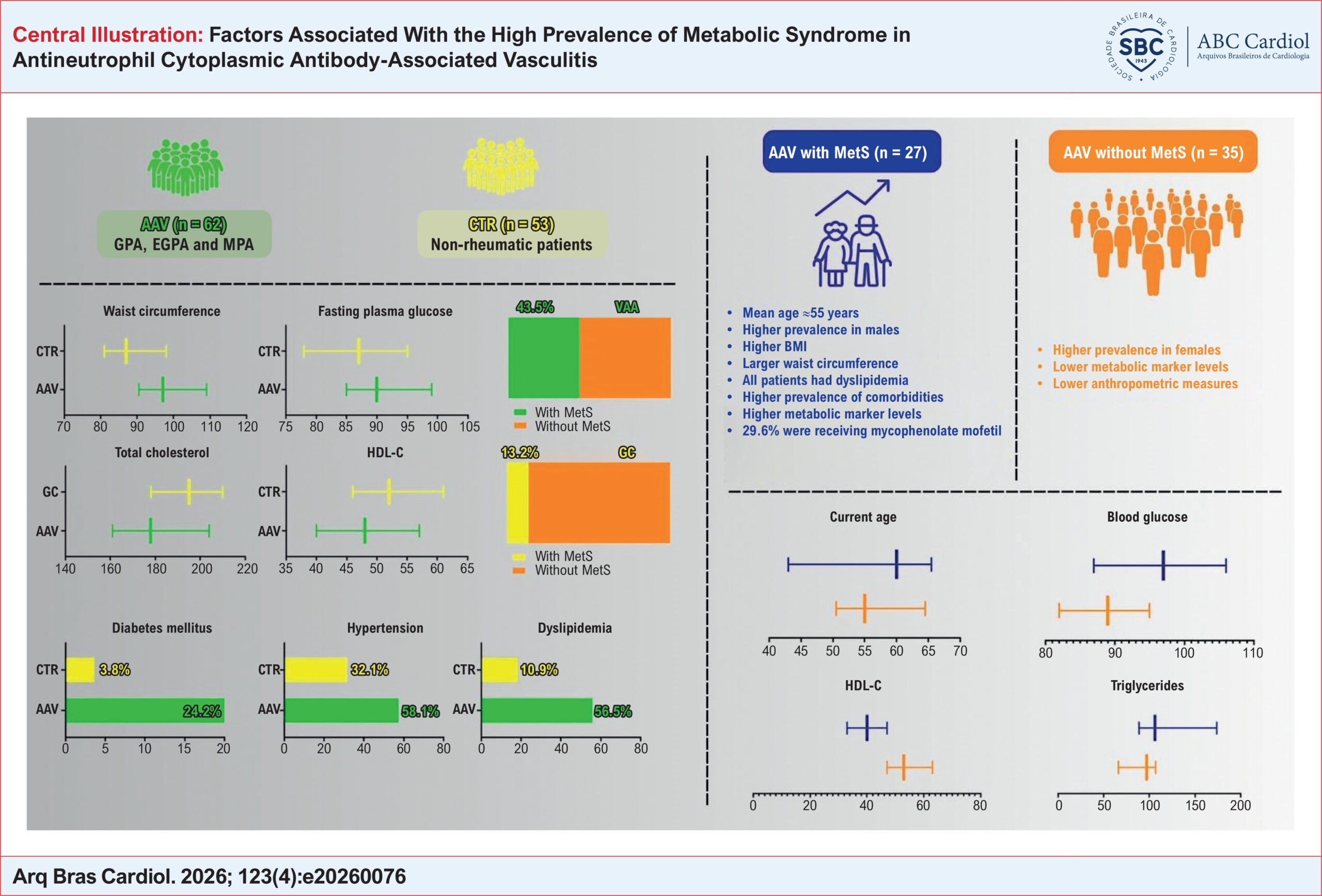
Using the NCEP ATP III criteria, the authors report a MetS prevalence of 43.5% in a cohort of 62 consecutive AAV patients followed at a Brazilian tertiary referral center, compared with only 13.2% in age- and sex-matched controls (p=0.001). In multivariable analysis restricted to AAV patients, male sex (OR=11.43; 95%CI=2.81–46.52) and higher body mass index (OR=1.13; 95%CI=1.02–1.25) emerged as independent predictors of MetS. These findings align with prior reports in AAV populations, where MetS prevalence has ranged from 43% to 51%,– mirroring patterns seen across a broad spectrum of systemic autoimmune rheumatic diseases, including systemic lupus erythematosus, rheumatoid arthritis, and systemic sclerosis.,

[…]

  • body mass index
  • Metabolic Syndrome
  • rheumatic diseases
  • vasculitis
Read Full Article
Creative Commons Attribution (CC BY) Creative Commons license
20/07/2026 DOI: 10.36660/abc.20260373i Views 1
Factors Associated With the High Prevalence of Metabolic Syndrome in Antineutrophil Cytoplasmic Antibody-Associated Vasculitis
ABC
Original Article

Factors Associated With the High Prevalence of Metabolic Syndrome in Antineutrophil Cytoplasmic Antibody-Associated Vasculitis

Marina Lamas Figueredo et al. Matheus Alves Amaral de Lima Alexandre Moura dos Santos Samuel Katsuyuki Shinjo

Abstract

Background:

Metabolic syndrome (MetS) remains incompletely characterized in antineutrophil cytoplasmic antibody-associated vasculitis (AAV). This study aimed to determine the prevalence of MetS in patients with AAV and to identify factors associated with its presence.

Methods:

This single-center, cross-sectional study included 62 patients with AAV (42 with granulomatosis with polyangiitis, 15 with eosinophilic granulomatosis with polyangiitis, and five with microscopic polyangiitis) who were under regular follow-up at a tertiary referral hospital. Patients were matched by age and sex with 53 controls. MetS was defined according to the National Cholesterol Education Program Adult Treatment Panel III criteria. Statistical significance was set at p < 0.05.

Results:

The median age of the patients was 56.1 years (interquartile range, 45.6-65.5); 53.2% were women, and 85.5% were White. The prevalence of MetS was significantly higher in the AAV group than in controls (43.5% vs 13.2%; p = 0.001). Diabetes mellitus, hypertension, and a family history of cardiovascular disease were more frequent among patients with AAV, whereas body mass index (BMI) and physical inactivity did not differ between groups. In multivariable analysis, MetS (odds ratio [OR], 4.52; 95%CI, 1.66-12.27; p = 0.003) and a family history of cardiovascular disease (OR, 3.81; 95%CI, 1.09-13.34; p < 0.05) were independently associated with AAV. Among patients with AAV, no differences were observed between those with and without MetS in terms of subtype of AAV, anthropometric measures, disease activity, family history, physical inactivity, or current treatment. In a multivariable analysis restricted to patients with AAV, MetS was independently associated with male sex (OR, 11.43; 95%CI, 2.81-46.52; p = 0.001) and higher BMI (OR, 1.13; 95%CI, 1.02-1.25; p = 0.022).

Conclusions:

MetS was highly prevalent among patients with AAV and was associated with male sex and higher BMI, contributing to an unfavorable cardiometabolic risk profile in this single-center cohort.

  • Anti-Neutrophil Cytoplasmic Antibody-Associated Vasculitis
  • Cardiovascular Diseases
  • Metabolic Syndrome
  • Systemic Vasculitis
Read Full Article
Creative Commons Attribution (CC BY) Creative Commons license
06/07/2026 DOI: 10.36660/abc.20260076i Views 2
IJCS
Original Article

Assessment of Cardiovascular-Metabolic Risk in Wistar Rats Fed a Hypercaloric Diet Supplemented with Selenium: A Preclinical Animal Study

Matheus Von Jelita Salina et al. Vitor Hugo Moro Pironatto André Amaro Mamédio dos Santos Tiago Daniel Gueiber … Luiz Gustavo Lima Eduardo Machado Dechandt Camila Cury Caruso Pedro Henrique Karpinski Thiago Martins Figueiredo Alceu de Oliveira Toledo-Junior Camila Marinelli Martins Ricardo Zanetti Gomes

Abstract

Background:

Residual cardiovascular risk persists even with adequate serum LDL-c control through statins, possibly due to dysfunctions in serum triglycerides and HDL-c. Elevated TG and reduced HDL-c are associated with metabolic syndrome and cardiovascular diseases. The TG/HDL-c ratio may predict these risks. Selenium, an antioxidant cofactor, may modulate these alterations, especially in diets that dysregulate serum lipid metabolism.

Objectives:

To evaluate the effects of selenium supplementation on the cardiometabolic risk (CMR) of Wistar rats exposed to a high-fat hyperglycemic diet (HHD).

Methods:

For 11 weeks, 55 female Wistar rats were divided into the following five groups: standard diet (SD), SD + ContinuousSe, HHD, HHD + LateSe, and HHD + EarlySe. Selenium was supplemented using sodium selenite (1 mg/kg). We performed one-way ANOVA, Kruskal–Wallis, and post hoc tests, adopting a significance level of p < 0.05.

Results:

Total cholesterol increased in HHD + LateSe compared to SD (p = 0.032) and to HHD (p = 0.013). HDL-c increased in HHD + LateSe compared to SD (p = 0.004) and to HHD (p = 0.008). LDL-c increased in HHD + LateSe compared to HHD (p = 0.008). TG decreased in HHD + LateSe (p = 0.006) and in HHD + EarlySe (p = 0.016) compared to SD. TG/HDL-c ratio decreased in HHD + LateSe compared to SD (p < 0.001) and SD + ContinuousSe (p = 0.013); and in HHD + EarlySe compared to SD (p = 0.005).

Conclusion:

Selenium supplementation showed potential to increase HDL-c and reduce TG, key diagnostic components of metabolic syndrome. It also demonstrated potential to lower the TG/HDL-c ratio, a possible predictor of CMR, in rats fed HHD. Further studies are needed in subjects with high CMR and statin use to better define the clinical response to this therapy.

  • Atherosclerosis
  • Heart Disease Risk Factors
  • Metabolic Syndrome
  • Sodium Selenite
  • Triglycerides
Read Full Article
Creative Commons Attribution (CC BY) Creative Commons license
12/06/2026 DOI: 10.36660/ijcs.20250069 Views 1
Analysis of the Prevalence of Metabolic Syndrome and NCEP ATP III Criteria in Older People
IJCS
Original Article

Analysis of the Prevalence of Metabolic Syndrome and NCEP ATP III Criteria in Older People

João Pedro de Sousa Palmeira et al. Mateus Cardoso Oliveira Emille Silva Santos Renata Sigler … Lorena Andrade Nunes Cézar Augusto Casotti

Abstract

Background:

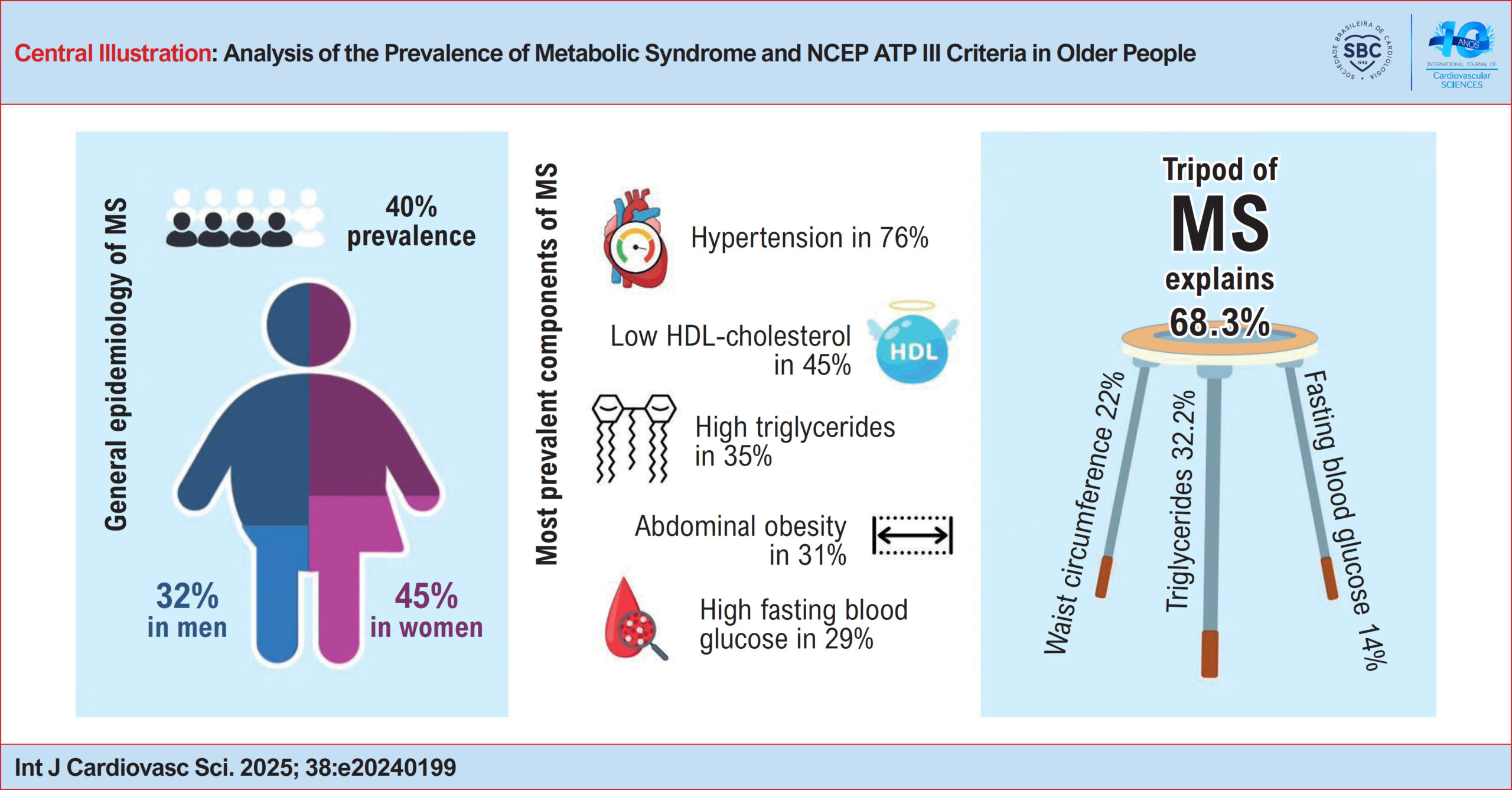
Metabolic syndrome (MS) is a cluster of conditions, including hypertension, dyslipidemia, and abdominal obesity, associated with increased cardiovascular risk. In the elderly population, the prevalence of MS varies widely depending on region, lifestyle, and diagnostic criteria. Understanding the components that contribute most to MS can aid in targeted health interventions.

Objective:

This study aimed to investigate the prevalence of MS and identify which components most influence its diagnosis among older adults.

Methods:

This is an epidemiological, cross-sectional study conducted from January to December 2022, with people aged 60 or over, of both sexes. Data were obtained in three steps (interviews, clinical examinations, and laboratory tests). Data were entered in duplicate and analyzed using PAST software. The criteria and cutoff points adopted to diagnose MS were those proposed by NCEP ATP III.

Results:

This study evaluated 127 older people, 63% female. The prevalence of MS was 40%, and the most prevalent component was arterial hypertension. Hypertriglyceridemia, waist circumference, and high blood glucose were the components of MS that contributed to 68.2% of the diagnosis of this condition.

Conclusions:

The prevalence of MS was high in the population assessed. Hypertension was the most prevalent component, and hypertriglyceridemia was the component that most explained it.

  • Aged
  • Hypertriglyceridemia
  • Metabolic Syndrome
  • Principal Component Analysis
Read Full Article
Creative Commons Attribution (CC BY) Creative Commons license
12/05/2025 DOI: 10.36660/ijcs.20240199 Views 2
Correlation of Diagnostic Components of Metabolic Syndrome with Electrocardiographic and Echocardiographic Alterations in Patients with Obesity
IJCS
Original Article

Correlation of Diagnostic Components of Metabolic Syndrome with Electrocardiographic and Echocardiographic Alterations in Patients with Obesity

Alan Souza da Luz et al. João Gabriel da Costa Ramos Carolina Heitmann Mares Azevedo Ribeiro Roberto Márcio de Oliveira Júnior … Antônio Carmo da Costa Siqueira Neto Ralf Cardoso Mudesto Oliveira

Abstract

Introduction:

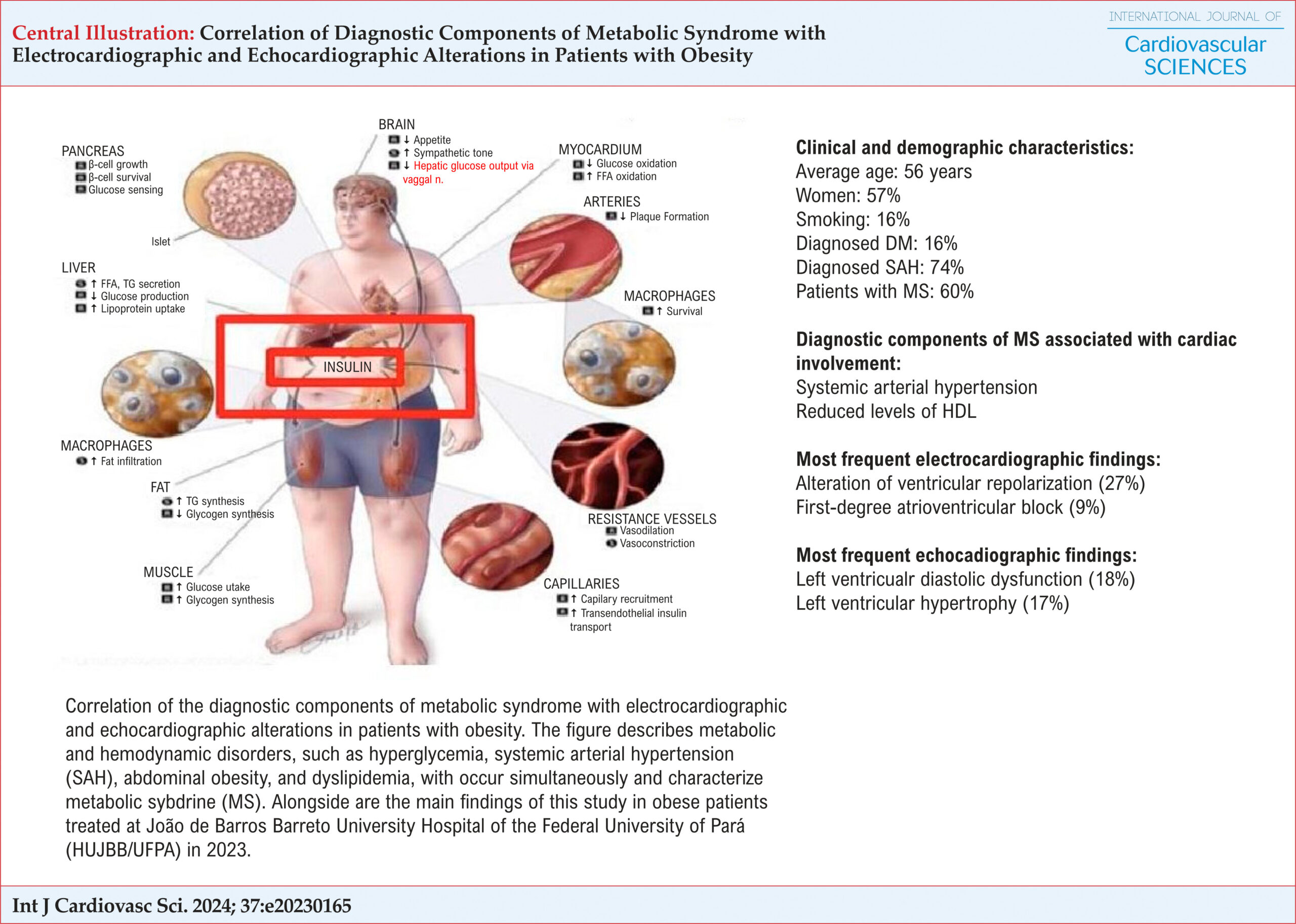
Metabolic syndrome (MS) and obesity are risk factors for cardiovascular diseases (CVD). However, the development of cardiovascular pathologies in obese individuals without MS is being investigated.

Objective:

To investigate whether there are similar electrocardiographic (ECG) and echocardiographic changes in individuals with obesity with and without MS.

Methodology:

A retrospective, descriptive cross-sectional study was carried out with obese patients at a university hospital in Belém, Pará, Brazil. Anthropometric, laboratory, ECG and echocardiographic data were evaluated in both populations. The chi-square test was used to describe the relationship between variables among groups; hypothesis tests with p < 0.05 were considered statistically significant values.

Results:

The study evaluated 100 individuals with obesity, 60 of whom had MS. The average age was 54 years, and the female sex was prevalent. Systolic blood pressure, HDL, and waist circumference were altered in both groups. Systemic arterial hypertension and low HDL demonstrated 4.27 times and 3.32 times greater likelihood of presenting changes in the ECG and echocardiogram for both groups. On the ECG, diffuse changes in ventricular repolarization were observed in both groups. On echocardiography, left ventricular diastolic dysfunction and left ventricular hypertrophy were present in both populations studied.

Conclusion:

Obese individuals without MS present a similar risk, requiring adequate attention to their cardiac health.

  • Cardiovascular Diseases
  • Metabolic Syndrome
  • Obesity
  • Risk Factors
Read Full Article
Creative Commons Attribution (CC BY) Creative Commons license
26/04/2024 DOI: 10.36660/ijcs.20230165 Views 2
IJCS
Editorial

Increased Circulating Fetuin-A Levels in Patients With Atrial Fibrillation: Are We Really There?

Claudia da Silva Fragata

Fetuin-A is a protein almost exclusively secreted by the liver. Circulating fetuin-A levels are elevated in humans with metabolic syndrome and insulin resistance, conditions that are associated with increased risk of cardiovascular disease. Fetuin-A is a natural inhibitor of the insulin-stimulated insulin receptor tyrosine kinase and was shown to induce insulin resistance in rodents., Studies in humans have demonstrated that circulating fetuin-A levels are positively associated with fat accumulation in the liver, insulin resistance, and metabolic syndrome. To our knowledge, the potential association between fetuin-A and atrial fibrillation (AF) has not been studied to date. Therefore, the present study aimed to determine circulating fetuin-A levels in AF patients and revealed that higher plasma fetuin-A levels were associated with AF after adjustments for some confounding factors.

Fetuin-A seems to be involved in many normal and pathological processes, such as in response to systemic inflammation, hepatocyte-growth-factor activity and regulation of insulin activity, inhibition of unwanted mineralization, osteogenesis, and bone resorption.

[…]

  • Atrial Fibrillation
  • Diabetes Mellitus
  • Fetuin-A Levels
  • Increased Circulatings
  • Insulin Resistance
  • Metabolic Syndrome
Read Full Article
Creative Commons Attribution (CC BY) Creative Commons license
04/03/2024 DOI: 10.36660/ijcs.20230191 Views 2
Association of Dietary Inflammatory Potential in Metabolically Healthy and Metabolically Unhealthy Obese Individuals
IJCS
Original Article

Association of Dietary Inflammatory Potential in Metabolically Healthy and Metabolically Unhealthy Obese Individuals

Lara Ribeiro Pinto et al. Luciana Nicolau Aranha Ronir Raggio Luiz Gláucia Maria Moraes de Oliveira Glorimar Rosa

Abstract

Introduction:

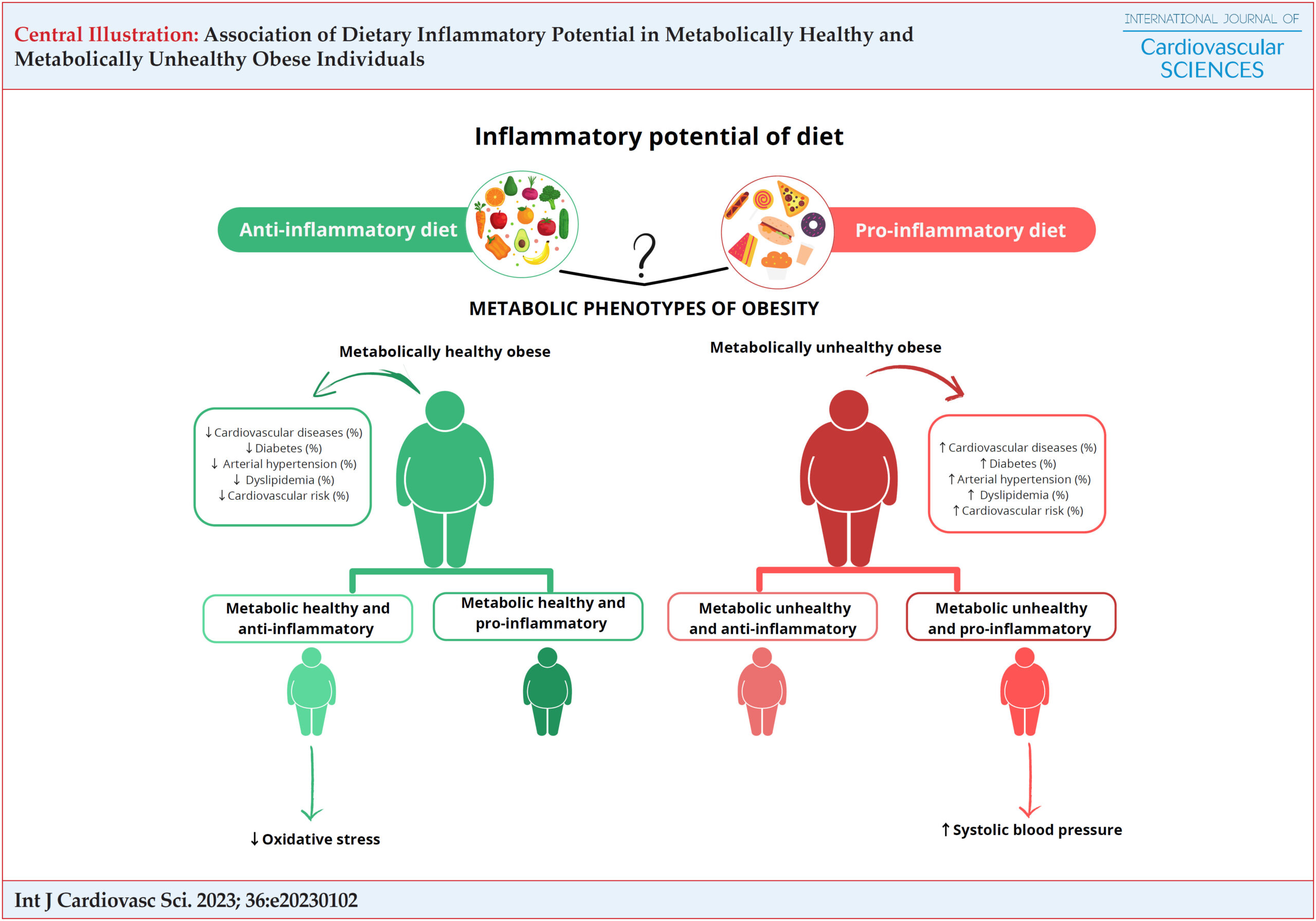
Currently, two types of phenotypes have been recognized in individuals who are obese. Among the factors related to lifestyle, diet has a relevant influence, although there is no consensus regarding the role of diet in metabolic phenotypes; furthermore, diet is a strong moderator of chronic systemic inflammation.

Objective:

Investigate dietary inflammatory potential between metabolic phenotypes and to compare the differences between anti-inflammatory and pro-inflammatory diets in individuals with the same phenotype.

Methods:

This is a cross-sectional observational study that utilized the database of 533 individuals divided into 4 groups, according to metabolic phenotype and dietary inflammatory characteristic. Sociodemographic, clinical, anthropometric and biochemical characteristics were evaluated and the inflammatory index of the diet was calculated.

Results:

The mean Dietary Inflammatory index (DII) of the total sample was 0.974±1.02, with a maximum of 4.34 and a minimum of −1.74. In the metabolically unhealthy groups, we found a statistical difference in relation to systolic blood pressure when comparing the anti-inflammatory [median 120 (110.0-130.0)] and pro-inflammatory diets [median 130 (120.0-140.0); p = 0.022], and mean isoprostane concentrations were lower in the metabolically healthy group with anti-inflammatory diet. In regression analysis, the only variable that demonstrated a higher risk of alterations in all groups when compared to the metabolically healthy and anti-inflammatory group were isoprostane concentrations.

Conclusion:

We are able to conclude that an anti-inflammatory diet is associated with lower oxidative stress in metabolically healthy obese, and a pro-inflammatory diet is associated with higher systolic blood pressure values.

  • Inflammation
  • Metabolic Syndrome
  • Obesity
Read Full Article
Creative Commons Attribution (CC BY) Creative Commons license
15/09/2023 DOI: 10.36660/ijcs.20230102 Views 1
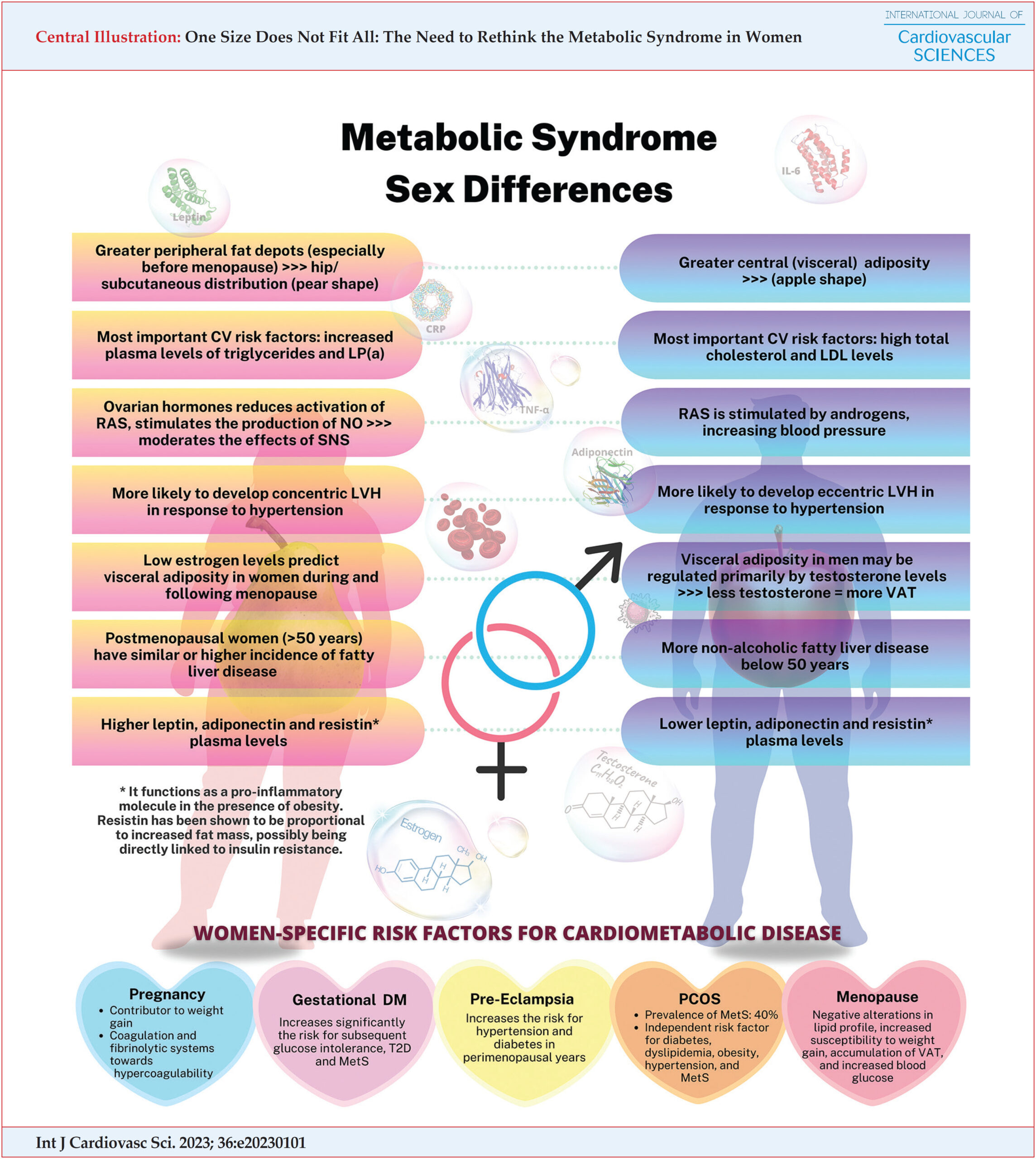
One Size Does Not Fit All: The Need to Rethink the Metabolic Syndrome in Women
IJCS
Review Article

One Size Does Not Fit All: The Need to Rethink the Metabolic Syndrome in Women

Maria Cristina Costa de Almeida et al. Marildes Luiza Castro Larissa Espíndola Neto Luciana Nicolau Aranha … Thaís Salim Gláucia Maria Moraes de Oliveira

Abstract

Metabolic syndrome (MetS) is increasing at epidemic proportions worldwide. MetS and its components are frequent among Brazilian women (41.8%). Women are affected by changes in adipose tissue distribution, lipid profile, insulin resistance (IR), and vascular remodeling during their lives. These changes result from the lack of estrogen after menopause. There have been various attempts to propose a uniform origin for the clustering of the MetS components, including genetics, IR, obesity, lifestyle, sleep disturbances, inflammation, fetal and neonatal programming, and disturbed circadian rhythm of the body functions. The proinflammatory and prothrombotic state in MetS is well-defined. Socioeconomic and lifestyle-related factors are also essential triggers of MetS, which is associated with a higher risk for coronary artery diseases (CAD) and stroke in women. Population measures in health and community medicine, such as continuing education on the importance of lifestyle change to reduce cardiovascular risks from early childhood, are fundamental strategies. Statins reduce high-sensitivity C-reactive protein blood levels and treat high cholesterol. According to the patient, hypoglycemic agents, such as dipeptidyl peptidase-4 (DPP-4) inhibitors, glucagon-like peptide-1(GLP-1a), and sodium-glucose transport protein 2 (SGLT2) inhibitors, in addition to metformin, have their indication due to their beneficial cardiometabolic and vascular effects. Angiotensin-converting enzyme inhibitor (ACEI) and angiotensin-receptor blocker (ARB) should be the first choice to treat hypertension in postmenopausal womem. The recognition of the different gender- and age-specific risk factors, allowing for specific and targeted interventions, is fundamental, especially for women.

  • Adolescent
  • Children
  • Diagnosis
  • Drug Therapy
  • Metabolic Syndrome
  • Women
Read Full Article
Creative Commons Attribution (CC BY) Creative Commons license
15/09/2023 DOI: 10.36660/ijcs.20230101 Views 1
Figure 1
IJCS
Original Article

Food Consumption and Health Outcomes in Women During the COVID-19 Pandemic

Mariana Barbosa Lopes et al. Luciana Nicolau Aranha Lara Ribeiro Pinto Paula Critina Moreira dos Santos Lino … Ronir Raggio Luiz Gláucia Maria Moraes de Oliveira Glorimar Rosa

Abstract

Background

The COVID-19 pandemic has changed food consumption.

Objective

Evaluate the association between metabolic phenotypes, changes in food consumption during the pandemic, and health outcomes in obese women.

Methods

Cross-sectional observational study including 491 women without previous diagnosis of chronic diseases, evaluated according to metabolic phenotype. During the pandemic, a subsample was re-evaluated by online questionnaires via Google Forms. Analyzed anthropometric, biochemical, and dietary data as well as health outcomes (coronary artery disease, type 2 diabetes, hypertension, dyslipidemia or death). Information on mortality was collected from the Internal Affairs Office of the State of Rio de Janeiro and the Health Department of the State of Rio de Janeiro. Statistical analysis was performed using the statistical program SPSS 21, with Mann-Whitney test, Pearson’s chi-squared, Spearman correlation, and binary logistic regression, at a significance level of 5%.

Results

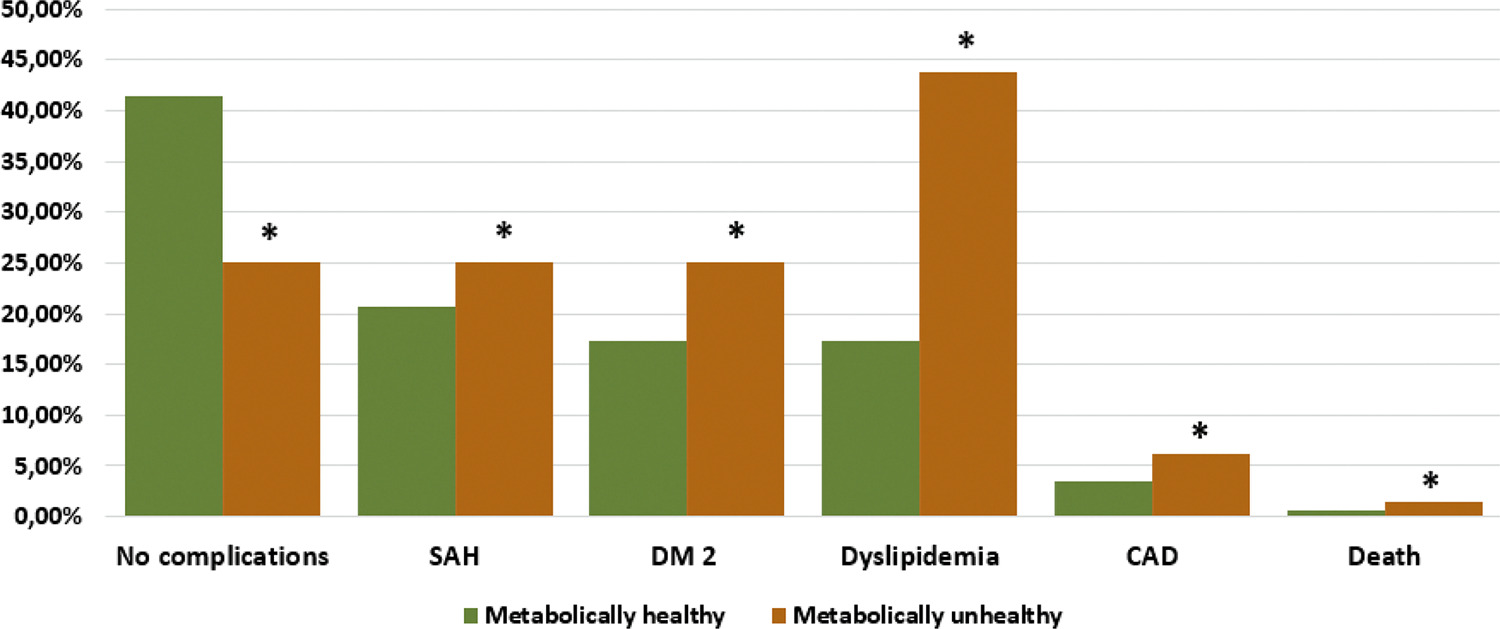
The anthropometric, glucose, and lipid profiles showed significant differences between the metabolically healthy and metabolically unhealthy groups (p = 0.00). Before the pandemic, women in the metabolically unhealthy group had higher dietary intakes of lipids (p = 0.01), saturated fat (p = 0.01) and sodium (p = 0.04), during the pandemic, they consumed more energy (p = 0.04), lipids (p = 0.02), saturated fat (p = 0.02), proteins (p = 0.03) and sodium from ultra-processed foods (p = 0.03). Consequently, health outcomes were more prevalent in the metabolically unhealthy group (p = 0.00).

Conclusion

Observed that metabolically healthy women had qualitatively better food intake and fewer health outcomes throughout the study.

  • Eating
  • Inflammation
  • Metabolic Syndrome
  • Obesity
Read Full Article
Creative Commons Attribution (CC BY) Creative Commons license
17/07/2023 DOI: 10.36660/ijcs.20220066 Views 2
Central Illustration
ABC
Original Article

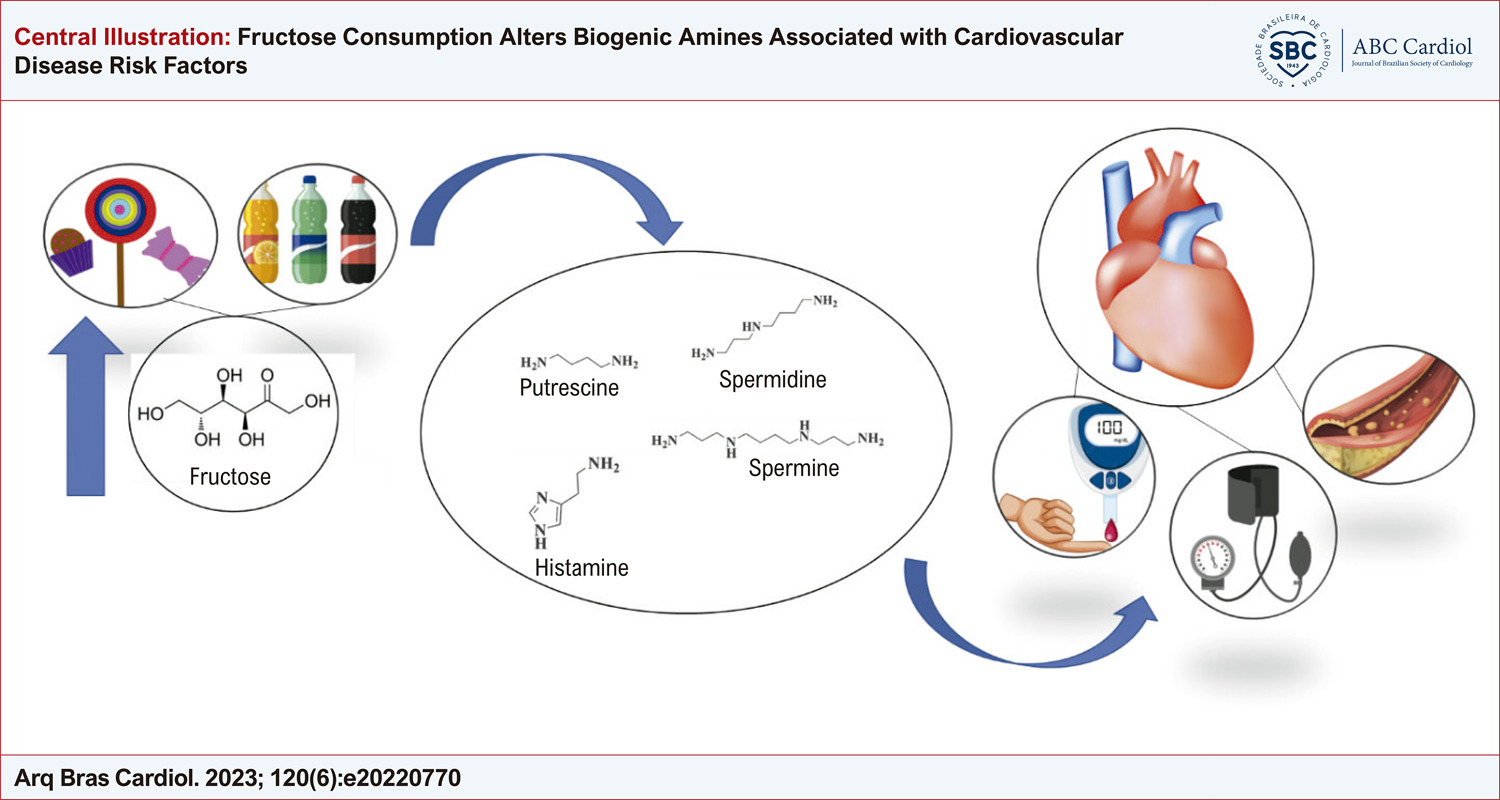
Fructose Consumption Alters Biogenic Amines Associated with Cardiovascular Disease Risk Factors

Fabiane Valentini Francisqueti-Ferron et al. Matheus Antônio Filiol Belin Thiago Luiz Novaga Palacio Artur Junio Togneri Ferron … Jéssica Leite Garcia Juliana Silva Siqueira Erika Tiemi Nakandakare-Maia Taynara Aparecida Vieira Hugo Tadashi Kano Fernando Moreto Giuseppina Pace Pereira Lima Camila Renata Corrêa Igor Otavio Minatel

Abstract

Background

Cardiovascular diseases (CVD) are the major cause of mortality worldwide, whose most prominent risk factor is unhealthy eating habits, such as high fructose intake. Biogenic amines (BAs) perform important functions in the human body. However, the effect of fructose consumption on BA levels is still unclear, as is the association between these and CVD risk factors.

Objective

This study aimed to establish the association between BA levels and CVD risk factors in animals that consumed fructose.

Methods

Male Wistar rats received standard chow (n=8) or standard chow + fructose in drinking water (30%) (n=8) over a 24-week period. At the end of this period, the nutritional and metabolic syndrome (MS) parameters and plasmatic BA levels were analyzed. A 5% level of significance was adopted.

Results

Fructose consumption led to MS, reduced the levels of tryptophan and 5-hydroxitryptophan, and increased histamine. Tryptophan, histamine, and dopamine showed a correlation with metabolic syndrome parameters.

Conclusion

Fructose consumption alters BAs associated with CVD risk factors.

  • Cardiovascular Diseases
  • Metabolic Syndrome
  • Polyamines
Read Full Article
Creative Commons Attribution (CC BY) Creative Commons license
19/06/2023 DOI: 10.36660/abc.20220770 Views 2
IJCS
Editorial

Does Gluten Decrease (or Increase) Metabolic Syndrome Risk?

Sérgio Girão Barroso et al. Caroline Luiza Codonho Castro

Overall, weight gain and obesity are consequences of chronic energy imbalance, in which energy intake exceeds energy expenditure and leads to excessive energy (fat) storage. If gluten is a causative factor for weight gain, the underlying mechanisms remain unknown, and studies on non-coeliac individuals are scarce. Over recent years, gluten free diet (GFD) has become popular as books and social media have suggested that gluten consumption causes overweight and metabolic syndrome (MS) parameters. However, data supporting such statement are often feeble and questionable.

Firstly, due to its gluten content, wheat has likely been one of the most maligned foods over the past years. Nonetheless, whole wheat products are held as a good source of indigestible dietary fiber and other bioactive components. Avoiding wheat consumption could thus be associated with decreasing fiber and other beneficial constituents in the diet, and increasing glycemic index. Currently, three conditions require treatment with GFD: wheat allergy, non-coeliac gluten-sensitivity, and coeliac disease (CD).,

[…]

  • Diet, Gluten-Free
  • Glutens
  • Hyperglycemia
  • Hypertension
  • Metabolic Syndrome
  • Obesity
Read Full Article
Creative Commons Attribution (CC BY) Creative Commons license
28/11/2022 DOI: 10.36660/ijcs.20220163
ABC
Letter to the Editor

Impact of Active Helicobacter pylori Infection-related Metabolic Syndrome on Systemic Arterial Hypertension

Jannis Kountouras et al. Apostolis Papaefthymiou Stergios A. Polyzos Evangelos Kazakos … Elisabeth Vardaka Maria Touloumtzi Maria Tzitiridou-Chatzopoulou Christos Liatsos Ioanna-Konstantina Sgantzou Jürg Knuchel Michael Doulberis

To the Editor,

In their meta-analysis, Huang et al. concluded that Helicobacter pylori infection ( H. pylori infection) is positively associated with systemic arterial hypertension, particularly by introducing the diagnostic 13C-urea breath test, signifying current H. pylori infection.

[…]

  • Atherosclerosis
  • Dyslipidemias
  • Helicobacter Pylori
  • Hypertension
  • Metabolic Syndrome
Read Full Article
Creative Commons Attribution (CC BY) Creative Commons license
05/09/2022 DOI: 10.36660/abc.20210931 Views 2
ABC
Editorial

Can PM20D1 be a New Kid on the Block in Cardiovascular Risk Stratification? Do Not Run before You Can Walk

Ana Teresa Timóteo

Cardiovascular diseases are the leading cause of death worldwide, representing around 30% of all deaths, particularly in developed countries, including cardiovascular and cerebral-vascular diseases. Furthermore, in the analysis of the Global Burden of Diseases 2019 report, cardiovascular risk factors represent 75% of all cardiovascular burden, particularly hypertension, with an important impact on mortality. This is also relevant in Portuguese-speaking countries. Carotid intima-media thickness has long been recognized as a surrogate marker for coronary artery disease and has a relevant prognostic impact. For that reason, it is a useful tool in cardiovascular risk stratification.

N-acyl amino acids (NAAA) are a family of cold-inducible circulating lipids that stimulate thermogenesis, and their biosynthesis in brown adipocytes is mediated by a secreted enzyme called Peptidase M20 domain containing 1 (PM20D1). PM20D1 and NAAA activity regulation in blood plasma is still largely unknown. However, what is already known is that PM20D1 circulates in tight association with both low- and high-density lipoproteins that are powerful co-activators of PM20D1 activity in vitro and NAAA biosynthesis in vivo. Serum albumin is also a physiologic NAAA carrier that separates NAAA away from their sites of production, conferring resistance to hydrolytic degradation and establishing an equilibrium between thermogenic “free” versus inactive “bound” fractions. It has been hypothesized that lipoprotein particles are probably the main extracellular sites of NAAA biosynthesis, and this supports the concept that a lipoprotein-albumin network regulates the activity of circulating thermogenic lipid family.

[…]

  • Alzheimer Diseases
  • Cardiovascular Diseases
  • Carotid Artery Diseases
  • Diabetes Mellitus, Type 2
  • Hypertension
  • Insulin Resistance
  • Metabolic Syndrome
  • Neurodegenerative Diseases
  • Obesity
  • PM20D1
Read Full Article
Creative Commons Attribution (CC BY) Creative Commons license
05/09/2022 DOI: 10.36660/abc.20220462 Views 1
Figure 1
IJCS
Review Article

Does a Gluten-free Diet Improve Metabolic Syndrome Parameters? A Systematic Review

Luciana Gonçalves Orange et al. Maria Izabel Siqueira de Andrade Cybelle Rolim Lima Keila Fernandes Dourado … Thayná Menezes Santos Marina Moraes Petribu Priscilla Regia de Andrade Calaça Silvia Alves Silva

Abstract

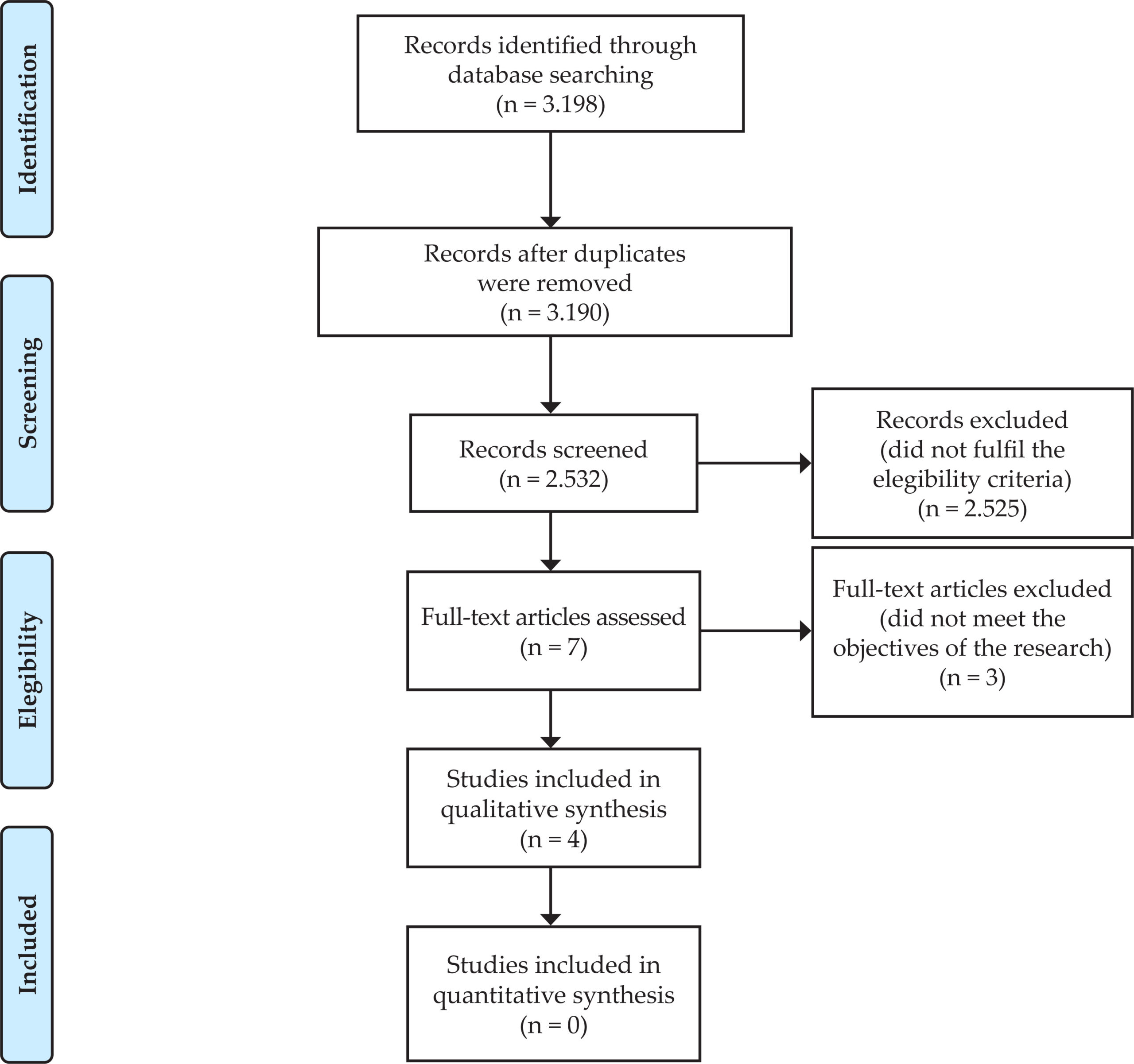
To review scientific evidence on the effects of a gluten-free diet on body composition and improvement of clinical and biochemical parameters of metabolic syndrome. The Preferred Reporting Items for Systematic Reviews and Meta-Analyzes – PRISMA guidelines were followed. A literature search was performed in the PubMed, ScienceDirect, Trip Database, Bireme and Scielo databases, without language restriction, until March 2021. The terms “gluten-free diet”, “obesity”, “metabolic syndrome”, and “weight loss”, and Boolean operators (AND/OR) were used. The clinical hypothesis was structured according to the acronym PICOT. Randomized clinical trials with adult and elderly humans without a diagnosis of celiac disease, consuming a gluten-free diet, evaluating associations of the effects of this diet on weight loss and metabolic syndrome components were considered eligible. To assess the risk of bias, the RoB2 was used. A total of 3,198 articles were identified and, after the screening and evaluation of pre-defined eligibility criteria, four studies were included in the qualitative analysis. Weight loss was not associated with a gluten-free diet. However, individuals under a gluten-free diet had lower mean waist circumference, fat percentage (-2.3%) and serum triglyceride levels. The impact of a gluten-free diet on metabolic syndrome parameters is still controversial. In individuals without gluten sensitivity or celiac disease, the consumption of a gluten-free diet appears to provide no nutritional benefit.

  • Gluten-free diet
  • Metabolic Syndrome
  • Obesity
  • Weight Loss
Read Full Article
Creative Commons Attribution (CC BY) Creative Commons license
22/04/2022 DOI: 10.36660/ijcs.20200291 Views 1
Figure 1
IJCS
Original Article

Analysis of the Influence of Abdominal Obesity on Systemic Arterial Hypertension and on the Lipid Profile on Cardiometabolic Risk Stratification in Adult Women

Iury Matheus Lima Cavalcanti et al. Cristian Rodrigues do Nascimento Pedro Pereira Tenório Tiago Ferreira da Silva Araújo

Abstract

Background:

Obesity is a public health problem and has been associated with the development of metabolic disorders that have a strong relationship with the onset of cardiovascular diseases (CVD).

Objective:

The objective was to analyze the influence of abdominal obesity (AO) on systemic arterial hypertension (SAH) and on the lipid profile in cardiovascular risk stratification in adult women.

Methods:

Altogether, 91 women participated in the research. Lifestyle information was collected, in addition to the analysis of clinical measures of cardiovascular risk and biochemical parameters. Unpaired Student’s t-test, logistic regression, and Pearson’s correlation were performed for data analysis, with a value of p <0.05 considered significant.

Results:

The prevalence of AO was 62.6%. Logistic regression showed that AO increased the chance of developing SAH by 2.9-fold. The same behavior was observed in the TG/HDL-c lipid ratio (3.93 ± 0.3 vs. 2.16 ± 0.2), representing an 82% increase in obese women. The present study also demonstrated that the best anthropometric parameter to analyze cardiovascular risk in the studied population was the waist/height ratio (AUC = 0.707).

Conclusions:

It can therefore be concluded that AO plays a significant role in the development of SAH and changes in lipid values that predict increased cardiovascular risk, configuring a strong influence factor for CVD.

  • Adult
  • Cardiovascular Diseases
  • Hyperlipidemias
  • Hypertension
  • Lipidic Metabolism
  • Metabolic Syndrome
  • Obesity, Abdominal
  • risk stratification
  • Women
Read Full Article
Creative Commons Attribution (CC BY) Creative Commons license
01/04/2022 DOI: 10.36660/ijcs.20200415 Views 1
Figure 1
ABC
Original Article

The Role of ANP Level Response in Interdisciplinary Weight Loss Therapy on Cardiometabolic Risk and Body Composition in Adolescents with Obesity

Ana Claudia Pelissari Kravchychyn et al. Raquel Munhoz da Silveira Campos Yasmin Alaby Martins Ferreira Sofia Emanuelle de Castro Ferreira Vicente … Flávia Campos Corgosinho Lila Missae Oyama Valter Tadeu Boldarine Lian Tock David Thivel Ana Raimunda Dâmaso

Abstract

Background

The action of atrial natriuretic peptide (ANP) on natriuresis, diuresis and vasodilatation, insulin resistance, liver, kidney, and adipose tissue may contribute to the healthy metabolic and cardiovascular development. Even though the circulating level of ANP is reduced in patients with obesity, its response to weight loss remains poorly explored in pediatric populations.

Objective

To evaluate the effects of ANP variations in response to interdisciplinary weight loss intervention on metabolic syndrome (MetS) and cardiometabolic risks in adolescents with obesity.

Methods

73 adolescents with obesity attended a 20-week clinical interdisciplinary weight loss therapy including clinical, nutritional, psychological and exercise training approach. Body composition, biochemical analyses and blood pressure were evaluated. MetS was classified according to the International Diabetes Federation (IDF) (2007). After the treatment, volunteers were divided according to Increasing (n=31) or Decreasing (n=19) ANP plasma levels.

Results

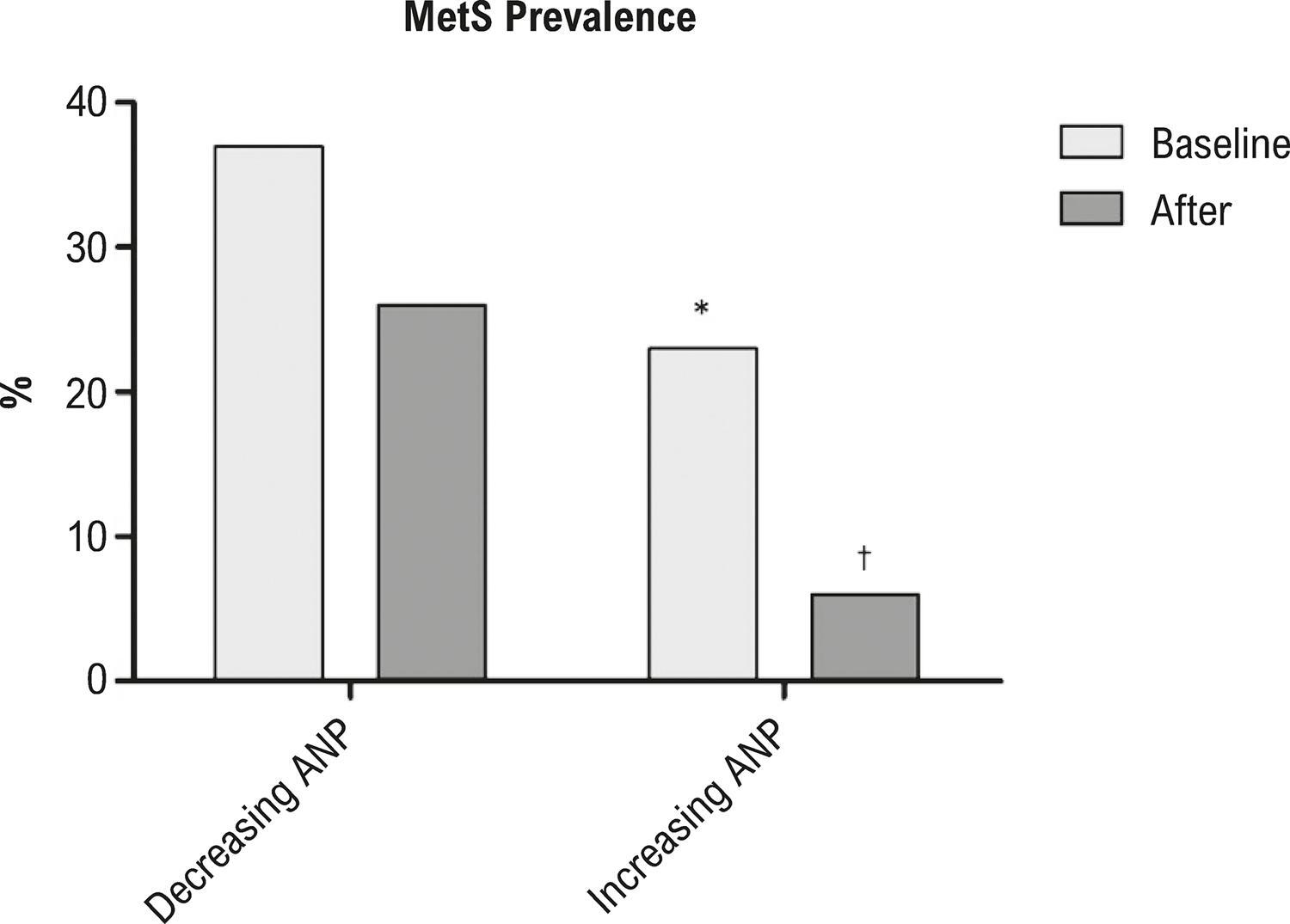
Both groups present significant reduction of body weight, Body Mass Index (BMI), waist, neck and hip circumferences (WC, NC and HC, respectively) and increasing fat-free mass (FFM). Interestingly, a significant reduction in body fat, TG/HDL-c ratio and MetS prevalence (from 23% to 6%) was observed in the Increased ANP group only.

Conclusion

This study suggests that an increase in ANP serum levels after weight loss therapy could be associated with improvements in cardiometabolic risks and the reduced prevalence of MetS in adolescents with obesity.

  • Adolescent
  • Atrial Natriuretic Peptide
  • Insulin Resistance
  • Metabolic Syndrome
  • Metabolism
  • Obesity
  • Weight Loss
Read Full Article
Creative Commons Attribution (CC BY) Creative Commons license
21/02/2022 DOI: 10.36660/abc.20200735 Views 1
Figure 1
IJCS
Original Article

Cardiovascular Risk Factors in Haul Truck Operators of the Mining Sector Working a Rotational Schedule

Rafaela Aparecida Mendonça Marques et al. Priscila Pena Camargo Gabriela Guerra Leal Souza Graziela Dutra Rocha Gouvea … Virgínia Capistrano Fajardo Raimundo Marques do Nascimento Neto André Luis Silva Fernando Luiz Pereira de Oliveira

Abstract

Background:

Due to the growing concern about work-related social and health aspects, occupational health and safety has become relevant.

Objective:

This work aims to develop a model to assist cardiovascular risk management in a team of haul truck operators, who work in rotating shifts at a mining company in Brazil.

Methods:

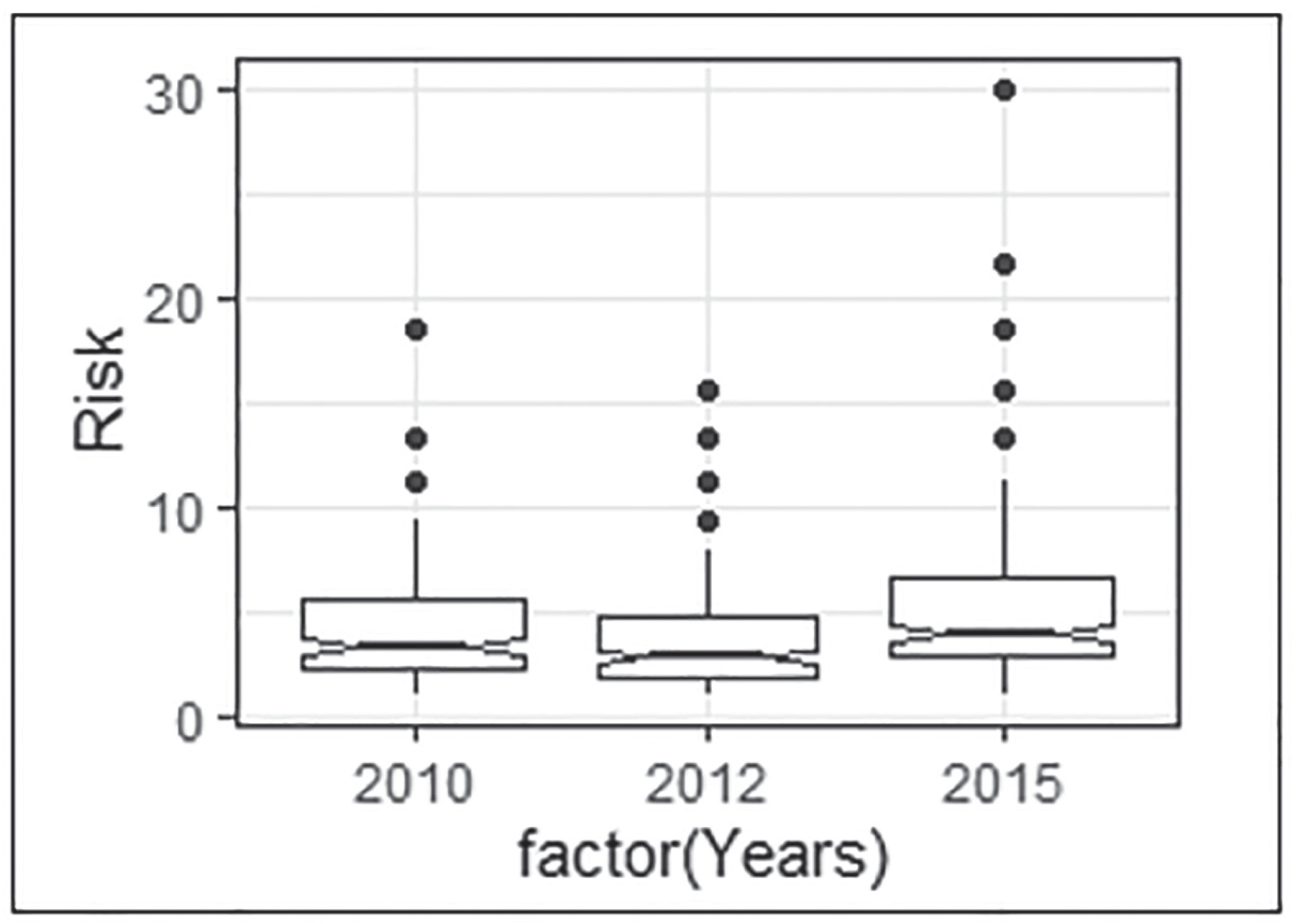
This longitudinal study evaluated risk factors for cardiovascular diseases of 191 mineworkers at three times points – 2010, 2012, and 2015. In addition, the risk of developing cardiovascular diseases was calculated, and the risk factors were analyzed using the chi-square test, the U Mann-Whitney test, and binary logistic regression. The significance level was set at 5%.

Results:

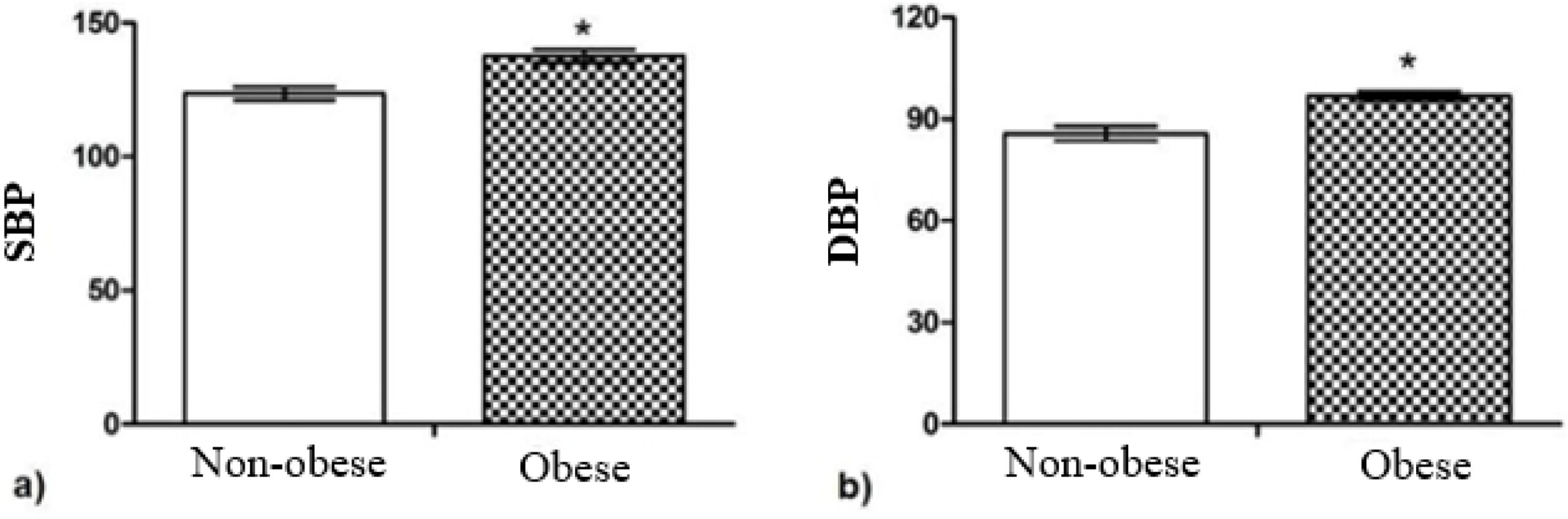
In the study period, body weight, body mass index (BMI), waist-to-height ratio (WHR), systolic (SBP), and diastolic blood pressure (DBP), total cholesterol, high-density lipoprotein cholesterol (HDL-C), and triglycerides levels of the study group increased. In 2015, there was a high prevalence of alcohol intake, overweight or obesity, central obesity, inadequate WHR, high blood pressure, total cholesterol above 190 mg/dL, and triglycerides above 150 mg/dL. An association was identified between increased cardiovascular risk and age, SBP, HDL-C, low-density lipoprotein cholesterol (LDL-C), and elevated glucose levels.

Conclusion:

Intense interventions for reduction and prevention of elevated alcohol intake, blood pressure levels, WHR, metabolic syndrome, blood glucose, and LDL-C levels, and low HDL-C levels are needed. In addition, a close monitoring of mine workers over 38 years of age who smoke, consume alcoholic beverages, and have altered blood glucose levels is important.

  • Alcoholism
  • Cardiovascular Diseases
  • Metabolic Syndrome
  • Mineworkers
  • Occupational Health
  • Risk Factors
  • Shift work schedule
  • Tobacco
Read Full Article
Creative Commons Attribution (CC BY) Creative Commons license
11/02/2022 DOI: 10.36660/ijcs.20210111
IJCS
Editorial

Abdominal Subcutaneous Adipose Tissue, Diet, and Risk of Cardiovascular Disease: What do we Know?

Camila Weschenfelder et al. Penny M. Kris-Etherton

Excess adiposity increases the risk of cardiovascular disease (CVD) due to dyslipidemia, systemic inflammation and other risk factors. The distribution of body fat depots, and central adiposity in particular, is related to cardiometabolic diseases. The different adipose tissue depots in the body, ie, epicardial adipose tissue, visceral adipose tissue (VAT) and subcutaneous adipose tissue (SAT), have different biochemical characteristics and produce unique biologically active molecules that affect normal and pathological processes related to CVD risk. , Abdominal SAT is classified as superficial or deep. Deep subcutaneous adipose tissue (DSAT) has a higher ratio of saturated to monounsaturated fatty acids, and, consequently, is more saturated than superficial subcutaneous adipose tissue (SSAT). Despite being in the subcutaneous compartment, DSAT differs from VAT because of differences in gene transcription, having different metabolic functions than SSAT.

In Acute Coronary Syndrome (ACS) patients, coronary plaque instability is related to abnormal abdominal fat distribution. Analyses of the abdominal fat distribution of ACS patients have demonstrated that both VAT and SAT are positively correlated with vessel and plaque volumes, but not with plaque tissue components, the fibrous and lipid content of plaque. However, considering coronary plaque characteristics, a higher VAT/SAT ratio was independently associated with a higher percentage of plaque lipid content, with a lower percentage of fibrous volumes and a thinner fibrous cap thickness, characteristics that define greater plaque rupture vulnerability and a high risk for coronary events.

[…]

  • Abdominal Subcutaneous Fat
  • Acute coronary syndrome
  • Diet
  • Inflammation
  • Metabolic Syndrome
  • Obesity, Abdominal
  • Risk Factors/prevention and control
Read Full Article
Creative Commons Attribution (CC BY) Creative Commons license
14/01/2022 DOI: 10.36660/ijcs.20210233 Views 2
ABC
Editorial

Anti-Inflammatory Effects of Atorvastatin Therapy in Metabolic Syndrome

Silvio A. Oliveira-Junior et al. Marianna R. Carvalho Maria Lua M Mendonça Paula F. Martinez

Metabolic Syndrome (MS) is a condition characterized by abdominal obesity accompanied by high fasting glucose levels, insulin resistance, arterial hypertension, and dyslipidemia. It configures a critical risk factor for developing other clinical conditions, primarily type 2 diabetes mellitus (DM2) and cardiovascular diseases. , Also, MS has been associated with endothelial dysfunction, characterized by changes in arterial vascular architecture, especially in the endothelium and capillary basement membrane, causing microvascular complications. Endothelial basement membrane remodeling commonly includes erosion and vascular thrombosis processes in individuals with MS.

Endothelial dysfunction pathogenesis is a multifactorial event and may include chronic inflammation resulting from leukocytes activation and increased production of reactive oxygen species, which are commonly associated with MS. The pro-inflammatory phenotype related to MS makes the vasculature highly vulnerable to tumor necrosis factor-alpha (TNF-α), C-reactive protein, interleukin-6 (IL-6), and interleukin-8 (IL-8)-induced inflammatory processes. , High levels of these pro-inflammatory markers are commonly associated with MS. – Likewise, low-density lipoproteins (LDL) oxidation resulting from lipid peroxidation has immunogenic and pro-inflammatory effects, based on the recruitment and accumulation of pro-inflammatory cells. These effects may sustain endothelial dysfunction that is associated with smooth muscle cell proliferation and perivascular adipose tissue hypertrophy, events commonly observed during the endothelial remodeling process.

[…]

  • Atorvastatin/drug therapy
  • Diabetes Mellitus
  • Endothelium/etiology
  • Hypertension
  • Inflammation
  • Metabolic Syndrome
  • Obesity, Abdominal
Read Full Article
Creative Commons Attribution (CC BY) Creative Commons license
25/10/2021 DOI: 10.36660/abc.20210720 Views 1
Figure 1
ABC
Original Article

Clusters of Cardiometabolic Risk Factors and Their Association with Atherosclerosis and Chronic Inflammation among Adults and Elderly in Florianópolis, Southern Brazil

Tiago Rodrigues de Lima et al. Diego Augusto Santos Silva Maruí Weber Corseuil Giehl Eleonora D’Orsi David Alejandro González-Chica

Abstract

Background

The significant increase in cardiovascular diseases in developing countries alerts about their impact on underprivileged populations.

Objective

To identify the relationship of clusters of metabolic syndrome (MS) components with atherosclerosis and chronic inflammation among adults and elderly.

Methods

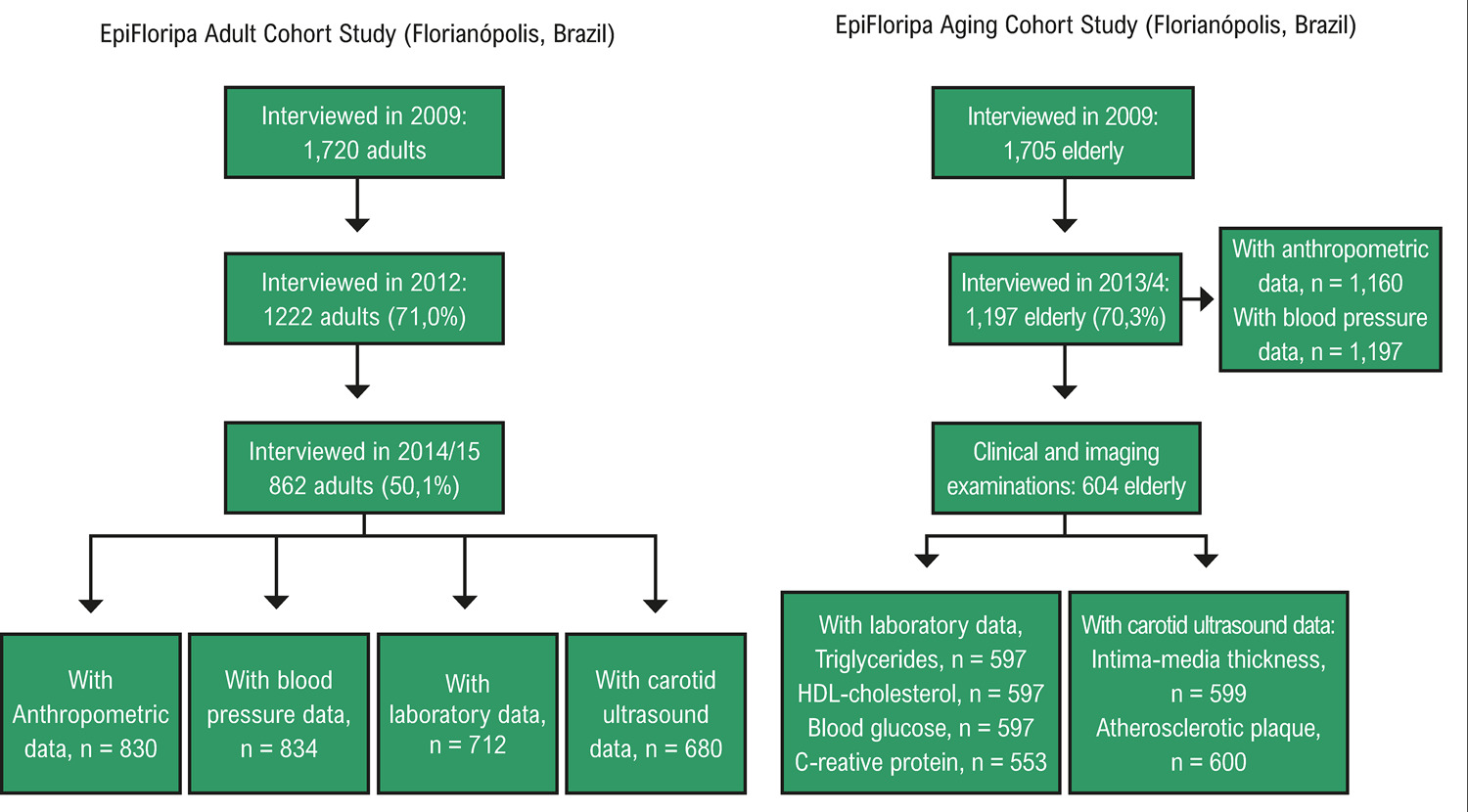
Cross-sectional analysis using data from two population-based cohort studies in Florianópolis, Southern Brazil (EpiFloripa Adult Cohort Study, n = 862, 39.9±11.5 years; EpiFloripa Aging Cohort Study, n = 1197, 69.7±7.1 years). Blood pressure (BP), waist circumference (WC), and lipid and glucose levels were analyzed as individual factors or as clusters (either as the number of components present in an individual or as combinations of components). Outcomes included carotid intima-media thickness (IMT), atherosclerotic plaques, and C-reactive protein (CRP) levels. Multiple linear and logistic regression analyses adjusted for confounding factors were used. The statistical significance adopted was 5%.

Results

Individuals with high BP, elevated WC, dyslipidemia and hyperglycemia (6.1% of the sample) showed higher IMT and CRP than those negatives for all MetS components. Elevated WC was a common determinant of systemic inflammation, while the coexistence of high BP and elevated WC (clusters of two or three factors) was associated with higher IMT (β between +3.2 and +6.1 x 10⁻² mm; p value < 0.05) and CRP (EXPβ between 2.18 and 2.77; p value < 0.05).

Conclusion

The coexistence of high BP and elevated WC was associated with increased IMT and CRP levels, but central obesity affected systemic inflammation either alone or in combination with other risk factors.

  • Adult
  • Aged
  • C-Reactive Protein
  • Cardiovascular Diseases
  • Epidemiology
  • Lipid Metabolism Disorders
  • Metabolic Syndrome
  • Risk Factors
Read Full Article
Creative Commons Attribution (CC BY) Creative Commons license
26/07/2021 DOI: 10.36660/abc.20200230 Views 2
ABC
Editorial

Endothelial Progenitor Cells and Exercise: Working Together to Target Endothelial Dysfunction in Metabolic Syndrome

Christina Grüne de Souza e Silva

Our understanding of the crucial role played by the endothelium in cardiovascular biology has evolved over the past couple of decades, with the recognition that it is a dynamically-regulated organ, essential in maintaining vascular homeostasis. A healthy endothelium is able to adequately respond to physical and chemical signals and, through the release of a wide range of mediators, regulate, among others, vascular tone and growth, cellular adhesion, thrombogenicity, and inflammation.

Furthermore, it has been acknowledged that when the endothelium loses its physiological properties due to an imbalance between its injury and its appropriate recovery, a tendency towards vasoconstriction, pro-thrombotic, and pro-inflammatory states are shown. This condition, termed endothelial dysfunction, has been shown to precede the development of pro-atherosclerotic changes, leading to atherosclerotic plaque formation and its later clinical complications.

[…]

  • Cardiovascular disease
  • Endothelial function
  • Metabolic Syndrome
  • Nitric Oxide
  • Physical activity
Read Full Article
Creative Commons Attribution (CC BY) Creative Commons license
26/07/2021 DOI: 10.36660/abc.20210399 Views 1
Figure 1
ABC
Original Article

Exercise Training Improves Functions of Endothelial Progenitor Cells in Patients with Metabolic Syndrome

Qiang Tan et al. Yang Li Yao Guo

Abstract

Background

Endothelial progenitor cells (EPCs) play an important role in maintaining endothelial function. Metabolic syndrome (MetS) is associated with EPC dysfunction. Although physical exercise has a beneficial impact on EPC activity, its mechanism is not completely clear yet.

Objective

The purpose of this study is to investigate the effects of physical exercise on the functions of EPCs and the underlying mechanisms in patients with MetS.

Methods

Volunteers with MetS were divided into exercise group (n=15) and control group (n=15). Before and after 8 weeks exercise training, EPCs were isolated from peripheral blood. Colony forming unit (CFU) assay, tube-formation assay, the protein expression of endothelial nitric oxide synthase (eNOS), phosphatidylinositol-3-kinase (PI3-K) and protein kinase B (AKT) were determined. A probability value <0.05 was considered to indicate statistical significance.

Results

After 8 weeks, the number of CFUs was significantly increased in the exercise group compared to the control group (p<0.05). In addition, we observed a significant decrease of homeostasis model assessment for insulin resistance (HOMA-IR), endothelin-1, high-sensitive C-reactive protein, and homocysteine levels in the exercise group. Exercise intervention could also enhance tube-formation capacity of EPCs and increase phosphorylation level of eNOS, PI3-K and AKT.

Conclusion

Physical exercise enhanced the functions of EPCs. The mechanism may be related to exercise, activating the PI3-K/AKT/eNOS pathway.

  • Cardiovascular Diseases
  • Endothelial Progenitor Cells/citology
  • Exercise
  • Inflammation
  • Insulin Resistance
  • Metabolic Syndrome
  • Nitric Oxide
  • Obesity
  • Physical activity
  • Risk Factors
Read Full Article
Creative Commons Attribution (CC BY) Creative Commons license
26/07/2021 DOI: 10.36660/abc.20200028
Metabolic Syndrome and Risk of Cardiovascular Diseases in Female Breast Cancer Survivors
IJCS
Original Article

Metabolic Syndrome and Risk of Cardiovascular Diseases in Female Breast Cancer Survivors

Leandro Marque da Silva et al. José Albuquerque de Figueiredo Neto

Abstract

Background

The implementation of intensive therapy protocols increases the probability of adverse events in patients with breast cancer (BC). Components of metabolic syndrome (MS) are among these events.

Objective

To verify the prevalence of MS and cardiovascular disease (CVD) risk in female BC survivors.

Materials and Methods

This is a descriptive, observational, cross-sectional study. Our sample comprised 60 women without BC (G1) and 60 women who had survived BC (G2). We collected sociodemographic, anthropometric, tumor, and clinical data. After variable analysis, the participants received positive or negative MS diagnoses and a 10-year CVD risk stratification. The significance level adopted for the analyses was 5% ( p < 0.05) and the confidence interval (CI) was 95%. For comparing categorical data, we used the chi-squared, Fisher’s exact, or G tests; for comparing continuous data, we used the parametric Student’s t-test and the non-parametric Mann-Whitney test.

Results

Both groups presented overweight and an increased waist-to-hip ratio. Weight, body mass index, abdominal circumference, hip circumference, and low-density cholesterol were variables that presented statistically significant differences between groups. MS was diagnosed in 32% of women in G1 and 45% of those in G2. Regarding the 10-year risk for CVD, most women were in the low-risk stratum: the mean total risk of CVD occurrences was 7.48% in G1 and 7.70% in G2.

Conclusion

We observed a higher prevalence of MS among women who survived BC, possibly due to overweight, as well as a low 10-year risk for CVD after cancer treatment. Although we did not observe a statistically significant difference, we suggest the adoption of a healthy lifestyle and rigorous control of cardiometabolic risk factors.

  • Breast Neoplasms
  • Heart Diseases
  • Metabolic Syndrome
Read Full Article
Creative Commons Attribution (CC BY) Creative Commons license
07/07/2021 DOI: 10.36660/ijcs.20200411 Views 1
Figure 1
ABC
Original Article

Atorvastatin Attenuates Vascular Remodeling in Mice with Metabolic Syndrome

Karine Ferreira da Silva Carvalho et al. Amanda Araújo Marques Ferreira Nayara Carvalho Barbosa Juliano Vilela Alves Rafael Menezes da Costa

Abstract

Background

Metabolic syndrome is characterized by an array of comorbidities. During this syndrome, structural changes are observed in the cardiovascular system, especially vascular remodeling. One of the predisposing causes for these changes is chronic inflammation resulting from changes in the structure and composition of perivascular adipose tissue. Atorvastatin is effective in the treatment of dyslipidemias. However, its pleiotropic effects have not been completely understood. We hypothesize that metabolic syndrome may lead to vascular remodeling and that atorvastatin therapy may be able to attenuate this condition.

Objectives

To assess the effects of atorvastatin therapy on vascular remodeling in an experimental model of metabolic syndrome.

Methods

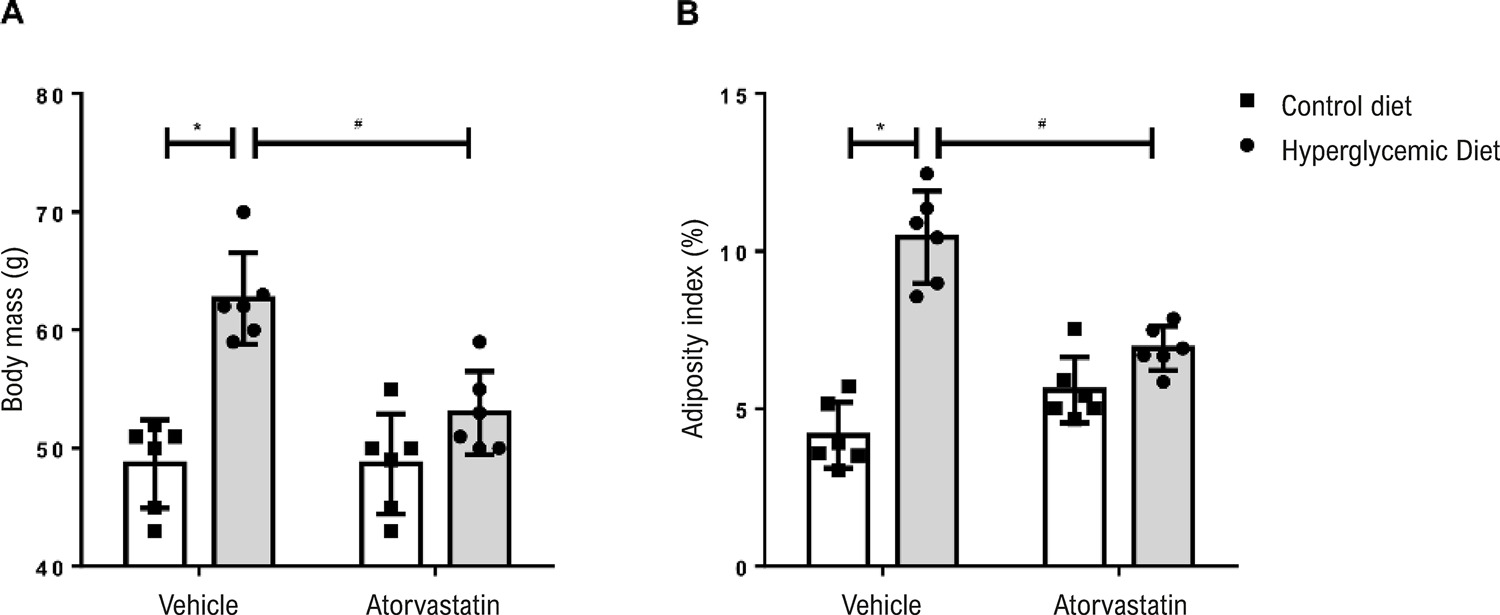
Swiss mice received a control diet or a hyperglicemic diet for 18 weeks. After 14 weeks of diet, mice were treated with vehicle or atorvastatin (20mg/kg) during for 4 weeks. Nutritional and metabolic profiles were assessed by biochemical tests; moreover, a histological assessment of aorta structure was conducted, and cytokine levels were determined by the immunoenzyme assay. The acceptable level of significance for the results was set at p<0.05.

Results

Hyperglicemic diet promoted the development of metabolic syndrome. It indeed culminated in hypertrophic remodeling of vascular smooth muscle and perivascular adipose tissue. Furthermore, there were increases in the levels of circulating TNF-α and IL-6 and in the perivascular adipose tissue. Atorvastatin therapy significantly reduced metabolic damages, vascular remodeling, and cytokine levels.

Conclusion

Atorvastatin attenuate metabolic damages associated with metabolic syndrome induced by hyperglycemic diet, in addition to attenuating vascular remodeling; both effects are associated with reduced levels of pro-inflammatory cytokines.

  • Atorvastatin
  • Dietary Carbohydrates
  • Dyslipidemias
  • Inflammation
  • Metabolic Syndrome
  • Mice
  • Vascular Remodeling
Read Full Article
Creative Commons Attribution (CC BY) Creative Commons license
18/06/2021 DOI: 10.36660/abc.20200322

Could not load more articles. Please try again.

How to cite this article

EndNote RIS

Electronic Document Format (Vancouver)

Fiuza M. Beyond Remission: The Cardiometabolic Burden of ANCA-Associated Vasculitis. Arquivos Brasileiros de Cardiologia 2026;123(4):e20260373.

Electronic Document Format (ABNT)

Fiuza, Manuela. Beyond Remission: The Cardiometabolic Burden of ANCA-Associated Vasculitis. Arquivos Brasileiros de Cardiologia, v. 123, n. 4, e20260373, Jul. 2026.

Electronic Document Format (APA)

Fiuza, M. (2026). Beyond Remission: The Cardiometabolic Burden of ANCA-Associated Vasculitis. Arquivos Brasileiros de Cardiologia, 123(4), e20260373.

Electronic Document Format (ISO)

Fiuza, Manuela. Beyond Remission: The Cardiometabolic Burden of ANCA-Associated Vasculitis. Arquivos Brasileiros de Cardiologia [online]. 2026, vol. 123, n. 4, [cited 2026-10-14], e20260373. Available from: <https://journals.cardiol.br/en/article/beyond-remission-the-cardiometabolic-burden-of-anca-associated-vasculitis/>. ISSN 0066-782X

EndNote RIS

Electronic Document Format (Vancouver)

Figueredo ML, Lima MAA, Santos AM, Shinjo SK. Factors Associated With the High Prevalence of Metabolic Syndrome in Antineutrophil Cytoplasmic Antibody-Associated Vasculitis. Arquivos Brasileiros de Cardiologia 2026;123(4):e20260076.

Electronic Document Format (ABNT)

Figueredo, Marina Lamas; Lima, Matheus Alves Amaral de; Santos, Alexandre Moura dos; Shinjo, Samuel Katsuyuki. Factors Associated With the High Prevalence of Metabolic Syndrome in Antineutrophil Cytoplasmic Antibody-Associated Vasculitis. Arquivos Brasileiros de Cardiologia, v. 123, n. 4, e20260076, Jul. 2026.

Electronic Document Format (APA)

Figueredo, M. L., Lima, M. A. A. , Santos, A. M. , & Shinjo, S. K. (2026). Factors Associated With the High Prevalence of Metabolic Syndrome in Antineutrophil Cytoplasmic Antibody-Associated Vasculitis. Arquivos Brasileiros de Cardiologia, 123(4), e20260076.

Electronic Document Format (ISO)

Figueredo, Marina Lamas and Lima, Matheus Alves Amaral de and Santos, Alexandre Moura dos and Shinjo, Samuel Katsuyuki. Factors Associated With the High Prevalence of Metabolic Syndrome in Antineutrophil Cytoplasmic Antibody-Associated Vasculitis. Arquivos Brasileiros de Cardiologia [online]. 2026, vol. 123, n. 4, [cited 2026-10-14], e20260076. Available from: <https://journals.cardiol.br/en/article/factors-associated-with-the-high-prevalence-of-metabolic-syndrome-in-antineutrophil-cytoplasmic-antibody-associated-vasculitis/>. ISSN 0066-782X

EndNote RIS

Electronic Document Format (Vancouver)

Salina MVJ, Pironatto VHM, Santos AAM, Gueiber TD, Lima LG, Dechandt EM, Caruso CC, et al. Assessment of Cardiovascular-Metabolic Risk in Wistar Rats Fed a Hypercaloric Diet Supplemented with Selenium: A Preclinical Animal Study. International Journal of Cardiovascular Sciences 2026;39:e20250069.

Electronic Document Format (ABNT)

Salina, Matheus Von Jelita; Pironatto, Vitor Hugo Moro; Santos, André Amaro Mamédio dos; Gueiber, Tiago Daniel; Lima, Luiz Gustavo; Dechandt, Eduardo Machado; Caruso, Camila Cury; Karpinski, Pedro Henrique; Figueiredo, Thiago Martins; Toledo-Junior, Alceu de Oliveira; Martins, Camila Marinelli; Gomes, Ricardo Zanetti. Assessment of Cardiovascular-Metabolic Risk in Wistar Rats Fed a Hypercaloric Diet Supplemented with Selenium: A Preclinical Animal Study. International Journal of Cardiovascular Sciences, v. 39, e20250069, Jun. 2026.

Electronic Document Format (APA)

Salina, M. V. J., Pironatto, V. H. M., Santos, A. A. M. , Gueiber, T. D., Lima, L. G., Dechandt, E. M., Caruso, C. C., Karpinski, P. H., Figueiredo, T. M., Toledo-Junior, A. O., Martins, C. M., & Gomes, R. Z. (2026). Assessment of Cardiovascular-Metabolic Risk in Wistar Rats Fed a Hypercaloric Diet Supplemented with Selenium: A Preclinical Animal Study. International Journal of Cardiovascular Sciences, 39, e20250069.

Electronic Document Format (ISO)

Salina, Matheus Von Jelita and Pironatto, Vitor Hugo Moro and Santos, André Amaro Mamédio dos and Gueiber, Tiago Daniel and Lima, Luiz Gustavo and Dechandt, Eduardo Machado and Caruso, Camila Cury and Karpinski, Pedro Henrique and Figueiredo, Thiago Martins and Toledo-Junior, Alceu de Oliveira and Martins, Camila Marinelli and Gomes, Ricardo Zanetti. Assessment of Cardiovascular-Metabolic Risk in Wistar Rats Fed a Hypercaloric Diet Supplemented with Selenium: A Preclinical Animal Study. International Journal of Cardiovascular Sciences [online]. 2026, vol. 39, [cited 2026-10-14], e20250069. Available from: <https://journals.cardiol.br/en/article/assessment-of-cardiovascular-metabolic-risk-in-wistar-rats-fed-a-hypercaloric-diet-supplemented-with-selenium-a-preclinical-animal-study/>. ISSN 2359-4802

EndNote RIS

Electronic Document Format (Vancouver)

Palmeira JPS, Oliveira MC, Santos ES, Sigler R, Nunes LA, Casotti CA. Analysis of the Prevalence of Metabolic Syndrome and NCEP ATP III Criteria in Older People. International Journal of Cardiovascular Sciences 2025;38:e20240199.

Electronic Document Format (ABNT)

Palmeira, João Pedro de Sousa; Oliveira, Mateus Cardoso; Santos, Emille Silva; Sigler, Renata; Nunes, Lorena Andrade; Casotti, Cézar Augusto. Analysis of the Prevalence of Metabolic Syndrome and NCEP ATP III Criteria in Older People. International Journal of Cardiovascular Sciences, v. 38, e20240199, May. 2025.

Electronic Document Format (APA)

Palmeira, J. P. S., Oliveira, M. C., Santos, E. S., Sigler, R., Nunes, L. A., & Casotti, C. A. (2025). Analysis of the Prevalence of Metabolic Syndrome and NCEP ATP III Criteria in Older People. International Journal of Cardiovascular Sciences, 38, e20240199.

Electronic Document Format (ISO)

Palmeira, João Pedro de Sousa and Oliveira, Mateus Cardoso and Santos, Emille Silva and Sigler, Renata and Nunes, Lorena Andrade and Casotti, Cézar Augusto. Analysis of the Prevalence of Metabolic Syndrome and NCEP ATP III Criteria in Older People. International Journal of Cardiovascular Sciences [online]. 2025, vol. 38, [cited 2026-10-14], e20240199. Available from: <https://journals.cardiol.br/en/article/analysis-of-the-prevalence-of-metabolic-syndrome-and-ncep-atp-iii-criteria-in-older-people/>. ISSN 2359-4802

EndNote RIS

Electronic Document Format (Vancouver)

Luz AS, Ramos JGC, Ribeiro CHMA, Oliveira Júnior RM, Siqueira Neto ACC, Oliveira RCM. Correlation of Diagnostic Components of Metabolic Syndrome with Electrocardiographic and Echocardiographic Alterations in Patients with Obesity. International Journal of Cardiovascular Sciences 2024;37:e20230165.

Electronic Document Format (ABNT)

Luz, Alan Souza da; Ramos, João Gabriel da Costa; Ribeiro, Carolina Heitmann Mares Azevedo; Oliveira Júnior, Roberto Márcio de; Siqueira Neto, Antônio Carmo da Costa; Oliveira, Ralf Cardoso Mudesto. Correlation of Diagnostic Components of Metabolic Syndrome with Electrocardiographic and Echocardiographic Alterations in Patients with Obesity. International Journal of Cardiovascular Sciences, v. 37, e20230165, Apr. 2024.

Electronic Document Format (APA)

Luz, A. S. , Ramos, J. G. C., Ribeiro, C. H. M. A., Oliveira Júnior, R. M. , Siqueira Neto, A. C. C., & Oliveira, R. C. M. (2024). Correlation of Diagnostic Components of Metabolic Syndrome with Electrocardiographic and Echocardiographic Alterations in Patients with Obesity. International Journal of Cardiovascular Sciences, 37, e20230165.

Electronic Document Format (ISO)

Luz, Alan Souza da and Ramos, João Gabriel da Costa and Ribeiro, Carolina Heitmann Mares Azevedo and Oliveira Júnior, Roberto Márcio de and Siqueira Neto, Antônio Carmo da Costa and Oliveira, Ralf Cardoso Mudesto. Correlation of Diagnostic Components of Metabolic Syndrome with Electrocardiographic and Echocardiographic Alterations in Patients with Obesity. International Journal of Cardiovascular Sciences [online]. 2024, vol. 37, [cited 2026-10-14], e20230165. Available from: <https://journals.cardiol.br/en/article/correlation-of-diagnostic-components-of-metabolic-syndrome-with-electrocardiographic-and-echocardiographic-alterations-in-patients-with-obesity/>. ISSN 2359-4802

EndNote RIS

Electronic Document Format (Vancouver)

Fragata CS. Increased Circulating Fetuin-A Levels in Patients With Atrial Fibrillation: Are We Really There?. International Journal of Cardiovascular Sciences 2024;37:e20230191.

Electronic Document Format (ABNT)

Fragata, Claudia da Silva. Increased Circulating Fetuin-A Levels in Patients With Atrial Fibrillation: Are We Really There?. International Journal of Cardiovascular Sciences, v. 37, e20230191, Mar. 2024.

Electronic Document Format (APA)

Fragata, C. S. (2024). Increased Circulating Fetuin-A Levels in Patients With Atrial Fibrillation: Are We Really There?. International Journal of Cardiovascular Sciences, 37, e20230191.

Electronic Document Format (ISO)

Fragata, Claudia da Silva. Increased Circulating Fetuin-A Levels in Patients With Atrial Fibrillation: Are We Really There?. International Journal of Cardiovascular Sciences [online]. 2024, vol. 37, [cited 2026-10-14], e20230191. Available from: <https://journals.cardiol.br/en/article/increased-circulating-fetuin-a-levels-in-patients-with-atrial-fibrillation-are-we-really-there/>. ISSN 2359-4802

EndNote RIS

Electronic Document Format (Vancouver)

Pinto LR, Aranha LN, Luiz RR, Oliveira GMM, Rosa G. Association of Dietary Inflammatory Potential in Metabolically Healthy and Metabolically Unhealthy Obese Individuals. International Journal of Cardiovascular Sciences 2023;36:e20230102.

Electronic Document Format (ABNT)

Pinto, Lara Ribeiro; Aranha, Luciana Nicolau; Luiz, Ronir Raggio; Oliveira, Gláucia Maria Moraes de; Rosa, Glorimar. Association of Dietary Inflammatory Potential in Metabolically Healthy and Metabolically Unhealthy Obese Individuals. International Journal of Cardiovascular Sciences, v. 36, e20230102, Sep. 2023.

Electronic Document Format (APA)

Pinto, L. R., Aranha, L. N., Luiz, R. R., Oliveira, G. M. M. , & Rosa, G. (2023). Association of Dietary Inflammatory Potential in Metabolically Healthy and Metabolically Unhealthy Obese Individuals. International Journal of Cardiovascular Sciences, 36, e20230102.

Electronic Document Format (ISO)

Pinto, Lara Ribeiro and Aranha, Luciana Nicolau and Luiz, Ronir Raggio and Oliveira, Gláucia Maria Moraes de and Rosa, Glorimar. Association of Dietary Inflammatory Potential in Metabolically Healthy and Metabolically Unhealthy Obese Individuals. International Journal of Cardiovascular Sciences [online]. 2023, vol. 36, [cited 2026-10-14], e20230102. Available from: <https://journals.cardiol.br/en/article/association-of-dietary-inflammatory-potential-in-metabolically-healthy-and-metabolically-unhealthy-obese-individuals/>. ISSN 2359-4802

EndNote RIS

Electronic Document Format (Vancouver)

Almeida MCC, Castro ML, Espíndola Neto L, Aranha LN, Salim T, Oliveira GMM. One Size Does Not Fit All: The Need to Rethink the Metabolic Syndrome in Women. International Journal of Cardiovascular Sciences 2023;36:e20230101.

Electronic Document Format (ABNT)

Almeida, Maria Cristina Costa de; Castro, Marildes Luiza; Espíndola Neto, Larissa; Aranha, Luciana Nicolau; Salim, Thaís; Oliveira, Gláucia Maria Moraes de. One Size Does Not Fit All: The Need to Rethink the Metabolic Syndrome in Women. International Journal of Cardiovascular Sciences, v. 36, e20230101, Sep. 2023.

Electronic Document Format (APA)

Almeida, M. C. C. , Castro, M. L., Espíndola Neto, L., Aranha, L. N., Salim, T., & Oliveira, G. M. M. (2023). One Size Does Not Fit All: The Need to Rethink the Metabolic Syndrome in Women. International Journal of Cardiovascular Sciences, 36, e20230101.

Electronic Document Format (ISO)

Almeida, Maria Cristina Costa de and Castro, Marildes Luiza and Espíndola Neto, Larissa and Aranha, Luciana Nicolau and Salim, Thaís and Oliveira, Gláucia Maria Moraes de. One Size Does Not Fit All: The Need to Rethink the Metabolic Syndrome in Women. International Journal of Cardiovascular Sciences [online]. 2023, vol. 36, [cited 2026-10-14], e20230101. Available from: <https://journals.cardiol.br/en/article/one-size-does-not-fit-all-the-need-to-rethink-the-metabolic-syndrome-in-women/>. ISSN 2359-4802

EndNote RIS

Electronic Document Format (Vancouver)

Lopes MB, Aranha LN, Pinto LR, Lino PCMS, Luiz RR, Oliveira GMM, Rosa G, et al. Food Consumption and Health Outcomes in Women During the COVID-19 Pandemic. International Journal of Cardiovascular Sciences 2023;36:e20220066.

Electronic Document Format (ABNT)

Lopes, Mariana Barbosa; Aranha, Luciana Nicolau; Pinto, Lara Ribeiro; Lino, Paula Critina Moreira dos Santos; Luiz, Ronir Raggio; Oliveira, Gláucia Maria Moraes de; Rosa, Glorimar. Food Consumption and Health Outcomes in Women During the COVID-19 Pandemic. International Journal of Cardiovascular Sciences, v. 36, e20220066, Jul. 2023.

Electronic Document Format (APA)

Lopes, M. B., Aranha, L. N., Pinto, L. R., Lino, P. C. M. S., Luiz, R. R., Oliveira, G. M. M. , & Rosa, G. (2023). Food Consumption and Health Outcomes in Women During the COVID-19 Pandemic. International Journal of Cardiovascular Sciences, 36, e20220066.

Electronic Document Format (ISO)

Lopes, Mariana Barbosa and Aranha, Luciana Nicolau and Pinto, Lara Ribeiro and Lino, Paula Critina Moreira dos Santos and Luiz, Ronir Raggio and Oliveira, Gláucia Maria Moraes de and Rosa, Glorimar. Food Consumption and Health Outcomes in Women During the COVID-19 Pandemic. International Journal of Cardiovascular Sciences [online]. 2023, vol. 36, [cited 2026-10-14], e20220066. Available from: <https://journals.cardiol.br/en/article/food-consumption-and-health-outcomes-in-women-during-the-covid-19-pandemic/>. ISSN 2359-4802

EndNote RIS

Electronic Document Format (Vancouver)

Francisqueti-Ferron FV, Belin MAF, Palacio TLN, Ferron AJT, Garcia JL, Siqueira JS, Nakandakare-Maia ET, et al. Fructose Consumption Alters Biogenic Amines Associated with Cardiovascular Disease Risk Factors. Arquivos Brasileiros de Cardiologia 2023;120(6):e20220770.

Electronic Document Format (ABNT)

Francisqueti-Ferron, Fabiane Valentini; Belin, Matheus Antônio Filiol; Palacio, Thiago Luiz Novaga; Ferron, Artur Junio Togneri; Garcia, Jéssica Leite; Siqueira, Juliana Silva; Nakandakare-Maia, Erika Tiemi; Vieira, Taynara Aparecida; Kano, Hugo Tadashi; Moreto, Fernando; Lima, Giuseppina Pace Pereira; Corrêa, Camila Renata; Minatel, Igor Otavio. Fructose Consumption Alters Biogenic Amines Associated with Cardiovascular Disease Risk Factors. Arquivos Brasileiros de Cardiologia, v. 120, n. 6, e20220770, Jun. 2023.

Electronic Document Format (APA)

Francisqueti-Ferron, F. V., Belin, M. A. F., Palacio, T. L. N., Ferron, A. J. T., Garcia, J. L., Siqueira, J. S., Nakandakare-Maia, E. T., Vieira, T. A., Kano, H. T., Moreto, F., Lima, G. P. P., Corrêa, C. R., & Minatel, I. O. (2023). Fructose Consumption Alters Biogenic Amines Associated with Cardiovascular Disease Risk Factors. Arquivos Brasileiros de Cardiologia, 120(6), e20220770.

Electronic Document Format (ISO)

Francisqueti-Ferron, Fabiane Valentini and Belin, Matheus Antônio Filiol and Palacio, Thiago Luiz Novaga and Ferron, Artur Junio Togneri and Garcia, Jéssica Leite and Siqueira, Juliana Silva and Nakandakare-Maia, Erika Tiemi and Vieira, Taynara Aparecida and Kano, Hugo Tadashi and Moreto, Fernando and Lima, Giuseppina Pace Pereira and Corrêa, Camila Renata and Minatel, Igor Otavio. Fructose Consumption Alters Biogenic Amines Associated with Cardiovascular Disease Risk Factors. Arquivos Brasileiros de Cardiologia [online]. 2023, vol. 120, n. 6, [cited 2026-10-14], e20220770. Available from: <https://journals.cardiol.br/en/article/fructose-consumption-alters-biogenic-amines-associated-with-cardiovascular-disease-risk-factors/>. ISSN 0066-782X

EndNote RIS

Electronic Document Format (Vancouver)

Barroso SG, Castro CLC. Does Gluten Decrease (or Increase) Metabolic Syndrome Risk?. International Journal of Cardiovascular Sciences 2022;35(6):814-5.

Electronic Document Format (ABNT)

Barroso, Sérgio Girão; Castro, Caroline Luiza Codonho. Does Gluten Decrease (or Increase) Metabolic Syndrome Risk?. International Journal of Cardiovascular Sciences, v. 35, n. 6, p. 814-815, Nov. 2022.

Electronic Document Format (APA)

Barroso, S. G., & Castro, C. L. C. (2022). Does Gluten Decrease (or Increase) Metabolic Syndrome Risk?. International Journal of Cardiovascular Sciences, 35(6), 814-815.

Electronic Document Format (ISO)

Barroso, Sérgio Girão and Castro, Caroline Luiza Codonho. Does Gluten Decrease (or Increase) Metabolic Syndrome Risk?. International Journal of Cardiovascular Sciences [online]. 2022, vol. 35, n. 6, [cited 2026-10-14], pp. 814-815. Available from: <https://journals.cardiol.br/en/article/does-gluten-decrease-or-increase-metabolic-syndrome-risk/>. ISSN 2359-4802

EndNote RIS

Electronic Document Format (Vancouver)

Kountouras J, Papaefthymiou A, Polyzos SA, Kazakos E, Vardaka E, Touloumtzi M, Tzitiridou-Chatzopoulou M, et al. Impact of Active Helicobacter pylori Infection-related Metabolic Syndrome on Systemic Arterial Hypertension. Arquivos Brasileiros de Cardiologia 2022;119(3):502-4.

Electronic Document Format (ABNT)

Kountouras, Jannis; Papaefthymiou, Apostolis; Polyzos, Stergios A.; Kazakos, Evangelos; Vardaka, Elisabeth; Touloumtzi, Maria; Tzitiridou-Chatzopoulou, Maria; Liatsos, Christos; Sgantzou, Ioanna-Konstantina; Knuchel, Jürg; Doulberis, Michael. Impact of Active Helicobacter pylori Infection-related Metabolic Syndrome on Systemic Arterial Hypertension. Arquivos Brasileiros de Cardiologia, v. 119, n. 3, p. 502-504, Sep. 2022.

Electronic Document Format (APA)

Kountouras, J., Papaefthymiou, A., Polyzos, S. A., Kazakos, E., Vardaka, E., Touloumtzi, M., Tzitiridou-Chatzopoulou, M., Liatsos, C., Sgantzou, I., Knuchel, J., & Doulberis, M. (2022). Impact of Active Helicobacter pylori Infection-related Metabolic Syndrome on Systemic Arterial Hypertension. Arquivos Brasileiros de Cardiologia, 119(3), 502-504.

Electronic Document Format (ISO)

Kountouras, Jannis and Papaefthymiou, Apostolis and Polyzos, Stergios A. and Kazakos, Evangelos and Vardaka, Elisabeth and Touloumtzi, Maria and Tzitiridou-Chatzopoulou, Maria and Liatsos, Christos and Sgantzou, Ioanna-Konstantina and Knuchel, Jürg and Doulberis, Michael. Impact of Active Helicobacter pylori Infection-related Metabolic Syndrome on Systemic Arterial Hypertension. Arquivos Brasileiros de Cardiologia [online]. 2022, vol. 119, n. 3, [cited 2026-10-14], pp. 502-504. Available from: <https://journals.cardiol.br/en/article/impact-of-active-helicobacter-pylori-infection-related-metabolic-syndrome-on-systemic-arterial-hypertension/>. ISSN 0066-782X

EndNote RIS

Electronic Document Format (Vancouver)

Timóteo AT. Can PM20D1 be a New Kid on the Block in Cardiovascular Risk Stratification? Do Not Run before You Can Walk. Arquivos Brasileiros de Cardiologia 2022;119(3):380-1.

Electronic Document Format (ABNT)

Timóteo, Ana Teresa. Can PM20D1 be a New Kid on the Block in Cardiovascular Risk Stratification? Do Not Run before You Can Walk. Arquivos Brasileiros de Cardiologia, v. 119, n. 3, p. 380-381, Sep. 2022.

Electronic Document Format (APA)

Timóteo, A. T. (2022). Can PM20D1 be a New Kid on the Block in Cardiovascular Risk Stratification? Do Not Run before You Can Walk. Arquivos Brasileiros de Cardiologia, 119(3), 380-381.

Electronic Document Format (ISO)

Timóteo, Ana Teresa. Can PM20D1 be a New Kid on the Block in Cardiovascular Risk Stratification? Do Not Run before You Can Walk. Arquivos Brasileiros de Cardiologia [online]. 2022, vol. 119, n. 3, [cited 2026-10-14], pp. 380-381. Available from: <https://journals.cardiol.br/en/article/can-pm20d1-be-a-new-kid-on-the-block-in-cardiovascular-risk-stratification-do-not-run-before-you-can-walk/>. ISSN 0066-782X

EndNote RIS

Electronic Document Format (Vancouver)

Orange LG, Andrade MIS, Lima CR, Dourado KF, Santos TM, Petribu MM, Calaça PRA, et al. Does a Gluten-free Diet Improve Metabolic Syndrome Parameters? A Systematic Review. International Journal of Cardiovascular Sciences 2022;35(6):803-1.

Electronic Document Format (ABNT)

Orange, Luciana Gonçalves; Andrade, Maria Izabel Siqueira de; Lima, Cybelle Rolim; Dourado, Keila Fernandes; Santos, Thayná Menezes; Petribu, Marina Moraes; Calaça, Priscilla Regia de Andrade; Silva, Silvia Alves. Does a Gluten-free Diet Improve Metabolic Syndrome Parameters? A Systematic Review. International Journal of Cardiovascular Sciences, v. 35, n. 6, p. 803-813, Apr. 2022.

Electronic Document Format (APA)

Orange, L. G., Andrade, M. I. S. , Lima, C. R., Dourado, K. F., Santos, T. M., Petribu, M. M., Calaça, P. R. A., & Silva, S. A. (2022). Does a Gluten-free Diet Improve Metabolic Syndrome Parameters? A Systematic Review. International Journal of Cardiovascular Sciences, 35(6), 803-813.

Electronic Document Format (ISO)

Orange, Luciana Gonçalves and Andrade, Maria Izabel Siqueira de and Lima, Cybelle Rolim and Dourado, Keila Fernandes and Santos, Thayná Menezes and Petribu, Marina Moraes and Calaça, Priscilla Regia de Andrade and Silva, Silvia Alves. Does a Gluten-free Diet Improve Metabolic Syndrome Parameters? A Systematic Review. International Journal of Cardiovascular Sciences [online]. 2022, vol. 35, n. 6, [cited 2026-10-14], pp. 803-813. Available from: <https://journals.cardiol.br/en/article/does-a-gluten-free-diet-improve-metabolic-syndrome-parameters-a-systematic-review/>. ISSN 2359-4802

EndNote RIS

Electronic Document Format (Vancouver)

Cavalcanti IML, Nascimento CR, Tenório PP, Araújo TFS. Analysis of the Influence of Abdominal Obesity on Systemic Arterial Hypertension and on the Lipid Profile on Cardiometabolic Risk Stratification in Adult Women. International Journal of Cardiovascular Sciences 2022;35(5):625-34.

Electronic Document Format (ABNT)

Cavalcanti, Iury Matheus Lima; Nascimento, Cristian Rodrigues do; Tenório, Pedro Pereira; Araújo, Tiago Ferreira da Silva. Analysis of the Influence of Abdominal Obesity on Systemic Arterial Hypertension and on the Lipid Profile on Cardiometabolic Risk Stratification in Adult Women. International Journal of Cardiovascular Sciences, v. 35, n. 5, p. 625-634, Mar. 2022.

Electronic Document Format (APA)

Cavalcanti, I. M. L., Nascimento, C. R. , Tenório, P. P., & Araújo, T. F. S. (2022). Analysis of the Influence of Abdominal Obesity on Systemic Arterial Hypertension and on the Lipid Profile on Cardiometabolic Risk Stratification in Adult Women. International Journal of Cardiovascular Sciences, 35(5), 625-634.

Electronic Document Format (ISO)

Cavalcanti, Iury Matheus Lima and Nascimento, Cristian Rodrigues do and Tenório, Pedro Pereira and Araújo, Tiago Ferreira da Silva. Analysis of the Influence of Abdominal Obesity on Systemic Arterial Hypertension and on the Lipid Profile on Cardiometabolic Risk Stratification in Adult Women. International Journal of Cardiovascular Sciences [online]. 2022, vol. 35, n. 5, [cited 2026-10-14], pp. 625-634. Available from: <https://journals.cardiol.br/en/article/analysis-of-the-influence-of-abdominal-obesity-on-systemic-arterial-hypertension-and-on-the-lipid-profile-on-cardiometabolic-risk-stratification-in-adult-women/>. ISSN 2359-4802

EndNote RIS

Electronic Document Format (Vancouver)

Kravchychyn ACP, Campos RMS, Ferreira YAM, Vicente SECF, Corgosinho FC, Oyama LM, Boldarine VT, et al. The Role of ANP Level Response in Interdisciplinary Weight Loss Therapy on Cardiometabolic Risk and Body Composition in Adolescents with Obesity. Arquivos Brasileiros de Cardiologia 2022;118(1):33-40.

Electronic Document Format (ABNT)

Kravchychyn, Ana Claudia Pelissari; Campos, Raquel Munhoz da Silveira; Ferreira, Yasmin Alaby Martins; Vicente, Sofia Emanuelle de Castro Ferreira; Corgosinho, Flávia Campos; Oyama, Lila Missae; Boldarine, Valter Tadeu; Tock, Lian; Thivel, David; Dâmaso, Ana Raimunda. The Role of ANP Level Response in Interdisciplinary Weight Loss Therapy on Cardiometabolic Risk and Body Composition in Adolescents with Obesity. Arquivos Brasileiros de Cardiologia, v. 118, n. 1, p. 33-40, Feb. 2022.

Electronic Document Format (APA)

Kravchychyn, A. C. P., Campos, R. M. S., Ferreira, Y. A. M., Vicente, S. E. C. F., Corgosinho, F. C., Oyama, L. M., Boldarine, V. T., Tock, L., Thivel, D., & Dâmaso, A. R. (2022). The Role of ANP Level Response in Interdisciplinary Weight Loss Therapy on Cardiometabolic Risk and Body Composition in Adolescents with Obesity. Arquivos Brasileiros de Cardiologia, 118(1), 33-40.

Electronic Document Format (ISO)

Kravchychyn, Ana Claudia Pelissari and Campos, Raquel Munhoz da Silveira and Ferreira, Yasmin Alaby Martins and Vicente, Sofia Emanuelle de Castro Ferreira and Corgosinho, Flávia Campos and Oyama, Lila Missae and Boldarine, Valter Tadeu and Tock, Lian and Thivel, David and Dâmaso, Ana Raimunda. The Role of ANP Level Response in Interdisciplinary Weight Loss Therapy on Cardiometabolic Risk and Body Composition in Adolescents with Obesity. Arquivos Brasileiros de Cardiologia [online]. 2022, vol. 118, n. 1, [cited 2026-10-14], pp. 33-40. Available from: <https://journals.cardiol.br/en/article/the-role-of-anp-level-response-in-interdisciplinary-weight-loss-therapy-on-cardiometabolic-risk-and-body-composition-in-adolescents-with-obesity/>. ISSN 0066-782X

EndNote RIS

Electronic Document Format (Vancouver)

Marques RAM, Camargo PP, Souza GGL, Gouvea GDR, Fajardo VC, Nascimento Neto RM, Silva AL, et al. Cardiovascular Risk Factors in Haul Truck Operators of the Mining Sector Working a Rotational Schedule. International Journal of Cardiovascular Sciences 2022;35(3):400-9.

Electronic Document Format (ABNT)

Marques, Rafaela Aparecida Mendonça; Camargo, Priscila Pena; Souza, Gabriela Guerra Leal; Gouvea, Graziela Dutra Rocha; Fajardo, Virgínia Capistrano; Nascimento Neto, Raimundo Marques do; Silva, André Luis; Oliveira, Fernando Luiz Pereira de. Cardiovascular Risk Factors in Haul Truck Operators of the Mining Sector Working a Rotational Schedule. International Journal of Cardiovascular Sciences, v. 35, n. 3, p. 400-409, Feb. 2022.

Electronic Document Format (APA)

Marques, R. A. M., Camargo, P. P., Souza, G. G. L., Gouvea, G. D. R., Fajardo, V. C., Nascimento Neto, R. M. , Silva, A. L., & Oliveira, F. L. P. (2022). Cardiovascular Risk Factors in Haul Truck Operators of the Mining Sector Working a Rotational Schedule. International Journal of Cardiovascular Sciences, 35(3), 400-409.

Electronic Document Format (ISO)

Marques, Rafaela Aparecida Mendonça and Camargo, Priscila Pena and Souza, Gabriela Guerra Leal and Gouvea, Graziela Dutra Rocha and Fajardo, Virgínia Capistrano and Nascimento Neto, Raimundo Marques do and Silva, André Luis and Oliveira, Fernando Luiz Pereira de. Cardiovascular Risk Factors in Haul Truck Operators of the Mining Sector Working a Rotational Schedule. International Journal of Cardiovascular Sciences [online]. 2022, vol. 35, n. 3, [cited 2026-10-14], pp. 400-409. Available from: <https://journals.cardiol.br/en/article/cardiovascular-risk-factors-in-haul-truck-operators-of-the-mining-sector-working-a-rotational-schedule/>. ISSN 2359-4802

EndNote RIS

Electronic Document Format (Vancouver)

Weschenfelder C, Kris-Etherton PM. Abdominal Subcutaneous Adipose Tissue, Diet, and Risk of Cardiovascular Disease: What do we Know?. International Journal of Cardiovascular Sciences 2022;35(1):46-7.

Electronic Document Format (ABNT)

Weschenfelder, Camila; Kris-Etherton, Penny M.. Abdominal Subcutaneous Adipose Tissue, Diet, and Risk of Cardiovascular Disease: What do we Know?. International Journal of Cardiovascular Sciences, v. 35, n. 1, p. 46-47, Jan. 2022.

Electronic Document Format (APA)

Weschenfelder, C., & Kris-Etherton, P. M. (2022). Abdominal Subcutaneous Adipose Tissue, Diet, and Risk of Cardiovascular Disease: What do we Know?. International Journal of Cardiovascular Sciences, 35(1), 46-47.

Electronic Document Format (ISO)

Weschenfelder, Camila and Kris-Etherton, Penny M.. Abdominal Subcutaneous Adipose Tissue, Diet, and Risk of Cardiovascular Disease: What do we Know?. International Journal of Cardiovascular Sciences [online]. 2022, vol. 35, n. 1, [cited 2026-10-14], pp. 46-47. Available from: <https://journals.cardiol.br/en/article/abdominal-subcutaneous-adipose-tissue-diet-and-risk-of-cardiovascular-disease-what-do-we-know/>. ISSN 2359-4802

EndNote RIS

Electronic Document Format (Vancouver)

Oliveira-Junior SA, Carvalho MR, Mendonça MLM, Martinez PF. Anti-Inflammatory Effects of Atorvastatin Therapy in Metabolic Syndrome. Arquivos Brasileiros de Cardiologia 2021;117(4):748-9.

Electronic Document Format (ABNT)

Oliveira-Junior, Silvio A.; Carvalho, Marianna R.; Mendonça, Maria Lua M; Martinez, Paula F.. Anti-Inflammatory Effects of Atorvastatin Therapy in Metabolic Syndrome. Arquivos Brasileiros de Cardiologia, v. 117, n. 4, p. 748-749, Oct. 2021.

Electronic Document Format (APA)

Oliveira-Junior, S. A., Carvalho, M. R., Mendonça, M. L. M., & Martinez, P. F. (2021). Anti-Inflammatory Effects of Atorvastatin Therapy in Metabolic Syndrome. Arquivos Brasileiros de Cardiologia, 117(4), 748-749.

Electronic Document Format (ISO)

Oliveira-Junior, Silvio A. and Carvalho, Marianna R. and Mendonça, Maria Lua M and Martinez, Paula F.. Anti-Inflammatory Effects of Atorvastatin Therapy in Metabolic Syndrome. Arquivos Brasileiros de Cardiologia [online]. 2021, vol. 117, n. 4, [cited 2026-10-14], pp. 748-749. Available from: <https://journals.cardiol.br/en/article/anti-inflammatory-effects-of-atorvastatin-therapy-in-metabolic-syndrome/>. ISSN 0066-782X

EndNote RIS

Electronic Document Format (Vancouver)

Lima TR, Silva DAS, Giehl MWC, D’Orsi E, González-Chica DA. Clusters of Cardiometabolic Risk Factors and Their Association with Atherosclerosis and Chronic Inflammation among Adults and Elderly in Florianópolis, Southern Brazil. Arquivos Brasileiros de Cardiologia 2021;117(1):39-48.

Electronic Document Format (ABNT)

Lima, Tiago Rodrigues de; Silva, Diego Augusto Santos; Giehl, Maruí Weber Corseuil; D’Orsi, Eleonora; González-Chica, David Alejandro. Clusters of Cardiometabolic Risk Factors and Their Association with Atherosclerosis and Chronic Inflammation among Adults and Elderly in Florianópolis, Southern Brazil. Arquivos Brasileiros de Cardiologia, v. 117, n. 1, p. 39-48, Jul. 2021.

Electronic Document Format (APA)

Lima, T. R. , Silva, D. A. S., Giehl, M. W. C., D’Orsi, E., & González-Chica, D. A. (2021). Clusters of Cardiometabolic Risk Factors and Their Association with Atherosclerosis and Chronic Inflammation among Adults and Elderly in Florianópolis, Southern Brazil. Arquivos Brasileiros de Cardiologia, 117(1), 39-48.

Electronic Document Format (ISO)

Lima, Tiago Rodrigues de and Silva, Diego Augusto Santos and Giehl, Maruí Weber Corseuil and D’Orsi, Eleonora and González-Chica, David Alejandro. Clusters of Cardiometabolic Risk Factors and Their Association with Atherosclerosis and Chronic Inflammation among Adults and Elderly in Florianópolis, Southern Brazil. Arquivos Brasileiros de Cardiologia [online]. 2021, vol. 117, n. 1, [cited 2026-10-14], pp. 39-48. Available from: <https://journals.cardiol.br/en/article/clusters-of-cardiometabolic-risk-factors-and-their-association-with-atherosclerosis-and-chronic-inflammation-among-adults-and-elderly-in-florianopolis-southern-brazil/>. ISSN 0066-782X

EndNote RIS

Electronic Document Format (Vancouver)

Silva CGS. Endothelial Progenitor Cells and Exercise: Working Together to Target Endothelial Dysfunction in Metabolic Syndrome. Arquivos Brasileiros de Cardiologia 2021;117(1):118-9.

Electronic Document Format (ABNT)

Silva, Christina Grüne de Souza e. Endothelial Progenitor Cells and Exercise: Working Together to Target Endothelial Dysfunction in Metabolic Syndrome. Arquivos Brasileiros de Cardiologia, v. 117, n. 1, p. 118-119, Jul. 2021.

Electronic Document Format (APA)

Silva, C. G. S. (2021). Endothelial Progenitor Cells and Exercise: Working Together to Target Endothelial Dysfunction in Metabolic Syndrome. Arquivos Brasileiros de Cardiologia, 117(1), 118-119.

Electronic Document Format (ISO)

Silva, Christina Grüne de Souza e. Endothelial Progenitor Cells and Exercise: Working Together to Target Endothelial Dysfunction in Metabolic Syndrome. Arquivos Brasileiros de Cardiologia [online]. 2021, vol. 117, n. 1, [cited 2026-10-14], pp. 118-119. Available from: <https://journals.cardiol.br/en/article/endothelial-progenitor-cells-and-exercise-working-together-to-target-endothelial-dysfunction-in-metabolic-syndrome/>. ISSN 0066-782X

EndNote RIS

Electronic Document Format (Vancouver)

Tan Q, Li Y, Guo Y. Exercise Training Improves Functions of Endothelial Progenitor Cells in Patients with Metabolic Syndrome. Arquivos Brasileiros de Cardiologia 2021;117(1):108-17.

Electronic Document Format (ABNT)

Tan, Qiang; Li, Yang; Guo, Yao. Exercise Training Improves Functions of Endothelial Progenitor Cells in Patients with Metabolic Syndrome. Arquivos Brasileiros de Cardiologia, v. 117, n. 1, p. 108-117, Jul. 2021.

Electronic Document Format (APA)

Tan, Q., Li, Y., & Guo, Y. (2021). Exercise Training Improves Functions of Endothelial Progenitor Cells in Patients with Metabolic Syndrome. Arquivos Brasileiros de Cardiologia, 117(1), 108-117.

Electronic Document Format (ISO)

Tan, Qiang and Li, Yang and Guo, Yao. Exercise Training Improves Functions of Endothelial Progenitor Cells in Patients with Metabolic Syndrome. Arquivos Brasileiros de Cardiologia [online]. 2021, vol. 117, n. 1, [cited 2026-10-14], pp. 108-117. Available from: <https://journals.cardiol.br/en/article/exercise-training-improves-functions-of-endothelial-progenitor-cells-in-patients-with-metabolic-syndrome/>. ISSN 0066-782X

EndNote RIS

Electronic Document Format (Vancouver)

Silva LM, Figueiredo Neto JA. Metabolic Syndrome and Risk of Cardiovascular Diseases in Female Breast Cancer Survivors. International Journal of Cardiovascular Sciences 2021;34(4):420-3.

Electronic Document Format (ABNT)

Silva, Leandro Marque da; Figueiredo Neto, José Albuquerque de. Metabolic Syndrome and Risk of Cardiovascular Diseases in Female Breast Cancer Survivors. International Journal of Cardiovascular Sciences, v. 34, n. 4, p. 420-430, Jul. 2021.

Electronic Document Format (APA)

Silva, L. M. , & Figueiredo Neto, J. A. (2021). Metabolic Syndrome and Risk of Cardiovascular Diseases in Female Breast Cancer Survivors. International Journal of Cardiovascular Sciences, 34(4), 420-430.

Electronic Document Format (ISO)

Silva, Leandro Marque da and Figueiredo Neto, José Albuquerque de. Metabolic Syndrome and Risk of Cardiovascular Diseases in Female Breast Cancer Survivors. International Journal of Cardiovascular Sciences [online]. 2021, vol. 34, n. 4, [cited 2026-10-14], pp. 420-430. Available from: <https://journals.cardiol.br/en/article/metabolic-syndrome-and-risk-of-cardiovascular-diseases-in-female-breast-cancer-survivors/>. ISSN 2359-4802

EndNote RIS

Electronic Document Format (Vancouver)

Carvalho KFS, Ferreira AAM, Barbosa NC, Alves JV, Costa RM. Atorvastatin Attenuates Vascular Remodeling in Mice with Metabolic Syndrome. Arquivos Brasileiros de Cardiologia 2021;117(4):737-4.

Electronic Document Format (ABNT)

Carvalho, Karine Ferreira da Silva; Ferreira, Amanda Araújo Marques; Barbosa, Nayara Carvalho; Alves, Juliano Vilela; Costa, Rafael Menezes da. Atorvastatin Attenuates Vascular Remodeling in Mice with Metabolic Syndrome. Arquivos Brasileiros de Cardiologia, v. 117, n. 4, p. 737-747, Jun. 2021.

Electronic Document Format (APA)

Carvalho, K. F. S., Ferreira, A. A. M., Barbosa, N. C., Alves, J. V., & Costa, R. M. (2021). Atorvastatin Attenuates Vascular Remodeling in Mice with Metabolic Syndrome. Arquivos Brasileiros de Cardiologia, 117(4), 737-747.

Electronic Document Format (ISO)

Carvalho, Karine Ferreira da Silva and Ferreira, Amanda Araújo Marques and Barbosa, Nayara Carvalho and Alves, Juliano Vilela and Costa, Rafael Menezes da. Atorvastatin Attenuates Vascular Remodeling in Mice with Metabolic Syndrome. Arquivos Brasileiros de Cardiologia [online]. 2021, vol. 117, n. 4, [cited 2026-10-14], pp. 737-747. Available from: <https://journals.cardiol.br/en/article/atorvastatin-attenuates-vascular-remodeling-in-mice-with-metabolic-syndrome/>. ISSN 0066-782X

  • About ABC Family
  • Internal Regulation
  • Editorial Board
  • Brazilian Society of Cardiology (SBC)

Issues

SBC Guidelines

  • Videos
  • Podcasts
  • News