ABC Family Arquivos Brasileiros de Cardiologia International Journal of Cardiovascular Sciences ABC Heart Failure & Cardiomyopathy ABC Imagem Cardiovascular
Português English
ABC Family
Português English
  • About
    • About ABC Family
    • Internal Regulation
    • Editorial Board
    • Brazilian Society of Cardiology (SBC)
  • Issues
  • SBC Guidelines
  • Content
    • Videos
    • Podcasts
    • News
  • About
    • About ABC Family
    • Internal Regulation
    • Editorial Board
    • Brazilian Society of Cardiology (SBC)
  • Issues
  • SBC Guidelines
  • Content
    • Videos
    • Podcasts
    • News

ABC Family

  • ABC Family
  • Arquivos Brasileiros de Cardiologia
  • International Journal of Cardiovascular Sciences
  • ABC Heart Failure & Cardiomyopathy
  • ABC Imagem Cardiovascular
Search in

No content found.

Journals
Ordering
Article types
Others

  1. Home
  2. Keyword: Death, Sudden
Prognostic Evaluation of Microvolt T-Wave Alternans in Hypertrophic Cardiomyopathy: 9-year Clinical Follow-up
ABC
Original Article

Prognostic Evaluation of Microvolt T-Wave Alternans in Hypertrophic Cardiomyopathy: 9-year Clinical Follow-up

Murillo Oliveira Antunes et al. Edmundo Arteaga-Fernandez Nelson Samesima Horácio Gomes Pereira Filho … Afonso Yoshikiro Matsumoto Richard L. Verrier Carlos Alberto Pastore Charles Mady

Abstract

Background:

Sudden cardiac death (SCD) resulting from ventricular arrhythmia is the main complication of hypertrophic cardiomyopathy (HCM). Microvolt T-wave alternans (MTWA) is associated with the occurrence of ventricular arrhythmias in several heart diseases, but its role in HCM remains uncertain.

Objective:

To evaluate the association of MTWA with the occurrence of SCD or potentially fatal ventricular arrhythmias in HCM patients in a long-term follow-up.

Methods:

Patients diagnosed with HCM and NYHA functional class I-II were consecutively selected. At the beginning of the follow-up, the participants performed the MTWA evaluation using the modified moving average during the stress test. The results were classified as altered or normal. The composite endpoint of SCD, ventricular fibrillation, sustained ventricular tachycardia (SVT) or appropriate implantable cardiac defibrillation (ICD) therapy was assessed. The level of significance was set at 5%.

Results:

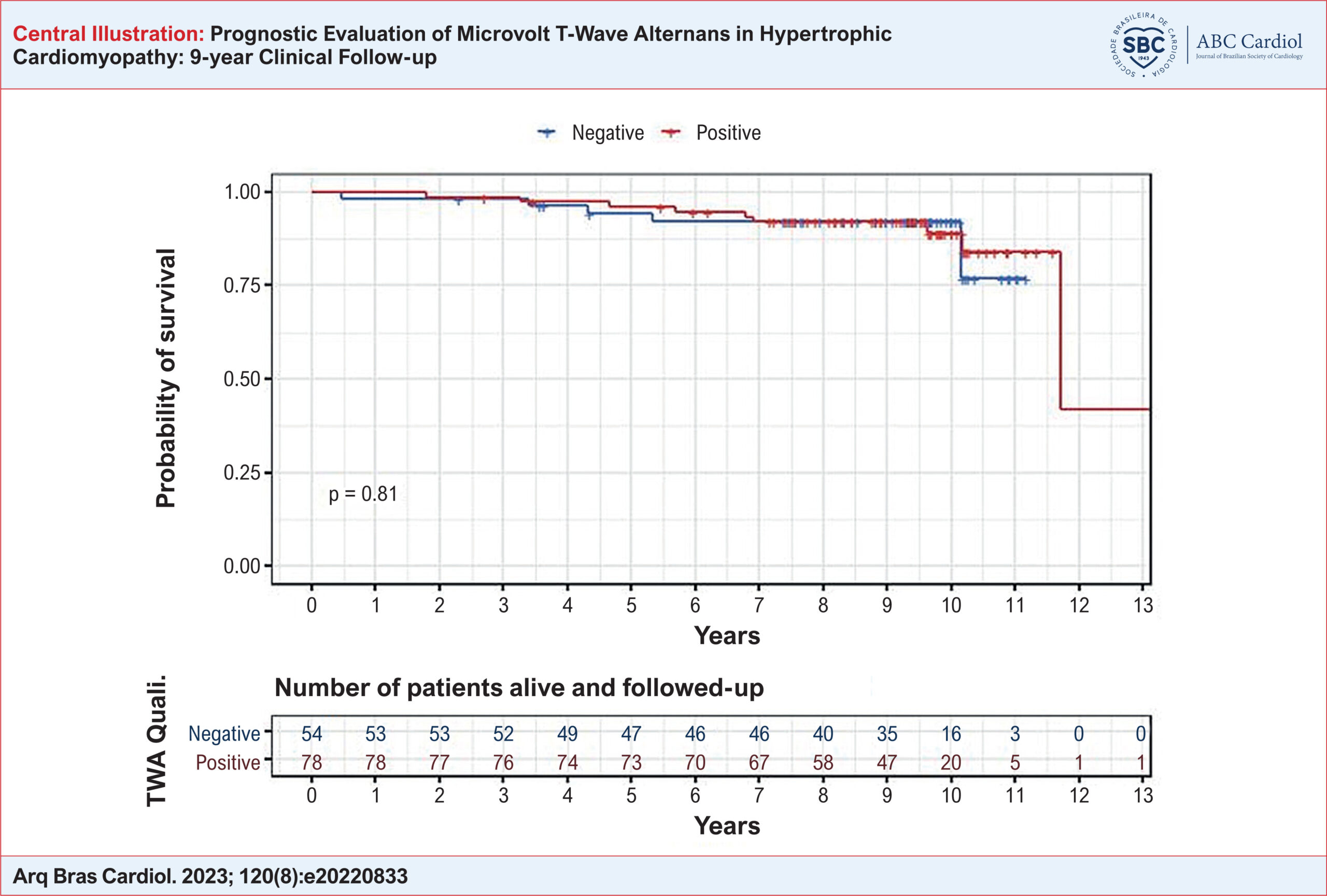
A total of 132 patients (mean age of 39.5 ± 12.6 years) were recruited and followed for a mean of 9.5 years. The MTWA test was altered in 74 (56%) participants and normal in 58 (44%). Nine events (6.8%) occurred during the follow-up, with a prevalence of 1.0%/year – six SCDs, two appropriate ICD shocks and one episode of (SVT). Altered MTWA was associated with non-sustained ventricular tachycardia on Holter (p = 0.016), septal thickness ≥30 mm (p < 0.001) and inadequate blood pressure response to effort (p = 0.046). Five patients with altered MTWA (7%) and four patients with normal MTWA (7%) had the primary outcome [OR = 0.85 (95% CI: 0.21 – 3.35, p=0.83)]. Kaplan-Meir event curves showed no differences between normal and altered MTWA.

Conclusion:

Altered MTWA was not associated with the occurrence of SCD or potentially fatal ventricular arrhythmias in HCM patients, and the low rate of these events during long-term follow-up suggests the good prognosis of this heart disease.
  • Arrhythmias Cardiac
  • Cardiomyopathy, Hypertrophic
  • Death, Sudden
  • Defibrillators, Implantable
Read Full Article
Creative Commons Attribution (CC BY) Creative Commons license
04/09/2023 DOI: 10.36660/abc.20220833 Views 1
Central Illustration
ABCHF
Review Article

Arrhythmogenic Left Ventricular Cardiomyopathy – State of Art: From Genotype to Phenotype

Ana Flavia Malheiros Torbey et al. Erivelton Alessandro do Nascimento Nágela Simão Vinhosa Nunes Adriana Bastos Carvalho … Daniel Gama das Neves Raquel Germer Toja Couto Sandra Vitória Thuler Pimentel Eduarda Corrêa Maia Evandro Tinoco Mesquita

Abstract

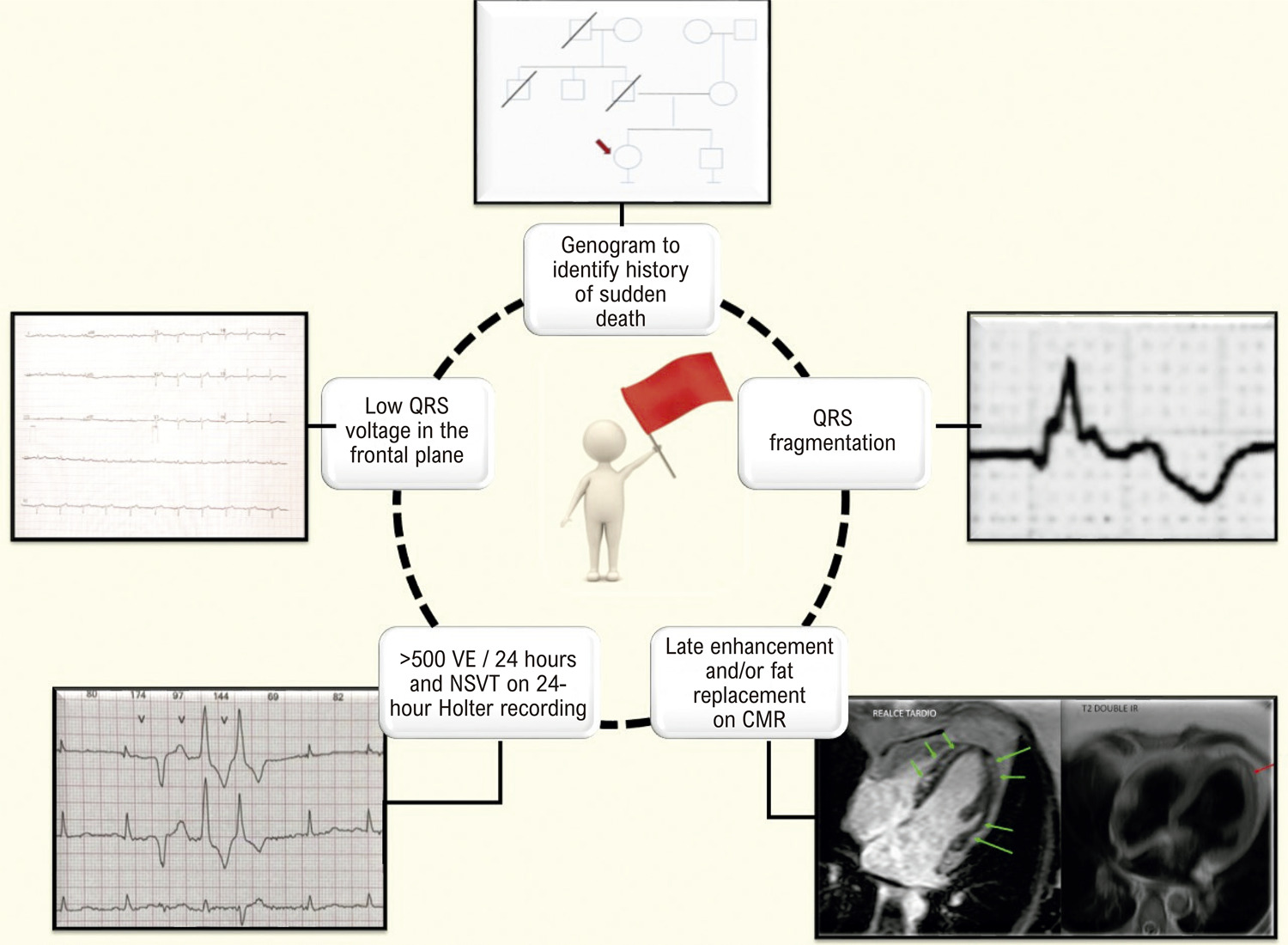
Arrhythmogenic cardiomyopathy with exclusive or predominant involvement of the left ventricle has been described recently. It has a heterogeneous genetic basis with different clinical phenotypes ranging from ventricular arrhythmias and sudden death (SD), symptoms suggestive of acute myocarditis with chest pain and troponin elevation, symptoms of heart failure, to asymptomatic patients. A high level of suspicion is needed for a correct diagnosis and implementation of a genotype-based therapy, to prevent its most feared complication, SD. This review aims to describe arrhythmogenic left ventricular cardiomyopathy as a genetic heart disease, with initial and/or predominant involvement of the left ventricle and its varied phenotypic expression, providing a basis for clinical reasoning and “red-flags” for the diagnosis, as well as for SD risk stratification.

  • Arrhythmias Cardiac
  • Arrhythmogenic right ventricular dysplasia;
  • Death, Sudden
  • Genotype
Read Full Article
Creative Commons Attribution (CC BY) Creative Commons license
29/08/2023 DOI: 10.36660/abchf.20230035 Views 1
Figure 1
ABC
Viewpoint

The “Five Malignant Waves” of the Electrocardiography

Mitermayer Reis Brito

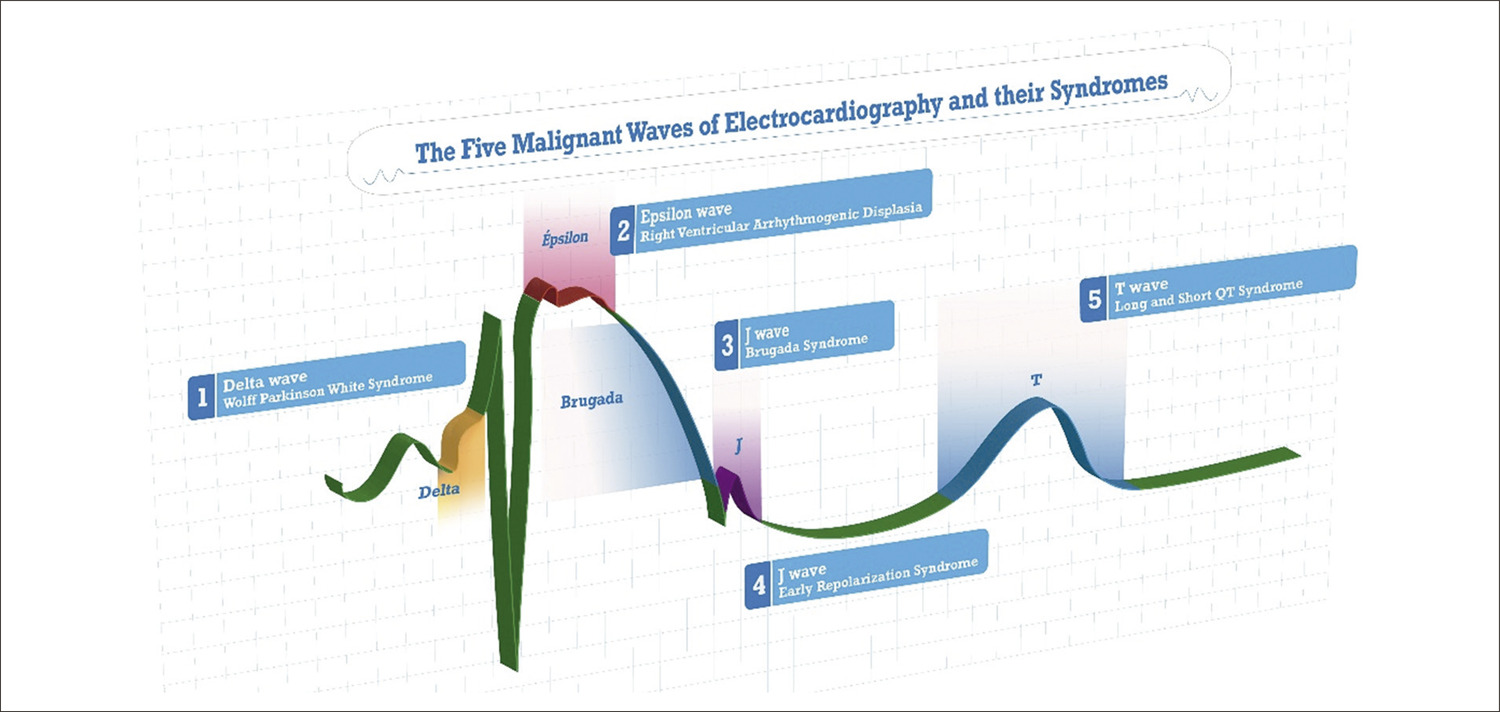
The main ECG features of the five malignant waves and their syndromes

The Main ECG features of the “Five Malignant Waves” and their syndromes are presented in .

[…]

  • Arrhythmias Cardiac
  • Death, Sudden
  • Diagnostic Imaging/methods
  • Electrocardiography/methods
  • Syncope
  • Tachycardia, Ventricular
Read Full Article
Creative Commons Attribution (CC BY) Creative Commons license
23/02/2023 DOI: 10.36660/abc.20220649 Views 1
Figure 1
ABC
Original Article

Predictors of Total Mortality and Serious Arrhythmic Events in Non-Ischemic Heart Failure Patients: The Role of Galectin-3

Adriano Nunes Kochi et al. Mauricio Pimentel Michael Andrades Tiago Zimerman … Leandro Ioschpe Zimerman Luis Eduardo Rohde

Abstract

Background:

Risk stratification remains clinically challenging in patients with heart failure (HF) of non-ischemic etiology. Galectin-3 is a serum marker of fibrosis that might help in prognostication.

Objective:

To determine the role of galectin-3 as a predictor of major arrhythmic events and overall mortality.

Methods:

We conducted a prospective cohort study that enrolled 148 non-ischemic HF patients. All patients underwent a comprehensive baseline clinical and laboratory assessment, including levels of serum galectin-3. The primary outcome was the occurrence of arrhythmic syncope, appropriate implantable cardioverter defibrillator therapy, sustained ventricular tachycardia, or sudden cardiac death. The secondary outcome was all-cause death. For all statistical tests, a two-tailed p-value<0.05 was considered significant.

Results:

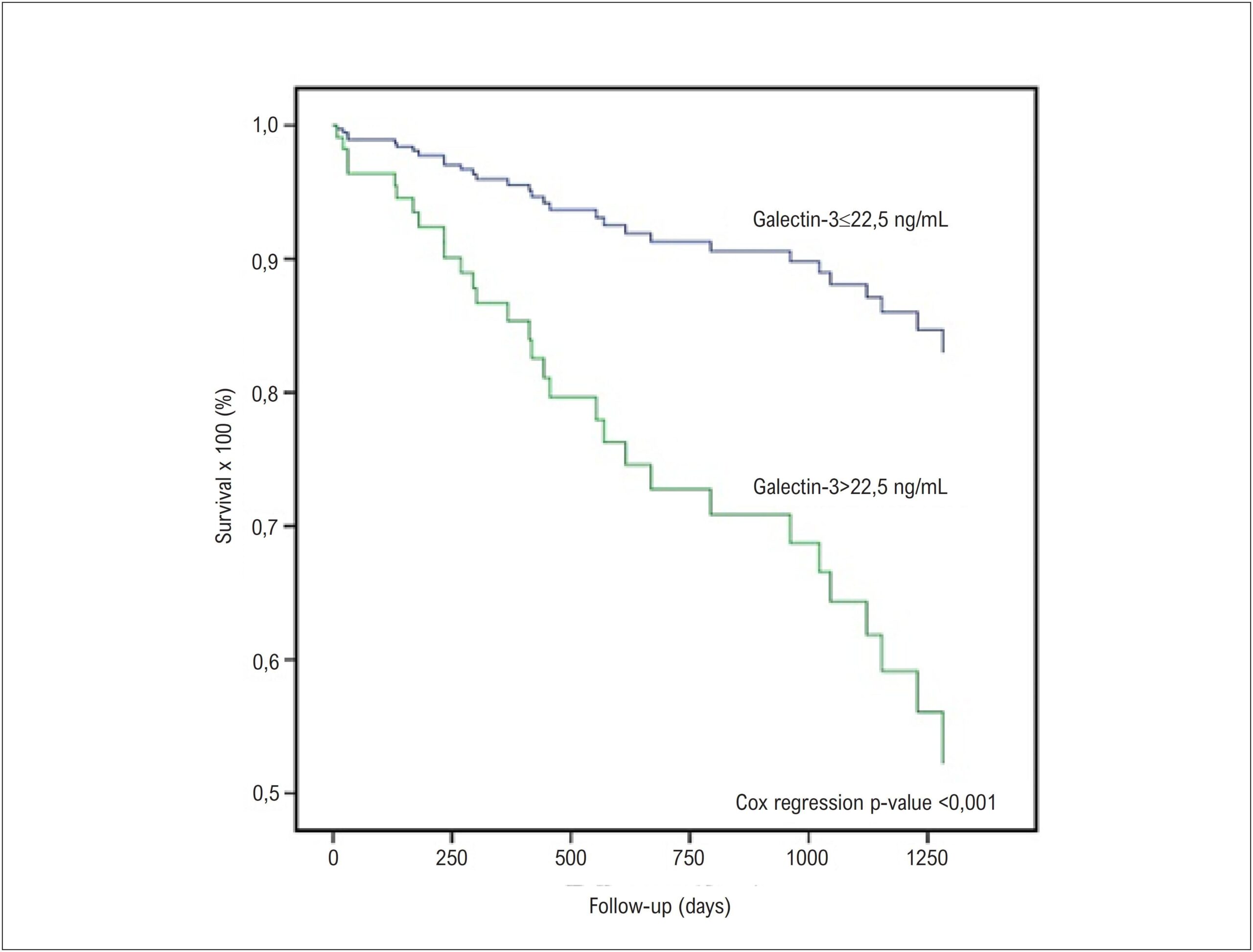
In a median follow-up of 941 days, the primary and secondary outcomes occurred in 26 (17.5%) and 30 (20%) patients, respectively. Serum galectin-3>22.5 ng/mL (highest quartile) did not predict serious arrhythmic events (HR: 1.98, p=0.152). Independent predictors of the primary outcome were left ventricular end-diastolic diameter (LVEDD)>73mm (HR: 3.70, p=0.001), exercise periodic breathing (EPB) on cardiopulmonary exercise testing (HR: 2.67, p=0.01), and non-sustained ventricular tachycardia (NSVT)>8 beats on Holter monitoring (HR: 3.47, p=0.027). Predictors of all-cause death were galectin-3>22.5 ng/mL (HR: 3.69, p=0.001), LVEDD>73mm (HR: 3.35, p=0.003), EPB (HR: 3.06, p=0.006), and NSVT>8 beats (HR: 3.95, p=0.007). The absence of all risk predictors was associated with a 91.1% negative predictive value for the primary outcome and 96.6% for total mortality.

Conclusions:

In non-ischemic HF patients, elevated galectin-3 levels did not predict major arrhythmic events but were associated with total mortality. Absence of risk predictors revealed a prevalent subgroup of HF patients with an excellent prognosis.

  • Apoptosis
  • Arrhythmias Cardiacs
  • Death, Sudden
  • Defibrillators, Implantable
  • Galectin 3
  • Heart Failure
  • Mortality
Read Full Article
Creative Commons Attribution (CC BY) Creative Commons license
20/09/2021 DOI: 10.36660/abc.20200353 Views 3
Figure 1
IJCS
Case Report

Aborted Sudden Death Due to Severe Ventricular Arrhythmia in Timothy Syndrome

Erivelton Nascimento et al. Carollina Fernandes Tinoco Camila Diniz Silva Fabiana Ferreira Mitidieri Cortez Renato Kaufman

Abstract

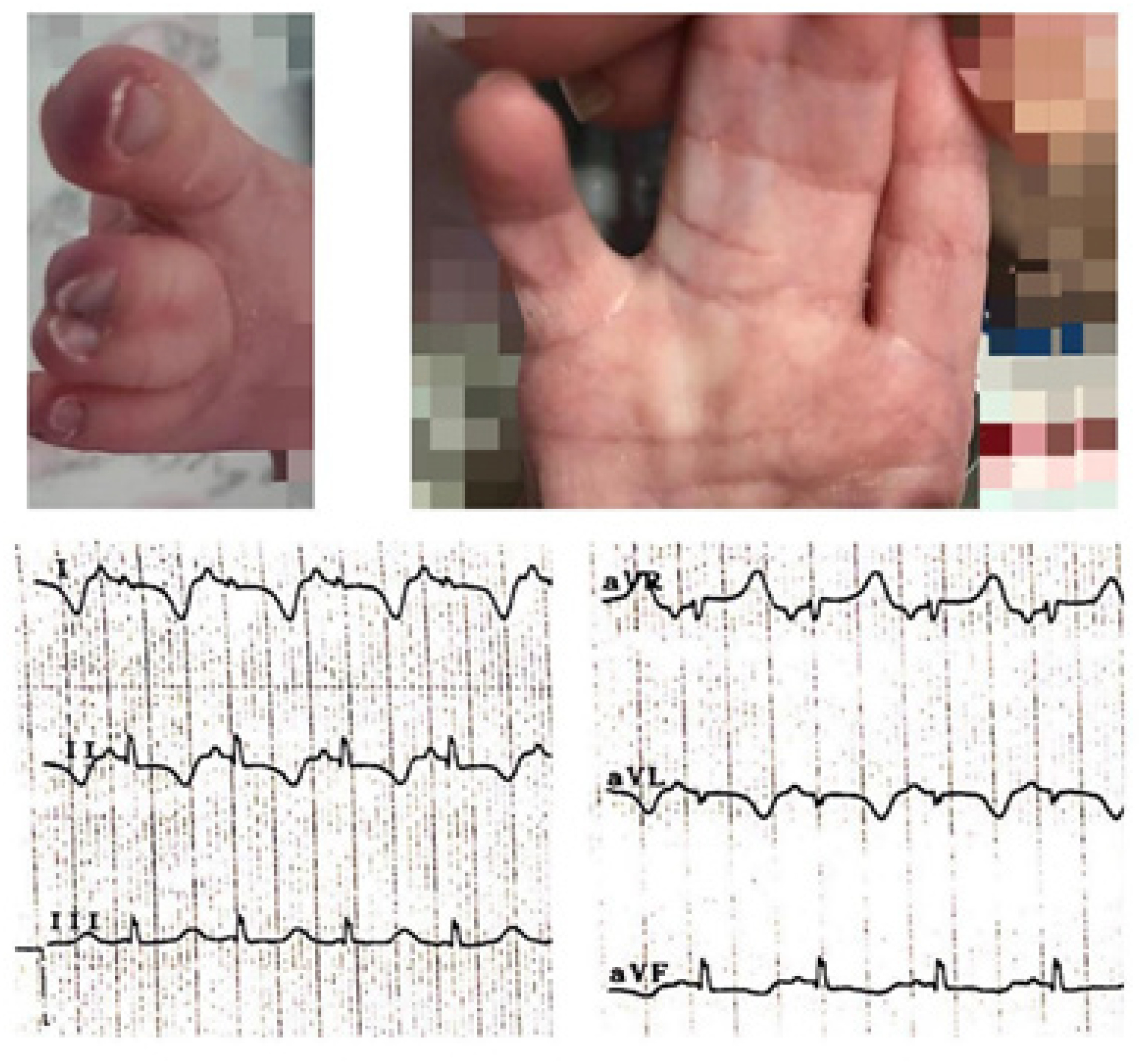
Timothy Syndrome is a rare autosomal dominant multisystem genetic condition. The CACNA1C gene, codifier of the CaV1.2 calcium channel, is affected, resulting in the loss of voltage-dependent calcium channel inactivation. Relevant clinical characteristics: (1) corrected QT interval greater than 480ms; (2) syndactyly. Death often occurs during childhood, and results from ventricular tachyarrhythmias. This study presents the case of a female newborn who suffered a cardiorespiratory arrest, secondary to ventricular arrhythmia. A prolonged QT interval, combined with 2:1 AV block, was also identified, requiring a definitive cardiac pacemaker implant that, during inpatient care, developed pulmonary sepsis, followed by death.

  • Arrhythmias, Cardiac/complications
  • Child
  • Death, Sudden
  • Long QT Syndrome
  • Syndactyly/genetics
Read Full Article
Creative Commons Attribution (CC BY) Creative Commons license
30/04/2021 DOI: 10.36660/ijcs.20200061 Views 1
Figure 1
IJCS
Viewpoint

Severe Cardiovascular Complications of COVID-19: a Challenge for the Physician

Nathalie Cristina Crivelari et al. Gisele Queiroz de Oliveira Clarice Hyesuk Lee Park Gregorio da Cruz Riemma … Isabela Bispo Santos da Silva Costa Marcus Vinícius Guimarães de Lacerda Glaucia Maria Moraes de Oliveira Francisco Carlos da Costa Darrieux Luciana Sacilotto Ludhmila Abrahão Hajjar

Introduction

Since December 31, 2019, when China reported the appearance of cases of acute respiratory failure caused by a new species of coronavirus, SARS-CoV-2, which causes the disease called COVID-19, almost 20 million cases were confirmed, causing 726 thousand deaths worldwide. In Brazil, on August 8th, 2020, there was approximately 3 million cases and 100 thousand death by the disease.

Its rapid spread, its high potential for hospitalization, and its high lethality, especially in the most fragile groups such as geriatric patients and those with comorbidities, particularly cardiovascular ones, make this pandemic a challenge never faced by modern medicine. To date, we have no specific medication that has effective and safe results for the treatment of COVID-19. The scientific community has sought to research drugs with therapeutic plausibility, and controlled and randomized studies are underway. Many therapeutic proposals are based on in vitro experiments. The medications used are described in case records, with no solid scientific evidence for their use, and with a high probability of causing damage due to their adverse effects alone or in combination.

[…]

  • Arrhythmias Cardiac
  • Azythromycin
  • Betacoronavirus
  • Cardiovascular Diseases/complications
  • Chloroquine
  • Covid-19/complications
  • Death, Sudden
  • Hydroxychloroquine
  • Pandemics
  • Stroke Volume
Read Full Article
Creative Commons Attribution (CC BY) Creative Commons license
09/10/2020 DOI: 10.36660/ijcs.20200125 Views 2
ABC
Editorial

Cohort of Patients Referred for Brugada Syndrome Investigation in an Electrophysiology Service – 19-Year Registry

Alvaro Valentim Lima Sarabanda

Brugada syndrome (BrS) was described by Pedro and Josep Brugada in 1992 as a new clinical entity characterized by specific electrocardiographic (ECG) changes, such as the patterns of right bundle-branch block and persistent ST-segment elevation in right precordial leads, associated with increased risk for sudden death.

Brugada syndrome is an autosomal dominant channelopathy, with clinical manifestation at the age of 30 to 40 years, affecting mainly men. Currently, BrS is estimated to account for 12% of all sudden cardiac deaths and up to 20% of the sudden cardiac deaths in individuals with no structural heart disease. The real prevalence of BrS in the general population is difficult to establish, being estimated at 5 to 20 in every 10,000 individuals. Several genetic mutations have been associated with BrS, most of them related to the encoding of sodium channel proteins (INa), calcium channel proteins (ICa) or potassium channel proteins (usually Ito) of the sarcoplasmatic membrane.–

[…]

  • Brugada Syndrome
  • Bundle Branch Block
  • Death, Sudden
  • Syncope
  • Tachycardia, Ventricular
Read Full Article
Creative Commons Attribution (CC BY) Creative Commons license
01/07/2018 DOI: 10.5935/abc.20180120 Views 1
ABC
Letter to the Editor

An Issue Waiting to be Clarified: Effects of the QT Prolonging Drugs on Tp-e Interval

Omer Yiginer et al. Mehmet Dogan Emrah Erdal

We read the article ‘Impact of Psychotropic Drugs on QT Interval Dispersion in Adult Patients’ by Claudio et al. with great interest. They investigated in this study the effects of psychotropic drugs on QT interval (QTI), corrected QT interval (QTc), and QT dispersion (QTd). They concluded that psychotropic drugs increased QTd and QTc interval.

QTd is the most frequently used non-invasive method to quantify electrical myocardial heterogeneity. However, there are variable results in studies related to QTI due to the technical limitations in measurements. It is well-known that the reproducibility of QTI measurements is low both in manual and automatic measurements. In this study, the measurements were performed digitally by four cardiologists using the Preview software with a magnification of 300%. We appreciated the method used in this study in order to obtain more accurate data. It is recommended that measurements be done digitally at least by two cardiologists.

[…]

  • Cardiovascular Diseases
  • Death, Sudden
  • Electrocardiography
  • Psychotropic /drugs therapeutic
  • Torsades de Pointes
  • Ventricular Fibrillation
Read Full Article
Creative Commons Attribution (CC BY) Creative Commons license
01/06/2015 DOI: 10.5935/abc.20150037 Views 1
Figure 1
ABC
Case Report

Sudden Cardiac Death and Short QT Syndrome

Maria Lícia Ribeiro Cury Pavão et al. Viviane Cristina Ono Elerson Arfelli Marcus Vinícius Simões … José Antonio Marin Neto André Schmidt

Introduction

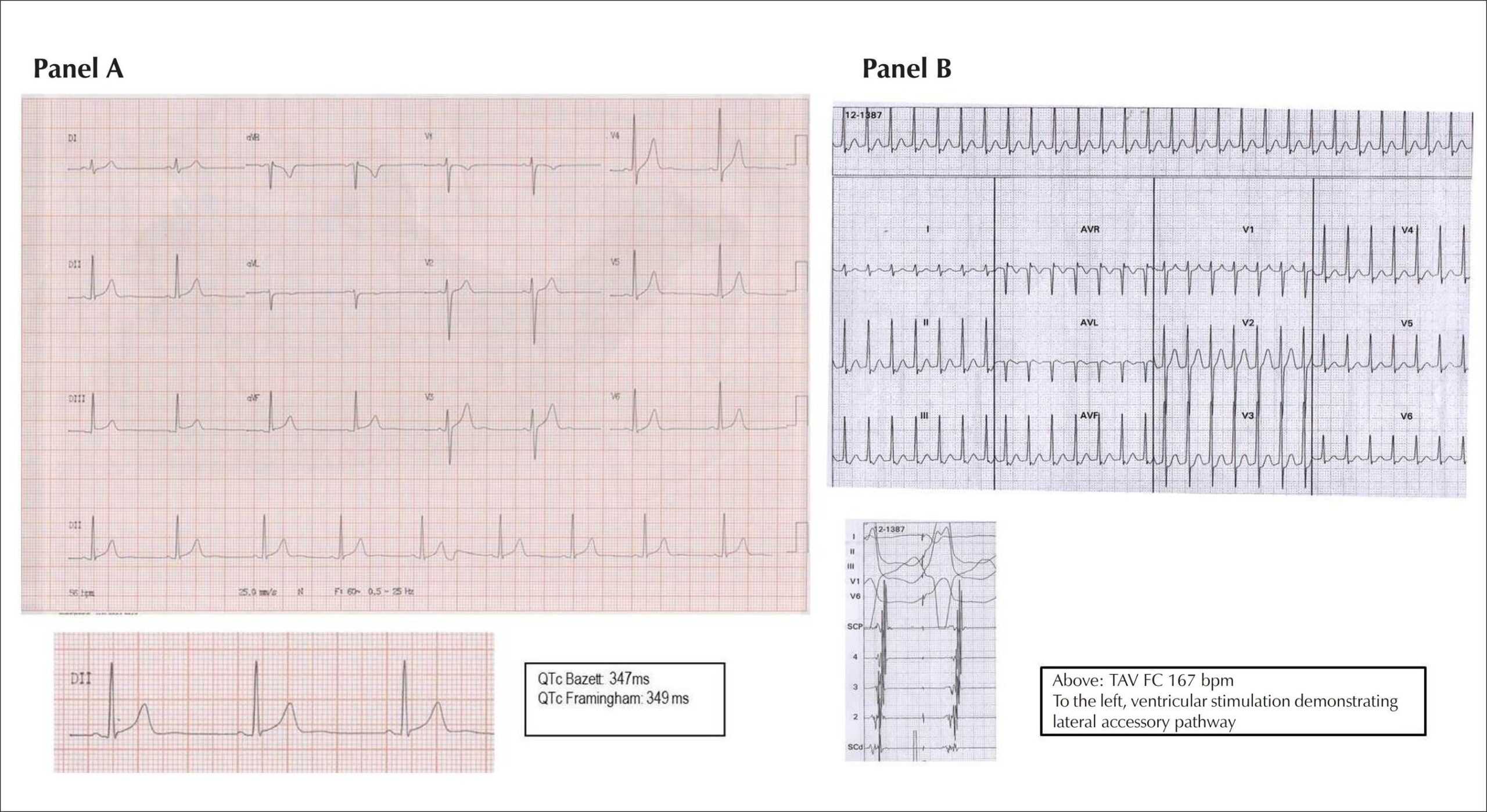
The evaluation of patients recovered from sudden death (SD) is based on diagnostic investigation aiming to identify structural heart diseases or exclusion of noncardiac diseases and metabolic disorders. After exclusion of these pathologies, one is faced with sudden cardiac death (SCD) without structural heart disease, in which electrical and latent heart diseases account for up to 56% of cases, while the remaining is considered idiopathic disease . This latter group has been gradually reduced due to the increasing characterization of molecular mechanisms that generate potentially lethal arrhythmias. We report the case of a young patient recovered from SCD, with no apparent structural heart disease, probably due to electrical heart disease associated with occult anomalous bundle and both diagnoses being possible according to the available means in clinical practice.

[…]

  • concealed accessory atrioventricular pathway
  • Death, Sudden
  • short QT syndrome
Read Full Article
Creative Commons Attribution (CC BY) Creative Commons license
01/09/2014 DOI: 10.5935/abc.20140133 Views 1
Graph 1
ABC
Original Article

Baroreflex Sensitivity and its Association with Arrhythmic Events in Chagas Disease

Astrid Meireles Santos et al. Mauricio Ibrahim Scanavacca Francisco Darrieux Bárbara Ianni … Sissy Lara de Melo Cristiano Pisani Francisco Santos Neto Eduardo Sosa Denise Tessariol Hachul

Background:

Sudden death is the leading cause of death in Chagas disease (CD), even in patients with preserved ejection fraction (EF), suggesting that destabilizing factors of the arrhythmogenic substrate (autonomic modulation) contribute to its occurrence.

Objective:

To determine baroreflex sensitivity (BRS) in patients with undetermined CD (GI), arrhythmogenic CD with nonsustained ventricular tachycardia (NSVT) (GII) and CD with spontaneous sustained ventricular tachycardia (STV) (GIII), to evaluate its association with the occurrence and complexity of arrhythmias.

Method:

Forty-two patients with CD underwent ECG and continuous and noninvasive BP monitoring (TASK force monitor). The following were determined: BRS (phenylephrine method); heart rate variability (HRV) on 24-h Holter; and EF (echocardiogram).

Results:

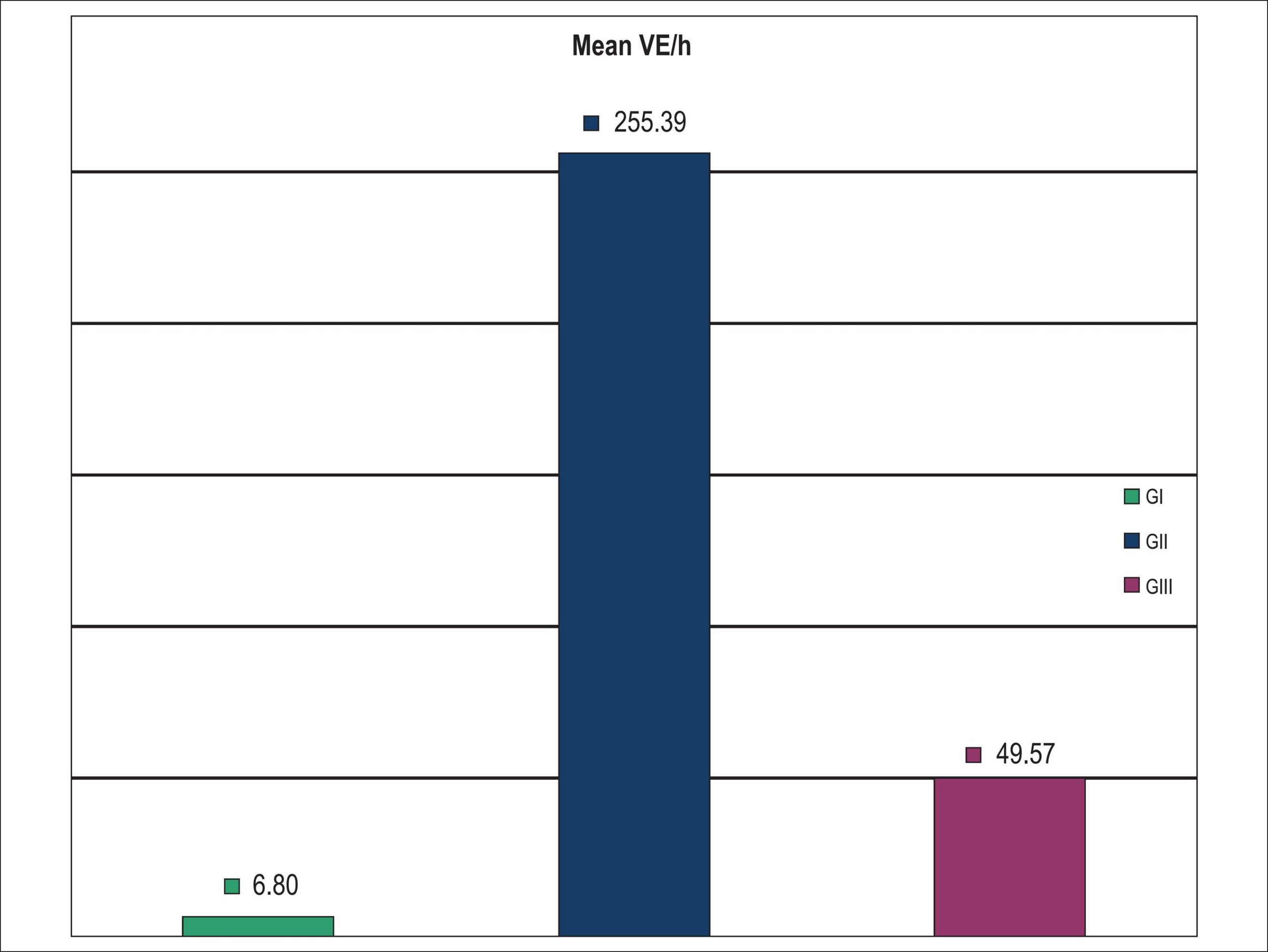
GIII had lower BRS (6.09 ms/mm Hg) as compared to GII (11.84) and GI (15.23). The difference was significant between GI and GIII (p = 0.01). Correlating BRS with the density of ventricular extrasystoles (VE), low VE density ( 10/h) had preserved BRS (p = 0.003). Patients with depressed BRS had higher VE density (p = 0.01), regardless of the EF. The BRS was the only variable related to the occurrence of SVT (p = 0.028).

Conclusion:

The BRS is preserved in undetermined CD. The BRS impairment increases as disease progresses, being more severe in patients with more complex ventricular arrhythmias. The degree of autonomic dysfunction did not correlate with EF, but with the density and complexity of ventricular arrhythmias.

  • analysis of variance
  • Arrhythmias Cardiac
  • Baroreflex / physiology
  • Chagas disease
  • Death, Sudden
Read Full Article
Creative Commons Attribution (CC BY) Creative Commons license
27/05/2014 DOI: 10.5935/abc.20140066 Views 2
Chart 1
ABC
Artigo Original

Impact of Psychotropic Drugs on QT Interval Dispersion in Adult Patients

Bruno de Queiroz Claudio et al. Marcelle Azevedo Nossar Costa Filipe Penna Mariana Teixeira Konder … Bruno Miguel Jorge Celoria Luciana Lopes de Souza Roberto Pozzan Roberta Siuffo Schneider Felipe Neves Albuquerque Denilson Campos Albuquerque

Background:

Drug-induced increase in QT dispersion has been associated with potentially fatal ventricular arrhythmias. Little is known about the use of psychotropic substances, alone or in combination with other drugs on QT dispersion.

Objectives:

To evaluate the impact of psychotropic drugs on QT interval dispersion in adults.

Methods:

An observational cohort study was designed involving 161 patients hospitalized from an emergency department at a tertiary hospital, divided into psychotropic users or non-users. Demographic, clinical, laboratory data and drugs used on a regular basis were collected on admission, in addition to 12-lead electrocardiogram with QT dispersion measurement.

Results:

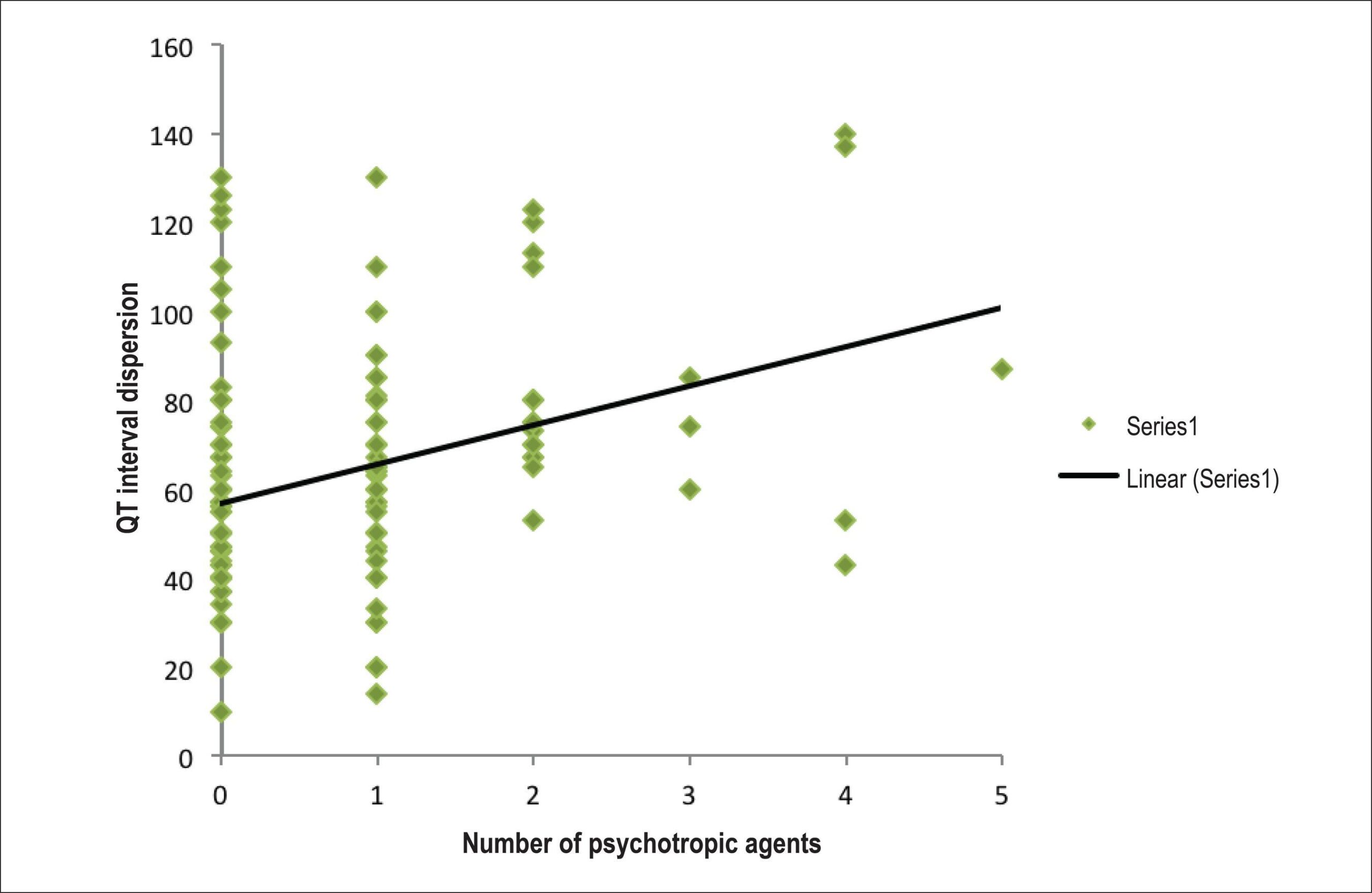
QT dispersion was significantly higher in the psychotropic user group compared to non-users (69.25 ± 25.5 ms vs. 57.08 ± 23.4 ms; p = 0.002). The QT interval corrected by Bazzett formula was also higher in the psychotropic drugs user group, with statistical significance. (439.79 ± 31.14 ms vs. 427.71 ± 28.42 ms; p = 0.011). A regression analysis model showed a positive association between the number of psychotropic drugs used and QT interval dispersion, with r = 0.341 and p < 0.001.

Conclusions:

The use of psychotropic drugs was associated with increased QT dispersion and this increase was accentuated, as the number of psychotropic drugs used was higher.

  • Cardiovascular Diseases
  • Death, Sudden
  • Electrocardiography
  • Torsades de Pointes
  • Ventricular Fibrillation
Read Full Article
Creative Commons Attribution (CC BY) Creative Commons license
09/05/2014 DOI: 10.5935/abc.20140055
T-wave alternans: clinical performance, limitations and analysis methodologies
ABC
Artigo Original

T-wave alternans: clinical performance, limitations and analysis methodologies

Euler V. Garcia et al. Carlos Alberto Pastore Nelson Samesima Horácio G. Pereira Filho

Accurate recognition of individuals at higher immediate risk of sudden cardiac death (SCD) is still an open question. The fortuitous nature of acute cardiovascular events just does not seem to fit the well-known model of ventricular tachycardia/fibrillation induction in a static arrhythmogenic substrate by a synchronous trigger. On the mechanism of SCD, a dynamical electrical instability would better explain the rarity of the simultaneous association of a correct trigger and an appropriate cardiac substrate. Several studies have been conducted trying to measure this cardiac electrical instability (or any valid surrogate) in an ECG beat stream. Among the current possible candidates we can number QT prolongation, QT dispersion, late potentials, T-wave alternans (TWA), and heart rate turbulence. This article reviews the particular role of TWA in the current cardiac risk stratification scenario. TWA findings are still heterogeneous, ranging from very good to nearly null prognostic performance depending on the clinical population observed and clinical protocol in use. To fill the current gaps in the TWA base of knowledge, practitioners, and researchers should better explore the technical features of the several technologies available for TWA evaluation and pay greater attention to the fact that TWA values are responsive to several factors other than medications. Information about the cellular and subcellular mechanisms of TWA is outside the scope of this article, but the reader is referred to some of the good papers available on this topic whenever this extra information could help the understanding of the concepts and facts covered herein.

  • Arrhythmias Cardiac
  • Death, Sudden
  • Defibrillators, Implantable
  • Estados Unidos
  • United States
Read Full Article
Creative Commons Attribution (CC BY) Creative Commons license
25/02/2011 DOI: 10.1590/S0066-782X2011005000018 Views 1
Long-term follow-up of patients with indication for a implantable defibrillator for primary prevention of death
ABC
Artigo Original

Long-term follow-up of patients with indication for a implantable defibrillator for primary prevention of death

Claudio Hadid et al. Patricia Avellana Darío Di Toro Claudia Fernández Gomez … Miguel Visser Noemí Prieto

BACKGROUND: Recent MADIT II and SCD-HeFT trials have led to an expansion of indications for use of prophylactic Implantable Cardioverter Defibrillator (ICD) in patients with severe left-ventricular impairment. This therapy has not been fully adopted in our health care system, mainly due to its high cost. OBJECTIVE: To assess total mortality of SCD-HeFT-like patients from our daily practice who are under stable, optimal medical treatment and who have not received an ICD; and to compare it to that of the placebo arm of the SCD-HeFT Trial. METHODS: SCD-HeFT-like patients identified from office medical records were included in our study. Total mortality was assessed by telephone contact. Statistical analysis was performed by Student’s t-Test, Mann-Whitney Test or chi2 test, depending on the type of variable. Cumulative mortality rates were calculated according to the Kaplan-Meier method. RESULTS: Our study comprised 102 patients (seventy-four of which were men) with a median age of 64 years, and an overall median ejection fraction of 25%. We found no differences between our patients and SCD-HeFT patients across these 3 variables. Over a 19.6-month follow-up period, 21 patients died (20.6%) vs. 28.8% of the SCD-HeFT patients. This difference was not statistically significant (p = 0.08). CONCLUSION: SCD-HeFT-like patients from our practice had no difference in mortality rate than patients enrolled in the placebo arm of the SCD-HeFT trial. These results suggest that the SCD-HeFT population is representative of our patients.

  • Death, Sudden
  • Defibrillators, Implantable
  • heart failure, congestive
Read Full Article
Creative Commons Attribution (CC BY) Creative Commons license
27/05/2008 DOI: 10.1590/S0066-782X2008000500006 Views 1

How to cite this article

EndNote RIS

Electronic Document Format (Vancouver)

Antunes MO, Arteaga-Fernandez E, Samesima N, Pereira Filho HG, Matsumoto AY, Verrier RL, Pastore CA, et al. Prognostic Evaluation of Microvolt T-Wave Alternans in Hypertrophic Cardiomyopathy: 9-year Clinical Follow-up. Arquivos Brasileiros de Cardiologia 2023;120(8):e20220833.

Electronic Document Format (ABNT)

Antunes, Murillo Oliveira; Arteaga-Fernandez, Edmundo; Samesima, Nelson; Pereira Filho, Horácio Gomes; Matsumoto, Afonso Yoshikiro; Verrier, Richard L.; Pastore, Carlos Alberto; Mady, Charles. Prognostic Evaluation of Microvolt T-Wave Alternans in Hypertrophic Cardiomyopathy: 9-year Clinical Follow-up. Arquivos Brasileiros de Cardiologia, v. 120, n. 8, e20220833, Sep. 2023.

Electronic Document Format (APA)

Antunes, M. O., Arteaga-Fernandez, E., Samesima, N., Pereira Filho, H. G., Matsumoto, A. Y., Verrier, R. L., Pastore, C. A., & Mady, C. (2023). Prognostic Evaluation of Microvolt T-Wave Alternans in Hypertrophic Cardiomyopathy: 9-year Clinical Follow-up. Arquivos Brasileiros de Cardiologia, 120(8), e20220833.

Electronic Document Format (ISO)

Antunes, Murillo Oliveira and Arteaga-Fernandez, Edmundo and Samesima, Nelson and Pereira Filho, Horácio Gomes and Matsumoto, Afonso Yoshikiro and Verrier, Richard L. and Pastore, Carlos Alberto and Mady, Charles. Prognostic Evaluation of Microvolt T-Wave Alternans in Hypertrophic Cardiomyopathy: 9-year Clinical Follow-up. Arquivos Brasileiros de Cardiologia [online]. 2023, vol. 120, n. 8, [cited 2026-10-14], e20220833. Available from: <https://journals.cardiol.br/en/article/prognostic-evaluation-of-microvolt-t-wave-alternans-in-hypertrophic-cardiomyopathy-9-year-clinical-follow-up/>. ISSN 0066-782X

EndNote RIS

Electronic Document Format (Vancouver)

Torbey AFM, Nascimento EA, Nunes NSV, Carvalho AB, Neves DG, Couto RGT, Pimentel SVT, et al. Arrhythmogenic Left Ventricular Cardiomyopathy – State of Art: From Genotype to Phenotype. ABC Heart Fail Cardiomyop 2023;3(1):e20230035.

Electronic Document Format (ABNT)

Torbey, Ana Flavia Malheiros; Nascimento, Erivelton Alessandro do; Nunes, Nágela Simão Vinhosa; Carvalho, Adriana Bastos; Neves, Daniel Gama das; Couto, Raquel Germer Toja; Pimentel, Sandra Vitória Thuler; Maia, Eduarda Corrêa; Mesquita, Evandro Tinoco. Arrhythmogenic Left Ventricular Cardiomyopathy – State of Art: From Genotype to Phenotype. ABC Heart Fail Cardiomyop, v. 3, n. 1, e20230035, Aug. 2023.

Electronic Document Format (APA)

Torbey, A. F. M., Nascimento, E. A. , Nunes, N. S. V., Carvalho, A. B., Neves, D. G. , Couto, R. G. T., Pimentel, S. V. T., Maia, E. C., & Mesquita, E. T. (2023). Arrhythmogenic Left Ventricular Cardiomyopathy – State of Art: From Genotype to Phenotype. ABC Heart Fail Cardiomyop, 3(1), e20230035.

Electronic Document Format (ISO)

Torbey, Ana Flavia Malheiros and Nascimento, Erivelton Alessandro do and Nunes, Nágela Simão Vinhosa and Carvalho, Adriana Bastos and Neves, Daniel Gama das and Couto, Raquel Germer Toja and Pimentel, Sandra Vitória Thuler and Maia, Eduarda Corrêa and Mesquita, Evandro Tinoco. Arrhythmogenic Left Ventricular Cardiomyopathy – State of Art: From Genotype to Phenotype. ABC Heart Fail Cardiomyop [online]. 2023, vol. 3, n. 1, [cited 2026-10-14], e20230035. Available from: <https://journals.cardiol.br/en/article/arrhythmogenic-left-ventricular-cardiomyopathy-state-of-art-from-genotype-to-phenotype/>

EndNote RIS

Electronic Document Format (Vancouver)

Brito MR. The “Five Malignant Waves” of the Electrocardiography. Arquivos Brasileiros de Cardiologia 2023;120(3):e20220649.

Electronic Document Format (ABNT)

Brito, Mitermayer Reis. The “Five Malignant Waves” of the Electrocardiography. Arquivos Brasileiros de Cardiologia, v. 120, n. 3, e20220649, Feb. 2023.

Electronic Document Format (APA)

Brito, M. R. (2023). The “Five Malignant Waves” of the Electrocardiography. Arquivos Brasileiros de Cardiologia, 120(3), e20220649.

Electronic Document Format (ISO)

Brito, Mitermayer Reis. The “Five Malignant Waves” of the Electrocardiography. Arquivos Brasileiros de Cardiologia [online]. 2023, vol. 120, n. 3, [cited 2026-10-14], e20220649. Available from: <https://journals.cardiol.br/en/article/the-five-malignant-waves-of-the-electrocardiography/>. ISSN 0066-782X

EndNote RIS

Electronic Document Format (Vancouver)

Kochi AN, Pimentel M, Andrades M, Zimerman T, Zimerman LI, Rohde LE. Predictors of Total Mortality and Serious Arrhythmic Events in Non-Ischemic Heart Failure Patients: The Role of Galectin-3. Arquivos Brasileiros de Cardiologia 2021;117(3):531-4.

Electronic Document Format (ABNT)

Kochi, Adriano Nunes; Pimentel, Mauricio; Andrades, Michael; Zimerman, Tiago; Zimerman, Leandro Ioschpe; Rohde, Luis Eduardo. Predictors of Total Mortality and Serious Arrhythmic Events in Non-Ischemic Heart Failure Patients: The Role of Galectin-3. Arquivos Brasileiros de Cardiologia, v. 117, n. 3, p. 531-541, Sep. 2021.

Electronic Document Format (APA)

Kochi, A. N., Pimentel, M., Andrades, M., Zimerman, T., Zimerman, L. I., & Rohde, L. E. (2021). Predictors of Total Mortality and Serious Arrhythmic Events in Non-Ischemic Heart Failure Patients: The Role of Galectin-3. Arquivos Brasileiros de Cardiologia, 117(3), 531-541.

Electronic Document Format (ISO)

Kochi, Adriano Nunes and Pimentel, Mauricio and Andrades, Michael and Zimerman, Tiago and Zimerman, Leandro Ioschpe and Rohde, Luis Eduardo. Predictors of Total Mortality and Serious Arrhythmic Events in Non-Ischemic Heart Failure Patients: The Role of Galectin-3. Arquivos Brasileiros de Cardiologia [online]. 2021, vol. 117, n. 3, [cited 2026-10-14], pp. 531-541. Available from: <https://journals.cardiol.br/en/article/predictors-of-total-mortality-and-serious-arrhythmic-events-in-non-ischemic-heart-failure-patients-the-role-of-galectin-3/>. ISSN 0066-782X

EndNote RIS

Electronic Document Format (Vancouver)

Nascimento E, Tinoco CF, Silva CD, Cortez FFM, Kaufman R. Aborted Sudden Death Due to Severe Ventricular Arrhythmia in Timothy Syndrome. International Journal of Cardiovascular Sciences 2021;34(6):743-6.

Electronic Document Format (ABNT)

Nascimento, Erivelton; Tinoco, Carollina Fernandes; Silva, Camila Diniz; Cortez, Fabiana Ferreira Mitidieri; Kaufman, Renato. Aborted Sudden Death Due to Severe Ventricular Arrhythmia in Timothy Syndrome. International Journal of Cardiovascular Sciences, v. 34, n. 6, p. 743-746, Apr. 2021.

Electronic Document Format (APA)

Nascimento, E., Tinoco, C. F., Silva, C. D., Cortez, F. F. M., & Kaufman, R. (2021). Aborted Sudden Death Due to Severe Ventricular Arrhythmia in Timothy Syndrome. International Journal of Cardiovascular Sciences, 34(6), 743-746.

Electronic Document Format (ISO)

Nascimento, Erivelton and Tinoco, Carollina Fernandes and Silva, Camila Diniz and Cortez, Fabiana Ferreira Mitidieri and Kaufman, Renato. Aborted Sudden Death Due to Severe Ventricular Arrhythmia in Timothy Syndrome. International Journal of Cardiovascular Sciences [online]. 2021, vol. 34, n. 6, [cited 2026-10-14], pp. 743-746. Available from: <https://journals.cardiol.br/en/article/aborted-sudden-death-due-to-severe-ventricular-arrhythmia-in-timothy-syndrome/>. ISSN 2359-4802

EndNote RIS

Electronic Document Format (Vancouver)

Crivelari NC, Oliveira GQ, Park CHL, Riemma GC, Costa IBSS, Lacerda MVG, Oliveira GMM, et al. Severe Cardiovascular Complications of COVID-19: a Challenge for the Physician. International Journal of Cardiovascular Sciences 2020;33(5):572-81.

Electronic Document Format (ABNT)

Crivelari, Nathalie Cristina; Oliveira, Gisele Queiroz de; Park, Clarice Hyesuk Lee; Riemma, Gregorio da Cruz; Costa, Isabela Bispo Santos da Silva; Lacerda, Marcus Vinícius Guimarães de; Oliveira, Glaucia Maria Moraes de; Darrieux, Francisco Carlos da Costa; Sacilotto, Luciana; Hajjar, Ludhmila Abrahão. Severe Cardiovascular Complications of COVID-19: a Challenge for the Physician. International Journal of Cardiovascular Sciences, v. 33, n. 5, p. 572-581, Oct. 2020.

Electronic Document Format (APA)

Crivelari, N. C., Oliveira, G. Q. , Park, C. H. L., Riemma, G. C., Costa, I. B. S. S., Lacerda, M. V. G. , Oliveira, G. M. M. , Darrieux, F. C. C., Sacilotto, L., & Hajjar, L. A. (2020). Severe Cardiovascular Complications of COVID-19: a Challenge for the Physician. International Journal of Cardiovascular Sciences, 33(5), 572-581.

Electronic Document Format (ISO)

Crivelari, Nathalie Cristina and Oliveira, Gisele Queiroz de and Park, Clarice Hyesuk Lee and Riemma, Gregorio da Cruz and Costa, Isabela Bispo Santos da Silva and Lacerda, Marcus Vinícius Guimarães de and Oliveira, Glaucia Maria Moraes de and Darrieux, Francisco Carlos da Costa and Sacilotto, Luciana and Hajjar, Ludhmila Abrahão. Severe Cardiovascular Complications of COVID-19: a Challenge for the Physician. International Journal of Cardiovascular Sciences [online]. 2020, vol. 33, n. 5, [cited 2026-10-14], pp. 572-581. Available from: <https://journals.cardiol.br/en/article/severe-cardiovascular-complications-of-covid-19-a-challenge-for-the-physician/>. ISSN 2359-4802

EndNote RIS

Electronic Document Format (Vancouver)

Sarabanda AVL. Cohort of Patients Referred for Brugada Syndrome Investigation in an Electrophysiology Service – 19-Year Registry. Arquivos Brasileiros de Cardiologia 2018;111(1):19-20.

Electronic Document Format (ABNT)

Sarabanda, Alvaro Valentim Lima. Cohort of Patients Referred for Brugada Syndrome Investigation in an Electrophysiology Service – 19-Year Registry. Arquivos Brasileiros de Cardiologia, v. 111, n. 1, p. 19-20, Jun. 2018.

Electronic Document Format (APA)

Sarabanda, A. V. L. (2018). Cohort of Patients Referred for Brugada Syndrome Investigation in an Electrophysiology Service – 19-Year Registry. Arquivos Brasileiros de Cardiologia, 111(1), 19-20.

Electronic Document Format (ISO)

Sarabanda, Alvaro Valentim Lima. Cohort of Patients Referred for Brugada Syndrome Investigation in an Electrophysiology Service – 19-Year Registry. Arquivos Brasileiros de Cardiologia [online]. 2018, vol. 111, n. 1, [cited 2026-10-14], pp. 19-20. Available from: <https://journals.cardiol.br/en/article/cohort-of-patients-referred-for-brugada-syndrome-investigation-in-an-electrophysiology-service-19-year-registry/>. ISSN 0066-782X

EndNote RIS

Electronic Document Format (Vancouver)

Yiginer O, Dogan M, Erdal E. An Issue Waiting to be Clarified: Effects of the QT Prolonging Drugs on Tp-e Interval. Arquivos Brasileiros de Cardiologia 2015;104(6):507-8.

Electronic Document Format (ABNT)

Yiginer, Omer; Dogan, Mehmet; Erdal, Emrah. An Issue Waiting to be Clarified: Effects of the QT Prolonging Drugs on Tp-e Interval. Arquivos Brasileiros de Cardiologia, v. 104, n. 6, p. 507-508, May. 2015.

Electronic Document Format (APA)

Yiginer, O., Dogan, M., & Erdal, E. (2015). An Issue Waiting to be Clarified: Effects of the QT Prolonging Drugs on Tp-e Interval. Arquivos Brasileiros de Cardiologia, 104(6), 507-508.

Electronic Document Format (ISO)

Yiginer, Omer and Dogan, Mehmet and Erdal, Emrah. An Issue Waiting to be Clarified: Effects of the QT Prolonging Drugs on Tp-e Interval. Arquivos Brasileiros de Cardiologia [online]. 2015, vol. 104, n. 6, [cited 2026-10-14], pp. 507-508. Available from: <https://journals.cardiol.br/en/article/an-issue-waiting-to-be-clarified-effects-of-the-qt-prolonging-drugs-on-tp-e-interval/>. ISSN 0066-782X

EndNote RIS

Electronic Document Format (Vancouver)

Pavão MLRC, Ono VC, Arfelli E, Simões MV, Marin Neto JA, Schmidt A. Sudden Cardiac Death and Short QT Syndrome. Arquivos Brasileiros de Cardiologia 2014;103(3):e37-40.

Electronic Document Format (ABNT)

Pavão, Maria Lícia Ribeiro Cury; Ono, Viviane Cristina; Arfelli, Elerson; Simões, Marcus Vinícius; Marin Neto, José Antonio; Schmidt, André. Sudden Cardiac Death and Short QT Syndrome. Arquivos Brasileiros de Cardiologia, v. 103, n. 3, p. e37-e40, Aug. 2014.

Electronic Document Format (APA)

Pavão, M. L. R. C., Ono, V. C., Arfelli, E., Simões, M. V., Marin Neto, J. A., & Schmidt, A. (2014). Sudden Cardiac Death and Short QT Syndrome. Arquivos Brasileiros de Cardiologia, 103(3), e37-e40.

Electronic Document Format (ISO)

Pavão, Maria Lícia Ribeiro Cury and Ono, Viviane Cristina and Arfelli, Elerson and Simões, Marcus Vinícius and Marin Neto, José Antonio and Schmidt, André. Sudden Cardiac Death and Short QT Syndrome. Arquivos Brasileiros de Cardiologia [online]. 2014, vol. 103, n. 3, [cited 2026-10-14], pp. e37-e40. Available from: <https://journals.cardiol.br/en/article/sudden-cardiac-death-and-short-qt-syndrome/>. ISSN 0066-782X

EndNote RIS

Electronic Document Format (Vancouver)

Santos AM, Scanavacca MI, Darrieux F, Ianni B, Melo SL, Pisani C, Santos Neto F, et al. Baroreflex Sensitivity and its Association with Arrhythmic Events in Chagas Disease. Arquivos Brasileiros de Cardiologia 2014;102(6):579-87.

Electronic Document Format (ABNT)

Santos, Astrid Meireles; Scanavacca, Mauricio Ibrahim; Darrieux, Francisco; Ianni, Bárbara; Melo, Sissy Lara de; Pisani, Cristiano; Santos Neto, Francisco; Sosa, Eduardo; Hachul, Denise Tessariol. Baroreflex Sensitivity and its Association with Arrhythmic Events in Chagas Disease. Arquivos Brasileiros de Cardiologia, v. 102, n. 6, p. 579-587, May. 2014.

Electronic Document Format (APA)

Santos, A. M., Scanavacca, M. I., Darrieux, F., Ianni, B., Melo, S. L. , Pisani, C., Santos Neto, F., Sosa, E., & Hachul, D. T. (2014). Baroreflex Sensitivity and its Association with Arrhythmic Events in Chagas Disease. Arquivos Brasileiros de Cardiologia, 102(6), 579-587.

Electronic Document Format (ISO)

Santos, Astrid Meireles and Scanavacca, Mauricio Ibrahim and Darrieux, Francisco and Ianni, Bárbara and Melo, Sissy Lara de and Pisani, Cristiano and Santos Neto, Francisco and Sosa, Eduardo and Hachul, Denise Tessariol. Baroreflex Sensitivity and its Association with Arrhythmic Events in Chagas Disease. Arquivos Brasileiros de Cardiologia [online]. 2014, vol. 102, n. 6, [cited 2026-10-14], pp. 579-587. Available from: <https://journals.cardiol.br/en/article/baroreflex-sensitivity-and-its-association-with-arrhythmic-events-in-chagas-disease/>. ISSN 0066-782X

EndNote RIS

Electronic Document Format (Vancouver)

Claudio BQ, Costa MAN, Penna F, Konder MT, Celoria BMJ, Souza LL, Pozzan R, et al. Impact of Psychotropic Drugs on QT Interval Dispersion in Adult Patients. Arquivos Brasileiros de Cardiologia 2014;102(5):465-72.

Electronic Document Format (ABNT)

Claudio, Bruno de Queiroz; Costa, Marcelle Azevedo Nossar; Penna, Filipe; Konder, Mariana Teixeira; Celoria, Bruno Miguel Jorge; Souza, Luciana Lopes de; Pozzan, Roberto; Schneider, Roberta Siuffo; Albuquerque, Felipe Neves; Albuquerque, Denilson Campos. Impact of Psychotropic Drugs on QT Interval Dispersion in Adult Patients. Arquivos Brasileiros de Cardiologia, v. 102, n. 5, p. 465-472, May. 2014.

Electronic Document Format (APA)

Claudio, B. Q., Costa, M. A. N., Penna, F., Konder, M. T., Celoria, B. M. J., Souza, L. L. , Pozzan, R., Schneider, R. S., Albuquerque, F. N., & Albuquerque, D. C. (2014). Impact of Psychotropic Drugs on QT Interval Dispersion in Adult Patients. Arquivos Brasileiros de Cardiologia, 102(5), 465-472.

Electronic Document Format (ISO)

Claudio, Bruno de Queiroz and Costa, Marcelle Azevedo Nossar and Penna, Filipe and Konder, Mariana Teixeira and Celoria, Bruno Miguel Jorge and Souza, Luciana Lopes de and Pozzan, Roberto and Schneider, Roberta Siuffo and Albuquerque, Felipe Neves and Albuquerque, Denilson Campos. Impact of Psychotropic Drugs on QT Interval Dispersion in Adult Patients. Arquivos Brasileiros de Cardiologia [online]. 2014, vol. 102, n. 5, [cited 2026-10-14], pp. 465-472. Available from: <https://journals.cardiol.br/en/article/impact-of-psychotropic-drugs-on-qt-interval-dispersion-in-adult-patients/>. ISSN 0066-782X

EndNote RIS

Electronic Document Format (Vancouver)

Garcia EV, Pastore CA, Samesima N, Pereira Filho HG. T-wave alternans: clinical performance, limitations and analysis methodologies. Arquivos Brasileiros de Cardiologia 2011;96(3):e53-61.

Electronic Document Format (ABNT)

Garcia, Euler V.; Pastore, Carlos Alberto; Samesima, Nelson; Pereira Filho, Horácio G.. T-wave alternans: clinical performance, limitations and analysis methodologies. Arquivos Brasileiros de Cardiologia, v. 96, n. 3, p. e53-e61, Feb. 2011.

Electronic Document Format (APA)

Garcia, E. V., Pastore, C. A., Samesima, N., & Pereira Filho, H. G. (2011). T-wave alternans: clinical performance, limitations and analysis methodologies. Arquivos Brasileiros de Cardiologia, 96(3), e53-e61.

Electronic Document Format (ISO)

Garcia, Euler V. and Pastore, Carlos Alberto and Samesima, Nelson and Pereira Filho, Horácio G.. T-wave alternans: clinical performance, limitations and analysis methodologies. Arquivos Brasileiros de Cardiologia [online]. 2011, vol. 96, n. 3, [cited 2026-10-14], pp. e53-e61. Available from: <https://journals.cardiol.br/en/article/t-wave-alternans-clinical-performance-limitations-and-analysis-methodologies/>. ISSN 0066-782X

EndNote RIS

Electronic Document Format (Vancouver)

Hadid C, Avellana P, Toro DD, Gomez CF, Visser M, Prieto N. Long-term follow-up of patients with indication for a implantable defibrillator for primary prevention of death. Arquivos Brasileiros de Cardiologia 2008;90(5):339-44.

Electronic Document Format (ABNT)

Hadid, Claudio; Avellana, Patricia; Toro, Darío Di; Gomez, Claudia Fernández; Visser, Miguel; Prieto, Noemí. Long-term follow-up of patients with indication for a implantable defibrillator for primary prevention of death. Arquivos Brasileiros de Cardiologia, v. 90, n. 5, p. 339-344, May. 2008.

Electronic Document Format (APA)

Hadid, C., Avellana, P., Toro, D. D., Gomez, C. F., Visser, M., & Prieto, N. (2008). Long-term follow-up of patients with indication for a implantable defibrillator for primary prevention of death. Arquivos Brasileiros de Cardiologia, 90(5), 339-344.

Electronic Document Format (ISO)

Hadid, Claudio and Avellana, Patricia and Toro, Darío Di and Gomez, Claudia Fernández and Visser, Miguel and Prieto, Noemí. Long-term follow-up of patients with indication for a implantable defibrillator for primary prevention of death. Arquivos Brasileiros de Cardiologia [online]. 2008, vol. 90, n. 5, [cited 2026-10-14], pp. 339-344. Available from: <https://journals.cardiol.br/en/article/long-term-follow-up-of-patients-with-indication-for-a-implantable-defibrillator-for-primary-prevention-of-death/>. ISSN 0066-782X

  • About ABC Family
  • Internal Regulation
  • Editorial Board
  • Brazilian Society of Cardiology (SBC)

Issues

SBC Guidelines

  • Videos
  • Podcasts
  • News