ABC Family Arquivos Brasileiros de Cardiologia International Journal of Cardiovascular Sciences ABC Heart Failure & Cardiomyopathy ABC Imagem Cardiovascular
Português English
ABC Family
Português English
  • About
    • About ABC Family
    • Internal Regulation
    • Editorial Board
    • Brazilian Society of Cardiology (SBC)
  • Issues
  • SBC Guidelines
  • Content
    • Videos
    • Podcasts
    • News
  • About
    • About ABC Family
    • Internal Regulation
    • Editorial Board
    • Brazilian Society of Cardiology (SBC)
  • Issues
  • SBC Guidelines
  • Content
    • Videos
    • Podcasts
    • News

ABC Family

  • ABC Family
  • Arquivos Brasileiros de Cardiologia
  • International Journal of Cardiovascular Sciences
  • ABC Heart Failure & Cardiomyopathy
  • ABC Imagem Cardiovascular
Search in

No content found.

Journals
Ordering
Article types
Others

  1. Home
  2. Keyword: Arrhythmias Cardiac
Figure 1
ABCIC
Case Report

Long-term Follow-Up of a Patient with FLNC Gene Mutation-Related Cardiomyopathy: A Case Report

Isabela Bispo Santos da Silva Costa et al. Bruno Soares da Silva Rangel Antonio Tito Paladino Filho Bruno Normande Colombo … Thamara Carvalho Morais Ludhmila Abrahão Hajjar

Introduction

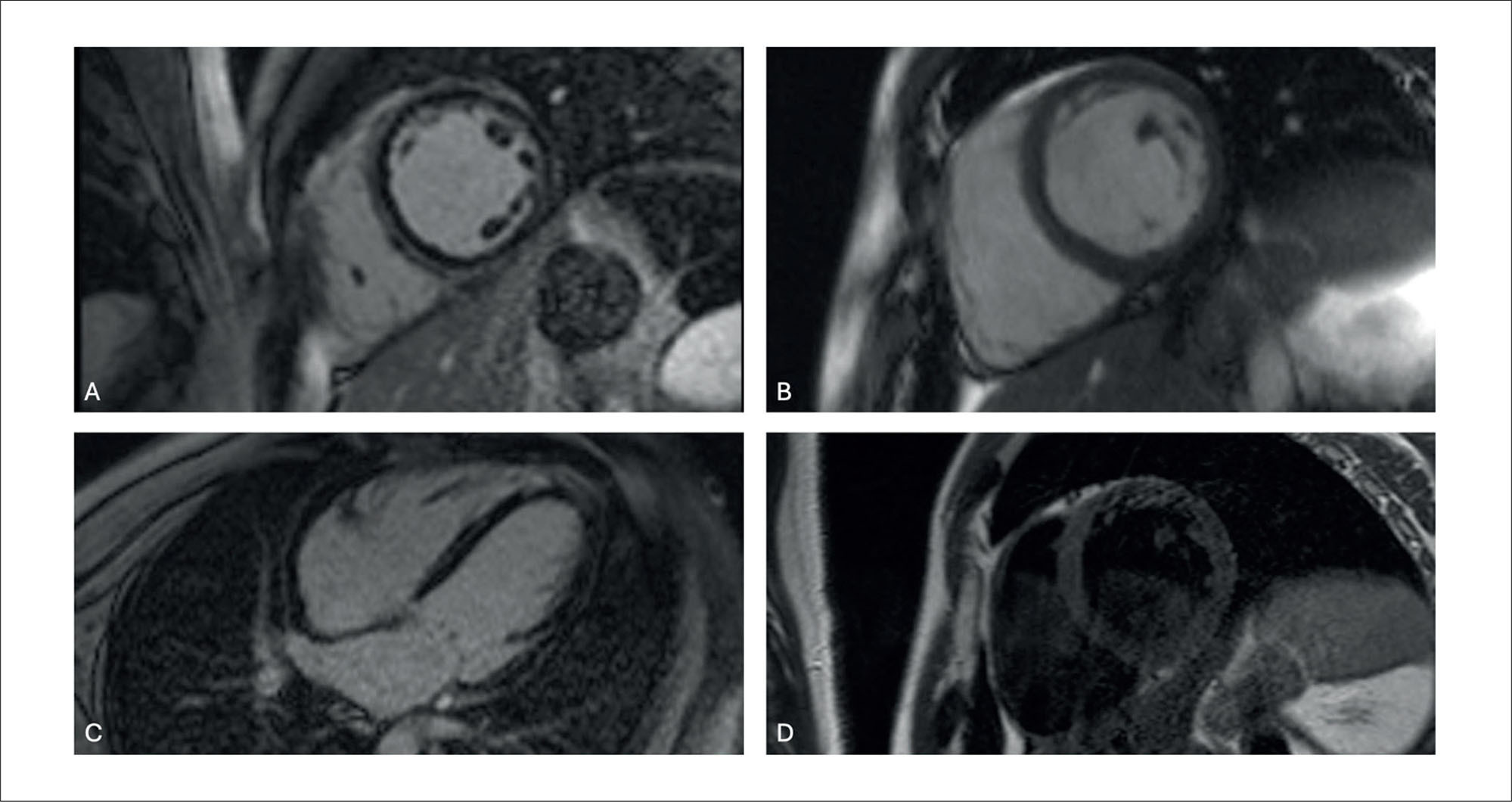
Heart Failure (HF) is estimated to affect approximately 26 million people worldwide., In Brazil, prevalence is high, with about 2 million diagnosed patients and an incidence of roughly 240,000 new cases every year. Between 2011 and 2021, more than 2.5 million HF-related hospitalizations were recorded in the Brazilian Unified Health System (SUS), underscoring the relevance of the disease in the national context. These figures highlight the need for early diagnostic strategies and etiological definition for the appropriate management of these patients. Establishing an etiological diagnosis is often challenging but essential to provide disease-specific treatments and improve prognosis. Diagnosis encompasses multimodality cardiac imaging, with Cardiac Magnetic Resonance imaging (CMR) being a useful tool for evaluating non-ischemic cardiomyopathy phenotypes and establishing an etiological diagnosis.

[…]

  • Arrhythmias Cardiac
  • Cardiac Magnetic Resonance Imaging
  • Cardiomyopathies
  • Genetics
  • Sudden Cardiac Death
Read Full Article
Creative Commons Attribution (CC BY) Creative Commons license
03/12/2025 DOI: 10.36660/abcimg.20250071i
Figure 1
ABC
Research Letter

Wide QRS Tachycardias Management in Emergency Departments: What Really Matters

José Nunes de Alencar et al. Guilherme Dagostin de Carvalho Renan Teixeira Campelo Sandro Pinelli Felicioni … Matheus Kiszka Scheffer Mariana Nogueira De Marchi

Introduction

Studies have shown that 80% of wide QRS tachycardias are ventricular tachycardias (VT). This number rises to 90% if there is underlying structural heart disease.– Criteria for differentiating between VT and supraventricular tachycardia (SVT) exist, and they are important in clinical practice, but not necessarily for the purpose of providing an exact diagnosis in acute settings.–

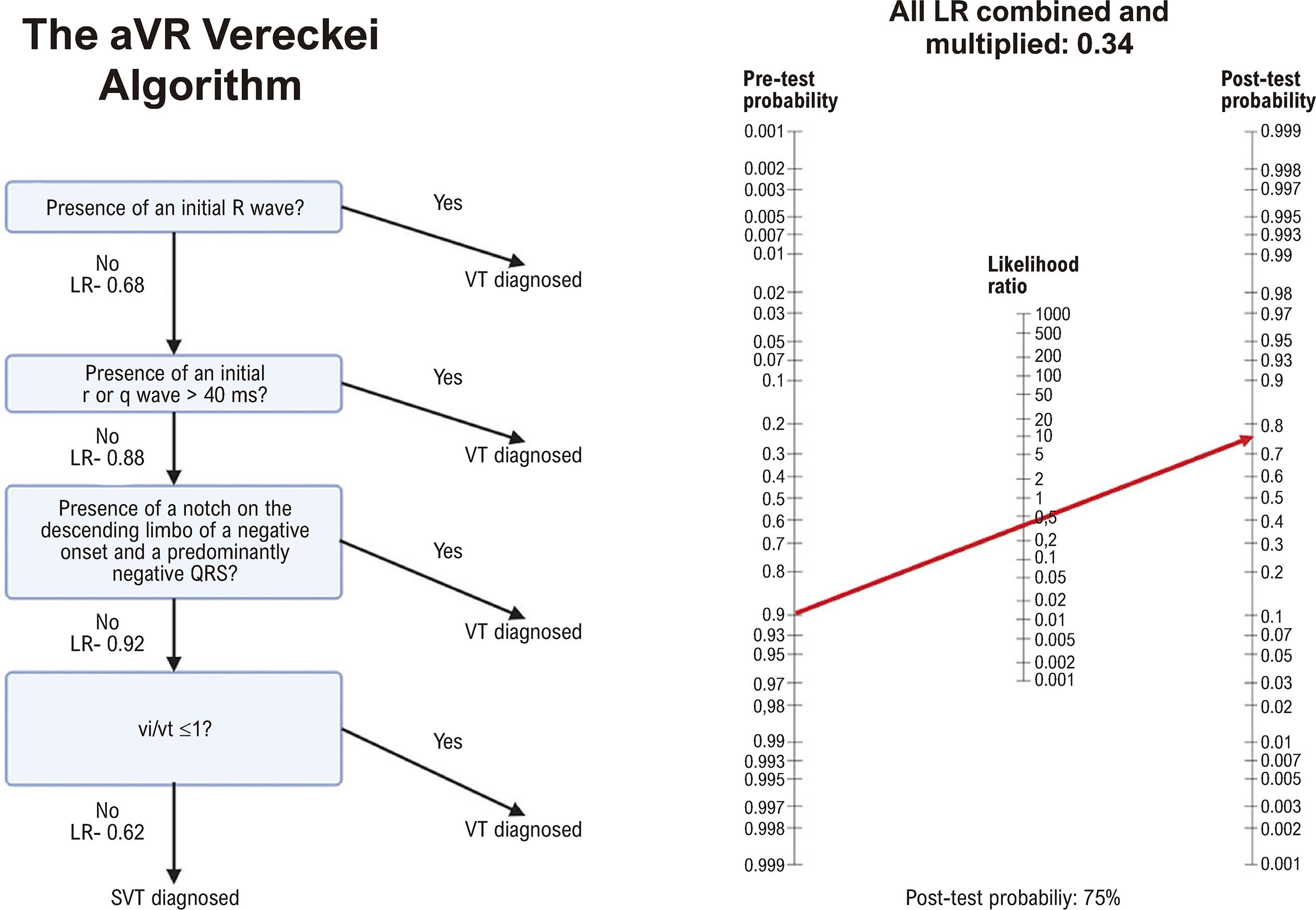
Although the criteria have been validated, they are not as effective at ruling out conditions as one might think. A real-world study showed that Vereckei’s criteria had a negative likelihood ratio of 0.34. This means that applying these criteria to a patient with a 90% pre-test probability would still result in a post-test probability of 75% for VT (). In that study, the Brugada criteria yielded a similar negative likelihood ratio of 0.24, resulting in a 68% probability for VT. Another reason not to rely solely on these criteria is the absence of baseline electrocardiogram (ECG) data. For instance, a patient with congenital heart disease may have a northwest axis and other unique findings. Similarly, a patient with Purkinje fiber blockage and electrically inactive zones may present with misleading ECG features., Adding to the complexity, idiopathic VT, such as fascicular VT, often present ECG patterns that mimic bundle branch or fascicular blocks, leading to misinterpretation. Another emblematic case is bundle-branch reentry VT, where the ECG during tachycardia will display morphological criteria of either left or right bundle branch block, further confounding the diagnosis.

[…]

  • Arrhythmias Cardiac
  • Electrocardiography
  • Hospital Emergency Service
  • Ventricular tachycardia
Read Full Article
Creative Commons Attribution (CC BY) Creative Commons license
15/07/2024 DOI: 10.36660/abc.20230829i Views 1
ABC
Editorial

Impact of the Implantable Cardioverter Defibrillator on the Lives of its Patients

Silas dos Santos Galvão Filho

The first ICD implant in humans occurred in 1980, followed by the incorporation of this device into the therapeutic arsenal of cardiology in the early 1990s, it was one of the greatest advances in the treatment of cardiac arrhythmias. Being the therapy of choice with evidence of efficacy for a large number of patients at risk of sudden cardiac death from non-reversible causes, ICDs have some peculiarities that can impact the daily lives of their carriers. Initially, ICDs were huge devices, only capable of being implanted at the abdominal level, with their electrodes and reeds for delivering the shock implanted directly into the heart through thoracotomy. At that time, the impact of these devices on the lives of their users was great, from aesthetics to the large number of inappropriate shocks, caused by still precarious algorithms for discriminating the arrhythmia to be treated: ventricular tachycardia (VT) or ventricular fibrillation (VF), in addition to the first programs that were still inadequate. In our initial experience with ICDs in the late 1980s and early 1990s, we had many acceptance problems, with some patients even requesting to remove the device after experiencing repeated shocks. With the spectacular evolution they have undergone, ICDs have incorporated all technological advances, improving their diagnostic performance in the release of therapies and now having dimensions slightly larger than pacemakers, allowing device implants at the thoracic level, with fully transvenous electrodes through minimally invasive surgery, eliminating thoracotomy. Despite these advances, a considerable number of patients continue to report an impact on their quality of life. This is mainly due to one aspect: the ICD is the only implantable electronic cardiac device whose normal therapeutic functioning is perceived by the patient, with sensations described by the vast majority as very unpleasant, especially shock therapy, the worst situation being when repeated shocks occur. The improvement of diagnostic algorithms for tachyarrhythmias, and greater knowledge of device programming, have considerably reduced inappropriate shocks, however, appropriate shocks, even repetitive shocks known as electrical storms, continue to occur,, as they correspond to the normal functioning of the device in reversing cardiac arrest due to VF, or potentially malignant arrhythmia such as VT. Fortunately, today these serious episodes are much less frequent and can be treated through medication and/or interventional procedures such as catheter ablation.

The article “Predictors of Quality of Life, Anxiety and Acceptance in Patients with Implantable Cardioverter-Defibrillator” evaluated these aspects in a reasonable number of patients undergoing the first implantation or replacement of an ICD generator, showing that around a quarter of the patients presented some kind of negative impact. It also showed that being 60 years old or older, the absence of atrial fibrillation (AF), and being female were predictors of better results. This information is important and deserves some consideration: 1- Having improved considerably over the years, ICD still negatively impacts the lives of a relatively important number of its sufferers. This encourages the technological improvement of devices, optimizing therapies, in addition to better approach and psychological preparation of the patient pre-operatively. 2- The worse results of younger patients can be explained by the feeling of great limitation of activities imposed on those with ICDs, however, these limitations are due more to the underlying heart disease than to the device itself. In some cases, without major changes in cardiological function, even impactful professional sporting activities can be allowed,, as in the case of two football players who played in the last World Cup with ICD. 3- In the case of people with AF, this arrhythmia, which is often symptomatic, is not infrequently related to heart disease with worse cardiological function, which increases limitations. Furthermore, AF may be responsible for inappropriate shocks, which can be avoided with adequate programming. 4- Regarding the fact that women present better results despite the aesthetic problems that these devices can cause, this is probably due to greater tolerance to therapies and a better understanding of the possible limitations of their activities, as they have an ICD.

[…]
  • Arrhythmias Cardiac
  • Death, Sudden, Cardiac
  • Defibrillators, Implantable / trends
  • Quality of life
  • sickness impact profile
Read Full Article
Creative Commons Attribution (CC BY) Creative Commons license
05/07/2024 DOI: 10.36660/abc.20240196i Views 2
Figure 1
ABC
Image

Beat-to-Beat Alternating Bundle-Branch Block

Margarida Temtem et al. Joel Ponte Monteiro Marco Gomes Serrão Drumond Freitas

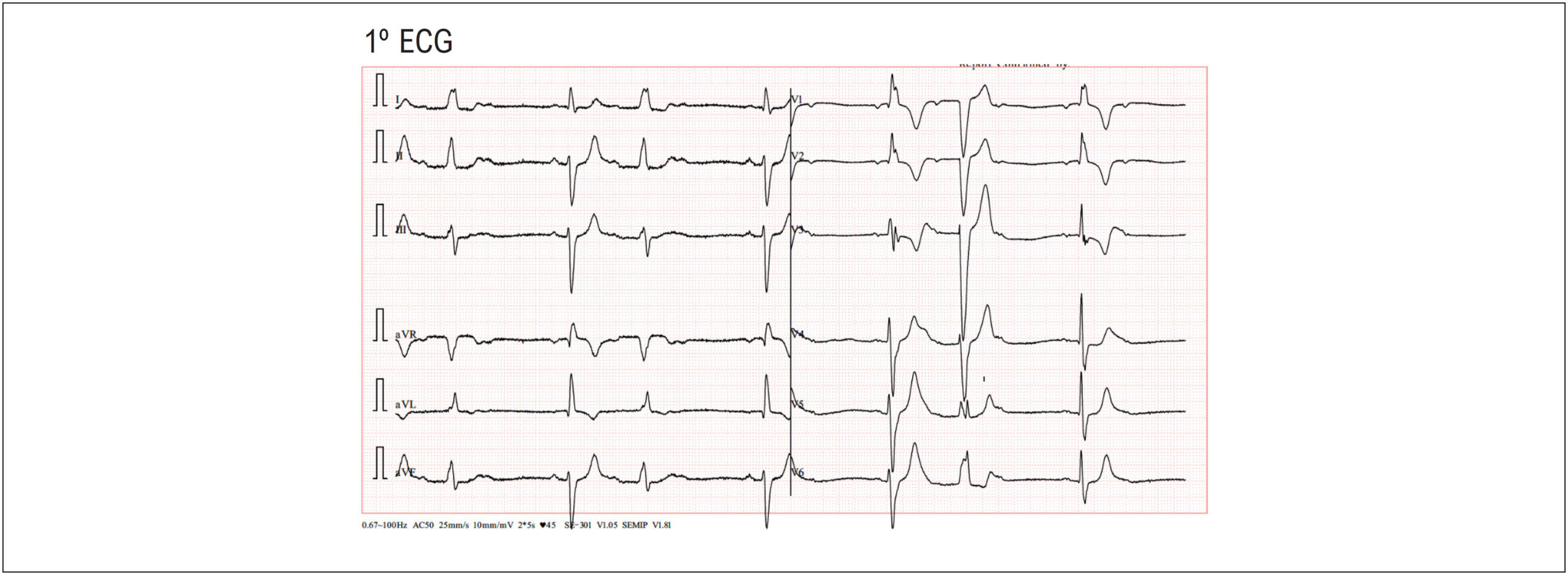
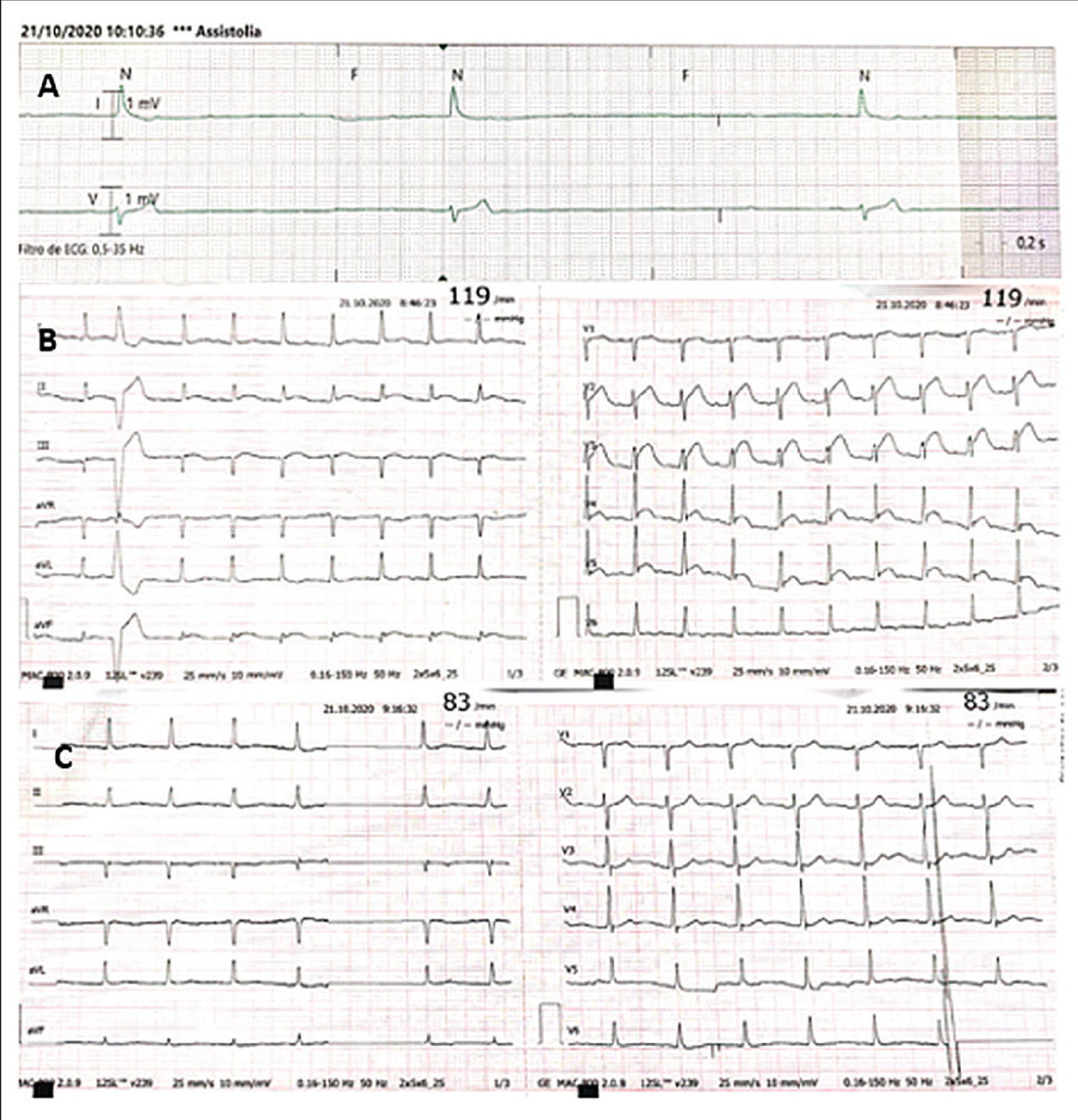
A 67-year-old man was admitted to the primary healthcare emergency department due to dizziness. During the physical examination, an irregular heart rhythm was detected, prompting a request for a 12-lead electrocardiogram (ECG). The ECG () revealed a beat-to-beat alternating pattern of right and left bundle branch blocks (RBBB and LBBB) with Mobitz I second-degree atrioventricular (AV) block.

The patient was transferred to the hospital emergency department, where two consecutive ECGs were performed. One ECG () showed persistent LBBB with first-degree AV block (PR interval of 320ms), and the subsequent ECG () indicated persistent RBBB with left anterior fascicular block and fixed 2:1 second-degree AV block.

[…]

  • Arrhythmias Cardiac
  • Atrioventricular block
  • Electrocardiography/methods
  • Hospitalization
  • Permanent Pacemaker
Read Full Article
Creative Commons Attribution (CC BY) Creative Commons license
08/01/2024 DOI: 10.36660/abc.20230162 Views 1
ABC
Editorial

The Role of Atrial Fibrosis for Atrial Fibrillation: Not Always Essential?

Rodrigo Miguel-dos-Santos

The most common cardiac arrhythmia, atrial fibrillation (AF), is estimated to affect ∼2% of the worldwide population and is expected to impact more people as the population ages.– This scenario is not different in Brazil, where ∼2.5% of the population is projected to be affected by AF., The situation is more alarming among pulmonary hypertension patients, in which ∼30% may present AF episodes and ∼70% atrial flutter., Hence, a better understanding of the mechanisms and substrates of AF is constantly needed in order to tailor patients’ treatment better.

In a recent publication of the Arquivos Brasileiros de Cardiologia, Teixeira-Fonseca et al. investigated the effects of the left atrial morphofunctional changes induced by pulmonary hypertension in the arrhythmogenesis in isolated left atria. Monocrotaline-induced pulmonary hypertension led to left atria hypertrophy, tissue fibrosis, and electrophysiological remodeling. Curiously, ex vivo electrical burst pacing of the left atrial tissue did not elicit increased atrial arrhythmias in the tissue from pulmonary hypertension animals. As pointed out by the authors, some factors may have contributed to the absence of arrhythmias ex vivo. Here, I am going to focus on the trigger and substrate relationship in AF and discuss the potential cause for the lack of arrhythmias inducibility.

[…]

  • Arrhythmias Cardiac
  • Arrhythmogenic Substrates
  • Atrial Fibrillation
  • Pulmonary Hypertension
Read Full Article
Creative Commons Attribution (CC BY) Creative Commons license
05/01/2024 DOI: 10.36660/abc.20230766 Views 1
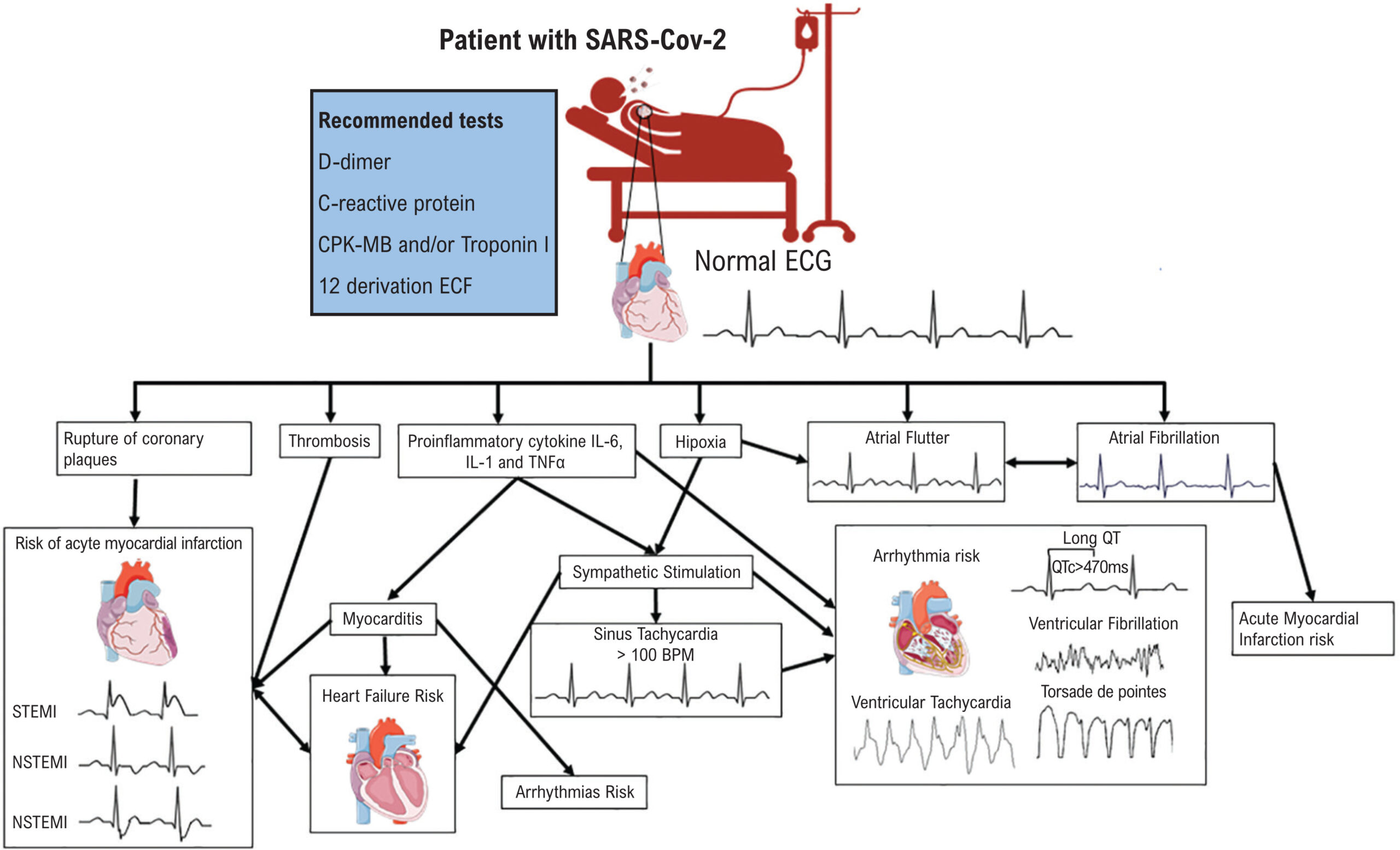
Frequent Cardiovascular Manifestations Associated With SARS Cov-2 Infection: Experience at a Tertiary Hospital In Cali, Colombia
IJCS
Original Article

Frequent Cardiovascular Manifestations Associated With SARS Cov-2 Infection: Experience at a Tertiary Hospital In Cali, Colombia

Duvan Arley Galindes-Casanova et al. Edith Norela Benitez-Escobar Luis Álvaro Melo-Burbano Nelson Eduardo Murillo-Benitez … Juan Carlos Avila-Valencia Jorge Enrique Daza-Arana

Abstract

Background:

Coronavirus disease 2019 (COVID-19) mainly affects the respiratory system, while the most common extrapulmonary complication of COVID-19 is cardiovascular involvement.

Objective:

To identify the frequency of electrocardiographic changes and cardiac arrhythmias in patients hospitalized with COVID-19 infection.

Methods:

This was a cross-sectional study, including patients aged >18 years with diagnosis of severe acute respiratory syndrome coronavirus 2 infection in a high-complexity hospital in Santiago de Cali, Colombia, from March to September 2020. A descriptive analysis with an analytical component and multiple logistic regression analysis were performed; all estimates were established with a 95% confidence level (CI) and a 5% significance level.

Results:

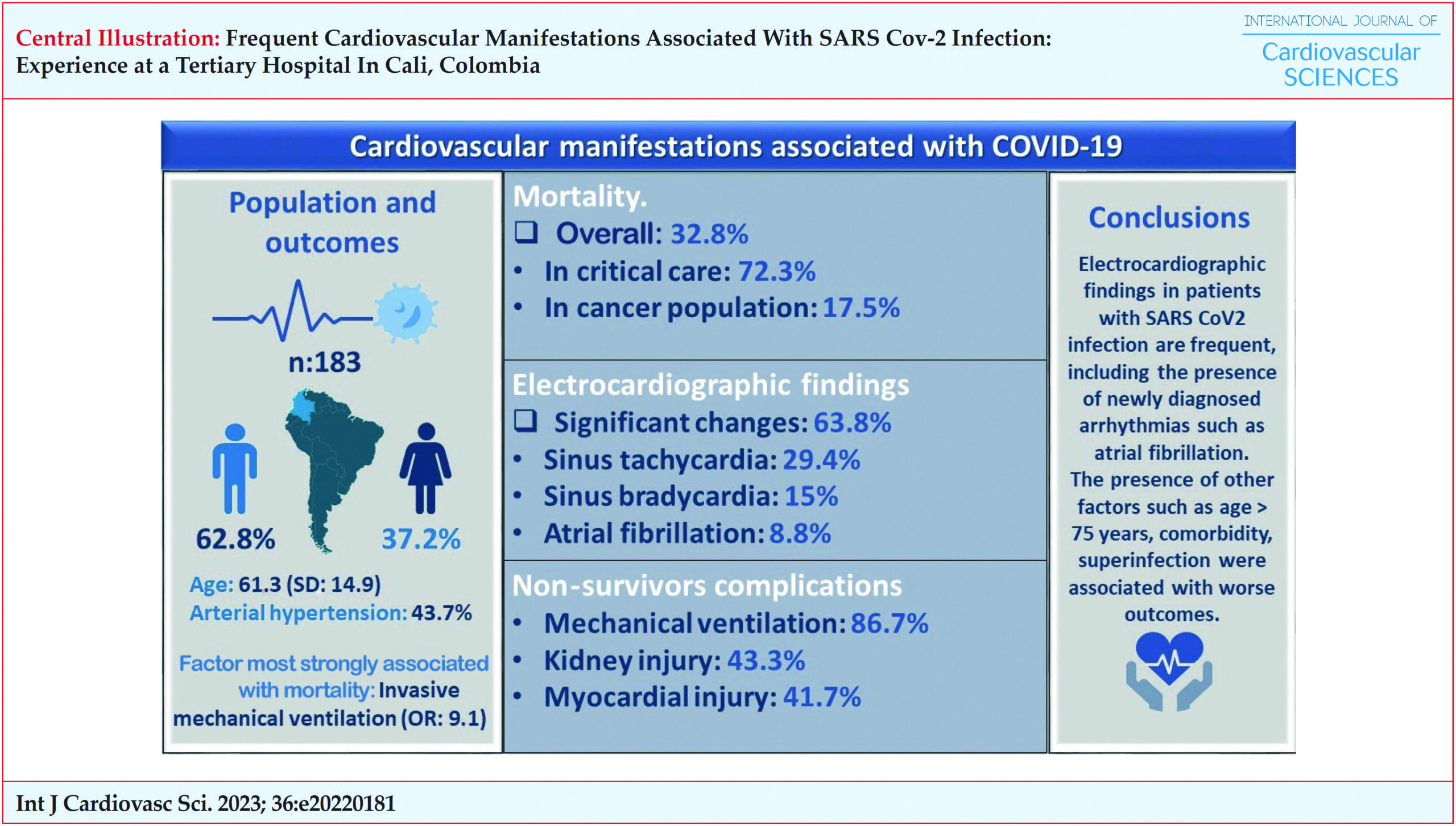
This study included 183 individuals; of whom 160 were considered for electrocardiographic analysis, 63% of which evidenced significant findings, the most frequent being sinus tachycardia (29.4%). The frequency of myocardial injury was 21.9% and was more common among non-survivors than among survivors (41.7% vs. 12.2%, p < 0.001). Myocardial injury was also significantly more common in patients who presented electrocardiographic findings than those who did not (26.5% vs. 12.1%, p = 0.032) and in those who required intensive care admission (31.8% vs 10.5%, p < 0.001). The strongest mortality-associated factor was the need for mechanical ventilation — odds ratio (OR), 9.14; 95% confidence interval, 3.4–24.5.

Conclusions:

Electrocardiographic findings in patients with COVID 19 are frequent, including newly diagnosed arrhythmias, justifying the use of cost-effective tools for the initial approach and follow-up of this affected population. Worse outcomes depend on factors such as invasive mechanical ventilation, comorbidities, age, and superinfection.

  • Arrhythmias Cardiac
  • Biomarkers
  • Cardiovascular System
  • COVID-19
  • Electrocardiography
Read Full Article
Creative Commons Attribution (CC BY) Creative Commons license
27/11/2023 DOI: 10.36660/ijcs.20220181
ABC
Editorial

Health-related Quality of Life and Long-term Outcomes after Mildly Symptomatic COVID-19: Exploring the Protocol

Lucas Borges Pereira et al. João Paulo Vilela Rodrigues Fabiana Rossi Varallo Leonardo Régis Leira Pereira

The post-COVID-19 condition has been defined by the World Health Organization as a “condition that occurs in individuals with a history of probable or confirmed SARS-CoV-2 infection, typically after three months from the onset of COVID-19, with symptoms lasting at least two months and that an alternative diagnosis can not explain.” The primary symptoms associated with this condition include fatigue, muscle and joint pain, shortness of breath, sleep difficulties, mental and neurological symptoms such as depression and anxiety, loss of smell and taste, headache, and difficulty in thinking and concentrating. , The cytopathic effect of the virus on the endothelium, along with endothelial damage as a consequence of systemic inflammation, has been associated with cardiovascular events such as myocarditis, myocardial infarction, arrhythmias, and thromboembolic events.

Various studies conducted worldwide have also found evidence of other signs and symptoms. – However, the incidence of these symptoms has shown significant variation due to the heterogeneity of the studies. This variation may be associated with factors such as the post-COVID study period, the region where the study was conducted, and the severity of the disease.

[…]

  • Arrhythmias Cardiac
  • COVID-19
  • Inflammation/complications
  • Myocardial Infarction
  • Myocarditis
  • SARS-CoV-2
  • Thromboembolism
Read Full Article
Creative Commons Attribution (CC BY) Creative Commons license
23/10/2023 DOI: 10.36660/abc.20230639
Prognostic Evaluation of Microvolt T-Wave Alternans in Hypertrophic Cardiomyopathy: 9-year Clinical Follow-up
ABC
Original Article

Prognostic Evaluation of Microvolt T-Wave Alternans in Hypertrophic Cardiomyopathy: 9-year Clinical Follow-up

Murillo Oliveira Antunes et al. Edmundo Arteaga-Fernandez Nelson Samesima Horácio Gomes Pereira Filho … Afonso Yoshikiro Matsumoto Richard L. Verrier Carlos Alberto Pastore Charles Mady

Abstract

Background:

Sudden cardiac death (SCD) resulting from ventricular arrhythmia is the main complication of hypertrophic cardiomyopathy (HCM). Microvolt T-wave alternans (MTWA) is associated with the occurrence of ventricular arrhythmias in several heart diseases, but its role in HCM remains uncertain.

Objective:

To evaluate the association of MTWA with the occurrence of SCD or potentially fatal ventricular arrhythmias in HCM patients in a long-term follow-up.

Methods:

Patients diagnosed with HCM and NYHA functional class I-II were consecutively selected. At the beginning of the follow-up, the participants performed the MTWA evaluation using the modified moving average during the stress test. The results were classified as altered or normal. The composite endpoint of SCD, ventricular fibrillation, sustained ventricular tachycardia (SVT) or appropriate implantable cardiac defibrillation (ICD) therapy was assessed. The level of significance was set at 5%.

Results:

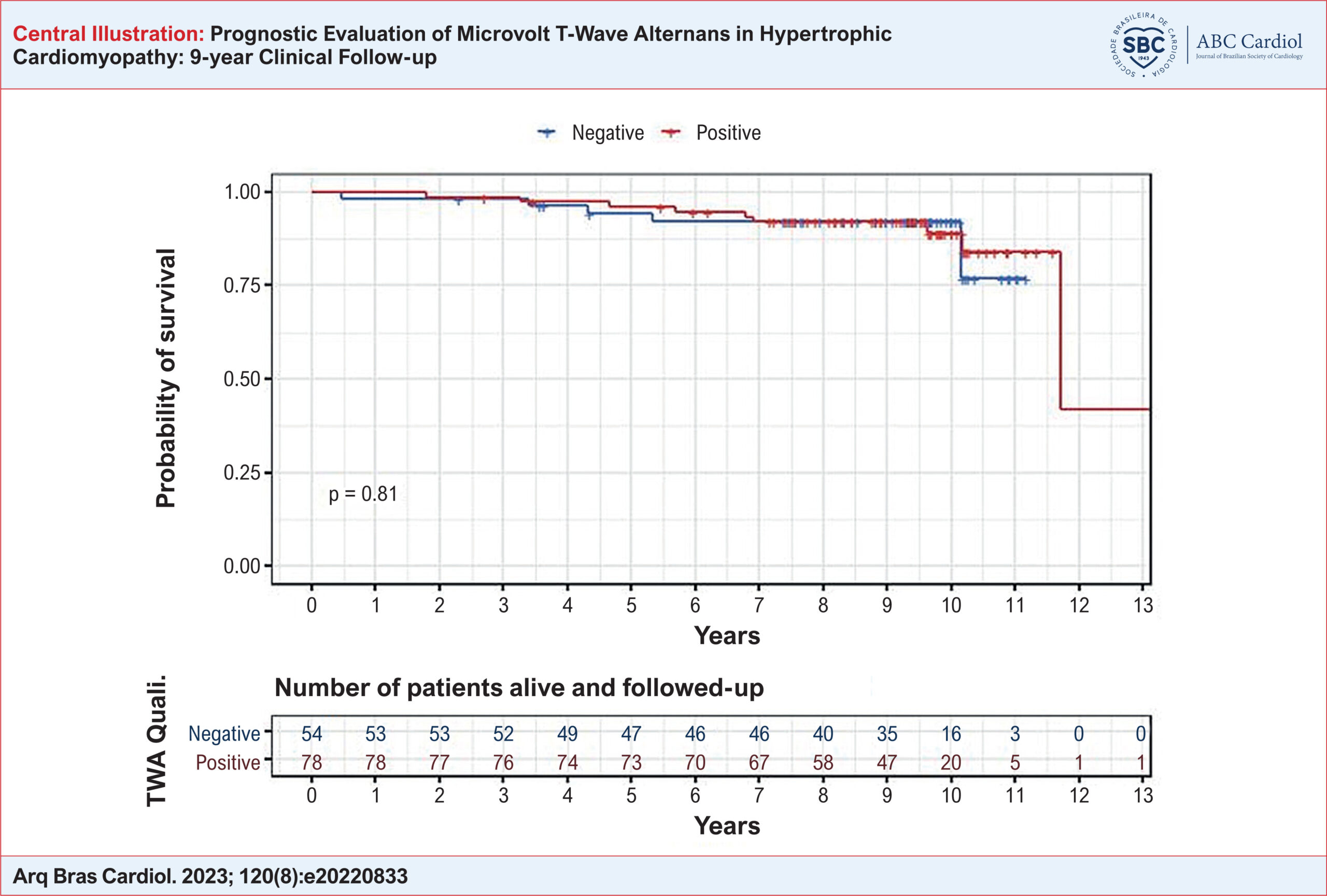
A total of 132 patients (mean age of 39.5 ± 12.6 years) were recruited and followed for a mean of 9.5 years. The MTWA test was altered in 74 (56%) participants and normal in 58 (44%). Nine events (6.8%) occurred during the follow-up, with a prevalence of 1.0%/year – six SCDs, two appropriate ICD shocks and one episode of (SVT). Altered MTWA was associated with non-sustained ventricular tachycardia on Holter (p = 0.016), septal thickness ≥30 mm (p < 0.001) and inadequate blood pressure response to effort (p = 0.046). Five patients with altered MTWA (7%) and four patients with normal MTWA (7%) had the primary outcome [OR = 0.85 (95% CI: 0.21 – 3.35, p=0.83)]. Kaplan-Meir event curves showed no differences between normal and altered MTWA.

Conclusion:

Altered MTWA was not associated with the occurrence of SCD or potentially fatal ventricular arrhythmias in HCM patients, and the low rate of these events during long-term follow-up suggests the good prognosis of this heart disease.

  • Arrhythmias Cardiac
  • Cardiomyopathy, Hypertrophic
  • Death, Sudden
  • Defibrillators, Implantable
Read Full Article
Creative Commons Attribution (CC BY) Creative Commons license
04/09/2023 DOI: 10.36660/abc.20220833 Views 1
Central Illustration
ABCHF
Review Article

Arrhythmogenic Left Ventricular Cardiomyopathy – State of Art: From Genotype to Phenotype

Ana Flavia Malheiros Torbey et al. Erivelton Alessandro do Nascimento Nágela Simão Vinhosa Nunes Adriana Bastos Carvalho … Daniel Gama das Neves Raquel Germer Toja Couto Sandra Vitória Thuler Pimentel Eduarda Corrêa Maia Evandro Tinoco Mesquita

Abstract

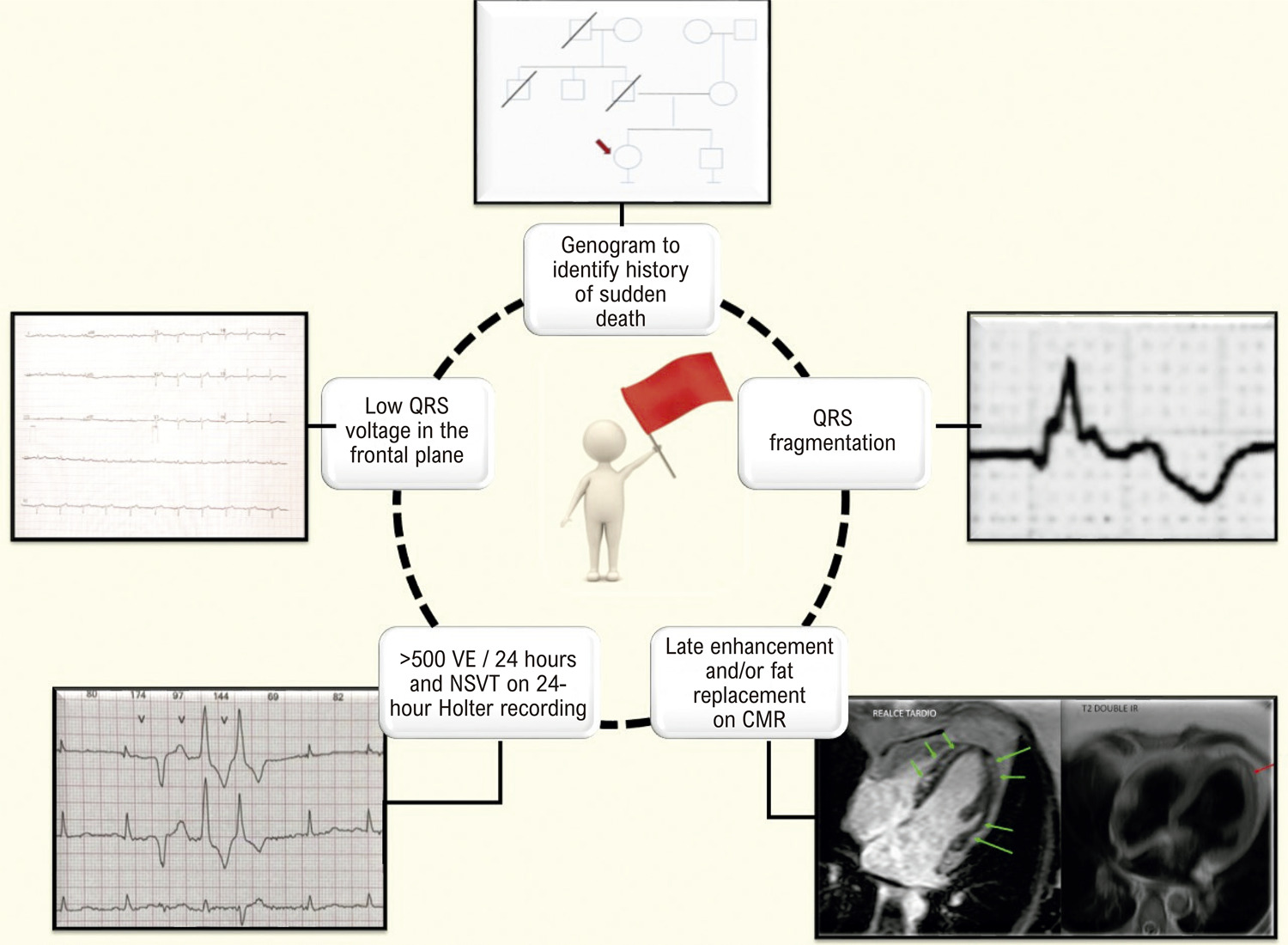
Arrhythmogenic cardiomyopathy with exclusive or predominant involvement of the left ventricle has been described recently. It has a heterogeneous genetic basis with different clinical phenotypes ranging from ventricular arrhythmias and sudden death (SD), symptoms suggestive of acute myocarditis with chest pain and troponin elevation, symptoms of heart failure, to asymptomatic patients. A high level of suspicion is needed for a correct diagnosis and implementation of a genotype-based therapy, to prevent its most feared complication, SD. This review aims to describe arrhythmogenic left ventricular cardiomyopathy as a genetic heart disease, with initial and/or predominant involvement of the left ventricle and its varied phenotypic expression, providing a basis for clinical reasoning and “red-flags” for the diagnosis, as well as for SD risk stratification.

  • Arrhythmias Cardiac
  • Arrhythmogenic right ventricular dysplasia;
  • Death, Sudden
  • Genotype
Read Full Article
Creative Commons Attribution (CC BY) Creative Commons license
29/08/2023 DOI: 10.36660/abchf.20230035 Views 1
Figure 1
ABC
Research Letter

Isolated Aneurysmal Dilatation of the Right Atrium, with Surgical Resolution, in a 53-Year-Old Adult

Edmar Atik et al. Alessandra Costa Barreto Maria Angélica Binotto Marcelo B. Jatene

Introduction

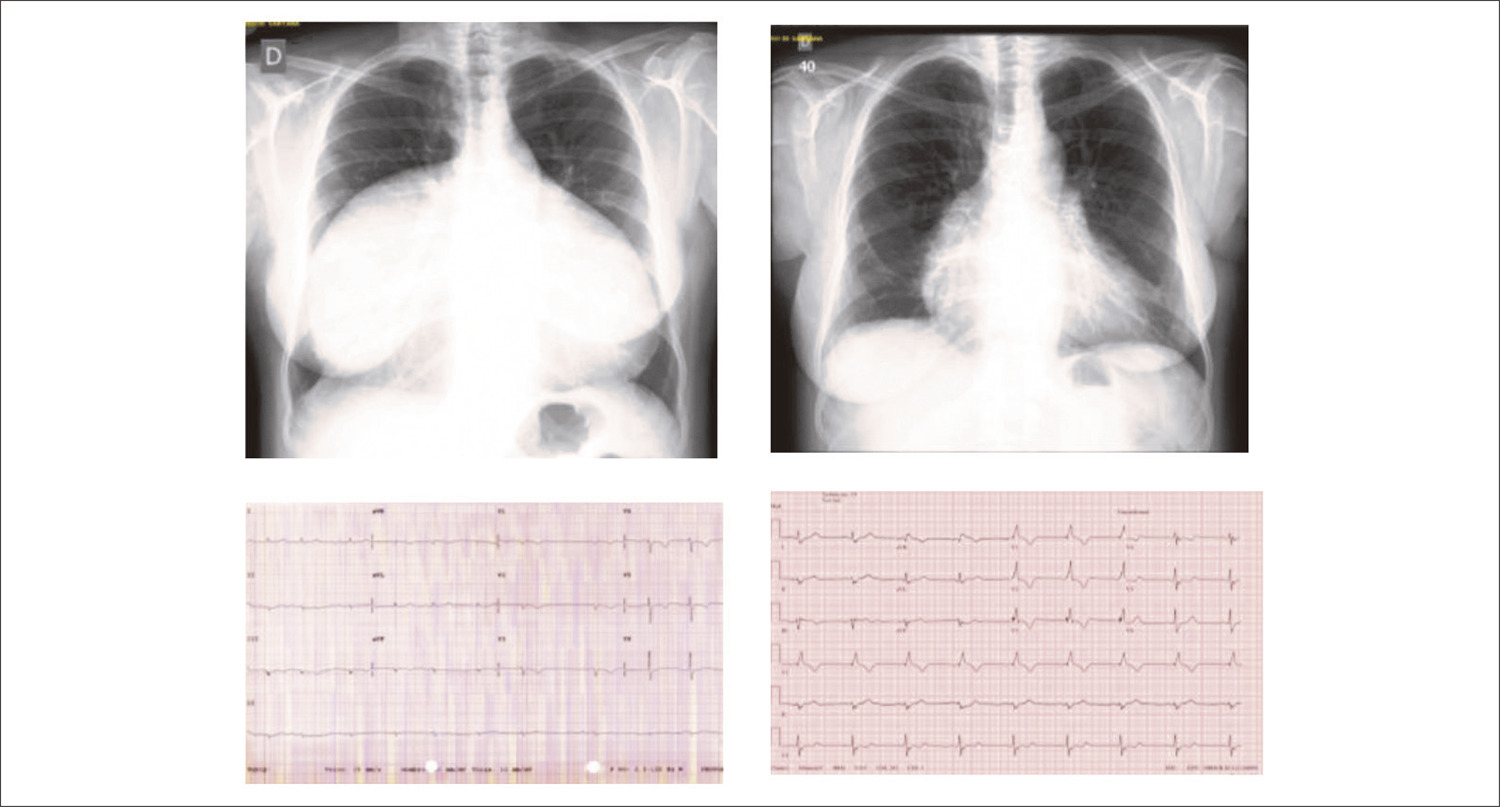
Isolated aneurysmal dilatation of the right atrium is a rare congenital anomaly. Its identification occurs in several age groups, from the fetus to adulthood. The clinical manifestation of this anomaly varies according to the magnitude of the dilation, from asymptomatic patients, usually in children and young people, to the presence of difficult-to-control supraventricular arrhythmias, right heart failure, airway obstruction, pneumonia, and thromboembolic events in adults. The diagnosis is established after verification of cardiomegaly in routine radiographic examinations and confirmed later by echocardiogram. It is noteworthy in this pathology the disproportionate size of the right atrium concerning the other cardiac cavities, with the tricuspid ring also dilated but with a preserved tricuspid valve. The tricuspid insufficiency that accompanies the condition results from the dilation of the valve ring. The recommendation for surgical correction then becomes prophylactic in childhood, given the good evolution verified later.

The differential diagnosis includes Ebstein’s anomaly, pericardial effusion, and mediastinal thoracic tumors.

[…]

  • Arrhythmias Cardiac
  • Cardiomegaly
  • Congenital Abnormalities/surgery
  • Ebstein Anomaly / surgery
  • Heart Aneurysm
  • Isolated Aneurysm of Right Atrium
  • Pericardial Effusion
Read Full Article
Creative Commons Attribution (CC BY) Creative Commons license
19/06/2023 DOI: 10.36660/abc.20220870 Views 2
ABC
Editorial

Sepsis, Atrial Fibrillation, and Aging: A Dangerous Association

Evandro José Cesarino et al. Marildes Luiza de Castro Carolina Baraldi Araujo Restini

Atrial fibrillation (AF) is a common heart rhythm disorder often identified during sepsis’s progression.

Its prevalence increases in the general population with age, reaching 18% in the elderly over 85 years old.

[…]

  • Aged
  • Arrhythmias Cardiac
  • Atrial Fibrillation
  • Hospital Mortality
  • Mortality
  • Sepsis
Read Full Article
Creative Commons Attribution (CC BY) Creative Commons license
07/04/2023 DOI: 10.36660/abc.20230095 Views 1
ABC
Editorial

Chasing New Non-Invasive Parameters to Predict Atrial Fibrillation after Radiofrequency Catheter Ablation

Michael Ramon de Lima-Conceição et al. Jorge Lucas Teixeira-Fonseca Danilo Roman-Campos

The Framingham Heart Study showed that the incidence and prevalence of atrial fibrillation (AF) are increasing globally, with the prevalence increasing more than 3-fold from 1958 to 2007. In 2017 there were 37.57 million prevalent cases and 3.05 million incident cases of AF globally, contributing to 287241 deaths. Notorious that the estimation shows that these numbers may further increase in the future. The projection shows that only in the USA, 12.1 million people by 2050 may have AF. According to the 2020 European Society of Cardiology Guideline, AF is defined as a supraventricular tachyarrhythmia with uncoordinated atrial electrical activation and ineffective atrial contraction. Electrocardiographic characteristics of AF include irregularly irregular R-R intervals (when atrioventricular conduction is not impaired), absence of distinct repeating P waves, and 3 irregular atrial activations. The clinical diagnosis in symptomatic or asymptomatic AF patients is performed by surface electrocardiogram (ECG), with a minimum 30 s duration of an ECG containing a typical AF tracing.

Even though a clear definition of the clinical diagnostic of AF exists, however, at least five patterns of AF are distinguished, which are based on presentation, duration, and spontaneous termination of AF episodes., Most likely, the variety of clinical AF manifestations is related to the etiology of the disease, which is not fully elucidated yet. Several AF development and progression predictors exist, and the most relevant are body mass index, heart rate, age, systolic blood pressure, history of hyperthyroidism, stroke, and heart failure. Due to the complex nature of AF, proper patient management is challenging, which implies, in an ideal situation, a coordinated and well-defined agreement between patient-individualized care pathways to deliver the most adequate and optimized treatment. The current treatment approach for AF patients consists of the A(trial fibrillation), B(etter), C(are), a.k.a the (ABC) holistic pathway, which encompasses: the ‘A’ Anticoagulation/Avoid stroke; ‘B’ Better symptom management; and ‘C’ Cardiovascular and Comorbidity optimization. It is important to stress that the treatment is also subject to change over time, mostly because of the discovery of new risk factors, disease progression, symptoms, diagnostic tools and methods, predictors, and the development of new treatments.

[…]

  • Arrhythmias Cardiac
  • Atrial Fibrillation
  • Catheter Ablation
  • Electrocardiography/methods
Read Full Article
Creative Commons Attribution (CC BY) Creative Commons license
03/04/2023 DOI: 10.36660/abc.20230091 Views 1
Central Illustration
ABC
Original Article

Atrial Fibrillation and Sepsis in Elderly Patients and Their Associaton with In-Hospital Mortality

Michele Ouriques Honorato et al. Juscelio Trajano de Sousa Filho Luiz Frederico Bezerra Honorato Junior Nathalia Watanabe … Gabriela Machado Goulart Rogério Ruscitto do Prado

Abstract

Background

Atrial fibrillation (AF) affects about 2% to 4% of the world population, and in patients hospitalized in intensive care units, this incidence can reach up to 23% in those with septic shock. The impact of AF in patients with sepsis is reflected in worse clinical outcomes, and the identification of the triggering factors can be a target for future prevention and treatment strategies.

Objectives

To verify the relationship between the development of AF and mortality in patients over 80 years of age included in the sepsis protocol and to identify the risk factors that contribute to the development of AF in this population.

Methods

Retrospective observational study, with a review of electronic medical records and inclusion of 895 patients aged 80 years or older, included in the sepsis protocol of a high-complexity private hospital in São Paulo, SP, from January 2018 to December 2020. All tests were performed with a significance level of 5%.

Results

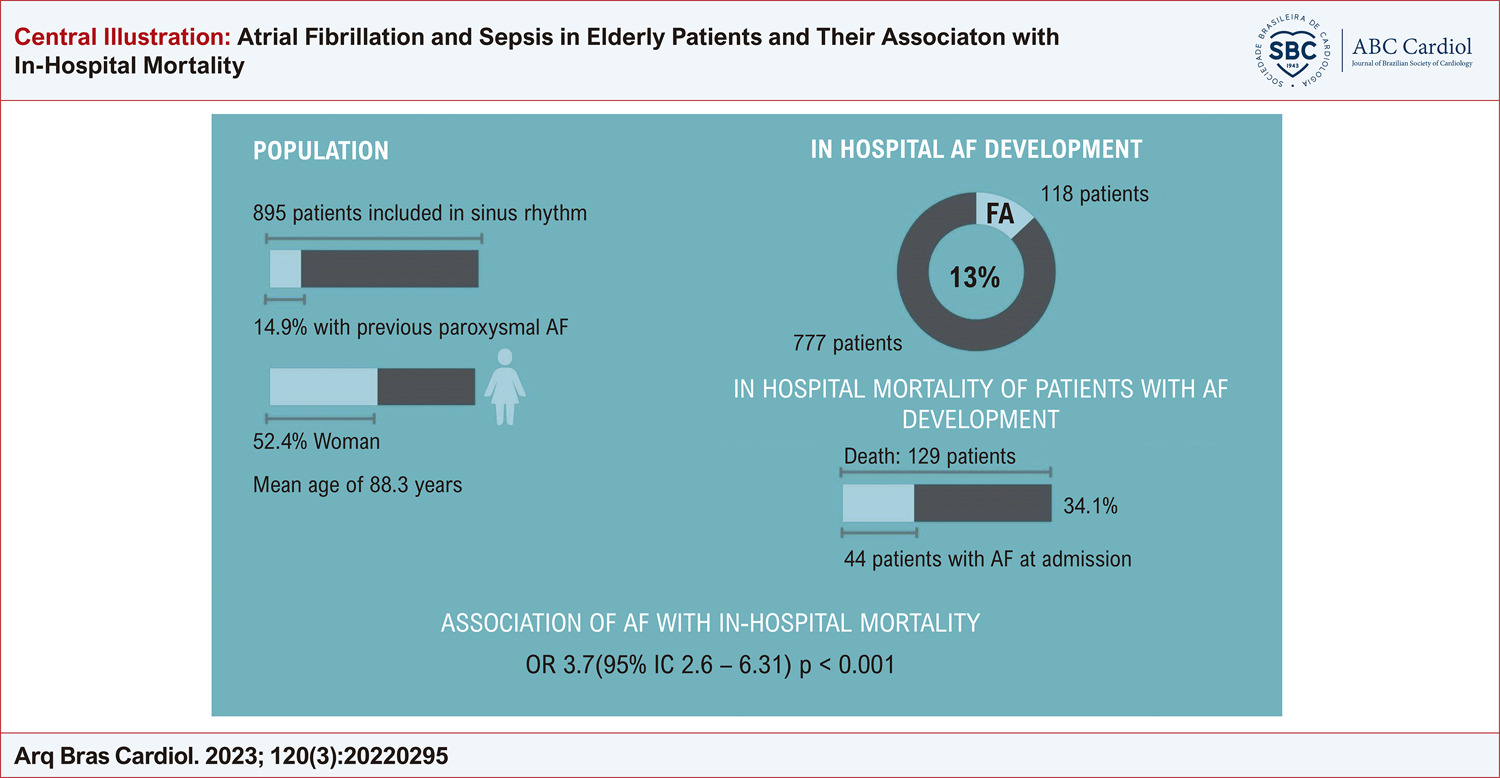
The incidence of AF in the sample was 13%. After multivariate analysis, using multiple logistic regression, it was possible to demonstrate an association of mortality, in the studied population, with the SOFA score (odds ratio [OR] 1.21 [1.09 – 1.35]), higher values of C-reactive protein (OR 1.04 [1.01 – 1.06]), need for vasoactive drugs (OR 2.4 [1.38 – 4.18]), use of mechanical ventilation (OR 3.49 [1.82 – 6.71]), and mainly AF (OR 3.7 [2.16 – 6.31])

Conclusion

In very elderly patients (80 years of age and older) with sepsis, the development of AF was shown to be an independent risk factor for in-hospital mortality.

  • Arrhythmias Cardiac
  • Atrial Fibrillation
  • Hospital Mortality
  • Hospitalization
  • Sepsis
Read Full Article
Creative Commons Attribution (CC BY) Creative Commons license
10/03/2023 DOI: 10.36660/abc.20220295
Figure 1
ABC
Viewpoint

The “Five Malignant Waves” of the Electrocardiography

Mitermayer Reis Brito

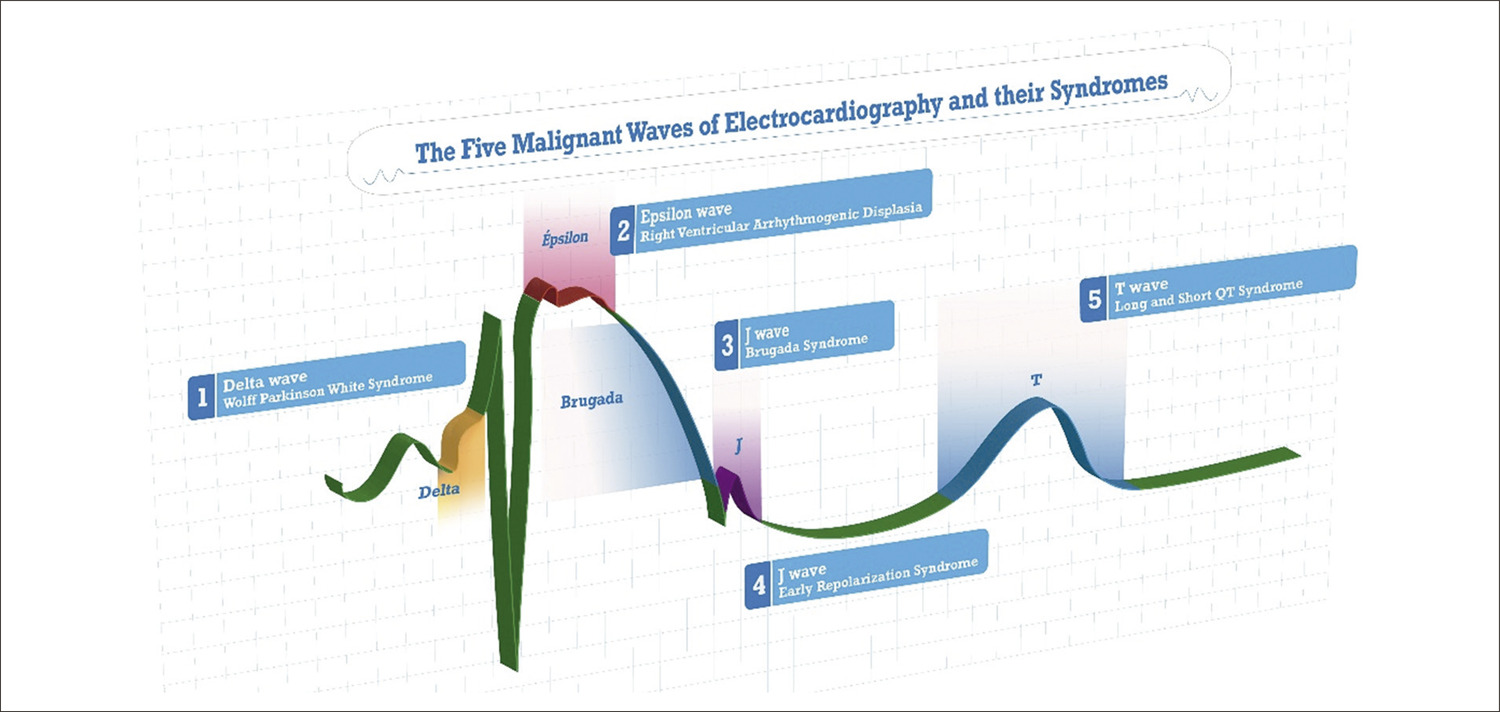
The main ECG features of the five malignant waves and their syndromes

The Main ECG features of the “Five Malignant Waves” and their syndromes are presented in .

[…]

  • Arrhythmias Cardiac
  • Death, Sudden
  • Diagnostic Imaging/methods
  • Electrocardiography/methods
  • Syncope
  • Tachycardia, Ventricular
Read Full Article
Creative Commons Attribution (CC BY) Creative Commons license
23/02/2023 DOI: 10.36660/abc.20220649 Views 1
ABC
Editorial

PRKAG2 Cardiomyopathy

Eduardo Back Sternick

Magalhães et al. assessed atrial flutter’s clinical, electrocardiographic, and electrophysiologic characteristics in patients with and without PRKAG2 cardiomyopathy. Although genetic sequencing was not carried out in their control patients, the absence of clinical features of this pathology is acceptable evidence of a non-carrier state. In humans, mutations in the PRKAG2 gene result in a highly penetrant phenotype. It is dominated by the cardiac features of left ventricular hypertrophy, ventricular pre-excitation, atrial tachyarrhythmia, cardiac conduction disease, and myocardial glycogen storage. It would be very unlikely to find a patient with a positive genotype for PRKAG2 in the setting of a negative phenotype.

Our group pioneered the study of PRKAG2 cardiomyopathy in Brazil. The first patient was assessed in 1994, a 36-years old male, with mild hypertension, with recurrent episodes of common atrial flutter. The electrocardiogram showed ventricular pre-excitation, enlarged P waves, a significant increase in the QRS voltage, and sinus bradycardia. Of 8 brothers, six had very similar electrocardiographic findings. Their mother had had a pacemaker implanted at the age of 42. The echocardiogram showed a non-obstructive form of asymmetric left ventricular hypertrophy and mild left atrial enlargement. There were sufficient elements to allow a presumptive diagnosis of a phenocopy of hypertrophic cardiomyopathy! In 1994, however, we were not able to make the diagnosis. The mutations of the PRKAG2 gene had yet to be reported in 1994, but it would be 7 years later. Then, in 2004, we undertook genetic sequencing of the patients. We presented our experience during the NASPE Congress of 2005. Our research received the first prize in clinical arrhythmia during the Brazilian Congress of Cardiac Arrhythmias of 2004.

[…]

  • Arrhythmias Cardiac
  • Atrial flutter
  • Atrioventricular block
  • Cardiomyopathy, Hypertrophic
  • Glycogen Storage Disease
  • Hypertrophy Left Ventricular
Read Full Article
Creative Commons Attribution (CC BY) Creative Commons license
25/11/2022 DOI: 10.36660/abc.20220694 Views 1
IJCS
Editorial

Hyperthyroidism and Cardiac Contractility

Dhiãnah Santini de Oliveira Chachamovitz

Much information is lacking on hyperthyroidism and cardiac function, especially in isolated muscles. Certainly, the time the heart muscle is exposed to elevated thyroid hormones (TH) influences the magnitude of their effects. The primary changes seem to be related to increases in the heart mass/body mass ratio and in relaxation kinetics.

These cardiac changes may also be related not only to the time of exposure to excess thyroid hormones, but to the level or intensity of hyperthyroidism, as well as the underlying cardiac condition, which may reflect exercise conditioning and overload. In this sense, the cellular mechanisms of muscle adaptation, energy and oxygen consumption, certainly make differences. As well as muscle strength and sarcoplasmic/endoplasmic reticulum calcium (SRCa) activity, they may also have different individual adaptive characteristics.

[…]

  • Arrhythmias Cardiac
  • Calcium Channels
  • Heart Failure
  • Myocardial Contraction
  • Rats
  • thyroxine
Read Full Article
Creative Commons Attribution (CC BY) Creative Commons license
13/07/2022 DOI: 10.36660/ijcs.20220081 Views 1
ABC
Editorial

Tackling Bleeding – One Appendage at a Time

Stefano Garzon et al. Willterson Carlos Bandeira

Atrial fibrillation (AF) is the most common cardiac arrhythmia, affecting approximately 80% of the population aged 80 years or older. It increases the risk of cardioembolic stroke 5-fold across all ages and is related to more than 20% of strokes in patients above 80 years. Embolic strokes are often more severe than other strokes, and anticoagulants are the cornerstone of the treatment, paramount to reducing cardioembolic risk in this population. However, the decision to start oral anticoagulants is not always straightforward and requires assessing both embolic and bleeding risks. Embolic risk in patients with AF is usually assessed using standardized scoring systems such as the CHA2DS2-VASc score, but it can be further refined using other clinical data such as left atrial size and duration of AF. Bleeding risk is usually assessed using the HAS-BLED score, with severe bleedings being more common in older patients. For that reason, physicians are often fearful of starting anticoagulation in older patients, even though current evidence shows that it is usually safe to use oral anticoagulants in most of these patients. However, major bleeding can occur in up to 3% of patients using oral anticoagulants, requiring the interruption of the treatment.

Over 90% of all left atrial thrombi originate in the LAA, and the risk reduction with LAA occlusion is comparable to anticoagulation. For this reason, percutaneous LAA occlusion has emerged as an alternative treatment for patients with either contra-indications to oral anticoagulation or an embolic event while using oral anticoagulants. There is growing evidence that LAA occlusion is safe and feasible in most patients,– and this initial multi-centric experience of LAA occlusion using the plug-based device LAmbre in Brazil shows similar results to current medical literature. In this study, 74.6% of all patients have had either a major bleeding episode using oral anticoagulants or a stroke despite oral anticoagulation. Patients were at high embolic and bleeding risks, with a mean CHA2DS2-VASc score of 4.6 ± 1.7 and a mean HAS-BLED score of 3.4 ± 1.1. The procedure’s success rate was 100%, with no deaths or strokes at a mean follow-up of 18 ± 12 months.

[…]

  • Anticoagulants / therapeutic use
  • Arrhythmias Cardiac
  • Atrial Appendage
  • Atrial Fibrillation
  • Hemorrhage
  • Stroke
Read Full Article
Creative Commons Attribution (CC BY) Creative Commons license
11/07/2022 DOI: 10.36660/abc.20220351
Figure 1
IJCS
Viewpoint

COVID-19 and the Beat-To-Beat Heart

Diego Santos Souza et al. Aimée O Durço Camila Souza Gama Rocha Lino Sérgio Rocha Conceição

Introduction

Since December 2019, the coronavirus disease (COVID-19) has caused an exponential increase in acute respiratory syndrome cases and has rapidly spread to more than 210 regions, countries and territories, resulting in considerable morbidity and mortality in more than 100 countries worldwide.

Over this period, several studies describing the clinical and epidemiological characteristics of COVID-19 have been published, allowing rapid dissemination of knowledge and helping health care professionals and policy makers to help patients with the disease.

[…]

  • Arrhythmias Cardiac
  • COVID-19
  • Heart Failure
Read Full Article
Creative Commons Attribution (CC BY) Creative Commons license
16/05/2022 DOI: 10.36660/ijcs.20210269 Views 1
Figure 1
ABC
Research Letter

An Unusual Manifestation of Rejection

Carlos Xavier Correia de Resende et al. Pedro Grilo Diogo Sandra Amorim Gonçalo Pestana … José Pinheiro Torres Filipe Macedo

Introduction

Orthotopic heart transplantation is the current treatment of choice for selected patients with end-stage heart failure. With the improvement of surgical techniques and the efficiency of new immunosuppressive treatments, short-term survival has markedly improved throughout the years. However, these patients still suffer from important comorbidities caused by chronic transplant complications such as rejection, coronary allograft vasculopathy (CAV) and malignancy. Rhythm disorders are common in heart transplant patients and in some circumstances, they can be the first clinical manifestation of rejection. Coronary vasospasm has been recently associated with acute rejection and CAV, but the mechanisms underlying this phenomenon are still speculative.

We present a clinical case of acute heart transplant rejection, manifested by coronary vasospasm and advanced rhythm disorder.

[…]

  • Arrhythmias Cardiac
  • Coronary Vasospasm
  • Diagnostic Imaging
  • Drug Therapy
  • Graft Rejection
  • Heart block
  • Heart Failure, Heart Transplantation
  • Research
Read Full Article
Creative Commons Attribution (CC BY) Creative Commons license
13/05/2022 DOI: 10.36660/abc.20210671
Figure 1
ABC
Original Article

Reduced CTRP3 Levels in Patients with Stable Coronary Artery Disease and Related with the Presence of Paroxysmal Atrial Fibrillation

Arafat Yildirim et al. Mehmet Kucukosmanoglu Hilmi Erdem Sumbul Mevlut Koc

Abstract

Background

Serum Complement C1q/tumor necrosis factor-related protein-3 (CTRP3) levels and the relationship with atrial fibrillation (AF) in stable coronary artery disease (CAD) are not clearly known.

Objective

The aim of this study was to investigate the change in serum CTRP3 levels and its relationship with paroxysmal AF in stable CAD.

Method

The study included 252 patients with CAD and 50 age-sex matched healthy control subjects. Serum CTRP3 levels were measured in addition to routine anamnesis, physical examination, laboratory and echocardiography examinations. The patients were divided into groups with and without CAD and CAD patients with and without paroxysmal AF. Statistical significance was accepted as p<0.05.

Results

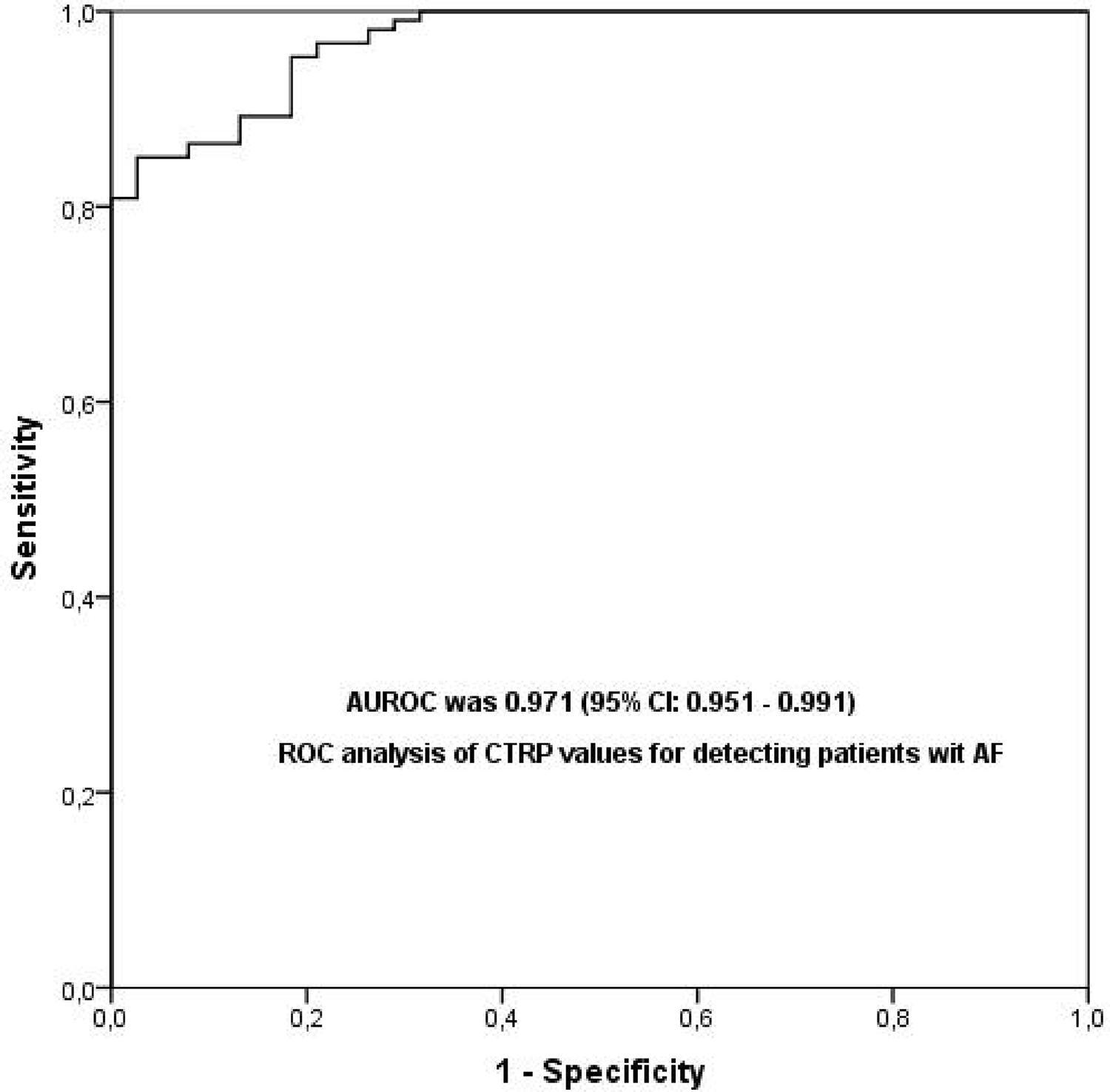
Serum CTRP3 levels were found to be significantly lower in patients with CAD than in the control group (p<0.001). AF was detected in 38 patients (15.08%) in the CAD group. The frequency of hypertension and female gender, hs-CRP, blood urea nitrogen, creatinine levels and left atrial end-diastolic (LAd) diameter were higher (p<0.05 for each one), and CTRP3 levels were lower in patients with AF (p <0.001). In the logistic regression analysis, serum CTRP3 levels and LAd diameters were independently determined the patients with AF (p<0.01 for each one). In this analysis, we found that every 1 ng/mL reduction in CTRP3 levels increased the risk of AF by 10.7%. In the ROC analysis of CTRP3 values for detecting patients with AF, the area under the ROC curve for CTRP3 was 0.971 (0.951–991) and was statistically significant (p<0.001). When the CTRP3 cut-off value was taken as 300 ng/mL, it was found to predict the presence of AF with 87.9% sensitivity and 86.8% specificity.

Conclusion

Serum CTRP3 levels were significantly reduced in patients with stable CAD and decreased CTRP3 levels were closely related to the presence of paroxysmal AF in these patients.

  • Arrhythmias Cardiac
  • Atrial Fibrillation
  • Coronary Artery Disease
  • Risk Factors
  • Tumor Necrosis Factor Alpha Induced Protein 3
Read Full Article
Creative Commons Attribution (CC BY) Creative Commons license
21/02/2022 DOI: 10.36660/abc.20200669
ABCIC
Viewpoint

Non-compaction cardiomyopathy: How Can Imaging Contribute?

José de Arimateia Batista Araújo Filho et al. Antonildes Nascimento Assunção-Jr José Rodrigues Parga

[…]

  • Arrhythmias Cardiac
  • Cardiomyopathies/physiopathology
  • Diagnostic Imaging/methods
  • Heart Failure
  • Magnetic Resonance Spectroscopy/ methods
  • Thromboembolism
Read Full Article
Creative Commons Attribution (CC BY) Creative Commons license
20/01/2022 DOI: 10.5935/2318-8219.20190004
ABCIC
Case Report

Atrial Fibrillation and Tricuspid Regurgitation as Late Presentations of Contusio Cordis

Marcos Merula de Almeida et al. Noemí Rocío Andrade Alban Galo Juvenal Vinueza Aguay

[…]

  • Arrhythmias Cardiac
  • Atrial Fibrillation
  • Commotio Cordis
  • Myocardial Contusions
  • Tricuspid Valve Insufficiency/surgery
Read Full Article
Creative Commons Attribution (CC BY) Creative Commons license
20/01/2022 DOI: 10.5935/2318-8219.20190015
ABCIC
Original Article

Analyzing the Safety and Predictors of Arrhythmias during Dobutamine-Atropine Stress Echocardiography in a Non-Hospital Setting

Daniela do Carmo Rassi et al. Rogério Gomes Furtado Fabio de Paula Turco Luciano Henrique Melato … Ana Caroline Reinaldo de Oliveira Colandy Nunes Dourado Luiz Rassi Jr

Abstract

Background

Dobutamine-atropine stress echocardiography (DASE) is an accessible and important test, especially in patients under investigation for coronary artery disease. However, it is necessary to evaluate its safety, as it is used in patients with increasingly complex and serious conditions and in seniors.

Objective

To confirm the safety of DASE and evaluate the predictors of arrhythmias in a non-hospital setting.

Methods

DASE was performed to evaluate ischemia using the standard protocol of dobutamine infusion of 5 to 40 mcg/kg/min associated with atropine.

Results

From September to November 2010, 227 patients were evaluated prospectively. The mean age was 60.7 +/- 12.5 years old and 60.8% were females. Mean ejection fraction was 67.9 +/- 9. Among the adverse events, 12 patients presented hypertensive response, 466 had arrhythmia, 58 had headaches and 57 had precordial pain. No patient had acute myocardial infarction, ventricular fibrillation, cardiac rupture, asystole or death. As for the onset of significant arrhythmia, three patients had atrial fibrillation, 16 had sustained supraventricular tachycardia, 19 had non-sustained ventricular tachycardia and 2 had sustained ventricular tachycardia. In these patients, age (OR = 1.0559, p = 0.0002) and segmental contractility index at rest (SCIr) > 1 (OR 2.5039, p = 0.0354) were independent predictors for the onset significant arrhythmia during the test.

Conclusion

DASE was proven safe in this group of patients in a non-hospital setting. Age and SCIr > 1 were independent predictors for the onset of significant arrhythmia during the test. (Arq Bras Cardiol: Imagem cardiovasc. 2018;31(3):168-174)

  • Arrhythmias Cardiac
  • Dobutamine
  • Echocardiography, Stress/adverse effects
  • Heart Failure
  • Safety
Read Full Article
Creative Commons Attribution (CC BY) Creative Commons license
20/01/2022 DOI: 10.5935/2318-8219.20180025 Views 1
ABC
Editorial

Cardiac Arrhythmias and COVID-19: Side-By-Side in the Pandemic

Bruno Moreira dos Santos et al. Luciana Sacilotto

The current pandemic caused by the new coronavirus (SARS-CoV-2), which was first detected in Wuhan, China, in December 2019, has changed healthcare services worldwide. According to recent reports of the World Health Organization, there are more than 224 million cases of COVID-19 in the world, with deaths surpassing 4.6 million. The exponential increase in the number of cases has caused an impact on healthcare demand, and data on COVID-19 and its treatment have been constantly updated.

Although the respiratory system is the most affected by the SARS-CoV-2, other systems are commonly involved, including the cardiovascular system, leading to myocardial injury and arrythmias.,

[…]

  • Arrhythmias Cardiac
  • COVID-19
  • Pandemics
Read Full Article
Creative Commons Attribution (CC BY) Creative Commons license
22/11/2021 DOI: 10.36660/abc.20210810 Views 1

Could not load more articles. Please try again.

How to cite this article

EndNote RIS

Electronic Document Format (Vancouver)

Costa IBSS, Rangel BSS, Paladino Filho AT, Colombo BN, Morais TC, Hajjar LA. Long-term Follow-Up of a Patient with FLNC Gene Mutation-Related Cardiomyopathy: A Case Report. ABC Imagem Cardiovascular 2025;38(3):e20250071.

Electronic Document Format (ABNT)

Costa, Isabela Bispo Santos da Silva; Rangel, Bruno Soares da Silva; Paladino Filho, Antonio Tito; Colombo, Bruno Normande; Morais, Thamara Carvalho; Hajjar, Ludhmila Abrahão. Long-term Follow-Up of a Patient with FLNC Gene Mutation-Related Cardiomyopathy: A Case Report. ABC Imagem Cardiovascular, v. 38, n. 3, e20250071, Dec. 2025.

Electronic Document Format (APA)

Costa, I. B. S. S., Rangel, B. S. S., Paladino Filho, A. T., Colombo, B. N., Morais, T. C., & Hajjar, L. A. (2025). Long-term Follow-Up of a Patient with FLNC Gene Mutation-Related Cardiomyopathy: A Case Report. ABC Imagem Cardiovascular, 38(3), e20250071.

Electronic Document Format (ISO)

Costa, Isabela Bispo Santos da Silva and Rangel, Bruno Soares da Silva and Paladino Filho, Antonio Tito and Colombo, Bruno Normande and Morais, Thamara Carvalho and Hajjar, Ludhmila Abrahão. Long-term Follow-Up of a Patient with FLNC Gene Mutation-Related Cardiomyopathy: A Case Report. ABC Imagem Cardiovascular [online]. 2025, vol. 38, n. 3, [cited 2026-10-14], e20250071. Available from: <https://journals.cardiol.br/en/article/long-term-follow-up-of-a-patient-with-flnc-gene-mutation-related-cardiomyopathy-a-case-report/>. ISSN 2318-8219

EndNote RIS

Electronic Document Format (Vancouver)

Alencar JN, Carvalho GD, Campelo RT, Felicioni SP, Scheffer MK, Marchi MND. Wide QRS Tachycardias Management in Emergency Departments: What Really Matters. Arquivos Brasileiros de Cardiologia 2024;121(6):e20230829.

Electronic Document Format (ABNT)

Alencar, José Nunes de; Carvalho, Guilherme Dagostin de; Campelo, Renan Teixeira; Felicioni, Sandro Pinelli; Scheffer, Matheus Kiszka; Marchi, Mariana Nogueira De. Wide QRS Tachycardias Management in Emergency Departments: What Really Matters. Arquivos Brasileiros de Cardiologia, v. 121, n. 6, e20230829, Jul. 2024.

Electronic Document Format (APA)

Alencar, J. N. , Carvalho, G. D. , Campelo, R. T., Felicioni, S. P., Scheffer, M. K., & Marchi, M. N. D. (2024). Wide QRS Tachycardias Management in Emergency Departments: What Really Matters. Arquivos Brasileiros de Cardiologia, 121(6), e20230829.

Electronic Document Format (ISO)

Alencar, José Nunes de and Carvalho, Guilherme Dagostin de and Campelo, Renan Teixeira and Felicioni, Sandro Pinelli and Scheffer, Matheus Kiszka and Marchi, Mariana Nogueira De. Wide QRS Tachycardias Management in Emergency Departments: What Really Matters. Arquivos Brasileiros de Cardiologia [online]. 2024, vol. 121, n. 6, [cited 2026-10-14], e20230829. Available from: <https://journals.cardiol.br/en/article/wide-qrs-tachycardias-management-in-emergency-departments-what-really-matters/>. ISSN 0066-782X

EndNote RIS

Electronic Document Format (Vancouver)

Galvão Filho SS. Impact of the Implantable Cardioverter Defibrillator on the Lives of its Patients. Arquivos Brasileiros de Cardiologia 2024;121(4):e20240196.

Electronic Document Format (ABNT)

Galvão Filho, Silas dos Santos. Impact of the Implantable Cardioverter Defibrillator on the Lives of its Patients. Arquivos Brasileiros de Cardiologia, v. 121, n. 4, e20240196, Jul. 2024.

Electronic Document Format (APA)

Galvão Filho, S. S. (2024). Impact of the Implantable Cardioverter Defibrillator on the Lives of its Patients. Arquivos Brasileiros de Cardiologia, 121(4), e20240196.

Electronic Document Format (ISO)

Galvão Filho, Silas dos Santos. Impact of the Implantable Cardioverter Defibrillator on the Lives of its Patients. Arquivos Brasileiros de Cardiologia [online]. 2024, vol. 121, n. 4, [cited 2026-10-14], e20240196. Available from: <https://journals.cardiol.br/en/article/impact-of-the-implantable-cardioverter-defibrillator-on-the-lives-of-its-patients/>. ISSN 0066-782X

EndNote RIS

Electronic Document Format (Vancouver)

Temtem M, Monteiro JP, Serrão MG, Freitas D. Beat-to-Beat Alternating Bundle-Branch Block. Arquivos Brasileiros de Cardiologia 2024;120(12):e20230162.

Electronic Document Format (ABNT)

Temtem, Margarida; Monteiro, Joel Ponte; Serrão, Marco Gomes; Freitas, Drumond. Beat-to-Beat Alternating Bundle-Branch Block. Arquivos Brasileiros de Cardiologia, v. 120, n. 12, e20230162, Jan. 2024.

Electronic Document Format (APA)

Temtem, M., Monteiro, J. P., Serrão, M. G., & Freitas, D. (2024). Beat-to-Beat Alternating Bundle-Branch Block. Arquivos Brasileiros de Cardiologia, 120(12), e20230162.

Electronic Document Format (ISO)

Temtem, Margarida and Monteiro, Joel Ponte and Serrão, Marco Gomes and Freitas, Drumond. Beat-to-Beat Alternating Bundle-Branch Block. Arquivos Brasileiros de Cardiologia [online]. 2024, vol. 120, n. 12, [cited 2026-10-14], e20230162. Available from: <https://journals.cardiol.br/en/article/beat-to-beat-alternating-bundle-branch-block/>. ISSN 0066-782X

EndNote RIS

Electronic Document Format (Vancouver)

Miguel-dos-Santos R. The Role of Atrial Fibrosis for Atrial Fibrillation: Not Always Essential?. Arquivos Brasileiros de Cardiologia 2024;120(10):e20230766.

Electronic Document Format (ABNT)

Miguel-dos-Santos, Rodrigo. The Role of Atrial Fibrosis for Atrial Fibrillation: Not Always Essential?. Arquivos Brasileiros de Cardiologia, v. 120, n. 10, e20230766, Jan. 2024.

Electronic Document Format (APA)

Miguel-dos-Santos, R. (2024). The Role of Atrial Fibrosis for Atrial Fibrillation: Not Always Essential?. Arquivos Brasileiros de Cardiologia, 120(10), e20230766.

Electronic Document Format (ISO)

Miguel-dos-Santos, Rodrigo. The Role of Atrial Fibrosis for Atrial Fibrillation: Not Always Essential?. Arquivos Brasileiros de Cardiologia [online]. 2024, vol. 120, n. 10, [cited 2026-10-14], e20230766. Available from: <https://journals.cardiol.br/en/article/the-role-of-atrial-fibrosis-for-atrial-fibrillation-not-always-essential/>. ISSN 0066-782X

EndNote RIS

Electronic Document Format (Vancouver)

Galindes-Casanova DA, Benitez-Escobar EN, Melo-Burbano L, Murillo-Benitez NE, Avila-Valencia JC, Daza-Arana JE. Frequent Cardiovascular Manifestations Associated With SARS Cov-2 Infection: Experience at a Tertiary Hospital In Cali, Colombia. International Journal of Cardiovascular Sciences 2023;36:e20220181.

Electronic Document Format (ABNT)

Galindes-Casanova, Duvan Arley; Benitez-Escobar, Edith Norela; Melo-Burbano, Luis Álvaro; Murillo-Benitez, Nelson Eduardo; Avila-Valencia, Juan Carlos; Daza-Arana, Jorge Enrique. Frequent Cardiovascular Manifestations Associated With SARS Cov-2 Infection: Experience at a Tertiary Hospital In Cali, Colombia. International Journal of Cardiovascular Sciences, v. 36, e20220181, Nov. 2023.

Electronic Document Format (APA)

Galindes-Casanova, D. A., Benitez-Escobar, E. N., Melo-Burbano, L. , Murillo-Benitez, N. E., Avila-Valencia, J. C., & Daza-Arana, J. E. (2023). Frequent Cardiovascular Manifestations Associated With SARS Cov-2 Infection: Experience at a Tertiary Hospital In Cali, Colombia. International Journal of Cardiovascular Sciences, 36, e20220181.

Electronic Document Format (ISO)

Galindes-Casanova, Duvan Arley and Benitez-Escobar, Edith Norela and Melo-Burbano, Luis Álvaro and Murillo-Benitez, Nelson Eduardo and Avila-Valencia, Juan Carlos and Daza-Arana, Jorge Enrique. Frequent Cardiovascular Manifestations Associated With SARS Cov-2 Infection: Experience at a Tertiary Hospital In Cali, Colombia. International Journal of Cardiovascular Sciences [online]. 2023, vol. 36, [cited 2026-10-14], e20220181. Available from: <https://journals.cardiol.br/en/article/frequent-cardiovascular-manifestations-associated-with-sars-cov-2-infection-experience-at-a-tertiary-hospital-in-cali-colombia/>. ISSN 2359-4802

EndNote RIS

Electronic Document Format (Vancouver)

Pereira LB, Rodrigues JPV, Varallo FR, Pereira LRL. Health-related Quality of Life and Long-term Outcomes after Mildly Symptomatic COVID-19: Exploring the Protocol. Arquivos Brasileiros de Cardiologia 2023;120(9):e20230639.

Electronic Document Format (ABNT)

Pereira, Lucas Borges; Rodrigues, João Paulo Vilela; Varallo, Fabiana Rossi; Pereira, Leonardo Régis Leira. Health-related Quality of Life and Long-term Outcomes after Mildly Symptomatic COVID-19: Exploring the Protocol. Arquivos Brasileiros de Cardiologia, v. 120, n. 9, e20230639, Oct. 2023.

Electronic Document Format (APA)

Pereira, L. B., Rodrigues, J. P. V., Varallo, F. R., & Pereira, L. R. L. (2023). Health-related Quality of Life and Long-term Outcomes after Mildly Symptomatic COVID-19: Exploring the Protocol. Arquivos Brasileiros de Cardiologia, 120(9), e20230639.

Electronic Document Format (ISO)

Pereira, Lucas Borges and Rodrigues, João Paulo Vilela and Varallo, Fabiana Rossi and Pereira, Leonardo Régis Leira. Health-related Quality of Life and Long-term Outcomes after Mildly Symptomatic COVID-19: Exploring the Protocol. Arquivos Brasileiros de Cardiologia [online]. 2023, vol. 120, n. 9, [cited 2026-10-14], e20230639. Available from: <https://journals.cardiol.br/en/article/health-related-quality-of-life-and-long-term-outcomes-after-mildly-symptomatic-covid-19-exploring-the-protocol/>. ISSN 0066-782X

EndNote RIS

Electronic Document Format (Vancouver)

Antunes MO, Arteaga-Fernandez E, Samesima N, Pereira Filho HG, Matsumoto AY, Verrier RL, Pastore CA, et al. Prognostic Evaluation of Microvolt T-Wave Alternans in Hypertrophic Cardiomyopathy: 9-year Clinical Follow-up. Arquivos Brasileiros de Cardiologia 2023;120(8):e20220833.

Electronic Document Format (ABNT)

Antunes, Murillo Oliveira; Arteaga-Fernandez, Edmundo; Samesima, Nelson; Pereira Filho, Horácio Gomes; Matsumoto, Afonso Yoshikiro; Verrier, Richard L.; Pastore, Carlos Alberto; Mady, Charles. Prognostic Evaluation of Microvolt T-Wave Alternans in Hypertrophic Cardiomyopathy: 9-year Clinical Follow-up. Arquivos Brasileiros de Cardiologia, v. 120, n. 8, e20220833, Sep. 2023.

Electronic Document Format (APA)

Antunes, M. O., Arteaga-Fernandez, E., Samesima, N., Pereira Filho, H. G., Matsumoto, A. Y., Verrier, R. L., Pastore, C. A., & Mady, C. (2023). Prognostic Evaluation of Microvolt T-Wave Alternans in Hypertrophic Cardiomyopathy: 9-year Clinical Follow-up. Arquivos Brasileiros de Cardiologia, 120(8), e20220833.

Electronic Document Format (ISO)

Antunes, Murillo Oliveira and Arteaga-Fernandez, Edmundo and Samesima, Nelson and Pereira Filho, Horácio Gomes and Matsumoto, Afonso Yoshikiro and Verrier, Richard L. and Pastore, Carlos Alberto and Mady, Charles. Prognostic Evaluation of Microvolt T-Wave Alternans in Hypertrophic Cardiomyopathy: 9-year Clinical Follow-up. Arquivos Brasileiros de Cardiologia [online]. 2023, vol. 120, n. 8, [cited 2026-10-14], e20220833. Available from: <https://journals.cardiol.br/en/article/prognostic-evaluation-of-microvolt-t-wave-alternans-in-hypertrophic-cardiomyopathy-9-year-clinical-follow-up/>. ISSN 0066-782X

EndNote RIS

Electronic Document Format (Vancouver)

Torbey AFM, Nascimento EA, Nunes NSV, Carvalho AB, Neves DG, Couto RGT, Pimentel SVT, et al. Arrhythmogenic Left Ventricular Cardiomyopathy – State of Art: From Genotype to Phenotype. ABC Heart Fail Cardiomyop 2023;3(1):e20230035.

Electronic Document Format (ABNT)

Torbey, Ana Flavia Malheiros; Nascimento, Erivelton Alessandro do; Nunes, Nágela Simão Vinhosa; Carvalho, Adriana Bastos; Neves, Daniel Gama das; Couto, Raquel Germer Toja; Pimentel, Sandra Vitória Thuler; Maia, Eduarda Corrêa; Mesquita, Evandro Tinoco. Arrhythmogenic Left Ventricular Cardiomyopathy – State of Art: From Genotype to Phenotype. ABC Heart Fail Cardiomyop, v. 3, n. 1, e20230035, Aug. 2023.

Electronic Document Format (APA)

Torbey, A. F. M., Nascimento, E. A. , Nunes, N. S. V., Carvalho, A. B., Neves, D. G. , Couto, R. G. T., Pimentel, S. V. T., Maia, E. C., & Mesquita, E. T. (2023). Arrhythmogenic Left Ventricular Cardiomyopathy – State of Art: From Genotype to Phenotype. ABC Heart Fail Cardiomyop, 3(1), e20230035.

Electronic Document Format (ISO)

Torbey, Ana Flavia Malheiros and Nascimento, Erivelton Alessandro do and Nunes, Nágela Simão Vinhosa and Carvalho, Adriana Bastos and Neves, Daniel Gama das and Couto, Raquel Germer Toja and Pimentel, Sandra Vitória Thuler and Maia, Eduarda Corrêa and Mesquita, Evandro Tinoco. Arrhythmogenic Left Ventricular Cardiomyopathy – State of Art: From Genotype to Phenotype. ABC Heart Fail Cardiomyop [online]. 2023, vol. 3, n. 1, [cited 2026-10-14], e20230035. Available from: <https://journals.cardiol.br/en/article/arrhythmogenic-left-ventricular-cardiomyopathy-state-of-art-from-genotype-to-phenotype/>

EndNote RIS

Electronic Document Format (Vancouver)

Atik E, Barreto AC, Binotto MA, Jatene MB. Isolated Aneurysmal Dilatation of the Right Atrium, with Surgical Resolution, in a 53-Year-Old Adult. Arquivos Brasileiros de Cardiologia 2023;120(6):e20220870.

Electronic Document Format (ABNT)

Atik, Edmar; Barreto, Alessandra Costa; Binotto, Maria Angélica; Jatene, Marcelo B.. Isolated Aneurysmal Dilatation of the Right Atrium, with Surgical Resolution, in a 53-Year-Old Adult. Arquivos Brasileiros de Cardiologia, v. 120, n. 6, e20220870, Jun. 2023.

Electronic Document Format (APA)

Atik, E., Barreto, A. C., Binotto, M. A., & Jatene, M. B. (2023). Isolated Aneurysmal Dilatation of the Right Atrium, with Surgical Resolution, in a 53-Year-Old Adult. Arquivos Brasileiros de Cardiologia, 120(6), e20220870.

Electronic Document Format (ISO)

Atik, Edmar and Barreto, Alessandra Costa and Binotto, Maria Angélica and Jatene, Marcelo B.. Isolated Aneurysmal Dilatation of the Right Atrium, with Surgical Resolution, in a 53-Year-Old Adult. Arquivos Brasileiros de Cardiologia [online]. 2023, vol. 120, n. 6, [cited 2026-10-14], e20220870. Available from: <https://journals.cardiol.br/en/article/isolated-aneurysmal-dilatation-of-the-right-atrium-with-surgical-resolution-in-a-53-year-old-adult/>. ISSN 0066-782X

EndNote RIS

Electronic Document Format (Vancouver)

Cesarino EJ, Castro ML, Restini CBA. Sepsis, Atrial Fibrillation, and Aging: A Dangerous Association. Arquivos Brasileiros de Cardiologia 2023;120(3):e20230095.

Electronic Document Format (ABNT)

Cesarino, Evandro José; Castro, Marildes Luiza de; Restini, Carolina Baraldi Araujo. Sepsis, Atrial Fibrillation, and Aging: A Dangerous Association. Arquivos Brasileiros de Cardiologia, v. 120, n. 3, e20230095, Apr. 2023.

Electronic Document Format (APA)

Cesarino, E. J., Castro, M. L. , & Restini, C. B. A. (2023). Sepsis, Atrial Fibrillation, and Aging: A Dangerous Association. Arquivos Brasileiros de Cardiologia, 120(3), e20230095.

Electronic Document Format (ISO)

Cesarino, Evandro José and Castro, Marildes Luiza de and Restini, Carolina Baraldi Araujo. Sepsis, Atrial Fibrillation, and Aging: A Dangerous Association. Arquivos Brasileiros de Cardiologia [online]. 2023, vol. 120, n. 3, [cited 2026-10-14], e20230095. Available from: <https://journals.cardiol.br/en/article/sepsis-atrial-fibrillation-and-aging-a-dangerous-association/>. ISSN 0066-782X

EndNote RIS

Electronic Document Format (Vancouver)

Lima-Conceição MR, Teixeira-Fonseca JL, Roman-Campos D. Chasing New Non-Invasive Parameters to Predict Atrial Fibrillation after Radiofrequency Catheter Ablation. Arquivos Brasileiros de Cardiologia 2023;120(3):e20230091.

Electronic Document Format (ABNT)

Lima-Conceição, Michael Ramon de; Teixeira-Fonseca, Jorge Lucas; Roman-Campos, Danilo. Chasing New Non-Invasive Parameters to Predict Atrial Fibrillation after Radiofrequency Catheter Ablation. Arquivos Brasileiros de Cardiologia, v. 120, n. 3, e20230091, Apr. 2023.

Electronic Document Format (APA)

Lima-Conceição, M. R. , Teixeira-Fonseca, J. L., & Roman-Campos, D. (2023). Chasing New Non-Invasive Parameters to Predict Atrial Fibrillation after Radiofrequency Catheter Ablation. Arquivos Brasileiros de Cardiologia, 120(3), e20230091.

Electronic Document Format (ISO)

Lima-Conceição, Michael Ramon de and Teixeira-Fonseca, Jorge Lucas and Roman-Campos, Danilo. Chasing New Non-Invasive Parameters to Predict Atrial Fibrillation after Radiofrequency Catheter Ablation. Arquivos Brasileiros de Cardiologia [online]. 2023, vol. 120, n. 3, [cited 2026-10-14], e20230091. Available from: <https://journals.cardiol.br/en/article/chasing-new-non-invasive-parameters-to-predict-atrial-fibrillation-after-radiofrequency-catheter-ablation/>. ISSN 0066-782X

EndNote RIS

Electronic Document Format (Vancouver)

Honorato MO, Sousa Filho JT, Honorato Junior LFB, Watanabe N, Goulart GM, Prado RR. Atrial Fibrillation and Sepsis in Elderly Patients and Their Associaton with In-Hospital Mortality. Arquivos Brasileiros de Cardiologia 2023;120(3):e20220295.

Electronic Document Format (ABNT)

Honorato, Michele Ouriques; Sousa Filho, Juscelio Trajano de; Honorato Junior, Luiz Frederico Bezerra; Watanabe, Nathalia; Goulart, Gabriela Machado; Prado, Rogério Ruscitto do. Atrial Fibrillation and Sepsis in Elderly Patients and Their Associaton with In-Hospital Mortality. Arquivos Brasileiros de Cardiologia, v. 120, n. 3, e20220295, Mar. 2023.

Electronic Document Format (APA)

Honorato, M. O., Sousa Filho, J. T. , Honorato Junior, L. F. B., Watanabe, N., Goulart, G. M., & Prado, R. R. (2023). Atrial Fibrillation and Sepsis in Elderly Patients and Their Associaton with In-Hospital Mortality. Arquivos Brasileiros de Cardiologia, 120(3), e20220295.

Electronic Document Format (ISO)

Honorato, Michele Ouriques and Sousa Filho, Juscelio Trajano de and Honorato Junior, Luiz Frederico Bezerra and Watanabe, Nathalia and Goulart, Gabriela Machado and Prado, Rogério Ruscitto do. Atrial Fibrillation and Sepsis in Elderly Patients and Their Associaton with In-Hospital Mortality. Arquivos Brasileiros de Cardiologia [online]. 2023, vol. 120, n. 3, [cited 2026-10-14], e20220295. Available from: <https://journals.cardiol.br/en/article/atrial-fibrillation-and-sepsis-in-elderly-patients-and-their-associaton-with-in-hospital-mortality/>. ISSN 0066-782X

EndNote RIS

Electronic Document Format (Vancouver)

Brito MR. The “Five Malignant Waves” of the Electrocardiography. Arquivos Brasileiros de Cardiologia 2023;120(3):e20220649.

Electronic Document Format (ABNT)

Brito, Mitermayer Reis. The “Five Malignant Waves” of the Electrocardiography. Arquivos Brasileiros de Cardiologia, v. 120, n. 3, e20220649, Feb. 2023.

Electronic Document Format (APA)

Brito, M. R. (2023). The “Five Malignant Waves” of the Electrocardiography. Arquivos Brasileiros de Cardiologia, 120(3), e20220649.

Electronic Document Format (ISO)

Brito, Mitermayer Reis. The “Five Malignant Waves” of the Electrocardiography. Arquivos Brasileiros de Cardiologia [online]. 2023, vol. 120, n. 3, [cited 2026-10-14], e20220649. Available from: <https://journals.cardiol.br/en/article/the-five-malignant-waves-of-the-electrocardiography/>. ISSN 0066-782X

EndNote RIS

Electronic Document Format (Vancouver)

Sternick EB. PRKAG2 Cardiomyopathy. Arquivos Brasileiros de Cardiologia 2022;119(5):689-90.

Electronic Document Format (ABNT)

Sternick, Eduardo Back. PRKAG2 Cardiomyopathy. Arquivos Brasileiros de Cardiologia, v. 119, n. 5, p. 689-690, Nov. 2022.

Electronic Document Format (APA)

Sternick, E. B. (2022). PRKAG2 Cardiomyopathy. Arquivos Brasileiros de Cardiologia, 119(5), 689-690.

Electronic Document Format (ISO)

Sternick, Eduardo Back. PRKAG2 Cardiomyopathy. Arquivos Brasileiros de Cardiologia [online]. 2022, vol. 119, n. 5, [cited 2026-10-14], pp. 689-690. Available from: <https://journals.cardiol.br/en/article/prkag2-cardiomyopathy/>. ISSN 0066-782X

EndNote RIS

Electronic Document Format (Vancouver)

Chachamovitz DSO. Hyperthyroidism and Cardiac Contractility. International Journal of Cardiovascular Sciences 2022;35(4):465-6.

Electronic Document Format (ABNT)

Chachamovitz, Dhiãnah Santini de Oliveira. Hyperthyroidism and Cardiac Contractility. International Journal of Cardiovascular Sciences, v. 35, n. 4, p. 465-466, Jul. 2022.

Electronic Document Format (APA)

Chachamovitz, D. S. O. (2022). Hyperthyroidism and Cardiac Contractility. International Journal of Cardiovascular Sciences, 35(4), 465-466.

Electronic Document Format (ISO)

Chachamovitz, Dhiãnah Santini de Oliveira. Hyperthyroidism and Cardiac Contractility. International Journal of Cardiovascular Sciences [online]. 2022, vol. 35, n. 4, [cited 2026-10-14], pp. 465-466. Available from: <https://journals.cardiol.br/en/article/hyperthyroidism-and-cardiac-contractility/>. ISSN 2359-4802

EndNote RIS

Electronic Document Format (Vancouver)

Garzon S, Bandeira WC. Tackling Bleeding – One Appendage at a Time. Arquivos Brasileiros de Cardiologia 2022;119(1):57-8.

Electronic Document Format (ABNT)

Garzon, Stefano; Bandeira, Willterson Carlos. Tackling Bleeding – One Appendage at a Time. Arquivos Brasileiros de Cardiologia, v. 119, n. 1, p. 57-58, Jul. 2022.

Electronic Document Format (APA)

Garzon, S., & Bandeira, W. C. (2022). Tackling Bleeding – One Appendage at a Time. Arquivos Brasileiros de Cardiologia, 119(1), 57-58.

Electronic Document Format (ISO)

Garzon, Stefano and Bandeira, Willterson Carlos. Tackling Bleeding – One Appendage at a Time. Arquivos Brasileiros de Cardiologia [online]. 2022, vol. 119, n. 1, [cited 2026-10-14], pp. 57-58. Available from: <https://journals.cardiol.br/en/article/tackling-bleeding-one-appendage-at-a-time/>. ISSN 0066-782X

EndNote RIS

Electronic Document Format (Vancouver)

Souza DS, Durço AO, Rocha CSG, Conceição LSR. COVID-19 and the Beat-To-Beat Heart. International Journal of Cardiovascular Sciences 2022;35(6):826-8.

Electronic Document Format (ABNT)

Souza, Diego Santos; Durço, Aimée O; Rocha, Camila Souza Gama; Conceição, Lino Sérgio Rocha. COVID-19 and the Beat-To-Beat Heart. International Journal of Cardiovascular Sciences, v. 35, n. 6, p. 826-828, May. 2022.

Electronic Document Format (APA)

Souza, D. S., Durço, A. O., Rocha, C. S. G., & Conceição, L. S. R. (2022). COVID-19 and the Beat-To-Beat Heart. International Journal of Cardiovascular Sciences, 35(6), 826-828.

Electronic Document Format (ISO)

Souza, Diego Santos and Durço, Aimée O and Rocha, Camila Souza Gama and Conceição, Lino Sérgio Rocha. COVID-19 and the Beat-To-Beat Heart. International Journal of Cardiovascular Sciences [online]. 2022, vol. 35, n. 6, [cited 2026-10-14], pp. 826-828. Available from: <https://journals.cardiol.br/en/article/covid-19-and-the-beat-to-beat-heart/>. ISSN 2359-4802

EndNote RIS

Electronic Document Format (Vancouver)

Resende CXC, Diogo PG, Amorim S, Pestana G, Torres JP, Macedo F. An Unusual Manifestation of Rejection. Arquivos Brasileiros de Cardiologia 2022;118(5):996-9.

Electronic Document Format (ABNT)

Resende, Carlos Xavier Correia de; Diogo, Pedro Grilo; Amorim, Sandra; Pestana, Gonçalo; Torres, José Pinheiro; Macedo, Filipe. An Unusual Manifestation of Rejection. Arquivos Brasileiros de Cardiologia, v. 118, n. 5, p. 996-999, May. 2022.

Electronic Document Format (APA)

Resende, C. X. C. , Diogo, P. G., Amorim, S., Pestana, G., Torres, J. P., & Macedo, F. (2022). An Unusual Manifestation of Rejection. Arquivos Brasileiros de Cardiologia, 118(5), 996-999.

Electronic Document Format (ISO)

Resende, Carlos Xavier Correia de and Diogo, Pedro Grilo and Amorim, Sandra and Pestana, Gonçalo and Torres, José Pinheiro and Macedo, Filipe. An Unusual Manifestation of Rejection. Arquivos Brasileiros de Cardiologia [online]. 2022, vol. 118, n. 5, [cited 2026-10-14], pp. 996-999. Available from: <https://journals.cardiol.br/en/article/an-unusual-manifestation-of-rejection/>. ISSN 0066-782X

EndNote RIS

Electronic Document Format (Vancouver)

Yildirim A, Kucukosmanoglu M, Sumbul HE, Koc M. Reduced CTRP3 Levels in Patients with Stable Coronary Artery Disease and Related with the Presence of Paroxysmal Atrial Fibrillation. Arquivos Brasileiros de Cardiologia 2022;118(1):52-8.

Electronic Document Format (ABNT)

Yildirim, Arafat; Kucukosmanoglu, Mehmet; Sumbul, Hilmi Erdem; Koc, Mevlut. Reduced CTRP3 Levels in Patients with Stable Coronary Artery Disease and Related with the Presence of Paroxysmal Atrial Fibrillation. Arquivos Brasileiros de Cardiologia, v. 118, n. 1, p. 52-58, Feb. 2022.

Electronic Document Format (APA)

Yildirim, A., Kucukosmanoglu, M., Sumbul, H. E., & Koc, M. (2022). Reduced CTRP3 Levels in Patients with Stable Coronary Artery Disease and Related with the Presence of Paroxysmal Atrial Fibrillation. Arquivos Brasileiros de Cardiologia, 118(1), 52-58.

Electronic Document Format (ISO)

Yildirim, Arafat and Kucukosmanoglu, Mehmet and Sumbul, Hilmi Erdem and Koc, Mevlut. Reduced CTRP3 Levels in Patients with Stable Coronary Artery Disease and Related with the Presence of Paroxysmal Atrial Fibrillation. Arquivos Brasileiros de Cardiologia [online]. 2022, vol. 118, n. 1, [cited 2026-10-14], pp. 52-58. Available from: <https://journals.cardiol.br/en/article/reduced-ctrp3-levels-in-patients-with-stable-coronary-artery-disease-and-related-with-the-presence-of-paroxysmal-atrial-fibrillation/>. ISSN 0066-782X

EndNote RIS

Electronic Document Format (Vancouver)

Araújo Filho JAB, Assunção-Jr AN, Parga JR. Non-compaction cardiomyopathy: How Can Imaging Contribute?. Arquivos Brasileiros de Cardiologia Imagem cardiovascular 2022;32(1):83-4.

Electronic Document Format (ABNT)

Araújo Filho, José de Arimateia Batista; Assunção-Jr, Antonildes Nascimento; Parga, José Rodrigues. Non-compaction cardiomyopathy: How Can Imaging Contribute?. Arquivos Brasileiros de Cardiologia Imagem cardiovascular, v. 32, n. 1, p. 83-84, Jan. 2022.

Electronic Document Format (APA)

Araújo Filho, J. A. B., Assunção-Jr, A. N., & Parga, J. R. (2022). Non-compaction cardiomyopathy: How Can Imaging Contribute?. Arquivos Brasileiros de Cardiologia Imagem cardiovascular, 32(1), 83-84.

Electronic Document Format (ISO)

Araújo Filho, José de Arimateia Batista and Assunção-Jr, Antonildes Nascimento and Parga, José Rodrigues. Non-compaction cardiomyopathy: How Can Imaging Contribute?. Arquivos Brasileiros de Cardiologia Imagem cardiovascular [online]. 2022, vol. 32, n. 1, [cited 2026-10-14], pp. 83-84. Available from: <https://journals.cardiol.br/en/article/non-compaction-cardiomyopathy-how-can-imaging-contribute/>. ISSN 2318-8219

EndNote RIS

Electronic Document Format (Vancouver)

Almeida MM, Alban NRA, Aguay GJV. Atrial Fibrillation and Tricuspid Regurgitation as Late Presentations of Contusio Cordis. Arquivos Brasileiros de Cardiologia Imagem cardiovascular 2022;32(1):75-8.

Electronic Document Format (ABNT)

Almeida, Marcos Merula de; Alban, Noemí Rocío Andrade; Aguay, Galo Juvenal Vinueza. Atrial Fibrillation and Tricuspid Regurgitation as Late Presentations of Contusio Cordis. Arquivos Brasileiros de Cardiologia Imagem cardiovascular, v. 32, n. 1, p. 75-78, Jan. 2022.

Electronic Document Format (APA)

Almeida, M. M. , Alban, N. R. A., & Aguay, G. J. V. (2022). Atrial Fibrillation and Tricuspid Regurgitation as Late Presentations of Contusio Cordis. Arquivos Brasileiros de Cardiologia Imagem cardiovascular, 32(1), 75-78.

Electronic Document Format (ISO)

Almeida, Marcos Merula de and Alban, Noemí Rocío Andrade and Aguay, Galo Juvenal Vinueza. Atrial Fibrillation and Tricuspid Regurgitation as Late Presentations of Contusio Cordis. Arquivos Brasileiros de Cardiologia Imagem cardiovascular [online]. 2022, vol. 32, n. 1, [cited 2026-10-14], pp. 75-78. Available from: <https://journals.cardiol.br/en/article/atrial-fibrillation-and-tricuspid-regurgitation-as-late-presentations-of-contusio-cordis/>. ISSN 2318-8219

EndNote RIS

Electronic Document Format (Vancouver)

Rassi DC, Furtado RG, Turco FP, Melato LH, Oliveira ACR, Dourado CN, Rassi Jr L, et al. Analyzing the Safety and Predictors of Arrhythmias during Dobutamine-Atropine Stress Echocardiography in a Non-Hospital Setting. Arquivos Brasileiros de Cardiologia Imagem cardiovascular 2022;31(3):168-74.

Electronic Document Format (ABNT)

Rassi, Daniela do Carmo; Furtado, Rogério Gomes; Turco, Fabio de Paula; Melato, Luciano Henrique; Oliveira, Ana Caroline Reinaldo de; Dourado, Colandy Nunes; Rassi Jr, Luiz. Analyzing the Safety and Predictors of Arrhythmias during Dobutamine-Atropine Stress Echocardiography in a Non-Hospital Setting. Arquivos Brasileiros de Cardiologia Imagem cardiovascular, v. 31, n. 3, p. 168-174, Jan. 2022.

Electronic Document Format (APA)

Rassi, D. C., Furtado, R. G., Turco, F. P., Melato, L. H., Oliveira, A. C. R. , Dourado, C. N., & Rassi Jr, L. (2022). Analyzing the Safety and Predictors of Arrhythmias during Dobutamine-Atropine Stress Echocardiography in a Non-Hospital Setting. Arquivos Brasileiros de Cardiologia Imagem cardiovascular, 31(3), 168-174.

Electronic Document Format (ISO)

Rassi, Daniela do Carmo and Furtado, Rogério Gomes and Turco, Fabio de Paula and Melato, Luciano Henrique and Oliveira, Ana Caroline Reinaldo de and Dourado, Colandy Nunes and Rassi Jr, Luiz. Analyzing the Safety and Predictors of Arrhythmias during Dobutamine-Atropine Stress Echocardiography in a Non-Hospital Setting. Arquivos Brasileiros de Cardiologia Imagem cardiovascular [online]. 2022, vol. 31, n. 3, [cited 2026-10-14], pp. 168-174. Available from: <https://journals.cardiol.br/en/article/analyzing-the-safety-and-predictors-of-arrhythmias-during-dobutamine-atropine-stress-echocardiography-in-a-non-hospital-setting/>. ISSN 2318-8219

EndNote RIS

Electronic Document Format (Vancouver)

Santos BM, Sacilotto L. Cardiac Arrhythmias and COVID-19: Side-By-Side in the Pandemic. Arquivos Brasileiros de Cardiologia 2021;117(5):1016-7.

Electronic Document Format (ABNT)

Santos, Bruno Moreira dos; Sacilotto, Luciana. Cardiac Arrhythmias and COVID-19: Side-By-Side in the Pandemic. Arquivos Brasileiros de Cardiologia, v. 117, n. 5, p. 1016-1017, Nov. 2021.

Electronic Document Format (APA)

Santos, B. M. , & Sacilotto, L. (2021). Cardiac Arrhythmias and COVID-19: Side-By-Side in the Pandemic. Arquivos Brasileiros de Cardiologia, 117(5), 1016-1017.

Electronic Document Format (ISO)

Santos, Bruno Moreira dos and Sacilotto, Luciana. Cardiac Arrhythmias and COVID-19: Side-By-Side in the Pandemic. Arquivos Brasileiros de Cardiologia [online]. 2021, vol. 117, n. 5, [cited 2026-10-14], pp. 1016-1017. Available from: <https://journals.cardiol.br/en/article/cardiac-arrhythmias-and-covid-19-side-by-side-in-the-pandemic/>. ISSN 0066-782X

  • About ABC Family
  • Internal Regulation
  • Editorial Board
  • Brazilian Society of Cardiology (SBC)

Issues

SBC Guidelines

  • Videos
  • Podcasts
  • News