ABC Family Arquivos Brasileiros de Cardiologia International Journal of Cardiovascular Sciences ABC Heart Failure & Cardiomyopathy ABC Imagem Cardiovascular
Português English
ABC Family
Português English
  • About
    • About ABC Family
    • Internal Regulation
    • Editorial Board
    • Brazilian Society of Cardiology (SBC)
  • Issues
  • SBC Guidelines
  • Content
    • Videos
    • Podcasts
    • News
  • About
    • About ABC Family
    • Internal Regulation
    • Editorial Board
    • Brazilian Society of Cardiology (SBC)
  • Issues
  • SBC Guidelines
  • Content
    • Videos
    • Podcasts
    • News

ABC Family

  • ABC Family
  • Arquivos Brasileiros de Cardiologia
  • International Journal of Cardiovascular Sciences
  • ABC Heart Failure & Cardiomyopathy
  • ABC Imagem Cardiovascular
Search in

No content found.

Journals
Ordering
Article types
Others

  1. Home
  2. Keyword: Sports
ABC
Editorial

Ethnic Disparities in the Longevity of Brazilian Olympic Medalists

Filipe Ferrari et al. Arthur Proença Rossi

Physical inactivity is a well-documented contributor to cardiovascular diseases, diabetes, and certain cancers, accounting for approximately 30% of cardiovascular disease, 27% of diabetes, and 21–25% of breast and colon cancer. The impact and costs associated with public health are substantial, amounting to a total direct health cost due to physical inactivity related to the main non-communicable diseases, which reached INT$ 53.8 billion in 2013.

In terms of longevity, engaging in physical activity has been linked to a reduction in major mortality risk factors, including hypertension, diabetes, coronary heart disease, stroke, and cancer. Studies indicate a clear dose-response relationship between moderate-to-vigorous physical activity and all-cause mortality, with risk reduction per unit of time being greater for more vigorous activity. Physically active individuals experience up to a 35% decrease in all-cause mortality compared to their inactive counterparts, increasing life expectancy by up to 7 years.

[…]

  • Atletes
  • Ethnic Groups
  • Longevity
  • Sports
Read Full Article
Creative Commons Attribution (CC BY) Creative Commons license
26/04/2024 DOI: 10.36660/abc.20240082 Views 1
ABC
Editorial

Statin Associated With Physical Training: A Perfect Combination

Stephanie Bastos da Motta et al. Vanessa Caroline Toledes Leandro Franzoni

Dyslipidemia and metabolic syndrome have grown exponentially over the recent years, including in children, mainly due to the low quality of food and the high level of a sedentary lifestyle.– These two diseases are important risk factors for the development of cardiovascular diseases. Reduction of low-density lipoprotein (LDL), as well as total cholesterol (TC) and the TC to high-density lipoprotein ratio (HDL – TC/HDL) are the main forms of cardiometabolic prevention. The use of statins is considered a standard treatment and the most effective pharmacological measure to improve the lipid profile. However, there are non-pharmacological alternatives that are also effective, one of which is physical exercise.

There is evidence on the importance of regular physical training as a form of primary or secondary prevention in the development or worsening of cardiometabolic diseases.– However, there is no consensus on the effect of combining statins with physical training, two powerful tools that, combined, can promote an even greater impact on the lipid profile. This is what the Costa et al. did in this edition of Arquivos Brasileiros de Cardiologia — they analyzed the influence of simvastatin on lipid adaptations resulting from aerobic and strength water training in elderly women with dyslipidemia. To this end, 69 female elderly sedentary dyslipidemic non-users and users of simvastatin (20 mg and 40 mg) (66.13±5.13 years) were analyzed.

[…]

  • Dyslipidemias/prevention and control
  • Exercise
  • Hydroxymethylglutaril-CoA-Reductases
  • Metabolic Syndrome X
  • Risk Factors
  • Sports
  • Swimming
Read Full Article
Creative Commons Attribution (CC BY) Creative Commons license
06/09/2021 DOI: 10.36660/abc.20210509 Views 2
ABC
Editorial

The Six-Minute Step Test as an Alternative for Functional Capacity Assessment in Patients with Cardiovascular Diseases

Raphael Mendes Ritti-Dias et al. Breno Quintella

Functional capacity is an important morbimortality marker in patients with cardiopulmonary diseases., Although the direct measurement of peak oxygen consumption (VO2peak), using cardiopulmonary tests (the gold standard), is the most adequate method for assessing functional capacity, its use in clinical practice is still restricted due to its high cost.,

The 6-minute step test (6MST), in addition to being fast, has as its main advantage the need for minimum space for its performance. These factors, added to the fact that it does not require audible signals, become very attractive for its use in clinics and hospitals. Step tests have been used for a long time to assess functional capacity, especially in healthy individuals or those with lung diseases. In patients with pulmonary diseases, a positive correlation (r = 0.76) was observed between the 6MST and the 6-minute walk test (6MWT), a test that requires more space to be carried out. Interestingly, correlation data between the 6MST and the direct measurement of functional capacity are scarce, especially in patients with cardiovascular diseases.

[…]

  • Athletes
  • Blood Pressure
  • Endothelium
  • Exercise
  • Football
  • Heredity/genetic;
  • Hypertension
  • Sports
Read Full Article
Creative Commons Attribution (CC BY) Creative Commons license
17/05/2021 DOI: 10.36660/abc.20210252 Views 1
Figure 1
IJCS
Viewpoint

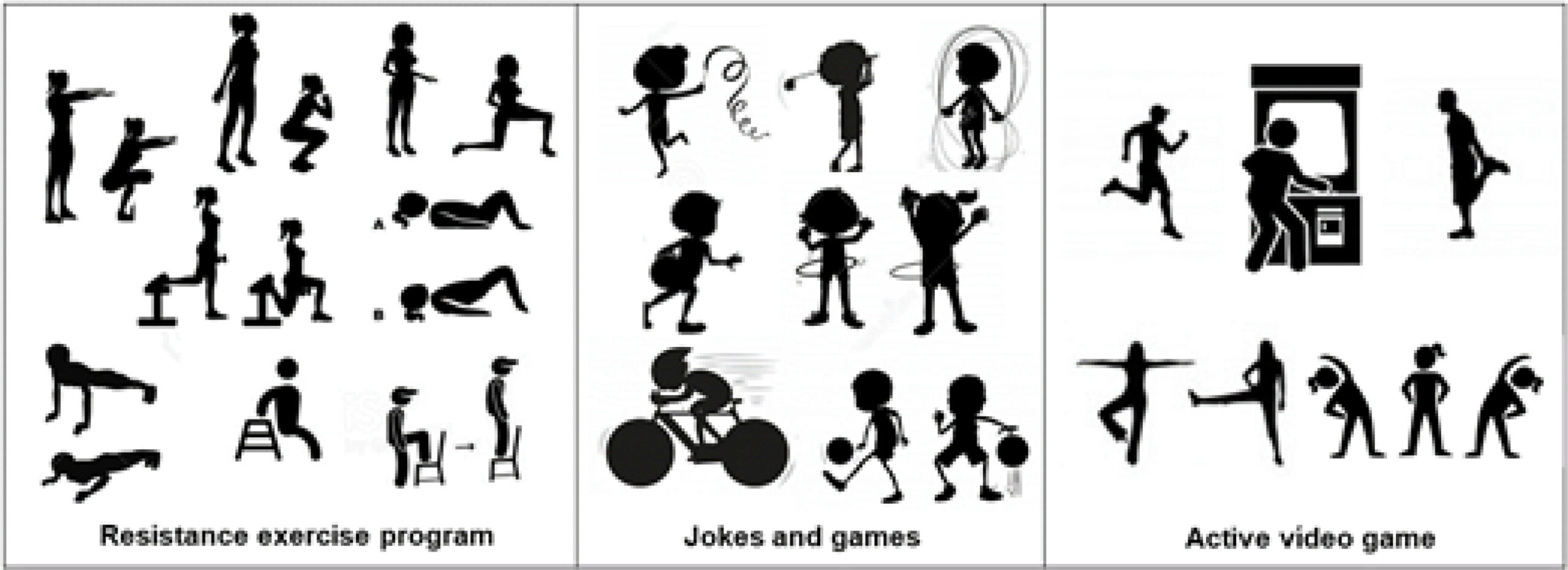
Home Physical Activity Programs for Children and Adolescents as a Healthy Strategy During Social Isolation Caused by COVID-19: viewpoint

Rafaela Catherine da Silva Cunha de Medeiros et al. Isis Kelly dos Santos Jason Azevedo de Medeiros Ricardo Ney Cobucci … Tatiane Andreza Lima da Silva Juliany de Souza Araujo Phelipe Wilde de Alcântara Varela Breno Guilherme de Araújo Tinoco Cabral Paulo Moreira Silva Dantas

Background

The recent outbreak of coronavirus disease (COVID-19) is considered a global health emergency. The global impact of this viral infection is of great concern to everyone. As the COVID-19 outbreak continues to appear unstoppable, preventive and hygiene measures have been implemented to safeguard against infection. Among these precautions, social isolation is considered to have the greatest potential for reducing contagion, at least until a vaccine becomes available. This isolation measure works as a kind of “necessary evil” for preventing a wide-reaching disaster. Thus, social distancing and staying home remain the most effective restrictive measures to prevent the exponential increase in contagion.

One of the crucial focal points of this strategy was oriented toward the closure of schools, thus affecting thousands of children and adolescents, who comprise approximately half of the global student population. The closure of educational institutions could have a significant impact on their lives, requiring them to adapt to new routines. Considering that they are now being confined to their homes due to the new situation generated by the pandemic, this cohort may experience moments of stress.

[…]

  • Adolescent
  • Betacoronavirus, Pandemics
  • Child
  • COVID-19
  • Exercises
  • Physical activity
  • Schools Closure
  • Social Isolation
  • Sports
  • students
Read Full Article
Creative Commons Attribution (CC BY) Creative Commons license
12/05/2021 DOI: 10.36660/ijcs.20200183 Views 1
Figure 1
IJCS
Original Article

Cardiovascular Risk Assessment after COVID-19 Infection before Resuming Sports Activities – Practical Flowchart and Meta-Analysis

Luís Puga et al. Paulo Dinis Rogério Teixeira Joana Maria Ribeiro … Hélder Dores Lino Gonçalves

Abstract

Background:

The risk of sports-related sudden cardiac arrest after COVID-19 infection can be a serious problem. There is an urgent need for evidence-based criteria to ensure patient safety before resuming exercise.

Objective:

To estimate the pooled prevalence of acute myocardial injury caused by COVID-19 and to provide an easy-to-use cardiovascular risk assessment toolkit prior to resuming sports activities after COVID-19 infection.

Methods:

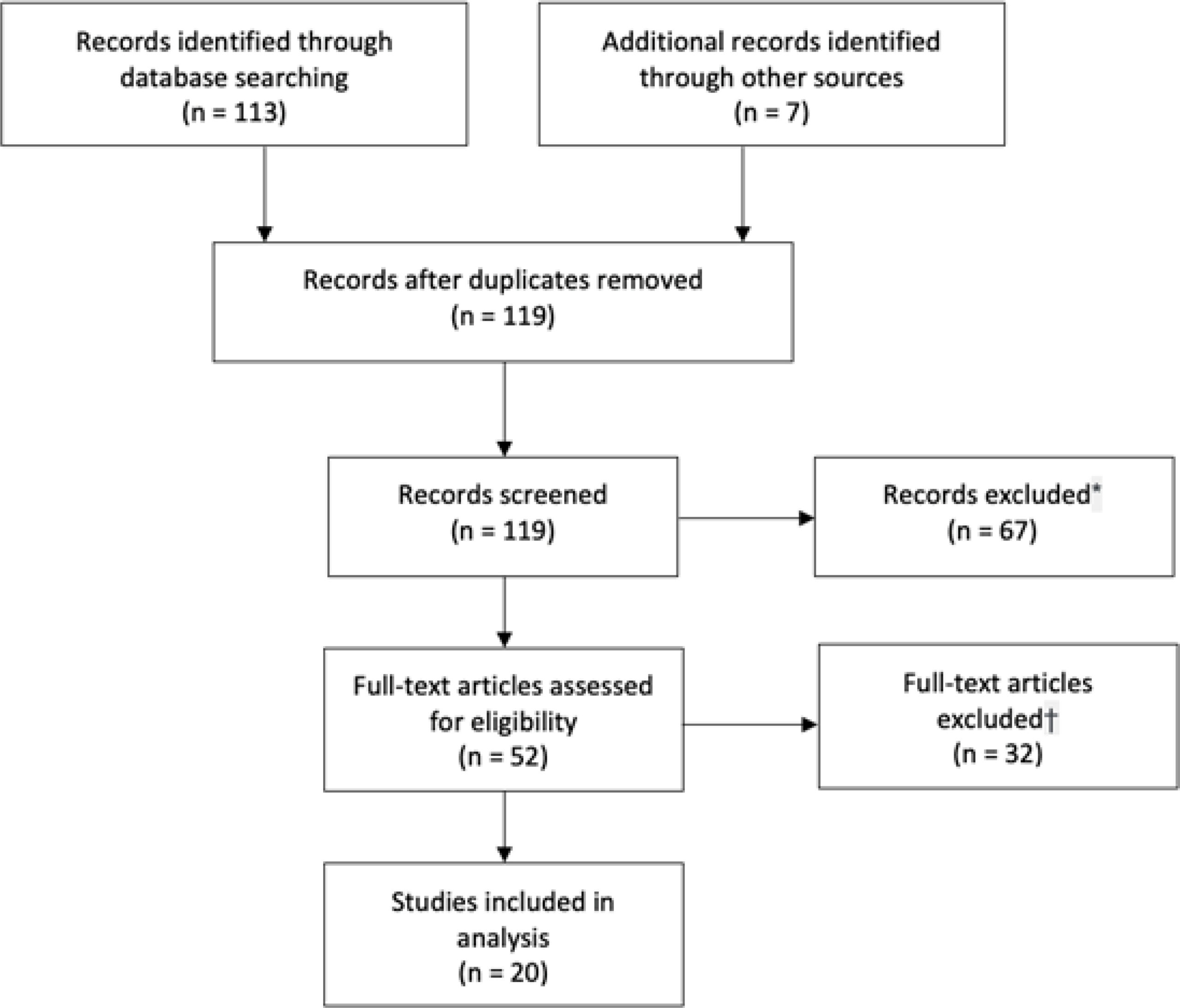
We searched the Medline and Cochrane databases for articles on the prevalence of acute myocardial injury associated with COVID-19 infection. The pooled prevalence of acute myocardial injury was calculated for hospitalized patients treated in different settings (non-intensive care unit [ICU], ICU, overall hospitalization, and non-survivors). Statistical significance was accepted for p values <0.05. We propose a practical flowchart to assess the cardiovascular risk of individuals who recovered from COVID-19 before resuming sports activities.

Results:

A total of 20 studies (6,573 patients) were included. The overall pooled prevalence of acute myocardial injury in hospitalized patients was 21.7% (95% CI 17.3-26.5%). The non-ICU setting had the lowest prevalence (9.5%, 95% CI 1.5-23.4%), followed by the ICU setting (44.9%, 95% CI 27.7-62.8%), and the cohort of non-survivors (57.7% with 95% CI 38.5-75.7%). We provide an approach to assess cardiovascular risk based on the prevalence of acute myocardial injury in each setting.

Conclusions:

Acute myocardial injury is frequent and associated with more severe disease and hospital admissions. Cardiac involvement could be a potential trigger for exercise-induced clinical complications after COVID-19 infection. We created a toolkit to assist with clinical decision-making prior to resuming sports activities after COVID-19 infection.

  • Betacoronavirus
  • COVID-19
  • Inflammation
  • Myocarditis
  • Risk Factors
  • Sports
  • Sports Medicine
  • Sudden Cardiac Death
Read Full Article
Creative Commons Attribution (CC BY) Creative Commons license
12/05/2021 DOI: 10.36660/ijcs.20200288 Views 2
IJCS
Editorial

Physical Activity, Exercise and Sports and Covid-19: What Really Matters

Claudio Gil Soares de Araújo

The ability to move is essential for an independent life. It is widely recognized that those who spend the most time either lying down or sitting and are physically inactive tend to have limited autonomy, poor health-related quality of life, and adverse prognosis of outcomes.

This editorial will briefly discuss the relationship between COVID-19 and physical movement. To better address this important relationship and for sake of clarity, some concepts should be defined first. In sport and exercise sciences, “physical activity” is defined as any bodily movement produced by skeletal muscles that results in energy expenditure, “exercise” is a subset of physical activity that is planned, structured, and repetitive and “sport” is an activity that most often, but not always, involves exercise and predetermined rules and participation in games or races or competitions.

[…]

  • Betacoronavirus
  • COVID-19
  • Exercise
  • Exercise Movement Techniques
  • Pandemics
  • Physical activity
  • Sports
Read Full Article
Creative Commons Attribution (CC BY) Creative Commons license
26/02/2021 DOI: 10.36660/ijcs.20210003 Views 1
IJCS
Letter to the Editor

Declaring Physical Activity as ‘Essential’ During the COVID-19 Pandemic May not be a Good Measure

Rogério Tosta Almeida et al. Ciro Oliveira Queiroz Estela M. L. Aquino

Dear Editor,

We congratulate the authors on the viewpoint entitled “Should Physical Activity Be Considered Essential During the COVID-19 Pandemic?”, and we are thankful for the opportunity to provide some contributions on this current and relevant topic.

[…]

  • Betacoronavirus
  • COVID-19
  • Exercise
  • Mental Health
  • Motor Activity
  • Pandemics
  • Social Distancing
  • Sports
Read Full Article
Creative Commons Attribution (CC BY) Creative Commons license
28/08/2020 DOI: 10.36660/ijcs.20200165 Views 1
Figure 1
ABC
Viewpoint

Appropriate Use of Diastolic Function Guideline When Evaluating Athletes: It is not Always what it Seems to Be

Carlos Eduardo Suaide Silva

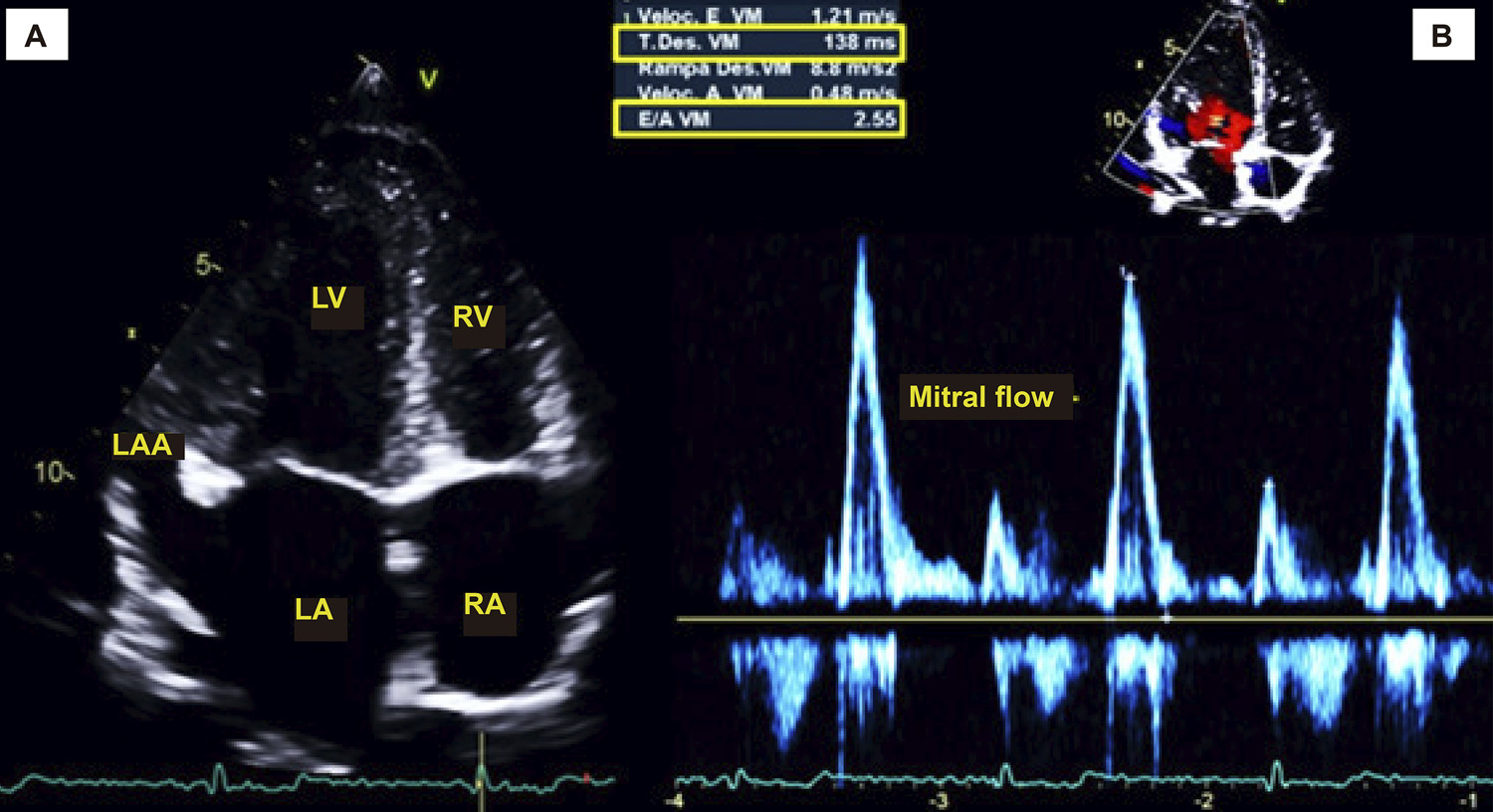
The complete echocardiographic evaluation of the diastolic function has always been a great challenge for cardiologists and sonographers, either because of frequent changes found in every new guideline, due to a great amount of recent information about this complex subject, or because of some confusion created by the guidelines themselves, which are many times contradictory or not explanatory. However, we are moving towards a better understanding of what really happens on this important phase of the cardiac cycle. The last published guideline of 2016, despite presenting some inconsistencies and still not making certain situations clear, clarified several points and corrected some distortions of the previous one.

As usual in Medicine, every time we have a paradigm shift or a new clinical entity appears, we pass first through a moment of overdiagnosis followed by some discredit to finally reach a balance with the maturity and the knowledge acquired over time. The same happened with mitral valve prolapse, which showed an incidence of more than 30% in young women in the early 1970s, but nowadays it is known of about 2.5% in both sexes. Ventricular non-compaction and many other diseases followed the same pattern, as well as diastolic disfunction. How many healthy elderly people were diagnosed with mild diastolic disfunction (or grade I) due to presence of E/A inversion on spectral Doppler of the mitral inflow? Almeida et al. tested the impact of using the 2009 guidelines against 2016 for diagnosing diastolic disfunction in 1,000 elderly individuals (over 45 y/o). They found that only 1.4% had some degree of diastolic disfunction according to the 2016 guideline. On the other hand, if the 2009 guideline had been used, this number would rise to 38.2%.

[…]

  • Athletes
  • Diagnostic Imaging
  • Echocardiography/methods
  • Exercise
  • Guidelines as Topic
  • Sports
  • Ventricular Dysfunction
Read Full Article
Creative Commons Attribution (CC BY) Creative Commons license
07/08/2020 DOI: 10.36660/abc.20190689
ABC
Special Article

Paralympics – Addendum to the Update on the Guidelines for Sport and Exercise Cardiology of the Brazilian Society of Cardiology and the Brazilian Society of Exercise and Sports Medicine

Japy Angelini Oliveira Filho et al. Antônio Claudio Lucas da Nóbrega Luiz Gustavo Marin Emed Marcelo Bichels Leitão Roberto Vital

Para-athletes or athletes with disabilities

Paralympic sports include a wide group of athletic activities for individuals who have disabilities and who participate in diverse levels of competition.

The Paralympic Movement began in 1888 in Berlin with the founding of the first sports clubs for people with hearing impairments.

[…]

  • Athletes/history
  • Athletes/legislation &jurisprudence
  • Disabled Persons
  • Hearing Loss
  • Physical and Rehabilitation Medicine
  • Sports
  • Vision Disorders
Read Full Article
Creative Commons Attribution (CC BY) Creative Commons license
10/10/2019 DOI: 10.5935/abc.20190194 Views 2
IJCS
Editorial

The Truth is that Doctors do not Prescribe Physical Activities

Lorena Christine A. Albuquerque et al. Nabil Ghorayeb

Considering the well-established health benefits of regular physical activity, doctors have a primary role in counseling, encouragement, and education. In fact, they should be proactive in promoting health. Multiple published manuscripts attempted to link the doctors’ level of physical activity to the encouragement of their patients’ physical activity. Sufficient evidence has been provided that medical advice alone does not lead to sustained changes in the behavior of their patients.

There was statistical significance in the manuscript that we analyzed, by Meira DT, et al.: “Talk the Talk and Walk the Walk! Association between Weekly Exercise Load and Knowledge about Recommendations for Fighting Inactivity”, demonstrating a linear association between the amount of physical exercise recommended per week and the knowledge of the WHO recommendations against a sedentary lifestyle among the health professionals attending the Conference of the Society of Cardiology of Rio de Janeiro in 2017.

[…]

  • Cardiovascular Diseases/prevention and control
  • Exercise
  • Quality of Life, Risk Factors/Prevention and Control
  • Sports
  • Sports Medicine/Trends
Read Full Article
Creative Commons Attribution (CC BY) Creative Commons license
03/10/2019 DOI: 10.5935/2359-4802.20190076
IJCS
Viewpoint

Exercise, Sports & Cardiovascular Health: Relevant Questions and Answers

Claudio Gil Araujo et al. Barry Franklin Jari Laukkanen Jonathan Myers … Josef Niebauer Jurgen Scharhag Philip J. Millar

Introduction

Currently, it is quite common for a clinical cardiologist to be questioned about exercise and sports, topics that are rarely discussed during formal medical education. In this regard, there is a clear need to access high-quality data and evidence-based information to give patients and family members the best advice.

Aiming to present the state-of-the art scientific information on the topic, we have invited several experts from different countries, all of them “knowledge-producers” in exercise and sports cardiology, to contribute with their expertise by answering specific and relevant questions in the matter. The answers were limited to about 250 words and they were asked to preferentially refer to their own publications.

[…]

  • Exercise
  • Exercise Movement Techniques
  • Exercise Therapy
  • Hypertension
  • Muscle Strenght
  • Preventive Health Care
  • Sports
Read Full Article
Creative Commons Attribution (CC BY) Creative Commons license
12/08/2019 DOI: 10.5935/2359-4802.20190060
Figure 1
IJCS
Original Article

Talk the talk and walk the walk! Association between Weekly Exercise Load and Knowledge about Recommendations for Fighting Innactivity

Diogo Thadeu Meira et al. Leonardo Giglio Gonçalves Luiz Henrique Araújo Matheus Gasparini … Bernardo Souza Cunha Amanda Monteiro Michele Heringer Christiane Prado Andre Volschan Fabrício Braga da Silva

Abstract

Background:

The World Health Organization (WHO) recommends as a weekly “target dose” of exercise 150 minutes of moderate exercise or 75 minutes of intense exercise. Public health policies have prioritized the practice of exercise as a strategy for disease prevention and health promotion, with health professionals as their main promoters.

Objective:

To assess the interaction between the amount of exercise per week and the knowledge about recommendations for fighting a sedentary lifestyle among health care professionals attending a congress of cardiology.

Methods:

Participants of the 2017 Rio de Janeiro Society of Cardiology Congress were interviewed. Knowledge about the World Health Organization (WHO) recommendations for fighting a sedentary lifestyle was assessed by asking participants the question: “How much weekly exercise is recommended by the WHO?” Responders were stratified by the weekly exercise load reported. A multivariate logistic model was created to determine independent predictors of knowledge.

Results:

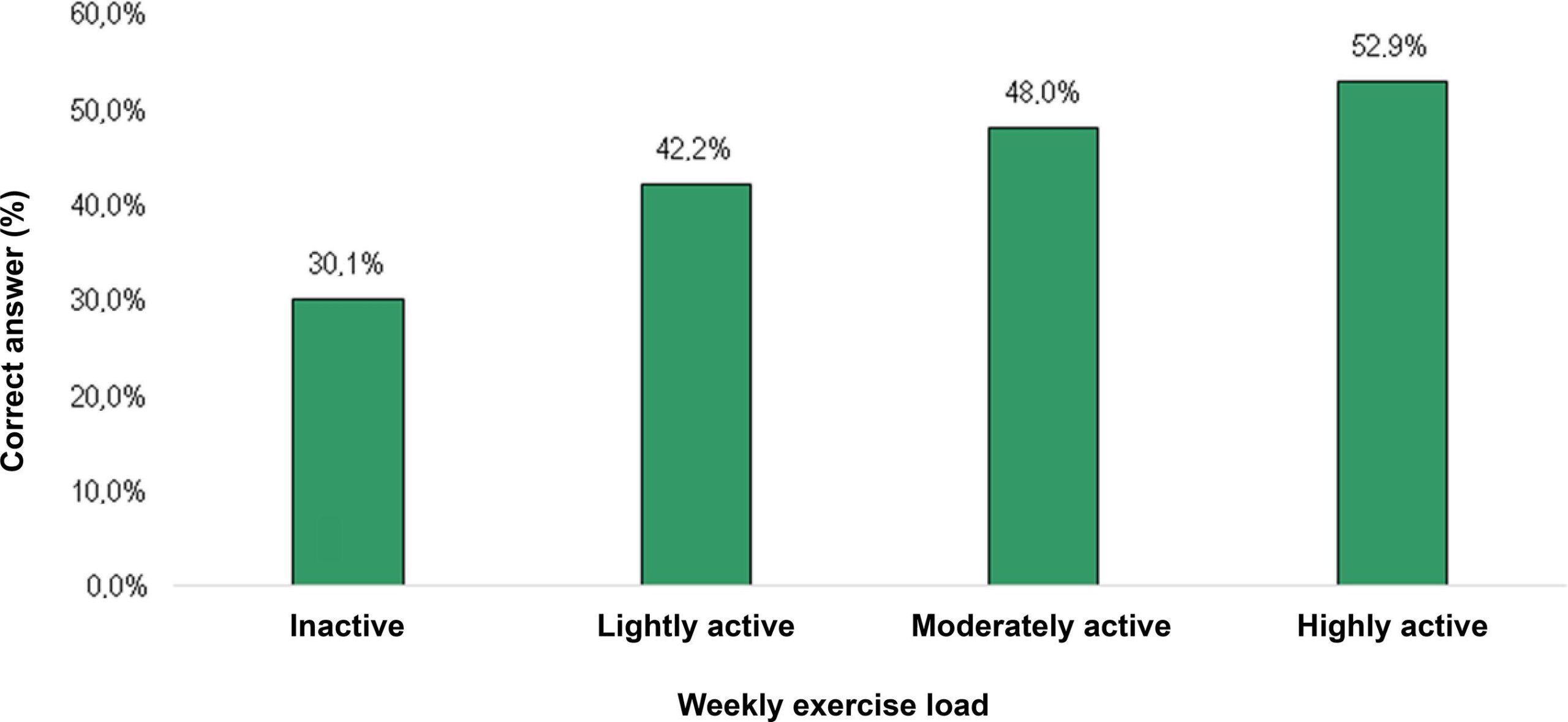
A total of 426 participants were interviewed (45.5% men, median age 31 years, 37.8% physicians, 65.8% of the physicians were cardiologists). The overall knowledge level was 44.6%; 38.1%, 52.7% and 56.6% among non-physicians, non-cardiologists and cardiologists, respectively (p = 0.002). Of all participants, 21.8% were inactive, 15% were lightly active, 34.7% moderately active and 28.4% highly active, and the percentage of individuals who gave a correct answer to the question on exercise recommendations was 30.1%, 42%, 48% and 52.9% respectively (p < 0.0001). In the multivariate analysis, being highly active (OR = 2.25, IC95%, 1.238 – 4.089), moderately active (OR = 1.93, IC 95% 1.105 – 3.39) and being a cardiologist (OR = 2.01, IC 95% 1.243 – 3,267) were predictors of knowledge.

Conclusions:

There was a linear association between exercise level and knowledge about the WHO recommendations on exercise. Policies to stimulate the practice of exercise among health professionals can positively impact campaigns for reducing sedentary lifestyle in the general population.

  • Cardiovascular Diseases/prevention and control
  • Exercise
  • Health Promotion, Preventive Medicine
  • physical fitness
  • Sports
  • Sports Medicine/Trends
Read Full Article
Creative Commons Attribution (CC BY) Creative Commons license
01/04/2019 DOI: 10.5935/2359-4802.20190023 Views 1
IJCS
Viewpoint

Sudden Cardiac Death in Sports: Not a Fatality!

Nabil Ghorayeb et al. Clea Simone Sabino de Souza Colombo Ricardo Contesini Francisco, Thiago Ghorayeb Garcia

Abstract

Sudden cardiac death in sports is still controversial. Despite being a rare event, the death of an apparently healthy young athlete causes a major impact on the media. On the other hand, for being a rare event, it is clearly undervalued. Sports preparticipation cardiological assessment is one of the most effective preventive medical actions for professional and amateur endurance athletes. The regular and supervised practice of physical exercise does not kill. We believe that deaths are triggered by excessive physical training and use of drugs, in individuals with not diagnosed or undervalued heart diseases. It is necessary to make health professionals and athletes aware of the athletes’ physiological limits, in addition to preparing the athletes properly when they try to overcome human limits.

  • Cardiac arrest
  • Endurance Exercise
  • Risk Assessment
  • Sports
  • Sudden Death
Read Full Article
Creative Commons Attribution (CC BY) Creative Commons license
01/01/2019 DOI: 10.5935/2359-4802.20180087
Figure 1
ABC
Original Article

Effects of Chronic Exercise on Endothelial Progenitor Cells and Microparticles in Professional Runners

Célia Regina de Oliveira Bittencourt et al. Maria Cristina de Oliveira Izar Carolina Nunes França Valdir Lauro Schwerz … Rui Manuel dos Santos Póvoa Francisco Antonio Helfenstein Fonseca

Abstract

Background:

The effects of chronic exposure to exercise training on vascular biomarkers have been poorly explored.

Objective:

Our study aimed to compare the amounts of endothelial progenitor cells (EPCs), and endothelial (EMP) and platelet (PMP) microparticles between professional runners and healthy controls.

Methods:

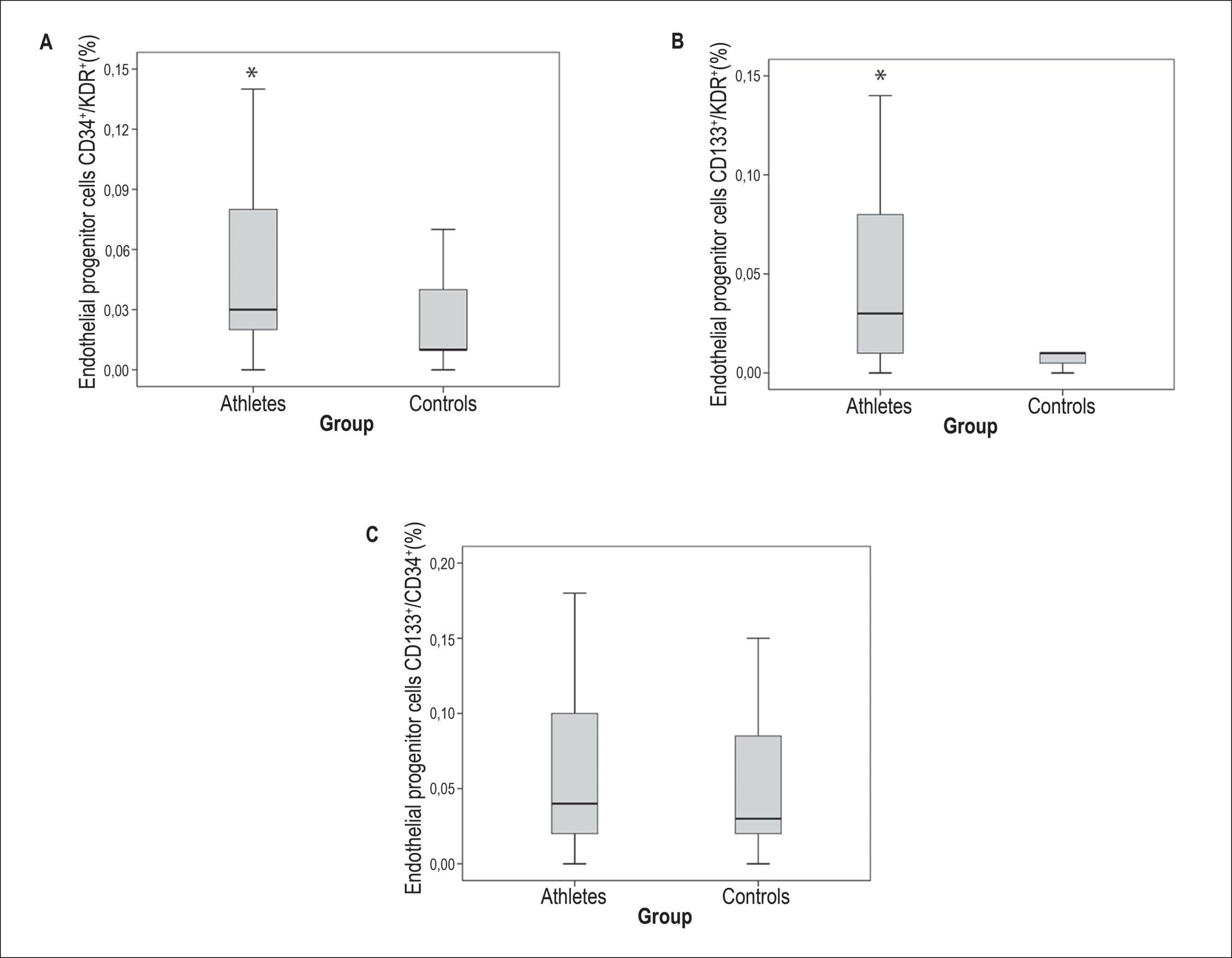
Twenty-five half-marathon runners and 24 age- and gender-matched healthy controls were included in the study. EPCs (CD34+/KDR+, CD133+/KDR+, and CD34+/CD133+), EMP (CD51+) and PMP (CD42+/CD31+) were quantified by flow-cytometry. All blood samples were obtained after 12 h of fasting and the athletes were encouraged to perform their routine exercises on the day before.

Results:

As compared with controls, the CD34+/KDR+ EPCs (p=0.038) and CD133+/KDR+ EPCs (p=0.018) were increased, whereas CD34+/CD133+ EPCs were not different (p=0.51) in athletes. In addition, there was no difference in MPs levels between the groups.

Conclusion:

Chronic exposure to exercise in professional runners was associated with higher percentage of EPCs. Taking into account the similar number of MPs in athletes and controls, the study suggests a favorable effect of exercise on these vascular biomarkers.

  • Athletes
  • Biomarkers
  • Endothelial Progenitor Cells
  • Running
  • Sports
Read Full Article
Creative Commons Attribution (CC BY) Creative Commons license
01/03/2017 DOI: 10.5935/abc.20170022 Views 1
Figure 1
ABC
Anatomopathological Session

Case 4/2017 – Young Male Marathoner with Heart Failure Due to Dilated Cardiomyopathy

Hilda Sara Montero Ramirez et al. Rafael Amorim Belo Nunes Vera Demarchi Aiello

Clinical aspects

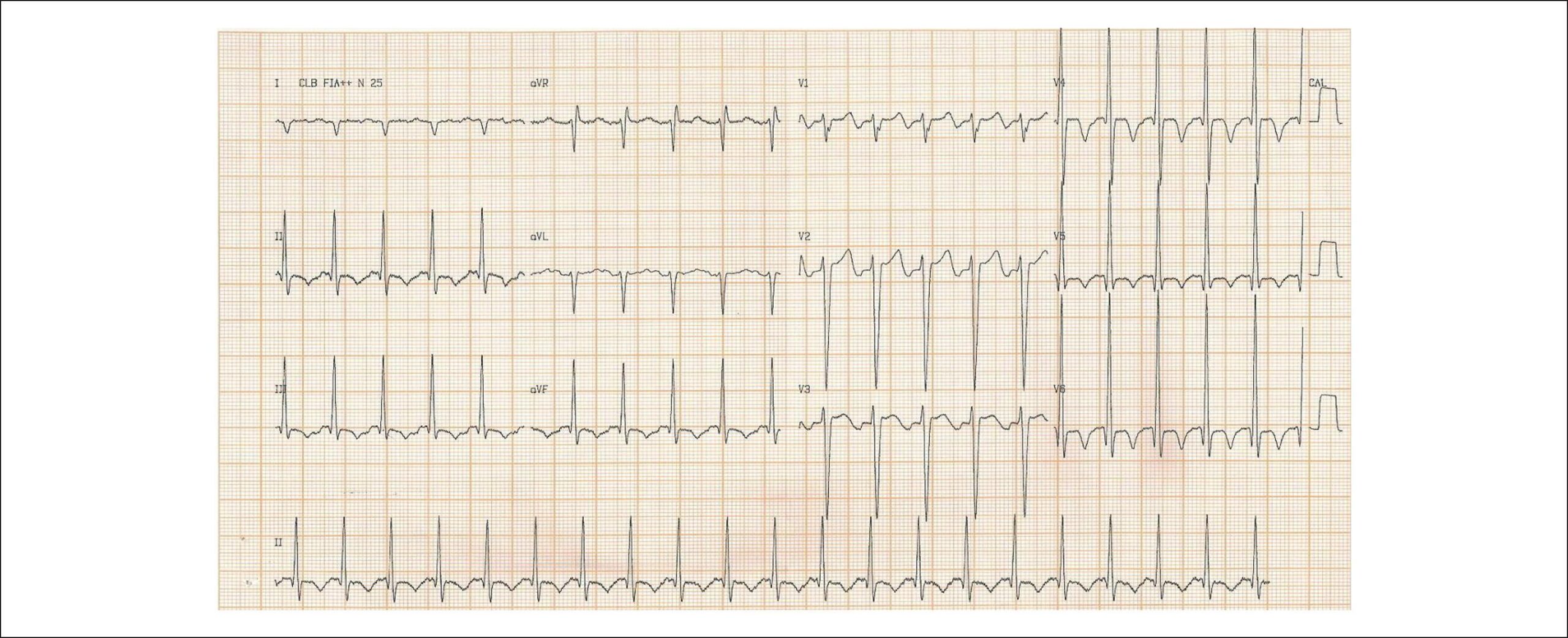
The patient was a 22-year-old male marathoner with fatal heart failure for 1 year. The clinical data reported were dyspnea and precordial discomfort on exertion. The patient maintained his trainings and running practice less intensely due to lower limb pain and weakness in the last months, until he was hospitalized due to chest pain, dyspnea, hemoptysis, mental confusion and syncope. During hospitalization, his clinical findings rapidly and progressively deteriorated. His electrocardiogram on admission revealed signs of right atrial overload, left ventricular overload and secondary ventricular repolarization changes. The left ventricle was diffusely hypokinetic and the diastolic function pattern was restrictive. There was moderate mitral and tricuspid valve regurgitation. These findings suggest cardiomyopathy with important hemodynamic repercussion.

The causes of cardiomyopathy in young individuals are: idiopathic cardiomyopathy, infectious myocarditis and autoimmune myocarditis. Cardiotoxicity can also be observed in exposure to certain agents, such as alcohol, cocaine, heavy metals and antineoplastic drugs, such as anthracyclines and cyclophosphamide.

[…]

  • Athletes
  • Cardiomyopathy, Dilated
  • Heart Failure
  • Physical Exertion
  • Sports
Read Full Article
Creative Commons Attribution (CC BY) Creative Commons license
01/01/2017 DOI: 10.5935/abc.20170124
ABC
Original Article

Reduction in Post-Marathon Peak Oxygen Consumption: Sign of Cardiac Fatigue in Amateur Runners?

Ana Paula Rennó Sierra et al. Anderson Donelli da Silveira Ricardo Contesini Francisco Rodrigo Bellios de Mattos Barretto … Carlos Anibal Sierra Romeu Sergio Meneghelo Maria Augusta Peduti Dal Molin Kiss Nabil Ghorayeb Ricardo Stein

Abstract

Background:

Prolonged aerobic exercise, such as running a marathon, produces supraphysiological stress that can affect the athlete’s homeostasis. Some degree of transient myocardial dysfunction (“cardiac fatigue”) can be observed for several days after the race.

Objective:

To verify if there are changes in the cardiopulmonary capacity, and cardiac inotropy and lusitropy in amateur marathoners after running a marathon.

Methods:

The sample comprised 6 male amateur runners. All of them underwent cardiopulmonary exercise testing (CPET) one week before the São Paulo Marathon, and 3 to 4 days after that race. They underwent echocardiography 24 hours prior to and immediately after the marathon. All subjects were instructed not to exercise, to maintain their regular diet, ingest the same usual amount of liquids, and rest at least 8 hours a day in the period preceding the CPET.

Results:

The athletes completed the marathon in 221.5 (207; 250) minutes. In the post-marathon CPET, there was a significant reduction in peak oxygen consumption and peak oxygen pulse compared to the results obtained before the race (50.75 and 46.35 mL.kg-1 .min-1; 19.4 and 18.1 mL.btm, respectively). The echocardiography showed a significant reduction in the s’ wave (inotropic marker), but no significant change in the E/e’ ratio (lusitropic marker).

Conclusions:

In amateur runners, the marathon seems to promote changes in the cardiopulmonary capacity identified within 4 days after the race, with a reduction in the cardiac contractility. Such changes suggest that some degree of “cardiac fatigue” can occur.

  • Exercise
  • Homeostasis
  • Oxygen Consumption
  • Running
  • Sports
  • Ventricular Dysfunction
Read Full Article
Creative Commons Attribution (CC BY) Creative Commons license
12/01/2016 DOI: 10.5935/abc.20150148
Maximal heart rate: influence of sport practice during childhood and adolescence
ABC
Artigo Original

Maximal heart rate: influence of sport practice during childhood and adolescence

Débora Helena Balassiano et al. Claudio Gil Soares de Araújo

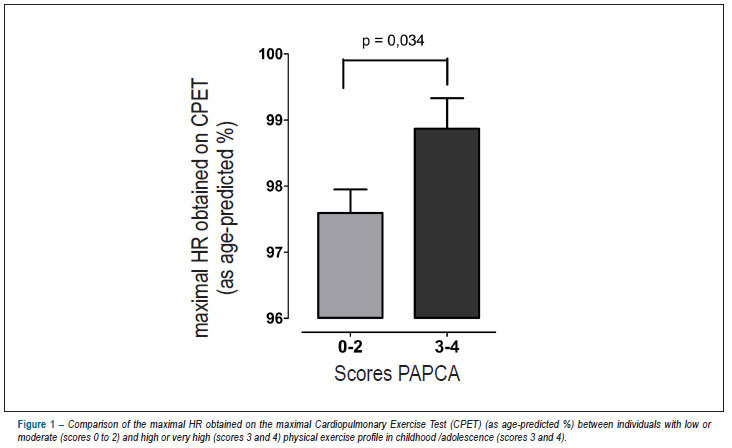
BACKGROUND: The heart rate (HR) achieved at the end of an exercise test (ET) is called maximal HR and is known to have clinical and epidemiological relevance. For its correct measurement, it is necessary that the ET be truly maximal. OBJECTIVE: To evaluate the influence of a history of intense physical activity and/or participation in sports competitions during youth on the maximal HR (% of age-predicted HR) on a clinical cardiopulmonary exercise test (CPET). METHODS: A total of 600 non-athlete individuals (65.8% males) with a mean age of 46 ± 13.7 years, under primary prevention of cardiovascular diseases and who underwent maximal CPET, were retrospectively selected. Their physical activity profile during childhood/adolescence (PAPCA) was classified in scores growing from 0 to 4, with value 2 corresponding to their respective age-predicted levels. RESULTS: None of the 20 individuals with maximal HR values equal to or greater than 200 bpm had been inactive or somewhat active during childhood/adolescence. A significant association was observed between PAPCA scores and maximal HR (% of age-predicted HR) (p = 0.02), with a 7-bpm higher value for PAPCA scores 3-4 (32.9% of the sample) in comparison to PAPCA 0-2. CONCLUSION: Two hypotheses exist to explain these results in individuals who had been more active during youth: a) persistence of chronic adaptations to training on the cardiac chronotropism, or b) higher ability and/or motivation to achieve a truly maximal CPET. Information on the physical activity profile during childhood / adolescence may contribute to the interpretation of maximal HR on ET.

  • Adolescents
  • Child
  • Ergometry
  • Exercise
  • Heart Failure
  • Physical Exertion
  • Sports
Read Full Article
Creative Commons Attribution (CC BY) Creative Commons license
02/04/2013 DOI: 10.5935/abc.20130055 Views 1
ABC
Ponto de Vista

Pre-participation screening of the young athlete: is this the time for an agreement?

Roberto Peidro et al. Victor Froelicher Ricardo Stein

POINT OF VIEW

[…]

  • Exercise
  • medical examination
  • Sports
Read Full Article
Creative Commons Attribution (CC BY) Creative Commons license
31/03/2011 DOI: 10.1590/S0066-782X2011000300019
ABC
Review Article

Competitive sports for children and adolescents: should an electrocardiogram be required in the pre-participation physical examination?

Cláudio Aparício Silva Baptista et al. Antonio Foronda Luciana de Pádua Silva Baptista

The growing number of children and adolescents, aged 7 to 17 years, that participate in competitive sports requires preventive medical care. The pre-participation physical examination (PPE) requires appropriate medical knowledge to insure safe medical clearance. Recent sudden death events related to sports practice have raised doubts concerning the need for a medical evaluation based on medical tests, which due to the delay in its implementation may result in demotivation and abandonment of the sports practice. This is a review study, including data collected during a period of 30 years at the Olympic Training and Research Center (COTP) of the Municipal Secretary of Sports of São Paulo, where future athletes are identified, socially included and trained; and the objective of the study was to evaluate the need for the involvement of medical organizations in the preparation of a EPP protocol for the cardiovascular assessment of this population, according to the Brazilian reality. We had no normative standard, and so we relied on data collected from protocols that were established by other countries, but we defined which conduct to be taken with each of our individuals.

  • Adolescent
  • Child
  • Medical Care
  • medical examination
  • Sports
Read Full Article
Creative Commons Attribution (CC BY) Creative Commons license
13/10/2009 DOI: 10.1590/S0066-782X2009000800019 Views 1

How to cite this article

EndNote RIS

Electronic Document Format (Vancouver)

Ferrari F, Rossi AP. Ethnic Disparities in the Longevity of Brazilian Olympic Medalists. Arquivos Brasileiros de Cardiologia 2024;121(2):e20240082.

Electronic Document Format (ABNT)

Ferrari, Filipe; Rossi, Arthur Proença. Ethnic Disparities in the Longevity of Brazilian Olympic Medalists. Arquivos Brasileiros de Cardiologia, v. 121, n. 2, e20240082, Apr. 2024.

Electronic Document Format (APA)

Ferrari, F., & Rossi, A. P. (2024). Ethnic Disparities in the Longevity of Brazilian Olympic Medalists. Arquivos Brasileiros de Cardiologia, 121(2), e20240082.

Electronic Document Format (ISO)

Ferrari, Filipe and Rossi, Arthur Proença. Ethnic Disparities in the Longevity of Brazilian Olympic Medalists. Arquivos Brasileiros de Cardiologia [online]. 2024, vol. 121, n. 2, [cited 2026-10-14], e20240082. Available from: <https://journals.cardiol.br/en/article/ethnic-disparities-in-the-longevity-of-brazilian-olympic-medalists/>. ISSN 0066-782X

EndNote RIS

Electronic Document Format (Vancouver)

Motta SB, Toledes VC, Franzoni L. Statin Associated With Physical Training: A Perfect Combination. Arquivos Brasileiros de Cardiologia 2021;117(2):279-80.

Electronic Document Format (ABNT)

Motta, Stephanie Bastos da; Toledes, Vanessa Caroline; Franzoni, Leandro. Statin Associated With Physical Training: A Perfect Combination. Arquivos Brasileiros de Cardiologia, v. 117, n. 2, p. 279-280, Sep. 2021.

Electronic Document Format (APA)

Motta, S. B. , Toledes, V. C., & Franzoni, L. (2021). Statin Associated With Physical Training: A Perfect Combination. Arquivos Brasileiros de Cardiologia, 117(2), 279-280.

Electronic Document Format (ISO)

Motta, Stephanie Bastos da and Toledes, Vanessa Caroline and Franzoni, Leandro. Statin Associated With Physical Training: A Perfect Combination. Arquivos Brasileiros de Cardiologia [online]. 2021, vol. 117, n. 2, [cited 2026-10-14], pp. 279-280. Available from: <https://journals.cardiol.br/en/article/statin-associated-with-physical-training-a-perfect-combination/>. ISSN 0066-782X

EndNote RIS

Electronic Document Format (Vancouver)

Ritti-Dias RM, Quintella B. The Six-Minute Step Test as an Alternative for Functional Capacity Assessment in Patients with Cardiovascular Diseases. Arquivos Brasileiros de Cardiologia 2021;116(5):896-7.

Electronic Document Format (ABNT)

Ritti-Dias, Raphael Mendes; Quintella, Breno. The Six-Minute Step Test as an Alternative for Functional Capacity Assessment in Patients with Cardiovascular Diseases. Arquivos Brasileiros de Cardiologia, v. 116, n. 5, p. 896-897, May. 2021.

Electronic Document Format (APA)

Ritti-Dias, R. M., & Quintella, B. (2021). The Six-Minute Step Test as an Alternative for Functional Capacity Assessment in Patients with Cardiovascular Diseases. Arquivos Brasileiros de Cardiologia, 116(5), 896-897.

Electronic Document Format (ISO)

Ritti-Dias, Raphael Mendes and Quintella, Breno. The Six-Minute Step Test as an Alternative for Functional Capacity Assessment in Patients with Cardiovascular Diseases. Arquivos Brasileiros de Cardiologia [online]. 2021, vol. 116, n. 5, [cited 2026-10-14], pp. 896-897. Available from: <https://journals.cardiol.br/en/article/the-six-minute-step-test-as-an-alternative-for-functional-capacity-assessment-in-patients-with-cardiovascular-diseases/>. ISSN 0066-782X

EndNote RIS

Electronic Document Format (Vancouver)

Medeiros RCSC, Santos IK, Medeiros JA, Cobucci RN, Silva TAL, Araujo JS, Varela PWA, et al. Home Physical Activity Programs for Children and Adolescents as a Healthy Strategy During Social Isolation Caused by COVID-19: viewpoint. International Journal of Cardiovascular Sciences 2021;34(5):582-7.

Electronic Document Format (ABNT)

Medeiros, Rafaela Catherine da Silva Cunha de; Santos, Isis Kelly dos; Medeiros, Jason Azevedo de; Cobucci, Ricardo Ney; Silva, Tatiane Andreza Lima da; Araujo, Juliany de Souza; Varela, Phelipe Wilde de Alcântara; Cabral, Breno Guilherme de Araújo Tinoco; Dantas, Paulo Moreira Silva. Home Physical Activity Programs for Children and Adolescents as a Healthy Strategy During Social Isolation Caused by COVID-19: viewpoint. International Journal of Cardiovascular Sciences, v. 34, n. 5, p. 582-587, May. 2021.

Electronic Document Format (APA)

Medeiros, R. C. S. C. , Santos, I. K. , Medeiros, J. A. , Cobucci, R. N., Silva, T. A. L. , Araujo, J. S., Varela, P. W. A., Cabral, B. G. A. T., & Dantas, P. M. S. (2021). Home Physical Activity Programs for Children and Adolescents as a Healthy Strategy During Social Isolation Caused by COVID-19: viewpoint. International Journal of Cardiovascular Sciences, 34(5), 582-587.

Electronic Document Format (ISO)

Medeiros, Rafaela Catherine da Silva Cunha de and Santos, Isis Kelly dos and Medeiros, Jason Azevedo de and Cobucci, Ricardo Ney and Silva, Tatiane Andreza Lima da and Araujo, Juliany de Souza and Varela, Phelipe Wilde de Alcântara and Cabral, Breno Guilherme de Araújo Tinoco and Dantas, Paulo Moreira Silva. Home Physical Activity Programs for Children and Adolescents as a Healthy Strategy During Social Isolation Caused by COVID-19: viewpoint. International Journal of Cardiovascular Sciences [online]. 2021, vol. 34, n. 5, [cited 2026-10-14], pp. 582-587. Available from: <https://journals.cardiol.br/en/article/home-physical-activity-programs-for-children-and-adolescents-as-a-healthy-strategy-during-social-isolation-caused-by-covid-19-viewpoint/>. ISSN 2359-4802

EndNote RIS

Electronic Document Format (Vancouver)

Puga L, Dinis P, Teixeira R, Ribeiro JM, Dores H, Gonçalves L. Cardiovascular Risk Assessment after COVID-19 Infection before Resuming Sports Activities – Practical Flowchart and Meta-Analysis. International Journal of Cardiovascular Sciences 2021;35(1):14-2.

Electronic Document Format (ABNT)

Puga, Luís; Dinis, Paulo; Teixeira, Rogério; Ribeiro, Joana Maria; Dores, Hélder; Gonçalves, Lino. Cardiovascular Risk Assessment after COVID-19 Infection before Resuming Sports Activities – Practical Flowchart and Meta-Analysis. International Journal of Cardiovascular Sciences, v. 35, n. 1, p. 14-24, May. 2021.

Electronic Document Format (APA)

Puga, L., Dinis, P., Teixeira, R., Ribeiro, J. M., Dores, H., & Gonçalves, L. (2021). Cardiovascular Risk Assessment after COVID-19 Infection before Resuming Sports Activities – Practical Flowchart and Meta-Analysis. International Journal of Cardiovascular Sciences, 35(1), 14-24.

Electronic Document Format (ISO)

Puga, Luís and Dinis, Paulo and Teixeira, Rogério and Ribeiro, Joana Maria and Dores, Hélder and Gonçalves, Lino. Cardiovascular Risk Assessment after COVID-19 Infection before Resuming Sports Activities – Practical Flowchart and Meta-Analysis. International Journal of Cardiovascular Sciences [online]. 2021, vol. 35, n. 1, [cited 2026-10-14], pp. 14-24. Available from: <https://journals.cardiol.br/en/article/cardiovascular-risk-assessment-after-covid-19-infection-before-resuming-sports-activities-practical-flowchart-and-meta-analysis/>. ISSN 2359-4802

EndNote RIS

Electronic Document Format (Vancouver)

Araújo CGS. Physical Activity, Exercise and Sports and Covid-19: What Really Matters. International Journal of Cardiovascular Sciences 2021;34(2):113-5.

Electronic Document Format (ABNT)

Araújo, Claudio Gil Soares de. Physical Activity, Exercise and Sports and Covid-19: What Really Matters. International Journal of Cardiovascular Sciences, v. 34, n. 2, p. 113-115, Feb. 2021.

Electronic Document Format (APA)

Araújo, C. G. S. (2021). Physical Activity, Exercise and Sports and Covid-19: What Really Matters. International Journal of Cardiovascular Sciences, 34(2), 113-115.

Electronic Document Format (ISO)

Araújo, Claudio Gil Soares de. Physical Activity, Exercise and Sports and Covid-19: What Really Matters. International Journal of Cardiovascular Sciences [online]. 2021, vol. 34, n. 2, [cited 2026-10-14], pp. 113-115. Available from: <https://journals.cardiol.br/en/article/physical-activity-exercise-and-sports-and-covid-19-what-really-matters/>. ISSN 2359-4802

EndNote RIS

Electronic Document Format (Vancouver)

Almeida RT, Queiroz CO, Aquino EML. Declaring Physical Activity as ‘Essential’ During the COVID-19 Pandemic May not be a Good Measure. International Journal of Cardiovascular Sciences 2020;33(5):589-90.

Electronic Document Format (ABNT)

Almeida, Rogério Tosta; Queiroz, Ciro Oliveira; Aquino, Estela M. L.. Declaring Physical Activity as ‘Essential’ During the COVID-19 Pandemic May not be a Good Measure. International Journal of Cardiovascular Sciences, v. 33, n. 5, p. 589-590, Aug. 2020.

Electronic Document Format (APA)

Almeida, R. T., Queiroz, C. O., & Aquino, E. M. L. (2020). Declaring Physical Activity as ‘Essential’ During the COVID-19 Pandemic May not be a Good Measure. International Journal of Cardiovascular Sciences, 33(5), 589-590.

Electronic Document Format (ISO)

Almeida, Rogério Tosta and Queiroz, Ciro Oliveira and Aquino, Estela M. L.. Declaring Physical Activity as ‘Essential’ During the COVID-19 Pandemic May not be a Good Measure. International Journal of Cardiovascular Sciences [online]. 2020, vol. 33, n. 5, [cited 2026-10-14], pp. 589-590. Available from: <https://journals.cardiol.br/en/article/declaring-physical-activity-as-essential-during-the-covid-19-pandemic-may-not-be-a-good-measure/>. ISSN 2359-4802

EndNote RIS

Electronic Document Format (Vancouver)

Silva CES. Appropriate Use of Diastolic Function Guideline When Evaluating Athletes: It is not Always what it Seems to Be. Arquivos Brasileiros de Cardiologia 2020;115(1):134-8.

Electronic Document Format (ABNT)

Silva, Carlos Eduardo Suaide. Appropriate Use of Diastolic Function Guideline When Evaluating Athletes: It is not Always what it Seems to Be. Arquivos Brasileiros de Cardiologia, v. 115, n. 1, p. 134-138, Aug. 2020.

Electronic Document Format (APA)

Silva, C. E. S. (2020). Appropriate Use of Diastolic Function Guideline When Evaluating Athletes: It is not Always what it Seems to Be. Arquivos Brasileiros de Cardiologia, 115(1), 134-138.

Electronic Document Format (ISO)

Silva, Carlos Eduardo Suaide. Appropriate Use of Diastolic Function Guideline When Evaluating Athletes: It is not Always what it Seems to Be. Arquivos Brasileiros de Cardiologia [online]. 2020, vol. 115, n. 1, [cited 2026-10-14], pp. 134-138. Available from: <https://journals.cardiol.br/en/article/appropriate-use-of-diastolic-function-guideline-when-evaluating-athletes-it-is-not-always-what-it-seems-to-be/>. ISSN 0066-782X

EndNote RIS

Electronic Document Format (Vancouver)

Oliveira Filho JA, Nóbrega ACL, Emed LGM, Leitão MB, Vital R. Paralympics – Addendum to the Update on the Guidelines for Sport and Exercise Cardiology of the Brazilian Society of Cardiology and the Brazilian Society of Exercise and Sports Medicine. Arquivos Brasileiros de Cardiologia 2019;113(3):339-44.

Electronic Document Format (ABNT)

Oliveira Filho, Japy Angelini; Nóbrega, Antônio Claudio Lucas da; Emed, Luiz Gustavo Marin; Leitão, Marcelo Bichels; Vital, Roberto. Paralympics – Addendum to the Update on the Guidelines for Sport and Exercise Cardiology of the Brazilian Society of Cardiology and the Brazilian Society of Exercise and Sports Medicine. Arquivos Brasileiros de Cardiologia, v. 113, n. 3, p. 339-344, Oct. 2019.

Electronic Document Format (APA)

Oliveira Filho, J. A., Nóbrega, A. C. L. , Emed, L. G. M., Leitão, M. B., & Vital, R. (2019). Paralympics – Addendum to the Update on the Guidelines for Sport and Exercise Cardiology of the Brazilian Society of Cardiology and the Brazilian Society of Exercise and Sports Medicine. Arquivos Brasileiros de Cardiologia, 113(3), 339-344.

Electronic Document Format (ISO)

Oliveira Filho, Japy Angelini and Nóbrega, Antônio Claudio Lucas da and Emed, Luiz Gustavo Marin and Leitão, Marcelo Bichels and Vital, Roberto. Paralympics – Addendum to the Update on the Guidelines for Sport and Exercise Cardiology of the Brazilian Society of Cardiology and the Brazilian Society of Exercise and Sports Medicine. Arquivos Brasileiros de Cardiologia [online]. 2019, vol. 113, n. 3, [cited 2026-10-14], pp. 339-344. Available from: <https://journals.cardiol.br/en/article/paralympics-addendum-to-the-update-on-the-guidelines-for-sport-and-exercise-cardiology-of-the-brazilian-society-of-cardiology-and-the-brazilian-society-of-exercise-and-sports-medicine/>. ISSN 0066-782X

EndNote RIS

Electronic Document Format (Vancouver)

Albuquerque LCA, Ghorayeb N. The Truth is that Doctors do not Prescribe Physical Activities. International Journal of Cardiovascular Sciences 2019;32(5):481-2.

Electronic Document Format (ABNT)

Albuquerque, Lorena Christine A.; Ghorayeb, Nabil. The Truth is that Doctors do not Prescribe Physical Activities. International Journal of Cardiovascular Sciences, v. 32, n. 5, p. 481-482, Oct. 2019.

Electronic Document Format (APA)

Albuquerque, L. C. A., & Ghorayeb, N. (2019). The Truth is that Doctors do not Prescribe Physical Activities. International Journal of Cardiovascular Sciences, 32(5), 481-482.

Electronic Document Format (ISO)

Albuquerque, Lorena Christine A. and Ghorayeb, Nabil. The Truth is that Doctors do not Prescribe Physical Activities. International Journal of Cardiovascular Sciences [online]. 2019, vol. 32, n. 5, [cited 2026-10-14], pp. 481-482. Available from: <https://journals.cardiol.br/en/article/the-truth-is-that-doctors-do-not-prescribe-physical-activities/>. ISSN 2359-4802

EndNote RIS

Electronic Document Format (Vancouver)

Araujo CG, Franklin B, Laukkanen J, Myers J, Niebauer J, Scharhag J, Millar PJ, et al. Exercise, Sports & Cardiovascular Health: Relevant Questions and Answers. International Journal of Cardiovascular Sciences 2019;32(4):319-25.

Electronic Document Format (ABNT)

Araujo, Claudio Gil; Franklin, Barry; Laukkanen, Jari; Myers, Jonathan; Niebauer, Josef; Scharhag, Jurgen; Millar, Philip J.. Exercise, Sports & Cardiovascular Health: Relevant Questions and Answers. International Journal of Cardiovascular Sciences, v. 32, n. 4, p. 319-325, Aug. 2019.

Electronic Document Format (APA)

Araujo, C. G., Franklin, B., Laukkanen, J., Myers, J., Niebauer, J., Scharhag, J., & Millar, P. J. (2019). Exercise, Sports & Cardiovascular Health: Relevant Questions and Answers. International Journal of Cardiovascular Sciences, 32(4), 319-325.

Electronic Document Format (ISO)

Araujo, Claudio Gil and Franklin, Barry and Laukkanen, Jari and Myers, Jonathan and Niebauer, Josef and Scharhag, Jurgen and Millar, Philip J.. Exercise, Sports & Cardiovascular Health: Relevant Questions and Answers. International Journal of Cardiovascular Sciences [online]. 2019, vol. 32, n. 4, [cited 2026-10-14], pp. 319-325. Available from: <https://journals.cardiol.br/en/article/exercise-sports-cardiovascular-health-relevant-questions-and-answers/>. ISSN 2359-4802

EndNote RIS

Electronic Document Format (Vancouver)

Meira DT, Gonçalves LG, Araújo LH, Gasparini M, Cunha BS, Monteiro A, Heringer M, et al. Talk the talk and walk the walk! Association between Weekly Exercise Load and Knowledge about Recommendations for Fighting Innactivity. International Journal of Cardiovascular Sciences 2019;32(5):473-80.

Electronic Document Format (ABNT)

Meira, Diogo Thadeu; Gonçalves, Leonardo Giglio; Araújo, Luiz Henrique; Gasparini, Matheus; Cunha, Bernardo Souza; Monteiro, Amanda; Heringer, Michele; Prado, Christiane; Volschan, Andre; Silva, Fabrício Braga da. Talk the talk and walk the walk! Association between Weekly Exercise Load and Knowledge about Recommendations for Fighting Innactivity. International Journal of Cardiovascular Sciences, v. 32, n. 5, p. 473-480, Mar. 2019.

Electronic Document Format (APA)

Meira, D. T., Gonçalves, L. G., Araújo, L. H., Gasparini, M., Cunha, B. S., Monteiro, A., Heringer, M., Prado, C., Volschan, A., & Silva, F. B. (2019). Talk the talk and walk the walk! Association between Weekly Exercise Load and Knowledge about Recommendations for Fighting Innactivity. International Journal of Cardiovascular Sciences, 32(5), 473-480.

Electronic Document Format (ISO)

Meira, Diogo Thadeu and Gonçalves, Leonardo Giglio and Araújo, Luiz Henrique and Gasparini, Matheus and Cunha, Bernardo Souza and Monteiro, Amanda and Heringer, Michele and Prado, Christiane and Volschan, Andre and Silva, Fabrício Braga da. Talk the talk and walk the walk! Association between Weekly Exercise Load and Knowledge about Recommendations for Fighting Innactivity. International Journal of Cardiovascular Sciences [online]. 2019, vol. 32, n. 5, [cited 2026-10-14], pp. 473-480. Available from: <https://journals.cardiol.br/en/article/talk-the-talk-and-walk-the-walk-association-between-weekly-exercise-load-and-knowledge-about-recommendations-for-fighting-innactivity/>. ISSN 2359-4802

EndNote RIS

Electronic Document Format (Vancouver)

Ghorayeb N, Colombo CSSS, Francisco RC, Garcia TG. Sudden Cardiac Death in Sports: Not a Fatality!. International Journal of Cardiovascular Sciences 2019;32(1):84-6.

Electronic Document Format (ABNT)

Ghorayeb, Nabil; Colombo, Clea Simone Sabino de Souza; Francisco, Ricardo Contesini; Garcia, Thiago Ghorayeb. Sudden Cardiac Death in Sports: Not a Fatality!. International Journal of Cardiovascular Sciences, v. 32, n. 1, p. 84-86, Dec. 2018.

Electronic Document Format (APA)

Ghorayeb, N., Colombo, C. S. S. S., Francisco, R. C., & Garcia, T. G. (2019). Sudden Cardiac Death in Sports: Not a Fatality!. International Journal of Cardiovascular Sciences, 32(1), 84-86.

Electronic Document Format (ISO)

Ghorayeb, Nabil and Colombo, Clea Simone Sabino de Souza and Francisco, Ricardo Contesini and Garcia, Thiago Ghorayeb. Sudden Cardiac Death in Sports: Not a Fatality!. International Journal of Cardiovascular Sciences [online]. 2019, vol. 32, n. 1, [cited 2026-10-14], pp. 84-86. Available from: <https://journals.cardiol.br/en/article/sudden-cardiac-death-in-sports-not-a-fatality/>. ISSN 2359-4802

EndNote RIS

Electronic Document Format (Vancouver)

Bittencourt CRO, Izar MCO, França CN, Schwerz VL, Póvoa RMS, Fonseca FAH. Effects of Chronic Exercise on Endothelial Progenitor Cells and Microparticles in Professional Runners. Arquivos Brasileiros de Cardiologia 2017;108(3):212-6.

Electronic Document Format (ABNT)

Bittencourt, Célia Regina de Oliveira; Izar, Maria Cristina de Oliveira; França, Carolina Nunes; Schwerz, Valdir Lauro; Póvoa, Rui Manuel dos Santos; Fonseca, Francisco Antonio Helfenstein. Effects of Chronic Exercise on Endothelial Progenitor Cells and Microparticles in Professional Runners. Arquivos Brasileiros de Cardiologia, v. 108, n. 3, p. 212-216, Feb. 2017.

Electronic Document Format (APA)

Bittencourt, C. R. O., Izar, M. C. O., França, C. N., Schwerz, V. L., Póvoa, R. M. S., & Fonseca, F. A. H. (2017). Effects of Chronic Exercise on Endothelial Progenitor Cells and Microparticles in Professional Runners. Arquivos Brasileiros de Cardiologia, 108(3), 212-216.

Electronic Document Format (ISO)

Bittencourt, Célia Regina de Oliveira and Izar, Maria Cristina de Oliveira and França, Carolina Nunes and Schwerz, Valdir Lauro and Póvoa, Rui Manuel dos Santos and Fonseca, Francisco Antonio Helfenstein. Effects of Chronic Exercise on Endothelial Progenitor Cells and Microparticles in Professional Runners. Arquivos Brasileiros de Cardiologia [online]. 2017, vol. 108, n. 3, [cited 2026-10-14], pp. 212-216. Available from: <https://journals.cardiol.br/en/article/effects-of-chronic-exercise-on-endothelial-progenitor-cells-and-microparticles-in-professional-runners/>. ISSN 0066-782X

EndNote RIS

Electronic Document Format (Vancouver)

Ramirez HSM, Nunes RAB, Aiello VD. Case 4/2017 – Young Male Marathoner with Heart Failure Due to Dilated Cardiomyopathy. Arquivos Brasileiros de Cardiologia 2017;109(2):169-74.

Electronic Document Format (ABNT)

Ramirez, Hilda Sara Montero; Nunes, Rafael Amorim Belo; Aiello, Vera Demarchi. Case 4/2017 – Young Male Marathoner with Heart Failure Due to Dilated Cardiomyopathy. Arquivos Brasileiros de Cardiologia, v. 109, n. 2, p. 169-174, Dec. 2016.

Electronic Document Format (APA)

Ramirez, H. S. M., Nunes, R. A. B., & Aiello, V. D. (2017). Case 4/2017 – Young Male Marathoner with Heart Failure Due to Dilated Cardiomyopathy. Arquivos Brasileiros de Cardiologia, 109(2), 169-174.

Electronic Document Format (ISO)

Ramirez, Hilda Sara Montero and Nunes, Rafael Amorim Belo and Aiello, Vera Demarchi. Case 4/2017 – Young Male Marathoner with Heart Failure Due to Dilated Cardiomyopathy. Arquivos Brasileiros de Cardiologia [online]. 2017, vol. 109, n. 2, [cited 2026-10-14], pp. 169-174. Available from: <https://journals.cardiol.br/en/article/case-4-2017-young-male-marathoner-with-heart-failure-due-to-dilated-cardiomyopathy/>. ISSN 0066-782X

EndNote RIS

Electronic Document Format (Vancouver)

Sierra APR, Silveira AD, Francisco RC, Barretto RBM, Sierra CA, Meneghelo RS, Kiss MAPDM, et al. Reduction in Post-Marathon Peak Oxygen Consumption: Sign of Cardiac Fatigue in Amateur Runners?. Arquivos Brasileiros de Cardiologia 2016;106(2):92-6.

Electronic Document Format (ABNT)

Sierra, Ana Paula Rennó; Silveira, Anderson Donelli da; Francisco, Ricardo Contesini; Barretto, Rodrigo Bellios de Mattos; Sierra, Carlos Anibal; Meneghelo, Romeu Sergio; Kiss, Maria Augusta Peduti Dal Molin; Ghorayeb, Nabil; Stein, Ricardo. Reduction in Post-Marathon Peak Oxygen Consumption: Sign of Cardiac Fatigue in Amateur Runners?. Arquivos Brasileiros de Cardiologia, v. 106, n. 2, p. 92-96, Jan. 2016.

Electronic Document Format (APA)

Sierra, A. P. R., Silveira, A. D. , Francisco, R. C., Barretto, R. B. M., Sierra, C. A., Meneghelo, R. S., Kiss, M. A. P. D. M., Ghorayeb, N., & Stein, R. (2016). Reduction in Post-Marathon Peak Oxygen Consumption: Sign of Cardiac Fatigue in Amateur Runners?. Arquivos Brasileiros de Cardiologia, 106(2), 92-96.

Electronic Document Format (ISO)

Sierra, Ana Paula Rennó and Silveira, Anderson Donelli da and Francisco, Ricardo Contesini and Barretto, Rodrigo Bellios de Mattos and Sierra, Carlos Anibal and Meneghelo, Romeu Sergio and Kiss, Maria Augusta Peduti Dal Molin and Ghorayeb, Nabil and Stein, Ricardo. Reduction in Post-Marathon Peak Oxygen Consumption: Sign of Cardiac Fatigue in Amateur Runners?. Arquivos Brasileiros de Cardiologia [online]. 2016, vol. 106, n. 2, [cited 2026-10-14], pp. 92-96. Available from: <https://journals.cardiol.br/en/article/reduction-in-post-marathon-peak-oxygen-consumption-sign-of-cardiac-fatigue-in-amateur-runners/>. ISSN 0066-782X

EndNote RIS

Electronic Document Format (Vancouver)

Balassiano DH, Araújo CGS. Maximal heart rate: influence of sport practice during childhood and adolescence. Arquivos Brasileiros de Cardiologia 2013;100(4):333-8.

Electronic Document Format (ABNT)

Balassiano, Débora Helena; Araújo, Claudio Gil Soares de. Maximal heart rate: influence of sport practice during childhood and adolescence. Arquivos Brasileiros de Cardiologia, v. 100, n. 4, p. 333-338, Apr. 2013.

Electronic Document Format (APA)

Balassiano, D. H., & Araújo, C. G. S. (2013). Maximal heart rate: influence of sport practice during childhood and adolescence. Arquivos Brasileiros de Cardiologia, 100(4), 333-338.

Electronic Document Format (ISO)

Balassiano, Débora Helena and Araújo, Claudio Gil Soares de. Maximal heart rate: influence of sport practice during childhood and adolescence. Arquivos Brasileiros de Cardiologia [online]. 2013, vol. 100, n. 4, [cited 2026-10-14], pp. 333-338. Available from: <https://journals.cardiol.br/en/article/maximal-heart-rate-influence-of-sport-practice-during-childhood-and-adolescence/>. ISSN 0066-782X

EndNote RIS

Electronic Document Format (Vancouver)

Peidro R, Froelicher V, Stein R. Pre-participation screening of the young athlete: is this the time for an agreement?. Arquivos Brasileiros de Cardiologia 2011;96(3):e50-2.

Electronic Document Format (ABNT)

Peidro, Roberto; Froelicher, Victor; Stein, Ricardo. Pre-participation screening of the young athlete: is this the time for an agreement?. Arquivos Brasileiros de Cardiologia, v. 96, n. 3, p. e50-e52, Mar. 2011.

Electronic Document Format (APA)

Peidro, R., Froelicher, V., & Stein, R. (2011). Pre-participation screening of the young athlete: is this the time for an agreement?. Arquivos Brasileiros de Cardiologia, 96(3), e50-e52.

Electronic Document Format (ISO)

Peidro, Roberto and Froelicher, Victor and Stein, Ricardo. Pre-participation screening of the young athlete: is this the time for an agreement?. Arquivos Brasileiros de Cardiologia [online]. 2011, vol. 96, n. 3, [cited 2026-10-14], pp. e50-e52. Available from: <https://journals.cardiol.br/en/article/pre-participation-screening-of-the-young-athlete-is-this-the-time-for-an-agreement/>. ISSN 0066-782X

EndNote RIS

Electronic Document Format (Vancouver)

Baptista CAS, Foronda A, Baptista LPS. Competitive sports for children and adolescents: should an electrocardiogram be required in the pre-participation physical examination?. Arquivos Brasileiros de Cardiologia 2009;93(2):188-95.

Electronic Document Format (ABNT)

Baptista, Cláudio Aparício Silva; Foronda, Antonio; Baptista, Luciana de Pádua Silva. Competitive sports for children and adolescents: should an electrocardiogram be required in the pre-participation physical examination?. Arquivos Brasileiros de Cardiologia, v. 93, n. 2, p. 188-195, Oct. 2009.

Electronic Document Format (APA)

Baptista, C. A. S., Foronda, A., & Baptista, L. P. S. (2009). Competitive sports for children and adolescents: should an electrocardiogram be required in the pre-participation physical examination?. Arquivos Brasileiros de Cardiologia, 93(2), 188-195.

Electronic Document Format (ISO)

Baptista, Cláudio Aparício Silva and Foronda, Antonio and Baptista, Luciana de Pádua Silva. Competitive sports for children and adolescents: should an electrocardiogram be required in the pre-participation physical examination?. Arquivos Brasileiros de Cardiologia [online]. 2009, vol. 93, n. 2, [cited 2026-10-14], pp. 188-195. Available from: <https://journals.cardiol.br/en/article/competitive-sports-for-children-and-adolescents-should-an-electrocardiogram-be-required-in-the-pre-participation-physical-examination/>. ISSN 0066-782X

  • About ABC Family
  • Internal Regulation
  • Editorial Board
  • Brazilian Society of Cardiology (SBC)

Issues

SBC Guidelines

  • Videos
  • Podcasts
  • News