ABC Family Arquivos Brasileiros de Cardiologia International Journal of Cardiovascular Sciences ABC Heart Failure & Cardiomyopathy ABC Imagem Cardiovascular
Português English
ABC Family
Português English
  • About
    • About ABC Family
    • Internal Regulation
    • Editorial Board
    • Brazilian Society of Cardiology (SBC)
  • Issues
  • SBC Guidelines
  • Content
    • Videos
    • Podcasts
    • News
  • About
    • About ABC Family
    • Internal Regulation
    • Editorial Board
    • Brazilian Society of Cardiology (SBC)
  • Issues
  • SBC Guidelines
  • Content
    • Videos
    • Podcasts
    • News

ABC Family

  • ABC Family
  • Arquivos Brasileiros de Cardiologia
  • International Journal of Cardiovascular Sciences
  • ABC Heart Failure & Cardiomyopathy
  • ABC Imagem Cardiovascular
Search in

No content found.

Journals
Ordering
Article types
Others

  1. Home
  2. Keyword: Hyperglycemia
IJCS
Original Article

Prognostic Value of Adding Admission Blood Glucose to the GRACE Score: Systematic Review and Meta-Analysis

Loren Lacerda-Rodrigues et al. Alleh Nogueira Hayala M. Cavalcante Conceicao Sarah C. Fernandez … Nicole Felix Rafael Modesto Fernandes

Abstract

Background:

Hyperglycemia at admission is associated with higher morbidity and mortality in patients with Acute Coronary Syndrome (ACS). However, it remains unclear whether the inclusion of admission glycemia improves risk prediction atop established prognostic models.

Objectives:

To evaluate the incremental prognostic value of admission glycemia when added to the Global Registry of Acute Coronary Events (GRACE) risk score.

Methods:

A systematic search of PubMed, Embase, and ScienceDirect was conducted to identify cohort studies comparing GRACE with models that included admission blood glucose in patients with ACS. Random-effects meta-analyses were performed to compare mean differences (MDs) in predictive discrimination between models, measured by the area under the receiver operating characteristic curve (AUROC). Statistical significance was defined as p <0.05. Heterogeneity was assessed using Cochran's Q and Higgins–Thompson's I² statistics. In accordance with Cochrane recommendations, the risk of bias in individual studies was evaluated using the Quality in Prognosis Studies (QUIPS) tool.

Results:

In a pooled analysis of eight independent comparisons from seven studies encompassing 6,536 patients, a statistically significant difference was observed between GRACE and GRACE-glucose models (MD, 0.03; 95% CI, 0.00–0.05; p = 0.027; I² = 0%). Leave-one-out sensitivity analyses confirmed statistically significant differences in AUROCs. Meta-regression analyses did not demonstrate any modification in predictive discrimination based on overall risk of bias, mortality follow-up, or baseline prevalence of STEMI. Underreporting of calibration measures precluded a definitive assessment of predictive calibration.

Conclusions:

In this systematic review and meta-analysis, the inclusion of admission blood glucose enhanced prognostic value beyond the GRACE score alone.
  • Acute coronary syndrome
  • Hyperglycemia
  • risk stratification
Read Full Article
Creative Commons Attribution (CC BY) Creative Commons license
12/06/2026 DOI: 10.36660/ijcs.20240108
IJCS
Original Article

Prevalence of Surgical Myocardial Revascularization in Diabetics and Non-diabetics After Acute Myocardial Infarction

Ariane Maggi Coelho Schwanck et al. Iara Schardosin Bayma de Menezes Marina Casagrande Canto

Abstract

Background

Diabetes mellitus (DM) is a metabolic disorder characterized by persistent hyperglycemia. The main cause of death among diabetics is cardiovascular disease (CVD), which is a precursor to acute myocardial infarction (AMI). Approximately 30% of diabetic patients with AMI require myocardial revascularization surgery (MRS).

Objective

To evaluate the prevalence of MRS in diabetic and non-diabetic patients after AMI in a hospital in the city Criciúma, Brazil, during the period from 2016 to 2019.

Methods

A cross-sectional study was carried out with secondary data collection, with analysis of 215 medical records of diabetic and non-diabetic patients with AMI, submitted or not to MRS during the study period. For statistical analysis, the Shapiro-Wilk test, Pearson’s chi-square test and Fisher’s exact test were used, with a significance level of α = 0.05.

Results

The frequency of diabetic AMI patients with hypertension (88.1%) was significantly higher (p<0.01) than of diabetic AMI patients without hypertension. Although no statistically significant differences were found in the other variables between the groups, smoking, hypertension and dyslipidemia were more prevalent in diabetic than in non-diabetic patients with AMI undergoing MRS.

Conclusion

The prevalence of MRS after AMI in diabetic patients was higher than in non-diabetic patients.

  • Diabetes Mellitus
  • Hyperglycemia
  • Myocardial Revascularization
Read Full Article
Creative Commons Attribution (CC BY) Creative Commons license
03/04/2023 DOI: 10.36660/ijcs.20210208 Views 2
IJCS
Editorial

Does Gluten Decrease (or Increase) Metabolic Syndrome Risk?

Sérgio Girão Barroso et al. Caroline Luiza Codonho Castro

Overall, weight gain and obesity are consequences of chronic energy imbalance, in which energy intake exceeds energy expenditure and leads to excessive energy (fat) storage. If gluten is a causative factor for weight gain, the underlying mechanisms remain unknown, and studies on non-coeliac individuals are scarce. Over recent years, gluten free diet (GFD) has become popular as books and social media have suggested that gluten consumption causes overweight and metabolic syndrome (MS) parameters. However, data supporting such statement are often feeble and questionable.

Firstly, due to its gluten content, wheat has likely been one of the most maligned foods over the past years. Nonetheless, whole wheat products are held as a good source of indigestible dietary fiber and other bioactive components. Avoiding wheat consumption could thus be associated with decreasing fiber and other beneficial constituents in the diet, and increasing glycemic index. Currently, three conditions require treatment with GFD: wheat allergy, non-coeliac gluten-sensitivity, and coeliac disease (CD).,

[…]

  • Diet, Gluten-Free
  • Glutens
  • Hyperglycemia
  • Hypertension
  • Metabolic Syndrome
  • Obesity
Read Full Article
Creative Commons Attribution (CC BY) Creative Commons license
28/11/2022 DOI: 10.36660/ijcs.20220163
Figure 1
IJCS
Original Article

Does Tight Glucose Control During the First 24 hours of Hospitalization Reduce Scintigraphic Infarct Size in STEMI Patients?

Kamil Gulsen et al. Burak Ayca Murat Baskurt Baris Okcun Murat Kazim Ersanli

Abstract

Background

Hyperglycemia at the time of admission is related to increased mortality and poor prognosis in patients diagnosed with ST-segment elevation myocardial infarction (STEMI).

Objective

We aimed to investigate whether tight glucose control during the first 24 hours of STEMI decreases the scintigraphic infarct size.

Methods

The study population consisted of 56 out of 134 consecutive patients hospitalized with STEMI in a coronary care unit. Twenty-eight patients were treated with continuous insulin infusion during the first 24 hours of hospitalization, while the other 28 patients were treated with subcutaneous insulin on an as-needed basis. The final infarct size was evaluated with single-photon emission computed tomography (SPECT) in all patients on days 4 to 10 of hospitalization. The groups were compared and then predictors of final infarct size were analyzed with univariate and multivariate linear regression analysis. A p-value < 0.05 was considered statistically significant.

Results

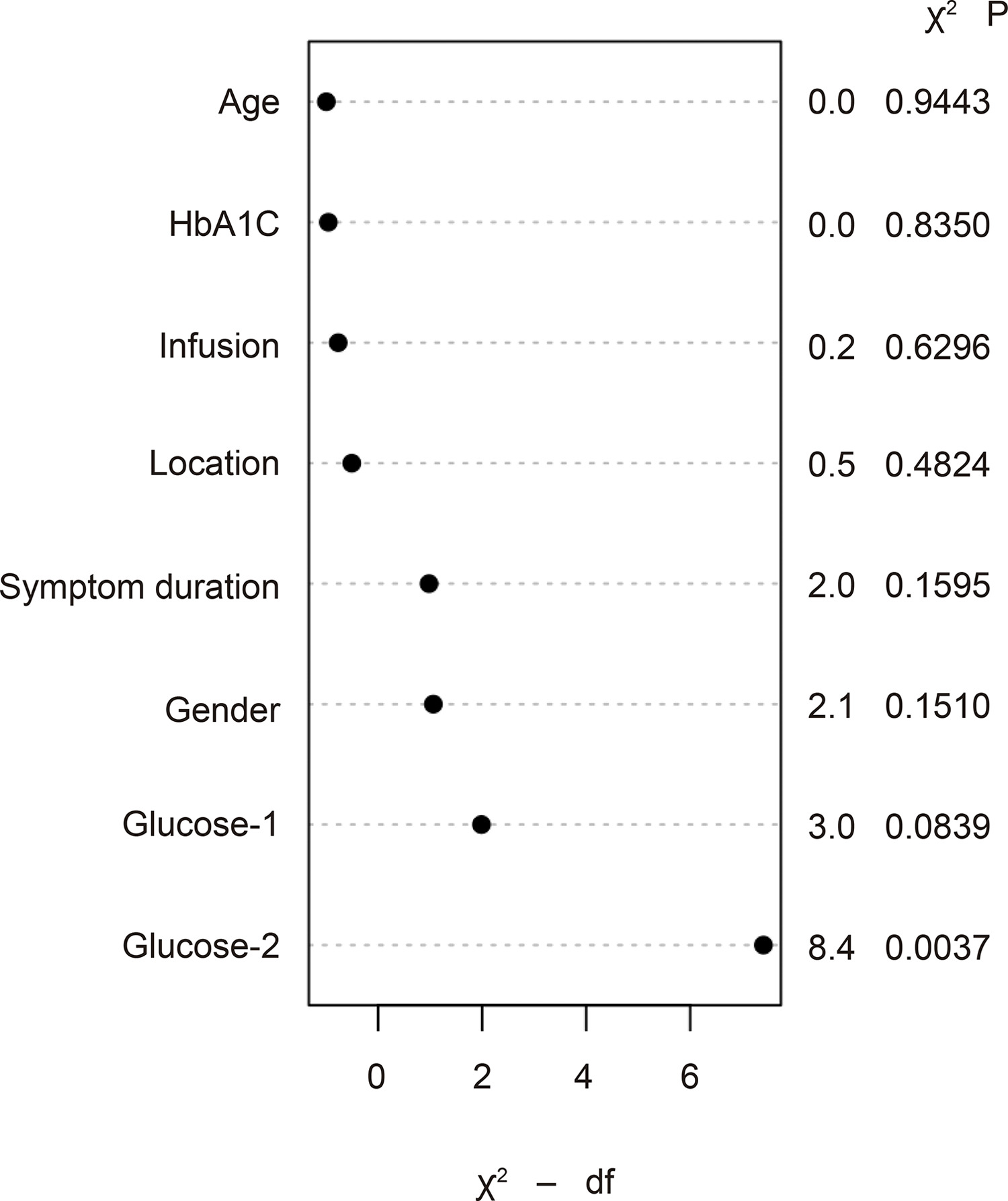
The mean glucose level in the first 24 hours was 130 ± 20 mg/dL in the infusion group and 152 ± 31 mg/dL in the standard care group (p = 0.002), while the mean final infarct size was 20 ± 12% and 27 ± 15% (p = 0.06), respectively. The multivariate linear regression analysis demonstrated that the mean 24-hour glucose level was an independent predictor of the final infarct size (beta 0.29, p = 0.026).

Conclusion

Tight glucose control with continuous insulin infusion was not associated with smaller infarct size when compared to standard care in STEMI patients. (Int J Cardiovasc Sci. 2020; [online].ahead print, PP.0-0)

  • Hospitalization
  • Hyperglycemia
  • Insulin
  • Myocardial Perfusion Imaging
  • ST-Elevation Myocardial Infarction/mortality/mortality
  • Tomography, Emission Computed,Single Photon/methods
Read Full Article
Creative Commons Attribution (CC BY) Creative Commons license
07/08/2020 DOI: 10.36660/ijcs.20200020 Views 1
Figure 1
ABC
Original Article

Do Diabetic Patients with Acute Coronary Syndromes Have a Higher Threshold for Ischemic Pain?

José Carlos Nicolau et al. Carlos José Dornas Gonçalves Barbosa André Franci Luciano Moreira Baracioli … Marcelo Franken Felipe Gallego Lima Roberto Rocha Giraldez Roberto Kalil Filho José Antônio Franchini Ramires Robert P. Giugliano

Background:

Data from over 4 decades have reported a higher incidence of silent infarction among patients with diabetes mellitus (DM), but recent publications have shown conflicting results regarding the correlation between DM and presence of pain in patients with acute coronary syndromes (ACS).

Objective:

Our primary objective was to analyze the association between DM and precordial pain at hospital arrival. Secondary analyses evaluated the association between hyperglycemia and precordial pain at presentation, and the subgroup of patients presenting within 6 hours of symptom onset.

Methods:

We analyzed a prospectively designed registry of 3,544 patients with ACS admitted to a Coronary Care Unit of a tertiary hospital. We developed multivariable models to adjust for potential confounders.

Results:

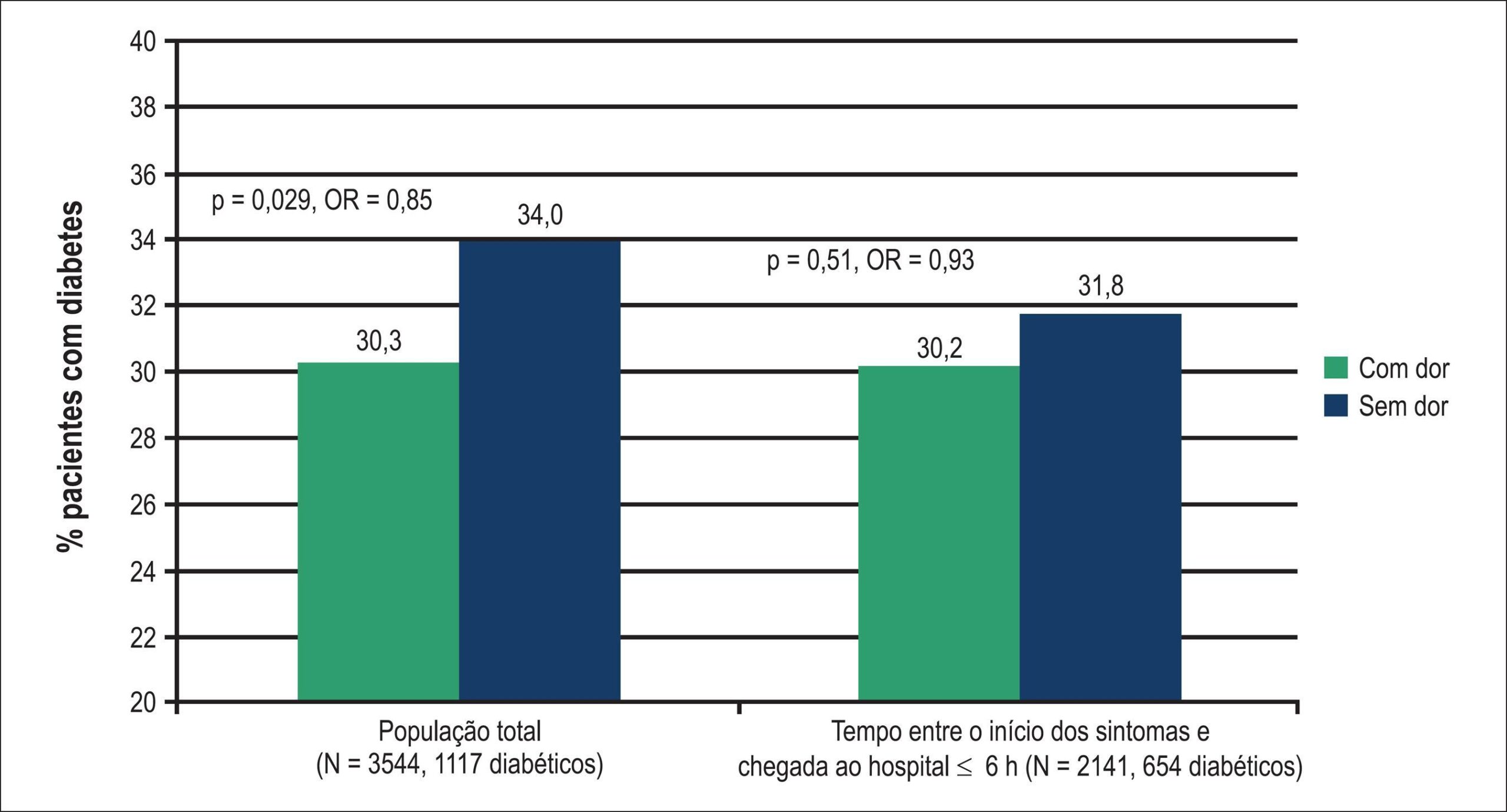
Patients with precordial pain were less likely to have DM (30.3%) than those without pain (34.0%; unadjusted p = 0.029), but this difference was not significant after multivariable adjustment, for the global population (p = 0.84), and for subset of patients that presented within 6 hours from symptom onset (p = 0.51). In contrast, precordial pain was more likely among patients with hyperglycemia (41.2% vs 37.0% without hyperglycemia, p = 0.035) in the overall population and also among those who presented within 6 hours (41.6% vs. 32.3%, p = 0.001). Adjusted models showed an independent association between hyperglycemia and pain at presentation, especially among patients who presented within 6 hours (OR = 1.41, p = 0.008).

Conclusion:

In this non-selected ACS population, there was no correlation between DM and hospital presentation without precordial pain. Moreover, hyperglycemia correlated significantly with pain at presentation, especially in the population that arrived within 6 hours from symptom onset.

  • Acute coronary syndrome
  • Chest Pain
  • Diabetes Mellitus
  • Hyperglycemia
Read Full Article
Creative Commons Attribution (CC BY) Creative Commons license
29/07/2014 DOI: 10.5935/abc.20140106 Views 1
Prognostic factors in patients with acute coronary syndrome without ST segment elevation
ABC
Artigo Original

Prognostic factors in patients with acute coronary syndrome without ST segment elevation

Jessica Carolina Matos D'Almeida Santos et al. Mário de Seixas Rocha Marcos da Silva Araújo

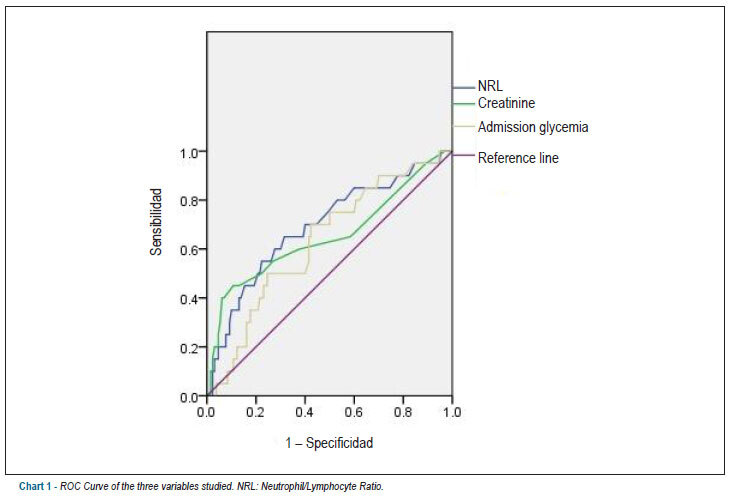
BACKGROUND: In patients with acute coronary syndromes (ACS) without ST segment elevation (SSE), it is suggested that a series of markers (inflammatory cells, hyperglycemia and renal function) can identify individuals with increased risk for cardiovascular events. OBJECTIVE: To evaluate the impact of these laboratory parameters on intra-hospital outcomes of patients with ACS with no SSE. METHODS: We prospectively evaluated 195 patients consecutively admitted with ACS with no SSE. Demographic and clinical laboratory data were recorded during the course of the hospitalization period in relation to the occurrence of combined events. RESULTS: Mean age was 67 ± 12 years, and 52% were men. In analyzing the area under the ROC curve, only neutrophil/lymphocyte ratios (AUC: 70%, CI 95% 56%-82%, p = 0.006) and creatinine (AUC: 62%, CI 95% 50%-80%, p = 0.03) discriminated those patients with ACS with no SSE who presented an adverse outcome. The patients who suffered an adverse event during hospitalization had lower lymphocyte counts (1502 ± 731/mm ³ vs. 2020 ± 862/mm³; p = 0.002), lower glomerular filtration rates (51 ± 27 mL / min vs. 77 ± 34 mL/min; p < 0,001) and higher serum creatinine levels (2.1 ± 2.7 mg/dL vs. 1.1 ± 1.3 mg/dL; p = 0.047) than those who progressed through hospitalization without incident. The logistic regression analysis showed that variables remaining as independent and significant predictors were: glomerular filtration rate (OR: 1.03; CI 95%: 1.00 – 1.13, p = 0.002), and lymphocyte count (OR: 1.02; CI95%: 1.01 to 1.04, p = 0.03). CONCLUSION: Assessment of renal function and lymphocyte count provide potentially useful information for the prognostic stratification in patients with ACS with no SSE (Arq Bras Cardiol. 2013; [online].ahead print, PP.0-0).

  • Acute coronary syndrome
  • Hyperglycemia
  • Leukocyte Count
  • Renal Insufficiency
Read Full Article
Creative Commons Attribution (CC BY) Creative Commons license
12/04/2013 DOI: 10.5935/abc.20130077 Views 1
Prognostic value of stress hyperglycemia for in-hospital outcome in acute coronary artery disease
ABC
Artigo Original

Prognostic value of stress hyperglycemia for in-hospital outcome in acute coronary artery disease

Carlos Passos Pinheiro et al. Marcos Danillo Peixoto Oliveira Gustavo Baptista de Almeida Faro Esdras Correa Silva … Eduardo Augusto Andrade da Rocha José Augusto Soares Barreto-Filho Joselina Luzia Menezes Oliveira Antônio Carlos Sobral Sousa

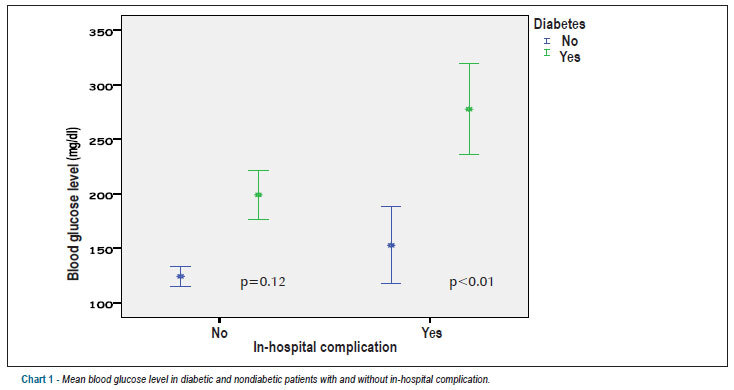
BACKGROUND: In acute coronary syndrome (ACS), admission hyperglycemia is associated with adverse cardiovascular events in diabetic and nondiabetic patients. OBJECTIVE: To assess the prognostic value of stress hyperglycemia for the in-hospital outcome of patients admitted due to ACS. METHODS: This study included 152 patients admitted to the chest pain unit of a tertiary hospital diagnosed with ACS, who had admission blood glucose data, from September 2005 to February 2010. Group I comprised patients with stress hyperglycemia, defined as admission blood glucose concentration > 126 mg/dL for nondiabetic individuals and admission blood glucose concentration > 200 mg/dL for diabetic individuals. Group II was formed by patients with admission blood glucose concentration lower than those established. The association of hyperglycemia and in-hospital outcome was assessed. RESULTS: Stress hyperglycemia associated with in-hospital complications, age increase and female sex. On multivariate analysis, only female sex (OR = 2.04; 95% CI: 1.03 – 4.06; p = 0.007) and in-hospital complications (OR = 3.65; 95% CI: 1.62 – 8.19; p = 0.002) associated independently with admission hyperglycemia. CONCLUSIONS: Stress hyperglycemia is an independent predictive factor for in-hospital complications after ACS in diabetic and nondiabetic patients. The results highlight the need to assess admission blood glucose concentration in all patients admitted due to ACS, including nondiabetic ones, aiming at identifying those at higher risk for complications.

  • Hyperglycemia
  • length of stay
  • Prognosis
Read Full Article
Creative Commons Attribution (CC BY) Creative Commons license
11/03/2013 DOI: 10.5935/abc.20130025
Effects of high glucose concentrations on the endothelial function of the renal microcirculation of rabbits
ABC
Original Article

Effects of high glucose concentrations on the endothelial function of the renal microcirculation of rabbits

Filipe de Souza Affonso et al. Solange Cailleaux Leonardo Felipe Corrêa Pinto Marília de Brito Gomes Eduardo Tibiriçá

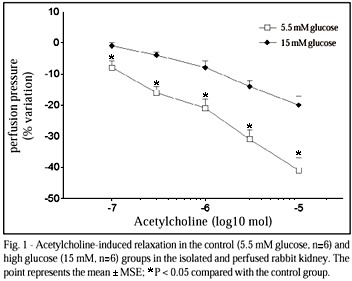
OBJECTIVE: To assess the acute effects of high glucose concentrations on vascular reactivity in the isolated non diabetic rabbit kidney. METHODS: Rabbits were anaesthetized for isolation of the kidneys. Renal arteries and veins were cannulated for perfusion with Krebs-Henselleit solution and measurement of perfusion pressure. After 3 hours of perfusion with glucose 5,5 mM (control ) and 15 mM, the circulation was submitted to sub maximal precontraction (80% of maximal response) trough continuous infusion of noradrenaline 10 mM. Vascular reactivity was then assessed trough dose-responses curves with endothelium-dependent (acetylcholine) and independent (sodium nitroprusside) vasodilators. The influence of hyperosmolarity was analyzed with perfusion with mannitol 15mM. RESULTS: A significant reduction in the endothelium-dependent vasodilation in glucose 15mM group was observed compared to that in control, but there was no difference in endothelium-independent vasodilation. After perfusion with mannitol 15 mM, a less expressive reduction in endothelium-dependent vasodilation was observed, only reaching significance in regard to the greatest dose of acetylcholine. CONCLUSION: High levels of glucose similar to those found in diabetic patients in the postprandial period can cause significant acute changes in renal vascular reactivity rabbits. In diabetic patients these effects may also occur and contribute to diabetes vascular disease.

  • endothelial dysfunction
  • Hyperglycemia
  • renal circulation
Read Full Article
Creative Commons Attribution (CC BY) Creative Commons license
16/09/2003 DOI: 10.1590/S0066-782X2003001000005 Views 1

How to cite this article

EndNote RIS

Electronic Document Format (Vancouver)

Lacerda-Rodrigues L, Nogueira A, Conceicao HMC, Fernandez SC, Felix N, Fernandes RM. Prognostic Value of Adding Admission Blood Glucose to the GRACE Score: Systematic Review and Meta-Analysis. International Journal of Cardiovascular Sciences 2026;39:e20240108.

Electronic Document Format (ABNT)

Lacerda-Rodrigues, Loren; Nogueira, Alleh; Conceicao, Hayala M. Cavalcante; Fernandez, Sarah C.; Felix, Nicole; Fernandes, Rafael Modesto. Prognostic Value of Adding Admission Blood Glucose to the GRACE Score: Systematic Review and Meta-Analysis. International Journal of Cardiovascular Sciences, v. 39, e20240108, Jun. 2026.

Electronic Document Format (APA)

Lacerda-Rodrigues, L., Nogueira, A., Conceicao, H. M. C., Fernandez, S. C., Felix, N., & Fernandes, R. M. (2026). Prognostic Value of Adding Admission Blood Glucose to the GRACE Score: Systematic Review and Meta-Analysis. International Journal of Cardiovascular Sciences, 39, e20240108.

Electronic Document Format (ISO)

Lacerda-Rodrigues, Loren and Nogueira, Alleh and Conceicao, Hayala M. Cavalcante and Fernandez, Sarah C. and Felix, Nicole and Fernandes, Rafael Modesto. Prognostic Value of Adding Admission Blood Glucose to the GRACE Score: Systematic Review and Meta-Analysis. International Journal of Cardiovascular Sciences [online]. 2026, vol. 39, [cited 2026-10-14], e20240108. Available from: <https://journals.cardiol.br/en/article/prognostic-value-of-adding-admission-blood-glucose-to-the-grace-score-systematic-review-and-meta-analysis/>. ISSN 2359-4802

EndNote RIS

Electronic Document Format (Vancouver)

Schwanck AMC, Menezes ISB, Canto MC. Prevalence of Surgical Myocardial Revascularization in Diabetics and Non-diabetics After Acute Myocardial Infarction. International Journal of Cardiovascular Sciences 2023;36:e20210208.

Electronic Document Format (ABNT)

Schwanck, Ariane Maggi Coelho; Menezes, Iara Schardosin Bayma de; Canto, Marina Casagrande. Prevalence of Surgical Myocardial Revascularization in Diabetics and Non-diabetics After Acute Myocardial Infarction. International Journal of Cardiovascular Sciences, v. 36, e20210208, Apr. 2023.

Electronic Document Format (APA)

Schwanck, A. M. C., Menezes, I. S. B. , & Canto, M. C. (2023). Prevalence of Surgical Myocardial Revascularization in Diabetics and Non-diabetics After Acute Myocardial Infarction. International Journal of Cardiovascular Sciences, 36, e20210208.

Electronic Document Format (ISO)

Schwanck, Ariane Maggi Coelho and Menezes, Iara Schardosin Bayma de and Canto, Marina Casagrande. Prevalence of Surgical Myocardial Revascularization in Diabetics and Non-diabetics After Acute Myocardial Infarction. International Journal of Cardiovascular Sciences [online]. 2023, vol. 36, [cited 2026-10-14], e20210208. Available from: <https://journals.cardiol.br/en/article/prevalence-of-surgical-myocardial-revascularization-in-diabetics-and-non-diabetics-after-acute-myocardial-infarction/>. ISSN 2359-4802

EndNote RIS

Electronic Document Format (Vancouver)

Barroso SG, Castro CLC. Does Gluten Decrease (or Increase) Metabolic Syndrome Risk?. International Journal of Cardiovascular Sciences 2022;35(6):814-5.

Electronic Document Format (ABNT)

Barroso, Sérgio Girão; Castro, Caroline Luiza Codonho. Does Gluten Decrease (or Increase) Metabolic Syndrome Risk?. International Journal of Cardiovascular Sciences, v. 35, n. 6, p. 814-815, Nov. 2022.

Electronic Document Format (APA)

Barroso, S. G., & Castro, C. L. C. (2022). Does Gluten Decrease (or Increase) Metabolic Syndrome Risk?. International Journal of Cardiovascular Sciences, 35(6), 814-815.

Electronic Document Format (ISO)

Barroso, Sérgio Girão and Castro, Caroline Luiza Codonho. Does Gluten Decrease (or Increase) Metabolic Syndrome Risk?. International Journal of Cardiovascular Sciences [online]. 2022, vol. 35, n. 6, [cited 2026-10-14], pp. 814-815. Available from: <https://journals.cardiol.br/en/article/does-gluten-decrease-or-increase-metabolic-syndrome-risk/>. ISSN 2359-4802

EndNote RIS

Electronic Document Format (Vancouver)

Gulsen K, Ayca B, Baskurt M, Okcun B, Ersanli MK. Does Tight Glucose Control During the First 24 hours of Hospitalization Reduce Scintigraphic Infarct Size in STEMI Patients?. International Journal of Cardiovascular Sciences 2020;33(5):497-505.

Electronic Document Format (ABNT)

Gulsen, Kamil; Ayca, Burak; Baskurt, Murat; Okcun, Baris; Ersanli, Murat Kazim. Does Tight Glucose Control During the First 24 hours of Hospitalization Reduce Scintigraphic Infarct Size in STEMI Patients?. International Journal of Cardiovascular Sciences, v. 33, n. 5, p. 497-505, Aug. 2020.

Electronic Document Format (APA)

Gulsen, K., Ayca, B., Baskurt, M., Okcun, B., & Ersanli, M. K. (2020). Does Tight Glucose Control During the First 24 hours of Hospitalization Reduce Scintigraphic Infarct Size in STEMI Patients?. International Journal of Cardiovascular Sciences, 33(5), 497-505.

Electronic Document Format (ISO)

Gulsen, Kamil and Ayca, Burak and Baskurt, Murat and Okcun, Baris and Ersanli, Murat Kazim. Does Tight Glucose Control During the First 24 hours of Hospitalization Reduce Scintigraphic Infarct Size in STEMI Patients?. International Journal of Cardiovascular Sciences [online]. 2020, vol. 33, n. 5, [cited 2026-10-14], pp. 497-505. Available from: <https://journals.cardiol.br/en/article/does-tight-glucose-control-during-the-first-24-hours-of-hospitalization-reduce-scintigraphic-infarct-size-in-stemi-patients/>. ISSN 2359-4802

EndNote RIS

Electronic Document Format (Vancouver)

Nicolau JC, Barbosa CJDG, Franci A, Baracioli LM, Franken M, Lima FG, Giraldez RR, et al. Do Diabetic Patients with Acute Coronary Syndromes Have a Higher Threshold for Ischemic Pain?. Arquivos Brasileiros de Cardiologia 2014;103(3):183-91.

Electronic Document Format (ABNT)

Nicolau, José Carlos; Barbosa, Carlos José Dornas Gonçalves; Franci, André; Baracioli, Luciano Moreira; Franken, Marcelo; Lima, Felipe Gallego; Giraldez, Roberto Rocha; Kalil Filho, Roberto; Ramires, José Antônio Franchini; Giugliano, Robert P.. Do Diabetic Patients with Acute Coronary Syndromes Have a Higher Threshold for Ischemic Pain?. Arquivos Brasileiros de Cardiologia, v. 103, n. 3, p. 183-191, Jul. 2014.

Electronic Document Format (APA)

Nicolau, J. C., Barbosa, C. J. D. G., Franci, A., Baracioli, L. M., Franken, M., Lima, F. G., Giraldez, R. R., Kalil Filho, R., Ramires, J. A. F., & Giugliano, R. P. (2014). Do Diabetic Patients with Acute Coronary Syndromes Have a Higher Threshold for Ischemic Pain?. Arquivos Brasileiros de Cardiologia, 103(3), 183-191.

Electronic Document Format (ISO)

Nicolau, José Carlos and Barbosa, Carlos José Dornas Gonçalves and Franci, André and Baracioli, Luciano Moreira and Franken, Marcelo and Lima, Felipe Gallego and Giraldez, Roberto Rocha and Kalil Filho, Roberto and Ramires, José Antônio Franchini and Giugliano, Robert P.. Do Diabetic Patients with Acute Coronary Syndromes Have a Higher Threshold for Ischemic Pain?. Arquivos Brasileiros de Cardiologia [online]. 2014, vol. 103, n. 3, [cited 2026-10-14], pp. 183-191. Available from: <https://journals.cardiol.br/en/article/do-diabetic-patients-with-acute-coronary-syndromes-have-a-higher-threshold-for-ischemic-pain/>. ISSN 0066-782X

EndNote RIS

Electronic Document Format (Vancouver)

Santos JCMD, Rocha MS, Araújo MS. Prognostic factors in patients with acute coronary syndrome without ST segment elevation. Arquivos Brasileiros de Cardiologia 2013;100(5):412-21.

Electronic Document Format (ABNT)

Santos, Jessica Carolina Matos D’Almeida; Rocha, Mário de Seixas; Araújo, Marcos da Silva. Prognostic factors in patients with acute coronary syndrome without ST segment elevation. Arquivos Brasileiros de Cardiologia, v. 100, n. 5, p. 412-421, Apr. 2013.

Electronic Document Format (APA)

Santos, J. C. M. D., Rocha, M. S., & Araújo, M. S. (2013). Prognostic factors in patients with acute coronary syndrome without ST segment elevation. Arquivos Brasileiros de Cardiologia, 100(5), 412-421.

Electronic Document Format (ISO)

Santos, Jessica Carolina Matos D’Almeida and Rocha, Mário de Seixas and Araújo, Marcos da Silva. Prognostic factors in patients with acute coronary syndrome without ST segment elevation. Arquivos Brasileiros de Cardiologia [online]. 2013, vol. 100, n. 5, [cited 2026-10-14], pp. 412-421. Available from: <https://journals.cardiol.br/en/article/prognostic-factors-in-patients-with-acute-coronary-syndrome-without-st-segment-elevation/>. ISSN 0066-782X

EndNote RIS

Electronic Document Format (Vancouver)

Pinheiro CP, Oliveira MDP, Faro GBA, Silva EC, Rocha EAA, Barreto-Filho JAS, Oliveira JLM, et al. Prognostic value of stress hyperglycemia for in-hospital outcome in acute coronary artery disease. Arquivos Brasileiros de Cardiologia 2013;100(2):127-34.

Electronic Document Format (ABNT)

Pinheiro, Carlos Passos; Oliveira, Marcos Danillo Peixoto; Faro, Gustavo Baptista de Almeida; Silva, Esdras Correa; Rocha, Eduardo Augusto Andrade da; Barreto-Filho, José Augusto Soares; Oliveira, Joselina Luzia Menezes; Sousa, Antônio Carlos Sobral. Prognostic value of stress hyperglycemia for in-hospital outcome in acute coronary artery disease. Arquivos Brasileiros de Cardiologia, v. 100, n. 2, p. 127-134, Mar. 2013.

Electronic Document Format (APA)

Pinheiro, C. P., Oliveira, M. D. P., Faro, G. B. A., Silva, E. C., Rocha, E. A. A. , Barreto-Filho, J. A. S., Oliveira, J. L. M., & Sousa, A. C. S. (2013). Prognostic value of stress hyperglycemia for in-hospital outcome in acute coronary artery disease. Arquivos Brasileiros de Cardiologia, 100(2), 127-134.

Electronic Document Format (ISO)

Pinheiro, Carlos Passos and Oliveira, Marcos Danillo Peixoto and Faro, Gustavo Baptista de Almeida and Silva, Esdras Correa and Rocha, Eduardo Augusto Andrade da and Barreto-Filho, José Augusto Soares and Oliveira, Joselina Luzia Menezes and Sousa, Antônio Carlos Sobral. Prognostic value of stress hyperglycemia for in-hospital outcome in acute coronary artery disease. Arquivos Brasileiros de Cardiologia [online]. 2013, vol. 100, n. 2, [cited 2026-10-14], pp. 127-134. Available from: <https://journals.cardiol.br/en/article/prognostic-value-of-stress-hyperglycemia-for-in-hospital-outcome-in-acute-coronary-artery-disease/>. ISSN 0066-782X

EndNote RIS

Electronic Document Format (Vancouver)

Affonso FS, Cailleaux S, Pinto LFC, Gomes MB, Tibiriçá E. Effects of high glucose concentrations on the endothelial function of the renal microcirculation of rabbits. Arquivos Brasileiros de Cardiologia 2003;81(2):161-5.

Electronic Document Format (ABNT)

Affonso, Filipe de Souza; Cailleaux, Solange; Pinto, Leonardo Felipe Corrêa; Gomes, Marília de Brito; Tibiriçá, Eduardo. Effects of high glucose concentrations on the endothelial function of the renal microcirculation of rabbits. Arquivos Brasileiros de Cardiologia, v. 81, n. 2, p. 161-165, Sep. 2003.

Electronic Document Format (APA)

Affonso, F. S., Cailleaux, S., Pinto, L. F. C., Gomes, M. B., & Tibiriçá, E. (2003). Effects of high glucose concentrations on the endothelial function of the renal microcirculation of rabbits. Arquivos Brasileiros de Cardiologia, 81(2), 161-165.

Electronic Document Format (ISO)

Affonso, Filipe de Souza and Cailleaux, Solange and Pinto, Leonardo Felipe Corrêa and Gomes, Marília de Brito and Tibiriçá, Eduardo. Effects of high glucose concentrations on the endothelial function of the renal microcirculation of rabbits. Arquivos Brasileiros de Cardiologia [online]. 2003, vol. 81, n. 2, [cited 2026-10-14], pp. 161-165. Available from: <https://journals.cardiol.br/en/article/effects-of-high-glucose-concentrations-on-the-endothelial-function-of-the-renal-microcirculation-of-rabbits/>. ISSN 0066-782X

  • About ABC Family
  • Internal Regulation
  • Editorial Board
  • Brazilian Society of Cardiology (SBC)

Issues

SBC Guidelines

  • Videos
  • Podcasts
  • News