ABC Family Arquivos Brasileiros de Cardiologia International Journal of Cardiovascular Sciences ABC Heart Failure & Cardiomyopathy ABC Imagem Cardiovascular
Português English
ABC Family
Português English
  • About
    • About ABC Family
    • Internal Regulation
    • Editorial Board
    • Brazilian Society of Cardiology (SBC)
  • Issues
  • SBC Guidelines
  • Content
    • Videos
    • Podcasts
    • News
  • About
    • About ABC Family
    • Internal Regulation
    • Editorial Board
    • Brazilian Society of Cardiology (SBC)
  • Issues
  • SBC Guidelines
  • Content
    • Videos
    • Podcasts
    • News

ABC Family

  • ABC Family
  • Arquivos Brasileiros de Cardiologia
  • International Journal of Cardiovascular Sciences
  • ABC Heart Failure & Cardiomyopathy
  • ABC Imagem Cardiovascular
Search in

No content found.

Journals
Ordering
Article types
Others

  1. Home
  2. Keyword: Angioplasty
Figure 1
ABCHF
Case Report

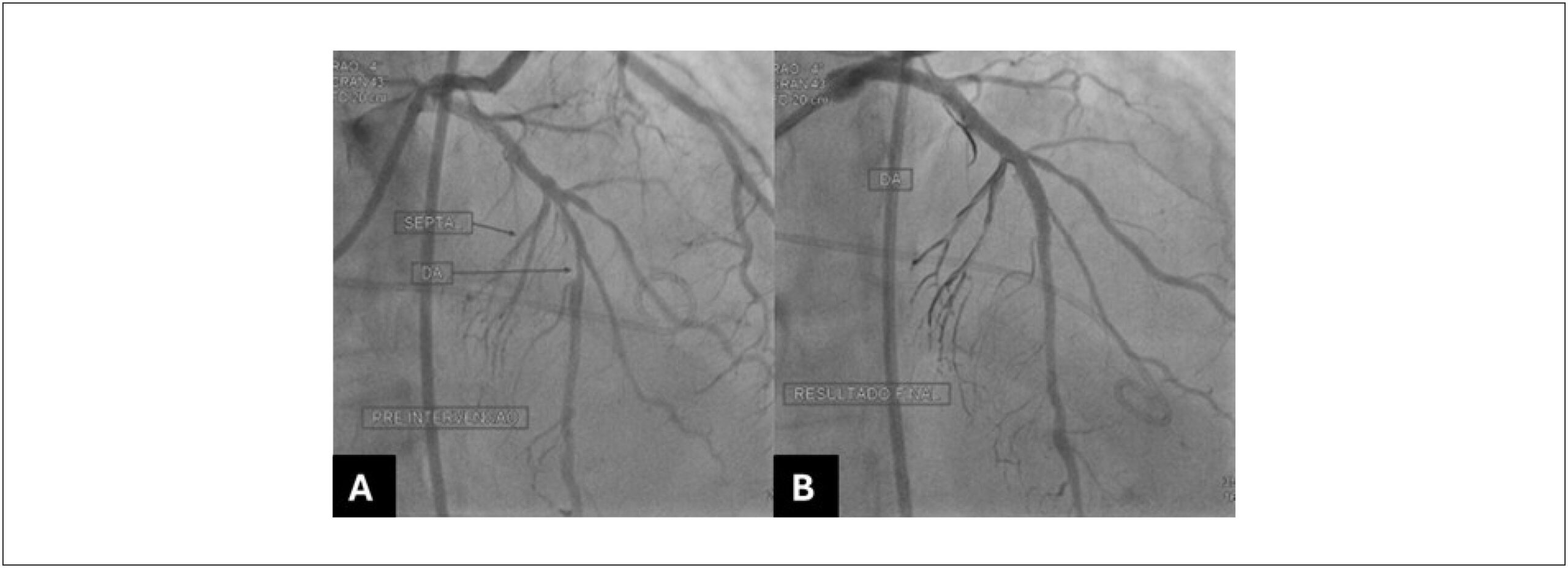
Septal Artery Embolization with EVOH in Obstructive Hypertrophic Cardiomyopathy Associated with Percutaneous Treatment of Coronary Disease

Victor Tavares Trindade et al. Núbia Andrade Silva Nassandro Machado Garcia Júnior Anna Luiza Souza … Maurício Lopes Prudente Giulliano Gardenghi

Introduction

Hypertrophic cardiomyopathy (HCM) is the most common genetic heart disease. It has an autosomal dominant inheritance pattern, and to date, 11 genes have been identified among the 1400 mutations involved in its pathogenesis. The most common are the β-myosin heavy chain (MYH7), myosin-binding protein C (MYBPC3), and troponin T (TNNT2), which encode cardiac sarcomeric proteins. Three mutations are involved in its pathophysiology: missense, insertions, and deletions. The most common mutation is missense, which causes a punctual exchange between two nucleic acids, resulting in a change in the nucleotide conformation, leading to the formation of a codon that codes for a different amino acid.,

HCM promotes changes in cardiac structure, with left ventricular hypertrophy (LVH) without another underlying etiology being the most common anatomical alteration. Its symptomatology varies according to the HCM profiles, and can present asymptomatically, with minor symptoms such as dyspnea on exertion, precordialgia, fatigue, presyncope and syncope, or in a severe form, evolving with advanced heart failure (HF), ventricular and atrial arrhythmias, and even sudden cardiac death.,

[…]

  • Angioplasty
  • Coronary Artery Disease
  • Heart Septum
  • Hypertrophic Cardiomyopathy
  • Therapeutic Embolization
Read Full Article
Creative Commons Attribution (CC BY) Creative Commons license
22/12/2025 DOI: 10.36660/abchf.20250019i Views 1
ABC
Editorial

Coronary Compression in Pulmonary Hypertension: A Treatable Threat Hidden in Plain Sight

Allan K. N. Alencar

Pulmonary hypertension (PH) represents a severe, progressive condition associated with right ventricular failure, impaired functional capacity, and increased mortality., Although angina is not a hallmark symptom of PH, it can affect up to 30% of patients and is frequently overlooked in clinical practice. The study published in this issue of Arquivos Brasileiros de Cardiologia addresses a rare yet critical cause of chest pain in PH: extrinsic compression of the left main coronary artery (LMCA) by a dilated pulmonary artery. The authors present an observational case series of 12 patients undergoing percutaneous coronary intervention (PCI) with stenting for LMCA compression, reporting both feasibility and sustained symptom relief.

While LMCA atherosclerosis is well recognized for its prognostic impact, compression of this vessel due to pulmonary artery dilation in PH remains underdiagnosed. The authors highlight that up to 76% of patients with advanced PH exhibit pulmonary artery enlargement, which may result in significant extrinsic compression of the LMCA, even in the absence of coronary atherosclerosis., Importantly, LMCA compression has been associated with sudden cardiac death in PH cohorts, emphasizing the need for high clinical suspicion.–

[…]

  • Angioplasty
  • Percutaneous Coronary Intervention
  • Pulmonary Hypertension
Read Full Article
Creative Commons Attribution (CC BY) Creative Commons license
18/08/2025 DOI: 10.36660/abc.20250352i Views 1
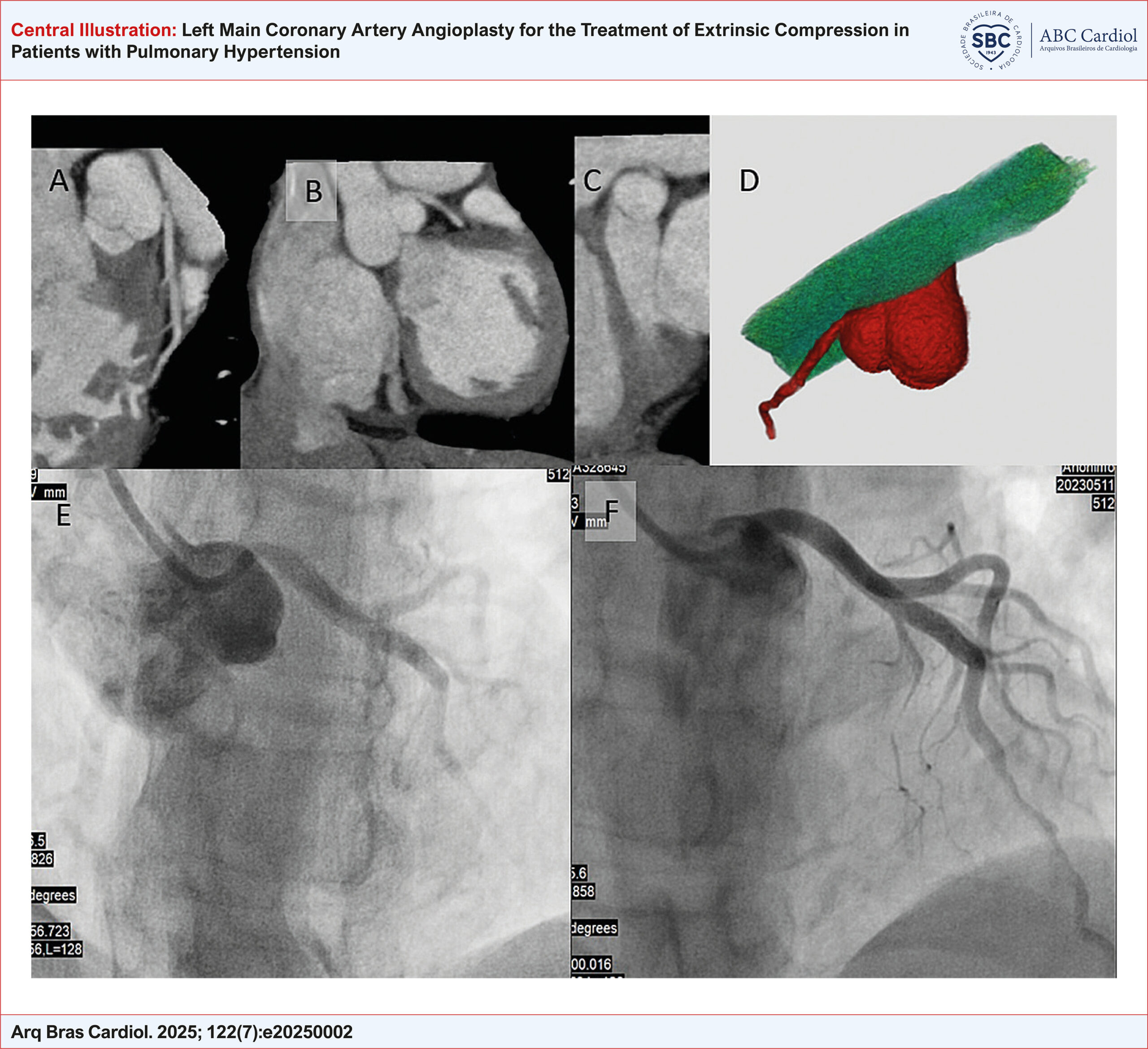
Left Main Coronary Artery Angioplasty for the Treatment of Extrinsic Compression in Patients with Pulmonary Hypertension
ABC
Original Article

Left Main Coronary Artery Angioplasty for the Treatment of Extrinsic Compression in Patients with Pulmonary Hypertension

Luciana Dornfeld Bichuette et al. Daniela Calderaro Pedro Alves Lemos Neto Eduardo Kaiser Ururahy Nunes Fonseca … Luiza Sarmento Tatagiba Tulio Martins Vieira Yally Priscila Pessoa Nascimento Marcela Araujo Castro Taysa Antônia Félix Silva Yuri de Deus Montalverne Parente Caio Julio Fernandes Francisco Akira Malta Cardozo Cesar Higa Nomura Pedro Henrique Almeida Marins Rogerio Souza Carlos Vianna Poyares Jardim

Abstract

Background

The most common clinical presentation of pulmonary hypertension (PH) includes exertional dyspnea, signs of systemic congestion, and syncope. Angina pectoris can also be a relevant manifestation, especially in cases where the left main coronary artery (LMCA) is externally compressed by a dilated pulmonary artery. However, significant gaps remain regarding the most appropriate diagnostic and therapeutic strategies for coronary obstruction in this clinical scenario.

Objectives

To assess the feasibility and impact of coronary angioplasty with stent implantation on symptom relief in patients with PH and extrinsic compression of LMCA.

Methods

This descriptive study included 12 patients with PH who were followed at the Pulmonary Circulation Outpatient Clinic of the Instituto do Coração, Hospital das Clínicas da Faculdade de Medicina da Universidade de São Paulo. All patients underwent coronary angioplasty with stent implantation to treat extrinsic compression of LMCA.

Results

A total of 12 patients were analyzed, with a mean age of 47.9 years, predominantly with group 1 PH and under specific therapy. All procedures achieved excellent immediate results, with angina relief observed at 30 days. During a mean follow-up of 33 months, no procedure-related complications were reported, and angina symptoms remained controlled. Four patients died due to progressive heart failure.

Conclusion

The findings support the feasibility of coronary angioplasty as a strategy for symptomatic relief of angina in patients with LMCA compression associated with PH. Further studies are needed to evaluate the impact of this intervention on hard clinical outcomes, as well as the role of screening in asymptomatic patients.

  • Angioplasty
  • Coronary Vessels
  • Pulmonary Hypertension
Read Full Article
Creative Commons Attribution (CC BY) Creative Commons license
01/08/2025 DOI: 10.36660/abc.20250002i Views 3
Naples Prognostic Score Predicts New-Onset Atrial Fibrillation in Patients with ST-Elevated Myocardial Infarction Undergoing Primary Angioplasty
ABC
Original Article

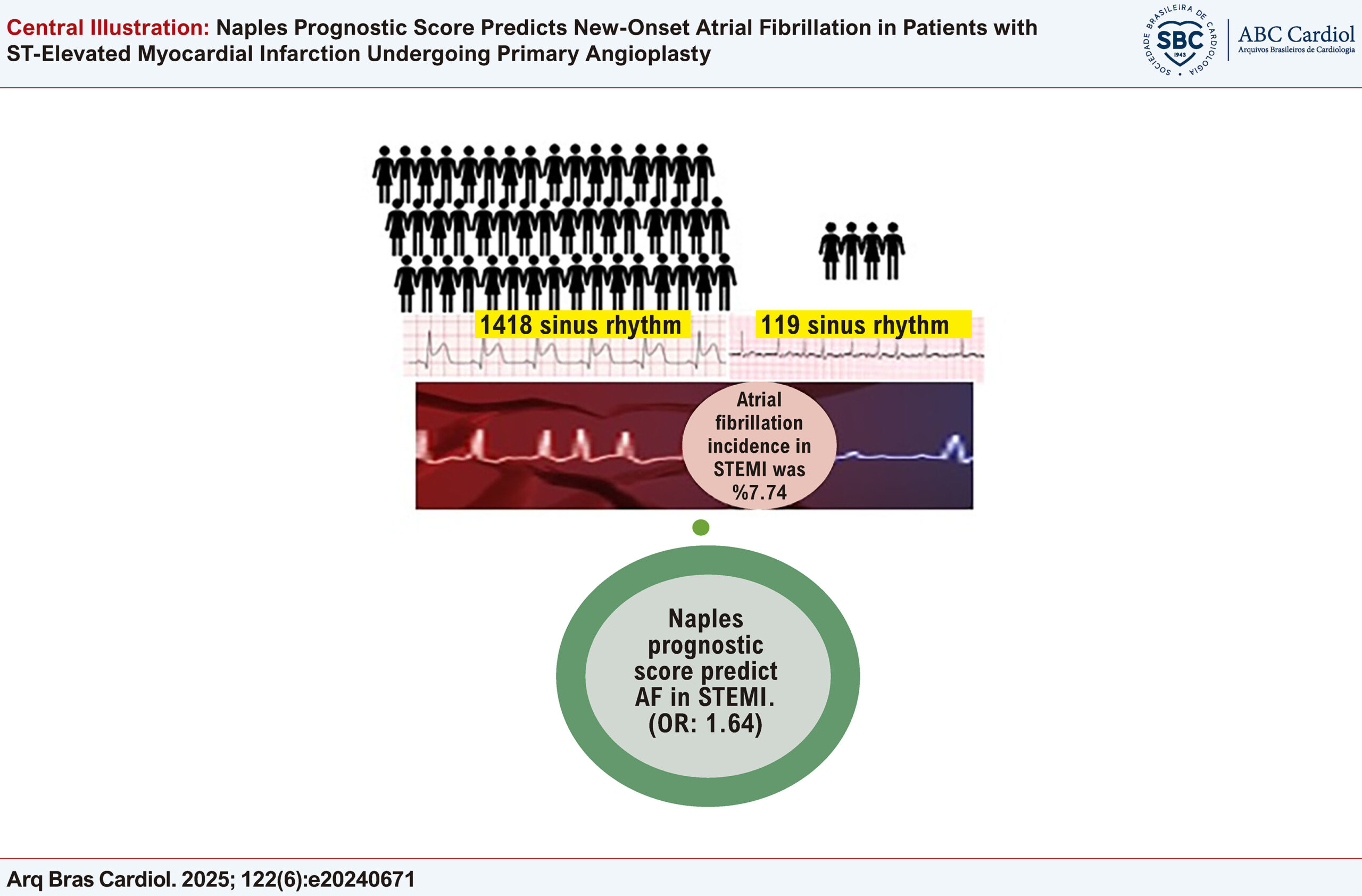
Naples Prognostic Score Predicts New-Onset Atrial Fibrillation in Patients with ST-Elevated Myocardial Infarction Undergoing Primary Angioplasty

Dogac Oksen et al. Sukru Arslan Muhammed Heja Gecit Esra Erturk Tekin … Veysel Oktay Okay Abaci

Abstract

Background

New-onset atrial fibrillation (NOAF) is a typical complication in patients with ST-segment elevated myocardial infarction (STEMI) patients undergoing primary percutaneous coronary intervention (pPCI). Previous studies have investigated inflammation as a NOAF predictor. The Naples prognostic score (NPS) is a novel marker of inflammation and nutritional status.

Objective

The objective of this study was to evaluate the predictive power of the NPS for NOAF.

Methods

This study enrolled 1537 consecutive STEMI who underwent pPCI. The patients who presented NOAF during hospital admission and those who remained in sinus rhythm (RSR) were compared in terms of baseline characteristics. Univariate and multivariate analyses were carried out to identify variables predicting NOAF development, and p< 0.05 was considered statistically significant.

Results

NOAF was detected in 7.74% (n: 119) of the participants. The mean age (67.03±13.48 vs 57.84±11.31; p <0.001) and NPS (2.53±1.17 vs 2.25±1.10, p=0.008) were significantly higher in the NOAF group. Multivariate analysis revealed age (Odds ratio [OR]: 1.045 for a year, 95% confidence interval [CI]: 1.019–1.071, p=0.001), NPS (OR: 1.645, 95% CI: 0.984–2.748, p=0.037) and left atrial dimensions (OR: 2.542 for cm, 95% CI: 1.488–4.342, p=0.001) as independent predictors of NOAF.

Conclusions

The NPS was an independent predictor of NOAF in STEMI patients, in addition to classical factors such as age and left atrial dimensions. This score, mostly related to an inflammatory burden, may help to predict NOAF incidence and select better potential therapies aimed at abating inflammation after myocardial infarction.

  • Angioplasty
  • Atrial Fibrillation
  • Myocardial Infarction
  • Prognosis
Read Full Article
Creative Commons Attribution (CC BY) Creative Commons license
06/06/2025 DOI: 10.36660/abc.20240671i Views 2
ST-Segment Elevation Myocardial Infarction Metrics Before and During the COVID-19 Pandemic: Experience from a Brazilian Center
IJCS
Original Article

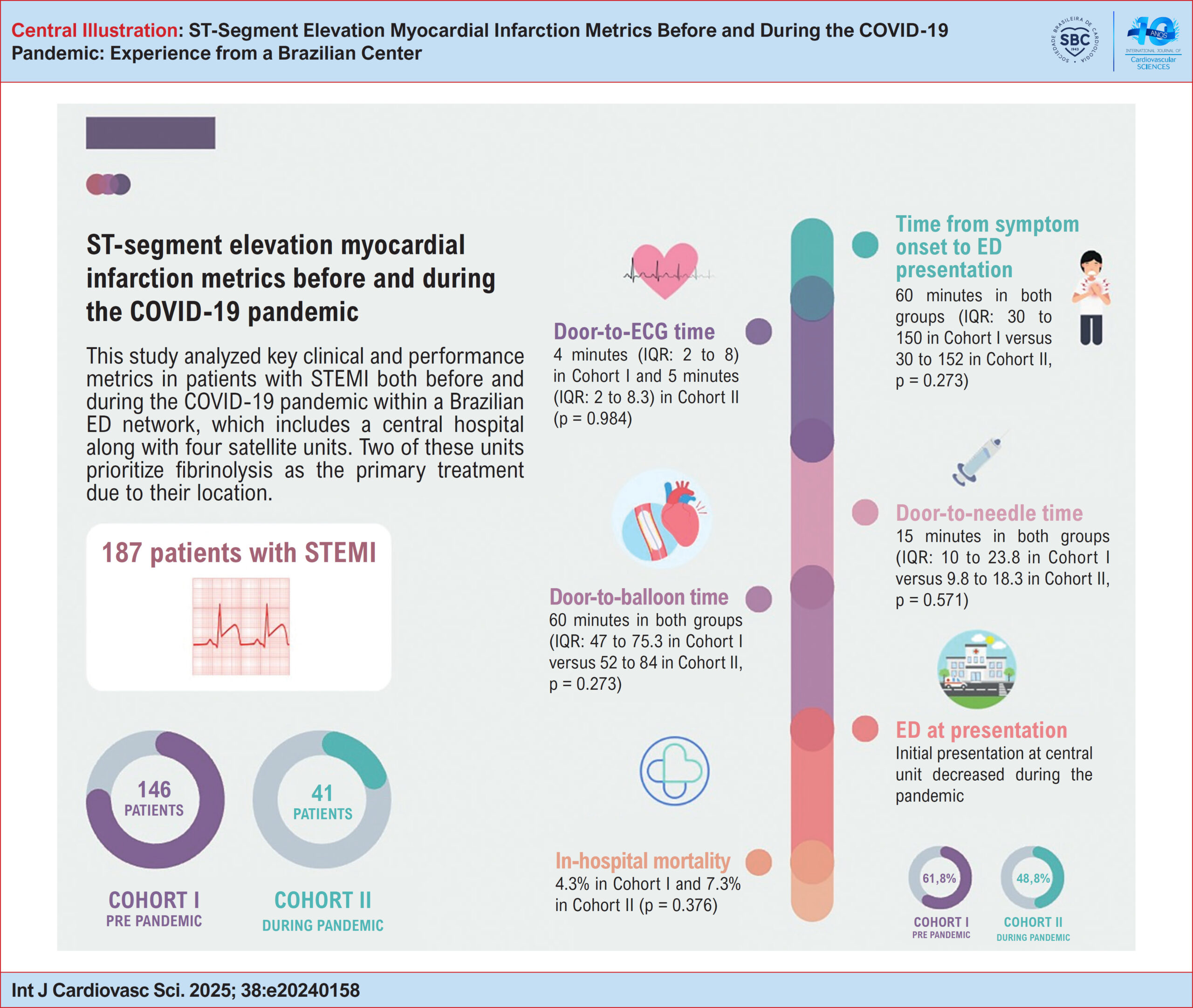
ST-Segment Elevation Myocardial Infarction Metrics Before and During the COVID-19 Pandemic: Experience from a Brazilian Center

Caio de Assis Moura Tavares et al. Tarso A. D. Accorsi Milena Ribeiro Paixão Tarsila Mota … Fabio Pitta Pedro Alves Lemos Marcelo Franken Karine De Amicis Lima Karen Francine Kohler José Leão de Souza Jr.

Abstract

Background:

The impact of the COVID-19 pandemic on the healthcare of patients with ST-segment elevation acute myocardial infarction (STEMI) in Brazil remains unclear.

Objective:

Provide a descriptive analysis of clinical profiles, time intervals, performance metrics, and outcomes in patients with STEMI before and during the COVID-19 pandemic.

Methods:

Among a cohort of 193 patients with STEMI diagnosed in five emergency departments within a single Brazilian healthcare network, 187 patients were included between January 2017 and April 2021 and stratified into two cohorts: Cohort I (pre-pandemic, 146 patients) and Cohort II (pandemic, 41 patients). Statistical significance was defined as a two-sided p value < 0.05.

Results:

The mean age of the participants was 62.7 years (standard deviation: 13.2); 83.4% were male, and 86.1% underwent primary percutaneous coronary intervention (PCI). Duration from symptom onset to emergency department presentation was 60 minutes in both cohorts (interquartile range, IQR: 30 to 150 in Cohort I versus 30 to 152 in Cohort II, p = 0.273). Total ischemic time was 132 minutes in Cohort I (IQR: 94 to 222), and 117 minutes in Cohort II (IQR: 76.3 to 185.6) (p = 0.159). The observed STEMI time delays and performance metrics were comparable between groups, with reperfusion rates within the recommended time frame above 90% in both cohorts. Hospital mortality was 3.4% in Cohort I and 7.3% in Cohort II (p = 0.376).

Conclusion:

In the context of the COVID-19 pandemic, within a private healthcare network system in Brazil, this study did not uncover statistically significant disparities in clinical profiles, time intervals, performance metrics, or in-hospital mortality when compared to the pre-pandemic period.

  • Angioplasty
  • COVID-19
  • Fibrinolysis
  • Myocardial Reperfusion
  • ST Elevation Myocardial Infarction
Read Full Article
Creative Commons Attribution (CC BY) Creative Commons license
02/06/2025 DOI: 10.36660/ijcs.20240158 Views 1
Central Illustration
ABC
Original Article

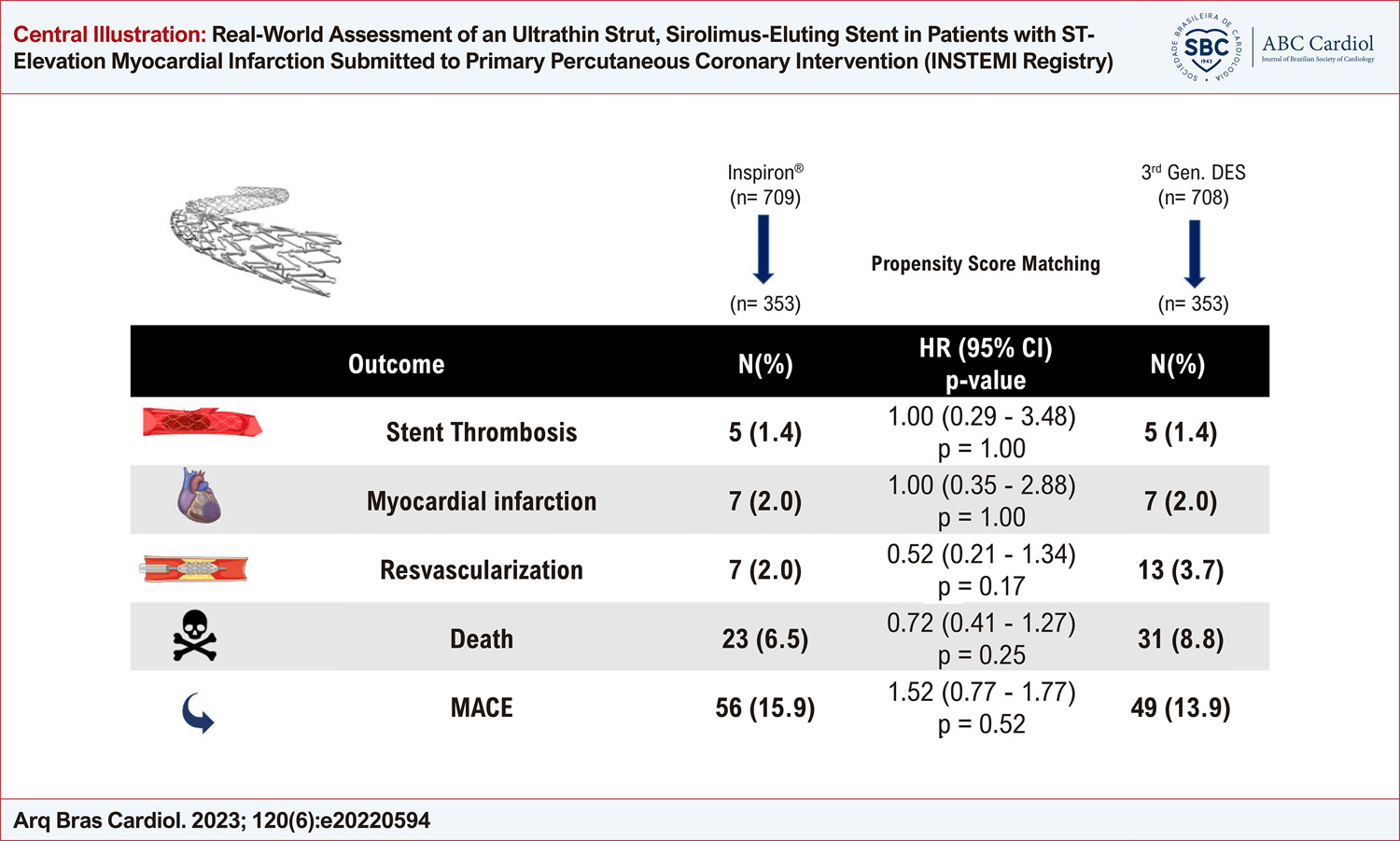
Real-World Assessment of an Ultrathin Strut, Sirolimus-Eluting Stent in Patients with ST-Elevation Myocardial Infarction Submitted to Primary Percutaneous Coronary Intervention (INSTEMI Registry)

Gustavo N. Araujo et al. Guilherme P. Machado Marcia Moura Anderson D. Silveira … Luiz Carlos Bergoli Felipe Costa Fuchs Sandro Cadaval Gonçalves Rodrigo Vugman Wainstein Pedro A. Lemos Alexandre S. Quadros Marco V. Wainstein

Abstract

Background

The current gold standard of coronary drug-eluting stents (DES) consists of metal alloys with thinner struts and bioresorbable polymers.

Objectives

Our aim was to compare an ultrathin strut, sirolimus-eluting stent (Inspiron®) with other third-generation DES platforms in patients with ST-elevation myocardial infarction (STEMI) submitted to primary percutaneous coronary intervention (PCI).

Methods

We analyzed data from a STEMI multicenter registry from reference centers in the South Region of Brazil. All patients were submitted to primary PCI, either with Inspiron® or other second- or third-generation DES. Propensity score matching (PSM) was computed to generate similar groups (Inspiron® versus other stents) in relation to clinical and procedural characteristics. All hypothesis tests had a two-sided significance level of 0.05.

Results

From January 2017 to January 2021, 1711 patients underwent primary PCI, and 1417 patients met our entry criteria (709 patients in the Inspiron® group and 708 patients in the other second- or third-generation DES group). After PSM, the study sample was comprised of 706 patients (353 patients in the Inspiron® group and 353 patients in the other the other second- or third-generation DES group). The rates of target vessel revascularization (OR 0.52, CI 0.21 – 1.34, p = 0.173), stent thrombosis (OR 1.00, CI 0.29 – 3.48, p = 1.000), mortality (HR 0.724, CI 0.41 – 1.27, p = 0.257), and major cardiovascular outcomes (OR 1.170, CI 0.77 – 1.77, p = 0.526) were similar between groups after a median follow-up of 17 months.

Conclusion

Our findings show that Inspiron® was effective and safe when compared to other second- or third-generation DES in a contemporary cohort of real-world STEMI patients submitted to primary PCI.

  • Angioplasty
  • Drug-Eluting Stents
  • Myocardial Infarction
Read Full Article
Creative Commons Attribution (CC BY) Creative Commons license
26/05/2023 DOI: 10.36660/abc.20220594 Views 1
Figure 1
ABC
Original Article

Prognosis Related to Reperfusion Therapy Post-Acute Coronary Syndrome in Secondary Care: Long-Term Survival Analysis in the ERICO Study

Tatiana C. Bruno et al. Márcio S. Bittencourt Alessandra V. L. Quidim Itamar S. Santos … Paulo A. Lotufo Isabela M. Benseñor Alessandra C. Goulart

Abstract

Background

Relationship between reperfusion therapy post-acute coronary syndrome (ACS) and mortality in secondary care is not well-known.

Objectives

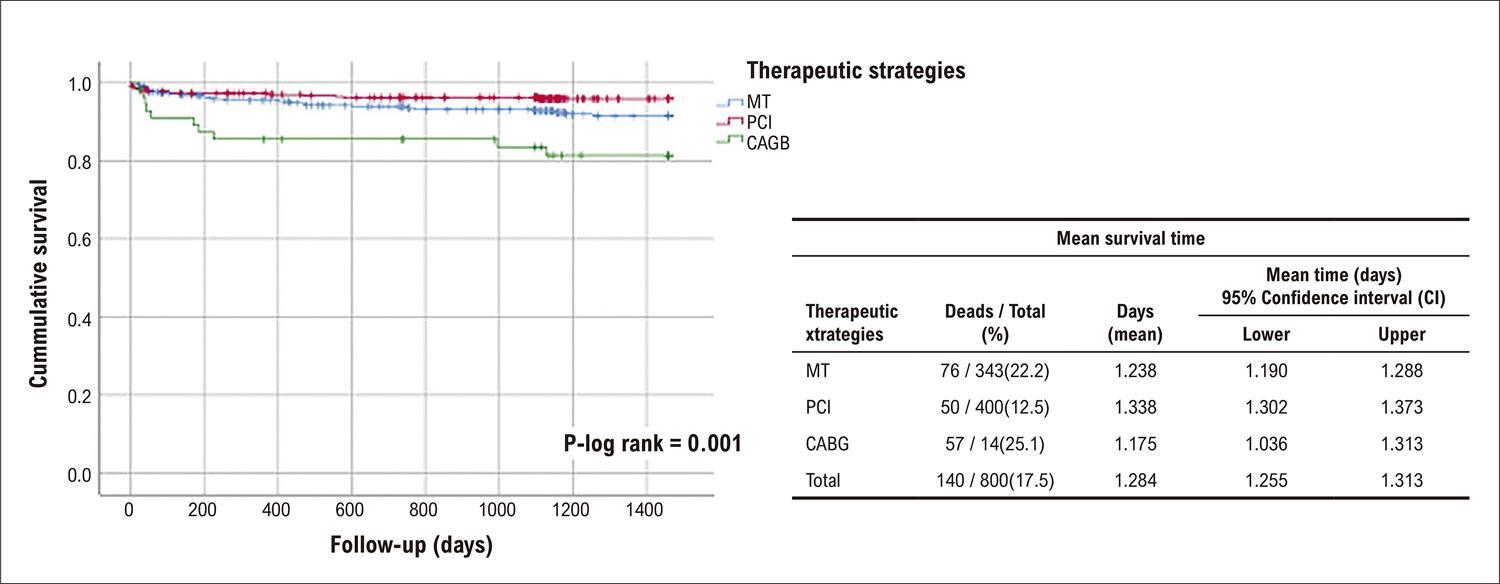
To evaluate the impact of three therapeutic strategies: (1) exclusive medical therapy, (2) percutaneous coronary intervention (PCI) and (3) coronary artery bypass grafting (CABG) on long-term survival of participants in the Strategy of Registry of Acute Coronary Syndrome (ERICO) study.

Methods

Survival analyses for all-cause, cardiovascular (CVD) and coronary artery disease (CAD) mortality were performed according to three therapeutic strategies (exclusive medical therapy, PCI or CABG). Cox regression models were used to estimate the hazard ratio (HR) with respective 95% confidence interval (95%CI) from 180 days to four years of follow-up after ACS. Models are presented as crude, age-sex adjusted and further adjusted for previous CAD, ACS subtype, smoking, hypertension, dyslipidemia, left ventricular ejection fraction and according to the number of obstructed (≥ 50%) major coronary arteries.

Results

Among 800 participants, the lowest crude survival rates were detected among individuals who underwent CABG (all-cause and CVD). CABG was correlated to CAD (HR: 2.19 [95% CI: 1.05-4.55]). However, this risk lost significance in the full model. PCI was associated to lower probability of fatal events during four-year follow-up: all-cause [multivariate HR: 0.42 (95% CI: 0.26-0.70)], CVD [HR: 0.39 (95% CI: 0.20-0.73)] and CAD [multivariate HR: 0.24 (95% CI: 0.09-0.63)] compared to those submitted to exclusive medical therapy.

Conclusion

In the ERICO study, PCI after ACS was associated to better prognosis, particularly CAD survival.

  • Acute coronary syndrome
  • Angioplasty
  • Coronary Artery Bypass
  • Mortality
  • Survival Analysis
Read Full Article
Creative Commons Attribution (CC BY) Creative Commons license
15/05/2023 DOI: 10.36660/abc.20220849 Views 2
Central Illustration
ABC
Original Article

Effectiveness of Oral Hydration in Preventing Contrast-Induced Nephropathy in Individuals Undergoing Elective Coronary Interventions

Mariana Rodrigues Pioli et al. Renata Muller Couto José de Arimatéia Francisco Diego Quilles Antoniassi … Célia Regina de Souza Matheus Ynada de Olivio Gabriel Forato Anhê Silvio Giopatto Andrei C. Sposito Wilson Nadruz Otavio Rizzi Coelho-Filho Rodrigo Modolo

Abstract

Background

Contrast-induced nephropathy (CIN) is defined as worsening renal function, represented by an increase in serum creatinine of ≥ 25% or ≥ 0.5 mg/dL up to 72 h after exposure to iodinated contrast medium (ICM). The most effective preventive measure to date is intravenous hydration (IVH). Little is known about the effectiveness of outpatient oral hydration (OH).

Objetive

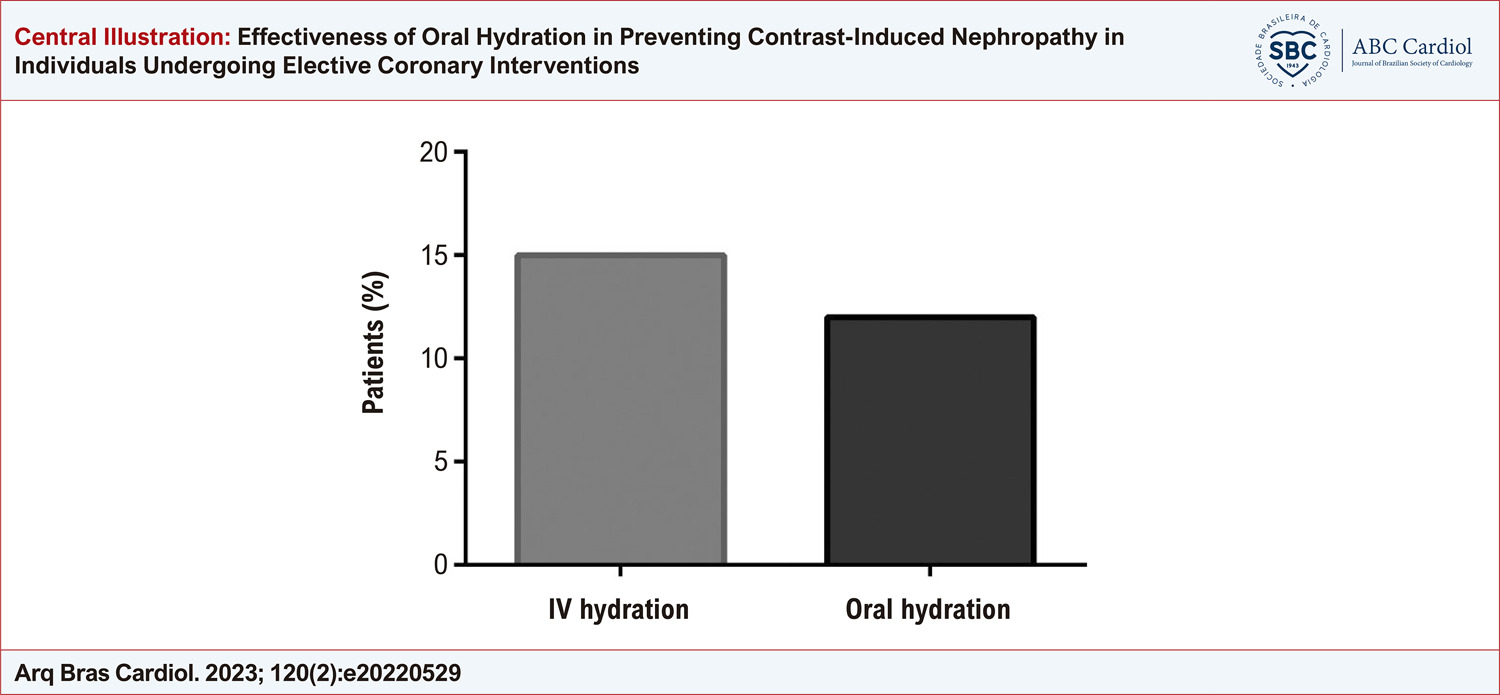
To investigate whether outpatient OH with water is as effective as IVH with 0.9% saline solution in preventing CIN in elective coronary procedures.

Methods

In this retrospective observational study, we analyzed the medical records and laboratory data of individuals undergoing percutaneous coronary procedures with ICM. Data collected between 2012 and 2015 refer to individuals who underwent IVH and those collected between 2016 and 2020 (after implementation of an OH protocol) correspond to individuals who underwent OH at home before and after coronary procedures as instructed by the nursing team. Statistical significance was established at α = 0.05.

Results

In total, 116 patients were included in this study: 58 in the IVH group and 58 in the OH group. An incidence of CIN of 15% (9/58) was observed in the group that received IVH and an incidence of 12% (7/58) was seen in the group that received OH (p = 0.68).

Conclusion

The OH protocol, performed by the patient, appears to be as effective as the in-hospital IVH protocol for the renal protection of individuals susceptible to CIN in elective coronary interventions. These findings should be put to test in larger trials.

  • Acute Kidney Injury
  • Angioplasty
  • Cardiac Catheterization
  • Contrast Media
Read Full Article
Creative Commons Attribution (CC BY) Creative Commons license
27/02/2023 DOI: 10.36660/abc.20220529 Views 2
ABC
Editorial

Ventriculography: When to Choose to Perform It?

Gabriella Cunha Lima

The current guidelines address the indications for left heart catheterization associated with coronary angiography, but most of these instructions do not mention ventriculography, as this test is often at the operator’s discretion. For many years, ventriculography was used as the gold standard method for ventricular function. This mini editorial presents some insights to fill this gap.

Some complications may occur concerning ventriculography, such as contrast-induced nephropathy (CIN) in approximately 1% of patients without predisposing factors and in 10% to 30% of those with risk factors, embolization, arrhythmia, cardiac tamponade, and increased radiation exposure.

[…]

  • Angioplasty
  • Atherosclerosis
  • Contrast Echocardiography
Read Full Article
Creative Commons Attribution (CC BY) Creative Commons license
13/05/2022 DOI: 10.36660/abc.20220137
Figure 1
ABC
Original Article

Influence of an Early Mobilization Protocol on the Autonomic Behavior of Patients Undergoing Percutaneous Transluminal Coronary Angioplasty

Bárbara Oliveira Silveira et al. Jade Lara de Melo Graziella Paula de Oliveira Neri Michele Lima Gregório … Moacir Fernandes de Godoy Marilita Falangola Accioly

Abstract

Background:

Recurrence Plots (RP) enable a nonlinear analysis of Heart Rate Variability (HRV) and provide information on the Autonomic Nervous System (ANS).

Objectives:

To evaluate whether early ambulation in patients undergoing Percutaneous Transluminal Coronary Angioplasty (PTCA) influences the quantitative and qualitative components of RP.

Methods:

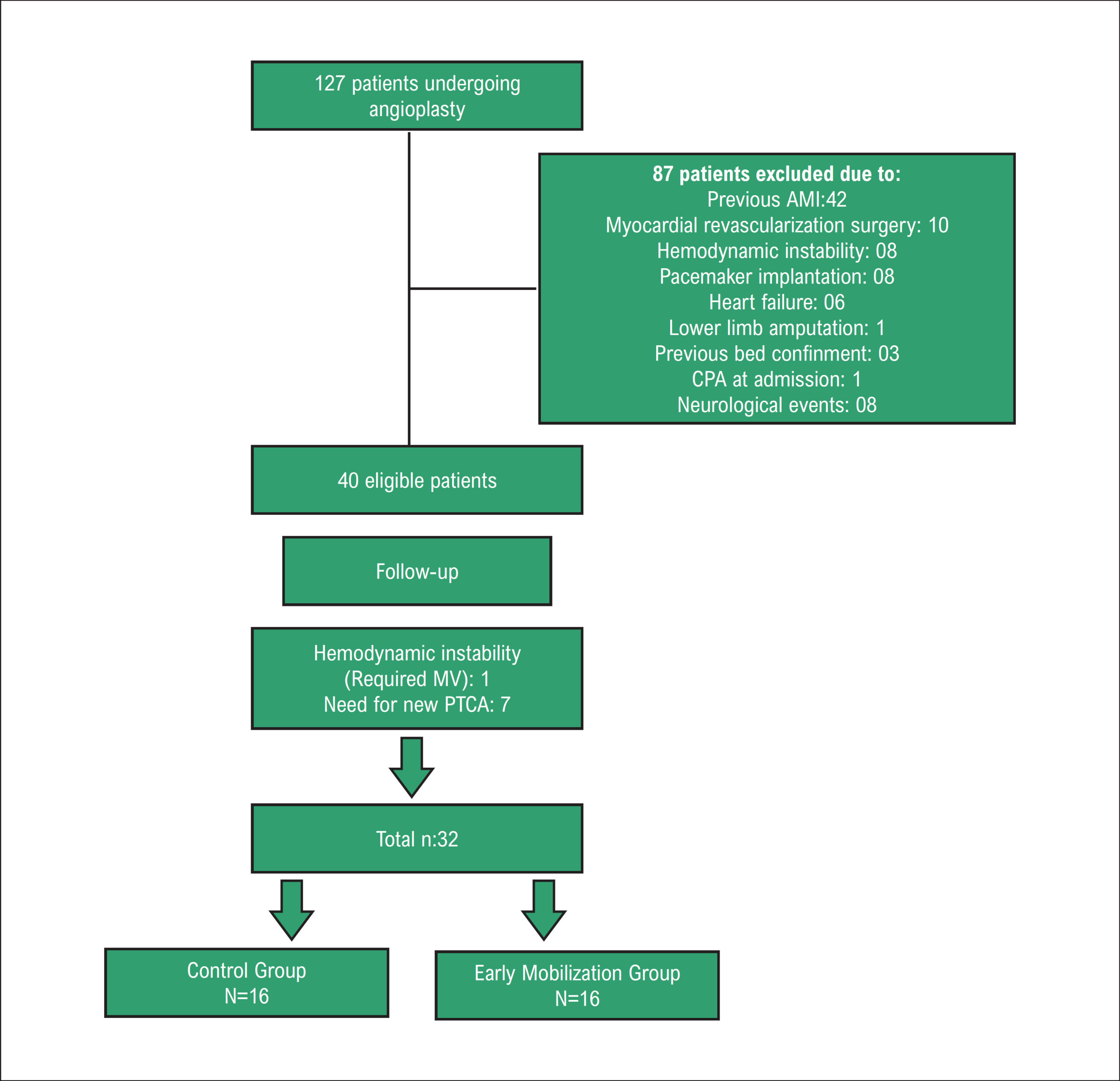
A total of 32 participants who underwent PTCA were divided into a Control Group (CG – no physical exercises) and an Early Ambulation Group (EAG – with physical exercises). Beat-to-beat heart rate was recorded using a heart rate monitor in both groups upon admission and discharge. The linear indices in the time and frequency domains were analyzed, and nonlinear indices were obtained through RP. The Early Ambulation Physical Therapy Protocol began 12-18 hours after PTCA. A two-tailed unpaired t-test was used for comparisons, and p-values < 0.05 were accepted as significant.

Results:

When comparing both groups, upon discharge, EAG showed an increase in SDNN (23.55 ± 12.05 to 37.29 ± 16.25; p=0.042), Triangular Index (8.99 ± 3.03 to 9.66 ± 3.07; p=0.014), and VLF (694.20 ± 468.20 to 848.37 ± 526.51; p=0.004), but without significant changes in the nonlinear evaluation. In addition, in the qualitative analysis of RP, a more diffuse and less geometric pattern was observed in EAG, indicating greater variability, while in CG, an altered and more geometric pattern was noted.

Conclusion:

The Early Ambulation Protocol promotes an improvement in autonomic behavior as evaluated by HRV and by RP, which can thus be considered a useful procedure for better recovery of patients undergoing PTCA.

  • Angioplasty
  • Autonomic Nervous System
  • Cardiovascular Diseases, mortality
  • Early Ambulation/methods
  • Exercise
  • Myocardial Infarction
Read Full Article
Creative Commons Attribution (CC BY) Creative Commons license
03/12/2021 DOI: 10.36660/abc.20200296
Figure 1
ABC
Research Letter

Early vs. Late Neutrophil-To-Lymphocyte Ratio for the Prediction of Adverse Outcomes in Patients with STEMI Undergoing Primary PCI

Guilherme Pinheiro Machado et al. Gustavo Neves de Araujo Daniele Maltauro Julia Custodio … Victoria Milan Marco Wainstein

Introduction

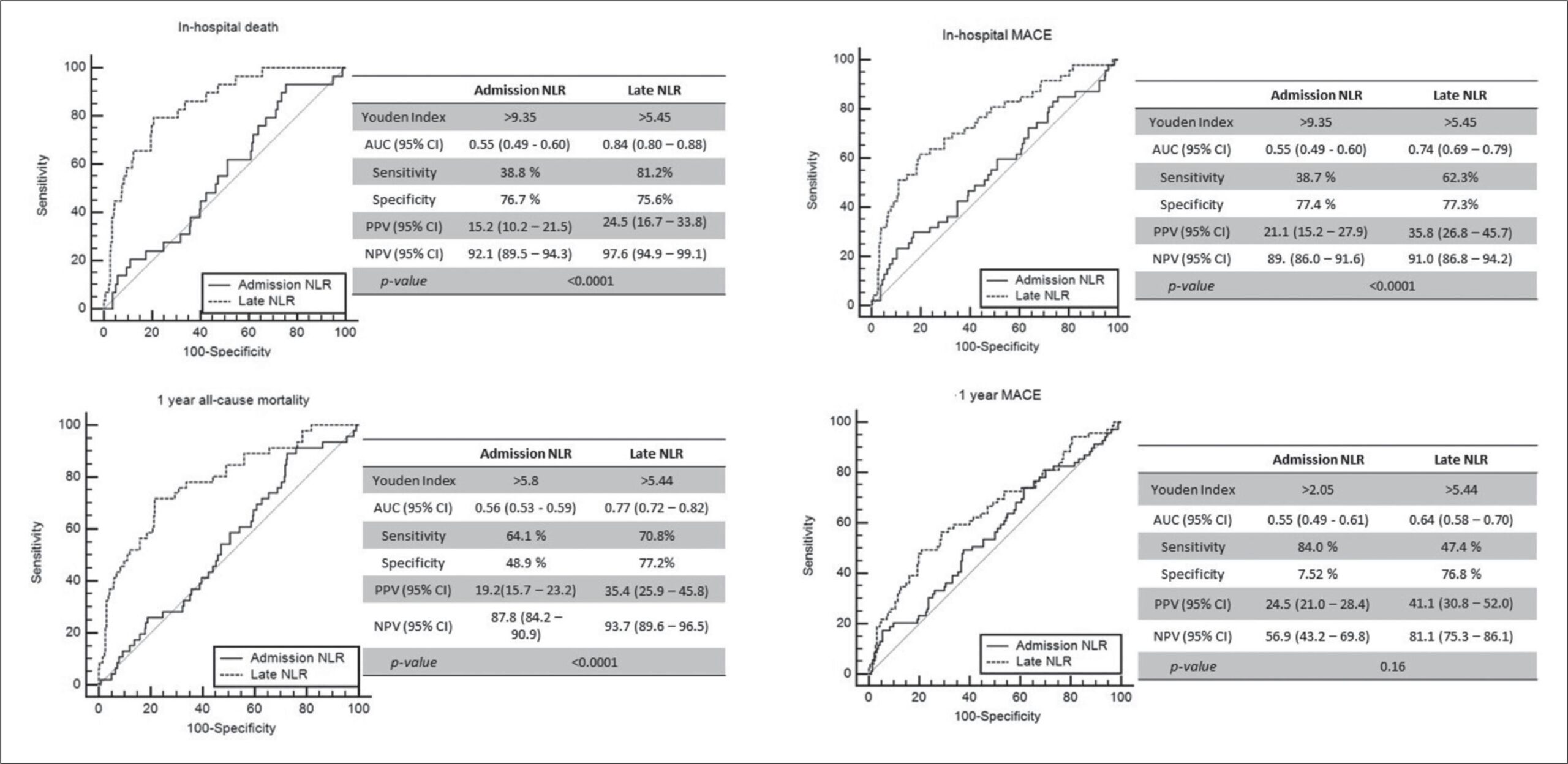
Admission neutrophil-to-lymphocyte ratio (NLR) has proven to predict adverse events in patients with ST-elevation Myocardial Infarction (STEMI).– New evidence has shown that NLR continues to increase within 48-72 hours in patients who develop worse outcomes. Therefore, this study sought to compare the prognostic capacity of admission and late NLR for adverse events in patients with STEMI undergoing primary percutaneous coronary intervention (pPCI).

[…]

  • Angioplasty
  • Inflammation
  • Mortality
  • Myocardial Infarction
  • neutrophil-to-lymphocyte ratio
  • Risk Factors
Read Full Article
Creative Commons Attribution (CC BY) Creative Commons license
23/04/2021 DOI: 10.36660/abc.20200327 Views 2
Figure 1
ABC
Case Report

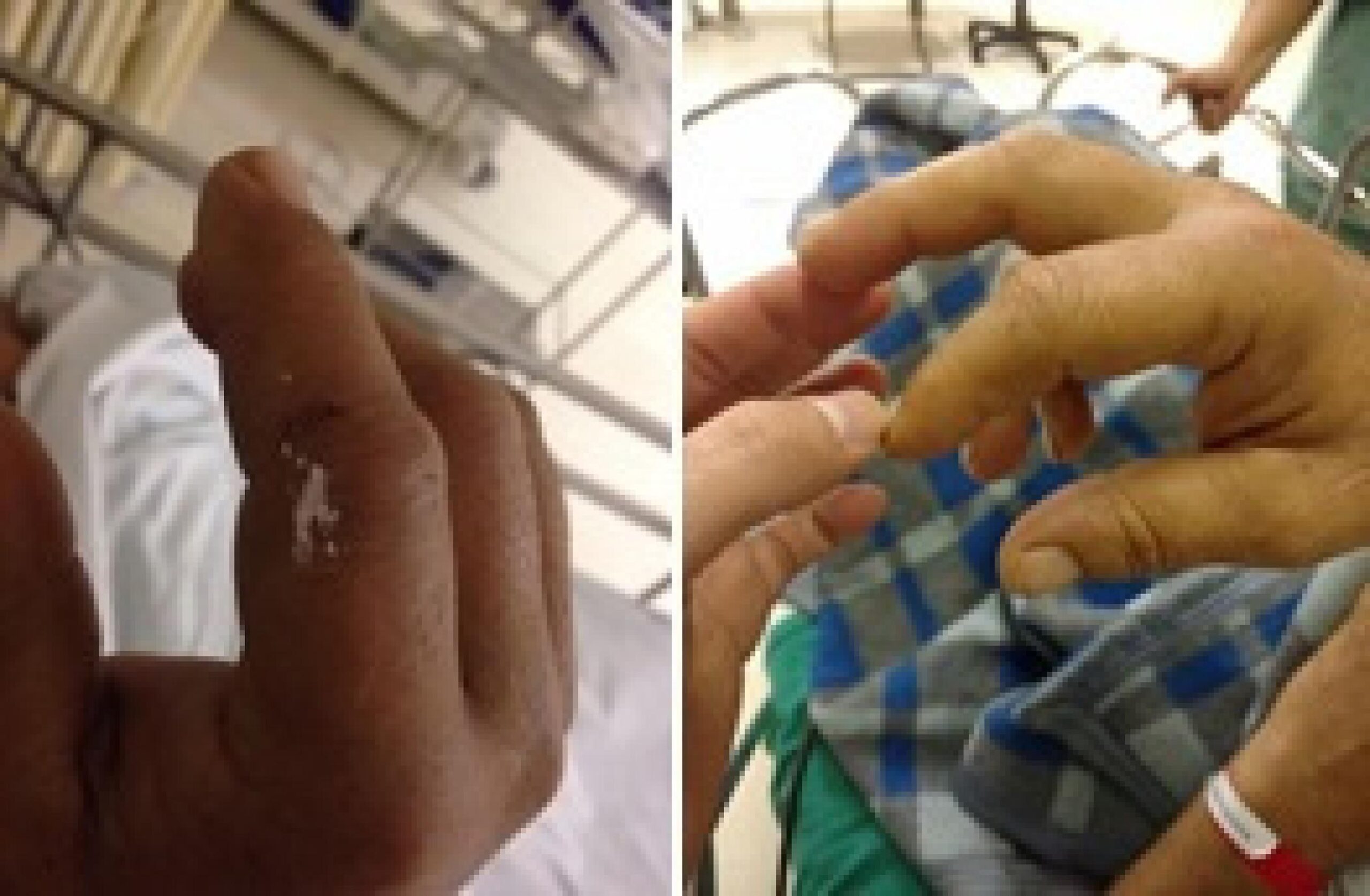
Very Long Apneas during Prone Position in a Lean Patient with Coronary Artery Disease: Implications for the Cardiovascular Risk

Sofia Fontanello Furlan et al. Viktor Sinkunas Pedro Rodrigues Genta Geraldo Lorenzi Filho Luciano F. Drager

Introduction

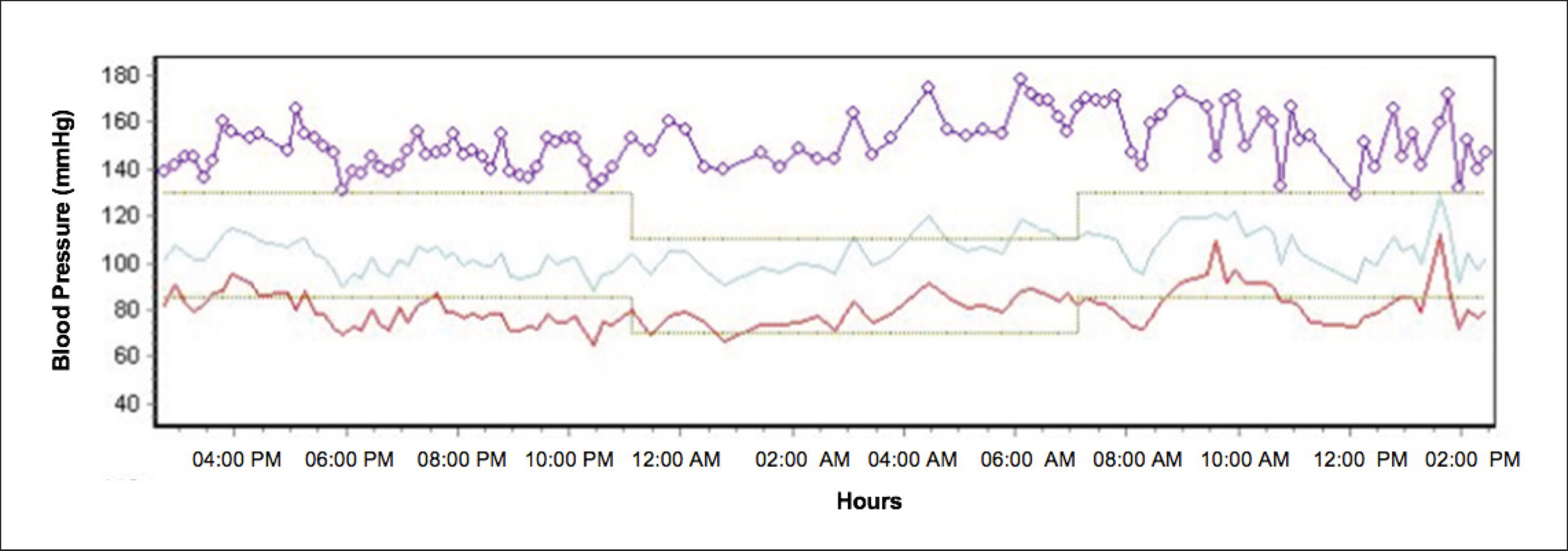
Obstructive sleep apnea (OSA) is a common condition characterized by recurrent upper airway obstructions during sleep, promoting intermittent hypoxia and sleep fragmentation. Traditional risk factors for OSA include male gender and obesity. Overall, patients with severe OSA presented longer events and more severe hypoxemia. Supine sleep is consistently associated with more severe OSA rates in adults. However, the relationship between OSA indices and prone position is inconsistent. Here, we reported a very peculiar presentation of OSA characterized by very long respiratory events in a prone position in a lean female patient with a history of high blood pressure, diabetes mellitus, chronic kidney disease under dialysis therapy and a recent diagnosis of coronary artery disease (CAD).

[…]

  • Angioplasty
  • Blood Pressure Monitoring, Ambulatory
  • body mass index
  • Coronary Artery Disease
  • Obesity
  • Oxymetria
  • Percutaneous Coronary Intervention
  • Sleep Apnea, Obstructive
Read Full Article
Creative Commons Attribution (CC BY) Creative Commons license
05/02/2021 DOI: 10.36660/abc.20200191
Figure 1
IJCS
Editorial

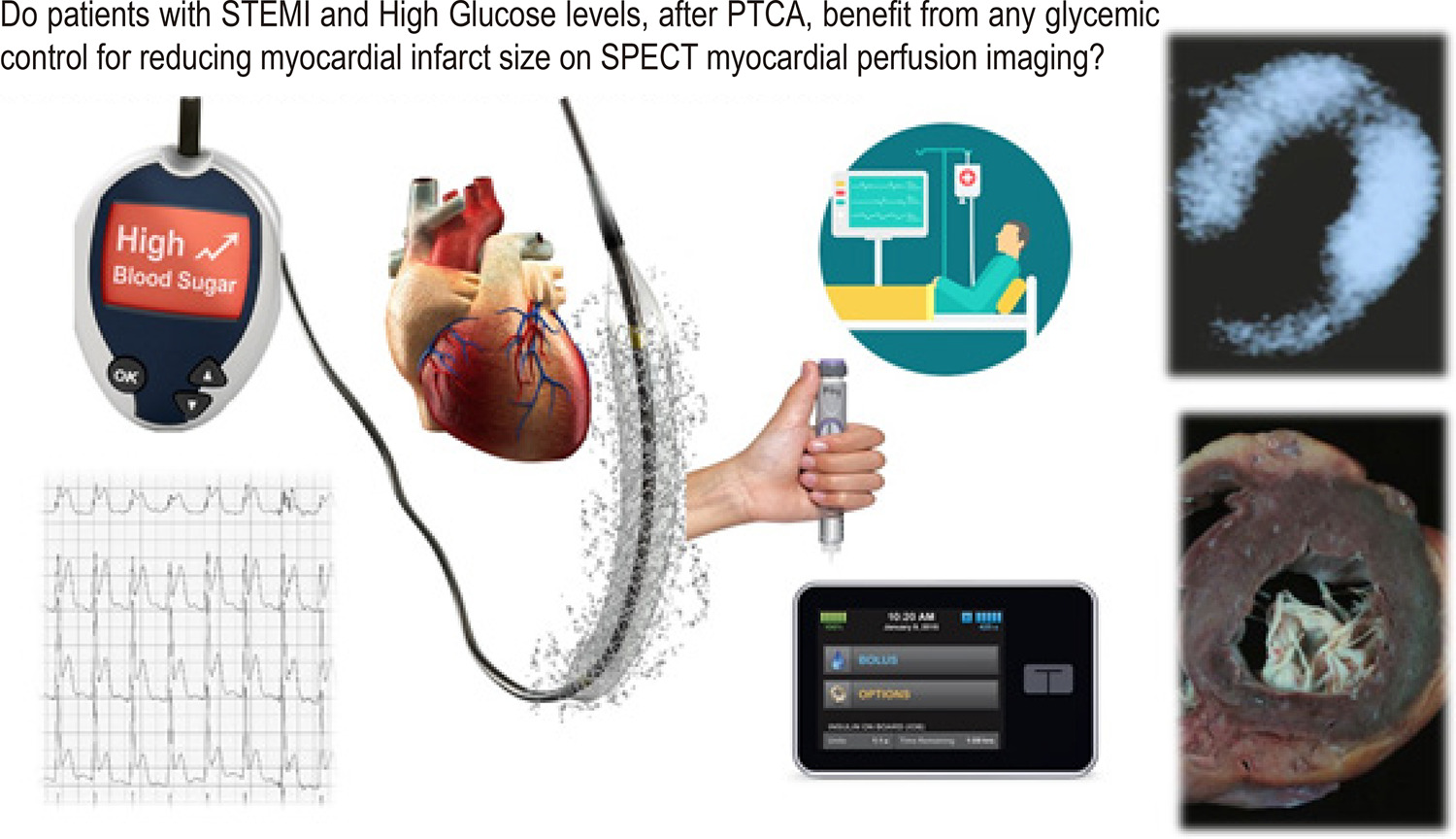
After a STEMI, is Less Sugar more Protective to Myocardium?

Rafael Willain Lopes et al. Alexandre Hohl

The infarct size reduction in acute myocardial infarction (AMI) has been studied for more than 50 years. Animal experiments were conducted in the 1970s, followed by the first clinical studies to reduce infarct size (IS), with fibrinolytic agents or with mechanical coronary angioplasty (PTCA). The clinical experience of coronary reperfusion indicated that left ventricle function was not normalized in 30% of the patients, and despite unblocking the epicardial vessel, demonstrated hemodynamically, there was no equivalent in myocardial perfusion. New concepts emerged such as reperfusion injury, microvascular dysfunction, “no-reflow” phenomenon, and stunned and hibernating myocardium, which became the focus of basic research and clinical investigation. To improve characterization, different technologies were used, such as contrast echocardiography, isotopic studies, including positron emission tomography, and magnetic resonance.

Cardioprotection (CP) aims to reduce IS and improve clinical outcomes. The translation of CP from preclinical and promising proof-of-concept studies to clinical benefit (CB) for patients has been quite unsatisfactory. Almost all these studies that did not translate into CB had infarct size reduction as the primary endpoint and used protocols selected to achieve IS reduction.

[…]

  • Angioplasty
  • Diagnostic Imaging
  • Fibrinolytic Agents
  • Myocardial Reperfusion
  • Myocardial Stunning
  • Percutaneous Coronary Intervention
  • ST Elevation Myocardial Infarction
  • Ventricular Dysfunction, Left
Read Full Article
Creative Commons Attribution (CC BY) Creative Commons license
09/10/2020 DOI: 10.36660/ijcs.20200173 Views 1
ABC
Editorial

Time is Muscle

Luiz Maurino Abreu

Before the 80’s, the treatment of patients with ST–segment elevation myocardial infarction (STEMI) had as main goals the control of pain, arrhythmia and reduction of cardiac work, aiming to limit the extent of myocardial necrosis. These measures were partially effective, but the morbidity and mortality of acute myocardial infarction (AMI) remained high.

From the findings of Dewood, angiographically showing the presence of coronary occlusion by a thrombus in the culprit artery of the STEMI, strategies of reperfusion have emerged both thrombolytic therapy and primary percutaneous transluminal coronary angioplasty (PCI). The treatment of STEMI changes from contemplation to intervention.

[…]

  • Angioplasty
  • Myocardal Infarction/diagnosis
  • Myocardial Infarction/mortality
  • Myocardial Infarction/therapy
  • ST Elevation Myocardial Infarction/physiopathology
  • Survival Rate
  • Thrombolytic Therapy
  • Time Factors
Read Full Article
Creative Commons Attribution (CC BY) Creative Commons license
15/04/2019 DOI: 10.5935/abc.20190059
ABC
Original Article

Disparities In The Use Of Drug-eluting Stents For Diabetic Patients With ST-elevation Acute Myocardial Infarction Assisted In the Public versus Private Network – VICTIM Register

Jussiely Cunha Oliveira et al. Laís Costa Souza Oliveira Jeferson Cunha Oliveira Ikaro Daniel de Carvalho Barreto … Marcos Antonio Almeida-Santos Ticiane Clair Remacre Munareto Lima Larissa Andreline Maia Arcelino Isadora Soares Bispo Santos Silva Antônio Carlos Sobral Sousa José Augusto Soares Barreto-Filho

Abstract

Background:

Primary angioplasty (PA) with placement of either bare metal or drug-eluting stents (DES) represents the main strategy in the treatment of ST-elevation myocardial infarction (STEMI). Diabetic patients, however, represent a special population in STEMI, with high rates of restenosis and unfavorable clinical outcomes, and with the use of DES, level of evidence A and indication class II, being indicated to reduce these damages.

Objectives:

To evaluate the DES rate of use in patients with STEMI and in the subgroup of diabetics assisted in the public versus private health network in Sergipe.

Methods:

This is a population-based, cross-sectional study with a quantitative approach using the data from the VICTIM Register. These were collected in the only four hospitals with capacity to perform PA in Sergipe, from December 2014 to March 2017.

Results:

A total of 707 patients diagnosed with STEMI were evaluated, of which 589 were attended at SUS and 118 at the private network. The use of DES in PA was lower in SUS compared to the private network in both the total sample (10.5% vs 82.4%, p<0.001) and in subgroup diabetic patients (8.7% vs 90.6%, p < 0.001), respectively. In all hypotheses tested, the level of significance was 5% (p < 0.05).

Conclusions:

The study reveals a disparity in the use of DES during the performance of PA between the public and private network, both in the total sample and the subgroup for diabetics, with lower rates for SUS users, demonstrating the challenges that need to be overcome in order to achieve quality improvements of the services provided.

  • Angioplasty
  • Case-Control Studies
  • Diabetes Mellitus
  • Drug-Eluting
  • Hospitals, Public
  • Hospitals,Private
  • ST Elevation Myocardial Infarction
Read Full Article
Creative Commons Attribution (CC BY) Creative Commons license
14/03/2019 DOI: 10.5935/abc.20190054 Views 2
Figure 1
IJCS
Case Report

Coronary Angioplasty with Stent in Woman with Active Vaginal Bleeding

Felipe José de Andrade Falcão et al. Fabiano Lima Cantarelli Aline Hofmann Baião Marco Rivera … Verônica Monteiro Flavio Roberto Azevedo de Oliveira

Abstract

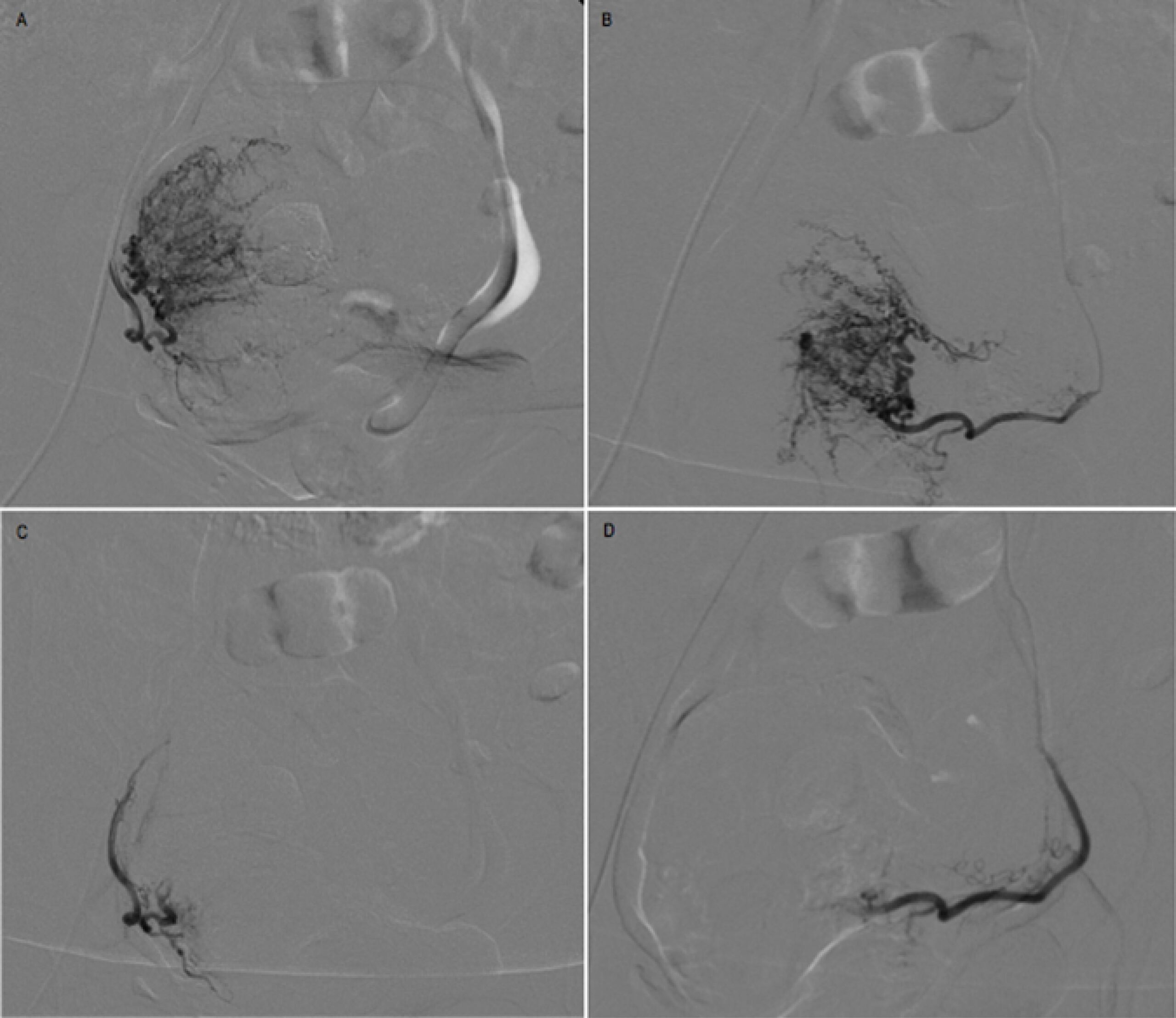
Uterine leiomyoma and coronary artery disease are two common diseases in women. However, the association of uterine bleeding caused by leiomyoma with unstable coronary syndrome is not frequent. Here we describe a case of a patient with active vaginal bleeding and unstable angina who underwent a unique approach by performing percutaneous procedures. The report demonstrates that new interventional options can be used to control active bleeding in patients in need of coronary angioplasty.

  • Angioplasty
  • Embolization, Therapeutic
  • Hemorrhage/complications
  • Leiomyoma
  • stent
  • Uterine Hemorrhage
  • Woman
Read Full Article
Creative Commons Attribution (CC BY) Creative Commons license
07/03/2019 DOI: 10.5935/2359-4802.20190008
ABC
Editorial

Rosuvastatin Decreases the Formation of Neointima by Increasing Apo J, Reducing Restenosis after Balloon Injury in Rats

Paulo Magno Martins Dourado

The study by Yang et al. brings new light on the action of Apolipoprotein (Apo) J, also called clusterin (CLU), a heterodimeric glycoprotein consisting of α and β subunits linked by disulfide bond., The coding gene of Apo J is located on chromosome 8p21-p12, encoding two main isoforms, including secreted (sCLU) and nuclear (nCLU) on restenosis following balloon percutaneous transluminal carotid angioplasty (PTCA) in an experimental model in rats; this was published in this edition of the Brazilian Archives of Cardiology, because there is a controversy in the literature whether Apo J, which is elevated in atherosclerosis and post-angioplasty, plays a protective or promoting role for restenosis. Apo J is involved in several important pathological processes in the transport of lipids, and in the differentiation of vascular smooth muscle cells (VSMC), including cell death by apoptosis, cell cycle regulation, cell adhesion, tissue remodeling, regulation of the immune system and oxidative stress, playing a role in the development of clinical atherosclerosis., In the process of attenuating atherosclerosis, Apo J can promote the export of cholesterol and phospholipids from foam cells of macrophages, and show cytoprotective and anti-inflammatory actions interacting with many known inflammatory proteins that may act in the initial phase of clinical cardiovascular events, and may play an important role in mediating atherosclerotic disease, such as C-reactive protein, paraoxonase and leptin. There are studies reporting that Apo J can stimulate the proliferation and migration of VSMC, and promote restenosis,, and there have been studies showing that overexpression of CLUs can inhibit migration and proliferation of VSMC, and inhibit cellular apoptosis. In view of these controversial results, the authors sought to elucidate the role of Apo J in neointimal hyperplasia, using the rat carotid artery in vivo, with or without rosuvastatin.

The results of the study published here suggest that rosuvastatin can inhibit intimal hyperplasia due to the high expression of Apo J in the active proliferation and migration phase of VSMC, after balloon injury in rats. In the present study, the authors evidenced an increase in the intimal/media (I/M) area rate after the balloon injury that reached the maximum value in the fourth week in the model group; in addition, I/M was increased at week 2, and such increase ceased after the administration of rosuvastatin. These results suggest that rosuvastatin can significantly reduce the degree of intimal hyperplasia in the balloon-injured carotid arteries in rats. The levels of Messenger Ribonucleic Acid (mRNA) and Apo J were increased in the carotid arteries in the group using rosuvastatin, when compared to the model group, reaching the maximum in the second week, earlier than in the model group, suggesting that rosuvastatin can inhibit intimal hyperplasia by increasing Apo J after balloon injury in rats. Therefore, Apo J has been identified as having a central role in the migration, adhesion and vascular proliferation process, and that it can contribute significantly to restenosis after vascular injury.

[…]
  • Angioplasty
  • Carotid Arteries
  • Clusterin/genetic
  • Coronary Restenosis
  • Percutaneous Coronary Intervention/trends
  • Rats
Read Full Article
Creative Commons Attribution (CC BY) Creative Commons license
01/10/2018 DOI: 10.5935/abc.20180204 Views 1
IJCS
Original Article

Incidence and Characteristics Angiographic of Patients with Acute Myocardial

Cynthia Kallás Bachur et al. José Alexandre Bachur Juliana Pereira Machado Eugenia Velludo Veiga … Sarah da Silva Candido Ricardo Barbosa Julia Granado Carraro Danielle de Freitas Gonçalves Maria Georgina Marques Tonello

Abstract

Background:

Acute myocardial infarction (AMI) is defined as the death of cardiomyocytes due to prolonged ischemia, caused by thrombosis and / or vasospasm on an atherosclerotic plaque.

Objective:

To determine the incidence of patients with myocardial infarction undergoing primary angioplasty; characterize the anthropometric variables and identify the risk factors in this population.

Methods:

This was a cross-sectional, observational, retrospective study in which we collected secondary data from medical records of a hospital in a city in the state of São Paulo, where the largest number of interventions is via Public Health System, patients with a diagnosis of Myocardial Infarction, undergoing primary coronary angioplasty, from January 2011 to December 2013.

Results:

The total sample consisted of 437 subjects, 282 male and 155 female. In this study, there was predominance of myocardial infarction in the anterior descending artery ADA (45.51%), followed by right coronary artery RCA (38.46%), in carrying out the rescue angioplasty and stent implantation in 96.62% of cases. There was a predominance of high blood pressure as risk factors for 73.71%, followed by smoking with 41.66% of the sample.

Conclusion:

According to the present study data, it appears a higher prevalence of infarction occurred in the ADA, with individuals performing the rescue angioplasty procedure and the placement of the stent, and a growing incidence of drug stent placement. We observed a high incidence of risk factors, prevailing hypertension. (Int J Cardiovasc Sci. 2018; [online].ahead print, PP.0-0).

  • Angioplasty
  • Drug-Eluting Stents
  • Hypertension
  • Myocardial Infarction
  • Risk Factors
  • Tobaco Use Disorder
Read Full Article
Creative Commons Attribution (CC BY) Creative Commons license
27/08/2018 DOI: 10.5935/2359-4802.20180061 Views 2
Figure 1
IJCS
Original Article

Option for the Radial versus Femoral Access in Coronary Intervention in Acute Coronary Syndromes: A Risk-Treatment Paradox

Yasmin Falcon Lacerda et al. Nicole Cruz de Sá Jessica Gonzalez Suerdieck Letícia Fonseca … Fernanda Lopes Gabriella Sant'Ana Sodré Mateus dos Santos Viana Marcia Maria Noya Rabelo Luis Claudio Lemos Correia

Abstract

Background:

In coronary procedures, although the radial approach protects patients from hemorrhagic complications, it is technically more complex than the femoral approach.

Objectives:

To test the hypothesis that the radial approach is the procedure of choice in ACS patients due to the high risk of bleeding; and to identify independent predictors of the choice for radial access.

Methods:

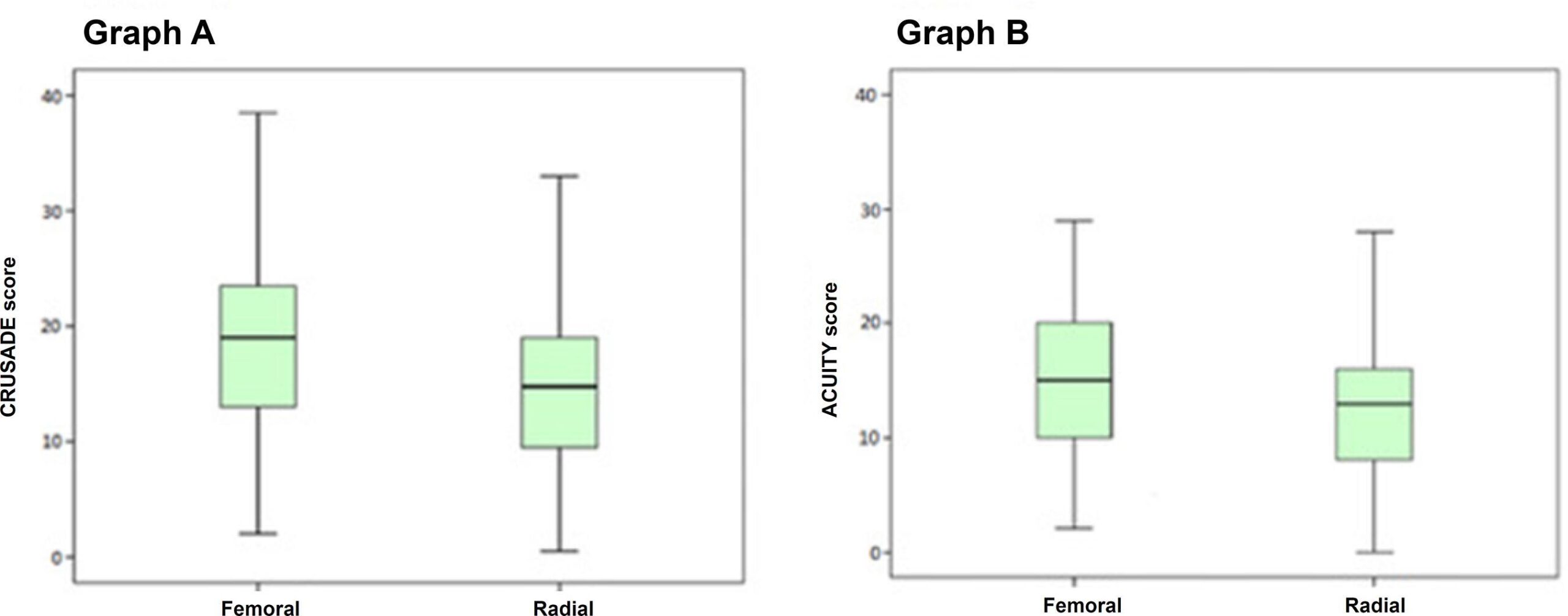
Patients admitted for ACS who underwent invasive coronary procedure were included. We registered the type of access (femoral or radial) chosen by the physician for the first angiography; the investigators did not interfere with this choosing process. Student’s t-test was used for comparisons between the CRUSADE and ACUITY scores. Predictors of radial access were compared between the groups. Statistical significance was defined by p < 0,05.

Results: Radial access was chosen in 67% of 347 consecutive patients. Patients who underwent radial approach had lower risk of bleeding determined by CRUSADE (30 ± 14 vs. 37 ± 15; p < 0.001) as compared with femoral access. In multivariate analysis, four variables were identified as independent predictors negatively associated with radial access – age (OR = 0.98; 95%CI = 0.96 – 0.99), creatinine (OR = 0.54; 95%CI = 0.3 – 0.98), signs of left ventricular failure (OR = 0.45; 95% CI = 0.22 – 0.92) and previous CABG (OR = 0.022; 95%CI = 0.003 – 0.166).

Conclusion:

The propensity to choose radial over femoral access in coronary intervention was not primarily influenced by patients’ bleeding risk. Predictors of this decision, identified in the study, indicated less complex patients, suggesting that the difficulty in performing the technique was a stronger determinant than its potential antihemorrhagic effect. (Int J Cardiovasc Sci. 2018; [online].ahead print, PP.0-0)

  • Angioplasty
  • Catheterism
  • Coronary Artery Disease
  • femoral artery
  • Percutaneous Coronary Intervention
  • Radial Artery
  • Stents
Read Full Article
Creative Commons Attribution (CC BY) Creative Commons license
27/08/2018 DOI: 10.5935/2359-4802.20180066 Views 1
Figure 1
IJCS
Case Report

Myocardial Infarction after Snake Bite

Rafael Alessandro Ferreira Gomes et al. Fabiano Lima Cantarelli Franklin Almeida Vieira Aluisio Roberto Andrade Macedo Jr. … Milena Motta de Almeida Gouveia Audes Diogenes de Magalhães Feitosa

Introduction

Cardiac events are rarely associated with ophidian accidents, especially those involving snakes of the Elapidae family. We report on a snake bite victim who, within a few hours after the accident, developed myocardial infarction in the inferior wall with good clinical evolution.

[…]

  • Angioplasty
  • Chest Pain
  • Coronary Thrombosis/complications
  • Leukocitosis
  • Myocardial Infarction
  • Snake Bites/complications
Read Full Article
Creative Commons Attribution (CC BY) Creative Commons license
01/01/2018 DOI: 10.5935/2359-4802.20170068 Views 1
Figure 1
ABC
Review Article

Myocardial Viability on Cardiac Magnetic Resonance

Ana Luiza Mansur Souto et al. Rafael Mansur Souto Isabella Cristina Resende Teixeira Marcelo Souto Nacif

Abstract

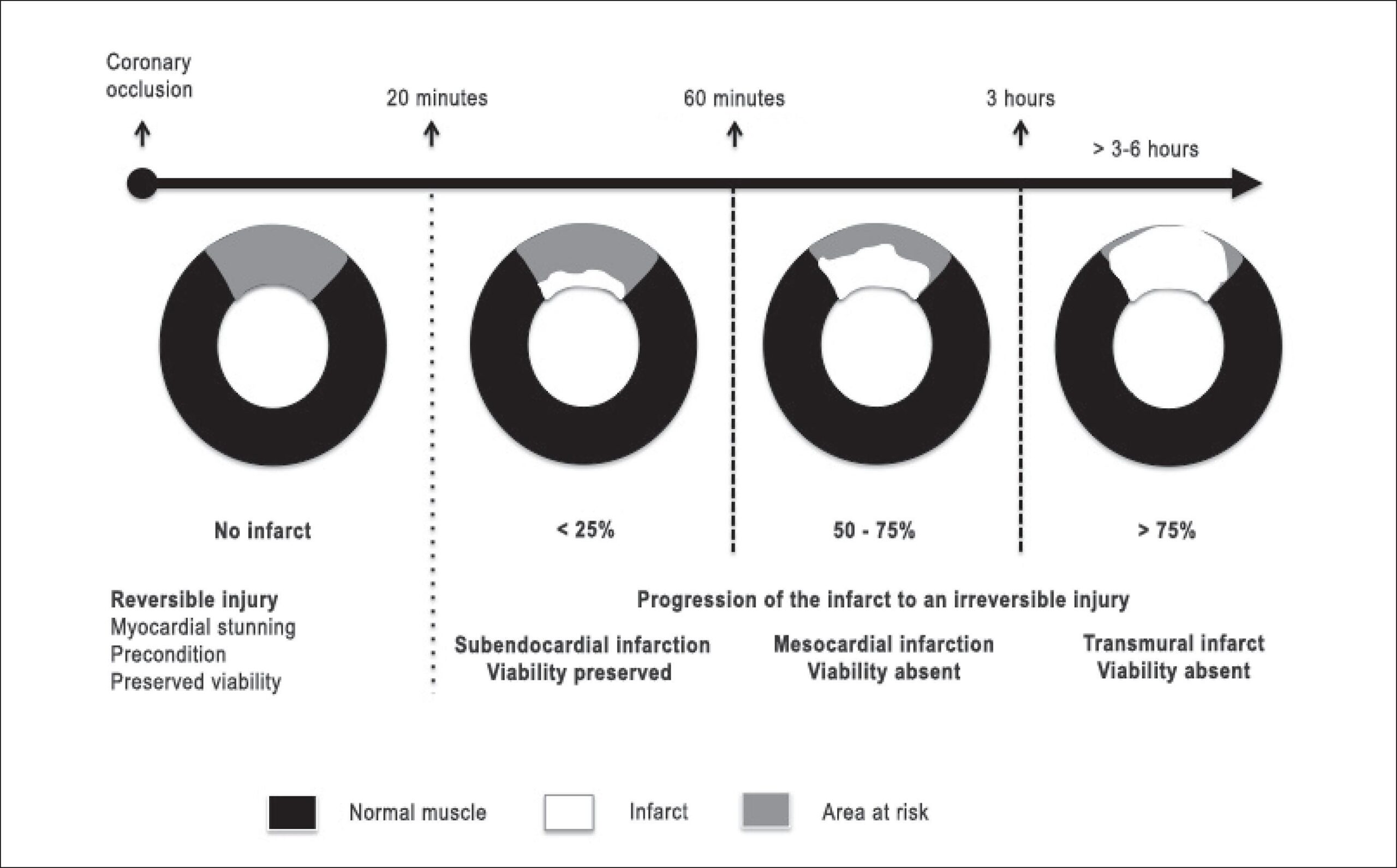
The study of myocardial viability is of great importance in the orientation and management of patients requiring myocardial revascularization or angioplasty. The technique of delayed enhancement (DE) is accurate and has transformed the study of viability into an easy test, not only for the detection of fibrosis but also as a binary test detecting what is viable or not. On DE, fibrosis equal to or greater than 50% of the segmental area is considered as non-viable, whereas that below 50% is considered viable. During the same evaluation, cardiac magnetic resonance (CMR) may also use other techniques for functional and perfusion studies to obtain a global evaluation of ischemic heart disease. This study aims to highlight the current concepts and broadly emphasize the use of CMR as a method that over the last 20 years has become a reference in the detection of infarction and assessment of myocardial viability.

  • Angioplasty
  • Magnetic Resonance Spectroscopy
  • Myocardial Infarction / metabolism
  • Myocardial Revascularization
  • Tissue Survival
Read Full Article
Creative Commons Attribution (CC BY) Creative Commons license
01/05/2017 DOI: 10.5935/abc.20170056
ABC
Original Article

In-Lab Upfront Use of Tirofiban May Reduce the Occurrence of No-Reflow During Primary Percutaneous Coronary Intervention. A Pilot Randomized Study

Igor Matos Lago et al. Gustavo Caires Novaes André Vannucchi Badran Rafael Brolio Pavão … Ricardo Barbosa Geraldo Luiz de Figueiredo Moysés de Oliveira Lima Filho Jorge Luiz Haddad André Schmidt José Antônio Marin Neto

Abstract

Background:

Despite successful opening of culprit coronary artery, myocardial reperfusion does not always follows primary percutaneous coronary intervention (PPCI). Glycoprotein IIb/IIIa inhibitors are used in the treatment of no-reflow (NR), but their role to prevent it is unproven.

Objective:

To evaluate the effect of in-lab administration of tirofiban on the incidence of NR in ST-elevation myocardial infarction (STEMI) treated with PPCI.

Methods:

STEMI patients treated with PPCI were randomized (24 tirofiban and 34 placebo) in this double-blinded study to assess the impact of intravenous tirofiban on the incidence of NR after PPCI according to angiographic and electrocardiographic methods. End-points of the study were: TIMI-epicardial flow grade; myocardial blush grade (MBG); resolution of ST-elevation < 70% (RST < 70%) at 90min and 24h after PPCI.

Results:

Baseline anthropometric, clinical and angiographic characteristics were balanced between the groups. The occurrence of TIMI flow < 3 was not significantly different between the tirofiban (25%) and placebo (35.3%) groups. MBG ≤ 2 did not occur in the tirofiban group, and was seen in 11.7% of patients in the placebo group (p=0.13). RST < 70% occurred in 41.6% x 55.8% (p=0.42) at 90min and in 29% x 55.9% (p=0.06) at 24h in tirofiban and placebo groups, respectively. Severe NR (RST ≤ 30%) was detected in 0% x 26.5% (p=0.01) at 90 min, and in 4.2% x 23.5% (p=0.06) at 24h in tirofiban and placebo groups, respectively.

Conclusion:

This pilot study showed a trend toward reduction of NR associated with in-lab upfront use of tirofiban in STEMI patients treated with PPCI and paves the way for a full-scale study testing this hypothesis.

  • Angioplasty
  • Coronary Artery Disease
  • Myocardial Infarction
  • Percutaneous Coronary Intervention
  • Platelet Glycoprotein GPIIb-IIIa Complex
Read Full Article
Creative Commons Attribution (CC BY) Creative Commons license
01/11/2016 DOI: 10.5935/abc.20160149 Views 1
Figure 1
ABC
Clinicoradiological Session

Case 5/2016 – Native Coarctation of the Aortic Arch, Relieved By Percutaneous Treatment in an Adult

Edmar Atik et al. Raul Arrieta

Complementary tests

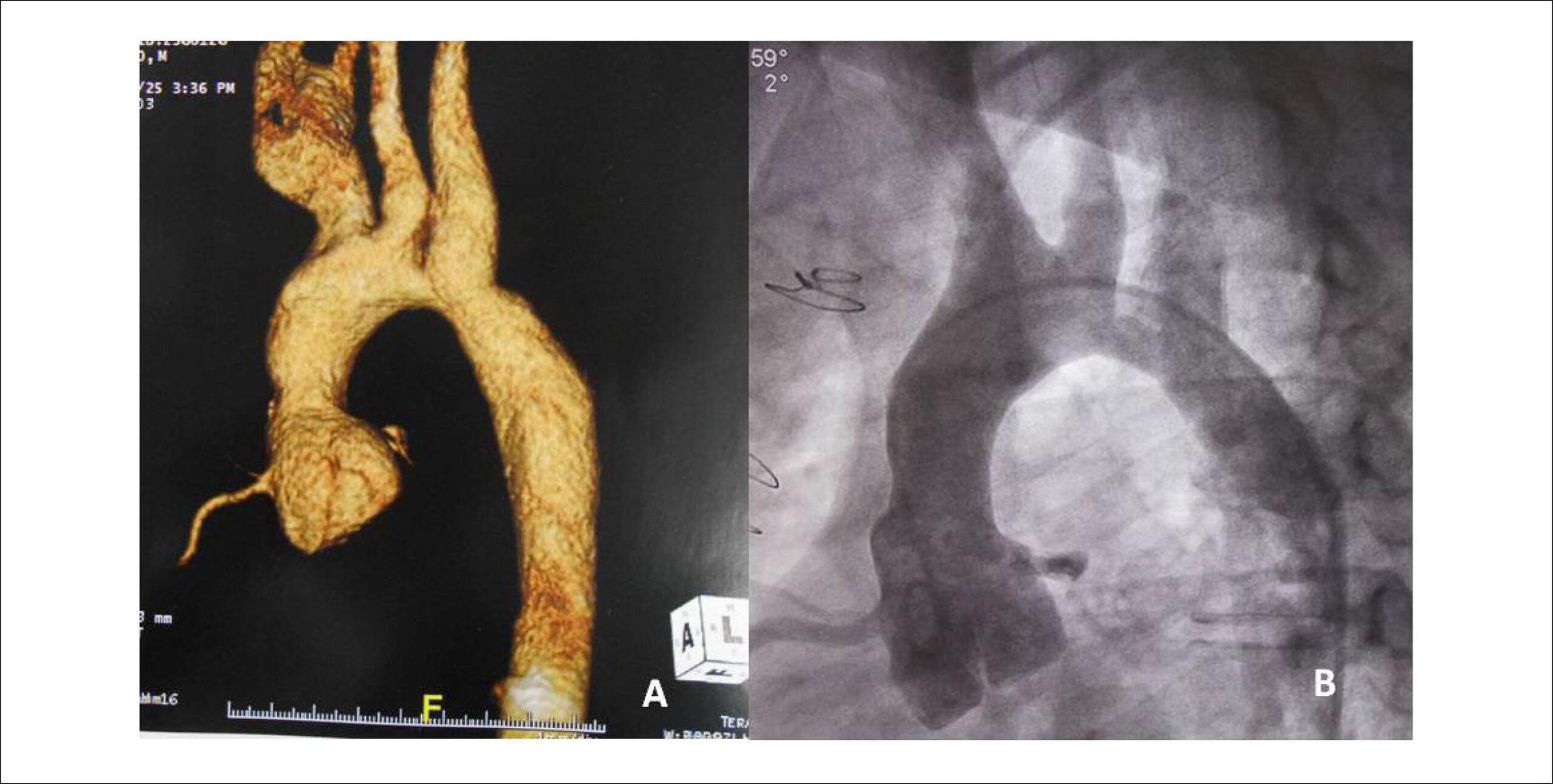
Electrocardiogram showed sinus rhythm, signs of complete right bundle branch block wit QRS duration of 0.14”, and block of the anterior superior division of the left bundle branch (unchanged since neonatal aortic coarctation repair and interventricular communication). P axis: +20º, QRS axis: +250º, T axis: +35º.

Chest radiograph showed normal heart area and myocardial hypertrophy, and normal pulmonary vasculature.

[…]

  • Angioplasty
  • Aortic Disease
  • Aortic Disease/complications
  • Cardiac Hypertrophy
  • Hypertension
Read Full Article
Creative Commons Attribution (CC BY) Creative Commons license
01/09/2016 DOI: 10.5935/abc.20160130
Figure 1
ABC
Original Article

Serial High-Sensitivity Troponin T in Post-Primary Angioplasty Exercise Test

Humberto Andres Vaz et al. Ana Paula Vanz Iran Castro

Abstract

Background:

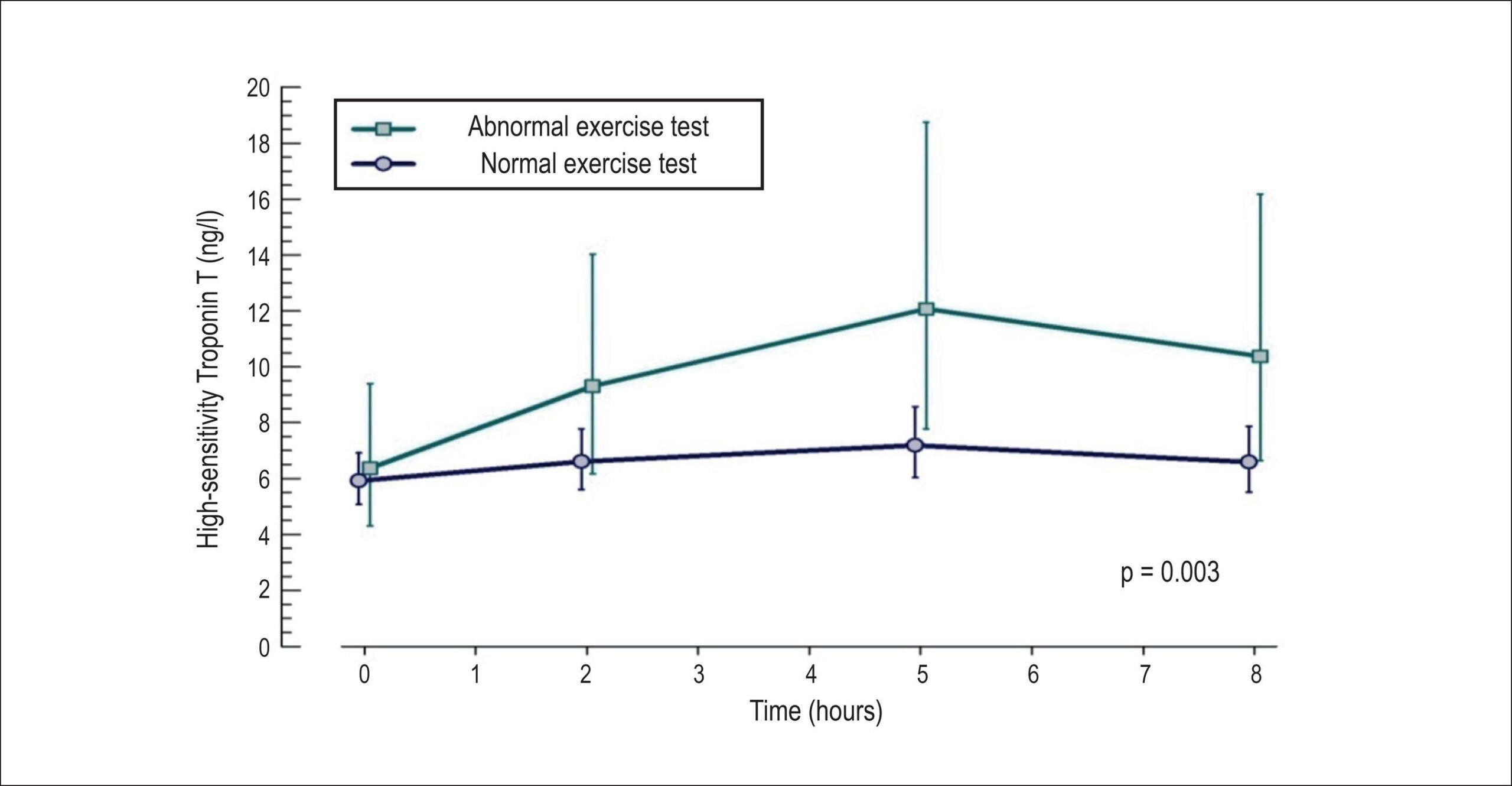
The kinetics of high-sensitivity troponin T (hscTnT) release should be studied in different situations, including functional tests with transient ischemic abnormalities.

Objective:

To evaluate the release of hscTnT by serial measurements after exercise testing (ET), and to correlate hscTnT elevations with abnormalities suggestive of ischemia.

Methods:

Patients with acute ST-segment elevation myocardial infarction (STEMI) undergoing primary angioplasty were referred for ET 3 months after infarction. Blood samples were collected to measure basal hscTnT immediately before (TnT0h), 2 (TnT2h), 5 (TnT5h), and 8 hours (TnT8h) after ET. The outcomes were peak hscTnT, TnT5h/TnT0h ratio, and the area under the blood concentration-time curve (AUC) for hscTnT levels. Log-transformation was performed on hscTnT values, and comparisons were assessed with the geometric mean ratio, along with their 95% confidence intervals. Statistical significance was assessed by analysis of covariance with no adjustment, and then, adjusted for TnT0h, age and sex, followed by additional variables (metabolic equivalents, maximum heart rate achieved, anterior wall STEMI, and creatinine clearance).

Results:

This study included 95 patients. The highest geometric means were observed at 5 hours (TnT5h). After adjustments, peak hscTnT, TnT5h/TnT0h and AUC were 59% (p = 0.002), 59% (p = 0.003) and 45% (p = 0.003) higher, respectively, in patients with an abnormal ET as compared to those with normal tests.

Conclusion:

Higher elevations of hscTnT may occur after an abnormal ET as compared to a normal ET in patients with STEMI.

  • Angioplasty
  • Exercise Test
  • Ischemia
  • Myocardial Infarction
  • Troponin T
Read Full Article
Creative Commons Attribution (CC BY) Creative Commons license
08/03/2016 DOI: 10.5935/abc.20160029 Views 2

Could not load more articles. Please try again.

How to cite this article

EndNote RIS

Electronic Document Format (Vancouver)

Trindade VT, Silva NA, Garcia Júnior NM, Souza AL, Prudente ML, Gardenghi G. Septal Artery Embolization with EVOH in Obstructive Hypertrophic Cardiomyopathy Associated with Percutaneous Treatment of Coronary Disease. ABC Heart Fail Cardiomyop 2025;5(3):e20250019.

Electronic Document Format (ABNT)

Trindade, Victor Tavares; Silva, Núbia Andrade; Garcia Júnior, Nassandro Machado; Souza, Anna Luiza; Prudente, Maurício Lopes; Gardenghi, Giulliano. Septal Artery Embolization with EVOH in Obstructive Hypertrophic Cardiomyopathy Associated with Percutaneous Treatment of Coronary Disease. ABC Heart Fail Cardiomyop, v. 5, n. 3, e20250019, Dec. 2025.

Electronic Document Format (APA)

Trindade, V. T., Silva, N. A., Garcia Júnior, N. M., Souza, A. L., Prudente, M. L., & Gardenghi, G. (2025). Septal Artery Embolization with EVOH in Obstructive Hypertrophic Cardiomyopathy Associated with Percutaneous Treatment of Coronary Disease. ABC Heart Fail Cardiomyop, 5(3), e20250019.

Electronic Document Format (ISO)

Trindade, Victor Tavares and Silva, Núbia Andrade and Garcia Júnior, Nassandro Machado and Souza, Anna Luiza and Prudente, Maurício Lopes and Gardenghi, Giulliano. Septal Artery Embolization with EVOH in Obstructive Hypertrophic Cardiomyopathy Associated with Percutaneous Treatment of Coronary Disease. ABC Heart Fail Cardiomyop [online]. 2025, vol. 5, n. 3, [cited 2026-10-14], e20250019. Available from: <https://journals.cardiol.br/en/article/septal-artery-embolization-with-evoh-in-obstructive-hypertrophic-cardiomyopathy-associated-with-percutaneous-treatment-of-coronary-disease/>

EndNote RIS

Electronic Document Format (Vancouver)

Alencar AKN. Coronary Compression in Pulmonary Hypertension: A Treatable Threat Hidden in Plain Sight. Arquivos Brasileiros de Cardiologia 2025;122(7):e20250352.

Electronic Document Format (ABNT)

Alencar, Allan K. N.. Coronary Compression in Pulmonary Hypertension: A Treatable Threat Hidden in Plain Sight. Arquivos Brasileiros de Cardiologia, v. 122, n. 7, e20250352, Aug. 2025.

Electronic Document Format (APA)

Alencar, A. K. N. (2025). Coronary Compression in Pulmonary Hypertension: A Treatable Threat Hidden in Plain Sight. Arquivos Brasileiros de Cardiologia, 122(7), e20250352.

Electronic Document Format (ISO)

Alencar, Allan K. N.. Coronary Compression in Pulmonary Hypertension: A Treatable Threat Hidden in Plain Sight. Arquivos Brasileiros de Cardiologia [online]. 2025, vol. 122, n. 7, [cited 2026-10-14], e20250352. Available from: <https://journals.cardiol.br/en/article/coronary-compression-in-pulmonary-hypertension-a-treatable-threat-hidden-in-plain-sight/>. ISSN 0066-782X

EndNote RIS

Electronic Document Format (Vancouver)

Bichuette LD, Calderaro D, Lemos Neto PA, Fonseca EKUN, Tatagiba LS, Vieira TM, Nascimento YPP, et al. Left Main Coronary Artery Angioplasty for the Treatment of Extrinsic Compression in Patients with Pulmonary Hypertension. Arquivos Brasileiros de Cardiologia 2025;122(7):e20250002.

Electronic Document Format (ABNT)

Bichuette, Luciana Dornfeld; Calderaro, Daniela; Lemos Neto, Pedro Alves; Fonseca, Eduardo Kaiser Ururahy Nunes; Tatagiba, Luiza Sarmento; Vieira, Tulio Martins; Nascimento, Yally Priscila Pessoa; Castro, Marcela Araujo; Silva, Taysa Antônia Félix; Parente, Yuri de Deus Montalverne; Fernandes, Caio Julio; Cardozo, Francisco Akira Malta; Nomura, Cesar Higa; Marins, Pedro Henrique Almeida; Souza, Rogerio; Jardim, Carlos Vianna Poyares. Left Main Coronary Artery Angioplasty for the Treatment of Extrinsic Compression in Patients with Pulmonary Hypertension. Arquivos Brasileiros de Cardiologia, v. 122, n. 7, e20250002, Jul. 2025.

Electronic Document Format (APA)

Bichuette, L. D., Calderaro, D., Lemos Neto, P. A., Fonseca, E. K. U. N., Tatagiba, L. S., Vieira, T. M., Nascimento, Y. P. P., Castro, M. A., Silva, T. A. F., Parente, Y. D. M., Fernandes, C. J., Cardozo, F. A. M., Nomura, C. H., Marins, P. H. A., Souza, R., & Jardim, C. V. P. (2025). Left Main Coronary Artery Angioplasty for the Treatment of Extrinsic Compression in Patients with Pulmonary Hypertension. Arquivos Brasileiros de Cardiologia, 122(7), e20250002.

Electronic Document Format (ISO)

Bichuette, Luciana Dornfeld and Calderaro, Daniela and Lemos Neto, Pedro Alves and Fonseca, Eduardo Kaiser Ururahy Nunes and Tatagiba, Luiza Sarmento and Vieira, Tulio Martins and Nascimento, Yally Priscila Pessoa and Castro, Marcela Araujo and Silva, Taysa Antônia Félix and Parente, Yuri de Deus Montalverne and Fernandes, Caio Julio and Cardozo, Francisco Akira Malta and Nomura, Cesar Higa and Marins, Pedro Henrique Almeida and Souza, Rogerio and Jardim, Carlos Vianna Poyares. Left Main Coronary Artery Angioplasty for the Treatment of Extrinsic Compression in Patients with Pulmonary Hypertension. Arquivos Brasileiros de Cardiologia [online]. 2025, vol. 122, n. 7, [cited 2026-10-14], e20250002. Available from: <https://journals.cardiol.br/en/article/left-main-coronary-artery-angioplasty-for-the-treatment-of-extrinsic-compression-in-patients-with-pulmonary-hypertension/>. ISSN 0066-782X

EndNote RIS

Electronic Document Format (Vancouver)

Oksen D, Arslan S, Gecit MH, Tekin EE, Oktay V, Abaci O. Naples Prognostic Score Predicts New-Onset Atrial Fibrillation in Patients with ST-Elevated Myocardial Infarction Undergoing Primary Angioplasty. Arquivos Brasileiros de Cardiologia 2025;122(6):e20240671.

Electronic Document Format (ABNT)

Oksen, Dogac; Arslan, Sukru; Gecit, Muhammed Heja; Tekin, Esra Erturk; Oktay, Veysel; Abaci, Okay. Naples Prognostic Score Predicts New-Onset Atrial Fibrillation in Patients with ST-Elevated Myocardial Infarction Undergoing Primary Angioplasty. Arquivos Brasileiros de Cardiologia, v. 122, n. 6, e20240671, Jun. 2025.

Electronic Document Format (APA)

Oksen, D., Arslan, S., Gecit, M. H., Tekin, E. E., Oktay, V., & Abaci, O. (2025). Naples Prognostic Score Predicts New-Onset Atrial Fibrillation in Patients with ST-Elevated Myocardial Infarction Undergoing Primary Angioplasty. Arquivos Brasileiros de Cardiologia, 122(6), e20240671.

Electronic Document Format (ISO)

Oksen, Dogac and Arslan, Sukru and Gecit, Muhammed Heja and Tekin, Esra Erturk and Oktay, Veysel and Abaci, Okay. Naples Prognostic Score Predicts New-Onset Atrial Fibrillation in Patients with ST-Elevated Myocardial Infarction Undergoing Primary Angioplasty. Arquivos Brasileiros de Cardiologia [online]. 2025, vol. 122, n. 6, [cited 2026-10-14], e20240671. Available from: <https://journals.cardiol.br/en/article/naples-prognostic-score-predicts-new-onset-atrial-fibrillation-in-patients-with-st-elevated-myocardial-infarction-undergoing-primary-angioplasty/>. ISSN 0066-782X

EndNote RIS

Electronic Document Format (Vancouver)

Tavares CAM, Accorsi TAD, Paixão MR, Mota T, Pitta F, Lemos PA, Franken M, et al. ST-Segment Elevation Myocardial Infarction Metrics Before and During the COVID-19 Pandemic: Experience from a Brazilian Center. International Journal of Cardiovascular Sciences 2025;38:e20240158.

Electronic Document Format (ABNT)

Tavares, Caio de Assis Moura; Accorsi, Tarso A. D.; Paixão, Milena Ribeiro; Mota, Tarsila; Pitta, Fabio; Lemos, Pedro Alves; Franken, Marcelo; Lima, Karine De Amicis; Kohler, Karen Francine; Souza Jr., José Leão de. ST-Segment Elevation Myocardial Infarction Metrics Before and During the COVID-19 Pandemic: Experience from a Brazilian Center. International Journal of Cardiovascular Sciences, v. 38, e20240158, Jun. 2025.

Electronic Document Format (APA)

Tavares, C. A. M., Accorsi, T. A. D., Paixão, M. R., Mota, T., Pitta, F., Lemos, P. A., Franken, M., Lima, K. D. A., Kohler, K. F., & Souza Jr., J. L. (2025). ST-Segment Elevation Myocardial Infarction Metrics Before and During the COVID-19 Pandemic: Experience from a Brazilian Center. International Journal of Cardiovascular Sciences, 38, e20240158.

Electronic Document Format (ISO)

Tavares, Caio de Assis Moura and Accorsi, Tarso A. D. and Paixão, Milena Ribeiro and Mota, Tarsila and Pitta, Fabio and Lemos, Pedro Alves and Franken, Marcelo and Lima, Karine De Amicis and Kohler, Karen Francine and Souza Jr., José Leão de. ST-Segment Elevation Myocardial Infarction Metrics Before and During the COVID-19 Pandemic: Experience from a Brazilian Center. International Journal of Cardiovascular Sciences [online]. 2025, vol. 38, [cited 2026-10-14], e20240158. Available from: <https://journals.cardiol.br/en/article/st-segment-elevation-myocardial-infarction-metrics-before-and-during-the-covid-19-pandemic-experience-from-a-brazilian-center/>. ISSN 2359-4802

EndNote RIS

Electronic Document Format (Vancouver)

Araujo GN, Machado GP, Moura M, Silveira AD, Bergoli LC, Fuchs FC, Gonçalves SC, et al. Real-World Assessment of an Ultrathin Strut, Sirolimus-Eluting Stent in Patients with ST-Elevation Myocardial Infarction Submitted to Primary Percutaneous Coronary Intervention (INSTEMI Registry). Arquivos Brasileiros de Cardiologia 2023;120(6):e20220594.

Electronic Document Format (ABNT)

Araujo, Gustavo N.; Machado, Guilherme P.; Moura, Marcia; Silveira, Anderson D.; Bergoli, Luiz Carlos; Fuchs, Felipe Costa; Gonçalves, Sandro Cadaval; Wainstein, Rodrigo Vugman; Lemos, Pedro A.; Quadros, Alexandre S.; Wainstein, Marco V.. Real-World Assessment of an Ultrathin Strut, Sirolimus-Eluting Stent in Patients with ST-Elevation Myocardial Infarction Submitted to Primary Percutaneous Coronary Intervention (INSTEMI Registry). Arquivos Brasileiros de Cardiologia, v. 120, n. 6, e20220594, May. 2023.

Electronic Document Format (APA)

Araujo, G. N., Machado, G. P., Moura, M., Silveira, A. D., Bergoli, L. C., Fuchs, F. C., Gonçalves, S. C., Wainstein, R. V., Lemos, P. A., Quadros, A. S., & Wainstein, M. V. (2023). Real-World Assessment of an Ultrathin Strut, Sirolimus-Eluting Stent in Patients with ST-Elevation Myocardial Infarction Submitted to Primary Percutaneous Coronary Intervention (INSTEMI Registry). Arquivos Brasileiros de Cardiologia, 120(6), e20220594.

Electronic Document Format (ISO)

Araujo, Gustavo N. and Machado, Guilherme P. and Moura, Marcia and Silveira, Anderson D. and Bergoli, Luiz Carlos and Fuchs, Felipe Costa and Gonçalves, Sandro Cadaval and Wainstein, Rodrigo Vugman and Lemos, Pedro A. and Quadros, Alexandre S. and Wainstein, Marco V.. Real-World Assessment of an Ultrathin Strut, Sirolimus-Eluting Stent in Patients with ST-Elevation Myocardial Infarction Submitted to Primary Percutaneous Coronary Intervention (INSTEMI Registry). Arquivos Brasileiros de Cardiologia [online]. 2023, vol. 120, n. 6, [cited 2026-10-14], e20220594. Available from: <https://journals.cardiol.br/en/article/real-world-assessment-of-an-ultrathin-strut-sirolimus-eluting-stent-in-patients-with-st-elevation-myocardial-infarction-submitted-to-primary-percutaneous-coronary-intervention-instemi-registry/>. ISSN 0066-782X

EndNote RIS

Electronic Document Format (Vancouver)

Bruno TC, Bittencourt MS, Quidim AVL, Santos IS, Lotufo PA, Benseñor IM, Goulart AC, et al. Prognosis Related to Reperfusion Therapy Post-Acute Coronary Syndrome in Secondary Care: Long-Term Survival Analysis in the ERICO Study. Arquivos Brasileiros de Cardiologia 2023;120(5):e20220849.

Electronic Document Format (ABNT)

Bruno, Tatiana C.; Bittencourt, Márcio S.; Quidim, Alessandra V. L.; Santos, Itamar S.; Lotufo, Paulo A.; Benseñor, Isabela M.; Goulart, Alessandra C.. Prognosis Related to Reperfusion Therapy Post-Acute Coronary Syndrome in Secondary Care: Long-Term Survival Analysis in the ERICO Study. Arquivos Brasileiros de Cardiologia, v. 120, n. 5, e20220849, May. 2023.

Electronic Document Format (APA)

Bruno, T. C., Bittencourt, M. S., Quidim, A. V. L., Santos, I. S., Lotufo, P. A., Benseñor, I. M., & Goulart, A. C. (2023). Prognosis Related to Reperfusion Therapy Post-Acute Coronary Syndrome in Secondary Care: Long-Term Survival Analysis in the ERICO Study. Arquivos Brasileiros de Cardiologia, 120(5), e20220849.

Electronic Document Format (ISO)

Bruno, Tatiana C. and Bittencourt, Márcio S. and Quidim, Alessandra V. L. and Santos, Itamar S. and Lotufo, Paulo A. and Benseñor, Isabela M. and Goulart, Alessandra C.. Prognosis Related to Reperfusion Therapy Post-Acute Coronary Syndrome in Secondary Care: Long-Term Survival Analysis in the ERICO Study. Arquivos Brasileiros de Cardiologia [online]. 2023, vol. 120, n. 5, [cited 2026-10-14], e20220849. Available from: <https://journals.cardiol.br/en/article/prognosis-related-to-reperfusion-therapy-post-acute-coronary-syndrome-in-secondary-care-long-term-survival-analysis-in-the-erico-study/>. ISSN 0066-782X

EndNote RIS

Electronic Document Format (Vancouver)

Pioli MR, Couto RM, Francisco JA, Antoniassi DQ, Souza CR, Olivio MY, Anhê GF, et al. Effectiveness of Oral Hydration in Preventing Contrast-Induced Nephropathy in Individuals Undergoing Elective Coronary Interventions. Arquivos Brasileiros de Cardiologia 2023;120(2):e20220529.

Electronic Document Format (ABNT)

Pioli, Mariana Rodrigues; Couto, Renata Muller; Francisco, José de Arimatéia; Antoniassi, Diego Quilles; Souza, Célia Regina de; Olivio, Matheus Ynada de; Anhê, Gabriel Forato; Giopatto, Silvio; Sposito, Andrei C.; Nadruz, Wilson; Coelho-Filho, Otavio Rizzi; Modolo, Rodrigo. Effectiveness of Oral Hydration in Preventing Contrast-Induced Nephropathy in Individuals Undergoing Elective Coronary Interventions. Arquivos Brasileiros de Cardiologia, v. 120, n. 2, e20220529, Feb. 2023.

Electronic Document Format (APA)

Pioli, M. R., Couto, R. M., Francisco, J. A., Antoniassi, D. Q., Souza, C. R. , Olivio, M. Y. , Anhê, G. F., Giopatto, S., Sposito, A. C., Nadruz, W., Coelho-Filho, O. R., & Modolo, R. (2023). Effectiveness of Oral Hydration in Preventing Contrast-Induced Nephropathy in Individuals Undergoing Elective Coronary Interventions. Arquivos Brasileiros de Cardiologia, 120(2), e20220529.

Electronic Document Format (ISO)

Pioli, Mariana Rodrigues and Couto, Renata Muller and Francisco, José de Arimatéia and Antoniassi, Diego Quilles and Souza, Célia Regina de and Olivio, Matheus Ynada de and Anhê, Gabriel Forato and Giopatto, Silvio and Sposito, Andrei C. and Nadruz, Wilson and Coelho-Filho, Otavio Rizzi and Modolo, Rodrigo. Effectiveness of Oral Hydration in Preventing Contrast-Induced Nephropathy in Individuals Undergoing Elective Coronary Interventions. Arquivos Brasileiros de Cardiologia [online]. 2023, vol. 120, n. 2, [cited 2026-10-14], e20220529. Available from: <https://journals.cardiol.br/en/article/effectiveness-of-oral-hydration-in-preventing-contrast-induced-nephropathy-in-individuals-undergoing-elective-coronary-interventions/>. ISSN 0066-782X

EndNote RIS

Electronic Document Format (Vancouver)

Lima GC. Ventriculography: When to Choose to Perform It?. Arquivos Brasileiros de Cardiologia 2022;118(5):974-5.

Electronic Document Format (ABNT)

Lima, Gabriella Cunha. Ventriculography: When to Choose to Perform It?. Arquivos Brasileiros de Cardiologia, v. 118, n. 5, p. 974-975, May. 2022.

Electronic Document Format (APA)

Lima, G. C. (2022). Ventriculography: When to Choose to Perform It?. Arquivos Brasileiros de Cardiologia, 118(5), 974-975.

Electronic Document Format (ISO)

Lima, Gabriella Cunha. Ventriculography: When to Choose to Perform It?. Arquivos Brasileiros de Cardiologia [online]. 2022, vol. 118, n. 5, [cited 2026-10-14], pp. 974-975. Available from: <https://journals.cardiol.br/en/article/ventriculography-when-to-choose-to-perform-it/>. ISSN 0066-782X

EndNote RIS

Electronic Document Format (Vancouver)

Silveira BO, Melo JL, Neri GPO, Gregório ML, Godoy MF, Accioly MF. Influence of an Early Mobilization Protocol on the Autonomic Behavior of Patients Undergoing Percutaneous Transluminal Coronary Angioplasty. Arquivos Brasileiros de Cardiologia 2021;117(6):1161-9.

Electronic Document Format (ABNT)

Silveira, Bárbara Oliveira; Melo, Jade Lara de; Neri, Graziella Paula de Oliveira; Gregório, Michele Lima; Godoy, Moacir Fernandes de; Accioly, Marilita Falangola. Influence of an Early Mobilization Protocol on the Autonomic Behavior of Patients Undergoing Percutaneous Transluminal Coronary Angioplasty. Arquivos Brasileiros de Cardiologia, v. 117, n. 6, p. 1161-1169, Dec. 2021.

Electronic Document Format (APA)

Silveira, B. O., Melo, J. L. , Neri, G. P. O., Gregório, M. L., Godoy, M. F. , & Accioly, M. F. (2021). Influence of an Early Mobilization Protocol on the Autonomic Behavior of Patients Undergoing Percutaneous Transluminal Coronary Angioplasty. Arquivos Brasileiros de Cardiologia, 117(6), 1161-1169.

Electronic Document Format (ISO)

Silveira, Bárbara Oliveira and Melo, Jade Lara de and Neri, Graziella Paula de Oliveira and Gregório, Michele Lima and Godoy, Moacir Fernandes de and Accioly, Marilita Falangola. Influence of an Early Mobilization Protocol on the Autonomic Behavior of Patients Undergoing Percutaneous Transluminal Coronary Angioplasty. Arquivos Brasileiros de Cardiologia [online]. 2021, vol. 117, n. 6, [cited 2026-10-14], pp. 1161-1169. Available from: <https://journals.cardiol.br/en/article/influence-of-an-early-mobilization-protocol-on-the-autonomic-behavior-of-patients-undergoing-percutaneous-transluminal-coronary-angioplasty/>. ISSN 0066-782X

EndNote RIS

Electronic Document Format (Vancouver)

Machado GP, Araujo GN, Maltauro D, Custodio J, Milan V, Wainstein M. Early vs. Late Neutrophil-To-Lymphocyte Ratio for the Prediction of Adverse Outcomes in Patients with STEMI Undergoing Primary PCI. Arquivos Brasileiros de Cardiologia 2021;116(3):504-6.

Electronic Document Format (ABNT)

Machado, Guilherme Pinheiro; Araujo, Gustavo Neves de; Maltauro, Daniele; Custodio, Julia; Milan, Victoria; Wainstein, Marco. Early vs. Late Neutrophil-To-Lymphocyte Ratio for the Prediction of Adverse Outcomes in Patients with STEMI Undergoing Primary PCI. Arquivos Brasileiros de Cardiologia, v. 116, n. 3, p. 504-506, Apr. 2021.

Electronic Document Format (APA)

Machado, G. P., Araujo, G. N. , Maltauro, D., Custodio, J., Milan, V., & Wainstein, M. (2021). Early vs. Late Neutrophil-To-Lymphocyte Ratio for the Prediction of Adverse Outcomes in Patients with STEMI Undergoing Primary PCI. Arquivos Brasileiros de Cardiologia, 116(3), 504-506.

Electronic Document Format (ISO)

Machado, Guilherme Pinheiro and Araujo, Gustavo Neves de and Maltauro, Daniele and Custodio, Julia and Milan, Victoria and Wainstein, Marco. Early vs. Late Neutrophil-To-Lymphocyte Ratio for the Prediction of Adverse Outcomes in Patients with STEMI Undergoing Primary PCI. Arquivos Brasileiros de Cardiologia [online]. 2021, vol. 116, n. 3, [cited 2026-10-14], pp. 504-506. Available from: <https://journals.cardiol.br/en/article/early-vs-late-neutrophil-to-lymphocyte-ratio-for-the-prediction-of-adverse-outcomes-in-patients-with-stemi-undergoing-primary-pci/>. ISSN 0066-782X

EndNote RIS

Electronic Document Format (Vancouver)

Furlan SF, Sinkunas V, Genta PR, Lorenzi Filho G, Drager LF. Very Long Apneas during Prone Position in a Lean Patient with Coronary Artery Disease: Implications for the Cardiovascular Risk. Arquivos Brasileiros de Cardiologia 2021;116(2 suppl 1):25-7.

Electronic Document Format (ABNT)

Furlan, Sofia Fontanello; Sinkunas, Viktor; Genta, Pedro Rodrigues; Lorenzi Filho, Geraldo; Drager, Luciano F.. Very Long Apneas during Prone Position in a Lean Patient with Coronary Artery Disease: Implications for the Cardiovascular Risk. Arquivos Brasileiros de Cardiologia, v. 116, n. 2 suppl 1, p. 25-27, Feb. 2021.

Electronic Document Format (APA)

Furlan, S. F., Sinkunas, V., Genta, P. R., Lorenzi Filho, G., & Drager, L. F. (2021). Very Long Apneas during Prone Position in a Lean Patient with Coronary Artery Disease: Implications for the Cardiovascular Risk. Arquivos Brasileiros de Cardiologia, 116(2 suppl 1), 25-27.

Electronic Document Format (ISO)

Furlan, Sofia Fontanello and Sinkunas, Viktor and Genta, Pedro Rodrigues and Lorenzi Filho, Geraldo and Drager, Luciano F.. Very Long Apneas during Prone Position in a Lean Patient with Coronary Artery Disease: Implications for the Cardiovascular Risk. Arquivos Brasileiros de Cardiologia [online]. 2021, vol. 116, n. 2 suppl 1, [cited 2026-10-14], pp. 25-27. Available from: <https://journals.cardiol.br/en/article/very-long-apneas-during-prone-position-in-a-lean-patient-with-coronary-artery-disease-implications-for-the-cardiovascular-risk/>. ISSN 0066-782X

EndNote RIS

Electronic Document Format (Vancouver)

Lopes RW, Hohl A. After a STEMI, is Less Sugar more Protective to Myocardium?. International Journal of Cardiovascular Sciences 2020;33(5):506-8.

Electronic Document Format (ABNT)

Lopes, Rafael Willain; Hohl, Alexandre. After a STEMI, is Less Sugar more Protective to Myocardium?. International Journal of Cardiovascular Sciences, v. 33, n. 5, p. 506-508, Oct. 2020.

Electronic Document Format (APA)

Lopes, R. W., & Hohl, A. (2020). After a STEMI, is Less Sugar more Protective to Myocardium?. International Journal of Cardiovascular Sciences, 33(5), 506-508.

Electronic Document Format (ISO)

Lopes, Rafael Willain and Hohl, Alexandre. After a STEMI, is Less Sugar more Protective to Myocardium?. International Journal of Cardiovascular Sciences [online]. 2020, vol. 33, n. 5, [cited 2026-10-14], pp. 506-508. Available from: <https://journals.cardiol.br/en/article/after-a-stemi-is-less-sugar-more-protective-to-myocardium/>. ISSN 2359-4802

EndNote RIS

Electronic Document Format (Vancouver)

Abreu LM. Time is Muscle. Arquivos Brasileiros de Cardiologia 2019;112(4):408-9.

Electronic Document Format (ABNT)

Abreu, Luiz Maurino. Time is Muscle. Arquivos Brasileiros de Cardiologia, v. 112, n. 4, p. 408-409, Apr. 2019.

Electronic Document Format (APA)

Abreu, L. M. (2019). Time is Muscle. Arquivos Brasileiros de Cardiologia, 112(4), 408-409.

Electronic Document Format (ISO)

Abreu, Luiz Maurino. Time is Muscle. Arquivos Brasileiros de Cardiologia [online]. 2019, vol. 112, n. 4, [cited 2026-10-14], pp. 408-409. Available from: <https://journals.cardiol.br/en/article/time-is-muscle/>. ISSN 0066-782X

EndNote RIS

Electronic Document Format (Vancouver)

Oliveira JC, Oliveira LCS, Oliveira JC, Barreto IDC, Almeida-Santos MA, Lima TCRM, Arcelino LAM, et al. Disparities In The Use Of Drug-eluting Stents For Diabetic Patients With ST-elevation Acute Myocardial Infarction Assisted In the Public versus Private Network – VICTIM Register. Arquivos Brasileiros de Cardiologia 2019;112(5):564-70.

Electronic Document Format (ABNT)

Oliveira, Jussiely Cunha; Oliveira, Laís Costa Souza; Oliveira, Jeferson Cunha; Barreto, Ikaro Daniel de Carvalho; Almeida-Santos, Marcos Antonio; Lima, Ticiane Clair Remacre Munareto; Arcelino, Larissa Andreline Maia; Silva, Isadora Soares Bispo Santos; Sousa, Antônio Carlos Sobral; Barreto-Filho, José Augusto Soares. Disparities In The Use Of Drug-eluting Stents For Diabetic Patients With ST-elevation Acute Myocardial Infarction Assisted In the Public versus Private Network – VICTIM Register. Arquivos Brasileiros de Cardiologia, v. 112, n. 5, p. 564-570, Mar. 2019.

Electronic Document Format (APA)

Oliveira, J. C., Oliveira, L. C. S., Oliveira, J. C., Barreto, I. D. C., Almeida-Santos, M. A., Lima, T. C. R. M., Arcelino, L. A. M., Silva, I. S. B. S., Sousa, A. C. S., & Barreto-Filho, J. A. S. (2019). Disparities In The Use Of Drug-eluting Stents For Diabetic Patients With ST-elevation Acute Myocardial Infarction Assisted In the Public versus Private Network – VICTIM Register. Arquivos Brasileiros de Cardiologia, 112(5), 564-570.

Electronic Document Format (ISO)

Oliveira, Jussiely Cunha and Oliveira, Laís Costa Souza and Oliveira, Jeferson Cunha and Barreto, Ikaro Daniel de Carvalho and Almeida-Santos, Marcos Antonio and Lima, Ticiane Clair Remacre Munareto and Arcelino, Larissa Andreline Maia and Silva, Isadora Soares Bispo Santos and Sousa, Antônio Carlos Sobral and Barreto-Filho, José Augusto Soares. Disparities In The Use Of Drug-eluting Stents For Diabetic Patients With ST-elevation Acute Myocardial Infarction Assisted In the Public versus Private Network – VICTIM Register. Arquivos Brasileiros de Cardiologia [online]. 2019, vol. 112, n. 5, [cited 2026-10-14], pp. 564-570. Available from: <https://journals.cardiol.br/en/article/disparities-in-the-use-of-drug-eluting-stents-for-diabetic-patients-with-st-elevation-acute-myocardial-infarction-assisted-in-the-public-versus-private-network-victim-register/>. ISSN 0066-782X

EndNote RIS

Electronic Document Format (Vancouver)

Falcão FJA, Cantarelli FL, Baião AH, Rivera M, Monteiro V, Oliveira FRA. Coronary Angioplasty with Stent in Woman with Active Vaginal Bleeding. International Journal of Cardiovascular Sciences 2019;32(3):297-301.

Electronic Document Format (ABNT)

Falcão, Felipe José de Andrade; Cantarelli, Fabiano Lima; Baião, Aline Hofmann; Rivera, Marco; Monteiro, Verônica; Oliveira, Flavio Roberto Azevedo de. Coronary Angioplasty with Stent in Woman with Active Vaginal Bleeding. International Journal of Cardiovascular Sciences, v. 32, n. 3, p. 297-301, Mar. 2019.

Electronic Document Format (APA)

Falcão, F. J. A., Cantarelli, F. L., Baião, A. H., Rivera, M., Monteiro, V., & Oliveira, F. R. A. (2019). Coronary Angioplasty with Stent in Woman with Active Vaginal Bleeding. International Journal of Cardiovascular Sciences, 32(3), 297-301.

Electronic Document Format (ISO)

Falcão, Felipe José de Andrade and Cantarelli, Fabiano Lima and Baião, Aline Hofmann and Rivera, Marco and Monteiro, Verônica and Oliveira, Flavio Roberto Azevedo de. Coronary Angioplasty with Stent in Woman with Active Vaginal Bleeding. International Journal of Cardiovascular Sciences [online]. 2019, vol. 32, n. 3, [cited 2026-10-14], pp. 297-301. Available from: <https://journals.cardiol.br/en/article/coronary-angioplasty-with-stent-in-woman-with-active-vaginal-bleeding/>. ISSN 2359-4802

EndNote RIS

Electronic Document Format (Vancouver)

Dourado PMM. Rosuvastatin Decreases the Formation of Neointima by Increasing Apo J, Reducing Restenosis after Balloon Injury in Rats. Arquivos Brasileiros de Cardiologia 2018;111(4):569-70.

Electronic Document Format (ABNT)

Dourado, Paulo Magno Martins. Rosuvastatin Decreases the Formation of Neointima by Increasing Apo J, Reducing Restenosis after Balloon Injury in Rats. Arquivos Brasileiros de Cardiologia, v. 111, n. 4, p. 569-570, Sep. 2018.

Electronic Document Format (APA)

Dourado, P. M. M. (2018). Rosuvastatin Decreases the Formation of Neointima by Increasing Apo J, Reducing Restenosis after Balloon Injury in Rats. Arquivos Brasileiros de Cardiologia, 111(4), 569-570.

Electronic Document Format (ISO)

Dourado, Paulo Magno Martins. Rosuvastatin Decreases the Formation of Neointima by Increasing Apo J, Reducing Restenosis after Balloon Injury in Rats. Arquivos Brasileiros de Cardiologia [online]. 2018, vol. 111, n. 4, [cited 2026-10-14], pp. 569-570. Available from: <https://journals.cardiol.br/en/article/rosuvastatin-decreases-the-formation-of-neointima-by-increasing-apo-j-reducing-restenosis-after-balloon-injury-in-rats/>. ISSN 0066-782X

EndNote RIS

Electronic Document Format (Vancouver)

Bachur CK, Bachur JA, Machado JP, Veiga EV, Candido SS, Barbosa R, Carraro JG, et al. Incidence and Characteristics Angiographic of Patients with Acute Myocardial. International Journal of Cardiovascular Sciences 2018;31(5):527-31.

Electronic Document Format (ABNT)

Bachur, Cynthia Kallás; Bachur, José Alexandre; Machado, Juliana Pereira; Veiga, Eugenia Velludo; Candido, Sarah da Silva; Barbosa, Ricardo; Carraro, Julia Granado; Gonçalves, Danielle de Freitas; Tonello, Maria Georgina Marques. Incidence and Characteristics Angiographic of Patients with Acute Myocardial. International Journal of Cardiovascular Sciences, v. 31, n. 5, p. 527-531, Aug. 2018.

Electronic Document Format (APA)

Bachur, C. K., Bachur, J. A., Machado, J. P., Veiga, E. V., Candido, S. S., Barbosa, R., Carraro, J. G., Gonçalves, D. F., & Tonello, M. G. M. (2018). Incidence and Characteristics Angiographic of Patients with Acute Myocardial. International Journal of Cardiovascular Sciences, 31(5), 527-531.

Electronic Document Format (ISO)

Bachur, Cynthia Kallás and Bachur, José Alexandre and Machado, Juliana Pereira and Veiga, Eugenia Velludo and Candido, Sarah da Silva and Barbosa, Ricardo and Carraro, Julia Granado and Gonçalves, Danielle de Freitas and Tonello, Maria Georgina Marques. Incidence and Characteristics Angiographic of Patients with Acute Myocardial. International Journal of Cardiovascular Sciences [online]. 2018, vol. 31, n. 5, [cited 2026-10-14], pp. 527-531. Available from: <https://journals.cardiol.br/en/article/incidence-and-characteristics-angiographic-of-patients-with-acute-myocardial/>. ISSN 2359-4802

EndNote RIS

Electronic Document Format (Vancouver)

Lacerda YF, Sá NC, Suerdieck JG, Fonseca L, Lopes F, Sodré GS, Viana MS, et al. Option for the Radial versus Femoral Access in Coronary Intervention in Acute Coronary Syndromes: A Risk-Treatment Paradox. International Journal of Cardiovascular Sciences 2018;31(6):562-8.

Electronic Document Format (ABNT)

Lacerda, Yasmin Falcon; Sá, Nicole Cruz de; Suerdieck, Jessica Gonzalez; Fonseca, Letícia; Lopes, Fernanda; Sodré, Gabriella Sant’Ana; Viana, Mateus dos Santos; Rabelo, Marcia Maria Noya; Correia, Luis Claudio Lemos. Option for the Radial versus Femoral Access in Coronary Intervention in Acute Coronary Syndromes: A Risk-Treatment Paradox. International Journal of Cardiovascular Sciences, v. 31, n. 6, p. 562-568, Aug. 2018.

Electronic Document Format (APA)

Lacerda, Y. F., Sá, N. C. , Suerdieck, J. G., Fonseca, L., Lopes, F., Sodré, G. S., Viana, M. S., Rabelo, M. M. N., & Correia, L. C. L. (2018). Option for the Radial versus Femoral Access in Coronary Intervention in Acute Coronary Syndromes: A Risk-Treatment Paradox. International Journal of Cardiovascular Sciences, 31(6), 562-568.

Electronic Document Format (ISO)

Lacerda, Yasmin Falcon and Sá, Nicole Cruz de and Suerdieck, Jessica Gonzalez and Fonseca, Letícia and Lopes, Fernanda and Sodré, Gabriella Sant’Ana and Viana, Mateus dos Santos and Rabelo, Marcia Maria Noya and Correia, Luis Claudio Lemos. Option for the Radial versus Femoral Access in Coronary Intervention in Acute Coronary Syndromes: A Risk-Treatment Paradox. International Journal of Cardiovascular Sciences [online]. 2018, vol. 31, n. 6, [cited 2026-10-14], pp. 562-568. Available from: <https://journals.cardiol.br/en/article/option-for-the-radial-versus-femoral-access-in-coronary-intervention-in-acute-coronary-syndromes-a-risk-treatment-paradox/>. ISSN 2359-4802

EndNote RIS

Electronic Document Format (Vancouver)

Gomes RAF, Cantarelli FL, Vieira FA, Macedo Jr. ARA, Gouveia MMA, Feitosa ADM. Myocardial Infarction after Snake Bite. International Journal of Cardiovascular Sciences 2018;31(1):79-81.

Electronic Document Format (ABNT)

Gomes, Rafael Alessandro Ferreira; Cantarelli, Fabiano Lima; Vieira, Franklin Almeida; Macedo Jr., Aluisio Roberto Andrade; Gouveia, Milena Motta de Almeida; Feitosa, Audes Diogenes de Magalhães. Myocardial Infarction after Snake Bite. International Journal of Cardiovascular Sciences, v. 31, n. 1, p. 79-81, Dec. 2017.

Electronic Document Format (APA)

Gomes, R. A. F., Cantarelli, F. L., Vieira, F. A., Macedo Jr., A. R. A., Gouveia, M. M. A., & Feitosa, A. D. M. (2018). Myocardial Infarction after Snake Bite. International Journal of Cardiovascular Sciences, 31(1), 79-81.

Electronic Document Format (ISO)

Gomes, Rafael Alessandro Ferreira and Cantarelli, Fabiano Lima and Vieira, Franklin Almeida and Macedo Jr., Aluisio Roberto Andrade and Gouveia, Milena Motta de Almeida and Feitosa, Audes Diogenes de Magalhães. Myocardial Infarction after Snake Bite. International Journal of Cardiovascular Sciences [online]. 2018, vol. 31, n. 1, [cited 2026-10-14], pp. 79-81. Available from: <https://journals.cardiol.br/en/article/myocardial-infarction-after-snake-bite/>. ISSN 2359-4802

EndNote RIS

Electronic Document Format (Vancouver)

Souto ALM, Souto RM, Teixeira ICR, Nacif MS. Myocardial Viability on Cardiac Magnetic Resonance. Arquivos Brasileiros de Cardiologia 2017;108(5):458-69.

Electronic Document Format (ABNT)

Souto, Ana Luiza Mansur; Souto, Rafael Mansur; Teixeira, Isabella Cristina Resende; Nacif, Marcelo Souto. Myocardial Viability on Cardiac Magnetic Resonance. Arquivos Brasileiros de Cardiologia, v. 108, n. 5, p. 458-469, Apr. 2017.

Electronic Document Format (APA)

Souto, A. L. M., Souto, R. M., Teixeira, I. C. R., & Nacif, M. S. (2017). Myocardial Viability on Cardiac Magnetic Resonance. Arquivos Brasileiros de Cardiologia, 108(5), 458-469.

Electronic Document Format (ISO)

Souto, Ana Luiza Mansur and Souto, Rafael Mansur and Teixeira, Isabella Cristina Resende and Nacif, Marcelo Souto. Myocardial Viability on Cardiac Magnetic Resonance. Arquivos Brasileiros de Cardiologia [online]. 2017, vol. 108, n. 5, [cited 2026-10-14], pp. 458-469. Available from: <https://journals.cardiol.br/en/article/myocardial-viability-on-cardiac-magnetic-resonance/>. ISSN 0066-782X

EndNote RIS

Electronic Document Format (Vancouver)

Lago IM, Novaes GC, Badran AV, Pavão RB, Barbosa R, Figueiredo GL, Lima Filho MO, et al. In-Lab Upfront Use of Tirofiban May Reduce the Occurrence of No-Reflow During Primary Percutaneous Coronary Intervention. A Pilot Randomized Study. Arquivos Brasileiros de Cardiologia 2016;107(5):403-10.

Electronic Document Format (ABNT)

Lago, Igor Matos; Novaes, Gustavo Caires; Badran, André Vannucchi; Pavão, Rafael Brolio; Barbosa, Ricardo; Figueiredo, Geraldo Luiz de; Lima Filho, Moysés de Oliveira; Haddad, Jorge Luiz; Schmidt, André; Marin Neto, José Antônio. In-Lab Upfront Use of Tirofiban May Reduce the Occurrence of No-Reflow During Primary Percutaneous Coronary Intervention. A Pilot Randomized Study. Arquivos Brasileiros de Cardiologia, v. 107, n. 5, p. 403-410, Oct. 2016.

Electronic Document Format (APA)

Lago, I. M., Novaes, G. C., Badran, A. V., Pavão, R. B., Barbosa, R., Figueiredo, G. L. , Lima Filho, M. O., Haddad, J. L., Schmidt, A., & Marin Neto, J. A. (2016). In-Lab Upfront Use of Tirofiban May Reduce the Occurrence of No-Reflow During Primary Percutaneous Coronary Intervention. A Pilot Randomized Study. Arquivos Brasileiros de Cardiologia, 107(5), 403-410.

Electronic Document Format (ISO)

Lago, Igor Matos and Novaes, Gustavo Caires and Badran, André Vannucchi and Pavão, Rafael Brolio and Barbosa, Ricardo and Figueiredo, Geraldo Luiz de and Lima Filho, Moysés de Oliveira and Haddad, Jorge Luiz and Schmidt, André and Marin Neto, José Antônio. In-Lab Upfront Use of Tirofiban May Reduce the Occurrence of No-Reflow During Primary Percutaneous Coronary Intervention. A Pilot Randomized Study. Arquivos Brasileiros de Cardiologia [online]. 2016, vol. 107, n. 5, [cited 2026-10-14], pp. 403-410. Available from: <https://journals.cardiol.br/en/article/in-lab-upfront-use-of-tirofiban-may-reduce-the-occurrence-of-no-reflow-during-primary-percutaneous-coronary-intervention-a-pilot-randomized-study/>. ISSN 0066-782X

EndNote RIS

Electronic Document Format (Vancouver)

Atik E, Arrieta R. Case 5/2016 – Native Coarctation of the Aortic Arch, Relieved By Percutaneous Treatment in an Adult. Arquivos Brasileiros de Cardiologia 2016;107(3):276-8.

Electronic Document Format (ABNT)

Atik, Edmar; Arrieta, Raul. Case 5/2016 – Native Coarctation of the Aortic Arch, Relieved By Percutaneous Treatment in an Adult. Arquivos Brasileiros de Cardiologia, v. 107, n. 3, p. 276-278, Aug. 2016.

Electronic Document Format (APA)

Atik, E., & Arrieta, R. (2016). Case 5/2016 – Native Coarctation of the Aortic Arch, Relieved By Percutaneous Treatment in an Adult. Arquivos Brasileiros de Cardiologia, 107(3), 276-278.

Electronic Document Format (ISO)

Atik, Edmar and Arrieta, Raul. Case 5/2016 – Native Coarctation of the Aortic Arch, Relieved By Percutaneous Treatment in an Adult. Arquivos Brasileiros de Cardiologia [online]. 2016, vol. 107, n. 3, [cited 2026-10-14], pp. 276-278. Available from: <https://journals.cardiol.br/en/article/case-5-2016-native-coarctation-of-the-aortic-arch-relieved-by-percutaneous-treatment-in-an-adult/>. ISSN 0066-782X

EndNote RIS

Electronic Document Format (Vancouver)

Vaz HA, Vanz AP, Castro I. Serial High-Sensitivity Troponin T in Post-Primary Angioplasty Exercise Test. Arquivos Brasileiros de Cardiologia 2016;106(4):304-10.

Electronic Document Format (ABNT)

Vaz, Humberto Andres; Vanz, Ana Paula; Castro, Iran. Serial High-Sensitivity Troponin T in Post-Primary Angioplasty Exercise Test. Arquivos Brasileiros de Cardiologia, v. 106, n. 4, p. 304-310, Mar. 2016.

Electronic Document Format (APA)

Vaz, H. A., Vanz, A. P., & Castro, I. (2016). Serial High-Sensitivity Troponin T in Post-Primary Angioplasty Exercise Test. Arquivos Brasileiros de Cardiologia, 106(4), 304-310.

Electronic Document Format (ISO)

Vaz, Humberto Andres and Vanz, Ana Paula and Castro, Iran. Serial High-Sensitivity Troponin T in Post-Primary Angioplasty Exercise Test. Arquivos Brasileiros de Cardiologia [online]. 2016, vol. 106, n. 4, [cited 2026-10-14], pp. 304-310. Available from: <https://journals.cardiol.br/en/article/serial-high-sensitivity-troponin-t-in-post-primary-angioplasty-exercise-test/>. ISSN 0066-782X

  • About ABC Family
  • Internal Regulation
  • Editorial Board
  • Brazilian Society of Cardiology (SBC)

Issues

SBC Guidelines

  • Videos
  • Podcasts
  • News