
ABC Family Arquivos Brasileiros de Cardiologia International Journal of Cardiovascular Sciences ABC Heart Failure & Cardiomyopathy ABC Imagem Cardiovascular
Português English
ABC Family
Português English
  • About
    • About ABC Family
    • Internal Regulation
    • Editorial Board
    • Brazilian Society of Cardiology (SBC)
  • Issues
  • SBC Guidelines
  • Content
    • Videos
    • Podcasts
    • News
  • About
    • About ABC Family
    • Internal Regulation
    • Editorial Board
    • Brazilian Society of Cardiology (SBC)
  • Issues
  • SBC Guidelines
  • Content
    • Videos
    • Podcasts
    • News

ABC Family

  • ABC Family
  • Arquivos Brasileiros de Cardiologia
  • International Journal of Cardiovascular Sciences
  • ABC Heart Failure & Cardiomyopathy
  • ABC Imagem Cardiovascular
Search in

No content found.

Journals
Ordering
Article types
Others

  1. Home
  2. Keyword: Telemedicine
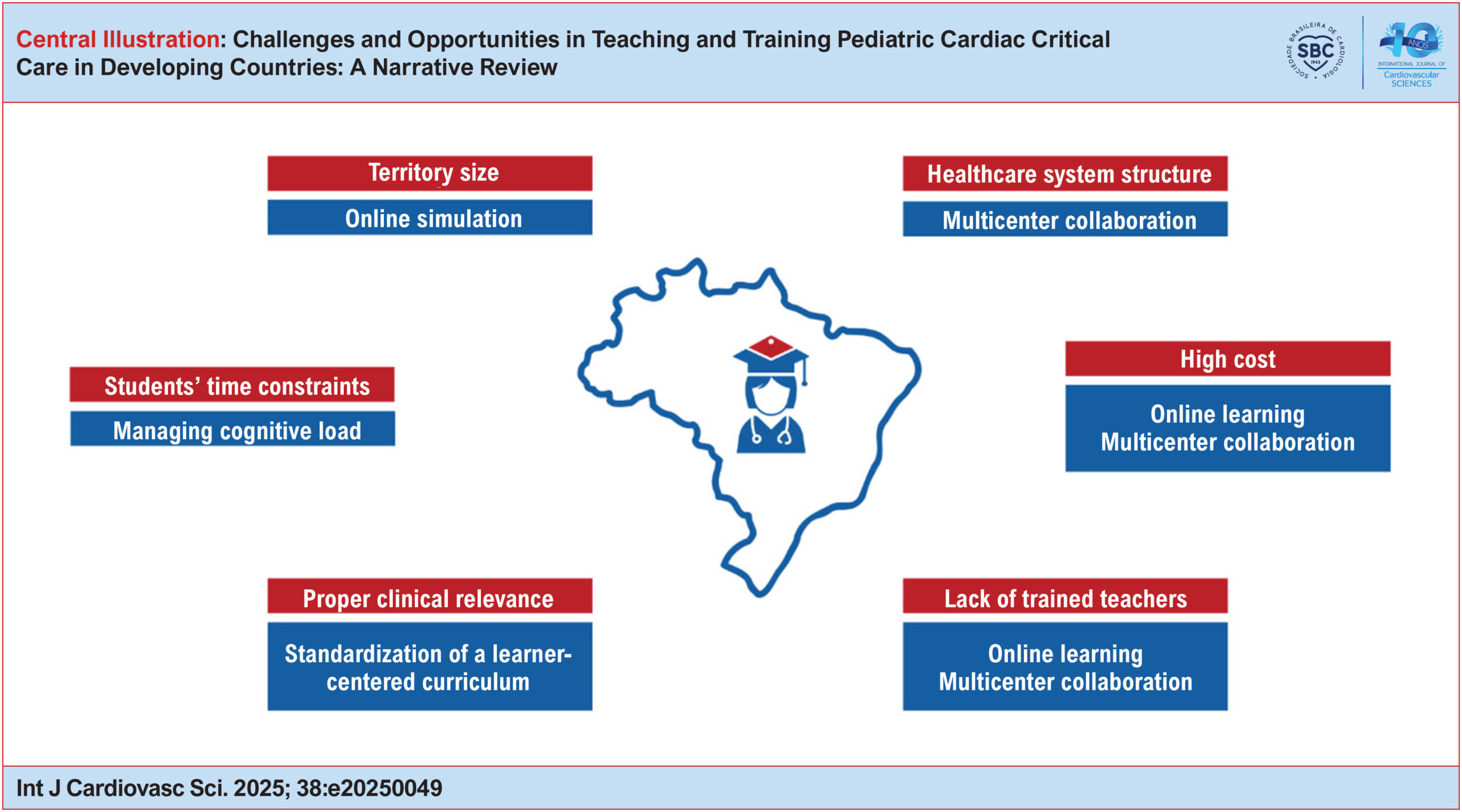
Challenges and Opportunities in Teaching and Training Pediatric Cardiac Critical Care in Developing Countries: A Narrative Review
IJCS
Review Article

Challenges and Opportunities in Teaching and Training Pediatric Cardiac Critical Care in Developing Countries: A Narrative Review

Carolina Vieira de Campos et al. Carlos Roberto Ribeiro Carvalho

Abstract

Congenital heart disease (CHD) is a public health issue in developing countries. Effective teaching and training are vital for healthcare professionals to provide adequate care for critically ill cardiac children, but there are many obstacles to adequately training a cohort of healthcare professionals in low- and middle-income countries (LMIC), where education practice is not always aligned with current education evidence. Work overload, time constraints, language, and the healthcare structure itself hinder standardization of an optimal training process for this highly complex scenario. This narrative review aims to explore how current teaching methodologies may help overcome challenges in pediatric cardiac critical care (PCCC) education, thus helping clinical practice, with a special focus on developing countries and the Brazilian scenario.

  • Congenital Heart Defects
  • Critical Care
  • Medical Education
  • Teaching
  • Telemedicine
Read Full Article
Creative Commons Attribution (CC BY) Creative Commons license
01/09/2025 DOI: 10.36660/ijcs.20250049 Views 1
ABC
Editorial

Adherence and Performance in Cardiac Rehabilitation: The Role of Technological Innovation

Sevda Ece Kizilkilic et al. Juliana Goulart Prata Oliveira Milani Gerson Cipriano Jr. Paul Dendale Mauricio Milani

Cardiac rehabilitation (CR) plays a central role in secondary prevention of coronary artery disease (CAD) and is classified as a Class IA recommendation in guidelines. Yet, despite its proven benefits, participation rates remain disappointingly low. In response, telerehabilitation (TR) has gained attention as a practical alternative that offers similar improvements in clinical outcomes to traditional, center-based programs.

In parallel, artificial intelligence (AI) integration is growing in interest in healthcare due to its potential in different clinical settings. Among the various AI applications, natural language processing (NLP) is increasingly used across medical domains. However, its application in the context of CR to interpret patients’ subjective experiences remains limited.

[…]

  • Cardiac Rehabilitation
  • Telemedicine
Read Full Article
Creative Commons Attribution (CC BY) Creative Commons license
28/07/2025 DOI: 10.36660/abc.20250337i Views 1
Six-Month Remote Monitoring of Patients With Chronic Heart Failure Using Messaging Applications on Smartphones
IJCS
Original Article

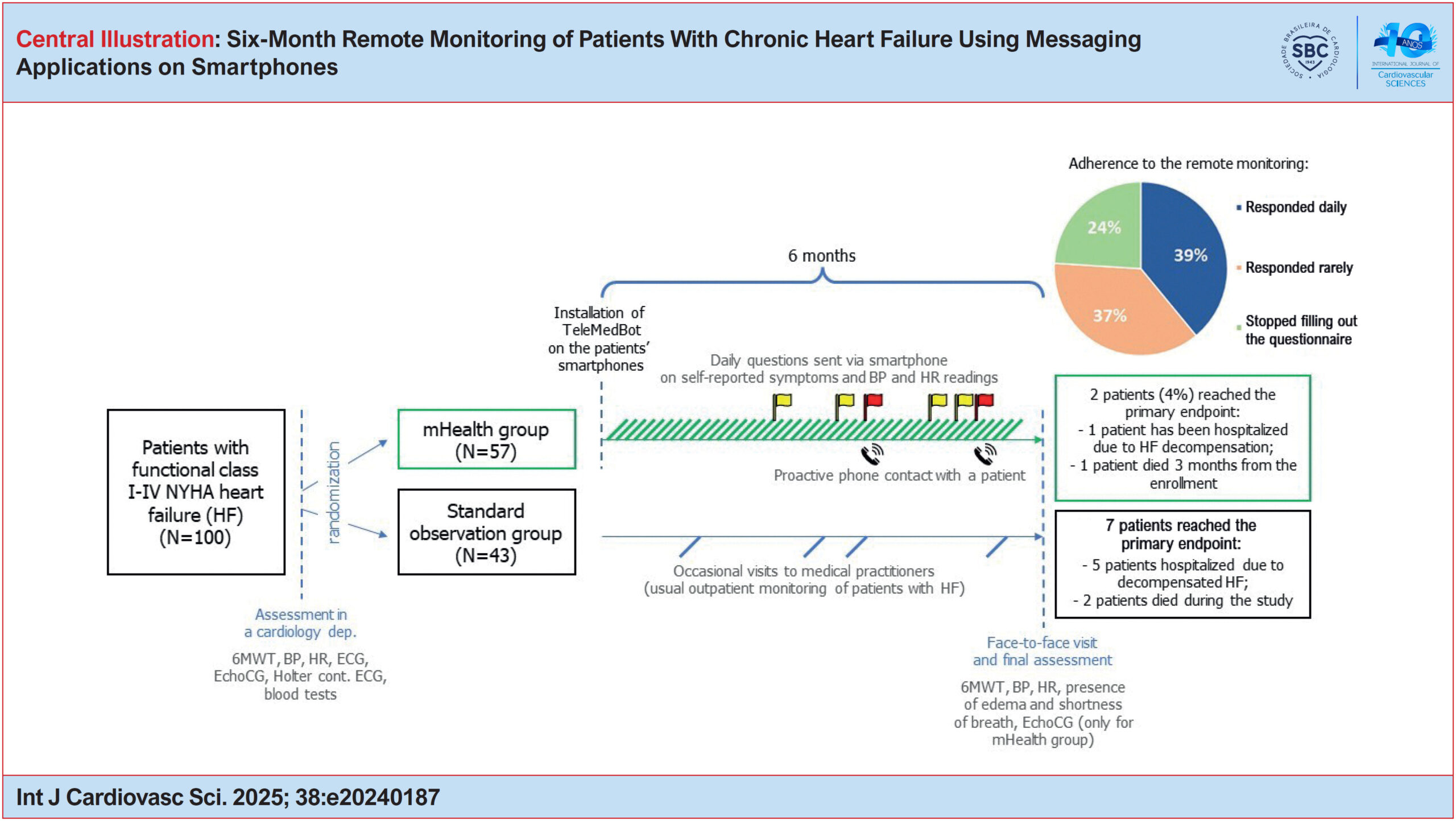
Six-Month Remote Monitoring of Patients With Chronic Heart Failure Using Messaging Applications on Smartphones

Elena Zheleznykh et al. Anastasia Panova Aleksei Emelianov Daria Kutsakina … Andrei Nartov Valeria Nartova Nikolay Pavlov Yuri Belenkov Maria Kozhevnikova

Abstract

Background:

Patients with chronic heart failure (HF) require outpatient monitoring after hospital discharge. The ability to use a smartphone with a personal messaging application may help.

Objectives:

Tis study aimed to investigate the feasibility of remote monitoring and evaluate its impact on treatment adherence and prognosis in patients with HF.

Methods:

A total of 100 patients were enrolled in the study: 57 patients in the mHealth group and 43 in the control group. The observation period lasted six months. Remote monitoring included a daily survey sent to patients via a personal messaging application. This was an open, randomized trial. A p-value < 0.05 was considered statistically significant.

Results:

After six months, 46 patients (mean age 61.52 ± 13.05 years, 34 men) in the mHealth group and 43 patients (mean age 60.07 ± 10.19 years, 27 men) in the control group completed the study. A total of 11 patients were lost to follow-up. In the mHealth group, two patients (4%) reached the primary endpoint, compared to seven patients (7%) in the control group.

Conclusion:

The effectiveness of remote monitoring for patients with HF using self-reporting via a smartphone messaging application was demonstrated. Patient adherence to self-reporting was found to be 76%. Those in the mHealth group who reported regularly and consistently demonstrated greater engagement in self-monitoring of vital signs and higher adherence to prescribed therapy.

  • Heart Failure
  • Remote Patient Monitoring
  • Telemedicine
Read Full Article
Creative Commons Attribution (CC BY) Creative Commons license
16/06/2025 DOI: 10.36660/ijcs.20240187
Content Analysis of Brazilian Mobile Applications Targeting Blood Pressure Management: A Systematic Search
ABC
Original Article

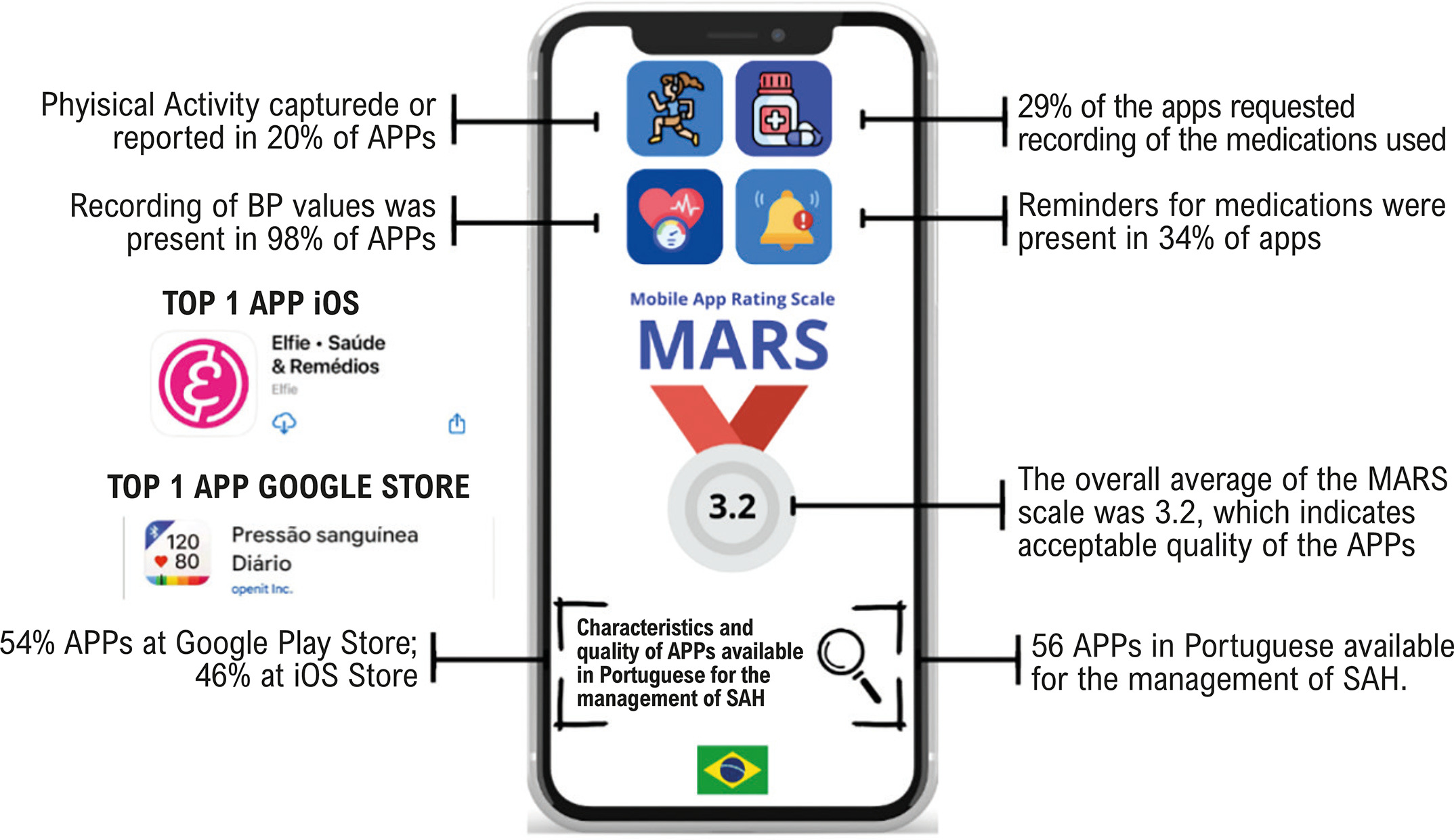
Content Analysis of Brazilian Mobile Applications Targeting Blood Pressure Management: A Systematic Search

Eduardo Braghini Johann et al. Marcelo Baggio Nicolle Abreu Pauli Artur Dilli … Rafael Teixeira Ilkiu Raphael Mendes Ritti-Dias Aline Mendes Gerage

Abstract

Background

Several mobile applications have been developed to assist in managing hypertension, but little is known about their quality in the Brazilian scenario.

Objective

To identify and analyze the quality of the apps targeting blood pressure (BP) management available in Portuguese.

Methods

A systematic search was carried out through Brazilian virtual app stores in the Android and iOS platforms from November 2021 to March 2022, with an update in March 2024. The search was based on the standards of systematic review (PRISMA), using predefined keywords, including apps in Portuguese, free and available for use during the search. Three independent reviewers analyzed the apps using the five-point Mobile App Rating Scale (MARS), and for the presence of tools/content related to the BP control.

Results

Fifty-six applications met the criteria for data extraction. The most prevalent tool was the recording of BP values (98%). The tool for adherence to medication and reminders to their use was present in only 29% and 34% of the APPs, respectively. The mean overall MARS score was 3.4 ± 0.74 and 3.1 ± 0.61 for Android and iOS APPs, respectively, which classified then as acceptable. The best rated item was “functionality” for both Android and iOS apps.

Conclusion

The present study identified numerous apps with acceptable quality aimed at monitoring BP. However, most of them did not include important factors related to disease control, particularly regarding treatment adherence, physical activity and presence of comorbidities.

  • Arterial Pressure
  • digital health
  • Hypertension
  • Medical Assistance
  • Telemedicine
Read Full Article
Creative Commons Attribution (CC BY) Creative Commons license
10/02/2025 DOI: 10.36660/abc.20240339i Views 1
Figure 1
IJCS
Original Article

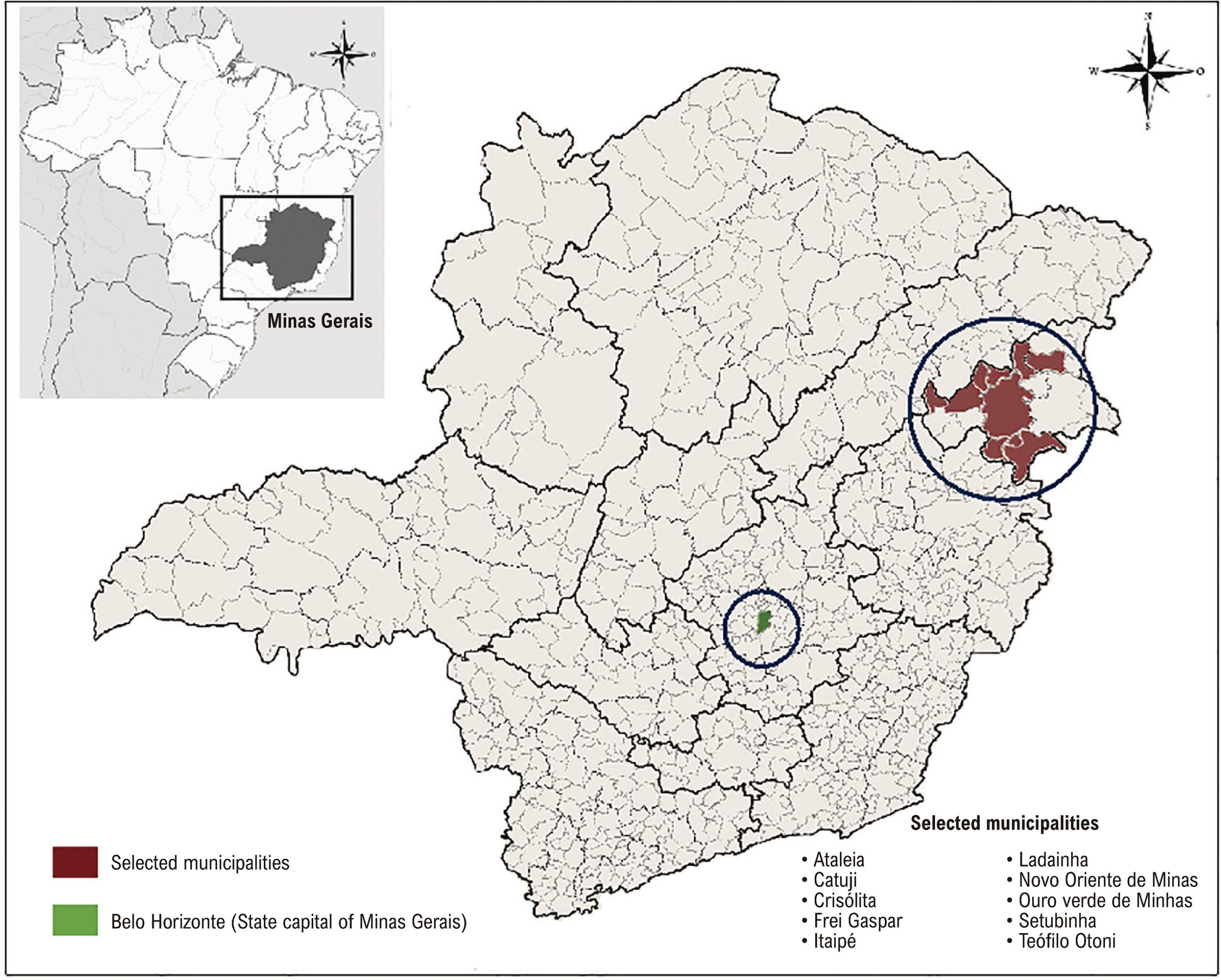
Development and Implementation of a Computerized Decision Support System for Screening Hypertension and Diabetes in a Resource-Constrained Region

Laura Defensor Ribeiro de Melo et al. Antonio Luiz Pinho Ribeiro João Antonio de Queiroz Oliveira Junia Xavier Maia … Thábata Queiroz Vivas de Sá Vânia Soares de Oliveira e Almeida Pinto Marcia Maria Oliveira Lima Patrick Wander Enlich Leonardo Bonisson Ribeiro Christiane Correa Rodrigues Cimini Milena Soriano Marcolino

Abstract

Background

Strategies aimed at improving the diagnosis and treatment of cardiovascular diseases (CVD) are of utmost importance. Clinical decision support systems (CDSS) are guided by updated guidelines and may be capable of benefiting screening and early diagnosis initiatives in remote regions.

Objective

To develop a CDSS for screening hypertension and diabetes mellitus (DM), as well as to assess its feasibility and usability in the context of a primary care setting in a resource-constrained region.

Methods

This research focused on the strategy of screening hypertension and DM based on CDSS. A software was developed and implemented in 10 municipalities in the Northeast of the state of Minas Gerais, Brazil, from April 2017 to October 2018. Patients of 30 to 69 years of age were attended by primary care practitioners using the software. A Likert-scale questionnaire with 15 questions to assess usability (System Usability Scale) and satisfaction was applied to the professionals at the end of study. Groups were compared by applying the chi-squared test for categorical variables. Statistical significance was considered as p < 0.05.

Results

In the field study, 13,775 individuals were assessed; 185 patients were diagnosed with hypertension; 35 were diagnosed with DM, and 5 were diagnosed with both diseases. For the usability and satisfaction assessment, 258 healthcare professionals participated. Fifty-one percent considered their prior knowledge for the use of technologies to be good; 53.7% reported a desire to use the application frequently, and 78.4% would recommend the platform.

Conclusion

The implementation of a CDSS developed to assist in the screening of hypertension and DM was feasible in the context of a primary care setting in a resource-constrained region, with good user satisfaction.

  • Clinical Decision Support Systems
  • Diabetes Mellitus
  • Hypertension
  • Mass Screening
  • Telemedicine
Read Full Article
Creative Commons Attribution (CC BY) Creative Commons license
26/08/2024 DOI: 10.36660/ijcs.20230085 Views 2
ABC
Editorial

Combining Technology with Quality in Medical Care

Luiz Maurino Abreu

First, the X-ray, and then the electrocardiogram, revolutionized the diagnostic approach in cardiology. Medical devices become more sophisticated every day, with the increasing use of diagnostic tools, now offering the possibility of remote transmission of exams, anticipating diagnosis, and allowing the application of care protocols and therapeutic decisions.

In cardiology, with the transmission of the electrocardiographic tracing to Cardiological Centers in real-time, which at first was done through facsimile devices, and later, with devices with internet transmission, it was possible to adopt treatment protocols, with impact on lethality and function prognosis. Teleconsulting programs in the context of acute myocardial infarction, with transmission of an electrocardiogram performed at the first place of care, for this purpose, were developed in Rio de Janeiro (TIET Project), Salvador, São Paulo and Minas Gerais (Minas Telecardio), all within the public health system (Sistema Único de Saúde – SUS), where the safety and benefit of using Teleconsultation was demonstrated, shortening the time to perform the most appropriate revascularization method.

[…]

  • Basic Health Services
  • Cardiovascular Diseases
  • Medical Assistance
  • Primary Health Care
  • Telemedicine
Read Full Article
Creative Commons Attribution (CC BY) Creative Commons license
26/04/2024 DOI: 10.36660/abc.20240127 Views 1
Combination of Tele-Cardiology Tools for Cardiovascular Risk Stratification in Primary Care: Data from the PROVAR+ Study
ABC
Original Article

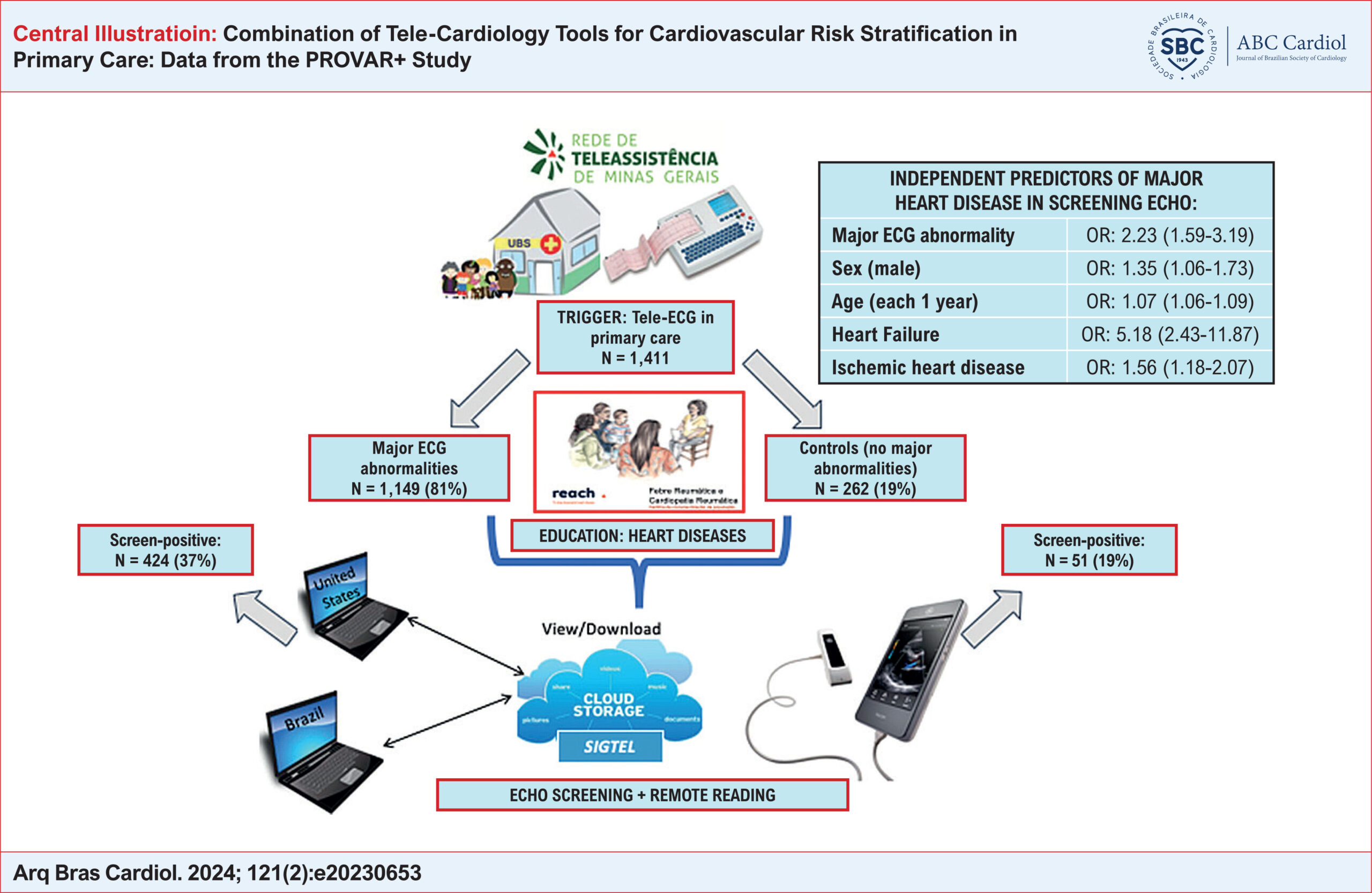
Combination of Tele-Cardiology Tools for Cardiovascular Risk Stratification in Primary Care: Data from the PROVAR+ Study

Lucas Leal Fraga et al. Bruno Ramos Nascimento Beatriz Costa Haiashi Alexandre Melo Ferreira … Mauro Henrique Agapito Silva Isabely Karoline da Silva Ribeiro Gabriela Aparecida Silva Wanessa Campos Vinhal Mariela Mata Coimbra Cássia Aparecida Silva Cristiana Rosa Lima Machado Magda C. Pires Marina Gomes Diniz Luiza Pereira Afonso Santos Arthur Maia Amaral Lucas Chaves Diamante Henrique Leão Fava Craig Sable Maria Carmo Pereira Nunes Antonio Luiz P. Ribeiro Clareci Silva Cardoso

Abstract

Background:

Tele-cardiology tools are valuable strategies to improve risk stratification.

Objective:

We aimed to evaluate the accuracy of tele-electrocardiography (ECG) to predict abnormalities in screening echocardiography (echo) in primary care (PC).

Methods:

In 17 months, 6 health providers at 16 PC units were trained on simplified handheld echo protocols. Tele-ECGs were recorded for final diagnosis by a cardiologist. Consented patients with major ECG abnormalities by the Minnesota code, and a 1:5 sample of normal individuals underwent clinical questionnaire and screening echo interpreted remotely. Major heart disease was defined as moderate/severe valve disease, ventricular dysfunction/hypertrophy, pericardial effusion, or wall-motion abnormalities. Association between major ECG and echo abnormalities was assessed by logistic regression as follows: 1) unadjusted model; 2) model 1 adjusted for age/sex; 3) model 2 plus risk factors (hypertension/diabetes); 4) model 3 plus history of cardiovascular disease (Chagas/rheumatic heart disease/ischemic heart disease/stroke/heart failure). P-values < 0.05 were considered significant.

Results:

A total 1,411 patients underwent echo; 1,149 (81%) had major ECG abnormalities. Median age was 67 (IQR 60 to 74) years, and 51.4% were male. Major ECG abnormalities were associated with a 2.4-fold chance of major heart disease on echo in bivariate analysis (OR = 2.42 [95% CI 1.76 to 3.39]), and remained significant after adjustments in models (p < 0.001) 2 (OR = 2.57 [95% CI 1.84 to 3.65]), model 3 (OR = 2.52 [95% CI 1.80 to3.58]), and model 4 (OR = 2.23 [95%CI 1.59 to 3.19]). Age, male sex, heart failure, and ischemic heart disease were also independent predictors of major heart disease on echo.

Conclusions:

Tele-ECG abnormalities increased the likelihood of major heart disease on screening echo, even after adjustments for demographic and clinical variables.

  • Cardiovascular Diseases
  • Electrocardiography
  • Mass Screening
  • Risk Grade
  • Telemedicine
Read Full Article
Creative Commons Attribution (CC BY) Creative Commons license
05/04/2024 DOI: 10.36660/abc.20230653 Views 2
Figure 1
ABCIC
Brief Communication

Correlation of Telemedicine-guided POCUS Echocardiography and In Situ Data: Pilot Study in a Remote Area in Brazil

Juliane Rompkoski et al. Tarso Augusto Duenhas Accorsi Bruna Dayanne Reges Amaral Christian Barbosa de Freitas … Flavio Tocci Moreira Karen Francine Kohler Karine De Amicis Lima Renata Albaladejo Morbeck Carlos Henrique Sartorato Pedrotti

Abstract

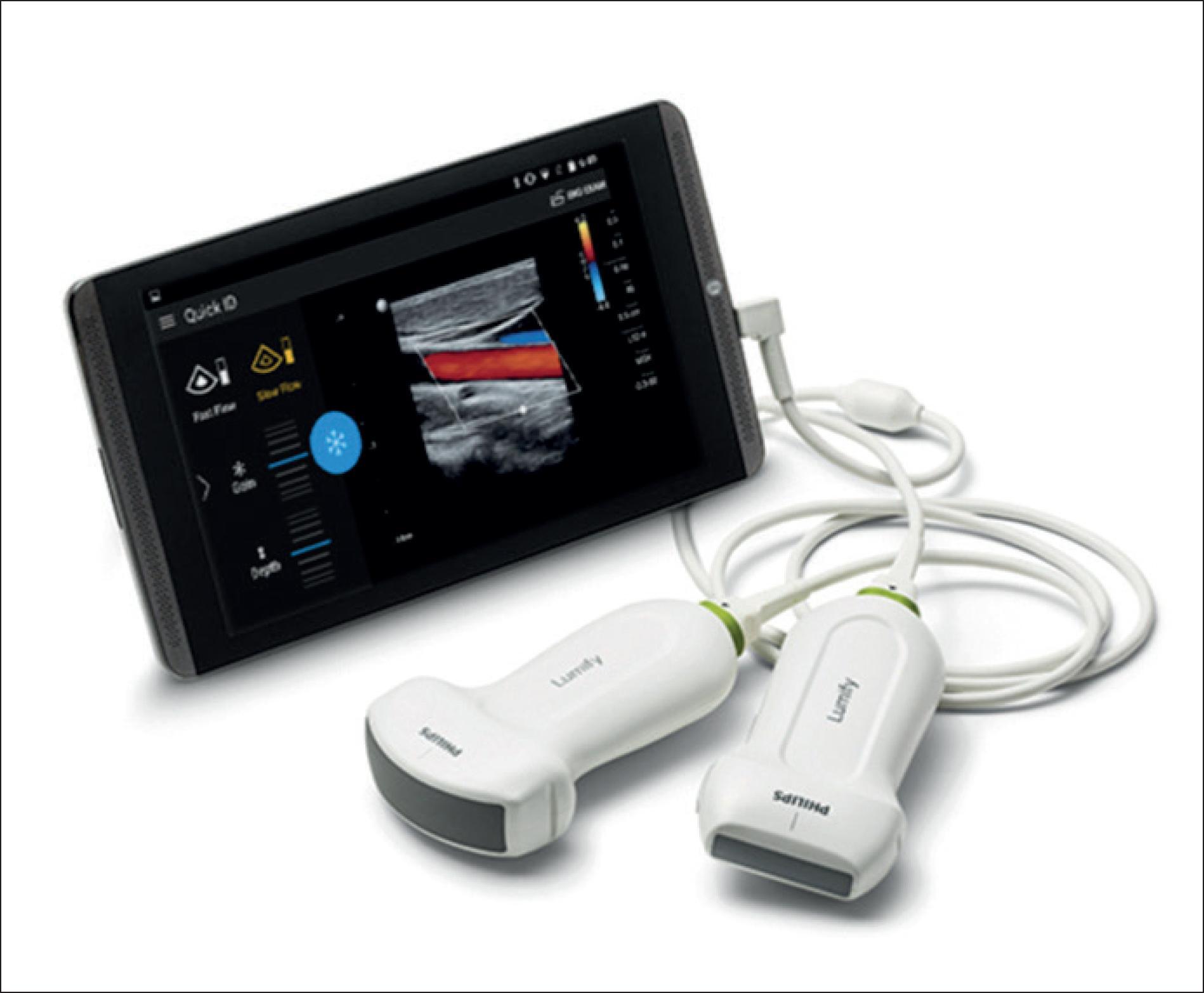
Cardiovascular diseases remain the leading cause of mortality in Brazil. Nevertheless, a significant portion of the Brazilian population still faces challenges in accessing specialized care and undergoing complementary exams, especially in remote areas. Currently, data transmission and remote specialized assessment are possible, but obtaining echocardiographic images still relies on a trained professional on-site. This pilot study aimed to assess the feasibility of Point-of-Care Ultrasound (POCUS) tele-echocardiography administered by a general physician with specialist guidance to improve accessibility to cardiovascular exams. Ten patients (mean age was 58.6+8 years, 50% female) from the North region participated, undergoing remote-guided tests using Philips Lumify™ ultrasound and Facetime for transmission. These patients had recent official echocardiographic exams. As part of the POCUS examination, seven echocardiographic views were obtained — parasternal long axis, parasternal short axis (PSAX), apical four chambers (A4C), apical five chambers (A5C), apical two chambers (A2C), subcostal (SC), and suprasternal (SSN). The procedure included linear measurements of cardiac chambers, and valve analysis was performed using color flow. The on-site examinations were carried out by a general physician who underwent brief training prior to the official exams. Despite encountering technical challenges, the study demonstrated the viability of acquiring echocardiographic images. Overall agreement in examination results was observed, except for left ventricular segmental contractility in two cases and the systolic diameter of the left ventricle. The approach, though performed by untrained professionals, showed promise in screening cardiovascular diseases in remote locations, focusing on ventricular function and valvular diseases. Nevertheless, further research is necessary to improve the quality of this process.

  • Echocardiography
  • Telecardiology
  • Telediagnostics
  • Telemedicine
  • Ultrasonography
Read Full Article
Creative Commons Attribution (CC BY) Creative Commons license
12/03/2024 DOI: 10.36660/abcimg.20230110i Views 1
Value-based Health Care Impact on Cardiovascular and Metabolic Diseases
IJCS
Viewpoint

Value-based Health Care Impact on Cardiovascular and Metabolic Diseases

Ana Paula Beck da Silva Etges et al. Gabriela Boff Comiran Anna Luiza Reinehr Ferreira Carisi Anne Polanczyk

Final considerations

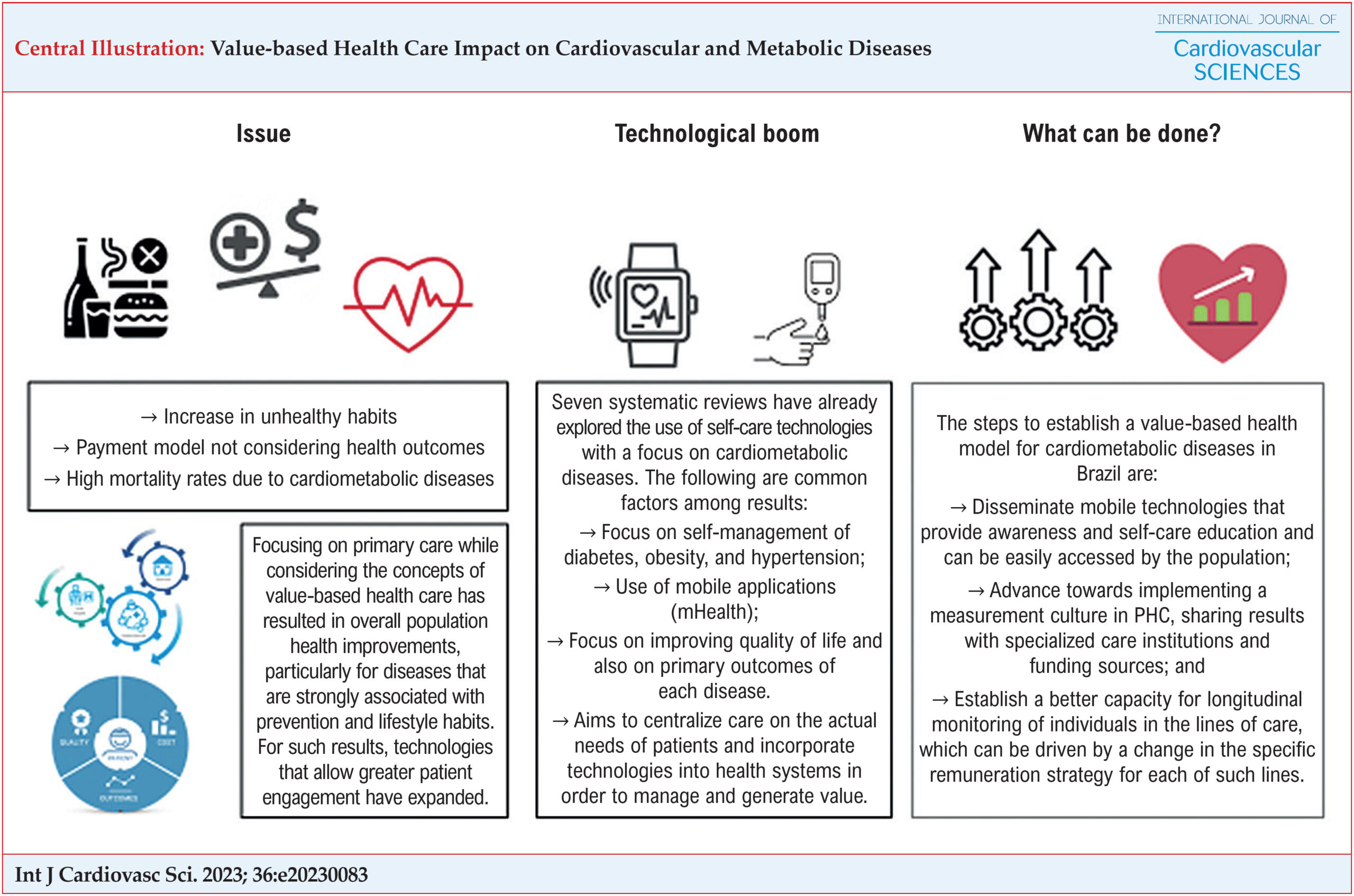
The development of a value-based health system that is centered around individual needs and scaled to deliver the best health outcomes within a budget constraint is possible and favored by structural changes to the system, such as payment methods and a technology base that enables real-life data-driven management. PHC centralization and the interconnection with data shared between the assisted population and specialized care systems seem to be a requirement for greater capacity for tracking, diagnosing, and managing cardiometabolic diseases in the health system. For Brazil’s current scenario, the challenges start with the precarious measurement culture and remuneration strategies that are centered on payment for the service delivery rather than the impact they have on population health.

As primary steps to establish a value-based health model for cardiometabolic diseases in Brazil, seeking inspiration from existing evidence, the following are recommended: start by disseminating mobile technologies that provide education and self-care and can be easily accessed by the population; advance towards implementing a measurement culture in PHC, sharing results with specialized care institutions and funding sources; and establish a better capacity for longitudinal monitoring of individuals in the care pathways, which can be driven by a change in the specific reimbursement strategy for each of care pathways.

[…]

  • Heart Diseases
  • Program Evaluation
  • Telemedicine
  • Value-based health care
Read Full Article
Creative Commons Attribution (CC BY) Creative Commons license
28/08/2023 DOI: 10.36660/ijcs.20230083 Views 1
ABC
Editorial

Telecardiology and its Potential in Remote Areas

Simone Farah

Many have been changes that have taken place in recent years in the field of Telemedicine, in Brazil and in the world, to face the COVID-19 pandemic. We made progress in understanding the relevance and impact of Telemedicine and its application in health care, especially in prevention and health promotion. Furthermore, to keep up with all these transformations, it was also necessary to move forward from a legal point of view. During the pandemic, Law No. 13,989 of April 15, 2020 allowed direct patient care through teleconsultation, which was not allowed in Brazil until then. Currently, Telemedicine Resolution No. 2,314 of May 5, 2022, and Law No. 14,510, known as the Telehealth Law, of December 27, 2022, are in effect, which allows teleconsultation throughout the national territory. This allowed areas previously devoid of specialized care access to specialists in real terms (synchronous) to provide care in various specialties.

Medical teleconsultation, defined as non-face-to-face consultation, mediated by Digital Information and Communication Technologies (TDIC), with doctor and patient located in different spaces, is one of the modalities of telemedicine care. In cardiology, this modality becomes even more important since cardiovascular diseases (CVD) are the major cause of morbidity and mortality in Brazil and the world, with increasing importance as population aging occurs, impacting costs for the health system. And in a country the size of Brazil, the presence of specialists in all locations becomes very difficult, demanding a lot of time and high cost to make it available at all points of primary or secondary care.

[…]

  • Cardiovascular Diseases
  • Disease Prevention
  • Remote Areas
  • Telecardiology
  • Teleconsultation
  • Telemedicine
Read Full Article
Creative Commons Attribution (CC BY) Creative Commons license
26/06/2023 DOI: 10.36660/abc.20230281 Views 1
Figure 1
ABC
Original Article

Clinical Features and Management of Patients Assessed by Cardiology Teleconsultation in the Brazilian Region with the Highest Number of Isolated Cities

Tarso Augusto Duenhas Accorsi et al. Renato Paladino Nemoto Jairo Tavares Nunes Antônio Fernando Barros de Azevedo Filho … Flavio Tocci Moreira Karen Francine Kohler Karine de Amicis Lima Bruna Dayanne Reges Amaral Renata Albaladejo Morbeck Carlos Henrique Sartorato Pedrotti

Abstract

Background

Cardiovascular diseases are the leading cause of adult mortality. Geographically remote and low-income Brazilian regions lack specialized consultations. The telemedicine management of this population by cardiologists is not fully known.

Objectives

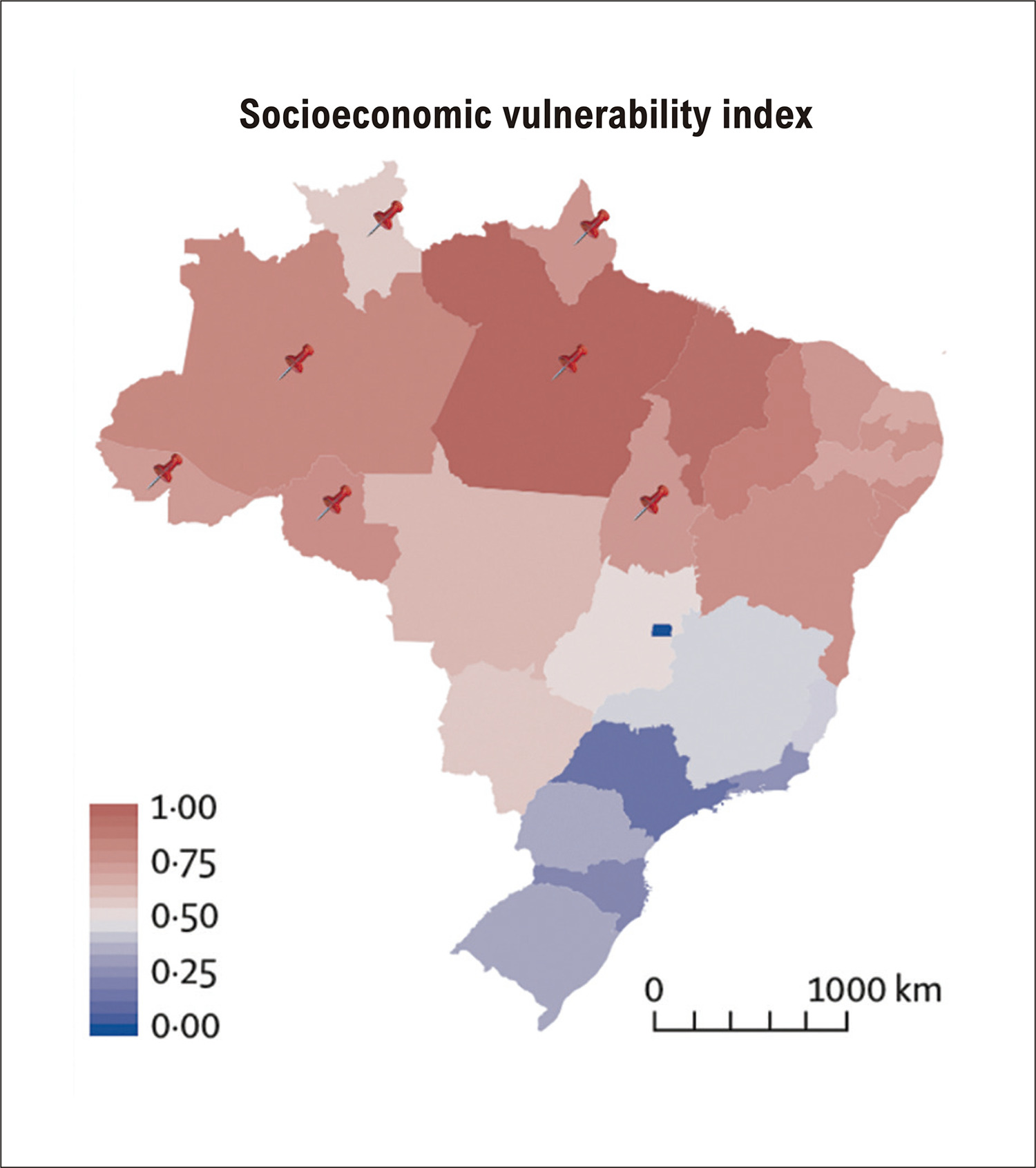
To analyze cardiology teleconsultation in the Brazilian region with the highest number of isolated cities.

Methods

From February 2020 to October 2021, patients from the North Region of Brazil evaluated by local general practitioners were referred for cardiological evaluation by telemedicine. Referral reasons, demographics, clinical history, physical examinations, tests, medications, and prescriptions pre- and post-telemedicine were analyzed (p<0.05 was considered statistically significant).

Results

We analyzed 653 patients. The attendance rate was 85.7% (53.1% female, mean age: 54.2±6.5 years). The main reasons for referral were cardiovascular symptoms (58.1%) and risk factors among asymptomatic patients (13.3%). Only 12.6% had a diagnosed disease. Most patients had regular physical examinations and electrocardiograms. Few had recent complementary tests. The prescription of angiotensin receptor blockers (ARBs), calcium channel blockers and statins was significantly increased, while that of digoxin, noncardiac beta-blockers and acetylsalicylic acid (ASA) was decreased at the first teleconsultation. Most of the tests requested were of low complexity and cost: electrocardiogram (28.2%), chest X-ray (14%), echocardiogram (64.5%) and blood tests (71.8%). For 2.1% of patients, interventions were indicated, and 8% were discharged after the first consultation.

Conclusion

On-demand cardiology teleconsultation contributes to heart disease treatment optimization. Most patients were referred with syndromic diagnoses without previous complementary tests. The specialist workup requested was usually available locally and at a low cost but precluded early discharge. Local training could optimize the referral.

  • referral and consultation
  • Remote Consultation
  • Suburban Population
  • Telecardiology
  • Telemedicine
Read Full Article
Creative Commons Attribution (CC BY) Creative Commons license
08/05/2023 DOI: 10.36660/abc.20220467 Views 1
Figure 1
ABC
Research Letter

Home Blood Pressure Monitoring and Blood Pressure Control in Treated Hypertensives

Andréa Araujo Brandão et al. Weimar Kunz Sebba Barroso Audes Feitosa Eduardo Costa Duarte Barbosa … Roberto Dischinger Miranda Priscila Valverde de Oliveira Vitorino Roberto Pozzan Lucio Paulo Ribeiro Abraham Epelman Giovanni Alves Saraiva Fabio Serra Silveira Antônio Almeida Braga Marco Mota Gomes

Introduction

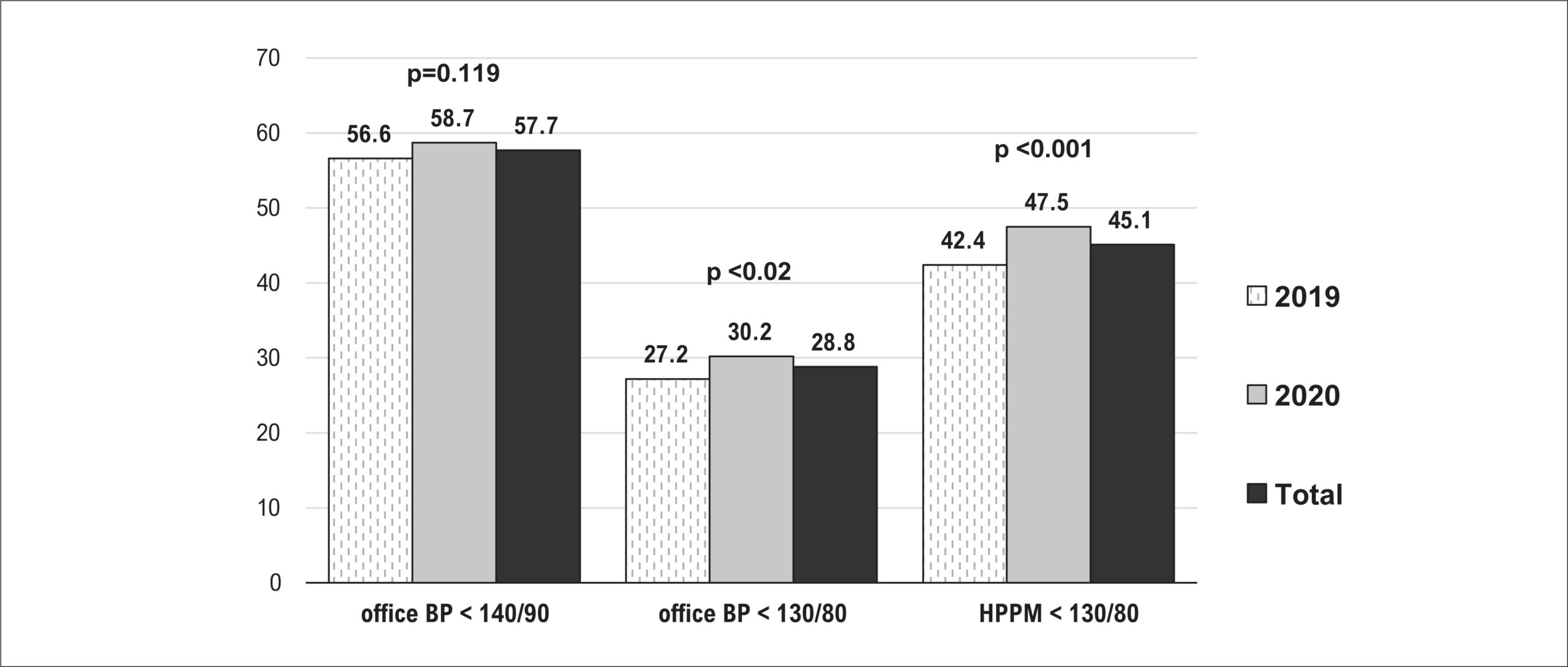
Blood pressure (BP) control rates are very low in Brazil and in the world, around 20% only.– Patients with uncontrolled hypertension despite treatment remain at high risk for cardiovascular (CV) events and mortality, comparably to untreated individuals.

According to recent recommendations,,,, BP control should be monitored by both office BP and out-of-office BP measurements. In this way, it is possible to determine different hypertension phenotypes,,,, which is very important to determine the prognosis and individualized therapy.,,-

[…]

  • Arterial Pressure
  • Blood Pressure Monitors/methods
  • Control
  • Hypertension
  • Risk Factors
  • Telemedicine
  • Telemonitoring
Read Full Article
Creative Commons Attribution (CC BY) Creative Commons license
05/08/2022 DOI: 10.36660/abc.20220038 Views 3
Figure 1
IJCS
Original Article

Effectiveness of Telemedicine in Reducing Hospitalizations in Patients Discharged from the Hospital Due to Heart Failure: A Randomized Clinical Trial Protocol

Edmar Geraldo Ribeiro et al. Luisa Brant Lilian Cristina Rezende Renato Azeredo Teixeira … Laura Carvalho Parreiras Tulio Batista Franco Antônio Ribeiro Deborah Malta

Abstract

Fundament:

Telemedicine for follow-up in heart failure (HF) patients is effective in reducing hospitalizations, total and cardiovascular mortality. However, few studies were conducted in low and middle income, where lower access to technology and illiteracy could impact the results.

Objective:

To assess the effectiveness of associating telemedicine strategies, when compared to usual care, in reducing hospitalizations related to HF in patients discharged from the hospital due to HF.

Methods:

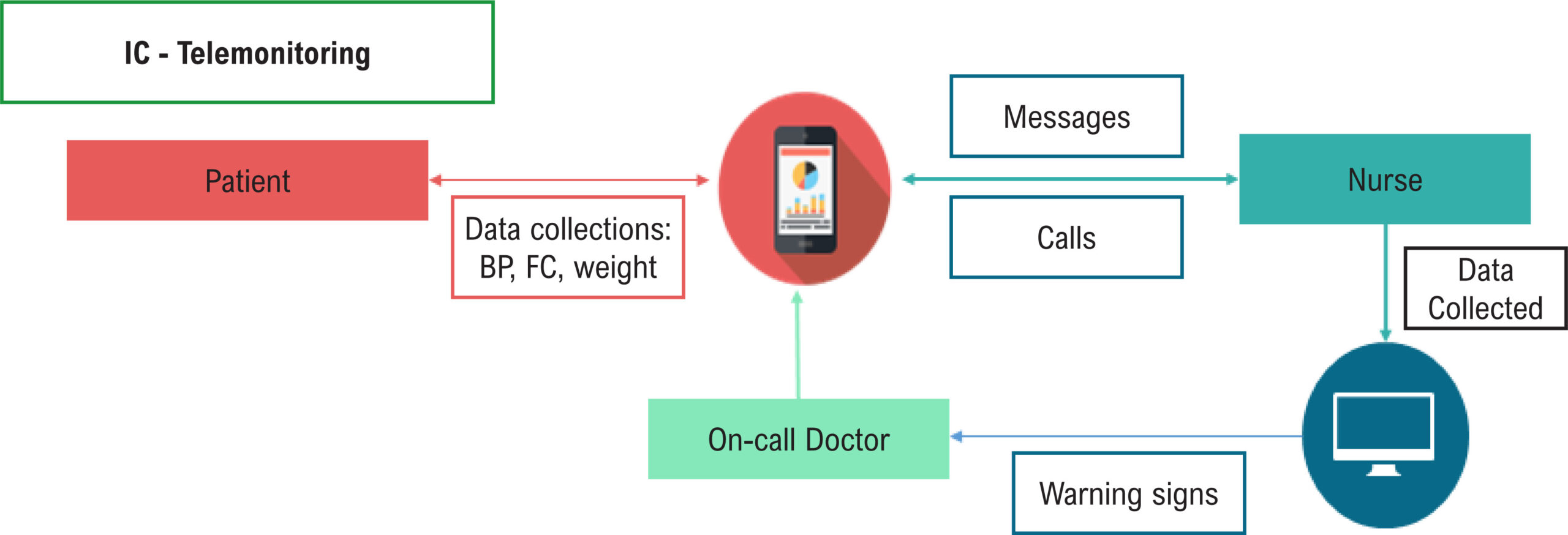
Controlled, randomized, multicenter, parallel-arm clinical trial, with an allocation ratio of 1:1, blinded to outcome evaluation, in which 340 patients who were discharged from public hospitals in Belo Horizonte due to HF will be randomized. Patients will be followed for 6 months and the intervention group will receive, in addition to the usual care, Structured Telephone Support (STS) from a nurse, a doctor, and an educational program. Counseling will be according to a clinical decision tree. The level of significance in the statistical analysis will be 5%.

Expected results:

Reduction in the number of hospital readmissions and/or in hospitalization time, in addition to developing a software with a clinical decision tree for remote follow-up and patient education about HF adapted to local culture.

Conclusions:

The intention of this study is to develop a telemedicine strategy and assess whether or not, in addition to the usual care, it is effective in reducing hospitalizations and mortality from HF. If effective, the aforementioned strategy could reduce costs and hospital needs in the Unified Health System (SUS, in Portuguese) for patients with HF. These results will be even more relevant considering the pandemic of COVID-19.

  • Heart Failure
  • Hospitalization
  • Quality of life
  • Telemedicine
  • Telemonitoring
Read Full Article
Creative Commons Attribution (CC BY) Creative Commons license
16/05/2022 DOI: 10.36660/ijcs.20210131 Views 2
Figure 1
IJCS
Viewpoint

Smartphone-Based Screening for Cardiovascular Diseases: A Trend?

Thiago Mazzu-Nascimento et al. Danilo Nogueira Evangelista Obeedu Abubakar Meliza Goi Roscani … Rodrigo Santos Aguilar Silvana Gama Florêncio Chachá Priscila Raupp da Rosa Diego Furtado Silva

Abstract

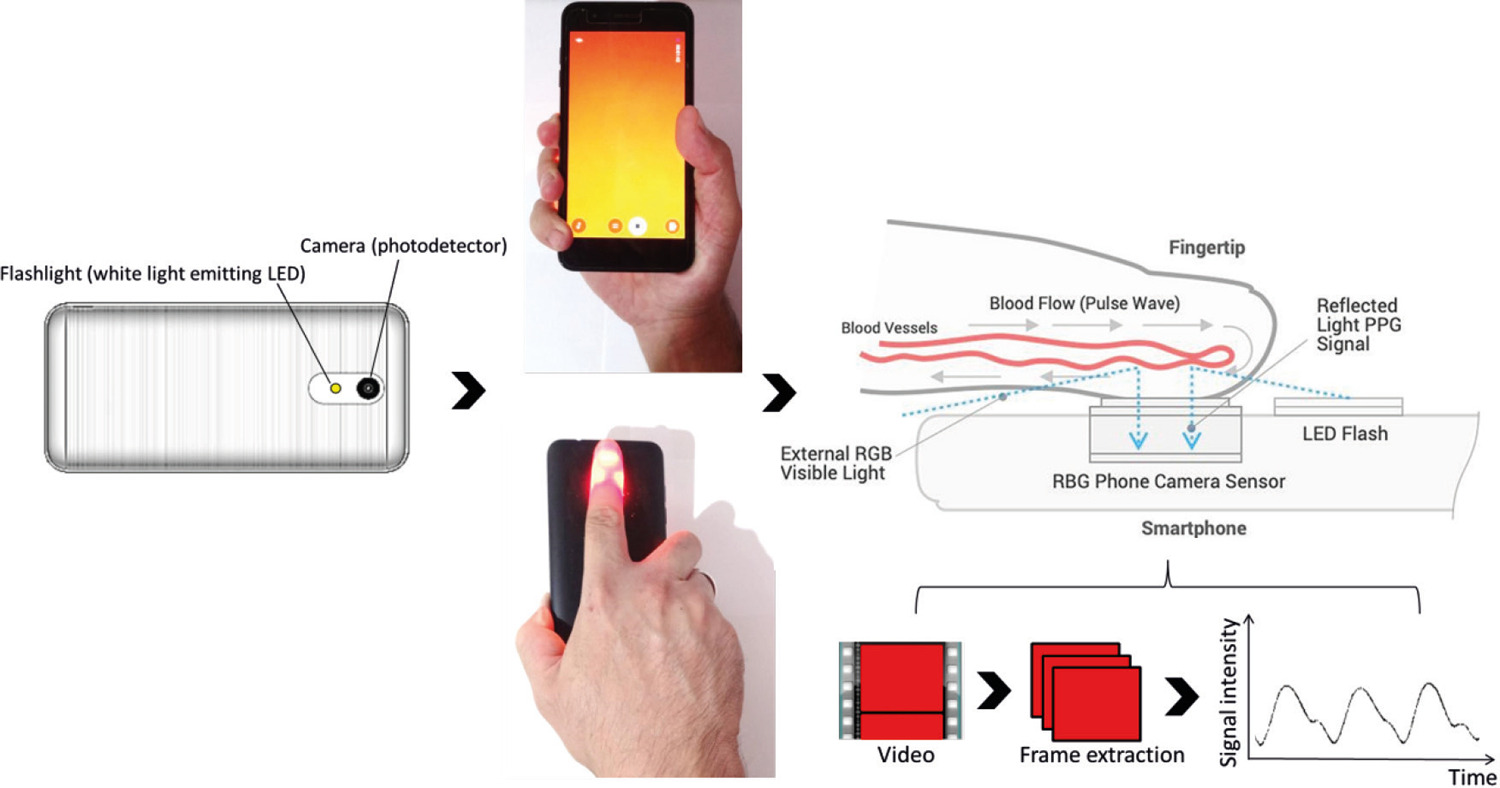
Cardiovascular diseases are the leading cause of death in the world. People living in vulnerable and poor places such as slums, rural areas and remote locations have difficulty in accessing medical care and diagnostic tests. In addition, given the COVID-19 pandemic, we are witnessing an increase in the use of telemedicine and non-invasive tools for monitoring vital signs. These questions motivate us to write this point of view and to describe some of the main innovations used for non-invasive screening of heart diseases. Smartphones are widely used by the population and are perfect tools for screening cardiovascular diseases. They are equipped with camera, flashlight, microphone, processor, and internet connection, which allow optical, electrical, and acoustic analysis of cardiovascular phenomena. Thus, when using signal processing and artificial intelligence approaches, smartphones may have predictive power for cardiovascular diseases. Here we present different smartphone approaches to analyze signals obtained from various methods including photoplethysmography, phonocardiograph, and electrocardiography to estimate heart rate, blood pressure, oxygen saturation (SpO2), heart murmurs and electrical conduction. Our objective is to present innovations in non-invasive diagnostics using the smartphone and to reflect on these trending approaches. These could help to improve health access and the screening of cardiovascular diseases for millions of people, particularly those living in needy areas.

  • Artificial Intelligence/trends, Computers System/trends
  • Cardiovascular Diseases/diagnóstico
  • COVID-19/diagnóstico
  • diagnostic
  • Imaging/methods
  • Smartphone/trends
  • Telemedicine
Read Full Article
Creative Commons Attribution (CC BY) Creative Commons license
14/01/2022 DOI: 10.36660/ijcs.20210096 Views 1
ABC
Editorial

The New Paradigm of Blood Pressure Measurement

Marcus Vinicius Bolivar Malachias

Hypertension (HTN) is the leading preventable risk factor for cardiovascular disease (CVD) and all-cause mortality worldwide.,

Accuracy in blood pressure (BP) measurement is essential for the diagnosis, risk stratification, and adequate treatment of HTN. The evidence shows that the traditional casual assessment of BP in the doctor’s office is not, in most cases, the best tool for diagnosis or clinical decision-making in individuals with high BP, or even for monitoring response to antihypertensive treatment.,

[…]

  • Blood Pressure
  • Blood Pressure Monitoring,Ambulatory/methods
  • Cardiovascular Diseases, mortality
  • Hypertension
  • Meta-Analysis
  • Telemedicine
Read Full Article
Creative Commons Attribution (CC BY) Creative Commons license
20/09/2021 DOI: 10.36660/abc.20210592 Views 2
Figure 1
IJCS
Original Article

Text Messages to Promote Secondary Prevention after Acute Coronary Syndrome (IMPACS trial)

Luiz Guilherme Passaglia et al. Luisa Campos Caldeira Brant José Luiz Padilha da Silva Bruno Ramos Nascimento Antônio Luiz Pinho Ribeiro

Abstract

Background

Short message service (SMS) to promote healthcare improves the control of cardiovascular risk factors, but there is a lack of evidence in low and middle-income countries, particularly after acute coronary syndromes (ACS).

Objective

This study aims to evaluate whether the use of SMS increases risk factor control after hospital discharge for ACS.

Methods

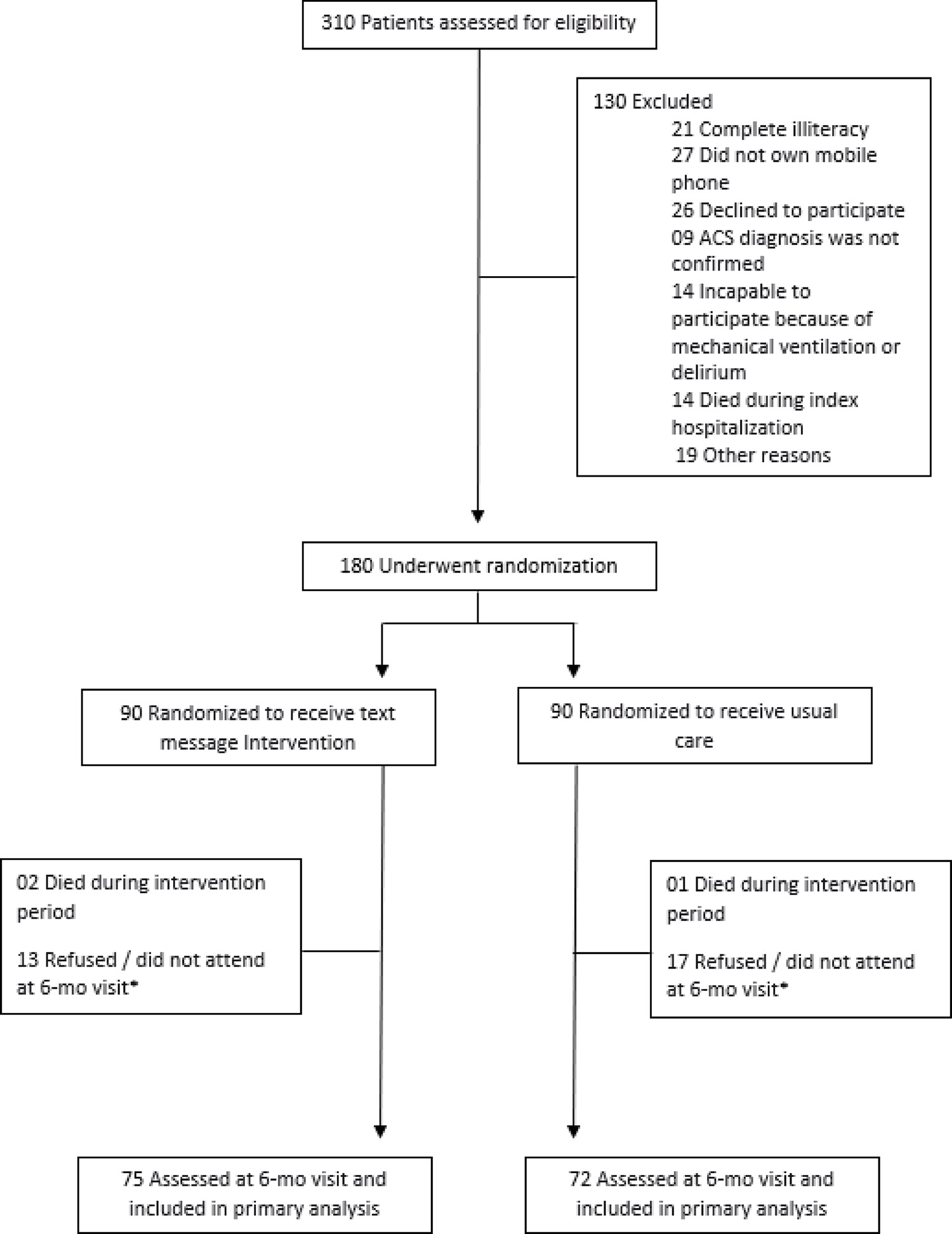
IMPACS is a 2-arm randomized trial with 180 patients hospitalized due to ACS at a tertiary hospital in Brazil. Eligible patients were randomized (1:1) to an SMS intervention (G1) or standard care (G2) upon hospital discharge. The primary endpoint was set to achieve 4 or 5 points in a risk factor control score, consisting of a cluster of 5 modifiable risk factors: LDL-C <70mg/dL, blood pressure (BP) <140/90mmHg, regular exercise (≥5 days/week, 30 minutes/session), nonsmoker status, and body mass index (BMI) <25 kg/m2] at 6 months. Secondary outcomes were components of the primary outcome plus rehospitalization, cardiovascular death, and death from any cause. Results are designated as significant if p<0.05.

Results

From randomized patients, 147 were included in the final analysis. Mean age was 58 (51–64) years, 74% males. The primary outcome was achieved by 12 (16.2%) patients in G1 and 15 (20.8%) in G2 (OR=0.73, 95%CI 0.32–1.70, p=0.47). Secondary outcomes were also similar: LDL-C<70 mg/dl (p=0.33), BP<140/90 mmHg (p=0.32), non-smoker (p=0.74), regular exercise (p=0.97), BMI (p=0.71), and rehospitalization (p=0.06). Death from any cause occurred in three participants (2%), including one cardiovascular death in each group.

Conclusion

SMS intervention did not significantly improve cardiovascular risk factor control when compared to standard care in patients discharged after ACS in Brazil.

  • Acute coronary syndrome
  • Risk Factors
  • Telemedicine
  • Text Messages
Read Full Article
Creative Commons Attribution (CC BY) Creative Commons license
03/09/2021 DOI: 10.36660/ijcs.20200378 Views 2
ABCHF
Brief Communication

Lessons Learned by a Multidisciplinary Heart Failure Clinic In The Midst Of A Pandemic

Jefferson Luís Vieira et al. Maria Gyslane Vasconcelos Sobral Raquel Sampaio Florêncio Viviane Moreira Alves … Glauber Gean Vasconcelos Germana Porto Linhares Almeida Laura Leite da Escóssia Marinho Juliana Rolim Fernandes Juan Alberto Cosquillo Mejia João David de Souza Neto

Abstract

In addition to the deaths caused by coronavirus disease (COVID-19), several countries also observed an increase in the overall number of cardiovascular deaths during the pandemics compared with the same period in previous years. The presence of heart failure (HF) in the context of COVID-19 identifies a subgroup with complex management and may represent both a risk factor for worse infection outcomes and a severe cardiovascular complication caused by the severe acute respiratory syndrome coronavirus 2 (SARS-CoV-2). Patients with advanced HF require regular rigorous multidisciplinary medical follow-up, performed ideally through face-to-face consultation. However, due to the reallocation of health care professionals and the implementation of measures of isolation and social distancing, telemedicine strategies have strengthened as important allies in the management of HF patients. In the present document, we report the brief experience of the unit of advanced HF and heart transplant of Hospital de Messejana, a reference center in the confrontation of COVID-19 in the state of Ceará, Brazil, with the primarily remote monitoring rather than face-to-face consultation from March to July 2020.

  • Coronavirus
  • Heart Failure
  • Telemedicine
Read Full Article
Creative Commons Attribution (CC BY) Creative Commons license
06/07/2021 DOI: 10.36660/abchf.20210012 Views 2
Figure 1
ABC
Research Letter

Telemedicine in Cardiology for Outpatient Follow-Up of Patients at High Cardiovascular Risk in Response to the COVID-19 Pandemic

Henrique Turin Moreira et al. Gustavo Jardim Volpe Uebe Chade Rezek Pedro Cunha de Mendonça … Gustavo Corrêa de Almeida Teixeira Bruno Moreira dos Santos Anna Paula Gonçalves Olivieri Ana Julia Abbud Chierice Henrique Zanqueta Monteiro Natanael Mendes de Araújo Benedito Carlos Maciel Antonio Pazin Filho André Schmidt

Introduction

COVID-19, an infectious disease caused by the new type of coronavirus (SARS-Cov-2), usually shows a benign clinical course, although it can lead to acute respiratory distress syndrome. The main risk factors for the severe form of COVID-19 include older age and presence of comorbidities, such as diabetes, hypertension and other cardiovascular diseases.

In response to the COVID-19 pandemic, elective medical appointments have been reduced. Even though an increase in cardiovascular events as an adverse effect of this healthcare system reorganization would be expected, some reports have suggested a possible reduction of such outcomes in countries with high prevalence of SARS-CoV-2 infection. However, the mechanisms related to this decline are not well understood.

[…]

  • Ambulatory Care
  • Betacoronavirus/infection
  • Coronary Artery Disease / complications
  • COVID-19
  • Pandemics
  • Telemedicine
Read Full Article
Creative Commons Attribution (CC BY) Creative Commons license
03/02/2021 DOI: 10.36660/abc.20200715 Views 1
ABC
Research Letter

Emerging Topics in Heart Failure: Future Perspectives

Mucio Tavares de Oliveira Jr et al. Humberto Villacorta Marcelo Imbroinise Bittencourt Antônio Carlos Pereira Barretto … Evandro Tinoco Mesquita Luis Eduardo Rohde

Introduction

The Heart Failure Summit Brazil 2020 addressed new perspectives for assessment, diagnosis, risk stratification, and management of heart failure (HF), which may soon be available for widespread use in the clinic. These strategies involve the use of novel biomarkers, genetic assessment, potential new therapeutic targets, and personalized medicine.

[…]

  • Amiloidosis
  • Biomarkers
  • Danon
  • Fabry
  • Genetic Assessment
  • Imunization
  • Mavacamten
  • Omecamtiv Mecarbil
  • Telemedicine
  • Vaccins
Read Full Article
Creative Commons Attribution (CC BY) Creative Commons license
18/01/2021 DOI: 10.36660/abc.20201205
Figure 1
IJCS
Original Article

An Approach to Technology Development and Current Medical Practice

Gilson Feitosa

Abstract

Background

An approach to technology development and the current medical practice.

Objective

To consider the many stages of medical-applied technological developments and its main consequences related to the current medical practice and speculate on future developments.

Methods

Assessment of historical publications and individual and metanalysis of comparative evaluation of old versus new techniques.

Results

Documentation of progressive improvement in diagnostic skill and therapeutics toward less invasive procedures along the last decades, since the introduction of the scientific medicine.

Conclusion

Progress has been unequivocally documented albeit an effort to maintain time-proven established previous technique is advised, especially in favor of stimulating a personal patient-physician relationship. (International Journal of Cardiovascular Sciences. 2020; [online].ahead print, PP.0-0)

  • Electronic Health Records/trends
  • Medical Education
  • Medical Practice
  • Patient Participation
  • Physician-Patient Relations
  • Robotics
  • Technology/trends
  • Telemedicine
Read Full Article
Creative Commons Attribution (CC BY) Creative Commons license
17/07/2020 DOI: 10.36660/ijcs.20200032 Views 1
ABC
Editorial

Self-Monitoring with or Without Telemonitoring: Is a New Time for Diagnosis and Management Hypertension?

Cibele Isaac Saad Rodrigues

According to the 2017 American College of Cardiology (ACC)/American Heart Association (AHA) guideline for the prevention, detection, evaluation, and management of high blood pressure (BP) in adults, 46% of US adults have hypertension (HTN). In Brazil, because the levels of systolic and diastolic BP that define HTN differ from ACC/AHA Guideline, the percentage is about 25%, according to VIGITEL.

HTN is an important public health issue and the major risk factor for heart disease, stroke, and chronic kidney disease. Heart disease and stroke are among the most prevalent and costly health problems worldwide, and controlling BP is the best effective intervention in life-saving, preventing deleterious comorbidities, but only about half of those with HTN have it under control even in developing countries.,,

[…]

  • Cardiovascular Diseases
  • Hypertension Self-Monotoring
  • Hypertension/prevention and control
  • Masked Hypertension
  • Telemedicine
  • White Coat Hypertension
Read Full Article
Creative Commons Attribution (CC BY) Creative Commons license
02/12/2019 DOI: 10.36660/abc.20190701 Views 2
ABC
Viewpoint

Digital Health, Universal Right, Duty of the State?

Marcelo Antônio Cartaxo Queiroga Lopes et al. Gláucia Maria Moraes de Oliveira Luciano Mariz Maia

Introduction

The Brazilian Constitution establishes, in its art. 196, that “health is a universal right and duty of the State, guaranteed by social and economic policies aimed at reducing the risk of diseases and other ailments, and universal and equal access to actions and services for their promotion and recovery”.

In addition, article 198, states that “public health actions and services are part of a regionalized and hierarchical network and constitute a single system, organized with the following guidelines: I – decentralization, with a single direction in each sphere of government; II – integral care, with priority for preventive actions, without loss to the care services; III – community participation”.

[…]

  • Comprehensive Health Care/legislation & jurisprudence
  • Health Public Administration
  • Personal Health Services/trends
  • Telemedicine
  • Unified Health System
Read Full Article
Creative Commons Attribution (CC BY) Creative Commons license
29/08/2019 DOI: 10.5935/abc.20190161 Views 1
Figure 1
ABC
Original Article

Prevalence of Masked and White-Coat Hypertension in Pre-Hypertensive and Stage 1 Hypertensive patients with the use of TeleMRPA

Weimar Kunz Sebba Barroso et al. Audes Diógenes Magalhães Feitosa Eduardo Costa Duarte Barbosa Roberto Dischinger Miranda … Andréa Araújo Brandão Priscila Valverde Oliveira Vitorino Lúcio Paulo de Souza Ribeiro Marco Mota Gomes

Abstract

Background:

The diagnosis of arterial hypertension based on measurements of blood pressure in the office has low accuracy.

Objective:

To evaluate the prevalence of masked hypertension (MH) and white-coat hypertension through home blood pressure monitoring (HBPM) in pre-hypertensive and stage 1 hypertensive patients.

Method:

Retrospective study, of which sample consisted of individuals with BP ≥ 120/80 mmHg and < 160/100 mmHg at the medical office without the use of antihypertensive medication and who underwent exams on the HBPM platform by telemedicine (TeleMRPA) between May 2017 and September 2018. The four-day MRPA protocol was used, with 24 measurements, using automated, validated, calibrated equipment with a memory function.

Results:

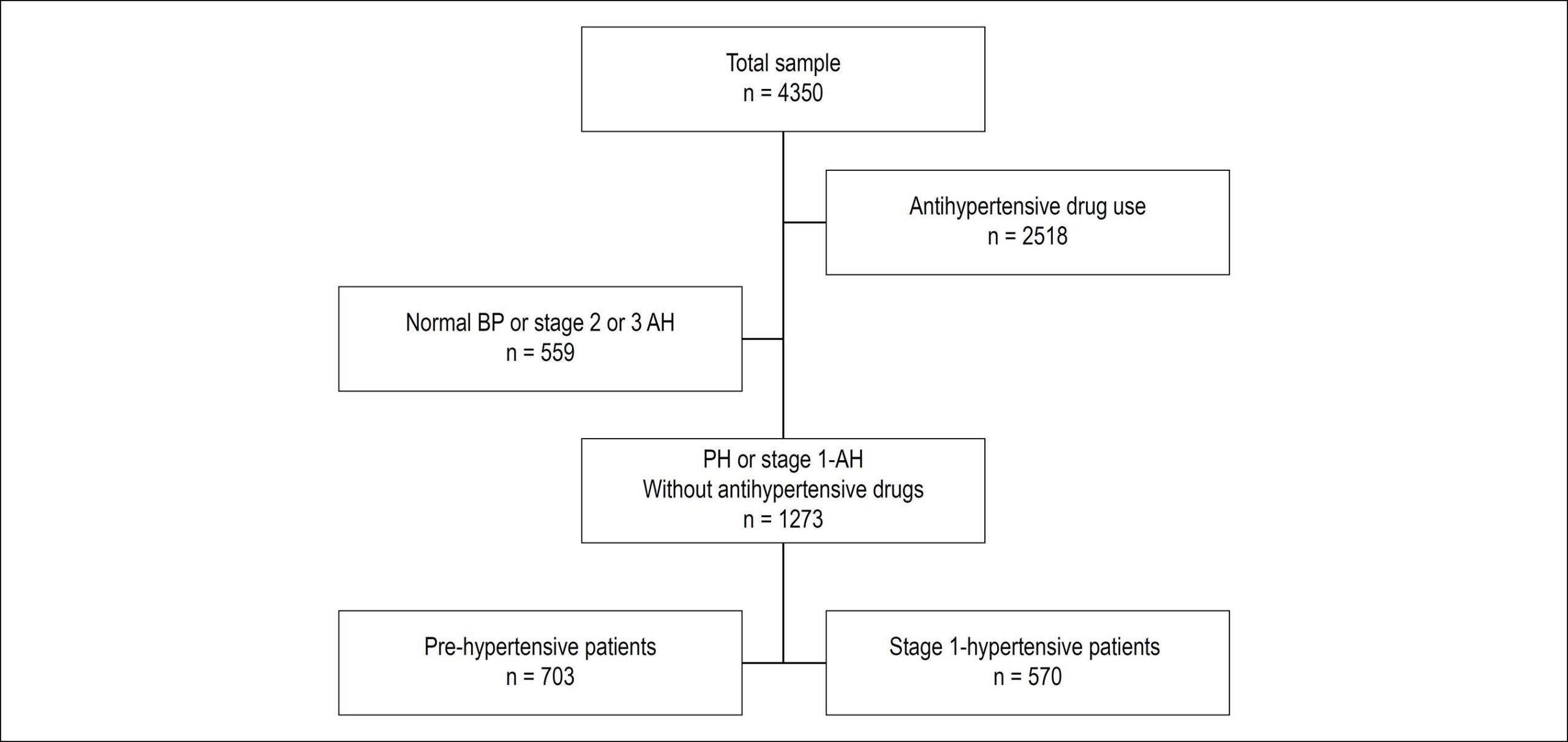
The sample consisted of 1,273 participants, of which 739 (58.1%) were women. The mean age was 52.4 ± 14.9 years, mean body mass index (BMI) 28.4 ± 5.1 kg/m2. The casual BP was higher than the HBPM in 7.6 mmHg for systolic blood pressure (SBP) and 5.2 mmHg for diastolic blood pressure (DBP), both with statistical significance (p < 0.001). There were 558 (43.8%) normotensive individuals; 291 (22.9%) with sustained hypertension; 145 (11.4%) with MH and 279 (21.9%) with white-coat hypertension (WCH), with a diagnostic error by casual BP in the total sample in 424 (33.3%) patients. In stage 1 hypertensive individuals, the prevalence of WCH was 48.9%; in prehypertensive patients, the prevalence of MH was 20.6%.

Conclusion:

MH and WCH have a high prevalence rate in the adult population; however, in prehypertensive or stage 1 hypertensive patients, the prevalence is higher. Out-of-office BP measurements in these subgroups should be performed whenever possible to prevent misdiagnosis.

  • Hypertension Self-Monitoring
  • Hypertension/diagnosis
  • Masked Hypertension
  • Telemedicine
  • White Coat Hypertensin
Read Full Article
Creative Commons Attribution (CC BY) Creative Commons license
15/08/2019 DOI: 10.5935/abc.20190147
ABC
Viewpoint

Telemedicine and the Doctor/Patient Relationship

Protásio Lemos da Luz

Introduction

A.C., a friendly Italian man, received coronary stents 8 years ago and had been feeling well until 3 months ago. He then had progressive breathing difficulty with tightness in his chest. He had loss of appetite and lost 4 kg in that period, but continued to work with good disposition. He had been to two hospital visits, in which he was informed that his lung was normal, based on X-ray. They had not reached final diagnosis, so he came to the office. His general appearance was normal; no abnormality was found on visual inspection. He had normal vital signs; no pallor to suggest anemia. The lungs, heart, abdomen and lower limbs were normal on examination, and resting ECG revealed no abnormalities either. As I palpated his neck, I noticed a mass on the left side. Subsequent examinations proved that a tumor compressed the trachea, which explained his respiratory difficulty. This is a typical example of a case in which only complete clinical examination leads to diagnosis. Telemedicine (TM) would not allow this, as simple inspection did not give any clues, and the clinical history suggested several possibilities, such as heart disease, pulmonary disease, diabetic decompensation, uremia or anemia.

There is now a major debate, both at the health system and at the individual telemedicine level. Telecommunication technologies have long been used in teaching, in science, in the formation of groups for the study of diseases, in the transmission of diagnostic or therapeutic medical procedures, in imaging interpretation by specialists, in teleconference with undisputed efficiency, and will not be considered here. An interesting fact: many even said that, with the Internet, medical conferences would be emptied, because everything could be seen from a distance.

[…]

  • Cost Saving
  • Humanism
  • Medical Care
  • Patient Participation
  • Physician-Patient Relations
  • Telemedicine
Read Full Article
Creative Commons Attribution (CC BY) Creative Commons license
08/08/2019 DOI: 10.5935/abc.20190117 Views 1

Could not load more articles. Please try again.

How to cite this article

EndNote RIS

Electronic Document Format (Vancouver)

Campos CV, Carvalho CRR. Challenges and Opportunities in Teaching and Training Pediatric Cardiac Critical Care in Developing Countries: A Narrative Review. International Journal of Cardiovascular Sciences 2025;38:e20250049.

Electronic Document Format (ABNT)

Campos, Carolina Vieira de; Carvalho, Carlos Roberto Ribeiro. Challenges and Opportunities in Teaching and Training Pediatric Cardiac Critical Care in Developing Countries: A Narrative Review. International Journal of Cardiovascular Sciences, v. 38, e20250049, Aug. 2025.

Electronic Document Format (APA)

Campos, C. V. , & Carvalho, C. R. R. (2025). Challenges and Opportunities in Teaching and Training Pediatric Cardiac Critical Care in Developing Countries: A Narrative Review. International Journal of Cardiovascular Sciences, 38, e20250049.

Electronic Document Format (ISO)

Campos, Carolina Vieira de and Carvalho, Carlos Roberto Ribeiro. Challenges and Opportunities in Teaching and Training Pediatric Cardiac Critical Care in Developing Countries: A Narrative Review. International Journal of Cardiovascular Sciences [online]. 2025, vol. 38, [cited 2026-10-14], e20250049. Available from: <https://journals.cardiol.br/en/article/challenges-and-opportunities-in-teaching-and-training-pediatric-cardiac-critical-care-in-developing-countries-a-narrative-review/>. ISSN 2359-4802

EndNote RIS

Electronic Document Format (Vancouver)

Kizilkilic SE, Milani JGPO, Cipriano Jr. G, Dendale P, Milani M. Adherence and Performance in Cardiac Rehabilitation: The Role of Technological Innovation. Arquivos Brasileiros de Cardiologia 2025;122(6):e20250337.

Electronic Document Format (ABNT)

Kizilkilic, Sevda Ece; Milani, Juliana Goulart Prata Oliveira; Cipriano Jr., Gerson; Dendale, Paul; Milani, Mauricio. Adherence and Performance in Cardiac Rehabilitation: The Role of Technological Innovation. Arquivos Brasileiros de Cardiologia, v. 122, n. 6, e20250337, Jul. 2025.

Electronic Document Format (APA)

Kizilkilic, S. E., Milani, J. G. P. O., Cipriano Jr., G., Dendale, P., & Milani, M. (2025). Adherence and Performance in Cardiac Rehabilitation: The Role of Technological Innovation. Arquivos Brasileiros de Cardiologia, 122(6), e20250337.

Electronic Document Format (ISO)

Kizilkilic, Sevda Ece and Milani, Juliana Goulart Prata Oliveira and Cipriano Jr., Gerson and Dendale, Paul and Milani, Mauricio. Adherence and Performance in Cardiac Rehabilitation: The Role of Technological Innovation. Arquivos Brasileiros de Cardiologia [online]. 2025, vol. 122, n. 6, [cited 2026-10-14], e20250337. Available from: <https://journals.cardiol.br/en/article/adherence-and-performance-in-cardiac-rehabilitation-the-role-of-technological-innovation/>. ISSN 0066-782X

EndNote RIS

Electronic Document Format (Vancouver)

Zheleznykh E, Panova A, Emelianov A, Kutsakina D, Nartov A, Nartova V, Pavlov N, et al. Six-Month Remote Monitoring of Patients With Chronic Heart Failure Using Messaging Applications on Smartphones. International Journal of Cardiovascular Sciences 2025;38:e20240187.

Electronic Document Format (ABNT)

Zheleznykh, Elena; Panova, Anastasia; Emelianov, Aleksei; Kutsakina, Daria; Nartov, Andrei; Nartova, Valeria; Pavlov, Nikolay; Belenkov, Yuri; Kozhevnikova, Maria. Six-Month Remote Monitoring of Patients With Chronic Heart Failure Using Messaging Applications on Smartphones. International Journal of Cardiovascular Sciences, v. 38, e20240187, Jun. 2025.

Electronic Document Format (APA)

Zheleznykh, E., Panova, A., Emelianov, A., Kutsakina, D., Nartov, A., Nartova, V., Pavlov, N., Belenkov, Y., & Kozhevnikova, M. (2025). Six-Month Remote Monitoring of Patients With Chronic Heart Failure Using Messaging Applications on Smartphones. International Journal of Cardiovascular Sciences, 38, e20240187.

Electronic Document Format (ISO)

Zheleznykh, Elena and Panova, Anastasia and Emelianov, Aleksei and Kutsakina, Daria and Nartov, Andrei and Nartova, Valeria and Pavlov, Nikolay and Belenkov, Yuri and Kozhevnikova, Maria. Six-Month Remote Monitoring of Patients With Chronic Heart Failure Using Messaging Applications on Smartphones. International Journal of Cardiovascular Sciences [online]. 2025, vol. 38, [cited 2026-10-14], e20240187. Available from: <https://journals.cardiol.br/en/article/six-month-remote-monitoring-of-patients-with-chronic-heart-failure-using-messaging-applications-on-smartphones/>. ISSN 2359-4802

EndNote RIS

Electronic Document Format (Vancouver)

Johann EB, Baggio M, Pauli NA, Dilli A, Ilkiu RT, Ritti-Dias RM, Gerage AM, et al. Content Analysis of Brazilian Mobile Applications Targeting Blood Pressure Management: A Systematic Search. Arquivos Brasileiros de Cardiologia 2025;122(2):e20240339.

Electronic Document Format (ABNT)

Johann, Eduardo Braghini; Baggio, Marcelo; Pauli, Nicolle Abreu; Dilli, Artur; Ilkiu, Rafael Teixeira; Ritti-Dias, Raphael Mendes; Gerage, Aline Mendes. Content Analysis of Brazilian Mobile Applications Targeting Blood Pressure Management: A Systematic Search. Arquivos Brasileiros de Cardiologia, v. 122, n. 2, e20240339, Feb. 2025.

Electronic Document Format (APA)

Johann, E. B., Baggio, M., Pauli, N. A., Dilli, A., Ilkiu, R. T., Ritti-Dias, R. M., & Gerage, A. M. (2025). Content Analysis of Brazilian Mobile Applications Targeting Blood Pressure Management: A Systematic Search. Arquivos Brasileiros de Cardiologia, 122(2), e20240339.

Electronic Document Format (ISO)

Johann, Eduardo Braghini and Baggio, Marcelo and Pauli, Nicolle Abreu and Dilli, Artur and Ilkiu, Rafael Teixeira and Ritti-Dias, Raphael Mendes and Gerage, Aline Mendes. Content Analysis of Brazilian Mobile Applications Targeting Blood Pressure Management: A Systematic Search. Arquivos Brasileiros de Cardiologia [online]. 2025, vol. 122, n. 2, [cited 2026-10-14], e20240339. Available from: <https://journals.cardiol.br/en/article/content-analysis-of-brazilian-mobile-applications-targeting-blood-pressure-management-a-systematic-search/>. ISSN 0066-782X

EndNote RIS

Electronic Document Format (Vancouver)

Melo LDR, Ribeiro ALP, Oliveira JAQ, Maia JX, Sá TQV, Pinto VSOA, Lima MMO, et al. Development and Implementation of a Computerized Decision Support System for Screening Hypertension and Diabetes in a Resource-Constrained Region. International Journal of Cardiovascular Sciences 2024;37:e20230085.

Electronic Document Format (ABNT)

Melo, Laura Defensor Ribeiro de; Ribeiro, Antonio Luiz Pinho; Oliveira, João Antonio de Queiroz; Maia, Junia Xavier; Sá, Thábata Queiroz Vivas de; Pinto, Vânia Soares de Oliveira e Almeida; Lima, Marcia Maria Oliveira; Enlich, Patrick Wander; Ribeiro, Leonardo Bonisson; Cimini, Christiane Correa Rodrigues; Marcolino, Milena Soriano. Development and Implementation of a Computerized Decision Support System for Screening Hypertension and Diabetes in a Resource-Constrained Region. International Journal of Cardiovascular Sciences, v. 37, e20230085, Aug. 2024.

Electronic Document Format (APA)

Melo, L. D. R. , Ribeiro, A. L. P., Oliveira, J. A. Q., Maia, J. X., Sá, T. Q. V. , Pinto, V. S. O. A., Lima, M. M. O., Enlich, P. W., Ribeiro, L. B., Cimini, C. C. R., & Marcolino, M. S. (2024). Development and Implementation of a Computerized Decision Support System for Screening Hypertension and Diabetes in a Resource-Constrained Region. International Journal of Cardiovascular Sciences, 37, e20230085.

Electronic Document Format (ISO)

Melo, Laura Defensor Ribeiro de and Ribeiro, Antonio Luiz Pinho and Oliveira, João Antonio de Queiroz and Maia, Junia Xavier and Sá, Thábata Queiroz Vivas de and Pinto, Vânia Soares de Oliveira e Almeida and Lima, Marcia Maria Oliveira and Enlich, Patrick Wander and Ribeiro, Leonardo Bonisson and Cimini, Christiane Correa Rodrigues and Marcolino, Milena Soriano. Development and Implementation of a Computerized Decision Support System for Screening Hypertension and Diabetes in a Resource-Constrained Region. International Journal of Cardiovascular Sciences [online]. 2024, vol. 37, [cited 2026-10-14], e20230085. Available from: <https://journals.cardiol.br/en/article/development-and-implementation-of-a-computerized-decision-support-system-for-screening-hypertension-and-diabetes-in-a-resource-constrained-region/>. ISSN 2359-4802

EndNote RIS

Electronic Document Format (Vancouver)

Abreu LM. Combining Technology with Quality in Medical Care. Arquivos Brasileiros de Cardiologia 2024;121(2):e20240127.

Electronic Document Format (ABNT)

Abreu, Luiz Maurino. Combining Technology with Quality in Medical Care. Arquivos Brasileiros de Cardiologia, v. 121, n. 2, e20240127, Apr. 2024.

Electronic Document Format (APA)

Abreu, L. M. (2024). Combining Technology with Quality in Medical Care. Arquivos Brasileiros de Cardiologia, 121(2), e20240127.

Electronic Document Format (ISO)

Abreu, Luiz Maurino. Combining Technology with Quality in Medical Care. Arquivos Brasileiros de Cardiologia [online]. 2024, vol. 121, n. 2, [cited 2026-10-14], e20240127. Available from: <https://journals.cardiol.br/en/article/combining-technology-with-quality-in-medical-care/>. ISSN 0066-782X

EndNote RIS

Electronic Document Format (Vancouver)

Fraga LL, Nascimento BR, Haiashi BC, Ferreira AM, Silva MHA, Ribeiro IKS, Silva GA, et al. Combination of Tele-Cardiology Tools for Cardiovascular Risk Stratification in Primary Care: Data from the PROVAR+ Study. Arquivos Brasileiros de Cardiologia 2024;121(2):e20230653.

Electronic Document Format (ABNT)

Fraga, Lucas Leal; Nascimento, Bruno Ramos; Haiashi, Beatriz Costa; Ferreira, Alexandre Melo; Silva, Mauro Henrique Agapito; Ribeiro, Isabely Karoline da Silva; Silva, Gabriela Aparecida; Vinhal, Wanessa Campos; Coimbra, Mariela Mata; Silva, Cássia Aparecida; Machado, Cristiana Rosa Lima; Pires, Magda C.; Diniz, Marina Gomes; Santos, Luiza Pereira Afonso; Amaral, Arthur Maia; Diamante, Lucas Chaves; Fava, Henrique Leão; Sable, Craig; Nunes, Maria Carmo Pereira; Ribeiro, Antonio Luiz P.; Cardoso, Clareci Silva. Combination of Tele-Cardiology Tools for Cardiovascular Risk Stratification in Primary Care: Data from the PROVAR+ Study. Arquivos Brasileiros de Cardiologia, v. 121, n. 2, e20230653, Apr. 2024.

Electronic Document Format (APA)

Fraga, L. L., Nascimento, B. R., Haiashi, B. C., Ferreira, A. M., Silva, M. H. A., Ribeiro, I. K. S., Silva, G. A., Vinhal, W. C., Coimbra, M. M., Silva, C. A., Machado, C. R. L., Pires, M. C., Diniz, M. G., Santos, L. P. A., Amaral, A. M., Diamante, L. C., Fava, H. L., Sable, C., Nunes, M. C. P., Ribeiro, A. L. P., & Cardoso, C. S. (2024). Combination of Tele-Cardiology Tools for Cardiovascular Risk Stratification in Primary Care: Data from the PROVAR+ Study. Arquivos Brasileiros de Cardiologia, 121(2), e20230653.

Electronic Document Format (ISO)

Fraga, Lucas Leal and Nascimento, Bruno Ramos and Haiashi, Beatriz Costa and Ferreira, Alexandre Melo and Silva, Mauro Henrique Agapito and Ribeiro, Isabely Karoline da Silva and Silva, Gabriela Aparecida and Vinhal, Wanessa Campos and Coimbra, Mariela Mata and Silva, Cássia Aparecida and Machado, Cristiana Rosa Lima and Pires, Magda C. and Diniz, Marina Gomes and Santos, Luiza Pereira Afonso and Amaral, Arthur Maia and Diamante, Lucas Chaves and Fava, Henrique Leão and Sable, Craig and Nunes, Maria Carmo Pereira and Ribeiro, Antonio Luiz P. and Cardoso, Clareci Silva. Combination of Tele-Cardiology Tools for Cardiovascular Risk Stratification in Primary Care: Data from the PROVAR+ Study. Arquivos Brasileiros de Cardiologia [online]. 2024, vol. 121, n. 2, [cited 2026-10-14], e20230653. Available from: <https://journals.cardiol.br/en/article/combination-of-tele-cardiology-tools-for-cardiovascular-risk-stratification-in-primary-care-data-from-the-provar-study/>. ISSN 0066-782X

EndNote RIS

Electronic Document Format (Vancouver)

Rompkoski J, Accorsi TAD, Amaral BDR, Freitas CB, Moreira FT, Kohler KF, Lima KDA, et al. Correlation of Telemedicine-guided POCUS Echocardiography and In Situ Data: Pilot Study in a Remote Area in Brazil. ABC Imagem Cardiovascular 2024;37(1):e20230110.

Electronic Document Format (ABNT)

Rompkoski, Juliane; Accorsi, Tarso Augusto Duenhas; Amaral, Bruna Dayanne Reges; Freitas, Christian Barbosa de; Moreira, Flavio Tocci; Kohler, Karen Francine; Lima, Karine De Amicis; Morbeck, Renata Albaladejo; Pedrotti, Carlos Henrique Sartorato. Correlation of Telemedicine-guided POCUS Echocardiography and In Situ Data: Pilot Study in a Remote Area in Brazil. ABC Imagem Cardiovascular, v. 37, n. 1, e20230110, Mar. 2024.

Electronic Document Format (APA)

Rompkoski, J., Accorsi, T. A. D., Amaral, B. D. R., Freitas, C. B. , Moreira, F. T., Kohler, K. F., Lima, K. D. A., Morbeck, R. A., & Pedrotti, C. H. S. (2024). Correlation of Telemedicine-guided POCUS Echocardiography and In Situ Data: Pilot Study in a Remote Area in Brazil. ABC Imagem Cardiovascular, 37(1), e20230110.

Electronic Document Format (ISO)

Rompkoski, Juliane and Accorsi, Tarso Augusto Duenhas and Amaral, Bruna Dayanne Reges and Freitas, Christian Barbosa de and Moreira, Flavio Tocci and Kohler, Karen Francine and Lima, Karine De Amicis and Morbeck, Renata Albaladejo and Pedrotti, Carlos Henrique Sartorato. Correlation of Telemedicine-guided POCUS Echocardiography and In Situ Data: Pilot Study in a Remote Area in Brazil. ABC Imagem Cardiovascular [online]. 2024, vol. 37, n. 1, [cited 2026-10-14], e20230110. Available from: <https://journals.cardiol.br/en/article/correlation-of-telemedicine-guided-pocus-echocardiography-and-in-situ-data-pilot-study-in-a-remote-area-in-brazil/>. ISSN 2318-8219

EndNote RIS

Electronic Document Format (Vancouver)

Etges APBS, Comiran GB, Ferreira ALR, Polanczyk CA. Value-based Health Care Impact on Cardiovascular and Metabolic Diseases. International Journal of Cardiovascular Sciences 2023;36:e20230083.

Electronic Document Format (ABNT)

Etges, Ana Paula Beck da Silva; Comiran, Gabriela Boff; Ferreira, Anna Luiza Reinehr; Polanczyk, Carisi Anne. Value-based Health Care Impact on Cardiovascular and Metabolic Diseases. International Journal of Cardiovascular Sciences, v. 36, e20230083, Aug. 2023.

Electronic Document Format (APA)

Etges, A. P. B. S., Comiran, G. B., Ferreira, A. L. R., & Polanczyk, C. A. (2023). Value-based Health Care Impact on Cardiovascular and Metabolic Diseases. International Journal of Cardiovascular Sciences, 36, e20230083.

Electronic Document Format (ISO)

Etges, Ana Paula Beck da Silva and Comiran, Gabriela Boff and Ferreira, Anna Luiza Reinehr and Polanczyk, Carisi Anne. Value-based Health Care Impact on Cardiovascular and Metabolic Diseases. International Journal of Cardiovascular Sciences [online]. 2023, vol. 36, [cited 2026-10-14], e20230083. Available from: <https://journals.cardiol.br/en/article/value-based-health-care-impact-on-cardiovascular-and-metabolic-diseases/>. ISSN 2359-4802

EndNote RIS

Electronic Document Format (Vancouver)

Farah S. Telecardiology and its Potential in Remote Areas. Arquivos Brasileiros de Cardiologia 2023;120(5):e20230281.

Electronic Document Format (ABNT)

Farah, Simone. Telecardiology and its Potential in Remote Areas. Arquivos Brasileiros de Cardiologia, v. 120, n. 5, e20230281, Jun. 2023.

Electronic Document Format (APA)

Farah, S. (2023). Telecardiology and its Potential in Remote Areas. Arquivos Brasileiros de Cardiologia, 120(5), e20230281.

Electronic Document Format (ISO)

Farah, Simone. Telecardiology and its Potential in Remote Areas. Arquivos Brasileiros de Cardiologia [online]. 2023, vol. 120, n. 5, [cited 2026-10-14], e20230281. Available from: <https://journals.cardiol.br/en/article/telecardiology-and-its-potential-in-remote-areas/>. ISSN 0066-782X

EndNote RIS

Electronic Document Format (Vancouver)

Accorsi TAD, Nemoto RP, Nunes JT, Azevedo Filho AFB, Moreira FT, Kohler KF, Lima KA, et al. Clinical Features and Management of Patients Assessed by Cardiology Teleconsultation in the Brazilian Region with the Highest Number of Isolated Cities. Arquivos Brasileiros de Cardiologia 2023;120(5):e20220467.

Electronic Document Format (ABNT)

Accorsi, Tarso Augusto Duenhas; Nemoto, Renato Paladino; Nunes, Jairo Tavares; Azevedo Filho, Antônio Fernando Barros de; Moreira, Flavio Tocci; Kohler, Karen Francine; Lima, Karine de Amicis; Amaral, Bruna Dayanne Reges; Morbeck, Renata Albaladejo; Pedrotti, Carlos Henrique Sartorato. Clinical Features and Management of Patients Assessed by Cardiology Teleconsultation in the Brazilian Region with the Highest Number of Isolated Cities. Arquivos Brasileiros de Cardiologia, v. 120, n. 5, e20220467, May. 2023.

Electronic Document Format (APA)

Accorsi, T. A. D., Nemoto, R. P., Nunes, J. T., Azevedo Filho, A. F. B. , Moreira, F. T., Kohler, K. F., Lima, K. A., Amaral, B. D. R., Morbeck, R. A., & Pedrotti, C. H. S. (2023). Clinical Features and Management of Patients Assessed by Cardiology Teleconsultation in the Brazilian Region with the Highest Number of Isolated Cities. Arquivos Brasileiros de Cardiologia, 120(5), e20220467.

Electronic Document Format (ISO)

Accorsi, Tarso Augusto Duenhas and Nemoto, Renato Paladino and Nunes, Jairo Tavares and Azevedo Filho, Antônio Fernando Barros de and Moreira, Flavio Tocci and Kohler, Karen Francine and Lima, Karine de Amicis and Amaral, Bruna Dayanne Reges and Morbeck, Renata Albaladejo and Pedrotti, Carlos Henrique Sartorato. Clinical Features and Management of Patients Assessed by Cardiology Teleconsultation in the Brazilian Region with the Highest Number of Isolated Cities. Arquivos Brasileiros de Cardiologia [online]. 2023, vol. 120, n. 5, [cited 2026-10-14], e20220467. Available from: <https://journals.cardiol.br/en/article/clinical-features-and-management-of-patients-assessed-by-cardiology-teleconsultation-in-the-brazilian-region-with-the-highest-number-of-isolated-cities/>. ISSN 0066-782X

EndNote RIS

Electronic Document Format (Vancouver)

Brandão AA, Barroso WKS, Feitosa A, Barbosa ECD, Miranda RD, Vitorino PVO, Pozzan R, et al. Home Blood Pressure Monitoring and Blood Pressure Control in Treated Hypertensives. Arquivos Brasileiros de Cardiologia 2022;119(2):353-7.

Electronic Document Format (ABNT)

Brandão, Andréa Araujo; Barroso, Weimar Kunz Sebba; Feitosa, Audes; Barbosa, Eduardo Costa Duarte; Miranda, Roberto Dischinger; Vitorino, Priscila Valverde de Oliveira; Pozzan, Roberto; Ribeiro, Lucio Paulo; Epelman, Abraham; Saraiva, Giovanni Alves; Silveira, Fabio Serra; Braga, Antônio Almeida; Gomes, Marco Mota. Home Blood Pressure Monitoring and Blood Pressure Control in Treated Hypertensives. Arquivos Brasileiros de Cardiologia, v. 119, n. 2, p. 353-357, Aug. 2022.

Electronic Document Format (APA)

Brandão, A. A., Barroso, W. K. S., Feitosa, A., Barbosa, E. C. D., Miranda, R. D., Vitorino, P. V. O., Pozzan, R., Ribeiro, L. P., Epelman, A., Saraiva, G. A., Silveira, F. S., Braga, A. A., & Gomes, M. M. (2022). Home Blood Pressure Monitoring and Blood Pressure Control in Treated Hypertensives. Arquivos Brasileiros de Cardiologia, 119(2), 353-357.

Electronic Document Format (ISO)

Brandão, Andréa Araujo and Barroso, Weimar Kunz Sebba and Feitosa, Audes and Barbosa, Eduardo Costa Duarte and Miranda, Roberto Dischinger and Vitorino, Priscila Valverde de Oliveira and Pozzan, Roberto and Ribeiro, Lucio Paulo and Epelman, Abraham and Saraiva, Giovanni Alves and Silveira, Fabio Serra and Braga, Antônio Almeida and Gomes, Marco Mota. Home Blood Pressure Monitoring and Blood Pressure Control in Treated Hypertensives. Arquivos Brasileiros de Cardiologia [online]. 2022, vol. 119, n. 2, [cited 2026-10-14], pp. 353-357. Available from: <https://journals.cardiol.br/en/article/home-blood-pressure-monitoring-and-blood-pressure-control-in-treated-hypertensives/>. ISSN 0066-782X

EndNote RIS

Electronic Document Format (Vancouver)

Ribeiro EG, Brant L, Rezende LC, Teixeira RA, Parreiras LC, Franco TB, Ribeiro A, et al. Effectiveness of Telemedicine in Reducing Hospitalizations in Patients Discharged from the Hospital Due to Heart Failure: A Randomized Clinical Trial Protocol. International Journal of Cardiovascular Sciences 2022;35(5):635-42.

Electronic Document Format (ABNT)

Ribeiro, Edmar Geraldo; Brant, Luisa; Rezende, Lilian Cristina; Teixeira, Renato Azeredo; Parreiras, Laura Carvalho; Franco, Tulio Batista; Ribeiro, Antônio; Malta, Deborah. Effectiveness of Telemedicine in Reducing Hospitalizations in Patients Discharged from the Hospital Due to Heart Failure: A Randomized Clinical Trial Protocol. International Journal of Cardiovascular Sciences, v. 35, n. 5, p. 635-642, May. 2022.

Electronic Document Format (APA)

Ribeiro, E. G., Brant, L., Rezende, L. C., Teixeira, R. A., Parreiras, L. C., Franco, T. B., Ribeiro, A., & Malta, D. (2022). Effectiveness of Telemedicine in Reducing Hospitalizations in Patients Discharged from the Hospital Due to Heart Failure: A Randomized Clinical Trial Protocol. International Journal of Cardiovascular Sciences, 35(5), 635-642.

Electronic Document Format (ISO)

Ribeiro, Edmar Geraldo and Brant, Luisa and Rezende, Lilian Cristina and Teixeira, Renato Azeredo and Parreiras, Laura Carvalho and Franco, Tulio Batista and Ribeiro, Antônio and Malta, Deborah. Effectiveness of Telemedicine in Reducing Hospitalizations in Patients Discharged from the Hospital Due to Heart Failure: A Randomized Clinical Trial Protocol. International Journal of Cardiovascular Sciences [online]. 2022, vol. 35, n. 5, [cited 2026-10-14], pp. 635-642. Available from: <https://journals.cardiol.br/en/article/effectiveness-of-telemedicine-in-reducing-hospitalizations-in-patients-discharged-from-the-hospital-due-to-heart-failure-a-randomized-clinical-trial-protocol/>. ISSN 2359-4802

EndNote RIS

Electronic Document Format (Vancouver)

Mazzu-Nascimento T, Evangelista DN, Abubakar O, Roscani MG, Aguilar RS, Chachá SGF, Rosa PR, et al. Smartphone-Based Screening for Cardiovascular Diseases: A Trend?. International Journal of Cardiovascular Sciences 2022;35(1):127-34.

Electronic Document Format (ABNT)

Mazzu-Nascimento, Thiago; Evangelista, Danilo Nogueira; Abubakar, Obeedu; Roscani, Meliza Goi; Aguilar, Rodrigo Santos; Chachá, Silvana Gama Florêncio; Rosa, Priscila Raupp da; Silva, Diego Furtado. Smartphone-Based Screening for Cardiovascular Diseases: A Trend?. International Journal of Cardiovascular Sciences, v. 35, n. 1, p. 127-134, Jan. 2022.

Electronic Document Format (APA)

Mazzu-Nascimento, T., Evangelista, D. N., Abubakar, O., Roscani, M. G., Aguilar, R. S., Chachá, S. G. F., Rosa, P. R. , & Silva, D. F. (2022). Smartphone-Based Screening for Cardiovascular Diseases: A Trend?. International Journal of Cardiovascular Sciences, 35(1), 127-134.

Electronic Document Format (ISO)

Mazzu-Nascimento, Thiago and Evangelista, Danilo Nogueira and Abubakar, Obeedu and Roscani, Meliza Goi and Aguilar, Rodrigo Santos and Chachá, Silvana Gama Florêncio and Rosa, Priscila Raupp da and Silva, Diego Furtado. Smartphone-Based Screening for Cardiovascular Diseases: A Trend?. International Journal of Cardiovascular Sciences [online]. 2022, vol. 35, n. 1, [cited 2026-10-14], pp. 127-134. Available from: <https://journals.cardiol.br/en/article/smartphone-based-screening-for-cardiovascular-diseases-a-trend/>. ISSN 2359-4802

EndNote RIS

Electronic Document Format (Vancouver)

Malachias MVB. The New Paradigm of Blood Pressure Measurement. Arquivos Brasileiros de Cardiologia 2021;117(3):528-30.

Electronic Document Format (ABNT)

Malachias, Marcus Vinicius Bolivar. The New Paradigm of Blood Pressure Measurement. Arquivos Brasileiros de Cardiologia, v. 117, n. 3, p. 528-530, Sep. 2021.

Electronic Document Format (APA)

Malachias, M. V. B. (2021). The New Paradigm of Blood Pressure Measurement. Arquivos Brasileiros de Cardiologia, 117(3), 528-530.

Electronic Document Format (ISO)

Malachias, Marcus Vinicius Bolivar. The New Paradigm of Blood Pressure Measurement. Arquivos Brasileiros de Cardiologia [online]. 2021, vol. 117, n. 3, [cited 2026-10-14], pp. 528-530. Available from: <https://journals.cardiol.br/en/article/the-new-paradigm-of-blood-pressure-measurement/>. ISSN 0066-782X

EndNote RIS

Electronic Document Format (Vancouver)

Passaglia LG, Brant LCC, Silva JLP, Nascimento BR, Ribeiro ALP. Text Messages to Promote Secondary Prevention after Acute Coronary Syndrome (IMPACS trial). International Journal of Cardiovascular Sciences 2021;35(2):202-13.

Electronic Document Format (ABNT)

Passaglia, Luiz Guilherme; Brant, Luisa Campos Caldeira; Silva, José Luiz Padilha da; Nascimento, Bruno Ramos; Ribeiro, Antônio Luiz Pinho. Text Messages to Promote Secondary Prevention after Acute Coronary Syndrome (IMPACS trial). International Journal of Cardiovascular Sciences, v. 35, n. 2, p. 202-213, Sep. 2021.

Electronic Document Format (APA)

Passaglia, L. G., Brant, L. C. C., Silva, J. L. P. , Nascimento, B. R., & Ribeiro, A. L. P. (2021). Text Messages to Promote Secondary Prevention after Acute Coronary Syndrome (IMPACS trial). International Journal of Cardiovascular Sciences, 35(2), 202-213.

Electronic Document Format (ISO)

Passaglia, Luiz Guilherme and Brant, Luisa Campos Caldeira and Silva, José Luiz Padilha da and Nascimento, Bruno Ramos and Ribeiro, Antônio Luiz Pinho. Text Messages to Promote Secondary Prevention after Acute Coronary Syndrome (IMPACS trial). International Journal of Cardiovascular Sciences [online]. 2021, vol. 35, n. 2, [cited 2026-10-14], pp. 202-213. Available from: <https://journals.cardiol.br/en/article/text-messages-to-promote-secondary-prevention-after-acute-coronary-syndrome-impacs-trial/>. ISSN 2359-4802

EndNote RIS

Electronic Document Format (Vancouver)

Vieira JL, Sobral MGV, Florêncio RS, Alves VM, Vasconcelos GG, Almeida GPL, Marinho LLE, et al. Lessons Learned by a Multidisciplinary Heart Failure Clinic In The Midst Of A Pandemic. ABC: Heart Failure & Cardiomyopathy 2021;1(1):67-9.

Electronic Document Format (ABNT)

Vieira, Jefferson Luís; Sobral, Maria Gyslane Vasconcelos; Florêncio, Raquel Sampaio; Alves, Viviane Moreira; Vasconcelos, Glauber Gean; Almeida, Germana Porto Linhares; Marinho, Laura Leite da Escóssia; Fernandes, Juliana Rolim; Mejia, Juan Alberto Cosquillo; Souza Neto, João David de. Lessons Learned by a Multidisciplinary Heart Failure Clinic In The Midst Of A Pandemic. ABC: Heart Failure & Cardiomyopathy, v. 1, n. 1, p. 67-69, Jul. 2021.

Electronic Document Format (APA)

Vieira, J. L., Sobral, M. G. V., Florêncio, R. S., Alves, V. M., Vasconcelos, G. G., Almeida, G. P. L., Marinho, L. L. E., Fernandes, J. R., Mejia, J. A. C., & Souza Neto, J. D. (2021). Lessons Learned by a Multidisciplinary Heart Failure Clinic In The Midst Of A Pandemic. ABC: Heart Failure & Cardiomyopathy, 1(1), 67-69.

Electronic Document Format (ISO)

Vieira, Jefferson Luís and Sobral, Maria Gyslane Vasconcelos and Florêncio, Raquel Sampaio and Alves, Viviane Moreira and Vasconcelos, Glauber Gean and Almeida, Germana Porto Linhares and Marinho, Laura Leite da Escóssia and Fernandes, Juliana Rolim and Mejia, Juan Alberto Cosquillo and Souza Neto, João David de. Lessons Learned by a Multidisciplinary Heart Failure Clinic In The Midst Of A Pandemic. ABC: Heart Failure & Cardiomyopathy [online]. 2021, vol. 1, n. 1, [cited 2026-10-14], pp. 67-69. Available from: <https://journals.cardiol.br/en/article/lessons-learned-by-a-multidisciplinary-heart-failure-clinic-in-the-midst-of-a-pandemic/>

EndNote RIS

Electronic Document Format (Vancouver)

Moreira HT, Volpe GJ, Rezek UC, Mendonça PC, Teixeira GCA, Santos BM, Olivieri APG, et al. Telemedicine in Cardiology for Outpatient Follow-Up of Patients at High Cardiovascular Risk in Response to the COVID-19 Pandemic. Arquivos Brasileiros de Cardiologia 2021;116(1):153-7.

Electronic Document Format (ABNT)

Moreira, Henrique Turin; Volpe, Gustavo Jardim; Rezek, Uebe Chade; Mendonça, Pedro Cunha de; Teixeira, Gustavo Corrêa de Almeida; Santos, Bruno Moreira dos; Olivieri, Anna Paula Gonçalves; Chierice, Ana Julia Abbud; Monteiro, Henrique Zanqueta; Araújo, Natanael Mendes de; Maciel, Benedito Carlos; Pazin Filho, Antonio; Schmidt, André. Telemedicine in Cardiology for Outpatient Follow-Up of Patients at High Cardiovascular Risk in Response to the COVID-19 Pandemic. Arquivos Brasileiros de Cardiologia, v. 116, n. 1, p. 153-157, Feb. 2021.

Electronic Document Format (APA)

Moreira, H. T., Volpe, G. J., Rezek, U. C., Mendonça, P. C. , Teixeira, G. C. A., Santos, B. M. , Olivieri, A. P. G., Chierice, A. J. A., Monteiro, H. Z., Araújo, N. M. , Maciel, B. C., Pazin Filho, A., & Schmidt, A. (2021). Telemedicine in Cardiology for Outpatient Follow-Up of Patients at High Cardiovascular Risk in Response to the COVID-19 Pandemic. Arquivos Brasileiros de Cardiologia, 116(1), 153-157.

Electronic Document Format (ISO)

Moreira, Henrique Turin and Volpe, Gustavo Jardim and Rezek, Uebe Chade and Mendonça, Pedro Cunha de and Teixeira, Gustavo Corrêa de Almeida and Santos, Bruno Moreira dos and Olivieri, Anna Paula Gonçalves and Chierice, Ana Julia Abbud and Monteiro, Henrique Zanqueta and Araújo, Natanael Mendes de and Maciel, Benedito Carlos and Pazin Filho, Antonio and Schmidt, André. Telemedicine in Cardiology for Outpatient Follow-Up of Patients at High Cardiovascular Risk in Response to the COVID-19 Pandemic. Arquivos Brasileiros de Cardiologia [online]. 2021, vol. 116, n. 1, [cited 2026-10-14], pp. 153-157. Available from: <https://journals.cardiol.br/en/article/telemedicine-in-cardiology-for-outpatient-follow-up-of-patients-at-high-cardiovascular-risk-in-response-to-the-covid-19-pandemic/>. ISSN 0066-782X

EndNote RIS

Electronic Document Format (Vancouver)

Oliveira Jr MT, Villacorta H, Bittencourt MI, Barretto ACP, Mesquita ET, Rohde LE. Emerging Topics in Heart Failure: Future Perspectives. Arquivos Brasileiros de Cardiologia 2021;115(6):1197-200.

Electronic Document Format (ABNT)

Oliveira Jr, Mucio Tavares de; Villacorta, Humberto; Bittencourt, Marcelo Imbroinise; Barretto, Antônio Carlos Pereira; Mesquita, Evandro Tinoco; Rohde, Luis Eduardo. Emerging Topics in Heart Failure: Future Perspectives. Arquivos Brasileiros de Cardiologia, v. 115, n. 6, p. 1197-1200, Jan. 2021.

Electronic Document Format (APA)

Oliveira Jr, M. T. , Villacorta, H., Bittencourt, M. I., Barretto, A. C. P., Mesquita, E. T., & Rohde, L. E. (2021). Emerging Topics in Heart Failure: Future Perspectives. Arquivos Brasileiros de Cardiologia, 115(6), 1197-1200.

Electronic Document Format (ISO)

Oliveira Jr, Mucio Tavares de and Villacorta, Humberto and Bittencourt, Marcelo Imbroinise and Barretto, Antônio Carlos Pereira and Mesquita, Evandro Tinoco and Rohde, Luis Eduardo. Emerging Topics in Heart Failure: Future Perspectives. Arquivos Brasileiros de Cardiologia [online]. 2021, vol. 115, n. 6, [cited 2026-10-14], pp. 1197-1200. Available from: <https://journals.cardiol.br/en/article/emerging-topics-in-heart-failure-future-perspectives/>. ISSN 0066-782X

EndNote RIS

Electronic Document Format (Vancouver)

Feitosa G. An Approach to Technology Development and Current Medical Practice. International Journal of Cardiovascular Sciences 2020;33(5):457-61.

Electronic Document Format (ABNT)

Feitosa, Gilson. An Approach to Technology Development and Current Medical Practice. International Journal of Cardiovascular Sciences, v. 33, n. 5, p. 457-461, Jul. 2020.

Electronic Document Format (APA)

Feitosa, G. (2020). An Approach to Technology Development and Current Medical Practice. International Journal of Cardiovascular Sciences, 33(5), 457-461.

Electronic Document Format (ISO)

Feitosa, Gilson. An Approach to Technology Development and Current Medical Practice. International Journal of Cardiovascular Sciences [online]. 2020, vol. 33, n. 5, [cited 2026-10-14], pp. 457-461. Available from: <https://journals.cardiol.br/en/article/an-approach-to-technology-development-and-current-medical-practice/>. ISSN 2359-4802

EndNote RIS

Electronic Document Format (Vancouver)

Rodrigues CIS. Self-Monitoring with or Without Telemonitoring: Is a New Time for Diagnosis and Management Hypertension?. Arquivos Brasileiros de Cardiologia 2019;113(5):976-8.

Electronic Document Format (ABNT)

Rodrigues, Cibele Isaac Saad. Self-Monitoring with or Without Telemonitoring: Is a New Time for Diagnosis and Management Hypertension?. Arquivos Brasileiros de Cardiologia, v. 113, n. 5, p. 976-978, Dec. 2019.

Electronic Document Format (APA)

Rodrigues, C. I. S. (2019). Self-Monitoring with or Without Telemonitoring: Is a New Time for Diagnosis and Management Hypertension?. Arquivos Brasileiros de Cardiologia, 113(5), 976-978.

Electronic Document Format (ISO)

Rodrigues, Cibele Isaac Saad. Self-Monitoring with or Without Telemonitoring: Is a New Time for Diagnosis and Management Hypertension?. Arquivos Brasileiros de Cardiologia [online]. 2019, vol. 113, n. 5, [cited 2026-10-14], pp. 976-978. Available from: <https://journals.cardiol.br/en/article/self-monitoring-with-or-without-telemonitoring-is-a-new-time-for-diagnosis-and-management-hypertension/>. ISSN 0066-782X

EndNote RIS

Electronic Document Format (Vancouver)

Lopes MACQ, Oliveira GMM, Maia LM. Digital Health, Universal Right, Duty of the State?. Arquivos Brasileiros de Cardiologia 2019;113(3):429-34.

Electronic Document Format (ABNT)

Lopes, Marcelo Antônio Cartaxo Queiroga; Oliveira, Gláucia Maria Moraes de; Maia, Luciano Mariz. Digital Health, Universal Right, Duty of the State?. Arquivos Brasileiros de Cardiologia, v. 113, n. 3, p. 429-434, Aug. 2019.

Electronic Document Format (APA)

Lopes, M. A. C. Q., Oliveira, G. M. M. , & Maia, L. M. (2019). Digital Health, Universal Right, Duty of the State?. Arquivos Brasileiros de Cardiologia, 113(3), 429-434.

Electronic Document Format (ISO)

Lopes, Marcelo Antônio Cartaxo Queiroga and Oliveira, Gláucia Maria Moraes de and Maia, Luciano Mariz. Digital Health, Universal Right, Duty of the State?. Arquivos Brasileiros de Cardiologia [online]. 2019, vol. 113, n. 3, [cited 2026-10-14], pp. 429-434. Available from: <https://journals.cardiol.br/en/article/digital-health-universal-right-duty-of-the-state/>. ISSN 0066-782X

EndNote RIS

Electronic Document Format (Vancouver)

Barroso WKS, Feitosa ADM, Barbosa ECD, Miranda RD, Brandão AA, Vitorino PVO, Ribeiro LPS, et al. Prevalence of Masked and White-Coat Hypertension in Pre-Hypertensive and Stage 1 Hypertensive patients with the use of TeleMRPA. Arquivos Brasileiros de Cardiologia 2019;113(5):970-5.

Electronic Document Format (ABNT)

Barroso, Weimar Kunz Sebba; Feitosa, Audes Diógenes Magalhães; Barbosa, Eduardo Costa Duarte; Miranda, Roberto Dischinger; Brandão, Andréa Araújo; Vitorino, Priscila Valverde Oliveira; Ribeiro, Lúcio Paulo de Souza; Gomes, Marco Mota. Prevalence of Masked and White-Coat Hypertension in Pre-Hypertensive and Stage 1 Hypertensive patients with the use of TeleMRPA. Arquivos Brasileiros de Cardiologia, v. 113, n. 5, p. 970-975, Aug. 2019.

Electronic Document Format (APA)

Barroso, W. K. S., Feitosa, A. D. M., Barbosa, E. C. D., Miranda, R. D., Brandão, A. A., Vitorino, P. V. O., Ribeiro, L. P. S., & Gomes, M. M. (2019). Prevalence of Masked and White-Coat Hypertension in Pre-Hypertensive and Stage 1 Hypertensive patients with the use of TeleMRPA. Arquivos Brasileiros de Cardiologia, 113(5), 970-975.

Electronic Document Format (ISO)

Barroso, Weimar Kunz Sebba and Feitosa, Audes Diógenes Magalhães and Barbosa, Eduardo Costa Duarte and Miranda, Roberto Dischinger and Brandão, Andréa Araújo and Vitorino, Priscila Valverde Oliveira and Ribeiro, Lúcio Paulo de Souza and Gomes, Marco Mota. Prevalence of Masked and White-Coat Hypertension in Pre-Hypertensive and Stage 1 Hypertensive patients with the use of TeleMRPA. Arquivos Brasileiros de Cardiologia [online]. 2019, vol. 113, n. 5, [cited 2026-10-14], pp. 970-975. Available from: <https://journals.cardiol.br/en/article/prevalence-of-masked-and-white-coat-hypertension-in-pre-hypertensive-and-stage-1-hypertensive-patients-with-the-use-of-telemrpa/>. ISSN 0066-782X

EndNote RIS

Electronic Document Format (Vancouver)

Luz PL. Telemedicine and the Doctor/Patient Relationship. Arquivos Brasileiros de Cardiologia 2019;113(1):100-2.

Electronic Document Format (ABNT)

Luz, Protásio Lemos da. Telemedicine and the Doctor/Patient Relationship. Arquivos Brasileiros de Cardiologia, v. 113, n. 1, p. 100-102, Aug. 2019.

Electronic Document Format (APA)

Luz, P. L. (2019). Telemedicine and the Doctor/Patient Relationship. Arquivos Brasileiros de Cardiologia, 113(1), 100-102.

Electronic Document Format (ISO)

Luz, Protásio Lemos da. Telemedicine and the Doctor/Patient Relationship. Arquivos Brasileiros de Cardiologia [online]. 2019, vol. 113, n. 1, [cited 2026-10-14], pp. 100-102. Available from: <https://journals.cardiol.br/en/article/telemedicine-and-the-doctor-patient-relationship/>. ISSN 0066-782X

  • About ABC Family
  • Internal Regulation
  • Editorial Board
  • Brazilian Society of Cardiology (SBC)

Issues

SBC Guidelines

  • Videos
  • Podcasts
  • News