ABC Family Arquivos Brasileiros de Cardiologia International Journal of Cardiovascular Sciences ABC Heart Failure & Cardiomyopathy ABC Imagem Cardiovascular
Português English
ABC Family
Português English
  • About
    • About ABC Family
    • Internal Regulation
    • Editorial Board
    • Brazilian Society of Cardiology (SBC)
  • Issues
  • SBC Guidelines
  • Content
    • Videos
    • Podcasts
    • News
  • About
    • About ABC Family
    • Internal Regulation
    • Editorial Board
    • Brazilian Society of Cardiology (SBC)
  • Issues
  • SBC Guidelines
  • Content
    • Videos
    • Podcasts
    • News

ABC Family

  • ABC Family
  • Arquivos Brasileiros de Cardiologia
  • International Journal of Cardiovascular Sciences
  • ABC Heart Failure & Cardiomyopathy
  • ABC Imagem Cardiovascular
Search in

No content found.

Journals
Ordering
Article types
Others

  1. Home
  2. Keyword: Medical Education
ABC
Research Letter

Simulation in Cardiovascular Medicine Education: Innovation, Safety, and Competency-Based Training

André Luiz Lisboa Cordeiro et al. Tiago Veltri Ormastroni da Trindade Rinaldo Antunes Barros

The incorporation of simulators into cardiovascular medicine education represents one of the most significant transformations in contemporary medical training. In a scenario marked by high clinical complexity, rapid technological evolution, and time-dependent decision-making, simulation emerges as a pedagogical strategy capable of integrating theoretical knowledge, technical skills, and non-technical competencies in a structured and safe manner., However, despite its growing adoption, simulation-based education should be interpreted within the context of its current evidence base, which still presents important limitations, particularly regarding its direct impact on patient-centered outcomes.

Contemporary cardiology, characterized by rapid advances in pharmacological therapies, complex interventional procedures, and sophisticated cardiac imaging, requires professionals not only to acquire new skills but also to maintain continuous proficiency. In this context of rapid evolution and increasing demands for safety and effectiveness, simulation positions itself as an important ally. Nevertheless, its role should be understood as complementary rather than substitutive to real clinical exposure. These needs are reinforced by the newly established National Curricular Guidelines for the Undergraduate Medical Course (DCNs 2025), which explicitly advocate the provision of “protected, controlled, and technically adequate learning environments, such as skills laboratories and clinical simulation,” aiming at patient safety and the analysis of error as a pedagogical tool, while also emphasizing that clinical training in real healthcare environments must remain predominant throughout medical education. This vision aligns with the already consolidated experience of programs that train simulation multipliers, which are essential for the continuing education of health professionals within the SUS and for the training of students and residents.

[…]
  • Cardiology
  • Medical Education
  • Patient Safety
  • Professional Competence
  • Simulation Training
Read Full Article
Creative Commons Attribution (CC BY) Creative Commons license
10/08/2026 DOI: 10.36660/abc.20260233i
IJCS
Editorial

The Growing Role of Simulation-Based Learning in Cardiology Education

Diandro Marinho Mota et al. Fabiano Barcellos Filho

Introduction

Simulation-based learning has emerged as a cornerstone in modern medical education, offering a safe and controlled environment for trainees to acquire and refine complex clinical skills.– This pedagogical approach is particularly pertinent in dynamic and high-stakes specialties such as cardiology, where precision, rapid decision-making, and technical proficiency are paramount. The systematic review by Silva, Souza, and Santos titled “The Use of Simulation-Based Learning in Cardiology Education: A Systematic Review” provides a comprehensive overview of the current evidence supporting the integration of simulation into cardiology curricula. This mini-editorial aims to reflect on the significant contributions of this review and to articulate the journal’s perspective on the evolving landscape of simulation in cardiovascular education.

[…]

  • Cardiology
  • Learning
  • Medical Education
  • systematic review
Read Full Article
Creative Commons Attribution (CC BY) Creative Commons license
13/03/2026 DOI: 10.36660/ijcs.20250180
The Use of Simulation-Based Learning in Cardiology Education: A Systematic Review
IJCS
Review Article

The Use of Simulation-Based Learning in Cardiology Education: A Systematic Review

André Luiz Lisboa Cordeiro et al. Washington Luiz Abreu de Jesus Tiago Veltri Osmastroni da Trindade Rodolfo Macedo Cruz Pimenta Rodolfo Prado da Silva

Abstract

The use of simulation in medical education is now a well-established practice. Many articles currently explore various simulation methods and the impacts reported by students. In cardiology, this is no exception; however, reviews on the topic do not focus on a specific area.

The objective of this study was to evaluate the existing evidence on the use of simulation in medical education, with a specific focus on cardiology.

This systematic review followed the Preferred Reporting Items for Systematic Reviews and Meta-Analyses (PRISMA) guidelines and searched the Ovid MEDLINE, Literatura Latino-Americana e do Caribe em Ciências da Saúde (LILACS), CINAHL, and CENTRAL databases. Clinical trials reporting the use of realistic simulation for teaching cardiology were included. Two independent reviewers assessed the studies for eligibility. The simulation methods and topics, along with their evaluations, were analyzed.

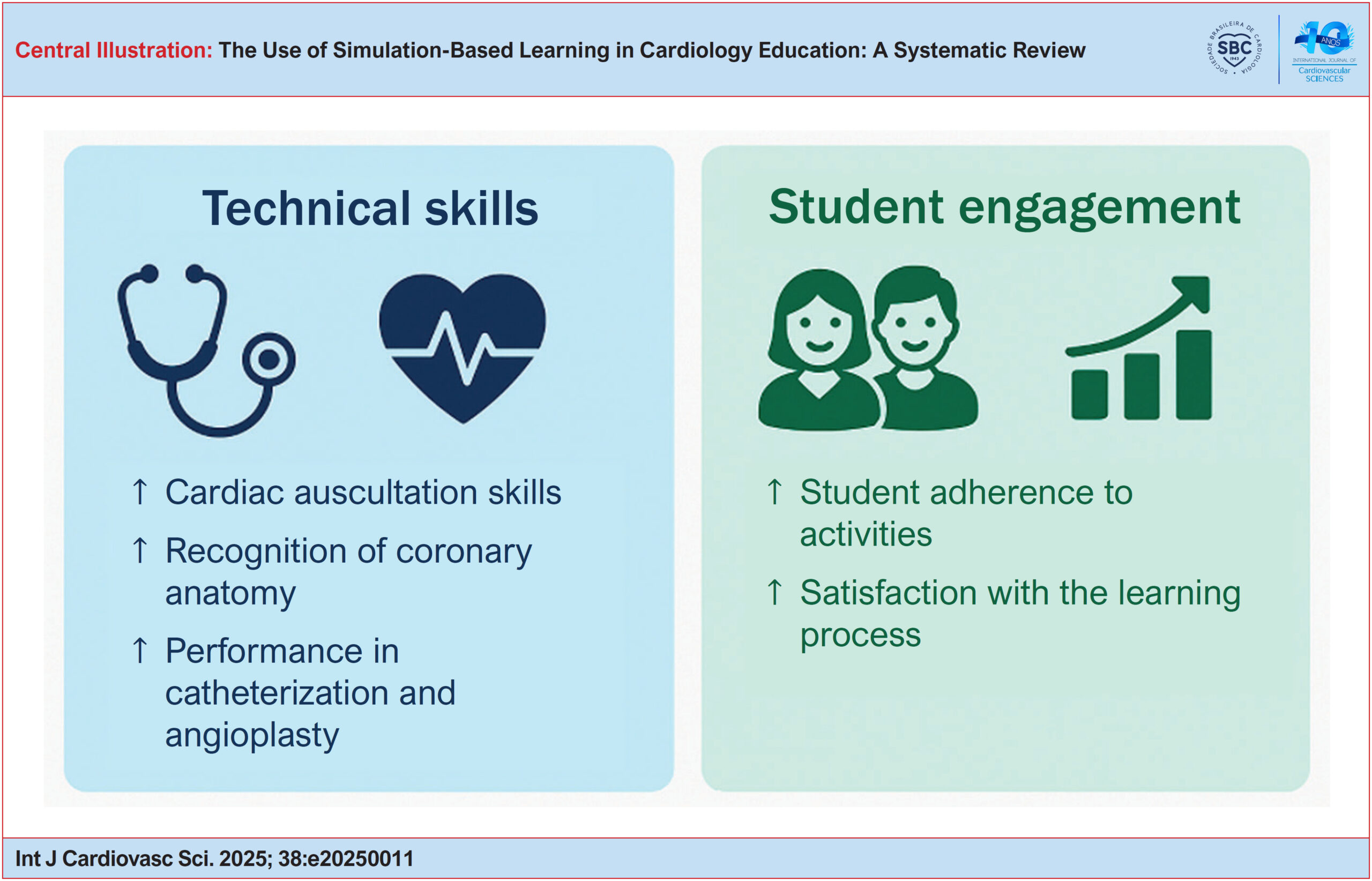
A total of 435 articles were initially identified based on the search criteria. Seven articles were selected for detailed analysis. Three of these studies reported an improvement in cardiac auscultation skills through simulation. One study showed improved ability to recognize coronary anatomy; another demonstrated enhanced performance during catheterization, and one highlighted better outcomes during angioplasty. Only one study showed a slight improvement in the diagnosis of acute myocardial infarction. In addition to these clinical improvements, there was also a noted increase in student engagement and satisfaction.

Realistic simulation, when integrated as a complement to existing curricula, enhances the performance of cardiology students.

  • Cardiology
  • Medical Education
  • Medicine
  • Simulation Training
Read Full Article
Creative Commons Attribution (CC BY) Creative Commons license
09/01/2026 DOI: 10.36660/ijcs.20250011 Views 4
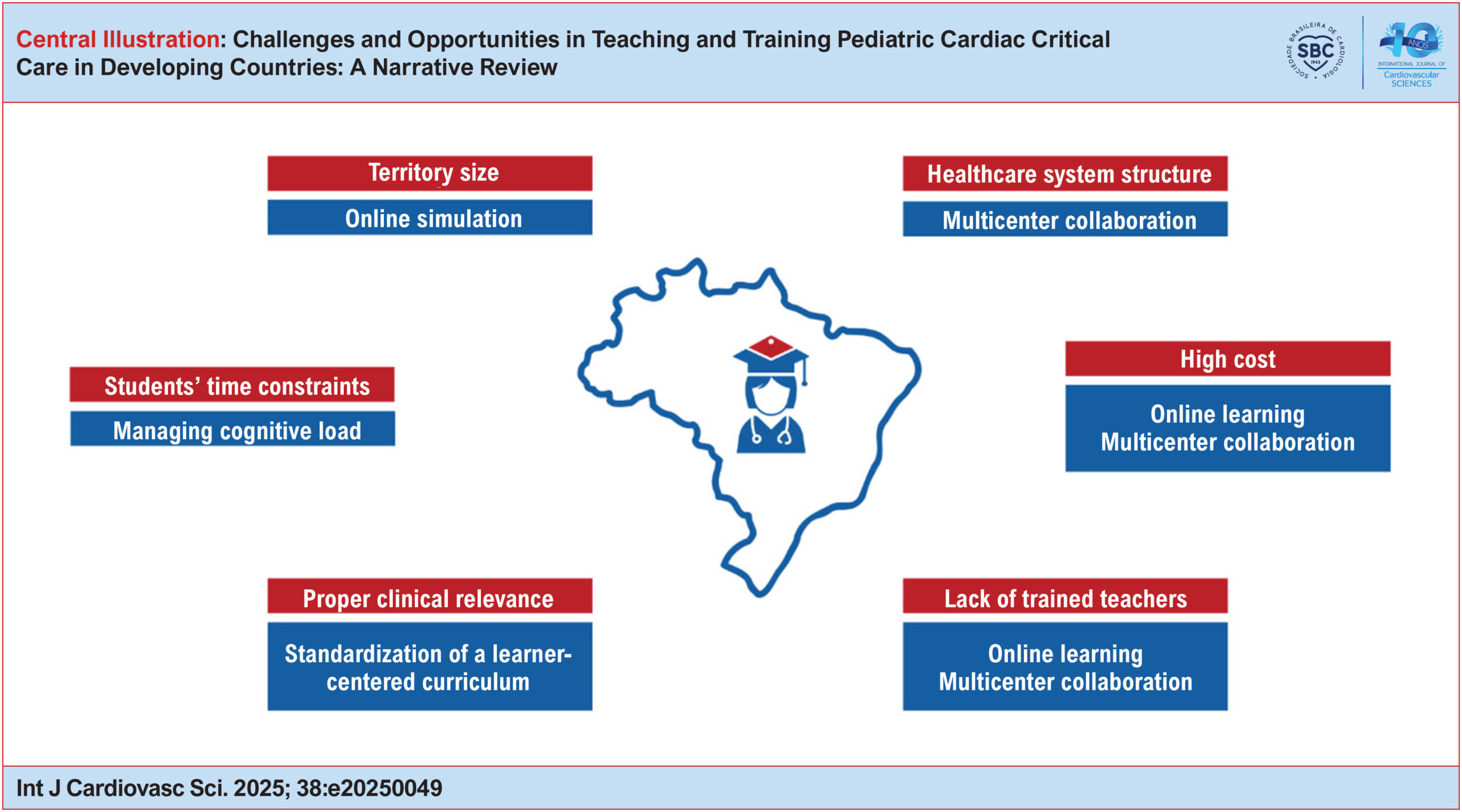
Challenges and Opportunities in Teaching and Training Pediatric Cardiac Critical Care in Developing Countries: A Narrative Review
IJCS
Review Article

Challenges and Opportunities in Teaching and Training Pediatric Cardiac Critical Care in Developing Countries: A Narrative Review

Carolina Vieira de Campos et al. Carlos Roberto Ribeiro Carvalho

Abstract

Congenital heart disease (CHD) is a public health issue in developing countries. Effective teaching and training are vital for healthcare professionals to provide adequate care for critically ill cardiac children, but there are many obstacles to adequately training a cohort of healthcare professionals in low- and middle-income countries (LMIC), where education practice is not always aligned with current education evidence. Work overload, time constraints, language, and the healthcare structure itself hinder standardization of an optimal training process for this highly complex scenario. This narrative review aims to explore how current teaching methodologies may help overcome challenges in pediatric cardiac critical care (PCCC) education, thus helping clinical practice, with a special focus on developing countries and the Brazilian scenario.

  • Congenital Heart Defects
  • Critical Care
  • Medical Education
  • Teaching
  • Telemedicine
Read Full Article
Creative Commons Attribution (CC BY) Creative Commons license
01/09/2025 DOI: 10.36660/ijcs.20250049 Views 1
ABC
Editorial

Revisiting a Timeless Skill: The Physical Examination in the Age of Technology-Driven Medicine

Sofia Cabral

Over the past few decades, clinical practice has witnessed a profound transformation, driven by increasing reliance on advanced imaging, laboratory diagnostics, and, more recently, artificial intelligence (AI)-assisted tools. Once the cornerstone of medical practice, the physical examination (PE) is now being overshadowed by a growing dependence on technology. Although these innovations have undoubtedly enhanced diagnostic accuracy, they have also led to an unintended consequence—the gradual decline of bedside examination skills, as clinicians increasingly rely on them instead of direct PE. While these resources provide invaluable diagnostic insights, they also carry risks, including false positives, incidental findings, and overtesting. These factors not only contribute to unnecessary interventions and rising healthcare costs but may also amplify patient concerns. This shift away from hands-on assessment is also partly driven by the time constraints of modern clinical practice, further weakening PE skills. This decline of PE has fuelled ongoing debate—and even polarization—among clinicians over its relevance in contemporary healthcare., This issue permeates all fields of medicine, and cardiology is no exception to its challenges.

In their study, Teixeira et al. shed light on this pressing issue in modern medicine: the diminished emphasis on PE in clinical practice. This interventional study evaluated the impact of cardiovascular PE on clinical decision-making (CDM) in valvular disease scenarios. Sixty undergraduate students were exposed to four typical severe valvular disease scenarios (mitral stenosis [MS], mitral regurgitation [MR], aortic stenosis [AS], and aortic regurgitation [AR]), using a high-fidelity cardiopulmonary simulator in an objective structured clinical exam format. CDM-related questions were answered after reading the clinical synopsis and again after reviewing the echocardiogram (ECHO) report. Volunteers were randomly assigned to scenarios with or without PE before receiving an ECHO report, which was either consistent with symptoms and PE findings (Echo-concordant) or contained incomplete or misleading information (Echo-discordant). CDM was assessed based on responses regarding the type of valvular dysfunction, its etiology, confidence level in the diagnosis, requests for additional diagnostic tests, and treatment decisions. PE quality varied across valvular conditions, with systolic murmurs (AS, MR) recognized more accurately (>76%) than diastolic murmurs (MS, AR) (<60%), additional heart sounds (S3, S4) identified in 44% of cases, and MS showing the lowest detection accuracy. Overall diagnostic accuracy for identifying valvular dysfunction was high (kappa = 0.935, p<0.001), even when participants received ECHO-discordant reports. Volunteers who did not perform PE were less accurate in assessing the severity of valvular dysfunction after reviewing ECHO findings (p = 0.0047, kappa = 0.2887) and were less confident in their diagnosis. The confidence level in diagnosis increased only slightly (4%, p=0.03) after receiving ECHO reports in those who had the opportunity to conduct a PE. Surprisingly, a high number of complementary exams were requested regardless of PE performance, which influenced only the decision to perform cardiac catheterization. Final therapeutic decisions, however, were primarily guided by ECHO findings rather than PE (p=0.0607). This last result was somewhat expected and would likely occur in a postgraduate setting as well. Indeed, when evaluating the need for valvular intervention, a key consideration—besides symptomatic status—is assessing disease severity, which primarily depends on imaging or hemodynamic parameters.–

[…]

  • Clinical Decision – Making
  • Medical Education
  • Physical Examination
Read Full Article
Creative Commons Attribution (CC BY) Creative Commons license
28/04/2025 DOI: 10.36660/abc.20250124i Views 1
Figure 1
ABCIC
Original Article

Use of a 3D Printer in the Prototyping of an Anatomical Model of the Human Heart with Morphophysiological Alterations

Kaio Gomes de Freitas et al. Ana Laura Barros Lana Vinícius Lana Ferreira Melissa Araújo Ulhôa Quintão

Abstract

Background:

Three-dimensional (3D) printing has a wide range of applications, including medicine and medical education. It presents itself as an alternative to traditional teaching-learning methods of human morphophysiology.

Objectives:

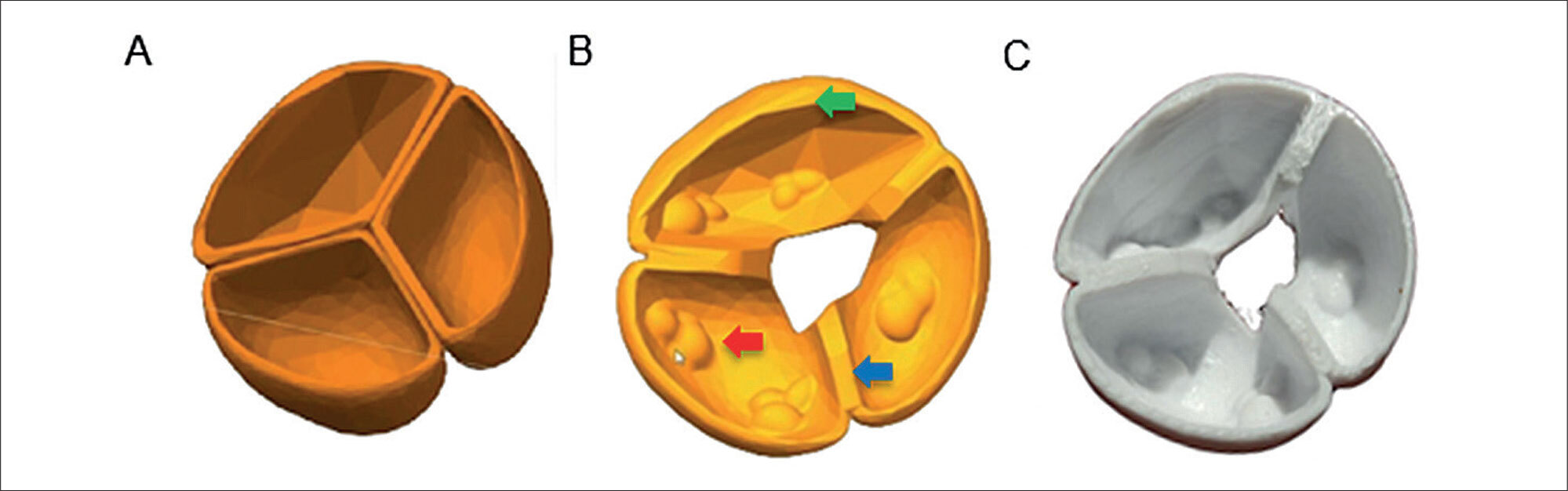
To report the initial experience in prototyping a 3D-printed anatomical model of the human heart with valvular heart disease, as well as its potential use in the active teaching-learning process in human morphophysiology.

Methods:

This is an experimental, descriptive study developed in three distinct stages: 1) Selection of the morphofunctional structure for manufacturing the 3D part; 2) design and adaptation of the object in 3D computer-aided design (CAD) software; and 3) printing and application of the prototype. Models extracted from the Thingiverse website, simulating cardiac structures, were used.

Results:

A cardiac prototype was 3D-printed to illustrate morphophysiological changes, including aortic stenosis and mitral insufficiency, modeled on the aortic and mitral valves, respectively.

Conclusion:

The valve diseases represented in the prototype accurately reflect the pathological changes used as the basis for the study, providing a detailed and precise view of the anatomy, which shows significant potential for enhancing the teaching-learning approaches in morphophysiology and medical pathology.

  • Anatomy
  • Medical Education
  • Proof of Concept Study
  • Three-Dimensional Printing
Read Full Article
Creative Commons Attribution (CC BY) Creative Commons license
28/05/2024 DOI: 10.36660/abcimg.20240012i Views 1
Figure 1
ABC
Original Article

Incor Residency Program in Adult Cardiology in 2022: 40 Years Preparing Cardiologists for the Demands in Brazil

Marcos Pita Lottenberg et al. Luciana Dornfeld Bichuette Luiz Aparecido Bortolotto Luís Henrique Wolff Gowdak … Francisco Carlos da Costa Darrieux Maria Angélica Binotto Roberto Kalil Filho Bruno Caramelli

Abstract

Background

Considering demographic data related to the cardiologist’s fields of work in Brazil, the administrative board of the InCor medical residency program decided for an update of its curriculum content, to adapt the educational process to the cardiologist’s work reality.

Objective

This article aimed to describe the recent updates applied to the InCor medical residency program.

Methods

In the article, we described the recent updates on the InCor residency program, and compared the current curriculum track with the previous one. We also presented the rationale for these changes, based on the literature on the participation of cardiologists in the labor market.

Results

There was a reduction in the working hours of residents in training in the intensive care unit, and an increase in the outpatient activities of primary and secondary prevention. Also, the didactic content was reformulated and became organized by the corresponding division.

Conclusion

The update of the curriculum track of the InCor medical residency program was required in order to adapt it to the Brazilian labor market. The commission in charge of this update is aware that this is a dynamic process that may need changes over time.

  • Cardiology
  • Medical Education
  • Medical residency
Read Full Article
Creative Commons Attribution (CC BY) Creative Commons license
25/11/2022 DOI: 10.36660/abc.20220457 Views 2
ABC
Editorial

The Method and the Mantra

Andre d’Avila et al. Marcos F. Vidal Melo

Introduction

At the time of the residency in Cardiology, a patient chose to become a vegetarian after having a metallic heart valve implanted. Until that day, he proudly announced that he only ate meat, rice and beans! He had spent years without eating a lettuce leaf, but as a friend suggested that this type of diet increased the risk of calcification of the other heart valves, he chose to change it, even before checking the veracity of the information.

He had been warned that a diet rich in vegetables could make it difficult to handle anticoagulation, but he had no doubts: he had found the motivation to live a healthier life after the surgery. He proudly eliminated meats and chose vegetables, instead. He felt much better and he no longer had shortness of breath. Convinced of the benefits of his new lifestyle, he died 6 months after surgery due to intracranial hemorrhage, as he had to take more anticoagulants to compensate for the diet… Our patient got the mantra right, but not the method. He opted for a supposedly healthier life that was wrongly put into practice, at the wrong time and was unable to enjoy his discipline or the new lifestyle.

[…]

  • COVID-19
  • Doctor’s Degree
  • Health Sciences
  • Medical Education
  • Pandemics
  • Schools, Medical
  • Technology and Innovation Management
Read Full Article
Creative Commons Attribution (CC BY) Creative Commons license
23/04/2021 DOI: 10.36660/abc.20201013 Views 1
Figure 1
IJCS
Original Article

An Approach to Technology Development and Current Medical Practice

Gilson Feitosa

Abstract

Background

An approach to technology development and the current medical practice.

Objective

To consider the many stages of medical-applied technological developments and its main consequences related to the current medical practice and speculate on future developments.

Methods

Assessment of historical publications and individual and metanalysis of comparative evaluation of old versus new techniques.

Results

Documentation of progressive improvement in diagnostic skill and therapeutics toward less invasive procedures along the last decades, since the introduction of the scientific medicine.

Conclusion

Progress has been unequivocally documented albeit an effort to maintain time-proven established previous technique is advised, especially in favor of stimulating a personal patient-physician relationship. (International Journal of Cardiovascular Sciences. 2020; [online].ahead print, PP.0-0)

  • Electronic Health Records/trends
  • Medical Education
  • Medical Practice
  • Patient Participation
  • Physician-Patient Relations
  • Robotics
  • Technology/trends
  • Telemedicine
Read Full Article
Creative Commons Attribution (CC BY) Creative Commons license
17/07/2020 DOI: 10.36660/ijcs.20200032 Views 1
ABC
Artigo Original

Guide of internet sites for the study of cardiology

Luciana Aikawa et al. Denise Cássia Moreira Zornoff Beatriz Bojikian Matsubara

OBJECTIVE: To increase the offer of didactic resources for medical students, physicians, and health care professionals, stimulating the use of the Internet for academic purposes or cardiological updating. METHOD: Electronic addresses with academic content in the areas of anatomy, biophysics, physiology, semiology, electrocardiography, and image diagnosis were researched and selected. The selection criteria included the following: relevance of the content, neatness of presentation, and richness of animation resources. The sites obtained were classified in regard to their contents and academic level. RESULTS: The sites obtained were as follows: 5 sites of anatomy and anatomical pathology, one of biophysics, 3 of physiology, 8 of semiology, 7 of image diagnosis, and 2 of electrocardiography. The sites were also organized according to academic level to provide an alternative access. The set of addresses resulted in a simplified and hierarchic guide of contents for the study of cardiac morphology and image diagnosis in cardiology. CONCLUSION: The resulting list of sites is an example of the potential of the Internet as a learning instrument to be used in association with other conventional pedagogical methods.

  • Cardiology
  • Health Education
  • Internet
  • Medical Education
  • medical informatics
Read Full Article
Creative Commons Attribution (CC BY) Creative Commons license
11/11/2004 DOI: 10.1590/S0066-782X2004001700006 Views 2
Stress During ACLS Courses: Is it Important for Learning Skills?
ABC
Original Article

Stress During ACLS Courses: Is it Important for Learning Skills?

Emilton Lima Júnior et al. José Knopfholz Carla M. Menini

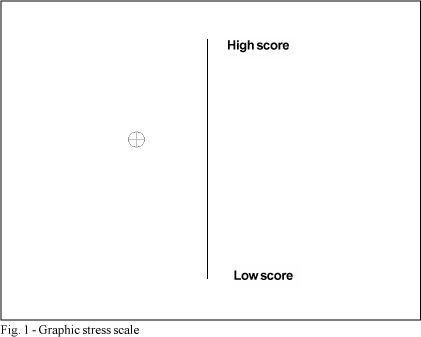
OBJECTIVE: To determine the influence of stress on teaching medical emergencies in an Advanced Cardiac Life Support (ACLS) course and to verify this influence on learning, and the efficiency of emergency care training. METHODS: Seventeen physicians signed up for an ACLS course. Their pulses were taken and blood pressure (BP) verified on the first day, before the beginning of the course, and on the second day, during the theoretical and practical test (TPT). Variations in pulse rates and BP were compared with students’ test grades. Then, students answered a questionnaire of variables (QV) about the amount of sleep they had during the course, the quantity of study material and the time spent studying for the course, and a stress scale graphic. RESULTS: Seven students had a pulse variation less than 10% between the 2 periods and 10 had a 10% or more variation. Grades on TPT were, respectively, 91.4±2.4 and 87.3±5.2 (p<0.05). Six students had a BP variation less than 20 mmHg, and in 11 it varied more than 21 mmHg. Grades on the TPT were 92.3±3.3 and 86.2± 8.1, respectively (p<0.05). The QV dates did not significantly influence grades. CONCLUSION: Stress, as an isolated variable, had a negative influence on the learning process and on the efficiency of emergency training in this situation.

  • ACLS
  • Cardiology
  • Medical Education
  • Stress
Read Full Article
Creative Commons Attribution (CC BY) Creative Commons license
09/01/2003 DOI: 10.1590/S0066-782X2002001500004 Views 2

How to cite this article

EndNote RIS

Electronic Document Format (Vancouver)

Cordeiro ALL, Trindade TVO, Barros RA. Simulation in Cardiovascular Medicine Education: Innovation, Safety, and Competency-Based Training. Arquivos Brasileiros de Cardiologia 2026;123(6):e20260233.

Electronic Document Format (ABNT)

Cordeiro, André Luiz Lisboa; Trindade, Tiago Veltri Ormastroni da; Barros, Rinaldo Antunes. Simulation in Cardiovascular Medicine Education: Innovation, Safety, and Competency-Based Training. Arquivos Brasileiros de Cardiologia, v. 123, n. 6, e20260233, Aug. 2026.

Electronic Document Format (APA)

Cordeiro, A. L. L., Trindade, T. V. O. , & Barros, R. A. (2026). Simulation in Cardiovascular Medicine Education: Innovation, Safety, and Competency-Based Training. Arquivos Brasileiros de Cardiologia, 123(6), e20260233.

Electronic Document Format (ISO)

Cordeiro, André Luiz Lisboa and Trindade, Tiago Veltri Ormastroni da and Barros, Rinaldo Antunes. Simulation in Cardiovascular Medicine Education: Innovation, Safety, and Competency-Based Training. Arquivos Brasileiros de Cardiologia [online]. 2026, vol. 123, n. 6, [cited 2026-10-14], e20260233. Available from: <https://journals.cardiol.br/en/article/simulation-in-cardiovascular-medicine-education-innovation-safety-and-competency-based-training/>. ISSN 0066-782X

EndNote RIS

Electronic Document Format (Vancouver)

Mota DM, Barcellos Filho F. The Growing Role of Simulation-Based Learning in Cardiology Education. International Journal of Cardiovascular Sciences 2026;39:e20250180.

Electronic Document Format (ABNT)

Mota, Diandro Marinho; Barcellos Filho, Fabiano. The Growing Role of Simulation-Based Learning in Cardiology Education. International Journal of Cardiovascular Sciences, v. 39, e20250180, Mar. 2026.

Electronic Document Format (APA)

Mota, D. M., & Barcellos Filho, F. (2026). The Growing Role of Simulation-Based Learning in Cardiology Education. International Journal of Cardiovascular Sciences, 39, e20250180.

Electronic Document Format (ISO)

Mota, Diandro Marinho and Barcellos Filho, Fabiano. The Growing Role of Simulation-Based Learning in Cardiology Education. International Journal of Cardiovascular Sciences [online]. 2026, vol. 39, [cited 2026-10-14], e20250180. Available from: <https://journals.cardiol.br/en/article/the-growing-role-of-simulation-based-learning-in-cardiology-education/>. ISSN 2359-4802

EndNote RIS

Electronic Document Format (Vancouver)

Cordeiro ALL, Jesus WLA, Trindade TVO, Pimenta RMC, Silva RP. The Use of Simulation-Based Learning in Cardiology Education: A Systematic Review. International Journal of Cardiovascular Sciences 2026;38:e20250011.

Electronic Document Format (ABNT)

Cordeiro, André Luiz Lisboa; Jesus, Washington Luiz Abreu de; Trindade, Tiago Veltri Osmastroni da; Pimenta, Rodolfo Macedo Cruz; Silva, Rodolfo Prado da. The Use of Simulation-Based Learning in Cardiology Education: A Systematic Review. International Journal of Cardiovascular Sciences, v. 38, e20250011, Jan. 2026.

Electronic Document Format (APA)

Cordeiro, A. L. L., Jesus, W. L. A. , Trindade, T. V. O. , Pimenta, R. M. C., & Silva, R. P. (2026). The Use of Simulation-Based Learning in Cardiology Education: A Systematic Review. International Journal of Cardiovascular Sciences, 38, e20250011.

Electronic Document Format (ISO)

Cordeiro, André Luiz Lisboa and Jesus, Washington Luiz Abreu de and Trindade, Tiago Veltri Osmastroni da and Pimenta, Rodolfo Macedo Cruz and Silva, Rodolfo Prado da. The Use of Simulation-Based Learning in Cardiology Education: A Systematic Review. International Journal of Cardiovascular Sciences [online]. 2026, vol. 38, [cited 2026-10-14], e20250011. Available from: <https://journals.cardiol.br/en/article/the-use-of-simulation-based-learning-in-cardiology-education-a-systematic-review/>. ISSN 2359-4802

EndNote RIS

Electronic Document Format (Vancouver)

Campos CV, Carvalho CRR. Challenges and Opportunities in Teaching and Training Pediatric Cardiac Critical Care in Developing Countries: A Narrative Review. International Journal of Cardiovascular Sciences 2025;38:e20250049.

Electronic Document Format (ABNT)

Campos, Carolina Vieira de; Carvalho, Carlos Roberto Ribeiro. Challenges and Opportunities in Teaching and Training Pediatric Cardiac Critical Care in Developing Countries: A Narrative Review. International Journal of Cardiovascular Sciences, v. 38, e20250049, Aug. 2025.

Electronic Document Format (APA)

Campos, C. V. , & Carvalho, C. R. R. (2025). Challenges and Opportunities in Teaching and Training Pediatric Cardiac Critical Care in Developing Countries: A Narrative Review. International Journal of Cardiovascular Sciences, 38, e20250049.

Electronic Document Format (ISO)

Campos, Carolina Vieira de and Carvalho, Carlos Roberto Ribeiro. Challenges and Opportunities in Teaching and Training Pediatric Cardiac Critical Care in Developing Countries: A Narrative Review. International Journal of Cardiovascular Sciences [online]. 2025, vol. 38, [cited 2026-10-14], e20250049. Available from: <https://journals.cardiol.br/en/article/challenges-and-opportunities-in-teaching-and-training-pediatric-cardiac-critical-care-in-developing-countries-a-narrative-review/>. ISSN 2359-4802

EndNote RIS

Electronic Document Format (Vancouver)

Cabral S. Revisiting a Timeless Skill: The Physical Examination in the Age of Technology-Driven Medicine. Arquivos Brasileiros de Cardiologia 2025;122(2):e20250124.

Electronic Document Format (ABNT)

Cabral, Sofia. Revisiting a Timeless Skill: The Physical Examination in the Age of Technology-Driven Medicine. Arquivos Brasileiros de Cardiologia, v. 122, n. 2, e20250124, Apr. 2025.

Electronic Document Format (APA)

Cabral, S. (2025). Revisiting a Timeless Skill: The Physical Examination in the Age of Technology-Driven Medicine. Arquivos Brasileiros de Cardiologia, 122(2), e20250124.

Electronic Document Format (ISO)

Cabral, Sofia. Revisiting a Timeless Skill: The Physical Examination in the Age of Technology-Driven Medicine. Arquivos Brasileiros de Cardiologia [online]. 2025, vol. 122, n. 2, [cited 2026-10-14], e20250124. Available from: <https://journals.cardiol.br/en/article/revisiting-a-timeless-skill-the-physical-examination-in-the-age-of-technology-driven-medicine/>. ISSN 0066-782X

EndNote RIS

Electronic Document Format (Vancouver)

Freitas KG, Lana ALB, Ferreira VL, Quintão MAU. Use of a 3D Printer in the Prototyping of an Anatomical Model of the Human Heart with Morphophysiological Alterations. ABC Imagem Cardiovascular 2024;37(2):e20240012.

Electronic Document Format (ABNT)

Freitas, Kaio Gomes de; Lana, Ana Laura Barros; Ferreira, Vinícius Lana; Quintão, Melissa Araújo Ulhôa. Use of a 3D Printer in the Prototyping of an Anatomical Model of the Human Heart with Morphophysiological Alterations. ABC Imagem Cardiovascular, v. 37, n. 2, e20240012, May. 2024.

Electronic Document Format (APA)

Freitas, K. G. , Lana, A. L. B., Ferreira, V. L., & Quintão, M. A. U. (2024). Use of a 3D Printer in the Prototyping of an Anatomical Model of the Human Heart with Morphophysiological Alterations. ABC Imagem Cardiovascular, 37(2), e20240012.

Electronic Document Format (ISO)

Freitas, Kaio Gomes de and Lana, Ana Laura Barros and Ferreira, Vinícius Lana and Quintão, Melissa Araújo Ulhôa. Use of a 3D Printer in the Prototyping of an Anatomical Model of the Human Heart with Morphophysiological Alterations. ABC Imagem Cardiovascular [online]. 2024, vol. 37, n. 2, [cited 2026-10-14], e20240012. Available from: <https://journals.cardiol.br/en/article/use-of-a-3d-printer-in-the-prototyping-of-an-anatomical-model-of-the-human-heart-with-morphophysiological-alterations/>. ISSN 2318-8219

EndNote RIS

Electronic Document Format (Vancouver)

Lottenberg MP, Bichuette LD, Bortolotto LA, Gowdak LHW, Darrieux FCC, Binotto MA, Kalil Filho R, et al. Incor Residency Program in Adult Cardiology in 2022: 40 Years Preparing Cardiologists for the Demands in Brazil. Arquivos Brasileiros de Cardiologia 2022;119(5 suppl 1):43-51.

Electronic Document Format (ABNT)

Lottenberg, Marcos Pita; Bichuette, Luciana Dornfeld; Bortolotto, Luiz Aparecido; Gowdak, Luís Henrique Wolff; Darrieux, Francisco Carlos da Costa; Binotto, Maria Angélica; Kalil Filho, Roberto; Caramelli, Bruno. Incor Residency Program in Adult Cardiology in 2022: 40 Years Preparing Cardiologists for the Demands in Brazil. Arquivos Brasileiros de Cardiologia, v. 119, n. 5 suppl 1, p. 43-51, Nov. 2022.

Electronic Document Format (APA)

Lottenberg, M. P., Bichuette, L. D., Bortolotto, L. A., Gowdak, L. H. W., Darrieux, F. C. C., Binotto, M. A., Kalil Filho, R., & Caramelli, B. (2022). Incor Residency Program in Adult Cardiology in 2022: 40 Years Preparing Cardiologists for the Demands in Brazil. Arquivos Brasileiros de Cardiologia, 119(5 suppl 1), 43-51.

Electronic Document Format (ISO)

Lottenberg, Marcos Pita and Bichuette, Luciana Dornfeld and Bortolotto, Luiz Aparecido and Gowdak, Luís Henrique Wolff and Darrieux, Francisco Carlos da Costa and Binotto, Maria Angélica and Kalil Filho, Roberto and Caramelli, Bruno. Incor Residency Program in Adult Cardiology in 2022: 40 Years Preparing Cardiologists for the Demands in Brazil. Arquivos Brasileiros de Cardiologia [online]. 2022, vol. 119, n. 5 suppl 1, [cited 2026-10-14], pp. 43-51. Available from: <https://journals.cardiol.br/en/article/incor-residency-program-in-adult-cardiology-in-2022-40-years-preparing-cardiologists-for-the-demands-in-brazil/>. ISSN 0066-782X

EndNote RIS

Electronic Document Format (Vancouver)

d’Avila A, Melo MFV. The Method and the Mantra. Arquivos Brasileiros de Cardiologia 2021;116(3):367-70.

Electronic Document Format (ABNT)

d’Avila, Andre; Melo, Marcos F. Vidal. The Method and the Mantra. Arquivos Brasileiros de Cardiologia, v. 116, n. 3, p. 367-370, Apr. 2021.

Electronic Document Format (APA)

d’Avila, A., & Melo, M. F. V. (2021). The Method and the Mantra. Arquivos Brasileiros de Cardiologia, 116(3), 367-370.

Electronic Document Format (ISO)

d’Avila, Andre and Melo, Marcos F. Vidal. The Method and the Mantra. Arquivos Brasileiros de Cardiologia [online]. 2021, vol. 116, n. 3, [cited 2026-10-14], pp. 367-370. Available from: <https://journals.cardiol.br/en/article/the-method-and-the-mantra/>. ISSN 0066-782X

EndNote RIS

Electronic Document Format (Vancouver)

Feitosa G. An Approach to Technology Development and Current Medical Practice. International Journal of Cardiovascular Sciences 2020;33(5):457-61.

Electronic Document Format (ABNT)

Feitosa, Gilson. An Approach to Technology Development and Current Medical Practice. International Journal of Cardiovascular Sciences, v. 33, n. 5, p. 457-461, Jul. 2020.

Electronic Document Format (APA)

Feitosa, G. (2020). An Approach to Technology Development and Current Medical Practice. International Journal of Cardiovascular Sciences, 33(5), 457-461.

Electronic Document Format (ISO)

Feitosa, Gilson. An Approach to Technology Development and Current Medical Practice. International Journal of Cardiovascular Sciences [online]. 2020, vol. 33, n. 5, [cited 2026-10-14], pp. 457-461. Available from: <https://journals.cardiol.br/en/article/an-approach-to-technology-development-and-current-medical-practice/>. ISSN 2359-4802

EndNote RIS

Electronic Document Format (Vancouver)

Aikawa L, Zornoff DCM, Matsubara BB. Guide of internet sites for the study of cardiology. Arquivos Brasileiros de Cardiologia 2004;83(5):396-9.

Electronic Document Format (ABNT)

Aikawa, Luciana; Zornoff, Denise Cássia Moreira; Matsubara, Beatriz Bojikian. Guide of internet sites for the study of cardiology. Arquivos Brasileiros de Cardiologia, v. 83, n. 5, p. 396-399, Nov. 2004.

Electronic Document Format (APA)

Aikawa, L., Zornoff, D. C. M., & Matsubara, B. B. (2004). Guide of internet sites for the study of cardiology. Arquivos Brasileiros de Cardiologia, 83(5), 396-399.

Electronic Document Format (ISO)

Aikawa, Luciana and Zornoff, Denise Cássia Moreira and Matsubara, Beatriz Bojikian. Guide of internet sites for the study of cardiology. Arquivos Brasileiros de Cardiologia [online]. 2004, vol. 83, n. 5, [cited 2026-10-14], pp. 396-399. Available from: <https://journals.cardiol.br/en/article/guide-of-internet-sites-for-the-study-of-cardiology/>. ISSN 0066-782X

EndNote RIS

Electronic Document Format (Vancouver)

Lima Júnior E, Knopfholz J, Menini CM. Stress During ACLS Courses: Is it Important for Learning Skills?. Arquivos Brasileiros de Cardiologia 2003;79(6):589-92.

Electronic Document Format (ABNT)

Lima Júnior, Emilton; Knopfholz, José; Menini, Carla M.. Stress During ACLS Courses: Is it Important for Learning Skills?. Arquivos Brasileiros de Cardiologia, v. 79, n. 6, p. 589-592, Jan. 2003.

Electronic Document Format (APA)

Lima Júnior, E., Knopfholz, J., & Menini, C. M. (2003). Stress During ACLS Courses: Is it Important for Learning Skills?. Arquivos Brasileiros de Cardiologia, 79(6), 589-592.

Electronic Document Format (ISO)

Lima Júnior, Emilton and Knopfholz, José and Menini, Carla M.. Stress During ACLS Courses: Is it Important for Learning Skills?. Arquivos Brasileiros de Cardiologia [online]. 2003, vol. 79, n. 6, [cited 2026-10-14], pp. 589-592. Available from: <https://journals.cardiol.br/en/article/stress-during-acls-courses-is-it-important-for-learning-skills/>. ISSN 0066-782X

  • About ABC Family
  • Internal Regulation
  • Editorial Board
  • Brazilian Society of Cardiology (SBC)

Issues

SBC Guidelines

  • Videos
  • Podcasts
  • News