ABC Family Arquivos Brasileiros de Cardiologia International Journal of Cardiovascular Sciences ABC Heart Failure & Cardiomyopathy ABC Imagem Cardiovascular
Português English
ABC Family
Português English
  • About
    • About ABC Family
    • Internal Regulation
    • Editorial Board
    • Brazilian Society of Cardiology (SBC)
  • Issues
  • SBC Guidelines
  • Content
    • Videos
    • Podcasts
    • News
  • About
    • About ABC Family
    • Internal Regulation
    • Editorial Board
    • Brazilian Society of Cardiology (SBC)
  • Issues
  • SBC Guidelines
  • Content
    • Videos
    • Podcasts
    • News

ABC Family

  • ABC Family
  • Arquivos Brasileiros de Cardiologia
  • International Journal of Cardiovascular Sciences
  • ABC Heart Failure & Cardiomyopathy
  • ABC Imagem Cardiovascular
Search in

No content found.

Journals
Ordering
Article types
Others

  1. Home
  2. Keyword: Mean Platelet Volume
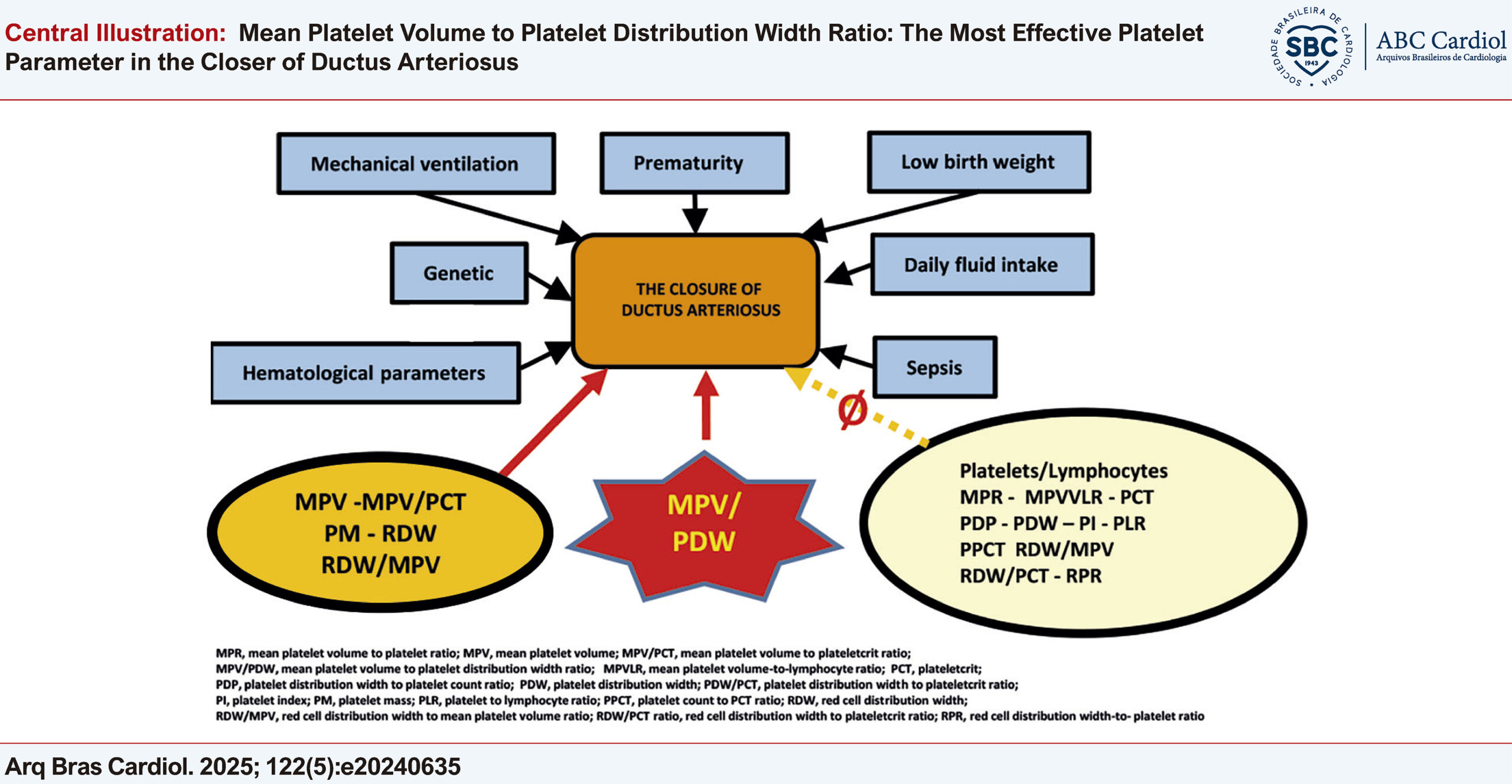
Mean Platelet Volume to Platelet Distribution Width Ratio: The Most Effective Platelet Parameter in the Closer of Ductus Arteriosus
ABC
Original Article

Mean Platelet Volume to Platelet Distribution Width Ratio: The Most Effective Platelet Parameter in the Closer of Ductus Arteriosus

Ufuk Cakir et al. Cuneyt Tayman

Abstract

Background

The role of platelets and platelet indices in the closure of the ductus arteriosus in premature infants is still controversial. We aimed to determine whether the platelet count and all platelet-related indices are effective on the closer of patent ductus arteriosus (PDA).

Objectives

Demographic characteristics, prematurity morbidities, and platelet indices were compared between groups with and without hemodynamically significant PDA (hsPDA).

Methods

Data of premature infants with a gestational age of <30 weeks were evaluated retrospectively. All platelet-related data were recorded from the complete blood count in the first 24 hours of all patients. The statistical analysis was performed on the obtained data. A p-value of <0.05 was considered statistically significant.

Results

A total of 1151 patients were included in the study, including 426 patients in the hsPDA group and 725 patients in the non-hsPDA group. Platelet parameters mean platelet volume (MPV), MPV/ plateletcrit (PCT), MPV/ platelet distribution width (PDW), platelet mass (PM), red cell distribution width (RDW) values were found to be significantly lower in the hsPDA group compared to the non-hsPDA group (p<0.001, p<0.001, p<0.001, p=0.015, and p<0.001, respectively). MPV/PDW ratio with the highest AUC value (0.748) was found to be the most valuable parameter in estimating the closer of PDA.

Conclusions

The MPV/PDW ratio was found to be the most valuable parameter for the prediction of hsPDA among all platelet indices.

  • Blood Platelets
  • Mean Platelet Volume
  • patent ductus arteriosus
  • Premature Infant
Read Full Article
Creative Commons Attribution (CC BY) Creative Commons license
09/05/2025 DOI: 10.36660/abc.20240635i Views 1
Figure 1
ABC
Original Article

Exercise-Based Cardiac Rehabilitation Has a Strong Relationship with Mean Platelet Volume Reduction

İsmet Durmuş et al. Ezgi Kalaycıoğlu Mustafa Çetin Hanife Baykal Şahin Tuncay Kırış

Abstract

Background

Mean platelet volume (MPV), which is a simple measure of platelet activation, has recently become an interesting topic in cardiovascular research. Exercise-based cardiac rehabilitation (CR) is a comprehensive intervention that decreases mortality-morbidity in patients with coronary artery disease (CAD). Studies on the effects of exercise on platelet activation have yielded conflicting results.

Objective

The purpose of this study was to determine the effect of an exercise-based CR programs on MPV in patients with stable CAD.

Methods

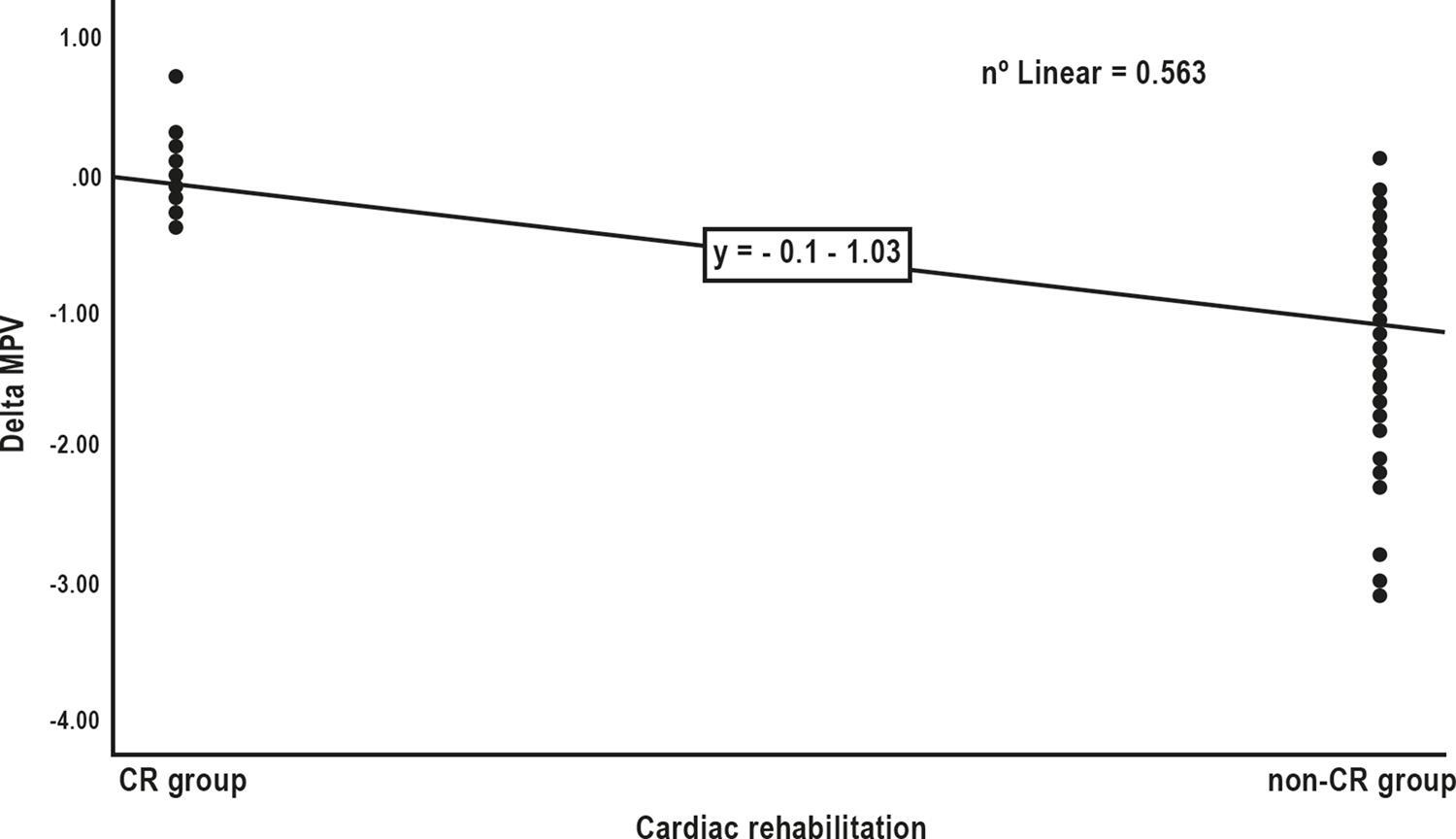
The sample was composed of 300 consecutive stable CAD patients. The patients were divided into two groups: CR group (n = 97) and non-CR group (n = 203). Blood analysis was performed. Point-Biserial correlation measures were performed to show correlation between MPV change and CR. A p value of <0.05 was considered statistically significant.

Results

The decrease in MPV was greater in the CR group than in the non-CR group [(-1.10(-1.40-(-0.90)) vs. (-0.10 (-2.00-0.00)); p< 0.001]. ΔMPV had a positive correlation with Δ neutrophil (r = 0.326, p < 0.001), ΔTG (r = 0.439, p < 0.001), ΔLDL-c (r = 0.478, p < 0.001), ΔWBC (r = 0.412, p < 0.001), and ΔCRP (r = 0.572, p < 0.001). A significant correlation was found between ΔMPV% and CR (r=0.750, p<0.001).

Conclusions

We were able to show that exercise-based CR has a strong relationship with MPV reduction in patients with CAD. We consider that decreased platelet activation with exercise-based CR might play an important role in reducing thrombotic risk in patients with stable CAD. (Arq Bras Cardiol. 2020; [online].ahead print, PP.0-0)

  • Blood Platelets
  • Cardiac Rehabilitation
  • Coronary Artery Disease
  • Echocardiography/methods
  • Exercise
  • Mean Platelet Volume
  • Physical activity
Read Full Article
Creative Commons Attribution (CC BY) Creative Commons license
08/02/2021 DOI: 10.36660/abc.20190514
IJCS
Viewpoint

Potential Role of Hematological Parameters in Patients with Acute Myocardial Infarction: viewpoint

José Gildo de Moura Monteiro Júnior et al. Dário Celestino Sobral Filho

Acute myocardial infarction (AMI) is one of the most important cardiovascular diseases, leading to disability and death worldwide. Atherosclerosis is the main etiology of AMI, which is characterized by a series of highly specific cellular and molecular responses that can best be described, in aggregate, as an inflammatory disease. Risk factors such as arterial hypertension, diabetes mellitus, smoking, dyslipidemia, obesity, emotional stress and family history are not, in themselves, sufficient for in-hospital risk assessment of patients with AMI. Recently, several studies have found an association between oxidative stress, due to inflammation, and hypoxemia processes, with hematological changes and coronary arterial diseases, suggesting their usefulness in identifying the risk of death. These studies have shown the association of hematological parameters with prognostic biomarkers in patients with coronary artery disease. – This issue of the International Journal of Cardiovascular Sciences includes the paper “Performance of a Hematological Scoring System in Predicting All-Cause Mortality in Patients with Acute Myocardial Infarction”, with a proposed scoring system for in-hospital surveillance.

Several studies have shown that hypoxemia and infection are the main stimulus to differentiation processes in distinct hematological cell lines in the bone marrow, when hematological diseases, cancer, congestive heart failure, acute and chronic anemias are excluded. , These cells originate from a single progenitor cell called the stem cell, when for example, blood exposure to low oxygen concentrations over a long period results in differentiation and increased production of red blood cells. This stimulus to the bone marrow is produced by erythropoietin, a glycoprotein, 90% of which is produced in the kidneys, the rest being mostly formed in the liver, in response to hypoxemia. Infectious diseases cause the differentiation and final formation of specific types of leukocytes for each pathogen. Platelets have an important role in hemostasis, inflammation and innate immunity. In the last five decades, with the advent of automated counting, the hemogram was transformed into a useful clinical tool to demonstrate the daily variability in the hematopoietic response according to the patient’s injury. , In recent years, a large number of studies have provided a better knowledge of these hematological parameters, with independent information on pathophysiology and risk stratification. For example, nucleated red blood cells (NRBCs) are immature erythrocyte cells present in the bone marrow in the process of hematopoiesis. In a healthy adult, there are no NRBCs in the peripheral blood. Therefore, the presence of NRBCs in the peripheral circulation is associated with a poorer prognosis. – The neutrophil to lymphocyte ratio (NLR), a combination of two independent markers of inflammation, is considered a simple and nonspecific marker of inflammation. White blood cells, particularly lymphocytes, cause a major important modulation in the inflammatory response. Clinical and experimental studies have associated lymphopenia with progressive atherosclerosis. , Basem et al., demonstrated that NLR is a strong predictor of short- and long-term mortality in stable and unstable coronary insufficiency. Patients with non-ST-segment elevation myocardial infarction with NLR > 4.7 have a mortality rate of 29.8%, whereas those with NLR < 3 have a mortality rate of 8.4 (p <0.001). In another study, using a 2.54 cut-off point, NLR was a predictor of severe atherosclerosis, with a sensitivity of 74% and specificity of 53% (ROC curve 0.627; 95% CI: 0.545-0.704, p = 0.004). There are also studies demonstrating the association between NLR and the extent and severity of coronary artery disease. , Large platelets are metabolically and enzymatically more active than small platelets and are characterized by an elevation in mean platelet volume (MPV). In the study by Uysal et al., an MPV value greater than 10.4 is considered a predictor of severe atherosclerosis, with a senstitivity of 39% and specificity of 90% (ROC curve: 0.631, 95% CI: 0.549-0.708, p = 0.003), and can be used as a predictor and cardiac risk identifier in patients with coronary artery disease. MPV has thus been identified as an independent risk factor for acute myocardial infarction in patients with coronary artery disease. ,

[…]

  • Atherosclerosis
  • Inflamatory Diseases
  • Mean Platelet Volume
  • Mortality
  • Myocardial Infarction
  • neutrophil-to-lymphocyte ratio
  • Nucleated Red Blood Cells
Read Full Article
Creative Commons Attribution (CC BY) Creative Commons license
17/07/2020 DOI: 10.36660/ijcs.20200108 Views 1
Figure 1
IJCS
Original Article

Performance of a Hematological Scoring System in Predicting All-Cause Mortality in Patients with Acute Myocardial Infarction

José Gildo de Moura Monteiro Júnior et al. Dilênia de Oliveira Cipriano Torres Maria Cleide Freire Clementino da Silva Tácio Rian Nogueira Príncipe … Rhayssa Barbosa de Vasconcelos Maria Eduarda Cavalcanti de Brito Maria Alice Aquino Limeira Ana Célia Oliveira dos Santos Ulisses Ramos Montarroyos Dário Celestino Sobral Filho

Abstract

Background:

The presence of nucleated red blood cells (NRBCs) and increases in mean platelet volume (MPV) and neutrophil to lymphocyte ratio (NLR) in peripheral circulation are associated with poorer prognosis in patients with acute coronary disease.

Objective:

We developed a scoring system for in-hospital surveillance of all-cause mortality using hematological laboratory parameters in patients with acute myocardial infarction (AMI).

Methods:

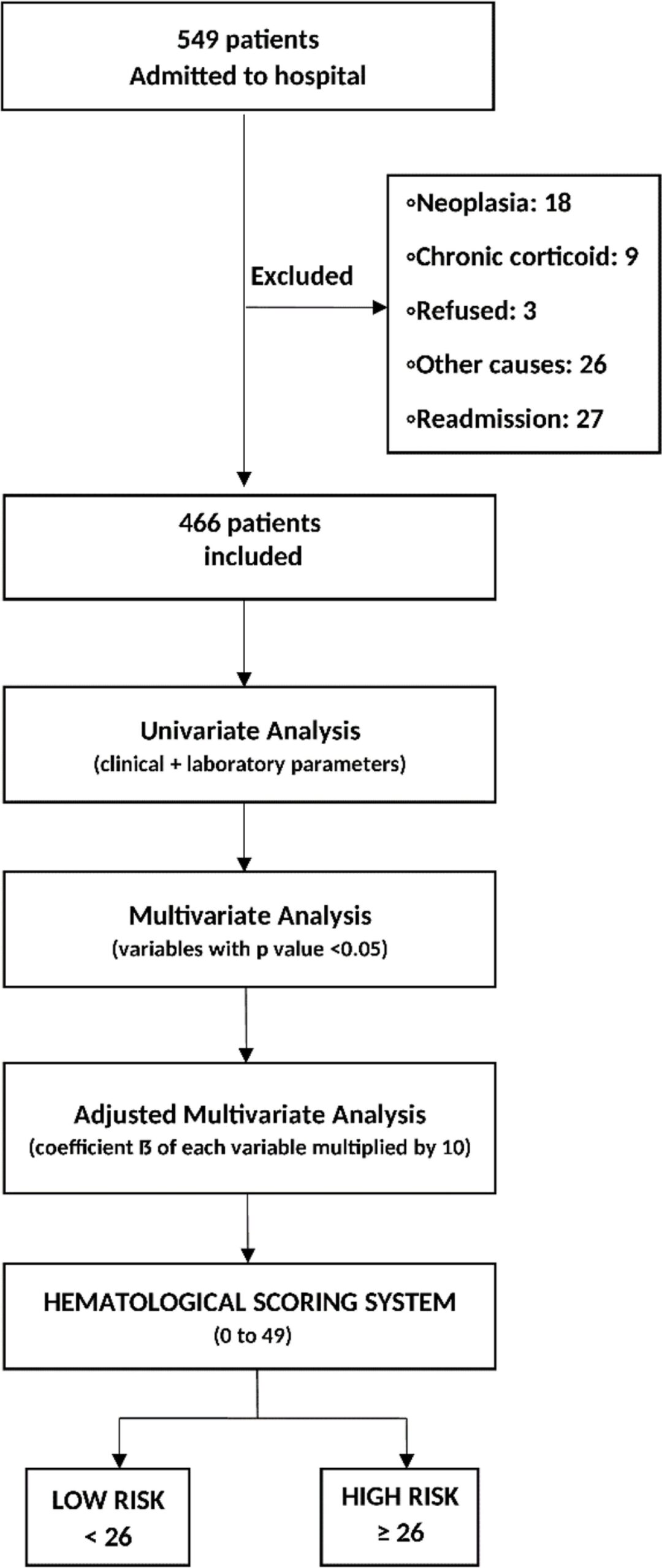
Patients admitted for AMI were recruited in this prospective study. Exclusion criteria were age younger than 18 years, glucocorticoid therapy, cancer or hematological diseases and readmissions. NRBCs, MPV and NLR were measured during hospitalization. The scoring system was developed in three steps: first, the magnitude of the association of clinical and laboratory parameters with in-hospital mortality was measured by odds ratio (OR), second, a multivariate logistic regression model was conducted with all variables significantly (p < 0.05) associated with the outcome, and third, a β-coefficient was estimated by multivariate logistic regression with hematological parameters with a p < 0.05.

Results:

A total of 466 patients (mean age were 64.2 ± 12.8 years, 61.6% male) were included in this study. A hematological scoring system ranging from 0 to 49, where higher values were associated with higher risk of in-hospital death. The best performance was registered for a cut-off value of 26 with sensitivity of 89.1% and specificity of 67.2%, positive predictive value of 26.8% (95% CI: 0.204 – 0.332) and negative predictive value of 97.9% (95% CI: 0.962 – 0.996). The area under the curve for the scoring system was 0.868 (95% CI: 0.818 – 0.918).

Conclusions:

Here we propose a hematological scoring system for surveillance tool during hospitalization of patients with acute myocardial infarction. Based on total blood count parameters, the instrument can evaluate inflammation and hypoxemia due to in-hospital complications and, consequently, predict in-hospital mortality.

  • Coronary Artery Diseases
  • Mean Platelet Volume
  • Mortality
  • Myocardial Infarction
  • neutrophil-to-lymphocyte ratio
  • Nucleated Red Blood Cells
  • Scoring System
  • Severity of Illness Index
Read Full Article
Creative Commons Attribution (CC BY) Creative Commons license
03/02/2020 DOI: 10.36660/ijcs.20190094
ABC
Editorial

Does the Mean Platelet Volume Decrease in the Presence of Coronary Artery Fistula?

Henrique Trombini Pinesi et al. Roberto Rocha C. V. Giraldez

It has long been known that platelet activation is involved in the genesis of several cardiovascular diseases, especially acute coronary syndromes and other atherosclerotic diseases. Studies carried out in the 1970s already showed that the endothelial lesion was capable of triggering a cascade of inflammatory events leading to platelet activation and consequent vascular thrombosis.

Activated platelets have a larger size due to their increased enzymatic and metabolic activity. These observations led to a series of studies that evaluated the correlation between mean platelet volume (MVP) and cardiovascular disease. Most of these studies found a positive correlation between these variables, with a higher risk of ischemic events in patients with higher MPV., These studies were replicated in several different situations, with similar results. Despite this, they have never been tested in large clinical trials as part of the decision-making. Therefore, there is no robust evidence to use MPV or even more complex platelet activity tests in daily clinical practice as a cardiovascular risk factor up to the present time.,

[…]

  • Acute coronary syndrome
  • Coronary Angiography
  • Inflammation
  • Mean Platelet Volume
  • Platelet Activation/genetic
Read Full Article
Creative Commons Attribution (CC BY) Creative Commons license
02/09/2019 DOI: 10.5935/abc.20190154 Views 1
Figure 1
ABC
Original Article

Does Mean Platelet Volume Decrease in the presence of Coronary Artery Fistula?

Isa Sincer et al. Yusuf Çekici Mehmet Cosgun Gulali Aktas … Yilmaz Gunes Emrah Erdal Asli Kurtar Mansiroglu Mehmet Inanır

Abstract

Background:

Coronary artery fistula (CAF) is an abnormal connection that links a coronary artery to a cardiac chamber or another major blood vessel. Several studies have shown the association between mean platelet volume (MPV) and cardiovascular diseases. In the literature, there is no previous study about the association between hematologic parameters and congenital CAF. For this reason, we aimed to investigate the association of MPV with CAF.

Methods:

70 patients with normal coronary arteries and 50 with coronary artery fistulas were included. Routine blood and biochemical parameters were measured before the arteriography. Differences between groups for continuous variables were analyzed with t- test or Mann-Whitney test. P values < 0.05 were considered significant. Regression analysis was used to find independent predictors of CAF.

Results:

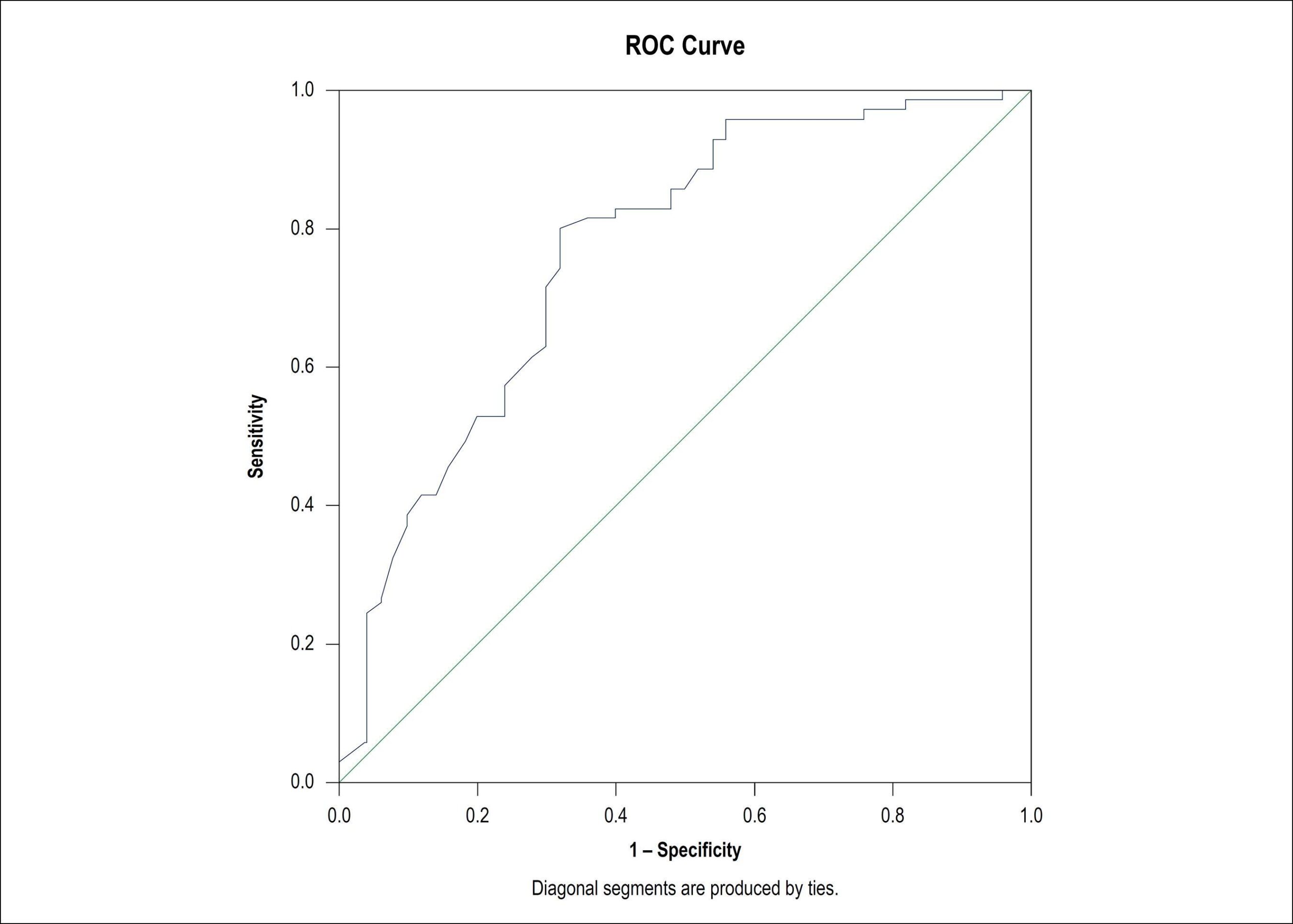
Baseline patient demographics, including age and clinical risk factors, were similar between the groups. Compared to the control group, median (IQR) High-density lipoprotein cholesterol (HDL) levels were significantly higher (p=0.04) and MPV levels were significantly lower in the CAF group (8.84 ± 1.71fL vs. 10.43 ± 1.34, p < 0.001). In the multivariate analysis, only MPV was a significant predictor of CAF (p < 0.001, 95% CI for OR: 0.438 (0.306-0.629). A negative correlation was found between MPV and fistulae in Pearson's correlation test (r: -0.454, p < 0.001). An MPV level of < 9,6 fL showed sensitivity, specificity, positive predictive value and negative predictive value of 80%, 68%, 71% and 78% respectively (AUC = 0.766, 95% CI, 0.678-0.854) for the prediction of CAF.

Conclusion:

The present study suggests that MPV may decrease in patients with CAF.

  • Angiography
  • Arteriovenous Fistula
  • Coronary Artery Disease
  • Endothelium / dysfunction
  • Mean Platelet Volume
Read Full Article
Creative Commons Attribution (CC BY) Creative Commons license
27/06/2019 DOI: 10.5935/abc.20190088
Figure 1
ABC
Original Article

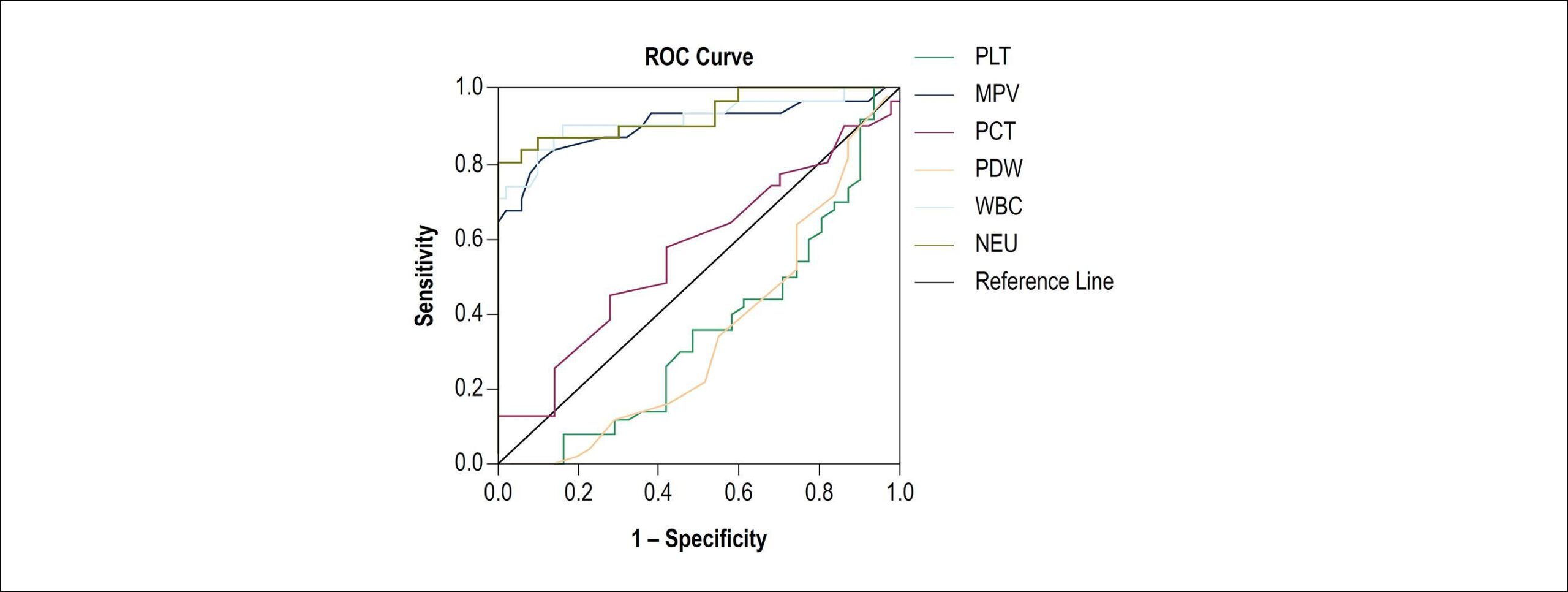
Clinical Significance of Platelet Volume and Other Platelet Parameters in Acute Myocardial Infarction and Stable Coronary Artery Disease

Liumei Ding et al. Lihua Sun Feng Wang Liejun Zhu … Ting Zhang Fanli Hua

Abstract

Background:

Platelets are important in the initiation of thrombosis, and their morphological and functional changes are closely related with the occurrence and development of coronary artery thrombosis. Platelet parameters might be valuable in distinguishing between acute myocardial infarction (AMI) and stable coronary artery disease (SCAD).

Objective:

This study was designed to detect and compare changes in platelet parameters, such as mean platelet volume (MPV) in patients with acute myocardial infarction (AMI) and stable coronary artery disease (SCAD) and to investigate their roles in these diseases.

Methods:

Specimen collection: Between January 2011 and December 2013, 2 mL of elbow vein blood was drawn from each of 31 patients primarily diagnosed with AMI, 34 SCAD patients and 50 healthy subjects; and placed in EDTA-K2 anticoagulant tubes. Platelet count (PLT), MPV, plateletcrit (PCT), platelet distribution width (PDW), white blood cell (WBC) and neutrophil (NEU) counts were determined using an STKS automated hematology analyzer (Beckman Courter).

Results:

Compared with the control group, MPV levels were significantly higher in the AMI and SCAD groups (p < 0.05), while PLT was significantly lower (p < 0.05).

Conclusion:

These results suggest that MPV and other related parameters have a certain value in the diagnosis of SCAD and AMI.

  • Acute Coronary Syndrome/physiopathology
  • Coronary Thrombosis
  • Mean Platelet Volume
  • Myocardial Infarction
Read Full Article
Creative Commons Attribution (CC BY) Creative Commons license
01/04/2019 DOI: 10.5935/abc.20190058 Views 1

How to cite this article

EndNote RIS

Electronic Document Format (Vancouver)

Cakir U, Tayman C. Mean Platelet Volume to Platelet Distribution Width Ratio: The Most Effective Platelet Parameter in the Closer of Ductus Arteriosus. Arquivos Brasileiros de Cardiologia 2025;122(5):e20240635.

Electronic Document Format (ABNT)

Cakir, Ufuk; Tayman, Cuneyt. Mean Platelet Volume to Platelet Distribution Width Ratio: The Most Effective Platelet Parameter in the Closer of Ductus Arteriosus. Arquivos Brasileiros de Cardiologia, v. 122, n. 5, e20240635, May. 2025.

Electronic Document Format (APA)

Cakir, U., & Tayman, C. (2025). Mean Platelet Volume to Platelet Distribution Width Ratio: The Most Effective Platelet Parameter in the Closer of Ductus Arteriosus. Arquivos Brasileiros de Cardiologia, 122(5), e20240635.

Electronic Document Format (ISO)

Cakir, Ufuk and Tayman, Cuneyt. Mean Platelet Volume to Platelet Distribution Width Ratio: The Most Effective Platelet Parameter in the Closer of Ductus Arteriosus. Arquivos Brasileiros de Cardiologia [online]. 2025, vol. 122, n. 5, [cited 2026-10-14], e20240635. Available from: <https://journals.cardiol.br/en/article/mean-platelet-volume-to-platelet-distribution-width-ratio-the-most-effective-platelet-parameter-in-the-closer-of-ductus-arteriosus/>. ISSN 0066-782X

EndNote RIS

Electronic Document Format (Vancouver)

Durmuş , Kalaycıoğlu E, Çetin M, Şahin HB, Kırış T. Exercise-Based Cardiac Rehabilitation Has a Strong Relationship with Mean Platelet Volume Reduction. Arquivos Brasileiros de Cardiologia 2021;116(3):434-40.

Electronic Document Format (ABNT)

Durmuş, İsmet; Kalaycıoğlu, Ezgi; Çetin, Mustafa; Şahin, Hanife Baykal; Kırış, Tuncay. Exercise-Based Cardiac Rehabilitation Has a Strong Relationship with Mean Platelet Volume Reduction. Arquivos Brasileiros de Cardiologia, v. 116, n. 3, p. 434-440, Feb. 2021.

Electronic Document Format (APA)

Durmuş, , Kalaycıoğlu, E., Çetin, M., Şahin, H. B., & Kırış, T. (2021). Exercise-Based Cardiac Rehabilitation Has a Strong Relationship with Mean Platelet Volume Reduction. Arquivos Brasileiros de Cardiologia, 116(3), 434-440.

Electronic Document Format (ISO)

Durmuş, İsmet and Kalaycıoğlu, Ezgi and Çetin, Mustafa and Şahin, Hanife Baykal and Kırış, Tuncay. Exercise-Based Cardiac Rehabilitation Has a Strong Relationship with Mean Platelet Volume Reduction. Arquivos Brasileiros de Cardiologia [online]. 2021, vol. 116, n. 3, [cited 2026-10-14], pp. 434-440. Available from: <https://journals.cardiol.br/en/article/exercise-based-cardiac-rehabilitation-has-a-strong-relationship-with-mean-platelet-volume-reduction/>. ISSN 0066-782X

EndNote RIS

Electronic Document Format (Vancouver)

Monteiro Júnior JGM, Sobral Filho DC. Potential Role of Hematological Parameters in Patients with Acute Myocardial Infarction: viewpoint. International Journal of Cardiovascular Sciences 2020;33(5):586-8.

Electronic Document Format (ABNT)

Monteiro Júnior, José Gildo de Moura; Sobral Filho, Dário Celestino. Potential Role of Hematological Parameters in Patients with Acute Myocardial Infarction: viewpoint. International Journal of Cardiovascular Sciences, v. 33, n. 5, p. 586-588, Jul. 2020.

Electronic Document Format (APA)

Monteiro Júnior, J. G. M., & Sobral Filho, D. C. (2020). Potential Role of Hematological Parameters in Patients with Acute Myocardial Infarction: viewpoint. International Journal of Cardiovascular Sciences, 33(5), 586-588.

Electronic Document Format (ISO)

Monteiro Júnior, José Gildo de Moura and Sobral Filho, Dário Celestino. Potential Role of Hematological Parameters in Patients with Acute Myocardial Infarction: viewpoint. International Journal of Cardiovascular Sciences [online]. 2020, vol. 33, n. 5, [cited 2026-10-14], pp. 586-588. Available from: <https://journals.cardiol.br/en/article/potential-role-of-hematological-parameters-in-patients-with-acute-myocardial-infarction-viewpoint/>. ISSN 2359-4802

EndNote RIS

Electronic Document Format (Vancouver)

Monteiro Júnior JGM, Torres DOC, Silva MCFC, Príncipe TRN, Vasconcelos RB, Brito MEC, Limeira MAA, et al. Performance of a Hematological Scoring System in Predicting All-Cause Mortality in Patients with Acute Myocardial Infarction. International Journal of Cardiovascular Sciences 2020;33(4):380-8.

Electronic Document Format (ABNT)

Monteiro Júnior, José Gildo de Moura; Torres, Dilênia de Oliveira Cipriano; Silva, Maria Cleide Freire Clementino da; Príncipe, Tácio Rian Nogueira; Vasconcelos, Rhayssa Barbosa de; Brito, Maria Eduarda Cavalcanti de; Limeira, Maria Alice Aquino; Santos, Ana Célia Oliveira dos; Montarroyos, Ulisses Ramos; Sobral Filho, Dário Celestino. Performance of a Hematological Scoring System in Predicting All-Cause Mortality in Patients with Acute Myocardial Infarction. International Journal of Cardiovascular Sciences, v. 33, n. 4, p. 380-388, Feb. 2020.

Electronic Document Format (APA)

Monteiro Júnior, J. G. M., Torres, D. O. C., Silva, M. C. F. C. , Príncipe, T. R. N., Vasconcelos, R. B. , Brito, M. E. C. , Limeira, M. A. A., Santos, A. C. O. , Montarroyos, U. R., & Sobral Filho, D. C. (2020). Performance of a Hematological Scoring System in Predicting All-Cause Mortality in Patients with Acute Myocardial Infarction. International Journal of Cardiovascular Sciences, 33(4), 380-388.

Electronic Document Format (ISO)

Monteiro Júnior, José Gildo de Moura and Torres, Dilênia de Oliveira Cipriano and Silva, Maria Cleide Freire Clementino da and Príncipe, Tácio Rian Nogueira and Vasconcelos, Rhayssa Barbosa de and Brito, Maria Eduarda Cavalcanti de and Limeira, Maria Alice Aquino and Santos, Ana Célia Oliveira dos and Montarroyos, Ulisses Ramos and Sobral Filho, Dário Celestino. Performance of a Hematological Scoring System in Predicting All-Cause Mortality in Patients with Acute Myocardial Infarction. International Journal of Cardiovascular Sciences [online]. 2020, vol. 33, n. 4, [cited 2026-10-14], pp. 380-388. Available from: <https://journals.cardiol.br/en/article/performance-of-a-hematological-scoring-system-in-predicting-all-cause-mortality-in-patients-with-acute-myocardial-infarction/>. ISSN 2359-4802

EndNote RIS

Electronic Document Format (Vancouver)

Pinesi HT, Giraldez RRCV. Does the Mean Platelet Volume Decrease in the Presence of Coronary Artery Fistula?. Arquivos Brasileiros de Cardiologia 2019;113(2):272-3.

Electronic Document Format (ABNT)

Pinesi, Henrique Trombini; Giraldez, Roberto Rocha C. V.. Does the Mean Platelet Volume Decrease in the Presence of Coronary Artery Fistula?. Arquivos Brasileiros de Cardiologia, v. 113, n. 2, p. 272-273, Sep. 2019.

Electronic Document Format (APA)

Pinesi, H. T., & Giraldez, R. R. C. V. (2019). Does the Mean Platelet Volume Decrease in the Presence of Coronary Artery Fistula?. Arquivos Brasileiros de Cardiologia, 113(2), 272-273.

Electronic Document Format (ISO)

Pinesi, Henrique Trombini and Giraldez, Roberto Rocha C. V.. Does the Mean Platelet Volume Decrease in the Presence of Coronary Artery Fistula?. Arquivos Brasileiros de Cardiologia [online]. 2019, vol. 113, n. 2, [cited 2026-10-14], pp. 272-273. Available from: <https://journals.cardiol.br/en/article/does-the-mean-platelet-volume-decrease-in-the-presence-of-coronary-artery-fistula/>. ISSN 0066-782X

EndNote RIS

Electronic Document Format (Vancouver)

Sincer I, Çekici Y, Cosgun M, Aktas G, Gunes Y, Erdal E, Mansiroglu AK, et al. Does Mean Platelet Volume Decrease in the presence of Coronary Artery Fistula?. Arquivos Brasileiros de Cardiologia 2019;113(1):71-6.

Electronic Document Format (ABNT)

Sincer, Isa; Çekici, Yusuf; Cosgun, Mehmet; Aktas, Gulali; Gunes, Yilmaz; Erdal, Emrah; Mansiroglu, Asli Kurtar; Inanır, Mehmet. Does Mean Platelet Volume Decrease in the presence of Coronary Artery Fistula?. Arquivos Brasileiros de Cardiologia, v. 113, n. 1, p. 71-76, Jun. 2019.

Electronic Document Format (APA)

Sincer, I., Çekici, Y., Cosgun, M., Aktas, G., Gunes, Y., Erdal, E., Mansiroglu, A. K., & Inanır, M. (2019). Does Mean Platelet Volume Decrease in the presence of Coronary Artery Fistula?. Arquivos Brasileiros de Cardiologia, 113(1), 71-76.

Electronic Document Format (ISO)

Sincer, Isa and Çekici, Yusuf and Cosgun, Mehmet and Aktas, Gulali and Gunes, Yilmaz and Erdal, Emrah and Mansiroglu, Asli Kurtar and Inanır, Mehmet. Does Mean Platelet Volume Decrease in the presence of Coronary Artery Fistula?. Arquivos Brasileiros de Cardiologia [online]. 2019, vol. 113, n. 1, [cited 2026-10-14], pp. 71-76. Available from: <https://journals.cardiol.br/en/article/does-mean-platelet-volume-decrease-in-the-presence-of-coronary-artery-fistula/>. ISSN 0066-782X

EndNote RIS

Electronic Document Format (Vancouver)

Ding L, Sun L, Wang F, Zhu L, Zhang T, Hua F. Clinical Significance of Platelet Volume and Other Platelet Parameters in Acute Myocardial Infarction and Stable Coronary Artery Disease. Arquivos Brasileiros de Cardiologia 2019;112(6):715-9.

Electronic Document Format (ABNT)

Ding, Liumei; Sun, Lihua; Wang, Feng; Zhu, Liejun; Zhang, Ting; Hua, Fanli. Clinical Significance of Platelet Volume and Other Platelet Parameters in Acute Myocardial Infarction and Stable Coronary Artery Disease. Arquivos Brasileiros de Cardiologia, v. 112, n. 6, p. 715-719, Mar. 2019.

Electronic Document Format (APA)

Ding, L., Sun, L., Wang, F., Zhu, L., Zhang, T., & Hua, F. (2019). Clinical Significance of Platelet Volume and Other Platelet Parameters in Acute Myocardial Infarction and Stable Coronary Artery Disease. Arquivos Brasileiros de Cardiologia, 112(6), 715-719.

Electronic Document Format (ISO)

Ding, Liumei and Sun, Lihua and Wang, Feng and Zhu, Liejun and Zhang, Ting and Hua, Fanli. Clinical Significance of Platelet Volume and Other Platelet Parameters in Acute Myocardial Infarction and Stable Coronary Artery Disease. Arquivos Brasileiros de Cardiologia [online]. 2019, vol. 112, n. 6, [cited 2026-10-14], pp. 715-719. Available from: <https://journals.cardiol.br/en/article/clinical-significance-of-platelet-volume-and-other-platelet-parameters-in-acute-myocardial-infarction-and-stable-coronary-artery-disease/>. ISSN 0066-782X

  • About ABC Family
  • Internal Regulation
  • Editorial Board
  • Brazilian Society of Cardiology (SBC)

Issues

SBC Guidelines

  • Videos
  • Podcasts
  • News