ABC Family Arquivos Brasileiros de Cardiologia International Journal of Cardiovascular Sciences ABC Heart Failure & Cardiomyopathy ABC Imagem Cardiovascular
Português English
ABC Family
Português English
  • About
    • About ABC Family
    • Internal Regulation
    • Editorial Board
    • Brazilian Society of Cardiology (SBC)
  • Issues
  • SBC Guidelines
  • Content
    • Videos
    • Podcasts
    • News
  • About
    • About ABC Family
    • Internal Regulation
    • Editorial Board
    • Brazilian Society of Cardiology (SBC)
  • Issues
  • SBC Guidelines
  • Content
    • Videos
    • Podcasts
    • News

ABC Family

  • ABC Family
  • Arquivos Brasileiros de Cardiologia
  • International Journal of Cardiovascular Sciences
  • ABC Heart Failure & Cardiomyopathy
  • ABC Imagem Cardiovascular
Search in

No content found.

Journals
Ordering
Article types
Others

  1. Home
  2. Keyword: Anti-Arrhythmia Agents
Randomized Study Comparing Radiofrequency Ablation with the PVAC Gold System vs. Antiarrhythmic Drugs in Elderly Patients with Symptomatic Atrial Fibrillation
ABC
Original Article

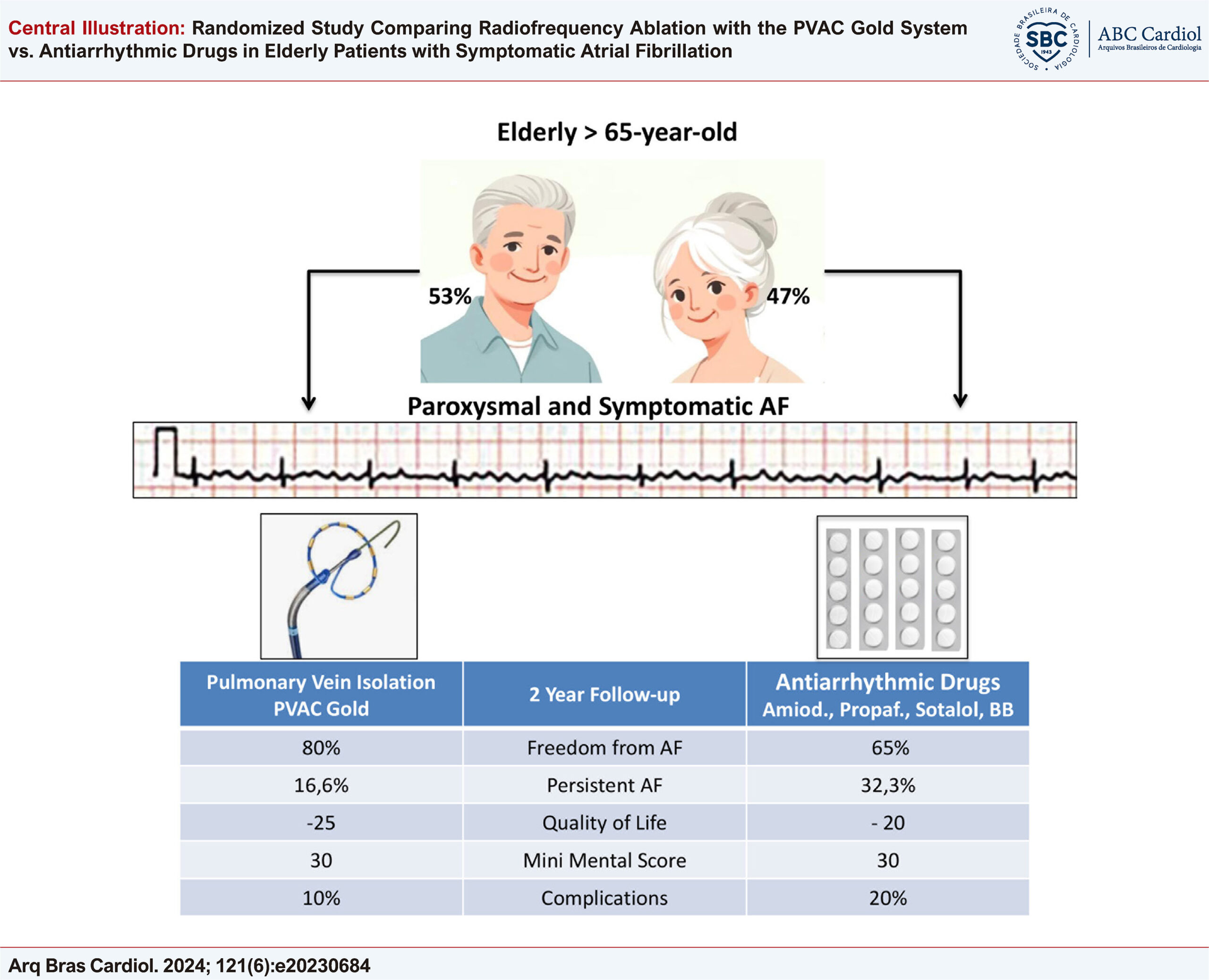
Randomized Study Comparing Radiofrequency Ablation with the PVAC Gold System vs. Antiarrhythmic Drugs in Elderly Patients with Symptomatic Atrial Fibrillation

Luiz Claudio Berhmann Martins et al. Cristiano F. Pisani Fabio K. Dorfman Francisco C. C. Darrieux … Tan C. Wu Alberto P. Ferraz Denise T. Hachul Claudio Campi de Castro Rogério Ruscitto do Prado Luciana V. F. Souza Luciana Sacilloto Gabrielle D. A. Pessente Cesar J. Grupi Muhieddine Omar Chokr Cesar H. Nomura Kátia Rodrigues de Oliveira Conrado P. Balbo Sissy L. Melo Pedro Veronese Mauricio I. Scanavacca

Abstract

Background

There are no randomized studies comparing the maintenance of sinus rhythm after catheter ablation (CA) concerning treatment with antiarrhythmic drugs (AA) in elderly patients with paroxysmal atrial fibrillation (AF).

Objectives

To compare the clinical results of pulmonary vein (PV) isolation with the second-generation PVAC Gold catheter against AA treatment in elderly people with recurrent symptomatic paroxysmal AF, refractory to at least one AA, and without structural heart disease.

Methods

Sixty patients with paroxysmal AF ≥ 65 years old were randomized to two forms of treatment: group 1: CA and group 2: AA drugs. The primary outcome was the AF recurrence-free rate after at least one year of follow-up. Secondary outcomes were: progression to persistent forms of AF, impact on quality of life (QOLF), and complications. The significance level adopted in the statistical analysis was 5% (p<0.05).

Results

The AF recurrence-free rate was 80% (10% with amiodarone) in the CA group, after 1.3 procedures per patient and 65% in the AA group (60% with amiodarone), (p = 0.119) in an average follow-up of 719 days (Q1: 566; Q3: 730). The persistent AF free rate was 83.4% in the AC group and 67.7% in the AA group (p = 0.073) Both strategies showed an improvement in the AFQoL score during follow-up (p < 0.001), with no difference between the groups. Although without clinical repercussions or impact on the intellectual assessment test, 25% of patients in the CA group showed signs of cerebral embolization on brain MRI.

Conclusions

Both strategies for maintaining sinus rhythm promoted an improvement in the quality of life of elderly patients with symptomatic AF, with no statistical difference in the clinical outcomes. Additional studies using technologies with a better safety profile are needed to evaluate the benefits of CA in elderly patients with AF.
  • Anti-Arrhythmia Agents
  • Atrial Fibrillation
  • Catheter Ablation
  • Quality of life
  • Stroke
Read Full Article
Creative Commons Attribution (CC BY) Creative Commons license
02/08/2024 DOI: 10.36660/abc.20230684i Views 3
Figure 1
ABC
Original Article

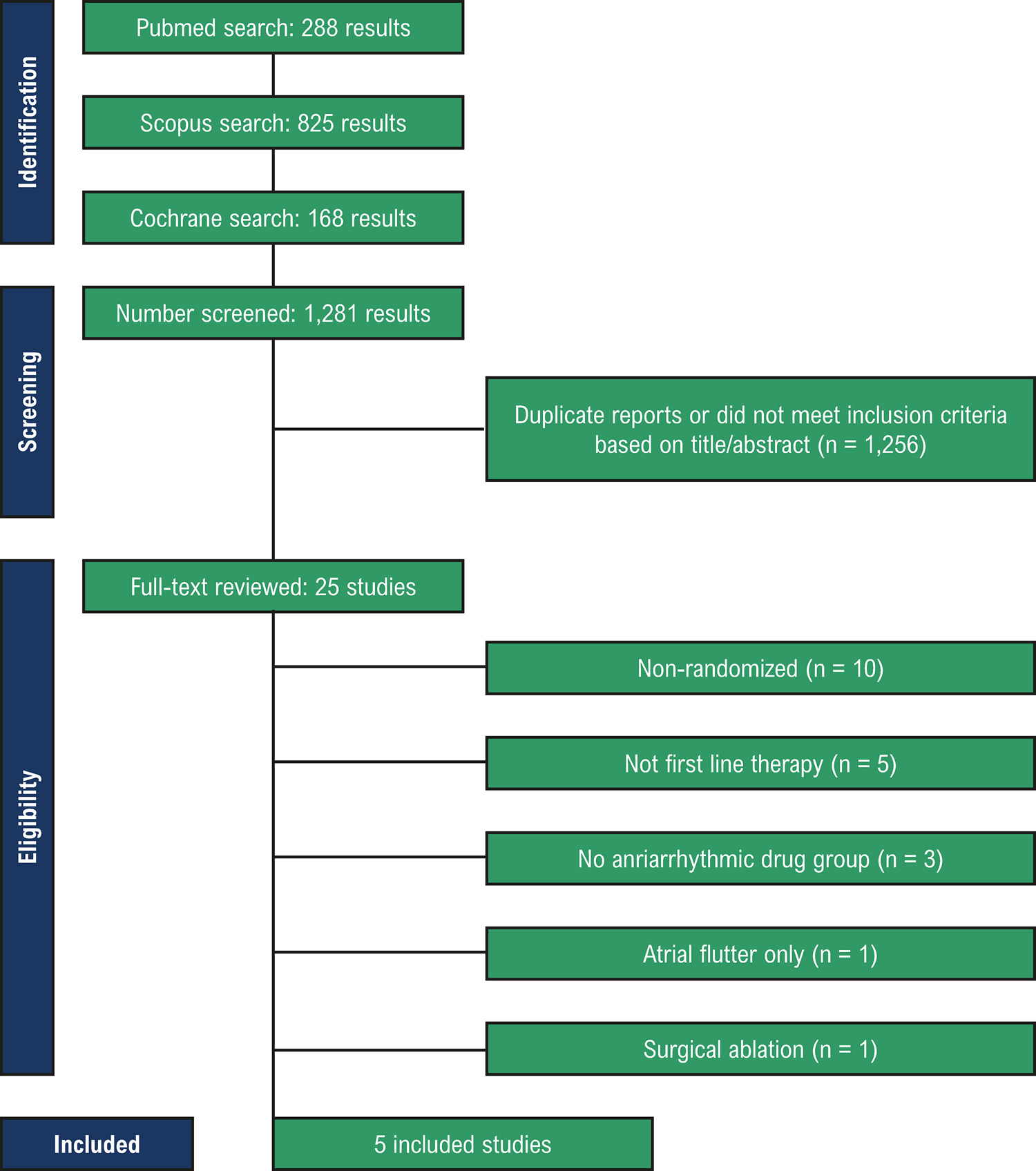
Catheter Ablation is Superior to Antiarrhythmic Drugs as First-Line Treatment for Atrial Fibrillation: a Systematic Review and Meta-Analysis

Rhanderson Cardoso et al. Gustavo B. Justino Fabrissio P. Graffunder Leticia Benevides … Leonardo Knijnik Luana M.F. Sanchez Andre d’Avila

Abstract

Background

Catheter ablation is a well-established therapy for rhythm control in patients who are refractory or intolerant to anti-arrhythmic drugs (AAD). Less is known about the efficacy of catheter ablation compared with AAD as a first-line strategy for rhythm control in atrial fibrillation (AF).

Objectives

We aimed to perform a systematic review and meta-analysis of catheter ablation vs. AAD in patients naïve to prior rhythm control therapies.

Methods

PubMed, EMBASE, and Cochrane databases were searched for randomized controlled trials that compared catheter ablation to AAD for initial rhythm control in symptomatic AF and reported the outcomes of (1) recurrent atrial tachyarrhythmias (ATs); (2) symptomatic AF; (3) hospitalizations; and (4) symptomatic bradycardia. Heterogeneity was examined with I2statistics. P values of < 0.05 were considered statistically significant.

Results

We included five trials with 994 patients, of whom 502 (50.5%) underwent catheter ablation. Mean follow-up ranged from one to five years. Recurrences of AT (OR 0.36; 95% CI 0.25-0.52; p<0.001) and symptomatic AF (OR 0.32; 95% CI 0.18-0.57; p<0.001), and hospitalizations (OR 0.25; 95% CI 0.15-0.42; p<0.001) were significantly less frequent in patients treated with catheter ablation compared with AAD. Symptomatic bradycardia was not significantly different between groups (OR 0.55; 95% CI 0.18-1.65; p=0.28). Significant pericardial effusions or tamponade occurred in eight of 464 (1.7%) patients in the catheter ablation group.

Conclusion

These findings suggest that catheter ablation has superior efficacy to AAD as an initial rhythm control strategy in patients with symptomatic AF.

  • Anti-Arrhythmia Agents
  • Atrial Fibrillation
  • Catheter Ablation
Read Full Article
Creative Commons Attribution (CC BY) Creative Commons license
02/05/2022 DOI: 10.36660/abc.20210477
Figure 1
IJCS
Review Article

Translational Approach for Percutaneous Interventions for the Treatment of Cardiac Arrhythmias

Angelo Amato Vincenzo de Paola

Abstract

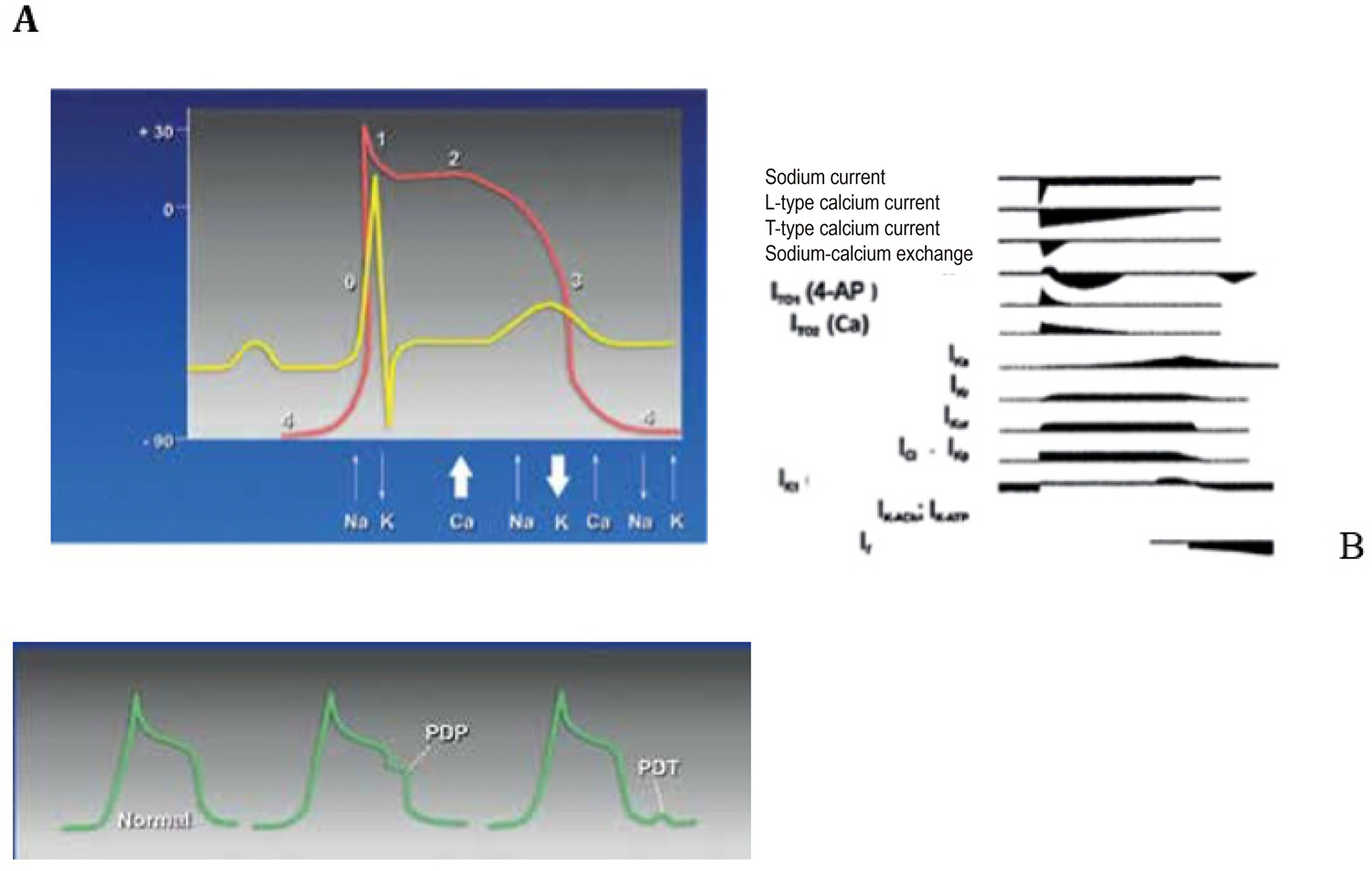
New translational concepts on cellular and tissue substrate of cardiac arrhythmias have been responsible for the development of non-pharmacological interventions, with important achievements compared to the conventional approach with antiarrhythmic drugs. In addition, the increasing knowledge of anatomical and electrophysiological studies, sophisticated mapping methods, special catheters, and controlled clinical trials have favored the progression of ablation of tachyarrhythmias, particularly of ventricular tachyarrhythmias and atrial fibrillation.

  • Anti-Arrhythmia Agents
  • Arrhythmias Cardiac/physiopathology
  • atrioventricular node
  • Catheter Ablation
  • Cryosurgery / methods
  • Echocardiography/methods
  • Tomography, X Ray-Computed/methods
  • Translational Medical Research
Read Full Article
Creative Commons Attribution (CC BY) Creative Commons license
09/10/2020 DOI: 10.36660/ijcs.20200152 Views 1
Figure 1
ABC
Original Article

Bradycardic and Antiarrhythmic Effects of the D-Limonene in Rats

Gildenisson Araújo do Nascimento et al. Diego Santos de Souza Bruno Santos Lima Carla Maria Lins de Vasconcelos … Adriano Antunes de Souza Araújo Aimée Obolari Durço Lucindo José Quintans-Junior Jackson Roberto Guedes da Silva Almeida Aldeída Pereira Oliveira Valter Joviniano de Santana-Filho André Sales Barreto Márcio Roberto Viana dos Santos

Abstract

Background:

D-limonene (DL) is a monoterpene and is the major component in the essential oil of citrus fruit. It presents antihyperglycemic and vasodilatation activities.

Objectives:

This study evaluated the cardiovascular effects and potential antiarrhythmic of DL in rats.

Methods:

Hemodynamic and electrocardiographic (ECG) parameters were measured in male Wistar rats, which under anesthesia had been cannulated in the abdominal aorta and lower vena cava and had electrodes subcutaneously implanted. In the in vitro approach, the heart was removed and perfused using the Langendorff technique. The significance level adopted was 5% (p < 0.05).

Results:

DL, in doses of 10, 20, and 40 mg/kg (i.v), produced intense and persistent bradycardia associated with hypotension. Bradycardia with prolonged QTc was observed in the ECG in vivo recording. In the in vivo model of arrhythmia induced by Bay K8644, DL (10 mg/kg) decreased the arrhythmia score from 15.33 ± 3.52 to 4.0 ± 2.64 u.a (p < 0.05, n = 4). In isolated perfused hearts, DL (10-3 M) promoted significant reductions in heart rate (from 228.6 ± 8.5 ms to 196.0 ± 9.3 bpm; p < 0.05) and left ventricular development pressure (from 25.2 ± 3.4 to 5.9 ± 1.8 mmHg; n = 5, p < 0.05).

Conclusions:

DL produces bradycardia and antiarrhythmic activity in rat heart.

  • Anti-Arrhythmia Agents
  • Antioxidants
  • Arrhythmias Cardiac
  • Bradycardia
  • Limonene
  • Monoterpenes
  • Rats
Read Full Article
Creative Commons Attribution (CC BY) Creative Commons license
02/09/2019 DOI: 10.5935/abc.20190173 Views 1
Figure 1
IJCS
Case Report

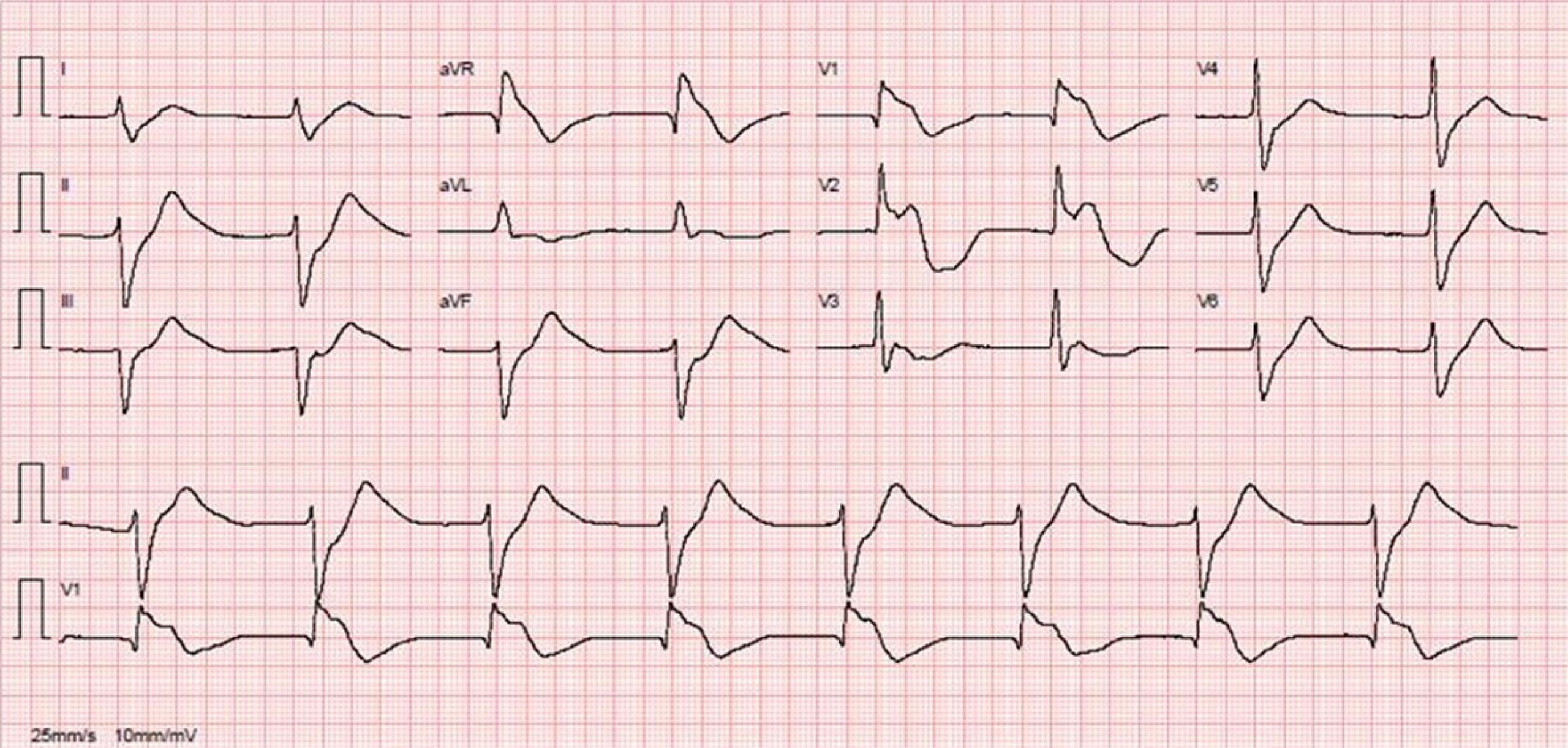
Brugada Pattern, Brugada Phenocopy, What to Think?

José Luis Martins et al. Raquel Ferreira Jesus Viana José Santos

Introduction

Propafenone is a class 1 anti-arrhythmic medication with beta-adrenergic and calcium channel blocker properties.

Brugada syndrome (BrS) has a typical electrocardiographic pattern characterized by increased propensity for malignant ventricular arrhythmias and sudden death in patients with no structural heart disease.

[…]

  • Anti-Arrhythmia Agents
  • Arrhythmias Cardiac
  • Brugada syndrome/genetic
  • Death, Sudden, Cardiac
  • Electrocardiography
  • Propafenone
  • Suicide
Read Full Article
Creative Commons Attribution (CC BY) Creative Commons license
01/01/2019 DOI: 10.5935/2359-4802.20180079
Figure 1
ABC
Case Report

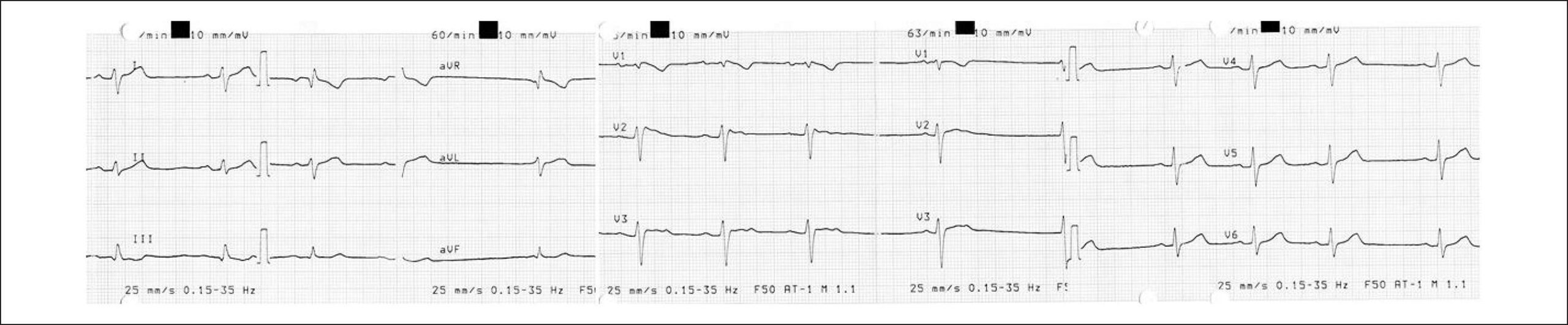
Propafenone Overdose: From Cardiogenic Shock to Brugada Pattern

Julio Gil et al. Bruno Marmelo Luís Abreu Hugo Antunes … Luís Ferreira dos Santos José Costa Cabral

Introduction

Propafenone is a class IC antiarrhythmic drug used in the treatment of ventricular and supraventricular arrhythmias.– It is primarily a potent sodium channel blocker, yet also exhibits beta-blocking and calcium channel blocking activity.,, Propafenone is able to induce important ECG changes, namely prolongation of the PR interval, bundle branch block, wide QRS and QT intervals, as well as ventricular tachycardia or bradycardia., It may be associated with significant proarrhythmogenic effects, even at therapeutic doses. A fatal overdose on propafenone is usually attributed to conduction abnormalities, leading to asystole or electromechanical dissociation. The authors describe two clinical cases of propafenone intoxication with life-threatening ECG changes, but with a favorable final outcome.

[…]

  • Anti-Arrhythmia Agents
  • Arrhythmias Cardiac
  • calcium channel blockers
  • Propafenone
  • Toxicity
Read Full Article
Creative Commons Attribution (CC BY) Creative Commons license
01/03/2018 DOI: 10.5935/abc.20180033
ABC
Editorial

Current Atrial Fibrillation Ablation: An Alert for the Prevention and Treatment of Esophageal Lesions

Mauricio Scanavacca

Atrial fibrillation (AF) is recognized as the most frequent cardiac arrhythmia in clinical practice, and is responsible for the highest number of hospital admissions. In the general population, its prevalence is lower than 0.1% in individuals younger than 50 years, but increases exponentially with age, affecting about 8% of elderly individuals older than 80 years. Therefore, with the increase in the population’s life expectancy, a growing number of patients is or will be exposed to the risks of AF in the coming years.,

The recent introduction of new anticoagulants has brought considerable advances in the prevention of cerebral embolism, the most severe complication of AF., However, the development of more effective antiarrhythmic drugs failed to show progress during this period. Therefore, a large number of patients still live with the limitations imposed by AF, including decreased quality of life due to symptoms such as palpitations, reduced functional capacity, or manifestations of cardiac insufficiency, in addition to the psychological problems proper of these conditions.,

[…]

  • Anti-Arrhythmia Agents
  • Anticoagulants
  • Arrhythmias
  • Atrial Fibrillation
  • cardiac
  • Catheter Ablation
Read Full Article
Creative Commons Attribution (CC BY) Creative Commons license
01/05/2016 DOI: 10.5935/abc.20160078

How to cite this article

EndNote RIS

Electronic Document Format (Vancouver)

Martins LCB, Pisani CF, Dorfman FK, Darrieux FCC, Wu TC, Ferraz AP, Hachul DT, et al. Randomized Study Comparing Radiofrequency Ablation with the PVAC Gold System vs. Antiarrhythmic Drugs in Elderly Patients with Symptomatic Atrial Fibrillation. Arquivos Brasileiros de Cardiologia 2024;121(6):e20230684.

Electronic Document Format (ABNT)

Martins, Luiz Claudio Berhmann; Pisani, Cristiano F.; Dorfman, Fabio K.; Darrieux, Francisco C. C.; Wu, Tan C.; Ferraz, Alberto P.; Hachul, Denise T.; Castro, Claudio Campi de; Prado, Rogério Ruscitto do; Souza, Luciana V. F.; Sacilloto, Luciana; Pessente, Gabrielle D. A.; Grupi, Cesar J.; Chokr, Muhieddine Omar; Nomura, Cesar H.; Oliveira, Kátia Rodrigues de; Balbo, Conrado P.; Melo, Sissy L.; Veronese, Pedro; Scanavacca, Mauricio I.. Randomized Study Comparing Radiofrequency Ablation with the PVAC Gold System vs. Antiarrhythmic Drugs in Elderly Patients with Symptomatic Atrial Fibrillation. Arquivos Brasileiros de Cardiologia, v. 121, n. 6, e20230684, Aug. 2024.

Electronic Document Format (APA)

Martins, L. C. B., Pisani, C. F., Dorfman, F. K., Darrieux, F. C. C., Wu, T. C., Ferraz, A. P., Hachul, D. T., Castro, C. C. , Prado, R. R. , Souza, L. V. F., Sacilloto, L., Pessente, G. D. A., Grupi, C. J., Chokr, M. O., Nomura, C. H., Oliveira, K. R. , Balbo, C. P., Melo, S. L., Veronese, P., & Scanavacca, M. I. (2024). Randomized Study Comparing Radiofrequency Ablation with the PVAC Gold System vs. Antiarrhythmic Drugs in Elderly Patients with Symptomatic Atrial Fibrillation. Arquivos Brasileiros de Cardiologia, 121(6), e20230684.

Electronic Document Format (ISO)

Martins, Luiz Claudio Berhmann and Pisani, Cristiano F. and Dorfman, Fabio K. and Darrieux, Francisco C. C. and Wu, Tan C. and Ferraz, Alberto P. and Hachul, Denise T. and Castro, Claudio Campi de and Prado, Rogério Ruscitto do and Souza, Luciana V. F. and Sacilloto, Luciana and Pessente, Gabrielle D. A. and Grupi, Cesar J. and Chokr, Muhieddine Omar and Nomura, Cesar H. and Oliveira, Kátia Rodrigues de and Balbo, Conrado P. and Melo, Sissy L. and Veronese, Pedro and Scanavacca, Mauricio I.. Randomized Study Comparing Radiofrequency Ablation with the PVAC Gold System vs. Antiarrhythmic Drugs in Elderly Patients with Symptomatic Atrial Fibrillation. Arquivos Brasileiros de Cardiologia [online]. 2024, vol. 121, n. 6, [cited 2026-10-14], e20230684. Available from: <https://journals.cardiol.br/en/article/randomized-study-comparing-radiofrequency-ablation-with-the-pvac-gold-system-vs-antiarrhythmic-drugs-in-elderly-patients-with-symptomatic-atrial-fibrillation/>. ISSN 0066-782X

EndNote RIS

Electronic Document Format (Vancouver)

Cardoso R, Justino GB, Graffunder FP, Benevides L, Knijnik L, Sanchez LM, d’Avila A, et al. Catheter Ablation is Superior to Antiarrhythmic Drugs as First-Line Treatment for Atrial Fibrillation: a Systematic Review and Meta-Analysis. Arquivos Brasileiros de Cardiologia 2022;119(1):87-94.

Electronic Document Format (ABNT)

Cardoso, Rhanderson; Justino, Gustavo B.; Graffunder, Fabrissio P.; Benevides, Leticia; Knijnik, Leonardo; Sanchez, Luana M.F.; d’Avila, Andre. Catheter Ablation is Superior to Antiarrhythmic Drugs as First-Line Treatment for Atrial Fibrillation: a Systematic Review and Meta-Analysis. Arquivos Brasileiros de Cardiologia, v. 119, n. 1, p. 87-94, May. 2022.

Electronic Document Format (APA)

Cardoso, R., Justino, G. B., Graffunder, F. P., Benevides, L., Knijnik, L., Sanchez, L. M., & d’Avila, A. (2022). Catheter Ablation is Superior to Antiarrhythmic Drugs as First-Line Treatment for Atrial Fibrillation: a Systematic Review and Meta-Analysis. Arquivos Brasileiros de Cardiologia, 119(1), 87-94.

Electronic Document Format (ISO)

Cardoso, Rhanderson and Justino, Gustavo B. and Graffunder, Fabrissio P. and Benevides, Leticia and Knijnik, Leonardo and Sanchez, Luana M.F. and d’Avila, Andre. Catheter Ablation is Superior to Antiarrhythmic Drugs as First-Line Treatment for Atrial Fibrillation: a Systematic Review and Meta-Analysis. Arquivos Brasileiros de Cardiologia [online]. 2022, vol. 119, n. 1, [cited 2026-10-14], pp. 87-94. Available from: <https://journals.cardiol.br/en/article/catheter-ablation-is-superior-to-antiarrhythmic-drugs-as-first-line-treatment-for-atrial-fibrillation-a-systematic-review-and-meta-analysis/>. ISSN 0066-782X

EndNote RIS

Electronic Document Format (Vancouver)

Paola AAV. Translational Approach for Percutaneous Interventions for the Treatment of Cardiac Arrhythmias. International Journal of Cardiovascular Sciences 2020;33(5):550-64.

Electronic Document Format (ABNT)

Paola, Angelo Amato Vincenzo de. Translational Approach for Percutaneous Interventions for the Treatment of Cardiac Arrhythmias. International Journal of Cardiovascular Sciences, v. 33, n. 5, p. 550-564, Oct. 2020.

Electronic Document Format (APA)

Paola, A. A. V. (2020). Translational Approach for Percutaneous Interventions for the Treatment of Cardiac Arrhythmias. International Journal of Cardiovascular Sciences, 33(5), 550-564.

Electronic Document Format (ISO)

Paola, Angelo Amato Vincenzo de. Translational Approach for Percutaneous Interventions for the Treatment of Cardiac Arrhythmias. International Journal of Cardiovascular Sciences [online]. 2020, vol. 33, n. 5, [cited 2026-10-14], pp. 550-564. Available from: <https://journals.cardiol.br/en/article/translational-approach-for-percutaneous-interventions-for-the-treatment-of-cardiac-arrhythmias/>. ISSN 2359-4802

EndNote RIS

Electronic Document Format (Vancouver)

Nascimento GA, Souza DS, Lima BS, Vasconcelos CML, Araújo AAS, Durço AO, Quintans-Junior LJ, et al. Bradycardic and Antiarrhythmic Effects of the D-Limonene in Rats. Arquivos Brasileiros de Cardiologia 2019;113(5):925-32.

Electronic Document Format (ABNT)

Nascimento, Gildenisson Araújo do; Souza, Diego Santos de; Lima, Bruno Santos; Vasconcelos, Carla Maria Lins de; Araújo, Adriano Antunes de Souza; Durço, Aimée Obolari; Quintans-Junior, Lucindo José; Almeida, Jackson Roberto Guedes da Silva; Oliveira, Aldeída Pereira; Santana-Filho, Valter Joviniano de; Barreto, André Sales; Santos, Márcio Roberto Viana dos. Bradycardic and Antiarrhythmic Effects of the D-Limonene in Rats. Arquivos Brasileiros de Cardiologia, v. 113, n. 5, p. 925-932, Sep. 2019.

Electronic Document Format (APA)

Nascimento, G. A. , Souza, D. S. , Lima, B. S., Vasconcelos, C. M. L. , Araújo, A. A. S., Durço, A. O., Quintans-Junior, L. J., Almeida, J. R. G. S., Oliveira, A. P., Santana-Filho, V. J. , Barreto, A. S., & Santos, M. R. V. (2019). Bradycardic and Antiarrhythmic Effects of the D-Limonene in Rats. Arquivos Brasileiros de Cardiologia, 113(5), 925-932.

Electronic Document Format (ISO)

Nascimento, Gildenisson Araújo do and Souza, Diego Santos de and Lima, Bruno Santos and Vasconcelos, Carla Maria Lins de and Araújo, Adriano Antunes de Souza and Durço, Aimée Obolari and Quintans-Junior, Lucindo José and Almeida, Jackson Roberto Guedes da Silva and Oliveira, Aldeída Pereira and Santana-Filho, Valter Joviniano de and Barreto, André Sales and Santos, Márcio Roberto Viana dos. Bradycardic and Antiarrhythmic Effects of the D-Limonene in Rats. Arquivos Brasileiros de Cardiologia [online]. 2019, vol. 113, n. 5, [cited 2026-10-14], pp. 925-932. Available from: <https://journals.cardiol.br/en/article/bradycardic-and-antiarrhythmic-effects-of-the-d-limonene-in-rats/>. ISSN 0066-782X

EndNote RIS

Electronic Document Format (Vancouver)

Martins JL, Ferreira R, Viana J, Santos J. Brugada Pattern, Brugada Phenocopy, What to Think?. International Journal of Cardiovascular Sciences 2019;32(1):91-4.

Electronic Document Format (ABNT)

Martins, José Luis; Ferreira, Raquel; Viana, Jesus; Santos, José. Brugada Pattern, Brugada Phenocopy, What to Think?. International Journal of Cardiovascular Sciences, v. 32, n. 1, p. 91-94, Dec. 2018.

Electronic Document Format (APA)

Martins, J. L., Ferreira, R., Viana, J., & Santos, J. (2019). Brugada Pattern, Brugada Phenocopy, What to Think?. International Journal of Cardiovascular Sciences, 32(1), 91-94.

Electronic Document Format (ISO)

Martins, José Luis and Ferreira, Raquel and Viana, Jesus and Santos, José. Brugada Pattern, Brugada Phenocopy, What to Think?. International Journal of Cardiovascular Sciences [online]. 2019, vol. 32, n. 1, [cited 2026-10-14], pp. 91-94. Available from: <https://journals.cardiol.br/en/article/brugada-pattern-brugada-phenocopy-what-to-think/>. ISSN 2359-4802

EndNote RIS

Electronic Document Format (Vancouver)

Gil J, Marmelo B, Abreu L, Antunes H, Santos LF, Cabral JC. Propafenone Overdose: From Cardiogenic Shock to Brugada Pattern. Arquivos Brasileiros de Cardiologia 2018;110(3):292-4.

Electronic Document Format (ABNT)

Gil, Julio; Marmelo, Bruno; Abreu, Luís; Antunes, Hugo; Santos, Luís Ferreira dos; Cabral, José Costa. Propafenone Overdose: From Cardiogenic Shock to Brugada Pattern. Arquivos Brasileiros de Cardiologia, v. 110, n. 3, p. 292-294, Feb. 2018.

Electronic Document Format (APA)

Gil, J., Marmelo, B., Abreu, L., Antunes, H., Santos, L. F. , & Cabral, J. C. (2018). Propafenone Overdose: From Cardiogenic Shock to Brugada Pattern. Arquivos Brasileiros de Cardiologia, 110(3), 292-294.

Electronic Document Format (ISO)

Gil, Julio and Marmelo, Bruno and Abreu, Luís and Antunes, Hugo and Santos, Luís Ferreira dos and Cabral, José Costa. Propafenone Overdose: From Cardiogenic Shock to Brugada Pattern. Arquivos Brasileiros de Cardiologia [online]. 2018, vol. 110, n. 3, [cited 2026-10-14], pp. 292-294. Available from: <https://journals.cardiol.br/en/article/propafenone-overdose-from-cardiogenic-shock-to-brugada-pattern/>. ISSN 0066-782X

EndNote RIS

Electronic Document Format (Vancouver)

Scanavacca M. Current Atrial Fibrillation Ablation: An Alert for the Prevention and Treatment of Esophageal Lesions. Arquivos Brasileiros de Cardiologia 2016;106(5):354-7.

Electronic Document Format (ABNT)

Scanavacca, Mauricio. Current Atrial Fibrillation Ablation: An Alert for the Prevention and Treatment of Esophageal Lesions. Arquivos Brasileiros de Cardiologia, v. 106, n. 5, p. 354-357, Apr. 2016.

Electronic Document Format (APA)

Scanavacca, M. (2016). Current Atrial Fibrillation Ablation: An Alert for the Prevention and Treatment of Esophageal Lesions. Arquivos Brasileiros de Cardiologia, 106(5), 354-357.

Electronic Document Format (ISO)

Scanavacca, Mauricio. Current Atrial Fibrillation Ablation: An Alert for the Prevention and Treatment of Esophageal Lesions. Arquivos Brasileiros de Cardiologia [online]. 2016, vol. 106, n. 5, [cited 2026-10-14], pp. 354-357. Available from: <https://journals.cardiol.br/en/article/current-atrial-fibrillation-ablation-an-alert-for-the-prevention-and-treatment-of-esophageal-lesions/>. ISSN 0066-782X

  • About ABC Family
  • Internal Regulation
  • Editorial Board
  • Brazilian Society of Cardiology (SBC)

Issues

SBC Guidelines

  • Videos
  • Podcasts
  • News