ABC Family Arquivos Brasileiros de Cardiologia International Journal of Cardiovascular Sciences ABC Heart Failure & Cardiomyopathy ABC Imagem Cardiovascular
Português English
ABC Family
Português English
  • About
    • About ABC Family
    • Internal Regulation
    • Editorial Board
    • Brazilian Society of Cardiology (SBC)
  • Issues
  • SBC Guidelines
  • Content
    • Videos
    • Podcasts
    • News
  • About
    • About ABC Family
    • Internal Regulation
    • Editorial Board
    • Brazilian Society of Cardiology (SBC)
  • Issues
  • SBC Guidelines
  • Content
    • Videos
    • Podcasts
    • News

ABC Family

  • ABC Family
  • Arquivos Brasileiros de Cardiologia
  • International Journal of Cardiovascular Sciences
  • ABC Heart Failure & Cardiomyopathy
  • ABC Imagem Cardiovascular
Search in

No content found.

Journals
Ordering
Article types
Others

  1. Home
  2. Keyword: Metabolism
IJCS
Letter to the Editor

Metabolic Challenges in The Semiarid Region: A Critical Analysis of Nutritional Transition and Early Cardiovascular Risk

Leonardo Alves Santos et al. Álvaro Eduardo Santos Oliveira Beatriz Vitória Carvalho Lordêlo Luis Antonio Cavalcanti Matias … Rodrigo Mendes Pedro Pereira Tenório

Dear Editor,

We had the opportunity to review the article entitled “Assessment of Overweight/Obesity and Elevation of Blood Pressure in Schools in Rural and Urban Area in the Backlands of Bahia.” We would like to congratulate the authors for their initiative in investigating a pediatric cohort in a region marked by social and climatic vulnerability, frequently underrepresented in scientific literature, as well as for highlighting the relevance of addressing childhood obesity and arterial hypertension – two major cardiovascular risk factors with direct impact on future morbidity and mortality.

[…]

  • Heart Disease Risk Factors
  • Hypertension
  • Metabolism
  • Obesity
Read Full Article
Creative Commons Attribution (CC BY) Creative Commons license
21/08/2026 DOI: 10.36660/ijcs.20260059 Views 2
Figure 1
ABC
Original Article

The Role of ANP Level Response in Interdisciplinary Weight Loss Therapy on Cardiometabolic Risk and Body Composition in Adolescents with Obesity

Ana Claudia Pelissari Kravchychyn et al. Raquel Munhoz da Silveira Campos Yasmin Alaby Martins Ferreira Sofia Emanuelle de Castro Ferreira Vicente … Flávia Campos Corgosinho Lila Missae Oyama Valter Tadeu Boldarine Lian Tock David Thivel Ana Raimunda Dâmaso

Abstract

Background

The action of atrial natriuretic peptide (ANP) on natriuresis, diuresis and vasodilatation, insulin resistance, liver, kidney, and adipose tissue may contribute to the healthy metabolic and cardiovascular development. Even though the circulating level of ANP is reduced in patients with obesity, its response to weight loss remains poorly explored in pediatric populations.

Objective

To evaluate the effects of ANP variations in response to interdisciplinary weight loss intervention on metabolic syndrome (MetS) and cardiometabolic risks in adolescents with obesity.

Methods

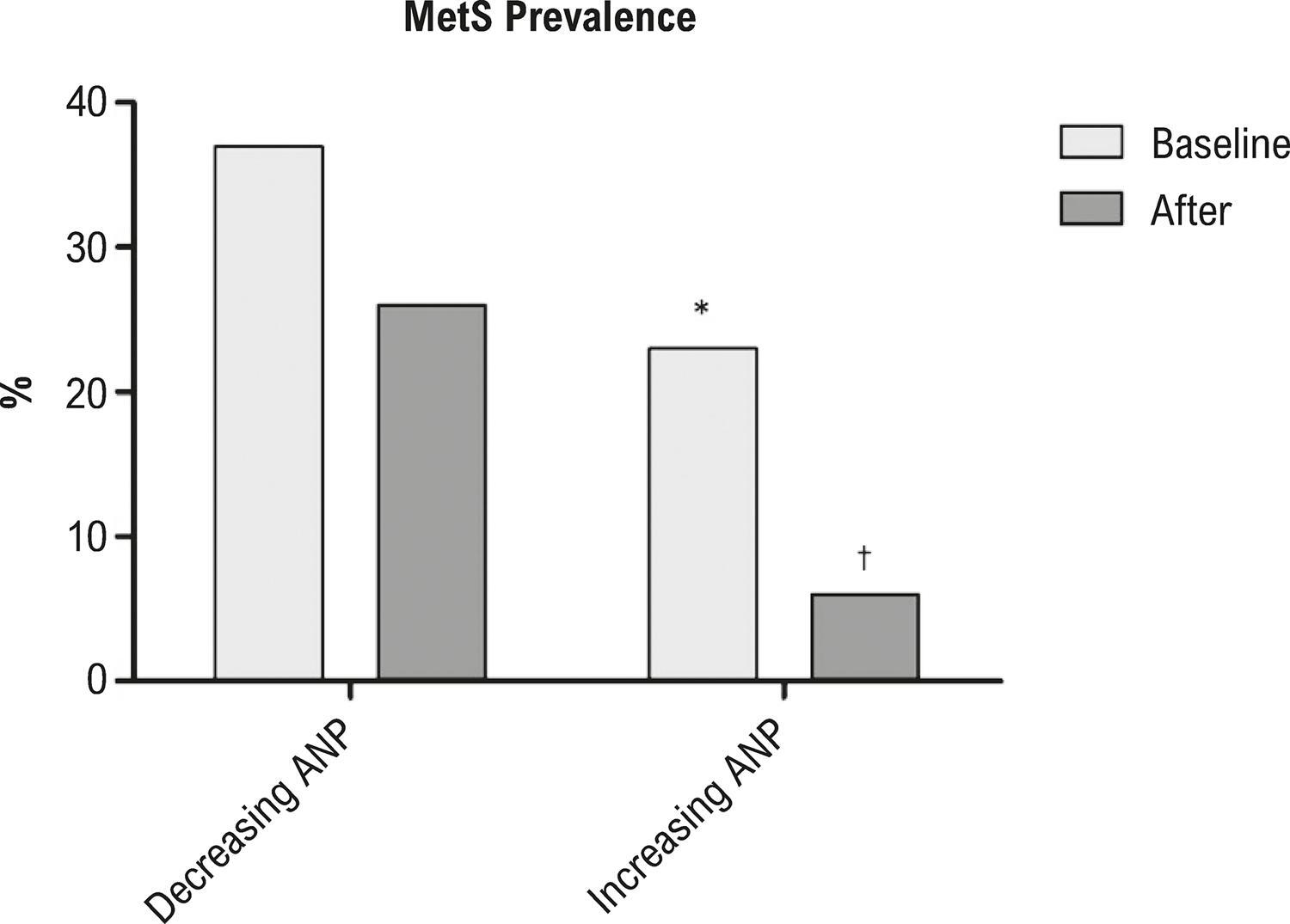
73 adolescents with obesity attended a 20-week clinical interdisciplinary weight loss therapy including clinical, nutritional, psychological and exercise training approach. Body composition, biochemical analyses and blood pressure were evaluated. MetS was classified according to the International Diabetes Federation (IDF) (2007). After the treatment, volunteers were divided according to Increasing (n=31) or Decreasing (n=19) ANP plasma levels.

Results

Both groups present significant reduction of body weight, Body Mass Index (BMI), waist, neck and hip circumferences (WC, NC and HC, respectively) and increasing fat-free mass (FFM). Interestingly, a significant reduction in body fat, TG/HDL-c ratio and MetS prevalence (from 23% to 6%) was observed in the Increased ANP group only.

Conclusion

This study suggests that an increase in ANP serum levels after weight loss therapy could be associated with improvements in cardiometabolic risks and the reduced prevalence of MetS in adolescents with obesity.

  • Adolescent
  • Atrial Natriuretic Peptide
  • Insulin Resistance
  • Metabolic Syndrome
  • Metabolism
  • Obesity
  • Weight Loss
Read Full Article
Creative Commons Attribution (CC BY) Creative Commons license
21/02/2022 DOI: 10.36660/abc.20200735 Views 1
ABC
Editorial

Antioxidant and Anti-Inflammatory Effects of Orange Juice

Paula Felippe Martinez et al. Marianna Rabelo de Carvalho Maria Lua Marques Mendonça Marina Politi Okoshi Silvio Assis de Oliveira-Junior

Post myocardial infarction cardiac remodelling progression is a complex event involving several biological reactions; these include oxidative stress and inflammatory response. – The release of reactive oxygen species (ROS) after myocardial ischemia stimulates pro-inflammatory mediators involved in fibroblast proliferation and tissue repair in the infarcted area. However, sustained ROS production in combination with hemodynamic overload and antioxidant system incapacity leads to oxidative stress in non-infarcted areas, which also undergo cardiac remodelling. – These changes, associated with energy metabolism disorders, metalloproteinases activation, cardiomyocyte death and hypertrophy, interstitial fibrosis, and cardiac dysfunction characterize the cardiac remodelling process.

Studies on various bioactive compounds, often extracted from food, have been undertaken to assess their attenuating powers on disorders common to cardiac remodelling, such as oxidative stress and inflammation. – However, the extraction and isolation of these substances can require a complex network of costly specialized technical procedures making it financially difficult for a large part of the population to access this resource. Additionally, taken in isolation one cannot evaluate the potential effects of interactions between food matrix components and the organism which may alter the metabolic effects. Alternatively, consuming the food in its entirety acts as a buffer in the digestive system allowing greater bioavailability of its active compounds. Therefore, nutritional approaches involving ingestion of natural foods, such as fruits and their products (peels, juices, pulps, puree, and jams, etc), which contain substances with antioxidant and anti-inflammatory properties, have increasingly gained interest. , It is worth mentioning citrus fruits, which are rich in bioactive compounds that may change the metabolism and protect tissues from ROS accumulation injuries. Citrus fruit juices, in general, are abundant sources of vitamin C and other nutrients, such as potassium, folate, magnesium, vitamin A, and polyphenolic compounds. In this sense, orange juice is a complex food matrix with cardioprotective potential due to its antioxidant and anti-inflammatory capacity. –

[…]

  • Anti-Inflammatory Agents
  • Antioxidants
  • Citrus Sinensis
  • Fruit and Vegetable Juices
  • Metabolism
  • Oxidative Stress
  • Ventricular Remodeling
Read Full Article
Creative Commons Attribution (CC BY) Creative Commons license
14/06/2021 DOI: 10.36660/abc.20210418 Views 1
Figure 1
IJCS
Original Article

Intestinal Microbiota and Cardiovascular Diseases

Protásio L. da Luz et al. Elisa Alberton Haas Desiderio Favarato

Abstract

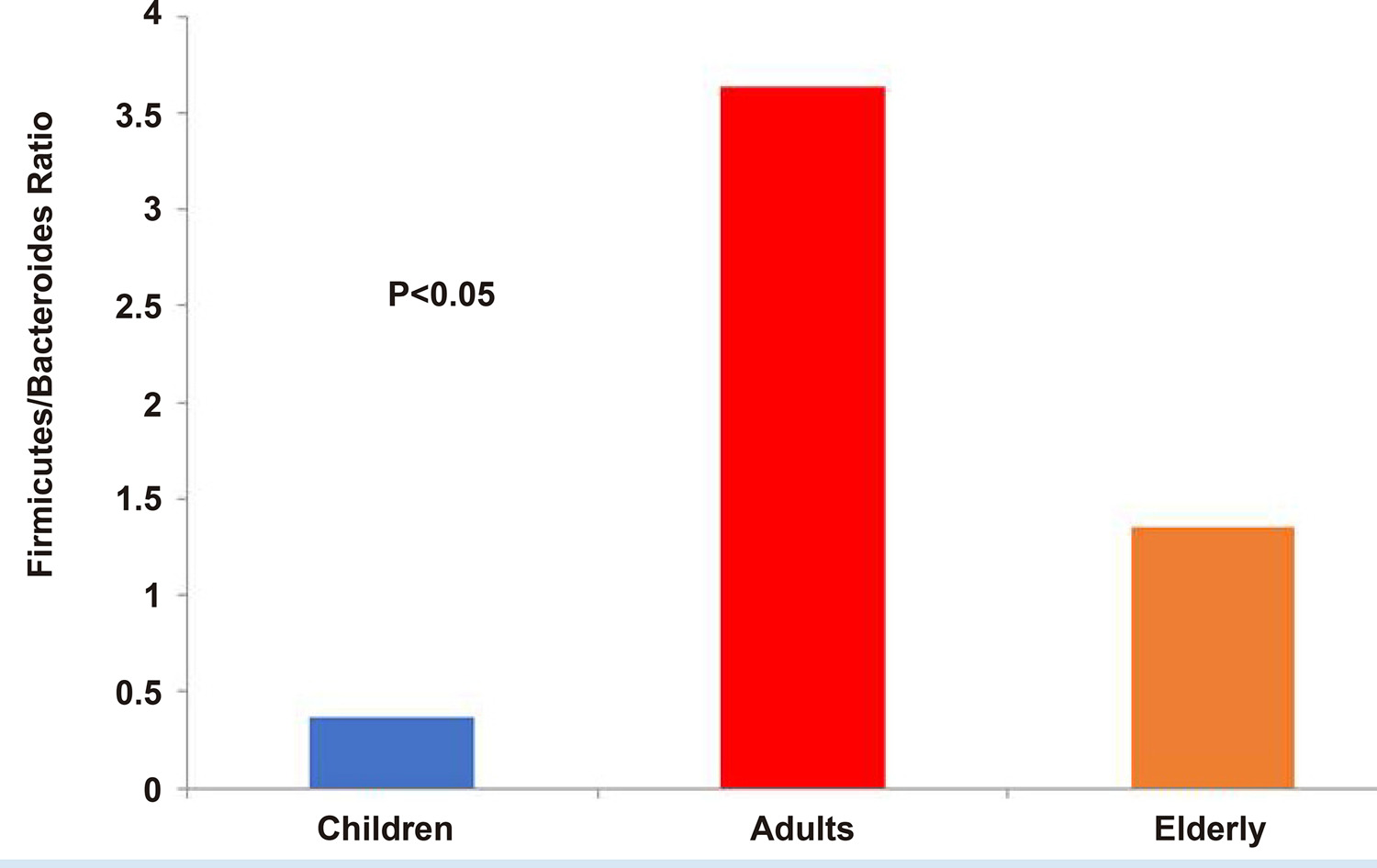
Recently, gut microbiota has emerged as an important mediator of several diseases such as diabetes, atherosclerosis, arterial hypertension, obesity, cancers and neuropsychiatric diseases including Alzheimer, autism and depression. Intestinal microbiota is formed by bacteria, fungi and viruses and its main function is to facilitate the absorption and metabolism of foods (protein, fat and carbohydrate). One example of the multiple actions of the gut microbiota is the bidirectional relationship between the intestine and the brain, the so-called “gut/brain axis”. Furthermore, metabolites produced by gut microbiota can induce effects locally or at distance, which suggests that the intestine is an endocrine organ. Given the participation of the gut microbiota in several diseases, there is great interest in strategies that may positively affect the gut flora and prevent or even treat diseases. Among these strategies, lifestyle change, but specially diet modulation has gained importance. In this article, we review the mechanisms through which intestinal microbiota participates in cardiovascular diseases and possible therapeutic interventions.

  • Alzheimer Disease
  • Atherosclerosis
  • Cardiovascular Diseases
  • Diabetes Mellitus
  • Diet, Mediterranean
  • Gastrointestinal Microbiome/physiology
  • Hypertension
  • Metabolism
  • Neoplasms
  • Obesity
  • Risk Factors
Read Full Article
Creative Commons Attribution (CC BY) Creative Commons license
17/07/2020 DOI: 10.36660/ijcs.20200043
Figure 1
IJCS
Original Article

Plasma Renin in Women Using and not Using Combined Oral Contraceptive

Sidney de Souza Oliveira et al. Jefferson Petto Diego Passos Diogo Alan Carlos Nery dos Santos … Marvyn de Santana do Sacramento Ana Marice Teixeira Ladeia

Abstract

Backgroud:

Recent studies show that women on combined oral contraceptives (COC) present abnormal fasting lipid profile, increased postprandial lipemia, plasma C-reactive protein (CRP) and blood pressure (BP) compared to women not on combined oral contraceptives. Plasma renin is one of the factors responsible for abnormal BP.

Objectives:

To assess plasma renin levels in women using or not using COC, the correlation between renin and CRP, as well as divergences in lipid profile.

Methods:

A cross-sectional study with apparently healthy women aged 20 to 30, eutrophic, irregularly active, and with fasting triglycerides < 150 mg/dL. The sample was stratified into two groups: the No Combined Oral Contraceptive Group (NCOCG), comprised of women who did not use any type of hormone contraceptive, and the Combined Oral Contraceptive Group (COCG) comprised of women on low-dose COC for at least one year. After a 12-hour fast, 5 ml of blood was collected for renin dosing and PCR. Data were analyzed by the t-Test and bidirectional Mann-Whitney Test, both with significance < 0.05.

Results:

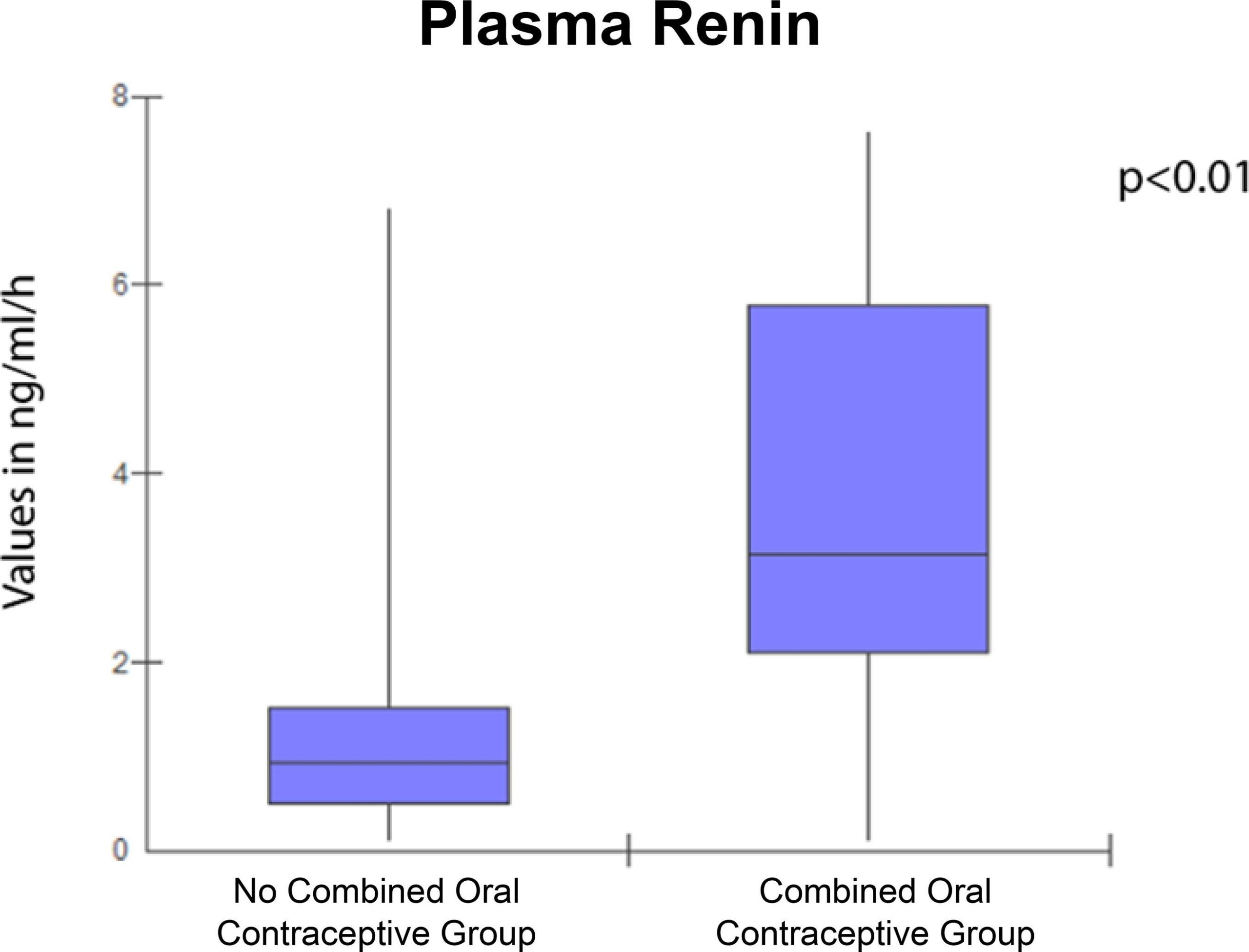
We evaluated 44 women equally distributed between the groups, age 23 ± 1.2 years, BMI 21.0 ± 3.2 kg/m2. Median and interquartile deviation of renin in the NCOCG and the COCG were, respectively, 0.5 (0.1-1.0) and 3.0 (2-6) (p < 0.01). A positive correlation between PCR and renin (p < 0.01 and r = 0.68) was found.

Conclusion:

The plasma renin levels of women using COC were higher, with a strong correlation with CRP.

  • Contraceptive Agents
  • Diabetes Mellitus
  • Dyslipidemias
  • Genetics
  • Hypertension
  • Metabolism
  • Risk Factors
  • Sedentarism, Women’s Health
Read Full Article
Creative Commons Attribution (CC BY) Creative Commons license
03/02/2020 DOI: 10.36660/ijcs.20180021 Views 1
Figure 1
ABC
Original Article

Stress and Food Consumption Relationship in Hypertensive Patients

Aline Lopes Dalmazo et al. Claudia Fetter Silvia Goldmeier Maria Claudia Irigoyen … Lucia Campos Pellanda Eduardo Costa Duarte Barbosa Thais Rodrigues Moreira Denise Ruttke Dillenburg Osório

Abstract

Background:

Stress is a state of threat to the balance of the organism, which can cause biological and psychological changes. In hypertensive patients, stress can interfere with blood pressure levels, influence on food choices and neglect of the diet.

Objective:

This study aims to describe the relationship between stress and dietary intake of hypertensive patients.

Methods:

A transversal study was carried out at the Arterial Hypertension Clinic of the Cardiology Institute of Rio Grande do Sul, Brazil. The participants were aged ≥ 18 years and hypertensive. Blood pressure, food consumption and anthropometric measurements were collected. The variables related to stress were evaluated by the Lipp’s Stress Symptoms Inventory (LSSI) for adults. Significance level of 5% has been considered for all analyzed data.

Results:

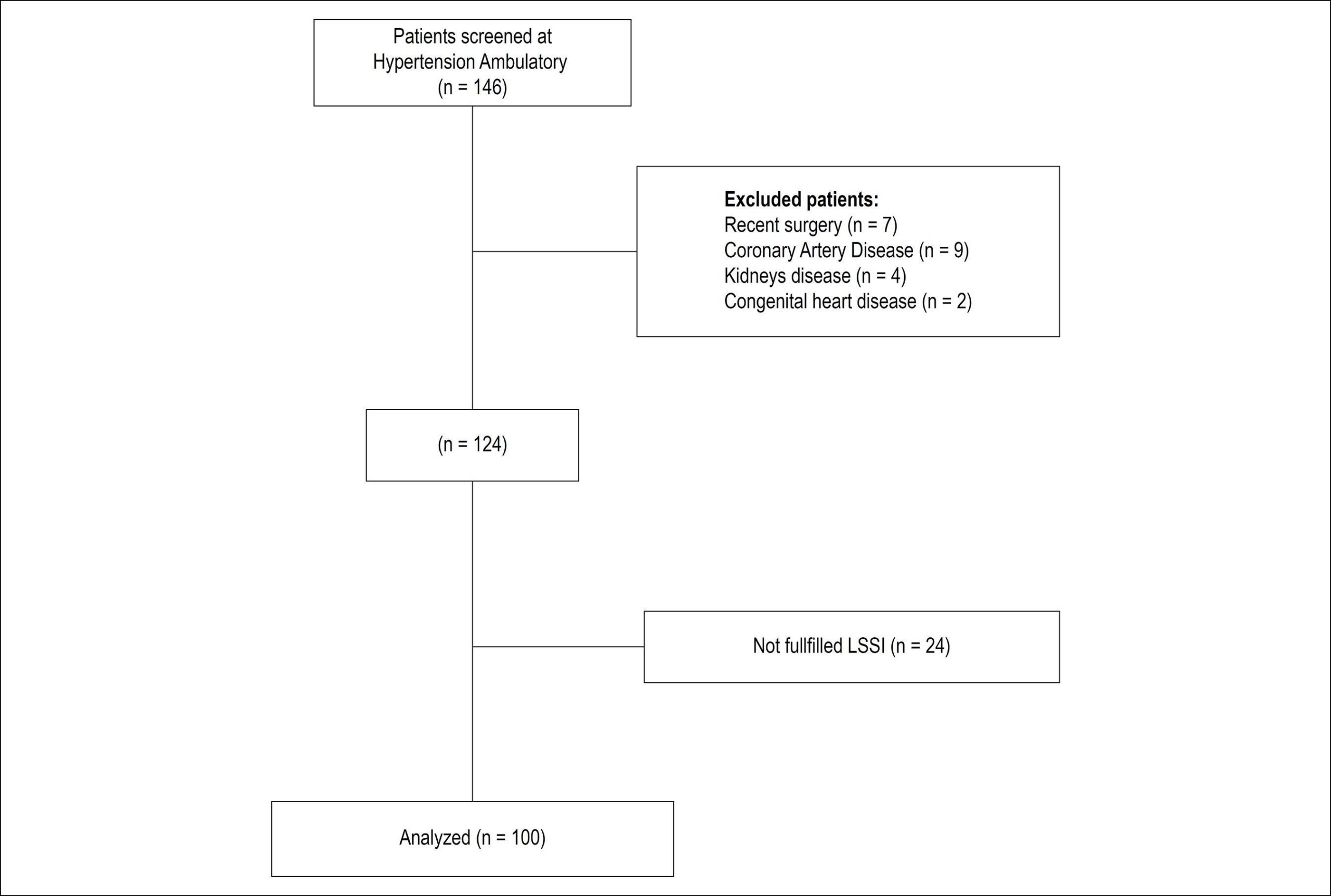
The number of participants was 100. There was a higher prevalence of the female sex (67%), the mean age of the study population was 55.87 ± 12.55 years. Among the participants, 86% were classified in some of the stress phases, on which 57% were in the resistance phase. It was observed that there was no correlation between the presence of stress (as well as their actions), pressure levels and food consumption. The consumption of foods rich in lipids and individuals with a prevalence of psychological symptoms of stress displayed a significant association.

Conclusions:

Rich in fat dietary has been the first choice in patients with psychological symptoms of stress. Further studies regarding remodeled dietary intake and blood pressure levels in relation to the stress phases are suggested. These findings are important to contribute to the development of prevention and treatment strategies for cardiovascular diseases.

  • Body Weights and Measures
  • Dietary Fats/metabolismo
  • Food Consumption
  • Hypertension
  • Metabolism
  • Stress, Physiological
Read Full Article
Creative Commons Attribution (CC BY) Creative Commons license
02/09/2019 DOI: 10.5935/abc.20190175 Views 1
Figure 1
ABC
Original Article

Indicators of Abdominal Adiposity and Carotid Intima-Media Thickness: Results from the Longitudinal Study of Adult Health (ELSA-Brazil)

Michaela Eickemberg et al. Leila Denise Alves Ferreira Amorim Maria da Conceição Chagas de Almeida Estela Maria Leão de Aquino … Maria de Jesus Mendes da Fonseca Itamar de Souza Santos Dora Chor Maria de Fátima Sander Diniz Sandhi Maria Barreto Sheila Maria Alvim de Matos

Abstract

Background:

Abdominal adiposity is a risk factor for cardiovascular disease.

Objective:

To determine the magnitude of the association between abdominal adiposity, according to five different indicators, and the carotid intima-media thickness (CIMT).

Methods:

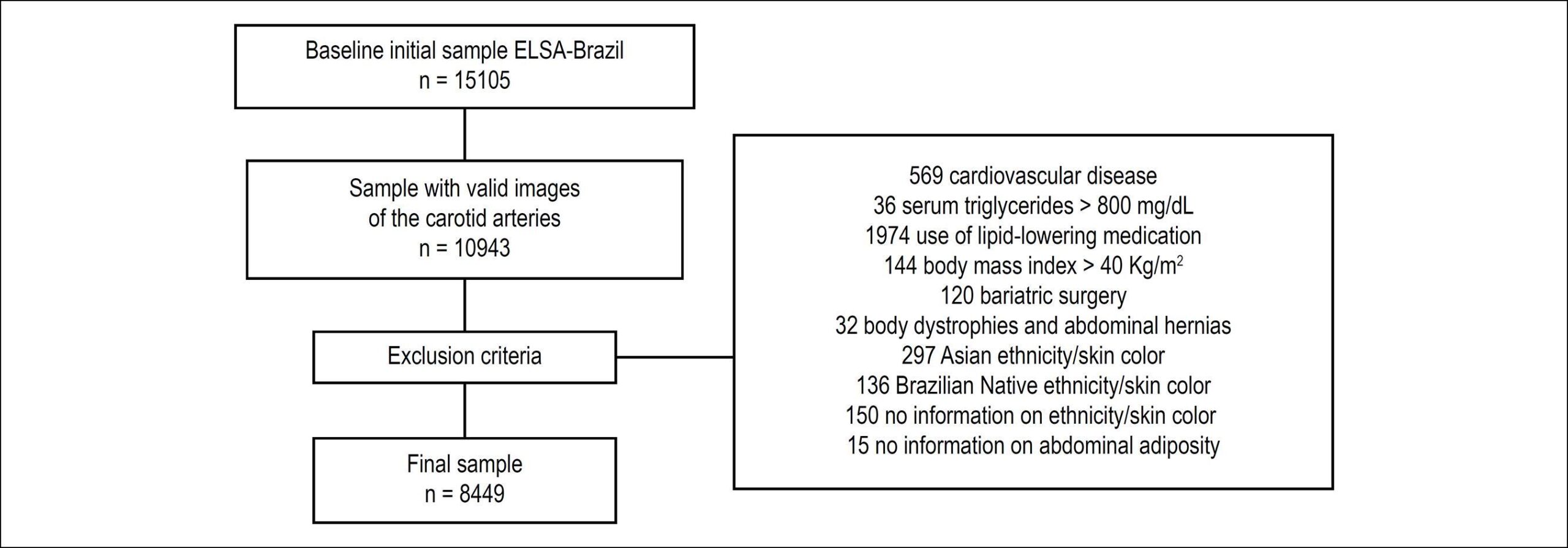
Data from 8,449 participants aged 35 to 74 years from the ELSA-Brazil study were used. The effect of waist circumference (WC), waist-to-hip ratio (WHR), conicity index (C index), lipid accumulation product (LAP) and visceral adiposity index (VAI) on CIMT were evaluated. Data were stratified by gender and analyzed using multivariate linear and logistic regressions. A significance level of 5% was considered.

Results:

Participants with CIMT > P75 showed a higher frequency of abdominal adiposity (men >72% and women >66%) compared to those with CIMT < P75. Abdominal adiposity was associated with the mean CIMT, mainly through WC in men (0.04; 95%CI: 0.033; 0.058). The abdominal adiposity identified by the WC, WHR, LAP, and VAI indicators in women showed an effect of 0.02 mm on the CIMT (WC: 0.025, 95%CI: 0.016, 0.035; WHR: 0.026, 95%CI: 0.016, 0.035; LAP: 0.024, 95%CI: 0.014; 0.034; VAI: 0.020, 95%CI: 0.010, 0.031). In the multiple logistic regression, the abdominal adiposity diagnosed by WC showed an important effect on the CIMT in both genders (men: OR = 1.47, 95%CI: 1.22-1.77, women: OR = 1.38; 95%CI: 1.17-1.64).

Conclusion:

Abdominal adiposity, identified through WC, WHR, LAP, and VAI, was associated with CIMT in both genders, mainly for the traditional anthropometric indicator, WC.
  • Abdominal Obesity
  • Atherosclerosis
  • Cardiovascular Diseases
  • Carotid Intima-Media Thickness
  • Metabolic Syndrome
  • Metabolism
  • Risk Factors
Read Full Article
Creative Commons Attribution (CC BY) Creative Commons license
07/01/2019 DOI: 10.5935/abc.20180273 Views 1
IJCS
Original Article

Hemodynamic, Metabolic and Ventilatory Responses to Exercise in Adults with Congenital Heart Disease

Pablo Marino Corrêa Nascimento et al. Daniel Arkader Kopiler Fernando Cesar de Castro e Souza Maria Carolina Terra Cola … Marina Pereira Coelho Gabriella de Oliveira Lopes Eduardo Tibiriçá

Abstract

Background:

Congenital heart disease in adults shares some features with heart failure (HF), including exercise intolerance, ventilatory inefficiency, inflammatory and neurohormonal activation, cardiac arrhythmias and myocardial fibrosis. Over the last years, cardiopulmonary exercise test has gained importance in the diagnostic and prognostic evaluation of congenital heart diseases, as has already occurred in HF.

Objective:

To describe the behavior of hemodynamic, metabolic and ventilatory parameters in response to exercise in adults with congenital heart disease.

Methods:

Observational cross-sectional study evaluating 31 adults with congenital acyanotic or cyanotic heart disease, treated clinically, surgically or percutaneously, referred for cardiopulmonary exercise test. A descriptive analysis of the data was performed.

Results:

Patients aged 35.7 ± 14.2 years were included. Oxygen consumption (VO2) was 44.86 ± 18.01% of predicted at peak exercise and 36.92 ± 12.93% of predicted maximal VO2 at anaerobic threshold. We found an oxygen uptake efficiency slope (OUES) of 1.49 ± 0.89 (61.43 ± 26.63% of predicted), oxygen pulse of 58.90 ± 22.24% and increment in systolic arterial pressure during exercise was 31.42 ± 21.60 mmHg.

Conclusion:

Adults with congenital heart disease had similar responses to heart failure patients during exercise – reduced aerobic capacity, ventilatory inefficiency for oxygen consumption and limited inotropic response to exercise, characterized by reduced oxygen pulse and small increase in systolic arterial pressure.

  • Adults
  • cyanosis
  • Exercise
  • Exercise Test
  • Heart Defects, Congenital
  • Hemodynamics
  • Metabolism
Read Full Article
Creative Commons Attribution (CC BY) Creative Commons license
01/01/2019 DOI: 10.5935/2359-4802.20180073
Figure 1
ABC
Original Article

Gestational Protein Restriction Increases Cardiac Connexin 43 mRNA levels in male adult rat offspring

Kamila Fernanda Rossini et al. Camila Andrea de Oliveira Hércules Jonas Rebelato Marcelo Augusto Marreto Esquisatto Rosana Catisti

Abstract

Background:

The dietary limitation during pregnancy influences the growth and development of the fetus and offspring and their health into adult life. The mechanisms underlying the adverse effects of gestational protein restriction (GPR) in the development of the offspring hearts are not well understood.

Objectives:

The aim of this study was to evaluate the effects of GPR on cardiac structure in male rat offspring at day 60 after birth (d60).

Methods:

Pregnant Wistar rats were fed a normal-protein (NP, 17% casein) or low-protein (LP, 6% casein) diet. Blood pressure (BP) values from 60-day-old male offspring were measured by an indirect tail-cuff method using an electro sphygmomanometer. Hearts (d60) were collected for assessment of connexin 43 (Cx43) mRNA expression and morphological and morphometric analysis.

Results:

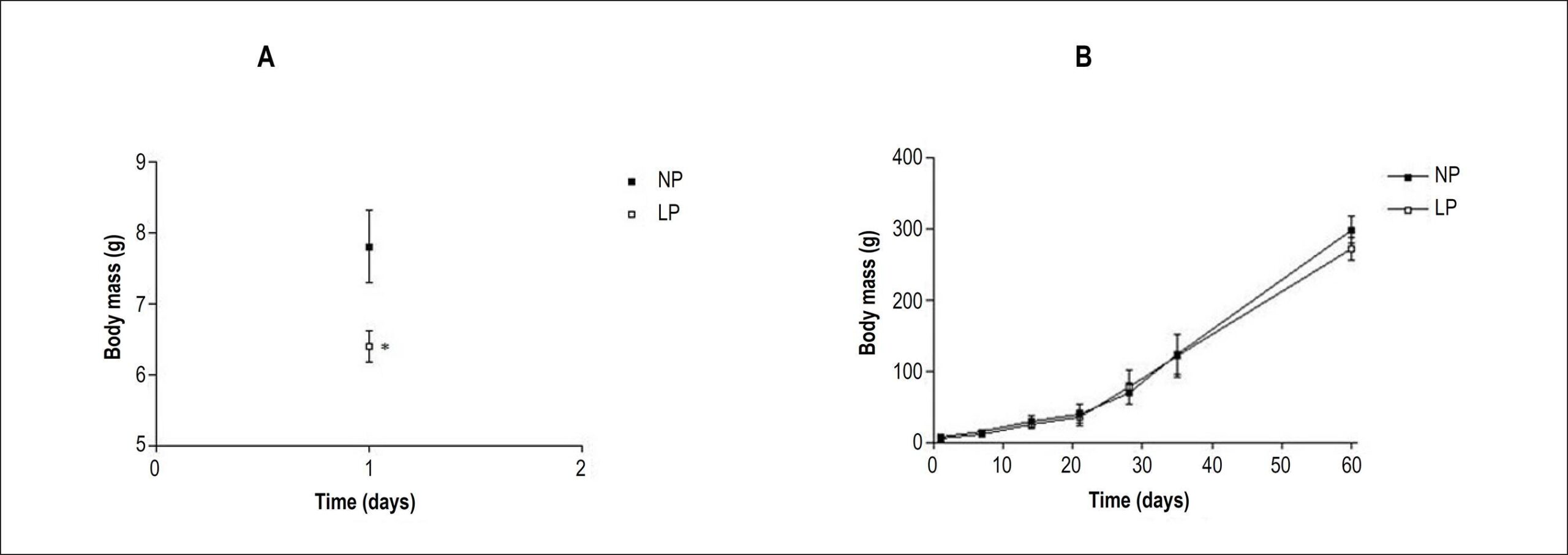
LP offspring showed no difference in body weight, although they were born lighter than NP offspring. BP levels were significantly higher in the LP group. We observed a significant increase in the area occupied by collagen fibers, a decrease in the number of cardiomyocytes by 104 µm2, and an increase in cardiomyocyte area associated with an increased Cx43 expression.

Conclusion:

GPR changes myocardial levels of Cx43 mRNA in male young adult rats, suggesting that this mechanism aims to compensate the fibrotic process by the accumulation of collagen fibers in the heart interstitium.

  • Connexin 43
  • Fetal Development
  • Metabolism
  • Pregnancy
Read Full Article
Creative Commons Attribution (CC BY) Creative Commons license
29/06/2017 DOI: 10.5935/abc.20170081
Figure 1
IJCS
Original Article

Cardiovascular Lipid Risk Factors and Rate of Cardiovascular Events After Myocardial Revascularization

Cosor Oana Catalina et al. Bucur Adina Baibata Emilia Dana Smarandita Dragomir Angela … Gaita Dan Mancas Silvia

Abstract

Background:

Coronary heart disease is a public health problem, and the leading cause of premature death in Europe and worldwide. There is epidemiological evidence that the control of cardiovascular risk factors following myocardial revascularization remains suboptimal.

Objectives:

Analyze the incidence of cardiovascular events in patients receiving secondary prevention therapies after myocardial revascularization.

Methods:

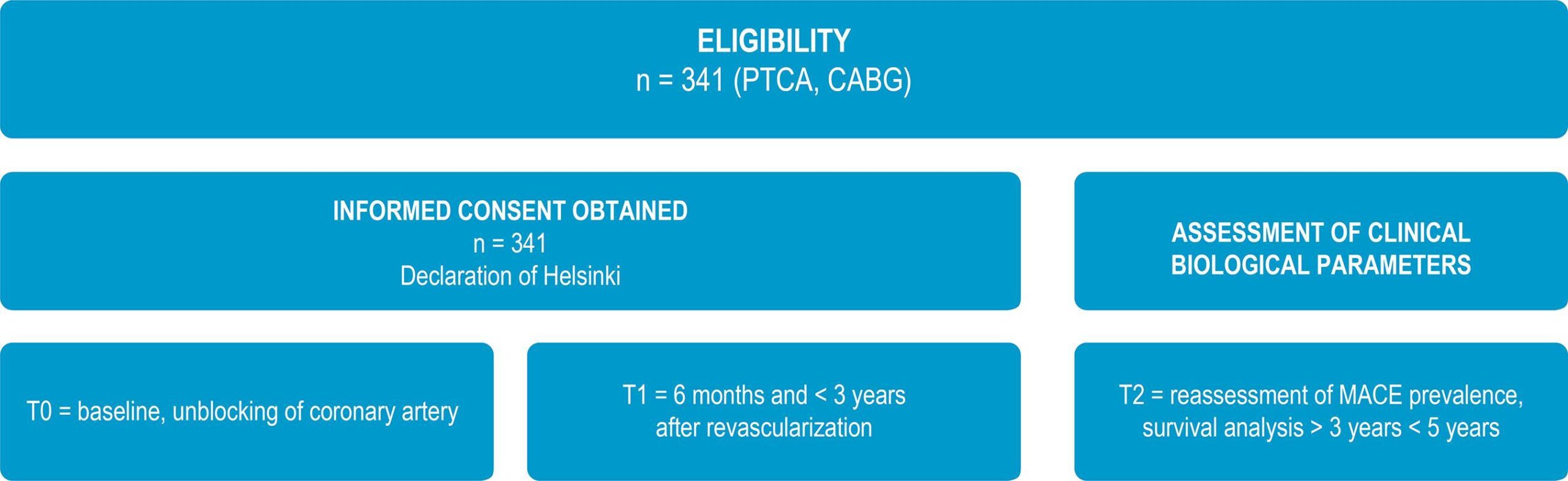
Single-center study on consecutive coronary patients retrospectively identified, conducted at the Institute of Cardiovascular Diseases in Timisoara, Romania. Patients with diagnosis of revascularization for coronary artery disease (percutaneous coronary intervention, PCI or coronary artery bypass grafting, CABG) were included, following the inclusion criteria of the EuroAspire IV study. Outcome measures were assessed at three time points- at T0, when myocardial revascularization was performed; at T1 (interview with patients who had undergone revascularization for more than 6 months and less than 5 years), and T2 (interview with patients who had undergone revascularization for more than 5 years). Associations of primary and secondary lipid targets with the rates of adverse cardiovascular events (MACE) were assessed at T2.

Results:

Of 375 coronary patients, 341 were included in the study. At T1, 5% and 34.9% of patients reached the LDL-c and non-HDL-c target respectively. MACE rate at T2 was 7.9% in a median of 4.33 years of follow-up. We found a positive, statically significant association between MACE rate and LDL-c at T1 (p = 0.039). There were significant differences in mean non-HDLc levels between MACE categories at T1 (p = 0.02). There was a significant association between mean non-HDL with the incidence of heart failure (p = 0.007), newly diagnosed diabetes (p = 0.017) and restenosis rate (p = 0.004).

Conclusion:

The study highlights the need to control lipid risk factors after myocardial revascularization procedures, even at long-term, to minimize the risk of cardiovascular events in patients with coronary diseases.

  • Coronary Artery Disease
  • Epidemiology
  • lipid
  • Metabolism
  • Myocardial Revascularization
  • Risk Factors
Read Full Article
Creative Commons Attribution (CC BY) Creative Commons license
01/01/2017 DOI: 10.5935/2359-4802.20170015 Views 2
Figure 1
ABC
Original Article

Obesity Preserves Myocardial Function During Blockade of the Glycolytic Pathway

Dijon Henrique Salomé de Campos et al. André Soares Leopoldo Ana Paula Lima-Leopoldo André Ferreira do Nascimento … Silvio Assis de Oliveira-Junior Danielle Cristina Tomaz da Silva Mario Mateus Sugizaki Carlos Roberto Padovani Antonio Carlos Cicogna

Background:

Obesity is defined by excessive accumulation of body fat relative to lean tissue. Studies during the last few years indicate that cardiac function in obese animals may be preserved, increased or diminished.

Objective:

Study the energy balance of the myocardium with the hypothesis that the increase in fatty acid oxidation and reduced glucose leads to cardiac dysfunction in obesity.

Methods:

30-day-old male Wistar rats were fed standard and hypercaloric diet for 30 weeks. Cardiac function and morphology were assessed. In this paper was viewed the general characteristics and comorbities associated to obesity. The structure cardiac was determined by weights of the heart and left ventricle (LV). Myocardial function was evaluated by studying isolated papillary muscles from the LV, under the baseline condition and after inotropic and lusitropic maneuvers: myocardial stiffness; postrest contraction; increase in extracellular Ca2+ concentration; change in heart rate and inhibitor of glycolytic pathway.

Results:

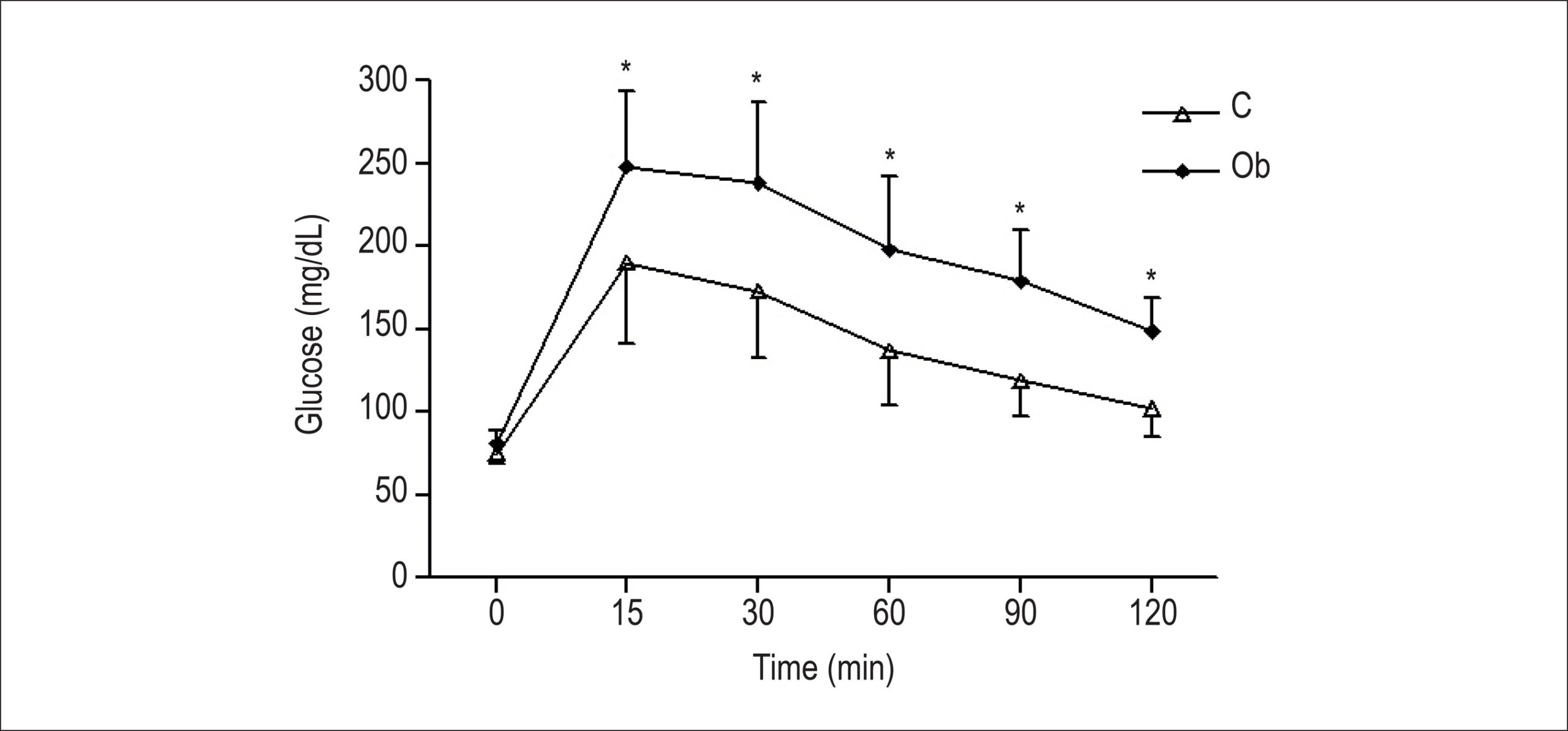
Compared with control group, the obese rats had increased body fat and co-morbities associated with obesity. Functional assessment after blocking iodoacetate shows no difference in the linear regression of DT, however, the RT showed a statistically significant difference in behavior between the control and the obese group, most notable being the slope in group C.

Conclusion:

The energy imbalance on obesity did not cause cardiac dysfunction. On the contrary, the prioritization of fatty acids utilization provides protection to cardiac muscle during the inhibition of glycolysis, suggesting that this pathway is fewer used by obese cardiac muscle.

  • Fatty Acid
  • Metabolism
  • Myocardial
  • Obesity
  • Rats
Read Full Article
Creative Commons Attribution (CC BY) Creative Commons license
12/09/2014 DOI: 10.5935/abc.20140135 Views 2
Graph 1
ABC
Original Article

Comparison of Postprandial Lipemia between Women who are on Oral Contraceptive Methods and Those who are not

Jefferson Petto et al. Leila Monique Reis Vasques Renata Leão Pinheiro Beatriz de Almeida Giesta … Alan Carlos Nery dos Santos Mansueto Gomes Neto Ana Marice Teixeira Ladeia

Background:

Postprandial Lipemia (PPL) is a physiological process that reflects the ability of the body to metabolize lipids. Even though the influence of oral contraceptives (OC) on PPL is not known, it is a known fact that their use increases fasting lipid values.

Objective:

To compare the PPL between women who are on OC and those who are not.

Methods:

A prospective analytical study which assessed eutrophic women, aged between 18 and 28 years old, who were irregularly active and with fasting triglycerides ≤150 mg/dL. They were divided into two groups: oral contraceptive group (COG) and non-oral contraceptive group (NCOG). Volunteers were submitted to the PPL test, in which blood samples were collected in time 0 (12-hour fasting) and after the intake of lipids in times 180 and 240 minutes. In order to compare the triglyceride deltas, which reflect PPL, the two-tailed Mann-Whitney test was used for independent samples between fasting collections and 180 minutes (Δ1) and between fasting and 240 minutes (Δ2).

Results:

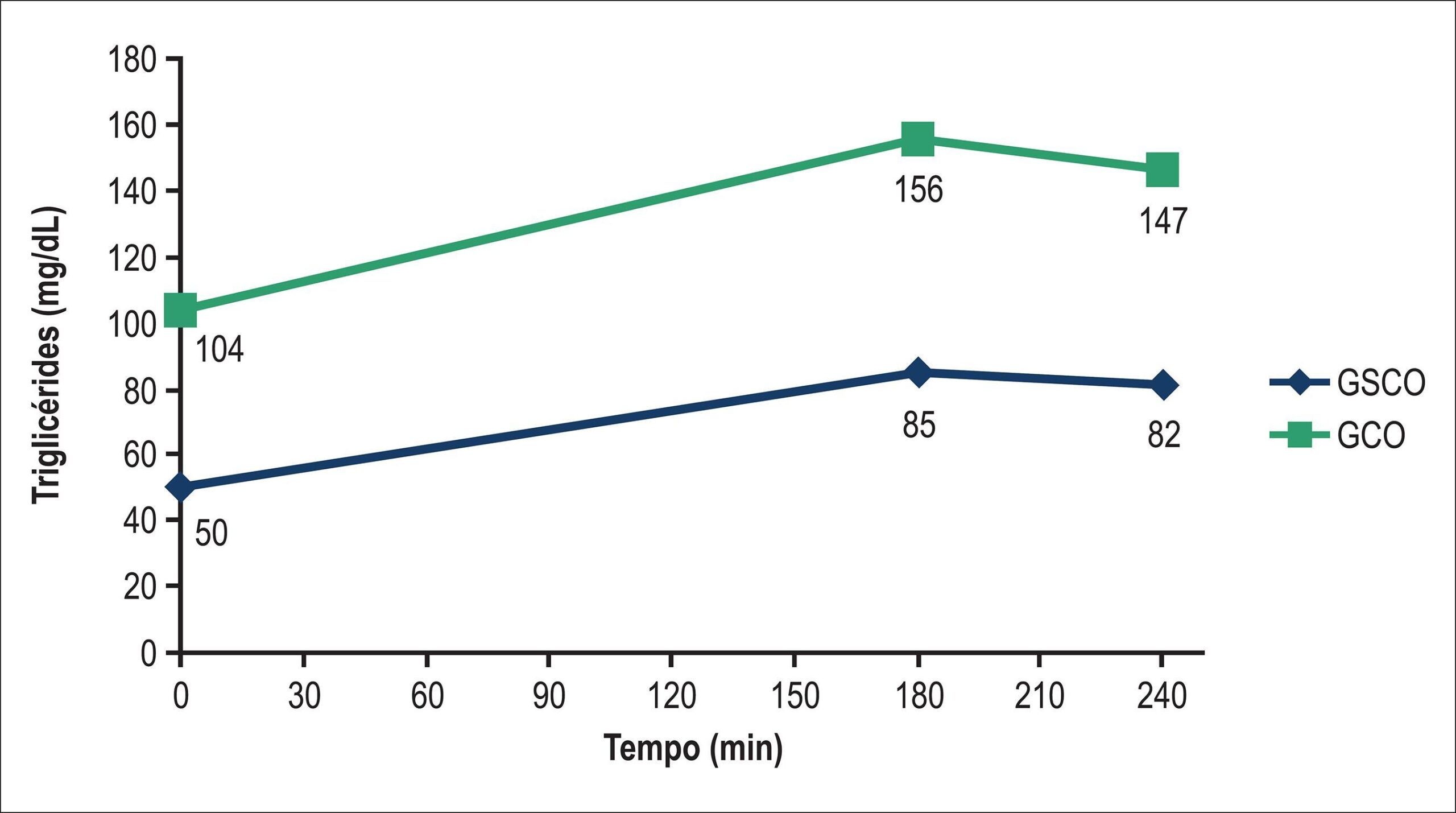
Forty women were assessed and equally divided between groups. In the fasting lipid profile, it was observed that HDL did not present significant differences and that triglycerides in COG were twice as high in comparison to NCOG. Medians of Δ1 and Δ2 presented significant differences in both comparisons (p ≤0.05).

Conclusion:

The results point out that women who are irregularly active and use OC present more PPL in relation to those who do not use OC, which suggests that in this population, its chronic use increases the risk of heart conditions.

  • Cholesterol
  • Contraceptives, Oral
  • Insulin
  • Metabolism
  • Triglycerides
  • Women
Read Full Article
Creative Commons Attribution (CC BY) Creative Commons license
13/06/2014 DOI: 10.5935/abc.20140080 Views 1
ABC
Review Article

Emerging role of the GH/IGF-I on cardiometabolic control

Carla R.P Oliveira et al. Rafael A Meneguz-Moreno Manuel H Aguiar-Oliveira José A. S Barreto-Filho

Growth hormone (GH), the main regulator for post-natal growth, has important metabolic actions on different tissues, similar or opposite to insulin like growth factor I (IGF-I), mainly produced by the liver after the binding of GH to its receptor. Experiments with animal models indicate an important role of GH on insulin resistance although the IGF-I role is not yet completely established. In humans, GH promotes an increase on lypolisis and lipid oxidation, while IGF-I leads to an increase on lipid oxidation only in a chronic way. While growth actions are time-limited, metabolic and cardiovascular actions of the GH/IGF-I axis are throughout life. GH anabolic effects have been used on chronic and hypercatabolic conditions, although investigations on the clinical outcomes are still scarce. In this paper, we intend to review GH metabolic actions experienced by animal models, studies with normal humans and GH deficient individuals, individuals with diabetes mellitus type 1 and metabolic syndrome individuals, hypercatabolic states and the relationship between GH and adipokines, endothelial disfunction and atherogenesis

  • ghrelin
  • Insulin Resistance
  • insulin-like growth factor I
  • Lypolisis
  • Metabolism
Read Full Article
Creative Commons Attribution (CC BY) Creative Commons license
20/12/2011 DOI: 10.1590/S0066-782X2011001400012
Cardiometabolic abnormalities in patients with berardinelli-Seip syndrome
ABC
Artigo Original

Cardiometabolic abnormalities in patients with berardinelli-Seip syndrome

Antonio Guedes do Rêgo et al. Evandro Tinoco Mesquita Carlos Alberto de Faria Marcel Álvares Guedes do Rêgo … Maria de Fátima Paiva Baracho Maria Goretti do Nascimento Santos Eryvaldo Sócrates Tabosa do Egito José Brandão Neto

BACKGROUND: Berardinelli-Seip syndrome (BSS) or Generalized Congenital Lipodystrophy often affects the cardiovascular system and also promotes metabolic abnormalities involving glycidic and lipid metabolisms. OBJECTIVE: To assess the prevalence of cardiometabolic abnormalities in patients with BSS. METHODS: Twenty-two patients from the state of Rio Grande do Norte, Brazil, diagnosed with BSS, underwent clinical evaluation, resting electrocardiogram, echodopplercardiogram, chest X-ray, 24-hour ambulatory electrocardiogram monitoring, exercise testing and laboratory analysis. RESULTS: The patients were predominantly young adults, most of whom women. The whole sample showed insulin resistance, acanthosis nigricans and diminished HDL-cholesterol. The presence of splenomegaly, hepatomegaly, type II diabetes and elevated triglycerides was constant. Metabolic syndrome was characterized in most patients, which were predominantly women and with a high degree of paternal consanguinity. SAH and prehypertension blood pressure were found in more than half of the patients (77.3%). The echodopplercardiogram showed the presence of CLVH (50%), eccentric left ventricular hypertrophy (4.5%), and normal left ventricular geometry (45.5%). High arrhythmia rates were observed by Holter monitoring, such as ventricular ectopic beats, supraventricular ectopic beats and sustained supraventricular tachycardia. Chronotropic incompetence (54.5%) was observed during exercise testing. CONCLUSION: A high prevalence of cardiovascular and metabolic abnormalities was observed in young asymptomatic individuals with BSS. These findings point to the need for systematic cardiological follow-up and of preventive measures in this high-risk group.

  • Cardiovascular Diseases
  • Lipid Metabolism
  • Lipodystrophy, Congenital Generalized
  • Metabolism
Read Full Article
Creative Commons Attribution (CC BY) Creative Commons license
22/09/2010 DOI: 10.1590/S0066-782X2010000100017
Cardiorespiratory responses during progressive maximal exercise test in healthy children
ABC
Artigo Original

Cardiorespiratory responses during progressive maximal exercise test in healthy children

Danilo Marcelo Leite do Prado et al. Ana Maria F. Wanderley Braga Maria Urbana Pinto Rondon Luciene Ferreira Azevedo … Luciana D. N. J. Matos Carlos Eduardo Negrão Ivani Credidio Trombetta

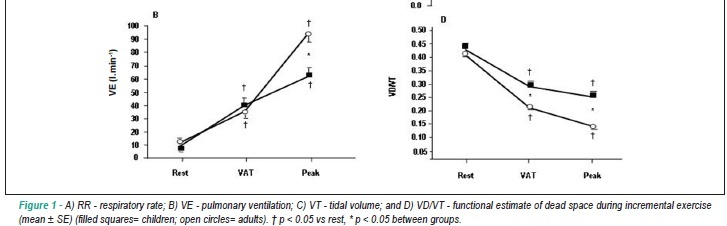
BACKGROUND: Little is known about cardiorespiratory and metabolic response in healthy children during progressive maximal exercise test. OBJECTIVE: To test the hypothesis that children show different responses in cardiorespiratory and metabolic parameters during progressive maximal exercise test when compared with adults. METHODS: Twenty-five healthy children (gender, 15M/10F; age, 10.2 ± 0.2) and 20 healthy adults (gender, 11M/9F; age, 27.5 ± 0.4) underwent a progressive treadmill cardiopulmonary test until exhaustion to determine the maximal aerobic capacity and ventilatory anaerobic threshold (VAT). RESULTS: The peak workload (5.9±0.1 vs 5.6±0.1 mph, respectively; p>0.05), exercise time (9.8±0.4 vs 10.2±0.4 min, respectively; p>0.05), and relative aerobic fitness (VO2peak, 39.4±2.1 vs 39.1±2.0 ml.kg-1.min-1, respectively; p>0.05) were similar in children and adults. At ventilatory anaerobic threshold, the heart rate, VO2 ml.kg-1.min-1, respiratory rate (RR), functional estimate of dead space (VD/VT), ventilatory equivalent for oxygen (VE/VO2) and end-tidal pressure for oxygen (PETO2) were higher in children, while tidal volume (VT), O2 pulse and end-tidal pressure for carbon dioxide (PETCO2) were lower. At peak of exercise, children showed higher RR and VD/VT. However, O2 pulse, VT, pulmonary ventilation, PETCO2 and respiratory exchange ratio were lower in children than adults. CONCLUSION: Cardiorespiratory and metabolic responses during progressive exercise test are different in children as compared to adults. Specifically, these differences suggest that children have lower cardiovascular and ventilatory efficiency. However, children showed higher metabolic efficiency during exercise. In summary, despite the differences observed, children showed similar levels of exercising capacity when compared with adults.

  • Child
  • Comparative Study
  • Exercise Test
  • Metabolism
  • ventilation
Read Full Article
Creative Commons Attribution (CC BY) Creative Commons license
05/03/2010 DOI: 10.1590/S0066-782X2010005000007 Views 1
Impact of weight variation on the metabolic stability of cardiac transplant patients in the state of Ceara
ABC
Artigo Original

Impact of weight variation on the metabolic stability of cardiac transplant patients in the state of Ceara

Daniele Maria de Oliveira Carlos et al. Francisco Clineu Queiroz França João David de Sousa Neto Carlos Antonio Bruno da Silva

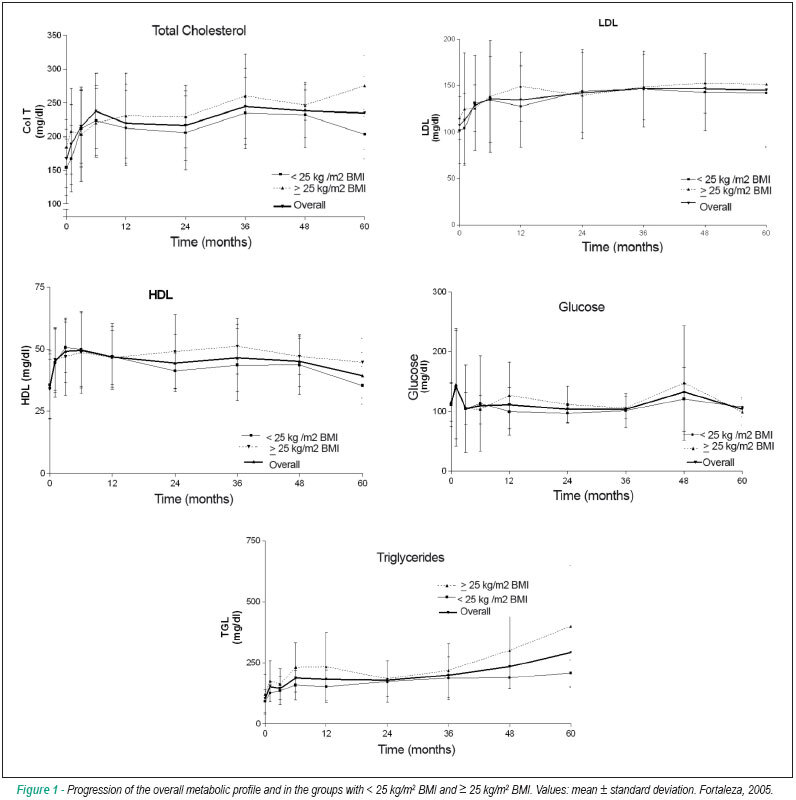
BACKGROUND: Weight alterations post cardiac transplant (CT) frequently occur and increase the risks of secondary diseases. OBJECTIVE: This study aimed at determining the impact of weight variability on serum levels of glucose, triglycerides, total cholesterol and its fractions of cardiac transplant patients. METHODS: This was a retrospective documental study held with 82 patients submitted to CT between October, 1997 and December, 2005 in Ceará, Brazil. 83% were male and the average age was 45.06±12.04 years. The studied variables were: biopathology profile, the weight and the body mass index (BMI) related to the biochemical-metabolic alterations and to the survival. Data were described using frequencies, measures of central tendency, t-Student test and Pearson correlation coefficient. RESULTS: The average global BMI increased from 23.77±3.68kg/m² before CT to 25.48±3.92kg/m² on the first year and to 28.38±4.97kg/m² on the fifth year. The patients with overweight/ obesity (IMC > 25 kg/m²) presented average glucose mean levels, total cholesterol, low-density lipoprotein (LDL) and triglycerides higher than the patients with eutrophy/ malnutrition (IMC < 25 kg/m²). CONCLUSION: There was a significant direct relation between nutritional state and weight variability on the metabolic profile of cardiac transplant patients.

  • body mass index
  • Heart Transplantation
  • Metabolism
  • Obesity
Read Full Article
Creative Commons Attribution (CC BY) Creative Commons license
29/05/2008 DOI: 10.1590/S0066-782X2008000400010 Views 1
ABC
Artigo de Pesquisa

Mechanisms of hepatotoxicity

Marcelo Chiara Bertolami

Liver disease following the use of hypolipidemic drugs has been reported as a cellular damage (increases in AST or ALT enzymes) without cholestatic alterations (bilirubin and or alkaline phosphatase increases). Six mechanisms were proposed for hepatotoxicity : 1. High energy reactions on P450 cytochrome impairing calcium homestasis with rupture of intracellular fibrils and hepatocyte lysis. 2. Impairment of transporter proteins related to the bile acids flux (mechanism proposed for fibrate liver toxicity). 3. Immune reactions due to the formation of metabolites linked to enzymes following liver metabolism of hypolipidemic drugs. 4. Hepatotoxicity by T cells with additional inflammation mediated by neutrophils. 5. Apoptosis mediated by TNF and Fas (immune mediated). 6. Oxidative stress due to damage of intracellular organelles. In addition, advanced age, alcohol in excess, high doses of hypolipidemic drugs, interaction with other drugs, and previous active liver disease might increase liver toxicity.

  • drug treatment
  • hepatotoxicity
  • Metabolism
Read Full Article
Creative Commons Attribution (CC BY) Creative Commons license
02/01/2006 DOI: 10.1590/S0066-782X2005002400007
ABC
Artigo de Pesquisa

Ezetimibe: pharmacokinetics and therapeutics

Renata G. Araújo et al. Antonio Casella Filho Antonio Carlos P. Chagas

Ezetimibe is an inhibitor of cholesterol absorption that is liver glucuronized after its rapid absorption, and is mobilized to the enterocytes, where together with its metabolites it exerts hypolipidemic effects, avoiding the absorption of cholesterol, through the reduction of specific cholesterol-transporter enzymes in the gut. This drug can be given once daily due to its prolonged plasma half-life, and is usually very well-tolerated. Elimination of ezetimibe and its metabolites is mainly via fecal excretion. In general, the use of ezetimibe alone promotes modest effects on plasma LDL-c, however, when combined with statins, a remarkable change in the lipid profile can be observed.

  • Ezetimibe
  • Metabolism
  • statin
Read Full Article
Creative Commons Attribution (CC BY) Creative Commons license
02/01/2006 DOI: 10.1590/S0066-782X2005002400006 Views 1
Lack of effect of captopril on the metabolism of an artificial lipid emulsion similar to chylomicrons in hypertensive hypercholesterolemic patients
ABC
Artigo Original

Lack of effect of captopril on the metabolism of an artificial lipid emulsion similar to chylomicrons in hypertensive hypercholesterolemic patients

Renato J. Alves et al. Jayme Diament Rosângela F. Amâncio Neusa Forti Raul C. Maranhão

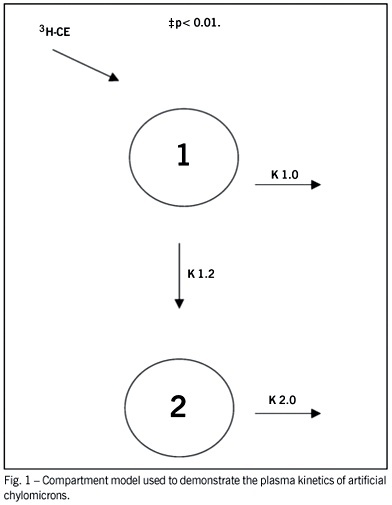
OBJECTIVE: To assess the effect of captopril, an angiotensin-converting enzyme inhibitor, on the metabolism of chylomicrons and their remnants and the possible alterations in the concentrations of plasma lipids caused by the drug in hypertensive hypercholesterolemic individuals. METHODS: The metabolism of chylomicrons was tested with the method of artificial lipid emulsion of chylomicrons labeled with ³H-cholesteryl oleate. The emulsion was injected intravenously in 10 patients with mild-moderate arterial hypertension before and 45 days after treatment with captopril (50 mg/day). After injection, blood samples were collected during 60 minutes at pre-established time intervals for determining the decay curve, the fractional catabolic rate (FCR in min-1), and the plasma residence time of the artificial lipid emulsion by analyzing different compartments. The plasma concentrations of the lipids were also assessed before and after treatment. RESULTS: The fractional catabolic rate (min-1) of the lipid emulsion before and after treatment with captopril (0.012±0.003 and 0.011±0.003, respectively; p=0.85, n.s.) and the plasma residence time of the emulsion (83.3±20.8 and 90.9±22.5 min, n.s.) did not change, but the total cholesterol and LDL-C levels decreased by 7% and 10%, respectively (p=0.02). The concentrations of HDL-C, triglycerides, Lp(a), and apolipoproteins AI and B did not change. CONCLUSION: Treatment with captopril, evaluated with the artificial lipid emulsion method, does not cause deleterious changes in the metabolism of chylomicrons and their remnants.

  • captopril
  • chylomicrons
  • Lipoproteins
  • Metabolism
Read Full Article
Creative Commons Attribution (CC BY) Creative Commons license
07/01/2005 DOI: 10.1590/S0066-782X2004001800009

How to cite this article

EndNote RIS

Electronic Document Format (Vancouver)

Santos LA, Oliveira ES, Lordêlo BVC, Matias LAC, Mendes R, Tenório PP. Metabolic Challenges in The Semiarid Region: A Critical Analysis of Nutritional Transition and Early Cardiovascular Risk. International Journal of Cardiovascular Sciences 2026;39:e20260059.

Electronic Document Format (ABNT)

Santos, Leonardo Alves; Oliveira, Álvaro Eduardo Santos; Lordêlo, Beatriz Vitória Carvalho; Matias, Luis Antonio Cavalcanti; Mendes, Rodrigo; Tenório, Pedro Pereira. Metabolic Challenges in The Semiarid Region: A Critical Analysis of Nutritional Transition and Early Cardiovascular Risk. International Journal of Cardiovascular Sciences, v. 39, e20260059, Aug. 2026.

Electronic Document Format (APA)

Santos, L. A., Oliveira, E. S., Lordêlo, B. V. C., Matias, L. A. C., Mendes, R., & Tenório, P. P. (2026). Metabolic Challenges in The Semiarid Region: A Critical Analysis of Nutritional Transition and Early Cardiovascular Risk. International Journal of Cardiovascular Sciences, 39, e20260059.

Electronic Document Format (ISO)

Santos, Leonardo Alves and Oliveira, Álvaro Eduardo Santos and Lordêlo, Beatriz Vitória Carvalho and Matias, Luis Antonio Cavalcanti and Mendes, Rodrigo and Tenório, Pedro Pereira. Metabolic Challenges in The Semiarid Region: A Critical Analysis of Nutritional Transition and Early Cardiovascular Risk. International Journal of Cardiovascular Sciences [online]. 2026, vol. 39, [cited 2026-10-14], e20260059. Available from: <https://journals.cardiol.br/en/article/metabolic-challenges-in-the-semiarid-region-a-critical-analysis-of-nutritional-transition-and-early-cardiovascular-risk/>. ISSN 2359-4802

EndNote RIS

Electronic Document Format (Vancouver)

Kravchychyn ACP, Campos RMS, Ferreira YAM, Vicente SECF, Corgosinho FC, Oyama LM, Boldarine VT, et al. The Role of ANP Level Response in Interdisciplinary Weight Loss Therapy on Cardiometabolic Risk and Body Composition in Adolescents with Obesity. Arquivos Brasileiros de Cardiologia 2022;118(1):33-40.

Electronic Document Format (ABNT)

Kravchychyn, Ana Claudia Pelissari; Campos, Raquel Munhoz da Silveira; Ferreira, Yasmin Alaby Martins; Vicente, Sofia Emanuelle de Castro Ferreira; Corgosinho, Flávia Campos; Oyama, Lila Missae; Boldarine, Valter Tadeu; Tock, Lian; Thivel, David; Dâmaso, Ana Raimunda. The Role of ANP Level Response in Interdisciplinary Weight Loss Therapy on Cardiometabolic Risk and Body Composition in Adolescents with Obesity. Arquivos Brasileiros de Cardiologia, v. 118, n. 1, p. 33-40, Feb. 2022.

Electronic Document Format (APA)

Kravchychyn, A. C. P., Campos, R. M. S., Ferreira, Y. A. M., Vicente, S. E. C. F., Corgosinho, F. C., Oyama, L. M., Boldarine, V. T., Tock, L., Thivel, D., & Dâmaso, A. R. (2022). The Role of ANP Level Response in Interdisciplinary Weight Loss Therapy on Cardiometabolic Risk and Body Composition in Adolescents with Obesity. Arquivos Brasileiros de Cardiologia, 118(1), 33-40.

Electronic Document Format (ISO)

Kravchychyn, Ana Claudia Pelissari and Campos, Raquel Munhoz da Silveira and Ferreira, Yasmin Alaby Martins and Vicente, Sofia Emanuelle de Castro Ferreira and Corgosinho, Flávia Campos and Oyama, Lila Missae and Boldarine, Valter Tadeu and Tock, Lian and Thivel, David and Dâmaso, Ana Raimunda. The Role of ANP Level Response in Interdisciplinary Weight Loss Therapy on Cardiometabolic Risk and Body Composition in Adolescents with Obesity. Arquivos Brasileiros de Cardiologia [online]. 2022, vol. 118, n. 1, [cited 2026-10-14], pp. 33-40. Available from: <https://journals.cardiol.br/en/article/the-role-of-anp-level-response-in-interdisciplinary-weight-loss-therapy-on-cardiometabolic-risk-and-body-composition-in-adolescents-with-obesity/>. ISSN 0066-782X

EndNote RIS

Electronic Document Format (Vancouver)

Martinez PF, Carvalho MR, Mendonça MLM, Okoshi MP, Oliveira-Junior SA. Antioxidant and Anti-Inflammatory Effects of Orange Juice. Arquivos Brasileiros de Cardiologia 2021;116(6):1137-8.

Electronic Document Format (ABNT)

Martinez, Paula Felippe; Carvalho, Marianna Rabelo de; Mendonça, Maria Lua Marques; Okoshi, Marina Politi; Oliveira-Junior, Silvio Assis de. Antioxidant and Anti-Inflammatory Effects of Orange Juice. Arquivos Brasileiros de Cardiologia, v. 116, n. 6, p. 1137-1138, Jun. 2021.

Electronic Document Format (APA)

Martinez, P. F., Carvalho, M. R. , Mendonça, M. L. M., Okoshi, M. P., & Oliveira-Junior, S. A. (2021). Antioxidant and Anti-Inflammatory Effects of Orange Juice. Arquivos Brasileiros de Cardiologia, 116(6), 1137-1138.

Electronic Document Format (ISO)

Martinez, Paula Felippe and Carvalho, Marianna Rabelo de and Mendonça, Maria Lua Marques and Okoshi, Marina Politi and Oliveira-Junior, Silvio Assis de. Antioxidant and Anti-Inflammatory Effects of Orange Juice. Arquivos Brasileiros de Cardiologia [online]. 2021, vol. 116, n. 6, [cited 2026-10-14], pp. 1137-1138. Available from: <https://journals.cardiol.br/en/article/antioxidant-and-anti-inflammatory-effects-of-orange-juice/>. ISSN 0066-782X

EndNote RIS

Electronic Document Format (Vancouver)

Luz PL, Haas EA, Favarato D. Intestinal Microbiota and Cardiovascular Diseases. International Journal of Cardiovascular Sciences 2020;33(5):462-71.

Electronic Document Format (ABNT)

Luz, Protásio L. da; Haas, Elisa Alberton; Favarato, Desiderio. Intestinal Microbiota and Cardiovascular Diseases. International Journal of Cardiovascular Sciences, v. 33, n. 5, p. 462-471, Jul. 2020.

Electronic Document Format (APA)

Luz, P. L. , Haas, E. A., & Favarato, D. (2020). Intestinal Microbiota and Cardiovascular Diseases. International Journal of Cardiovascular Sciences, 33(5), 462-471.

Electronic Document Format (ISO)

Luz, Protásio L. da and Haas, Elisa Alberton and Favarato, Desiderio. Intestinal Microbiota and Cardiovascular Diseases. International Journal of Cardiovascular Sciences [online]. 2020, vol. 33, n. 5, [cited 2026-10-14], pp. 462-471. Available from: <https://journals.cardiol.br/en/article/intestinal-microbiota-and-cardiovascular-diseases/>. ISSN 2359-4802

EndNote RIS

Electronic Document Format (Vancouver)

Oliveira SS, Petto J, Diogo DP, Santos ACN, Sacramento MS, Ladeia AMT. Plasma Renin in Women Using and not Using Combined Oral Contraceptive. International Journal of Cardiovascular Sciences 2020;33(3):208-14.

Electronic Document Format (ABNT)

Oliveira, Sidney de Souza; Petto, Jefferson; Diogo, Diego Passos; Santos, Alan Carlos Nery dos; Sacramento, Marvyn de Santana do; Ladeia, Ana Marice Teixeira. Plasma Renin in Women Using and not Using Combined Oral Contraceptive. International Journal of Cardiovascular Sciences, v. 33, n. 3, p. 208-214, Feb. 2020.

Electronic Document Format (APA)

Oliveira, S. S., Petto, J., Diogo, D. P., Santos, A. C. N. , Sacramento, M. S. , & Ladeia, A. M. T. (2020). Plasma Renin in Women Using and not Using Combined Oral Contraceptive. International Journal of Cardiovascular Sciences, 33(3), 208-214.

Electronic Document Format (ISO)

Oliveira, Sidney de Souza and Petto, Jefferson and Diogo, Diego Passos and Santos, Alan Carlos Nery dos and Sacramento, Marvyn de Santana do and Ladeia, Ana Marice Teixeira. Plasma Renin in Women Using and not Using Combined Oral Contraceptive. International Journal of Cardiovascular Sciences [online]. 2020, vol. 33, n. 3, [cited 2026-10-14], pp. 208-214. Available from: <https://journals.cardiol.br/en/article/plasma-renin-in-women-using-and-not-using-combined-oral-contraceptive/>. ISSN 2359-4802

EndNote RIS

Electronic Document Format (Vancouver)

Dalmazo AL, Fetter C, Goldmeier S, Irigoyen MC, Pellanda LC, Barbosa ECD, Moreira TR, et al. Stress and Food Consumption Relationship in Hypertensive Patients. Arquivos Brasileiros de Cardiologia 2019;113(3):374-80.

Electronic Document Format (ABNT)

Dalmazo, Aline Lopes; Fetter, Claudia; Goldmeier, Silvia; Irigoyen, Maria Claudia; Pellanda, Lucia Campos; Barbosa, Eduardo Costa Duarte; Moreira, Thais Rodrigues; Osório, Denise Ruttke Dillenburg. Stress and Food Consumption Relationship in Hypertensive Patients. Arquivos Brasileiros de Cardiologia, v. 113, n. 3, p. 374-380, Sep. 2019.

Electronic Document Format (APA)

Dalmazo, A. L., Fetter, C., Goldmeier, S., Irigoyen, M. C., Pellanda, L. C., Barbosa, E. C. D., Moreira, T. R., & Osório, D. R. D. (2019). Stress and Food Consumption Relationship in Hypertensive Patients. Arquivos Brasileiros de Cardiologia, 113(3), 374-380.

Electronic Document Format (ISO)

Dalmazo, Aline Lopes and Fetter, Claudia and Goldmeier, Silvia and Irigoyen, Maria Claudia and Pellanda, Lucia Campos and Barbosa, Eduardo Costa Duarte and Moreira, Thais Rodrigues and Osório, Denise Ruttke Dillenburg. Stress and Food Consumption Relationship in Hypertensive Patients. Arquivos Brasileiros de Cardiologia [online]. 2019, vol. 113, n. 3, [cited 2026-10-14], pp. 374-380. Available from: <https://journals.cardiol.br/en/article/stress-and-food-consumption-relationship-in-hypertensive-patients/>. ISSN 0066-782X

EndNote RIS

Electronic Document Format (Vancouver)

Eickemberg M, Amorim LDAF, Almeida MCC, Aquino EML, Fonseca MJM, Santos IS, Chor D, et al. Indicators of Abdominal Adiposity and Carotid Intima-Media Thickness: Results from the Longitudinal Study of Adult Health (ELSA-Brazil). Arquivos Brasileiros de Cardiologia 2019;112(3):220-7.

Electronic Document Format (ABNT)

Eickemberg, Michaela; Amorim, Leila Denise Alves Ferreira; Almeida, Maria da Conceição Chagas de; Aquino, Estela Maria Leão de; Fonseca, Maria de Jesus Mendes da; Santos, Itamar de Souza; Chor, Dora; Diniz, Maria de Fátima Sander; Barreto, Sandhi Maria; Matos, Sheila Maria Alvim de. Indicators of Abdominal Adiposity and Carotid Intima-Media Thickness: Results from the Longitudinal Study of Adult Health (ELSA-Brazil). Arquivos Brasileiros de Cardiologia, v. 112, n. 3, p. 220-227, Jan. 2019.

Electronic Document Format (APA)

Eickemberg, M., Amorim, L. D. A. F., Almeida, M. C. C. , Aquino, E. M. L. , Fonseca, M. J. M. , Santos, I. S., Chor, D., Diniz, M. F. S., Barreto, S. M., & Matos, S. M. A. (2019). Indicators of Abdominal Adiposity and Carotid Intima-Media Thickness: Results from the Longitudinal Study of Adult Health (ELSA-Brazil). Arquivos Brasileiros de Cardiologia, 112(3), 220-227.

Electronic Document Format (ISO)

Eickemberg, Michaela and Amorim, Leila Denise Alves Ferreira and Almeida, Maria da Conceição Chagas de and Aquino, Estela Maria Leão de and Fonseca, Maria de Jesus Mendes da and Santos, Itamar de Souza and Chor, Dora and Diniz, Maria de Fátima Sander and Barreto, Sandhi Maria and Matos, Sheila Maria Alvim de. Indicators of Abdominal Adiposity and Carotid Intima-Media Thickness: Results from the Longitudinal Study of Adult Health (ELSA-Brazil). Arquivos Brasileiros de Cardiologia [online]. 2019, vol. 112, n. 3, [cited 2026-10-14], pp. 220-227. Available from: <https://journals.cardiol.br/en/article/indicators-of-abdominal-adiposity-and-carotid-intima-media-thickness-results-from-the-longitudinal-study-of-adult-health-elsa-brazil/>. ISSN 0066-782X

EndNote RIS

Electronic Document Format (Vancouver)

Nascimento PMC, Kopiler DA, Souza FCC, Cola MCT, Coelho MP, Lopes GO, Tibiriçá E, et al. Hemodynamic, Metabolic and Ventilatory Responses to Exercise in Adults with Congenital Heart Disease. International Journal of Cardiovascular Sciences 2019;32(1):41-7.

Electronic Document Format (ABNT)

Nascimento, Pablo Marino Corrêa; Kopiler, Daniel Arkader; Souza, Fernando Cesar de Castro e; Cola, Maria Carolina Terra; Coelho, Marina Pereira; Lopes, Gabriella de Oliveira; Tibiriçá, Eduardo. Hemodynamic, Metabolic and Ventilatory Responses to Exercise in Adults with Congenital Heart Disease. International Journal of Cardiovascular Sciences, v. 32, n. 1, p. 41-47, Dec. 2018.

Electronic Document Format (APA)

Nascimento, P. M. C., Kopiler, D. A., Souza, F. C. C. , Cola, M. C. T., Coelho, M. P., Lopes, G. O., & Tibiriçá, E. (2019). Hemodynamic, Metabolic and Ventilatory Responses to Exercise in Adults with Congenital Heart Disease. International Journal of Cardiovascular Sciences, 32(1), 41-47.

Electronic Document Format (ISO)

Nascimento, Pablo Marino Corrêa and Kopiler, Daniel Arkader and Souza, Fernando Cesar de Castro e and Cola, Maria Carolina Terra and Coelho, Marina Pereira and Lopes, Gabriella de Oliveira and Tibiriçá, Eduardo. Hemodynamic, Metabolic and Ventilatory Responses to Exercise in Adults with Congenital Heart Disease. International Journal of Cardiovascular Sciences [online]. 2019, vol. 32, n. 1, [cited 2026-10-14], pp. 41-47. Available from: <https://journals.cardiol.br/en/article/hemodynamic-metabolic-and-ventilatory-responses-to-exercise-in-adults-with-congenital-heart-disease/>. ISSN 2359-4802

EndNote RIS

Electronic Document Format (Vancouver)

Rossini KF, Oliveira CA, Rebelato HJ, Esquisatto MAM, Catisti R. Gestational Protein Restriction Increases Cardiac Connexin 43 mRNA levels in male adult rat offspring. Arquivos Brasileiros de Cardiologia 2017;109(1):63-70.

Electronic Document Format (ABNT)

Rossini, Kamila Fernanda; Oliveira, Camila Andrea de; Rebelato, Hércules Jonas; Esquisatto, Marcelo Augusto Marreto; Catisti, Rosana. Gestational Protein Restriction Increases Cardiac Connexin 43 mRNA levels in male adult rat offspring. Arquivos Brasileiros de Cardiologia, v. 109, n. 1, p. 63-70, Jun. 2017.

Electronic Document Format (APA)

Rossini, K. F., Oliveira, C. A. , Rebelato, H. J., Esquisatto, M. A. M., & Catisti, R. (2017). Gestational Protein Restriction Increases Cardiac Connexin 43 mRNA levels in male adult rat offspring. Arquivos Brasileiros de Cardiologia, 109(1), 63-70.

Electronic Document Format (ISO)

Rossini, Kamila Fernanda and Oliveira, Camila Andrea de and Rebelato, Hércules Jonas and Esquisatto, Marcelo Augusto Marreto and Catisti, Rosana. Gestational Protein Restriction Increases Cardiac Connexin 43 mRNA levels in male adult rat offspring. Arquivos Brasileiros de Cardiologia [online]. 2017, vol. 109, n. 1, [cited 2026-10-14], pp. 63-70. Available from: <https://journals.cardiol.br/en/article/gestational-protein-restriction-increases-cardiac-connexin-43-mrna-levels-in-male-adult-rat-offspring/>. ISSN 0066-782X

EndNote RIS

Electronic Document Format (Vancouver)

Catalina CO, Adina B, Smarandita BED, Angela D, Dan G, Silvia M. Cardiovascular Lipid Risk Factors and Rate of Cardiovascular Events After Myocardial Revascularization. International Journal of Cardiovascular Sciences 2017;30(1):4-10.

Electronic Document Format (ABNT)

Catalina, Cosor Oana; Adina, Bucur; Smarandita, Baibata Emilia Dana; Angela, Dragomir; Dan, Gaita; Silvia, Mancas. Cardiovascular Lipid Risk Factors and Rate of Cardiovascular Events After Myocardial Revascularization. International Journal of Cardiovascular Sciences, v. 30, n. 1, p. 4-10, Dec. 2016.

Electronic Document Format (APA)

Catalina, C. O., Adina, B., Smarandita, B. E. D., Angela, D., Dan, G., & Silvia, M. (2017). Cardiovascular Lipid Risk Factors and Rate of Cardiovascular Events After Myocardial Revascularization. International Journal of Cardiovascular Sciences, 30(1), 4-10.

Electronic Document Format (ISO)

Catalina, Cosor Oana and Adina, Bucur and Smarandita, Baibata Emilia Dana and Angela, Dragomir and Dan, Gaita and Silvia, Mancas. Cardiovascular Lipid Risk Factors and Rate of Cardiovascular Events After Myocardial Revascularization. International Journal of Cardiovascular Sciences [online]. 2017, vol. 30, n. 1, [cited 2026-10-14], pp. 4-10. Available from: <https://journals.cardiol.br/en/article/cardiovascular-lipid-risk-factors-and-rate-of-cardiovascular-events-after-myocardial-revascularization/>. ISSN 2359-4802

EndNote RIS

Electronic Document Format (Vancouver)

Campos DHS, Leopoldo AS, Lima-Leopoldo AP, Nascimento AF, Oliveira-Junior SA, Silva DCT, Sugizaki MM, et al. Obesity Preserves Myocardial Function During Blockade of the Glycolytic Pathway. Arquivos Brasileiros de Cardiologia 2014;103(4):330-7.

Electronic Document Format (ABNT)

Campos, Dijon Henrique Salomé de; Leopoldo, André Soares; Lima-Leopoldo, Ana Paula; Nascimento, André Ferreira do; Oliveira-Junior, Silvio Assis de; Silva, Danielle Cristina Tomaz da; Sugizaki, Mario Mateus; Padovani, Carlos Roberto; Cicogna, Antonio Carlos. Obesity Preserves Myocardial Function During Blockade of the Glycolytic Pathway. Arquivos Brasileiros de Cardiologia, v. 103, n. 4, p. 330-337, Sep. 2014.

Electronic Document Format (APA)

Campos, D. H. S. , Leopoldo, A. S., Lima-Leopoldo, A. P., Nascimento, A. F. , Oliveira-Junior, S. A. , Silva, D. C. T. , Sugizaki, M. M., Padovani, C. R., & Cicogna, A. C. (2014). Obesity Preserves Myocardial Function During Blockade of the Glycolytic Pathway. Arquivos Brasileiros de Cardiologia, 103(4), 330-337.

Electronic Document Format (ISO)

Campos, Dijon Henrique Salomé de and Leopoldo, André Soares and Lima-Leopoldo, Ana Paula and Nascimento, André Ferreira do and Oliveira-Junior, Silvio Assis de and Silva, Danielle Cristina Tomaz da and Sugizaki, Mario Mateus and Padovani, Carlos Roberto and Cicogna, Antonio Carlos. Obesity Preserves Myocardial Function During Blockade of the Glycolytic Pathway. Arquivos Brasileiros de Cardiologia [online]. 2014, vol. 103, n. 4, [cited 2026-10-14], pp. 330-337. Available from: <https://journals.cardiol.br/en/article/obesity-preserves-myocardial-function-during-blockade-of-the-glycolytic-pathway/>. ISSN 0066-782X

EndNote RIS

Electronic Document Format (Vancouver)

Petto J, Vasques LMR, Pinheiro RL, Giesta BA, Santos ACN, Gomes Neto M, Ladeia AMT, et al. Comparison of Postprandial Lipemia between Women who are on Oral Contraceptive Methods and Those who are not. Arquivos Brasileiros de Cardiologia 2014;103(3):245-50.

Electronic Document Format (ABNT)

Petto, Jefferson; Vasques, Leila Monique Reis; Pinheiro, Renata Leão; Giesta, Beatriz de Almeida; Santos, Alan Carlos Nery dos; Gomes Neto, Mansueto; Ladeia, Ana Marice Teixeira. Comparison of Postprandial Lipemia between Women who are on Oral Contraceptive Methods and Those who are not. Arquivos Brasileiros de Cardiologia, v. 103, n. 3, p. 245-250, Jun. 2014.

Electronic Document Format (APA)

Petto, J., Vasques, L. M. R., Pinheiro, R. L., Giesta, B. A., Santos, A. C. N. , Gomes Neto, M., & Ladeia, A. M. T. (2014). Comparison of Postprandial Lipemia between Women who are on Oral Contraceptive Methods and Those who are not. Arquivos Brasileiros de Cardiologia, 103(3), 245-250.

Electronic Document Format (ISO)

Petto, Jefferson and Vasques, Leila Monique Reis and Pinheiro, Renata Leão and Giesta, Beatriz de Almeida and Santos, Alan Carlos Nery dos and Gomes Neto, Mansueto and Ladeia, Ana Marice Teixeira. Comparison of Postprandial Lipemia between Women who are on Oral Contraceptive Methods and Those who are not. Arquivos Brasileiros de Cardiologia [online]. 2014, vol. 103, n. 3, [cited 2026-10-14], pp. 245-250. Available from: <https://journals.cardiol.br/en/article/comparison-of-postprandial-lipemia-between-women-who-are-on-oral-contraceptive-methods-and-those-who-are-not/>. ISSN 0066-782X

EndNote RIS

Electronic Document Format (Vancouver)

Oliveira CR, Meneguz-Moreno RA, Aguiar-Oliveira MH, Barreto-Filho JAS. Emerging role of the GH/IGF-I on cardiometabolic control. Arquivos Brasileiros de Cardiologia 2011;97(5):434-9.

Electronic Document Format (ABNT)

Oliveira, Carla R.P; Meneguz-Moreno, Rafael A; Aguiar-Oliveira, Manuel H; Barreto-Filho, José A. S. Emerging role of the GH/IGF-I on cardiometabolic control. Arquivos Brasileiros de Cardiologia, v. 97, n. 5, p. 434-439, Dec. 2011.

Electronic Document Format (APA)

Oliveira, C. R., Meneguz-Moreno, R. A., Aguiar-Oliveira, M. H., & Barreto-Filho, J. A. S. (2011). Emerging role of the GH/IGF-I on cardiometabolic control. Arquivos Brasileiros de Cardiologia, 97(5), 434-439.

Electronic Document Format (ISO)

Oliveira, Carla R.P and Meneguz-Moreno, Rafael A and Aguiar-Oliveira, Manuel H and Barreto-Filho, José A. S. Emerging role of the GH/IGF-I on cardiometabolic control. Arquivos Brasileiros de Cardiologia [online]. 2011, vol. 97, n. 5, [cited 2026-10-14], pp. 434-439. Available from: <https://journals.cardiol.br/en/article/emerging-role-of-the-gh-igf-i-on-cardiometabolic-control/>. ISSN 0066-782X

EndNote RIS

Electronic Document Format (Vancouver)

Rêgo AG, Mesquita ET, Faria CA, Rêgo MG, Baracho MFP, Santos MGN, Egito EST, et al. Cardiometabolic abnormalities in patients with berardinelli-Seip syndrome. Arquivos Brasileiros de Cardiologia 2010;94(1):109-18.

Electronic Document Format (ABNT)

Rêgo, Antonio Guedes do; Mesquita, Evandro Tinoco; Faria, Carlos Alberto de; Rêgo, Marcel Álvares Guedes do; Baracho, Maria de Fátima Paiva; Santos, Maria Goretti do Nascimento; Egito, Eryvaldo Sócrates Tabosa do; Brandão Neto, José. Cardiometabolic abnormalities in patients with berardinelli-Seip syndrome. Arquivos Brasileiros de Cardiologia, v. 94, n. 1, p. 109-118, Sep. 2010.

Electronic Document Format (APA)

Rêgo, A. G. , Mesquita, E. T., Faria, C. A. , Rêgo, M. G. , Baracho, M. F. P., Santos, M. G. N., Egito, E. S. T. , & Brandão Neto, J. (2010). Cardiometabolic abnormalities in patients with berardinelli-Seip syndrome. Arquivos Brasileiros de Cardiologia, 94(1), 109-118.

Electronic Document Format (ISO)

Rêgo, Antonio Guedes do and Mesquita, Evandro Tinoco and Faria, Carlos Alberto de and Rêgo, Marcel Álvares Guedes do and Baracho, Maria de Fátima Paiva and Santos, Maria Goretti do Nascimento and Egito, Eryvaldo Sócrates Tabosa do and Brandão Neto, José. Cardiometabolic abnormalities in patients with berardinelli-Seip syndrome. Arquivos Brasileiros de Cardiologia [online]. 2010, vol. 94, n. 1, [cited 2026-10-14], pp. 109-118. Available from: <https://journals.cardiol.br/en/article/cardiometabolic-abnormalities-in-patients-with-berardinelli-seip-syndrome/>. ISSN 0066-782X

EndNote RIS

Electronic Document Format (Vancouver)

Prado DML, Braga AMFW, Rondon MUP, Azevedo LF, Matos LDNJ, Negrão CE, Trombetta IC, et al. Cardiorespiratory responses during progressive maximal exercise test in healthy children. Arquivos Brasileiros de Cardiologia 2010;94(4):493-9.

Electronic Document Format (ABNT)

Prado, Danilo Marcelo Leite do; Braga, Ana Maria F. Wanderley; Rondon, Maria Urbana Pinto; Azevedo, Luciene Ferreira; Matos, Luciana D. N. J.; Negrão, Carlos Eduardo; Trombetta, Ivani Credidio. Cardiorespiratory responses during progressive maximal exercise test in healthy children. Arquivos Brasileiros de Cardiologia, v. 94, n. 4, p. 493-499, Mar. 2010.

Electronic Document Format (APA)

Prado, D. M. L. , Braga, A. M. F. W., Rondon, M. U. P., Azevedo, L. F., Matos, L. D. N. J., Negrão, C. E., & Trombetta, I. C. (2010). Cardiorespiratory responses during progressive maximal exercise test in healthy children. Arquivos Brasileiros de Cardiologia, 94(4), 493-499.

Electronic Document Format (ISO)

Prado, Danilo Marcelo Leite do and Braga, Ana Maria F. Wanderley and Rondon, Maria Urbana Pinto and Azevedo, Luciene Ferreira and Matos, Luciana D. N. J. and Negrão, Carlos Eduardo and Trombetta, Ivani Credidio. Cardiorespiratory responses during progressive maximal exercise test in healthy children. Arquivos Brasileiros de Cardiologia [online]. 2010, vol. 94, n. 4, [cited 2026-10-14], pp. 493-499. Available from: <https://journals.cardiol.br/en/article/cardiorespiratory-responses-during-progressive-maximal-exercise-test-in-healthy-children/>. ISSN 0066-782X

EndNote RIS

Electronic Document Format (Vancouver)

Carlos DMO, França FCQ, Sousa Neto JD, Silva CAB. Impact of weight variation on the metabolic stability of cardiac transplant patients in the state of Ceara. Arquivos Brasileiros de Cardiologia 2008;90(4):293-8.

Electronic Document Format (ABNT)

Carlos, Daniele Maria de Oliveira; França, Francisco Clineu Queiroz; Sousa Neto, João David de; Silva, Carlos Antonio Bruno da. Impact of weight variation on the metabolic stability of cardiac transplant patients in the state of Ceara. Arquivos Brasileiros de Cardiologia, v. 90, n. 4, p. 293-298, May. 2008.

Electronic Document Format (APA)

Carlos, D. M. O., França, F. C. Q., Sousa Neto, J. D. , & Silva, C. A. B. (2008). Impact of weight variation on the metabolic stability of cardiac transplant patients in the state of Ceara. Arquivos Brasileiros de Cardiologia, 90(4), 293-298.

Electronic Document Format (ISO)

Carlos, Daniele Maria de Oliveira and França, Francisco Clineu Queiroz and Sousa Neto, João David de and Silva, Carlos Antonio Bruno da. Impact of weight variation on the metabolic stability of cardiac transplant patients in the state of Ceara. Arquivos Brasileiros de Cardiologia [online]. 2008, vol. 90, n. 4, [cited 2026-10-14], pp. 293-298. Available from: <https://journals.cardiol.br/en/article/impact-of-weight-variation-on-the-metabolic-stability-of-cardiac-transplant-patients-in-the-state-of-ceara/>. ISSN 0066-782X

EndNote RIS

Electronic Document Format (Vancouver)

Bertolami MC. Mechanisms of hepatotoxicity. Arquivos Brasileiros de Cardiologia 2006;85(suppl 5):25-7.

Electronic Document Format (ABNT)

Bertolami, Marcelo Chiara. Mechanisms of hepatotoxicity. Arquivos Brasileiros de Cardiologia, v. 85, n. suppl 5, p. 25-27, Jan. 2006.

Electronic Document Format (APA)

Bertolami, M. C. (2006). Mechanisms of hepatotoxicity. Arquivos Brasileiros de Cardiologia, 85(suppl 5), 25-27.

Electronic Document Format (ISO)

Bertolami, Marcelo Chiara. Mechanisms of hepatotoxicity. Arquivos Brasileiros de Cardiologia [online]. 2006, vol. 85, n. suppl 5, [cited 2026-10-14], pp. 25-27. Available from: <https://journals.cardiol.br/en/article/mechanisms-of-hepatotoxicity/>. ISSN 0066-782X

EndNote RIS

Electronic Document Format (Vancouver)

Araújo RG, Casella Filho A, Chagas ACP. Ezetimibe: pharmacokinetics and therapeutics. Arquivos Brasileiros de Cardiologia 2006;85(suppl 5):20-4.

Electronic Document Format (ABNT)

Araújo, Renata G.; Casella Filho, Antonio; Chagas, Antonio Carlos P.. Ezetimibe: pharmacokinetics and therapeutics. Arquivos Brasileiros de Cardiologia, v. 85, n. suppl 5, p. 20-24, Jan. 2006.

Electronic Document Format (APA)

Araújo, R. G., Casella Filho, A., & Chagas, A. C. P. (2006). Ezetimibe: pharmacokinetics and therapeutics. Arquivos Brasileiros de Cardiologia, 85(suppl 5), 20-24.

Electronic Document Format (ISO)

Araújo, Renata G. and Casella Filho, Antonio and Chagas, Antonio Carlos P.. Ezetimibe: pharmacokinetics and therapeutics. Arquivos Brasileiros de Cardiologia [online]. 2006, vol. 85, n. suppl 5, [cited 2026-10-14], pp. 20-24. Available from: <https://journals.cardiol.br/en/article/ezetimibe-pharmacokinetics-and-therapeutics/>. ISSN 0066-782X

EndNote RIS

Electronic Document Format (Vancouver)

Alves RJ, Diament J, Amâncio RF, Forti N, Maranhão RC. Lack of effect of captopril on the metabolism of an artificial lipid emulsion similar to chylomicrons in hypertensive hypercholesterolemic patients. Arquivos Brasileiros de Cardiologia 2005;83(6):508-11.

Electronic Document Format (ABNT)

Alves, Renato J.; Diament, Jayme; Amâncio, Rosângela F.; Forti, Neusa; Maranhão, Raul C.. Lack of effect of captopril on the metabolism of an artificial lipid emulsion similar to chylomicrons in hypertensive hypercholesterolemic patients. Arquivos Brasileiros de Cardiologia, v. 83, n. 6, p. 508-511, Jan. 2005.

Electronic Document Format (APA)

Alves, R. J., Diament, J., Amâncio, R. F., Forti, N., & Maranhão, R. C. (2005). Lack of effect of captopril on the metabolism of an artificial lipid emulsion similar to chylomicrons in hypertensive hypercholesterolemic patients. Arquivos Brasileiros de Cardiologia, 83(6), 508-511.

Electronic Document Format (ISO)

Alves, Renato J. and Diament, Jayme and Amâncio, Rosângela F. and Forti, Neusa and Maranhão, Raul C.. Lack of effect of captopril on the metabolism of an artificial lipid emulsion similar to chylomicrons in hypertensive hypercholesterolemic patients. Arquivos Brasileiros de Cardiologia [online]. 2005, vol. 83, n. 6, [cited 2026-10-14], pp. 508-511. Available from: <https://journals.cardiol.br/article/lack-of-effect-of-captopril-on-the-metabolism-of-an-artificial-lipid-emulsion-similar-to-chylomicrons-in-hypertensive-hypercholesterolemic-patients/>. ISSN 0066-782X

  • About ABC Family
  • Internal Regulation
  • Editorial Board
  • Brazilian Society of Cardiology (SBC)

Issues

SBC Guidelines

  • Videos
  • Podcasts
  • News