ABC Family Arquivos Brasileiros de Cardiologia International Journal of Cardiovascular Sciences ABC Heart Failure & Cardiomyopathy ABC Imagem Cardiovascular
Português English
ABC Family
Português English
  • About
    • About ABC Family
    • Internal Regulation
    • Editorial Board
    • Brazilian Society of Cardiology (SBC)
  • Issues
  • SBC Guidelines
  • Content
    • Videos
    • Podcasts
    • News
  • About
    • About ABC Family
    • Internal Regulation
    • Editorial Board
    • Brazilian Society of Cardiology (SBC)
  • Issues
  • SBC Guidelines
  • Content
    • Videos
    • Podcasts
    • News

ABC Family

  • ABC Family
  • Arquivos Brasileiros de Cardiologia
  • International Journal of Cardiovascular Sciences
  • ABC Heart Failure & Cardiomyopathy
  • ABC Imagem Cardiovascular
Search in

No content found.

Journals
Ordering
Article types
Others

  1. Home
  2. Keyword: Treatment Outcome
Figure 1
ABCIC
Case Report

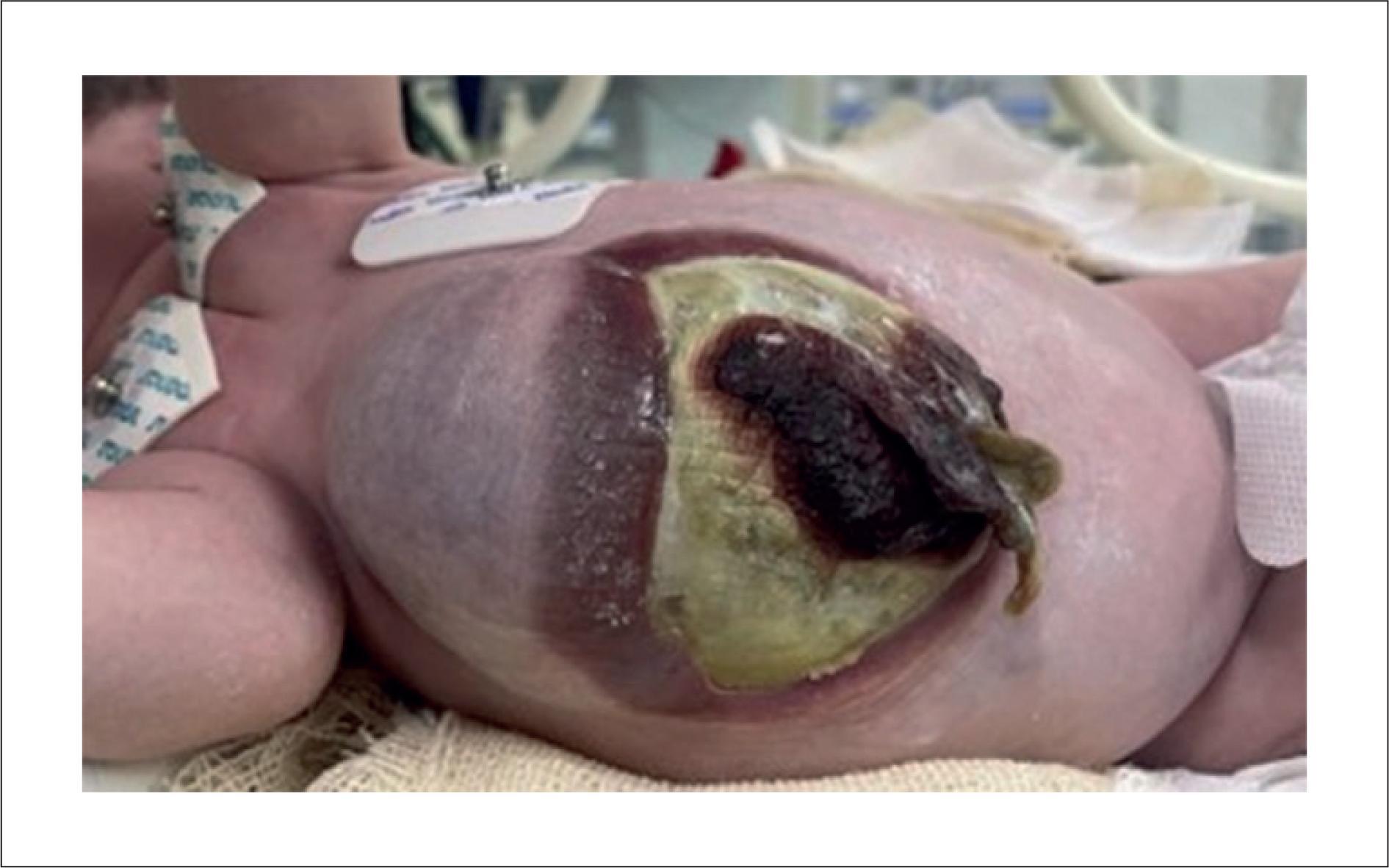
Stent Implantation in the Right Ventricular Outflow Tract to Pulmonary Artery in a Child with Pentalogy of Cantrell: Case Report

Jonathan Guimarães Lombardi et al. Paulo Correia Calamita Laura Moreira Tannus Mayra Rosana Palmeira Barreto … Luiza Emylce Pelá Rosado Giulliano Gardenghi

Introduction

Pentalogy of Cantrell is a syndrome that was first described in 1958. It is characterized by 5 main malformations: defect in the lower sternum, defect in the anterior pericardium, defect in the upper abdomen, deficiency of the anterior diaphragm, and heart defects. The syndrome is rare, with an incidence of 1 in 65,000 live births. It is characterized by midline defects resulting from defective development of the septum transversum. Other congenital heart lesions associated with pentalogy of Cantrell may include atrial septal defect, pulmonary valve stenosis, tetralogy of Fallot, dextrocardia, anomalous pulmonary venous connection, tricuspid atresia, and truncus arteriosus. Children with pentalogy of Cantrell constitute a population with high morbidity and mortality. In this case report, we demonstrate a hemodynamic procedure performed in a patient with this rare congenital anomaly.

[…]

  • Catheterization
  • Congenital Heart Defects
  • Treatment Outcome
Read Full Article
Creative Commons Attribution (CC BY) Creative Commons license
06/06/2024 DOI: 10.36660/abcimg.20240029i Views 2
Central Illustration
ABC
Original Article

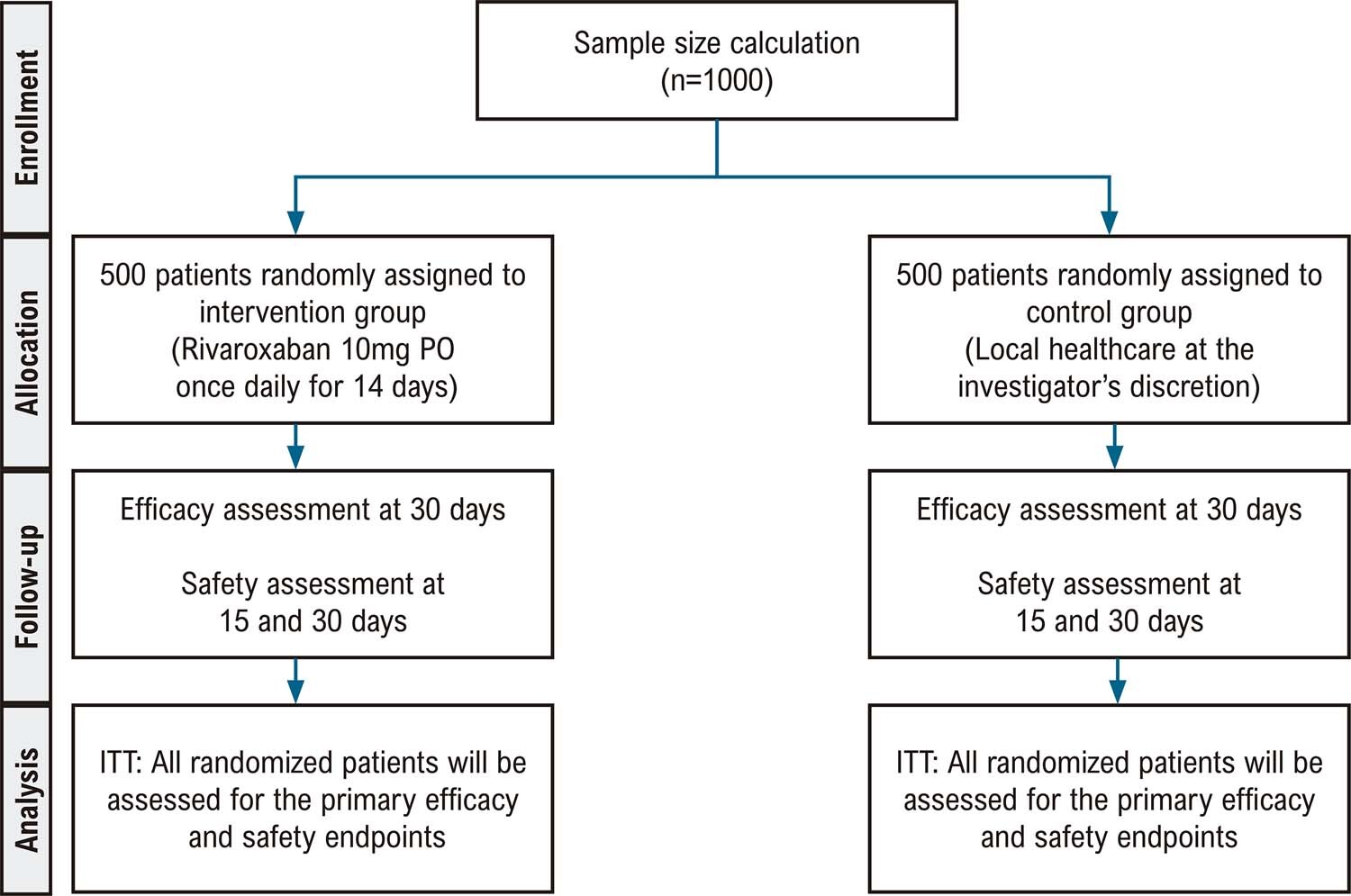
Rivaroxaban in Outpatients with Mild or Moderate COVID-19: Rationale and Design of the Study CARE (CARE – Coalition COVID-19 Brazil VIII)

Gustavo B. F. Oliveira et al. Precil Diego M. M. Neves Haliton A. Oliveira Daniela Ghidetti Mangas Catarino … Lucas B. O. Alves Alexandre B. Cavalcanti Regis G. Rosa Viviane C. Veiga Luciano C.P. Azevedo Otávio Berwanger Renato D. Lopes Álvaro Avezum

Abstract

Background

Previous studies have demonstrated a high risk of arterial and venous thromboembolic events as a consequence of direct viral damage to endothelial cells by SARS-CoV-2 and a procoagulant milieu due to increased biomarkers, such as D-dimer, fibrinogen, and factor VIII. Although randomized controlled trials of antithrombotic therapies have been conducted in hospitalized patients, few have evaluated the role of thromboprophylaxis in an outpatient setting.

Objective

To assess whether antithrombotic prophylaxis with rivaroxaban reduces the risk of venous or arterial thrombotic events, invasive ventilatory support, and death in COVID-19 outpatients.

Methods

The COVID Antithrombotic Rivaroxaban Evaluation (CARE) study, a multicenter, randomized, open-label, controlled trial of rivaroxaban 10 mg once daily for 14 days or local standard treatment alone to prevent adverse outcomes, is registered in clinicaltrials.gov (NCT04757857). The inclusion criteria are adults with confirmed or suspected SARS-CoV-2 infection and mild or moderate symptoms without indication for hospitalization, within 7 days of symptom onset, and 1 risk factor for COVID-19 complication (> 65 years, hypertension, diabetes mellitus, asthma, chronic obstructive pulmonary disease or other chronic lung diseases, smoking, immunosuppression, or obesity). The primary composite endpoint, which includes venous thromboembolism, invasive mechanical ventilation, major acute cardiovascular events, and mortality within 30 days of randomization, will be assessed according to the intention-to-treat principle. All patients will provide informed consent. A significance level of 5% will be used for all statistical tests.

Results

Major thrombotic and bleeding outcomes, hospitalizations, and deaths will be centrally adjudicated by an independent clinical events committee blinded to the assigned treatment groups.

Conclusion

The CARE study will provide relevant and contemporary information about the potential role of thromboprophylaxis in outpatients with COVID-19.

  • COVID-19
  • Outpatient Clinics, Hospital
  • Rivaroxaban
  • Thrombosis
  • Treatment Outcome
Read Full Article
Creative Commons Attribution (CC BY) Creative Commons license
03/04/2023 DOI: 10.36660/abc.20220431 Views 1
ABCIC
Case Report

Percutaneous Mitral Repair with MitraClip® as an Adjunct Therapy of Heart Failure

Petherson Susano Grativvol et al. Katiuska Massucatti Grativvol Alberto de Paula Nogueira Jr João Eduardo Tinoco de Paula Antonio Carlos Botelho da Silva

[…]

  • Aged, 80 and Over
  • Cardiac Catheterization
  • Decision Support Techniques
  • Heart Failure
  • Mitral Valve Insufficiency
  • Risk Factors
  • Treatment Outcome
Read Full Article
Creative Commons Attribution (CC BY) Creative Commons license
20/01/2022 DOI: 10.5935/2318-8219.20170005 Views 2
Figure 1
IJCS
Original Article

Analysis of Conduction Intervals in Normal Electrophysiological Studies: Establishment of Reference Values the Brazilian Population

Tiago Luiz Luz Leiria et al. Catarine Benta Lopes dos Santos Roberto Tofani Sant'anna Julia Santana Trombetta … Gabriela Osterkamp Marcelo Lapa Kruse Leonardo Martins Pires Gustavo Glotz Lima

Abstract

Background

In the investigation of cardiac rhythm disorders, a normal electrophysiological (EPS) study is associated with a favorable prognosis. One of the normality criteria is established by conduction intervals within expected range.

Objective

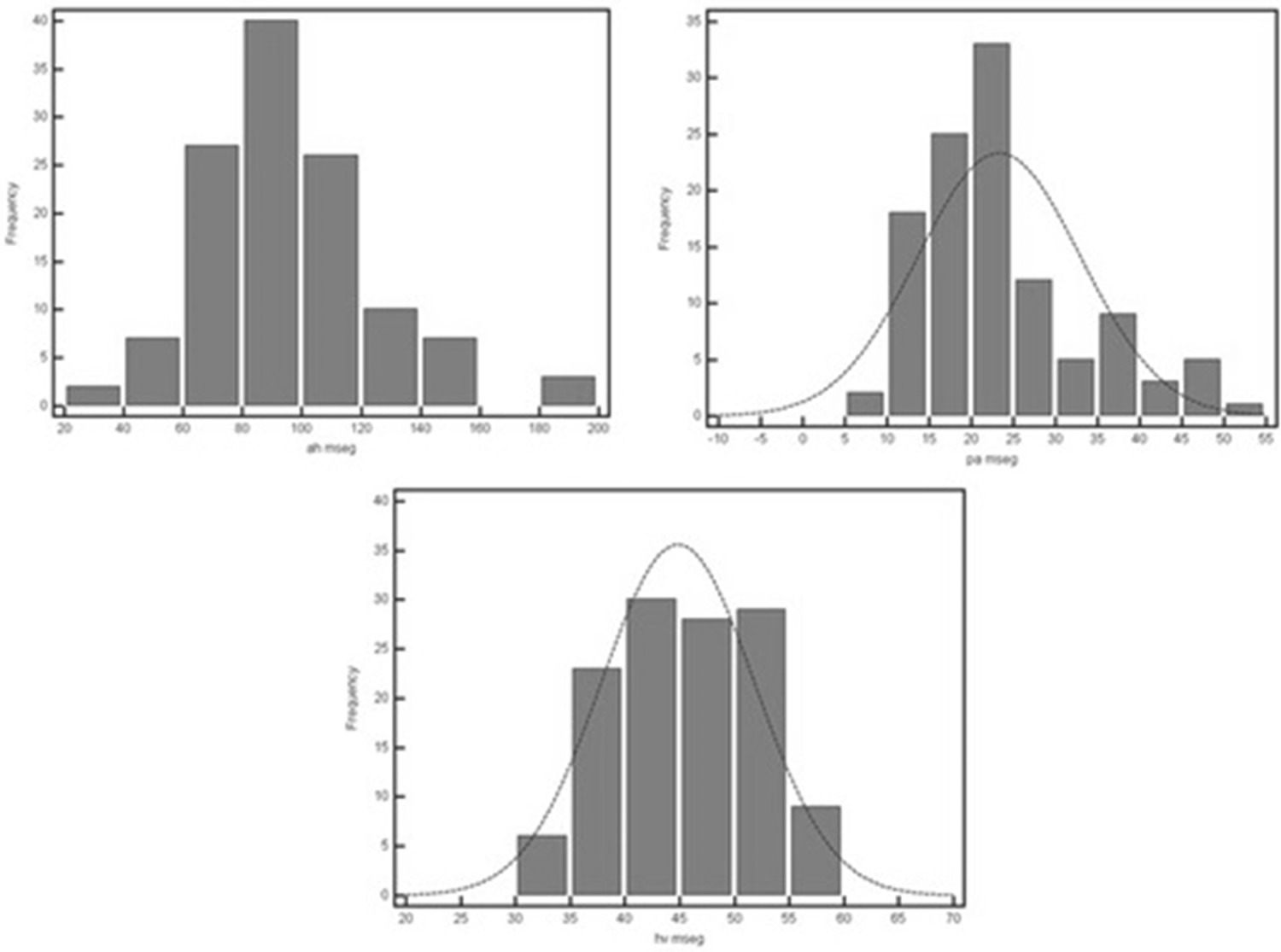
To establish reference values in EPS for the intracavitary conduction intervals (PA, AH and HV) in a Brazilian population.

Methods

A retrospective cohort study of the first 1,500 patients submitted to EPS ablation was performed at Instituto de Cardiologia do Rio Grande do Sul, Brazil. The EPS was considered normal if the test was performed for diagnostic purpose; absence of induced arrhythmias; and conduction intervals within the expected range. The REDCap software was used for data collection and management, and the SPSS Statistics 22.0 used for data analysis. Continuous variables were compared with Student’s t-test for independent samples and categorical variables with the chi-square test (X 2 ). Values of p ≤ 0.05 were considered significant.

Results

A total of 124 (8.3%) with EPS considered normal were included; mean age was 52 ± 21 years, and 63 were male. The mean values in milliseconds of PA, AH and HV were 23 ± 9, 88 ± 25 and 44 ± 7, respectively. The PA, AH, and HV percentile ranges were 13 – 25, 81-107 and 40 – 52, respectively. When the patients were divided into three age groups (1 to 18 years, 19 to 64 years and 65 or more), we observed that the group of older patients had significantly higher values of PA, AH and HV compared with younger patients.

Conclusion

This study showed that intracavitary conduction intervals in a sample of the Brazilian population were similar to previously published studies. Elderly patients tend to have higher values of intracavitary conduction intervals in EPS. Future studies including broader age ranges could enable the acquisition of more reliable and reproducible reference values. (Int J Cardiovasc Sci. 2020; [online].ahead print, PP.0-0)

  • Arrhythmias Cardiac
  • Brazil / epidemiology
  • Electrocardiography/methods
  • Predictive Value of Tests
  • Syncope/physiopathology
  • Syncope/therapy
  • Treatment Outcome
Read Full Article
Creative Commons Attribution (CC BY) Creative Commons license
09/03/2020 DOI: 10.36660/ijcs.20180087 Views 3
ABC
Editorial

Left Atrial Stiffness, a Marker of Atrial Cardiomyopathy, and Atrial Fibrillation – Relationships and Predictors for Procedure Success after Catheter Ablation

Tan Chen Wu

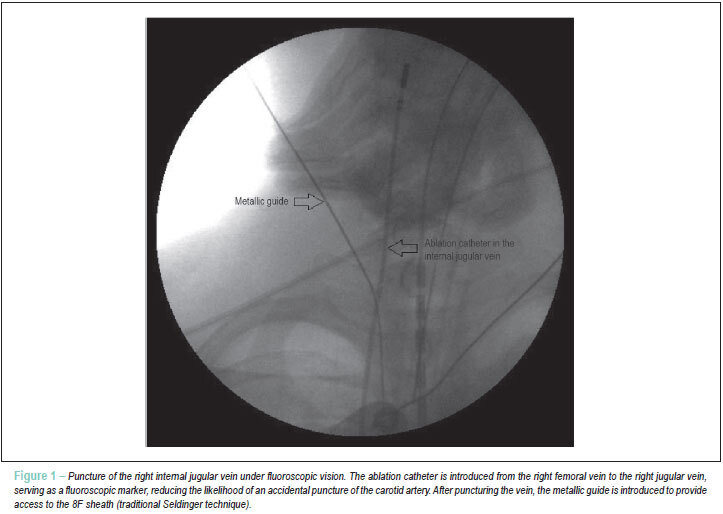
Over the past years, catheter ablation (CA) for atrial fibrillation (AF) has established itself as a well-recognized strategy in the management of patients with AF and an important option for rhythm control. Although CA is more effective than antiarrhythmic drug therapy, AF recurrences are common during the follow-up.

Late recurrence, during the first 9 months after the blanking period, occurs in 25%-40% of cases and is predominantly linked to the recovery of electrical conduction between the pulmonary veins (PVs) and the left atrium (LA), irrespective of the type of AF. The incidence of very late recurrence (after more than 12 months postablation) has been shown to be higher than previously expected, with an annual recurrence rate estimated at 7.6%. Bunch et al. reported AF recurrence rates ranging from 52% (≤ 50 years + paroxysmal AF) to 75% (> 80 years + paroxysmal AF). In a series of 509 consecutive patients undergoing paroxysmal AF ablation by Teunissen et al., after a single procedure, antiarrhythmic drugs free success rate was 41.3%. The predominant mechanism of very late recurrence includes, in addition to the PV connection, the development of non-PV triggers, and development and maturation of substrate. The predictors appears to be the nonparoxysmal form of AF at baseline, organic heart disease, advanced age, and obesity.

[…]

  • Atrial Fibrillation
  • Atrial Function, Left
  • Atrial Remodeling
  • Catheter Ablation
  • Recurrence
  • Treatment Outcome
Read Full Article
Creative Commons Attribution (CC BY) Creative Commons license
06/06/2019 DOI: 10.5935/abc.20190087 Views 1
Figure 1
IJCS
Original Article

Is There Safety in the Use of Clopidogrel Loading Dose in Patients Over 75 Years of Age with Acute Coronary Syndrome?

Alexandre de Matos Soeiro et al. Guilherme Casale Maria Antonieta Albanez Albuquerque de Medeiros Lopes Lucas Colombo Godoy … Aline Siqueira Bossa Bruno Biselli Tatiana de Carvalho Andreucci Torres Leal Maria Carolina Feres de Almeida Soeiro Carlos V Serrano Jr. Múcio Tavares Oliveira Jr.

Abstract

Background:

There is limited evidence in the literature regarding the administration of clopidogrel to acute coronary syndrome (ACS) in patients over 75 years of age. Most studies excluded this age group, making the subject controversial due to the increased risk of bleeding in this population.

Objective:

This is a retrospective, unicentric, and observational study aimed at assessing whether the administration of clopidogrel loading dose increases bleeding rates in patients over 75 years of age.

Methods:

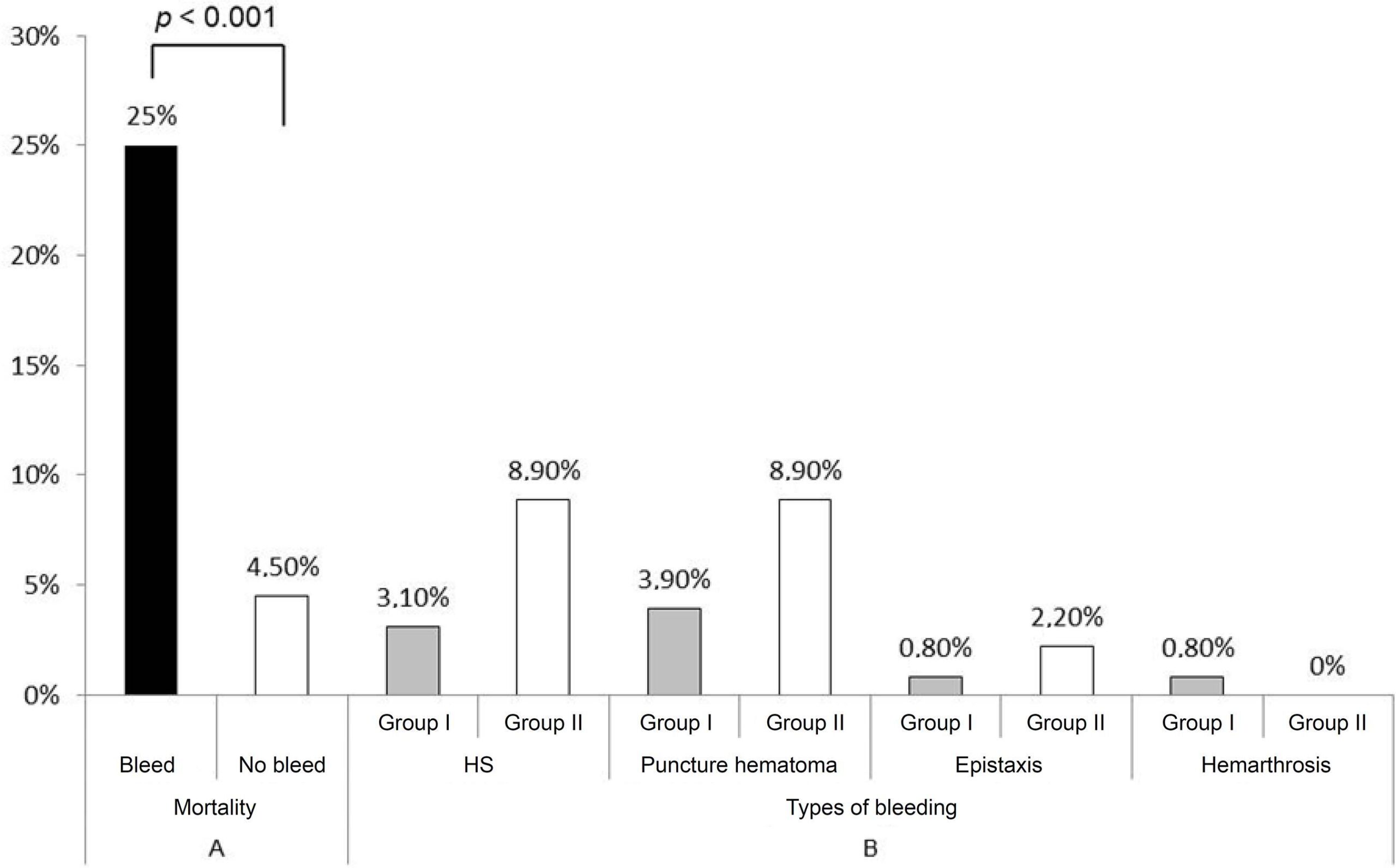
Patients were divided into two groups: group I: 75 mg of clopidogrel; group II: 300-to 600-mg loading dose of clopidogrel. A total of 174 patients (129 in group I and 45 in group II) were included between May 2010 and May 2015. Statistical analysis: The primary outcome was bleeding (major and/or minor). The secondary outcome was combined events (cardiogenic shock, reinfarction, death, stroke and bleeding). The comparison between groups was performed through Q-square and T-test. The multivariate analysis was performed by logistic regression, being considered significant p < 0.05.

Results:

Comparisons between groups I and II showed differences in the prevalence of diabetes (46.5% vs. 24.4%, p = 0.01), arterial hypertension (90.7% vs. 75, p = 0.01), dyslipidemia (62% vs. 42.2%, p = 0.021), ST segment elevation (11.6% vs. 26.6%, p = 0.016) and coronary intervention percutaneous (16.5% vs. 62.2%, p < 0.0001), respectively. In the multivariate analysis, significant differences were observed between groups I and II in relation to the occurrence of bleeding (8.5% vs. 20%, OR = 0.173, 95% CI: 0.049 – 0.614, p = 0.007).

Conclusion:

A loading dose of 300 mg or more of clopidogrel.

  • Acute Coronary Syndrome / complications
  • Aged
  • Hemorrhage
  • Platelet Aggregation Inhibitors/therapeutic use
  • Treatment Outcome
Read Full Article
Creative Commons Attribution (CC BY) Creative Commons license
15/04/2019 DOI: 10.5935/2359-4802.20190031 Views 2
IJCS
Editorial

Continuous Aerobic and High-Intensity Interval Exercise: Which one Produces greater Post-Exercise Hypotension?

André L. Teixeira and Lauro C. Vianna

Exercise training is a key recommendation for maintenance of a healthy life style. It is well established that regular physical exercise provides innumerous physiological and psychological benefits not only to young healthy subjects, but also individuals with diabetes, heart failure, Parkinson disease, multiple sclerosis, claudication, autonomic failure, hypertension, among others. A well-documented physiological response to exercise is called post-exercise hypotension (PEH), in which a single bout of exercise leads to a decrease in arterial blood pressure. The first study showing PEH was published in 1898 by Dr. L. Hill. Thereafter, several authors confirmed these results showing that a single bout of exercise can reduce arterial blood pressure below pre-exercise values. However, one question that remains to be answered is which exercise modality produces greater PEH?

Previous studies have shown that continuous aerobic (CONT) exercise, high-intensity interval (HIIE) training, isometric exercise and resistance-based exercise can lead to a PEH. Studies comparing CONT and HIIE showed that the magnitude of PEH was slightly superior following HIIE compared with CONT exercise., However, in these studies, the exercise protocols were not matched by volume. This is important because longer exercise duration and higher-intensity exercise results in greater decreases in arterial blood pressure and longer PEH duration when compared with a short bout of low-intensity exercise.,

[…]

  • Blood Pressure
  • Exercise Therapy
  • Hypertension/diagnosis
  • Hypertension/physiopathology
  • Hypertension/therapy, Physical Endurance
  • Time Factors
  • Treatment Outcome
Read Full Article
Creative Commons Attribution (CC BY) Creative Commons license
01/01/2019 DOI: 10.5935/2359-4802.20180104
Figure 1
IJCS
Case Report

Sirolimus-Eluting Balloon Treatment of Distal Internal Mammary Artery Anastomosis: Optical Coherence Tomography Findings

Marcos Garcia-Guimarães et al. Ramón Maruri-Sanchez Javier Cuesta Fernando Rivero … Teresa Bastante Fernando Alfonso

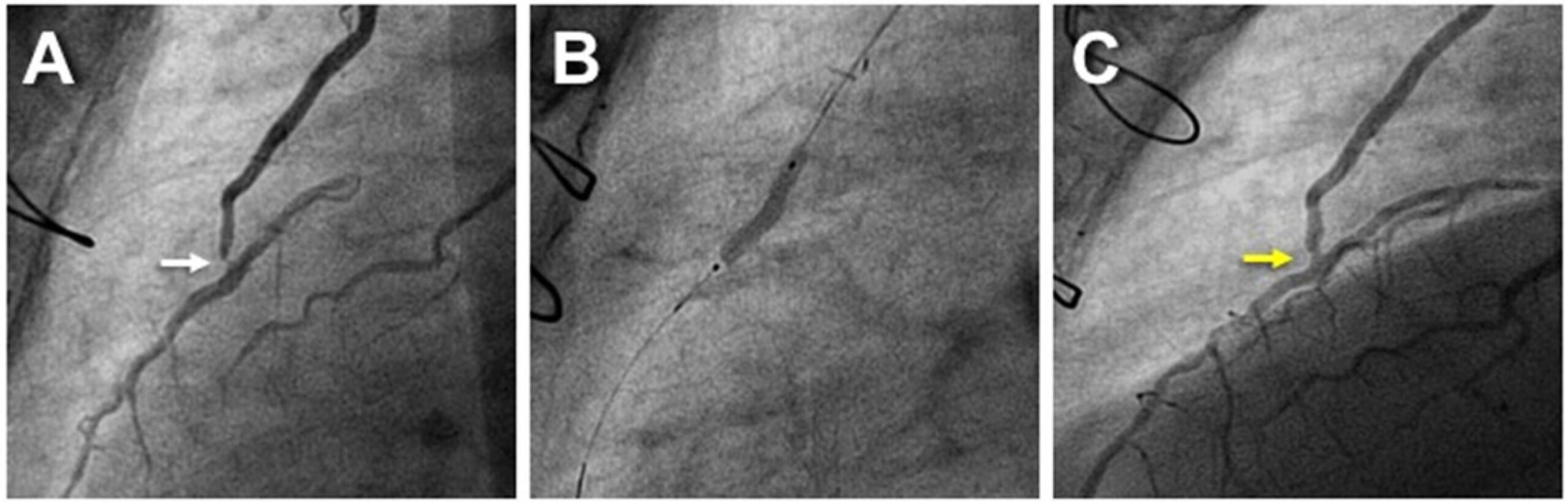
Drug-eluting balloons (DEB) represent an interesting alternative to current generation drug-eluting stents (DES) in selected anatomic scenarios, such as in-stent restenosis, small-vessel disease and bifurcation lesions, where the systematic implantation of DES may result less appealing., In particular, lesions located at the distal anastomosis of a bypass graft (an artificially created bifurcation) constitute a unique anatomic setting, where DEB may overcome some inherent limitations of DES resulting from the implantation of a metallic platform throughout the bypass graft into and across the native distal vessel.

Herein we present, to the best of our knowledge, the first report of the treatment of a lesion located at the distal anastomosis of a left internal mammary artery (LIMA) to the left anterior descending coronary artery (LAD) with a novel sirolimus-DEB. Interestingly, optical coherence tomography (OCT) findings proved to be of major value to guide the procedure.

[…]

  • Angioplasty, Balloon, Coronary/methods
  • Coronary Artery Disease/diagnosis
  • Drug-Eluting Stents
  • Sirolimus
  • Treatment Outcome
Read Full Article
Creative Commons Attribution (CC BY) Creative Commons license
01/01/2018 DOI: 10.5935/2359-4802.20180040 Views 1
Figure 1
ABC
Editorial

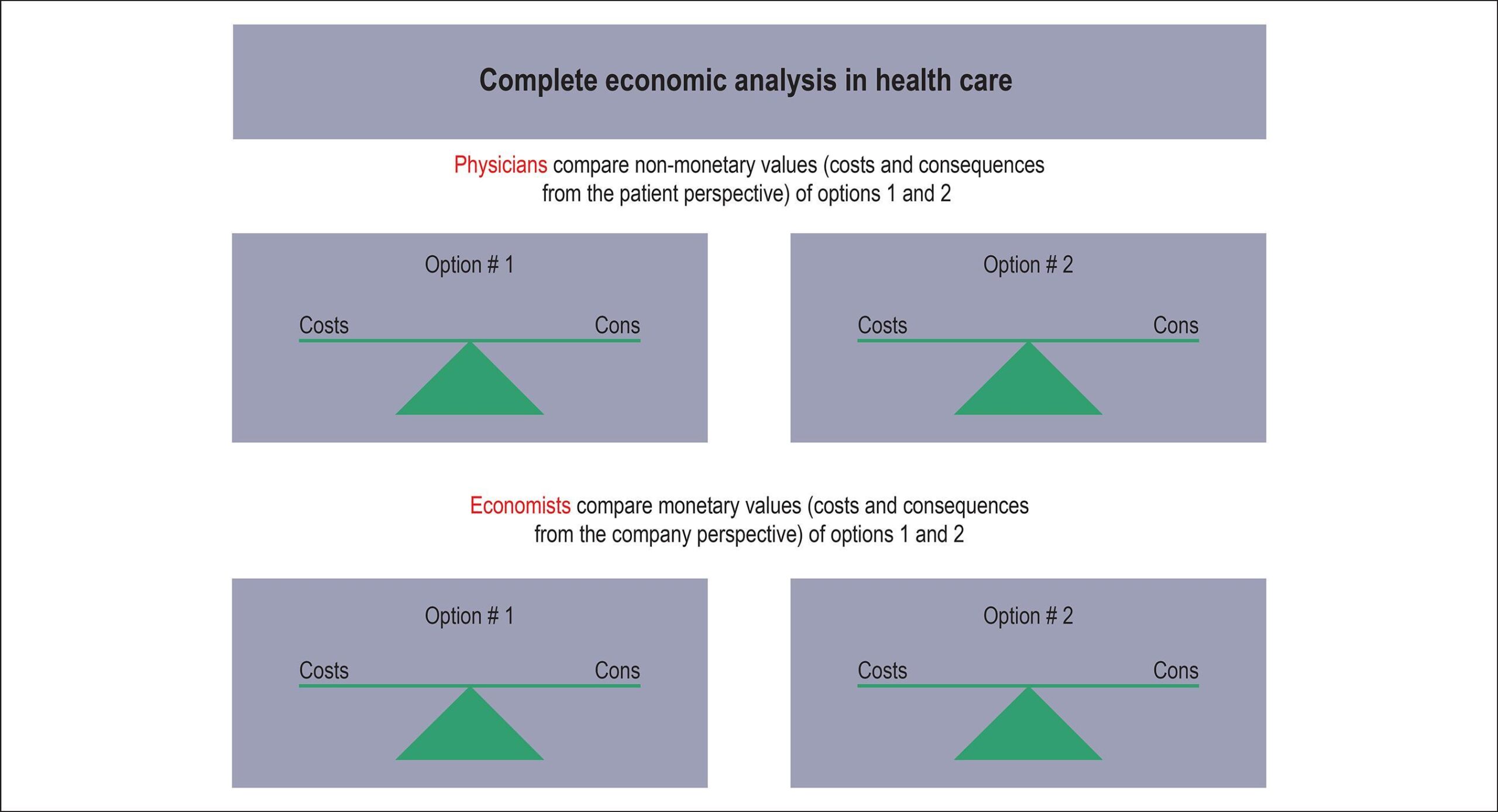
The Concept of Clinical Economics and its Relation with Effectiveness

Franz Porzsolt et al. Luis C. L. Correia

Efficacy versus Effectiveness

We underlined that efficacy and effectiveness describe two different types of information: efficacy is the demonstration that a new principle can theoretically work, which comes from studies under ideal controlled conditions; effectiveness is how the concept proven by efficacy studies works under real world conditions (RWC)., For demonstration of efficacy, one should select the optimal scenario for the proof of principle. It requires an experimental study design, with random allocation of treatments, to eliminate confounding bias and proper assessment of causality, it means the trial is explanatory.

The demonstration of effectiveness is pragmatic and takes place in the scenario in which the new principle will be used (RWC). The design is observational and treatment allocation is under the discretion and preferences of physician and patient. It allows assessment of the two main determinants of effectiveness: practical issues regarding adequate applicability of treatment and the impact of individualized choices. The interaction of these two forces determines whether the effectiveness of a treatment will be smaller than its proven efficacy (loss of beneficial effect in the real world) or whether the treatment will be even more effective than efficacious. The first situation should be a concern when logistic issues impair the treatment to be ideally applied (a not well trained doctor, a patient not educated enough to properly take an anticoagulant, a system not able to provide adequate door-to-balloon time in primary angioplasty for acute myocardial infarction), what tends to happen when the treatment is somewhat complex. The second situation takes place when physicians and patients provide a better solution than a simple randomization can do allocation.

[…]

  • Clinical Trials as Topic / analysis
  • Cost-Benefit Analysis
  • Treatment Outcome
Read Full Article
Creative Commons Attribution (CC BY) Creative Commons license
01/06/2017 DOI: 10.5935/abc.20170084 Views 2
ABC
Editorial

Behavioral Cardiology: Cardiology’s New Frontier of Action

Marcelo Katz et al. Mauricio Wajngarten

Cardiovascular diseases are the leading cause of morbidity and mortality around the world, and particularly in Brazil, despite advances in their diagnosis and treatment. It is speculated that these adverse events are due in part to the lack of patients’ adherence to medical (pharmacological and non-pharmacological) recommendations,. In this regard, the evaluation of adherence and, eventually, the identification of the causes of failure in adherence are recommended to be part of the cardiovascular anamnesis. In the study published by Oliveira-Filho et al in the Arquivos Brasileiros de Cardiologia entitled “Improving Post‑Discharge Medication Adherence in Patients with CVD: A Pilot Randomized Trial”, the topic of adherence is approached in a randomized clinical study conducted by the authors. In this study, 61 patients diagnosed with cardiovascular disease were, upon discharge from the hospital, randomized to receive an intervention focused on education and information, including dosage simplification, and based on a 4-item adherence scale versus standard treatment. The authors compared adherence outcomes at 1 and 12 months of follow up, as well as clinical outcomes (hospital readmission and death) in the follow-up period. The adherence rate was assessed with the 8-item therapeutic adherence scale by Morisky,. At 1-month follow-up, the adherence rate was significantly higher in the intervention group (83.3% versus 48.4%). During long-term follow-up, the adherence rate declined to a statistically non-significant difference between groups, but remained around 61% in the intervention group. As for readmissions and deaths, there was no significant difference between groups, although the study was not designed primarily to analyze these outcomes. However, we emphasize that taking into consideration the adherent patients regardless of allocation group, the rate of clinical outcomes was lower when compared with non-adherent patients. In a recent study, Castellano et al evaluated the polypill versus standard treatment in patients after acute myocardial infarction and observed an improvement in adherence rate, but not in cardiovascular outcomes. Dosage simplification, which was common to both studies, appears to be effective and may be a trend.

Methodologically well-planned and executed, the study by Oliveira-Filho et al provides lessons applicable to clinical practice and to the way physicians and health professionals interact with their patients. Patient education and simplification of dosage must be part of the strategy to improve patients’ adherence. In addition, the background of this study ultimately refers to behavior. In recent years, the term “behavioral cardiology” has been used to define a new frontier of action in cardiology and currently encompasses the relationship between mental and cardiovascular health, the influence of psychosocial factors on the incidence of cardiovascular diseases, and finally, behavioral aspects of the patients that determine higher or lower adherence to medical recommendations,. Several behavioral theories complement each other and seek to explore the different domains that govern the behavior of a patient before a risk factor or a disease. Similarly, there are several examples in the literature demonstrating that health interventions, at an individual or population level, have a higher chance of success when based on a combination of behavioral theories, with emphasis on the health belief model, the stages of change, social cognitive theory, self-efficacy and positive reinforcement. In all these theories, the issues of information and patient education are central.

[…]
  • Cardiovascular Diseases / trends
  • Indicators of Morbidity and Mortality
  • medication adherence
  • Treatment Outcome
Read Full Article
Creative Commons Attribution (CC BY) Creative Commons license
01/01/2015 DOI: 10.5935/abc.20150002 Views 1
Figure 1
ABC
Original Article

Efficacy and Safety of Drug-Eluting Stents in the Real World: 8-Year Follow-Up

Denise Oliveira Pellegrini et al. Vitor Osório Gomes Ricardo Lasevitch Luis Smidt … Marco Aurélio Azeredo Priscila Ledur Rodrigo Bodanese Leonardo Sinnott Emílio Moriguchi Paulo Caramori

Background:

Drug-eluting stents have been used in daily practice since 2002, with the clear advantages of reducing the risk of target vessel revascularization and an impressive reduction in restenosis rate by 50%-70%. However, the occurrence of a late thrombosis can compromise long-term results, particularly if the risks of this event were sustained. In this context, a registry of clinical cases gains special value.

Objective:

To evaluate the efficacy and safety of drug-eluting stents in the real world.

Methods:

We report on the clinical findings and 8-year follow-up parameters of all patients that underwent percutaneous coronary intervention with a drug-eluting stent from January 2002 to April 2007. Drug-eluting stents were used in accordance with the clinical and interventional cardiologist decision and availability of the stent.

Results:

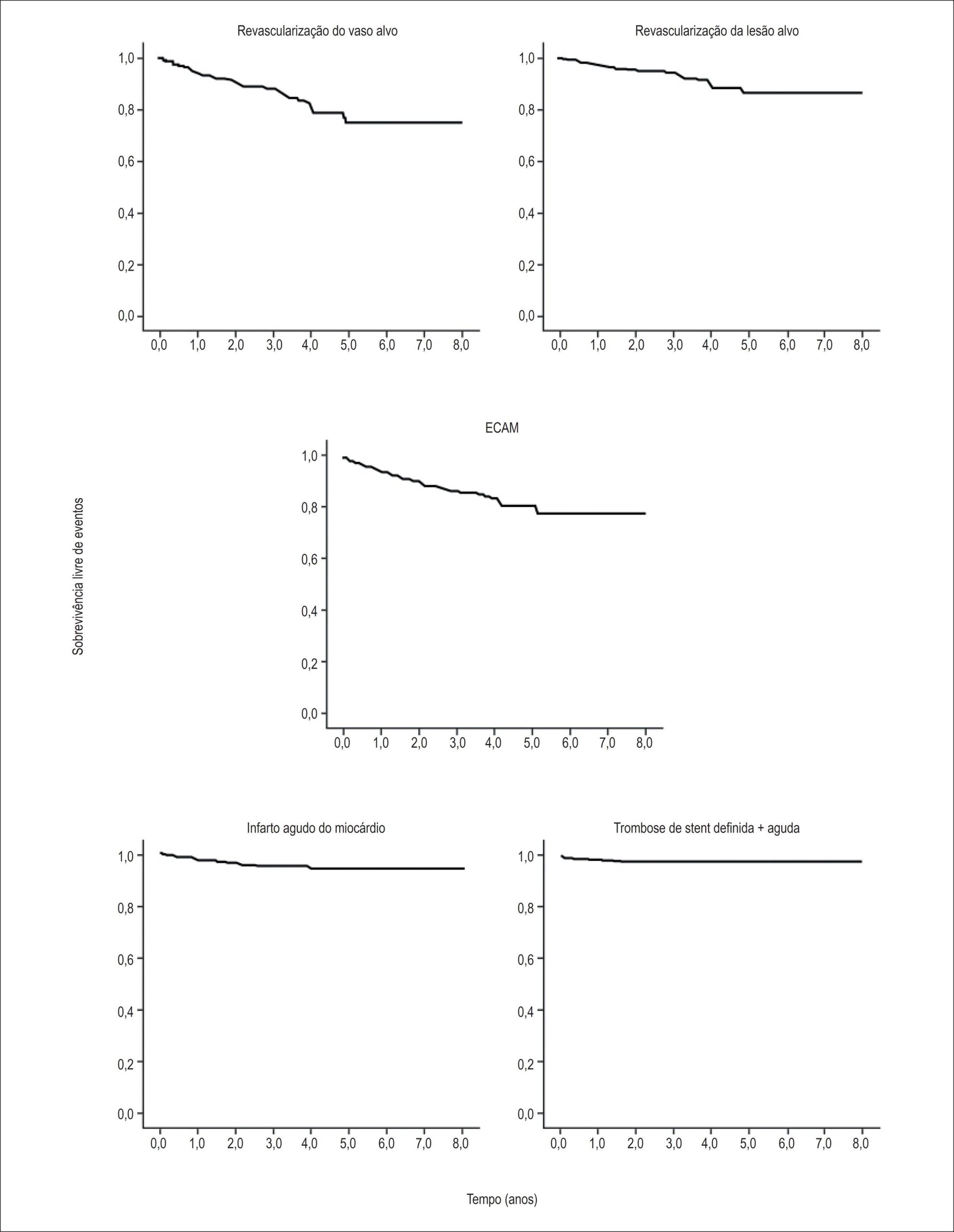
A total of 611 patients were included, and clinical follow-up of up to 8 years was obtained for 96.2% of the patients. Total mortality was 8.7% and nonfatal infarctions occurred in 4.3% of the cases. Target vessel revascularization occurred in 12.4% of the cases, and target lesion revascularization occurred in 8% of the cases. The rate of stent thrombosis was 2.1%. There were no new episodes of stent thrombosis after the fifth year of follow-up. Comparative subanalysis showed no outcome differences between the different types of stents used, including Cypher®, Taxus®, and Endeavor®.

Conclusion:

These findings indicate that drug-eluting stents remain safe and effective at very long-term follow-up. Patients in the “real world” may benefit from drug-eluting stenting with excellent, long-term results.

  • Drug–Eluting Stents/trends
  • Effectiveness
  • Long-Term Effect
  • Treatment Outcome
Read Full Article
Creative Commons Attribution (CC BY) Creative Commons license
01/08/2014 DOI: 10.5935/abc.20140110 Views 1
ABC
Artigo Original

Development and validation of the Brazilian Portuguese version of the Cardiac Rehabilitation Barriers Scale

Gabriela Lima de Melo Ghisi et al. Rafaella Zulianello dos Santos Vanessa Schveitzer Aline Lange Barros … Thais Lunardi Recchia Paul Oh Magnus Benetti Sherry L. Grace

BACKGROUND: Cardiovascular diseases show high incidence and prevalence in Brazil; however, participation in Cardiac Rehabilitation (CR) is limited and has been poorly investigated in the country. The Cardiac Rehabilitation Barriers Scale (CRBS) was developed to assess the barriers to participation and adherence to CR. OBJECTIVE: To translate, cross-culturally adapt and psychometrically validate CRBS to Brazilian Portuguese. METHODS: Two independent initial translations were performed. After the reverse translation, both versions were reviewed by a committee. The new version was tested in 173 patients with coronary artery disease (48 women, mean age = 63 years). Of these, 139 (80.3%) participated in CR. Internal consistency was assessed by Cronbach’s alpha, test-retest reliability by intraclass correlation coefficient (ICC) and construct validity by factor analysis. T-tests were used to assess criterion validity between participants and non-participants in CR. The applied test results were evaluated regarding patient characteristics (gender, age, health status and educational level). RESULTS: The Brazilian Portuguese version of the CRBS had Cronbach’s alpha of 0.88, ICC of 0.68 and disclosed five factors, most of which showed to be internally consistent and all were defined by the items. The mean score for patients in CR was 1.29 (SD = 0.27) and 2.36 for ambulatory patients (SD = 0.50) (p <0.001). Criterion validity was also supported by significant differences in total scores by gender, age and educational level. CONCLUSION: The Brazilian Portuguese version of CRBS has shown adequate validity and reliability, which supports its use in future studies.

  • Cardiovascular Diseases
  • Patient Compliance
  • Patient Participation
  • questionnaires
  • Treatment Outcome
Read Full Article
Creative Commons Attribution (CC BY) Creative Commons license
15/03/2012 DOI: 10.1590/S0066-782X2012005000025 Views 1
Safety of ablation for atrial fibrillation with therapeutic INR: comparison with transition to low-molecular-weight heparin
ABC
Artigo Original

Safety of ablation for atrial fibrillation with therapeutic INR: comparison with transition to low-molecular-weight heparin

Eduardo B. Saad et al. Ieda P. Costa Rodrigo E. da Costa Luiz Antônio O. Inácio Jr … Charles Slater Angelina Camiletti Dario G. de Moura Neto Paulo Maldonado Luiz Eduardo Camanho Carisi A. Polanczyk

BACKGROUND: The ideal management of oral anticoagulation (OAC) before and after catheter ablation for atrial fibrillation (AF) is still controversial. OBJECTIVE: To compare two anticoagulation strategies for catheter ablation for AF: warfarin withholding and use of low-molecular-weight heparin (LMWH); and maintenance of warfarin and therapeutic INR (between 2.0 and 3.0). METHODS: 140 patients (pt) with persistent/permanent AF undergoing catheter ablation for AF were divided into two groups: Group I (70 pt), in which warfarin was withheld five days prior to the procedure and transition to LMWH was used (enoxaparin: 1 mg/kg 2x/day before ablation, and 0.5 mg/kg 2x/day after ablation); Group II (70 pt), in which warfarin was not withheld and the procedure was performed with therapeutic INR. Both groups received intravenous heparin (ACT > 350 seconds) during ablation. RESULTS: In Group I, one pt (1.4%) had a major hemorrhagic complication and four pts (5.7%) had minor hemorrhagic complications. In Group II, two pts (2.8%) had minor hemorrhagic complications and one pt had a major bleeding, which occurred after using LMWH due to INR < 2.0. None of the groups had thromboembolic complications or cardiovascular death over a period of 16 ± 8 months. CONCLUSION: Catheter ablation for AF without withholding OAC and with therapeutic INR is a strategy that has similar safety and efficacy when compared with the traditional transition to LMWH, avoiding the potentially inadequate anticoagulation of the initial post-ablation period.

  • Atrial Fibrillation
  • Catheter Ablation
  • heparin, low-molecular-weight
  • Treatment Outcome
  • Warfarin
  • withholding treatment
Read Full Article
Creative Commons Attribution (CC BY) Creative Commons license
19/08/2011 DOI: 10.1590/S0066-782X2011005000088 Views 3
Clinical and economic outcome of a cardiopulmonary and metabolic rehabilitation program
ABC
Artigo Original

Clinical and economic outcome of a cardiopulmonary and metabolic rehabilitation program

Fabiana Pereira Vecchio Rebelo et al. Aline dos Santos Garcia Dalton Francisco de Andrade Cláudio Ribeiro Werner Tales de Carvalho

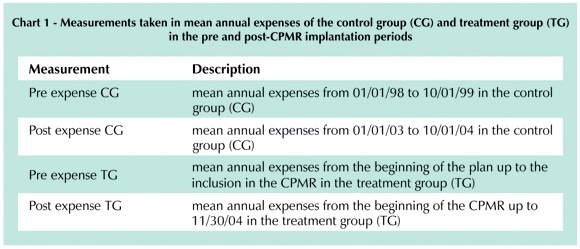
OBJECTIVE: To evaluate the clinical and economic outcome of a Cardiopulmonary and Metabolic Rehabilitation Program (CPMR) created by an HMO. METHODS: The sample was comprised of 96 clients, divided into two groups of 48 individuals (treatment group – TG, individuals who participated in the CPMR program, and control group – CG, individuals who did not participate in the program) of both genders, with age ranging between 54 and 79 years. Training time of the TG was 22 (±3) months. To assess the clinical outcome before and after CPMR, exercise tolerance, plasma lipoprotein profile (TC, LDL-C, HDL-C, TC/HDL-C and triglycerides), resting blood pressure (BP), and body composition (Body mass index – BMI and Waist-to-hip ratio – W/HR) were determined. RESULTS: The TG presented the following results in the pre and post CPMR assessment, respectively: TC (mg/dL) 242,5 (±48,32) and 189.47(±39.83); LDL-C (mg/dL) 162(±37.72) and 116,3(±33,28); HDL-C (mg/dL) 46,5(±8,59) and 57.8(±10.36); Tg (mg/dL) 165.15(±90.24) and 113.29(±54,92); TC/HDL-C 5.42 (±1.10) and 3.35 (±0.81); VO2 peak (mL/Kg/min) 26.92 ± 7 and 32.64 ± 5.92; BMI 29.35 (±3.93) and 28.12 (±3.55) for women and 29.17 (±5.14) and 27.88 (±4.83) for men; W/HR 0.93(±0.05) and 0.94(±0.04) for women and 0.93(±0.07) and 0.92(±0.06) for men; BP (mmHg) 151(±13.89) and 132(±9.56); DBP (mmHg) 83(±8.07) and 77(±5.92); monthly expenses CG (R$) 8,840.05 (±5,656.58) and 8,978.32 (±5,500.78); monthly expenses TG (R$) 2,016.98 (±2,861.69) and 1,470.73 (±1,333.25). CONCLUSION: In the group undergoing the CPMR Program, favorable clinical changes were observed in relation to the plasma lipoprotein profile, blood pressure, and exercise tolerance, with no relation to changes in medications.

  • Breathing Exercises
  • Cardiovascular Diseases
  • Exercise
  • health programmes and projects
  • metabolic disease
  • Rehabilitation
  • Treatment Outcome
Read Full Article
Creative Commons Attribution (CC BY) Creative Commons license
21/05/2007 DOI: 10.1590/S0066-782X2007000300011

How to cite this article

EndNote RIS

Electronic Document Format (Vancouver)

Lombardi JG, Calamita PC, Tannus LM, Barreto MRP, Rosado LEP, Gardenghi G. Stent Implantation in the Right Ventricular Outflow Tract to Pulmonary Artery in a Child with Pentalogy of Cantrell: Case Report. ABC Imagem Cardiovascular 2024;37(2):e20240029.

Electronic Document Format (ABNT)

Lombardi, Jonathan Guimarães; Calamita, Paulo Correia; Tannus, Laura Moreira; Barreto, Mayra Rosana Palmeira; Rosado, Luiza Emylce Pelá; Gardenghi, Giulliano. Stent Implantation in the Right Ventricular Outflow Tract to Pulmonary Artery in a Child with Pentalogy of Cantrell: Case Report. ABC Imagem Cardiovascular, v. 37, n. 2, e20240029, Jun. 2024.

Electronic Document Format (APA)

Lombardi, J. G., Calamita, P. C., Tannus, L. M., Barreto, M. R. P., Rosado, L. E. P., & Gardenghi, G. (2024). Stent Implantation in the Right Ventricular Outflow Tract to Pulmonary Artery in a Child with Pentalogy of Cantrell: Case Report. ABC Imagem Cardiovascular, 37(2), e20240029.

Electronic Document Format (ISO)

Lombardi, Jonathan Guimarães and Calamita, Paulo Correia and Tannus, Laura Moreira and Barreto, Mayra Rosana Palmeira and Rosado, Luiza Emylce Pelá and Gardenghi, Giulliano. Stent Implantation in the Right Ventricular Outflow Tract to Pulmonary Artery in a Child with Pentalogy of Cantrell: Case Report. ABC Imagem Cardiovascular [online]. 2024, vol. 37, n. 2, [cited 2026-10-14], e20240029. Available from: <https://journals.cardiol.br/en/article/stent-implantation-in-the-right-ventricular-outflow-tract-to-pulmonary-artery-in-a-child-with-pentalogy-of-cantrell-case-report/>. ISSN 2318-8219

EndNote RIS

Electronic Document Format (Vancouver)

Oliveira GBF, Neves PDMM, Oliveira HA, Catarino DGM, Alves LBO, Cavalcanti AB, Rosa RG, et al. Rivaroxaban in Outpatients with Mild or Moderate COVID-19: Rationale and Design of the Study CARE (CARE – Coalition COVID-19 Brazil VIII). Arquivos Brasileiros de Cardiologia 2023;120(3):e20220431.

Electronic Document Format (ABNT)

Oliveira, Gustavo B. F.; Neves, Precil Diego M. M.; Oliveira, Haliton A.; Catarino, Daniela Ghidetti Mangas; Alves, Lucas B. O.; Cavalcanti, Alexandre B.; Rosa, Regis G.; Veiga, Viviane C.; Azevedo, Luciano C.P.; Berwanger, Otávio; Lopes, Renato D.; Avezum, Álvaro. Rivaroxaban in Outpatients with Mild or Moderate COVID-19: Rationale and Design of the Study CARE (CARE – Coalition COVID-19 Brazil VIII). Arquivos Brasileiros de Cardiologia, v. 120, n. 3, e20220431, Apr. 2023.

Electronic Document Format (APA)

Oliveira, G. B. F., Neves, P. D. M. M., Oliveira, H. A., Catarino, D. G. M., Alves, L. B. O., Cavalcanti, A. B., Rosa, R. G., Veiga, V. C., Azevedo, L. C., Berwanger, O., Lopes, R. D., & Avezum, (2023). Rivaroxaban in Outpatients with Mild or Moderate COVID-19: Rationale and Design of the Study CARE (CARE – Coalition COVID-19 Brazil VIII). Arquivos Brasileiros de Cardiologia, 120(3), e20220431.

Electronic Document Format (ISO)

Oliveira, Gustavo B. F. and Neves, Precil Diego M. M. and Oliveira, Haliton A. and Catarino, Daniela Ghidetti Mangas and Alves, Lucas B. O. and Cavalcanti, Alexandre B. and Rosa, Regis G. and Veiga, Viviane C. and Azevedo, Luciano C.P. and Berwanger, Otávio and Lopes, Renato D. and Avezum, Álvaro. Rivaroxaban in Outpatients with Mild or Moderate COVID-19: Rationale and Design of the Study CARE (CARE – Coalition COVID-19 Brazil VIII). Arquivos Brasileiros de Cardiologia [online]. 2023, vol. 120, n. 3, [cited 2026-10-14], e20220431. Available from: <https://journals.cardiol.br/en/article/rivaroxaban-in-outpatients-with-mild-or-moderate-covid-19-rationale-and-design-of-the-study-care-care-coalition-covid-19-brazil-viii/>. ISSN 0066-782X

EndNote RIS

Electronic Document Format (Vancouver)

Grativvol PS, Grativvol KM, Nogueira Jr AP, Paula JET, Silva ACB. Percutaneous Mitral Repair with MitraClip® as an Adjunct Therapy of Heart Failure. Arquivos Brasileiros de Cardiologia Imagem cardiovascular 2022;30(1):18-22.

Electronic Document Format (ABNT)

Grativvol, Petherson Susano; Grativvol, Katiuska Massucatti; Nogueira Jr, Alberto de Paula; Paula, João Eduardo Tinoco de; Silva, Antonio Carlos Botelho da. Percutaneous Mitral Repair with MitraClip® as an Adjunct Therapy of Heart Failure. Arquivos Brasileiros de Cardiologia Imagem cardiovascular, v. 30, n. 1, p. 18-22, Jan. 2022.

Electronic Document Format (APA)

Grativvol, P. S., Grativvol, K. M., Nogueira Jr, A. P., Paula, J. E. T. , & Silva, A. C. B. (2022). Percutaneous Mitral Repair with MitraClip® as an Adjunct Therapy of Heart Failure. Arquivos Brasileiros de Cardiologia Imagem cardiovascular, 30(1), 18-22.

Electronic Document Format (ISO)

Grativvol, Petherson Susano and Grativvol, Katiuska Massucatti and Nogueira Jr, Alberto de Paula and Paula, João Eduardo Tinoco de and Silva, Antonio Carlos Botelho da. Percutaneous Mitral Repair with MitraClip® as an Adjunct Therapy of Heart Failure. Arquivos Brasileiros de Cardiologia Imagem cardiovascular [online]. 2022, vol. 30, n. 1, [cited 2026-10-14], pp. 18-22. Available from: <https://journals.cardiol.br/en/article/percutaneous-mitral-repair-with-mitraclip-as-an-adjunct-therapy-of-heart-failure/>. ISSN 2318-8219

EndNote RIS

Electronic Document Format (Vancouver)

Leiria TLL, Santos CBL, Sant’anna RT, Trombetta JS, Osterkamp G, Kruse ML, Pires LM, et al. Analysis of Conduction Intervals in Normal Electrophysiological Studies: Establishment of Reference Values the Brazilian Population. International Journal of Cardiovascular Sciences 2020;33(5):488-94.

Electronic Document Format (ABNT)

Leiria, Tiago Luiz Luz; Santos, Catarine Benta Lopes dos; Sant’anna, Roberto Tofani; Trombetta, Julia Santana; Osterkamp, Gabriela; Kruse, Marcelo Lapa; Pires, Leonardo Martins; Lima, Gustavo Glotz. Analysis of Conduction Intervals in Normal Electrophysiological Studies: Establishment of Reference Values the Brazilian Population. International Journal of Cardiovascular Sciences, v. 33, n. 5, p. 488-494, Mar. 2020.

Electronic Document Format (APA)

Leiria, T. L. L., Santos, C. B. L. , Sant’anna, R. T., Trombetta, J. S., Osterkamp, G., Kruse, M. L., Pires, L. M., & Lima, G. G. (2020). Analysis of Conduction Intervals in Normal Electrophysiological Studies: Establishment of Reference Values the Brazilian Population. International Journal of Cardiovascular Sciences, 33(5), 488-494.

Electronic Document Format (ISO)

Leiria, Tiago Luiz Luz and Santos, Catarine Benta Lopes dos and Sant’anna, Roberto Tofani and Trombetta, Julia Santana and Osterkamp, Gabriela and Kruse, Marcelo Lapa and Pires, Leonardo Martins and Lima, Gustavo Glotz. Analysis of Conduction Intervals in Normal Electrophysiological Studies: Establishment of Reference Values the Brazilian Population. International Journal of Cardiovascular Sciences [online]. 2020, vol. 33, n. 5, [cited 2026-10-14], pp. 488-494. Available from: <https://journals.cardiol.br/en/article/analysis-of-conduction-intervals-in-normal-electrophysiological-studies-establishment-of-reference-values-the-brazilian-population/>. ISSN 2359-4802

EndNote RIS

Electronic Document Format (Vancouver)

Wu TC. Left Atrial Stiffness, a Marker of Atrial Cardiomyopathy, and Atrial Fibrillation – Relationships and Predictors for Procedure Success after Catheter Ablation. Arquivos Brasileiros de Cardiologia 2019;112(5):509-10.

Electronic Document Format (ABNT)

Wu, Tan Chen. Left Atrial Stiffness, a Marker of Atrial Cardiomyopathy, and Atrial Fibrillation – Relationships and Predictors for Procedure Success after Catheter Ablation. Arquivos Brasileiros de Cardiologia, v. 112, n. 5, p. 509-510, Jun. 2019.

Electronic Document Format (APA)

Wu, T. C. (2019). Left Atrial Stiffness, a Marker of Atrial Cardiomyopathy, and Atrial Fibrillation – Relationships and Predictors for Procedure Success after Catheter Ablation. Arquivos Brasileiros de Cardiologia, 112(5), 509-510.

Electronic Document Format (ISO)

Wu, Tan Chen. Left Atrial Stiffness, a Marker of Atrial Cardiomyopathy, and Atrial Fibrillation – Relationships and Predictors for Procedure Success after Catheter Ablation. Arquivos Brasileiros de Cardiologia [online]. 2019, vol. 112, n. 5, [cited 2026-10-14], pp. 509-510. Available from: <https://journals.cardiol.br/en/article/left-atrial-stiffness-a-marker-of-atrial-cardiomyopathy-and-atrial-fibrillation-relationships-and-predictors-for-procedure-success-after-catheter-ablation/>. ISSN 0066-782X

EndNote RIS

Electronic Document Format (Vancouver)

Soeiro AM, Casale G, Lopes MAAAM, Godoy LC, Bossa AS, Biselli B, Leal TCAT, et al. Is There Safety in the Use of Clopidogrel Loading Dose in Patients Over 75 Years of Age with Acute Coronary Syndrome?. International Journal of Cardiovascular Sciences 2019;32(5):449-56.

Electronic Document Format (ABNT)

Soeiro, Alexandre de Matos; Casale, Guilherme; Lopes, Maria Antonieta Albanez Albuquerque de Medeiros; Godoy, Lucas Colombo; Bossa, Aline Siqueira; Biselli, Bruno; Leal, Tatiana de Carvalho Andreucci Torres; Soeiro, Maria Carolina Feres de Almeida; Serrano Jr., Carlos V; Oliveira Jr., Múcio Tavares. Is There Safety in the Use of Clopidogrel Loading Dose in Patients Over 75 Years of Age with Acute Coronary Syndrome?. International Journal of Cardiovascular Sciences, v. 32, n. 5, p. 449-456, Apr. 2019.

Electronic Document Format (APA)

Soeiro, A. M., Casale, G., Lopes, M. A. A. A. M., Godoy, L. C., Bossa, A. S., Biselli, B., Leal, T. C. A. T., Soeiro, M. C. F. A., Serrano Jr., C. V., & Oliveira Jr., M. T. (2019). Is There Safety in the Use of Clopidogrel Loading Dose in Patients Over 75 Years of Age with Acute Coronary Syndrome?. International Journal of Cardiovascular Sciences, 32(5), 449-456.

Electronic Document Format (ISO)

Soeiro, Alexandre de Matos and Casale, Guilherme and Lopes, Maria Antonieta Albanez Albuquerque de Medeiros and Godoy, Lucas Colombo and Bossa, Aline Siqueira and Biselli, Bruno and Leal, Tatiana de Carvalho Andreucci Torres and Soeiro, Maria Carolina Feres de Almeida and Serrano Jr., Carlos V and Oliveira Jr., Múcio Tavares. Is There Safety in the Use of Clopidogrel Loading Dose in Patients Over 75 Years of Age with Acute Coronary Syndrome?. International Journal of Cardiovascular Sciences [online]. 2019, vol. 32, n. 5, [cited 2026-10-14], pp. 449-456. Available from: <https://journals.cardiol.br/en/article/is-there-safety-in-the-use-of-clopidogrel-loading-dose-in-patients-over-75-years-of-age-with-acute-coronary-syndrome/>. ISSN 2359-4802

EndNote RIS

Electronic Document Format (Vancouver)

Vianna ALTLC. Continuous Aerobic and High-Intensity Interval Exercise: Which one Produces greater Post-Exercise Hypotension?. International Journal of Cardiovascular Sciences 2019;32(1):1-2.

Electronic Document Format (ABNT)

Vianna, André L. Teixeira and Lauro C.. Continuous Aerobic and High-Intensity Interval Exercise: Which one Produces greater Post-Exercise Hypotension?. International Journal of Cardiovascular Sciences, v. 32, n. 1, p. 1-2, Dec. 2018.

Electronic Document Format (APA)

Vianna, A. L. T. L. C. (2019). Continuous Aerobic and High-Intensity Interval Exercise: Which one Produces greater Post-Exercise Hypotension?. International Journal of Cardiovascular Sciences, 32(1), 1-2.

Electronic Document Format (ISO)

Vianna, André L. Teixeira and Lauro C.. Continuous Aerobic and High-Intensity Interval Exercise: Which one Produces greater Post-Exercise Hypotension?. International Journal of Cardiovascular Sciences [online]. 2019, vol. 32, n. 1, [cited 2026-10-14], pp. 1-2. Available from: <https://journals.cardiol.br/en/article/continuous-aerobic-and-high-intensity-interval-exercise-which-one-produces-greater-post-exercise-hypotension/>. ISSN 2359-4802

EndNote RIS

Electronic Document Format (Vancouver)

Garcia-Guimarães M, Maruri-Sanchez R, Cuesta J, Rivero F, Bastante T, Alfonso F. Sirolimus-Eluting Balloon Treatment of Distal Internal Mammary Artery Anastomosis: Optical Coherence Tomography Findings. International Journal of Cardiovascular Sciences 2018;31(4):454-6.

Electronic Document Format (ABNT)

Garcia-Guimarães, Marcos; Maruri-Sanchez, Ramón; Cuesta, Javier; Rivero, Fernando; Bastante, Teresa; Alfonso, Fernando. Sirolimus-Eluting Balloon Treatment of Distal Internal Mammary Artery Anastomosis: Optical Coherence Tomography Findings. International Journal of Cardiovascular Sciences, v. 31, n. 4, p. 454-456, Dec. 2017.

Electronic Document Format (APA)

Garcia-Guimarães, M., Maruri-Sanchez, R., Cuesta, J., Rivero, F., Bastante, T., & Alfonso, F. (2018). Sirolimus-Eluting Balloon Treatment of Distal Internal Mammary Artery Anastomosis: Optical Coherence Tomography Findings. International Journal of Cardiovascular Sciences, 31(4), 454-456.

Electronic Document Format (ISO)

Garcia-Guimarães, Marcos and Maruri-Sanchez, Ramón and Cuesta, Javier and Rivero, Fernando and Bastante, Teresa and Alfonso, Fernando. Sirolimus-Eluting Balloon Treatment of Distal Internal Mammary Artery Anastomosis: Optical Coherence Tomography Findings. International Journal of Cardiovascular Sciences [online]. 2018, vol. 31, n. 4, [cited 2026-10-14], pp. 454-456. Available from: <https://journals.cardiol.br/en/article/sirolimus-eluting-balloon-treatment-of-distal-internal-mammary-artery-anastomosis-optical-coherence-tomography-findings/>. ISSN 2359-4802

EndNote RIS

Electronic Document Format (Vancouver)

Porzsolt F, Correia LCL. The Concept of Clinical Economics and its Relation with Effectiveness. Arquivos Brasileiros de Cardiologia 2017;108(6):488-90.

Electronic Document Format (ABNT)

Porzsolt, Franz; Correia, Luis C. L.. The Concept of Clinical Economics and its Relation with Effectiveness. Arquivos Brasileiros de Cardiologia, v. 108, n. 6, p. 488-490, May. 2017.

Electronic Document Format (APA)

Porzsolt, F., & Correia, L. C. L. (2017). The Concept of Clinical Economics and its Relation with Effectiveness. Arquivos Brasileiros de Cardiologia, 108(6), 488-490.

Electronic Document Format (ISO)

Porzsolt, Franz and Correia, Luis C. L.. The Concept of Clinical Economics and its Relation with Effectiveness. Arquivos Brasileiros de Cardiologia [online]. 2017, vol. 108, n. 6, [cited 2026-10-14], pp. 488-490. Available from: <https://journals.cardiol.br/en/article/the-concept-of-clinical-economics-and-its-relation-with-effectiveness/>. ISSN 0066-782X

EndNote RIS

Electronic Document Format (Vancouver)

Katz M, Wajngarten M. Behavioral Cardiology: Cardiology’s New Frontier of Action. Arquivos Brasileiros de Cardiologia 2015;104(1):03-4.

Electronic Document Format (ABNT)

Katz, Marcelo; Wajngarten, Mauricio. Behavioral Cardiology: Cardiology’s New Frontier of Action. Arquivos Brasileiros de Cardiologia, v. 104, n. 1, p. 03-04, Dec. 2014.

Electronic Document Format (APA)

Katz, M., & Wajngarten, M. (2015). Behavioral Cardiology: Cardiology’s New Frontier of Action. Arquivos Brasileiros de Cardiologia, 104(1), 03-04.

Electronic Document Format (ISO)

Katz, Marcelo and Wajngarten, Mauricio. Behavioral Cardiology: Cardiology’s New Frontier of Action. Arquivos Brasileiros de Cardiologia [online]. 2015, vol. 104, n. 1, [cited 2026-10-14], pp. 03-04. Available from: <https://journals.cardiol.br/en/article/behavioral-cardiology-cardiologys-new-frontier-of-action/>. ISSN 0066-782X

EndNote RIS

Electronic Document Format (Vancouver)

Pellegrini DO, Gomes VO, Lasevitch R, Smidt L, Azeredo MA, Ledur P, Bodanese R, et al. Efficacy and Safety of Drug-Eluting Stents in the Real World: 8-Year Follow-Up. Arquivos Brasileiros de Cardiologia 2014;103(3):174-82.

Electronic Document Format (ABNT)

Pellegrini, Denise Oliveira; Gomes, Vitor Osório; Lasevitch, Ricardo; Smidt, Luis; Azeredo, Marco Aurélio; Ledur, Priscila; Bodanese, Rodrigo; Sinnott, Leonardo; Moriguchi, Emílio; Caramori, Paulo. Efficacy and Safety of Drug-Eluting Stents in the Real World: 8-Year Follow-Up. Arquivos Brasileiros de Cardiologia, v. 103, n. 3, p. 174-182, Jul. 2014.

Electronic Document Format (APA)

Pellegrini, D. O., Gomes, V. O., Lasevitch, R., Smidt, L., Azeredo, M. A., Ledur, P., Bodanese, R., Sinnott, L., Moriguchi, E., & Caramori, P. (2014). Efficacy and Safety of Drug-Eluting Stents in the Real World: 8-Year Follow-Up. Arquivos Brasileiros de Cardiologia, 103(3), 174-182.

Electronic Document Format (ISO)

Pellegrini, Denise Oliveira and Gomes, Vitor Osório and Lasevitch, Ricardo and Smidt, Luis and Azeredo, Marco Aurélio and Ledur, Priscila and Bodanese, Rodrigo and Sinnott, Leonardo and Moriguchi, Emílio and Caramori, Paulo. Efficacy and Safety of Drug-Eluting Stents in the Real World: 8-Year Follow-Up. Arquivos Brasileiros de Cardiologia [online]. 2014, vol. 103, n. 3, [cited 2026-10-14], pp. 174-182. Available from: <https://journals.cardiol.br/en/article/efficacy-and-safety-of-drug-eluting-stents-in-the-real-world-8-year-follow-up/>. ISSN 0066-782X

EndNote RIS

Electronic Document Format (Vancouver)

Ghisi GLM, Santos RZ, Schveitzer V, Barros AL, Recchia TL, Oh P, Benetti M, et al. Development and validation of the Brazilian Portuguese version of the Cardiac Rehabilitation Barriers Scale. Arquivos Brasileiros de Cardiologia 2012;98(4):344-52.

Electronic Document Format (ABNT)

Ghisi, Gabriela Lima de Melo; Santos, Rafaella Zulianello dos; Schveitzer, Vanessa; Barros, Aline Lange; Recchia, Thais Lunardi; Oh, Paul; Benetti, Magnus; Grace, Sherry L.. Development and validation of the Brazilian Portuguese version of the Cardiac Rehabilitation Barriers Scale. Arquivos Brasileiros de Cardiologia, v. 98, n. 4, p. 344-352, Mar. 2012.

Electronic Document Format (APA)

Ghisi, G. L. M., Santos, R. Z. , Schveitzer, V., Barros, A. L., Recchia, T. L., Oh, P., Benetti, M., & Grace, S. L. (2012). Development and validation of the Brazilian Portuguese version of the Cardiac Rehabilitation Barriers Scale. Arquivos Brasileiros de Cardiologia, 98(4), 344-352.

Electronic Document Format (ISO)

Ghisi, Gabriela Lima de Melo and Santos, Rafaella Zulianello dos and Schveitzer, Vanessa and Barros, Aline Lange and Recchia, Thais Lunardi and Oh, Paul and Benetti, Magnus and Grace, Sherry L.. Development and validation of the Brazilian Portuguese version of the Cardiac Rehabilitation Barriers Scale. Arquivos Brasileiros de Cardiologia [online]. 2012, vol. 98, n. 4, [cited 2026-10-14], pp. 344-352. Available from: <https://journals.cardiol.br/en/article/development-and-validation-of-the-brazilian-portuguese-version-of-the-cardiac-rehabilitation-barriers-scale/>. ISSN 0066-782X

EndNote RIS

Electronic Document Format (Vancouver)

Saad EB, Costa IP, Costa RE, Inácio Jr LAO, Slater C, Camiletti A, Moura Neto DG, et al. Safety of ablation for atrial fibrillation with therapeutic INR: comparison with transition to low-molecular-weight heparin. Arquivos Brasileiros de Cardiologia 2011;97(4):289-96.

Electronic Document Format (ABNT)

Saad, Eduardo B.; Costa, Ieda P.; Costa, Rodrigo E. da; Inácio Jr, Luiz Antônio O.; Slater, Charles; Camiletti, Angelina; Moura Neto, Dario G. de; Maldonado, Paulo; Camanho, Luiz Eduardo; Polanczyk, Carisi A.. Safety of ablation for atrial fibrillation with therapeutic INR: comparison with transition to low-molecular-weight heparin. Arquivos Brasileiros de Cardiologia, v. 97, n. 4, p. 289-296, Aug. 2011.

Electronic Document Format (APA)

Saad, E. B., Costa, I. P., Costa, R. E. , Inácio Jr, L. A. O., Slater, C., Camiletti, A., Moura Neto, D. G. , Maldonado, P., Camanho, L. E., & Polanczyk, C. A. (2011). Safety of ablation for atrial fibrillation with therapeutic INR: comparison with transition to low-molecular-weight heparin. Arquivos Brasileiros de Cardiologia, 97(4), 289-296.

Electronic Document Format (ISO)

Saad, Eduardo B. and Costa, Ieda P. and Costa, Rodrigo E. da and Inácio Jr, Luiz Antônio O. and Slater, Charles and Camiletti, Angelina and Moura Neto, Dario G. de and Maldonado, Paulo and Camanho, Luiz Eduardo and Polanczyk, Carisi A.. Safety of ablation for atrial fibrillation with therapeutic INR: comparison with transition to low-molecular-weight heparin. Arquivos Brasileiros de Cardiologia [online]. 2011, vol. 97, n. 4, [cited 2026-10-14], pp. 289-296. Available from: <https://journals.cardiol.br/en/article/safety-of-ablation-for-atrial-fibrillation-with-therapeutic-inr-comparison-with-transition-to-low-molecular-weight-heparin/>. ISSN 0066-782X

EndNote RIS

Electronic Document Format (Vancouver)

Rebelo FPV, Garcia AS, Andrade DF, Werner CR, Carvalho T. Clinical and economic outcome of a cardiopulmonary and metabolic rehabilitation program. Arquivos Brasileiros de Cardiologia 2007;88(3):321-8.

Electronic Document Format (ABNT)

Rebelo, Fabiana Pereira Vecchio; Garcia, Aline dos Santos; Andrade, Dalton Francisco de; Werner, Cláudio Ribeiro; Carvalho, Tales de. Clinical and economic outcome of a cardiopulmonary and metabolic rehabilitation program. Arquivos Brasileiros de Cardiologia, v. 88, n. 3, p. 321-328, May. 2007.

Electronic Document Format (APA)

Rebelo, F. P. V., Garcia, A. S., Andrade, D. F. , Werner, C. R., & Carvalho, T. (2007). Clinical and economic outcome of a cardiopulmonary and metabolic rehabilitation program. Arquivos Brasileiros de Cardiologia, 88(3), 321-328.

Electronic Document Format (ISO)

Rebelo, Fabiana Pereira Vecchio and Garcia, Aline dos Santos and Andrade, Dalton Francisco de and Werner, Cláudio Ribeiro and Carvalho, Tales de. Clinical and economic outcome of a cardiopulmonary and metabolic rehabilitation program. Arquivos Brasileiros de Cardiologia [online]. 2007, vol. 88, n. 3, [cited 2026-10-14], pp. 321-328. Available from: <https://journals.cardiol.br/en/article/clinical-and-economic-outcome-of-a-cardiopulmonary-and-metabolic-rehabilitation-program/>. ISSN 0066-782X

  • About ABC Family
  • Internal Regulation
  • Editorial Board
  • Brazilian Society of Cardiology (SBC)

Issues

SBC Guidelines

  • Videos
  • Podcasts
  • News