ABC Family Arquivos Brasileiros de Cardiologia International Journal of Cardiovascular Sciences ABC Heart Failure & Cardiomyopathy ABC Imagem Cardiovascular
Português English
ABC Family
Português English
  • About
    • About ABC Family
    • Internal Regulation
    • Editorial Board
    • Brazilian Society of Cardiology (SBC)
  • Issues
  • SBC Guidelines
  • Content
    • Videos
    • Podcasts
    • News
  • About
    • About ABC Family
    • Internal Regulation
    • Editorial Board
    • Brazilian Society of Cardiology (SBC)
  • Issues
  • SBC Guidelines
  • Content
    • Videos
    • Podcasts
    • News

ABC Family

  • ABC Family
  • Arquivos Brasileiros de Cardiologia
  • International Journal of Cardiovascular Sciences
  • ABC Heart Failure & Cardiomyopathy
  • ABC Imagem Cardiovascular
Search in

No content found.

Journals
Ordering
Article types
Others

  1. Home
  2. Keyword: Diuretics
Figure 1
ABCHF
Original Article

Furosemide Dose Progression after Sodium-Glucose Transporter 2 Inhibitors in Advanced Heart Failure

Isabelle Bolfe et al. Rafaela Kaucz Mendez Ribeiro Caroline Prager João Vitor Bolfe Ana Karyn Ehrenfried de Freitas

Abstract

Background:

Studies on Sodium–Glucose cotransporter-2 inhibitors (SGLT2i) in the treatment of heart failure (HF) investigate their potential as a therapeutic alternative for managing congestion and their influence on diuretic efficacy in acute decompensated HF.

Objectives:

To analyze the impact of introducing SGLT2i in patients with HF, with emphasis on the hypothesis of a potential reduction in outpatient furosemide use over time, as well as concomitant changes in renal function and clinical signs of congestion.

Methods:

Retrospective study of 85 patients with advanced HF under outpatient follow-up between January 2022 and July 2025, including those on furosemide at the time of SGLT2i prescription and excluding those without follow-up visits. Comparative analysis was performed on furosemide doses, signs of congestion, and changes in renal function across four subsequent visits.

Results:

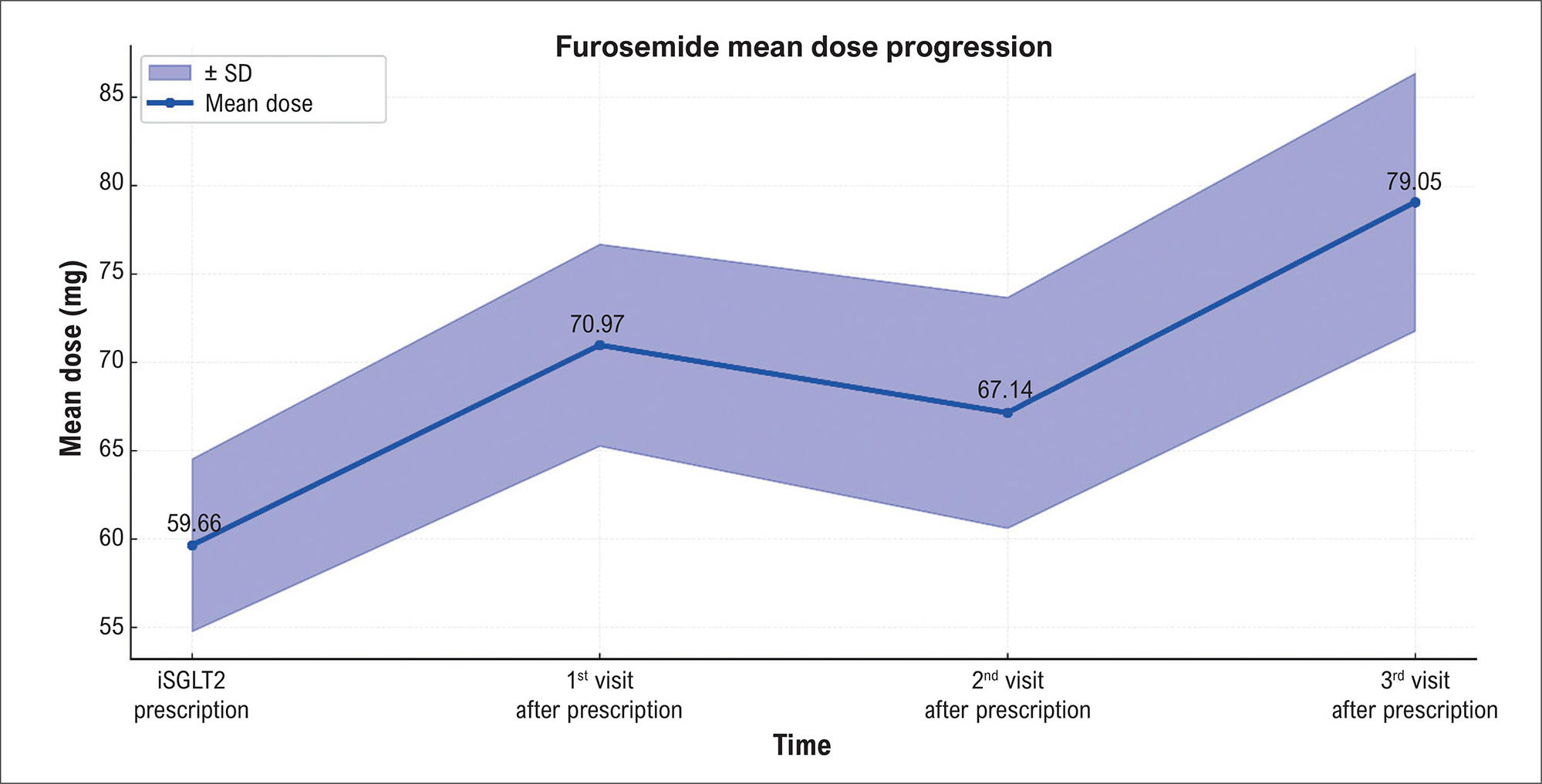
The sample was predominantly male (56.5%), with a high prevalence of HF with reduced ejection fraction (82.4%). After the introduction of SGLT2i, results showed a reduction in jugular venous distension and lower-limb edema, accompanied by increased creatinine levels and a rise in mean furosemide dose from 59.66 ± 4.87 mg to 79.05 ± 7.28 mg (p = 0.003).

Conclusion:

Following the introduction of SGLT2i, an increase in the mean furosemide dose was observed. This finding was associated with elevated creatinine levels, despite modest improvement in clinical signs of congestion, highlighting the dynamic scenario analyzed and the need for prospective studies with follow-up across different stages of HF.
  • Diuretics
  • Furosemide
  • Heart Failure
  • Sodium-Glucose Transporter 2 Inhibitors
Read Full Article
Creative Commons Attribution (CC BY) Creative Commons license
31/12/2025 DOI: 10.36660/abchf.20250032i Views 1
Central Illustration
ABCHF
Original Article

Sodium Effects on Pulmonary Capillary Wedge Pressure in Compensated Heart Failure Patients During 12 Months of Follow-Up: A Randomized and Double-Masked Study

Filippo M. Sarullo et al. Sergio Fasullo Antonina Argo Silvia Sarullo … Giorgio Maringhini Filippo Ganci Sebastiano Scalzo Gioacchino Cosenza M Mirko Luparelli Graziella Vetrano Gabriele di Francesco Antonino Zarcone Cinzia Nugara Annamaria Lo Voi Stefania Zerbo Manfredi Rubino Salvatore Paterna Pietro Di Pasquale

Abstract

Background

Few studies compared different sodium (Na) diets associated with high furosemide doses (FHD) and fluid intake restriction (FIR) on the PCWC in compensated heart failure (HF) patients.

Objectives

The study was aimed to verify FHD effects, 120 mmol/Na/day and FIR (1.000 ml day) vs FHD, FIR, and 80 mmol/Na/day on the PCWP, during 12 months of follow-up.

Methods

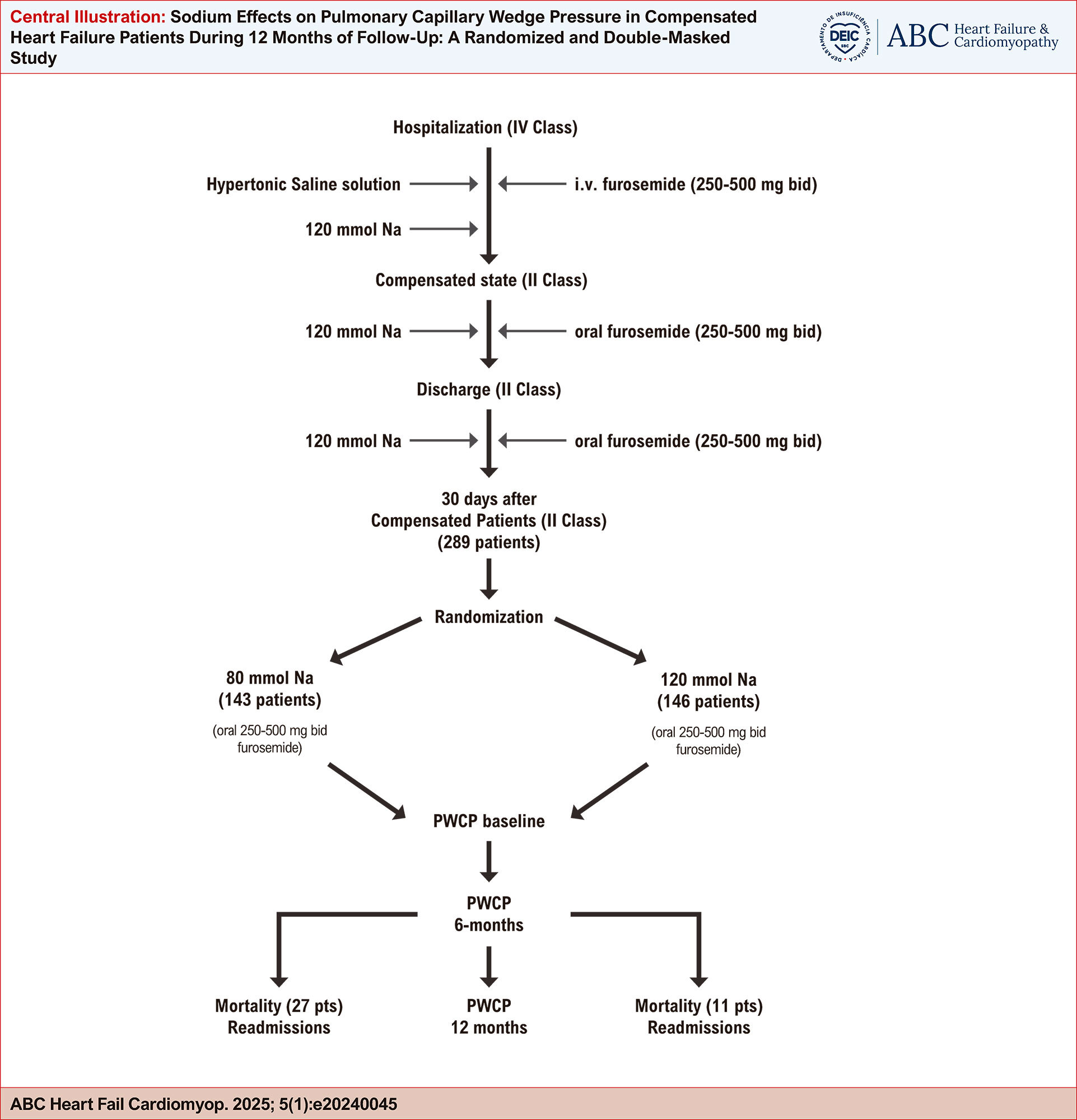
289 patients with HF were randomized: Group A (n =146) received 120 mmol Na/day, FIR, and 125-250 mg bid of furosemide. Group B (n = 143): 80 mmol Na/day, FIR and 125-250 mg bid of furosemide. Clinical and laboratory assessments were evaluated at baseline, every week for the 1st month, every 2 weeks for the next 2 months, and then every month. Patients performed echocardiograms at entry, at 6 and 12 months.

Result

Group A, during 12 months, maintained diuresis as at baseline, whereas Group B showed a significant reduction, as well as for natriuresis and serum Na; renal function did not show a substantial difference in Group A. PCWP was stable in Group A, whereas it increased in Group B. Readmissions and mortality showed 22 and 11 patients in Group A versus 63 and 27 deaths in Group B (p< 0.001, p <0.004)

Conclusion

Our data suggest that a moderate Na diet combined with FHD and FIR have beneficial effects on the PWCP and clinical outcomes. Readmissions and mortality were considered exploratory variables; in fact, the study was underpowered to analyze the prognosis, and results had to be considered with caution. NCT01738659.

  • Diuretics
  • Heart Failure
  • Sodium
Read Full Article
Creative Commons Attribution (CC BY) Creative Commons license
19/03/2025 DOI: 10.36660/abchf.2024045i Views 1
Central Illustration
ABCHF
Review Article

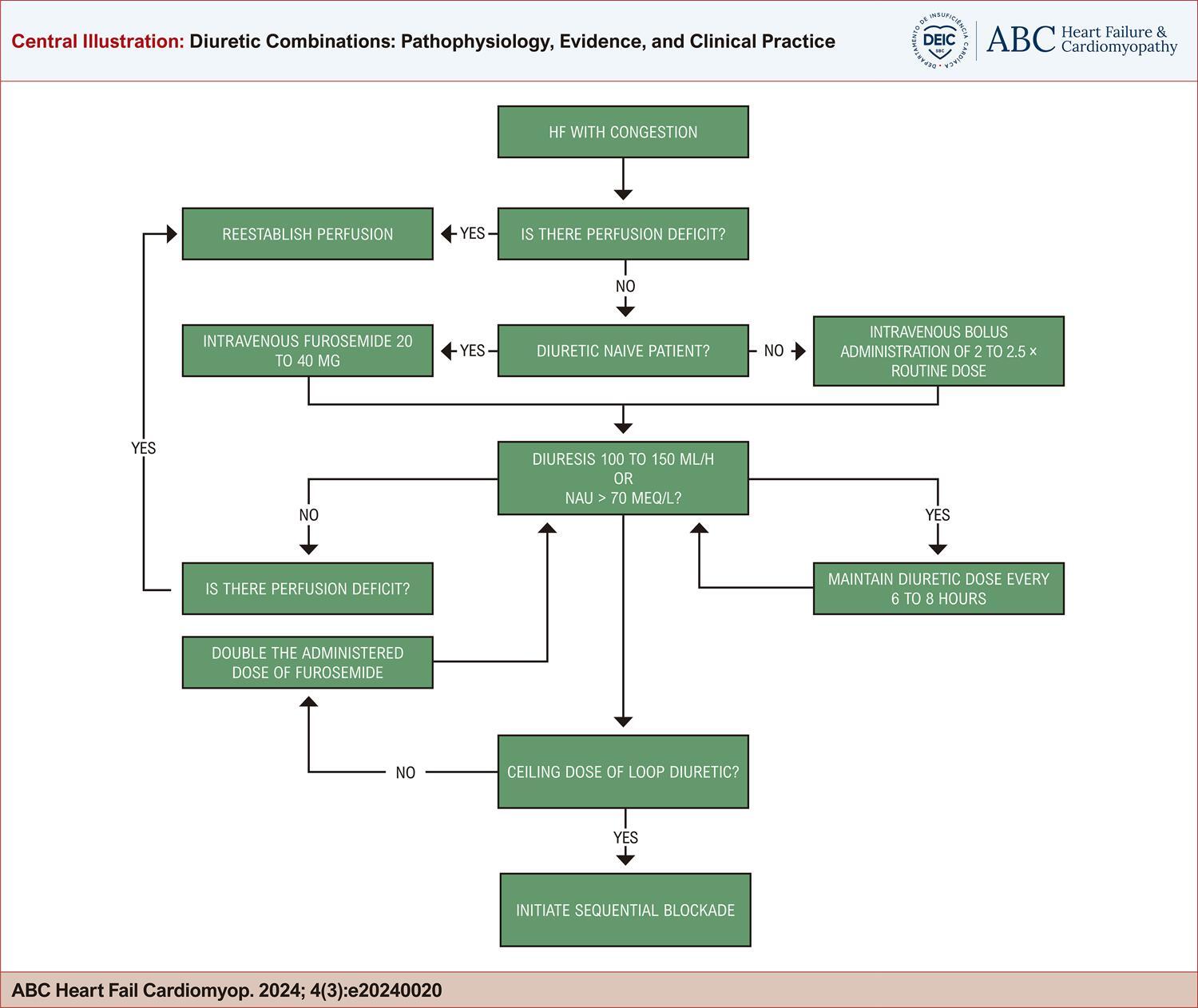
Diuretic Combinations: Pathophysiology, Evidence, and Clinical Practice

Ricardo Mourilhe-Rocha et al. Pedro Fernandes Ribeiro Ana Luíza Ferreira Sales Pedro Pimenta de Mello Spineti … Felipe Neves de Albuquerque Marcelo Imbroinise Bittencourt

Abstract

Heart failure is a highly prevalent syndrome worldwide, including in Latin America, where prevalence rates are estimated at 1.2% to 2.1% of the population. This reality is no different in Brazil, where the syndrome is estimated to affect approximately 2% of the adult population, leading to an overwhelming financial impact of approximately 28.1 billion Brazilian reals in 2015 alone, when the total costs to society and the health system were measured. As if the broad economic impact were not enough, heart failure is also one of the leading causes and amplifiers of morbidity and mortality, including important prognostic asymmetries when comparing different socioeconomic realities among the population. In this context, given the unquestionable epidemiological and economic relevance of heart failure, the national BREATHE registry was carried out and published in 2015. It was able to assess that approximately 85.3% of heart failure decompensations in Brazil occurred in profiles with volume congestion, a result that remained similar in the study extension published in 2023. In this type of scenario, the use of diuretics is one of the central pillars of treatment, aiming to correct the volume status and relieve patients’ symptoms.

  • Diuretics
  • Heart Failure
  • Pathology
Read Full Article
Creative Commons Attribution (CC BY) Creative Commons license
19/11/2024 DOI: 10.36660/abchf.20240020i Views 2
ABC
Editorial

Diuretic in Decompensated Heart Failure: With or Without Salt?

Wolney de Andrade Martins

Acute or decompensated heart failure (HF) syndrome is a common cause of admission to emergency rooms or HF clinics. Patients often present in profile “B” of the hemodynamic classification and have low therapeutic adherence as the cause of their decompensation. In this clinical situation, the use of high-dose intravenous loop diuretics has been the mainstay of treatment over the last five decades. It does not change the long-term prognosis of the underlying disease, but it moves the patient from the acute crisis to outpatient compensation.

There are many issues involved in diuretic therapy for decongestion. There are questions about doses; continuous infusion or bolus; parameters for complete decongestion; and care to avoid hypovolemia. Resistance to diuretics and sodium craving are mechanisms present in more severe and chronic patients, making decongestion even more challenging. Fortunately, some solutions to the problems mentioned above have been proposed and tested.

[…]

  • Diuretics
  • Heart Failure
  • Hypertonic Saline Solution
Read Full Article
Creative Commons Attribution (CC BY) Creative Commons license
26/08/2024 DOI: 10.36660/abc.20240393i Views 1
Figure 1
ABCHF
Viewpoint

Resistance to Loop Diuretics: How to Address it in the Current Scenario?

Simone L. Savaris et al. Fernanda Almeida Andrade Pedro V. Schwartzmann

Conclusion

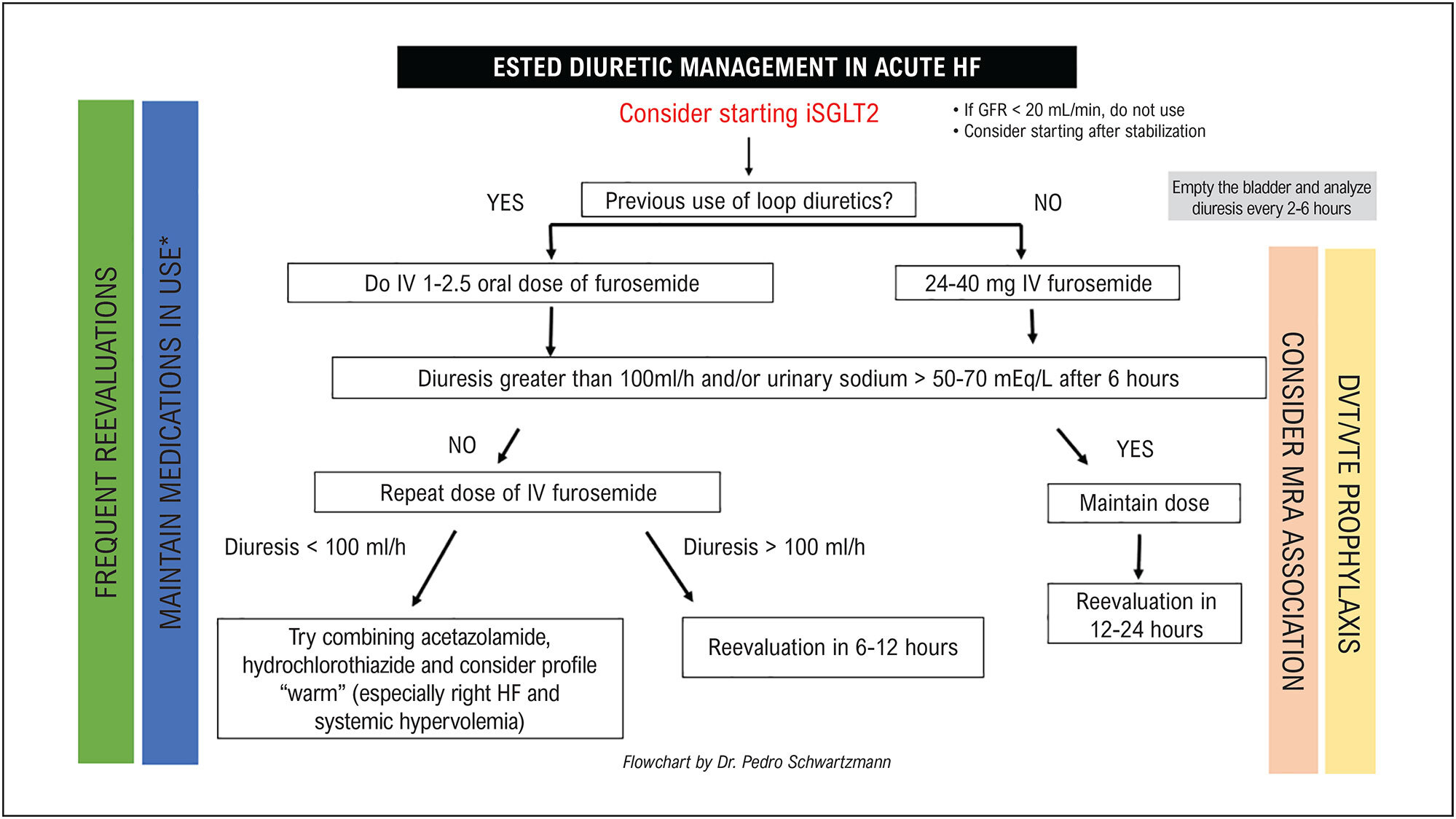
Resistance to diuretics is a frequent reality in many patients with HF and is associated with a worse prognosis. Several recent studies have addressed this problem by seeking alternative treatments for LD, either with more frequent monitoring or using natriuresis to help when combining diuretics. It is always important to seek the treatment of congestion with adequate doses of LD, association with SGLT2 inhibitors and, in refractory cases, consider the association of other classes of diuretics such as acetazolamide or thiazides.

[…]

  • Diuretics
  • Refractoriness
  • Resistance
Read Full Article
Creative Commons Attribution (CC BY) Creative Commons license
31/12/2023 DOI: 10.36660/abchf.20230090
Figure 1
ABCHF
Viewpoint

Should Combination of Diuretics Always Be Early after the ADVOR and CLOROTIC Trials?

Nara Kobbaz et al. Luana Monferdini Fernanda Almeida Andrade Aguinaldo F. Freitas Jr.

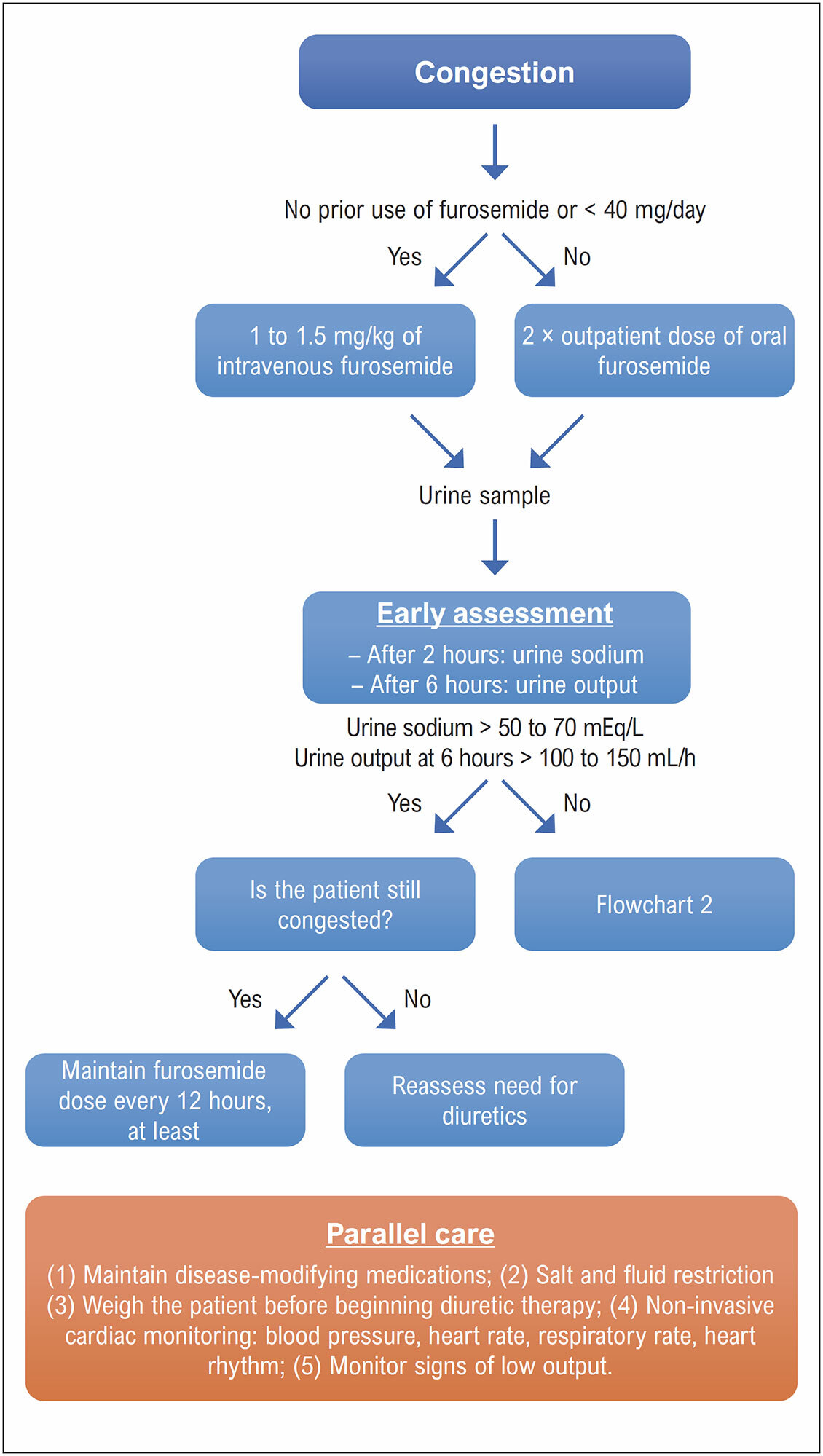
There has been remarkable progress in the treatment of heart failure (HF) over the past years. Medications such as angiotensin receptor-neprilysin inhibitors, beta blockers, mineralocorticoid receptor antagonists, and sodium-glucose cotransporter 2 inhibitors (SGLT2i), often referred to as the “fantastic four,” have been shown to reduce mortality and hospitalization, in addition to improving patients’ quality of life.

The natural history of the disease is characterized by recurrent episodes of decompensation and hospital admission linked to pulmonary and/or systemic congestion. Although diuretics doesn’t reduce mortality, they are universally recommended for congestive symptoms relief in all phenotypes of the disease.,

[…]

  • Diuretics
  • Drug Utilization
  • Heart Failure
Read Full Article
Creative Commons Attribution (CC BY) Creative Commons license
31/12/2023 DOI: 10.36660/abchf.20230070 Views 1
Hypertonic Saline Solution: How, Why, and for Whom?
ABCHF
Review Article

Hypertonic Saline Solution: How, Why, and for Whom?

Ciro Mancilha Murad et al. Fabiana Goulart Marcondes-Braga

Abstract

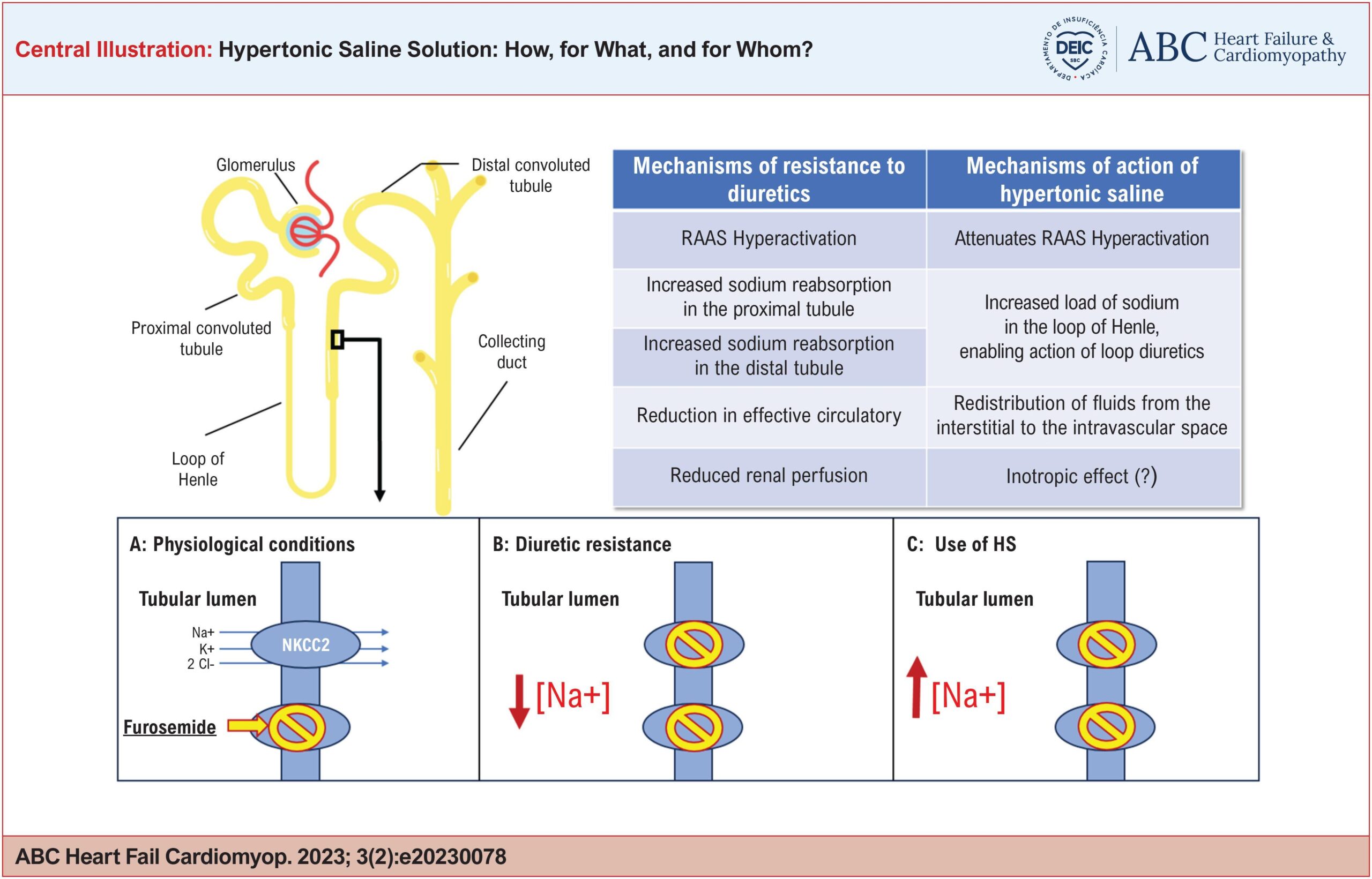
The administration of hypertonic saline (HS) in decompensated heart failure (HF) seems counterintuitive, given the concept that sodium is universally harmful for these patients. However, increasingly, strict sodium restrictions have been questioned due to the lack of proven benefits. On the other hand, we know that in acute HF complicated with diuretic resistance, there is hyperactivation of the renin-angiotensin-aldosterone system (RAAS), resulting in a state of excessive increase in renal avidity for sodium, hindering the action of loop diuretics. In this sense, HS would have the potential to attenuate the hyperactivation of RAAS and provide a supply of sodium to the renal tubules, enabling the action of loop diuretics. Several studies have consistently demonstrated that the association of HS with loop diuretics results in greater diuresis, weight loss, and possibly improved renal function. Therefore, despite being underused, we believe that HS is an effective, low-cost, and widely available strategy whose mechanism of action addresses one of the central points in the pathophysiology of diuretic resistance.

  • Acute Kidney Injury
  • Diuretics
  • Heart Failure
  • Hyponatremia
Read Full Article
Creative Commons Attribution (CC BY) Creative Commons license
31/12/2023 DOI: 10.36660/abchf.20230078
Figure 2
ABCHF
Review Article

How to Change the Medical History of Patients with Heart Failure and Recurrent Hospitalizations?

Fernanda Almeida Andrade et al. Luana Monferdini Jefferson Luís Vieira

Abstract

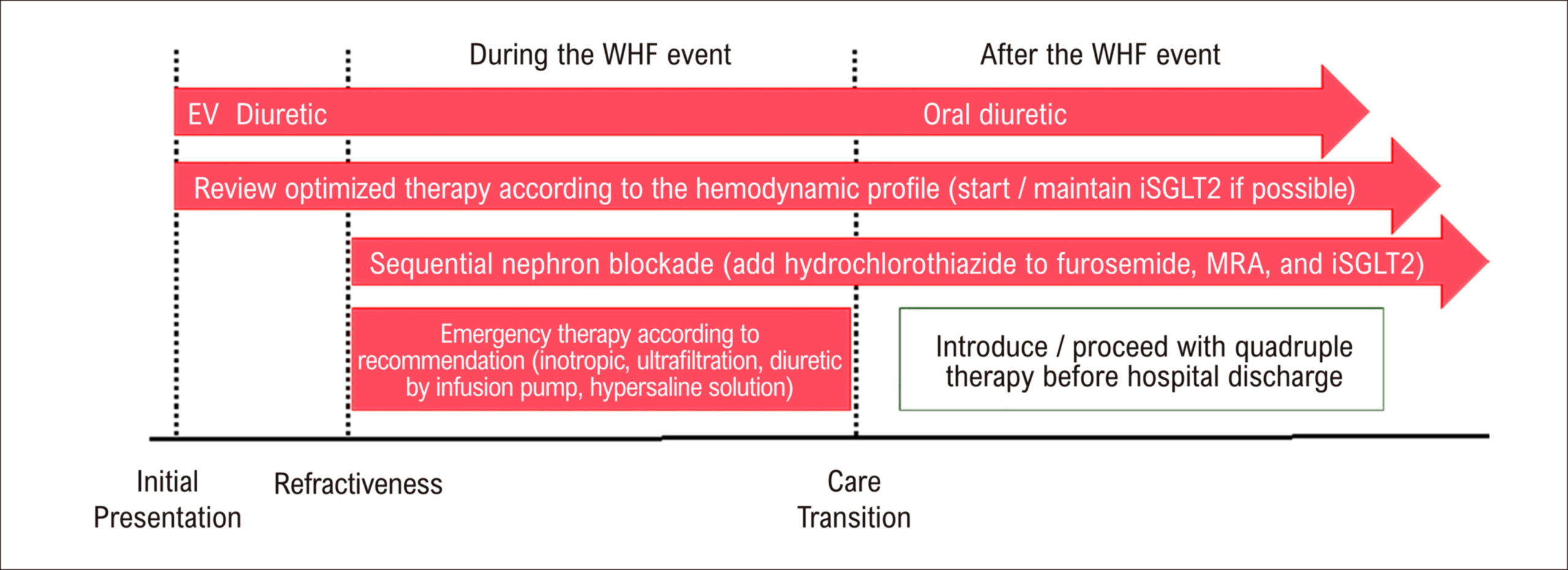
Heart failure (HF) is a progressive condition, characterized by variable periods of symptomatic stability frequently interrupted by episodes of A worsening condition. These moments of clinical deterioration have been recognized as a distinct phase in the course of HF and indicate a considerably worse prognosis. Preventing readmissions of patients with HF is a growing priority for medical providers, researchers, and healthcare managers. Although evidence-based therapies for treating patients with HF have increased, consistent implementation of these therapies and the development of new strategies to prevent readmissions continue to be areas for continued improvement. In this review, we will discuss some proposals and challenges associated with reducing readmissions due to HF.

  • Diuretics
  • Heart Failure
  • Hospitalization
  • Mortality
Read Full Article
Creative Commons Attribution (CC BY) Creative Commons license
31/12/2023 DOI: 10.36660/abchf.20230092 Views 1
Figure 1
ABC
Letter to the Editor

Suspension of Thiazide Diuretics in Advanced Chronic Kidney Disease. Time to Review an Old Concept

Rodrigo Bezerra et al. Flávio Teles de Farias Filho Audes Feitosa Wilson Nadruz … Andrea Araújo Brandão Weimar Kunz Sebba Barroso

The Hypertension Guidelines of the Sociedade Brasileira de Cardiologia (SBC), Brazilian Society of Hypertension (BSH), and Brazilian Society of Nephrology (BSN) recommend the use of loop diuretics to replace thiazides in patients with chronic kidney disease (CKD) stages 4 and 5, who have glomerular filtration rate (GFR) ≤ 30ml/min/1.73m2.

These guidelines are in line with other guidelines, such as the European Hypertension Guideline (ESC/ESH 2018), which states that thiazide and thiazide-like diuretics are less effective in patients with GFR < 45ml/min/1.73m2 and ineffective when GFR < 30ml/min/1.73m2. However, the study that established this concept dates from 1961 and evaluated only 11 patients, among whom 5 had GFR < 37ml/min/1.73m2. Despite this, this concept generated a dogma exported to textbooks, which has been propagated for decades as an incontestable truth.

[…]

  • Blood Pressure
  • Diuretics
  • Hypertension
  • Hypocalcemia
  • Renal Insufficiency Chronic/complications
Read Full Article
Creative Commons Attribution (CC BY) Creative Commons license
20/10/2023 DOI: 10.36660/abc.20230115
IJCS
Editorial

Correlation of Diuretic use and Sarcopenia in Elderly Patients with Hypertension

Lídia Zytynski Moura et al. Camila Hartmann

Hypertension is a chronic disease with high prevalence in Brazil and worldwide. It is estimated that approximately 31% of the world population has blood pressure levels ≥ 140/90 mmHg or uses antihypertensive medication. Hypertension is also the main risk factor with an independent, linear, and continuous association for cardiovascular diseases. Cardiovascular diseases, in turn, are the leading cause of death, hospitalizations, and outpatient care worldwide, including in developing countries such as Brazil.

With aging, hypertension becomes an even more significant health problem. Around 61% of individuals over 60 years old have hypertension. In Brazil, the epidemiological transition with the increase in the number of elderly people (≥ 60 years) in the next decades will lead to a substantial increase in the prevalence of hypertension and its complications. Aging is still associated with other health disorders, including sarcopenia. As with hypertension, the prevalence of sarcopenia is higher in the elderly. It varies from 5% to 13% in people between 60 and 70 years of age, and from 11% to 50% in people ≥ 80 years of age.

[…]

  • Aged
  • Diuretics
  • Hypertension
  • Sarcopenia
Read Full Article
Creative Commons Attribution (CC BY) Creative Commons license
13/07/2022 DOI: 10.36660/ijcs.20220072 Views 2
Figure 1
ABCHF
Review Article

Treatment Strategies for Refractory Congestion

Germana Porto Linhares et al. João Davi Souza Neto

Abstract

Worsening congestion is the main reason for hospitalization of most acute heart failure (AHF) patients. However, most patients are discharged with residual congestion, resulting in early readmissions that portend poor outcomes. Diuretics remain the mainstay of therapy. Nevertheless, these drugs stimulate the renin-angiotensin–aldosterone (RAA) axis and the sympathetic system and elicit adaptive responses in the nephron that may be counterproductive and lead to diuretic resistance. Renal failure and AHF are common and coexist in up to 40% of cases. Diuretic strategies that rely on combinations of diuretics are emphasized as a method to prevent resistance. If diuretic resistance does develop, higher-dose combination regimens, hypertonic saline solution, and mechanical ultrafiltration can be used to overcome diuretic adaptations and restore diuretic efficacy.

  • Diuretics
  • Heart Failure
  • Ultrafiltration
Read Full Article
Creative Commons Attribution (CC BY) Creative Commons license
29/06/2022 DOI: 10.36660/abchf.20220043 Views 1
Figure 1
ABCHF
Viewpoint

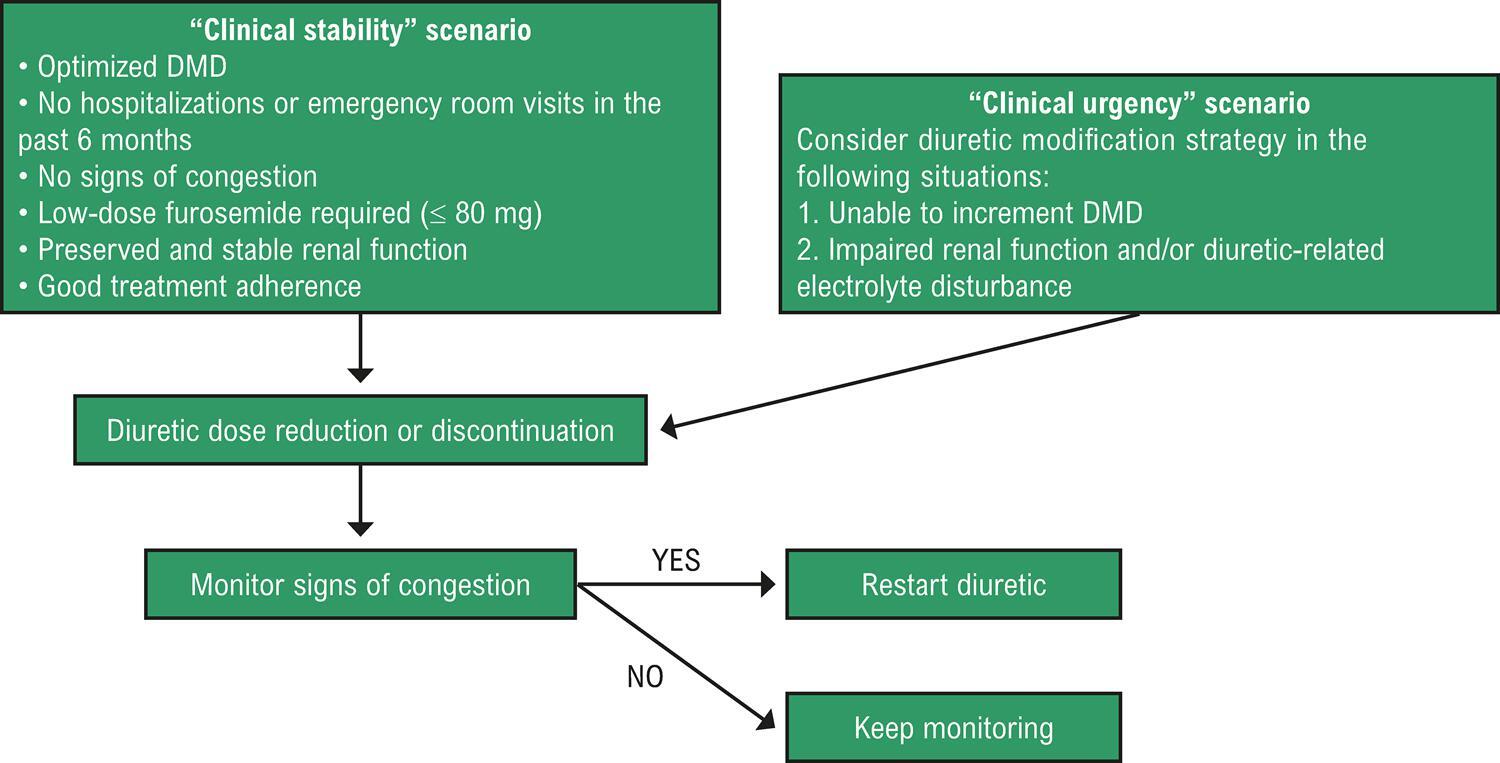
Diuretics In Stable Outpatients with Mild Heart Failure – May I Discontinue Them?

Marciane Maria Rover et al. Aline Coletto Jaccottet Diether Villegas Calle Roberto Tofani Sant´Anna

Heart failure: congestion and diuretic therapy

Congestion is a key component of the pathophysiology of heart failure (HF) and causes some of the cardinal symptoms of the disease, such as edema, orthopnea, and dyspnea on exertion. Congestion management is, therefore, of utmost importance for a successful HF treatment. Management is based on the prescription of loop diuretics for symptomatic patients according to different guidelines, although there are no placebo-controlled studies that support their use for reducing mortality. , When they are administered alone or in combination with other drugs, diuretics improve functional capacity and quality-of-life scores by reducing preload, ventricular filling pressures, and mitral regurgitation, resulting in increased cardiac output.

Congestion assessment is essential in diuretic optimization. Within this context, we should consider the low accuracy of clinical signs of congestion, especially when these signs are used alone. Conversely, concomitant assessment of several factors – including New York Heart Association (NYHA) functional class, orthopnea or paroxysmal nocturnal dyspnea, edema, pulmonary rales, third heart sound, hepatojugular reflux, and jugular venous distension – can identify patients at higher risk when they are grouped together by congestion scores. Additional tests increase predictive value and contribute to decision-making. The most common methods are serum natriuretic peptide measurement and imaging tests such as chest radiography, lung ultrasound, and echocardiography. They may be considered before diuretic discontinuation and for monitoring blood volume, especially in doubtful cases.

[…]

  • Diuretics
  • Furosemide
  • Heart Failure
Read Full Article
Creative Commons Attribution (CC BY) Creative Commons license
12/04/2022 DOI: 10.36660/abchf.20220019 Views 1
Figure 1
ABCHF
Review Article

Diuretics in Treatment of Heart Failure

Luis Fernando Bernal da Costa Seguro et al. José Leudo Xavier Júnior

Abstract

Heart failure is the leading cause of hospitalization in patients over 65 years of age, and, in most cases, patients present with signs and symptoms of congestion. Thus, diuretics play a prominent role and are among the most used drugs in heart failure. Although they have been used for decades, the lack of large controlled studies in the literature to support their use more adequately and the eventual development of resistance/tolerance are among the factors that make management of diuretics challenging.

  • Diuretics
  • Heart Diseases
  • Heart Failure
Read Full Article
Creative Commons Attribution (CC BY) Creative Commons license
12/04/2022 DOI: 10.36660/abchf.20220018 Views 2
ABCHF
Review Article

Diuretics and Clinical Management of Congestion in Heart Failure: A Review

Diogo Silva Piardi et al. Maurício Butzke Luís Beck-da-Silva

Abstract

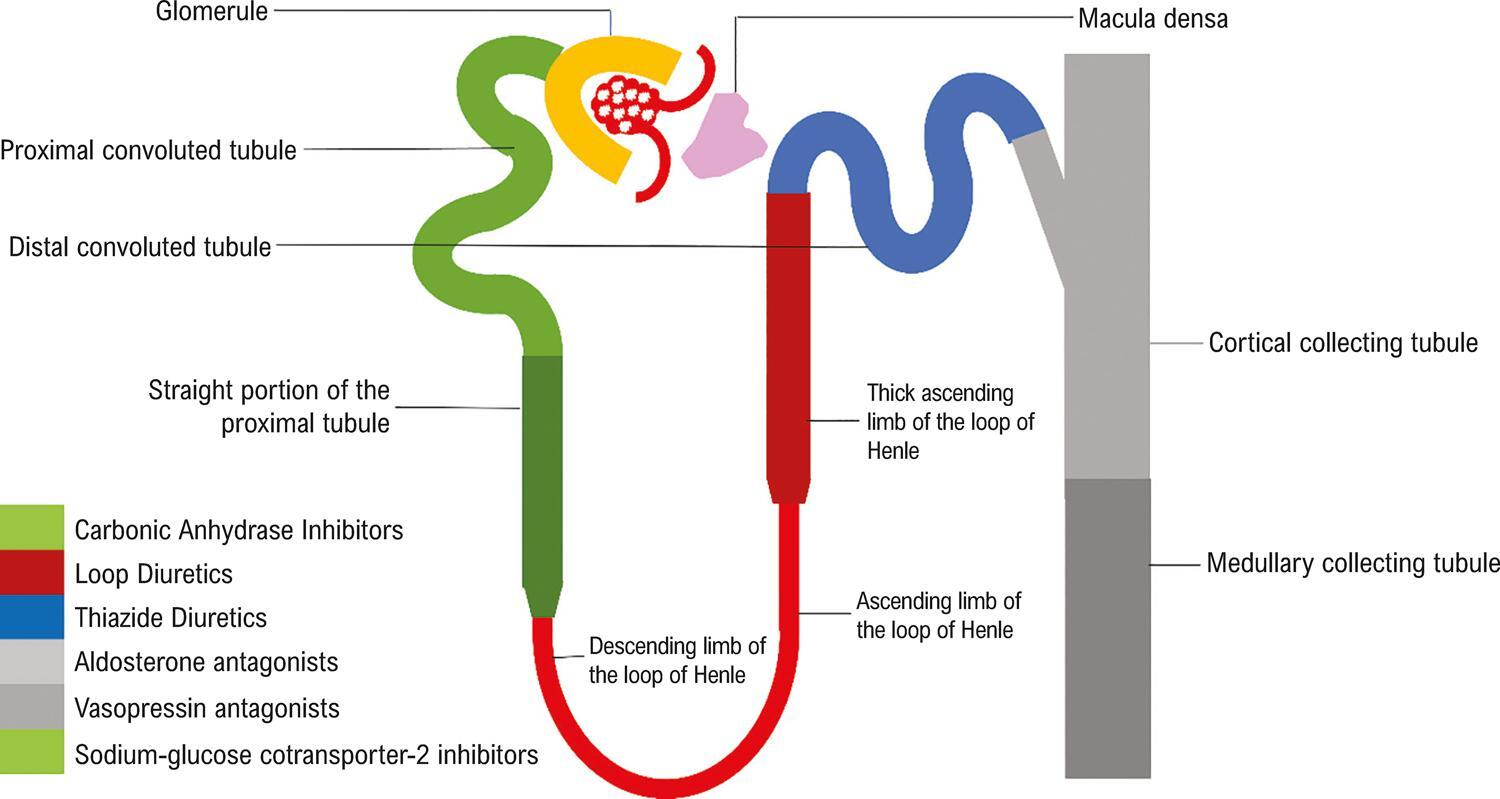
Heart failure is a syndrome with variable presentations; congestion is the most common form in acutely decompensated patients. In this scenario, the main drug to resolve congestion is a loop diuretic. However, a portion of the population has diuretic resistance. In this context, adjuvant diuretic therapies are needed to resolve congestion in patients with heart failure. The main strategies studied so far are thiazide diuretics, mineralocorticoid receptors antagonists, vasopressin antagonists, nesiritide, sacubitril/valsartan, sodium-glucose cotransporter 2 inhibitors, hypertonic saline, and fluid and salt restriction. The purpose of this article is to review pharmacological modalities for management of congestion, associated or not with diuretic resistance, their positive and negative points, and the current state of knowledge about each drug.

  • Diuretics
  • Heart Failure
Read Full Article
Creative Commons Attribution (CC BY) Creative Commons license
06/07/2021 DOI: 10.36660/abchf.20210009 Views 1
Figure 1
ABC
Editorial

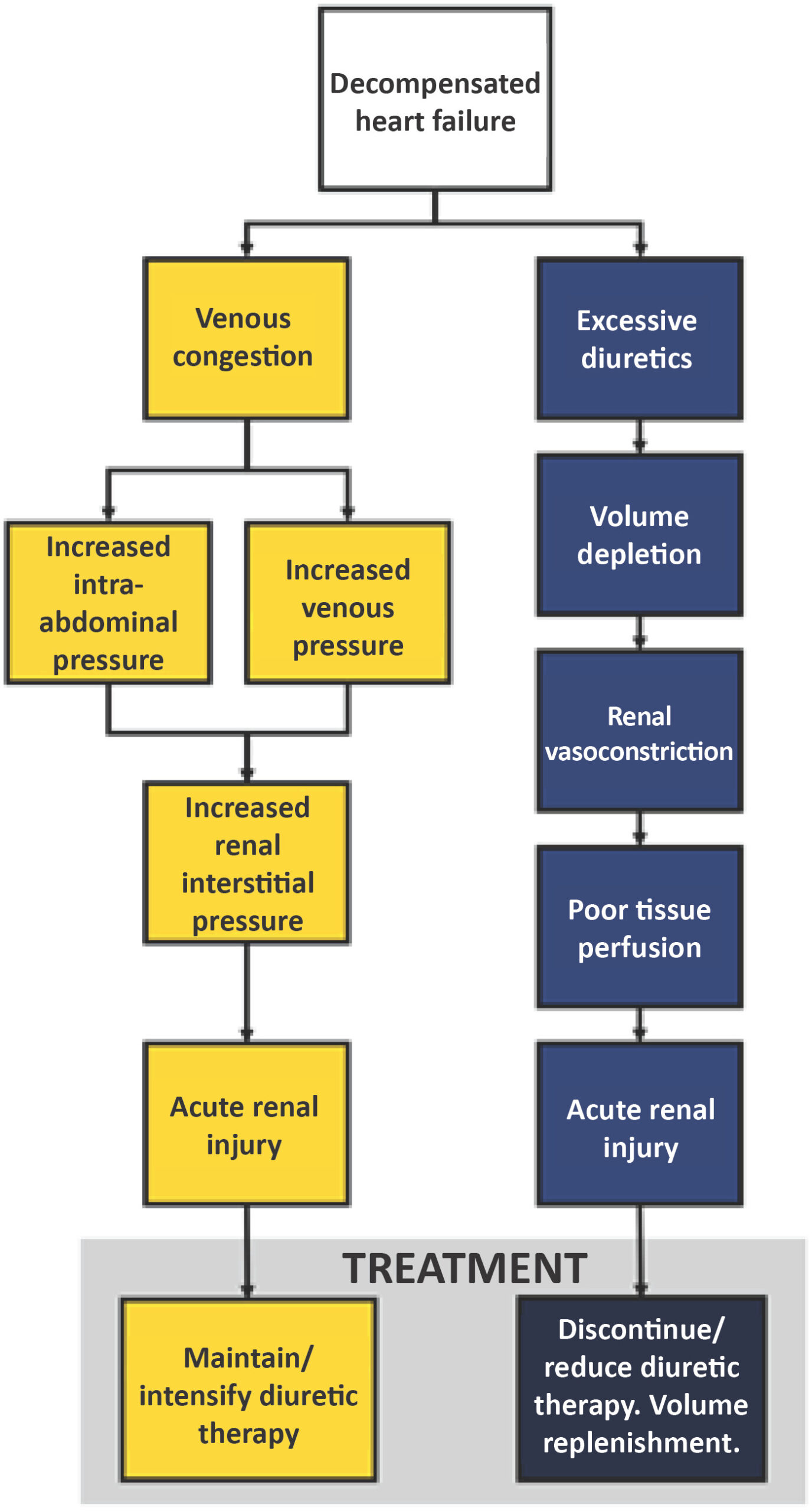
Use of Diuretic Therapy in Patients with Decompensated Heart Failure and Acute Kidney Injury. What to do in this Dilemma?

Rafael Marques Calazans et al. Mariana Bellaguarda de Castro Sepulvida Egli Belinazzi Quadrado Roberto Dischinger Miranda

Heart failure (HF) is a severe public health problem due to its high prevalence, morbidity and mortality. It is the main cause of hospitalization in the United States. The prevalence of the disease increases with age, making elderly patients even more susceptible to the repercussions of this disease. This increases the importance of precise treatment of HF and its complications, including decompensated HF (dHF).

In patients with dHF, who require diuretic therapy, concomitant acute kidney injury (AKI) is a common finding. The big question when it comes to treatment with diuretics in situations where kidney function is altered is to know the reason for the dysfunction: Is the patient is still congested, requiring optimization of diuretic therapy (type I cardiorenal syndrome)? Or is it a patient whose diuretic therapy was carried out excessively, causing hypovolemia, which led to low renal perfusion (pre-renal AKI) or even an acute tubular necrosis?

[…]

  • aging
  • Creatinine
  • Diuretics
  • Electric Impedance
  • Health Public
  • Heart Failure/complications
  • Hospitalization
  • Lipocalins
  • Markers Biological
  • Mortality
  • Renal Insufficiency Chronic/complications
Read Full Article
Creative Commons Attribution (CC BY) Creative Commons license
16/04/2021 DOI: 10.36660/abc.20210238 Views 1
Heart Failure – Pathophysiology and Current Therapeutic Implications
IJCS
Editorial

Heart Failure – Pathophysiology and Current Therapeutic Implications

Mariana Vieira de Oliveira Bello et al. Fernando Bacal

The concept of translational medicine involves promoting the rapid transfer of observations made in the areas of research and pathophysiological understanding to the medical practice. This approach is a reality in major Brazilian research centers which link academia and clinical practice.

Heart failure (HF) is a complex syndrome that can manifest itself as heart failure with preserved ejection fraction (HFpEF), acute heart failure, or chronic heart failure with reduced ejection fraction (HFrEF). Here, we will cover the type of HF whose pathophysiology is understood the best and thus has disease-modifying treatments: HFrEF.

[…]

  • Digitalis Glycosides
  • Diuretics
  • Edema
  • Heart Failure/physiopathology
  • Myocardial Contraction
  • Stroke Volume
  • Translational Medical Research
Read Full Article
Creative Commons Attribution (CC BY) Creative Commons license
09/10/2020 DOI: 10.36660/ijcs.20200056 Views 2
Figure 1
ABC
Review Article

Meta-Analysis of Ultrafiltration versus Diuretics Treatment Option for Overload Volume Reduction in Patients with Acute Decompensated Heart Failure

Barkoudah Ebrahim et al. Kodali Sindhura Juliet Okoroh Rosh Sethi … Edward Hulten Claudia Suemoto Marcio Sommer Bittencourt

Introduction:

Although diuretics are mainly used for the treatment of acute decompensated heart failure (ADHF), inadequate responses and complications have led to the use of extracorporeal ultrafiltration (UF) as an alternative strategy for reducing volume overloads in patients with ADHF.

Objective:

The aim of our study is to perform meta-analysis of the results obtained from studies on extracorporeal venous ultrafiltration and compare them with those of standard diuretic treatment for overload volume reduction in acute decompensated heart failure.

Methods:

MEDLINE, EMBASE, and the Cochrane Central Register of Controlled Trials databases were systematically searched using a pre‑specified criterion. Pooled estimates of outcomes after 48 h (weight change, serum creatinine level, and all-cause mortality) were computed using random effect models. Pooled weighted mean differences were calculated for weight loss and change in creatinine level, whereas a pooled risk ratio was used for the analysis of binary all-cause mortality outcome.

Results:

A total of nine studies, involving 613 patients, met the eligibility criteria. The mean weight loss in patients who underwent UF therapy was 1.78 kg [95% Confidence Interval (CI): −2.65 to −0.91 kg; p < 0.001) more than those who received standard diuretic therapy. The post-intervention creatinine level, however, was not significantly different (mean change = −0.25 mg/dL; 95% CI: −0.56 to 0.06 mg/dL; p = 0.112). The risk of all-cause mortality persisted in patients treated with UF compared with patients treated with standard diuretics (Pooled RR = 1.00; 95% CI: 0.64–1.56; p = 0.993).

Conclusion:

Compared with standard diuretic therapy, UF treatment for overload volume reduction in individuals suffering from ADHF, resulted in significant reduction of body weight within 48 h. However, no significant decrease of serum creatinine level or reduction of all-cause mortality was observed.

  • Diuretics
  • Heart Failure /therapy
  • Hemofiltration
  • Ultrafiltration
Read Full Article
Creative Commons Attribution (CC BY) Creative Commons license
27/01/2015 DOI: 10.5935/abc.20140212 Views 1
Adaptation and applicability of a diuretic algorithm for patients with heart failure
ABC
Artigo Original

Adaptation and applicability of a diuretic algorithm for patients with heart failure

Maria Karolina Echer Ferreira Feijó et al. Andreia Biolo Eneida Rejane Rabelo-Silva

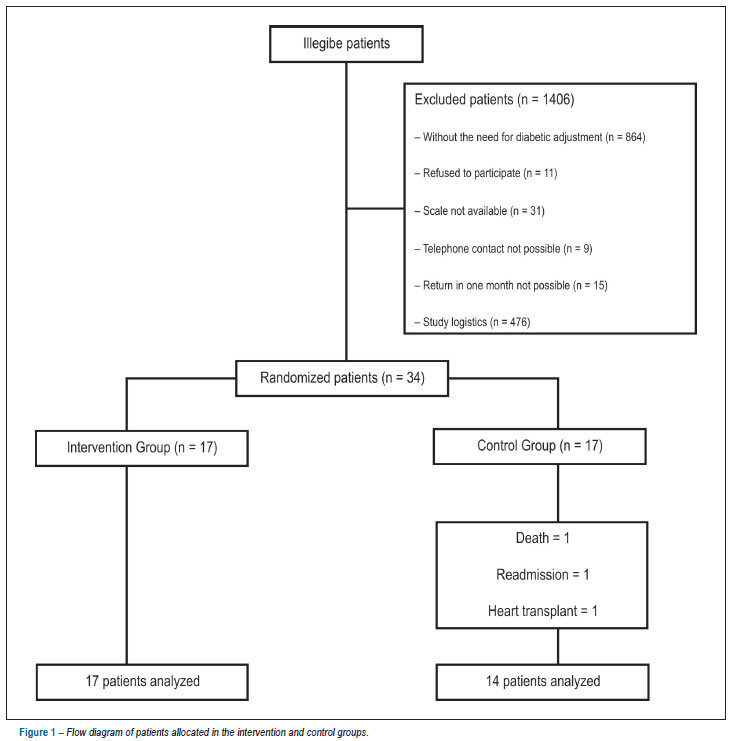
BACKGROUND: Congestive states can be identified and managed through algorithms such as the Diuretic Treatment Algorithm (DTA) to adjust the diuretic over the telephone, focused on the clinical evaluation. However, the DTA is currently available only in English. OBJECTIVE: To adapt the DTA and test its applicability for Brazil in outpatients with heart failure. METHODS: The stages of translation, synthesis, back-translation, review by an expert committee, and pre-test (clinical applicability by means of a random clinical trial) were followed. The Brazilian version of the DTA was called algoritmo de ajuste de diurético (AAD; as per its acronym in Portuguese, standing for diuretic adjustment algorithm). Patients were randomized to the intervention group (IG) – diuretic adjustment according to the AAD – or control group (CG) – conventional adjustment. The clinical congestion score (CCS) and weight values were obtained for both groups. Results: A total of 12 changes were made to the DTA. Thirty-four patients were included. For those with congestion, the increase in the diuretic as guided by the AAD solved their condition, reducing the CCS by two points for 50% of the sample -2 (-3.5; -1.0), while the median for the CG was 0 (-1.25; -1.0), (p < 0.001). The median for weight variation was greater in IG -1.4 (-1.7; -0.5) compared to the CG 0.1 (1.2; -0.6), p = 0.001. CONCLUSIONS: The AAD proved applicable in clinical practice after adaption and appears to result in better congestion management in patients with heart failure. The clinical effectiveness of the tool should be tested in a larger patient sample aiming at validating the instrument for Brazil (Universal Trial Number: U1111-1130-5749) (Arq Bras Cardiol. 2013; [online].ahead print, PP.0-0).

  • Algorithms
  • Diuretics
  • Heart Failure
Read Full Article
Creative Commons Attribution (CC BY) Creative Commons license
19/04/2013 DOI: 10.5935/abc.20130089 Views 2
ACE-inhibitor therapy at relatively high doses and risk of renal worsening in chronic heart failure
ABC
Artigo Original

ACE-inhibitor therapy at relatively high doses and risk of renal worsening in chronic heart failure

Renato De Vecchis et al. Giuseppina Di Biase Carmelina Ariano Carmela Cioppa … Anna Giasi Antonio Ciccarelli Armando Pucciarelli Salvatore Cantatrione

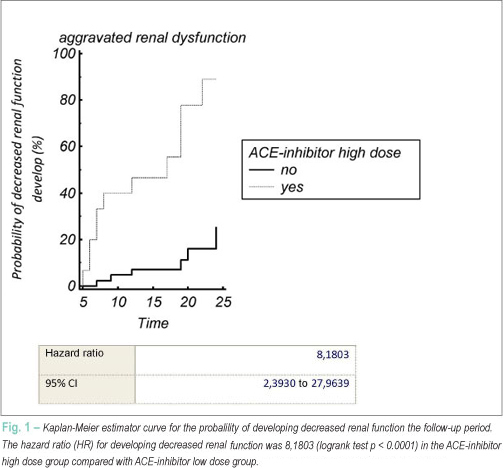
BACKGROUND: Renoprotective effect of ACE-inhibitors has been questioned in case of decreased effective circulating volume, like in right or biventricular chronic heart failure. OBJECTIVE: To detect clinical predictors of renal worsening in CHF patient population characterized by two types of ACE-inhibitor dosing regimens. METHODS: According to a retrospective cohort design, we followed 2 groups of patients with CHF – whether right or biventricular -, all in III NYHA class treated with ACE-inhibitors (enalapril or lisinopril), and with left ventricular ejection fraction (LVEF) < 50%, by distinguishing them by ACE-inhibitor dosing: average-low (10 mg per day) of enalapril or lisinopril. Worsened renal failure (ARD) was defined by Cr increase >30% from baseline. Cox proportional hazards model was used to identify the predictors of ARD among the following variables: ACE-inhibitors “high” dose, age, basal LVEF, history of repeated intensive intravenous loop diuretic therapies (IV diur), diabetes, basal Cr, history of hypertension, systolic blood pressure < 100 mm Hg. RESULTS: 57 patients were recruited, of whom 15 were treated with ACE-inhibitor "high" dose. During a mean follow-up of 718 days, ARD occurred in 17 (29.8%) patients. Only ACE-inhibitor "high" dose (HR: 12.4681 C.I.: 2.1614-71.9239 p=0.0050) and basal Cr (HR: 1.2344 C.I.: 1.0414-1.4632 p=0.0157) were shown to predict ARD. Moreover, ACE-inhibitor "high" doses were shown to fail to predict ARD in both CHF without IV diur and CHF with diabetes. CONCLUSION: In III NYHA class CHF, ACE-inhibitor "high" doses and a higher basal Cr predicted ARD. Nephrotoxicity related to ACE-inhibitor "high" doses was increased by IV diur, whereas it was not detected in CHF patients with diabetes.

  • Diabetes Mellitus
  • Diuretics
  • Enzyme Inhibitors
  • Heart Failure
  • Peptidyl-Dipeptidase A
Read Full Article
Creative Commons Attribution (CC BY) Creative Commons license
14/10/2011 DOI: 10.1590/S0066-782X2011005000100 Views 1
Thiamin, selenium, and copper levels in patients with idiopathic dilated cardiomyopathy taking diuretics
ABC
Original Article

Thiamin, selenium, and copper levels in patients with idiopathic dilated cardiomyopathy taking diuretics

Sérgio da Cunha et al. Francisco Manes Albanesi Filho Vera Lúcia Freire da Cunha Bastos Domingos Senra Antelo Mário Miranda de Souza

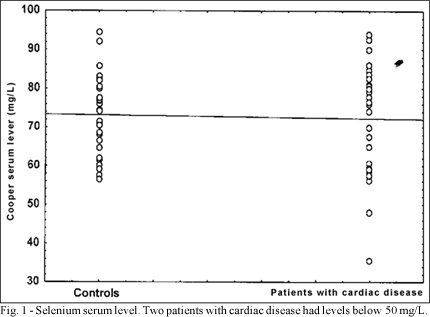
OBJECTIVE: To analyze the association of thiamin, selenium, and copper serum levels with cardiac function in patients with idiopathic dilated cardiomyopathy using diuretics, and also to compare them with levels in control patients with no evidence of disease. METHODS: The study comprised 30 patients with heart disease and 30 healthy control individuals. Thiamin was analyzed by measuring the activity of erythrocytic transketolase and the effect of thiamin pyrophosphate. Selenium and copper serum levels were measured by hydride generation and flame atomic absorption spectrophotometry, respectively. RESULTS: Thiamin deficiency was observed in 10% of the control individuals and in 33% of the patients with heart disease (p=0.02). The mean selenium and copper serum levels in control individuals and patients with heart disease were, respectively, 73.2±9.9 µg/L (56.5 to 94.5 µg/L) and 72.3±14.3 µg/L (35.5 to 94 µg/L) (p=0.77); 1.1±0.4mg/L (0.6 to 1.8mg/L) and 1.2± 0.4mg/L (0.6 to 2.2mg/L) (p=0.27). No association between the levels of these nutrients and cardiac function was observed. CONCLUSION: Thiamin deficiency was significantly more frequent in patients with heart disease. No significant difference was observed between the mean selenium and copper serum levels in control individuals and in patients with heart disease. The results suggest possible benefits with thiamin replacement in patients taking diuretics.

  • cardiomyopathy
  • copper
  • Diuretics
  • selenium
  • thiamin
Read Full Article
Creative Commons Attribution (CC BY) Creative Commons license
17/12/2002 DOI: 10.1590/S0066-782X2002001400003 Views 1
ABC
Original Article

Effects of chlorthalidone and diltiazem on myocardial ischemia in elderly patients with hypertension and coronary artery disease

João Batista Serro-Azul et al. Rogério Silva de Paula César Gruppi Lígia Pinto … Humberto Pierri Amit Nussbacher Otávio Gebara Paulo Moffa Antônio Carlos Pereira-Barreto Maurício Wajngarten

OBJETIVE: Antihypertensive therapy with thiazides decreases coronary events in elderly patients. However, the influence of diuretics on myocardial ischemia has not been fully investigated. The aim of this study was to compare the effect of chlorthalidone and diltiazem on myocardial ischemia. METHODS: Following a randomized, double-blind, crossover protocol, we studied 15 elderly hypertensive patients aged 73.6±4.6 years with myocardial ischemia. All patients had angiographically documented coronary artery disease. We measured patients using 48- hour ambulatory electrocardiogram monitoring and exercise testing. After a 2-week period using placebo, patients received chlorthalidone or diltiazem for 4 weeks. RESULTS: Both treatments lowered systolic and diastolic blood pressures. The number of ischemic episodes on ambulatory electrocardiogram recordings was reduced with the use of chlorthalidone (2.5±3.8) and diltiazem (3.2±4.2) when compared with placebo (7.9±8.8; p<0.05). The total duration of ischemic episodes was reduced in both treatments when compared with placebo (chlorthalidone: 19.2±31.9min; diltiazem: 19.3±29.6min; placebo: 46.1±55.3min; p<0.05). CONCLUSION: In elderly hypertensive patients with coronary artery disease, chlorthalidone reduced myocardial ischemia similarly to diltiazem. This result is consistent with epidemiological studies and suggests that reduction of arterial blood pressure with thiazide therapy plays an important role in decreasing myocardial ischemia.

  • Diuretics
  • Elderly
  • Hypertension
  • Ischemia
Read Full Article
Creative Commons Attribution (CC BY) Creative Commons license
08/01/2002 DOI: 10.1590/S0066-782X2001000400001 Views 2
ABC
Artigo Original

Diuretics improve functional capacity in patients with congestive heart failure

Francesca Tadeu Eterno et al. Múcio Tavares de Oliveira Jr Antonio Carlos Pereira Barretto

PURPOSE: The 6-9 minute walking test was used in this study to evaluate the impact of these drugs on functional capacity of patients admitted to the Hospital because of Heart Failure (CHF). METHODS: Ten patients (5 males and 5 females) with mean age of 47 years and NYHA CHF functional class III or IV underwent a 6-9 minute walking test at admission and on the day of discharge from the Hospital. The following parameters were evaluated both at admission and discharge: body weight, echocardiography-derived LV dimensions and function, plasmatic levels of sodium, potassium, BUN, creatinine, hemoglobin and hematocrit. Treatment consisted of increasing outpatient dose of furosemide (IV and/or PO) plus the association of thiazide if necessary. The previous dose regimen of digitalis, ACE inhibitors or the association nitrate and hydralazine was kept unchanged. RESULTS: Time to compensation of CHF varied from 4 to 30 days (mean 8.7±7.8 days). LV end diastolic dimension varied from 47 to 81mm. LV EF spanned from 0.26 to 0.74. The 6min walking distance improved from 193.4± 71.5m to 341.8±67.7m (p<0.00002) and the 9min walking distance from 268.1±119.6m to 518.0±114.8m (p<0.00005). Hemoglobin, hematocrit, BUN, creatinine and sodium levels were unchanged from admission to discharge, whereas plasma potassium level increased from 4.0±0.91mEq/l to 4.69±1.00mEq/l (p=0.01), and body weight was reduced from 58.9±6.42kg to 52.9±5.31kg (p<0.0006). CONCLUSION: Compensating CHF with diuretics leads to a significant improvement in physical capacity. This benefit is already evident in the in-hospital phase.

  • Diuretics
  • Heart Failure
  • Six-minute walk test
Read Full Article
Creative Commons Attribution (CC BY) Creative Commons license
08/01/2002 DOI: 10.1590/S0066-782X1998000500002 Views 1

How to cite this article

EndNote RIS

Electronic Document Format (Vancouver)

Bolfe I, Ribeiro RKM, Prager C, Bolfe JV, Freitas AKE. Furosemide Dose Progression after Sodium-Glucose Transporter 2 Inhibitors in Advanced Heart Failure. ABC Heart Fail Cardiomyop 2025;5(4):e20250032.

Electronic Document Format (ABNT)

Bolfe, Isabelle; Ribeiro, Rafaela Kaucz Mendez; Prager, Caroline; Bolfe, João Vitor; Freitas, Ana Karyn Ehrenfried de. Furosemide Dose Progression after Sodium-Glucose Transporter 2 Inhibitors in Advanced Heart Failure. ABC Heart Fail Cardiomyop, v. 5, n. 4, e20250032, Dec. 2025.

Electronic Document Format (APA)

Bolfe, I., Ribeiro, R. K. M., Prager, C., Bolfe, J. V., & Freitas, A. K. E. (2025). Furosemide Dose Progression after Sodium-Glucose Transporter 2 Inhibitors in Advanced Heart Failure. ABC Heart Fail Cardiomyop, 5(4), e20250032.

Electronic Document Format (ISO)

Bolfe, Isabelle and Ribeiro, Rafaela Kaucz Mendez and Prager, Caroline and Bolfe, João Vitor and Freitas, Ana Karyn Ehrenfried de. Furosemide Dose Progression after Sodium-Glucose Transporter 2 Inhibitors in Advanced Heart Failure. ABC Heart Fail Cardiomyop [online]. 2025, vol. 5, n. 4, [cited 2026-10-14], e20250032. Available from: <https://journals.cardiol.br/en/article/furosemide-dose-progression-after-sodium-glucose-transporter-2-inhibitors-in-advanced-heart-failure/>

EndNote RIS

Electronic Document Format (Vancouver)

Sarullo FM, Fasullo S, Argo A, Sarullo S, Maringhini G, Ganci F, Scalzo S, et al. Sodium Effects on Pulmonary Capillary Wedge Pressure in Compensated Heart Failure Patients During 12 Months of Follow-Up: A Randomized and Double-Masked Study. ABC Heart Fail Cardiomyop 2025;5(1):e20240045.

Electronic Document Format (ABNT)

Sarullo, Filippo M.; Fasullo, Sergio; Argo, Antonina; Sarullo, Silvia; Maringhini, Giorgio; Ganci, Filippo; Scalzo, Sebastiano; Cosenza, Gioacchino; Luparelli, M Mirko; Vetrano, Graziella; Francesco, Gabriele di; Zarcone, Antonino; Nugara, Cinzia; Voi, Annamaria Lo; Zerbo, Stefania; Rubino, Manfredi; Paterna, Salvatore; Pasquale, Pietro Di. Sodium Effects on Pulmonary Capillary Wedge Pressure in Compensated Heart Failure Patients During 12 Months of Follow-Up: A Randomized and Double-Masked Study. ABC Heart Fail Cardiomyop, v. 5, n. 1, e20240045, Mar. 2025.

Electronic Document Format (APA)

Sarullo, F. M., Fasullo, S., Argo, A., Sarullo, S., Maringhini, G., Ganci, F., Scalzo, S., Cosenza, G., Luparelli, M. M., Vetrano, G., Francesco, G. , Zarcone, A., Nugara, C., Voi, A. L., Zerbo, S., Rubino, M., Paterna, S., & Pasquale, P. D. (2025). Sodium Effects on Pulmonary Capillary Wedge Pressure in Compensated Heart Failure Patients During 12 Months of Follow-Up: A Randomized and Double-Masked Study. ABC Heart Fail Cardiomyop, 5(1), e20240045.

Electronic Document Format (ISO)

Sarullo, Filippo M. and Fasullo, Sergio and Argo, Antonina and Sarullo, Silvia and Maringhini, Giorgio and Ganci, Filippo and Scalzo, Sebastiano and Cosenza, Gioacchino and Luparelli, M Mirko and Vetrano, Graziella and Francesco, Gabriele di and Zarcone, Antonino and Nugara, Cinzia and Voi, Annamaria Lo and Zerbo, Stefania and Rubino, Manfredi and Paterna, Salvatore and Pasquale, Pietro Di. Sodium Effects on Pulmonary Capillary Wedge Pressure in Compensated Heart Failure Patients During 12 Months of Follow-Up: A Randomized and Double-Masked Study. ABC Heart Fail Cardiomyop [online]. 2025, vol. 5, n. 1, [cited 2026-10-14], e20240045. Available from: <https://journals.cardiol.br/article/sodium-effects-on-pulmonary-capillary-wedge-pressure-in-compensated-heart-failure-patients-during-12-months-of-follow-up-a-randomized-and-double-masked-study/>

EndNote RIS

Electronic Document Format (Vancouver)

Mourilhe-Rocha R, Ribeiro PF, Sales ALF, Spineti PPM, Albuquerque FN, Bittencourt MI. Diuretic Combinations: Pathophysiology, Evidence, and Clinical Practice. ABC Heart Fail Cardiomyop 2024;4(3):e20240020.

Electronic Document Format (ABNT)

Mourilhe-Rocha, Ricardo; Ribeiro, Pedro Fernandes; Sales, Ana Luíza Ferreira; Spineti, Pedro Pimenta de Mello; Albuquerque, Felipe Neves de; Bittencourt, Marcelo Imbroinise. Diuretic Combinations: Pathophysiology, Evidence, and Clinical Practice. ABC Heart Fail Cardiomyop, v. 4, n. 3, e20240020, Nov. 2024.

Electronic Document Format (APA)

Mourilhe-Rocha, R., Ribeiro, P. F., Sales, A. L. F., Spineti, P. P. M., Albuquerque, F. N. , & Bittencourt, M. I. (2024). Diuretic Combinations: Pathophysiology, Evidence, and Clinical Practice. ABC Heart Fail Cardiomyop, 4(3), e20240020.

Electronic Document Format (ISO)

Mourilhe-Rocha, Ricardo and Ribeiro, Pedro Fernandes and Sales, Ana Luíza Ferreira and Spineti, Pedro Pimenta de Mello and Albuquerque, Felipe Neves de and Bittencourt, Marcelo Imbroinise. Diuretic Combinations: Pathophysiology, Evidence, and Clinical Practice. ABC Heart Fail Cardiomyop [online]. 2024, vol. 4, n. 3, [cited 2026-10-14], e20240020. Available from: <https://journals.cardiol.br/en/article/diuretic-combinations-pathophysiology-evidence-and-clinical-practice/>

EndNote RIS

Electronic Document Format (Vancouver)

Martins WA. Diuretic in Decompensated Heart Failure: With or Without Salt?. Arquivos Brasileiros de Cardiologia 2024;121(7):e20240393.

Electronic Document Format (ABNT)

Martins, Wolney de Andrade. Diuretic in Decompensated Heart Failure: With or Without Salt?. Arquivos Brasileiros de Cardiologia, v. 121, n. 7, e20240393, Aug. 2024.

Electronic Document Format (APA)

Martins, W. A. (2024). Diuretic in Decompensated Heart Failure: With or Without Salt?. Arquivos Brasileiros de Cardiologia, 121(7), e20240393.

Electronic Document Format (ISO)

Martins, Wolney de Andrade. Diuretic in Decompensated Heart Failure: With or Without Salt?. Arquivos Brasileiros de Cardiologia [online]. 2024, vol. 121, n. 7, [cited 2026-10-14], e20240393. Available from: <https://journals.cardiol.br/en/article/diuretic-in-decompensated-heart-failure-with-or-without-salt/>. ISSN 0066-782X

EndNote RIS

Electronic Document Format (Vancouver)

Savaris SL, Andrade FA, Schwartzmann PV. Resistance to Loop Diuretics: How to Address it in the Current Scenario?. ABC Heart Fail Cardiomyop 2023;3(2):e20230090.

Electronic Document Format (ABNT)

Savaris, Simone L.; Andrade, Fernanda Almeida; Schwartzmann, Pedro V.. Resistance to Loop Diuretics: How to Address it in the Current Scenario?. ABC Heart Fail Cardiomyop, v. 3, n. 2, e20230090, Dec. 2023.

Electronic Document Format (APA)

Savaris, S. L., Andrade, F. A., & Schwartzmann, P. V. (2023). Resistance to Loop Diuretics: How to Address it in the Current Scenario?. ABC Heart Fail Cardiomyop, 3(2), e20230090.

Electronic Document Format (ISO)

Savaris, Simone L. and Andrade, Fernanda Almeida and Schwartzmann, Pedro V.. Resistance to Loop Diuretics: How to Address it in the Current Scenario?. ABC Heart Fail Cardiomyop [online]. 2023, vol. 3, n. 2, [cited 2026-10-14], e20230090. Available from: <https://journals.cardiol.br/en/article/resistance-to-loop-diuretics-how-to-address-it-in-the-current-scenario/>

EndNote RIS

Electronic Document Format (Vancouver)

Kobbaz N, Monferdini L, Andrade FA, Freitas Jr. AF. Should Combination of Diuretics Always Be Early after the ADVOR and CLOROTIC Trials?. ABC: Heart Failure & Cardiomyopathy 2023;3(2):e20230070.

Electronic Document Format (ABNT)

Kobbaz, Nara; Monferdini, Luana; Andrade, Fernanda Almeida; Freitas Jr., Aguinaldo F.. Should Combination of Diuretics Always Be Early after the ADVOR and CLOROTIC Trials?. ABC: Heart Failure & Cardiomyopathy, v. 3, n. 2, e20230070, Dec. 2023.

Electronic Document Format (APA)

Kobbaz, N., Monferdini, L., Andrade, F. A., & Freitas Jr., A. F. (2023). Should Combination of Diuretics Always Be Early after the ADVOR and CLOROTIC Trials?. ABC: Heart Failure & Cardiomyopathy, 3(2), e20230070.

Electronic Document Format (ISO)

Kobbaz, Nara and Monferdini, Luana and Andrade, Fernanda Almeida and Freitas Jr., Aguinaldo F.. Should Combination of Diuretics Always Be Early after the ADVOR and CLOROTIC Trials?. ABC: Heart Failure & Cardiomyopathy [online]. 2023, vol. 3, n. 2, [cited 2026-10-14], e20230070. Available from: <https://journals.cardiol.br/en/article/should-combination-of-diuretics-always-be-early-after-the-advor-and-clorotic-trials/>

EndNote RIS

Electronic Document Format (Vancouver)

Murad CM, Marcondes-Braga FG. Hypertonic Saline Solution: How, Why, and for Whom?. ABC Heart Fail Cardiomyop 2023;3(2):e20230078.

Electronic Document Format (ABNT)

Murad, Ciro Mancilha; Marcondes-Braga, Fabiana Goulart. Hypertonic Saline Solution: How, Why, and for Whom?. ABC Heart Fail Cardiomyop, v. 3, n. 2, e20230078, Dec. 2023.

Electronic Document Format (APA)

Murad, C. M., & Marcondes-Braga, F. G. (2023). Hypertonic Saline Solution: How, Why, and for Whom?. ABC Heart Fail Cardiomyop, 3(2), e20230078.

Electronic Document Format (ISO)

Murad, Ciro Mancilha and Marcondes-Braga, Fabiana Goulart. Hypertonic Saline Solution: How, Why, and for Whom?. ABC Heart Fail Cardiomyop [online]. 2023, vol. 3, n. 2, [cited 2026-10-14], e20230078. Available from: <https://journals.cardiol.br/en/article/hypertonic-saline-solution-how-why-and-for-whom/>

EndNote RIS

Electronic Document Format (Vancouver)

Andrade FA, Monferdini L, Vieira JL. How to Change the Medical History of Patients with Heart Failure and Recurrent Hospitalizations?. ABC Heart Fail Cardiomyop 2023;3(2):e20230092.

Electronic Document Format (ABNT)

Andrade, Fernanda Almeida; Monferdini, Luana; Vieira, Jefferson Luís. How to Change the Medical History of Patients with Heart Failure and Recurrent Hospitalizations?. ABC Heart Fail Cardiomyop, v. 3, n. 2, e20230092, Dec. 2023.

Electronic Document Format (APA)

Andrade, F. A., Monferdini, L., & Vieira, J. L. (2023). How to Change the Medical History of Patients with Heart Failure and Recurrent Hospitalizations?. ABC Heart Fail Cardiomyop, 3(2), e20230092.

Electronic Document Format (ISO)

Andrade, Fernanda Almeida and Monferdini, Luana and Vieira, Jefferson Luís. How to Change the Medical History of Patients with Heart Failure and Recurrent Hospitalizations?. ABC Heart Fail Cardiomyop [online]. 2023, vol. 3, n. 2, [cited 2026-10-14], e20230092. Available from: <https://journals.cardiol.br/en/article/how-to-change-the-medical-history-of-patients-with-heart-failure-and-recurrent-hospitalizations/>

EndNote RIS

Electronic Document Format (Vancouver)

Bezerra R, Farias Filho FT, Feitosa A, Nadruz W, Brandão AA, Barroso WKS. Suspension of Thiazide Diuretics in Advanced Chronic Kidney Disease. Time to Review an Old Concept. Arquivos Brasileiros de Cardiologia 2023;120(9):e20230115.

Electronic Document Format (ABNT)

Bezerra, Rodrigo; Farias Filho, Flávio Teles de; Feitosa, Audes; Nadruz, Wilson; Brandão, Andrea Araújo; Barroso, Weimar Kunz Sebba. Suspension of Thiazide Diuretics in Advanced Chronic Kidney Disease. Time to Review an Old Concept. Arquivos Brasileiros de Cardiologia, v. 120, n. 9, e20230115, Oct. 2023.

Electronic Document Format (APA)

Bezerra, R., Farias Filho, F. T. , Feitosa, A., Nadruz, W., Brandão, A. A., & Barroso, W. K. S. (2023). Suspension of Thiazide Diuretics in Advanced Chronic Kidney Disease. Time to Review an Old Concept. Arquivos Brasileiros de Cardiologia, 120(9), e20230115.

Electronic Document Format (ISO)

Bezerra, Rodrigo and Farias Filho, Flávio Teles de and Feitosa, Audes and Nadruz, Wilson and Brandão, Andrea Araújo and Barroso, Weimar Kunz Sebba. Suspension of Thiazide Diuretics in Advanced Chronic Kidney Disease. Time to Review an Old Concept. Arquivos Brasileiros de Cardiologia [online]. 2023, vol. 120, n. 9, [cited 2026-10-14], e20230115. Available from: <https://journals.cardiol.br/en/article/suspension-of-thiazide-diuretics-in-advanced-chronic-kidney-disease-time-to-review-an-old-concept/>. ISSN 0066-782X

EndNote RIS

Electronic Document Format (Vancouver)

Moura LZ, Hartmann C. Correlation of Diuretic use and Sarcopenia in Elderly Patients with Hypertension. International Journal of Cardiovascular Sciences 2022;35(4):486-7.

Electronic Document Format (ABNT)

Moura, Lídia Zytynski; Hartmann, Camila. Correlation of Diuretic use and Sarcopenia in Elderly Patients with Hypertension. International Journal of Cardiovascular Sciences, v. 35, n. 4, p. 486-487, Jul. 2022.

Electronic Document Format (APA)

Moura, L. Z., & Hartmann, C. (2022). Correlation of Diuretic use and Sarcopenia in Elderly Patients with Hypertension. International Journal of Cardiovascular Sciences, 35(4), 486-487.

Electronic Document Format (ISO)

Moura, Lídia Zytynski and Hartmann, Camila. Correlation of Diuretic use and Sarcopenia in Elderly Patients with Hypertension. International Journal of Cardiovascular Sciences [online]. 2022, vol. 35, n. 4, [cited 2026-10-14], pp. 486-487. Available from: <https://journals.cardiol.br/en/article/correlation-of-diuretic-use-and-sarcopenia-in-elderly-patients-with-hypertension/>. ISSN 2359-4802

EndNote RIS

Electronic Document Format (Vancouver)

Linhares GP, Souza Neto JD. Treatment Strategies for Refractory Congestion. ABC: Heart Failure & Cardiomyopathy 2022;2(2):173-81.

Electronic Document Format (ABNT)

Linhares, Germana Porto; Souza Neto, João Davi. Treatment Strategies for Refractory Congestion. ABC: Heart Failure & Cardiomyopathy, v. 2, n. 2, p. 173-181, Jun. 2022.

Electronic Document Format (APA)

Linhares, G. P., & Souza Neto, J. D. (2022). Treatment Strategies for Refractory Congestion. ABC: Heart Failure & Cardiomyopathy, 2(2), 173-181.

Electronic Document Format (ISO)

Linhares, Germana Porto and Souza Neto, João Davi. Treatment Strategies for Refractory Congestion. ABC: Heart Failure & Cardiomyopathy [online]. 2022, vol. 2, n. 2, [cited 2026-10-14], pp. 173-181. Available from: <https://journals.cardiol.br/en/article/treatment-strategies-for-refractory-congestion/>

EndNote RIS

Electronic Document Format (Vancouver)

Rover MM, Jaccottet AC, Calle DV, Sant´Anna RT. Diuretics In Stable Outpatients with Mild Heart Failure – May I Discontinue Them?. ABC Heart Fail Cardiomyop 2022;2(1):94-8.

Electronic Document Format (ABNT)

Rover, Marciane Maria; Jaccottet, Aline Coletto; Calle, Diether Villegas; Sant´Anna, Roberto Tofani. Diuretics In Stable Outpatients with Mild Heart Failure – May I Discontinue Them?. ABC Heart Fail Cardiomyop, v. 2, n. 1, p. 94-98, Apr. 2022.

Electronic Document Format (APA)

Rover, M. M., Jaccottet, A. C., Calle, D. V., & Sant´Anna, R. T. (2022). Diuretics In Stable Outpatients with Mild Heart Failure – May I Discontinue Them?. ABC Heart Fail Cardiomyop, 2(1), 94-98.

Electronic Document Format (ISO)

Rover, Marciane Maria and Jaccottet, Aline Coletto and Calle, Diether Villegas and Sant´Anna, Roberto Tofani. Diuretics In Stable Outpatients with Mild Heart Failure – May I Discontinue Them?. ABC Heart Fail Cardiomyop [online]. 2022, vol. 2, n. 1, [cited 2026-10-14], pp. 94-98. Available from: <https://journals.cardiol.br/en/article/diuretics-in-stable-outpatients-with-mild-heart-failure-may-i-discontinue-them/>

EndNote RIS

Electronic Document Format (Vancouver)

Seguro LFBC, Xavier Júnior JL. Diuretics in Treatment of Heart Failure. ABC Heart Fail Cardiomyop 2022;2(1):86-93.

Electronic Document Format (ABNT)

Seguro, Luis Fernando Bernal da Costa; Xavier Júnior, José Leudo. Diuretics in Treatment of Heart Failure. ABC Heart Fail Cardiomyop, v. 2, n. 1, p. 86-93, Apr. 2022.

Electronic Document Format (APA)

Seguro, L. F. B. C., & Xavier Júnior, J. L. (2022). Diuretics in Treatment of Heart Failure. ABC Heart Fail Cardiomyop, 2(1), 86-93.

Electronic Document Format (ISO)

Seguro, Luis Fernando Bernal da Costa and Xavier Júnior, José Leudo. Diuretics in Treatment of Heart Failure. ABC Heart Fail Cardiomyop [online]. 2022, vol. 2, n. 1, [cited 2026-10-14], pp. 86-93. Available from: <https://journals.cardiol.br/en/article/diuretics-in-treatment-of-heart-failure/>

EndNote RIS

Electronic Document Format (Vancouver)

Piardi DS, Butzke M, Beck-da-Silva L. Diuretics and Clinical Management of Congestion in Heart Failure: A Review. ABC: Heart Failure & Cardiomyopathy 2021;1(1):55-62.

Electronic Document Format (ABNT)

Piardi, Diogo Silva; Butzke, Maurício; Beck-da-Silva, Luís. Diuretics and Clinical Management of Congestion in Heart Failure: A Review. ABC: Heart Failure & Cardiomyopathy, v. 1, n. 1, p. 55-62, Jul. 2021.

Electronic Document Format (APA)

Piardi, D. S., Butzke, M., & Beck-da-Silva, L. (2021). Diuretics and Clinical Management of Congestion in Heart Failure: A Review. ABC: Heart Failure & Cardiomyopathy, 1(1), 55-62.

Electronic Document Format (ISO)

Piardi, Diogo Silva and Butzke, Maurício and Beck-da-Silva, Luís. Diuretics and Clinical Management of Congestion in Heart Failure: A Review. ABC: Heart Failure & Cardiomyopathy [online]. 2021, vol. 1, n. 1, [cited 2026-10-14], pp. 55-62. Available from: <https://journals.cardiol.br/en/article/diuretics-and-clinical-management-of-congestion-in-heart-failure-a-review/>

EndNote RIS

Electronic Document Format (Vancouver)

Calazans RM, Sepulvida MBC, Quadrado EB, Miranda RD. Use of Diuretic Therapy in Patients with Decompensated Heart Failure and Acute Kidney Injury. What to do in this Dilemma?. Arquivos Brasileiros de Cardiologia 2021;116(4):725-6.

Electronic Document Format (ABNT)

Calazans, Rafael Marques; Sepulvida, Mariana Bellaguarda de Castro; Quadrado, Egli Belinazzi; Miranda, Roberto Dischinger. Use of Diuretic Therapy in Patients with Decompensated Heart Failure and Acute Kidney Injury. What to do in this Dilemma?. Arquivos Brasileiros de Cardiologia, v. 116, n. 4, p. 725-726, Apr. 2021.

Electronic Document Format (APA)

Calazans, R. M., Sepulvida, M. B. C., Quadrado, E. B., & Miranda, R. D. (2021). Use of Diuretic Therapy in Patients with Decompensated Heart Failure and Acute Kidney Injury. What to do in this Dilemma?. Arquivos Brasileiros de Cardiologia, 116(4), 725-726.

Electronic Document Format (ISO)

Calazans, Rafael Marques and Sepulvida, Mariana Bellaguarda de Castro and Quadrado, Egli Belinazzi and Miranda, Roberto Dischinger. Use of Diuretic Therapy in Patients with Decompensated Heart Failure and Acute Kidney Injury. What to do in this Dilemma?. Arquivos Brasileiros de Cardiologia [online]. 2021, vol. 116, n. 4, [cited 2026-10-14], pp. 725-726. Available from: <https://journals.cardiol.br/en/article/use-of-diuretic-therapy-in-patients-with-decompensated-heart-failure-and-acute-kidney-injury-what-to-do-in-this-dilemma/>. ISSN 0066-782X

EndNote RIS

Electronic Document Format (Vancouver)

Bello MVO, Bacal F. Heart Failure – Pathophysiology and Current Therapeutic Implications. International Journal of Cardiovascular Sciences 2020;33(5):439-46.

Electronic Document Format (ABNT)

Bello, Mariana Vieira de Oliveira; Bacal, Fernando. Heart Failure – Pathophysiology and Current Therapeutic Implications. International Journal of Cardiovascular Sciences, v. 33, n. 5, p. 439-446, Oct. 2020.

Electronic Document Format (APA)

Bello, M. V. O., & Bacal, F. (2020). Heart Failure – Pathophysiology and Current Therapeutic Implications. International Journal of Cardiovascular Sciences, 33(5), 439-446.

Electronic Document Format (ISO)

Bello, Mariana Vieira de Oliveira and Bacal, Fernando. Heart Failure – Pathophysiology and Current Therapeutic Implications. International Journal of Cardiovascular Sciences [online]. 2020, vol. 33, n. 5, [cited 2026-10-14], pp. 439-446. Available from: <https://journals.cardiol.br/en/article/heart-failure-pathophysiology-and-current-therapeutic-implications/>. ISSN 2359-4802

EndNote RIS

Electronic Document Format (Vancouver)

Ebrahim B, Sindhura K, Okoroh J, Sethi R, Hulten E, Suemoto C, Bittencourt MS, et al. Meta-Analysis of Ultrafiltration versus Diuretics Treatment Option for Overload Volume Reduction in Patients with Acute Decompensated Heart Failure. Arquivos Brasileiros de Cardiologia 2015;104(5):417-25.

Electronic Document Format (ABNT)

Ebrahim, Barkoudah; Sindhura, Kodali; Okoroh, Juliet; Sethi, Rosh; Hulten, Edward; Suemoto, Claudia; Bittencourt, Marcio Sommer. Meta-Analysis of Ultrafiltration versus Diuretics Treatment Option for Overload Volume Reduction in Patients with Acute Decompensated Heart Failure. Arquivos Brasileiros de Cardiologia, v. 104, n. 5, p. 417-425, Jan. 2015.

Electronic Document Format (APA)

Ebrahim, B., Sindhura, K., Okoroh, J., Sethi, R., Hulten, E., Suemoto, C., & Bittencourt, M. S. (2015). Meta-Analysis of Ultrafiltration versus Diuretics Treatment Option for Overload Volume Reduction in Patients with Acute Decompensated Heart Failure. Arquivos Brasileiros de Cardiologia, 104(5), 417-425.

Electronic Document Format (ISO)

Ebrahim, Barkoudah and Sindhura, Kodali and Okoroh, Juliet and Sethi, Rosh and Hulten, Edward and Suemoto, Claudia and Bittencourt, Marcio Sommer. Meta-Analysis of Ultrafiltration versus Diuretics Treatment Option for Overload Volume Reduction in Patients with Acute Decompensated Heart Failure. Arquivos Brasileiros de Cardiologia [online]. 2015, vol. 104, n. 5, [cited 2026-10-14], pp. 417-425. Available from: <https://journals.cardiol.br/en/article/meta-analysis-of-ultrafiltration-versus-diuretics-treatment-option-for-overload-volume-reduction-in-patients-with-acute-decompensated-heart-failure/>. ISSN 0066-782X

EndNote RIS

Electronic Document Format (Vancouver)

Feijó MKEF, Biolo A, Rabelo-Silva ER. Adaptation and applicability of a diuretic algorithm for patients with heart failure. Arquivos Brasileiros de Cardiologia 2013;100(6):553-60.

Electronic Document Format (ABNT)

Feijó, Maria Karolina Echer Ferreira; Biolo, Andreia; Rabelo-Silva, Eneida Rejane. Adaptation and applicability of a diuretic algorithm for patients with heart failure. Arquivos Brasileiros de Cardiologia, v. 100, n. 6, p. 553-560, Apr. 2013.

Electronic Document Format (APA)

Feijó, M. K. E. F., Biolo, A., & Rabelo-Silva, E. R. (2013). Adaptation and applicability of a diuretic algorithm for patients with heart failure. Arquivos Brasileiros de Cardiologia, 100(6), 553-560.

Electronic Document Format (ISO)

Feijó, Maria Karolina Echer Ferreira and Biolo, Andreia and Rabelo-Silva, Eneida Rejane. Adaptation and applicability of a diuretic algorithm for patients with heart failure. Arquivos Brasileiros de Cardiologia [online]. 2013, vol. 100, n. 6, [cited 2026-10-14], pp. 553-560. Available from: <https://journals.cardiol.br/en/article/adaptation-and-applicability-of-a-diuretic-algorithm-for-patients-with-heart-failure/>. ISSN 0066-782X

EndNote RIS

Electronic Document Format (Vancouver)

Vecchis RD, Biase GD, Ariano C, Cioppa C, Giasi A, Ciccarelli A, Pucciarelli A, et al. ACE-inhibitor therapy at relatively high doses and risk of renal worsening in chronic heart failure. Arquivos Brasileiros de Cardiologia 2011;97(6):507-16.

Electronic Document Format (ABNT)

Vecchis, Renato De; Biase, Giuseppina Di; Ariano, Carmelina; Cioppa, Carmela; Giasi, Anna; Ciccarelli, Antonio; Pucciarelli, Armando; Cantatrione, Salvatore. ACE-inhibitor therapy at relatively high doses and risk of renal worsening in chronic heart failure. Arquivos Brasileiros de Cardiologia, v. 97, n. 6, p. 507-516, Oct. 2011.

Electronic Document Format (APA)

Vecchis, R. D., Biase, G. D., Ariano, C., Cioppa, C., Giasi, A., Ciccarelli, A., Pucciarelli, A., & Cantatrione, S. (2011). ACE-inhibitor therapy at relatively high doses and risk of renal worsening in chronic heart failure. Arquivos Brasileiros de Cardiologia, 97(6), 507-516.

Electronic Document Format (ISO)

Vecchis, Renato De and Biase, Giuseppina Di and Ariano, Carmelina and Cioppa, Carmela and Giasi, Anna and Ciccarelli, Antonio and Pucciarelli, Armando and Cantatrione, Salvatore. ACE-inhibitor therapy at relatively high doses and risk of renal worsening in chronic heart failure. Arquivos Brasileiros de Cardiologia [online]. 2011, vol. 97, n. 6, [cited 2026-10-14], pp. 507-516. Available from: <https://journals.cardiol.br/en/article/ace-inhibitor-therapy-at-relatively-high-doses-and-risk-of-renal-worsening-in-chronic-heart-failure/>. ISSN 0066-782X

EndNote RIS

Electronic Document Format (Vancouver)

Cunha S, Albanesi Filho FM, Bastos VLFC, Antelo DS, Souza MM. Thiamin, selenium, and copper levels in patients with idiopathic dilated cardiomyopathy taking diuretics. Arquivos Brasileiros de Cardiologia 2002;79(5):460-5.

Electronic Document Format (ABNT)

Cunha, Sérgio da; Albanesi Filho, Francisco Manes; Bastos, Vera Lúcia Freire da Cunha; Antelo, Domingos Senra; Souza, Mário Miranda de. Thiamin, selenium, and copper levels in patients with idiopathic dilated cardiomyopathy taking diuretics. Arquivos Brasileiros de Cardiologia, v. 79, n. 5, p. 460-465, Dec. 2002.

Electronic Document Format (APA)

Cunha, S. , Albanesi Filho, F. M., Bastos, V. L. F. C., Antelo, D. S., & Souza, M. M. (2002). Thiamin, selenium, and copper levels in patients with idiopathic dilated cardiomyopathy taking diuretics. Arquivos Brasileiros de Cardiologia, 79(5), 460-465.

Electronic Document Format (ISO)

Cunha, Sérgio da and Albanesi Filho, Francisco Manes and Bastos, Vera Lúcia Freire da Cunha and Antelo, Domingos Senra and Souza, Mário Miranda de. Thiamin, selenium, and copper levels in patients with idiopathic dilated cardiomyopathy taking diuretics. Arquivos Brasileiros de Cardiologia [online]. 2002, vol. 79, n. 5, [cited 2026-10-14], pp. 460-465. Available from: <https://journals.cardiol.br/en/article/thiamin-selenium-and-copper-levels-in-patients-with-idiopathic-dilated-cardiomyopathy-taking-diuretics/>. ISSN 0066-782X

EndNote RIS

Electronic Document Format (Vancouver)

Serro-Azul JB, Paula RS, Gruppi C, Pinto L, Pierri H, Nussbacher A, Gebara O, et al. Effects of chlorthalidone and diltiazem on myocardial ischemia in elderly patients with hypertension and coronary artery disease. Arquivos Brasileiros de Cardiologia 2002;76(4):268-72.

Electronic Document Format (ABNT)

Serro-Azul, João Batista; Paula, Rogério Silva de; Gruppi, César; Pinto, Lígia; Pierri, Humberto; Nussbacher, Amit; Gebara, Otávio; Moffa, Paulo; Pereira-Barreto, Antônio Carlos; Wajngarten, Maurício. Effects of chlorthalidone and diltiazem on myocardial ischemia in elderly patients with hypertension and coronary artery disease. Arquivos Brasileiros de Cardiologia, v. 76, n. 4, p. 268-272, Jan. 2002.

Electronic Document Format (APA)

Serro-Azul, J. B., Paula, R. S. , Gruppi, C., Pinto, L., Pierri, H., Nussbacher, A., Gebara, O., Moffa, P., Pereira-Barreto, A. C., & Wajngarten, M. (2002). Effects of chlorthalidone and diltiazem on myocardial ischemia in elderly patients with hypertension and coronary artery disease. Arquivos Brasileiros de Cardiologia, 76(4), 268-272.

Electronic Document Format (ISO)

Serro-Azul, João Batista and Paula, Rogério Silva de and Gruppi, César and Pinto, Lígia and Pierri, Humberto and Nussbacher, Amit and Gebara, Otávio and Moffa, Paulo and Pereira-Barreto, Antônio Carlos and Wajngarten, Maurício. Effects of chlorthalidone and diltiazem on myocardial ischemia in elderly patients with hypertension and coronary artery disease. Arquivos Brasileiros de Cardiologia [online]. 2002, vol. 76, n. 4, [cited 2026-10-14], pp. 268-272. Available from: <https://journals.cardiol.br/article/effects-of-chlorthalidone-and-diltiazem-on-myocardial-ischemia-in-elderly-patients-with-hypertension-and-coronary-artery-disease/>. ISSN 0066-782X

EndNote RIS

Electronic Document Format (Vancouver)

Eterno FT, Oliveira Jr MT, Barretto ACP. Diuretics improve functional capacity in patients with congestive heart failure. Arquivos Brasileiros de Cardiologia 2002;70(5):315-20.

Electronic Document Format (ABNT)

Eterno, Francesca Tadeu; Oliveira Jr, Múcio Tavares de; Barretto, Antonio Carlos Pereira. Diuretics improve functional capacity in patients with congestive heart failure. Arquivos Brasileiros de Cardiologia, v. 70, n. 5, p. 315-320, Jan. 2002.

Electronic Document Format (APA)

Eterno, F. T., Oliveira Jr, M. T. , & Barretto, A. C. P. (2002). Diuretics improve functional capacity in patients with congestive heart failure. Arquivos Brasileiros de Cardiologia, 70(5), 315-320.

Electronic Document Format (ISO)

Eterno, Francesca Tadeu and Oliveira Jr, Múcio Tavares de and Barretto, Antonio Carlos Pereira. Diuretics improve functional capacity in patients with congestive heart failure. Arquivos Brasileiros de Cardiologia [online]. 2002, vol. 70, n. 5, [cited 2026-10-14], pp. 315-320. Available from: <https://journals.cardiol.br/en/article/diuretics-improve-functional-capacity-in-patients-with-congestive-heart-failure/>. ISSN 0066-782X

  • About ABC Family
  • Internal Regulation
  • Editorial Board
  • Brazilian Society of Cardiology (SBC)

Issues

SBC Guidelines

  • Videos
  • Podcasts
  • News