ABC Family Arquivos Brasileiros de Cardiologia International Journal of Cardiovascular Sciences ABC Heart Failure & Cardiomyopathy ABC Imagem Cardiovascular
Português English
ABC Family
Português English
  • About
    • About ABC Family
    • Internal Regulation
    • Editorial Board
    • Brazilian Society of Cardiology (SBC)
  • Issues
  • SBC Guidelines
  • Content
    • Videos
    • Podcasts
    • News
  • About
    • About ABC Family
    • Internal Regulation
    • Editorial Board
    • Brazilian Society of Cardiology (SBC)
  • Issues
  • SBC Guidelines
  • Content
    • Videos
    • Podcasts
    • News

ABC Family

  • ABC Family
  • Arquivos Brasileiros de Cardiologia
  • International Journal of Cardiovascular Sciences
  • ABC Heart Failure & Cardiomyopathy
  • ABC Imagem Cardiovascular
Search in

No content found.

Journals
Ordering
Article types
Others

  1. Home
  2. Keyword: Electrocardiography/methods
ABC
Editorial

The Importance of Characterizing Chest Pain in the Management of Unstable Angina

Daniela do Carmo Rassi et al. Aguinaldo Figueiredo Freitas Jr. Salvador Rassi

Unstable angina is a clinical entity of great complexity and whose correct diagnosis is essential for appropriate management. This terminology, unstable angina, tends to fall into disuse. As advocated by the latest European Guideline for the Management of Acute Coronary Syndrome of 2020, it would be encompassed under the name Acute Coronary Syndrome (unstable angina, acute myocardial infarction with and without ST elevation). Its diagnosis is essentially clinical, with nonspecific changes on the electrocardiogram and without plasma elevation of markers of myocardial necrosis.

In Acute Coronary Syndrome, when we have electrocardiographic changes and documentation of myocardial injury, there is already an established approach that would be early catheterization and coronary intervention, if applicable. In the absence of these markers, we do not yet have an established approach.

[…]
  • Acute coronary syndrome
  • Chest Pain
  • Electrocardiography/methods
  • Myocardial Ischemia
  • Peripheral Arterial Disease
Read Full Article
Creative Commons Attribution (CC BY) Creative Commons license
06/05/2024 DOI: 10.36660/abc.20240168i Views 2
ABC
Editorial

Electrocardiography in the Pre-Operative Assessment of Low-Risk Patients: Current Evidence

Francisco José de Oliveira Filho et al. Leonardo Rufino Garcia Pedro Luciano Mellucci Filho Lenize da Silva Rodrigues Matheus Bertanha

Cardiovascular diseases represent the main cause of mortality in the adult population, both in Brazil and globally. The proportional mortality from these diseases in Brazil is approximately 27%. Cardiovascular alterations become the cause of great concern for patients who will undergo surgical procedures, a time when the body is exposed to a high level of metabolic stress and, therefore, cardiovascular complications can overlap with unfavorable outcomes. Worldwide, it is estimated that annually, approximately 900,000 patients undergoing surgery develop cardiac complications directly related to the surgery. In this context, the perioperative period and, therefore, physiological changes secondary to surgical trauma are a more important risk factor for the manifestation of cardiovascular diseases.

In Brazil, between 2 and 3 million surgeries are performed per year, according to the Department of Informatics of the Unified Health System (DATASUS). The magnitude of the data reiterates the importance of carrying out detailed pre-operative preparation so that the risks related to the surgical procedure are minimized, including cardiological evaluation.

[…]

  • Cardiovascular Diseases/surgery
  • Electrocardiography/methods
  • Neoplasms//surgery
  • Perioperative Care
  • Risk Assessment
Read Full Article
Creative Commons Attribution (CC BY) Creative Commons license
04/03/2024 DOI: 10.36660/abc.20230808 Views 2
Figure 1
ABC
Image

Beat-to-Beat Alternating Bundle-Branch Block

Margarida Temtem et al. Joel Ponte Monteiro Marco Gomes Serrão Drumond Freitas

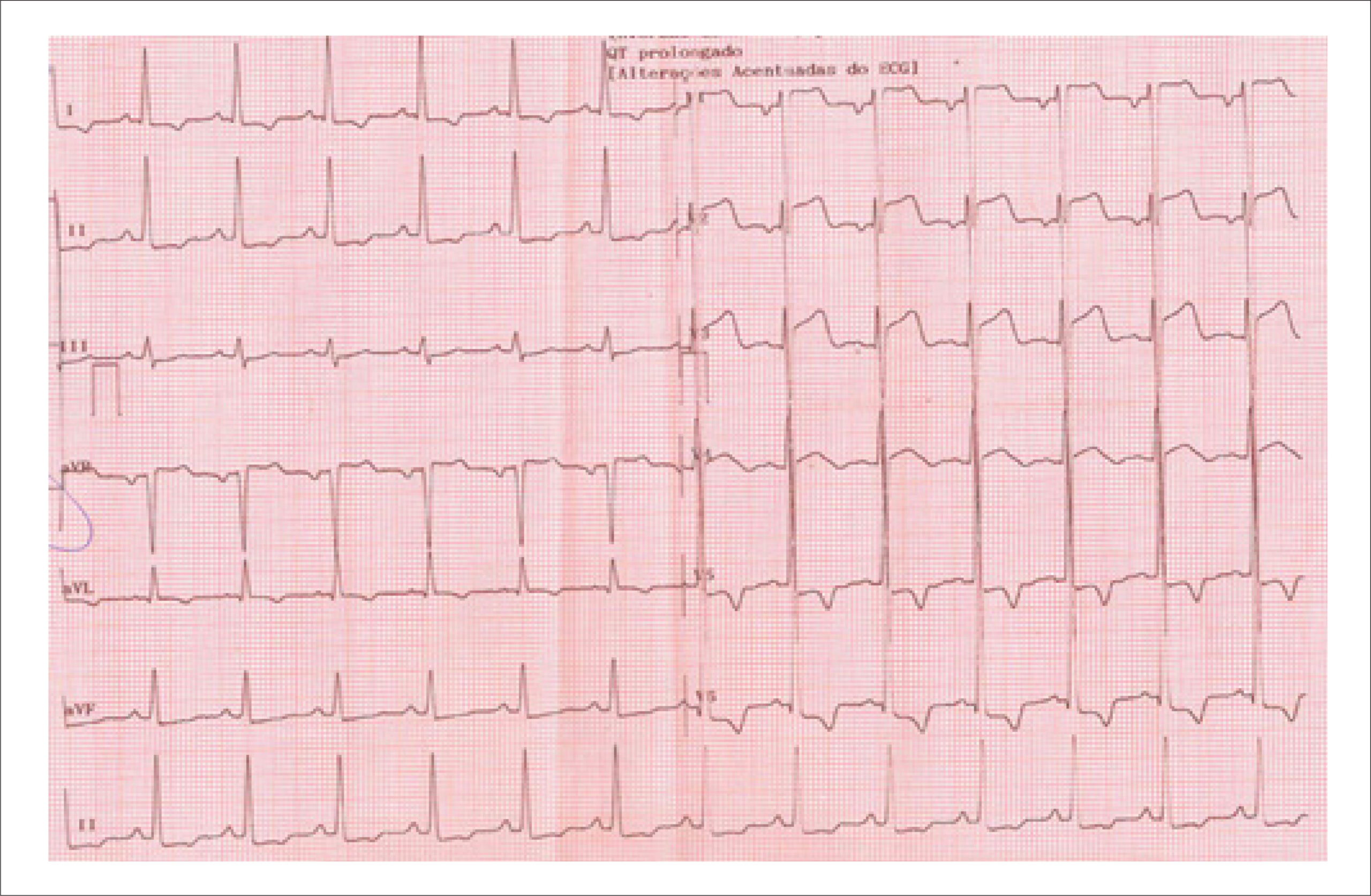
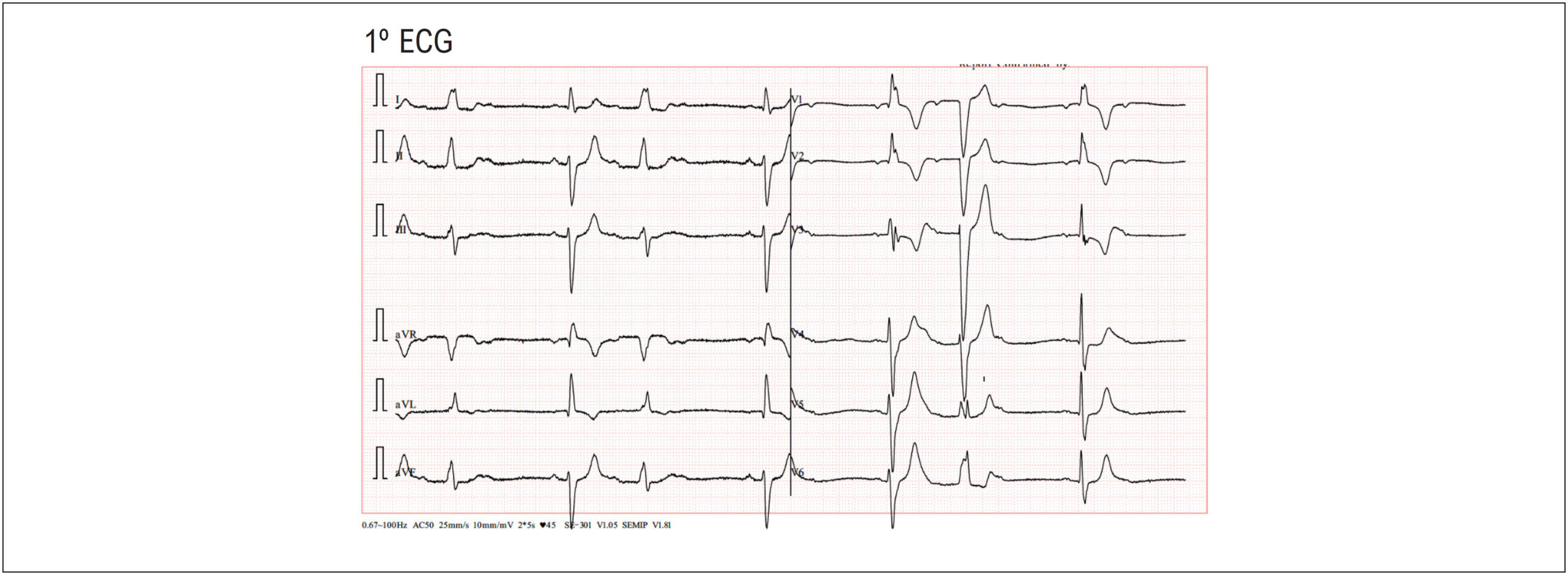
A 67-year-old man was admitted to the primary healthcare emergency department due to dizziness. During the physical examination, an irregular heart rhythm was detected, prompting a request for a 12-lead electrocardiogram (ECG). The ECG () revealed a beat-to-beat alternating pattern of right and left bundle branch blocks (RBBB and LBBB) with Mobitz I second-degree atrioventricular (AV) block.

The patient was transferred to the hospital emergency department, where two consecutive ECGs were performed. One ECG () showed persistent LBBB with first-degree AV block (PR interval of 320ms), and the subsequent ECG () indicated persistent RBBB with left anterior fascicular block and fixed 2:1 second-degree AV block.

[…]

  • Arrhythmias Cardiac
  • Atrioventricular block
  • Electrocardiography/methods
  • Hospitalization
  • Permanent Pacemaker
Read Full Article
Creative Commons Attribution (CC BY) Creative Commons license
08/01/2024 DOI: 10.36660/abc.20230162 Views 1
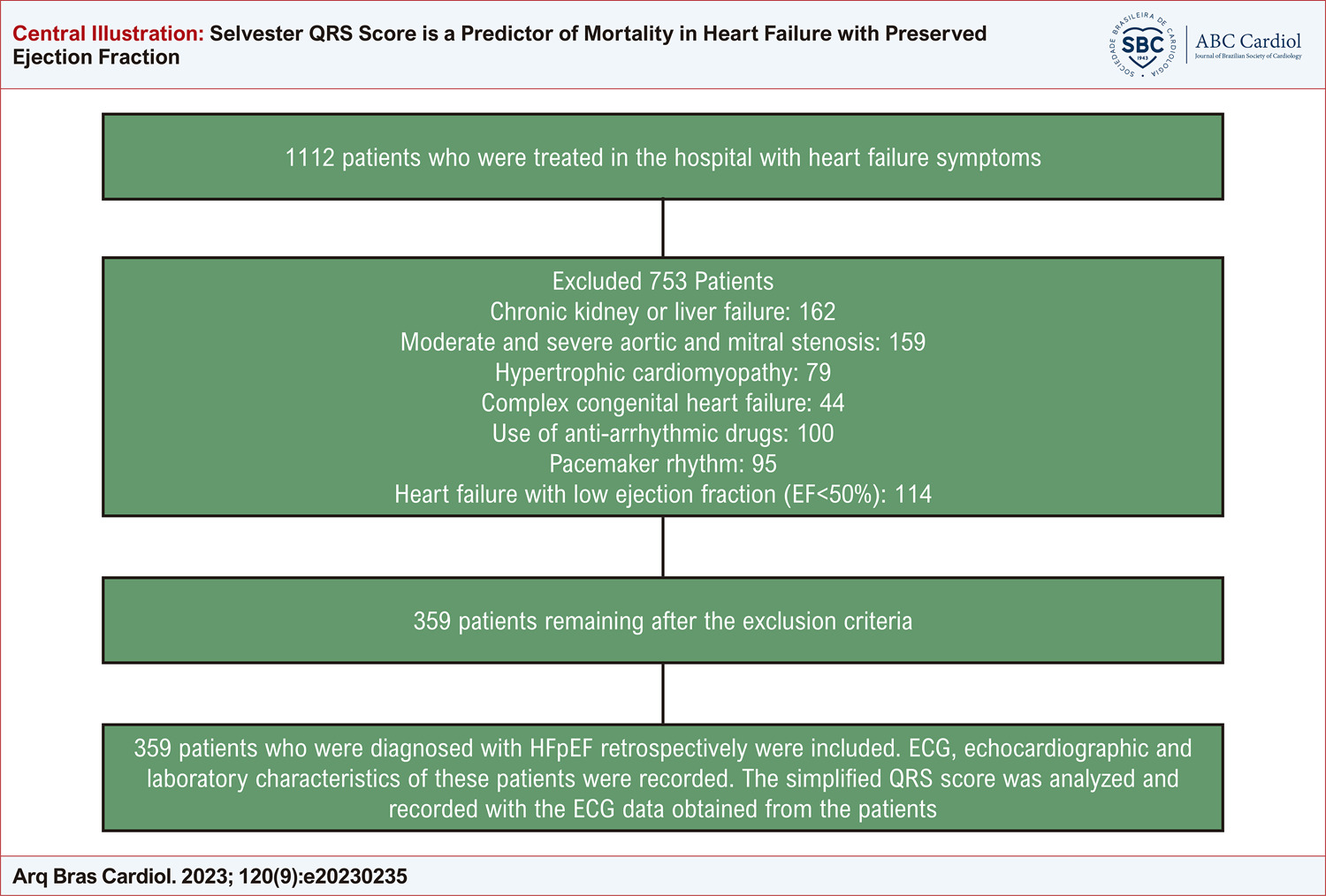
Selvester QRS Score is a Predictor of Mortality in Heart Failure with Preserved Ejection Fraction
ABC
Original Article

Selvester QRS Score is a Predictor of Mortality in Heart Failure with Preserved Ejection Fraction

Fatih Sivri et al. Yahya Kemal Icen Hasan Koca Mükremin Coşkun … Mustafa Ardınç Orshan Deniz Fatih Necip Arici Mevlüt Koc Hasan Güngör

Abstract

Background

The Selvester QRS (S-QRS) score on a 12-lead electrocardiogram (ECG) is associated with both the amount of myocardial scar and poor prognosis in myocardial infarction patients. However, its prognostic value in heart failure (HF) with preserved ejection fraction (HFpEF) is unknown.

Objective

This study aims to investigate the predictive value of the S-QRS score for mortality in HFpEF.

Methods

359 patients were retrospectively enrolled in this study. Electrocardiographic, echocardiographic, and laboratory features of the patients were recorded. The simplified S-QRS score was measured and recorded. The mean follow-up time of the patients was 38.1±9.5 months. Statistical significance was set at p < 0.05.

Results

Of 359 patients, 270 were in the survivor group, and 89 were in the deceased group. Age, Hs-CRP, troponin, pro-BNP, left atrial (LA) diameter, LA volume index, QRS duration, Tpe, and S-QRS score were statistically high in the deceased group. In multivariate logistic regression analysis, age, Hs-CRP, NT-proBNP, LA diameter, LA volume index, Tpe, and S-QRS score were shown to be independent risk factors for mortality. In the receiver-operating characteristic (ROC) analysis, the cut-off value of the S-QRS score was 5.5, the sensitivity was 80.8%, and the specificity was 77.2% (AUC:0.880, p:0.00). In Kaplan-Meier analysis, it was found that mortality was higher in the group with S-QRS score ≥ 5.5 than in the group with S-QRS score < 5.5. (Long-rank, p:0.00)

Conclusions

We think that the S-QRS score can be used as a prognostic indicator of long-term mortality in patients with HFpEF.

  • Echocardiography/methods
  • Electrocardiography/methods
  • Heart Failure
  • Mortality
  • Myocardial Infarction
  • Selvester QRS
  • Stroke Volume
Read Full Article
Creative Commons Attribution (CC BY) Creative Commons license
09/10/2023 DOI: 10.36660/abc.20230235 Views 1
Graph 1
IJCS
Original Article

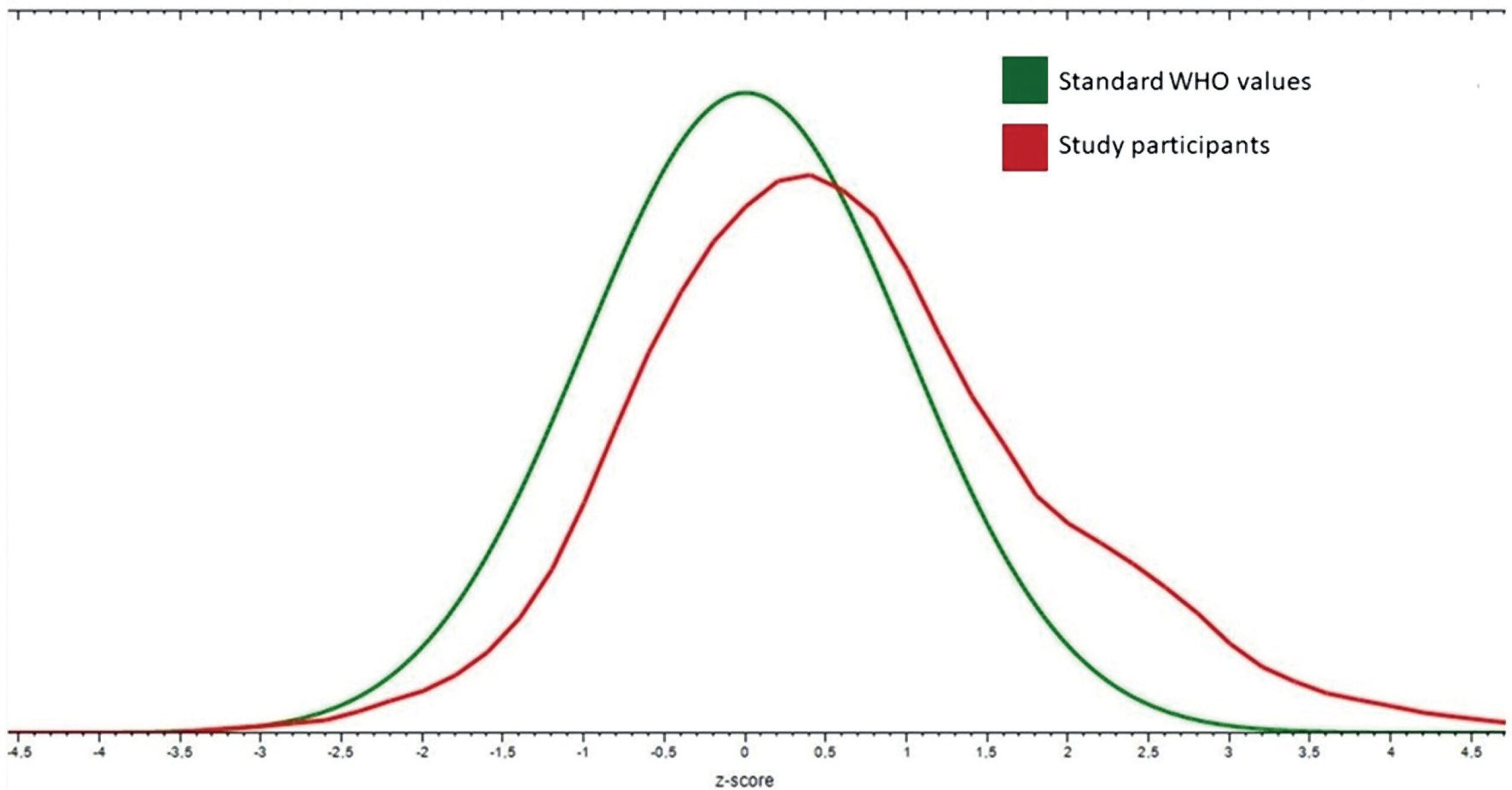
Electrocardiogram as Part of the Evaluation of Children and Adolescents Before Starting Physical Exercise

Diego Lineker Marquetto Silva et al. Rossano Cesar Bonatto Celia de Paula Pimenta Bonatto Carlos Roberto Padovani José Roberto Fioretto

Abstract

Background:

Children and adolescents should be encouraged to participate in sports; however, physicians should screen for cardiac abnormalities that can lead to sudden death. The European Society of Cardiology, the Brazilian Society of Cardiology and the Brazilian Society of Sports Medicine indicate performing an electrocardiogram (ECG) in evaluating athletes, while the American Heart Association indicates complementary exams only when there is a personal or family history of cardiovascular diseases or changes in clinical examination.

Objectives:

To evaluate the need for an ECG in evaluating children and adolescents before starting physical activities.

Methods:

We recruited 983 children and adolescents who practiced physical activities for anthropometric assessment, clinical examination and conventional ECG at rest. Variables were analysed using the Goodman test with a significance level of 5%.

Results:

Participants had a higher incidence of overweight, obesity and severe obesity compared to standard World Health Organization (WHO) values. The most common finding in clinical examination was heart murmur (18.5% of participants). Electrocardiographic changes were found in 3.3% of participants, including paroxysmal supraventricular tachycardia and pre-excitation syndrome, which may be responsible for sudden death, even in asymptomatic individuals with no personal or family history of heart disease and no abnormality on clinical examination.

Conclusions:

ECG revealed arrhythmias that were not detected by clinical examination and may precede sudden death in individuals subjected to physical exertion, indicating its role in the assessment of children and adolescents before starting regular physical exercise.

  • Adolescents
  • Children
  • Electrocardiography/methods
  • Electrocardiography/prevention and control
  • Physical Exercise
  • Youth Sports
Read Full Article
Creative Commons Attribution (CC BY) Creative Commons license
21/04/2023 DOI: 10.36660/ijcs.20220052 Views 1
ABC
Editorial

Chasing New Non-Invasive Parameters to Predict Atrial Fibrillation after Radiofrequency Catheter Ablation

Michael Ramon de Lima-Conceição et al. Jorge Lucas Teixeira-Fonseca Danilo Roman-Campos

The Framingham Heart Study showed that the incidence and prevalence of atrial fibrillation (AF) are increasing globally, with the prevalence increasing more than 3-fold from 1958 to 2007. In 2017 there were 37.57 million prevalent cases and 3.05 million incident cases of AF globally, contributing to 287241 deaths. Notorious that the estimation shows that these numbers may further increase in the future. The projection shows that only in the USA, 12.1 million people by 2050 may have AF. According to the 2020 European Society of Cardiology Guideline, AF is defined as a supraventricular tachyarrhythmia with uncoordinated atrial electrical activation and ineffective atrial contraction. Electrocardiographic characteristics of AF include irregularly irregular R-R intervals (when atrioventricular conduction is not impaired), absence of distinct repeating P waves, and 3 irregular atrial activations. The clinical diagnosis in symptomatic or asymptomatic AF patients is performed by surface electrocardiogram (ECG), with a minimum 30 s duration of an ECG containing a typical AF tracing.

Even though a clear definition of the clinical diagnostic of AF exists, however, at least five patterns of AF are distinguished, which are based on presentation, duration, and spontaneous termination of AF episodes., Most likely, the variety of clinical AF manifestations is related to the etiology of the disease, which is not fully elucidated yet. Several AF development and progression predictors exist, and the most relevant are body mass index, heart rate, age, systolic blood pressure, history of hyperthyroidism, stroke, and heart failure. Due to the complex nature of AF, proper patient management is challenging, which implies, in an ideal situation, a coordinated and well-defined agreement between patient-individualized care pathways to deliver the most adequate and optimized treatment. The current treatment approach for AF patients consists of the A(trial fibrillation), B(etter), C(are), a.k.a the (ABC) holistic pathway, which encompasses: the ‘A’ Anticoagulation/Avoid stroke; ‘B’ Better symptom management; and ‘C’ Cardiovascular and Comorbidity optimization. It is important to stress that the treatment is also subject to change over time, mostly because of the discovery of new risk factors, disease progression, symptoms, diagnostic tools and methods, predictors, and the development of new treatments.

[…]

  • Arrhythmias Cardiac
  • Atrial Fibrillation
  • Catheter Ablation
  • Electrocardiography/methods
Read Full Article
Creative Commons Attribution (CC BY) Creative Commons license
03/04/2023 DOI: 10.36660/abc.20230091 Views 1
Figure 1
ABC
Viewpoint

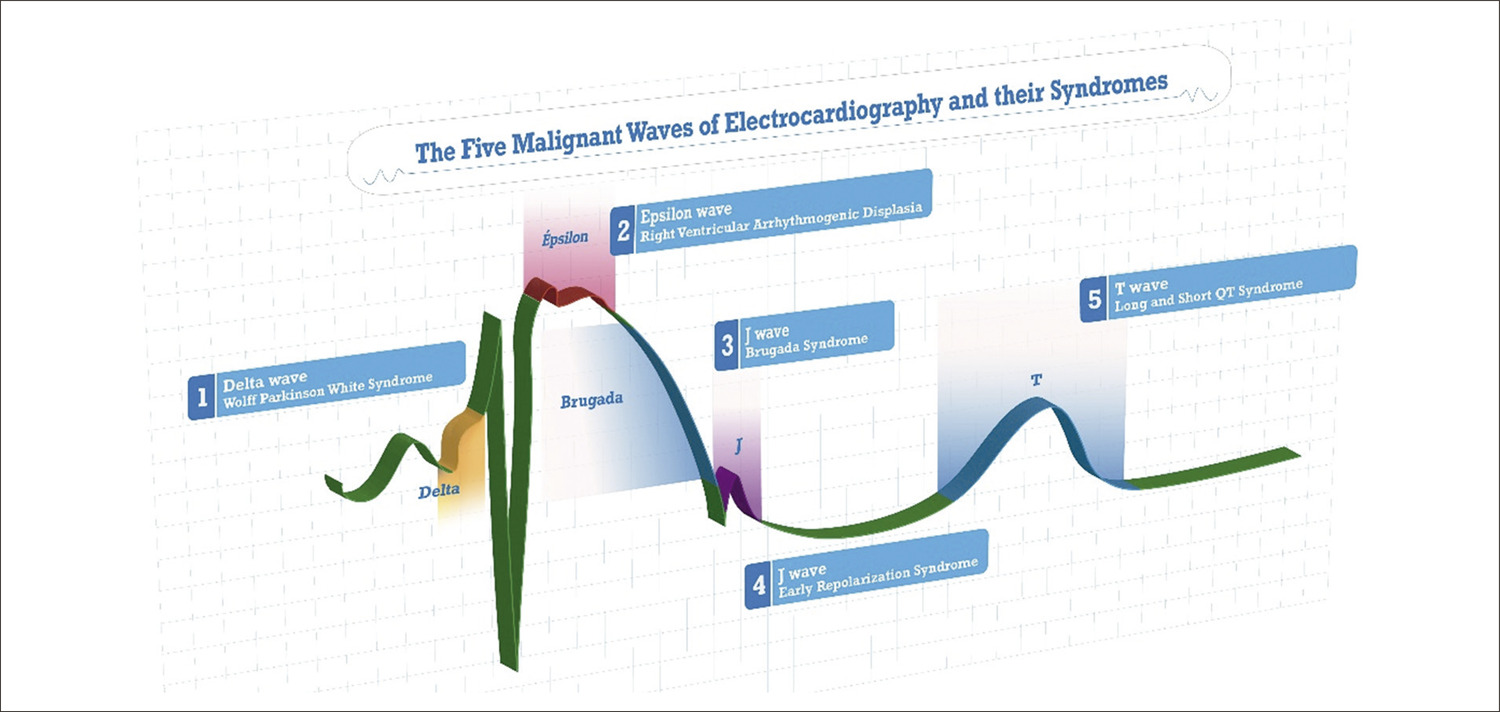
The “Five Malignant Waves” of the Electrocardiography

Mitermayer Reis Brito

The main ECG features of the five malignant waves and their syndromes

The Main ECG features of the “Five Malignant Waves” and their syndromes are presented in .

[…]

  • Arrhythmias Cardiac
  • Death, Sudden
  • Diagnostic Imaging/methods
  • Electrocardiography/methods
  • Syncope
  • Tachycardia, Ventricular
Read Full Article
Creative Commons Attribution (CC BY) Creative Commons license
23/02/2023 DOI: 10.36660/abc.20220649 Views 1
Figure 1
ABC
Original Article

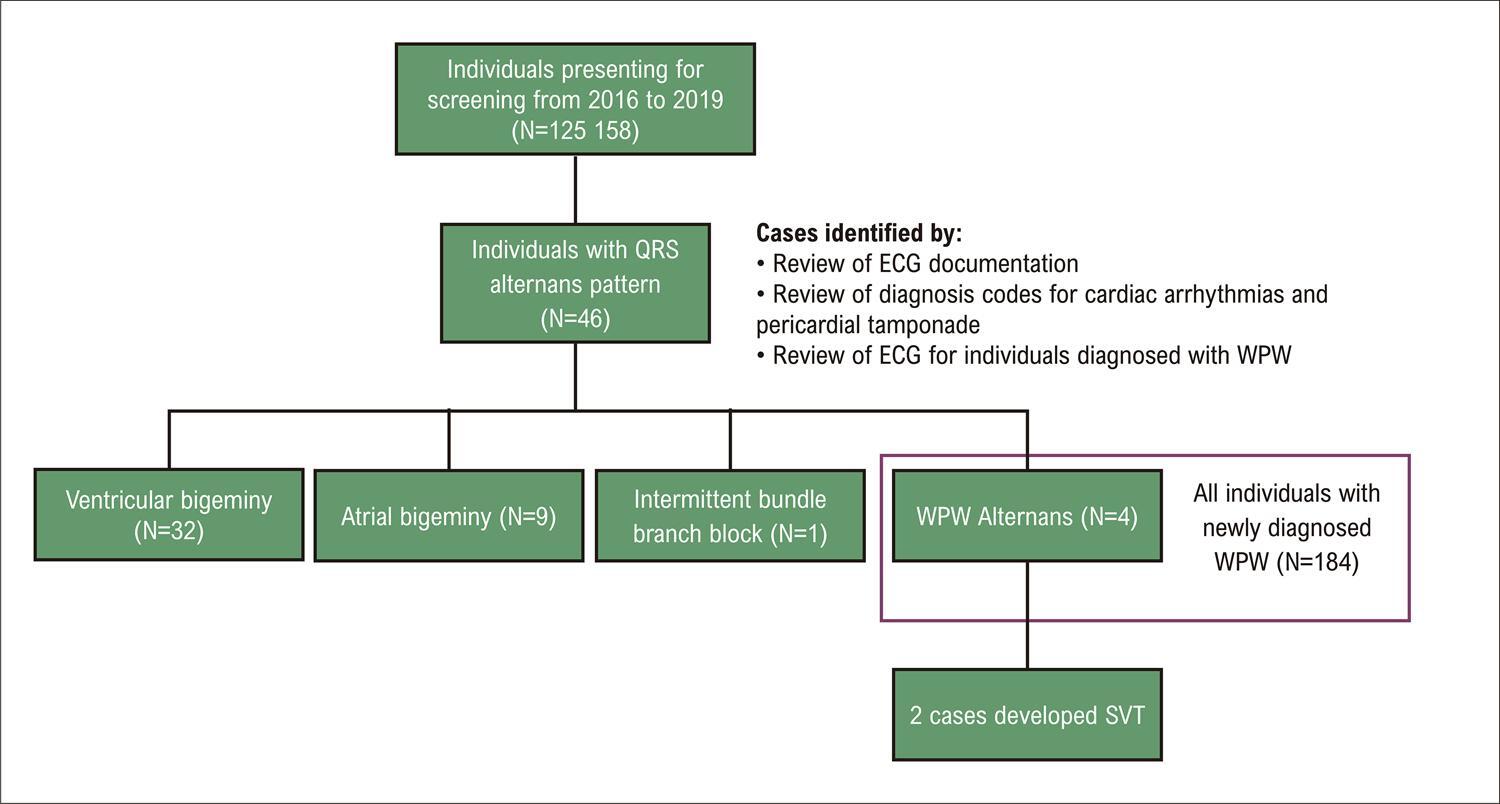
Wolff-Parkinson-White Presenting as QRS Alternans and Other Differential Diagnoses in a Large Pre-Participation ECG Screening Cohort

Daniel Y. Z. Lim et al. Wilbert H. H. Ho Luokai Wang Wee Kiat Ang … Nishanth Thiagarajan Gerald GR Sng Hankun Wang Wesley TW Loo Lim Huai Yang Weien Chow Terrance J Chua Tee Joo Yeo Paul Lim Thuan Tee Daniel Chong

Abstract

Background

Wolff-Parkinson-White (WPW) syndrome is a proarrhythmic condition that may require restriction from strenuous activities and is characterized by ECG signs, including delta waves. We observed cases of intermittent WPW patterns presenting as QRS alternans (‘WPW alternans’) in a large pre-participation ECG screening cohort of young men reporting for military conscription.

Objectives

We aimed to determine the WPW alternans pattern, case characteristics, and the prevalence of other relevant differential diagnoses presenting as QRS alternans in a pre-participation setting.

Methods

One hundred twenty-five thousand one hundred fifty-eight prospective male military recruits were reviewed from January 2016 to December 2019. A review of electronic medical records identified cases of WPW alternans and WPW patterns or syndrome. Reviewing electronic medical records identified cases of relevant differential diagnoses that might cause QRS alternans.

Results

Four individuals (2.2%) had WPW alternans out of 184 individuals with a final diagnosis of WPW pattern or syndrome. Two of these individuals manifested symptoms or ECG findings consistent with supraventricular tachycardia. The overall prevalence of WPW alternans was 0.003%, and the prevalence of WPW was 0.147%. WPW alternans represented 8.7% of individuals presenting with QRS alternans, and QRS alternans had a prevalence of 0.037% in the entire population.

Conclusions

WPW alternans is a variant of intermittent WPW, which comprised 2.2% of WPW cases in our pre-participation screening cohort. It does not necessarily indicate a low risk for supraventricular tachycardia. It must be recognized at ECG screening and distinguished from other pathologies that also present with QRS alternans.

  • Electrocardiography/diagnosis
  • Electrocardiography/methods
  • Lown – Ganong – Levine Syndrome
  • Pre-Excitation, Mahaim-Type
  • Wolff-Parkinson White Syndrome
Read Full Article
Creative Commons Attribution (CC BY) Creative Commons license
21/11/2022 DOI: 10.36660/abc.20220081
Figure 1
ABC
Original Article

Association between Atrioventricular Block and Mortality in Primary Care Patients: The CODE Study

Gabriela Miana de Mattos Paixão et al. Emilly M. Lima André B. Quadros Daniel P. R. Cabral … Renato R. Coelho Derick M. Oliveira Jamil de Souza Nascimento Paulo R. Gomes Antonio L. Ribeiro

Abstract

Background

Atrioventricular block (AVB) describes an impairment of conduction from the atria to the ventricles. Although the clinical course of AVB has been evaluated, the findings are from high-income countries and, therefore, cannot be extrapolated to the Latinx population.

Objective

Evaluate the association between AVB and mortality.

Methods

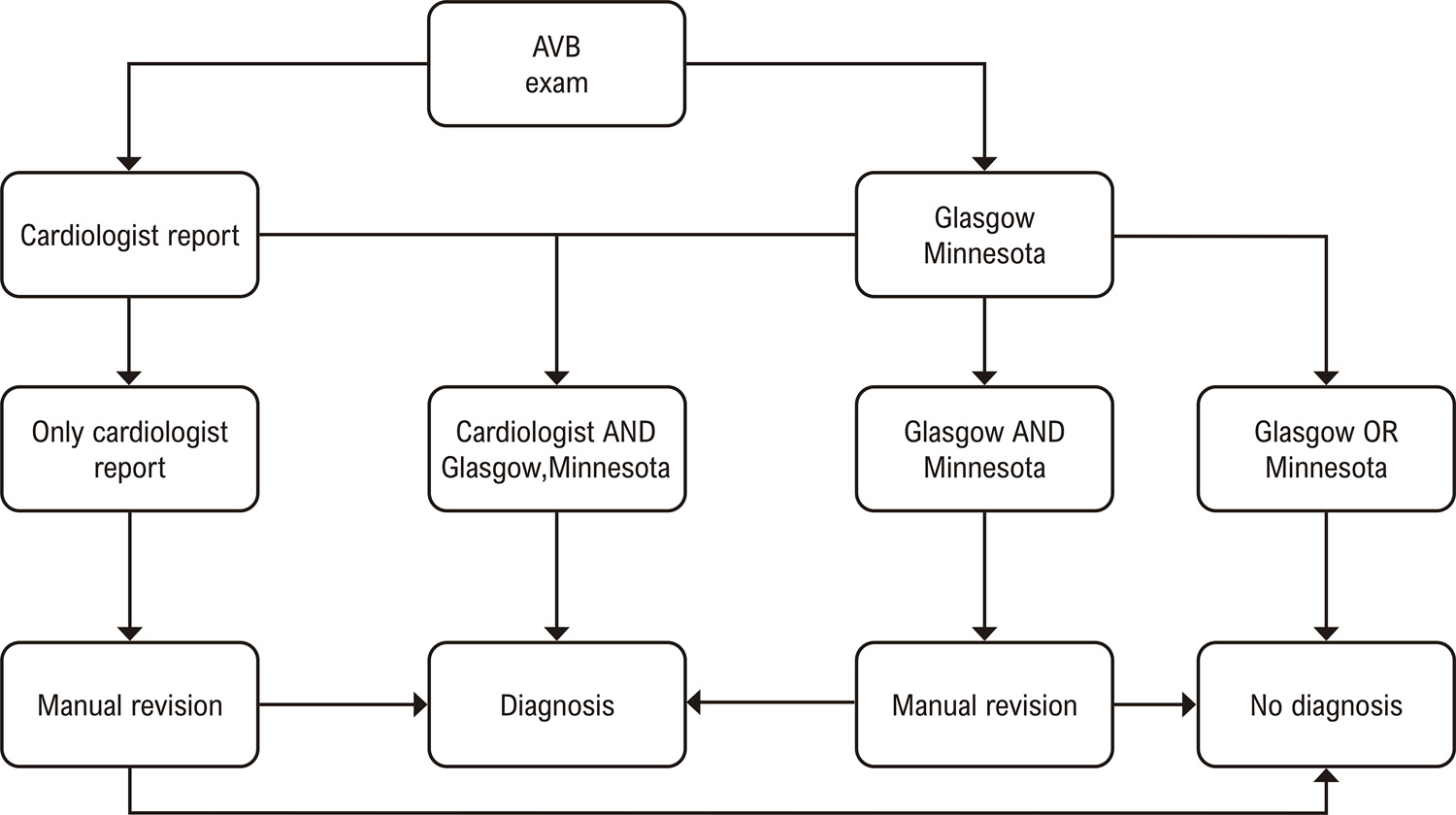
Patients from the CODE (Clinical Outcomes in Digital Electrocardiology) study, older than 16 years who underwent digital electrocardiogram (ECG) from 2010 to 2017 were included. ECGs were reported by cardiologists and by automated software. To assess the relationship between AVB and mortality, the log-normal model and the Kaplan-Meier curves were used with two-tailed p-values < 0.05 considered statistically significant.

Results

The study included 1,557,901 patients; 40.2% were men, and mean age was 51.7 (standard deviation ± 17.6) years. In a mean follow-up of 3.7 years, the mortality rate was 3.35%. The AVB prevalence was 1.38% (21,538). Patients with first-, second-, and third-degree AVB were associated with 24% (relative survival rate [RS] = 0.76; 95% confidence interval [CI]: 0.71-0.81; p < 0.001), 55% (RS = 0.45; 95% CI: 0.27-0.77; p = 0.01), and 64% (RS = 0.36; 95% CI: 0.26-0.49; p < 0.001) lower survival rate when compared to the control group, respectively. Patients with 2:1 AVB had 79% (RS = 0.21; 95% CI: 0.08-0.52; p = 0.005) lower survival rate than the control group. Only Mobitz type I was not associated with higher mortality (p = 0.27).

Conclusion

AVB was an independent risk factor for overall mortality, with the exception of Mobitz type I.

  • Atrioventricular Block/complications, Mortality
  • Atrioventricular Block/physiopathology
  • Cardiovascular Diseases/complications
  • Diagnostic Imaging
  • Electrocardiography/methods
Read Full Article
Creative Commons Attribution (CC BY) Creative Commons license
18/07/2022 DOI: 10.36660/abc.20210763
ABCIC
Review Manuscript

Current Role of Cardiac Magnetic Resonance Imaging in Hypertrophic Cardiomyopathy

Fábio Vieira Fernandes et al. Juliana Hiromi Silva Matsumoto Bello Afonso Akio Shiozaki Roberto Caldeira Cury

[…]

  • Cardiomyopathy, Hypertrophic, Familial
  • Echocardiography/methods
  • Electrocardiography/methods
  • Endomyocardial Fibrosis
  • Heart Failure
  • Magnetic Resonance Imaging/methods
Read Full Article
Creative Commons Attribution (CC BY) Creative Commons license
04/02/2022 DOI: 10.5935/2318-8219.20180048
ABCIC
Case Report

Acute Myocardial Infarction Following Blunt Chest Trauma

Rafael Castro da Silva et al. Ilan Gottlieb Gabriella Andrade de Sá Alex dos Santos Felix … Daniella Bastos Rawet Mariah Rodrigues Paulino Emanuelle Ferreira Adriano Milton Ricardo Poffo André Luiz da Fonseca Feijó

[…]

  • Accidental Falls
  • Echcocardiography/methods
  • Electrocardiography/methods
  • Myocardial Infarction
  • Thoracic Injuries
Read Full Article
Creative Commons Attribution (CC BY) Creative Commons license
04/02/2022 DOI: 10.5935/2318-8219.20180036 Views 1
ABCIC
Editorial

Choice of Imaging Methods in Hypertrophic Cardiomyopathy

Murillo de Oliveira Antunes et al. Edmundo Arteaga-Fernández Charles Mady

[…]

  • Cardiomyopathy,Hypertrophic
  • Diagnostic Imaging
  • Discrete Subaortic Stenosis
  • Echocardiography/methods
  • Electrocardiography/methods
  • Magnetic Resonance Spectroscopy/ methods
  • Mitral Valve Insufficiency
Read Full Article
Creative Commons Attribution (CC BY) Creative Commons license
20/01/2022 DOI: 10.5935/2318-8219.20190003 Views 1
ABC
Editorial

Electrocardiographic Diagnosis of Left Ventricular Hypertrophy

Claudio Leinig Pereira da Cunha

Left Ventricular Hypertrophy (LVH) is defined as an increase in left ventricular (LV) mass, which may be secondary to an increase in wall thickness (concentric LVH), increased cavity size (eccentric LVH), or both. The presentation of hypertrophied LV depends mainly on the underlying disease, with concentric LVH resulting in most cases from LV pressure overload (hypertension or aortic stenosis), while eccentric LVH mainly depends on LV volume overloads (mitral and aortic insufficiency) and dilated cardiomyopathies. Other causes of LVH include ventricular septal defects, hypertrophic cardiomyopathy, and physiological changes associated with athletic training.

The presence of LVH is clinically meaningful because it is associated with an increased incidence of heart failure, ventricular arrhythmias, peripheral vascular insufficiency, aortic dilatation, cerebrovascular events and sudden death or after myocardial infarction.

[…]

  • Cardiomyopathy, Hypertrophic
  • Diagnostic Imaging
  • Echocardiography/methods
  • Electrocardiography/methods
  • Hypertrophy, Left Ventriculat
  • Ventricular Dysfunction, Left
Read Full Article
Creative Commons Attribution (CC BY) Creative Commons license
22/11/2021 DOI: 10.36660/abc.20210868 Views 2
Figure 1
IJCS
Editorial

Cardiotrophin-1 in Patients with Acute Coronary Syndromes: Does it Have a Role?

Humberto Villacorta

Acute coronary syndromes are among the most common diagnoses in the emergency department (ED). It has been estimated that 300,000 to 400,000 cases are seen each year in Brazil. The diagnosis of acute myocardial infarction (AMI) is made on the basis of symptoms, electrocardiogram, and biological markers of myocardial necrosis. Troponins are the most specific cardiac markers, and in the era of highly sensitive assays, they have been shown to make the exclusion of AMI in the ED more rapid, being particularly helpful in patients with atypical presentations.

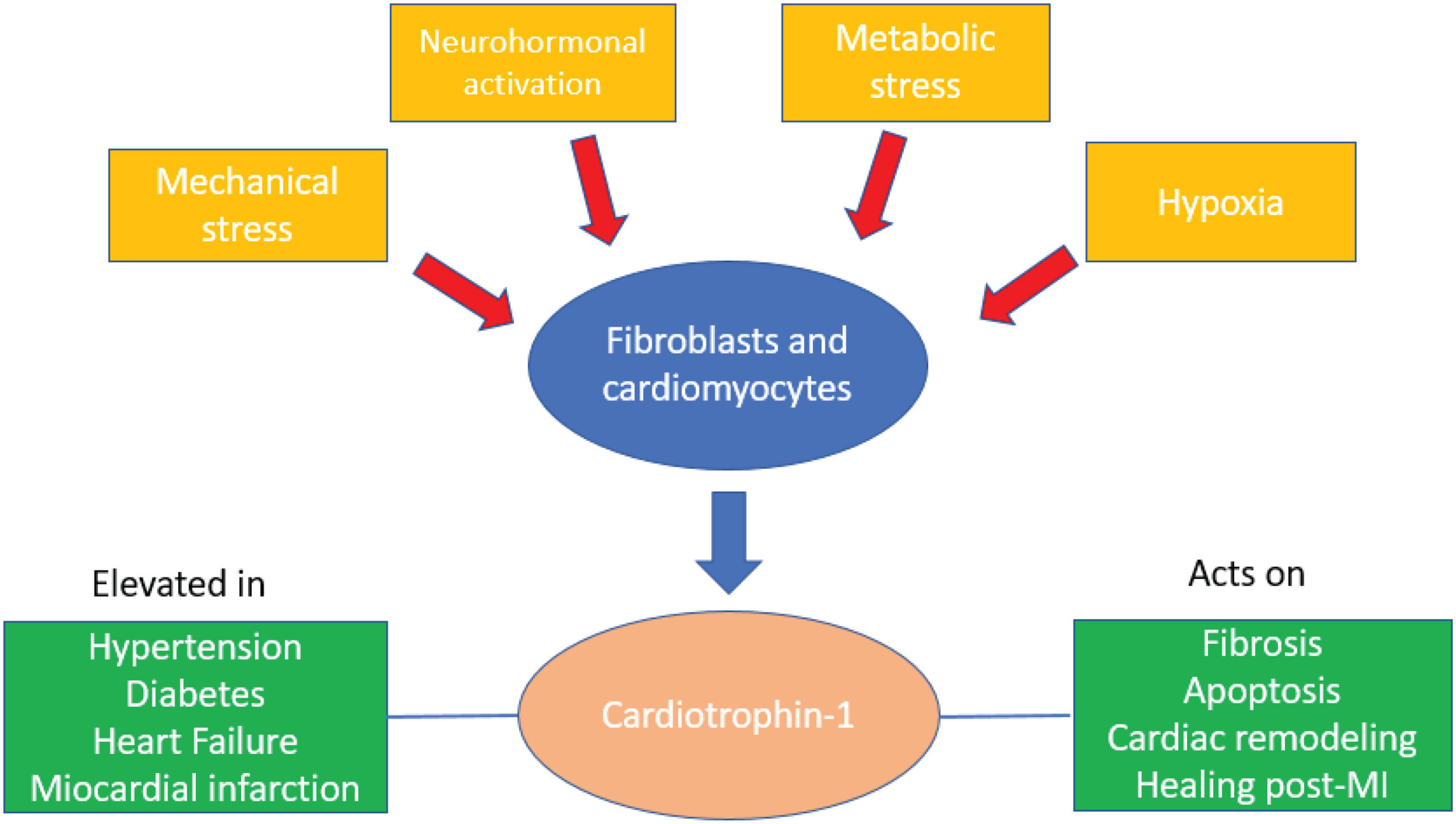
Cardiotrophin-1 (CT-1) is a member of the interleukin-6 superfamily of proinflammatory cytokines. It is expressed in many tissues, including heart and vessels. CT-1 is upregulated in cardiac fibroblasts and cardiomyocytes in response to mechanical, humoral, metabolic, and hypoxic stress (). It is elevated in the myocardium and plasma of heart failure (HF) patients and has also been associated with hypertension, diabetes, cardiac hypertrophy, and fibrosis, both in patients and experimental studies., CT-1 is expressed after an AMI and seems to be involved in the healing and remodeling process that occurs after myocardial infarction., In the study by Freed et al., CT-1 was able to initiate each of the processes related to scar formation, including fibroblast migration and proliferation, and collagen synthesis.

[…]

  • Biomarkers
  • Coronary Artery Disease
  • Cytokines
  • Electrocardiography/methods
  • Myocardial Infarction
Read Full Article
Creative Commons Attribution (CC BY) Creative Commons license
01/11/2021 DOI: 10.36660/ijcs.20210189 Views 1
ABC
Editorial

Myocardial Scar and Ventricular Repolarization on the electrocardiogram: Insights from Cardiac Magnetic Resonance Imaging

Luciano C. Amado

Myocardial fibrosis is a final common feature of most inflammatory pathway and is frequently seen in patients with heart failure with reduced ejection fraction (HFrEF). , Myocardial scar, detected by contrast enhanced magnetic resonance imaging (ce-MRI), has been shown to be a predictor of prognosis and sudden cardiac death in patients with HFrEF. – Cardiac MRI has emerged as a non-invasive gold standard for the assessment of scar and risk prediction of ventricular arrhythmias. , , , Nevertheless, cardiac MRI can be time consuming, expensive, and not easily available.

The 12-lead surface electrocardiogram (ECG) is a simple and inexpensive diagnostic tool that is widely used in clinical practice for the diagnosis of cardiac arrhythmias. The ECG waveform is the expression of the transmembrane action potentials and is composed of two distinct processes: depolarization and repolarization. Ventricular repolarization is a complex electrical phenomenon which in clinical practice is measured from the beginning of the QRS complex to the end of the T-wave. Cardiac structural and electrical changes may cause action potential abnormalities, affecting the refractory period and thus favoring the onset of ventricular arrhythmias.

[…]

  • Death, Sudden, Cardiac
  • Electrocardiography/methods
  • Endomyocardial Fibrosis
  • Heart Failure
  • Magnetic Resonance Spectroscopy/ methods
  • Prognosis
  • Stroke Volume
Read Full Article
Creative Commons Attribution (CC BY) Creative Commons license
25/10/2021 DOI: 10.36660/abc.20210712 Views 2
Figure 1
ABC
Original Article

Cardiac Fibrosis and Changes in Left Ventricle Function in Patients with Chronic Chagas Heart Disease

João Bosco de Figueiredo Santos et al. Ilan Gottlieb Eduardo Marinho Tassi Gabriel Cordeiro Camargo … Jacob Atié Sérgio Salles Xavier Roberto Coury Pedrosa Roberto Magalhães Saraiva

Abstract

Background

Chagas heart disease (CHD) is a slow progressing condition with fibrosis as the main histopathological finding.

Objectives

To study if cardiac fibrosis increases over time and correlates with increase in left ventricular (LV) size and reduction of ejection fraction (EF) in chronic CHD.

Methods

Retrospective study that included 20 individuals (50% men; 60±10 years) with chronic CHD who underwent two cardiac magnetic resonance imaging (MRI) with late gadolinium enhancement with a minimum interval of four years between tests. LV volume, EF, and fibrosis mass were determined by cardiac MRI. Associations of fibrosis mass at the first cardiac MRI and changes in LV volume and EF at the second cardiac MRI were tested using logistic regression analysis. P values <0.05 were considered significant.

Results

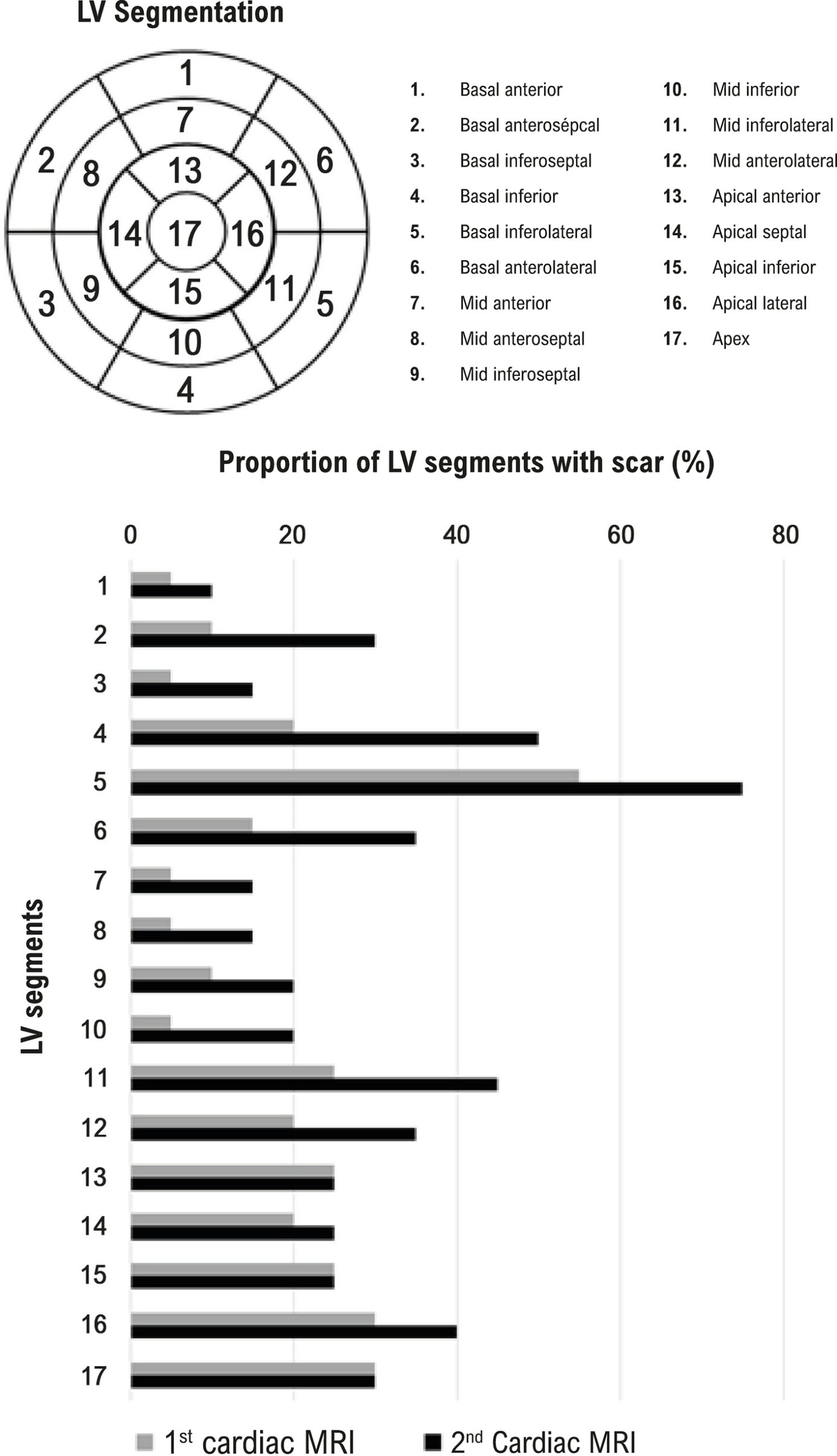
Patients were classified as follows: A (n=13; changes typical of CHD in the electrocardiogram and normal global and segmental LV systolic function) and B1 (n=7; LV wall motion abnormality and EF≥45%). Mean time between cardiac MRI studies was 5.4±0.5 years. LV fibrosis (in %LV mass) increased from 12.6±7.9% to 18.0±14.1% between MRI studies (p=0.02). Cardiac fibrosis mass at baseline was associated with decrease in >5 absolute units in LV EF from the first to the second MRI (OR 1.48, 95% CI 1.03-2.13, p=0.03). LV fibrosis mass was larger and increased between MRI studies in the group that presented decrease in LV EF between the tests.

Conclusions

Even patients at an initial stage of CHD show an increase in myocardial fibrosis over time, and the presence of LV fibrosis at baseline is associated with a decrease in LV systolic function.

  • Chagas Cardiomyopathy
  • Chagas disease
  • Diagnostic Imaging
  • Electrocardiography/methods
  • Endomyocardial Fibrosis
  • Magnetic Resonance Imaging/methods
  • Ventricular Dysfunction, Left
Read Full Article
Creative Commons Attribution (CC BY) Creative Commons license
08/10/2021 DOI: 10.36660/abc.20200597
ABC
Original Article

Atrial Fibrillation Diagnosis using ECG Records and Self-Report in the Community: Cross-Sectional Analysis from ELSA-Brasil

Itamar S. Santos et al. Paulo A. Lotufo Luisa Brant Marcelo M. Pinto Filho … Alexandre da Costa Pereira Sandhi Maria Barreto Antonio L. Ribeiro G Neil Thomas Gregory Y. H. Lip Isabela M. Bensenor

Abstract

Background:

Atrial fibrillation or flutter (AFF) is the most common sustained cardiac arrhythmia. Limited data can be found on AFF epidemiology in South America.

Objective:

The present study sought to describe the clinical epidemiology of AFF and the use of stroke prevention medication in the Brazilian Longitudinal Study of Adult Health (ELSA-Brasil) baseline assessment.

Methods:

This study analyzed data from 13,260 ELSA-Brasil participants. AFF was defined according to ECG recording or by self-report. Logistic regression models were built to analyze factors associated with AFF. This study also analyzed if age and sex were associated with anticoagulant use for stroke prevention. Significance level was set at 5%.

Results:

Median age was 51 years and 7,213 (54.4%) participants were women. AFF was present in 333 (2.5%) participants. Increasing age (odds ratio [OR]:1.05; 95% confidence interval [95%CI]: 1.04–1.07), hypertension (OR:1.44; 95%CI: 1.14–1.81), coronary heart disease (OR: 5.11; 95%CI: 3.85–6.79), heart failure (OR:7.37; 95%CI: 5.00–10.87), and rheumatic fever (OR:3.38; 95%CI: 2.28–5.02) were associated with AFF. From 185 participants with AFF and a CHA2DS2-VASc score ≥2, only 20 (10.8%) used anticoagulants (50.0% among those with AFF in the baseline ECG). Stroke prevention in this group was associated with a higher age (1.8% vs 17.7% in those aged ≤ 54 and ≥ 65 years, respectively; p=0.013). A trend towards a reduced anticoagulant use was observed in women (7.1% vs. 16.4% in women and men, respectively; p=0.055).

Conclusions:

At the ELSA-Brasil baseline, 2.5% of the participants had AFF. The lack of stroke prevention was common, which is an especially challenging point for healthcare in this setting.

  • Aged
  • Anticoagulants
  • Atrial Fibrillation
  • Electrocardiography/methods
  • Embolism
  • Epidemiology
  • Longitudinal Study
  • Stroke
Read Full Article
Creative Commons Attribution (CC BY) Creative Commons license
20/09/2021 DOI: 10.36660/abc.20190873 Views 1
ABC
Editorial

NSTE-ACS at the Emergency: Can You Guess What is Under the Umbrella?

Bruno Rocha et al. Carlos Aguiar

The reasoning behind the often-difficult task of deciding whether, when and how to treat the patient with established Cardiovascular Disease (CVD) might be based on two simple questions: (1) Are we treating an acute event?, and (2) What is my patient at risk of in the future? Whilst the first question implies an expedite straightforward treatment, the second premise depends mostly on risk stratification and, thus, the capability of one to anticipate the likelihood of an event. Withal, the physician often encounters a scenario in which the two questions must be addressed altogether. Accordingly, the response is more likely one of a probability rather than a categorical (yes or no) answer. This is the outline in umbrella diagnoses, as is non-ST segment elevation (NSTE) Acute Coronary Syndromes (ACS).,

There are a multitude of clinical tools in Cardiovascular Medicine– that aid physicians in the decision-making process, often surpassing the “educated guess” in acute settings., However, the use of these tools in NSTE-ACS is particularly challenging for a number of reasons:

[…]

  • Acute coronary syndrome
  • Biomarkers
  • Electrocardiography/methods
  • Myocardial Ischemia
  • Non-ST Elevated Myocardial Infarction
  • Troponin
Read Full Article
Creative Commons Attribution (CC BY) Creative Commons license
06/09/2021 DOI: 10.36660/abc.20210516
Figure 1
ABC
Research Letter

SARS-CoV-2 and Myocardical Injury with ST-Elevation without Coronary Disease

Carolina Ragonetti et al. Enzo Oku Martinazzo Felipe Montesano Fazionato Guilherme Osório Guimarães Ferreira … Milena Piccolo Santana Camila Hartmann

Introduction

Throughout the SARS-CoV-2 pandemic, there have been reports of infection leading to acute myocardial injury, causing worse clinical outcomes. The manifestations can include troponin elevation, imaging exam abnormalities and electrocardiographic changes. Accordingly, ST-segment elevation (STE) acute myocardial injury has been observed in some patients. However, despite the electrocardiogram (ECG) ischemic changes, complementary exams may not show any obstruction, excluding coronary occlusion as the cause of the injury.

[…]

  • Coronary Angiography/methods
  • Coronavirus-19
  • Electrocardiography/methods
  • Myocarditis/complications
  • Pandemics
  • SARS-CoV-2
  • Takotsubo Cardiomyopathy
Read Full Article
Creative Commons Attribution (CC BY) Creative Commons license
06/09/2021 DOI: 10.36660/abc.20201268 Views 2
ABC
Original Article

Prevalence and Related Characteristics of Patients with Brugada Pattern Electrocardiogram in Santa Catarina, Brazil

Mariana Sarmento Militz et al. Andrei de Souza Inacio Harley Miguel Wagner Aldo von Wangenheim … Alexander Romeno Janner Dal Forno Daniel Medeiros Moreira

Abstract

Background:

Brugada Syndrome is an inherited arrhythmogenic disorder characterized by the presence of specific electrocardiographic features with or without clinical symptoms. The patients present increased risk of sudden death due to ventricular fibrillation. The prevalence of this electrocardiographic pattern differs according to the studied region. However, epidemiological information including the Brazilian population is scarce.

Objectives:

To assess the prevalence of the electrocardiographic pattern of Brugada syndrome and the epidemiological profile associated with it.

Methods:

Cross-sectional study that included 846,533 ECG records of 716,973 patients from the electrocardiogram (ECG) database from the Santa Catarina Telemedicine Network over a 4-year period. All tests were 12-lead conventional ECG (without V1 and V2 in high positions). The tests revealing “Brugada Syndrome” diagnosis (Types 1 and 2) were reviewed by a cardiac electrophysiologist. The level of significance was set at p<0.05.

Results:

In total, 83 patients had a pattern potentially consistent with Brugada-type pattern ECG. Of these, 33 were confirmed having Brugada-type 1, and 22 with type 2 ECG after reevaluation. The prevalence of Brugada-type 1 ECG was 4.6 per 100,000 patients. Brugada-type 1 ECG was associated with the male gender (81.8% vs. 41.5%, p<0.001) and a lower prevalence of obesity diagnosis (9.1% vs. 26.4%, p=0.028).

Conclusions:

This study showed low prevalence of Brugada-type ECG in Southern Brazil. The presence of Brugada-type 1 ECG was associated with the male gender and lower prevalence of obesity diagnosis comparing to the general population.

  • Arrythimias
  • Brugada Syndrome
  • Electrocardiography/methods
  • Epidemiology
  • Heredity
  • Obesity
Read Full Article
Creative Commons Attribution (CC BY) Creative Commons license
06/09/2021 DOI: 10.36660/abc.20190542 Views 1
Figure 1
ABC
Original Article

Performance of the Electrocardiogram in the Diagnosis of Left Ventricular Hypertrophy in Older and Very Older Hypertensive Patients

Fernando Focaccia Povoa et al. Braulio Luna Filho Henrique Tria Bianco Celso Amodeo … Rui Povoa Maria Teresa Nogueira Bombig Roberto Dischinger Miranda Simone Matheus Fischer Maria Cristina Oliveira Izar Francisco A. H. Fonseca

Abstract

Background:

Left ventricular hypertrophy (LVH) is an important cardiovascular risk factor, regardless of arterial hypertension. Despite the evolution of imaging tests, the electrocardiogram (ECG) is still the most used in the initial evaluation, however, with low sensitivity.

Objective:

To evaluate the performance of the main electrocardiographic criteria for LVH in elderly and very elderly hypertensive individuals.

Methods:

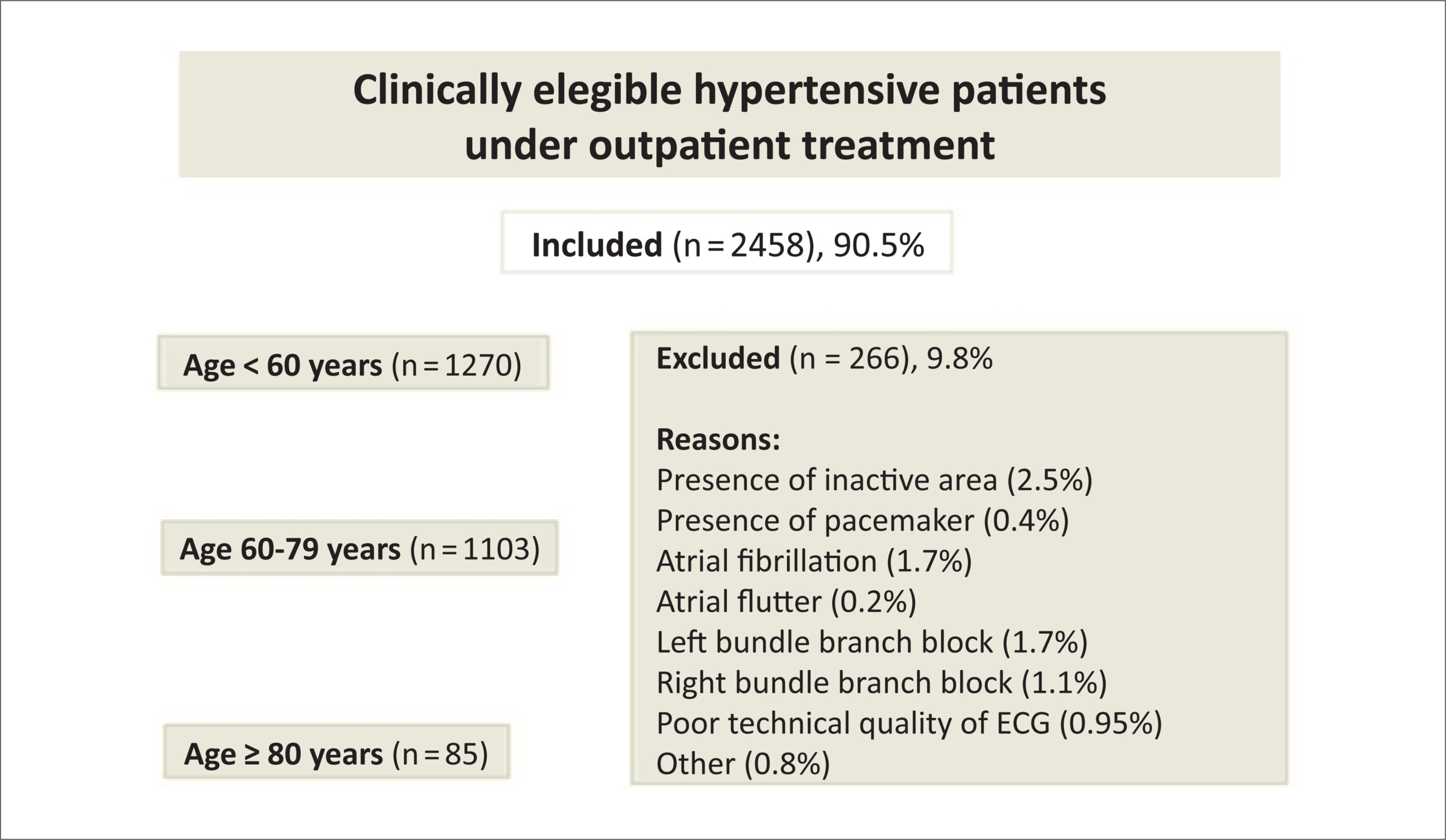
In a cohort of hypertensive patients, ECGs and doppler echocardiographies (ECHO) were performed and separated into three age groups: <60 years, Group I; 60-79 years Group II; and ≥80 years, Group III. The most used electrocardiographic criteria were applied for the diagnosis of LVH: Perugia; Pegaro-Lo Presti; Gubner-Ungerleider; Narita; (Rm+Sm) x duration; Cornell voltage; Cornell voltage duration; Sokolow-Lyon voltage; R of aVL ≥11 mm; RaVL duration. In evaluating the performance of these criteria, in addition to sensitivity (Sen) and specificity (Esp), the “Diagnostic Odds Ratios” (DOR) were analyzed. We considered p-value <0.05 for the analyses, with two-tailed tests.

Results:

In 2,458 patients, LVH was present by ECHO in 781 (31.7%). In Groups I and II, the best performances were for the criteria of Narita, Perugia, (Rm+Sm) x duration, with no statistical differences between them. In Group III (very elderly) the Perugia criteria and (Rm+Sm) x duration had the best performances: Perugia [44,7/89.3; (Sen/Esp)] and (Rm+Sm) duration [39.4%/91.3%; (Sen/Esp), p<0.05)], with the best PAIN results:6.8. This suggests that in this very elderly population, these criteria have greater discriminatory power to separate patients with LVH.

Conclusion:

In very elderly hypertensive patients, the Perugia electrocardiographic criteria and (Rm+Sm) x duration showed the best diagnostic performance for LVH.

  • Aged
  • Electrocardiography/methods
  • Heart Failure
  • Hypertension
  • Hypertrophy Left Ventricular
  • Myocardial Infarction
  • Stroke
Read Full Article
Creative Commons Attribution (CC BY) Creative Commons license
06/08/2021 DOI: 10.36660/abc.20200600 Views 1
Figure 1
ABC
Original Article

Accuracy of Post-thrombolysis ST-segment Reduction as an Adequate Reperfusion Predictor in the Pharmaco-Invasive Approach

Henrique Tria Bianco et al. Rui Povoa Maria Cristina Izar Braulio Luna Filho … Flavio Tocci Moreira Edson Stefanini Henrique Andrade Fonseca Adriano Henrique Pereira Barbosa Claudia Maria Rodrigues Alves Adriano Mendes Caixeta Iran Gonçalves Jr Pedro Ivo de Marqui Moraes Renato Delascio Lopes Angelo Amato Vincenzo de Paola Dirceu Almeida Valdir Ambrosio Moises Francisco A. H. Fonseca

Abstract

Background

Primary percutaneous coronary intervention is considered the “gold standard” for coronary reperfusion. However, when not available, the drug-invasive strategy is an alternative method and the electrocardiogram (ECG) has been used to identify reperfusion success.

Objectives

Our study aimed to assess ST-Segment changes in post-thrombolysis and their power to predict recanalization and using the angiographic scores TIMI-flow and Myocardial Blush Grade (MBG) as an ideal reperfusion criterion.

Methods

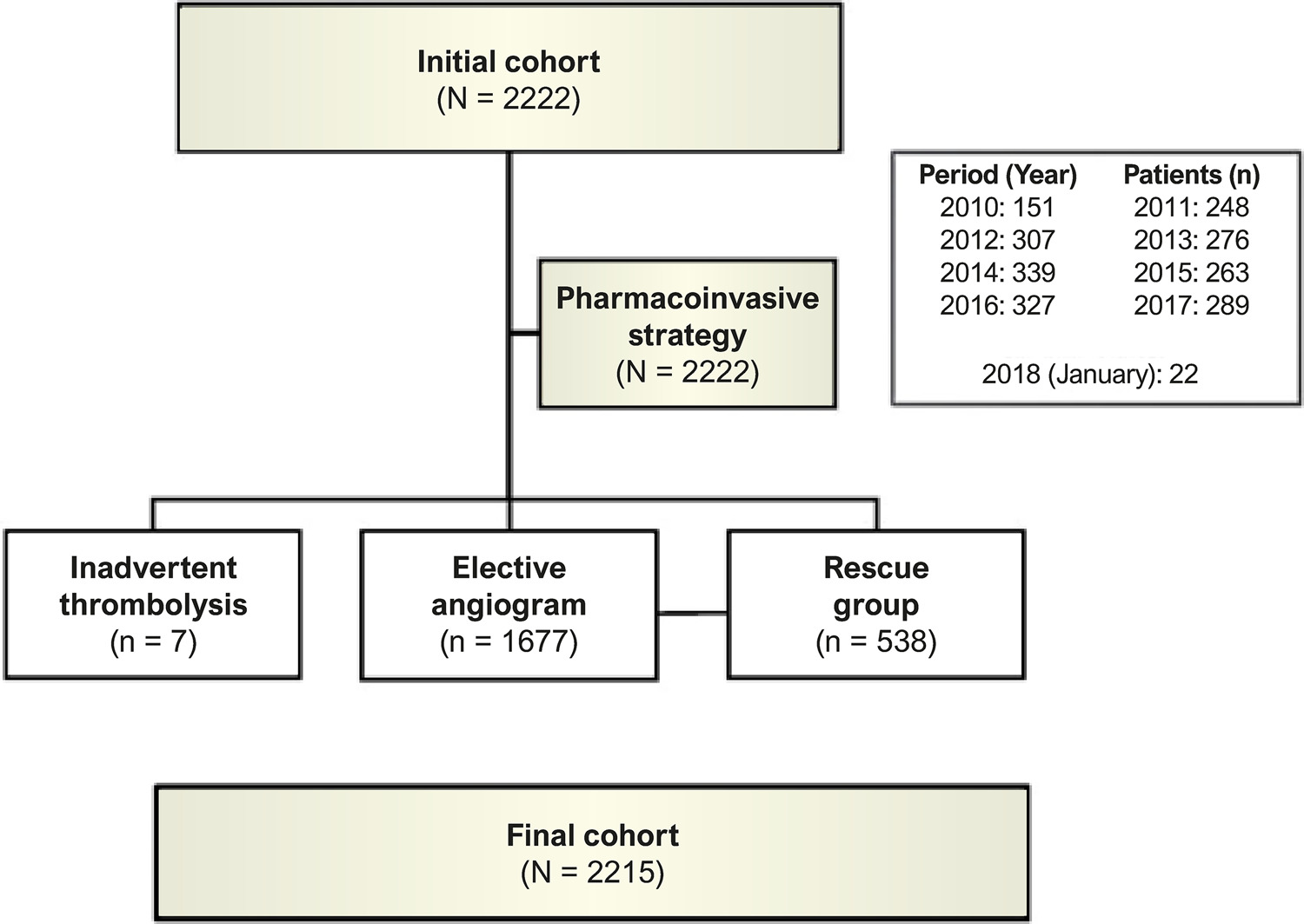
2,215 patients with ST-Segment Elevation Myocardial Infarction (STEMI) undergoing fibrinolysis [(Tenecteplase)-TNK] and referred to coronary angiography within 24 h post-fibrinolysis or immediately referred to rescue therapy were studied. The ECG was performed pre- and 60 min-post-TNK. The patients were categorized into 2 groups: those with ideal reperfusion (TIMI-3 and MBG-3) and those with inadequate reperfusion (TIMI and MBG 50%. A p-value <0.05 was considered for the analyses, with bicaudal tests.

Results

The ECG reperfusion criterion showed a positive predictive value of 56%; negative predictive value of 66%; sensitivity of 79%; and specificity of 40%. There was a weak positive correlation between ST-Segment reduction and ideal reperfusion angiographic data (r = 0.21; p <0.001) and low diagnostic accuracy, with an AUC of 0.60 (95%CI: 0.57-0.62).

Conclusion

The ST-Segment reduction was not able to accurately identify patients with adequate angiographic reperfusion. Therefore, even patients with apparently successful reperfusion should be referred to angiography soon, to ensure adequate macro and microvascular coronary flow.

  • Chest Pain
  • Coronary Angiography
  • Electrocardiography/methods
  • Myocardial Infarction
  • Myocardial Reperfusion
  • Percutaneous Coronary Intervention
  • Thrombolytic Therapy
Read Full Article
Creative Commons Attribution (CC BY) Creative Commons license
26/07/2021 DOI: 10.36660/abc.20200241 Views 2
Figure 1
ABC
Original Article

Reconnection Sites in Redo Ablation after Cryoballoon Pulmonary Vein Isolation in Patients with Paroxysmal Atrial Fibrillation

Rogelio Robledo Nolasco et al. Gerardo De Leon-Larios David Eduardo Bazzini-Carranza Elias Zavaleta Omar Calixto-Vargas

Abstract

Background

In paroxysmal atrial fibrillation (PAF), pulmonary vein isolation using cryoballoon (CB-PVI) has similar efficacy as radiofrequency ablation (RF-PVI) has. In redo ablation procedures following RF-PVI, PV reconnection is high, whereas in patients with redo following CB-PVI, information is scarce.

Objective

To determine the sites of PV reconnection in patients who underwent redo ablation after initial CB-PVI.

Methods

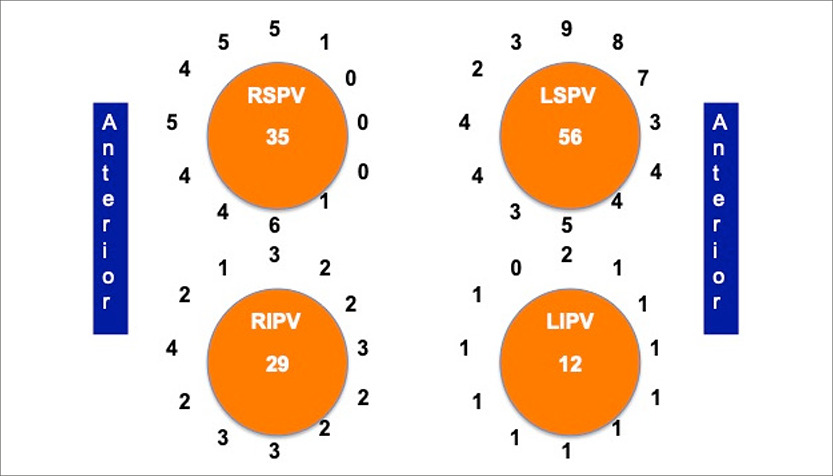
Patients who underwent an AF redo procedure, following an initial CB-PVI for PAF were included. LA electroanatomic mapping was used. A reconnection site was defined as the presence of a voltage of 0.3mV or greater in the PV and unidirectional or bidirectional conduction in the PV during sinus rhythm. Reconnections sites were identified using a clock-face view description and were ablated with radiofrequency afterwards.

Results

Out of the 165 patients who underwent initial PVI, 27 required redo ablations, of which 18 (66.6%) were males, with a mean age of 55+12.3 years. The time of recurrence was 8.9+6.4 months. PV reconnection was found in 21 (77.8%) patients. There was a total of 132 conduction gaps, six per patient, 3.6 per PV. A significant number of gaps were in the anterosuperior region of the left superior PV (LSPV), and in the septal and inferior regions of the right superior PV (RSPV).

Conclusions

The upper PVs had the most reconnection sites, mostly at the anterior region of the LSPV and the septal region of the RSPV. The reason behind this may be due to greater atrial wall thickness, and difficulty in achieving adequate cryoballoon contact.

  • Arrhythmias Cardiac
  • Atrial Fibrillation, Pulmonary Veins
  • Electrocardiography, Ambulatory
  • Electrocardiography/methods
  • Holter
  • Radio Waves
  • Tachycardia, Ectopic Atrial
Read Full Article
Creative Commons Attribution (CC BY) Creative Commons license
26/07/2021 DOI: 10.36660/abc.20190503
Figure 1
ABC
Original Article

Relationship between Late Gadolinium Enhancement and Ventricular Repolarization Parameters in Heart Failure Patients with Reduced Ejection Fraction

Ali Riza Demir et al. Omer Celik Songül Ustündağ Begum Uygur … Mustafa Umut Somuncu Emre Yilmaz Yalcin Avci Gokhan Demirci Serkan Kahraman Mehmet Erturk

Abstract

Background

Heart failure with reduced ejection fraction (HFrEF) is a highly prevalent disease that requires repeating hospitalizations, causes significant morbidity and mortality. Therefore, early recognition of poor outcome predictors is essential for patient management.

Objective

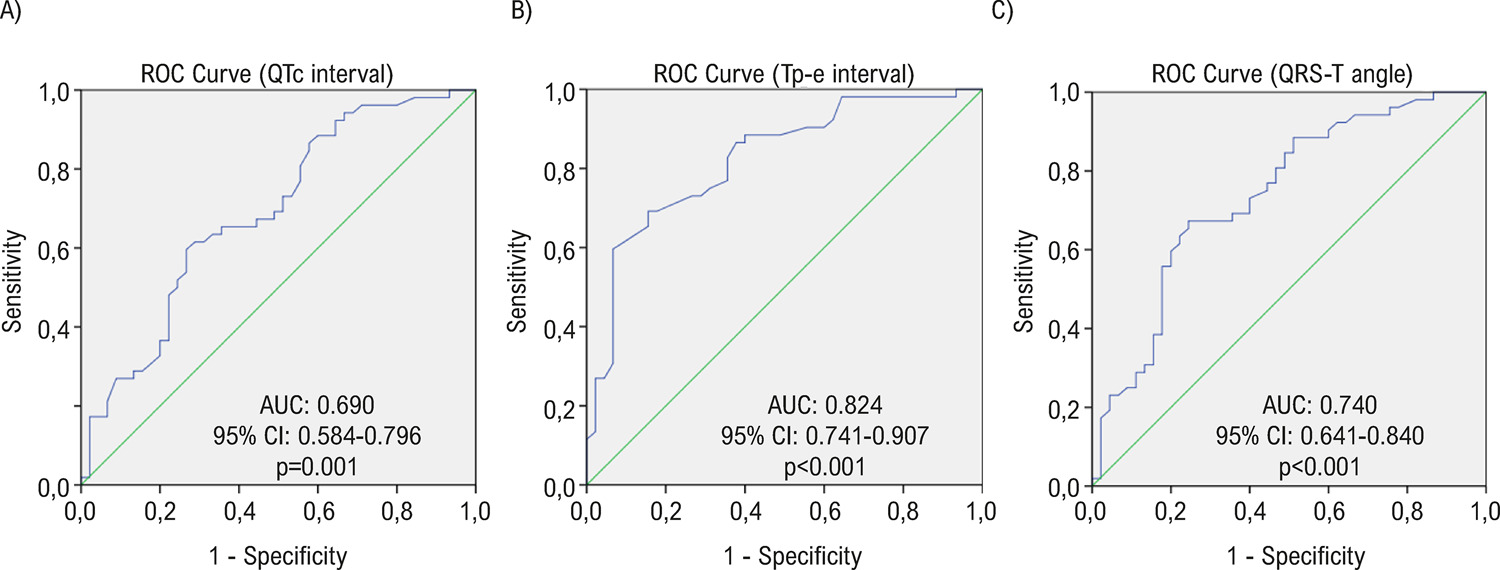
The aim of the present study is to investigate the relationship between late gadolinium enhancement (LGE) detected by cardiac magnetic resonance (CMR) and repolarization parameters such as corrected QT (QTc) interval, Tp-e interval, frontal QRS-T angle detected by 12 lead electrocardiograph (ECG) in HFrEF.

Method

In this single-center, retrospective observational study included 97 consecutive HFrEF patients who had CMR scan. Study population was divided into two groups according to the presence of LGE. Echocardiographic and CMR measurements and demographic features were recorded. QTc intervals, Tp-e intervals, frontal QRS-T angles were calculated from the ECG. A p-value less than 0.05 was considered statistically significant.

Results

LGE was detected in 52 (53.6%) out of 97 HFrEF patients. QTc intervals (p=0.001), Tp-e intervals (p<0.001), frontal QRS-T angles (p<0.001) were found to be significantly higher in LGE group when compared to non-LGE group. In univariate regression analysis which was performed to investigate the predictors of LGE in HFrEF, all three repolarization parameters were reached significant values but in multivariate analysis the only repolarization parameter remained significant was Tp-e interval (OR=1.085 95% CI 1.032-1.140, p=0.001).

Conclusion

With the prolongation of the Tp-e interval, the presence of myocardial fibrosis which is an arrhythmogenic substrate, can be predicted in patients with HFrEF.

  • Continuity of Patient Care/ethic
  • Diagnostic Imaging
  • Electrocardiography/methods
  • Gadolinium
  • Heart Failure
  • Magnetic Resonance Spectroscopy
  • Stroke Volume
Read Full Article
Creative Commons Attribution (CC BY) Creative Commons license
02/07/2021 DOI: 10.36660/abc.20200149

Could not load more articles. Please try again.

How to cite this article

EndNote RIS

Electronic Document Format (Vancouver)

Rassi DC, Freitas Jr. AF, Rassi S. The Importance of Characterizing Chest Pain in the Management of Unstable Angina. Arquivos Brasileiros de Cardiologia 2024;121(3):e20240168.

Electronic Document Format (ABNT)

Rassi, Daniela do Carmo; Freitas Jr., Aguinaldo Figueiredo; Rassi, Salvador. The Importance of Characterizing Chest Pain in the Management of Unstable Angina. Arquivos Brasileiros de Cardiologia, v. 121, n. 3, e20240168, May. 2024.

Electronic Document Format (APA)

Rassi, D. C., Freitas Jr., A. F., & Rassi, S. (2024). The Importance of Characterizing Chest Pain in the Management of Unstable Angina. Arquivos Brasileiros de Cardiologia, 121(3), e20240168.

Electronic Document Format (ISO)

Rassi, Daniela do Carmo and Freitas Jr., Aguinaldo Figueiredo and Rassi, Salvador. The Importance of Characterizing Chest Pain in the Management of Unstable Angina. Arquivos Brasileiros de Cardiologia [online]. 2024, vol. 121, n. 3, [cited 2026-10-14], e20240168. Available from: <https://journals.cardiol.br/en/article/the-importance-of-characterizing-chest-pain-in-the-management-of-unstable-angina/>. ISSN 0066-782X

EndNote RIS

Electronic Document Format (Vancouver)

Oliveira Filho FJ, Garcia LR, Mellucci Filho PL, Rodrigues LS, Bertanha M. Electrocardiography in the Pre-Operative Assessment of Low-Risk Patients: Current Evidence. Arquivos Brasileiros de Cardiologia 2024;121(1):e20230808.

Electronic Document Format (ABNT)

Oliveira Filho, Francisco José de; Garcia, Leonardo Rufino; Mellucci Filho, Pedro Luciano; Rodrigues, Lenize da Silva; Bertanha, Matheus. Electrocardiography in the Pre-Operative Assessment of Low-Risk Patients: Current Evidence. Arquivos Brasileiros de Cardiologia, v. 121, n. 1, e20230808, Mar. 2024.

Electronic Document Format (APA)

Oliveira Filho, F. J. , Garcia, L. R., Mellucci Filho, P. L., Rodrigues, L. S., & Bertanha, M. (2024). Electrocardiography in the Pre-Operative Assessment of Low-Risk Patients: Current Evidence. Arquivos Brasileiros de Cardiologia, 121(1), e20230808.

Electronic Document Format (ISO)

Oliveira Filho, Francisco José de and Garcia, Leonardo Rufino and Mellucci Filho, Pedro Luciano and Rodrigues, Lenize da Silva and Bertanha, Matheus. Electrocardiography in the Pre-Operative Assessment of Low-Risk Patients: Current Evidence. Arquivos Brasileiros de Cardiologia [online]. 2024, vol. 121, n. 1, [cited 2026-10-14], e20230808. Available from: <https://journals.cardiol.br/en/article/electrocardiography-in-the-pre-operative-assessment-of-low-risk-patients-current-evidence/>. ISSN 0066-782X

EndNote RIS

Electronic Document Format (Vancouver)

Temtem M, Monteiro JP, Serrão MG, Freitas D. Beat-to-Beat Alternating Bundle-Branch Block. Arquivos Brasileiros de Cardiologia 2024;120(12):e20230162.

Electronic Document Format (ABNT)

Temtem, Margarida; Monteiro, Joel Ponte; Serrão, Marco Gomes; Freitas, Drumond. Beat-to-Beat Alternating Bundle-Branch Block. Arquivos Brasileiros de Cardiologia, v. 120, n. 12, e20230162, Jan. 2024.

Electronic Document Format (APA)

Temtem, M., Monteiro, J. P., Serrão, M. G., & Freitas, D. (2024). Beat-to-Beat Alternating Bundle-Branch Block. Arquivos Brasileiros de Cardiologia, 120(12), e20230162.

Electronic Document Format (ISO)

Temtem, Margarida and Monteiro, Joel Ponte and Serrão, Marco Gomes and Freitas, Drumond. Beat-to-Beat Alternating Bundle-Branch Block. Arquivos Brasileiros de Cardiologia [online]. 2024, vol. 120, n. 12, [cited 2026-10-14], e20230162. Available from: <https://journals.cardiol.br/en/article/beat-to-beat-alternating-bundle-branch-block/>. ISSN 0066-782X

EndNote RIS

Electronic Document Format (Vancouver)

Sivri F, Icen YK, Koca H, Coşkun M, Ardınç M, Deniz O, Arici FN, et al. Selvester QRS Score is a Predictor of Mortality in Heart Failure with Preserved Ejection Fraction. Arquivos Brasileiros de Cardiologia 2023;120(9):e20230235.

Electronic Document Format (ABNT)

Sivri, Fatih; Icen, Yahya Kemal; Koca, Hasan; Coşkun, Mükremin; Ardınç, Mustafa; Deniz, Orshan; Arici, Fatih Necip; Koc, Mevlüt; Güngör, Hasan. Selvester QRS Score is a Predictor of Mortality in Heart Failure with Preserved Ejection Fraction. Arquivos Brasileiros de Cardiologia, v. 120, n. 9, e20230235, Oct. 2023.

Electronic Document Format (APA)

Sivri, F., Icen, Y. K., Koca, H., Coşkun, M., Ardınç, M., Deniz, O., Arici, F. N., Koc, M., & Güngör, H. (2023). Selvester QRS Score is a Predictor of Mortality in Heart Failure with Preserved Ejection Fraction. Arquivos Brasileiros de Cardiologia, 120(9), e20230235.

Electronic Document Format (ISO)

Sivri, Fatih and Icen, Yahya Kemal and Koca, Hasan and Coşkun, Mükremin and Ardınç, Mustafa and Deniz, Orshan and Arici, Fatih Necip and Koc, Mevlüt and Güngör, Hasan. Selvester QRS Score is a Predictor of Mortality in Heart Failure with Preserved Ejection Fraction. Arquivos Brasileiros de Cardiologia [online]. 2023, vol. 120, n. 9, [cited 2026-10-14], e20230235. Available from: <https://journals.cardiol.br/en/article/selvester-qrs-score-is-a-predictor-of-mortality-in-heart-failure-with-preserved-ejection-fraction/>. ISSN 0066-782X

EndNote RIS

Electronic Document Format (Vancouver)

Silva DLM, Bonatto RC, Bonatto CPP, Padovani CR, Fioretto JR. Electrocardiogram as Part of the Evaluation of Children and Adolescents Before Starting Physical Exercise. International Journal of Cardiovascular Sciences 2023;36:e20220052.

Electronic Document Format (ABNT)

Silva, Diego Lineker Marquetto; Bonatto, Rossano Cesar; Bonatto, Celia de Paula Pimenta; Padovani, Carlos Roberto; Fioretto, José Roberto. Electrocardiogram as Part of the Evaluation of Children and Adolescents Before Starting Physical Exercise. International Journal of Cardiovascular Sciences, v. 36, e20220052, Apr. 2023.

Electronic Document Format (APA)

Silva, D. L. M., Bonatto, R. C., Bonatto, C. P. P., Padovani, C. R., & Fioretto, J. R. (2023). Electrocardiogram as Part of the Evaluation of Children and Adolescents Before Starting Physical Exercise. International Journal of Cardiovascular Sciences, 36, e20220052.

Electronic Document Format (ISO)

Silva, Diego Lineker Marquetto and Bonatto, Rossano Cesar and Bonatto, Celia de Paula Pimenta and Padovani, Carlos Roberto and Fioretto, José Roberto. Electrocardiogram as Part of the Evaluation of Children and Adolescents Before Starting Physical Exercise. International Journal of Cardiovascular Sciences [online]. 2023, vol. 36, [cited 2026-10-14], e20220052. Available from: <https://journals.cardiol.br/en/article/electrocardiogram-as-part-of-the-evaluation-of-children-and-adolescents-before-starting-physical-exercise/>. ISSN 2359-4802

EndNote RIS

Electronic Document Format (Vancouver)

Lima-Conceição MR, Teixeira-Fonseca JL, Roman-Campos D. Chasing New Non-Invasive Parameters to Predict Atrial Fibrillation after Radiofrequency Catheter Ablation. Arquivos Brasileiros de Cardiologia 2023;120(3):e20230091.

Electronic Document Format (ABNT)

Lima-Conceição, Michael Ramon de; Teixeira-Fonseca, Jorge Lucas; Roman-Campos, Danilo. Chasing New Non-Invasive Parameters to Predict Atrial Fibrillation after Radiofrequency Catheter Ablation. Arquivos Brasileiros de Cardiologia, v. 120, n. 3, e20230091, Apr. 2023.

Electronic Document Format (APA)

Lima-Conceição, M. R. , Teixeira-Fonseca, J. L., & Roman-Campos, D. (2023). Chasing New Non-Invasive Parameters to Predict Atrial Fibrillation after Radiofrequency Catheter Ablation. Arquivos Brasileiros de Cardiologia, 120(3), e20230091.

Electronic Document Format (ISO)

Lima-Conceição, Michael Ramon de and Teixeira-Fonseca, Jorge Lucas and Roman-Campos, Danilo. Chasing New Non-Invasive Parameters to Predict Atrial Fibrillation after Radiofrequency Catheter Ablation. Arquivos Brasileiros de Cardiologia [online]. 2023, vol. 120, n. 3, [cited 2026-10-14], e20230091. Available from: <https://journals.cardiol.br/en/article/chasing-new-non-invasive-parameters-to-predict-atrial-fibrillation-after-radiofrequency-catheter-ablation/>. ISSN 0066-782X

EndNote RIS

Electronic Document Format (Vancouver)

Brito MR. The “Five Malignant Waves” of the Electrocardiography. Arquivos Brasileiros de Cardiologia 2023;120(3):e20220649.

Electronic Document Format (ABNT)

Brito, Mitermayer Reis. The “Five Malignant Waves” of the Electrocardiography. Arquivos Brasileiros de Cardiologia, v. 120, n. 3, e20220649, Feb. 2023.

Electronic Document Format (APA)

Brito, M. R. (2023). The “Five Malignant Waves” of the Electrocardiography. Arquivos Brasileiros de Cardiologia, 120(3), e20220649.

Electronic Document Format (ISO)

Brito, Mitermayer Reis. The “Five Malignant Waves” of the Electrocardiography. Arquivos Brasileiros de Cardiologia [online]. 2023, vol. 120, n. 3, [cited 2026-10-14], e20220649. Available from: <https://journals.cardiol.br/en/article/the-five-malignant-waves-of-the-electrocardiography/>. ISSN 0066-782X

EndNote RIS

Electronic Document Format (Vancouver)

Lim DYZ, Ho WHH, Wang L, Ang WK, Thiagarajan N, Sng GG, Wang H, et al. Wolff-Parkinson-White Presenting as QRS Alternans and Other Differential Diagnoses in a Large Pre-Participation ECG Screening Cohort. Arquivos Brasileiros de Cardiologia 2022;119(6):940-5.

Electronic Document Format (ABNT)

Lim, Daniel Y. Z.; Ho, Wilbert H. H.; Wang, Luokai; Ang, Wee Kiat; Thiagarajan, Nishanth; Sng, Gerald GR; Wang, Hankun; Loo, Wesley TW; Yang, Lim Huai; Chow, Weien; Chua, Terrance J; Yeo, Tee Joo; Lim, Paul; Chong, Thuan Tee Daniel. Wolff-Parkinson-White Presenting as QRS Alternans and Other Differential Diagnoses in a Large Pre-Participation ECG Screening Cohort. Arquivos Brasileiros de Cardiologia, v. 119, n. 6, p. 940-945, Nov. 2022.

Electronic Document Format (APA)

Lim, D. Y. Z., Ho, W. H. H., Wang, L., Ang, W. K., Thiagarajan, N., Sng, G. G., Wang, H., Loo, W. T., Yang, L. H., Chow, W., Chua, T. J., Yeo, T. J., Lim, P., & Chong, T. T. D. (2022). Wolff-Parkinson-White Presenting as QRS Alternans and Other Differential Diagnoses in a Large Pre-Participation ECG Screening Cohort. Arquivos Brasileiros de Cardiologia, 119(6), 940-945.

Electronic Document Format (ISO)

Lim, Daniel Y. Z. and Ho, Wilbert H. H. and Wang, Luokai and Ang, Wee Kiat and Thiagarajan, Nishanth and Sng, Gerald GR and Wang, Hankun and Loo, Wesley TW and Yang, Lim Huai and Chow, Weien and Chua, Terrance J and Yeo, Tee Joo and Lim, Paul and Chong, Thuan Tee Daniel. Wolff-Parkinson-White Presenting as QRS Alternans and Other Differential Diagnoses in a Large Pre-Participation ECG Screening Cohort. Arquivos Brasileiros de Cardiologia [online]. 2022, vol. 119, n. 6, [cited 2026-10-14], pp. 940-945. Available from: <https://journals.cardiol.br/en/article/wolff-parkinson-white-presenting-as-qrs-alternans-and-other-differential-diagnoses-in-a-large-pre-participation-ecg-screening-cohort/>. ISSN 0066-782X

EndNote RIS

Electronic Document Format (Vancouver)

Paixão GMM, Lima EM, Quadros AB, Cabral DPR, Coelho RR, Oliveira DM, Nascimento JS, et al. Association between Atrioventricular Block and Mortality in Primary Care Patients: The CODE Study. Arquivos Brasileiros de Cardiologia 2022;119(4):564-71.

Electronic Document Format (ABNT)

Paixão, Gabriela Miana de Mattos; Lima, Emilly M.; Quadros, André B.; Cabral, Daniel P. R.; Coelho, Renato R.; Oliveira, Derick M.; Nascimento, Jamil de Souza; Gomes, Paulo R.; Ribeiro, Antonio L.. Association between Atrioventricular Block and Mortality in Primary Care Patients: The CODE Study. Arquivos Brasileiros de Cardiologia, v. 119, n. 4, p. 564-571, Jul. 2022.

Electronic Document Format (APA)

Paixão, G. M. M., Lima, E. M., Quadros, A. B., Cabral, D. P. R., Coelho, R. R., Oliveira, D. M., Nascimento, J. S., Gomes, P. R., & Ribeiro, A. L. (2022). Association between Atrioventricular Block and Mortality in Primary Care Patients: The CODE Study. Arquivos Brasileiros de Cardiologia, 119(4), 564-571.

Electronic Document Format (ISO)

Paixão, Gabriela Miana de Mattos and Lima, Emilly M. and Quadros, André B. and Cabral, Daniel P. R. and Coelho, Renato R. and Oliveira, Derick M. and Nascimento, Jamil de Souza and Gomes, Paulo R. and Ribeiro, Antonio L.. Association between Atrioventricular Block and Mortality in Primary Care Patients: The CODE Study. Arquivos Brasileiros de Cardiologia [online]. 2022, vol. 119, n. 4, [cited 2026-10-14], pp. 564-571. Available from: <https://journals.cardiol.br/en/article/association-between-atrioventricular-block-and-mortality-in-primary-care-patients-the-code-study/>. ISSN 0066-782X

EndNote RIS

Electronic Document Format (Vancouver)

Fernandes FV, Bello JHSM, Shiozaki AA, Cury RC. Current Role of Cardiac Magnetic Resonance Imaging in Hypertrophic Cardiomyopathy. Arquivos Brasileiros de Cardiologia Imagem cardiovascular 2022;31(4):277-83.

Electronic Document Format (ABNT)

Fernandes, Fábio Vieira; Bello, Juliana Hiromi Silva Matsumoto; Shiozaki, Afonso Akio; Cury, Roberto Caldeira. Current Role of Cardiac Magnetic Resonance Imaging in Hypertrophic Cardiomyopathy. Arquivos Brasileiros de Cardiologia Imagem cardiovascular, v. 31, n. 4, p. 277-283, Feb. 2022.

Electronic Document Format (APA)

Fernandes, F. V., Bello, J. H. S. M., Shiozaki, A. A., & Cury, R. C. (2022). Current Role of Cardiac Magnetic Resonance Imaging in Hypertrophic Cardiomyopathy. Arquivos Brasileiros de Cardiologia Imagem cardiovascular, 31(4), 277-283.

Electronic Document Format (ISO)

Fernandes, Fábio Vieira and Bello, Juliana Hiromi Silva Matsumoto and Shiozaki, Afonso Akio and Cury, Roberto Caldeira. Current Role of Cardiac Magnetic Resonance Imaging in Hypertrophic Cardiomyopathy. Arquivos Brasileiros de Cardiologia Imagem cardiovascular [online]. 2022, vol. 31, n. 4, [cited 2026-10-14], pp. 277-283. Available from: <https://journals.cardiol.br/en/article/current-role-of-cardiac-magnetic-resonance-imaging-in-hypertrophic-cardiomyopathy/>. ISSN 2318-8219

EndNote RIS

Electronic Document Format (Vancouver)

Silva RC, Gottlieb I, Sá GA, Felix AS, Rawet DB, Paulino MR, Adriano EF, et al. Acute Myocardial Infarction Following Blunt Chest Trauma. Arquivos Brasileiros de Cardiologia Imagem cardiovascular 2022;31(4):284-8.

Electronic Document Format (ABNT)

Silva, Rafael Castro da; Gottlieb, Ilan; Sá, Gabriella Andrade de; Felix, Alex dos Santos; Rawet, Daniella Bastos; Paulino, Mariah Rodrigues; Adriano, Emanuelle Ferreira; Poffo, Milton Ricardo; Feijó, André Luiz da Fonseca. Acute Myocardial Infarction Following Blunt Chest Trauma. Arquivos Brasileiros de Cardiologia Imagem cardiovascular, v. 31, n. 4, p. 284-288, Feb. 2022.

Electronic Document Format (APA)

Silva, R. C. , Gottlieb, I., Sá, G. A. , Felix, A. S., Rawet, D. B., Paulino, M. R., Adriano, E. F., Poffo, M. R., & Feijó, A. L. F. (2022). Acute Myocardial Infarction Following Blunt Chest Trauma. Arquivos Brasileiros de Cardiologia Imagem cardiovascular, 31(4), 284-288.

Electronic Document Format (ISO)

Silva, Rafael Castro da and Gottlieb, Ilan and Sá, Gabriella Andrade de and Felix, Alex dos Santos and Rawet, Daniella Bastos and Paulino, Mariah Rodrigues and Adriano, Emanuelle Ferreira and Poffo, Milton Ricardo and Feijó, André Luiz da Fonseca. Acute Myocardial Infarction Following Blunt Chest Trauma. Arquivos Brasileiros de Cardiologia Imagem cardiovascular [online]. 2022, vol. 31, n. 4, [cited 2026-10-14], pp. 284-288. Available from: <https://journals.cardiol.br/en/article/acute-myocardial-infarction-following-blunt-chest-trauma/>. ISSN 2318-8219

EndNote RIS

Electronic Document Format (Vancouver)

Antunes MO, Arteaga-Fernández E, Mady C. Choice of Imaging Methods in Hypertrophic Cardiomyopathy. Arquivos Brasileiros de Cardiologia Imagem cardiovascular 2022;32(1):4-5.

Electronic Document Format (ABNT)

Antunes, Murillo de Oliveira; Arteaga-Fernández, Edmundo; Mady, Charles. Choice of Imaging Methods in Hypertrophic Cardiomyopathy. Arquivos Brasileiros de Cardiologia Imagem cardiovascular, v. 32, n. 1, p. 4-5, Jan. 2022.

Electronic Document Format (APA)

Antunes, M. O., Arteaga-Fernández, E., & Mady, C. (2022). Choice of Imaging Methods in Hypertrophic Cardiomyopathy. Arquivos Brasileiros de Cardiologia Imagem cardiovascular, 32(1), 4-5.

Electronic Document Format (ISO)

Antunes, Murillo de Oliveira and Arteaga-Fernández, Edmundo and Mady, Charles. Choice of Imaging Methods in Hypertrophic Cardiomyopathy. Arquivos Brasileiros de Cardiologia Imagem cardiovascular [online]. 2022, vol. 32, n. 1, [cited 2026-10-14], pp. 4-5. Available from: <https://journals.cardiol.br/en/article/choice-of-imaging-methods-in-hypertrophic-cardiomyopathy/>. ISSN 2318-8219

EndNote RIS

Electronic Document Format (Vancouver)

Cunha CLP. Electrocardiographic Diagnosis of Left Ventricular Hypertrophy. Arquivos Brasileiros de Cardiologia 2021;117(5):932-3.

Electronic Document Format (ABNT)

Cunha, Claudio Leinig Pereira da. Electrocardiographic Diagnosis of Left Ventricular Hypertrophy. Arquivos Brasileiros de Cardiologia, v. 117, n. 5, p. 932-933, Nov. 2021.

Electronic Document Format (APA)

Cunha, C. L. P. (2021). Electrocardiographic Diagnosis of Left Ventricular Hypertrophy. Arquivos Brasileiros de Cardiologia, 117(5), 932-933.

Electronic Document Format (ISO)

Cunha, Claudio Leinig Pereira da. Electrocardiographic Diagnosis of Left Ventricular Hypertrophy. Arquivos Brasileiros de Cardiologia [online]. 2021, vol. 117, n. 5, [cited 2026-10-14], pp. 932-933. Available from: <https://journals.cardiol.br/en/article/electrocardiographic-diagnosis-of-left-ventricular-hypertrophy/>. ISSN 0066-782X

EndNote RIS

Electronic Document Format (Vancouver)

Villacorta H. Cardiotrophin-1 in Patients with Acute Coronary Syndromes: Does it Have a Role?. International Journal of Cardiovascular Sciences 2021;34(5 Supl 1):22-3.

Electronic Document Format (ABNT)

Villacorta, Humberto. Cardiotrophin-1 in Patients with Acute Coronary Syndromes: Does it Have a Role?. International Journal of Cardiovascular Sciences, v. 34, n. 5 Supl 1, p. 22-23, Oct. 2021.

Electronic Document Format (APA)

Villacorta, H. (2021). Cardiotrophin-1 in Patients with Acute Coronary Syndromes: Does it Have a Role?. International Journal of Cardiovascular Sciences, 34(5 Supl 1), 22-23.

Electronic Document Format (ISO)

Villacorta, Humberto. Cardiotrophin-1 in Patients with Acute Coronary Syndromes: Does it Have a Role?. International Journal of Cardiovascular Sciences [online]. 2021, vol. 34, n. 5 Supl 1, [cited 2026-10-14], pp. 22-23. Available from: <https://journals.cardiol.br/en/article/cardiotrophin-1-in-patients-with-acute-coronary-syndromes-does-it-have-a-role/>. ISSN 2359-4802

EndNote RIS

Electronic Document Format (Vancouver)

Amado LC. Myocardial Scar and Ventricular Repolarization on the electrocardiogram: Insights from Cardiac Magnetic Resonance Imaging. Arquivos Brasileiros de Cardiologia 2021;117(4):688-9.

Electronic Document Format (ABNT)

Amado, Luciano C.. Myocardial Scar and Ventricular Repolarization on the electrocardiogram: Insights from Cardiac Magnetic Resonance Imaging. Arquivos Brasileiros de Cardiologia, v. 117, n. 4, p. 688-689, Oct. 2021.

Electronic Document Format (APA)

Amado, L. C. (2021). Myocardial Scar and Ventricular Repolarization on the electrocardiogram: Insights from Cardiac Magnetic Resonance Imaging. Arquivos Brasileiros de Cardiologia, 117(4), 688-689.

Electronic Document Format (ISO)

Amado, Luciano C.. Myocardial Scar and Ventricular Repolarization on the electrocardiogram: Insights from Cardiac Magnetic Resonance Imaging. Arquivos Brasileiros de Cardiologia [online]. 2021, vol. 117, n. 4, [cited 2026-10-14], pp. 688-689. Available from: <https://journals.cardiol.br/en/article/myocardial-scar-and-ventricular-repolarization-on-the-electrocardiogram-insights-from-cardiac-magnetic-resonance-imaging/>. ISSN 0066-782X

EndNote RIS

Electronic Document Format (Vancouver)

Santos JBF, Gottlieb I, Tassi EM, Camargo GC, Atié J, Xavier SS, Pedrosa RC, et al. Cardiac Fibrosis and Changes in Left Ventricle Function in Patients with Chronic Chagas Heart Disease. Arquivos Brasileiros de Cardiologia 2021;117(6):1081-90.

Electronic Document Format (ABNT)

Santos, João Bosco de Figueiredo; Gottlieb, Ilan; Tassi, Eduardo Marinho; Camargo, Gabriel Cordeiro; Atié, Jacob; Xavier, Sérgio Salles; Pedrosa, Roberto Coury; Saraiva, Roberto Magalhães. Cardiac Fibrosis and Changes in Left Ventricle Function in Patients with Chronic Chagas Heart Disease. Arquivos Brasileiros de Cardiologia, v. 117, n. 6, p. 1081-1090, Oct. 2021.

Electronic Document Format (APA)

Santos, J. B. F., Gottlieb, I., Tassi, E. M., Camargo, G. C., Atié, J., Xavier, S. S., Pedrosa, R. C., & Saraiva, R. M. (2021). Cardiac Fibrosis and Changes in Left Ventricle Function in Patients with Chronic Chagas Heart Disease. Arquivos Brasileiros de Cardiologia, 117(6), 1081-1090.

Electronic Document Format (ISO)

Santos, João Bosco de Figueiredo and Gottlieb, Ilan and Tassi, Eduardo Marinho and Camargo, Gabriel Cordeiro and Atié, Jacob and Xavier, Sérgio Salles and Pedrosa, Roberto Coury and Saraiva, Roberto Magalhães. Cardiac Fibrosis and Changes in Left Ventricle Function in Patients with Chronic Chagas Heart Disease. Arquivos Brasileiros de Cardiologia [online]. 2021, vol. 117, n. 6, [cited 2026-10-14], pp. 1081-1090. Available from: <https://journals.cardiol.br/en/article/cardiac-fibrosis-and-changes-in-left-ventricle-function-in-patients-with-chronic-chagas-heart-disease/>. ISSN 0066-782X

EndNote RIS

Electronic Document Format (Vancouver)

Santos IS, Lotufo PA, Brant L, Pinto Filho MM, Pereira AC, Barreto SM, Ribeiro AL, et al. Atrial Fibrillation Diagnosis using ECG Records and Self-Report in the Community: Cross-Sectional Analysis from ELSA-Brasil. Arquivos Brasileiros de Cardiologia 2021;117(3):426-34.

Electronic Document Format (ABNT)

Santos, Itamar S.; Lotufo, Paulo A.; Brant, Luisa; Pinto Filho, Marcelo M.; Pereira, Alexandre da Costa; Barreto, Sandhi Maria; Ribeiro, Antonio L.; Thomas, G Neil; Lip, Gregory Y. H.; Bensenor, Isabela M.. Atrial Fibrillation Diagnosis using ECG Records and Self-Report in the Community: Cross-Sectional Analysis from ELSA-Brasil. Arquivos Brasileiros de Cardiologia, v. 117, n. 3, p. 426-434, Sep. 2021.

Electronic Document Format (APA)

Santos, I. S., Lotufo, P. A., Brant, L., Pinto Filho, M. M., Pereira, A. C., Barreto, S. M., Ribeiro, A. L., Thomas, G. N., Lip, G. Y. H., & Bensenor, I. M. (2021). Atrial Fibrillation Diagnosis using ECG Records and Self-Report in the Community: Cross-Sectional Analysis from ELSA-Brasil. Arquivos Brasileiros de Cardiologia, 117(3), 426-434.

Electronic Document Format (ISO)

Santos, Itamar S. and Lotufo, Paulo A. and Brant, Luisa and Pinto Filho, Marcelo M. and Pereira, Alexandre da Costa and Barreto, Sandhi Maria and Ribeiro, Antonio L. and Thomas, G Neil and Lip, Gregory Y. H. and Bensenor, Isabela M.. Atrial Fibrillation Diagnosis using ECG Records and Self-Report in the Community: Cross-Sectional Analysis from ELSA-Brasil. Arquivos Brasileiros de Cardiologia [online]. 2021, vol. 117, n. 3, [cited 2026-10-14], pp. 426-434. Available from: <https://journals.cardiol.br/en/article/atrial-fibrillation-diagnosis-using-ecg-records-and-self-report-in-the-community-cross-sectional-analysis-from-elsa-brasil/>. ISSN 0066-782X

EndNote RIS

Electronic Document Format (Vancouver)

Rocha B, Aguiar C. NSTE-ACS at the Emergency: Can You Guess What is Under the Umbrella?. Arquivos Brasileiros de Cardiologia 2021;117(2):288-9.

Electronic Document Format (ABNT)

Rocha, Bruno; Aguiar, Carlos. NSTE-ACS at the Emergency: Can You Guess What is Under the Umbrella?. Arquivos Brasileiros de Cardiologia, v. 117, n. 2, p. 288-289, Sep. 2021.

Electronic Document Format (APA)

Rocha, B., & Aguiar, C. (2021). NSTE-ACS at the Emergency: Can You Guess What is Under the Umbrella?. Arquivos Brasileiros de Cardiologia, 117(2), 288-289.

Electronic Document Format (ISO)

Rocha, Bruno and Aguiar, Carlos. NSTE-ACS at the Emergency: Can You Guess What is Under the Umbrella?. Arquivos Brasileiros de Cardiologia [online]. 2021, vol. 117, n. 2, [cited 2026-10-14], pp. 288-289. Available from: <https://journals.cardiol.br/en/article/nste-acs-at-the-emergency-can-you-guess-what-is-under-the-umbrella/>. ISSN 0066-782X

EndNote RIS

Electronic Document Format (Vancouver)

Ragonetti C, Martinazzo EO, Fazionato FM, Ferreira GOG, Santana MP, Hartmann C. SARS-CoV-2 and Myocardical Injury with ST-Elevation without Coronary Disease. Arquivos Brasileiros de Cardiologia 2021;117(2):411-4.

Electronic Document Format (ABNT)

Ragonetti, Carolina; Martinazzo, Enzo Oku; Fazionato, Felipe Montesano; Ferreira, Guilherme Osório Guimarães; Santana, Milena Piccolo; Hartmann, Camila. SARS-CoV-2 and Myocardical Injury with ST-Elevation without Coronary Disease. Arquivos Brasileiros de Cardiologia, v. 117, n. 2, p. 411-414, Sep. 2021.

Electronic Document Format (APA)

Ragonetti, C., Martinazzo, E. O., Fazionato, F. M., Ferreira, G. O. G., Santana, M. P., & Hartmann, C. (2021). SARS-CoV-2 and Myocardical Injury with ST-Elevation without Coronary Disease. Arquivos Brasileiros de Cardiologia, 117(2), 411-414.

Electronic Document Format (ISO)

Ragonetti, Carolina and Martinazzo, Enzo Oku and Fazionato, Felipe Montesano and Ferreira, Guilherme Osório Guimarães and Santana, Milena Piccolo and Hartmann, Camila. SARS-CoV-2 and Myocardical Injury with ST-Elevation without Coronary Disease. Arquivos Brasileiros de Cardiologia [online]. 2021, vol. 117, n. 2, [cited 2026-10-14], pp. 411-414. Available from: <https://journals.cardiol.br/en/article/sars-cov-2-and-myocardical-injury-with-st-elevation-without-coronary-disease/>. ISSN 0066-782X

EndNote RIS

Electronic Document Format (Vancouver)

Militz MS, Inacio AS, Wagner HM, Wangenheim A, Forno ARJD, Moreira DM. Prevalence and Related Characteristics of Patients with Brugada Pattern Electrocardiogram in Santa Catarina, Brazil. Arquivos Brasileiros de Cardiologia 2021;117(2):343-9.

Electronic Document Format (ABNT)

Militz, Mariana Sarmento; Inacio, Andrei de Souza; Wagner, Harley Miguel; Wangenheim, Aldo von; Forno, Alexander Romeno Janner Dal; Moreira, Daniel Medeiros. Prevalence and Related Characteristics of Patients with Brugada Pattern Electrocardiogram in Santa Catarina, Brazil. Arquivos Brasileiros de Cardiologia, v. 117, n. 2, p. 343-349, Sep. 2021.

Electronic Document Format (APA)

Militz, M. S., Inacio, A. S., Wagner, H. M., Wangenheim, A. , Forno, A. R. J. D., & Moreira, D. M. (2021). Prevalence and Related Characteristics of Patients with Brugada Pattern Electrocardiogram in Santa Catarina, Brazil. Arquivos Brasileiros de Cardiologia, 117(2), 343-349.

Electronic Document Format (ISO)

Militz, Mariana Sarmento and Inacio, Andrei de Souza and Wagner, Harley Miguel and Wangenheim, Aldo von and Forno, Alexander Romeno Janner Dal and Moreira, Daniel Medeiros. Prevalence and Related Characteristics of Patients with Brugada Pattern Electrocardiogram in Santa Catarina, Brazil. Arquivos Brasileiros de Cardiologia [online]. 2021, vol. 117, n. 2, [cited 2026-10-14], pp. 343-349. Available from: <https://journals.cardiol.br/en/article/prevalence-and-related-characteristics-of-patients-with-brugada-pattern-electrocardiogram-in-santa-catarina-brazil/>. ISSN 0066-782X

EndNote RIS

Electronic Document Format (Vancouver)

Povoa FF, Luna Filho B, Bianco HT, Amodeo C, Povoa R, Bombig MTN, Miranda RD, et al. Performance of the Electrocardiogram in the Diagnosis of Left Ventricular Hypertrophy in Older and Very Older Hypertensive Patients. Arquivos Brasileiros de Cardiologia 2021;117(5):924-31.

Electronic Document Format (ABNT)

Povoa, Fernando Focaccia; Luna Filho, Braulio; Bianco, Henrique Tria; Amodeo, Celso; Povoa, Rui; Bombig, Maria Teresa Nogueira; Miranda, Roberto Dischinger; Fischer, Simone Matheus; Izar, Maria Cristina Oliveira; Fonseca, Francisco A. H.. Performance of the Electrocardiogram in the Diagnosis of Left Ventricular Hypertrophy in Older and Very Older Hypertensive Patients. Arquivos Brasileiros de Cardiologia, v. 117, n. 5, p. 924-931, Aug. 2021.

Electronic Document Format (APA)

Povoa, F. F., Luna Filho, B., Bianco, H. T., Amodeo, C., Povoa, R., Bombig, M. T. N., Miranda, R. D., Fischer, S. M., Izar, M. C. O., & Fonseca, F. A. H. (2021). Performance of the Electrocardiogram in the Diagnosis of Left Ventricular Hypertrophy in Older and Very Older Hypertensive Patients. Arquivos Brasileiros de Cardiologia, 117(5), 924-931.

Electronic Document Format (ISO)

Povoa, Fernando Focaccia and Luna Filho, Braulio and Bianco, Henrique Tria and Amodeo, Celso and Povoa, Rui and Bombig, Maria Teresa Nogueira and Miranda, Roberto Dischinger and Fischer, Simone Matheus and Izar, Maria Cristina Oliveira and Fonseca, Francisco A. H.. Performance of the Electrocardiogram in the Diagnosis of Left Ventricular Hypertrophy in Older and Very Older Hypertensive Patients. Arquivos Brasileiros de Cardiologia [online]. 2021, vol. 117, n. 5, [cited 2026-10-14], pp. 924-931. Available from: <https://journals.cardiol.br/en/article/performance-of-the-electrocardiogram-in-the-diagnosis-of-left-ventricular-hypertrophy-in-older-and-very-older-hypertensive-patients/>. ISSN 0066-782X

EndNote RIS

Electronic Document Format (Vancouver)

Bianco HT, Povoa R, Izar MC, Luna Filho B, Moreira FT, Stefanini E, Fonseca HA, et al. Accuracy of Post-thrombolysis ST-segment Reduction as an Adequate Reperfusion Predictor in the Pharmaco-Invasive Approach. Arquivos Brasileiros de Cardiologia 2021;117(1):15-2.

Electronic Document Format (ABNT)

Bianco, Henrique Tria; Povoa, Rui; Izar, Maria Cristina; Luna Filho, Braulio; Moreira, Flavio Tocci; Stefanini, Edson; Fonseca, Henrique Andrade; Barbosa, Adriano Henrique Pereira; Alves, Claudia Maria Rodrigues; Caixeta, Adriano Mendes; Gonçalves Jr, Iran; Moraes, Pedro Ivo de Marqui; Lopes, Renato Delascio; Paola, Angelo Amato Vincenzo de; Almeida, Dirceu; Moises, Valdir Ambrosio; Fonseca, Francisco A. H.. Accuracy of Post-thrombolysis ST-segment Reduction as an Adequate Reperfusion Predictor in the Pharmaco-Invasive Approach. Arquivos Brasileiros de Cardiologia, v. 117, n. 1, p. 15-25, Jul. 2021.

Electronic Document Format (APA)

Bianco, H. T., Povoa, R., Izar, M. C., Luna Filho, B., Moreira, F. T., Stefanini, E., Fonseca, H. A., Barbosa, A. H. P., Alves, C. M. R., Caixeta, A. M., Gonçalves Jr, I., Moraes, P. I. M., Lopes, R. D., Paola, A. A. V. , Almeida, D., Moises, V. A., & Fonseca, F. A. H. (2021). Accuracy of Post-thrombolysis ST-segment Reduction as an Adequate Reperfusion Predictor in the Pharmaco-Invasive Approach. Arquivos Brasileiros de Cardiologia, 117(1), 15-25.

Electronic Document Format (ISO)

Bianco, Henrique Tria and Povoa, Rui and Izar, Maria Cristina and Luna Filho, Braulio and Moreira, Flavio Tocci and Stefanini, Edson and Fonseca, Henrique Andrade and Barbosa, Adriano Henrique Pereira and Alves, Claudia Maria Rodrigues and Caixeta, Adriano Mendes and Gonçalves Jr, Iran and Moraes, Pedro Ivo de Marqui and Lopes, Renato Delascio and Paola, Angelo Amato Vincenzo de and Almeida, Dirceu and Moises, Valdir Ambrosio and Fonseca, Francisco A. H.. Accuracy of Post-thrombolysis ST-segment Reduction as an Adequate Reperfusion Predictor in the Pharmaco-Invasive Approach. Arquivos Brasileiros de Cardiologia [online]. 2021, vol. 117, n. 1, [cited 2026-10-14], pp. 15-25. Available from: <https://journals.cardiol.br/en/article/accuracy-of-post-thrombolysis-st-segment-reduction-as-an-adequate-reperfusion-predictor-in-the-pharmaco-invasive-approach/>. ISSN 0066-782X

EndNote RIS

Electronic Document Format (Vancouver)

Nolasco RR, Leon-Larios GD, Bazzini-Carranza DE, Zavaleta E, Calixto-Vargas O. Reconnection Sites in Redo Ablation after Cryoballoon Pulmonary Vein Isolation in Patients with Paroxysmal Atrial Fibrillation. Arquivos Brasileiros de Cardiologia 2021;117(1):100-5.

Electronic Document Format (ABNT)

Nolasco, Rogelio Robledo; Leon-Larios, Gerardo De; Bazzini-Carranza, David Eduardo; Zavaleta, Elias; Calixto-Vargas, Omar. Reconnection Sites in Redo Ablation after Cryoballoon Pulmonary Vein Isolation in Patients with Paroxysmal Atrial Fibrillation. Arquivos Brasileiros de Cardiologia, v. 117, n. 1, p. 100-105, Jul. 2021.

Electronic Document Format (APA)

Nolasco, R. R., Leon-Larios, G. D., Bazzini-Carranza, D. E., Zavaleta, E., & Calixto-Vargas, O. (2021). Reconnection Sites in Redo Ablation after Cryoballoon Pulmonary Vein Isolation in Patients with Paroxysmal Atrial Fibrillation. Arquivos Brasileiros de Cardiologia, 117(1), 100-105.

Electronic Document Format (ISO)

Nolasco, Rogelio Robledo and Leon-Larios, Gerardo De and Bazzini-Carranza, David Eduardo and Zavaleta, Elias and Calixto-Vargas, Omar. Reconnection Sites in Redo Ablation after Cryoballoon Pulmonary Vein Isolation in Patients with Paroxysmal Atrial Fibrillation. Arquivos Brasileiros de Cardiologia [online]. 2021, vol. 117, n. 1, [cited 2026-10-14], pp. 100-105. Available from: <https://journals.cardiol.br/en/article/reconnection-sites-in-redo-ablation-after-cryoballoon-pulmonary-vein-isolation-in-patients-with-paroxysmal-atrial-fibrillation/>. ISSN 0066-782X

EndNote RIS

Electronic Document Format (Vancouver)

Demir AR, Celik O, Ustündağ S, Uygur B, Somuncu MU, Yilmaz E, Avci Y, et al. Relationship between Late Gadolinium Enhancement and Ventricular Repolarization Parameters in Heart Failure Patients with Reduced Ejection Fraction. Arquivos Brasileiros de Cardiologia 2021;117(4):678-87.

Electronic Document Format (ABNT)

Demir, Ali Riza; Celik, Omer; Ustündağ, Songül; Uygur, Begum; Somuncu, Mustafa Umut; Yilmaz, Emre; Avci, Yalcin; Demirci, Gokhan; Kahraman, Serkan; Erturk, Mehmet. Relationship between Late Gadolinium Enhancement and Ventricular Repolarization Parameters in Heart Failure Patients with Reduced Ejection Fraction. Arquivos Brasileiros de Cardiologia, v. 117, n. 4, p. 678-687, Jul. 2021.

Electronic Document Format (APA)

Demir, A. R., Celik, O., Ustündağ, S., Uygur, B., Somuncu, M. U., Yilmaz, E., Avci, Y., Demirci, G., Kahraman, S., & Erturk, M. (2021). Relationship between Late Gadolinium Enhancement and Ventricular Repolarization Parameters in Heart Failure Patients with Reduced Ejection Fraction. Arquivos Brasileiros de Cardiologia, 117(4), 678-687.

Electronic Document Format (ISO)

Demir, Ali Riza and Celik, Omer and Ustündağ, Songül and Uygur, Begum and Somuncu, Mustafa Umut and Yilmaz, Emre and Avci, Yalcin and Demirci, Gokhan and Kahraman, Serkan and Erturk, Mehmet. Relationship between Late Gadolinium Enhancement and Ventricular Repolarization Parameters in Heart Failure Patients with Reduced Ejection Fraction. Arquivos Brasileiros de Cardiologia [online]. 2021, vol. 117, n. 4, [cited 2026-10-14], pp. 678-687. Available from: <https://journals.cardiol.br/en/article/relationship-between-late-gadolinium-enhancement-and-ventricular-repolarization-parameters-in-heart-failure-patients-with-reduced-ejection-fraction/>. ISSN 0066-782X

  • About ABC Family
  • Internal Regulation
  • Editorial Board
  • Brazilian Society of Cardiology (SBC)

Issues

SBC Guidelines

  • Videos
  • Podcasts
  • News