ABC Family Arquivos Brasileiros de Cardiologia International Journal of Cardiovascular Sciences ABC Heart Failure & Cardiomyopathy ABC Imagem Cardiovascular
Português English
ABC Family
Português English
  • About
    • About ABC Family
    • Internal Regulation
    • Editorial Board
    • Brazilian Society of Cardiology (SBC)
  • Issues
  • SBC Guidelines
  • Content
    • Videos
    • Podcasts
    • News
  • About
    • About ABC Family
    • Internal Regulation
    • Editorial Board
    • Brazilian Society of Cardiology (SBC)
  • Issues
  • SBC Guidelines
  • Content
    • Videos
    • Podcasts
    • News

ABC Family

  • ABC Family
  • Arquivos Brasileiros de Cardiologia
  • International Journal of Cardiovascular Sciences
  • ABC Heart Failure & Cardiomyopathy
  • ABC Imagem Cardiovascular
Search in

No content found.

Journals
Ordering
Article types
Others

  1. Home
  2. Keyword: Myocardial Stunning
Figure 1
ABC
Research Letter

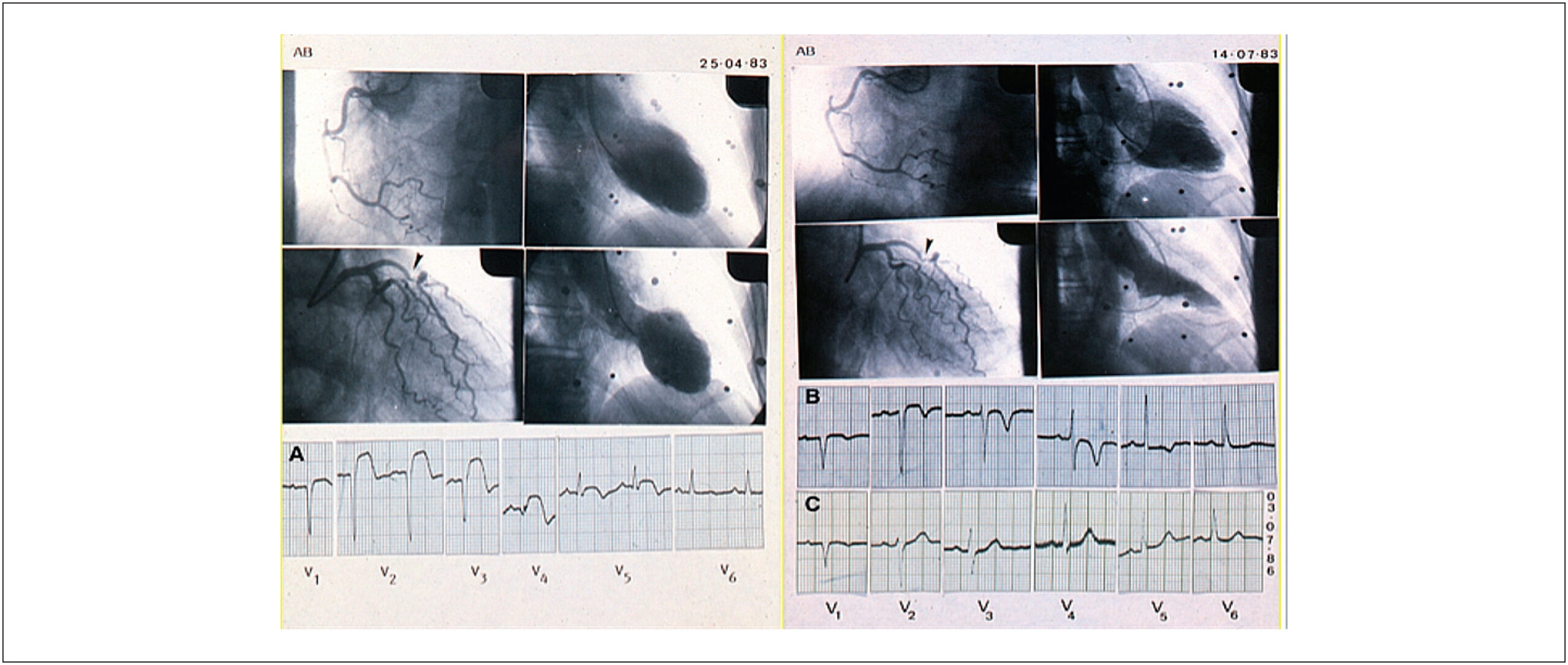
Interpreting Acute Myocardial Infarction 40 Years Later. Evolution of Knowledge: What is the Best Explanation?

Vitor Coutinho Andrade et al. Paulo Cury Rezende Whady Hueb José Antonio Franchini Ramires

Introduction

Plaque rupture and erosion are the most common immediate pathologies associated with acute myocardial infarction. However, other mechanisms must be considered. The reported case occurred at a time when percutaneous or pharmacological coronary revascularization were not the standard treatment, which sparked discussion about these other mechanisms, as well as the possible advantages associated with the myocardial revascularization procedures.

[…]

  • Coronary Vasoespasm
  • Diagnostic Imaging/methods
  • Dyslipidemias
  • Myocardial Infarction
  • Myocardial Stunning
Read Full Article
Creative Commons Attribution (CC BY) Creative Commons license
29/04/2024 DOI: 10.36660/abc.2023-0757i Views 1
What do Cardiologists Expect Towards Myocardial Viability Assessment
ABCIC
Review Article

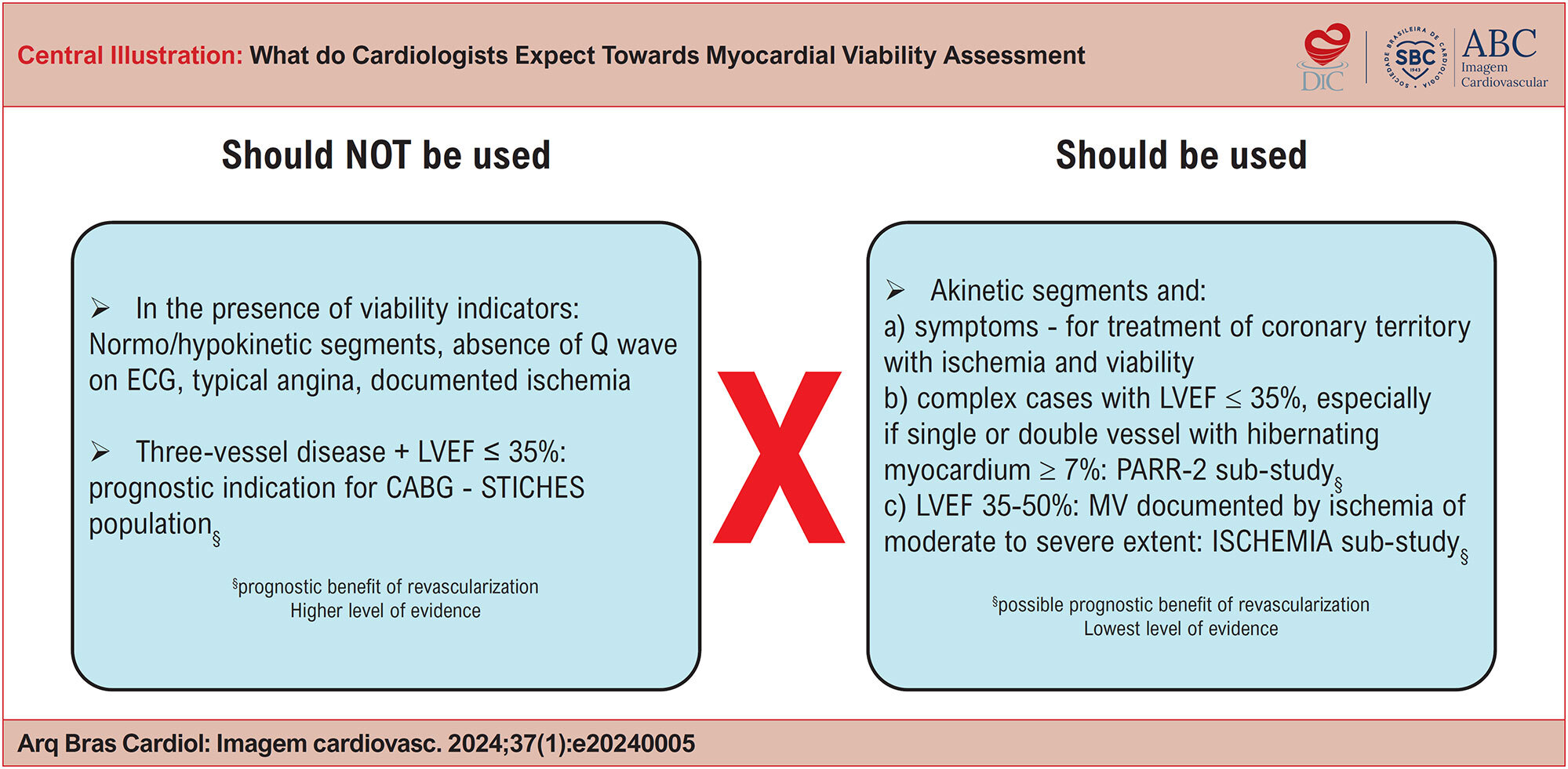
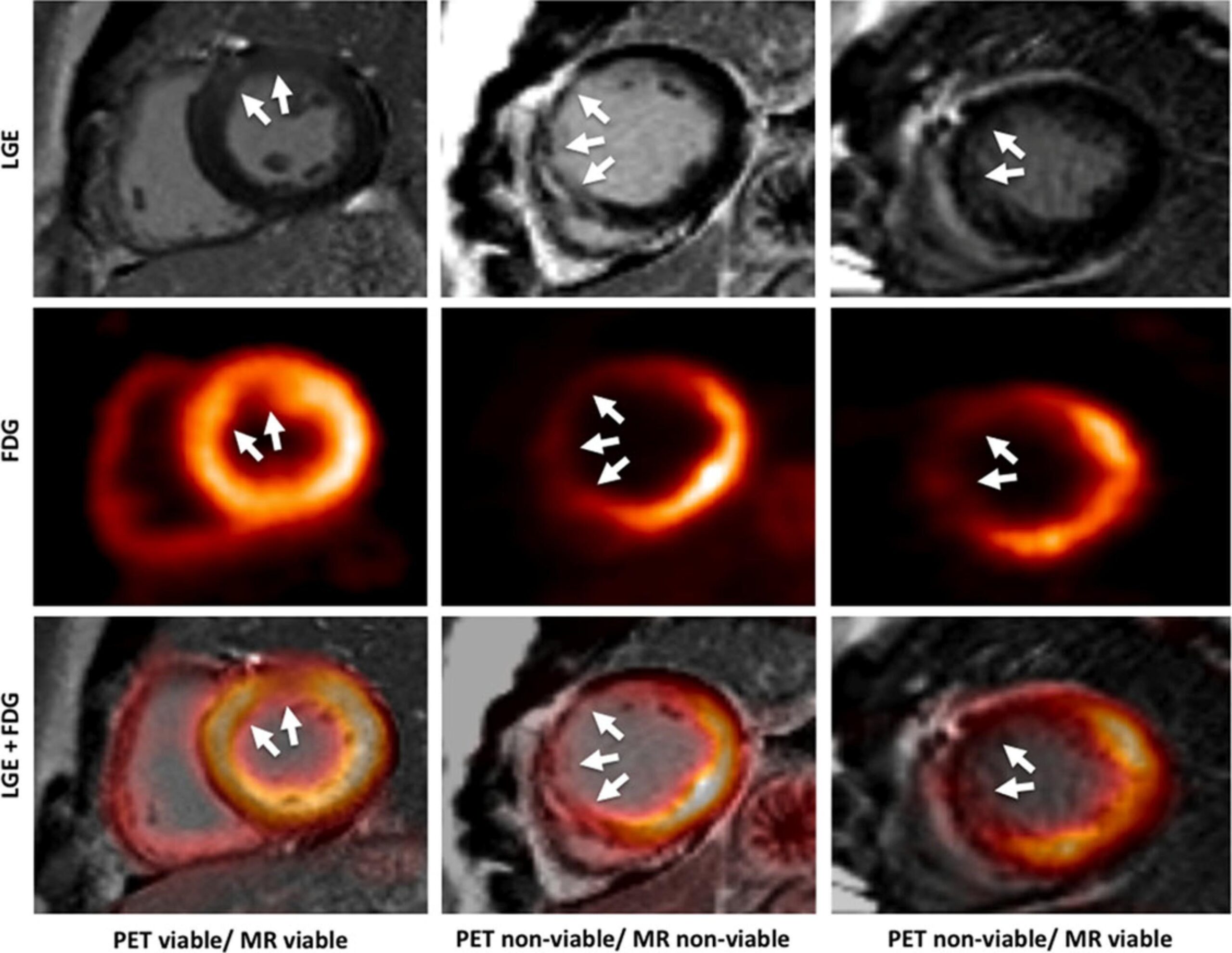
What do Cardiologists Expect Towards Myocardial Viability Assessment

Eduardo Gomes Lima et al. Eduardo Bello Martins Leticia Neves Solon Carvalho Diogo Freitas Cardoso de Azevedo

Within the clinical spectrum of chronic coronary syndrome (CCS), the presence of coronary artery disease (CAD) alongside ventricular dysfunction has long been a focal point due to the lower survival rates seen in this population. Improving survival in these patients, whether through medications or interventions, is a key concern for clinical cardiologists. Previous observational studies suggested that myocardial viability (MV) could influence the effectiveness of revascularization strategies in patients with ventricular dysfunction. Thus, viability assessment became a standard practice in cardiology. Different imaging methods assess viability through different parameters (such as cell membrane integrity, mitochondrial function, glycolytic metabolism, contractile reserve, or evidence of fibrosis), leading to differing sensitivities and specificities. However, recent evidence from large randomized studies does not support the notion that the presence of MV, as determined by various methods, is linked to the prognostic benefit of revascularization. Furthermore, the reduction in mortality observed in these studies was not attributed to the recovery of contractile function but rather to a decrease in fatal heart attacks. As a result, the current role of MV as a decision-making tool for revascularization in patients with CCS and left ventricular dysfunction has diminished. Nonetheless, there are still situations in specialist practice where its use may be warranted, particularly in the context of constructing a comprehensive functional revascularization strategy.

  • Left Ventricular Function
  • Myocardial Ischemia
  • Myocardial Stunning
Read Full Article
Creative Commons Attribution (CC BY) Creative Commons license
28/03/2024 DOI: 10.36660/abcimg.20240005i Views 2
Figure 1
IJCS
Editorial

What have we Learned about the Different COVID-19 Phenotypes in the Pediatric Population so Far?

Andressa Mussi Soares et al. Bernardo Mussi Soares

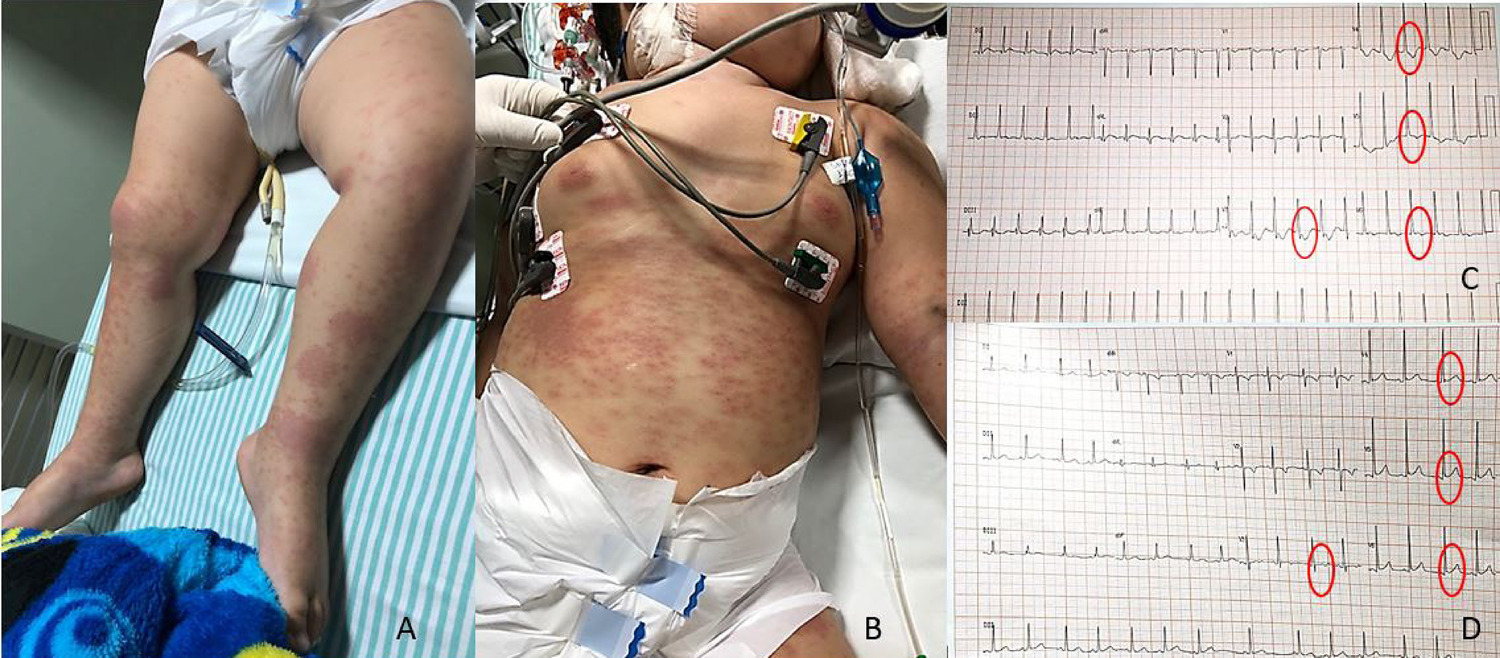
The understanding of SARS-CoV-2 related syndromes in the pediatric population needs to grow worldwide. In its severe presentation, COVID-19 is a systemic disease characterized by hyperinflammation, cytokine storm and increased myocardial injury markers. Cardiac involvement in seen in 20-30% of hospitalized adult patients and accounts for about 40% of deaths.

An intriguing aspect of the COVID-19 is the fact that most children and adolescents have mild or asymptomatic forms of the disease, perhaps related to a lower expression of virus receptors, recent exposure to other coronaviruses generating cross-protection, more developed innate immunity, among others. In fact, it is known that 40% of individuals under the age of 18 exposed to the virus get infected and that only 20-30% of children and adolescents infected with SARS-Cov-2 have symptoms.

[…]

  • Cardiomyopathies
  • Child
  • Coronavirus
  • COVID-19
  • Heart Failure
  • Kawasaki disease
  • Myocardial Stunning
  • Severe Acute Respiratory Syndrome
Read Full Article
Creative Commons Attribution (CC BY) Creative Commons license
15/09/2021 DOI: 10.36660/ijcs.20210198 Views 2
Figure 1
IJCS
Review Article

Reperfusion Strategies in Acute Myocardial Infarction: State of the Art

Fernando Oswaldo Dias Rangel

Abstract

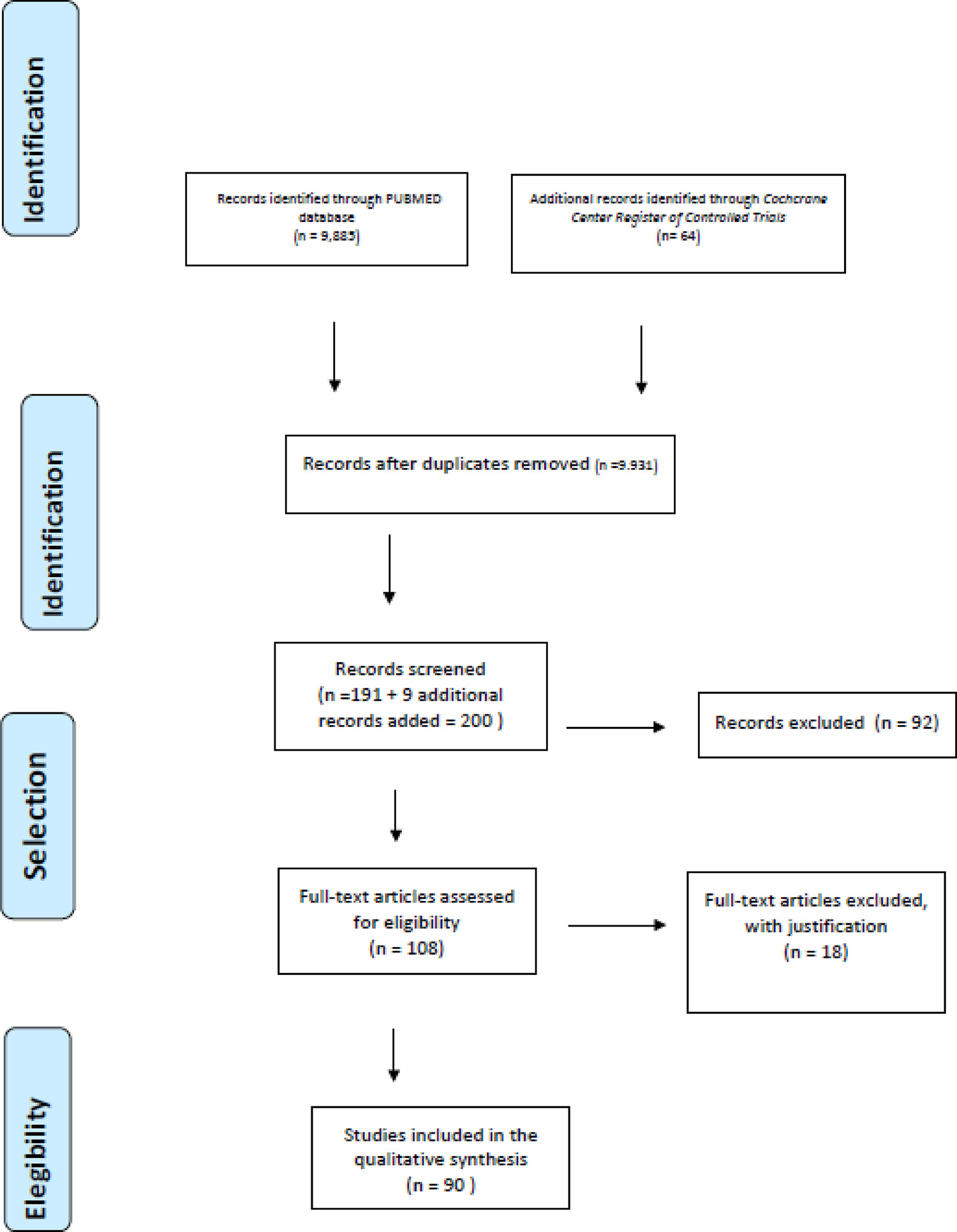
ST elevation myocardial infarction (STEMI) is a highly prevalent condition worldwide. Reperfusion therapy is strongly associated with the prognosis of STEMI and must be performed with a high standard of quality and without delay. A systematic review of different reperfusion strategies for STEMI was conducted, including randomized controlled trials that included major cardiovascular events (MACE), and systematic reviews in the last 5 years through the PRISMA ( Preferred Reporting Items for Systematic Reviews and Meta-Analysis) methodology. The research was done in the PubMed and Cochrane Central Register of Controlled Trials databases, in addition to a few manual searches. After the exclusion criteria were applied, 90 articles were selected for this review. Despite the reestablishment of IRA patency in PCI for STEMI, microvascular lesions occur in a significant proportion of these patients, which can compromise ventricular function and clinical course. Several therapeutic strategies – intracoronary administration of nicorandil, nitrates, melatonin, antioxidant drugs (quercetin, glutathione), anti-inflammatory substances (tocilizumab [an inhibitor of interleukin 6], inclacumab, P-selectin inhibitor), immunosuppressants (cyclosporine), erythropoietin and ischemic pre- and post-conditioning and stem cell therapy – have been tested to reduce reperfusion injury, ventricular remodeling and serious cardiovascular events, with heterogeneous results: These therapies need confirmation in larger studies to be implemented in clinical practice

  • Acute Myocardial Infarction/therapy
  • Morbidity and Mortality
  • Myocardial Reperfusion
  • Myocardial Stunning
  • Ventricular Remodeling
Read Full Article
Creative Commons Attribution (CC BY) Creative Commons license
09/06/2021 DOI: 10.36660/ijcs.20200226 Views 2
Figure 1
IJCS
Editorial

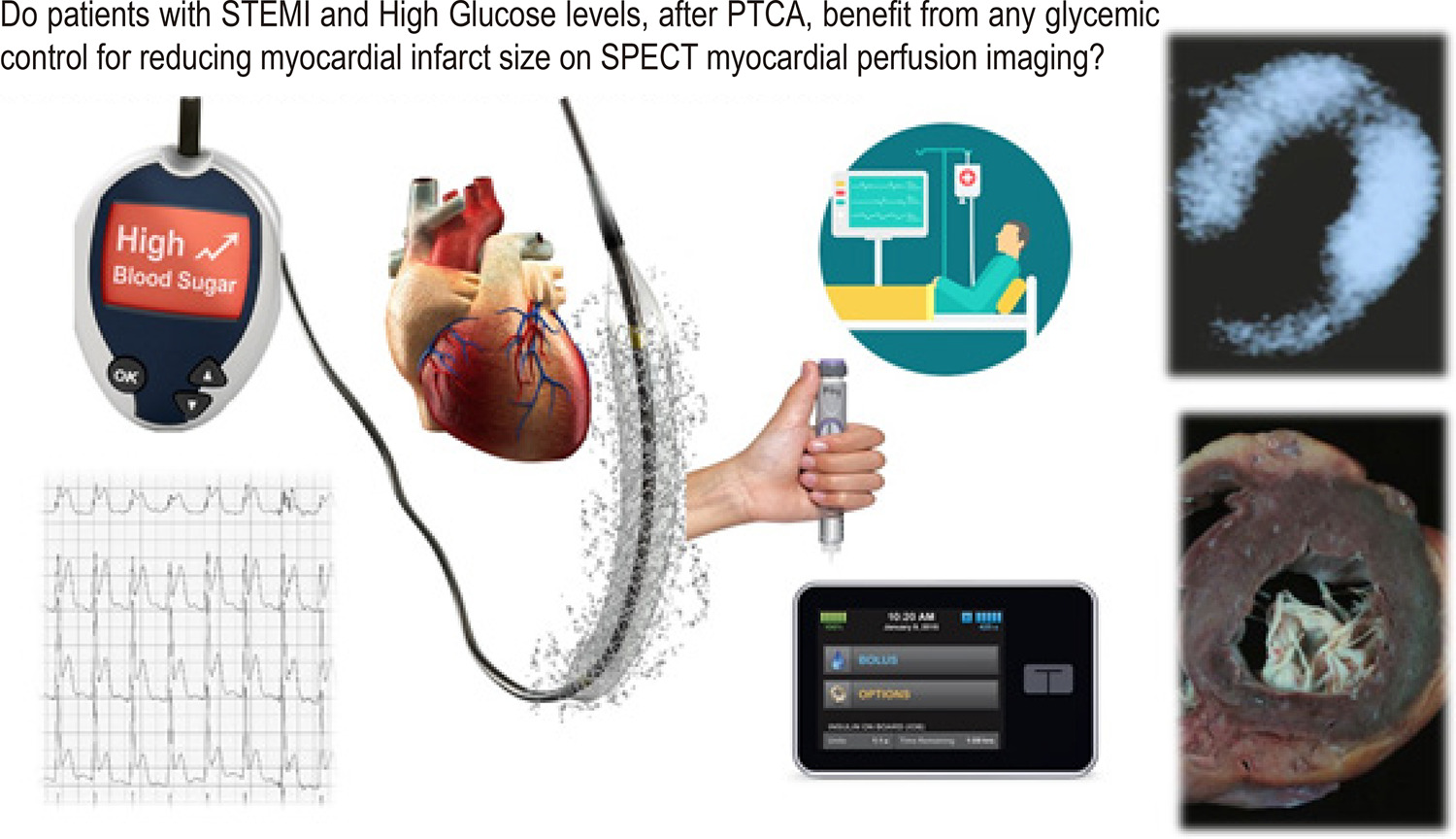
After a STEMI, is Less Sugar more Protective to Myocardium?

Rafael Willain Lopes et al. Alexandre Hohl

The infarct size reduction in acute myocardial infarction (AMI) has been studied for more than 50 years. Animal experiments were conducted in the 1970s, followed by the first clinical studies to reduce infarct size (IS), with fibrinolytic agents or with mechanical coronary angioplasty (PTCA). The clinical experience of coronary reperfusion indicated that left ventricle function was not normalized in 30% of the patients, and despite unblocking the epicardial vessel, demonstrated hemodynamically, there was no equivalent in myocardial perfusion. New concepts emerged such as reperfusion injury, microvascular dysfunction, “no-reflow” phenomenon, and stunned and hibernating myocardium, which became the focus of basic research and clinical investigation. To improve characterization, different technologies were used, such as contrast echocardiography, isotopic studies, including positron emission tomography, and magnetic resonance.

Cardioprotection (CP) aims to reduce IS and improve clinical outcomes. The translation of CP from preclinical and promising proof-of-concept studies to clinical benefit (CB) for patients has been quite unsatisfactory. Almost all these studies that did not translate into CB had infarct size reduction as the primary endpoint and used protocols selected to achieve IS reduction.

[…]

  • Angioplasty
  • Diagnostic Imaging
  • Fibrinolytic Agents
  • Myocardial Reperfusion
  • Myocardial Stunning
  • Percutaneous Coronary Intervention
  • ST Elevation Myocardial Infarction
  • Ventricular Dysfunction, Left
Read Full Article
Creative Commons Attribution (CC BY) Creative Commons license
09/10/2020 DOI: 10.36660/ijcs.20200173 Views 1
ABC
Editorial

Global Longitudinal Strain or Measurement of Ejection Fraction: Which Method is Better in Stratifying Patients with Heart Failure?

Filipe Ferrari et al. Willian Roberto Menegazzo

Heart failure (HF) is a complex syndrome that has a poor prognosis and a stigma of high mortality. The current prevalence estimated in the United States is six million cases, with a predicted incidence of another two million patients until 2030. Brazil, specifically, had more than 26 thousand deaths by HF in 2012 and approximately 230 thousand hospitalizations attributed to this disease.

The main HF symptoms include progressive dyspnea, fatigue, exercise intolerance, and signs of volume overload, reducing the functional capacity and quality of life of patients and greatly increasing the risk of morbidity and mortality. In this regard, a peak oxygen consumption (maxVO2), on average, approximately 50% lower is not uncommon in HF patients when compared to healthy individuals paired by variables such as age and gender. The cardiopulmonary exercise testing (CPET) is a method widely used and trusted in this scenario, with a consistent role in risk stratification of HF patients and various variables obtained with consolidated prognostic value. MaxVO2 is an important marker of one-year mortality, surpassing ejection fraction and pulmonary capillary wedge pressure, used as Class I to define candidates for heart transplantation. Other prognostic markers obtained from CPET that proved to be important in this population include the measurement of ventilatory efficiency through the VE/VCO2 slope, regular ventilation, oxygen uptake efficiency slope (OUES), heart rate recovery (HRR) in the first minute, chronotropic competence, and partial pressure of carbon dioxide at rest (PetCO2).,

[…]

  • Echocardiography/methods
  • Heart Failure
  • Myocardial Contraction
  • Myocardial Stunning
  • Stroke Volume: Strain
  • Systolic
Read Full Article
Creative Commons Attribution (CC BY) Creative Commons license
02/09/2019 DOI: 10.5935/abc.20190151 Views 1
Figure 1
IJCS
Review Article

Myocardial Viability: From PARR-2 to IMAGE HF – Current Evidence and Future Directions

Fernanda Erthal et al. Christiane Wiefels Steven Promislow Riina Kandolin … Ellamae Stadnick Lisa Mielniczuk Terrence Ruddy Gary Small Rob Beanlands

Abstract

Ischemic heart failure is a growing disease with high morbidity and mortality. Several studies suggest the benefit of viability imaging to assist revascularization decision, but there is controversy. Multiple imaging modalities can be used to accurately define hibernating myocardium; however, the best approach remains uncertain. This review will highlight current evidence and future directions of viability imaging assessment.

  • Heart Failure
  • Hybernating
  • Myocardial Stunning
  • Positron Emission Tomography-Computed Tomography
Read Full Article
Creative Commons Attribution (CC BY) Creative Commons license
01/01/2019 DOI: 10.5935/2359-4802.20180068 Views 1
ABC
Original Article

Atrial Strain and Strain Rate: A Novel Method for the Evaluation of Atrial Stunning

Hakan Ozkan et al. Suleyman Binici Erhan Tenekecioglu Hasan Ari Tahsin Bozat

Abstract

Background:

Atrial fibrillation (AF) is the most common arrhythmia seen in adults. Atrial stunning is defined as the temporary mechanical dysfunction of the atrial appendage developing after AF has returned to sinus rhythm (SR).

Objectives:

We aimed to evaluate atrial contractile functions by strain and strain rate in patients with AF, following pharmacological and electrical cardioversion and to compare it with conventional methods.

Methods:

This study included 41 patients with persistent AF and 35 age-matched control cases with SR. All the AF patients included in the study had transthoracic and transesophageal echocardiography performed before and after. Septum (SEPsSR), left atrium (LAsSR) and right atrium peak systolic strain rate (RAsSR) were defined as the maximum negative value during atrial contraction and septum (SEPε), left atrium (LAε) and right atrium peak systolic strain (RAε) was defined as the percentage of change. Parameters of two groups were compared.

Results:

In the AF group, 1st hour and 24th hour LAε, RAε, SEPε, LAsSR, RAsSR, SEPsSR found to be significantly lower than in the control group (LAε: 2.61%±0.13, 3.06%±0.19 vs 6.45%±0.27, p<0.0001; RAε: 4.03%±0.38, 4.50%±0.47 vs 10.12%±0.64, p<0.0001; SEPε: 3.0%±0.22, 3.19%±0.15 vs 6.23%±0.49, p<0.0001; LAsSR: 0.61±0.04s-1, 0.75±0.04s- 1 vs 1.35±0.04s-1, p<0.0001; RAsSR: 1.13±0.06s-1, 1.23±0.07s-1 vs 2.10±0.08s- 1, p<0.0001; SEPsSR: 0.76±0.04s- 1, 0.78±0.04s- 1 vs 1.42±0.06 s- 1, p<0.0001).

Conclusion:

Atrial strain and strain rate parameters are superior to conventional echocardiographic parameters for the evaluation of atrial stunning in AF cases where SR has been achieved.

  • Arrhythmia Cardiac
  • Atrial Fibrillation
  • Echocardiography, Transesophageal
  • Electric Cardioversion
  • Myocardial Stunning
Read Full Article
Creative Commons Attribution (CC BY) Creative Commons license
12/09/2016 DOI: 10.5935/abc.20160131 Views 2
Apical ballooning syndrome secondary to nasal decongestant abuse
ABC
Case Report

Apical ballooning syndrome secondary to nasal decongestant abuse

Ricardo Wang et al. Newton F. Stadler Souza Jose Augusto Ribas Fortes Gilmar Jorge dos Santos … Jose Rocha Faria Neto Lidia Zytinski

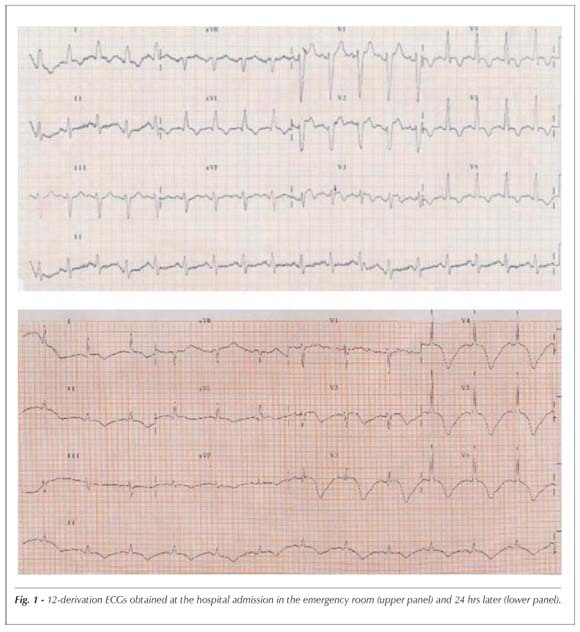
We describe a typical case of apical ballooning syndrome in an octogenarian female patient with left ventricular wall motion abnormality on electrocardiography, whose ventricular function returned to normal. The patient has allergic rhinitis and had used nasal decongestant excessively a few hours prior to the episode of pain.

  • Acute coronary syndrome
  • adrenergic agonists
  • Myocardial Infarction
  • Myocardial Stunning
Read Full Article
Creative Commons Attribution (CC BY) Creative Commons license
06/01/2010 DOI: 10.1590/S0066-782X2009001100022 Views 2
Viable myocardium scintigraphy with intravenous nitroglycerine by computed tomography with Tc-99m (MIBI)
ABC
Artigo Original

Viable myocardium scintigraphy with intravenous nitroglycerine by computed tomography with Tc-99m (MIBI)

José Ramos Filho et al. Marcos Welber Nascimento Rafael Mariano Gislon da Silva Thiago Negrini de Camargo … Roberto Simões de Almeida Eloá Jacinto Lima

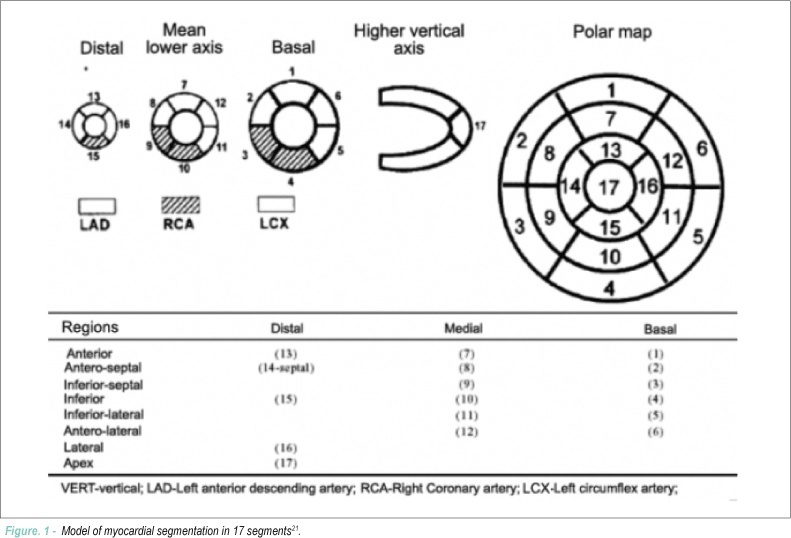
BACKGROUND: The selection of patients with chronic coronary disease for recanalization is based on the detection of the affected myocardium that is potentially viable. OBJECTIVE: To evaluate the potentially viable ischemic myocardium through single photon emission computed tomography (SPECT) with MIBI after a maximum tolerated dose of I.V. nitroglycerin. METHODS: We prospectively investigated by SPECT with Tc-99m (MIBI), from April 2004 to November 2005, 40 patients (mean age: 62 ± 8.9 yrs, 30 men) with coronary obstruction demonstrated angiographically; the myocardium scintigraphy was carried out at rest and after intravenous (I.V.) nitroglycerin, which was started at a dose of 1 µg/kg/min and increased every minute until the systolic blood pressure decreased by 20 mmHg. The decrease in the perfusion of the segments was classified as moderate or severe and compared after the nitroglycerin. The angiographic, hemodynamic and myocardial perfusion variables were analyzed. RESULTS: We analyzed 680 myocardial segments at rest: 538 with a homogenous distribution and 142 with hypoperfusion (54 with moderate and 88 with severe decrease). After the nitroglycerin, there was an increase in the perfusion in 19 (47.5%) of 40 patients and 55 of 142 segments became viable: 33 (61.1%) with moderate and 22 (25%) with severe decrease; both presented a significant increase in the radiotracer distribution (p < 0.001, Chi-square). CONCLUSION: One of the components with Tc-99m is Tc-99m 2-methoxy-isobutyl-isonitrile (MIBI), which, when used with an optimized dose of I.V. nitroglycerin, can increase the radiotracer uptake in areas with moderate and severe hypoperfusion. The results of the present study suggest the increase in the Tc-99m (MIBI) sensitivity by nitroglycerin for the detection of viable myocardium.

  • coronary atherosclerosis
  • Myocardial Reperfusion
  • Myocardial Stunning
  • nitroglycerin
Read Full Article
Creative Commons Attribution (CC BY) Creative Commons license
01/10/2008 DOI: 10.1590/S0066-782X2008001500003 Views 1
Transient left ventricular dysfunction due to stress-induced cardiomyopathy
ABC
Case Report

Transient left ventricular dysfunction due to stress-induced cardiomyopathy

Marcus Vinicius Simões et al. José Antonio Marin-Neto Minna Moreira Dias Romano João Lucas O’Connell … Giovani Luis de Santi Benedito Carlos Maciel

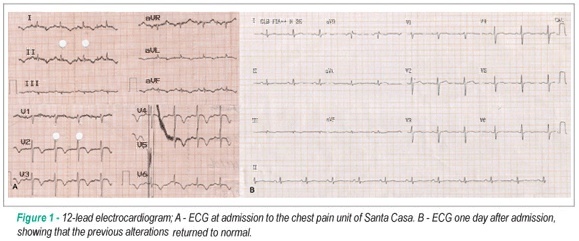
The case presented here is of a 71-yr-old female patient who met the diagnostic criteria for stress-induced cardiomyopathy, which was triggered by intense emotional stress after being hit by a bicycle. The clinical picture mimicked that of an acute myocardial infarction, manifesting as precordial pain, ST-segment depression followed by deep negative T waves and prolonging of the QT interval, slight increase in cardiac enzymes and coursing with transient apical ballooning of the left ventricle and hyperkinesis of the basal walls (conferring the aspect of “apical ballooning”), although in the absence of subepicardial coronary obstruction. Ventricular function normalized after the second week of clinical evolution.

  • Cardiomyopathies
  • Myocardial Stunning
  • ventricular disfunction, left
Read Full Article
Creative Commons Attribution (CC BY) Creative Commons license
18/04/2008 DOI: 10.1590/S0066-782X2007001600012 Views 2

How to cite this article

EndNote RIS

Electronic Document Format (Vancouver)

Andrade VC, Rezende PC, Hueb W, Ramires JAF. Interpreting Acute Myocardial Infarction 40 Years Later. Evolution of Knowledge: What is the Best Explanation?. Arquivos Brasileiros de Cardiologia 2024;121(3):e20230757.

Electronic Document Format (ABNT)

Andrade, Vitor Coutinho; Rezende, Paulo Cury; Hueb, Whady; Ramires, José Antonio Franchini. Interpreting Acute Myocardial Infarction 40 Years Later. Evolution of Knowledge: What is the Best Explanation?. Arquivos Brasileiros de Cardiologia, v. 121, n. 3, e20230757, Apr. 2024.

Electronic Document Format (APA)

Andrade, V. C., Rezende, P. C., Hueb, W., & Ramires, J. A. F. (2024). Interpreting Acute Myocardial Infarction 40 Years Later. Evolution of Knowledge: What is the Best Explanation?. Arquivos Brasileiros de Cardiologia, 121(3), e20230757.

Electronic Document Format (ISO)

Andrade, Vitor Coutinho and Rezende, Paulo Cury and Hueb, Whady and Ramires, José Antonio Franchini. Interpreting Acute Myocardial Infarction 40 Years Later. Evolution of Knowledge: What is the Best Explanation?. Arquivos Brasileiros de Cardiologia [online]. 2024, vol. 121, n. 3, [cited 2026-10-14], e20230757. Available from: <https://journals.cardiol.br/en/article/interpreting-acute-myocardial-infarction-40-years-later-evolution-of-knowledge-what-is-the-best-explanation/>. ISSN 0066-782X

EndNote RIS

Electronic Document Format (Vancouver)

Lima EG, Martins EB, Carvalho LNS, Azevedo DFC. What do Cardiologists Expect Towards Myocardial Viability Assessment. ABC Imagem Cardiovascular 2024;37(1):e20240005.

Electronic Document Format (ABNT)

Lima, Eduardo Gomes; Martins, Eduardo Bello; Carvalho, Leticia Neves Solon; Azevedo, Diogo Freitas Cardoso de. What do Cardiologists Expect Towards Myocardial Viability Assessment. ABC Imagem Cardiovascular, v. 37, n. 1, e20240005, Mar. 2024.

Electronic Document Format (APA)

Lima, E. G., Martins, E. B., Carvalho, L. N. S., & Azevedo, D. F. C. (2024). What do Cardiologists Expect Towards Myocardial Viability Assessment. ABC Imagem Cardiovascular, 37(1), e20240005.

Electronic Document Format (ISO)

Lima, Eduardo Gomes and Martins, Eduardo Bello and Carvalho, Leticia Neves Solon and Azevedo, Diogo Freitas Cardoso de. What do Cardiologists Expect Towards Myocardial Viability Assessment. ABC Imagem Cardiovascular [online]. 2024, vol. 37, n. 1, [cited 2026-10-14], e20240005. Available from: <https://journals.cardiol.br/en/article/what-do-cardiologists-expect-towards-myocardial-viability-assessment/>. ISSN 2318-8219

EndNote RIS

Electronic Document Format (Vancouver)

Soares AM, Soares BM. What have we Learned about the Different COVID-19 Phenotypes in the Pediatric Population so Far?. International Journal of Cardiovascular Sciences 2021;34(5):570-4.

Electronic Document Format (ABNT)

Soares, Andressa Mussi; Soares, Bernardo Mussi. What have we Learned about the Different COVID-19 Phenotypes in the Pediatric Population so Far?. International Journal of Cardiovascular Sciences, v. 34, n. 5, p. 570-574, Sep. 2021.

Electronic Document Format (APA)

Soares, A. M., & Soares, B. M. (2021). What have we Learned about the Different COVID-19 Phenotypes in the Pediatric Population so Far?. International Journal of Cardiovascular Sciences, 34(5), 570-574.

Electronic Document Format (ISO)

Soares, Andressa Mussi and Soares, Bernardo Mussi. What have we Learned about the Different COVID-19 Phenotypes in the Pediatric Population so Far?. International Journal of Cardiovascular Sciences [online]. 2021, vol. 34, n. 5, [cited 2026-10-14], pp. 570-574. Available from: <https://journals.cardiol.br/en/article/what-have-we-learned-about-the-different-covid-19-phenotypes-in-the-pediatric-population-so-far/>. ISSN 2359-4802

EndNote RIS

Electronic Document Format (Vancouver)

Rangel FOD. Reperfusion Strategies in Acute Myocardial Infarction: State of the Art. International Journal of Cardiovascular Sciences 2021;35(1):113-22.

Electronic Document Format (ABNT)

Rangel, Fernando Oswaldo Dias. Reperfusion Strategies in Acute Myocardial Infarction: State of the Art. International Journal of Cardiovascular Sciences, v. 35, n. 1, p. 113-122, Jun. 2021.

Electronic Document Format (APA)

Rangel, F. O. D. (2021). Reperfusion Strategies in Acute Myocardial Infarction: State of the Art. International Journal of Cardiovascular Sciences, 35(1), 113-122.

Electronic Document Format (ISO)

Rangel, Fernando Oswaldo Dias. Reperfusion Strategies in Acute Myocardial Infarction: State of the Art. International Journal of Cardiovascular Sciences [online]. 2021, vol. 35, n. 1, [cited 2026-10-14], pp. 113-122. Available from: <https://journals.cardiol.br/en/article/reperfusion-strategies-in-acute-myocardial-infarction-state-of-the-art/>. ISSN 2359-4802

EndNote RIS

Electronic Document Format (Vancouver)

Lopes RW, Hohl A. After a STEMI, is Less Sugar more Protective to Myocardium?. International Journal of Cardiovascular Sciences 2020;33(5):506-8.

Electronic Document Format (ABNT)

Lopes, Rafael Willain; Hohl, Alexandre. After a STEMI, is Less Sugar more Protective to Myocardium?. International Journal of Cardiovascular Sciences, v. 33, n. 5, p. 506-508, Oct. 2020.

Electronic Document Format (APA)

Lopes, R. W., & Hohl, A. (2020). After a STEMI, is Less Sugar more Protective to Myocardium?. International Journal of Cardiovascular Sciences, 33(5), 506-508.

Electronic Document Format (ISO)

Lopes, Rafael Willain and Hohl, Alexandre. After a STEMI, is Less Sugar more Protective to Myocardium?. International Journal of Cardiovascular Sciences [online]. 2020, vol. 33, n. 5, [cited 2026-10-14], pp. 506-508. Available from: <https://journals.cardiol.br/en/article/after-a-stemi-is-less-sugar-more-protective-to-myocardium/>. ISSN 2359-4802

EndNote RIS

Electronic Document Format (Vancouver)

Ferrari F, Menegazzo WR. Global Longitudinal Strain or Measurement of Ejection Fraction: Which Method is Better in Stratifying Patients with Heart Failure?. Arquivos Brasileiros de Cardiologia 2019;113(2):195-6.

Electronic Document Format (ABNT)

Ferrari, Filipe; Menegazzo, Willian Roberto. Global Longitudinal Strain or Measurement of Ejection Fraction: Which Method is Better in Stratifying Patients with Heart Failure?. Arquivos Brasileiros de Cardiologia, v. 113, n. 2, p. 195-196, Sep. 2019.

Electronic Document Format (APA)

Ferrari, F., & Menegazzo, W. R. (2019). Global Longitudinal Strain or Measurement of Ejection Fraction: Which Method is Better in Stratifying Patients with Heart Failure?. Arquivos Brasileiros de Cardiologia, 113(2), 195-196.

Electronic Document Format (ISO)

Ferrari, Filipe and Menegazzo, Willian Roberto. Global Longitudinal Strain or Measurement of Ejection Fraction: Which Method is Better in Stratifying Patients with Heart Failure?. Arquivos Brasileiros de Cardiologia [online]. 2019, vol. 113, n. 2, [cited 2026-10-14], pp. 195-196. Available from: <https://journals.cardiol.br/en/article/global-longitudinal-strain-or-measurement-of-ejection-fraction-which-method-is-better-in-stratifying-patients-with-heart-failure/>. ISSN 0066-782X

EndNote RIS

Electronic Document Format (Vancouver)

Erthal F, Wiefels C, Promislow S, Kandolin R, Stadnick E, Mielniczuk L, Ruddy T, et al. Myocardial Viability: From PARR-2 to IMAGE HF – Current Evidence and Future Directions. International Journal of Cardiovascular Sciences 2019;32(1):70-83.

Electronic Document Format (ABNT)

Erthal, Fernanda; Wiefels, Christiane; Promislow, Steven; Kandolin, Riina; Stadnick, Ellamae; Mielniczuk, Lisa; Ruddy, Terrence; Small, Gary; Beanlands, Rob. Myocardial Viability: From PARR-2 to IMAGE HF – Current Evidence and Future Directions. International Journal of Cardiovascular Sciences, v. 32, n. 1, p. 70-83, Dec. 2018.

Electronic Document Format (APA)

Erthal, F., Wiefels, C., Promislow, S., Kandolin, R., Stadnick, E., Mielniczuk, L., Ruddy, T., Small, G., & Beanlands, R. (2019). Myocardial Viability: From PARR-2 to IMAGE HF – Current Evidence and Future Directions. International Journal of Cardiovascular Sciences, 32(1), 70-83.

Electronic Document Format (ISO)

Erthal, Fernanda and Wiefels, Christiane and Promislow, Steven and Kandolin, Riina and Stadnick, Ellamae and Mielniczuk, Lisa and Ruddy, Terrence and Small, Gary and Beanlands, Rob. Myocardial Viability: From PARR-2 to IMAGE HF – Current Evidence and Future Directions. International Journal of Cardiovascular Sciences [online]. 2019, vol. 32, n. 1, [cited 2026-10-14], pp. 70-83. Available from: <https://journals.cardiol.br/en/article/myocardial-viability-from-parr-2-to-image-hf-current-evidence-and-future-directions/>. ISSN 2359-4802

EndNote RIS

Electronic Document Format (Vancouver)

Ozkan H, Binici S, Tenekecioglu E, Ari H, Bozat T. Atrial Strain and Strain Rate: A Novel Method for the Evaluation of Atrial Stunning. Arquivos Brasileiros de Cardiologia 2016;107(4):305-13.

Electronic Document Format (ABNT)

Ozkan, Hakan; Binici, Suleyman; Tenekecioglu, Erhan; Ari, Hasan; Bozat, Tahsin. Atrial Strain and Strain Rate: A Novel Method for the Evaluation of Atrial Stunning. Arquivos Brasileiros de Cardiologia, v. 107, n. 4, p. 305-313, Sep. 2016.

Electronic Document Format (APA)

Ozkan, H., Binici, S., Tenekecioglu, E., Ari, H., & Bozat, T. (2016). Atrial Strain and Strain Rate: A Novel Method for the Evaluation of Atrial Stunning. Arquivos Brasileiros de Cardiologia, 107(4), 305-313.

Electronic Document Format (ISO)

Ozkan, Hakan and Binici, Suleyman and Tenekecioglu, Erhan and Ari, Hasan and Bozat, Tahsin. Atrial Strain and Strain Rate: A Novel Method for the Evaluation of Atrial Stunning. Arquivos Brasileiros de Cardiologia [online]. 2016, vol. 107, n. 4, [cited 2026-10-14], pp. 305-313. Available from: <https://journals.cardiol.br/en/article/atrial-strain-and-strain-rate-a-novel-method-for-the-evaluation-of-atrial-stunning/>. ISSN 0066-782X

EndNote RIS

Electronic Document Format (Vancouver)

Wang R, Souza NFS, Fortes JAR, Santos GJ, Faria Neto JR, Zytinski L. Apical ballooning syndrome secondary to nasal decongestant abuse. Arquivos Brasileiros de Cardiologia 2010;93(5):e75-8.

Electronic Document Format (ABNT)

Wang, Ricardo; Souza, Newton F. Stadler; Fortes, Jose Augusto Ribas; Santos, Gilmar Jorge dos; Faria Neto, Jose Rocha; Zytinski, Lidia. Apical ballooning syndrome secondary to nasal decongestant abuse. Arquivos Brasileiros de Cardiologia, v. 93, n. 5, p. e75-e78, Jan. 2010.

Electronic Document Format (APA)

Wang, R., Souza, N. F. S., Fortes, J. A. R., Santos, G. J. , Faria Neto, J. R., & Zytinski, L. (2010). Apical ballooning syndrome secondary to nasal decongestant abuse. Arquivos Brasileiros de Cardiologia, 93(5), e75-e78.

Electronic Document Format (ISO)

Wang, Ricardo and Souza, Newton F. Stadler and Fortes, Jose Augusto Ribas and Santos, Gilmar Jorge dos and Faria Neto, Jose Rocha and Zytinski, Lidia. Apical ballooning syndrome secondary to nasal decongestant abuse. Arquivos Brasileiros de Cardiologia [online]. 2010, vol. 93, n. 5, [cited 2026-10-14], pp. e75-e78. Available from: <https://journals.cardiol.br/en/article/apical-ballooning-syndrome-secondary-to-nasal-decongestant-abuse/>. ISSN 0066-782X

EndNote RIS

Electronic Document Format (Vancouver)

Ramos Filho J, Nascimento MW, Silva RMG, Camargo TN, Almeida RS, Lima EJ. Viable myocardium scintigraphy with intravenous nitroglycerine by computed tomography with Tc-99m (MIBI). Arquivos Brasileiros de Cardiologia 2008;91(3):148-55.

Electronic Document Format (ABNT)

Ramos Filho, José; Nascimento, Marcos Welber; Silva, Rafael Mariano Gislon da; Camargo, Thiago Negrini de; Almeida, Roberto Simões de; Lima, Eloá Jacinto. Viable myocardium scintigraphy with intravenous nitroglycerine by computed tomography with Tc-99m (MIBI). Arquivos Brasileiros de Cardiologia, v. 91, n. 3, p. 148-155, Sep. 2008.

Electronic Document Format (APA)

Ramos Filho, J., Nascimento, M. W., Silva, R. M. G. , Camargo, T. N. , Almeida, R. S. , & Lima, E. J. (2008). Viable myocardium scintigraphy with intravenous nitroglycerine by computed tomography with Tc-99m (MIBI). Arquivos Brasileiros de Cardiologia, 91(3), 148-155.

Electronic Document Format (ISO)

Ramos Filho, José and Nascimento, Marcos Welber and Silva, Rafael Mariano Gislon da and Camargo, Thiago Negrini de and Almeida, Roberto Simões de and Lima, Eloá Jacinto. Viable myocardium scintigraphy with intravenous nitroglycerine by computed tomography with Tc-99m (MIBI). Arquivos Brasileiros de Cardiologia [online]. 2008, vol. 91, n. 3, [cited 2026-10-14], pp. 148-155. Available from: <https://journals.cardiol.br/en/article/viable-myocardium-scintigraphy-with-intravenous-nitroglycerine-by-computed-tomography-with-tc-99m-mibi/>. ISSN 0066-782X

EndNote RIS

Electronic Document Format (Vancouver)

Simões MV, Marin-Neto JA, Romano MMD, O’Connell JL, Santi GL, Maciel BC. Transient left ventricular dysfunction due to stress-induced cardiomyopathy. Arquivos Brasileiros de Cardiologia 2008;89(4):e79-83.

Electronic Document Format (ABNT)

Simões, Marcus Vinicius; Marin-Neto, José Antonio; Romano, Minna Moreira Dias; O’Connell, João Lucas; Santi, Giovani Luis de; Maciel, Benedito Carlos. Transient left ventricular dysfunction due to stress-induced cardiomyopathy. Arquivos Brasileiros de Cardiologia, v. 89, n. 4, p. e79-e83, Apr. 2008.

Electronic Document Format (APA)

Simões, M. V., Marin-Neto, J. A., Romano, M. M. D., O’Connell, J. L., Santi, G. L. , & Maciel, B. C. (2008). Transient left ventricular dysfunction due to stress-induced cardiomyopathy. Arquivos Brasileiros de Cardiologia, 89(4), e79-e83.

Electronic Document Format (ISO)

Simões, Marcus Vinicius and Marin-Neto, José Antonio and Romano, Minna Moreira Dias and O’Connell, João Lucas and Santi, Giovani Luis de and Maciel, Benedito Carlos. Transient left ventricular dysfunction due to stress-induced cardiomyopathy. Arquivos Brasileiros de Cardiologia [online]. 2008, vol. 89, n. 4, [cited 2026-10-14], pp. e79-e83. Available from: <https://journals.cardiol.br/en/article/transient-left-ventricular-dysfunction-due-to-stress-induced-cardiomyopathy/>. ISSN 0066-782X

  • About ABC Family
  • Internal Regulation
  • Editorial Board
  • Brazilian Society of Cardiology (SBC)

Issues

SBC Guidelines

  • Videos
  • Podcasts
  • News