ABC Family Arquivos Brasileiros de Cardiologia International Journal of Cardiovascular Sciences ABC Heart Failure & Cardiomyopathy ABC Imagem Cardiovascular
Português English
ABC Family
Português English
  • About
    • About ABC Family
    • Internal Regulation
    • Editorial Board
    • Brazilian Society of Cardiology (SBC)
  • Issues
  • SBC Guidelines
  • Content
    • Videos
    • Podcasts
    • News
  • About
    • About ABC Family
    • Internal Regulation
    • Editorial Board
    • Brazilian Society of Cardiology (SBC)
  • Issues
  • SBC Guidelines
  • Content
    • Videos
    • Podcasts
    • News

ABC Family

  • ABC Family
  • Arquivos Brasileiros de Cardiologia
  • International Journal of Cardiovascular Sciences
  • ABC Heart Failure & Cardiomyopathy
  • ABC Imagem Cardiovascular
Search in

No content found.

Journals
Ordering
Article types
Others

  1. Home
  2. Keyword: Neoplasms
ABCIC
Editorial

Chemotherapy-Induced Cardiotoxicity in the Pediatric Population: What Are the Unique Aspects of Cardiovascular Imaging Follow-Up?

Jéssica Laureano Martins et al. Maria do Carmo Menezes Bezerra Duarte Fabiana Gomes Aragão Magalhães Feitosa Maria Verônica Câmara dos Santos

Special considerations for the pediatric population,

The pediatric perspective in cardio-oncology presents particular challenges, given that cardiotoxicity related to cancer treatment is not limited to an acute event, but represents a dynamic process that can interfere with myocardial growth and maturation over time. The vulnerability of the developing heart, associated with early exposure to potentially cardiotoxic therapies, confers a prolonged risk of progressive myocardial dysfunction. In this context, the use of more sensitive, reproducible, and integrated cardiovascular imaging strategies becomes fundamental. The multimodal approach, with emphasis on echocardiography (and cardiac magnetic resonance imaging in selected situations), increases diagnostic accuracy and contributes to better risk stratification. Additionally, structured longitudinal follow-up, with interpretation based on clinical individualization, is essential for adequate follow-up of these patients.

Finally, the incorporation of genetic, clinical, and therapeutic factors into risk models, coupled with continuous imaging monitoring, represents a promising perspective for precision medicine, with the goal of reducing cardiovascular morbidity and mortality and improving the quality of life of pediatric cancer survivors.

[…]
  • Cardiotoxicity
  • Child
  • Drug Therapy
  • Echocardiography
  • Neoplasms
Read Full Article
Creative Commons Attribution (CC BY) Creative Commons license
20/07/2026 DOI: 10.36660/abcimg.20260044i Views 1
Central Illustration
ABCIC
Review Article

Permissive Cardiotoxicity: When the Optimal Is the Enemy of the Good

Carolina Maria Pinto Domingues Carvalho Silva et al. Juliane Dantas Seabra-Garcez Ana Palmira Lima Neves Ariane Vieira Scarlatelli Macedo

Abstract

Cancer and cardiovascular diseases are the leading causes of mortality worldwide. As these diseases share common metabolic pathways, patients with cancer are currently seen as having subclinical alterations with great potential for developing cardiovascular diseases (and vice versa). This tenuous interrelationship has led to the emergence of cardio-oncology (CO) as an area of study and discussion, with a major impact on the management of these cases.

In clinical practice, CO is dominated by the dilemma of how to best manage cardiovascular toxicity during cancer treatment. The management of these cases focuses not only on restoring cardiovascular balance, but also on ensuring that the best oncological treatment will be offered, without suspensions or interruptions.

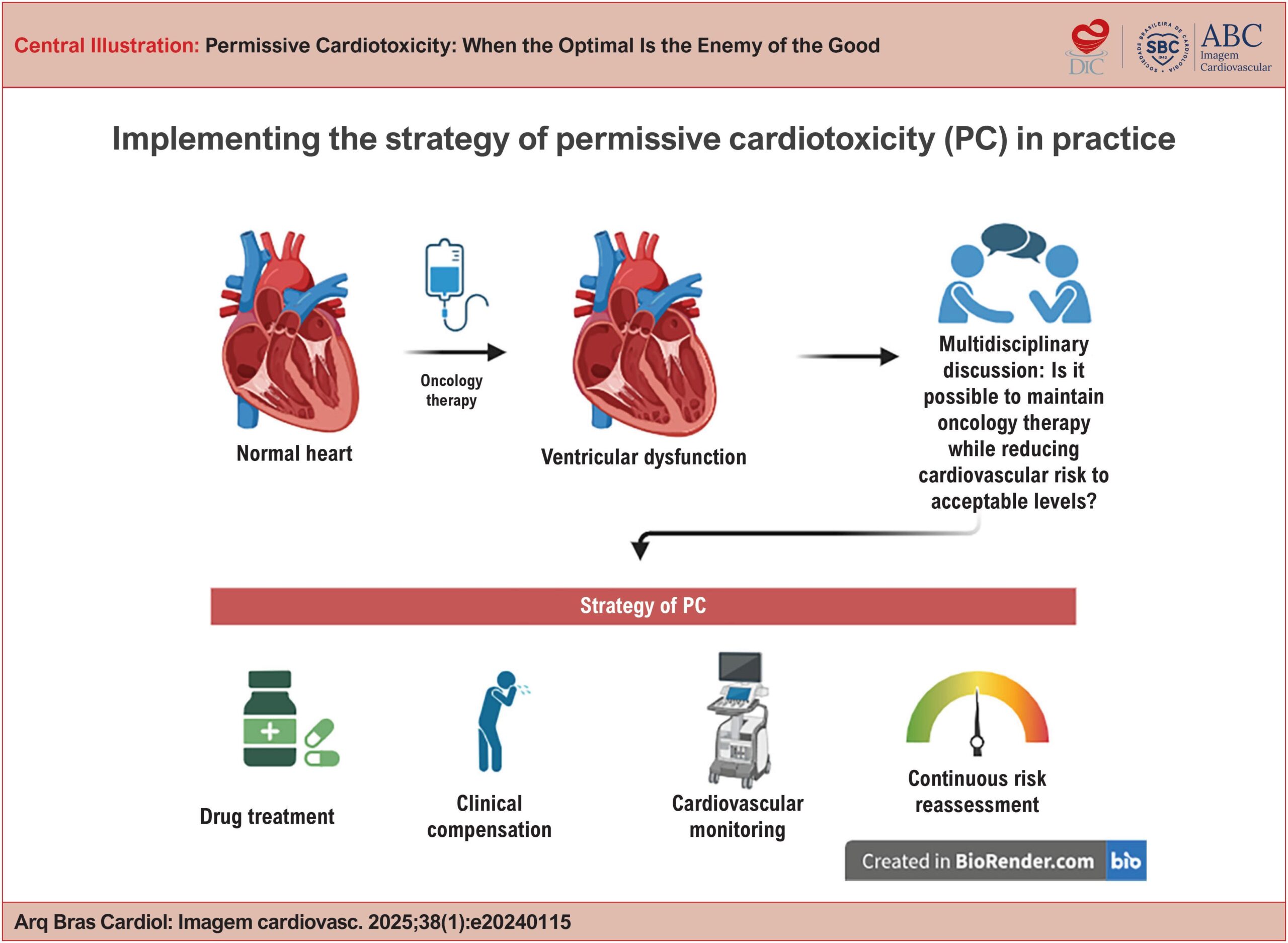
Within this context, the concept of permissive cardiotoxicity (PC) has emerged, proposing the idea of maintaining antitumor treatment in the event that ventricular dysfunction is detected, with no pauses or interruptions, provided that certain premises are respected.

This review aims to examine the concept of PC in depth, contextualizing its emergence, reviewing definitions, and analyzing the evidence from experimental clinical studies. Furthermore, management strategies are detailed, discussing the central role of cardiovascular imaging in guiding this management. Finally, limitations and gaps in the literature in the area are discussed.

  • Antineoplastic Agents
  • Cardio-Oncology
  • Cardiotoxicity
  • Neoplasms
  • Ventricular Dysfunction
Read Full Article
Creative Commons Attribution (CC BY) Creative Commons license
28/03/2025 DOI: 10.36660/abcimg.20240115i
Figure 1
ABC
Original Article

Incidence of Cardiovascular Complications in Pediatric Patients Treated with Anthracyclines at a Brazilian Cancer Center

Cristina Chaves dos Santos de Guerra et al. Geisa Sant'Ana Osório Luiz Rangel de Almeida

Abstract

Background:

The introduction of anthracyclines in the treatment of children and adolescents with cancer has promoted a significant increase in survival, but also in morbidity and mortality rates due to cardiovascular (CV) complications.

Objectives:

To determine the cardiovascular profile of pediatric patients treated with anthracyclines at a cancer center in Brazil and the incidence of CV complications.

Methods:

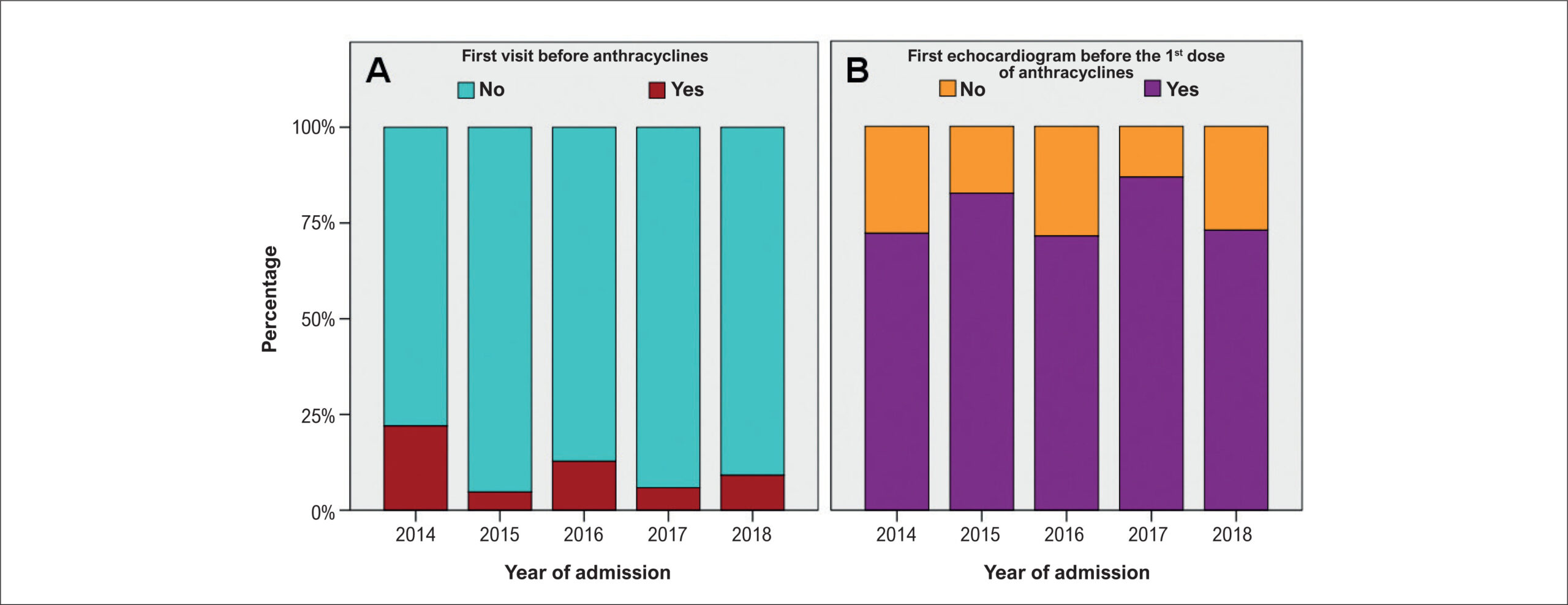
The following data were collected from the medical records of patients of both sexes, aged younger than 19 years – frequency and form of clinical presentation of general CV complications (G1) and CV complications related to ventricular dysfunction (G2) – and correlated with risk factors, age range and vital status, cardiovascular and cardioprotective medications. A p<0.05 was considered statistically significant.

Results:

A total of 326 patients were included, 214 (65.6%) were younger than 10 years and 192 (58.9%) of male sex. G1 complications occurred in 141 (43.3%) patients, and the most frequent was systemic arterial hypertension; G2 complications occurred in 84 patients (25.8%). Cumulative dose (CD) of anthracyclines > 250mg/m2 was used in 26.7% of patients and the association of G2 complications with this CD was not statistically significant (p=0.305; OR=1.330 and [95% CI = 0.770- 2.296]). The most used cardiac medications were diuretics (34.7% of patients).

Conclusions:

In accordance with literature, the study showed a high incidence of CV complications in the treatment of children and adolescents with cancer, with general CV complications as the most prevalent.

  • Anthracyclines
  • Cardiotoxicity
  • Child
  • Drug Therapy
  • Neoplasms
Read Full Article
Creative Commons Attribution (CC BY) Creative Commons license
24/06/2024 DOI: 10.36660/abc.20210352i Views 2
ABC
Editorial

Scores for Diagnosing the Malignant Etiology of Pericardial Effusion: A Valuable Initial Aid in the Investigation

Wolney de Andrade Martins

Pericardial diseases are prevalent in cancer (CA) patients. The presence of pericardial effusion (PE) in these patients certainly worsens the prognosis. The possibility of cardiac tamponade increases the risk of death.

The article ‘Screening Tests Predicting Cancer Metastasis in the Etiology of Pericardial Effusion: HALP Score and PNI’ published in ABC, brings to discussion the clinical dilemma of the neoplastic etiology of PE. The ease of access to imaging methods has made the diagnosis of PE common in patients with CA and made the etiological search tempting. It is not uncommon to come across PE with an inconclusive etiology after an exhaustive investigation. On the other hand, the fear of failing to diagnose a hidden CA is worrying. We know that PE in patients with CA can be secondary to metastatic implantation, direct invasion of the tumor, lymphatic obstruction, pericarditis caused by chemotherapy, immunotherapy, or radiotherapy, and pericarditis from infectious causes common in immunocompromised patients. Furthermore, other causes cannot be ruled out, such as kidney disease, hypothyroidism, heart failure, and autoimmune diseases, whether related to CA or not.

[…]

  • Acute coronary syndrome
  • Cardiac Tamponade
  • Mortality
  • Neoplasms
  • Pericardial Effusion
  • Prognosis
Read Full Article
Creative Commons Attribution (CC BY) Creative Commons license
04/03/2024 DOI: 10.36660/abc.20230762 Views 1
ABC
Editorial

Biomarkers in the Evaluation of Patients Undergoing Chemotherapy with Anthracyclines

Aurora Felice Castro Issa

Anthracyclines are important components of many chemotherapy regimens for various solid and hematologic malignancies, including breast, gynecologic, and bladder cancers, as well as leukemia and lymphoma. Unfortunately, they are associated with a recognized risk of cardiotoxicity. Drugs in this class include doxorubicin, daunorubicin, epirubicin, mitoxantrone and idarubicin. The available evidence suggests that anthracycline-induced injury to the heart occurs during exposure and evolves over time.

Cancer therapy-related cardiac dysfunction (CTRCD), the classic cardiotoxicity associated with anthracyclines, is a serious adverse event that leads to interruption of cancer treatment, potentially severe heart failure (HF), and even death. Early identification of cancer therapy-related cardiac dysfunction is essential as it allows for early implementation of medical HF therapy.

[…]

  • Anthracyclines/therapeutic use
  • Biomarkers Pharmacological/dosage
  • Drug Therapy/adverse effects
  • Neoplasms
Read Full Article
Creative Commons Attribution (CC BY) Creative Commons license
04/03/2024 DOI: 10.36660/abc.20230821 Views 1
Figure 1
ABCIC
Case Report

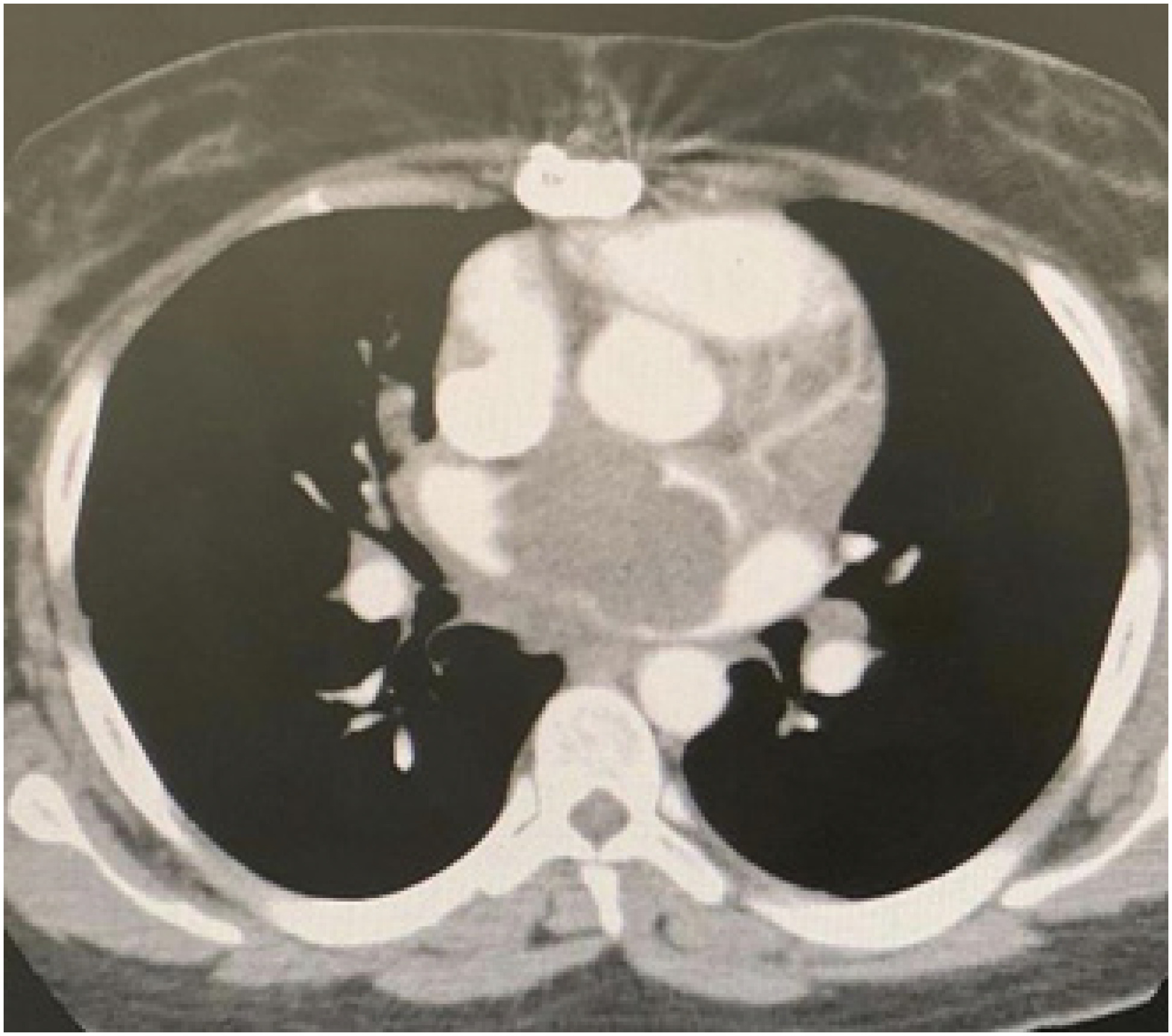
Cardiac Lipoma as an Incidental Finding in Cardiovascular Imaging Exam

Fábio P. Taniguchi et al. Marcelo G. Silas Patrícia M. Oliveira

Introduction

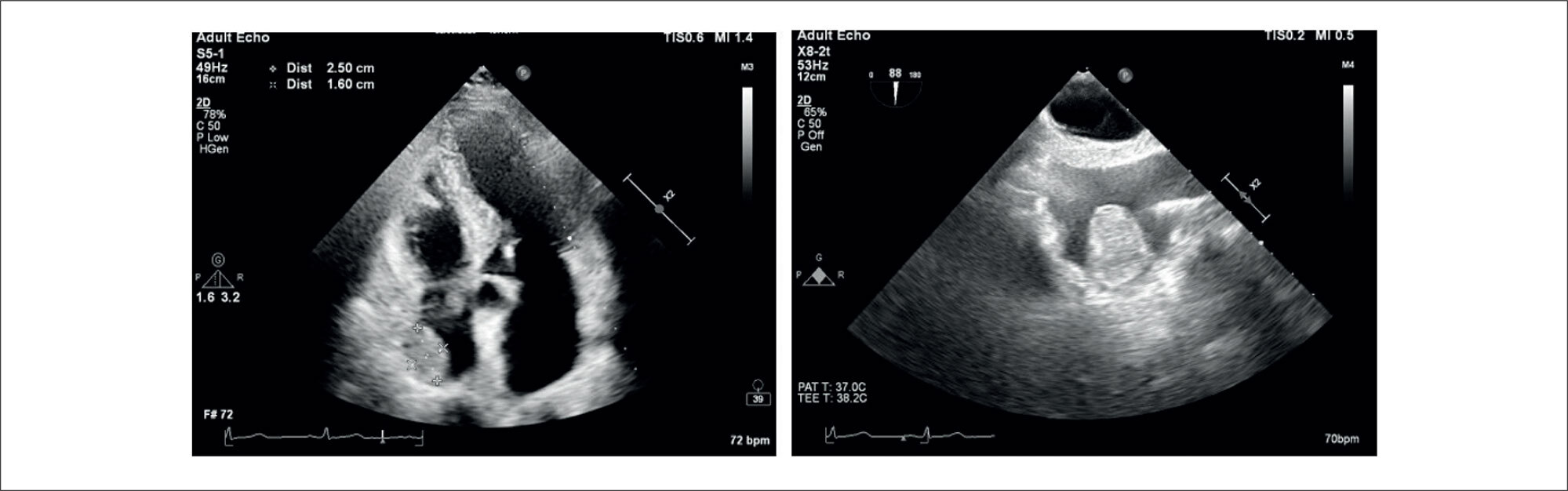
The advent of cardiac imaging has ushered in an era where incidental findings can be detected using less invasive methods, even in asymptomatic patients. The clinical presentation of cardiac masses, characterized by their varying growth rates and diverse locations within the heart, poses a formidable challenge to cardiologists. Therefore, paramount importance lies in reducing the clinical burden and costs, considering the potential of cardiac imaging to optimize the clinical pathway. The most common cardiac masses in the right atrium include thrombi, vegetations, and neoplasia. Approximately 75% of primary tumors are benign, with myxomas comprising 50% of benign cases. Other benign tumors that usually may arise in the right atrium are rhabdomyomas, fibromas, fibroelastomas, and lipomas. Cardiac lipomas are rare, accounting for 2.9% to 8% of all benign cardiac tumors. They rank third in frequency after myxomas and papillary fibroelastomas. The literature suggests that 25% of cardiac lipomas are intramyocardial; 25% are extracavitary of epicardial origin, and 50% are intracavitary of subendocardial origin. Lipomas are well-encapsulated and homogeneous masses composed of mature fat. Although the etiology of cardiac lipomas is unknown, they can originate from any of the three cardiac tissues: subendocardial (the most common), pericardial, or myocardial.

The aim of this report is to present a case of an asymptomatic right atrial lipoma and to discuss the etiology, natural history, and optimal management strategies for right atrial lipomas.

[…]

  • Cardiovascular Surgical Procedures
  • Lipoma
  • Neoplasms
Read Full Article
Creative Commons Attribution (CC BY) Creative Commons license
02/10/2023 DOI: 10.36660/abcimg.20230059i Views 2
Figure 1
ABC
Original Article

Diagnostic Value of Three-Dimensional Speckle Tracking Imaging Strain Parameters for Detection of Cancer Chemotherapy-Related Cardiac Dysfunction: A Meta-Analysis

Yingying Guan

Abstract

Background

Chemotherapeutic agents (e.g., anthracyclines, trastuzumab) commonly used for treating malignant tumors have been demonstrated to have cardiotoxic effects, which is associated with poor prognosis. Three-dimensional echocardiography has been used to predict cancer chemotherapy-induced cardiac dysfunction.

Objectives

Evaluation of the diagnostic performance of strain parameters, global area strain (GAS), longitudinal strain (GLS), circumferential strain (GCS), and radial strain (GRS) by meta-analysis.

Methods

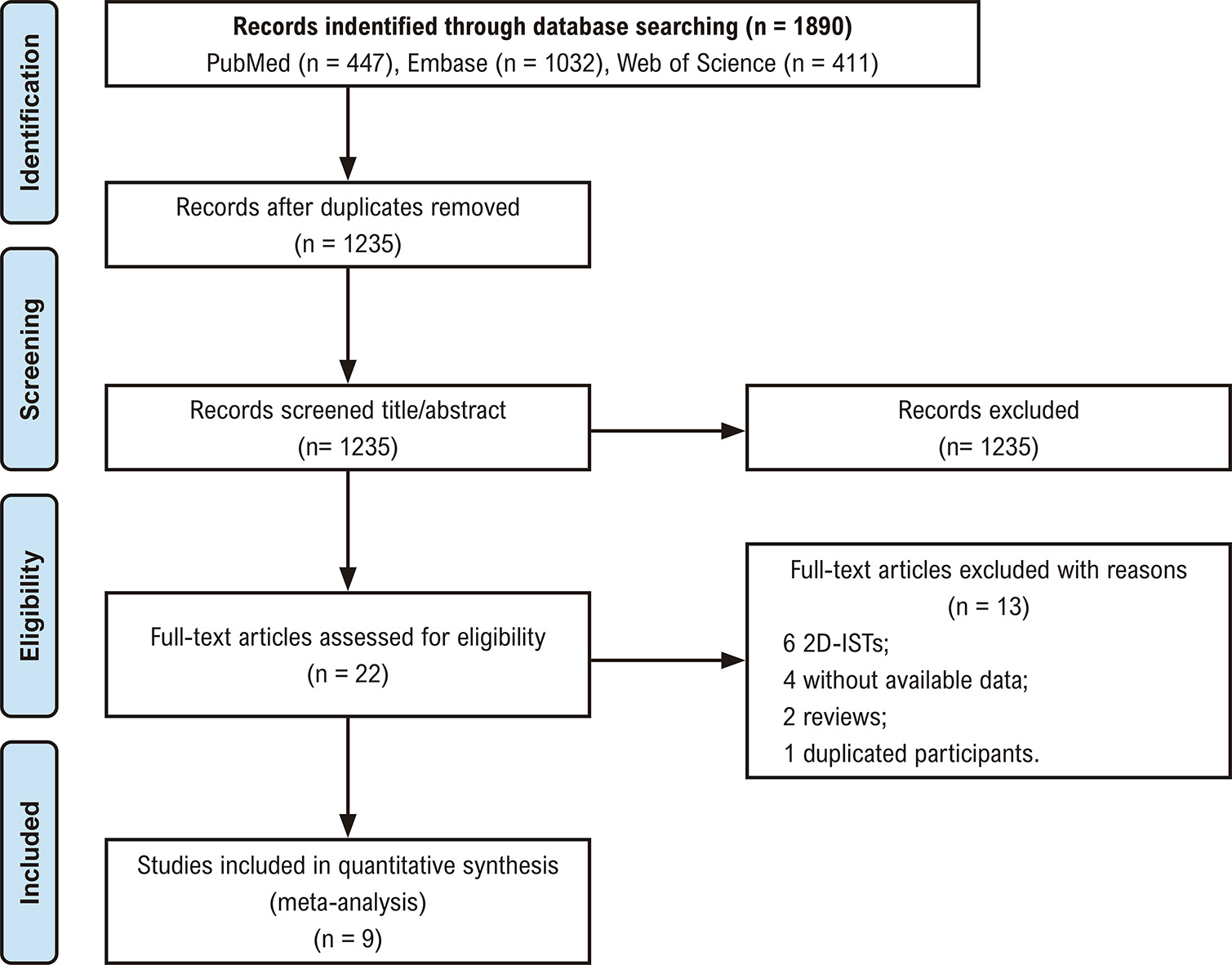
Relevant studies were searched from the Embase, PubMed, and Web of Science databases. Statistical analysis was performed using Stata 12. The summary receiver operating characteristic curve, sensitivity, specificity, positive likelihood ratio (PLR), negative likelihood ratio (NLR), and corresponding 95% confidence interval for the four strain parameters were pooled. P<0.05 was considered statistically significant.

Results

Nine studies involving 650 participants were included. GAS and GLS showed significant diagnostic advantages over GCS and GRS. For GAS, the sensitivity was 0.85 (0.70, 0.93) and specificity was 0.82(0.78, 0.86) with PLR of 4.76 (3.55, 6.39) and NLR of 0.18 (0.09, 0.39) and an area under the curve (AUC) of 0.85 (0.82, 0.88). For GLS, the sensitivity was 0.81 (0.74, 0.86) and specificity was 0.81(0.68, 0.90) with PLR of 4.35(2.42, 7.80) and NLR of 0.23 (0.17, 0.33) and an AUC of 0.85 (0.82, 0.88). The GCS showed a sensitivity of 0.63 and a specificity of 0.79 with an AUC of 0.77. The GRS showed a sensitivity of 0.74 and a specificity of 0.66 with an AUC of 0.73.

Conclusion

3D-STI strain parameters GAS and GLS showed good performance in detecting early cardiac dysfunction in patients with tumors receiving chemotherapy.

  • Anthracyclines
  • Cardiotoxicity
  • Drug Therapy
  • Heart Failure
  • Neoplasms
Read Full Article
Creative Commons Attribution (CC BY) Creative Commons license
31/07/2023 DOI: 10.36660/abc.20220370 Views 1
Figure 1
ABCHF
Viewpoint

Advances in Diagnosis and Treatment of Cancer Immunotherapy and CAR-T Cell–Related Myocarditis

Ariane Vieira Scarlatelli Macedo et al. Aurea Grippa Katia Regina Medeiros Luz Nathalia Coelho de Castro Nunes Sandrigo Mangini

Immune checkpoint inhibitors

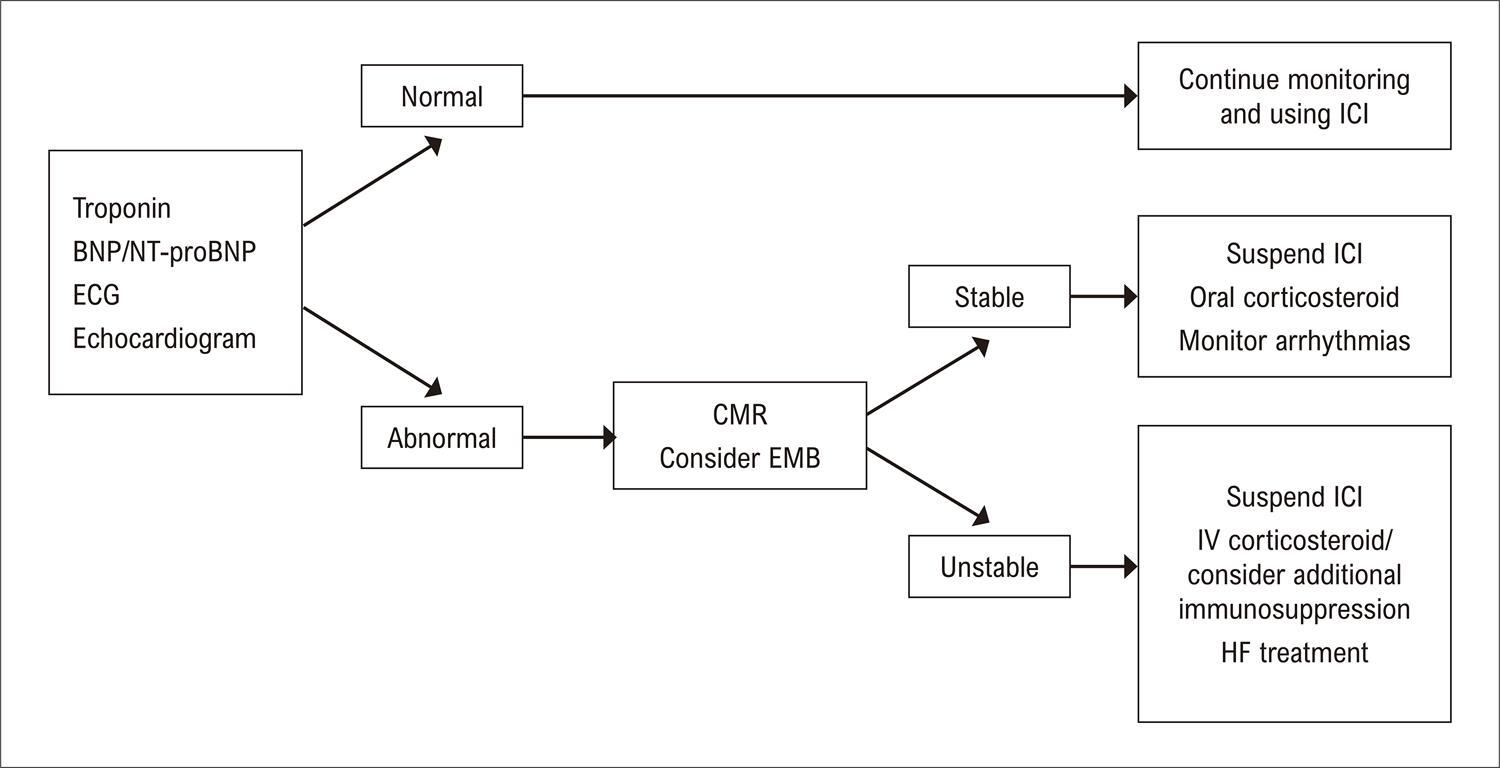
The incidence of myocarditis in patients using ICI is low, around 1%. However, several series describe mortality between 30% and 40%. This is the primary reason that every effort is made for myocardial protection and early identification of signs of inflammatory response onset, in addition to understanding of T cell and macrophage stimulation and cytokine production., The onset of the lesion is most frequently observed observed early after the first dose of immunotherapy with a median time to onset of 30 days, with an average resolution of 90 to 120 days. Patients over 60 years of age are the most affected in the majority of series.

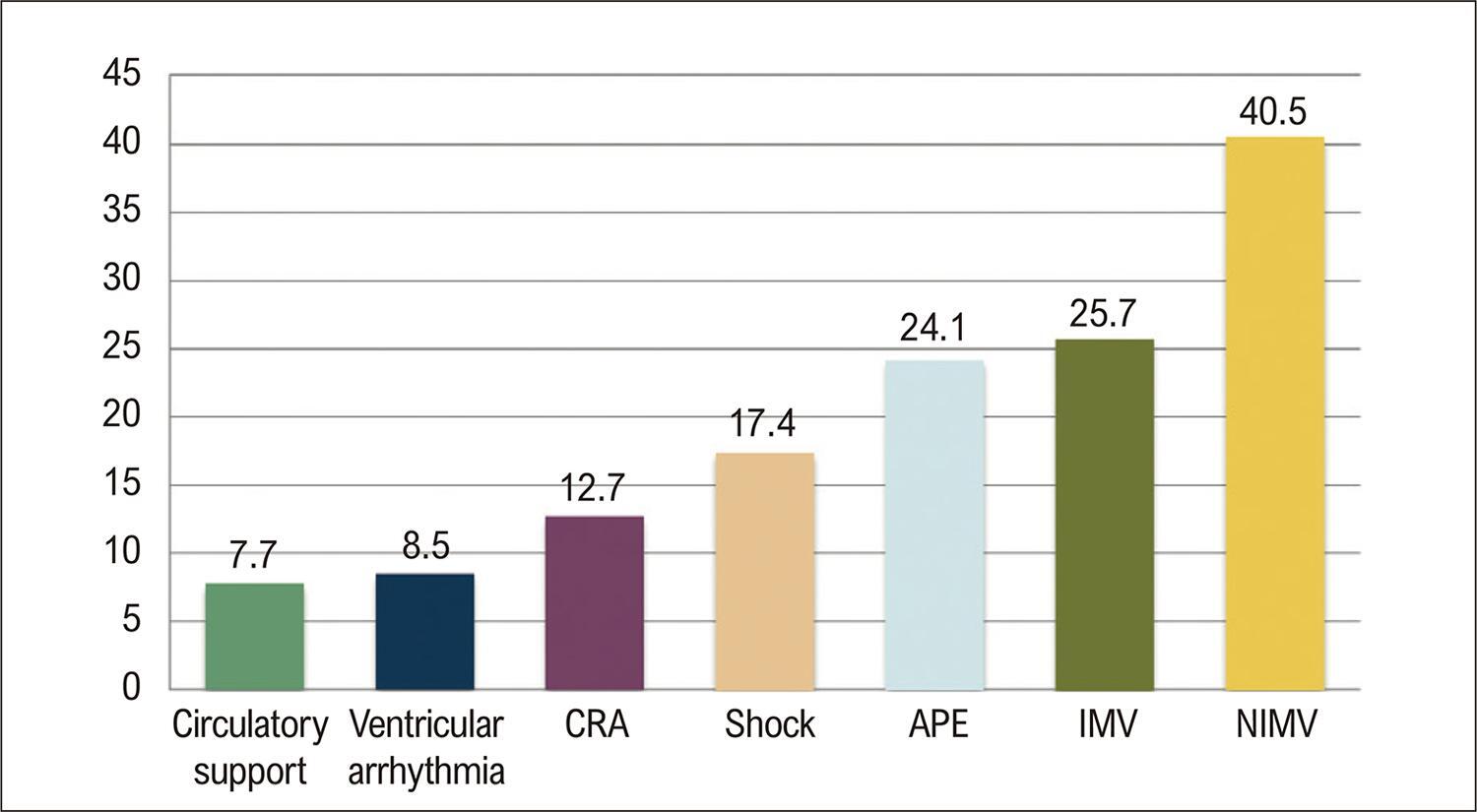
Patients with suspected ICI-associated myocarditis may develop from asymptomatic conditions with increased biomarkers to severe presentations including cardiogenic shock, ventricular arrhythmias, and sudden death. Dyspnea and asthenia are the most common complaints related to ICI-associated myocarditis; chest pain may also occur. The combination of ICI appears to be an important risk factor compared to monotherapy.

[…]

  • Adoptive Immunotherapy
  • Immune Checkpoint Inhibitors
  • Immunotherapy
  • Myocarditis
  • Neoplasms
Read Full Article
Creative Commons Attribution (CC BY) Creative Commons license
20/07/2023 DOI: 10.36660/abchf.20230025
Figure 1
ABC
Image

Tuberous Sclerosis: Unusual Findings in the Setting of a Rare Disease

Ines Oliveira et al. Rafaela Lopes Isabel Cruz Bruno Bragança … João Azevedo Aurora Andrade

Case Description

A 40-year-old woman diagnosed with tuberous sclerosis (TS) at the age of one, with cognitive impairment, epilepsy and renal angiomyolipomas, was referred to Cardiology for complaints of fatigue. She had no known family history of TS. Although her mother could not confirm if a genetic test had been performed, the patient had a definite diagnosis of TS, according to International Tuberous Sclerosis Consensus Group revised criteria, due to the presence of several major criteria, as hypomelanotic macules, facial angiofibromas, cortical dysplasia and subependymal nodules.

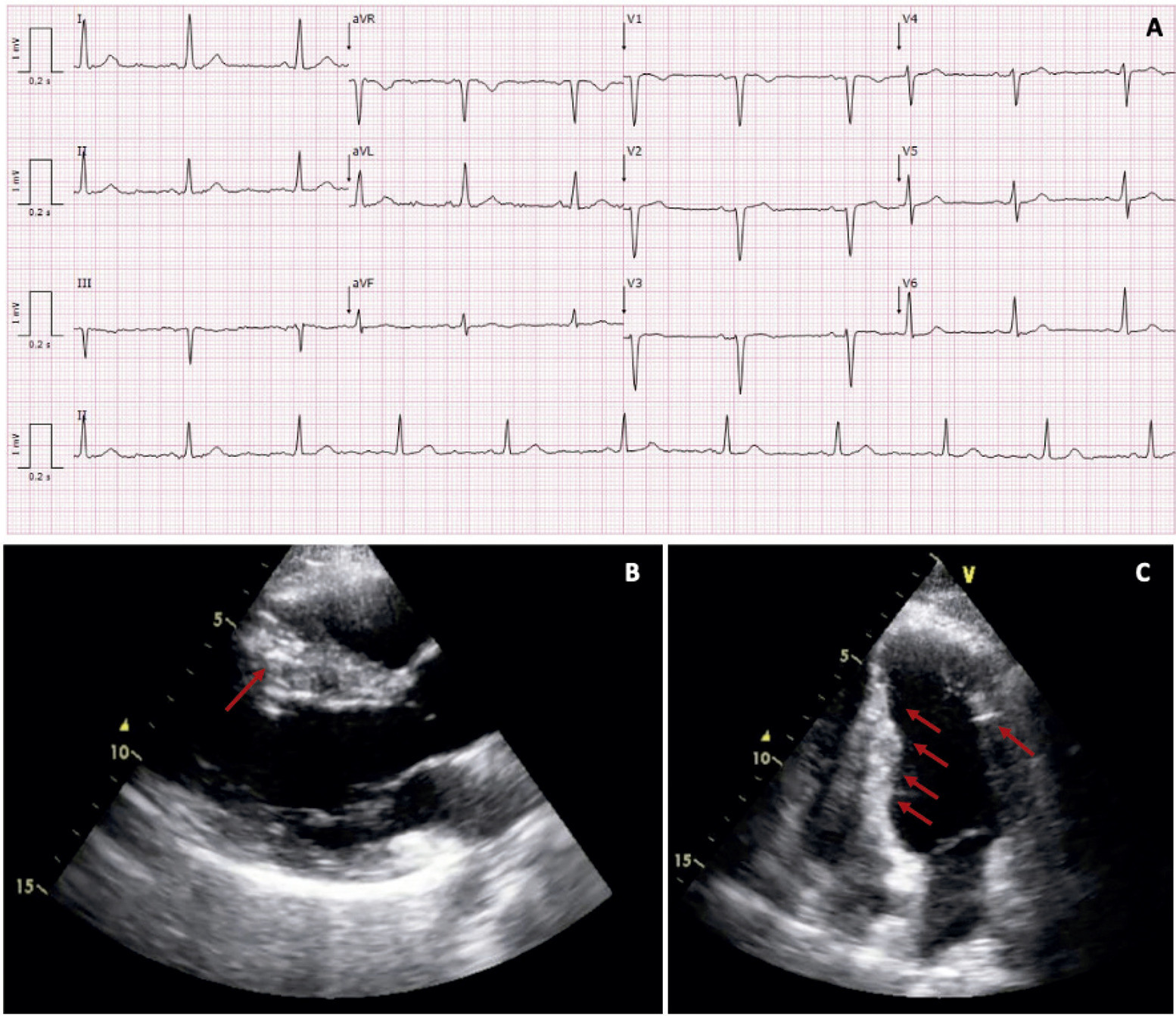
On cardiovascular evaluation, she had no dyspnea on exertion, chest pain, palpitations or history of syncope. On physical examination, she had multiple cutaneous angiofibromas and hypomelanotic macules, cardiac auscultation with no murmurs or signs of congestion. Electrocardiogram (ECG) showed nonspecific repolarization abnormalities ( ) and no arrhythmic events were detected by the Holter method. Transthoracic echocardiography revealed the presence of multiple intracardiac hyperechogenic lesions, with no blood flow obstruction or valvular impairment, and preserved ventricular systolic function ( ). Cardiac magnetic resonance (CMR) showed the nature of the lesions ( ) – homogeneous high signal intensity in T1 and T2-weighted images (A, B, C), with uniform suppression with the application of fat-saturation pulses, with an intensity similar to adipose tissue (D). The lesions also showed chemical shift , revealing its lipomatous nature (F). No evidence of perfusion, late gadolinium enhancement (E) or other masses. The patient remained asymptomatic after five years of follow-up, performing an annual ECG and echocardiogram, with no increase in the number or size of lipomas.

[…]

  • Atherosclerosis
  • Diagnostic Imaging
  • Familial Multiple Lipomatosis
  • Neoplasms
  • Tuberous Sclerosis/complications
  • Tumor Supressor/genetics
Read Full Article
Creative Commons Attribution (CC BY) Creative Commons license
13/02/2023 DOI: 10.36660/abc.20220147
Figure 1
ABCHF
Review Article

CAR-T Cells Therapy: What Cardiovascular Adverse Effects Should We Expect?

Wolney de Andrade Martins et al. Roberto José Pessoa de Magalhães Filho Tatiana de Fátima Gonçalves Galvão

Abstract

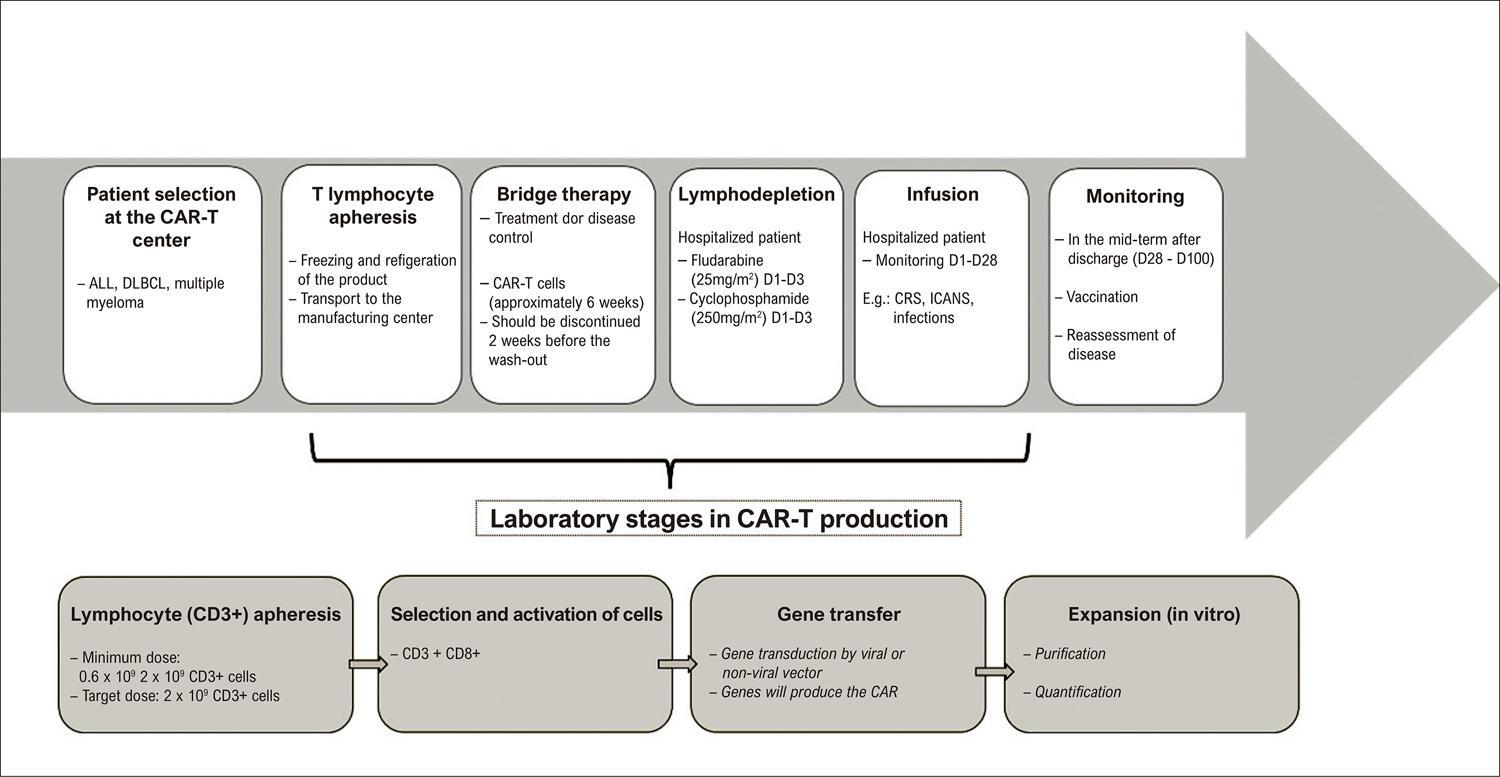
Immunotherapy has emerged as a specific treatment, guided by oncologic targets, that has given the false impression (to oncologists and hematologists) that it had no adverse effects, including cardiovascular complications. Chimeric antigen receptor (CAR) T-cell therapy has certainly benefited specific patients; in contrast, reports of adverse cardiovascular effects have emerged. In this paper, we conducted a narrative review of conceptual aspects, clinical applicability, the cytokine release syndrome, extracardiac AE and, above all, the cardiovascular AE of CAR-T cell therapy. CAR-T cell therapy has been approved by regulatory agencies in the United States, Europe and Brazil, initially for the treatment of hematological malignancies at advanced stages, after failure or refractoriness. Among extracardiac AE, cytokine release syndrome and, consequently, encephalopathy, macrophage activation syndrome or hemophagocytic lymphohistiocytosis stand out. The most frequently described cardiovascular AE are cardiomyopathies, myocarditis and ventricular dysfunction; tachyarrhythmias, changes in QT and other electrocardiographic changes; pleural and pericardial disease, and changes in biomarkers. Thus, prior to the therapy, it is recommended to perform clinical evaluation, electrocardiogram, echocardiogram, and troponin and B-type natriuretic peptide measurements. The patient should be monitored during treatment with continuous electrocardiogram, serial echocardiogram, and biomarkers. Patients with severe cardiovascular AE should be admitted to a cardiac intensive care unit.

  • Immunotherapy, Adoptive
  • Neoplasms
  • Receptors, Chimeric Antigen
Read Full Article
Creative Commons Attribution (CC BY) Creative Commons license
18/12/2022 DOI: 10.36660/abchf.20230002 Views 3
Figure 1
ABCHF
Review Article

Myocarditis in Cancer Patients: A Review of an Emerging Problem in Cardio-Oncology

Wolney de Andrade Martins et al. Eduardo Schlabendorff

Abstract

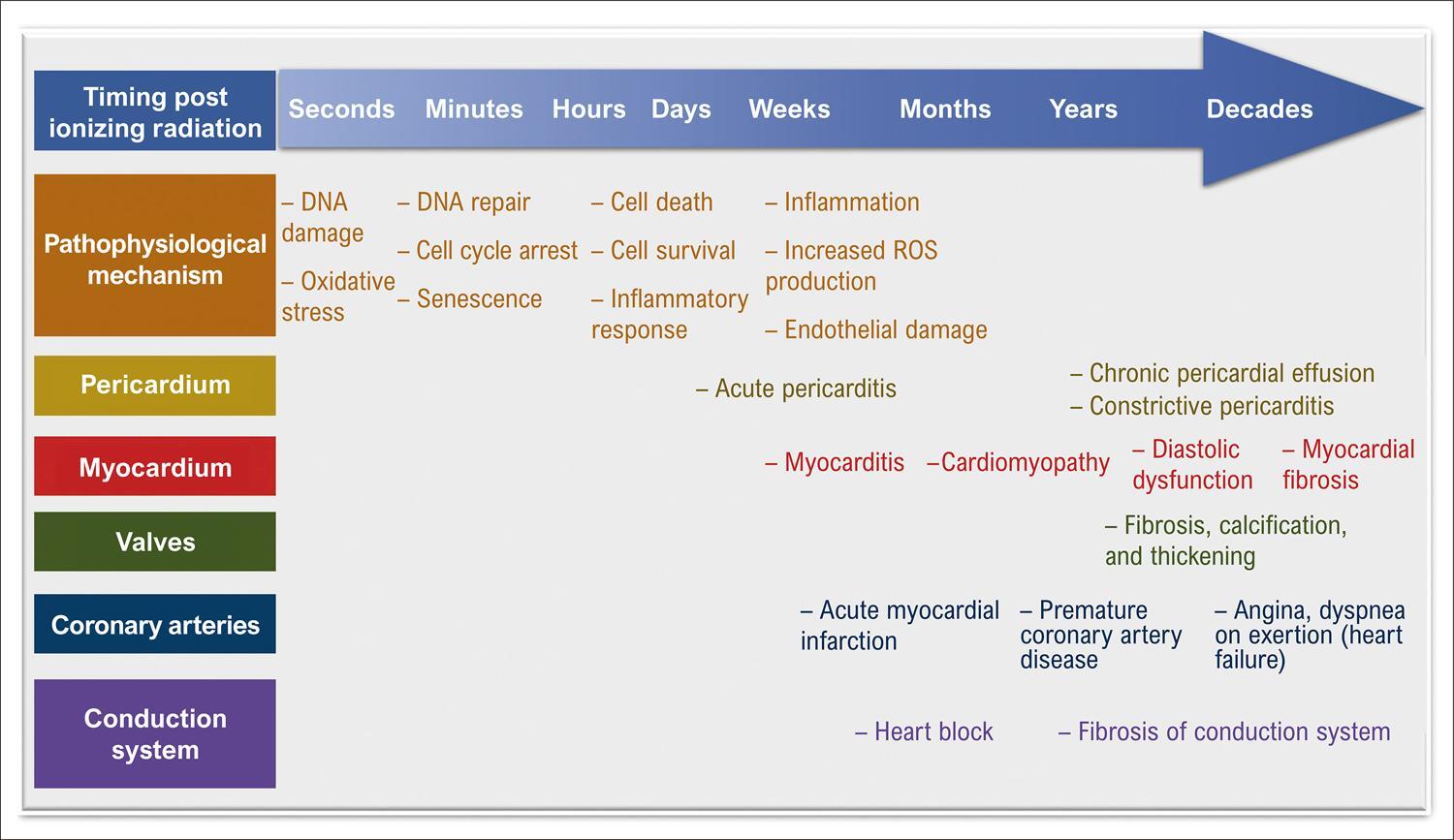
Patients with cancer have a multitude of etiological factors for developing myocarditis. Classical or conventional chemotherapy, radiation therapy, and, more recently, immunotherapy have all been described as possible etiologies of myocarditis. Furthermore, patients with cancer are immunosuppressed and more susceptible to bacterial and viral infections that can cause myocarditis. This narrative review addresses the many possible causes of myocarditis in patients with cancer. Particular emphasis will be given to immune checkpoint inhibitor (ICI)-induced myocarditis. ICI myocarditis generally affects male patients, over the age of 50, who are being treated for lung cancer, melanoma, or renal cell carcinoma and have multiple comorbidities. Clinical manifestations present early, with elevated troponin and electrocardiogram changes. The case fatality rate is high. Treatment consists of discontinuation of the offending ICI and corticosteroid therapy. Myocarditis due to cyclophosphamide, anthracyclines, 5-fluorouracil, cisplatin, carboplatin, proteasome inhibitors, immunomodulators, tyrosine kinase inhibitors, and radiation therapy will also be addressed.

  • Cardiotoxicity
  • Drug Therapy
  • Immune Checkpoint Inhibitors
  • Immunotherapy
  • Myocarditis
  • Neoplasms
Read Full Article
Creative Commons Attribution (CC BY) Creative Commons license
18/12/2022 DOI: 10.36660/abchf.20230009 Views 4
Figure 1
ABCHF
Review Article

Takotsubo Cardiomyopathy in Patients with Cancer

Ariane Vieira Scarlatelli Macedo et al. Gustavo Luiz Gouvêa de Almeida Junior Marília Harumi Higuchi dos Santos Rehder

Abstract

Takotsubo cardiomyopathy (TC) in cancer patients has been predominantly noted as a cardiotoxic complication of oncologic therapy or secondary to catecholamine overload in specific tumors such as pheochromocytomas. The underlying pathophysiological mechanisms that lead to TC are not entirely understood. The diagnosis of TC can be challenging and may be neglected during cancer treatment, given the wide range of cardiotoxic effects of antineoplastic therapies. However, TC in oncology exists more often than formerly assumed, and it should be included in the differential diagnosis by physicians dealing with cancer patients. An increased suspicion is crucial for earlier diagnosis and treatment to improve outcomes. In addition to a risk model strategy identifying those cancer patients with the highest risk of having TC, translational studies are awaited. They would clarify the underlying mechanism of TC, disclose targets for prevention and treatment and determine whether re-exposing the patient to the same or equivalent anticancer agents would be secure and feasible.

  • Cardiotoxicity
  • Neoplasms
  • Takotsubo Cardiomyopathy
Read Full Article
Creative Commons Attribution (CC BY) Creative Commons license
18/12/2022 DOI: 10.36660/abchf.20220083 Views 3
ABCHF
Editorial

Cardio-Protection Against Cancer Treatment-Related Cardiac Dysfunction: Who is at Risk?

Ariane Vieira Scarlatelli Macedo et al. Wolney de Andrade Martins

Long-term survival of cancer patients has improved, and the sequelae of treatment have become more evident. Mortality rates of cancer patients, adjusted for age, have decreased globally, with a reduction by 17% from 1990 to 2019.

The prevention of left ventricular dysfunction secondary to cancer treatment is still a medical challenge. Drug-induced cardiotoxicity is the main limiting factor for the administration of higher doses of anthracyclines. Addressing the anthracycline-induced cardiotoxicity is particularly important for pediatric cancer survivors, as it remains one of the main causes of morbidity and mortality in this population.

[…]

  • Cardiology
  • Cardiovascular Diseases
  • Medical Oncology
  • Neoplasms
Read Full Article
Creative Commons Attribution (CC BY) Creative Commons license
18/12/2022 DOI: 10.36660/abchf.20230006 Views 1
ABCHF
Viewpoint

Preoperative Evaluation and Perioperative Complications in Patients with Cancer and Ventricular Dysfunction

Aurora Felice Castro Issa et al. Gabriela Zagni Vithoria Vidotti Tereza Cristina Felippe Guimarães … Milena Rego dos Santos Carolina Maria Pinto Domingues Carvalho Silva

During cancer treatment, surgery may be indicated for patients with diverse purposes, such as diagnosis, staging, oncologic cure, palliative treatment, support, or restorative treatment. Oncologic surgery may be conducted as an initial cancer treatment or after conducting treatments such as chemotherapy or radiotherapy, thus underscoring the cardiotoxic potential of different cancer therapies.

In patients undergoing non-cardiac surgeries, the prevalence of comorbidities, the clinical condition before surgery, and factors inherent to the surgical procedure, such as urgency, magnitude, type, and duration, in addition to local experience, infrastructure, and the surgical team contribute to the risk of perioperative complications. In oncologic surgery, risk factors include the type and stage of the tumor and concomitant cancer therapies.

[…]

  • Neoplasms
  • Preoperative Period
  • Ventricular Dysfunction
Read Full Article
Creative Commons Attribution (CC BY) Creative Commons license
18/12/2022 DOI: 10.36660/abchf.20220094 Views 1
Figure 1
ABC
Review Article

Screening, Diagnosis and Management of Atrial Fibrillation in Cancer Patients: Current Evidence and Future Perspectives

Pedro Gonçalves-Teixeira et al. Telma Costa Isabel Fragoso Diogo Ferreira … Mariana Brandão Adelino Leite-Moreira Francisco Sampaio José Ribeiro Ricardo Fontes-Carvalho

Abstract

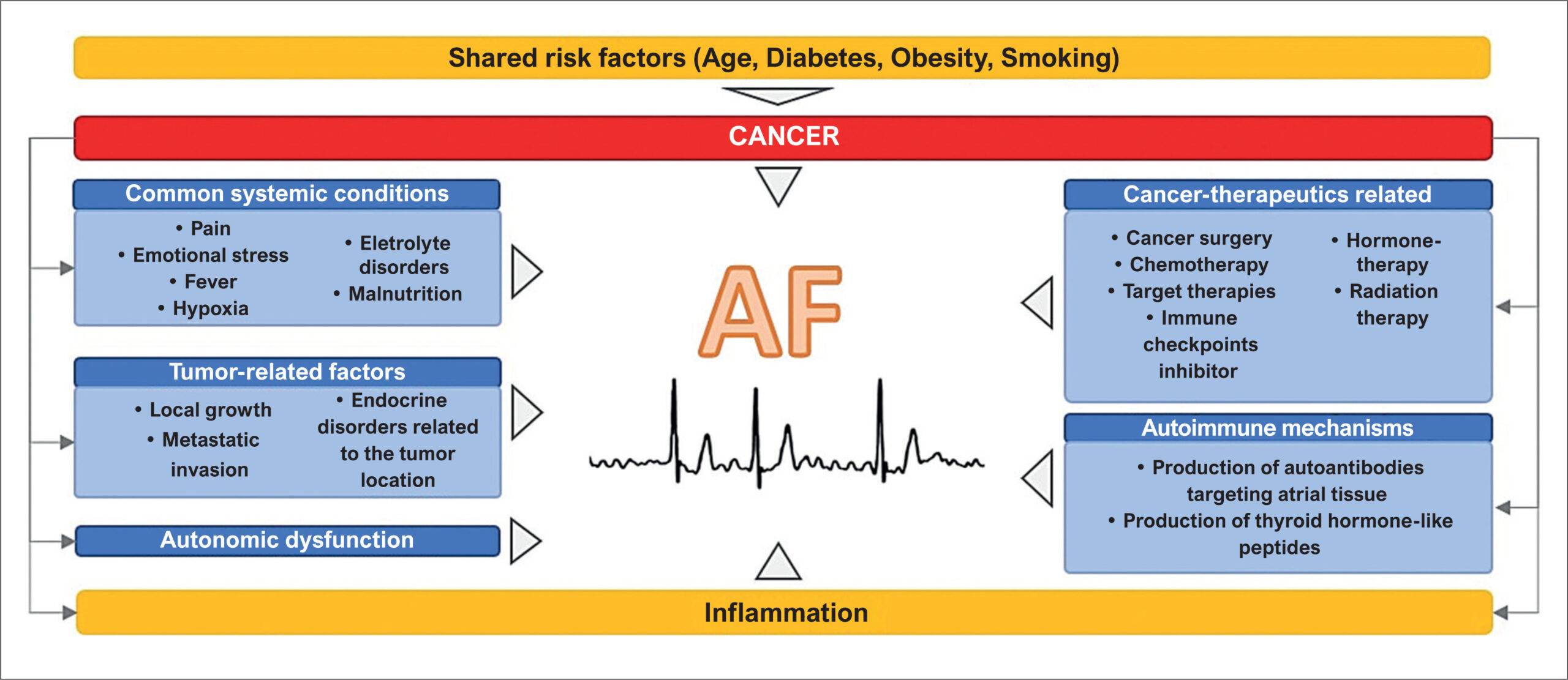
Atrial fibrillation (AF) is the most common sustained cardiac arrhythmia in the general population, carrying a high morbimortality burden, and this also holds true in cancer patients. The association between AF and cancer goes even further, with some studies suggesting that AF can be a marker of occult cancer. There is, however, a remarkable paucity of data concerning specific challenges of AF management in cancer patients. AF prompt recognition and management in this special population can lessen the arrhythmia-related morbidity and have an important prognostic benefit. This review will focus on current AF diagnosis and management challenges in cancer patients, with special emphasis on AF screening strategies and devices, and anticoagulation therapy with non-vitamin K antagonist oral anti-coagulants (NOACs) for thromboembolic prevention in these patients. Some insights concerning future perspectives for AF prevention, diagnosis, and treatment in this special population will also be addressed.

  • Anticoagulants
  • Arrhythmias
  • Atrial Fibrillation
  • blood coagulation
  • cardiac
  • Cardio-Oncology
  • Cardiotoxicity
  • Mass Screening
  • Neoplasms
Read Full Article
Creative Commons Attribution (CC BY) Creative Commons license
05/08/2022 DOI: 10.36660/abc.20201362
ABCIC
Case Report

Rheumatic Mitral Valvopathy and Papillary Fibroelastoma An Unusual Association

Rafael Macedo Mustafé et al. Elinthon Tavares Veronesi Carlos Manuel Almeida Brandão Márcio Silva Miguel Lima

[…]

  • Echocardiography, Transesophageal
  • Mitral Valve Insufficiency
  • Mitral Valve Stenosis
  • Neoplasms
  • Rheumatic Fever
Read Full Article
Creative Commons Attribution (CC BY) Creative Commons license
04/02/2022 DOI: 10.5935/2318-8219.20180040 Views 1
Figure 1
ABC
Original Article

Cardiovascular and Cancer Death Rates in the Brazilian Population Aged 35 to 74 Years, 1996-2017

Antonio de Padua Mansur et al. Desiderio Favarato

Abstract

Background:

Cardiovascular diseases (CVD) and cancer are the main causes of death worldwide. These diseases share many risk factors. Control of traditional risk factors for CVD was associated with lower incidence of cancers.

Objective:

To analyze CVD and cancer mortality rate trends in Brazilian population aged 35-74 years from 1996 to 2017.

Methods:

Crude and age-adjusted death rate trends were analyzed for all causes of death, CVD, and cancer. Data were obtained from mortality database of the Ministry of Health. Joinpoint Regression Program performed analysis of trends and adjustments in death rates. The degree of changes was determined by the average annual percent change (AAPC). Level of statistical significance was set at p <0.05.

Results:

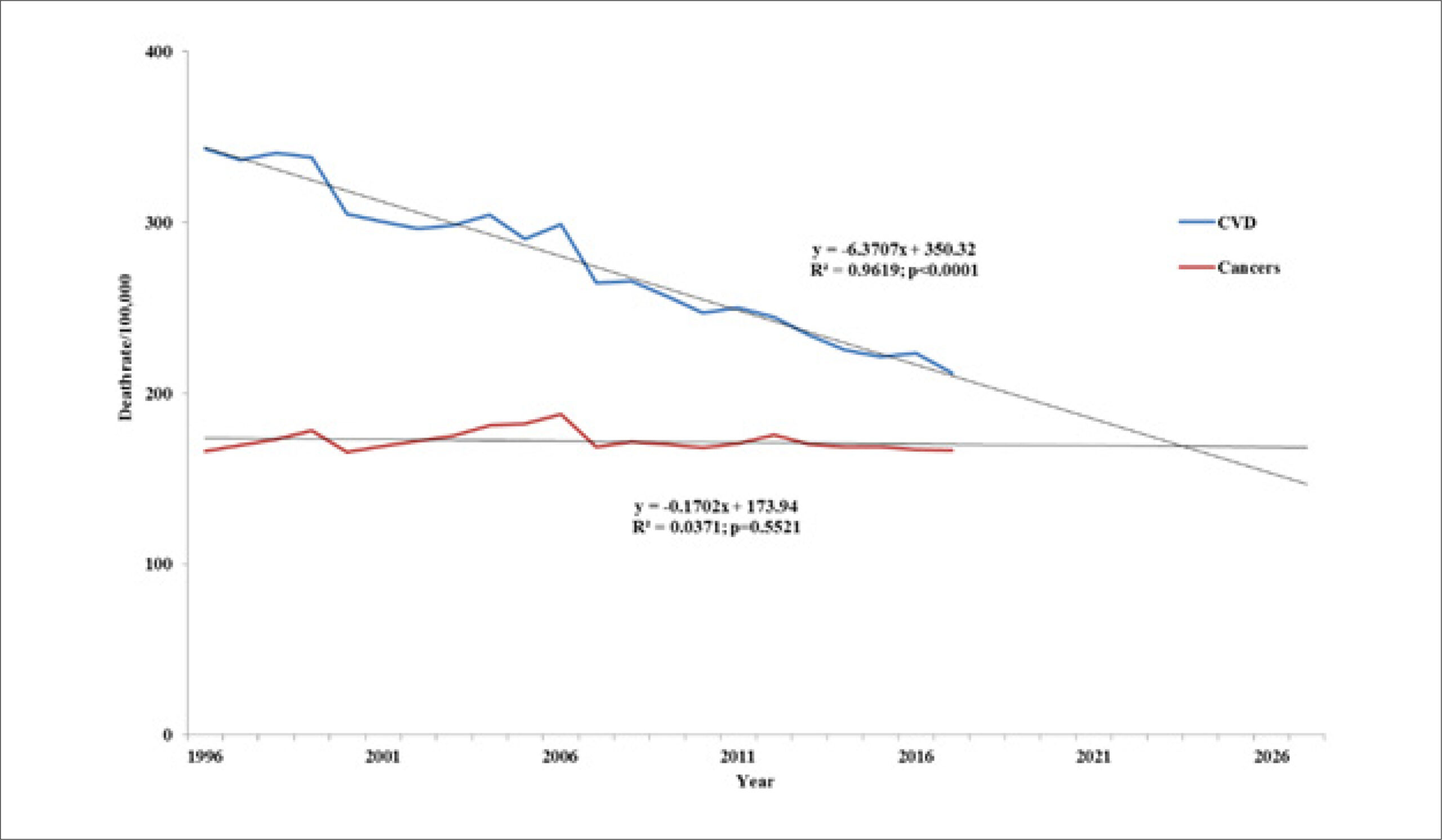
Mortality from all causes of death (AAPC=-1.6%; p<0.001), CVD (AAPC=-2.3; p<0.001), ischemic heart disease (IHD) (AAPC=-1.6; p<0.001) and stroke (AAPC=-3.7; p<0.001) declined. Same trends were observed for CVD (p<0.001) in men and women. Death rates from all causes of cancer (AAPC=-0.1; p=0.201), in men (AAPC=-0.1; p=0.193) and in women (AAPC=-0.1; p=0,871) remained unchanged. In 2002, mortality from cancer exceeded the sum of deaths from IHD and stroke. If trends continue, cancer mortality will also exceed mortality from CVD by 2024. In women, death rates from breast, lung and colon cancer increased, and from cervical and gastric cancers decreased. In men, mortality from lung, stomach and esophagus cancer decreased, and from prostate cancer remained unchanged.

Conclusion:

CVD are currently the leading cause of death in Brazil, but death rates from cancer will exceed those from CVD in a few years.

  • Brazil
  • Cardiovascular Diseases, mortality
  • Epidemiology
  • Mortality
  • Myocardial Ischemia
  • Neoplasms
  • Stroke
Read Full Article
Creative Commons Attribution (CC BY) Creative Commons license
06/09/2021 DOI: 10.36660/abc.20200233 Views 1
Figure 1
IJCS
Case Report

High-Grade Pleomorphic Sarcoma of the Left Atrium after Incomplete Resection and Adjuvant Chemotherapy

Ricardo J. Razera et al. Amanda Mendonça de Araújo Viviane Pereira Bernardes Fernanda Miranda Moisés … Leonardo Santos Mundim Rogério A. Araújo

Introduction

Primary cardiac tumors are extremely rare, found in only 0.02% of all autopsies. These tumors are malignant in only 25% of the cases, 75% of which are sarcomas, frequently affecting young people with no risk factors.² The median overall survival is less than 1 year,³ ranging from 9 to 16 months,, with rapid proliferation and deaths caused by arrhythmias, thrombosis, pulmonary embolism, and, most importantly, heart failure. Due to its rarity, reports in the literature about the best treatment are scarce, especially in malignant tumors.¹ The aim of the present work is to report a case of an undifferentiated pleomorphic sarcoma (UPS) in the left atrium in which surgical treatment was associated with chemotherapy, with an overall and progression-free survival of neoplastic disease higher than the median described in previous manuscripts.

[…]

  • Atrial Function
  • Cardiovascular Diseases
  • Drug Therapy
  • Heart Atria/surgery
  • Neoplasms
  • Sarcoma/complications
  • Sarcoma/surgery
Read Full Article
Creative Commons Attribution (CC BY) Creative Commons license
16/04/2021 DOI: 10.36660/ijcs.20200140 Views 1
Figure 1
IJCS
Original Article

Elderly Mortality from Cerebrovascular Disease in Alagoas, 2000-2016: Spatial-Temporal Analysis

Luiz Carlos Francelino Silva Junior et al. Euclides José Oliveira Da Cunha Carlos Dornels Freire de Souza Alysson Wagner Fernandes Duarte

Abstract

Background

Cerebrovascular diseases (CVDs) are the second leading cause of death in Brazil.

Objective

This study aimed to describe the epidemiological profile and to analyze the spatiotemporal dynamics of mortality from cerebrovascular disease in the elderly in Alagoas from 2000-2016.

Methods

This is a multilevel ecological study of all deaths from CVD in individuals aged 60 years or older. Data were collected from the Mortality Information System. The variables were submitted to descriptive analysis, trend analysis by Joinpoint Regression method and spatial analysis with Global Moran’s and local statistics; 95% confidence interval and significance of 5% were considered in the analysis.

Results

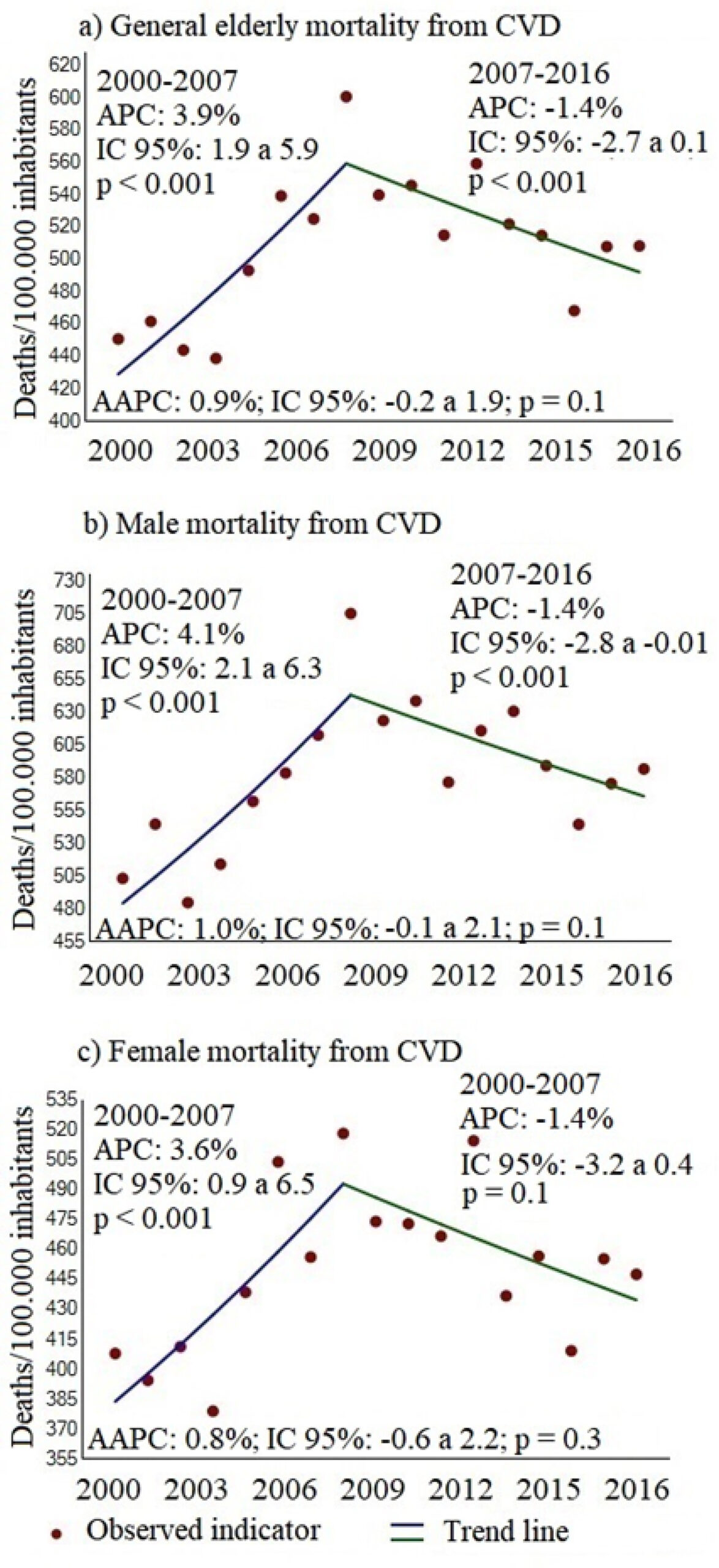
There were 21,440 deaths in the study period, 50.4% (n=10,797) male, 40.5% (n=8,670) aged ≥ 80 years, 44.5% (n=9,465) of “brown” race, 30.1% (n=6,448) married and 36.5% (n=7,828) with less than four years of schooling. Female and male mortality rates were 460.24/100,000 and 602.23 / 100,000, respectively. An annual decreasing trend of -1.4% (p<0.001) in overall and male mortality was observed from 2007 on. The highest mortality rates were concentrated in the eastern region of Alagoas (Moran’s I =0.766288; p=0.01). Twenty-two municipalities were in quadrant Q1 of Moran’s scattering diagram and considered priorities.

Conclusion

Death from CVD in Alagoas occurred equally in men and women in the study period, mostly in individuals of mixed race, married, and with low education attainment. The highest rates were observed in the eastern region of the state . The results highlight the need for public policies aimed at healthy aging in the state. (Int J Cardiovasc Sci. 2020; [online].ahead print, PP.0-0)

  • Cardiovascular Diseases
  • Cerebrovascular Disorders
  • Diabetes Mellitus
  • Ecological Studies
  • Epidemiology
  • Ethnic Inequality
  • Mortality
  • Neoplasms
  • Respiratory Tract Diseases
  • Social Class
Read Full Article
Creative Commons Attribution (CC BY) Creative Commons license
23/11/2020 DOI: 10.36660/ijcs.2019-0208
Figure 1
IJCS
Original Article

Intestinal Microbiota and Cardiovascular Diseases

Protásio L. da Luz et al. Elisa Alberton Haas Desiderio Favarato

Abstract

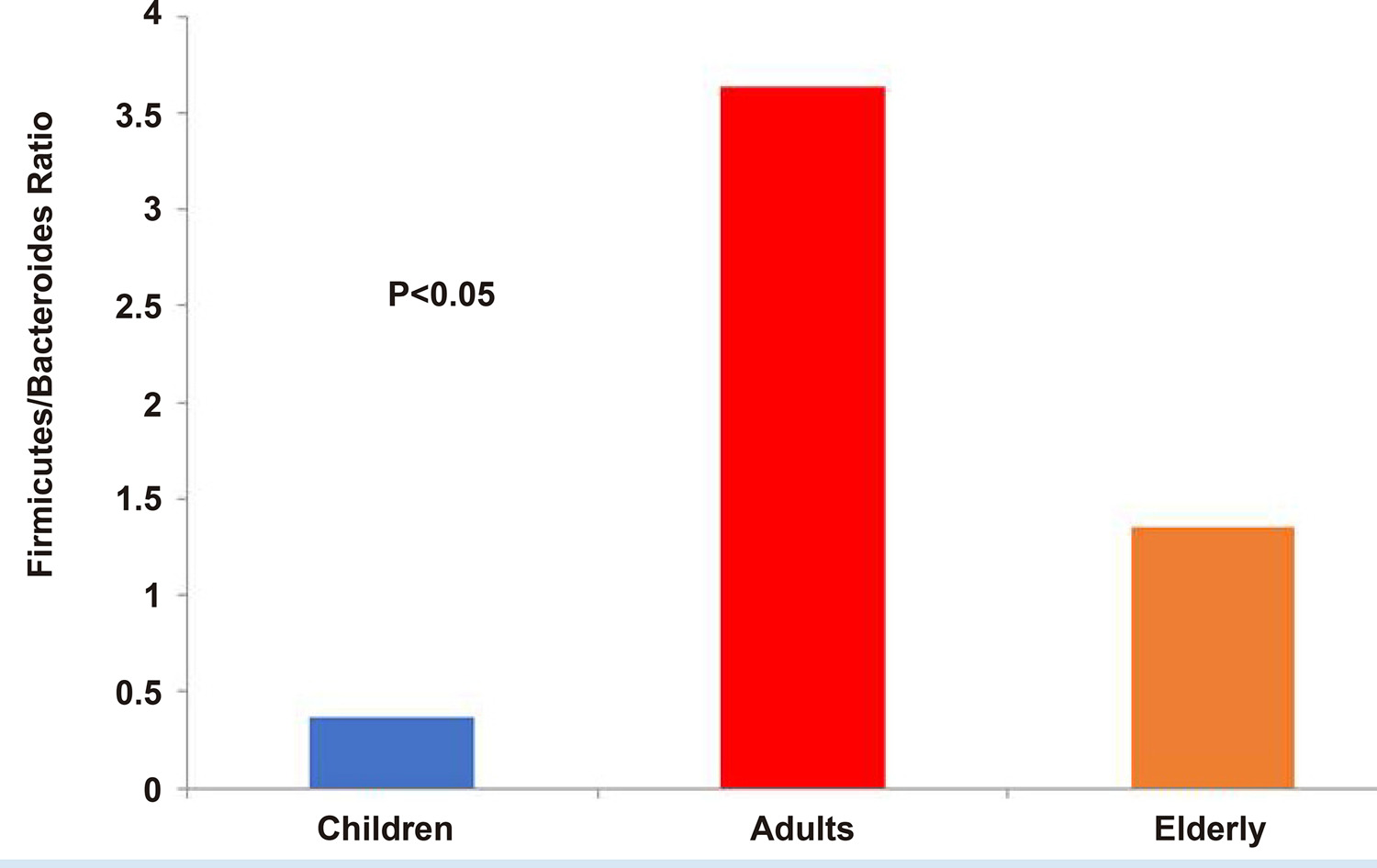
Recently, gut microbiota has emerged as an important mediator of several diseases such as diabetes, atherosclerosis, arterial hypertension, obesity, cancers and neuropsychiatric diseases including Alzheimer, autism and depression. Intestinal microbiota is formed by bacteria, fungi and viruses and its main function is to facilitate the absorption and metabolism of foods (protein, fat and carbohydrate). One example of the multiple actions of the gut microbiota is the bidirectional relationship between the intestine and the brain, the so-called “gut/brain axis”. Furthermore, metabolites produced by gut microbiota can induce effects locally or at distance, which suggests that the intestine is an endocrine organ. Given the participation of the gut microbiota in several diseases, there is great interest in strategies that may positively affect the gut flora and prevent or even treat diseases. Among these strategies, lifestyle change, but specially diet modulation has gained importance. In this article, we review the mechanisms through which intestinal microbiota participates in cardiovascular diseases and possible therapeutic interventions.

  • Alzheimer Disease
  • Atherosclerosis
  • Cardiovascular Diseases
  • Diabetes Mellitus
  • Diet, Mediterranean
  • Gastrointestinal Microbiome/physiology
  • Hypertension
  • Metabolism
  • Neoplasms
  • Obesity
  • Risk Factors
Read Full Article
Creative Commons Attribution (CC BY) Creative Commons license
17/07/2020 DOI: 10.36660/ijcs.20200043
ABC
Editorial

Evaluating the Severity of Coronary Artery Disease in Patients Treated with Chemotherapy: The Further Need for Cardio-Oncology

Matthew E. Harinstein

Cardiovascular toxicity related to cancer therapies has been recognized for years. The number and types of toxicities have increased rapidly due to several factors including new and improved therapies and treatment regimens which have resulted in patients living longer. This is the basis for the burgeoning field of cardio-oncology to help identify cardiotoxicities and aim to minimize adverse outcomes.

Cardiomyopathies related to anthracyclines, which are typically irreversible, and trastuzumab, typically reversible, as well as more recently recognized cardiotoxicities including myocarditis related to immune checkpoint inhibitors have made the evaluation of concomitant cardiac disease critical in the care of patients being treated for cancer. , Coronary artery disease (CAD) is also a consequence of cancer therapies and adverse coronary events such as myocardial infarction and thrombosis can complicate treatment and result in poor outcomes. Thus, further understanding of the adverse effects of specific therapies is crucial to assessing patients’ clinical statuses and making decisions on treatment strategies in order to maximize overall outcomes, both oncologic and cardiac. CAD and has been associated with radiation therapy. , The risk and anatomic severity of CAD related to radiotherapy treatment has been described. , In a study of 152 thoracic cancer survivors who underwent radiotherapy, the investigators observed that the study patients had higher SYNTAX scores and were at a higher risk of developing anatomically severe CAD, independent of chemotherapy. While although CAD is known to be present in patients being treated with chemotherapy, independent of radiotherapy, the association between anatomic severity of CAD and chemotherapy is less well known.

[…]

  • Cardiotoxicity
  • Coronary Artery Disease/radiotherapy
  • Myocardial Infarction/complications
  • Neoplasms
  • Survival Rate
  • Thromboses/complications
Read Full Article
Creative Commons Attribution (CC BY) Creative Commons license
03/07/2020 DOI: 10.36660/abc.20200408
ABC
Editorial

Cardiovascular Aggression by Doxorubicin: The Search for Mechanisms

Wolney de Andrade Martins

Cardio-oncology is an emerging subject in cardiology events and journals. Increased cancer (CA) incidence and survival rates, easier access to health care and the multiplicity of chemotherapy regimens all contribute to the increase in the diagnosis of cardiovascular complications in patients with CA. The increase in CA prevalence and mortality, as well as its cardiovascular complications, is the price that nations pay for the aging of their populations in an oncogenic environment. Therefore, we are faced with an epidemiological problem and major clinical challenges.

The discovery, in the 1960s, in the Adriatic Sea coast, of a red pigment produced by a fungus with great cytotoxic power has changed paradigms and introduced the concept of cure in clinical cancerology. Reports of toxicity previously presented with other chemotherapeutic agents had also been confirmed with the new class of anthracyclines. The novelty was the real possibility of cure. In the risk-benefit evaluation, adverse effects were neglected on behalf of the decision to use it. Warnings on the cardiotoxicity of doxorubicin (DOXO) came with the description of the classic ‘von Hoff curve’, where the risk of heart failure incidence at cumulative doses above 500 mg/m was demonstrated.

[…]

  • Cardiotoxicity
  • Cardiovascular Diseases/complications
  • Cyclophosphamida
  • Doxorubicin
  • Drug-Related Side Effects and Adverse Reactions
  • Neoplasms
  • Vascular Stiffness
  • Ventricular Dysfunction
Read Full Article
Creative Commons Attribution (CC BY) Creative Commons license
01/11/2018 DOI: 10.5935/abc.20180214 Views 1
ABC
Editorial

What is the Role of Two-Dimensional Speckle Tracking Echocardiography in the Diagnosis and Management of Anthracycline-Induced Cardiotoxicity?

Isabela Bispo Santos da Silva Costa et al. Ludhmila Abrahão Hajjar

The increasing number of patients with neoplasms and survivors, has raised the interest of the scientific community in the diagnosis and early management of the effects of neoplasms and/or their treatments on patients. In that scenario, the injury caused to the cardiovascular system belongs to a spectrum and can impair all cardiovascular system structures in a clinically variable way, ranging from asymptomatic forms to cardiovascular death. Most studies on cardiotoxicity have focused on ventricular dysfunction because of its presentation severity and because it is the major cause of late non-oncologic mortality of neoplasm survivors.

In oncologic patients, the drugs most commonly related to ventricular dysfunction are anthracyclines. Recent studies have reported that the damage related to those drugs, if not identified and treated early, evolves continuously from cell injury to ventricular dysfunction. In the past decade, several studies showed that the subclinical detection of cardiotoxicity, by use of biomarkers, such as troponin and BNP, might be an opportunity to prevent cardiovascular injury, allowing for early treatment and more appropriate individualized follow-up.–

[…]

  • Anthracyclines / toxicity
  • Cardiotoxicity
  • Echocardiography
  • Natriuretic Peptides
  • Neoplasms
  • Speckle Tracking
  • Troponin
  • Ventricular Dysfunction
Read Full Article
Creative Commons Attribution (CC BY) Creative Commons license
01/03/2018 DOI: 10.5935/abc.20180047
IJCS
Viewpoint

Cardiology and Films: An Important Teaching Tool

Ana Luisa Rocha Mallet et al. Fatima Geovanini Luciana Andrade David Kestenberg

Conclusion

The use of films or film scenes is an important tool to discuss heart conditions, not only regarding the disease’s technical aspects, but also the social, ethical and existential aspects involved in the diagnosis of a severe heart disease. To quote Arthur Kleinman, the laureate films “Manchester by the Sea” and “I, Daniel Blake” are examples that can help us practice medicine in a more sensitive and reflexive, alert and morally responsible way in face of the emotional and experiential challenges presented by the profession.

[…]

  • Cardiovascular Diseases
  • Communication
  • Humans
  • Neoplasms
  • Physician-Patient Relations
  • Prognosis
  • Truth Disclosure
Read Full Article
Creative Commons Attribution (CC BY) Creative Commons license
01/01/2018 DOI: 10.5935/2359-4802.20180029 Views 1

Could not load more articles. Please try again.

How to cite this article

EndNote RIS

Electronic Document Format (Vancouver)

Martins JL, Duarte MCMB, Feitosa FGAM, Santos MVC. Chemotherapy-Induced Cardiotoxicity in the Pediatric Population: What Are the Unique Aspects of Cardiovascular Imaging Follow-Up?. ABC Imagem Cardiovascular 2026;39(2):e20260044.

Electronic Document Format (ABNT)

Martins, Jéssica Laureano; Duarte, Maria do Carmo Menezes Bezerra; Feitosa, Fabiana Gomes Aragão Magalhães; Santos, Maria Verônica Câmara dos. Chemotherapy-Induced Cardiotoxicity in the Pediatric Population: What Are the Unique Aspects of Cardiovascular Imaging Follow-Up?. ABC Imagem Cardiovascular, v. 39, n. 2, e20260044, Jul. 2026.

Electronic Document Format (APA)

Martins, J. L., Duarte, M. C. M. B., Feitosa, F. G. A. M., & Santos, M. V. C. (2026). Chemotherapy-Induced Cardiotoxicity in the Pediatric Population: What Are the Unique Aspects of Cardiovascular Imaging Follow-Up?. ABC Imagem Cardiovascular, 39(2), e20260044.

Electronic Document Format (ISO)

Martins, Jéssica Laureano and Duarte, Maria do Carmo Menezes Bezerra and Feitosa, Fabiana Gomes Aragão Magalhães and Santos, Maria Verônica Câmara dos. Chemotherapy-Induced Cardiotoxicity in the Pediatric Population: What Are the Unique Aspects of Cardiovascular Imaging Follow-Up?. ABC Imagem Cardiovascular [online]. 2026, vol. 39, n. 2, [cited 2026-10-14], e20260044. Available from: <https://journals.cardiol.br/en/article/chemotherapy-induced-cardiotoxicity-in-the-pediatric-population-what-are-the-unique-aspects-of-cardiovascular-imaging-follow-up/>. ISSN 2318-8219

EndNote RIS

Electronic Document Format (Vancouver)

Silva CMPDC, Seabra-Garcez JD, Neves APL, Macedo AVS. Permissive Cardiotoxicity: When the Optimal Is the Enemy of the Good. ABC Imagem Cardiovascular 2025;38(1):e20240115.

Electronic Document Format (ABNT)

Silva, Carolina Maria Pinto Domingues Carvalho; Seabra-Garcez, Juliane Dantas; Neves, Ana Palmira Lima; Macedo, Ariane Vieira Scarlatelli. Permissive Cardiotoxicity: When the Optimal Is the Enemy of the Good. ABC Imagem Cardiovascular, v. 38, n. 1, e20240115, Mar. 2025.

Electronic Document Format (APA)

Silva, C. M. P. D. C., Seabra-Garcez, J. D., Neves, A. P. L., & Macedo, A. V. S. (2025). Permissive Cardiotoxicity: When the Optimal Is the Enemy of the Good. ABC Imagem Cardiovascular, 38(1), e20240115.

Electronic Document Format (ISO)

Silva, Carolina Maria Pinto Domingues Carvalho and Seabra-Garcez, Juliane Dantas and Neves, Ana Palmira Lima and Macedo, Ariane Vieira Scarlatelli. Permissive Cardiotoxicity: When the Optimal Is the Enemy of the Good. ABC Imagem Cardiovascular [online]. 2025, vol. 38, n. 1, [cited 2026-10-14], e20240115. Available from: <https://journals.cardiol.br/en/article/permissive-cardiotoxicity-when-the-optimal-is-the-enemy-of-the-good/>. ISSN 2318-8219

EndNote RIS

Electronic Document Format (Vancouver)

Guerra CCS, Sant’Ana G, Almeida OLR. Incidence of Cardiovascular Complications in Pediatric Patients Treated with Anthracyclines at a Brazilian Cancer Center. Arquivos Brasileiros de Cardiologia 2024;121(5):e20210352.

Electronic Document Format (ABNT)

Guerra, Cristina Chaves dos Santos de; Sant’Ana, Geisa; Almeida, Osório Luiz Rangel de. Incidence of Cardiovascular Complications in Pediatric Patients Treated with Anthracyclines at a Brazilian Cancer Center. Arquivos Brasileiros de Cardiologia, v. 121, n. 5, e20210352, Jun. 2024.

Electronic Document Format (APA)

Guerra, C. C. S. , Sant’Ana, G., & Almeida, O. L. R. (2024). Incidence of Cardiovascular Complications in Pediatric Patients Treated with Anthracyclines at a Brazilian Cancer Center. Arquivos Brasileiros de Cardiologia, 121(5), e20210352.

Electronic Document Format (ISO)

Guerra, Cristina Chaves dos Santos de and Sant’Ana, Geisa and Almeida, Osório Luiz Rangel de. Incidence of Cardiovascular Complications in Pediatric Patients Treated with Anthracyclines at a Brazilian Cancer Center. Arquivos Brasileiros de Cardiologia [online]. 2024, vol. 121, n. 5, [cited 2026-10-14], e20210352. Available from: <https://journals.cardiol.br/en/article/incidence-of-cardiovascular-complications-in-pediatric-patients-treated-with-anthracyclines-at-a-brazilian-cancer-center/>. ISSN 0066-782X

EndNote RIS

Electronic Document Format (Vancouver)

Martins WA. Scores for Diagnosing the Malignant Etiology of Pericardial Effusion: A Valuable Initial Aid in the Investigation. Arquivos Brasileiros de Cardiologia 2024;121(1):e20230762.

Electronic Document Format (ABNT)

Martins, Wolney de Andrade. Scores for Diagnosing the Malignant Etiology of Pericardial Effusion: A Valuable Initial Aid in the Investigation. Arquivos Brasileiros de Cardiologia, v. 121, n. 1, e20230762, Mar. 2024.

Electronic Document Format (APA)

Martins, W. A. (2024). Scores for Diagnosing the Malignant Etiology of Pericardial Effusion: A Valuable Initial Aid in the Investigation. Arquivos Brasileiros de Cardiologia, 121(1), e20230762.

Electronic Document Format (ISO)

Martins, Wolney de Andrade. Scores for Diagnosing the Malignant Etiology of Pericardial Effusion: A Valuable Initial Aid in the Investigation. Arquivos Brasileiros de Cardiologia [online]. 2024, vol. 121, n. 1, [cited 2026-10-14], e20230762. Available from: <https://journals.cardiol.br/en/article/scores-for-diagnosing-the-malignant-etiology-of-pericardial-effusion-a-valuable-initial-aid-in-the-investigation/>. ISSN 0066-782X

EndNote RIS

Electronic Document Format (Vancouver)

Issa AFC. Biomarkers in the Evaluation of Patients Undergoing Chemotherapy with Anthracyclines. Arquivos Brasileiros de Cardiologia 2024;120(12):e20230821.

Electronic Document Format (ABNT)

Issa, Aurora Felice Castro. Biomarkers in the Evaluation of Patients Undergoing Chemotherapy with Anthracyclines. Arquivos Brasileiros de Cardiologia, v. 120, n. 12, e20230821, Mar. 2024.

Electronic Document Format (APA)

Issa, A. F. C. (2024). Biomarkers in the Evaluation of Patients Undergoing Chemotherapy with Anthracyclines. Arquivos Brasileiros de Cardiologia, 120(12), e20230821.

Electronic Document Format (ISO)

Issa, Aurora Felice Castro. Biomarkers in the Evaluation of Patients Undergoing Chemotherapy with Anthracyclines. Arquivos Brasileiros de Cardiologia [online]. 2024, vol. 120, n. 12, [cited 2026-10-14], e20230821. Available from: <https://journals.cardiol.br/en/article/biomarkers-in-the-evaluation-of-patients-undergoing-chemotherapy-with-anthracyclines/>. ISSN 0066-782X

EndNote RIS

Electronic Document Format (Vancouver)

Taniguchi FP, Silas MG, Oliveira PM. Cardiac Lipoma as an Incidental Finding in Cardiovascular Imaging Exam. ABC Imagem Cardiovascular 2023;36(3):e20230059.

Electronic Document Format (ABNT)

Taniguchi, Fábio P.; Silas, Marcelo G.; Oliveira, Patrícia M.. Cardiac Lipoma as an Incidental Finding in Cardiovascular Imaging Exam. ABC Imagem Cardiovascular, v. 36, n. 3, e20230059, Oct. 2023.

Electronic Document Format (APA)

Taniguchi, F. P., Silas, M. G., & Oliveira, P. M. (2023). Cardiac Lipoma as an Incidental Finding in Cardiovascular Imaging Exam. ABC Imagem Cardiovascular, 36(3), e20230059.

Electronic Document Format (ISO)

Taniguchi, Fábio P. and Silas, Marcelo G. and Oliveira, Patrícia M.. Cardiac Lipoma as an Incidental Finding in Cardiovascular Imaging Exam. ABC Imagem Cardiovascular [online]. 2023, vol. 36, n. 3, [cited 2026-10-14], e20230059. Available from: <https://journals.cardiol.br/en/article/cardiac-lipoma-as-an-incidental-finding-in-cardiovascular-imaging-exam/>. ISSN 2318-8219

EndNote RIS

Electronic Document Format (Vancouver)

Guan Y. Diagnostic Value of Three-Dimensional Speckle Tracking Imaging Strain Parameters for Detection of Cancer Chemotherapy-Related Cardiac Dysfunction: A Meta-Analysis. Arquivos Brasileiros de Cardiologia 2023;120(8):e20220370.

Electronic Document Format (ABNT)

Guan, Yingying. Diagnostic Value of Three-Dimensional Speckle Tracking Imaging Strain Parameters for Detection of Cancer Chemotherapy-Related Cardiac Dysfunction: A Meta-Analysis. Arquivos Brasileiros de Cardiologia, v. 120, n. 8, e20220370, Jul. 2023.

Electronic Document Format (APA)

Guan, Y. (2023). Diagnostic Value of Three-Dimensional Speckle Tracking Imaging Strain Parameters for Detection of Cancer Chemotherapy-Related Cardiac Dysfunction: A Meta-Analysis. Arquivos Brasileiros de Cardiologia, 120(8), e20220370.

Electronic Document Format (ISO)

Guan, Yingying. Diagnostic Value of Three-Dimensional Speckle Tracking Imaging Strain Parameters for Detection of Cancer Chemotherapy-Related Cardiac Dysfunction: A Meta-Analysis. Arquivos Brasileiros de Cardiologia [online]. 2023, vol. 120, n. 8, [cited 2026-10-14], e20220370. Available from: <https://journals.cardiol.br/en/article/diagnostic-value-of-three-dimensional-speckle-tracking-imaging-strain-parameters-for-detection-of-cancer-chemotherapy-related-cardiac-dysfunction-a-meta-analysis/>. ISSN 0066-782X

EndNote RIS

Electronic Document Format (Vancouver)

Macedo AVS, Grippa A, Luz KRM, Nunes NCC, Mangini S. Advances in Diagnosis and Treatment of Cancer Immunotherapy and CAR-T Cell–Related Myocarditis. ABC Heart Fail Cardiomyop 2023;3(1):e20230025.

Electronic Document Format (ABNT)

Macedo, Ariane Vieira Scarlatelli; Grippa, Aurea; Luz, Katia Regina Medeiros; Nunes, Nathalia Coelho de Castro; Mangini, Sandrigo. Advances in Diagnosis and Treatment of Cancer Immunotherapy and CAR-T Cell–Related Myocarditis. ABC Heart Fail Cardiomyop, v. 3, n. 1, e20230025, Jul. 2023.

Electronic Document Format (APA)

Macedo, A. V. S., Grippa, A., Luz, K. R. M., Nunes, N. C. C., & Mangini, S. (2023). Advances in Diagnosis and Treatment of Cancer Immunotherapy and CAR-T Cell–Related Myocarditis. ABC Heart Fail Cardiomyop, 3(1), e20230025.

Electronic Document Format (ISO)

Macedo, Ariane Vieira Scarlatelli and Grippa, Aurea and Luz, Katia Regina Medeiros and Nunes, Nathalia Coelho de Castro and Mangini, Sandrigo. Advances in Diagnosis and Treatment of Cancer Immunotherapy and CAR-T Cell–Related Myocarditis. ABC Heart Fail Cardiomyop [online]. 2023, vol. 3, n. 1, [cited 2026-10-14], e20230025. Available from: <https://journals.cardiol.br/en/article/advances-in-diagnosis-and-treatment-of-cancer-immunotherapy-and-car-t-cell-related-myocarditis/>

EndNote RIS

Electronic Document Format (Vancouver)

Oliveira I, Lopes R, Cruz I, Bragança B, Azevedo J, Andrade A. Tuberous Sclerosis: Unusual Findings in the Setting of a Rare Disease. Arquivos Brasileiros de Cardiologia 2023;120(1):e20220147.

Electronic Document Format (ABNT)

Oliveira, Ines; Lopes, Rafaela; Cruz, Isabel; Bragança, Bruno; Azevedo, João; Andrade, Aurora. Tuberous Sclerosis: Unusual Findings in the Setting of a Rare Disease. Arquivos Brasileiros de Cardiologia, v. 120, n. 1, e20220147, Feb. 2023.

Electronic Document Format (APA)

Oliveira, I., Lopes, R., Cruz, I., Bragança, B., Azevedo, J., & Andrade, A. (2023). Tuberous Sclerosis: Unusual Findings in the Setting of a Rare Disease. Arquivos Brasileiros de Cardiologia, 120(1), e20220147.

Electronic Document Format (ISO)

Oliveira, Ines and Lopes, Rafaela and Cruz, Isabel and Bragança, Bruno and Azevedo, João and Andrade, Aurora. Tuberous Sclerosis: Unusual Findings in the Setting of a Rare Disease. Arquivos Brasileiros de Cardiologia [online]. 2023, vol. 120, n. 1, [cited 2026-10-14], e20220147. Available from: <https://journals.cardiol.br/en/article/tuberous-sclerosis-unusual-findings-in-the-setting-of-a-rare-disease/>. ISSN 0066-782X

EndNote RIS

Electronic Document Format (Vancouver)

Martins WA, Magalhães Filho RJP, Galvão TFG. CAR-T Cells Therapy: What Cardiovascular Adverse Effects Should We Expect?. ABC: Heart Failure & Cardiomyopathy 2022;2(4):404-9.

Electronic Document Format (ABNT)

Martins, Wolney de Andrade; Magalhães Filho, Roberto José Pessoa de; Galvão, Tatiana de Fátima Gonçalves. CAR-T Cells Therapy: What Cardiovascular Adverse Effects Should We Expect?. ABC: Heart Failure & Cardiomyopathy, v. 2, n. 4, p. 404-409, Dec. 2022.

Electronic Document Format (APA)

Martins, W. A., Magalhães Filho, R. J. P. , & Galvão, T. F. G. (2022). CAR-T Cells Therapy: What Cardiovascular Adverse Effects Should We Expect?. ABC: Heart Failure & Cardiomyopathy, 2(4), 404-409.

Electronic Document Format (ISO)

Martins, Wolney de Andrade and Magalhães Filho, Roberto José Pessoa de and Galvão, Tatiana de Fátima Gonçalves. CAR-T Cells Therapy: What Cardiovascular Adverse Effects Should We Expect?. ABC: Heart Failure & Cardiomyopathy [online]. 2022, vol. 2, n. 4, [cited 2026-10-14], pp. 404-409. Available from: <https://journals.cardiol.br/en/article/car-t-cells-therapy-what-cardiovascular-adverse-effects-should-we-expect/>

EndNote RIS

Electronic Document Format (Vancouver)

Martins WA, Schlabendorff E. Myocarditis in Cancer Patients: A Review of an Emerging Problem in Cardio-Oncology. ABC: Heart Failure & Cardiomyopathy 2022;2(4):354-61.

Electronic Document Format (ABNT)

Martins, Wolney de Andrade; Schlabendorff, Eduardo. Myocarditis in Cancer Patients: A Review of an Emerging Problem in Cardio-Oncology. ABC: Heart Failure & Cardiomyopathy, v. 2, n. 4, p. 354-361, Dec. 2022.

Electronic Document Format (APA)

Martins, W. A., & Schlabendorff, E. (2022). Myocarditis in Cancer Patients: A Review of an Emerging Problem in Cardio-Oncology. ABC: Heart Failure & Cardiomyopathy, 2(4), 354-361.

Electronic Document Format (ISO)

Martins, Wolney de Andrade and Schlabendorff, Eduardo. Myocarditis in Cancer Patients: A Review of an Emerging Problem in Cardio-Oncology. ABC: Heart Failure & Cardiomyopathy [online]. 2022, vol. 2, n. 4, [cited 2026-10-14], pp. 354-361. Available from: <https://journals.cardiol.br/en/article/myocarditis-in-cancer-patients-a-review-of-an-emerging-problem-in-cardio-oncology/>

EndNote RIS

Electronic Document Format (Vancouver)

Macedo AVS, Almeida Junior GLG, Rehder MHHS. Takotsubo Cardiomyopathy in Patients with Cancer. ABC: Heart Failure & Cardiomyopathy 2022;2(4):374-80.

Electronic Document Format (ABNT)

Macedo, Ariane Vieira Scarlatelli; Almeida Junior, Gustavo Luiz Gouvêa de; Rehder, Marília Harumi Higuchi dos Santos. Takotsubo Cardiomyopathy in Patients with Cancer. ABC: Heart Failure & Cardiomyopathy, v. 2, n. 4, p. 374-380, Dec. 2022.

Electronic Document Format (APA)

Macedo, A. V. S., Almeida Junior, G. L. G. , & Rehder, M. H. H. S. (2022). Takotsubo Cardiomyopathy in Patients with Cancer. ABC: Heart Failure & Cardiomyopathy, 2(4), 374-380.

Electronic Document Format (ISO)

Macedo, Ariane Vieira Scarlatelli and Almeida Junior, Gustavo Luiz Gouvêa de and Rehder, Marília Harumi Higuchi dos Santos. Takotsubo Cardiomyopathy in Patients with Cancer. ABC: Heart Failure & Cardiomyopathy [online]. 2022, vol. 2, n. 4, [cited 2026-10-14], pp. 374-380. Available from: <https://journals.cardiol.br/en/article/takotsubo-cardiomyopathy-in-patients-with-cancer/>

EndNote RIS

Electronic Document Format (Vancouver)

Macedo AVS, Martins WA. Cardio-Protection Against Cancer Treatment-Related Cardiac Dysfunction: Who is at Risk?. ABC: Heart Failure & Cardiomyopathy 2022;2(4):333-4.

Electronic Document Format (ABNT)

Macedo, Ariane Vieira Scarlatelli; Martins, Wolney de Andrade. Cardio-Protection Against Cancer Treatment-Related Cardiac Dysfunction: Who is at Risk?. ABC: Heart Failure & Cardiomyopathy, v. 2, n. 4, p. 333-334, Dec. 2022.

Electronic Document Format (APA)

Macedo, A. V. S., & Martins, W. A. (2022). Cardio-Protection Against Cancer Treatment-Related Cardiac Dysfunction: Who is at Risk?. ABC: Heart Failure & Cardiomyopathy, 2(4), 333-334.

Electronic Document Format (ISO)

Macedo, Ariane Vieira Scarlatelli and Martins, Wolney de Andrade. Cardio-Protection Against Cancer Treatment-Related Cardiac Dysfunction: Who is at Risk?. ABC: Heart Failure & Cardiomyopathy [online]. 2022, vol. 2, n. 4, [cited 2026-10-14], pp. 333-334. Available from: <https://journals.cardiol.br/en/article/cardio-protection-against-cancer-treatment-related-cardiac-dysfunction-who-is-at-risk/>

EndNote RIS

Electronic Document Format (Vancouver)

Issa AFC, Zagni G, Vidotti V, Guimarães TCF, Santos MR, Silva CMPDC. Preoperative Evaluation and Perioperative Complications in Patients with Cancer and Ventricular Dysfunction. ABC: Heart Failure & Cardiomyopathy 2022;2(4):422-4.

Electronic Document Format (ABNT)

Issa, Aurora Felice Castro; Zagni, Gabriela; Vidotti, Vithoria; Guimarães, Tereza Cristina Felippe; Santos, Milena Rego dos; Silva, Carolina Maria Pinto Domingues Carvalho. Preoperative Evaluation and Perioperative Complications in Patients with Cancer and Ventricular Dysfunction. ABC: Heart Failure & Cardiomyopathy, v. 2, n. 4, p. 422-424, Dec. 2022.

Electronic Document Format (APA)

Issa, A. F. C., Zagni, G., Vidotti, V., Guimarães, T. C. F., Santos, M. R. , & Silva, C. M. P. D. C. (2022). Preoperative Evaluation and Perioperative Complications in Patients with Cancer and Ventricular Dysfunction. ABC: Heart Failure & Cardiomyopathy, 2(4), 422-424.

Electronic Document Format (ISO)

Issa, Aurora Felice Castro and Zagni, Gabriela and Vidotti, Vithoria and Guimarães, Tereza Cristina Felippe and Santos, Milena Rego dos and Silva, Carolina Maria Pinto Domingues Carvalho. Preoperative Evaluation and Perioperative Complications in Patients with Cancer and Ventricular Dysfunction. ABC: Heart Failure & Cardiomyopathy [online]. 2022, vol. 2, n. 4, [cited 2026-10-14], pp. 422-424. Available from: <https://journals.cardiol.br/en/article/preoperative-evaluation-and-perioperative-complications-in-patients-with-cancer-and-ventricular-dysfunction/>

EndNote RIS

Electronic Document Format (Vancouver)

Gonçalves-Teixeira P, Costa T, Fragoso I, Ferreira D, Brandão M, Leite-Moreira A, Sampaio F, et al. Screening, Diagnosis and Management of Atrial Fibrillation in Cancer Patients: Current Evidence and Future Perspectives. Arquivos Brasileiros de Cardiologia 2022;119(2):328-41.

Electronic Document Format (ABNT)

Gonçalves-Teixeira, Pedro; Costa, Telma; Fragoso, Isabel; Ferreira, Diogo; Brandão, Mariana; Leite-Moreira, Adelino; Sampaio, Francisco; Ribeiro, José; Fontes-Carvalho, Ricardo. Screening, Diagnosis and Management of Atrial Fibrillation in Cancer Patients: Current Evidence and Future Perspectives. Arquivos Brasileiros de Cardiologia, v. 119, n. 2, p. 328-341, Aug. 2022.

Electronic Document Format (APA)

Gonçalves-Teixeira, P., Costa, T., Fragoso, I., Ferreira, D., Brandão, M., Leite-Moreira, A., Sampaio, F., Ribeiro, J., & Fontes-Carvalho, R. (2022). Screening, Diagnosis and Management of Atrial Fibrillation in Cancer Patients: Current Evidence and Future Perspectives. Arquivos Brasileiros de Cardiologia, 119(2), 328-341.

Electronic Document Format (ISO)

Gonçalves-Teixeira, Pedro and Costa, Telma and Fragoso, Isabel and Ferreira, Diogo and Brandão, Mariana and Leite-Moreira, Adelino and Sampaio, Francisco and Ribeiro, José and Fontes-Carvalho, Ricardo. Screening, Diagnosis and Management of Atrial Fibrillation in Cancer Patients: Current Evidence and Future Perspectives. Arquivos Brasileiros de Cardiologia [online]. 2022, vol. 119, n. 2, [cited 2026-10-14], pp. 328-341. Available from: <https://journals.cardiol.br/en/article/screening-diagnosis-and-management-of-atrial-fibrillation-in-cancer-patients-current-evidence-and-future-perspectives/>. ISSN 0066-782X

EndNote RIS

Electronic Document Format (Vancouver)

Mustafé RM, Veronesi ET, Brandão CMA, Lima MSM. Rheumatic Mitral Valvopathy and Papillary Fibroelastoma An Unusual Association. Arquivos Brasileiros de Cardiologia Imagem cardiovascular 2022;31(4):299-301.

Electronic Document Format (ABNT)

Mustafé, Rafael Macedo; Veronesi, Elinthon Tavares; Brandão, Carlos Manuel Almeida; Lima, Márcio Silva Miguel. Rheumatic Mitral Valvopathy and Papillary Fibroelastoma An Unusual Association. Arquivos Brasileiros de Cardiologia Imagem cardiovascular, v. 31, n. 4, p. 299-301, Feb. 2022.

Electronic Document Format (APA)

Mustafé, R. M., Veronesi, E. T., Brandão, C. M. A., & Lima, M. S. M. (2022). Rheumatic Mitral Valvopathy and Papillary Fibroelastoma An Unusual Association. Arquivos Brasileiros de Cardiologia Imagem cardiovascular, 31(4), 299-301.

Electronic Document Format (ISO)

Mustafé, Rafael Macedo and Veronesi, Elinthon Tavares and Brandão, Carlos Manuel Almeida and Lima, Márcio Silva Miguel. Rheumatic Mitral Valvopathy and Papillary Fibroelastoma An Unusual Association. Arquivos Brasileiros de Cardiologia Imagem cardiovascular [online]. 2022, vol. 31, n. 4, [cited 2026-10-14], pp. 299-301. Available from: <https://journals.cardiol.br/en/article/rheumatic-mitral-valvopathy-and-papillary-fibroelastoma-an-unusual-association/>. ISSN 2318-8219

EndNote RIS

Electronic Document Format (Vancouver)

Mansur AP, Favarato D. Cardiovascular and Cancer Death Rates in the Brazilian Population Aged 35 to 74 Years, 1996-2017. Arquivos Brasileiros de Cardiologia 2021;117(2):329-40.

Electronic Document Format (ABNT)

Mansur, Antonio de Padua; Favarato, Desiderio. Cardiovascular and Cancer Death Rates in the Brazilian Population Aged 35 to 74 Years, 1996-2017. Arquivos Brasileiros de Cardiologia, v. 117, n. 2, p. 329-340, Sep. 2021.

Electronic Document Format (APA)

Mansur, A. P., & Favarato, D. (2021). Cardiovascular and Cancer Death Rates in the Brazilian Population Aged 35 to 74 Years, 1996-2017. Arquivos Brasileiros de Cardiologia, 117(2), 329-340.

Electronic Document Format (ISO)

Mansur, Antonio de Padua and Favarato, Desiderio. Cardiovascular and Cancer Death Rates in the Brazilian Population Aged 35 to 74 Years, 1996-2017. Arquivos Brasileiros de Cardiologia [online]. 2021, vol. 117, n. 2, [cited 2026-10-14], pp. 329-340. Available from: <https://journals.cardiol.br/en/article/cardiovascular-and-cancer-death-rates-in-the-brazilian-population-aged-35-to-74-years-1996-2017/>. ISSN 0066-782X

EndNote RIS

Electronic Document Format (Vancouver)

Razera RJ, Araújo AM, Bernardes VP, Moisés FM, Mundim LS, Araújo RA. High-Grade Pleomorphic Sarcoma of the Left Atrium after Incomplete Resection and Adjuvant Chemotherapy. International Journal of Cardiovascular Sciences 2021;34(5 Supl 1):158-63.

Electronic Document Format (ABNT)

Razera, Ricardo J.; Araújo, Amanda Mendonça de; Bernardes, Viviane Pereira; Moisés, Fernanda Miranda; Mundim, Leonardo Santos; Araújo, Rogério A.. High-Grade Pleomorphic Sarcoma of the Left Atrium after Incomplete Resection and Adjuvant Chemotherapy. International Journal of Cardiovascular Sciences, v. 34, n. 5 Supl 1, p. 158-163, Apr. 2021.

Electronic Document Format (APA)

Razera, R. J., Araújo, A. M. , Bernardes, V. P., Moisés, F. M., Mundim, L. S., & Araújo, R. A. (2021). High-Grade Pleomorphic Sarcoma of the Left Atrium after Incomplete Resection and Adjuvant Chemotherapy. International Journal of Cardiovascular Sciences, 34(5 Supl 1), 158-163.

Electronic Document Format (ISO)

Razera, Ricardo J. and Araújo, Amanda Mendonça de and Bernardes, Viviane Pereira and Moisés, Fernanda Miranda and Mundim, Leonardo Santos and Araújo, Rogério A.. High-Grade Pleomorphic Sarcoma of the Left Atrium after Incomplete Resection and Adjuvant Chemotherapy. International Journal of Cardiovascular Sciences [online]. 2021, vol. 34, n. 5 Supl 1, [cited 2026-10-14], pp. 158-163. Available from: <https://journals.cardiol.br/en/article/high-grade-pleomorphic-sarcoma-of-the-left-atrium-after-incomplete-resection-and-adjuvant-chemotherapy/>. ISSN 2359-4802

EndNote RIS

Electronic Document Format (Vancouver)

Silva Junior LCF, Cunha EJOD, Souza CDF, Duarte AWF. Elderly Mortality from Cerebrovascular Disease in Alagoas, 2000-2016: Spatial-Temporal Analysis. International Journal of Cardiovascular Sciences 2020;34(2):159-67.

Electronic Document Format (ABNT)

Silva Junior, Luiz Carlos Francelino; Cunha, Euclides José Oliveira Da; Souza, Carlos Dornels Freire de; Duarte, Alysson Wagner Fernandes. Elderly Mortality from Cerebrovascular Disease in Alagoas, 2000-2016: Spatial-Temporal Analysis. International Journal of Cardiovascular Sciences, v. 34, n. 2, p. 159-167, Nov. 2020.

Electronic Document Format (APA)

Silva Junior, L. C. F., Cunha, E. J. O. D., Souza, C. D. F. , & Duarte, A. W. F. (2020). Elderly Mortality from Cerebrovascular Disease in Alagoas, 2000-2016: Spatial-Temporal Analysis. International Journal of Cardiovascular Sciences, 34(2), 159-167.

Electronic Document Format (ISO)

Silva Junior, Luiz Carlos Francelino and Cunha, Euclides José Oliveira Da and Souza, Carlos Dornels Freire de and Duarte, Alysson Wagner Fernandes. Elderly Mortality from Cerebrovascular Disease in Alagoas, 2000-2016: Spatial-Temporal Analysis. International Journal of Cardiovascular Sciences [online]. 2020, vol. 34, n. 2, [cited 2026-10-14], pp. 159-167. Available from: <https://journals.cardiol.br/en/article/elderly-mortality-from-cerebrovascular-disease-in-alagoas-2000-2016-spatial-temporal-analysis/>. ISSN 2359-4802

EndNote RIS

Electronic Document Format (Vancouver)

Luz PL, Haas EA, Favarato D. Intestinal Microbiota and Cardiovascular Diseases. International Journal of Cardiovascular Sciences 2020;33(5):462-71.

Electronic Document Format (ABNT)

Luz, Protásio L. da; Haas, Elisa Alberton; Favarato, Desiderio. Intestinal Microbiota and Cardiovascular Diseases. International Journal of Cardiovascular Sciences, v. 33, n. 5, p. 462-471, Jul. 2020.

Electronic Document Format (APA)

Luz, P. L. , Haas, E. A., & Favarato, D. (2020). Intestinal Microbiota and Cardiovascular Diseases. International Journal of Cardiovascular Sciences, 33(5), 462-471.

Electronic Document Format (ISO)

Luz, Protásio L. da and Haas, Elisa Alberton and Favarato, Desiderio. Intestinal Microbiota and Cardiovascular Diseases. International Journal of Cardiovascular Sciences [online]. 2020, vol. 33, n. 5, [cited 2026-10-14], pp. 462-471. Available from: <https://journals.cardiol.br/en/article/intestinal-microbiota-and-cardiovascular-diseases/>. ISSN 2359-4802

EndNote RIS

Electronic Document Format (Vancouver)

Harinstein ME. Evaluating the Severity of Coronary Artery Disease in Patients Treated with Chemotherapy: The Further Need for Cardio-Oncology. Arquivos Brasileiros de Cardiologia 2020;114(6):1013-4.

Electronic Document Format (ABNT)

Harinstein, Matthew E.. Evaluating the Severity of Coronary Artery Disease in Patients Treated with Chemotherapy: The Further Need for Cardio-Oncology. Arquivos Brasileiros de Cardiologia, v. 114, n. 6, p. 1013-1014, Jul. 2020.

Electronic Document Format (APA)

Harinstein, M. E. (2020). Evaluating the Severity of Coronary Artery Disease in Patients Treated with Chemotherapy: The Further Need for Cardio-Oncology. Arquivos Brasileiros de Cardiologia, 114(6), 1013-1014.

Electronic Document Format (ISO)

Harinstein, Matthew E.. Evaluating the Severity of Coronary Artery Disease in Patients Treated with Chemotherapy: The Further Need for Cardio-Oncology. Arquivos Brasileiros de Cardiologia [online]. 2020, vol. 114, n. 6, [cited 2026-10-14], pp. 1013-1014. Available from: <https://journals.cardiol.br/en/article/evaluating-the-severity-of-coronary-artery-disease-in-patients-treated-with-chemotherapy-the-further-need-for-cardio-oncology/>. ISSN 0066-782X

EndNote RIS

Electronic Document Format (Vancouver)

Martins WA. Cardiovascular Aggression by Doxorubicin: The Search for Mechanisms. Arquivos Brasileiros de Cardiologia 2018;111(5):729-30.

Electronic Document Format (ABNT)

Martins, Wolney de Andrade. Cardiovascular Aggression by Doxorubicin: The Search for Mechanisms. Arquivos Brasileiros de Cardiologia, v. 111, n. 5, p. 729-730, Oct. 2018.

Electronic Document Format (APA)

Martins, W. A. (2018). Cardiovascular Aggression by Doxorubicin: The Search for Mechanisms. Arquivos Brasileiros de Cardiologia, 111(5), 729-730.

Electronic Document Format (ISO)

Martins, Wolney de Andrade. Cardiovascular Aggression by Doxorubicin: The Search for Mechanisms. Arquivos Brasileiros de Cardiologia [online]. 2018, vol. 111, n. 5, [cited 2026-10-14], pp. 729-730. Available from: <https://journals.cardiol.br/en/article/cardiovascular-aggression-by-doxorubicin-the-search-for-mechanisms/>. ISSN 0066-782X

EndNote RIS

Electronic Document Format (Vancouver)

Costa IBSS, Hajjar LA. What is the Role of Two-Dimensional Speckle Tracking Echocardiography in the Diagnosis and Management of Anthracycline-Induced Cardiotoxicity?. Arquivos Brasileiros de Cardiologia 2018;110(3):229-30.

Electronic Document Format (ABNT)

Costa, Isabela Bispo Santos da Silva; Hajjar, Ludhmila Abrahão. What is the Role of Two-Dimensional Speckle Tracking Echocardiography in the Diagnosis and Management of Anthracycline-Induced Cardiotoxicity?. Arquivos Brasileiros de Cardiologia, v. 110, n. 3, p. 229-230, Feb. 2018.

Electronic Document Format (APA)

Costa, I. B. S. S., & Hajjar, L. A. (2018). What is the Role of Two-Dimensional Speckle Tracking Echocardiography in the Diagnosis and Management of Anthracycline-Induced Cardiotoxicity?. Arquivos Brasileiros de Cardiologia, 110(3), 229-230.

Electronic Document Format (ISO)

Costa, Isabela Bispo Santos da Silva and Hajjar, Ludhmila Abrahão. What is the Role of Two-Dimensional Speckle Tracking Echocardiography in the Diagnosis and Management of Anthracycline-Induced Cardiotoxicity?. Arquivos Brasileiros de Cardiologia [online]. 2018, vol. 110, n. 3, [cited 2026-10-14], pp. 229-230. Available from: <https://journals.cardiol.br/en/article/what-is-the-role-of-two-dimensional-speckle-tracking-echocardiography-in-the-diagnosis-and-management-of-anthracycline-induced-cardiotoxicity/>. ISSN 0066-782X

EndNote RIS

Electronic Document Format (Vancouver)

Mallet ALR, Geovanini F, Andrade L, Kestenberg D. Cardiology and Films: An Important Teaching Tool. International Journal of Cardiovascular Sciences 2018;31(4):451-3.

Electronic Document Format (ABNT)

Mallet, Ana Luisa Rocha; Geovanini, Fatima; Andrade, Luciana; Kestenberg, David. Cardiology and Films: An Important Teaching Tool. International Journal of Cardiovascular Sciences, v. 31, n. 4, p. 451-453, Dec. 2017.

Electronic Document Format (APA)

Mallet, A. L. R., Geovanini, F., Andrade, L., & Kestenberg, D. (2018). Cardiology and Films: An Important Teaching Tool. International Journal of Cardiovascular Sciences, 31(4), 451-453.

Electronic Document Format (ISO)

Mallet, Ana Luisa Rocha and Geovanini, Fatima and Andrade, Luciana and Kestenberg, David. Cardiology and Films: An Important Teaching Tool. International Journal of Cardiovascular Sciences [online]. 2018, vol. 31, n. 4, [cited 2026-10-14], pp. 451-453. Available from: <https://journals.cardiol.br/en/article/cardiology-and-films-an-important-teaching-tool/>. ISSN 2359-4802

  • About ABC Family
  • Internal Regulation
  • Editorial Board
  • Brazilian Society of Cardiology (SBC)

Issues

SBC Guidelines

  • Videos
  • Podcasts
  • News