ABC Family Arquivos Brasileiros de Cardiologia International Journal of Cardiovascular Sciences ABC Heart Failure & Cardiomyopathy ABC Imagem Cardiovascular
Português English
ABC Family
Português English
  • About
    • About ABC Family
    • Internal Regulation
    • Editorial Board
    • Brazilian Society of Cardiology (SBC)
  • Issues
  • SBC Guidelines
  • Content
    • Videos
    • Podcasts
    • News
  • About
    • About ABC Family
    • Internal Regulation
    • Editorial Board
    • Brazilian Society of Cardiology (SBC)
  • Issues
  • SBC Guidelines
  • Content
    • Videos
    • Podcasts
    • News

ABC Family

  • ABC Family
  • Arquivos Brasileiros de Cardiologia
  • International Journal of Cardiovascular Sciences
  • ABC Heart Failure & Cardiomyopathy
  • ABC Imagem Cardiovascular
Search in

No content found.

Journals
Ordering
Article types
Others

  1. Home
  2. Keyword: Cardiac Arrhythmias
Systematic Review on the Safety of Physical Exercise in Hypertrophic Cardiomyopathy: Recommendations from the Brazilian Society of Cardiology
ABC
Original Article

Systematic Review on the Safety of Physical Exercise in Hypertrophic Cardiomyopathy: Recommendations from the Brazilian Society of Cardiology

Ricardo Stein et al. Rodrigo Otávio Bougleux Alô Luiz Eduardo Fonteles Ritt Alexsandro Alves Fagundes … Anderson Donelli da Silveira Artur Haddad Herdy Clea Colombo Cristiano Faria Pisani Fabrício Braga Frank Nunes Luciana Sacilotto Marconi Gomes Silva Mauricio Milani Mauricio Pimentel Milena dos Santos Barros Campos Nágela Simão Vinhosa Nunes Pablo Marino Nascimento Susimeire Buglia José Ronyeryson dos Santos Evangelista Filipe Ferrari Leonardo Castro Luna

Abstract

Background

Although historically discouraged due to the risk of arrhythmias and sudden cardiac death (SCD), physical exercise (PE) may be safe and beneficial for individuals with hypertrophic cardiomyopathy (HCM).

Objective

To evaluate the association between PE and the incidence of mortality and arrhythmic events in adults with HCM, stratifying the analysis according to different types and intensities of exercise.

Methods

Systematic review of randomized clinical trials (RCTs) and observational studies identified in PubMed, Embase, and the Cochrane Library through December 2024. Studies including individuals exposed to different intensities of PE were eligible. Risk of bias was assessed using the RoB 2 and ROBINS-I tools, and certainty of evidence using GRADE. Recommendations were developed by an expert panel of the Brazilian Society of Cardiology.

Results

Eight studies (four RCTs and four observational studies; 9,744 participants) were included. None reported an increased risk of mortality or severe arrhythmic events associated with PE, even at moderate or vigorous intensities. Syncope was rare. Additionally, a Korean observational study involving more than 7,000 participants (mean age: 59 years) demonstrated reduced all-cause mortality with higher physical activity intensity (dose–response curve). In low-risk athletes, competitive sports were not associated with severe adverse events. The quality of evidence ranged from moderate to very low.

Conclusion

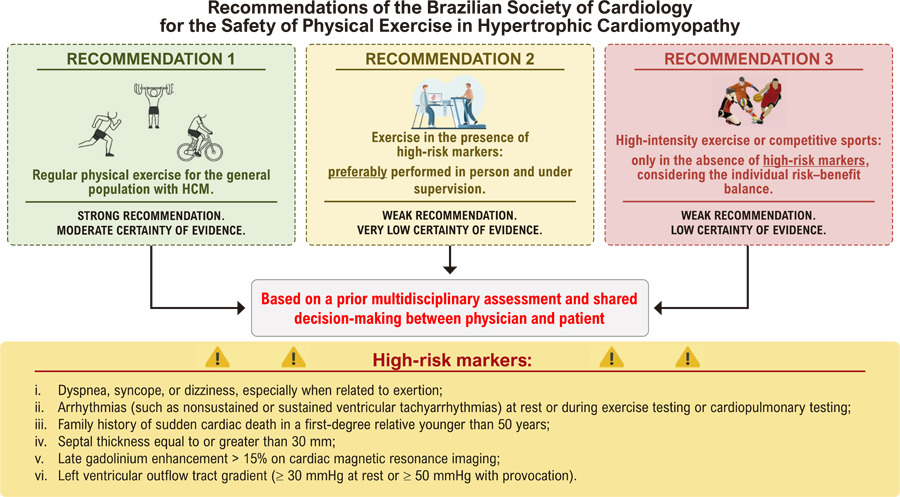
PE in HCM should be encouraged based on individualized assessment. In patients without high-risk criteria for SCD, benefits appear to outweigh risks. For higher-risk subgroups, recommendations are more cautious and based on expert consensus.
  • Cardiac Arrhythmias
  • Exercise
  • Hypertrophic Cardiomyopathy
  • Mortality
  • systematic review
Read Full Article
Creative Commons Attribution (CC BY) Creative Commons license
21/09/2026 DOI: 10.36660/abc.20260423i Views 6
QT Prolongation Following Premature Ventricular Contractions: A Potential Marker of Concealed Long QT Syndrome
IJCS
Original Article

QT Prolongation Following Premature Ventricular Contractions: A Potential Marker of Concealed Long QT Syndrome

Khatuna Jalabadze et al. Pavle Machavariani Bachuki Tsiklauri Natalia Garuchava … Ia Avaliani Maya Chigogidze

Abstract

Background:

Long QT syndrome (LQTS) predisposes individuals to malignant ventricular arrhythmias and sudden cardiac death; however, diagnosis remains challenging in patients with borderline corrected QT (QTc) values. Premature Ventricular Contractions (PVCs) may unmask concealed abnormalities of ventricular repolarization.

Aim:

To determine whether post-PVC QTc prolongation can differentiate patients with confirmed LQTS, healthy controls, and borderline index cases.

Methods:

In this retrospective study, 24-hour electrocardiography (ECG) recordings from 84 subjects were analyzed, including 10 patients with confirmed LQTS, 72 healthy controls, and 2 index patients with borderline baseline QTc values. QTc intervals before and after PVCs were measured manually and corrected using Bazett’s formula. Between-group differences were evaluated using analysis of covariance (ANCOVA) adjusted for baseline QTc, whereas within-group changes were assessed with paired t-tests. A two-tailed p < 0.05 was considered statistically significant.

Results:

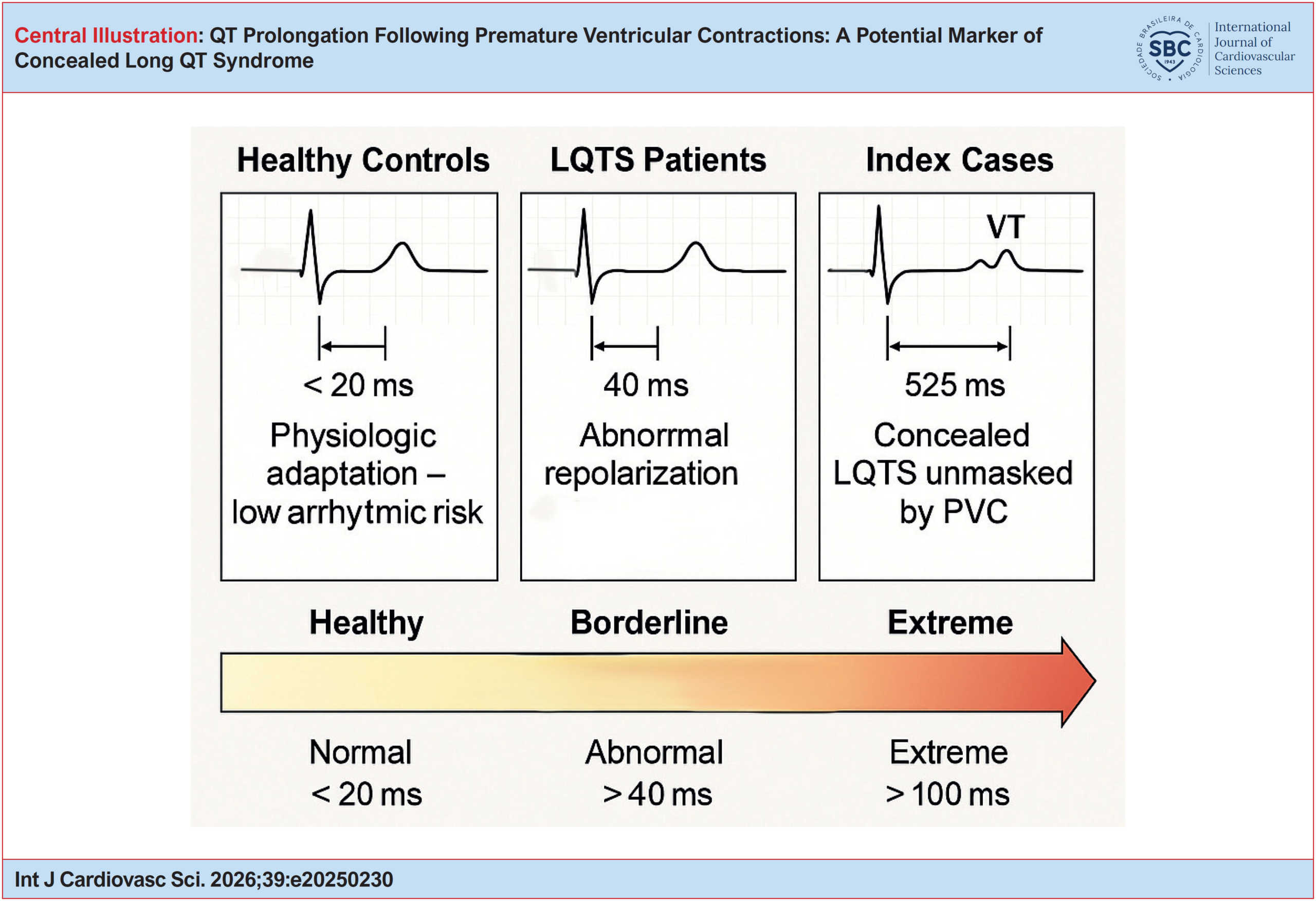
Post-PVC QTc intervals were longer in patients with LQTS than in healthy controls (488 ± 23 ms vs 391 ± 37 ms; adjusted p = 0.066). Overall, PVCs were associated with a mean QTc increase of +15.7 ms (95% CI 7.1–24.3; p = 0.0005), with larger increases observed in LQTS patients (+22.3 ms; p = 0.0019) compared with healthy controls (+10.0 ms; p = 0.0098). The two index patients exhibited marked QTc prolongation, rising from borderline baseline values (360–460 ms) to 540–600 ms (Δ≈165 ms).

Conclusion:

PVC-induced QTc prolongation may help distinguish healthy individuals from patients with overt or borderline LQTS. Whereas healthy controls demonstrated mild physiologic adaptation, patients with confirmed LQTS showed consistent QTc prolongation, and index patients exhibited marked post-PVC increases suggestive of concealed repolarization abnormalities. Assessment of QTc following PVCs may represent a simple bedside approach to improve diagnostic accuracy and risk stratification in LQTS; prospective studies in larger cohorts are warranted to confirm these findings.

  • Cardiac Arrhythmias
  • Long QT Syndrome
  • Ventricular Premature Complexes
Read Full Article
Creative Commons Attribution (CC BY) Creative Commons license
07/09/2026 DOI: 10.36660/ijcs.20250230 Views 3
Figure 1
ABC
Brief Communication

Physical Activity Levels and Quality of Life in Outpatients with Cardiac Arrhythmias and Preserved Left Ventricular Function: Understanding Their Profile

Savia Christina Pereira Bueno et al. Patrícia Alves Oliveira Márya Pagotti Luciana Sacilotto … Gabrielle D’Arezzo Pessente Pedro Gabriel Senger Braga Aline L. Souza Alexandra Regia Dantas Brigido Carlos E. Negrão Francisco C. C. Darrieux Mauricio Scanavacca

Abstract

Cardiac arrhythmias are heterogeneous conditions that may limit physical activity (PA) and impair quality of life (QoL).

To describe levels of PA and perceived barriers as well as to assess their associations with arrhythmia phenotype and QoL in tertiary care outpatients with preserved left ventricular (LV) function.

This pilot cross-sectional study enrolled adults with documented arrhythmias and LV ejection fraction (LVEF) ≥ 50%. PA was assessed using the International Physical Activity Questionnaire (IPAQ) short form, and QoL using the 12- Item Short Form Survey (SF-12). Arrhythmias were classified as supraventricular tachycardia (SVT), atrial fibrillation (AF) and/or atrial tachycardia (AT) (including atrial flutter when applicable), ventricular, inherited, or multiple. Associations were analyzed using chi-square tests, multinomial regression, and linear regression models.

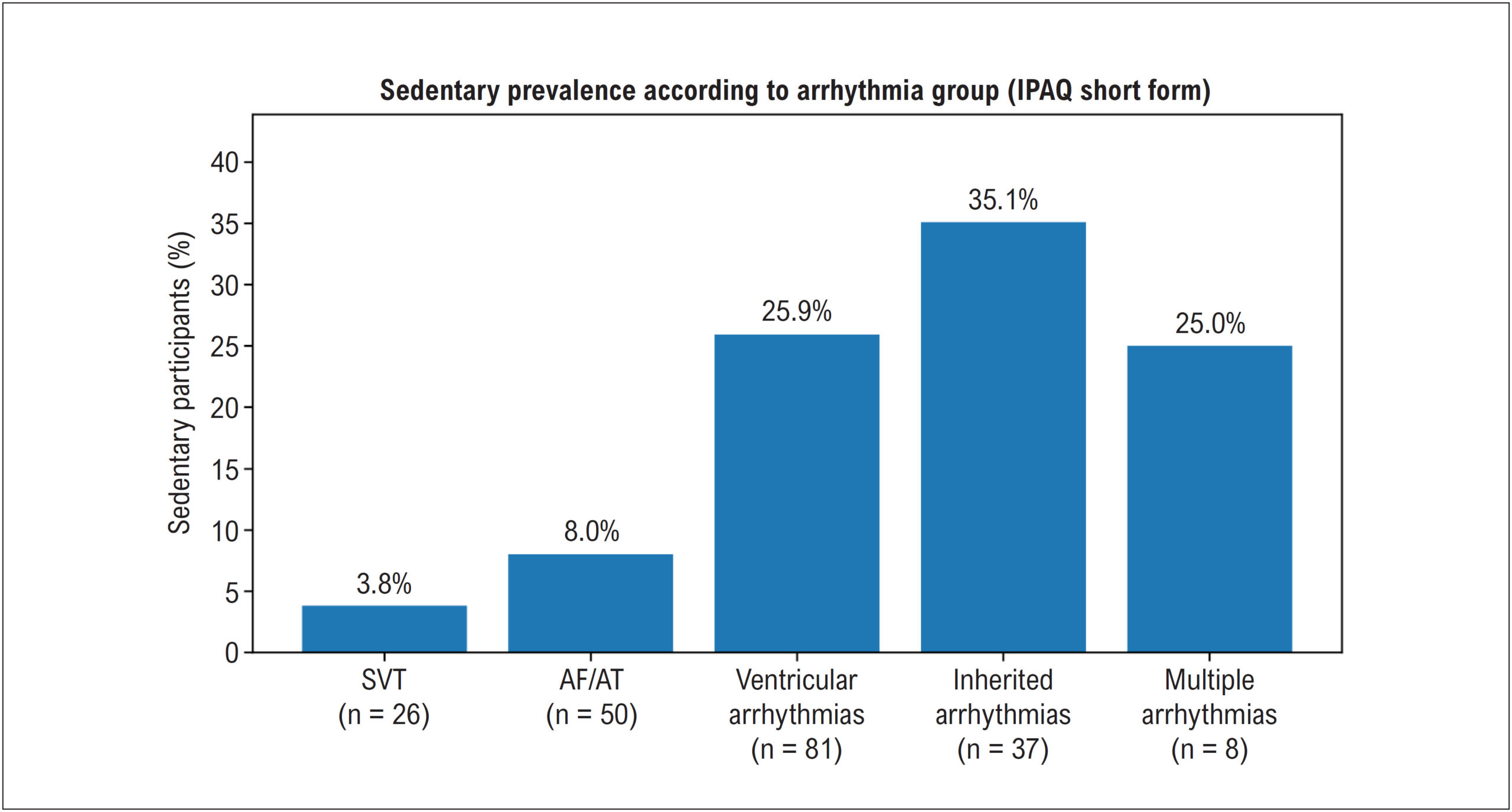
Among 202 participants (mean age 50.5 ± 15.3 years; 58.9% men), 20.3% were sedentary and 45.6% were active or very active. The prevalence of sedentary behavior was higher among patients with ventricular arrhythmias (25.9%), inherited arrhythmias (35.1%), and multiple arrhythmias (25.0%) compared with those with SVT (3.8%) and AF/AT (8.0%) (p = 0.043). In adjusted models, active or very active PA showed a trend toward higher SF-12 physical component scores (p = 0.08), whereas mental component scores were primarily influenced by symptom status and sex.

In this tertiary outpatient cohort with arrhythmias and preserved LVEF, physical inactivity clustered among higher-risk phenotypes and was frequently associated with potentially modifiable barriers, including medical advice and lack of time. Higher levels of PA tended to be associated with better physical health status, supporting individualized, risk-based counseling and supervised strategies to safely promote PA in patients with arrhythmias.

  • Cardiac Arrhythmias
  • Exercise
  • Quality of life
Read Full Article
Creative Commons Attribution (CC BY) Creative Commons license
20/07/2026 DOI: 10.36660/abc.20250831i Views 1
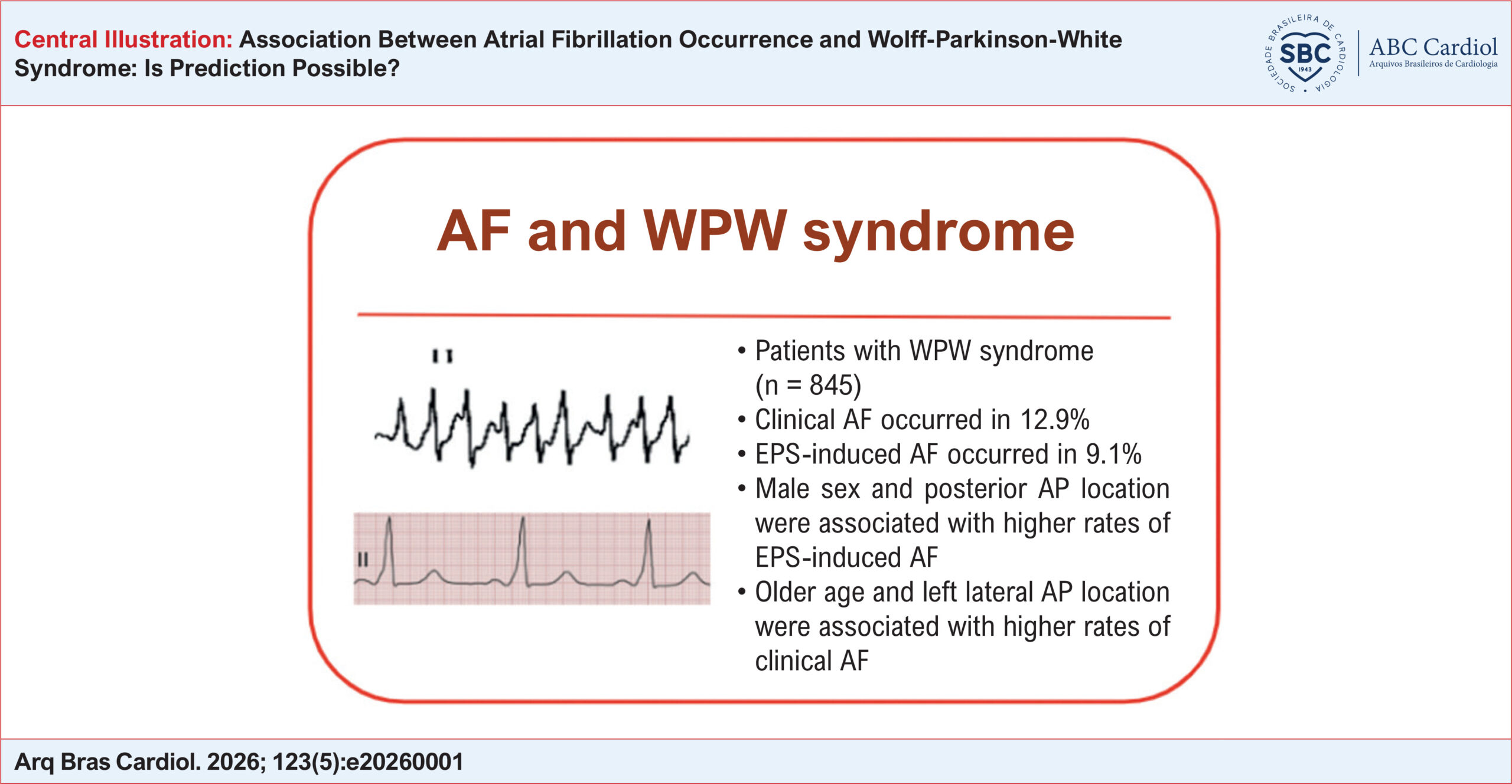
Association Between Atrial Fibrillation Occurrence and Wolff-Parkinson-White Syndrome: Is Prediction Possible?
ABC
Original Article

Association Between Atrial Fibrillation Occurrence and Wolff-Parkinson-White Syndrome: Is Prediction Possible?

Afonso Dalmazio Souza Mario et al. Eduardo Pelegrineti Targueta Francisco Carlos da Costa Darrieux Alexandra Regia Dantas Brigido … Alberto Pereira Ferraz Muhieddine Omar Chokr Cristiano F. Pisani Mauricio Ibrahim Scanavacca

Abstract

Background:

Patients with Wolff-Parkinson-White (WPW) syndrome frequently develop atrial fibrillation (AF); however, the factors associated with the occurrence of AF remain incompletely defined.

Objectives:

To evaluate the prevalence and associated factors of clinical AF and electrophysiological study (EPS)-induced AF in a large consecutive cohort of patients with WPW undergoing accessory pathway (AP) ablation.

Methods:

This retrospective analysis included 845 consecutive patients with WPW who underwent AP ablation at a single tertiary referral center. A standardized EPS protocol was applied throughout the study period. Study outcomes included clinical AF (documented by medical history or monitoring before EPS), EPS-induced AF, and any AF (composite outcome). Multivariable logistic regression models were used to estimate adjusted odds ratio (ORa) with 95% CIs. Statistical significance was set at p < 0.05.

Results:

Mean age was 33.2 ± 15.9 years, and 486 of 845 patients (57.5%) were male. Multiple APs were identified in 31 patients (3.7%). The most common AP locations were left lateral (327/845, 38.7%) and posterior (323/845, 38.2%). Clinical AF was present in 109 patients (12.9%), EPS-induced AF in 77 (9.1%), and any AF in 168 (19.9%). In multivariable analyses, a left lateral AP was independently associated with clinical AF (ORa, 2.31; 95% CI, 1.53-3.49; p < 0.001), whereas a posterior AP was associated with EPS-induced AF (ORa, 1.78; 95% CI, 1.07-2.91; p = 0.025). Female sex was associated with lower odds of EPS-induced AF (ORa, 0.56; 95% CI, 0.34-0.93; p = 0.025). Increasing age was independently associated with clinical AF (per-year ORa, 1.018; p = 0.007) and any AF (per-year ORa, 1.014; p = 0.009).

Conclusion:

In this large cohort of patients with WPW undergoing AP ablation, left lateral AP location and older age were independently associated with a higher prevalence of clinical AF. In contrast, posterior AP location and male sex were associated with a greater likelihood of EPS-induced AF.

  • Atrial Fibrillation
  • Cardiac Arrhythmias
  • electrophysiology
  • Wolff-Parkinson White Syndrome
Read Full Article
Creative Commons Attribution (CC BY) Creative Commons license
17/07/2026 DOI: 10.36660/abc.20260001i Views 1
Figure 1
ABC
Image

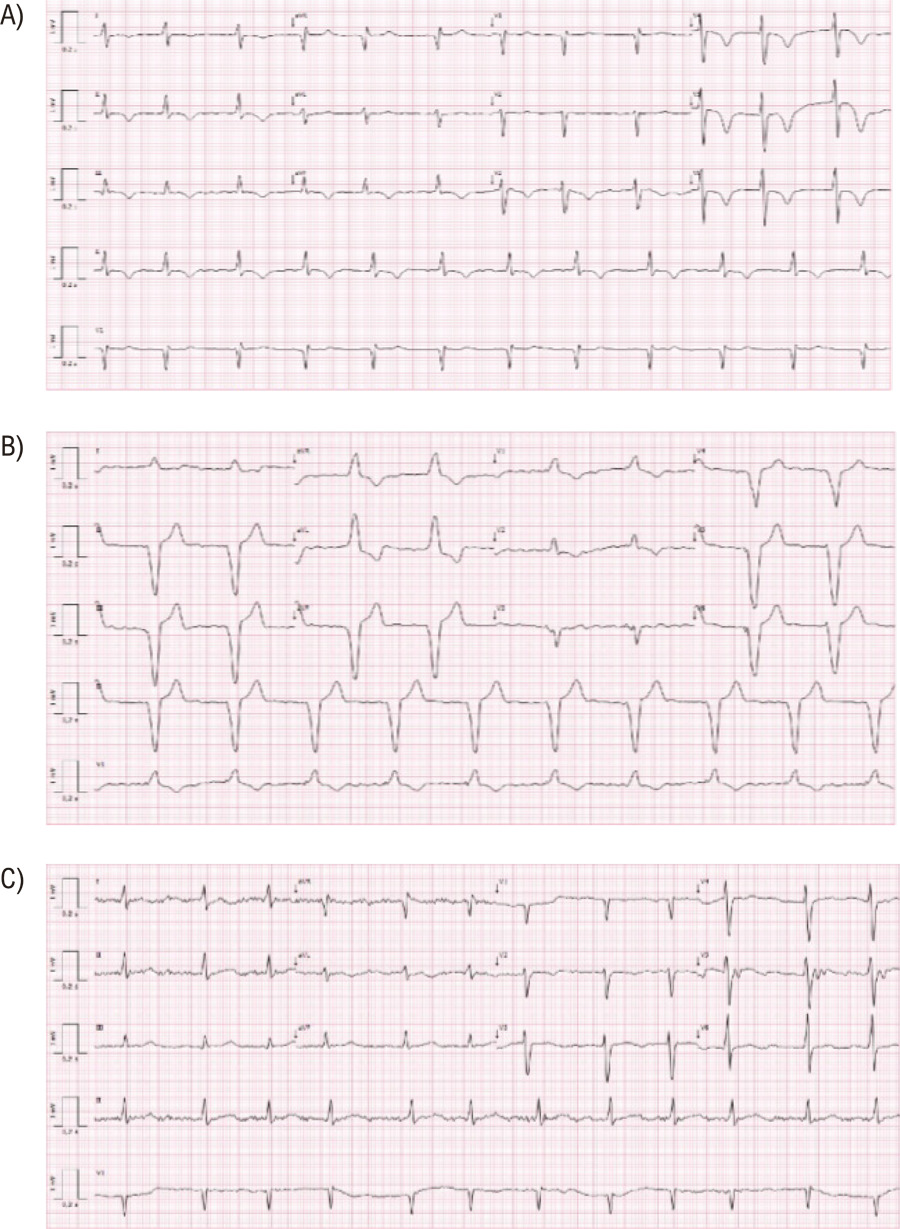
Chatterjee Phenomenon: The Heart Remembers What the Mind Forgets

Miguel Vicente et al. Eric Monteiro Domingos Ramos Lino Gonçalves

Introduction

The Chatterjee phenomenon, also known as cardiac memory (CM), is defined as persistent changes in the T wave on the electrocardiogram after episodes of stimulated rhythms. These changes become evident when the normal pattern of ventricular activation is reestablished, which is often confused with pathological conditions such as myocarditis, hypertrophy, and ventricular pre-excitation, hydroelectrolytic disorders, and intracranial hypertension, where the most serious scenario is acute myocardial ischemia.–

This nosological entity, observed in about one-third of patients with pacemakers and with a prevalence of around 80% in cases with a high percentage of ventricular stimulation, was first reported exactly 110 years ago by White, who described transient T wave inversion (TWI) after premature ventricular beats. Twenty-five years later, abnormal T waves of varying duration were described after periods of intermittent ventricular pre-excitation, post-ventricular tachycardia syndrome, and ventricular complexes augmented by sodium channel blocker toxicity.

[…]

  • Artificial Pacemaker
  • Cardiac Arrhythmias
  • Case Reports
Read Full Article
Creative Commons Attribution (CC BY) Creative Commons license
20/03/2026 DOI: 10.36660/abc.20250418i Views 1
ABC
Editorial

Pulsed Field Ablation for Atrial Fibrillation: Early Experience in Brazil

Gabriela Miana de Mattos Paixão et al. Isadora Cristine Reis Sguizzato Bozzi

Atrial fibrillation (AF) is the most common sustained cardiac arrhythmia in clinical practice and represents a significant public health burden because it is independently associated with impaired quality of life, increased risk of stroke, and all-cause mortality(1). The incidence and prevalence of AF are growing worldwide, driven mainly by population aging and the rising prevalence of cardiovascular comorbidities. Together, these findings explain the economic impact of AF and its role as a growing healthcare challenge.

Catheter ablation is a well-established rhythm-control strategy for AF, with pulmonary vein isolation as its central component, since pulmonary vein–related triggers were recognized. Over more than two decades, advances in electroanatomic mapping, catheter technology, and energy delivery have improved the safety and long-term outcomes of radiofrequency and cryoballoon ablation. Despite these advances, single-procedure success remains limited, and complications related to collateral thermal injury can occur. Pulsed field ablation (PFA) has recently emerged as a novel, nonthermal ablation modality based on electroporation, induced by rapid electrical pulses that selectively ablate myocardial tissue while minimizing injury to adjacent structures such as the esophagus and phrenic nerve. Early clinical studies and real-world registries have demonstrated a favorable safety profile and efficacy comparable to thermal ablation.– However, optimizing protocols and obtaining robust long-term outcome data remain necessary, especially in low- and middle-income countries such as Brazil.

[…]

  • Atrial Fibrillation
  • Cardiac Arrhythmias
  • Irreversible Electroporation Therapy
Read Full Article
Creative Commons Attribution (CC BY) Creative Commons license
16/03/2026 DOI: 10.36660/abc.20250893i Views 1
Figure 1
ABC
Research Letter

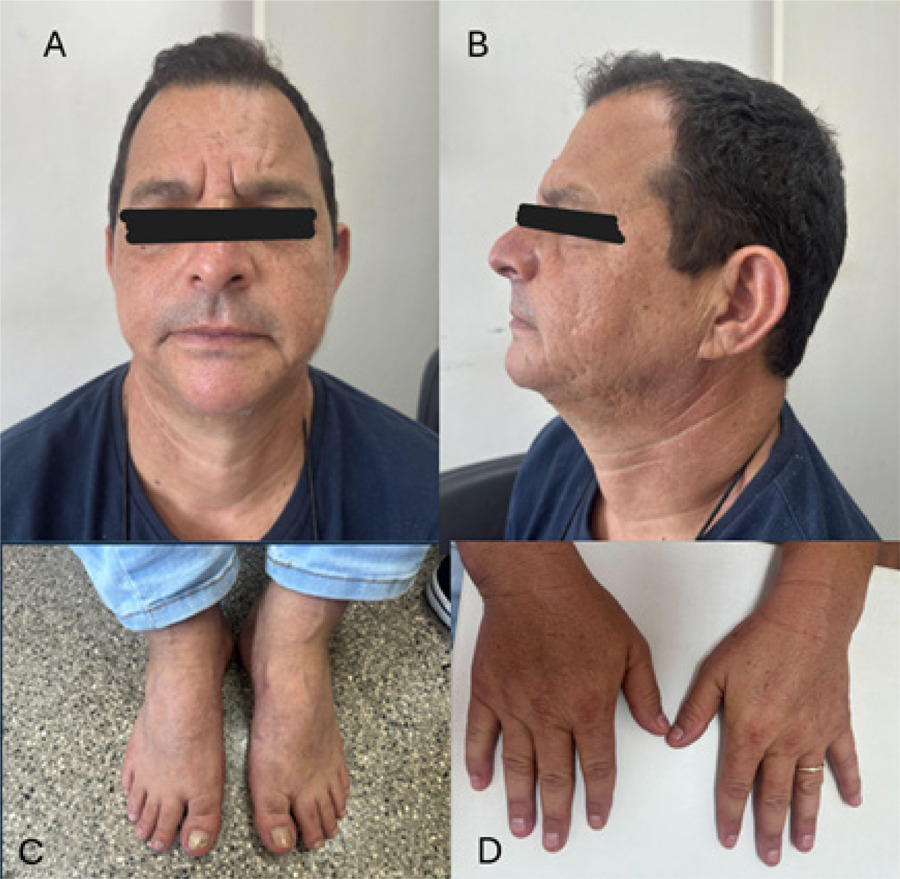
Phenotypic Variability in a Family with Andersen-Tawil Syndrome

Samuel Ulisses Chaves Nogueira do Nascimento et al. Jussara de Oliveira Pinheiro Duarte Luiz Pereira de Magalhães Alex Teixeira Guabiru … Adimeia Souza Santos Enderson Cavalvanti Victoria Bastos Rodrigues Roque Aras

Introduction

Cardiac channelopathies are genetic disorders caused by pathogenic variants in genes encoding ion channels, resulting in alterations in cardiac electrophysiology and a predisposition to potentially fatal arrhythmias. Among these conditions, Long QT Syndrome (LQTS) stands out as a heterogeneous clinical entity, characterized by prolonged QT interval and an increased risk of ventricular tachyarrhythmia and sudden death.

Some hereditary forms of LQTS occur in the context of genetic syndromes, such as Andersen-Tawil Syndrome (ATS), which is caused by variants in the KCNJ2 gene, encoding the Kir2.1 potassium channel. In addition to long QT and a predisposition to ventricular arrhythmia, ATS manifests with periodic paralysis and craniofacial dysmorphisms, forming a diagnostic triad. Although the diagnosis may be clinical, molecular confirmation is essential for risk stratification, genetic counseling, and differentiation from other conditions with phenotypic overlap.

[…]

  • Andersen Syndrome
  • Cardiac Arrhythmias
  • Channelopathies
  • Human Genetics
  • Paralysis
Read Full Article
Creative Commons Attribution (CC BY) Creative Commons license
27/02/2026 DOI: 10.36660/abc.20240861i Views 5
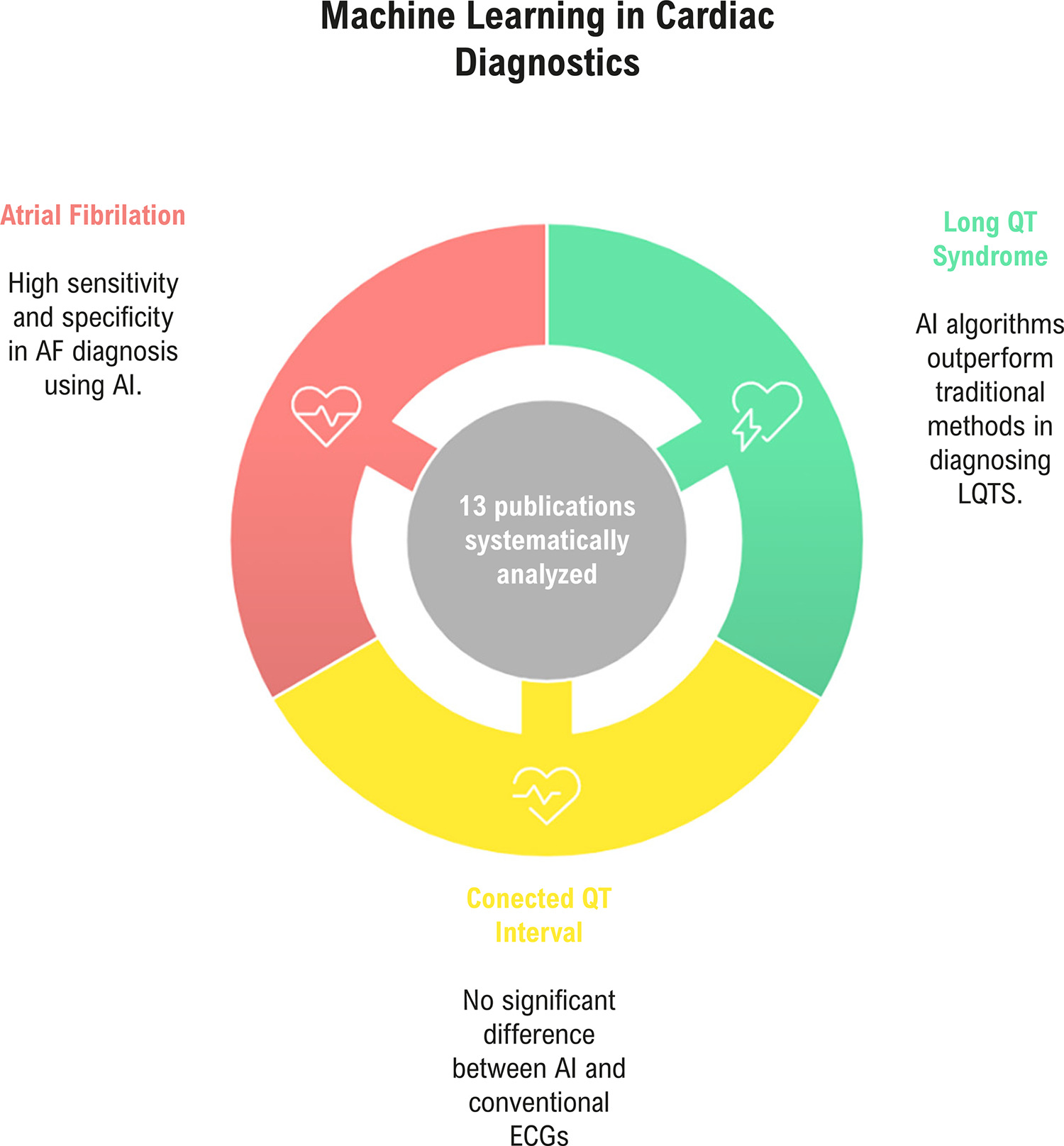
Applicability of Machine Learning Algorithms in Diagnosis of Atrial Fibrillation and LQTS by Electrocardiogram Interpretation: A Systematic Review
ABC
Original Article

Applicability of Machine Learning Algorithms in Diagnosis of Atrial Fibrillation and LQTS by Electrocardiogram Interpretation: A Systematic Review

Paulo Cainan Guimarães do Nascimento et al. Matthews Silva Martins Alex Cleber Improta-Caria Roque Aras Junior

Abstract

Background

Machine Learning (ML) is a type of algorithm that autonomously learns to recognize complex patterns. In the diagnostic context of cardiac arrhythmias, these algorithms have shown significant advancements due to their ability to provide automated interpretation and pattern recognition in electrocardiograms (ECGs).

Objective

To analyze and identify the applicability, validity, and feasibility of ML algorithm models in the diagnostic process of cardiac arrhythmias through automated electrocardiogram interpretation.

Methods

This systematic literature review was reported according to the PRISMA guidelines. The searches were conducted in the Cochrane Library, EMBASE, LILACS, and PubMed between February 2022 and November 2022. The study period encompasses articles published between 2017 and 2022.

Results

The database search yielded 119 results, covering three subthemes: Long QT Syndrome (LQTS), corrected QT interval (QTc), and atrial fibrillation (AF). AF was the most prevalent theme. The sample sizes were quite variable. The outcomes were mostly satisfactory. In the diagnosis of LQTS using Artificial Intelligence (AI), the algorithm outperformed conventional methods in diagnostic distinction. In the evaluation of QTc, there was no difference between the AI-integrated ECG and the conventional ECG. In the diagnosis of AF, the algorithms, models, and devices demonstrated high sensitivity and specificity, along with greater accuracy.

Conclusion

ML models in the diagnostic process of cardiac arrhythmias are feasible and rapidly developing. They demonstrate accuracy values between 96.4% and 98.2%, sensitivity between 92.8% and 99.4%, and specificity between 95% and 98.1%, particularly in the diagnosis of atrial fibrillation.

  • Artificial Intelligence
  • Cardiac Arrhythmias
  • Electrocardiography
  • Machine Learning
  • Neural Network
Read Full Article
Creative Commons Attribution (CC BY) Creative Commons license
01/09/2025 DOI: 10.36660/abc.20240843i Views 1
ABC
Letter to the Editor

How to Demonstrate the Prognostic Benefit of Aggressive Screening of Atrial Fibrillation

Naoya Kataoka et al. Teruhiko Imamura

To Editor

The early detection of asymptomatic atrial fibrillation (AF) is considered essential for preventing thromboembolic events and the progression of heart failure. Numerous wearable devices have been developed to facilitate this objective. The authors employed stroke risk analysis (SRA), a method that stratifies the risk of paroxysmal AF through the evaluation of electrocardiogram data. This algorithm proved effective in screening patients with asymptomatic paroxysmal AF, with 29.4% of participants categorized as high-risk. Among these high-risk individuals, AF was detected in 38.7% following a 7-day screening period. Nevertheless, several critical concerns merit discussion.

[…]

  • Cardiac Arrhythmias
  • Stroke
  • Wearable Electronic Devices
Read Full Article
Creative Commons Attribution (CC BY) Creative Commons license
25/08/2025 DOI: 10.36660/abc.20250138i Views 1
Figure 1
ABCIC
Case Report

Turmoil of Symptoms: The Devastating Impact of Cardiac Lymphoma – Multiple Clinical Manifestations and the Lethal Causes of Cardiac Involvement

Gustavo Carvalho et al. Maria Fernanda Miranda Carvalho Tiago Magalhães Alexandre Manoel Varela … Kamila Fernanda Staszko Mariana Rie Hayashida

Abstract

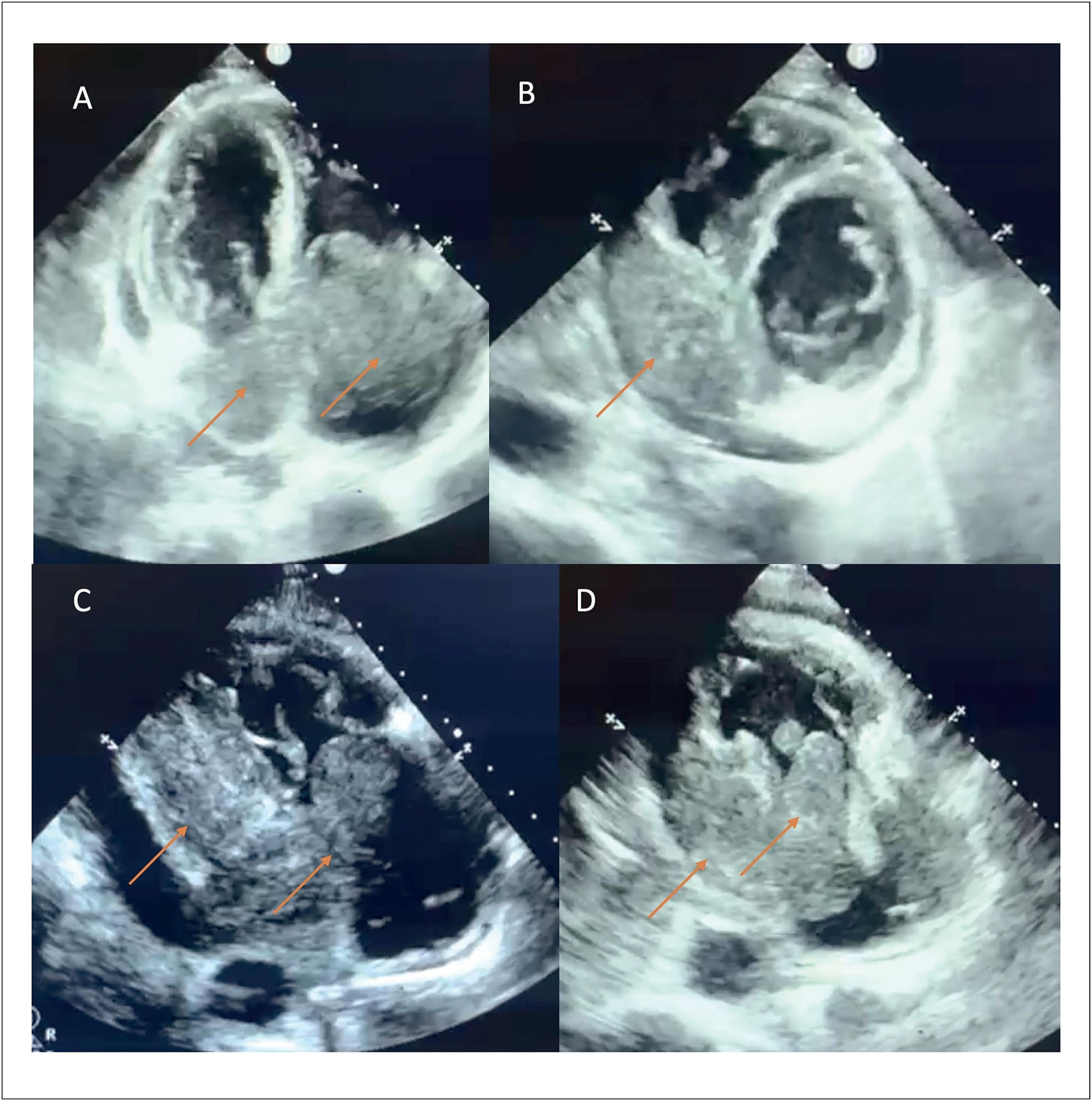
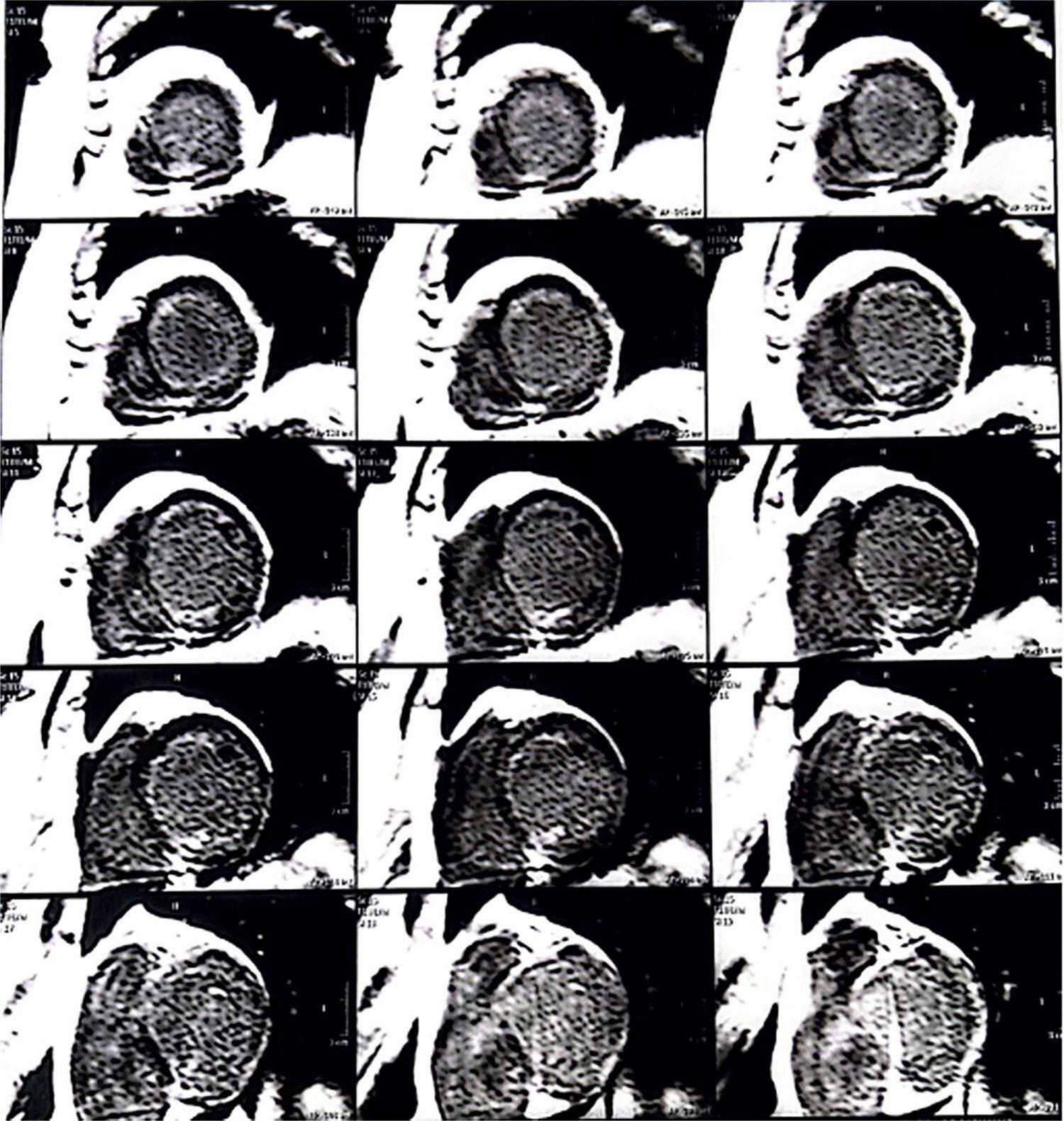
Primary cardiac lymphoma (PCL) is a rare and highly lethal neoplasm, whose nonspecific clinical presentation makes early diagnosis difficult. This article reports the case of an elderly patient, previously healthy, who experienced dizziness and syncope for four months before the discovery of a large tumor mass in the heart. Imaging exams, such as echocardiography and magnetic resonance imaging, were crucial for tumor identification, and the biopsy confirmed it to be a B-cell lymphoma with high replication. However, given the severity of the condition and the family’s refusal to proceed with treatment, the patient progressed to sudden death two weeks after diagnosis. Primary cardiac tumors (PCTs) are underdiagnosed, with varied symptoms that may include vascular obstructions, arrhythmias, and heart failure. PCLs account for only 1% to 2% of primary cardiac masses and are more common in elderly men. The diagnosis is challenging due to the absence of specific signs, making imaging exams and biopsies essential for disease confirmation. This case illustrates the complexity of managing PCLs, whose rapid progression limits therapeutic options. The lack of specific symptoms and silent progression highlight the importance of early diagnosis. The high mortality rate reinforces the need for greater medical attention to this condition, which frequently leads to fatal outcomes before an effective intervention can be implemented.

  • Biopsy
  • Cardiac Arrhythmias
  • Echocardiography
  • Heart Neoplasms
Read Full Article
Creative Commons Attribution (CC BY) Creative Commons license
15/08/2025 DOI: 10.36660/abcimg.20250033i Views 3
ABC
Editorial

Does Early Repolarization Affect the Risk of Death and Ventricular Arrhythmias?

Guilherme Fenelon

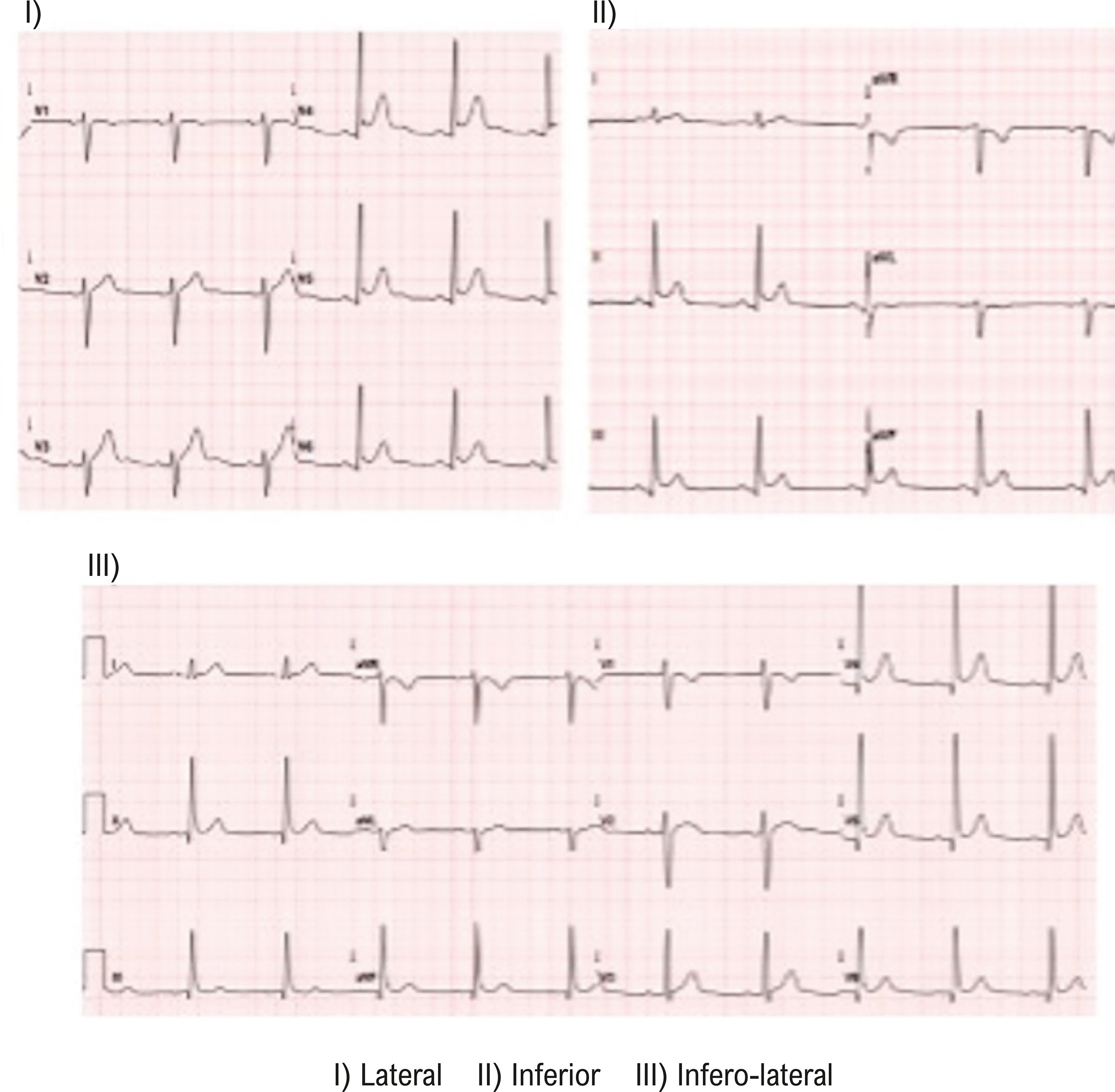
Early repolarization (ER) pattern, defined as J-point elevation of ≥1 mm in ≥2 contiguous inferior and/or lateral electrocardiography (ECG) leads, is a common finding, with a prevalence of approximately 6% in the adult population., ER has long been considered a benign phenomenon, as most affected individuals — typically young males and athletes — have a very low incidence of sudden cardiac death.,

However, a pivotal study by Haïssaguerre et al. demonstrated a significantly higher occurrence of ER (31%) in patients with idiopathic ventricular fibrillation (VF) compared to controls (5%). Subsequent studies confirmed an association between ER and malignant ventricular arrhythmias (VA) in patients without structural heart disease., Additionally, ER has been linked to adverse outcomes in patients with primary electrical disorders such as long QT syndrome and Brugada syndrome.,

[…]

  • Cardiac Arrhythmias
  • Cardiac Sudden Death
  • Electrocardiography
Read Full Article
Creative Commons Attribution (CC BY) Creative Commons license
20/06/2025 DOI: 10.36660/abc.20250275i
Figure 1
ABC
Original Article

Mortality and Ventricular Arrhythmia in Patients with Early Ventricular Repolarization

Hugo Baldisserotto et al. Barbara Adelmann de Lima Marco Aurélio Lumertz Saffi Anderson Donelli da Silveira … Marcia Leonardi Baldisserotto Tiago Luiz Luz Leiria

Abstract

Background

Recent research has linked early repolarization (ER) with increased ventricular fibrillation risk, especially in leads V1-V3 and in inferior and lateral regions. However, data on the Brazilian population are limited.

Objective

To estimate the impact of ER on survival and the occurrence of ventricular arrhythmias (VA) in patients over a 10-year period at a university hospital.

Methods

This retrospective cohort study included patients with ER on electrocardiogram from the hospital database. Descriptive analysis was conducted to describe patients’ profile and characteristics. Kaplan-Meier method was utilized to analyze survival curves, with the log-rank test employed to assess differences between ER types. Cox regression models were applied to evaluate the risks of death and VA, calculating both gross and adjusted hazard ratios. The level of significance adopted in the statistical analysis was 5%.

Results

The study population was predominantly male, average age of 45.6 years; 2.7% experienced VA (five in the group with lateral ER, four in the group with inferior ER group, and four in the ER inferolateral group). Significant differences were observed in age, sex, and HFrEF between the groups. Regarding all-cause mortality, 2.3% of patients died (five in the group with lateral ER, one in the group with inferior ER group, and five in the ER inferolateral group). Only age showed a statistically significant difference. There were significant differences in both death and VA between the groups (p=0.7 and p=0.5, respectively).

Conclusion

ER did not lead to a higher incidence of VA or all-cause mortality in this cohort.

  • Cardiac Arrhythmias
  • Electrocardiography
  • Mortality
Read Full Article
Creative Commons Attribution (CC BY) Creative Commons license
12/05/2025 DOI: 10.36660/abc.20240516i
ABC
Editorial

High-Power Short Duration or Pulsed Field Ablation: What is the Best Choice for AF Ablation?

José Carlos Pachon-M et al. Enrique I. Pachon-M Tasso J. Lobo Tomas G. Santillana-P Carlos Thiene C. Pachon

Conclusion

Both methods highlight the advancements in AF ablation techniques, focusing on improving procedural efficiency and safety. The HPSD meta-analysis demonstrates that high-power, short-duration radiofrequency ablation reduces AF recurrence and procedural times while minimizing complications like esophageal injury. On the other hand, the PFA meta-analysis shows that pulsed field ablation offers shorter procedural times compared to traditional thermal ablation, with no significant difference in complications or AF recurrence. Finally, a highly relevant issue that has not been adequately considered in these studies is the extent of vagal denervation resulting from these techniques. It is well established that a greater degree of vagal denervation, including the potential incorporation of cardioneuroablation, is strongly associated with a significant reduction in long-term recurrence rates.

[…]

  • Atrial Fibrillation
  • Cardiac Arrhythmias
  • Catheter Ablation
  • Irreversible Electroporation Therapy
Read Full Article
Creative Commons Attribution (CC BY) Creative Commons license
07/04/2025 DOI: 10.36660/abc.20250057i Views 2
Figure 1
ABCHF
Case Report

Dilated Cardiomyopathy Associated With A Novel Truncated Filamin C Variant Mimicking Cardiac Amyloidosis: A Diagnostic Challenge

Kelson Kemuel Confessor de Sousa et al. Ferdinand Gilbert Saraiva da Silva Maia Rosiane Viana Zuza Diniz Carla Karini R. A. Costa … Beatriz Andrade da Costa Fabio Mastrocola

Introduction

Filamins interconnect actin filaments and form a broad network in cardiac and skeletal muscle cells by anchoring membrane proteins to the cytoskeleton. Filamin C, encoded by the FLNC gene, is one of three filamin-related proteins and binds to several proteins in the Z-disc of the sarcomere. Mutations in FLNC were initially associated with skeletal myofibrillar myopathy but are now recognized as associated with dilated and arrhythmogenic cardiomyopathy phenotypes, with autosomal dominant inheritance and an estimated penetrance of 92–97%, and are included in the genetic screening of patients with arrhythmogenic heart disease and sudden cardiac death. The prevalence of pathogenic FLNC variants is 1–4.5% among patients with dilated cardiomyopathy (DCM) and up to 6% in patients with arrhythmogenic cardiomyopathy.,

We describe the case of a patient with a novel truncated variant in the filamin C gene with a DCM phenotype who, during clinical follow-up and etiological investigation, presented imaging exams mimicking cardiac amyloidosis.

[…]

  • Amyloidosis
  • Cardiac Arrhythmias
  • Dilated Cardiomyopathy
  • Genetic Testing
Read Full Article
Creative Commons Attribution (CC BY) Creative Commons license
28/03/2025 DOI: 10.36660/abchf.20240053i Views 1
Figure 1
ABCHF
Case Report

Cardiac Sarcoidosis and Complex Arrhythmias

Anna Luiza Souza et al. Renata dos Santos Oliveira Ana Paula Lindoso Lima Barreiro Mauricio Lopes Prudente … Rodrigo Paashaus de Andrade Giulliano Gardenghi

Introduction

Sarcoidosis is a multisystem inflammatory granulomatous disease of unknown cause, related to genetic factors, with an incidence of 1 to 30 cases/100,000 people, and is more prevalent in women over 50 years of age. The formation of scar tissue characterizes it and can affect any organ, with a predilection for the lungs in approximately 90% of cases. Patients with cardiac involvement are mainly male and, in general, have a worse prognosis, with high mortality rates observed in this population (85% of deaths).,

The scar substrate in the myocardium, which presents as multifocal and heterogeneous, is related to several cardiac manifestations. Among the most common, we can mention left ventricular dysfunctions, atrioventricular conduction abnormalities, and ventricular and supraventricular arrhythmias, such as ventricular tachycardia and atrial fibrillation, which can lead, in some cases, to sudden death. In view of this, the use of antiarrhythmic drugs is necessary in clinical practice in most patients, aiming at the control of arrhythmias, especially those of ventricular origin, and consequently improving the quality of life and reducing mortality. In this work, we report the therapeutic management of a case of cardiac sarcoidosis associated with prolonged QT interval that evolved with complex ventricular tachycardia (VT).

[…]

  • Cardiac Arrhythmias
  • Long QT Syndrome
  • Sarcoidosis
Read Full Article
Creative Commons Attribution (CC BY) Creative Commons license
19/03/2025 DOI: 10.36660/abchf.20240062i Views 1
Figure 1
IJCS
Original Article

Electrocardiographic Analysis of Ventricular Repolarization in Patients With Psoriasis: A Cross-Sectional Study

Guilia Bevilacqua Schmitz et al. Raíssa Massaia Londero Chemello Marco Lumertz Saffi Luciane Prado de Vargas Diego Chemello

Abstract

Background

Psoriasis is a chronic inflammatory disease. Cardiovascular diseases, including arrhythmias, tend to occur more frequently in these patients.

Objective

This study aimed to investigate new electrocardiographic markers for assessing ventricular repolarization in outpatients with psoriasis in a tertiary center in Brazil.

Methods

This work is a cross-sectional study, which selected outpatients with psoriasis undergoing follow-up in a tertiary dermatology service in southern Brazil. The controls were selected from a private outpatient clinic. All the electrocardiogram (ECG) analyses were performed by one certified electrophysiologist. Comparative statistical tests and Spearman’s correlation analysis were used. Measures with statistically significant differences in the univariate analysis were taken to the multivariate analysis (Generalized Linear Model – Poisson Regression with age adjustment). A P<0.05 value was considered statistically significant for all analyses.

Results

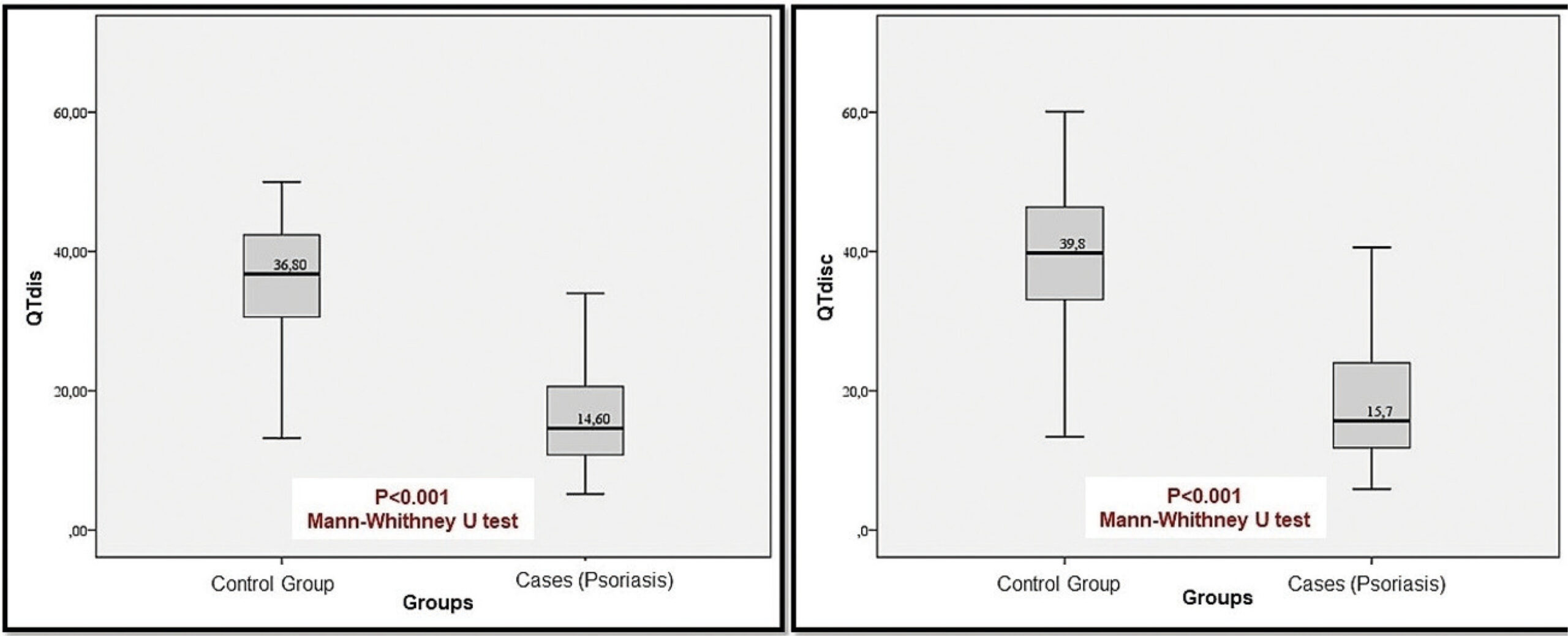
A total of 130 individuals were evaluated, mean age of 53.1±15.1 years. The univariate analysis showed no difference in Corrected QT interval (QTc) between the groups, considering 411.2±21.2 ms in the psoriasis group (PG) versus 412.8±25.2 ms in the control group (CG) (p = 0.694). The median values of Corrected QT dispersion (QTdisc) were lower in the PG as compared to the CG, 15.7 ms (IQR 11.5–24.2 ms) versus 39.8 ms (Interquartile Range, IQR, 32.8–46.6 ms), respectively (p<0.001). For peak-to-end interval of the T wave (Tp-e) and Tp-e/QTc values, the mean values were also lower in patients with psoriasis. For Tp-e, the mean values in the PG were 91.7±11.6 ms versus 96.0±9.2 ms in the CG (p = 0.024). For The Tp-e/QTc, the mean values in the PG were 0.22±0.03 versus 0.23±0.03 in the CG (p = 0.024). The multivariate analysis, adjusted for age, QTdis, Qtdisc, Tp-e, and Tp-e/QTc, remained independently lower in patients with psoriasis.

Conclusion

The evaluation of ventricular repolarization parameters in a sample of outpatients with psoriasis in southern Brazil showed that ventricular repolarization values were generally lower when compared to controls. No significant correlation was found between disease activity and ventricular repolarization parameters.

  • Cardiac Arrhythmias
  • Electrocardiography
  • psoriasis
  • Ventricular tachycardia
Read Full Article
Creative Commons Attribution (CC BY) Creative Commons license
28/02/2025 DOI: 10.36660/ijcs.20230170 Views 1
Mexiletine in The Treatment of Long QT Syndrome Type 2 in Infants: A Case Report
IJCS
Case Report

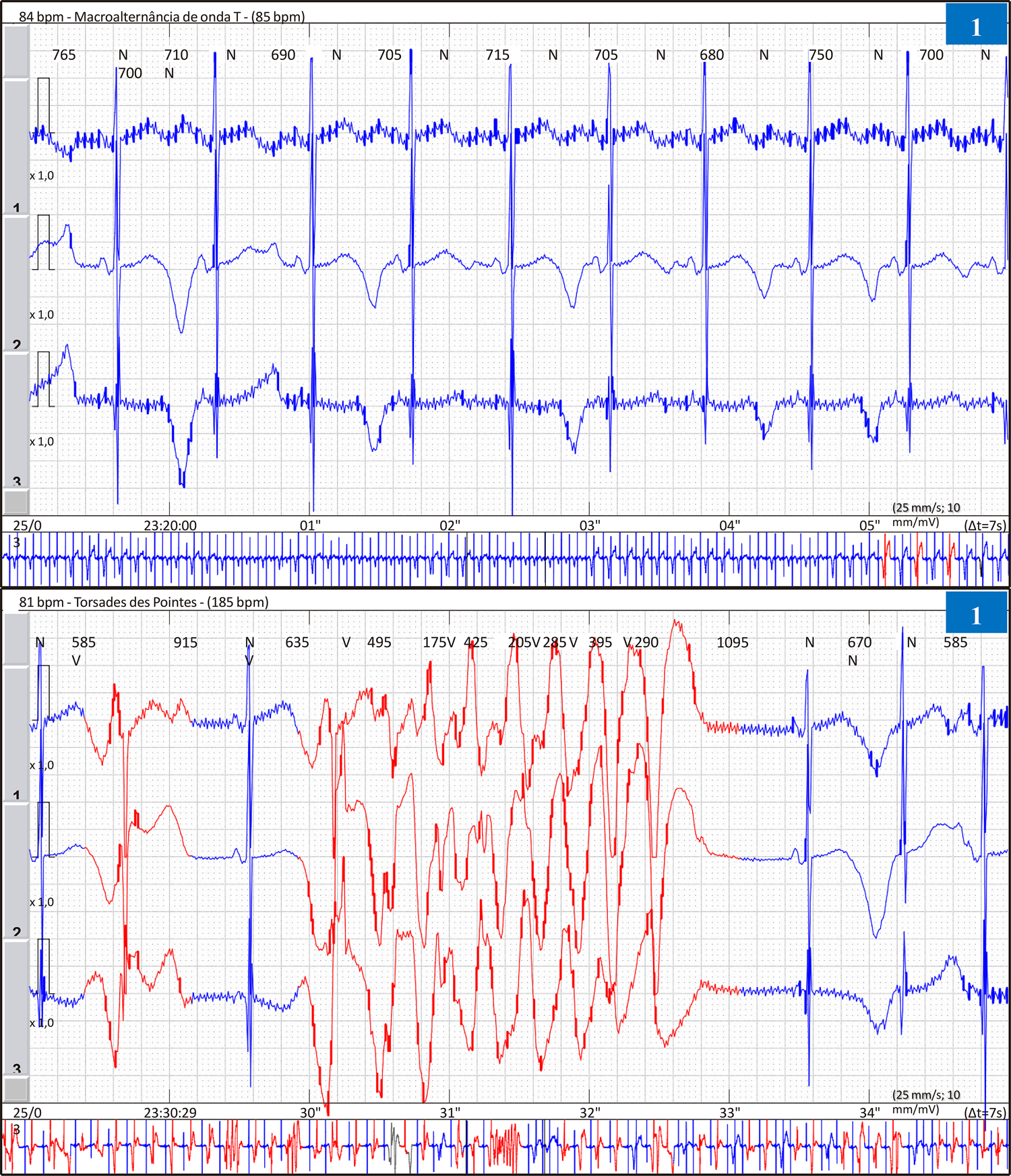
Mexiletine in The Treatment of Long QT Syndrome Type 2 in Infants: A Case Report

Jessica Laureano Martins et al. Nicole Sarmento Queiroga Fernanda Calumby Nóbrega Guimarães Guilherme Augusto Teodoro Athayde … Halbiege Léa Silva Quirino da Silva Rogério Braga Andalaft

Introduction

Congenital Long QT Syndrome (LQTS) is one of the main causes of sudden cardiac death (SCD) in the pediatric age group, with a prevalence of approximately one case for every 2,000 newborns. The most prevalent inheritance is dominant, with the typical phenotype associated with cardiac manifestations.

The genetic alteration of LQTS is multigenic, with 17 main genes, and in 80% of the cases, it identifies: KCNQ1 (LQTL1), KCNH2 (LQTL2), and SCN5A (LQTL3). The LQTS type 2 (LQTS2) subtype alters the expression of potassium channels in myocytes, causing electrical instability and ventricular arrhythmias. The most common arrhythmia is Torsades de Pointes (TdP), a type of polymorphic ventricular tachycardia, which can lead to syncope, seizures, and sudden death.

[…]

  • Cardiac Arrhythmias
  • Long QT Syndrome
  • Torsades de Pointes
Read Full Article
Creative Commons Attribution (CC BY) Creative Commons license
10/02/2025 DOI: 10.36660/ijcs.20240099 Views 1
The Many Faces of Arrhythmic Mitral Valve Prolapse: Case Series
ABCIC
Original Article

The Many Faces of Arrhythmic Mitral Valve Prolapse: Case Series

Yasmim Evelyn Lisboa Barbosa et al. Isadora Wanderley Queiroga de Freitas Evangelista Julyana Maria Ramalho de Sousa Lorena Carvalho Leite Jales … Elisabete Louise de Medeiros Viegas Patrícia Vidal de Negreiros Nóbrega Daniel Moreira Costa Moura Gabriel Pelegrineti Targueta Lilian Amador Resende Renner Augusto Raposo Pereira Guilherme Augusto Teodoro Athayde

Abstract

Background:

Although it is frequently a benign condition, mitral valve prolapse (MVP) may be associated with an increased risk of ventricular arrhythmias (VA), a condition known as arrhythmic mitral valve prolapse (AMVP).

Objectives:

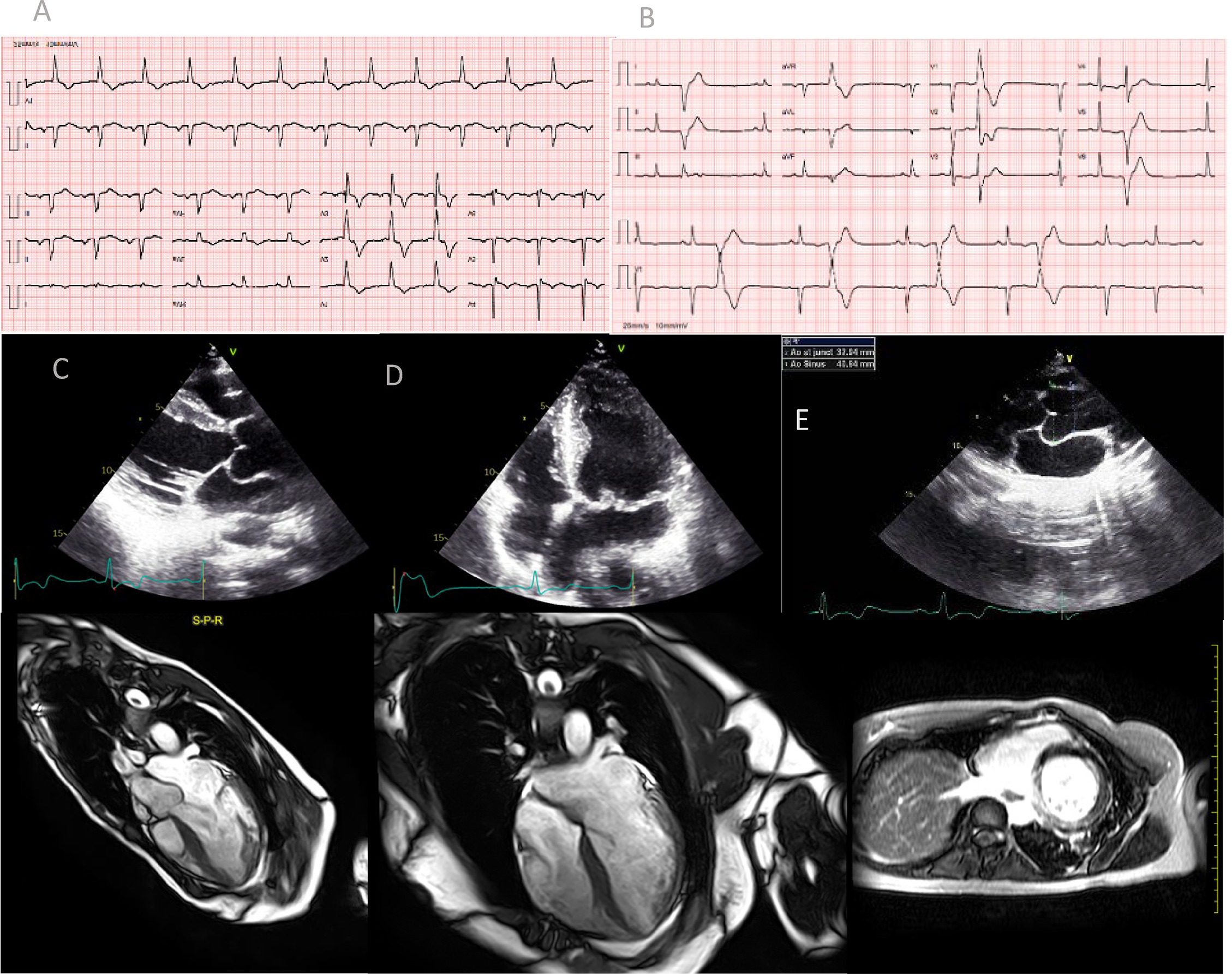
To present diverse manifestations of AMVP by means of clinical cases that illustrate these patients’ symptoms and electrocardiogram (ECG), 24-hour Holter, transthoracic echocardiogram (TTE), and cardiac magnetic resonance imaging (CMRI) findings and to discuss the decisions made in relation to different clinical outcomes.

Methods:

This retrospective, descriptive, and observational study analyzed 5 patients with AMVP treated between 2019 and 2024, investigating markers of elevated risk for severe clinical outcomes, especially sudden cardiac death (SCD).

Results:

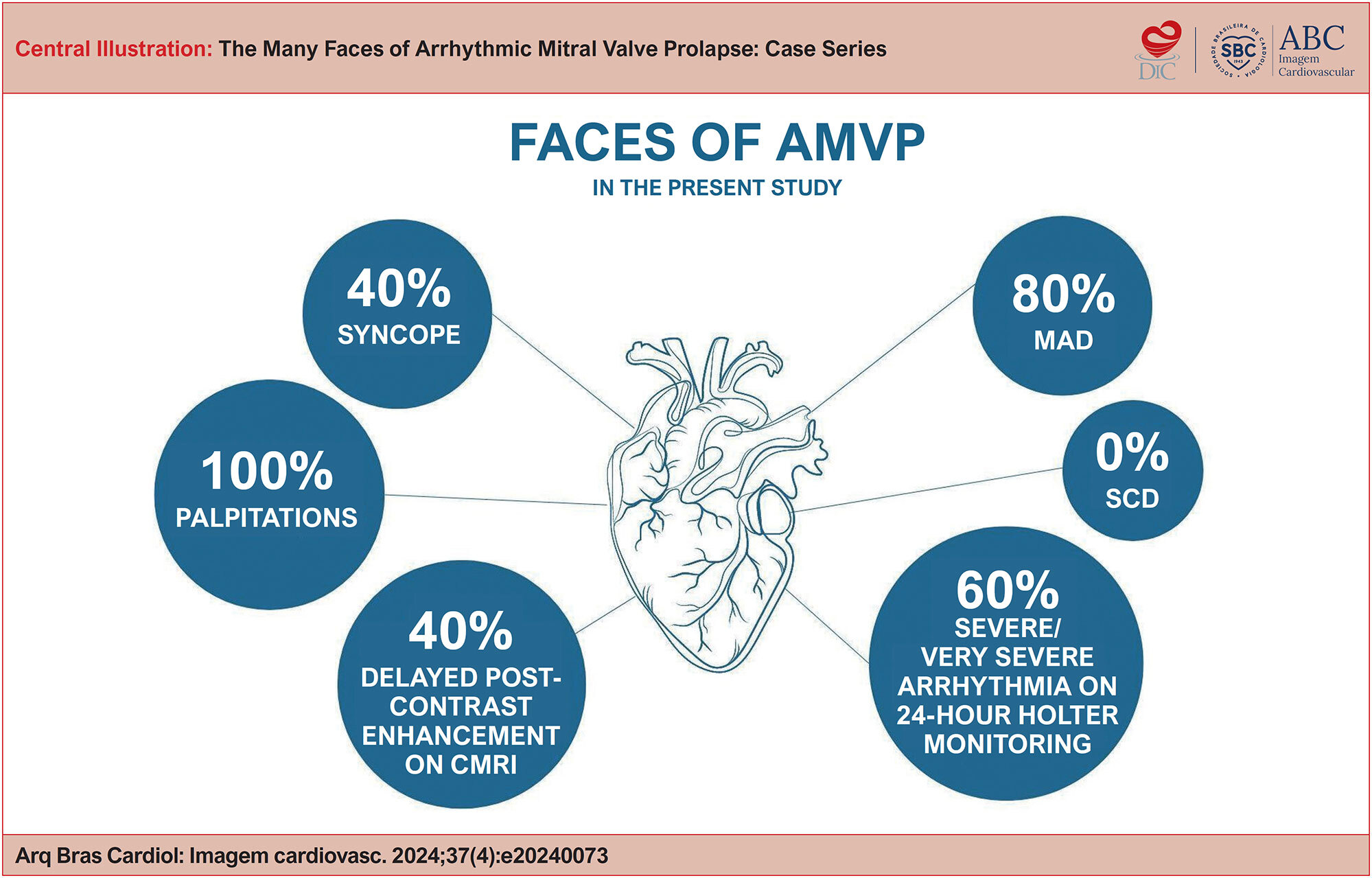
Among the 5 patients evaluated, the most common clinical presentation was palpitations (100% of cases), followed by syncope (40%). Three patients (60%) had severe or very severe arrhythmia on 24-hour Holter monitoring, while 4 (80%) had mitral annular disjunction (MAD). Positive delayed enhancement was observed in 2 (40%) patients. In 2 cases (40%), implantable cardioverter-defibrillator (ICD) was indicated. In 1 case, mitral valve replacement was chosen, but the arrhythmias were not resolved; consequently, radiofrequency ablation was indicated. Although SCD has been described in the literature, no cases were observed in our sample.

Conclusion:

AMVP may present distinct clinical manifestations, including severe outcomes. It is essential to identify risk markers for early diagnosis and treatment of this condition, with the goal of reducing SCD-related mortality in these patients.

  • Cardiac Arrhythmias
  • Cardiac Sudden Death
  • Mitral Valve Prolapse
  • Ventricular tachycardia
Read Full Article
Creative Commons Attribution (CC BY) Creative Commons license
22/11/2024 DOI: 10.36660/abcimg.20240073i
ABC
Editorial

Atrial Cardiomyopathy and Hypertension: Connections between Arterial Stiffness and Subclinical Atrial Arrhythmias

Ronaldo Altenburg Gismondi et al. Mario Fritsch Neves

Systemic arterial hypertension (SAH) is the primary risk factor for cardiovascular disease, promoting activation of the renin-angiotensin-aldosterone system (RAAS), endothelial dysfunction, arterial stiffness, fibrosis, and myocardial hypertrophy. Prospective studies show that the consequences include left ventricular hypertrophy (LVH), left atrial (LA) overload, and a higher risk of atrial fibrillation (AF). In the classic Framingham study, hypertension was an independent predictor of AF and, on its own, accounted for more cases of this arrhythmia than any other risk factor.

The recognition of a “pre-AF” phase, where atrial functional changes have not yet translated into dilation or clinically manifest AF, is of utmost importance in modern cardiology, as early recognition allows for therapeutic interventions before the condition evolves into an established disease. Functional and structural changes in the LA are predictors of atrial arrhythmias during rhythm monitoring, and these, in turn, are predictors of a higher risk of AF.,

[…]

  • Cardiac Arrhythmias
  • Hypertension
  • Vascular Stiffness
Read Full Article
Creative Commons Attribution (CC BY) Creative Commons license
11/11/2024 DOI: 10.36660/abc.20240598i Views 1
Figure 1
ABC
Case Report

Marfan Syndrome, Hypertrophic Cardiomyopathy And Long QT A Rare Association Causing Sudden Death

Diana Carvalho et al. Simão Carvalho Adriana Pacheco Carlos Costa … Pedro Carvalho Raquel Ferreira Ana Briosa

Introduction

Marfan syndrome (MS) is a systemic disease of the connective tissue with an autosomal dominant transmission, usually associated with a mutation in the fibrillin 1 gene (FBN1). The estimated prevalence is 6.5/100,000. According to the revised Ghent criteria, mutation in the FBN1 gene, lens ectopy, and aortic root dilation are the key factors for the diagnosis of MS., Life expectancy is essentially determined by cardiovascular complications, particularly aortopathy.

[…]

  • Cardiac Arrhythmias
  • Cardiac Sudden Death
  • Hypertrophic Cardiomyopathy
  • Marfan syndrome
  • Mitral Valve Prolapse
Read Full Article
Creative Commons Attribution (CC BY) Creative Commons license
14/10/2024 DOI: 10.36660/abc.20230489i Views 1
ABC
Editorial

PRKAG2 Syndrome: Is Screening with Early Echocardiography Effective in Children with a Positive Genotype?

Maria Elisa Lucena Sales de Melo Assunção et al. Norma Lucena Cavalcanti Licínio da Silva Mychelle Pascoaline de Miranda Silva

Described for the first time in 2001 by Gollob et al., the syndrome determined by the mutation of the PRKAG2 gene is rare, autosomal dominant, with high penetrance and unknown prevalence in the population. It manifests with the phenotype of myocardial hypertrophy and associated ventricular pre-excitation. Tachyarrhythmias are common in this genetic syndrome, as are disturbances in the cardiac conduction system that lead, in some cases, to pacemaker implantation at an early age.

The PRKAG2 gene mutation usually presents as a phenocopy of hypertrophic cardiomyopathy, differing from this in that there are no sarcomeric changes and, rather, accumulation of glycogen in cardiac myocytes. The definitive diagnosis is given by genetic study, but the presentation with left ventricular (LV) hypertrophy and conduction system disorders also form a differential diagnosis with Danon and Anderson-Fabry diseases.

[…]

  • Cardiac Arrhythmias
  • Cardiomegaly
  • Cardiomyopathies
  • Child
  • Genetics
Read Full Article
Creative Commons Attribution (CC BY) Creative Commons license
27/09/2024 DOI: 10.36660/abc.20240543i
Figure 1
ABCIC
Original Article

New Predictor of Ventricular Arrhythmia After Alcohol Septal Ablation: Preoperative Inferolateral Wall Thickness

Ahmet Anıl Başkurt et al. Ayşe Çolak Zeynep Kumral Reşit Yiğit Yılancıoğlu … Hüseyin Dursun Oğuzhan Ekrem Turan Ebru Özpelit Emin Evren Özcan Özer Badak Özhan Göldeli

Abstract

Introduction:

Predictors of arrhythmias and sudden cardiac death in patients with hypertrophic cardiomyopathy (HCM) have been identified. However, they have not been validated after alcohol septal ablation (ASA). Data to predict the occurrence of arrhythmia after the procedure are not certain.

Objectives:

To retrospectively analyze patients who underwent ASA and to determine the predictors of post-op ventricular arrhythmia.

Patients and Methods:

We retrospectively enrolled 53 consecutive patients with HCM who underwent ASA procedure due to symptomatic left ventricular outflow tract (LVOT) obstruction despite maximally tolerated medical treatment between January 2010 and December 2022. P < 0.05 was considered statistically significant.

Results:

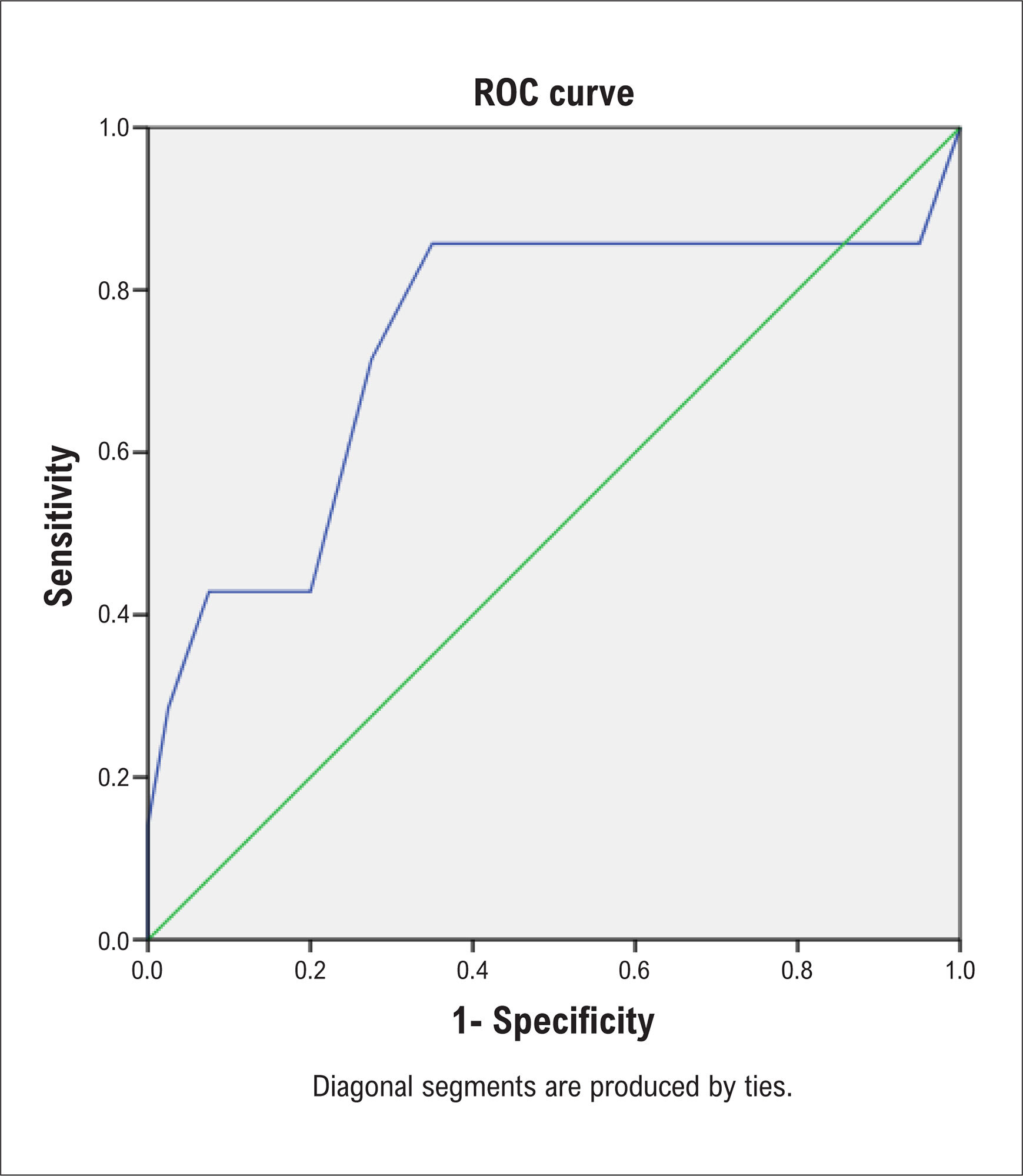
The mean age of the patients was 56.45 years, and 55% were male. Patients underwent successful ASA, and an average of 1.76 cc of alcohol was used. A 70.81% reduction in LVOT gradients was achieved. No pathological LVOT gradient was observed in any patient after the procedure. In the postprocedural follow-up, total atrioventricular block was detected in 12 patients and implantable cardiac defibrillator (ICD) implantation was performed in these patients. When patients with ventricular arrhythmias after successful ASA were compared with those without it, preoperative hypertrophic cardiomyopathy risk of sudden cardiac death (HCMSCD) Score > 6 and left ventricular inferolateral wall thickness were statistically different between the two groups (p: 0.049, p: 0.006, respectively). When multi-logistic regression was performed, basal left ventricular inferolateral wall thickness > 15.5 mm was found to be an independent risk factor for ventricular arrhythmia after ASA (p: 0.027).

Conclusions:

Left ventricular inferolateral wall thickness is an independent predictor of ventricular arrhythmia after ASA. It can be used in postprocedural patient follow-up and ICD decision-making.

  • Cardiac Arrhythmias
  • Hypertrophic Cardiomyopathy
  • Implantable Defibrillators
Read Full Article
Creative Commons Attribution (CC BY) Creative Commons license
13/09/2024 DOI: 10.36660/abcimg.20240013i Views 4
Syncope and Rhythm Disturbances as Common Clinical Manifestations in Amyloidosis
IJCS
Review Article

Syncope and Rhythm Disturbances as Common Clinical Manifestations in Amyloidosis

Nágela S. V. Nunes et al. Erivelton Nascimento Ronaldo Altenburg Gismondi Erito Marques de Souza Filho

Abstract

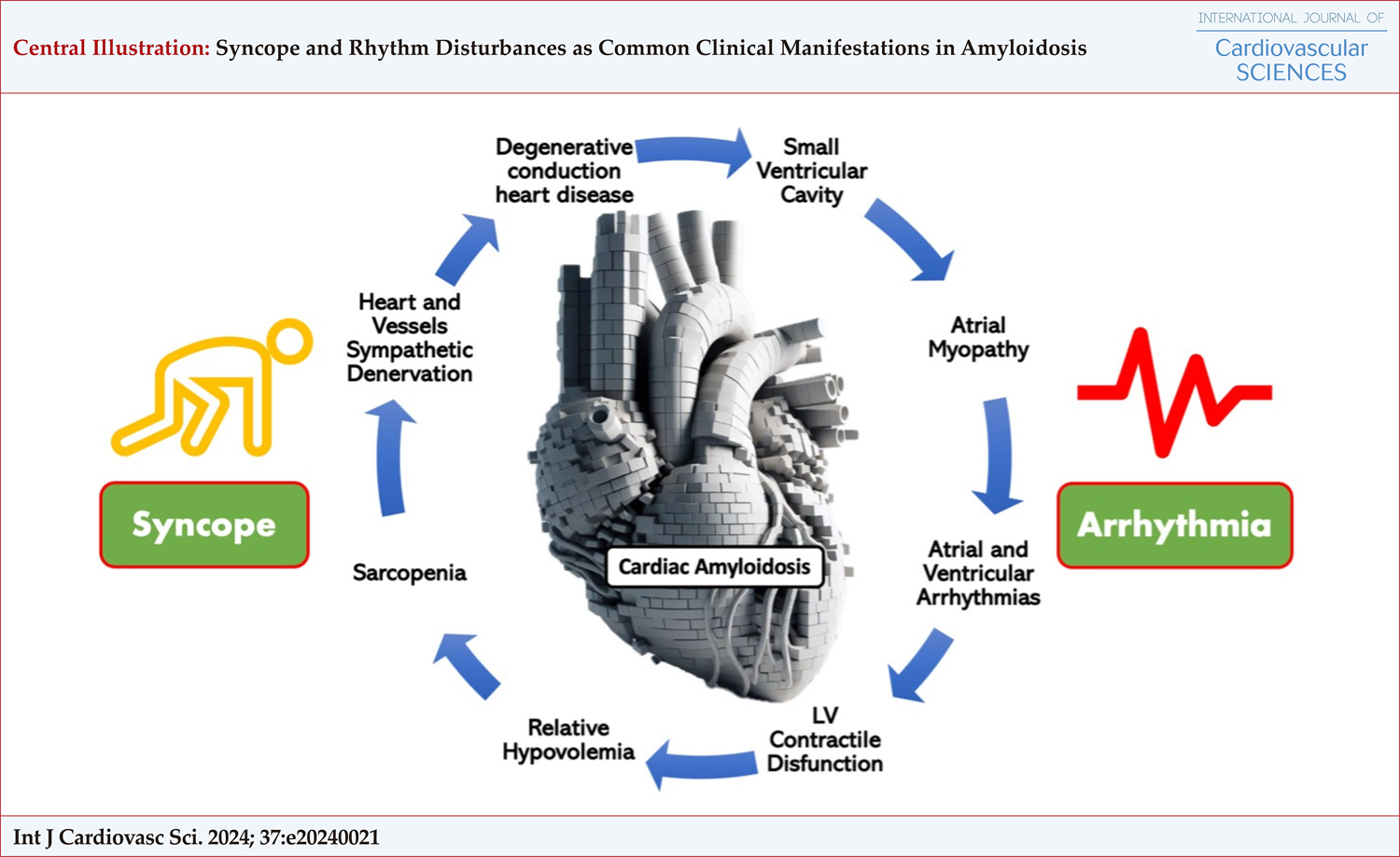
Amyloidosis results from deposition of insoluble fibrillar protein compounds in various organs, including the heart. Cardiac involvement occurs in both atria and ventricles, leading to restrictive cardiomyopathy, heart failure (HF), and arrhythmias. Five amyloid proteins affect cardiac tissue: light and heavy chain forms of immunoglobulin, transthyretin (TTR), apolipoprotein 1, and amyloid A. Approximately 95% of cardiac involvement stems from light chain of immunoglobulin and TTR deposition in heart. Chamber stiffness and rhythm disturbances occur in cardiac amyloidosis (CA), encompassing from HF to atrial and ventricular arrhythmias (VA), and both can compromise each other. It is known that conduction system disorders and VA increase sudden death risk, as amyloid infiltration, inflammation, and fibrosis alter myocardial electrophysiology. Beyond the heart, autonomous nerve systems suffer amyloid deposition, contributing to syncope manifestation and increasing the risk of death and poor prognosis. In this context, our review sheds light on the importance of recognizing syncope and rhythm disturbances as crucial markers in the early identification and management of CA, potentially offering avenues for prompt intervention and improved patient outcomes.

  • Autonomic Denervation
  • Cardiac Arrhythmias
  • Cardiac resynchronization-therapy devices
  • Familial Cerebral Amyloid Angiopathy
  • Syncope
Read Full Article
Creative Commons Attribution (CC BY) Creative Commons license
19/08/2024 DOI: 10.36660/ijcs.20240021 Views 1
Can Pre-Ablation Biomarkers Be Used to Predict Arrhythmia Recurrence after Ablation Index-Guided Atrial Fibrillation Ablation?
ABC
Original Article

Can Pre-Ablation Biomarkers Be Used to Predict Arrhythmia Recurrence after Ablation Index-Guided Atrial Fibrillation Ablation?

Andreia Palma et al. Pedro A. Sousa Carolina Saleiro Sérgio Barra … Natália António Luis Adão João Primo Ana Lebreiro Paulo Fonseca Luís Elvas Lino Gonçalves

Abstract

Background:

Ablation Index (AI) software has allowed better atrial fibrillation (AF) ablation results, but recurrence rates remain significant. Specific serum biomarkers have been associated with this recurrence.

Objectives:

To evaluate whether certain biomarkers could be used (either individually or combined) to predict arrhythmia recurrence after AI-guided AF ablation.

Methods:

Prospective multicenter observational study of consecutive patients referred for AF ablation from January 2018 to March 2021. Hemoglobin, brain natriuretic peptide (BNP), C-reactive protein, high sensitivity cardiac troponin I, creatinine clearance, thyroid-stimulating hormone (TSH) and free thyroxine (FT4) were assessed for their ability to predict arrhythmia recurrence during follow-up. Statistical significance was accepted for p values of<0.05.

Results:

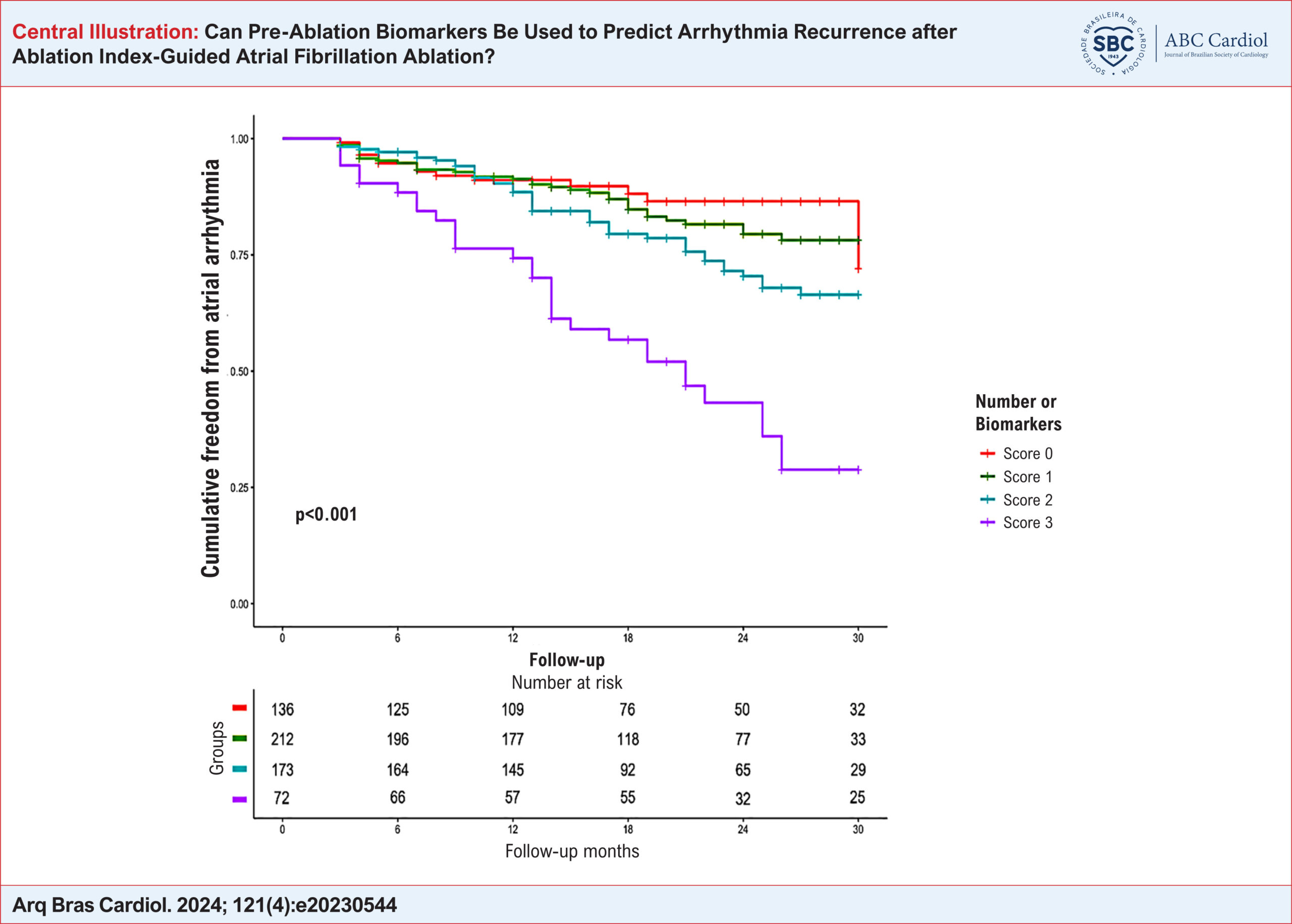
A total of 593 patients were included – 412 patients with paroxysmal AF and 181 with persistent AF. After a mean follow-up of 24±6 months, overall single-procedure freedom from atrial arrhythmia was 76.4%. Individually, all biomarkers had no or only modest predictive power for recurrence. However, a TSH value >1.8 μUI/mL (HR=1.82 [95% CI, 1.89-2.80], p=0.006) was an independent predictor of arrhythmia recurrence. When assessing TSH, FT4 and BNP values in combination, each additional “abnormal” biomarker value was associated with a lower freedom from arrhythmia recurrence (87.1 % for no biomarker vs. 83.5% for one vs. 75.1% for two vs. 43.3% for three biomarkers, p<0.001). Patients with three “abnormal” biomarkers had a threefold higher risk of AF recurrence compared with no “abnormal” biomarker (HR=2.88 [95% CI, 1.39-5.17], p=0.003).

Conclusions:

When used in combination, abnormal TSH, FT4 and BNP values can be a useful tool for predicting arrhythmia recurrence after AI-guided AF ablation.

  • Atrial Fibrillation
  • Biomarkers
  • Cardiac Arrhythmias
  • Catheter Ablation
Read Full Article
Creative Commons Attribution (CC BY) Creative Commons license
29/04/2024 DOI: 10.36660/abc.20230544i Views 1

Could not load more articles. Please try again.

How to cite this article

EndNote RIS

Electronic Document Format (Vancouver)

Stein R, Alô ROB, Ritt LEF, Fagundes AA, Silveira AD, Herdy AH, Colombo C, et al. Systematic Review on the Safety of Physical Exercise in Hypertrophic Cardiomyopathy: Recommendations from the Brazilian Society of Cardiology. Arquivos Brasileiros de Cardiologia 2026;123(8):e20260423.

Electronic Document Format (ABNT)

Stein, Ricardo; Alô, Rodrigo Otávio Bougleux; Ritt, Luiz Eduardo Fonteles; Fagundes, Alexsandro Alves; Silveira, Anderson Donelli da; Herdy, Artur Haddad; Colombo, Clea; Pisani, Cristiano Faria; Braga, Fabrício; Nunes, Frank; Sacilotto, Luciana; Silva, Marconi Gomes; Milani, Mauricio; Pimentel, Mauricio; Campos, Milena dos Santos Barros; Nunes, Nágela Simão Vinhosa; Nascimento, Pablo Marino; Buglia, Susimeire; Evangelista, José Ronyeryson dos Santos; Ferrari, Filipe; Luna, Leonardo Castro. Systematic Review on the Safety of Physical Exercise in Hypertrophic Cardiomyopathy: Recommendations from the Brazilian Society of Cardiology. Arquivos Brasileiros de Cardiologia, v. 123, n. 8, e20260423, Sep. 2026.

Electronic Document Format (APA)

Stein, R., Alô, R. O. B., Ritt, L. E. F., Fagundes, A. A., Silveira, A. D. , Herdy, A. H., Colombo, C., Pisani, C. F., Braga, F., Nunes, F., Sacilotto, L., Silva, M. G., Milani, M., Pimentel, M., Campos, M. S. B., Nunes, N. S. V., Nascimento, P. M., Buglia, S., Evangelista, J. R. S., Ferrari, F., & Luna, L. C. (2026). Systematic Review on the Safety of Physical Exercise in Hypertrophic Cardiomyopathy: Recommendations from the Brazilian Society of Cardiology. Arquivos Brasileiros de Cardiologia, 123(8), e20260423.

Electronic Document Format (ISO)

Stein, Ricardo and Alô, Rodrigo Otávio Bougleux and Ritt, Luiz Eduardo Fonteles and Fagundes, Alexsandro Alves and Silveira, Anderson Donelli da and Herdy, Artur Haddad and Colombo, Clea and Pisani, Cristiano Faria and Braga, Fabrício and Nunes, Frank and Sacilotto, Luciana and Silva, Marconi Gomes and Milani, Mauricio and Pimentel, Mauricio and Campos, Milena dos Santos Barros and Nunes, Nágela Simão Vinhosa and Nascimento, Pablo Marino and Buglia, Susimeire and Evangelista, José Ronyeryson dos Santos and Ferrari, Filipe and Luna, Leonardo Castro. Systematic Review on the Safety of Physical Exercise in Hypertrophic Cardiomyopathy: Recommendations from the Brazilian Society of Cardiology. Arquivos Brasileiros de Cardiologia [online]. 2026, vol. 123, n. 8, [cited 2026-10-14], e20260423. Available from: <https://journals.cardiol.br/en/article/systematic-review-on-the-safety-of-physical-exercise-in-hypertrophic-cardiomyopathy-recommendations-from-the-brazilian-society-of-cardiology/>. ISSN 0066-782X

EndNote RIS

Electronic Document Format (Vancouver)

Jalabadze K, Machavariani P, Tsiklauri B, Garuchava N, Avaliani I, Chigogidze M. QT Prolongation Following Premature Ventricular Contractions: A Potential Marker of Concealed Long QT Syndrome. International Journal of Cardiovascular Sciences 2026;39:e20250230.

Electronic Document Format (ABNT)

Jalabadze, Khatuna; Machavariani, Pavle; Tsiklauri, Bachuki; Garuchava, Natalia; Avaliani, Ia; Chigogidze, Maya. QT Prolongation Following Premature Ventricular Contractions: A Potential Marker of Concealed Long QT Syndrome. International Journal of Cardiovascular Sciences, v. 39, e20250230, Sep. 2026.

Electronic Document Format (APA)

Jalabadze, K., Machavariani, P., Tsiklauri, B., Garuchava, N., Avaliani, I., & Chigogidze, M. (2026). QT Prolongation Following Premature Ventricular Contractions: A Potential Marker of Concealed Long QT Syndrome. International Journal of Cardiovascular Sciences, 39, e20250230.

Electronic Document Format (ISO)

Jalabadze, Khatuna and Machavariani, Pavle and Tsiklauri, Bachuki and Garuchava, Natalia and Avaliani, Ia and Chigogidze, Maya. QT Prolongation Following Premature Ventricular Contractions: A Potential Marker of Concealed Long QT Syndrome. International Journal of Cardiovascular Sciences [online]. 2026, vol. 39, [cited 2026-10-14], e20250230. Available from: <https://journals.cardiol.br/en/article/qt-prolongation-following-premature-ventricular-contractions-a-potential-marker-of-concealed-long-qt-syndrome/>. ISSN 2359-4802

EndNote RIS

Electronic Document Format (Vancouver)

Bueno SCP, Oliveira PA, Pagotti M, Sacilotto L, Pessente GD, Braga PGS, Souza AL, et al. Physical Activity Levels and Quality of Life in Outpatients with Cardiac Arrhythmias and Preserved Left Ventricular Function: Understanding Their Profile. Arquivos Brasileiros de Cardiologia 2026;123(5):e20250831.

Electronic Document Format (ABNT)

Bueno, Savia Christina Pereira; Oliveira, Patrícia Alves; Pagotti, Márya; Sacilotto, Luciana; Pessente, Gabrielle D’Arezzo; Braga, Pedro Gabriel Senger; Souza, Aline L.; Brigido, Alexandra Regia Dantas; Negrão, Carlos E.; Darrieux, Francisco C. C.; Scanavacca, Mauricio. Physical Activity Levels and Quality of Life in Outpatients with Cardiac Arrhythmias and Preserved Left Ventricular Function: Understanding Their Profile. Arquivos Brasileiros de Cardiologia, v. 123, n. 5, e20250831, Jul. 2026.

Electronic Document Format (APA)

Bueno, S. C. P., Oliveira, P. A., Pagotti, M., Sacilotto, L., Pessente, G. D., Braga, P. G. S., Souza, A. L., Brigido, A. R. D., Negrão, C. E., Darrieux, F. C. C., & Scanavacca, M. (2026). Physical Activity Levels and Quality of Life in Outpatients with Cardiac Arrhythmias and Preserved Left Ventricular Function: Understanding Their Profile. Arquivos Brasileiros de Cardiologia, 123(5), e20250831.

Electronic Document Format (ISO)

Bueno, Savia Christina Pereira and Oliveira, Patrícia Alves and Pagotti, Márya and Sacilotto, Luciana and Pessente, Gabrielle D’Arezzo and Braga, Pedro Gabriel Senger and Souza, Aline L. and Brigido, Alexandra Regia Dantas and Negrão, Carlos E. and Darrieux, Francisco C. C. and Scanavacca, Mauricio. Physical Activity Levels and Quality of Life in Outpatients with Cardiac Arrhythmias and Preserved Left Ventricular Function: Understanding Their Profile. Arquivos Brasileiros de Cardiologia [online]. 2026, vol. 123, n. 5, [cited 2026-10-14], e20250831. Available from: <https://journals.cardiol.br/en/article/physical-activity-levels-and-quality-of-life-in-outpatients-with-cardiac-arrhythmias-and-preserved-left-ventricular-function-understanding-their-profile/>. ISSN 0066-782X

EndNote RIS

Electronic Document Format (Vancouver)

Mario ADS, Targueta EP, Darrieux FCC, Brigido ARD, Ferraz AP, Chokr MO, Pisani CF, et al. Association Between Atrial Fibrillation Occurrence and Wolff-Parkinson-White Syndrome: Is Prediction Possible?. Arquivos Brasileiros de Cardiologia 2026;123(5):e20260001.

Electronic Document Format (ABNT)

Mario, Afonso Dalmazio Souza; Targueta, Eduardo Pelegrineti; Darrieux, Francisco Carlos da Costa; Brigido, Alexandra Regia Dantas; Ferraz, Alberto Pereira; Chokr, Muhieddine Omar; Pisani, Cristiano F.; Scanavacca, Mauricio Ibrahim. Association Between Atrial Fibrillation Occurrence and Wolff-Parkinson-White Syndrome: Is Prediction Possible?. Arquivos Brasileiros de Cardiologia, v. 123, n. 5, e20260001, Jul. 2026.

Electronic Document Format (APA)

Mario, A. D. S., Targueta, E. P., Darrieux, F. C. C., Brigido, A. R. D., Ferraz, A. P., Chokr, M. O., Pisani, C. F., & Scanavacca, M. I. (2026). Association Between Atrial Fibrillation Occurrence and Wolff-Parkinson-White Syndrome: Is Prediction Possible?. Arquivos Brasileiros de Cardiologia, 123(5), e20260001.

Electronic Document Format (ISO)

Mario, Afonso Dalmazio Souza and Targueta, Eduardo Pelegrineti and Darrieux, Francisco Carlos da Costa and Brigido, Alexandra Regia Dantas and Ferraz, Alberto Pereira and Chokr, Muhieddine Omar and Pisani, Cristiano F. and Scanavacca, Mauricio Ibrahim. Association Between Atrial Fibrillation Occurrence and Wolff-Parkinson-White Syndrome: Is Prediction Possible?. Arquivos Brasileiros de Cardiologia [online]. 2026, vol. 123, n. 5, [cited 2026-10-14], e20260001. Available from: <https://journals.cardiol.br/en/article/association-between-atrial-fibrillation-occurrence-and-wolff-parkinson-white-syndrome-is-prediction-possible/>. ISSN 0066-782X

EndNote RIS

Electronic Document Format (Vancouver)

Vicente M, Monteiro E, Ramos D, Gonçalves L. Chatterjee Phenomenon: The Heart Remembers What the Mind Forgets. Arquivos Brasileiros de Cardiologia 2026;123(2):e20250418.

Electronic Document Format (ABNT)

Vicente, Miguel; Monteiro, Eric; Ramos, Domingos; Gonçalves, Lino. Chatterjee Phenomenon: The Heart Remembers What the Mind Forgets. Arquivos Brasileiros de Cardiologia, v. 123, n. 2, e20250418, Mar. 2026.

Electronic Document Format (APA)

Vicente, M., Monteiro, E., Ramos, D., & Gonçalves, L. (2026). Chatterjee Phenomenon: The Heart Remembers What the Mind Forgets. Arquivos Brasileiros de Cardiologia, 123(2), e20250418.

Electronic Document Format (ISO)

Vicente, Miguel and Monteiro, Eric and Ramos, Domingos and Gonçalves, Lino. Chatterjee Phenomenon: The Heart Remembers What the Mind Forgets. Arquivos Brasileiros de Cardiologia [online]. 2026, vol. 123, n. 2, [cited 2026-10-14], e20250418. Available from: <https://journals.cardiol.br/en/article/chatterjee-phenomenon-the-heart-remembers-what-the-mind-forgets/>. ISSN 0066-782X

EndNote RIS

Electronic Document Format (Vancouver)

Paixão GMM, Bozzi ICRS. Pulsed Field Ablation for Atrial Fibrillation: Early Experience in Brazil. Arquivos Brasileiros de Cardiologia 2026;123(1):e20250893.

Electronic Document Format (ABNT)

Paixão, Gabriela Miana de Mattos; Bozzi, Isadora Cristine Reis Sguizzato. Pulsed Field Ablation for Atrial Fibrillation: Early Experience in Brazil. Arquivos Brasileiros de Cardiologia, v. 123, n. 1, e20250893, Mar. 2026.

Electronic Document Format (APA)

Paixão, G. M. M., & Bozzi, I. C. R. S. (2026). Pulsed Field Ablation for Atrial Fibrillation: Early Experience in Brazil. Arquivos Brasileiros de Cardiologia, 123(1), e20250893.

Electronic Document Format (ISO)

Paixão, Gabriela Miana de Mattos and Bozzi, Isadora Cristine Reis Sguizzato. Pulsed Field Ablation for Atrial Fibrillation: Early Experience in Brazil. Arquivos Brasileiros de Cardiologia [online]. 2026, vol. 123, n. 1, [cited 2026-10-14], e20250893. Available from: <https://journals.cardiol.br/en/article/pulsed-field-ablation-for-atrial-fibrillation-early-experience-in-brazil/>. ISSN 0066-782X

EndNote RIS

Electronic Document Format (Vancouver)

Nascimento SUCN, Duarte JOP, Magalhães LP, Guabiru AT, Santos AS, Cavalvanti E, Rodrigues VB, et al. Phenotypic Variability in a Family with Andersen-Tawil Syndrome. Arquivos Brasileiros de Cardiologia 2026;122(12):e20240861.

Electronic Document Format (ABNT)

Nascimento, Samuel Ulisses Chaves Nogueira do; Duarte, Jussara de Oliveira Pinheiro; Magalhães, Luiz Pereira de; Guabiru, Alex Teixeira; Santos, Adimeia Souza; Cavalvanti, Enderson; Rodrigues, Victoria Bastos; Aras, Roque. Phenotypic Variability in a Family with Andersen-Tawil Syndrome. Arquivos Brasileiros de Cardiologia, v. 122, n. 12, e20240861, Feb. 2026.

Electronic Document Format (APA)

Nascimento, S. U. C. N. , Duarte, J. O. P., Magalhães, L. P. , Guabiru, A. T., Santos, A. S., Cavalvanti, E., Rodrigues, V. B., & Aras, R. (2026). Phenotypic Variability in a Family with Andersen-Tawil Syndrome. Arquivos Brasileiros de Cardiologia, 122(12), e20240861.

Electronic Document Format (ISO)

Nascimento, Samuel Ulisses Chaves Nogueira do and Duarte, Jussara de Oliveira Pinheiro and Magalhães, Luiz Pereira de and Guabiru, Alex Teixeira and Santos, Adimeia Souza and Cavalvanti, Enderson and Rodrigues, Victoria Bastos and Aras, Roque. Phenotypic Variability in a Family with Andersen-Tawil Syndrome. Arquivos Brasileiros de Cardiologia [online]. 2026, vol. 122, n. 12, [cited 2026-10-14], e20240861. Available from: <https://journals.cardiol.br/en/article/phenotypic-variability-in-a-family-with-andersen-tawil-syndrome/>. ISSN 0066-782X

EndNote RIS

Electronic Document Format (Vancouver)

Nascimento PCG, Martins MS, Improta-Caria AC, Aras Junior R. Applicability of Machine Learning Algorithms in Diagnosis of Atrial Fibrillation and LQTS by Electrocardiogram Interpretation: A Systematic Review. Arquivos Brasileiros de Cardiologia 2025;122(8):e20240843.

Electronic Document Format (ABNT)

Nascimento, Paulo Cainan Guimarães do; Martins, Matthews Silva; Improta-Caria, Alex Cleber; Aras Junior, Roque. Applicability of Machine Learning Algorithms in Diagnosis of Atrial Fibrillation and LQTS by Electrocardiogram Interpretation: A Systematic Review. Arquivos Brasileiros de Cardiologia, v. 122, n. 8, e20240843, Aug. 2025.

Electronic Document Format (APA)

Nascimento, P. C. G. , Martins, M. S., Improta-Caria, A. C., & Aras Junior, R. (2025). Applicability of Machine Learning Algorithms in Diagnosis of Atrial Fibrillation and LQTS by Electrocardiogram Interpretation: A Systematic Review. Arquivos Brasileiros de Cardiologia, 122(8), e20240843.

Electronic Document Format (ISO)

Nascimento, Paulo Cainan Guimarães do and Martins, Matthews Silva and Improta-Caria, Alex Cleber and Aras Junior, Roque. Applicability of Machine Learning Algorithms in Diagnosis of Atrial Fibrillation and LQTS by Electrocardiogram Interpretation: A Systematic Review. Arquivos Brasileiros de Cardiologia [online]. 2025, vol. 122, n. 8, [cited 2026-10-14], e20240843. Available from: <https://journals.cardiol.br/en/article/applicability-of-machine-learning-algorithms-in-diagnosis-of-atrial-fibrillation-and-lqts-by-electrocardiogram-interpretation-a-systematic-review/>. ISSN 0066-782X

EndNote RIS

Electronic Document Format (Vancouver)

Kataoka N, Imamura T. How to Demonstrate the Prognostic Benefit of Aggressive Screening of Atrial Fibrillation. Arquivos Brasileiros de Cardiologia 2025;122(7):e20250138.

Electronic Document Format (ABNT)

Kataoka, Naoya; Imamura, Teruhiko. How to Demonstrate the Prognostic Benefit of Aggressive Screening of Atrial Fibrillation. Arquivos Brasileiros de Cardiologia, v. 122, n. 7, e20250138, Aug. 2025.

Electronic Document Format (APA)

Kataoka, N., & Imamura, T. (2025). How to Demonstrate the Prognostic Benefit of Aggressive Screening of Atrial Fibrillation. Arquivos Brasileiros de Cardiologia, 122(7), e20250138.

Electronic Document Format (ISO)

Kataoka, Naoya and Imamura, Teruhiko. How to Demonstrate the Prognostic Benefit of Aggressive Screening of Atrial Fibrillation. Arquivos Brasileiros de Cardiologia [online]. 2025, vol. 122, n. 7, [cited 2026-10-14], e20250138. Available from: <https://journals.cardiol.br/en/article/how-to-demonstrate-the-prognostic-benefit-of-aggressive-screening-of-atrial-fibrillation/>. ISSN 0066-782X

EndNote RIS

Electronic Document Format (Vancouver)

Carvalho G, Carvalho MFM, Magalhães T, Varela AM, Staszko KF, Hayashida MR. Turmoil of Symptoms: The Devastating Impact of Cardiac Lymphoma – Multiple Clinical Manifestations and the Lethal Causes of Cardiac Involvement. ABC Imagem Cardiovascular 2025;38(3):e20250033.

Electronic Document Format (ABNT)

Carvalho, Gustavo; Carvalho, Maria Fernanda Miranda; Magalhães, Tiago; Varela, Alexandre Manoel; Staszko, Kamila Fernanda; Hayashida, Mariana Rie. Turmoil of Symptoms: The Devastating Impact of Cardiac Lymphoma – Multiple Clinical Manifestations and the Lethal Causes of Cardiac Involvement. ABC Imagem Cardiovascular, v. 38, n. 3, e20250033, Aug. 2025.

Electronic Document Format (APA)

Carvalho, G., Carvalho, M. F. M., Magalhães, T., Varela, A. M., Staszko, K. F., & Hayashida, M. R. (2025). Turmoil of Symptoms: The Devastating Impact of Cardiac Lymphoma – Multiple Clinical Manifestations and the Lethal Causes of Cardiac Involvement. ABC Imagem Cardiovascular, 38(3), e20250033.

Electronic Document Format (ISO)

Carvalho, Gustavo and Carvalho, Maria Fernanda Miranda and Magalhães, Tiago and Varela, Alexandre Manoel and Staszko, Kamila Fernanda and Hayashida, Mariana Rie. Turmoil of Symptoms: The Devastating Impact of Cardiac Lymphoma – Multiple Clinical Manifestations and the Lethal Causes of Cardiac Involvement. ABC Imagem Cardiovascular [online]. 2025, vol. 38, n. 3, [cited 2026-10-14], e20250033. Available from: <https://journals.cardiol.br/en/article/turmoil-of-symptoms-the-devastating-impact-of-cardiac-lymphoma-multiple-clinical-manifestations-and-the-lethal-causes-of-cardiac-involvement/>. ISSN 2318-8219

EndNote RIS

Electronic Document Format (Vancouver)

Fenelon G. Does Early Repolarization Affect the Risk of Death and Ventricular Arrhythmias?. Arquivos Brasileiros de Cardiologia 2025;122(4):e20250275.

Electronic Document Format (ABNT)

Fenelon, Guilherme. Does Early Repolarization Affect the Risk of Death and Ventricular Arrhythmias?. Arquivos Brasileiros de Cardiologia, v. 122, n. 4, e20250275, Jun. 2025.

Electronic Document Format (APA)

Fenelon, G. (2025). Does Early Repolarization Affect the Risk of Death and Ventricular Arrhythmias?. Arquivos Brasileiros de Cardiologia, 122(4), e20250275.

Electronic Document Format (ISO)

Fenelon, Guilherme. Does Early Repolarization Affect the Risk of Death and Ventricular Arrhythmias?. Arquivos Brasileiros de Cardiologia [online]. 2025, vol. 122, n. 4, [cited 2026-10-14], e20250275. Available from: <https://journals.cardiol.br/en/article/does-early-repolarization-affect-the-risk-of-death-and-ventricular-arrhythmias/>. ISSN 0066-782X

EndNote RIS

Electronic Document Format (Vancouver)

Baldisserotto H, Lima BA, Saffi MAL, Silveira AD, Baldisserotto ML, Leiria TLL. Mortality and Ventricular Arrhythmia in Patients with Early Ventricular Repolarization. Arquivos Brasileiros de Cardiologia 2025;122(4):e20240516.

Electronic Document Format (ABNT)

Baldisserotto, Hugo; Lima, Barbara Adelmann de; Saffi, Marco Aurélio Lumertz; Silveira, Anderson Donelli da; Baldisserotto, Marcia Leonardi; Leiria, Tiago Luiz Luz. Mortality and Ventricular Arrhythmia in Patients with Early Ventricular Repolarization. Arquivos Brasileiros de Cardiologia, v. 122, n. 4, e20240516, May. 2025.

Electronic Document Format (APA)

Baldisserotto, H., Lima, B. A. , Saffi, M. A. L., Silveira, A. D. , Baldisserotto, M. L., & Leiria, T. L. L. (2025). Mortality and Ventricular Arrhythmia in Patients with Early Ventricular Repolarization. Arquivos Brasileiros de Cardiologia, 122(4), e20240516.

Electronic Document Format (ISO)

Baldisserotto, Hugo and Lima, Barbara Adelmann de and Saffi, Marco Aurélio Lumertz and Silveira, Anderson Donelli da and Baldisserotto, Marcia Leonardi and Leiria, Tiago Luiz Luz. Mortality and Ventricular Arrhythmia in Patients with Early Ventricular Repolarization. Arquivos Brasileiros de Cardiologia [online]. 2025, vol. 122, n. 4, [cited 2026-10-14], e20240516. Available from: <https://journals.cardiol.br/en/article/mortality-and-ventricular-arrhythmia-in-patients-with-early-ventricular-repolarization/>. ISSN 0066-782X

EndNote RIS

Electronic Document Format (Vancouver)

Pachon-M JC, Pachon-M EI, Lobo TJ, Santillana-P TG, Pachon CTC. High-Power Short Duration or Pulsed Field Ablation: What is the Best Choice for AF Ablation?. Arquivos Brasileiros de Cardiologia 2025;122(2):e20250057.

Electronic Document Format (ABNT)

Pachon-M, José Carlos; Pachon-M, Enrique I.; Lobo, Tasso J.; Santillana-P, Tomas G.; Pachon, Carlos Thiene C.. High-Power Short Duration or Pulsed Field Ablation: What is the Best Choice for AF Ablation?. Arquivos Brasileiros de Cardiologia, v. 122, n. 2, e20250057, Apr. 2025.

Electronic Document Format (APA)

Pachon-M, J. C., Pachon-M, E. I., Lobo, T. J., Santillana-P, T. G., & Pachon, C. T. C. (2025). High-Power Short Duration or Pulsed Field Ablation: What is the Best Choice for AF Ablation?. Arquivos Brasileiros de Cardiologia, 122(2), e20250057.

Electronic Document Format (ISO)

Pachon-M, José Carlos and Pachon-M, Enrique I. and Lobo, Tasso J. and Santillana-P, Tomas G. and Pachon, Carlos Thiene C.. High-Power Short Duration or Pulsed Field Ablation: What is the Best Choice for AF Ablation?. Arquivos Brasileiros de Cardiologia [online]. 2025, vol. 122, n. 2, [cited 2026-10-14], e20250057. Available from: <https://journals.cardiol.br/en/article/high-power-short-duration-or-pulsed-field-ablation-what-is-the-best-choice-for-af-ablation/>. ISSN 0066-782X

EndNote RIS

Electronic Document Format (Vancouver)

Sousa KKC, Maia FGSS, Diniz RVZ, Costa CKRA, Costa BA, Mastrocola F. Dilated Cardiomyopathy Associated With A Novel Truncated Filamin C Variant Mimicking Cardiac Amyloidosis: A Diagnostic Challenge. ABC Heart Fail Cardiomyop 2025;5(1):e20240053.

Electronic Document Format (ABNT)

Sousa, Kelson Kemuel Confessor de; Maia, Ferdinand Gilbert Saraiva da Silva; Diniz, Rosiane Viana Zuza; Costa, Carla Karini R. A.; Costa, Beatriz Andrade da; Mastrocola, Fabio. Dilated Cardiomyopathy Associated With A Novel Truncated Filamin C Variant Mimicking Cardiac Amyloidosis: A Diagnostic Challenge. ABC Heart Fail Cardiomyop, v. 5, n. 1, e20240053, Mar. 2025.

Electronic Document Format (APA)

Sousa, K. K. C. , Maia, F. G. S. S., Diniz, R. V. Z., Costa, C. K. R. A., Costa, B. A. , & Mastrocola, F. (2025). Dilated Cardiomyopathy Associated With A Novel Truncated Filamin C Variant Mimicking Cardiac Amyloidosis: A Diagnostic Challenge. ABC Heart Fail Cardiomyop, 5(1), e20240053.

Electronic Document Format (ISO)

Sousa, Kelson Kemuel Confessor de and Maia, Ferdinand Gilbert Saraiva da Silva and Diniz, Rosiane Viana Zuza and Costa, Carla Karini R. A. and Costa, Beatriz Andrade da and Mastrocola, Fabio. Dilated Cardiomyopathy Associated With A Novel Truncated Filamin C Variant Mimicking Cardiac Amyloidosis: A Diagnostic Challenge. ABC Heart Fail Cardiomyop [online]. 2025, vol. 5, n. 1, [cited 2026-10-14], e20240053. Available from: <https://journals.cardiol.br/en/article/dilated-cardiomyopathy-associated-with-a-novel-truncated-filamin-c-variant-mimicking-cardiac-amyloidosis-a-diagnostic-challenge/>

EndNote RIS

Electronic Document Format (Vancouver)

Souza AL, Oliveira RS, Barreiro APLL, Prudente ML, Andrade RP, Gardenghi G. Cardiac Sarcoidosis and Complex Arrhythmias. ABC Heart Fail Cardiomyop 2025;5(1):e20240062.

Electronic Document Format (ABNT)

Souza, Anna Luiza; Oliveira, Renata dos Santos; Barreiro, Ana Paula Lindoso Lima; Prudente, Mauricio Lopes; Andrade, Rodrigo Paashaus de; Gardenghi, Giulliano. Cardiac Sarcoidosis and Complex Arrhythmias. ABC Heart Fail Cardiomyop, v. 5, n. 1, e20240062, Mar. 2025.

Electronic Document Format (APA)

Souza, A. L., Oliveira, R. S., Barreiro, A. P. L. L., Prudente, M. L., Andrade, R. P. , & Gardenghi, G. (2025). Cardiac Sarcoidosis and Complex Arrhythmias. ABC Heart Fail Cardiomyop, 5(1), e20240062.

Electronic Document Format (ISO)

Souza, Anna Luiza and Oliveira, Renata dos Santos and Barreiro, Ana Paula Lindoso Lima and Prudente, Mauricio Lopes and Andrade, Rodrigo Paashaus de and Gardenghi, Giulliano. Cardiac Sarcoidosis and Complex Arrhythmias. ABC Heart Fail Cardiomyop [online]. 2025, vol. 5, n. 1, [cited 2026-10-14], e20240062. Available from: <https://journals.cardiol.br/en/article/cardiac-sarcoidosis-and-complex-arrhythmias/>

EndNote RIS

Electronic Document Format (Vancouver)

Schmitz GB, Chemello RML, Saffi ML, Vargas LP, Chemello D. Electrocardiographic Analysis of Ventricular Repolarization in Patients With Psoriasis: A Cross-Sectional Study. International Journal of Cardiovascular Sciences 2025;38:e20230170.

Electronic Document Format (ABNT)

Schmitz, Guilia Bevilacqua; Chemello, Raíssa Massaia Londero; Saffi, Marco Lumertz; Vargas, Luciane Prado de; Chemello, Diego. Electrocardiographic Analysis of Ventricular Repolarization in Patients With Psoriasis: A Cross-Sectional Study. International Journal of Cardiovascular Sciences, v. 38, e20230170, Feb. 2025.

Electronic Document Format (APA)

Schmitz, G. B., Chemello, R. M. L., Saffi, M. L., Vargas, L. P. , & Chemello, D. (2025). Electrocardiographic Analysis of Ventricular Repolarization in Patients With Psoriasis: A Cross-Sectional Study. International Journal of Cardiovascular Sciences, 38, e20230170.

Electronic Document Format (ISO)

Schmitz, Guilia Bevilacqua and Chemello, Raíssa Massaia Londero and Saffi, Marco Lumertz and Vargas, Luciane Prado de and Chemello, Diego. Electrocardiographic Analysis of Ventricular Repolarization in Patients With Psoriasis: A Cross-Sectional Study. International Journal of Cardiovascular Sciences [online]. 2025, vol. 38, [cited 2026-10-14], e20230170. Available from: <https://journals.cardiol.br/en/article/electrocardiographic-analysis-of-ventricular-repolarization-in-patients-with-psoriasis-a-cross-sectional-study/>. ISSN 2359-4802

EndNote RIS

Electronic Document Format (Vancouver)

Martins JL, Queiroga NS, Guimarães FCN, Athayde GAT, Silva HLQ, Andalaft RB. Mexiletine in The Treatment of Long QT Syndrome Type 2 in Infants: A Case Report. International Journal of Cardiovascular Sciences 2025;38:e20240099.

Electronic Document Format (ABNT)

Martins, Jessica Laureano; Queiroga, Nicole Sarmento; Guimarães, Fernanda Calumby Nóbrega; Athayde, Guilherme Augusto Teodoro; Silva, Halbiege Léa Quirino da; Andalaft, Rogério Braga. Mexiletine in The Treatment of Long QT Syndrome Type 2 in Infants: A Case Report. International Journal of Cardiovascular Sciences, v. 38, e20240099, Feb. 2025.

Electronic Document Format (APA)

Martins, J. L., Queiroga, N. S., Guimarães, F. C. N., Athayde, G. A. T., Silva, H. L. Q. , & Andalaft, R. B. (2025). Mexiletine in The Treatment of Long QT Syndrome Type 2 in Infants: A Case Report. International Journal of Cardiovascular Sciences, 38, e20240099.

Electronic Document Format (ISO)

Martins, Jessica Laureano and Queiroga, Nicole Sarmento and Guimarães, Fernanda Calumby Nóbrega and Athayde, Guilherme Augusto Teodoro and Silva, Halbiege Léa Quirino da and Andalaft, Rogério Braga. Mexiletine in The Treatment of Long QT Syndrome Type 2 in Infants: A Case Report. International Journal of Cardiovascular Sciences [online]. 2025, vol. 38, [cited 2026-10-14], e20240099. Available from: <https://journals.cardiol.br/en/article/mexiletine-in-the-treatment-of-long-qt-syndrome-type-2-in-infants-a-case-report/>. ISSN 2359-4802

EndNote RIS

Electronic Document Format (Vancouver)

Barbosa YEL, Evangelista IWQF, Sousa JMR, Jales LCL, Viegas ELM, Nóbrega PVN, Moura DMC, et al. The Many Faces of Arrhythmic Mitral Valve Prolapse: Case Series. ABC Imagem Cardiovascular 2024;37(4):e20240073.

Electronic Document Format (ABNT)

Barbosa, Yasmim Evelyn Lisboa; Evangelista, Isadora Wanderley Queiroga de Freitas; Sousa, Julyana Maria Ramalho de; Jales, Lorena Carvalho Leite; Viegas, Elisabete Louise de Medeiros; Nóbrega, Patrícia Vidal de Negreiros; Moura, Daniel Moreira Costa; Targueta, Gabriel Pelegrineti; Resende, Lilian Amador; Pereira, Renner Augusto Raposo; Athayde, Guilherme Augusto Teodoro. The Many Faces of Arrhythmic Mitral Valve Prolapse: Case Series. ABC Imagem Cardiovascular, v. 37, n. 4, e20240073, Nov. 2024.

Electronic Document Format (APA)

Barbosa, Y. E. L., Evangelista, I. W. Q. F., Sousa, J. M. R. , Jales, L. C. L., Viegas, E. L. M., Nóbrega, P. V. N., Moura, D. M. C., Targueta, G. P., Resende, L. A., Pereira, R. A. R., & Athayde, G. A. T. (2024). The Many Faces of Arrhythmic Mitral Valve Prolapse: Case Series. ABC Imagem Cardiovascular, 37(4), e20240073.

Electronic Document Format (ISO)

Barbosa, Yasmim Evelyn Lisboa and Evangelista, Isadora Wanderley Queiroga de Freitas and Sousa, Julyana Maria Ramalho de and Jales, Lorena Carvalho Leite and Viegas, Elisabete Louise de Medeiros and Nóbrega, Patrícia Vidal de Negreiros and Moura, Daniel Moreira Costa and Targueta, Gabriel Pelegrineti and Resende, Lilian Amador and Pereira, Renner Augusto Raposo and Athayde, Guilherme Augusto Teodoro. The Many Faces of Arrhythmic Mitral Valve Prolapse: Case Series. ABC Imagem Cardiovascular [online]. 2024, vol. 37, n. 4, [cited 2026-10-14], e20240073. Available from: <https://journals.cardiol.br/en/article/the-many-faces-of-arrhythmic-mitral-valve-prolapse-case-series/>. ISSN 2318-8219

EndNote RIS

Electronic Document Format (Vancouver)

Gismondi RA, Neves MF. Atrial Cardiomyopathy and Hypertension: Connections between Arterial Stiffness and Subclinical Atrial Arrhythmias. Arquivos Brasileiros de Cardiologia 2024;121(10):e20240598.

Electronic Document Format (ABNT)

Gismondi, Ronaldo Altenburg; Neves, Mario Fritsch. Atrial Cardiomyopathy and Hypertension: Connections between Arterial Stiffness and Subclinical Atrial Arrhythmias. Arquivos Brasileiros de Cardiologia, v. 121, n. 10, e20240598, Nov. 2024.

Electronic Document Format (APA)

Gismondi, R. A., & Neves, M. F. (2024). Atrial Cardiomyopathy and Hypertension: Connections between Arterial Stiffness and Subclinical Atrial Arrhythmias. Arquivos Brasileiros de Cardiologia, 121(10), e20240598.

Electronic Document Format (ISO)

Gismondi, Ronaldo Altenburg and Neves, Mario Fritsch. Atrial Cardiomyopathy and Hypertension: Connections between Arterial Stiffness and Subclinical Atrial Arrhythmias. Arquivos Brasileiros de Cardiologia [online]. 2024, vol. 121, n. 10, [cited 2026-10-14], e20240598. Available from: <https://journals.cardiol.br/en/article/atrial-cardiomyopathy-and-hypertension-connections-between-arterial-stiffness-and-subclinical-atrial-arrhythmias/>. ISSN 0066-782X

EndNote RIS

Electronic Document Format (Vancouver)

Carvalho D, Carvalho S, Pacheco A, Costa C, Carvalho P, Ferreira R, Briosa A, et al. Marfan Syndrome, Hypertrophic Cardiomyopathy And Long QT A Rare Association Causing Sudden Death. Arquivos Brasileiros de Cardiologia 2024;121(5):e20230489.

Electronic Document Format (ABNT)

Carvalho, Diana; Carvalho, Simão; Pacheco, Adriana; Costa, Carlos; Carvalho, Pedro; Ferreira, Raquel; Briosa, Ana. Marfan Syndrome, Hypertrophic Cardiomyopathy And Long QT A Rare Association Causing Sudden Death. Arquivos Brasileiros de Cardiologia, v. 121, n. 5, e20230489, Oct. 2024.

Electronic Document Format (APA)

Carvalho, D., Carvalho, S., Pacheco, A., Costa, C., Carvalho, P., Ferreira, R., & Briosa, A. (2024). Marfan Syndrome, Hypertrophic Cardiomyopathy And Long QT A Rare Association Causing Sudden Death. Arquivos Brasileiros de Cardiologia, 121(5), e20230489.

Electronic Document Format (ISO)

Carvalho, Diana and Carvalho, Simão and Pacheco, Adriana and Costa, Carlos and Carvalho, Pedro and Ferreira, Raquel and Briosa, Ana. Marfan Syndrome, Hypertrophic Cardiomyopathy And Long QT A Rare Association Causing Sudden Death. Arquivos Brasileiros de Cardiologia [online]. 2024, vol. 121, n. 5, [cited 2026-10-14], e20230489. Available from: <https://journals.cardiol.br/en/article/marfan-syndrome-hypertrophic-cardiomyopathy-and-long-qt-a-rare-association-causing-sudden-death/>. ISSN 0066-782X

EndNote RIS

Electronic Document Format (Vancouver)

Assunção MELSM, Silva NLCL, Silva MPM. PRKAG2 Syndrome: Is Screening with Early Echocardiography Effective in Children with a Positive Genotype?. Arquivos Brasileiros de Cardiologia 2024;121(8):e20240543.

Electronic Document Format (ABNT)

Assunção, Maria Elisa Lucena Sales de Melo; Silva, Norma Lucena Cavalcanti Licínio da; Silva, Mychelle Pascoaline de Miranda. PRKAG2 Syndrome: Is Screening with Early Echocardiography Effective in Children with a Positive Genotype?. Arquivos Brasileiros de Cardiologia, v. 121, n. 8, e20240543, Sep. 2024.

Electronic Document Format (APA)

Assunção, M. E. L. S. M., Silva, N. L. C. L. , & Silva, M. P. M. (2024). PRKAG2 Syndrome: Is Screening with Early Echocardiography Effective in Children with a Positive Genotype?. Arquivos Brasileiros de Cardiologia, 121(8), e20240543.

Electronic Document Format (ISO)

Assunção, Maria Elisa Lucena Sales de Melo and Silva, Norma Lucena Cavalcanti Licínio da and Silva, Mychelle Pascoaline de Miranda. PRKAG2 Syndrome: Is Screening with Early Echocardiography Effective in Children with a Positive Genotype?. Arquivos Brasileiros de Cardiologia [online]. 2024, vol. 121, n. 8, [cited 2026-10-14], e20240543. Available from: <https://journals.cardiol.br/en/article/prkag2-syndrome-is-screening-with-early-echocardiography-effective-in-children-with-a-positive-genotype/>. ISSN 0066-782X

EndNote RIS

Electronic Document Format (Vancouver)

Başkurt AA, Çolak A, Kumral Z, Yılancıoğlu RY, Dursun H, Turan OE, Özpelit E, et al. New Predictor of Ventricular Arrhythmia After Alcohol Septal Ablation: Preoperative Inferolateral Wall Thickness. ABC Imagem Cardiovascular 2024;37:e20240013.

Electronic Document Format (ABNT)

Başkurt, Ahmet Anıl; Çolak, Ayşe; Kumral, Zeynep; Yılancıoğlu, Reşit Yiğit; Dursun, Hüseyin; Turan, Oğuzhan Ekrem; Özpelit, Ebru; Özcan, Emin Evren; Badak, Özer; Göldeli, Özhan. New Predictor of Ventricular Arrhythmia After Alcohol Septal Ablation: Preoperative Inferolateral Wall Thickness. ABC Imagem Cardiovascular, v. 37, e20240013, Sep. 2024.

Electronic Document Format (APA)

Başkurt, A. A., Çolak, A., Kumral, Z., Yılancıoğlu, R. Y., Dursun, H., Turan, O. E., Özpelit, E., Özcan, E. E., Badak, , & Göldeli, (2024). New Predictor of Ventricular Arrhythmia After Alcohol Septal Ablation: Preoperative Inferolateral Wall Thickness. ABC Imagem Cardiovascular, 37, e20240013.

Electronic Document Format (ISO)

Başkurt, Ahmet Anıl and Çolak, Ayşe and Kumral, Zeynep and Yılancıoğlu, Reşit Yiğit and Dursun, Hüseyin and Turan, Oğuzhan Ekrem and Özpelit, Ebru and Özcan, Emin Evren and Badak, Özer and Göldeli, Özhan. New Predictor of Ventricular Arrhythmia After Alcohol Septal Ablation: Preoperative Inferolateral Wall Thickness. ABC Imagem Cardiovascular [online]. 2024, vol. 37, [cited 2026-10-14], e20240013. Available from: <https://journals.cardiol.br/en/article/new-predictor-of-ventricular-arrhythmia-after-alcohol-septal-ablation-preoperative-inferolateral-wall-thickness/>. ISSN 2318-8219

EndNote RIS

Electronic Document Format (Vancouver)

Nunes NSV, Nascimento E, Gismondi RA, Souza Filho EM. Syncope and Rhythm Disturbances as Common Clinical Manifestations in Amyloidosis. International Journal of Cardiovascular Sciences 2024;37:e20240021.

Electronic Document Format (ABNT)

Nunes, Nágela S. V.; Nascimento, Erivelton; Gismondi, Ronaldo Altenburg; Souza Filho, Erito Marques de. Syncope and Rhythm Disturbances as Common Clinical Manifestations in Amyloidosis. International Journal of Cardiovascular Sciences, v. 37, e20240021, Aug. 2024.

Electronic Document Format (APA)

Nunes, N. S. V., Nascimento, E., Gismondi, R. A., & Souza Filho, E. M. (2024). Syncope and Rhythm Disturbances as Common Clinical Manifestations in Amyloidosis. International Journal of Cardiovascular Sciences, 37, e20240021.

Electronic Document Format (ISO)

Nunes, Nágela S. V. and Nascimento, Erivelton and Gismondi, Ronaldo Altenburg and Souza Filho, Erito Marques de. Syncope and Rhythm Disturbances as Common Clinical Manifestations in Amyloidosis. International Journal of Cardiovascular Sciences [online]. 2024, vol. 37, [cited 2026-10-14], e20240021. Available from: <https://journals.cardiol.br/en/article/syncope-and-rhythm-disturbances-as-common-clinical-manifestations-in-amyloidosis/>. ISSN 2359-4802

EndNote RIS

Electronic Document Format (Vancouver)

Palma A, Sousa PA, Saleiro C, Barra S, António N, Adão L, Primo J, et al. Can Pre-Ablation Biomarkers Be Used to Predict Arrhythmia Recurrence after Ablation Index-Guided Atrial Fibrillation Ablation?. Arquivos Brasileiros de Cardiologia 2024;121(4):e20230544.

Electronic Document Format (ABNT)

Palma, Andreia; Sousa, Pedro A.; Saleiro, Carolina; Barra, Sérgio; António, Natália; Adão, Luis; Primo, João; Lebreiro, Ana; Fonseca, Paulo; Elvas, Luís; Gonçalves, Lino. Can Pre-Ablation Biomarkers Be Used to Predict Arrhythmia Recurrence after Ablation Index-Guided Atrial Fibrillation Ablation?. Arquivos Brasileiros de Cardiologia, v. 121, n. 4, e20230544, Apr. 2024.

Electronic Document Format (APA)

Palma, A., Sousa, P. A., Saleiro, C., Barra, S., António, N., Adão, L., Primo, J., Lebreiro, A., Fonseca, P., Elvas, L., & Gonçalves, L. (2024). Can Pre-Ablation Biomarkers Be Used to Predict Arrhythmia Recurrence after Ablation Index-Guided Atrial Fibrillation Ablation?. Arquivos Brasileiros de Cardiologia, 121(4), e20230544.

Electronic Document Format (ISO)

Palma, Andreia and Sousa, Pedro A. and Saleiro, Carolina and Barra, Sérgio and António, Natália and Adão, Luis and Primo, João and Lebreiro, Ana and Fonseca, Paulo and Elvas, Luís and Gonçalves, Lino. Can Pre-Ablation Biomarkers Be Used to Predict Arrhythmia Recurrence after Ablation Index-Guided Atrial Fibrillation Ablation?. Arquivos Brasileiros de Cardiologia [online]. 2024, vol. 121, n. 4, [cited 2026-10-14], e20230544. Available from: <https://journals.cardiol.br/en/article/can-pre-ablation-biomarkers-be-used-to-predict-arrhythmia-recurrence-after-ablation-index-guided-atrial-fibrillation-ablation/>. ISSN 0066-782X

  • About ABC Family
  • Internal Regulation
  • Editorial Board
  • Brazilian Society of Cardiology (SBC)

Issues

SBC Guidelines

  • Videos
  • Podcasts
  • News