ABC Family Arquivos Brasileiros de Cardiologia International Journal of Cardiovascular Sciences ABC Heart Failure & Cardiomyopathy ABC Imagem Cardiovascular
Português English
ABC Family
Português English
  • About
    • About ABC Family
    • Internal Regulation
    • Editorial Board
    • Brazilian Society of Cardiology (SBC)
  • Issues
  • SBC Guidelines
  • Content
    • Videos
    • Podcasts
    • News
  • About
    • About ABC Family
    • Internal Regulation
    • Editorial Board
    • Brazilian Society of Cardiology (SBC)
  • Issues
  • SBC Guidelines
  • Content
    • Videos
    • Podcasts
    • News

ABC Family

  • ABC Family
  • Arquivos Brasileiros de Cardiologia
  • International Journal of Cardiovascular Sciences
  • ABC Heart Failure & Cardiomyopathy
  • ABC Imagem Cardiovascular
Search in

No content found.

Journals
Ordering
Article types
Others

  1. Home
  2. Keyword: Fibrinolytic Agents
Influence of Obesity on the Safety and Efficacy of Antithrombotic Therapy: A Systematic Review and Meta-Analysis
ABC
Original Article

Influence of Obesity on the Safety and Efficacy of Antithrombotic Therapy: A Systematic Review and Meta-Analysis

Beatriz Rocha Darzé et al. Queila Oliveira Borges Mateus S. Viana Eduardo Sahade Darzé Luiz Eduardo Fonteles Ritt

Abstract

Background

Obese individuals have been historically underrepresented in clinical trials. Considering their association with a higher risk of venous thromboembolism (VTE) and acute coronary syndrome (ACS), it is necessary to establish a more suitable anticoagulation regimen for this group of patients.

Objectives

To evaluate the influence of obesity on the safety and efficacy of antithrombotic therapy in patients with ACS or VTE.

Methods

This is a systematic review and meta-analysis that used 5 main international databases. We selected clinical trials or observational studies that compared the occurrence of clinical outcomes (mortality or bleeding) between obese and non-obese patients using parenteral anticoagulants for the treatment of ACS or VTE. P value < 0.05 was used for all analyses.

Results

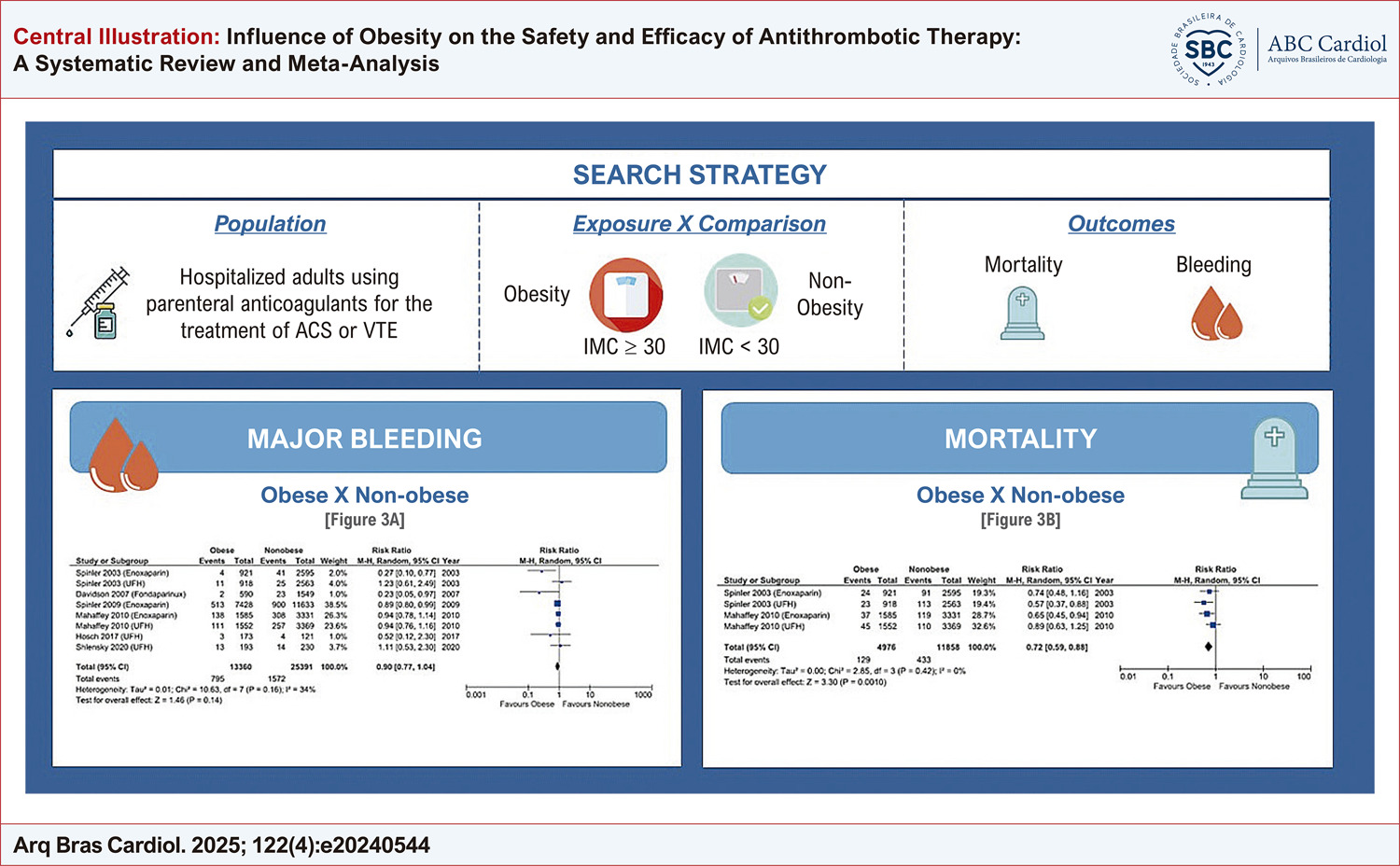
Six articles, with a total of 40,939 patients, were eligible, being 3 randomized clinical trials and 3 retrospective cohorts. Of the patients, 87.7% had ACS. The incidence of major bleeding was similar between groups (relative risk [RR]: 0.90, 95% confidence interval [CI]: 0.77 to 1.04, p = 0.14). The outcome remained comparable when studies were analyzed separately by anticoagulant: enoxaparin (RR: 0.87, 95% CI, 0.70 to 1.08, p = 0.21) or unfractionated heparin (RR: 0.96, 95% CI, 0.79 to 1.17, p = 0.67). The mortality rate was measured in only 2 studies, both in ACS, and it was lower in obese patients (RR: 0.71, 95% CI 0.59 to 0.87, p = 0.0007).

Conclusion

In patients treated for VTE or ACS, rates of bleeding were comparable between obese and non-obese patients, regardless of the anticoagulant used. The lower mortality rate observed in obese patients may represent the effect of unaccounted confounding.
  • Acute coronary syndrome
  • Fibrinolytic Agents
  • Obesity
  • Prognosis
  • Venous Thromboembolism
Read Full Article
Creative Commons Attribution (CC BY) Creative Commons license
26/05/2025 DOI: 10.36660/abc.20240544i Views 1
ABC
Editorial

Acute Myocardial Infarction: Do We Need Markers for Microcirculation Injury? Moreover, Would the Fibrinogen/Albumin Ratio Be the Answer?

Ricardo Wang et al. Fernando Carvalho Neuenschwander

Acute myocardial infarction (AMI) is the leading cause of death in the world and the second cause of death in Brazil. The biggest advance in its treatment was reperfusion therapy, be it medication, through the use of fibrinolytics or coronary angioplasty with stent implantation. The latter, in addition to the superiority in the quality of reperfusion, has been shown to be time-sensitive; the earlier the intervention, the greater the reduction in cardiovascular outcomes, both in the context of Acute Coronary Syndrome without ST-Segment Elevation and especially with ST segment elevation.

In the context of ST-segment elevation AMI (STEMI), the time between symptoms and reperfusion by primary angioplasty is considered the main reduction in cardiovascular death, leading to the preservation of ventricular function and earlier recovery.

[…]

  • Albumins
  • Fibrinolytic Agents
  • Mortality
  • Myocardial Infarction
  • Myocardial Reperfusion
  • No-Reflow Phenomenon
  • Stents
Read Full Article
Creative Commons Attribution (CC BY) Creative Commons license
04/03/2024 DOI: 10.36660/abc.20230809 Views 1
IJCS
Editorial

Challenging Health Literacy, Patient Knowledge, and Adherence to Oral Anticoagulation in Primary Care Units

Alfredo José Mansur

Care of patients and therapeutics in clinical practice has evolved based on scientific and technological advances, mainly in patients living in societies with appropriate social, educational, and economic conditions, as well as supported facilities that are able to be elicited when needed. However social disparities, whether in social and economic background or in education can vary among population subsets in a way that may hinder the proper care necessary to fulfill expected results. These disparities influence adherence that may be less than optimal. Health literacy is a public concern recognized by different agencies, including the World Health Organization (WHO). Moreover, the healthcare network in different countries may vary.

In Brazil, reports of experiences in primary care facilities, which present interesting opportunities to add to the clinical experience, were evaluated in the city of Divinópolis, in the southeastern region of Brazil, with estimated population of 242,505 inhabitants. Primary care facilities in Divinópolis are organized in 43 primary care units. In the current study, the authors evaluated 162 participants (mean age 64.8±12.7 years-old, 55.6% women) concerning chronic treatments with warfarin, 50% of which were identified due to nonvalvular atrial fibrillation or venous thromboembolism. Participants were evaluated with tests devised to check for oral anticoagulation knowledge, adherence to treatment, health literacy, and the medication complexity index. The relationship of the studied variables with the therapeutic range of INR was unclear; the sample size may well have been a key limitation to estimating associations. The mean follow-up time was 16.5 months after recruitment in March 2020. There were 16 deaths, two of which may have been related to hemorrhage and two possibly related to thromboembolism. The study revealed insufficient knowledge about warfarin therapy and low health literacy in primary care facilities.

[…]

  • Fibrinolytic Agents
  • Health Education
  • Health Status Disparities
  • medication adherence
  • Oral Anticoagulants
  • Warfarin
Read Full Article
Creative Commons Attribution (CC BY) Creative Commons license
15/09/2023 DOI: 10.36660/ijcs.20230095
ABC
Editorial

Coronary Reperfusion in Acute Myocardial Infarction: Trying the Optimal. Executing the Possible

Brivaldo Markman Filho et al. Sandro Gonçalves de Lima

The infarction-related artery reperfusion strategy began in the 1970s with the intracoronary administration of fibrinolytics., This was followed by intravenous administration and mechanical thrombolysis of the “culprit” artery, initially with simple angioplasty and, later, with stenting. All of these procedures had a common goal: to reduce the ischemic/necrotic area, preserve muscle, improve ventricular function and, consequently, survival.

The success of the procedure depends on the time from the onset of symptoms to the moment of the chosen intervention, whether chemical or percutaneous. According to different guidelines, this interval is about 12 hours. The earlier the diagnosis and intervention, the better the clinical outcomes will be.

[…]

  • Cardiovascular Diseases
  • Fibrinolytic Agents
  • Myocardial Infarction
  • Myocardial Reperfusion
  • Percutaneous Coronary Intervention
Read Full Article
Creative Commons Attribution (CC BY) Creative Commons license
26/07/2021 DOI: 10.36660/abc.20210500 Views 1
Figure 1
IJCS
Editorial

After a STEMI, is Less Sugar more Protective to Myocardium?

Rafael Willain Lopes et al. Alexandre Hohl

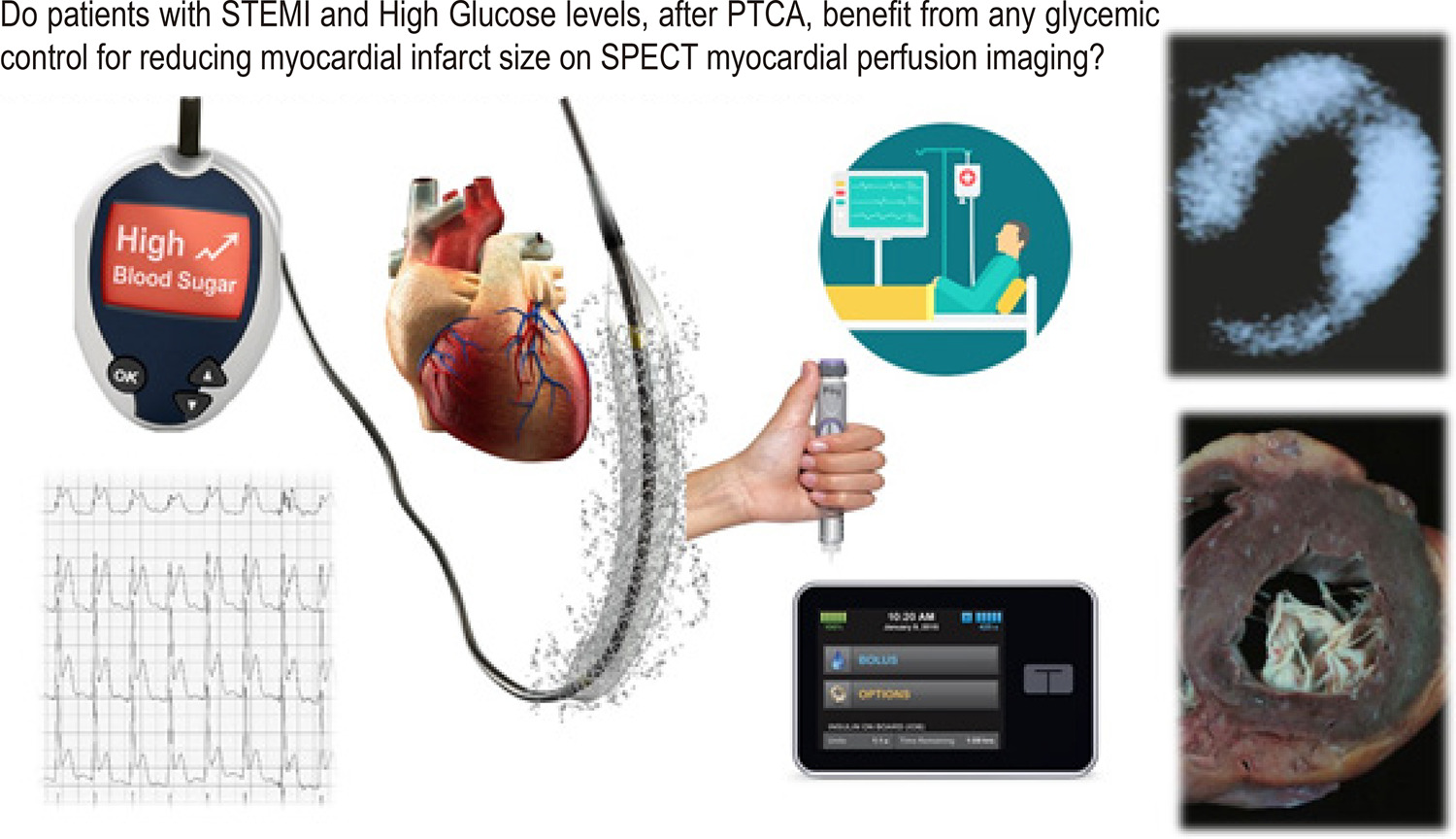
The infarct size reduction in acute myocardial infarction (AMI) has been studied for more than 50 years. Animal experiments were conducted in the 1970s, followed by the first clinical studies to reduce infarct size (IS), with fibrinolytic agents or with mechanical coronary angioplasty (PTCA). The clinical experience of coronary reperfusion indicated that left ventricle function was not normalized in 30% of the patients, and despite unblocking the epicardial vessel, demonstrated hemodynamically, there was no equivalent in myocardial perfusion. New concepts emerged such as reperfusion injury, microvascular dysfunction, “no-reflow” phenomenon, and stunned and hibernating myocardium, which became the focus of basic research and clinical investigation. To improve characterization, different technologies were used, such as contrast echocardiography, isotopic studies, including positron emission tomography, and magnetic resonance.

Cardioprotection (CP) aims to reduce IS and improve clinical outcomes. The translation of CP from preclinical and promising proof-of-concept studies to clinical benefit (CB) for patients has been quite unsatisfactory. Almost all these studies that did not translate into CB had infarct size reduction as the primary endpoint and used protocols selected to achieve IS reduction.

[…]

  • Angioplasty
  • Diagnostic Imaging
  • Fibrinolytic Agents
  • Myocardial Reperfusion
  • Myocardial Stunning
  • Percutaneous Coronary Intervention
  • ST Elevation Myocardial Infarction
  • Ventricular Dysfunction, Left
Read Full Article
Creative Commons Attribution (CC BY) Creative Commons license
09/10/2020 DOI: 10.36660/ijcs.20200173 Views 1
Figure 1
ABC
Case Report

Transient Prominent Anterior QRS Forces in Acute Left Main Coronary Artery Subocclusion: Transient Left Septal Fascicular Block

Andrés Ricardo Pérez-Riera et al. Raimundo Barbosa-Barros Rodrigo Daminello Raimundo Luiz Carlos de Abreu … Marcos Célio de Almeida Kjell Nikus

Introduction

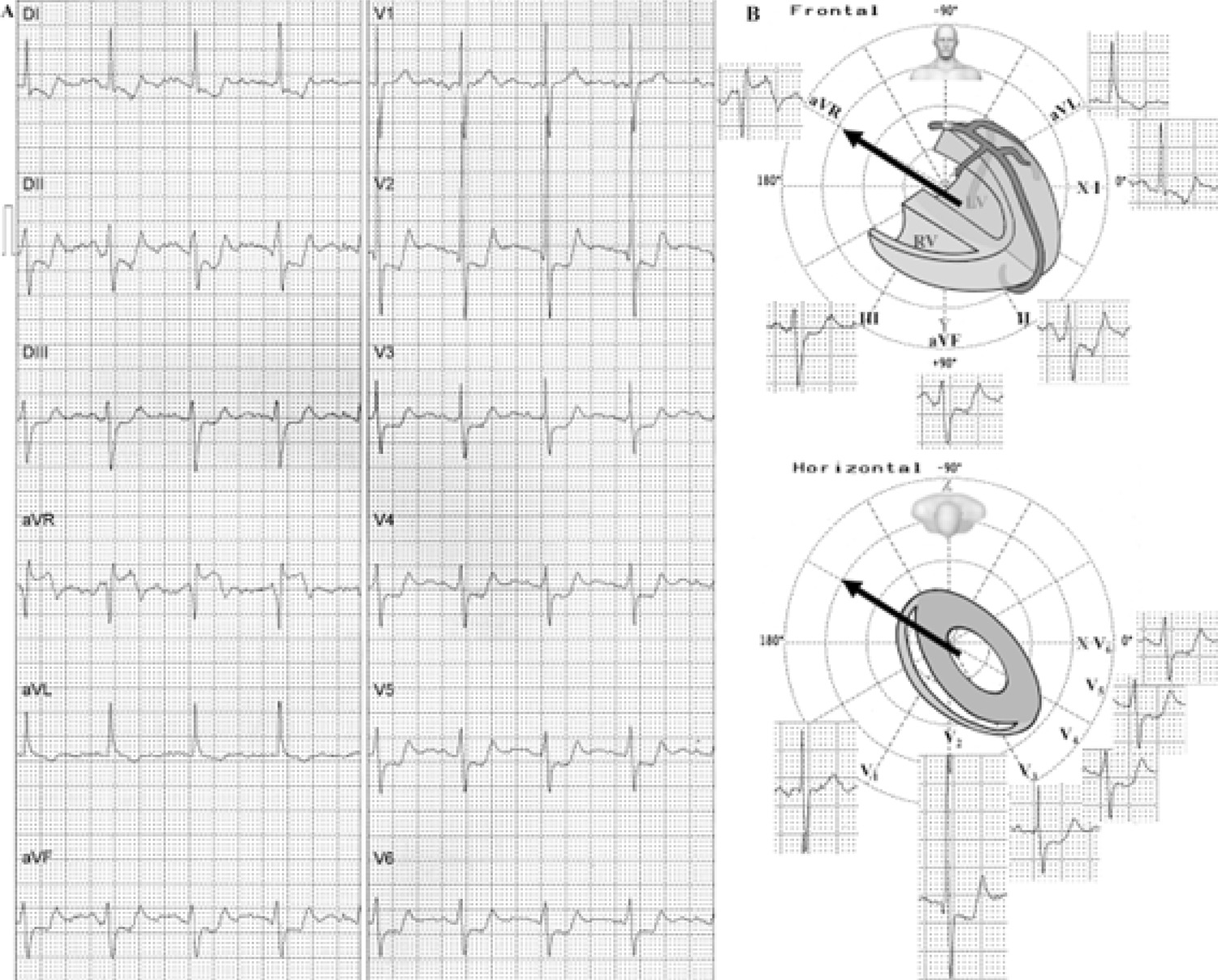
The left main coronary artery (LMCA) originates from the left sinus of Valsalva, passes between the main pulmonary artery and the left atrial appendage before entering the coronary sulcus and bifurcates into the left anterior descending (LAD) and the left circumflex (LCX) coronary arteries. In most individuals, the LMCA supplies ≈75% of the left ventricle (LV). Significant stenosis, which may lead to stable angina and/or acute coronary syndrome, places the patient at risk of life-threatening acute left ventricular failure and malignant arrhythmias. Patient prognosis of LMCA disease can be improved with coronary artery bypass grafting (CABG). With technical improvement and effective anti-thrombotic medication, percutaneous coronary intervention (PCI) has evolved as an alternative therapeutic modality. In patients with severe LMCA disease having low to intermediate anatomic complexity, both CABG and PCI are effective methods of revascularization with comparable long-term rates of death, myocardial infarction, and stroke. Patients most suitable for LMCA stenting are those with isolated ostial/mid LMCA disease, protected LMCA disease and those who undergo an elective stenting procedure. In a recent study, 8% mortality and 8% target lesion revascularization rate during one-year follow-up was reported.

[…]

  • Acute coronary syndrome
  • Angina, Stable
  • Coronary Occlusion
  • Electrocardiography/methods
  • Fibrinolytic Agents
  • Percutaneous Coronary Intervention
  • Truncus Arterious
Read Full Article
Creative Commons Attribution (CC BY) Creative Commons license
14/09/2020 DOI: 10.36660/abc.20180363 Views 2
Figure 1
ABC
Original Article

Comparative Analysis between Transferred and Self-Referred STEMI Patients Undergoing Primary Angioplasty

Maurício Balk et al. Henrique Basso Gomes Alexandre Schaan de Quadros Marco Aurélio Lumertz Saffi Tiago Luiz Luz Leiria

Abstract

Background:

Studies have shown the benefits of rapid reperfusion therapy in acute myocardial infarction. However, there are still delays during transport of patients to primary angioplasty.

Objective:

To evaluate whether there is a difference in total ischemic time between patients transferred from other hospitals compared to self-referred patients in our institution.

Methods:

Historical cohort study including patients with acute myocardial infarction treated between April 2014 and September 2015. Patients were divided into transferred patients (group A) and self-referred patients (group B). Clinical characteristics of the patients were obtained from our electronic database and the transfer time was estimated based on the time the e-mail requesting patient’s transference was received by the emergency department.

Results:

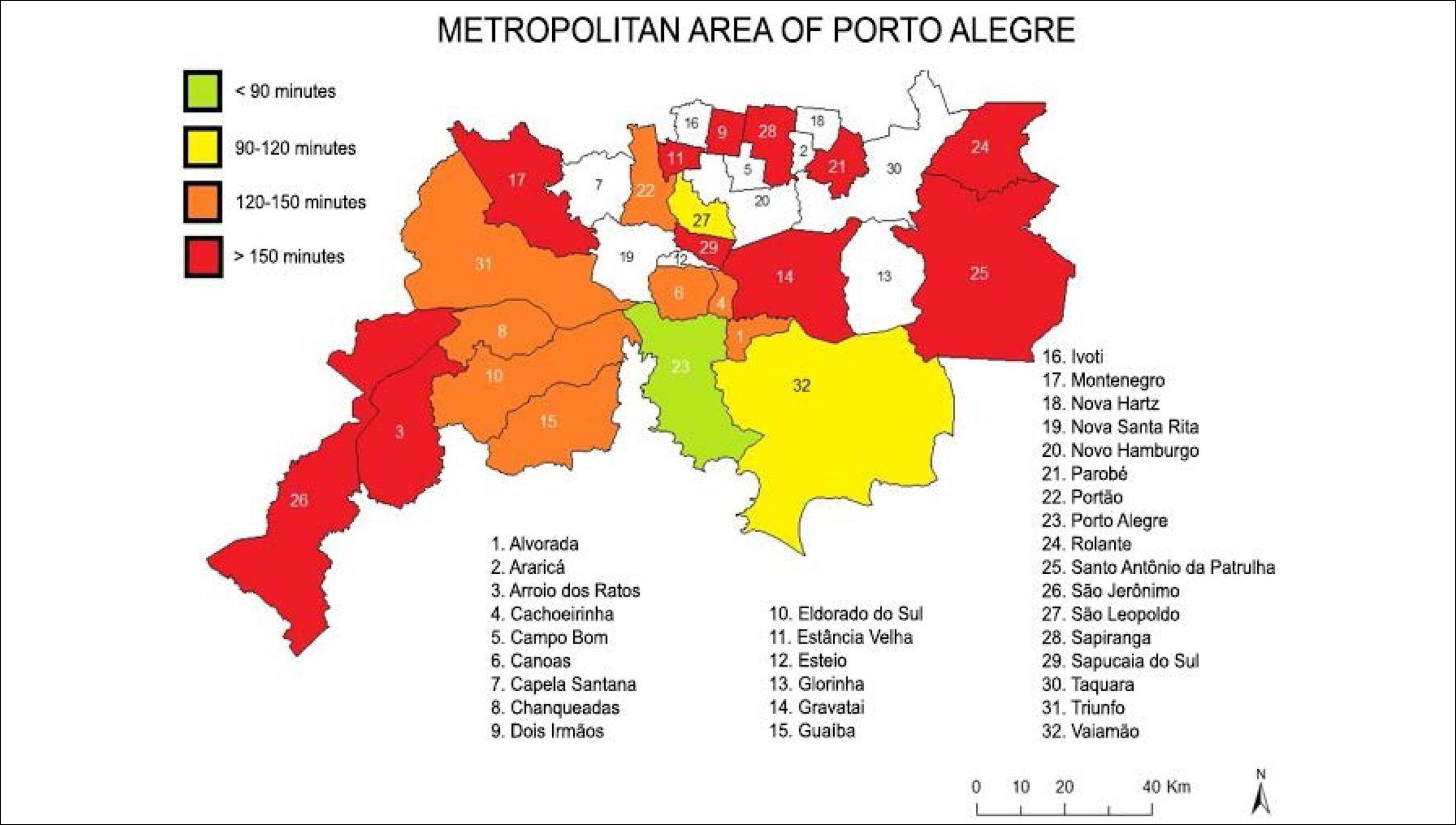
The sample included 621 patients, 215 in group A and 406 in group B. Population characteristics were similar in both groups. Time from symptom onset to arrival at the emergency department was significantly longer in group A (385 minutes vs. 307 minutes for group B, p < 0.001) with a transfer delay of 147 minutes. There was a significant relationship between the travel distance and increased transport time (R = 0.55, p < 0.001). However, no difference in mortality was found between the groups.

Conclusion:

In patients transferred from other cities for treatment of infarction, transfer time was longer than that recommended, especially in longer travel distances.

  • Angioplasty, Balloon, Coronary/methods
  • Fibrinolytic Agents
  • Intensive Care Units
  • Myocardial Reperfusion/methods
  • ST Elevation Myocardial Infarction/complications
Read Full Article
Creative Commons Attribution (CC BY) Creative Commons license
15/04/2019 DOI: 10.5935/abc.20190014 Views 1
ABC
Editorial

Primary Angioplasty in the ACCEPT Registry: Why has it Been Difficult to Accept and Implement the Radial Artery Access as Preferential?

Dimytri Alexandre de Alvim Siqueira et al. Fabio Sandoli de Brito Jr Alexandre A. C. Abizaid

Radial access and the reduction in mortality and adverse cardiac events

Although the causal relationship remains controversial, several studies have reported that the radial access for primary angioplasty is associated with a reduction in mortality and in adverse cardiac events (). The largest clinical trial comparing the arterial accesses for percutaneous coronary intervention, the randomized and multicenter Radial Versus Femoral Access for Coronary Intervention (RIVAL) trial, has selected individuals with acute coronary syndromes (ACS) with or without ST-segment elevation, to whom the invasive strategy had been indicated. Individuals with the following characteristics were excluded: cardiogenic shock or previous coronary artery bypass grafting (CABG) – which could make coronary angiography and the study of bypass grafts via the radial access difficult -, and peripheral arterial disease that could make the femoral approach unfeasible. Of the 7,021 patients randomized for femoral (n = 3,514) or radial (n = 3,507) access, 1,958 individuals (28%) were diagnosed with STEMI. In that specific subgroup, patients undergoing coronary angiography and angioplasty via radial access had lower rates of mortality (1.3% versus 3.2%, p = 0.006) and of the combined outcome of death, infarction and stroke (2.7 versus 4.6%, p = 0.031) at 30 days, as compared with individuals undergoing the procedure via femoral access. The beneficial results of the RIVAL trial in the subgroup of STEMI patients have been replicated in the Radial Versus Femoral Randomization Investigation in ST-Elevation Acute Coronary Syndrome (RIFLE-STEACS), a randomized clinical trial with 1,001 patients. Mortality at 30 days was significantly lower in patients undergoing angioplasty via radial access (5.2% versus 9.2%, p = 0.020). In addition, the subanalysis of the Harmonizing Outcomes with Revascularization and Stents in Acute Myocardial Infarction (HORIZONS-AMI) trial has revealed a significantly lower incidence of death and reinfarction at 30 days in individuals treated via the radial access (1.0% versus 4.3%; p = 0.02).

Although those trials have been designed to neither specifically assess the occurrence of death as primary outcome nor to unravel the potential mechanisms associated with its reduction, the favorable impact on the incidence of bleedings has been assumed to be the major determinant of the lower mortality of patients treated via the radial access.

[…]

  • Angioplasty
  • Femoral Artery / complications
  • Fibrinolytic Agents
  • Harm Reduction
  • Radial Artery
Read Full Article
Creative Commons Attribution (CC BY) Creative Commons license
01/10/2014 DOI: 10.5935/abc.20140154 Views 1
ABC
Review Article

Antithrombotic strategy in the three first months following bioprosthetic heart valve implantation

André R. Durães et al. Milena A. O. Durães Luis C. L. Correia Roque Aras

Heart valve prosthesis unquestionably improve quality of life and survival of patients with severe valvular heart disease, but the need for antithrombotic therapy to prevent thromboembolic complications is a major challenge to clinicians and their patients. Of the articles analyzed, most were retrospective series of cases or historical cohorts obtained from the database. The few published randomized trials showed no statistical power to assess the primary outcome of death or thromboembolic event. In this article, we decided to perform a systematic literature review, in an attempt to answer the following question: what is the best antithrombotic strategy in the first three months after bioprosthetic heart valve implantation (mitral and aortic)? After two reviewers applying the extraction criteria, we found 1968 references, selecting 31 references (excluding papers truncated, which combined bioprosthesis with mechanical prosthesis, or without follow-up). Based on this literature review, there was a low level of evidence for any antithrombotic therapeutic strategy evaluated. It´s therefore interesting to use aspirin 75 to 100 mg / day as antithrombotic strategy after bioprosthesis replacement in the aortic position, regardless of etiology, for patients without other risk factors such as atrial fibrillation or previous thromboembolic event. In the mitral position, the risk of embolism, although low, is more relevant than in the aortic position, according to published series and retrospective cohorts comprised mostly of elderly non-rheumatic patients.

  • Fibrinolytic Agents
  • Heart Valve Prosthesis Implantation
  • Platelet Aggregation Inhibitors
  • Thromboembolism
Read Full Article
Creative Commons Attribution (CC BY) Creative Commons license
08/10/2013 DOI: 10.5935/abc.20130202 Views 1
Propositional debate on biosimilar enoxaparin in Brazil
ABC
Point of view

Propositional debate on biosimilar enoxaparin in Brazil

Paulo A.S. Mourão et al. Bianca F. Glauser Bruno C. Vairo Mariana S. Pereira

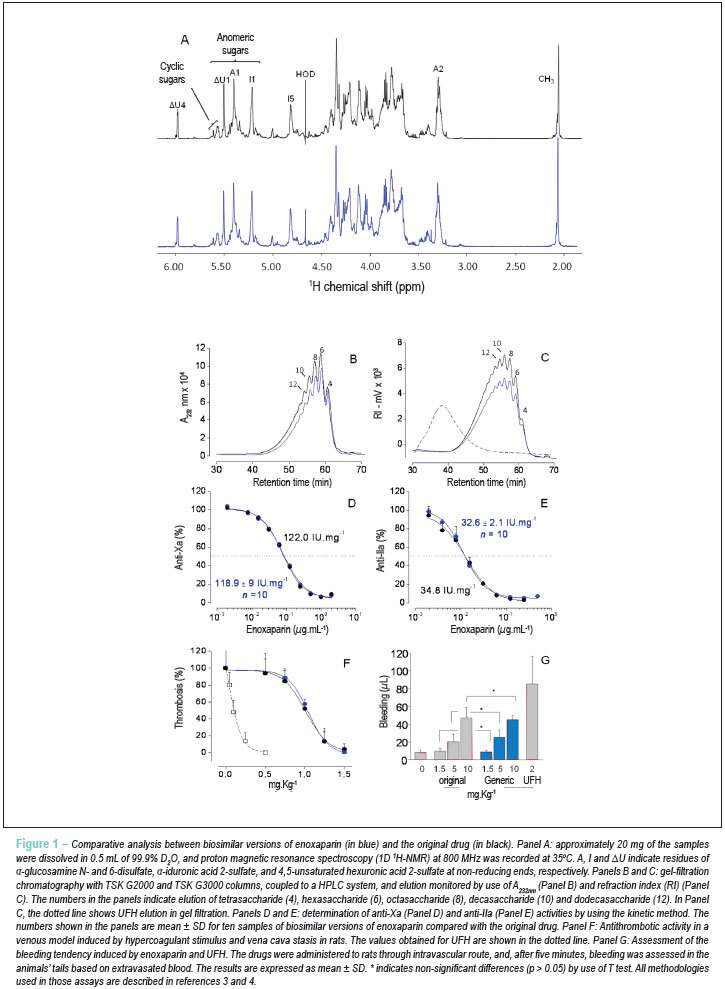
Some patents of low-molecular-weight heparins (LMWHs) have expired and others are about to expire. Biosimilar versions of those drugs are available for clinical use in several countries. However, skepticism persists about the possibility of obtaining preparations similar to the original drug, because of the complexity of the process to generate LMWHs. In recent years, our laboratory has analyzed biosimilar samples of enoxaparin available for clinical use in Brazil (30 different batches and 70 finished products). Those preparations were assessed regarding their chemical structure, molecular weight distribution, in vitro anticoagulant activity, and pharmacological effects in animal models of thrombosis and bleeding. Our results have clearly shown that biosimilar preparations of enoxaparin are similar to the original drug. Our results have shown that those biosimilar versions of enoxaparin are a valid therapeutic alternative, which are, however, in need of appropriate regulation to ensure compliance with regulatory requirements.

  • Enoxaparin
  • Fibrinolytic Agents
  • Heparin
  • heparin, low-molecular-weight
Read Full Article
Creative Commons Attribution (CC BY) Creative Commons license
08/02/2012 DOI: 10.1590/S0066-782X2012000100019 Views 2
Study of pro-thrombotic and pro-inflammatory factors in chagas cardiomyopathy
ABC
Artigo Original

Study of pro-thrombotic and pro-inflammatory factors in chagas cardiomyopathy

Leila Maria Magalhães Pessoa de Melo et al. Germano Emílio Conceição Souza Leandro Richa Valim Luiz Felipe Pinho Moreira … Elbio Antonio Damico Tania Rubia Flores da Rocha Antonio Carlos Pereira Barretto Celia Maria Cassaro Strunz Edimar Alcides Bocchi José Antonio Franchini Ramires

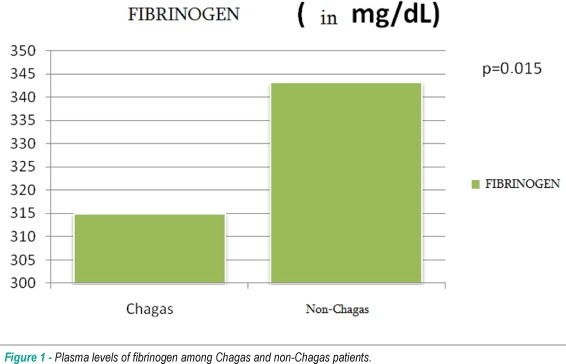
BACKGROUND: The relationship between inflammatory and prothrombotic activity in chagas cardiomyopathy and in other etiologies is unclear. OBJECTIVE: To study the profile of pro-thrombotic and pro-inflammatory markers in patients with Chagas’ heart failure and compare them with patients of non-chagas etiology. METHODS: Cross-sectional cohort. Inclusion criteria: left ventricle ejection fraction (LVEF) one month. The patients were divided into two groups: group 1 (G1) – seropositive for Chagas – and group 2 (G2) – seronegative for Chagas. Pro-inflammatory factor: Ultra-sensitive CRP. Pro-thrombotic factors: thrombin-antithrombin factor, fibrinogen, von Willebrand factor antigen, plasma P-selectin and thromboelastography. Sample calculated for 80% power, assuming a standard deviation difference of 1/3; significant p if it is < 0.05. Statistical analysis: Fisher's exact test for categorical variables; unpaired Student's t-test for parametric continuous variables and Mann-Whitney test for nonparametric continuous variables. RESULTS: Between January and June 2008, 150 patients were included, 80 in G1 and 70 in G2. Both groups maintained the averages of high sensitivity CRP above baseline values, however, there was no significant difference (p = 0.328). The fibrinogen levels were higher in G2 than in G1 (p = 0.015). Among the thromboelastography variables, the parameters MA (p=0.0013), G (p=0.0012) and TG (p =0.0005) were greater in G2 than in G1. CONCLUSION: There is no evidence of greater pro-thrombotic status among patients with Chagas disease. The levels of fibrinogen and the MA, G and TG parameters of the thromboelastography point to pro-thrombotic status among non-chagas patients. Both groups had increased inflammatory activity.

  • Chagas Cardiomyopathy
  • Fibrinolytic Agents
  • Inflammation
  • thrombin
Read Full Article
Creative Commons Attribution (CC BY) Creative Commons license
12/11/2010 DOI: 10.1590/S0066-782X2010005000146
Combined rTPA and aspirin therapy for intracardiac thrombosis in neonates
ABC
Case Report

Combined rTPA and aspirin therapy for intracardiac thrombosis in neonates

Fernanda Almeida Tardin et al. Antônio Carlos Avanza Júnior Marcos Rogério Arantes Andião Sônia Maria Alves Andrade Rabello … Emília de Mattos Gouvêa Cristello Edna Cellis Vaccari Baltan Edelweiss Bussinguer Pereira Pegurin Norma Suely Oliveira

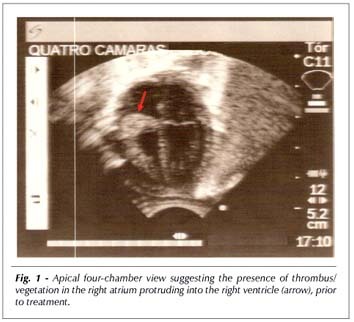
We describe a case of a very low birth weight premature female twin with intracardiac thrombosis. Her condition was consistent with neonatal sepsis, and she was treated with advanced life support, antibiotic therapy, parenteral nutrition, blood transfusion, and central venous catheterization. Infective endocarditis was suspected, and a large intracavitary thrombus was detected by two-dimensional Doppler echocardiography. Surgical procedure was not only technically difficult but also highly lethal, being contraindicated in some cases. Consequently, the use of the thrombolytic recombinant tissue-plasminogen activator (rTPA) associated with aspirin was the treatment of choice, and complete dissolution of the thrombus was achieved without adverse effects.

  • Aspirin
  • Fibrinolytic Agents
  • plasminogen
  • Platelet Aggregation Inhibitors
  • Thrombosis
Read Full Article
Creative Commons Attribution (CC BY) Creative Commons license
15/06/2007 DOI: 10.1590/S0066-782X2007000500026 Views 2

How to cite this article

EndNote RIS

Electronic Document Format (Vancouver)

Darzé BR, Borges QO, Viana MS, Darzé ES, Ritt LEF. Influence of Obesity on the Safety and Efficacy of Antithrombotic Therapy: A Systematic Review and Meta-Analysis. Arquivos Brasileiros de Cardiologia 2025;122(4):e20240544.

Electronic Document Format (ABNT)

Darzé, Beatriz Rocha; Borges, Queila Oliveira; Viana, Mateus S.; Darzé, Eduardo Sahade; Ritt, Luiz Eduardo Fonteles. Influence of Obesity on the Safety and Efficacy of Antithrombotic Therapy: A Systematic Review and Meta-Analysis. Arquivos Brasileiros de Cardiologia, v. 122, n. 4, e20240544, May. 2025.

Electronic Document Format (APA)

Darzé, B. R., Borges, Q. O., Viana, M. S., Darzé, E. S., & Ritt, L. E. F. (2025). Influence of Obesity on the Safety and Efficacy of Antithrombotic Therapy: A Systematic Review and Meta-Analysis. Arquivos Brasileiros de Cardiologia, 122(4), e20240544.

Electronic Document Format (ISO)

Darzé, Beatriz Rocha and Borges, Queila Oliveira and Viana, Mateus S. and Darzé, Eduardo Sahade and Ritt, Luiz Eduardo Fonteles. Influence of Obesity on the Safety and Efficacy of Antithrombotic Therapy: A Systematic Review and Meta-Analysis. Arquivos Brasileiros de Cardiologia [online]. 2025, vol. 122, n. 4, [cited 2026-10-14], e20240544. Available from: <https://journals.cardiol.br/en/article/influence-of-obesity-on-the-safety-and-efficacy-of-antithrombotic-therapy-a-systematic-review-and-meta-analysis/>. ISSN 0066-782X

EndNote RIS

Electronic Document Format (Vancouver)

Wang R, Neuenschwander FC. Acute Myocardial Infarction: Do We Need Markers for Microcirculation Injury? Moreover, Would the Fibrinogen/Albumin Ratio Be the Answer?. Arquivos Brasileiros de Cardiologia 2024;120(11):e20230809.

Electronic Document Format (ABNT)

Wang, Ricardo; Neuenschwander, Fernando Carvalho. Acute Myocardial Infarction: Do We Need Markers for Microcirculation Injury? Moreover, Would the Fibrinogen/Albumin Ratio Be the Answer?. Arquivos Brasileiros de Cardiologia, v. 120, n. 11, e20230809, Mar. 2024.

Electronic Document Format (APA)

Wang, R., & Neuenschwander, F. C. (2024). Acute Myocardial Infarction: Do We Need Markers for Microcirculation Injury? Moreover, Would the Fibrinogen/Albumin Ratio Be the Answer?. Arquivos Brasileiros de Cardiologia, 120(11), e20230809.

Electronic Document Format (ISO)

Wang, Ricardo and Neuenschwander, Fernando Carvalho. Acute Myocardial Infarction: Do We Need Markers for Microcirculation Injury? Moreover, Would the Fibrinogen/Albumin Ratio Be the Answer?. Arquivos Brasileiros de Cardiologia [online]. 2024, vol. 120, n. 11, [cited 2026-10-14], e20230809. Available from: <https://journals.cardiol.br/en/article/acute-myocardial-infarction-do-we-need-markers-for-microcirculation-injury-moreover-would-the-fibrinogen-albumin-ratio-be-the-answer/>. ISSN 0066-782X

EndNote RIS

Electronic Document Format (Vancouver)

Mansur AJ. Challenging Health Literacy, Patient Knowledge, and Adherence to Oral Anticoagulation in Primary Care Units. International Journal of Cardiovascular Sciences 2023;36:e20230095.

Electronic Document Format (ABNT)

Mansur, Alfredo José. Challenging Health Literacy, Patient Knowledge, and Adherence to Oral Anticoagulation in Primary Care Units. International Journal of Cardiovascular Sciences, v. 36, e20230095, Sep. 2023.

Electronic Document Format (APA)

Mansur, A. J. (2023). Challenging Health Literacy, Patient Knowledge, and Adherence to Oral Anticoagulation in Primary Care Units. International Journal of Cardiovascular Sciences, 36, e20230095.

Electronic Document Format (ISO)

Mansur, Alfredo José. Challenging Health Literacy, Patient Knowledge, and Adherence to Oral Anticoagulation in Primary Care Units. International Journal of Cardiovascular Sciences [online]. 2023, vol. 36, [cited 2026-10-14], e20230095. Available from: <https://journals.cardiol.br/en/article/challenging-health-literacy-patient-knowledge-and-adherence-to-oral-anticoagulation-in-primary-care-units/>. ISSN 2359-4802

EndNote RIS

Electronic Document Format (Vancouver)

Markman Filho B, Lima SG. Coronary Reperfusion in Acute Myocardial Infarction: Trying the Optimal. Executing the Possible. Arquivos Brasileiros de Cardiologia 2021;117(1):130-1.

Electronic Document Format (ABNT)

Markman Filho, Brivaldo; Lima, Sandro Gonçalves de. Coronary Reperfusion in Acute Myocardial Infarction: Trying the Optimal. Executing the Possible. Arquivos Brasileiros de Cardiologia, v. 117, n. 1, p. 130-131, Jul. 2021.

Electronic Document Format (APA)

Markman Filho, B., & Lima, S. G. (2021). Coronary Reperfusion in Acute Myocardial Infarction: Trying the Optimal. Executing the Possible. Arquivos Brasileiros de Cardiologia, 117(1), 130-131.

Electronic Document Format (ISO)

Markman Filho, Brivaldo and Lima, Sandro Gonçalves de. Coronary Reperfusion in Acute Myocardial Infarction: Trying the Optimal. Executing the Possible. Arquivos Brasileiros de Cardiologia [online]. 2021, vol. 117, n. 1, [cited 2026-10-14], pp. 130-131. Available from: <https://journals.cardiol.br/en/article/coronary-reperfusion-in-acute-myocardial-infarction-trying-the-optimal-executing-the-possible/>. ISSN 0066-782X

EndNote RIS

Electronic Document Format (Vancouver)

Lopes RW, Hohl A. After a STEMI, is Less Sugar more Protective to Myocardium?. International Journal of Cardiovascular Sciences 2020;33(5):506-8.

Electronic Document Format (ABNT)

Lopes, Rafael Willain; Hohl, Alexandre. After a STEMI, is Less Sugar more Protective to Myocardium?. International Journal of Cardiovascular Sciences, v. 33, n. 5, p. 506-508, Oct. 2020.

Electronic Document Format (APA)

Lopes, R. W., & Hohl, A. (2020). After a STEMI, is Less Sugar more Protective to Myocardium?. International Journal of Cardiovascular Sciences, 33(5), 506-508.

Electronic Document Format (ISO)

Lopes, Rafael Willain and Hohl, Alexandre. After a STEMI, is Less Sugar more Protective to Myocardium?. International Journal of Cardiovascular Sciences [online]. 2020, vol. 33, n. 5, [cited 2026-10-14], pp. 506-508. Available from: <https://journals.cardiol.br/en/article/after-a-stemi-is-less-sugar-more-protective-to-myocardium/>. ISSN 2359-4802

EndNote RIS

Electronic Document Format (Vancouver)

Pérez-Riera AR, Barbosa-Barros R, Raimundo RD, Abreu LC, Almeida MC, Nikus K. Transient Prominent Anterior QRS Forces in Acute Left Main Coronary Artery Subocclusion: Transient Left Septal Fascicular Block. Arquivos Brasileiros de Cardiologia 2020;115(1 suppl 1):1-5.

Electronic Document Format (ABNT)

Pérez-Riera, Andrés Ricardo; Barbosa-Barros, Raimundo; Raimundo, Rodrigo Daminello; Abreu, Luiz Carlos de; Almeida, Marcos Célio de; Nikus, Kjell. Transient Prominent Anterior QRS Forces in Acute Left Main Coronary Artery Subocclusion: Transient Left Septal Fascicular Block. Arquivos Brasileiros de Cardiologia, v. 115, n. 1 suppl 1, p. 1-5, Sep. 2020.

Electronic Document Format (APA)

Pérez-Riera, A. R., Barbosa-Barros, R., Raimundo, R. D., Abreu, L. C. , Almeida, M. C. , & Nikus, K. (2020). Transient Prominent Anterior QRS Forces in Acute Left Main Coronary Artery Subocclusion: Transient Left Septal Fascicular Block. Arquivos Brasileiros de Cardiologia, 115(1 suppl 1), 1-5.

Electronic Document Format (ISO)

Pérez-Riera, Andrés Ricardo and Barbosa-Barros, Raimundo and Raimundo, Rodrigo Daminello and Abreu, Luiz Carlos de and Almeida, Marcos Célio de and Nikus, Kjell. Transient Prominent Anterior QRS Forces in Acute Left Main Coronary Artery Subocclusion: Transient Left Septal Fascicular Block. Arquivos Brasileiros de Cardiologia [online]. 2020, vol. 115, n. 1 suppl 1, [cited 2026-10-14], pp. 1-5. Available from: <https://journals.cardiol.br/en/article/transient-prominent-anterior-qrs-forces-in-acute-left-main-coronary-artery-subocclusion-transient-left-septal-fascicular-block/>. ISSN 0066-782X

EndNote RIS

Electronic Document Format (Vancouver)

Balk M, Gomes HB, Quadros AS, Saffi MAL, Leiria TLL. Comparative Analysis between Transferred and Self-Referred STEMI Patients Undergoing Primary Angioplasty. Arquivos Brasileiros de Cardiologia 2019;112(4):402-7.

Electronic Document Format (ABNT)

Balk, Maurício; Gomes, Henrique Basso; Quadros, Alexandre Schaan de; Saffi, Marco Aurélio Lumertz; Leiria, Tiago Luiz Luz. Comparative Analysis between Transferred and Self-Referred STEMI Patients Undergoing Primary Angioplasty. Arquivos Brasileiros de Cardiologia, v. 112, n. 4, p. 402-407, Apr. 2019.

Electronic Document Format (APA)

Balk, M., Gomes, H. B., Quadros, A. S. , Saffi, M. A. L., & Leiria, T. L. L. (2019). Comparative Analysis between Transferred and Self-Referred STEMI Patients Undergoing Primary Angioplasty. Arquivos Brasileiros de Cardiologia, 112(4), 402-407.

Electronic Document Format (ISO)

Balk, Maurício and Gomes, Henrique Basso and Quadros, Alexandre Schaan de and Saffi, Marco Aurélio Lumertz and Leiria, Tiago Luiz Luz. Comparative Analysis between Transferred and Self-Referred STEMI Patients Undergoing Primary Angioplasty. Arquivos Brasileiros de Cardiologia [online]. 2019, vol. 112, n. 4, [cited 2026-10-14], pp. 402-407. Available from: <https://journals.cardiol.br/en/article/comparative-analysis-between-transferred-and-self-referred-stemi-patients-undergoing-primary-angioplasty/>. ISSN 0066-782X

EndNote RIS

Electronic Document Format (Vancouver)

Siqueira DAA, Brito Jr FS, Abizaid AAC. Primary Angioplasty in the ACCEPT Registry: Why has it Been Difficult to Accept and Implement the Radial Artery Access as Preferential?. Arquivos Brasileiros de Cardiologia 2014;103(4):268-71.

Electronic Document Format (ABNT)

Siqueira, Dimytri Alexandre de Alvim; Brito Jr, Fabio Sandoli de; Abizaid, Alexandre A. C.. Primary Angioplasty in the ACCEPT Registry: Why has it Been Difficult to Accept and Implement the Radial Artery Access as Preferential?. Arquivos Brasileiros de Cardiologia, v. 103, n. 4, p. 268-271, Sep. 2014.

Electronic Document Format (APA)

Siqueira, D. A. A., Brito Jr, F. S. , & Abizaid, A. A. C. (2014). Primary Angioplasty in the ACCEPT Registry: Why has it Been Difficult to Accept and Implement the Radial Artery Access as Preferential?. Arquivos Brasileiros de Cardiologia, 103(4), 268-271.

Electronic Document Format (ISO)

Siqueira, Dimytri Alexandre de Alvim and Brito Jr, Fabio Sandoli de and Abizaid, Alexandre A. C.. Primary Angioplasty in the ACCEPT Registry: Why has it Been Difficult to Accept and Implement the Radial Artery Access as Preferential?. Arquivos Brasileiros de Cardiologia [online]. 2014, vol. 103, n. 4, [cited 2026-10-14], pp. 268-271. Available from: <https://journals.cardiol.br/en/article/primary-angioplasty-in-the-accept-registry-why-has-it-been-difficult-to-accept-and-implement-the-radial-artery-access-as-preferential/>. ISSN 0066-782X

EndNote RIS

Electronic Document Format (Vancouver)

Durães AR, Durães MAO, Correia LCL, Aras R. Antithrombotic strategy in the three first months following bioprosthetic heart valve implantation. Arquivos Brasileiros de Cardiologia 2013;101(5):466-72.

Electronic Document Format (ABNT)

Durães, André R.; Durães, Milena A. O.; Correia, Luis C. L.; Aras, Roque. Antithrombotic strategy in the three first months following bioprosthetic heart valve implantation. Arquivos Brasileiros de Cardiologia, v. 101, n. 5, p. 466-472, Oct. 2013.

Electronic Document Format (APA)

Durães, A. R., Durães, M. A. O., Correia, L. C. L., & Aras, R. (2013). Antithrombotic strategy in the three first months following bioprosthetic heart valve implantation. Arquivos Brasileiros de Cardiologia, 101(5), 466-472.

Electronic Document Format (ISO)

Durães, André R. and Durães, Milena A. O. and Correia, Luis C. L. and Aras, Roque. Antithrombotic strategy in the three first months following bioprosthetic heart valve implantation. Arquivos Brasileiros de Cardiologia [online]. 2013, vol. 101, n. 5, [cited 2026-10-14], pp. 466-472. Available from: <https://journals.cardiol.br/en/article/antithrombotic-strategy-in-the-three-first-months-following-bioprosthetic-heart-valve-implantation/>. ISSN 0066-782X

EndNote RIS

Electronic Document Format (Vancouver)

Mourão PA, Glauser BF, Vairo BC, Pereira MS. Propositional debate on biosimilar enoxaparin in Brazil. Arquivos Brasileiros de Cardiologia 2012;98(1):e11-4.

Electronic Document Format (ABNT)

Mourão, Paulo A.S.; Glauser, Bianca F.; Vairo, Bruno C.; Pereira, Mariana S.. Propositional debate on biosimilar enoxaparin in Brazil. Arquivos Brasileiros de Cardiologia, v. 98, n. 1, p. e11-e14, Feb. 2012.

Electronic Document Format (APA)

Mourão, P. A., Glauser, B. F., Vairo, B. C., & Pereira, M. S. (2012). Propositional debate on biosimilar enoxaparin in Brazil. Arquivos Brasileiros de Cardiologia, 98(1), e11-e14.

Electronic Document Format (ISO)

Mourão, Paulo A.S. and Glauser, Bianca F. and Vairo, Bruno C. and Pereira, Mariana S.. Propositional debate on biosimilar enoxaparin in Brazil. Arquivos Brasileiros de Cardiologia [online]. 2012, vol. 98, n. 1, [cited 2026-10-14], pp. e11-e14. Available from: <https://journals.cardiol.br/en/article/propositional-debate-on-biosimilar-enoxaparin-in-brazil/>. ISSN 0066-782X

EndNote RIS

Electronic Document Format (Vancouver)

Melo LMMP, Souza GEC, Valim LR, Moreira LFP, Damico EA, Rocha TRF, Barretto ACP, et al. Study of pro-thrombotic and pro-inflammatory factors in chagas cardiomyopathy. Arquivos Brasileiros de Cardiologia 2010;95(5):655-62.

Electronic Document Format (ABNT)

Melo, Leila Maria Magalhães Pessoa de; Souza, Germano Emílio Conceição; Valim, Leandro Richa; Moreira, Luiz Felipe Pinho; Damico, Elbio Antonio; Rocha, Tania Rubia Flores da; Barretto, Antonio Carlos Pereira; Strunz, Celia Maria Cassaro; Bocchi, Edimar Alcides; Ramires, José Antonio Franchini. Study of pro-thrombotic and pro-inflammatory factors in chagas cardiomyopathy. Arquivos Brasileiros de Cardiologia, v. 95, n. 5, p. 655-662, Nov. 2010.

Electronic Document Format (APA)

Melo, L. M. M. P. , Souza, G. E. C., Valim, L. R., Moreira, L. F. P., Damico, E. A., Rocha, T. R. F. , Barretto, A. C. P., Strunz, C. M. C., Bocchi, E. A., & Ramires, J. A. F. (2010). Study of pro-thrombotic and pro-inflammatory factors in chagas cardiomyopathy. Arquivos Brasileiros de Cardiologia, 95(5), 655-662.

Electronic Document Format (ISO)

Melo, Leila Maria Magalhães Pessoa de and Souza, Germano Emílio Conceição and Valim, Leandro Richa and Moreira, Luiz Felipe Pinho and Damico, Elbio Antonio and Rocha, Tania Rubia Flores da and Barretto, Antonio Carlos Pereira and Strunz, Celia Maria Cassaro and Bocchi, Edimar Alcides and Ramires, José Antonio Franchini. Study of pro-thrombotic and pro-inflammatory factors in chagas cardiomyopathy. Arquivos Brasileiros de Cardiologia [online]. 2010, vol. 95, n. 5, [cited 2026-10-14], pp. 655-662. Available from: <https://journals.cardiol.br/en/article/study-of-pro-thrombotic-and-pro-inflammatory-factors-in-chagas-cardiomyopathy/>. ISSN 0066-782X

EndNote RIS

Electronic Document Format (Vancouver)

Tardin FA, Avanza Júnior AC, Andião MRA, Rabello SMAA, Cristello EMG, Baltan ECV, Pegurin EBP, et al. Combined rTPA and aspirin therapy for intracardiac thrombosis in neonates. Arquivos Brasileiros de Cardiologia 2007;88(5):e121-3.

Electronic Document Format (ABNT)

Tardin, Fernanda Almeida; Avanza Júnior, Antônio Carlos; Andião, Marcos Rogério Arantes; Rabello, Sônia Maria Alves Andrade; Cristello, Emília de Mattos Gouvêa; Baltan, Edna Cellis Vaccari; Pegurin, Edelweiss Bussinguer Pereira; Oliveira, Norma Suely. Combined rTPA and aspirin therapy for intracardiac thrombosis in neonates. Arquivos Brasileiros de Cardiologia, v. 88, n. 5, p. e121-e123, Jun. 2007.

Electronic Document Format (APA)

Tardin, F. A., Avanza Júnior, A. C., Andião, M. R. A., Rabello, S. M. A. A., Cristello, E. M. G., Baltan, E. C. V., Pegurin, E. B. P., & Oliveira, N. S. (2007). Combined rTPA and aspirin therapy for intracardiac thrombosis in neonates. Arquivos Brasileiros de Cardiologia, 88(5), e121-e123.

Electronic Document Format (ISO)

Tardin, Fernanda Almeida and Avanza Júnior, Antônio Carlos and Andião, Marcos Rogério Arantes and Rabello, Sônia Maria Alves Andrade and Cristello, Emília de Mattos Gouvêa and Baltan, Edna Cellis Vaccari and Pegurin, Edelweiss Bussinguer Pereira and Oliveira, Norma Suely. Combined rTPA and aspirin therapy for intracardiac thrombosis in neonates. Arquivos Brasileiros de Cardiologia [online]. 2007, vol. 88, n. 5, [cited 2026-10-14], pp. e121-e123. Available from: <https://journals.cardiol.br/en/article/combined-rtpa-and-aspirin-therapy-for-intracardiac-thrombosis-in-neonates/>. ISSN 0066-782X

  • About ABC Family
  • Internal Regulation
  • Editorial Board
  • Brazilian Society of Cardiology (SBC)

Issues

SBC Guidelines

  • Videos
  • Podcasts
  • News