| IJCS
ABC Family Arquivos Brasileiros de Cardiologia International Journal of Cardiovascular Sciences ABC Heart Failure & Cardiomyopathy ABC Imagem Cardiovascular
Português English
ABC Family | IJCS
Português English
  • About
    • About the Journal
    • Internal Regulation
    • Editors Section
    • Editorial Board
    • SBC Award
  • Instructions to Authors
    • Guidelines for Publication
    • Editorial Policy
    • Ethics Policy
    • Policy on the Use of Artificial Intelligence
    • Mandatory Publication Form
    • Publication Fee
  • Issues
  • SBC Guidelines
  • Abstracts
    • How to Publish an Abstract Supplement?
    • Published Supplements
  • About
    • About the Journal
    • Internal Regulation
    • Editors Section
    • Editorial Board
    • SBC Award
  • Instructions to Authors
    • Guidelines for Publication
    • Editorial Policy
    • Ethics Policy
    • Policy on the Use of Artificial Intelligence
    • Mandatory Publication Form
    • Publication Fee
  • Issues
  • SBC Guidelines
  • Abstracts
    • How to Publish an Abstract Supplement?
    • Published Supplements

ABC Family

  • ABC Family
  • Arquivos Brasileiros de Cardiologia
  • International Journal of Cardiovascular Sciences
  • ABC Heart Failure & Cardiomyopathy
  • ABC Imagem Cardiovascular
Search in

No content found.

Journals
Ordering
Article types
Others

  1. Home
  2. IJCS
  3. Issues
  4. 2020, Volume 33, Number 4
Figure 1
Original Article

Treatment Eligibility and Therapeutic Responses of an Ecuadorian Population at High Cardiovascular Risk Based on the ATP III Guidelines

Isabel Hernández et al. Andrea Estrella Jorge Salazar Yan Duarte … Edmundo Torres Camilo López Santiago Terán Alejandra Mendoza Enrique Terán

Abstract

Background

The Adult Treatment Panel III (ATPIII) guidelines aim to reduce cardiovascular morbidity and mortality. In Ecuador, 20% of people have high LDL cholesterol levels, and 39% have high triglyceride levels.

Objective

To analyze lipid-lowering regimens in Ecuadorian patients and determine the achievement rate of the ATPIII goals for lipid profile.

Methods

Using a retrospective analysis, 385 subjects older than 30 years, who received pharmacological treatment for dyslipidemia for at least three months was randomly selected from institutions at two large cities in Ecuador. Data were collected from patients’ medical records and analyzed by chi-square test or paired t-test; p-values less than 0.05 were considered significant.

Results

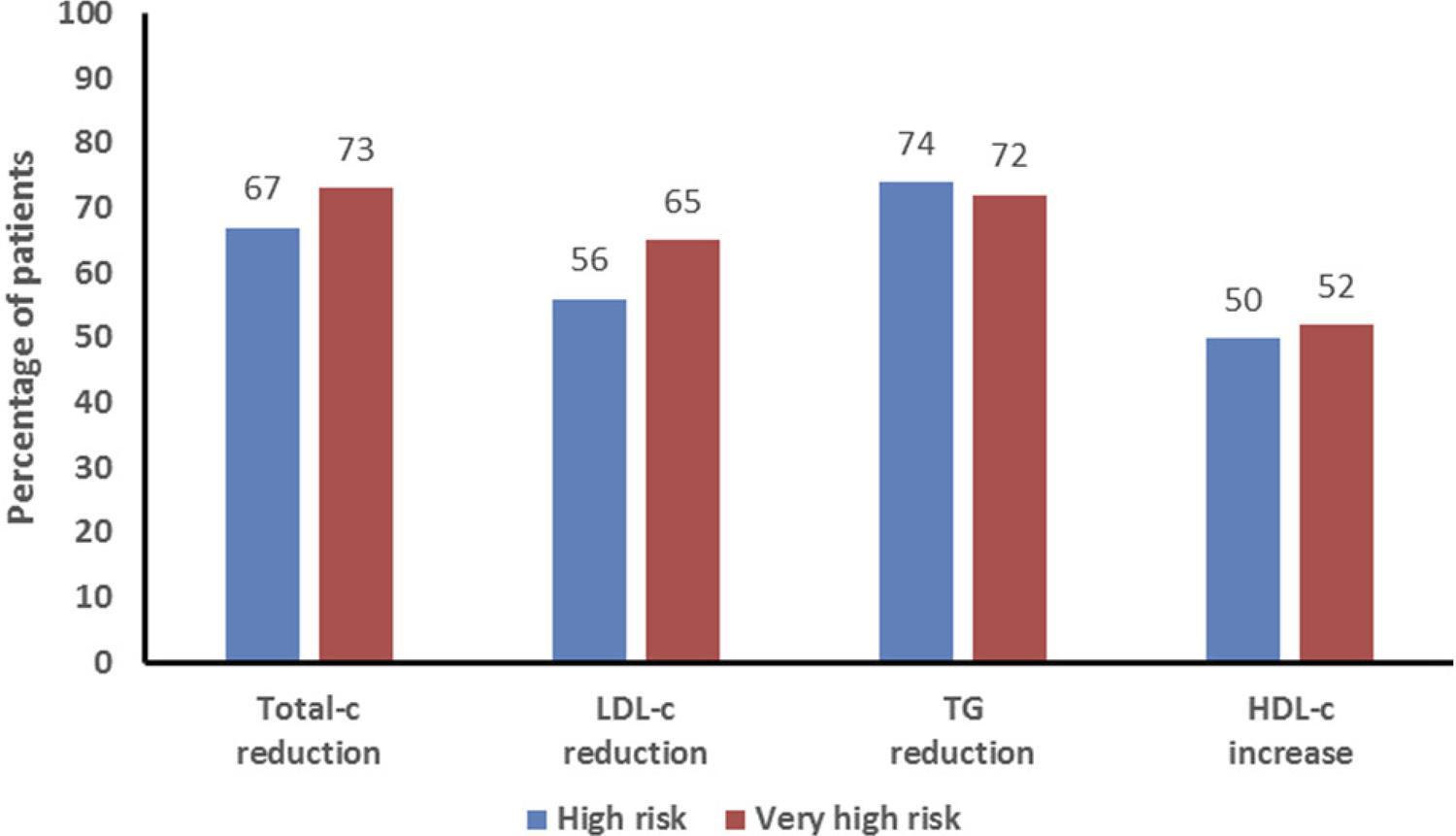
Baseline total cholesterol values were above 200 mg/dL in 75% of subjects, LDL-c values above 129 mg/dL in 83% of subjects and triglycerides values above 150 mg/dL in 79% of subjects. Most (n = 253, 95.8%) patients at very high cardiovascular risk were taking statins, 50% of them atorvastatin. Considering the ATPIII guidelines’ goals, only 24 subjects (19%) at high CV risk achieved an LDL-c < 100 mg/dl, while a significantly lower percentage (p = 0.04) of patients at very high risk reached an LDL-c < 70mg/dl (11%; n = 30).

Conclusion

These data indicate a low rate of compliance with the ATPIII guidelines, independent of the medication used or duration of the treatment. This may be attributed to the prescription of low doses of medication and a therapy targeting isolated lipid fractions rather than a complete lipid profile. (Int J Cardiovasc Sci. 2020; 33(4):371-376)
  • Cardiovascular Diseases/prevention and control
  • Cholesterol
  • dyslipidemia
  • Lifestyle
  • Patient Compliance
  • Sedentarism
  • Tabaquism
  • Triglicerides
Read Full Article
Creative Commons Attribution (CC BY) Creative Commons license
07/08/2020 DOI: 10.36660/ijcs.20190010 Views 1
Figure 1
Viewpoint

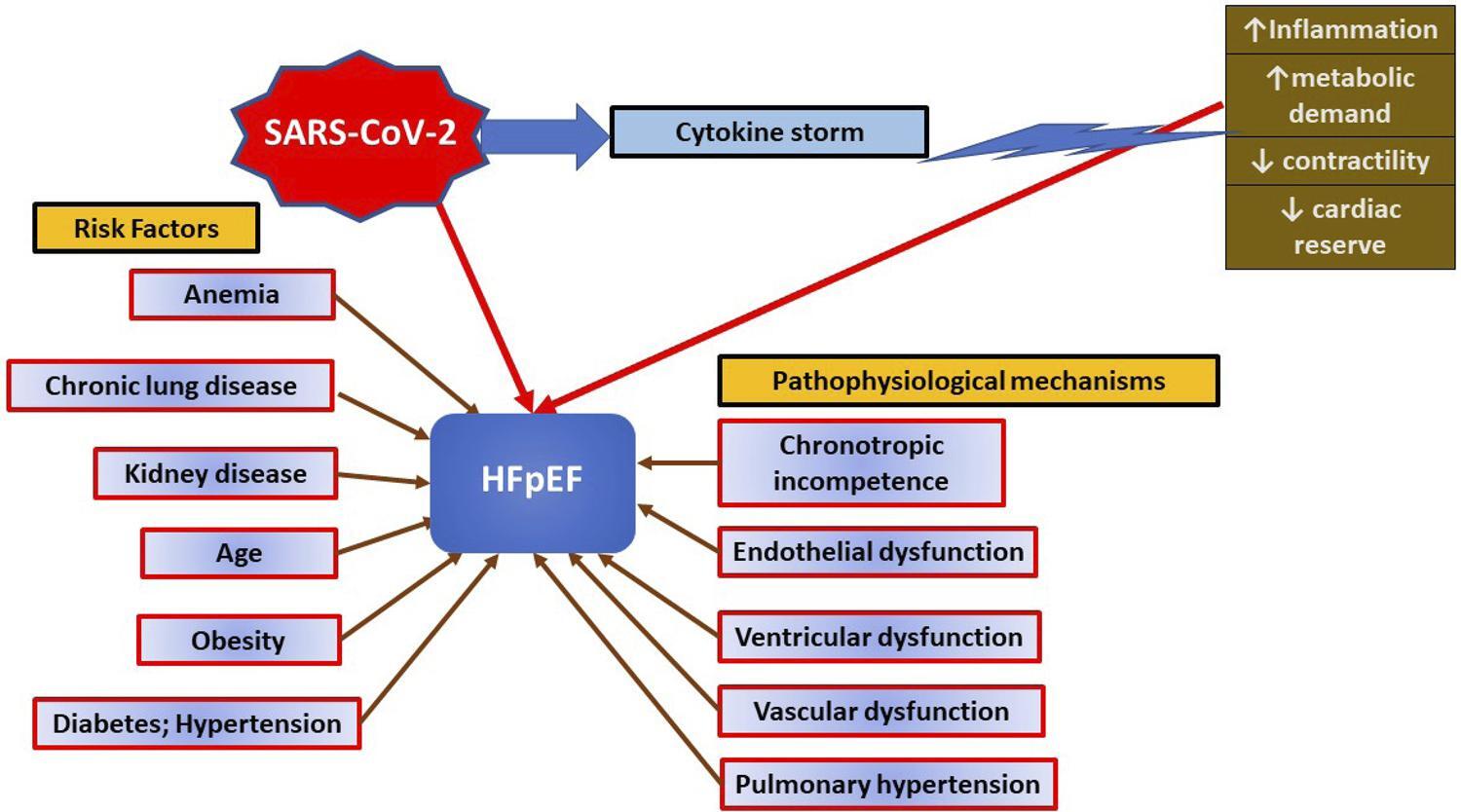
Heart Failure with Preserved Ejection Fraction and COVID-19: a Pernicious Relationship

Evandro Tinoco Mesquita et al. Antonio Jose Lagoeiro Jorge Humberto Villacorta Luiz Claudio Danzmann Wolney de Andrade Martins

Introduction

The ongoing pandemic of Severe Acute Respiratory Virus-2 (SARS-CoV2) infection was first recognized in China in 2019 and brought significant health and economic threats around the world. On January 31, 2020, the World Health Organization (WHO) declared the disease caused by SARS-CoV2 an international public health emergency and on March 11, 2020, the WHO declared it a pandemic. , Three months after the initial WHO declaration, there are more than 5 million confirmed cases worldwide and 300,000 deaths. In Brazil, in the same time interval, there were more than 850,000 cases and 43,000 deaths, with an upward trend.

The epidemiological and clinical severity of the pandemic by COVID-19 was initially supported by 4 alarming elements: (a) respiratory transmission with a high infectivity rate; (b) high lethality in specific subgroups; (c) high demand for intensive care and mechanical ventilation; and (d) no effective vaccine or specific treatment. Given the magnitude of the problem and the scarcity of resources, there was a recommendation for hospitalizing critically ill patients and providing them with supportive treatment and, above all, mitigation via social isolation aimed at flattening out the epidemic curve. –

[…]

  • Cardiovascular Diseases/complications
  • Coronavirus
  • COVID-19
  • Heart Failure/complications
  • Mortality
  • Pandemics
  • Pneumonia
  • Stroke Volume
Read Full Article
Creative Commons Attribution (CC BY) Creative Commons license
31/07/2020 DOI: 10.36660/ijcs.202000164
Editorial

Relevance of Animal Models and Echocardiogram for Hypertensive Disease Studies

Karyne Pollo de Souza et al. Christianne Brêtas Viera Scaramello

Hypertension is the main risk factor for the development of cardiovascular diseases, such as cerebrovascular and ischemic heart diseases, as well as for premature death worldwide. The prevalence of this condition was about 30% in low-, middle- and high-income countries in 2010. Cardiovascular pharmacotherapy and lifestyle changes constitute important measures to manage cardiovascular diseases, and the reduction of blood pressure is a fundamental strategy to prevent and treat them. Systemic arterial hypertension is a clinical multifactorial condition. The underlying mechanisms of hypertensive disease are complex, which is why it is essential to elucidate them. Many animal models of hypertension can serve this purpose, most of which were developed considering the probable causes of this condition, such as high salt intake and renin-angiotensin-aldosterone system overactivity. It is important that each model exploit a single pathway to hypertension development.

Spontaneously hypertensive rats (SHR) are genetically modified animals commonly chosen for several studies, including antihypertensive drugs screening. They provide an inexpensive experimental model and have a hypertensive phenotype similar to human patients. There are also endocrine models of hypertension, including the administration of deoxycorticosterone acetate (plus salt) and N-ω-nitro-L-arginine methyl- ester (L-NAME). According to the literature, both SHR and L-NAME models are related to sympathetic overactivity. ,

[…]

  • Animal Models
  • Blood Pressure
  • Cardiovascular Diseases, mortality
  • Electrocardiography/methods
  • Hypertension/complications
  • Rats
Read Full Article
Creative Commons Attribution (CC BY) Creative Commons license
31/07/2020 DOI: 10.36660/ijcs.20200116 Views 1
Editorial

“Simplicity is the ultimate sophistication” (Leonardo Da Vinci)

Weimar Kunz Sebba Barroso et al. Paulo Gentil

Although scientists are developing many complex tools for the detection and prevention of diseases, simple measures are still proven to be valid. For example, body mass index (BMI) have been criticized for not considering lean body mass. However, recent studies have shown that a high BMI is associated with cardiometabolic risks, even in the presence of high levels of lean body mass. Therefore, with a weight scale and a stadiometer, we can say many important things. Based on the article by Silva et al., we can add another tool to the toolbox: a measure tape. The authors show that waist circumference is associated with blood pressure, glucose, and lipid levels. In some cases, waist circumference explained more than 60% of the variability of a risk factor. Important to say that many of these parameters underlie some of the more prevalent diseases and most common causes of death, like hypertension, diabetes, and cancer.

It has been long known that excess fat is associated with health problems; however, it has been found that not all fats are the same. Central fat is more associated with health risks than gluteofemoral fat, which is largely explained by the endocrine characteristics of visceral fat, mediated by adypocitokines.

[…]

  • Abdominal Circumference Anthropometry /instrumentation
  • Blood Pressure
  • Body Weight and Measures
  • Risk Factors
  • Women
  • Young Adult
Read Full Article
Creative Commons Attribution (CC BY) Creative Commons license
31/07/2020 DOI: 10.36660/ijcs.20200104 Views 1
Figure 1
Viewpoint

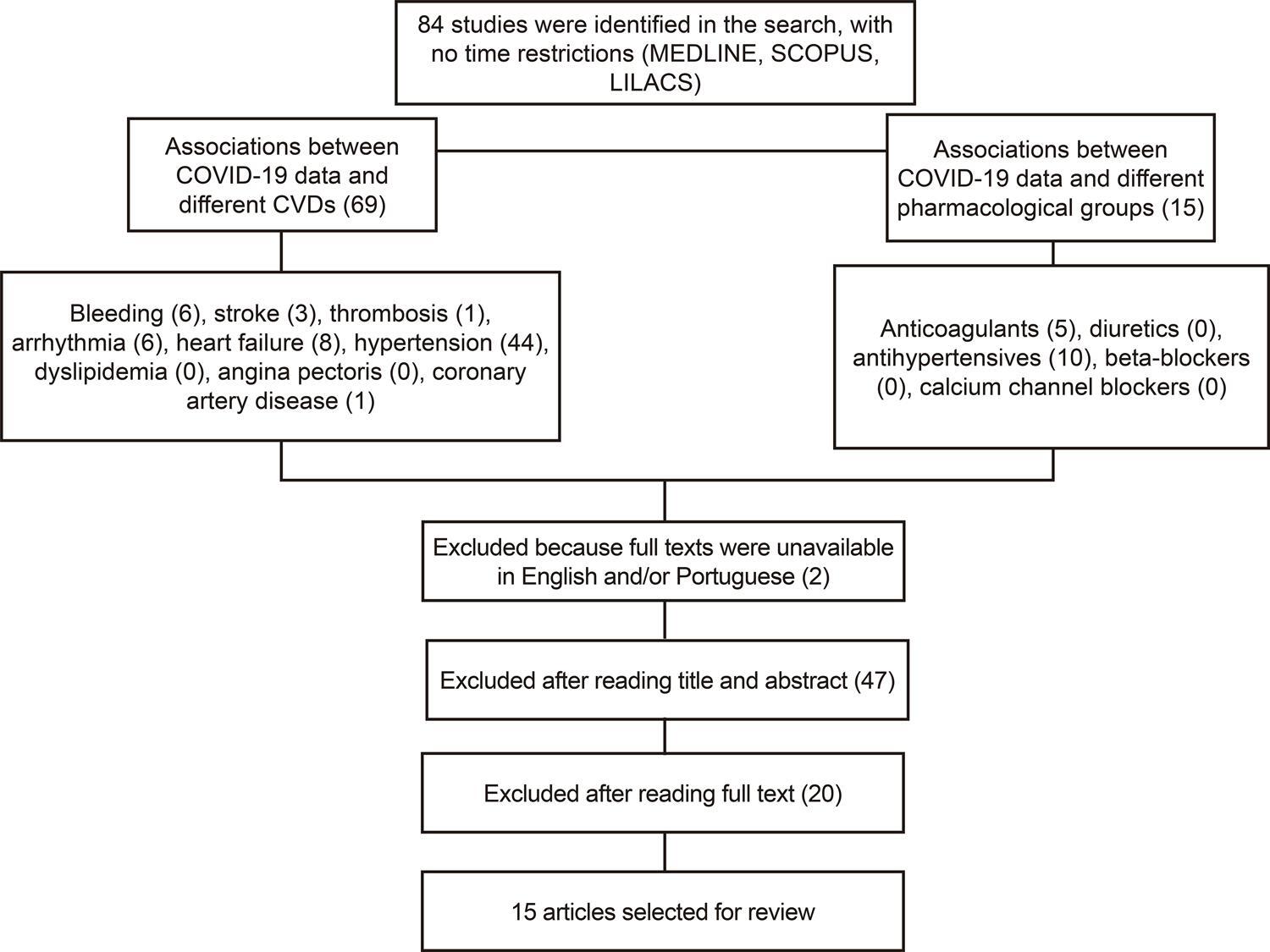
Challenges in Pharmacological Management of Cardiovascular Diseases in Covid-19: do Benefits Outweigh Risks?

Samuel de Sousa Pedro et al. Fernanda Carla Ferreira de Brito Christianne Bretas Vieira Scaramello

Introduction

Cardiovascular diseases (CVD) are the main cause not only of global mortality but also of reduced quality of life. They cover ischemic heart disease, stroke, heart failure, peripheral artery disease, and various other heart and vascular conditions. In 2017, CVDs caused about 17.8 million deaths worldwide, corresponding to 330 million years of life lost and another 35.6 million years of life with disabilities. Almost 80% of deaths occur in low- and middle-income countries, such as Brazil, where the occurrence of CVDs and their risk factors are on the rise as a result of an ongoing epidemiological transition. In low-income countries CVDs greatly affect working-age populations, and the total economic loss resulting from this group of diseases is high, representing 2% of Gross Domestic Product. In addition, the disability caused by CVDs has economic consequences at multiple levels: individual, family, economic agents, public institutions, government, and society as a whole.

Recent studies also show that chronic conditions, such as CVD, increase the risk of aggravation and death associated with the new coronavirus 2019 disease (COVID-19), whose outbreak was characterized as a pandemic by the World Health Organization (WHO) in March 2020. The new coronavirus is a betacoronavirus called SARS-CoV-2 (Severe Acute Respiratory Syndrome coronavirus 2), phylogenetically identical to other coronaviruses capable of determining acute respiratory distress syndrome (ARDS), which is responsible for numerous deaths. The most common symptoms of COVID-19 include fever, cough, dyspnea, myalgia, fatigue, diarrhea, sore throat, chest pain, confusion, and lethargy. Acute and chronic cardiovascular complications have also been observed in the course of COVID-19, being attributed to several mechanisms, such as relative ischemia, systemic inflammation mediated by pathogens, with increased levels of several biomarkers. In this context, studies point to the relevance not only of chronic conditions, such as hypertension, but also of the age and immunological status of the host, characterizing a complex, multifactorial, and bidirectional model that can comprehend the drugs used to treat these pathologies.

[…]

  • Anticoagulants
  • Cardiovascular Diseases, mortality
  • Coronavirus/complications
  • Covid-19/complications
  • Dyspnea
  • Fever
  • Pandemics
  • SARS Severe Acute Respiratory Syndrome
Read Full Article
Creative Commons Attribution (CC BY) Creative Commons license
31/07/2020 DOI: 10.36660/ijcs.20200081
Editorial

Risk Factors for Mortality in Pediatric Cardiac Intensive Care Unit

Cristiane Martins et al. Bruna M. N. Gama

Congenital heart defect commonly requires care in pediatric intensive care unit (PICU). They are a heterogeneous group of disorders with an annual incidence of 25,757 new cases in Brazil, 12 cases per 1,000 inhabitants . In this paper, Guimarães et al., published a cross-sectional study to describe the epidemiology of patients admitted to PICU from a tertiary hospital in Brazil. In this editorial, we review recent progress in understanding the risk factors for mortality in PICU. The editorial was produced by searching Pubmed and Scielo, using the terms “PICU”, “RACHS”, “CHD”, and “mortality”.

Congenital heart defects (CHD) are serious and common conditions that have a significant impact on morbidity, mortality and healthcare costs in both children and adults. It is estimated that at least 32,000 infants in the United States will be affected each year by CHD. Of these, approximately 25%, or 2.4 per 1,000 live births require invasive treatment in the first year of life. While advances in treatment in the last decades have decreased infant mortality, they have also led to an increase in the number of children and adults with CHD. Despite these advances and developments in interventional and surgical techniques, heart disease in children remains an important cause of morbidity and mortality.

[…]

  • Aortic Coarctation
  • Arterial Switch Operation
  • Heart Defects Congenital/mortality
  • Heart Septal Defects, Ventricular
  • Hospitalization
  • Intensive Care Units
  • Mordity
  • Risk Factors
Read Full Article
Creative Commons Attribution (CC BY) Creative Commons license
31/07/2020 DOI: 10.36660/ijcs.20200130 Views 1
Figure 1
Case Report

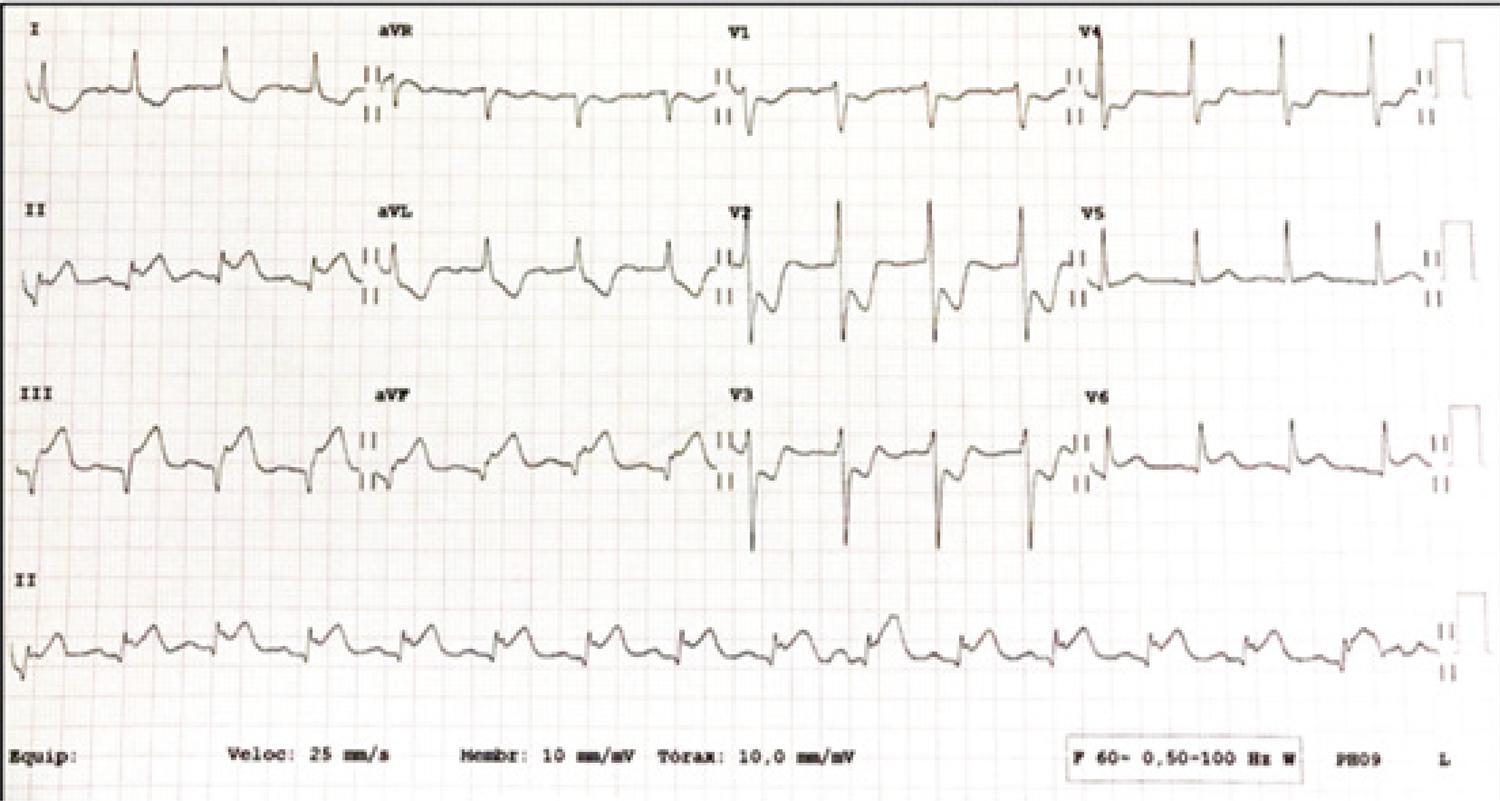
The Association between Covid-19 and ST Elevation Myocardial Infarction: Variable Clinical Presentations on a Case Report Series

Vinicius Esteves et al. Cleverson Neves Zukowski Fabio Augusto de Luca Italo Bruno dos Santos Sousa … Bruno Santana Bandeira Angelina Camiletti Guilherme Arruda André Feldman Olga Ferreira de Souza

Introduction

The current global pandemic caused by the new coronavirus (COVID-19) already reaches 185 countries with approximately 3 million infected people and more than 200 thousand deaths. , With continental dimensions and an elevated socioeconomic disparity, Brazil, by the beginning of May, presents with increasing infection rates and mortality close to 8%. The numbers may be higher considering the lack of adequate testing of the population and healthcare professionals.

According to the World Health Organization (WHO), cardiovascular diseases represent the leading cause of deaths around the world. . Recent reports confirmed that patients with cardiovascular comorbidities are at a higher risk to develop the most severe form of the COVID-19. – The association between these two pathologies can lead to high morbidity and mortality rates and has been the object of continuous efforts by the medical community. In this sense the management of Acute Coronary Syndrome (ACS) has undergone changes in both diagnosis and treatment since the beginning of the pandemic. – Another aggravating factor regarding the approach of ACS during this period is the multiple clinical presentations and differential diagnosis associated with COVID-19, such as myopericarditis, pulmonary embolism and arrhythmia. –

[…]

  • Acute coronary syndrome
  • Chest Pain
  • Coronavirus
  • COVID-19
  • Diabetes Mellitus
  • Hypertension
  • Morbidity and Mortality
  • Pandemics
  • Severe Acute Respiratory Syndrome
  • ST Elevation Myocardial Infarction
Read Full Article
Creative Commons Attribution (CC BY) Creative Commons license
31/07/2020 DOI: 10.36660/ijcs.20200122 Views 1
Figure 1
Editorial

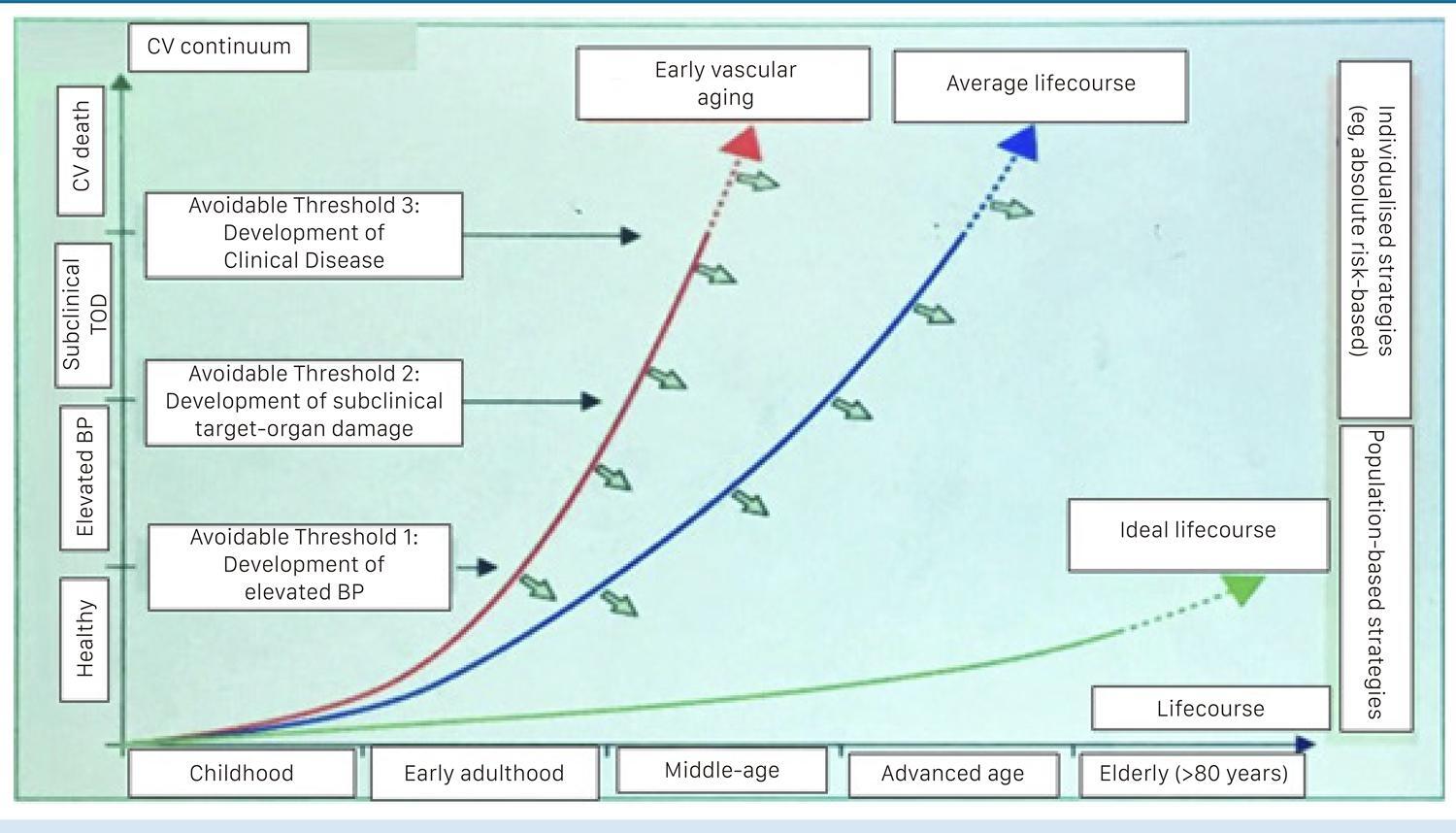
Vascular Aging and Arterial Stiffness in Older Adults

Erika Maria Gonçalves Campana et al. Sayuri Inuzuka

Deaths from cardiovascular disease, according to the WHO, are projected to reach around 14 million by 2030. The global population is aging at an accelerated rate and the prevalence of arterial hypertension (AH) increases with advancing age. Aging is the common denominator in several cardiovascular diseases. Arterial stiffness and increased pulse wave velocity (PWV), as well as central systolic pressure are major predictors of cardiovascular events. ( )

[…]

  • Aged
  • Biomarkers
  • Blood Pressure
  • Cardiovascular Diseases, mortality
  • Frailty
  • Hypertension
  • Pulse Wave Analyses
  • Risk Factors
  • Vascular Stiffness
Read Full Article
Creative Commons Attribution (CC BY) Creative Commons license
31/07/2020 DOI: 10.36660/ijcs.20200132
Figure 1
Editorial

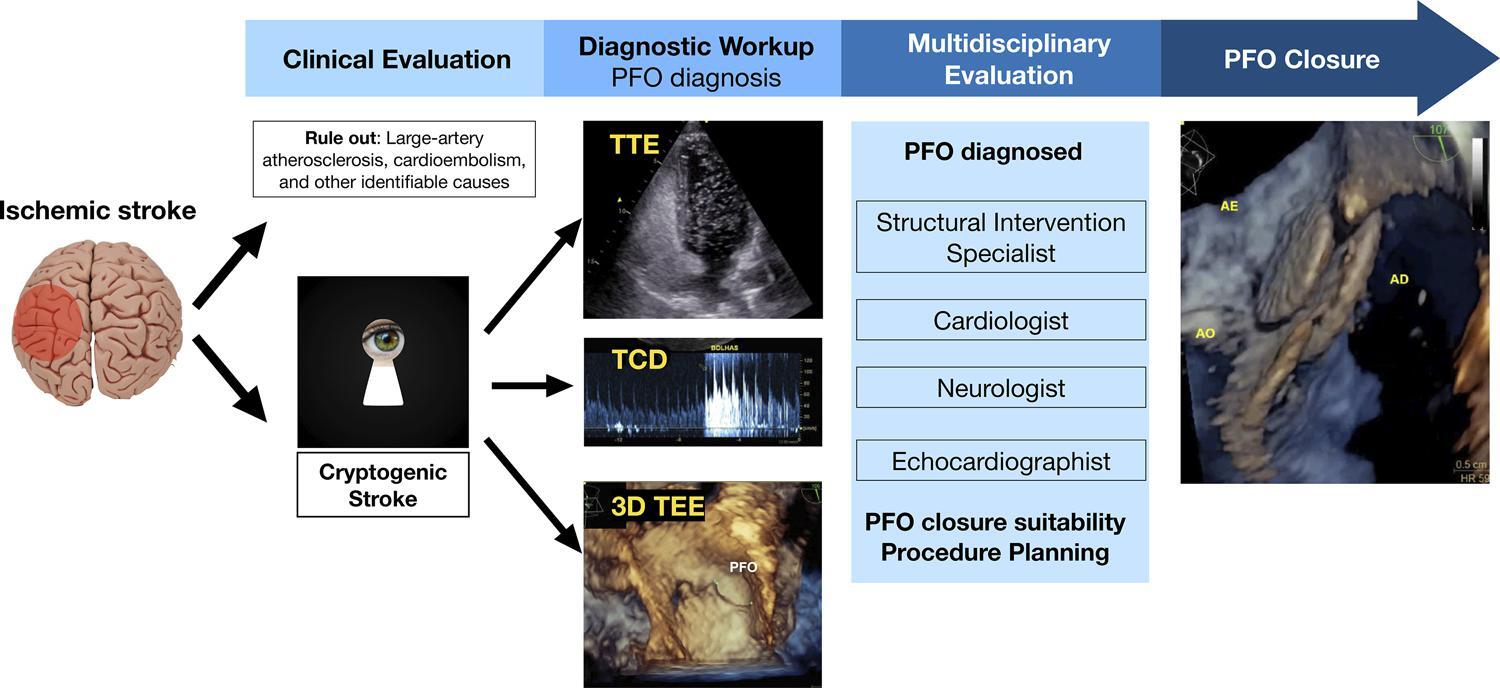
To Close or not to Close PFOs in Cryptogenic Stroke, an Evolving Question

Alex Felix et al. Monica Luiza de Alcantara

A matter of intense debate in the last decades, the ideal strategy for secondary prevention in patients with cryptogenic stroke and patent foramen ovale (PFO) is not yet clearly defined. PFOs are prevalent in the general population and can be found in up to 40% of patients with cryptogenic stroke. Although in some cases of cryptogenic stroke PFO might be just an innocent bystander, paradoxical embolism is a well-known potential causative mechanism, especially in patients with concomitant deep venous thrombosis, whereby PFO closure may represent an effective measure to avoid recurrences. Even among patients with PFO, phenotypical heterogeneity may also determine percutaneous treatment suitability and directly impact on results, whereas the presence of large shunts, atrial septal aneurysm or associated complex septal defects must also be taken into account.

In the past years, several evidence-based guidelines and expert consensus on the management of patients with PFO and prevention of recurrent stroke have been published by international scientific societies, including a position paper sponsored by the European Association of Percutaneous Cardiovascular Interventions (EAPCI), with the participation of eight European scientific societies. A recent guideline by the American Academy of Neurology (AAN) was published online last April.

[…]

  • Atrial Fibrillation
  • Patent Foramen Ovale
  • Risk Factors
  • Secondary Prevention
  • Stroke/prevention and control
Read Full Article
Creative Commons Attribution (CC BY) Creative Commons license
31/07/2020 DOI: 10.36660/ijcs.20200128 Views 1
Editorial

Identification of Preclinical Markers Related to Hereditary Diseases: Expanding the Horizons of the Study of Cardiac Autonomic Modulation

Nágela Nunes et al. Paulo R. Benchimol-Barbosa

The Autonomic Nervous System (ANS) consists of two opposite pathways (sympathetic and parasympathetic) that have action both on the atrial and ventricular myocardium, as well as on atrioventricular and sinus nodes, thus exerting influence on the variation of heart rate (HR). The increase in HR is a consequence of the greater action of the sympathetic pathway and the lower parasympathetic activity (vagal inhibition), while its reduction basically depends on predominance of vagal activity. The influence of ANS on the heart is dependent on information that departs, among others, from baroceptors, chemoreceptors, changes in the respiratory system, vasomotor system, renin-angiotensin-aldosterone system and thermoregulatory system.

The discovery of the relationship between ANS and mortality from cardiovascular diseases has led to several studies, which have proven the existence of reduced parasympathetic and increased sympathetic activity in several pathologies of the cardiovascular system. These findings made it necessary to develop quantitative markers of cardiac autonomic activity, and heart rate variability (HRV) is the most promising autonomic marker . Historically, their clinical interest arose in 1965, when Hon and Lee demonstrated a well-defined clinical application of HRV in the area of fetal distress monitoring. In 1977, Wolf et al., showed an association between low HRV and higher risk of mortality after acute myocardial infarction and Kleiger et al., in 1987, confirmed that HRV was a potent and independent predictor of mortality after acute myocardial infarction. In 1996, in an age-stratified cross-sectional study, Barbosa et al., reported >18 % per decade reduction in HRV in healthy adults and >25 % per decade reduction in subjects two years post-myocardial infarction with persevered left ventricular systolic function. Additionally, the authors observed that aging related HRV decrease was mainly related to reduction in spontaneous vagal activity. In 2002, Nunes studied HRV variability in preschool healthy children, defining normality ranges for HRV variables in this population.

[…]

  • Adolescent
  • Autonomic Denervation
  • Autonomic Nervous System/complications
  • Diabetes Mellitus/complications
  • Genetic Diseases, Inborn
Read Full Article
Creative Commons Attribution (CC BY) Creative Commons license
31/07/2020 DOI: 10.36660/ijcs.20200192 Views 2
Editorial

Are we Improving Adherence to Cardiovascular Guidelines?

Luciana Nicolau Aranha et al. Gláucia Maria Moraes de Oliveira

Chronic noncommunicable diseases (NCDs) comprise the world’s leading group of causes of death, accounting for premature deaths, loss of quality of life, and adverse economic and social impacts. They represent about 70% of global deaths, close to 38 million deaths annually, significantly exceeding deaths from external causes and infectious diseases, such as COVID-19. Almost 45% of the deaths, more than 17 million, occur as a result of cardiovascular disease (CVD). The same happens in Brazil, where 72% of the deaths are due to NCDs, and about 30%, to CVD.

Dyslipidemia is a significant risk factor for CVD, particularly coronary artery disease (CAD) and stroke. Prospective and long-term epidemiological studies have shown that individuals with healthier lifestyles and fewer risk factors for CAD could improve their life expectancy by decreasing cardiovascular morbidity and mortality. The Framingham Offspring Study, which followed 3501 participants from 1987 to 2011, has demonstrated that low levels of high-density lipoprotein (HDL) or high levels of low-density lipoprotein (LDL) and triglycerides, alone or in any combination, are associated with increased risk for CVDs. Therefore, intervention measures are necessary to reduce morbidity and mortality, as well as the cost of hospitalization due to those diseases. In addition, improving the quality of life and health of the population is essential.

[…]

  • Cardiovascular Diseases/complications, Mortality
  • Cardiovascular Diseases/prevention and control
  • COVID-19
  • Dyslipidemias
  • Hydroxymethylglutaryl-CoA Reductase Inhibition/therapeutic use
  • Life Style
  • Patient Compliance
  • Tabagism
  • Triglycerides
Read Full Article
Creative Commons Attribution (CC BY) Creative Commons license
31/07/2020 DOI: 10.36660/ijcs.20200131 Views 1
Editorial

Open Science and the Role of Cardiology Journals in the COVID-19 Pandemic

Claudio Tinoco Mesquita

In July 2020, Brazil has the world’s second highest Covid-19 death toll. The COVID-19 pandemic is spreading fast in America. Since the first case of COVID-19 was confirmed, it took 114 days in Brazil (February 26-June 19) and 98 days in the USA (January 21-April 29) for the number of cases to reach more than 1,000,000. Parallel to the rapid growth of COVID-19 cases, there has been a progression in the number of scientific publications. Until June 2020, more than 25,800 papers about COVID-19 were published in PubMed (17,800 open access – 69%). This volume of scientific publications is unprecedent. The Journal of the American Medical Association (JAMA), for example, received more than 11,000 submissions from January 1 to June 1, 2020, compared with approximately 4,000 submissions during the same period in 2019. The International Journal of Cardiovascular Sciences is facing a similar situation with more than doubled manuscripts submitted. Our aim is to discuss the importance of Open Science during the COVID-19 pandemic and the role of cardiology journals in this special moment.

COVID-19 is a new disease and many of its aspects are still obscure. What is known about SARS-CoV-2 transmission, incubation, and environmental stability? What are the risk factors for the disease? What is the best evidence-based therapy? What is the real importance of asymptomatic and presymptomatic virus shedding in SARS- CoV-2 transmission? How long neutralizing antibodies persist following infection, and do they confer immunity to reinfection? These and many other key questions are still unanswered. There is a great need for fast and efficient publication of information, but at the same time all efforts must be made to assure quality, and avoid biases and limitations.

[…]

  • Coronavirus
  • COVID-19
  • Ethical review
  • Open Access Publishing
  • Pandemics
  • Peer review
  • Scientific Publications
Read Full Article
Creative Commons Attribution (CC BY) Creative Commons license
31/07/2020 DOI: 10.36660/ijcs.20200191 Views 2
Figure 1
Original Article

Influence of Family History of Diabetes on Cardiac Autonomic Dysfunction of Adolescents

Carlos Alberto Alves Dias-Filho et al. Nivaldo de Jesus Soares Jr Carlos José Dias Andressa Coelho Ferreira … Carlan da Silva Sena Janaína de Oliveira Brito-Monzani Rafael Martins Andrade Adeilson Serra Mendes Vieira Leandro Moraes Pinto Wellington Roberto G. de Carvalho Cristiano Teixeira Mostarda

Abstract

Background

To evaluate cardiac autonomic modulation of adolescents with a family history of diabetic parents.

Objective

This study aims to evaluate the influence of a family history of diabetes on cardiac autonomic modulation.

Methods

This is an analytical and cross-sectional study on adolescents between 11 and 18 years of age, of both genders, who were divided into group with a family history of diabetes and a control group without a family history of diabetes. The study protocol consisted of the analysis of heart rate variability, blood pressure, anthropometric measurements, and body composition. Also, by using questionnaires, level of physical activity, sexual maturation, and sleep quality were evaluated. Normality of data distribution was tested using the Kolmogorov-Smirnov test. Then, statistical significance was evaluated using the Student’s t-test, and the Cohen’s teste was used for calculation of the effect size. The level of significance adopted in the statistical analysis was 5%.

Results

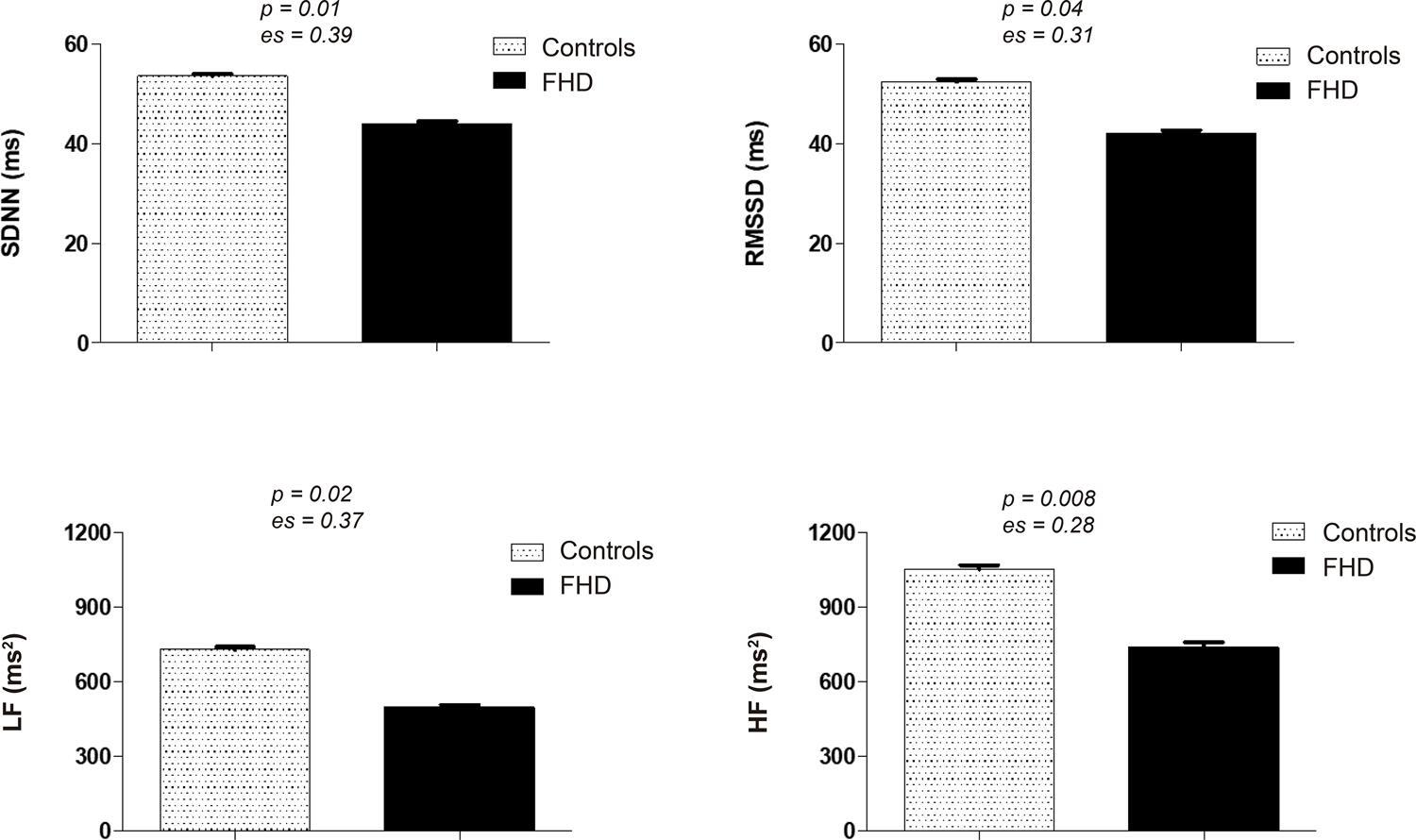
When the group of individuals with a family history of diabetes was compared with the control group, statistically significant differences were observed in the variables the standard deviation of the NN time series interval (SDNN) (43.9 ± 2.2 vs. 53.5 ± 2.6 ms), the square root of the quadratic differences (RMSSD) (41.9 ± 3.3 vs. 52.4 ± 3.2 ms), standard deviation of beat-to-beat instantaneous variability (SD1) (29.7 ± 2.3 vs. 37.1 ± 2.3 ms), long-term standard deviation of continuous RR intervals (SD2) (. 54.1 ± 2.6 vs. 66.66 ± 3.5 ms), and in low frequency (LF) (496.0 ± 49.5 vs. 728 ± 71.6 ms2) and high frequency (HF) (1050.0 ± 120.4 vs. 737.4 ± 98.5 ms2) in the frequency domain.

Conclusions

Global autonomic modulation is decreased in adolescents with a family history of diabetes. We also observed a decrease in vagal activity in this group. So, sympathetic autonomic modulation is predominant in this population. (Int J Cardiovasc Sci. 2020; [online].ahead print, PP.0-0)

  • Adolescent
  • Body Mass Index, cardiac Autonomic System
  • Body weight
  • Diabetes/Epidemiology
  • Diabetes/heredity
Read Full Article
Creative Commons Attribution (CC BY) Creative Commons license
17/07/2020 DOI: 10.36660/ijcs.20180064 Views 1
Figure 1
Review Article

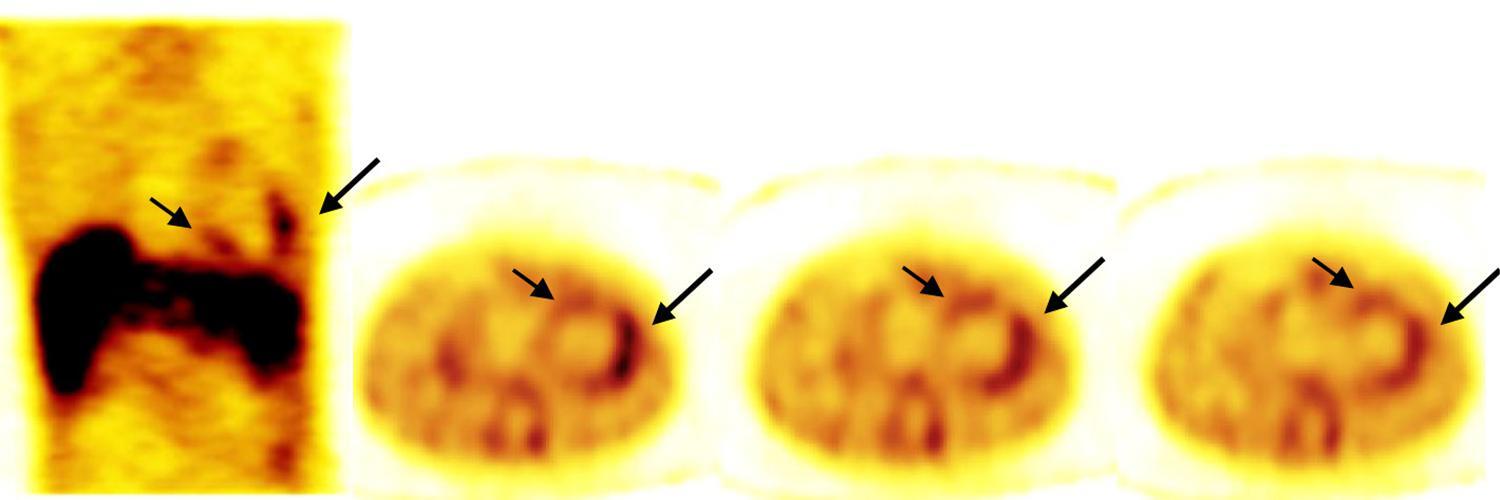
The Role of 18F-FDG PET/CT in Cardiac Sarcoidosis

Christiane Wiefels et al. Olabimpe Lamai Riina Kandolin David Birnie … Eugene Leung Claudio Tinoco Mesquita Rob Beanlands

Introduction

Systemic sarcoidosis (SS) was first described more than a century ago by the Norwegian dermatologist Caesar Boeck. He correlated skin nodules with epithelioid cells with large nuclei and giant cells as “multiple benign sarcoid of the skin”, for their resemblance with sarcoma. Today, the cause of the disease remains unknown, but evidence points toward immunological response to an unidentified antigenic trigger in individuals with genetic susceptibility. The estimation of the prevalence of SS in the population varies in the literature also depending on the type of study: epidemiologic, autopsy or imaging.

Some previous data showed prevalence as high as 100-330 cases per 100,000 inhabitants. , Environmental factors have been attributed to those differences, including sex, age and ethnicity, showing a predisposition for environmental and genetic factors. The reported incidence is similar across sex in North American population but greater in females in Scandinavian and Japanese populations, , but more likely to be chronic and fatal in black Americans. The disease usually develops before the age of 50 years, with a peak incidence at 20 to 39 years old, , and is very uncommon under the age or 15 or older than 70. Symptomatic cardiac sarcoidosis (CS) has been reported in 2-5% of the patients with the systemic form. – However, with the advance of new cardiac imaging techniques, cases of asymptomatic (clinically silent) cardiac involvement have been diagnosed. The disease has been reported in at least 20% of the autopsies and imaging report in the United States to as much as 50% in Japan. ,

[…]

  • Cardiomyopathies
  • Diagnostic Imaging
  • Heart Failure
  • Magnetic Resonance Imaging/diagnostic
  • Metabolism Disorders
  • Positron Emission Tomography Computed Tomography/diagnostic
  • Sarcoidosis
  • Sudden Cardiac Death
Read Full Article
Creative Commons Attribution (CC BY) Creative Commons license
17/07/2020 DOI: 10.36660/ijcs.20200033 Views 1
Viewpoint

Should Physical Activity Be Considered Essential During the COVID-19 Pandemic?

Francisco José Gondim Pitanga et al. Carmem Cristina Beck Cristiano Penas Seara Pitanga

Introduction

The novel coronavirus (COVID-19) disease, considered a pandemic by the World Health Organization (WHO), which until April 13, 2020, had 1,776,867 confirmed cases with 111,828 deaths worldwide, led the Ministry of Health of Brazil to prepare a manual with several actions to prevent the spread of the disease. Among these actions, social distancing is recommended, instructing people to remain at home. In addition, many heads of state and municipal executive power across Brazil have issued decrees proposing the closure of several spaces, including gyms, clinics, clubs, and other public and private spaces for physical activity. These actions caused the Brazilian population to have difficulties to continue the practice of physical activity.

On the other hand, since the beginning of the pandemic, some studies have been published in different parts of the world, calling attention to the importance of continuing to practice physical activity. For example, in the city of Wuhan in China, the initial epicenter of the disease, people were recommended to practice physical activity even at home. In a recent study focused on elderly people, outdoor physical activity and also exercising at home were suggested as therapy to combat the physical and mental consequences of quarantine due to the Covid-19 pandemic. In addition, according to a recent position of the American College of Sports Medicine, people should continue to stay physically active while at home during the pandemic.

[…]

  • Coronavirus
  • COVID-19
  • Exercise
  • Leisure Activities
  • Pandemics
  • Physical activity
  • Psychological Phenomena
  • Sedentarism
Read Full Article
Creative Commons Attribution (CC BY) Creative Commons license
05/06/2020 DOI: 10.36660/ijcs.20200072 Views 2
Figure 1
Original Article

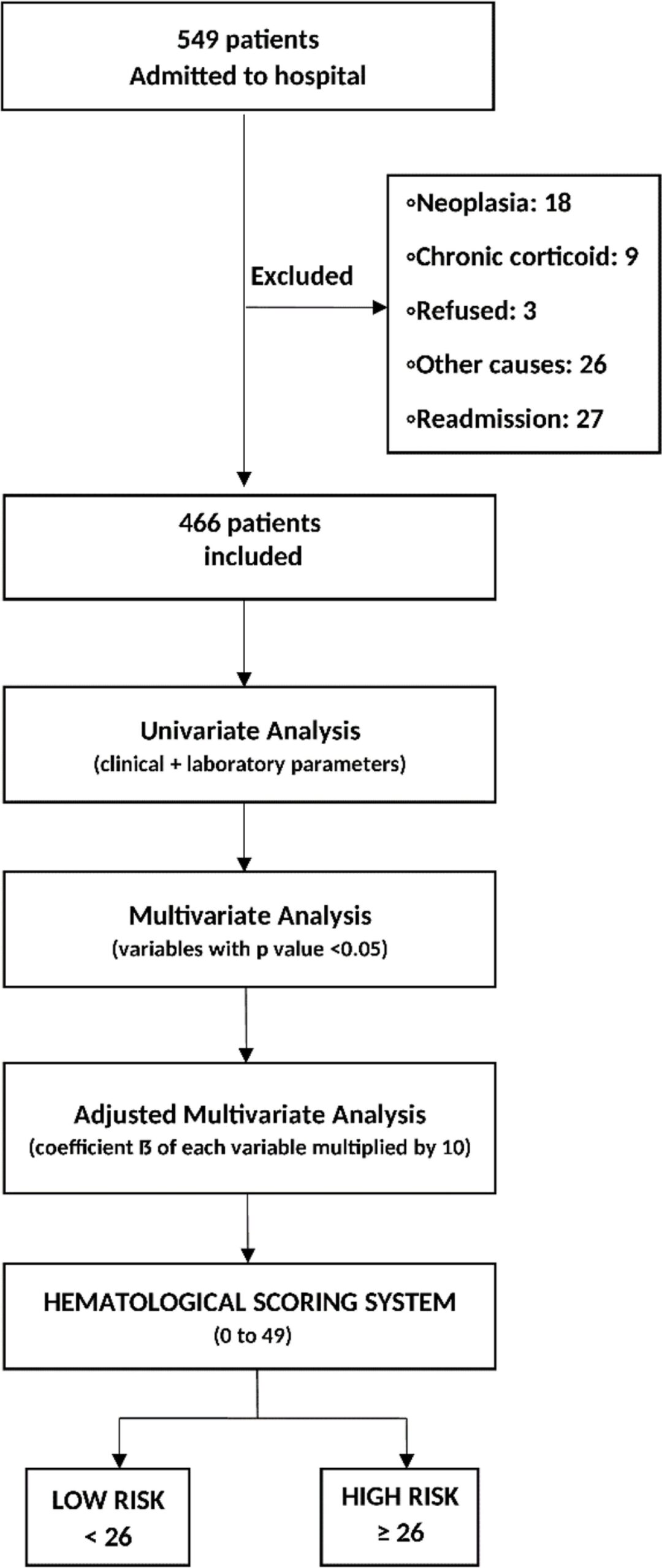
Performance of a Hematological Scoring System in Predicting All-Cause Mortality in Patients with Acute Myocardial Infarction

José Gildo de Moura Monteiro Júnior et al. Dilênia de Oliveira Cipriano Torres Maria Cleide Freire Clementino da Silva Tácio Rian Nogueira Príncipe … Rhayssa Barbosa de Vasconcelos Maria Eduarda Cavalcanti de Brito Maria Alice Aquino Limeira Ana Célia Oliveira dos Santos Ulisses Ramos Montarroyos Dário Celestino Sobral Filho

Abstract

Background:

The presence of nucleated red blood cells (NRBCs) and increases in mean platelet volume (MPV) and neutrophil to lymphocyte ratio (NLR) in peripheral circulation are associated with poorer prognosis in patients with acute coronary disease.

Objective:

We developed a scoring system for in-hospital surveillance of all-cause mortality using hematological laboratory parameters in patients with acute myocardial infarction (AMI).

Methods:

Patients admitted for AMI were recruited in this prospective study. Exclusion criteria were age younger than 18 years, glucocorticoid therapy, cancer or hematological diseases and readmissions. NRBCs, MPV and NLR were measured during hospitalization. The scoring system was developed in three steps: first, the magnitude of the association of clinical and laboratory parameters with in-hospital mortality was measured by odds ratio (OR), second, a multivariate logistic regression model was conducted with all variables significantly (p < 0.05) associated with the outcome, and third, a β-coefficient was estimated by multivariate logistic regression with hematological parameters with a p < 0.05.

Results:

A total of 466 patients (mean age were 64.2 ± 12.8 years, 61.6% male) were included in this study. A hematological scoring system ranging from 0 to 49, where higher values were associated with higher risk of in-hospital death. The best performance was registered for a cut-off value of 26 with sensitivity of 89.1% and specificity of 67.2%, positive predictive value of 26.8% (95% CI: 0.204 – 0.332) and negative predictive value of 97.9% (95% CI: 0.962 – 0.996). The area under the curve for the scoring system was 0.868 (95% CI: 0.818 – 0.918).

Conclusions:

Here we propose a hematological scoring system for surveillance tool during hospitalization of patients with acute myocardial infarction. Based on total blood count parameters, the instrument can evaluate inflammation and hypoxemia due to in-hospital complications and, consequently, predict in-hospital mortality.

  • Coronary Artery Diseases
  • Mean Platelet Volume
  • Mortality
  • Myocardial Infarction
  • neutrophil-to-lymphocyte ratio
  • Nucleated Red Blood Cells
  • Scoring System
  • Severity of Illness Index
Read Full Article
Creative Commons Attribution (CC BY) Creative Commons license
03/02/2020 DOI: 10.36660/ijcs.20190094
Figure 1
Case Report

Congenital Heart Disease Revealing Familial 22q11 Deletion Syndrome

Marlene Viviane Pires Fernandes Santos et al. Bruno Faulin Gamba Stefany Lucas Lopes Empke Camila Cristina de Oliveira Alves … Nádia Aparecida Bérgamo Lucilene Arilho Ribeiro-Bicudo

Abstract

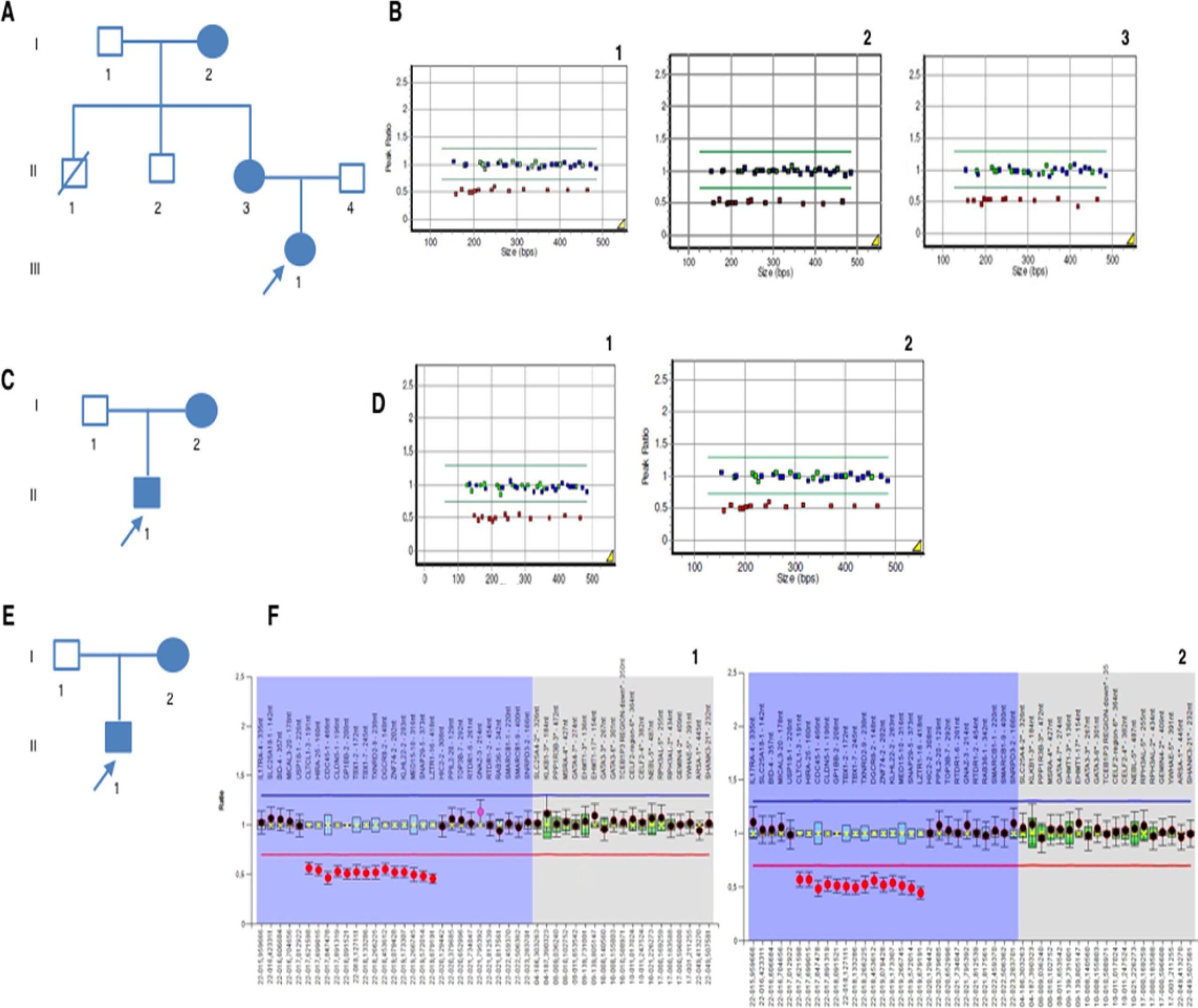
Congenital heart defects are the most common birth defects and the leading cause of mortality in the first year of life. It is well known that the 22q11 deletion syndrome (22q11DS) is the most common microdeletion syndrome in humans and that congenial heart diseases (CHDs) are one of the most common phenotypic manifestations. However, it should be noted that the 22q11 deletion was also found in a significant number of patients with isolated CHD. The 22q11DS phenotype may include cardiovascular anomalies, palatal abnormalities, nasal voice, immune deficiency, endocrine dysfunctions, a varying degree of cognitive deficits and intellectual disabilities, velopharyngeal insufficiency, and characteristic craniofacial dysmorphism. This condition affects about 1 in 4,000 live births, making 22q11DS the most common microdeletion syndrome in humans. Here we describe the cases of three children who were referred to the clinical hospital center with the diagnosis of CHD, but with no direct signs of 22q11DS. Investigation of familial data led us to suspect that the mothers could be carriers of 22q11DS. The multiplex ligation-dependent probe amplification (MLPA) testing confirmed that the patients and mothers exhibited 3 Mb 22q11 deletions, which justified the clinical signs in the mothers and the CHD in children. In the presence of a few characteristics that are common of a spectrum of some known syndromes, a familial examination can provide clues to a definitive diagnosis, as well as to the prevention of diseases and genetic counseling of these patients.

  • Chromosome deletion
  • Chromosomes, Human, Pair 22/genetics
  • Congenital Heart Disease/genetics
  • DiGeorge Syndrome/genetics
  • Face/abnormalities/ genetics
Read Full Article
Creative Commons Attribution (CC BY) Creative Commons license
03/02/2020 DOI: 10.36660/ijcs.20180060 Views 2
Original Article

Waist Circumference Above 80 cm Predicts Increased Systolic Blood Pressure in Healthy Young Adult Women

Gilberto Reis Agostinho Silva et al. Maria Sebastiana Silva Lídia Andreu Guillo

Abstract

Background:

Among anthropometric measures for assessing adiposity-related risk, waist circumference (WC) is simple and fast to perform. Cut-off values for WC proposed by the International Diabetes Federation (IDF), and the Adult Treatment Panel III of the National Cholesterol Education Program (NCEP-ATP III) are categorized by gender and are not age-specific.

Objective:

To analyze the association between WC and cardiometabolic risk factors in adult women.

Methods:

A total of 164 healthy adult women were grouped by WC according to IDF and NCEP-ATP III cutoff values. Continuous variables were described as mean ± standard deviation or median (interquartile range). The Shapiro-Wilk test was used to assess the normality of data. Variables were analyzed by unpaired Student’s t-test, Mann-Whitney U and Kruskal-Wallis tests. The correlation of WC categories with systolic (SBP) and diastolic (DBP) blood pressure, fasting blood glucose, high-density lipoprotein cholesterol (HDL-c), and triglycerides were examined by Spearman’s rho correlation coefficient and linear regression analysis. A p value < 0.05 was considered statistically significant.

Results:

Increased WC showed a significant correlation with SBP, DBP, glucose, HDL-c, and triglycerides. In bivariate linear regression, approximately 63.0 % of the variability of SBP (≥ 130 mmHg) among the age group 20-40 years was predicted by increased WC according to both criteria.

Conclusion:

A WC above 80 cm in women aged 20-40 years strongly predicted variability in SBP, calling attention to the importance of measuring WC for the monitoring and prevention of cardiovascular and metabolic diseases in women in this age group.

  • abdominal circumference
  • Anthropometry/instrumentation
  • Blood Pressure
  • Body Weight and Measures
  • Risk Factors
  • Women
  • Young Adult
Read Full Article
Creative Commons Attribution (CC BY) Creative Commons license
03/02/2020 DOI: 10.36660/IJCS.20190021 Views 1
Figure 1
Original Article

Electrocardiographic Abnormalities in Hypertension Models

Ana Gabriela Conceição-Vertamatti et al. Filipy Borghi Larissa Yuri Ishizu Gustavo Trevisan Costa … Luiz Alberto Ramos Miguel Arcanjo Areas Dora Maria Grassi-Kassisse

Abstract

Background:

Hypertensive condition can lead to abnormalities in heart structure and electrical activity. The electrocardiogram (ECG) is a recording of the electrical activity of the heart and widely used to diagnose and detect heart problem.

Objective:

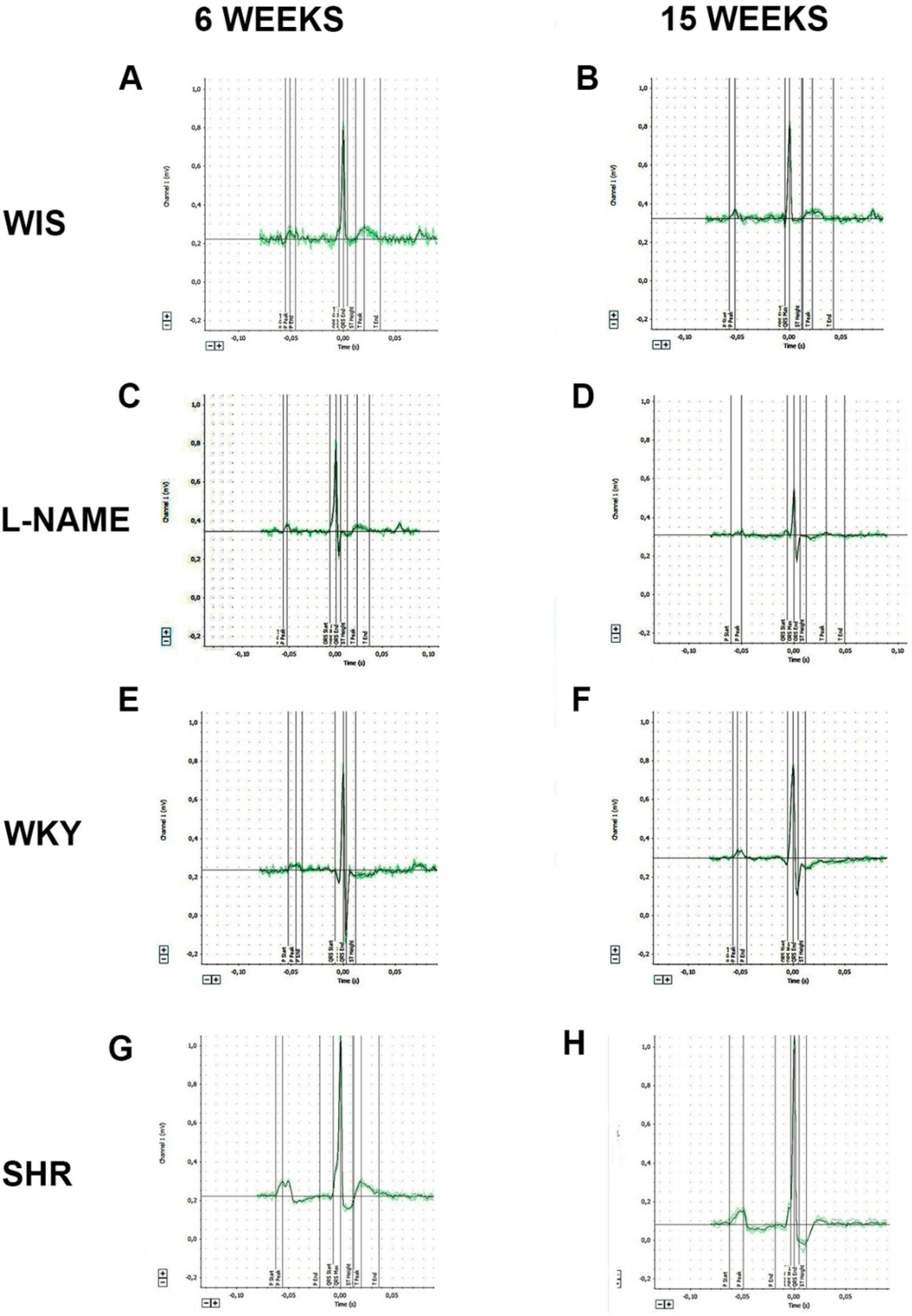
We conducted a comparative ECG analysis between two hypertension models (L-NAME and SHR) and their controls (Wistar and Wistar-Kyoto) at six and 15 th week of age.

Methods:

Blood pressure was measured at the end of the 15 th week, and electrocardiography was performed at six and 15 weeks of age in anaesthetized rats. Data normality was confirmed by Kolmogorov-Smirnov test followed by unpaired Student’s t-test and the Mann-Whitney for parametric and non-parametric data, respectively. Results are expressed as mean ± SD. The accepted level of significance was set at p < 0.05.

Results:

L-NAME exhibited prolongation of JT and QT intervals and SHR showed a decrease in heart rate when compared to Wistar-Kyoto and L-NAME. Wistar-Kyoto exhibited short PR interval with increased QRS complex, and only QT prolongation at 15 weeks compared to Wistar.

Conclusions:

All the hypertension models used in this study featured an increase in blood pressure. However, while SHR showed cardiac dysfunction, L-NAME exhibited changes in ventricular performance. These results may guide future studies on different types and models of hypertension.

  • Blood Pressure
  • Electrocardiography/methods
  • Hypertension
  • NG-Nitroarginine Methil Éster/ adverse effects
  • Rats
  • Rats, Inbred (SHR)
Read Full Article
Creative Commons Attribution (CC BY) Creative Commons license
03/02/2020 DOI: 10.36660/ijcs.20190116 Views 1
Figure 1
Original Article

The Role of Patent Foramen Ovale Closure in the Secondary Prevention of Cryptogenic Stroke: a Meta-Analysis Report

Sónia P. Pinto Pereira et al. Alzira Nunes Cristina Santos Scott E Kasner José P. L Nunes

Abstract

Background:

Patent foramen ovale (PFO) closure has been compared to medical therapy for secondary prevention of recurrent cryptogenic stroke.

Objectives:

To produce an updated meta-analysis including only data from the primary analyses of clinical trials and to evaluate the role of PFO closure in the secondary prevention of recurrent stroke.

Methods:

Search in Medline (PubMed) and in ISI Web of Knowledge. Parameters under analysis and meta-analyses were: stroke, transient ischemic attack (TIA) and atrial fibrillation (AF). Comprehensive Meta-analysis Software V.2.0 (Biostat) was used. Random-effects analyses were carried out. A level of significance of 5% was used.

Results:

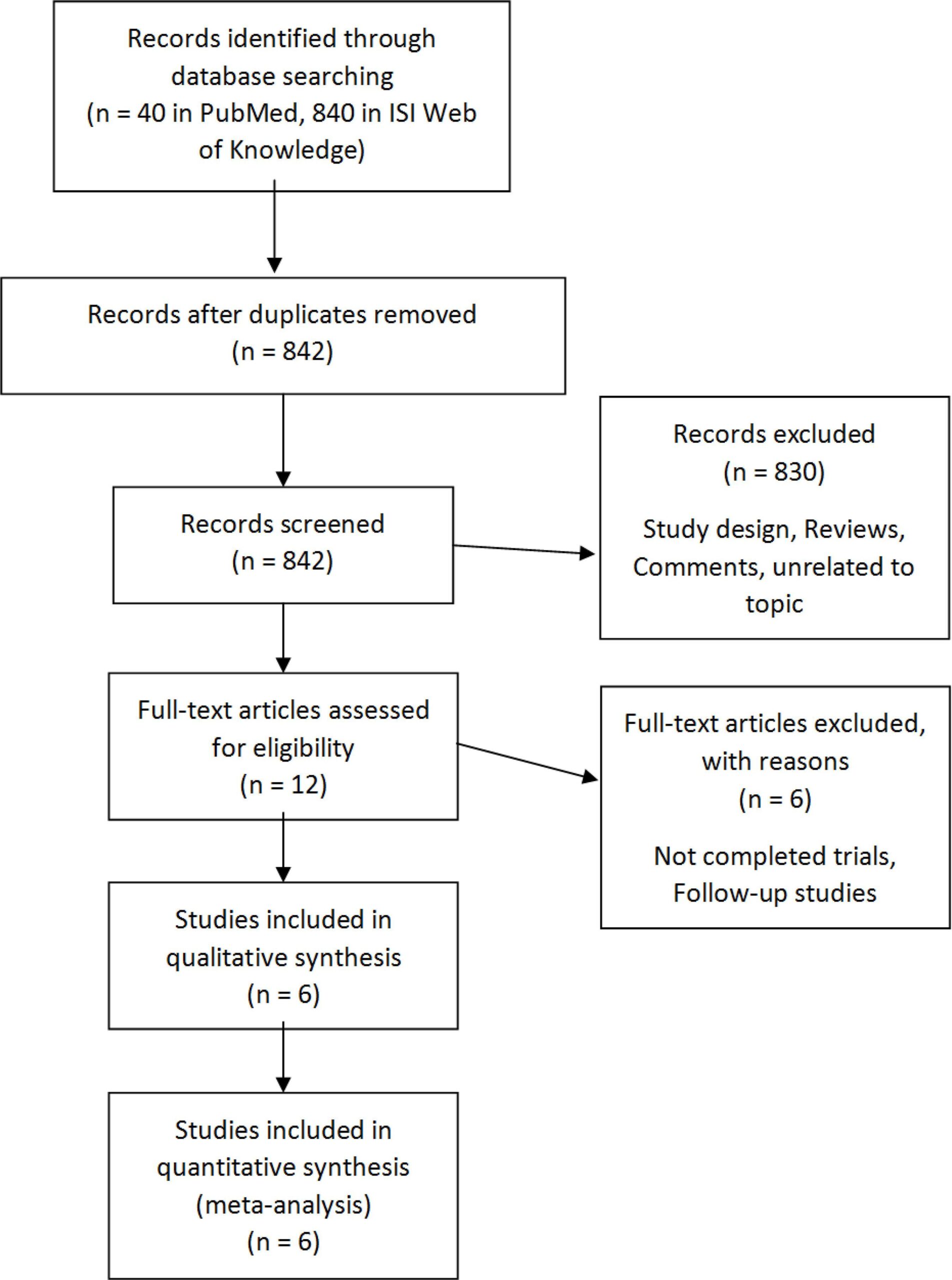
In this study six, randomized trials enrolling 3,750 patients were included. Unlike other published meta-analyses on the same topic, in this case, only clinical trial data, and not follow-up data, were used. PFO closure, as compared with medical therapy alone, demonstrated superiority in reducing the rate of recurrent stroke (risk ratio with PFO closure vs. medical therapy, 0.37; 95% confidence interval [CI], 0.17 to 0.78; p = 0.01). PFO closure did not offer a significant benefit in prevention of TIA (risk ratio with PFO closure vs. medical therapy, 0.96; 95% CI, 0.64 to 1.44; p = 0.85). Among patients assigned to closure group, an increased risk of atrial fibrillation was seen (risk ratio with PFO closure vs. medical therapy, 4.64; 95% CI, 2.38 to 9.01; p < 0.01).

Conclusions:

In patients with cryptogenic stroke who had a patent foramen ovale, a protective effect of closure was seen concerning the risk of recurrent stroke, but not regarding the prevention of TIA.

  • Atrial Fibrillation
  • Foramen Ovale Patent/Diagnosis
  • Isquemic Attack, Transient
  • Risk Factors
  • Stroke
  • Stroke/prevention and control
Read Full Article
Creative Commons Attribution (CC BY) Creative Commons license
03/02/2020 DOI: 10.36660/ijcs.20190075 Views 1
Figure 1
Original Article

Determinants of Arterial Stiffness and Vascular Aging in the Older Adult

Telmo Pereira et al. Tatiana Costa

Abstract

Background:

Arterial stiffness (AS) is recognized as an important and independent risk factor for cardiovascular diseases (CVD).

Objective:

This study was aimed at identifying the main determinants of AS in the elderly.

Design and Methods:

This was an observational, cross-sectional study of elderly participants. Blood pressure (BP) and parameters of arterial function were measured using a validated device. Clinical and demographic data, global cardiovascular risk, health-related quality of life, dietary profile and cognition data were evaluated. Blood samples were collected for biochemical profiling of the participants. Handgrip strength test was performed. Student’s t-test and the χ2 or Fisher exact tests were used for between-group comparisons as adequate. Correlational analysis was performed with the Pearson correlation coefficients and linear regression analysis. A two-tailed p < 0.05 was considered significant.

Results:

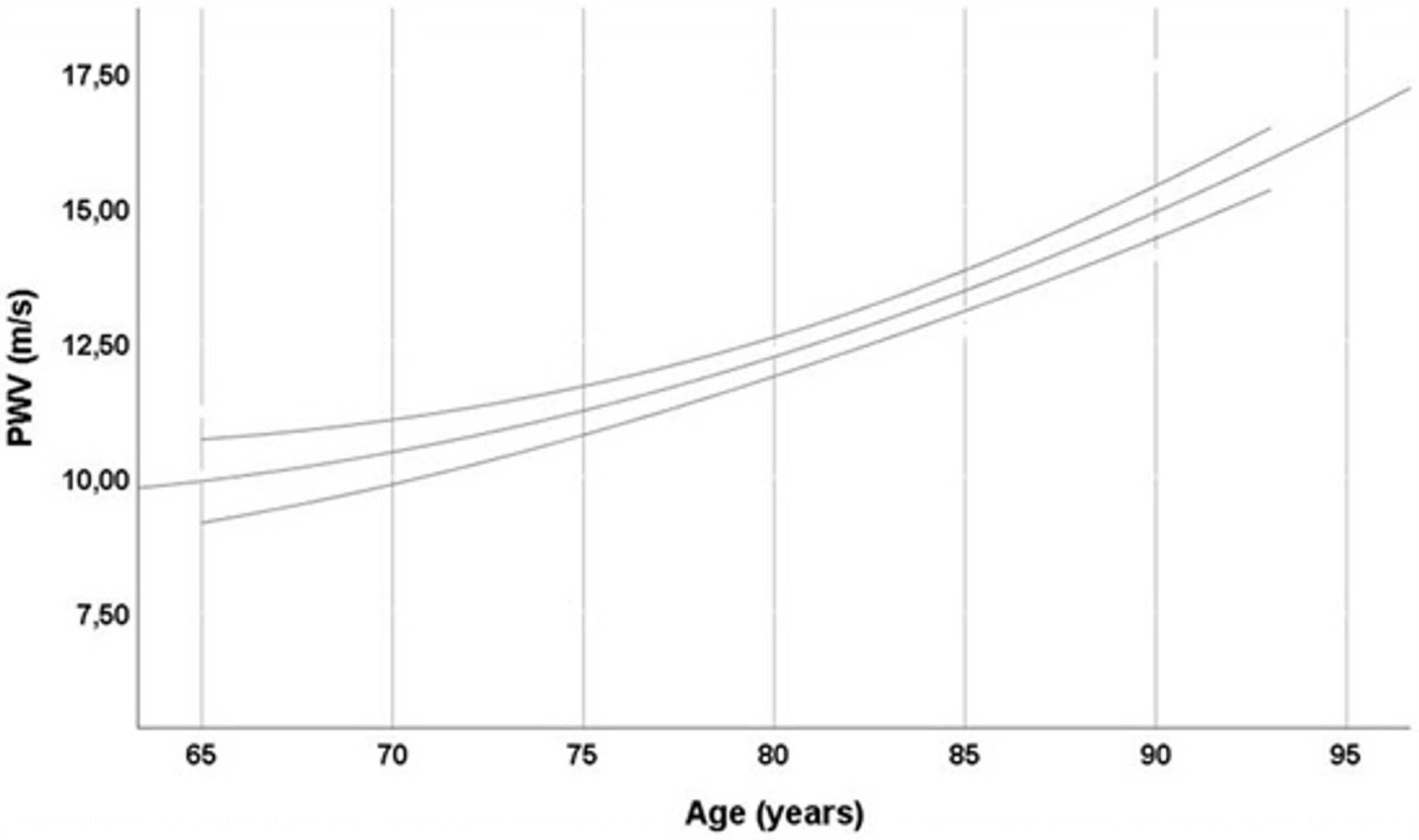
Fifty-four participants (81.8 ± 8.8 years; 65-94 years) were included in the study. Central BP was 132.7 ± 23.7 mmHg and 51.5 ± 15.7 mmHg, respectively, for aortic systolic and pulse pressures. Mean pulse wave velocity (PWV) was 12.9 ± 2.1 m/s and augmentation index 30.1 ± 12.9%. The proportion of participants with abnormal AS (increased PWV) was 27.8%. Participants with abnormal AS had higher brachial and central BP, higher BMI and higher abdominal fat. Functionality and nutritional status were worse in participants with abnormal AS. Regression analysis indicated age, brachial and central BP and vascular resistance as main determinants of AS.

Conclusions:

Abnormal AS is a common finding in the elderly and is highly associated with hypertension, functional decline and impairment of kidney function.

  • Cardiovascular Diseases
  • Comorbidity
  • Hypertension
  • Pulse Wave Analysis
  • Risk Factors
  • Vascular Stiffness
Read Full Article
Creative Commons Attribution (CC BY) Creative Commons license
03/02/2020 DOI: 10.36660/ijcs.20190068
Original Article

Clinical and Epidemiological Profiles of Patients Admitted to a Pediatric Cardiac Intensive Care Unit

Juciane Rocha Guimarães et al. Isabel Cristina Britto Guimarães

Abstract

Background:

Congenital and acquired heart diseases are important causes of morbidity and mortality in children. In critical congenital heart defects, when treatment is not adequate, clinical manifestations may lead to death in the neonatal period.

Objective:

To establish the clinical and epidemiological profile of patients admitted to the pediatric cardiac intensive care unit (UTI) in a tertiary hospital.

Methods:

This was a cross-sectional study conducted from January 2013 to December 2014, based on analysis of patients’ medical records. The study sample was composed of 307 children and adolescents with congenial and acquired heart diseases. The score Risk Adjustement for Congenital Heart Surgery 1 (RACHS-1) was used for categorization of the various surgical procedures. Descriptive statistics were calculated using the Satistical Package for Social Sciences (SPSS). Categorical variables were compared using the Pearson’s chi-square test, considering a level of significance of 5%.

Results:

There was a predominance of patients aged between 28 days and one year (44%). Congenital heart diseases (91.9%) prevailed over acquired heart diseases (8.1%). Extracorporeal circulation was used in 138 patients who underwent surgical procedures, lasting from 12 to 261 minutes. Most patients (88.9%) were discharged from the ICU and 11.1% died. Using the score RACHS-1, corrective cardiac surgery was performed in 75.8% and paliative surgery in 24.2% of the patients.

Conclusions:

Patients aged between 28 days to one year, with cyanotic congenital heart disease, undergoing cardiac surgery with extracorporeal circulation duration longer than 120 minutes are at a higher risk of death.

  • Epidemiology
  • Heart Defects, Congenital/surgery
  • Heart Septal Defects Ventricular/surgery
  • Heart Septal Defects/Surgery
  • Intensive Care Units, Pediatric
Read Full Article
Creative Commons Attribution (CC BY) Creative Commons license
03/02/2020 DOI: 10.36660/ijcs.20180070 Views 1
Figure 1
Case Report

Entrapment of Broken Guidewire in the Coronary Artery: A Rare Percutaneous Coronary Intervention Complication Requiring Urgent Revascularization

Elif Coskun et al. Levent Altınay Anıl Tekin Ufuk Tutun

Introduction

Entrapment and fracture of the coronary guidewire is a rare complication of percutaneous coronary interventions (PCIs). The incidence of such complication in PCI is reported to be between 0.2 and 0.8%., Despite technical improvements and development of more flexible and high-quality guidewires, the incidence of these complications is increasing.

There are many management strategies for entrapped guidewires reported in the literature. In a report including 67 patients, surgery was performed in 43.4%, percutaneous interventions were performed in 41.8% and conservative therapies were chosen for 14.9% of the patients.

[…]

  • Angiography, Coronary
  • Coronary Artery Disease
  • Myocardial Infarction
  • Myocardial Revascularization
  • Percutaneous Coronary Intervention/complications, Device Removal
Read Full Article
Creative Commons Attribution (CC BY) Creative Commons license
24/10/2019 DOI: 10.5935/2359-4802.20190086

How to cite this article

EndNote RIS

Electronic Document Format (Vancouver)

Hernández I, Estrella A, Salazar J, Duarte Y, Torres E, López C, Terán S, et al. Treatment Eligibility and Therapeutic Responses of an Ecuadorian Population at High Cardiovascular Risk Based on the ATP III Guidelines. International Journal of Cardiovascular Sciences 2020;33(4):371-6.

Electronic Document Format (ABNT)

Hernández, Isabel; Estrella, Andrea; Salazar, Jorge; Duarte, Yan; Torres, Edmundo; López, Camilo; Terán, Santiago; Mendoza, Alejandra; Terán, Enrique. Treatment Eligibility and Therapeutic Responses of an Ecuadorian Population at High Cardiovascular Risk Based on the ATP III Guidelines. International Journal of Cardiovascular Sciences, v. 33, n. 4, p. 371-376, Aug. 2020.

Electronic Document Format (APA)

Hernández, I., Estrella, A., Salazar, J., Duarte, Y., Torres, E., López, C., Terán, S., Mendoza, A., & Terán, E. (2020). Treatment Eligibility and Therapeutic Responses of an Ecuadorian Population at High Cardiovascular Risk Based on the ATP III Guidelines. International Journal of Cardiovascular Sciences, 33(4), 371-376.

Electronic Document Format (ISO)

Hernández, Isabel and Estrella, Andrea and Salazar, Jorge and Duarte, Yan and Torres, Edmundo and López, Camilo and Terán, Santiago and Mendoza, Alejandra and Terán, Enrique. Treatment Eligibility and Therapeutic Responses of an Ecuadorian Population at High Cardiovascular Risk Based on the ATP III Guidelines. International Journal of Cardiovascular Sciences [online]. 2020, vol. 33, n. 4, [cited 2026-10-14], pp. 371-376. Available from: <https://journals.cardiol.br/en/article/treatment-eligibility-and-therapeutic-responses-of-an-ecuadorian-population-at-high-cardiovascular-risk-based-on-the-atp-iii-guidelines/>. ISSN 2359-4802

EndNote RIS

Electronic Document Format (Vancouver)

Mesquita ET, Jorge AJL, Villacorta H, Danzmann LC, Martins WA. Heart Failure with Preserved Ejection Fraction and COVID-19: a Pernicious Relationship. International Journal of Cardiovascular Sciences 2020;33(4):412-8.

Electronic Document Format (ABNT)

Mesquita, Evandro Tinoco; Jorge, Antonio Jose Lagoeiro; Villacorta, Humberto; Danzmann, Luiz Claudio; Martins, Wolney de Andrade. Heart Failure with Preserved Ejection Fraction and COVID-19: a Pernicious Relationship. International Journal of Cardiovascular Sciences, v. 33, n. 4, p. 412-418, Jul. 2020.

Electronic Document Format (APA)

Mesquita, E. T., Jorge, A. J. L., Villacorta, H., Danzmann, L. C., & Martins, W. A. (2020). Heart Failure with Preserved Ejection Fraction and COVID-19: a Pernicious Relationship. International Journal of Cardiovascular Sciences, 33(4), 412-418.

Electronic Document Format (ISO)

Mesquita, Evandro Tinoco and Jorge, Antonio Jose Lagoeiro and Villacorta, Humberto and Danzmann, Luiz Claudio and Martins, Wolney de Andrade. Heart Failure with Preserved Ejection Fraction and COVID-19: a Pernicious Relationship. International Journal of Cardiovascular Sciences [online]. 2020, vol. 33, n. 4, [cited 2026-10-14], pp. 412-418. Available from: <https://journals.cardiol.br/en/article/heart-failure-with-preserved-ejection-fraction-and-covid-19-a-pernicious-relationship/>. ISSN 2359-4802

EndNote RIS

Electronic Document Format (Vancouver)

Souza KP, Scaramello CBV. Relevance of Animal Models and Echocardiogram for Hypertensive Disease Studies. International Journal of Cardiovascular Sciences 2020;33(4):329-30.

Electronic Document Format (ABNT)

Souza, Karyne Pollo de; Scaramello, Christianne Brêtas Viera. Relevance of Animal Models and Echocardiogram for Hypertensive Disease Studies. International Journal of Cardiovascular Sciences, v. 33, n. 4, p. 329-330, Jul. 2020.

Electronic Document Format (APA)

Souza, K. P. , & Scaramello, C. B. V. (2020). Relevance of Animal Models and Echocardiogram for Hypertensive Disease Studies. International Journal of Cardiovascular Sciences, 33(4), 329-330.

Electronic Document Format (ISO)

Souza, Karyne Pollo de and Scaramello, Christianne Brêtas Viera. Relevance of Animal Models and Echocardiogram for Hypertensive Disease Studies. International Journal of Cardiovascular Sciences [online]. 2020, vol. 33, n. 4, [cited 2026-10-14], pp. 329-330. Available from: <https://journals.cardiol.br/en/article/relevance-of-animal-models-and-echocardiogram-for-hypertensive-disease-studies/>. ISSN 2359-4802

EndNote RIS

Electronic Document Format (Vancouver)

Barroso WKS, Gentil P. “Simplicity is the ultimate sophistication” (Leonardo Da Vinci). International Journal of Cardiovascular Sciences 2020;33(4):348.

Electronic Document Format (ABNT)

Barroso, Weimar Kunz Sebba; Gentil, Paulo. “Simplicity is the ultimate sophistication” (Leonardo Da Vinci). International Journal of Cardiovascular Sciences, v. 33, n. 4, p. 348-348, Jul. 2020.

Electronic Document Format (APA)

Barroso, W. K. S., & Gentil, P. (2020). “Simplicity is the ultimate sophistication” (Leonardo Da Vinci). International Journal of Cardiovascular Sciences, 33(4), 348-348.

Electronic Document Format (ISO)

Barroso, Weimar Kunz Sebba and Gentil, Paulo. “Simplicity is the ultimate sophistication” (Leonardo Da Vinci). International Journal of Cardiovascular Sciences [online]. 2020, vol. 33, n. 4, [cited 2026-10-14], pp. 348-348. Available from: <https://journals.cardiol.br/en/article/simplicity-is-the-ultimate-sophistication-leonardo-da-vinci/>. ISSN 2359-4802

EndNote RIS

Electronic Document Format (Vancouver)

Pedro SS, Brito FCF, Scaramello CBV. Challenges in Pharmacological Management of Cardiovascular Diseases in Covid-19: do Benefits Outweigh Risks?. International Journal of Cardiovascular Sciences 2020;33(4):404-11.

Electronic Document Format (ABNT)

Pedro, Samuel de Sousa; Brito, Fernanda Carla Ferreira de; Scaramello, Christianne Bretas Vieira. Challenges in Pharmacological Management of Cardiovascular Diseases in Covid-19: do Benefits Outweigh Risks?. International Journal of Cardiovascular Sciences, v. 33, n. 4, p. 404-411, Jul. 2020.

Electronic Document Format (APA)

Pedro, S. S., Brito, F. C. F. , & Scaramello, C. B. V. (2020). Challenges in Pharmacological Management of Cardiovascular Diseases in Covid-19: do Benefits Outweigh Risks?. International Journal of Cardiovascular Sciences, 33(4), 404-411.

Electronic Document Format (ISO)

Pedro, Samuel de Sousa and Brito, Fernanda Carla Ferreira de and Scaramello, Christianne Bretas Vieira. Challenges in Pharmacological Management of Cardiovascular Diseases in Covid-19: do Benefits Outweigh Risks?. International Journal of Cardiovascular Sciences [online]. 2020, vol. 33, n. 4, [cited 2026-10-14], pp. 404-411. Available from: <https://journals.cardiol.br/en/article/challenges-in-pharmacological-management-of-cardiovascular-diseases-in-covid-19-do-benefits-outweigh-risks/>. ISSN 2359-4802

EndNote RIS

Electronic Document Format (Vancouver)

Martins C, Gama BMN. Risk Factors for Mortality in Pediatric Cardiac Intensive Care Unit. International Journal of Cardiovascular Sciences 2020;33(4):337-9.

Electronic Document Format (ABNT)

Martins, Cristiane; Gama, Bruna M. N.. Risk Factors for Mortality in Pediatric Cardiac Intensive Care Unit. International Journal of Cardiovascular Sciences, v. 33, n. 4, p. 337-339, Jul. 2020.

Electronic Document Format (APA)

Martins, C., & Gama, B. M. N. (2020). Risk Factors for Mortality in Pediatric Cardiac Intensive Care Unit. International Journal of Cardiovascular Sciences, 33(4), 337-339.

Electronic Document Format (ISO)

Martins, Cristiane and Gama, Bruna M. N.. Risk Factors for Mortality in Pediatric Cardiac Intensive Care Unit. International Journal of Cardiovascular Sciences [online]. 2020, vol. 33, n. 4, [cited 2026-10-14], pp. 337-339. Available from: <https://journals.cardiol.br/en/article/risk-factors-for-mortality-in-pediatric-cardiac-intensive-care-unit/>. ISSN 2359-4802

EndNote RIS

Electronic Document Format (Vancouver)

Esteves V, Zukowski CN, Luca FA, Sousa IBS, Bandeira BS, Camiletti A, Arruda G, et al. The Association between Covid-19 and ST Elevation Myocardial Infarction: Variable Clinical Presentations on a Case Report Series. International Journal of Cardiovascular Sciences 2020;33(4):429-35.

Electronic Document Format (ABNT)

Esteves, Vinicius; Zukowski, Cleverson Neves; Luca, Fabio Augusto de; Sousa, Italo Bruno dos Santos; Bandeira, Bruno Santana; Camiletti, Angelina; Arruda, Guilherme; Feldman, André; Souza, Olga Ferreira de. The Association between Covid-19 and ST Elevation Myocardial Infarction: Variable Clinical Presentations on a Case Report Series. International Journal of Cardiovascular Sciences, v. 33, n. 4, p. 429-435, Jul. 2020.

Electronic Document Format (APA)

Esteves, V., Zukowski, C. N., Luca, F. A. , Sousa, I. B. S., Bandeira, B. S., Camiletti, A., Arruda, G., Feldman, A., & Souza, O. F. (2020). The Association between Covid-19 and ST Elevation Myocardial Infarction: Variable Clinical Presentations on a Case Report Series. International Journal of Cardiovascular Sciences, 33(4), 429-435.

Electronic Document Format (ISO)

Esteves, Vinicius and Zukowski, Cleverson Neves and Luca, Fabio Augusto de and Sousa, Italo Bruno dos Santos and Bandeira, Bruno Santana and Camiletti, Angelina and Arruda, Guilherme and Feldman, André and Souza, Olga Ferreira de. The Association between Covid-19 and ST Elevation Myocardial Infarction: Variable Clinical Presentations on a Case Report Series. International Journal of Cardiovascular Sciences [online]. 2020, vol. 33, n. 4, [cited 2026-10-14], pp. 429-435. Available from: <https://journals.cardiol.br/en/article/the-association-between-covid-19-and-st-elevation-myocardial-infarction-variable-clinical-presentations-on-a-case-report-series/>. ISSN 2359-4802

EndNote RIS

Electronic Document Format (Vancouver)

Campana EMG, Inuzuka S. Vascular Aging and Arterial Stiffness in Older Adults. International Journal of Cardiovascular Sciences 2020;33(4):357-9.

Electronic Document Format (ABNT)

Campana, Erika Maria Gonçalves; Inuzuka, Sayuri. Vascular Aging and Arterial Stiffness in Older Adults. International Journal of Cardiovascular Sciences, v. 33, n. 4, p. 357-359, Jul. 2020.

Electronic Document Format (APA)

Campana, E. M. G., & Inuzuka, S. (2020). Vascular Aging and Arterial Stiffness in Older Adults. International Journal of Cardiovascular Sciences, 33(4), 357-359.

Electronic Document Format (ISO)

Campana, Erika Maria Gonçalves and Inuzuka, Sayuri. Vascular Aging and Arterial Stiffness in Older Adults. International Journal of Cardiovascular Sciences [online]. 2020, vol. 33, n. 4, [cited 2026-10-14], pp. 357-359. Available from: <https://journals.cardiol.br/en/article/vascular-aging-and-arterial-stiffness-in-older-adults/>. ISSN 2359-4802

EndNote RIS

Electronic Document Format (Vancouver)

Felix A, Alcantara ML. To Close or not to Close PFOs in Cryptogenic Stroke, an Evolving Question. International Journal of Cardiovascular Sciences 2020;33(4):318-20.

Electronic Document Format (ABNT)

Felix, Alex; Alcantara, Monica Luiza de. To Close or not to Close PFOs in Cryptogenic Stroke, an Evolving Question. International Journal of Cardiovascular Sciences, v. 33, n. 4, p. 318-320, Jul. 2020.

Electronic Document Format (APA)

Felix, A., & Alcantara, M. L. (2020). To Close or not to Close PFOs in Cryptogenic Stroke, an Evolving Question. International Journal of Cardiovascular Sciences, 33(4), 318-320.

Electronic Document Format (ISO)

Felix, Alex and Alcantara, Monica Luiza de. To Close or not to Close PFOs in Cryptogenic Stroke, an Evolving Question. International Journal of Cardiovascular Sciences [online]. 2020, vol. 33, n. 4, [cited 2026-10-14], pp. 318-320. Available from: <https://journals.cardiol.br/en/article/to-close-or-not-to-close-pfos-in-cryptogenic-stroke-an-evolving-question/>. ISSN 2359-4802

EndNote RIS

Electronic Document Format (Vancouver)

Nunes N, Benchimol-Barbosa PR. Identification of Preclinical Markers Related to Hereditary Diseases: Expanding the Horizons of the Study of Cardiac Autonomic Modulation. International Journal of Cardiovascular Sciences 2020;33(4):368-70.

Electronic Document Format (ABNT)

Nunes, Nágela; Benchimol-Barbosa, Paulo R.. Identification of Preclinical Markers Related to Hereditary Diseases: Expanding the Horizons of the Study of Cardiac Autonomic Modulation. International Journal of Cardiovascular Sciences, v. 33, n. 4, p. 368-370, Jul. 2020.

Electronic Document Format (APA)

Nunes, N., & Benchimol-Barbosa, P. R. (2020). Identification of Preclinical Markers Related to Hereditary Diseases: Expanding the Horizons of the Study of Cardiac Autonomic Modulation. International Journal of Cardiovascular Sciences, 33(4), 368-370.

Electronic Document Format (ISO)

Nunes, Nágela and Benchimol-Barbosa, Paulo R.. Identification of Preclinical Markers Related to Hereditary Diseases: Expanding the Horizons of the Study of Cardiac Autonomic Modulation. International Journal of Cardiovascular Sciences [online]. 2020, vol. 33, n. 4, [cited 2026-10-14], pp. 368-370. Available from: <https://journals.cardiol.br/en/article/identification-of-preclinical-markers-related-to-hereditary-diseases-expanding-the-horizons-of-the-study-of-cardiac-autonomic-modulation/>. ISSN 2359-4802

EndNote RIS

Electronic Document Format (Vancouver)

Aranha LN, Oliveira GMM. Are we Improving Adherence to Cardiovascular Guidelines?. International Journal of Cardiovascular Sciences 2020;33(4):377-9.

Electronic Document Format (ABNT)

Aranha, Luciana Nicolau; Oliveira, Gláucia Maria Moraes de. Are we Improving Adherence to Cardiovascular Guidelines?. International Journal of Cardiovascular Sciences, v. 33, n. 4, p. 377-379, Jul. 2020.

Electronic Document Format (APA)

Aranha, L. N., & Oliveira, G. M. M. (2020). Are we Improving Adherence to Cardiovascular Guidelines?. International Journal of Cardiovascular Sciences, 33(4), 377-379.

Electronic Document Format (ISO)

Aranha, Luciana Nicolau and Oliveira, Gláucia Maria Moraes de. Are we Improving Adherence to Cardiovascular Guidelines?. International Journal of Cardiovascular Sciences [online]. 2020, vol. 33, n. 4, [cited 2026-10-14], pp. 377-379. Available from: <https://journals.cardiol.br/en/article/are-we-improving-adherence-to-cardiovascular-guidelines/>. ISSN 2359-4802

EndNote RIS

Electronic Document Format (Vancouver)

Mesquita CT. Open Science and the Role of Cardiology Journals in the COVID-19 Pandemic. International Journal of Cardiovascular Sciences 2020;33(4):305-6.

Electronic Document Format (ABNT)

Mesquita, Claudio Tinoco. Open Science and the Role of Cardiology Journals in the COVID-19 Pandemic. International Journal of Cardiovascular Sciences, v. 33, n. 4, p. 305-306, Jul. 2020.

Electronic Document Format (APA)

Mesquita, C. T. (2020). Open Science and the Role of Cardiology Journals in the COVID-19 Pandemic. International Journal of Cardiovascular Sciences, 33(4), 305-306.

Electronic Document Format (ISO)

Mesquita, Claudio Tinoco. Open Science and the Role of Cardiology Journals in the COVID-19 Pandemic. International Journal of Cardiovascular Sciences [online]. 2020, vol. 33, n. 4, [cited 2026-10-14], pp. 305-306. Available from: <https://journals.cardiol.br/en/article/open-science-and-the-role-of-cardiology-journals-in-the-covid-19-pandemic/>. ISSN 2359-4802

EndNote RIS

Electronic Document Format (Vancouver)

Dias-Filho CAA, Soares Jr NJ, Dias CJ, Ferreira AC, Sena CS, Brito-Monzani JO, Andrade RM, et al. Influence of Family History of Diabetes on Cardiac Autonomic Dysfunction of Adolescents. International Journal of Cardiovascular Sciences 2020;33(4):360-7.

Electronic Document Format (ABNT)

Dias-Filho, Carlos Alberto Alves; Soares Jr, Nivaldo de Jesus; Dias, Carlos José; Ferreira, Andressa Coelho; Sena, Carlan da Silva; Brito-Monzani, Janaína de Oliveira; Andrade, Rafael Martins; Vieira, Adeilson Serra Mendes; Pinto, Leandro Moraes; Carvalho, Wellington Roberto G. de; Mostarda, Cristiano Teixeira. Influence of Family History of Diabetes on Cardiac Autonomic Dysfunction of Adolescents. International Journal of Cardiovascular Sciences, v. 33, n. 4, p. 360-367, Jul. 2020.

Electronic Document Format (APA)

Dias-Filho, C. A. A., Soares Jr, N. J., Dias, C. J., Ferreira, A. C., Sena, C. S., Brito-Monzani, J. O., Andrade, R. M., Vieira, A. S. M., Pinto, L. M., Carvalho, W. R. G. , & Mostarda, C. T. (2020). Influence of Family History of Diabetes on Cardiac Autonomic Dysfunction of Adolescents. International Journal of Cardiovascular Sciences, 33(4), 360-367.

Electronic Document Format (ISO)

Dias-Filho, Carlos Alberto Alves and Soares Jr, Nivaldo de Jesus and Dias, Carlos José and Ferreira, Andressa Coelho and Sena, Carlan da Silva and Brito-Monzani, Janaína de Oliveira and Andrade, Rafael Martins and Vieira, Adeilson Serra Mendes and Pinto, Leandro Moraes and Carvalho, Wellington Roberto G. de and Mostarda, Cristiano Teixeira. Influence of Family History of Diabetes on Cardiac Autonomic Dysfunction of Adolescents. International Journal of Cardiovascular Sciences [online]. 2020, vol. 33, n. 4, [cited 2026-10-14], pp. 360-367. Available from: <https://journals.cardiol.br/en/article/influence-of-family-history-of-diabetes-on-cardiac-autonomic-dysfunction-of-adolescents/>. ISSN 2359-4802

EndNote RIS

Electronic Document Format (Vancouver)

Wiefels C, Lamai O, Kandolin R, Birnie D, Leung E, Mesquita CT, Beanlands R, et al. The Role of 18F-FDG PET/CT in Cardiac Sarcoidosis. International Journal of Cardiovascular Sciences 2020;33(4):389-400.

Electronic Document Format (ABNT)

Wiefels, Christiane; Lamai, Olabimpe; Kandolin, Riina; Birnie, David; Leung, Eugene; Mesquita, Claudio Tinoco; Beanlands, Rob. The Role of 18F-FDG PET/CT in Cardiac Sarcoidosis. International Journal of Cardiovascular Sciences, v. 33, n. 4, p. 389-400, Jul. 2020.

Electronic Document Format (APA)

Wiefels, C., Lamai, O., Kandolin, R., Birnie, D., Leung, E., Mesquita, C. T., & Beanlands, R. (2020). The Role of 18F-FDG PET/CT in Cardiac Sarcoidosis. International Journal of Cardiovascular Sciences, 33(4), 389-400.

Electronic Document Format (ISO)

Wiefels, Christiane and Lamai, Olabimpe and Kandolin, Riina and Birnie, David and Leung, Eugene and Mesquita, Claudio Tinoco and Beanlands, Rob. The Role of 18F-FDG PET/CT in Cardiac Sarcoidosis. International Journal of Cardiovascular Sciences [online]. 2020, vol. 33, n. 4, [cited 2026-10-14], pp. 389-400. Available from: <https://journals.cardiol.br/en/article/the-role-of-18f-fdg-pet-ct-in-cardiac-sarcoidosis/>. ISSN 2359-4802

EndNote RIS

Electronic Document Format (Vancouver)

Pitanga FJG, Beck CC, Pitanga CPS. Should Physical Activity Be Considered Essential During the COVID-19 Pandemic?. International Journal of Cardiovascular Sciences 2020;33(4):401-3.

Electronic Document Format (ABNT)

Pitanga, Francisco José Gondim; Beck, Carmem Cristina; Pitanga, Cristiano Penas Seara. Should Physical Activity Be Considered Essential During the COVID-19 Pandemic?. International Journal of Cardiovascular Sciences, v. 33, n. 4, p. 401-403, Jun. 2020.

Electronic Document Format (APA)

Pitanga, F. J. G., Beck, C. C., & Pitanga, C. P. S. (2020). Should Physical Activity Be Considered Essential During the COVID-19 Pandemic?. International Journal of Cardiovascular Sciences, 33(4), 401-403.

Electronic Document Format (ISO)

Pitanga, Francisco José Gondim and Beck, Carmem Cristina and Pitanga, Cristiano Penas Seara. Should Physical Activity Be Considered Essential During the COVID-19 Pandemic?. International Journal of Cardiovascular Sciences [online]. 2020, vol. 33, n. 4, [cited 2026-10-14], pp. 401-403. Available from: <https://journals.cardiol.br/en/article/should-physical-activity-be-considered-essential-during-the-covid-19-pandemic/>. ISSN 2359-4802

EndNote RIS

Electronic Document Format (Vancouver)

Monteiro Júnior JGM, Torres DOC, Silva MCFC, Príncipe TRN, Vasconcelos RB, Brito MEC, Limeira MAA, et al. Performance of a Hematological Scoring System in Predicting All-Cause Mortality in Patients with Acute Myocardial Infarction. International Journal of Cardiovascular Sciences 2020;33(4):380-8.

Electronic Document Format (ABNT)

Monteiro Júnior, José Gildo de Moura; Torres, Dilênia de Oliveira Cipriano; Silva, Maria Cleide Freire Clementino da; Príncipe, Tácio Rian Nogueira; Vasconcelos, Rhayssa Barbosa de; Brito, Maria Eduarda Cavalcanti de; Limeira, Maria Alice Aquino; Santos, Ana Célia Oliveira dos; Montarroyos, Ulisses Ramos; Sobral Filho, Dário Celestino. Performance of a Hematological Scoring System in Predicting All-Cause Mortality in Patients with Acute Myocardial Infarction. International Journal of Cardiovascular Sciences, v. 33, n. 4, p. 380-388, Feb. 2020.

Electronic Document Format (APA)

Monteiro Júnior, J. G. M., Torres, D. O. C., Silva, M. C. F. C. , Príncipe, T. R. N., Vasconcelos, R. B. , Brito, M. E. C. , Limeira, M. A. A., Santos, A. C. O. , Montarroyos, U. R., & Sobral Filho, D. C. (2020). Performance of a Hematological Scoring System in Predicting All-Cause Mortality in Patients with Acute Myocardial Infarction. International Journal of Cardiovascular Sciences, 33(4), 380-388.

Electronic Document Format (ISO)

Monteiro Júnior, José Gildo de Moura and Torres, Dilênia de Oliveira Cipriano and Silva, Maria Cleide Freire Clementino da and Príncipe, Tácio Rian Nogueira and Vasconcelos, Rhayssa Barbosa de and Brito, Maria Eduarda Cavalcanti de and Limeira, Maria Alice Aquino and Santos, Ana Célia Oliveira dos and Montarroyos, Ulisses Ramos and Sobral Filho, Dário Celestino. Performance of a Hematological Scoring System in Predicting All-Cause Mortality in Patients with Acute Myocardial Infarction. International Journal of Cardiovascular Sciences [online]. 2020, vol. 33, n. 4, [cited 2026-10-14], pp. 380-388. Available from: <https://journals.cardiol.br/en/article/performance-of-a-hematological-scoring-system-in-predicting-all-cause-mortality-in-patients-with-acute-myocardial-infarction/>. ISSN 2359-4802

EndNote RIS

Electronic Document Format (Vancouver)

Santos MVPF, Gamba BF, Empke SLL, Alves CCO, Bérgamo NA, Ribeiro-Bicudo LA. Congenital Heart Disease Revealing Familial 22q11 Deletion Syndrome. International Journal of Cardiovascular Sciences 2020;33(4):425-6.

Electronic Document Format (ABNT)

Santos, Marlene Viviane Pires Fernandes; Gamba, Bruno Faulin; Empke, Stefany Lucas Lopes; Alves, Camila Cristina de Oliveira; Bérgamo, Nádia Aparecida; Ribeiro-Bicudo, Lucilene Arilho. Congenital Heart Disease Revealing Familial 22q11 Deletion Syndrome. International Journal of Cardiovascular Sciences, v. 33, n. 4, p. 425-426, Feb. 2020.

Electronic Document Format (APA)

Santos, M. V. P. F., Gamba, B. F., Empke, S. L. L., Alves, C. C. O., Bérgamo, N. A., & Ribeiro-Bicudo, L. A. (2020). Congenital Heart Disease Revealing Familial 22q11 Deletion Syndrome. International Journal of Cardiovascular Sciences, 33(4), 425-426.

Electronic Document Format (ISO)

Santos, Marlene Viviane Pires Fernandes and Gamba, Bruno Faulin and Empke, Stefany Lucas Lopes and Alves, Camila Cristina de Oliveira and Bérgamo, Nádia Aparecida and Ribeiro-Bicudo, Lucilene Arilho. Congenital Heart Disease Revealing Familial 22q11 Deletion Syndrome. International Journal of Cardiovascular Sciences [online]. 2020, vol. 33, n. 4, [cited 2026-10-14], pp. 425-426. Available from: <https://journals.cardiol.br/en/article/congenital-heart-disease-revealing-familial-22q11-deletion-syndrome/>. ISSN 2359-4802

EndNote RIS

Electronic Document Format (Vancouver)

Silva GRA, Silva MS, Guillo LA. Waist Circumference Above 80 cm Predicts Increased Systolic Blood Pressure in Healthy Young Adult Women. International Journal of Cardiovascular Sciences 2020;33(4):340-7.

Electronic Document Format (ABNT)

Silva, Gilberto Reis Agostinho; Silva, Maria Sebastiana; Guillo, Lídia Andreu. Waist Circumference Above 80 cm Predicts Increased Systolic Blood Pressure in Healthy Young Adult Women. International Journal of Cardiovascular Sciences, v. 33, n. 4, p. 340-347, Feb. 2020.

Electronic Document Format (APA)

Silva, G. R. A., Silva, M. S., & Guillo, L. A. (2020). Waist Circumference Above 80 cm Predicts Increased Systolic Blood Pressure in Healthy Young Adult Women. International Journal of Cardiovascular Sciences, 33(4), 340-347.

Electronic Document Format (ISO)

Silva, Gilberto Reis Agostinho and Silva, Maria Sebastiana and Guillo, Lídia Andreu. Waist Circumference Above 80 cm Predicts Increased Systolic Blood Pressure in Healthy Young Adult Women. International Journal of Cardiovascular Sciences [online]. 2020, vol. 33, n. 4, [cited 2026-10-14], pp. 340-347. Available from: <https://journals.cardiol.br/en/article/waist-circumference-above-80-cm-predicts-increased-systolic-blood-pressure-in-healthy-young-adult-women/>. ISSN 2359-4802

EndNote RIS

Electronic Document Format (Vancouver)

Conceição-Vertamatti AG, Borghi F, Ishizu LY, Costa GT, Ramos LA, Areas MA, Grassi-Kassisse DM, et al. Electrocardiographic Abnormalities in Hypertension Models. International Journal of Cardiovascular Sciences 2020;33(4):321-8.

Electronic Document Format (ABNT)

Conceição-Vertamatti, Ana Gabriela; Borghi, Filipy; Ishizu, Larissa Yuri; Costa, Gustavo Trevisan; Ramos, Luiz Alberto; Areas, Miguel Arcanjo; Grassi-Kassisse, Dora Maria. Electrocardiographic Abnormalities in Hypertension Models. International Journal of Cardiovascular Sciences, v. 33, n. 4, p. 321-328, Feb. 2020.

Electronic Document Format (APA)

Conceição-Vertamatti, A. G., Borghi, F., Ishizu, L. Y., Costa, G. T., Ramos, L. A., Areas, M. A., & Grassi-Kassisse, D. M. (2020). Electrocardiographic Abnormalities in Hypertension Models. International Journal of Cardiovascular Sciences, 33(4), 321-328.

Electronic Document Format (ISO)

Conceição-Vertamatti, Ana Gabriela and Borghi, Filipy and Ishizu, Larissa Yuri and Costa, Gustavo Trevisan and Ramos, Luiz Alberto and Areas, Miguel Arcanjo and Grassi-Kassisse, Dora Maria. Electrocardiographic Abnormalities in Hypertension Models. International Journal of Cardiovascular Sciences [online]. 2020, vol. 33, n. 4, [cited 2026-10-14], pp. 321-328. Available from: <https://journals.cardiol.br/en/article/electrocardiographic-abnormalities-in-hypertension-models/>. ISSN 2359-4802

EndNote RIS

Electronic Document Format (Vancouver)

Pereira SPP, Nunes A, Santos C, Kasner SE, Nunes JPL. The Role of Patent Foramen Ovale Closure in the Secondary Prevention of Cryptogenic Stroke: a Meta-Analysis Report. International Journal of Cardiovascular Sciences 2020;33(4):307-1.

Electronic Document Format (ABNT)

Pereira, Sónia P. Pinto; Nunes, Alzira; Santos, Cristina; Kasner, Scott E; Nunes, José P. L. The Role of Patent Foramen Ovale Closure in the Secondary Prevention of Cryptogenic Stroke: a Meta-Analysis Report. International Journal of Cardiovascular Sciences, v. 33, n. 4, p. 307-317, Feb. 2020.

Electronic Document Format (APA)

Pereira, S. P. P., Nunes, A., Santos, C., Kasner, S. E., & Nunes, J. P. L. (2020). The Role of Patent Foramen Ovale Closure in the Secondary Prevention of Cryptogenic Stroke: a Meta-Analysis Report. International Journal of Cardiovascular Sciences, 33(4), 307-317.

Electronic Document Format (ISO)

Pereira, Sónia P. Pinto and Nunes, Alzira and Santos, Cristina and Kasner, Scott E and Nunes, José P. L. The Role of Patent Foramen Ovale Closure in the Secondary Prevention of Cryptogenic Stroke: a Meta-Analysis Report. International Journal of Cardiovascular Sciences [online]. 2020, vol. 33, n. 4, [cited 2026-10-14], pp. 307-317. Available from: <https://journals.cardiol.br/en/article/the-role-of-patent-foramen-ovale-closure-in-the-secondary-prevention-of-cryptogenic-stroke-a-meta-analysis-report/>. ISSN 2359-4802

EndNote RIS

Electronic Document Format (Vancouver)

Pereira T, Costa T. Determinants of Arterial Stiffness and Vascular Aging in the Older Adult. International Journal of Cardiovascular Sciences 2020;33(4):349-56.

Electronic Document Format (ABNT)

Pereira, Telmo; Costa, Tatiana. Determinants of Arterial Stiffness and Vascular Aging in the Older Adult. International Journal of Cardiovascular Sciences, v. 33, n. 4, p. 349-356, Feb. 2020.

Electronic Document Format (APA)

Pereira, T., & Costa, T. (2020). Determinants of Arterial Stiffness and Vascular Aging in the Older Adult. International Journal of Cardiovascular Sciences, 33(4), 349-356.

Electronic Document Format (ISO)

Pereira, Telmo and Costa, Tatiana. Determinants of Arterial Stiffness and Vascular Aging in the Older Adult. International Journal of Cardiovascular Sciences [online]. 2020, vol. 33, n. 4, [cited 2026-10-14], pp. 349-356. Available from: <https://journals.cardiol.br/en/article/determinants-of-arterial-stiffness-and-vascular-aging-in-the-older-adult/>. ISSN 2359-4802

EndNote RIS

Electronic Document Format (Vancouver)

Guimarães JR, Guimarães ICB. Clinical and Epidemiological Profiles of Patients Admitted to a Pediatric Cardiac Intensive Care Unit. International Journal of Cardiovascular Sciences 2020;33(4):333-5.

Electronic Document Format (ABNT)

Guimarães, Juciane Rocha; Guimarães, Isabel Cristina Britto. Clinical and Epidemiological Profiles of Patients Admitted to a Pediatric Cardiac Intensive Care Unit. International Journal of Cardiovascular Sciences, v. 33, n. 4, p. 333-335, Feb. 2020.

Electronic Document Format (APA)

Guimarães, J. R., & Guimarães, I. C. B. (2020). Clinical and Epidemiological Profiles of Patients Admitted to a Pediatric Cardiac Intensive Care Unit. International Journal of Cardiovascular Sciences, 33(4), 333-335.

Electronic Document Format (ISO)

Guimarães, Juciane Rocha and Guimarães, Isabel Cristina Britto. Clinical and Epidemiological Profiles of Patients Admitted to a Pediatric Cardiac Intensive Care Unit. International Journal of Cardiovascular Sciences [online]. 2020, vol. 33, n. 4, [cited 2026-10-14], pp. 333-335. Available from: <https://journals.cardiol.br/en/article/clinical-and-epidemiological-profiles-of-patients-admitted-to-a-pediatric-cardiac-intensive-care-unit/>. ISSN 2359-4802

EndNote RIS

Electronic Document Format (Vancouver)

Coskun E, Altınay L, Tekin A, Tutun U. Entrapment of Broken Guidewire in the Coronary Artery: A Rare Percutaneous Coronary Intervention Complication Requiring Urgent Revascularization. International Journal of Cardiovascular Sciences 2019;33(4):419-22.

Electronic Document Format (ABNT)

Coskun, Elif; Altınay, Levent; Tekin, Anıl; Tutun, Ufuk. Entrapment of Broken Guidewire in the Coronary Artery: A Rare Percutaneous Coronary Intervention Complication Requiring Urgent Revascularization. International Journal of Cardiovascular Sciences, v. 33, n. 4, p. 419-422, Oct. 2019.

Electronic Document Format (APA)

Coskun, E., Altınay, L., Tekin, A., & Tutun, U. (2019). Entrapment of Broken Guidewire in the Coronary Artery: A Rare Percutaneous Coronary Intervention Complication Requiring Urgent Revascularization. International Journal of Cardiovascular Sciences, 33(4), 419-422.

Electronic Document Format (ISO)

Coskun, Elif and Altınay, Levent and Tekin, Anıl and Tutun, Ufuk. Entrapment of Broken Guidewire in the Coronary Artery: A Rare Percutaneous Coronary Intervention Complication Requiring Urgent Revascularization. International Journal of Cardiovascular Sciences [online]. 2019, vol. 33, n. 4, [cited 2026-10-14], pp. 419-422. Available from: <https://journals.cardiol.br/en/article/entrapment-of-broken-guidewire-in-the-coronary-artery-a-rare-percutaneous-coronary-intervention-complication-requiring-urgent-revascularization/>. ISSN 2359-4802

Sede – Rio de Janeiro
Av. Marechal Câmara, 160
3º andar – Sala: 330 – Centro
Rio de Janeiro – CEP: 20020-907
Tel.: (55 +21) 3478-2700
ou (21) 99386-3961
E-mail: revista@cardiol.br

Sede – São Paulo
Alameda Santos, 705 – 11º andar
Cerqueira César | São Paulo
CEP: 01419-001
Tel.: (55 +11) 3411-5500
E-mail: revista@cardiol.br

  • About the Journal
  • Internal Regulation
  • Editors Section
  • Editorial Board
  • SBC Award

  • Guidelines for Publication
  • Editorial Policy
  • Ethics Policy
  • Policy on the Use of Artificial Intelligence
  • Mandatory Publication Form
  • Publication Fee

Issues

SBC Guidelines

  • How to Publish an Abstract Supplement?
  • Published Supplements