ABC Family Arquivos Brasileiros de Cardiologia International Journal of Cardiovascular Sciences ABC Heart Failure & Cardiomyopathy ABC Imagem Cardiovascular
Português English
ABC Family
Português English
  • About
    • About ABC Family
    • Internal Regulation
    • Editorial Board
    • Brazilian Society of Cardiology (SBC)
  • Issues
  • SBC Guidelines
  • Content
    • Videos
    • Podcasts
    • News
  • About
    • About ABC Family
    • Internal Regulation
    • Editorial Board
    • Brazilian Society of Cardiology (SBC)
  • Issues
  • SBC Guidelines
  • Content
    • Videos
    • Podcasts
    • News

ABC Family

  • ABC Family
  • Arquivos Brasileiros de Cardiologia
  • International Journal of Cardiovascular Sciences
  • ABC Heart Failure & Cardiomyopathy
  • ABC Imagem Cardiovascular
Search in

No content found.

Journals
Ordering
Article types
Others

  1. Home
  2. Keyword: Hypertension/complications
Figure 1
ABC
Brief Communication

Prevalence of Systemic Arterial Hypertension and Diabetes Mellitus in Individuals with COVID-19: A Retrospective Study of Deaths in Pernambuco, Brazil

Lucas Gomes Santos et al. Jussara Almeida de Oliveira Baggio Thiago Cavalcanti Leal Francisco A. Costa … Tânia Rita Moreno de Oliveira Fernandes Regicley Vieira da Silva Anderson Armstrong Rodrigo Feliciano Carmo Carlos Dornels Freire de Souza

Introduction

In December 2019, health authorities in Hubei province, in the People’s Republic of China, identified and reported to the World Health Organization (WHO) an outbreak of pneumonia with an unknown etiological agent. In early January, the SARS-CoV-2 virus (Severe Acute Respiratory Syndrome Coronavirus 2) was identified and the disease was called COVID-19 (Coronavirus Disease 2019).

On August 4, 2020, the disease has infected 18,316,072 people and caused the death of 694,715. The USA, Brazil and India occupy the first positions in number of infected people. In Brazil, the first case was confirmed on February 26th in the city of São Paulo. Between the first case and August 4, 2020, the country had 2,750,249 people infected and 94,665 deaths.

[…]
  • Aged
  • Coronavirus-19
  • Diabetes Mellitus/complications
  • Hypertension/complications
  • Pandemics
  • Prevalence
  • Risk Factors/prevention and control
  • SARS-CoV-19
Read Full Article
Creative Commons Attribution (CC BY) Creative Commons license
06/09/2021 DOI: 10.36660/abc.20200885 Views 1
IJCS
Editorial

Impact of Continuing Education on the Quality of Blood Pressure Measurement

Erika Campana et al. Bruno Daniel Ferrari

Cardiovascular diseases are the leading cause of death worldwide, and a key risk factor for these diseases—hypertension—is unquestionably the most prevalent disease in the population. Cardiovascular semiology is extremely important in the setting of hypertension (HTN), since the determination of blood pressure values through established indirect measurement techniques plays an essential role in initiating further diagnostic investigation, prompting treatment, and allowing monitoring of patients with HTN. The environment in which measurement is performed; the patient’s dietary habits, use of tobacco and alcohol, and engagement in physical activity before measurement; the adequacy of cuff size in relation to the limb; and proper cuff positioning are among the several important aspects which may interfere with measurement reliability. In this context, assessing the technical knowledge of healthcare providers is critical to preventing diagnostic errors.

Differences in magnitude between office BP and mean daytime BP can be attributed both to the environment and to the technical quality of blood pressure measurement by the examiner. Beckett et al. obtained an average of three manual BP readings from 481 hypertensive patients in family practices. The average clinic BP (151/83 mmHg) was significantly (P<0.001) higher than the daytime mean BP measured by ambulatory blood pressure monitoring (ABPM) (142/80 mmHg).

[…]

  • Blood Pressure
  • Cardiovascular Diseases, mortality
  • Diet
  • Hypertension/complications
  • Physical activity
  • Quality of life
Read Full Article
Creative Commons Attribution (CC BY) Creative Commons license
01/02/2021 DOI: 10.36660/ijcs.20200275
Figure 1
IJCS
Viewpoint

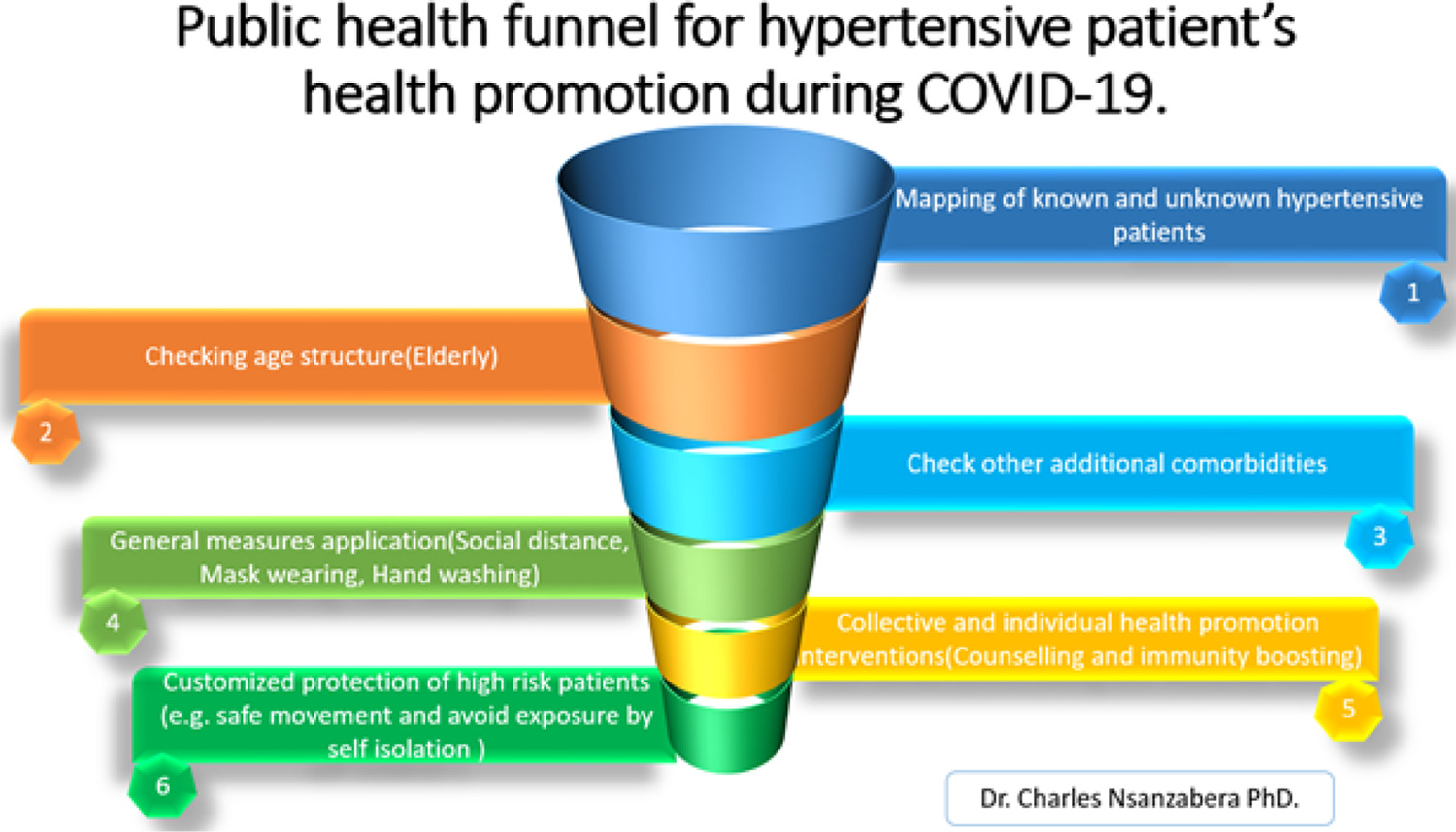
Health Promotion to Reduce Hypertension Patients’ Vulnerability to Coronavirus Disease-19 (COVID-19)

Charles Nsanzabera

Abstract

Hypertension remains a prominent risk factor for cardiovascular diseases. It is not a coincidence that 23% to 30% of coronavirus disease-19 (COVID-19) confirmed cases are hypertensive patients, and the case-fatality rate of adult COVID-19 cases with hypertension was estimated at 6%. It is important that hypertensive patients be aware of their vulnerability to COVID-19, which may be achieved by a health promotion program in addition to preventive measures.

  • antihypertensive agents
  • Betacoronavirus
  • COVID-19
  • Health Promotion
  • Hypertension/complications
Read Full Article
Creative Commons Attribution (CC BY) Creative Commons license
01/02/2021 DOI: 10.36660/ijcs.20200147 Views 1
ABC
Editorial

Short Editorial: Clinical Characteristics of Resistant vs. Refractory Hypertension in a Population of Hypertensive Afro-descendants

Rui Póvoa

Differences in the clinical behavior of arterial hypertension (AH) in diverse ethnic groups have long been the object of intense scientific investigation. The American Heart Association statistics for 2015 found that Afro-descendants have the highest prevalence of hypertension worldwide. In black, non-Hispanic men and women, the prevalence was 44.9% and 46.1%, respectively. Although such figures are not universal for all Afro-descendant populations, there are groups in which blood pressure levels are much higher, such as South-African blacks, in whom systolic blood pressure is 9.7 mmHg higher when compared to African-Americans. ,

Target-organ lesions and complications are more prevalent in Afro-descendants, when compared to Caucasians or Hispanics for the same pressure levels, in addition to the fact that they are more resistant to treatment. ,

[…]

  • African Continental Ancestry Group/genetics
  • Comparative Studies
  • Epidemiology
  • Hypertension/complications
  • Myocardial Infarction
  • Stroke
Read Full Article
Creative Commons Attribution (CC BY) Creative Commons license
07/08/2020 DOI: 10.36660/abc.20200344 Views 2
Figure 1
ABC
Original Article

Clinical Characteristics of Resistant vs. Refractory Hypertension in a Population of Hypertensive Afrodescendants

Cristiano Macedo et al. Roque Aras Junior Isabella Sales de Macedo

Abstract

Background

Afrodescendants have been associated with a greater severity of arterial hypertension and a higher incidence of cardiovascular complications. Characteristics in the presentation of resistant hypertension (RH) or refractory hypertension (RfH), specifically in this ethnic group, have not been properly studied.

Objectives

The study compares clinical and epidemiological characteristics and prevalence of cardiovascular events in people of African descent diagnosed with RH or RfH.

Methods

Cross-sectional study carried out in a referral clinic for patients with severe hypertension. The level of significance was 5%.

Results

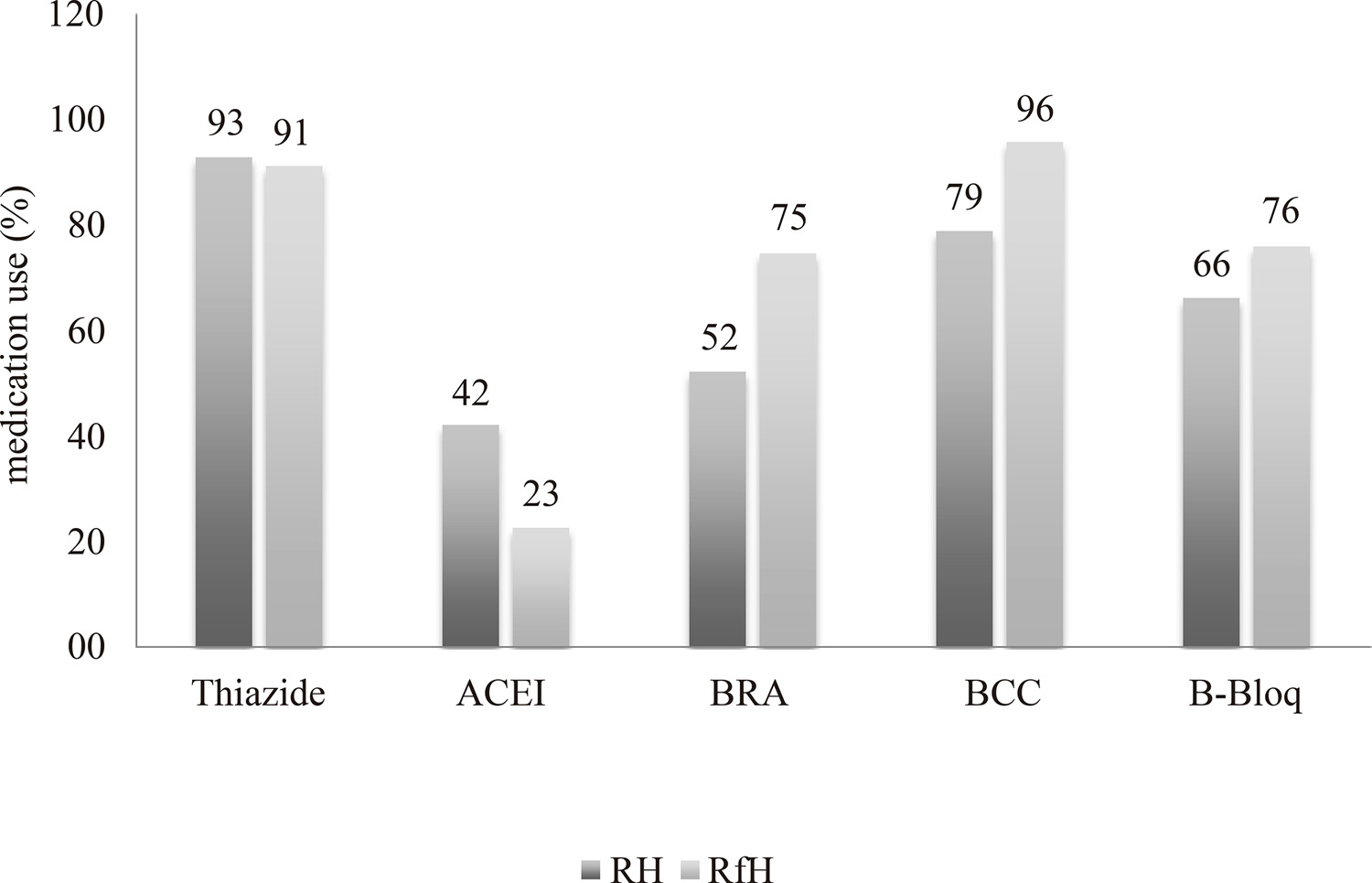
146 consecutive patients were evaluated, of which 68.7% were female. The average age was 61.8 years, with 88.4% of Afrodescendants (mixed race or black). 51% had RfH. There was a high prevalence of cardiovascular risk factors: 34.2% of subjects had diabetes, 69.4% dyslipidemia, 36.1% obesity, and 38.3% history of smoking. Reduced renal function was seen in 34.2%. Previous cardiovascular events occurred in 21.8% for myocardial infarction and in 19.9% for stroke. The Framingham’s risk score was moderate/high at 61%. RfH patients were younger (mean age 59.38±11.69 years versus 64.10±12.23 years, p=0.02), had more dyslipidemia (83.8 versus 66.7%, p=0.021), and stroke (30.4 versus 12.3%, p=0.011) when compared to those with RH. The use of a combination of ACEi/ARB+CCB+Diuretic, chlortalidone and spironolactone was also more frequent in individuals with RfH.

Conclusion

Africandescendant people with RH had a high cardiovascular risk, a high prevalence of RfH, a higher frequency of dyslipidemia and stroke, compatible with a high incidence of injury to target organs. (Arq Bras Cardiol.2020; 115(1):31-39)

  • African Continental Ancestry Grup/genetic
  • Comparative Stuy
  • Epidemiology
  • Hypertension/complications
  • Myocardial Infarction
  • Stroke
Read Full Article
Creative Commons Attribution (CC BY) Creative Commons license
07/08/2020 DOI: 10.36660/abc.20190218 Views 2
IJCS
Editorial

Relevance of Animal Models and Echocardiogram for Hypertensive Disease Studies

Karyne Pollo de Souza et al. Christianne Brêtas Viera Scaramello

Hypertension is the main risk factor for the development of cardiovascular diseases, such as cerebrovascular and ischemic heart diseases, as well as for premature death worldwide. The prevalence of this condition was about 30% in low-, middle- and high-income countries in 2010. Cardiovascular pharmacotherapy and lifestyle changes constitute important measures to manage cardiovascular diseases, and the reduction of blood pressure is a fundamental strategy to prevent and treat them. Systemic arterial hypertension is a clinical multifactorial condition. The underlying mechanisms of hypertensive disease are complex, which is why it is essential to elucidate them. Many animal models of hypertension can serve this purpose, most of which were developed considering the probable causes of this condition, such as high salt intake and renin-angiotensin-aldosterone system overactivity. It is important that each model exploit a single pathway to hypertension development.

Spontaneously hypertensive rats (SHR) are genetically modified animals commonly chosen for several studies, including antihypertensive drugs screening. They provide an inexpensive experimental model and have a hypertensive phenotype similar to human patients. There are also endocrine models of hypertension, including the administration of deoxycorticosterone acetate (plus salt) and N-ω-nitro-L-arginine methyl- ester (L-NAME). According to the literature, both SHR and L-NAME models are related to sympathetic overactivity. ,

[…]

  • Animal Models
  • Blood Pressure
  • Cardiovascular Diseases, mortality
  • Electrocardiography/methods
  • Hypertension/complications
  • Rats
Read Full Article
Creative Commons Attribution (CC BY) Creative Commons license
31/07/2020 DOI: 10.36660/ijcs.20200116 Views 1
ABC
Brief Communication

Diuretics are Similar to Losartan on Echocardiographic Target-Organ Damage in Stage I Hypertension. PREVER-Treatment Study

Carolina Bertoluci et al. Murilo Foppa Angela Barreto Santiago Santos Sandra C. Fuchs Flávio Danni Fuchs

Abstract

Blood pressure (BP)-lowering therapy improves left ventricular (LV) parameters of hypertensive target-organ damage in stage II hypertension, but whether there is a drug-class difference in echocardiographic parameters in stage I hypertension patients is less often studied. In the PREVER treatment study, where individuals with stage I hypertension were randomized for treatment with diuretics (chlorthalidone/amiloride) or losartan, 110 participants accepted to participate in a sub-study, where two-dimensional echocardiograms were performed at baseline and after 18 months of antihypertensive treatment. As in the general study, systolic BP reduction was similar with diuretics or with losartan. Echocardiographic parameters showed small but significant changes in both treatment groups, with a favorable LV remodeling with antihypertensive treatment for 18 months when target blood pressure was achieved either with chlorthalidone/amiloride or with losartan as the initial treatment strategy. In conclusion, even in stage I hypertension, blood pressure reduction is associated with improvement in echocardiographic parameters, either with diuretics or losartan as first-drug regimens.

  • Angiotensin-Converting Enzyme Inhibitors
  • Anihypertensive Agents
  • Antihypertensive Agents/therapy
  • Blood Pressure
  • Calcium Channel
  • Echocardiography
  • Hypertension/complications
  • Hypertension/therapy
Read Full Article
Creative Commons Attribution (CC BY) Creative Commons license
01/01/2019 DOI: 10.5935/abc.20180249 Views 3
Figure 1
ABC
Special Article

2017 Guidelines for Arterial Hypertension Management in Primary Health Care in Portuguese Language Countries

Gláucia Maria Moraes de Oliveira et al. Miguel Mendes Marcus Vinícius Bolívar Malachias João Morais … Osni Moreira Filho Armando Serra Coelho Daniel Pires Capingana Vanda Azevedo Irenita Soares Alda Menete Beatriz Ferreira Miryan Bandeira dos Prazeres Cassandra Soares Mário Fernandes

Introduction

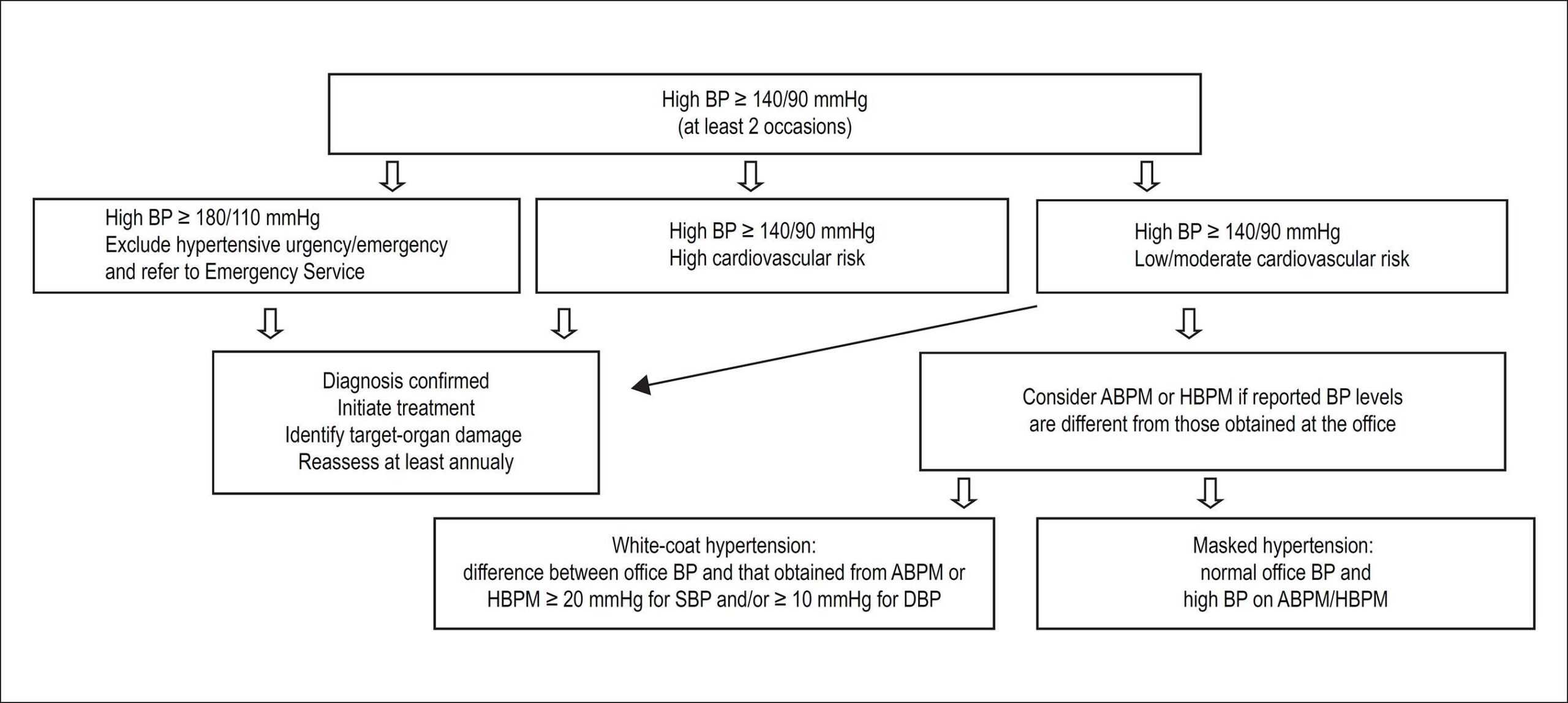
The World Health Organization (WHO) goal to reduce mortality due to chronic non-communicable diseases (CNCD) by 2% per year requires a huge effort from countries.–This challenge for health professionals asks for a global political action on control of social measures, with cost-effective population interventions to reduce CNCD and their risk factors (RF). Health professionals should demand from their government the implementation of acceptable cost measures, such as tobacco cessation counseling, guidance on healthy feeding practices and need for regular physical exercise, systemic arterial hypertension (SAH) control, and promotion of teaching and updating activities in programs directed to those issues. Those measures would contribute with around 70% of the goal of 2% per year reduction in CNCD.,Dyslipidemia, SAH and obesity are highly prevalent multifactorial diseases in Portuguese language countries (PLC).,Systemic arterial hypertension is the major RF for complications, such as stroke, acute myocardial infarction and chronic kidney disease, corresponding in importance to dyslipidemia and obesity for the development of atherosclerotic diseases.,In addition to their significant epidemiological impact, the non-pharmacological treatment of those cardiovascular RF plays a relevant economic role in the expenditures of the Ministries of Health, Social Security and Economy, because those affections are major causes directly or indirectly involved with absenteeism in the workplace. There is evidence that preventive actions are more promising in the primary health care setting.

The number of adults with SAH increased from 594 million in 1975 to 1.13 billion in 2015, being 597 million men and 529 million women. That increase might be due to both population aging and increase in number. When analyzing the trends in blood pressure (BP) levels of 19.1 million adults from several population studies in the past four decades (1975-2015), the elevated levels shifted from high-socioeconomic-level countries to low-intermediate-socioeconomic-level countries of South Asia and Sub-Saharan Africa. However, BP levels remain high in Eastern and Central Europe and Latin America.

[…]

  • Chronic Disease / mortality
  • Community of Portuguese- Speaking Countries
  • Dyslipidemias
  • Hypertension/complications
  • Obesity
Read Full Article
Creative Commons Attribution (CC BY) Creative Commons license
01/11/2017 DOI: 10.5935/abc.20170165 Views 4
IJCS
Original Article

24-Hour Ambulatory Blood Pressure Monitoring Predicts Outcomes of Hypertensive Patients in Primary Care: A Cohort Study

Guilherme Brasil Grezzana et al. Airton Tetelbon Stein Lucia Campos Pellanda

Abstract

Background:

Arterial hypertension is an important risk factor for cardiovascular outcomes. However, in most Primary Health Care centers, blood pressure remains at inadequate control levels. Ambulatory Blood Pressure Monitoring (ABPM) is a useful tool in predicting cardiovascular morbidity and mortality. The implementation of 24-hour ABPM and evaluation of cardiovascular outcomes in Primary Health Care may be effective in improving strategies for monitoring hypertensive patients in this setting.

Objective:

To evaluate uncontrolled arterial hypertension detected by 24-hour ABPM as a predictor of cardiovascular outcomes in hypertensive patients from Primary Health Care in a low-resource environment.

Methods:

Cohort study based on primary health care centers. The study was carried out with 143 hypertensive patients, who underwent 24-hour ABPM at baseline. Therapeutic targets were based on the Eighth Joint National Committee, the Brazilian Hypertension Guideline, and the European Hypertension Guideline. Medical records of emergency care, hospital admissions, and death certificates were reviewed.

Results:

The sample consisted of 143 patients who met the inclusion criteria. After 4 years of follow-up, there were 17 deaths, 12 new cases of atrial fibrillation and 37 hospital admissions related to cardiovascular outcomes. During the follow-up period, the 24-hour ABPM showed a predictive result for new cases of atrial fibrillation (p = 0.015) and a combination of cardiovascular outcomes, mortality, and hospital admissions (p = 0.012).

Conclusion:

The 24-hour ABPM was an important predictor of cardiovascular outcomes in a hypertensive population that seeks assistance in Primary Health Care centers.

  • Blood Pressure Monitoring, Ambulatory
  • Cardiovascular Diseases
  • Hypertension/complications
  • Public Health
Read Full Article
Creative Commons Attribution (CC BY) Creative Commons license
01/01/2017 DOI: 10.5935/2359-4802.20170061 Views 1
IJCS
Editorial

The Accuracy of Blood Pressure Measurement

Claudio Tinoco Mesquita

The act of measuring a patient’s blood pressure with a stethoscope and a sphygmomanometer is among the most important because of the various clinical implications that may occur. Failure to detect elevated blood pressure levels may expose a patient to the risk of various complications such as stroke, heart failure, kidney failure, and premature atherosclerosis. Conversely, obtaining falsely elevated measures may lead to diagnostic investigations and use of costly and life-threatening drugs. The concern with the proper calibration and validation of blood pressure measurement devices is constant and fundamental for clinical practice. Turner et al., in a detailed computational study, demonstrated that the error resulting from the decalibrated sphygmomanometer accounts for 20% to 28% of cases of undetected systolic and diastolic hypertension and 15% and 31% of cases of falsely diagnosed systolic and diastolic hypertension, respectively.

[…]

  • blood pressure determination
  • Data Accuracy
  • Hypertension/complications
  • measurement equipment
  • Sphygmomanometers
Read Full Article
Creative Commons Attribution (CC BY) Creative Commons license
01/01/2017 DOI: 10.5935/2359-4802.20170041
Figure 1
IJCS
Case Report

Rare Case of Hypertensive Crisis Secondary to Diencephalic Epilepsy

Renato Niemeyer de Freitas Ribeiro et al. Wolney de Andrade Martins Bruno Niemeyer de Freitas Ribeiro

Introduction

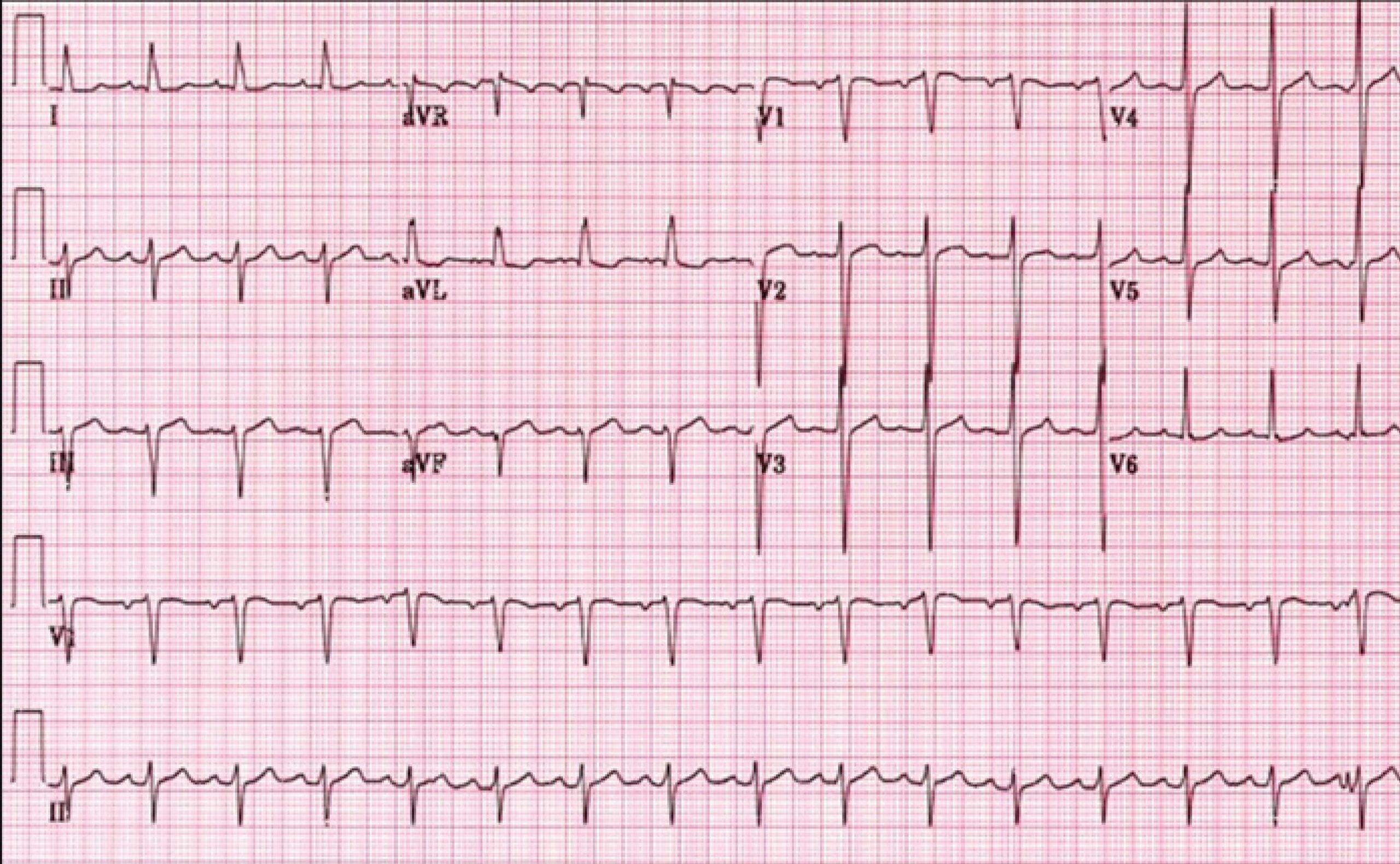
Hypertensive crisis (HC) is a clinical situation characterized by the quick, inappropriate, intense and symptomatic elevation of blood pressure, with or without risk of target-organ deterioration. HC has shown a decrease in incidence, most likely due to the advancement of outpatient antihypertensive therapy, but it still represents a challenge in emergency clinical practice. In over 80% of cases, patients already have a previous diagnosis of arterial hypertension (AH). However, undiagnosed AH or secondary causes may be the etiology of HC.

[…]

  • Epilepsy
  • Hypertension/complications
  • Hypertensive Encephalopathy / complications
  • Hypothalamic Diseases
Read Full Article
Creative Commons Attribution (CC BY) Creative Commons license
01/01/2017 DOI: 10.5935/2359-4802.20170016 Views 2
ABC
Original Article

Progression of Blood Pressure and Cardiovascular Outcomes in Hypertensive Patients in a Reference Center

Gilberto Campos Guimarães Filho et al. Ana Luiza Lima Sousa Thiago de Souza Veiga Jardim Weimar Sebba Barroso Souza Paulo César Brandão Veiga Jardim

Background:

Hypertension is a public health problem, considering its high prevalence, low control rate and cardiovascular complications.

Objective:

Evaluate the control of blood pressure (BP) and cardiovascular outcomes in patients enrolled at the Reference Center for Hypertension and Diabetes, located in a medium-sized city in the Midwest Region of Brazil.

Methods:

Population-based study comparing patients enrolled in the service at the time of their admission and after an average follow-up of five years. Participants were aged ≥18 years and were regularly monitored at the Center up to 6 months before data collection. We assessed demographic variables, BP, body mass index, risk factors, and cardiovascular outcomes.

Results:

We studied 1,298 individuals, predominantly women (60.9%), and with mean age of 56.7±13.1 years. Over time, there was a significant increase in physical inactivity, alcohol consumption, diabetes, dyslipidemia, and excessive weight. As for cardiovascular outcomes, we observed an increase in stroke and myocardial revascularization, and a lower frequency of chronic renal failure. During follow-up, there was significant improvement in the rate of BP control (from 29.6% to 39.6%; p = 0.001) and 72 deaths, 91.7% of which were due to cardiovascular diseases.

Conclusion:

Despite considerable improvements in the rate of BP control during follow-up, risk factors worsened and cardiovascular outcomes increased.

  • Arterial Pressure / physiopathology
  • Cardiovascular Diseases
  • Hypertension/complications
  • Indicators of Morbidity and Mortality
  • Risk Factors
Read Full Article
Creative Commons Attribution (CC BY) Creative Commons license
03/02/2015 DOI: 10.5935/abc.20150001 Views 1
Figure 1
ABC
Original Article

Functional Vascular Study in Hypertensive Subjects with Type 2 Diabetes Using Losartan or Amlodipine

Cesar Romaro Pozzobon et al. Ronaldo A. O. C. Gismondi Ricardo Bedirian Marcia Cristina Ladeira … Mario Fritsch Neves Wille Oigman

Background:

Antihypertensive drugs are used to control blood pressure (BP) and reduce macro- and microvascular complications in hypertensive patients with diabetes.

Objectives:

The present study aimed to compare the functional vascular changes in hypertensive patients with type 2 diabetes mellitus after 6 weeks of treatment with amlodipine or losartan.

Methods:

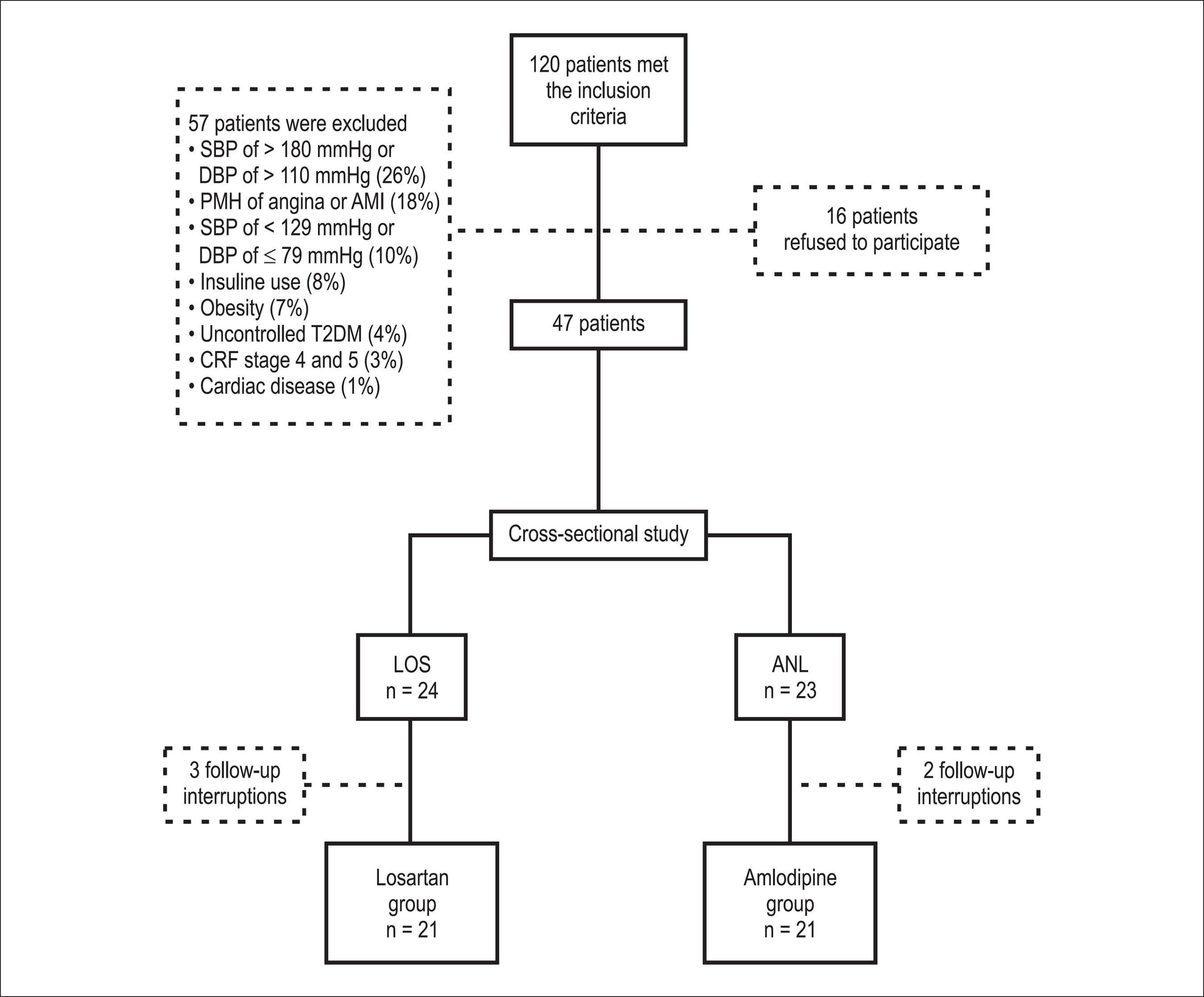
Patients with a previous diagnosis of hypertension and type 2 diabetes mellitus were randomly divided into 2 groups and evaluated after 6 weeks of treatment with amlodipine (5 mg/day) or losartan (100 mg/day). Patient evaluation included BP measurement, ambulatory BP monitoring, and assessment of vascular parameters using applanation tonometry, pulse wave velocity (PWV), and flow-mediated dilation (FMD) of the brachial artery.

Results:

A total of 42 patients were evaluated (21 in each group), with a predominance of women (71%) in both groups. The mean age of the patients in both groups was similar (amlodipine group: 54.9 ± 4.5 years; losartan group: 54.0 ± 6.9 years), with no significant difference in the mean BP [amlodipine group: 145 ± 14 mmHg (systolic) and 84 ± 8 mmHg (diastolic); losartan group: 153 ± 19 mmHg (systolic) and 90 ± 9 mmHg (diastolic)]. The augmentation index (30% ± 9% and 36% ± 8%, p = 0.025) and augmentation pressure (16 ± 6 mmHg and 20 ± 8 mmHg, p = 0.045) were lower in the amlodipine group when compared with the losartan group. PWV and FMD were similar in both groups.

Conclusions:

Hypertensive patients with type 2 diabetes mellitus treated with amlodipine exhibited an improved pattern of pulse wave reflection in comparison with those treated with losartan. However, the use of losartan may be associated with independent vascular reactivity to the pressor effect.

  • Amlodipine / therapeutic, use
  • Atherosclerosis
  • Diabetes Mellitus, Type 2 / complications
  • Endothelium / physiopathology
  • Hypertension/complications
  • Losartan/therapeutic use
Read Full Article
Creative Commons Attribution (CC BY) Creative Commons license
09/07/2014 DOI: 10.5935/abc.20140089 Views 2
Figure 1
ABC
Original Article

Blood Pressure Control in Hypertensive Patients in the "Hiperdia Program": A Territory-Based Study

Clarita Silva de Souza et al. Airton Tetelbom Stein Gisele Alsina Nader Bastos Lucia Campos Pellanda

Background:

Systemic hypertension is highly prevalent and an important risk factor for cardiovascular events. Blood pressure control in hypertensive patients enrolled in the Hiperdia Program, a program of the Single Health System for the follow-up and monitoring of hypertensive patients, is still far below the desired level.

Objective:

To describe the epidemiological profile and to assess blood pressure control of patients enrolled in Hiperdia, in the city of Novo Hamburgo (State of Rio Grande do Sul, Brazil).

Methods:

Cross-sectional study with a stratified cluster random sample, including 383 adults enrolled in the Hiperdia Program of the 15 Basic Health Units of the city of Porto Alegre, conducted between 2010 and 2011. Controlled blood pressure was defined as ≤140 mmHg × 90 mmHg. The hypertensive patients were interviewed and their blood pressure was measured using a calibrated aneroid device. Prevalence ratios (PR) with 95% confidence interval, Wald’s χ2 test, and simple and multiple Poisson regression were used in the statistical analysis.

Results:

The mean age was 63 ± 10 years, and most of the patients were females belonging to social class C, with a low level of education, a sedentary lifestyle, and family history positive for systemic hypertension. Diabetes mellitus (DM) was observed in 31%; adherence to the antihypertensive treatment in 54.3%; and 33.7% had their blood pressure controlled. DM was strongly associated with inadequate BP control, with only 15.7% of the diabetics showing BP considered as controlled.

Conclusion:

Even for hypertensive patients enrolled in the Hiperdia Program, BP control is not satisfactorily reached or sustained. Diabetic hypertensive patients show the most inappropriate BP control.

  • Epidemiological Monitoring
  • Government Programs
  • Hypertension/complications
  • Hypertension/epidemiology
  • medication adherence
  • Risk Factors
Read Full Article
Creative Commons Attribution (CC BY) Creative Commons license
01/06/2014 DOI: 10.5935/abc.20140081 Views 1

How to cite this article

EndNote RIS

Electronic Document Format (Vancouver)

Santos LG, Baggio JAO, Leal TC, Costa FA, Fernandes TRMO, Silva RV, Armstrong A, et al. Prevalence of Systemic Arterial Hypertension and Diabetes Mellitus in Individuals with COVID-19: A Retrospective Study of Deaths in Pernambuco, Brazil. Arquivos Brasileiros de Cardiologia 2021;117(2):416-22.

Electronic Document Format (ABNT)

Santos, Lucas Gomes; Baggio, Jussara Almeida de Oliveira; Leal, Thiago Cavalcanti; Costa, Francisco A.; Fernandes, Tânia Rita Moreno de Oliveira; Silva, Regicley Vieira da; Armstrong, Anderson; Carmo, Rodrigo Feliciano; Souza, Carlos Dornels Freire de. Prevalence of Systemic Arterial Hypertension and Diabetes Mellitus in Individuals with COVID-19: A Retrospective Study of Deaths in Pernambuco, Brazil. Arquivos Brasileiros de Cardiologia, v. 117, n. 2, p. 416-422, Sep. 2021.

Electronic Document Format (APA)

Santos, L. G., Baggio, J. A. O., Leal, T. C., Costa, F. A., Fernandes, T. R. M. O., Silva, R. V. , Armstrong, A., Carmo, R. F., & Souza, C. D. F. (2021). Prevalence of Systemic Arterial Hypertension and Diabetes Mellitus in Individuals with COVID-19: A Retrospective Study of Deaths in Pernambuco, Brazil. Arquivos Brasileiros de Cardiologia, 117(2), 416-422.

Electronic Document Format (ISO)

Santos, Lucas Gomes and Baggio, Jussara Almeida de Oliveira and Leal, Thiago Cavalcanti and Costa, Francisco A. and Fernandes, Tânia Rita Moreno de Oliveira and Silva, Regicley Vieira da and Armstrong, Anderson and Carmo, Rodrigo Feliciano and Souza, Carlos Dornels Freire de. Prevalence of Systemic Arterial Hypertension and Diabetes Mellitus in Individuals with COVID-19: A Retrospective Study of Deaths in Pernambuco, Brazil. Arquivos Brasileiros de Cardiologia [online]. 2021, vol. 117, n. 2, [cited 2026-10-14], pp. 416-422. Available from: <https://journals.cardiol.br/en/article/prevalence-of-systemic-arterial-hypertension-and-diabetes-mellitus-in-individuals-with-covid-19-a-retrospective-study-of-deaths-in-pernambuco-brazil/>. ISSN 0066-782X

EndNote RIS

Electronic Document Format (Vancouver)

Campana E, Ferrari BD. Impact of Continuing Education on the Quality of Blood Pressure Measurement. International Journal of Cardiovascular Sciences 2021;34(1):8-9.

Electronic Document Format (ABNT)

Campana, Erika; Ferrari, Bruno Daniel. Impact of Continuing Education on the Quality of Blood Pressure Measurement. International Journal of Cardiovascular Sciences, v. 34, n. 1, p. 8-9, Jan. 2021.

Electronic Document Format (APA)

Campana, E., & Ferrari, B. D. (2021). Impact of Continuing Education on the Quality of Blood Pressure Measurement. International Journal of Cardiovascular Sciences, 34(1), 8-9.

Electronic Document Format (ISO)

Campana, Erika and Ferrari, Bruno Daniel. Impact of Continuing Education on the Quality of Blood Pressure Measurement. International Journal of Cardiovascular Sciences [online]. 2021, vol. 34, n. 1, [cited 2026-10-14], pp. 8-9. Available from: <https://journals.cardiol.br/en/article/impact-of-continuing-education-on-the-quality-of-blood-pressure-measurement/>. ISSN 2359-4802

EndNote RIS

Electronic Document Format (Vancouver)

Nsanzabera C. Health Promotion to Reduce Hypertension Patients’ Vulnerability to Coronavirus Disease-19 (COVID-19). International Journal of Cardiovascular Sciences 2021;34(1):99-102.

Electronic Document Format (ABNT)

Nsanzabera, Charles. Health Promotion to Reduce Hypertension Patients’ Vulnerability to Coronavirus Disease-19 (COVID-19). International Journal of Cardiovascular Sciences, v. 34, n. 1, p. 99-102, Jan. 2021.

Electronic Document Format (APA)

Nsanzabera, C. (2021). Health Promotion to Reduce Hypertension Patients’ Vulnerability to Coronavirus Disease-19 (COVID-19). International Journal of Cardiovascular Sciences, 34(1), 99-102.

Electronic Document Format (ISO)

Nsanzabera, Charles. Health Promotion to Reduce Hypertension Patients’ Vulnerability to Coronavirus Disease-19 (COVID-19). International Journal of Cardiovascular Sciences [online]. 2021, vol. 34, n. 1, [cited 2026-10-14], pp. 99-102. Available from: <https://journals.cardiol.br/en/article/health-promotion-to-reduce-hypertension-patients-vulnerability-to-coronavirus-disease-19-covid-19/>. ISSN 2359-4802

EndNote RIS

Electronic Document Format (Vancouver)

Póvoa R. Short Editorial: Clinical Characteristics of Resistant vs. Refractory Hypertension in a Population of Hypertensive Afro-descendants. Arquivos Brasileiros de Cardiologia 2020;115(1):40-1.

Electronic Document Format (ABNT)

Póvoa, Rui. Short Editorial: Clinical Characteristics of Resistant vs. Refractory Hypertension in a Population of Hypertensive Afro-descendants. Arquivos Brasileiros de Cardiologia, v. 115, n. 1, p. 40-41, Aug. 2020.

Electronic Document Format (APA)

Póvoa, R. (2020). Short Editorial: Clinical Characteristics of Resistant vs. Refractory Hypertension in a Population of Hypertensive Afro-descendants. Arquivos Brasileiros de Cardiologia, 115(1), 40-41.

Electronic Document Format (ISO)

Póvoa, Rui. Short Editorial: Clinical Characteristics of Resistant vs. Refractory Hypertension in a Population of Hypertensive Afro-descendants. Arquivos Brasileiros de Cardiologia [online]. 2020, vol. 115, n. 1, [cited 2026-10-14], pp. 40-41. Available from: <https://journals.cardiol.br/en/article/short-editorial-clinical-characteristics-of-resistant-vs-refractory-hypertension-in-a-population-of-hypertensive-afro-descendants/>. ISSN 0066-782X

EndNote RIS

Electronic Document Format (Vancouver)

Macedo C, Aras Junior R, Macedo IS. Clinical Characteristics of Resistant vs. Refractory Hypertension in a Population of Hypertensive Afrodescendants. Arquivos Brasileiros de Cardiologia 2020;115(1):31-9.

Electronic Document Format (ABNT)

Macedo, Cristiano; Aras Junior, Roque; Macedo, Isabella Sales de. Clinical Characteristics of Resistant vs. Refractory Hypertension in a Population of Hypertensive Afrodescendants. Arquivos Brasileiros de Cardiologia, v. 115, n. 1, p. 31-39, Aug. 2020.

Electronic Document Format (APA)

Macedo, C., Aras Junior, R., & Macedo, I. S. (2020). Clinical Characteristics of Resistant vs. Refractory Hypertension in a Population of Hypertensive Afrodescendants. Arquivos Brasileiros de Cardiologia, 115(1), 31-39.

Electronic Document Format (ISO)

Macedo, Cristiano and Aras Junior, Roque and Macedo, Isabella Sales de. Clinical Characteristics of Resistant vs. Refractory Hypertension in a Population of Hypertensive Afrodescendants. Arquivos Brasileiros de Cardiologia [online]. 2020, vol. 115, n. 1, [cited 2026-10-14], pp. 31-39. Available from: <https://journals.cardiol.br/en/article/clinical-characteristics-of-resistant-vs-refractory-hypertension-in-a-population-of-hypertensive-afrodescendants/>. ISSN 0066-782X

EndNote RIS

Electronic Document Format (Vancouver)

Souza KP, Scaramello CBV. Relevance of Animal Models and Echocardiogram for Hypertensive Disease Studies. International Journal of Cardiovascular Sciences 2020;33(4):329-30.

Electronic Document Format (ABNT)

Souza, Karyne Pollo de; Scaramello, Christianne Brêtas Viera. Relevance of Animal Models and Echocardiogram for Hypertensive Disease Studies. International Journal of Cardiovascular Sciences, v. 33, n. 4, p. 329-330, Jul. 2020.

Electronic Document Format (APA)

Souza, K. P. , & Scaramello, C. B. V. (2020). Relevance of Animal Models and Echocardiogram for Hypertensive Disease Studies. International Journal of Cardiovascular Sciences, 33(4), 329-330.

Electronic Document Format (ISO)

Souza, Karyne Pollo de and Scaramello, Christianne Brêtas Viera. Relevance of Animal Models and Echocardiogram for Hypertensive Disease Studies. International Journal of Cardiovascular Sciences [online]. 2020, vol. 33, n. 4, [cited 2026-10-14], pp. 329-330. Available from: <https://journals.cardiol.br/en/article/relevance-of-animal-models-and-echocardiogram-for-hypertensive-disease-studies/>. ISSN 2359-4802

EndNote RIS

Electronic Document Format (Vancouver)

Bertoluci C, Foppa M, Santos ABS, Fuchs SC, Fuchs FD. Diuretics are Similar to Losartan on Echocardiographic Target-Organ Damage in Stage I Hypertension. PREVER-Treatment Study. Arquivos Brasileiros de Cardiologia 2019;112(1):87-90.

Electronic Document Format (ABNT)

Bertoluci, Carolina; Foppa, Murilo; Santos, Angela Barreto Santiago; Fuchs, Sandra C.; Fuchs, Flávio Danni. Diuretics are Similar to Losartan on Echocardiographic Target-Organ Damage in Stage I Hypertension. PREVER-Treatment Study. Arquivos Brasileiros de Cardiologia, v. 112, n. 1, p. 87-90, Dec. 2018.

Electronic Document Format (APA)

Bertoluci, C., Foppa, M., Santos, A. B. S., Fuchs, S. C., & Fuchs, F. D. (2019). Diuretics are Similar to Losartan on Echocardiographic Target-Organ Damage in Stage I Hypertension. PREVER-Treatment Study. Arquivos Brasileiros de Cardiologia, 112(1), 87-90.

Electronic Document Format (ISO)

Bertoluci, Carolina and Foppa, Murilo and Santos, Angela Barreto Santiago and Fuchs, Sandra C. and Fuchs, Flávio Danni. Diuretics are Similar to Losartan on Echocardiographic Target-Organ Damage in Stage I Hypertension. PREVER-Treatment Study. Arquivos Brasileiros de Cardiologia [online]. 2019, vol. 112, n. 1, [cited 2026-10-14], pp. 87-90. Available from: <https://journals.cardiol.br/en/article/diuretics-are-similar-to-losartan-on-echocardiographic-target-organ-damage-in-stage-i-hypertension-prever-treatment-study/>. ISSN 0066-782X

EndNote RIS

Electronic Document Format (Vancouver)

Oliveira GMM, Mendes M, Malachias MVB, Morais J, Moreira Filho O, Coelho AS, Capingana DP, et al. 2017 Guidelines for Arterial Hypertension Management in Primary Health Care in Portuguese Language Countries. Arquivos Brasileiros de Cardiologia 2017;109(5):389-96.

Electronic Document Format (ABNT)

Oliveira, Gláucia Maria Moraes de; Mendes, Miguel; Malachias, Marcus Vinícius Bolívar; Morais, João; Moreira Filho, Osni; Coelho, Armando Serra; Capingana, Daniel Pires; Azevedo, Vanda; Soares, Irenita; Menete, Alda; Ferreira, Beatriz; Soares, Miryan Bandeira dos Prazeres Cassandra; Fernandes, Mário. 2017 Guidelines for Arterial Hypertension Management in Primary Health Care in Portuguese Language Countries. Arquivos Brasileiros de Cardiologia, v. 109, n. 5, p. 389-396, Oct. 2017.

Electronic Document Format (APA)

Oliveira, G. M. M. , Mendes, M., Malachias, M. V. B., Morais, J., Moreira Filho, O., Coelho, A. S., Capingana, D. P., Azevedo, V., Soares, I., Menete, A., Ferreira, B., Soares, M. B. P. C., & Fernandes, M. (2017). 2017 Guidelines for Arterial Hypertension Management in Primary Health Care in Portuguese Language Countries. Arquivos Brasileiros de Cardiologia, 109(5), 389-396.

Electronic Document Format (ISO)

Oliveira, Gláucia Maria Moraes de and Mendes, Miguel and Malachias, Marcus Vinícius Bolívar and Morais, João and Moreira Filho, Osni and Coelho, Armando Serra and Capingana, Daniel Pires and Azevedo, Vanda and Soares, Irenita and Menete, Alda and Ferreira, Beatriz and Soares, Miryan Bandeira dos Prazeres Cassandra and Fernandes, Mário. 2017 Guidelines for Arterial Hypertension Management in Primary Health Care in Portuguese Language Countries. Arquivos Brasileiros de Cardiologia [online]. 2017, vol. 109, n. 5, [cited 2026-10-14], pp. 389-396. Available from: <https://journals.cardiol.br/en/article/2017-guidelines-for-arterial-hypertension-management-in-primary-health-care-in-portuguese-language-countries/>. ISSN 0066-782X

EndNote RIS

Electronic Document Format (Vancouver)

Grezzana GB, Stein AT, Pellanda LC. 24-Hour Ambulatory Blood Pressure Monitoring Predicts Outcomes of Hypertensive Patients in Primary Care: A Cohort Study. International Journal of Cardiovascular Sciences 2017;30(4):285-92.

Electronic Document Format (ABNT)

Grezzana, Guilherme Brasil; Stein, Airton Tetelbon; Pellanda, Lucia Campos. 24-Hour Ambulatory Blood Pressure Monitoring Predicts Outcomes of Hypertensive Patients in Primary Care: A Cohort Study. International Journal of Cardiovascular Sciences, v. 30, n. 4, p. 285-292, Dec. 2016.

Electronic Document Format (APA)

Grezzana, G. B., Stein, A. T., & Pellanda, L. C. (2017). 24-Hour Ambulatory Blood Pressure Monitoring Predicts Outcomes of Hypertensive Patients in Primary Care: A Cohort Study. International Journal of Cardiovascular Sciences, 30(4), 285-292.

Electronic Document Format (ISO)

Grezzana, Guilherme Brasil and Stein, Airton Tetelbon and Pellanda, Lucia Campos. 24-Hour Ambulatory Blood Pressure Monitoring Predicts Outcomes of Hypertensive Patients in Primary Care: A Cohort Study. International Journal of Cardiovascular Sciences [online]. 2017, vol. 30, n. 4, [cited 2026-10-14], pp. 285-292. Available from: <https://journals.cardiol.br/en/article/24-hour-ambulatory-blood-pressure-monitoring-predicts-outcomes-of-hypertensive-patients-in-primary-care-a-cohort-study/>. ISSN 2359-4802

EndNote RIS

Electronic Document Format (Vancouver)

Mesquita CT. The Accuracy of Blood Pressure Measurement. International Journal of Cardiovascular Sciences 2017;30(2):98-9.

Electronic Document Format (ABNT)

Mesquita, Claudio Tinoco. The Accuracy of Blood Pressure Measurement. International Journal of Cardiovascular Sciences, v. 30, n. 2, p. 98-99, Dec. 2016.

Electronic Document Format (APA)

Mesquita, C. T. (2017). The Accuracy of Blood Pressure Measurement. International Journal of Cardiovascular Sciences, 30(2), 98-99.

Electronic Document Format (ISO)

Mesquita, Claudio Tinoco. The Accuracy of Blood Pressure Measurement. International Journal of Cardiovascular Sciences [online]. 2017, vol. 30, n. 2, [cited 2026-10-14], pp. 98-99. Available from: <https://journals.cardiol.br/en/article/the-accuracy-of-blood-pressure-measurement/>. ISSN 2359-4802

EndNote RIS

Electronic Document Format (Vancouver)

Ribeiro RNF, Martins WA, Ribeiro BNF. Rare Case of Hypertensive Crisis Secondary to Diencephalic Epilepsy. International Journal of Cardiovascular Sciences 2017;30(1):95-7.

Electronic Document Format (ABNT)

Ribeiro, Renato Niemeyer de Freitas; Martins, Wolney de Andrade; Ribeiro, Bruno Niemeyer de Freitas. Rare Case of Hypertensive Crisis Secondary to Diencephalic Epilepsy. International Journal of Cardiovascular Sciences, v. 30, n. 1, p. 95-97, Dec. 2016.

Electronic Document Format (APA)

Ribeiro, R. N. F., Martins, W. A., & Ribeiro, B. N. F. (2017). Rare Case of Hypertensive Crisis Secondary to Diencephalic Epilepsy. International Journal of Cardiovascular Sciences, 30(1), 95-97.

Electronic Document Format (ISO)

Ribeiro, Renato Niemeyer de Freitas and Martins, Wolney de Andrade and Ribeiro, Bruno Niemeyer de Freitas. Rare Case of Hypertensive Crisis Secondary to Diencephalic Epilepsy. International Journal of Cardiovascular Sciences [online]. 2017, vol. 30, n. 1, [cited 2026-10-14], pp. 95-97. Available from: <https://journals.cardiol.br/en/article/rare-case-of-hypertensive-crisis-secondary-to-diencephalic-epilepsy/>. ISSN 2359-4802

EndNote RIS

Electronic Document Format (Vancouver)

Guimarães Filho GC, Sousa ALL, Jardim TSV, Souza WSB, Jardim PCBV. Progression of Blood Pressure and Cardiovascular Outcomes in Hypertensive Patients in a Reference Center. Arquivos Brasileiros de Cardiologia 2015;104(4):292-8.

Electronic Document Format (ABNT)

Guimarães Filho, Gilberto Campos; Sousa, Ana Luiza Lima; Jardim, Thiago de Souza Veiga; Souza, Weimar Sebba Barroso; Jardim, Paulo César Brandão Veiga. Progression of Blood Pressure and Cardiovascular Outcomes in Hypertensive Patients in a Reference Center. Arquivos Brasileiros de Cardiologia, v. 104, n. 4, p. 292-298, Feb. 2015.

Electronic Document Format (APA)

Guimarães Filho, G. C., Sousa, A. L. L., Jardim, T. S. V., Souza, W. S. B., & Jardim, P. C. B. V. (2015). Progression of Blood Pressure and Cardiovascular Outcomes in Hypertensive Patients in a Reference Center. Arquivos Brasileiros de Cardiologia, 104(4), 292-298.

Electronic Document Format (ISO)

Guimarães Filho, Gilberto Campos and Sousa, Ana Luiza Lima and Jardim, Thiago de Souza Veiga and Souza, Weimar Sebba Barroso and Jardim, Paulo César Brandão Veiga. Progression of Blood Pressure and Cardiovascular Outcomes in Hypertensive Patients in a Reference Center. Arquivos Brasileiros de Cardiologia [online]. 2015, vol. 104, n. 4, [cited 2026-10-14], pp. 292-298. Available from: <https://journals.cardiol.br/en/article/progression-of-blood-pressure-and-cardiovascular-outcomes-in-hypertensive-patients-in-a-reference-center/>. ISSN 0066-782X

EndNote RIS

Electronic Document Format (Vancouver)

Pozzobon CR, Gismondi RAOC, Bedirian R, Ladeira MC, Neves MF, Oigman W. Functional Vascular Study in Hypertensive Subjects with Type 2 Diabetes Using Losartan or Amlodipine. Arquivos Brasileiros de Cardiologia 2014;103(1):51-9.

Electronic Document Format (ABNT)

Pozzobon, Cesar Romaro; Gismondi, Ronaldo A. O. C.; Bedirian, Ricardo; Ladeira, Marcia Cristina; Neves, Mario Fritsch; Oigman, Wille. Functional Vascular Study in Hypertensive Subjects with Type 2 Diabetes Using Losartan or Amlodipine. Arquivos Brasileiros de Cardiologia, v. 103, n. 1, p. 51-59, Jul. 2014.

Electronic Document Format (APA)

Pozzobon, C. R., Gismondi, R. A. O. C., Bedirian, R., Ladeira, M. C., Neves, M. F., & Oigman, W. (2014). Functional Vascular Study in Hypertensive Subjects with Type 2 Diabetes Using Losartan or Amlodipine. Arquivos Brasileiros de Cardiologia, 103(1), 51-59.

Electronic Document Format (ISO)

Pozzobon, Cesar Romaro and Gismondi, Ronaldo A. O. C. and Bedirian, Ricardo and Ladeira, Marcia Cristina and Neves, Mario Fritsch and Oigman, Wille. Functional Vascular Study in Hypertensive Subjects with Type 2 Diabetes Using Losartan or Amlodipine. Arquivos Brasileiros de Cardiologia [online]. 2014, vol. 103, n. 1, [cited 2026-10-14], pp. 51-59. Available from: <https://journals.cardiol.br/en/article/functional-vascular-study-in-hypertensive-subjects-with-type-2-diabetes-using-losartan-or-amlodipine/>. ISSN 0066-782X

EndNote RIS

Electronic Document Format (Vancouver)

Souza CS, Stein AT, Bastos GAN, Pellanda LC. Blood Pressure Control in Hypertensive Patients in the “Hiperdia Program”: A Territory-Based Study. Arquivos Brasileiros de Cardiologia 2014;102(6):571-8.

Electronic Document Format (ABNT)

Souza, Clarita Silva de; Stein, Airton Tetelbom; Bastos, Gisele Alsina Nader; Pellanda, Lucia Campos. Blood Pressure Control in Hypertensive Patients in the “Hiperdia Program”: A Territory-Based Study. Arquivos Brasileiros de Cardiologia, v. 102, n. 6, p. 571-578, May. 2014.

Electronic Document Format (APA)

Souza, C. S. , Stein, A. T., Bastos, G. A. N., & Pellanda, L. C. (2014). Blood Pressure Control in Hypertensive Patients in the “Hiperdia Program”: A Territory-Based Study. Arquivos Brasileiros de Cardiologia, 102(6), 571-578.

Electronic Document Format (ISO)

Souza, Clarita Silva de and Stein, Airton Tetelbom and Bastos, Gisele Alsina Nader and Pellanda, Lucia Campos. Blood Pressure Control in Hypertensive Patients in the “Hiperdia Program”: A Territory-Based Study. Arquivos Brasileiros de Cardiologia [online]. 2014, vol. 102, n. 6, [cited 2026-10-14], pp. 571-578. Available from: <https://journals.cardiol.br/en/article/blood-pressure-control-in-hypertensive-patients-in-the-hiperdia-program-a-territory-based-study/>. ISSN 0066-782X

  • About ABC Family
  • Internal Regulation
  • Editorial Board
  • Brazilian Society of Cardiology (SBC)

Issues

SBC Guidelines

  • Videos
  • Podcasts
  • News