ABC Family Arquivos Brasileiros de Cardiologia International Journal of Cardiovascular Sciences ABC Heart Failure & Cardiomyopathy ABC Imagem Cardiovascular
Português English
ABC Family
Português English
  • About
    • About ABC Family
    • Internal Regulation
    • Editorial Board
    • Brazilian Society of Cardiology (SBC)
  • Issues
  • SBC Guidelines
  • Content
    • Videos
    • Podcasts
    • News
  • About
    • About ABC Family
    • Internal Regulation
    • Editorial Board
    • Brazilian Society of Cardiology (SBC)
  • Issues
  • SBC Guidelines
  • Content
    • Videos
    • Podcasts
    • News

ABC Family

  • ABC Family
  • Arquivos Brasileiros de Cardiologia
  • International Journal of Cardiovascular Sciences
  • ABC Heart Failure & Cardiomyopathy
  • ABC Imagem Cardiovascular
Search in

No content found.

Journals
Ordering
Article types
Others

  1. Home
  2. Keyword: Heart Failure/complications
Figure 1
ABC
Image

A Rare Subtype of a Rare Tumor

Paulo Medeiros et al. Ana Rita Coelho João Magalhães Nuno Salomé Vítor Pereira

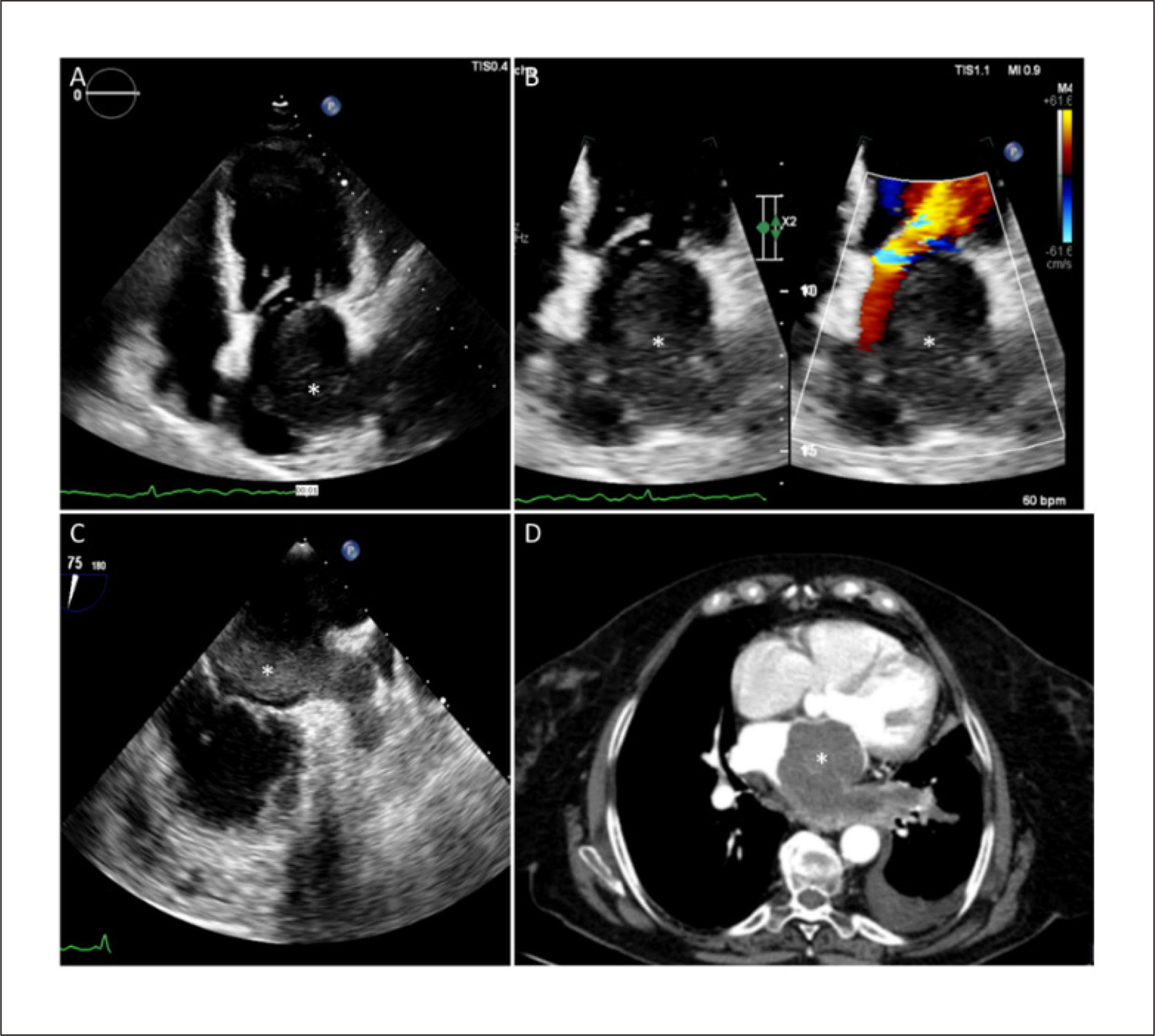
A 71-year-old woman was admitted to our center, complaining of fatigue, dyspnea, and anorexia. Physical examination revealed a grade III low-pitched diastolic murmur at the mitral focus. Transthoracic echocardiogram (TTE) showed an oval mass inside the left atrium (LA) extending from its roof to the mitral valve ( ), causing significant transmitral pressure gradient ( ). Transesophageal echocardiogram (TEE) ( ) raised the suspicion of left superior pulmonary vein involvement, which was confirmed by computed tomography (CT) angiography ( ). Cardiac magnetic resonance imaging characterized the mass as isointense on T1 and hyperintense on T2-weightened images; there was a contrast uptake, in first-passage sequences, and a heterogeneous late gadolinium enhancement ( ).

[…]

  • Diagnostic Imaging/methods
  • Heart Failure/complications
  • Heart Neoplasms/surgery
  • Mitral Valve/surgery
  • Multimodal Imaging/methods, Leiomyosarcoma/surgery
Read Full Article
Creative Commons Attribution (CC BY) Creative Commons license
27/02/2023 DOI: 10.36660/abc.20220486
ABC
Editorial

The Importance of Assessing Malnutrition and Cachexia in Chagas Cardiomyopathy

Salvador Rassi et al. Daniela do Carmo Rassi Aguinaldo Figueiredo Freitas Júnior

Chagas cardiomyopathy, described by Carlos Chagas more than 100 years ago, is still a cause of significant morbidity and mortality, and has a negative effect on socioeconomic status of Latin America countries, including Brazil.

Malnutrition and cachexia in heart failure (HF), especially in Chagas disease patients, has a multifactorial etiology. Decreased food intake may be caused either by a reduced supply of foods to these usually underprivileged patients or by anorexia, which is common in this syndrome. Many factors may be involved in anorexia and weight loss, including tasteless food (mainly due to the low sodium diet) and due to visceral (mainly hepatic and intestinal) congestion. Hepatomegaly, usually dense, causes gastric discomfort due to left lobe enlargement and compression of the stomach. Pain in the right hypochondrium is caused by stretching of the liver capsule. Intestinal mucosal edema causes protein and fat malabsorption, ultimately affecting nutrition. Neuroendocrine and immunological changes are also involved in the development of cachexia in HF patients. Patients with cachexia have increased plasma levels of tumor necrosis factor-alpha (TNF-α) and other inflammatory cytokines, particularly interleukin (IL)-6 and IL-1. This results from bacterial translocation, in which abnormalities of the gastrointestinal tract are involved in the development of cachexia and systemic inflammation. Effects of these cytokines include proteolysis and loss of skeletal muscle mass, with aggravation of cachexia.

[…]

  • Cachexia
  • Chagas Cardiomyopathy
  • Epidemiology
  • Heart Failure/complications
  • Hospitalization
  • malnutrition
  • Morbimortality
  • Prognosis
  • Weight Loss
Read Full Article
Creative Commons Attribution (CC BY) Creative Commons license
21/02/2022 DOI: 10.36660/abc.20210919 Views 1
ABC
Editorial

Diagnostic and Prognostic Importance of Functional Capacity in the Different Evolutionary Forms of Chagas Disease

João Marcos Barbosa-Ferreira et al. Charles Mady Fábio Fernandes

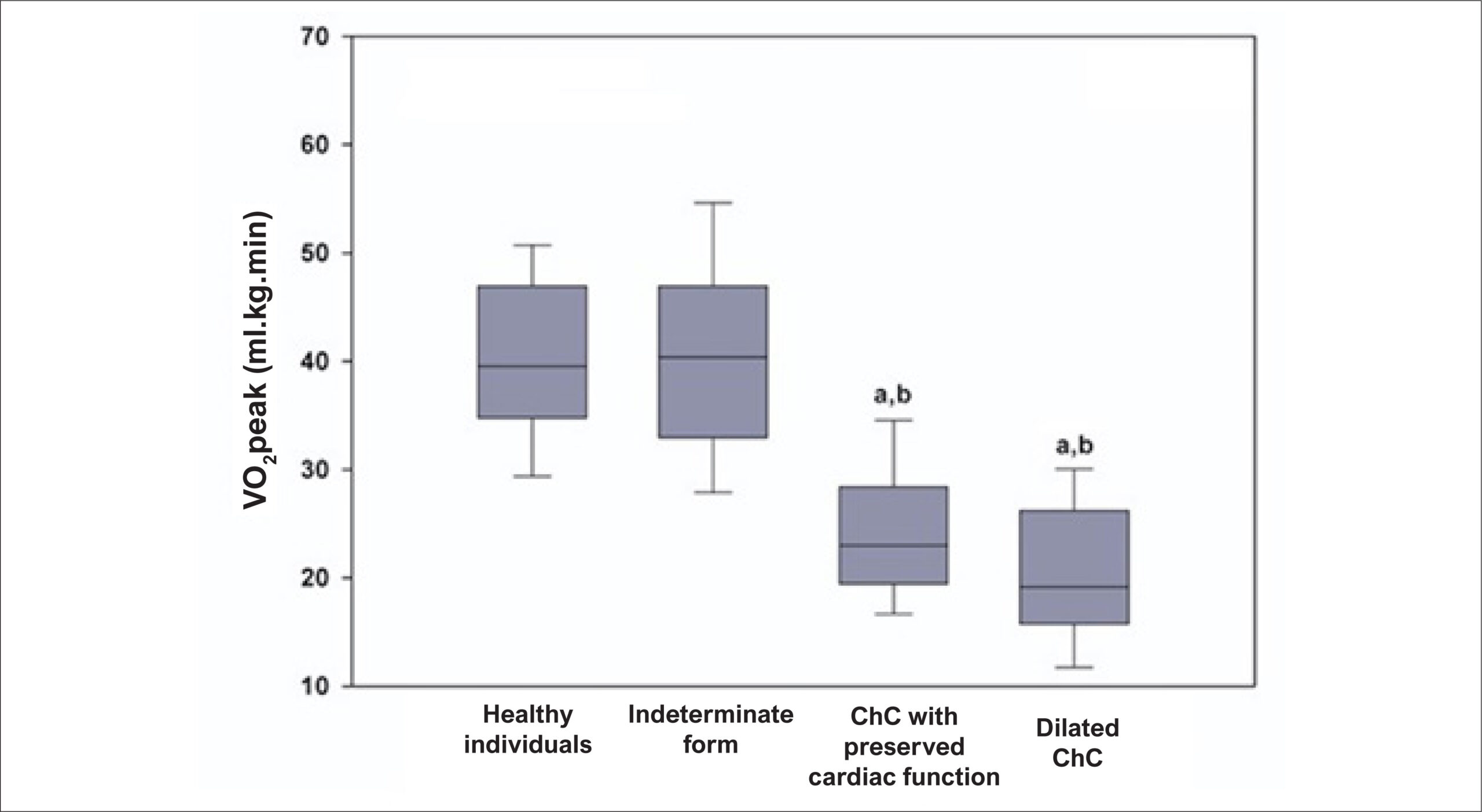
The manuscript published by Silva et al. in this issue brings us an important reflection on the evolution of the different forms of Chagas disease (CD), by demonstrating that patients with the indeterminate form (IF) have similar functional capacity, measured through peak oxygen uptake (VO2peak), to healthy individuals without CD. On the other hand, patients with Chagas’ heart disease without ventricular dysfunction had similar functional capacity to patients with ventricular dysfunction.

The IF of CD has been studied under different aspects for several years. Some studies in asymptomatic patients that are included in the definition of IF for not presenting electrocardiographic and chest X-ray alterations, demonstrated incipient alterations in complementary exams that may suggest the possibility of evolution to the more severe forms of CD over the years. Evaluations made through echocardiography showed alterations in variables such as tissue Doppler and study of myocardial deformity through two-dimensional strain., There has also been demonstration of changes in the Autonomic Nervous System, especially in the parasympathetic branch, which can be potential pathways for worsening in the stage disease over the years., Studies performed with magnetic resonance have demonstrated the presence of myocardial fibrosis in 12% of patients with IF of the disease. However, despite these small changes, the long-term evolution of these patients has been shown favorable and similar to that of healthy individuals without CD. Ianni et al. studied patients with the IF based on ECG findings for 8 years and concluded that the IF of CD represents a benign condition with a favorable long-term prognosis. However, in a small group of patients, there may be evolution for chronic Chagas cardiopathy (CCC) or digestive tract disease in about 10 to 20 years after acute infection. Sabino et al., in a 10-year retrospective cohort study, suggested a rate of progression to cardiomyopathy of 1.85% per year in patients with FI of the disease. Therefore, studies that identify markers that can predict the possibility of this evolution are needed and the evaluation of the functional capacity of these patients is important in this aspect.

[…]

  • Chagas Cardiomyopathy
  • Chagas disease
  • Exercise
  • Exercise Test/methods
  • Heart Failure/complications
  • Thromboembolismi
  • Trypanosoma cruzi
Read Full Article
Creative Commons Attribution (CC BY) Creative Commons license
22/11/2021 DOI: 10.36660/abc.20210808 Views 1
ABC
Editorial

Assessment of Renal Function in Patients with Heart Failure

Alfredo Jose Mansur et al. Victor Sarli Issa

Heart failure is a systemic condition that may lead to impairment of many organ systems and physiological functions that may cause symptoms and may have a negative influence in the prognosis of the patients., Compromising renal function may be one of the ailments of patients with heart failure.,

Prevention, diagnosis and treatment of this complication are key issues in patient care; strategies of categorization of acute renal lesions have been developed and are helpful in clinical practice.

[…]

  • Diabetes Mellitus
  • Heart Failure/complications
  • Hypertension
  • Hypovolemia
  • Kidney Diseases/complications
  • Prevention and Control
  • Prognosis
  • Risk Factors
Read Full Article
Creative Commons Attribution (CC BY) Creative Commons license
06/09/2021 DOI: 10.36660/abc.20210467 Views 2
Figure 1
ABC
Original Article

Determinants of Functional Capacity in Patients with Chagas Disease

Whesley Tanor Silva et al. Henrique Silveira Costa Pedro Henrique Scheidt Figueiredo Márcia Maria Oliveira Lima … Vanessa Pereira Lima Fábio Silva Martins da Costa Matheus Ribeiro Ávila Vanessa Amaral Mendonça Ana Cristina Rodrigues Lacerda Maria Carmo Pereira Nunes Manoel Otávio Costa Rocha

Abstract

Background:

Chagas disease leads to reduced functional capacity. However, the stage at which functional impairment is detectable remains unclear.

Objectives:

The present study was addressed to compare the functional capacity of patients at different stages of Chagas disease and healthy individuals and to verify the determinants of peak oxygen uptake (VO2peak).

Methods:

In a cross-sectional study, 160 individuals were selected, 35 healthy and 125 with Chagas disease. In the Chagasic group, 61 (49%) were in the indeterminate form of the disease, 45 (36%) with Chagas cardiomyopathy (ChC) and preserved cardiac function and 19 (15%) with cardiac dysfunction and dilated ChC. The data were analyzed using univariate and multivariate regression analysis. Statistical significance was set at 5%.

Results:

Patients in the indeterminate form of disease showed similar functional capacity to healthy individuals (p>0.05). Patients with ChC and preserved cardiac function had lower VO2peak than patients in the indeterminate form (p<0.05), but showed similar VO2peak values than dilated ChC (p=0.46). The age, male sex, NYHA functional class, diastolic blood pressure, ratio of the early diastolic transmitral flow velocity to early diastolic mitral annular velocity, left ventricular ejection fraction (LVEF) and left ventricular end-diastolic diameter were associated with functional capacity. However, only age, male sex, LVEF and NYHA functional class, remained associated with VO2peak in the final model (adjusted R2=0.60).

Conclusion:

Patients with ChC had lower functional capacity than patients in the indeterminate form. LVEF, age, male sex and NYHA functional class were determinants with VO2peak in patients with Chagas disease.

  • Chagas Cardiomyopathy
  • Chagas disease
  • Exercise Test/methods/métodos
  • Heart Failure/complications
  • Thromboembolism
  • Trypanosoma cruzi
Read Full Article
Creative Commons Attribution (CC BY) Creative Commons license
06/08/2021 DOI: 10.36660/abc.20200462 Views 1
Figure 1
ABC
Editorial

Use of Diuretic Therapy in Patients with Decompensated Heart Failure and Acute Kidney Injury. What to do in this Dilemma?

Rafael Marques Calazans et al. Mariana Bellaguarda de Castro Sepulvida Egli Belinazzi Quadrado Roberto Dischinger Miranda

Heart failure (HF) is a severe public health problem due to its high prevalence, morbidity and mortality. It is the main cause of hospitalization in the United States. The prevalence of the disease increases with age, making elderly patients even more susceptible to the repercussions of this disease. This increases the importance of precise treatment of HF and its complications, including decompensated HF (dHF).

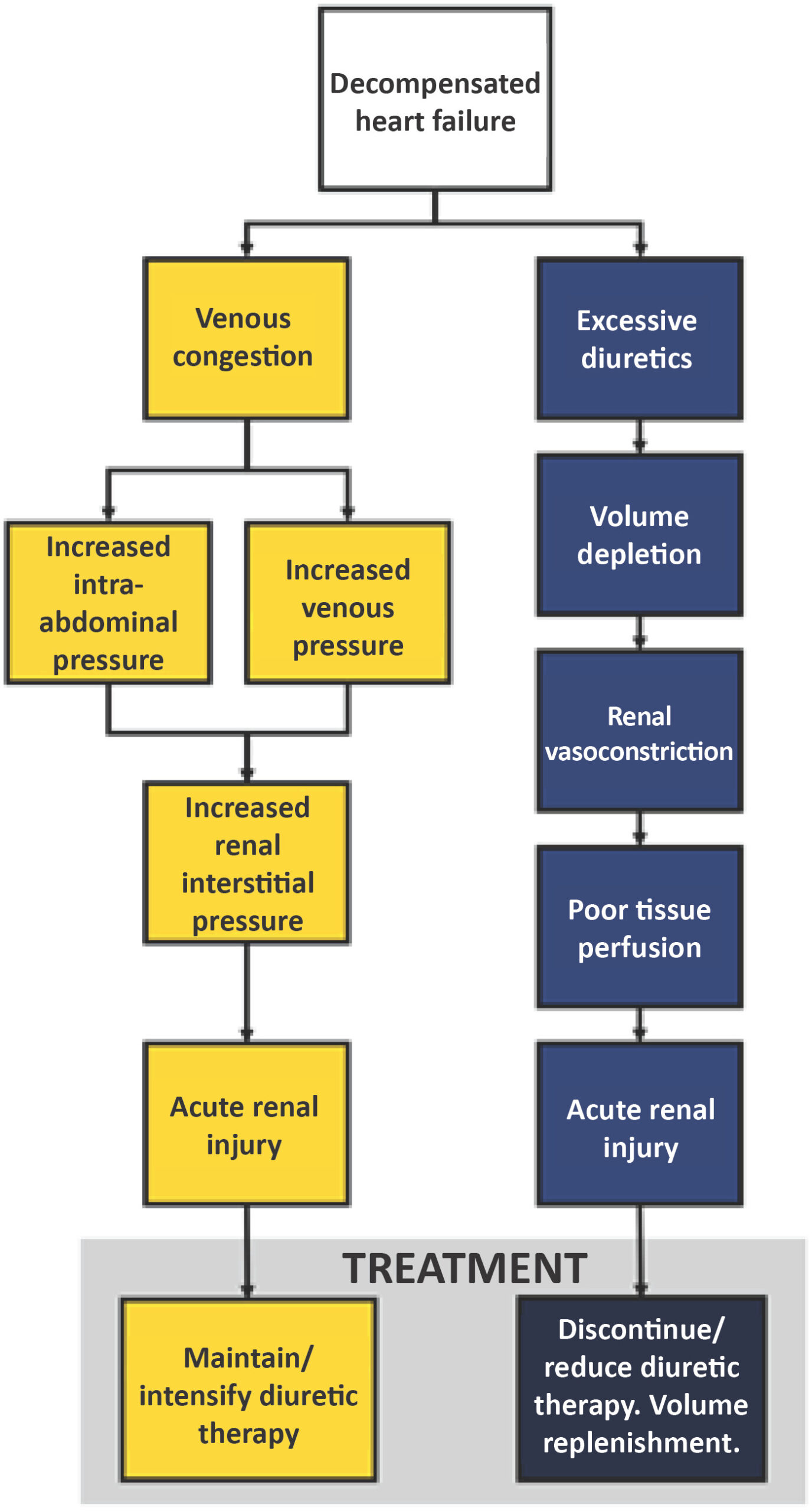
In patients with dHF, who require diuretic therapy, concomitant acute kidney injury (AKI) is a common finding. The big question when it comes to treatment with diuretics in situations where kidney function is altered is to know the reason for the dysfunction: Is the patient is still congested, requiring optimization of diuretic therapy (type I cardiorenal syndrome)? Or is it a patient whose diuretic therapy was carried out excessively, causing hypovolemia, which led to low renal perfusion (pre-renal AKI) or even an acute tubular necrosis?

[…]

  • aging
  • Creatinine
  • Diuretics
  • Electric Impedance
  • Health Public
  • Heart Failure/complications
  • Hospitalization
  • Lipocalins
  • Markers Biological
  • Mortality
  • Renal Insufficiency Chronic/complications
Read Full Article
Creative Commons Attribution (CC BY) Creative Commons license
16/04/2021 DOI: 10.36660/abc.20210238 Views 1
Figure 1
IJCS
Viewpoint

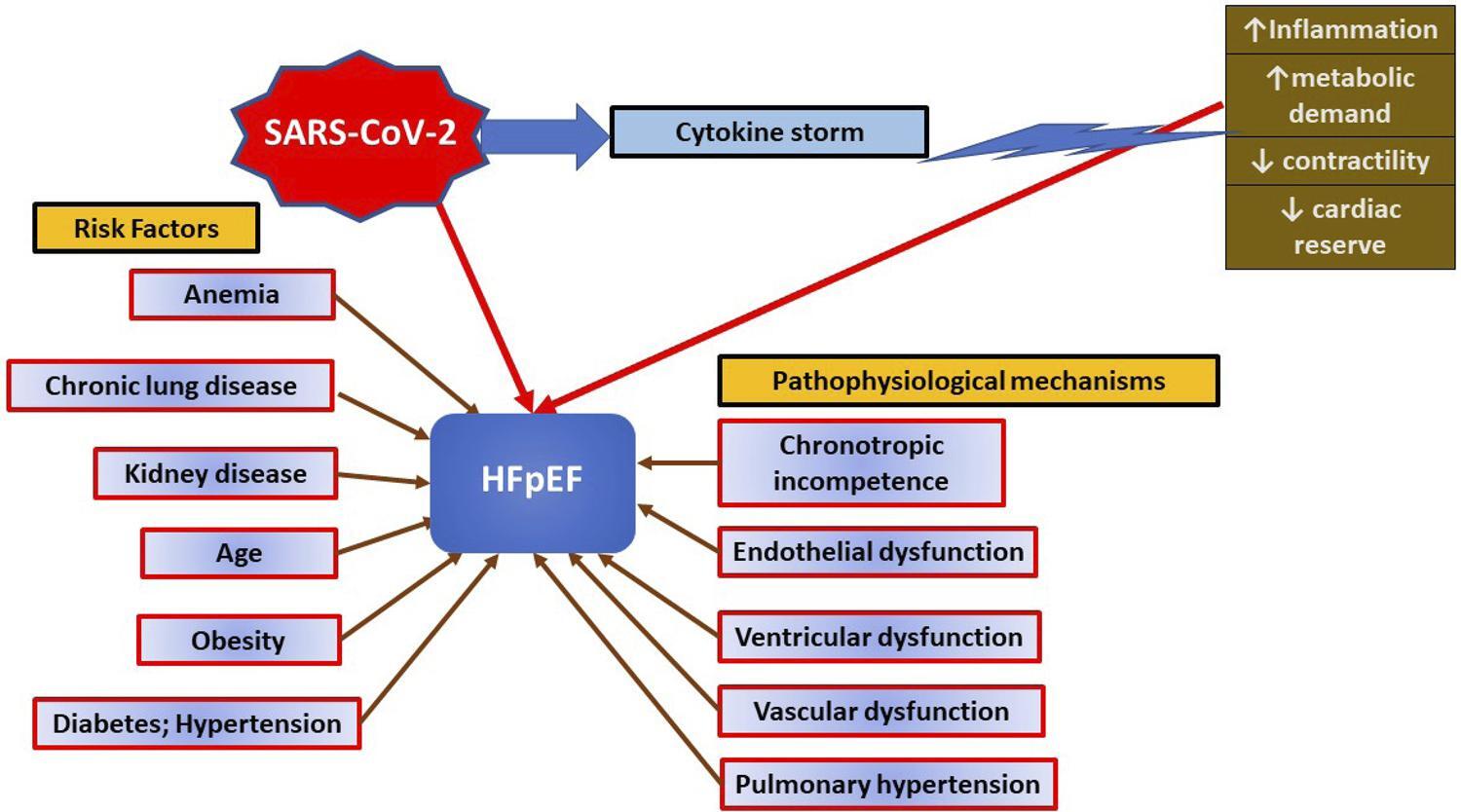
Heart Failure with Preserved Ejection Fraction and COVID-19: a Pernicious Relationship

Evandro Tinoco Mesquita et al. Antonio Jose Lagoeiro Jorge Humberto Villacorta Luiz Claudio Danzmann Wolney de Andrade Martins

Introduction

The ongoing pandemic of Severe Acute Respiratory Virus-2 (SARS-CoV2) infection was first recognized in China in 2019 and brought significant health and economic threats around the world. On January 31, 2020, the World Health Organization (WHO) declared the disease caused by SARS-CoV2 an international public health emergency and on March 11, 2020, the WHO declared it a pandemic. , Three months after the initial WHO declaration, there are more than 5 million confirmed cases worldwide and 300,000 deaths. In Brazil, in the same time interval, there were more than 850,000 cases and 43,000 deaths, with an upward trend.

The epidemiological and clinical severity of the pandemic by COVID-19 was initially supported by 4 alarming elements: (a) respiratory transmission with a high infectivity rate; (b) high lethality in specific subgroups; (c) high demand for intensive care and mechanical ventilation; and (d) no effective vaccine or specific treatment. Given the magnitude of the problem and the scarcity of resources, there was a recommendation for hospitalizing critically ill patients and providing them with supportive treatment and, above all, mitigation via social isolation aimed at flattening out the epidemic curve. –

[…]

  • Cardiovascular Diseases/complications
  • Coronavirus
  • COVID-19
  • Heart Failure/complications
  • Mortality
  • Pandemics
  • Pneumonia
  • Stroke Volume
Read Full Article
Creative Commons Attribution (CC BY) Creative Commons license
31/07/2020 DOI: 10.36660/ijcs.202000164
ABC
Editorial

Impact of Transcatheter Aortic Valve Implantation on Kidney Function: the “Renovalvular” Interaction in Aortic Stenosis

Antonio de Santis

The advent of renal congestion in heart failure was first described by Frédéric Justin Collet (1870-1966), a French pathologist who found the notion of passive renal congestion related to heart dysfunction, creating the revealing term “rein cardiaque” in the early 1900s. The term cardiorenal syndrome emerged from a 2004 National Heart, Lung, and Blood Institute Working GrouP conference evaluating the complex interactions between the heart and kidney. The main pathophysiological mechanisms related to this condition are increased central venous and intra-abdominal pressures; reduced cardiac output and cardiac index; neurohormonal dysregulation; oxidative stress and inflammatory mediators. Degenerative aortic stenosis (AS) represents one of the most prevalent valvular heart diseases and an important cause of heart failure, with a strong correlation with aging process. The combination of atherosclerosis, biomineralization and oxidative stress leads to calcium deposition within the valve leaflets. The “renovalvular” interaction in AS may represent a two-way path, from a pathophysiological perspective. In one way, AS may impair kidney function by arterial hypoperfusion and systemic venous congestion. On the other way, chronic kidney disease (CKD) is also an important risk factor for AS, due to the massive and aggressive calcification of the leaflets, mainly imposed by imbalances in the calcium and phosphorus homeostasis.

For patients with AS undergoing conventional surgical aortic valve replacement (AVR), there is an increase in complication rates such as major bleeding and reoperation when comparing patients with moderately reduced kidney function (estimated glomerular filtration rate [eGFR] between 30-60 ml/min/1.73 m) versus those without kidney disease. Mortality after surgical AVR also increases with worsening GFR.

[…]

  • Aortic Valve Stenosis/complications
  • Heart Failure/complications
  • Renal Insufficiency/ complications
  • Risk Assessment
  • Transcatheter Aortic Valve Replacement/trends
Read Full Article
Creative Commons Attribution (CC BY) Creative Commons license
02/12/2019 DOI: 10.36660/abc.20190753 Views 1
Figura 1
ABC
Review Article

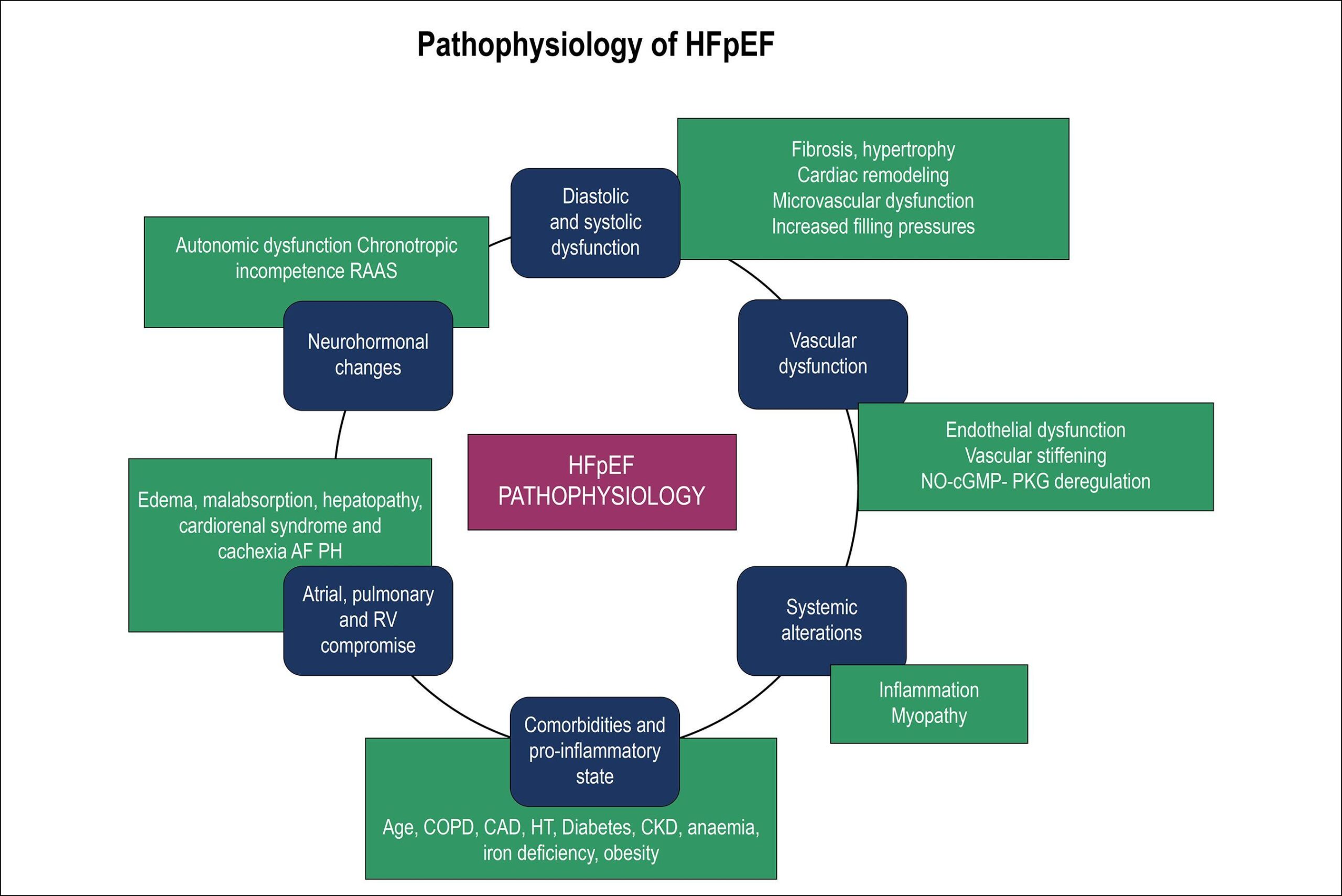
Pathophysiology and Treatment of Heart Failure with Preserved Ejection Fraction: State of the Art and Prospects for the Future

Sara Lopes Fernandes et al. Rita Ribeiro Carvalho Luís Graça Santos Fernando Montenegro Sá … Catarina Ruivo Sofia Lázaro Mendes Hélia Martins João Araujo Morais

Introduction

Heart failure (HF) is extremely prevalent and has a considerable impact on mortality and quality of life. It affects nearly 1-3% of the adult population in developed countries, exponentially increasing with age and affecting more than 10% of the population over 70 years. Given the increase in the average life expectancy, better diagnostic methods and increased comorbidities, a greater prevalence of heart failure is expected.

It is a clinical syndrome characterized by classic symptoms (such as fatigue, dyspnea) that may be accompanied by clinical signs (elevated jugular pressure, pulmonary crackles and peripheral edema). It is caused by structural and/or functional cardiac abnormalities, resulting in reduced cardiac output and/or elevated intracardiac pressures at rest or during stress.

[…]

  • Heart Failure / diagnosis
  • Heart Failure/complications
  • Heart Failure/drug therapy
  • Heart Failure/physiopathology
  • Systolic Volume
Read Full Article
Creative Commons Attribution (CC BY) Creative Commons license
14/11/2019 DOI: 10.36660/abc.20190111
ABC
Editorial

Evaluating Sodium Restriction in Heart Failure

Pedro Pimenta de Mello Spineti

Although salt and water retention plays a crucial role in heart failure (HF) pathophysiology, controversy still exists about dietary salt restriction in the treatment of HF patients. Small clinical studies have suggested that excessive sodium restriction (< 5 g of salt per day), as compared with normal-sodium diet (approximately 7 g of salt per day), may be associated with deleterious effects in patients with chronic HF, including increased neurohormonal activation, and higher hospitalization and mortality rates.,

A recent meta-analysis of nine studies involving 479 HF patients undergoing dietary sodium restriction was inconclusive for the recommendation of this strategy in hospitalized patients. None of the studies analyzed in the meta-analysis included hard endpoints such as all-cause death or cardiovascular mortality. However, a modest tendency for improvement of functional class was observed in outpatients undergoing sodium restriction intake. The author reinforces the need for randomized, prospective studies including large sample sizes, evaluating the effect of different regimens of sodium intake on relevant outcomes to build evidence base for detailed recommendations.

[…]

  • Diet Therapy
  • Diet-Sodium- Restricted/methods
  • Heart Failure/complications
  • Patient Compliance
  • Survey and Questionnaires
  • Treatment Adherence and Compliance
Read Full Article
Creative Commons Attribution (CC BY) Creative Commons license
01/02/2019 DOI: 10.5935/abc.20190017
ABC
Editorial

Can We Consider PR Interval to Screen Patients for Cardiac Resynchronization Therapy?

Martino Martinelli Filho

The search for response markers to Cardiac Resynchronization Therapy (CRT) remains intensive. Currently, the main criteria for CRT indication are the QRS morphology and the absence of myocardial fibrosis.

The electrocardiogram remains an important tool for selecting CRT candidates, and new parameters, such as the PR interval, are interesting to discriminate the prognosis in this population. On this issue, we have a meta-analysis study concluding that the presence of prolonged PR interval is a marker of poor prognosis at baseline.

[…]

  • Cardiac Resynchronization Therapy
  • Electrocardiology/methods
  • Heart Failure/complications
  • Review
Read Full Article
Creative Commons Attribution (CC BY) Creative Commons license
01/11/2018 DOI: 10.5935/abc.20180224 Views 1
Figure 1
ABC
Original Article

Baseline Prolonged PR Interval and Outcome of Cardiac Resynchronization Therapy: A Systematic Review and Meta-analysis

Pattara Rattanawong et al. Narut Prasitlumkum Tanawan Riangwiwat Napatt Kanjanahattakij … Wasawat Vutthikraivit Pakawat Chongsathidkiet Ross J Simpson

Abstract

Background:

Recent studies suggest that baseline prolonged PR interval is associated with worse outcome in cardiac resynchronization therapy (CRT). However, a systematic review and meta-analysis of the literature have not been made.

Objective:

To assess the association between baseline prolonged PR interval and adverse outcomes of CRT by a systematic review of the literature and a meta-analysis.

Methods:

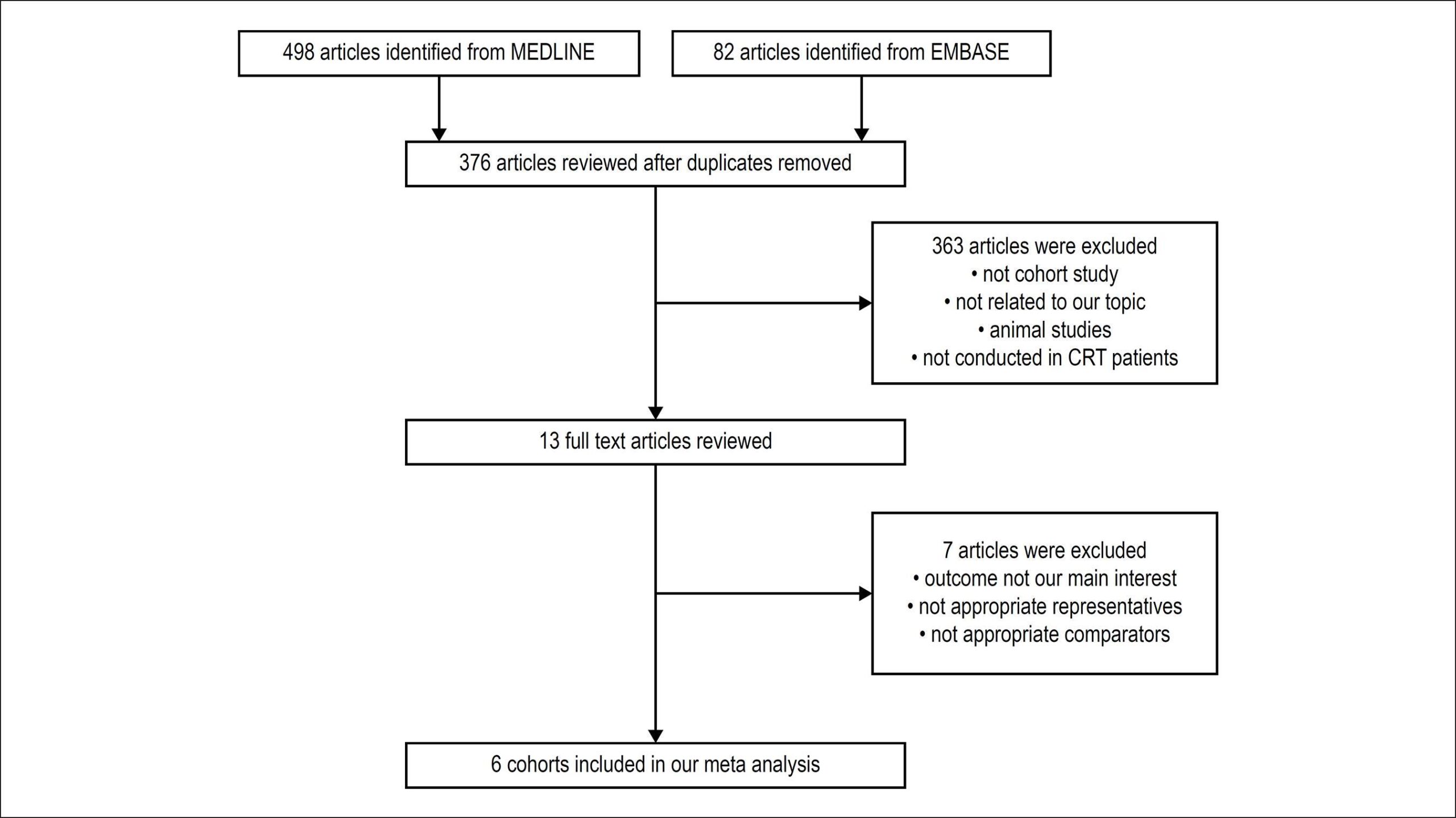
We comprehensively searched the databases of MEDLINE and EMBASE from inception to March 2017. The included studies were published prospective or retrospective cohort studies that compared all-cause mortality, HF hospitalization, and composite outcome of CRT with baseline prolonged PR (> 200 msec) versus normal PR interval. Data from each study were combined using the random-effects, generic inverse variance method of DerSimonian and Laird to calculate the risk ratios and 95% confidence intervals.

Results:

Six studies from January 1991 to May 2017 were included in this meta-analysis. All-cause mortality rate is available in four studies involving 17,432 normal PR and 4,278 prolonged PR. Heart failure hospitalization is available in two studies involving 16,152 normal PR and 3,031 prolonged PR. Composite outcome is available in four studies involving 17,001 normal PR and 3,866 prolonged PR. Prolonged PR interval was associated with increased risk of all-cause mortality (pooled risk ratio = 1.34, 95 % confidence interval: 1.08-1.67, p < 0.01, I2= 57.0%), heart failure hospitalization (pooled risk ratio = 1.30, 95 % confidence interval: 1.16-1.45, p < 0.01, I2= 6.6%) and composite outcome (pooled risk ratio = 1.21, 95% confidence interval: 1.13-1.30, p < 0.01, I2= 0%).

Conclusions:

Our systematic review and meta-analysis support the hypothesis that baseline prolonged PR interval is a predictor of all-cause mortality, heart failure hospitalization, and composite outcome in CRT patients.
  • Cardiac Resynchronization/methods
  • Heart Conduction System/physiopathology
  • Heart Failure/complications
  • Meta-Analysis
  • Review
  • Ventricular Dysfunction/complications
Read Full Article
Creative Commons Attribution (CC BY) Creative Commons license
11/10/2018 DOI: 10.5935/abc.20180198 Views 1
ABC
Original Article

Infection in Patients with Decompensated Heart Failure: In-Hospital Mortality and Outcome

Juliano Novaes Cardoso et al. Carlos Henrique Del Carlo Mucio Tavares de Oliveira Junior Marcelo Eidi Ochiai … Roberto Kalil Filho Antônio Carlos Pereira Barretto

Abstract

Background:

Heart failure (HF) is a syndrome, whose advanced forms have a poor prognosis, which is aggravated by the presence of comorbidities.

Objective:

We assessed the impact of infection in patients with decompensated HF admitted to a tertiary university-affiliated hospital in the city of São Paulo.

Methods:

This study assessed 260 patients consecutively admitted to our unit because of decompensated HF. The presence of infection and other morbidities was assessed, as were in-hospital mortality and outcome after discharge. The chance of death was estimated by univariate logistic regression analysis of the variables studied. The significance level adopted was P < 0.05.

Results:

Of the patients studied, 54.2% were of the male sex, and the mean age ± SD was 66.1 ± 12.7 years. During hospitalization, 119 patients (45.8%) had infection: 88 (33.8%) being diagnosed with pulmonary infection and 39 patients (15.0%), with urinary infection. During hospitalization, 56 patients (21.5%) died, and, after discharge, 36 patients (17.6%). During hospitalization, 26.9% of the patients with infection died vs 17% of those without infection (p = 0.05). However, after discharge, mortality was lower in the group that had infection: 11.5% vs 22.2% (p = 0.046).

Conclusions:

Infection is a frequent morbidity among patients with HF admitted for compensation of the condition, and those with infection show higher in-hospital mortality. However, those patients who initially had infection and survived had a better outcome after discharge.

  • Comorbidity
  • Heart Failure/complications
  • Hospitalization
  • Lung Diseases / complications
  • Mortality
  • Urinary Tract / physiopathology
Read Full Article
Creative Commons Attribution (CC BY) Creative Commons license
12/03/2018 DOI: 10.5935/abc.20180037
Figure 1
ABC
Artigo Original

Acute Heart Failure Registry: Risk Assessment Model in Decompensated Heart Failure

Anne Delgado et al. Bruno Rodrigues Sara Nunes Rui Baptista … Bruno Marmelo Davide Moreira Pedro Gama Luís Nunes Oliveira Santos Costa Cabral

Abstract

Background:

Heart failure (HF) is a highly prevalent syndrome. Although the long-term prognostic factors have been identified in chronic HF, this information is scarcer with respect to patients with acute HF. despite available data in the literature on long-term prognostic factors in chronic HF, data on acute HF patients are more scarce.

Objectives:

To develop a predictor of unfavorable prognostic events in patients hospitalized for acute HF syndromes, and to characterize a group at higher risk regarding their clinical characteristics, treatment and outcomes.

Methods:

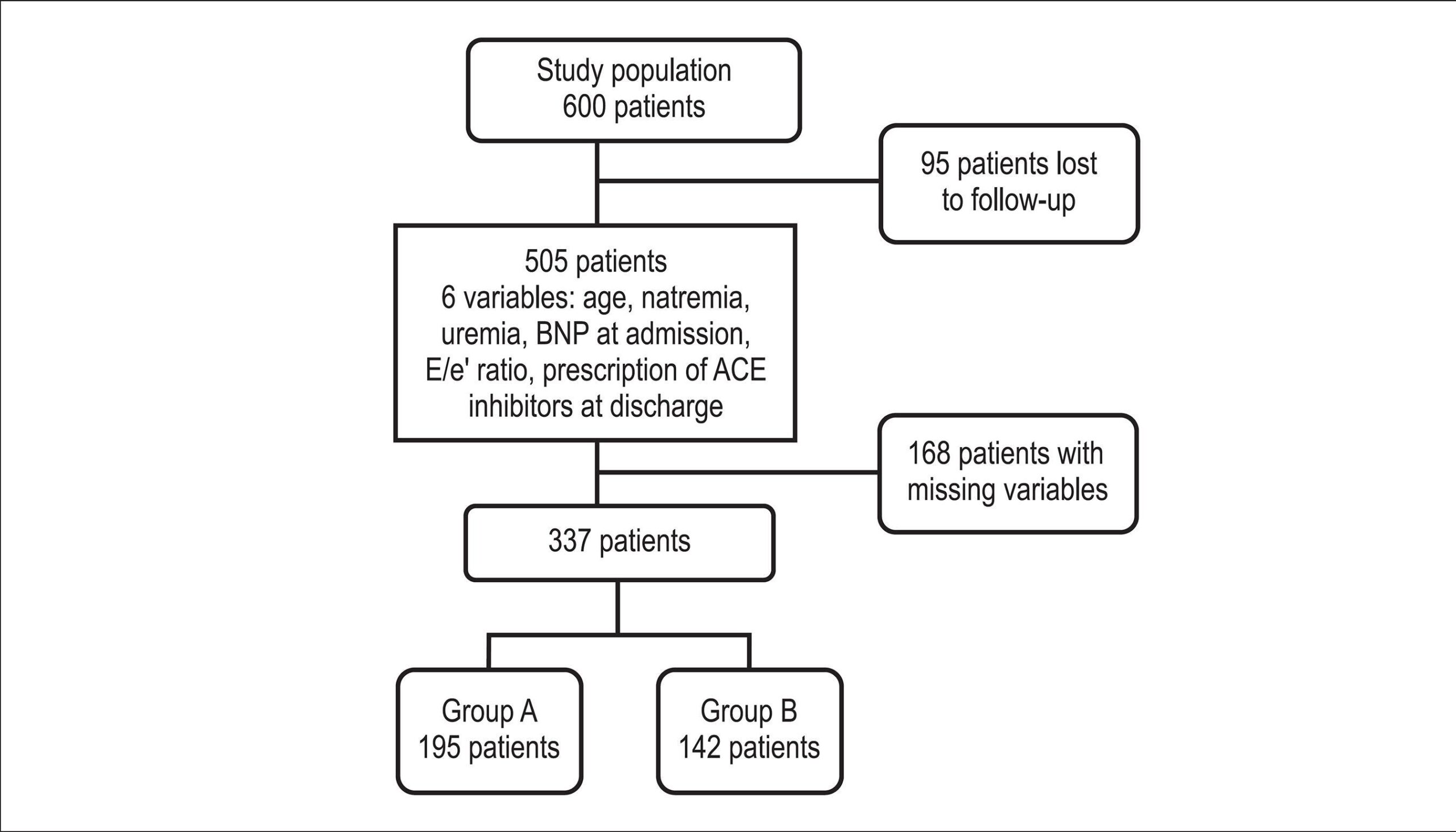
cohort study of 600 patients admitted for acute HF, defined according to the European Society of Cardiology criteria. Primary endpoint for score derivation was defined as all-cause mortality and / or rehospitalization for HF at 12 months. For score validation, the following endpoints were used: all-cause mortality and / or readmission for HF at 6, 12 and 24 months. The exclusion criteria were: high output HF; patients with acute myocardial infraction, acute myocarditis, infectious endocarditis, pulmonary infection, pulmonary artery hypertension and severe mitral stenosis.

Results:

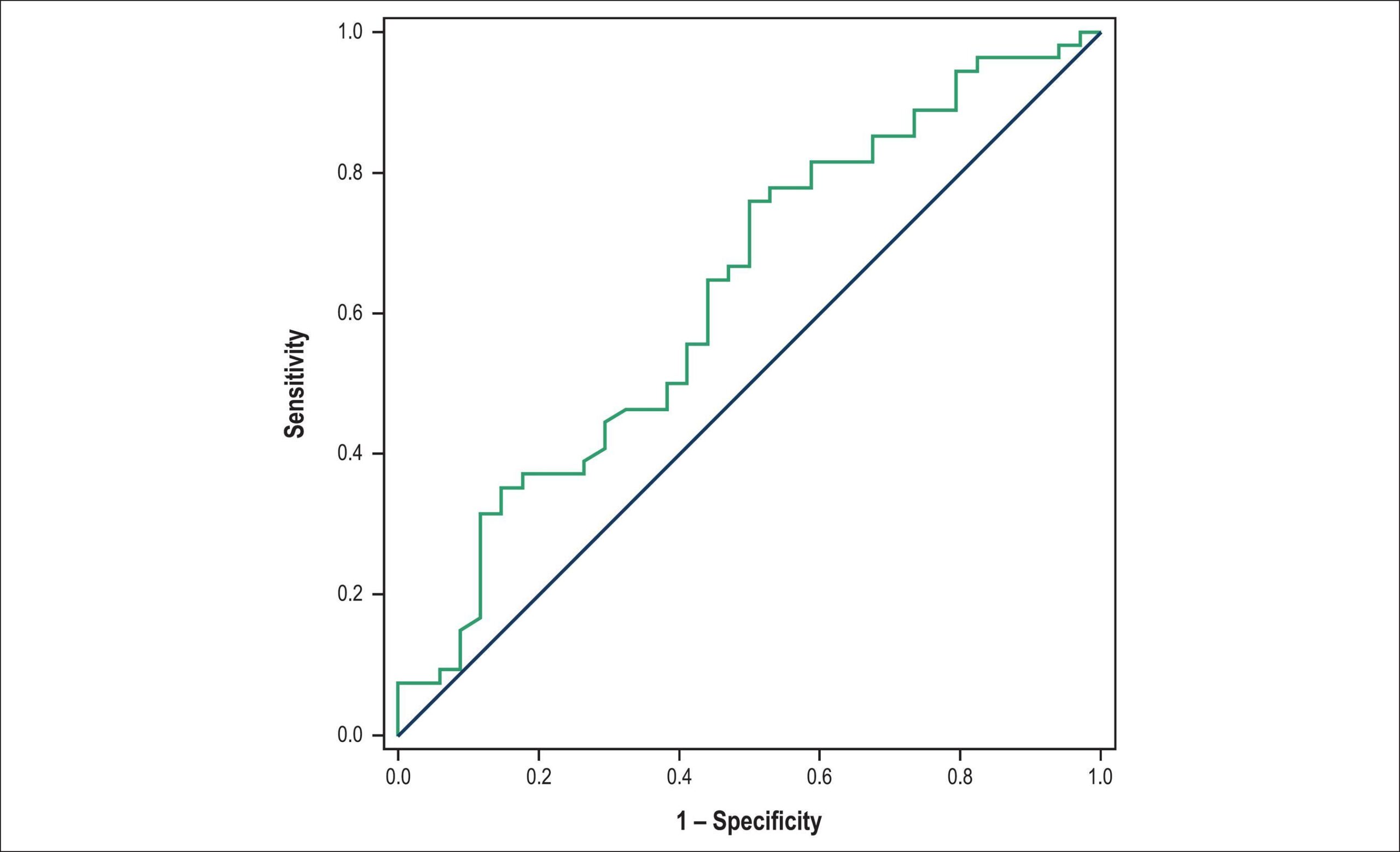
505 patients were included, and prognostic predicting factors at 12 months were identified. One or two points were assigned according to the odds ratio (OR) obtained (p < 0.05). After the total score value was determined, a 4-point cut-off was determined for each ROC curve at 12 months. Two groups were formed according to the number of points, group A < 4 points, and group B = 4 points. Group B was composed of older patients, with higher number of comorbidities and predictors of the combined endpoint at 6, 12 and 24 months, as linearly represented in the survival curves (Log rank).

Conclusions:

This risk score enabled the identification of a group with worse prognosis at 12 months.

  • Acute coronary syndrome
  • Biomarkers
  • Echocardiography,Doppler
  • Heart Failure/complications
  • Prognosis
Read Full Article
Creative Commons Attribution (CC BY) Creative Commons license
01/12/2016 DOI: 10.5935/abc.20160178 Views 1
Figure 1
ABC
Original Article

Association between Functional Variables and Heart Failure after Myocardial Infarction in Rats

Bertha F. Polegato et al. Marcos F. Minicucci Paula S. Azevedo Andréa F. Gonçalves … Aline F. Lima Paula F. Martinez Marina P. Okoshi Katashi Okoshi Sergio A. R. Paiva Leonardo A. M. Zornoff

Background:

Heart failure prediction after acute myocardial infarction may have important clinical implications.

Objective:

To analyze the functional echocardiographic variables associated with heart failure in an infarction model in rats.

Methods:

The animals were divided into two groups: control and infarction. Subsequently, the infarcted animals were divided into groups: with and without heart failure. The predictive values were assessed by logistic regression. The cutoff values predictive of heart failure were determined using ROC curves.

Results:

Six months after surgery, 88 infarcted animals and 43 control animals were included in the study. Myocardial infarction increased left cavity diameters and the mass and wall thickness of the left ventricle. Additionally, myocardial infarction resulted in systolic and diastolic dysfunction, characterized by lower area variation fraction values, posterior wall shortening velocity, E-wave deceleration time, associated with higher values of E / A ratio and isovolumic relaxation time adjusted by heart rate. Among the infarcted animals, 54 (61%) developed heart failure. Rats with heart failure have higher left cavity mass index and diameter, associated with worsening of functional variables. The area variation fraction, the E/A ratio, E-wave deceleration time and isovolumic relaxation time adjusted by heart rate were functional variables predictors of heart failure. The cutoff values of functional variables associated with heart failure were: area variation fraction 3.077; E-wave deceleration time < 42.11 and isovolumic relaxation time adjusted by heart rate < 69.08.

Conclusion:

In rats followed for 6 months after myocardial infarction, the area variation fraction, E/A ratio, E-wave deceleration time and isovolumic relaxation time adjusted by heart rate are predictors of heart failure onset.

  • Heart Failure/complications
  • Myocardial Infarction
  • Rats
  • Ventricular Dysfunction
Read Full Article
Creative Commons Attribution (CC BY) Creative Commons license
26/01/2016 DOI: 10.5935/abc.20160015 Views 1
Figure 1
ABC
Anatomopathological Session

Case 3/2014 – 81-Year-Old Patient Hospitalized for Decompensated Heart Failure

Bruna Affonso Madaloso et al. Paulo Sampaio Gutierrez

Clinical aspects

An 81-year-old man hospitalized for worsening dyspnea. The patient reported having systemic arterial hypertension for 10 years, with a history of electrical cardioversion for the treatment of cardiac arrhythmia and having been hospitalized in the past for decompensated heart failure.

During the penultimate hospitalization he had tachypnea and hypoxemia with the swelling of the right calf. Chest X-ray revealed opacification of the right lung base. On the basis of this data, the most probable diagnosis was pulmonary thromboembolism.

[…]

  • Amyloidosis / diagnosis
  • Heart Failure/complications
  • Multiple Myeloma
  • Pulmonary embolism
Read Full Article
Creative Commons Attribution (CC BY) Creative Commons license
01/07/2014 DOI: 10.5935/abc.20140102

How to cite this article

EndNote RIS

Electronic Document Format (Vancouver)

Medeiros P, Coelho AR, Magalhães J, Salomé N, Pereira V. A Rare Subtype of a Rare Tumor. Arquivos Brasileiros de Cardiologia 2023;120(2):e20220486.

Electronic Document Format (ABNT)

Medeiros, Paulo; Coelho, Ana Rita; Magalhães, João; Salomé, Nuno; Pereira, Vítor. A Rare Subtype of a Rare Tumor. Arquivos Brasileiros de Cardiologia, v. 120, n. 2, e20220486, Feb. 2023.

Electronic Document Format (APA)

Medeiros, P., Coelho, A. R., Magalhães, J., Salomé, N., & Pereira, V. (2023). A Rare Subtype of a Rare Tumor. Arquivos Brasileiros de Cardiologia, 120(2), e20220486.

Electronic Document Format (ISO)

Medeiros, Paulo and Coelho, Ana Rita and Magalhães, João and Salomé, Nuno and Pereira, Vítor. A Rare Subtype of a Rare Tumor. Arquivos Brasileiros de Cardiologia [online]. 2023, vol. 120, n. 2, [cited 2026-10-14], e20220486. Available from: <https://journals.cardiol.br/en/article/a-rare-subtype-of-a-rare-tumor/>. ISSN 0066-782X

EndNote RIS

Electronic Document Format (Vancouver)

Rassi S, Rassi DC, Freitas Júnior AF. The Importance of Assessing Malnutrition and Cachexia in Chagas Cardiomyopathy. Arquivos Brasileiros de Cardiologia 2022;118(1):12-3.

Electronic Document Format (ABNT)

Rassi, Salvador; Rassi, Daniela do Carmo; Freitas Júnior, Aguinaldo Figueiredo. The Importance of Assessing Malnutrition and Cachexia in Chagas Cardiomyopathy. Arquivos Brasileiros de Cardiologia, v. 118, n. 1, p. 12-13, Feb. 2022.

Electronic Document Format (APA)

Rassi, S., Rassi, D. C., & Freitas Júnior, A. F. (2022). The Importance of Assessing Malnutrition and Cachexia in Chagas Cardiomyopathy. Arquivos Brasileiros de Cardiologia, 118(1), 12-13.

Electronic Document Format (ISO)

Rassi, Salvador and Rassi, Daniela do Carmo and Freitas Júnior, Aguinaldo Figueiredo. The Importance of Assessing Malnutrition and Cachexia in Chagas Cardiomyopathy. Arquivos Brasileiros de Cardiologia [online]. 2022, vol. 118, n. 1, [cited 2026-10-14], pp. 12-13. Available from: <https://journals.cardiol.br/en/article/the-importance-of-assessing-malnutrition-and-cachexia-in-chagas-cardiomyopathy/>. ISSN 0066-782X

EndNote RIS

Electronic Document Format (Vancouver)

Barbosa-Ferreira JM, Mady C, Fernandes F. Diagnostic and Prognostic Importance of Functional Capacity in the Different Evolutionary Forms of Chagas Disease. Arquivos Brasileiros de Cardiologia 2021;117(5):942-3.

Electronic Document Format (ABNT)

Barbosa-Ferreira, João Marcos; Mady, Charles; Fernandes, Fábio. Diagnostic and Prognostic Importance of Functional Capacity in the Different Evolutionary Forms of Chagas Disease. Arquivos Brasileiros de Cardiologia, v. 117, n. 5, p. 942-943, Nov. 2021.

Electronic Document Format (APA)

Barbosa-Ferreira, J. M., Mady, C., & Fernandes, F. (2021). Diagnostic and Prognostic Importance of Functional Capacity in the Different Evolutionary Forms of Chagas Disease. Arquivos Brasileiros de Cardiologia, 117(5), 942-943.

Electronic Document Format (ISO)

Barbosa-Ferreira, João Marcos and Mady, Charles and Fernandes, Fábio. Diagnostic and Prognostic Importance of Functional Capacity in the Different Evolutionary Forms of Chagas Disease. Arquivos Brasileiros de Cardiologia [online]. 2021, vol. 117, n. 5, [cited 2026-10-14], pp. 942-943. Available from: <https://journals.cardiol.br/en/article/diagnostic-and-prognostic-importance-of-functional-capacity-in-the-different-evolutionary-forms-of-chagas-disease/>. ISSN 0066-782X

EndNote RIS

Electronic Document Format (Vancouver)

Mansur AJ, Issa VS. Assessment of Renal Function in Patients with Heart Failure. Arquivos Brasileiros de Cardiologia 2021;117(2):392-3.

Electronic Document Format (ABNT)

Mansur, Alfredo Jose; Issa, Victor Sarli. Assessment of Renal Function in Patients with Heart Failure. Arquivos Brasileiros de Cardiologia, v. 117, n. 2, p. 392-393, Sep. 2021.

Electronic Document Format (APA)

Mansur, A. J., & Issa, V. S. (2021). Assessment of Renal Function in Patients with Heart Failure. Arquivos Brasileiros de Cardiologia, 117(2), 392-393.

Electronic Document Format (ISO)

Mansur, Alfredo Jose and Issa, Victor Sarli. Assessment of Renal Function in Patients with Heart Failure. Arquivos Brasileiros de Cardiologia [online]. 2021, vol. 117, n. 2, [cited 2026-10-14], pp. 392-393. Available from: <https://journals.cardiol.br/en/article/assessment-of-renal-function-in-patients-with-heart-failure/>. ISSN 0066-782X

EndNote RIS

Electronic Document Format (Vancouver)

Silva WT, Costa HS, Figueiredo PHS, Lima MMO, Lima VP, Costa FSM, Ávila MR, et al. Determinants of Functional Capacity in Patients with Chagas Disease. Arquivos Brasileiros de Cardiologia 2021;117(5):934-41.

Electronic Document Format (ABNT)

Silva, Whesley Tanor; Costa, Henrique Silveira; Figueiredo, Pedro Henrique Scheidt; Lima, Márcia Maria Oliveira; Lima, Vanessa Pereira; Costa, Fábio Silva Martins da; Ávila, Matheus Ribeiro; Mendonça, Vanessa Amaral; Lacerda, Ana Cristina Rodrigues; Nunes, Maria Carmo Pereira; Rocha, Manoel Otávio Costa. Determinants of Functional Capacity in Patients with Chagas Disease. Arquivos Brasileiros de Cardiologia, v. 117, n. 5, p. 934-941, Aug. 2021.

Electronic Document Format (APA)

Silva, W. T., Costa, H. S., Figueiredo, P. H. S., Lima, M. M. O., Lima, V. P., Costa, F. S. M. , Ávila, M. R., Mendonça, V. A., Lacerda, A. C. R., Nunes, M. C. P., & Rocha, M. O. C. (2021). Determinants of Functional Capacity in Patients with Chagas Disease. Arquivos Brasileiros de Cardiologia, 117(5), 934-941.

Electronic Document Format (ISO)

Silva, Whesley Tanor and Costa, Henrique Silveira and Figueiredo, Pedro Henrique Scheidt and Lima, Márcia Maria Oliveira and Lima, Vanessa Pereira and Costa, Fábio Silva Martins da and Ávila, Matheus Ribeiro and Mendonça, Vanessa Amaral and Lacerda, Ana Cristina Rodrigues and Nunes, Maria Carmo Pereira and Rocha, Manoel Otávio Costa. Determinants of Functional Capacity in Patients with Chagas Disease. Arquivos Brasileiros de Cardiologia [online]. 2021, vol. 117, n. 5, [cited 2026-10-14], pp. 934-941. Available from: <https://journals.cardiol.br/en/article/determinants-of-functional-capacity-in-patients-with-chagas-disease/>. ISSN 0066-782X

EndNote RIS

Electronic Document Format (Vancouver)

Calazans RM, Sepulvida MBC, Quadrado EB, Miranda RD. Use of Diuretic Therapy in Patients with Decompensated Heart Failure and Acute Kidney Injury. What to do in this Dilemma?. Arquivos Brasileiros de Cardiologia 2021;116(4):725-6.

Electronic Document Format (ABNT)

Calazans, Rafael Marques; Sepulvida, Mariana Bellaguarda de Castro; Quadrado, Egli Belinazzi; Miranda, Roberto Dischinger. Use of Diuretic Therapy in Patients with Decompensated Heart Failure and Acute Kidney Injury. What to do in this Dilemma?. Arquivos Brasileiros de Cardiologia, v. 116, n. 4, p. 725-726, Apr. 2021.

Electronic Document Format (APA)

Calazans, R. M., Sepulvida, M. B. C., Quadrado, E. B., & Miranda, R. D. (2021). Use of Diuretic Therapy in Patients with Decompensated Heart Failure and Acute Kidney Injury. What to do in this Dilemma?. Arquivos Brasileiros de Cardiologia, 116(4), 725-726.

Electronic Document Format (ISO)

Calazans, Rafael Marques and Sepulvida, Mariana Bellaguarda de Castro and Quadrado, Egli Belinazzi and Miranda, Roberto Dischinger. Use of Diuretic Therapy in Patients with Decompensated Heart Failure and Acute Kidney Injury. What to do in this Dilemma?. Arquivos Brasileiros de Cardiologia [online]. 2021, vol. 116, n. 4, [cited 2026-10-14], pp. 725-726. Available from: <https://journals.cardiol.br/en/article/use-of-diuretic-therapy-in-patients-with-decompensated-heart-failure-and-acute-kidney-injury-what-to-do-in-this-dilemma/>. ISSN 0066-782X

EndNote RIS

Electronic Document Format (Vancouver)

Mesquita ET, Jorge AJL, Villacorta H, Danzmann LC, Martins WA. Heart Failure with Preserved Ejection Fraction and COVID-19: a Pernicious Relationship. International Journal of Cardiovascular Sciences 2020;33(4):412-8.

Electronic Document Format (ABNT)

Mesquita, Evandro Tinoco; Jorge, Antonio Jose Lagoeiro; Villacorta, Humberto; Danzmann, Luiz Claudio; Martins, Wolney de Andrade. Heart Failure with Preserved Ejection Fraction and COVID-19: a Pernicious Relationship. International Journal of Cardiovascular Sciences, v. 33, n. 4, p. 412-418, Jul. 2020.

Electronic Document Format (APA)

Mesquita, E. T., Jorge, A. J. L., Villacorta, H., Danzmann, L. C., & Martins, W. A. (2020). Heart Failure with Preserved Ejection Fraction and COVID-19: a Pernicious Relationship. International Journal of Cardiovascular Sciences, 33(4), 412-418.

Electronic Document Format (ISO)

Mesquita, Evandro Tinoco and Jorge, Antonio Jose Lagoeiro and Villacorta, Humberto and Danzmann, Luiz Claudio and Martins, Wolney de Andrade. Heart Failure with Preserved Ejection Fraction and COVID-19: a Pernicious Relationship. International Journal of Cardiovascular Sciences [online]. 2020, vol. 33, n. 4, [cited 2026-10-14], pp. 412-418. Available from: <https://journals.cardiol.br/en/article/heart-failure-with-preserved-ejection-fraction-and-covid-19-a-pernicious-relationship/>. ISSN 2359-4802

EndNote RIS

Electronic Document Format (Vancouver)

Santis A. Impact of Transcatheter Aortic Valve Implantation on Kidney Function: the “Renovalvular” Interaction in Aortic Stenosis. Arquivos Brasileiros de Cardiologia 2019;113(6):1112-3.

Electronic Document Format (ABNT)

Santis, Antonio de. Impact of Transcatheter Aortic Valve Implantation on Kidney Function: the “Renovalvular” Interaction in Aortic Stenosis. Arquivos Brasileiros de Cardiologia, v. 113, n. 6, p. 1112-1113, Dec. 2019.

Electronic Document Format (APA)

Santis, A. (2019). Impact of Transcatheter Aortic Valve Implantation on Kidney Function: the “Renovalvular” Interaction in Aortic Stenosis. Arquivos Brasileiros de Cardiologia, 113(6), 1112-1113.

Electronic Document Format (ISO)

Santis, Antonio de. Impact of Transcatheter Aortic Valve Implantation on Kidney Function: the “Renovalvular” Interaction in Aortic Stenosis. Arquivos Brasileiros de Cardiologia [online]. 2019, vol. 113, n. 6, [cited 2026-10-14], pp. 1112-1113. Available from: <https://journals.cardiol.br/en/article/impact-of-transcatheter-aortic-valve-implantation-on-kidney-function-the-renovalvular-interaction-in-aortic-stenosis/>. ISSN 0066-782X

EndNote RIS

Electronic Document Format (Vancouver)

Fernandes SL, Carvalho RR, Santos LG, Sá FM, Ruivo C, Mendes SL, Martins H, et al. Pathophysiology and Treatment of Heart Failure with Preserved Ejection Fraction: State of the Art and Prospects for the Future. Arquivos Brasileiros de Cardiologia 2019;114(1):120-9.

Electronic Document Format (ABNT)

Fernandes, Sara Lopes; Carvalho, Rita Ribeiro; Santos, Luís Graça; Sá, Fernando Montenegro; Ruivo, Catarina; Mendes, Sofia Lázaro; Martins, Hélia; Morais, João Araujo. Pathophysiology and Treatment of Heart Failure with Preserved Ejection Fraction: State of the Art and Prospects for the Future. Arquivos Brasileiros de Cardiologia, v. 114, n. 1, p. 120-129, Nov. 2019.

Electronic Document Format (APA)

Fernandes, S. L., Carvalho, R. R., Santos, L. G., Sá, F. M., Ruivo, C., Mendes, S. L., Martins, H., & Morais, J. A. (2019). Pathophysiology and Treatment of Heart Failure with Preserved Ejection Fraction: State of the Art and Prospects for the Future. Arquivos Brasileiros de Cardiologia, 114(1), 120-129.

Electronic Document Format (ISO)

Fernandes, Sara Lopes and Carvalho, Rita Ribeiro and Santos, Luís Graça and Sá, Fernando Montenegro and Ruivo, Catarina and Mendes, Sofia Lázaro and Martins, Hélia and Morais, João Araujo. Pathophysiology and Treatment of Heart Failure with Preserved Ejection Fraction: State of the Art and Prospects for the Future. Arquivos Brasileiros de Cardiologia [online]. 2019, vol. 114, n. 1, [cited 2026-10-14], pp. 120-129. Available from: <https://journals.cardiol.br/en/article/pathophysiology-and-treatment-of-heart-failure-with-preserved-ejection-fraction-state-of-the-art-and-prospects-for-the-future/>. ISSN 0066-782X

EndNote RIS

Electronic Document Format (Vancouver)

Spineti PPM. Evaluating Sodium Restriction in Heart Failure. Arquivos Brasileiros de Cardiologia 2019;112(2):171-2.

Electronic Document Format (ABNT)

Spineti, Pedro Pimenta de Mello. Evaluating Sodium Restriction in Heart Failure. Arquivos Brasileiros de Cardiologia, v. 112, n. 2, p. 171-172, Jan. 2019.

Electronic Document Format (APA)

Spineti, P. P. M. (2019). Evaluating Sodium Restriction in Heart Failure. Arquivos Brasileiros de Cardiologia, 112(2), 171-172.

Electronic Document Format (ISO)

Spineti, Pedro Pimenta de Mello. Evaluating Sodium Restriction in Heart Failure. Arquivos Brasileiros de Cardiologia [online]. 2019, vol. 112, n. 2, [cited 2026-10-14], pp. 171-172. Available from: <https://journals.cardiol.br/en/article/evaluating-sodium-restriction-in-heart-failure/>. ISSN 0066-782X

EndNote RIS

Electronic Document Format (Vancouver)

Martinelli Filho M. Can We Consider PR Interval to Screen Patients for Cardiac Resynchronization Therapy?. Arquivos Brasileiros de Cardiologia 2018;111(5):720.

Electronic Document Format (ABNT)

Martinelli Filho, Martino. Can We Consider PR Interval to Screen Patients for Cardiac Resynchronization Therapy?. Arquivos Brasileiros de Cardiologia, v. 111, n. 5, p. 720-720, Oct. 2018.

Electronic Document Format (APA)

Martinelli Filho, M. (2018). Can We Consider PR Interval to Screen Patients for Cardiac Resynchronization Therapy?. Arquivos Brasileiros de Cardiologia, 111(5), 720-720.

Electronic Document Format (ISO)

Martinelli Filho, Martino. Can We Consider PR Interval to Screen Patients for Cardiac Resynchronization Therapy?. Arquivos Brasileiros de Cardiologia [online]. 2018, vol. 111, n. 5, [cited 2026-10-14], pp. 720-720. Available from: <https://journals.cardiol.br/en/article/can-we-consider-pr-interval-to-screen-patients-for-cardiac-resynchronization-therapy/>. ISSN 0066-782X

EndNote RIS

Electronic Document Format (Vancouver)

Rattanawong P, Prasitlumkum N, Riangwiwat T, Kanjanahattakij N, Vutthikraivit W, Chongsathidkiet P, Simpson RJ, et al. Baseline Prolonged PR Interval and Outcome of Cardiac Resynchronization Therapy: A Systematic Review and Meta-analysis. Arquivos Brasileiros de Cardiologia 2018;111(5):710-9.

Electronic Document Format (ABNT)

Rattanawong, Pattara; Prasitlumkum, Narut; Riangwiwat, Tanawan; Kanjanahattakij, Napatt; Vutthikraivit, Wasawat; Chongsathidkiet, Pakawat; Simpson, Ross J. Baseline Prolonged PR Interval and Outcome of Cardiac Resynchronization Therapy: A Systematic Review and Meta-analysis. Arquivos Brasileiros de Cardiologia, v. 111, n. 5, p. 710-719, Oct. 2018.

Electronic Document Format (APA)

Rattanawong, P., Prasitlumkum, N., Riangwiwat, T., Kanjanahattakij, N., Vutthikraivit, W., Chongsathidkiet, P., & Simpson, R. J. (2018). Baseline Prolonged PR Interval and Outcome of Cardiac Resynchronization Therapy: A Systematic Review and Meta-analysis. Arquivos Brasileiros de Cardiologia, 111(5), 710-719.

Electronic Document Format (ISO)

Rattanawong, Pattara and Prasitlumkum, Narut and Riangwiwat, Tanawan and Kanjanahattakij, Napatt and Vutthikraivit, Wasawat and Chongsathidkiet, Pakawat and Simpson, Ross J. Baseline Prolonged PR Interval and Outcome of Cardiac Resynchronization Therapy: A Systematic Review and Meta-analysis. Arquivos Brasileiros de Cardiologia [online]. 2018, vol. 111, n. 5, [cited 2026-10-14], pp. 710-719. Available from: <https://journals.cardiol.br/en/article/baseline-prolonged-pr-interval-and-outcome-of-cardiac-resynchronization-therapy-a-systematic-review-and-meta-analysis/>. ISSN 0066-782X

EndNote RIS

Electronic Document Format (Vancouver)

Cardoso JN, Carlo HD, Oliveira Junior MT, Ochiai ME, Kalil Filho R, Barretto ACP. Infection in Patients with Decompensated Heart Failure: In-Hospital Mortality and Outcome. Arquivos Brasileiros de Cardiologia 2018;110(4):364-70.

Electronic Document Format (ABNT)

Cardoso, Juliano Novaes; Carlo, s Henrique Del; Oliveira Junior, Mucio Tavares de; Ochiai, Marcelo Eidi; Kalil Filho, Roberto; Barretto, Antônio Carlos Pereira. Infection in Patients with Decompensated Heart Failure: In-Hospital Mortality and Outcome. Arquivos Brasileiros de Cardiologia, v. 110, n. 4, p. 364-370, Mar. 2018.

Electronic Document Format (APA)

Cardoso, J. N., Carlo, H. D., Oliveira Junior, M. T. , Ochiai, M. E., Kalil Filho, R., & Barretto, A. C. P. (2018). Infection in Patients with Decompensated Heart Failure: In-Hospital Mortality and Outcome. Arquivos Brasileiros de Cardiologia, 110(4), 364-370.

Electronic Document Format (ISO)

Cardoso, Juliano Novaes and Carlo, s Henrique Del and Oliveira Junior, Mucio Tavares de and Ochiai, Marcelo Eidi and Kalil Filho, Roberto and Barretto, Antônio Carlos Pereira. Infection in Patients with Decompensated Heart Failure: In-Hospital Mortality and Outcome. Arquivos Brasileiros de Cardiologia [online]. 2018, vol. 110, n. 4, [cited 2026-10-14], pp. 364-370. Available from: <https://journals.cardiol.br/en/article/infection-in-patients-with-decompensated-heart-failure-in-hospital-mortality-and-outcome/>. ISSN 0066-782X

EndNote RIS

Electronic Document Format (Vancouver)

Delgado A, Rodrigues B, Nunes S, Baptista R, Marmelo B, Moreira D, Gama P, et al. Acute Heart Failure Registry: Risk Assessment Model in Decompensated Heart Failure. Arquivos Brasileiros de Cardiologia 2016;107(6):557-6.

Electronic Document Format (ABNT)

Delgado, Anne; Rodrigues, Bruno; Nunes, Sara; Baptista, Rui; Marmelo, Bruno; Moreira, Davide; Gama, Pedro; Nunes, Luís; Santos, Oliveira; Cabral, Costa. Acute Heart Failure Registry: Risk Assessment Model in Decompensated Heart Failure. Arquivos Brasileiros de Cardiologia, v. 107, n. 6, p. 557-567, Nov. 2016.

Electronic Document Format (APA)

Delgado, A., Rodrigues, B., Nunes, S., Baptista, R., Marmelo, B., Moreira, D., Gama, P., Nunes, L., Santos, O., & Cabral, C. (2016). Acute Heart Failure Registry: Risk Assessment Model in Decompensated Heart Failure. Arquivos Brasileiros de Cardiologia, 107(6), 557-567.

Electronic Document Format (ISO)

Delgado, Anne and Rodrigues, Bruno and Nunes, Sara and Baptista, Rui and Marmelo, Bruno and Moreira, Davide and Gama, Pedro and Nunes, Luís and Santos, Oliveira and Cabral, Costa. Acute Heart Failure Registry: Risk Assessment Model in Decompensated Heart Failure. Arquivos Brasileiros de Cardiologia [online]. 2016, vol. 107, n. 6, [cited 2026-10-14], pp. 557-567. Available from: <https://journals.cardiol.br/en/article/acute-heart-failure-registry-risk-assessment-model-in-decompensated-heart-failure/>. ISSN 0066-782X

EndNote RIS

Electronic Document Format (Vancouver)

Polegato BF, Minicucci MF, Azevedo PS, Gonçalves AF, Lima AF, Martinez PF, Okoshi MP, et al. Association between Functional Variables and Heart Failure after Myocardial Infarction in Rats. Arquivos Brasileiros de Cardiologia 2016;106(2):105-12.

Electronic Document Format (ABNT)

Polegato, Bertha F.; Minicucci, Marcos F.; Azevedo, Paula S.; Gonçalves, Andréa F.; Lima, Aline F.; Martinez, Paula F.; Okoshi, Marina P.; Okoshi, Katashi; Paiva, Sergio A. R.; Zornoff, Leonardo A. M.. Association between Functional Variables and Heart Failure after Myocardial Infarction in Rats. Arquivos Brasileiros de Cardiologia, v. 106, n. 2, p. 105-112, Jan. 2016.

Electronic Document Format (APA)

Polegato, B. F., Minicucci, M. F., Azevedo, P. S., Gonçalves, A. F., Lima, A. F., Martinez, P. F., Okoshi, M. P., Okoshi, K., Paiva, S. A. R., & Zornoff, L. A. M. (2016). Association between Functional Variables and Heart Failure after Myocardial Infarction in Rats. Arquivos Brasileiros de Cardiologia, 106(2), 105-112.

Electronic Document Format (ISO)

Polegato, Bertha F. and Minicucci, Marcos F. and Azevedo, Paula S. and Gonçalves, Andréa F. and Lima, Aline F. and Martinez, Paula F. and Okoshi, Marina P. and Okoshi, Katashi and Paiva, Sergio A. R. and Zornoff, Leonardo A. M.. Association between Functional Variables and Heart Failure after Myocardial Infarction in Rats. Arquivos Brasileiros de Cardiologia [online]. 2016, vol. 106, n. 2, [cited 2026-10-14], pp. 105-112. Available from: <https://journals.cardiol.br/en/article/association-between-functional-variables-and-heart-failure-after-myocardial-infarction-in-rats/>. ISSN 0066-782X

EndNote RIS

Electronic Document Format (Vancouver)

Madaloso BA, Gutierrez PS. Case 3/2014 – 81-Year-Old Patient Hospitalized for Decompensated Heart Failure. Arquivos Brasileiros de Cardiologia 2014;103(1):e1-e10.

Electronic Document Format (ABNT)

Madaloso, Bruna Affonso; Gutierrez, Paulo Sampaio. Case 3/2014 – 81-Year-Old Patient Hospitalized for Decompensated Heart Failure. Arquivos Brasileiros de Cardiologia, v. 103, n. 1, p. e1-e10, Jun. 2014.

Electronic Document Format (APA)

Madaloso, B. A., & Gutierrez, P. S. (2014). Case 3/2014 – 81-Year-Old Patient Hospitalized for Decompensated Heart Failure. Arquivos Brasileiros de Cardiologia, 103(1), e1-e10.

Electronic Document Format (ISO)

Madaloso, Bruna Affonso and Gutierrez, Paulo Sampaio. Case 3/2014 – 81-Year-Old Patient Hospitalized for Decompensated Heart Failure. Arquivos Brasileiros de Cardiologia [online]. 2014, vol. 103, n. 1, [cited 2026-10-14], pp. e1-e10. Available from: <https://journals.cardiol.br/en/article/case-3-2014-81-year-old-patient-hospitalized-for-decompensated-heart-failure/>. ISSN 0066-782X

  • About ABC Family
  • Internal Regulation
  • Editorial Board
  • Brazilian Society of Cardiology (SBC)

Issues

SBC Guidelines

  • Videos
  • Podcasts
  • News