ABC Family Arquivos Brasileiros de Cardiologia International Journal of Cardiovascular Sciences ABC Heart Failure & Cardiomyopathy ABC Imagem Cardiovascular
Português English
ABC Family
Português English
  • About
    • About ABC Family
    • Internal Regulation
    • Editorial Board
    • Brazilian Society of Cardiology (SBC)
  • Issues
  • SBC Guidelines
  • Content
    • Videos
    • Podcasts
    • News
  • About
    • About ABC Family
    • Internal Regulation
    • Editorial Board
    • Brazilian Society of Cardiology (SBC)
  • Issues
  • SBC Guidelines
  • Content
    • Videos
    • Podcasts
    • News

ABC Family

  • ABC Family
  • Arquivos Brasileiros de Cardiologia
  • International Journal of Cardiovascular Sciences
  • ABC Heart Failure & Cardiomyopathy
  • ABC Imagem Cardiovascular
Search in

No content found.

Journals
Ordering
Article types
Others

  1. Home
  2. Keyword: Patent Foramen Ovale
My Approach to Agitated Saline Contrast Echocardiography in Pediatric Patients
ABCIC
Review Article

My Approach to Agitated Saline Contrast Echocardiography in Pediatric Patients

Karen Saori Shiraishi Sawamura et al. Márcio Miranda Brito

Abstract

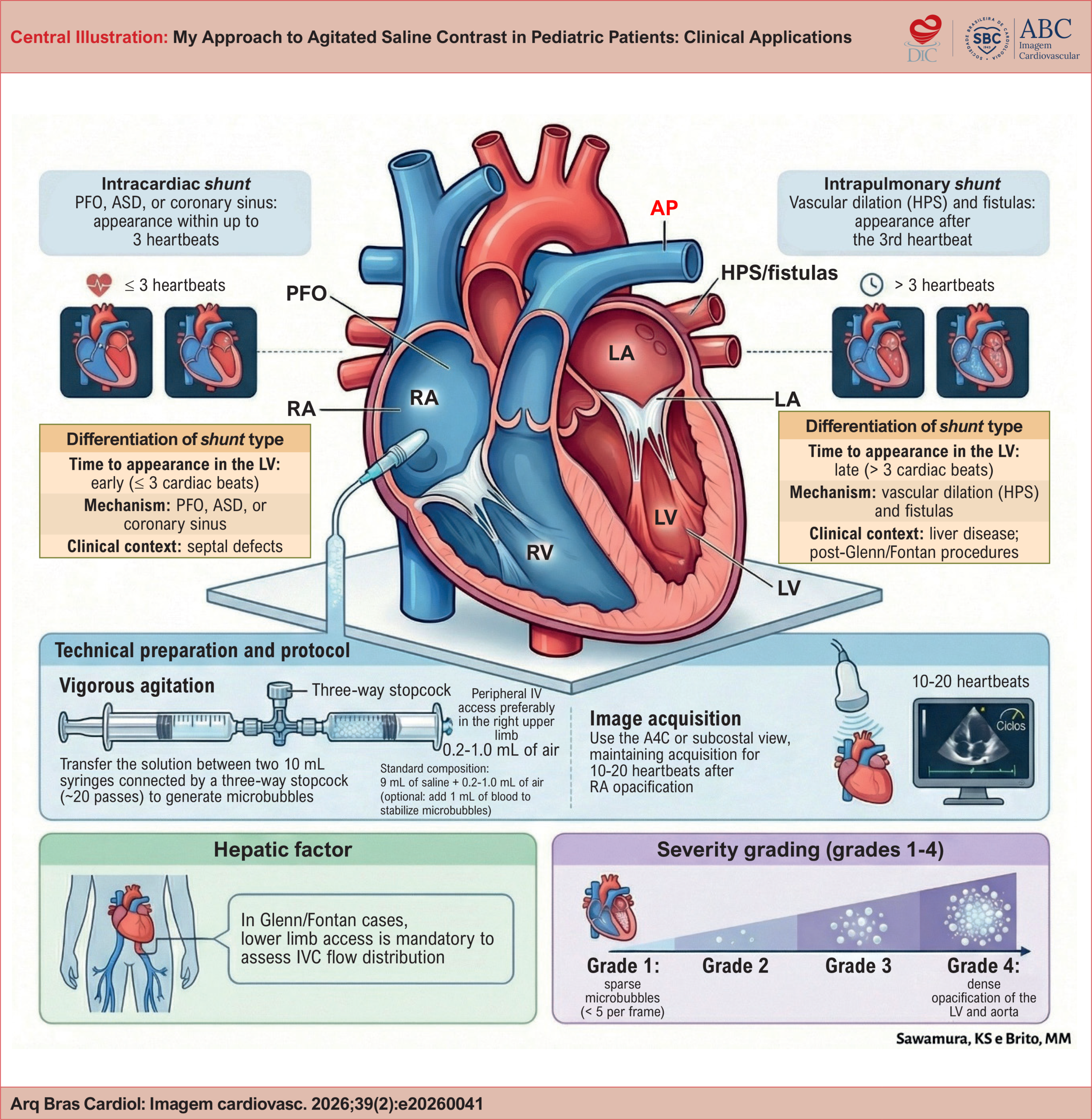
Agitated saline contrast is a simple, safe, widely available echocardiography technique. It is particularly useful for evaluating right-to-left shunts and pulmonary vascular abnormalities in the pediatric population. This article presents a practical approach to using this technique in pediatric echocardiography. It reviews the underlying physiological principles, the technical aspects of preparation and image acquisition, and the main clinical applications.

  • atrial septal defect
  • Contrast Echocardiography
  • ecocardiography
  • Hepatopulmonary Syndrome
  • Patent Foramen Ovale
Read Full Article
Creative Commons Attribution (CC BY) Creative Commons license
24/07/2026 DOI: 10.36660/abcimg.20260041i Views 1
Figure 1
ABCIC
Case Report

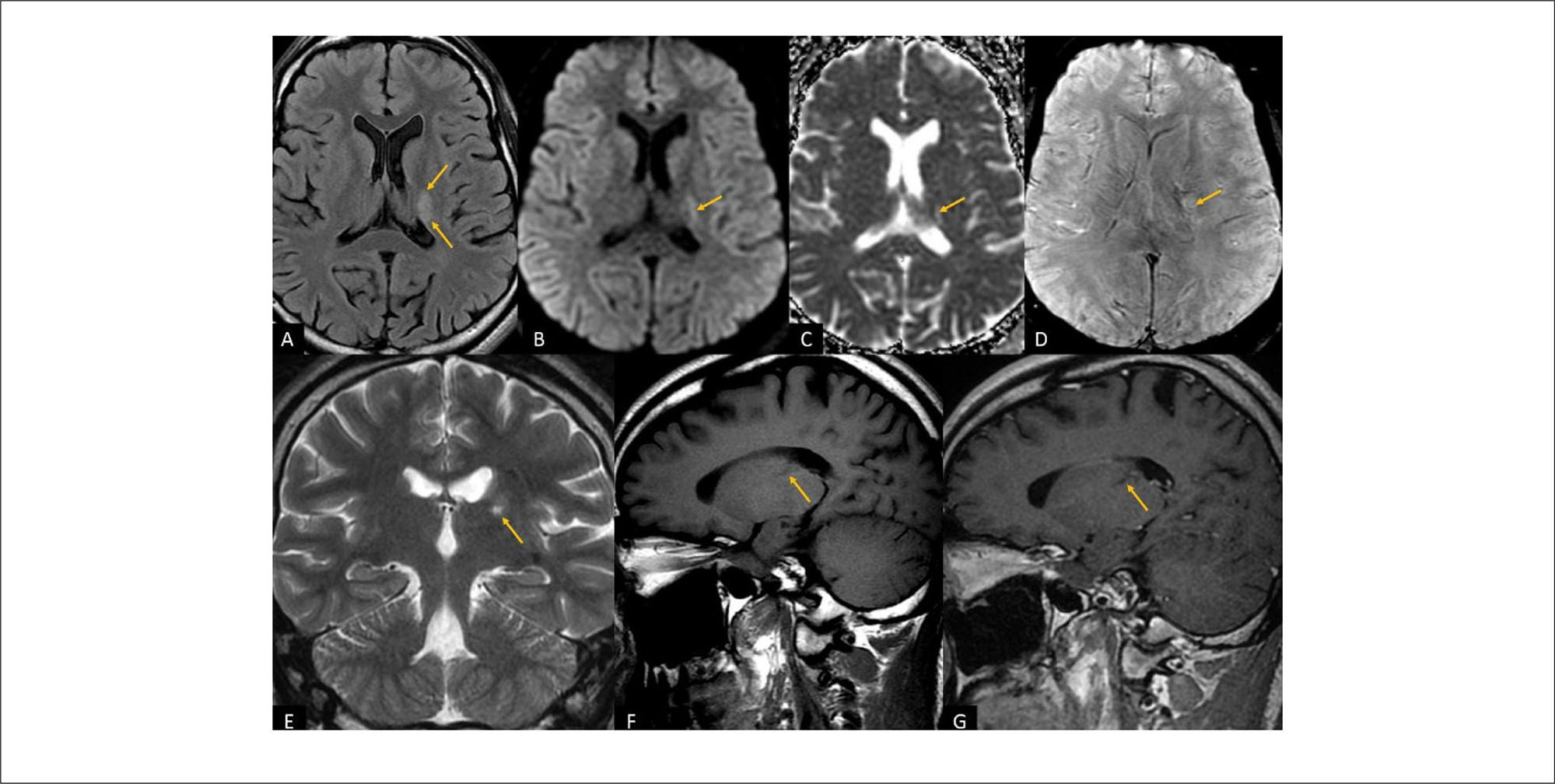
Ischemic Stroke in a Young Adult: a diagnostic challenge. Exploring the association between Patent Foramen Ovale and Chiari Network

Raissa Silva Frota et al. Mauro de Deus Passos Simone Nascimento dos Santos Luciano Moreira Alves … Dilson Palhares Ferreira Lilian Silva França

Introduction

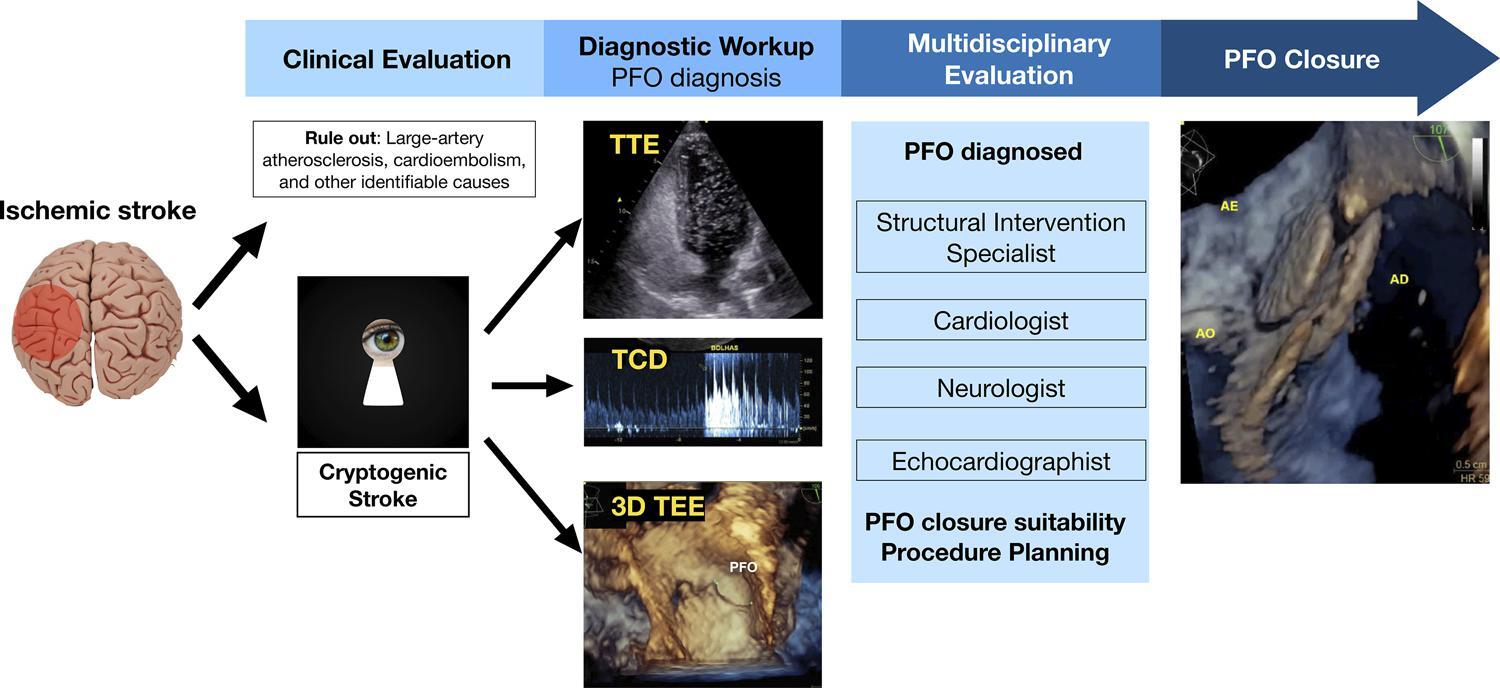
Globally, strokes are the second leading cause of mortality,, and are broadly categorized into hemorrhagic and ischemic types., In 2019, ischemic stroke accounted for 62.4% of all cases, totaling 7.63 million episodes. Projections indicate a substantial increase in stroke prevalence, from 3.9% in 2020 to an estimated 6.4% by 2050. Despite comprehensive etiological investigations, the underlying cause of cerebrovascular ischemic events remains undefined in 10% to 40% of the cases, known as cryptogenic stroke.

Stroke is often a disabling condition and poses a major threat to the socioeconomic stability of a country, particularly in developing nations. The incidence of ischemic stroke has been increasing, particularly among individuals under 55 years of age. Approximately 10% to 15% of all strokes manifest in young adults aged 18 to 49., This trend underscores the critical importance of stroke prevention strategies, even within this younger demographic.

[…]

  • Ischemic Stroke
  • Patent Foramen Ovale
  • Stroke
Read Full Article
Creative Commons Attribution (CC BY) Creative Commons license
31/12/2025 DOI: 10.36660/abcimg.20250080i
Central Illustration
IJCS
Original Article

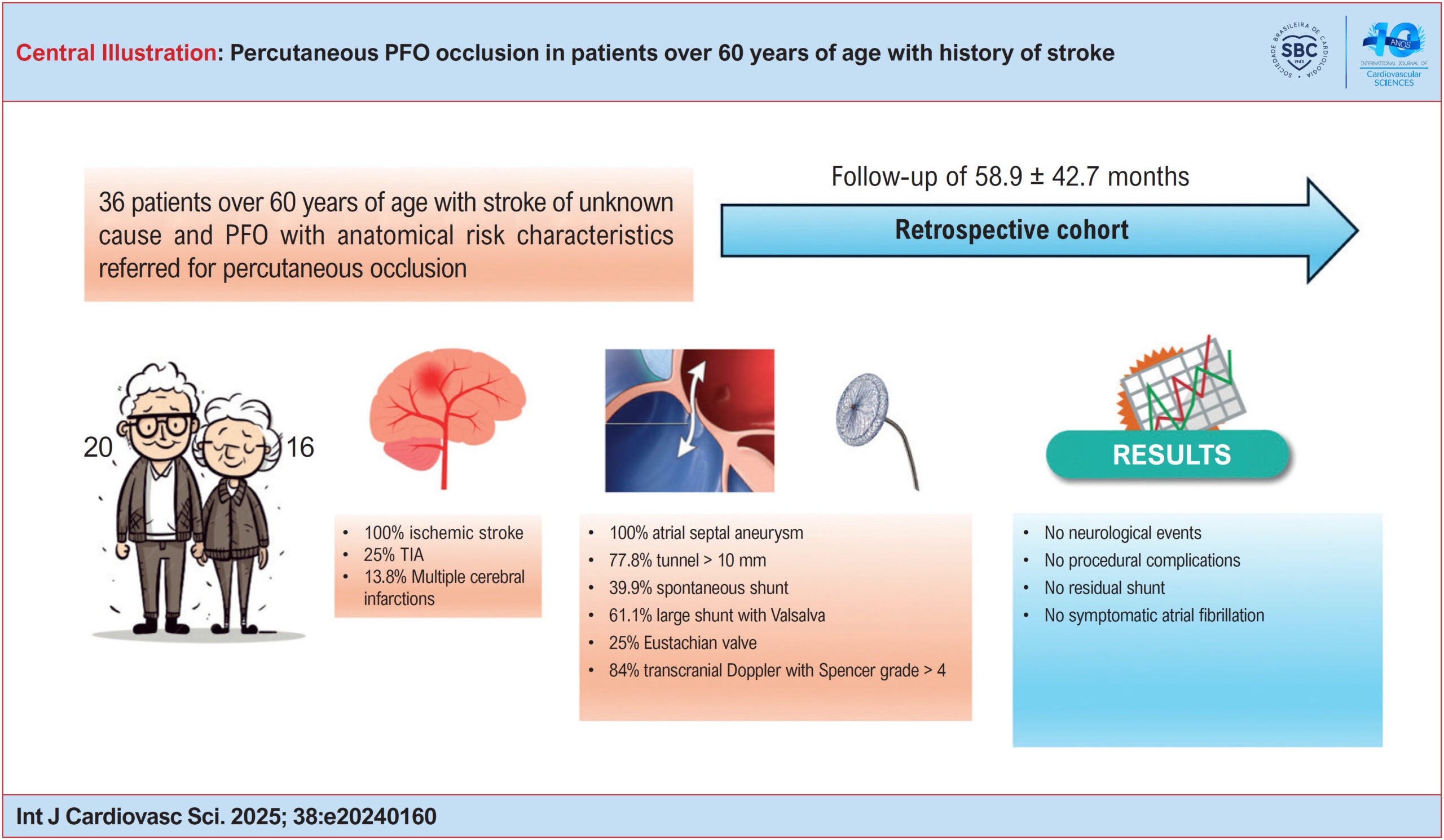
Percutaneous Patent Foramen Ovale Occlusion in Patients Over 60 Years of Age with History of Stroke

Marcelo Sabedotti et al. Luciano da Silva Selistre Agda Mezzomo Fabio Eduardo Camazzola … Ramiro Caldas Degrazia Bibiana Guimarães Maggi Sara Voltolini

Abstract

Background:

The prevalence of patent foramen ovale (PFO) is 27%. PFO is related to paradoxical embolism, which can cause ischemic stroke. Ischemic stroke without an identifiable cause is common, accounting for up to 40% of cases, and PFO is frequently found in these patients. The prevalence of PFO is almost 3 times higher in elderly patients with ischemic stroke without identified etiology, suggesting that these patients may also benefit from PFO closure.

Objectives:

The primary objective was to assess the recurrence of ischemic stroke or transient ischemic attack during clinical follow-up. The secondary objective was to assess the occurrence of procedural complications, onset of atrial fibrillation, and reduced anticoagulant use.

Methods:

This retrospective cohort study included 36 patients over 60 years of age with prior ischemic stroke who underwent PFO closure. Survival analysis was performed using the Kaplan-Meier model. Independence tests between categorical variables were performed using the chi-square test and Fisher’s exact test, adopting a significance level of 0.05.

Results:

The patients’ mean age was 69.6 ± 6.5 years, and 55.5% were men. No complications occurred during the procedures. Echocardiography was performed 30 days after the intervention, showing no residual shunts. During the follow-up of 58.9 ± 42.7 months, there were no cases of ischemic stroke, transient ischemic attack, or atrial fibrillation related to the procedure. The use of anticoagulants decreased from 41.7% to 5.6% (p = 0.03).

Conclusions:

Percutaneous PFO occlusion for the prevention of cerebrovascular events in individuals over 60 years of age with prior ischemic stroke is effective and safe, with a low risk of complications, and it can reduce the risk of bleeding by reducing the use of anticoagulants.

  • Aged
  • Ischemic Stroke
  • Patent Foramen Ovale
  • Percutaneous Occlusion
  • Stroke
Read Full Article
Creative Commons Attribution (CC BY) Creative Commons license
11/04/2025 DOI: 10.36660/ijcs.20240160
Figure 1
ABC
Image

A Constellation of Stroke and Hypoxemia Post ICD Lead Extraction: Role of Patent Foramen Ovale

Ashish H. Shah et al. Petra Jenkins Heiko Schneider

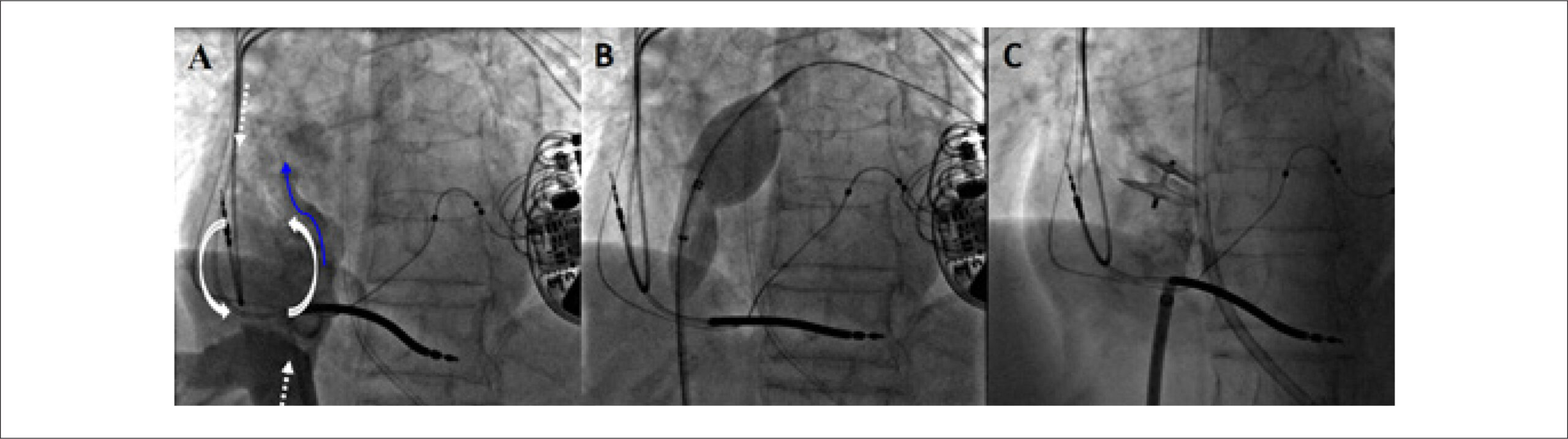
A 78-year-old woman with known ischemic cardiomyopathy underwent elective implantable cardioverter defibrillator (ICD) lead extraction and a new lead implantation. Within 2 hours post-procedure, she experienced expressive dysphasia and right hemiplegia, which was confirmed to be due to an ischemic stroke on a brain CT scan. Additionally, the patient developed resting hypoxemia with oxygen saturation of 87-88% on room air that only partially improved with high-flow oxygen.

Further investigation revealed a right-to-left shunt through a patent foramen ovale (PFO) on a trans-thoracic echocardiogram (TTE). Previous TTE examinations over the past 5 years did not show any valvular pathology or right-to-left shunt through the PFO. The patient was on direct oral anticoagulant therapy for atrial fibrillation, which was electively stopped 2 days before the procedure, and low molecular weight heparin was initiated as a bridging therapy.

[…]

  • Hypoxia
  • Patent Foramen Ovale
  • Stroke
Read Full Article
Creative Commons Attribution (CC BY) Creative Commons license
23/09/2024 DOI: 10.36660/abc.20240303i
Figure 1
ABCIC
Case Report

Patent Foramen Ovale: An Unusual Cause of Refractory Hypoxemia

Inês Miranda et al. Christopher Strong Pedro Póvoa

Case Report

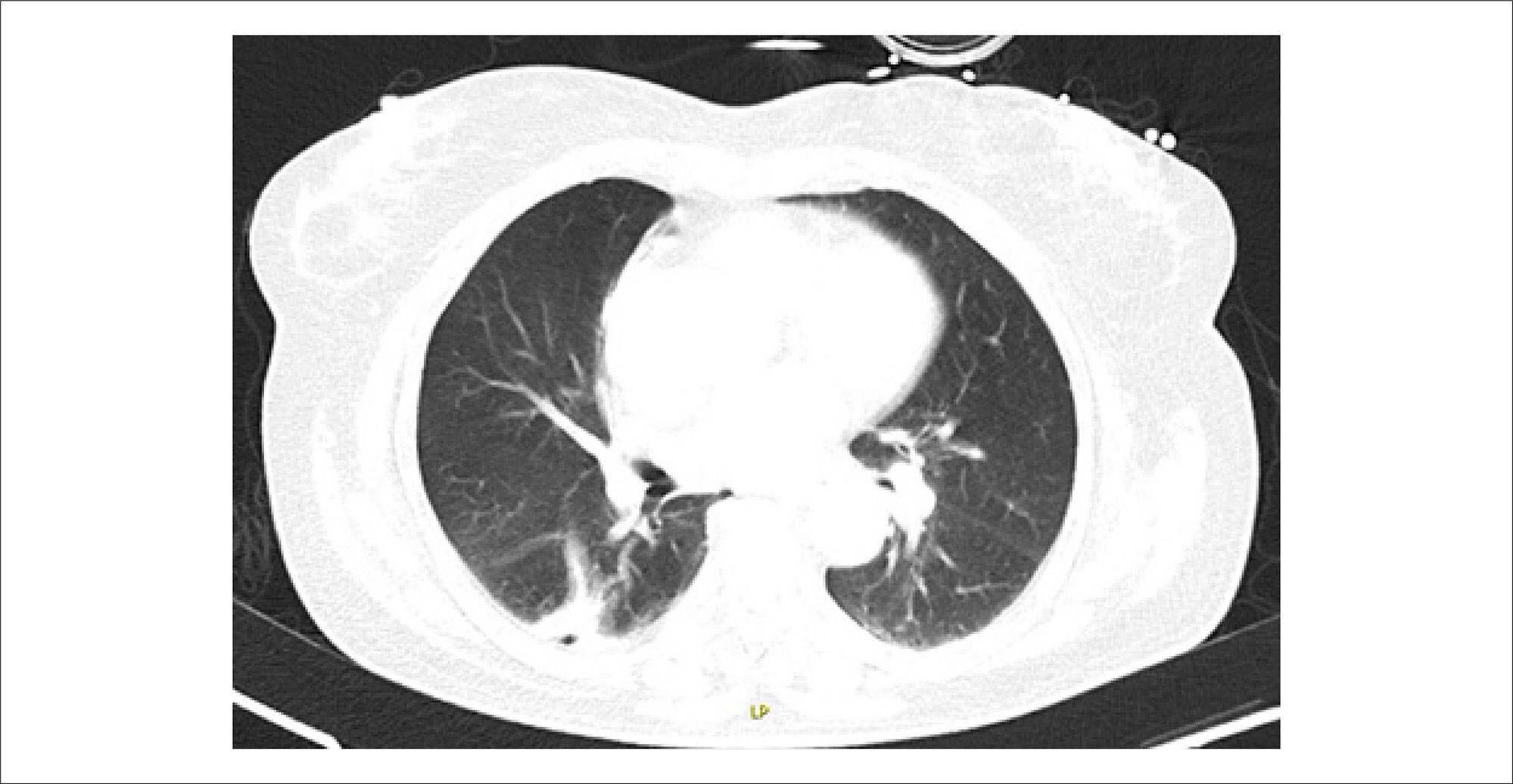
We report the case of a 70-year-old woman with a history of cryptogenic ischemic stroke for which she underwent intravenous fibrinolysis with no neurological sequelae. She had no known history of pulmonary or heart disease.

Approximately 1.5 years later, she presented to the Emergency Department (ED) with a one-week history of cough, fatigue, and shortness of breath. She denied fever, chest pain, orthopnea, or paroxysmal nocturnal dyspnea.

[…]

  • Hypoxia
  • Patent Foramen Ovale
  • Pulmonary Artery
  • Respiratory Insufficiency
Read Full Article
Creative Commons Attribution (CC BY) Creative Commons license
26/06/2024 DOI: 10.36660/abcimg.20240030i Views 1
Figure 1
IJCS
Editorial

To Close or not to Close PFOs in Cryptogenic Stroke, an Evolving Question

Alex Felix et al. Monica Luiza de Alcantara

A matter of intense debate in the last decades, the ideal strategy for secondary prevention in patients with cryptogenic stroke and patent foramen ovale (PFO) is not yet clearly defined. PFOs are prevalent in the general population and can be found in up to 40% of patients with cryptogenic stroke. Although in some cases of cryptogenic stroke PFO might be just an innocent bystander, paradoxical embolism is a well-known potential causative mechanism, especially in patients with concomitant deep venous thrombosis, whereby PFO closure may represent an effective measure to avoid recurrences. Even among patients with PFO, phenotypical heterogeneity may also determine percutaneous treatment suitability and directly impact on results, whereas the presence of large shunts, atrial septal aneurysm or associated complex septal defects must also be taken into account.

In the past years, several evidence-based guidelines and expert consensus on the management of patients with PFO and prevention of recurrent stroke have been published by international scientific societies, including a position paper sponsored by the European Association of Percutaneous Cardiovascular Interventions (EAPCI), with the participation of eight European scientific societies. A recent guideline by the American Academy of Neurology (AAN) was published online last April.

[…]

  • Atrial Fibrillation
  • Patent Foramen Ovale
  • Risk Factors
  • Secondary Prevention
  • Stroke/prevention and control
Read Full Article
Creative Commons Attribution (CC BY) Creative Commons license
31/07/2020 DOI: 10.36660/ijcs.20200128 Views 1
Patent foramen ovale and ischemic stroke in young people: statistical association or causal relation?
ABC
Artigo Original

Patent foramen ovale and ischemic stroke in young people: statistical association or causal relation?

Edson Marcio Negrão et al. Ivar Viana Brandi Simone Vilela Nunes Daniel Gurgel Fernandes Távora … Mauro Nakayama Paulo Sergio Siebra Beraldo

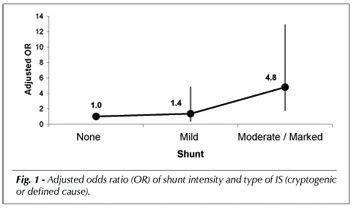
OBJECTIVES: To determine if there are evidences of a causal relation between patent foramen ovale (PFO) x cryptogenic ischemic stroke (IS) in the young population and to analyze this relation in terms of causal criteria. METHODS: A total of 168 young patients with IS was retrospectively evaluated and divided into two groups: cryptogenic and with a defined cause. As a routine procedure, the patients underwent investigation of the PFO by means of transesophageal echocardiogram and/or transcranial Doppler sonography, both of them associated with the bubble test. Multivariate analysis was performed after demonstration of univariate statistical association between PFO x IS. RESULTS: After multivariate analysis, the association between PFO x cryptogenic IS was still statistically significant with odds ratio (adjusted OR = 3.3; 95% CI: 1.5-7.4). The total number of cerebral lesions also presented a significant association with cryptogenic IS (adjusted OR = 0.4; 95% CI: 0.2-0.9). The association between PFO and cryptogenic IS met all the causality criteria. CONCLUSION: The causal relation between PFO and cryptogenic IS in the young population is highly probable. This fact should be considered in the therapeutic decision.

  • atrial septal defects
  • cerebrovascular accident
  • Patent Foramen Ovale
  • Transesophageal echocardiography
Read Full Article
Creative Commons Attribution (CC BY) Creative Commons license
15/06/2007 DOI: 10.1590/S0066-782X2007000500003

How to cite this article

EndNote RIS

Electronic Document Format (Vancouver)

Sawamura KSS, Brito MM. My Approach to Agitated Saline Contrast Echocardiography in Pediatric Patients. ABC Imagem Cardiovascular 2026;39(2):e20260041.

Electronic Document Format (ABNT)

Sawamura, Karen Saori Shiraishi; Brito, Márcio Miranda. My Approach to Agitated Saline Contrast Echocardiography in Pediatric Patients. ABC Imagem Cardiovascular, v. 39, n. 2, e20260041, Jul. 2026.

Electronic Document Format (APA)

Sawamura, K. S. S., & Brito, M. M. (2026). My Approach to Agitated Saline Contrast Echocardiography in Pediatric Patients. ABC Imagem Cardiovascular, 39(2), e20260041.

Electronic Document Format (ISO)

Sawamura, Karen Saori Shiraishi and Brito, Márcio Miranda. My Approach to Agitated Saline Contrast Echocardiography in Pediatric Patients. ABC Imagem Cardiovascular [online]. 2026, vol. 39, n. 2, [cited 2026-10-14], e20260041. Available from: <https://journals.cardiol.br/en/article/my-approach-to-agitated-saline-contrast-echocardiography-in-pediatric-patients/>. ISSN 2318-8219

EndNote RIS

Electronic Document Format (Vancouver)

Frota RS, Passos MD, Santos SN, Alves LM, Ferreira DP, França LS. Ischemic Stroke in a Young Adult: a diagnostic challenge. Exploring the association between Patent Foramen Ovale and Chiari Network. ABC Imagem Cardiovascular 2025;38(4):e20250080.

Electronic Document Format (ABNT)

Frota, Raissa Silva; Passos, Mauro de Deus; Santos, Simone Nascimento dos; Alves, Luciano Moreira; Ferreira, Dilson Palhares; França, Lilian Silva. Ischemic Stroke in a Young Adult: a diagnostic challenge. Exploring the association between Patent Foramen Ovale and Chiari Network. ABC Imagem Cardiovascular, v. 38, n. 4, e20250080, Dec. 2025.

Electronic Document Format (APA)

Frota, R. S., Passos, M. D., Santos, S. N. , Alves, L. M., Ferreira, D. P., & França, L. S. (2025). Ischemic Stroke in a Young Adult: a diagnostic challenge. Exploring the association between Patent Foramen Ovale and Chiari Network. ABC Imagem Cardiovascular, 38(4), e20250080.

Electronic Document Format (ISO)

Frota, Raissa Silva and Passos, Mauro de Deus and Santos, Simone Nascimento dos and Alves, Luciano Moreira and Ferreira, Dilson Palhares and França, Lilian Silva. Ischemic Stroke in a Young Adult: a diagnostic challenge. Exploring the association between Patent Foramen Ovale and Chiari Network. ABC Imagem Cardiovascular [online]. 2025, vol. 38, n. 4, [cited 2026-10-14], e20250080. Available from: <https://journals.cardiol.br/en/article/ischemic-stroke-in-a-young-adult-a-diagnostic-challenge-exploring-the-association-between-patent-foramen-ovale-and-chiari-network/>. ISSN 2318-8219

EndNote RIS

Electronic Document Format (Vancouver)

Sabedotti M, Selistre LS, Mezzomo A, Camazzola FE, Degrazia RC, Maggi BG, Voltolini S, et al. Percutaneous Patent Foramen Ovale Occlusion in Patients Over 60 Years of Age with History of Stroke. International Journal of Cardiovascular Sciences 2025;38:e20240160.

Electronic Document Format (ABNT)

Sabedotti, Marcelo; Selistre, Luciano da Silva; Mezzomo, Agda; Camazzola, Fabio Eduardo; Degrazia, Ramiro Caldas; Maggi, Bibiana Guimarães; Voltolini, Sara. Percutaneous Patent Foramen Ovale Occlusion in Patients Over 60 Years of Age with History of Stroke. International Journal of Cardiovascular Sciences, v. 38, e20240160, Apr. 2025.

Electronic Document Format (APA)

Sabedotti, M., Selistre, L. S., Mezzomo, A., Camazzola, F. E., Degrazia, R. C., Maggi, B. G., & Voltolini, S. (2025). Percutaneous Patent Foramen Ovale Occlusion in Patients Over 60 Years of Age with History of Stroke. International Journal of Cardiovascular Sciences, 38, e20240160.

Electronic Document Format (ISO)

Sabedotti, Marcelo and Selistre, Luciano da Silva and Mezzomo, Agda and Camazzola, Fabio Eduardo and Degrazia, Ramiro Caldas and Maggi, Bibiana Guimarães and Voltolini, Sara. Percutaneous Patent Foramen Ovale Occlusion in Patients Over 60 Years of Age with History of Stroke. International Journal of Cardiovascular Sciences [online]. 2025, vol. 38, [cited 2026-10-14], e20240160. Available from: <https://journals.cardiol.br/en/article/percutaneous-patent-foramen-ovale-occlusion-in-patients-over-60-years-of-age-with-history-of-stroke/>. ISSN 2359-4802

EndNote RIS

Electronic Document Format (Vancouver)

Shah AH, Jenkins P, Schneider H. A Constellation of Stroke and Hypoxemia Post ICD Lead Extraction: Role of Patent Foramen Ovale. Arquivos Brasileiros de Cardiologia 2024;121(8):e20240303.

Electronic Document Format (ABNT)

Shah, Ashish H.; Jenkins, Petra; Schneider, Heiko. A Constellation of Stroke and Hypoxemia Post ICD Lead Extraction: Role of Patent Foramen Ovale. Arquivos Brasileiros de Cardiologia, v. 121, n. 8, e20240303, Sep. 2024.

Electronic Document Format (APA)

Shah, A. H., Jenkins, P., & Schneider, H. (2024). A Constellation of Stroke and Hypoxemia Post ICD Lead Extraction: Role of Patent Foramen Ovale. Arquivos Brasileiros de Cardiologia, 121(8), e20240303.

Electronic Document Format (ISO)

Shah, Ashish H. and Jenkins, Petra and Schneider, Heiko. A Constellation of Stroke and Hypoxemia Post ICD Lead Extraction: Role of Patent Foramen Ovale. Arquivos Brasileiros de Cardiologia [online]. 2024, vol. 121, n. 8, [cited 2026-10-14], e20240303. Available from: <https://journals.cardiol.br/en/article/a-constellation-of-stroke-and-hypoxemia-post-icd-lead-extraction-role-of-patent-foramen-ovale/>. ISSN 0066-782X

EndNote RIS

Electronic Document Format (Vancouver)

Miranda I, Strong C, Póvoa P. Patent Foramen Ovale: An Unusual Cause of Refractory Hypoxemia. ABC Imagem Cardiovascular 2024;37(2):e20240030.

Electronic Document Format (ABNT)

Miranda, Inês; Strong, Christopher; Póvoa, Pedro. Patent Foramen Ovale: An Unusual Cause of Refractory Hypoxemia. ABC Imagem Cardiovascular, v. 37, n. 2, e20240030, Jun. 2024.

Electronic Document Format (APA)

Miranda, I., Strong, C., & Póvoa, P. (2024). Patent Foramen Ovale: An Unusual Cause of Refractory Hypoxemia. ABC Imagem Cardiovascular, 37(2), e20240030.

Electronic Document Format (ISO)

Miranda, Inês and Strong, Christopher and Póvoa, Pedro. Patent Foramen Ovale: An Unusual Cause of Refractory Hypoxemia. ABC Imagem Cardiovascular [online]. 2024, vol. 37, n. 2, [cited 2026-10-14], e20240030. Available from: <https://journals.cardiol.br/en/article/patent-foramen-ovale-an-unusual-cause-of-refractory-hypoxemia/>. ISSN 2318-8219

EndNote RIS

Electronic Document Format (Vancouver)

Felix A, Alcantara ML. To Close or not to Close PFOs in Cryptogenic Stroke, an Evolving Question. International Journal of Cardiovascular Sciences 2020;33(4):318-20.

Electronic Document Format (ABNT)

Felix, Alex; Alcantara, Monica Luiza de. To Close or not to Close PFOs in Cryptogenic Stroke, an Evolving Question. International Journal of Cardiovascular Sciences, v. 33, n. 4, p. 318-320, Jul. 2020.

Electronic Document Format (APA)

Felix, A., & Alcantara, M. L. (2020). To Close or not to Close PFOs in Cryptogenic Stroke, an Evolving Question. International Journal of Cardiovascular Sciences, 33(4), 318-320.

Electronic Document Format (ISO)

Felix, Alex and Alcantara, Monica Luiza de. To Close or not to Close PFOs in Cryptogenic Stroke, an Evolving Question. International Journal of Cardiovascular Sciences [online]. 2020, vol. 33, n. 4, [cited 2026-10-14], pp. 318-320. Available from: <https://journals.cardiol.br/en/article/to-close-or-not-to-close-pfos-in-cryptogenic-stroke-an-evolving-question/>. ISSN 2359-4802

EndNote RIS

Electronic Document Format (Vancouver)

Negrão EM, Brandi IV, Nunes SV, Távora DGF, Nakayama M, Beraldo PSS. Patent foramen ovale and ischemic stroke in young people: statistical association or causal relation?. Arquivos Brasileiros de Cardiologia 2007;88(5):514-20.

Electronic Document Format (ABNT)

Negrão, Edson Marcio; Brandi, Ivar Viana; Nunes, Simone Vilela; Távora, Daniel Gurgel Fernandes; Nakayama, Mauro; Beraldo, Paulo Sergio Siebra. Patent foramen ovale and ischemic stroke in young people: statistical association or causal relation?. Arquivos Brasileiros de Cardiologia, v. 88, n. 5, p. 514-520, Jun. 2007.

Electronic Document Format (APA)

Negrão, E. M., Brandi, I. V., Nunes, S. V., Távora, D. G. F., Nakayama, M., & Beraldo, P. S. S. (2007). Patent foramen ovale and ischemic stroke in young people: statistical association or causal relation?. Arquivos Brasileiros de Cardiologia, 88(5), 514-520.

Electronic Document Format (ISO)

Negrão, Edson Marcio and Brandi, Ivar Viana and Nunes, Simone Vilela and Távora, Daniel Gurgel Fernandes and Nakayama, Mauro and Beraldo, Paulo Sergio Siebra. Patent foramen ovale and ischemic stroke in young people: statistical association or causal relation?. Arquivos Brasileiros de Cardiologia [online]. 2007, vol. 88, n. 5, [cited 2026-10-14], pp. 514-520. Available from: <https://journals.cardiol.br/en/article/patent-foramen-ovale-and-ischemic-stroke-in-young-people-statistical-association-or-causal-relation/>. ISSN 0066-782X

  • About ABC Family
  • Internal Regulation
  • Editorial Board
  • Brazilian Society of Cardiology (SBC)

Issues

SBC Guidelines

  • Videos
  • Podcasts
  • News