ABC Family Arquivos Brasileiros de Cardiologia International Journal of Cardiovascular Sciences ABC Heart Failure & Cardiomyopathy ABC Imagem Cardiovascular
Português English
ABC Family
Português English
  • About
    • About ABC Family
    • Internal Regulation
    • Editorial Board
    • Brazilian Society of Cardiology (SBC)
  • Issues
  • SBC Guidelines
  • Content
    • Videos
    • Podcasts
    • News
  • About
    • About ABC Family
    • Internal Regulation
    • Editorial Board
    • Brazilian Society of Cardiology (SBC)
  • Issues
  • SBC Guidelines
  • Content
    • Videos
    • Podcasts
    • News

ABC Family

  • ABC Family
  • Arquivos Brasileiros de Cardiologia
  • International Journal of Cardiovascular Sciences
  • ABC Heart Failure & Cardiomyopathy
  • ABC Imagem Cardiovascular
Search in

No content found.

Journals
Ordering
Article types
Others

  1. Home
  2. Keyword: Lifestyle
IJCS
Editorial

Reflections on the Effectiveness of Cardiovascular Disease Prevention Programs in Corporate Settings

Mauro Alves

The International Journal of Cardiovascular Sciences (IJCS) publishes in this issue the original article entitled “Comparison Between Two Prevention and Control Programs for Risk Factors for Cardiovascular Diseases in an Oil Company.” This study, framed within the field of Epidemiology, addresses a question of growing relevance for public and occupational health: the effectiveness of different intervention strategies to mitigate cardiovascular risk in a specific work environment.

Cardiovascular Diseases (CVDs) remain the leading cause of morbidity and mortality globally,– and the workplace represents a crucial area for prevention and control strategies. Workers spend a significant portion of their lives at work, and occupational factors such as stress, sedentary behavior associated with certain roles, and exposure to shifts can directly influence cardiovascular risk., As CVDs continue to pose a significant global health concern, analyzing interventions aimed at mitigating them in corporate environments is more relevant than ever.

[…]

  • Cardiovascular Diseases
  • Health Promotion
  • Lifestyle
  • Occupational Health Services
Read Full Article
Creative Commons Attribution (CC BY) Creative Commons license
20/03/2026 DOI: 10.36660/ijcs.20250156 Views 1
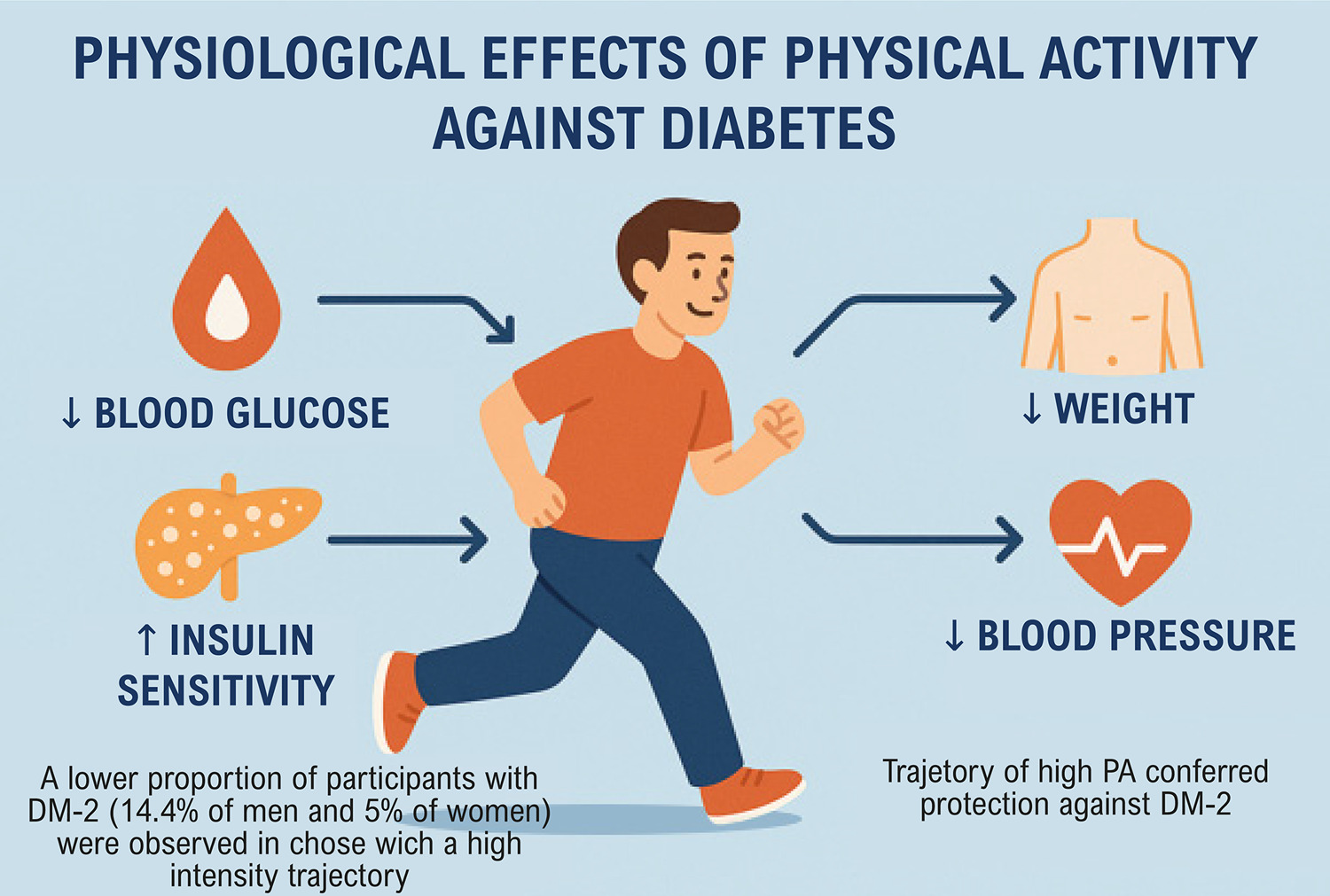
Dose-Response Association between Leisure-Time Physical Activity Intensity Trajectories and Diabetes among Men and Women in ELSA-Brasil
ABC
Original Article

Dose-Response Association between Leisure-Time Physical Activity Intensity Trajectories and Diabetes among Men and Women in ELSA-Brasil

André Luis Messias dos Santos Duque et al. Daniela Polessa Paula Danilo de Paula Santos Maria Del Carmen Bisi Molina … Luana Giatii Maria Inês Schmidt Maria de Jesus Mendes da Fonseca Rosane Harter Griep

Abstract

Background

Physical activity (PA) plays a fundamental role in the prevention of type 2 diabetes mellitus (DM-2). However, findings regarding the influence of PA intensity on DM-2 over time remain inconsistent.

Objective

To examine the dose-response association between leisure-time PA intensity trajectories and DM-2.

Methods

The study included data from the Longitudinal Study of Adult Health (ELSA-Brasil), at baseline (2008-2010) and from 11 years’ follow-up, of 5777 women and 4590 men, aged from 35 to 75 years. Leisure-time PA intensity trajectories were assessed by means of the International Physical Activity Questionnaire, while DM-2 was identified by self-reporting, use of medication or laboratory criteria. Ordinal logistical regression was used to estimate odds ratios (OR) and 95% confidence intervals (95%CIs).

Results

A lower proportion of participants with DM-2 (14.4% of men and 5% of women) and a higher proportion without diabetes (22.1% of men and 40.8% of women) were observed in those with a high-intensity trajectory. Compared to the moderate-intensity trajectory, high-intensity conferred protection against DM-2 (OR=0.63 [95% CI=0.40-0.98]) for men and women (OR=0.33 [95% CI=0.14-0.79]) and the low-intensity trajectory conferred a greater chance of pre-diabetes among men OR=1.36 [95% CI=1.09-1.69].

Conclusion

Higher-intensity PA over time was associated with a lower proportion of DM-2 cases among men and women. Thus, programs aimed at preventing and controlling DM-2 should emphasize the importance of maintaining high-intensity activities over time.

  • Life Trajectory
  • Lifestyle
  • Physical activity
  • Type 2 Diabetes Mellitus
Read Full Article
Creative Commons Attribution (CC BY) Creative Commons license
01/09/2025 DOI: 10.36660/abc.20250091i Views 1
IJCS
Original Article

The Challenges of Implementing a Text Message Intervention to Promote Behavioral Change in Primary Care Patients With Hypertension and Diabetes

João Antonio de Queiroz Oliveira et al. Christiane Cimini Vania Almeida Junia Xavier Maia … Raissa Eda Resende Leticia Alves Gualberto Pedro Henrique Lauar Santos Paulo R. Gomes Leonardo Bonisson Maria Cristina Paixão Janaina Moutinho Costa Clareci Silva Cardoso Karla Santo Antonio Ribeiro Maria Auxiliadora Martins Milena S. Marcolino

Abstract

Background

Controlling blood pressure and glycemic levels is a challenge that requires innovative solutions.

Objective

To assess the feasibility of implementing a text message intervention among low-income primary care patients, as well as to assess self-reported behavioral change.

Methods

A set of 200 text messages was developed on healthy eating, physical activity, adherence, and motivation. Participants from Vale do Mucuri, MG, Brazil diagnosed with diabetes or hypertension or undergoing screening for those diseases, received 5 to 8 messages per week for 6 months. They answered a questionnaire to report their satisfaction and behavioral changes.

Results

Of the 136 patients, 117 (86.0%) answered the questionnaire. Most reported that the messages were very useful (86.3%), easy to understand (90.6%), and were very helpful for behavioral change (65.0%); 84.6% reported that they had started eating healthier. The most frequent reported lifestyle changes were: improved diet quality (85.5%), reduced portions (65.8%), and weight loss (56.4%). The majority of patients shared the messages (60.7%) with family or other acquaintances, considered the number of messages to be adequate (89.7%) and would recommend the program to others (95.7%).

Conclusion

An intervention based on text messages to promote behavioral change in patients with hypertension or diabetes in primary care is feasible in low-resource settings. Future studies are needed to assess the program’s long-term effects on clinical outcomes.

  • Arterial Pressure/prevention and control
  • Blood Glicose/prevention and control
  • Hypertension/prevention and control
  • Lifestyle
  • Physical activity
  • Surveys and Questionnaires
Read Full Article
Creative Commons Attribution (CC BY) Creative Commons license
03/04/2023 DOI: 10.36660/ijcs.20220050 Views 1
IJCS
Editorial

Small Exercise Breaks can Save your Brain from Prolonged Sitting

Eliza Prodel

A sedentary lifestyle is one of the major risk factors for the development of cardiovascular diseases. For instance, in 2019, stroke was the second-leading cause of death, as well as the primary cause of death and disability combined in the world. Active commuting to work is one strategy to decrease sedentary time and its impact, and the COVID-19 pandemic has changed work and daily routines worldwide. Moreover, the necessary social distancing has led to increased sedentary time, especially for those who are engaged in office desk work .

Acute prolonged sitting seems to lead to transient impairment of the endothelial function in the healthy population, whether this phenomenon is related to cardiovascular or cerebrovascular events is unknown. Nonetheless, prolonged sitting impairs the cerebrovascular function. , Conversely, exercise breaks from prolonged sitting seem to restore the endothelial and cerebrovascular function. Therefore, active breaks from prolonged sitting could be a good strategy to mitigate the effects of sedentary time. However, the ideal duration and intensity need further investigation. Additionally, the difficulty to implement exercise breaks as a daily routine for office workers must be considered.

[…]

  • Cerebrovascular Circulation
  • COVID-19
  • Exercise
  • Lifestyle
  • Pandemics
  • Physical activity
  • Sedentarism
  • Stroke, Risk Factors
Read Full Article
Creative Commons Attribution (CC BY) Creative Commons license
10/03/2023 DOI: 10.36660/ijcs.20210248 Views 1
Figure 1
ABC
Editorial

Obesity and Risk of Hypertension: A Growing Problem in Children and Adolescents

José Geraldo Mill

Arterial hypertension (AH) affects approximately 30% of adults in Brazil. A previously rare condition in children and adolescents, this situation has been changing given the obesity pandemic currently occurring in this age group.

Primary AH is a complex disease, as its appearance depends on genetic predisposition and factors linked to lifestyle. There is still no robust and easily obtainable genetic score to be used clinically as a predictor of AH. The same does not occur with the lifestyle factors, as it is known that a sedentary lifestyle, obesity, high salt intake and insulin resistance, predisposes to blood pressure increase throughout life.

[…]

  • Adiposity
  • Adolescent
  • Child
  • Exercise
  • Hypertension / genetic
  • Lifestyle
  • Obesity
Read Full Article
Creative Commons Attribution (CC BY) Creative Commons license
06/03/2023 DOI: 10.36660/abc.20220940
IJCS
Editorial

Why is Physical Activity Important to Study in Childhood and Adolescence?

Klebia Castello Branco et al. Isabela de Carlos Back

One of the most important concerns of pediatrician in this pandemic/post-pandemic period is the damage caused by COVID-19 on children’s daily habits, especially physical activity. Children and teenagers were kept indoors during these 2 years, living their lives through digital interactions and becoming forcefully sedentary.

Studies conducted worldwide have shown that the average daily screen time of children and adolescents was greater than 2 hours a day, with the vast majority of them having a higher time than that recommended for any age.

[…]

  • Adolescent
  • Child
  • Exercise/ Physical Activity
  • Lifestyle
  • Screen Time
  • Sedentarism
Read Full Article
Creative Commons Attribution (CC BY) Creative Commons license
04/09/2022 DOI: 10.36660/ijcs.20220064 Views 1
IJCS
Original Article

Lifestyle Intervention in Reducing Cardiometabolic Risk Factors in Students with Dyslipidemia and Abdominal Obesity: A Randomized Study

Heloisa Pamplona-Cunha et al. Nilton Rosini Roberta Caetano Marcos José Machado Edson Luiz da Silva

Abstract

Background

The long incubation periods of cardiovascular diseases offer opportunities for controlling risk factors. In addition, preventive interventions in childhood are more likely to succeed because lifestyle habits become ingrained as they are repeated.

Objective

To investigate the effects of recreational physical activities, in combination or not with a qualitative nutritional counseling, in cardiometabolic risk factors of students with dyslipidemia and abdominal obesity.

Methods

Students (8-14 years old) were randomly divided into three groups (n=23 each): i ) Control; ii ) PANC, students undergoing Physical Activity and Nutritional Counseling, and iii ) PA, students submitted to Physical Activity, only. Blood samples (12-h fasting) were collected for biochemical analysis and anthropometric markers were also assessed. Two-Way RM-ANOVA and Holm-Sidak’s test, and Friedman ANOVA on Ranks and Dunn’s test were applied. P ≤ 0.05 was considered significant. Effect sizes were evaluated by Hedges’ g and Cliff’s δ for normal and non-Gaussian data, respectively.

Results

Compared to the control group and to baseline values, both interventions caused significant average reductions in total cholesterol (11%; p <0.001), LDL-c (19%; p=0.002), and non-HDL-c (19%; p=0.003). Furthermore, students in the PANC group also experienced a significant decrease in body fat compared to baseline (p=0.005) and to control (5.2%; g=0.541).

Conclusions

The proposed strategies were effective to reduce cardiometabolic risk factors in children and adolescents. The low cost of these interventions allows the implementation of health care programs in schools to improve the students’ quality of life.

  • Adolescent, Students
  • Child
  • Dyslipidemias
  • Exercise
  • Glycemic Profile
  • Lifestyle
  • Nutritional Orientation
  • Obesity
  • Risk Factors
Read Full Article
Creative Commons Attribution (CC BY) Creative Commons license
07/07/2021 DOI: 10.36660/ijcs.20200286 Views 2
IJCS
Viewpoint

Physical Exercise, Energy Expenditure and Weight Loss: An Assumption not Always Observed in Practice

Vitor Barreto Paravidino et al. Mauro Felippe Felix Mediano Rosely Sichieri

The increased prevalence of overweight and obesity observed in recent decades has been attributed mainly to behavioral changes, such as excessive food consumption and reduction in physical activity level over time, leading to a positive energy balance. Due to the technological advances in recent years, less physical effort is required to perform daily tasks. Moreover, the lifestyle has become more sedentary, with an increasing amount of time spent using digital gadgets, such as computers, televisions and mobile phones. However, Westerterp & Speakman did not find a decrease in physical activity energy expenditure during the last 30 years preceding their study, despite an increase in the prevalence of obesity. Other studies have also reported that the total energy expenditure of rural populations was similar to that of populations living in developed countries, despite the clear difference in behavioral patterns, particularly in relation to daily physical activities.– This study aimed at presenting the “compensatory effect” as a possible explanation for these findings. When there is an increase in physical activity at a given time, behavioral and metabolic changes take place to maintain an energy setpoint, as presented below.

Physical exercise has been recommended as an important component for the prevention and treatment of obesity. For substantial adults’ health benefits, at least 150 minutes of moderate-intensity aerobic exercise, or 75 minutes of vigorous-intensity aerobic exercise; in addition, 2-3 times per week of resistance training is recommended. However, for a clinically significant reduction in body weight, Donnelly et al., recommended that individuals should gradually increase the amount of physical activity and achieve a weekly volume of moderate physical exercise of over 250 minutes. The authors also reported a dose-response effect between physical activity and weight loss.

[…]

  • Energy metabolism
  • Exercise
  • Lifestyle
  • Overweight
  • Sedentary Behavior
  • Weight loss Programs
Read Full Article
Creative Commons Attribution (CC BY) Creative Commons license
12/05/2021 DOI: 10.36660/ijcs.20200090 Views 3
Figure 1
IJCS
Original Article

Treatment Eligibility and Therapeutic Responses of an Ecuadorian Population at High Cardiovascular Risk Based on the ATP III Guidelines

Isabel Hernández et al. Andrea Estrella Jorge Salazar Yan Duarte … Edmundo Torres Camilo López Santiago Terán Alejandra Mendoza Enrique Terán

Abstract

Background

The Adult Treatment Panel III (ATPIII) guidelines aim to reduce cardiovascular morbidity and mortality. In Ecuador, 20% of people have high LDL cholesterol levels, and 39% have high triglyceride levels.

Objective

To analyze lipid-lowering regimens in Ecuadorian patients and determine the achievement rate of the ATPIII goals for lipid profile.

Methods

Using a retrospective analysis, 385 subjects older than 30 years, who received pharmacological treatment for dyslipidemia for at least three months was randomly selected from institutions at two large cities in Ecuador. Data were collected from patients’ medical records and analyzed by chi-square test or paired t-test; p-values less than 0.05 were considered significant.

Results

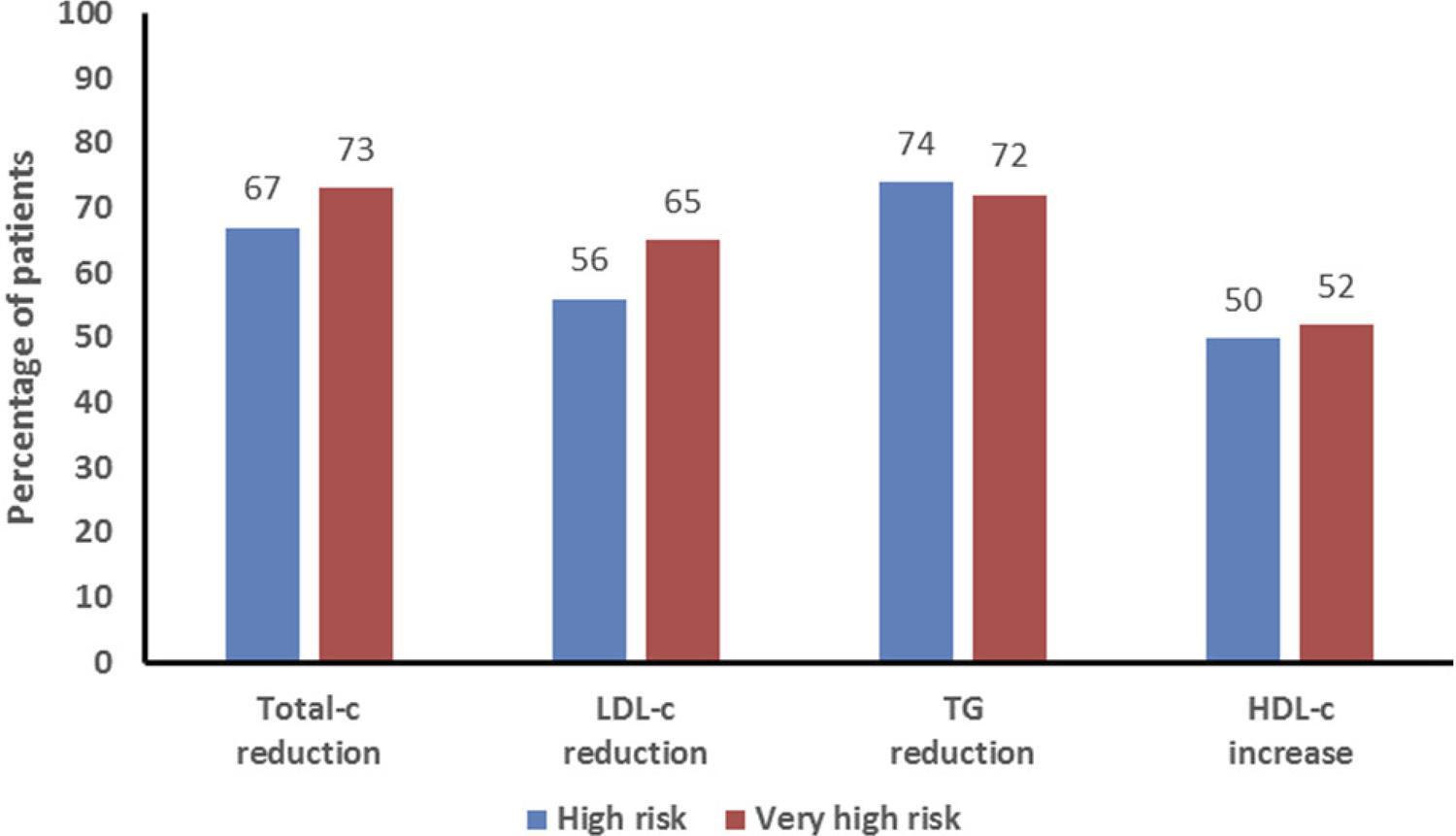
Baseline total cholesterol values were above 200 mg/dL in 75% of subjects, LDL-c values above 129 mg/dL in 83% of subjects and triglycerides values above 150 mg/dL in 79% of subjects. Most (n = 253, 95.8%) patients at very high cardiovascular risk were taking statins, 50% of them atorvastatin. Considering the ATPIII guidelines’ goals, only 24 subjects (19%) at high CV risk achieved an LDL-c < 100 mg/dl, while a significantly lower percentage (p = 0.04) of patients at very high risk reached an LDL-c < 70mg/dl (11%; n = 30).

Conclusion

These data indicate a low rate of compliance with the ATPIII guidelines, independent of the medication used or duration of the treatment. This may be attributed to the prescription of low doses of medication and a therapy targeting isolated lipid fractions rather than a complete lipid profile. (Int J Cardiovasc Sci. 2020; 33(4):371-376)

  • Cardiovascular Diseases/prevention and control
  • Cholesterol
  • dyslipidemia
  • Lifestyle
  • Patient Compliance
  • Sedentarism
  • Tabaquism
  • Triglicerides
Read Full Article
Creative Commons Attribution (CC BY) Creative Commons license
07/08/2020 DOI: 10.36660/ijcs.20190010 Views 1
ABC
Editorial

Co-occurrence of Cardiometabolic Disease Risk Factors: Unhealthy Eating, Tobacco, Alcohol, Sedentary Lifestyle and Socioeconomic Aspects

Maury-Sintjago Eduard et al. Parra-Flores Julio Rodríguez-Fernández Alejandra

Cardiometabolic disease (CMD) is the principal cause of morbi-mortality worldwide. The risk factors in the development of CMD are diverse; understanding them significantly contributes to the design of clinical and/or community strategies for their prevention and/or treatment. An unhealthy diet, cigarette smoking, sedentary lifestyle, and higher alcohol consumption significantly increase the risk of CMD, cancer, loss of healthy life years, and premature mortality.

In a systematic review by Meader et al., 37 studies were proposed in order to evaluate risk behaviors such as smoking, physical inactivity, and unhealthy diet by a meta-analysis. A greater association was found when groups of risk factors co-existed (≥ 4) compared with individual risk factors. Alcohol abuse and smoking were the most commonly identified risk factors. They also reported that the socioeconomic level is a predictor of multiple risks. On the other hand, in a cohort study of more than 20 years, mortality associated with 1, 2, 3, or 4 risk factors was 1.85 (C I 95%, 1.28-2.68), 2.23 (CI 95%, 1.55-3.20), 2.76 (CI 95%, 1.91-3.99), and 3.49 (CI 95%, 2.31-5.26), respectively. The risk of mortality by CMD was higher than for other causes of death such as cancer.

[…]

  • Alcoholism/epidemiology
  • Cardiovascular Diseases
  • Cluster Analysis
  • Fast Foods
  • Lifestyle
  • Metabolic Syndrome
  • Morbidity and Mortality
  • Risk Taking
  • Sedentarism
  • Tobacco Use Disorder/epidemiology
Read Full Article
Creative Commons Attribution (CC BY) Creative Commons license
04/11/2019 DOI: 10.5935/abc.20190213 Views 1
IJCS
Original Article

The Physical Activity Level, Body Composition and Diabetes Mellitus Influence the Association Between Depression and Hypertension in Community-Dwelling Elders

Carlos Geovane S. Araújo et al. Ivna Vidal Freire Ícaro José Santos Ribeiro Yanne Franca Montino … Cézar Augusto Casotti Rafael Pereira

Abstract

Background:

Depression and hypertension are highly prevalent among elderly people. Although the relationship between these conditions is well recognized, however, the factors that may influence such association are not clearly understood.

Objective:

To analyze the association between depression and hypertension in community-dwelling elders.

Methods:

Two-hundred and thirty-one community-dwelling elders provided information regarding the following variables: sex, age, ethnicity, smoking habit, physical activity level (PA), body mass index (BMI) and diabetes mellitus (DM). These variables can potentially influence depression and hypertension, as well as its relationship. Screening for depression was made using the Geriatric Depression Scale (GDS). The presence of hypertension was defined based on self-reported data and/or the use of antihypertensive drugs. The logistic regression technique was applied, using hypertension as the dependent variable and depressive state as a predictive variable. Logistic regression was applied with and without adjustment for the potential intervening variables.

Results:

The prevalence of depressive state and hypertension in the studied population was 14% and 59%, respectively. The association between depression and hypertension without adjustments was not significant (odds ratio [OR] = 2.28, 95% confidence interval [95%CI] = 0.98 – 5.32; p = 0.06). However, after adjusting for PA, BMI and DM, the strength of association between depression and hypertension significantly increased (OR = 3.08, 95%CI = 1.12 – 8.46; p = 0.03).

Conclusion:

The association between depression and hypertension in the elderly is directly influenced by PA, BMI and DM. This finding may guide strategies to increase the adherence to a healthier lifestyle.

  • Aging, Mood Disorders
  • Depression
  • Diabetes Mellitus
  • Exercise
  • Hypertension
  • Independent Living
  • Lifestyle
  • Obesity, Sedentarism
Read Full Article
Creative Commons Attribution (CC BY) Creative Commons license
12/08/2019 DOI: 10.5935/2359-4802.20190056 Views 1
ABC
Editorial

Physical Inactivity in Brazil and Sweden – Different Countries, Similar Problem

Ricardo Stein et al. Mats Börjesson

Does Sweden and Brazil have the same problem?

Low or decreasing PA levels often correspond with a high or rising gross national product. In high-income countries, 26% of men and 35% of women were insufficiently physically active, as compared to 12% of men and 24% of women in low-income countries. This drop is partly due to inactivity during leisure time and sedentary behavior at home or during work. Also, an increase in car, bus and train use has contributed to insufficient PA. Besides, fear of violence and crime in outdoor areas, pollution, high-density traffic, lack of parks, sidewalks and sports/recreation facilities discourage people from becoming more active.

There is a known socioeconomic division regarding PA levels in Europe; the Eurobarometer (), a survey series based on self-reported activity levels and sports participation, shows that 91% of Swedes of all ages, but only 22% of Bulgarians report to exercise. Populations from highly industrialized countries from northern and western Europe tend to practice more exercise/sports activities, compared with southeastern European countries. This, somehow, illustrates the well-known socioeconomic difference, in which higher education is associated with more sitting time, but also more “gym-cards” and higher fitness, typical of northern Europe, in contrast with other European countries.

[…]

  • Exercise
  • Lifestyle
  • Physical Conditioning
  • physical fitness
Read Full Article
Creative Commons Attribution (CC BY) Creative Commons license
01/02/2019 DOI: 10.5935/abc.20190010
Figure 1
ABC
Artigo Original

Alimentary Habits, Physical Activity, and Framingham Global Risk Score in Metabolic Syndrome

Thays Soliman Soares et al. Carla Haas Piovesan Andréia da Silva Gustavo Fabrício Edler Macagnan … Luiz Carlos Bodanese Ana Maria Pandolfo Feoli

Background:

Metabolic syndrome is a complex disorder represented by a set of cardiovascular risk factors. A healthy lifestyle is strongly related to improve Quality of Life and interfere positively in the control of risk factors presented in this condition.

Objective:

To evaluate the effect of a program of lifestyle modification on the Framingham General Cardiovascular Risk Profile in subjects diagnosed with metabolic syndrome.

Methods:

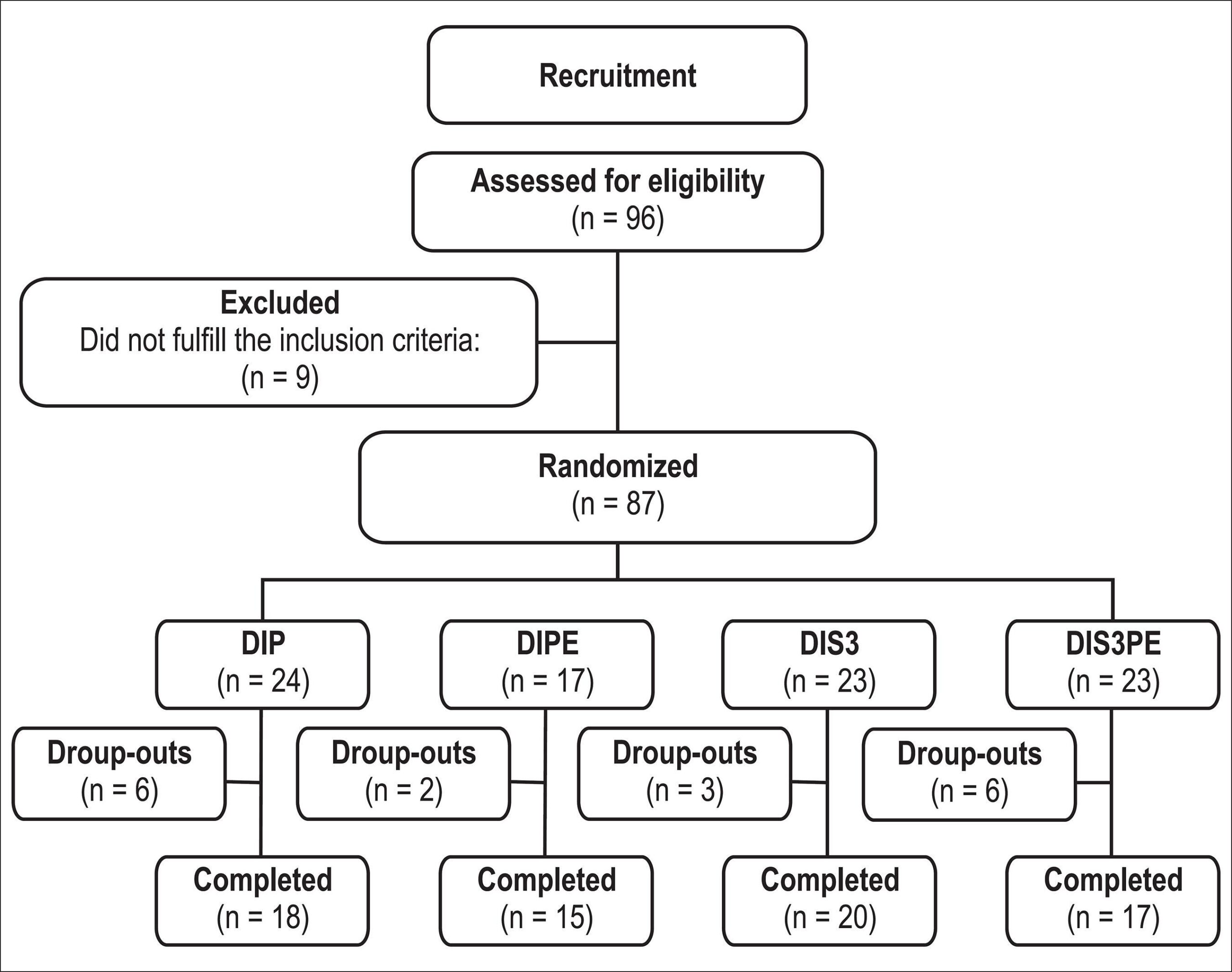
A sub-analysis study of a randomized clinical trial controlled blind that lasted three months. Participants were randomized into four groups: dietary intervention + placebo (DIP), dietary intervention + supplementation of omega 3 (fish oil 3 g/day) (DIS3), dietary intervention + placebo + physical activity (DIPE) and dietary intervention + physical activity + supplementation of omega 3 (DIS3PE). The general cardiovascular risk profile of each individual was calculated before and after the intervention.

Results:

The study included 70 subjects. Evaluating the score between the pre and post intervention yielded a significant value (p < 0.001). We obtained a reduction for intermediate risk in 25.7% of subjects. After intervention, there was a significant reduction (p < 0.01) on cardiovascular age, this being more significant in groups DIP (5.2%) and DIPE (5.3%).

Conclusion:

Proposed interventions produced beneficial effects for reducing cardiovascular risk score. This study emphasizes the importance of lifestyle modification in the prevention and treatment of cardiovascular diseases.

  • Cardiovascular Diseases
  • Exercise
  • Food habits
  • Lifestyle
  • Metabolic x Syndrome
  • Probability
  • Risk Factors
Read Full Article
Creative Commons Attribution (CC BY) Creative Commons license
17/02/2014 DOI: 10.5935/abc.20140029
ABC
Artigo Original

Identification of cardiovascular risk factors in parents/caregivers of children with heart diseases

Camila Feijó Borges et al. Fernanda Michielin Busnello Lucia Campos Pellanda

BACKGROUND: Cardiovascular diseases are one of the major causes of morbidity and mortality worldwide. In Brazil, they are the major cause of death. OBJECTIVE: To identify cardiovascular risk factors in parents/caregivers of children with heart diseases by assessing their nutritional status, health conditions, and life style. METHODS: Cross-sectional study of 150 parents or caregivers of children with heart diseases who attended a cardiology outpatient clinic. Data on identification, lifestyle and health conditions were collected by means of a structured questionnaire. For the assessment of the eating habits, a questionnaire on eating frequency was used; for the assessment of the nutritional status, weight, height, and waist circumference were measured, and the body mass index (BMI) was calculated and classified. RESULTS: A total of 155 parents of children with heart diseases, predominantly of the female gender (91.6%), were evaluated; their mean age was 35.0 ± 10.6 years. The most prevalent risk factors were sedentary lifestyle (85.2%), obesity (28%) and hypertension (22.6%). As regards the eating habits, a high frequency of intake of red meat, margarine, vegetable oil, and sugar and low intake of fish were observed. Comparison between genders showed a significant difference in relation to obesity, as detected by BMI, and hypertension, both more frequent among women. Waist circumference measurement also showed a higher cardiovascular risk in women. CONCLUSION: Cardiovascular risk factors such as excess weight, sedentary lifestyle, and hypertension as well as inadequate eating habits such as a high frequency of intake of saturated fat and cholesterol and low intake of unsaturated fat were identified in the parents/caregivers assessed.

  • Cardiovascular Diseases
  • Caregivers
  • Child
  • Lifestyle
  • nutritional status
  • Parents
  • Risk Factors
Read Full Article
Creative Commons Attribution (CC BY) Creative Commons license
06/09/2012 DOI: 10.1590/S0066-782X2012005000085 Views 1

How to cite this article

EndNote RIS

Electronic Document Format (Vancouver)

Alves M. Reflections on the Effectiveness of Cardiovascular Disease Prevention Programs in Corporate Settings. International Journal of Cardiovascular Sciences 2026;39:e20250156.

Electronic Document Format (ABNT)

Alves, Mauro. Reflections on the Effectiveness of Cardiovascular Disease Prevention Programs in Corporate Settings. International Journal of Cardiovascular Sciences, v. 39, e20250156, Mar. 2026.

Electronic Document Format (APA)

Alves, M. (2026). Reflections on the Effectiveness of Cardiovascular Disease Prevention Programs in Corporate Settings. International Journal of Cardiovascular Sciences, 39, e20250156.

Electronic Document Format (ISO)

Alves, Mauro. Reflections on the Effectiveness of Cardiovascular Disease Prevention Programs in Corporate Settings. International Journal of Cardiovascular Sciences [online]. 2026, vol. 39, [cited 2026-10-14], e20250156. Available from: <https://journals.cardiol.br/en/article/reflections-on-the-effectiveness-of-cardiovascular-disease-prevention-programs-in-corporate-settings/>. ISSN 2359-4802

EndNote RIS

Electronic Document Format (Vancouver)

Duque ALMS, Paula DP, Santos DP, Molina MDCB, Giatii L, Schmidt MI, Fonseca MJM, et al. Dose-Response Association between Leisure-Time Physical Activity Intensity Trajectories and Diabetes among Men and Women in ELSA-Brasil. Arquivos Brasileiros de Cardiologia 2025;122(8):e20250091.

Electronic Document Format (ABNT)

Duque, André Luis Messias dos Santos; Paula, Daniela Polessa; Santos, Danilo de Paula; Molina, Maria Del Carmen Bisi; Giatii, Luana; Schmidt, Maria Inês; Fonseca, Maria de Jesus Mendes da; Griep, Rosane Harter. Dose-Response Association between Leisure-Time Physical Activity Intensity Trajectories and Diabetes among Men and Women in ELSA-Brasil. Arquivos Brasileiros de Cardiologia, v. 122, n. 8, e20250091, Aug. 2025.

Electronic Document Format (APA)

Duque, A. L. M. S., Paula, D. P., Santos, D. P., Molina, M. D. C. B., Giatii, L., Schmidt, M. I., Fonseca, M. J. M. , & Griep, R. H. (2025). Dose-Response Association between Leisure-Time Physical Activity Intensity Trajectories and Diabetes among Men and Women in ELSA-Brasil. Arquivos Brasileiros de Cardiologia, 122(8), e20250091.

Electronic Document Format (ISO)

Duque, André Luis Messias dos Santos and Paula, Daniela Polessa and Santos, Danilo de Paula and Molina, Maria Del Carmen Bisi and Giatii, Luana and Schmidt, Maria Inês and Fonseca, Maria de Jesus Mendes da and Griep, Rosane Harter. Dose-Response Association between Leisure-Time Physical Activity Intensity Trajectories and Diabetes among Men and Women in ELSA-Brasil. Arquivos Brasileiros de Cardiologia [online]. 2025, vol. 122, n. 8, [cited 2026-10-14], e20250091. Available from: <https://journals.cardiol.br/en/article/dose-response-association-between-leisure-time-physical-activity-intensity-trajectories-and-diabetes-among-men-and-women-in-elsa-brasil/>. ISSN 0066-782X

EndNote RIS

Electronic Document Format (Vancouver)

Oliveira JAQ, Cimini C, Almeida V, Maia JX, Resende RE, Gualberto LA, Santos PHL, et al. The Challenges of Implementing a Text Message Intervention to Promote Behavioral Change in Primary Care Patients With Hypertension and Diabetes. International Journal of Cardiovascular Sciences 2023;36:e20220050.

Electronic Document Format (ABNT)

Oliveira, João Antonio de Queiroz; Cimini, Christiane; Almeida, Vania; Maia, Junia Xavier; Resende, Raissa Eda; Gualberto, Leticia Alves; Santos, Pedro Henrique Lauar; Gomes, Paulo R.; Bonisson, Leonardo; Paixão, Maria Cristina; Costa, Janaina Moutinho; Cardoso, Clareci Silva; Santo, Karla; Ribeiro, Antonio; Martins, Maria Auxiliadora; Marcolino, Milena S.. The Challenges of Implementing a Text Message Intervention to Promote Behavioral Change in Primary Care Patients With Hypertension and Diabetes. International Journal of Cardiovascular Sciences, v. 36, e20220050, Apr. 2023.

Electronic Document Format (APA)

Oliveira, J. A. Q., Cimini, C., Almeida, V., Maia, J. X., Resende, R. E., Gualberto, L. A., Santos, P. H. L., Gomes, P. R., Bonisson, L., Paixão, M. C., Costa, J. M., Cardoso, C. S., Santo, K., Ribeiro, A., Martins, M. A., & Marcolino, M. S. (2023). The Challenges of Implementing a Text Message Intervention to Promote Behavioral Change in Primary Care Patients With Hypertension and Diabetes. International Journal of Cardiovascular Sciences, 36, e20220050.

Electronic Document Format (ISO)

Oliveira, João Antonio de Queiroz and Cimini, Christiane and Almeida, Vania and Maia, Junia Xavier and Resende, Raissa Eda and Gualberto, Leticia Alves and Santos, Pedro Henrique Lauar and Gomes, Paulo R. and Bonisson, Leonardo and Paixão, Maria Cristina and Costa, Janaina Moutinho and Cardoso, Clareci Silva and Santo, Karla and Ribeiro, Antonio and Martins, Maria Auxiliadora and Marcolino, Milena S.. The Challenges of Implementing a Text Message Intervention to Promote Behavioral Change in Primary Care Patients With Hypertension and Diabetes. International Journal of Cardiovascular Sciences [online]. 2023, vol. 36, [cited 2026-10-14], e20220050. Available from: <https://journals.cardiol.br/en/article/the-challenges-of-implementing-a-text-message-intervention-to-promote-behavioral-change-in-primary-care-patients-with-hypertension-and-diabetes/>. ISSN 2359-4802

EndNote RIS

Electronic Document Format (Vancouver)

Prodel E. Small Exercise Breaks can Save your Brain from Prolonged Sitting. International Journal of Cardiovascular Sciences 2023;34(6):654-5.

Electronic Document Format (ABNT)

Prodel, Eliza. Small Exercise Breaks can Save your Brain from Prolonged Sitting. International Journal of Cardiovascular Sciences, v. 34, n. 6, p. 654-655, Mar. 2023.

Electronic Document Format (APA)

Prodel, E. (2023). Small Exercise Breaks can Save your Brain from Prolonged Sitting. International Journal of Cardiovascular Sciences, 34(6), 654-655.

Electronic Document Format (ISO)

Prodel, Eliza. Small Exercise Breaks can Save your Brain from Prolonged Sitting. International Journal of Cardiovascular Sciences [online]. 2023, vol. 34, n. 6, [cited 2026-10-14], pp. 654-655. Available from: <https://journals.cardiol.br/en/article/small-exercise-breaks-can-save-your-brain-from-prolonged-sitting/>. ISSN 2359-4802

EndNote RIS

Electronic Document Format (Vancouver)

Mill JG. Obesity and Risk of Hypertension: A Growing Problem in Children and Adolescents. Arquivos Brasileiros de Cardiologia 2023;120(2):e20220940.

Electronic Document Format (ABNT)

Mill, José Geraldo. Obesity and Risk of Hypertension: A Growing Problem in Children and Adolescents. Arquivos Brasileiros de Cardiologia, v. 120, n. 2, e20220940, Mar. 2023.

Electronic Document Format (APA)

Mill, J. G. (2023). Obesity and Risk of Hypertension: A Growing Problem in Children and Adolescents. Arquivos Brasileiros de Cardiologia, 120(2), e20220940.

Electronic Document Format (ISO)

Mill, José Geraldo. Obesity and Risk of Hypertension: A Growing Problem in Children and Adolescents. Arquivos Brasileiros de Cardiologia [online]. 2023, vol. 120, n. 2, [cited 2026-10-14], e20220940. Available from: <https://journals.cardiol.br/en/article/obesity-and-risk-of-hypertension-a-growing-problem-in-children-and-adolescents/>. ISSN 0066-782X

EndNote RIS

Electronic Document Format (Vancouver)

Branco KC, Back IC. Why is Physical Activity Important to Study in Childhood and Adolescence?. International Journal of Cardiovascular Sciences 2022;35(3):316-7.

Electronic Document Format (ABNT)

Branco, Klebia Castello; Back, Isabela de Carlos. Why is Physical Activity Important to Study in Childhood and Adolescence?. International Journal of Cardiovascular Sciences, v. 35, n. 3, p. 316-317, Nov. 2021.

Electronic Document Format (APA)

Branco, K. C., & Back, I. C. (2022). Why is Physical Activity Important to Study in Childhood and Adolescence?. International Journal of Cardiovascular Sciences, 35(3), 316-317.

Electronic Document Format (ISO)

Branco, Klebia Castello and Back, Isabela de Carlos. Why is Physical Activity Important to Study in Childhood and Adolescence?. International Journal of Cardiovascular Sciences [online]. 2022, vol. 35, n. 3, [cited 2026-10-14], pp. 316-317. Available from: <https://journals.cardiol.br/en/article/why-is-physical-activity-important-to-study-in-childhood-and-adolescence/>. ISSN 2359-4802

EndNote RIS

Electronic Document Format (Vancouver)

Pamplona-Cunha H, Rosini N, Caetano R, Machado MJ, Silva EL. Lifestyle Intervention in Reducing Cardiometabolic Risk Factors in Students with Dyslipidemia and Abdominal Obesity: A Randomized Study. International Journal of Cardiovascular Sciences 2021;35(1):68-79.

Electronic Document Format (ABNT)

Pamplona-Cunha, Heloisa; Rosini, Nilton; Caetano, Roberta; Machado, Marcos José; Silva, Edson Luiz da. Lifestyle Intervention in Reducing Cardiometabolic Risk Factors in Students with Dyslipidemia and Abdominal Obesity: A Randomized Study. International Journal of Cardiovascular Sciences, v. 35, n. 1, p. 68-79, Jul. 2021.

Electronic Document Format (APA)

Pamplona-Cunha, H., Rosini, N., Caetano, R., Machado, M. J., & Silva, E. L. (2021). Lifestyle Intervention in Reducing Cardiometabolic Risk Factors in Students with Dyslipidemia and Abdominal Obesity: A Randomized Study. International Journal of Cardiovascular Sciences, 35(1), 68-79.

Electronic Document Format (ISO)

Pamplona-Cunha, Heloisa and Rosini, Nilton and Caetano, Roberta and Machado, Marcos José and Silva, Edson Luiz da. Lifestyle Intervention in Reducing Cardiometabolic Risk Factors in Students with Dyslipidemia and Abdominal Obesity: A Randomized Study. International Journal of Cardiovascular Sciences [online]. 2021, vol. 35, n. 1, [cited 2026-10-14], pp. 68-79. Available from: <https://journals.cardiol.br/en/article/lifestyle-intervention-in-reducing-cardiometabolic-risk-factors-in-students-with-dyslipidemia-and-abdominal-obesity-a-randomized-study/>. ISSN 2359-4802

EndNote RIS

Electronic Document Format (Vancouver)

Paravidino VB, Mediano MFF, Sichieri R. Physical Exercise, Energy Expenditure and Weight Loss: An Assumption not Always Observed in Practice. International Journal of Cardiovascular Sciences 2021;34(6):734-6.

Electronic Document Format (ABNT)

Paravidino, Vitor Barreto; Mediano, Mauro Felippe Felix; Sichieri, Rosely. Physical Exercise, Energy Expenditure and Weight Loss: An Assumption not Always Observed in Practice. International Journal of Cardiovascular Sciences, v. 34, n. 6, p. 734-736, May. 2021.

Electronic Document Format (APA)

Paravidino, V. B., Mediano, M. F. F., & Sichieri, R. (2021). Physical Exercise, Energy Expenditure and Weight Loss: An Assumption not Always Observed in Practice. International Journal of Cardiovascular Sciences, 34(6), 734-736.

Electronic Document Format (ISO)

Paravidino, Vitor Barreto and Mediano, Mauro Felippe Felix and Sichieri, Rosely. Physical Exercise, Energy Expenditure and Weight Loss: An Assumption not Always Observed in Practice. International Journal of Cardiovascular Sciences [online]. 2021, vol. 34, n. 6, [cited 2026-10-14], pp. 734-736. Available from: <https://journals.cardiol.br/en/article/physical-exercise-energy-expenditure-and-weight-loss-an-assumption-not-always-observed-in-practice/>. ISSN 2359-4802

EndNote RIS

Electronic Document Format (Vancouver)

Hernández I, Estrella A, Salazar J, Duarte Y, Torres E, López C, Terán S, et al. Treatment Eligibility and Therapeutic Responses of an Ecuadorian Population at High Cardiovascular Risk Based on the ATP III Guidelines. International Journal of Cardiovascular Sciences 2020;33(4):371-6.

Electronic Document Format (ABNT)

Hernández, Isabel; Estrella, Andrea; Salazar, Jorge; Duarte, Yan; Torres, Edmundo; López, Camilo; Terán, Santiago; Mendoza, Alejandra; Terán, Enrique. Treatment Eligibility and Therapeutic Responses of an Ecuadorian Population at High Cardiovascular Risk Based on the ATP III Guidelines. International Journal of Cardiovascular Sciences, v. 33, n. 4, p. 371-376, Aug. 2020.

Electronic Document Format (APA)

Hernández, I., Estrella, A., Salazar, J., Duarte, Y., Torres, E., López, C., Terán, S., Mendoza, A., & Terán, E. (2020). Treatment Eligibility and Therapeutic Responses of an Ecuadorian Population at High Cardiovascular Risk Based on the ATP III Guidelines. International Journal of Cardiovascular Sciences, 33(4), 371-376.

Electronic Document Format (ISO)

Hernández, Isabel and Estrella, Andrea and Salazar, Jorge and Duarte, Yan and Torres, Edmundo and López, Camilo and Terán, Santiago and Mendoza, Alejandra and Terán, Enrique. Treatment Eligibility and Therapeutic Responses of an Ecuadorian Population at High Cardiovascular Risk Based on the ATP III Guidelines. International Journal of Cardiovascular Sciences [online]. 2020, vol. 33, n. 4, [cited 2026-10-14], pp. 371-376. Available from: <https://journals.cardiol.br/en/article/treatment-eligibility-and-therapeutic-responses-of-an-ecuadorian-population-at-high-cardiovascular-risk-based-on-the-atp-iii-guidelines/>. ISSN 2359-4802

EndNote RIS

Electronic Document Format (Vancouver)

Eduard M, Julio P, Alejandra R. Co-occurrence of Cardiometabolic Disease Risk Factors: Unhealthy Eating, Tobacco, Alcohol, Sedentary Lifestyle and Socioeconomic Aspects. Arquivos Brasileiros de Cardiologia 2019;113(4):710-1.

Electronic Document Format (ABNT)

Eduard, Maury-Sintjago; Julio, Parra-Flores; Alejandra, Rodríguez-Fernández. Co-occurrence of Cardiometabolic Disease Risk Factors: Unhealthy Eating, Tobacco, Alcohol, Sedentary Lifestyle and Socioeconomic Aspects. Arquivos Brasileiros de Cardiologia, v. 113, n. 4, p. 710-711, Nov. 2019.

Electronic Document Format (APA)

Eduard, M., Julio, P., & Alejandra, R. (2019). Co-occurrence of Cardiometabolic Disease Risk Factors: Unhealthy Eating, Tobacco, Alcohol, Sedentary Lifestyle and Socioeconomic Aspects. Arquivos Brasileiros de Cardiologia, 113(4), 710-711.

Electronic Document Format (ISO)

Eduard, Maury-Sintjago and Julio, Parra-Flores and Alejandra, Rodríguez-Fernández. Co-occurrence of Cardiometabolic Disease Risk Factors: Unhealthy Eating, Tobacco, Alcohol, Sedentary Lifestyle and Socioeconomic Aspects. Arquivos Brasileiros de Cardiologia [online]. 2019, vol. 113, n. 4, [cited 2026-10-14], pp. 710-711. Available from: <https://journals.cardiol.br/en/article/co-occurrence-of-cardiometabolic-disease-risk-factors-unhealthy-eating-tobacco-alcohol-sedentary-lifestyle-and-socioeconomic-aspects/>. ISSN 0066-782X

EndNote RIS

Electronic Document Format (Vancouver)

Araújo CGS, Freire IV, Ribeiro JS, Montino YF, Casotti CA, Pereira R. The Physical Activity Level, Body Composition and Diabetes Mellitus Influence the Association Between Depression and Hypertension in Community-Dwelling Elders. International Journal of Cardiovascular Sciences 2019;32(4):355-61.

Electronic Document Format (ABNT)

Araújo, Carlos Geovane S.; Freire, Ivna Vidal; Ribeiro, Ícaro José Santos; Montino, Yanne Franca; Casotti, Cézar Augusto; Pereira, Rafael. The Physical Activity Level, Body Composition and Diabetes Mellitus Influence the Association Between Depression and Hypertension in Community-Dwelling Elders. International Journal of Cardiovascular Sciences, v. 32, n. 4, p. 355-361, Aug. 2019.

Electronic Document Format (APA)

Araújo, C. G. S., Freire, I. V., Ribeiro, J. S., Montino, Y. F., Casotti, C. A., & Pereira, R. (2019). The Physical Activity Level, Body Composition and Diabetes Mellitus Influence the Association Between Depression and Hypertension in Community-Dwelling Elders. International Journal of Cardiovascular Sciences, 32(4), 355-361.

Electronic Document Format (ISO)

Araújo, Carlos Geovane S. and Freire, Ivna Vidal and Ribeiro, Ícaro José Santos and Montino, Yanne Franca and Casotti, Cézar Augusto and Pereira, Rafael. The Physical Activity Level, Body Composition and Diabetes Mellitus Influence the Association Between Depression and Hypertension in Community-Dwelling Elders. International Journal of Cardiovascular Sciences [online]. 2019, vol. 32, n. 4, [cited 2026-10-14], pp. 355-361. Available from: <https://journals.cardiol.br/en/article/the-physical-activity-level-body-composition-and-diabetes-mellitus-influence-the-association-between-depression-and-hypertension-in-community-dwelling-elders/>. ISSN 2359-4802

EndNote RIS

Electronic Document Format (Vancouver)

Stein R, Börjesson M. Physical Inactivity in Brazil and Sweden – Different Countries, Similar Problem. Arquivos Brasileiros de Cardiologia 2019;112(2):119-20.

Electronic Document Format (ABNT)

Stein, Ricardo; Börjesson, Mats. Physical Inactivity in Brazil and Sweden – Different Countries, Similar Problem. Arquivos Brasileiros de Cardiologia, v. 112, n. 2, p. 119-120, Jan. 2019.

Electronic Document Format (APA)

Stein, R., & Börjesson, M. (2019). Physical Inactivity in Brazil and Sweden – Different Countries, Similar Problem. Arquivos Brasileiros de Cardiologia, 112(2), 119-120.

Electronic Document Format (ISO)

Stein, Ricardo and Börjesson, Mats. Physical Inactivity in Brazil and Sweden – Different Countries, Similar Problem. Arquivos Brasileiros de Cardiologia [online]. 2019, vol. 112, n. 2, [cited 2026-10-14], pp. 119-120. Available from: <https://journals.cardiol.br/en/article/physical-inactivity-in-brazil-and-sweden-different-countries-similar-problem/>. ISSN 0066-782X

EndNote RIS

Electronic Document Format (Vancouver)

Soares TS, Piovesan CH, Gustavo AS, Macagnan FE, Bodanese LC, Feoli AMP. Alimentary Habits, Physical Activity, and Framingham Global Risk Score in Metabolic Syndrome. Arquivos Brasileiros de Cardiologia 2014;102(4):374-82.

Electronic Document Format (ABNT)

Soares, Thays Soliman; Piovesan, Carla Haas; Gustavo, Andréia da Silva; Macagnan, Fabrício Edler; Bodanese, Luiz Carlos; Feoli, Ana Maria Pandolfo. Alimentary Habits, Physical Activity, and Framingham Global Risk Score in Metabolic Syndrome. Arquivos Brasileiros de Cardiologia, v. 102, n. 4, p. 374-382, Feb. 2014.

Electronic Document Format (APA)

Soares, T. S., Piovesan, C. H., Gustavo, A. S., Macagnan, F. E., Bodanese, L. C., & Feoli, A. M. P. (2014). Alimentary Habits, Physical Activity, and Framingham Global Risk Score in Metabolic Syndrome. Arquivos Brasileiros de Cardiologia, 102(4), 374-382.

Electronic Document Format (ISO)

Soares, Thays Soliman and Piovesan, Carla Haas and Gustavo, Andréia da Silva and Macagnan, Fabrício Edler and Bodanese, Luiz Carlos and Feoli, Ana Maria Pandolfo. Alimentary Habits, Physical Activity, and Framingham Global Risk Score in Metabolic Syndrome. Arquivos Brasileiros de Cardiologia [online]. 2014, vol. 102, n. 4, [cited 2026-10-14], pp. 374-382. Available from: <https://journals.cardiol.br/en/article/alimentary-habits-physical-activity-and-framingham-global-risk-score-in-metabolic-syndrome/>. ISSN 0066-782X

EndNote RIS

Electronic Document Format (Vancouver)

Borges CF, Busnello FM, Pellanda LC. Identification of cardiovascular risk factors in parents/caregivers of children with heart diseases. Arquivos Brasileiros de Cardiologia 2012;99(4):936-43.

Electronic Document Format (ABNT)

Borges, Camila Feijó; Busnello, Fernanda Michielin; Pellanda, Lucia Campos. Identification of cardiovascular risk factors in parents/caregivers of children with heart diseases. Arquivos Brasileiros de Cardiologia, v. 99, n. 4, p. 936-943, Sep. 2012.

Electronic Document Format (APA)

Borges, C. F., Busnello, F. M., & Pellanda, L. C. (2012). Identification of cardiovascular risk factors in parents/caregivers of children with heart diseases. Arquivos Brasileiros de Cardiologia, 99(4), 936-943.

Electronic Document Format (ISO)

Borges, Camila Feijó and Busnello, Fernanda Michielin and Pellanda, Lucia Campos. Identification of cardiovascular risk factors in parents/caregivers of children with heart diseases. Arquivos Brasileiros de Cardiologia [online]. 2012, vol. 99, n. 4, [cited 2026-10-14], pp. 936-943. Available from: <https://journals.cardiol.br/en/article/identification-of-cardiovascular-risk-factors-in-parents-caregivers-of-children-with-heart-diseases/>. ISSN 0066-782X

  • About ABC Family
  • Internal Regulation
  • Editorial Board
  • Brazilian Society of Cardiology (SBC)

Issues

SBC Guidelines

  • Videos
  • Podcasts
  • News