ABC Family Arquivos Brasileiros de Cardiologia International Journal of Cardiovascular Sciences ABC Heart Failure & Cardiomyopathy ABC Imagem Cardiovascular
Português English
ABC Family
Português English
  • About
    • About ABC Family
    • Internal Regulation
    • Editorial Board
    • Brazilian Society of Cardiology (SBC)
  • Issues
  • SBC Guidelines
  • Content
    • Videos
    • Podcasts
    • News
  • About
    • About ABC Family
    • Internal Regulation
    • Editorial Board
    • Brazilian Society of Cardiology (SBC)
  • Issues
  • SBC Guidelines
  • Content
    • Videos
    • Podcasts
    • News

ABC Family

  • ABC Family
  • Arquivos Brasileiros de Cardiologia
  • International Journal of Cardiovascular Sciences
  • ABC Heart Failure & Cardiomyopathy
  • ABC Imagem Cardiovascular
Search in

No content found.

Journals
Ordering
Article types
Others

  1. Home
  2. Keyword: Sudden Cardiac Death
Figure 1
ABCIC
Case Report

Long-term Follow-Up of a Patient with FLNC Gene Mutation-Related Cardiomyopathy: A Case Report

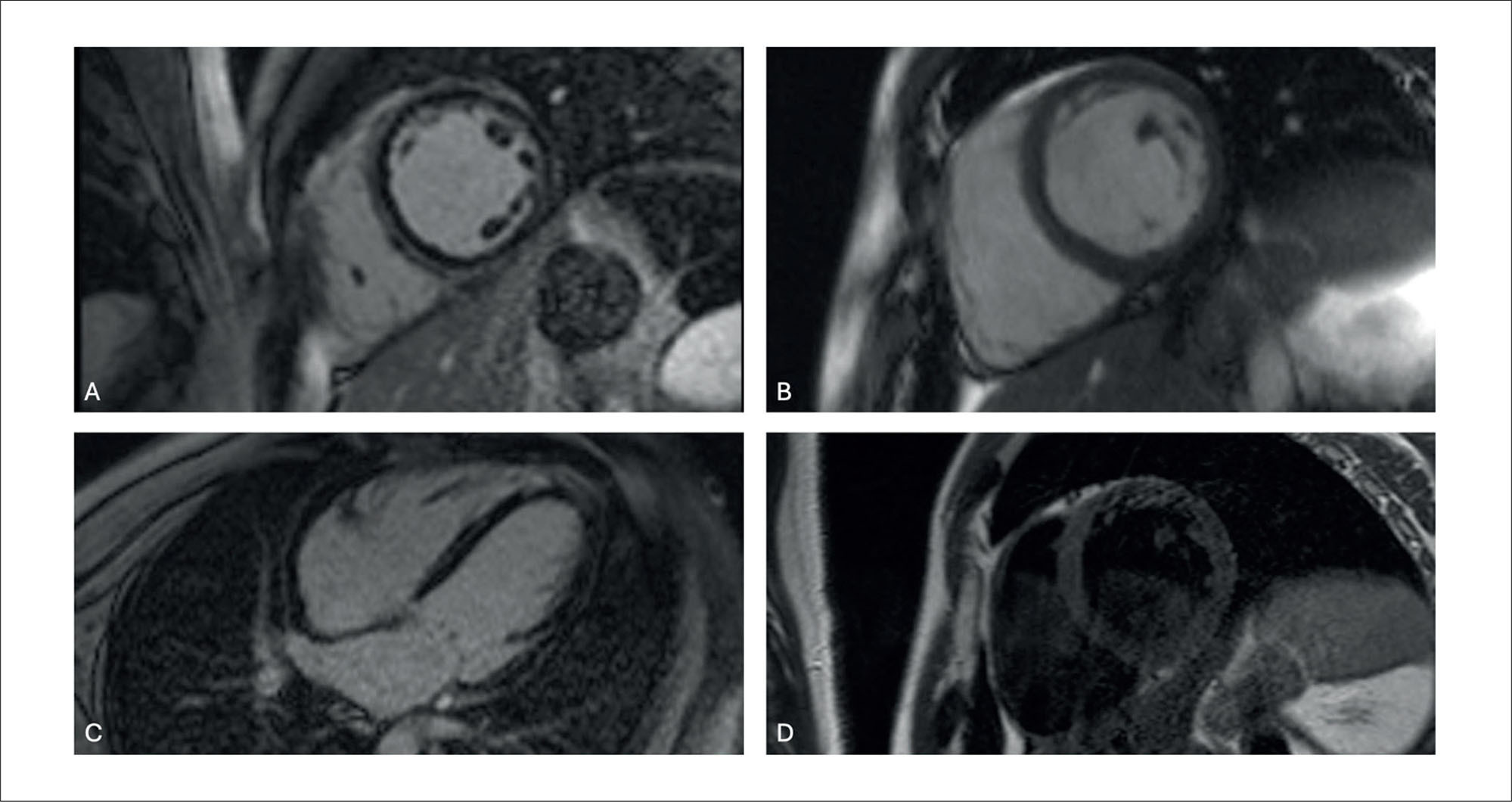
Isabela Bispo Santos da Silva Costa et al. Bruno Soares da Silva Rangel Antonio Tito Paladino Filho Bruno Normande Colombo … Thamara Carvalho Morais Ludhmila Abrahão Hajjar

Introduction

Heart Failure (HF) is estimated to affect approximately 26 million people worldwide., In Brazil, prevalence is high, with about 2 million diagnosed patients and an incidence of roughly 240,000 new cases every year. Between 2011 and 2021, more than 2.5 million HF-related hospitalizations were recorded in the Brazilian Unified Health System (SUS), underscoring the relevance of the disease in the national context. These figures highlight the need for early diagnostic strategies and etiological definition for the appropriate management of these patients. Establishing an etiological diagnosis is often challenging but essential to provide disease-specific treatments and improve prognosis. Diagnosis encompasses multimodality cardiac imaging, with Cardiac Magnetic Resonance imaging (CMR) being a useful tool for evaluating non-ischemic cardiomyopathy phenotypes and establishing an etiological diagnosis.

[…]
  • Arrhythmias Cardiac
  • Cardiac Magnetic Resonance Imaging
  • Cardiomyopathies
  • Genetics
  • Sudden Cardiac Death
Read Full Article
Creative Commons Attribution (CC BY) Creative Commons license
03/12/2025 DOI: 10.36660/abcimg.20250071i
Central Illustration
ABCHF
Review Article

The Multiple Faces of Cardiomyopathy Due to Filamin C Gene Variants (FLNC)

Frank Nunes et al. Raquel Germer Toja Couto Diane Xavier de Avila Ana Flavia Malheiros Torbey … Kárila Scarduelli Luciano Estevão Lanna Figueiredo Evandro Tinoco Mesquita

Abstract

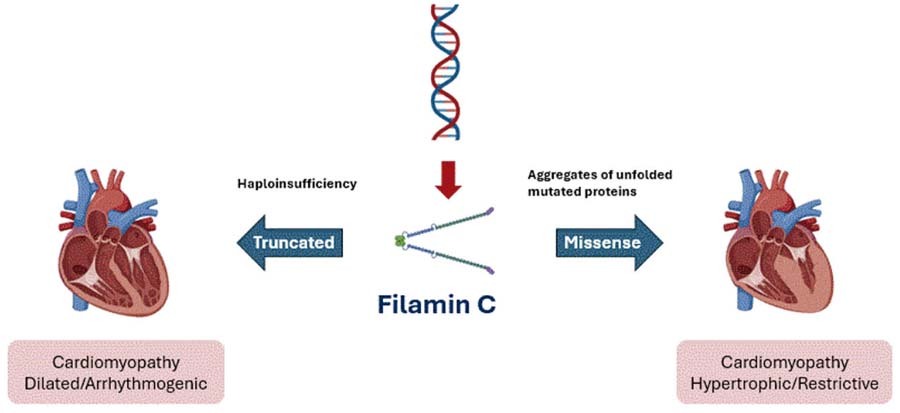
Filamin C is an essential protein for the integrity of the sarcomere and cytoskeleton of cardiomyocytes. Pathogenic variants in the FLNC gene are associated with a wide range of cardiomyopathies and may present distinct phenotypes depending on the type of genetic alteration. Truncated variants are frequently associated with dilated and arrhythmogenic cardiomyopathy, while missense variants are more related to hypertrophic and restrictive forms. These phenotypic differences reflect the molecular and structural impact of the FLNC variant on filamin C protein, with direct implications for clinical management. Diagnosis and risk stratification are challenging, requiring a multimodal approach that integrates clinical, genetic, and imaging data, especially cardiac magnetic resonance imaging, which is essential for the detection of myocardial fibrosis and for prognostic assessment. Recent evidence indicates that pathogenic FLNC variants have also been rarely associated with severe acute myocarditis, often presenting with malignant ventricular arrhythmias and systolic dysfunction. Accurate diagnosis, continuous monitoring, and family counseling are essential to define the best therapeutic and prognostic approach for patients, especially those at high risk of sudden cardiac death (SCD), thus allowing personalized and preventive interventions.

  • Cardiomyopathies
  • Filamins
  • Sudden Cardiac Death
Read Full Article
Creative Commons Attribution (CC BY) Creative Commons license
20/10/2025 DOI: 10.36660/abchf.20250008i Views 2
Central Illustration
ABCIC
Review Article

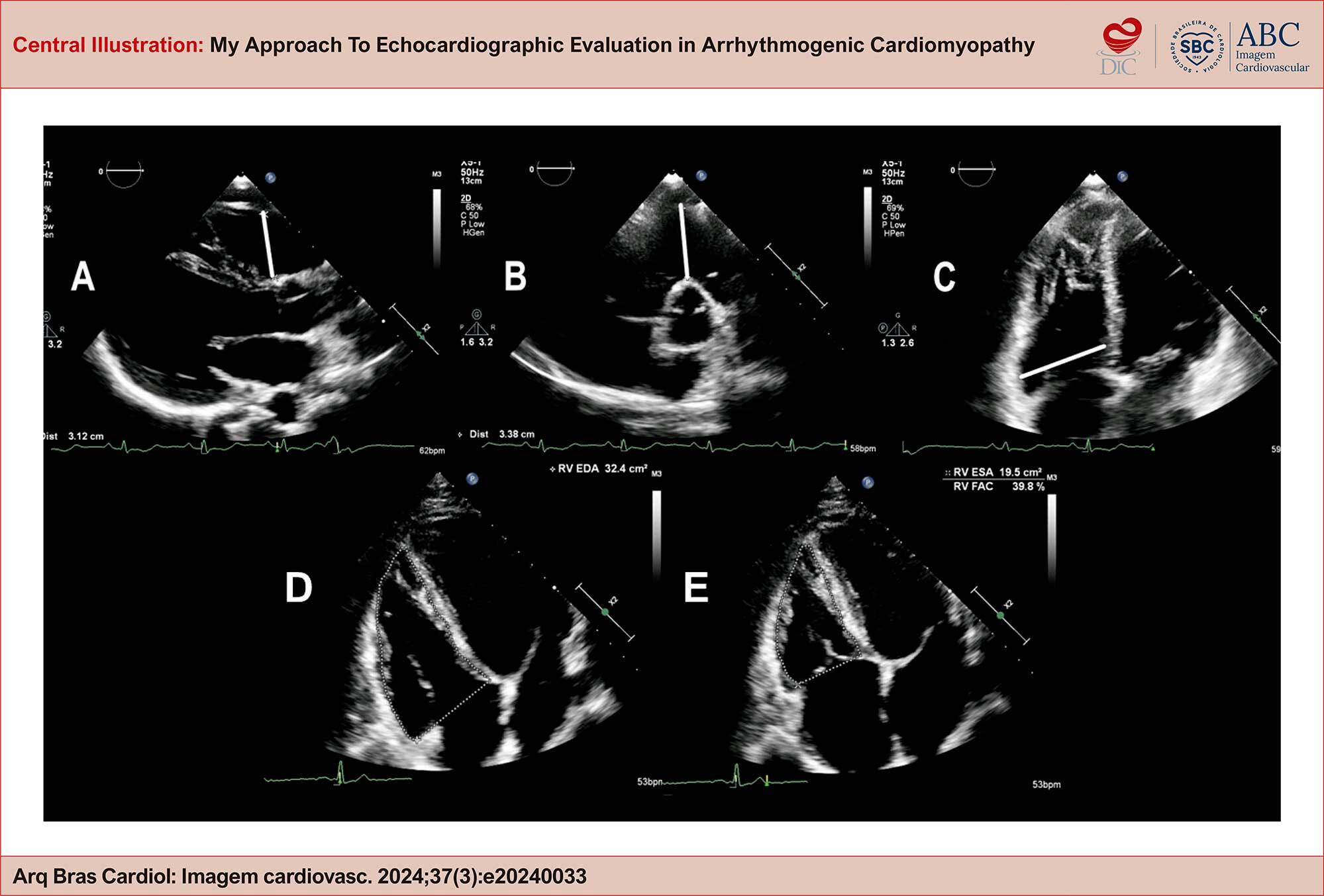
My Approach To Echocardiographic Evaluation in Arrhythmogenic Cardiomyopathy

Danilo Bora Moleta et al. Cassio Carvalho Soeiro Machado Lucas Arraes de França Marcelo Luiz Campos Vieira

Abstract

Careful echocardiographic evaluation of the right ventricle, although challenging and sometimes neglected, is of utmost importance in the diagnosis of certain pathologies, such as arrhythmogenic cardiomyopathy (ACM) — a hereditary myocardial disease associated with the development of ventricular arrhythmias, heart failure, and sudden death. This article aims to review the diagnostic criteria proposed in the 2010 Task Force and the modifications suggested by the 2020 Padua criteria, as well as illustrate the potential use of advanced echocardiography techniques for earlier detection and prognostic definition.

  • Arrhythmogenic right ventricular dysplasia;
  • Cardiomyopathies
  • Right Ventricular Dysfunction
  • Sudden Cardiac Death
  • Ventricular tachycardia
Read Full Article
Creative Commons Attribution (CC BY) Creative Commons license
27/08/2024 DOI: 10.36660/abcimg.20240033i Views 2
Figure 1
ABC
Research Letter

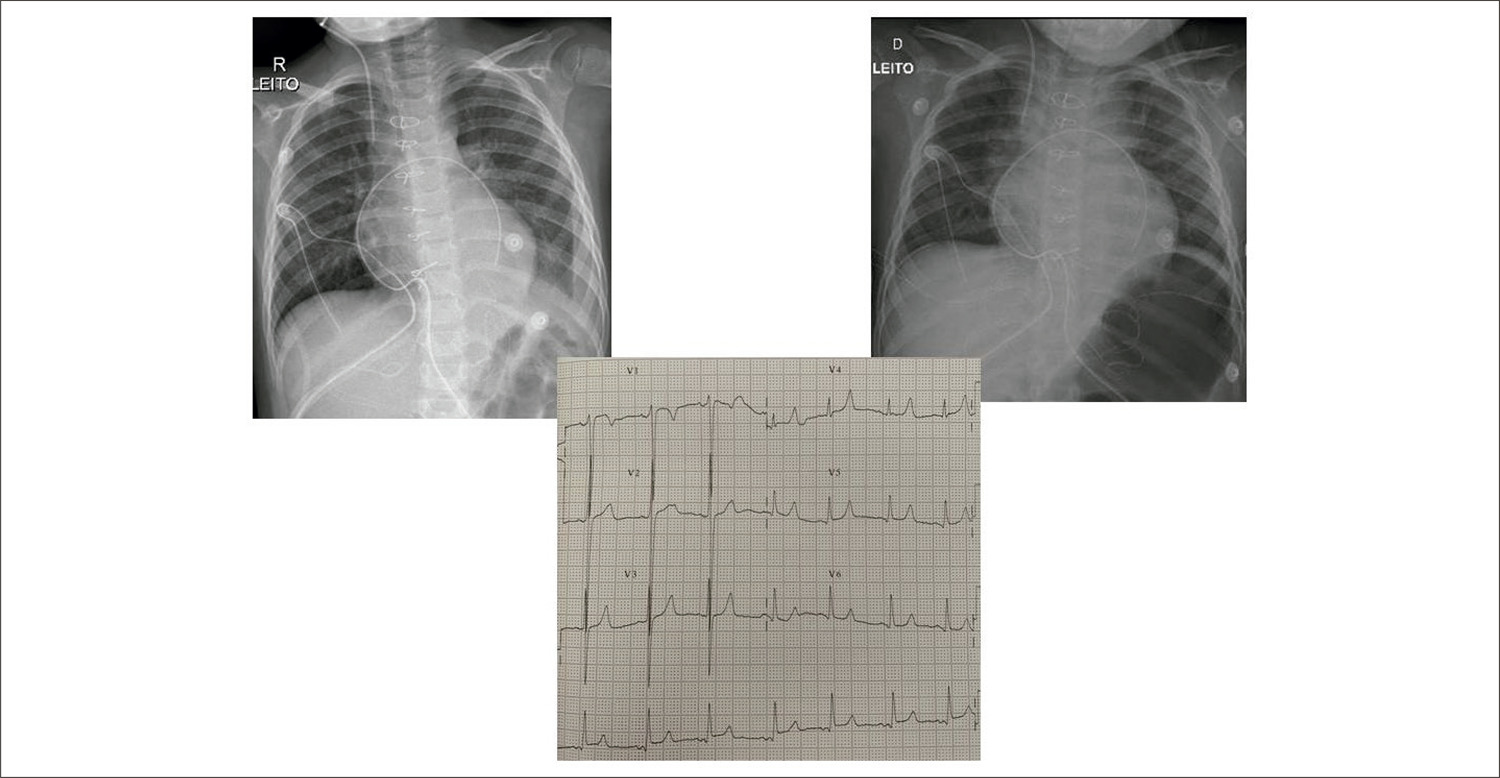
Marked Concentric Myocardial Hypertrophy with Good Postoperative Evolution in a 4 Years Old Child

Edmar Atik et al. Gabriela Nunes Leal Marcelo B. Jatene

Introduction

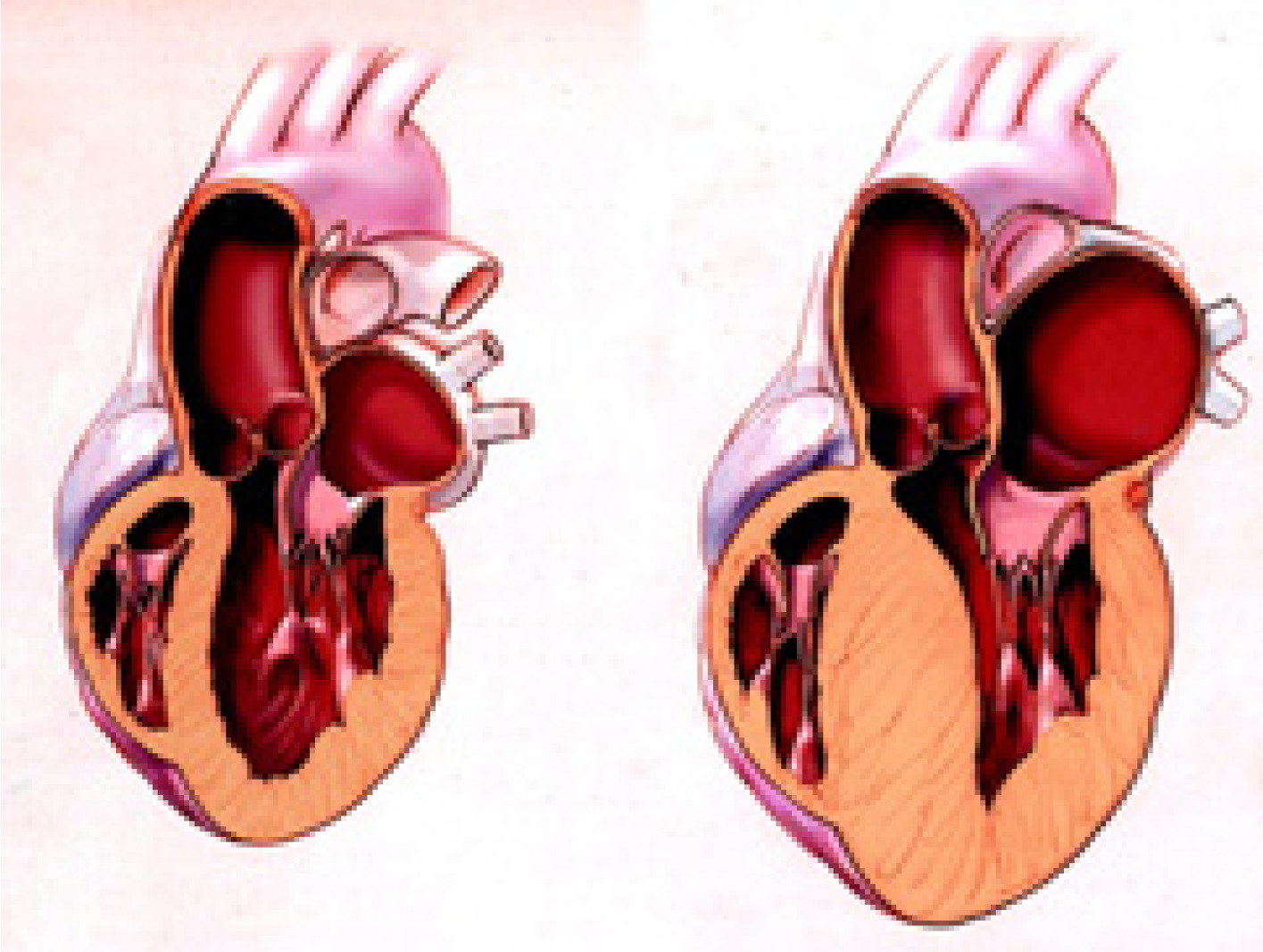
Hypertrophic cardiomyopathy (HCM), characterized by hypertrophy of the left ventricle, has no etiological explanation under conditions of the usual diseases that cause cardiac overloads like systemic arterial hypertension, obstructive congenital heart diseases, and other pathologies. – It results from cardiovascular genetic pathology causing a complex disease, from gene diversity (more than 1400 mutations identified in 11 different genes) to phenotypic expression, histological characteristics, and manifested symptoms. Beta myosins (MYH7) genes occur in 35% of the cases, and myosin is linked to protein C (MYBPC3) in 49%, corresponding to three-quarters of the pathogenic mutations. Higher evolutionary risk is observed in the first group of changes, mainly to sudden death. The breakdown of myofibrils with bizarre nuclei and increased extracellular connective tissue characterize the histological findings.

Genetic diagnosis is achieved in 80% of these cases in children, which is important for risk stratification, therapeutic planning, and genetic counseling.

[…]

  • Abnormalities Congenital/surgery
  • Cardiomyopathy, Hypertrophic/surgery
  • Diagnostic Imaging/methods
  • Hypertrophy, Left Ventricular/surgery
  • Risk Factors
  • Sudden Cardiac Death
Read Full Article
Creative Commons Attribution (CC BY) Creative Commons license
19/06/2023 DOI: 10.36660/abc.20220869 Views 1
Figure 1
ABC
Editorial

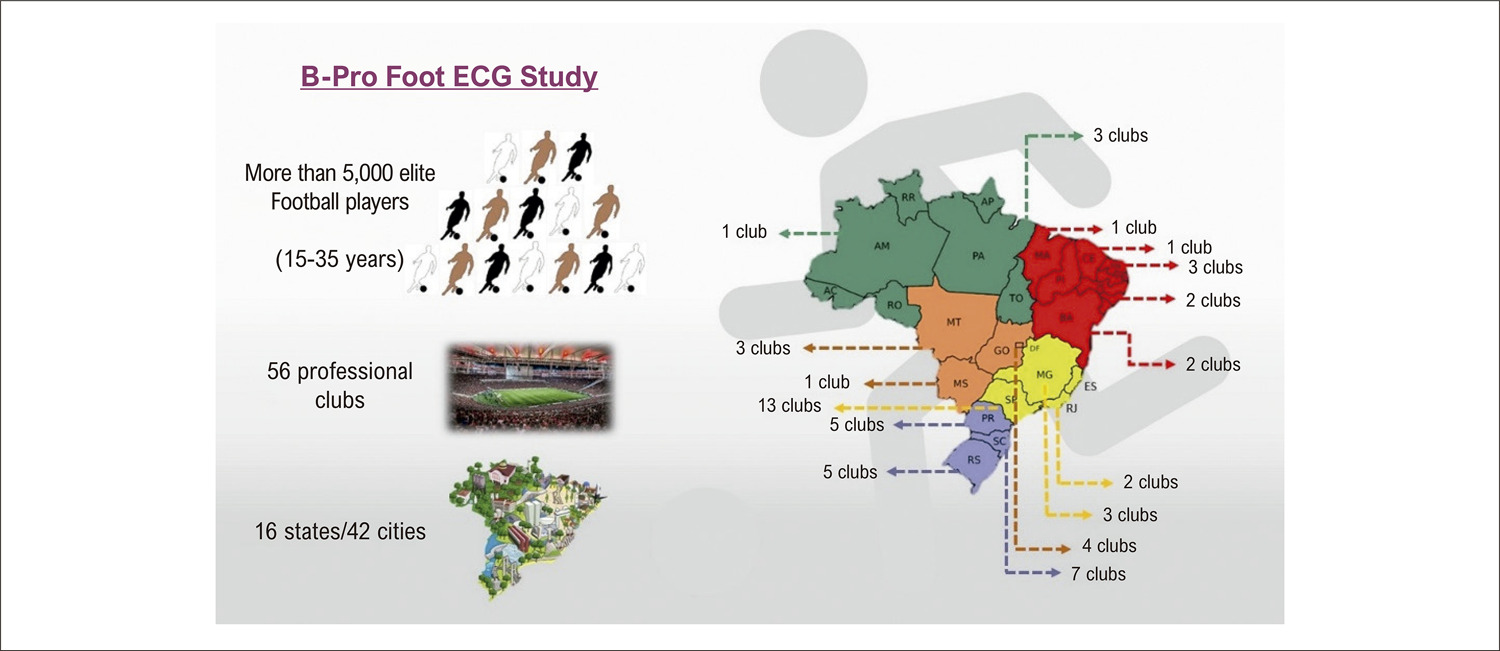
Electrocardiogram of Brazilian Elite Football Players: Filling a Gap

Ricardo Stein et al. Filipe Ferrari Anderson Donelli da Silveira

Introduction

The sudden death of a young, apparently healthy athlete is a tragedy, and the true incidence of sudden cardiac death (SCD) among athletes is controversial. Although estimates from studies in the United States and Europe are limited by various methodological issues, it is known that physical exertion in sports activity and training poses a 2.5 to 4.5 times higher risk of sudden cardiac arrest and SCD in relation to non-athletes and recreational athletes.–On the other hand, a consistent finding across studies is that male athletes have a three to five times higher incidence of SCD than female athletes.

Over the past few decades, much has been discussed about the role of the resting 12-lead electrocardiogram (ECG) in preventing SCD in young athletes. Studies carried out in different parts of the world have been published, and expert consensuses have been developed to standardize a very peculiar type of ECG.–

[…]

  • Athletes
  • Ethnicity and Health
  • Exercise
  • Heart Arrest
  • Mass Sreening
  • Soccer
  • Sudden Cardiac Death
Read Full Article
Creative Commons Attribution (CC BY) Creative Commons license
01/05/2023 DOI: 10.36660/abc.20230090 Views 2
Figure 1
ABC
Original Article

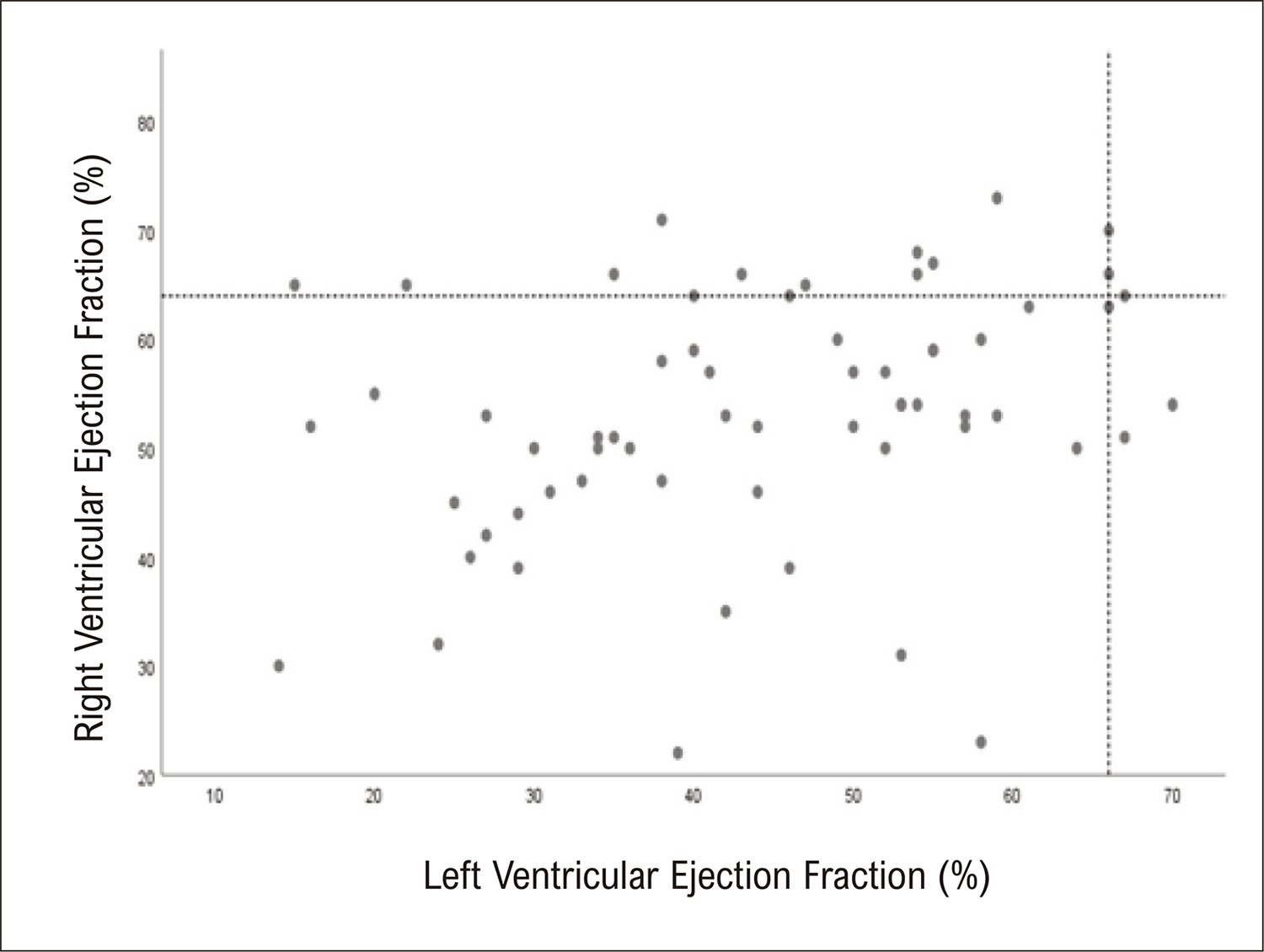
Cardiac Magnetic Resonance as an Etiological Diagnosis Tool in Recovered Sudden Cardiac Death or Unstable Ventricular Arrhythmia Patients

Paula C. Marçal et al. Maria Fernanda Braggion-Santos Danilo Tadao Wada Marcel Koenigkam Santos … Henrique Turin Moreira Gustavo Jardim Volpe André Schmidt

Abstract

Background

Cardiac magnetic resonance (CMR) has an increasing diagnostic relevance in survivors of sudden cardiac death (SCD) or unstable ventricular arrhythmia (UVA) in developed countries.

Objective

To evaluate retrospectively the additional role of CMR in a developing country where few resources are available, and should be used more effectively.

Methods

The study included SCD or UVA survivors admitted between 2009 and 2019 at a tertiary academic institution referred to CMR. Demographic, clinical, and laboratory data were collected from the medical records. CMR images and reports were reviewed and their impact on the final etiological diagnosis was determined. A descriptive analysis was performed and p<0.05 established as significant.

Results

Sixty-four patients, 54.9±15.4 years old, and 42 (71.9%) males. Most events (81.3%) were out of the hospital and ventricular tachycardia was the most common rhythm. Cardiovascular medications were previously used by 55 patients, and beta-blockers were the most used medications (37.5%). Electrocardiogram had electrical inactive areas in 21.9% and all of them had fibrosis at CMR. Mean left ventricular ejection fraction (LVEF) was 44±14%, with 60.9% ≤50% and only 29.7% ≤35%. Late gadolinium enhancement was identified in 71.9%, with a transmural pattern in 43.8%. Chagas cardiomyopathy was the most common etiology (28.1%), followed by ischemic cardiomyopathy (17.2%). Among 26 without a previously identified etiology, CMR could define it (15 patients – 57%).

Conclusion

In accordance with previous studies in developed countries, CMR was capable of increasing etiological diagnosis and identifying the arrhythmogenic substrate, allowing better care in half of the underdiagnosed patients.

  • Cardiac magnetic resonance
  • Sudden Cardiac Death
  • Unstable Ventricular Tachycardia
  • ventricular arrhythmia
Read Full Article
Creative Commons Attribution (CC BY) Creative Commons license
21/04/2023 DOI: 10.36660/abc.20220411
ABC
Letter to the Editor

Risk Stratification for Primary Prevention of Sudden Cardiac Death in Hypertrophic Cardiomyopathy

Styliani Vakrou et al. Charalampos Vlachopoulos Konstantinos A. Gatzoulis

Reply

Sudden cardiac death (SCD) is considered the most dramatic complication of hypertrophic cardiomyopathy (HCM) with an estimated annual incidence of 0.5–1%. Over the years, the ACC/AHA and the ESC have published consensus guidelines providing different approaches for SCD risk stratification based on independent clinical predictors. Despite the relatively low accuracy of these markers, current strategies are considered to have a reasonable discriminatory power for the recognition of high-risk patients. However, prognostic assessment is challenging in HCM, especially in low to moderate risk patients. SCD may arise in the absence of known risk factors and some approaches show conflicting results in different populations. Moreover, methodological discrepancies between the North American and the European guidelines may determine discordant levels of recommendation regarding implantable cardioverter defibrillator (ICD) in primary prevention. Therefore, risk stratification is still imprecise and requires further investigation.

The 2018 manuscript of Gatzoulis et al. reevaluates the role of electrophysiological study for prognostic assessment in a low to intermediate risk single-center HCM cohort stratified according to contemporary guidelines. The authors conclude that programmed ventricular stimulation (PVS) combined with current models add sensitivity and negative predictive value to risk stratification. Results are interesting but need to be confirmed in larger prospective trials. PVS has been downgraded to class III in current guidelines due to the low sensitivity and potential risks. Similarly, fractionation of right ventricle electrograms has been related to SCD but was not assimilated due to the invasive nature of the procedure, which may impact feasibility in some settings. Electrical instability is transitory in HCM and should be periodically evaluated such as other predictors with dynamic characteristics. , The guidelines recommend the reassessment of SCD risk during follow-up. Clinical and more easily acquired non-invasive approaches favor routine patient evaluation.

[…]

  • Defibrillators, Implantable
  • Hypertrophic Cardiomyopathy
  • Prevention and Control
  • Sudden Cardiac Death
  • Syncope
Read Full Article
Creative Commons Attribution (CC BY) Creative Commons license
26/07/2021 DOI: 10.36660/abc.20201339 Views 1
Figure 1
ABC
Case Report

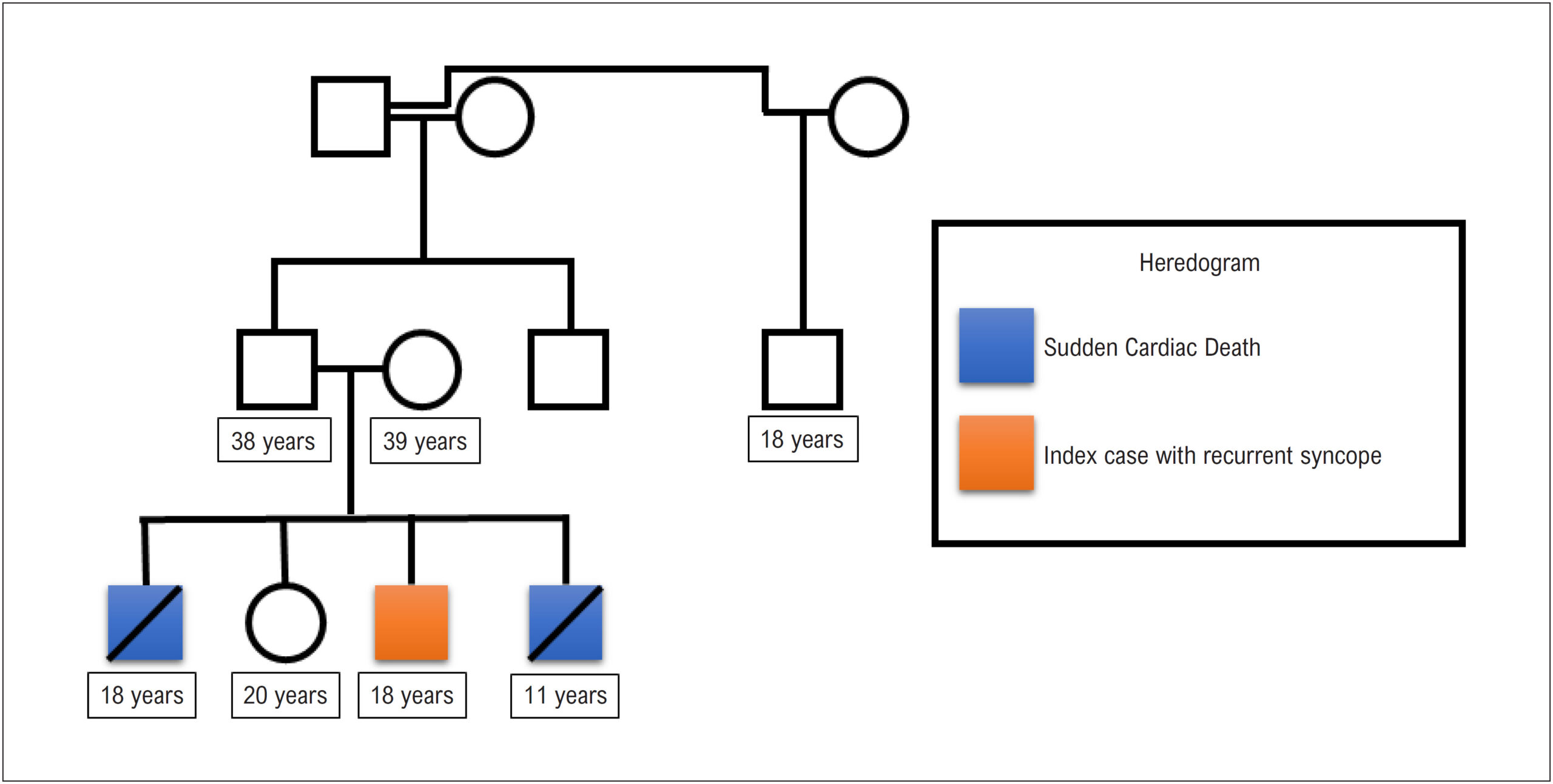
Family Screening in the Diagnosis of Short QT Syndrome after Sudden Cardiac Death as First Manifestation in Young Siblings

Guilherme Augusto Teodoro Athayde et al. Natália Quintella Sangiorgi Olivetti Francisco Carlos da Costa Darrieux Luciana Sacilotto … Gabrielle D’Arezzo Pessente Maurício Ibrahim Scanavacca

Introduction

In 2000, Gussak et al., published a case series in which atrial tachyarrhythmias, syncope, and sudden cardiac death (SCD) were associated with a short QT interval, being the first to correlate all of these finding in one single study. Since then, efforts have been made to better understand the behavior of and find alternatives to treat short QT syndrome (SQTS); however, researchers face the barrier of the rarity of the disease, the difficulty in establishing diagnostic parameters, and its complex clinical manifestation. This article reports on the case of young siblings with SCD and SQTS and discusses the syndrome’s diagnostic and therapeutic difficulties.

[…]

  • Cardiac Channelopathies
  • Genetic Testing
  • implantable cardioverter-defibrillator
  • short QT syndrome
  • Sudden Cardiac Death
Read Full Article
Creative Commons Attribution (CC BY) Creative Commons license
19/07/2021 DOI: 10.36660/abc.20200274
Figure 1
IJCS
Original Article

Cardiovascular Risk Assessment after COVID-19 Infection before Resuming Sports Activities – Practical Flowchart and Meta-Analysis

Luís Puga et al. Paulo Dinis Rogério Teixeira Joana Maria Ribeiro … Hélder Dores Lino Gonçalves

Abstract

Background:

The risk of sports-related sudden cardiac arrest after COVID-19 infection can be a serious problem. There is an urgent need for evidence-based criteria to ensure patient safety before resuming exercise.

Objective:

To estimate the pooled prevalence of acute myocardial injury caused by COVID-19 and to provide an easy-to-use cardiovascular risk assessment toolkit prior to resuming sports activities after COVID-19 infection.

Methods:

We searched the Medline and Cochrane databases for articles on the prevalence of acute myocardial injury associated with COVID-19 infection. The pooled prevalence of acute myocardial injury was calculated for hospitalized patients treated in different settings (non-intensive care unit [ICU], ICU, overall hospitalization, and non-survivors). Statistical significance was accepted for p values <0.05. We propose a practical flowchart to assess the cardiovascular risk of individuals who recovered from COVID-19 before resuming sports activities.

Results:

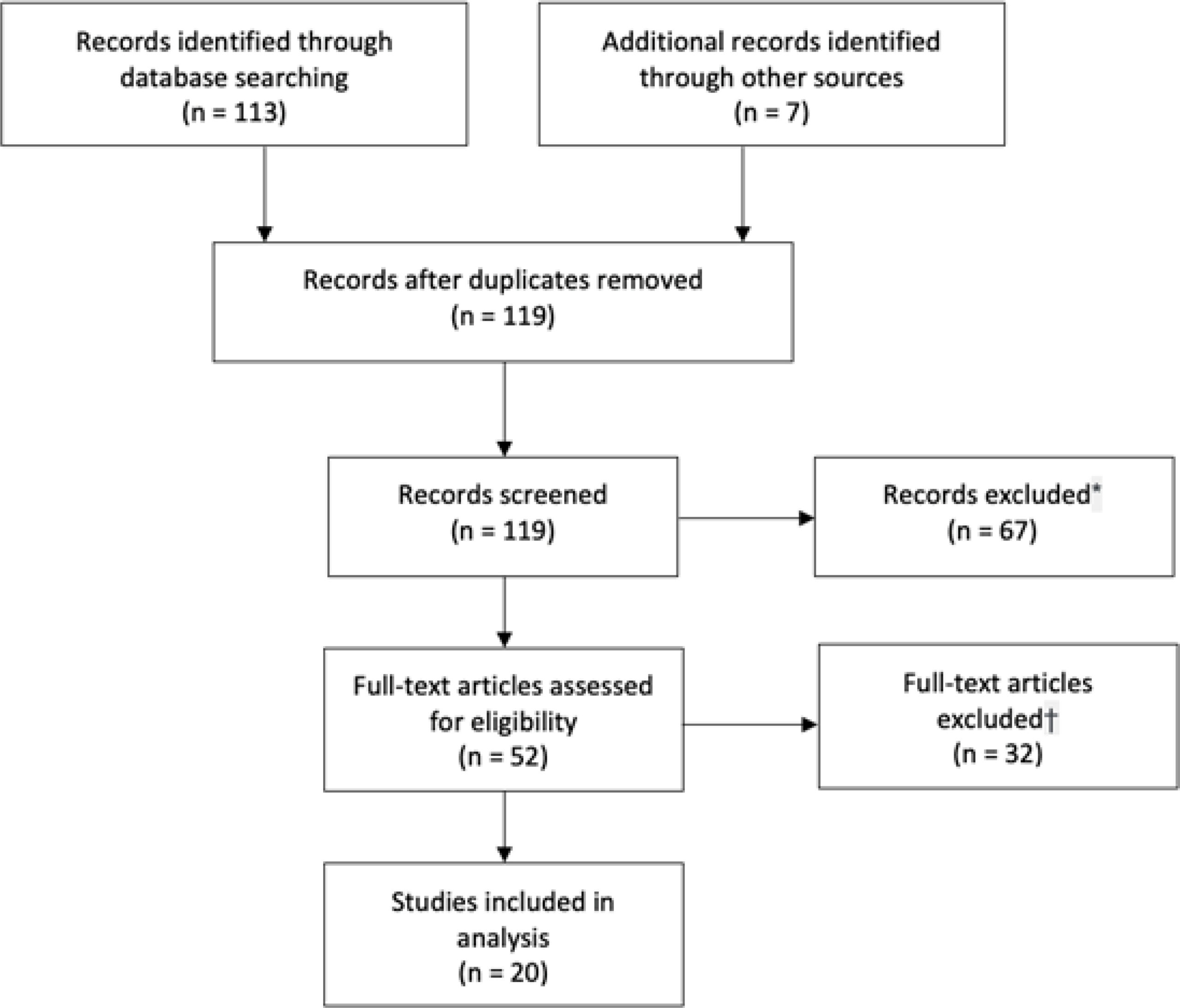
A total of 20 studies (6,573 patients) were included. The overall pooled prevalence of acute myocardial injury in hospitalized patients was 21.7% (95% CI 17.3-26.5%). The non-ICU setting had the lowest prevalence (9.5%, 95% CI 1.5-23.4%), followed by the ICU setting (44.9%, 95% CI 27.7-62.8%), and the cohort of non-survivors (57.7% with 95% CI 38.5-75.7%). We provide an approach to assess cardiovascular risk based on the prevalence of acute myocardial injury in each setting.

Conclusions:

Acute myocardial injury is frequent and associated with more severe disease and hospital admissions. Cardiac involvement could be a potential trigger for exercise-induced clinical complications after COVID-19 infection. We created a toolkit to assist with clinical decision-making prior to resuming sports activities after COVID-19 infection.

  • Betacoronavirus
  • COVID-19
  • Inflammation
  • Myocarditis
  • Risk Factors
  • Sports
  • Sports Medicine
  • Sudden Cardiac Death
Read Full Article
Creative Commons Attribution (CC BY) Creative Commons license
12/05/2021 DOI: 10.36660/ijcs.20200288 Views 2
Figure 1
ABC
Review Article

Hypertrophic Cardiomyopathy: A Review

Silméia Garcia Zanati Bazan et al. Gilberto Ornellas de Oliveira Caroline Ferreira da Silva Mazeto Pupo da Silveira Fabrício Moreira Reis … Karina Nogueira Dias Secco Malagutte Lucas Santos Nielsen Tinasi Rodrigo Bazan João Carlos Hueb Katashi Okoshi

Abstract

Hypertrophic cardiomyopathy (HCM) is the most common heart disease with a genetic origin, and its main characteristic is left ventricular hypertrophy that occurs in the absence of other conditions that trigger this change. HCM may present from asymptomatic forms to manifestations of sudden cardiac death and severe heart failure. Contemporary high-resolution imaging methods and more accurate clinical scores have been used and developed to provide a prognostic assessment and adequate functional assessments, as well as to allow for the stratification of clinical severity. These aspects will be addressed in this review, along with other classic topics inherent to the study of this disease.

  • Cardiomyopathy, Hypertrophic/genetics
  • Echocardiography/methods
  • Heart Failure
  • Hypertrophy, Left Ventricle
  • Sudden Cardiac Death
Read Full Article
Creative Commons Attribution (CC BY) Creative Commons license
07/12/2020 DOI: 10.36660/abc.20190802 Views 1
Figure 1
IJCS
Review Article

The Role of 18F-FDG PET/CT in Cardiac Sarcoidosis

Christiane Wiefels et al. Olabimpe Lamai Riina Kandolin David Birnie … Eugene Leung Claudio Tinoco Mesquita Rob Beanlands

Introduction

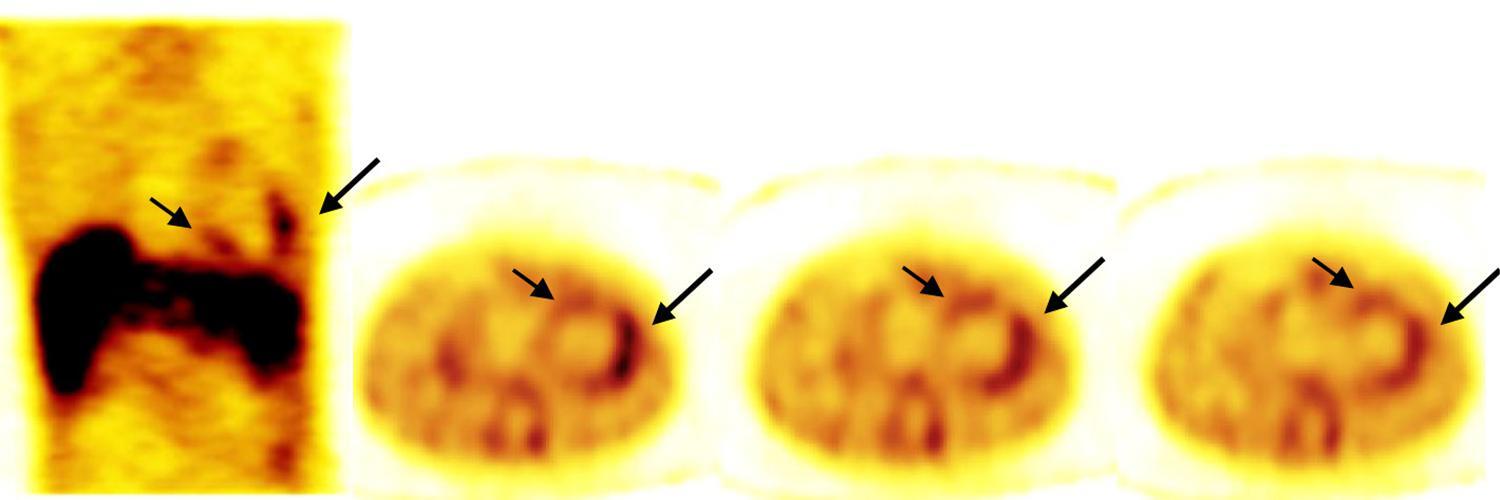
Systemic sarcoidosis (SS) was first described more than a century ago by the Norwegian dermatologist Caesar Boeck. He correlated skin nodules with epithelioid cells with large nuclei and giant cells as “multiple benign sarcoid of the skin”, for their resemblance with sarcoma. Today, the cause of the disease remains unknown, but evidence points toward immunological response to an unidentified antigenic trigger in individuals with genetic susceptibility. The estimation of the prevalence of SS in the population varies in the literature also depending on the type of study: epidemiologic, autopsy or imaging.

Some previous data showed prevalence as high as 100-330 cases per 100,000 inhabitants. , Environmental factors have been attributed to those differences, including sex, age and ethnicity, showing a predisposition for environmental and genetic factors. The reported incidence is similar across sex in North American population but greater in females in Scandinavian and Japanese populations, , but more likely to be chronic and fatal in black Americans. The disease usually develops before the age of 50 years, with a peak incidence at 20 to 39 years old, , and is very uncommon under the age or 15 or older than 70. Symptomatic cardiac sarcoidosis (CS) has been reported in 2-5% of the patients with the systemic form. – However, with the advance of new cardiac imaging techniques, cases of asymptomatic (clinically silent) cardiac involvement have been diagnosed. The disease has been reported in at least 20% of the autopsies and imaging report in the United States to as much as 50% in Japan. ,

[…]

  • Cardiomyopathies
  • Diagnostic Imaging
  • Heart Failure
  • Magnetic Resonance Imaging/diagnostic
  • Metabolism Disorders
  • Positron Emission Tomography Computed Tomography/diagnostic
  • Sarcoidosis
  • Sudden Cardiac Death
Read Full Article
Creative Commons Attribution (CC BY) Creative Commons license
17/07/2020 DOI: 10.36660/ijcs.20200033 Views 1
Chart 1
IJCS
Original Article

Cardiopulmonary Exercise Testing in Patients with Implantable Cardioverter-Defibrillator: A Retrospective Study

Carolina Mizzaci et al. Thiago Fagundes Felipe Malafaia Sandro Felicioni … Susimeire Buglia Carlos Alberto Hossri Almir Ferraz Rica Buchler Romeu Meneghelo Luiz Mastrocolla

Abstract

Background:

Cardiopulmonary exercise testing is widely used in the evaluation of patients with left ventricular dysfunction, and some of these patients have an implantable cardioverter-defibrillator (ICD). However, this test presents specific challenges because of the susceptibility to ventricular arrhythmias during maximal levels of exercise.

Objective:

To evaluate the safety of cardiopulmonary exercise testing in patients with ICD.

Methods:

The study included patients with ICD who underwent cardiopulmonary exercise testing between 2007 and 2015. The tests were completed once the electronic devices were programmed. The maximum allowed heart rate reached during exercise was 10 beats below the first therapy zone programmed.

Results:

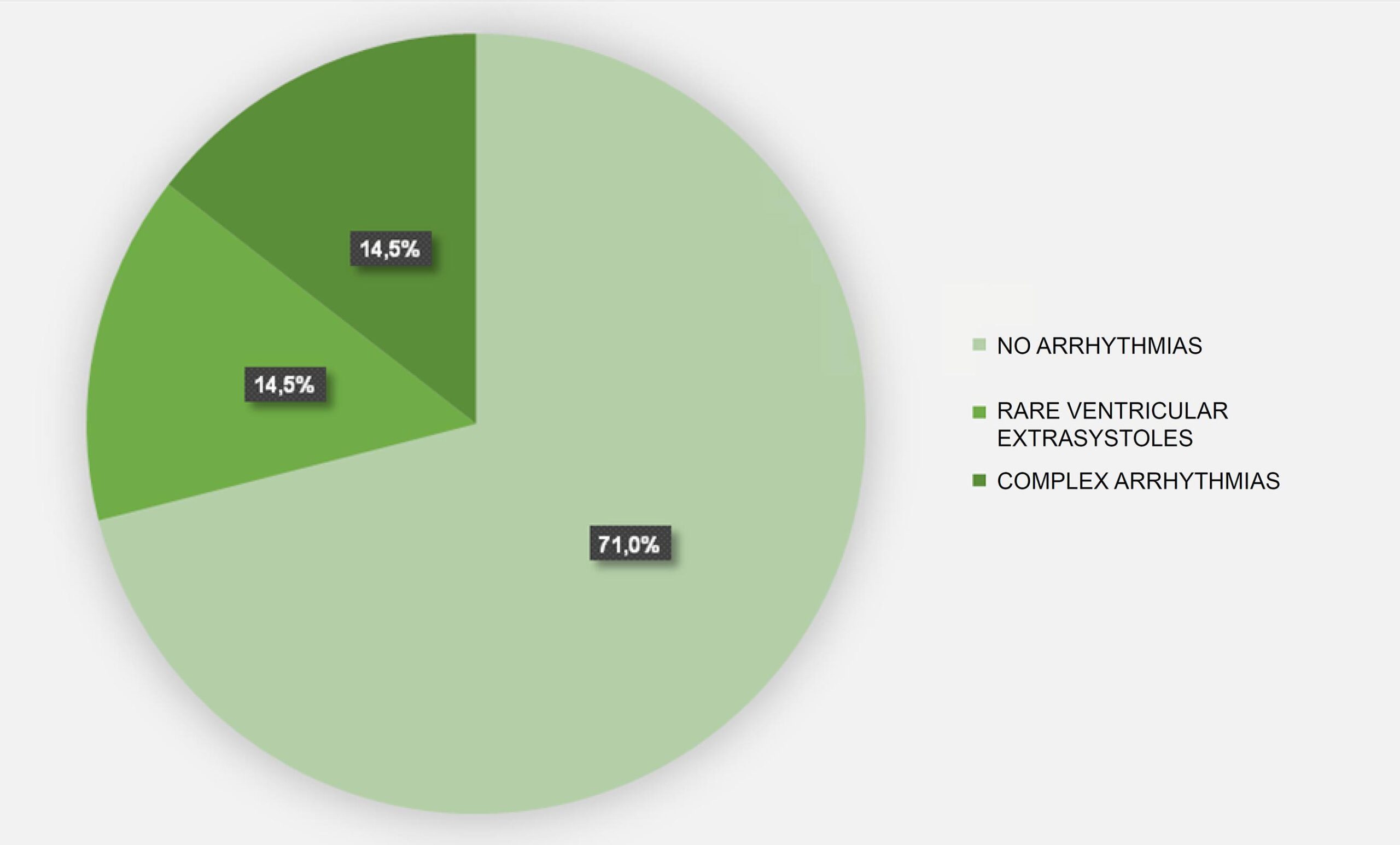
The study included 69 patients with mean age 53.7 ± 10.8 years, including 68% men. Exercise time was 8.7±2.3 minutes, with peak oxygen consumption of 13.3 ± 4.3 ml.kg-1.min-1. Peak heart rate was 62.9 ± 13.4% of the maximum rate predicted, with all patients taking specific medication. Ventricular arrhythmia was observed in 29% of the patients, and paired ventricular extrasystoles, ventricular bigeminism or non-sustained ventricular tachycardia were observed in only 14.5% of the patients. There was no sustained ventricular arrhythmia resulting in ICD therapy or other complications, such as inappropriate therapies. The frequency of severe events was 0%, 95% CI (0 – 5.2%).

Conclusion:

In the sample of patients evaluated, the cardiopulmonary exercise testing was shown to be safe during its performance in a hospital setting, following the safety standards.

  • Arrhythmias Cardiac
  • Breathing Exercise
  • Cardiovascular Diseases
  • Defibrillators, Implantable
  • Left Ventricular Dysfunction
  • Sudden Cardiac Death
Read Full Article
Creative Commons Attribution (CC BY) Creative Commons license
12/08/2019 DOI: 10.5935/2359-4802.20190066
Hypertrophic cardiomyopathy: the importance of arrhythmic events in patients at risk for sudden cardiac death
ABC
Artigo Original

Hypertrophic cardiomyopathy: the importance of arrhythmic events in patients at risk for sudden cardiac death

Paulo de Tarso Jorge Medeiros et al. Martino Martinelli Filho Edmundo Arteaga Roberto Costa … Sérgio Siqueira Charles Mady Leopoldo Soares Piegas José Antonio Franchini Ramires

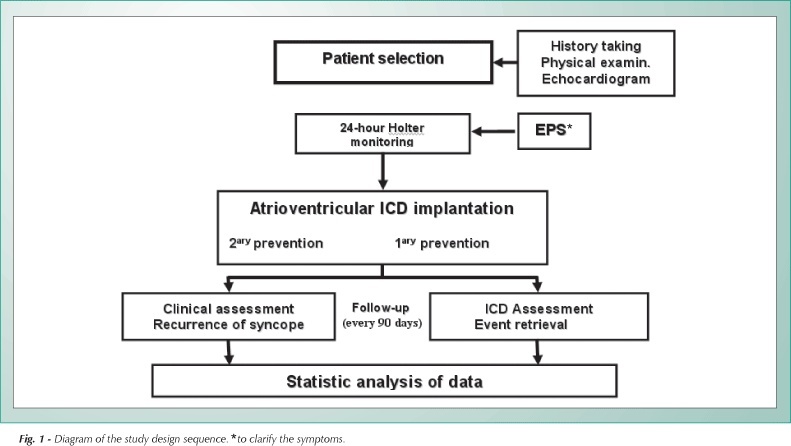
OBJECTIVE: It is controversial the correlation between complex ventricular arrhythmia of hypertrophic cardiomyopathy and cardiac sudden death (CSD). In patients with hypertrophic cardiomyopathy and at risk for CSD that have been undergone implantable cardioverter-defibrillator (ICD) implantation, we evaluated: a- occurrence of arrhythmic events; b- clinical event occurrence and its correlation with arrhythmic events; c- ICD shock therapy occurrence and clinical-functional correlation; d- prognosis clinical-functional predictors. METHODS: Twenty-six patients have been studied. They presented hypertrophic cardiomyopathy and risk factors for CSD. These patients underwent ICD implantation, period May, 2000 through January, 2004 (average follow-up – 19 months). Fourteen patients (53.8%) were female and the mean age was 42.7. Sixteen patients (61.5%) ICD was performed due to primary prevention for sudden death and ten (38.5%) secondary prevention. Twenty patients (76.9%) had had syncope, previus to ICD implantation, half of them associated with ventricular fibrillation or sustained ventricular tachycardia; 15 had had family sudden death; 12 patients (46.2%) presented non-sustained ventricular tachycardia at 24-hour Holter and 5 (19.2%) showed the ventricular septum thickness larger than 30 mm. RESULTS: During the follow-up, 4 shocks therapy were recorded by ICD in potentially lethal arrythmias (3 sustained ventricular tachycardia and 1 ventricular fibrillation). There was one death, due to likely stroke. Four patients had syncope recurrence, with no arrhythmic event recorded by ICD. The statistical analysis has showed precocity significance of ICD shock, in patients whose ventricular septum thickness was larger than 30 mm. CONCLUSION: 1- arrhythmic events have occurred in 50% of the patients. Most of those events (62%) were ventricular tachycardia, 31% sustained tachycardia and 31% non-sustained ventricular tachycardia. The remainders had supraventricular tachycardia. 2- recurrent syncope in only 16% of the patients. Nevertheless, they were not related to the presence of arrhythmic events. 3- the presence of ventricular septum larger than 30mm, at Echocardiogram, was associated with early shock therapy occurence (p = 0.003). 4- absence of clinical or functional predictors.

  • Arrhythmia
  • Hypertrophic Cardiomyopathy
  • implantable cardioverter-defibrillator
  • Risk Factors
  • Sudden Cardiac Death
Read Full Article
Creative Commons Attribution (CC BY) Creative Commons license
06/03/2007 DOI: 10.1590/S0066-782X2006001800016 Views 1

How to cite this article

EndNote RIS

Electronic Document Format (Vancouver)

Costa IBSS, Rangel BSS, Paladino Filho AT, Colombo BN, Morais TC, Hajjar LA. Long-term Follow-Up of a Patient with FLNC Gene Mutation-Related Cardiomyopathy: A Case Report. ABC Imagem Cardiovascular 2025;38(3):e20250071.

Electronic Document Format (ABNT)

Costa, Isabela Bispo Santos da Silva; Rangel, Bruno Soares da Silva; Paladino Filho, Antonio Tito; Colombo, Bruno Normande; Morais, Thamara Carvalho; Hajjar, Ludhmila Abrahão. Long-term Follow-Up of a Patient with FLNC Gene Mutation-Related Cardiomyopathy: A Case Report. ABC Imagem Cardiovascular, v. 38, n. 3, e20250071, Dec. 2025.

Electronic Document Format (APA)

Costa, I. B. S. S., Rangel, B. S. S., Paladino Filho, A. T., Colombo, B. N., Morais, T. C., & Hajjar, L. A. (2025). Long-term Follow-Up of a Patient with FLNC Gene Mutation-Related Cardiomyopathy: A Case Report. ABC Imagem Cardiovascular, 38(3), e20250071.

Electronic Document Format (ISO)

Costa, Isabela Bispo Santos da Silva and Rangel, Bruno Soares da Silva and Paladino Filho, Antonio Tito and Colombo, Bruno Normande and Morais, Thamara Carvalho and Hajjar, Ludhmila Abrahão. Long-term Follow-Up of a Patient with FLNC Gene Mutation-Related Cardiomyopathy: A Case Report. ABC Imagem Cardiovascular [online]. 2025, vol. 38, n. 3, [cited 2026-10-14], e20250071. Available from: <https://journals.cardiol.br/en/article/long-term-follow-up-of-a-patient-with-flnc-gene-mutation-related-cardiomyopathy-a-case-report/>. ISSN 2318-8219

EndNote RIS

Electronic Document Format (Vancouver)

Nunes F, Couto RGT, Avila DX, Torbey AFM, Luciano KS, Figueiredo EL, Mesquita ET, et al. The Multiple Faces of Cardiomyopathy Due to Filamin C Gene Variants (FLNC). ABC Heart Fail Cardiomyop 2025;5(2):20250008.

Electronic Document Format (ABNT)

Nunes, Frank; Couto, Raquel Germer Toja; Avila, Diane Xavier de; Torbey, Ana Flavia Malheiros; Luciano, Kárila Scarduelli; Figueiredo, Estevão Lanna; Mesquita, Evandro Tinoco. The Multiple Faces of Cardiomyopathy Due to Filamin C Gene Variants (FLNC). ABC Heart Fail Cardiomyop, v. 5, n. 2, 20250008, Oct. 2025.

Electronic Document Format (APA)

Nunes, F., Couto, R. G. T., Avila, D. X. , Torbey, A. F. M., Luciano, K. S., Figueiredo, E. L., & Mesquita, E. T. (2025). The Multiple Faces of Cardiomyopathy Due to Filamin C Gene Variants (FLNC). ABC Heart Fail Cardiomyop, 5(2), 20250008.

Electronic Document Format (ISO)

Nunes, Frank and Couto, Raquel Germer Toja and Avila, Diane Xavier de and Torbey, Ana Flavia Malheiros and Luciano, Kárila Scarduelli and Figueiredo, Estevão Lanna and Mesquita, Evandro Tinoco. The Multiple Faces of Cardiomyopathy Due to Filamin C Gene Variants (FLNC). ABC Heart Fail Cardiomyop [online]. 2025, vol. 5, n. 2, [cited 2026-10-14], 20250008. Available from: <https://journals.cardiol.br/en/article/the-multiple-faces-of-cardiomyopathy-due-to-filamin-c-gene-variants-flnc/>

EndNote RIS

Electronic Document Format (Vancouver)

Moleta DB, Machado CCS, França LA, Vieira MLC. My Approach To Echocardiographic Evaluation in Arrhythmogenic Cardiomyopathy. ABC Imagem Cardiovascular 2024;37(3):e20240033.

Electronic Document Format (ABNT)

Moleta, Danilo Bora; Machado, Cassio Carvalho Soeiro; França, Lucas Arraes de; Vieira, Marcelo Luiz Campos. My Approach To Echocardiographic Evaluation in Arrhythmogenic Cardiomyopathy. ABC Imagem Cardiovascular, v. 37, n. 3, e20240033, Aug. 2024.

Electronic Document Format (APA)

Moleta, D. B., Machado, C. C. S., França, L. A. , & Vieira, M. L. C. (2024). My Approach To Echocardiographic Evaluation in Arrhythmogenic Cardiomyopathy. ABC Imagem Cardiovascular, 37(3), e20240033.

Electronic Document Format (ISO)

Moleta, Danilo Bora and Machado, Cassio Carvalho Soeiro and França, Lucas Arraes de and Vieira, Marcelo Luiz Campos. My Approach To Echocardiographic Evaluation in Arrhythmogenic Cardiomyopathy. ABC Imagem Cardiovascular [online]. 2024, vol. 37, n. 3, [cited 2026-10-14], e20240033. Available from: <https://journals.cardiol.br/en/article/my-approach-to-echocardiographic-evaluation-in-arrhythmogenic-cardiomyopathy/>. ISSN 2318-8219

EndNote RIS

Electronic Document Format (Vancouver)

Atik E, Leal GN, Jatene MB. Marked Concentric Myocardial Hypertrophy with Good Postoperative Evolution in a 4 Years Old Child. Arquivos Brasileiros de Cardiologia 2023;120(5):e20220869.

Electronic Document Format (ABNT)

Atik, Edmar; Leal, Gabriela Nunes; Jatene, Marcelo B.. Marked Concentric Myocardial Hypertrophy with Good Postoperative Evolution in a 4 Years Old Child. Arquivos Brasileiros de Cardiologia, v. 120, n. 5, e20220869, Jun. 2023.

Electronic Document Format (APA)

Atik, E., Leal, G. N., & Jatene, M. B. (2023). Marked Concentric Myocardial Hypertrophy with Good Postoperative Evolution in a 4 Years Old Child. Arquivos Brasileiros de Cardiologia, 120(5), e20220869.

Electronic Document Format (ISO)

Atik, Edmar and Leal, Gabriela Nunes and Jatene, Marcelo B.. Marked Concentric Myocardial Hypertrophy with Good Postoperative Evolution in a 4 Years Old Child. Arquivos Brasileiros de Cardiologia [online]. 2023, vol. 120, n. 5, [cited 2026-10-14], e20220869. Available from: <https://journals.cardiol.br/en/article/marked-concentric-myocardial-hypertrophy-with-good-postoperative-evolution-in-a-4-years-old-child/>. ISSN 0066-782X

EndNote RIS

Electronic Document Format (Vancouver)

Stein R, Ferrari F, Silveira AD. Electrocardiogram of Brazilian Elite Football Players: Filling a Gap. Arquivos Brasileiros de Cardiologia 2023;120(4):e20230090.

Electronic Document Format (ABNT)

Stein, Ricardo; Ferrari, Filipe; Silveira, Anderson Donelli da. Electrocardiogram of Brazilian Elite Football Players: Filling a Gap. Arquivos Brasileiros de Cardiologia, v. 120, n. 4, e20230090, Apr. 2023.

Electronic Document Format (APA)

Stein, R., Ferrari, F., & Silveira, A. D. (2023). Electrocardiogram of Brazilian Elite Football Players: Filling a Gap. Arquivos Brasileiros de Cardiologia, 120(4), e20230090.

Electronic Document Format (ISO)

Stein, Ricardo and Ferrari, Filipe and Silveira, Anderson Donelli da. Electrocardiogram of Brazilian Elite Football Players: Filling a Gap. Arquivos Brasileiros de Cardiologia [online]. 2023, vol. 120, n. 4, [cited 2026-10-14], e20230090. Available from: <https://journals.cardiol.br/en/article/electrocardiogram-of-brazilian-elite-football-players-filling-a-gap/>. ISSN 0066-782X

EndNote RIS

Electronic Document Format (Vancouver)

Marçal PC, Braggion-Santos MF, Wada DT, Santos MK, Moreira HT, Volpe GJ, Schmidt A, et al. Cardiac Magnetic Resonance as an Etiological Diagnosis Tool in Recovered Sudden Cardiac Death or Unstable Ventricular Arrhythmia Patients. Arquivos Brasileiros de Cardiologia 2023;120(4):e20220411.

Electronic Document Format (ABNT)

Marçal, Paula C.; Braggion-Santos, Maria Fernanda; Wada, Danilo Tadao; Santos, Marcel Koenigkam; Moreira, Henrique Turin; Volpe, Gustavo Jardim; Schmidt, André. Cardiac Magnetic Resonance as an Etiological Diagnosis Tool in Recovered Sudden Cardiac Death or Unstable Ventricular Arrhythmia Patients. Arquivos Brasileiros de Cardiologia, v. 120, n. 4, e20220411, Apr. 2023.

Electronic Document Format (APA)

Marçal, P. C., Braggion-Santos, M. F., Wada, D. T., Santos, M. K., Moreira, H. T., Volpe, G. J., & Schmidt, A. (2023). Cardiac Magnetic Resonance as an Etiological Diagnosis Tool in Recovered Sudden Cardiac Death or Unstable Ventricular Arrhythmia Patients. Arquivos Brasileiros de Cardiologia, 120(4), e20220411.

Electronic Document Format (ISO)

Marçal, Paula C. and Braggion-Santos, Maria Fernanda and Wada, Danilo Tadao and Santos, Marcel Koenigkam and Moreira, Henrique Turin and Volpe, Gustavo Jardim and Schmidt, André. Cardiac Magnetic Resonance as an Etiological Diagnosis Tool in Recovered Sudden Cardiac Death or Unstable Ventricular Arrhythmia Patients. Arquivos Brasileiros de Cardiologia [online]. 2023, vol. 120, n. 4, [cited 2026-10-14], e20220411. Available from: <https://journals.cardiol.br/en/article/cardiac-magnetic-resonance-as-an-etiological-diagnosis-tool-in-recovered-sudden-cardiac-death-or-unstable-ventricular-arrhythmia-patients/>. ISSN 0066-782X

EndNote RIS

Electronic Document Format (Vancouver)

Vakrou S, Vlachopoulos C, Gatzoulis KA. Risk Stratification for Primary Prevention of Sudden Cardiac Death in Hypertrophic Cardiomyopathy. Arquivos Brasileiros de Cardiologia 2021;117(1):157-9.

Electronic Document Format (ABNT)

Vakrou, Styliani; Vlachopoulos, Charalampos; Gatzoulis, Konstantinos A.. Risk Stratification for Primary Prevention of Sudden Cardiac Death in Hypertrophic Cardiomyopathy. Arquivos Brasileiros de Cardiologia, v. 117, n. 1, p. 157-159, Jul. 2021.

Electronic Document Format (APA)

Vakrou, S., Vlachopoulos, C., & Gatzoulis, K. A. (2021). Risk Stratification for Primary Prevention of Sudden Cardiac Death in Hypertrophic Cardiomyopathy. Arquivos Brasileiros de Cardiologia, 117(1), 157-159.

Electronic Document Format (ISO)

Vakrou, Styliani and Vlachopoulos, Charalampos and Gatzoulis, Konstantinos A.. Risk Stratification for Primary Prevention of Sudden Cardiac Death in Hypertrophic Cardiomyopathy. Arquivos Brasileiros de Cardiologia [online]. 2021, vol. 117, n. 1, [cited 2026-10-14], pp. 157-159. Available from: <https://journals.cardiol.br/en/article/risk-stratification-for-primary-prevention-of-sudden-cardiac-death-in-hypertrophic-cardiomyopathy/>. ISSN 0066-782X

EndNote RIS

Electronic Document Format (Vancouver)

Athayde GAT, Olivetti NQS, Darrieux FCC, Sacilotto L, Pessente GD, Scanavacca MI. Family Screening in the Diagnosis of Short QT Syndrome after Sudden Cardiac Death as First Manifestation in Young Siblings. Arquivos Brasileiros de Cardiologia 2021;117(1 suppl 1):12-5.

Electronic Document Format (ABNT)

Athayde, Guilherme Augusto Teodoro; Olivetti, Natália Quintella Sangiorgi; Darrieux, Francisco Carlos da Costa; Sacilotto, Luciana; Pessente, Gabrielle D’Arezzo; Scanavacca, Maurício Ibrahim. Family Screening in the Diagnosis of Short QT Syndrome after Sudden Cardiac Death as First Manifestation in Young Siblings. Arquivos Brasileiros de Cardiologia, v. 117, n. 1 suppl 1, p. 12-15, Jul. 2021.

Electronic Document Format (APA)

Athayde, G. A. T., Olivetti, N. Q. S., Darrieux, F. C. C., Sacilotto, L., Pessente, G. D., & Scanavacca, M. I. (2021). Family Screening in the Diagnosis of Short QT Syndrome after Sudden Cardiac Death as First Manifestation in Young Siblings. Arquivos Brasileiros de Cardiologia, 117(1 suppl 1), 12-15.

Electronic Document Format (ISO)

Athayde, Guilherme Augusto Teodoro and Olivetti, Natália Quintella Sangiorgi and Darrieux, Francisco Carlos da Costa and Sacilotto, Luciana and Pessente, Gabrielle D’Arezzo and Scanavacca, Maurício Ibrahim. Family Screening in the Diagnosis of Short QT Syndrome after Sudden Cardiac Death as First Manifestation in Young Siblings. Arquivos Brasileiros de Cardiologia [online]. 2021, vol. 117, n. 1 suppl 1, [cited 2026-10-14], pp. 12-15. Available from: <https://journals.cardiol.br/en/article/family-screening-in-the-diagnosis-of-short-qt-syndrome-after-sudden-cardiac-death-as-first-manifestation-in-young-siblings/>. ISSN 0066-782X

EndNote RIS

Electronic Document Format (Vancouver)

Puga L, Dinis P, Teixeira R, Ribeiro JM, Dores H, Gonçalves L. Cardiovascular Risk Assessment after COVID-19 Infection before Resuming Sports Activities – Practical Flowchart and Meta-Analysis. International Journal of Cardiovascular Sciences 2021;35(1):14-2.

Electronic Document Format (ABNT)

Puga, Luís; Dinis, Paulo; Teixeira, Rogério; Ribeiro, Joana Maria; Dores, Hélder; Gonçalves, Lino. Cardiovascular Risk Assessment after COVID-19 Infection before Resuming Sports Activities – Practical Flowchart and Meta-Analysis. International Journal of Cardiovascular Sciences, v. 35, n. 1, p. 14-24, May. 2021.

Electronic Document Format (APA)

Puga, L., Dinis, P., Teixeira, R., Ribeiro, J. M., Dores, H., & Gonçalves, L. (2021). Cardiovascular Risk Assessment after COVID-19 Infection before Resuming Sports Activities – Practical Flowchart and Meta-Analysis. International Journal of Cardiovascular Sciences, 35(1), 14-24.

Electronic Document Format (ISO)

Puga, Luís and Dinis, Paulo and Teixeira, Rogério and Ribeiro, Joana Maria and Dores, Hélder and Gonçalves, Lino. Cardiovascular Risk Assessment after COVID-19 Infection before Resuming Sports Activities – Practical Flowchart and Meta-Analysis. International Journal of Cardiovascular Sciences [online]. 2021, vol. 35, n. 1, [cited 2026-10-14], pp. 14-24. Available from: <https://journals.cardiol.br/en/article/cardiovascular-risk-assessment-after-covid-19-infection-before-resuming-sports-activities-practical-flowchart-and-meta-analysis/>. ISSN 2359-4802

EndNote RIS

Electronic Document Format (Vancouver)

Bazan SGZ, Oliveira GO, Silveira CFSMP, Reis FM, Malagutte KNDS, Tinasi LSN, Bazan R, et al. Hypertrophic Cardiomyopathy: A Review. Arquivos Brasileiros de Cardiologia 2020;115(5):927-35.

Electronic Document Format (ABNT)

Bazan, Silméia Garcia Zanati; Oliveira, Gilberto Ornellas de; Silveira, Caroline Ferreira da Silva Mazeto Pupo da; Reis, Fabrício Moreira; Malagutte, Karina Nogueira Dias Secco; Tinasi, Lucas Santos Nielsen; Bazan, Rodrigo; Hueb, João Carlos; Okoshi, Katashi. Hypertrophic Cardiomyopathy: A Review. Arquivos Brasileiros de Cardiologia, v. 115, n. 5, p. 927-935, Dec. 2020.

Electronic Document Format (APA)

Bazan, S. G. Z., Oliveira, G. O. , Silveira, C. F. S. M. P. , Reis, F. M., Malagutte, K. N. D. S., Tinasi, L. S. N., Bazan, R., Hueb, J. C., & Okoshi, K. (2020). Hypertrophic Cardiomyopathy: A Review. Arquivos Brasileiros de Cardiologia, 115(5), 927-935.

Electronic Document Format (ISO)

Bazan, Silméia Garcia Zanati and Oliveira, Gilberto Ornellas de and Silveira, Caroline Ferreira da Silva Mazeto Pupo da and Reis, Fabrício Moreira and Malagutte, Karina Nogueira Dias Secco and Tinasi, Lucas Santos Nielsen and Bazan, Rodrigo and Hueb, João Carlos and Okoshi, Katashi. Hypertrophic Cardiomyopathy: A Review. Arquivos Brasileiros de Cardiologia [online]. 2020, vol. 115, n. 5, [cited 2026-10-14], pp. 927-935. Available from: <https://journals.cardiol.br/en/article/hypertrophic-cardiomyopathy-a-review/>. ISSN 0066-782X

EndNote RIS

Electronic Document Format (Vancouver)

Wiefels C, Lamai O, Kandolin R, Birnie D, Leung E, Mesquita CT, Beanlands R, et al. The Role of 18F-FDG PET/CT in Cardiac Sarcoidosis. International Journal of Cardiovascular Sciences 2020;33(4):389-400.

Electronic Document Format (ABNT)

Wiefels, Christiane; Lamai, Olabimpe; Kandolin, Riina; Birnie, David; Leung, Eugene; Mesquita, Claudio Tinoco; Beanlands, Rob. The Role of 18F-FDG PET/CT in Cardiac Sarcoidosis. International Journal of Cardiovascular Sciences, v. 33, n. 4, p. 389-400, Jul. 2020.

Electronic Document Format (APA)

Wiefels, C., Lamai, O., Kandolin, R., Birnie, D., Leung, E., Mesquita, C. T., & Beanlands, R. (2020). The Role of 18F-FDG PET/CT in Cardiac Sarcoidosis. International Journal of Cardiovascular Sciences, 33(4), 389-400.

Electronic Document Format (ISO)

Wiefels, Christiane and Lamai, Olabimpe and Kandolin, Riina and Birnie, David and Leung, Eugene and Mesquita, Claudio Tinoco and Beanlands, Rob. The Role of 18F-FDG PET/CT in Cardiac Sarcoidosis. International Journal of Cardiovascular Sciences [online]. 2020, vol. 33, n. 4, [cited 2026-10-14], pp. 389-400. Available from: <https://journals.cardiol.br/en/article/the-role-of-18f-fdg-pet-ct-in-cardiac-sarcoidosis/>. ISSN 2359-4802

EndNote RIS

Electronic Document Format (Vancouver)

Mizzaci C, Fagundes T, Malafaia F, Felicioni S, Buglia S, Hossri CA, Ferraz A, et al. Cardiopulmonary Exercise Testing in Patients with Implantable Cardioverter-Defibrillator: A Retrospective Study. International Journal of Cardiovascular Sciences 2019;32(4):368-73.

Electronic Document Format (ABNT)

Mizzaci, Carolina; Fagundes, Thiago; Malafaia, Felipe; Felicioni, Sandro; Buglia, Susimeire; Hossri, Carlos Alberto; Ferraz, Almir; Buchler, Rica; Meneghelo, Romeu; Mastrocolla, Luiz. Cardiopulmonary Exercise Testing in Patients with Implantable Cardioverter-Defibrillator: A Retrospective Study. International Journal of Cardiovascular Sciences, v. 32, n. 4, p. 368-373, Aug. 2019.

Electronic Document Format (APA)

Mizzaci, C., Fagundes, T., Malafaia, F., Felicioni, S., Buglia, S., Hossri, C. A., Ferraz, A., Buchler, R., Meneghelo, R., & Mastrocolla, L. (2019). Cardiopulmonary Exercise Testing in Patients with Implantable Cardioverter-Defibrillator: A Retrospective Study. International Journal of Cardiovascular Sciences, 32(4), 368-373.

Electronic Document Format (ISO)

Mizzaci, Carolina and Fagundes, Thiago and Malafaia, Felipe and Felicioni, Sandro and Buglia, Susimeire and Hossri, Carlos Alberto and Ferraz, Almir and Buchler, Rica and Meneghelo, Romeu and Mastrocolla, Luiz. Cardiopulmonary Exercise Testing in Patients with Implantable Cardioverter-Defibrillator: A Retrospective Study. International Journal of Cardiovascular Sciences [online]. 2019, vol. 32, n. 4, [cited 2026-10-14], pp. 368-373. Available from: <https://journals.cardiol.br/en/article/cardiopulmonary-exercise-testing-in-patients-with-implantable-cardioverter-defibrillator-a-retrospective-study/>. ISSN 2359-4802

EndNote RIS

Electronic Document Format (Vancouver)

Medeiros PTJ, Martinelli Filho M, Arteaga E, Costa R, Siqueira S, Mady C, Piegas LS, et al. Hypertrophic cardiomyopathy: the importance of arrhythmic events in patients at risk for sudden cardiac death. Arquivos Brasileiros de Cardiologia 2007;87(5):649-57.

Electronic Document Format (ABNT)

Medeiros, Paulo de Tarso Jorge; Martinelli Filho, Martino; Arteaga, Edmundo; Costa, Roberto; Siqueira, Sérgio; Mady, Charles; Piegas, Leopoldo Soares; Ramires, José Antonio Franchini. Hypertrophic cardiomyopathy: the importance of arrhythmic events in patients at risk for sudden cardiac death. Arquivos Brasileiros de Cardiologia, v. 87, n. 5, p. 649-657, Mar. 2007.

Electronic Document Format (APA)

Medeiros, P. T. J., Martinelli Filho, M., Arteaga, E., Costa, R., Siqueira, S., Mady, C., Piegas, L. S., & Ramires, J. A. F. (2007). Hypertrophic cardiomyopathy: the importance of arrhythmic events in patients at risk for sudden cardiac death. Arquivos Brasileiros de Cardiologia, 87(5), 649-657.

Electronic Document Format (ISO)

Medeiros, Paulo de Tarso Jorge and Martinelli Filho, Martino and Arteaga, Edmundo and Costa, Roberto and Siqueira, Sérgio and Mady, Charles and Piegas, Leopoldo Soares and Ramires, José Antonio Franchini. Hypertrophic cardiomyopathy: the importance of arrhythmic events in patients at risk for sudden cardiac death. Arquivos Brasileiros de Cardiologia [online]. 2007, vol. 87, n. 5, [cited 2026-10-14], pp. 649-657. Available from: <https://journals.cardiol.br/en/article/hypertrophic-cardiomyopathy-the-importance-of-arrhythmic-events-in-patients-at-risk-for-sudden-cardiac-death/>. ISSN 0066-782X

  • About ABC Family
  • Internal Regulation
  • Editorial Board
  • Brazilian Society of Cardiology (SBC)

Issues

SBC Guidelines

  • Videos
  • Podcasts
  • News