ABC Family Arquivos Brasileiros de Cardiologia International Journal of Cardiovascular Sciences ABC Heart Failure & Cardiomyopathy ABC Imagem Cardiovascular
Português English
ABC Family
Português English
  • About
    • About ABC Family
    • Internal Regulation
    • Editorial Board
    • Brazilian Society of Cardiology (SBC)
  • Issues
  • SBC Guidelines
  • Content
    • Videos
    • Podcasts
    • News
  • About
    • About ABC Family
    • Internal Regulation
    • Editorial Board
    • Brazilian Society of Cardiology (SBC)
  • Issues
  • SBC Guidelines
  • Content
    • Videos
    • Podcasts
    • News

ABC Family

  • ABC Family
  • Arquivos Brasileiros de Cardiologia
  • International Journal of Cardiovascular Sciences
  • ABC Heart Failure & Cardiomyopathy
  • ABC Imagem Cardiovascular
Search in

No content found.

Journals
Ordering
Article types
Others

  1. Home
  2. Keyword: Secondary Prevention
ABC
Editorial

Achieving LDL-Cholesterol Goals: Can Implementation Science Save Us?

Fernando Yue Cesena

Atherosclerotic cardiovascular disease (ASCVD) is the leading cause of death worldwide,, and individuals who have already experienced an ASCVD event are at the highest risk of a new event. Achieving low levels of LDL-cholesterol (LDL-c) is a proven and safe strategy for preventing subsequent events. Current guidelines recommend LDL-c levels below 50 mg/dL or 55 mg/dL in secondary prevention., Available therapies, including statins, ezetimibe, anti-PCSK9 agents, and bempedoic acid, are sufficient for most patients to achieve LDL-c targets. Nevertheless, the widespread failure to attain these goals has been extensively reported globally.–

This issue of Arquivos Brasileiros de Cardiologia presents a study that investigated the prescription practices of 29 Brazilian cardiologists for LDL-c management in secondary prevention, estimating the number of patients potentially eligible for therapies beyond statins and ezetimibe. Physicians working in the Public Health System (PHS) or Supplementary Health System (SHS) completed a questionnaire regarding their clinical practices. The authors estimated that, among patients whose cardiologists aimed for LDL-c targets (92% of the total), 79% in the PHS and 86% in the SHS would achieve the desired LDL-c levels using statins and ezetimibe alone. By estimating the total number of individuals in secondary prevention in Brazil in 2024, the authors concluded that over one million individuals in the PHS and ~150.000 in the SHS would be potential candidates to lipid-lowering therapy beyond statins and ezetimibe. These results provide compelling support for improving access to modern lipid-lowering medications, such as anti-PCSK9 agents.

[…]

  • anticholesteremic agents
  • Cardiovascular Diseases
  • Implementation Science
  • Secondary Prevention
Read Full Article
Creative Commons Attribution (CC BY) Creative Commons license
03/10/2025 DOI: 10.36660/abc.20250516i
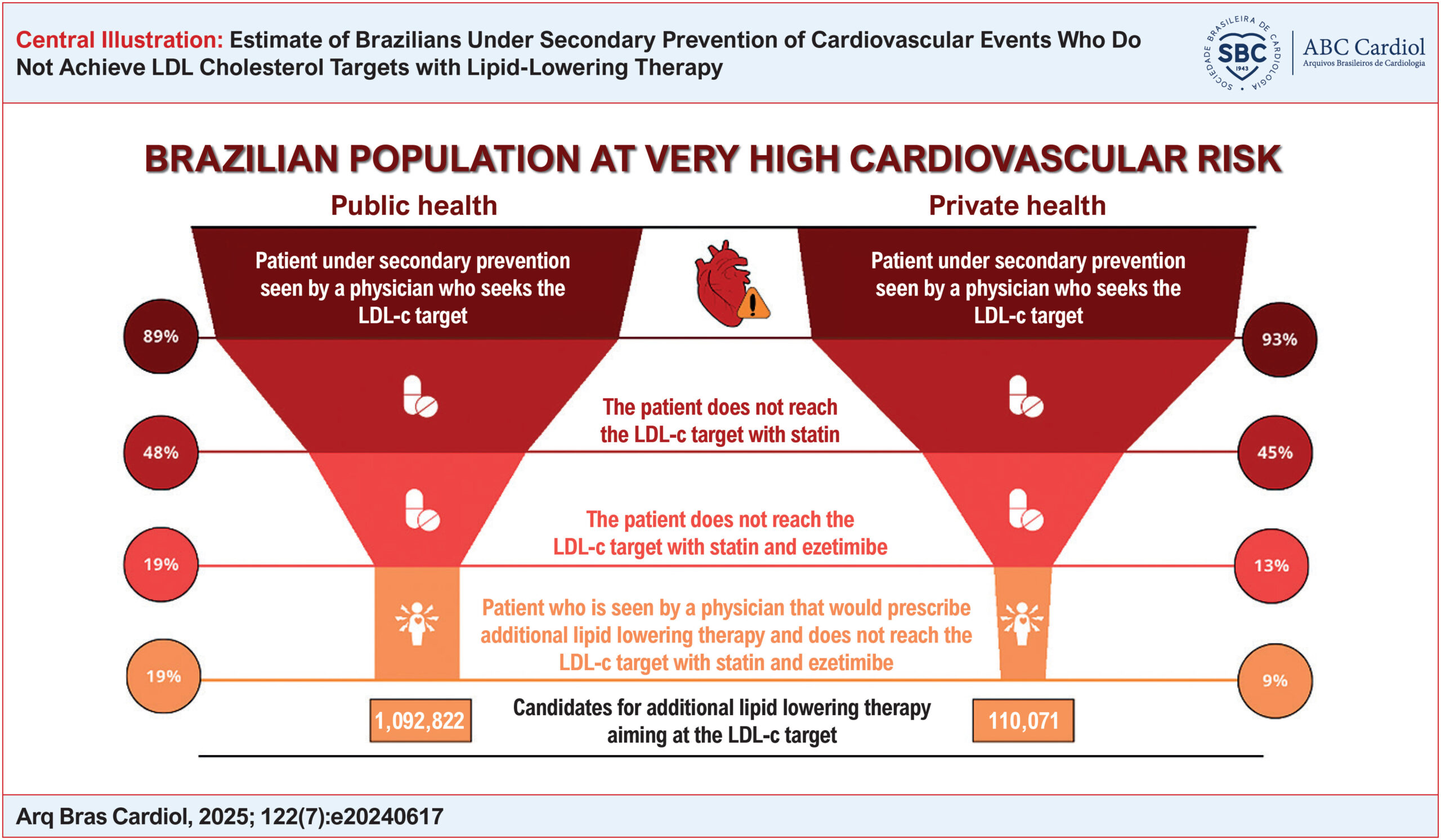
Estimate of Brazilians Under Secondary Prevention of Cardiovascular Events Who Do Not Achieve LDL Cholesterol Targets with Lipid-Lowering Therapy
ABC
Original Article

Estimate of Brazilians Under Secondary Prevention of Cardiovascular Events Who Do Not Achieve LDL Cholesterol Targets with Lipid-Lowering Therapy

Andressa Braga et al. Marisa Santos Carlos Magliano Katia Senna … Bernardo Tura Ione Oliveira

ABSTRACT

Background:

The 2017 Brazilian Guideline on Dyslipidemias recommends a low-density lipoprotein (LDL-c) target of <50 mg/dL for patients under secondary prevention of cardiovascular events, with statin therapy and the addition of ezetimibe if necessary. For patients who do not achieve this target, additional pharmacotherapy is indicated.

Objectives:

This study combined population data from the Brazilian Unified Health System (SUS) and the supplementary health system, epidemiological data, and the Delphi method, with participation from 29 specialists in the first round and 24 in the second, to estimate the size of the secondary prevention population not achieving LDL-c targets.

Results:

The population under secondary prevention was estimated at 5,8 million in the public health system and 1,2 million in the supplementary health system. Approximately one million patients in SUS and 150 thousand in the supplementary system are not expected to reach the LDL-c target with oral lipid-lowering therapy.

Conclusion:

Between 9% and 19% of patients under secondary prevention do not reach the recommended LDL-c target, making them potential candidates for additional LDL-c–lowering therapies.

  • Cardiovascular Diseases
  • Hypolipidemic Agents
  • Population Forecast
  • Secondary Prevention
Read Full Article
Creative Commons Attribution (CC BY) Creative Commons license
18/08/2025 DOI: 10.36660/abc.20240617i
TIMI Risk Score for Secondary Prevention to Risk Stratify Chronic Coronary Syndrome Patients: External Validation Study
ABC
Original Article

TIMI Risk Score for Secondary Prevention to Risk Stratify Chronic Coronary Syndrome Patients: External Validation Study

Henrique Trombini Pinesi et al. Eduardo Martelli Moreira Marcelo Henrique Moreira Barbosa Fabio Grunspun Pitta … Fabiana Hanna Rached Eduardo Gomes Lima Eduardo Bello Martins Carlos Vicente Serrano Jr

Abstract

Background

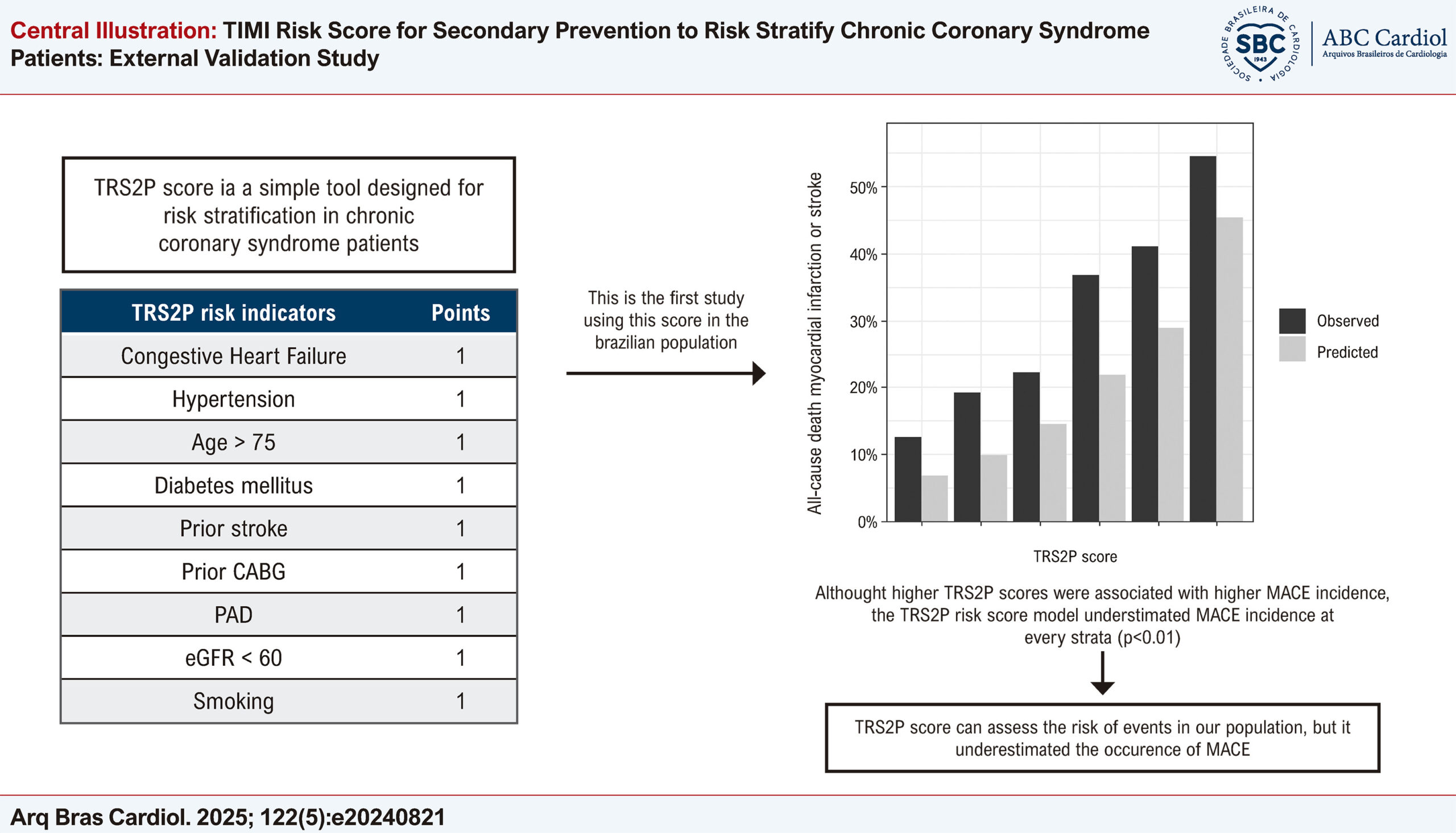
Risk stratification in chronic coronary syndrome (CCS) patients is challenging. TIMI Risk Score for Secondary Prevention (TRS2P) is a simple nine-point tool developed to predict cardiovascular death, myocardial infarction (MI), and ischemic stroke among post-MI patients. No studies have been conducted on it in the Brazilian population.

Objective

Validate the TRS2P score among CCS patients at a tertiary center in Brazil.

Methods

This is a registry-based study of patients with CCS, defined as having a previous revascularization procedure, previous MI, or ≥50% stenosis in at least one epicardial coronary artery. The primary outcome was the three-year incidence of MACE (death, MI or stroke). The predicted risk was as reported in the original derivation study. Calibration was assessed through a calibration plot and the Hosmer-Lemeshow test. Discrimination was evaluated through the concordance (C)-statistic. A significance level of 0.05 was adopted.

Results

The study sample consisted of 515 patients. There were 173 (34%) women, 75 (15%) aged over 75 years, 298 (58%) had diabetes, and 156 (30%) had chronic kidney disease. During follow-up, 126 MACE were documented. The estimated three-year incidence was 24% (95% confidence interval [CI] 21%-28%), whereas the predicted incidence was 15%. Although higher TRS2P scores were associated with higher MACE incidence, the TRS2P risk score model underestimated MACE incidence at every strata (p < 0.01). The C-statistic was 0.64 (95% CI 0.58-0.69).

Conclusion

The TRS2P score identifies patients with a higher risk of cardiovascular events but it underestimated MACE and presented poor discrimination in a Brazilian CCS cohort.

  • Coronary Artery Disease
  • Risk Assessment
  • Secondary Prevention
Read Full Article
Creative Commons Attribution (CC BY) Creative Commons license
26/05/2025 DOI: 10.36660/abc.20240821i Views 2
Evaluation of Prevalence, Management and Recording of Risk Factors in Outpatient Patients with Coronary Artery Disease
IJCS
Original Article

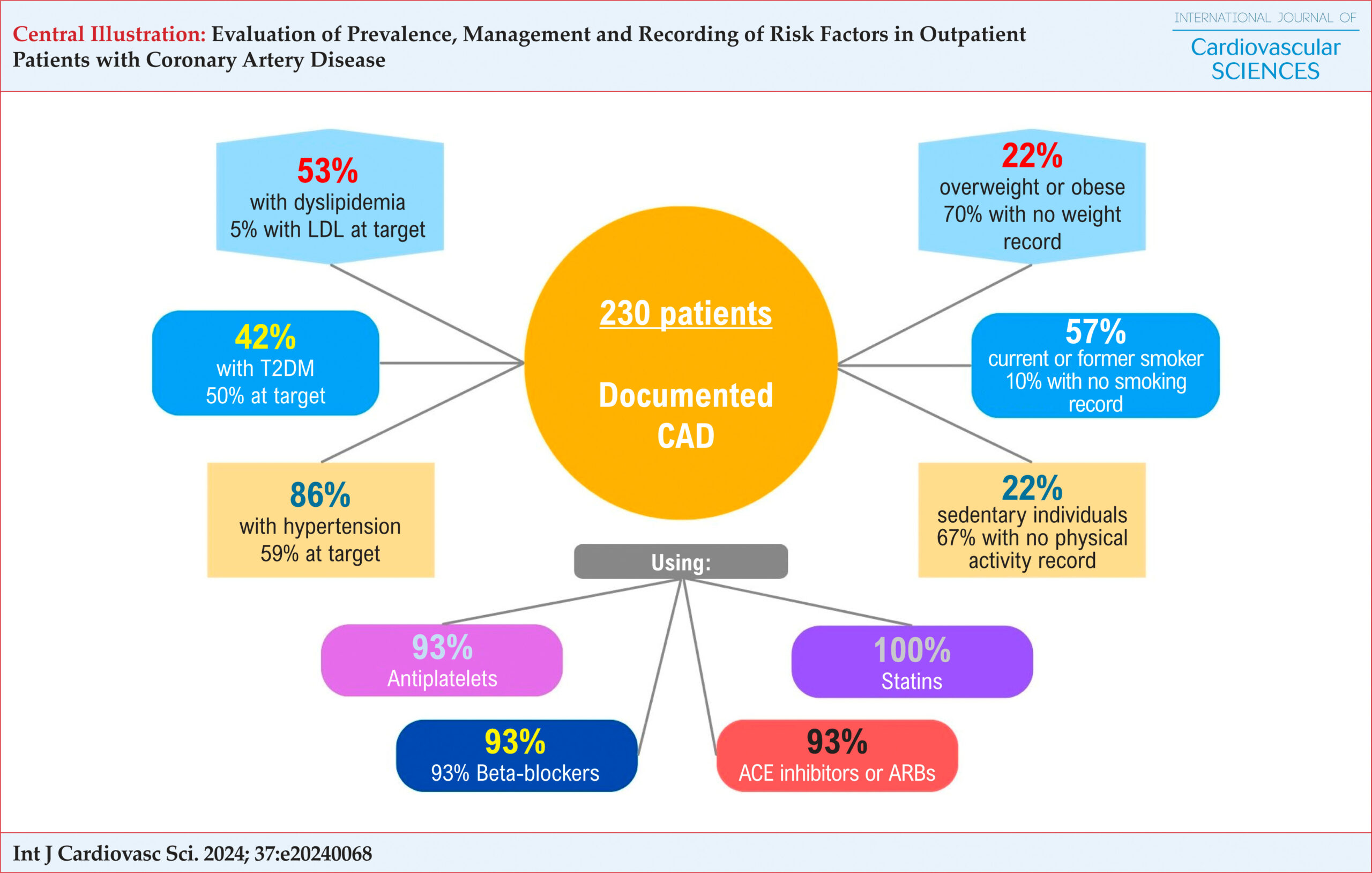
Evaluation of Prevalence, Management and Recording of Risk Factors in Outpatient Patients with Coronary Artery Disease

Alexandre Felipe Pacini et al. Gerson Luiz Bredt Junior Eline da Rós Moro Alcirley de Almeida Luiz Ana Paula de Oliveira Francez

Abstract

Background

Coronary artery disease (CAD) is the leading cause of mortality worldwide. Adequate management of risk factors is directly correlated with better outcomes.

Objectives

This study aims to identify risk factors and evaluate the indicated medical treatment (both pharmacological and non-pharmacological) in patients with CAD.

Methods

Epidemiological data were collected from electronic medical records of patients treated at Cardiology outpatient clinics of a Tertiary Hospital and a descriptive analysis of the data was performed.

Results

Patients with documented CAD (n = 230) were selected for the study, with a predominance of white (60%) men (62%), most of whom were monitored following an Acute Coronary Syndrome (ACS) (63.9%). High prevalence and irregular control of risk factors such as smoking, hypertension, dyslipidemia, diabetes, obesity, and sedentary lifestyle were observed. Target blood pressure was achieved in 52.6% of patients, low-density lipoprotein (LDL) in 5.7%, and HbA1c in 50.8%, despite appropriate prescriptions for most patients – 100% were prescribed statins, and over 90% received antiplatelet agents, angiotensin-converting enzyme (ACE) inhibitors or angiotensin II receptor blockers, and beta-blockers. Few patients were encouraged to quit smoking and engage in physical activities.

Conclusion

Significant recording errors were noted in the medical records, along with inadequate control of CAD-related risk factors. Improvements in both recording and management of these risk factors are necessary to enhance CAD outcomes. The study utilized a straightforward and cost-effective model, which effectively mapped the local population profile and managed CAD risk factors.

  • Cardiovascular Diseases
  • Coronary Artery Disease
  • Heart Disease Risk Factors
  • Secondary Prevention
Read Full Article
Creative Commons Attribution (CC BY) Creative Commons license
04/11/2024 DOI: 10.36660/ijcs.20240068
Dietary Adequacy of Individuals with Cardiovascular Disease According to Clinical Guidelines in the Brazilian Cardioprotective Nutritional (BALANCE)
ABC
Original Article

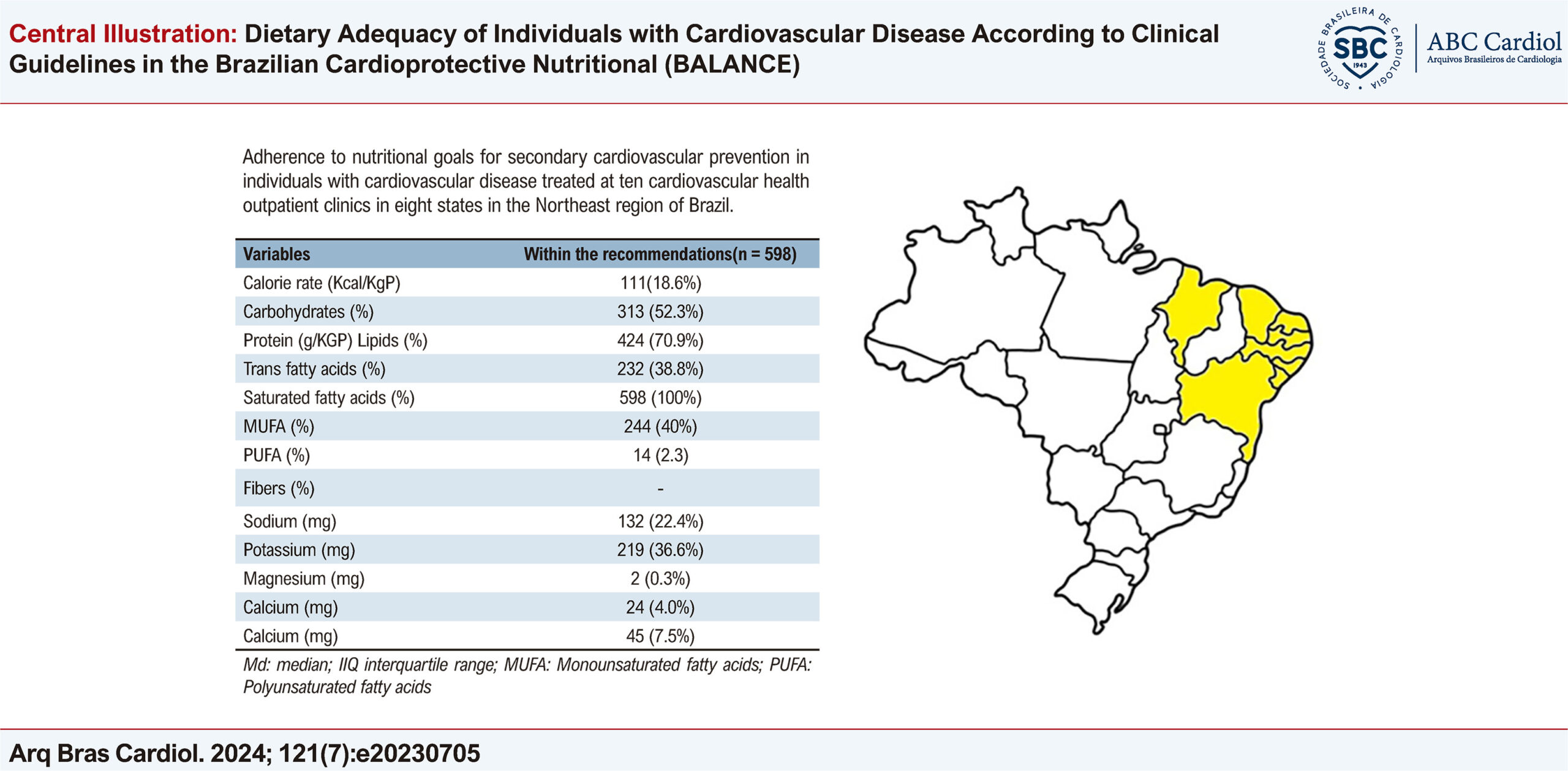
Dietary Adequacy of Individuals with Cardiovascular Disease According to Clinical Guidelines in the Brazilian Cardioprotective Nutritional (BALANCE)

Luciana Brito et al. Viviane Sahade Aline Marcadenti Camila Ragne Torreglosa … Bernardete Weber Ângela Cristine Bersch-Ferreira Isa Galvão Rodrigues Antônio Carlos Sobral Sousa Adriana Barros Gomes Josilene Maria Ferreira Pinheiro Sandra Mary Lima Vasconcelos Daniele Maria de Oliveira Carlos José Albuquerque de Figueiredo Neto Clenise de Farias Dantas Carla Daltro

Abstract

Background

Achieving nutritional goals established by scientific societies is a constant challenge and not always achieved.

Objective

To investigate the dietary adequacy of individuals with cardiovascular disease (CVD), participants in the Cardioprotective Brazilian Food Program residing in the Northeast region of Brazil, according to the recommendations of the Brazilian Society of Cardiology (SBC).

Methods

Cross-sectional analysis with data from the study implementing the Brazilian Cardioprotective Diet (DICA BR), which evaluated individuals with CVD treated in specialized cardiovascular health centers in eight states in the Northeast region. Food consumption was obtained by 24-hour dietary records and dietary adequacy followed SBC recommendations. Values of p < 0.05 were considered significant.

Results

647 patients were studied, with a mean (standard deviation) age of 63.1 (9.4) years, 50.2% of whom were female. When evaluating food intake, a low adequacy of carbohydrates (52.3%), proteins (70.9%), lipids (38.8%), and fiber (22.4%) was observed. It was observed that the majority of women consumed a low-protein diet (59.2%) and the elderly had a greater inadequacy in carbohydrate consumption (52.6%). Regarding sodium intake, men had a higher intake (72.9%), while the elderly showed a 13% reduction. Furthermore, it was shown that men ate more fiber (28.1%) and individuals with higher education had a high consumption of saturated fatty acids (70.5%).

Conclusions

Most individuals did not achieve the recommended dietary therapy goals for secondary cardiovascular prevention. The findings of the present study reinforce the need to implement structured strategies to encourage healthy eating habits in these individuals.

  • Atherosclerosis
  • Cardiovascular Diseases
  • Diet
  • Eating
  • Secondary Prevention
Read Full Article
Creative Commons Attribution (CC BY) Creative Commons license
26/08/2024 DOI: 10.36660/abc.20230705i Views 2
ABC
Editorial

Fatty Acids Intake in Cardiovascular Prevention: The Incessant Search for Adequacy

Elisa Maia dos Santos et al. Grazielle Vilas Bôas Huguenin

Cardiovascular diseases (CVD) are currently the leading cause of mortality worldwide. Several risk factors contribute to its development and among the modifiable ones, the main ones are related to lifestyle behaviors, such as smoking, physical activity, and diet. In individuals undergoing secondary cardiovascular prevention, promoting a healthy lifestyle is a strategy for reducing the recurrence of events.– However, gaps in adherence to a healthy lifestyle in secondary prevention may be related to the low integration between behavior change and traditional models of outpatient care.

Nutrition plays a central role in the primary and secondary prevention of CVD, but relatively recently, food has been considered as a treatment, and not just as a complement to established medical and pharmacological therapy. Diet, in particular, has a significant impact on the management of the main modifiable risk factors for CVD such as obesity, dyslipidemia, diabetes, and hypertension.

[…]

  • Eating
  • Fatty Acids
  • Secondary Prevention
Read Full Article
Creative Commons Attribution (CC BY) Creative Commons license
20/05/2024 DOI: 10.36660/abc.20240208i Views 1
Adequacy of Fatty Acids Consumption Among Individuals in Secondary Cardiovascular Prevention
ABC
Original Article

Adequacy of Fatty Acids Consumption Among Individuals in Secondary Cardiovascular Prevention

Aline Marcadenti et al. Rachel H. Vieira Machado Renato Hideo Nakagawa Santos Caio Cesar dos Santos Kasai … Cristiane Kovacs Annie Bello Cristina H. de Matos Renata Torres Abib Bertacco Gabriela C. Souza Gabriela da S. Schirmann Francisca Eugenia Zaina Nagano Soraia Poloni Raquel Milani El Kik Naoel Hassan Feres Isa G. Rodrigues Antônio Carlos Sobral Sousa Josilene M. F. Pinheiro Sandra Mary Lima Vasconcelos Daniele Maria de Oliveira Carlos Viviane Sahade Souza Adriana Barros Gomes José Albuquerque de Figueiredo Neto Emilio Hideyuki Moriguchi Maria Cristina Izar Sônia Lopes Pinto Josefina Bressan Simone Raimondi de Souza Magali C. Kumbier Celme Barroncas Passos de Araújo Camila R. Torreglosa Bernardete Weber Ângela Cristine Bersch-Ferreira

Background:

Adhering to a diet adequate in macronutrients is crucial for the secondary prevention of cardiovascular diseases.

Objective:

To assess the prevalence of adherence to recommendations for the consumption of dietary fatty acids for the prevention and treatment of cardiovascular diseases and to estimate whether the presence of certain cardiovascular risk factors would be associated with adherence.

Methods:

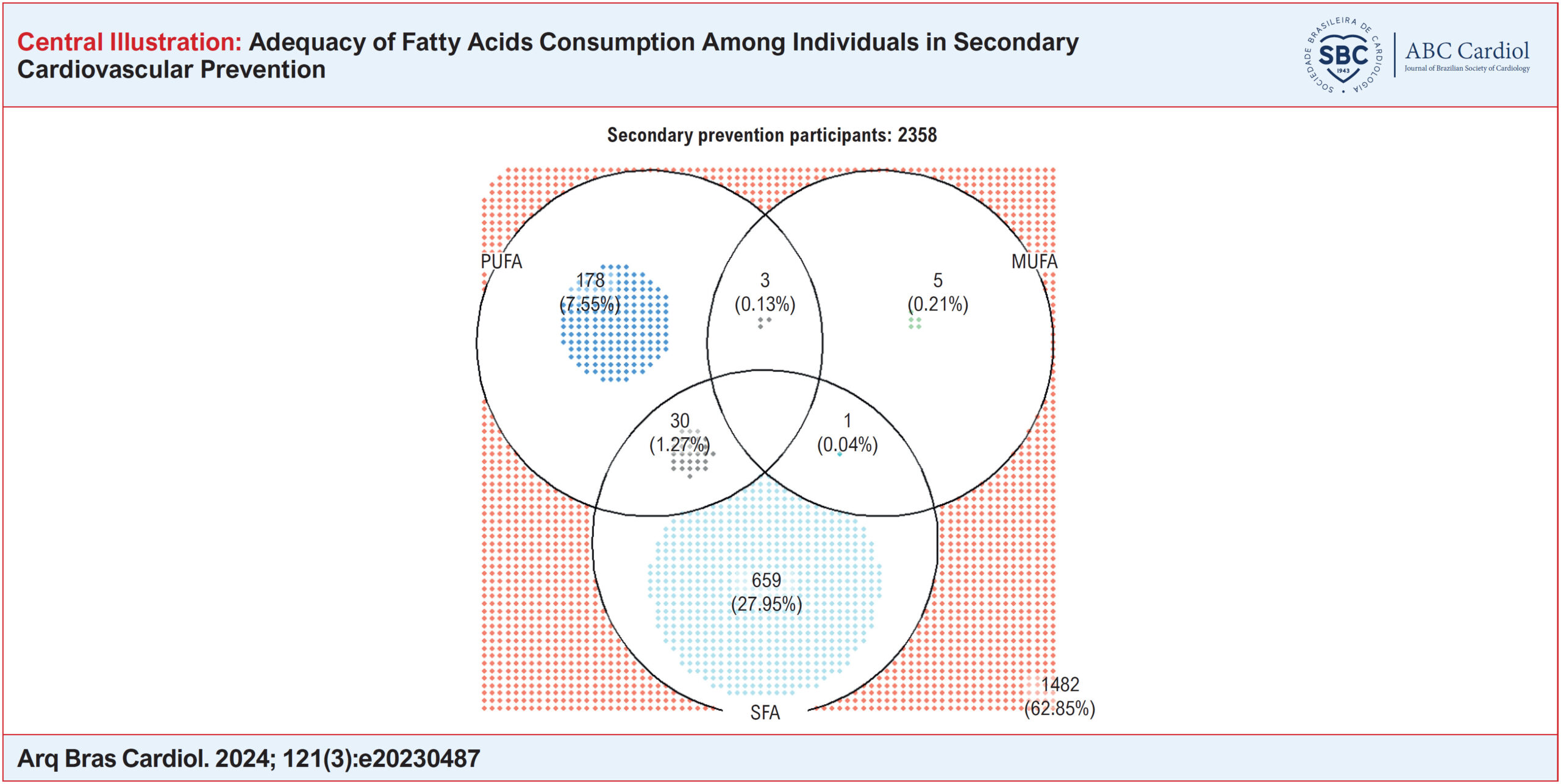
Cross-sectional study using baseline data from 2,358 participants included in the “Brazilian Cardioprotective Nutritional Program Trial”. Dietary intake and cardiovascular risk factors were assessed. Adequate intake of polyunsaturated fatty acids (PUFA) was considered as ≥10% of total daily energy intake; for monounsaturated fatty acids (MUFA), 20%; and for saturated fatty acids (SFA), <7% according to the Brazilian Society of Cardiology. A significance level of 5% was considered in the statistical analysis.

Results:

No participant adhered to all recommendations simultaneously, and more than half (1,482 [62.9%]) did not adhere to any recommendation. Adherence exclusively to the SFA recommendation was the most prevalent, fulfilled by 659 (28%) participants, followed by adherence exclusively to the PUFA (178 [7.6%]) and MUFA (5 [0.2%]) recommendations. There was no association between the number of comorbidities and adherence to nutritional recommendations (p = 0.269). Participants from the Brazilian Northeast region showed a higher proportion of adherence to SFA consumption recommendations (38.42%) and lower adherence to PUFA intake (3.52%) (p <0.001) compared to other regions.

Conclusions:

Among the evaluated sample, there was low adherence to nutritional recommendations for dietary fatty acid consumption.

  • Cardiovascular disease
  • Diet
  • Fatty Acids
  • Secondary Prevention
Read Full Article
Creative Commons Attribution (CC BY) Creative Commons license
05/04/2024 DOI: 10.36660/abc.20230487i Views 1
Attainment of LDL-Cholesterol Goals in Patients with Previous Myocardial Infarction: A Real-World Cross-Sectional Analysis
ABC
Original Article

Attainment of LDL-Cholesterol Goals in Patients with Previous Myocardial Infarction: A Real-World Cross-Sectional Analysis

Daniel A. Gomes et al. Mariana Sousa Paiva Pedro Freitas Francisco Albuquerque … Maria Rita Lima Rita Reis Santos João Presume Marisa Trabulo Carlos Aguiar Jorge Ferreira António M. Ferreira Miguel Mendes

Abstract

Background:

The European Society of Cardiology guidelines recommend an LDL-cholesterol (LDL-C) < 55 mg/dL for patients with established cardiovascular disease. While the Friedewald equation to estimate LDL-C is still widely used, the newer Martin-Hopkins equation has shown greater accuracy.

Objectives:

We aimed to assess: A) the proportion of patients reaching LDL-C goal and the therapies used in a tertiary center; B) the impact of using the Martin-Hopkins method instead of Friedewald’s on the proportion of controlled patients.

Methods:

A single-center cross-sectional study including consecutive post-myocardial infarction patients followed by 20 cardiologists in a tertiary hospital. Data was collected retrospectively from clinical appointments that took place after April 2022. For each patient, the LDL-C levels and attainment of goals were estimated from an ambulatory lipid profile using both Friedewald and Martin-Hopkins equations. A two-tailed p-value of < 0.05 was considered statistically significant for all tests.

Results:

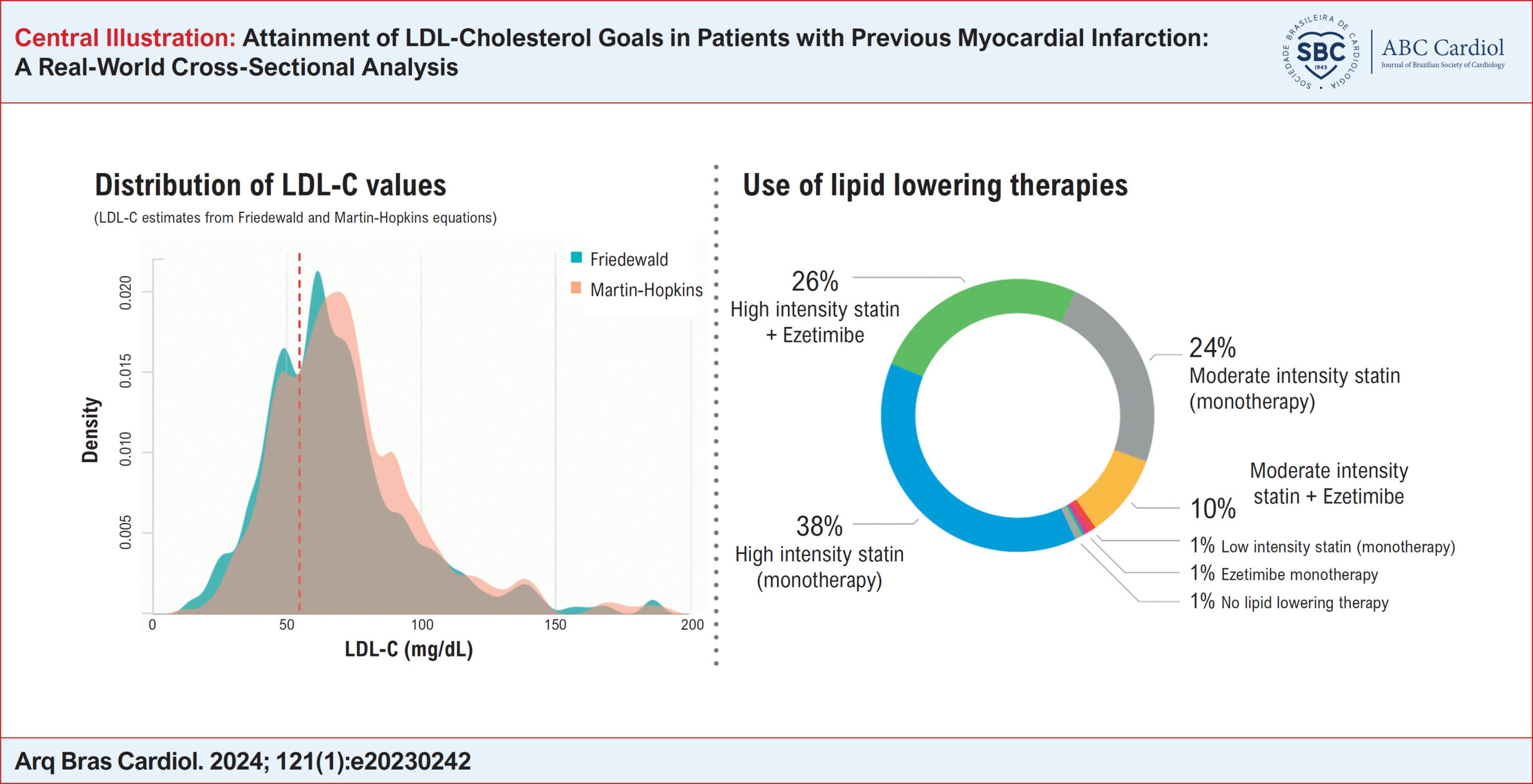
Overall, 400 patients were included (aged 67 ± 13 years, 77% male). Using Friedewald’s equation, the median LDL-C under therapy was 64 (50-81) mg/dL, and 31% had LDL-C within goals. High-intensity statins were used in 64% of patients, 37% were on ezetimibe, and 0.5% were under PCSK9 inhibitors. Combination therapy of high-intensity statin + ezetimibe was used in 102 patients (26%). Applying the Martin-Hopkins method would reclassify a total of 31 patients (7.8%). Among those deemed controlled by Friedewald’s equation, 27 (21.6%) would have a Martin-Hopkins’ LDL-C above goals.

Conclusions:

Less than one-third of post-myocardial infarction patients had LDL-C within the goal. Applying the Martin-Hopkins equation would reclassify one-fifth of presumably controlled patients into the non-controlled group.

  • Atherosclerosis
  • Cholesterol, LDL
  • Secondary Prevention
Read Full Article
Creative Commons Attribution (CC BY) Creative Commons license
08/03/2024 DOI: 10.36660/abc.20230242 Views 1
Central Illustration
ABC
Original Article

Secondary Pharmacological Prevention of Coronary Artery Disease among Patients Submitted to Clinical Management, Percutaneous Coronary Intervention, or Coronary Artery Bypass Graft Surgery

Marcelo B. Lucca et al. Felipe C. Fuchs Adriana S. Almeida Marco V. Wainstein … Flavio D. Fuchs Sandra C. Fuchs

Abstract

Background

Secondary prevention is recommended for patients with evidence of coronary artery disease (CAD) regardless of the indication for treatment by coronary artery bypass graft surgery (CABG) or percutaneous coronary intervention (PCI).

Objectives

This study evaluated whether clinical treatment, PCI or CABG had an influence on adherence to the pharmacological secondary prevention in patients with stable CAD.

Methods

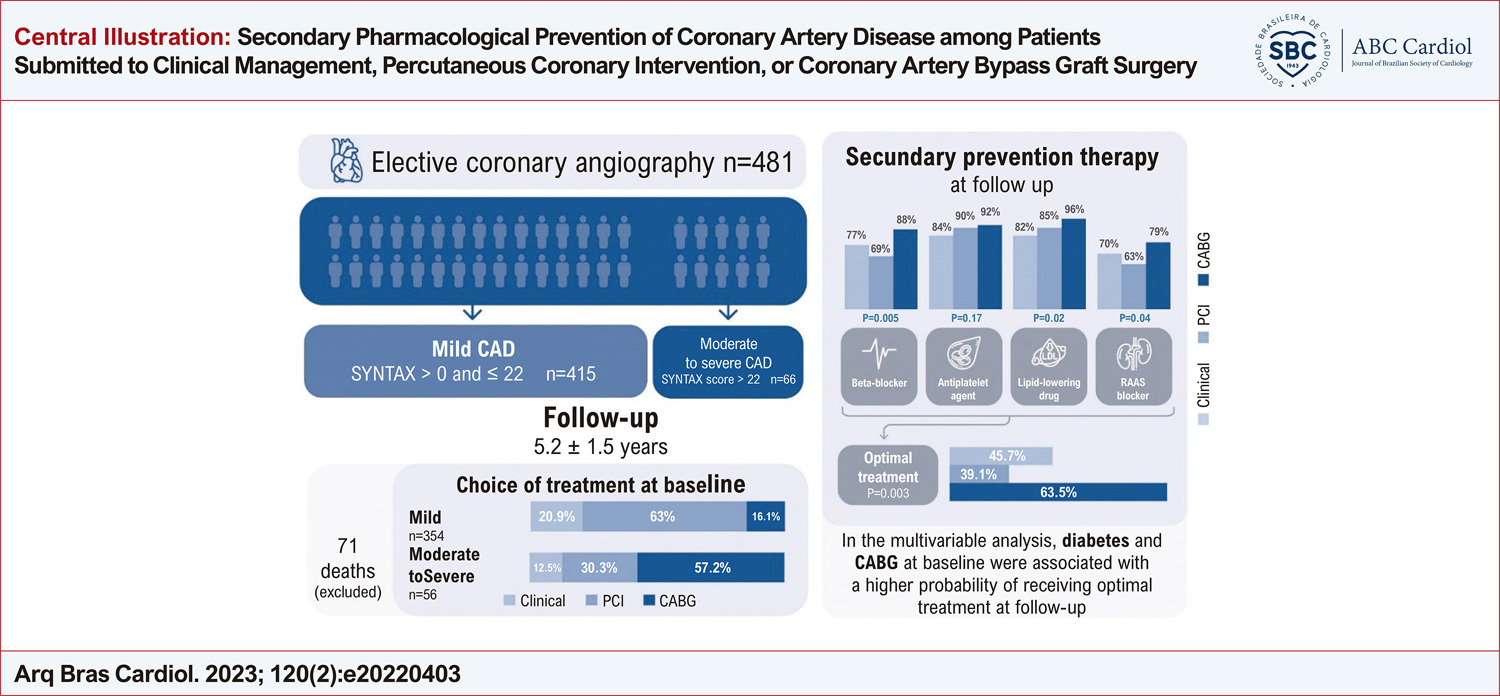
This cohort included patients aged ≥40 years with stable CAD confirmed by coronary angiography. The decision for medical treatment alone, or additionally with PCI or CABG, was made by the attending physicians. Adherence to the prescribed drugs recommended by the guidelines for secondary prevention (optimal pharmacological treatment), including antiplatelet agents, lipid-lowering drugs, beta-blockers, and renin-angiotensin-aldosterone system blockers, was assessed at follow-up. Differences were considered significant for p values <0.05.

Results

From 928 patients enrolled at baseline, 415 had mild CAD and 66 moderate to severe CAD. The average follow-up was 5.2 ± 1.5 years. Patients submitted to CABG were more likely to receive the optimal pharmacological treatment than those submitted to PCI or treated clinically (63.5% versus 39.1% versus 45.7% respectively, p=0.003). Baseline factors independently associated with greater probability of having a prescription of optimal treatment at follow-up were CABG [39% higher (6% – 83%, p=0.017) and diabetes [25% higher (1% – 56%), p=0.042] than their counterparts treated by other methods and participants without diabetes, respectively.

Conclusions

Patients with CAD submitted to CABG are more commonly treated with optimal pharmacological secondary prevention than patients treated by PCI or exclusively with medical therapy.

  • Coronary Artery Bypass
  • Coronary Artery Disease
  • Drug Therapy
  • Percutaneous Coronary Intervention
  • Secondary Prevention
Read Full Article
Creative Commons Attribution (CC BY) Creative Commons license
06/03/2023 DOI: 10.36660/abc.20220403 Views 2
ABC
Editorial

What is the Current Scenario of Cardiac Rehabilitation in Brazil and Portugal?

Ricardo Stein et al. Mauricio Milani Ana Abreu

What is the current scenario of cardiac rehabilitation in Brazil?

The scenario in Brazil is alarming. The number of documented CR programs is extremely insufficient in relation to the clinical need, and this is certainly harmful to the health of the Brazilian population with chronic heart diseases. Let’s look at the evidence: In a study published in 2020, Britto et al. estimated that, in Brazil, there is only 1 spot in a CR service for every 99 patients with ischemic heart disease, meaning that the availability is almost 3 times lower than that observed in another 32 countries evaluated (1 spot for every 32.7 patients). In another study that evaluated the worldwide availability and density of CR, this type of service was identified in 111 out of 203 countries, and the global ratio of spots for each patient with ischemic heart disease was 1 to 11, which demonstrates a sad reality.

Unpublished data on the availability of CR identified the operation of only 59 CR programs in Brazil; most of them (71%) were concentrated in the South (20%) and Southeast (51%) Regions of the country, which demonstrates not only the scarcity, but also the heterogeneity in the national distribution. In relation to available spots, the situation is even more concentrated, since 69% of them are in the Southeast Region, which exposes the large gap in spots and services in other Brazilian regions. Based on these data, the authors also calculated the national availability of CR spots for care after hospital discharge. The number of spots to provide care for these patients after a cardiovascular event represented less than 2% of the need.

[…]

  • Exercise
  • Heart
  • Rehabilitation
  • Secondary Prevention
Read Full Article
Creative Commons Attribution (CC BY) Creative Commons license
13/05/2022 DOI: 10.36660/abc.20220210 Views 1
Figure 1
ABC
Original Article

Achievement of LDL-Cholesterol Goals after Acute Myocardial Infarction: Real-World Data from the City of Curitiba Public Health System

André Bernardi et al. Marcia Olandoski Lucas Olandoski Erbano Luiz Cesar Guarita-Souza … Cristina Pellegrino Baena José Rocha Faria-Neto

Abstract

Background

Reduction of LDL-cholesterol (LDL-c) levels is the cornerstone in risk reduction, but many high-risk patients are not achieving the recommended lipid goals, even in high-income countries.

Objective

To evaluate whether patients seen in the city of Curitiba public health system are reaching LDL-c goals after an acute myocardial infarction (AMI).

Methods

This retrospective cohort explored the data of patients admitted with AMI between 2008 and 2015 in public hospitals from the city of Curitiba. In order to evaluate the attainment of the LDL-c target, we have used the last value registered in the database for each patient up to 2016. For those who had at least one LDL-c registered in the year before AMI, percentage of reduction was calculated. The level of significance adopted for statistical analysis was p<0.05.

Results

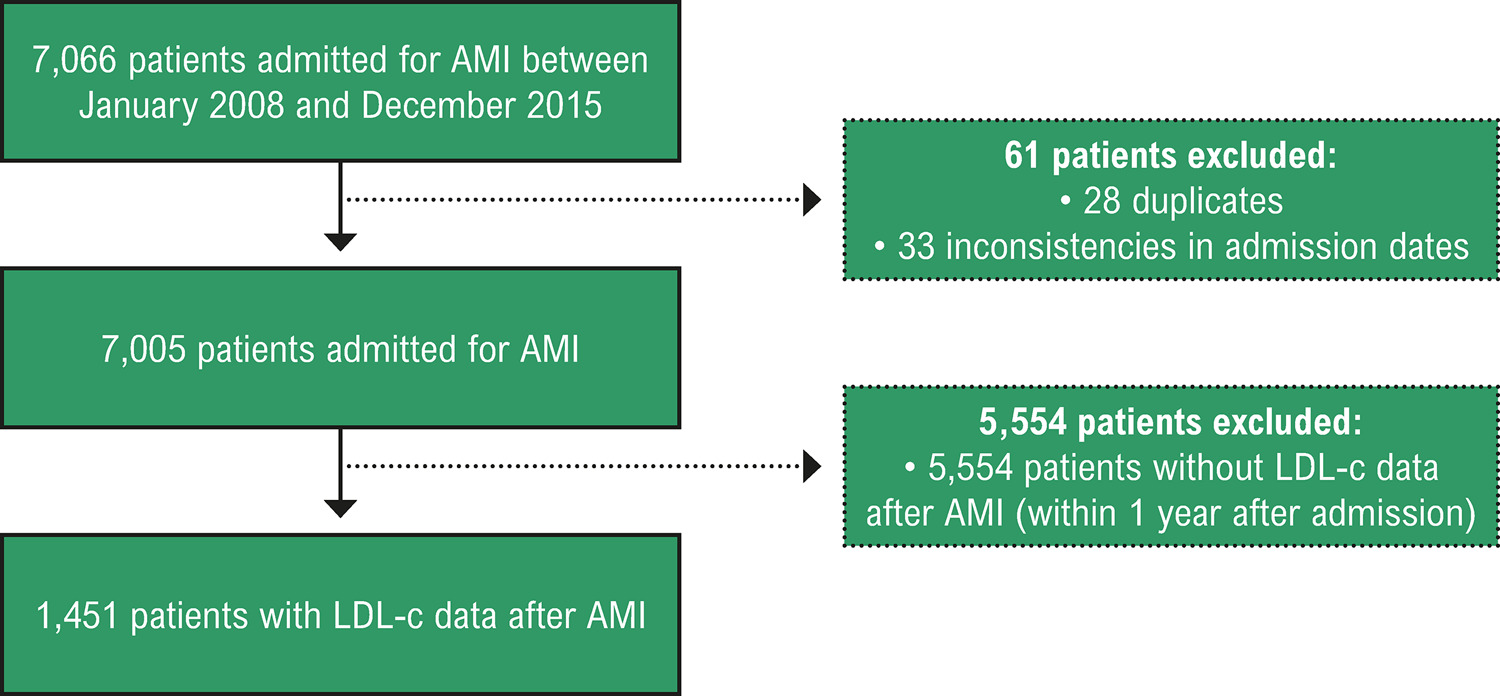
Of 7,066 patients admitted for AMI, 1,451 were followed up in an out-patient setting and had at least one evaluation of LDL-c. Mean age was 60.8±11.4 years and 35.8%, 35.2%, 21.5%, and 7.4% of patients had LDL-c levels ≥100, 70–99, 50–69 and <50 mg/dL, respectively. Of these, 377 patients also had at least one LDL-c evaluation before the AMI. Mean LDL-c concentrations were 128.0 and 92.2 mg/dL before and after AMI, with a mean reduction of 24.3% (35.7 mg/dL). LDL-c levels were reduced by more than 50% in only 18.3% of the cases.

Conclusion

In the city of Curitiba public health system patients, after myocardial infarction, are not achieving adequate LDL-c levels after AMI.

  • Cardiovascular Diseases
  • Choleterol LDL
  • Diabetes Mellitus
  • Dyslipidemias
  • Epidemiology
  • Myocardial Infarction
  • Prevention and Control
  • Risk Factors
  • Secondary Prevention
Read Full Article
Creative Commons Attribution (CC BY) Creative Commons license
09/05/2022 DOI: 10.36660/abc.20210328 Views 2
Figure 1
IJCS
Editorial

To Close or not to Close PFOs in Cryptogenic Stroke, an Evolving Question

Alex Felix et al. Monica Luiza de Alcantara

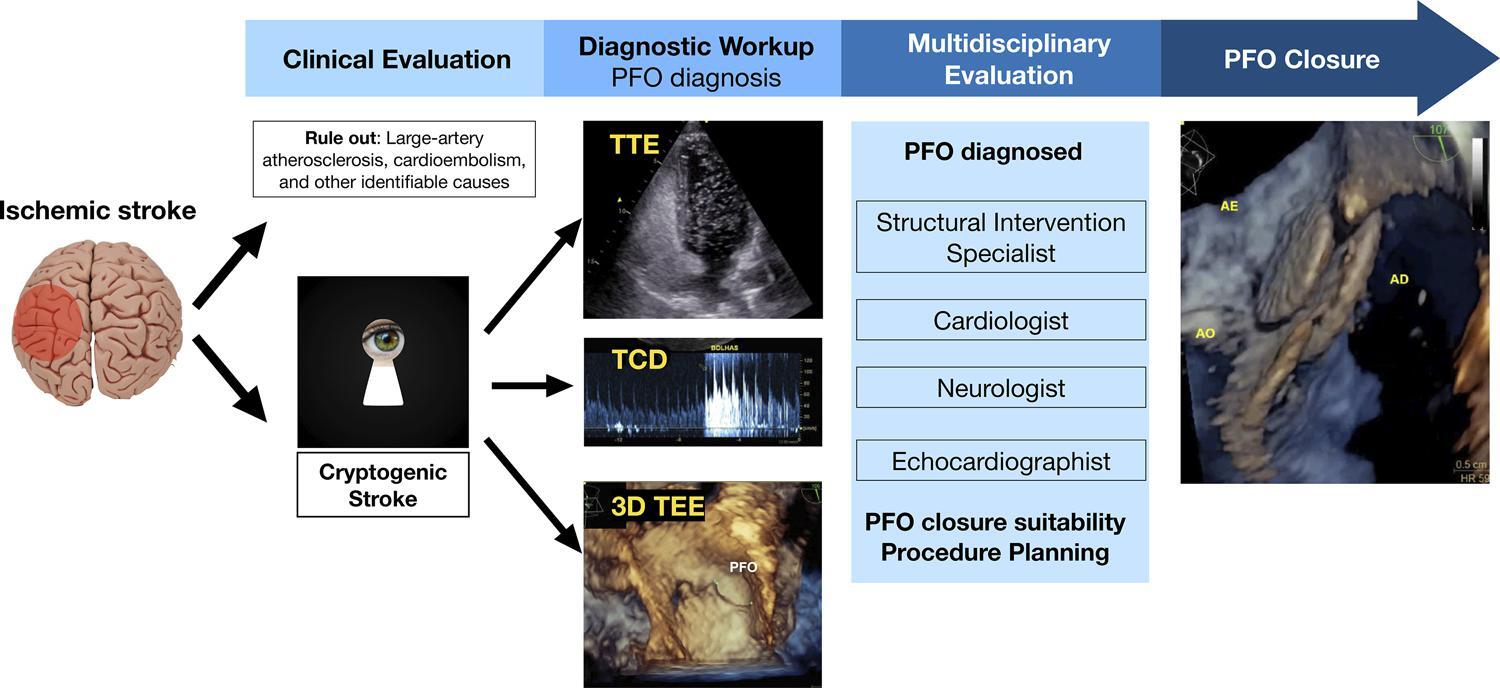
A matter of intense debate in the last decades, the ideal strategy for secondary prevention in patients with cryptogenic stroke and patent foramen ovale (PFO) is not yet clearly defined. PFOs are prevalent in the general population and can be found in up to 40% of patients with cryptogenic stroke. Although in some cases of cryptogenic stroke PFO might be just an innocent bystander, paradoxical embolism is a well-known potential causative mechanism, especially in patients with concomitant deep venous thrombosis, whereby PFO closure may represent an effective measure to avoid recurrences. Even among patients with PFO, phenotypical heterogeneity may also determine percutaneous treatment suitability and directly impact on results, whereas the presence of large shunts, atrial septal aneurysm or associated complex septal defects must also be taken into account.

In the past years, several evidence-based guidelines and expert consensus on the management of patients with PFO and prevention of recurrent stroke have been published by international scientific societies, including a position paper sponsored by the European Association of Percutaneous Cardiovascular Interventions (EAPCI), with the participation of eight European scientific societies. A recent guideline by the American Academy of Neurology (AAN) was published online last April.

[…]

  • Atrial Fibrillation
  • Patent Foramen Ovale
  • Risk Factors
  • Secondary Prevention
  • Stroke/prevention and control
Read Full Article
Creative Commons Attribution (CC BY) Creative Commons license
31/07/2020 DOI: 10.36660/ijcs.20200128 Views 1
Life-habit intervention in a public institution
ABC
Artigo Original

Life-habit intervention in a public institution

Carlos Scherr et al. Ademir Batista da Cunha Chyntia Karla Magalhães Rafael Aron Abitibol … Marcelo Barros Ivan Cordovil

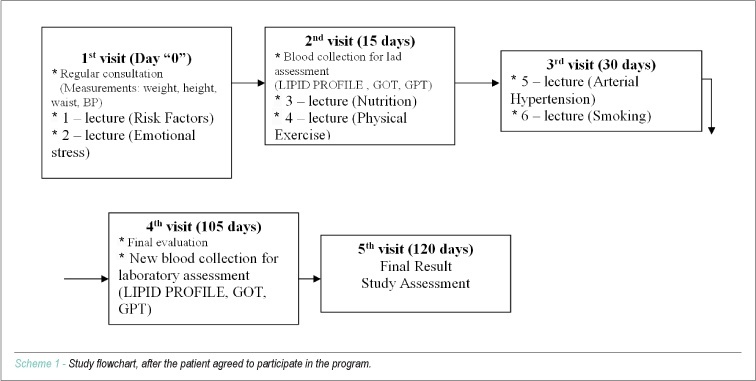
BACKGROUND: Coronary disease is the major worldwide cause of death, according to the World Health Organization (WHO) and the second in Brazil. Sudden death occurs 4 to 6 times more frequently in those who have suffered an acute myocardial infarction (AMI); within 6 years, 18% of the men and 35% of the women will have a new AMI. The secondary prevention, of which effectiveness has been previously demonstrated, is of utmost importance. OBJECTIVE: To test the effectiveness of a multiprofessional program that aims at modifying risk factors for atherosclerosis in the public health system. METHODS: Of the 2,337 patients with coronary artery disease undergoing outpatient treatment, 513 with a coronary angiography study agreed to participate in the present study, which used lectures on how and why to control risk factors as therapeutic tool. Statistical analysis: significant variation pre and post-intervention; paired Student’s t test or Wilcoxon’s test ; existence of a significant difference between the two groups; Student’s t test for independent samples or Mann-Whitney test. Comparison among three groups: analysis of variance (ANOVA) or Kruskal-Wallis. RESULTS: Cholesterol, LDL, triglycerides, body mass index, Castelli indexes I and II and waist circumference showed a significant decrease, even in patients without hypolipemiant treatment. The assessment of the diet impact showed that 72% of the patients that did not follow a diet, started to do so. Physical activity: of the 55% sedentary patients, 71% started to exercise three or more times a week. Smoking: of the smokers, 60% (9% of the total) stopped smoking and 32% decreased the number of cigarettes. CONCLUSION: These results demonstrated the effectiveness of the programs to improve life habits when applied to the units of the public health system. (Arq Bras Cardiol. 2010; [online]. ahead print, PP.0-0)

  • atheroclerosis
  • coronary heart disease
  • Risk Factors
  • Secondary Prevention
Read Full Article
Creative Commons Attribution (CC BY) Creative Commons license
28/05/2010 DOI: 10.1590/S0066-782X2010005000058
ABC
Artigo Original

Variability among cardiologists in the management of patients under secondary prevention of ischemic heart disease

Ricardo Stein et al. Caroline Alboim Candice Campos Renato Bandeira de Mello … Guido Aranha Rosito Carisi Anne Polanczyk

OBECTIVE: To compare the management of patients with ischemic heart disease being followed up in a general cardiology outpatient clinic with that of patients being followed up in an outpatient clinic specific for ischemic heart disease, emphasizing the lipid profile and the pharmacological treatment prescribed. METHODS: Data were collected from the medical records of 52 patients consecutively treated in the outpatient clinic for ischemic heart disease (group I) and of 43 patients treated in the general cardiology outpatient clinic (group II), the anatomical diagnosis of ischemic heart disease being the basic condition for their inclusion in the study. The criteria for dyslipidemia were as follows: total cholesterol > 200 mg/dL or LDL-cholesterol > 100 mg/dL, or both, in patients using or not lipid-lowering drugs, and the use of lipid-lowering drugs, even when the total cholesterol or LDL-cholesterol levels were < 200 mg/dL and 100 mg/dL, respectively, or both. The Fisher exact test was used for comparing the variables, and a 2-tailed p < 0.05 was accepted as significant. RESULTS: Demographic characteristics, risk factors for ischemic heart disease, prevalence of previous myocardial infarction, and previous revascularization procedures showed no significant differences between the patients in groups I and II. In group I, 98% of the patients received aspirin, while, in group II, 83% of the patients received that drug (p=0.02). In regard to the use of lipid-lowering drugs, the prevalences were 60% in group I and 19% in group II (p=0.001). The lipid profile examination was requested for 98% of group I individuals and 79% of group II individuals (p=0.003). CONCLUSION: In regard to new medical evidence, mainly prescription of aspirin and lipid-lowering drugs, the management was more reliable in the outpatient clinic specifically aimed at treating ischemic heart disease.

  • ischemic heart disease
  • outpatient care cohort
  • Secondary Prevention
Read Full Article
Creative Commons Attribution (CC BY) Creative Commons license
13/09/2004 DOI: 10.1590/S0066-782X2004001500005 Views 1
ABC
Artigo Original

Combined therapy with cholestyramine and HMG-CoA reductase inihibtors in secondary prevention of coronary disease

José Paulo Novazzi et al. Leonor do Espírito Santo de Almeida Pinto Caio Auriemo Tania Leme da Rocha Martinez

PURPOSE: To evaluate lipid profile changes associated with cholestyramine addition in hypercholesterolemic patients with established coronary heart disease under treatment with HMG-CoA reductase inihibtors that had not achieved the ideal value of LDL-cholesterol. METHODS: Twenty patients with coronary heart disease, (12 submitted to coronary artery bypass grafts, 3 to coronary angioplasty and 5 maintened under clinical management) with mean age of 60.78 years old, who were under hypolipemic diet and were medicated with lovastatin 20mg/d or simvastatin 10mg/d, received cholestyramine, doses ranging from 8 to 16g/day during 8 weeks, aiming to reduce LDL-cholesterol to values less than 100mg/dL. RESULTS: There was a significant reduction of total cholesterol, from initial mean value of 239.52mg/dL to final mean value of 199.00mg/dL, with a mean reduction of 16.92%. The mean value of LDL-cholesterol was also reduced significantly from 172.73mg/dL to 118.26mg/dL, with a mean reduction of 31.53%. Mean triglyceridemia increased, still within the normal reference values, from 145.05mg/dL to 162.00mg/dL, and the mean difference was 11.69%. There was a significant increase of HDL-cholesterol fraction from an initial mean value of 38.00mg/dL to a final mean value of 48.21mg/dL, mean difference of 26.87%. Side effects were not frequent, and did not interfere in the duration of the study. CONCLUSION: The association of cholestyramine to HMG-CoA reductase inihibtors, both in low doses, in patients with primary hypercholesterolemia and high coronary risk is a good therapeutic option that can reach benefits on the lipid profile similar to those obtained when these drugs are used in association or separately in higher doses.

  • cholestyramine
  • HMG-CoA reductase inihibtors
  • Secondary Prevention
Read Full Article
Creative Commons Attribution (CC BY) Creative Commons license
08/01/2002 DOI: 10.1590/S0066-782X1998000300003 Views 1

How to cite this article

EndNote RIS

Electronic Document Format (Vancouver)

Cesena FY. Achieving LDL-Cholesterol Goals: Can Implementation Science Save Us?. Arquivos Brasileiros de Cardiologia 2025;122(7):e20250516.

Electronic Document Format (ABNT)

Cesena, Fernando Yue. Achieving LDL-Cholesterol Goals: Can Implementation Science Save Us?. Arquivos Brasileiros de Cardiologia, v. 122, n. 7, e20250516, Oct. 2025.

Electronic Document Format (APA)

Cesena, F. Y. (2025). Achieving LDL-Cholesterol Goals: Can Implementation Science Save Us?. Arquivos Brasileiros de Cardiologia, 122(7), e20250516.

Electronic Document Format (ISO)

Cesena, Fernando Yue. Achieving LDL-Cholesterol Goals: Can Implementation Science Save Us?. Arquivos Brasileiros de Cardiologia [online]. 2025, vol. 122, n. 7, [cited 2026-10-14], e20250516. Available from: <https://journals.cardiol.br/en/article/achieving-ldl-cholesterol-goals-can-implementation-science-save-us/>. ISSN 0066-782X

EndNote RIS

Electronic Document Format (Vancouver)

Braga A, Santos M, Magliano C, Senna K, Tura B, Oliveira I. Estimate of Brazilians Under Secondary Prevention of Cardiovascular Events Who Do Not Achieve LDL Cholesterol Targets with Lipid-Lowering Therapy. Arquivos Brasileiros de Cardiologia 2025;122(7):e20240617.

Electronic Document Format (ABNT)

Braga, Andressa; Santos, Marisa; Magliano, Carlos; Senna, Katia; Tura, Bernardo; Oliveira, Ione. Estimate of Brazilians Under Secondary Prevention of Cardiovascular Events Who Do Not Achieve LDL Cholesterol Targets with Lipid-Lowering Therapy. Arquivos Brasileiros de Cardiologia, v. 122, n. 7, e20240617, Aug. 2025.

Electronic Document Format (APA)

Braga, A., Santos, M., Magliano, C., Senna, K., Tura, B., & Oliveira, I. (2025). Estimate of Brazilians Under Secondary Prevention of Cardiovascular Events Who Do Not Achieve LDL Cholesterol Targets with Lipid-Lowering Therapy. Arquivos Brasileiros de Cardiologia, 122(7), e20240617.

Electronic Document Format (ISO)

Braga, Andressa and Santos, Marisa and Magliano, Carlos and Senna, Katia and Tura, Bernardo and Oliveira, Ione. Estimate of Brazilians Under Secondary Prevention of Cardiovascular Events Who Do Not Achieve LDL Cholesterol Targets with Lipid-Lowering Therapy. Arquivos Brasileiros de Cardiologia [online]. 2025, vol. 122, n. 7, [cited 2026-10-14], e20240617. Available from: <https://journals.cardiol.br/en/article/estimate-of-brazilians-under-secondary-prevention-of-cardiovascular-events-who-do-not-achieve-ldl-cholesterol-targets-with-lipid-lowering-therapy/>. ISSN 0066-782X

EndNote RIS

Electronic Document Format (Vancouver)

Pinesi HT, Moreira EM, Barbosa MHM, Pitta FG, Rached FH, Lima EG, Martins EB, et al. TIMI Risk Score for Secondary Prevention to Risk Stratify Chronic Coronary Syndrome Patients: External Validation Study. Arquivos Brasileiros de Cardiologia 2025;122(5):e20240821.

Electronic Document Format (ABNT)

Pinesi, Henrique Trombini; Moreira, Eduardo Martelli; Barbosa, Marcelo Henrique Moreira; Pitta, Fabio Grunspun; Rached, Fabiana Hanna; Lima, Eduardo Gomes; Martins, Eduardo Bello; Serrano Jr, Carlos Vicente. TIMI Risk Score for Secondary Prevention to Risk Stratify Chronic Coronary Syndrome Patients: External Validation Study. Arquivos Brasileiros de Cardiologia, v. 122, n. 5, e20240821, May. 2025.

Electronic Document Format (APA)

Pinesi, H. T., Moreira, E. M., Barbosa, M. H. M., Pitta, F. G., Rached, F. H., Lima, E. G., Martins, E. B., & Serrano Jr, C. V. (2025). TIMI Risk Score for Secondary Prevention to Risk Stratify Chronic Coronary Syndrome Patients: External Validation Study. Arquivos Brasileiros de Cardiologia, 122(5), e20240821.

Electronic Document Format (ISO)

Pinesi, Henrique Trombini and Moreira, Eduardo Martelli and Barbosa, Marcelo Henrique Moreira and Pitta, Fabio Grunspun and Rached, Fabiana Hanna and Lima, Eduardo Gomes and Martins, Eduardo Bello and Serrano Jr, Carlos Vicente. TIMI Risk Score for Secondary Prevention to Risk Stratify Chronic Coronary Syndrome Patients: External Validation Study. Arquivos Brasileiros de Cardiologia [online]. 2025, vol. 122, n. 5, [cited 2026-10-14], e20240821. Available from: <https://journals.cardiol.br/en/article/timi-risk-score-for-secondary-prevention-to-risk-stratify-chronic-coronary-syndrome-patients-external-validation-study/>. ISSN 0066-782X

EndNote RIS

Electronic Document Format (Vancouver)

Pacini AF, Bredt Junior GL, Moro ER, Luiz AA, Francez APO. Evaluation of Prevalence, Management and Recording of Risk Factors in Outpatient Patients with Coronary Artery Disease. International Journal of Cardiovascular Sciences 2024;37:e20240068.

Electronic Document Format (ABNT)

Pacini, Alexandre Felipe; Bredt Junior, Gerson Luiz; Moro, Eline da Rós; Luiz, Alcirley de Almeida; Francez, Ana Paula de Oliveira. Evaluation of Prevalence, Management and Recording of Risk Factors in Outpatient Patients with Coronary Artery Disease. International Journal of Cardiovascular Sciences, v. 37, e20240068, Nov. 2024.

Electronic Document Format (APA)

Pacini, A. F., Bredt Junior, G. L., Moro, E. R., Luiz, A. A., & Francez, A. P. O. (2024). Evaluation of Prevalence, Management and Recording of Risk Factors in Outpatient Patients with Coronary Artery Disease. International Journal of Cardiovascular Sciences, 37, e20240068.

Electronic Document Format (ISO)

Pacini, Alexandre Felipe and Bredt Junior, Gerson Luiz and Moro, Eline da Rós and Luiz, Alcirley de Almeida and Francez, Ana Paula de Oliveira. Evaluation of Prevalence, Management and Recording of Risk Factors in Outpatient Patients with Coronary Artery Disease. International Journal of Cardiovascular Sciences [online]. 2024, vol. 37, [cited 2026-10-14], e20240068. Available from: <https://journals.cardiol.br/en/article/evaluation-of-prevalence-management-and-recording-of-risk-factors-in-outpatient-patients-with-coronary-artery-disease/>. ISSN 2359-4802

EndNote RIS

Electronic Document Format (Vancouver)

Brito L, Sahade V, Marcadenti A, Torreglosa CR, Weber B, Bersch-Ferreira C, Rodrigues IG, et al. Dietary Adequacy of Individuals with Cardiovascular Disease According to Clinical Guidelines in the Brazilian Cardioprotective Nutritional (BALANCE). Arquivos Brasileiros de Cardiologia 2024;121(7):e20230705.

Electronic Document Format (ABNT)

Brito, Luciana; Sahade, Viviane; Marcadenti, Aline; Torreglosa, Camila Ragne; Weber, Bernardete; Bersch-Ferreira, Ângela Cristine; Rodrigues, Isa Galvão; Sousa, Antônio Carlos Sobral; Gomes, Adriana Barros; Pinheiro, Josilene Maria Ferreira; Vasconcelos, Sandra Mary Lima; Carlos, Daniele Maria de Oliveira; Figueiredo Neto, José Albuquerque de; Dantas, Clenise de Farias; Daltro, Carla. Dietary Adequacy of Individuals with Cardiovascular Disease According to Clinical Guidelines in the Brazilian Cardioprotective Nutritional (BALANCE). Arquivos Brasileiros de Cardiologia, v. 121, n. 7, e20230705, Aug. 2024.

Electronic Document Format (APA)

Brito, L., Sahade, V., Marcadenti, A., Torreglosa, C. R., Weber, B., Bersch-Ferreira, C., Rodrigues, I. G., Sousa, A. C. S., Gomes, A. B., Pinheiro, J. M. F., Vasconcelos, S. M. L., Carlos, D. M. O., Figueiredo Neto, J. A. , Dantas, C. F., & Daltro, C. (2024). Dietary Adequacy of Individuals with Cardiovascular Disease According to Clinical Guidelines in the Brazilian Cardioprotective Nutritional (BALANCE). Arquivos Brasileiros de Cardiologia, 121(7), e20230705.

Electronic Document Format (ISO)

Brito, Luciana and Sahade, Viviane and Marcadenti, Aline and Torreglosa, Camila Ragne and Weber, Bernardete and Bersch-Ferreira, Ângela Cristine and Rodrigues, Isa Galvão and Sousa, Antônio Carlos Sobral and Gomes, Adriana Barros and Pinheiro, Josilene Maria Ferreira and Vasconcelos, Sandra Mary Lima and Carlos, Daniele Maria de Oliveira and Figueiredo Neto, José Albuquerque de and Dantas, Clenise de Farias and Daltro, Carla. Dietary Adequacy of Individuals with Cardiovascular Disease According to Clinical Guidelines in the Brazilian Cardioprotective Nutritional (BALANCE). Arquivos Brasileiros de Cardiologia [online]. 2024, vol. 121, n. 7, [cited 2026-10-14], e20230705. Available from: <https://journals.cardiol.br/en/article/dietary-adequacy-of-individuals-with-cardiovascular-disease-according-to-clinical-guidelines-in-the-brazilian-cardioprotective-nutritional-balance/>. ISSN 0066-782X

EndNote RIS

Electronic Document Format (Vancouver)

Santos EM, Huguenin GVB. Fatty Acids Intake in Cardiovascular Prevention: The Incessant Search for Adequacy. Arquivos Brasileiros de Cardiologia 2024;121(3):e20240208.

Electronic Document Format (ABNT)

Santos, Elisa Maia dos; Huguenin, Grazielle Vilas Bôas. Fatty Acids Intake in Cardiovascular Prevention: The Incessant Search for Adequacy. Arquivos Brasileiros de Cardiologia, v. 121, n. 3, e20240208, May. 2024.

Electronic Document Format (APA)

Santos, E. M. , & Huguenin, G. V. B. (2024). Fatty Acids Intake in Cardiovascular Prevention: The Incessant Search for Adequacy. Arquivos Brasileiros de Cardiologia, 121(3), e20240208.

Electronic Document Format (ISO)

Santos, Elisa Maia dos and Huguenin, Grazielle Vilas Bôas. Fatty Acids Intake in Cardiovascular Prevention: The Incessant Search for Adequacy. Arquivos Brasileiros de Cardiologia [online]. 2024, vol. 121, n. 3, [cited 2026-10-14], e20240208. Available from: <https://journals.cardiol.br/en/article/fatty-acids-intake-in-cardiovascular-prevention-the-incessant-search-for-adequacy/>. ISSN 0066-782X

EndNote RIS

Electronic Document Format (Vancouver)

Marcadenti A, Machado RHV, Santos RHN, Kasai CCS, Kovacs C, Bello A, Matos CH, et al. Adequacy of Fatty Acids Consumption Among Individuals in Secondary Cardiovascular Prevention. Arquivos Brasileiros de Cardiologia 2024;121(3):e20230487.

Electronic Document Format (ABNT)

Marcadenti, Aline; Machado, Rachel H. Vieira; Santos, Renato Hideo Nakagawa; Kasai, Caio Cesar dos Santos; Kovacs, Cristiane; Bello, Annie; Matos, Cristina H. de; Bertacco, Renata Torres Abib; Souza, Gabriela C.; Schirmann, Gabriela da S.; Nagano, Francisca Eugenia Zaina; Poloni, Soraia; Kik, Raquel Milani El; Feres, Naoel Hassan; Rodrigues, Isa G.; Sousa, Antônio Carlos Sobral; Pinheiro, Josilene M. F.; Vasconcelos, Sandra Mary Lima; Carlos, Daniele Maria de Oliveira; Souza, Viviane Sahade; Gomes, Adriana Barros; Figueiredo Neto, José Albuquerque de; Moriguchi, Emilio Hideyuki; Izar, Maria Cristina; Pinto, Sônia Lopes; Bressan, Josefina; Souza, Simone Raimondi de; Kumbier, Magali C.; Araújo, Celme Barroncas Passos de; Torreglosa, Camila R.; Weber, Bernardete; Bersch-Ferreira, Ângela Cristine. Adequacy of Fatty Acids Consumption Among Individuals in Secondary Cardiovascular Prevention. Arquivos Brasileiros de Cardiologia, v. 121, n. 3, e20230487, Apr. 2024.

Electronic Document Format (APA)

Marcadenti, A., Machado, R. H. V., Santos, R. H. N., Kasai, C. C. S., Kovacs, C., Bello, A., Matos, C. H. , Bertacco, R. T. A., Souza, G. C., Schirmann, G. S., Nagano, F. E. Z., Poloni, S., Kik, R. M. E., Feres, N. H., Rodrigues, I. G., Sousa, A. C. S., Pinheiro, J. M. F., Vasconcelos, S. M. L., Carlos, D. M. O., Souza, V. S., Gomes, A. B., Figueiredo Neto, J. A. , Moriguchi, E. H., Izar, M. C., Pinto, S. L., Bressan, J., Souza, S. R. , Kumbier, M. C., Araújo, C. B. P. , Torreglosa, C. R., Weber, B., & Bersch-Ferreira, C. (2024). Adequacy of Fatty Acids Consumption Among Individuals in Secondary Cardiovascular Prevention. Arquivos Brasileiros de Cardiologia, 121(3), e20230487.

Electronic Document Format (ISO)

Marcadenti, Aline and Machado, Rachel H. Vieira and Santos, Renato Hideo Nakagawa and Kasai, Caio Cesar dos Santos and Kovacs, Cristiane and Bello, Annie and Matos, Cristina H. de and Bertacco, Renata Torres Abib and Souza, Gabriela C. and Schirmann, Gabriela da S. and Nagano, Francisca Eugenia Zaina and Poloni, Soraia and Kik, Raquel Milani El and Feres, Naoel Hassan and Rodrigues, Isa G. and Sousa, Antônio Carlos Sobral and Pinheiro, Josilene M. F. and Vasconcelos, Sandra Mary Lima and Carlos, Daniele Maria de Oliveira and Souza, Viviane Sahade and Gomes, Adriana Barros and Figueiredo Neto, José Albuquerque de and Moriguchi, Emilio Hideyuki and Izar, Maria Cristina and Pinto, Sônia Lopes and Bressan, Josefina and Souza, Simone Raimondi de and Kumbier, Magali C. and Araújo, Celme Barroncas Passos de and Torreglosa, Camila R. and Weber, Bernardete and Bersch-Ferreira, Ângela Cristine. Adequacy of Fatty Acids Consumption Among Individuals in Secondary Cardiovascular Prevention. Arquivos Brasileiros de Cardiologia [online]. 2024, vol. 121, n. 3, [cited 2026-10-14], e20230487. Available from: <https://journals.cardiol.br/en/article/adequacy-of-fatty-acids-consumption-among-individuals-in-secondary-cardiovascular-prevention/>. ISSN 0066-782X

EndNote RIS

Electronic Document Format (Vancouver)

Gomes DA, Paiva MS, Freitas P, Albuquerque F, Lima MR, Santos RR, Presume J, et al. Attainment of LDL-Cholesterol Goals in Patients with Previous Myocardial Infarction: A Real-World Cross-Sectional Analysis. Arquivos Brasileiros de Cardiologia 2024;121(1):e20230242.

Electronic Document Format (ABNT)

Gomes, Daniel A.; Paiva, Mariana Sousa; Freitas, Pedro; Albuquerque, Francisco; Lima, Maria Rita; Santos, Rita Reis; Presume, João; Trabulo, Marisa; Aguiar, Carlos; Ferreira, Jorge; Ferreira, António M.; Mendes, Miguel. Attainment of LDL-Cholesterol Goals in Patients with Previous Myocardial Infarction: A Real-World Cross-Sectional Analysis. Arquivos Brasileiros de Cardiologia, v. 121, n. 1, e20230242, Mar. 2024.

Electronic Document Format (APA)

Gomes, D. A., Paiva, M. S., Freitas, P., Albuquerque, F., Lima, M. R., Santos, R. R., Presume, J., Trabulo, M., Aguiar, C., Ferreira, J., Ferreira, A. M., & Mendes, M. (2024). Attainment of LDL-Cholesterol Goals in Patients with Previous Myocardial Infarction: A Real-World Cross-Sectional Analysis. Arquivos Brasileiros de Cardiologia, 121(1), e20230242.

Electronic Document Format (ISO)

Gomes, Daniel A. and Paiva, Mariana Sousa and Freitas, Pedro and Albuquerque, Francisco and Lima, Maria Rita and Santos, Rita Reis and Presume, João and Trabulo, Marisa and Aguiar, Carlos and Ferreira, Jorge and Ferreira, António M. and Mendes, Miguel. Attainment of LDL-Cholesterol Goals in Patients with Previous Myocardial Infarction: A Real-World Cross-Sectional Analysis. Arquivos Brasileiros de Cardiologia [online]. 2024, vol. 121, n. 1, [cited 2026-10-14], e20230242. Available from: <https://journals.cardiol.br/en/article/attainment-of-ldl-cholesterol-goals-in-patients-with-previous-myocardial-infarction-a-real-world-cross-sectional-analysis/>. ISSN 0066-782X

EndNote RIS

Electronic Document Format (Vancouver)

Lucca MB, Fuchs FC, Almeida AS, Wainstein MV, Fuchs FD, Fuchs SC. Secondary Pharmacological Prevention of Coronary Artery Disease among Patients Submitted to Clinical Management, Percutaneous Coronary Intervention, or Coronary Artery Bypass Graft Surgery. Arquivos Brasileiros de Cardiologia 2023;120(2):e20220403.

Electronic Document Format (ABNT)

Lucca, Marcelo B.; Fuchs, Felipe C.; Almeida, Adriana S.; Wainstein, Marco V.; Fuchs, Flavio D.; Fuchs, Sandra C.. Secondary Pharmacological Prevention of Coronary Artery Disease among Patients Submitted to Clinical Management, Percutaneous Coronary Intervention, or Coronary Artery Bypass Graft Surgery. Arquivos Brasileiros de Cardiologia, v. 120, n. 2, e20220403, Mar. 2023.

Electronic Document Format (APA)

Lucca, M. B., Fuchs, F. C., Almeida, A. S., Wainstein, M. V., Fuchs, F. D., & Fuchs, S. C. (2023). Secondary Pharmacological Prevention of Coronary Artery Disease among Patients Submitted to Clinical Management, Percutaneous Coronary Intervention, or Coronary Artery Bypass Graft Surgery. Arquivos Brasileiros de Cardiologia, 120(2), e20220403.

Electronic Document Format (ISO)

Lucca, Marcelo B. and Fuchs, Felipe C. and Almeida, Adriana S. and Wainstein, Marco V. and Fuchs, Flavio D. and Fuchs, Sandra C.. Secondary Pharmacological Prevention of Coronary Artery Disease among Patients Submitted to Clinical Management, Percutaneous Coronary Intervention, or Coronary Artery Bypass Graft Surgery. Arquivos Brasileiros de Cardiologia [online]. 2023, vol. 120, n. 2, [cited 2026-10-14], e20220403. Available from: <https://journals.cardiol.br/en/article/secondary-pharmacological-prevention-of-coronary-artery-disease-among-patients-submitted-to-clinical-management-percutaneous-coronary-intervention-or-coronary-artery-bypass-graft-surgery/>. ISSN 0066-782X

EndNote RIS

Electronic Document Format (Vancouver)

Stein R, Milani M, Abreu A. What is the Current Scenario of Cardiac Rehabilitation in Brazil and Portugal?. Arquivos Brasileiros de Cardiologia 2022;118(5):858-60.

Electronic Document Format (ABNT)

Stein, Ricardo; Milani, Mauricio; Abreu, Ana. What is the Current Scenario of Cardiac Rehabilitation in Brazil and Portugal?. Arquivos Brasileiros de Cardiologia, v. 118, n. 5, p. 858-860, May. 2022.

Electronic Document Format (APA)

Stein, R., Milani, M., & Abreu, A. (2022). What is the Current Scenario of Cardiac Rehabilitation in Brazil and Portugal?. Arquivos Brasileiros de Cardiologia, 118(5), 858-860.

Electronic Document Format (ISO)

Stein, Ricardo and Milani, Mauricio and Abreu, Ana. What is the Current Scenario of Cardiac Rehabilitation in Brazil and Portugal?. Arquivos Brasileiros de Cardiologia [online]. 2022, vol. 118, n. 5, [cited 2026-10-14], pp. 858-860. Available from: <https://journals.cardiol.br/en/article/what-is-the-current-scenario-of-cardiac-rehabilitation-in-brazil-and-portugal/>. ISSN 0066-782X

EndNote RIS

Electronic Document Format (Vancouver)

Bernardi A, Olandoski M, Erbano LO, Guarita-Souza LC, Baena CP, Faria-Neto JR. Achievement of LDL-Cholesterol Goals after Acute Myocardial Infarction: Real-World Data from the City of Curitiba Public Health System. Arquivos Brasileiros de Cardiologia 2022;118(6):1018-25.

Electronic Document Format (ABNT)

Bernardi, André; Olandoski, Marcia; Erbano, Lucas Olandoski; Guarita-Souza, Luiz Cesar; Baena, Cristina Pellegrino; Faria-Neto, José Rocha. Achievement of LDL-Cholesterol Goals after Acute Myocardial Infarction: Real-World Data from the City of Curitiba Public Health System. Arquivos Brasileiros de Cardiologia, v. 118, n. 6, p. 1018-1025, May. 2022.

Electronic Document Format (APA)

Bernardi, A., Olandoski, M., Erbano, L. O., Guarita-Souza, L. C., Baena, C. P., & Faria-Neto, J. R. (2022). Achievement of LDL-Cholesterol Goals after Acute Myocardial Infarction: Real-World Data from the City of Curitiba Public Health System. Arquivos Brasileiros de Cardiologia, 118(6), 1018-1025.

Electronic Document Format (ISO)

Bernardi, André and Olandoski, Marcia and Erbano, Lucas Olandoski and Guarita-Souza, Luiz Cesar and Baena, Cristina Pellegrino and Faria-Neto, José Rocha. Achievement of LDL-Cholesterol Goals after Acute Myocardial Infarction: Real-World Data from the City of Curitiba Public Health System. Arquivos Brasileiros de Cardiologia [online]. 2022, vol. 118, n. 6, [cited 2026-10-14], pp. 1018-1025. Available from: <https://journals.cardiol.br/en/article/achievement-of-ldl-cholesterol-goals-after-acute-myocardial-infarction-real-world-data-from-the-city-of-curitiba-public-health-system/>. ISSN 0066-782X

EndNote RIS

Electronic Document Format (Vancouver)

Felix A, Alcantara ML. To Close or not to Close PFOs in Cryptogenic Stroke, an Evolving Question. International Journal of Cardiovascular Sciences 2020;33(4):318-20.

Electronic Document Format (ABNT)

Felix, Alex; Alcantara, Monica Luiza de. To Close or not to Close PFOs in Cryptogenic Stroke, an Evolving Question. International Journal of Cardiovascular Sciences, v. 33, n. 4, p. 318-320, Jul. 2020.

Electronic Document Format (APA)

Felix, A., & Alcantara, M. L. (2020). To Close or not to Close PFOs in Cryptogenic Stroke, an Evolving Question. International Journal of Cardiovascular Sciences, 33(4), 318-320.

Electronic Document Format (ISO)

Felix, Alex and Alcantara, Monica Luiza de. To Close or not to Close PFOs in Cryptogenic Stroke, an Evolving Question. International Journal of Cardiovascular Sciences [online]. 2020, vol. 33, n. 4, [cited 2026-10-14], pp. 318-320. Available from: <https://journals.cardiol.br/en/article/to-close-or-not-to-close-pfos-in-cryptogenic-stroke-an-evolving-question/>. ISSN 2359-4802

EndNote RIS

Electronic Document Format (Vancouver)

Scherr C, Cunha AB, Magalhães CK, Abitibol RA, Barros M, Cordovil I. Life-habit intervention in a public institution. Arquivos Brasileiros de Cardiologia 2010;94(6):730-7.

Electronic Document Format (ABNT)

Scherr, Carlos; Cunha, Ademir Batista da; Magalhães, Chyntia Karla; Abitibol, Rafael Aron; Barros, Marcelo; Cordovil, Ivan. Life-habit intervention in a public institution. Arquivos Brasileiros de Cardiologia, v. 94, n. 6, p. 730-737, May. 2010.

Electronic Document Format (APA)

Scherr, C., Cunha, A. B. , Magalhães, C. K., Abitibol, R. A., Barros, M., & Cordovil, I. (2010). Life-habit intervention in a public institution. Arquivos Brasileiros de Cardiologia, 94(6), 730-737.

Electronic Document Format (ISO)

Scherr, Carlos and Cunha, Ademir Batista da and Magalhães, Chyntia Karla and Abitibol, Rafael Aron and Barros, Marcelo and Cordovil, Ivan. Life-habit intervention in a public institution. Arquivos Brasileiros de Cardiologia [online]. 2010, vol. 94, n. 6, [cited 2026-10-14], pp. 730-737. Available from: <https://journals.cardiol.br/en/article/life-habit-intervention-in-a-public-institution/>. ISSN 0066-782X

EndNote RIS

Electronic Document Format (Vancouver)

Stein R, Alboim C, Campos C, Mello RB, Rosito GA, Polanczyk CA. Variability among cardiologists in the management of patients under secondary prevention of ischemic heart disease. Arquivos Brasileiros de Cardiologia 2004;83(3):219-22.

Electronic Document Format (ABNT)

Stein, Ricardo; Alboim, Caroline; Campos, Candice; Mello, Renato Bandeira de; Rosito, Guido Aranha; Polanczyk, Carisi Anne. Variability among cardiologists in the management of patients under secondary prevention of ischemic heart disease. Arquivos Brasileiros de Cardiologia, v. 83, n. 3, p. 219-222, Sep. 2004.

Electronic Document Format (APA)

Stein, R., Alboim, C., Campos, C., Mello, R. B. , Rosito, G. A., & Polanczyk, C. A. (2004). Variability among cardiologists in the management of patients under secondary prevention of ischemic heart disease. Arquivos Brasileiros de Cardiologia, 83(3), 219-222.

Electronic Document Format (ISO)

Stein, Ricardo and Alboim, Caroline and Campos, Candice and Mello, Renato Bandeira de and Rosito, Guido Aranha and Polanczyk, Carisi Anne. Variability among cardiologists in the management of patients under secondary prevention of ischemic heart disease. Arquivos Brasileiros de Cardiologia [online]. 2004, vol. 83, n. 3, [cited 2026-10-14], pp. 219-222. Available from: <https://journals.cardiol.br/en/article/variability-among-cardiologists-in-the-management-of-patients-under-secondary-prevention-of-ischemic-heart-disease/>. ISSN 0066-782X

EndNote RIS

Electronic Document Format (Vancouver)

Novazzi JP, Pinto LESA, Auriemo C, Martinez TLR. Combined therapy with cholestyramine and HMG-CoA reductase inihibtors in secondary prevention of coronary disease. Arquivos Brasileiros de Cardiologia 2002;70(3):155-8.

Electronic Document Format (ABNT)

Novazzi, José Paulo; Pinto, Leonor do Espírito Santo de Almeida; Auriemo, Caio; Martinez, Tania Leme da Rocha. Combined therapy with cholestyramine and HMG-CoA reductase inihibtors in secondary prevention of coronary disease. Arquivos Brasileiros de Cardiologia, v. 70, n. 3, p. 155-158, Jan. 2002.

Electronic Document Format (APA)

Novazzi, J. P., Pinto, L. E. S. A., Auriemo, C., & Martinez, T. L. R. (2002). Combined therapy with cholestyramine and HMG-CoA reductase inihibtors in secondary prevention of coronary disease. Arquivos Brasileiros de Cardiologia, 70(3), 155-158.

Electronic Document Format (ISO)

Novazzi, José Paulo and Pinto, Leonor do Espírito Santo de Almeida and Auriemo, Caio and Martinez, Tania Leme da Rocha. Combined therapy with cholestyramine and HMG-CoA reductase inihibtors in secondary prevention of coronary disease. Arquivos Brasileiros de Cardiologia [online]. 2002, vol. 70, n. 3, [cited 2026-10-14], pp. 155-158. Available from: <https://journals.cardiol.br/en/article/combined-therapy-with-cholestyramine-and-hmg-coa-reductase-inihibtors-in-secondary-prevention-of-coronary-disease/>. ISSN 0066-782X

  • About ABC Family
  • Internal Regulation
  • Editorial Board
  • Brazilian Society of Cardiology (SBC)

Issues

SBC Guidelines

  • Videos
  • Podcasts
  • News