ABC Family Arquivos Brasileiros de Cardiologia International Journal of Cardiovascular Sciences ABC Heart Failure & Cardiomyopathy ABC Imagem Cardiovascular
Português English
ABC Family
Português English
  • About
    • About ABC Family
    • Internal Regulation
    • Editorial Board
    • Brazilian Society of Cardiology (SBC)
  • Issues
  • SBC Guidelines
  • Content
    • Videos
    • Podcasts
    • News
  • About
    • About ABC Family
    • Internal Regulation
    • Editorial Board
    • Brazilian Society of Cardiology (SBC)
  • Issues
  • SBC Guidelines
  • Content
    • Videos
    • Podcasts
    • News

ABC Family

  • ABC Family
  • Arquivos Brasileiros de Cardiologia
  • International Journal of Cardiovascular Sciences
  • ABC Heart Failure & Cardiomyopathy
  • ABC Imagem Cardiovascular
Search in

No content found.

Journals
Ordering
Article types
Others

  1. Home
  2. Keyword: Anticoagulants
IJCS
Editorial

Literacy in Cardiovascular Health: A Strategic Tool in Anticoagulation

Dalton Bertolim Precoma

Oral anticoagulation (OAC) with warfarin is still widely used in various clinical situations, such as in metallic prostheses. However, managing warfarin presents well-known challenges, including its narrow therapeutic range, long half-life, frequent drug and food interactions, and genetic variations. Additionally, poor adherence to treatment and lack of awareness about atrial fibrillation (AF) and anticoagulation itself significantly contribute to unfavorable clinical outcomes. Even with the use of direct oral anticoagulants (DOACs), there are still peculiarities among the different therapeutic options, which are often poorly communicated to the patient. This compromises the necessary understanding for effective disease management and highlights gaps in patient knowledge.

Social determinants of health play a fundamental role in individuals’ health conditions. Factors such as race/ethnicity, socioeconomic status, education level, environment, and climate, among others, have a direct impact on the incidence and management of chronic diseases, such as AF. Several studies indicate that people in situations of socioeconomic vulnerability — including low income, low education levels, and unemployment — show a higher prevalence of AF.–

[…]

  • Anticoagulants
  • Cardiovascular Health
  • Literacy
Read Full Article
Creative Commons Attribution (CC BY) Creative Commons license
01/08/2025 DOI: 10.36660/ijcs.20250081
Direct Oral Anticoagulants versus Aspirin for Secondary Stroke Prevention in Patients with Embolic Stroke of Undetermined Source: An Updated Systematic Review and Meta-Analysis of Randomized Controlled Trials
ABC
Review Article

Direct Oral Anticoagulants versus Aspirin for Secondary Stroke Prevention in Patients with Embolic Stroke of Undetermined Source: An Updated Systematic Review and Meta-Analysis of Randomized Controlled Trials

Juan Armando Talavera et al. Larissa Teixeira Thomaz Alexandre Costa Denilsa Navalha … Tathiane Brum Gibicoski Nicole Fernandez Jeffrey Healey Luciana Armaganijan Guilherme Dagostin de Carvalho

Abstract

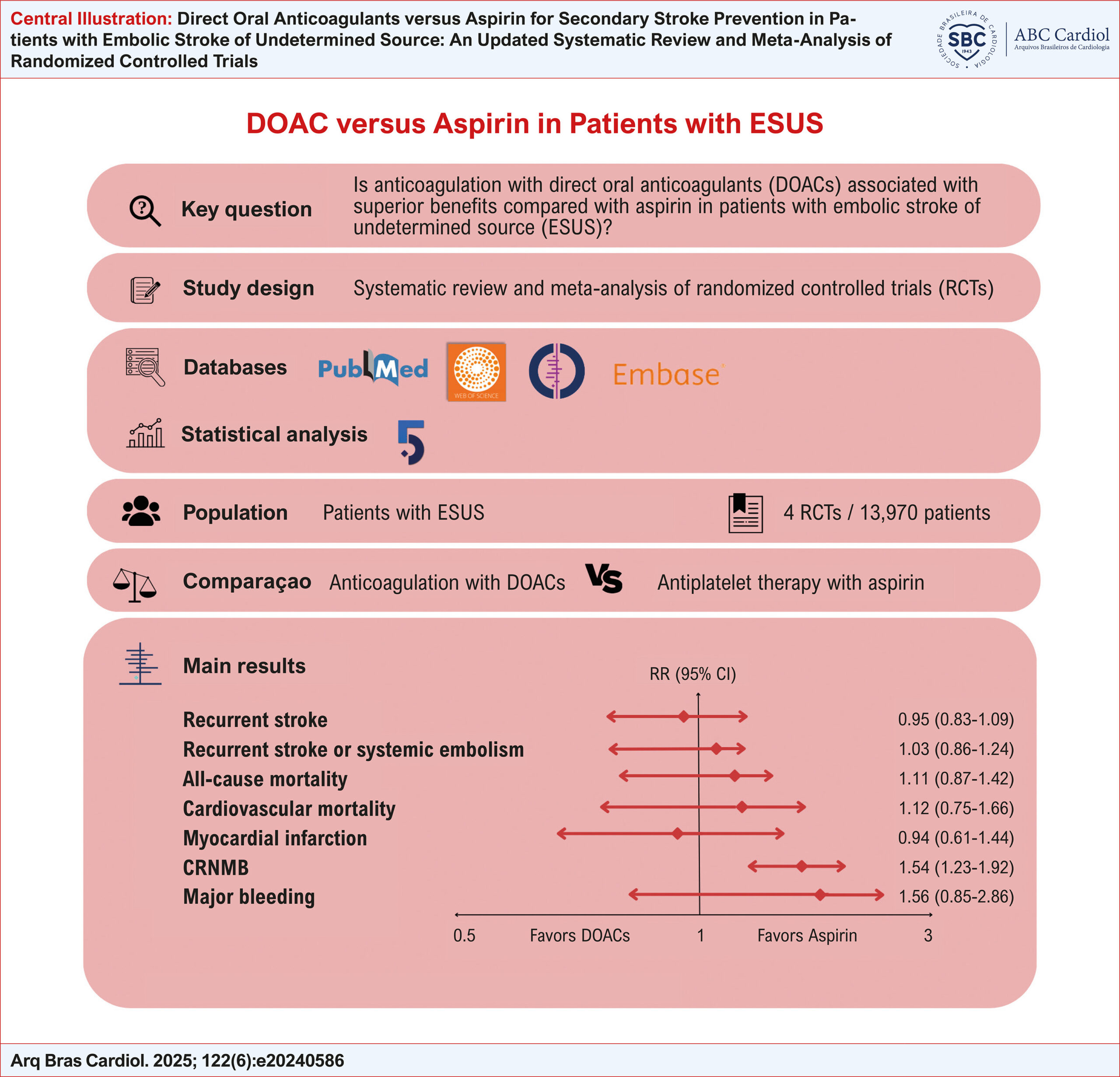
Embolic stroke of undetermined source (ESUS) accounts for around 20% of ischemic strokes. The ideal treatment for secondary prevention in ESUS remains unclear. This study aimed to perform a systematic review and meta-analysis of randomized controlled trials (RCTs) comparing the safety and efficacy of direct oral anticoagulants (DOACs) versus aspirin in patients with ESUS. A systematic search of PubMed, Embase, Cochrane, and Web of Science databases was conducted for eligible trials until March 2024. The primary outcome was recurrent stroke, while safety outcomes included major bleeding and clinically relevant non-major bleeding (CRNMB). Hazard ratios (HRs) with 95% confidence intervals (CIs) were calculated for analysis. Four RCTs were included, involving 13,970 patients, half of whom were randomized to the DOACs group. Over a mean follow-up of 16 months, DOACs did not significantly reduce recurrent stroke (HR: 0.95; 95% CI: 0.81-1.09; p=0.44), ischemic stroke (HR: 0.91; 95% CI: 0.79-1.06; p=0.23), all-cause mortality (HR: 1.11; 95% CI: 0.87-1.42; p=0.40), or major bleeding (HR: 1.56; 95% CI: 0.85%-2.86; p=0.15) compared to aspirin. However, DOACs were associated with a significantly higher risk of CRNMB (HR: 1.54; 95% CI: 1.23-1.92; p=0.0002). Subgroup analysis revealed no significant differences in stroke recurrence among patients with low or high CHA2-DS2-VASc scores. DOACs did not demonstrate superior efficacy over aspirin in preventing recurrent stroke among ESUS patients and were linked to an increased risk of CRNMB.

  • Anticoagulants
  • Embolic Stroke
  • Platelet Aggregation Inhibitors
Read Full Article
Creative Commons Attribution (CC BY) Creative Commons license
07/07/2025 DOI: 10.36660/abc.20240586i
ABC
Editorial

Does One Size Fit All? – Refining Parenteral Anticoagulant Therapy According to Body Weight

Remo Holanda de Mendonça Furtado

Parenteral anticoagulant is widely used in medicine. In acute coronary syndromes (ACS), the use of intravenous unfractionated heparin (UFH) has been largely replaced by low molecular weight heparins (LMWH) due to the ease of administration, more predictable effect, and superior efficacy of the latter in patients with ST-elevation myocardial infarction submitted to fibrinolysis. Current guidelines recommend anticoagulation with enoxaparin (class I) in a broad range of patients with ACS., However, one of the major limitations of LMWH remains in its use in patients with extremes of body weight. Some studies suggest a less trustable anticoagulation among patients weighing more than 100 kilograms or with body mass index (BMI) above 40 kg/m. Whether 1 mg/kg every 12 hours dosing for therapeutic anticoagulation should remain in extremely obese patients is still controversial., Currently, the Brazilian label from enoxaparin recommends a maximum dose of 100 mg every 12 hours, with additional dosing adjustments for patients older than 75 years and those with moderate to severe renal dysfunction.

The current issue of the Arquivos Brasileiros de Cardiologia brings an important meta-analysis that can help, in part, to clarify these questions. The authors performed a systematic review of studies enrolling patients being treated for several different conditions, most of them (87%) for ACS, with a parenteral anticoagulant (UFH, enoxaparin, or fondaparinux). Eligible studies compared two exposure groups (obese versus non-obese, being obese defined as a BMI ≥ 30 kg/m) in terms of death and bleeding outcomes. Because few studies reported endpoints of myocardial infarction and none analyzed stroke, these outcomes were not part of the current meta-analysis. Authors have found 6 studies, three of them secondary analyses from randomized clinical trials (RCT) and three retrospective cohort studies. The rates of bleeding did not differ according to the obesity status (with no apparent heterogeneity according to UFH versus LMWH). However, obesity was associated with lower mortality on parenteral anticoagulation. This last finding is not entirely surprising given it has been demonstrated before (the so called “obesity paradox”). The strengths of the current meta-analysis were the rigorous selection of studies in different databases, assessment of risk of bias, and estimates of heterogeneity with proper methods. The main limitation was that, although RCTs were included, the essential information, that is, the comparison between obese and non-obese patients, was based on observational data, with the inherent risk of bias due to unknown, unmeasured confounders. Apparent lower mortality in obese patients could be explained by the usually younger age (since aging is, in fact, a factor that may decrease body weight over time) and thus the lower prevalence of other age-related co-morbidities that per si are associated with higher mortality, thus creating this apparent paradox. This same issue may cover a potential signal for an increase in bleeding (if it does exist) among obese patients. If obesity were protective against death, we would not expect a mortality reduction favoring weight loss in RCTs testing a weight reduction medication, such as subcutaneous semaglutide, among patients with high cardiovascular risk.

[…]

  • Anticoagulants
  • Body weight
  • Heparin
  • Thrombosis
Read Full Article
Creative Commons Attribution (CC BY) Creative Commons license
16/06/2025 DOI: 10.36660/abc.20250251i
Association Between Functional Health Literacy and the Quality of Oral Anticogulation
IJCS
Original Article

Association Between Functional Health Literacy and the Quality of Oral Anticogulation

Gustavo Chaves de Souza et al. Josiane Moreira da Costa Mayara Cristina Oliveira Ortiz Philipe Dias de Avila Lima … Pollyanna Evelyn de Freitas Nogueira Carla Jorge Machado Maria Auxiliadora Parreiras Martins

Abstract

Background:

Low functional health literacy in anticoagulated patients using warfarin has been widely discussed in medical literature.

Objective:

To identify the quality of oral anticoagulation (QOA) over time and to analyze the association between this variable and functional health literacy.

Methods:

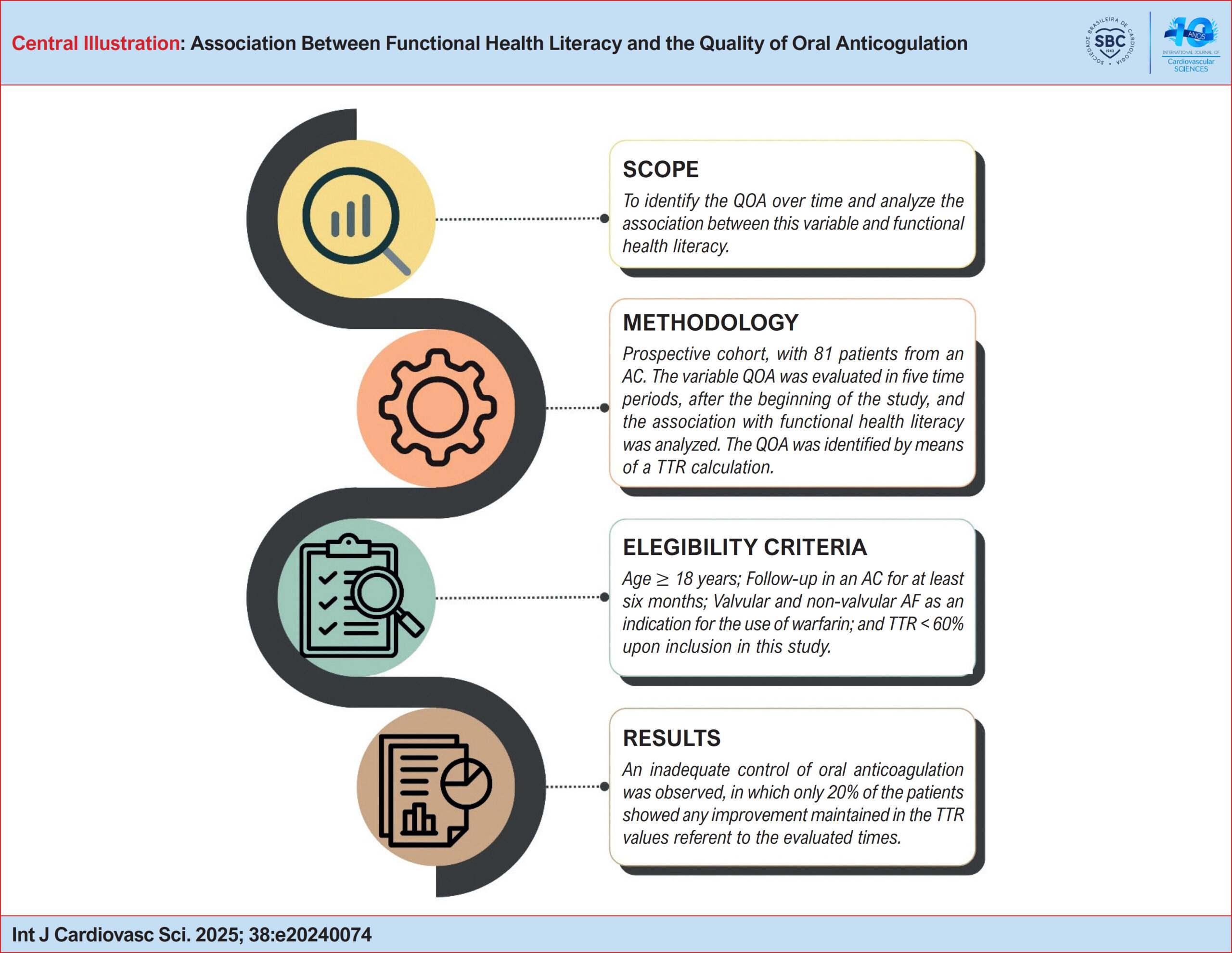
Prospective cohort study conducted at an anticoagulation clinic (AC) in Minas Gerais, in a high-complexity hospital. The study included 81 patients, whose data were collected by direct consultation of medical records or by asking questions while patients were waiting for care. The QOA was assessed at 6, 9, 12, 15, and 18 months after the beginning of this study, and analyses of the association between this variable and functional health literacy were performed at the different time points. The QOA was identified by calculating the Therapeutic Time Range (TTR), with good quality being obtained with TTR values >59%. The incidence analysis of the TTR was performed for each of the five time points of the study through univariate Poisson regression. The significance level adopted in the statistical analysis was 5%.

Results:

Throughout the study, inadequate control of oral anticoagulation was observed, with only 20% of the patients showing persistent improvement in TTR values. No statistically significant association was identified at the different measurement times between TTR and functional health literacy.

Conclusion:

There was no direct association between the QOA and functional health literacy. However, the low incidence of persistent quality of anticoagulation in patients with low literacy suggests the development of specific educational actions for this subgroup of patients.

  • Anticoagulants
  • Health Care Evaluation Mechanisms
  • Health Literacy
  • Warfarin
Read Full Article
Creative Commons Attribution (CC BY) Creative Commons license
28/04/2025 DOI: 10.36660/ijcs.20240074 Views 1
Effectiveness and Safety of Edoxaban in the Routine Clinical Care of Atrial Fibrillation Patients in Brazil: Prospective 1-Year Follow-Up Study – EdoBRA
ABC
Original Article

Effectiveness and Safety of Edoxaban in the Routine Clinical Care of Atrial Fibrillation Patients in Brazil: Prospective 1-Year Follow-Up Study – EdoBRA

Dalton Bertolim Precoma et al. Rafael Paletta da Silva Luiz Carlos Santana Passos Conrado Roberto Hoffman Filho … Fábio Serra Silveira José Tarcísio Medeiros de Vasconcelos Sérgio Luiz Zimmermann Artur Haddad Herdy Alessandra Ritter Daniely Freitas-Alves José Francisco Kerr Saraiva

Abstract

Background

Edoxaban, an orally administered anticoagulant, has been shown to be safe and effective in preventing stroke in atrial fibrillation (AF) patients. Given its widespread use since approval, evaluating edoxaban’s real-world performance in the Brazilian clinical context is crucial.

Objective

The study aimed to report the one-year safety and effectiveness of edoxaban in AF patients in Brazil.

Methods

EdoBRA is a multi-center, prospective, observational investigation conducted across 30 Brazilian research sites. Bleeding events were considered as safety measures and cardiovascular events were considered for effectiveness measures. Descriptive analyses were performed. Kaplan-Meier curves were generated for time-to-event analysis and a 95% confidence interval was used as appropriate.

Results

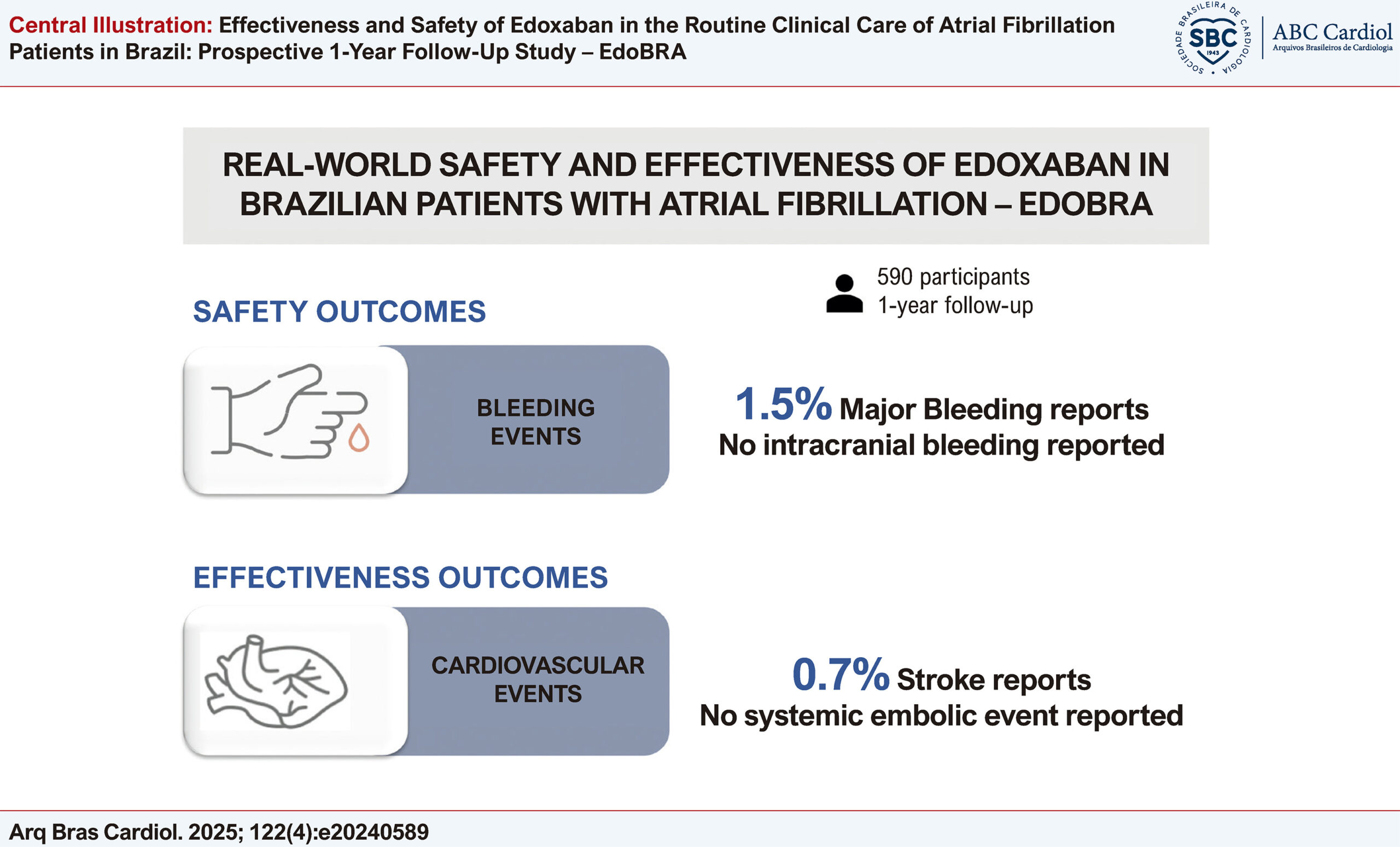
Among the 705 enrolled participants, 590 were included in the analysis for having at least one follow-up or one reported event. Mean (±SD) CHA2DS2-VASc risk score was 3 (3.3 ± 1.6) and the mean HAS-BLED risk score was 2 (1.8 ± 1.2). During the one-year follow-up period, nine major bleedings events were reported, including five cases of gastrointestinal bleeding (IP 0.85 [95% CI =0.82; 0.88]). Among the cardiovascular events recorded (N = 68), there were four stroke events (IP 0.68 [CI 95% 0.65;0.71]), one transient ischemic attack (IP 0.17 [CI 95% (0.16;0.18]) and 1 event was Venous Thromboembolic Events (IP 0.17 [CI 95% (0.16;0.18]). No systemic embolic event was exhibited by any patient.

Conclusion

In an elderly population with several comorbidities routinely treated with edoxaban for AF, the rates of cardiovascular event and major bleeding were low.

  • Anticoagulants
  • Atrial Fibrillation
  • Hemorrhage
  • Stroke
Read Full Article
Creative Commons Attribution (CC BY) Creative Commons license
14/04/2025 DOI: 10.36660/abc.20240589i Views 1
Choosing a Valve Prosthesis for a Successful Pregnancy. The “Tip of the Iceberg” for a Disease of Complex Evolution
ABC
Original Article

Choosing a Valve Prosthesis for a Successful Pregnancy. The “Tip of the Iceberg” for a Disease of Complex Evolution

Walkiria Samuel Avila et al. Daniel Vinicius Rodrigues Pinto Jessica Sol Brugnara Marilia Moro … Talita Carla Stratti Moreira Isabelle Borges Nana Miura Flávio Tarasoutchi

Abstract

Background

The choice of valve prosthesis in women planning a pregnancy is still controversial. The durability of biological prostheses and the characteristic thrombogenic of mechanical prostheses are limitations to the pregnancy’s successful Objectives: To study the pregnancy success rate after valve prosthesis implantation, and identify the variables related to maternal outcomes.

Methods

Prospective study with 78 pregnant women with bovine pericardial prosthesis (Group BP) and 50 with a mechanical prosthesis (Group MP), who received prior guidance on the risks of pregnancy. The pregnancy success rate was considered in the absence of complications cardiac, obstetric and/or fetal complications.

Results

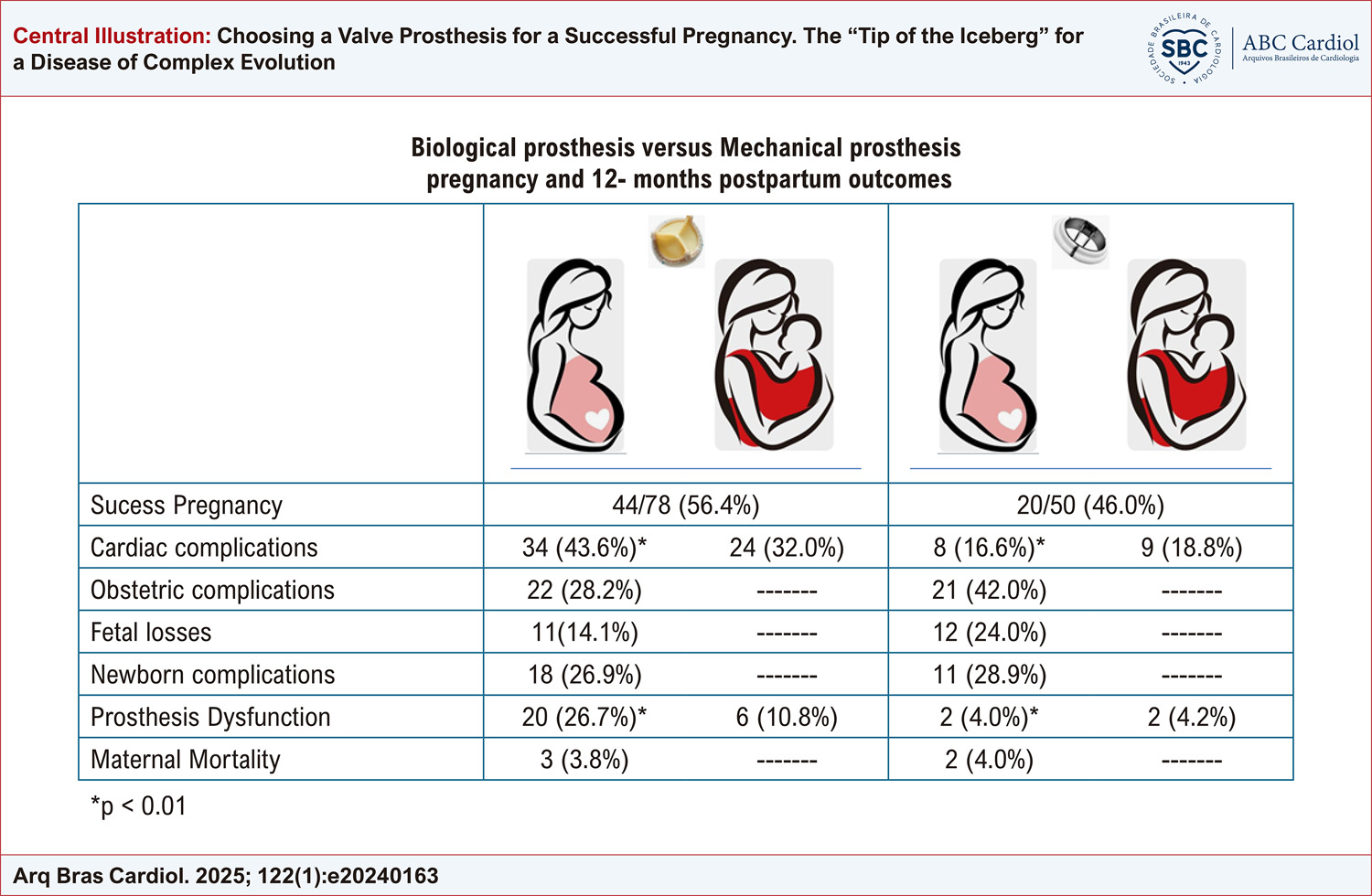
Successful pregnancy was achieved in 64 (50.0%) patients, not differing between groups (BP 56.4% vs MP 40.0% – p=0.103). The BP group had a higher cardiac events rate and prosthesis dysfunction (43.6% vs 16.0% p<0.001; 26.9% vs 2.0% p<0.001). The frequency of fetal losses (14.1% vs 24.0% p=0.165) and obstetric complications (28.2% vs 42% p=0.127) were not different between the BP and MP groups. The pre-existence of heart failure (odds ratio 8.5; 95% CI [1.4; 50.7]; p=0.019), atrial fibrillation (odds ratio 16.7; 95% CI [5.7; 49 .1]; p<0.001) and dysfunction of the biological prosthesis (odds ratio 12.6; 95% CI [3.0; 52.7]; p=0.001) were the variables predicting complications and/or deaths

Conclusions

Patients with valve prostheses had low maternal-fetal success due to the complicating factors of valve disease, the limited structural survival of biological prostheses and the lack of anticoagulants to guarantee pregnancy. The choice of a prosthesis, whether biological or mechanical, should not be considered an isolated decision, but rather a consequence of a complex outcome of the heart disease.

  • Anticoagulants
  • Heart Valve Prosthesis
  • Maternal Death
  • Pregnancy
Read Full Article
Creative Commons Attribution (CC BY) Creative Commons license
28/02/2025 DOI: 10.36660/abc.20240163i Views 2
Fondaparinux versus Enoxaparin in the Treatment of Obese Patients with Acute Coronary Syndrome
ABC
Original Article

Fondaparinux versus Enoxaparin in the Treatment of Obese Patients with Acute Coronary Syndrome

Beatriz Rocha Darzé et al. Carolina Costa da Silva Souza Queila Borges de Oliveira João Victor Santos Pereira Ramos … Mateus S. Viana Eduardo Sahade Darzé Luiz Eduardo Fonteles Ritt

Abstract

Background:

Fondaparinux is an effective and safe anticoagulant in the treatment of acute coronary syndromes (ACS). However, due to the low representation of obese individuals in clinical trials, the effects of applying the results of this drug to this population remain uncertain.

Objectives:

To compare Fondaparinux to Enoxaparin in the treatment of obese patients with ACS.

Methods:

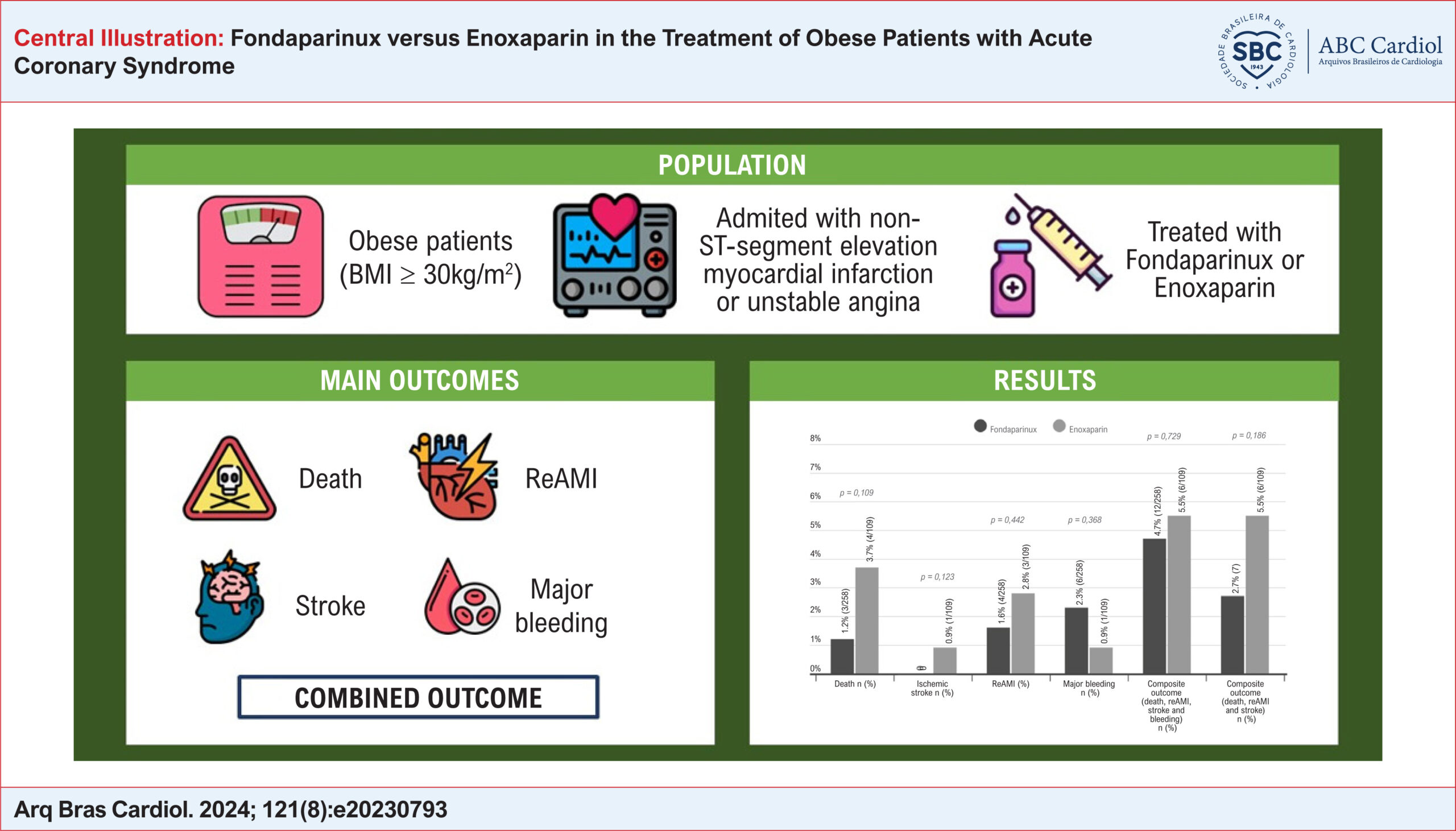
This is a retrospective cohort study, including obese individuals (BMI ≥ 30 Kg/m2) admitted with non-ST-segment elevation myocardial infarction (NSTEMI) or unstable angina (UA) and treated with Fondaparinux or Enoxaparin between 2010 and 2020. The Fondaparinux and Enoxaparin groups were compared for their clinical and laboratory characteristics using chi-square and Mann-Whitney tests, as appropriate. The incidence of primary outcomes (death, reinfarction, stroke, major bleeding) was compared between groups. P-value < 0.05 was considered significant for all analyses.

Results:

A total of 367 obese patients with NSTEMI or UA were included, of whom 258 used Fondaparinux and 109 used Enoxaparin. Mean age was 64 ± 12 years, and 52.9% were male. The prevalence of diabetes, hypertension, dyslipidemia, prior coronary artery disease, prior stroke, and implementation of invasive strategy was similar between groups. The incidence of the primary outcome was 4.7% in the Fondaparinux group and 5.5% in the Enoxaparin group (p = 0.729). There was no difference between groups when analyzing the components of the primary outcome separately.

Conclusion:

In a sample of obese patients with NSTEMI or UA, there was no difference in the occurrence of the composite outcome (death, stroke, reinfarction, major bleeding) between patients who used Fondaparinux or Enoxaparin.

  • Acute coronary syndrome
  • Anticoagulants
  • Enoxaparin
  • Fondaparinux
  • Obesity
Read Full Article
Creative Commons Attribution (CC BY) Creative Commons license
23/09/2024 DOI: 10.36660/abc.20230793i Views 2
ABC
Editorial

Use of Anticoagulant Therapy in Obese People: What is the Evidence for the Ideal Dose?

Marcia M. Noya-Rabelo et al. Eduardo Novaes Renata Moll-Bernardes Olga Souza

Data from the World Health Organization indicate that more than 1 billion people in the world, one in eight, are obese. In Brazil, according to research by the Chronic Disease Risk Factor Surveillance by Telephone Survey (VIGITEC), one in every four people in the adult population is obese. Obesity is defined by a body mass index (BMI) greater than or equal to 30 kg/m2, while morbid obesity is considered for those with a BMI above 40 kg/m2. Epidemiological data also points to a high prevalence of coronary disease in the Brazilian population, estimated at 5 to 8%.

Although obesity rates have reached epidemic proportions worldwide, the medical literature lacks precise data on changes in the pharmacokinetics and pharmacodynamics of different medications in patients with obesity. Possible physiological differences between obese and non-obese individuals may result in differences in the distribution and elimination of drugs, important factors to be considered when determining the appropriate dosage for pharmacological treatment. The ideal dose of most anticoagulants for obese people has not been established, including low molecular weight heparin and pentasaccharides. In this way, the therapeutic management of patients with acute coronary syndrome (ACS) and obesity is challenging and, consequently, can influence the efficacy and safety of anticoagulants.

[…]

  • Acute coronary syndrome
  • Anticoagulants
  • Enoxaparin
  • Fondaparinux
  • Obesity
Read Full Article
Creative Commons Attribution (CC BY) Creative Commons license
23/09/2024 DOI: 10.36660/abc.20240496i
Lack of Anticoagulant Use in Patients with Atrial Fibrillation and Increased Risk of Thromboembolic Events According to Sex: Insights from a Multicentric Brazilian Study
ABC
Original Article

Lack of Anticoagulant Use in Patients with Atrial Fibrillation and Increased Risk of Thromboembolic Events According to Sex: Insights from a Multicentric Brazilian Study

Emiliano Medei et al. Renata Moll-Bernardes Martha V. T. Pinheiro Andréa S. Sousa … Barbara Abufaiad Andre Feldman Guilherme D’andrea Saba Arruda Thiago Libano Csernik Monteiro Fabio Augusto De Luca Benhur Davi Henz Denilson C. Albuquerque Antonio Aurelio P. Fagundes Junior Marcia M. Noya-Rabelo Angelina Silva Camiletti Rose Mary Frajtag Ronir R. Luiz Olga F. Souza

Abstract

Background

Atrial fibrillation (AF) is the most prevalent cardiac arrhythmia, and its presentation differs according to age and sex. Recent studies have revealed differences in AF among various demographic groups, including the Latin American population.

Objectives

To better understand potential disparities in AF prevalence and treatment strategies in the Brazilian population through data from a large multicentric prospective registry.

Methods

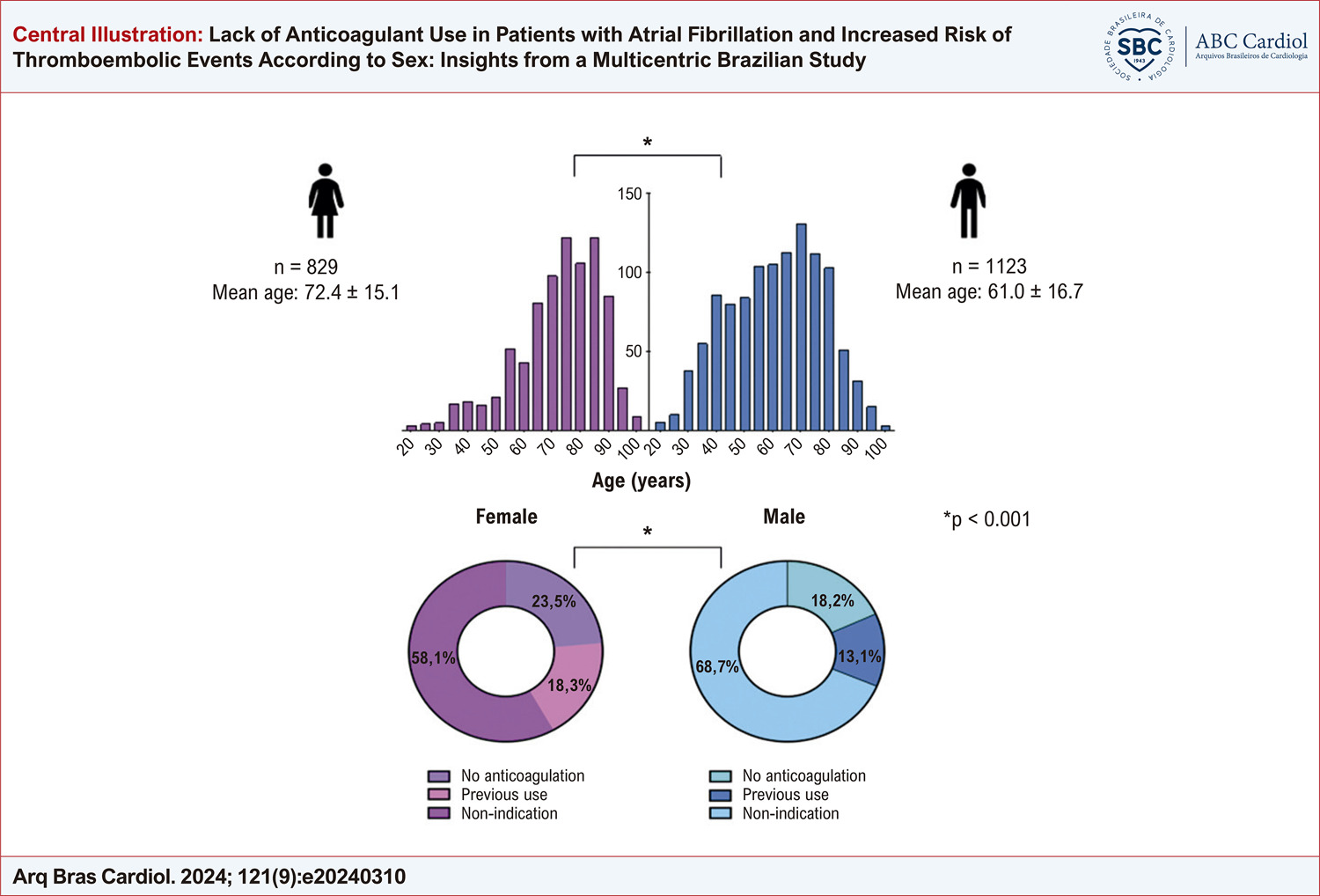
The Rede D’Or AF registry is a multicenter prospective observational study including patients aged ≥ 18 years with AF who were seen in the emergency department of 32 tertiary hospitals in Brazil. Patients were characterized according to sex and other baseline characteristics and were classified according to previous anticoagulant use. The lack of anticoagulant use in patients with previous indications was analyzed. Statistical significance was set at 5%.

Results

The study data were from a total of 1955 patients enrolled. Male sex was more prevalent, and men were younger than the women. Due to an increased prevalence of previous AF episode and a higher CHA2DS2-VASc score, more women had indications for anticoagulant therapy; however, a significant proportion was not receiving this treatment. From 29 in-hospital deaths, 15 patients had previous indication for anticoagulation, but only 3 were using anticoagulants.

Conclusion

This study revealed sex-related differences in the Brazilian population of patients with AF that are consistent with trends in high-income countries. The promotion of better implementation of anticoagulant and antithrombotic therapies to reduce the risk of death and thromboembolic events among women with AF in Brazil is crucial.

  • Anticoagulants
  • Atrial Fibrillation
  • Thromboembolism
Read Full Article
Creative Commons Attribution (CC BY) Creative Commons license
23/09/2024 DOI: 10.36660/abc.20240310i Views 1
Figure 1
IJCS
Editorial

Factors Associated with Variation in Time in Therapeutic Range (TTR)

Felipe Costa de Souza

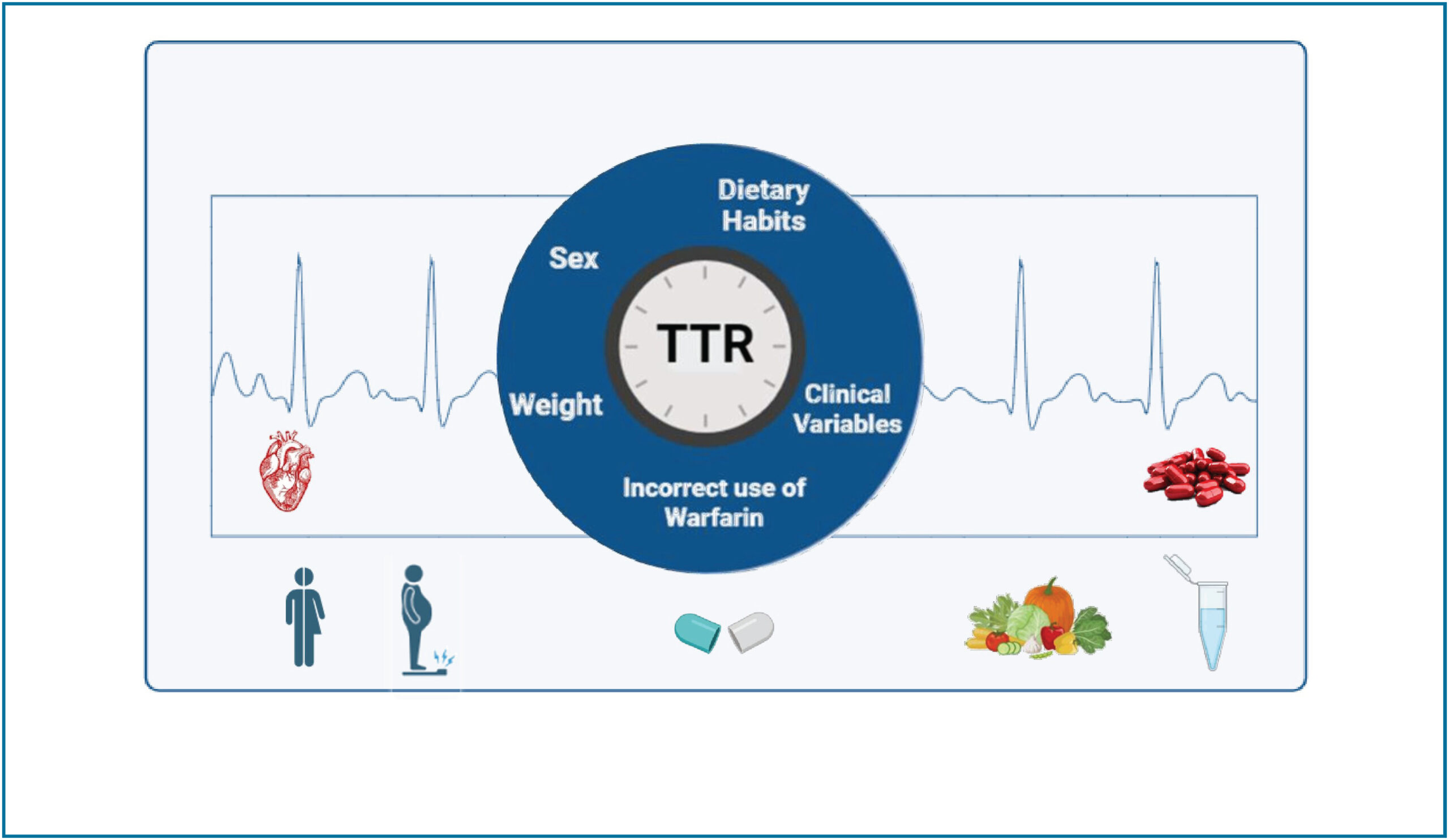
Anticoagulant therapy is recommended for several conditions, including atrial fibrillation (AF), venous thromboembolism, and after heart valve replacement. While warfarin is commonly used to prevent ischemic stroke in patients with AF, direct oral anticoagulants (DOACs) and nonpharmacologic therapies may be equally or more effective than traditional warfarin., In addition, warfarin has a narrow therapeutic index and can interact with many drugs and foods, which poses a challenge to using it.

A key strategy for reducing the risk of stroke or bleeding associated with warfarin is to maintain an optimal time in therapeutic range (TTR). TTR refers to the length of time a patient’s international normalized ratio (INR) remains between 2 and 3, which is a widely accepted measure of effective warfarin management. While there is no universally accepted safe range for TTR, patients whose INR is in the therapeutic range more than 70% of the time have better outcomes in terms of stroke prevention. In addition, those with INR control greater than 40% of the time have improved survival.

[…]

  • Anticoagulants
  • Atrial Fibrillation
  • International Normalized Ratio
Read Full Article
Creative Commons Attribution (CC BY) Creative Commons license
16/09/2024 DOI: 10.36660/ijcs.20240142
IJCS
Original Article

Factors Associated with Variation in Time in Therapeutic Range in Two Anticoagulation Clinics in Brazil

Josiane Moreira da Costa et al. Milena S. Marcolino Carla Jorge Machado Leandro Pinheiro Cintra … Izabella Fernanda Bastos Siqueira Daniel Dias Ribeiro Maria Auxiliadora Parreiras Martins

Abstract

Background

Time in therapeutic range (TTR) plays an important role in the effectiveness of anticoagulant therapy with vitamin K antagonists.

Objective

To identify factors associated with variation in TTR.

Methods

The study sites were anticoagulation clinics at two university hospitals in Minas Gerais, with a total of 1357 patients studied. TTR was calculated using the Rosendaal method. Binary logistic regressions were carried out with the study variables, followed by multiple regression with those that were significant for the model, adopting a significance level of 5%.

Results

The outpatient clinics presented different values in mean TTR; one corresponded to the expected percentage, while the other did not. Multiple regression identified the variable male sex as a protective factor in relation to TTR < 60% (odds ratio [OR]: 0.42; p = 0).

Conclusion

The identification of variables associated with inadequate TTR contributes to identifying weaknesses in the care process and implementing improvement actions in the hospitals studied.

  • Anticoagulants
  • Heart Diseases
  • Warfarin
Read Full Article
Creative Commons Attribution (CC BY) Creative Commons license
19/08/2024 DOI: 10.36660/ijcs.20230172
ABC
Viewpoint

Frailty and Atrial Fibrillation: A Closer Look at the FRAIL-AF Trial

Roberto Muniz Ferreira

Introduction

Although evidence-based medicine (EBM) has contributed to establishing the foundations of patient care for over 40 years, scientific principles are still often disregarded in clinical decision-making. As a result, EBM may be mistakenly characterized as a barrier that limits the applicability of poorly recognized concepts, otherwise perceived as thoroughly supported by medical literature. The critical analysis of medical publications should not rely on methods estranged from the scientific realm, and EBM provides the means to limit such hazardous misconceptions.

Despite the continuous progress in medical knowledge, numerous areas of uncertainty persist in clinical practice. In such cases, decision-making typically depends on information originating from dissimilar scenarios, unsuitably designed research or personal experience, and alternatives that are inherently fragile as supporting evidence. Indeed, frailty is a problem that most physicians ultimately have to manage, whether referring to scientific evidence or patient profiles. Greater difficulties arise when both are a source of fragility since misjudged decisions tend to have even poorer outcomes. Atrial fibrillation (AF) is a topic where this association potentially occurs.

[…]

  • Anticoagulants
  • Atrial Fibrillation
  • Evidence-Based Medicine
  • Frail Elderly
Read Full Article
Creative Commons Attribution (CC BY) Creative Commons license
17/06/2024 DOI: 10.36660/abc.20230671i Views 1
ABC
Editorial

The Immense Challenge of Searching for the Best Evidence

Luiz Maurino Abreu

To generate the best scientific evidence, it is crucial to follow rigorous research methods, use representative samples, apply appropriate statistical analyses, and ensure peer review in reputable scientific publications. Transparency and replicability are also key. Systematic reviews and meta-analyses aim to summarize a body of available evidence for a given question and provide a high-quality answer.

New situations add variables not previously analyzed, and the COVID-19 pandemic has raised big questions. The urgency to find effective treatments and develop vaccines has encouraged a global mobilization of the scientific community. Contributing factors were: the global health emergency, international mobilization, priority funding sources, greater availability of data networks, and high technology, which stimulated a real race in search of answers. This convergence of factors resulted in an explosion of publications, seeking to better understand the pathophysiology, treatment options, prevention measures, and socioeconomic impacts. As would be expected, in the rush, most of the publications were of poor quality, some of which generated misinformation with serious consequences, as many of these had great repercussions in the media. During the course of the pandemic, numerous guidelines were generated and changed. There were notable discrepancies between different guidelines regarding recommendations on the management of COVID-19 in Brazil.

[…]

  • Anticoagulants
  • Arrhytmias, Cardiac
  • Atrial Fibrillation
  • Coronavirus infections
  • COVID-19
Read Full Article
Creative Commons Attribution (CC BY) Creative Commons license
06/05/2024 DOI: 10.36660/abc.20240106i Views 2
Chronic Anticoagulation in Patients with Atrial Fibrillation and COVID-19: A Systematic Review and Meta-Analysis
ABC
Original Article

Chronic Anticoagulation in Patients with Atrial Fibrillation and COVID-19: A Systematic Review and Meta-Analysis

Isabela Landsteiner et al. Jonathan A. Pinheiro Nicole Felix Douglas Mesadri Gewehr Rhanderson Cardoso

Abstract

Background:

Coronavirus disease 2019 (COVID-19) is associated with hypercoagulability. It remains uncertain whether ongoing anticoagulation for atrial fibrillation (AF) in patients who later contract COVID-19 improves clinical outcomes.

Objectives:

To compare chronic oral anticoagulation with no previous anticoagulation in patients with AF who contracted a COVID-19 infection concerning the outcomes of all-cause mortality, COVID-19 mortality, intensive care unit (ICU) admission, and hospitalization.

Methods:

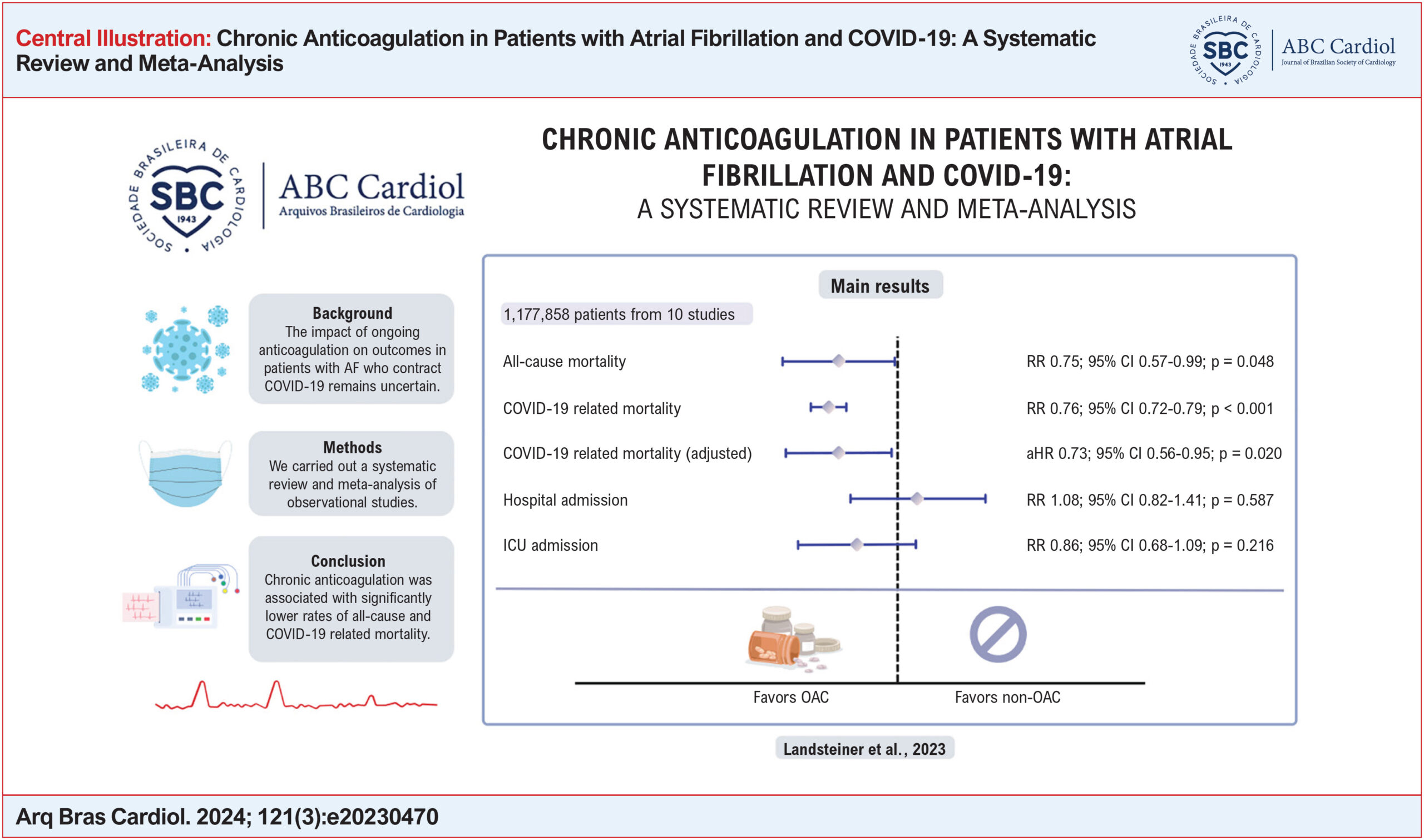
We systematically searched PubMed, Embase, and Cochrane Library for eligible studies from inception to December 2022. We included studies comparing COVID-19 outcomes in patients with versus without prior chronic anticoagulation for AF. Risk ratios (RR) with 95% confidence intervals (CI) were pooled with a random-effects model. The level of significance was set at p < 0.05. Quality assessment and risk of bias were performed according to Cochrane recommendations.

Results:

Ten studies comprising 1,177,858 patients with COVID-19 and AF were identified, of whom 893,772 (75.9%) were on prior chronic anticoagulation for AF. In patients with COVID-19, being on chronic anticoagulation for AF significantly reduced all-cause mortality (RR 0.75; 95% CI 0.57 to 0.99; p = 0.048; I = 89%) and COVID-19-related mortality (RR 0.76; 95% CI 0.72 to 0.79; p < 0.001; I = 0%) when compared with no prior anticoagulation. In contrast, there was no difference between groups regarding hospitalization (RR 1.08; 95% CI 0.82 to 1.41; p = 0.587; I = 95%) or ICU admission (RR 0.86; 95% CI 0.68 to 1.09; p = 0.216; I = 69%).

Conclusions:

In this meta-analysis, chronic anticoagulation for patients with AF who contracted COVID-19 was associated with significantly lower rates of all-cause mortality and COVID-19-related mortality as compared with no previous anticoagulation.

  • Anticoagulants
  • Atrial Fibrillation
  • COVID-19
  • Factor Xa Inhibitors
  • Vitamin K
Read Full Article
Creative Commons Attribution (CC BY) Creative Commons license
26/04/2024 DOI: 10.36660/abc.20230470i
Figure 1
ABCIC
Case Report

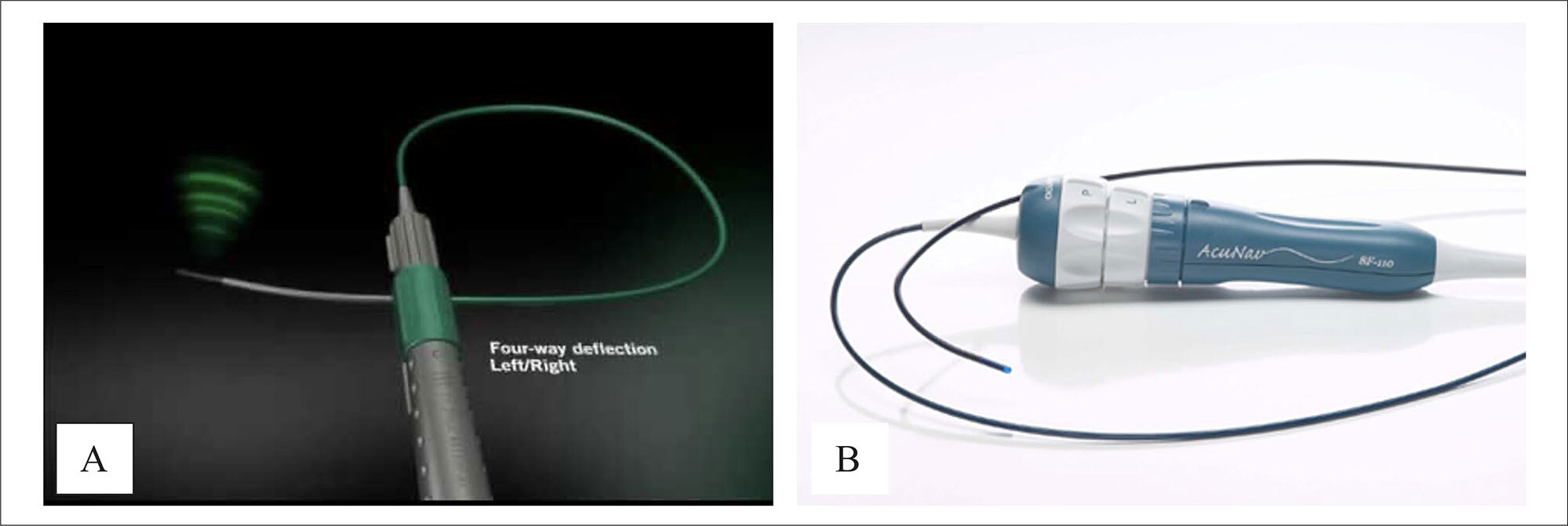
Initial Experience of Intracardiac Echocardiography-Guided Left Atrial Appendage Occlusion: Report of Six Cases

Fabricio Sarmento Vassallo et al. Henrique Teixeira Giestas Serpa Betina Reseck Walker Vinícius Fraga Mauro … Carlos Volponi Lovatto Eduardo Serpa Lucas Corsino dos Santos Hermes Carloni Aloyr Simões Edevaldo da Silva Gracielly Barros Renato Giestas Serpa

Introduction

In recent decades, the incidence of atrial fibrillation (AF) has increased exponentially worldwide., This comorbidity is directly related to cardioembolic events, and oral anticoagulation is considered the gold standard treatment for its prevention. Although oral anticoagulation is effective in preventing ischemic stroke, warfarin is contraindicated in 14% to 44% of patients at risk for cardioembolic stroke; nevertheless, even in eligible patients, only 54% are anticoagulated. Currently, direct-acting oral anticoagulants (DOAC) are preferable as preventive therapy for ischemic stroke; however, the discontinuation rates of these drugs reported in clinical trials, mainly due to intolerance or side effects, vary from 23% to 35%. In patients with a history of hemorrhagic stroke, uncontrolled non-intracranial bleeding, and end-stage chronic kidney disease or dialysis, the use of DOAC is relatively or absolutely contraindicated.

In cases of non-valvular AF, when the aforementioned contraindications to DOAC use are present, left atrial appendage occlusion (LAAO) has shown to be effective as a therapeutic alternative. This procedure has been guided and performed using transesophageal echocardiography, which is considered the gold standard. However, services that have incorporated intracardiac echocardiography as an auxiliary tool during catheter ablation for the treatment of AF went on to use this method as a safe and effective alternative to transesophageal echocardiography in LAAO procedures.–

[…]

  • Anticoagulants
  • Atrial Appendage
  • Atrial Fibrillation
  • Embolic Stroke
Read Full Article
Creative Commons Attribution (CC BY) Creative Commons license
02/10/2023 DOI: 10.36660/abcimg.20230062i Views 1
IJCS
Original Article

Health Literacy, Patient Knowledge and Adherence to Oral Anticoagulation in Primary Care

Milena Soriano Marcolino et al. Thaís Lorenna Souza Sales João Antônio de Oliveira Danyelle Romana Alves Rios … Thaís Marques Pedroso Laura Caetano de Sá Maria Auxiliadora Martins Antonio Luiz Pinho Ribeiro

Abstract

Background

Warfarin is the only oral anticoagulant available in the Brazilian public health system. Health knowledge and treatment are essential to achieving the desirable therapeutic effect. However, data on these aspects among primary care patients are still lacking.

Objective

To assess health literacy, patient knowledge, and adherence to oral anticoagulation with warfarin, as well as the medication regimen complexity in primary health units in the municipality of Divinópolis, Minas Gerais, Brazil.

Methods

This cross-sectional study included patients using warfarin from primary care settings. Sociodemographic and clinical data were collected from medical records. Short Assessment of Health Literacy for Portuguese-Speaking Adults (SAHLPA-18), Oral Anticoagulation Knowledge (OAK), adaptation of the Measure of Adherence to Treatment (MAT-adapted) to oral anticoagulation, and Medication Regimen Complexity Index (MRCI) were applied, and the time in therapeutic range (TTR) was calculated. Patients were stratified in two groups (TTR < 60% and TTR ≥ 60%) and compared using Fisher's exact test at a significance level of p < 0.050.

Results

Analysis included 162 patients (64.8 ± 12.7 years old, 55.6% women). Nonvalvular atrial fibrillation (26.5%) and venous thromboembolism (24.1%) were the main indications for warfarin, and 67.9%, 88.3%, and 16.7% of the patients had inadequate health literacy, insufficient knowledge regarding anticoagulant therapy, and non-adherence to warfarin therapy, respectively. There was no significant association of these parameters in relation to TTR. MRCI showed high pharmacotherapy complexity between the drug prescriptions.

Conclusion

This study showed alarming insufficient knowledge about warfarin therapy and low health literacy in primary care patients.

  • Anticoagulants
  • Cardiovascular Diseases
  • Health Literacy
  • Primary Health Care
  • Warfarin
Read Full Article
Creative Commons Attribution (CC BY) Creative Commons license
25/08/2023 DOI: 10.36660/ijcs.20220158 Views 1
Figure 1
IJCS
Original Article

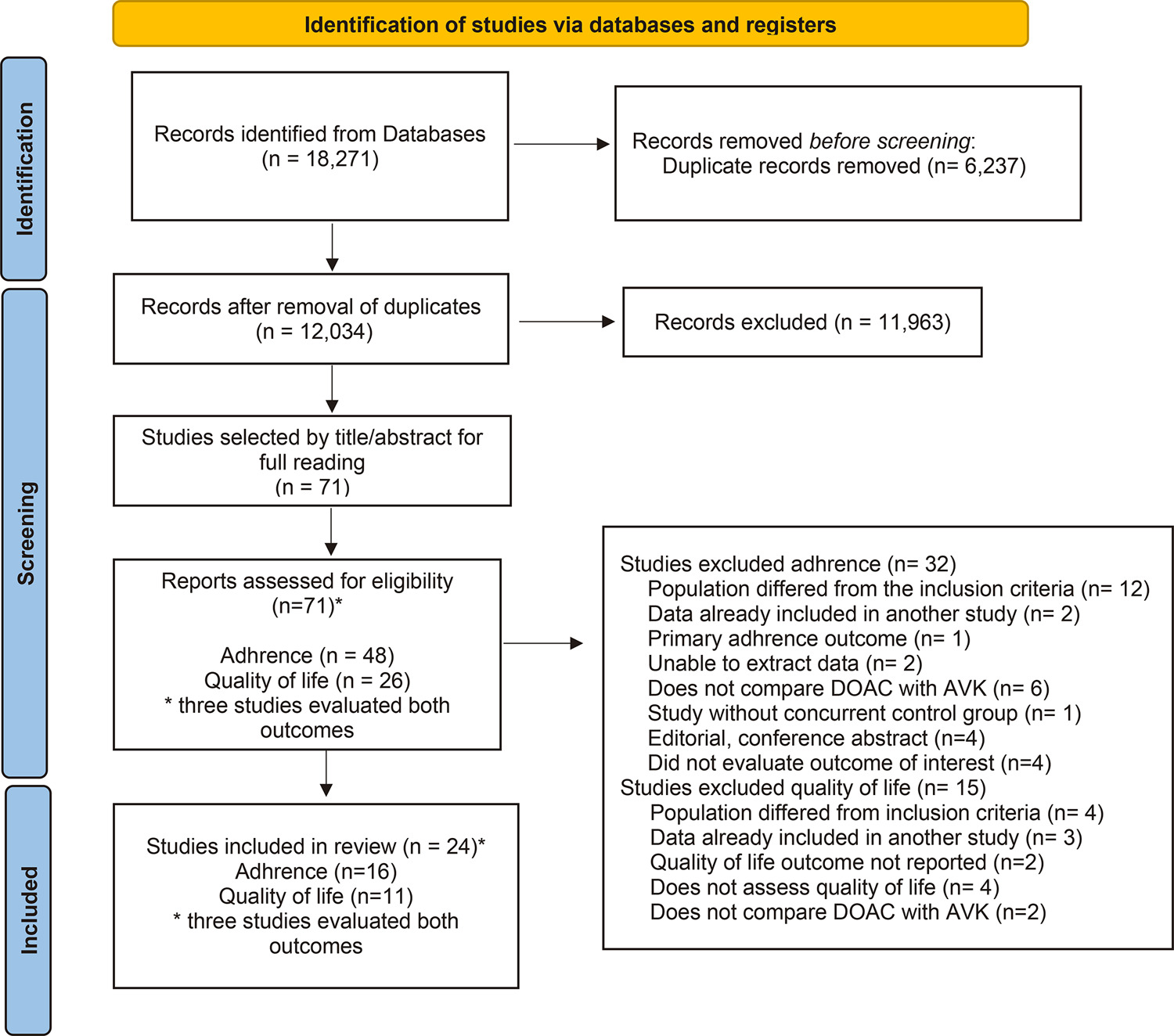
Adherence and Quality of Life in Non-Valvular Atrial Fibrillation With Direct Oral Anticoagulants Versus Vitamin K Antagonists: A Systematic Review

Vanelise Zortea et al. Karine Duarte Curvello Diogo Pilger Antonios Douros … Lisiane Freitas Leal Tatiana da Silva Sempé Tatiane da Silva Dal Pizzol

Abstract

Background

Direct anticoagulants (DOACs) and vitamin K antagonists (VKAs) differ in pharmacokinetic characteristics, intensity of required laboratory monitoring, and costs. These differences could affect patients’ adherence to treatment and quality of life (QoL).

Objective

To assess whether patients with non-valvular atrial fibrillation (AF) using DOACs have better treatment adherence and QoL when compared to patients using VKAs.

Methods

We conducted a systematic review in Medline, Embase, LILACS, SciELO, CINAHL, and Cochrane Central, until June 9, 2021. We included studies that estimated and compared treatment adherence and QoL between DOACs and VKAs in adults with non-valvular AF. The methodological quality of the studies was assessed using the Joanna Briggs Institute (JBI) tools. The protocol was registered in the PROSPERO (CRD 42020165238).

Results

Sixteen studies, including 122,458 patients with non-valvular AF, evaluated adherence, and eleven studies, including 5,687 patients, assessed QoL. A variety of methods was used to measure adherence. Eleven studies showed no difference in adherence between DOACs and VKAs, while three studies favored VKAs over DOACs and two studies favored DOACs over VKAs. QoL was measured by specific (n = 3) or generic questionnaires (n = 8); results favored DOACs over VKAs in four studies, while in the other seven studies the results showed no difference between the groups. Meta-analyses were not performed due to high methodological heterogeneity among studies.

Conclusions

Available evidence regarding treatment adherence and QoL with DOACs and VKAs is characterized by methodological heterogeneity and conflicting findings.

  • Anticoagulants
  • Atrial Fibrillation
  • medication adherence
  • Quality of life
  • systematic review
Read Full Article
Creative Commons Attribution (CC BY) Creative Commons license
17/07/2023 DOI: 10.36660/ijcs.20220115 Views 1
ABC
Editorial

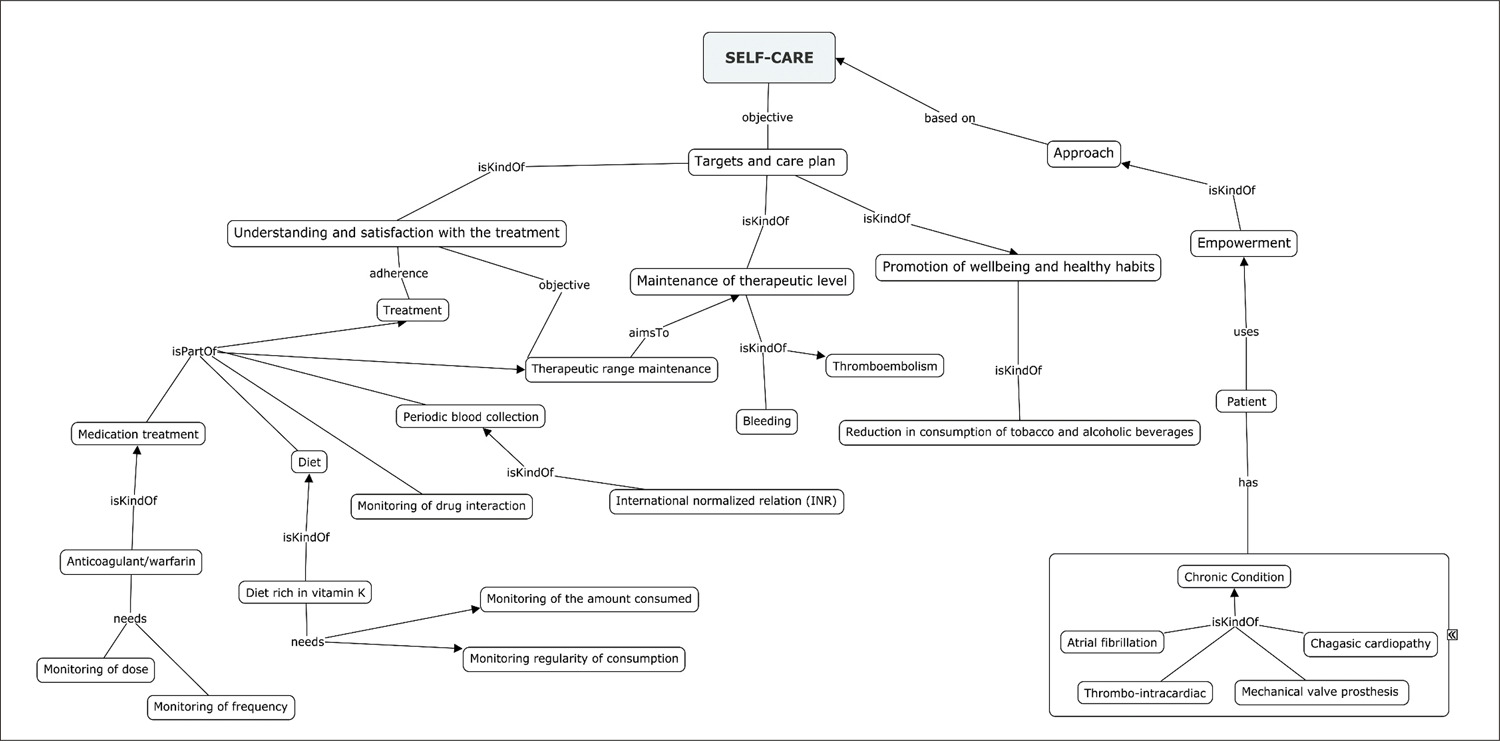
Use of Warfarin in Oral Anticoagulation Therapy: Challenges and EmpoderACO Strategy for Promoting Patient Empowerment in Self-Care

Carina Carvalho Silvestre et al. Sabrina Cerqueira-Santos

Warfarin is an oral anticoagulant widely used for primary and secondary prevention of thromboembolism that belongs to the class of vitamin K antagonists., In Brazil, warfarin is still the main oral anticoagulant distributed free of charge by the Unified Health System. According to the Institute for Safe Practices in the Use of Medicines (ISMP – Brazil), warfarin is classified as a high-alert or potentially dangerous drug since it has a low therapeutic index and its use requires constant attention for the drug to act in the prevention of thromboembolic events without increasing the risk of hemorrhages., Furthermore, it appears as one of the drugs that should be the target of priority actions for the prevention of damage, according to the Third Global Patient Safety Challenge of the World Health Organization Health.

Management of anticoagulant therapy with warfarin is a challenge for many patients. It requires procedures that are considered complex, such as the regular measurement of the international normalized ratio (INR), the interpretation of the results to adjust the drug dose by the responsible team, as well as the adequate understanding of the factors that may influence its effectiveness and safety, such as adverse reactions and interactions with other drugs and foods., Thus, strategies are needed to help in the proper and safe use of the medication and contribute to understanding its use process and consequent adherence to treatment.

[…]

  • Anticoagulants
  • Empowerment for Health
  • Health Behavior
  • Health Education
  • Warfarin
Read Full Article
Creative Commons Attribution (CC BY) Creative Commons license
30/06/2023 DOI: 10.36660/abc.20230335 Views 1
Figure 1
ABC
Original Article

Construction and Validation of a Protocol Targeting Patients on Oral Anticoagulation with Warfarin

Hannah Cardoso Barbosa et al. Heloisa de Carvalho Torres João Antônio de Queiroz Oliveira Rebeca Priscila de Melo Santos … Josiane Moreira da Costa Leonardo Gonçalves Miranda Adriana Silvina Pagano Marcus Fernando da Silva Praxedes Maria Auxiliadora Parreiras Martins

Abstract

Background

Warfarin is an oral anticoagulant that is very useful in preventing thromboembolism, though it is considered a drug with a high risk of causing adverse events. Considering the practical challenges in controlling oral anticoagulation, the patients on warfarin could benefit from educational strategies aimed at behavioral changes, active participation in self-care, and adherence to drug therapy.

Objective

The aim was to construct and validate the EmpoderACO protocol for behavioral changes in warfarin patients.

Methods

The methodological steps were: definition of concepts and domains of self-care, identification of objectives, construction and selection of items, assessment of content validity, and pre-test in the target population.

Results

Relevance, adequacy, clarity, and internal reliability of the instrument’s items were assessed by a multidisciplinary judges committee (JC) through the E-surv web platform, obtaining an average agreement of ≥0.91. The understanding of the instrument measured by the target population revealed adequate clarity with a coefficient average of 0.96.

Conclusion

EmpoderACO can aid in qualifying the communication process between medical professionals and patients, as well as in improving adherence to both treatment and clinical outcomes, and can be replicated in healthcare settings.

  • Anticoagulants
  • Health Behavior
  • Health Education
  • Warfarin
Read Full Article
Creative Commons Attribution (CC BY) Creative Commons license
30/06/2023 DOI: 10.36660/abc.20220576 Views 1
IJCS
Original Article

Is Age Associated with Complications of Atrial Fibrillation Catheter Ablation?

Carlos Volponi Lovatto et al. Vinicius Louback Baldon Júlia Henriques Fabrício Vassallo … Eduardo Serpa Aloyr Simões Hermes Carloni Christiano Lemos Cunha Dalbian Gasparini Roberto Barbosa Osmar Araujo Calil Renato Giestas Serpa Luiz Fernando Machado Barbosa

Abstract

Background

Atrial fibrillation (AF) is the most frequent arrhythmia, and its prevalence increases with age. The management of AF in the elderly is challenging, as it is normally associated with comorbidities and frailty. AF catheter ablation (CA) is a safe and superior alternative to antiarrhythmic drugs (AADs) for the maintenance of sinus rhythm.

Objectives

To evaluate the rate of complications associated with CA for AF across different age groups.

Methods

A retrospective analysis of 219 patients who underwent CA for AF between 2016 and 2020 were divided into 3 age groups: less than 60 years, 60 to 70 years, and > 70 years. All the included patients underwent radiofrequency ablation using an electroanatomic mapping system. Categorical variables were evaluated with chi-square and Fisher’s test, and continuous variables were evaluated by Kruskal-Wallis and post-hoc Tamhane’s T2. P values less than 0.05 were considered significant.

Results

We found an overall total complication rate of 4.6%. The total complication rate was 3.3% in patients 70 years (p = 0.742). No deaths occurred.

Conclusion

There was no significant difference in the AF CA-related complications when comparing the patients by age group.

  • Anticoagulants
  • Atrial Fibrilation
  • Catheter Ablation/complications
  • Comorbidities
  • Echocardiography, Transesophageal/methods
  • Elderly
Read Full Article
Creative Commons Attribution (CC BY) Creative Commons license
03/04/2023 DOI: 10.36660/ijcs.20210241 Views 1
Figure 1
ABC
Research Letter

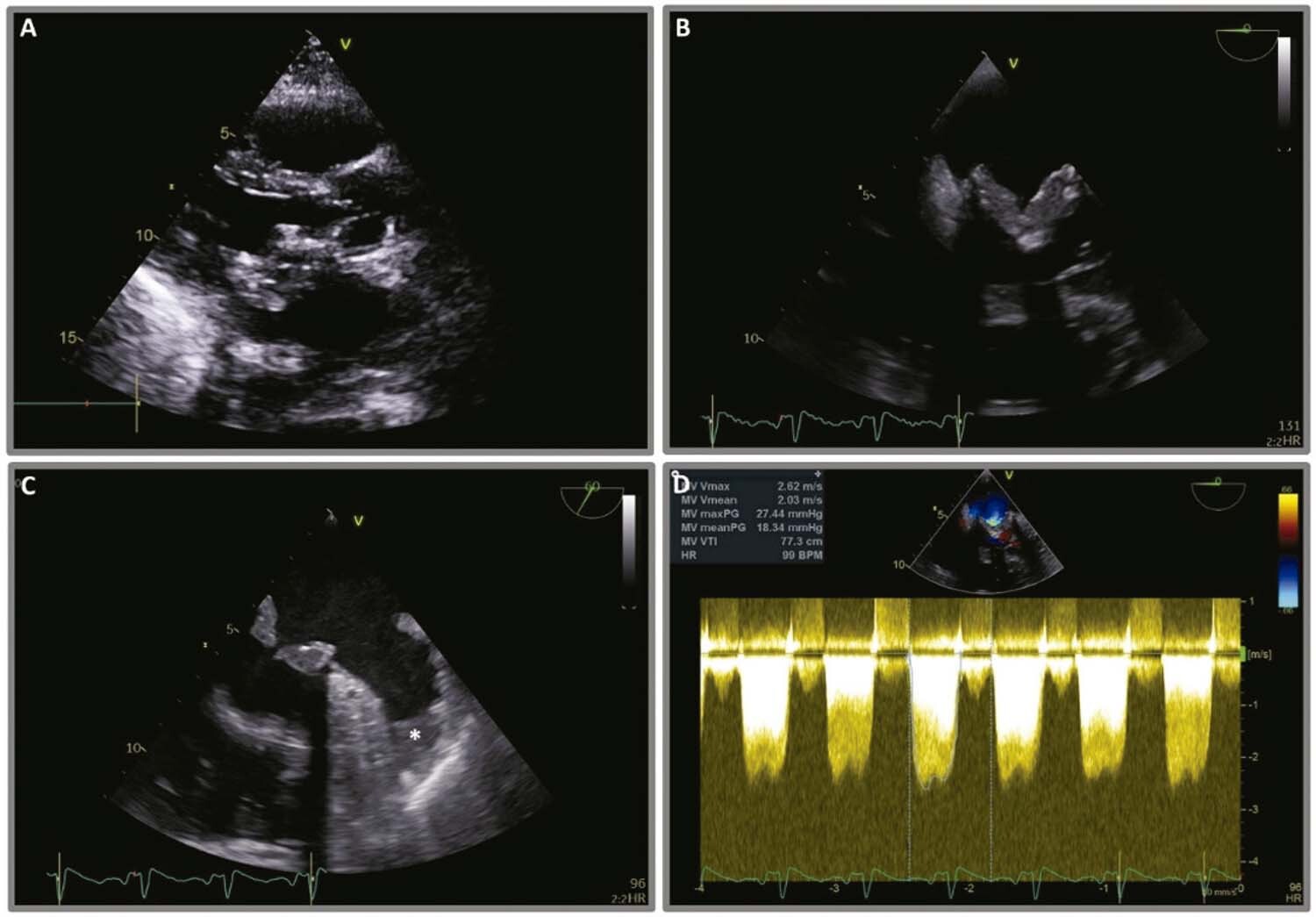
Late-Onset Bioprosthetic Mitral Valve Thrombosis, Presenting with Significant Obstruction and Acute Heart Failure

Ana Filipa Cardoso et al. Tamara Pereira Filipa Cordeiro Marina Fernandes … Olga Azevedo António Lourenço

Introduction

Bioprosthetic valve thrombosis (BPVT) has an incidence ranging from 0.5% to 6%. However, it is most likely underreported given the technical limitations of 2D transthoracic echocardiography (TTE) and the unawareness of the condition.

Our study presents a case report of a middle-aged male who was admitted with acute heart failure and was diagnosed with BPVT. Recognition of the condition and prompt institution of parenteral anticoagulation allowed for the restoration of the normal functioning of the biological valve, avoiding invasive strategies.

[…]

  • Anticoagulants
  • Echocardiography/methods
  • Heart Failure
  • Heart Valve Prosthesis/surgery
  • Mitral Valve/surgery
  • Thrombosis/complications
Read Full Article
Creative Commons Attribution (CC BY) Creative Commons license
03/04/2023 DOI: 10.36660/abc.20220481
IJCS
Editorial

Atrial Fibrillation and Hemodialysis – Should we Anticoagulate These Patients? Ischemic Versus Hemorrhagic Risk

Iara Atié Malan

Atrial fibrillation (AF) is the most common sustained arrhythmia worldwide, and it is a very frequent cause of increased morbidity and mortality in adults. This arrhythmia favors the formation of thrombi, which can lead to systemic embolism, such as ischemic stroke.

To identify patients with thromboembolic risk, the most used score is the CHA2DS2VASC, which takes the following factors in consideration: heart failure, arterial hypertension, age, diabetes, previous stroke, vascular disease, and sex. It is worth emphasizing that this score does not take renal function or dialysis treatment into consideration.

[…]

  • Anticoagulants
  • Atrial Fibrillation
  • Heart Disease, Ischemic
  • Hemorrhage
  • renal dialysis
  • Stroke
Read Full Article
Creative Commons Attribution (CC BY) Creative Commons license
28/11/2022 DOI: 10.36660/ijcs.20220171
Figure 1
ABC
Original Article

Clinical Features and Survival Analysis of Patients after Mechanical Heart Valve Replacement, with an Emphasis on Prosthetic Valve Thrombosis

Fábio Tagliari et al. Marcelo Goulart Correia Guilherme Dalcol Amorim Alexandre Siciliano Colafranceschi … João Manoel Pedroso Luiz Fernando Rodrigues Junior Thaisa Rodrigues Tagliari Clara Weksler Cristiane Lamas

Abstract

Background

Valvular heart diseases are highly prevalent in the world, and surgical valve replacement has improved patients’ survival.

Objectives

To describe clinical and laboratory data of patients undergoing mechanical valve replacement, and to determine the incidence of prosthetic valve thrombosis (PVT).

Methods

Retrospective cohort study with a follow-up of up to nine years. The study variables were collected from conventional and electronic medical charts. Statistical calculations were performed using the Jamovi software version 1.2.2.; a p<0.05 was considered statistically significant. Kaplan Meier curves were constructed, and Cox regression analysis was performed for analysis of factors related to mortality.

Results

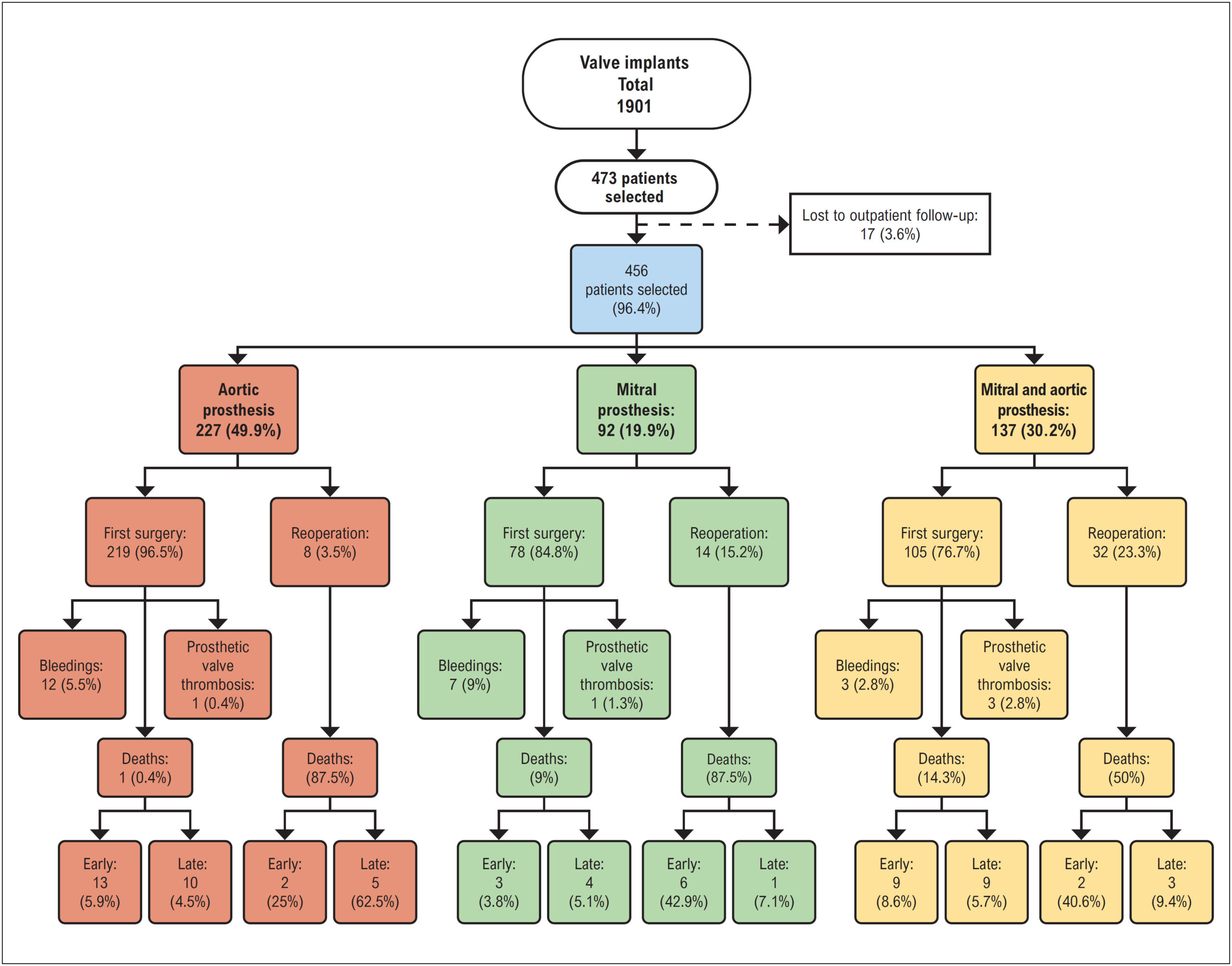
A total of 473 patients were included, mean age of 46.9 ±11.3 years. Rheumatic disease was the most common etiology. In a mean follow-up period of 4.43 years, mortality rate was 16.1%. Patients with aortic prosthesis showed higher survival than patients with double implant (mitral and aortic) (p=0.026). Of the factors adjusted for mortality, only functional class and chronic renal failure showed statistically significant association. The incidence of PVT was 0.24/100 patients/year, and the first event occurred more than 1000 days after the implant. Smoking and pannus formation were significantly associated with PVT. No differences were found in INR variability between patients with and without thrombosis by prosthetic position, but significant differences were found in INR before thrombosis as compared with patients without thrombosis (INR= 2.20 [1.80-2.20] vs. 2.80 [2.20-3.40]; p= 0.040). The incidence of stroke and bleeding was 4.4% and 5.2% respectively.

Conclusions

The study population was young, and rheumatic valve disease was common in this group. The prevalence of PVT was similar to that described in the literature, despite the low income and low educational level of our sample.

  • Anticoagulants
  • Brazil
  • Heart Valve Prosthesis Implantation
  • Survival Analysis
  • Thrombosis
Read Full Article
Creative Commons Attribution (CC BY) Creative Commons license
25/11/2022 DOI: 10.36660/abc.20210544 Views 1
Figure 1
ABC
Review Article

Screening, Diagnosis and Management of Atrial Fibrillation in Cancer Patients: Current Evidence and Future Perspectives

Pedro Gonçalves-Teixeira et al. Telma Costa Isabel Fragoso Diogo Ferreira … Mariana Brandão Adelino Leite-Moreira Francisco Sampaio José Ribeiro Ricardo Fontes-Carvalho

Abstract

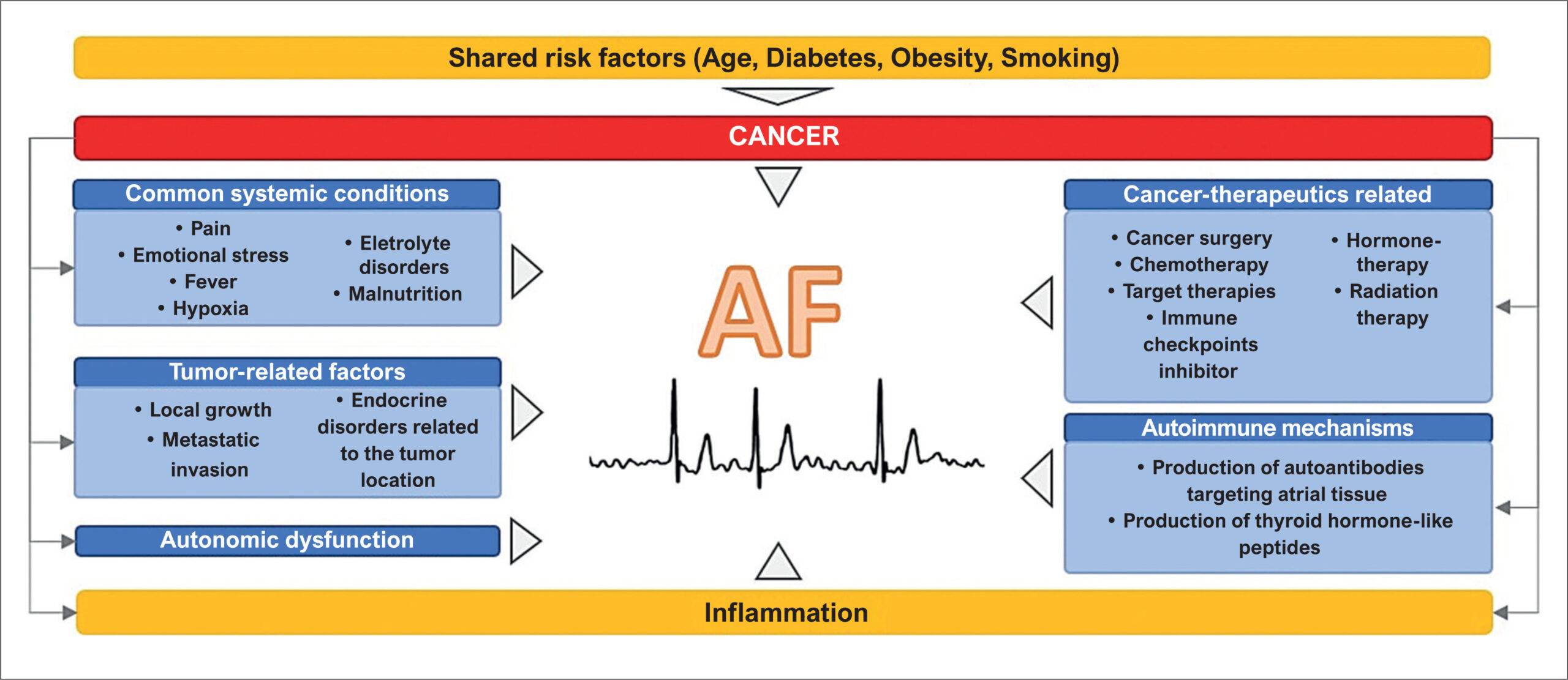
Atrial fibrillation (AF) is the most common sustained cardiac arrhythmia in the general population, carrying a high morbimortality burden, and this also holds true in cancer patients. The association between AF and cancer goes even further, with some studies suggesting that AF can be a marker of occult cancer. There is, however, a remarkable paucity of data concerning specific challenges of AF management in cancer patients. AF prompt recognition and management in this special population can lessen the arrhythmia-related morbidity and have an important prognostic benefit. This review will focus on current AF diagnosis and management challenges in cancer patients, with special emphasis on AF screening strategies and devices, and anticoagulation therapy with non-vitamin K antagonist oral anti-coagulants (NOACs) for thromboembolic prevention in these patients. Some insights concerning future perspectives for AF prevention, diagnosis, and treatment in this special population will also be addressed.

  • Anticoagulants
  • Arrhythmias
  • Atrial Fibrillation
  • blood coagulation
  • cardiac
  • Cardio-Oncology
  • Cardiotoxicity
  • Mass Screening
  • Neoplasms
Read Full Article
Creative Commons Attribution (CC BY) Creative Commons license
05/08/2022 DOI: 10.36660/abc.20201362

Could not load more articles. Please try again.

How to cite this article

EndNote RIS

Electronic Document Format (Vancouver)

Precoma DB. Literacy in Cardiovascular Health: A Strategic Tool in Anticoagulation. International Journal of Cardiovascular Sciences 2025;38:e20250081.

Electronic Document Format (ABNT)

Precoma, Dalton Bertolim. Literacy in Cardiovascular Health: A Strategic Tool in Anticoagulation. International Journal of Cardiovascular Sciences, v. 38, e20250081, Jul. 2025.

Electronic Document Format (APA)

Precoma, D. B. (2025). Literacy in Cardiovascular Health: A Strategic Tool in Anticoagulation. International Journal of Cardiovascular Sciences, 38, e20250081.

Electronic Document Format (ISO)

Precoma, Dalton Bertolim. Literacy in Cardiovascular Health: A Strategic Tool in Anticoagulation. International Journal of Cardiovascular Sciences [online]. 2025, vol. 38, [cited 2026-10-14], e20250081. Available from: <https://journals.cardiol.br/en/article/literacy-in-cardiovascular-health-a-strategic-tool-in-anticoagulation/>. ISSN 2359-4802

EndNote RIS

Electronic Document Format (Vancouver)

Talavera JA, Teixeira L, Costa TA, Navalha D, Gibicoski TB, Fernandez N, Healey J, et al. Direct Oral Anticoagulants versus Aspirin for Secondary Stroke Prevention in Patients with Embolic Stroke of Undetermined Source: An Updated Systematic Review and Meta-Analysis of Randomized Controlled Trials. Arquivos Brasileiros de Cardiologia 2025;122(6):e20240586.

Electronic Document Format (ABNT)

Talavera, Juan Armando; Teixeira, Larissa; Costa, Thomaz Alexandre; Navalha, Denilsa; Gibicoski, Tathiane Brum; Fernandez, Nicole; Healey, Jeffrey; Armaganijan, Luciana; Carvalho, Guilherme Dagostin de. Direct Oral Anticoagulants versus Aspirin for Secondary Stroke Prevention in Patients with Embolic Stroke of Undetermined Source: An Updated Systematic Review and Meta-Analysis of Randomized Controlled Trials. Arquivos Brasileiros de Cardiologia, v. 122, n. 6, e20240586, Jul. 2025.

Electronic Document Format (APA)

Talavera, J. A., Teixeira, L., Costa, T. A., Navalha, D., Gibicoski, T. B., Fernandez, N., Healey, J., Armaganijan, L., & Carvalho, G. D. (2025). Direct Oral Anticoagulants versus Aspirin for Secondary Stroke Prevention in Patients with Embolic Stroke of Undetermined Source: An Updated Systematic Review and Meta-Analysis of Randomized Controlled Trials. Arquivos Brasileiros de Cardiologia, 122(6), e20240586.

Electronic Document Format (ISO)

Talavera, Juan Armando and Teixeira, Larissa and Costa, Thomaz Alexandre and Navalha, Denilsa and Gibicoski, Tathiane Brum and Fernandez, Nicole and Healey, Jeffrey and Armaganijan, Luciana and Carvalho, Guilherme Dagostin de. Direct Oral Anticoagulants versus Aspirin for Secondary Stroke Prevention in Patients with Embolic Stroke of Undetermined Source: An Updated Systematic Review and Meta-Analysis of Randomized Controlled Trials. Arquivos Brasileiros de Cardiologia [online]. 2025, vol. 122, n. 6, [cited 2026-10-14], e20240586. Available from: <https://journals.cardiol.br/en/article/direct-oral-anticoagulants-versus-aspirin-for-secondary-stroke-prevention-in-patients-with-embolic-stroke-of-undetermined-source-an-updated-systematic-review-and-meta-analysis-of-randomized-controlle/>. ISSN 0066-782X

EndNote RIS

Electronic Document Format (Vancouver)

Furtado RHM. Does One Size Fit All? – Refining Parenteral Anticoagulant Therapy According to Body Weight. Arquivos Brasileiros de Cardiologia 2025;122(4):e20250251.

Electronic Document Format (ABNT)

Furtado, Remo Holanda de Mendonça. Does One Size Fit All? – Refining Parenteral Anticoagulant Therapy According to Body Weight. Arquivos Brasileiros de Cardiologia, v. 122, n. 4, e20250251, Jun. 2025.

Electronic Document Format (APA)

Furtado, R. H. M. (2025). Does One Size Fit All? – Refining Parenteral Anticoagulant Therapy According to Body Weight. Arquivos Brasileiros de Cardiologia, 122(4), e20250251.

Electronic Document Format (ISO)

Furtado, Remo Holanda de Mendonça. Does One Size Fit All? – Refining Parenteral Anticoagulant Therapy According to Body Weight. Arquivos Brasileiros de Cardiologia [online]. 2025, vol. 122, n. 4, [cited 2026-10-14], e20250251. Available from: <https://journals.cardiol.br/en/article/does-one-size-fit-all-refining-parenteral-anticoagulant-therapy-according-to-body-weight/>. ISSN 0066-782X

EndNote RIS

Electronic Document Format (Vancouver)

Souza GC, Costa JM, Ortiz MCO, Lima PDA, Nogueira PEF, Machado CJ, Martins MAP, et al. Association Between Functional Health Literacy and the Quality of Oral Anticogulation. International Journal of Cardiovascular Sciences 2025;38:e20240074.

Electronic Document Format (ABNT)

Souza, Gustavo Chaves de; Costa, Josiane Moreira da; Ortiz, Mayara Cristina Oliveira; Lima, Philipe Dias de Avila; Nogueira, Pollyanna Evelyn de Freitas; Machado, Carla Jorge; Martins, Maria Auxiliadora Parreiras. Association Between Functional Health Literacy and the Quality of Oral Anticogulation. International Journal of Cardiovascular Sciences, v. 38, e20240074, Apr. 2025.

Electronic Document Format (APA)

Souza, G. C. , Costa, J. M. , Ortiz, M. C. O., Lima, P. D. A., Nogueira, P. E. F., Machado, C. J., & Martins, M. A. P. (2025). Association Between Functional Health Literacy and the Quality of Oral Anticogulation. International Journal of Cardiovascular Sciences, 38, e20240074.

Electronic Document Format (ISO)

Souza, Gustavo Chaves de and Costa, Josiane Moreira da and Ortiz, Mayara Cristina Oliveira and Lima, Philipe Dias de Avila and Nogueira, Pollyanna Evelyn de Freitas and Machado, Carla Jorge and Martins, Maria Auxiliadora Parreiras. Association Between Functional Health Literacy and the Quality of Oral Anticogulation. International Journal of Cardiovascular Sciences [online]. 2025, vol. 38, [cited 2026-10-14], e20240074. Available from: <https://journals.cardiol.br/en/article/association-between-functional-health-literacy-and-the-quality-of-oral-anticogulation/>. ISSN 2359-4802

EndNote RIS

Electronic Document Format (Vancouver)

Precoma DB, Silva RP, Passos LCS, Hoffman Filho CR, Silveira FS, Vasconcelos JTM, Zimmermann SL, et al. Effectiveness and Safety of Edoxaban in the Routine Clinical Care of Atrial Fibrillation Patients in Brazil: Prospective 1-Year Follow-Up Study – EdoBRA. Arquivos Brasileiros de Cardiologia 2025;122(4):e20240589.

Electronic Document Format (ABNT)

Precoma, Dalton Bertolim; Silva, Rafael Paletta da; Passos, Luiz Carlos Santana; Hoffman Filho, Conrado Roberto; Silveira, Fábio Serra; Vasconcelos, José Tarcísio Medeiros de; Zimmermann, Sérgio Luiz; Herdy, Artur Haddad; Ritter, Alessandra; Freitas-Alves, Daniely; Saraiva, José Francisco Kerr. Effectiveness and Safety of Edoxaban in the Routine Clinical Care of Atrial Fibrillation Patients in Brazil: Prospective 1-Year Follow-Up Study – EdoBRA. Arquivos Brasileiros de Cardiologia, v. 122, n. 4, e20240589, Apr. 2025.

Electronic Document Format (APA)

Precoma, D. B., Silva, R. P. , Passos, L. C. S., Hoffman Filho, C. R., Silveira, F. S., Vasconcelos, J. T. M. , Zimmermann, S. L., Herdy, A. H., Ritter, A., Freitas-Alves, D., & Saraiva, J. F. K. (2025). Effectiveness and Safety of Edoxaban in the Routine Clinical Care of Atrial Fibrillation Patients in Brazil: Prospective 1-Year Follow-Up Study – EdoBRA. Arquivos Brasileiros de Cardiologia, 122(4), e20240589.

Electronic Document Format (ISO)

Precoma, Dalton Bertolim and Silva, Rafael Paletta da and Passos, Luiz Carlos Santana and Hoffman Filho, Conrado Roberto and Silveira, Fábio Serra and Vasconcelos, José Tarcísio Medeiros de and Zimmermann, Sérgio Luiz and Herdy, Artur Haddad and Ritter, Alessandra and Freitas-Alves, Daniely and Saraiva, José Francisco Kerr. Effectiveness and Safety of Edoxaban in the Routine Clinical Care of Atrial Fibrillation Patients in Brazil: Prospective 1-Year Follow-Up Study – EdoBRA. Arquivos Brasileiros de Cardiologia [online]. 2025, vol. 122, n. 4, [cited 2026-10-14], e20240589. Available from: <https://journals.cardiol.br/en/article/effectiveness-and-safety-of-edoxaban-in-the-routine-clinical-care-of-atrial-fibrillation-patients-in-brazil-prospective-1-year-follow-up-study-edobra/>. ISSN 0066-782X

EndNote RIS

Electronic Document Format (Vancouver)

Avila WS, Pinto DVR, Brugnara JS, Moro M, Moreira TCS, Borges I, Miura N, et al. Choosing a Valve Prosthesis for a Successful Pregnancy. The “Tip of the Iceberg” for a Disease of Complex Evolution. Arquivos Brasileiros de Cardiologia 2025;122(1):e20240163.

Electronic Document Format (ABNT)

Avila, Walkiria Samuel; Pinto, Daniel Vinicius Rodrigues; Brugnara, Jessica Sol; Moro, Marilia; Moreira, Talita Carla Stratti; Borges, Isabelle; Miura, Nana; Tarasoutchi, Flávio. Choosing a Valve Prosthesis for a Successful Pregnancy. The “Tip of the Iceberg” for a Disease of Complex Evolution. Arquivos Brasileiros de Cardiologia, v. 122, n. 1, e20240163, Feb. 2025.

Electronic Document Format (APA)

Avila, W. S., Pinto, D. V. R., Brugnara, J. S., Moro, M., Moreira, T. C. S., Borges, I., Miura, N., & Tarasoutchi, F. (2025). Choosing a Valve Prosthesis for a Successful Pregnancy. The “Tip of the Iceberg” for a Disease of Complex Evolution. Arquivos Brasileiros de Cardiologia, 122(1), e20240163.

Electronic Document Format (ISO)

Avila, Walkiria Samuel and Pinto, Daniel Vinicius Rodrigues and Brugnara, Jessica Sol and Moro, Marilia and Moreira, Talita Carla Stratti and Borges, Isabelle and Miura, Nana and Tarasoutchi, Flávio. Choosing a Valve Prosthesis for a Successful Pregnancy. The “Tip of the Iceberg” for a Disease of Complex Evolution. Arquivos Brasileiros de Cardiologia [online]. 2025, vol. 122, n. 1, [cited 2026-10-14], e20240163. Available from: <https://journals.cardiol.br/en/article/choosing-a-valve-prosthesis-for-a-successful-pregnancy-the-tip-of-the-iceberg-for-a-disease-of-complex-evolution/>. ISSN 0066-782X

EndNote RIS

Electronic Document Format (Vancouver)

Darzé BR, Souza CCS, Oliveira QB, Ramos JVSP, Viana MS, Darzé ES, Ritt LEF, et al. Fondaparinux versus Enoxaparin in the Treatment of Obese Patients with Acute Coronary Syndrome. Arquivos Brasileiros de Cardiologia 2024;121(8):e20230793.

Electronic Document Format (ABNT)

Darzé, Beatriz Rocha; Souza, Carolina Costa da Silva; Oliveira, Queila Borges de; Ramos, João Victor Santos Pereira; Viana, Mateus S.; Darzé, Eduardo Sahade; Ritt, Luiz Eduardo Fonteles. Fondaparinux versus Enoxaparin in the Treatment of Obese Patients with Acute Coronary Syndrome. Arquivos Brasileiros de Cardiologia, v. 121, n. 8, e20230793, Sep. 2024.

Electronic Document Format (APA)

Darzé, B. R., Souza, C. C. S., Oliveira, Q. B. , Ramos, J. V. S. P., Viana, M. S., Darzé, E. S., & Ritt, L. E. F. (2024). Fondaparinux versus Enoxaparin in the Treatment of Obese Patients with Acute Coronary Syndrome. Arquivos Brasileiros de Cardiologia, 121(8), e20230793.

Electronic Document Format (ISO)

Darzé, Beatriz Rocha and Souza, Carolina Costa da Silva and Oliveira, Queila Borges de and Ramos, João Victor Santos Pereira and Viana, Mateus S. and Darzé, Eduardo Sahade and Ritt, Luiz Eduardo Fonteles. Fondaparinux versus Enoxaparin in the Treatment of Obese Patients with Acute Coronary Syndrome. Arquivos Brasileiros de Cardiologia [online]. 2024, vol. 121, n. 8, [cited 2026-10-14], e20230793. Available from: <https://journals.cardiol.br/en/article/fondaparinux-versus-enoxaparin-in-the-treatment-of-obese-patients-with-acute-coronary-syndrome/>. ISSN 0066-782X

EndNote RIS

Electronic Document Format (Vancouver)

Noya-Rabelo MM, Novaes E, Moll-Bernardes R, Souza O. Use of Anticoagulant Therapy in Obese People: What is the Evidence for the Ideal Dose?. Arquivos Brasileiros de Cardiologia 2024;121(8):e20240496.

Electronic Document Format (ABNT)

Noya-Rabelo, Marcia M.; Novaes, Eduardo; Moll-Bernardes, Renata; Souza, Olga. Use of Anticoagulant Therapy in Obese People: What is the Evidence for the Ideal Dose?. Arquivos Brasileiros de Cardiologia, v. 121, n. 8, e20240496, Sep. 2024.

Electronic Document Format (APA)

Noya-Rabelo, M. M., Novaes, E., Moll-Bernardes, R., & Souza, O. (2024). Use of Anticoagulant Therapy in Obese People: What is the Evidence for the Ideal Dose?. Arquivos Brasileiros de Cardiologia, 121(8), e20240496.

Electronic Document Format (ISO)

Noya-Rabelo, Marcia M. and Novaes, Eduardo and Moll-Bernardes, Renata and Souza, Olga. Use of Anticoagulant Therapy in Obese People: What is the Evidence for the Ideal Dose?. Arquivos Brasileiros de Cardiologia [online]. 2024, vol. 121, n. 8, [cited 2026-10-14], e20240496. Available from: <https://journals.cardiol.br/en/article/use-of-anticoagulant-therapy-in-obese-people-what-is-the-evidence-for-the-ideal-dose/>. ISSN 0066-782X

EndNote RIS

Electronic Document Format (Vancouver)

Medei E, Moll-Bernardes R, Pinheiro MVT, Sousa AS, Abufaiad B, Feldman A, Arruda GDS, et al. Lack of Anticoagulant Use in Patients with Atrial Fibrillation and Increased Risk of Thromboembolic Events According to Sex: Insights from a Multicentric Brazilian Study. Arquivos Brasileiros de Cardiologia 2024;121(9):e20240310.

Electronic Document Format (ABNT)

Medei, Emiliano; Moll-Bernardes, Renata; Pinheiro, Martha V. T.; Sousa, Andréa S.; Abufaiad, Barbara; Feldman, Andre; Arruda, Guilherme D’andrea Saba; Monteiro, Thiago Libano Csernik; Luca, Fabio Augusto De; Henz, Benhur Davi; Albuquerque, Denilson C.; Fagundes Junior, Antonio Aurelio P.; Noya-Rabelo, Marcia M.; Camiletti, Angelina Silva; Frajtag, Rose Mary; Luiz, Ronir R.; Souza, Olga F.. Lack of Anticoagulant Use in Patients with Atrial Fibrillation and Increased Risk of Thromboembolic Events According to Sex: Insights from a Multicentric Brazilian Study. Arquivos Brasileiros de Cardiologia, v. 121, n. 9, e20240310, Sep. 2024.

Electronic Document Format (APA)

Medei, E., Moll-Bernardes, R., Pinheiro, M. V. T., Sousa, A. S., Abufaiad, B., Feldman, A., Arruda, G. D. S., Monteiro, T. L. C., Luca, F. A. D., Henz, B. D., Albuquerque, D. C., Fagundes Junior, A. A. P., Noya-Rabelo, M. M., Camiletti, A. S., Frajtag, R. M., Luiz, R. R., & Souza, O. F. (2024). Lack of Anticoagulant Use in Patients with Atrial Fibrillation and Increased Risk of Thromboembolic Events According to Sex: Insights from a Multicentric Brazilian Study. Arquivos Brasileiros de Cardiologia, 121(9), e20240310.

Electronic Document Format (ISO)

Medei, Emiliano and Moll-Bernardes, Renata and Pinheiro, Martha V. T. and Sousa, Andréa S. and Abufaiad, Barbara and Feldman, Andre and Arruda, Guilherme D’andrea Saba and Monteiro, Thiago Libano Csernik and Luca, Fabio Augusto De and Henz, Benhur Davi and Albuquerque, Denilson C. and Fagundes Junior, Antonio Aurelio P. and Noya-Rabelo, Marcia M. and Camiletti, Angelina Silva and Frajtag, Rose Mary and Luiz, Ronir R. and Souza, Olga F.. Lack of Anticoagulant Use in Patients with Atrial Fibrillation and Increased Risk of Thromboembolic Events According to Sex: Insights from a Multicentric Brazilian Study. Arquivos Brasileiros de Cardiologia [online]. 2024, vol. 121, n. 9, [cited 2026-10-14], e20240310. Available from: <https://journals.cardiol.br/en/article/lack-of-anticoagulant-use-in-patients-with-atrial-fibrillation-and-increased-risk-of-thromboembolic-events-according-to-sex-insights-from-a-multicentric-brazilian-study/>. ISSN 0066-782X

EndNote RIS

Electronic Document Format (Vancouver)

Souza FC. Factors Associated with Variation in Time in Therapeutic Range (TTR). International Journal of Cardiovascular Sciences 2024;37:e20240142.

Electronic Document Format (ABNT)

Souza, Felipe Costa de. Factors Associated with Variation in Time in Therapeutic Range (TTR). International Journal of Cardiovascular Sciences, v. 37, e20240142, Sep. 2024.

Electronic Document Format (APA)

Souza, F. C. (2024). Factors Associated with Variation in Time in Therapeutic Range (TTR). International Journal of Cardiovascular Sciences, 37, e20240142.

Electronic Document Format (ISO)

Souza, Felipe Costa de. Factors Associated with Variation in Time in Therapeutic Range (TTR). International Journal of Cardiovascular Sciences [online]. 2024, vol. 37, [cited 2026-10-14], e20240142. Available from: <https://journals.cardiol.br/en/article/factors-associated-with-variation-in-time-in-therapeutic-range-ttr/>. ISSN 2359-4802

EndNote RIS

Electronic Document Format (Vancouver)

Costa JM, Marcolino MS, Machado CJ, Cintra LP, Siqueira IFB, Ribeiro DD, Martins MAP, et al. Factors Associated with Variation in Time in Therapeutic Range in Two Anticoagulation Clinics in Brazil. International Journal of Cardiovascular Sciences 2024;37:e20230172.

Electronic Document Format (ABNT)

Costa, Josiane Moreira da; Marcolino, Milena S.; Machado, Carla Jorge; Cintra, Leandro Pinheiro; Siqueira, Izabella Fernanda Bastos; Ribeiro, Daniel Dias; Martins, Maria Auxiliadora Parreiras. Factors Associated with Variation in Time in Therapeutic Range in Two Anticoagulation Clinics in Brazil. International Journal of Cardiovascular Sciences, v. 37, e20230172, Aug. 2024.

Electronic Document Format (APA)

Costa, J. M. , Marcolino, M. S., Machado, C. J., Cintra, L. P., Siqueira, I. F. B., Ribeiro, D. D., & Martins, M. A. P. (2024). Factors Associated with Variation in Time in Therapeutic Range in Two Anticoagulation Clinics in Brazil. International Journal of Cardiovascular Sciences, 37, e20230172.

Electronic Document Format (ISO)

Costa, Josiane Moreira da and Marcolino, Milena S. and Machado, Carla Jorge and Cintra, Leandro Pinheiro and Siqueira, Izabella Fernanda Bastos and Ribeiro, Daniel Dias and Martins, Maria Auxiliadora Parreiras. Factors Associated with Variation in Time in Therapeutic Range in Two Anticoagulation Clinics in Brazil. International Journal of Cardiovascular Sciences [online]. 2024, vol. 37, [cited 2026-10-14], e20230172. Available from: <https://journals.cardiol.br/en/article/factors-associated-with-variation-in-time-in-therapeutic-range-in-two-anticoagulation-clinics-in-brazil/>. ISSN 2359-4802

EndNote RIS

Electronic Document Format (Vancouver)

Ferreira RM. Frailty and Atrial Fibrillation: A Closer Look at the FRAIL-AF Trial. Arquivos Brasileiros de Cardiologia 2024;121(5):e20230671.

Electronic Document Format (ABNT)

Ferreira, Roberto Muniz. Frailty and Atrial Fibrillation: A Closer Look at the FRAIL-AF Trial. Arquivos Brasileiros de Cardiologia, v. 121, n. 5, e20230671, Jun. 2024.

Electronic Document Format (APA)

Ferreira, R. M. (2024). Frailty and Atrial Fibrillation: A Closer Look at the FRAIL-AF Trial. Arquivos Brasileiros de Cardiologia, 121(5), e20230671.

Electronic Document Format (ISO)

Ferreira, Roberto Muniz. Frailty and Atrial Fibrillation: A Closer Look at the FRAIL-AF Trial. Arquivos Brasileiros de Cardiologia [online]. 2024, vol. 121, n. 5, [cited 2026-10-14], e20230671. Available from: <https://journals.cardiol.br/en/article/frailty-and-atrial-fibrillation-a-closer-look-at-the-frail-af-trial/>. ISSN 0066-782X

EndNote RIS

Electronic Document Format (Vancouver)

Abreu LM. The Immense Challenge of Searching for the Best Evidence. Arquivos Brasileiros de Cardiologia 2024;121(3):e20240106.

Electronic Document Format (ABNT)

Abreu, Luiz Maurino. The Immense Challenge of Searching for the Best Evidence. Arquivos Brasileiros de Cardiologia, v. 121, n. 3, e20240106, May. 2024.

Electronic Document Format (APA)

Abreu, L. M. (2024). The Immense Challenge of Searching for the Best Evidence. Arquivos Brasileiros de Cardiologia, 121(3), e20240106.

Electronic Document Format (ISO)

Abreu, Luiz Maurino. The Immense Challenge of Searching for the Best Evidence. Arquivos Brasileiros de Cardiologia [online]. 2024, vol. 121, n. 3, [cited 2026-10-14], e20240106. Available from: <https://journals.cardiol.br/en/article/the-immense-challenge-of-searching-for-the-best-evidence/>. ISSN 0066-782X

EndNote RIS

Electronic Document Format (Vancouver)

Landsteiner I, Pinheiro JA, Felix N, Gewehr DM, Cardoso R. Chronic Anticoagulation in Patients with Atrial Fibrillation and COVID-19: A Systematic Review and Meta-Analysis. Arquivos Brasileiros de Cardiologia 2024;121(3):e20230470.

Electronic Document Format (ABNT)

Landsteiner, Isabela; Pinheiro, Jonathan A.; Felix, Nicole; Gewehr, Douglas Mesadri; Cardoso, Rhanderson. Chronic Anticoagulation in Patients with Atrial Fibrillation and COVID-19: A Systematic Review and Meta-Analysis. Arquivos Brasileiros de Cardiologia, v. 121, n. 3, e20230470, Apr. 2024.

Electronic Document Format (APA)

Landsteiner, I., Pinheiro, J. A., Felix, N., Gewehr, D. M., & Cardoso, R. (2024). Chronic Anticoagulation in Patients with Atrial Fibrillation and COVID-19: A Systematic Review and Meta-Analysis. Arquivos Brasileiros de Cardiologia, 121(3), e20230470.

Electronic Document Format (ISO)

Landsteiner, Isabela and Pinheiro, Jonathan A. and Felix, Nicole and Gewehr, Douglas Mesadri and Cardoso, Rhanderson. Chronic Anticoagulation in Patients with Atrial Fibrillation and COVID-19: A Systematic Review and Meta-Analysis. Arquivos Brasileiros de Cardiologia [online]. 2024, vol. 121, n. 3, [cited 2026-10-14], e20230470. Available from: <https://journals.cardiol.br/en/article/chronic-anticoagulation-in-patients-with-atrial-fibrillation-and-covid-19-a-systematic-review-and-meta-analysis/>. ISSN 0066-782X

EndNote RIS

Electronic Document Format (Vancouver)

Vassallo FS, Serpa HTG, Walker BR, Mauro VF, Lovatto CV, Serpa E, Santos LC, et al. Initial Experience of Intracardiac Echocardiography-Guided Left Atrial Appendage Occlusion: Report of Six Cases. ABC Imagem Cardiovascular 2023;36(3):e20230062.

Electronic Document Format (ABNT)

Vassallo, Fabricio Sarmento; Serpa, Henrique Teixeira Giestas; Walker, Betina Reseck; Mauro, Vinícius Fraga; Lovatto, Carlos Volponi; Serpa, Eduardo; Santos, Lucas Corsino dos; Carloni, Hermes; Simões, Aloyr; Silva, Edevaldo da; Barros, Gracielly; Serpa, Renato Giestas. Initial Experience of Intracardiac Echocardiography-Guided Left Atrial Appendage Occlusion: Report of Six Cases. ABC Imagem Cardiovascular, v. 36, n. 3, e20230062, Oct. 2023.

Electronic Document Format (APA)

Vassallo, F. S., Serpa, H. T. G., Walker, B. R., Mauro, V. F., Lovatto, C. V., Serpa, E., Santos, L. C. , Carloni, H., Simões, A., Silva, E. , Barros, G., & Serpa, R. G. (2023). Initial Experience of Intracardiac Echocardiography-Guided Left Atrial Appendage Occlusion: Report of Six Cases. ABC Imagem Cardiovascular, 36(3), e20230062.

Electronic Document Format (ISO)

Vassallo, Fabricio Sarmento and Serpa, Henrique Teixeira Giestas and Walker, Betina Reseck and Mauro, Vinícius Fraga and Lovatto, Carlos Volponi and Serpa, Eduardo and Santos, Lucas Corsino dos and Carloni, Hermes and Simões, Aloyr and Silva, Edevaldo da and Barros, Gracielly and Serpa, Renato Giestas. Initial Experience of Intracardiac Echocardiography-Guided Left Atrial Appendage Occlusion: Report of Six Cases. ABC Imagem Cardiovascular [online]. 2023, vol. 36, n. 3, [cited 2026-10-14], e20230062. Available from: <https://journals.cardiol.br/en/article/initial-experience-of-intracardiac-echocardiography-guided-left-atrial-appendage-occlusion-report-of-six-cases/>. ISSN 2318-8219

EndNote RIS

Electronic Document Format (Vancouver)

Marcolino MS, Sales TLS, Oliveira JA, Rios DRA, Pedroso TM, Sá LC, Martins MA, et al. Health Literacy, Patient Knowledge and Adherence to Oral Anticoagulation in Primary Care. International Journal of Cardiovascular Sciences 2023;36:e20220158.

Electronic Document Format (ABNT)

Marcolino, Milena Soriano; Sales, Thaís Lorenna Souza; Oliveira, João Antônio de; Rios, Danyelle Romana Alves; Pedroso, Thaís Marques; Sá, Laura Caetano de; Martins, Maria Auxiliadora; Ribeiro, Antonio Luiz Pinho. Health Literacy, Patient Knowledge and Adherence to Oral Anticoagulation in Primary Care. International Journal of Cardiovascular Sciences, v. 36, e20220158, Aug. 2023.

Electronic Document Format (APA)

Marcolino, M. S., Sales, T. L. S., Oliveira, J. A. , Rios, D. R. A., Pedroso, T. M., Sá, L. C. , Martins, M. A., & Ribeiro, A. L. P. (2023). Health Literacy, Patient Knowledge and Adherence to Oral Anticoagulation in Primary Care. International Journal of Cardiovascular Sciences, 36, e20220158.

Electronic Document Format (ISO)

Marcolino, Milena Soriano and Sales, Thaís Lorenna Souza and Oliveira, João Antônio de and Rios, Danyelle Romana Alves and Pedroso, Thaís Marques and Sá, Laura Caetano de and Martins, Maria Auxiliadora and Ribeiro, Antonio Luiz Pinho. Health Literacy, Patient Knowledge and Adherence to Oral Anticoagulation in Primary Care. International Journal of Cardiovascular Sciences [online]. 2023, vol. 36, [cited 2026-10-14], e20220158. Available from: <https://journals.cardiol.br/en/article/health-literacy-patient-knowledge-and-adherence-to-oral-anticoagulation-in-primary-care/>. ISSN 2359-4802

EndNote RIS

Electronic Document Format (Vancouver)

Zortea V, Curvello KD, Pilger D, Douros A, Leal LF, Sempé TS, Pizzol TSD, et al. Adherence and Quality of Life in Non-Valvular Atrial Fibrillation With Direct Oral Anticoagulants Versus Vitamin K Antagonists: A Systematic Review. International Journal of Cardiovascular Sciences 2023;36:e20220115.

Electronic Document Format (ABNT)

Zortea, Vanelise; Curvello, Karine Duarte; Pilger, Diogo; Douros, Antonios; Leal, Lisiane Freitas; Sempé, Tatiana da Silva; Pizzol, Tatiane da Silva Dal. Adherence and Quality of Life in Non-Valvular Atrial Fibrillation With Direct Oral Anticoagulants Versus Vitamin K Antagonists: A Systematic Review. International Journal of Cardiovascular Sciences, v. 36, e20220115, Jul. 2023.

Electronic Document Format (APA)

Zortea, V., Curvello, K. D., Pilger, D., Douros, A., Leal, L. F., Sempé, T. S., & Pizzol, T. S. D. (2023). Adherence and Quality of Life in Non-Valvular Atrial Fibrillation With Direct Oral Anticoagulants Versus Vitamin K Antagonists: A Systematic Review. International Journal of Cardiovascular Sciences, 36, e20220115.

Electronic Document Format (ISO)

Zortea, Vanelise and Curvello, Karine Duarte and Pilger, Diogo and Douros, Antonios and Leal, Lisiane Freitas and Sempé, Tatiana da Silva and Pizzol, Tatiane da Silva Dal. Adherence and Quality of Life in Non-Valvular Atrial Fibrillation With Direct Oral Anticoagulants Versus Vitamin K Antagonists: A Systematic Review. International Journal of Cardiovascular Sciences [online]. 2023, vol. 36, [cited 2026-10-14], e20220115. Available from: <https://journals.cardiol.br/en/article/adherence-and-quality-of-life-in-non-valvular-atrial-fibrillation-with-direct-oral-anticoagulants-versus-vitamin-k-antagonists-a-systematic-review/>. ISSN 2359-4802

EndNote RIS

Electronic Document Format (Vancouver)

Silvestre CC, Cerqueira-Santos S. Use of Warfarin in Oral Anticoagulation Therapy: Challenges and EmpoderACO Strategy for Promoting Patient Empowerment in Self-Care. Arquivos Brasileiros de Cardiologia 2023;120(6):e20230335.

Electronic Document Format (ABNT)

Silvestre, Carina Carvalho; Cerqueira-Santos, Sabrina. Use of Warfarin in Oral Anticoagulation Therapy: Challenges and EmpoderACO Strategy for Promoting Patient Empowerment in Self-Care. Arquivos Brasileiros de Cardiologia, v. 120, n. 6, e20230335, Jun. 2023.

Electronic Document Format (APA)

Silvestre, C. C., & Cerqueira-Santos, S. (2023). Use of Warfarin in Oral Anticoagulation Therapy: Challenges and EmpoderACO Strategy for Promoting Patient Empowerment in Self-Care. Arquivos Brasileiros de Cardiologia, 120(6), e20230335.

Electronic Document Format (ISO)

Silvestre, Carina Carvalho and Cerqueira-Santos, Sabrina. Use of Warfarin in Oral Anticoagulation Therapy: Challenges and EmpoderACO Strategy for Promoting Patient Empowerment in Self-Care. Arquivos Brasileiros de Cardiologia [online]. 2023, vol. 120, n. 6, [cited 2026-10-14], e20230335. Available from: <https://journals.cardiol.br/en/article/use-of-warfarin-in-oral-anticoagulation-therapy-challenges-and-empoderaco-strategy-for-promoting-patient-empowerment-in-self-care/>. ISSN 0066-782X

EndNote RIS

Electronic Document Format (Vancouver)

Barbosa HC, Torres HC, Oliveira JAQ, Santos RPM, Costa JM, Miranda LG, Pagano AS, et al. Construction and Validation of a Protocol Targeting Patients on Oral Anticoagulation with Warfarin. Arquivos Brasileiros de Cardiologia 2023;120(6):e20220576.

Electronic Document Format (ABNT)

Barbosa, Hannah Cardoso; Torres, Heloisa de Carvalho; Oliveira, João Antônio de Queiroz; Santos, Rebeca Priscila de Melo; Costa, Josiane Moreira da; Miranda, Leonardo Gonçalves; Pagano, Adriana Silvina; Praxedes, Marcus Fernando da Silva; Martins, Maria Auxiliadora Parreiras. Construction and Validation of a Protocol Targeting Patients on Oral Anticoagulation with Warfarin. Arquivos Brasileiros de Cardiologia, v. 120, n. 6, e20220576, Jun. 2023.

Electronic Document Format (APA)

Barbosa, H. C., Torres, H. C., Oliveira, J. A. Q., Santos, R. P. M., Costa, J. M. , Miranda, L. G., Pagano, A. S., Praxedes, M. F. S., & Martins, M. A. P. (2023). Construction and Validation of a Protocol Targeting Patients on Oral Anticoagulation with Warfarin. Arquivos Brasileiros de Cardiologia, 120(6), e20220576.

Electronic Document Format (ISO)

Barbosa, Hannah Cardoso and Torres, Heloisa de Carvalho and Oliveira, João Antônio de Queiroz and Santos, Rebeca Priscila de Melo and Costa, Josiane Moreira da and Miranda, Leonardo Gonçalves and Pagano, Adriana Silvina and Praxedes, Marcus Fernando da Silva and Martins, Maria Auxiliadora Parreiras. Construction and Validation of a Protocol Targeting Patients on Oral Anticoagulation with Warfarin. Arquivos Brasileiros de Cardiologia [online]. 2023, vol. 120, n. 6, [cited 2026-10-14], e20220576. Available from: <https://journals.cardiol.br/en/article/construction-and-validation-of-a-protocol-targeting-patients-on-oral-anticoagulation-with-warfarin/>. ISSN 0066-782X

EndNote RIS

Electronic Document Format (Vancouver)

Lovatto CV, Baldon VL, Henriques J, Vassallo F, Serpa E, Simões A, Carloni H, et al. Is Age Associated with Complications of Atrial Fibrillation Catheter Ablation?. International Journal of Cardiovascular Sciences 2023;36:e20210241.

Electronic Document Format (ABNT)

Lovatto, Carlos Volponi; Baldon, Vinicius Louback; Henriques, Júlia; Vassallo, Fabrício; Serpa, Eduardo; Simões, Aloyr; Carloni, Hermes; Cunha, Christiano Lemos; Gasparini, Dalbian; Barbosa, Roberto; Calil, Osmar Araujo; Serpa, Renato Giestas; Barbosa, Luiz Fernando Machado. Is Age Associated with Complications of Atrial Fibrillation Catheter Ablation?. International Journal of Cardiovascular Sciences, v. 36, e20210241, Apr. 2023.

Electronic Document Format (APA)

Lovatto, C. V., Baldon, V. L., Henriques, J., Vassallo, F., Serpa, E., Simões, A., Carloni, H., Cunha, C. L., Gasparini, D., Barbosa, R., Calil, O. A., Serpa, R. G., & Barbosa, L. F. M. (2023). Is Age Associated with Complications of Atrial Fibrillation Catheter Ablation?. International Journal of Cardiovascular Sciences, 36, e20210241.

Electronic Document Format (ISO)

Lovatto, Carlos Volponi and Baldon, Vinicius Louback and Henriques, Júlia and Vassallo, Fabrício and Serpa, Eduardo and Simões, Aloyr and Carloni, Hermes and Cunha, Christiano Lemos and Gasparini, Dalbian and Barbosa, Roberto and Calil, Osmar Araujo and Serpa, Renato Giestas and Barbosa, Luiz Fernando Machado. Is Age Associated with Complications of Atrial Fibrillation Catheter Ablation?. International Journal of Cardiovascular Sciences [online]. 2023, vol. 36, [cited 2026-10-14], e20210241. Available from: <https://journals.cardiol.br/en/article/is-age-associated-with-complications-of-atrial-fibrillation-catheter-ablation/>. ISSN 2359-4802

EndNote RIS

Electronic Document Format (Vancouver)

Cardoso AF, Pereira T, Cordeiro F, Fernandes M, Azevedo O, Lourenço A. Late-Onset Bioprosthetic Mitral Valve Thrombosis, Presenting with Significant Obstruction and Acute Heart Failure. Arquivos Brasileiros de Cardiologia 2023;120(3):e20220481.

Electronic Document Format (ABNT)

Cardoso, Ana Filipa; Pereira, Tamara; Cordeiro, Filipa; Fernandes, Marina; Azevedo, Olga; Lourenço, António. Late-Onset Bioprosthetic Mitral Valve Thrombosis, Presenting with Significant Obstruction and Acute Heart Failure. Arquivos Brasileiros de Cardiologia, v. 120, n. 3, e20220481, Apr. 2023.

Electronic Document Format (APA)

Cardoso, A. F., Pereira, T., Cordeiro, F., Fernandes, M., Azevedo, O., & Lourenço, A. (2023). Late-Onset Bioprosthetic Mitral Valve Thrombosis, Presenting with Significant Obstruction and Acute Heart Failure. Arquivos Brasileiros de Cardiologia, 120(3), e20220481.

Electronic Document Format (ISO)

Cardoso, Ana Filipa and Pereira, Tamara and Cordeiro, Filipa and Fernandes, Marina and Azevedo, Olga and Lourenço, António. Late-Onset Bioprosthetic Mitral Valve Thrombosis, Presenting with Significant Obstruction and Acute Heart Failure. Arquivos Brasileiros de Cardiologia [online]. 2023, vol. 120, n. 3, [cited 2026-10-14], e20220481. Available from: <https://journals.cardiol.br/en/article/late-onset-bioprosthetic-mitral-valve-thrombosis-presenting-with-significant-obstruction-and-acute-heart-failure/>. ISSN 0066-782X

EndNote RIS

Electronic Document Format (Vancouver)

Malan IA. Atrial Fibrillation and Hemodialysis – Should we Anticoagulate These Patients? Ischemic Versus Hemorrhagic Risk. International Journal of Cardiovascular Sciences 2022;35(6):757-9.

Electronic Document Format (ABNT)

Malan, Iara Atié. Atrial Fibrillation and Hemodialysis – Should we Anticoagulate These Patients? Ischemic Versus Hemorrhagic Risk. International Journal of Cardiovascular Sciences, v. 35, n. 6, p. 757-759, Nov. 2022.

Electronic Document Format (APA)

Malan, I. A. (2022). Atrial Fibrillation and Hemodialysis – Should we Anticoagulate These Patients? Ischemic Versus Hemorrhagic Risk. International Journal of Cardiovascular Sciences, 35(6), 757-759.

Electronic Document Format (ISO)

Malan, Iara Atié. Atrial Fibrillation and Hemodialysis – Should we Anticoagulate These Patients? Ischemic Versus Hemorrhagic Risk. International Journal of Cardiovascular Sciences [online]. 2022, vol. 35, n. 6, [cited 2026-10-14], pp. 757-759. Available from: <https://journals.cardiol.br/en/article/atrial-fibrillation-and-hemodialysis-should-we-anticoagulate-these-patients-ischemic-versus-hemorrhagic-risk/>. ISSN 2359-4802

EndNote RIS

Electronic Document Format (Vancouver)

Tagliari F, Correia MG, Amorim GD, Colafranceschi AS, Pedroso JM, Rodrigues Junior LF, Tagliari TR, et al. Clinical Features and Survival Analysis of Patients after Mechanical Heart Valve Replacement, with an Emphasis on Prosthetic Valve Thrombosis. Arquivos Brasileiros de Cardiologia 2022;119(5):734-4.

Electronic Document Format (ABNT)

Tagliari, Fábio; Correia, Marcelo Goulart; Amorim, Guilherme Dalcol; Colafranceschi, Alexandre Siciliano; Pedroso, João Manoel; Rodrigues Junior, Luiz Fernando; Tagliari, Thaisa Rodrigues; Weksler, Clara; Lamas, Cristiane. Clinical Features and Survival Analysis of Patients after Mechanical Heart Valve Replacement, with an Emphasis on Prosthetic Valve Thrombosis. Arquivos Brasileiros de Cardiologia, v. 119, n. 5, p. 734-744, Nov. 2022.

Electronic Document Format (APA)

Tagliari, F., Correia, M. G., Amorim, G. D., Colafranceschi, A. S., Pedroso, J. M., Rodrigues Junior, L. F., Tagliari, T. R., Weksler, C., & Lamas, C. (2022). Clinical Features and Survival Analysis of Patients after Mechanical Heart Valve Replacement, with an Emphasis on Prosthetic Valve Thrombosis. Arquivos Brasileiros de Cardiologia, 119(5), 734-744.

Electronic Document Format (ISO)

Tagliari, Fábio and Correia, Marcelo Goulart and Amorim, Guilherme Dalcol and Colafranceschi, Alexandre Siciliano and Pedroso, João Manoel and Rodrigues Junior, Luiz Fernando and Tagliari, Thaisa Rodrigues and Weksler, Clara and Lamas, Cristiane. Clinical Features and Survival Analysis of Patients after Mechanical Heart Valve Replacement, with an Emphasis on Prosthetic Valve Thrombosis. Arquivos Brasileiros de Cardiologia [online]. 2022, vol. 119, n. 5, [cited 2026-10-14], pp. 734-744. Available from: <https://journals.cardiol.br/en/article/clinical-features-and-survival-analysis-of-patients-after-mechanical-heart-valve-replacement-with-an-emphasis-on-prosthetic-valve-thrombosis/>. ISSN 0066-782X

EndNote RIS

Electronic Document Format (Vancouver)

Gonçalves-Teixeira P, Costa T, Fragoso I, Ferreira D, Brandão M, Leite-Moreira A, Sampaio F, et al. Screening, Diagnosis and Management of Atrial Fibrillation in Cancer Patients: Current Evidence and Future Perspectives. Arquivos Brasileiros de Cardiologia 2022;119(2):328-41.

Electronic Document Format (ABNT)

Gonçalves-Teixeira, Pedro; Costa, Telma; Fragoso, Isabel; Ferreira, Diogo; Brandão, Mariana; Leite-Moreira, Adelino; Sampaio, Francisco; Ribeiro, José; Fontes-Carvalho, Ricardo. Screening, Diagnosis and Management of Atrial Fibrillation in Cancer Patients: Current Evidence and Future Perspectives. Arquivos Brasileiros de Cardiologia, v. 119, n. 2, p. 328-341, Aug. 2022.

Electronic Document Format (APA)

Gonçalves-Teixeira, P., Costa, T., Fragoso, I., Ferreira, D., Brandão, M., Leite-Moreira, A., Sampaio, F., Ribeiro, J., & Fontes-Carvalho, R. (2022). Screening, Diagnosis and Management of Atrial Fibrillation in Cancer Patients: Current Evidence and Future Perspectives. Arquivos Brasileiros de Cardiologia, 119(2), 328-341.

Electronic Document Format (ISO)

Gonçalves-Teixeira, Pedro and Costa, Telma and Fragoso, Isabel and Ferreira, Diogo and Brandão, Mariana and Leite-Moreira, Adelino and Sampaio, Francisco and Ribeiro, José and Fontes-Carvalho, Ricardo. Screening, Diagnosis and Management of Atrial Fibrillation in Cancer Patients: Current Evidence and Future Perspectives. Arquivos Brasileiros de Cardiologia [online]. 2022, vol. 119, n. 2, [cited 2026-10-14], pp. 328-341. Available from: <https://journals.cardiol.br/en/article/screening-diagnosis-and-management-of-atrial-fibrillation-in-cancer-patients-current-evidence-and-future-perspectives/>. ISSN 0066-782X

  • About ABC Family
  • Internal Regulation
  • Editorial Board
  • Brazilian Society of Cardiology (SBC)

Issues

SBC Guidelines

  • Videos
  • Podcasts
  • News