ABC Family Arquivos Brasileiros de Cardiologia International Journal of Cardiovascular Sciences ABC Heart Failure & Cardiomyopathy ABC Imagem Cardiovascular
Português English
ABC Family
Português English
  • About
    • About ABC Family
    • Internal Regulation
    • Editorial Board
    • Brazilian Society of Cardiology (SBC)
  • Issues
  • SBC Guidelines
  • Content
    • Videos
    • Podcasts
    • News
  • About
    • About ABC Family
    • Internal Regulation
    • Editorial Board
    • Brazilian Society of Cardiology (SBC)
  • Issues
  • SBC Guidelines
  • Content
    • Videos
    • Podcasts
    • News

ABC Family

  • ABC Family
  • Arquivos Brasileiros de Cardiologia
  • International Journal of Cardiovascular Sciences
  • ABC Heart Failure & Cardiomyopathy
  • ABC Imagem Cardiovascular
Search in

No content found.

Journals
Ordering
Article types
Others

  1. Home
  2. Keyword: dyslipidemia
ABC
Letter to the Editor

Analysis of low-density lipoprotein in diabetic patients using the Martin/Hopkins and Sampson equations

Cristian Rodrigues do Nascimento et al. Rodrigo Mendes Carlos Alberto de Lima Botelho Filho Romero Henrique de Almeida Barbosa Pedro Pereira Tenório

Dear Editor,

We read with great interest the article: Comparison of Novel Martin/Hopkins and Sampson Equations for Calculation of Low-Density Lipoprotein Cholesterol in Diabetic Patients. The study compared the Martin/Hopkins (LDL-Cmh), Sampson (LDL-Cs), and Friedewald (LDL-Cf) equations with directly obtained low-density lipoprotein (LDL-Cd). The aim was to analyze which would have a greater agreement with LDL-Cd in diabetic patients and investigate how these new equations could change clinical decision-making compared to LDL-Cf.

[…]

  • Coronary Artery Disease
  • Diabetes Mellitus
  • dyslipidemia
  • Lipoprotein LDL
  • Metabolic Diseases
Read Full Article
Creative Commons Attribution (CC BY) Creative Commons license
26/05/2023 DOI: 10.36660/abc.20220859 Views 1
IJCS
Original Article

HDL-Cholesterol in Children and Adolescents with Congenital Heart Disease

Matheus Alves Pacheco et al. Silvia Meyer Cardoso Michele Honicky Yara Maria Franco Moreno … Luiz Rodrigo Augustemak de Lima Camila Souza Marcos Isabela de Carlos Back

Abstract

Background

Children and adolescents with congenital heart disease may be more likely to develop atherogenic cardiovascular diseases in adulthood. Therefore, the early identification of risk factors and intervention in childhood may be crucial for a good quality of life and longevity.

Objectives

To describe the distribution of high-density lipoprotein-cholesterol (HDL-c) levels and its association with socioeconomic, clinical and cardiovascular risk factors in children and adolescents with congenital heart disease.

Methods

Cross-sectional study with children and adolescents aged between 5 and 18 years, with congenital heart disease. Socioeconomic, clinical and cardiovascular risk factors were evaluated. HDL-c concentrations were evaluated by the direct method and categorized as desirable (>45 mg/dL), borderline (40-45 mg/dL) and low (<40 mg/dL). We also assessed the “undesirable” levels, consisting of the sum of “borderline” and “low” values for comparative purposes. The multivariate logistic regression analysis was used to evaluate the factor associated with undesirable HDL-c levels. A p<0.05 value was adopted as statistically significant.

Results

Mean HDL-c was 51.2 mg/dL (SD 12.6), with a prevalence of 33.2% of undesirable HDL-c. In the multivariate analysis, C-reactive protein levels ≥ 3mg/dL (OR 3.26; 95% CI 1.32-8.04), age ≥ 10 years old (OR: 2.11; 95% CI 1.12-3.99) and undesirable levels of triglycerides (OR 2.21; 95% CI 1.13-4.75) were associated with undesirable HDL-c.

Conclusion

In this sample of children and adolescents with congenital heart disease, almost one third presented low or borderline HDL-c levels. Age ≥10 years, C-reactive protein and triglycerides were associated with undesirable HDL-c levels. These factors should be considered in the prevention of cerebrovascular diseases in adulthood in this population.

  • Adolescent
  • Atherosclerosis
  • Child
  • Cholesterol
  • Congenital/genetics
  • dyslipidemia
  • HDL-Cholesterol/genetics
  • Heart Defects
  • Risk Factors
Read Full Article
Creative Commons Attribution (CC BY) Creative Commons license
19/08/2022 DOI: 10.36660/ijcs.20210106
ABC
Editorial

Current Cardiovascular Disease Death Rate in Rio De Janeiro State: More than Only a Dream in Rio

Antonio de Padua Mansur

Cardiovascular diseases (CVD) are the main causes of death in women and men in Brazil. Since 1980, there has been a significant reduction in mortality from these diseases. From 1980 to 2012, the smallest reduction was 31% for ischemic heart diseases (IHD) in men, and the largest reduction was 54% for cerebrovascular diseases (CBVD) in women. Despite an important reduction in mortality due to IHD, the reduction in mortality due to CBVD was the one that most contributed to the total reduction in mortality due to CVD. However, comparative analyses of the periods from 1980 to 2006 with those from 2007 to 2012 showed a greater percentage reduction in mortality from CVD, IHD, and CBVD in the period from 1980 to 2006. In the period from 2007 to 2012, there was a significant, but less intense, reduction in mortality from CVD and CBVD when compared to the previous period, while mortality from IHD remained unchanged in women and men. The same phenomenon was observed in the USA and in some European countries for this period, and this unfavorable trend has been associated with the increase in the incidence of obesity and diabetes mellitus and with the inadequate control of risk factors.– The control of the main risk factors for CVD reduces CVD mortality by at least 50%, and the highlight in this process is primary prevention by controlling the main risk factors, namely hypertension, smoking, diabetes, and dyslipidemia.,

Hypertension is the main risk factor in the genesis of CBVD, while the other risk factors also participate in the genesis of IHD, which leads to greater difficulty in preventing IHD, justifying the unfavorable tendency of IHD compared to CBVD. Currently, socioeconomic status (family income, employment, education, and environmental factors) is also considered an independent risk factor for CVD that is equivalent to traditional risk factors. The influence of socioeconomic status is one of the main factors responsible for the highest mortality from CVD in the least favored populations.

[…]
  • Cardiovascular Diseases, mortality
  • Diabetes Mellitus
  • dyslipidemia
  • Education
  • Hypertension
  • Myocardial Ischemia
  • Risk Factors
  • Socioeconomics Factors
Read Full Article
Creative Commons Attribution (CC BY) Creative Commons license
16/04/2021 DOI: 10.36660/abc.20210203 Views 1
Figure 1
IJCS
Original Article

Treatment Eligibility and Therapeutic Responses of an Ecuadorian Population at High Cardiovascular Risk Based on the ATP III Guidelines

Isabel Hernández et al. Andrea Estrella Jorge Salazar Yan Duarte … Edmundo Torres Camilo López Santiago Terán Alejandra Mendoza Enrique Terán

Abstract

Background

The Adult Treatment Panel III (ATPIII) guidelines aim to reduce cardiovascular morbidity and mortality. In Ecuador, 20% of people have high LDL cholesterol levels, and 39% have high triglyceride levels.

Objective

To analyze lipid-lowering regimens in Ecuadorian patients and determine the achievement rate of the ATPIII goals for lipid profile.

Methods

Using a retrospective analysis, 385 subjects older than 30 years, who received pharmacological treatment for dyslipidemia for at least three months was randomly selected from institutions at two large cities in Ecuador. Data were collected from patients’ medical records and analyzed by chi-square test or paired t-test; p-values less than 0.05 were considered significant.

Results

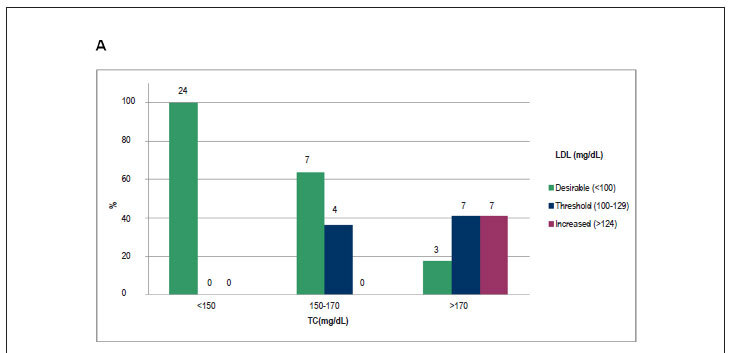
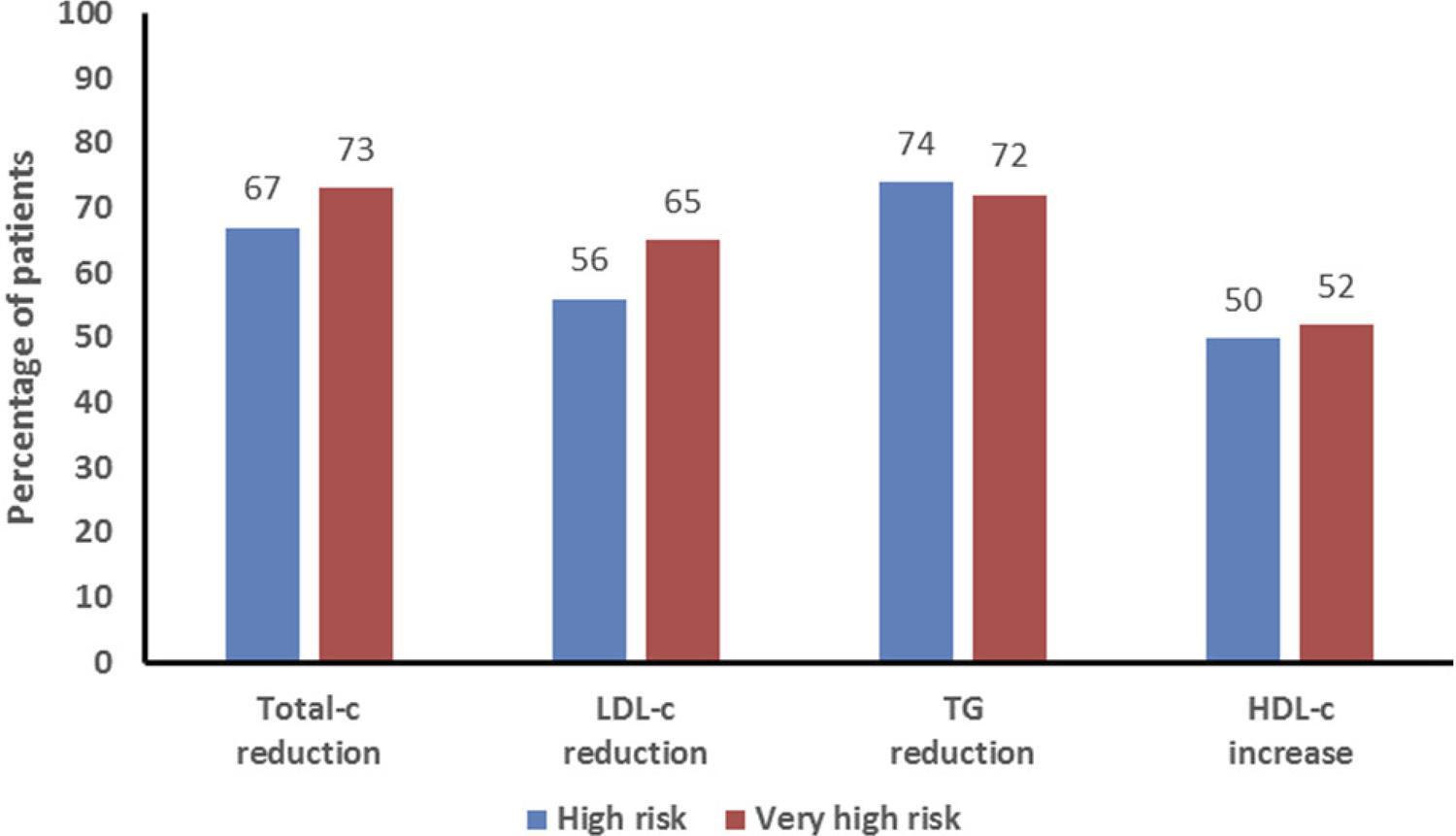
Baseline total cholesterol values were above 200 mg/dL in 75% of subjects, LDL-c values above 129 mg/dL in 83% of subjects and triglycerides values above 150 mg/dL in 79% of subjects. Most (n = 253, 95.8%) patients at very high cardiovascular risk were taking statins, 50% of them atorvastatin. Considering the ATPIII guidelines’ goals, only 24 subjects (19%) at high CV risk achieved an LDL-c < 100 mg/dl, while a significantly lower percentage (p = 0.04) of patients at very high risk reached an LDL-c < 70mg/dl (11%; n = 30).

Conclusion

These data indicate a low rate of compliance with the ATPIII guidelines, independent of the medication used or duration of the treatment. This may be attributed to the prescription of low doses of medication and a therapy targeting isolated lipid fractions rather than a complete lipid profile. (Int J Cardiovasc Sci. 2020; 33(4):371-376)

  • Cardiovascular Diseases/prevention and control
  • Cholesterol
  • dyslipidemia
  • Lifestyle
  • Patient Compliance
  • Sedentarism
  • Tabaquism
  • Triglicerides
Read Full Article
Creative Commons Attribution (CC BY) Creative Commons license
07/08/2020 DOI: 10.36660/ijcs.20190010 Views 1
Figure 1
ABC
Review Article

Treatment of Dyslipidemia with Statins and Physical Exercises: Recent Findings of Skeletal Muscle Responses

Mariana Rotta Bonfim et al. Acary Souza Bulle Oliveira Sandra Lia do Amaral Henrique Luiz Monteiro

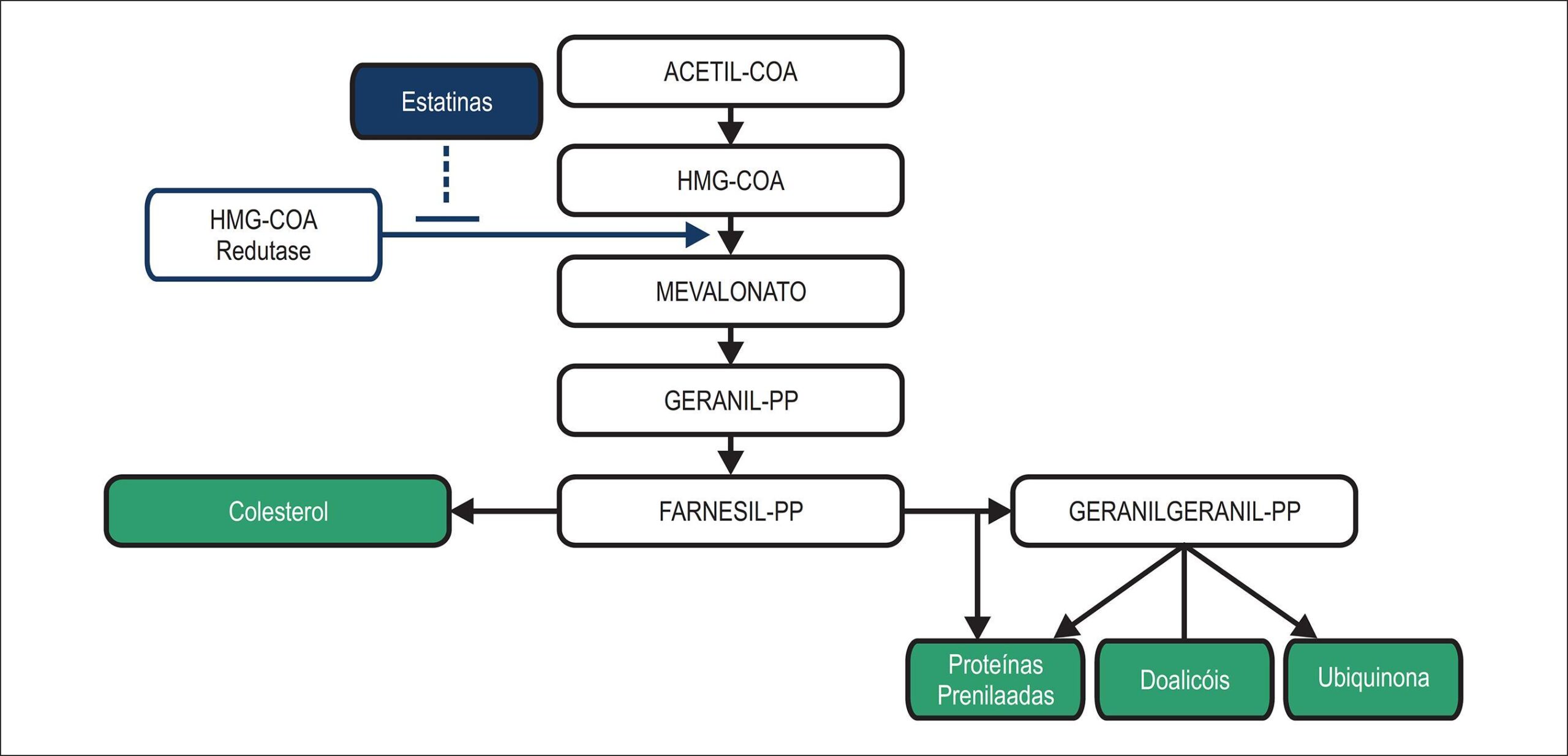
Statin treatment in association with physical exercise practice can substantially reduce cardiovascular mortality risk of dyslipidemic individuals, but this practice is associated with myopathic event exacerbation. This study aimed to present the most recent results of specific literature about the effects of statins and its association with physical exercise on skeletal musculature. Thus, a literature review was performed using PubMed and SciELO databases, through the combination of the keywords “statin” AND “exercise” AND “muscle”, restricting the selection to original studies published between January 1990 and November 2013. Sixteen studies evaluating the effects of statins in association with acute or chronic exercises on skeletal muscle were analyzed. Study results indicate that athletes using statins can experience deleterious effects on skeletal muscle, as the exacerbation of skeletal muscle injuries are more frequent with intense training or acute eccentric and strenuous exercises. Moderate physical training, in turn, when associated to statins does not increase creatine kinase levels or pain reports, but improves muscle and metabolic functions as a consequence of training. Therefore, it is suggested that dyslipidemic patients undergoing statin treatment should be exposed to moderate aerobic training in combination to resistance exercises three times a week, and the provision of physical training prior to drug administration is desirable, whenever possible.

  • dyslipidemia
  • Exercise
  • Hydroxymethylglutaryl-CoA Reductase Inhibitors
  • muscle, skeletal
Read Full Article
Creative Commons Attribution (CC BY) Creative Commons license
13/02/2015 DOI: 10.5935/abc.20150005 Views 1
Figure 1
ABC
Anatomopathological Session

Case 2/2014 – 51-Year Old Patient with Systemic Lupus Erythematosus and Fever after Valve Replacement

Wilma Noia Ribeiro et al. Alice Tatsuko Yamada Paulo Sampaio Gutierrez

Clinical aspects

The clinical case reports a 51-year old patient with systemic lupus erythematosus, arterial hypertension and mixed dyslipidemia, who went to the emergency room with fever and in shock.

The systemic lupus erythematosus (SLE) is an autoimmune inflammatory disease, which is characterized by the immune complex deposition in the involved organs, including the heart. Its clinical picture is determined by periods of exacerbations and remission, with variable clinical course and prognosis.

[…]

  • Aortic valve stenosis / surgery
  • dyslipidemia
  • Hypertension
  • Systemic Lupus Erythematosus
Read Full Article
Creative Commons Attribution (CC BY) Creative Commons license
01/05/2014 DOI: 10.5935/abc.20140069 Views 1
Prevalence of dyslipidemia in children with congenital heart disease
ABC
Brief Communication

Prevalence of dyslipidemia in children with congenital heart disease

Gabriela Fuenmayor et al. Ana Carolina Costa Redondo Karen Saori Shiraishi Rogerio Souza … Patrícia Figueiredo Elias Ieda Biscegli Jatene

Dyslipidemia is one of the main risk factors associated with cardiovascular diseases. Few data on the impacts of congenital heart diseases are available with regard to the prevalence of dyslipidemia in children. Our study evaluated the lipid profile in children with congenital heart disease at a referral center. From January 2011 to July 2012, 52 pediatric patients had their lipid, metabolic and clinical profiles traced. The mean age was 10.4 ± 2.8 years and male/female rate of 1.38:1. Our population had 53.8% patients with high levels of total cholesterol and 13.4% (CI 95 %, from 6.6 to 25.2%) of them also presenting LDL levels > 130 mg/dL, which characterizes dyslipidemia. The group of dyslipidemic patients presented only two obese individuals. Our data show that the presence of congenital heart disease does not lead to higher risk associated with the prevalence of dyslipidemia. Therefore, the screening of this specific population should follow the regular pediatric guidelines, which are also independent of the nutritional status of the children tested.

  • Child
  • Congenital Heart Disease
  • dyslipidemia
Read Full Article
Creative Commons Attribution (CC BY) Creative Commons license
20/09/2013 DOI: 10.5935/abc.20130174
Cardiovascular profile in patients with obstructive sleep apnea
ABC
Artigo Original

Cardiovascular profile in patients with obstructive sleep apnea

Fátima Dumas Cintra et al. Sergio Tufik Angelo de Paola Márcia C. Feres … Luciane Melo-Fujita Wercules Oliveira Camila Rizzi Dalva Poyares

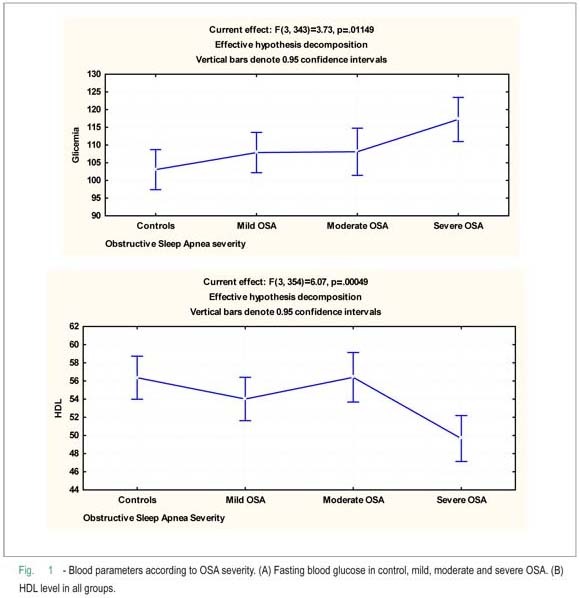
BACKGROUND: Obstructive Sleep Apnea (OSA) is a risk factor for several cardiovascular conditions including increased cardiovascular mortality. It is therefore essential to know the major cardiovascular effects of sleep-disordered breathing during a clinical evaluation. OBJECTIVE: To analyze the cardiovascular characteristics of patients with OSA. METHODS: Patients underwent baseline polysomnography and were consecutively selected from the database of the Sleep Institute between March 2007 and March 2009. All patients were instructed to attend the clinic for blood collection, physical examination, 12-lead electrocardiogram, spirometry, cardiopulmonary exercise testing on a treadmill and transthoracic echocardiography. The study was approved by the Research Ethics Committee and recorded at http://clinicaltrials.gov/ under number: NCT00768625. RESULTS: We analyzed 261 patients and 108 controls. The main characteristics of patients with OSA were: obesity, hypertension, low plasma levels of high density lipoprotein (HDL) and increased left atrial diameter compared with controls (3.75 ± 0.42; 3.61 ± 0.41, p = 0.001), respectively. These associated characteristics correspond to a 16.6 increase in the likelihood of OSA regardless of reporting any symptoms of this disorder, such as sleepiness or snoring. CONCLUSION: In the sample studied, the mostly found cardiovascular profile of patients with OSA was: obesity, hypertension, low plasma levels of HDL and left atrial diameter increased.

  • dyslipidemia
  • Hypertension
  • Obesity
  • Sleep Apnea, Obstructive
Read Full Article
Creative Commons Attribution (CC BY) Creative Commons license
18/03/2011 DOI: 10.1590/S0066-782X2011005000030 Views 2
Exercise prevents cardiometabolic alterations induced by chronic use of glucocorticoids
ABC
Artigo Original

Exercise prevents cardiometabolic alterations induced by chronic use of glucocorticoids

Carlos Hermano da Justa Pinheiro et al. Wilson Martins de Sousa Filho Joselito de Oliveira Neto Maria de Jesus Ferreira Marinho … Renato Motta Neto Manuela Maria Ramos Lima Smith Carlos Antônio Bruno da Silva

BACKGROUND: Chronically, glucocorticoids induce adverse cardiometabolic alterations including insulin resistance, diabetes, dyslipidemia, liver steatosis and arterial hypertension. OBJECTIVES: To evaluate the effect of regular practice of aerobic exercise on cardiometabolic alterations induced by chronic administration of dexamethasone (Dex – 0.5 mg/kg/day ip) in rats. METHODS: Male Wistar rats (n = 24) were divided in four groups: Control group; Trained group; Treated with Dex group and Treated with Dex and trained group. The exercise training (initiated 72 hours after the first dose of Dex) was carried out three times a week until the end of the treatment. At the end of this period, the following biochemical assessments were performed: fasting glycemia, oral glucose tolerance test and analysis of the blood lipid profile that included total cholesterol (TC), LDL-c, HDL-c, VLDL-c and triglycerides (TG). The weight of the gastrocnemius muscle, the histopathological analysis of the liver and cardiometabolic indices (TC/HDL-c, LDL-c/HDL-c and TG/HDL-c) were also performed. RESULTS: Hyperglycemia, lower glucose tolerance, increased TC, LDL-c, VLDL-c, TG, CT/HDL-c, LDL-c/HDL-c and TG/HDL-c, decreased HDL-c, presence of liver steatosis and muscular hypotrophy were observed in the animals treated with Dex. The exercise training reduced hyperglycemia, improved glucose tolerance, decreased dyslipidemia and prevented liver steatosis, muscular hypotrophy and reduced CT/HDL-c, LDL-c/HDL-c and TG/HDL-c ratios. However, there was no significant effect on HDL-c. CONCLUSION: The aerobic exercise training have a protective effect against the cardiometabolic alterations induced by the chronic use of glucocorticoids.

  • Cholesterol
  • dexamethasone
  • dyslipidemia
  • Exercise
  • glucocorticoid
  • Insulin Resistance
Read Full Article
Creative Commons Attribution (CC BY) Creative Commons license
24/11/2009 DOI: 10.1590/S0066-782X2009001000014
Body mass index as a marker of dyslipidemia in children
ABC
Artigo Original

Body mass index as a marker of dyslipidemia in children

Cláudia Cruz Lunardi et al. Édio Luiz Petroski

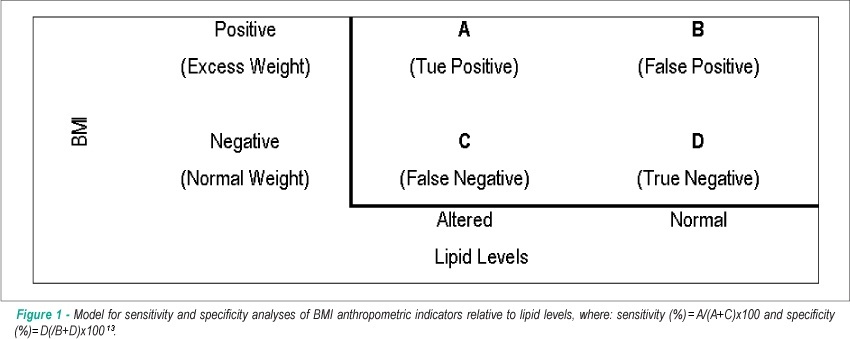
BACKGROUND: Obesity is very frequently associated with conditions such as dyslipidemia e diabetes. OBJECTIVE: To verify the diagnostic value of the cut-off points proposed by the International Obesity Task Force (IOTF) and Conde & Monteiro (C&M) for the screening and identification of dyslipidemia in children between 10 and 12 years of age. METHODS: The Body Mass Index (BMI) of 374 children of the school network of the city of Santa Maria-RS was ascertained. The children were selected in a stratified manner from a population of 4,083 children. Lipid levels (reference standard) were determined by means of analysis of total cholesterol (TC), LDL-C, HDL-C and triglycerides (TG). The cut-off points of the IOTF and C&M were used to classify the BMI. Descriptive statistics and analysis of sensitivity and specificity were employed. RESULTS: There was a statistical difference in excess weight prevalence between both proposals (24.7% and 28.6% for IOTF and C&M, respectively). A variation was observed in sensitivity (33% to 83%) and specificity (62% to 80%) between the cut-off points as to the detection of dyslipidemia. The percentage of false negatives was lower than the percentage of false positives. CONCLUSION: The proposals may be used to screen elevated TC and LDL-C in male individuals. Either the IOTF or the C&M classification may be used to identify subjects without dyslipidemia, as these proposals presented high specificity.

  • body mass index
  • dyslipidemia
  • Sensitivity and Specificity
  • students
Read Full Article
Creative Commons Attribution (CC BY) Creative Commons license
13/10/2009 DOI: 10.1590/S0066-782X2009000700005 Views 1
Serum homocysteine levels in renal transplant recipients with and without hypercholesterolemia
ABC
Artigo Original

Serum homocysteine levels in renal transplant recipients with and without hypercholesterolemia

Fabiana Piovesan et al. Francisco José Veríssimo Veronese Auri Ferreira Santos Roberta Pozza … Péricles Serafim Sarturi Alexandre Tognon Valter Duro Garcia Elizete Keitel David Saitovitch

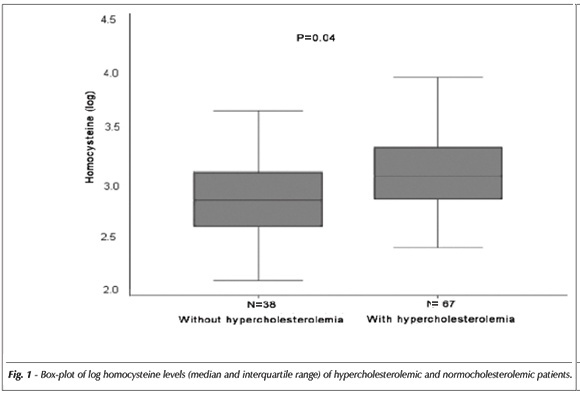
BACKGROUND: Hyperhomocysteinemia seems to be frequent after renal transplantation. No study so far has assessed the role of homocysteine (Hcy) associated with dyslipidemia in Brazil. OBJECTIVE: To determine the prevalence of hyperhomocysteinemia (serum Hcy >15 mmol/l) in stable renal transplant recipients and to evaluate the role of serum lipids and graft function in serum Hcy levels. METHODS: One hundred and five stable renal transplant recipients were evaluated, considering age, post-transplant time, cholesterol levels, graft function, proteinuria, and cyclosporine (analyzed using multiple linear regression). The prevalence of hyperhomocysteinemia was 74.3%. Patients were further divided into two groups, hyper (total cholesterol >200mg/dl, LDL-cholesterol >130mg/dl) and normocholesterolemic. RESULTS: Hypercholesterolemic recipients were older, had shorter post-transplant time, lower endogenous creatinine clearance, and higher proteinuria and Hcy serum levels. Patients with hyperhomocysteinemia had statistically significantly higher serum triglycerides and poorer graft function, and their LDL-cholesterol also tended to be higher. A positive correlation was found between serum creatinine and Hcy levels (r = 0.32, P = 0.01). Multiple regression analysis revealed that both dyslipidemia and renal function independently affect Hcy values. CONCLUSION: We observed a high prevalence of hyperhomocysteinemia in renal transplant recipients, especially in hypercholesterolemic, suggesting that worse graft function may influence serum Hcy and cholesterol levels negatively. Further studies should investigate if this adverse metabolic profile is associated with higher cardiovascular mortality in the long term.

  • dyslipidemia
  • hyperhomocysteinemia
  • renal transplantation
Read Full Article
Creative Commons Attribution (CC BY) Creative Commons license
25/09/2007 DOI: 10.1590/S0066-782X2007001500005
ABC
Artigo Original

Dyslipidemia among adolescents and children from Pernambuco – Brazil

Everaldo de Franca et al. João Guilherme Bezerra Alves

OBJECTIVE: To describe the prevalence of dyslipidemia and overweight among children and adolescents in the state of Pernambuco, Brazil. METHODS: During clinical evaluation, a questionnaire was completed through interviews with parents and included personal details of the children and adolescents. An exclusion criterion was personal or parental history of diabetes or coronary artery disease (CAD). Blood samples were collected from subjects who had been fasting for 12 hours, and the following evaluations were performed using enzymatic methods: serum Total Cholesterol, LDL-Cholesterol, HDL-Cholesterol and Triglycerides. Data were analyzed using the SPSS 11.5 statistical package including Student’s t test and Fisher’s exact test. RESULTS: Of the 414 children and adolescents analyzed in the present study, about 30% presented an atherogenic lipid profile, characterized by higher levels of Triglyceride, Total and LDL- Cholesterol. The prevalence of overweight in this sample from Pernambuco was 4%. Girls had higher levels of Triglycerides and Total Cholesterol than boys. Children and adolescents presented the same values of lipid on blood that is not expected for children in this phase of development. CONCLUSION: In the present population, an unfavorable lipid profile among children and adolescents from Pernambuco suggests that programs targeting the prevention of cardiovascular disease and obesity must begin early in life.

  • Adolescents
  • Children
  • coronary atherosclerosis
  • dyslipidemia
  • Overweight
Read Full Article
Creative Commons Attribution (CC BY) Creative Commons license
18/01/2007 DOI: 10.1590/S0066-782X2006001900007
ABC
Artigo de Pesquisa

Pharmacology of niacin or nicotinic acid

Raul D. Santos

Niacin or nicotinic acid is a soluble vitamin with hypolipidemic properties. Niacin reduces triglycerides (20 50%), LDL-c (5-25%), and raises HDL c (15-35%). The Coronary Drug Project study showed that the use of niacin was associated with reduction on coronary events and total mortality, and more recently it has been demonstrated that niacin combined with other hypolipidemic drugs can attenuate the progression of coronary atherosclerosis. Niacin appears to reduce the mobilization of free fatty acids from the adipocytes, acting on specific receptors, diminishing the liver formation of triglyceride-rich lipoproteins. There are two forms of niacin, one of rapid absorption (crystalline), more commonly associated with flushing, and another of extended release, recently reported to be better tolerated. The use of niacin can be associated with dyspepsia, increased plasma levels of liver enzymes and also with a modest elevation in glucose and uric acid plasma levels, at least using the extended-release preparation up to 2g/d.

  • dyslipidemia
  • niacin
  • nicotinic acid
Read Full Article
Creative Commons Attribution (CC BY) Creative Commons license
02/01/2006 DOI: 10.1590/S0066-782X2005002400005 Views 1
ABC
Artigo de Pesquisa

Hypolipidemic therapy under special conditions: acquired immune deficiency syndrome

Pai Ching Yu et al. Daniela Calderaro Enéas M. O. Lima Bruno Caramelli

Lipid alterations can be observed early among patients with AIDS disease. Commonly, these lipid abnormalities include low HDL-C and modest increase in triglyceride plasma levels. Highly Active Anti-Retroviral Therapy (HAART) in these patients may aggravate the dyslipidemia, with notable increases in triglycerides as well as in LDL-C. There are several mechanisms proposed to explain the mixed hyperlipidemia observed in these subjects, including different steps in lipid metabolism. The importance of the treatment of dyslipidemia became evident with the increased life expectancy and reports of cardiovascular complications in these individuals. There is an insulin resistance state in patients with AIDS disease under treatment with HAART, who present with lypodistrophy, hypertriglyceridemia, low levels of HDL-C. Antiretroviral drugs are metabolized by CYP P450 3A4 and interactions with some statins, especially with simvastatin are expected to occur. Treatment with lipid-lowering agents should be based on lipid profile and coronary risk. For hypertriglyceridemias, fibrates (mainly fenofibrate or bezafibrate) should be the drugs of choice, as well as statins (mainly pravastatin). Combined treatment using fibrates plus statins are recommended for severe mixed hyperlipidemias under very close monitoring for adverse effects.

  • AIDS
  • dyslipidemia
  • HAART
Read Full Article
Creative Commons Attribution (CC BY) Creative Commons license
02/01/2006 DOI: 10.1590/S0066-782X2005002400014
ABC
Artigo de Pesquisa

Combination of drugs: statins and niacin

Jairo Lins Borges

Combination of statins with niacin appears to be an attractive association, in the presence of mixed dyslipidemia with low HDL-c levels, when monotherapy is insufficient to achieve target lipid levels. Clinical benefits were observed by the combination of statins with niacin in the FATS, HATS and ARBITER 2 trials, showing attenuation of atherosclerosis development and/or reduction in coronary events following favorable lipid changes. In general, this combination can be well-tolerated. Recommendations for appropriate monitoring of liver and muscle enzymes are important to reduce the rate of side effects. In addition, careful titration of each drug is recommended.

  • dyslipidemia
  • niacin
  • Statins
Read Full Article
Creative Commons Attribution (CC BY) Creative Commons license
02/01/2006 DOI: 10.1590/S0066-782X2005002400010 Views 2
ABC
Artigo de Pesquisa

Statins in chronic renal disease

Soraia R. C. Ferreira et al. Aloísio M. Rocha José Francisco K. Saraiva

Hypertriglyceridemia and low HDL-c are common features in patients with chronic renal failure. Cardiovascular mortality is substantially increased in the presence of chronic renal disease (10-20 times higher). There is evidence from clinical trials with statins suggesting their protective role in the progression of renal disease. In addition, reduced rates of non-fatal myocardial infarction and cardiac mortality were seen after renal transplant in patients receiving fluvastatin. However, a recent study with atorvastatin failed to demonstrate reduction in cardiovascular morbidity and mortality among diabetic patients on hemodyalisis therapy. Ongoing trials will define the precise role of statins in this subset of patients.

  • dyslipidemia
  • end stage renal disease
  • Statins
Read Full Article
Creative Commons Attribution (CC BY) Creative Commons license
02/01/2006 DOI: 10.1590/S0066-782X2005002400012 Views 1
Low rate of achieving LDL-cholesterol objective in a low income population
ABC
Artigo Original

Low rate of achieving LDL-cholesterol objective in a low income population

Luciano J Vacanti et al. Silvio C. de Moraes Santos Alessandro M Fujita David S Lima … Alan F Lopes Rodrigo Vetorazi Ana Sellera Nataly R Scarin

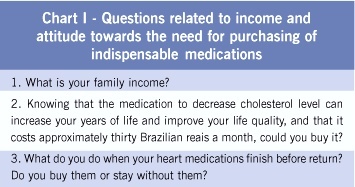
OBJECTIVE: To assess the percentage of patients suitable to the objectives preconized by III Diretrizes sobre Dislipidemias da Sociedade Brasileira de Cardiologia (3rd Guidelines on Dyslipidemia of Brazilian Society of Cardiology), in a low income population. To determine whether there was a difference of that percentage in high risk patients, according to their age (75 years old). METHODS: We analyzed, consecutively, 190 patients, divided in two groups: 51 low and middle risk patients (G I) and 139 high risk patients for coronaray artery disease (G II). The sample was characterized by low income patients (69% for the patients had a family income between 1 and 2 minimum salaries), whose hypolipidemic therapy was irregularly supplied by the State. RESULTS: G I and G II showed, respectively, 70.1±13.7 years old and 13.7% of men and 68.5±10.6 years old and 62.6% of men. Among patients from G II, 30% showed LDL-cholesterol within the preconized objectives. The frequency of patients suitable to the objectives was significantly lower in individuals with 75 years of age or older than among those younger than 75 years old (16% vs. 30%, p=0.04). CONCLUSION: In a predominantly low income population and without continuous assistance from the State to purchase statins, the achievement of preconized objectives for LDL-cholesterol, by 3rd Guidelines on Dyslipidemia of Brasilian Society of Cardiology, is low and also significantly lower among very old patients, with a high risk profile for atherosclerosis.

  • Coronary Artery Disease
  • dyslipidemia
  • hypolipidemic therapy
  • LDL-cholesterol
Read Full Article
Creative Commons Attribution (CC BY) Creative Commons license
10/10/2005 DOI: 10.1590/S0066-782X2005001600003 Views 2
Nutritional status and lipid profile of postmenopausal women with coronary heart disease
ABC
Artigo Original

Nutritional status and lipid profile of postmenopausal women with coronary heart disease

Aparecida de Oliveira et al. Jorge Mancini Filho

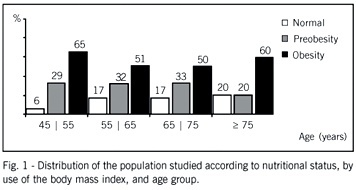
OBJECTIVE: To assess the nutritional status and lipid profile of postmenopausal women with coronary heart disease. METHODS: A retrospective cross-sectional study was conducted with information obtained from the medical records of 217 women on the occasion of their first visit to the InCor Nutrition Outpatient Care Clinic. The data referred to the patients’ nutritional status, body mass index, use of lipid-lowering medication, and serum lipid levels (cholesterol and fractions). RESULTS: The mean age was 60.98 ± 9.23 years, and obesity prevailed in 56% of the patients. The use of lipid-lowering drugs was observed in 73% of the population. In regard to lipid profile, 56% had adequate serum levels of HDL-C. The nutritional status was inadequate due to the prevalence of obesity, which results in the appearance of other chronic diseases, such as dyslipidemias. Although the dosages of the lipid-lowering drugs used were not assessed, their use by the population studied did not seem to be favorable, because high levels of total cholesterol and LDL-C were observed, and those high levels in that condition are strongly related to the occurrence of cardiovascular diseases. CONCLUSION: Multidisciplinary action in the form of programs to promote women’s health is required, comprising preventive aspects related to coronary heart disease, to improve the quality of life in that population.

  • coronary heart disease
  • dyslipidemia
  • Menopause
Read Full Article
Creative Commons Attribution (CC BY) Creative Commons license
03/05/2005 DOI: 10.1590/S0066-782X2005000400010 Views 1
Eggplant (Solanum melongena) extract does not alter serum lipid levels
ABC
Artigo Original

Eggplant (Solanum melongena) extract does not alter serum lipid levels

Juliana Marchiori Praça et al. Andréa Thomaz Bruno Caramelli

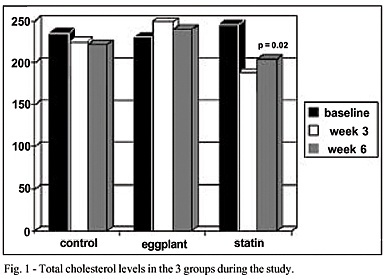
OBJECTIVE: To compare the effect of eggplant extract on serum lipid levels with that of lovastatin. METHODS: The study included 21 individuals of both sexes, with total cholesterol (TC) levels > 200 mg/dL, no diabetes, no contraindication for the use of statins, and no use of cholesterol-lowering drugs, divided into the following 3 groups: 1) the eggplant group (B), in which the patients drank 1 glass of eggplant extract with orange juice before breakfast each morning; 2) the statin group (E), in which the patients received 20 mg of lovastatin in the evening after dinner; 3) control group (C), in which the patients received no treatment. Total cholesterol and fractions (HDL, LDL), and triglycerides were measured 3 times at 3-week intervals. RESULTS: The baseline lipid levels were similar in the 3 groups. After 6 weeks, a significant reduction in TC levels (from 245.29 ± 41.69 to 205.71 ± 46.45; P=0.02) and in LDL-cholesterol levels (from 170.83 ± 41.76 to 121.29 ± 44.90; P=0.008) was observed in group E. In group B, total cholesterol (from 230.60 ± 19.30 to 240.20 ± 16.22; P=0.27) and LDL-cholesterol (from 139.60 ± 21.49 to 154.40 ± 9.66; P=0.06) showed no statistically significant variation, as in group C. No significant variation was observed in the HDL-cholesterol and triglyceride levels in the 3 groups throughout the study. CONCLUSION: The eggplant extract with orange juice is not to be considered an alternative to statins in reducing serum levels of cholesterol.

  • dyslipidemia
  • eggplant
  • ischemic heart disease
Read Full Article
Creative Commons Attribution (CC BY) Creative Commons license
05/04/2004 DOI: 10.1590/S0066-782X2004000300007 Views 1
ABC
Artigo Original

Prevalence of dyslipidemias in adult ambulatory laboratory tests from different health care providers

Ines Lessa et al. João Lycio Conceição Levi Mirabeau Joabe Carneiro … Joamar Melo Viviane Oliveira Joel Pinheiro Fábio Meireles Joaquim Reis Neto Felipe Reis Rogério Gouvea Marcelo Couto Marlene Rosa Oliveira Silvânia Souza

OBJECTIVE: To detect differences in the prevalence of dyslipidemia in adult ambulatory laboratory tests from three different health care providers, in Salvador-Brazil, 1995. METHODS: The study was carried out using a probabilistic sample of 24 out of 104 laboratories (@25%) which performed the same enzymatic method for lipid tests with the same quality control. Laboratory tests results were separated into three groups, according to health care provider: Sistema Único de Saúde (SUS, governamental), Health Maintenance Organizations (HMO), and Private or Patients Health Insurance (PHI). Criteria for dyslipidemias in mg/dL were: total cholesterol > or = 240; LDL-c > or = 160; HDL-c or = 200. Prevalence rates, 95% confidence intervals (CI) and chi² test were used in the analysis. RESULTS: From the 5464 adult subjects, 14.8% were from SUS, 31.6%. from HMO and 53.6% PHI. The highest prevalence for hypercholesterolemia – 28.0% (CI 24.0; 32.0) and for LDL-c > or = 160mg/dL – 30.4% (CI 27.6; 33.2), were found in the HMO group. PHI had the highest prevalence for HDL-c <35mg/dL – 12.3% (CI 10.0; 13.8), and for hypertrygliceridemia – 17.8% (CI 16.3; 19.3). Most of the differences among health providers were statistically significant. CONCLUSION: The best lypid profile observed in subjects from SUS suggests social differences in the prevalence of dyslipidemias. As compared to other dyslipidemias, HDL-c <35mg/dL prevalence was lower than expected in all three groups. The data may provide insights to medical doctors and other health care professionals regarding the questions of dyslipidemias. It can also provide objective information to the patients and encourage them to change their life styles.

  • dyslipidemia
  • health care
Read Full Article
Creative Commons Attribution (CC BY) Creative Commons license
08/01/2002 DOI: 10.1590/S0066-782X1998000500005 Views 1
ABC
Artigo Original

Prevalence of dyslipidemias in non-hospital laboratory tests of adults from Salvador, Brazil

Ines Lessa et al. João Lycio Conceição Mirabeau Levi Souza Viviane Oliveira … Joabe Carneiro Joamar Melo Joel Pinheiro Fábio Meireles Joaquim Netto Felipe Reis Rogério Gouvêa Marcelo Couto Silvânia Souza Marlene Rosa Oliveira

PURPOSE: To determine the prevalence of dyslipidemia in non-hospital laboratory tests of adults from Salvador, Brazil. METHODS: The study was carried out in subjects from a probabilistic sample of 25% of a total of 104 local laboratories that used the same enzymatic method for lipid analysis with the quality control as recommended by the Brazilian Society of Clinical Analyses. These represented 93% of all non-hospital laboratories of Salvador in 1995. The odd months of 1995 were selected for sampling in the present study. Criteria for dyslipidemias were: total cholesterol ³240; LDL ³160; HDL <35 and triglycerides ³200mg/dl. Prevalence rates and their 95% confidence intervals (CI) and chi² test were used in the analyses. RESULTS: Tests from two of the 26 laboratories were not used in the analyses due to file problems or refusal. 7,392 adults were screened, 65% female. We observed prevalence (95% CI) of hypercholesterolemia in 30.0 (27.8; 32.2)%, high LDL in 30.1 (30.8; 35.4)% and hypertriglyceridemia in 30.4 (29.0; 31.4)% of the females. As to the male subjects, prevalences were: 24.0 (20.5; 27.5)% for hypercholesterolemia, 26.1 (22.4; 29.3)% for high LDL, 27.6 (25.7; 29.5)% for hypertriglyceridemia. All gender differences were significant. Low HDL occurred in 15.9 (14.2; 17.8)% of males and in 8.0 (7.1; 8.9)% of females. CONCLUSION: Dyslipidemia is an important risk factor observed in non-hospital laboratory tests of men and women in Salvador. Our data may provide physicians and other health care professionals with objective information to encourage life-style changes.

  • Cholesterol
  • dyslipidemia
  • HDL
  • hyperlipidemia
  • LDL
Read Full Article
Creative Commons Attribution (CC BY) Creative Commons license
23/01/2001 DOI: 10.1590/S0066-782X1997001200006 Views 1

How to cite this article

EndNote RIS

Electronic Document Format (Vancouver)

Nascimento CR, Mendes R, Botelho Filho CAL, Barbosa RHA, Tenório PP. Analysis of low-density lipoprotein in diabetic patients using the Martin/Hopkins and Sampson equations. Arquivos Brasileiros de Cardiologia 2023;120(5):e20220859.

Electronic Document Format (ABNT)

Nascimento, Cristian Rodrigues do; Mendes, Rodrigo; Botelho Filho, Carlos Alberto de Lima; Barbosa, Romero Henrique de Almeida; Tenório, Pedro Pereira. Analysis of low-density lipoprotein in diabetic patients using the Martin/Hopkins and Sampson equations. Arquivos Brasileiros de Cardiologia, v. 120, n. 5, e20220859, May. 2023.

Electronic Document Format (APA)

Nascimento, C. R. , Mendes, R., Botelho Filho, C. A. L., Barbosa, R. H. A., & Tenório, P. P. (2023). Analysis of low-density lipoprotein in diabetic patients using the Martin/Hopkins and Sampson equations. Arquivos Brasileiros de Cardiologia, 120(5), e20220859.

Electronic Document Format (ISO)

Nascimento, Cristian Rodrigues do and Mendes, Rodrigo and Botelho Filho, Carlos Alberto de Lima and Barbosa, Romero Henrique de Almeida and Tenório, Pedro Pereira. Analysis of low-density lipoprotein in diabetic patients using the Martin/Hopkins and Sampson equations. Arquivos Brasileiros de Cardiologia [online]. 2023, vol. 120, n. 5, [cited 2026-10-14], e20220859. Available from: <https://journals.cardiol.br/en/article/analysis-of-low-density-lipoprotein-in-diabetic-patients-using-the-martin-hopkins-and-sampson-equations/>. ISSN 0066-782X

EndNote RIS

Electronic Document Format (Vancouver)

Pacheco MA, Cardoso SM, Honicky M, Moreno YMF, Lima LRA, Marcos CS, Back IC, et al. HDL-Cholesterol in Children and Adolescents with Congenital Heart Disease. International Journal of Cardiovascular Sciences 2022;35(6):784-93.

Electronic Document Format (ABNT)

Pacheco, Matheus Alves; Cardoso, Silvia Meyer; Honicky, Michele; Moreno, Yara Maria Franco; Lima, Luiz Rodrigo Augustemak de; Marcos, Camila Souza; Back, Isabela de Carlos. HDL-Cholesterol in Children and Adolescents with Congenital Heart Disease. International Journal of Cardiovascular Sciences, v. 35, n. 6, p. 784-793, Aug. 2022.

Electronic Document Format (APA)

Pacheco, M. A., Cardoso, S. M., Honicky, M., Moreno, Y. M. F., Lima, L. R. A. , Marcos, C. S., & Back, I. C. (2022). HDL-Cholesterol in Children and Adolescents with Congenital Heart Disease. International Journal of Cardiovascular Sciences, 35(6), 784-793.

Electronic Document Format (ISO)

Pacheco, Matheus Alves and Cardoso, Silvia Meyer and Honicky, Michele and Moreno, Yara Maria Franco and Lima, Luiz Rodrigo Augustemak de and Marcos, Camila Souza and Back, Isabela de Carlos. HDL-Cholesterol in Children and Adolescents with Congenital Heart Disease. International Journal of Cardiovascular Sciences [online]. 2022, vol. 35, n. 6, [cited 2026-10-14], pp. 784-793. Available from: <https://journals.cardiol.br/en/article/hdl-cholesterol-in-children-and-adolescents-with-congenital-heart-disease/>. ISSN 2359-4802

EndNote RIS

Electronic Document Format (Vancouver)

Mansur AP. Current Cardiovascular Disease Death Rate in Rio De Janeiro State: More than Only a Dream in Rio. Arquivos Brasileiros de Cardiologia 2021;116(4):772-3.

Electronic Document Format (ABNT)

Mansur, Antonio de Padua. Current Cardiovascular Disease Death Rate in Rio De Janeiro State: More than Only a Dream in Rio. Arquivos Brasileiros de Cardiologia, v. 116, n. 4, p. 772-773, Apr. 2021.

Electronic Document Format (APA)

Mansur, A. P. (2021). Current Cardiovascular Disease Death Rate in Rio De Janeiro State: More than Only a Dream in Rio. Arquivos Brasileiros de Cardiologia, 116(4), 772-773.

Electronic Document Format (ISO)

Mansur, Antonio de Padua. Current Cardiovascular Disease Death Rate in Rio De Janeiro State: More than Only a Dream in Rio. Arquivos Brasileiros de Cardiologia [online]. 2021, vol. 116, n. 4, [cited 2026-10-14], pp. 772-773. Available from: <https://journals.cardiol.br/en/article/current-cardiovascular-disease-death-rate-in-rio-de-janeiro-state-more-than-only-a-dream-in-rio/>. ISSN 0066-782X

EndNote RIS

Electronic Document Format (Vancouver)

Hernández I, Estrella A, Salazar J, Duarte Y, Torres E, López C, Terán S, et al. Treatment Eligibility and Therapeutic Responses of an Ecuadorian Population at High Cardiovascular Risk Based on the ATP III Guidelines. International Journal of Cardiovascular Sciences 2020;33(4):371-6.

Electronic Document Format (ABNT)

Hernández, Isabel; Estrella, Andrea; Salazar, Jorge; Duarte, Yan; Torres, Edmundo; López, Camilo; Terán, Santiago; Mendoza, Alejandra; Terán, Enrique. Treatment Eligibility and Therapeutic Responses of an Ecuadorian Population at High Cardiovascular Risk Based on the ATP III Guidelines. International Journal of Cardiovascular Sciences, v. 33, n. 4, p. 371-376, Aug. 2020.

Electronic Document Format (APA)

Hernández, I., Estrella, A., Salazar, J., Duarte, Y., Torres, E., López, C., Terán, S., Mendoza, A., & Terán, E. (2020). Treatment Eligibility and Therapeutic Responses of an Ecuadorian Population at High Cardiovascular Risk Based on the ATP III Guidelines. International Journal of Cardiovascular Sciences, 33(4), 371-376.

Electronic Document Format (ISO)

Hernández, Isabel and Estrella, Andrea and Salazar, Jorge and Duarte, Yan and Torres, Edmundo and López, Camilo and Terán, Santiago and Mendoza, Alejandra and Terán, Enrique. Treatment Eligibility and Therapeutic Responses of an Ecuadorian Population at High Cardiovascular Risk Based on the ATP III Guidelines. International Journal of Cardiovascular Sciences [online]. 2020, vol. 33, n. 4, [cited 2026-10-14], pp. 371-376. Available from: <https://journals.cardiol.br/en/article/treatment-eligibility-and-therapeutic-responses-of-an-ecuadorian-population-at-high-cardiovascular-risk-based-on-the-atp-iii-guidelines/>. ISSN 2359-4802

EndNote RIS

Electronic Document Format (Vancouver)

Bonfim MR, Oliveira ASB, Amaral SL, Monteiro HL. Treatment of Dyslipidemia with Statins and Physical Exercises: Recent Findings of Skeletal Muscle Responses. Arquivos Brasileiros de Cardiologia 2015;104(4):324-31.

Electronic Document Format (ABNT)

Bonfim, Mariana Rotta; Oliveira, Acary Souza Bulle; Amaral, Sandra Lia do; Monteiro, Henrique Luiz. Treatment of Dyslipidemia with Statins and Physical Exercises: Recent Findings of Skeletal Muscle Responses. Arquivos Brasileiros de Cardiologia, v. 104, n. 4, p. 324-331, Feb. 2015.

Electronic Document Format (APA)

Bonfim, M. R., Oliveira, A. S. B., Amaral, S. L. , & Monteiro, H. L. (2015). Treatment of Dyslipidemia with Statins and Physical Exercises: Recent Findings of Skeletal Muscle Responses. Arquivos Brasileiros de Cardiologia, 104(4), 324-331.

Electronic Document Format (ISO)

Bonfim, Mariana Rotta and Oliveira, Acary Souza Bulle and Amaral, Sandra Lia do and Monteiro, Henrique Luiz. Treatment of Dyslipidemia with Statins and Physical Exercises: Recent Findings of Skeletal Muscle Responses. Arquivos Brasileiros de Cardiologia [online]. 2015, vol. 104, n. 4, [cited 2026-10-14], pp. 324-331. Available from: <https://journals.cardiol.br/en/article/treatment-of-dyslipidemia-with-statins-and-physical-exercises-recent-findings-of-skeletal-muscle-responses/>. ISSN 0066-782X

EndNote RIS

Electronic Document Format (Vancouver)

Ribeiro WN, Yamada AT, Gutierrez PS. Case 2/2014 – 51-Year Old Patient with Systemic Lupus Erythematosus and Fever after Valve Replacement. Arquivos Brasileiros de Cardiologia 2014;102(5):e44-51.

Electronic Document Format (ABNT)

Ribeiro, Wilma Noia; Yamada, Alice Tatsuko; Gutierrez, Paulo Sampaio. Case 2/2014 – 51-Year Old Patient with Systemic Lupus Erythematosus and Fever after Valve Replacement. Arquivos Brasileiros de Cardiologia, v. 102, n. 5, p. e44-e51, Apr. 2014.

Electronic Document Format (APA)

Ribeiro, W. N., Yamada, A. T., & Gutierrez, P. S. (2014). Case 2/2014 – 51-Year Old Patient with Systemic Lupus Erythematosus and Fever after Valve Replacement. Arquivos Brasileiros de Cardiologia, 102(5), e44-e51.

Electronic Document Format (ISO)

Ribeiro, Wilma Noia and Yamada, Alice Tatsuko and Gutierrez, Paulo Sampaio. Case 2/2014 – 51-Year Old Patient with Systemic Lupus Erythematosus and Fever after Valve Replacement. Arquivos Brasileiros de Cardiologia [online]. 2014, vol. 102, n. 5, [cited 2026-10-14], pp. e44-e51. Available from: <https://journals.cardiol.br/en/article/case-2-2014-51-year-old-patient-with-systemic-lupus-erythematosus-and-fever-after-valve-replacement/>. ISSN 0066-782X

EndNote RIS

Electronic Document Format (Vancouver)

Fuenmayor G, Redondo ACC, Shiraishi KS, Souza R, Elias PF, Jatene IB. Prevalence of dyslipidemia in children with congenital heart disease. Arquivos Brasileiros de Cardiologia 2013;101(3):273-6.

Electronic Document Format (ABNT)

Fuenmayor, Gabriela; Redondo, Ana Carolina Costa; Shiraishi, Karen Saori; Souza, Rogerio; Elias, Patrícia Figueiredo; Jatene, Ieda Biscegli. Prevalence of dyslipidemia in children with congenital heart disease. Arquivos Brasileiros de Cardiologia, v. 101, n. 3, p. 273-276, Sep. 2013.

Electronic Document Format (APA)

Fuenmayor, G., Redondo, A. C. C., Shiraishi, K. S., Souza, R., Elias, P. F., & Jatene, I. B. (2013). Prevalence of dyslipidemia in children with congenital heart disease. Arquivos Brasileiros de Cardiologia, 101(3), 273-276.

Electronic Document Format (ISO)

Fuenmayor, Gabriela and Redondo, Ana Carolina Costa and Shiraishi, Karen Saori and Souza, Rogerio and Elias, Patrícia Figueiredo and Jatene, Ieda Biscegli. Prevalence of dyslipidemia in children with congenital heart disease. Arquivos Brasileiros de Cardiologia [online]. 2013, vol. 101, n. 3, [cited 2026-10-14], pp. 273-276. Available from: <https://journals.cardiol.br/en/article/prevalence-of-dyslipidemia-in-children-with-congenital-heart-disease/>. ISSN 0066-782X

EndNote RIS

Electronic Document Format (Vancouver)

Cintra FD, Tufik S, Paola A, Feres MC, Melo-Fujita L, Oliveira W, Rizzi C, et al. Cardiovascular profile in patients with obstructive sleep apnea. Arquivos Brasileiros de Cardiologia 2011;96(4):293-9.

Electronic Document Format (ABNT)

Cintra, Fátima Dumas; Tufik, Sergio; Paola, Angelo de; Feres, Márcia C.; Melo-Fujita, Luciane; Oliveira, Wercules; Rizzi, Camila; Poyares, Dalva. Cardiovascular profile in patients with obstructive sleep apnea. Arquivos Brasileiros de Cardiologia, v. 96, n. 4, p. 293-299, Mar. 2011.

Electronic Document Format (APA)

Cintra, F. D., Tufik, S., Paola, A. , Feres, M. C., Melo-Fujita, L., Oliveira, W., Rizzi, C., & Poyares, D. (2011). Cardiovascular profile in patients with obstructive sleep apnea. Arquivos Brasileiros de Cardiologia, 96(4), 293-299.

Electronic Document Format (ISO)

Cintra, Fátima Dumas and Tufik, Sergio and Paola, Angelo de and Feres, Márcia C. and Melo-Fujita, Luciane and Oliveira, Wercules and Rizzi, Camila and Poyares, Dalva. Cardiovascular profile in patients with obstructive sleep apnea. Arquivos Brasileiros de Cardiologia [online]. 2011, vol. 96, n. 4, [cited 2026-10-14], pp. 293-299. Available from: <https://journals.cardiol.br/en/article/cardiovascular-profile-in-patients-with-obstructive-sleep-apnea/>. ISSN 0066-782X

EndNote RIS

Electronic Document Format (Vancouver)

Pinheiro CHJ, Sousa Filho WM, Oliveira Neto J, Marinho MJF, Motta Neto R, Smith MMRL, Silva CAB, et al. Exercise prevents cardiometabolic alterations induced by chronic use of glucocorticoids. Arquivos Brasileiros de Cardiologia 2009;93(4):400-8.

Electronic Document Format (ABNT)

Pinheiro, Carlos Hermano da Justa; Sousa Filho, Wilson Martins de; Oliveira Neto, Joselito de; Marinho, Maria de Jesus Ferreira; Motta Neto, Renato; Smith, Manuela Maria Ramos Lima; Silva, Carlos Antônio Bruno da. Exercise prevents cardiometabolic alterations induced by chronic use of glucocorticoids. Arquivos Brasileiros de Cardiologia, v. 93, n. 4, p. 400-408, Nov. 2009.

Electronic Document Format (APA)

Pinheiro, C. H. J., Sousa Filho, W. M. , Oliveira Neto, J. , Marinho, M. J. F., Motta Neto, R., Smith, M. M. R. L., & Silva, C. A. B. (2009). Exercise prevents cardiometabolic alterations induced by chronic use of glucocorticoids. Arquivos Brasileiros de Cardiologia, 93(4), 400-408.

Electronic Document Format (ISO)

Pinheiro, Carlos Hermano da Justa and Sousa Filho, Wilson Martins de and Oliveira Neto, Joselito de and Marinho, Maria de Jesus Ferreira and Motta Neto, Renato and Smith, Manuela Maria Ramos Lima and Silva, Carlos Antônio Bruno da. Exercise prevents cardiometabolic alterations induced by chronic use of glucocorticoids. Arquivos Brasileiros de Cardiologia [online]. 2009, vol. 93, n. 4, [cited 2026-10-14], pp. 400-408. Available from: <https://journals.cardiol.br/en/article/exercise-prevents-cardiometabolic-alterations-induced-by-chronic-use-of-glucocorticoids/>. ISSN 0066-782X

EndNote RIS

Electronic Document Format (Vancouver)

Lunardi CC, Petroski L. Body mass index as a marker of dyslipidemia in children. Arquivos Brasileiros de Cardiologia 2009;93(1):22-7.

Electronic Document Format (ABNT)

Lunardi, Cláudia Cruz; Petroski, Édio Luiz. Body mass index as a marker of dyslipidemia in children. Arquivos Brasileiros de Cardiologia, v. 93, n. 1, p. 22-27, Oct. 2009.

Electronic Document Format (APA)

Lunardi, C. C., & Petroski, L. (2009). Body mass index as a marker of dyslipidemia in children. Arquivos Brasileiros de Cardiologia, 93(1), 22-27.

Electronic Document Format (ISO)

Lunardi, Cláudia Cruz and Petroski, Édio Luiz. Body mass index as a marker of dyslipidemia in children. Arquivos Brasileiros de Cardiologia [online]. 2009, vol. 93, n. 1, [cited 2026-10-14], pp. 22-27. Available from: <https://journals.cardiol.br/en/article/body-mass-index-as-a-marker-of-dyslipidemia-in-children/>. ISSN 0066-782X

EndNote RIS

Electronic Document Format (Vancouver)

Piovesan F, Veronese FJV, Santos AF, Pozza R, Sarturi PS, Tognon A, Garcia VD, et al. Serum homocysteine levels in renal transplant recipients with and without hypercholesterolemia. Arquivos Brasileiros de Cardiologia 2007;89(3):170-5.

Electronic Document Format (ABNT)

Piovesan, Fabiana; Veronese, Francisco José Veríssimo; Santos, Auri Ferreira; Pozza, Roberta; Sarturi, Péricles Serafim; Tognon, Alexandre; Garcia, Valter Duro; Keitel, Elizete; Saitovitch, David. Serum homocysteine levels in renal transplant recipients with and without hypercholesterolemia. Arquivos Brasileiros de Cardiologia, v. 89, n. 3, p. 170-175, Sep. 2007.

Electronic Document Format (APA)

Piovesan, F., Veronese, F. J. V., Santos, A. F., Pozza, R., Sarturi, P. S., Tognon, A., Garcia, V. D., Keitel, E., & Saitovitch, D. (2007). Serum homocysteine levels in renal transplant recipients with and without hypercholesterolemia. Arquivos Brasileiros de Cardiologia, 89(3), 170-175.

Electronic Document Format (ISO)

Piovesan, Fabiana and Veronese, Francisco José Veríssimo and Santos, Auri Ferreira and Pozza, Roberta and Sarturi, Péricles Serafim and Tognon, Alexandre and Garcia, Valter Duro and Keitel, Elizete and Saitovitch, David. Serum homocysteine levels in renal transplant recipients with and without hypercholesterolemia. Arquivos Brasileiros de Cardiologia [online]. 2007, vol. 89, n. 3, [cited 2026-10-14], pp. 170-175. Available from: <https://journals.cardiol.br/en/article/serum-homocysteine-levels-in-renal-transplant-recipients-with-and-without-hypercholesterolemia/>. ISSN 0066-782X

EndNote RIS

Electronic Document Format (Vancouver)

Franca E, Alves JGB. Dyslipidemia among adolescents and children from Pernambuco – Brazil. Arquivos Brasileiros de Cardiologia 2007;87(6):722-7.

Electronic Document Format (ABNT)

Franca, Everaldo de; Alves, João Guilherme Bezerra. Dyslipidemia among adolescents and children from Pernambuco – Brazil. Arquivos Brasileiros de Cardiologia, v. 87, n. 6, p. 722-727, Jan. 2007.

Electronic Document Format (APA)

Franca, E. , & Alves, J. G. B. (2007). Dyslipidemia among adolescents and children from Pernambuco – Brazil. Arquivos Brasileiros de Cardiologia, 87(6), 722-727.

Electronic Document Format (ISO)

Franca, Everaldo de and Alves, João Guilherme Bezerra. Dyslipidemia among adolescents and children from Pernambuco – Brazil. Arquivos Brasileiros de Cardiologia [online]. 2007, vol. 87, n. 6, [cited 2026-10-14], pp. 722-727. Available from: <https://journals.cardiol.br/en/article/dyslipidemia-among-adolescents-and-children-from-pernambuco-brazil/>. ISSN 0066-782X

EndNote RIS

Electronic Document Format (Vancouver)

Santos RD. Pharmacology of niacin or nicotinic acid. Arquivos Brasileiros de Cardiologia 2006;85(suppl 5):17-9.

Electronic Document Format (ABNT)

Santos, Raul D.. Pharmacology of niacin or nicotinic acid. Arquivos Brasileiros de Cardiologia, v. 85, n. suppl 5, p. 17-19, Jan. 2006.

Electronic Document Format (APA)

Santos, R. D. (2006). Pharmacology of niacin or nicotinic acid. Arquivos Brasileiros de Cardiologia, 85(suppl 5), 17-19.

Electronic Document Format (ISO)

Santos, Raul D.. Pharmacology of niacin or nicotinic acid. Arquivos Brasileiros de Cardiologia [online]. 2006, vol. 85, n. suppl 5, [cited 2026-10-14], pp. 17-19. Available from: <https://journals.cardiol.br/en/article/pharmacology-of-niacin-or-nicotinic-acid/>. ISSN 0066-782X

EndNote RIS

Electronic Document Format (Vancouver)

Yu PC, Calderaro D, Lima EMO, Caramelli B. Hypolipidemic therapy under special conditions: acquired immune deficiency syndrome. Arquivos Brasileiros de Cardiologia 2006;85(suppl 5):58-61.

Electronic Document Format (ABNT)

Yu, Pai Ching; Calderaro, Daniela; Lima, Enéas M. O.; Caramelli, Bruno. Hypolipidemic therapy under special conditions: acquired immune deficiency syndrome. Arquivos Brasileiros de Cardiologia, v. 85, n. suppl 5, p. 58-61, Jan. 2006.

Electronic Document Format (APA)

Yu, P. C., Calderaro, D., Lima, E. M. O., & Caramelli, B. (2006). Hypolipidemic therapy under special conditions: acquired immune deficiency syndrome. Arquivos Brasileiros de Cardiologia, 85(suppl 5), 58-61.

Electronic Document Format (ISO)

Yu, Pai Ching and Calderaro, Daniela and Lima, Enéas M. O. and Caramelli, Bruno. Hypolipidemic therapy under special conditions: acquired immune deficiency syndrome. Arquivos Brasileiros de Cardiologia [online]. 2006, vol. 85, n. suppl 5, [cited 2026-10-14], pp. 58-61. Available from: <https://journals.cardiol.br/en/article/hypolipidemic-therapy-under-special-conditions-acquired-immune-deficiency-syndrome/>. ISSN 0066-782X

EndNote RIS

Electronic Document Format (Vancouver)

Borges JL. Combination of drugs: statins and niacin. Arquivos Brasileiros de Cardiologia 2006;85(suppl 5):36-41.

Electronic Document Format (ABNT)

Borges, Jairo Lins. Combination of drugs: statins and niacin. Arquivos Brasileiros de Cardiologia, v. 85, n. suppl 5, p. 36-41, Jan. 2006.

Electronic Document Format (APA)

Borges, J. L. (2006). Combination of drugs: statins and niacin. Arquivos Brasileiros de Cardiologia, 85(suppl 5), 36-41.

Electronic Document Format (ISO)

Borges, Jairo Lins. Combination of drugs: statins and niacin. Arquivos Brasileiros de Cardiologia [online]. 2006, vol. 85, n. suppl 5, [cited 2026-10-14], pp. 36-41. Available from: <https://journals.cardiol.br/en/article/combination-of-drugs-statins-and-niacin/>. ISSN 0066-782X

EndNote RIS

Electronic Document Format (Vancouver)

Ferreira SRC, Rocha AM, Saraiva JFK. Statins in chronic renal disease. Arquivos Brasileiros de Cardiologia 2006;85(suppl 5):45-9.

Electronic Document Format (ABNT)

Ferreira, Soraia R. C.; Rocha, Aloísio M.; Saraiva, José Francisco K.. Statins in chronic renal disease. Arquivos Brasileiros de Cardiologia, v. 85, n. suppl 5, p. 45-49, Jan. 2006.

Electronic Document Format (APA)

Ferreira, S. R. C., Rocha, A. M., & Saraiva, J. F. K. (2006). Statins in chronic renal disease. Arquivos Brasileiros de Cardiologia, 85(suppl 5), 45-49.

Electronic Document Format (ISO)

Ferreira, Soraia R. C. and Rocha, Aloísio M. and Saraiva, José Francisco K.. Statins in chronic renal disease. Arquivos Brasileiros de Cardiologia [online]. 2006, vol. 85, n. suppl 5, [cited 2026-10-14], pp. 45-49. Available from: <https://journals.cardiol.br/en/article/statins-in-chronic-renal-disease/>. ISSN 0066-782X

EndNote RIS

Electronic Document Format (Vancouver)

Vacanti LJ, Santos SCM, Fujita AM, Lima DS, Lopes AF, Vetorazi R, Sellera A, et al. Low rate of achieving LDL-cholesterol objective in a low income population. Arquivos Brasileiros de Cardiologia 2005;85(3):162-5.

Electronic Document Format (ABNT)

Vacanti, Luciano J; Santos, Silvio C. de Moraes; Fujita, Alessandro M; Lima, David S; Lopes, Alan F; Vetorazi, Rodrigo; Sellera, Ana; Scarin, Nataly R. Low rate of achieving LDL-cholesterol objective in a low income population. Arquivos Brasileiros de Cardiologia, v. 85, n. 3, p. 162-165, Oct. 2005.

Electronic Document Format (APA)

Vacanti, L. J., Santos, S. C. M., Fujita, A. M., Lima, D. S., Lopes, A. F., Vetorazi, R., Sellera, A., & Scarin, N. R. (2005). Low rate of achieving LDL-cholesterol objective in a low income population. Arquivos Brasileiros de Cardiologia, 85(3), 162-165.

Electronic Document Format (ISO)

Vacanti, Luciano J and Santos, Silvio C. de Moraes and Fujita, Alessandro M and Lima, David S and Lopes, Alan F and Vetorazi, Rodrigo and Sellera, Ana and Scarin, Nataly R. Low rate of achieving LDL-cholesterol objective in a low income population. Arquivos Brasileiros de Cardiologia [online]. 2005, vol. 85, n. 3, [cited 2026-10-14], pp. 162-165. Available from: <https://journals.cardiol.br/en/article/low-rate-of-achieving-ldl-cholesterol-objective-in-a-low-income-population/>. ISSN 0066-782X

EndNote RIS

Electronic Document Format (Vancouver)

Oliveira A, Mancini Filho J. Nutritional status and lipid profile of postmenopausal women with coronary heart disease. Arquivos Brasileiros de Cardiologia 2005;84(4):325-9.

Electronic Document Format (ABNT)

Oliveira, Aparecida de; Mancini Filho, Jorge. Nutritional status and lipid profile of postmenopausal women with coronary heart disease. Arquivos Brasileiros de Cardiologia, v. 84, n. 4, p. 325-329, May. 2005.

Electronic Document Format (APA)

Oliveira, A. , & Mancini Filho, J. (2005). Nutritional status and lipid profile of postmenopausal women with coronary heart disease. Arquivos Brasileiros de Cardiologia, 84(4), 325-329.

Electronic Document Format (ISO)

Oliveira, Aparecida de and Mancini Filho, Jorge. Nutritional status and lipid profile of postmenopausal women with coronary heart disease. Arquivos Brasileiros de Cardiologia [online]. 2005, vol. 84, n. 4, [cited 2026-10-14], pp. 325-329. Available from: <https://journals.cardiol.br/article/nutritional-status-and-lipid-profile-of-postmenopausal-women-with-coronary-heart-disease/>. ISSN 0066-782X

EndNote RIS

Electronic Document Format (Vancouver)

Praça JM, Thomaz A, Caramelli B. Eggplant (Solanum melongena) extract does not alter serum lipid levels. Arquivos Brasileiros de Cardiologia 2004;82(3):269-72.

Electronic Document Format (ABNT)

Praça, Juliana Marchiori; Thomaz, Andréa; Caramelli, Bruno. Eggplant (Solanum melongena) extract does not alter serum lipid levels. Arquivos Brasileiros de Cardiologia, v. 82, n. 3, p. 269-272, Apr. 2004.

Electronic Document Format (APA)

Praça, J. M., Thomaz, A., & Caramelli, B. (2004). Eggplant (Solanum melongena) extract does not alter serum lipid levels. Arquivos Brasileiros de Cardiologia, 82(3), 269-272.

Electronic Document Format (ISO)

Praça, Juliana Marchiori and Thomaz, Andréa and Caramelli, Bruno. Eggplant (Solanum melongena) extract does not alter serum lipid levels. Arquivos Brasileiros de Cardiologia [online]. 2004, vol. 82, n. 3, [cited 2026-10-14], pp. 269-272. Available from: <https://journals.cardiol.br/en/article/eggplant-solanum-melongena-extract-does-not-alter-serum-lipid-levels/>. ISSN 0066-782X

EndNote RIS

Electronic Document Format (Vancouver)

Lessa I, Conceição JL, Mirabeau L, Carneiro J, Melo J, Oliveira V, Pinheiro J, et al. Prevalence of dyslipidemias in adult ambulatory laboratory tests from different health care providers. Arquivos Brasileiros de Cardiologia 2002;70(5):331-5.

Electronic Document Format (ABNT)

Lessa, Ines; Conceição, João Lycio; Mirabeau, Levi; Carneiro, Joabe; Melo, Joamar; Oliveira, Viviane; Pinheiro, Joel; Meireles, Fábio; Reis Neto, Joaquim; Reis, Felipe; Gouvea, Rogério; Couto, Marcelo; Oliveira, Marlene Rosa; Souza, Silvânia. Prevalence of dyslipidemias in adult ambulatory laboratory tests from different health care providers. Arquivos Brasileiros de Cardiologia, v. 70, n. 5, p. 331-335, Jan. 2002.

Electronic Document Format (APA)

Lessa, I., Conceição, J. L., Mirabeau, L., Carneiro, J., Melo, J., Oliveira, V., Pinheiro, J., Meireles, F., Reis Neto, J., Reis, F., Gouvea, R., Couto, M., Oliveira, M. R., & Souza, S. (2002). Prevalence of dyslipidemias in adult ambulatory laboratory tests from different health care providers. Arquivos Brasileiros de Cardiologia, 70(5), 331-335.

Electronic Document Format (ISO)

Lessa, Ines and Conceição, João Lycio and Mirabeau, Levi and Carneiro, Joabe and Melo, Joamar and Oliveira, Viviane and Pinheiro, Joel and Meireles, Fábio and Reis Neto, Joaquim and Reis, Felipe and Gouvea, Rogério and Couto, Marcelo and Oliveira, Marlene Rosa and Souza, Silvânia. Prevalence of dyslipidemias in adult ambulatory laboratory tests from different health care providers. Arquivos Brasileiros de Cardiologia [online]. 2002, vol. 70, n. 5, [cited 2026-10-14], pp. 331-335. Available from: <https://journals.cardiol.br/en/article/prevalence-of-dyslipidemias-in-adult-ambulatory-laboratory-tests-from-different-health-care-providers/>. ISSN 0066-782X

EndNote RIS

Electronic Document Format (Vancouver)

Lessa I, Conceição JL, Souza ML, Oliveira V, Carneiro J, Melo J, Pinheiro J, et al. Prevalence of dyslipidemias in non-hospital laboratory tests of adults from Salvador, Brazil. Arquivos Brasileiros de Cardiologia 2001;69(6):395-400.

Electronic Document Format (ABNT)

Lessa, Ines; Conceição, João Lycio; Souza, Mirabeau Levi; Oliveira, Viviane; Carneiro, Joabe; Melo, Joamar; Pinheiro, Joel; Meireles, Fábio; Netto, Joaquim; Reis, Felipe; Gouvêa, Rogério; Couto, Marcelo; Souza, Silvânia; Oliveira, Marlene Rosa. Prevalence of dyslipidemias in non-hospital laboratory tests of adults from Salvador, Brazil. Arquivos Brasileiros de Cardiologia, v. 69, n. 6, p. 395-400, Jan. 2001.

Electronic Document Format (APA)

Lessa, I., Conceição, J. L., Souza, M. L., Oliveira, V., Carneiro, J., Melo, J., Pinheiro, J., Meireles, F., Netto, J., Reis, F., Gouvêa, R., Couto, M., Souza, S., & Oliveira, M. R. (2001). Prevalence of dyslipidemias in non-hospital laboratory tests of adults from Salvador, Brazil. Arquivos Brasileiros de Cardiologia, 69(6), 395-400.

Electronic Document Format (ISO)

Lessa, Ines and Conceição, João Lycio and Souza, Mirabeau Levi and Oliveira, Viviane and Carneiro, Joabe and Melo, Joamar and Pinheiro, Joel and Meireles, Fábio and Netto, Joaquim and Reis, Felipe and Gouvêa, Rogério and Couto, Marcelo and Souza, Silvânia and Oliveira, Marlene Rosa. Prevalence of dyslipidemias in non-hospital laboratory tests of adults from Salvador, Brazil. Arquivos Brasileiros de Cardiologia [online]. 2001, vol. 69, n. 6, [cited 2026-10-14], pp. 395-400. Available from: <https://journals.cardiol.br/en/article/prevalence-of-dyslipidemias-in-non-hospital-laboratory-tests-of-adults-from-salvador-brazil/>. ISSN 0066-782X

  • About ABC Family
  • Internal Regulation
  • Editorial Board
  • Brazilian Society of Cardiology (SBC)

Issues

SBC Guidelines

  • Videos
  • Podcasts
  • News