ABC Family Arquivos Brasileiros de Cardiologia International Journal of Cardiovascular Sciences ABC Heart Failure & Cardiomyopathy ABC Imagem Cardiovascular
Português English
ABC Family
Português English
  • About
    • About ABC Family
    • Internal Regulation
    • Editorial Board
    • Brazilian Society of Cardiology (SBC)
  • Issues
  • SBC Guidelines
  • Content
    • Videos
    • Podcasts
    • News
  • About
    • About ABC Family
    • Internal Regulation
    • Editorial Board
    • Brazilian Society of Cardiology (SBC)
  • Issues
  • SBC Guidelines
  • Content
    • Videos
    • Podcasts
    • News

ABC Family

  • ABC Family
  • Arquivos Brasileiros de Cardiologia
  • International Journal of Cardiovascular Sciences
  • ABC Heart Failure & Cardiomyopathy
  • ABC Imagem Cardiovascular
Search in

No content found.

Journals
Ordering
Article types
Others

  1. Home
  2. Keyword: Triglycerides
IJCS
Original Article

Assessment of Cardiovascular-Metabolic Risk in Wistar Rats Fed a Hypercaloric Diet Supplemented with Selenium: A Preclinical Animal Study

Matheus Von Jelita Salina et al. Vitor Hugo Moro Pironatto André Amaro Mamédio dos Santos Tiago Daniel Gueiber … Luiz Gustavo Lima Eduardo Machado Dechandt Camila Cury Caruso Pedro Henrique Karpinski Thiago Martins Figueiredo Alceu de Oliveira Toledo-Junior Camila Marinelli Martins Ricardo Zanetti Gomes

Abstract

Background:

Residual cardiovascular risk persists even with adequate serum LDL-c control through statins, possibly due to dysfunctions in serum triglycerides and HDL-c. Elevated TG and reduced HDL-c are associated with metabolic syndrome and cardiovascular diseases. The TG/HDL-c ratio may predict these risks. Selenium, an antioxidant cofactor, may modulate these alterations, especially in diets that dysregulate serum lipid metabolism.

Objectives:

To evaluate the effects of selenium supplementation on the cardiometabolic risk (CMR) of Wistar rats exposed to a high-fat hyperglycemic diet (HHD).

Methods:

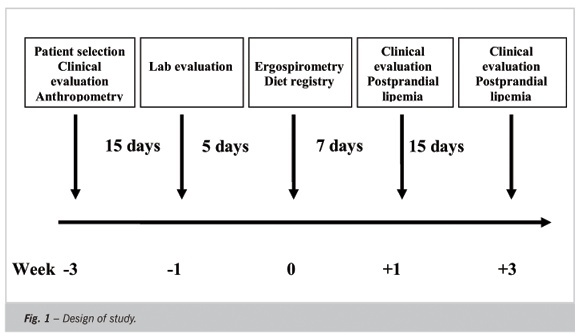
For 11 weeks, 55 female Wistar rats were divided into the following five groups: standard diet (SD), SD + ContinuousSe, HHD, HHD + LateSe, and HHD + EarlySe. Selenium was supplemented using sodium selenite (1 mg/kg). We performed one-way ANOVA, Kruskal–Wallis, and post hoc tests, adopting a significance level of p < 0.05.

Results:

Total cholesterol increased in HHD + LateSe compared to SD (p = 0.032) and to HHD (p = 0.013). HDL-c increased in HHD + LateSe compared to SD (p = 0.004) and to HHD (p = 0.008). LDL-c increased in HHD + LateSe compared to HHD (p = 0.008). TG decreased in HHD + LateSe (p = 0.006) and in HHD + EarlySe (p = 0.016) compared to SD. TG/HDL-c ratio decreased in HHD + LateSe compared to SD (p < 0.001) and SD + ContinuousSe (p = 0.013); and in HHD + EarlySe compared to SD (p = 0.005).

Conclusion:

Selenium supplementation showed potential to increase HDL-c and reduce TG, key diagnostic components of metabolic syndrome. It also demonstrated potential to lower the TG/HDL-c ratio, a possible predictor of CMR, in rats fed HHD. Further studies are needed in subjects with high CMR and statin use to better define the clinical response to this therapy.
  • Atherosclerosis
  • Heart Disease Risk Factors
  • Metabolic Syndrome
  • Sodium Selenite
  • Triglycerides
Read Full Article
Creative Commons Attribution (CC BY) Creative Commons license
12/06/2026 DOI: 10.36660/ijcs.20250069 Views 1
ABC
Editorial

Beyond Cholesterol and Triglycerides in the Lipid Clinic: The Challenging Task of Identifying Lysosomal Acid Lipase Deficiency

Marjorie H. Mizuta et al. Raul D. Santos

Lysosomal acid lipase deficiency (LAL-D) is a rare, autosomal recessive genetic disorder. Biallelic pathogenic variants within the LIPA gene result in a deficiency of the lysosomal acid lipase (LAL) enzyme, which is crucial for the hydrolysis of cholesteryl esters (CE) via the endocytic pathway. This enzymatic defect consequently leads to the lysosomal accumulation of CE and triglycerides. The phenotype of LAL-D varies significantly depending on the specific genetic variation. Specifically, null allelic variants, characterized by the absence of residual enzymatic function, manifest as Wolman’s disease, while variants with some residual LAL enzymatic activity result in cholesterol ester storage disease (CESD). Notably, identifying individuals with LAL-D poses a significant challenge, given the phenotypic heterogeneity of the disease, which can potentially overlap with various differential diagnoses.

Wolman’s disease usually manifests in infancy. The clinical presentation includes vomiting, steatorrhea, and abdominal distension within the first few days of life. Hepatosplenomegaly may occur due to lipid deposition in the liver and spleen, and hepatic steatosis can lead to liver failure. The accumulation of CE and triglycerides in the gastrointestinal tract leads to intestinal wall thickening, which in turn causes malabsorption and subsequent malnutrition. Calcification of the adrenal glands is a classic feature of the disease and can lead to adrenal cortical insufficiency. Individuals with Wolman’s disease rarely survive beyond their first year of life, primarily due to severe malnutrition, liver failure, and adrenal cortical insufficiency. Although enzyme replacement therapy is considered, life expectancy remains limited due to the disease’s severity. Hematopoietic stem cell transplantation represents another therapeutic option; however, further studies are necessary due to conflicting findings reported in the literature.,

[…]

  • Cholesterol
  • Triglycerides
  • Wolman's disease
Read Full Article
Creative Commons Attribution (CC BY) Creative Commons license
25/08/2025 DOI: 10.36660/abc.20250359i Views 1
ABC
Editorial

Nutritional Indices and Postoperative Atrial Fibrillation: The Triglyceride-Cholesterol-Body Weight Index

Zulkif Tanriverdi

Postoperative atrial fibrillation (POAF) is one of the most common complications after cardiac surgery and the most common cause of secondary atrial fibrillation (AF). Although it occurs at different rates depending on the type of cardiac operation, it has been reported to occur in approximately 20% of patients after coronary artery bypass grafting (CABG). Despite technological advances and all the preventive strategies developed, it is still relatively common., POAF increases the length and cost of hospitalization and is associated with increased morbidity and mortality. It may also be a predictor of non-surgical AF development in the years after the cardiac surgery. Therefore, it is important to anticipate patients who may develop POAF after the cardiac surgery.

To date, many serum biomarkers have been investigated to identify patients at risk for POAF. Recently, it has been demonstrated that malnutrition is prevalent in hospitalized patients, and malnutrition has been found to be associated with a higher incidence of AF and adverse cardiac outcomes due to slowing down the recovery process and increasing the risk of complications., Many different nutritional screening tools, from very simple to quite complex, are available to assess malnutrition in daily clinical practice. Some novel nutritional indices have been developed by objectively measurable parameters such as triglyceride, total cholesterol, body weight, albumin, lymphocyte, and additional laboratory variables to identify nutritional status. Although various systems and scores have been assessed in clinical studies, 4 objective nutritional indices have commonly been proposed for the evaluation of malnutrition as follows: geriatric nutritional risk index (GNRI), prognostic nutrition index (PNI), triglyceride-cholesterol-body weight Index (TCBI) and controlling nutritional status score.

[…]

  • Atrial Fibrillation
  • Nutrition Assessment
  • Triglycerides
Read Full Article
Creative Commons Attribution (CC BY) Creative Commons license
23/05/2025 DOI: 10.36660/abc.20250171i
IJCS
Editorial

Integrating Insulin Resistance and Coronary Artery Disease Severity: Will Triglyceride-Glucose Index Be the Easiest Way?

Frederico Toledo Campo Dall’Orto et al. Flávia Bittar Brito Arantes Remo H. M. Furtado Pedro G. M. de Barros e Silva

Insulin resistance (IR) is a complex metabolic abnormality associated with genetic and environmental factors, which begins with low glucose metabolism in tissues, particularly in muscle, liver, and adipocytes, with consequent stimulation of pancreatic beta cells to increase insulin production and release.– Accumulation of lipids in a variety of tissues, including muscle, liver, and pancreas, contributes to this process in a phenomenon known as “lipotoxicity.” As IR increases, it stimulates hyperinsulinemia, and this negative cycle perpetuates a metabolic disorder that is a main cause of cardiovascular diseases. In addition, insulin also acts on lipid metabolism, increasing lipid synthesis in liver and adipose cells, in addition to turning off the release of triglycerides (TG) and fatty acids in adipose and muscle tissues.

Several tests are used to identify IR, such as the oral glucose tolerance test, insulin dosage, and the hyperinsulinemic-euglycemic clamp (HIEC), which is considered the gold standard. However, HIEC is complex and time-consuming, which limits its widespread use in clinical practice. Currently, the most widely used test to assess IR is the homeostasis model assessment of insulin resistance (HOMA-IR), which has several limitations including lack of standardization (e.g., variations in laboratory, patients using antidiabetic drugs, low body mass index), calculation based on fasting parameters (which may not be representative of the entire day), and assumptions about IR that are not totally true (e.g., the assumption that IR is proportional to insulin levels and is similar in the liver and peripheral tissues, without considering variation in beta cell function)., Recently, a new marker of IR has been designed, which is the triglyceride-glucose (TyG) index that predicts the risk of IR, diabetes, and cardiovascular disease. The TyG index is calculated by multiplying the TG value by the serum glucose level, in mg/dl, and dividing the result by 2. The TyG index is a non-invasive, low-cost marker for cardiovascular risk stratification. Since IR can be related to the development of more extensive coronary disease, this marker could also be useful to this evaluation.

[…]

  • Coronary Artery Disease
  • Insulin
  • Insulin Resistance
  • Triglyceride-Glucose Index
  • Triglycerides
Read Full Article
Creative Commons Attribution (CC BY) Creative Commons license
28/04/2025 DOI: 10.36660/ijcs.20240215 Views 2
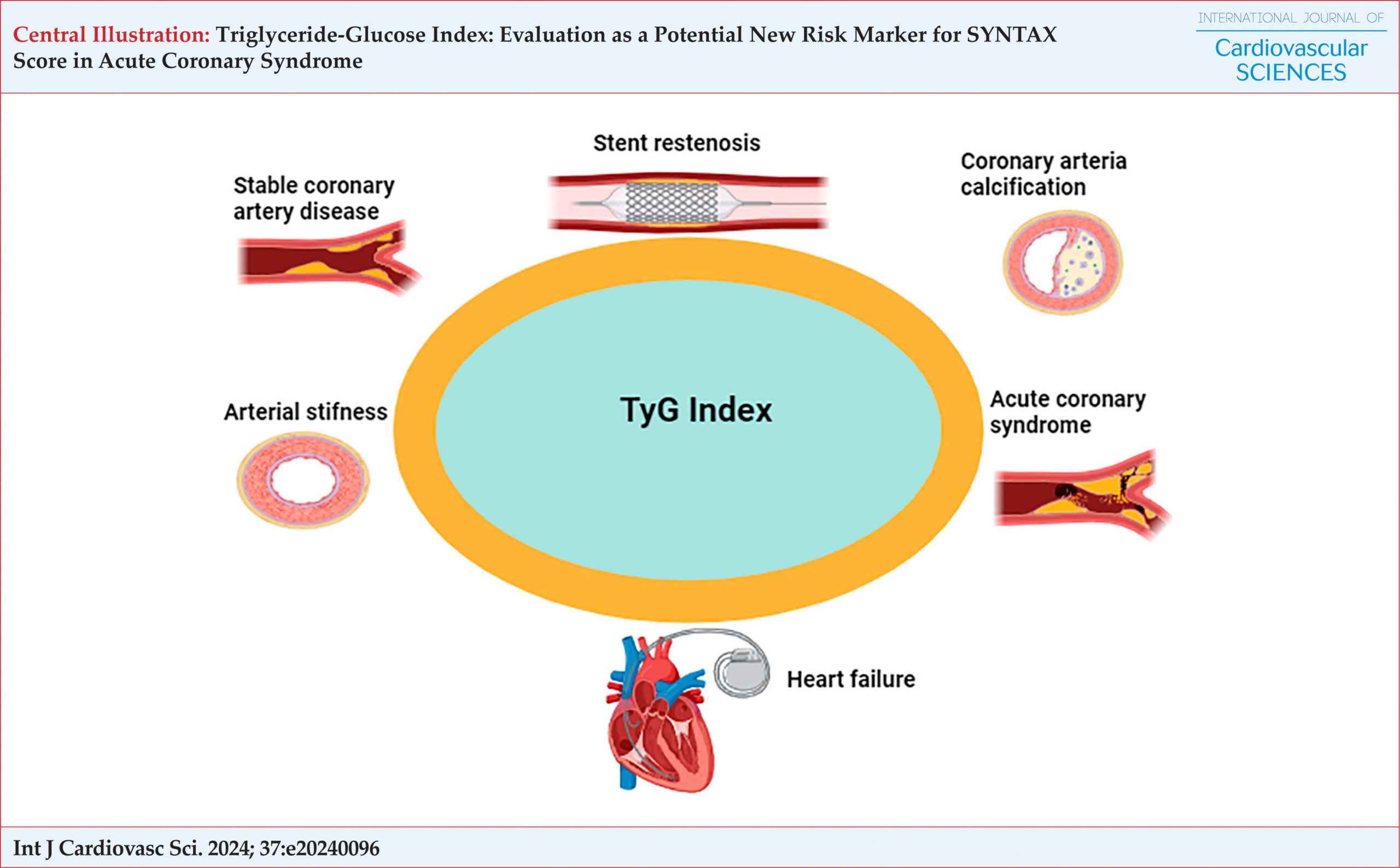
Triglyceride-Glucose Index: Evaluation as a Potential New Risk Marker for SYNTAX Score in Acute Coronary Syndrome
IJCS
Original Article

Triglyceride-Glucose Index: Evaluation as a Potential New Risk Marker for SYNTAX Score in Acute Coronary Syndrome

Murat Özmen et al. Erhan Arikan Faik Ozel İsa Ardahanlı

Abstract

Background:

The triglyceride glucose (TyG) index is known to indicate conditions such as metabolic syndrome and atherosclerotic process. SYNergy between PCI with TAXUS (SYNTAX) and Cardiac Surgery scoring systems (SS) can show coronary anatomic severity and complexity because it is a quantitative and reproducible basic measurement before revascularization. There is no study in the literature investigating the relationship between the TyG index and the SYNTAX SS.

Objective:

This study aims to investigate a potential association between the TyG index and the SYNTAX score in patients with acute coronary syndrome (ACS).

Methods:

We retrospectively analyzed 214 patients hospitalized for ACS. Patient demographics and clinical characteristics were recorded, and participants were categorized into low, intermediate, and high SYNTAX score groups. The relationship between SS and TyG index was then evaluated using statistical analysis (chi-square test, p < 0.05).

Results:

The mean age of participants was 63.15 ± 12.69 years, with 67.8% being male. The majority (65.4%) had low SS, while 24.3% had intermediate SS, and 10.3% had high SS. As expected, the SYNTAX score correlated significantly with diabetes mellitus (DM) (p < 0.001). However, no statistically significant association was found between the SYNTAX score and the TyG index (p = 0.312).

Conclusion:

In patients diagnosed with ACS and undergoing coronary angiography (CAG), our study confirmed a strong link between SYNTAX score and DM. Unexpectedly, we did not find a significant relationship between the TyG index and SYNTAX score, suggesting that TyG may not directly reflect coronary artery disease (CAD) complexity as assessed by the SS.

  • Acute coronary syndrome
  • Coronary Artery Disease
  • Triglycerides
Read Full Article
Creative Commons Attribution (CC BY) Creative Commons license
04/11/2024 DOI: 10.36660/ijcs.20240096 Views 1
Figure 1
ABC
Original Article

Breaks in Sedentary Time and Cardiometabolic Markers in Adolescents

Natália Maria Mesquita de Lima Quirino et al. Alcides Prazeres Filho Arthur Oliveira Barbosa Gerfeson Mendonça José Cazuza de Farias Júnior

Abstract

Background:

The interruption of the time spent in sedentary behavior (breaks) has been associated with better levels of cardiometabolic indicators in the adult population, but in adolescents, further investigations are still needed to confirm these findings.

Objectives:

To analyze the association of the number of breaks per day in sedentary behaviors with cardiometabolic markers and whether it was moderated by nutritional status and excessive time on sedentary behavior in adolescents.

Methods:

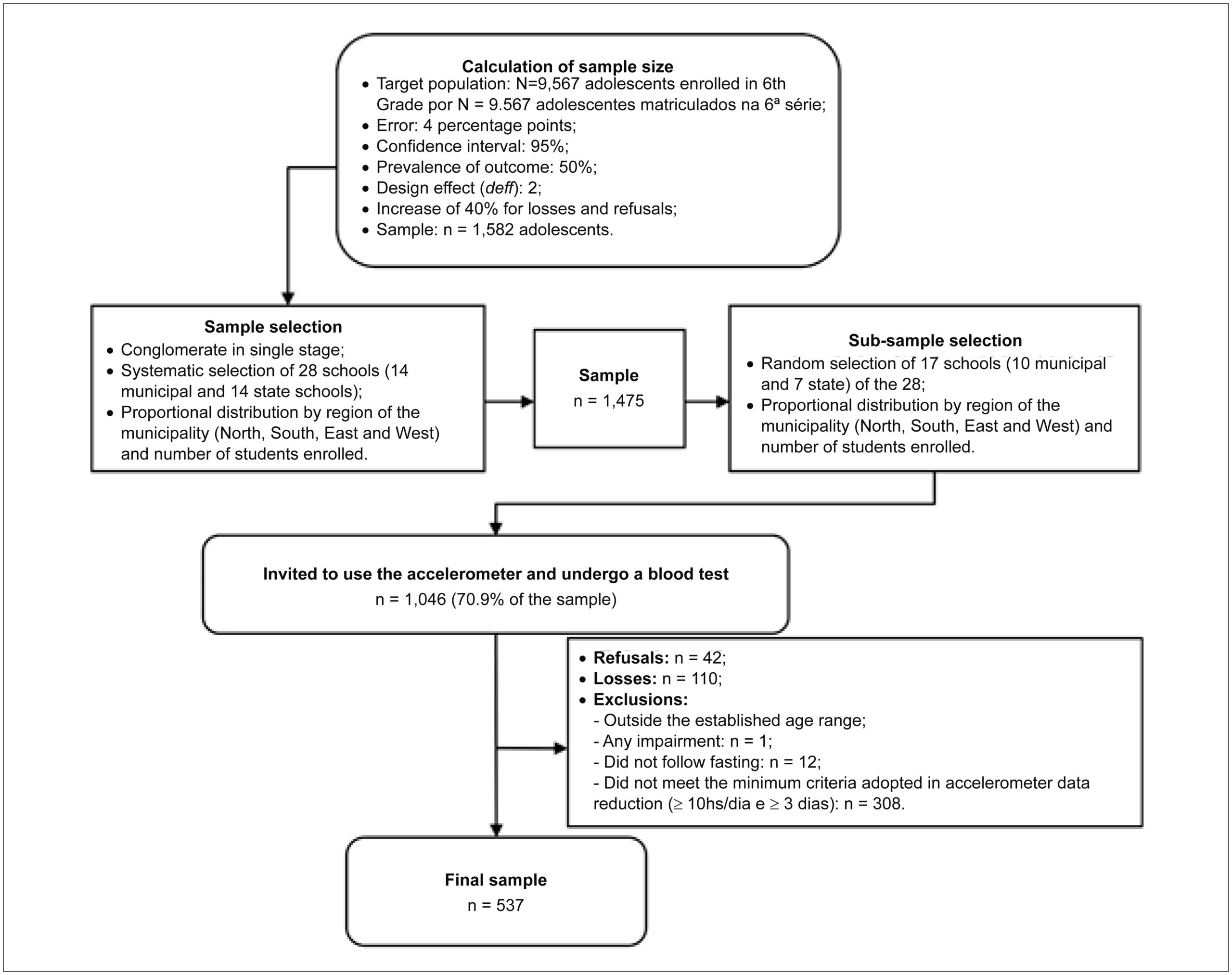
This is a cross-sectional study of 537 adolescents (52.3% girls), aged between 10 and 14 years, enrolled in public schools in the city of João Pessoa, Paraíba state, Brazil. The number of daily breaks (>100 counts/minutes) in sedentary time was measured by Actigraph GT3X+ accelerometers. The following cardiometabolic markers were analyzed: systolic and diastolic blood pressure (mmHg), fasting blood glucose levels, total cholesterol, triglycerides, HDL-c, LDL-c (all in mg/dL) and body mass index (BMI) (kg/m). Linear regression was used to analyze the association between the number of breaks and cardiometabolic markers and whether this association was moderated by nutritional status and excessive time in sedentary behavior. The significance level of p<0.05 was adopted for all analyses.

Results:

The number of daily breaks was negatively associated with BMI (boys – ß = −0.083; 95%CI: −0.132; −0.034 and girls – ß = −0.115; 95%CI: −0.169; −0.061), but not with the remaining cardiometabolic markers. The number of breaks per day was negatively associated with BMI (ß = −0.069; 95% CI: −0.102; −0.035), but not with the other cardiometabolic markers and this association was not moderated by the adolescents’ nutritional status (p=0.221), or by excessive time in sedentary behavior (p=0.176).

Conclusions:

Including breaks in sedentary time seems to contribute to lower BMI values in adolescents.

  • Adiposity
  • Adolescent
  • Blood Arterial
  • Cardiometabolic Markers
  • Cholesterol
  • Glucose
  • Sedentarism
  • Sedentary Behavior
  • Triglycerides
Read Full Article
Creative Commons Attribution (CC BY) Creative Commons license
06/09/2021 DOI: 10.36660/abc.20200047
ABC
Editorial

Is Adolescents' Cardiometabolic Health Affected by Prolonged Periods of Inactivity?

Andrea Wendt

The current literature regarding physical activity (PA) and sedentary behavior (SB) highlights the negative effect of considerable amounts of time spent in activities such as sitting, TV viewing, computer use, and some work and study activities on cardiovascular health. SB may be defined as any waking behavior characterized by an energy expenditure ≤ 1.5 metabolic equivalents while in a sitting, reclining, or lying posture., Thus, SB is not the absence or low level of PA, but it can coexist with it. In this sense, a recent review showed an interaction between SB and PA, providing evidence that individuals with higher time spent in SB presented a higher risk of cardiovascular mortality. However, estimates have been less consistent in individuals with higher PA levels.

The literature cites a series of possible mechanisms for SB effects, independent of PA, on metabolic and cardiovascular outcomes. One of these mechanisms is the decrease in enzymatic activity responsible for HDL production and the capture of triglycerides in the blood chain due to sustained inactivity in sitting, reclining, or lying posture. In this regard, strategies reducing the time spent in SB or interrupting sustained inactivity have been studied. Some of these approaches focus on standing up for a while or a short period of movement between periods of sitting time (breaks in SB). A meta-analysis with adults found a positive effect of breaks in SB on adiposity control and glycemia. In addition, an experimental study showed that 1-to-2–minute breaks in sedentary work activities every half an hour resulted in small-to-moderate declines in total cholesterol, triglycerides, and fasting blood glucose.

[…]

  • Adolescent, Cholesterol
  • body mass index
  • Cardiovascular Diseases/physiopathology
  • Epidemiology
  • Metabolic Diseases
  • Motor Activity
  • Sedentarism
  • Triglycerides
Read Full Article
Creative Commons Attribution (CC BY) Creative Commons license
06/09/2021 DOI: 10.36660/abc.20210479
Figure 1
IJCS
Original Article

Relationship between Discordance of Low-Density Lipoprotein and Non-High-Density Lipoprotein Cholesterol and Risk Stratification in Acute Myocardial Infarction

Murat Eren et al. Ozge Kurmus Turgay Aslan Kursat Akbuga Hatice Tolunay

Abstract

Background:

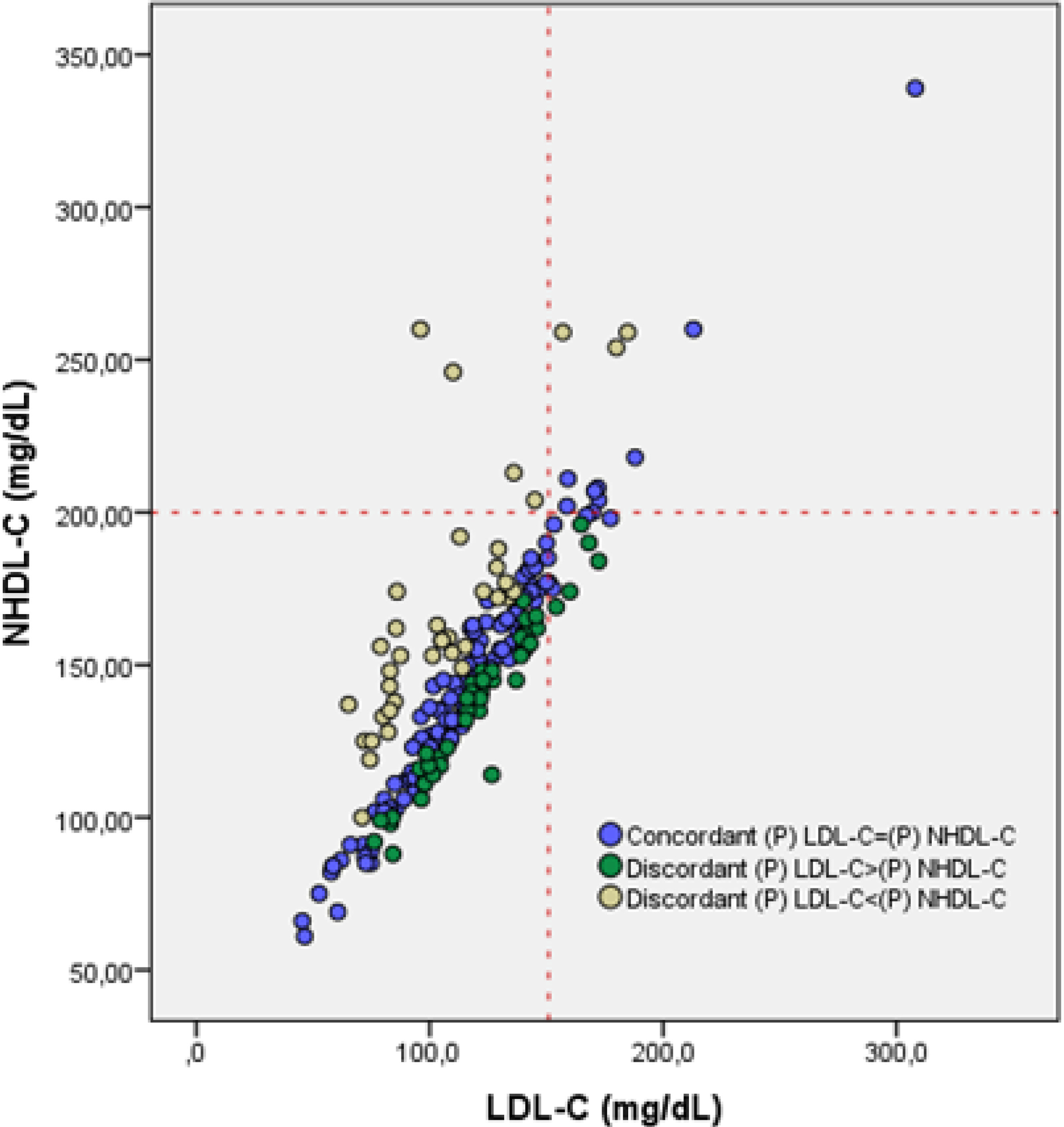
Sizeable proportion of patients have discordant low-density lipoprotein cholesterol (LDL-C) and non-high density lipoprotein cholesterol (NHDL-C). It has been shown that discordance of LDL-C and NHDL-C either underestimates or overestimates coronary risk.

Objectıve:

We assessed whether this discordance has an impact on GRACE and TIMI risk scores in patients with acute myocardial infarction (AMI).

Methods:

We retrospectively evaluated the data of 198 consecutive patients with AMI. Fasting serum lipid profiles were recorded, GRACE and TIMI scores were calculated. Patients were divided into 3 groups according to LDL-C and NHDL-C percentiles: Discordant group: LDL-CNHDL-C (n=48). GRACE and TIMI scores, mortality and cardiovascular events (heart failure, non-fatal myocardial infarction and angina) at sixth month were compared between these three groups. Differences between these groups were analyzed with One-way ANOVA or Kruskal-Wallis rank test, and with chi-square for percentages. Also, post hoc LSD or Conover-Iman’s non-parametric multiple comparison test were used. A p value <0.05 was accepted as statistically significant.

Results:

TIMI risk score didn’t differ between discordant or concordant groups. Mean GRACE (death) and GRACE (death and MI) scores were higher in group with LDL-CNHDL-C (p=0.029 and 0.008, respectively). Cardiovascular events and mortality at sixth month were not different among groups (p=0.473 and p=0.176, respectively).

Conclusion:

GRACE score was higher in discordant group with LDL-C<NHDL-C, but there is no difference regarding TIMI scores between discordant and concordant groups in AMI patients.

  • Atherosclerosis
  • Cardiovascular Diseases/complications
  • Cholesteroç-HDL
  • Low Density Lipoprotein Receptor –Related Protein
  • Triglycerides
Read Full Article
Creative Commons Attribution (CC BY) Creative Commons license
12/05/2021 DOI: 10.36660/ijcs.20200172 Views 1
Figure 1
ABC
Original Article

Quercetin Ameliorates Lipid and Apolipoprotein Profile in High-Dose Glucocorticoid Treated Rats

Hoda Derakhshanian et al. Mahmoud Djalali Abolghassem Djazayery Mohammad Hassan Javanbakht … Mahnaz Zarei Azita Hekmatdoost Ghazaleh Eslamian Seyyedeh Somayyeh Mirhashemi Ahmad Reza Dehpour

Abstract

Background

Glucocorticoids (GCs) are widely prescribed for the treatment of numerous clinical disorders due to their anti-inflammatory and immune-modulatory properties and one of the most common untoward effects of these drugs is dyslipidemia.

Objective

To evaluate the effect of quercetin, a plant-derived flavonoid, on the lipid profile of high-dose glucocorticoid treated rats.

Methods

A total of 32 Sprague-Dawley rats, were randomly distributed among four groups (8 rats per group) and treated for 6 weeks with one of the following: (i) normal saline; (ii) 40 mg/kg methylprednisolone sodium succinate (MP); (iii) MP + 50 mg/kg quercetin; (iv) MP + 150 mg/kg quercetin. MP was injected subcutaneously, and quercetin was administered by oral gavage 3 days a week. At the end of the study, the animals’ lipid profile was measured by enzymatic kits. Data were analyzed and statistical significance was set at p<0.05.

Results

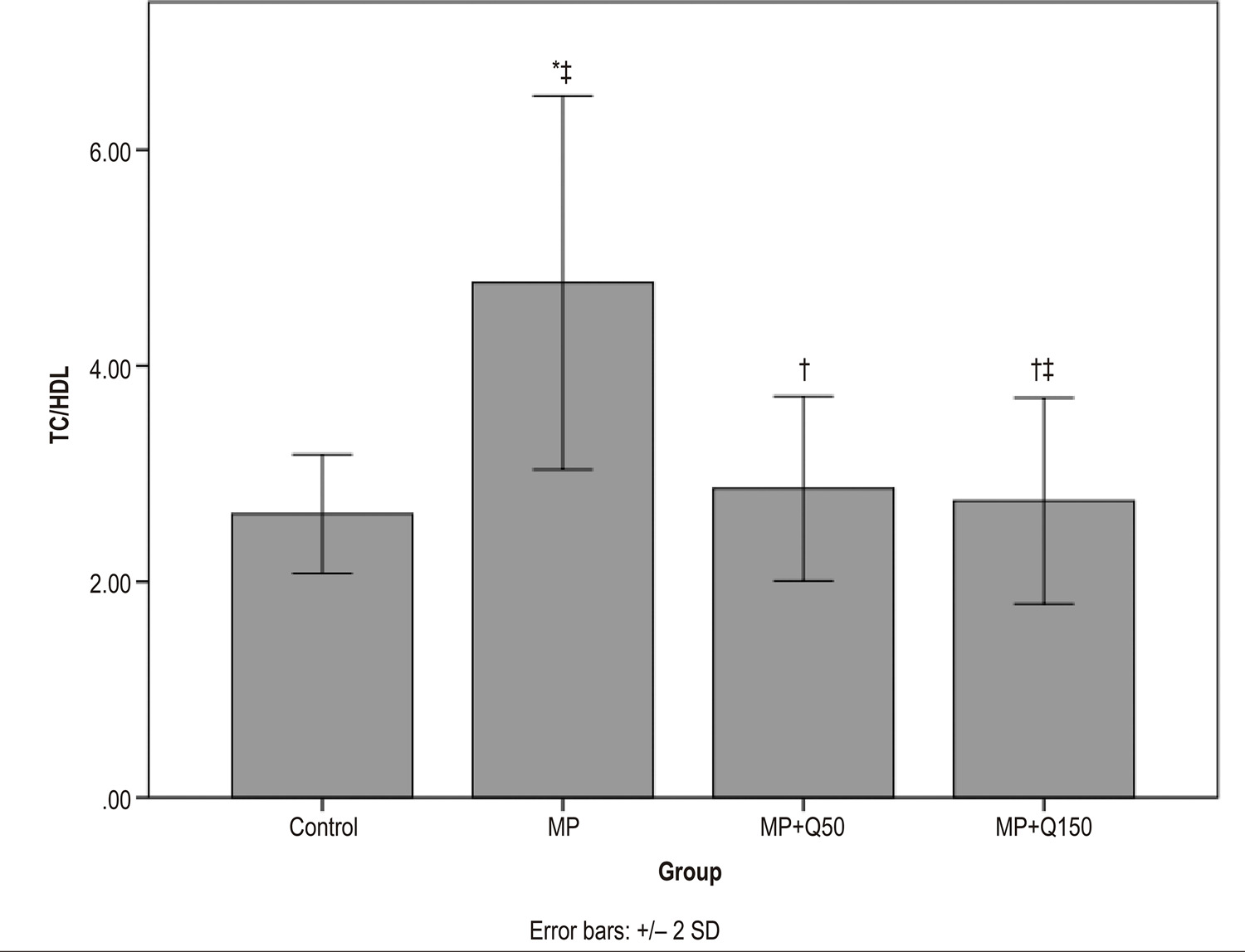
The mean serum total cholesterol (TC), triglyceride (TG) and LDL levels were drastically increased in GC-treated animals compared with the control group. Both doses of quercetin (50 and 150 mg/kg) ameliorated TC (43% and 45%), LDL (56% and 56%) and TG (46% and 55% respectively). Apo B/A1 ratio decreased more than 20% following quercetin intake and the decline in TC/HDL, TG/HL, LDL/HDL ratios were significant.

Conclusions

These data suggest that quercetin intake with both doses of 50 and 150 mg/kg could be considered as a protective agent for glucocorticoid-induced dyslipidemia. (Arq Bras Cardiol. 2020; 115(1):102-108.)

  • Anti-Inflammatory Agents
  • Cholesterol
  • Dyslipidemias
  • Glucocorticoids
  • Quercetin
  • Rats, Sprague-Dawley
  • Triglycerides
Read Full Article
Creative Commons Attribution (CC BY) Creative Commons license
07/08/2020 DOI: 10.36660/abc.20180397 Views 1
IJCS
Editorial

Are we Improving Adherence to Cardiovascular Guidelines?

Luciana Nicolau Aranha et al. Gláucia Maria Moraes de Oliveira

Chronic noncommunicable diseases (NCDs) comprise the world’s leading group of causes of death, accounting for premature deaths, loss of quality of life, and adverse economic and social impacts. They represent about 70% of global deaths, close to 38 million deaths annually, significantly exceeding deaths from external causes and infectious diseases, such as COVID-19. Almost 45% of the deaths, more than 17 million, occur as a result of cardiovascular disease (CVD). The same happens in Brazil, where 72% of the deaths are due to NCDs, and about 30%, to CVD.

Dyslipidemia is a significant risk factor for CVD, particularly coronary artery disease (CAD) and stroke. Prospective and long-term epidemiological studies have shown that individuals with healthier lifestyles and fewer risk factors for CAD could improve their life expectancy by decreasing cardiovascular morbidity and mortality. The Framingham Offspring Study, which followed 3501 participants from 1987 to 2011, has demonstrated that low levels of high-density lipoprotein (HDL) or high levels of low-density lipoprotein (LDL) and triglycerides, alone or in any combination, are associated with increased risk for CVDs. Therefore, intervention measures are necessary to reduce morbidity and mortality, as well as the cost of hospitalization due to those diseases. In addition, improving the quality of life and health of the population is essential.

[…]

  • Cardiovascular Diseases/complications, Mortality
  • Cardiovascular Diseases/prevention and control
  • COVID-19
  • Dyslipidemias
  • Hydroxymethylglutaryl-CoA Reductase Inhibition/therapeutic use
  • Life Style
  • Patient Compliance
  • Tabagism
  • Triglycerides
Read Full Article
Creative Commons Attribution (CC BY) Creative Commons license
31/07/2020 DOI: 10.36660/ijcs.20200131 Views 1
ABC
Editorial

The Importance of Identifying Risk Factors in Childhood and Adolescence

Ana Paula Marte Chacra

The study “Dyslipidemia in Adolescents Seen in a University Hospital in the city of Rio de Janeiro/Brazil: Prevalence and Association” showed a high prevalence of obesity (53%) followed by overweight (25.2%) in adolescents. The obese group had a predominance of low HDL-c besides the positive association of body mass index (BMI) and abdominal circumference with triglyceride values. These date are fundamental and warn of the importance of early assessment of risk factors.

Elevated triglycerides and low HDL-c are strongly linked to obesity, especially in youth and early exposure to that unfavourable metabolic profile will contribute to a higher cardiovascular risk.

[…]

  • Adolescent
  • Atherosclerosis
  • Cholesterol LDL-C
  • Dyslipidemias
  • Obesity
  • Overweight
  • Risk Factors
  • Triglycerides
Read Full Article
Creative Commons Attribution (CC BY) Creative Commons license
01/02/2019 DOI: 10.5935/abc.20190016 Views 1
ABC
Viewpoint

Flexibilization of Fasting for Laboratory Determination of the Lipid Profile in Brazil: Science or Convenience?

Caio Maurício Mendes de Cordova et al. Caroline Galgowski

A statement endorsed by medical specialty associations has been published in our country recommending the flexibilization of fasting before blood drawing for the laboratory determination of the lipid profile encompassing total cholesterol (TC), high-density lipoprotein cholesterol (HDL-c), triglycerides (TG) content and the corresponding calculation of non-HDL-cholesterol (TC – HDL-c). It was considered that non-fasting results do not clinically differ from fasting ones, and prospective studies and meta-analyses have consistently demonstrated that non-HDL-C at a non-fasting state would be at least as good as LDL-c in the prediction of CVD. It was also recommended that when TG > 4.52 mmol/L the formula proposed by Martin et al. should be used for LDL-c estimation.

The statement was based on the European Consensus on the matter published by Nordestgaard et al. However, the automatic application of this approach in Brazil deserves deeper consideration, considering the impact that it may cause on patient care. Furthermore, it is far from a consensus among clinical laboratory scientists and professionals in the country, as it became evident during the 44th Brazilian Congress of Clinical Analysis held last June 11-14th, 2017, and the 51st Brazilian Congress of Clinical Pathology and Laboratory Medicine, held last September 26-29th, 2017.

[…]

  • Cholesterol
  • Cholesterol, HDL
  • Cholesterol, LDL
  • Fasting
  • Lipids
  • Triglycerides
Read Full Article
Creative Commons Attribution (CC BY) Creative Commons license
01/11/2018 DOI: 10.5935/abc.20180174 Views 1
ABC
Counterpoint

Counterpoint: Flexibilization of Fasting for Laboratory Determination of the Lipid Profile in Brazil: Science or Convenience?

Maria Cristina de Oliveira Izar

National and international guidelines for the management of dyslipidemias classically recommend measuring lipid profiles after fasting for at least 8 h.– Lipid targets for assessing cardiovascular risk traditionally rely on plasma total-cholesterol and low-density lipoprotein-cholesterol (LDL-c) levels, with the latter being calculated by the Friedewald equation.

Some imprecision due to low or high triglycerides in calculating LDL-cholesterol may affect cardiovascular risk assessment, the definition of a therapeutic target, and the need to intensify the treatment., Accurate results require triglyceride levels below 400 mg/dL, but above 100 mg/dL the calculated LDL-c starts to be underestimated, when compared to ultracentrifugation measurements. Another limitation to the use of the formula is that samples must not contain beta-VLDL, as in the case of type III hyperlipoproteinemia. When one of these conditions are not satisfied, the equation cannot be used due to imprecision.–

[…]

  • Cholesterol
  • Cholesterol, HDL
  • Cholesterol, LDL
  • Dyslipidemias
  • Fasting
  • Lipids
  • Triglycerides
Read Full Article
Creative Commons Attribution (CC BY) Creative Commons license
01/11/2018 DOI: 10.5935/abc.20180192 Views 1
Figure 1
ABC
Original Article

Metabolic Syndrome-Related Features in Controlled and Resistant Hypertensive Subjects

Arthur Santa Catharina et al. Rodrigo Modolo Alessandra Mileni Versuti Ritter Andréa Rodrigues Sabbatini … Heno Ferreira Lopes Heitor Moreno Junior Ana Paula de Faria

Abstract

Background:

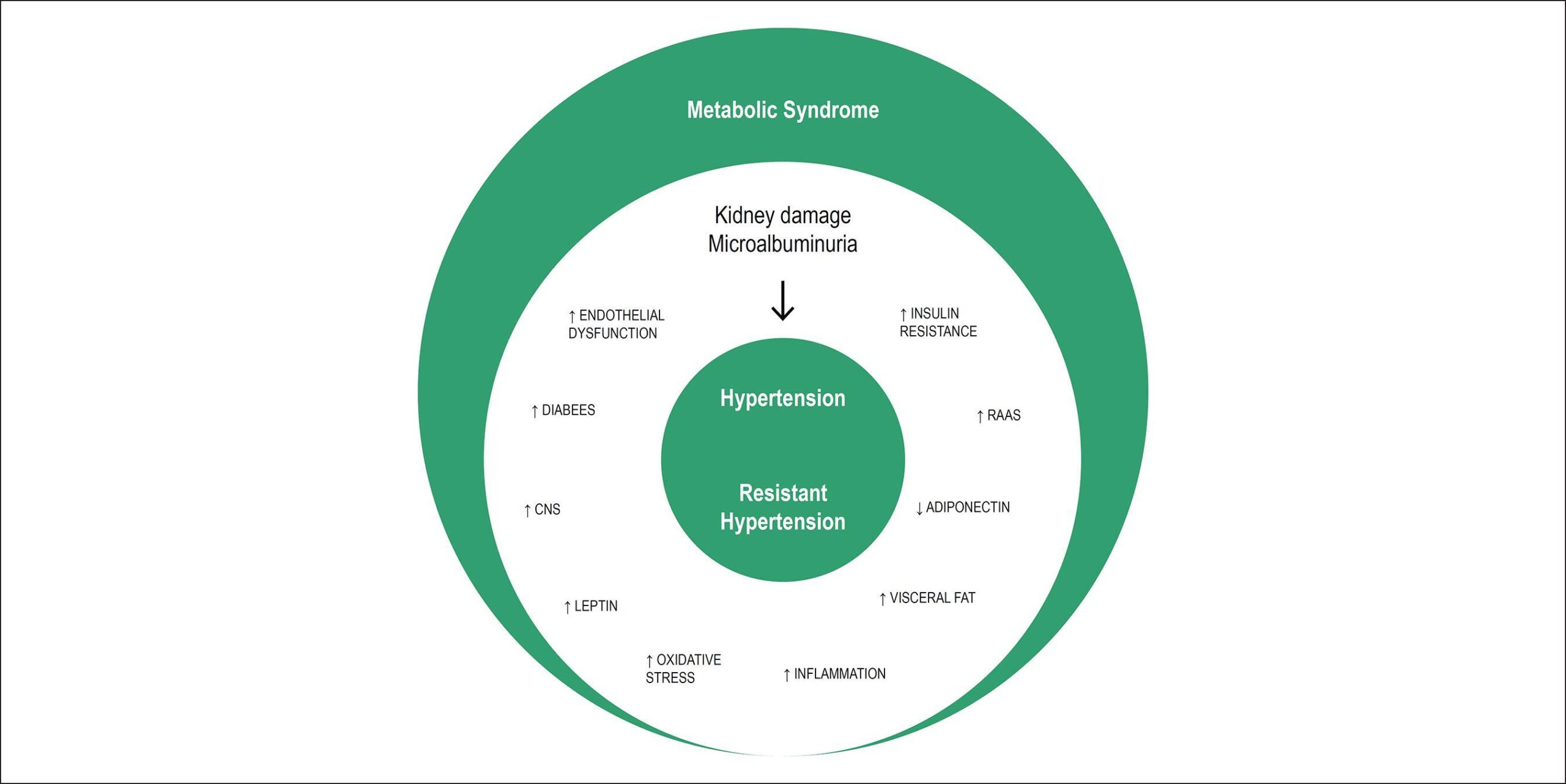
Metabolic syndrome (MetS) is widespread among hypertensive patients. Clinical features and potential biomarkers of MetS in the presence of hypertension and resistant hypertension (RHTN) represent a great area of interest for investigation.

Objective:

The purpose of this study was to evaluate the prevalence of MetS and the clinical features associated with it in resistant and mild to moderate hypertensives.

Methods:

This cross-sectional study included 236 patients, (i) 129 mild to moderate hypertensive patients and (ii) 107 patients with RHTN. We measured blood pressure (BP) and adipokines levels, and performed bioelectrical impedance analysis. Microalbuminuria (MA), cardiac hypertrophy and arterial stiffness were also assessed. The significance level of alpha = 0.05 was adopted.

Results:

We found a MetS prevalence of 73% in resistant and 60% in mild-to-moderate hypertensive patients. In a multiple regression analysis, MA (odds ratio = 8.51; p = 0.01), leptin/adiponectin ratio (LAR) (odds ratio = 4.13; p = 0.01) and RHTN (odds ratio = 3.75; p = 0.03) were independently associated with the presence of MetS apart from potential confounders.

Conclusions:

Our findings suggest that both resistant and controlled hypertensive subjects have a high prevalence of MetS. In addition, MetS-related metabolic derangements may cause early renal and hormonal changes. Finally, LAR may be useful as a reliable biomarker for identifying those hypertensive subjects who are at risk for developing MetS.

  • Cardiovascular Diseases, mortality
  • Cholesterol
  • Metabolic Syndrome / diagnosis
  • Triglycerides
  • Waist Circumference
Read Full Article
Creative Commons Attribution (CC BY) Creative Commons license
01/06/2018 DOI: 10.5935/abc.20180076 Views 2
Figure 1
ABC
Original Article

Physical Activity and Lipid Profile in the ELSA- Brasil Study

Raquel Caroline da Silva et al. Maria de Fátima Haueisen Sander Diniz Sheila Alvim Pedro Guatimosim Vidigal … Ligia Maria Giongo Fedeli Sandhi Maria Barreto

Abstract

Background:

Regular physical activity (PA) induces desirable changes in plasma levels of high- and low-density lipoproteins (HDL and LDL, respectively) and triglycerides (TG), important risk factors for cardiometabolic diseases. However, doubts whether intensity and duration have equivalent benefits remain.

Objective:

To assess the association of PA intensity and duration with HDL, LDL and TG levels.

Methods:

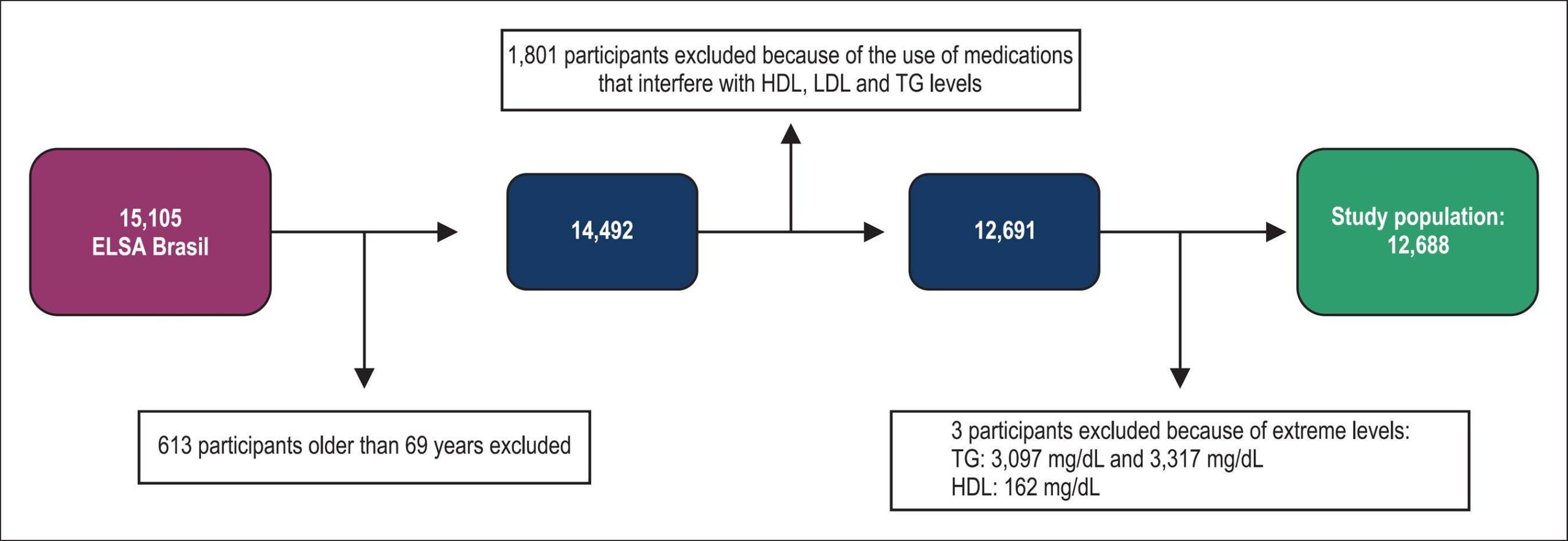
Cross-sectional study with 12,688 participants from the Brazilian Longitudinal Study of Adult Health (ELSA-Brasil) baseline, who were not on lipid-lowering medication. After adjustment for important covariates, multiple linear regression was used to assess the association of PA intensity and duration with HDL, LDL and TG (natural logarithm) levels.

Results:

Both moderate and vigorous PA and PA practice ≥ 150 min/week were significantly associated with higher HDL and lower TG levels. Vigorous PA was associated with lower LDL only on univariate analysis. After adjustments, moderate and vigorous PA increased mean HDL level by 0.89 mg/dL and 1.71 mg/dL, respectively, and reduced TG geometric mean by 0.98 mg/dL and 0.93 mg/dL, respectively. PA practice ≥ 150 min/week increased mean HDL level by 1.05 mg/dL, and decreased TG geometric mean by 0.98 mg/dL.

Conclusion:

Our findings reinforce the benefits of both PA parameters studied on HDL and TG levels, with a slight advantage for vigorous PA as compared to the recommendation based only on PA duration.

  • Cardiovascular Diseases
  • Cholesterol
  • Health Profile
  • Hypercholesterolemia
  • Motor Activity
  • Triglycerides
Read Full Article
Creative Commons Attribution (CC BY) Creative Commons license
23/06/2016 DOI: 10.5935/abc.20160091 Views 2
Graph 1
ABC
Original Article

Comparison of Postprandial Lipemia between Women who are on Oral Contraceptive Methods and Those who are not

Jefferson Petto et al. Leila Monique Reis Vasques Renata Leão Pinheiro Beatriz de Almeida Giesta … Alan Carlos Nery dos Santos Mansueto Gomes Neto Ana Marice Teixeira Ladeia

Background:

Postprandial Lipemia (PPL) is a physiological process that reflects the ability of the body to metabolize lipids. Even though the influence of oral contraceptives (OC) on PPL is not known, it is a known fact that their use increases fasting lipid values.

Objective:

To compare the PPL between women who are on OC and those who are not.

Methods:

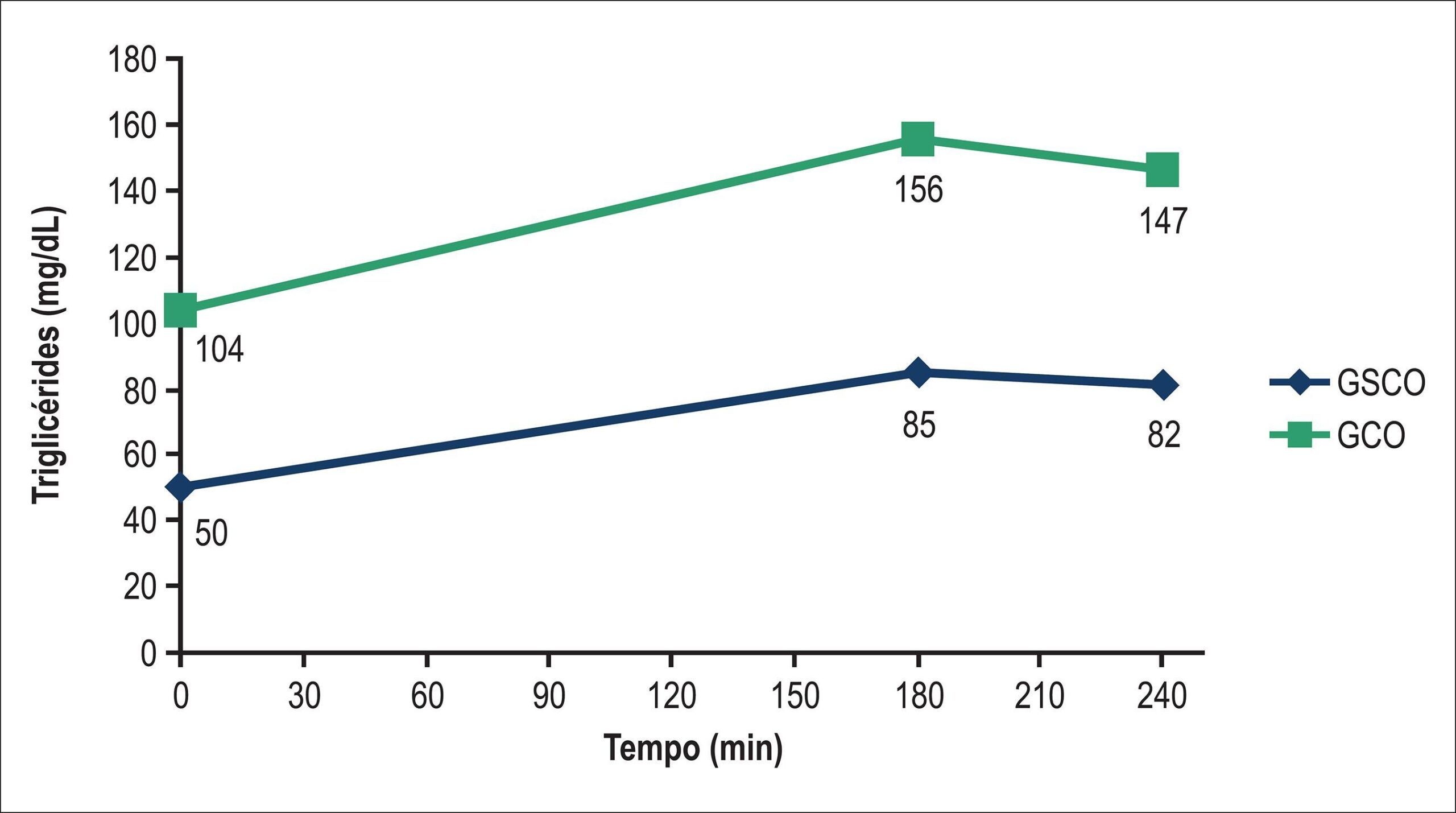
A prospective analytical study which assessed eutrophic women, aged between 18 and 28 years old, who were irregularly active and with fasting triglycerides ≤150 mg/dL. They were divided into two groups: oral contraceptive group (COG) and non-oral contraceptive group (NCOG). Volunteers were submitted to the PPL test, in which blood samples were collected in time 0 (12-hour fasting) and after the intake of lipids in times 180 and 240 minutes. In order to compare the triglyceride deltas, which reflect PPL, the two-tailed Mann-Whitney test was used for independent samples between fasting collections and 180 minutes (Δ1) and between fasting and 240 minutes (Δ2).

Results:

Forty women were assessed and equally divided between groups. In the fasting lipid profile, it was observed that HDL did not present significant differences and that triglycerides in COG were twice as high in comparison to NCOG. Medians of Δ1 and Δ2 presented significant differences in both comparisons (p ≤0.05).

Conclusion:

The results point out that women who are irregularly active and use OC present more PPL in relation to those who do not use OC, which suggests that in this population, its chronic use increases the risk of heart conditions.

  • Cholesterol
  • Contraceptives, Oral
  • Insulin
  • Metabolism
  • Triglycerides
  • Women
Read Full Article
Creative Commons Attribution (CC BY) Creative Commons license
13/06/2014 DOI: 10.5935/abc.20140080 Views 1
ABC
Artigo Original

The S447X polymorphism of lipoprotein lipase: effect on the incidence of premature coronary disease and on plasma lipids

Kátia A. Almeida et al. Célia M. C. Strunz Raul C. Maranhão Antonio P. Mansur

OBJECTIVE: The objective of this study was to evaluate the effect of polymorphism S447X on plasma lipids of patients with premature coronary artery disease (CAD). METHODS: Plasma lipids and genotypes were determined in 2 groups: 313 patients with premature CAD (<55 years of age) and 150 controls without CAD. RESULTS: Frequency of the S447X polymorphism was 18% in patients with CAD and 23% in the control group. The S447X polymorphism of lipoprotein lipase is related to a decrease in plasma triglyceride concentrations in male patients with CAD, but this correlation is not observed in female patients. CONCLUSION: The presence of the S447X lipoprotein lipase polymorphism was not associated with the incidence of CAD.

  • Cholesterol
  • Lipoprotein lipase mutations
  • Lipoproteins
  • Triglycerides
Read Full Article
Creative Commons Attribution (CC BY) Creative Commons license
21/05/2007 DOI: 10.1590/S0066-782X2007000300008 Views 2
ABC
Artigo Original

Vegetarian diet and cholesterol and triglycerides levels

Simone Grigoletto De Biase et al. Sabrina Francine Carrocha Fernandes Reinaldo José Gianini João Luiz Garcia Duarte

OBJECTIVE: Compare levels of triglyceride (TG), total cholesterol (TC), low density lipoprotein (LDL) and high density lipoprotein (HDL) among vegetarians and omnivores. METHODS: Blood samples were collected from 76 individuals – both males and females – separated in four different diet groups: omnivores, lacto-ovo vegetarians, lacto vegetarians, and restricted vegetarians (or vegans). Dosing was done for: TC, LDL, HDL and TG. RESULTS: Significant difference was reported for TC, LDL and TG levels among the samples. Higher levels were reported by omnivores, with decreased levels for vegetarians as animal products were restricted, with lowest levels having been reported by vegans. Mean and standard deviation for TC were 208.09 ± 49.09 mg/dl in the group of omnivores, and 141.06 ± 30.56 mg/dl in the group of vegans (p < 0.001). LDL values for omnivores and vegans were respectively: 123.43 ± 42.67 mg/dl and 69.28 ± 29.53 mg/dl (p < 0.001). As for TG, those values were 155.68 ± 119.84 mg/dl and 81.67 ± 81.90 mg/dl (p < 0.01). As for HDL level no difference was reported between the samples, but HDL/TC ratio was significantly higher in vegans (p = 0.01). CONCLUSION: Vegetarian diet was associated to lower levels of TG, TC and LDL as compared to the diet of omnivores.

  • Cholesterol
  • Triglycerides
  • Vegetarian diet
Read Full Article
Creative Commons Attribution (CC BY) Creative Commons license
07/03/2007 DOI: 10.1590/S0066-782X2007000100006
Effects of acute exercise on postprandial lipemia in sedentary men
ABC
Artigo Original

Effects of acute exercise on postprandial lipemia in sedentary men

Mônica Teixeira et al. Nelson Kasinski Maria Cristina de Oliveira Izar Luiz Alberto Barbosa … José Paulo Novazzi Leonor Almeida Pinto Sérgio Tufik Turíbio Ferreira Leite Francisco Antonio Helfenstein Fonseca

OBJECTIVE: To examine the effects of a single session of isometric physical exercise on postprandial triglyceridemia in sedentary male individuals with fasting triglycerides values ” 150 mg/dl (TG ALT). METHODS: Twenty-seven individuals (10 NTG and 17 TG ALT), aged between 30-55 years were assessed in the study. Triglycerides were determined in the beginning, and at two, four and six hours after the oral ingestion of a solution with 50g/m² of fat in two occasions: at rest and after treadmill isometric exercise. RESULTS: Acute exercise did not affect the levels of postprandial triglycerides or the area under the curve (AUC) of triglycerides. However, the abnormal pattern of postprandial lipemia curve was associated with higher basal triglyceridemia with exercise (basal TG: 147 ± 90 vs. 238 ± 89 mg/dl, p = 0.02) and without exercise (basal TG: 168 ± 93 vs. 265 ± 140 mg/dl, p = 0.04). Analysis of the receiver operating characteristics (ROC) curves showed cut-off values for basal triglycerides with exercise of 166.5 mg/dl (sensitivity: 0.78; specificity: 0.72) and AUC of 0.772 [CI 95%: 0.588-0.955], and without exercise of 172 mg/dl (sensitivity: 0.78; specificity: 0.61) and AUC: 0.722 [CI 95%: 0.530-0.914]. CONCLUSION: Acute exercise did not affect postprandial triglyceridemia in sedentary male individuals, and basal triglyceride levels are predictors of an abnormal response of postprandial triglycerides.

  • Acute exercise
  • postprandial lipemia
  • Triglycerides
Read Full Article
Creative Commons Attribution (CC BY) Creative Commons license
28/07/2006 DOI: 10.1590/S0066-782X2006001400002 Views 1
Concentration of serum lipids and apolipoprotein B in newborns
ABC
Artigo Original

Concentration of serum lipids and apolipoprotein B in newborns

Sirlei Donegá et al. Jane Oba Raul C. Maranhão

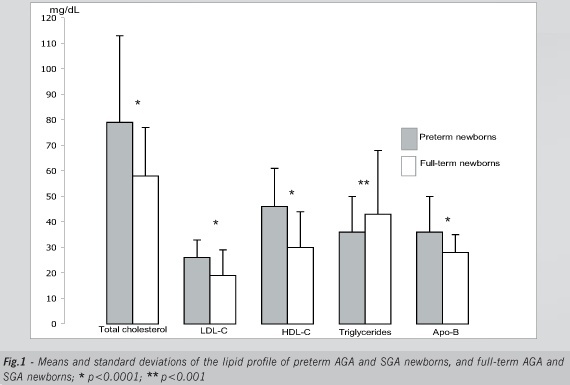
OBJECTIVE: To determine the concentrations of serum lipids and apolipoprotein B (apo-B) in a population of normal full-term and preterm newborns in a city in Southern Brazil, and assess the impact of gestational age and birth weight on these values. METHODS: Two hundred and twelve newborns of both genders were studied, 142 of whom were full-term (>37 weeks of gestation) and 70 preterm (<37 weeks of gestation). According to their birth weights, the full-term and preterm newborns were classified as small for gestational age or appropriate for gestational age. Umbilical cord blood was collected for biochemical analysis. RESULTS: The total cholesterol, LDL-C, HDL-C and apo-B values were higher in preterm newborns (79±34, 26±6, 45±15 and 36±14 mg/dL, respectively ) than in full-term newborns (58±19, 20±10, 31±14 and 28±7 mg/dL, respectively; p < 0.0001). Inversely, triglyceride values were lower in preterm newborns (36±14 mg/dL) than in full-term newborns (43±25 mg/dL; p < 0.0018). Gender and size at birth did not have any impact on the values of total cholesterol and fractions, triglycerides, and apo-B. CONCLUSION: Plasma concentrations of lipids and apo-B in the population of newborns studied are similar to those in newborns from other countries and continents reported in medical literature and, as expected, are markedly lower than the values mentioned in literature for infants over two years of age. Fetal maturity has an impact on the concentration of lipids in newborns, but birth weight does not have any effect on these parameters.

  • Cholesterol
  • high density lipoprotein
  • low-density lipoprotein
  • Newborns
  • Triglycerides
Read Full Article
Creative Commons Attribution (CC BY) Creative Commons license
26/06/2006 DOI: 10.1590/S0066-782X2006000600003

How to cite this article

EndNote RIS

Electronic Document Format (Vancouver)

Salina MVJ, Pironatto VHM, Santos AAM, Gueiber TD, Lima LG, Dechandt EM, Caruso CC, et al. Assessment of Cardiovascular-Metabolic Risk in Wistar Rats Fed a Hypercaloric Diet Supplemented with Selenium: A Preclinical Animal Study. International Journal of Cardiovascular Sciences 2026;39:e20250069.

Electronic Document Format (ABNT)

Salina, Matheus Von Jelita; Pironatto, Vitor Hugo Moro; Santos, André Amaro Mamédio dos; Gueiber, Tiago Daniel; Lima, Luiz Gustavo; Dechandt, Eduardo Machado; Caruso, Camila Cury; Karpinski, Pedro Henrique; Figueiredo, Thiago Martins; Toledo-Junior, Alceu de Oliveira; Martins, Camila Marinelli; Gomes, Ricardo Zanetti. Assessment of Cardiovascular-Metabolic Risk in Wistar Rats Fed a Hypercaloric Diet Supplemented with Selenium: A Preclinical Animal Study. International Journal of Cardiovascular Sciences, v. 39, e20250069, Jun. 2026.

Electronic Document Format (APA)

Salina, M. V. J., Pironatto, V. H. M., Santos, A. A. M. , Gueiber, T. D., Lima, L. G., Dechandt, E. M., Caruso, C. C., Karpinski, P. H., Figueiredo, T. M., Toledo-Junior, A. O., Martins, C. M., & Gomes, R. Z. (2026). Assessment of Cardiovascular-Metabolic Risk in Wistar Rats Fed a Hypercaloric Diet Supplemented with Selenium: A Preclinical Animal Study. International Journal of Cardiovascular Sciences, 39, e20250069.

Electronic Document Format (ISO)

Salina, Matheus Von Jelita and Pironatto, Vitor Hugo Moro and Santos, André Amaro Mamédio dos and Gueiber, Tiago Daniel and Lima, Luiz Gustavo and Dechandt, Eduardo Machado and Caruso, Camila Cury and Karpinski, Pedro Henrique and Figueiredo, Thiago Martins and Toledo-Junior, Alceu de Oliveira and Martins, Camila Marinelli and Gomes, Ricardo Zanetti. Assessment of Cardiovascular-Metabolic Risk in Wistar Rats Fed a Hypercaloric Diet Supplemented with Selenium: A Preclinical Animal Study. International Journal of Cardiovascular Sciences [online]. 2026, vol. 39, [cited 2026-10-14], e20250069. Available from: <https://journals.cardiol.br/en/article/assessment-of-cardiovascular-metabolic-risk-in-wistar-rats-fed-a-hypercaloric-diet-supplemented-with-selenium-a-preclinical-animal-study/>. ISSN 2359-4802

EndNote RIS

Electronic Document Format (Vancouver)

Mizuta MH, Santos RD. Beyond Cholesterol and Triglycerides in the Lipid Clinic: The Challenging Task of Identifying Lysosomal Acid Lipase Deficiency. Arquivos Brasileiros de Cardiologia 2025;122(7):e20250359.

Electronic Document Format (ABNT)

Mizuta, Marjorie H.; Santos, Raul D.. Beyond Cholesterol and Triglycerides in the Lipid Clinic: The Challenging Task of Identifying Lysosomal Acid Lipase Deficiency. Arquivos Brasileiros de Cardiologia, v. 122, n. 7, e20250359, Aug. 2025.

Electronic Document Format (APA)

Mizuta, M. H., & Santos, R. D. (2025). Beyond Cholesterol and Triglycerides in the Lipid Clinic: The Challenging Task of Identifying Lysosomal Acid Lipase Deficiency. Arquivos Brasileiros de Cardiologia, 122(7), e20250359.

Electronic Document Format (ISO)

Mizuta, Marjorie H. and Santos, Raul D.. Beyond Cholesterol and Triglycerides in the Lipid Clinic: The Challenging Task of Identifying Lysosomal Acid Lipase Deficiency. Arquivos Brasileiros de Cardiologia [online]. 2025, vol. 122, n. 7, [cited 2026-10-14], e20250359. Available from: <https://journals.cardiol.br/en/article/beyond-cholesterol-and-triglycerides-in-the-lipid-clinic-the-challenging-task-of-identifying-lysosomal-acid-lipase-deficiency/>. ISSN 0066-782X

EndNote RIS

Electronic Document Format (Vancouver)

Tanriverdi Z. Nutritional Indices and Postoperative Atrial Fibrillation: The Triglyceride-Cholesterol-Body Weight Index. Arquivos Brasileiros de Cardiologia 2025;122(4):e20250171.

Electronic Document Format (ABNT)

Tanriverdi, Zulkif. Nutritional Indices and Postoperative Atrial Fibrillation: The Triglyceride-Cholesterol-Body Weight Index. Arquivos Brasileiros de Cardiologia, v. 122, n. 4, e20250171, May. 2025.

Electronic Document Format (APA)

Tanriverdi, Z. (2025). Nutritional Indices and Postoperative Atrial Fibrillation: The Triglyceride-Cholesterol-Body Weight Index. Arquivos Brasileiros de Cardiologia, 122(4), e20250171.

Electronic Document Format (ISO)

Tanriverdi, Zulkif. Nutritional Indices and Postoperative Atrial Fibrillation: The Triglyceride-Cholesterol-Body Weight Index. Arquivos Brasileiros de Cardiologia [online]. 2025, vol. 122, n. 4, [cited 2026-10-14], e20250171. Available from: <https://journals.cardiol.br/en/article/nutritional-indices-and-postoperative-atrial-fibrillation-the-triglyceride-cholesterol-body-weight-index/>. ISSN 0066-782X

EndNote RIS

Electronic Document Format (Vancouver)

Dall’Orto FTC, Arantes FBB, Furtado RHM, Silva PGMB. Integrating Insulin Resistance and Coronary Artery Disease Severity: Will Triglyceride-Glucose Index Be the Easiest Way?. International Journal of Cardiovascular Sciences 2025;38:e20240215.

Electronic Document Format (ABNT)

Dall’Orto, Frederico Toledo Campo; Arantes, Flávia Bittar Brito; Furtado, Remo H. M.; Silva, Pedro G. M. de Barros e. Integrating Insulin Resistance and Coronary Artery Disease Severity: Will Triglyceride-Glucose Index Be the Easiest Way?. International Journal of Cardiovascular Sciences, v. 38, e20240215, Apr. 2025.

Electronic Document Format (APA)

Dall’Orto, F. T. C., Arantes, F. B. B., Furtado, R. H. M., & Silva, P. G. M. B. (2025). Integrating Insulin Resistance and Coronary Artery Disease Severity: Will Triglyceride-Glucose Index Be the Easiest Way?. International Journal of Cardiovascular Sciences, 38, e20240215.

Electronic Document Format (ISO)

Dall’Orto, Frederico Toledo Campo and Arantes, Flávia Bittar Brito and Furtado, Remo H. M. and Silva, Pedro G. M. de Barros e. Integrating Insulin Resistance and Coronary Artery Disease Severity: Will Triglyceride-Glucose Index Be the Easiest Way?. International Journal of Cardiovascular Sciences [online]. 2025, vol. 38, [cited 2026-10-14], e20240215. Available from: <https://journals.cardiol.br/en/article/integrating-insulin-resistance-and-coronary-artery-disease-severity-will-triglyceride-glucose-index-be-the-easiest-way/>. ISSN 2359-4802

EndNote RIS

Electronic Document Format (Vancouver)

Özmen M, Arikan E, Ozel F, Ardahanlı . Triglyceride-Glucose Index: Evaluation as a Potential New Risk Marker for SYNTAX Score in Acute Coronary Syndrome. International Journal of Cardiovascular Sciences 2024;37:e20240096.

Electronic Document Format (ABNT)

Özmen, Murat; Arikan, Erhan; Ozel, Faik; Ardahanlı, İsa. Triglyceride-Glucose Index: Evaluation as a Potential New Risk Marker for SYNTAX Score in Acute Coronary Syndrome. International Journal of Cardiovascular Sciences, v. 37, e20240096, Nov. 2024.

Electronic Document Format (APA)

Özmen, M., Arikan, E., Ozel, F., & Ardahanlı, (2024). Triglyceride-Glucose Index: Evaluation as a Potential New Risk Marker for SYNTAX Score in Acute Coronary Syndrome. International Journal of Cardiovascular Sciences, 37, e20240096.

Electronic Document Format (ISO)

Özmen, Murat and Arikan, Erhan and Ozel, Faik and Ardahanlı, İsa. Triglyceride-Glucose Index: Evaluation as a Potential New Risk Marker for SYNTAX Score in Acute Coronary Syndrome. International Journal of Cardiovascular Sciences [online]. 2024, vol. 37, [cited 2026-10-14], e20240096. Available from: <https://journals.cardiol.br/en/article/triglyceride-glucose-index-evaluation-as-a-potential-new-risk-marker-for-syntax-score-in-acute-coronary-syndrome/>. ISSN 2359-4802

EndNote RIS

Electronic Document Format (Vancouver)

Quirino NMML, Prazeres Filho A, Barbosa AO, Mendonça G, Farias Júnior JC. Breaks in Sedentary Time and Cardiometabolic Markers in Adolescents. Arquivos Brasileiros de Cardiologia 2021;117(2):352-6.

Electronic Document Format (ABNT)

Quirino, Natália Maria Mesquita de Lima; Prazeres Filho, Alcides; Barbosa, Arthur Oliveira; Mendonça, Gerfeson; Farias Júnior, José Cazuza de. Breaks in Sedentary Time and Cardiometabolic Markers in Adolescents. Arquivos Brasileiros de Cardiologia, v. 117, n. 2, p. 352-362, Sep. 2021.

Electronic Document Format (APA)

Quirino, N. M. M. L., Prazeres Filho, A., Barbosa, A. O., Mendonça, G., & Farias Júnior, J. C. (2021). Breaks in Sedentary Time and Cardiometabolic Markers in Adolescents. Arquivos Brasileiros de Cardiologia, 117(2), 352-362.

Electronic Document Format (ISO)

Quirino, Natália Maria Mesquita de Lima and Prazeres Filho, Alcides and Barbosa, Arthur Oliveira and Mendonça, Gerfeson and Farias Júnior, José Cazuza de. Breaks in Sedentary Time and Cardiometabolic Markers in Adolescents. Arquivos Brasileiros de Cardiologia [online]. 2021, vol. 117, n. 2, [cited 2026-10-14], pp. 352-362. Available from: <https://journals.cardiol.br/en/article/breaks-in-sedentary-time-and-cardiometabolic-markers-in-adolescents/>. ISSN 0066-782X

EndNote RIS

Electronic Document Format (Vancouver)

Wendt A. Is Adolescents’ Cardiometabolic Health Affected by Prolonged Periods of Inactivity?. Arquivos Brasileiros de Cardiologia 2021;117(2):363-4.

Electronic Document Format (ABNT)

Wendt, Andrea. Is Adolescents’ Cardiometabolic Health Affected by Prolonged Periods of Inactivity?. Arquivos Brasileiros de Cardiologia, v. 117, n. 2, p. 363-364, Sep. 2021.

Electronic Document Format (APA)

Wendt, A. (2021). Is Adolescents’ Cardiometabolic Health Affected by Prolonged Periods of Inactivity?. Arquivos Brasileiros de Cardiologia, 117(2), 363-364.

Electronic Document Format (ISO)

Wendt, Andrea. Is Adolescents’ Cardiometabolic Health Affected by Prolonged Periods of Inactivity?. Arquivos Brasileiros de Cardiologia [online]. 2021, vol. 117, n. 2, [cited 2026-10-14], pp. 363-364. Available from: <https://journals.cardiol.br/en/article/is-adolescents-cardiometabolic-health-affected-by-prolonged-periods-of-inactivity/>. ISSN 0066-782X

EndNote RIS

Electronic Document Format (Vancouver)

Eren M, Kurmus O, Aslan T, Akbuga K, Tolunay H. Relationship between Discordance of Low-Density Lipoprotein and Non-High-Density Lipoprotein Cholesterol and Risk Stratification in Acute Myocardial Infarction. International Journal of Cardiovascular Sciences 2021;34(5):550-6.

Electronic Document Format (ABNT)

Eren, Murat; Kurmus, Ozge; Aslan, Turgay; Akbuga, Kursat; Tolunay, Hatice. Relationship between Discordance of Low-Density Lipoprotein and Non-High-Density Lipoprotein Cholesterol and Risk Stratification in Acute Myocardial Infarction. International Journal of Cardiovascular Sciences, v. 34, n. 5, p. 550-556, May. 2021.

Electronic Document Format (APA)

Eren, M., Kurmus, O., Aslan, T., Akbuga, K., & Tolunay, H. (2021). Relationship between Discordance of Low-Density Lipoprotein and Non-High-Density Lipoprotein Cholesterol and Risk Stratification in Acute Myocardial Infarction. International Journal of Cardiovascular Sciences, 34(5), 550-556.

Electronic Document Format (ISO)

Eren, Murat and Kurmus, Ozge and Aslan, Turgay and Akbuga, Kursat and Tolunay, Hatice. Relationship between Discordance of Low-Density Lipoprotein and Non-High-Density Lipoprotein Cholesterol and Risk Stratification in Acute Myocardial Infarction. International Journal of Cardiovascular Sciences [online]. 2021, vol. 34, n. 5, [cited 2026-10-14], pp. 550-556. Available from: <https://journals.cardiol.br/en/article/relationship-between-discordance-of-low-density-lipoprotein-and-non-high-density-lipoprotein-cholesterol-and-risk-stratification-in-acute-myocardial-infarction/>. ISSN 2359-4802

EndNote RIS

Electronic Document Format (Vancouver)

Derakhshanian H, Djalali M, Djazayery A, Javanbakht MH, Zarei M, Hekmatdoost A, Eslamian G, et al. Quercetin Ameliorates Lipid and Apolipoprotein Profile in High-Dose Glucocorticoid Treated Rats. Arquivos Brasileiros de Cardiologia 2020;115(1):102-8.

Electronic Document Format (ABNT)

Derakhshanian, Hoda; Djalali, Mahmoud; Djazayery, Abolghassem; Javanbakht, Mohammad Hassan; Zarei, Mahnaz; Hekmatdoost, Azita; Eslamian, Ghazaleh; Mirhashemi, Seyyedeh Somayyeh; Dehpour, Ahmad Reza. Quercetin Ameliorates Lipid and Apolipoprotein Profile in High-Dose Glucocorticoid Treated Rats. Arquivos Brasileiros de Cardiologia, v. 115, n. 1, p. 102-108, Aug. 2020.

Electronic Document Format (APA)

Derakhshanian, H., Djalali, M., Djazayery, A., Javanbakht, M. H., Zarei, M., Hekmatdoost, A., Eslamian, G., Mirhashemi, S. S., & Dehpour, A. R. (2020). Quercetin Ameliorates Lipid and Apolipoprotein Profile in High-Dose Glucocorticoid Treated Rats. Arquivos Brasileiros de Cardiologia, 115(1), 102-108.

Electronic Document Format (ISO)

Derakhshanian, Hoda and Djalali, Mahmoud and Djazayery, Abolghassem and Javanbakht, Mohammad Hassan and Zarei, Mahnaz and Hekmatdoost, Azita and Eslamian, Ghazaleh and Mirhashemi, Seyyedeh Somayyeh and Dehpour, Ahmad Reza. Quercetin Ameliorates Lipid and Apolipoprotein Profile in High-Dose Glucocorticoid Treated Rats. Arquivos Brasileiros de Cardiologia [online]. 2020, vol. 115, n. 1, [cited 2026-10-14], pp. 102-108. Available from: <https://journals.cardiol.br/en/article/quercetin-ameliorates-lipid-and-apolipoprotein-profile-in-high-dose-glucocorticoid-treated-rats/>. ISSN 0066-782X

EndNote RIS

Electronic Document Format (Vancouver)

Aranha LN, Oliveira GMM. Are we Improving Adherence to Cardiovascular Guidelines?. International Journal of Cardiovascular Sciences 2020;33(4):377-9.

Electronic Document Format (ABNT)

Aranha, Luciana Nicolau; Oliveira, Gláucia Maria Moraes de. Are we Improving Adherence to Cardiovascular Guidelines?. International Journal of Cardiovascular Sciences, v. 33, n. 4, p. 377-379, Jul. 2020.

Electronic Document Format (APA)

Aranha, L. N., & Oliveira, G. M. M. (2020). Are we Improving Adherence to Cardiovascular Guidelines?. International Journal of Cardiovascular Sciences, 33(4), 377-379.

Electronic Document Format (ISO)

Aranha, Luciana Nicolau and Oliveira, Gláucia Maria Moraes de. Are we Improving Adherence to Cardiovascular Guidelines?. International Journal of Cardiovascular Sciences [online]. 2020, vol. 33, n. 4, [cited 2026-10-14], pp. 377-379. Available from: <https://journals.cardiol.br/en/article/are-we-improving-adherence-to-cardiovascular-guidelines/>. ISSN 2359-4802

EndNote RIS

Electronic Document Format (Vancouver)

Chacra APM. The Importance of Identifying Risk Factors in Childhood and Adolescence. Arquivos Brasileiros de Cardiologia 2019;112(2):152-3.

Electronic Document Format (ABNT)

Chacra, Ana Paula Marte. The Importance of Identifying Risk Factors in Childhood and Adolescence. Arquivos Brasileiros de Cardiologia, v. 112, n. 2, p. 152-153, Jan. 2019.

Electronic Document Format (APA)

Chacra, A. P. M. (2019). The Importance of Identifying Risk Factors in Childhood and Adolescence. Arquivos Brasileiros de Cardiologia, 112(2), 152-153.

Electronic Document Format (ISO)

Chacra, Ana Paula Marte. The Importance of Identifying Risk Factors in Childhood and Adolescence. Arquivos Brasileiros de Cardiologia [online]. 2019, vol. 112, n. 2, [cited 2026-10-14], pp. 152-153. Available from: <https://journals.cardiol.br/en/article/the-importance-of-identifying-risk-factors-in-childhood-and-adolescence/>. ISSN 0066-782X

EndNote RIS

Electronic Document Format (Vancouver)

Cordova CMM, Galgowski C. Flexibilization of Fasting for Laboratory Determination of the Lipid Profile in Brazil: Science or Convenience?. Arquivos Brasileiros de Cardiologia 2018;111(5):747-9.

Electronic Document Format (ABNT)

Cordova, Caio Maurício Mendes de; Galgowski, Caroline. Flexibilization of Fasting for Laboratory Determination of the Lipid Profile in Brazil: Science or Convenience?. Arquivos Brasileiros de Cardiologia, v. 111, n. 5, p. 747-749, Oct. 2018.

Electronic Document Format (APA)

Cordova, C. M. M. , & Galgowski, C. (2018). Flexibilization of Fasting for Laboratory Determination of the Lipid Profile in Brazil: Science or Convenience?. Arquivos Brasileiros de Cardiologia, 111(5), 747-749.

Electronic Document Format (ISO)

Cordova, Caio Maurício Mendes de and Galgowski, Caroline. Flexibilization of Fasting for Laboratory Determination of the Lipid Profile in Brazil: Science or Convenience?. Arquivos Brasileiros de Cardiologia [online]. 2018, vol. 111, n. 5, [cited 2026-10-14], pp. 747-749. Available from: <https://journals.cardiol.br/en/article/flexibilization-of-fasting-for-laboratory-determination-of-the-lipid-profile-in-brazil-science-or-convenience/>. ISSN 0066-782X

EndNote RIS

Electronic Document Format (Vancouver)

Izar MCO. Counterpoint: Flexibilization of Fasting for Laboratory Determination of the Lipid Profile in Brazil: Science or Convenience?. Arquivos Brasileiros de Cardiologia 2018;111(5):750-2.

Electronic Document Format (ABNT)

Izar, Maria Cristina de Oliveira. Counterpoint: Flexibilization of Fasting for Laboratory Determination of the Lipid Profile in Brazil: Science or Convenience?. Arquivos Brasileiros de Cardiologia, v. 111, n. 5, p. 750-752, Oct. 2018.

Electronic Document Format (APA)

Izar, M. C. O. (2018). Counterpoint: Flexibilization of Fasting for Laboratory Determination of the Lipid Profile in Brazil: Science or Convenience?. Arquivos Brasileiros de Cardiologia, 111(5), 750-752.

Electronic Document Format (ISO)

Izar, Maria Cristina de Oliveira. Counterpoint: Flexibilization of Fasting for Laboratory Determination of the Lipid Profile in Brazil: Science or Convenience?. Arquivos Brasileiros de Cardiologia [online]. 2018, vol. 111, n. 5, [cited 2026-10-14], pp. 750-752. Available from: <https://journals.cardiol.br/en/article/counterpoint-flexibilization-of-fasting-for-laboratory-determination-of-the-lipid-profile-in-brazil-science-or-convenience/>. ISSN 0066-782X

EndNote RIS

Electronic Document Format (Vancouver)

Catharina AS, Modolo R, Ritter AMV, Sabbatini AR, Lopes HF, Moreno Junior H, Faria AP, et al. Metabolic Syndrome-Related Features in Controlled and Resistant Hypertensive Subjects. Arquivos Brasileiros de Cardiologia 2018;110(6):514-21.

Electronic Document Format (ABNT)

Catharina, Arthur Santa; Modolo, Rodrigo; Ritter, Alessandra Mileni Versuti; Sabbatini, Andréa Rodrigues; Lopes, Heno Ferreira; Moreno Junior, Heitor; Faria, Ana Paula de. Metabolic Syndrome-Related Features in Controlled and Resistant Hypertensive Subjects. Arquivos Brasileiros de Cardiologia, v. 110, n. 6, p. 514-521, May. 2018.

Electronic Document Format (APA)

Catharina, A. S., Modolo, R., Ritter, A. M. V., Sabbatini, A. R., Lopes, H. F., Moreno Junior, H., & Faria, A. P. (2018). Metabolic Syndrome-Related Features in Controlled and Resistant Hypertensive Subjects. Arquivos Brasileiros de Cardiologia, 110(6), 514-521.

Electronic Document Format (ISO)

Catharina, Arthur Santa and Modolo, Rodrigo and Ritter, Alessandra Mileni Versuti and Sabbatini, Andréa Rodrigues and Lopes, Heno Ferreira and Moreno Junior, Heitor and Faria, Ana Paula de. Metabolic Syndrome-Related Features in Controlled and Resistant Hypertensive Subjects. Arquivos Brasileiros de Cardiologia [online]. 2018, vol. 110, n. 6, [cited 2026-10-14], pp. 514-521. Available from: <https://journals.cardiol.br/en/article/metabolic-syndrome-related-features-in-controlled-and-resistant-hypertensive-subjects/>. ISSN 0066-782X

EndNote RIS

Electronic Document Format (Vancouver)

Silva RC, Diniz MFHS, Alvim S, Vidigal PG, Fedeli LMG, Barreto SM. Physical Activity and Lipid Profile in the ELSA- Brasil Study. Arquivos Brasileiros de Cardiologia 2016;107(1):10-9.

Electronic Document Format (ABNT)

Silva, Raquel Caroline da; Diniz, Maria de Fátima Haueisen Sander; Alvim, Sheila; Vidigal, Pedro Guatimosim; Fedeli, Ligia Maria Giongo; Barreto, Sandhi Maria. Physical Activity and Lipid Profile in the ELSA- Brasil Study. Arquivos Brasileiros de Cardiologia, v. 107, n. 1, p. 10-19, Jun. 2016.

Electronic Document Format (APA)

Silva, R. C. , Diniz, M. F. H. S., Alvim, S., Vidigal, P. G., Fedeli, L. M. G., & Barreto, S. M. (2016). Physical Activity and Lipid Profile in the ELSA- Brasil Study. Arquivos Brasileiros de Cardiologia, 107(1), 10-19.

Electronic Document Format (ISO)

Silva, Raquel Caroline da and Diniz, Maria de Fátima Haueisen Sander and Alvim, Sheila and Vidigal, Pedro Guatimosim and Fedeli, Ligia Maria Giongo and Barreto, Sandhi Maria. Physical Activity and Lipid Profile in the ELSA- Brasil Study. Arquivos Brasileiros de Cardiologia [online]. 2016, vol. 107, n. 1, [cited 2026-10-14], pp. 10-19. Available from: <https://journals.cardiol.br/en/article/physical-activity-and-lipid-profile-in-the-elsa-brasil-study/>. ISSN 0066-782X

EndNote RIS

Electronic Document Format (Vancouver)

Petto J, Vasques LMR, Pinheiro RL, Giesta BA, Santos ACN, Gomes Neto M, Ladeia AMT, et al. Comparison of Postprandial Lipemia between Women who are on Oral Contraceptive Methods and Those who are not. Arquivos Brasileiros de Cardiologia 2014;103(3):245-50.

Electronic Document Format (ABNT)

Petto, Jefferson; Vasques, Leila Monique Reis; Pinheiro, Renata Leão; Giesta, Beatriz de Almeida; Santos, Alan Carlos Nery dos; Gomes Neto, Mansueto; Ladeia, Ana Marice Teixeira. Comparison of Postprandial Lipemia between Women who are on Oral Contraceptive Methods and Those who are not. Arquivos Brasileiros de Cardiologia, v. 103, n. 3, p. 245-250, Jun. 2014.

Electronic Document Format (APA)

Petto, J., Vasques, L. M. R., Pinheiro, R. L., Giesta, B. A., Santos, A. C. N. , Gomes Neto, M., & Ladeia, A. M. T. (2014). Comparison of Postprandial Lipemia between Women who are on Oral Contraceptive Methods and Those who are not. Arquivos Brasileiros de Cardiologia, 103(3), 245-250.

Electronic Document Format (ISO)

Petto, Jefferson and Vasques, Leila Monique Reis and Pinheiro, Renata Leão and Giesta, Beatriz de Almeida and Santos, Alan Carlos Nery dos and Gomes Neto, Mansueto and Ladeia, Ana Marice Teixeira. Comparison of Postprandial Lipemia between Women who are on Oral Contraceptive Methods and Those who are not. Arquivos Brasileiros de Cardiologia [online]. 2014, vol. 103, n. 3, [cited 2026-10-14], pp. 245-250. Available from: <https://journals.cardiol.br/en/article/comparison-of-postprandial-lipemia-between-women-who-are-on-oral-contraceptive-methods-and-those-who-are-not/>. ISSN 0066-782X

EndNote RIS

Electronic Document Format (Vancouver)

Almeida KA, Strunz CMC, Maranhão RC, Mansur AP. The S447X polymorphism of lipoprotein lipase: effect on the incidence of premature coronary disease and on plasma lipids. Arquivos Brasileiros de Cardiologia 2007;88(3):297-303.

Electronic Document Format (ABNT)

Almeida, Kátia A.; Strunz, Célia M. C.; Maranhão, Raul C.; Mansur, Antonio P.. The S447X polymorphism of lipoprotein lipase: effect on the incidence of premature coronary disease and on plasma lipids. Arquivos Brasileiros de Cardiologia, v. 88, n. 3, p. 297-303, May. 2007.

Electronic Document Format (APA)

Almeida, K. A., Strunz, C. M. C., Maranhão, R. C., & Mansur, A. P. (2007). The S447X polymorphism of lipoprotein lipase: effect on the incidence of premature coronary disease and on plasma lipids. Arquivos Brasileiros de Cardiologia, 88(3), 297-303.

Electronic Document Format (ISO)

Almeida, Kátia A. and Strunz, Célia M. C. and Maranhão, Raul C. and Mansur, Antonio P.. The S447X polymorphism of lipoprotein lipase: effect on the incidence of premature coronary disease and on plasma lipids. Arquivos Brasileiros de Cardiologia [online]. 2007, vol. 88, n. 3, [cited 2026-10-14], pp. 297-303. Available from: <https://journals.cardiol.br/en/article/the-s447x-polymorphism-of-lipoprotein-lipase-effect-on-the-incidence-of-premature-coronary-disease-and-on-plasma-lipids/>. ISSN 0066-782X

EndNote RIS

Electronic Document Format (Vancouver)

Biase SGD, Fernandes SFC, Gianini RJ, Duarte JLG. Vegetarian diet and cholesterol and triglycerides levels. Arquivos Brasileiros de Cardiologia 2007;88(1):35-9.

Electronic Document Format (ABNT)

Biase, Simone Grigoletto De; Fernandes, Sabrina Francine Carrocha; Gianini, Reinaldo José; Duarte, João Luiz Garcia. Vegetarian diet and cholesterol and triglycerides levels. Arquivos Brasileiros de Cardiologia, v. 88, n. 1, p. 35-39, Mar. 2007.

Electronic Document Format (APA)

Biase, S. G. D., Fernandes, S. F. C., Gianini, R. J., & Duarte, J. L. G. (2007). Vegetarian diet and cholesterol and triglycerides levels. Arquivos Brasileiros de Cardiologia, 88(1), 35-39.

Electronic Document Format (ISO)

Biase, Simone Grigoletto De and Fernandes, Sabrina Francine Carrocha and Gianini, Reinaldo José and Duarte, João Luiz Garcia. Vegetarian diet and cholesterol and triglycerides levels. Arquivos Brasileiros de Cardiologia [online]. 2007, vol. 88, n. 1, [cited 2026-10-14], pp. 35-39. Available from: <https://journals.cardiol.br/en/article/vegetarian-diet-and-cholesterol-and-triglycerides-levels/>. ISSN 0066-782X

EndNote RIS

Electronic Document Format (Vancouver)

Teixeira M, Kasinski N, Izar MCO, Barbosa LA, Novazzi JP, Pinto LA, Tufik S, et al. Effects of acute exercise on postprandial lipemia in sedentary men. Arquivos Brasileiros de Cardiologia 2006;87(1):3-11.

Electronic Document Format (ABNT)

Teixeira, Mônica; Kasinski, Nelson; Izar, Maria Cristina de Oliveira; Barbosa, Luiz Alberto; Novazzi, José Paulo; Pinto, Leonor Almeida; Tufik, Sérgio; Leite, Turíbio Ferreira; Fonseca, Francisco Antonio Helfenstein. Effects of acute exercise on postprandial lipemia in sedentary men. Arquivos Brasileiros de Cardiologia, v. 87, n. 1, p. 3-11, Jul. 2006.

Electronic Document Format (APA)

Teixeira, M., Kasinski, N., Izar, M. C. O., Barbosa, L. A., Novazzi, J. P., Pinto, L. A., Tufik, S., Leite, T. F., & Fonseca, F. A. H. (2006). Effects of acute exercise on postprandial lipemia in sedentary men. Arquivos Brasileiros de Cardiologia, 87(1), 3-11.

Electronic Document Format (ISO)

Teixeira, Mônica and Kasinski, Nelson and Izar, Maria Cristina de Oliveira and Barbosa, Luiz Alberto and Novazzi, José Paulo and Pinto, Leonor Almeida and Tufik, Sérgio and Leite, Turíbio Ferreira and Fonseca, Francisco Antonio Helfenstein. Effects of acute exercise on postprandial lipemia in sedentary men. Arquivos Brasileiros de Cardiologia [online]. 2006, vol. 87, n. 1, [cited 2026-10-14], pp. 3-11. Available from: <https://journals.cardiol.br/en/article/effects-of-acute-exercise-on-postprandial-lipemia-in-sedentary-men/>. ISSN 0066-782X

EndNote RIS

Electronic Document Format (Vancouver)

Donegá S, Oba J, Maranhão RC. Concentration of serum lipids and apolipoprotein B in newborns. Arquivos Brasileiros de Cardiologia 2006;86(6):419-24.

Electronic Document Format (ABNT)

Donegá, Sirlei; Oba, Jane; Maranhão, Raul C.. Concentration of serum lipids and apolipoprotein B in newborns. Arquivos Brasileiros de Cardiologia, v. 86, n. 6, p. 419-424, Jun. 2006.

Electronic Document Format (APA)

Donegá, S., Oba, J., & Maranhão, R. C. (2006). Concentration of serum lipids and apolipoprotein B in newborns. Arquivos Brasileiros de Cardiologia, 86(6), 419-424.

Electronic Document Format (ISO)

Donegá, Sirlei and Oba, Jane and Maranhão, Raul C.. Concentration of serum lipids and apolipoprotein B in newborns. Arquivos Brasileiros de Cardiologia [online]. 2006, vol. 86, n. 6, [cited 2026-10-14], pp. 419-424. Available from: <https://journals.cardiol.br/en/article/concentration-of-serum-lipids-and-apolipoprotein-b-in-newborns/>. ISSN 0066-782X

  • About ABC Family
  • Internal Regulation
  • Editorial Board
  • Brazilian Society of Cardiology (SBC)

Issues

SBC Guidelines

  • Videos
  • Podcasts
  • News