ABC Family Arquivos Brasileiros de Cardiologia International Journal of Cardiovascular Sciences ABC Heart Failure & Cardiomyopathy ABC Imagem Cardiovascular
Português English
ABC Family
Português English
  • About
    • About ABC Family
    • Internal Regulation
    • Editorial Board
    • Brazilian Society of Cardiology (SBC)
  • Issues
  • SBC Guidelines
  • Content
    • Videos
    • Podcasts
    • News
  • About
    • About ABC Family
    • Internal Regulation
    • Editorial Board
    • Brazilian Society of Cardiology (SBC)
  • Issues
  • SBC Guidelines
  • Content
    • Videos
    • Podcasts
    • News

ABC Family

  • ABC Family
  • Arquivos Brasileiros de Cardiologia
  • International Journal of Cardiovascular Sciences
  • ABC Heart Failure & Cardiomyopathy
  • ABC Imagem Cardiovascular
Search in

No content found.

Journals
Ordering
Article types
Others

  1. Home
  2. Keyword: Heart Defects, Congenital/surgery
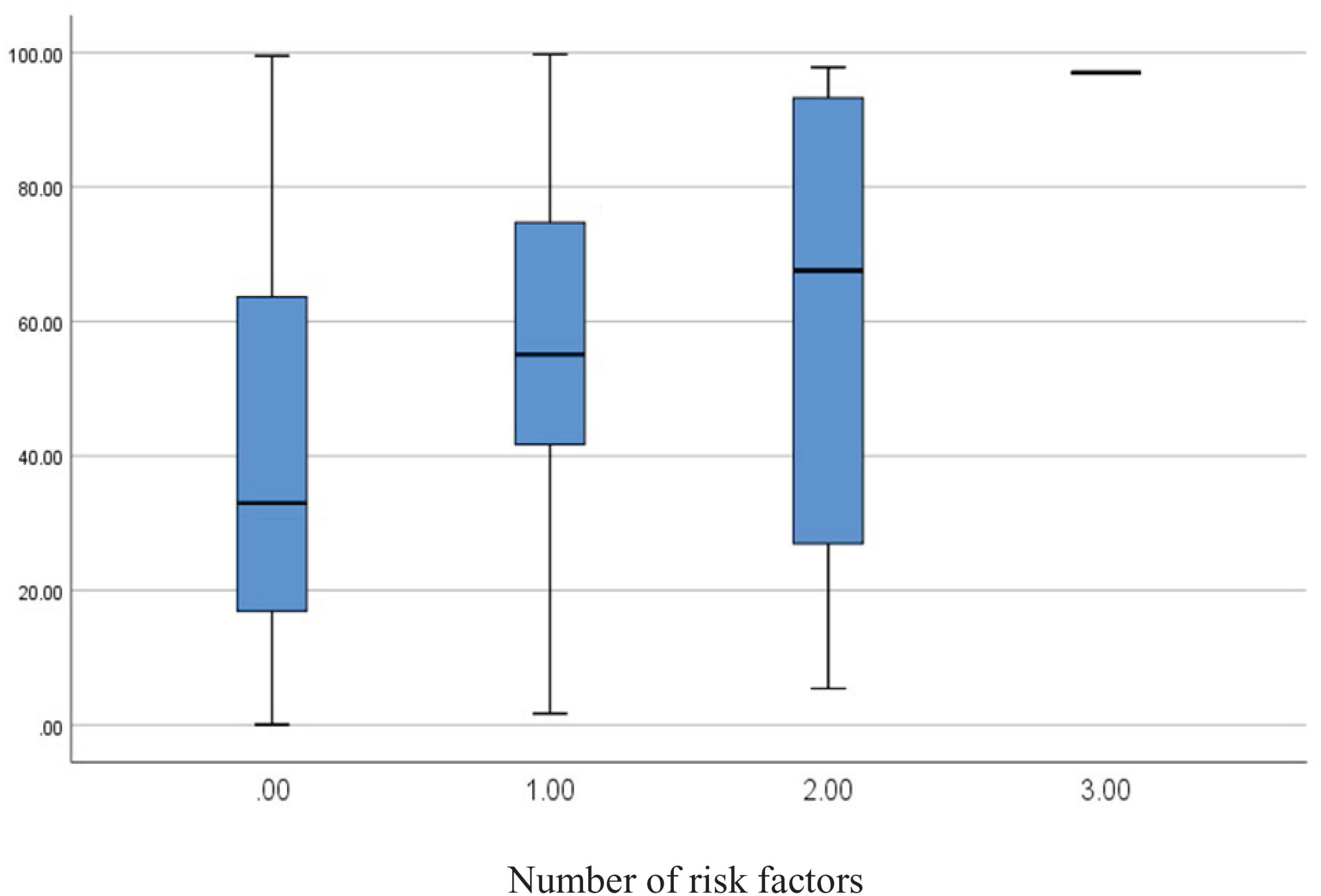
Chart 1
IJCS
Original Article

Cardiovascular Risk Factors in Children and Adolescents with Fontan Circulation

Sandra Mari Barbiero et al. Rafael B. Carloto Danielly Steffen Pereira Gabriela C. Schwantes … Marcela Menuci Guimarães Maíra Ribas Goulart Daniela Schneid Schuh Lucia Campos Pellanda

Abstract

Background:

Long-term outcomes of patients with Fontan circulation are uncertain regarding the prevalence and role of risk factors (RFs) such as increased body mass index (BMI), arterial hypertension, and hypercholesterolemia.

Objectives:

To describe the prevalence of RFs in patients with univentricular heart, with variable follow-up times.

Methods:

This mixed cohort study was performed with 66 patients, who underwent blood count, fasting blood glucose, C-reactive protein (CRP), and lipid profile tests; systolic/diastolic blood pressure (SBP/DBP) measurements; and anthropometric and sociodemographic data collection. Cardiovascular RFs among first-degree relatives and physical activity habits were also assessed. Prevalence was described using proportions, with a 95% confidence interval. Continuous variables (height, weight, age, SBP, DBP) were described as means and standard deviations (m±SD). Associations between RFs were assessed using chi-squared or Fisher’s exact tests. Spearman’s correlation was used for analyzing CRP and the presence of 2 or more RFs. The Shapiro-Wilk test was used to check for data normality. Statistical significance considered p<0.05.

Results:

In our population, 19.7% were overweight, mean SBP was 89.44±37.4, and mean DBP was 60.0±26.08. The most prevalent diseases in the interviewees’ families were systemic arterial hypertension (30.3%), obesity (16.7%), and 2 or more cardiovascular RFs among first-degree relatives (13.8%). We observed a trend towards significance between the presence of 2 familial RFs and overweight, as well as a risk profile for cardiovascular disease. There was an association between the BMI percentile, the presence of 2 or more RFs (p<0.05), and CRP (p<0.01).

Conclusions:

Overweight is common in patients with univentricular heart, being related to more than 2 cardiovascular RFs among first-degree relatives; physical inactivity and changes in lipid profiles are also frequent.
  • Cardiovascular Diseases
  • Child, Adolescent
  • Fontan Procedure/methods
  • Heart Defects, Congenital/surgery
  • Obesity
  • Physical Inactivity
  • Risk Factors
Read Full Article
Creative Commons Attribution (CC BY) Creative Commons license
22/04/2022 DOI: 10.36660/ijcs.20200357 Views 1
Figure 1
ABC
Research Letter

Impact of the First Wave of the COVID-19 Pandemic on Cardiovascular Surgery in Brazil: Analysis of a Tertiary Reference Center

Luiz Augusto Lisboa et al. Omar Asdrúbal Vilca Mejia Elisandra Trevisan Arita Gustavo Pampolha Guerreiro … Lucas Molinari Veloso da Silveira Carlos Manuel de Almeida Brandão Ricardo Ribeiro Dias Luís Roberto Palma Dallan Leonardo Miana Luiz F. Caneo Marcelo Biscegli Jatene Luís Alberto Oliveira Dallan Fabio Biscegli Jatene

Introduction

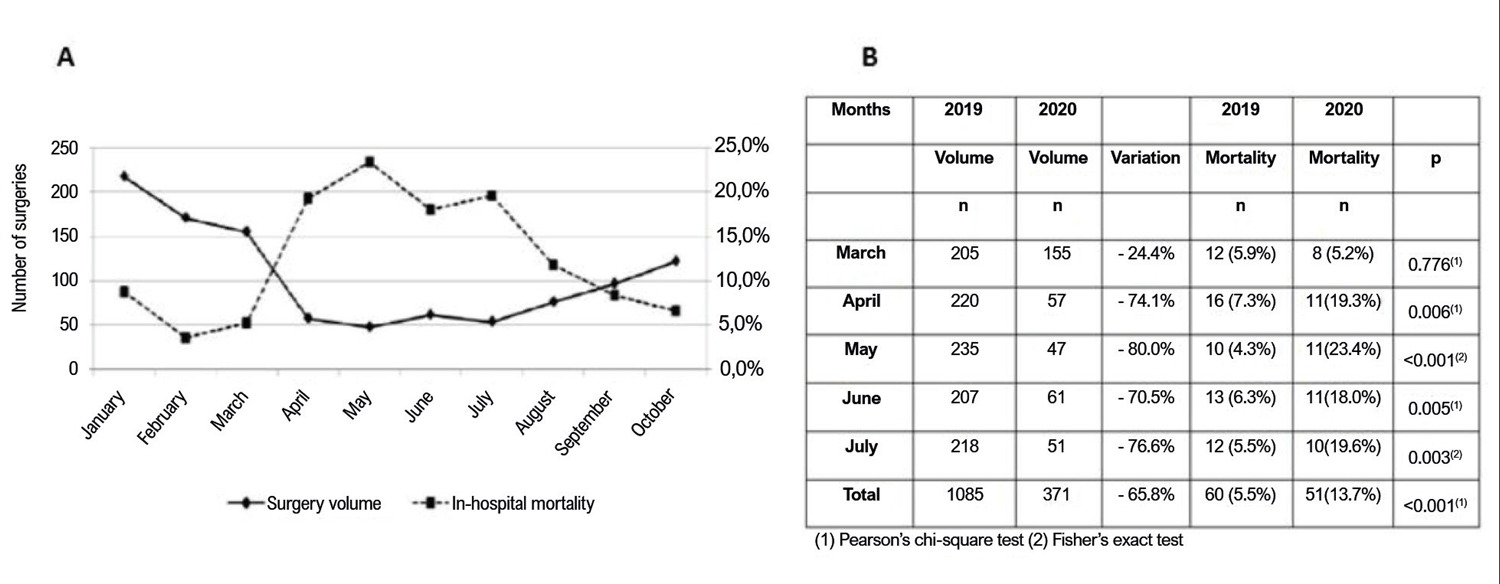
The novel viral respiratory infection caused by coronavirus disease 2019 (COVID-19), initially known as 2019-nCoV, emerged in late December 2019 in Wuhan, China and quickly spread throughout Asia, Europe, and USA, characterizing the situation as a pandemic. In May 2020, the World Health Organization declared Brazil a new epicenter of the coronavirus pandemic.

With the alarming levels of spread and severity of COVID-19, major disruptions in routine hospital services have occurred, as hospitals adjust in order to increase the capacity to care for patients with SARS-CoV-2. In this context, elective surgeries were postponed in order to optimize health resources and staffing issues and to protect patients from in-hospital viral transmission.

[…]

  • COVID-19
  • Elective Surgical Procedures
  • Heart Defects, Congenital/surgery
  • Hospitalization
  • Mortality
  • Pandemics
  • Tertiary Healthcare/trends
  • Thoracic Surgery
Read Full Article
Creative Commons Attribution (CC BY) Creative Commons license
18/03/2022 DOI: 10.36660/abc.20210235 Views 1
ABCIC
Case Report

Tricuspid Atresia and Double Outlet Left Ventricle: A Rare Association in Adulthood

Isaura Elaine Gonçalves Rocha et al. Isaura Corina Pazin Lilian Maria Lopes

[…]

  • Echocardiography
  • Heart Defects, Congenital/surgery
  • Tricuspid Atresia/surgery
  • Ventricular Dysfunction, Left/surgery
Read Full Article
Creative Commons Attribution (CC BY) Creative Commons license
20/01/2022 DOI: 10.5935/2318-8219.20170008 Views 1
ABC
Editorial

Coronary Arteries after Jatene Operation for Transposition of Great Arteries: The Role of CT Coronary Angiography on Follow-up

Antonio Joaquim Marinho-da-Silva

The correction of transposition of the great arteries (TGA) by the Jatene technique was one of the greatest achievements of cardiac surgery in congenital heart disease. By replacing the transposed arteries in their proper anatomical arrangement, this technique — atrial switch operation (ASO) – achieves a normal spatial arterial relationship. However, this new arrangement requires excision of the coronary artery buttons and their implantation in the new aorta. The difficulty of this step relates to the type of coronary origin and distance to the new insertion site.

Once this anatomical normalization step has been achieved, cardiac functional normalization is sought. The most common post-surgical complications are related to the complexity of associated anomalies (ventricular septal defect (VSD), coarctation of the aorta, valve stenosis, and others), suture sites of the neovessels, pulmonary ramification and dilation of the neoaorta, Not neglectable and object of concern, late complications of either congenital or acquired coronary circulation are well known. The actual incidence of such complications ranges from 0,8% to 27,5% according to reporting series and time of follow-up. ,

[…]

  • Aortic Stenosis, Subvalvular
  • Arterial Switch Operation
  • coronary circulation
  • Heart Defects, Congenital/surgery
  • Heart septal defects
  • Ventricular
Read Full Article
Creative Commons Attribution (CC BY) Creative Commons license
14/06/2021 DOI: 10.36660/abc.20210403 Views 1
ABC
Editorial

Cardiovascular Imaging in Congenital Heart Diseases: Why not Leverage New Imaging Modalities?

Vitor Guerra

Worldwide, we are living in an era burdened by congenital heart diseases (CHD). If we take a snapshot in 2018, there were 2,944,932 live births in Brazil (Tabnet, DATASUS). Considering the incidence of CHD, about 9 per 1000 live births, which has been stable across countries and populations, we would expect around 26,000 new patients with some form of CHD in our country. On the other hand, worldwide survival rate for CHD in the last 3 decades has been close to 98%. Having said that, CHD continues to be a public health problem worldwide.

In the last four centuries, the specialty of pediatric cardiology has grown tremendously, achieving several milestones in clinical and surgical scenarios, mostly due the incredible advances in cardiovascular imaging diagnostic tools. This allows non-invasive diagnosis in all ages from fetal life until adulthood. The relatively new modality of cardiac magnetic resonance imaging (CMR) provides clinically useful information in various situations in patients with CHD. Current guidelines for diagnosis and management include echocardiogram, CMR and cardiac catheterization for the majority of CHD patients.

[…]

  • Cardiac Catheterization
  • Heart Defects, Congenital/surgery
  • Magnetic Resonance Imaging/methods
  • Procedures and Techniques Diagnostic
Read Full Article
Creative Commons Attribution (CC BY) Creative Commons license
01/03/2021 DOI: 10.36660/abc.20201347
Figure 1
ABC
Case Report

Antenatal Diagnosis of Double Aortic Arch

Natália Noronha et al. Angie Hobbs Patricia Caldas

Introduction

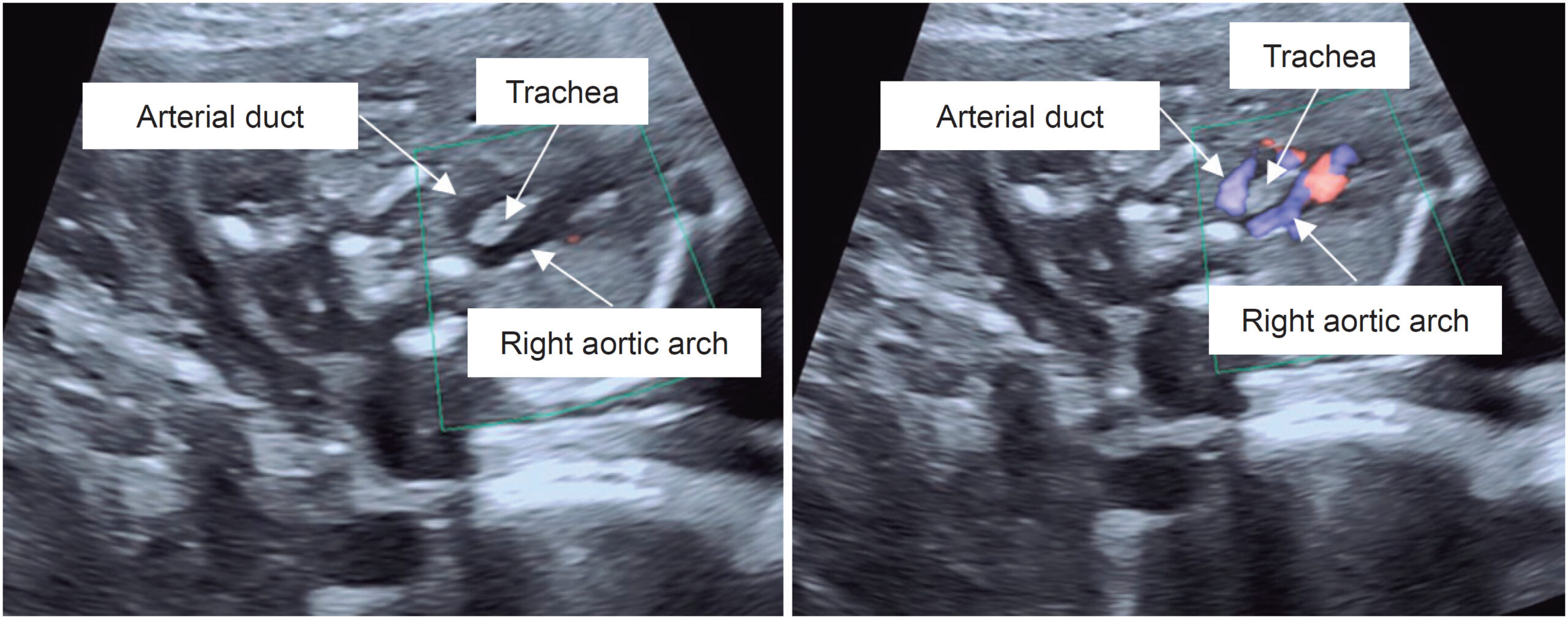
Congenital anomalies of the aortic arch affect 1-2% of the population and comprise a wide variety of abnormalities in the position and/or branching pattern of the aortic arch. Double aortic arch (DAA) represents 1-2% of all aortic arch anomalies and is characterized by persistence of both left and right embryonic aortic arches. It can be found either in isolation or, less frequently, in association with other cardiovascular or chromosomal abnormalities. Antenatal diagnosis of DAA may be challenging, as its distinction from other arch abnormalities like right aortic arch with left arterial duct or with an aberrant left subclavian artery is not always straightforward. The authors describe a case of antenatal diagnosis of DAA.

[…]

  • Aorta, Thoracic
  • Bronchomalacia/congenital
  • Chromosome Aberrations
  • Echocardiography/methods
  • Heart Defects Congenital/diagnosis
  • Heart Defects, Congenital/surgery
  • Ultrasonography/methods
  • Vocal Cord, Paralysis
Read Full Article
Creative Commons Attribution (CC BY) Creative Commons license
05/02/2021 DOI: 10.36660/abc.20190310
IJCS
Editorial

Challenge in the Treatment of Children with Congenital Heart Disease: Reducing Waiting Time for Cardiac Surgery

Ana Flavia Malheiros Torbey et al. Aurea Grippa

Congenital heart disease is an important cause of mortality in the neonatal period. in Brazil, according to data from DATASUS from the period between 2012 and 2016, congenital heart disease is the third most common malformation in children younger than 28 days, with an estimated incidence of 1.3-1.7% and high mortality rate in this age range. They are also the third main cause of global mortality in the first 30 days of life, the main cause among congenital abnormalities. Therefore, 28,000 new cases per year are expected in Brazil. ,

The outcomes of congenital heart disease can be grouped into spontaneous resolution of minor lesions, such as some interatrial or interventricular communications or persistent arterial duct; conditions that require repair procedures (interventional catheterizations or surgeries); and those cases that only palliative procedures can be performed due to anatomical and physiological features. Thus, approximately 20% of cases do not require surgery and resolve spontaneously, and nearly half of the other 80% (22,400 children) will require cardiac surgery in the first year of life. ,

[…]

  • Health Services Accessibility
  • Heart Defects, Congenital/surgery
  • Public Health
  • Public Policy
Read Full Article
Creative Commons Attribution (CC BY) Creative Commons license
29/05/2020 DOI: 10.36660/ijcs.20190013
Figure 1
ABC
Clinicoradiological Correlation

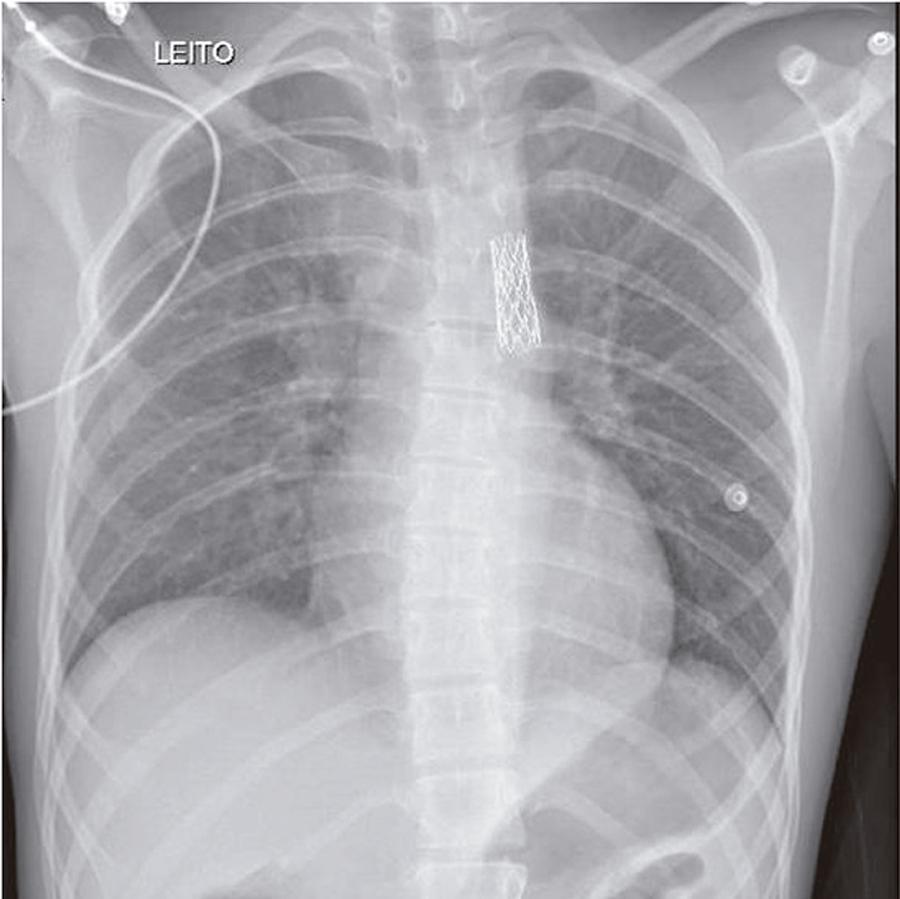
Case 1/2020 – Very Accentuated Isthmic Coarctation of the Aorta in a Young Individual with Arterial Hypertension Relieved by Interventional Catheterization

Edmar Atik et al. Raul Santiago Arrieta Renata Cassar

Clinical data

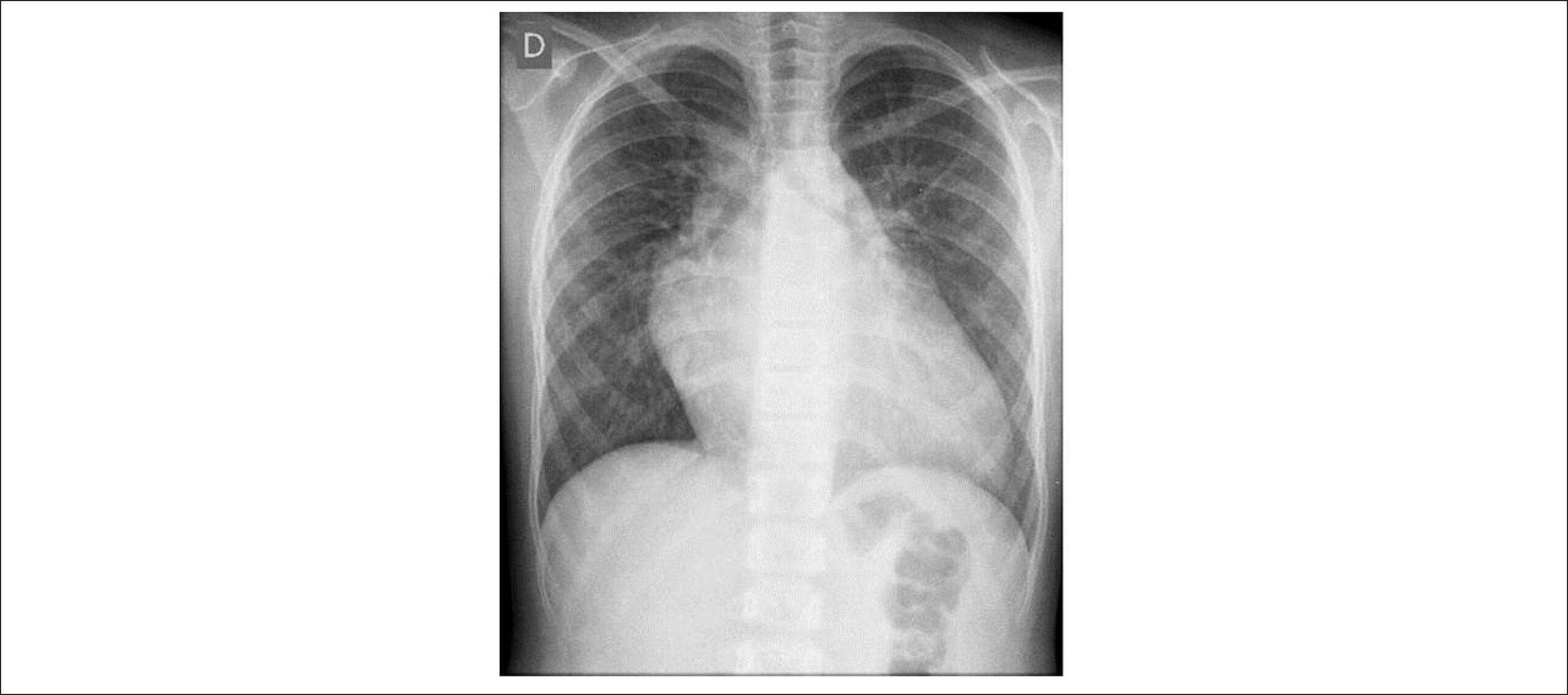
Arterial hypertension had been detected 6 months before, after study-related stress in a 16-year-old individual. At the time, diagnostic images (echocardiography and angiotomography) confirmed the presence of accentuated isthmic coarctation of the aorta, with many collaterals that filled the descending aorta. Blood pressure was 170/80 mmHg, which decreased to 130 to 150/80 mmHg with propranolol-80 mg/day. He had been previously submitted to surgery for atrial septal defect closure at 4 years of age. He reported fatigue at exertion since a few months before.

Physical examination: Good overall status, eupneic, acyanotic, wide pulses in the upper limbs and absent in the lower limbs. Weight: 45.5 Kg, Height: 163 cm, right upper limb BP and left upper limb BP = 155/80 mmHg, HR: 55 bpm. Aorta easily palpated at the suprasternal notch.

[…]

  • Aortic, Coarctation/surgery
  • Heart Defects, Congenital/surgery
  • Hypertension: Angioplasty, Balloon/methods
  • stent
  • Stress, Psychological
Read Full Article
Creative Commons Attribution (CC BY) Creative Commons license
18/05/2020 DOI: 10.36660/abc.20190484 Views 1
IJCS
Original Article

Clinical and Epidemiological Profiles of Patients Admitted to a Pediatric Cardiac Intensive Care Unit

Juciane Rocha Guimarães et al. Isabel Cristina Britto Guimarães

Abstract

Background:

Congenital and acquired heart diseases are important causes of morbidity and mortality in children. In critical congenital heart defects, when treatment is not adequate, clinical manifestations may lead to death in the neonatal period.

Objective:

To establish the clinical and epidemiological profile of patients admitted to the pediatric cardiac intensive care unit (UTI) in a tertiary hospital.

Methods:

This was a cross-sectional study conducted from January 2013 to December 2014, based on analysis of patients’ medical records. The study sample was composed of 307 children and adolescents with congenial and acquired heart diseases. The score Risk Adjustement for Congenital Heart Surgery 1 (RACHS-1) was used for categorization of the various surgical procedures. Descriptive statistics were calculated using the Satistical Package for Social Sciences (SPSS). Categorical variables were compared using the Pearson’s chi-square test, considering a level of significance of 5%.

Results:

There was a predominance of patients aged between 28 days and one year (44%). Congenital heart diseases (91.9%) prevailed over acquired heart diseases (8.1%). Extracorporeal circulation was used in 138 patients who underwent surgical procedures, lasting from 12 to 261 minutes. Most patients (88.9%) were discharged from the ICU and 11.1% died. Using the score RACHS-1, corrective cardiac surgery was performed in 75.8% and paliative surgery in 24.2% of the patients.

Conclusions:

Patients aged between 28 days to one year, with cyanotic congenital heart disease, undergoing cardiac surgery with extracorporeal circulation duration longer than 120 minutes are at a higher risk of death.

  • Epidemiology
  • Heart Defects, Congenital/surgery
  • Heart Septal Defects Ventricular/surgery
  • Heart Septal Defects/Surgery
  • Intensive Care Units, Pediatric
Read Full Article
Creative Commons Attribution (CC BY) Creative Commons license
03/02/2020 DOI: 10.36660/ijcs.20180070 Views 1
Figure 1
ABC
Clinicoradiological Correlation

Case 6/2019 – Total Atrioventricular Septal Defect, 12 Years After Operative Correction, No Residual Defects

Edmar Atik et al. Maria Angélica Binotto Alessandra Costa Barreto

Clinical Data

A 14-year-old patient was asymptomatic in all routine postoperative evaluations and in full physical activity, compared to others. During this period, which began when the patient was 21 months old, due to the type A atrioventricular (AV) septal defect totally corrected, no cardiac murmur was heard, the cardiac area remained normal and did not require the use of specific medication. An Echocardiography showed no residual defects, normal heart cavities and no valve regurgitation. The defect was diagnosed from birth and follow-up before the surgery was marked by obvious signs of heart failure due to the volume overload imposed by valve insufficiency and intercavity communications.

Physical exam: good general conditions, eupneic, acyanotic, normal 4-limb pulses. Weight: 30 Kg, Height: 140 cm, BP: 105 x 60 mmHg, HR = 76 bpm, O2 Sat = 95%.

[…]

  • Heart Defects, Congenital/surgery
  • Heart Septal Defects, Ventricular
  • Postoperative evolution
Read Full Article
Creative Commons Attribution (CC BY) Creative Commons license
02/12/2019 DOI: 10.5935/abc.20190192
Figure 1
ABC
Original Article

Outcomes of the Conversion of the Fontan-Kreutzer Operation to a Total Cavopulmonary Connection for the Failing Univentricular Circulation

Gabriel Carmona Fernandes et al. Guilherme Viotto Rodrigues da Silva Luiz Fernando Caneo Carla Tanamati … Aida Luiza Ribeiro Turquetto Marcelo Biscegli Jatene

Abstract

Background:

The Fontan-Kreutzer procedure (FK) was widely performed in the past, but in the long-term generated many complications resulting in univentricular circulation failure. The conversion to total cavopulmonary connection (TCPC) is one of the options for treatment.

Objective:

To evaluate the results of conversion from FK to TCPC.

Methods:

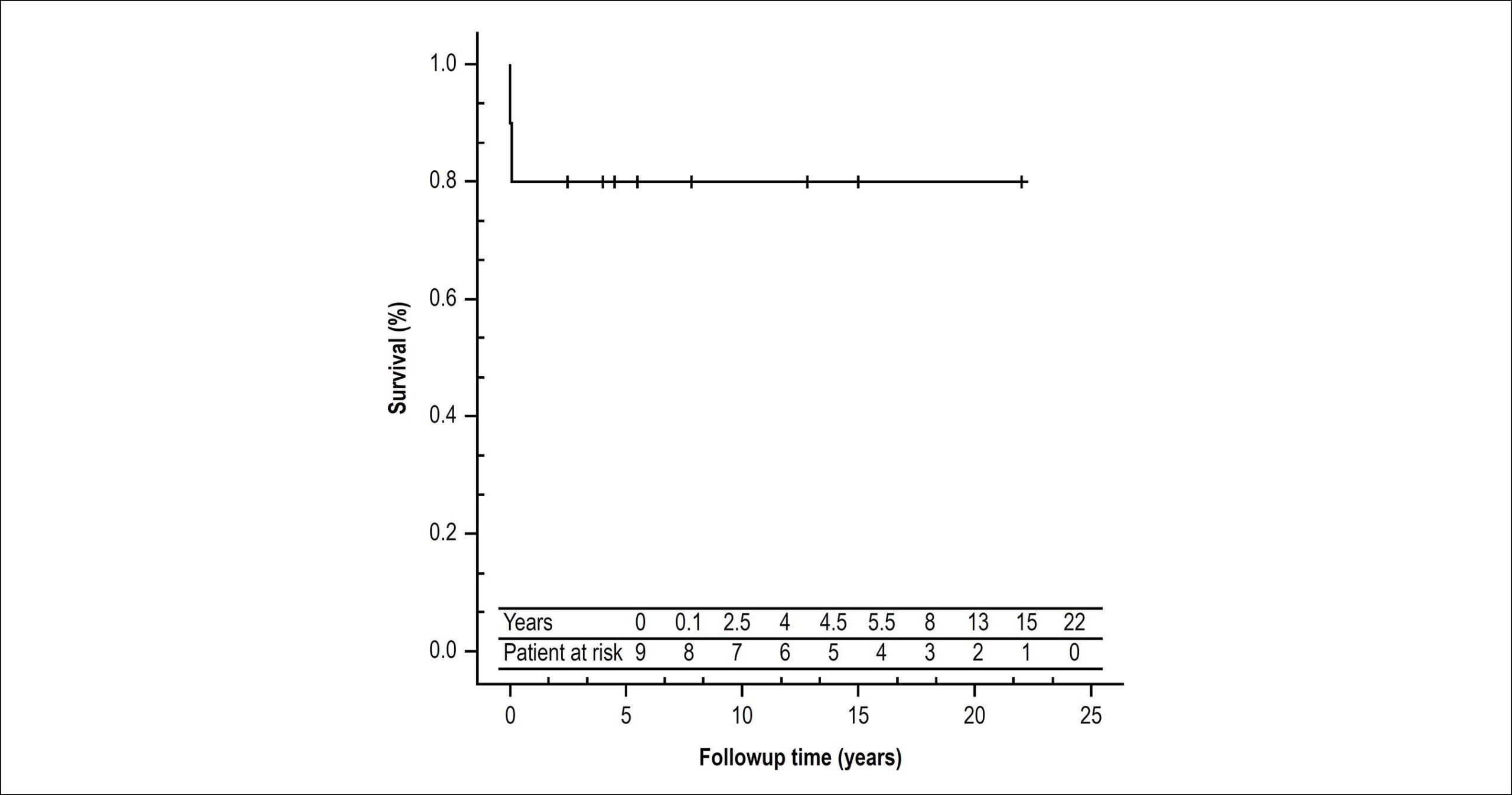
A retrospective review of medical records for patients who underwent the conversion of FK to TCPC in the period of 1985 to 2016. Significance p < 0,05.

Results:

Fontan-type operations were performed in 420 patients during this period: TCPC was performed in 320, lateral tunnel technique in 82, and FK in 18. Ten cases from the FK group were elected to conversion to TCPC. All patients submitted to Fontan Conversion were included in this study. In nine patients the indication was due to uncontrolled arrhythmia and in one, due to protein-losing enteropathy. Death was observed in the first two cases. The average intensive care unit (ICU) length of stay (LOS) was 13 days, and the average hospital LOS was 37 days. A functional class by New York Heart Association (NYHA) improvement was observed in 80% of the patients in NYHA I or II. Fifty-seven percent of conversions due to arrhythmias had improvement of arrhythmias; four cases are cured.

Conclusions:

The conversion is a complex procedure and requires an experienced tertiary hospital to be performed. The conversion has improved the NYHA functional class despite an unsatisfactory resolution of the arrhythmia.

  • Arrihythmias, Cardiac/surgery
  • Fontan Procedure
  • Fontan-Kreutzer Prodedure
  • Heart Defects, Congenital/surgery
  • Mortality
Read Full Article
Creative Commons Attribution (CC BY) Creative Commons license
01/02/2019 DOI: 10.5935/abc.20180256 Views 1
ABC
Editorial

Mortality for Critical Congenital Heart Diseases and Associated Risk Factors in Newborns. A Cohort Study

Andressa Mussi Soares

Congenital heart disease (CHD) is any change in the anatomy of the heart and its blood vessels that occurs within the first 8 weeks of gestation. The manifestation of CHD is very variable and may occur soon after birth or appear later in childhood or adolescence.

The incidence of CHD is 8 to 10 per 1000 live births, or one in one hundred births. In Brazil, 28,900 children are born with CHD per year (1% of the total birth), of which about 80% (23,800) need cardiac surgery, and half of them need to be operated in the first year of life.

[…]

  • Health Programs and Plans
  • Heart Defects, Congenital/physiopathology
  • Heart Defects, Congenital/surgery
  • Hypoplastic Left Heart Syndrome
  • Infant,Newborn
  • Maternal and Child Health
  • Mortality
Read Full Article
Creative Commons Attribution (CC BY) Creative Commons license
01/11/2018 DOI: 10.5935/abc.20180203 Views 1
Figure 1
ABC
Clinicoradiological Correlation

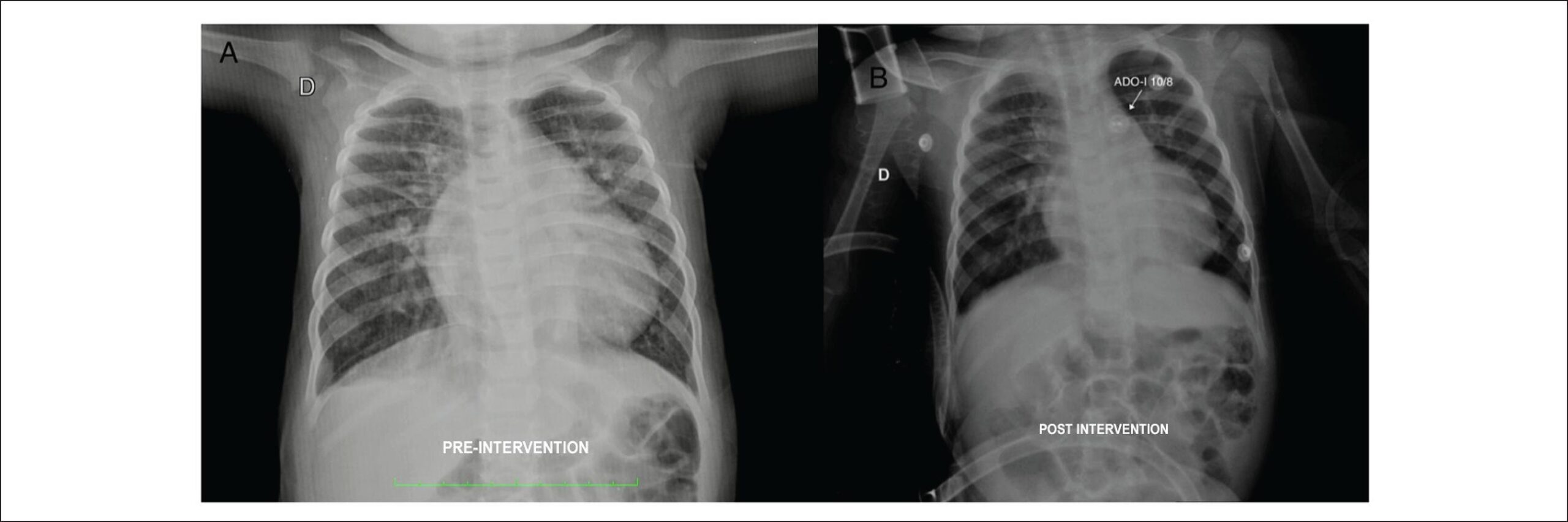
Case 6 / 2018 – Percutaneous Occlusion of a Large Ductus Arteriosus in a Low Weight Infant, with Immediate Clinical and Radiographic Improvement

Pablo Tomé Teixeirense et al. Vanessa de Moraes Sousa João Felipe Barros de Toledo Luiz Antonio Gubolino

Clinical Data

The patient was a one-year-old infant with Down syndrome, and heart murmur auscultated from birth. The child had a difficult clinical course due to failure to thrive, tachypnea, poor suckling due to fatigue and repeated respiratory infections, with pulmonary hypersecretion, and was receiving captopril and furosemide.

[…]

  • Down Syndrome
  • Ductus Arteriosus Patent/surgery
  • Heart Defects, Congenital/surgery
  • Infant
Read Full Article
Creative Commons Attribution (CC BY) Creative Commons license
01/11/2018 DOI: 10.5935/abc.20180219 Views 1
Figure 1
ABC
Clinicoradiological Session

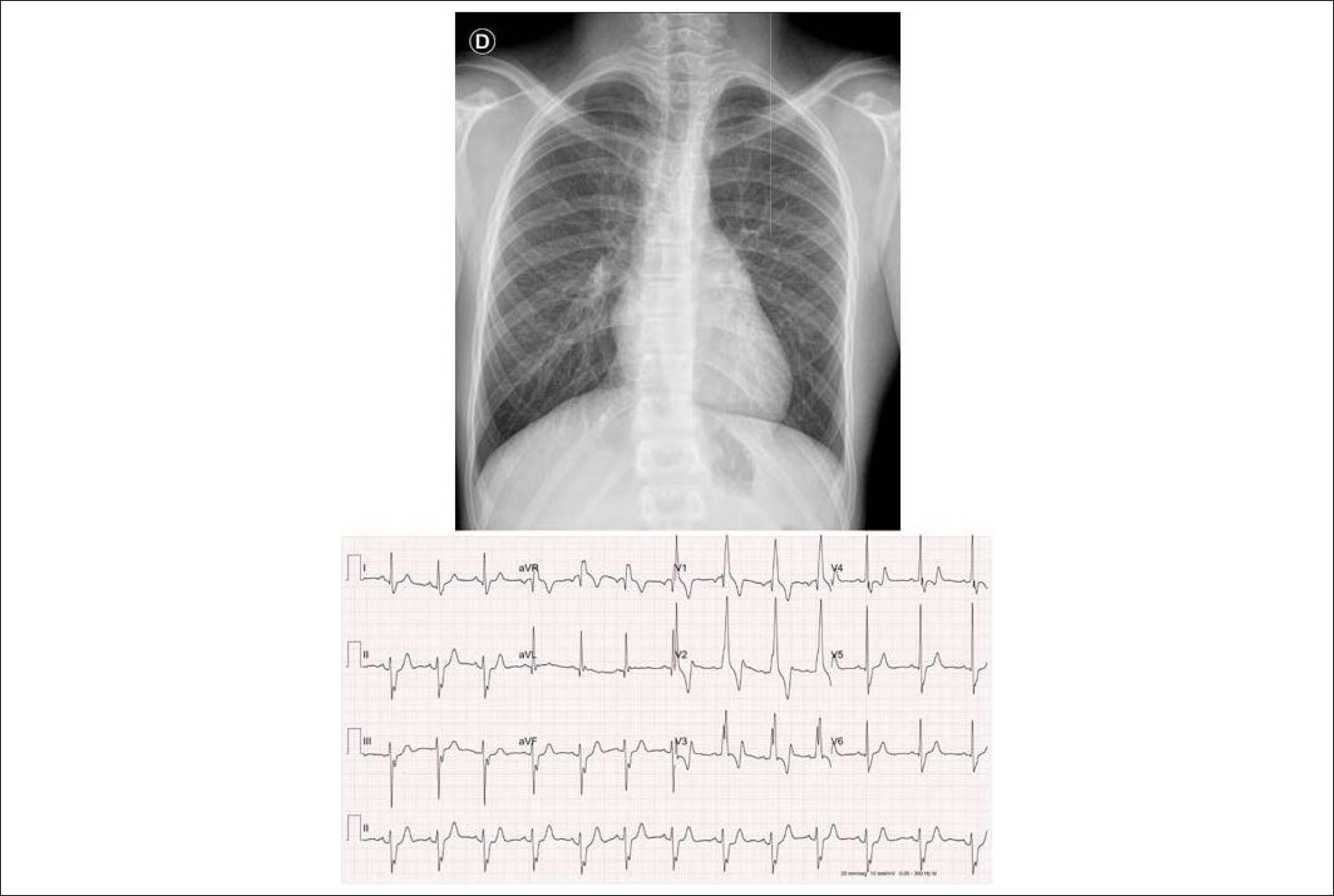
Case 4/2018 – Important Mitral Valve Regurgitation Caused by Hammock Mitral Valve in 8 Year-Old Girl

Edmar Atik et al. Alessandra Costa Barreto Maria Angélica Binotto Renata de Sá Cassar

Clinical data

Heart murmur was auscultated during routine examination at 6 years of age, with complaints of tachycardia and chest pain at that time. A diagnosis of mitral regurgitation caused by hammock mitral valve was performed and enalapril 2.5 mg/day (0.1 mg/kg) was started. She reported being asymptomatic, capable of performing physical activity.

Physical examination: good overall health status, eupneic, acyanotic, normal pulses in the four limbs. Weight: 25 kg; height: 130 cm; right upper limb blood pressure: 90 x 60 mmHg; Heart Rate (HR): 96 bpm; Oxygen Saturation (O2Sat): 97%.

[…]

  • Echocardiography
  • Electrocardiography, X-Rays
  • Heart Defects, Congenital/surgery
  • Heart Murmurs
  • Mitral Valve Insufficiency
Read Full Article
Creative Commons Attribution (CC BY) Creative Commons license
01/07/2018 DOI: 10.5935/abc.20180128 Views 1
Figure 1
IJCS
Original Article

Waiting for Cardiac Procedure in Congenital Heart Disease: Portrait of an a Hospital in the Amazonian Region

Valeria Santos de Jesus et al. Aline Marques Nascimento Rogério dos Anjos Miranda Joel Silva Lima … Milene de Andrade Gouvea Tyll Adriana de Oliveira Lameira Veríssimo

Abstract

Background:

Congenital heart disease is an important cause of morbidity and mortality in childhood, and in 50% of cases, surgery is required in the first year of life. A high deficit of surgical procedures is estimated in Northern Brazil.

Objective:

To analyze the waiting time for elective surgical treatment and/ or intervention in children with congenital heart disease in a Cardiology referral center, and to make considerations about heart diseases and forms of treatment in that institution.

Methods:

A cross-sectional study of all patients aged less than 14 years, with a diagnosis of congenital heart disease that were waiting for elective surgical or percutaneous cardiac treatment.

Results:

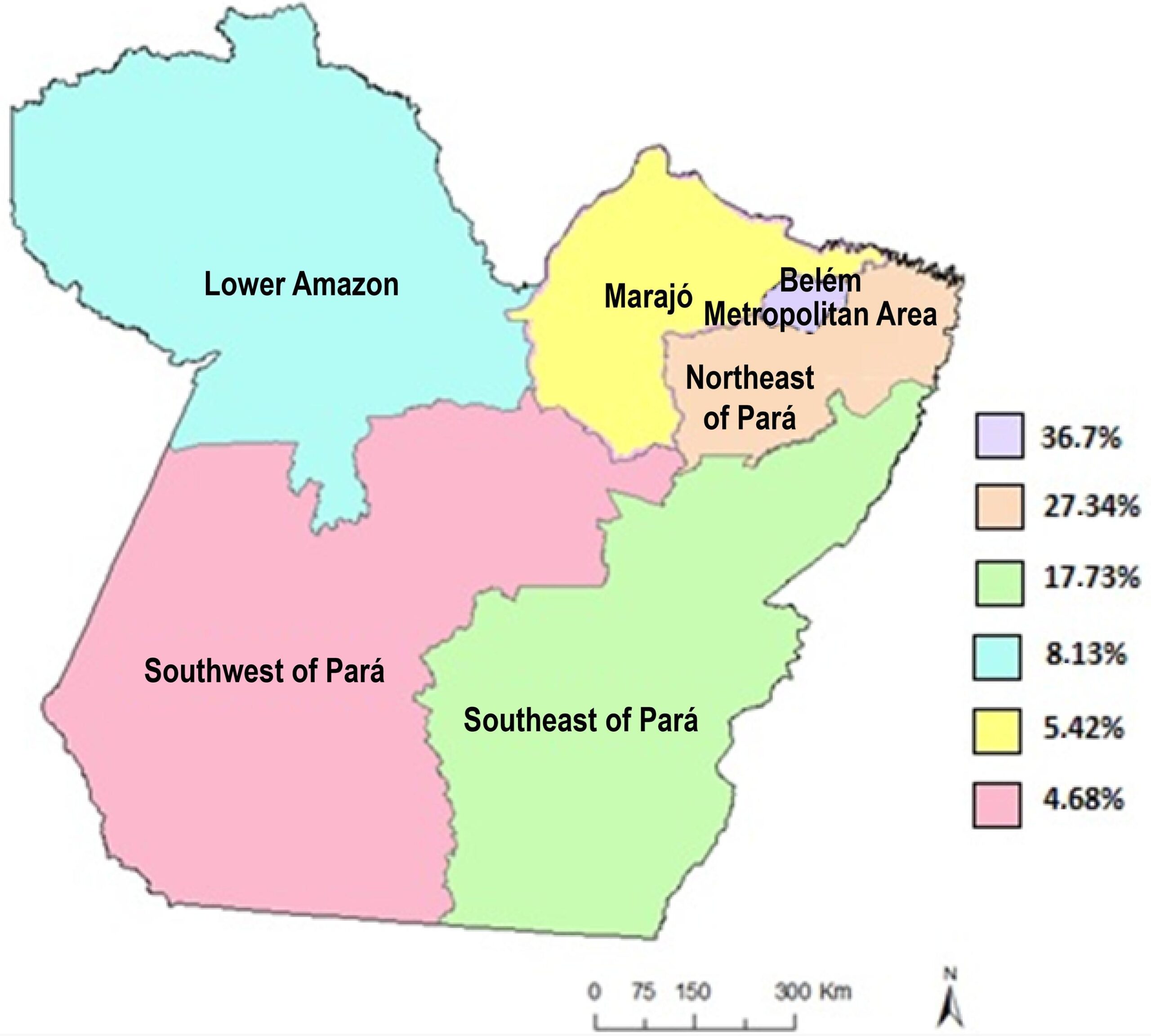
Among the 407 children with congenital heart defects, the most prevalent age group was > 2 to 6 years (34.0%). The average waiting time was 23.1 ± 18.3 months, with a median of 19. The most frequent heart disease was ventricular septal defect (28.98%), patent ductus arteriosus (18.42%) and atrial septal defect (11.05%). Most children (63.4%) were not from the metropolitan area. The percutaneous interventions represented only 27.84% of the catheterization procedures and 14,85% of all heart treatments. Approximately 60% of the pediatric surgeries occurred in children who were not previously registered due to urgency cases.

Conclusion:

Most of the children waiting for a cardiac procedure were not from the metropolitan area and had malformations potentially treatable by catheterization. It is necessary to increase the capacity of the single referral center in the state of Pará, as well as decentralize the high-complexity cardiological care in the metropolitan region.

  • Epidemiology
  • Heart Defects, Congenital / therapy
  • Heart Defects, Congenital/surgery
  • waiting lists
Read Full Article
Creative Commons Attribution (CC BY) Creative Commons license
14/06/2018 DOI: 10.5935/2359-4802.20180035
ABC
Editorial

When to Operate on Pediatric Patients with Congenital Heart Disease and Pulmonary Hypertension

Antonio Augusto Lopes et al. Ana Maria Thomaz

In pediatric patients with congenital heart disease associated with pulmonary arterial hypertension (PAH-CHD), deciding about surgery may be difficult depending on the diagnostic scenario. Most patients with communications between the cardiac chambers or the great arteries can now be operated on quite safely, with excellent results. Pulmonary hypertension accounts for complications in less than 10% of cases. In general, it has been considered that early assignment to surgery is the best strategy to avoid complications. This is unquestionable. However, late referral is still a problem in developing countries and underserved areas. Furthermore, it must be acknowledged that severe pulmonary vasculopathy may be present early in life, leading to the speculation that vascular lesions may develop from birth, or even before. Moderate to severe pulmonary vascular abnormalities limit the success of the repair of cardiac anomalies. First, the so-called postoperative pulmonary hypertensive crises are relatively infrequent in the present era, but still associated with high mortality rates (>20%). Patient management requires sophisticated armamentarium for life support, sometimes extracorporeal membrane oxygenation (ECMO). Second, patients surviving the immediate postoperative period may remain at risk of persistent postoperative PAH, which is associated with poor outcome compared to other etiologies of pediatric PAH. Therefore, while becoming aware of these complications, clinicians and surgeons need to get together and plan the best therapeutic strategy on an individual basis.

For a long time, cardiac catheterization (with the acute pulmonary vasodilation test, AVT) has been considered as a gold-standard assessment of PAH-CHD. In most tertiary centers indeed, catheterization data occupy a high hierarchical position in the decision to operate on PAH-CHD patients. Also, subclassifications of PAH-CHD according to disease severity are based on hemodynamic parameters. However, obtainment and interpretation of catheterization data are not easy tasks, especially in the pediatric population, for several reasons:

[…]

  • Heart Defects, Congenital/surgery
  • Heart Defects/complications
  • Hypertension, Pulmonary/congenital
  • Postoperative Care/complications
Read Full Article
Creative Commons Attribution (CC BY) Creative Commons license
01/09/2017 DOI: 10.5935/abc.20170134
Figure 1
ABC
Clinicoradiological Session

Case 1/2017 – Percutaneous Repair of Right Atrioventricular Valve Insufficiency and Blalock-Taussig Shunt after Fontan Operation in Single Ventricle

Edmar Atik et al. Renata Sá Cassar Raul Arrieta

Clinical data

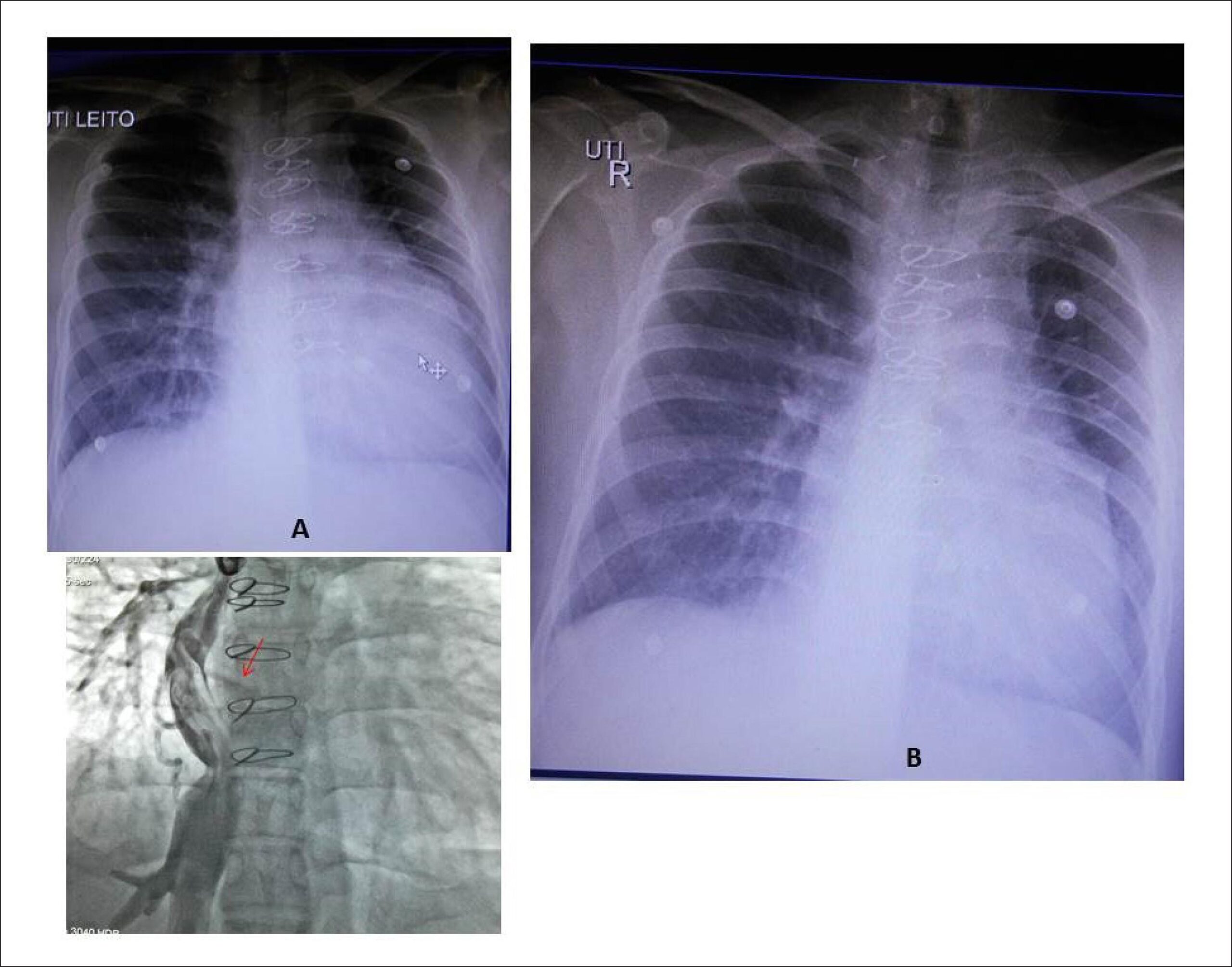
Twenty-seven-year old male patient reporting tiredness during exercise for three years, after total cavopulmonary connection with extracardiac conduit fenestration and closure with stiches of the free end of right atrioventricular valve (AV) for severe failure in double inlet left ventricle, pulmonary atresia, and aorta arising from rudimentary right ventricle. The patient had undergone right and left Blalock-Taussig shunts at 17 days and 9 months, respectively, and bidirectional Glenn shunt at 19 years old. The patient had arterial oxygen saturation of 84-88% during exercise and 93% at rest.

Physical exam: eupneic, cyanotic, normal pulse rate, with no jugular vein dilation. Weight: 61 Kg, Height: 163 cm, BP: 110/70 mm Hg, HR: 97 bpm, oxygen saturation = 87%. The aorta was palpable in the supra-sternal notch (grade 2).

[…]

  • Blalock Taussig Procedure
  • Fontan Procedure
  • Heart Defects, Congenital/surgery
  • Mitral Valve Insufficiency / surgery
Read Full Article
Creative Commons Attribution (CC BY) Creative Commons license
01/01/2017 DOI: 10.5935/abc.20160201 Views 2
Figure 1
ABC
Case Report

Stent Placement in a Neonate with Sano Modification of the Norwood using Semi-Elective Extracorporeal Membrane Oxygenation

Mustafa Gulgun et al. Michael Slack

Abstract

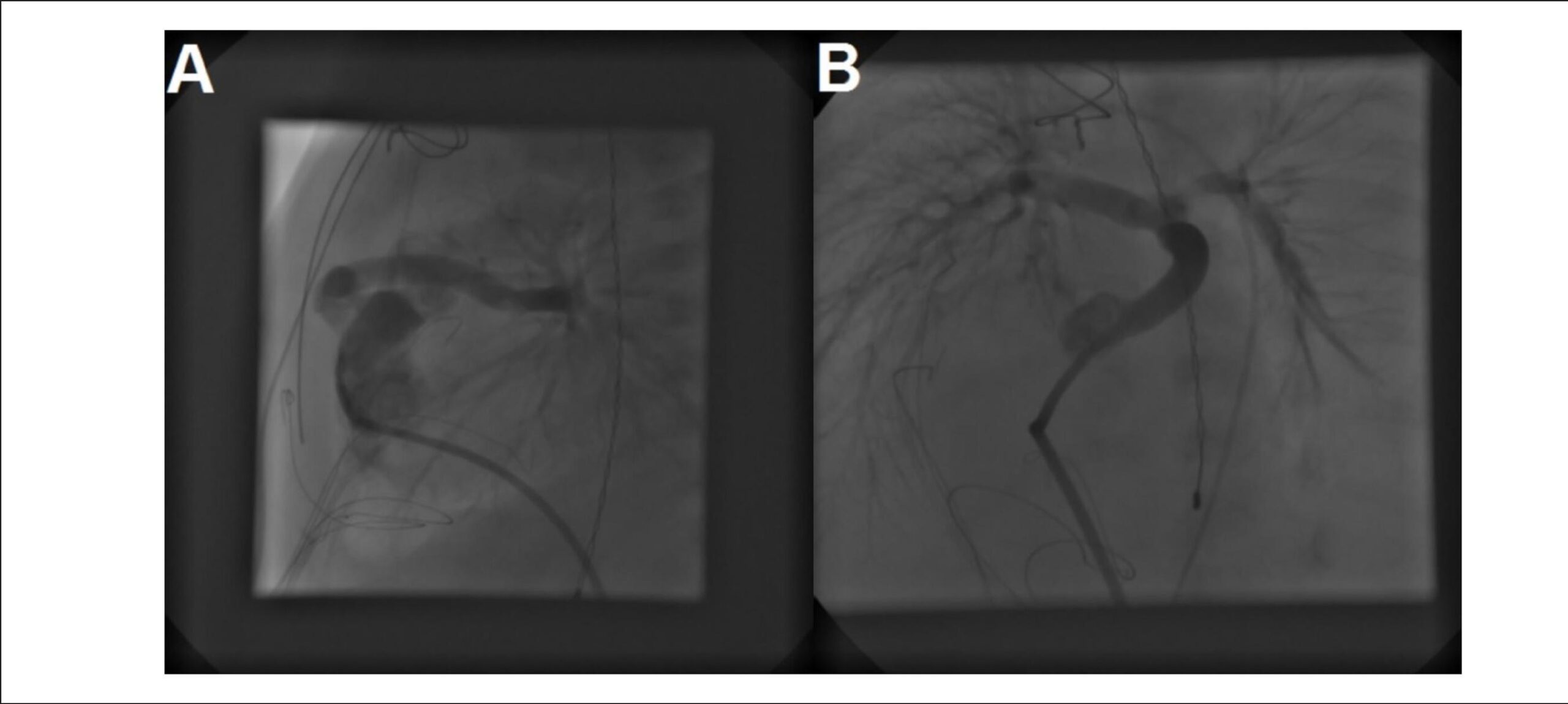
Extracorporeal membrane oxygenation (ECMO) is a well-established tool of cardiopulmonary circulatory support for cardiopulmonary failure in children and adults. It has been used as a supportive strategy during interventional procedures in neonates with congenital heart disease. Herein, we describe a neonate with hypoplastic left heart syndrome who underwent stenting of the Sano shunt and left pulmonary artery after Norwood Sano operation using intra-procedural ECMO support. The use of ECMO as a bridge to recovery might be a feasible and reasonably safe adjunctive approach in the treatment of complications in selective case of neonates having undergone the Norwood Sano procedure.

  • Extracorporeal Membrane Oxygenation
  • Heart Defects, Congenital/surgery
  • Hypoplastic Left Heart Syndrome / surgery
  • Infant, Newborn
  • stent
Read Full Article
Creative Commons Attribution (CC BY) Creative Commons license
01/12/2016 DOI: 10.5935/abc.20160080 Views 1

How to cite this article

EndNote RIS

Electronic Document Format (Vancouver)

Barbiero SM, Carloto RB, Pereira DS, Schwantes GC, Guimarães MM, Goulart MR, Schuh DS, et al. Cardiovascular Risk Factors in Children and Adolescents with Fontan Circulation. International Journal of Cardiovascular Sciences 2022;35(5):618-24.

Electronic Document Format (ABNT)

Barbiero, Sandra Mari; Carloto, Rafael B.; Pereira, Danielly Steffen; Schwantes, Gabriela C.; Guimarães, Marcela Menuci; Goulart, Maíra Ribas; Schuh, Daniela Schneid; Pellanda, Lucia Campos. Cardiovascular Risk Factors in Children and Adolescents with Fontan Circulation. International Journal of Cardiovascular Sciences, v. 35, n. 5, p. 618-624, Apr. 2022.

Electronic Document Format (APA)

Barbiero, S. M., Carloto, R. B., Pereira, D. S., Schwantes, G. C., Guimarães, M. M., Goulart, M. R., Schuh, D. S., & Pellanda, L. C. (2022). Cardiovascular Risk Factors in Children and Adolescents with Fontan Circulation. International Journal of Cardiovascular Sciences, 35(5), 618-624.

Electronic Document Format (ISO)

Barbiero, Sandra Mari and Carloto, Rafael B. and Pereira, Danielly Steffen and Schwantes, Gabriela C. and Guimarães, Marcela Menuci and Goulart, Maíra Ribas and Schuh, Daniela Schneid and Pellanda, Lucia Campos. Cardiovascular Risk Factors in Children and Adolescents with Fontan Circulation. International Journal of Cardiovascular Sciences [online]. 2022, vol. 35, n. 5, [cited 2026-10-14], pp. 618-624. Available from: <https://journals.cardiol.br/en/article/cardiovascular-risk-factors-in-children-and-adolescents-with-fontan-circulation/>. ISSN 2359-4802

EndNote RIS

Electronic Document Format (Vancouver)

Lisboa LA, Mejia OAV, Arita ET, Guerreiro GP, Silveira LMV, Brandão CMA, Dias RR, et al. Impact of the First Wave of the COVID-19 Pandemic on Cardiovascular Surgery in Brazil: Analysis of a Tertiary Reference Center. Arquivos Brasileiros de Cardiologia 2022;118(3):663-6.

Electronic Document Format (ABNT)

Lisboa, Luiz Augusto; Mejia, Omar Asdrúbal Vilca; Arita, Elisandra Trevisan; Guerreiro, Gustavo Pampolha; Silveira, Lucas Molinari Veloso da; Brandão, Carlos Manuel de Almeida; Dias, Ricardo Ribeiro; Dallan, Luís Roberto Palma; Miana, Leonardo; Caneo, Luiz F.; Jatene, Marcelo Biscegli; Dallan, Luís Alberto Oliveira; Jatene, Fabio Biscegli. Impact of the First Wave of the COVID-19 Pandemic on Cardiovascular Surgery in Brazil: Analysis of a Tertiary Reference Center. Arquivos Brasileiros de Cardiologia, v. 118, n. 3, p. 663-666, Mar. 2022.

Electronic Document Format (APA)

Lisboa, L. A., Mejia, O. A. V., Arita, E. T., Guerreiro, G. P., Silveira, L. M. V. , Brandão, C. M. A., Dias, R. R., Dallan, L. R. P., Miana, L., Caneo, L. F., Jatene, M. B., Dallan, L. A. O., & Jatene, F. B. (2022). Impact of the First Wave of the COVID-19 Pandemic on Cardiovascular Surgery in Brazil: Analysis of a Tertiary Reference Center. Arquivos Brasileiros de Cardiologia, 118(3), 663-666.

Electronic Document Format (ISO)

Lisboa, Luiz Augusto and Mejia, Omar Asdrúbal Vilca and Arita, Elisandra Trevisan and Guerreiro, Gustavo Pampolha and Silveira, Lucas Molinari Veloso da and Brandão, Carlos Manuel de Almeida and Dias, Ricardo Ribeiro and Dallan, Luís Roberto Palma and Miana, Leonardo and Caneo, Luiz F. and Jatene, Marcelo Biscegli and Dallan, Luís Alberto Oliveira and Jatene, Fabio Biscegli. Impact of the First Wave of the COVID-19 Pandemic on Cardiovascular Surgery in Brazil: Analysis of a Tertiary Reference Center. Arquivos Brasileiros de Cardiologia [online]. 2022, vol. 118, n. 3, [cited 2026-10-14], pp. 663-666. Available from: <https://journals.cardiol.br/en/article/impact-of-the-first-wave-of-the-covid-19-pandemic-on-cardiovascular-surgery-in-brazil-analysis-of-a-tertiary-reference-center/>. ISSN 0066-782X

EndNote RIS

Electronic Document Format (Vancouver)

Rocha IEG, Pazin IC, Lopes LM. Tricuspid Atresia and Double Outlet Left Ventricle: A Rare Association in Adulthood. Arquivos Brasileiros de Cardiologia Imagem cardiovascular 2022;30(1):31-5.

Electronic Document Format (ABNT)

Rocha, Isaura Elaine Gonçalves; Pazin, Isaura Corina; Lopes, Lilian Maria. Tricuspid Atresia and Double Outlet Left Ventricle: A Rare Association in Adulthood. Arquivos Brasileiros de Cardiologia Imagem cardiovascular, v. 30, n. 1, p. 31-35, Jan. 2022.

Electronic Document Format (APA)

Rocha, I. E. G., Pazin, I. C., & Lopes, L. M. (2022). Tricuspid Atresia and Double Outlet Left Ventricle: A Rare Association in Adulthood. Arquivos Brasileiros de Cardiologia Imagem cardiovascular, 30(1), 31-35.

Electronic Document Format (ISO)

Rocha, Isaura Elaine Gonçalves and Pazin, Isaura Corina and Lopes, Lilian Maria. Tricuspid Atresia and Double Outlet Left Ventricle: A Rare Association in Adulthood. Arquivos Brasileiros de Cardiologia Imagem cardiovascular [online]. 2022, vol. 30, n. 1, [cited 2026-10-14], pp. 31-35. Available from: <https://journals.cardiol.br/en/article/tricuspid-atresia-and-double-outlet-left-ventricle-a-rare-association-in-adulthood/>. ISSN 2318-8219

EndNote RIS

Electronic Document Format (Vancouver)

Marinho-da-Silva AJ. Coronary Arteries after Jatene Operation for Transposition of Great Arteries: The Role of CT Coronary Angiography on Follow-up. Arquivos Brasileiros de Cardiologia 2021;116(6):1117-8.

Electronic Document Format (ABNT)

Marinho-da-Silva, Antonio Joaquim. Coronary Arteries after Jatene Operation for Transposition of Great Arteries: The Role of CT Coronary Angiography on Follow-up. Arquivos Brasileiros de Cardiologia, v. 116, n. 6, p. 1117-1118, Jun. 2021.

Electronic Document Format (APA)

Marinho-da-Silva, A. J. (2021). Coronary Arteries after Jatene Operation for Transposition of Great Arteries: The Role of CT Coronary Angiography on Follow-up. Arquivos Brasileiros de Cardiologia, 116(6), 1117-1118.

Electronic Document Format (ISO)

Marinho-da-Silva, Antonio Joaquim. Coronary Arteries after Jatene Operation for Transposition of Great Arteries: The Role of CT Coronary Angiography on Follow-up. Arquivos Brasileiros de Cardiologia [online]. 2021, vol. 116, n. 6, [cited 2026-10-14], pp. 1117-1118. Available from: <https://journals.cardiol.br/en/article/coronary-arteries-after-jatene-operation-for-transposition-of-great-arteries-the-role-of-ct-coronary-angiography-on-follow-up/>. ISSN 0066-782X

EndNote RIS

Electronic Document Format (Vancouver)

Guerra V. Cardiovascular Imaging in Congenital Heart Diseases: Why not Leverage New Imaging Modalities?. Arquivos Brasileiros de Cardiologia 2021;116(2):313-4.

Electronic Document Format (ABNT)

Guerra, Vitor. Cardiovascular Imaging in Congenital Heart Diseases: Why not Leverage New Imaging Modalities?. Arquivos Brasileiros de Cardiologia, v. 116, n. 2, p. 313-314, Feb. 2021.

Electronic Document Format (APA)

Guerra, V. (2021). Cardiovascular Imaging in Congenital Heart Diseases: Why not Leverage New Imaging Modalities?. Arquivos Brasileiros de Cardiologia, 116(2), 313-314.

Electronic Document Format (ISO)

Guerra, Vitor. Cardiovascular Imaging in Congenital Heart Diseases: Why not Leverage New Imaging Modalities?. Arquivos Brasileiros de Cardiologia [online]. 2021, vol. 116, n. 2, [cited 2026-10-14], pp. 313-314. Available from: <https://journals.cardiol.br/en/article/cardiovascular-imaging-in-congenital-heart-diseases-why-not-leverage-new-imaging-modalities/>. ISSN 0066-782X

EndNote RIS

Electronic Document Format (Vancouver)

Noronha N, Hobbs A, Caldas P. Antenatal Diagnosis of Double Aortic Arch. Arquivos Brasileiros de Cardiologia 2021;116(2 suppl 1):4-7.

Electronic Document Format (ABNT)

Noronha, Natália; Hobbs, Angie; Caldas, Patricia. Antenatal Diagnosis of Double Aortic Arch. Arquivos Brasileiros de Cardiologia, v. 116, n. 2 suppl 1, p. 4-7, Feb. 2021.

Electronic Document Format (APA)

Noronha, N., Hobbs, A., & Caldas, P. (2021). Antenatal Diagnosis of Double Aortic Arch. Arquivos Brasileiros de Cardiologia, 116(2 suppl 1), 4-7.

Electronic Document Format (ISO)

Noronha, Natália and Hobbs, Angie and Caldas, Patricia. Antenatal Diagnosis of Double Aortic Arch. Arquivos Brasileiros de Cardiologia [online]. 2021, vol. 116, n. 2 suppl 1, [cited 2026-10-14], pp. 4-7. Available from: <https://journals.cardiol.br/en/article/antenatal-diagnosis-of-double-aortic-arch/>. ISSN 0066-782X

EndNote RIS

Electronic Document Format (Vancouver)

Torbey AFM, Grippa A. Challenge in the Treatment of Children with Congenital Heart Disease: Reducing Waiting Time for Cardiac Surgery. International Journal of Cardiovascular Sciences 2020;33(3):206-7.

Electronic Document Format (ABNT)

Torbey, Ana Flavia Malheiros; Grippa, Aurea. Challenge in the Treatment of Children with Congenital Heart Disease: Reducing Waiting Time for Cardiac Surgery. International Journal of Cardiovascular Sciences, v. 33, n. 3, p. 206-207, May. 2020.

Electronic Document Format (APA)

Torbey, A. F. M., & Grippa, A. (2020). Challenge in the Treatment of Children with Congenital Heart Disease: Reducing Waiting Time for Cardiac Surgery. International Journal of Cardiovascular Sciences, 33(3), 206-207.

Electronic Document Format (ISO)

Torbey, Ana Flavia Malheiros and Grippa, Aurea. Challenge in the Treatment of Children with Congenital Heart Disease: Reducing Waiting Time for Cardiac Surgery. International Journal of Cardiovascular Sciences [online]. 2020, vol. 33, n. 3, [cited 2026-10-14], pp. 206-207. Available from: <https://journals.cardiol.br/en/article/challenge-in-the-treatment-of-children-with-congenital-heart-disease-reducing-waiting-time-for-cardiac-surgery/>. ISSN 2359-4802

EndNote RIS

Electronic Document Format (Vancouver)

Atik E, Arrieta RS, Cassar R. Case 1/2020 – Very Accentuated Isthmic Coarctation of the Aorta in a Young Individual with Arterial Hypertension Relieved by Interventional Catheterization. Arquivos Brasileiros de Cardiologia 2020;114(4 suppl 1):38-9.

Electronic Document Format (ABNT)

Atik, Edmar; Arrieta, Raul Santiago; Cassar, Renata. Case 1/2020 – Very Accentuated Isthmic Coarctation of the Aorta in a Young Individual with Arterial Hypertension Relieved by Interventional Catheterization. Arquivos Brasileiros de Cardiologia, v. 114, n. 4 suppl 1, p. 38-39, May. 2020.

Electronic Document Format (APA)

Atik, E., Arrieta, R. S., & Cassar, R. (2020). Case 1/2020 – Very Accentuated Isthmic Coarctation of the Aorta in a Young Individual with Arterial Hypertension Relieved by Interventional Catheterization. Arquivos Brasileiros de Cardiologia, 114(4 suppl 1), 38-39.

Electronic Document Format (ISO)

Atik, Edmar and Arrieta, Raul Santiago and Cassar, Renata. Case 1/2020 – Very Accentuated Isthmic Coarctation of the Aorta in a Young Individual with Arterial Hypertension Relieved by Interventional Catheterization. Arquivos Brasileiros de Cardiologia [online]. 2020, vol. 114, n. 4 suppl 1, [cited 2026-10-14], pp. 38-39. Available from: <https://journals.cardiol.br/en/article/case-1-2020-very-accentuated-isthmic-coarctation-of-the-aorta-in-a-young-individual-with-arterial-hypertension-relieved-by-interventional-catheterization/>. ISSN 0066-782X

EndNote RIS

Electronic Document Format (Vancouver)

Guimarães JR, Guimarães ICB. Clinical and Epidemiological Profiles of Patients Admitted to a Pediatric Cardiac Intensive Care Unit. International Journal of Cardiovascular Sciences 2020;33(4):333-5.

Electronic Document Format (ABNT)

Guimarães, Juciane Rocha; Guimarães, Isabel Cristina Britto. Clinical and Epidemiological Profiles of Patients Admitted to a Pediatric Cardiac Intensive Care Unit. International Journal of Cardiovascular Sciences, v. 33, n. 4, p. 333-335, Feb. 2020.

Electronic Document Format (APA)

Guimarães, J. R., & Guimarães, I. C. B. (2020). Clinical and Epidemiological Profiles of Patients Admitted to a Pediatric Cardiac Intensive Care Unit. International Journal of Cardiovascular Sciences, 33(4), 333-335.

Electronic Document Format (ISO)

Guimarães, Juciane Rocha and Guimarães, Isabel Cristina Britto. Clinical and Epidemiological Profiles of Patients Admitted to a Pediatric Cardiac Intensive Care Unit. International Journal of Cardiovascular Sciences [online]. 2020, vol. 33, n. 4, [cited 2026-10-14], pp. 333-335. Available from: <https://journals.cardiol.br/en/article/clinical-and-epidemiological-profiles-of-patients-admitted-to-a-pediatric-cardiac-intensive-care-unit/>. ISSN 2359-4802

EndNote RIS

Electronic Document Format (Vancouver)

Atik E, Binotto MA, Barreto AC. Case 6/2019 – Total Atrioventricular Septal Defect, 12 Years After Operative Correction, No Residual Defects. Arquivos Brasileiros de Cardiologia 2019;113(5):999-1001.

Electronic Document Format (ABNT)

Atik, Edmar; Binotto, Maria Angélica; Barreto, Alessandra Costa. Case 6/2019 – Total Atrioventricular Septal Defect, 12 Years After Operative Correction, No Residual Defects. Arquivos Brasileiros de Cardiologia, v. 113, n. 5, p. 999-1001, Dec. 2019.

Electronic Document Format (APA)

Atik, E., Binotto, M. A., & Barreto, A. C. (2019). Case 6/2019 – Total Atrioventricular Septal Defect, 12 Years After Operative Correction, No Residual Defects. Arquivos Brasileiros de Cardiologia, 113(5), 999-1001.

Electronic Document Format (ISO)

Atik, Edmar and Binotto, Maria Angélica and Barreto, Alessandra Costa. Case 6/2019 – Total Atrioventricular Septal Defect, 12 Years After Operative Correction, No Residual Defects. Arquivos Brasileiros de Cardiologia [online]. 2019, vol. 113, n. 5, [cited 2026-10-14], pp. 999-1001. Available from: <https://journals.cardiol.br/en/article/case-6-2019-total-atrioventricular-septal-defect-12-years-after-operative-correction-no-residual-defects/>. ISSN 0066-782X

EndNote RIS

Electronic Document Format (Vancouver)

Fernandes GC, Silva GVR, Caneo LF, Tanamati C, Turquetto ALR, Jatene MB. Outcomes of the Conversion of the Fontan-Kreutzer Operation to a Total Cavopulmonary Connection for the Failing Univentricular Circulation. Arquivos Brasileiros de Cardiologia 2019;112(2):130-5.

Electronic Document Format (ABNT)

Fernandes, Gabriel Carmona; Silva, Guilherme Viotto Rodrigues da; Caneo, Luiz Fernando; Tanamati, Carla; Turquetto, Aida Luiza Ribeiro; Jatene, Marcelo Biscegli. Outcomes of the Conversion of the Fontan-Kreutzer Operation to a Total Cavopulmonary Connection for the Failing Univentricular Circulation. Arquivos Brasileiros de Cardiologia, v. 112, n. 2, p. 130-135, Jan. 2019.

Electronic Document Format (APA)

Fernandes, G. C., Silva, G. V. R. , Caneo, L. F., Tanamati, C., Turquetto, A. L. R., & Jatene, M. B. (2019). Outcomes of the Conversion of the Fontan-Kreutzer Operation to a Total Cavopulmonary Connection for the Failing Univentricular Circulation. Arquivos Brasileiros de Cardiologia, 112(2), 130-135.

Electronic Document Format (ISO)

Fernandes, Gabriel Carmona and Silva, Guilherme Viotto Rodrigues da and Caneo, Luiz Fernando and Tanamati, Carla and Turquetto, Aida Luiza Ribeiro and Jatene, Marcelo Biscegli. Outcomes of the Conversion of the Fontan-Kreutzer Operation to a Total Cavopulmonary Connection for the Failing Univentricular Circulation. Arquivos Brasileiros de Cardiologia [online]. 2019, vol. 112, n. 2, [cited 2026-10-14], pp. 130-135. Available from: <https://journals.cardiol.br/en/article/outcomes-of-the-conversion-of-the-fontan-kreutzer-operation-to-a-total-cavopulmonary-connection-for-the-failing-univentricular-circulation/>. ISSN 0066-782X

EndNote RIS

Electronic Document Format (Vancouver)

Soares AM. Mortality for Critical Congenital Heart Diseases and Associated Risk Factors in Newborns. A Cohort Study. Arquivos Brasileiros de Cardiologia 2018;111(5):674-5.

Electronic Document Format (ABNT)

Soares, Andressa Mussi. Mortality for Critical Congenital Heart Diseases and Associated Risk Factors in Newborns. A Cohort Study. Arquivos Brasileiros de Cardiologia, v. 111, n. 5, p. 674-675, Oct. 2018.

Electronic Document Format (APA)

Soares, A. M. (2018). Mortality for Critical Congenital Heart Diseases and Associated Risk Factors in Newborns. A Cohort Study. Arquivos Brasileiros de Cardiologia, 111(5), 674-675.

Electronic Document Format (ISO)

Soares, Andressa Mussi. Mortality for Critical Congenital Heart Diseases and Associated Risk Factors in Newborns. A Cohort Study. Arquivos Brasileiros de Cardiologia [online]. 2018, vol. 111, n. 5, [cited 2026-10-14], pp. 674-675. Available from: <https://journals.cardiol.br/en/article/mortality-for-critical-congenital-heart-diseases-and-associated-risk-factors-in-newborns-a-cohort-study-2/>. ISSN 0066-782X

EndNote RIS

Electronic Document Format (Vancouver)

Teixeirense PT, Sousa VM, Toledo JFB, Gubolino LA. Case 6 / 2018 – Percutaneous Occlusion of a Large Ductus Arteriosus in a Low Weight Infant, with Immediate Clinical and Radiographic Improvement. Arquivos Brasileiros de Cardiologia 2018;111(5):753-4.

Electronic Document Format (ABNT)

Teixeirense, Pablo Tomé; Sousa, Vanessa de Moraes; Toledo, João Felipe Barros de; Gubolino, Luiz Antonio. Case 6 / 2018 – Percutaneous Occlusion of a Large Ductus Arteriosus in a Low Weight Infant, with Immediate Clinical and Radiographic Improvement. Arquivos Brasileiros de Cardiologia, v. 111, n. 5, p. 753-754, Oct. 2018.

Electronic Document Format (APA)

Teixeirense, P. T., Sousa, V. M., Toledo, J. F. B. , & Gubolino, L. A. (2018). Case 6 / 2018 – Percutaneous Occlusion of a Large Ductus Arteriosus in a Low Weight Infant, with Immediate Clinical and Radiographic Improvement. Arquivos Brasileiros de Cardiologia, 111(5), 753-754.

Electronic Document Format (ISO)

Teixeirense, Pablo Tomé and Sousa, Vanessa de Moraes and Toledo, João Felipe Barros de and Gubolino, Luiz Antonio. Case 6 / 2018 – Percutaneous Occlusion of a Large Ductus Arteriosus in a Low Weight Infant, with Immediate Clinical and Radiographic Improvement. Arquivos Brasileiros de Cardiologia [online]. 2018, vol. 111, n. 5, [cited 2026-10-14], pp. 753-754. Available from: <https://journals.cardiol.br/en/article/case-6-2018-percutaneous-occlusion-of-a-large-ductus-arteriosus-in-a-low-weight-infant-with-immediate-clinical-and-radiographic-improvement/>. ISSN 0066-782X

EndNote RIS

Electronic Document Format (Vancouver)

Atik E, Barreto AC, Binotto MA, Cassar RS. Case 4/2018 – Important Mitral Valve Regurgitation Caused by Hammock Mitral Valve in 8 Year-Old Girl. Arquivos Brasileiros de Cardiologia 2018;111(1):109-11.

Electronic Document Format (ABNT)

Atik, Edmar; Barreto, Alessandra Costa; Binotto, Maria Angélica; Cassar, Renata de Sá. Case 4/2018 – Important Mitral Valve Regurgitation Caused by Hammock Mitral Valve in 8 Year-Old Girl. Arquivos Brasileiros de Cardiologia, v. 111, n. 1, p. 109-111, Jun. 2018.

Electronic Document Format (APA)

Atik, E., Barreto, A. C., Binotto, M. A., & Cassar, R. S. (2018). Case 4/2018 – Important Mitral Valve Regurgitation Caused by Hammock Mitral Valve in 8 Year-Old Girl. Arquivos Brasileiros de Cardiologia, 111(1), 109-111.

Electronic Document Format (ISO)

Atik, Edmar and Barreto, Alessandra Costa and Binotto, Maria Angélica and Cassar, Renata de Sá. Case 4/2018 – Important Mitral Valve Regurgitation Caused by Hammock Mitral Valve in 8 Year-Old Girl. Arquivos Brasileiros de Cardiologia [online]. 2018, vol. 111, n. 1, [cited 2026-10-14], pp. 109-111. Available from: <https://journals.cardiol.br/en/article/case-4-2018-important-mitral-valve-regurgitation-caused-by-hammock-mitral-valve-in-8-year-old-girl/>. ISSN 0066-782X

EndNote RIS

Electronic Document Format (Vancouver)

Jesus VS, Nascimento AM, Miranda RA, Lima JS, Tyll MAG, Veríssimo AOL. Waiting for Cardiac Procedure in Congenital Heart Disease: Portrait of an a Hospital in the Amazonian Region. International Journal of Cardiovascular Sciences 2018;31(4):374-82.

Electronic Document Format (ABNT)

Jesus, Valeria Santos de; Nascimento, Aline Marques; Miranda, Rogério dos Anjos; Lima, Joel Silva; Tyll, Milene de Andrade Gouvea; Veríssimo, Adriana de Oliveira Lameira. Waiting for Cardiac Procedure in Congenital Heart Disease: Portrait of an a Hospital in the Amazonian Region. International Journal of Cardiovascular Sciences, v. 31, n. 4, p. 374-382, Jun. 2018.

Electronic Document Format (APA)

Jesus, V. S. , Nascimento, A. M., Miranda, R. A., Lima, J. S., Tyll, M. A. G., & Veríssimo, A. O. L. (2018). Waiting for Cardiac Procedure in Congenital Heart Disease: Portrait of an a Hospital in the Amazonian Region. International Journal of Cardiovascular Sciences, 31(4), 374-382.

Electronic Document Format (ISO)

Jesus, Valeria Santos de and Nascimento, Aline Marques and Miranda, Rogério dos Anjos and Lima, Joel Silva and Tyll, Milene de Andrade Gouvea and Veríssimo, Adriana de Oliveira Lameira. Waiting for Cardiac Procedure in Congenital Heart Disease: Portrait of an a Hospital in the Amazonian Region. International Journal of Cardiovascular Sciences [online]. 2018, vol. 31, n. 4, [cited 2026-10-14], pp. 374-382. Available from: <https://journals.cardiol.br/en/article/waiting-for-cardiac-procedure-in-congenital-heart-disease-portrait-of-an-a-hospital-in-the-amazonian-region/>. ISSN 2359-4802

EndNote RIS

Electronic Document Format (Vancouver)

Lopes AA, Thomaz AM. When to Operate on Pediatric Patients with Congenital Heart Disease and Pulmonary Hypertension. Arquivos Brasileiros de Cardiologia 2017;109(3):183-4.

Electronic Document Format (ABNT)

Lopes, Antonio Augusto; Thomaz, Ana Maria. When to Operate on Pediatric Patients with Congenital Heart Disease and Pulmonary Hypertension. Arquivos Brasileiros de Cardiologia, v. 109, n. 3, p. 183-184, Aug. 2017.

Electronic Document Format (APA)

Lopes, A. A., & Thomaz, A. M. (2017). When to Operate on Pediatric Patients with Congenital Heart Disease and Pulmonary Hypertension. Arquivos Brasileiros de Cardiologia, 109(3), 183-184.

Electronic Document Format (ISO)

Lopes, Antonio Augusto and Thomaz, Ana Maria. When to Operate on Pediatric Patients with Congenital Heart Disease and Pulmonary Hypertension. Arquivos Brasileiros de Cardiologia [online]. 2017, vol. 109, n. 3, [cited 2026-10-14], pp. 183-184. Available from: <https://journals.cardiol.br/en/article/when-to-operate-on-pediatric-patients-with-congenital-heart-disease-and-pulmonary-hypertension/>. ISSN 0066-782X

EndNote RIS

Electronic Document Format (Vancouver)

Atik E, Cassar RS, Arrieta R. Case 1/2017 – Percutaneous Repair of Right Atrioventricular Valve Insufficiency and Blalock-Taussig Shunt after Fontan Operation in Single Ventricle. Arquivos Brasileiros de Cardiologia 2017;108(1):84-6.

Electronic Document Format (ABNT)

Atik, Edmar; Cassar, Renata Sá; Arrieta, Raul. Case 1/2017 – Percutaneous Repair of Right Atrioventricular Valve Insufficiency and Blalock-Taussig Shunt after Fontan Operation in Single Ventricle. Arquivos Brasileiros de Cardiologia, v. 108, n. 1, p. 84-86, Dec. 2016.

Electronic Document Format (APA)

Atik, E., Cassar, R. S., & Arrieta, R. (2017). Case 1/2017 – Percutaneous Repair of Right Atrioventricular Valve Insufficiency and Blalock-Taussig Shunt after Fontan Operation in Single Ventricle. Arquivos Brasileiros de Cardiologia, 108(1), 84-86.

Electronic Document Format (ISO)

Atik, Edmar and Cassar, Renata Sá and Arrieta, Raul. Case 1/2017 – Percutaneous Repair of Right Atrioventricular Valve Insufficiency and Blalock-Taussig Shunt after Fontan Operation in Single Ventricle. Arquivos Brasileiros de Cardiologia [online]. 2017, vol. 108, n. 1, [cited 2026-10-14], pp. 84-86. Available from: <https://journals.cardiol.br/en/article/case-1-2017-percutaneous-repair-of-right-atrioventricular-valve-insufficiency-and-blalock-taussig-shunt-after-fontan-operation-in-single-ventricle/>. ISSN 0066-782X

EndNote RIS

Electronic Document Format (Vancouver)

Gulgun M, Slack M. Stent Placement in a Neonate with Sano Modification of the Norwood using Semi-Elective Extracorporeal Membrane Oxygenation. Arquivos Brasileiros de Cardiologia 2016;107(6):600-4.

Electronic Document Format (ABNT)

Gulgun, Mustafa; Slack, Michael. Stent Placement in a Neonate with Sano Modification of the Norwood using Semi-Elective Extracorporeal Membrane Oxygenation. Arquivos Brasileiros de Cardiologia, v. 107, n. 6, p. 600-604, Nov. 2016.

Electronic Document Format (APA)

Gulgun, M., & Slack, M. (2016). Stent Placement in a Neonate with Sano Modification of the Norwood using Semi-Elective Extracorporeal Membrane Oxygenation. Arquivos Brasileiros de Cardiologia, 107(6), 600-604.

Electronic Document Format (ISO)

Gulgun, Mustafa and Slack, Michael. Stent Placement in a Neonate with Sano Modification of the Norwood using Semi-Elective Extracorporeal Membrane Oxygenation. Arquivos Brasileiros de Cardiologia [online]. 2016, vol. 107, n. 6, [cited 2026-10-14], pp. 600-604. Available from: <https://journals.cardiol.br/en/article/stent-placement-in-a-neonate-with-sano-modification-of-the-norwood-using-semi-elective-extracorporeal-membrane-oxygenation/>. ISSN 0066-782X

  • About ABC Family
  • Internal Regulation
  • Editorial Board
  • Brazilian Society of Cardiology (SBC)

Issues

SBC Guidelines

  • Videos
  • Podcasts
  • News