ABC Family Arquivos Brasileiros de Cardiologia International Journal of Cardiovascular Sciences ABC Heart Failure & Cardiomyopathy ABC Imagem Cardiovascular
Português English
ABC Family
Português English
  • About
    • About ABC Family
    • Internal Regulation
    • Editorial Board
    • Brazilian Society of Cardiology (SBC)
  • Issues
  • SBC Guidelines
  • Content
    • Videos
    • Podcasts
    • News
  • About
    • About ABC Family
    • Internal Regulation
    • Editorial Board
    • Brazilian Society of Cardiology (SBC)
  • Issues
  • SBC Guidelines
  • Content
    • Videos
    • Podcasts
    • News

ABC Family

  • ABC Family
  • Arquivos Brasileiros de Cardiologia
  • International Journal of Cardiovascular Sciences
  • ABC Heart Failure & Cardiomyopathy
  • ABC Imagem Cardiovascular
Search in

No content found.

Journals
Ordering
Article types
Others

  1. Home
  2. Keyword: Adolescent
Figure 1
ABC
Case Report

Takotsubo Syndrome in an Adolescent Undergoing Oncological Treatment: A Rare Case Report

Tami Inada et al. Guilherme Santos Marques da Silva Raisa Machado Amaral Edgard Ferreira dos Santos Junior Carlos Eduardo de Barros Branco

Introduction

Takotsubo Syndrome (TTS), or Takotsubo cardiomyopathy, was first described in Japan in 1990 and is characterized by transient and acute dysfunction of the left ventricle, usually with hypokinesia or akinesia of the mid-apical LV segments and hyperkinesia of the basal segments. The resulting morphology, with apical ballooning, resembles an octopus trap (“tako-tsubo”). Despite its symptoms being similar to those of acute coronary syndrome, there is no coronary obstruction, and the ventricular wall motion abnormality usually extends beyond the territory of a single artery.,

Several factors can precipitate TTS, particularly physical triggers (such as severe infections and surgical interventions) and emotional stress. In oncology patients, the incidence is higher, attributed to treatment-related toxicity, subsequent infectious complications, and physical and psychological overload., The literature indicates that oncology patients present higher mortality and more combined major adverse cardiac events when they develop TTS, especially compared to those without a history of cancer.

[…]
  • Adolescent
  • Medical Oncology
  • Takotsubo Cardiomyopathy
Read Full Article
Creative Commons Attribution (CC BY) Creative Commons license
17/04/2026 DOI: 10.36660/abc.20250380i Views 1
ABC
Editorial

Detecting Familial Hypercholesterolemia in Adolescents: Universal Screening is Key

Fernando Yue Cesena

Familial hypercholesterolemia (FH) is a genetic disorder characterized by impaired clearance of low-density lipoprotein (LDL) particles from plasma to hepatocytes, resulting in elevated plasma LDL-Cholesterol (LDL-C) levels and a significantly increased risk of premature atherosclerotic cardiovascular disease (ASCVD). Recent meta-analyses indicate an FH prevalence of approximately 1 in 310 individuals in the general population., Importantly, FH remains substantially underdiagnosed, and most affected individuals live with LDL-C levels above recommended targets.

Early identification of FH is critical for preventing ASCVD events. From a pathophysiological perspective, atherosclerosis develops due to cumulative arterial exposure to elevated LDL particles. Both the magnitude of excessive LDL particles in plasma and the duration of exposure are relevant for plaque development and progression. In this regard, FH is of particular concern because affected individuals have very high LDL-C levels since birth/childhood. Early diagnosis and consequent awareness of the problem increase the chance of adopting a healthy lifestyle in the long term. Early LDL-C lowering improves endothelial function, attenuates atherosclerosis progression, and diminishes the risk of coronary events.,,

[…]

  • Adolescent
  • Hypercholesterolemia
  • Mass Screening
Read Full Article
Creative Commons Attribution (CC BY) Creative Commons license
23/05/2025 DOI: 10.36660/abc.20250178i Views 2
Heart Failure in Children and Adolescents with Covid-19: A Systematic Review of the Literature
ABCHF
Original Article

Heart Failure in Children and Adolescents with Covid-19: A Systematic Review of the Literature

Lucas Quaresma Martins et al. Gabriel Ribeiro de Souza Daniel Garcia da Gama Alves Kaylane Fernanda Costa de Melo … Paula Cordeiro Aguiar de Almeida Ádria Rayane Lima Cascaes Antonio Maria Zacarias Araújo Monteiro

Abstract

Background:

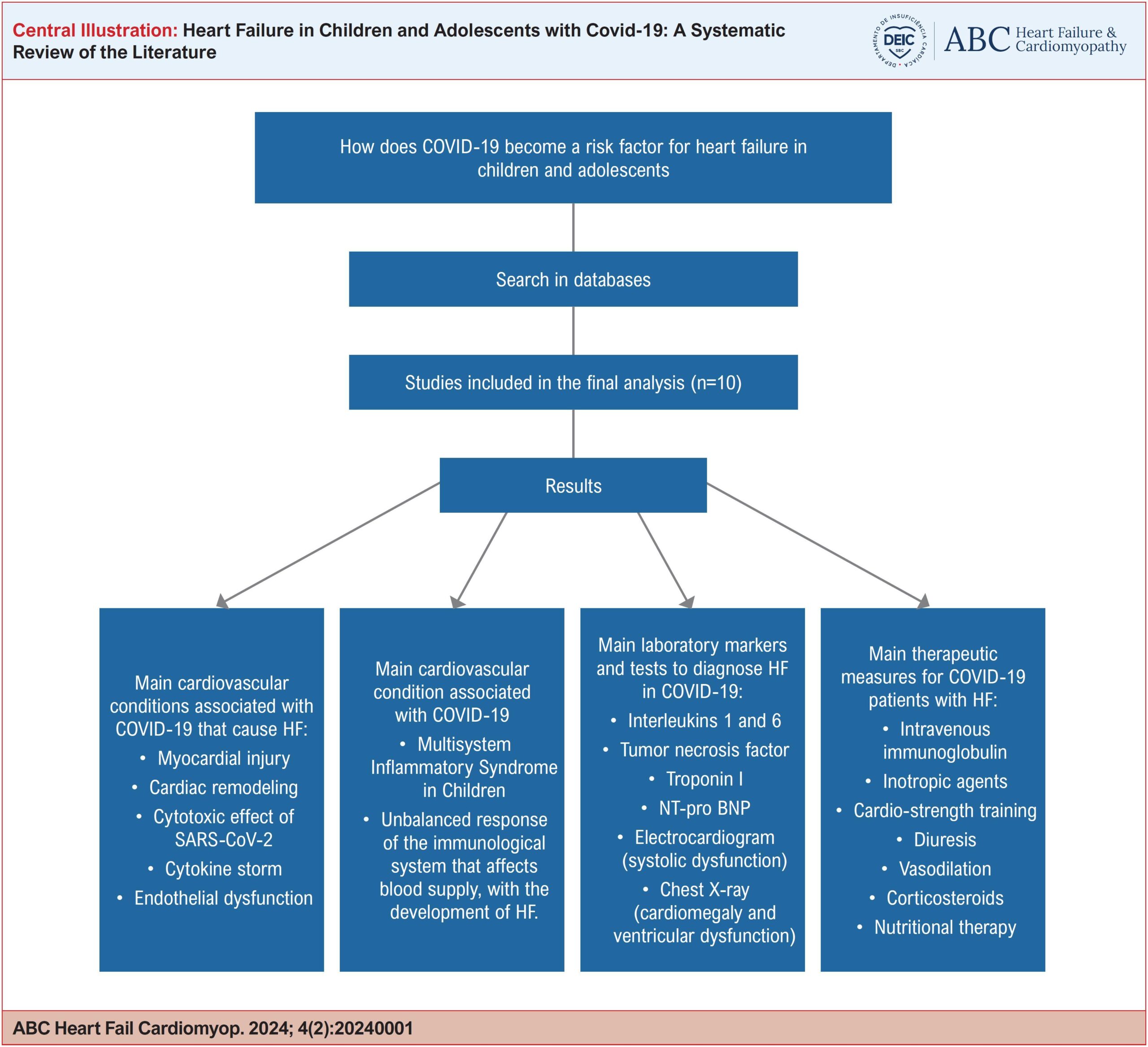
Cardiovascular structural/functional changes caused by COVID-19 may be related to the presence of heart failure (HF), especially in children and adolescents, as the SARS-CoV-2 virus invades cardiomyocytes, leading to cardiac dysfunction.

Objective:

To assess the mechanism by which COVID-19 becomes a risk factor for the development of HF in children and adolescents.

Methods:

This was a systematic literature review of articles indexed in PubMed, BVS and SciELO, following the PRISMA recommendations. DeCS/MeSH descriptors were used in the search.

Results:

A total of 685 studies were identified: 418 in Pubmed, 264 in BVS and three in SciELO. After exclusion of 160 duplicate articles, and analysis of titles and abstracts, 14 articles were read in full, and 10 selected for the final sample. All articles were published between 2020 and 2022; there were 10 cohort studies (eight retrospective and two prospective). Six articles addressed the Multisystem Inflammatory Syndrome in Children (MIS-C), and four articles addressed the reduction in left ventricular ejection fraction in COVID-19 patients.

Conclusions:

Most patients recovered without cardiovascular sequelae, although MIS-C may cause severe systemic failure, which led to death in some studies. More research and more comprehensive studies on this theme are warranted.

  • Adolescent
  • Child
  • COVID-19
  • Heart Failure
  • SARS-CoV-2
Read Full Article
Creative Commons Attribution (CC BY) Creative Commons license
22/07/2024 DOI: 10.36660/abchf.20240001i Views 1
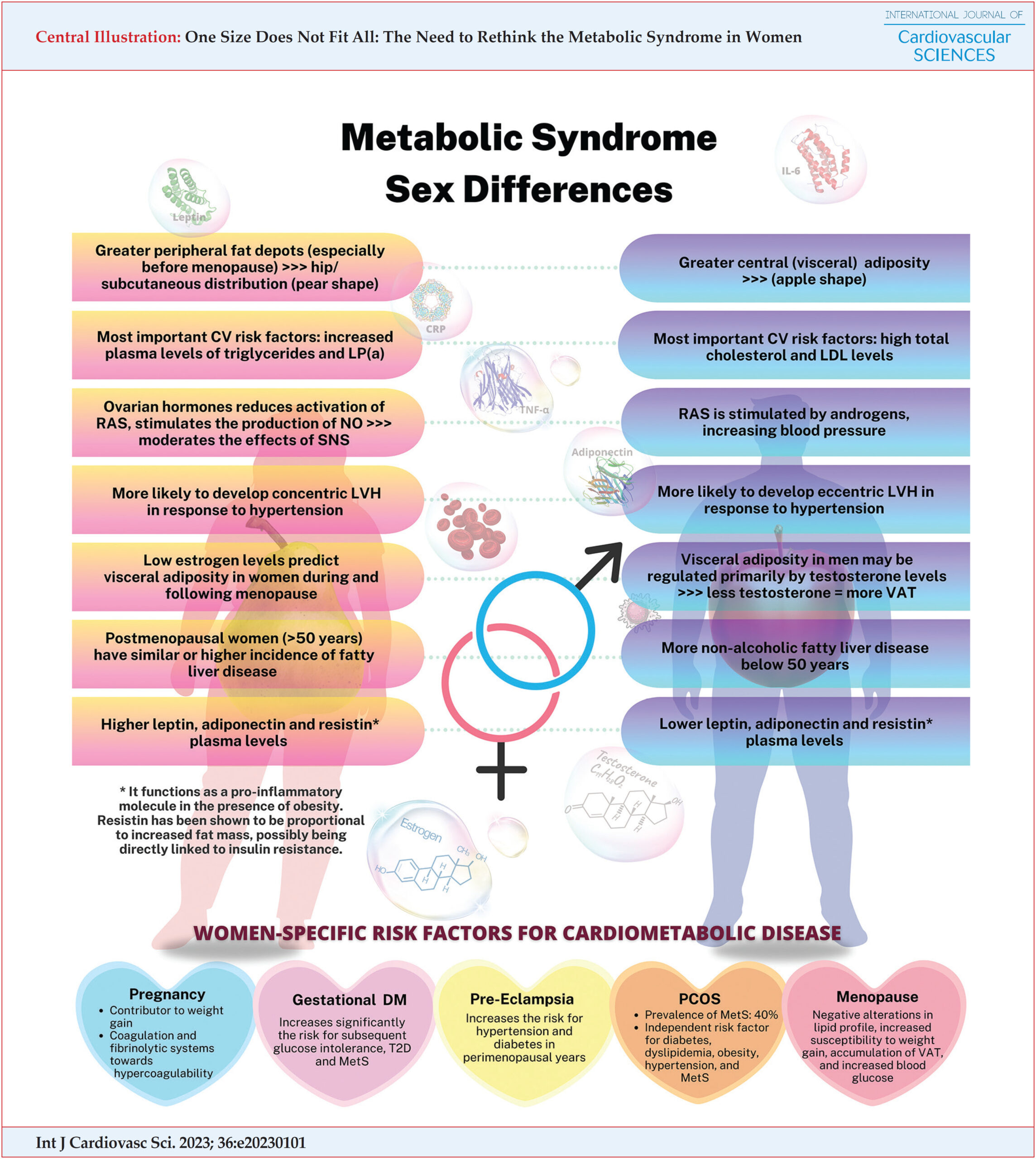
One Size Does Not Fit All: The Need to Rethink the Metabolic Syndrome in Women
IJCS
Review Article

One Size Does Not Fit All: The Need to Rethink the Metabolic Syndrome in Women

Maria Cristina Costa de Almeida et al. Marildes Luiza Castro Larissa Espíndola Neto Luciana Nicolau Aranha … Thaís Salim Gláucia Maria Moraes de Oliveira

Abstract

Metabolic syndrome (MetS) is increasing at epidemic proportions worldwide. MetS and its components are frequent among Brazilian women (41.8%). Women are affected by changes in adipose tissue distribution, lipid profile, insulin resistance (IR), and vascular remodeling during their lives. These changes result from the lack of estrogen after menopause. There have been various attempts to propose a uniform origin for the clustering of the MetS components, including genetics, IR, obesity, lifestyle, sleep disturbances, inflammation, fetal and neonatal programming, and disturbed circadian rhythm of the body functions. The proinflammatory and prothrombotic state in MetS is well-defined. Socioeconomic and lifestyle-related factors are also essential triggers of MetS, which is associated with a higher risk for coronary artery diseases (CAD) and stroke in women. Population measures in health and community medicine, such as continuing education on the importance of lifestyle change to reduce cardiovascular risks from early childhood, are fundamental strategies. Statins reduce high-sensitivity C-reactive protein blood levels and treat high cholesterol. According to the patient, hypoglycemic agents, such as dipeptidyl peptidase-4 (DPP-4) inhibitors, glucagon-like peptide-1(GLP-1a), and sodium-glucose transport protein 2 (SGLT2) inhibitors, in addition to metformin, have their indication due to their beneficial cardiometabolic and vascular effects. Angiotensin-converting enzyme inhibitor (ACEI) and angiotensin-receptor blocker (ARB) should be the first choice to treat hypertension in postmenopausal womem. The recognition of the different gender- and age-specific risk factors, allowing for specific and targeted interventions, is fundamental, especially for women.

  • Adolescent
  • Children
  • Diagnosis
  • Drug Therapy
  • Metabolic Syndrome
  • Women
Read Full Article
Creative Commons Attribution (CC BY) Creative Commons license
15/09/2023 DOI: 10.36660/ijcs.20230101 Views 1
Figure 1
ABCHF
Review Article

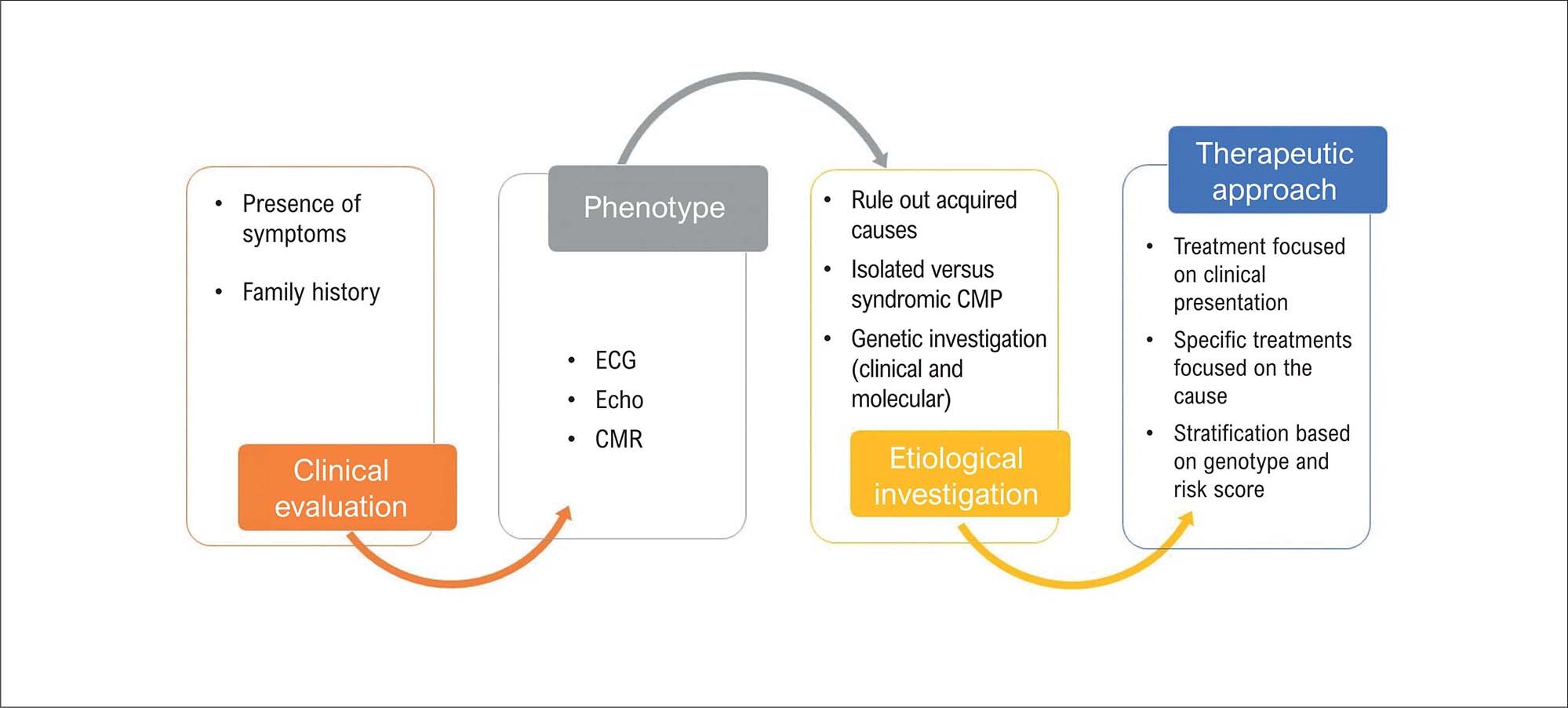
Pediatric Cardiomyopathies: Establishing Genotype-Phenotype Relationship as a Determinant in Prognosis and Therapy: A Review of the Literature

Ana Flavia Malheiros Torbey et al. Aurea Lucia Alves de Azevedo Grippa de Souza Estela Azeka Maraisa Fachini Spada

Abstract

Cardiomyopathies constitute a heterogeneous group of diseases with varying etiologies and clinical presentation. Advances in genetic testing have made it possible to establish genotype-phenotype relationships, determine prognosis, and choose specific treatments in the pediatric population. Therefore, the objective of this review is to assist clinical reasoning and underscore the importance of etiological diagnosis in different disease phenotypes.

  • Adolescent
  • Cardiomyopathies
  • Child
  • Diagnosis
  • Phenotype
Read Full Article
Creative Commons Attribution (CC BY) Creative Commons license
17/08/2023 DOI: 10.36660/abchf.20230016 Views 1
Figure 1
ABC
Original Article

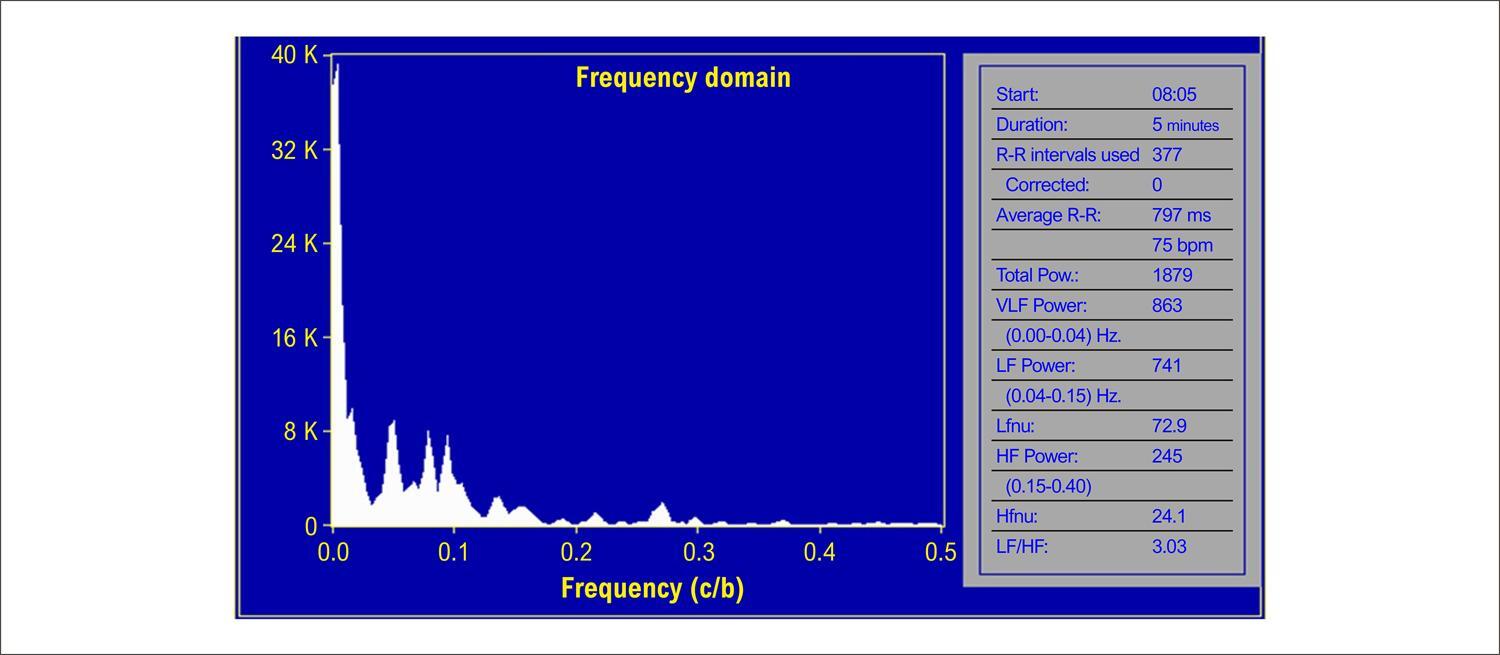
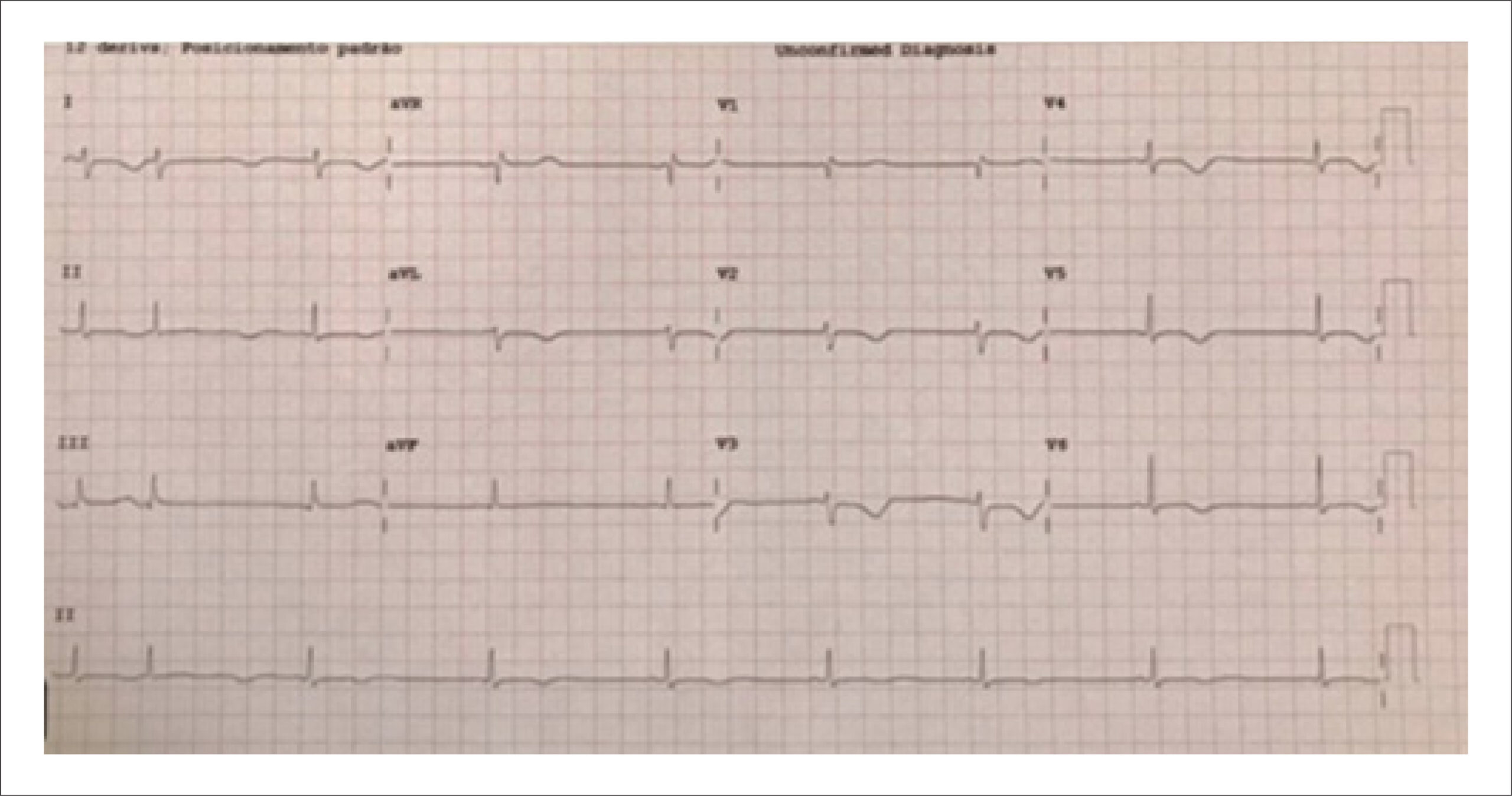
Clinical and Autonomic Profile, and Modified Calgary Score for Children and Adolescents with Presumed Vasovagal Syncope Submitted to the Tilt Test

Pamela Michelle Leite Oliveira et al. Rose Mary Ferreira Lisboa da Silva Henrique de Assis Fonseca Tonelli Zilda Maria Alves Meira Cleonice de Carvalho Coelho Mota

Abstract

Background

In the pediatric population, syncope is mainly from vasovagal (VVS) origin. Its evaluation must be done by clinical methods, and the tilt test (TT) can contribute to the diagnosis.

Objectives

To analyze the clinical profile, Calgary and modified Calgary scores, response to TT and heart rate variability (HRV) of patients aged ≤ 18 years with presumed VVS. To compare the variables between patients with positive and negative responses to TT.

Method

Observational and prospective study, with 73 patients aged between 6 and 18 years, submitted to clinical evaluation and calculation of scores without previous knowledge of the TT. It was done at 70º under monitoring for HRV analysis. P-value < 0.05 was the statistical significance criterion.

Results

Median age was 14.0 years; 52% of participants were female, 72 had Calgary ≥ -2 (mean 1.80), and 69 had modified Calgary ≥ -3 (mean 1.38). Prodromes were observed in 59 patients, recurrence in 50 and trauma in 19. The response to TT was positive in 54 participants (49 vasovagal, with 39 vasodepressor responses), with an increase in the low frequency (LF) component and a decrease in the high frequency (HF) component (p < 0,0001). In the supine position, LF was 33.6 in females and 47.4 in normalized units for males (p = 0.02). When applying the operating characteristic curve for positive TT, there was no statistical significance for HRV and scores.

Conclusion

Most children and adolescents with a presumed diagnosis of VVS presented a typical clinical scenario, with a Calgary score ≥ -2, and a predominant vasodepressor response to TT. Greater sympathetic activation was observed in the supine position in males. Calgary scores and sympathetic activation did not predict the response to TT.

  • Adolescent
  • Child
  • Heart Rate
  • Syncope, Vasovagal
  • Tilt Table Test
Read Full Article
Creative Commons Attribution (CC BY) Creative Commons license
07/08/2023 DOI: 10.36660/abc.20220543 Views 1
IJCS
Editorial

Family Functioning and Congenital Heart Disease

Klébia Magalhães Pereira Castello Branco et al. Maria Verônica Câmara dos Santos

In the last decades, we have been watching a remarkable increase in survival of children with congenital heart disease (CHD), due to advances in surgical and medical management, leading to a significant growth in the number of adolescents and young adults with the disease. In developed countries, the number of adults with CHD surpasses the number of children with CHD.

Unfortunately, prolonged survival has been achieved at a high cost, as an expressive number of patients continue to suffer from significant medical, psychological and social issues. The knowledge that CHD brings an individual burden is not a new concept. In 1964, Glaser concluded that “Despite benefits derived from these remarkable therapeutic gains, children with CHD face many difficulties in their efforts toward social and emotional adjustment.”

[…]

  • Adolescent
  • family health
  • Heart Defects, Congenital
  • Patient Compliance
  • Quality of life
  • School Health Services
  • Social Cohesion
Read Full Article
Creative Commons Attribution (CC BY) Creative Commons license
10/03/2023 DOI: 10.36660/ijcs.20210194 Views 1
Figure 1
ABC
Editorial

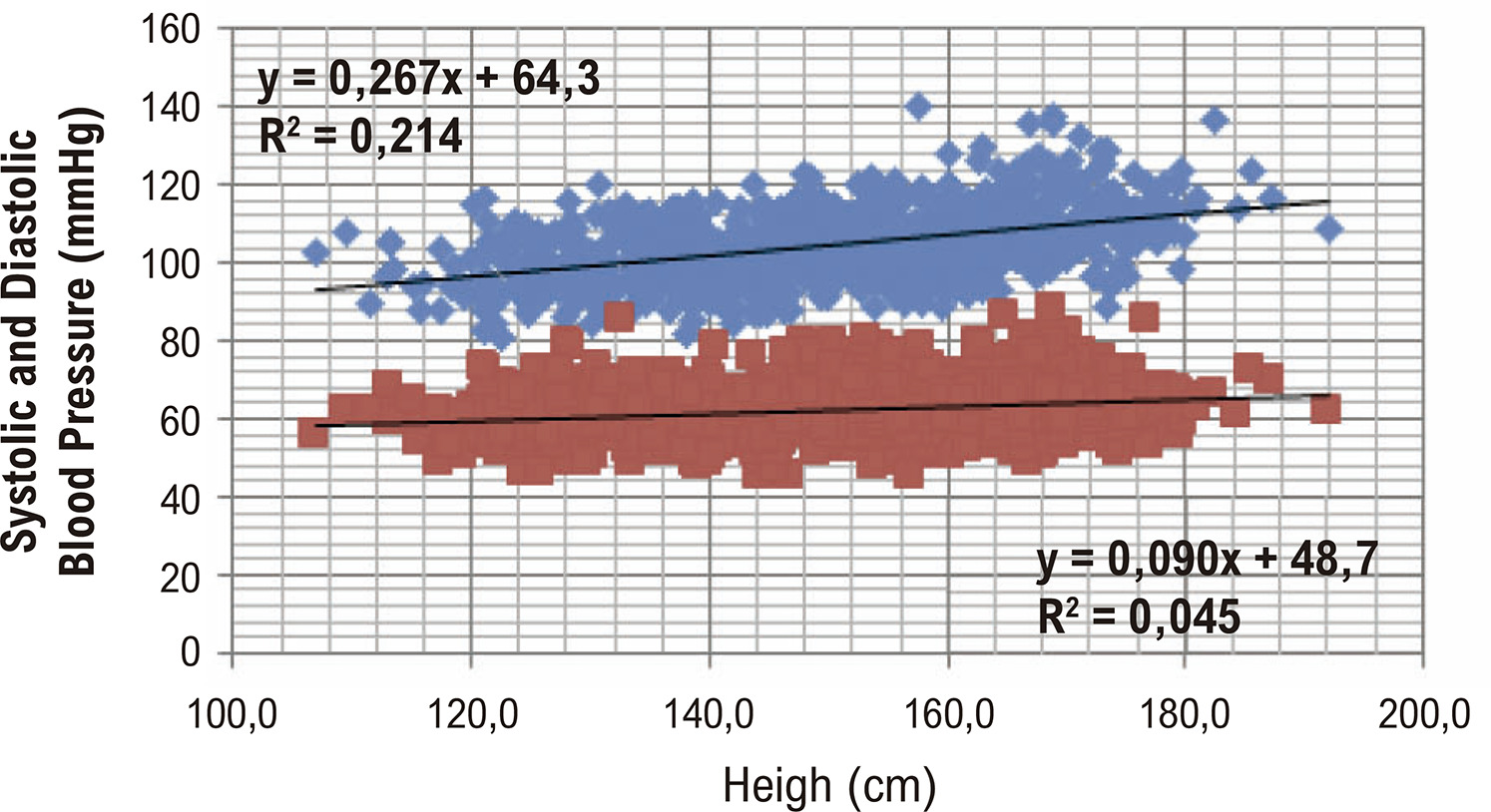
Obesity and Risk of Hypertension: A Growing Problem in Children and Adolescents

José Geraldo Mill

Arterial hypertension (AH) affects approximately 30% of adults in Brazil. A previously rare condition in children and adolescents, this situation has been changing given the obesity pandemic currently occurring in this age group.

Primary AH is a complex disease, as its appearance depends on genetic predisposition and factors linked to lifestyle. There is still no robust and easily obtainable genetic score to be used clinically as a predictor of AH. The same does not occur with the lifestyle factors, as it is known that a sedentary lifestyle, obesity, high salt intake and insulin resistance, predisposes to blood pressure increase throughout life.

[…]

  • Adiposity
  • Adolescent
  • Child
  • Exercise
  • Hypertension / genetic
  • Lifestyle
  • Obesity
Read Full Article
Creative Commons Attribution (CC BY) Creative Commons license
06/03/2023 DOI: 10.36660/abc.20220940
IJCS
Editorial

Daily Consumption of Soft Drinks and Cardiovascular Risk in Adolescents

Karine Brito Beck da Silva

Cardiovascular disease (CVD) includes a group of diseases that affect the heart. These are considered a major public health problem and remain one of the main diseases of the 21st century due to their high morbidity and mortality. CVDs have also been appearing themselves more often even in childhood and adolescence.

Among the factors associated with the increase in the prevalence of CVD are the increase in physical inactivity and reduced physical activity, as well as inadequate eating habits, such as a high intake of ultraprocessed foods, long intervals between meals, and a low consumption of fruits and vegetables, common especially among adolescents. The short and long-term effects of such behaviors are worrisome, as they contribute to fat mass gain, risk factors for Chronic Noncommunicable Diseases (NCDs), responsible for 70% of annual deaths, representing an important cause of morbidity during adolescence.

[…]

  • Adolescent
  • Cardiovascular Diseases
  • Heart Disease Risk Factors
  • Sugar-Sweetened Beverages
Read Full Article
Creative Commons Attribution (CC BY) Creative Commons license
12/09/2022 DOI: 10.36660/ijcs.20220113 Views 1
IJCS
Editorial

Why is Physical Activity Important to Study in Childhood and Adolescence?

Klebia Castello Branco et al. Isabela de Carlos Back

One of the most important concerns of pediatrician in this pandemic/post-pandemic period is the damage caused by COVID-19 on children’s daily habits, especially physical activity. Children and teenagers were kept indoors during these 2 years, living their lives through digital interactions and becoming forcefully sedentary.

Studies conducted worldwide have shown that the average daily screen time of children and adolescents was greater than 2 hours a day, with the vast majority of them having a higher time than that recommended for any age.

[…]

  • Adolescent
  • Child
  • Exercise/ Physical Activity
  • Lifestyle
  • Screen Time
  • Sedentarism
Read Full Article
Creative Commons Attribution (CC BY) Creative Commons license
04/09/2022 DOI: 10.36660/ijcs.20220064 Views 1
IJCS
Original Article

HDL-Cholesterol in Children and Adolescents with Congenital Heart Disease

Matheus Alves Pacheco et al. Silvia Meyer Cardoso Michele Honicky Yara Maria Franco Moreno … Luiz Rodrigo Augustemak de Lima Camila Souza Marcos Isabela de Carlos Back

Abstract

Background

Children and adolescents with congenital heart disease may be more likely to develop atherogenic cardiovascular diseases in adulthood. Therefore, the early identification of risk factors and intervention in childhood may be crucial for a good quality of life and longevity.

Objectives

To describe the distribution of high-density lipoprotein-cholesterol (HDL-c) levels and its association with socioeconomic, clinical and cardiovascular risk factors in children and adolescents with congenital heart disease.

Methods

Cross-sectional study with children and adolescents aged between 5 and 18 years, with congenital heart disease. Socioeconomic, clinical and cardiovascular risk factors were evaluated. HDL-c concentrations were evaluated by the direct method and categorized as desirable (>45 mg/dL), borderline (40-45 mg/dL) and low (<40 mg/dL). We also assessed the “undesirable” levels, consisting of the sum of “borderline” and “low” values for comparative purposes. The multivariate logistic regression analysis was used to evaluate the factor associated with undesirable HDL-c levels. A p<0.05 value was adopted as statistically significant.

Results

Mean HDL-c was 51.2 mg/dL (SD 12.6), with a prevalence of 33.2% of undesirable HDL-c. In the multivariate analysis, C-reactive protein levels ≥ 3mg/dL (OR 3.26; 95% CI 1.32-8.04), age ≥ 10 years old (OR: 2.11; 95% CI 1.12-3.99) and undesirable levels of triglycerides (OR 2.21; 95% CI 1.13-4.75) were associated with undesirable HDL-c.

Conclusion

In this sample of children and adolescents with congenital heart disease, almost one third presented low or borderline HDL-c levels. Age ≥10 years, C-reactive protein and triglycerides were associated with undesirable HDL-c levels. These factors should be considered in the prevention of cerebrovascular diseases in adulthood in this population.

  • Adolescent
  • Atherosclerosis
  • Child
  • Cholesterol
  • Congenital/genetics
  • dyslipidemia
  • HDL-Cholesterol/genetics
  • Heart Defects
  • Risk Factors
Read Full Article
Creative Commons Attribution (CC BY) Creative Commons license
19/08/2022 DOI: 10.36660/ijcs.20210106
Figure 1
ABC
Original Article

Cardiometabolic Risk in Children and Adolescents: The Paradox between Body Mass Index and Cardiorespiratory Fitness

Luciana Tornquist et al. Debora Tornquist Letícia B. Schneiders Silvia I. R. Franke … Jane D. P. Renner Cézane P. Reuter

Abstract

Background

Cardiometabolic risk has been shown to be inversely associated with cardiorespiratory fitness (CRF) and positively associated with body mass index (BMI).

Objective

Our objective was to analyze the association of cardiometabolic risk factors with combined BMI and CRF in schoolchildren from a city in southern Brazil.

Methods

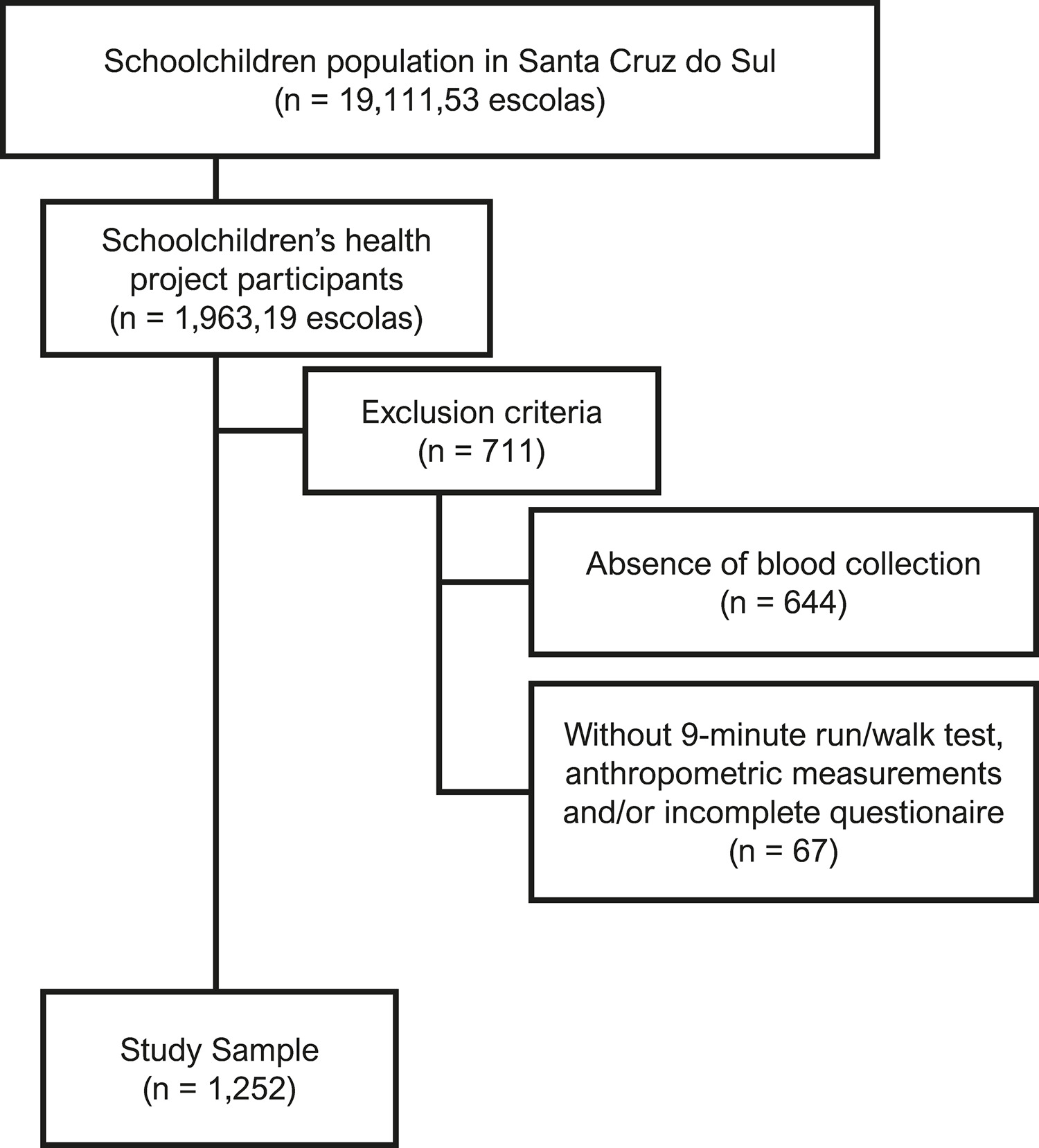
Cross-sectional study with a sample of 1252 schoolchildren aged seven to 17 years. Total cholesterol (TC), HDL-c, LDL-c, triglycerides (TG), systolic (SBP) and diastolic blood pressure (DBP) were evaluated. CRF and BMI were grouped into one variable and the schoolchildren were classified as eutrophic/fit, eutrophic/unfit, overweight-obese/fit, and overweight-obese/unfit. Crude and adjusted analyzes were performed using Poisson Regression and an alpha of 0.05 was adopted.

Results

Overweight-obese and fit schoolchildren showed a prevalence ratio (PR) of 1.50 (1.04 – 2.16) for altered TG, 3.05 (2.05 – 4.54) for elevated SBP, and 2.70 (1.87 – 3.88) for elevated DBP. Overweight-obese and unfit schoolchildren showed a PR for high TC of 1.24 (1.11 – 1.39) and 1.51(1.11 – 2.04) for low HDL levels. In addition, they had a risk of 2.07 (1.60 – 2.69) for altered TG, 3.36 (2.31 – 4.60) for elevated SBP and 2.42 (1.76 – 3.32) for altered DBP.

Conclusion

BMI played a central role in the association with risk and CRF was shown to attenuate the association between risk factors and obesity. Overweight-obese children and adolescents had a higher cardiometabolic risk, but the effect size was larger among the unfit.

  • Adolescent
  • Cardiorespiratory Fitness
  • Child
  • Obesity
  • Risk Factors
  • students
Read Full Article
Creative Commons Attribution (CC BY) Creative Commons license
02/05/2022 DOI: 10.36660/abc.20210593 Views 1
ABC
Editorial

Hypertension in Adolescence, a Direct Relationship to Obesity and Insulin Resistance

Mario Fritsch Neves

Hypertension is the main modifiable risk factor for developing cardiovascular diseases, and its occurrence at an earlier age favors accelerated vascular aging in the following years. The increase in blood pressure in adolescence does not usually occur in isolation and is associated with other risk factors such as excessive salt intake, reduced physical activity, and, especially, overweight/obesity., Considering that a high-fat percentage in childhood and adolescence has early adverse effects on blood pressure, adequate body fat measurements can determine more accurate markers of higher adiposity and predictors of the incidence of hypertension in younger individuals.

Major advances in technology are present in adolescents’ daily lives and generally favor physical inactivity and weight gain, which are directly related to blood pressure levels. In addition to a sedentary lifestyle strongly associated with hypertension in adolescence, physical exercise plays a protective role, reducing blood pressure by several mechanisms. A cross-sectional study with children and adolescents aged 11 to 17 years showed the association of male gender and central obesity with hypertension in these students. On the other hand, the same study pointed to moderate and vigorous physical activities as an effective way to prevent the increase in diastolic blood pressure in young people of this age.

[…]

  • Adolescent
  • Epidemiology
  • Hypertension
  • Insulin Resistance
  • Obesity
  • Risk Factors
  • Sedentarism
Read Full Article
Creative Commons Attribution (CC BY) Creative Commons license
29/04/2022 DOI: 10.36660/abc.20220188 Views 1
IJCS
Original Article

Association between Cardiovascular Risk in Adolescents and Daily Consumption of Soft Drinks: a Brazilian National Study

Ana Flávia Gomes de Britto Neves et al. Rodrigo Pinheiro de Toledo Vianna Marina Travassos Lopes

Abstract

Background:

Cardiovascular risk in adolescence is a public health problem that has grown along with the increase in soft drink consumption.

Objective:

To investigate the association between cardiovascular risk factors and daily consumption of soft drinks in Brazilian adolescents.

Methods:

We conducted a cross-sectional, national, school-based study of 36,956 Brazilian adolescents aged 12 to 17 years. Daily soft drink consumption was estimated using a 24-hour dietary recall. Cardiovascular risk was categorized as overweight, obesity, hypertension, hyperglycemia, and dyslipidemia. The survey command of Stata 14.0® was used to analyze data from a complex sample. The chi-square test was used to assess differences in soft drink consumption and other variables in the descriptive analysis. The odds ratio of cardiovascular risk factors and their respective 95% confidence intervals were estimated, considering sociodemographic and behavioral variables in the Mantel-Haenszel model. Statistical significance was set at p < 0.05.

Results:

Daily consumption of soft drinks was common among adolescents. A daily serving ≥ 450 mL was significantly associated with overweight and hypertension. Results associated with the consumption of regular soft drinks show the possibility of reverse causality. Consumption of diet soft drinks in adolescence should be considered a cardiovascular risk factor.

Conclusion:

Daily consumption of soft drinks can be understood as a relevant risk factor in the epidemiological scenario. Improper eating habits are multifactorial in nature and need to be better understood in the context of adolescent health and further explored in national surveys.

  • Adolescent
  • Cardiovascular Diseases
  • Control and Sanitary Supervision of Foods and Beverages
  • Dietary Sugars
  • Food and Beverages
  • Healthy Surveys
  • Risk Factors
Read Full Article
Creative Commons Attribution (CC BY) Creative Commons license
22/04/2022 DOI: 10.36660/ijcs.20200268 Views 1
Figure 1
ABC
Original Article

The Role of ANP Level Response in Interdisciplinary Weight Loss Therapy on Cardiometabolic Risk and Body Composition in Adolescents with Obesity

Ana Claudia Pelissari Kravchychyn et al. Raquel Munhoz da Silveira Campos Yasmin Alaby Martins Ferreira Sofia Emanuelle de Castro Ferreira Vicente … Flávia Campos Corgosinho Lila Missae Oyama Valter Tadeu Boldarine Lian Tock David Thivel Ana Raimunda Dâmaso

Abstract

Background

The action of atrial natriuretic peptide (ANP) on natriuresis, diuresis and vasodilatation, insulin resistance, liver, kidney, and adipose tissue may contribute to the healthy metabolic and cardiovascular development. Even though the circulating level of ANP is reduced in patients with obesity, its response to weight loss remains poorly explored in pediatric populations.

Objective

To evaluate the effects of ANP variations in response to interdisciplinary weight loss intervention on metabolic syndrome (MetS) and cardiometabolic risks in adolescents with obesity.

Methods

73 adolescents with obesity attended a 20-week clinical interdisciplinary weight loss therapy including clinical, nutritional, psychological and exercise training approach. Body composition, biochemical analyses and blood pressure were evaluated. MetS was classified according to the International Diabetes Federation (IDF) (2007). After the treatment, volunteers were divided according to Increasing (n=31) or Decreasing (n=19) ANP plasma levels.

Results

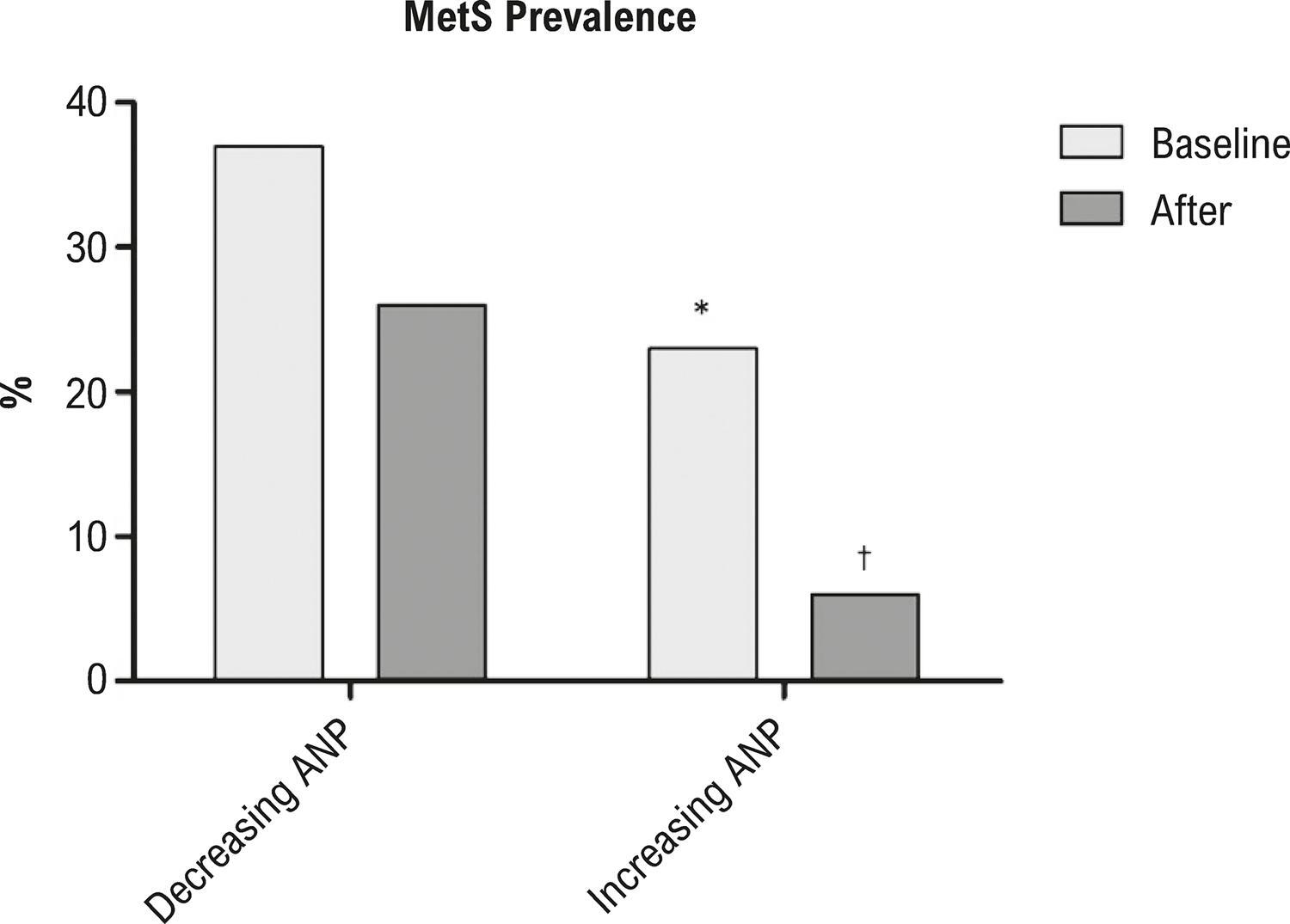
Both groups present significant reduction of body weight, Body Mass Index (BMI), waist, neck and hip circumferences (WC, NC and HC, respectively) and increasing fat-free mass (FFM). Interestingly, a significant reduction in body fat, TG/HDL-c ratio and MetS prevalence (from 23% to 6%) was observed in the Increased ANP group only.

Conclusion

This study suggests that an increase in ANP serum levels after weight loss therapy could be associated with improvements in cardiometabolic risks and the reduced prevalence of MetS in adolescents with obesity.

  • Adolescent
  • Atrial Natriuretic Peptide
  • Insulin Resistance
  • Metabolic Syndrome
  • Metabolism
  • Obesity
  • Weight Loss
Read Full Article
Creative Commons Attribution (CC BY) Creative Commons license
21/02/2022 DOI: 10.36660/abc.20200735 Views 1
ABC
Original Article

Hypertension and Associated Lipid, Glucose, and Adiposity Parameters in School-Aged Adolescents in the Federal District, Brazil

Letícia Rocha Lima et al. Aline Bassetto Okamura Kênia Mara Baiocchi de Carvalho Eliane Said Dutra Vivian Siqueira Santos Gonçalves

Abstract

Background

The prevalence of hypertension and other metabolic disorders has increased in young individuals. However, no representative studies have been conducted in the population of the Federal District, Brazil.

Objective

To estimate the prevalence of hypertension and its association with lipid, glucose, and adiposity markers in school-aged adolescents living in the Federal District.

Methods

This cross-sectional study included participants of the Study of Cardiovascular Risks in Adolescents (Portuguese acronym, ERICA). Blood pressure, blood glucose, glycated hemoglobin, insulin, homeostatic model assessment for insulin resistance (HOMA-IR), triglycerides, total cholesterol, high-density lipoprotein, low-density lipoprotein, body mass index (BMI), waist circumference, and economic, demographic, and sexual maturity variables were assessed. The data were analyzed in Stata, and the analysis was divided into different stages: descriptive, crude, and adjusted. Significant results were set at p < 0.05.

Results

In total, 1,200 adolescents were included, and their mean age was 14.8 years. The prevalence of hypertension was 8% (95% confidence interval: 6.3; 9.9). Most parameters were associated with blood pressure in crude analysis. In adjusted analysis, glucose, lipid, and adiposity markers maintained the associations, and the highest magnitudes were those of BMI and HOMA-IR.

Conclusion

The study revealed a high prevalence of hypertension in adolescents living in the Federal District, and blood pressure levels were associated with other markers of lipid, glucose, and adiposity profile. The findings indicate the relevance of health surveillance for planning effective actions aimed at reversing this situation and preventing new cases.

  • Adiposity
  • Adolescent
  • Blood Glucose
  • Hypertension
  • Lipids
Read Full Article
Creative Commons Attribution (CC BY) Creative Commons license
07/02/2022 DOI: 10.36660/abc.20201240 Views 1
ABCIC
Original Article

Echocardiography: The Examination Request by the Pediatriciant Achieving the Pediatric Cardiologist

Lene Garcia Barbosa et al. Amanda Bentes Rios de Freitas Mariana Aparecida Brunossi Moura Proença Célia Maria Camelo Silva

Summary

Background

Echocardiography is a diagnostic tool used to evaluate cardiac anomalies and clarify doubts about the benign nature of certain findings of cardiovascular clinical examination.

Objectives

To identify the main reasons for the request of echocardiography by pediatrician and evaluate the degree of anxiety of the family generated by this conduct.

Methods

We included patients younger than 18 years without previous diagnosis of heart disease and referred for the first echocardiogram. Family members responsible for the patients answered a questionnaire to assess the degree of their anxiety from order to the performance of the echocardiogram, with scores between 0 and 19. Data were analyzed using percentages, standard deviation and Student’s t test.

Results

Studied 30 patients with a mean age of 4.45 years. The most prevalent reason for referral was heart murmur (23 cases), of which 70% patients had no congenital heart disease hypothesis confirmed, after echocardiography. The average score on the anxiety questionnaire was 11 ± 6 significantly associated with the presence of heart disease, with a mean of 13.0 ± 5.3 vs. 9.3 ± 5.2 in the group without the possibility of it (p = 0.007).

Conclusion

The murmurs findings was the main reason for echocardiography request by the pediatrician. Confirmation of heart disease was higher in children under 1 year and with murmurs findings. Despite the anxiety level was higher in the group of patients who were diagnosed with congenital heart disease, this was not negligible in the family in the group of patients without heart disease. (Arq Bras Cardiol: Imagem cardiovasc. 2017;30(2):39-45)

  • Adolescent
  • Anxiety
  • Cardiovascular Abnormalities
  • Child
  • Echocardiography
  • Pediatrics
Read Full Article
Creative Commons Attribution (CC BY) Creative Commons license
20/01/2022 DOI: 10.5935/2318-8219.20170011 Views 1
ABC
Original Article

Cardiac Autonomic Modulation is a Key Factor for High Blood Pressure in Adolescentes

Sara Raquel Dutra Macêdo et al. Antonio Carlos Silva-Filho Adeilson Serra Mendes Vieira Nivaldo de Jesus Soares Junior … Carlos José Dias Carlos Alberto Alves Dias Filho Antonio Woodson Maciel Luís Gustavo Dias Rabelo Flavio Oliveira Pires Rachel Melo Ribeiro Bruno Rodrigues Cristiano Teixeira Mostarda

Abstract

Background

The interest regarding hypertension among children and adolescents has increased since the blood pressure rating system was updated to be compared with the adult rating system, changing the terminology from “normal high” to “prehypertension”.

Objective

This study aimed to analyze the association between cardiac autonomic modulation and pressure levels of adolescents.

Methods

203 adolescents were grouped according to systolic blood pressure (SBP) and diastolic blood pressure (DBP). One group was characterized as prehypertension, and the other as normotensive. Anthropometric, cardiovascular and sleep quality characteristics were collected. Initially, the data were submitted to the Kolmogorov-Smirnov normality test. Continuous quantitative variables were analyzed using the unpaired Student t-test. For the analysis of categorical variables, a chi-square test was used. A logistic regression model was performed. The level of significance was set at p<0.05. The data were expressed as mean ± standard deviation and confidence interval. The R software was used for data analysis. The effect size was calculated using the Cohen’s formula.

Results

The prehypertension group showed an increase in Shannon entropy and a decrease in total variance. Also, in the logistic regression model, adolescents in this group were 1.03 times more likely to have Shannon entropy’s affected when SBP was adjusted for gender, sexual maturation, school time, age, waist circumference, and sleep quality.

Conclusion

Our data show that autonomic modulation may play an important role in the development of elevated blood pressure in adolescents, when controlling for other factors, such as school time and sleep quality.

  • Adolescent
  • Blood Pressure
  • Cardiovascular Diseases
  • Hypertension
  • Obesity
  • Pre-Hypertension
Read Full Article
Creative Commons Attribution (CC BY) Creative Commons license
25/10/2021 DOI: 10.36660/abc.20200093 Views 2
Figure 1
ABC
Original Article

Breaks in Sedentary Time and Cardiometabolic Markers in Adolescents

Natália Maria Mesquita de Lima Quirino et al. Alcides Prazeres Filho Arthur Oliveira Barbosa Gerfeson Mendonça José Cazuza de Farias Júnior

Abstract

Background:

The interruption of the time spent in sedentary behavior (breaks) has been associated with better levels of cardiometabolic indicators in the adult population, but in adolescents, further investigations are still needed to confirm these findings.

Objectives:

To analyze the association of the number of breaks per day in sedentary behaviors with cardiometabolic markers and whether it was moderated by nutritional status and excessive time on sedentary behavior in adolescents.

Methods:

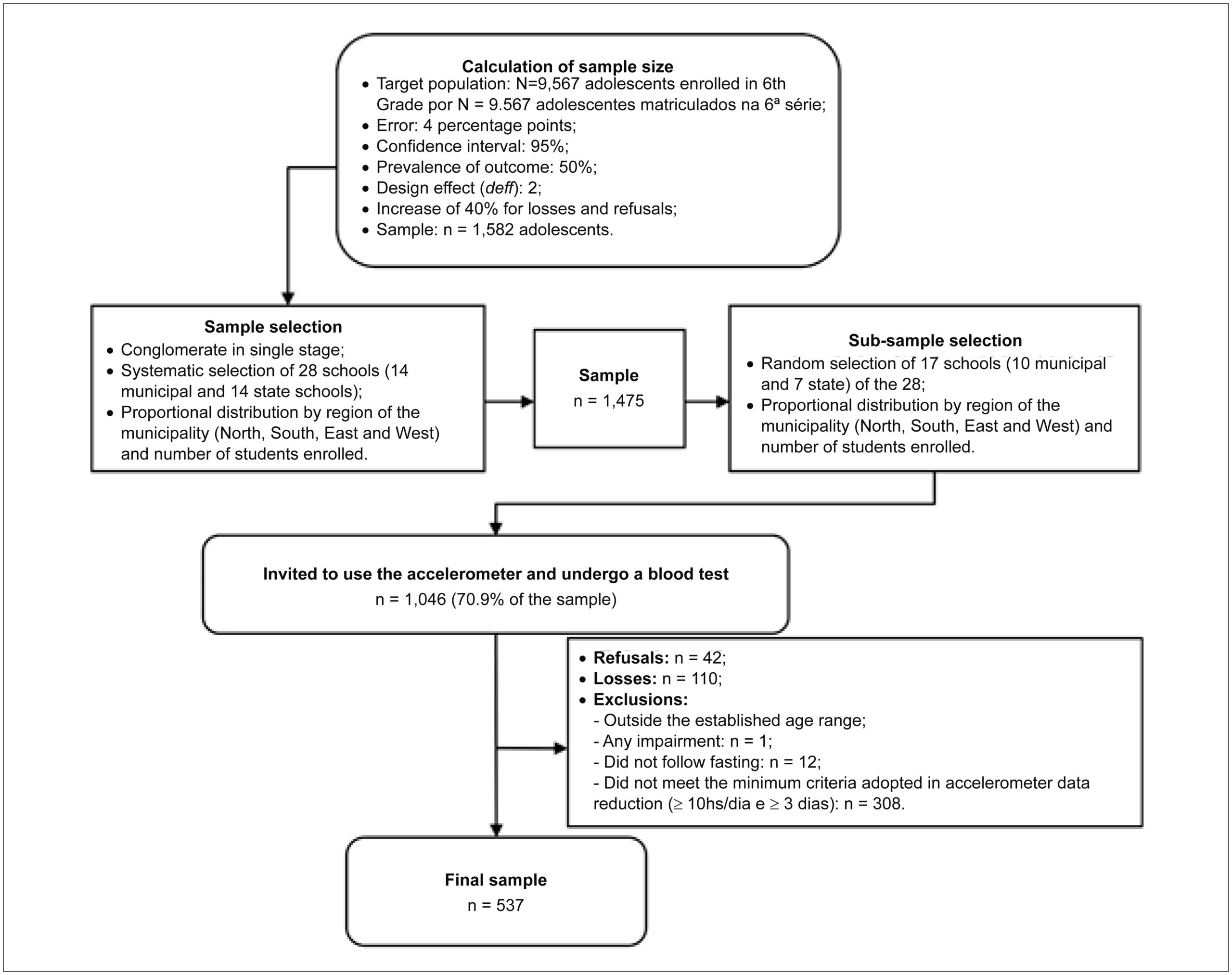
This is a cross-sectional study of 537 adolescents (52.3% girls), aged between 10 and 14 years, enrolled in public schools in the city of João Pessoa, Paraíba state, Brazil. The number of daily breaks (>100 counts/minutes) in sedentary time was measured by Actigraph GT3X+ accelerometers. The following cardiometabolic markers were analyzed: systolic and diastolic blood pressure (mmHg), fasting blood glucose levels, total cholesterol, triglycerides, HDL-c, LDL-c (all in mg/dL) and body mass index (BMI) (kg/m). Linear regression was used to analyze the association between the number of breaks and cardiometabolic markers and whether this association was moderated by nutritional status and excessive time in sedentary behavior. The significance level of p<0.05 was adopted for all analyses.

Results:

The number of daily breaks was negatively associated with BMI (boys – ß = −0.083; 95%CI: −0.132; −0.034 and girls – ß = −0.115; 95%CI: −0.169; −0.061), but not with the remaining cardiometabolic markers. The number of breaks per day was negatively associated with BMI (ß = −0.069; 95% CI: −0.102; −0.035), but not with the other cardiometabolic markers and this association was not moderated by the adolescents’ nutritional status (p=0.221), or by excessive time in sedentary behavior (p=0.176).

Conclusions:

Including breaks in sedentary time seems to contribute to lower BMI values in adolescents.

  • Adiposity
  • Adolescent
  • Blood Arterial
  • Cardiometabolic Markers
  • Cholesterol
  • Glucose
  • Sedentarism
  • Sedentary Behavior
  • Triglycerides
Read Full Article
Creative Commons Attribution (CC BY) Creative Commons license
06/09/2021 DOI: 10.36660/abc.20200047
Figure 1
ABC
Original Article

Sensitivity and Specificity of Cutoff Points of Resting Heart Rate from 6,794 Brazilian Adolescents: A Cross-Sectional Study

Breno Quintella Farah et al. Diego Giulliano Destro Christofaro Aluísio Andrade-Lima Antonio Henrique Germano-Soares … William Rodrigues Tebar Mauro Virgílio Gomes de Barros Raphael Mendes Ritti-Dias

Abstract

Background

Resting heart rate (RHR) may be a useful screening tool for cardiovascular risk. However, RHR cutoff points, an interesting clinical approach, have never been described in young populations.

Objective

To establish RHR cutoff points in Brazilian adolescents and to analyze whether cutoff points are associated with cardiovascular risk factors.

Methods

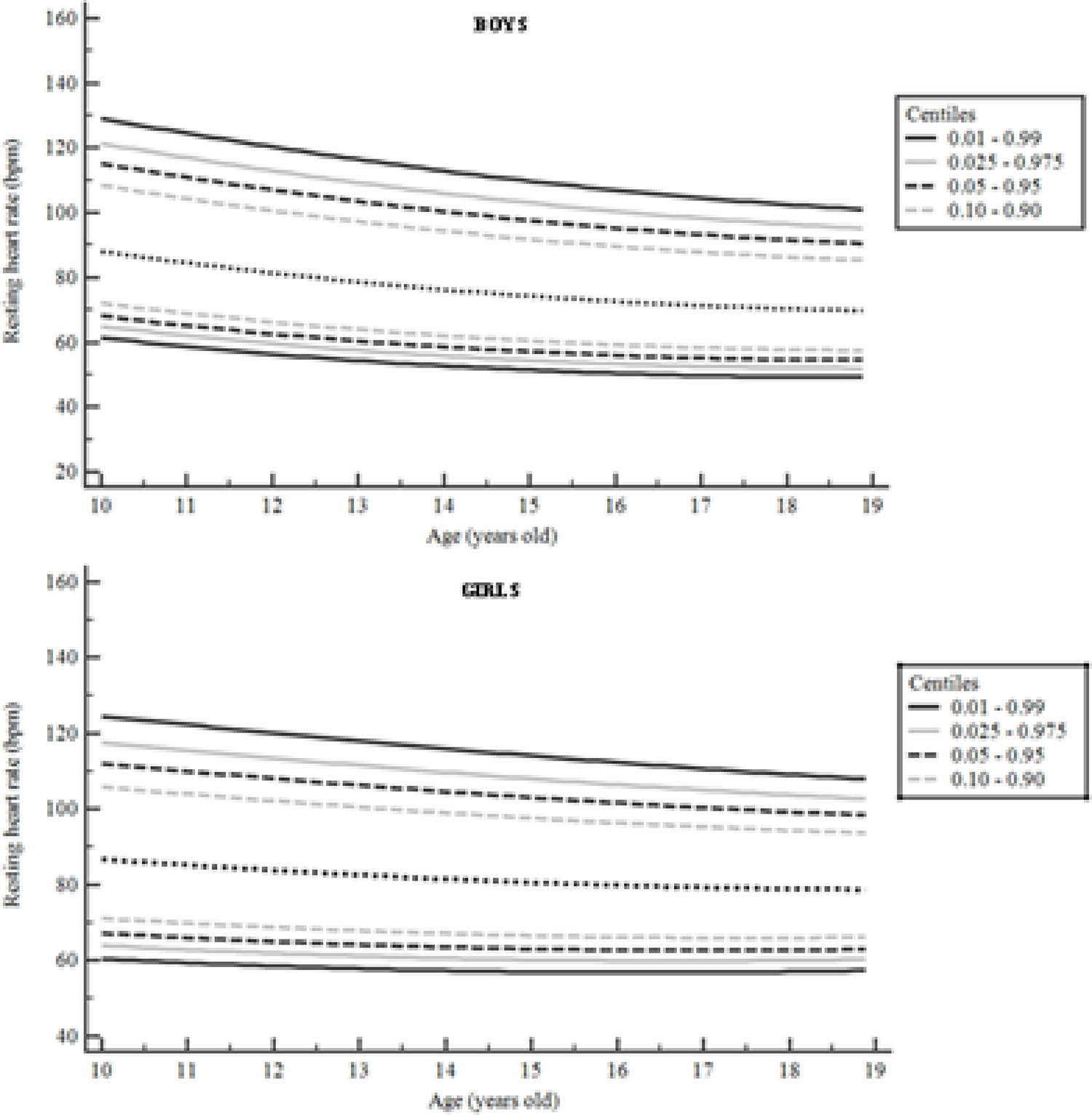
The sample was composed of 6,794 adolescents (10 to 19 years old). Blood pressure and RHR were assessed by oscillometric device. Body mass index and waist circumference were also assessed. Receiver operating characteristic curve was adopted to analyze the sensitivity and specificity, and associations of high RHR with cardiovascular risk factors were analyzed by binary logistic regression. A p value < 0.05 was considered statistically significant for all the analyses.

Results

Mean RHR values were higher among participants ages 10 to 14 years than 15 to 19 years, for boys (p < 0.001) and girls ( 92 bpm) and 15 to 19 years (> 82 bpm), as well as for girls ages 15 to 19 years (> 82 bpm) (p 0.05). Proposed RHR cutoff points were associated with abdominal obesity, overweight, and high blood pressure in boys in girls. RHR cutoff points were associated with the cluster of cardiovascular risk factors in adolescents ages 15 to 19 years.

Conclusion

The proposed RHR cutoff points were associated with cardiovascular risk factors in adolescents.

  • Adiposity
  • Adolescent
  • Blood Arterial
  • Cross-Sectional Studies
  • Epidemiology
  • Heart Rate
  • Obesity
  • Risk Factors
Read Full Article
Creative Commons Attribution (CC BY) Creative Commons license
26/07/2021 DOI: 10.36660/abc.20200111 Views 1
ABC
Editorial

Analysis of Sensitivity and Specificity of Cutoff Points for Resting Heart Rate in 6,794 Brazilian Adolescents: A Cross-Sectional Study

Luana Anaisse Azoubel et al. Erika Ribeiro Carneiro Nilviane Pires Allan Kardec Barros Carlos José Dias

Resting heart rate (RHR) is an accessible measure that may reflect the balance between the sympathetic and parasympathetic nervous system. Elevated RHR levels are associated with cardiovascular events in adults and cardiovascular risk factors, such as overweight, abdominal obesity and high blood pressure have been associated with high RHR. Therefore, obtaining a cutoff point for the RHR in children and adolescents is essential for better screening and subsequent clinical follow-up.

Furthermore, the early identification and screening of cardiovascular changes and cardiac autonomic modulation can be reflected by simple measures such as the RHR, since sedentary adolescents with abdominal obesity have lower heart rate variability (HRV) and, consequently, greater sympathetic stimulation, maintaining the RHR high and increasing the risk of developing heart damage throughout life.

[…]

  • Adiposity
  • Adolescent
  • Blood Pressure
  • Cross-sectional studies/methods
  • Epidemiology
  • Heart Rate/physiology
  • Obesity
Read Full Article
Creative Commons Attribution (CC BY) Creative Commons license
26/07/2021 DOI: 10.36660/abc.20210512 Views 1
Figure 1
IJCS
Original Article

Analysis of Diastolic Left Ventricular Function in Adolescents with Juvenile Systemic Lupus Erythematosus

Talita Nolasco Loureiro et al. Cristina Ortiz Sobrinho Valete Marcia Bueno Castier Maria de Fatima Monteiro Leite Flavio Roberto Sztajnbok

Abstract

Background

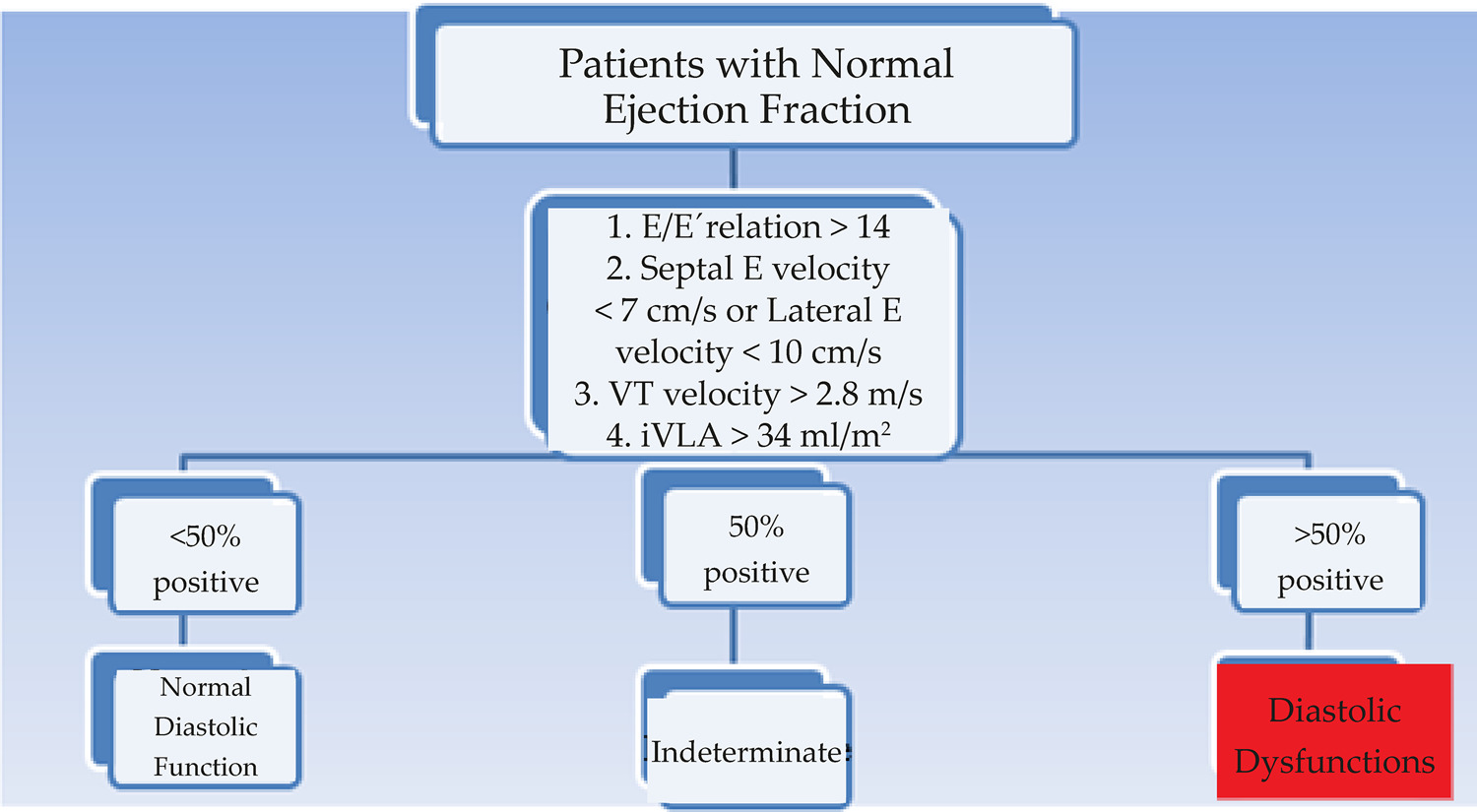
Juvenile systemic lupus erythematosus (JSLE) is a chronic inflammatory disease that affects the heart in 50% of cases. The behavior of diastolic function in adolescents and the predictors of its occurrence by conventional echocardiography are poorly established.

Objectives

This study aimed to evaluate diastolic function in adolescents with JSLE and to identify possible predictors of its occurrence by conventional echocardiography.

Methods

Cross-sectional, observational, control group study in a tertiary hospital of 49 adolescents with JSLE and 49 controls, using the EACVI 2016 guideline classification. Statistical methods used were Fisher and Mann-Whitney tests. Multivariate logistic regression models were constructed. A significance level of 5% was adopted.

Results

Among 98 patients, the JSLE group had higher indexed left atrial volume (p <0.001), lower lateral E' value (p<0.001) and lower E/A ratio value (p<0.001). The diagnosis of JSLE was associated with a higher chance of increased left atrial index volume (OR 3.3; p value 0.03).

Conclusions

Based on the 2016 guideline, no diastolic dysfunction was found in JSLE. However, differences in the analyzed echocardiographic parameters were found in these adolescents.

  • Adolescent
  • Echocardiography/methods
  • Lupus Erythematosus, System
  • Ventricular Dysfunction, Left
Read Full Article
Creative Commons Attribution (CC BY) Creative Commons license
16/07/2021 DOI: 10.36660/ijcs.20200210 Views 1
Figure 1
IJCS
Viewpoint

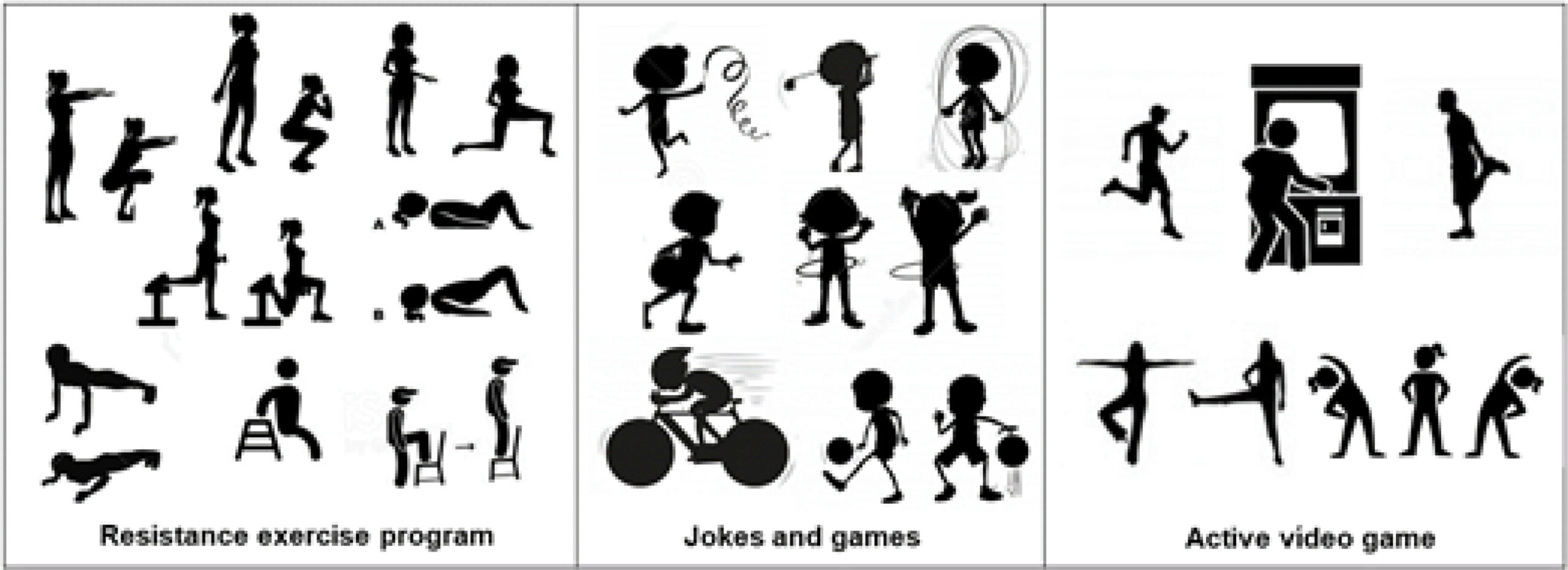
Home Physical Activity Programs for Children and Adolescents as a Healthy Strategy During Social Isolation Caused by COVID-19: viewpoint

Rafaela Catherine da Silva Cunha de Medeiros et al. Isis Kelly dos Santos Jason Azevedo de Medeiros Ricardo Ney Cobucci … Tatiane Andreza Lima da Silva Juliany de Souza Araujo Phelipe Wilde de Alcântara Varela Breno Guilherme de Araújo Tinoco Cabral Paulo Moreira Silva Dantas

Background

The recent outbreak of coronavirus disease (COVID-19) is considered a global health emergency. The global impact of this viral infection is of great concern to everyone. As the COVID-19 outbreak continues to appear unstoppable, preventive and hygiene measures have been implemented to safeguard against infection. Among these precautions, social isolation is considered to have the greatest potential for reducing contagion, at least until a vaccine becomes available. This isolation measure works as a kind of “necessary evil” for preventing a wide-reaching disaster. Thus, social distancing and staying home remain the most effective restrictive measures to prevent the exponential increase in contagion.

One of the crucial focal points of this strategy was oriented toward the closure of schools, thus affecting thousands of children and adolescents, who comprise approximately half of the global student population. The closure of educational institutions could have a significant impact on their lives, requiring them to adapt to new routines. Considering that they are now being confined to their homes due to the new situation generated by the pandemic, this cohort may experience moments of stress.

[…]

  • Adolescent
  • Betacoronavirus, Pandemics
  • Child
  • COVID-19
  • Exercises
  • Physical activity
  • Schools Closure
  • Social Isolation
  • Sports
  • students
Read Full Article
Creative Commons Attribution (CC BY) Creative Commons license
12/05/2021 DOI: 10.36660/ijcs.20200183 Views 1
ABC
Editorial

Cardiovascular Disease Prevention in Adolescence: New Possibilities

Mariana Xavier e Silva

It is currently known that the atherosclerosis process starts in childhood. Thus, in order to decrease the number of cardiovascular events in the adult population, it was necessary to establish strategies aimed at preventing the development of risk factors in children. Of these, obesity is one of the most accountable elements. Obesity and its consequences, especially in adolescents, has been an increasingly frequent reality in cardiologists’ offices. Studies have shown that a high body mass index means a greater probability of developing chronic diseases, including, and among them, atherosclerosis, systemic arterial hypertension, diabetes mellitus, dyslipidemia, metabolic syndrome and comorbidities, such as obstructive sleep apnea., These risk factors, also during growth and development, tend to join and act in favor of cardiovascular disease.

Overweight and obesity in children and adolescents are indeed a matter of concern. A close look shows that, in the last twenty years, their proportion has greatly increased in several countries.,, Adolescence is characterized by significant changes in body composition, especially during puberty. The follow-up and monitoring are essential since weight, body fat and lean mass are predictive characteristics of the development of cardiovascular risk factors in adult life., This age group, within this scenario, has a five-fold greater risk of excessive adiposity in the future, thus becoming a marker of increased cardiometabolic risk.

[…]

  • Adolescent
  • Atherosclerosis
  • Cardiovascular Diseases / trends
  • Cardiovascular Diseases/prevention and control
  • Childhood
  • Risk Factors
Read Full Article
Creative Commons Attribution (CC BY) Creative Commons license
16/04/2021 DOI: 10.36660/abc.20200556 Views 2

Could not load more articles. Please try again.

How to cite this article

EndNote RIS

Electronic Document Format (Vancouver)

Inada T, Silva GSM, Amaral RM, Santos Junior EF, Branco CEB. Takotsubo Syndrome in an Adolescent Undergoing Oncological Treatment: A Rare Case Report. Arquivos Brasileiros de Cardiologia 2026;123(2):e20250380.

Electronic Document Format (ABNT)

Inada, Tami; Silva, Guilherme Santos Marques da; Amaral, Raisa Machado; Santos Junior, Edgard Ferreira dos; Branco, Carlos Eduardo de Barros. Takotsubo Syndrome in an Adolescent Undergoing Oncological Treatment: A Rare Case Report. Arquivos Brasileiros de Cardiologia, v. 123, n. 2, e20250380, Apr. 2026.

Electronic Document Format (APA)

Inada, T., Silva, G. S. M. , Amaral, R. M., Santos Junior, E. F. , & Branco, C. E. B. (2026). Takotsubo Syndrome in an Adolescent Undergoing Oncological Treatment: A Rare Case Report. Arquivos Brasileiros de Cardiologia, 123(2), e20250380.

Electronic Document Format (ISO)

Inada, Tami and Silva, Guilherme Santos Marques da and Amaral, Raisa Machado and Santos Junior, Edgard Ferreira dos and Branco, Carlos Eduardo de Barros. Takotsubo Syndrome in an Adolescent Undergoing Oncological Treatment: A Rare Case Report. Arquivos Brasileiros de Cardiologia [online]. 2026, vol. 123, n. 2, [cited 2026-10-14], e20250380. Available from: <https://journals.cardiol.br/en/article/takotsubo-syndrome-in-an-adolescent-undergoing-oncological-treatment-a-rare-case-report/>. ISSN 0066-782X

EndNote RIS

Electronic Document Format (Vancouver)

Cesena FY. Detecting Familial Hypercholesterolemia in Adolescents: Universal Screening is Key. Arquivos Brasileiros de Cardiologia 2025;122(3):e20250178.

Electronic Document Format (ABNT)

Cesena, Fernando Yue. Detecting Familial Hypercholesterolemia in Adolescents: Universal Screening is Key. Arquivos Brasileiros de Cardiologia, v. 122, n. 3, e20250178, May. 2025.

Electronic Document Format (APA)

Cesena, F. Y. (2025). Detecting Familial Hypercholesterolemia in Adolescents: Universal Screening is Key. Arquivos Brasileiros de Cardiologia, 122(3), e20250178.

Electronic Document Format (ISO)

Cesena, Fernando Yue. Detecting Familial Hypercholesterolemia in Adolescents: Universal Screening is Key. Arquivos Brasileiros de Cardiologia [online]. 2025, vol. 122, n. 3, [cited 2026-10-14], e20250178. Available from: <https://journals.cardiol.br/en/article/detecting-familial-hypercholesterolemia-in-adolescents-universal-screening-is-key/>. ISSN 0066-782X

EndNote RIS

Electronic Document Format (Vancouver)

Martins LQ, Souza GR, Alves DGG, Melo KFC, Almeida PCA, Cascaes RL, Monteiro AMZA, et al. Heart Failure in Children and Adolescents with Covid-19: A Systematic Review of the Literature. ABC Heart Fail Cardiomyop 2024;4(2):20240001.

Electronic Document Format (ABNT)

Martins, Lucas Quaresma; Souza, Gabriel Ribeiro de; Alves, Daniel Garcia da Gama; Melo, Kaylane Fernanda Costa de; Almeida, Paula Cordeiro Aguiar de; Cascaes, Ádria Rayane Lima; Monteiro, Antonio Maria Zacarias Araújo. Heart Failure in Children and Adolescents with Covid-19: A Systematic Review of the Literature. ABC Heart Fail Cardiomyop, v. 4, n. 2, 20240001, Jul. 2024.

Electronic Document Format (APA)

Martins, L. Q., Souza, G. R. , Alves, D. G. G., Melo, K. F. C. , Almeida, P. C. A. , Cascaes, R. L., & Monteiro, A. M. Z. A. (2024). Heart Failure in Children and Adolescents with Covid-19: A Systematic Review of the Literature. ABC Heart Fail Cardiomyop, 4(2), 20240001.

Electronic Document Format (ISO)

Martins, Lucas Quaresma and Souza, Gabriel Ribeiro de and Alves, Daniel Garcia da Gama and Melo, Kaylane Fernanda Costa de and Almeida, Paula Cordeiro Aguiar de and Cascaes, Ádria Rayane Lima and Monteiro, Antonio Maria Zacarias Araújo. Heart Failure in Children and Adolescents with Covid-19: A Systematic Review of the Literature. ABC Heart Fail Cardiomyop [online]. 2024, vol. 4, n. 2, [cited 2026-10-14], 20240001. Available from: <https://journals.cardiol.br/en/article/heart-failure-in-children-and-adolescents-with-covid-19-a-systematic-review-of-the-literature/>

EndNote RIS

Electronic Document Format (Vancouver)

Almeida MCC, Castro ML, Espíndola Neto L, Aranha LN, Salim T, Oliveira GMM. One Size Does Not Fit All: The Need to Rethink the Metabolic Syndrome in Women. International Journal of Cardiovascular Sciences 2023;36:e20230101.

Electronic Document Format (ABNT)

Almeida, Maria Cristina Costa de; Castro, Marildes Luiza; Espíndola Neto, Larissa; Aranha, Luciana Nicolau; Salim, Thaís; Oliveira, Gláucia Maria Moraes de. One Size Does Not Fit All: The Need to Rethink the Metabolic Syndrome in Women. International Journal of Cardiovascular Sciences, v. 36, e20230101, Sep. 2023.

Electronic Document Format (APA)

Almeida, M. C. C. , Castro, M. L., Espíndola Neto, L., Aranha, L. N., Salim, T., & Oliveira, G. M. M. (2023). One Size Does Not Fit All: The Need to Rethink the Metabolic Syndrome in Women. International Journal of Cardiovascular Sciences, 36, e20230101.

Electronic Document Format (ISO)

Almeida, Maria Cristina Costa de and Castro, Marildes Luiza and Espíndola Neto, Larissa and Aranha, Luciana Nicolau and Salim, Thaís and Oliveira, Gláucia Maria Moraes de. One Size Does Not Fit All: The Need to Rethink the Metabolic Syndrome in Women. International Journal of Cardiovascular Sciences [online]. 2023, vol. 36, [cited 2026-10-14], e20230101. Available from: <https://journals.cardiol.br/en/article/one-size-does-not-fit-all-the-need-to-rethink-the-metabolic-syndrome-in-women/>. ISSN 2359-4802

EndNote RIS

Electronic Document Format (Vancouver)

Torbey AFM, Souza ALAAG, Azeka E, Spada MF. Pediatric Cardiomyopathies: Establishing Genotype-Phenotype Relationship as a Determinant in Prognosis and Therapy: A Review of the Literature. ABC: Heart Failure & Cardiomyopathy 2023;3(1):e20230016.

Electronic Document Format (ABNT)

Torbey, Ana Flavia Malheiros; Souza, Aurea Lucia Alves de Azevedo Grippa de; Azeka, Estela; Spada, Maraisa Fachini. Pediatric Cardiomyopathies: Establishing Genotype-Phenotype Relationship as a Determinant in Prognosis and Therapy: A Review of the Literature. ABC: Heart Failure & Cardiomyopathy, v. 3, n. 1, e20230016, Aug. 2023.

Electronic Document Format (APA)

Torbey, A. F. M., Souza, A. L. A. A. G. , Azeka, E., & Spada, M. F. (2023). Pediatric Cardiomyopathies: Establishing Genotype-Phenotype Relationship as a Determinant in Prognosis and Therapy: A Review of the Literature. ABC: Heart Failure & Cardiomyopathy, 3(1), e20230016.

Electronic Document Format (ISO)

Torbey, Ana Flavia Malheiros and Souza, Aurea Lucia Alves de Azevedo Grippa de and Azeka, Estela and Spada, Maraisa Fachini. Pediatric Cardiomyopathies: Establishing Genotype-Phenotype Relationship as a Determinant in Prognosis and Therapy: A Review of the Literature. ABC: Heart Failure & Cardiomyopathy [online]. 2023, vol. 3, n. 1, [cited 2026-10-14], e20230016. Available from: <https://journals.cardiol.br/en/article/pediatric-cardiomyopathies-establishing-genotype-phenotype-relationship-as-a-determinant-in-prognosis-and-therapy-a-review-of-the-literature/>

EndNote RIS

Electronic Document Format (Vancouver)

Oliveira PML, Silva RMFL, Tonelli HAF, Meira ZMA, Mota CCC. Clinical and Autonomic Profile, and Modified Calgary Score for Children and Adolescents with Presumed Vasovagal Syncope Submitted to the Tilt Test. Arquivos Brasileiros de Cardiologia 2023;120(7):e20220543.

Electronic Document Format (ABNT)

Oliveira, Pamela Michelle Leite; Silva, Rose Mary Ferreira Lisboa da; Tonelli, Henrique de Assis Fonseca; Meira, Zilda Maria Alves; Mota, Cleonice de Carvalho Coelho. Clinical and Autonomic Profile, and Modified Calgary Score for Children and Adolescents with Presumed Vasovagal Syncope Submitted to the Tilt Test. Arquivos Brasileiros de Cardiologia, v. 120, n. 7, e20220543, Aug. 2023.

Electronic Document Format (APA)

Oliveira, P. M. L., Silva, R. M. F. L. , Tonelli, H. A. F., Meira, Z. M. A., & Mota, C. C. C. (2023). Clinical and Autonomic Profile, and Modified Calgary Score for Children and Adolescents with Presumed Vasovagal Syncope Submitted to the Tilt Test. Arquivos Brasileiros de Cardiologia, 120(7), e20220543.

Electronic Document Format (ISO)

Oliveira, Pamela Michelle Leite and Silva, Rose Mary Ferreira Lisboa da and Tonelli, Henrique de Assis Fonseca and Meira, Zilda Maria Alves and Mota, Cleonice de Carvalho Coelho. Clinical and Autonomic Profile, and Modified Calgary Score for Children and Adolescents with Presumed Vasovagal Syncope Submitted to the Tilt Test. Arquivos Brasileiros de Cardiologia [online]. 2023, vol. 120, n. 7, [cited 2026-10-14], e20220543. Available from: <https://journals.cardiol.br/en/article/clinical-and-autonomic-profile-and-modified-calgary-score-for-children-and-adolescents-with-presumed-vasovagal-syncope-submitted-to-the-tilt-test/>. ISSN 0066-782X

EndNote RIS

Electronic Document Format (Vancouver)

Branco KMPC, Santos MVC. Family Functioning and Congenital Heart Disease. International Journal of Cardiovascular Sciences 2023;34(6):608-9.

Electronic Document Format (ABNT)

Branco, Klébia Magalhães Pereira Castello; Santos, Maria Verônica Câmara dos. Family Functioning and Congenital Heart Disease. International Journal of Cardiovascular Sciences, v. 34, n. 6, p. 608-609, Mar. 2023.

Electronic Document Format (APA)

Branco, K. M. P. C., & Santos, M. V. C. (2023). Family Functioning and Congenital Heart Disease. International Journal of Cardiovascular Sciences, 34(6), 608-609.

Electronic Document Format (ISO)

Branco, Klébia Magalhães Pereira Castello and Santos, Maria Verônica Câmara dos. Family Functioning and Congenital Heart Disease. International Journal of Cardiovascular Sciences [online]. 2023, vol. 34, n. 6, [cited 2026-10-14], pp. 608-609. Available from: <https://journals.cardiol.br/en/article/family-functioning-and-congenital-heart-disease/>. ISSN 2359-4802

EndNote RIS

Electronic Document Format (Vancouver)

Mill JG. Obesity and Risk of Hypertension: A Growing Problem in Children and Adolescents. Arquivos Brasileiros de Cardiologia 2023;120(2):e20220940.

Electronic Document Format (ABNT)

Mill, José Geraldo. Obesity and Risk of Hypertension: A Growing Problem in Children and Adolescents. Arquivos Brasileiros de Cardiologia, v. 120, n. 2, e20220940, Mar. 2023.

Electronic Document Format (APA)

Mill, J. G. (2023). Obesity and Risk of Hypertension: A Growing Problem in Children and Adolescents. Arquivos Brasileiros de Cardiologia, 120(2), e20220940.

Electronic Document Format (ISO)

Mill, José Geraldo. Obesity and Risk of Hypertension: A Growing Problem in Children and Adolescents. Arquivos Brasileiros de Cardiologia [online]. 2023, vol. 120, n. 2, [cited 2026-10-14], e20220940. Available from: <https://journals.cardiol.br/en/article/obesity-and-risk-of-hypertension-a-growing-problem-in-children-and-adolescents/>. ISSN 0066-782X

EndNote RIS

Electronic Document Format (Vancouver)

Silva KBB. Daily Consumption of Soft Drinks and Cardiovascular Risk in Adolescents. International Journal of Cardiovascular Sciences 2022;35(5):593-5.

Electronic Document Format (ABNT)

Silva, Karine Brito Beck da. Daily Consumption of Soft Drinks and Cardiovascular Risk in Adolescents. International Journal of Cardiovascular Sciences, v. 35, n. 5, p. 593-595, Sep. 2022.

Electronic Document Format (APA)

Silva, K. B. B. (2022). Daily Consumption of Soft Drinks and Cardiovascular Risk in Adolescents. International Journal of Cardiovascular Sciences, 35(5), 593-595.

Electronic Document Format (ISO)

Silva, Karine Brito Beck da. Daily Consumption of Soft Drinks and Cardiovascular Risk in Adolescents. International Journal of Cardiovascular Sciences [online]. 2022, vol. 35, n. 5, [cited 2026-10-14], pp. 593-595. Available from: <https://journals.cardiol.br/en/article/daily-consumption-of-soft-drinks-and-cardiovascular-risk-in-adolescents/>. ISSN 2359-4802

EndNote RIS

Electronic Document Format (Vancouver)

Branco KC, Back IC. Why is Physical Activity Important to Study in Childhood and Adolescence?. International Journal of Cardiovascular Sciences 2022;35(3):316-7.

Electronic Document Format (ABNT)

Branco, Klebia Castello; Back, Isabela de Carlos. Why is Physical Activity Important to Study in Childhood and Adolescence?. International Journal of Cardiovascular Sciences, v. 35, n. 3, p. 316-317, Nov. 2021.

Electronic Document Format (APA)

Branco, K. C., & Back, I. C. (2022). Why is Physical Activity Important to Study in Childhood and Adolescence?. International Journal of Cardiovascular Sciences, 35(3), 316-317.

Electronic Document Format (ISO)

Branco, Klebia Castello and Back, Isabela de Carlos. Why is Physical Activity Important to Study in Childhood and Adolescence?. International Journal of Cardiovascular Sciences [online]. 2022, vol. 35, n. 3, [cited 2026-10-14], pp. 316-317. Available from: <https://journals.cardiol.br/en/article/why-is-physical-activity-important-to-study-in-childhood-and-adolescence/>. ISSN 2359-4802

EndNote RIS

Electronic Document Format (Vancouver)

Pacheco MA, Cardoso SM, Honicky M, Moreno YMF, Lima LRA, Marcos CS, Back IC, et al. HDL-Cholesterol in Children and Adolescents with Congenital Heart Disease. International Journal of Cardiovascular Sciences 2022;35(6):784-93.

Electronic Document Format (ABNT)

Pacheco, Matheus Alves; Cardoso, Silvia Meyer; Honicky, Michele; Moreno, Yara Maria Franco; Lima, Luiz Rodrigo Augustemak de; Marcos, Camila Souza; Back, Isabela de Carlos. HDL-Cholesterol in Children and Adolescents with Congenital Heart Disease. International Journal of Cardiovascular Sciences, v. 35, n. 6, p. 784-793, Aug. 2022.

Electronic Document Format (APA)

Pacheco, M. A., Cardoso, S. M., Honicky, M., Moreno, Y. M. F., Lima, L. R. A. , Marcos, C. S., & Back, I. C. (2022). HDL-Cholesterol in Children and Adolescents with Congenital Heart Disease. International Journal of Cardiovascular Sciences, 35(6), 784-793.

Electronic Document Format (ISO)

Pacheco, Matheus Alves and Cardoso, Silvia Meyer and Honicky, Michele and Moreno, Yara Maria Franco and Lima, Luiz Rodrigo Augustemak de and Marcos, Camila Souza and Back, Isabela de Carlos. HDL-Cholesterol in Children and Adolescents with Congenital Heart Disease. International Journal of Cardiovascular Sciences [online]. 2022, vol. 35, n. 6, [cited 2026-10-14], pp. 784-793. Available from: <https://journals.cardiol.br/en/article/hdl-cholesterol-in-children-and-adolescents-with-congenital-heart-disease/>. ISSN 2359-4802

EndNote RIS

Electronic Document Format (Vancouver)

Tornquist L, Tornquist D, Schneiders LB, Franke SIR, Renner JDP, Reuter CP. Cardiometabolic Risk in Children and Adolescents: The Paradox between Body Mass Index and Cardiorespiratory Fitness. Arquivos Brasileiros de Cardiologia 2022;119(2):236-43.

Electronic Document Format (ABNT)

Tornquist, Luciana; Tornquist, Debora; Schneiders, Letícia B.; Franke, Silvia I. R.; Renner, Jane D. P.; Reuter, Cézane P.. Cardiometabolic Risk in Children and Adolescents: The Paradox between Body Mass Index and Cardiorespiratory Fitness. Arquivos Brasileiros de Cardiologia, v. 119, n. 2, p. 236-243, May. 2022.

Electronic Document Format (APA)

Tornquist, L., Tornquist, D., Schneiders, L. B., Franke, S. I. R., Renner, J. D. P., & Reuter, C. P. (2022). Cardiometabolic Risk in Children and Adolescents: The Paradox between Body Mass Index and Cardiorespiratory Fitness. Arquivos Brasileiros de Cardiologia, 119(2), 236-243.

Electronic Document Format (ISO)

Tornquist, Luciana and Tornquist, Debora and Schneiders, Letícia B. and Franke, Silvia I. R. and Renner, Jane D. P. and Reuter, Cézane P.. Cardiometabolic Risk in Children and Adolescents: The Paradox between Body Mass Index and Cardiorespiratory Fitness. Arquivos Brasileiros de Cardiologia [online]. 2022, vol. 119, n. 2, [cited 2026-10-14], pp. 236-243. Available from: <https://journals.cardiol.br/en/article/cardiometabolic-risk-in-children-and-adolescents-the-paradox-between-body-mass-index-and-cardiorespiratory-fitness/>. ISSN 0066-782X

EndNote RIS

Electronic Document Format (Vancouver)

Neves MF. Hypertension in Adolescence, a Direct Relationship to Obesity and Insulin Resistance. Arquivos Brasileiros de Cardiologia 2022;118(4):727-9.

Electronic Document Format (ABNT)

Neves, Mario Fritsch. Hypertension in Adolescence, a Direct Relationship to Obesity and Insulin Resistance. Arquivos Brasileiros de Cardiologia, v. 118, n. 4, p. 727-729, Apr. 2022.

Electronic Document Format (APA)

Neves, M. F. (2022). Hypertension in Adolescence, a Direct Relationship to Obesity and Insulin Resistance. Arquivos Brasileiros de Cardiologia, 118(4), 727-729.

Electronic Document Format (ISO)

Neves, Mario Fritsch. Hypertension in Adolescence, a Direct Relationship to Obesity and Insulin Resistance. Arquivos Brasileiros de Cardiologia [online]. 2022, vol. 118, n. 4, [cited 2026-10-14], pp. 727-729. Available from: <https://journals.cardiol.br/en/article/hypertension-in-adolescence-a-direct-relationship-to-obesity-and-insulin-resistance/>. ISSN 0066-782X

EndNote RIS

Electronic Document Format (Vancouver)

Neves AFGB, Vianna RPT, Lopes MT. Association between Cardiovascular Risk in Adolescents and Daily Consumption of Soft Drinks: a Brazilian National Study. International Journal of Cardiovascular Sciences 2022;35(5):585-92.

Electronic Document Format (ABNT)

Neves, Ana Flávia Gomes de Britto; Vianna, Rodrigo Pinheiro de Toledo; Lopes, Marina Travassos. Association between Cardiovascular Risk in Adolescents and Daily Consumption of Soft Drinks: a Brazilian National Study. International Journal of Cardiovascular Sciences, v. 35, n. 5, p. 585-592, Apr. 2022.

Electronic Document Format (APA)

Neves, A. F. G. B., Vianna, R. P. T., & Lopes, M. T. (2022). Association between Cardiovascular Risk in Adolescents and Daily Consumption of Soft Drinks: a Brazilian National Study. International Journal of Cardiovascular Sciences, 35(5), 585-592.

Electronic Document Format (ISO)

Neves, Ana Flávia Gomes de Britto and Vianna, Rodrigo Pinheiro de Toledo and Lopes, Marina Travassos. Association between Cardiovascular Risk in Adolescents and Daily Consumption of Soft Drinks: a Brazilian National Study. International Journal of Cardiovascular Sciences [online]. 2022, vol. 35, n. 5, [cited 2026-10-14], pp. 585-592. Available from: <https://journals.cardiol.br/en/article/association-between-cardiovascular-risk-in-adolescents-and-daily-consumption-of-soft-drinks-a-brazilian-national-study/>. ISSN 2359-4802

EndNote RIS

Electronic Document Format (Vancouver)

Kravchychyn ACP, Campos RMS, Ferreira YAM, Vicente SECF, Corgosinho FC, Oyama LM, Boldarine VT, et al. The Role of ANP Level Response in Interdisciplinary Weight Loss Therapy on Cardiometabolic Risk and Body Composition in Adolescents with Obesity. Arquivos Brasileiros de Cardiologia 2022;118(1):33-40.

Electronic Document Format (ABNT)

Kravchychyn, Ana Claudia Pelissari; Campos, Raquel Munhoz da Silveira; Ferreira, Yasmin Alaby Martins; Vicente, Sofia Emanuelle de Castro Ferreira; Corgosinho, Flávia Campos; Oyama, Lila Missae; Boldarine, Valter Tadeu; Tock, Lian; Thivel, David; Dâmaso, Ana Raimunda. The Role of ANP Level Response in Interdisciplinary Weight Loss Therapy on Cardiometabolic Risk and Body Composition in Adolescents with Obesity. Arquivos Brasileiros de Cardiologia, v. 118, n. 1, p. 33-40, Feb. 2022.

Electronic Document Format (APA)

Kravchychyn, A. C. P., Campos, R. M. S., Ferreira, Y. A. M., Vicente, S. E. C. F., Corgosinho, F. C., Oyama, L. M., Boldarine, V. T., Tock, L., Thivel, D., & Dâmaso, A. R. (2022). The Role of ANP Level Response in Interdisciplinary Weight Loss Therapy on Cardiometabolic Risk and Body Composition in Adolescents with Obesity. Arquivos Brasileiros de Cardiologia, 118(1), 33-40.

Electronic Document Format (ISO)

Kravchychyn, Ana Claudia Pelissari and Campos, Raquel Munhoz da Silveira and Ferreira, Yasmin Alaby Martins and Vicente, Sofia Emanuelle de Castro Ferreira and Corgosinho, Flávia Campos and Oyama, Lila Missae and Boldarine, Valter Tadeu and Tock, Lian and Thivel, David and Dâmaso, Ana Raimunda. The Role of ANP Level Response in Interdisciplinary Weight Loss Therapy on Cardiometabolic Risk and Body Composition in Adolescents with Obesity. Arquivos Brasileiros de Cardiologia [online]. 2022, vol. 118, n. 1, [cited 2026-10-14], pp. 33-40. Available from: <https://journals.cardiol.br/en/article/the-role-of-anp-level-response-in-interdisciplinary-weight-loss-therapy-on-cardiometabolic-risk-and-body-composition-in-adolescents-with-obesity/>. ISSN 0066-782X

EndNote RIS

Electronic Document Format (Vancouver)

Lima LR, Okamura AB, Carvalho KMB, Dutra ES, Gonçalves VSS. Hypertension and Associated Lipid, Glucose, and Adiposity Parameters in School-Aged Adolescents in the Federal District, Brazil. Arquivos Brasileiros de Cardiologia 2022;118(4):719-26.

Electronic Document Format (ABNT)

Lima, Letícia Rocha; Okamura, Aline Bassetto; Carvalho, Kênia Mara Baiocchi de; Dutra, Eliane Said; Gonçalves, Vivian Siqueira Santos. Hypertension and Associated Lipid, Glucose, and Adiposity Parameters in School-Aged Adolescents in the Federal District, Brazil. Arquivos Brasileiros de Cardiologia, v. 118, n. 4, p. 719-726, Feb. 2022.

Electronic Document Format (APA)

Lima, L. R., Okamura, A. B., Carvalho, K. M. B. , Dutra, E. S., & Gonçalves, V. S. S. (2022). Hypertension and Associated Lipid, Glucose, and Adiposity Parameters in School-Aged Adolescents in the Federal District, Brazil. Arquivos Brasileiros de Cardiologia, 118(4), 719-726.

Electronic Document Format (ISO)

Lima, Letícia Rocha and Okamura, Aline Bassetto and Carvalho, Kênia Mara Baiocchi de and Dutra, Eliane Said and Gonçalves, Vivian Siqueira Santos. Hypertension and Associated Lipid, Glucose, and Adiposity Parameters in School-Aged Adolescents in the Federal District, Brazil. Arquivos Brasileiros de Cardiologia [online]. 2022, vol. 118, n. 4, [cited 2026-10-14], pp. 719-726. Available from: <https://journals.cardiol.br/en/article/hypertension-and-associated-lipid-glucose-and-adiposity-parameters-in-school-aged-adolescents-in-the-federal-district-brazil/>. ISSN 0066-782X

EndNote RIS

Electronic Document Format (Vancouver)

Barbosa LG, Freitas ABR, Proença MABM, Silva CMC. Echocardiography: The Examination Request by the Pediatriciant Achieving the Pediatric Cardiologist. Arquivos Brasileiros de Cardiologia Imagem cardiovascular 2022;30(2):39-45.

Electronic Document Format (ABNT)

Barbosa, Lene Garcia; Freitas, Amanda Bentes Rios de; Proença, Mariana Aparecida Brunossi Moura; Silva, Célia Maria Camelo. Echocardiography: The Examination Request by the Pediatriciant Achieving the Pediatric Cardiologist. Arquivos Brasileiros de Cardiologia Imagem cardiovascular, v. 30, n. 2, p. 39-45, Jan. 2022.

Electronic Document Format (APA)

Barbosa, L. G., Freitas, A. B. R. , Proença, M. A. B. M., & Silva, C. M. C. (2022). Echocardiography: The Examination Request by the Pediatriciant Achieving the Pediatric Cardiologist. Arquivos Brasileiros de Cardiologia Imagem cardiovascular, 30(2), 39-45.

Electronic Document Format (ISO)

Barbosa, Lene Garcia and Freitas, Amanda Bentes Rios de and Proença, Mariana Aparecida Brunossi Moura and Silva, Célia Maria Camelo. Echocardiography: The Examination Request by the Pediatriciant Achieving the Pediatric Cardiologist. Arquivos Brasileiros de Cardiologia Imagem cardiovascular [online]. 2022, vol. 30, n. 2, [cited 2026-10-14], pp. 39-45. Available from: <https://journals.cardiol.br/en/article/echocardiography-the-examination-request-by-the-pediatriciant-achieving-the-pediatric-cardiologist/>. ISSN 2318-8219

EndNote RIS

Electronic Document Format (Vancouver)

Macêdo SRD, Silva-Filho AC, Vieira ASM, Soares Junior NJ, Dias CJ, Dias Filho CAA, Maciel AW, et al. Cardiac Autonomic Modulation is a Key Factor for High Blood Pressure in Adolescentes. Arquivos Brasileiros de Cardiologia 2021;117(4):648-54.

Electronic Document Format (ABNT)

Macêdo, Sara Raquel Dutra; Silva-Filho, Antonio Carlos; Vieira, Adeilson Serra Mendes; Soares Junior, Nivaldo de Jesus; Dias, Carlos José; Dias Filho, Carlos Alberto Alves; Maciel, Antonio Woodson; Rabelo, Luís Gustavo Dias; Pires, Flavio Oliveira; Ribeiro, Rachel Melo; Rodrigues, Bruno; Mostarda, Cristiano Teixeira. Cardiac Autonomic Modulation is a Key Factor for High Blood Pressure in Adolescentes. Arquivos Brasileiros de Cardiologia, v. 117, n. 4, p. 648-654, Oct. 2021.

Electronic Document Format (APA)

Macêdo, S. R. D., Silva-Filho, A. C., Vieira, A. S. M., Soares Junior, N. J., Dias, C. J., Dias Filho, C. A. A., Maciel, A. W., Rabelo, L. G. D., Pires, F. O., Ribeiro, R. M., Rodrigues, B., & Mostarda, C. T. (2021). Cardiac Autonomic Modulation is a Key Factor for High Blood Pressure in Adolescentes. Arquivos Brasileiros de Cardiologia, 117(4), 648-654.

Electronic Document Format (ISO)

Macêdo, Sara Raquel Dutra and Silva-Filho, Antonio Carlos and Vieira, Adeilson Serra Mendes and Soares Junior, Nivaldo de Jesus and Dias, Carlos José and Dias Filho, Carlos Alberto Alves and Maciel, Antonio Woodson and Rabelo, Luís Gustavo Dias and Pires, Flavio Oliveira and Ribeiro, Rachel Melo and Rodrigues, Bruno and Mostarda, Cristiano Teixeira. Cardiac Autonomic Modulation is a Key Factor for High Blood Pressure in Adolescentes. Arquivos Brasileiros de Cardiologia [online]. 2021, vol. 117, n. 4, [cited 2026-10-14], pp. 648-654. Available from: <https://journals.cardiol.br/en/article/cardiac-autonomic-modulation-is-a-key-factor-for-high-blood-pressure-in-adolescentes/>. ISSN 0066-782X

EndNote RIS

Electronic Document Format (Vancouver)

Quirino NMML, Prazeres Filho A, Barbosa AO, Mendonça G, Farias Júnior JC. Breaks in Sedentary Time and Cardiometabolic Markers in Adolescents. Arquivos Brasileiros de Cardiologia 2021;117(2):352-6.

Electronic Document Format (ABNT)

Quirino, Natália Maria Mesquita de Lima; Prazeres Filho, Alcides; Barbosa, Arthur Oliveira; Mendonça, Gerfeson; Farias Júnior, José Cazuza de. Breaks in Sedentary Time and Cardiometabolic Markers in Adolescents. Arquivos Brasileiros de Cardiologia, v. 117, n. 2, p. 352-362, Sep. 2021.

Electronic Document Format (APA)

Quirino, N. M. M. L., Prazeres Filho, A., Barbosa, A. O., Mendonça, G., & Farias Júnior, J. C. (2021). Breaks in Sedentary Time and Cardiometabolic Markers in Adolescents. Arquivos Brasileiros de Cardiologia, 117(2), 352-362.

Electronic Document Format (ISO)

Quirino, Natália Maria Mesquita de Lima and Prazeres Filho, Alcides and Barbosa, Arthur Oliveira and Mendonça, Gerfeson and Farias Júnior, José Cazuza de. Breaks in Sedentary Time and Cardiometabolic Markers in Adolescents. Arquivos Brasileiros de Cardiologia [online]. 2021, vol. 117, n. 2, [cited 2026-10-14], pp. 352-362. Available from: <https://journals.cardiol.br/en/article/breaks-in-sedentary-time-and-cardiometabolic-markers-in-adolescents/>. ISSN 0066-782X

EndNote RIS

Electronic Document Format (Vancouver)

Farah BQ, Christofaro DGD, Andrade-Lima A, Germano-Soares AH, Tebar WR, Barros MVG, Ritti-Dias RM, et al. Sensitivity and Specificity of Cutoff Points of Resting Heart Rate from 6,794 Brazilian Adolescents: A Cross-Sectional Study. Arquivos Brasileiros de Cardiologia 2021;117(1):74-81.

Electronic Document Format (ABNT)

Farah, Breno Quintella; Christofaro, Diego Giulliano Destro; Andrade-Lima, Aluísio; Germano-Soares, Antonio Henrique; Tebar, William Rodrigues; Barros, Mauro Virgílio Gomes de; Ritti-Dias, Raphael Mendes. Sensitivity and Specificity of Cutoff Points of Resting Heart Rate from 6,794 Brazilian Adolescents: A Cross-Sectional Study. Arquivos Brasileiros de Cardiologia, v. 117, n. 1, p. 74-81, Jul. 2021.

Electronic Document Format (APA)

Farah, B. Q., Christofaro, D. G. D., Andrade-Lima, A., Germano-Soares, A. H., Tebar, W. R., Barros, M. V. G. , & Ritti-Dias, R. M. (2021). Sensitivity and Specificity of Cutoff Points of Resting Heart Rate from 6,794 Brazilian Adolescents: A Cross-Sectional Study. Arquivos Brasileiros de Cardiologia, 117(1), 74-81.

Electronic Document Format (ISO)

Farah, Breno Quintella and Christofaro, Diego Giulliano Destro and Andrade-Lima, Aluísio and Germano-Soares, Antonio Henrique and Tebar, William Rodrigues and Barros, Mauro Virgílio Gomes de and Ritti-Dias, Raphael Mendes. Sensitivity and Specificity of Cutoff Points of Resting Heart Rate from 6,794 Brazilian Adolescents: A Cross-Sectional Study. Arquivos Brasileiros de Cardiologia [online]. 2021, vol. 117, n. 1, [cited 2026-10-14], pp. 74-81. Available from: <https://journals.cardiol.br/en/article/sensitivity-and-specificity-of-cutoff-points-of-resting-heart-rate-from-6794-brazilian-adolescents-a-cross-sectional-study/>. ISSN 0066-782X

EndNote RIS

Electronic Document Format (Vancouver)

Azoubel LA, Carneiro ER, Pires N, Barros AK, Dias CJ. Analysis of Sensitivity and Specificity of Cutoff Points for Resting Heart Rate in 6,794 Brazilian Adolescents: A Cross-Sectional Study. Arquivos Brasileiros de Cardiologia 2021;117(1):82-3.

Electronic Document Format (ABNT)

Azoubel, Luana Anaisse; Carneiro, Erika Ribeiro; Pires, Nilviane; Barros, Allan Kardec; Dias, Carlos José. Analysis of Sensitivity and Specificity of Cutoff Points for Resting Heart Rate in 6,794 Brazilian Adolescents: A Cross-Sectional Study. Arquivos Brasileiros de Cardiologia, v. 117, n. 1, p. 82-83, Jul. 2021.

Electronic Document Format (APA)

Azoubel, L. A., Carneiro, E. R., Pires, N., Barros, A. K., & Dias, C. J. (2021). Analysis of Sensitivity and Specificity of Cutoff Points for Resting Heart Rate in 6,794 Brazilian Adolescents: A Cross-Sectional Study. Arquivos Brasileiros de Cardiologia, 117(1), 82-83.

Electronic Document Format (ISO)

Azoubel, Luana Anaisse and Carneiro, Erika Ribeiro and Pires, Nilviane and Barros, Allan Kardec and Dias, Carlos José. Analysis of Sensitivity and Specificity of Cutoff Points for Resting Heart Rate in 6,794 Brazilian Adolescents: A Cross-Sectional Study. Arquivos Brasileiros de Cardiologia [online]. 2021, vol. 117, n. 1, [cited 2026-10-14], pp. 82-83. Available from: <https://journals.cardiol.br/en/article/analysis-of-sensitivity-and-specificity-of-cutoff-points-for-resting-heart-rate-in-6794-brazilian-adolescents-a-cross-sectional-study/>. ISSN 0066-782X

EndNote RIS

Electronic Document Format (Vancouver)

Loureiro TN, Valete COS, Castier MB, Leite MFM, Sztajnbok FR. Analysis of Diastolic Left Ventricular Function in Adolescents with Juvenile Systemic Lupus Erythematosus. International Journal of Cardiovascular Sciences 2021;34(6):675-84.

Electronic Document Format (ABNT)

Loureiro, Talita Nolasco; Valete, Cristina Ortiz Sobrinho; Castier, Marcia Bueno; Leite, Maria de Fatima Monteiro; Sztajnbok, Flavio Roberto. Analysis of Diastolic Left Ventricular Function in Adolescents with Juvenile Systemic Lupus Erythematosus. International Journal of Cardiovascular Sciences, v. 34, n. 6, p. 675-684, Jul. 2021.

Electronic Document Format (APA)

Loureiro, T. N., Valete, C. O. S., Castier, M. B., Leite, M. F. M., & Sztajnbok, F. R. (2021). Analysis of Diastolic Left Ventricular Function in Adolescents with Juvenile Systemic Lupus Erythematosus. International Journal of Cardiovascular Sciences, 34(6), 675-684.

Electronic Document Format (ISO)

Loureiro, Talita Nolasco and Valete, Cristina Ortiz Sobrinho and Castier, Marcia Bueno and Leite, Maria de Fatima Monteiro and Sztajnbok, Flavio Roberto. Analysis of Diastolic Left Ventricular Function in Adolescents with Juvenile Systemic Lupus Erythematosus. International Journal of Cardiovascular Sciences [online]. 2021, vol. 34, n. 6, [cited 2026-10-14], pp. 675-684. Available from: <https://journals.cardiol.br/en/article/analysis-of-diastolic-left-ventricular-function-in-adolescents-with-juvenile-systemic-lupus-erythematosus/>. ISSN 2359-4802

EndNote RIS

Electronic Document Format (Vancouver)

Medeiros RCSC, Santos IK, Medeiros JA, Cobucci RN, Silva TAL, Araujo JS, Varela PWA, et al. Home Physical Activity Programs for Children and Adolescents as a Healthy Strategy During Social Isolation Caused by COVID-19: viewpoint. International Journal of Cardiovascular Sciences 2021;34(5):582-7.

Electronic Document Format (ABNT)

Medeiros, Rafaela Catherine da Silva Cunha de; Santos, Isis Kelly dos; Medeiros, Jason Azevedo de; Cobucci, Ricardo Ney; Silva, Tatiane Andreza Lima da; Araujo, Juliany de Souza; Varela, Phelipe Wilde de Alcântara; Cabral, Breno Guilherme de Araújo Tinoco; Dantas, Paulo Moreira Silva. Home Physical Activity Programs for Children and Adolescents as a Healthy Strategy During Social Isolation Caused by COVID-19: viewpoint. International Journal of Cardiovascular Sciences, v. 34, n. 5, p. 582-587, May. 2021.

Electronic Document Format (APA)

Medeiros, R. C. S. C. , Santos, I. K. , Medeiros, J. A. , Cobucci, R. N., Silva, T. A. L. , Araujo, J. S., Varela, P. W. A., Cabral, B. G. A. T., & Dantas, P. M. S. (2021). Home Physical Activity Programs for Children and Adolescents as a Healthy Strategy During Social Isolation Caused by COVID-19: viewpoint. International Journal of Cardiovascular Sciences, 34(5), 582-587.

Electronic Document Format (ISO)

Medeiros, Rafaela Catherine da Silva Cunha de and Santos, Isis Kelly dos and Medeiros, Jason Azevedo de and Cobucci, Ricardo Ney and Silva, Tatiane Andreza Lima da and Araujo, Juliany de Souza and Varela, Phelipe Wilde de Alcântara and Cabral, Breno Guilherme de Araújo Tinoco and Dantas, Paulo Moreira Silva. Home Physical Activity Programs for Children and Adolescents as a Healthy Strategy During Social Isolation Caused by COVID-19: viewpoint. International Journal of Cardiovascular Sciences [online]. 2021, vol. 34, n. 5, [cited 2026-10-14], pp. 582-587. Available from: <https://journals.cardiol.br/en/article/home-physical-activity-programs-for-children-and-adolescents-as-a-healthy-strategy-during-social-isolation-caused-by-covid-19-viewpoint/>. ISSN 2359-4802

EndNote RIS

Electronic Document Format (Vancouver)

Silva MX. Cardiovascular Disease Prevention in Adolescence: New Possibilities. Arquivos Brasileiros de Cardiologia 2021;116(4):804-5.

Electronic Document Format (ABNT)

Silva, Mariana Xavier e. Cardiovascular Disease Prevention in Adolescence: New Possibilities. Arquivos Brasileiros de Cardiologia, v. 116, n. 4, p. 804-805, Apr. 2021.

Electronic Document Format (APA)

Silva, M. X. (2021). Cardiovascular Disease Prevention in Adolescence: New Possibilities. Arquivos Brasileiros de Cardiologia, 116(4), 804-805.

Electronic Document Format (ISO)

Silva, Mariana Xavier e. Cardiovascular Disease Prevention in Adolescence: New Possibilities. Arquivos Brasileiros de Cardiologia [online]. 2021, vol. 116, n. 4, [cited 2026-10-14], pp. 804-805. Available from: <https://journals.cardiol.br/en/article/cardiovascular-disease-prevention-in-adolescence-new-possibilities/>. ISSN 0066-782X

  • About ABC Family
  • Internal Regulation
  • Editorial Board
  • Brazilian Society of Cardiology (SBC)

Issues

SBC Guidelines

  • Videos
  • Podcasts
  • News