ABC Family Arquivos Brasileiros de Cardiologia International Journal of Cardiovascular Sciences ABC Heart Failure & Cardiomyopathy ABC Imagem Cardiovascular
Português English
ABC Family
Português English
  • About
    • About ABC Family
    • Internal Regulation
    • Editorial Board
    • Brazilian Society of Cardiology (SBC)
  • Issues
  • SBC Guidelines
  • Content
    • Videos
    • Podcasts
    • News
  • About
    • About ABC Family
    • Internal Regulation
    • Editorial Board
    • Brazilian Society of Cardiology (SBC)
  • Issues
  • SBC Guidelines
  • Content
    • Videos
    • Podcasts
    • News

ABC Family

  • ABC Family
  • Arquivos Brasileiros de Cardiologia
  • International Journal of Cardiovascular Sciences
  • ABC Heart Failure & Cardiomyopathy
  • ABC Imagem Cardiovascular
Search in

No content found.

Journals
Ordering
Article types
Others

  1. Home
  2. Keyword: abdominal circumference
ABC
Editorial

Obesity, Body Fat Content and Cardiovascular Outcome: Beyond Body Mass Index

Desiderio Favarato

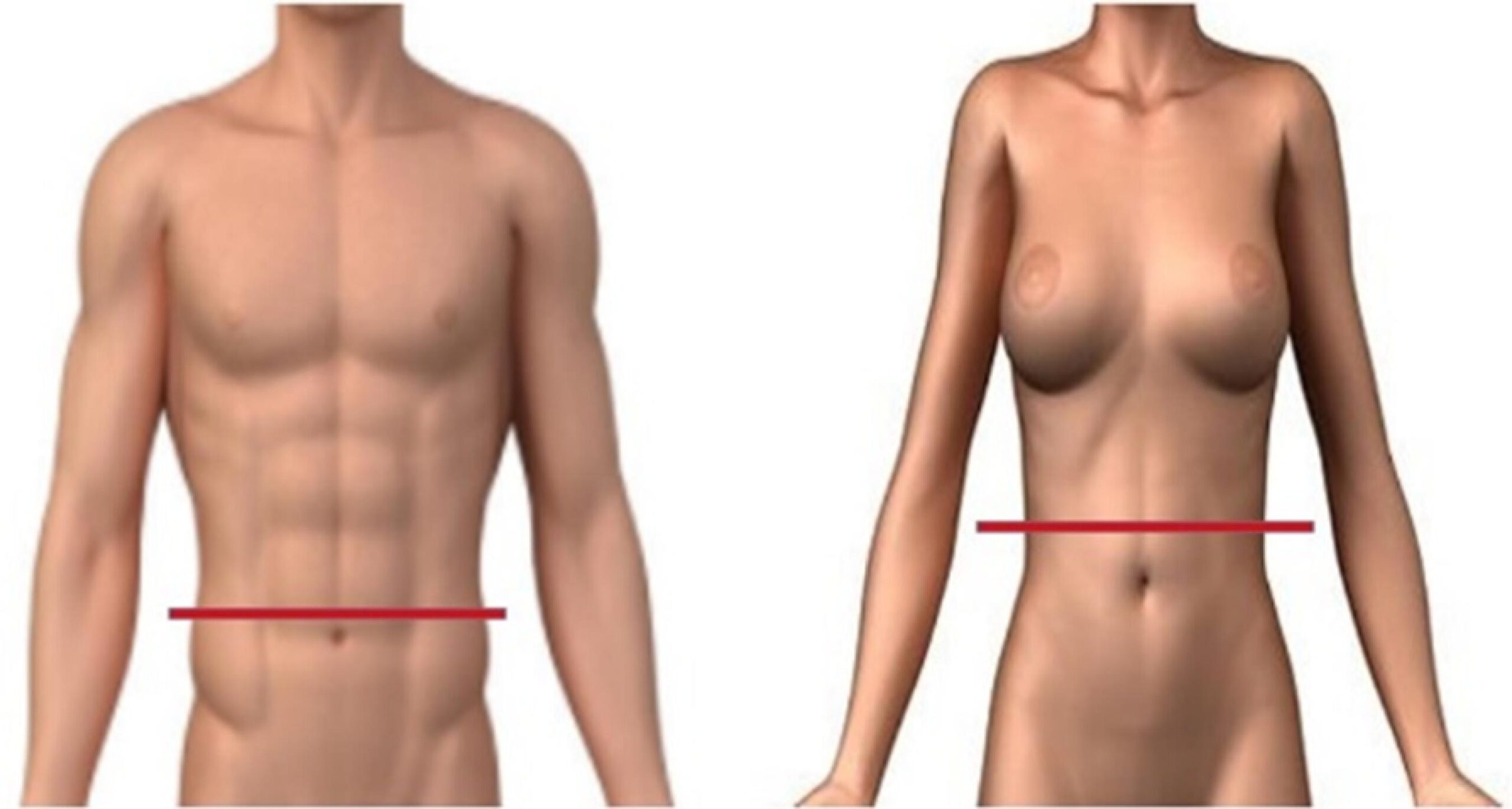
Obesity pandemic has been associated with an increment of cardiovascular disease (CVD). Diagnosis of CVD is delivered ten years early in obese people.

Although body mass index (BMI) has been widely used as the main index of obesity, it is not an accurate predictor of cardiovascular disease. There are other ways to measure obesity, varying from a simple waist circumference (WC) measurement to more sophisticated methods, like bioelectrical impedance and dual energy X-ray densitometry.

[…]

  • abdominal circumference
  • Adipose Tissue
  • body mass index
  • Cardiovascular Diseases
  • Obesity
  • Risk Factors
Read Full Article
Creative Commons Attribution (CC BY) Creative Commons license
17/05/2021 DOI: 10.36660/abc.20210074
IJCS
Original Article

Cardiovascular Risk Factors in Patients with Chronic Kidney Disease Under Conservative Treatment

Cássia Oliveira et al. Priscila Moreira de Lima Pereira Iris Teixeira Soares Melina Gabriela Monteiro … Marcus Gomes Bastos Ana Paula Carlos Cândido

Abstract

Background

Cardiovascular disease (CVD) is commonly associated with chronic kidney disease (CKD). These diseases have a significant impact on life expectancy. Individuals with CKD are more likely to die from CVD than to progress to end-stage kidney disease.

Objective

To assess cardiovascular risk factors of patients with CKD under conservative treatment.

Methods

This was an observational, cross-sectional study. Socioeconomic, anthropometric, biochemical, and physical inactivity data were assessed, and 10-year risk for CVD were estimated using the Framingham Score in patients with CKD under conservative treatment. For statistical analysis, the Student’s t-test and Pearson’s chi-square test were performed.

Results

A total of 172 individuals were evaluated, 57% of whom were male, with an average age of 68.85 ± 11.41 years. The prevalence of hypertension and diabetes were 87.2% and 53.5%, respectively; 62.2% were physically inactive; 9.9% of men were smokers and 12.8% consumed alcohol. According to BMI, 82.4% of adults <60 years old and 60.6% of those older than 60 years were overweight. High waist circumference and a high waist-hip ratio were highly prevalent in females (91.9% and 83.8%, respectively) and males (64.3% and 39.8%, respectively); 92.4% had a high body fat percentage and 73.3% high uric acid levels. According to the Framingham score, 57% have a medium or high risk of developing CVD in 10 years.

Conclusion

There was a high prevalence of cardiovascular risk factors in the population studied. The assessment of cardiovascular risk factors in patients with CKD makes it possible to guide the conduct of health professionals to prevent mortality from cardiovascular causes. Int J Cardiovasc Sci. 2020; [online].ahead print, PP.0-0

  • abdominal circumference
  • Adults
  • Anthropometry
  • Cardiovascular Diseases/complications
  • Diabetes Mellitus
  • Hypertension
  • Renal Insufficiency, Chronic
  • Risk Factors
Read Full Article
Creative Commons Attribution (CC BY) Creative Commons license
06/11/2020 DOI: 10.36660/ijcs.20190195 Views 1
IJCS
Original Article

Waist Circumference Above 80 cm Predicts Increased Systolic Blood Pressure in Healthy Young Adult Women

Gilberto Reis Agostinho Silva et al. Maria Sebastiana Silva Lídia Andreu Guillo

Abstract

Background:

Among anthropometric measures for assessing adiposity-related risk, waist circumference (WC) is simple and fast to perform. Cut-off values for WC proposed by the International Diabetes Federation (IDF), and the Adult Treatment Panel III of the National Cholesterol Education Program (NCEP-ATP III) are categorized by gender and are not age-specific.

Objective:

To analyze the association between WC and cardiometabolic risk factors in adult women.

Methods:

A total of 164 healthy adult women were grouped by WC according to IDF and NCEP-ATP III cutoff values. Continuous variables were described as mean ± standard deviation or median (interquartile range). The Shapiro-Wilk test was used to assess the normality of data. Variables were analyzed by unpaired Student’s t-test, Mann-Whitney U and Kruskal-Wallis tests. The correlation of WC categories with systolic (SBP) and diastolic (DBP) blood pressure, fasting blood glucose, high-density lipoprotein cholesterol (HDL-c), and triglycerides were examined by Spearman’s rho correlation coefficient and linear regression analysis. A p value < 0.05 was considered statistically significant.

Results:

Increased WC showed a significant correlation with SBP, DBP, glucose, HDL-c, and triglycerides. In bivariate linear regression, approximately 63.0 % of the variability of SBP (≥ 130 mmHg) among the age group 20-40 years was predicted by increased WC according to both criteria.

Conclusion:

A WC above 80 cm in women aged 20-40 years strongly predicted variability in SBP, calling attention to the importance of measuring WC for the monitoring and prevention of cardiovascular and metabolic diseases in women in this age group.

  • abdominal circumference
  • Anthropometry/instrumentation
  • Blood Pressure
  • Body Weight and Measures
  • Risk Factors
  • Women
  • Young Adult
Read Full Article
Creative Commons Attribution (CC BY) Creative Commons license
03/02/2020 DOI: 10.36660/IJCS.20190021 Views 1
Figure 1
IJCS
Viewpoint

Abdominal Circumference or Waist Circumference?

Tiago de Oliveira Chaves et al. Michel Silva Reis

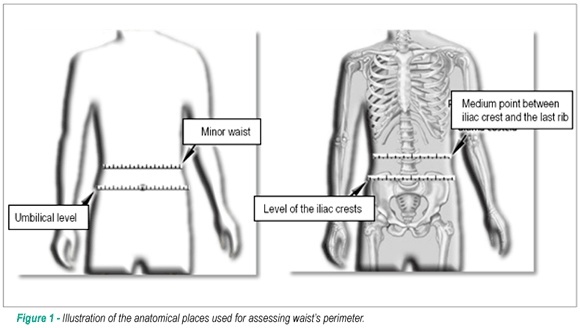
Circumference measures, also called perimetry, are part of the anthropometric evaluation. Important Brazilian guidelines, as well as the Brazilian Society of Cardiology (SBC), have considered the abdominal circumference values as a point of reference to classify the risk for cardiovascular disease development.

However, what is the adequate terminology that should be used to quantify the increased cardiovascular disease risk: abdominal circumference or waist circumference?

[…]

  • abdominal circumference
  • Anthropometry
  • Cardiovascular Diseases
  • Risk Factors
  • Waist Circumference
  • Waist-Hip Ratio
Read Full Article
Creative Commons Attribution (CC BY) Creative Commons license
20/05/2019 DOI: 10.5935/2359-4802.20180080
IJCS
Original Article

Association of Central Obesity with The Incidence of Cardiovascular Diseases and Risk Factors

Taianah Almeida Barroso et al. Lucas Braga Marins Renata Alves Ana Caroline Souza Gonçalves … Sérgio Girão Barroso Gabrielle de Souza Rocha

Abstract

Background:

Obesity has been identified as a major risk factor for cardiovascular disease.

Objective:

To evaluate the association of central obesity with the incidence of cardiovascular diseases and risk factors.

Methods:

This was a cross-sectional study, carried out with patients treated at a metabolic syndrome outpatient clinic, with body mass index ≥ 24.9 kg/m2. Nutritional status, laboratory tests (lipid and glycemic profile) and blood pressure status were analyzed. Participants were stratified into groups regarding the presence or absence of risk factors: diabetes, hypertension, and dyslipidemia.

Results:

Women (n = 39), mean age of 44.18 ± 14.42 years, of which 70% were obese and 38% were hypertensive, corresponded to most of the studied sample. Abdominal circumference was 110.19 cm ± 15.88 cm; levels of triglycerides were 153.72 mg/dL ± 7.07 mg/dL; and fasting glycemia was 188.6 mg/dL ± 116 mg/dL. A significant association was found between the waist/height ratio and the findings of hypertension (p = 0.007); between visceral fat volume and diabetes (p = 0.01); between the conicity index and the findings of hypertension (p = 0.009) and diabetes (p = 0.006). No significant association was found between body mass index and waist circumference with findings of hypertension, diabetes and dyslipidemia.

Conclusion:

Central obesity was associated with a higher incidence of development of risk factors related to cardiovascular diseases.

  • abdominal circumference
  • Cardiovascular Diseases
  • Metabolic Syndrome
  • Obesity
  • Risk Factors
Read Full Article
Creative Commons Attribution (CC BY) Creative Commons license
01/01/2017 DOI: 10.5935/2359-4802.20170073 Views 2
ABC
Original Article

Impact of Different Obesity Assessment Methods after Acute Coronary Syndromes

Caroline N. M. Nunes et al. Marcos F. Minicucci Elaine Farah Daniéliso Fusco … Paula S. Azevedo Sergio A. R. Paiva Leonardo A. M. Zornoff

Background:

Abdominal obesity is an important cardiovascular risk factor. Therefore, identifying the best method for measuring waist circumference (WC) is a priority.

Objective:

To evaluate the eight methods of measuring WC in patients with acute coronary syndrome (ACS) as a predictor of cardiovascular complications during hospitalization.

Methods:

Prospective study of patients with ACS. The measurement of WC was performed by eight known methods: midpoint between the last rib and the iliac crest (1), point of minimum circumference (2); immediately above the iliac crest (3), umbilicus (4), one inch above the umbilicus (5), one centimeter above the umbilicus (6), smallest rib and (7) the point of greatest circumference around the waist (8). Complications included: angina, arrhythmia, heart failure, cardiogenic shock, hypotension, pericarditis and death. Logistic regression tests were used for predictive factors.

Results:

A total of 55 patients were evaluated. During the hospitalization period, which corresponded on average to seven days, 37 (67%) patients had complications, with the exception of death, which was not observed in any of the cases. Of these complications, the only one that was associated with WC was angina, and with every cm of WC increase, the risk for angina increased from 7.5 to 9.9%, depending on the measurement site. It is noteworthy the fact that there was no difference between the different methods of measuring WC as a predictor of angina.

Conclusion:

The eight methods of measuring WC are also predictors of recurrent angina after acute coronary syndromes.

  • abdominal circumference
  • Acute coronary syndrome
  • Evaluation
Read Full Article
Creative Commons Attribution (CC BY) Creative Commons license
13/06/2014 DOI: 10.5935/abc.20140073 Views 1
Chart 1
ABC
Artigo Original

Prevalence of Metabolic Syndrome in Elderly and Agreement among Four Diagnostic Criteria

Maria Auxiliadora Nogueira Saad et al. Gilberto Perez Cardoso Wolney de Andrade Martins Luis Guillermo Coca Velarde Rubens Antunes da Cruz Filho

Background:

Metabolic syndrome (MS) is an aggregation of risk factors that increase the incidence of cardiovascular events and diabetes mellitus (DM). Population aging is accompanied by higher prevalence of MS, which varies depending on the population studied and the diagnostic criteria used.

Objective:

To determine prevalence of MS in the elderly using four diagnostic criteria and agreement between them.

Methods:

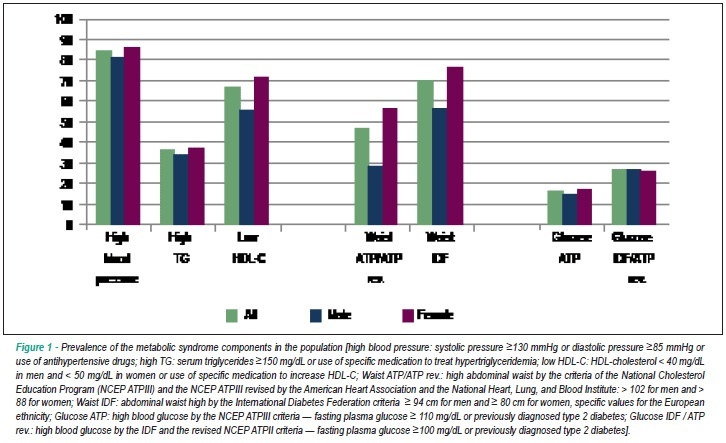
Cross-sectional study on 243 patients older than 60 years (180 women) in Niterói, RJ. They were evaluated by clinical examination, fasting glucose, fasting insulin, lipid profile and anthropometric measurements – weight, height, waist circumference and waist/hip ratio. Prevalence of MS was estimated by World Health Organization (WHO) modified, National Cholesterol Education Program – Adult Treatment Panel III (NCEP-ATP III), International Diabetes Federation (IDF) and Joint Interim Statement (JIS) criteria.

Results:

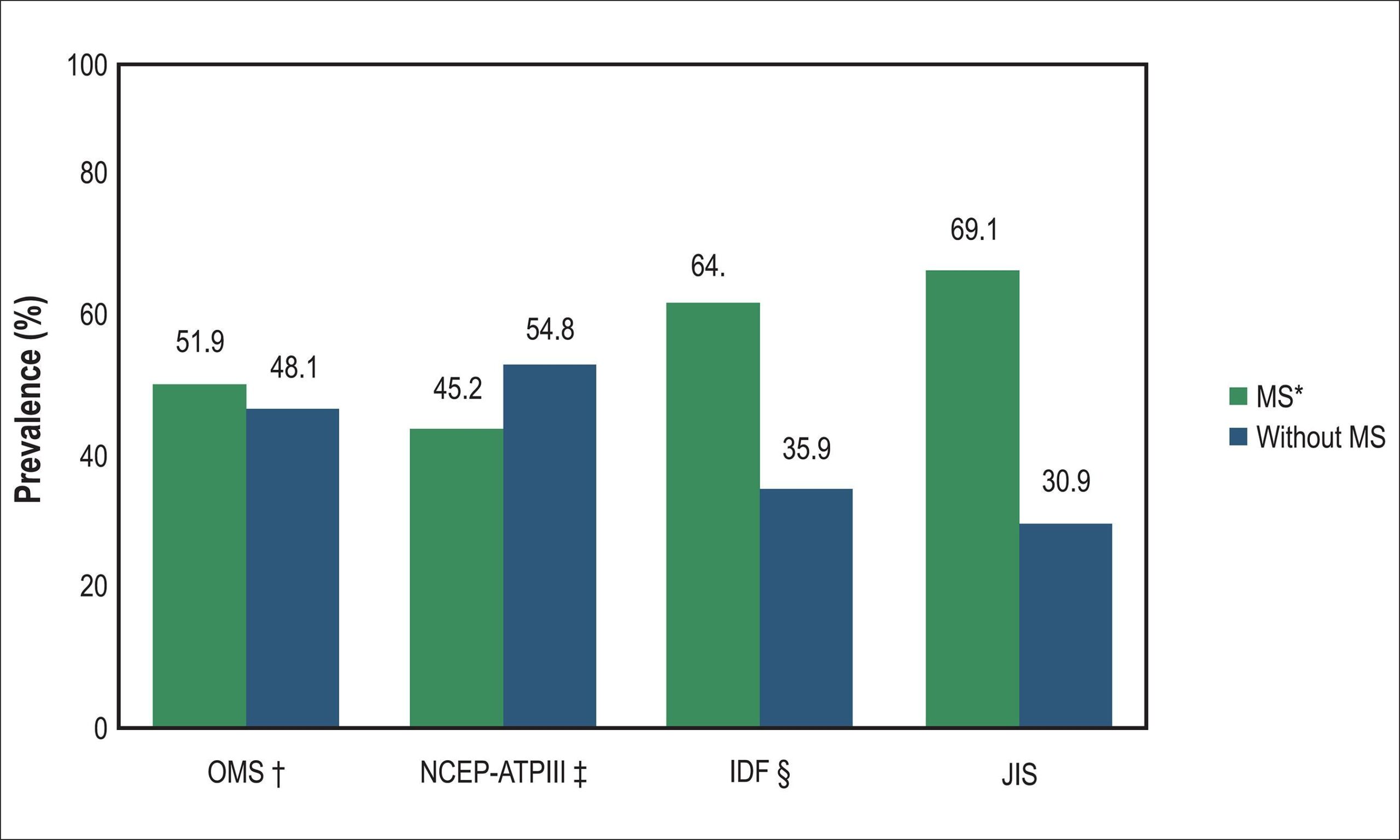
Prevalence was high with the four criteria WHO (51.9%), NCEP-ATPIII (45.2%), IDF (64.1%) and JIS (69.1%), and agreement between criteria by kappa was moderate in almost all comparisons WHO vs. IDF (k = 0.47;95% confidence interval (CI), 0.35 to 0.58); WHO vs. NCEP-ATPIII (k = 0.51; 95% CI, 0.40 to 0.61); WHO vs. JIS (k = 0.45; 95% CI, 0.33 to 0.56); IDF vs. NCEP-ATPIII (k = 0.55; 95% CI, 0.45 to 0.65) and NCEP-ATPIII vs. JIS (k = 0.53; 95% CI, 0.43-0.64), except between IDF vs. JIS (K = 0.89;95% CI, 0.83 to 0.95), which was considered good.

Conclusion:

Prevalence of MS was high with the four diagnostic criteria, mainly by JIS. There was good agreement between JIS and IDF criteria and moderate among the others.

  • abdominal circumference
  • Aged
  • Metabolic Syndrome
  • Obesity
  • Prevalence
  • Risk Factors
Read Full Article
Creative Commons Attribution (CC BY) Creative Commons license
10/02/2014 DOI: 10.5935/abc.20140013 Views 1
Relationship between anthropometric measures and cardiovascular risk factors in children and adolescents
ABC
Artigo Original

Relationship between anthropometric measures and cardiovascular risk factors in children and adolescents

Miria Suzana Burgos et al. Leandro Tibiriçá Burgos Marcelo Dias Camargo Silvia Isabel Rech Franke … Daniel Prá Antônio Marcos Vargas da Silva Tássia Silvana Borges Pâmela Ferreira Todendi Miriam Beatris Reckziegel Cézane Priscila Reuter

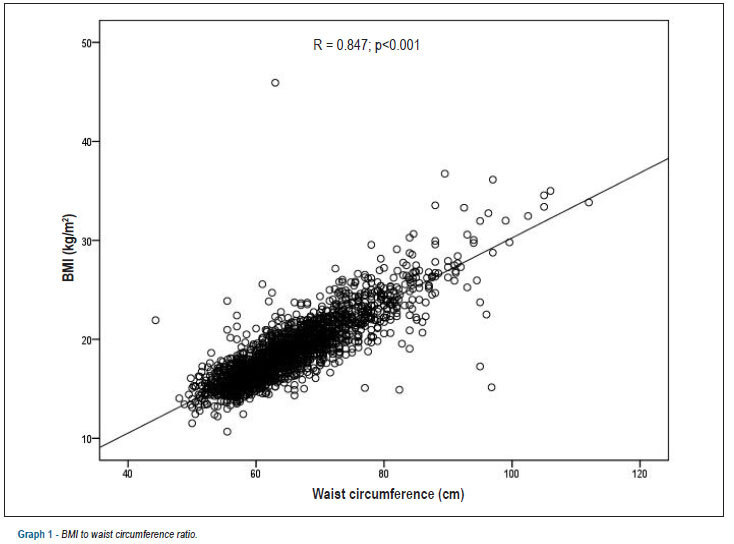
BACKGROUND: Obesity has been identified as an important risk factor in the development of cardiovascular diseases; however, other factors, combined or not with obesity, can influence cardiovascular risk and should be considered in cardiovascular risk stratification in pediatrics. OBJECTIVE: To analyze the association between anthropometry measures and cardiovascular risk factors, to investigate the determinants to changes in blood pressure (BP), and to propose a prediction equation to waist circumference (WC) in children and adolescents. METHODS: We evaluated 1,950 children and adolescents, aged 7 to 18 years. Visceral fat was assessed by WC and waist-hip relationship, BP and body mass index (BMI). In a randomly selected subsample of these volunteers (n = 578), total cholesterol, glucose and triglycerides levels were evaluated. RESULTS: WC was positively correlated with BMI (r = 0.85; p < 0.001) and BP (SBP r = 0.45 and DBP = 0.37; p < 0.001). Glycaemia and triglycerides showed a weak correlation with WC (r = 0.110; p = 0.008 e r = 0.201; p < 0.001, respectively). Total cholesterol did not correlate with any of the variables. Age, BMI and WC were significant predictors on the regression models for BP (p < 0.001). We propose a WC prediction equation for children and adolescents: boys: y = 17.243 + 0.316 (height in cm); girls: y = 25.197 + 0.256 (height in cm). CONCLUSION: WC is associated with cardiovascular risk factors and presents itself as a risk factor predictor of hypertension in children and adolescents. The WC prediction equation proposed by us should be tested in future studies.

  • abdominal circumference
  • Adolescent
  • body mass index
  • Cardiovascular Diseases
  • Child
  • Obesity
  • Risk Factors
Read Full Article
Creative Commons Attribution (CC BY) Creative Commons license
27/08/2013 DOI: 10.5935/abc.20130169
ABC
Point of view

Metabolic or pseudometabolic syndrome?

Luis Cláudio Lemos Correia et al. Adriana L. Latado José Augusto Barreto-Filho

Metabolic syndrome has been proposed as a predictor of cardiovascular risk. However, such idea lacks strong scientific basis. This article reviews the evidence regarding that issue, challenging the existing paradigm of the prognostic value of metabolic syndrome.

  • abdominal circumference
  • Diabetes Mellitus
  • Obesity
  • Prognosis
  • Risk Factors
Read Full Article
Creative Commons Attribution (CC BY) Creative Commons license
21/06/2012 DOI: 10.1590/S0066-782X2012000400016
ABC
Artigo Original

Abdominal circumference as a predictor of 30-day outcome in acute coronary syndrome

Priscilla Azambuja Lopes de Souza et al. Ana Paula Trussardi Fayh Vera Lúcia Portal

BACKGROUND: Abdominal circumference (WC) is the measure that correlates most closely with the risk factors and death from cardiovascular disease. However, the impact of obesity on the prognosis of patients with cardiovascular disease remains controversial and requires further clarification. OBJECTIVE: To evaluate WA as a predictor of 30-day outcome in patients who were hospitalized with acute coronary syndrome (ACS), in a referral hospital for the treatment of cardiovascular diseases. METHODS: Contemporary cohort 267 patients who were hospitalized for ACS and who were followed for 30 days after discharge, taking into account the major cardiovascular events – MACE – (death, reinfarction, rehospitalization for coronary artery bypass grafting procedures). In the first 24 hours of admission, patients answered a questionnaire and were subsequently measured for WC. The statistical analysis was performed with SPSS 17.0, using the chi-square test for categorical variables and Student t test for numerical variables, with significance level of p < 0.05. The variables that had p < 0.10 in the bivariate analysis were included in a logistic regression model to evaluate the WC role as an independent predictor of MACE. RESULTS: After multivariate analysis, only the female gender (OR = 8.86; 95% CI: 4.55-17. 10, p < 0.00), hypertension (OR = 2.06; 95% CI: 1.10-3.87; p = 0.02) and family history of ischemic heart disease (OR = 2.10; 95% CI: 1.17-3.74; p = 0.01) remained associated with the MACE. CONCLUSION: In our study, the modified AC was not associated with increased incidence of MACE over the 30 days of follow-up.

  • abdominal circumference
  • Acute coronary syndrome
  • Obesity
  • Risk Factors
Read Full Article
Creative Commons Attribution (CC BY) Creative Commons license
01/04/2011 DOI: 10.1590/S0066-782X2011005000040 Views 1
Anthropometric indicators of insulin resistance
ABC
Clinical Update

Anthropometric indicators of insulin resistance

Ana Carolina Vasques et al. Lina Rosado Gilberto Rosado Rita de Cassia Ribeiro … Sylvia Franceschini Bruno Geloneze

Some studies have analyzed the efficacy of anthropometric indicators in predicting insulin resistance (IR), for they are more economic and accessible. In this study, the objective was to discuss the measures and anthropometric indices that have been associated with IR. A bibliographic review was done, based on Scielo, Science Direct and Pubmed. Among these studies, waist and sagittal abdominal diameter presented better predictive capacity for IR, with more consistent results. The waist-to-thigh, waist-to-size, neck-to-thigh ratios, the conicity and the sagittal index have showed positive results; nevertheless, more studies are necessary to consolidate them as predictors to IR. The obtained results, with the use of body mass index and of the waist-to-hip ratio, were inconsistent. In the Brazilian population, the realization of studies evaluating the performance of these indicators in predicting IR is suggested, since the results of the studies conducted in other populations are not always applicable to ours, due to ethnical differences resulting from the great miscegenation in the country.

  • abdominal circumference
  • Anthropometry
  • Insulin Resistance
  • Intra-Abdominal Fat
  • Obesity
Read Full Article
Creative Commons Attribution (CC BY) Creative Commons license
29/09/2010 DOI: 10.1590/S0066-782X2010001100025
Prevalence of metabolic syndrome in an elderly community: comparison between three diagnostic methods
ABC
Artigo Original

Prevalence of metabolic syndrome in an elderly community: comparison between three diagnostic methods

Julio Cesar Rigo et al. José Luiz Vieira Roberta Rigo Dalacorte César Luis Reichert

BACKGROUND: The prevalence of the metabolic syndrome (MS) has shown wide variation in different studies, depending on the population sample and the diagnostic criteria used. The prevalence of MS tends to be higher with the diagnostic criteria of the International Diabetes Federation (IDF). OBJECTIVE: To compare the prevalence of MS using different criteria in an elderly community. METHODS: This was a cross-sectional population-based study conducted in the city of Novo Hamburgo – RS – Brazil, in which 378 elderly individuals, aged 60 years or over (252 women and 126 men) participated. The prevalence of MS was estimated using the National Cholesterol Education Program – Adult Treatment Panel III (NCEP ATPIII) (2001), the revised NCEP ATPIII (2005) and the IDF diagnostic criteria. RESULTS: The prevalence of MS increased progressively as we used the NCEP ATP III, the revised NCEP ATP III and the IDF criteria, with values of 50.3%, 53.4% and 56.9% respectively. The progressive increase in the prevalence of MS using the three criteria occurred in both genders, with a higher prevalence among women, with rates of 57.1%, 59.9% and 63.5% with the NCEP ATP III, the revised NCEP ATP III, and the IDF criteria, respectively. CONCLUSION: The use of the IDF criteria resulted in a higher prevalence of MS in comparison to the prevalence found with the NCEP ATP III criteria and the revised NCEP ATP III criteria. The prevalence of MS was higher among women, regardless of the criteria used.

  • abdominal circumference
  • Aged
  • Blood Glucose
  • Blood Pressure
  • Cholesterol
  • Metabolic Syndrome
  • Prevalence
  • Risk Factors
Read Full Article
Creative Commons Attribution (CC BY) Creative Commons license
13/10/2009 DOI: 10.1590/S0066-782X2009000800004
Association of fitness and waist circumference with hypertension in Brazilian elderly women
ABC
Artigo Original

Association of fitness and waist circumference with hypertension in Brazilian elderly women

Maressa Priscila Krause et al. Tatiane Hallage Mirnaluci Paulino Ribeiro Gama Cristiane Petra Miculis … Nívea da Silva Matuda Sergio G. da Silva

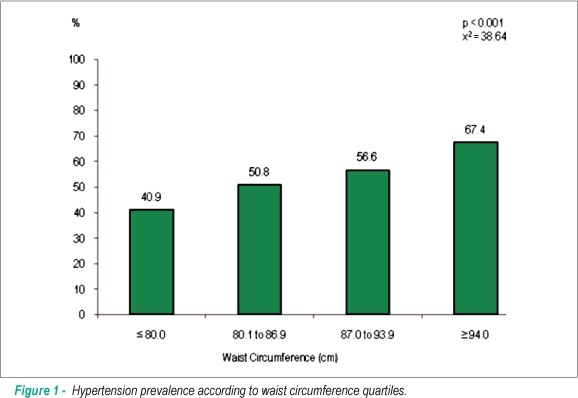
BACKGROUND: The protective effect of cardiorespiratory fitness, regardless of obesity, has been recognized in adults. However, this association is still not clear in elderly individuals. OBJECTIVE: To analyze the association between hypertension and cardiorespiratory fitness in 1,064 elderly Brazilian women. METHODS: Central obesity was estimated by waist circumference and cardiorespiratory fitness by the 6-minutes walk test. ANOVA one way, chi-square and logistic regression were used for the statistical analysis. RESULTS: The prevalence of hypertension was 53.9%. The central obesity group had higher odds for hypertension when compared with the non-central-obesity group, in the same cardiorespiratory fitness group. Furthermore, both the central obesity and non-central obesity groups had a progressive increase in the odds ratio for hypertension, from the highest to lowest fitness groups, indicating an inverse relation between fitness and central adiposity. The non-central obesity group had the lowest odds ratios (OR), 1.49 (95%IC 0.97-2.28) and 1.54 (95%IC 0.94-2.51); whereas the central obesity group had an OR of 2.08 (95%IC 1.47-2.93), 2.79 (95%IC 1.79-4.33) and 3.09 (95%IC 1.86-5.12). CONCLUSION: Our findings indicated that the waist circumference measurement is a strong predictor of hypertension and suggested that the protective effect of cardiorespiratory fitness can be extended to elderly women, even to those with central obesity.

  • abdominal circumference
  • Aged
  • Blood Pressure
  • Brazil
  • Disease Prevention
  • Obesity
  • physical fitness
  • Women
Read Full Article
Creative Commons Attribution (CC BY) Creative Commons license
13/10/2009 DOI: 10.1590/S0066-782X2009000700002
Abdominal obesity and cardiovascular risk: performance of anthropometric indexes in women
ABC
Artigo Original

Abdominal obesity and cardiovascular risk: performance of anthropometric indexes in women

Rogério Tosta de Almeida et al. Maura Maria Guimarães de Almeida Tânia Maria Araújo

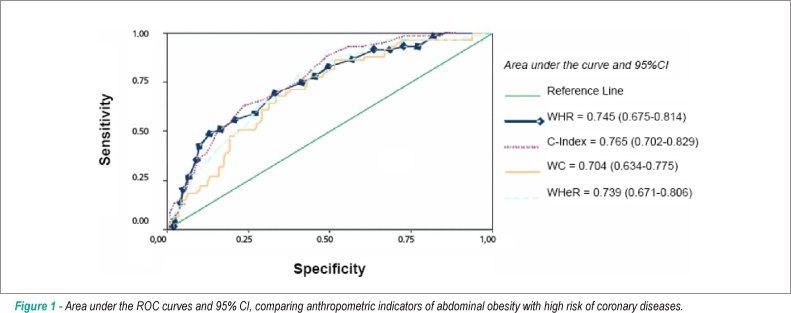
BACKGROUND: Anthropometric indicators of abdominal obesity (AOB) estimate the amount of visceral fat tissue which, in turn, is associated with a higher risk of development of cardiovascular diseases. In the past decades, there has been an increase in the frequency of AOB in the brazilian female population, and this represents a major public health problem. OBJECTIVE: To evaluate the performance of different cut-off points of the conicity index (C-Index), waist-hip ratio (WHR), waist circumference (WC), and waist-to-height ratio (WHeR) in discriminating high coronary risk (HCR) in women. METHODS: Cross-sectional study conducted in Feira de Santana, State of Bahia, Brazil, with 270 female employees of a public University, with ages between 30 and 69 years. The analysis of sensitivity and specificity using the ROC curves allowed the identification and comparison of the best cut-off points to discriminate HCR, as calculated with base on the Framingham Risk Score. RESULTS: The cut-off points found were: WC (86 cm), WHR (0.87), C-Index (1.25) and WHeR (0.55), and the areas under the ROC curve were 0.70 (95%CI = 0.63-0.77), 0.74 (95%CI = 0.67-0.81), 0.76 (95%CI = 0.70-0.83) and 0.74 (95%CI = 0.67-0.81), respectively. The anthropometric indicators of AOB analyzed showed satisfactory and similar performances in discriminating HCR. However, the C-Index was the indicator that presented the highest discriminatory power. CONCLUSION: We expect that these findings will contribute to a better quantification of AOB in the brazilian female population, providing information so that health professionals can take preventive measures regarding this multifactorial clinical condition, thus preventing the development of cardiovascular diseases.

  • abdominal circumference
  • Anthropometry
  • Obesity
  • Risk Factors
  • Women
Read Full Article
Creative Commons Attribution (CC BY) Creative Commons license
20/07/2009 DOI: 10.1590/S0066-782X2009000500007
ABC
Artigo Original

Nutricional risk in the urban population of Ouro Preto, southeastern region of Brazil: the Ouro Preto heart study

Silvia Nascimento de Freitas et al. Waleska Teixeira Caiaffa Cibele Comini César Valéria Andrade Faria … Raimundo Marques do Nascimento George Luiz Lins Machado Coelho

OBJECTIVE: To estimate the prevalence of combined nutritional risk according to sociodemographic and sedentarism characteristics of the urban population of Ouro Preto, state of Minas Gerais, Brazil. METHODS: This cross-sectional study was conducted with a probability sampling of 768 subjects aged 15 years or older. Nutritional risk (NR) was defined according to the BMI and WC classification criteria adopted by the National Institutes of Health. Isolated NR (INR) was defined as women with WC > 80 cm and men with WC > 94 cm, and the combined nutritional risk (CNR) as the same WC values mentioned above and/or BMI > 25 kg/m². Binary logistic regression and the Hosmer & Lemeshow test were used to construct and adjust these models. RESULTS: INR was observed in several BMI categories for both women and men, with the following results: 19.1% and 1.4% among those with normal weight, 91.7% and 56% in overweight patients, and 98.5% and 80% in obese patients, respectively. Age and level of education were independently associated with the CNR. Odds ratios (OR) for CNR in women and men over 60 years of age were 9.94 and 14.35, respectively, when compared to younger patients. For women with < 4 years of schooling, the OR was 1.83 compared to patients with more than 4 years of school attendance, while among men with an average number of years of school attendance, the OR was 2.55 relative to those with more years of schooling. CONCLUSION: These findings show that age and education have an independent effect on the probability of CNR occurrence, and also that a joint analysis of BMI and WC is important in screening groups for nutritional risk.

  • abdominal circumference
  • body mass index
  • Obesity
  • Overweight
  • Prevalence
Read Full Article
Creative Commons Attribution (CC BY) Creative Commons license
20/03/2007 DOI: 10.1590/S0066-782X2007000200010
ABC
Artigo Original

Body mass index and waist circumference: association with cardiovascular risk factors

Fabiane Aparecida Canaan Rezende et al. Lina Enriqueta Frandsen Paez Lima Rosado Rita de Cássia Lanes Ribeiro Fernanda de Carvalho Vidigal … Ana Carolina Junqueira Vasques Ivana Sales Bonard Carlos Roberto de Carvalho

OBJECTIVE: To evaluate the association between cardiovascular risk factors and the anthropometric values – body mass index (BMI) and waist circumference (WC). METHODS: It was studied 231 employees of Federal University of Viçosa, Brazil, 54,1% of them were men (21-76 years old). Glycemia, total cholesterol, LDL, HDL, triglycerides, blood pressure, BMI, WC, waist-to-hip ratio and body fatness were measured. It was also investigated smoking, alcohol consumption and physical activity. RESULTS: The prevalence of overweight/obesity in this population was high mainly in women. The abdominal obesity was observed in 74% of the women and 46,1% of the men. The average of BMI, body fatness, total cholesterol, HDL and triglycerides were significantly higher in men than in women. (p < 0,05). The sedentary lifestyle was a risk factor for obesity. Smoking and alcohol consumption were more common among men and normal weight volunteers. Most of the correlations between anthropometric indices and risk factors for cardiovascular diseases were significant, but weak and the WC was the index that had the strongest correlation and that associated with the largest number of variables. It was observed that with an increase of the BMI and the abdominal fat, there was also an increase of the glycemia, triglycerides and blood pressure and a decrease of HDL. The metabolic syndrome was more common among men and overweight and obese volunteers. CONCLUSION: In this study, the frequency of cardiovascular risk factors increased along with BMI and WC.

  • abdominal circumference
  • body mass index
  • Cardiovascular Risk Factors
Read Full Article
Creative Commons Attribution (CC BY) Creative Commons license
18/01/2007 DOI: 10.1590/S0066-782X2006001900008

How to cite this article

EndNote RIS

Electronic Document Format (Vancouver)

Favarato D. Obesity, Body Fat Content and Cardiovascular Outcome: Beyond Body Mass Index. Arquivos Brasileiros de Cardiologia 2021;116(5):887-8.

Electronic Document Format (ABNT)

Favarato, Desiderio. Obesity, Body Fat Content and Cardiovascular Outcome: Beyond Body Mass Index. Arquivos Brasileiros de Cardiologia, v. 116, n. 5, p. 887-888, May. 2021.

Electronic Document Format (APA)

Favarato, D. (2021). Obesity, Body Fat Content and Cardiovascular Outcome: Beyond Body Mass Index. Arquivos Brasileiros de Cardiologia, 116(5), 887-888.

Electronic Document Format (ISO)

Favarato, Desiderio. Obesity, Body Fat Content and Cardiovascular Outcome: Beyond Body Mass Index. Arquivos Brasileiros de Cardiologia [online]. 2021, vol. 116, n. 5, [cited 2026-10-14], pp. 887-888. Available from: <https://journals.cardiol.br/en/article/obesity-body-fat-content-and-cardiovascular-outcome-beyond-body-mass-index/>. ISSN 0066-782X

EndNote RIS

Electronic Document Format (Vancouver)

Oliveira C, Pereira PML, Soares IT, Monteiro MG, Bastos MG, Cândido APC. Cardiovascular Risk Factors in Patients with Chronic Kidney Disease Under Conservative Treatment. International Journal of Cardiovascular Sciences 2020;34(2):170-8.

Electronic Document Format (ABNT)

Oliveira, Cássia; Pereira, Priscila Moreira de Lima; Soares, Iris Teixeira; Monteiro, Melina Gabriela; Bastos, Marcus Gomes; Cândido, Ana Paula Carlos. Cardiovascular Risk Factors in Patients with Chronic Kidney Disease Under Conservative Treatment. International Journal of Cardiovascular Sciences, v. 34, n. 2, p. 170-178, Nov. 2020.

Electronic Document Format (APA)

Oliveira, C., Pereira, P. M. L., Soares, I. T., Monteiro, M. G., Bastos, M. G., & Cândido, A. P. C. (2020). Cardiovascular Risk Factors in Patients with Chronic Kidney Disease Under Conservative Treatment. International Journal of Cardiovascular Sciences, 34(2), 170-178.

Electronic Document Format (ISO)

Oliveira, Cássia and Pereira, Priscila Moreira de Lima and Soares, Iris Teixeira and Monteiro, Melina Gabriela and Bastos, Marcus Gomes and Cândido, Ana Paula Carlos. Cardiovascular Risk Factors in Patients with Chronic Kidney Disease Under Conservative Treatment. International Journal of Cardiovascular Sciences [online]. 2020, vol. 34, n. 2, [cited 2026-10-14], pp. 170-178. Available from: <https://journals.cardiol.br/en/article/cardiovascular-risk-factors-in-patients-with-chronic-kidney-disease-under-conservative-treatment/>. ISSN 2359-4802

EndNote RIS

Electronic Document Format (Vancouver)

Silva GRA, Silva MS, Guillo LA. Waist Circumference Above 80 cm Predicts Increased Systolic Blood Pressure in Healthy Young Adult Women. International Journal of Cardiovascular Sciences 2020;33(4):340-7.

Electronic Document Format (ABNT)

Silva, Gilberto Reis Agostinho; Silva, Maria Sebastiana; Guillo, Lídia Andreu. Waist Circumference Above 80 cm Predicts Increased Systolic Blood Pressure in Healthy Young Adult Women. International Journal of Cardiovascular Sciences, v. 33, n. 4, p. 340-347, Feb. 2020.

Electronic Document Format (APA)

Silva, G. R. A., Silva, M. S., & Guillo, L. A. (2020). Waist Circumference Above 80 cm Predicts Increased Systolic Blood Pressure in Healthy Young Adult Women. International Journal of Cardiovascular Sciences, 33(4), 340-347.

Electronic Document Format (ISO)

Silva, Gilberto Reis Agostinho and Silva, Maria Sebastiana and Guillo, Lídia Andreu. Waist Circumference Above 80 cm Predicts Increased Systolic Blood Pressure in Healthy Young Adult Women. International Journal of Cardiovascular Sciences [online]. 2020, vol. 33, n. 4, [cited 2026-10-14], pp. 340-347. Available from: <https://journals.cardiol.br/en/article/waist-circumference-above-80-cm-predicts-increased-systolic-blood-pressure-in-healthy-young-adult-women/>. ISSN 2359-4802

EndNote RIS

Electronic Document Format (Vancouver)

Chaves TO, Reis MS. Abdominal Circumference or Waist Circumference?. International Journal of Cardiovascular Sciences 2019;32(3):290-2.

Electronic Document Format (ABNT)

Chaves, Tiago de Oliveira; Reis, Michel Silva. Abdominal Circumference or Waist Circumference?. International Journal of Cardiovascular Sciences, v. 32, n. 3, p. 290-292, May. 2019.

Electronic Document Format (APA)

Chaves, T. O., & Reis, M. S. (2019). Abdominal Circumference or Waist Circumference?. International Journal of Cardiovascular Sciences, 32(3), 290-292.

Electronic Document Format (ISO)

Chaves, Tiago de Oliveira and Reis, Michel Silva. Abdominal Circumference or Waist Circumference?. International Journal of Cardiovascular Sciences [online]. 2019, vol. 32, n. 3, [cited 2026-10-14], pp. 290-292. Available from: <https://journals.cardiol.br/en/article/abdominal-circumference-or-waist-circumference/>. ISSN 2359-4802

EndNote RIS

Electronic Document Format (Vancouver)

Barroso TA, Marins LB, Alves R, Gonçalves ACS, Barroso SG, Rocha GS. Association of Central Obesity with The Incidence of Cardiovascular Diseases and Risk Factors. International Journal of Cardiovascular Sciences 2017;30(5):416-24.

Electronic Document Format (ABNT)

Barroso, Taianah Almeida; Marins, Lucas Braga; Alves, Renata; Gonçalves, Ana Caroline Souza; Barroso, Sérgio Girão; Rocha, Gabrielle de Souza. Association of Central Obesity with The Incidence of Cardiovascular Diseases and Risk Factors. International Journal of Cardiovascular Sciences, v. 30, n. 5, p. 416-424, Dec. 2016.

Electronic Document Format (APA)

Barroso, T. A., Marins, L. B., Alves, R., Gonçalves, A. C. S., Barroso, S. G., & Rocha, G. S. (2017). Association of Central Obesity with The Incidence of Cardiovascular Diseases and Risk Factors. International Journal of Cardiovascular Sciences, 30(5), 416-424.

Electronic Document Format (ISO)

Barroso, Taianah Almeida and Marins, Lucas Braga and Alves, Renata and Gonçalves, Ana Caroline Souza and Barroso, Sérgio Girão and Rocha, Gabrielle de Souza. Association of Central Obesity with The Incidence of Cardiovascular Diseases and Risk Factors. International Journal of Cardiovascular Sciences [online]. 2017, vol. 30, n. 5, [cited 2026-10-14], pp. 416-424. Available from: <https://journals.cardiol.br/en/article/association-of-central-obesity-with-the-incidence-of-cardiovascular-diseases-and-risk-factors/>. ISSN 2359-4802

EndNote RIS

Electronic Document Format (Vancouver)

Nunes CNM, Minicucci MF, Farah E, Fusco D, Azevedo PS, Paiva SAR, Zornoff LAM, et al. Impact of Different Obesity Assessment Methods after Acute Coronary Syndromes. Arquivos Brasileiros de Cardiologia 2014;103(1):19-24.

Electronic Document Format (ABNT)

Nunes, Caroline N. M.; Minicucci, Marcos F.; Farah, Elaine; Fusco, Daniéliso; Azevedo, Paula S.; Paiva, Sergio A. R.; Zornoff, Leonardo A. M.. Impact of Different Obesity Assessment Methods after Acute Coronary Syndromes. Arquivos Brasileiros de Cardiologia, v. 103, n. 1, p. 19-24, Jun. 2014.

Electronic Document Format (APA)

Nunes, C. N. M., Minicucci, M. F., Farah, E., Fusco, D., Azevedo, P. S., Paiva, S. A. R., & Zornoff, L. A. M. (2014). Impact of Different Obesity Assessment Methods after Acute Coronary Syndromes. Arquivos Brasileiros de Cardiologia, 103(1), 19-24.

Electronic Document Format (ISO)

Nunes, Caroline N. M. and Minicucci, Marcos F. and Farah, Elaine and Fusco, Daniéliso and Azevedo, Paula S. and Paiva, Sergio A. R. and Zornoff, Leonardo A. M.. Impact of Different Obesity Assessment Methods after Acute Coronary Syndromes. Arquivos Brasileiros de Cardiologia [online]. 2014, vol. 103, n. 1, [cited 2026-10-14], pp. 19-24. Available from: <https://journals.cardiol.br/en/article/impact-of-different-obesity-assessment-methods-after-acute-coronary-syndromes/>. ISSN 0066-782X

EndNote RIS

Electronic Document Format (Vancouver)

Saad MAN, Cardoso GP, Martins WA, Velarde LGC, Cruz Filho RA. Prevalence of Metabolic Syndrome in Elderly and Agreement among Four Diagnostic Criteria. Arquivos Brasileiros de Cardiologia 2014;102(3):263-9.

Electronic Document Format (ABNT)

Saad, Maria Auxiliadora Nogueira; Cardoso, Gilberto Perez; Martins, Wolney de Andrade; Velarde, Luis Guillermo Coca; Cruz Filho, Rubens Antunes da. Prevalence of Metabolic Syndrome in Elderly and Agreement among Four Diagnostic Criteria. Arquivos Brasileiros de Cardiologia, v. 102, n. 3, p. 263-269, Feb. 2014.

Electronic Document Format (APA)

Saad, M. A. N., Cardoso, G. P., Martins, W. A., Velarde, L. G. C., & Cruz Filho, R. A. (2014). Prevalence of Metabolic Syndrome in Elderly and Agreement among Four Diagnostic Criteria. Arquivos Brasileiros de Cardiologia, 102(3), 263-269.

Electronic Document Format (ISO)

Saad, Maria Auxiliadora Nogueira and Cardoso, Gilberto Perez and Martins, Wolney de Andrade and Velarde, Luis Guillermo Coca and Cruz Filho, Rubens Antunes da. Prevalence of Metabolic Syndrome in Elderly and Agreement among Four Diagnostic Criteria. Arquivos Brasileiros de Cardiologia [online]. 2014, vol. 102, n. 3, [cited 2026-10-14], pp. 263-269. Available from: <https://journals.cardiol.br/en/article/prevalence-of-metabolic-syndrome-in-elderly-and-agreement-among-four-diagnostic-criteria/>. ISSN 0066-782X

EndNote RIS

Electronic Document Format (Vancouver)

Burgos MS, Burgos LT, Camargo MD, Franke SIR, Prá D, Silva AMV, Borges TS, et al. Relationship between anthropometric measures and cardiovascular risk factors in children and adolescents. Arquivos Brasileiros de Cardiologia 2013;101(4):288-96.

Electronic Document Format (ABNT)

Burgos, Miria Suzana; Burgos, Leandro Tibiriçá; Camargo, Marcelo Dias; Franke, Silvia Isabel Rech; Prá, Daniel; Silva, Antônio Marcos Vargas da; Borges, Tássia Silvana; Todendi, Pâmela Ferreira; Reckziegel, Miriam Beatris; Reuter, Cézane Priscila. Relationship between anthropometric measures and cardiovascular risk factors in children and adolescents. Arquivos Brasileiros de Cardiologia, v. 101, n. 4, p. 288-296, Aug. 2013.

Electronic Document Format (APA)

Burgos, M. S., Burgos, L. T., Camargo, M. D., Franke, S. I. R., Prá, D., Silva, A. M. V. , Borges, T. S., Todendi, P. F., Reckziegel, M. B., & Reuter, C. P. (2013). Relationship between anthropometric measures and cardiovascular risk factors in children and adolescents. Arquivos Brasileiros de Cardiologia, 101(4), 288-296.

Electronic Document Format (ISO)

Burgos, Miria Suzana and Burgos, Leandro Tibiriçá and Camargo, Marcelo Dias and Franke, Silvia Isabel Rech and Prá, Daniel and Silva, Antônio Marcos Vargas da and Borges, Tássia Silvana and Todendi, Pâmela Ferreira and Reckziegel, Miriam Beatris and Reuter, Cézane Priscila. Relationship between anthropometric measures and cardiovascular risk factors in children and adolescents. Arquivos Brasileiros de Cardiologia [online]. 2013, vol. 101, n. 4, [cited 2026-10-14], pp. 288-296. Available from: <https://journals.cardiol.br/en/article/relationship-between-anthropometric-measures-and-cardiovascular-risk-factors-in-children-and-adolescents/>. ISSN 0066-782X

EndNote RIS

Electronic Document Format (Vancouver)

Correia LCL, Latado AL, Barreto-Filho JA. Metabolic or pseudometabolic syndrome?. Arquivos Brasileiros de Cardiologia 2012;98(4):e74-5.

Electronic Document Format (ABNT)

Correia, Luis Cláudio Lemos; Latado, Adriana L.; Barreto-Filho, José Augusto. Metabolic or pseudometabolic syndrome?. Arquivos Brasileiros de Cardiologia, v. 98, n. 4, p. e74-e75, Jun. 2012.

Electronic Document Format (APA)

Correia, L. C. L., Latado, A. L., & Barreto-Filho, J. A. (2012). Metabolic or pseudometabolic syndrome?. Arquivos Brasileiros de Cardiologia, 98(4), e74-e75.

Electronic Document Format (ISO)

Correia, Luis Cláudio Lemos and Latado, Adriana L. and Barreto-Filho, José Augusto. Metabolic or pseudometabolic syndrome?. Arquivos Brasileiros de Cardiologia [online]. 2012, vol. 98, n. 4, [cited 2026-10-14], pp. e74-e75. Available from: <https://journals.cardiol.br/en/article/metabolic-or-pseudometabolic-syndrome/>. ISSN 0066-782X

EndNote RIS

Electronic Document Format (Vancouver)

Souza PAL, Fayh APT, Portal VL. Abdominal circumference as a predictor of 30-day outcome in acute coronary syndrome. Arquivos Brasileiros de Cardiologia 2011;96(5):399-404.

Electronic Document Format (ABNT)

Souza, Priscilla Azambuja Lopes de; Fayh, Ana Paula Trussardi; Portal, Vera Lúcia. Abdominal circumference as a predictor of 30-day outcome in acute coronary syndrome. Arquivos Brasileiros de Cardiologia, v. 96, n. 5, p. 399-404, Mar. 2011.

Electronic Document Format (APA)

Souza, P. A. L. , Fayh, A. P. T., & Portal, V. L. (2011). Abdominal circumference as a predictor of 30-day outcome in acute coronary syndrome. Arquivos Brasileiros de Cardiologia, 96(5), 399-404.

Electronic Document Format (ISO)

Souza, Priscilla Azambuja Lopes de and Fayh, Ana Paula Trussardi and Portal, Vera Lúcia. Abdominal circumference as a predictor of 30-day outcome in acute coronary syndrome. Arquivos Brasileiros de Cardiologia [online]. 2011, vol. 96, n. 5, [cited 2026-10-14], pp. 399-404. Available from: <https://journals.cardiol.br/en/article/abdominal-circumference-as-a-predictor-of-30-day-outcome-in-acute-coronary-syndrome/>. ISSN 0066-782X

EndNote RIS

Electronic Document Format (Vancouver)

Vasques AC, Rosado L, Rosado G, Ribeiro RC, Franceschini S, Geloneze B. Anthropometric indicators of insulin resistance. Arquivos Brasileiros de Cardiologia 2010;95(1):e14-23.

Electronic Document Format (ABNT)

Vasques, Ana Carolina; Rosado, Lina; Rosado, Gilberto; Ribeiro, Rita de Cassia; Franceschini, Sylvia; Geloneze, Bruno. Anthropometric indicators of insulin resistance. Arquivos Brasileiros de Cardiologia, v. 95, n. 1, p. e14-e23, Sep. 2010.

Electronic Document Format (APA)

Vasques, A. C., Rosado, L., Rosado, G., Ribeiro, R. C., Franceschini, S., & Geloneze, B. (2010). Anthropometric indicators of insulin resistance. Arquivos Brasileiros de Cardiologia, 95(1), e14-e23.

Electronic Document Format (ISO)

Vasques, Ana Carolina and Rosado, Lina and Rosado, Gilberto and Ribeiro, Rita de Cassia and Franceschini, Sylvia and Geloneze, Bruno. Anthropometric indicators of insulin resistance. Arquivos Brasileiros de Cardiologia [online]. 2010, vol. 95, n. 1, [cited 2026-10-14], pp. e14-e23. Available from: <https://journals.cardiol.br/en/article/anthropometric-indicators-of-insulin-resistance/>. ISSN 0066-782X

EndNote RIS

Electronic Document Format (Vancouver)

Rigo JC, Vieira JL, Dalacorte RR, Reichert CL. Prevalence of metabolic syndrome in an elderly community: comparison between three diagnostic methods. Arquivos Brasileiros de Cardiologia 2009;93(2):85-91.

Electronic Document Format (ABNT)

Rigo, Julio Cesar; Vieira, José Luiz; Dalacorte, Roberta Rigo; Reichert, César Luis. Prevalence of metabolic syndrome in an elderly community: comparison between three diagnostic methods. Arquivos Brasileiros de Cardiologia, v. 93, n. 2, p. 85-91, Oct. 2009.

Electronic Document Format (APA)

Rigo, J. C., Vieira, J. L., Dalacorte, R. R., & Reichert, C. L. (2009). Prevalence of metabolic syndrome in an elderly community: comparison between three diagnostic methods. Arquivos Brasileiros de Cardiologia, 93(2), 85-91.

Electronic Document Format (ISO)

Rigo, Julio Cesar and Vieira, José Luiz and Dalacorte, Roberta Rigo and Reichert, César Luis. Prevalence of metabolic syndrome in an elderly community: comparison between three diagnostic methods. Arquivos Brasileiros de Cardiologia [online]. 2009, vol. 93, n. 2, [cited 2026-10-14], pp. 85-91. Available from: <https://journals.cardiol.br/en/article/prevalence-of-metabolic-syndrome-in-an-elderly-community-comparison-between-three-diagnostic-methods/>. ISSN 0066-782X

EndNote RIS

Electronic Document Format (Vancouver)

Krause MP, Hallage T, Gama MPR, Miculis CP, Matuda NS, Silva SG. Association of fitness and waist circumference with hypertension in Brazilian elderly women. Arquivos Brasileiros de Cardiologia 2009;93(1):2-8.

Electronic Document Format (ABNT)

Krause, Maressa Priscila; Hallage, Tatiane; Gama, Mirnaluci Paulino Ribeiro; Miculis, Cristiane Petra; Matuda, Nívea da Silva; Silva, Sergio G. da. Association of fitness and waist circumference with hypertension in Brazilian elderly women. Arquivos Brasileiros de Cardiologia, v. 93, n. 1, p. 2-8, Oct. 2009.

Electronic Document Format (APA)

Krause, M. P., Hallage, T., Gama, M. P. R., Miculis, C. P., Matuda, N. S., & Silva, S. G. (2009). Association of fitness and waist circumference with hypertension in Brazilian elderly women. Arquivos Brasileiros de Cardiologia, 93(1), 2-8.

Electronic Document Format (ISO)

Krause, Maressa Priscila and Hallage, Tatiane and Gama, Mirnaluci Paulino Ribeiro and Miculis, Cristiane Petra and Matuda, Nívea da Silva and Silva, Sergio G. da. Association of fitness and waist circumference with hypertension in Brazilian elderly women. Arquivos Brasileiros de Cardiologia [online]. 2009, vol. 93, n. 1, [cited 2026-10-14], pp. 2-8. Available from: <https://journals.cardiol.br/en/article/association-of-fitness-and-waist-circumference-with-hypertension-in-brazilian-elderly-women/>. ISSN 0066-782X

EndNote RIS

Electronic Document Format (Vancouver)

Almeida RT, Almeida MMG, Araújo TM. Abdominal obesity and cardiovascular risk: performance of anthropometric indexes in women. Arquivos Brasileiros de Cardiologia 2009;92(5):375-80.

Electronic Document Format (ABNT)

Almeida, Rogério Tosta de; Almeida, Maura Maria Guimarães de; Araújo, Tânia Maria. Abdominal obesity and cardiovascular risk: performance of anthropometric indexes in women. Arquivos Brasileiros de Cardiologia, v. 92, n. 5, p. 375-380, Jul. 2009.

Electronic Document Format (APA)

Almeida, R. T. , Almeida, M. M. G. , & Araújo, T. M. (2009). Abdominal obesity and cardiovascular risk: performance of anthropometric indexes in women. Arquivos Brasileiros de Cardiologia, 92(5), 375-380.

Electronic Document Format (ISO)

Almeida, Rogério Tosta de and Almeida, Maura Maria Guimarães de and Araújo, Tânia Maria. Abdominal obesity and cardiovascular risk: performance of anthropometric indexes in women. Arquivos Brasileiros de Cardiologia [online]. 2009, vol. 92, n. 5, [cited 2026-10-14], pp. 375-380. Available from: <https://journals.cardiol.br/en/article/abdominal-obesity-and-cardiovascular-risk-performance-of-anthropometric-indexes-in-women/>. ISSN 0066-782X

EndNote RIS

Electronic Document Format (Vancouver)

Freitas SN, Caiaffa WT, César CC, Faria VA, Nascimento RM, Coelho GLLM. Nutricional risk in the urban population of Ouro Preto, southeastern region of Brazil: the Ouro Preto heart study. Arquivos Brasileiros de Cardiologia 2007;88(2):191-9.

Electronic Document Format (ABNT)

Freitas, Silvia Nascimento de; Caiaffa, Waleska Teixeira; César, Cibele Comini; Faria, Valéria Andrade; Nascimento, Raimundo Marques do; Coelho, George Luiz Lins Machado. Nutricional risk in the urban population of Ouro Preto, southeastern region of Brazil: the Ouro Preto heart study. Arquivos Brasileiros de Cardiologia, v. 88, n. 2, p. 191-199, Mar. 2007.

Electronic Document Format (APA)

Freitas, S. N. , Caiaffa, W. T., César, C. C., Faria, V. A., Nascimento, R. M. , & Coelho, G. L. L. M. (2007). Nutricional risk in the urban population of Ouro Preto, southeastern region of Brazil: the Ouro Preto heart study. Arquivos Brasileiros de Cardiologia, 88(2), 191-199.

Electronic Document Format (ISO)

Freitas, Silvia Nascimento de and Caiaffa, Waleska Teixeira and César, Cibele Comini and Faria, Valéria Andrade and Nascimento, Raimundo Marques do and Coelho, George Luiz Lins Machado. Nutricional risk in the urban population of Ouro Preto, southeastern region of Brazil: the Ouro Preto heart study. Arquivos Brasileiros de Cardiologia [online]. 2007, vol. 88, n. 2, [cited 2026-10-14], pp. 191-199. Available from: <https://journals.cardiol.br/en/article/nutricional-risk-in-the-urban-population-of-ouro-preto-southeastern-region-of-brazil-the-ouro-preto-heart-study/>. ISSN 0066-782X

EndNote RIS

Electronic Document Format (Vancouver)

Rezende FAC, Rosado LEFPL, Ribeiro RCL, Vidigal FC, Vasques ACJ, Bonard IS, Carvalho CR, et al. Body mass index and waist circumference: association with cardiovascular risk factors. Arquivos Brasileiros de Cardiologia 2007;87(6):728-34.

Electronic Document Format (ABNT)

Rezende, Fabiane Aparecida Canaan; Rosado, Lina Enriqueta Frandsen Paez Lima; Ribeiro, Rita de Cássia Lanes; Vidigal, Fernanda de Carvalho; Vasques, Ana Carolina Junqueira; Bonard, Ivana Sales; Carvalho, Carlos Roberto de. Body mass index and waist circumference: association with cardiovascular risk factors. Arquivos Brasileiros de Cardiologia, v. 87, n. 6, p. 728-734, Jan. 2007.

Electronic Document Format (APA)

Rezende, F. A. C., Rosado, L. E. F. P. L., Ribeiro, R. C. L., Vidigal, F. C., Vasques, A. C. J., Bonard, I. S., & Carvalho, C. R. (2007). Body mass index and waist circumference: association with cardiovascular risk factors. Arquivos Brasileiros de Cardiologia, 87(6), 728-734.

Electronic Document Format (ISO)

Rezende, Fabiane Aparecida Canaan and Rosado, Lina Enriqueta Frandsen Paez Lima and Ribeiro, Rita de Cássia Lanes and Vidigal, Fernanda de Carvalho and Vasques, Ana Carolina Junqueira and Bonard, Ivana Sales and Carvalho, Carlos Roberto de. Body mass index and waist circumference: association with cardiovascular risk factors. Arquivos Brasileiros de Cardiologia [online]. 2007, vol. 87, n. 6, [cited 2026-10-14], pp. 728-734. Available from: <https://journals.cardiol.br/en/article/body-mass-index-and-waist-circumference-association-with-cardiovascular-risk-factors/>. ISSN 0066-782X

  • About ABC Family
  • Internal Regulation
  • Editorial Board
  • Brazilian Society of Cardiology (SBC)

Issues

SBC Guidelines

  • Videos
  • Podcasts
  • News