ABC Family Arquivos Brasileiros de Cardiologia International Journal of Cardiovascular Sciences ABC Heart Failure & Cardiomyopathy ABC Imagem Cardiovascular
Português English
ABC Family
Português English
  • About
    • About ABC Family
    • Internal Regulation
    • Editorial Board
    • Brazilian Society of Cardiology (SBC)
  • Issues
  • SBC Guidelines
  • Content
    • Videos
    • Podcasts
    • News
  • About
    • About ABC Family
    • Internal Regulation
    • Editorial Board
    • Brazilian Society of Cardiology (SBC)
  • Issues
  • SBC Guidelines
  • Content
    • Videos
    • Podcasts
    • News

ABC Family

  • ABC Family
  • Arquivos Brasileiros de Cardiologia
  • International Journal of Cardiovascular Sciences
  • ABC Heart Failure & Cardiomyopathy
  • ABC Imagem Cardiovascular
Search in

No content found.

Journals
Ordering
Article types
Others

  1. Home
  2. Keyword: Chest Pain
Acute Coronary Syndrome Patient Profile in Emergency Department: A cross-sectional study
IJCS
Original Article

Acute Coronary Syndrome Patient Profile in Emergency Department: A cross-sectional study

Riza Fikriana et al. Al Afik Randy Eka Prasetya

Abstract

Background:

Acute Coronary Syndrome (ACS) remains one of the leading causes of high morbidity and mortality worldwide. Psychological factors are considered important contributors to increasing recurrence rates in patients.

Objective:

This study aimed to analyze the association between stress, chest pain complaints, electrocardiographic changes, and cardiac enzyme levels.

Methods:

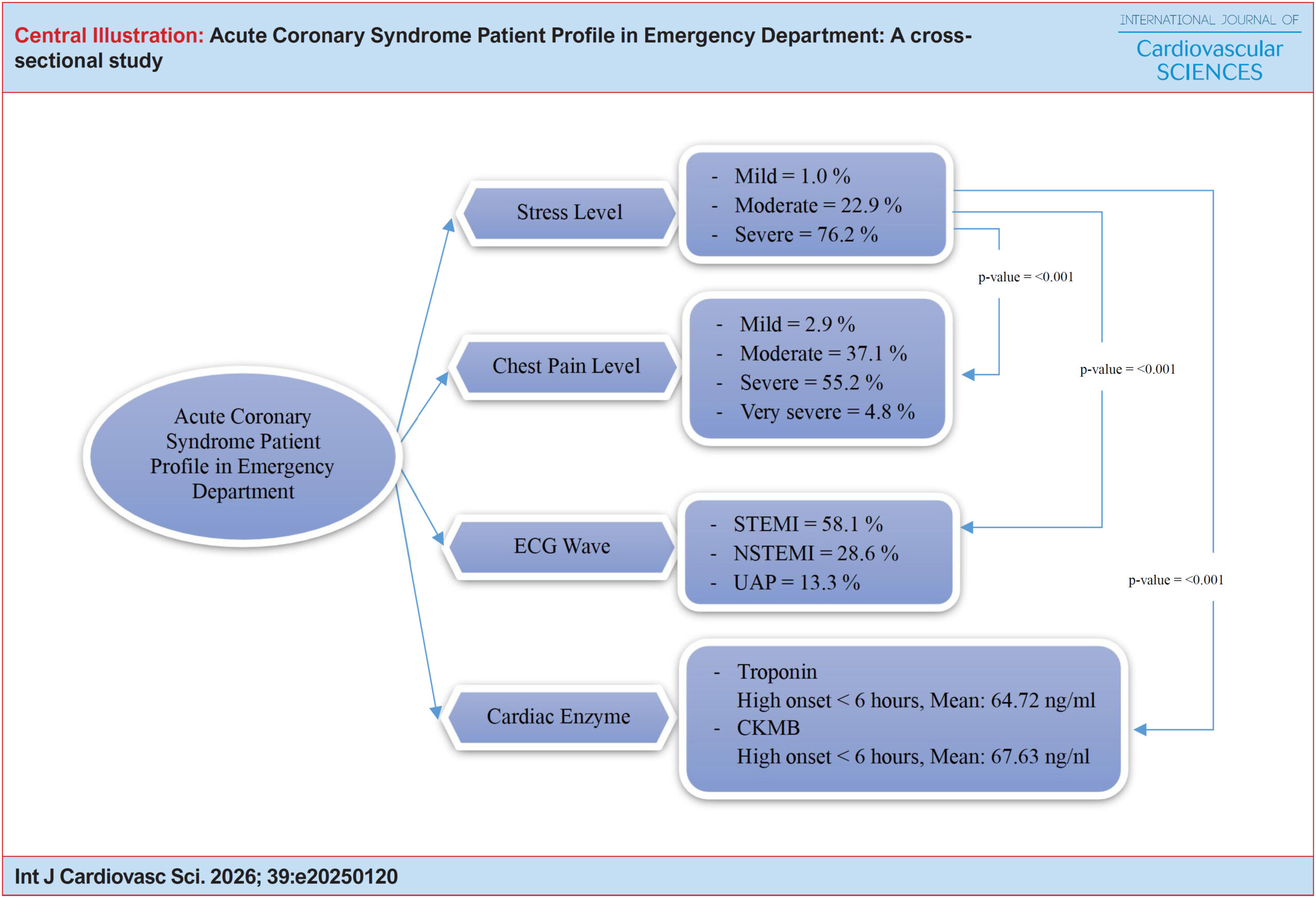
A cross-sectional design was employed. A sample of 105 ACS patients presenting to the hospital emergency department was selected using an accidental sampling technique. Variables measured included stress scores, chest pain, electrocardiographic findings, troponin, and CK-MB levels. Data were analyzed using the Spearman rank test and linear regression, with a significance level set at p < 0.05.

Results:

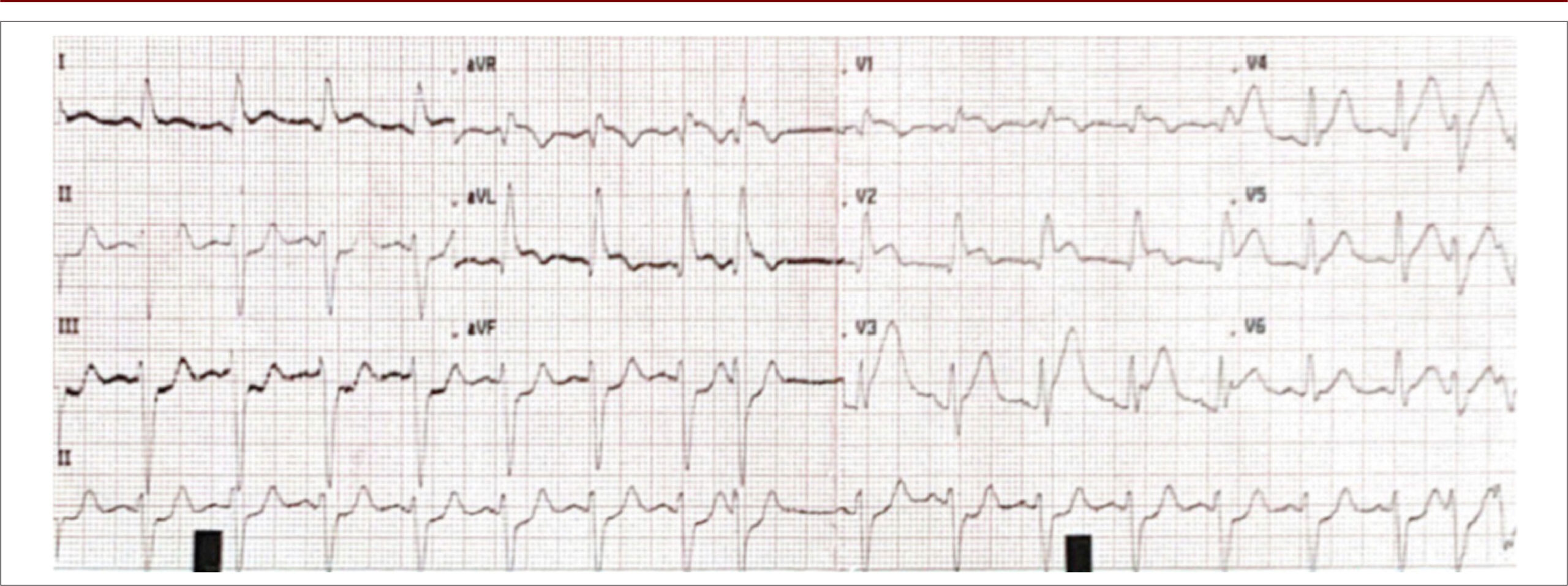
Stress scores were significantly associated with chest pain (p < 0.001), electrocardiographic changes (p < 0.001), troponin levels (p < 0.001), and CK-MB levels (p < 0.001). ECG findings showed that most STEMI patients (68.9%) experienced severe pain. Linear regression analysis indicated that troponin and CK-MB levels were significantly influenced by chest pain (p < 0.001).

Conclusions:

Stress is positively correlated with chest pain in ACS patients and is reflected in ECG changes and elevated cardiac enzymes (troponin and CK-MB).

  • Acute coronary syndrome
  • Chest Pain
  • Electrocardiography
Read Full Article
Creative Commons Attribution (CC BY) Creative Commons license
01/06/2026 DOI: 10.36660/ijcs.20250120 Views 1
Figure 1
ABCIC
Case Report

Rare Presentation of an Anatomical Congenital Anomaly of the Coronary Arteries on Computed Tomography Angiography

Marcello Zapparoli et al. Alexandre Alessi Franco Camargo Zapparoli Mateus Rodrigues Alessi

Introduction

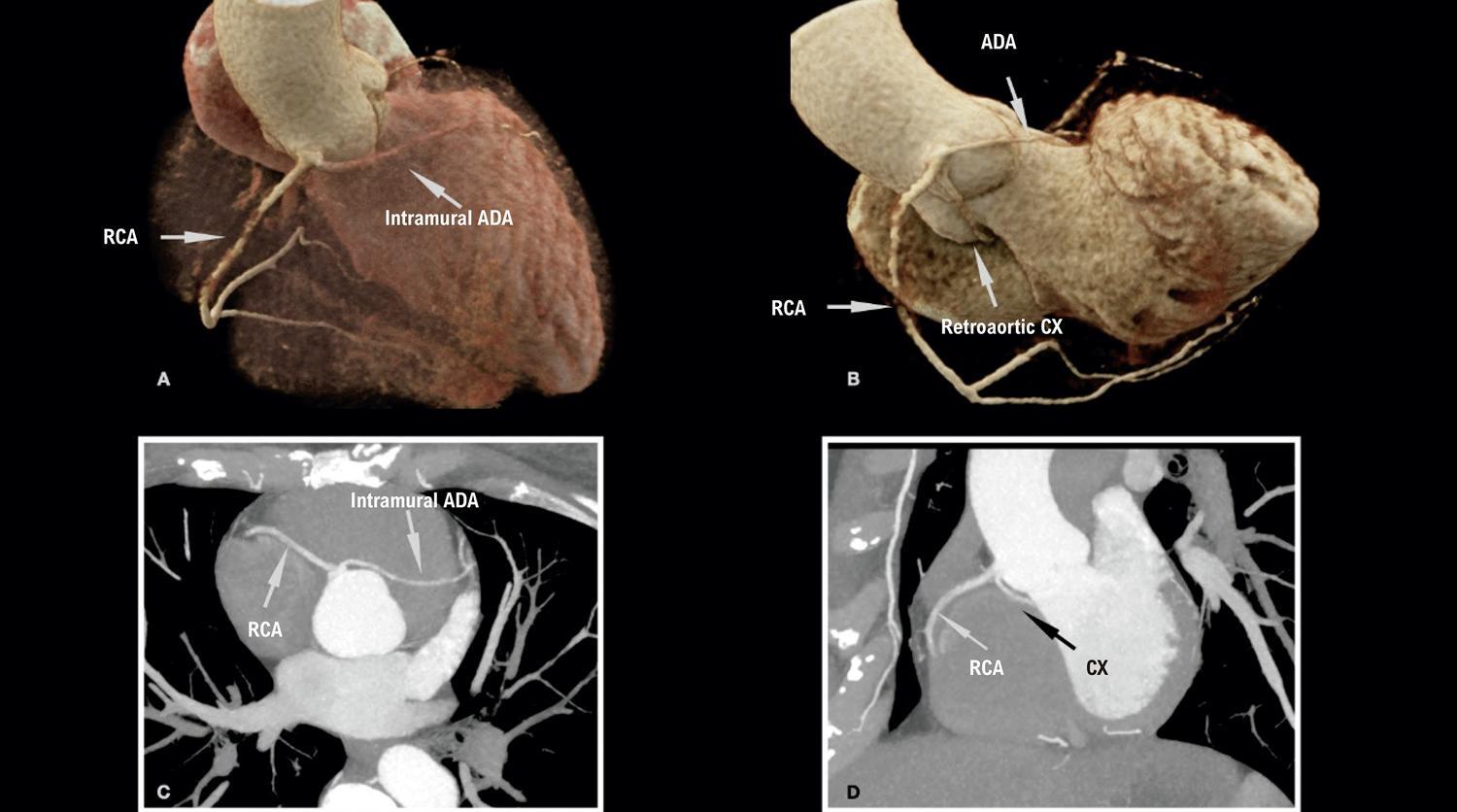
Anomalous origin of the coronary arteries represents a heterogeneous group of alterations in the origin and course of these vessels, ranging from the most common, asymptomatic and low risk, to the rarest and highest risk, which may eventually be symptomatic or have sudden death as their first manifestation., Their prevalence corresponds to 1.3% of patients undergoing coronary angiography, but this number may be higher depending on the diagnostic method and the population selected, representing the second leading cause of sudden death in young athletes, behind only hypertrophic cardiomyopathy.,

Within this group, coronary anomalies with a single ostium are present in a smaller proportion of the population, approximately 0.004% to 0.098%. They are most often asymptomatic, but they may manifest with chest pain, dyspnea, palpitation, myocardial infarction, and sudden death., The presentation of this anomaly has worse prognosis in the presence of an interarterial vessel course (between the aorta and pulmonary trunk), an acute angle of origin, and atherosclerotic plaque; the latter change has a higher incidence in anomalous vessels on account of the greater stress on the arterial wall., In addition to presenting in isolation, they may also be associated with other alterations such as cardiac fistulas or a bicuspid aortic valve.

[…]

  • Anatomic Variation
  • Chest Pain
  • Computed Tomography Angiography
  • Coronary Vessel Anomalies
  • Coronary Vessels
Read Full Article
Creative Commons Attribution (CC BY) Creative Commons license
21/11/2024 DOI: 10.36660/abcimg.20240075i Views 1
Central Illustration
ABCIC
Review Article

My Approach To CAD-RADS 2.0 in the Assessment of Coronary Artery Disease by CT Angiogram

Bruno Maeda Fuzissima et al. Roberto Vitor Almeida Torres Renata Muller Couto Lucas de Pádua Gomes de Farias … Bernardo Salgado Pinto Oliveira José de Arimatéia Batista Araújo Filho

Abstract

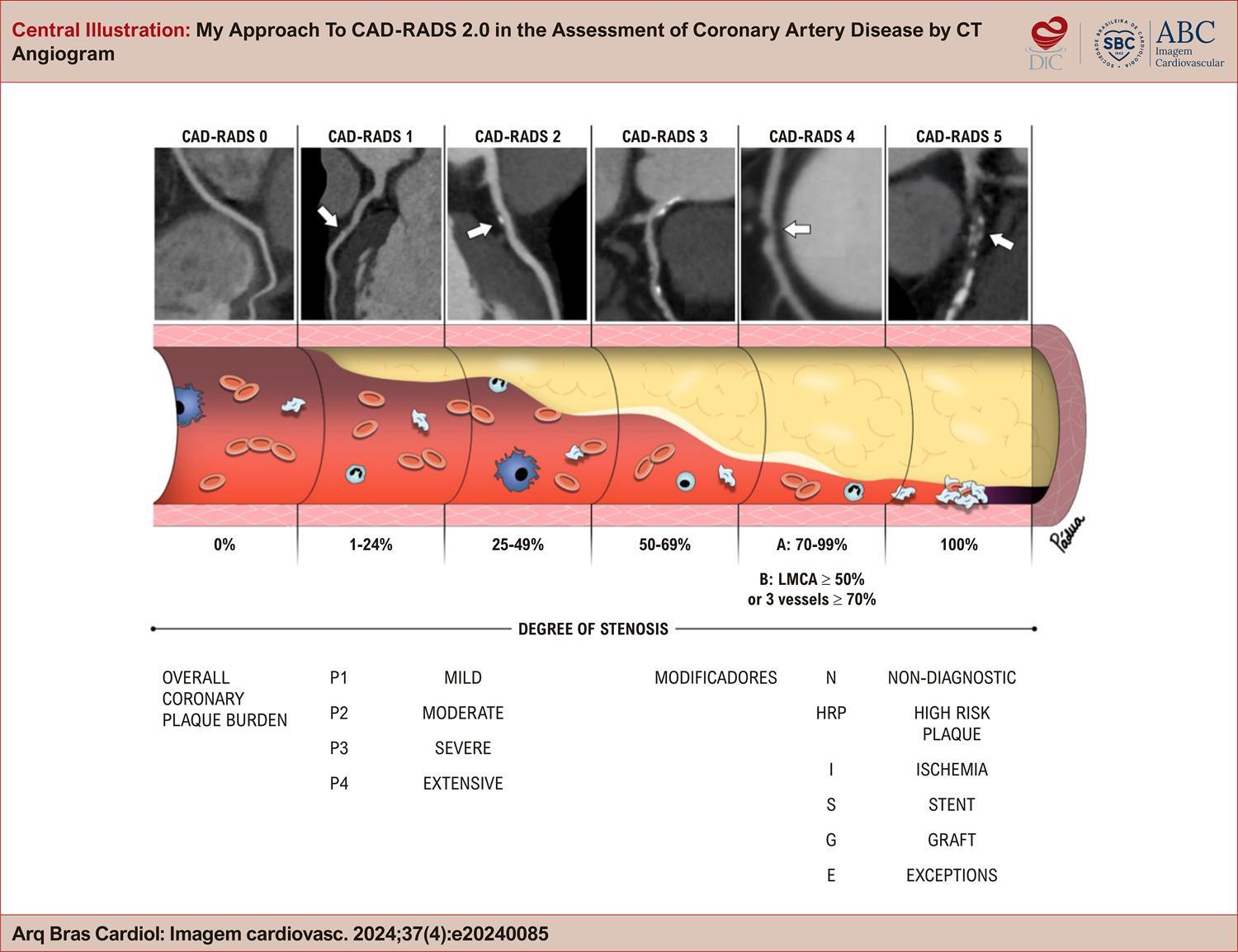
Coronary artery disease (CAD) is a common cause of chest pain, frequently seen in emergency departments and during elective consultations, and remains the leading cause of death worldwide. Coronary computed tomography angiography (CCTA) has become an established diagnostic tool for evaluating stable angina and acute chest pain in patients with low or intermediate risk. In this setting, CAD-RADS (Coronary Artery Disease-Reporting and Data System) was introduced as a CCTA reporting model, first published in 2016 and updated in 2022, with the aim of standardizing the description of imaging findings, improving communication between imaging specialists and clinicians, and providing guidance on patient management. This article reviews the CAD-RADS classification categories, which are based on the degree of stenosis, atherosclerotic plaque burden, and other modifying findings related to coronary abnormalities while also addressing certain exceptional situations. Through clinical cases, examples of structured reports, and recommendations for clinical management in different scenarios, we examine the objectives, benefits, limitations, and future potential of this classification, which remains underutilized in clinical practice.

  • Chest Pain
  • Coronary Artery Disease
  • Tomography
Read Full Article
Creative Commons Attribution (CC BY) Creative Commons license
21/11/2024 DOI: 10.36660/abcimg.20240085i
ABC
Editorial

The Importance of Characterizing Chest Pain in the Management of Unstable Angina

Daniela do Carmo Rassi et al. Aguinaldo Figueiredo Freitas Jr. Salvador Rassi

Unstable angina is a clinical entity of great complexity and whose correct diagnosis is essential for appropriate management. This terminology, unstable angina, tends to fall into disuse. As advocated by the latest European Guideline for the Management of Acute Coronary Syndrome of 2020, it would be encompassed under the name Acute Coronary Syndrome (unstable angina, acute myocardial infarction with and without ST elevation). Its diagnosis is essentially clinical, with nonspecific changes on the electrocardiogram and without plasma elevation of markers of myocardial necrosis.

In Acute Coronary Syndrome, when we have electrocardiographic changes and documentation of myocardial injury, there is already an established approach that would be early catheterization and coronary intervention, if applicable. In the absence of these markers, we do not yet have an established approach.

[…]

  • Acute coronary syndrome
  • Chest Pain
  • Electrocardiography/methods
  • Myocardial Ischemia
  • Peripheral Arterial Disease
Read Full Article
Creative Commons Attribution (CC BY) Creative Commons license
06/05/2024 DOI: 10.36660/abc.20240168i Views 2
ABC
Editorial

Index of Systemic Immunoinflammation and Ischemia in Patients with Non-Obstructive Coronary Arteries

Henrique Tria Bianco

Cardiovascular disease is the leading cause of death worldwide and coronary artery disease (CAD) is the most common type of cardiovascular disease. However, a significant portion of patients who present with characteristic chest discomfort do not demonstrate obstructive CAD, defined as ≥50% stenosis in at least one coronary artery on angiography. These patients are generally diagnosed with non-cardiological conditions, such as gastrointestinal disorders or psychosomatic disorders. It is speculated that coronary vascular dysfunction appears to be the underlying cause of ischemia in a large proportion of these cases. Therefore, standardization of diagnostic criteria for ischemic symptoms due to coronary microvascular dysfunction (CMD) is necessary for further investigation of patients presenting with anginal chest pain consistent with “microvascular angina”.

Historically, the only practical methods available for assessment have been invasive, such as intracoronary Doppler or thermodilution. This probably hindered the objective assessment of CMD in patients presenting with chest pain without obstructive CAD. Thus, treatment has often been studied in imprecise clinical entities such as cardiac syndrome distinct., Furthermore, the lack of consensus on diagnostic criteria and nomenclature has further obscured the evidence that sought to objectively define microvascular angina as a distinct clinical entity.

[…]

  • Chest Pain
  • Coronary Artery Disease
  • Coronary Vessels
  • Myocardial Ischemia
Read Full Article
Creative Commons Attribution (CC BY) Creative Commons license
26/04/2024 DOI: 10.36660/abc.20240081 Views 2
Critical Assessment of the Management of Unstable Angina in a Specialized Cardiology Emergency Room
ABC
Original Article

Critical Assessment of the Management of Unstable Angina in a Specialized Cardiology Emergency Room

Mateus Arantes Prata et al. Louis Nakayama Ohe Kelvin Henrique Vilalva Lucas Ferreira Marcondes Lemos Paola Emanuela Poggio Smanio

Abstract

Background:

The management of unstable angina (UA) presents a challenge due to its subjective diagnosis and limited representation in randomized clinical trials that inform current practices.

Objectives:

This study aims to identify key factors associated with the indication for invasive versus non-invasive stratification in this population and to evaluate factors associated with stratification test results.

Methods:

This retrospective cohort study included patients hospitalized with UA over a consecutive 20-month period. To assess factors associated with stratification strategies, patients were divided into invasive stratification (coronary angiography) and non-invasive stratification (other methods) groups. For the analysis of factors related to changes in stratification tests, patients were categorized into groups with or without obstructive coronary artery disease (CAD) or ischemia, as per the results of the requested tests. Comparisons between groups and multiple logistic regression analyses were performed, with statistical significance set at a 5% level.

Results:

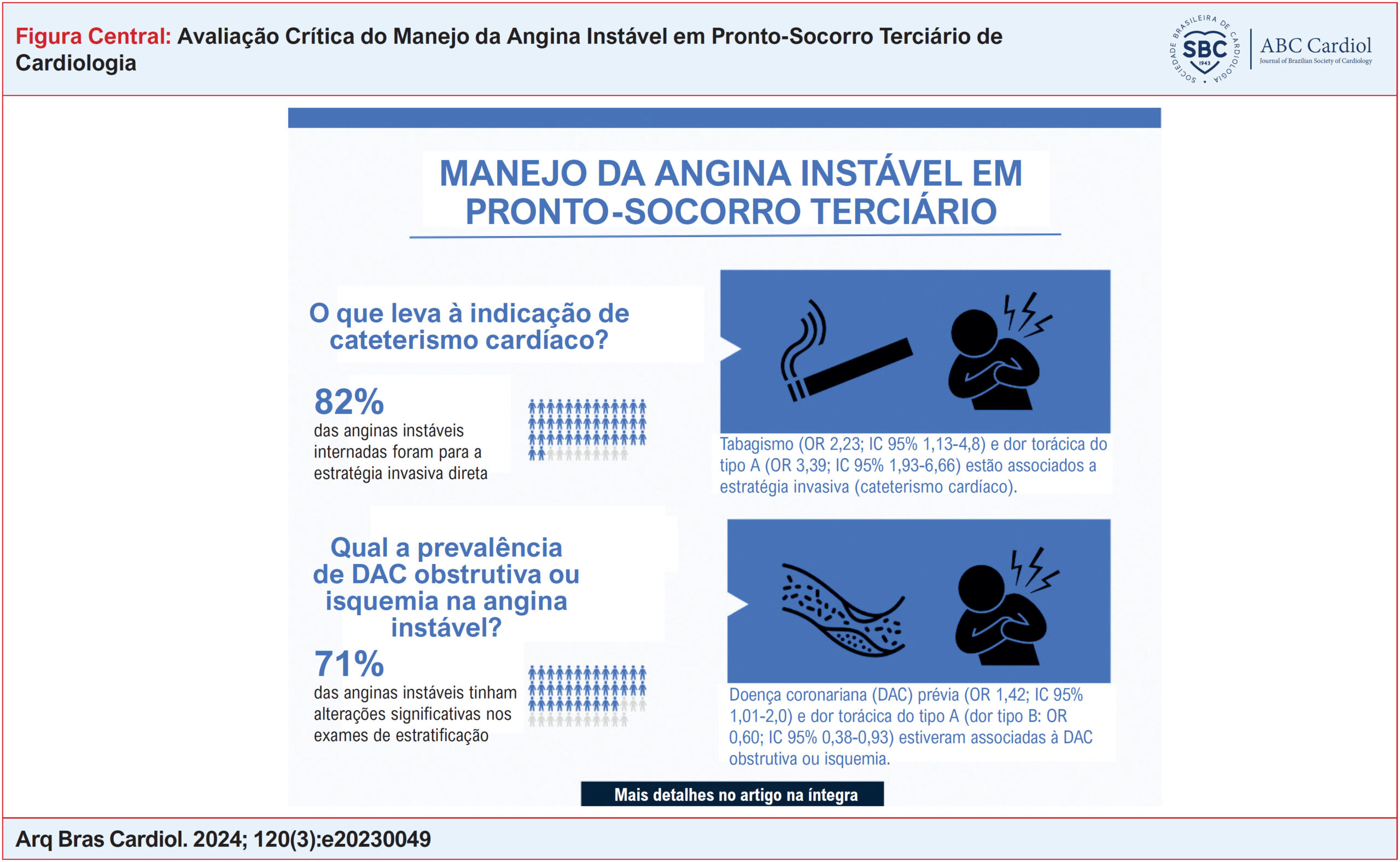
A total of 729 patients were included, with a median age of 63 years and a predominance of males (64.6%). Factors associated with invasive stratification included smoking (p = 0.001); type of chest pain (p < 0.001); "crescendo" pain (p = 0.006); TIMI score (p = 0.006); HEART score (p = 0.011). In multivariate analysis, current smokers (OR 2.23, 95% CI 1.13-4.8), former smokers (OR 2.19, 95% CI 1.39-3.53), and type A chest pain (OR 3.39, 95% CI 1.93-6.66) were independently associated. Factors associated with obstructive CAD or ischemia included length of hospital stay (p < 0.001); male gender (p = 0.032); effort-induced pain (p = 0.037); Diamond-Forrester score (p = 0.026); TIMI score (p = 0.001). In multivariate analysis, only chest pain (type B chest pain: OR 0.6, 95% CI 0.38-0.93, p = 0.026) and previous CAD (OR 1.42, 95% CI 1.01-2.0, p = 0.048) were independently associated.

Conclusion:

The type of chest pain plays a crucial role not only in the diagnosis of UA but also in determining the appropriate treatment. Our results highlight the importance of incorporating pain characteristics into prognostic scores endorsed by guidelines to optimize UA management.

  • Acute coronary syndrome
  • Chest Pain
  • Unstable Angina
Read Full Article
Creative Commons Attribution (CC BY) Creative Commons license
05/04/2024 DOI: 10.36660/abc.20230049i Views 1
ABC
Editorial

The “Value of 0”: Is There an Added Value in Using the Calcium Score in the Stratification of Symptomatic Individuals with a Zero Score?

Catarina Ferreira

Coronary calcium score (CCS) is a good marker of cardiovascular risk, with an independent prognostic value that is incremental over traditional clinical risk factors.– It is performed using non-contrast computed tomography with very low radiation exposure to patients.

Its use is now recommended in selected asymptomatic individuals to refine risk assessment and help initiate or prolong preventive pharmacotherapies.

[…]

  • Cardiac Imaging Techniques
  • Chest Pain
  • Computed Tomography
  • Coronary Calcium
  • Coronary Disease
  • X-Ray
Read Full Article
Creative Commons Attribution (CC BY) Creative Commons license
07/04/2023 DOI: 10.36660/abc.20230105 Views 2
Figure 1
ABC
Original Article

Predicting Significant Coronary Obstruction in a Population with Suspected Coronary Disease and Absence of Coronary Calcium: CORE-64 / CORE320 Studies

Anderson C. Armstrong et al. Rodrigo Cerci Matthew B. Matheson Tiago Magalhães … Satoru Kishi Jeff Brinker Melvin E. Clouse Carlos E. Rochitte Christopher Cox João A. C. Lima Armin Arbab-Zadeh

Abstract

Background

Coronary artery calcium (CAC) scanning can be performed using non-contrast computed tomography to predict cardiovascular events, but has less value for risk stratification in symptomatic patients.

Objective

To identify and validate predictors of significant coronary obstruction (SCO) in symptomatic patients without coronary artery calcification.

Methods

A total of 4,258 participants were screened from the CORE64 and CORE320 studies that enrolled patients referred for invasive angiography, and from the Quanta Registry that included patients referred for coronary computed tomography angiography (CTA). Logistic regression models evaluated associations between cardiovascular risk factors, CAC, and SCO. An algorithm to assess the risk of SCO was proposed for patients without CAC. Significance level of 5% was used in the analyses.

Results

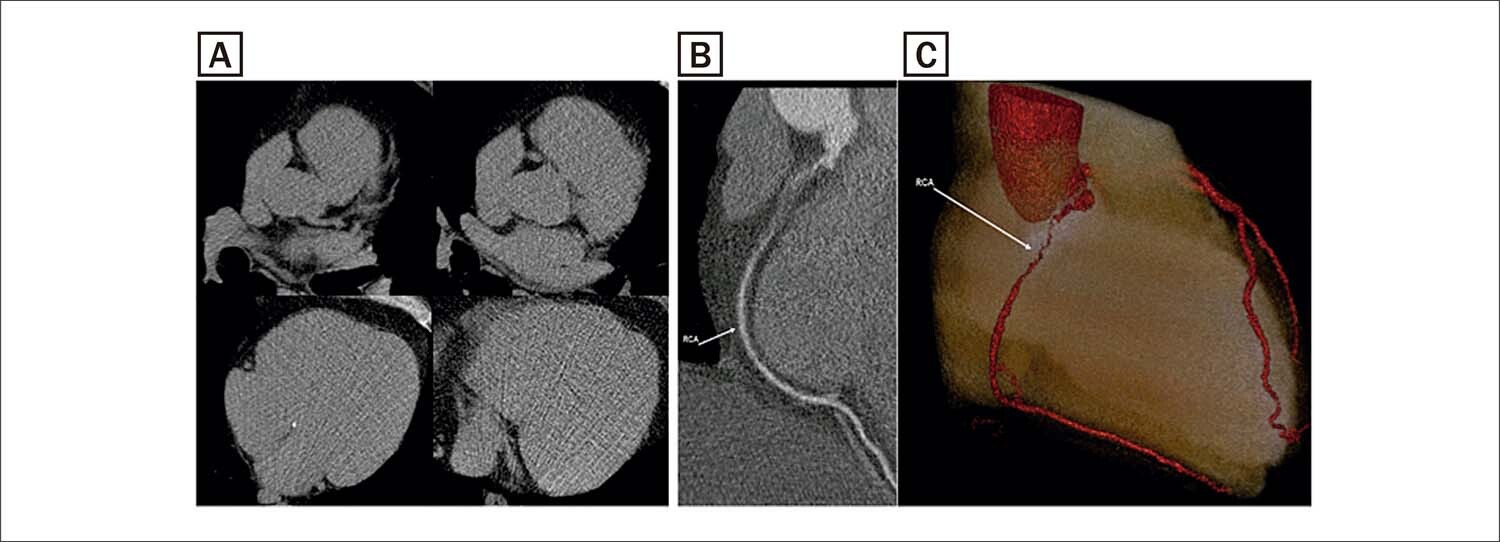
Of the 509 participants of the CORE study, 117 (23%) had zero coronary calcium score; 13 (11%) patients without CAC had SCO. Zero calcium score was related to younger age, female gender, lower body mass index, no diabetes, and no dyslipidemia. Being a current smoker increased ~3.5 fold the probability of SCO and other CV risk factors were not significantly associated. Considering the clinical findings, an algorithm to further stratify zero calcium score patients was proposed and had a limited performance in the validation cohort (AUC 58; 95%CI 43, 72).

Conclusion

A lower cardiovascular risk profile is associated with zero calcium score in a setting of high-risk patients. Smoking is the strongest predictor of SCO in patients without CAC.

  • Chest Pain
  • Coronary Angiography
  • Coronary Artery Disease / complications
  • Diagnostic Imaging/methods
  • Indice Calcio
  • Tomography
  • X-Ray Computed/methods
Read Full Article
Creative Commons Attribution (CC BY) Creative Commons license
20/03/2023 DOI: 10.36660/abc.20220183
Figure 1
ABC
Original Article

Diagnostic Performance of Coronary Tomography Angiography and Serial Measurements of Sensitive Cardiac Troponin in Patients With Chest Pain and Intermediate Risk for Cardiovascular Events

Alexandre de Matos Soeiro et al. Bruno Biselli Tatiana C.A.T. Leal Aline Siqueira Bossa … Maria Cristina César Sérgio Jallad Priscila Gherardi Goldstein Patrícia Oliveira Guimarães Carlos Vicente Serrano Jr Cesar Higa Nomura Débora Nakamura Carlos Eduardo Rochitte Paulo Rogério Soares Múcio Tavares de Oliveira Jr.

Abstract

Background

Coronary tomography angiography (CTA) has been mainly used for chest pain evaluation in low-risk patients, and few data exist regarding patients at intermediate risk.

Objective

To evaluate the performance of serial measures of sensitive troponin and CTA in intermediate-risk patients.

Methods

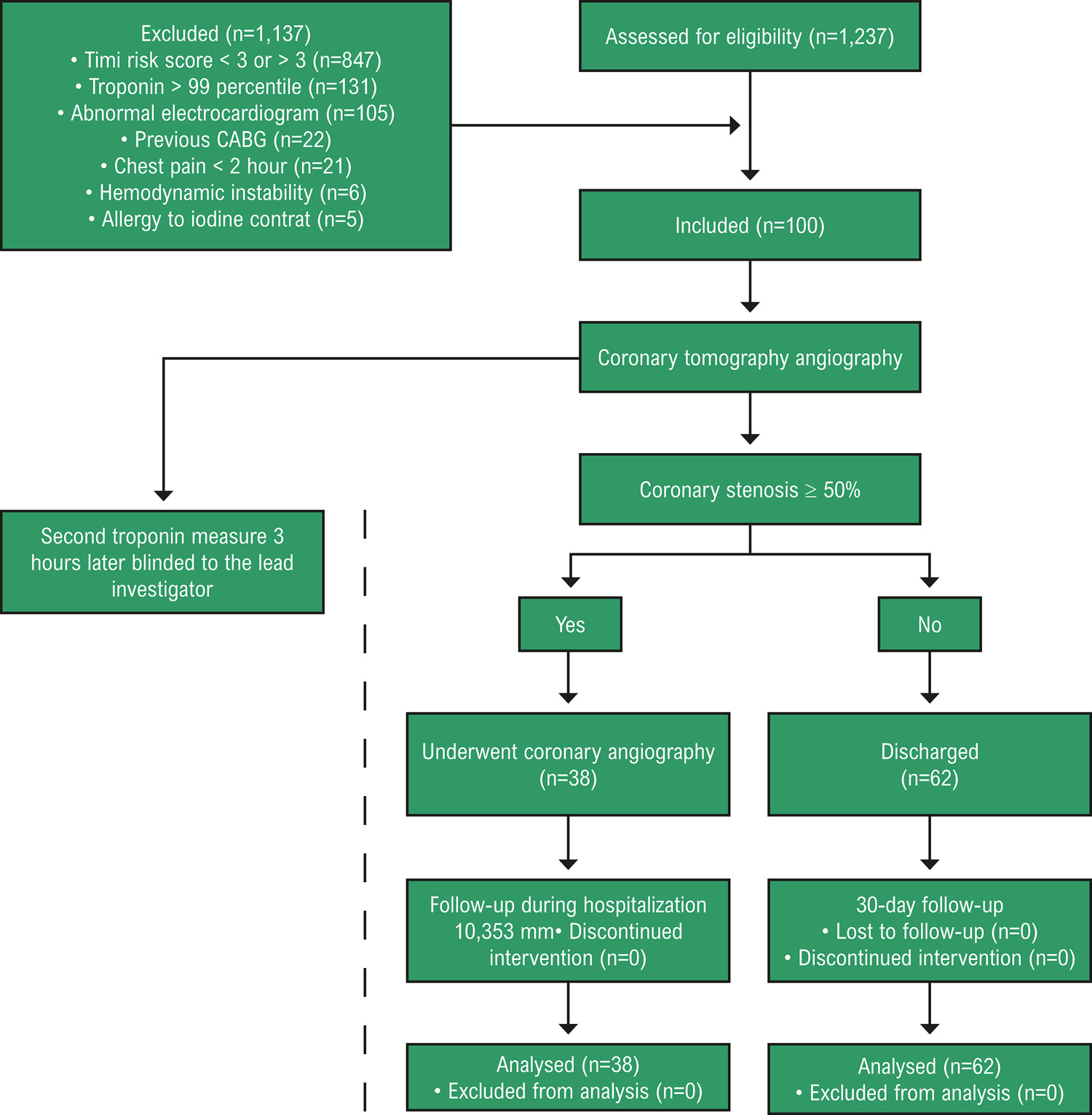
A total of 100 patients with chest pain, TIMI risk scores of 3 or 4, and negative troponin were prospectively included. All patients underwent CTA and those with coronary stenosis ≥ 50% were referred to invasive coronary angiography. Patients with coronary lesions <50% were discharged and contacted 30 days later by a telephone call to assess clinical outcomes. Outcomes were hospitalization, death, and myocardial infarction at 30 days. The comparison between methods was performed by Kappa agreement test. The performance of troponin measures and CTA for detecting significant coronary lesions and clinical outcomes was calculated. Results were considered statistically significant when p < 0.05.

Results

Coronary stenosis ≥ 50% on CTA was found in 38% of patients and significant coronary lesions on coronary angiography were found in 31 patients. Two clinical events were observed. Kappa agreement analysis showed low agreement between troponin measures and CTA in the detection of significant coronary lesions (kappa = 0.022, p = 0.78). The performance of CTA for detecting significant coronary lesions on coronary angiography or for predicting clinical events at 30 days was better than sensitive troponin measures (accuracy of 91% versus 60%).

Conclusion

CTA performed better than sensitive troponin measures in the detection of significant coronary disease in patients with chest pain and intermediate risk for cardiovascular events.

  • Angiotomography Coronary/methods
  • Cardiovascular Diseases
  • Chest Pain
  • Risk Factors
  • Risk Management
  • Tomography, X Ray-Computed/methods
  • Troponin I
  • Troponin T
Read Full Article
Creative Commons Attribution (CC BY) Creative Commons license
13/05/2022 DOI: 10.36660/abc.20210006
ABC
Editorial

Role of Computed Tomography in Excluding Acute Coronary Syndrome: is Anatomy the Way?

Nuno Bettencourt

Chest pain is one of the most common reasons for admission to the emergency room (ER). Although only a small minority of these correspond to an acute coronary syndrome (ACS), the potential severity of a misdiagnosis or a non-diagnosis implies using systematic protocols to confirm or exclude coronary artery disease (CAD) as a cause of symptoms. In recent years, the sequential blood testing of high-sensitive troponin (cTnI-hs) levels has become a safe and effective method in this context and is commonly applied worldwide. – However, this approach is associated with prolonged times in the ER and is not error-free, as some patients with unstable angina may not be correctly identified.

New approaches using imaging methods to exclude CAD gained relevance and have generated interest from the scientific community. Cardiac CT angiography (CTA), due to its high diagnostic performance, is assumed to be the main candidate to change the status-quo of the current approach based on serial blood testing. It is a simple, fast and robust test with a high negative predictive value – which makes it particularly suitable in ER, where it is essential to quickly and effectively exclude the presence of CAD. The ROMICAT studies were among the first to document the advantages of CTA in this context and to emphasize its additive prognostic value concerning the TIMI risk score (TIMI RS). However, like the vast majority of studies that used CTA in the context of hospital ER, their results mostly apply to low-risk populations. ,

[…]

  • Cardiovascular Diseases
  • Chest Pain
  • Diagnostic,Imaging
  • Risk Factors
  • TomographyX-Ray Computed/methods
Read Full Article
Creative Commons Attribution (CC BY) Creative Commons license
13/05/2022 DOI: 10.36660/abc.20220273 Views 1
Figure 1
IJCS
Case Report

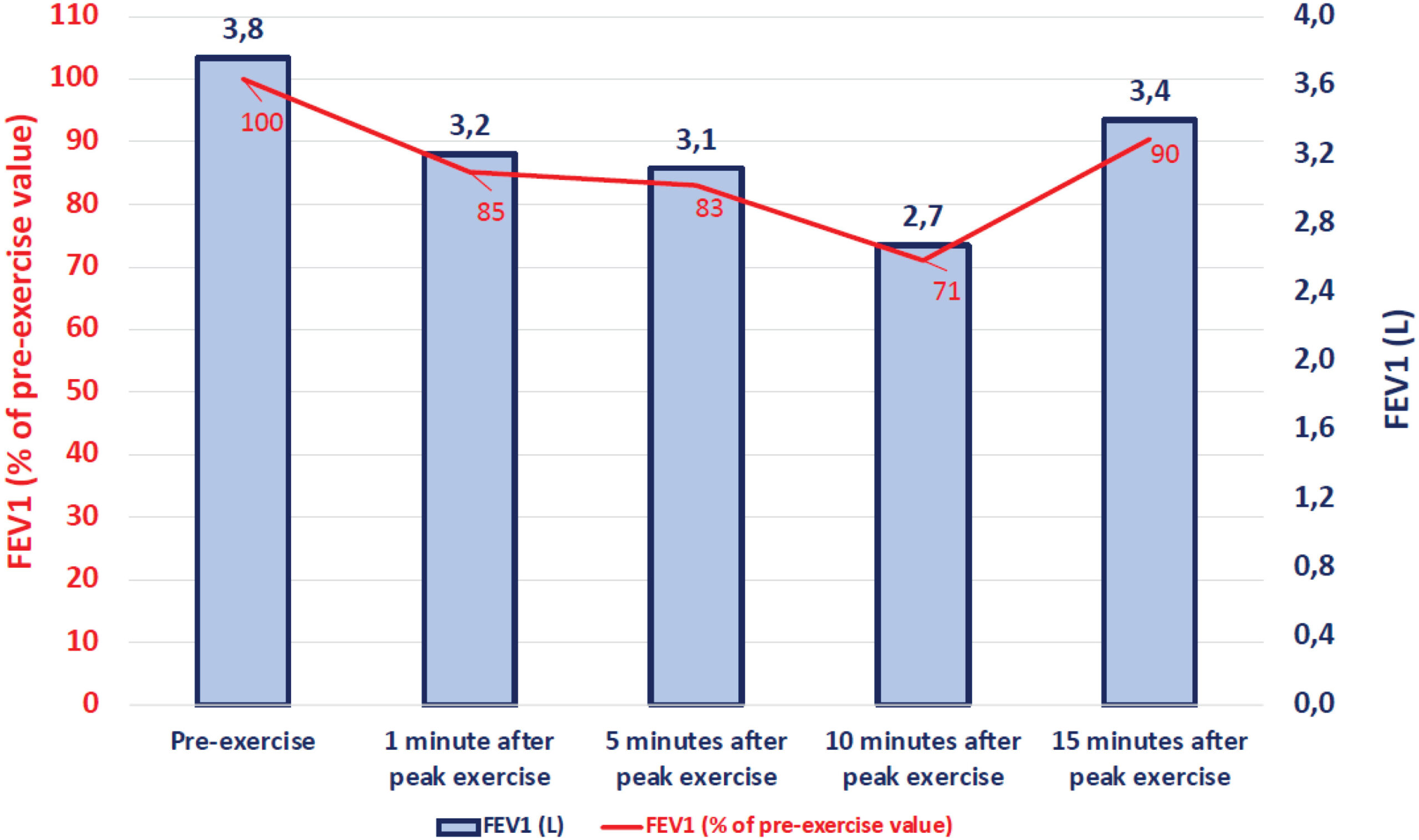
Exercise-Induced Bronchoconstriction: A Frequent, but Neglected Cause of Chest Pain

Renata Rodrigues Teixeira de Castro et al. João Giffoni Silveira Neto Adalgiza Mafra Moreno Marco Orsini

Introduction

Chest pain is one of the most common complaints in emergency departments, and internal medicine and cardiology clinics. Patients’ comorbidities and the clinical characterization of chest pain are cornerstones to guide symptom differentiation. Information about pain intensity, duration, localization, changes with posture/movement, and its reaction to nitroglycerin helps diagnose cardiac chest pain. Typical angina pectoris is the presence of substernal chest pain or discomfort provoked by exertion or emotional stress, and is relieved by rest and nitroglycerin. Angina pectoris is attributed to myocardial ischemia due to the unbalance between myocardial oxygen supply and myocardial oxygen demand elicited during exercise or emotional stress.

The diagnosis and treatment workup in patients with moderate to high cardiovascular risk presenting angina pectoris is quite straight-forward. Nevertheless, exertional chest pain in a young man can be challenging and yield a common but overlooked diagnosis, as in the present case report.

[…]

  • Angina Pectoris
  • Asthma Exercise-Induced
  • Bronchial Spasm
  • Chest Pain
  • Exercise
Read Full Article
Creative Commons Attribution (CC BY) Creative Commons license
22/04/2022 DOI: 10.36660/ijcs.20200376 Views 1
Figure 1
ABCIC
Case Report

Left Ventricular Longitudinal Strain Echocardiogram and Handgrip: A Useful Tool for Detecting Ischemia in the Emergency Room

Ana Paula Torres Guimarães de Freitas et al. Natalia Marcusso Massoni Rodrigo Bellio de Mattos Barretto

Introduction

Acute coronary syndrome is among the greatest diagnostic challenges for emergency room physicians. Non-invasive imaging tests such as echocardiography (ECHO) are useful in the etiological diagnosis of chest pain. In cases of suspected ischemia, when electrocardiography (ECG) and myocardial necrosis markers (MNM) are inconclusive, ECHO can be performed at the time of pain or immediately after. The use of advanced techniques such as myocardial deformation analysis (strain) provides greater accuracy in identifying the coronary artery disease territory.

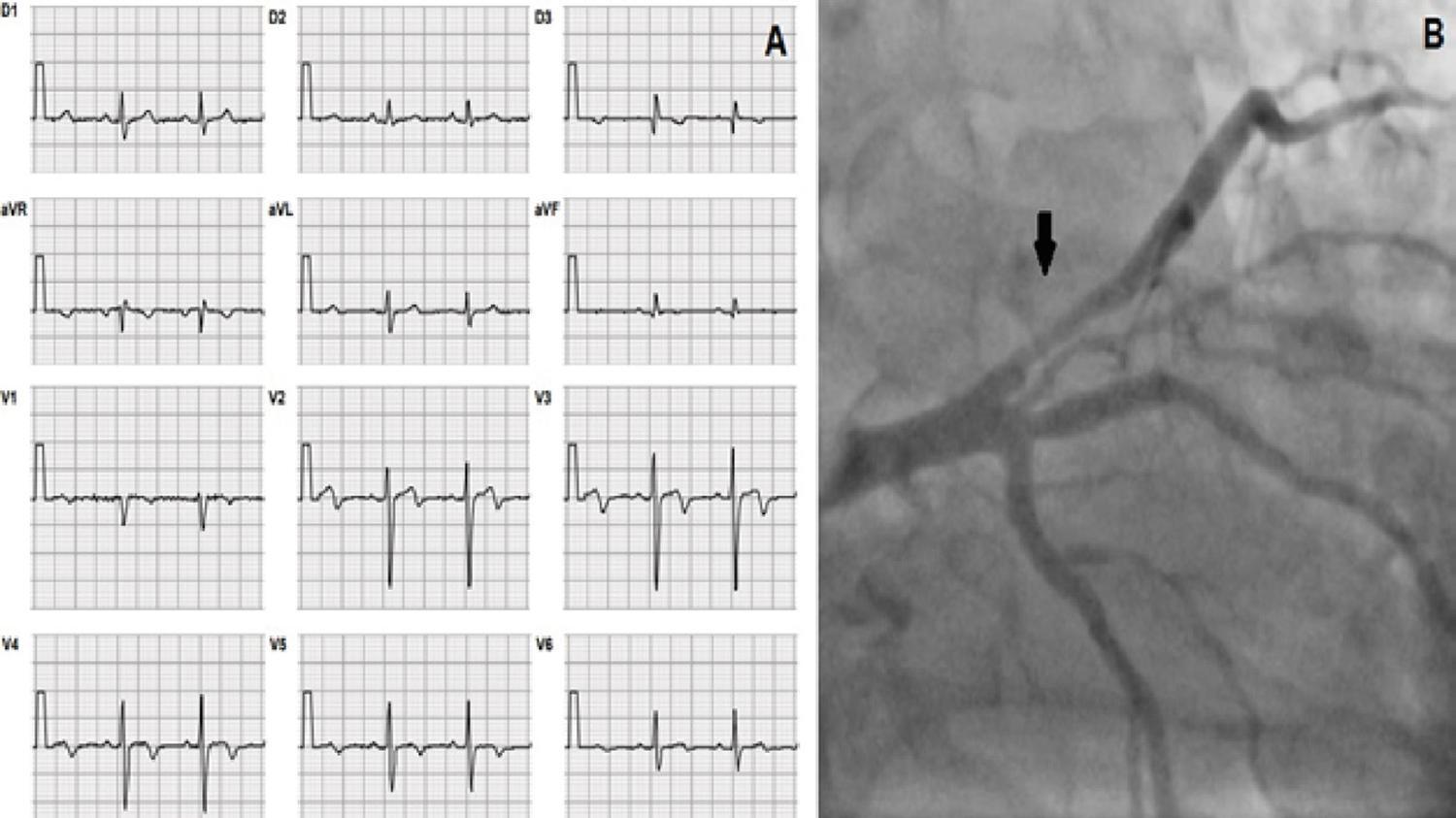
This report describes a case of a patient with chest pain without segmental changes on initial ECHO in the emergency room. Significant coronary artery disease (CAD) changes were evident on additional tools (handgrip, strain, and postsystolic peak) as showed on the subsequent coronary angiography.

[…]

  • Chest Pain
  • Echocardiography
  • Emergencies
  • Strain
Read Full Article
Creative Commons Attribution (CC BY) Creative Commons license
25/03/2022 DOI: 10.47593/2675-312X/20213404eabc238 Views 3
Figure 1
ABCIC
Case Report

Young Patient with Chagas Disease Presenting Initially as Acute Chest Pain and Treated for Acute Coronary Syndrome

Jakson Ferreira Neto et al. Dannyl Roosevelt de Vasconcelos Lima Pedro Vinicius Amorim de Medeiros Patriota João Helbert Costa e Silva … Antônio Marconi Leandro da Silva Anderson da Costa Armstrong

Introduction

Chagas disease, a chronic and endemic condition in 21 countries within the Americas, affects approximately 6 million people. The northeast region has always been particularly important for the disease. According to data from the Mortality Information System (Sistema de Informação sobre Mortalidade), between 1980 and 2007, Brazil registered 156,224 deaths from Chagas disease; of them, 20,472 were in the northeast region and 3,144 occurred in Pernambuco.

Classic symptoms of Chagas disease can include chest pain, commonly typical for angina. Records of Chagas patients usually relate typical acute anginal pain to superimposed coronary artery disease. However, microcirculation disease has also been suggested as a chest pain trigger. Despite the high prevalence of Chagas heart disease in inland northeastern Brazil, coronary artery disease remains the main cause of heart failure and acute coronary syndromes.

[…]

  • Chagas Cardiomyopathy
  • Chagas disease
  • Chest Pain
Read Full Article
Creative Commons Attribution (CC BY) Creative Commons license
25/03/2022 DOI: 10.47593/2675-312X/20213404eabc206 Views 3
ABCIC
Case Report

Rare Cause of Chest Pain in Young Patient: Left Ventricular Myxoma

Gustavo Henrique Belarmino Góes et al. José Candido de Souza Ferraz Neto Ivaldo Pedrosa Calado Filho Ricardo de Carvalho Lima Dário Celestino Sobral Filho

[…]

  • Chest Pain
  • Dyspnea
  • Echocardiography/diagnostic Imaging
  • Heart Neoplasms
  • Myxoma/surgery
  • Syncope
  • Tachycardia
Read Full Article
Creative Commons Attribution (CC BY) Creative Commons license
20/01/2022 DOI: 10.5935/2318-8219.20190013
ABCIC
Case Report

Multimodality Evaluation in Cardiovascular Imaging in the Diagnosis of Atypical Cases of Chest Pain: Myasthenia Gravis

Roberta de Alvarenga Batista et al. Alexandre Henrique Cobucci Santana Roberto Luiz Marino Bárbara Campos Abreu Marino

[…]

  • Chest Pain
  • Diagnostic Imaging
  • Echocardiography
  • Electrocardiography
  • Magnetic Resonance Imaging
  • Myasthenia Gravis/diagnosis
Read Full Article
Creative Commons Attribution (CC BY) Creative Commons license
20/01/2022 DOI: 10.5935/2318-8219.20190012 Views 3
ABCIC
Image

Suprasternal echocardiogram: an essential tool in emergency room

Inês Almeida et al. Hélder Santos Hugo Miranda Catarina Sousa

[…]

  • Chest Pain
  • Echocardiography
  • Emergency room
Read Full Article
Creative Commons Attribution (CC BY) Creative Commons license
14/01/2022 DOI: 10.5935/2318-8219.20200026 Views 1
ABCIC
Case Report

A Young Patient with Chest Pain: Going Beyond the Obvious

Sebastian Gallo Bernal et al. Azucena Martínez Juan F Vasquez-Rodriguez Nicolás Isaza … Daniel Isaza Camilo A Calixto Claudia Jaimes

Abstract

Background

Myocardial infarction with nonobstructive coronary arteries (MINOCA) is diagnostically and therapeutically challenging for clinicians, as a large spectrum of causes may result in this clinical condition, multiple entities can mimic it, and there are relatively few evidence-based recommendations for its assessment.

Discussion

Accurate diagnosis of the underlying etiology of MINOCA requires a systematic and dynamic evaluation of the clinical history and work-up of each patient, as well as the use of additional diagnostic tools that allow more in-depth characterization of the cardiac anatomy and coronary function, such as cardiac magnetic resonance imaging, coronary vascular imaging (intravascular ultrasound, optical coherence tomography), and coronary functional assessments. The prognosis of MINOCA highly depends on its underlying cause, and therefore, an accurate diagnosis of its etiology is necessary.

  • Antiphospholipid syndrome
  • Chest Pain
  • Pulmonary embolism
Read Full Article
Creative Commons Attribution (CC BY) Creative Commons license
17/12/2021 DOI: 10.47593/2675-312X/20203304eabc113 Views 1
Figure 1
ABCIC
Case Report

Spontaneous Coronary Artery Dissection and Diagnosis by Computed Tomography Angiography: a Case Report

Mathias Silvestre de Brida et al. Georgia Pergher Postingher Fábio Vieira Caovilla Juarez Neuhaus Barbisan

Introduction

Spontaneous coronary artery dissection (SCAD), defined as separation of the layers of the coronary wall unrelated to trauma, iatrogenesis, or atherosclerosis, often occurs in young women without cardiovascular risk factors. First described almost a century ago, it was poorly understood for some time, known only to be associated with the peripartum and pregnancy periods. SCAD is a rare cause of acute coronary syndrome (ACS), and despite technological advances in invasive or non-invasive imaging tests increasing our understanding of its pathophysiology and treatment, it remains underdiagnosed. This report describes the case of an ACS patient without obstructive lesions on coronary angiography in which coronary computed tomography angiography (CCTA) was an indispensable tool in the diagnosis of SCAD with an unusual location, highlighting its growing importance based on the current scientific literature.

[…]

  • Acute coronary syndrome
  • Chest Pain
  • Computed Tomography Angiography
  • Dissection
Read Full Article
Creative Commons Attribution (CC BY) Creative Commons license
26/11/2021 DOI: 10.47593/2675-312X/20213403eabc191
Figure 1
ABC
Original Article

Accuracy of Post-thrombolysis ST-segment Reduction as an Adequate Reperfusion Predictor in the Pharmaco-Invasive Approach

Henrique Tria Bianco et al. Rui Povoa Maria Cristina Izar Braulio Luna Filho … Flavio Tocci Moreira Edson Stefanini Henrique Andrade Fonseca Adriano Henrique Pereira Barbosa Claudia Maria Rodrigues Alves Adriano Mendes Caixeta Iran Gonçalves Jr Pedro Ivo de Marqui Moraes Renato Delascio Lopes Angelo Amato Vincenzo de Paola Dirceu Almeida Valdir Ambrosio Moises Francisco A. H. Fonseca

Abstract

Background

Primary percutaneous coronary intervention is considered the “gold standard” for coronary reperfusion. However, when not available, the drug-invasive strategy is an alternative method and the electrocardiogram (ECG) has been used to identify reperfusion success.

Objectives

Our study aimed to assess ST-Segment changes in post-thrombolysis and their power to predict recanalization and using the angiographic scores TIMI-flow and Myocardial Blush Grade (MBG) as an ideal reperfusion criterion.

Methods

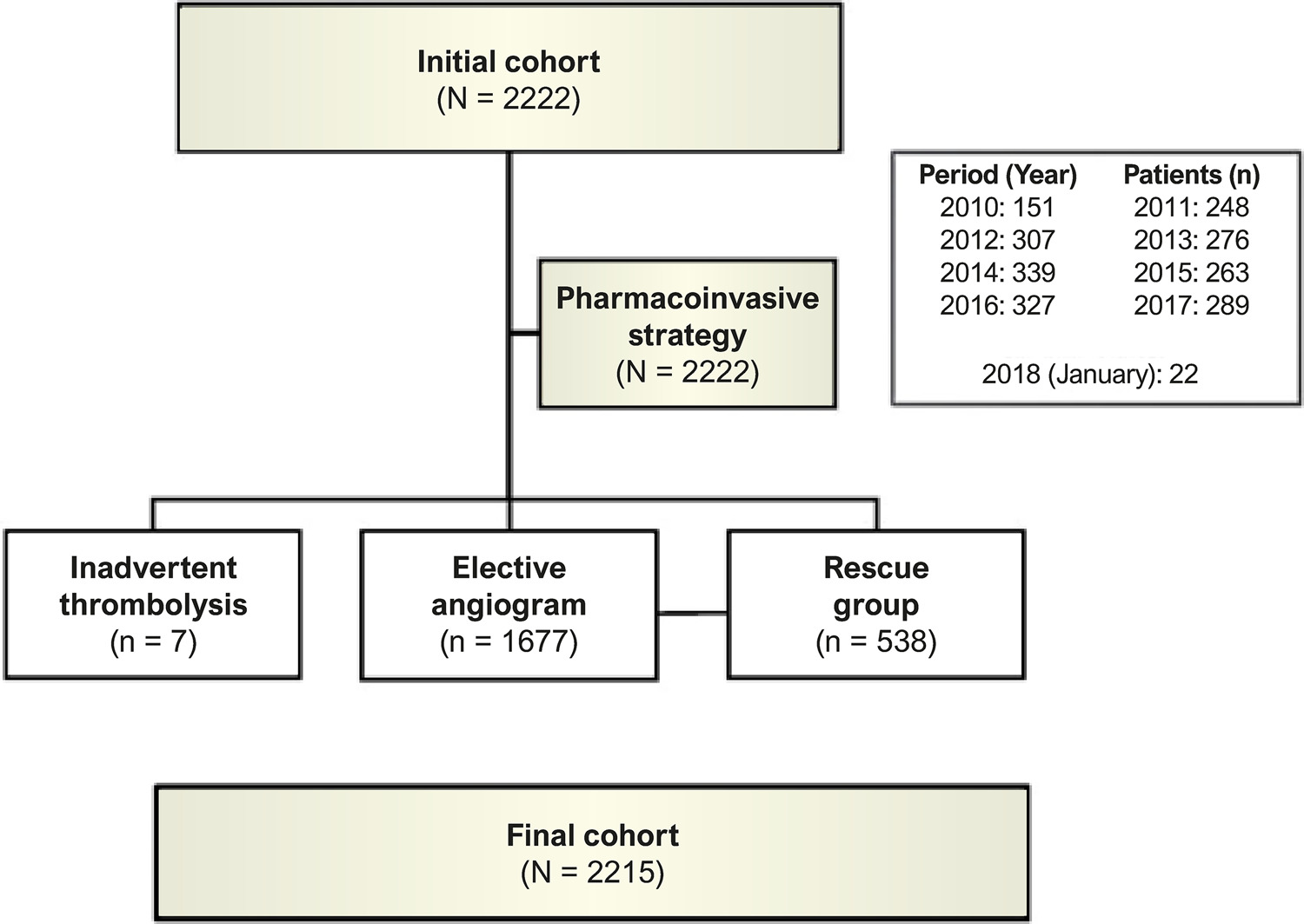
2,215 patients with ST-Segment Elevation Myocardial Infarction (STEMI) undergoing fibrinolysis [(Tenecteplase)-TNK] and referred to coronary angiography within 24 h post-fibrinolysis or immediately referred to rescue therapy were studied. The ECG was performed pre- and 60 min-post-TNK. The patients were categorized into 2 groups: those with ideal reperfusion (TIMI-3 and MBG-3) and those with inadequate reperfusion (TIMI and MBG 50%. A p-value <0.05 was considered for the analyses, with bicaudal tests.

Results

The ECG reperfusion criterion showed a positive predictive value of 56%; negative predictive value of 66%; sensitivity of 79%; and specificity of 40%. There was a weak positive correlation between ST-Segment reduction and ideal reperfusion angiographic data (r = 0.21; p <0.001) and low diagnostic accuracy, with an AUC of 0.60 (95%CI: 0.57-0.62).

Conclusion

The ST-Segment reduction was not able to accurately identify patients with adequate angiographic reperfusion. Therefore, even patients with apparently successful reperfusion should be referred to angiography soon, to ensure adequate macro and microvascular coronary flow.

  • Chest Pain
  • Coronary Angiography
  • Electrocardiography/methods
  • Myocardial Infarction
  • Myocardial Reperfusion
  • Percutaneous Coronary Intervention
  • Thrombolytic Therapy
Read Full Article
Creative Commons Attribution (CC BY) Creative Commons license
26/07/2021 DOI: 10.36660/abc.20200241 Views 2
Figure 1
IJCS
Case Report

Takotsubo Cardiomyopathy and Myocardial Perfusion Image: Unusual Binomial in the Investigation of Acute Coronary Syndrome without Obstructive Lesions

Mathias Silvestre de Brida et al. Raphael Boesche Guimaraes Leonardo Rothlisberger Matheus Patricio

Introduction

Takotsubo cardiomyopathy (TC), also known as broken heart syndrome or stress-induced cardiomyopathy, was primarily described in Japan in 1990, is named after its morphological similarity to the vase used by Asian people to catch octopuses, which has a rounded bottom and a narrow bottleneck. This condition is characterized by transient left ventricular (LV) systolic dysfunction, commonly preceded by physical or emotional stress, mimicking the presentation of acute myocardial infarction. In the present article, we describe a case of TC focusing on its updated approach, highlighting the applicability of myocardial perfusion scintigraphy (MPS) in the acute phase of chest pain and presenting images rarely described in this scenario.

[…]

  • Acute Coronary
  • Chest Pain
  • Takotsubo Cardiomyopathy
  • Ventilation-Perfusion Scan
Read Full Article
Creative Commons Attribution (CC BY) Creative Commons license
16/07/2021 DOI: 10.36660/ijcs.20210015 Views 1
Figure 1
ABC
Image

Pulmonary Arterial Intramural Hematoma Due to Acute Aortic Dissection

Lucas de Pádua Gomes de Farias et al. Ana Cristina Favaretto Luciana de Pádua Silva Baptista Gustavo Borges da Silva Teles

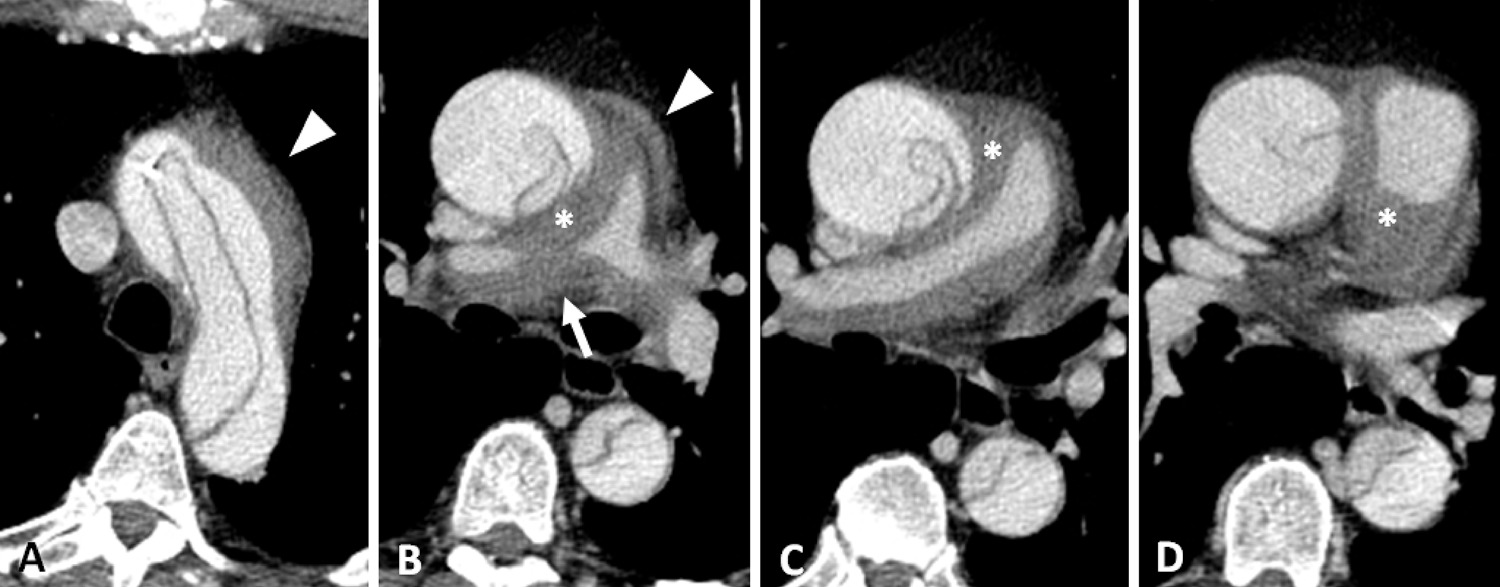
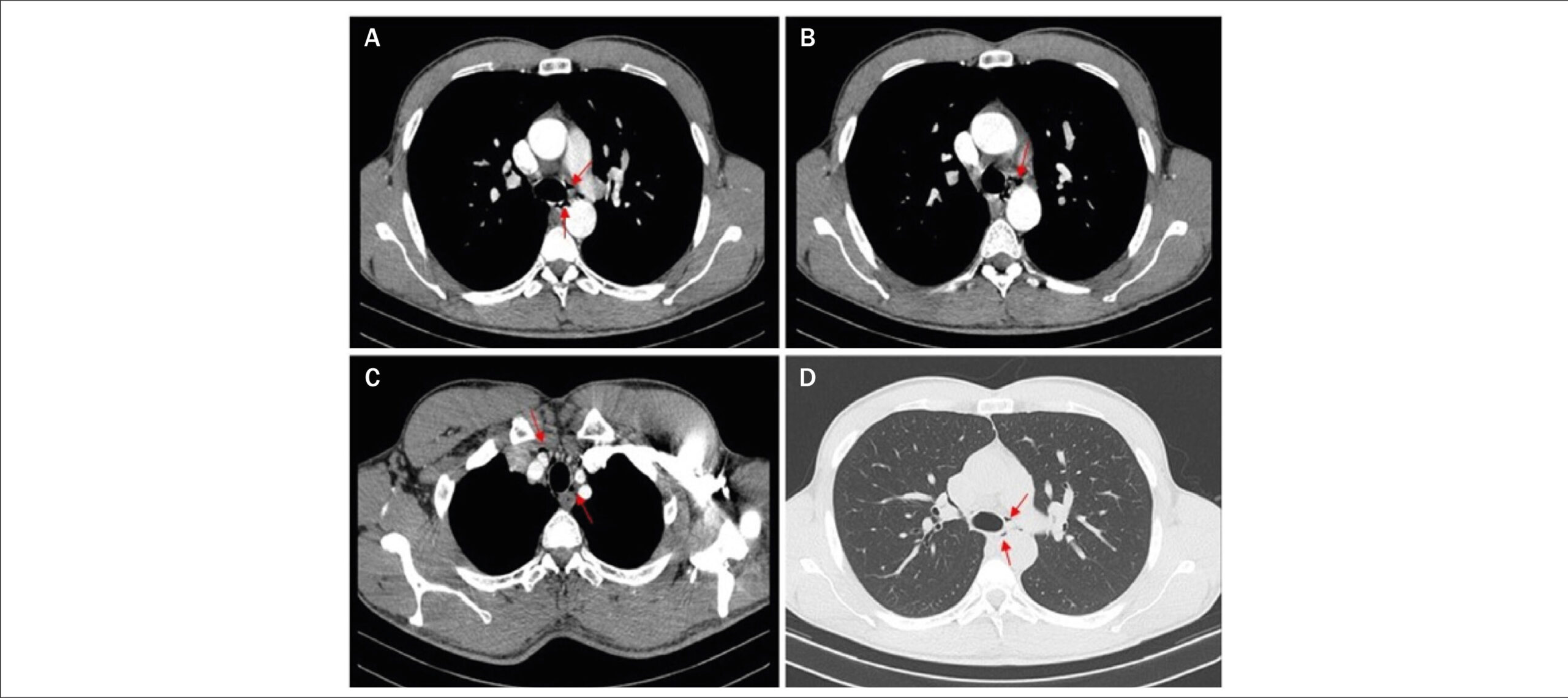
A 54-year-old male patient, who was a smoker, was admitted to the emergency room with acute chest pain and dyspnea. Investigation was initiated by means of computed tomography angiography of the chest, which showed extensive dissection of the thoracic aorta, beginning in the ascending segment (Stanford type A), associated with intramural hematoma of the pulmonary artery trunk and its main branches. It was more evident on the right, which determines local pulmonary luminal reduction, in addition to a small para-aortic and subaortic mediastinal hematoma. There were no signs of pulmonary thromboembolism, and the evaluation of the parenchyma showed no signs of pulmonary hemorrhage ( and ).

[…]

  • Aneurysm, Dissecting
  • Chest Pain
  • Computed Tomography Angiography/ methods
  • Hematoma
  • Pulmonary Artery
Read Full Article
Creative Commons Attribution (CC BY) Creative Commons license
14/06/2021 DOI: 10.36660/abc.20200775 Views 1
Figure 1
ABC
Original Article

Does Advanced Age Reduce the Typicality of Clinical Presentation in Patients with Acute Chest Pain Related to Coronary Artery Disease?

Pedro Henrique Correia Filgueiras et al. Antônio Maurício Cerqueira Junior Gabriela Oliveira Bagano Vitor Calixto de Almeida Correia … Fernanda Oliveira de Andrade Lopes Thiago Menezes Barbosa de Souza Leticia Lara Fonseca Lara Queiroz Kertzman Yasmin Falcon Lacerda Marcia Noya Rabelo Luis Claudio Lemos Correia

Abstract

Background

According to traditional diagnosis thinking, very elderly individuals are more predisposed to develop atypical symptoms in acute coronary syndromes.

Objective

To test the hypothesis that very elderly individuals are more predisposed to atypical chest pain manifestations due to obstructive coronary artery disease (CAD).

Methods

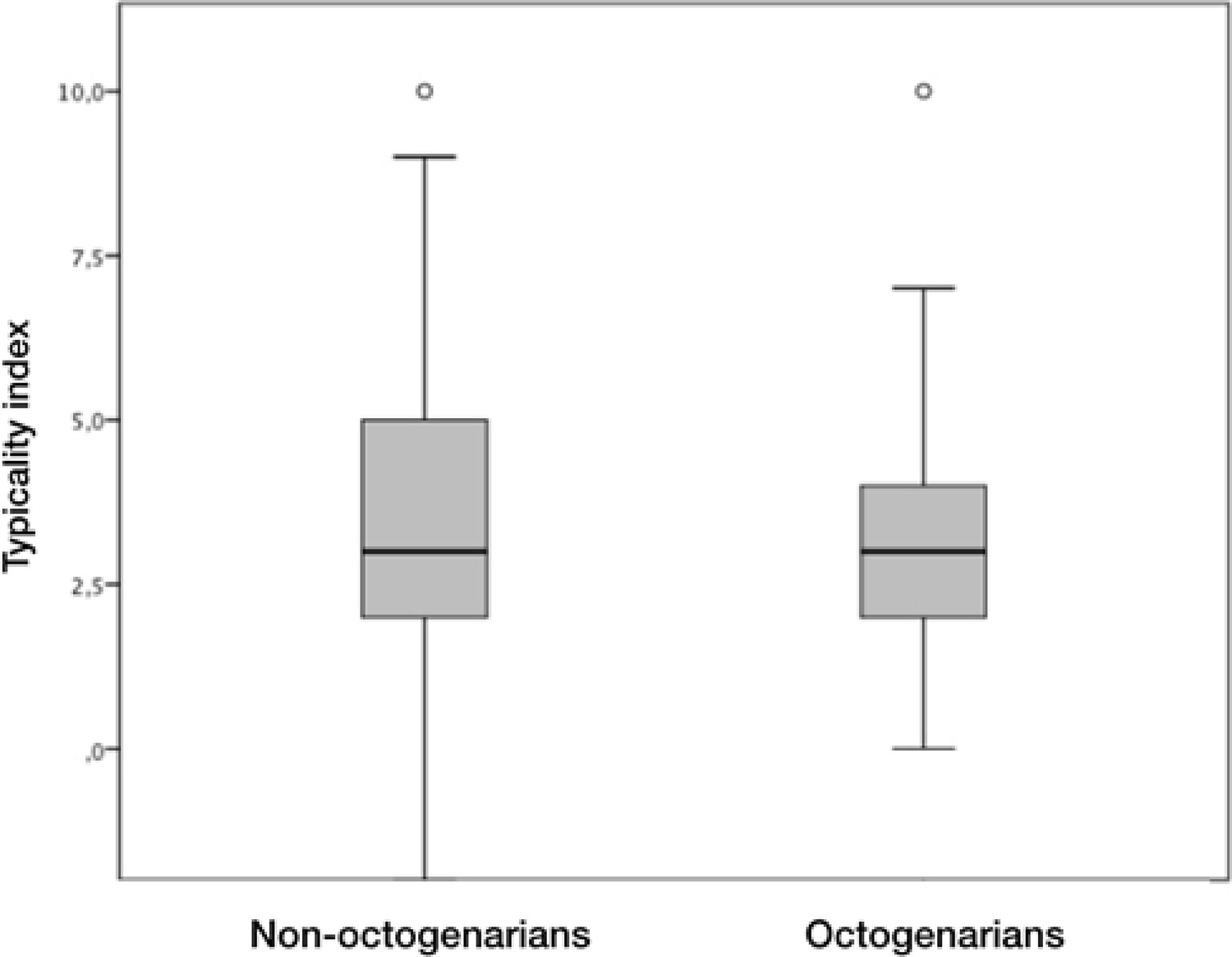
The Registry of Thoracic Pain includes patients admitted with acute chest pain. Firstly, the typicality index of this clinical manifestation was constructed: the sum of 12 symptom characteristics (8 typical and 4 atypical symptoms). In the subgroup of patients with coronary etiology, the typicality index was compared between octogenarian and non-octogenarian individuals. Statistical significance was defined by p<0.05.

Results

958 patients were included in the registry, and 486 (51%) had a supposedly coronary etiology. In this group, 59 (12%) octogenarians (age 84±3.5, 50% men) were compared to 427 patients aged <80 (60±12 years, 71% men). The typicality index in octogenarians was 3.42±1.92, which is similar to that of non-octogenarians (3.44±1.74; p=0.92 in univariate analysis and p=0.80 after adjustment for sex by analysis of variance — ANOVA). There was also no statistically significant difference when the sample was divided into median age (62 years; 3.41±1.77 vs. 3.49 ± 1.77; p=0.61). There was no statistically significant linear association between age and typicality index (r=- 0.05; p=0.24). Logistic regression analysis for prediction of CAD in the general sample of 958 patients showed no interaction of typicality index with numeric age (p=0.94), octogenarians (p=0.22) or age above median (p=0.74).

Conclusion

In patients with acute chest pain of coronary etiology, advanced age does not influence the typical clinical presentation.

  • Acute coronary syndrome
  • Chest Pain
  • Elderly
  • Prognosis
Read Full Article
Creative Commons Attribution (CC BY) Creative Commons license
14/06/2021 DOI: 10.36660/abc.20190089 Views 1
ABC
Editorial

Precordial Pain and Infarction in the Elderly. It´S no so Elementary, My Dear Watson!

Ricardo Wang et al. José Carlos da Costa Zanon Fernando Carvalho Neuschwander

In Medical School, we learn the traditional way to conduct the investigative process in order to reach a diagnosis. This process is traditionally based on the collection of anamnesis and clinical exams, clinical reasoning, the generation of a hypothesis, and tests with complementary exams. In general, we follow the the Occam’s razor principle: “the simplest answer is usually the correct answer,” or as William Osler’s aphorism: “Where you hear hoofs, you don´t think of zebras”. However, in this investigative process, the clinical reasoning is challenged in an elderly population over 80 years of age, and not always is the simplest answer the most correct. In this age group, the presence of comorbidities is quite common and can interfere, changing the perception of cardiovascular symptoms (depression, dementia, medications that interfere in the central nervous system, diabetes, analgesics, etc.), or even modify the symptomatology. The presence of atypical symptoms, such as dyspnea, sudoresis, vomiting, diarrhea, epigastric pain, and mental confusion can all mask the cardiovascular pathology. ,

Many studies have shown the difficulty in diagnosing acute myocardial infarction (AMI) in this population, which clearly entails delays in or the lack of treatment. Even when the diagnosis and early treatment of AMI is established, the mortality rate remains high in this population. The under-treatment or lack of treatment contribute to the increase in mortality in this age group. – Understanding the factors that make the diagnosis difficult is of utmost importance in establishing protocols directed toward the older age elderly patient.

[…]

  • Acute Coronary Syndrome / diagnosis
  • Aged
  • aging
  • Angina Pectoris
  • Chest Pain
  • Myocardial Infarction / Diagnosis
Read Full Article
Creative Commons Attribution (CC BY) Creative Commons license
14/06/2021 DOI: 10.36660/abc.20210331 Views 1
Figure 1
ABCIC
Image

Spontaneous Pneumomediastinum

Luísa Gonçalves et al. Inês Pires João Santos Joana Correia Davide Moreira

Case

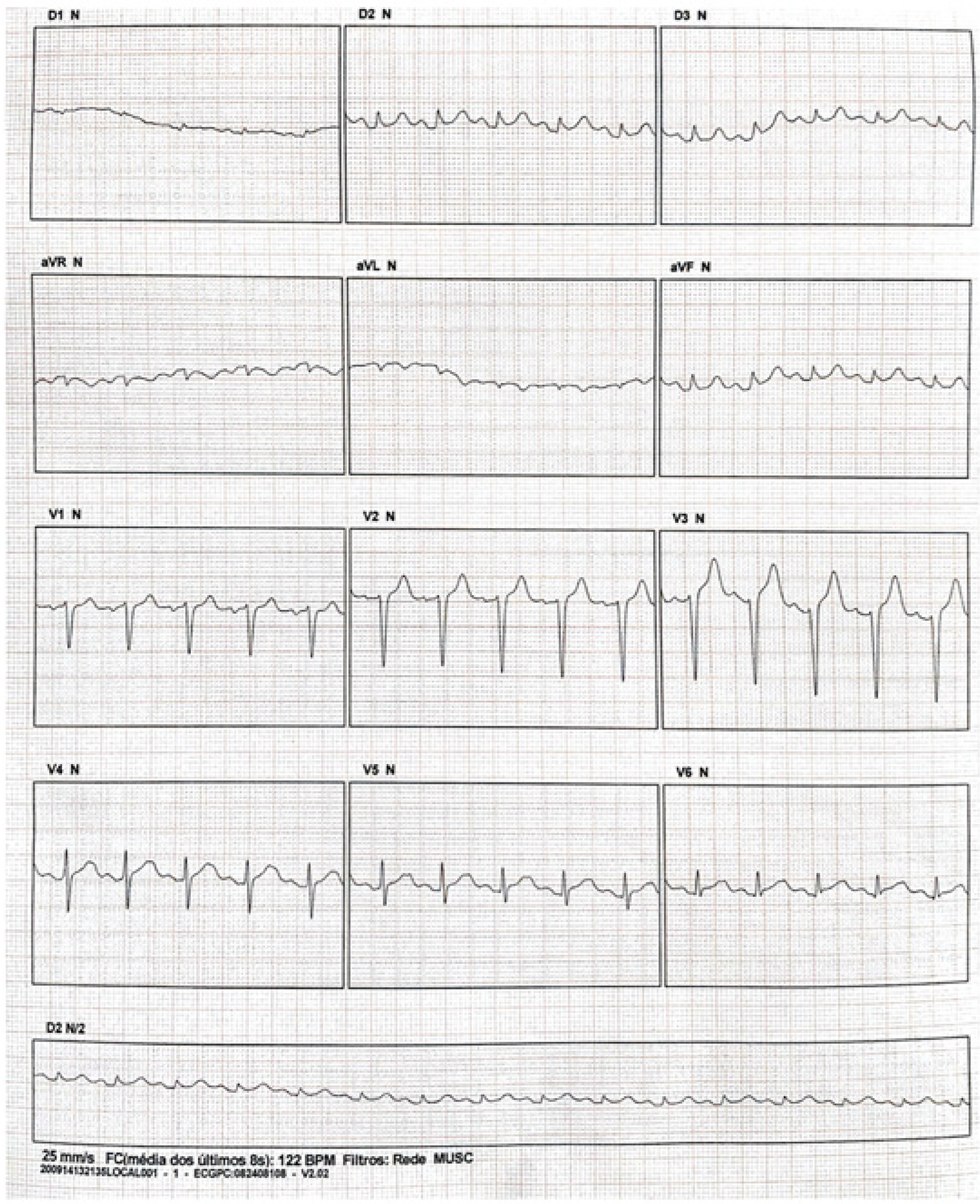
A 31-year-old male athlete presented with acute chest pain that was aggravated with swallowing after completing a marathon. Physical examination findings and his vital signs were normal. Electrocardiography revealed showed sinus rhythm, an incomplete right bundle block, and a negative T wave in V1-V2. A blood analysis showed normal D-dimer values and a slightly elevated troponin-I level (maximum at 72 hours: 0.52 ng/mL; normal, <0.07 ng/mL) with fluctuations. Chest X-ray, echocardiography, and coronary angiography findings were normal. Cardiac computed tomography (CT) revealed small gas collections on the superior and middle mediastinum compatible with spontaneous pneumomediastinum (SP). ( and ) SP is rare, usually benign, and often underdiagnosed. Intense physical exercise is a recognized cause. Cardiac CT assesses the extension, causative factors, and pathologies and discloses the diagnosis of SP when chest X-ray findings are normal.

[…]

  • Chest Pain
  • Computed Tomography
  • Pneumomediastinum
Read Full Article
Creative Commons Attribution (CC BY) Creative Commons license
11/06/2021 DOI: 10.47593/2675-312X/20213402eabc170 Views 2

Could not load more articles. Please try again.

How to cite this article

EndNote RIS

Electronic Document Format (Vancouver)

Fikriana R, Afik A, Prasetya RE. Acute Coronary Syndrome Patient Profile in Emergency Department: A cross-sectional study. International Journal of Cardiovascular Sciences 2026;39:e20250120.

Electronic Document Format (ABNT)

Fikriana, Riza; Afik, Al; Prasetya, Randy Eka. Acute Coronary Syndrome Patient Profile in Emergency Department: A cross-sectional study. International Journal of Cardiovascular Sciences, v. 39, e20250120, May. 2026.

Electronic Document Format (APA)

Fikriana, R., Afik, A., & Prasetya, R. E. (2026). Acute Coronary Syndrome Patient Profile in Emergency Department: A cross-sectional study. International Journal of Cardiovascular Sciences, 39, e20250120.

Electronic Document Format (ISO)

Fikriana, Riza and Afik, Al and Prasetya, Randy Eka. Acute Coronary Syndrome Patient Profile in Emergency Department: A cross-sectional study. International Journal of Cardiovascular Sciences [online]. 2026, vol. 39, [cited 2026-10-14], e20250120. Available from: <https://journals.cardiol.br/en/article/acute-coronary-syndrome-patient-profile-in-emergency-department-a-cross-sectional-study/>. ISSN 2359-4802

EndNote RIS

Electronic Document Format (Vancouver)

Zapparoli M, Alessi A, Zapparoli FC, Alessi MR. Rare Presentation of an Anatomical Congenital Anomaly of the Coronary Arteries on Computed Tomography Angiography. ABC Imagem Cardiovascular 2024;37(4):e20240075.

Electronic Document Format (ABNT)

Zapparoli, Marcello; Alessi, Alexandre; Zapparoli, Franco Camargo; Alessi, Mateus Rodrigues. Rare Presentation of an Anatomical Congenital Anomaly of the Coronary Arteries on Computed Tomography Angiography. ABC Imagem Cardiovascular, v. 37, n. 4, e20240075, Nov. 2024.

Electronic Document Format (APA)

Zapparoli, M., Alessi, A., Zapparoli, F. C., & Alessi, M. R. (2024). Rare Presentation of an Anatomical Congenital Anomaly of the Coronary Arteries on Computed Tomography Angiography. ABC Imagem Cardiovascular, 37(4), e20240075.

Electronic Document Format (ISO)

Zapparoli, Marcello and Alessi, Alexandre and Zapparoli, Franco Camargo and Alessi, Mateus Rodrigues. Rare Presentation of an Anatomical Congenital Anomaly of the Coronary Arteries on Computed Tomography Angiography. ABC Imagem Cardiovascular [online]. 2024, vol. 37, n. 4, [cited 2026-10-14], e20240075. Available from: <https://journals.cardiol.br/en/article/rare-presentation-of-an-anatomical-congenital-anomaly-of-the-coronary-arteries-on-computed-tomography-angiography/>. ISSN 2318-8219

EndNote RIS

Electronic Document Format (Vancouver)

Fuzissima BM, Torres RVA, Couto RM, Farias LPG, Oliveira BSP, Araújo Filho JAB. My Approach To CAD-RADS 2.0 in the Assessment of Coronary Artery Disease by CT Angiogram. ABC Imagem Cardiovascular 2024;37(4):e20240085.

Electronic Document Format (ABNT)

Fuzissima, Bruno Maeda; Torres, Roberto Vitor Almeida; Couto, Renata Muller; Farias, Lucas de Pádua Gomes de; Oliveira, Bernardo Salgado Pinto; Araújo Filho, José de Arimatéia Batista. My Approach To CAD-RADS 2.0 in the Assessment of Coronary Artery Disease by CT Angiogram. ABC Imagem Cardiovascular, v. 37, n. 4, e20240085, Nov. 2024.

Electronic Document Format (APA)

Fuzissima, B. M., Torres, R. V. A., Couto, R. M., Farias, L. P. G. , Oliveira, B. S. P., & Araújo Filho, J. A. B. (2024). My Approach To CAD-RADS 2.0 in the Assessment of Coronary Artery Disease by CT Angiogram. ABC Imagem Cardiovascular, 37(4), e20240085.

Electronic Document Format (ISO)

Fuzissima, Bruno Maeda and Torres, Roberto Vitor Almeida and Couto, Renata Muller and Farias, Lucas de Pádua Gomes de and Oliveira, Bernardo Salgado Pinto and Araújo Filho, José de Arimatéia Batista. My Approach To CAD-RADS 2.0 in the Assessment of Coronary Artery Disease by CT Angiogram. ABC Imagem Cardiovascular [online]. 2024, vol. 37, n. 4, [cited 2026-10-14], e20240085. Available from: <https://journals.cardiol.br/en/article/my-approach-to-cad-rads-2-0-in-the-assessment-of-coronary-artery-disease-by-ct-angiogram/>. ISSN 2318-8219

EndNote RIS

Electronic Document Format (Vancouver)

Rassi DC, Freitas Jr. AF, Rassi S. The Importance of Characterizing Chest Pain in the Management of Unstable Angina. Arquivos Brasileiros de Cardiologia 2024;121(3):e20240168.

Electronic Document Format (ABNT)

Rassi, Daniela do Carmo; Freitas Jr., Aguinaldo Figueiredo; Rassi, Salvador. The Importance of Characterizing Chest Pain in the Management of Unstable Angina. Arquivos Brasileiros de Cardiologia, v. 121, n. 3, e20240168, May. 2024.

Electronic Document Format (APA)

Rassi, D. C., Freitas Jr., A. F., & Rassi, S. (2024). The Importance of Characterizing Chest Pain in the Management of Unstable Angina. Arquivos Brasileiros de Cardiologia, 121(3), e20240168.

Electronic Document Format (ISO)

Rassi, Daniela do Carmo and Freitas Jr., Aguinaldo Figueiredo and Rassi, Salvador. The Importance of Characterizing Chest Pain in the Management of Unstable Angina. Arquivos Brasileiros de Cardiologia [online]. 2024, vol. 121, n. 3, [cited 2026-10-14], e20240168. Available from: <https://journals.cardiol.br/en/article/the-importance-of-characterizing-chest-pain-in-the-management-of-unstable-angina/>. ISSN 0066-782X

EndNote RIS

Electronic Document Format (Vancouver)

Bianco HT. Index of Systemic Immunoinflammation and Ischemia in Patients with Non-Obstructive Coronary Arteries. Arquivos Brasileiros de Cardiologia 2024;121(2):e20240081.

Electronic Document Format (ABNT)

Bianco, Henrique Tria. Index of Systemic Immunoinflammation and Ischemia in Patients with Non-Obstructive Coronary Arteries. Arquivos Brasileiros de Cardiologia, v. 121, n. 2, e20240081, Apr. 2024.

Electronic Document Format (APA)

Bianco, H. T. (2024). Index of Systemic Immunoinflammation and Ischemia in Patients with Non-Obstructive Coronary Arteries. Arquivos Brasileiros de Cardiologia, 121(2), e20240081.

Electronic Document Format (ISO)

Bianco, Henrique Tria. Index of Systemic Immunoinflammation and Ischemia in Patients with Non-Obstructive Coronary Arteries. Arquivos Brasileiros de Cardiologia [online]. 2024, vol. 121, n. 2, [cited 2026-10-14], e20240081. Available from: <https://journals.cardiol.br/en/article/index-of-systemic-immunoinflammation-and-ischemia-in-patients-with-non-obstructive-coronary-arteries/>. ISSN 0066-782X

EndNote RIS

Electronic Document Format (Vancouver)

Prata MA, Ohe LN, Vilalva KH, Lemos LFM, Smanio PEP. Critical Assessment of the Management of Unstable Angina in a Specialized Cardiology Emergency Room. Arquivos Brasileiros de Cardiologia 2024;121(3):e20230049.

Electronic Document Format (ABNT)

Prata, Mateus Arantes; Ohe, Louis Nakayama; Vilalva, Kelvin Henrique; Lemos, Lucas Ferreira Marcondes; Smanio, Paola Emanuela Poggio. Critical Assessment of the Management of Unstable Angina in a Specialized Cardiology Emergency Room. Arquivos Brasileiros de Cardiologia, v. 121, n. 3, e20230049, Apr. 2024.

Electronic Document Format (APA)

Prata, M. A., Ohe, L. N., Vilalva, K. H., Lemos, L. F. M., & Smanio, P. E. P. (2024). Critical Assessment of the Management of Unstable Angina in a Specialized Cardiology Emergency Room. Arquivos Brasileiros de Cardiologia, 121(3), e20230049.

Electronic Document Format (ISO)

Prata, Mateus Arantes and Ohe, Louis Nakayama and Vilalva, Kelvin Henrique and Lemos, Lucas Ferreira Marcondes and Smanio, Paola Emanuela Poggio. Critical Assessment of the Management of Unstable Angina in a Specialized Cardiology Emergency Room. Arquivos Brasileiros de Cardiologia [online]. 2024, vol. 121, n. 3, [cited 2026-10-14], e20230049. Available from: <https://journals.cardiol.br/en/article/critical-assessment-of-the-management-of-unstable-angina-in-a-specialized-cardiology-emergency-room/>. ISSN 0066-782X

EndNote RIS

Electronic Document Format (Vancouver)

Ferreira C. The “Value of 0”: Is There an Added Value in Using the Calcium Score in the Stratification of Symptomatic Individuals with a Zero Score?. Arquivos Brasileiros de Cardiologia 2023;120(3):e20230105.

Electronic Document Format (ABNT)

Ferreira, Catarina. The “Value of 0”: Is There an Added Value in Using the Calcium Score in the Stratification of Symptomatic Individuals with a Zero Score?. Arquivos Brasileiros de Cardiologia, v. 120, n. 3, e20230105, Apr. 2023.

Electronic Document Format (APA)

Ferreira, C. (2023). The “Value of 0”: Is There an Added Value in Using the Calcium Score in the Stratification of Symptomatic Individuals with a Zero Score?. Arquivos Brasileiros de Cardiologia, 120(3), e20230105.

Electronic Document Format (ISO)

Ferreira, Catarina. The “Value of 0”: Is There an Added Value in Using the Calcium Score in the Stratification of Symptomatic Individuals with a Zero Score?. Arquivos Brasileiros de Cardiologia [online]. 2023, vol. 120, n. 3, [cited 2026-10-14], e20230105. Available from: <https://journals.cardiol.br/en/article/the-value-of-0-is-there-an-added-value-in-using-the-calcium-score-in-the-stratification-of-symptomatic-individuals-with-a-zero-score/>. ISSN 0066-782X

EndNote RIS

Electronic Document Format (Vancouver)

Armstrong AC, Cerci R, Matheson MB, Magalhães T, Kishi S, Brinker J, Clouse ME, et al. Predicting Significant Coronary Obstruction in a Population with Suspected Coronary Disease and Absence of Coronary Calcium: CORE-64 / CORE320 Studies. Arquivos Brasileiros de Cardiologia 2023;120(3):e20220183.

Electronic Document Format (ABNT)

Armstrong, Anderson C.; Cerci, Rodrigo; Matheson, Matthew B.; Magalhães, Tiago; Kishi, Satoru; Brinker, Jeff; Clouse, Melvin E.; Rochitte, Carlos E.; Cox, Christopher; Lima, João A. C.; Arbab-Zadeh, Armin. Predicting Significant Coronary Obstruction in a Population with Suspected Coronary Disease and Absence of Coronary Calcium: CORE-64 / CORE320 Studies. Arquivos Brasileiros de Cardiologia, v. 120, n. 3, e20220183, Mar. 2023.

Electronic Document Format (APA)

Armstrong, A. C., Cerci, R., Matheson, M. B., Magalhães, T., Kishi, S., Brinker, J., Clouse, M. E., Rochitte, C. E., Cox, C., Lima, J. A. C., & Arbab-Zadeh, A. (2023). Predicting Significant Coronary Obstruction in a Population with Suspected Coronary Disease and Absence of Coronary Calcium: CORE-64 / CORE320 Studies. Arquivos Brasileiros de Cardiologia, 120(3), e20220183.

Electronic Document Format (ISO)

Armstrong, Anderson C. and Cerci, Rodrigo and Matheson, Matthew B. and Magalhães, Tiago and Kishi, Satoru and Brinker, Jeff and Clouse, Melvin E. and Rochitte, Carlos E. and Cox, Christopher and Lima, João A. C. and Arbab-Zadeh, Armin. Predicting Significant Coronary Obstruction in a Population with Suspected Coronary Disease and Absence of Coronary Calcium: CORE-64 / CORE320 Studies. Arquivos Brasileiros de Cardiologia [online]. 2023, vol. 120, n. 3, [cited 2026-10-14], e20220183. Available from: <https://journals.cardiol.br/en/article/predicting-significant-coronary-obstruction-in-a-population-with-suspected-coronary-disease-and-absence-of-coronary-calcium-core-64-core320-studies/>. ISSN 0066-782X

EndNote RIS

Electronic Document Format (Vancouver)

Soeiro AM, Biselli B, Leal TC, Bossa AS, César MC, Jallad S, Goldstein PG, et al. Diagnostic Performance of Coronary Tomography Angiography and Serial Measurements of Sensitive Cardiac Troponin in Patients With Chest Pain and Intermediate Risk for Cardiovascular Events. Arquivos Brasileiros de Cardiologia 2022;118(5):894-902.

Electronic Document Format (ABNT)

Soeiro, Alexandre de Matos; Biselli, Bruno; Leal, Tatiana C.A.T.; Bossa, Aline Siqueira; César, Maria Cristina; Jallad, Sérgio; Goldstein, Priscila Gherardi; Guimarães, Patrícia Oliveira; Serrano Jr, Carlos Vicente; Nomura, Cesar Higa; Nakamura, Débora; Rochitte, Carlos Eduardo; Soares, Paulo Rogério; Oliveira Jr., Múcio Tavares de. Diagnostic Performance of Coronary Tomography Angiography and Serial Measurements of Sensitive Cardiac Troponin in Patients With Chest Pain and Intermediate Risk for Cardiovascular Events. Arquivos Brasileiros de Cardiologia, v. 118, n. 5, p. 894-902, May. 2022.

Electronic Document Format (APA)

Soeiro, A. M., Biselli, B., Leal, T. C., Bossa, A. S., César, M. C., Jallad, S., Goldstein, P. G., Guimarães, P. O., Serrano Jr, C. V., Nomura, C. H., Nakamura, D., Rochitte, C. E., Soares, P. R., & Oliveira Jr., M. T. (2022). Diagnostic Performance of Coronary Tomography Angiography and Serial Measurements of Sensitive Cardiac Troponin in Patients With Chest Pain and Intermediate Risk for Cardiovascular Events. Arquivos Brasileiros de Cardiologia, 118(5), 894-902.

Electronic Document Format (ISO)

Soeiro, Alexandre de Matos and Biselli, Bruno and Leal, Tatiana C.A.T. and Bossa, Aline Siqueira and César, Maria Cristina and Jallad, Sérgio and Goldstein, Priscila Gherardi and Guimarães, Patrícia Oliveira and Serrano Jr, Carlos Vicente and Nomura, Cesar Higa and Nakamura, Débora and Rochitte, Carlos Eduardo and Soares, Paulo Rogério and Oliveira Jr., Múcio Tavares de. Diagnostic Performance of Coronary Tomography Angiography and Serial Measurements of Sensitive Cardiac Troponin in Patients With Chest Pain and Intermediate Risk for Cardiovascular Events. Arquivos Brasileiros de Cardiologia [online]. 2022, vol. 118, n. 5, [cited 2026-10-14], pp. 894-902. Available from: <https://journals.cardiol.br/en/article/diagnostic-performance-of-coronary-tomography-angiography-and-serial-measurements-of-sensitive-cardiac-troponin-in-patients-with-chest-pain-and-intermediate-risk-for-cardiovascular-events/>. ISSN 0066-782X

EndNote RIS

Electronic Document Format (Vancouver)

Bettencourt N. Role of Computed Tomography in Excluding Acute Coronary Syndrome: is Anatomy the Way?. Arquivos Brasileiros de Cardiologia 2022;118(5):903-4.

Electronic Document Format (ABNT)

Bettencourt, Nuno. Role of Computed Tomography in Excluding Acute Coronary Syndrome: is Anatomy the Way?. Arquivos Brasileiros de Cardiologia, v. 118, n. 5, p. 903-904, May. 2022.

Electronic Document Format (APA)

Bettencourt, N. (2022). Role of Computed Tomography in Excluding Acute Coronary Syndrome: is Anatomy the Way?. Arquivos Brasileiros de Cardiologia, 118(5), 903-904.

Electronic Document Format (ISO)

Bettencourt, Nuno. Role of Computed Tomography in Excluding Acute Coronary Syndrome: is Anatomy the Way?. Arquivos Brasileiros de Cardiologia [online]. 2022, vol. 118, n. 5, [cited 2026-10-14], pp. 903-904. Available from: <https://journals.cardiol.br/en/article/role-of-computed-tomography-in-excluding-acute-coronary-syndrome-is-anatomy-the-way/>. ISSN 0066-782X

EndNote RIS

Electronic Document Format (Vancouver)

Castro RRT, Silveira Neto JG, Moreno AM, Orsini M. Exercise-Induced Bronchoconstriction: A Frequent, but Neglected Cause of Chest Pain. International Journal of Cardiovascular Sciences 2022;35(6):820-3.

Electronic Document Format (ABNT)

Castro, Renata Rodrigues Teixeira de; Silveira Neto, João Giffoni; Moreno, Adalgiza Mafra; Orsini, Marco. Exercise-Induced Bronchoconstriction: A Frequent, but Neglected Cause of Chest Pain. International Journal of Cardiovascular Sciences, v. 35, n. 6, p. 820-823, Apr. 2022.

Electronic Document Format (APA)

Castro, R. R. T. , Silveira Neto, J. G., Moreno, A. M., & Orsini, M. (2022). Exercise-Induced Bronchoconstriction: A Frequent, but Neglected Cause of Chest Pain. International Journal of Cardiovascular Sciences, 35(6), 820-823.

Electronic Document Format (ISO)

Castro, Renata Rodrigues Teixeira de and Silveira Neto, João Giffoni and Moreno, Adalgiza Mafra and Orsini, Marco. Exercise-Induced Bronchoconstriction: A Frequent, but Neglected Cause of Chest Pain. International Journal of Cardiovascular Sciences [online]. 2022, vol. 35, n. 6, [cited 2026-10-14], pp. 820-823. Available from: <https://journals.cardiol.br/en/article/exercise-induced-bronchoconstriction-a-frequent-but-neglected-cause-of-chest-pain/>. ISSN 2359-4802

EndNote RIS

Electronic Document Format (Vancouver)

Freitas APTG, Massoni NM, Barretto RBM. Left Ventricular Longitudinal Strain Echocardiogram and Handgrip: A Useful Tool for Detecting Ischemia in the Emergency Room. Arquivos Brasileiros de Cardiologia Imagem cardiovascular 2022;34(4):eabc238.

Electronic Document Format (ABNT)

Freitas, Ana Paula Torres Guimarães de; Massoni, Natalia Marcusso; Barretto, Rodrigo Bellio de Mattos. Left Ventricular Longitudinal Strain Echocardiogram and Handgrip: A Useful Tool for Detecting Ischemia in the Emergency Room. Arquivos Brasileiros de Cardiologia Imagem cardiovascular, v. 34, n. 4, eabc238, Mar. 2022.

Electronic Document Format (APA)

Freitas, A. P. T. G. , Massoni, N. M., & Barretto, R. B. M. (2022). Left Ventricular Longitudinal Strain Echocardiogram and Handgrip: A Useful Tool for Detecting Ischemia in the Emergency Room. Arquivos Brasileiros de Cardiologia Imagem cardiovascular, 34(4), eabc238.

Electronic Document Format (ISO)

Freitas, Ana Paula Torres Guimarães de and Massoni, Natalia Marcusso and Barretto, Rodrigo Bellio de Mattos. Left Ventricular Longitudinal Strain Echocardiogram and Handgrip: A Useful Tool for Detecting Ischemia in the Emergency Room. Arquivos Brasileiros de Cardiologia Imagem cardiovascular [online]. 2022, vol. 34, n. 4, [cited 2026-10-14], eabc238. Available from: <https://journals.cardiol.br/en/article/left-ventricular-longitudinal-strain-echocardiogram-and-handgrip-a-useful-tool-for-detecting-ischemia-in-the-emergency-room/>. ISSN 2318-8219

EndNote RIS

Electronic Document Format (Vancouver)

Ferreira Neto J, Lima DRV, Patriota PVAM, Silva JHC, Silva AML, Armstrong AC. Young Patient with Chagas Disease Presenting Initially as Acute Chest Pain and Treated for Acute Coronary Syndrome. Arquivos Brasileiros de Cardiologia Imagem cardiovascular 2022;34(4):eabc206.

Electronic Document Format (ABNT)

Ferreira Neto, Jakson; Lima, Dannyl Roosevelt de Vasconcelos; Patriota, Pedro Vinicius Amorim de Medeiros; Silva, João Helbert Costa e; Silva, Antônio Marconi Leandro da; Armstrong, Anderson da Costa. Young Patient with Chagas Disease Presenting Initially as Acute Chest Pain and Treated for Acute Coronary Syndrome. Arquivos Brasileiros de Cardiologia Imagem cardiovascular, v. 34, n. 4, eabc206, Mar. 2022.

Electronic Document Format (APA)

Ferreira Neto, J., Lima, D. R. V., Patriota, P. V. A. M., Silva, J. H. C. , Silva, A. M. L. , & Armstrong, A. C. (2022). Young Patient with Chagas Disease Presenting Initially as Acute Chest Pain and Treated for Acute Coronary Syndrome. Arquivos Brasileiros de Cardiologia Imagem cardiovascular, 34(4), eabc206.

Electronic Document Format (ISO)

Ferreira Neto, Jakson and Lima, Dannyl Roosevelt de Vasconcelos and Patriota, Pedro Vinicius Amorim de Medeiros and Silva, João Helbert Costa e and Silva, Antônio Marconi Leandro da and Armstrong, Anderson da Costa. Young Patient with Chagas Disease Presenting Initially as Acute Chest Pain and Treated for Acute Coronary Syndrome. Arquivos Brasileiros de Cardiologia Imagem cardiovascular [online]. 2022, vol. 34, n. 4, [cited 2026-10-14], eabc206. Available from: <https://journals.cardiol.br/en/article/young-patient-with-chagas-disease-presenting-initially-as-acute-chest-pain-and-treated-for-acute-coronary-syndrome/>. ISSN 2318-8219

EndNote RIS

Electronic Document Format (Vancouver)

Góes GHB, Ferraz Neto JCS, Calado Filho IP, Lima RC, Sobral Filho DC. Rare Cause of Chest Pain in Young Patient: Left Ventricular Myxoma. Arquivos Brasileiros de Cardiologia Imagem cardiovascular 2022;32(1):67-70.

Electronic Document Format (ABNT)

Góes, Gustavo Henrique Belarmino; Ferraz Neto, José Candido de Souza; Calado Filho, Ivaldo Pedrosa; Lima, Ricardo de Carvalho; Sobral Filho, Dário Celestino. Rare Cause of Chest Pain in Young Patient: Left Ventricular Myxoma. Arquivos Brasileiros de Cardiologia Imagem cardiovascular, v. 32, n. 1, p. 67-70, Jan. 2022.

Electronic Document Format (APA)

Góes, G. H. B., Ferraz Neto, J. C. S., Calado Filho, I. P., Lima, R. C., & Sobral Filho, D. C. (2022). Rare Cause of Chest Pain in Young Patient: Left Ventricular Myxoma. Arquivos Brasileiros de Cardiologia Imagem cardiovascular, 32(1), 67-70.

Electronic Document Format (ISO)

Góes, Gustavo Henrique Belarmino and Ferraz Neto, José Candido de Souza and Calado Filho, Ivaldo Pedrosa and Lima, Ricardo de Carvalho and Sobral Filho, Dário Celestino. Rare Cause of Chest Pain in Young Patient: Left Ventricular Myxoma. Arquivos Brasileiros de Cardiologia Imagem cardiovascular [online]. 2022, vol. 32, n. 1, [cited 2026-10-14], pp. 67-70. Available from: <https://journals.cardiol.br/en/article/rare-cause-of-chest-pain-in-young-patient-left-ventricular-myxoma/>. ISSN 2318-8219

EndNote RIS

Electronic Document Format (Vancouver)

Batista RA, Santana AHC, Marino RL, Marino BCA. Multimodality Evaluation in Cardiovascular Imaging in the Diagnosis of Atypical Cases of Chest Pain: Myasthenia Gravis. Arquivos Brasileiros de Cardiologia Imagem cardiovascular 2022;32(1):63-6.

Electronic Document Format (ABNT)

Batista, Roberta de Alvarenga; Santana, Alexandre Henrique Cobucci; Marino, Roberto Luiz; Marino, Bárbara Campos Abreu. Multimodality Evaluation in Cardiovascular Imaging in the Diagnosis of Atypical Cases of Chest Pain: Myasthenia Gravis. Arquivos Brasileiros de Cardiologia Imagem cardiovascular, v. 32, n. 1, p. 63-66, Jan. 2022.

Electronic Document Format (APA)

Batista, R. A., Santana, A. H. C., Marino, R. L., & Marino, B. C. A. (2022). Multimodality Evaluation in Cardiovascular Imaging in the Diagnosis of Atypical Cases of Chest Pain: Myasthenia Gravis. Arquivos Brasileiros de Cardiologia Imagem cardiovascular, 32(1), 63-66.

Electronic Document Format (ISO)

Batista, Roberta de Alvarenga and Santana, Alexandre Henrique Cobucci and Marino, Roberto Luiz and Marino, Bárbara Campos Abreu. Multimodality Evaluation in Cardiovascular Imaging in the Diagnosis of Atypical Cases of Chest Pain: Myasthenia Gravis. Arquivos Brasileiros de Cardiologia Imagem cardiovascular [online]. 2022, vol. 32, n. 1, [cited 2026-10-14], pp. 63-66. Available from: <https://journals.cardiol.br/en/article/multimodality-evaluation-in-cardiovascular-imaging-in-the-diagnosis-of-atypical-cases-of-chest-pain-myasthenia-gravis/>. ISSN 2318-8219

EndNote RIS

Electronic Document Format (Vancouver)

Almeida I, Santos H, Miranda H, Sousa C. Suprasternal echocardiogram: an essential tool in emergency room. Arquivos Brasileiros de Cardiologia Imagem cardiovascular 2022;33(2):1.

Electronic Document Format (ABNT)

Almeida, Inês; Santos, Hélder; Miranda, Hugo; Sousa, Catarina. Suprasternal echocardiogram: an essential tool in emergency room. Arquivos Brasileiros de Cardiologia Imagem cardiovascular, v. 33, n. 2, p. 1-1, Jan. 2022.

Electronic Document Format (APA)

Almeida, I., Santos, H., Miranda, H., & Sousa, C. (2022). Suprasternal echocardiogram: an essential tool in emergency room. Arquivos Brasileiros de Cardiologia Imagem cardiovascular, 33(2), 1-1.

Electronic Document Format (ISO)

Almeida, Inês and Santos, Hélder and Miranda, Hugo and Sousa, Catarina. Suprasternal echocardiogram: an essential tool in emergency room. Arquivos Brasileiros de Cardiologia Imagem cardiovascular [online]. 2022, vol. 33, n. 2, [cited 2026-10-14], pp. 1-1. Available from: <https://journals.cardiol.br/en/article/suprasternal-echocardiogram-an-essential-tool-in-emergency-room/>. ISSN 2318-8219

EndNote RIS

Electronic Document Format (Vancouver)

Bernal SG, Martínez A, Vasquez-Rodriguez JF, Isaza N, Isaza D, Calixto CA, Jaimes C, et al. A Young Patient with Chest Pain: Going Beyond the Obvious. Arquivos Brasileiros de Cardiologia Imagem cardiovascular 2021;33(4):1-5.

Electronic Document Format (ABNT)

Bernal, Sebastian Gallo; Martínez, Azucena; Vasquez-Rodriguez, Juan F; Isaza, Nicolás; Isaza, Daniel; Calixto, Camilo A; Jaimes, Claudia. A Young Patient with Chest Pain: Going Beyond the Obvious. Arquivos Brasileiros de Cardiologia Imagem cardiovascular, v. 33, n. 4, p. 1-5, Dec. 2021.

Electronic Document Format (APA)

Bernal, S. G., Martínez, A., Vasquez-Rodriguez, J. F., Isaza, N., Isaza, D., Calixto, C. A., & Jaimes, C. (2021). A Young Patient with Chest Pain: Going Beyond the Obvious. Arquivos Brasileiros de Cardiologia Imagem cardiovascular, 33(4), 1-5.

Electronic Document Format (ISO)

Bernal, Sebastian Gallo and Martínez, Azucena and Vasquez-Rodriguez, Juan F and Isaza, Nicolás and Isaza, Daniel and Calixto, Camilo A and Jaimes, Claudia. A Young Patient with Chest Pain: Going Beyond the Obvious. Arquivos Brasileiros de Cardiologia Imagem cardiovascular [online]. 2021, vol. 33, n. 4, [cited 2026-10-14], pp. 1-5. Available from: <https://journals.cardiol.br/en/article/a-young-patient-with-chest-pain-going-beyond-the-obvious/>. ISSN 2318-8219

EndNote RIS

Electronic Document Format (Vancouver)

Brida MS, Postingher GP, Caovilla FV, Barbisan JN. Spontaneous Coronary Artery Dissection and Diagnosis by Computed Tomography Angiography: a Case Report. ABC Imagem Cardiovascular 2021;34(3):eabc191.

Electronic Document Format (ABNT)

Brida, Mathias Silvestre de; Postingher, Georgia Pergher; Caovilla, Fábio Vieira; Barbisan, Juarez Neuhaus. Spontaneous Coronary Artery Dissection and Diagnosis by Computed Tomography Angiography: a Case Report. ABC Imagem Cardiovascular, v. 34, n. 3, eabc191, Nov. 2021.

Electronic Document Format (APA)

Brida, M. S. , Postingher, G. P., Caovilla, F. V., & Barbisan, J. N. (2021). Spontaneous Coronary Artery Dissection and Diagnosis by Computed Tomography Angiography: a Case Report. ABC Imagem Cardiovascular, 34(3), eabc191.

Electronic Document Format (ISO)

Brida, Mathias Silvestre de and Postingher, Georgia Pergher and Caovilla, Fábio Vieira and Barbisan, Juarez Neuhaus. Spontaneous Coronary Artery Dissection and Diagnosis by Computed Tomography Angiography: a Case Report. ABC Imagem Cardiovascular [online]. 2021, vol. 34, n. 3, [cited 2026-10-14], eabc191. Available from: <https://journals.cardiol.br/en/article/spontaneous-coronary-artery-dissection-and-diagnosis-by-computed-tomography-angiography-a-case-report/>. ISSN 2318-8219

EndNote RIS

Electronic Document Format (Vancouver)

Bianco HT, Povoa R, Izar MC, Luna Filho B, Moreira FT, Stefanini E, Fonseca HA, et al. Accuracy of Post-thrombolysis ST-segment Reduction as an Adequate Reperfusion Predictor in the Pharmaco-Invasive Approach. Arquivos Brasileiros de Cardiologia 2021;117(1):15-2.

Electronic Document Format (ABNT)

Bianco, Henrique Tria; Povoa, Rui; Izar, Maria Cristina; Luna Filho, Braulio; Moreira, Flavio Tocci; Stefanini, Edson; Fonseca, Henrique Andrade; Barbosa, Adriano Henrique Pereira; Alves, Claudia Maria Rodrigues; Caixeta, Adriano Mendes; Gonçalves Jr, Iran; Moraes, Pedro Ivo de Marqui; Lopes, Renato Delascio; Paola, Angelo Amato Vincenzo de; Almeida, Dirceu; Moises, Valdir Ambrosio; Fonseca, Francisco A. H.. Accuracy of Post-thrombolysis ST-segment Reduction as an Adequate Reperfusion Predictor in the Pharmaco-Invasive Approach. Arquivos Brasileiros de Cardiologia, v. 117, n. 1, p. 15-25, Jul. 2021.

Electronic Document Format (APA)

Bianco, H. T., Povoa, R., Izar, M. C., Luna Filho, B., Moreira, F. T., Stefanini, E., Fonseca, H. A., Barbosa, A. H. P., Alves, C. M. R., Caixeta, A. M., Gonçalves Jr, I., Moraes, P. I. M., Lopes, R. D., Paola, A. A. V. , Almeida, D., Moises, V. A., & Fonseca, F. A. H. (2021). Accuracy of Post-thrombolysis ST-segment Reduction as an Adequate Reperfusion Predictor in the Pharmaco-Invasive Approach. Arquivos Brasileiros de Cardiologia, 117(1), 15-25.

Electronic Document Format (ISO)

Bianco, Henrique Tria and Povoa, Rui and Izar, Maria Cristina and Luna Filho, Braulio and Moreira, Flavio Tocci and Stefanini, Edson and Fonseca, Henrique Andrade and Barbosa, Adriano Henrique Pereira and Alves, Claudia Maria Rodrigues and Caixeta, Adriano Mendes and Gonçalves Jr, Iran and Moraes, Pedro Ivo de Marqui and Lopes, Renato Delascio and Paola, Angelo Amato Vincenzo de and Almeida, Dirceu and Moises, Valdir Ambrosio and Fonseca, Francisco A. H.. Accuracy of Post-thrombolysis ST-segment Reduction as an Adequate Reperfusion Predictor in the Pharmaco-Invasive Approach. Arquivos Brasileiros de Cardiologia [online]. 2021, vol. 117, n. 1, [cited 2026-10-14], pp. 15-25. Available from: <https://journals.cardiol.br/en/article/accuracy-of-post-thrombolysis-st-segment-reduction-as-an-adequate-reperfusion-predictor-in-the-pharmaco-invasive-approach/>. ISSN 0066-782X

EndNote RIS

Electronic Document Format (Vancouver)

Brida MS, Guimaraes RB, Rothlisberger L, Patricio M. Takotsubo Cardiomyopathy and Myocardial Perfusion Image: Unusual Binomial in the Investigation of Acute Coronary Syndrome without Obstructive Lesions. International Journal of Cardiovascular Sciences 2021;35(4):557-61.

Electronic Document Format (ABNT)

Brida, Mathias Silvestre de; Guimaraes, Raphael Boesche; Rothlisberger, Leonardo; Patricio, Matheus. Takotsubo Cardiomyopathy and Myocardial Perfusion Image: Unusual Binomial in the Investigation of Acute Coronary Syndrome without Obstructive Lesions. International Journal of Cardiovascular Sciences, v. 35, n. 4, p. 557-561, Jul. 2021.

Electronic Document Format (APA)

Brida, M. S. , Guimaraes, R. B., Rothlisberger, L., & Patricio, M. (2021). Takotsubo Cardiomyopathy and Myocardial Perfusion Image: Unusual Binomial in the Investigation of Acute Coronary Syndrome without Obstructive Lesions. International Journal of Cardiovascular Sciences, 35(4), 557-561.

Electronic Document Format (ISO)

Brida, Mathias Silvestre de and Guimaraes, Raphael Boesche and Rothlisberger, Leonardo and Patricio, Matheus. Takotsubo Cardiomyopathy and Myocardial Perfusion Image: Unusual Binomial in the Investigation of Acute Coronary Syndrome without Obstructive Lesions. International Journal of Cardiovascular Sciences [online]. 2021, vol. 35, n. 4, [cited 2026-10-14], pp. 557-561. Available from: <https://journals.cardiol.br/en/article/takotsubo-cardiomyopathy-and-myocardial-perfusion-image-unusual-binomial-in-the-investigation-of-acute-coronary-syndrome-without-obstructive-lesions/>. ISSN 2359-4802

EndNote RIS

Electronic Document Format (Vancouver)

Farias LPG, Favaretto AC, Baptista LPS, Teles GBS. Pulmonary Arterial Intramural Hematoma Due to Acute Aortic Dissection. Arquivos Brasileiros de Cardiologia 2021;116(6):1169-71.

Electronic Document Format (ABNT)

Farias, Lucas de Pádua Gomes de; Favaretto, Ana Cristina; Baptista, Luciana de Pádua Silva; Teles, Gustavo Borges da Silva. Pulmonary Arterial Intramural Hematoma Due to Acute Aortic Dissection. Arquivos Brasileiros de Cardiologia, v. 116, n. 6, p. 1169-1171, Jun. 2021.

Electronic Document Format (APA)

Farias, L. P. G. , Favaretto, A. C., Baptista, L. P. S., & Teles, G. B. S. (2021). Pulmonary Arterial Intramural Hematoma Due to Acute Aortic Dissection. Arquivos Brasileiros de Cardiologia, 116(6), 1169-1171.

Electronic Document Format (ISO)

Farias, Lucas de Pádua Gomes de and Favaretto, Ana Cristina and Baptista, Luciana de Pádua Silva and Teles, Gustavo Borges da Silva. Pulmonary Arterial Intramural Hematoma Due to Acute Aortic Dissection. Arquivos Brasileiros de Cardiologia [online]. 2021, vol. 116, n. 6, [cited 2026-10-14], pp. 1169-1171. Available from: <https://journals.cardiol.br/en/article/pulmonary-arterial-intramural-hematoma-due-to-acute-aortic-dissection/>. ISSN 0066-782X

EndNote RIS

Electronic Document Format (Vancouver)

Filgueiras PHC, Cerqueira Junior AM, Bagano GO, Correia VCA, Lopes FOA, Souza TMB, Fonseca LL, et al. Does Advanced Age Reduce the Typicality of Clinical Presentation in Patients with Acute Chest Pain Related to Coronary Artery Disease?. Arquivos Brasileiros de Cardiologia 2021;116(6):1039-45.

Electronic Document Format (ABNT)

Filgueiras, Pedro Henrique Correia; Cerqueira Junior, Antônio Maurício; Bagano, Gabriela Oliveira; Correia, Vitor Calixto de Almeida; Lopes, Fernanda Oliveira de Andrade; Souza, Thiago Menezes Barbosa de; Fonseca, Leticia Lara; Kertzman, Lara Queiroz; Lacerda, Yasmin Falcon; Rabelo, Marcia Noya; Correia, Luis Claudio Lemos. Does Advanced Age Reduce the Typicality of Clinical Presentation in Patients with Acute Chest Pain Related to Coronary Artery Disease?. Arquivos Brasileiros de Cardiologia, v. 116, n. 6, p. 1039-1045, Jun. 2021.

Electronic Document Format (APA)

Filgueiras, P. H. C., Cerqueira Junior, A. M., Bagano, G. O., Correia, V. C. A., Lopes, F. O. A., Souza, T. M. B. , Fonseca, L. L., Kertzman, L. Q., Lacerda, Y. F., Rabelo, M. N., & Correia, L. C. L. (2021). Does Advanced Age Reduce the Typicality of Clinical Presentation in Patients with Acute Chest Pain Related to Coronary Artery Disease?. Arquivos Brasileiros de Cardiologia, 116(6), 1039-1045.

Electronic Document Format (ISO)

Filgueiras, Pedro Henrique Correia and Cerqueira Junior, Antônio Maurício and Bagano, Gabriela Oliveira and Correia, Vitor Calixto de Almeida and Lopes, Fernanda Oliveira de Andrade and Souza, Thiago Menezes Barbosa de and Fonseca, Leticia Lara and Kertzman, Lara Queiroz and Lacerda, Yasmin Falcon and Rabelo, Marcia Noya and Correia, Luis Claudio Lemos. Does Advanced Age Reduce the Typicality of Clinical Presentation in Patients with Acute Chest Pain Related to Coronary Artery Disease?. Arquivos Brasileiros de Cardiologia [online]. 2021, vol. 116, n. 6, [cited 2026-10-14], pp. 1039-1045. Available from: <https://journals.cardiol.br/en/article/does-advanced-age-reduce-the-typicality-of-clinical-presentation-in-patients-with-acute-chest-pain-related-to-coronary-artery-disease/>. ISSN 0066-782X

EndNote RIS

Electronic Document Format (Vancouver)

Wang R, Zanon JCC, Neuschwander FC. Precordial Pain and Infarction in the Elderly. It´S no so Elementary, My Dear Watson!. Arquivos Brasileiros de Cardiologia 2021;116(6):1046-7.

Electronic Document Format (ABNT)

Wang, Ricardo; Zanon, José Carlos da Costa; Neuschwander, Fernando Carvalho. Precordial Pain and Infarction in the Elderly. It´S no so Elementary, My Dear Watson!. Arquivos Brasileiros de Cardiologia, v. 116, n. 6, p. 1046-1047, Jun. 2021.

Electronic Document Format (APA)

Wang, R., Zanon, J. C. C., & Neuschwander, F. C. (2021). Precordial Pain and Infarction in the Elderly. It´S no so Elementary, My Dear Watson!. Arquivos Brasileiros de Cardiologia, 116(6), 1046-1047.

Electronic Document Format (ISO)

Wang, Ricardo and Zanon, José Carlos da Costa and Neuschwander, Fernando Carvalho. Precordial Pain and Infarction in the Elderly. It´S no so Elementary, My Dear Watson!. Arquivos Brasileiros de Cardiologia [online]. 2021, vol. 116, n. 6, [cited 2026-10-14], pp. 1046-1047. Available from: <https://journals.cardiol.br/en/article/precordial-pain-and-infarction-in-the-elderly-its-no-so-elementary-my-dear-watson/>. ISSN 0066-782X

EndNote RIS

Electronic Document Format (Vancouver)

Gonçalves L, Pires I, Santos J, Correia J, Moreira D. Spontaneous Pneumomediastinum. ABC Imagem Cardiovascular 2021;34(2):eabc170.

Electronic Document Format (ABNT)

Gonçalves, Luísa; Pires, Inês; Santos, João; Correia, Joana; Moreira, Davide. Spontaneous Pneumomediastinum. ABC Imagem Cardiovascular, v. 34, n. 2, eabc170, Jun. 2021.

Electronic Document Format (APA)

Gonçalves, L., Pires, I., Santos, J., Correia, J., & Moreira, D. (2021). Spontaneous Pneumomediastinum. ABC Imagem Cardiovascular, 34(2), eabc170.

Electronic Document Format (ISO)

Gonçalves, Luísa and Pires, Inês and Santos, João and Correia, Joana and Moreira, Davide. Spontaneous Pneumomediastinum. ABC Imagem Cardiovascular [online]. 2021, vol. 34, n. 2, [cited 2026-10-14], eabc170. Available from: <https://journals.cardiol.br/en/article/spontaneous-pneumomediastinum/>. ISSN 2318-8219

  • About ABC Family
  • Internal Regulation
  • Editorial Board
  • Brazilian Society of Cardiology (SBC)

Issues

SBC Guidelines

  • Videos
  • Podcasts
  • News