ABC Family Arquivos Brasileiros de Cardiologia International Journal of Cardiovascular Sciences ABC Heart Failure & Cardiomyopathy ABC Imagem Cardiovascular
Português English
ABC Family
Português English
  • About
    • About ABC Family
    • Internal Regulation
    • Editorial Board
    • Brazilian Society of Cardiology (SBC)
  • Issues
  • SBC Guidelines
  • Content
    • Videos
    • Podcasts
    • News
  • About
    • About ABC Family
    • Internal Regulation
    • Editorial Board
    • Brazilian Society of Cardiology (SBC)
  • Issues
  • SBC Guidelines
  • Content
    • Videos
    • Podcasts
    • News

ABC Family

  • ABC Family
  • Arquivos Brasileiros de Cardiologia
  • International Journal of Cardiovascular Sciences
  • ABC Heart Failure & Cardiomyopathy
  • ABC Imagem Cardiovascular
Search in

No content found.

Journals
Ordering
Article types
Others

  1. Home
  2. Keyword: Diabetes Mellitus/complications
ABC
Research Letter

Mitral Valve Perforated Aneurysm: An Issue of Inflammation or Pressure Gradients?

Inês Oliveira et al. Isabel Cruz Ana Neto Bruno Bragança … Glória Abreu João Azevedo Aurora Andrade

Case Report

Mitral valve aneurysms (MVA) are uncommon and usually develop acutely in the setting of infective endocarditis (IE). MVA as a late complication of IE in a patient with obstructive hypertrophic cardiomyopathy (HCM) is rather unusual, raising considerations regarding the role of the infectious process and the hemodynamic conditions inherent to the cardiomyopathy. , We present a case report of a patient with HCM and a ruptured aneurysm of the mitral valve (MV) leaflet, secondary to previously treated IE.

A 68-year-old male patient with type 2 diabetes mellitus and dyslipidemia was admitted to a hospital with a 3-week history of malaise, fever, and recent left-sided abdominal pain. His physical examination revealed a grade II/VI systolic heart murmur at the cardiac apex, fever, abdominal tenderness in the left upper quadrant, and purpuric lesions in the inferior limbs. Blood analyses showed neutrophilia and C-Reactive Protein of 211mg/L. Positive blood cultures indicated Staphylococcus aureus methicillin-sensitive. Abdominal Computed Tomography revealed spleen embolization, with no abscess. Transthoracic (TTE) and transesophageal echocardiography (TEE) disclosed a highly mobile polypoid mass in the atrial side of the anterior MV leaflet, suggestive of a vegetation, with mild mitral regurgitation and no evidence of abscess, aneurysm, or valve perforation; asymmetrical left ventricular (LV) hypertrophy with the presence of an increased intraventricular systolic gradient (IVSG) and systolic anterior motion (SAM) of the MV ( ). The diagnosis of IE in HCM was established and treated accordingly with flucloxacillin, presenting a favorable clinical evolution. After three months of follow-up, cardiac magnetic resonance was performed, confirming the diagnosis of HCM: an increased LV mass (96g/m ) with asymmetrical left ventricular hypertrophy (maximal thickness of 20mm in the inferoseptal wall), with no perfusion defects but with evidence of intramural late gadolinium enhancement in the inferoseptal wall,and SAM of the MV ( ). Echocardiography was repeated and, in addition to evidence of obstructive HCM with a rest IVSG of 44 mmHg, an aneurysm of the anterior leaflet of the MV was identified. Two mitral regurgitant jets were observed, one due to incomplete coaptation of the leaflets and another through the perforated aneurysm, quantifying global mitral regurgitation (MR) in a moderate (grade II/IV) ( ). The beta-blocker dose was increased, and a strategy of close follow-up was adopted. Maintenance of the characteristics of the aneurysm was verified in outpatient follow-up after 2 years.

[…]
  • Aneurysm, Valvular
  • Cardiomyopathy, Hypertrophic / complications
  • Diabetes Mellitus/complications
  • Diagnostic Imaging
  • Dyslipidemia/complications
  • Endocarditis, bacterial
  • Inflammation
  • Mitral Valve / abnormalities
Read Full Article
Creative Commons Attribution (CC BY) Creative Commons license
30/09/2022 DOI: 10.36660/abc.20211031 Views 1
Figure 1
ABC
Brief Communication

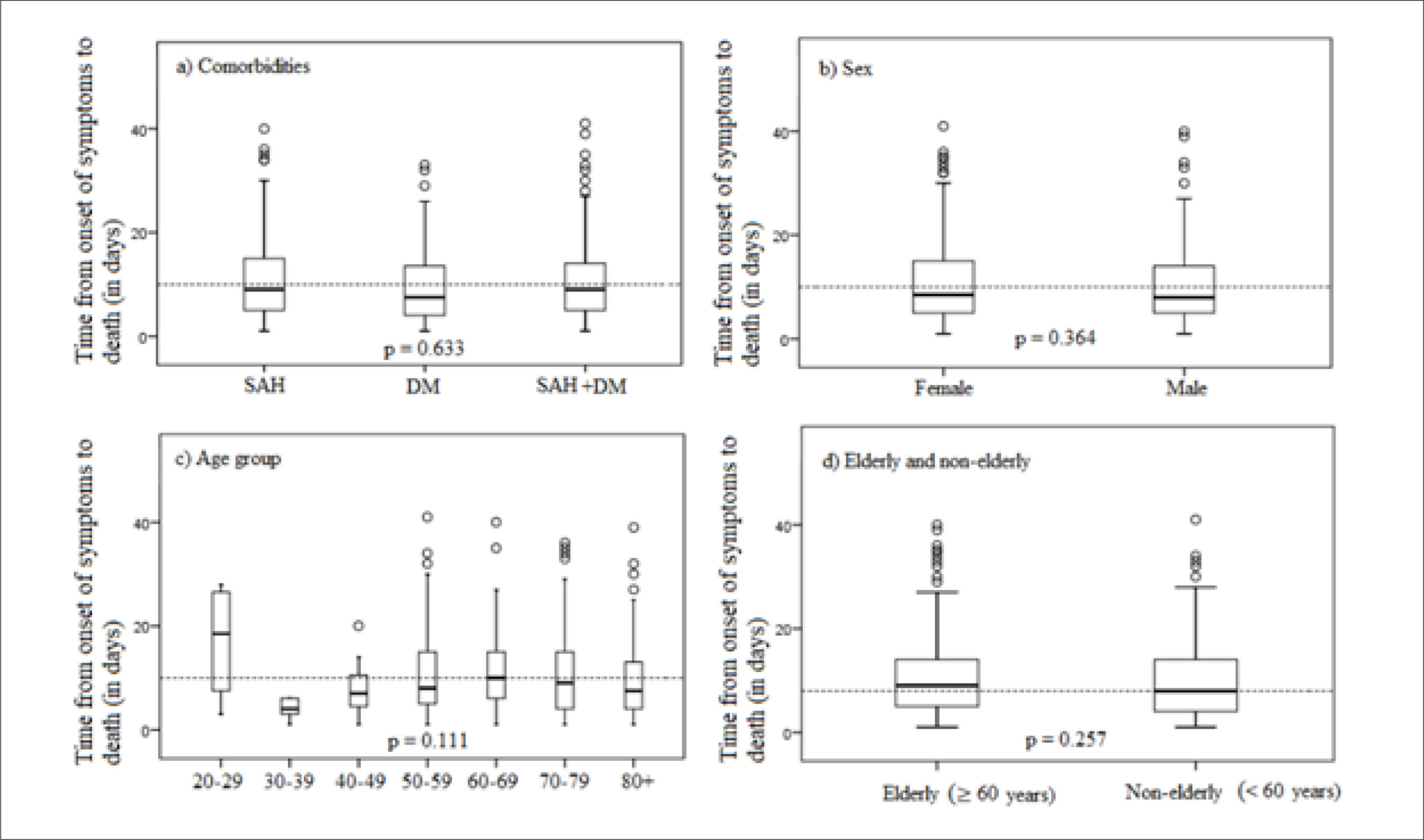
Prevalence of Systemic Arterial Hypertension and Diabetes Mellitus in Individuals with COVID-19: A Retrospective Study of Deaths in Pernambuco, Brazil

Lucas Gomes Santos et al. Jussara Almeida de Oliveira Baggio Thiago Cavalcanti Leal Francisco A. Costa … Tânia Rita Moreno de Oliveira Fernandes Regicley Vieira da Silva Anderson Armstrong Rodrigo Feliciano Carmo Carlos Dornels Freire de Souza

Introduction

In December 2019, health authorities in Hubei province, in the People’s Republic of China, identified and reported to the World Health Organization (WHO) an outbreak of pneumonia with an unknown etiological agent. In early January, the SARS-CoV-2 virus (Severe Acute Respiratory Syndrome Coronavirus 2) was identified and the disease was called COVID-19 (Coronavirus Disease 2019).

On August 4, 2020, the disease has infected 18,316,072 people and caused the death of 694,715. The USA, Brazil and India occupy the first positions in number of infected people. In Brazil, the first case was confirmed on February 26th in the city of São Paulo. Between the first case and August 4, 2020, the country had 2,750,249 people infected and 94,665 deaths.

[…]

  • Aged
  • Coronavirus-19
  • Diabetes Mellitus/complications
  • Hypertension/complications
  • Pandemics
  • Prevalence
  • Risk Factors/prevention and control
  • SARS-CoV-19
Read Full Article
Creative Commons Attribution (CC BY) Creative Commons license
06/09/2021 DOI: 10.36660/abc.20200885 Views 1
IJCS
Editorial

Identification of Preclinical Markers Related to Hereditary Diseases: Expanding the Horizons of the Study of Cardiac Autonomic Modulation

Nágela Nunes et al. Paulo R. Benchimol-Barbosa

The Autonomic Nervous System (ANS) consists of two opposite pathways (sympathetic and parasympathetic) that have action both on the atrial and ventricular myocardium, as well as on atrioventricular and sinus nodes, thus exerting influence on the variation of heart rate (HR). The increase in HR is a consequence of the greater action of the sympathetic pathway and the lower parasympathetic activity (vagal inhibition), while its reduction basically depends on predominance of vagal activity. The influence of ANS on the heart is dependent on information that departs, among others, from baroceptors, chemoreceptors, changes in the respiratory system, vasomotor system, renin-angiotensin-aldosterone system and thermoregulatory system.

The discovery of the relationship between ANS and mortality from cardiovascular diseases has led to several studies, which have proven the existence of reduced parasympathetic and increased sympathetic activity in several pathologies of the cardiovascular system. These findings made it necessary to develop quantitative markers of cardiac autonomic activity, and heart rate variability (HRV) is the most promising autonomic marker . Historically, their clinical interest arose in 1965, when Hon and Lee demonstrated a well-defined clinical application of HRV in the area of fetal distress monitoring. In 1977, Wolf et al., showed an association between low HRV and higher risk of mortality after acute myocardial infarction and Kleiger et al., in 1987, confirmed that HRV was a potent and independent predictor of mortality after acute myocardial infarction. In 1996, in an age-stratified cross-sectional study, Barbosa et al., reported >18 % per decade reduction in HRV in healthy adults and >25 % per decade reduction in subjects two years post-myocardial infarction with persevered left ventricular systolic function. Additionally, the authors observed that aging related HRV decrease was mainly related to reduction in spontaneous vagal activity. In 2002, Nunes studied HRV variability in preschool healthy children, defining normality ranges for HRV variables in this population.

[…]

  • Adolescent
  • Autonomic Denervation
  • Autonomic Nervous System/complications
  • Diabetes Mellitus/complications
  • Genetic Diseases, Inborn
Read Full Article
Creative Commons Attribution (CC BY) Creative Commons license
31/07/2020 DOI: 10.36660/ijcs.20200192 Views 2
Figure 1
ABC
Anatomopathological Correlation

Case 5/2019 – 55-Year-Old Diabetic Man with Heart Failure After Non-ST Segment Elevation Myocardial Infarction

Ana Vitória Vitoreti Martins et al. José Roberto de Oliveira da Silva Paulo Sampaio Gutierrez

Clinical Aspects

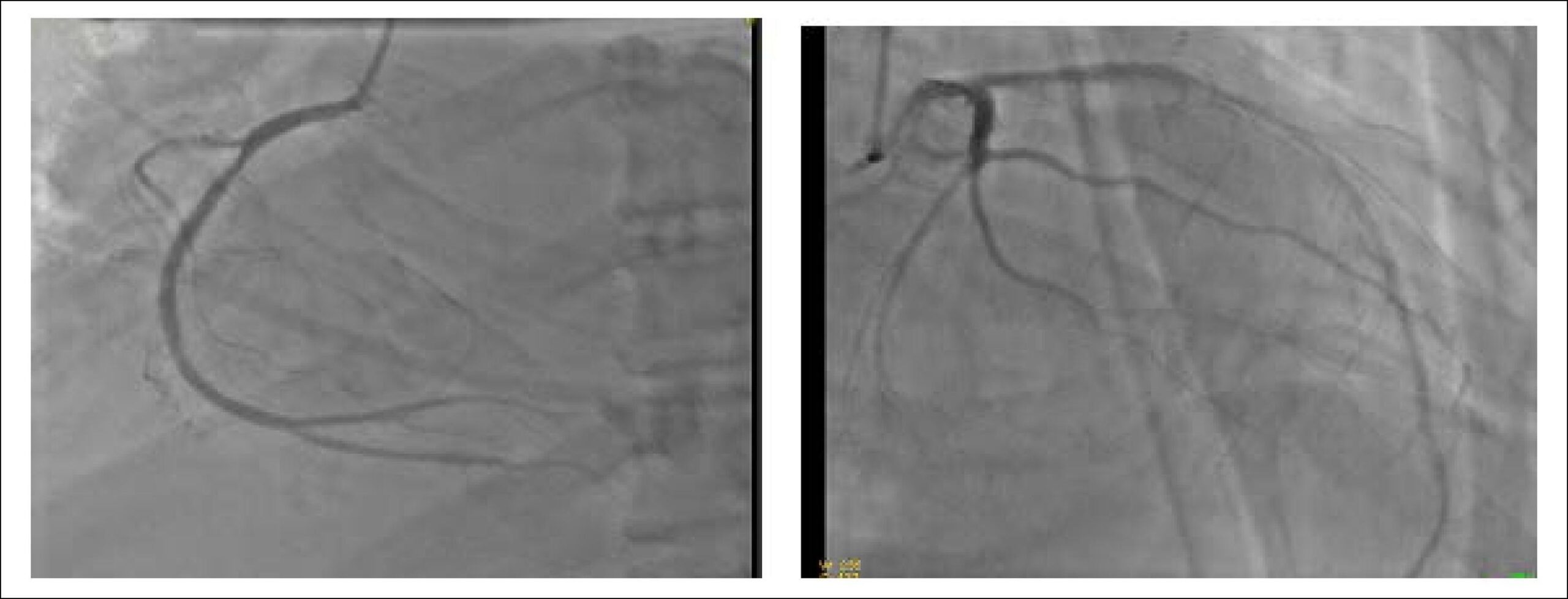
This is a 55-year-old male patient known to have insulin dependent DM and CKD who in February 2017 had a nocturnal episode of dyspnea. Due to the episode, he sought medical care in the emergency room, where changes in markers of myocardial necrosis were identified – increased CKMB and troponin, as well as ST-segment depression from V2 to V6 on the ECG. A coronary angiography was performed at the time showing only a 30% lesion in the right coronary artery.

After discharge, the patient developed orthopnea and lower limb edema requiring further hospitalization seven days after discharge. On admission to our service, he presented signs of pulmonary and systemic congestion, the ECG maintained previous parameters, a chest X-ray showed cardiomegaly and massive bilateral pleural effusion, and laboratory tests showed a worsening of renal function and anemia. The transthoracic echocardiogram showed 22% LVEF, through the Simpson method, with diffuse hypokinesia and no segment changes. After this initial evaluation, the following hypothesis was raised for this patient – type 2 AMI and myocarditis. In order to enable a better investigation of the patient´s conditions, propaedeutic complementation was performed. The serologies for Chagas disease and cytomegalovirus were negative. A cardiac resonance showed increased systolic dysfunction in both ventricles with 11% LVEF, with slight left ventricular dilation, increased right ventricular dilation, a significant enlargement of the left atrium and an absence of changes in the right atrium. Regarding the enhancement, the patient presented late transmural, circumferential multifocal enhancement, with subendocardial involvement sparing the apex. There was no pericardial effusion, but there was massive bilateral pleural effusion.

[…]

  • Cardiogenic Schock
  • Diabetes Mellitus/complications
  • Heart Failure
  • ST Elevation Myocardial Infarction
Read Full Article
Creative Commons Attribution (CC BY) Creative Commons license
04/11/2019 DOI: 10.5935/abc.20190225 Views 2
Figure 1
ABC
Review Article

Kidney Disease in Diabetes Mellitus: Cross-Linking between Hyperglycemia, Redox Imbalance and Inflammation

Rayne Gomes Amorim et al. Glaucevane da Silva Guedes Sandra Mary Lima Vasconcelos Juliana Célia de Farias Santos

Abstract

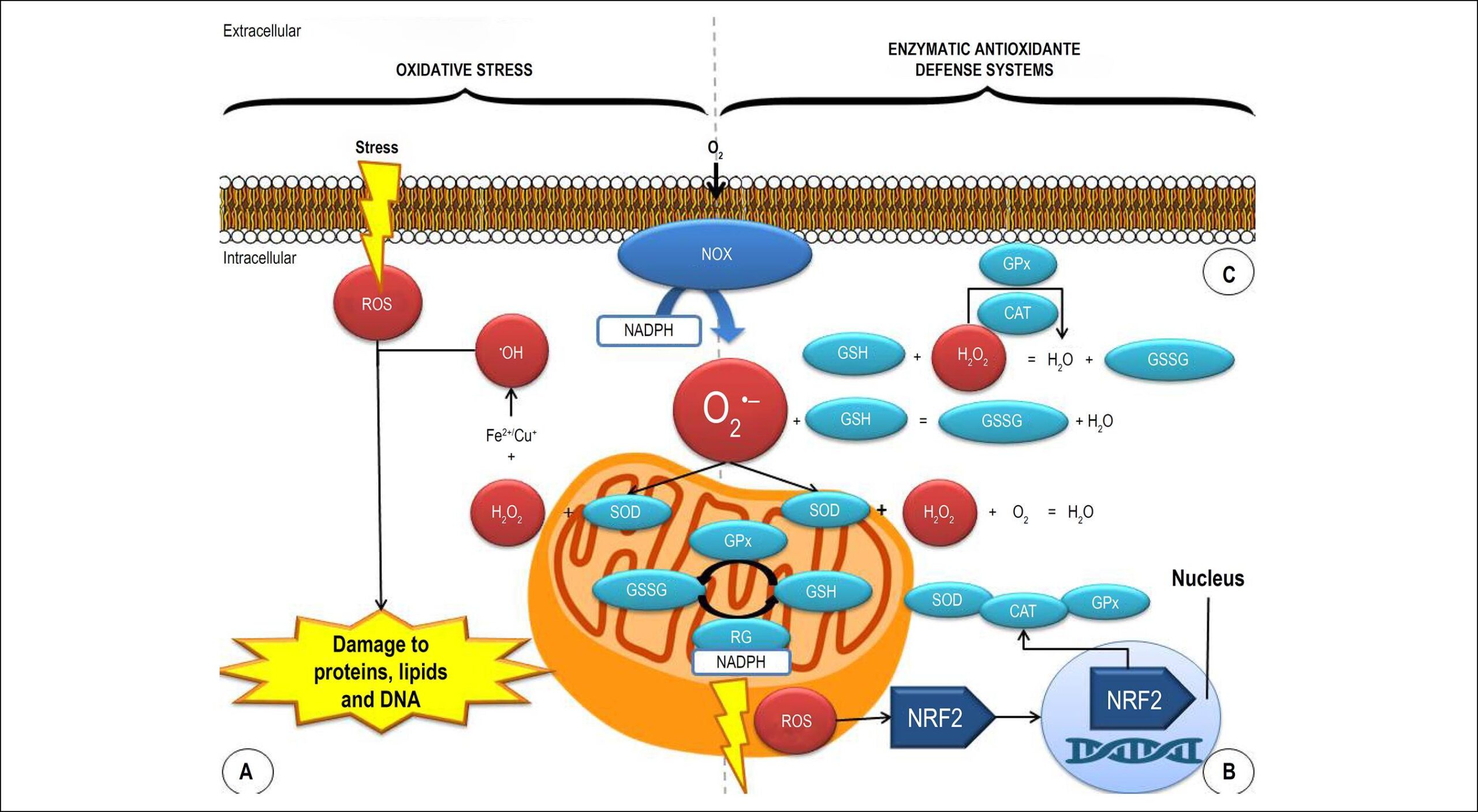
Chronic hyperglycemia is the key point of macro- and microvascular complications associated with diabetes mellitus. Excess glucose is responsible for inducing redox imbalance and both systemic and intrarenal inflammation, playing a critical role in the pathogenesis of diabetic kidney disease, which is currently the leading cause of dialysis in the world. The pathogenesis of the disease is complex, multifactorial and not fully elucidated; many factors and mechanisms are involved in the development, progression and clinical outcomes of the disease. Despite the disparate mechanisms involved in renal damage related to diabetes mellitus, the metabolic mechanisms involving oxidative/inflammatory pathways are widely accepted. The is clear evidence that a chronic hyperglycemic state triggers oxidative stress and inflammation mediated by altered metabolic pathways in a self-perpetuating cycle, promoting progression of cell injury and of end-stage renal disease. The present study presents an update on metabolic pathways that involve redox imbalance and inflammation induced by chronic exposure to hyperglycemia in the pathogenesis of diabetic kidney disease.

  • Diabetes Mellitus/complications
  • Inflammation
  • Kidney, Diseases
  • Oxidation-Reduction
  • Oxidative Stress
  • renal dialysis
Read Full Article
Creative Commons Attribution (CC BY) Creative Commons license
06/06/2019 DOI: 10.5935/abc.20190077 Views 1
ABC
Editorial

Exercise and Garlic Modulate microRNAs Involved in Diabetic Cardiopathy

Aline Regina Ruiz Lima

Diabetes mellitus (DM) is a major risk factor for cardiovascular disorders and stroke development and is associated with increased morbidity and mortality. The prevalence of diabetes is increasing at an alarming rate worldwide. Indeed, according to estimates of the International Diabetes Federation, 552 million people are expected to be diabetic in 2030. Although a definitive cure is not on the horizon, with proper management, diabetic patients can attenuate the development of serious complications that reduce life quality and expectancy. Facing a considerable rate of occurrence and prognosis complications, studies focusing on high efficiency and low toxicity treatments are of great importance.

MicroRNAs are small non-coding RNAs controlling gene expression and participating in many physiopathological processes. These small molecules are getting a lot of attention nowadays since they are universally recognized as major regulators of gene expression and as key controllers of several biological and pathological processes. They are essential intracellular mediators in a variety of cellular processes, such as inflammation, mitochondrial metabolism, apoptosis, among others. Therefore, miRNAs could be potential targets to treat some chronic diseases. Besides, these molecules can also be used as early biomarkers, once they are released in urine and blood when in presence of tissue lesion. Recently, it was verified that miRNAs are also involved in cardiovascular disorders, especially those which impaired angiogenesis is observed.

[…]

  • Angiogenesis Inducing Agents
  • Diabetes Mellitus/complications
  • Exercise/prevention & control
  • Heart Diseases
  • MicroRNAs
Read Full Article
Creative Commons Attribution (CC BY) Creative Commons license
01/02/2019 DOI: 10.5935/abc.20180259 Views 1
ABC
Original Article

Influence of Type 1 Diabetes on the Symbolic Analysis and Complexity of Heart Rate Variability in Young Adults

Elaine Aparecida de Oliveira et al. Anne Kastelianne França da Silva Diego Giuliano Destro Christofaro Laís Manata Vanzella … Rayana Loch Gomes Franciele Marques Vanderlei Luiz Carlos Marques Vanderlei

Abstract

Background:

Type 1 diabetes mellitus can cause autonomic changes, which can be assessed by heart rate variability. Among the heart rate variability assessment methods, the symbolic analysis and Shannon entropy, based on the Chaotic dynamics, have gained prominence.

Objective:

To compare heart rate variability indexes, obtained through symbolic analysis and Shannon entropy, in young adults with type 1 diabetes mellitus and healthy young individuals, associated with the analysis of linear indexes; and to verify if there are associations between the indexes obtained by the symbolic analysis and by Shannon entropy and linear indexes in diabetic individuals.

Methods:

Heart rate variability data from 39 young adults with type 1 diabetes mellitus and 43 healthy young individuals were analyzed, using a cardio-frequency meter. Linear indexes (standard deviation of all normal RR intervals recorded in a time interval expressed in milliseconds; square root of the mean of the squared differences between adjacent normal RR intervals in a time interval expressed in milliseconds; low and high frequency components in millisecond squared; and normalized units and ratio between low and high frequency components) and nonlinear ones (Shannon entropy and symbolic analysis – standard without variation; with one or two variations; and with two different variations) of the heart rate variability were calculated. The statistical significance was set at 5%, and the confidence interval was 95%.

Results:

Significantly lower values were observed in the DM1 group compared to healthy young adults for the standard deviation indexes of all normal RR intervals recorded in a time interval [37.30 (29.90) vs. 64.50 (36.20); p = 0.0001], square root of the mean of the squared differences between adjacent normal RR intervals in a time interval [32.73 (17.43) vs. 55.59 (21.60); p = 0.0001], low frequency component [402.00 (531.00) vs. 1,203.00 (1,148.00); p = 0.0001], high frequency component [386.00 (583.00) vs. 963.00 (866.00); p = 0.0001] and the pattern with two different variations [15,33 (9,22) vs. 20.24 (12.73); p = 0.0114], with the effect of this difference being considered large (standard deviation of all normal RR intervals recorded in a time interval, square root of the mean of the squared differences between adjacent normal RR intervals in a time interval and low frequency component), medium (high frequency component) and small (standard with two different variations). The agreement of the associations between the linear and non-linear indexes was considered elevated for the high frequency component index – normalized units (r = -0.776), with the standard index without variation, and moderate for the indexes square root of the mean of the squared differences between adjacent normal RR intervals in a time interval (r = 0.550), standard deviation of all normal RR intervals recorded in a time interval (r = 0.522), high frequency component – normalized units (r = 0.638) with the index standard with two similar variations, as well as for the indexes square root of the mean of the squared differences between adjacent normal RR intervals in a time interval (r = 0.627) and high frequency component – normalized units (r = 0.601) with the index standard with two different variations.

Conclusion:

Type 1 diabetes mellitus influenced linear indexes and symbolic analysis, but not yet in the complexity of heart rate variability. Additionally, heart rate variability indexes correlated with the symbolic dynamics.

  • Autonomic Nervous System
  • Diabetes / diagnosis
  • Diabetes / therapy
  • Diabetes Mellitus/complications
  • Heart Rate
  • Young Adult
Read Full Article
Creative Commons Attribution (CC BY) Creative Commons license
16/07/2018 DOI: 10.5935/abc.20180117 Views 1

How to cite this article

EndNote RIS

Electronic Document Format (Vancouver)

Oliveira I, Cruz I, Ana Neto , Bragança B, Abreu G, Azevedo J, Andrade A, et al. Mitral Valve Perforated Aneurysm: An Issue of Inflammation or Pressure Gradients?. Arquivos Brasileiros de Cardiologia 2022;119(5):809-12.

Electronic Document Format (ABNT)

Oliveira, Inês; Cruz, Isabel; Ana Neto, ; Bragança, Bruno; Abreu, Glória; Azevedo, João; Andrade, Aurora. Mitral Valve Perforated Aneurysm: An Issue of Inflammation or Pressure Gradients?. Arquivos Brasileiros de Cardiologia, v. 119, n. 5, p. 809-812, Sep. 2022.

Electronic Document Format (APA)

Oliveira, I., Cruz, I., Ana Neto, , Bragança, B., Abreu, G., Azevedo, J., & Andrade, A. (2022). Mitral Valve Perforated Aneurysm: An Issue of Inflammation or Pressure Gradients?. Arquivos Brasileiros de Cardiologia, 119(5), 809-812.

Electronic Document Format (ISO)

Oliveira, Inês and Cruz, Isabel and Ana Neto and Bragança, Bruno and Abreu, Glória and Azevedo, João and Andrade, Aurora. Mitral Valve Perforated Aneurysm: An Issue of Inflammation or Pressure Gradients?. Arquivos Brasileiros de Cardiologia [online]. 2022, vol. 119, n. 5, [cited 2026-10-14], pp. 809-812. Available from: <https://journals.cardiol.br/en/article/mitral-valve-perforated-aneurysm-an-issue-of-inflammation-or-pressure-gradients/>. ISSN 0066-782X

EndNote RIS

Electronic Document Format (Vancouver)

Santos LG, Baggio JAO, Leal TC, Costa FA, Fernandes TRMO, Silva RV, Armstrong A, et al. Prevalence of Systemic Arterial Hypertension and Diabetes Mellitus in Individuals with COVID-19: A Retrospective Study of Deaths in Pernambuco, Brazil. Arquivos Brasileiros de Cardiologia 2021;117(2):416-22.

Electronic Document Format (ABNT)

Santos, Lucas Gomes; Baggio, Jussara Almeida de Oliveira; Leal, Thiago Cavalcanti; Costa, Francisco A.; Fernandes, Tânia Rita Moreno de Oliveira; Silva, Regicley Vieira da; Armstrong, Anderson; Carmo, Rodrigo Feliciano; Souza, Carlos Dornels Freire de. Prevalence of Systemic Arterial Hypertension and Diabetes Mellitus in Individuals with COVID-19: A Retrospective Study of Deaths in Pernambuco, Brazil. Arquivos Brasileiros de Cardiologia, v. 117, n. 2, p. 416-422, Sep. 2021.

Electronic Document Format (APA)

Santos, L. G., Baggio, J. A. O., Leal, T. C., Costa, F. A., Fernandes, T. R. M. O., Silva, R. V. , Armstrong, A., Carmo, R. F., & Souza, C. D. F. (2021). Prevalence of Systemic Arterial Hypertension and Diabetes Mellitus in Individuals with COVID-19: A Retrospective Study of Deaths in Pernambuco, Brazil. Arquivos Brasileiros de Cardiologia, 117(2), 416-422.

Electronic Document Format (ISO)

Santos, Lucas Gomes and Baggio, Jussara Almeida de Oliveira and Leal, Thiago Cavalcanti and Costa, Francisco A. and Fernandes, Tânia Rita Moreno de Oliveira and Silva, Regicley Vieira da and Armstrong, Anderson and Carmo, Rodrigo Feliciano and Souza, Carlos Dornels Freire de. Prevalence of Systemic Arterial Hypertension and Diabetes Mellitus in Individuals with COVID-19: A Retrospective Study of Deaths in Pernambuco, Brazil. Arquivos Brasileiros de Cardiologia [online]. 2021, vol. 117, n. 2, [cited 2026-10-14], pp. 416-422. Available from: <https://journals.cardiol.br/en/article/prevalence-of-systemic-arterial-hypertension-and-diabetes-mellitus-in-individuals-with-covid-19-a-retrospective-study-of-deaths-in-pernambuco-brazil/>. ISSN 0066-782X

EndNote RIS

Electronic Document Format (Vancouver)

Nunes N, Benchimol-Barbosa PR. Identification of Preclinical Markers Related to Hereditary Diseases: Expanding the Horizons of the Study of Cardiac Autonomic Modulation. International Journal of Cardiovascular Sciences 2020;33(4):368-70.

Electronic Document Format (ABNT)

Nunes, Nágela; Benchimol-Barbosa, Paulo R.. Identification of Preclinical Markers Related to Hereditary Diseases: Expanding the Horizons of the Study of Cardiac Autonomic Modulation. International Journal of Cardiovascular Sciences, v. 33, n. 4, p. 368-370, Jul. 2020.

Electronic Document Format (APA)

Nunes, N., & Benchimol-Barbosa, P. R. (2020). Identification of Preclinical Markers Related to Hereditary Diseases: Expanding the Horizons of the Study of Cardiac Autonomic Modulation. International Journal of Cardiovascular Sciences, 33(4), 368-370.

Electronic Document Format (ISO)

Nunes, Nágela and Benchimol-Barbosa, Paulo R.. Identification of Preclinical Markers Related to Hereditary Diseases: Expanding the Horizons of the Study of Cardiac Autonomic Modulation. International Journal of Cardiovascular Sciences [online]. 2020, vol. 33, n. 4, [cited 2026-10-14], pp. 368-370. Available from: <https://journals.cardiol.br/en/article/identification-of-preclinical-markers-related-to-hereditary-diseases-expanding-the-horizons-of-the-study-of-cardiac-autonomic-modulation/>. ISSN 2359-4802

EndNote RIS

Electronic Document Format (Vancouver)

Martins AVV, Silva JRO, Gutierrez PS. Case 5/2019 – 55-Year-Old Diabetic Man with Heart Failure After Non-ST Segment Elevation Myocardial Infarction. Arquivos Brasileiros de Cardiologia 2019;113(4):775-82.

Electronic Document Format (ABNT)

Martins, Ana Vitória Vitoreti; Silva, José Roberto de Oliveira da; Gutierrez, Paulo Sampaio. Case 5/2019 – 55-Year-Old Diabetic Man with Heart Failure After Non-ST Segment Elevation Myocardial Infarction. Arquivos Brasileiros de Cardiologia, v. 113, n. 4, p. 775-782, Nov. 2019.

Electronic Document Format (APA)

Martins, A. V. V., Silva, J. R. O. , & Gutierrez, P. S. (2019). Case 5/2019 – 55-Year-Old Diabetic Man with Heart Failure After Non-ST Segment Elevation Myocardial Infarction. Arquivos Brasileiros de Cardiologia, 113(4), 775-782.

Electronic Document Format (ISO)

Martins, Ana Vitória Vitoreti and Silva, José Roberto de Oliveira da and Gutierrez, Paulo Sampaio. Case 5/2019 – 55-Year-Old Diabetic Man with Heart Failure After Non-ST Segment Elevation Myocardial Infarction. Arquivos Brasileiros de Cardiologia [online]. 2019, vol. 113, n. 4, [cited 2026-10-14], pp. 775-782. Available from: <https://journals.cardiol.br/en/article/case-5-2019-55-year-old-diabetic-man-with-heart-failure-after-non-st-segment-elevation-myocardial-infarction/>. ISSN 0066-782X

EndNote RIS

Electronic Document Format (Vancouver)

Amorim RG, Guedes GS, Vasconcelos SML, Santos JCF. Kidney Disease in Diabetes Mellitus: Cross-Linking between Hyperglycemia, Redox Imbalance and Inflammation. Arquivos Brasileiros de Cardiologia 2019;112(5):577-8.

Electronic Document Format (ABNT)

Amorim, Rayne Gomes; Guedes, Glaucevane da Silva; Vasconcelos, Sandra Mary Lima; Santos, Juliana Célia de Farias. Kidney Disease in Diabetes Mellitus: Cross-Linking between Hyperglycemia, Redox Imbalance and Inflammation. Arquivos Brasileiros de Cardiologia, v. 112, n. 5, p. 577-587, Jun. 2019.

Electronic Document Format (APA)

Amorim, R. G., Guedes, G. S., Vasconcelos, S. M. L., & Santos, J. C. F. (2019). Kidney Disease in Diabetes Mellitus: Cross-Linking between Hyperglycemia, Redox Imbalance and Inflammation. Arquivos Brasileiros de Cardiologia, 112(5), 577-587.

Electronic Document Format (ISO)

Amorim, Rayne Gomes and Guedes, Glaucevane da Silva and Vasconcelos, Sandra Mary Lima and Santos, Juliana Célia de Farias. Kidney Disease in Diabetes Mellitus: Cross-Linking between Hyperglycemia, Redox Imbalance and Inflammation. Arquivos Brasileiros de Cardiologia [online]. 2019, vol. 112, n. 5, [cited 2026-10-14], pp. 577-587. Available from: <https://journals.cardiol.br/en/article/kidney-disease-in-diabetes-mellitus-cross-linking-between-hyperglycemia-redox-imbalance-and-inflammation/>. ISSN 0066-782X

EndNote RIS

Electronic Document Format (Vancouver)

Lima ARR. Exercise and Garlic Modulate microRNAs Involved in Diabetic Cardiopathy. Arquivos Brasileiros de Cardiologia 2019;112(2):163-4.

Electronic Document Format (ABNT)

Lima, Aline Regina Ruiz. Exercise and Garlic Modulate microRNAs Involved in Diabetic Cardiopathy. Arquivos Brasileiros de Cardiologia, v. 112, n. 2, p. 163-164, Jan. 2019.

Electronic Document Format (APA)

Lima, A. R. R. (2019). Exercise and Garlic Modulate microRNAs Involved in Diabetic Cardiopathy. Arquivos Brasileiros de Cardiologia, 112(2), 163-164.

Electronic Document Format (ISO)

Lima, Aline Regina Ruiz. Exercise and Garlic Modulate microRNAs Involved in Diabetic Cardiopathy. Arquivos Brasileiros de Cardiologia [online]. 2019, vol. 112, n. 2, [cited 2026-10-14], pp. 163-164. Available from: <https://journals.cardiol.br/en/article/exercise-and-garlic-modulate-micrornas-involved-in-diabetic-cardiopathy/>. ISSN 0066-782X

EndNote RIS

Electronic Document Format (Vancouver)

Oliveira EA, Silva AKF, Christofaro DGD, Vanzella LM, Gomes RL, Vanderlei FM, Vanderlei LCM, et al. Influence of Type 1 Diabetes on the Symbolic Analysis and Complexity of Heart Rate Variability in Young Adults. Arquivos Brasileiros de Cardiologia 2018;111(1):94-101.

Electronic Document Format (ABNT)

Oliveira, Elaine Aparecida de; Silva, Anne Kastelianne França da; Christofaro, Diego Giuliano Destro; Vanzella, Laís Manata; Gomes, Rayana Loch; Vanderlei, Franciele Marques; Vanderlei, Luiz Carlos Marques. Influence of Type 1 Diabetes on the Symbolic Analysis and Complexity of Heart Rate Variability in Young Adults. Arquivos Brasileiros de Cardiologia, v. 111, n. 1, p. 94-101, Jul. 2018.

Electronic Document Format (APA)

Oliveira, E. A. , Silva, A. K. F. , Christofaro, D. G. D., Vanzella, L. M., Gomes, R. L., Vanderlei, F. M., & Vanderlei, L. C. M. (2018). Influence of Type 1 Diabetes on the Symbolic Analysis and Complexity of Heart Rate Variability in Young Adults. Arquivos Brasileiros de Cardiologia, 111(1), 94-101.

Electronic Document Format (ISO)

Oliveira, Elaine Aparecida de and Silva, Anne Kastelianne França da and Christofaro, Diego Giuliano Destro and Vanzella, Laís Manata and Gomes, Rayana Loch and Vanderlei, Franciele Marques and Vanderlei, Luiz Carlos Marques. Influence of Type 1 Diabetes on the Symbolic Analysis and Complexity of Heart Rate Variability in Young Adults. Arquivos Brasileiros de Cardiologia [online]. 2018, vol. 111, n. 1, [cited 2026-10-14], pp. 94-101. Available from: <https://journals.cardiol.br/en/article/influence-of-type-1-diabetes-on-the-symbolic-analysis-and-complexity-of-heart-rate-variability-in-young-adults/>. ISSN 0066-782X

  • About ABC Family
  • Internal Regulation
  • Editorial Board
  • Brazilian Society of Cardiology (SBC)

Issues

SBC Guidelines

  • Videos
  • Podcasts
  • News