ABC Family Arquivos Brasileiros de Cardiologia International Journal of Cardiovascular Sciences ABC Heart Failure & Cardiomyopathy ABC Imagem Cardiovascular
Português English
ABC Family
Português English
  • About
    • About ABC Family
    • Internal Regulation
    • Editorial Board
    • Brazilian Society of Cardiology (SBC)
  • Issues
  • SBC Guidelines
  • Content
    • Videos
    • Podcasts
    • News
  • About
    • About ABC Family
    • Internal Regulation
    • Editorial Board
    • Brazilian Society of Cardiology (SBC)
  • Issues
  • SBC Guidelines
  • Content
    • Videos
    • Podcasts
    • News

ABC Family

  • ABC Family
  • Arquivos Brasileiros de Cardiologia
  • International Journal of Cardiovascular Sciences
  • ABC Heart Failure & Cardiomyopathy
  • ABC Imagem Cardiovascular
Search in

No content found.

Journals
Ordering
Article types
Others

  1. Home
  2. Keyword: Coronavirus/complications
IJCS
Original Article

Clinical Aspects Of Hypertensive Patients With COVID-19 Hospitalized In A Campaign Hospital In Northeast Brazil

Luan George Xavier et al. Renato Sampaio Mello Neto Marcos Henrique de Oliveira Morais Pedro Jorge Cronemberger … Maria do Carmo Carvalho Martins Marta Rosal

Abstract

Background

In view of the absence of effective therapy for COVID-19, many studies have been conducted seeking to identify determining factors for the development of severe forms, aiming to direct efforts to avoid the worst outcomes in patients susceptible to severe conditions. One of the main comorbidities associated with complicated forms of the disease is systemic arterial hypertension (SAH).

Objective

To assess aspects of the clinical, demographic, laboratory, and radiological characteristics of hypertensive patients with COVID-19 to contribute to the knowledge of the relationship between the presence of this comorbidity and the severity of the disease.

Methods

A total of 380 patients with a diagnosis of acute SARS-CoV-2 infection hospitalized between June and August 2020 were included. Patients were divided into two groups according to the presence or absence of a previous diagnosis of hypertension. For comparison between groups, a significant difference was established if p < 0.05.

Results

Of the total of 380 patients, 202 (53.16%) had a clinical diagnosis of SAH. Hypertensive patients were significantly older (p < 0.01) and had more comorbidities (p < 0.01) than the non-hypertensive group. In laboratory tests, hypertensive patients had higher levels of blood glucose (p = 0.014), creatinine (p = 0.002), and urea (p = 0.003), while values for alanine aminotransferase (ALT) (p < 0.01), aspartate aminotransferase (AST) (p = 0.006), and sodium (p = 0.024) were lower. There was no difference between groups in radiographic parameters.

Conclusions

This study showed that, although the hypertensive group had some laboratory alterations that elicited severe disease, these patients did not have worse outcomes.
  • Aged
  • Comorbidities
  • Coronavirus/complications
  • Covid-19/complications
  • Epidemiology
  • Heart Failure
  • Hypertension
  • Pandemics
  • Public Health/research
  • Severe Acute Respiratory Syndrome
Read Full Article
Creative Commons Attribution (CC BY) Creative Commons license
03/04/2023 DOI: 10.36660/ijcs.20220033 Views 2
Figure 1
IJCS
Review Article

The Role of the Immune System on the Cardiac Complications Observed in SARS-CoV-2

Larissa Carvalho Vigário et al. Guilherme Muradas Claudia Neto Paiva Emiliano Medei

Abstract

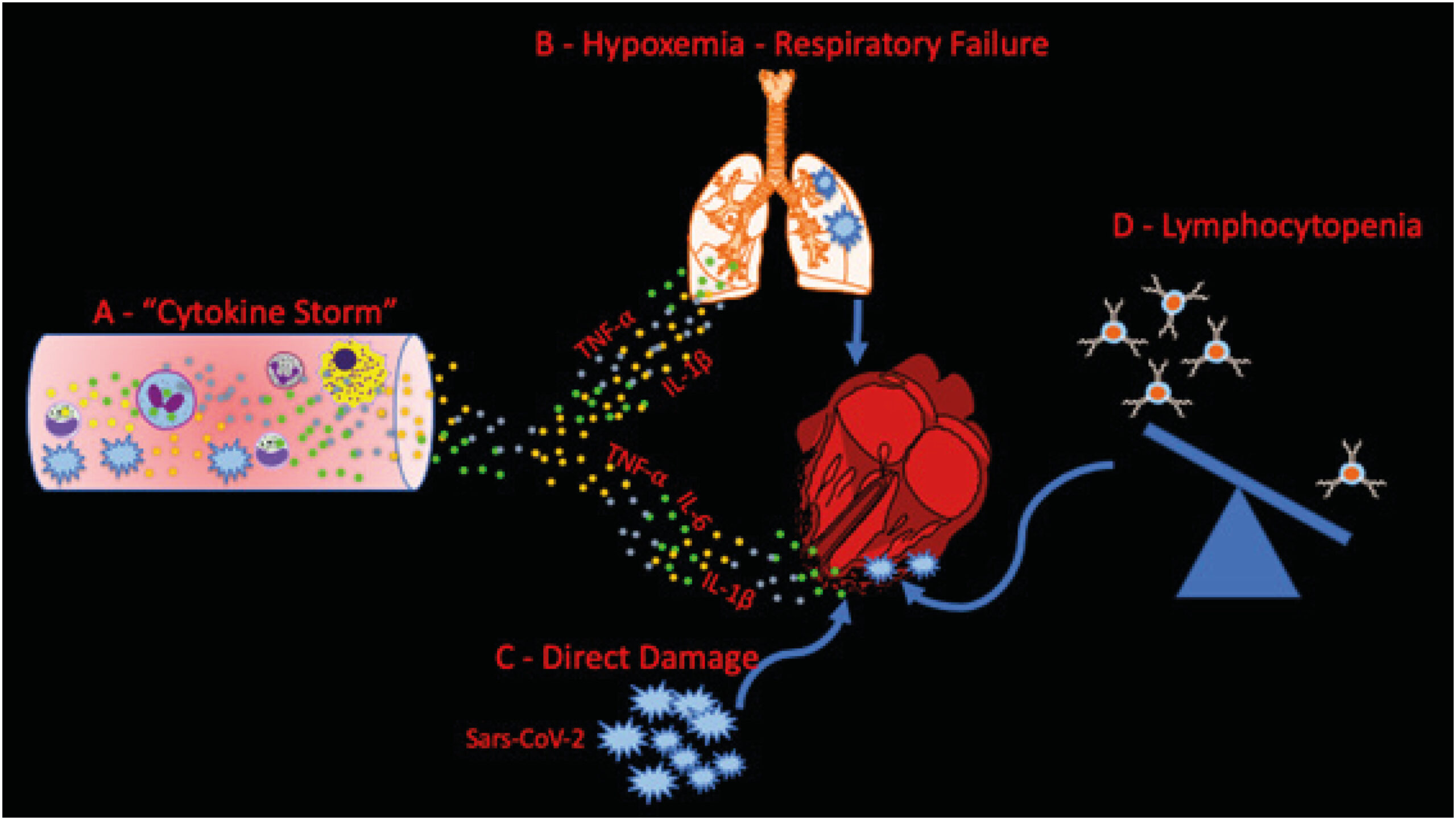
An acute respiratory syndrome caused by SARS-CoV2 was declared a pandemic by the World Health Organization. Current data in the world and in Brazil show that approximately 40% of patients who died have some type of cardiac comorbidity. There are also robust reports showing an increase in IL-6 / IL-1B / TNF-alpha and the presence of lymphopenia in patients with COVID-19. Our team and others have shown that increased cytokines are the link between arrhythmias/Left ventricular dysfunction and the immune system in different diseases. In addition, it has been well demonstrated that lymphopenia can not only be a good marker, but also a factor that causes heart failure. Thus, the present review focused on the role of the immune system upon the cardiac alterations observed in the SARS-CoV2 infection. Additionally, it was well described that SARS-CoV-2 is able to infect cardiac cells. Therefore, here it will be reviewed in deep.

  • Coronavirus/complications
  • Heart Diseases/ complications
  • Heart/immunology
  • SARS-CoV2
  • Severe Acute Respiratory Syndrome
Read Full Article
Creative Commons Attribution (CC BY) Creative Commons license
01/11/2021 DOI: 10.36660/ijcs.20200266 Views 1
Figure 1
IJCS
Viewpoint

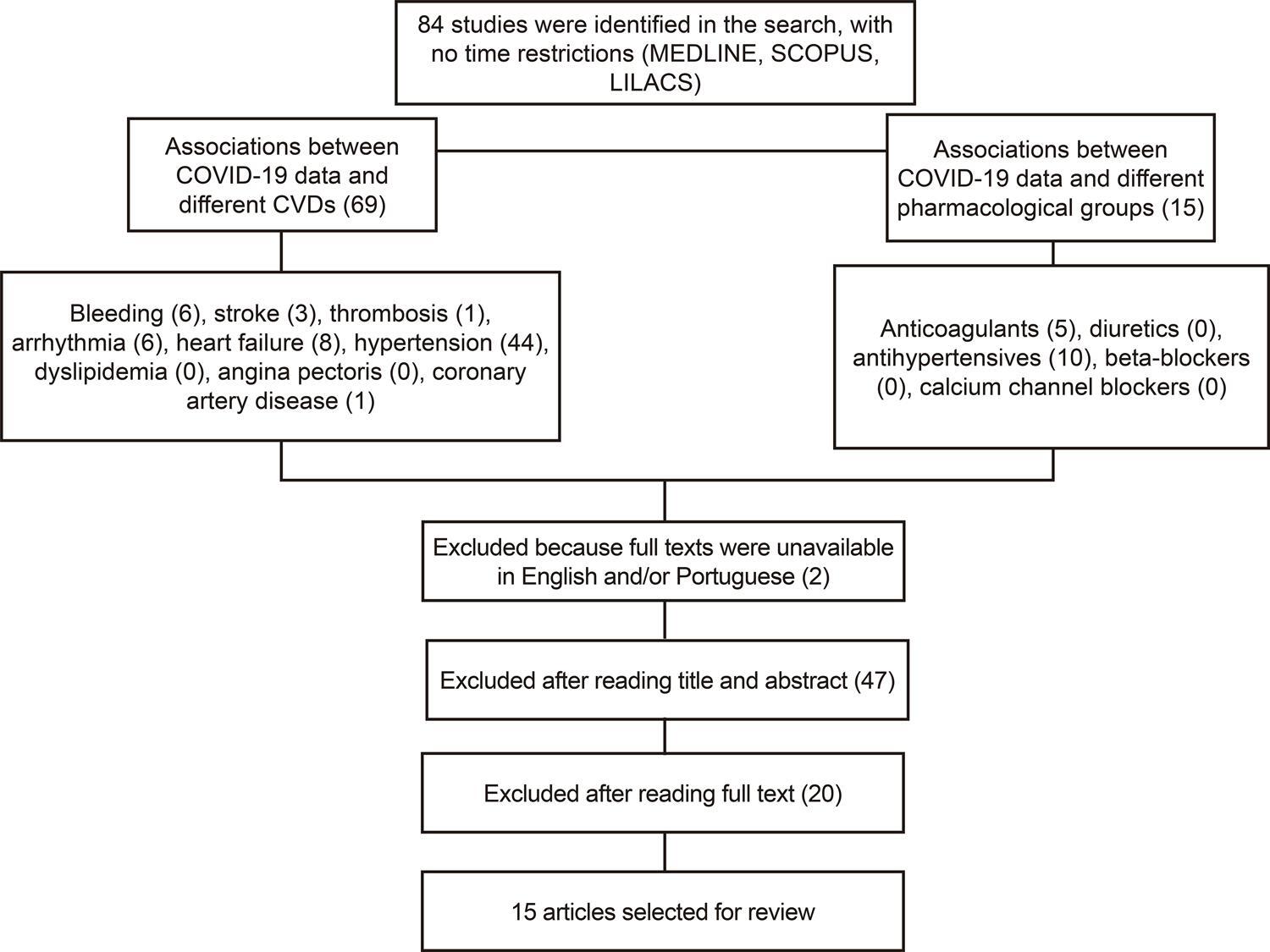
Challenges in Pharmacological Management of Cardiovascular Diseases in Covid-19: do Benefits Outweigh Risks?

Samuel de Sousa Pedro et al. Fernanda Carla Ferreira de Brito Christianne Bretas Vieira Scaramello

Introduction

Cardiovascular diseases (CVD) are the main cause not only of global mortality but also of reduced quality of life. They cover ischemic heart disease, stroke, heart failure, peripheral artery disease, and various other heart and vascular conditions. In 2017, CVDs caused about 17.8 million deaths worldwide, corresponding to 330 million years of life lost and another 35.6 million years of life with disabilities. Almost 80% of deaths occur in low- and middle-income countries, such as Brazil, where the occurrence of CVDs and their risk factors are on the rise as a result of an ongoing epidemiological transition. In low-income countries CVDs greatly affect working-age populations, and the total economic loss resulting from this group of diseases is high, representing 2% of Gross Domestic Product. In addition, the disability caused by CVDs has economic consequences at multiple levels: individual, family, economic agents, public institutions, government, and society as a whole.

Recent studies also show that chronic conditions, such as CVD, increase the risk of aggravation and death associated with the new coronavirus 2019 disease (COVID-19), whose outbreak was characterized as a pandemic by the World Health Organization (WHO) in March 2020. The new coronavirus is a betacoronavirus called SARS-CoV-2 (Severe Acute Respiratory Syndrome coronavirus 2), phylogenetically identical to other coronaviruses capable of determining acute respiratory distress syndrome (ARDS), which is responsible for numerous deaths. The most common symptoms of COVID-19 include fever, cough, dyspnea, myalgia, fatigue, diarrhea, sore throat, chest pain, confusion, and lethargy. Acute and chronic cardiovascular complications have also been observed in the course of COVID-19, being attributed to several mechanisms, such as relative ischemia, systemic inflammation mediated by pathogens, with increased levels of several biomarkers. In this context, studies point to the relevance not only of chronic conditions, such as hypertension, but also of the age and immunological status of the host, characterizing a complex, multifactorial, and bidirectional model that can comprehend the drugs used to treat these pathologies.

[…]

  • Anticoagulants
  • Cardiovascular Diseases, mortality
  • Coronavirus/complications
  • Covid-19/complications
  • Dyspnea
  • Fever
  • Pandemics
  • SARS Severe Acute Respiratory Syndrome
Read Full Article
Creative Commons Attribution (CC BY) Creative Commons license
31/07/2020 DOI: 10.36660/ijcs.20200081
Figure 1
ABC
Viewpoint

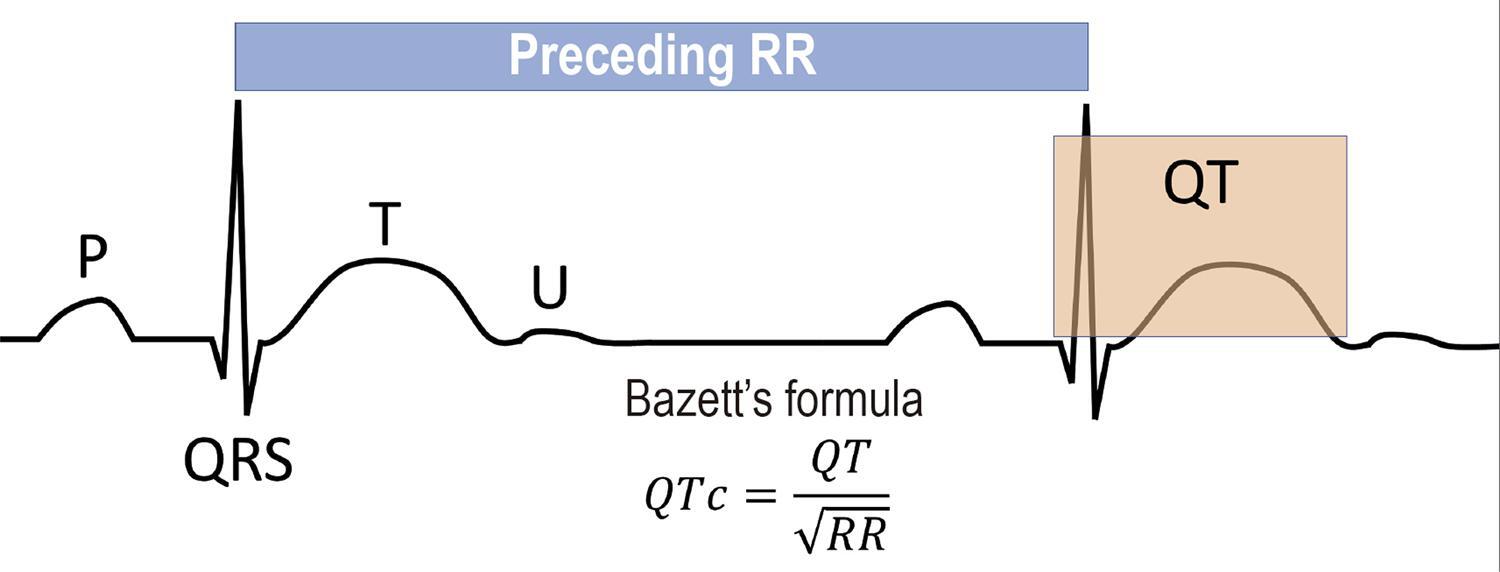
QT Interval Control to Prevent Torsades de Pointes during Use of Hydroxychloroquine and/or Azithromycin in Patients with COVID-19

Tan Chen Wu et al. Luciana Sacilotto Francisco Carlos da Costa Darrieux Cristiano Faria Pisani … Sissy Lara de Melo Denise Tessariol Hachul Mauricio Scanavacca

Introduction

In December 2019, the first cases of the novel coronavirus disease (COVID-19) were reported in Wuhan, China. Since the pandemic designation in March 2020 by the World Health Organization (WHO), with intercontinental spread of the disease, we are intensely seeking for a safe and effective treatment.

In vitro studies have demonstrated some effect of chloroquine against the new coronavirus, mediated by the glycosylation of SARS-CoV cell receptors and by increased endosomal pH, blocking cell invasion by the virus. In addition to this antiviral activity, chloroquine, which is traditionally an immunomodulator, has shown to be promising for treatment of pneumonia that installs approximately one week after onset of symptoms.

[…]

  • Arrhythmias
  • Coronavirus/complications
  • COVID-19, Pandemics
  • Hydroxychloroquine/therapeutic, use
  • Tachycardia,Ventricular
  • Torsades Pointes
Read Full Article
Creative Commons Attribution (CC BY) Creative Commons license
03/07/2020 DOI: 10.36660/abc.20200389

How to cite this article

EndNote RIS

Electronic Document Format (Vancouver)

Xavier LG, Mello Neto RS, Morais MHO, Cronemberger PJ, Martins MCC, Rosal M. Clinical Aspects Of Hypertensive Patients With COVID-19 Hospitalized In A Campaign Hospital In Northeast Brazil. International Journal of Cardiovascular Sciences 2023;36:e20220033.

Electronic Document Format (ABNT)

Xavier, Luan George; Mello Neto, Renato Sampaio; Morais, Marcos Henrique de Oliveira; Cronemberger, Pedro Jorge; Martins, Maria do Carmo Carvalho; Rosal, Marta. Clinical Aspects Of Hypertensive Patients With COVID-19 Hospitalized In A Campaign Hospital In Northeast Brazil. International Journal of Cardiovascular Sciences, v. 36, e20220033, Apr. 2023.

Electronic Document Format (APA)

Xavier, L. G., Mello Neto, R. S., Morais, M. H. O., Cronemberger, P. J., Martins, M. C. C., & Rosal, M. (2023). Clinical Aspects Of Hypertensive Patients With COVID-19 Hospitalized In A Campaign Hospital In Northeast Brazil. International Journal of Cardiovascular Sciences, 36, e20220033.

Electronic Document Format (ISO)

Xavier, Luan George and Mello Neto, Renato Sampaio and Morais, Marcos Henrique de Oliveira and Cronemberger, Pedro Jorge and Martins, Maria do Carmo Carvalho and Rosal, Marta. Clinical Aspects Of Hypertensive Patients With COVID-19 Hospitalized In A Campaign Hospital In Northeast Brazil. International Journal of Cardiovascular Sciences [online]. 2023, vol. 36, [cited 2026-10-14], e20220033. Available from: <https://journals.cardiol.br/en/article/clinical-aspects-of-hypertensive-patients-with-covid-19-hospitalized-in-a-campaign-hospital-in-northeast-brazil/>. ISSN 2359-4802

EndNote RIS

Electronic Document Format (Vancouver)

Vigário LC, Muradas G, Paiva CN, Medei E. The Role of the Immune System on the Cardiac Complications Observed in SARS-CoV-2. International Journal of Cardiovascular Sciences 2021;35(3):410-8.

Electronic Document Format (ABNT)

Vigário, Larissa Carvalho; Muradas, Guilherme; Paiva, Claudia Neto; Medei, Emiliano. The Role of the Immune System on the Cardiac Complications Observed in SARS-CoV-2. International Journal of Cardiovascular Sciences, v. 35, n. 3, p. 410-418, Oct. 2021.

Electronic Document Format (APA)

Vigário, L. C., Muradas, G., Paiva, C. N., & Medei, E. (2021). The Role of the Immune System on the Cardiac Complications Observed in SARS-CoV-2. International Journal of Cardiovascular Sciences, 35(3), 410-418.

Electronic Document Format (ISO)

Vigário, Larissa Carvalho and Muradas, Guilherme and Paiva, Claudia Neto and Medei, Emiliano. The Role of the Immune System on the Cardiac Complications Observed in SARS-CoV-2. International Journal of Cardiovascular Sciences [online]. 2021, vol. 35, n. 3, [cited 2026-10-14], pp. 410-418. Available from: <https://journals.cardiol.br/en/article/the-role-of-the-immune-system-on-the-cardiac-complications-observed-in-sars-cov-2/>. ISSN 2359-4802

EndNote RIS

Electronic Document Format (Vancouver)

Pedro SS, Brito FCF, Scaramello CBV. Challenges in Pharmacological Management of Cardiovascular Diseases in Covid-19: do Benefits Outweigh Risks?. International Journal of Cardiovascular Sciences 2020;33(4):404-11.

Electronic Document Format (ABNT)

Pedro, Samuel de Sousa; Brito, Fernanda Carla Ferreira de; Scaramello, Christianne Bretas Vieira. Challenges in Pharmacological Management of Cardiovascular Diseases in Covid-19: do Benefits Outweigh Risks?. International Journal of Cardiovascular Sciences, v. 33, n. 4, p. 404-411, Jul. 2020.

Electronic Document Format (APA)

Pedro, S. S., Brito, F. C. F. , & Scaramello, C. B. V. (2020). Challenges in Pharmacological Management of Cardiovascular Diseases in Covid-19: do Benefits Outweigh Risks?. International Journal of Cardiovascular Sciences, 33(4), 404-411.

Electronic Document Format (ISO)

Pedro, Samuel de Sousa and Brito, Fernanda Carla Ferreira de and Scaramello, Christianne Bretas Vieira. Challenges in Pharmacological Management of Cardiovascular Diseases in Covid-19: do Benefits Outweigh Risks?. International Journal of Cardiovascular Sciences [online]. 2020, vol. 33, n. 4, [cited 2026-10-14], pp. 404-411. Available from: <https://journals.cardiol.br/en/article/challenges-in-pharmacological-management-of-cardiovascular-diseases-in-covid-19-do-benefits-outweigh-risks/>. ISSN 2359-4802

EndNote RIS

Electronic Document Format (Vancouver)

Wu TC, Sacilotto L, Darrieux FCC, Pisani CF, Melo SL, Hachul DT, Scanavacca M, et al. QT Interval Control to Prevent Torsades de Pointes during Use of Hydroxychloroquine and/or Azithromycin in Patients with COVID-19. Arquivos Brasileiros de Cardiologia 2020;114(6):1061-6.

Electronic Document Format (ABNT)

Wu, Tan Chen; Sacilotto, Luciana; Darrieux, Francisco Carlos da Costa; Pisani, Cristiano Faria; Melo, Sissy Lara de; Hachul, Denise Tessariol; Scanavacca, Mauricio. QT Interval Control to Prevent Torsades de Pointes during Use of Hydroxychloroquine and/or Azithromycin in Patients with COVID-19. Arquivos Brasileiros de Cardiologia, v. 114, n. 6, p. 1061-1066, Jul. 2020.

Electronic Document Format (APA)

Wu, T. C., Sacilotto, L., Darrieux, F. C. C., Pisani, C. F., Melo, S. L. , Hachul, D. T., & Scanavacca, M. (2020). QT Interval Control to Prevent Torsades de Pointes during Use of Hydroxychloroquine and/or Azithromycin in Patients with COVID-19. Arquivos Brasileiros de Cardiologia, 114(6), 1061-1066.

Electronic Document Format (ISO)

Wu, Tan Chen and Sacilotto, Luciana and Darrieux, Francisco Carlos da Costa and Pisani, Cristiano Faria and Melo, Sissy Lara de and Hachul, Denise Tessariol and Scanavacca, Mauricio. QT Interval Control to Prevent Torsades de Pointes during Use of Hydroxychloroquine and/or Azithromycin in Patients with COVID-19. Arquivos Brasileiros de Cardiologia [online]. 2020, vol. 114, n. 6, [cited 2026-10-14], pp. 1061-1066. Available from: <https://journals.cardiol.br/en/article/qt-interval-control-to-prevent-torsades-de-pointes-during-use-of-hydroxychloroquine-and-or-azithromycin-in-patients-with-covid-19/>. ISSN 0066-782X

  • About ABC Family
  • Internal Regulation
  • Editorial Board
  • Brazilian Society of Cardiology (SBC)

Issues

SBC Guidelines

  • Videos
  • Podcasts
  • News