ABC Family Arquivos Brasileiros de Cardiologia International Journal of Cardiovascular Sciences ABC Heart Failure & Cardiomyopathy ABC Imagem Cardiovascular
Português English
ABC Family
Português English
  • About
    • About ABC Family
    • Internal Regulation
    • Editorial Board
    • Brazilian Society of Cardiology (SBC)
  • Issues
  • SBC Guidelines
  • Content
    • Videos
    • Podcasts
    • News
  • About
    • About ABC Family
    • Internal Regulation
    • Editorial Board
    • Brazilian Society of Cardiology (SBC)
  • Issues
  • SBC Guidelines
  • Content
    • Videos
    • Podcasts
    • News

ABC Family

  • ABC Family
  • Arquivos Brasileiros de Cardiologia
  • International Journal of Cardiovascular Sciences
  • ABC Heart Failure & Cardiomyopathy
  • ABC Imagem Cardiovascular
Search in

No content found.

Journals
Ordering
Article types
Others

  1. Home
  2. Keyword: Women
Cardiovascular Disease and Risk Factors in Women in Latin America and the Caribbean
ABC
Original Article

Cardiovascular Disease and Risk Factors in Women in Latin America and the Caribbean

Claudio T. Mesquita et al. Amalia Peix Diana I. Rodríguez Karen A. Dueñas-Criado … Claudia Gutiérrez-Villamil Adriana Puente Teresa Massardo Isabel Berrocal Andrea Astesiano Roberto N. Agüero Ryenne Bañolas Enrique Hiplan Mayra Sánchez Ana Ma. Barreda Vanessa V. Gómez Cynthia Fernández Silvia Portillo Yariela Herrera Aurelio Mendoza Miguel Kapitan Carlos Castellanos Enrique Estrada-Lobato Diana Paez

Abstract

Background

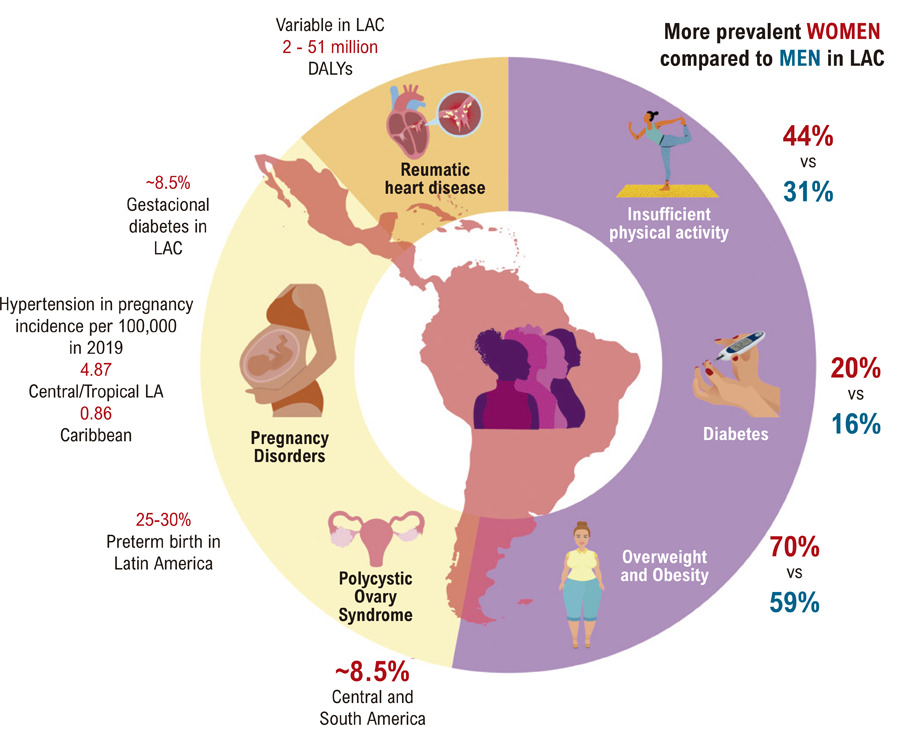
Cardiovascular disease (CVD) remains the leading cause of death among women in Latin America and the Caribbean (LAC), with ischemic heart disease as the primary contributor. Despite this burden, women’s health programs in the region have traditionally prioritized cancer prevention, often neglecting CVD.

Objective

To analyze the burden of CVD and the distribution of cardiovascular risk factors among women in LAC, highlighting sex-related differences and regional disparities.

Methods

This study analyzed epidemiological data on CVD mortality and cardiovascular risk factors across LAC countries, including behavioral, metabolic, and female-specific risk factors, and conducted comparisons with selected countries outside the region.

Results

Women in LAC showed a higher prevalence of sedentary lifestyle, dyslipidemia, elevated fasting blood glucose, and overweight/obesity, whereas smoking was more frequent among men. Female-specific risk factors – such as teenage pregnancy, preterm birth, gestational diabetes, and hypertensive disorders of pregnancy – were highly prevalent yet under-recognized, largely shaped by socioeconomic determinants. In 2021, COVID-19 temporarily surpassed ischemic heart disease and stroke as the leading cause of death in the Americas (176.7 deaths per 100,000 population), highlighting the vulnerability of women with underlying cardiometabolic risk. Premature CVD mortality varied widely, with the highest female probabilities of death between ages 30 and 70 observed in Haiti (21.9%) and Guyana (15.2%), associated with poorly controlled hypertension and elevated cholesterol, respectively. In contrast, Canada showed the lowest premature mortality (1.7%), reflecting stronger healthcare systems and lower prevalence of metabolic risk factors.

Conclusion

CVD remains the leading cause of mortality among women in LAC, marked by substantial regional disparities and a significant burden of both traditional and female-specific risk factors. These findings highlight the urgent need for sex-specific, context-sensitive strategies that integrate cardiovascular prevention into comprehensive women’s health policies, moving beyond cancer-centered approaches.
  • Cardiovascular Diseases
  • Latin America
  • Multimodal Imaging
  • Women
Read Full Article
Creative Commons Attribution (CC BY) Creative Commons license
17/08/2026 DOI: 10.36660/abc.20250655i Views 1
IJCS
Editorial

Difference in Treatment Response Between Men and Women with Acute Myocardial Infarction with ST-segment Elevation Even When Following Well-established Protocols

João Manoel Theotonio dos Santos

The study “Comparison of Clinical and Epidemiological Profiles Between Men and Women with ST-Elevation Myocardial Infarction in Salvador from 2021 to 2023” provides an important contribution by demonstrating that, even in a setting supported by a well-structured ST-elevation myocardial infarction (STEMI) protocol, relevant differences in clinical profiles between men and women persist. Although treatment strategies were homogeneous between sexes—a noteworthy finding in a country where healthcare inequities are often the rule—the observation that women present later, are older at the time of the event, and more frequently receive potent antiplatelet agents reinforces the need to understand acute coronary syndrome in women according to their specific pathophysiological and clinical characteristics.1

In recent years, increasing evidence has challenged the concept that myocardial infarction in women is simply “the same infarction, occurring later.” Contemporary data indicate that mechanisms such as coronary microvascular dysfunction, plaque erosion, and spontaneous coronary artery dissection are more prevalent among women, demanding greater diagnostic precision and tailored therapeutic strategies.2,3 In parallel, atypical symptom presentation and lower perceived cardiovascular risk contribute to delays in seeking care—a phenomenon consistently observed worldwide, including in high-income countries.4

[…]

  • ST Elevation Myocardial Infarction
  • Time to Treatment
  • Women
Read Full Article
Creative Commons Attribution (CC BY) Creative Commons license
12/06/2026 DOI: 10.36660/ijcs.20260023 Views 1
IJCS
Original Article

Body Adiposity and Endothelial Dysfunction Assessed By Laser Speckle Contrast Imaging in Obese and Overweight Individuals With Suboptimal Vitamin D Status: Sex Differences

Adriana de Castro Carvalho Faria et al. Michelle Rabello Cunha Caroline Lyra Moreira Samanta Souza Mattos … Clara Castro Carvalho Oliveira Faria Leticia Castro Carvalho Oliveira Faria Wille Oigman Mario Fritsch Neves

Abstract

Background:

Low Vitamin D levels are prevalent in obesity and have been linked to adverse cardiovascular and metabolic outcomes.

Objective:

This cross-sectional study aimed to assess anthropometric indices, vascular, autonomic function in obese and overweight individuals with suboptimal vitamin D status.

Methods:

Participants of both sexes, 40-69 years, Body Mass Index (BMI) 25-40 kg/m², were divided into two groups above and under the median vitamin D level (22,6 ng/ml), named Suboptimal (SUB-D) and Lower (LOW-D) vitamin D, respectively. Vascular function was assessed using central hemodynamic parameters (Mobil-O-Graph®), endothelial function (microvascular reactivity; Laser Speckle Contrast Image system), and heart rate variability (Polar® monitor). The groups were compared using an unpaired Student’s t-test, and p-values < 0,05 were considered statistically significant.

Results:

The groups (n = 90) had similar ages and blood pressures. The LOW-D group had a higher body fat percentage (%BF; 29 ± 4 vs. 33 ± 3, p = 0.020) and glycated Hb (5.4 ± 0.4 vs. 5.8 ± 0.4, p = 0.029) in males. Females had higher Visceral Adiposity Index (VAI; 2.33 ± 0.86 vs. 3.32 ± 1.86, p = 0.008) and Lipid Accumulation Products (LAP; 39 ± 23 vs. 63 ± 40, p = 0.005). The LOW-D group showed a lower percentage increase in the area under the curve in post-occlusive reactive hyperemia (%AUC-PORH) (70 ± 30 vs. 55 ± 32%, p = 0.034). Females showed inverse correlation of vitamin D levels and VAI and LAP, and a positive correlation with %AUC-PORH.

Conclusions:

In obese and overweight individuals, lower vitamin D content was associated with higher levels of body adiposity in males. Furthermore, impaired metabolic functions and endothelial dysfunction were related to lower vitamin D levels in females, as in the central illustration.

  • Adiposity
  • Obesity
  • Vitamin D
  • Women
Read Full Article
Creative Commons Attribution (CC BY) Creative Commons license
12/06/2026 DOI: 10.36660/ijcs.20250173 Views 1
Comparison of Clinical and Epidemiological Profiles Between Men and Women with ST-Elevation Myocardial Infarction in Salvador from 2021 to 2023
IJCS
Original Article

Comparison of Clinical and Epidemiological Profiles Between Men and Women with ST-Elevation Myocardial Infarction in Salvador from 2021 to 2023

Heloisa Gonzaga Menezes de Moraes et al. Mariela Gomes Botelho Carneiro Marianna Deway Andrade Dracoulakis

Abstract

Background:

ST-segment elevation myocardial infarction (STEMI) remains one of the leading causes of morbidity and mortality worldwide. Although studies indicate sex disparities in risk factors, symptomatology, and outcomes, there is a lack of local research validating these differences.

Objectives:

To compare the clinical and epidemiological profiles, treatment times, and in-hospital outcomes of men and women diagnosed with STEMI at a private hospital in Salvador, Brazil from 2021 to 2023.

Methods:

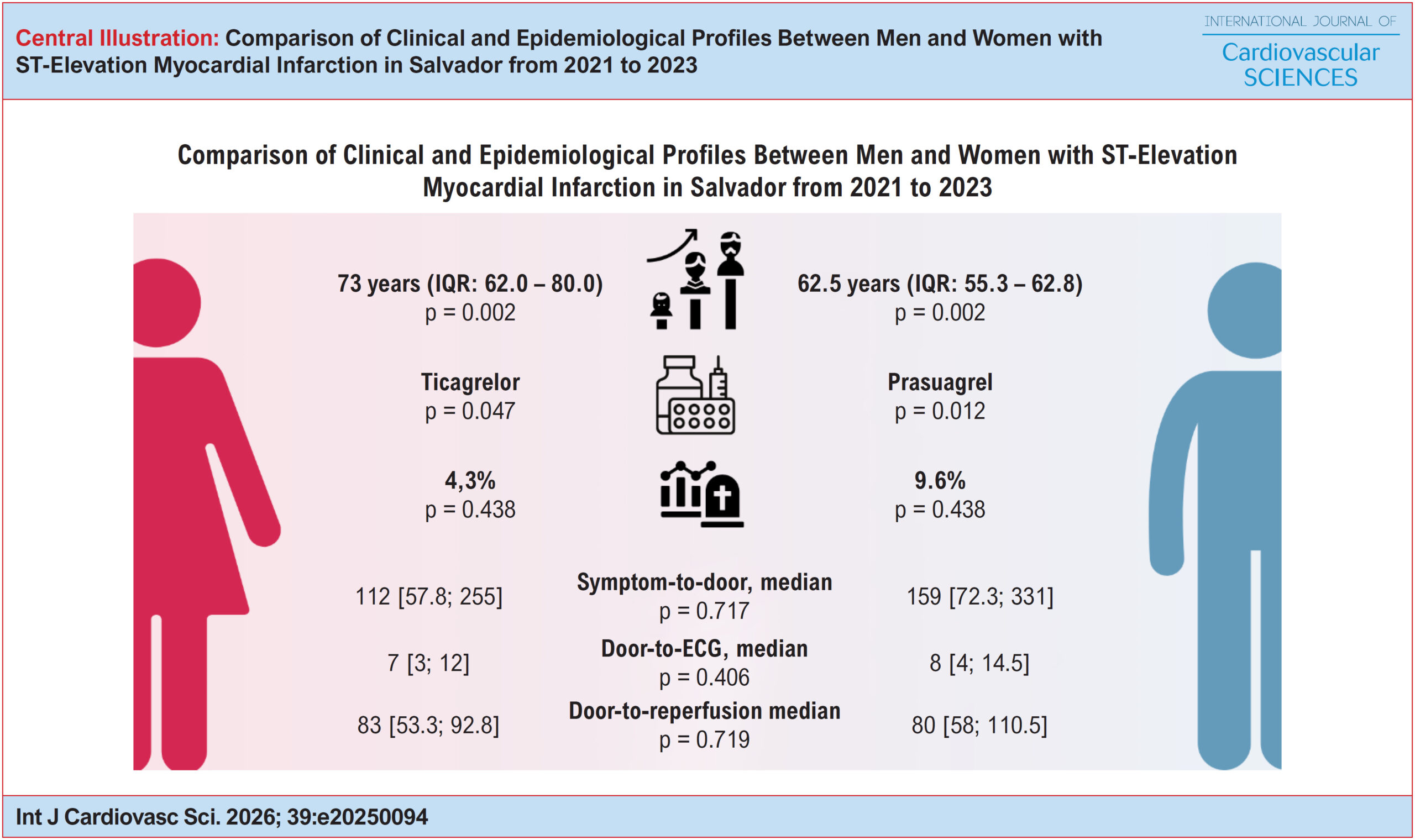
This retrospective observational study analyzed 75 patients, of whom 30.7% were women. Variables assessed included age, cardiovascular risk factors, symptom-to-door time, door-to-ECG time, door-to-reperfusion time, pharmacological therapy, and in-hospital outcomes.

Results:

Women presented STEMI at a significantly older age compared to men (median age: 73.0 versus 62.5 years; p = 0.002). There were no statistically significant differences in treatment times (symptom-to-door, door-to-ECG, and door-to-reperfusion) between sexes. Women were more frequently treated with high-potency antiplatelet agents (prasugrel and ticagrelor) than men (p = 0.047 and p = 0.012, respectively). No differences in complications or mortality rates were observed between the groups.

Conclusions:

Despite being older and using more potent antiplatelet therapy, women did not experience significant differences in treatment times or complications. The limited sample size may have affected the ability to detect more significant differences, underscoring the need for larger studies.

  • Brasil
  • ST Elevation Myocardial Infarction
  • Women
Read Full Article
Creative Commons Attribution (CC BY) Creative Commons license
25/05/2026 DOI: 10.36660/ijcs.20250094 Views 1
ABC
Editorial

Bridging Global Calls to Local Action: Advancing Cardiovascular Equity for Women in Brazil

Ariane Vieira Scarlatelli Macedo et al. Fernanda Souza de Carvalho Teresa Glynn Neil Johnson … Karen Padilla Cabrera Marlene Oliveira

The Global Burden of Disease 2023 highlights the catastrophic impact of cardiovascular disease, accounting for 19.2 million deaths worldwide in 2023. Women experience 20% higher post-myocardial infarction mortality, a greater prevalence of heart failure with preserved ejection fraction, and faster-rising metabolic risks (such as body mass index) compared with men. Critically, 79.6% of the global cardiovascular burden is attributable to modifiable risk factors – including high blood pressure, dyslipidemia, diet, and air pollution – yet age-standardized rates remain highest in low-income settings, where women are disproportionately affected.,

Evidence consistently shows that women face specific disadvantages across the cardiovascular care continuum.– They are more likely to experience late, missed, or misdiagnosed heart disease, driven by gaps in symptom recognition, male-centered diagnostic pathways, underrepresentation in research, and fragmented care., These systemic inequities contribute to delayed diagnosis and poorer treatment outcomes for women.

[…]

  • Cardiovascular Diseases
  • Health Equity
  • Health Status Disparities
  • Primary Prevention
  • Women
Read Full Article
Creative Commons Attribution (CC BY) Creative Commons license
11/05/2026 DOI: 10.36660/abc.20260110i Views 2
Figure 1
ABC
Editorial

Middle-Aged Women — A High-Risk Group for Post-Myocardial Infarction Mortality

Maria Antonieta Albanez A. de Medeiros Lopes et al. Mayara Viana Júlia Nóbrega Heitor N. Albanez A. de Medeiros Gláucia Maria Moraes de Oliveira

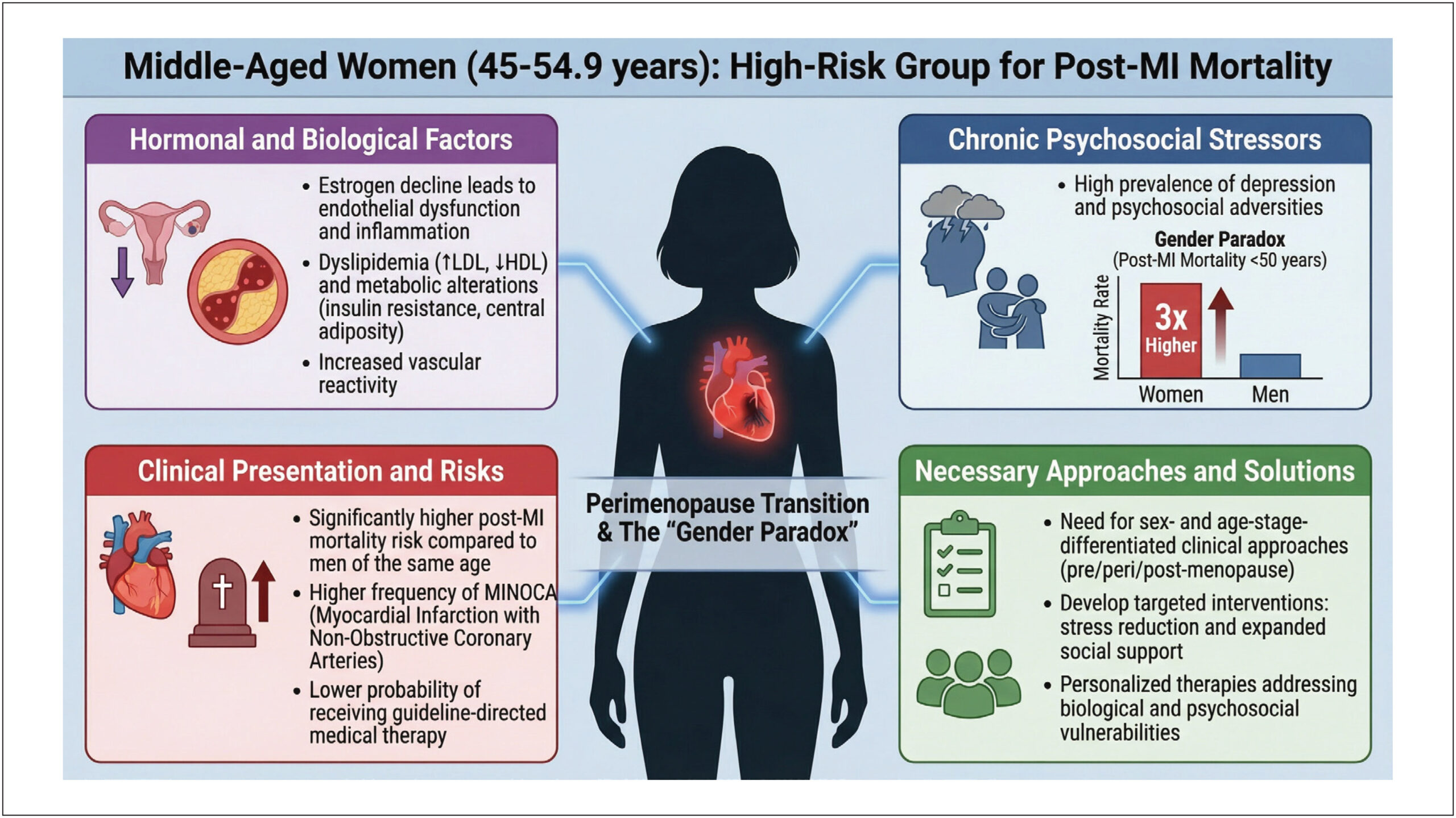
Cardiovascular diseases (CVD) remain the leading cause of death worldwide, with acute myocardial infarction (MI) accounting for significant morbidity and mortality. Despite substantial reductions in overall cardiovascular mortality, gender disparities persist, particularly affecting women in different demographic contexts. In this mini-editorial, we highlight recent evidence from an original study conducted in the Brazilian Unified Health System (SUS) in Curitiba, Brazil, which followed 4,896 patients hospitalized for acute MI between 2008 and 2015. This pioneering study demonstrated that middle-aged women (45 to 54.9 years) have a significantly higher risk of post-infarction mortality compared to men of the same age group, regardless of adjusted clinical factors. These data provide a critical warning about the need for differentiated, specific clinical approaches for this group (). The analysis of the Brazilian public cohort strengthens international evidence on the gender paradox in CVD. It reinforces the critical role of hormonal changes and psychosocial determinants in worsening the prognosis for women after MI. This contradicts the common assumption that women in this age group maintain natural cardiovascular protection, raising critical questions about the attention given to cardiovascular health at this vital stage of life.

The so-called “gender paradox” in CVD is well established, especially among younger women. Studies show that women under 50 have almost three times higher mortality after MI than men of the same age group, regardless of previous medical history, disease severity, or type of treatment., This paradox is remarkable, given that middle-aged women often have fewer traditional cardiovascular risk factors and tend to have better outcomes after percutaneous coronary intervention. The study findings are aligned with global and national data that indicate that women develop MI approximately 5 years later than men (mean age 65.1 vs. 60.3 years). Still, the protective effect of the female sex diminishes and reverses in the 45-54.9 age range. This period coincides with perimenopause and the onset of menopause, highlighting the importance of hormonal changes in increasing cardiovascular susceptibility.

[…]

  • Infarction
  • Mortality
  • Women
Read Full Article
Creative Commons Attribution (CC BY) Creative Commons license
26/01/2026 DOI: 10.36660/abc.20250701i Views 1
Is Female Gender Associated with Mortality in Coronary Artery Bypass Grafting?
ABC
Original Article

Is Female Gender Associated with Mortality in Coronary Artery Bypass Grafting?

Maxim Goncharov et al. Erlon Oliveira de Abreu Silva Pedro Gabriel Melo de Barros e Silva Fabiane Letícia de Freitas … Adriana Costa Moreira Lucas Tramujas Alexandre Biasi Cavalcanti Ieda Maria Liguori Fabio Biscegli Jatene Ieda Biscegli Jatene Claudia Maria Rodrigues Alves

Abstract

Background

Women undergoing coronary artery bypass grafting (CABG) tend to have worse in-hospital outcomes, but it is unclear whether these differences are due to gender or to clinical factors.

Objective

To compare in-hospital outcomes between women and men undergoing CABG.

Methods

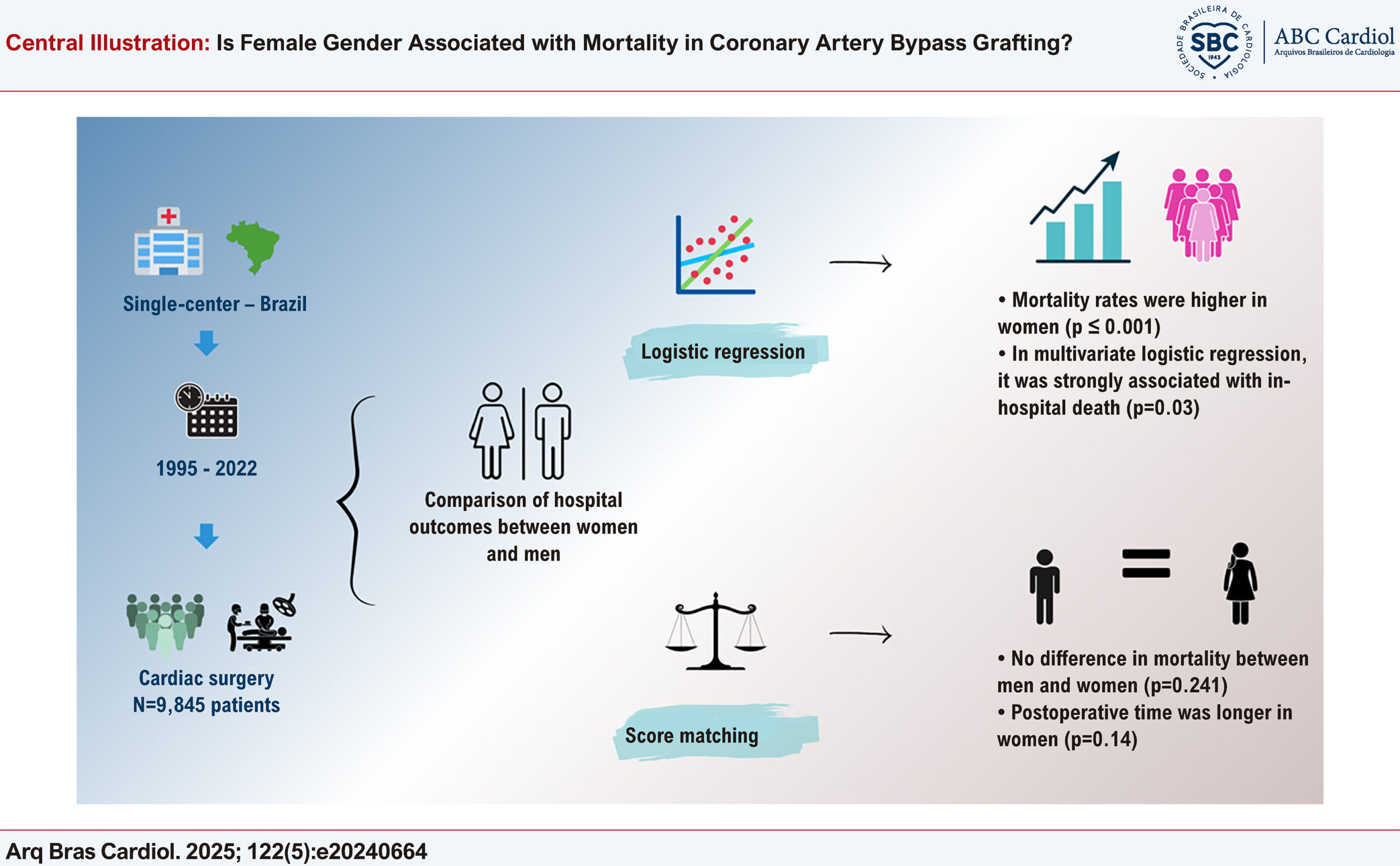
This was a single-center, retrospective observational study analyzing data from 9,845 patients who underwent CABG between 1995 and 2022, of whom 1,947 (19.8%) were women. To evaluate female gender as a prognostic factor for in-hospital mortality, we used descriptive statistics, univariate and multivariate logistic regression, and propensity score matching. The significance level was set at 5%.

Results

Women were older (66.7 vs 62.19 years, p<0.001), had lower body mass index (26.91 vs 27.64, p<0.001), and had a higher prevalence of diabetes mellitus (34.0% vs 31.6%, p=0.045). They also had longer hospital stays (14.84 vs 13.13 days, p<0.001) and higher operative mortality (4.8% vs 2.4%, p<0.001). In logistic regression, female gender was associated with higher mortality (OR=1.51; 95% CI: 1.15-1.99; p=0.003). After matching, there was no significant difference in mortality (OR=1.20; 95% CI: 0.88-1.64; p=0.241), but length of hospital stay remained longer in women.

Conclusion

When clinical factors were matched between men and women, the mortality difference disappeared. This suggests that targeted interventions to reduce disparities may help improve mortality outcomes in women undergoing CABG.

  • Cardiovascular Surgical Procedures
  • Hospital Mortality
  • Women
Read Full Article
Creative Commons Attribution (CC BY) Creative Commons license
26/05/2025 DOI: 10.36660/abc.20240664i Views 2
Outcomes of Guideline-Recommended Percutaneous Coronary Intervention in Women with Obstructive Coronary Artery Disease: A Longitudinal Cohort Study
ABC
Original Article

Outcomes of Guideline-Recommended Percutaneous Coronary Intervention in Women with Obstructive Coronary Artery Disease: A Longitudinal Cohort Study

Tacianne Rolemberg Braga Delamain et al. José Henrique Herrmann Delamain Sergio Luiz Navarro Braga Ricardo Costa … Dimytri Alexandre Alvim de Siqueira Fausto Feres Marinella Patrizia Centemero

Abstract

Background

Previous studies have shown that women with coronary artery disease (CAD) are less likely to undergo angiography and have less favorable outcomes after percutaneous coronary intervention (PCI).

Objectives

Assess the outcomes of women with acute coronary syndrome (ACS) and stable CAD (lesion>50%) treated with contemporary PCI using DES.

Methods

Observational, longitudinal cohort study with prospective follow-up included all female patients ≥ 18 years admitted at a tertiary public cardiovascular center in Brazil from January 2019 to December 2020. The level of significance adopted in the statistical analysis was 5%.

Results

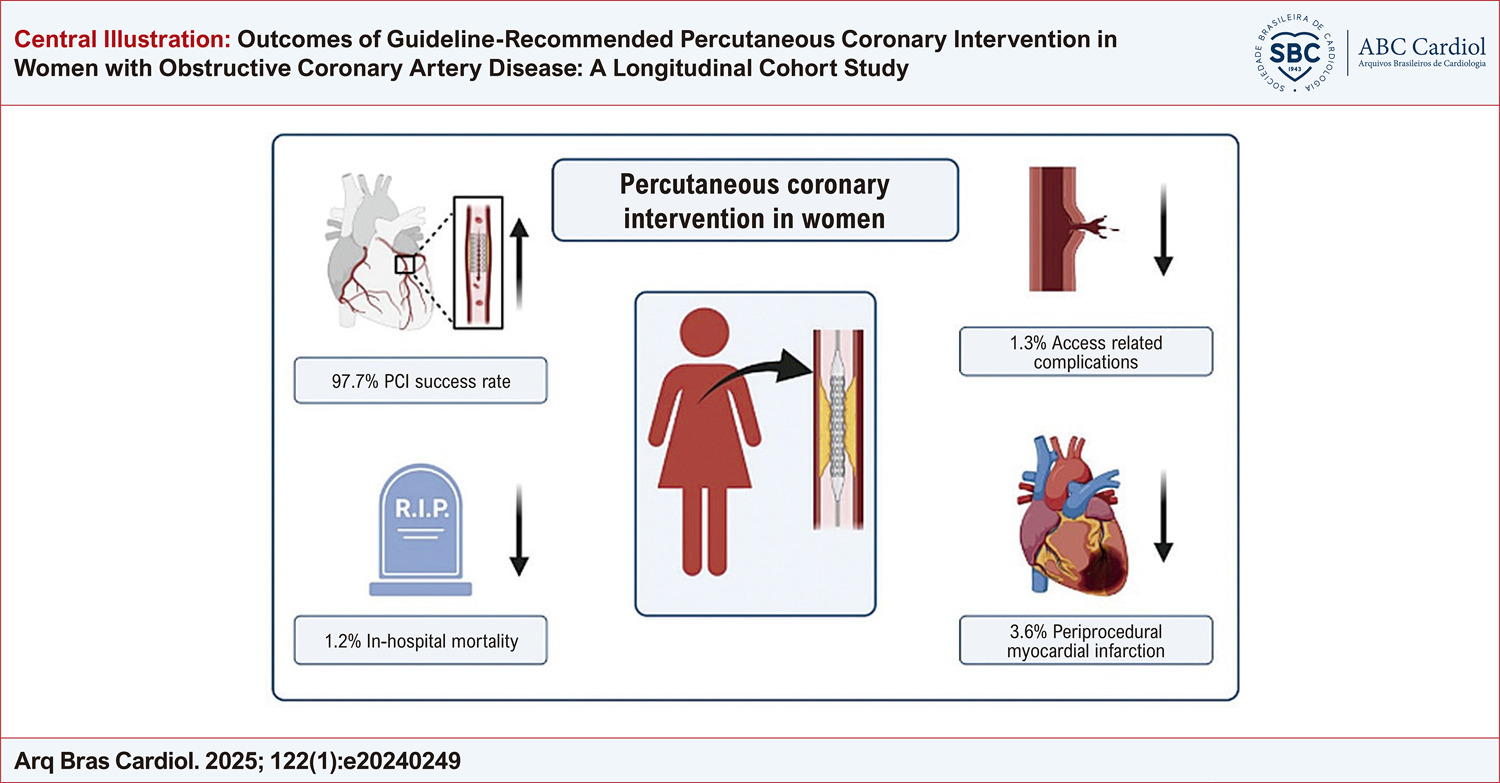
1146 women (average age 65 years) underwent guideline-recommended PCI. Risk factors were frequent (hypertension: 88%, dyslipidemia: 85%, diabetes: 47.5%), and 69% were admitted due to ACS. Radial access was used in 59% of patients; 1516 vessels were treated with 1725 stents implanted (1.5 stents/patient). PCI was successful in 97.7%, in-hospital death occurred in 1.2%, peri-procedural MI in 3.6%, and TIA in 0.4%. Predictors of in-hospital major adverse cardiac and cerebrovascular events (MACCE): previous stroke (OR: 2.97; CI: 1.06-7.15; p= 0.023), CKD (OR: 3.11; CI: 1.49-6.20; p= 0.002), and at least one procedural failure during PCI (OR: 10.2; CI: 1.17-5.9; p<0.001). The average follow-up was 576.2 days in 1047 patients. All-cause mortality occurred in 5.3%, cardiac death in 3.5%, recurrent ACS in 8%, and additional revascularization procedures in 5.5%. The predictors for MACCE during FU were hospital admission for ACS for the index PCI (OR: 1.58; HR: 1.06-2.35; p=0.023) and the presence of MACCE during hospitalization (OR: 6.66; HR: 2.42- 18.3; p< 0.001).

Conclusion

In this pioneering study involving 1146 patients treated by contemporary PCI and followed for almost 2 years, we obtained very encouraging in-hospital and mid-term results.

  • Coronary Artery Disease
  • Percutaneous Coronary Intervention
  • Risk Factors
  • Women
Read Full Article
Creative Commons Attribution (CC BY) Creative Commons license
03/02/2025 DOI: 10.36660/abc.20240249i Views 1
Females are Associated with Lower Risks of Long-Term Mortality in Patients Undergoing Off-Pump Coronary Artery Bypass Grafting
ABC
Original Article

Females are Associated with Lower Risks of Long-Term Mortality in Patients Undergoing Off-Pump Coronary Artery Bypass Grafting

Chen Bai et al. Jiangang Wang Qing Ye Cheng Zhao

Abstract

Background

In patients who underwent off-pump coronary artery bypass grafting (OPCABG), females were reported to have lower rates of in-hospital mortality rate and postoperative atrial fibrillation than males. However, the association between gender and long-term prognosis following OPCABG is rarely reported.

Objective

This study aims to determine if women benefit more from OPCABG than men by comparing the difference in the risk of long-term all-cause mortality in patients with coronary chronic total occlusion (CTO).

Methods

This is an observational, retrospective cohort study conducted in adult patients (≥18 years) with coronary CTO undergoing OPCABG at our hospital from January 2011 to December 2014. A multivariate Cox proportional hazards model was employed to assess the association of gender with the risk of all-cause mortality. A p-value of <0.05 was considered statistically significant.

Results

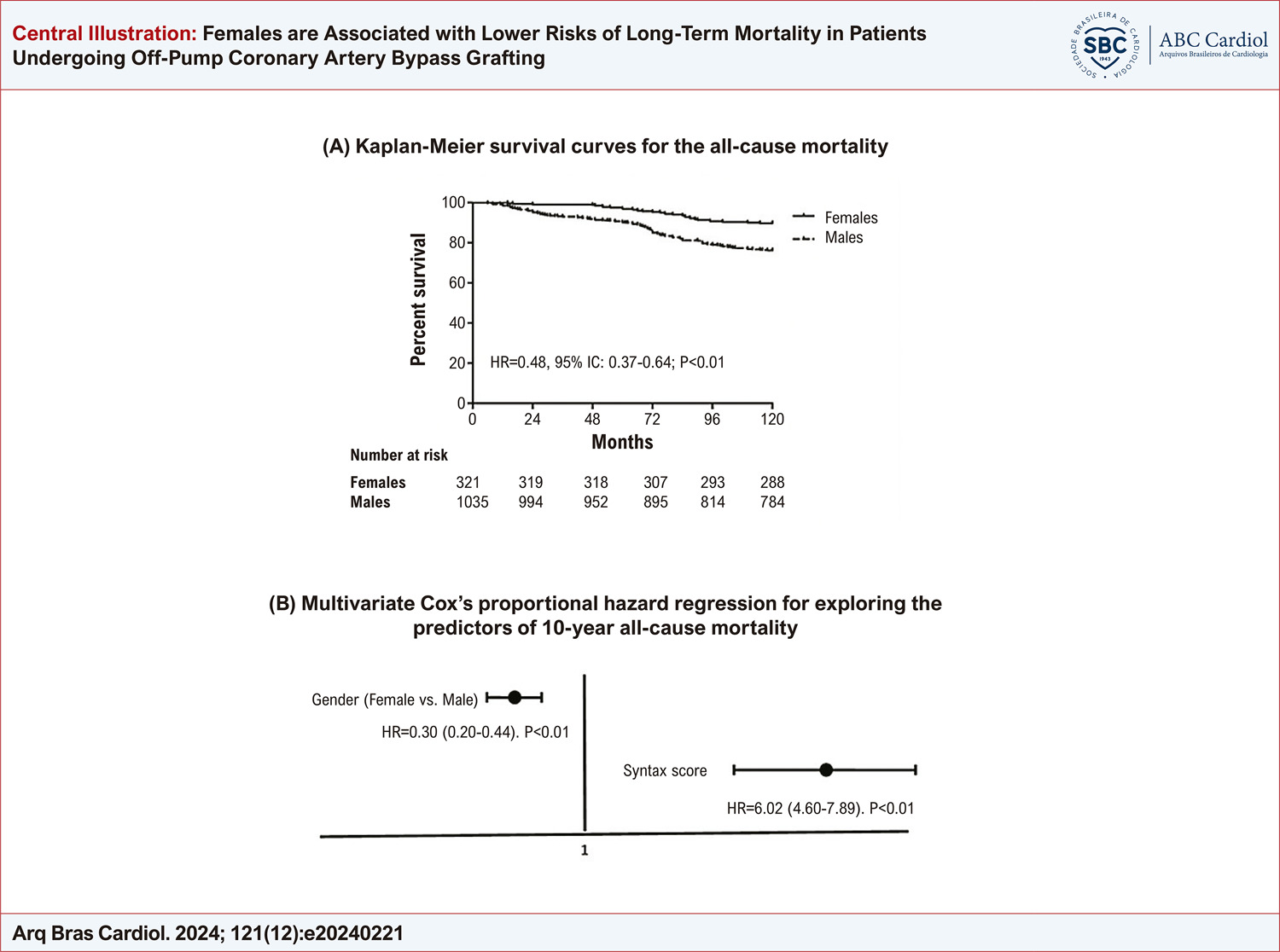
Totally 1,256 participants were enrolled, among which 321 (25.6%) were females and 935 (74.4%) were males. During a maximum follow-up of 10 years, the all-cause mortality rate in women was significantly lower than that in men (10.3% vs. 24.3%, p<0.01). Multivariate Cox regression analysis indicated that women were significantly associated with a lower risk of all-cause mortality (HR=0.30, 95% CI: 0.20-0.44; p<0.01) after controlling for potential confounding factors.

Conclusion

Women benefit more from OPCABG surgery than men, as they have a lower risk of long-term all-cause mortality in patients with coronary CTO.

  • Beating Heart Coronary Artery Bypass
  • Mortality
  • Myocardial Revascularization
  • Women
Read Full Article
Creative Commons Attribution (CC BY) Creative Commons license
13/12/2024 DOI: 10.36660/abc.20240221i Views 1
ABC
Editorial

Women and Atrial Fibrillation: Is the Disparity in Anticoagulation Just a Question of Gender? In Search of the Brazilian Reality

Jorge Elias Neto et al. Fernando Luiz Torres Gomes

The discussion of atrial fibrillation (AF) must begin with the premise that certainly, alongside other conditions such as obesity — and in a particularly harmful partnership with it — this rhythm disturbance has emerged as a global public health problem, warranting an epidemic projection for this century.

Numerous studies have demonstrated differences in AF presentation, comorbidity burden, and admission rates between males and females. Therefore, it is critical to assess whether there are sex differences in adherence to and utilization of oral anticoagulants and outcomes based on hospital discharge status.–

[…]

  • Anticoagulation
  • Atrial Fibrillation
  • Gender
  • Risk Factors
  • Stroke
  • Women
Read Full Article
Creative Commons Attribution (CC BY) Creative Commons license
22/11/2024 DOI: 10.36660/abc.20240583i
Central Illustration
ABCIC
Original Article

The Women of the Cardiovascular Imaging Department of the Brazilian Society of Cardiology: Career and Family Challenges

Marcia Ferreira Alves Barberato et al. Daniela do Carmo Rassi Adenalva Lima de Souza Beck Marly Uellendahl … Samira Saady Morhy Silvio Henrique Barberato

Abstract

Introduction

The “DIC Mulheres” working group was created to research and discuss the role of women working in cardiovascular imaging in Brazil. Objectives: to map the challenges faced by women in the Cardiovascular Imaging Department of the Brazilian Society of Cardiology (DIC-SBC) in managing their careers and families.

Methods

A questionnaire with 29 questions on careers and family was made available between March and April 2024, inviting women from DIC-SBC to participate anonymously. The questions addressed age, medical training, career, family relationships, and mental health status. Data obtained were described in the form of categorical variables in percentages.

Results

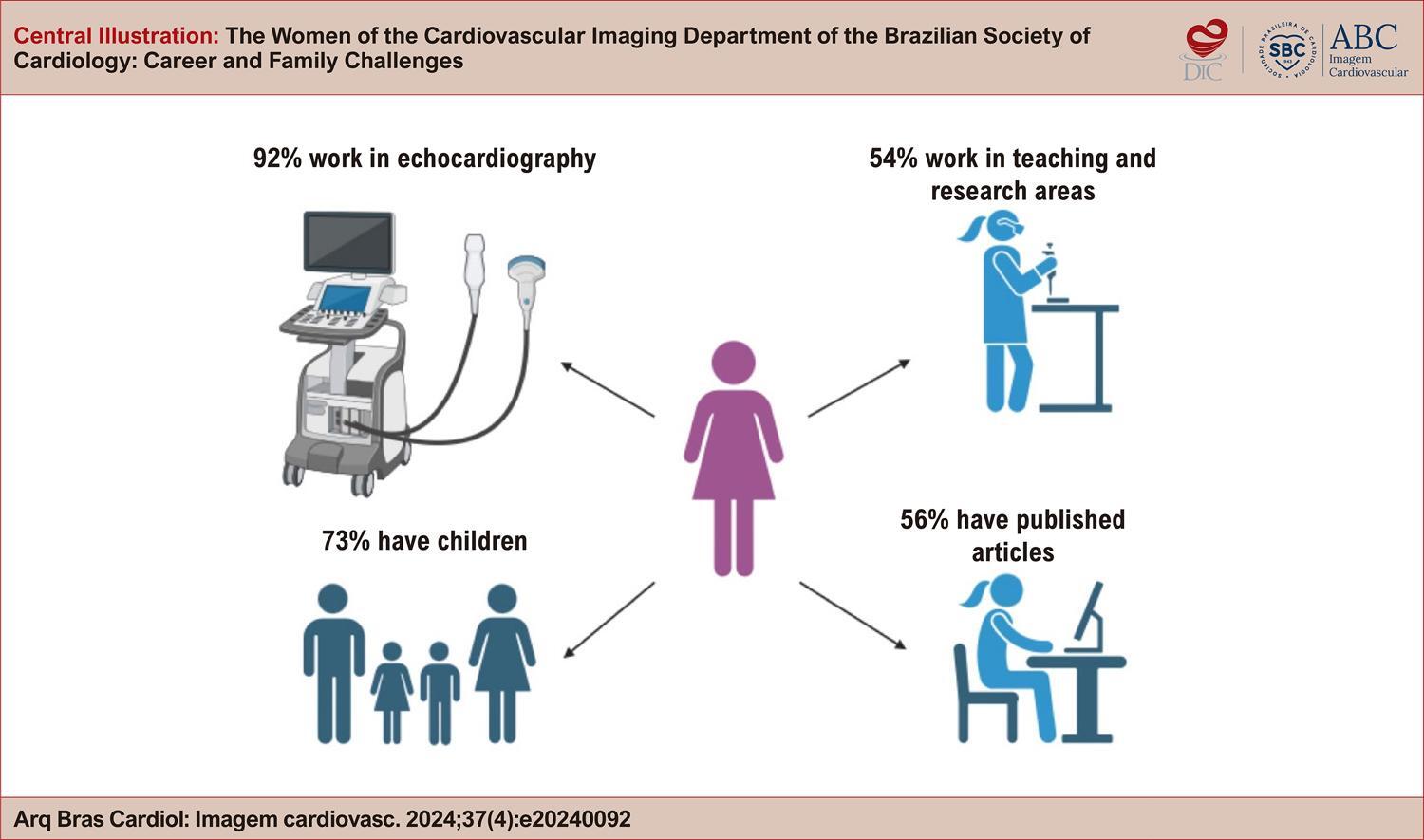
A total of 321 women responded to the questionnaire, representing 25% of DIC members. Most respondents are between 30 and 50 years old and work with echocardiography. Approximately 66% combine imaging activities with clinical cardiology, and 47% report a workload of more than 40 hours per week. Only 39% hold management positions, but more than 50% have published scientific production. Regarding motherhood, 73% have children and almost half of them did not stop working after the birth of their child. Regarding mental health, 63% reported symptoms, the most common being burnout (22%), anxiety (17%) and depression (17%).

Conclusion

Women face challenges in balancing their careers with family responsibilities, which can take a toll on their mental health. This study highlights the need for institutional policies that support motherhood, provide mentorship, and develop mental health programs specifically for those working in cardiovascular imaging.

  • Cardiac Imaging Techniques
  • Mental Health
  • Women
Read Full Article
Creative Commons Attribution (CC BY) Creative Commons license
21/11/2024 DOI: 10.36660/abcimg.20240092i Views 2
Figure 1
IJCS
Viewpoint

Disparities in Women's Cardiovascular Health in Brazil

Larissa Franco de Andrade et al. Paolo Blanco Villela Jose Lucas Peres Bichara Luiz Antonio Viegas de Miranda Bastos Glaucia Maria Moraes de Oliveira

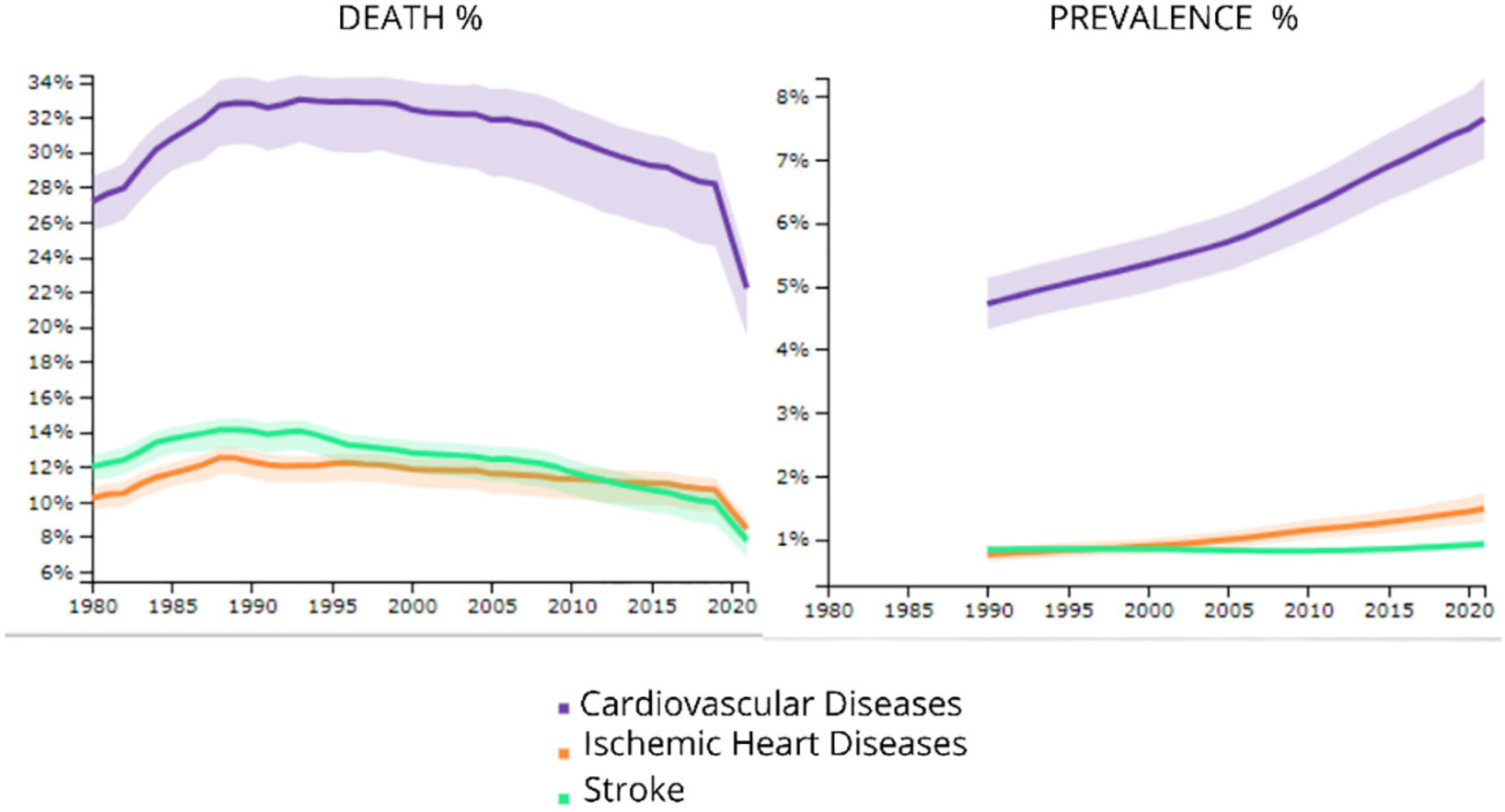
Cardiovascular diseases (CVD) are the leading cause of death in women worldwide, responsible for 30.4% of female deaths in 2021, according to the Global Burden Disease (GBD) study. In Brazil, between 1990 and 2020, CVD was the leading cause of death in the female population, represented mainly by ischemic heart disease (IHD) and stroke. In 2021, during the coronavirus pandemic period, COVID-19 was the major cause of death among Brazilian women, reaching 21.9% of total deaths, and the percentage of deaths attributed to IHD and CVD was 8.5% and 7.8%, respectively (). Additionally, from 1990 to 2021, proportional mortality from CVD was higher in females compared to males, with a similar percentage of deaths from IHD between the sexes and a higher percentage of deaths from stroke in women.

[…]

  • Brazil
  • Cardiovascular Health
  • Disparities
  • Women
Read Full Article
Creative Commons Attribution (CC BY) Creative Commons license
06/09/2024 DOI: 10.36660/ijcs.20240106 Views 2
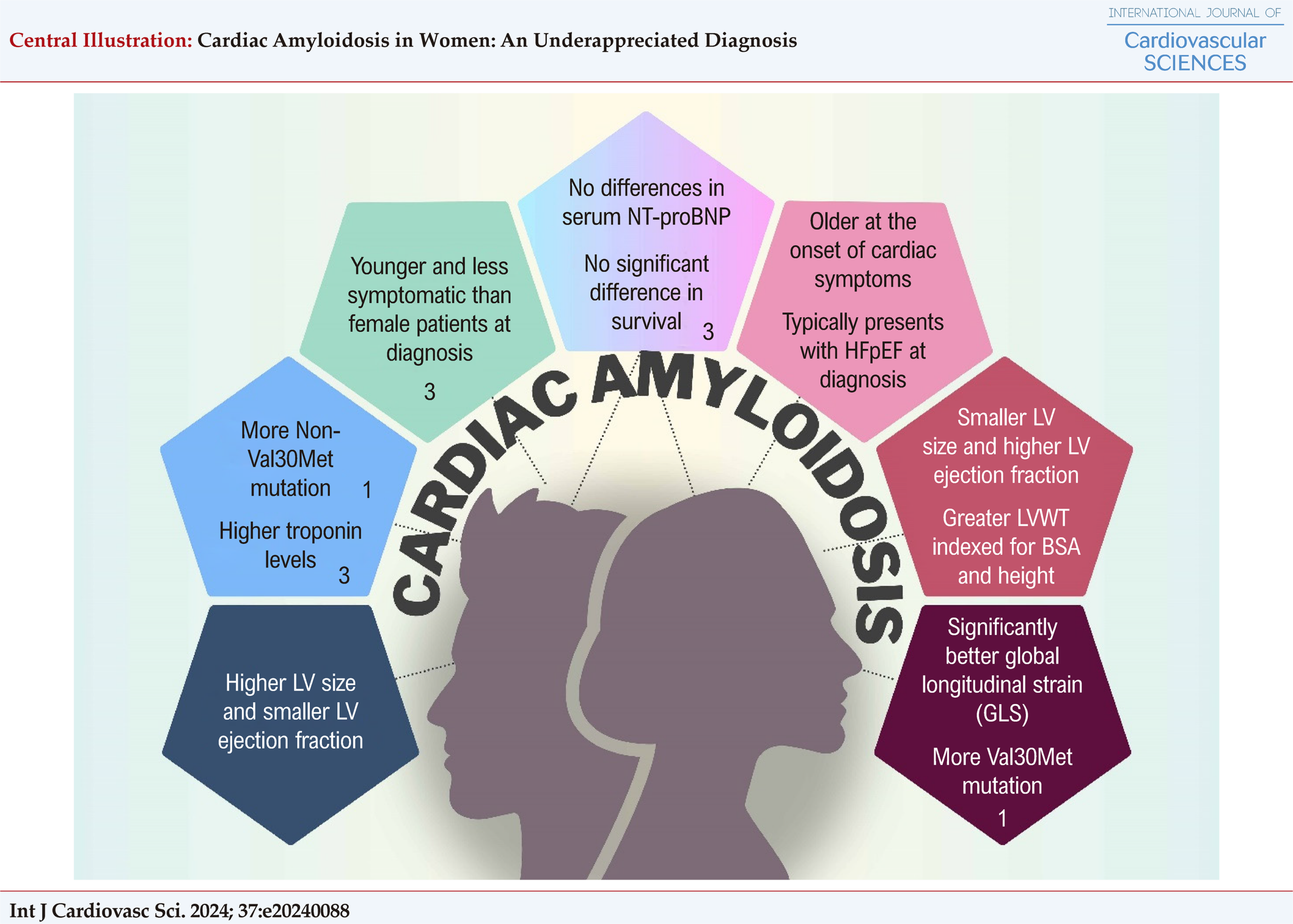
Cardiac Amyloidosis in Women: An Underappreciated Diagnosis
IJCS
Review Article

Cardiac Amyloidosis in Women: An Underappreciated Diagnosis

Larissa Neto Espíndola et al. Gláucia Maria Moraes de Oliveira Cláudia Maria Vilas Freire Marildes Luiza de Castro Maria Cristina Costa de Almeida

Abstract

Cardiac amyloidosis (CA) is an infiltrative cardiomyopathy that affects the heart mostly in two forms: immunoglobulin light chain amyloidosis (AL-CM) and transthyretin amyloidosis.

Transthyretin amyloid cardiomyopathy (ATTR-CM) predominantly affects the elderly population, mainly men (about 70-80%), and usually manifests with symptoms of heart failure (HF).

Despite technological advances in medicine, CA is still an underdiagnosed condition, especially in women, partly due to the known male predominance and high level of suspicion required for diagnosis. It is important to remember that amyloidosis is a systemic disease with a heterogeneous and non-specific presentation. It’s worth paying attention to the patient’s medical history and red flags in clinical and diagnostic tests (electrocardiogram [ECG], echocardiogram [ECHO], cardiac magnetic resonance [CMR]).

Accurate and timely diagnosis is crucial for appropriate management and prognosis.

So far, the under-representation of women in clinical trials may have also limited the evidence on sex-specific diagnosis, and outcomes.

  • Amyloidosis
  • Diagnosis
  • Prognosis
  • Therapeutics
  • Women
Read Full Article
Creative Commons Attribution (CC BY) Creative Commons license
26/08/2024 DOI: 10.36660/ijcs.20240088 Views 1
Central Illustration
ABCHF
Review Article

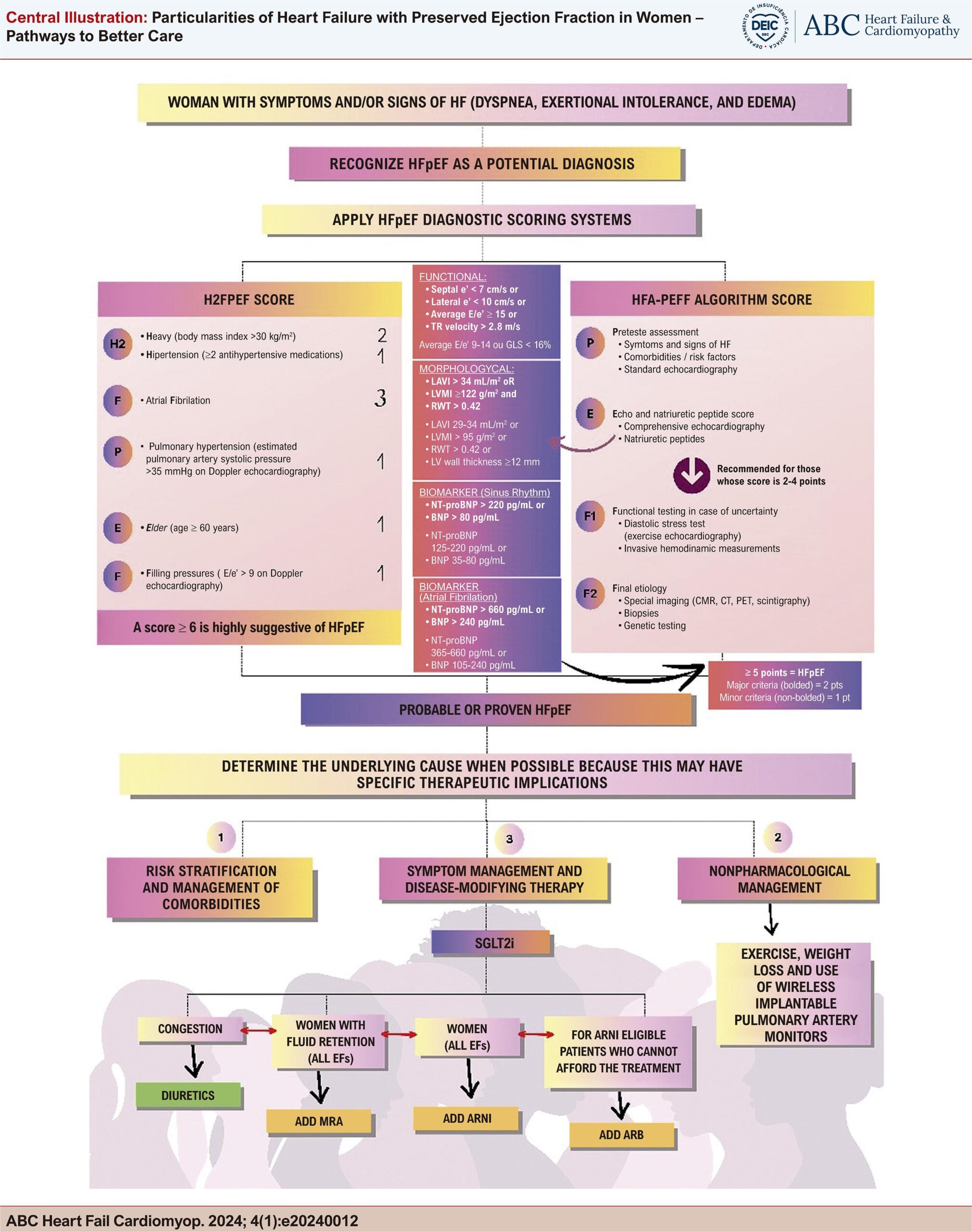
Particularities of Heart Failure with Preserved Ejection Fraction in Women – Pathways to Better Care

Larissa Neto Espíndola et al. Maria Cristina Costa de Almeida Marildes Luíza de Castro Cláudia Maria Vilas Freire Gláucia Maria Moraes de Oliveira

Abstract

While heart failure with reduced ejection fraction (HFrEF) is more prevalent in males, female predominance is a striking feature in heart failure with preserved ejection fraction (HFpEF).

The incidence of HFpEF has been gaining alarming proportions. It has exceeded HFrEF as the primary form of heart failure, especially in the female sex. Women tend to have smaller cardiac chambers with higher left ventricular ejection fraction; however, they have more severe symptoms and signs. Until now, there is no consensus about the exact mechanisms of these differences related to sex. Understanding these mechanisms is essential to mitigate the risks for HFpEF and direct efforts towards identifying novel preventive and disease-modifying treatments. Lifestyle, pharmacologic, and device-based approaches to reduce the medical and societal impact of HFpEF could improve patients’ quality of life.

The purpose of this review is to outline known biological sex differences in women with HFpEF with a specific focus on pathways to better care for the diagnosis and treatment of women with HFpEF.

  • Diagnosis
  • Heart Failure
  • Left Ventricular Function
  • Therapeutics
  • Women
Read Full Article
Creative Commons Attribution (CC BY) Creative Commons license
13/08/2024 DOI: 10.36660/abchf.20240012i Views 3
Figure 1
IJCS
Editorial

How Can We Expand Knowledge to Improve Women's Cardiovascular Health in Latin America?

Maria Alayde Mendonça Rivera et al. Carolina María Artucio Glaucia Maria Moraes de Oliveira

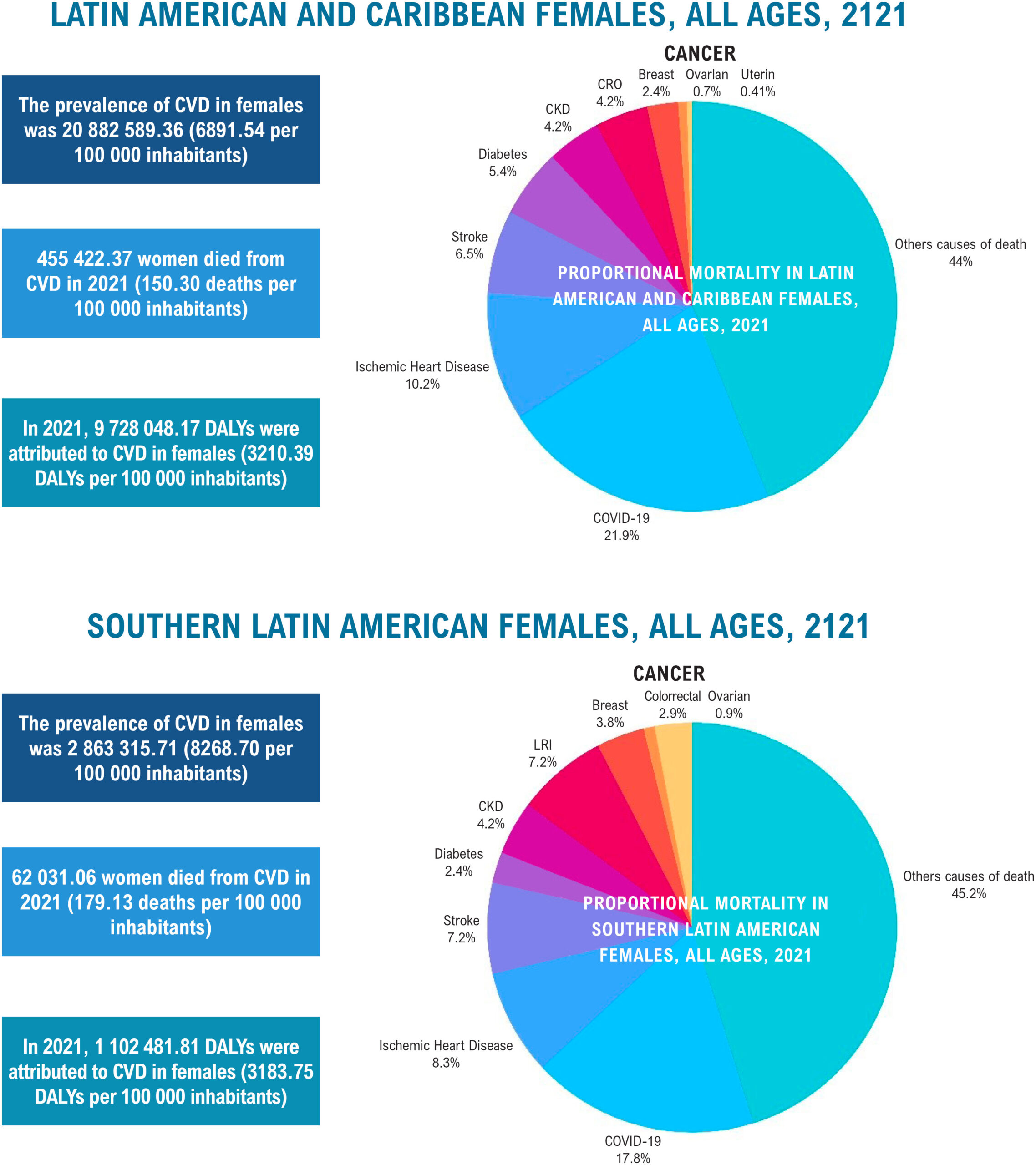
Latin America (LA) is characterized by enormous cultural diversity due to its multiplicity of languages (Spanish, Portuguese, French, English, Dutch, and countless indigenous languages), ethnicities (white, black, indigenous), beliefs, climates, religions, and customs. This variability is observed between countries and within each country in the region, making them unique, even though they share a geographic area and numerous historical facts. There is evidence that the epidemiological and nutritional transition has been more heterogeneous in LA than in other areas of the world, which contributes to a significant variability between countries and their subregions not only in the prevalence of different cardiovascular (CV) risk factors (RFs), but in CV mortality as well. Currently, 51% of the 659 744 000 inhabitants (UN, 2022) are women in LA and the Caribbean.

According to the Global Burden of Diseases (GBD) 2021, the leading causes of death in Latin American women in 2021 were related to the COVID-19 pandemic, which reduced life expectancy in the region by approximately three years, more markedly in LA and the Caribbean (). Regarding noncommunicable diseases (NCD), peculiarities in the death rates per 100 000 inhabitants in LA and the Caribbean, and in Southern LA were observed in 2021. CV disease, followed by neoplasms, is responsible for the highest death rates per 100 000 inhabitants in the Caribbean, Tropical LA, and Southern LA, where this ranking is inverse in Chile. Diabetes and kidney diseases, followed by CVD, account for the highest death rates per 100 000 inhabitants in Central LA. In contrast, neoplasms, followed by mental illnesses, predominate in Andean LA.

[…]

  • Cardiovascular Diseases
  • Latin America
  • Women
Read Full Article
Creative Commons Attribution (CC BY) Creative Commons license
10/05/2024 DOI: 10.36660/ijcs.20240027
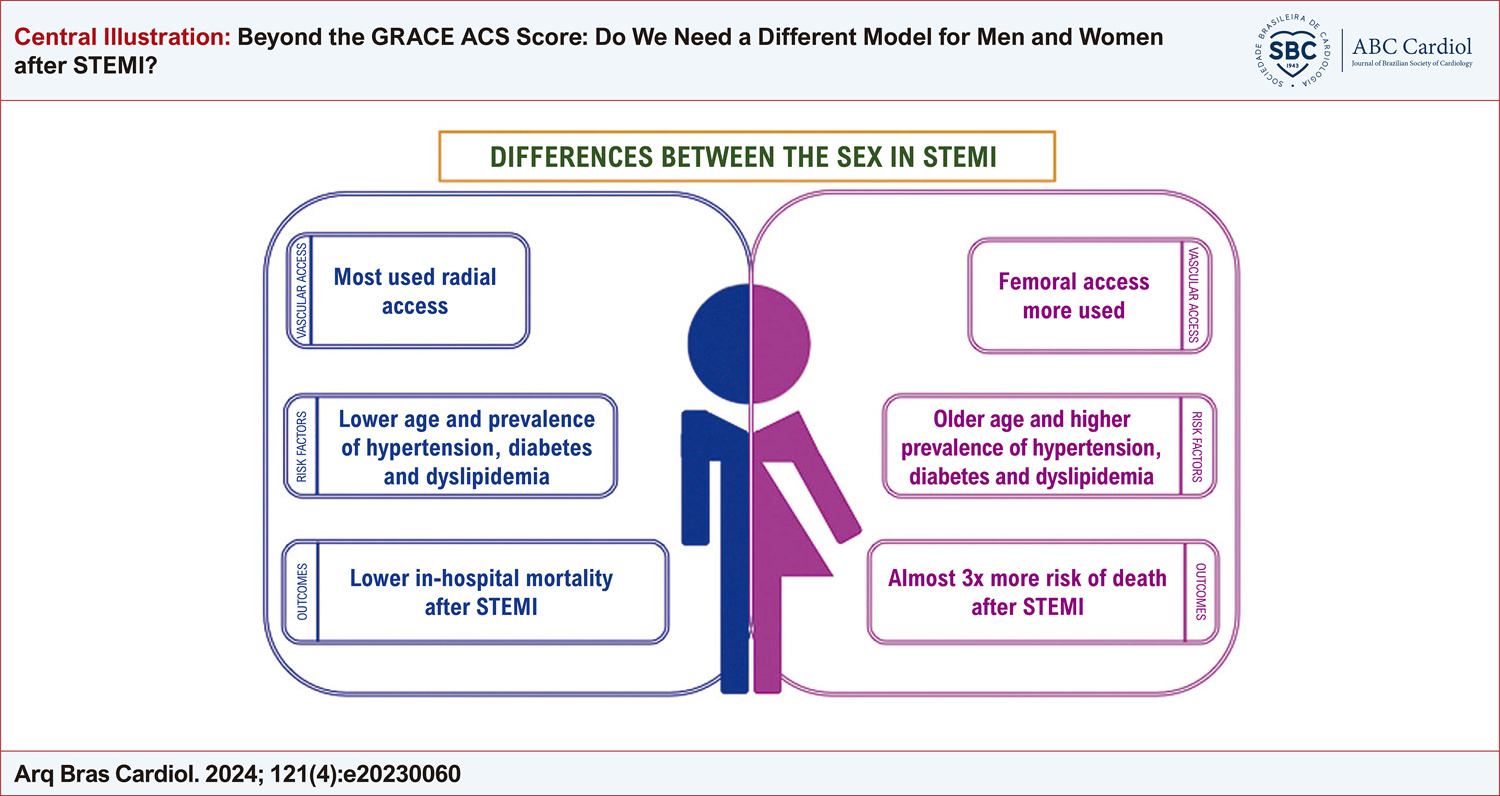
Beyond the GRACE ACS Score: Do We Need a Different Model for Men and Women after STEMI?
ABC
Original Article

Beyond the GRACE ACS Score: Do We Need a Different Model for Men and Women after STEMI?

José Sergio Nascimento Silva et al. Isly Maria Lucena de Barros Jorge Augusto Nunes Guimarães Davide Cao … Sílvia Marinho Martins Tawanna Xavier Marques de Carvalho Rayssa Santana de Farias Viviana Lemke Roxana Mehran Rodrigo Pedrosa

Abstract

Background

Women, in comparison to men, experience worse outcomes after acute coronary syndrome (ACS). However, whether the female sex per se is an independent predictor of such adverse events remains unclear.

Objective

This study aims to assess the association between the female sex and in-hospital mortality after ST-elevation myocardial infarction (STEMI).

Methods

We conducted a retrospective cohort study by enrolling consecutive STEMI patients admitted to a tertiary hospital from January 2018 to February 2019. All patients were treated per current guideline recommendations. Multivariable logistic regression models were applied to evaluate in-hospital mortality using GRACE variables. Model accuracy was evaluated using c-index. A p-value < 0.05 was statistically significant.

Results

Out of the 1678 ACS patients, 709 presented with STEMI. The population consisted of 36% women, and the median age was 61 years. Women were older (63.13 years vs. 60.53 years, p = 0.011); more often presented with hypertension (75.1% vs. 62.4%, p = 0.001), diabetes (42.2% vs. 27.8%, p < 0.001), and hyperlipidemia (34.1% vs. 23.9%, p = 0.004); and were less likely to undergo percutaneous coronary intervention (PCI) via radial access (23.7% vs. 46.1%, p < 0.001). In-hospital mortality rate was significantly higher in women (13.2% vs. 5.6%, p = 0.001), and the female sex remained at higher risk for in-hospital mortality (OR 2.79, 95% CI 1.15–6.76, p = 0.023). A multivariate model including age, sex, systolic blood pressure, cardiac arrest, and Killip class was 94.1% accurate in predicting in-hospital mortality, and the c-index was 0.85 (95% CI 0.77–0.93).

Conclusion

After adjusting for the risk factors in the GRACE prediction model, women remain at higher risk for in-hospital mortality.

  • Acute coronary syndrome
  • Coronary Artery Disease
  • Percutaneous Coronary Intervention
  • Sex
  • Women
Read Full Article
Creative Commons Attribution (CC BY) Creative Commons license
03/05/2024 DOI: 10.36660/abc.20230060i Views 1
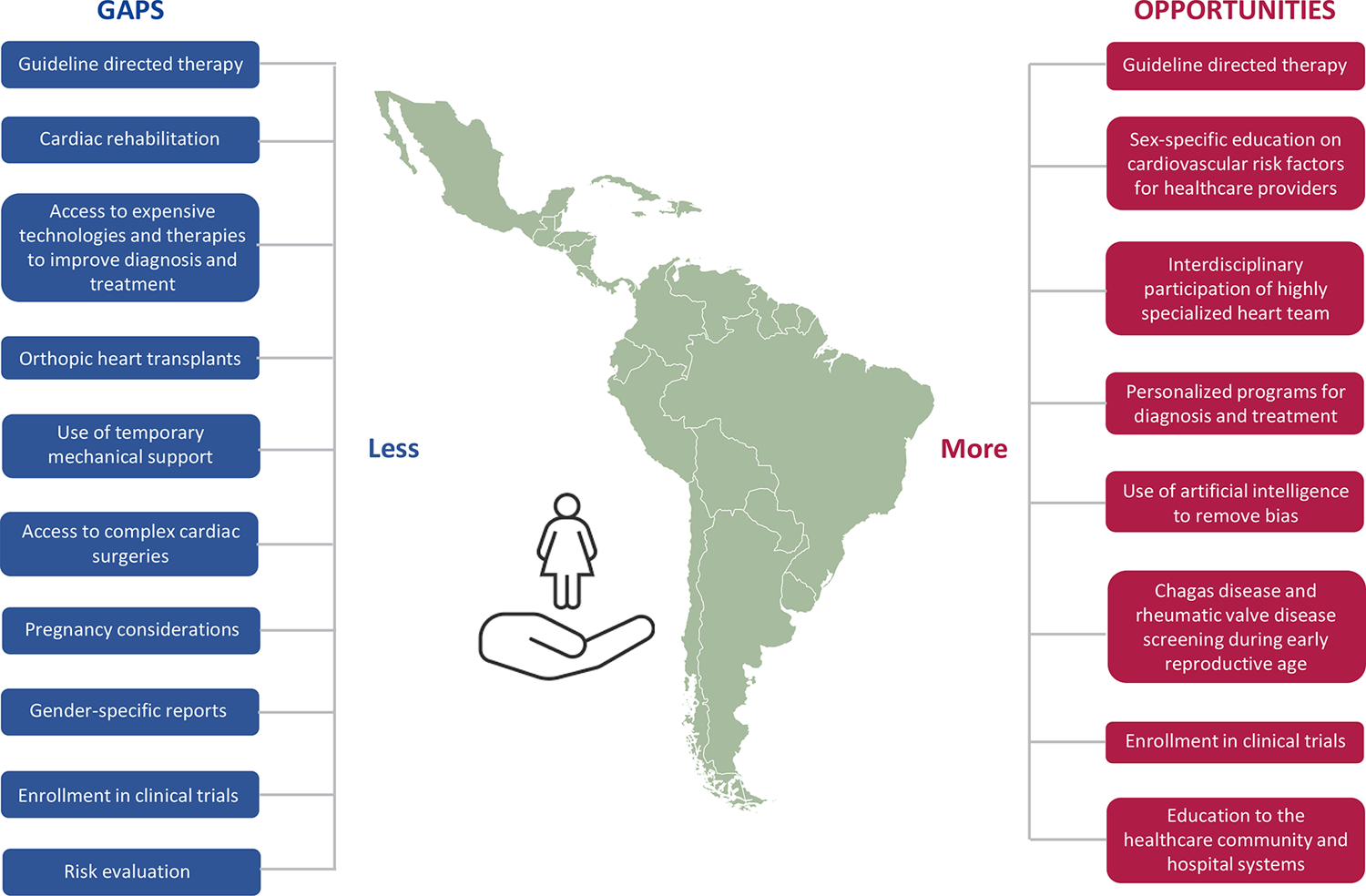
Cardiovascular Disease in Latin American Women Gaps and opportunities
IJCS
Review Article

Cardiovascular Disease in Latin American Women Gaps and opportunities

Karen Alexandra Dueñas-Criado et al. Angela Herrara Peña Maria Juliana Rodriguez-González Astrid Fajardo

Abstract

Cardiovascular disease (CVD) remains the leading cause of death in women. This review will address the known disparities in cardiovascular care concerning diagnosing and treating of heart disease in Latin American (LA) women. Gender-specific differences regarding the incidence, treatment, and outcomes of common cardiovascular pathology are increasingly recognized. Today, we identify that women have cardiovascular risk factors (CRFs), specifying the traditional, emerging, unique, or sex-specific determinants and the social and biological determinants that play a leading role in the prevention of CVD. The purpose of this article is to review the literature on cardiovascular disease in LA women, focusing on ischemic heart disease (IHD), valve disease (VD), heart failure, and cardiac rehabilitation (CR), where disparities continue to affect outcomes. Understanding the unique cardiovascular risk profile and barriers to optimal treatment outcomes in women is imperative to eliminate the current disparities in CVD.

  • Cardiovascular Diseases
  • Latin America
  • Myocardial Ischemia
  • Women
Read Full Article
Creative Commons Attribution (CC BY) Creative Commons license
08/03/2024 DOI: 10.36660/ijcs.20230169 Views 1
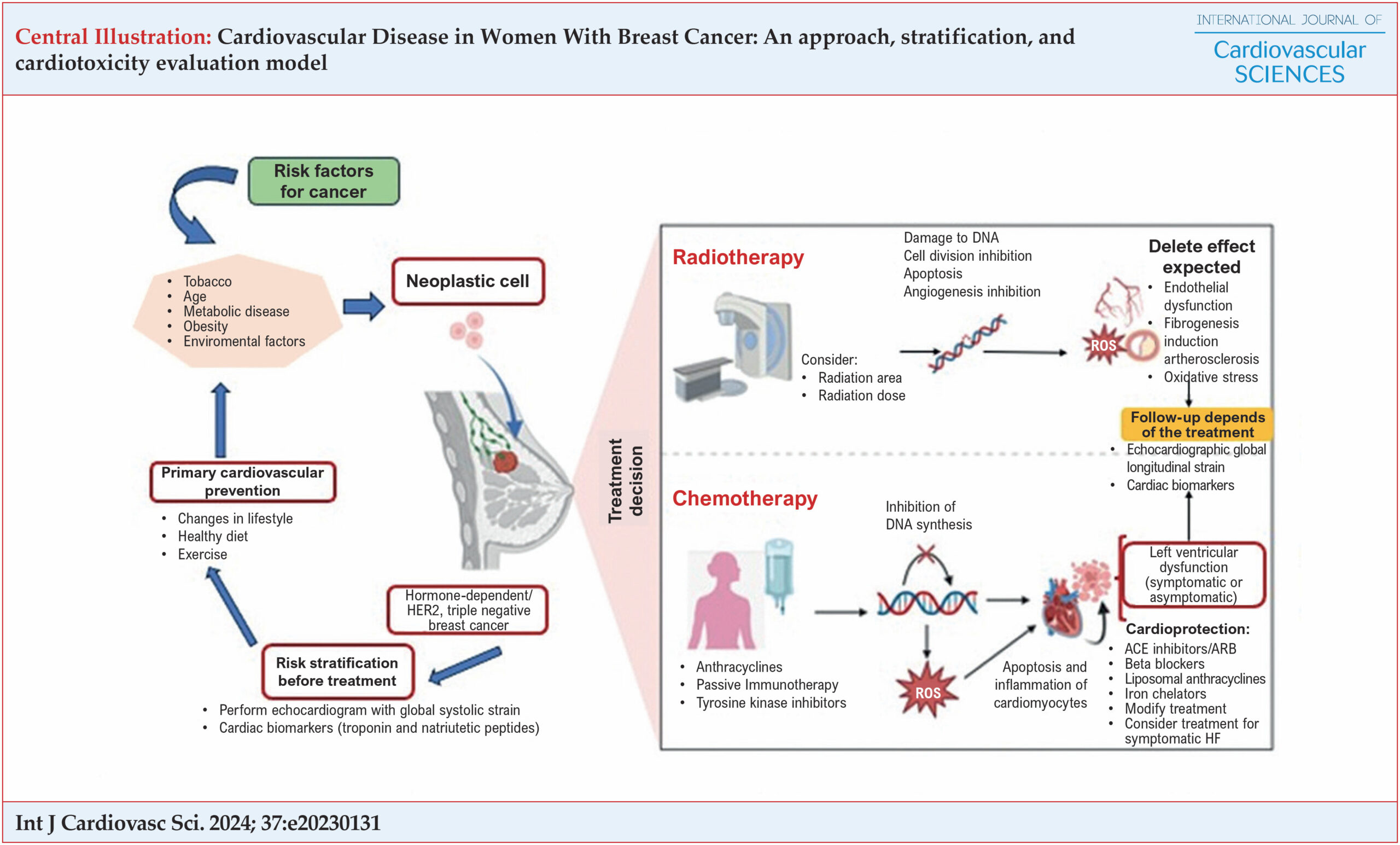
Cardiovascular Disease in Women With Breast Cancer: A Contemporary Review
IJCS
Review Article

Cardiovascular Disease in Women With Breast Cancer: A Contemporary Review

Adriana Puente Barragán et al. Patricia Nuriulú Escobar Alejandra Madrid Miller Luis Antonio Moreno Ruiz

Abstract

Breast cancer (BC) is the most common malignant neoplasia in women and is responsible for one in six deaths from cancer in the female population. Five years after diagnosis, BC survival rates currently exceed 80%. Cardiovascular disease (CVD) is a frequent cause of morbidity and mortality in BC, mainly in patients receiving cardiotoxic drugs (anthracyclines, immunotherapy) and radiotherapy (RT).

CVD and BC have common risk factors (RF), which are related to aging, traditional and cardiometabolic RFs (obesity, dyslipidemia, consumption of alcoholic beverages), and others associated with sex and reproductive women’s age, such as early menarche, late menopause, nulliparity, use of oral contraceptives, as well as hormone replacement therapy in postmenopause.

Risk stratification and the promotion of an ideal state of cardiovascular (CV) health are fundamental in preventing CVD in survivors. Therapeutic management and follow-up of patients with BC require a multidisciplinary team to reduce complications and mortality of CV origin.

  • Breast Neoplasms
  • Cardiotoxicity
  • Cardiovascular Diseases
  • Women
Read Full Article
Creative Commons Attribution (CC BY) Creative Commons license
12/02/2024 DOI: 10.36660/ijcs.20230131 Views 1
Figure 1
ABCIC
Editorial

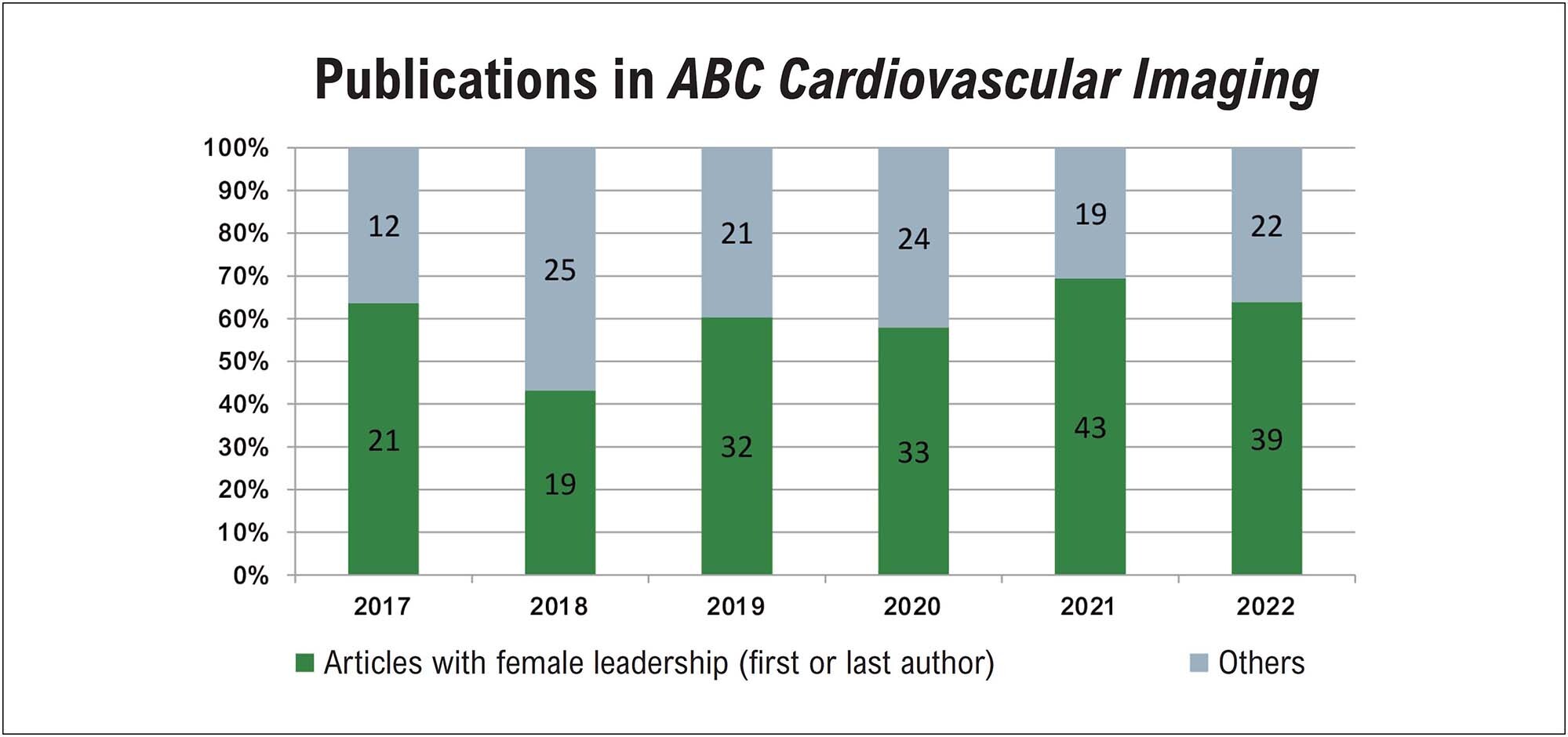
Women Representation in Scientific Publications

Daniela do Carmo Rassi Frota et al. Viviane Tiemi Hotta

In 2015, the United Nations General Assembly named February 11 the International Day of Women and Girls in Science. This date has been celebrated since 2016, with the aims of raising awareness of women’s excellence in science and reminding the international community that science and gender equality must advance hand in hand.

Data from the United Nations and UNESCO indicate that women represent less than 30% of researchers worldwide and demonstrate how barriers and underrepresentation of women and girls still persist, especially in areas such as science, technology, engineering, and mathematics.

[…]

  • Scientific and Technical Activities
  • Scientific Communication and Diffusion
  • Women
Read Full Article
Creative Commons Attribution (CC BY) Creative Commons license
13/12/2023 DOI: 10.36660/abcimg.20230078i Views 2
What do Cardiologists Expect from Imaging For Ischemic Heart Disease in Women
ABCIC
Review Article

What do Cardiologists Expect from Imaging For Ischemic Heart Disease in Women

Maria Cristina Costa de Almeida et al. Claudia Maria Vilas Freire Larissa Espíndola Neto Gláucia Maria Moraes de Oliveira

Abstract

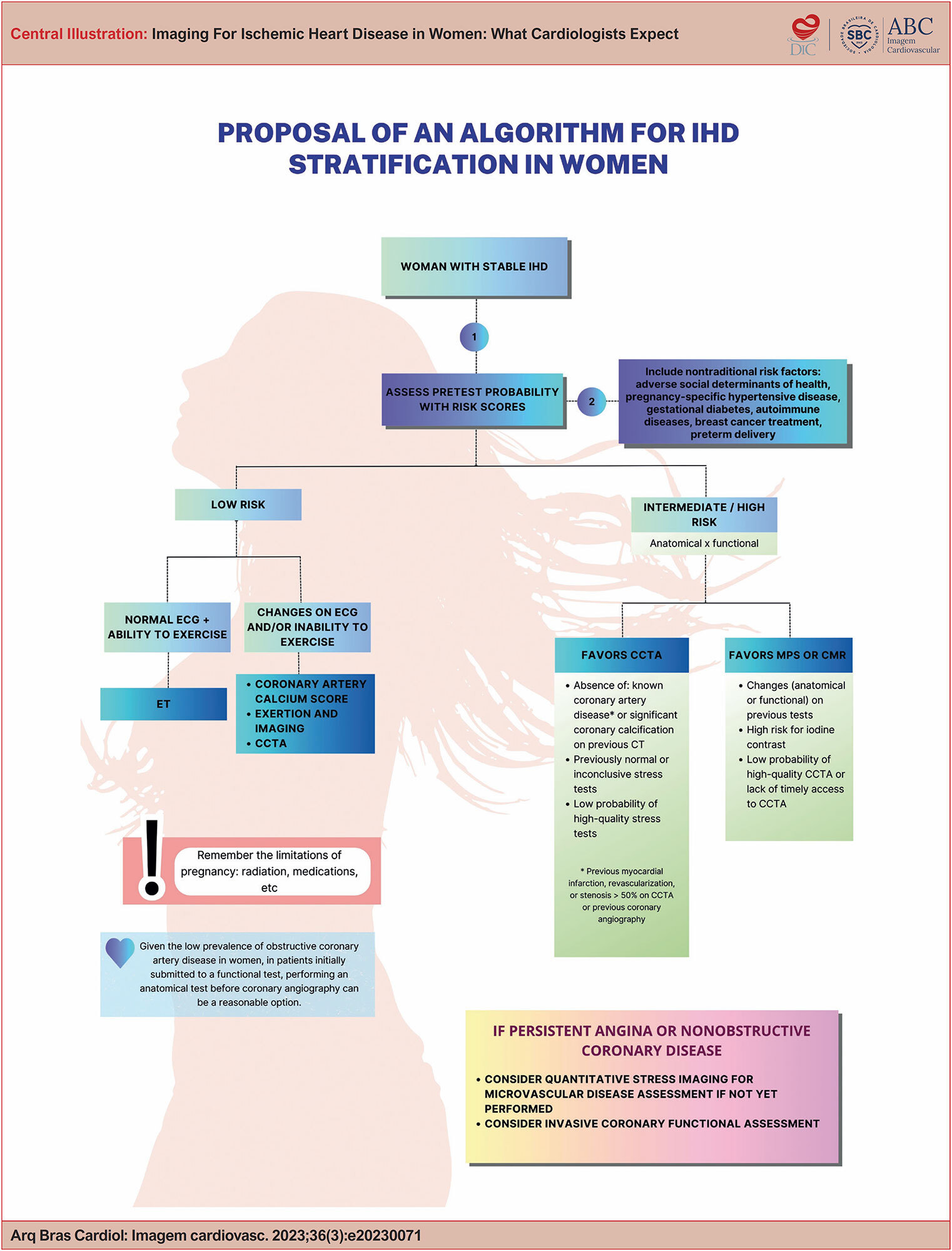
Ischemic heart disease (IHD) is an important cause of morbidity and mortality in women and men. This paper emphasizes the differences of IHD in women, focusing on the diagnostic investigation in its stable phase.

The higher prevalence of atypical symptoms, anatomical differences, and adverse psychosocial aspects, in addition to the association of specific risk factors regarding obstetrical history, requires an accurate clinical assessment and a targeted diagnostic investigation that consider the limitations, as well as the positive and negative predictive values of the methods. Because of breast exposure, tests involving radiation should be reconsidered in selected cases.

It is worth emphasizing that non-cardiological tests often performed in women, such as mammography, provide an opportunity to assess CVR at early ages or even in patients with few traditional risk factors.

Complementary tests for microcirculation assessment should be used in cases of proven ischemia in the absence of obstructive coronary artery disease, which is known to be more frequent in women.

  • Multimodal Imaging
  • Myocardial Ischemia
  • Risk
  • Women
Read Full Article
Creative Commons Attribution (CC BY) Creative Commons license
02/10/2023 DOI: 10.36660/abcimg.20230071i Views 3
One Size Does Not Fit All: The Need to Rethink the Metabolic Syndrome in Women
IJCS
Review Article

One Size Does Not Fit All: The Need to Rethink the Metabolic Syndrome in Women

Maria Cristina Costa de Almeida et al. Marildes Luiza Castro Larissa Espíndola Neto Luciana Nicolau Aranha … Thaís Salim Gláucia Maria Moraes de Oliveira

Abstract

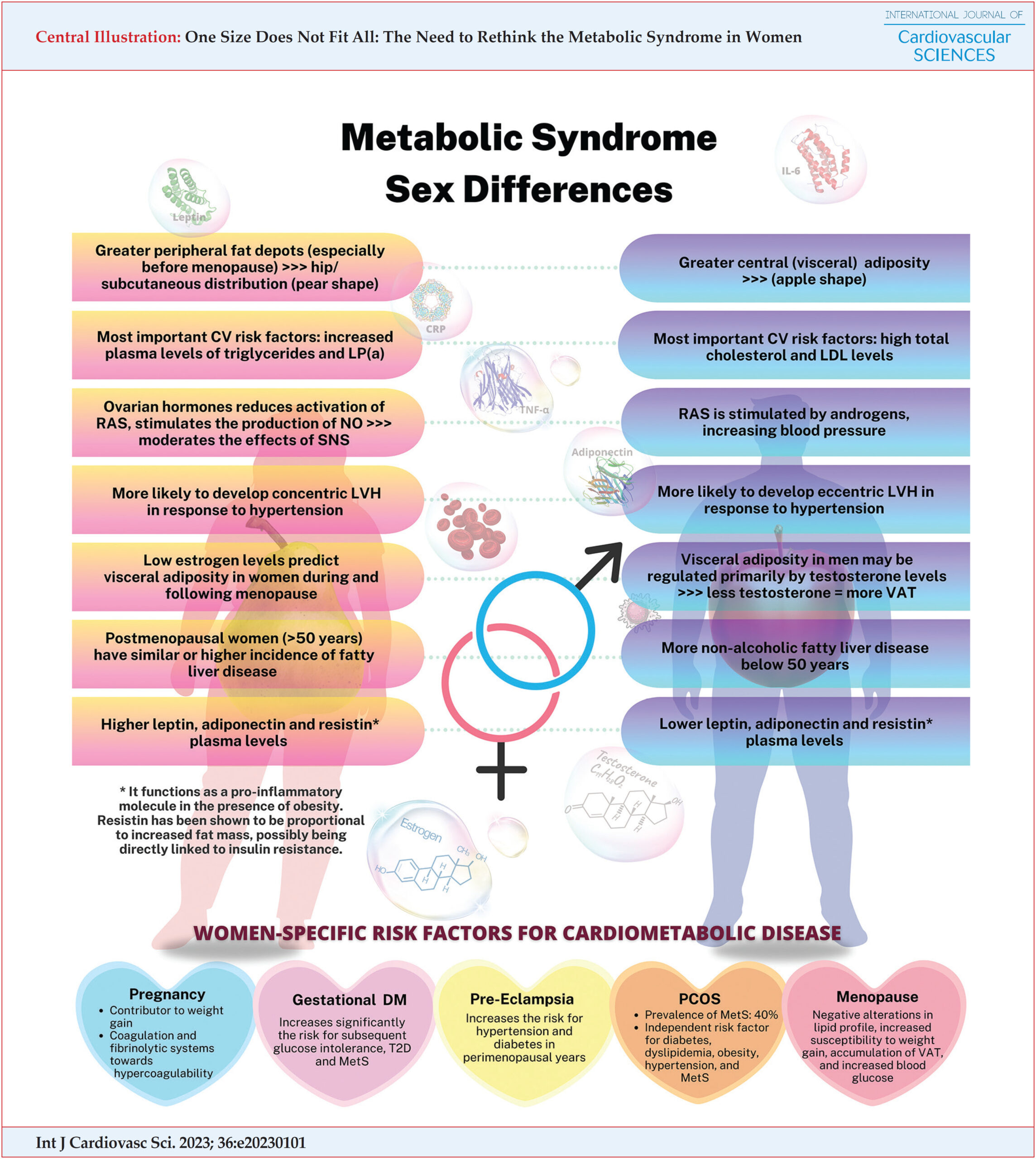
Metabolic syndrome (MetS) is increasing at epidemic proportions worldwide. MetS and its components are frequent among Brazilian women (41.8%). Women are affected by changes in adipose tissue distribution, lipid profile, insulin resistance (IR), and vascular remodeling during their lives. These changes result from the lack of estrogen after menopause. There have been various attempts to propose a uniform origin for the clustering of the MetS components, including genetics, IR, obesity, lifestyle, sleep disturbances, inflammation, fetal and neonatal programming, and disturbed circadian rhythm of the body functions. The proinflammatory and prothrombotic state in MetS is well-defined. Socioeconomic and lifestyle-related factors are also essential triggers of MetS, which is associated with a higher risk for coronary artery diseases (CAD) and stroke in women. Population measures in health and community medicine, such as continuing education on the importance of lifestyle change to reduce cardiovascular risks from early childhood, are fundamental strategies. Statins reduce high-sensitivity C-reactive protein blood levels and treat high cholesterol. According to the patient, hypoglycemic agents, such as dipeptidyl peptidase-4 (DPP-4) inhibitors, glucagon-like peptide-1(GLP-1a), and sodium-glucose transport protein 2 (SGLT2) inhibitors, in addition to metformin, have their indication due to their beneficial cardiometabolic and vascular effects. Angiotensin-converting enzyme inhibitor (ACEI) and angiotensin-receptor blocker (ARB) should be the first choice to treat hypertension in postmenopausal womem. The recognition of the different gender- and age-specific risk factors, allowing for specific and targeted interventions, is fundamental, especially for women.

  • Adolescent
  • Children
  • Diagnosis
  • Drug Therapy
  • Metabolic Syndrome
  • Women
Read Full Article
Creative Commons Attribution (CC BY) Creative Commons license
15/09/2023 DOI: 10.36660/ijcs.20230101 Views 1
IJCS
Editorial

Beyond Sex-Based Differences: Exploring the Complexities of Aortic Stenosis in Women

Pâmela Cavalcante et al. Flavio Tarasoutchi

Sex is an important biological variable in the pathophysiology of cardiovascular disease. , In fact, it could determine great differences in manifestation, treatment, and outcomes of several heart disorders. At the level of the aortic valve, there are sex-specific factors related to the pathogenesis of aortic stenosis (AS) that influence hemodynamics changes resulting from pressure overload response, and they should be considered in the management of patients. Despite the fact that sex-based differences in AS exist, they are often not fully recognized and understood, leading to unequal treatment outcomes between males and females. ,

This issue of the International Journal of Cardiovascular Sciences presents a comprehensive review of the growing evidence on sex disparities, from the pathogenesis to the treatment of severe degenerative AS, focusing on women.

[…]

  • Aortic Valve Stenosis
  • Hypertension, Ventricular Hypertrophy
  • Sex Differences
  • Transcatheter Aortic Valve Replacement
  • Women
Read Full Article
Creative Commons Attribution (CC BY) Creative Commons license
17/07/2023 DOI: 10.36660/ijcs.20230042 Views 1
Figure 1
ABC
Editorial

Managing Women’s Cardiovascular Diseases: It’s Everyone’s Job

Gláucia Maria Moraes de Oliveira et al. Nanette Kass Wenger

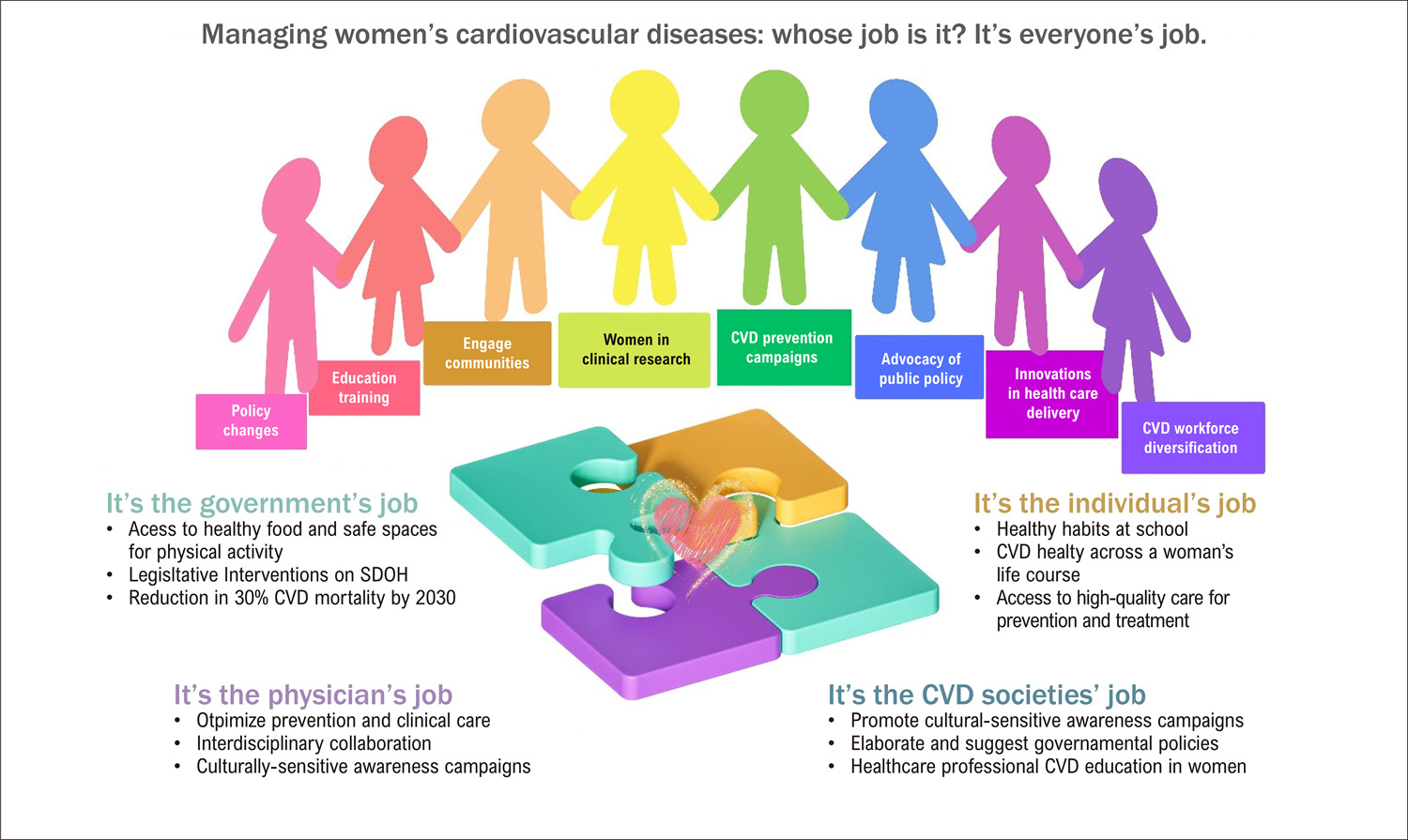
Cardiovascular diseases (CVDs) remain the leading cause of disease burden in the world. Recent data from the 2021 Global Burden of Diseases project have estimated standardized rates of DALYs of 3568.0 (disability-adjusted life years – one DALY represents the loss of the equivalent of one year of total health) and 162.2 deaths per 100 000 inhabitants, with a standardized prevalence rate of 6905.6 per 100 000 inhabitants, in Brazil. While considerable progress has been made in decreasing CVD deaths in Brazil from the 1980s to the early 2020s, there has been a worrying increase in crude mortality and DALYs in recent years, especially among young women, due to myocardial infarction, among other causes. Therefore, new strategies are needed to improve cardiovascular health. ,

Brazil is a continental country with many inequalities despite a health system with universal coverage. This system is based on the Family Health Program present in 5568 municipalities across all Brazilian geographic regions. From 1990 to 2019 there was a higher number of deaths and DALYs due to stroke in women versus men in all areas, especially in the North and Northeast of Brazil, while the numbers of deaths and DALYs due to ischemic heart disease were similar in the different regions for both sexes. The Organization for Economic Cooperation and Development has recently released a report on primary health care in Brazil, with no mention of CVD in women, but only suggestions for approaching breast and ovarian neoplasms. However, CVDs cause twice as many deaths as all neoplasms combined in Brazilian women.

[…]

  • Cardiovascular Diseases
  • Women
Read Full Article
Creative Commons Attribution (CC BY) Creative Commons license
16/06/2023 DOI: 10.36660/abc.20230250
ABC
Editorial

Reducing Sex Disparities in STEMI Care and Outcomes: Turning the Tide for Women

F. Aaysha Cader et al. Cristina Gavina

Despite improvements in acute coronary syndromes (ACS) care, globally, sex disparities remain.Women with ST-segment elevation myocardial infarction (STEMI) present later, receive suboptimal care, and have worse outcomes than men. –

In a single-center retrospective analysis of 809 STEMI patients undergoing primary PCI in Braga, Portugal, Oliveira et al. reported sex disparities in presentation, management, and outcomes.Although ischemic heart disease and coronary death incidence are lower in Portugal than in other European countries,cardiovascular death remains the main cause of mortality.

[…]

  • acute coronary syndromes
  • Sex Disparities
  • ST Elevation Myocardial Infarction
  • Women
Read Full Article
Creative Commons Attribution (CC BY) Creative Commons license
13/02/2023 DOI: 10.36660/abc.20220884 Views 1

Could not load more articles. Please try again.

How to cite this article

EndNote RIS

Electronic Document Format (Vancouver)

Mesquita CT, Peix A, Rodríguez DI, Dueñas-Criado KA, Gutiérrez-Villamil C, Puente A, Massardo T, et al. Cardiovascular Disease and Risk Factors in Women in Latin America and the Caribbean. Arquivos Brasileiros de Cardiologia 2026;123(7):e20250655.

Electronic Document Format (ABNT)

Mesquita, Claudio T.; Peix, Amalia; Rodríguez, Diana I.; Dueñas-Criado, Karen A.; Gutiérrez-Villamil, Claudia; Puente, Adriana; Massardo, Teresa; Berrocal, Isabel; Astesiano, Andrea; Agüero, Roberto N.; Bañolas, Ryenne; Hiplan, Enrique; Sánchez, Mayra; Barreda, Ana Ma.; Gómez, Vanessa V.; Fernández, Cynthia; Portillo, Silvia; Herrera, Yariela; Mendoza, Aurelio; Kapitan, Miguel; Castellanos, Carlos; Estrada-Lobato, Enrique; Paez, Diana. Cardiovascular Disease and Risk Factors in Women in Latin America and the Caribbean. Arquivos Brasileiros de Cardiologia, v. 123, n. 7, e20250655, Aug. 2026.

Electronic Document Format (APA)

Mesquita, C. T., Peix, A., Rodríguez, D. I., Dueñas-Criado, K. A., Gutiérrez-Villamil, C., Puente, A., Massardo, T., Berrocal, I., Astesiano, A., Agüero, R. N., Bañolas, R., Hiplan, E., Sánchez, M., Barreda, A. M., Gómez, V. V., Fernández, C., Portillo, S., Herrera, Y., Mendoza, A., Kapitan, M., Castellanos, C., Estrada-Lobato, E., & Paez, D. (2026). Cardiovascular Disease and Risk Factors in Women in Latin America and the Caribbean. Arquivos Brasileiros de Cardiologia, 123(7), e20250655.

Electronic Document Format (ISO)

Mesquita, Claudio T. and Peix, Amalia and Rodríguez, Diana I. and Dueñas-Criado, Karen A. and Gutiérrez-Villamil, Claudia and Puente, Adriana and Massardo, Teresa and Berrocal, Isabel and Astesiano, Andrea and Agüero, Roberto N. and Bañolas, Ryenne and Hiplan, Enrique and Sánchez, Mayra and Barreda, Ana Ma. and Gómez, Vanessa V. and Fernández, Cynthia and Portillo, Silvia and Herrera, Yariela and Mendoza, Aurelio and Kapitan, Miguel and Castellanos, Carlos and Estrada-Lobato, Enrique and Paez, Diana. Cardiovascular Disease and Risk Factors in Women in Latin America and the Caribbean. Arquivos Brasileiros de Cardiologia [online]. 2026, vol. 123, n. 7, [cited 2026-10-14], e20250655. Available from: <https://journals.cardiol.br/en/article/cardiovascular-disease-and-risk-factors-in-women-in-latin-america-and-the-caribbean/>. ISSN 0066-782X

EndNote RIS

Electronic Document Format (Vancouver)

Santos JMT. Difference in Treatment Response Between Men and Women with Acute Myocardial Infarction with ST-segment Elevation Even When Following Well-established Protocols. International Journal of Cardiovascular Sciences 2026;39:e20260023.

Electronic Document Format (ABNT)

Santos, João Manoel Theotonio dos. Difference in Treatment Response Between Men and Women with Acute Myocardial Infarction with ST-segment Elevation Even When Following Well-established Protocols. International Journal of Cardiovascular Sciences, v. 39, e20260023, Jun. 2026.

Electronic Document Format (APA)

Santos, J. M. T. (2026). Difference in Treatment Response Between Men and Women with Acute Myocardial Infarction with ST-segment Elevation Even When Following Well-established Protocols. International Journal of Cardiovascular Sciences, 39, e20260023.

Electronic Document Format (ISO)

Santos, João Manoel Theotonio dos. Difference in Treatment Response Between Men and Women with Acute Myocardial Infarction with ST-segment Elevation Even When Following Well-established Protocols. International Journal of Cardiovascular Sciences [online]. 2026, vol. 39, [cited 2026-10-14], e20260023. Available from: <https://journals.cardiol.br/en/article/difference-in-treatment-response-between-men-and-women-with-acute-myocardial-infarction-with-st-segment-elevation-even-when-following-well-established-protocols/>. ISSN 2359-4802

EndNote RIS

Electronic Document Format (Vancouver)

Faria ACC, Cunha MR, Moreira CL, Mattos SS, Faria CCCO, Faria LCCO, Oigman W, et al. Body Adiposity and Endothelial Dysfunction Assessed By Laser Speckle Contrast Imaging in Obese and Overweight Individuals With Suboptimal Vitamin D Status: Sex Differences. International Journal of Cardiovascular Sciences 2026;39:e20250173.

Electronic Document Format (ABNT)

Faria, Adriana de Castro Carvalho; Cunha, Michelle Rabello; Moreira, Caroline Lyra; Mattos, Samanta Souza; Faria, Clara Castro Carvalho Oliveira; Faria, Leticia Castro Carvalho Oliveira; Oigman, Wille; Neves, Mario Fritsch. Body Adiposity and Endothelial Dysfunction Assessed By Laser Speckle Contrast Imaging in Obese and Overweight Individuals With Suboptimal Vitamin D Status: Sex Differences. International Journal of Cardiovascular Sciences, v. 39, e20250173, Jun. 2026.

Electronic Document Format (APA)

Faria, A. C. C., Cunha, M. R., Moreira, C. L., Mattos, S. S., Faria, C. C. C. O., Faria, L. C. C. O., Oigman, W., & Neves, M. F. (2026). Body Adiposity and Endothelial Dysfunction Assessed By Laser Speckle Contrast Imaging in Obese and Overweight Individuals With Suboptimal Vitamin D Status: Sex Differences. International Journal of Cardiovascular Sciences, 39, e20250173.

Electronic Document Format (ISO)

Faria, Adriana de Castro Carvalho and Cunha, Michelle Rabello and Moreira, Caroline Lyra and Mattos, Samanta Souza and Faria, Clara Castro Carvalho Oliveira and Faria, Leticia Castro Carvalho Oliveira and Oigman, Wille and Neves, Mario Fritsch. Body Adiposity and Endothelial Dysfunction Assessed By Laser Speckle Contrast Imaging in Obese and Overweight Individuals With Suboptimal Vitamin D Status: Sex Differences. International Journal of Cardiovascular Sciences [online]. 2026, vol. 39, [cited 2026-10-14], e20250173. Available from: <https://journals.cardiol.br/en/article/body-adiposity-and-endothelial-dysfunction-assessed-by-laser-speckle-contrast-imaging-in-obese-and-overweight-individuals-with-suboptimal-vitamin-d-status-sex-differences/>. ISSN 2359-4802

EndNote RIS

Electronic Document Format (Vancouver)

Moraes HGM, Carneiro MGB, Dracoulakis MDA. Comparison of Clinical and Epidemiological Profiles Between Men and Women with ST-Elevation Myocardial Infarction in Salvador from 2021 to 2023. International Journal of Cardiovascular Sciences 2026;39:e20250094.

Electronic Document Format (ABNT)

Moraes, Heloisa Gonzaga Menezes de; Carneiro, Mariela Gomes Botelho; Dracoulakis, Marianna Deway Andrade. Comparison of Clinical and Epidemiological Profiles Between Men and Women with ST-Elevation Myocardial Infarction in Salvador from 2021 to 2023. International Journal of Cardiovascular Sciences, v. 39, e20250094, May. 2026.

Electronic Document Format (APA)

Moraes, H. G. M. , Carneiro, M. G. B., & Dracoulakis, M. D. A. (2026). Comparison of Clinical and Epidemiological Profiles Between Men and Women with ST-Elevation Myocardial Infarction in Salvador from 2021 to 2023. International Journal of Cardiovascular Sciences, 39, e20250094.

Electronic Document Format (ISO)

Moraes, Heloisa Gonzaga Menezes de and Carneiro, Mariela Gomes Botelho and Dracoulakis, Marianna Deway Andrade. Comparison of Clinical and Epidemiological Profiles Between Men and Women with ST-Elevation Myocardial Infarction in Salvador from 2021 to 2023. International Journal of Cardiovascular Sciences [online]. 2026, vol. 39, [cited 2026-10-14], e20250094. Available from: <https://journals.cardiol.br/en/article/comparison-of-clinical-and-epidemiological-profiles-between-men-and-women-with-st-elevation-myocardial-infarction-in-salvador-from-2021-to-2023/>. ISSN 2359-4802

EndNote RIS

Electronic Document Format (Vancouver)

Macedo AVS, Carvalho FS, Glynn T, Johnson N, Cabrera KP, Oliveira M. Bridging Global Calls to Local Action: Advancing Cardiovascular Equity for Women in Brazil. Arquivos Brasileiros de Cardiologia 2026;123(3):e20260110.

Electronic Document Format (ABNT)

Macedo, Ariane Vieira Scarlatelli; Carvalho, Fernanda Souza de; Glynn, Teresa; Johnson, Neil; Cabrera, Karen Padilla; Oliveira, Marlene. Bridging Global Calls to Local Action: Advancing Cardiovascular Equity for Women in Brazil. Arquivos Brasileiros de Cardiologia, v. 123, n. 3, e20260110, May. 2026.

Electronic Document Format (APA)

Macedo, A. V. S., Carvalho, F. S. , Glynn, T., Johnson, N., Cabrera, K. P., & Oliveira, M. (2026). Bridging Global Calls to Local Action: Advancing Cardiovascular Equity for Women in Brazil. Arquivos Brasileiros de Cardiologia, 123(3), e20260110.

Electronic Document Format (ISO)

Macedo, Ariane Vieira Scarlatelli and Carvalho, Fernanda Souza de and Glynn, Teresa and Johnson, Neil and Cabrera, Karen Padilla and Oliveira, Marlene. Bridging Global Calls to Local Action: Advancing Cardiovascular Equity for Women in Brazil. Arquivos Brasileiros de Cardiologia [online]. 2026, vol. 123, n. 3, [cited 2026-10-14], e20260110. Available from: <https://journals.cardiol.br/en/article/bridging-global-calls-to-local-action-advancing-cardiovascular-equity-for-women-in-brazil/>. ISSN 0066-782X

EndNote RIS

Electronic Document Format (Vancouver)

Lopes MAAAM, Viana M, Nóbrega J, Medeiros HNAA, Oliveira GMM. Middle-Aged Women — A High-Risk Group for Post-Myocardial Infarction Mortality. Arquivos Brasileiros de Cardiologia 2026;122(10):e20250701.

Electronic Document Format (ABNT)

Lopes, Maria Antonieta Albanez A. de Medeiros; Viana, Mayara; Nóbrega, Júlia; Medeiros, Heitor N. Albanez A. de; Oliveira, Gláucia Maria Moraes de. Middle-Aged Women — A High-Risk Group for Post-Myocardial Infarction Mortality. Arquivos Brasileiros de Cardiologia, v. 122, n. 10, e20250701, Jan. 2026.

Electronic Document Format (APA)

Lopes, M. A. A. A. M., Viana, M., Nóbrega, J., Medeiros, H. N. A. A. , & Oliveira, G. M. M. (2026). Middle-Aged Women — A High-Risk Group for Post-Myocardial Infarction Mortality. Arquivos Brasileiros de Cardiologia, 122(10), e20250701.

Electronic Document Format (ISO)

Lopes, Maria Antonieta Albanez A. de Medeiros and Viana, Mayara and Nóbrega, Júlia and Medeiros, Heitor N. Albanez A. de and Oliveira, Gláucia Maria Moraes de. Middle-Aged Women — A High-Risk Group for Post-Myocardial Infarction Mortality. Arquivos Brasileiros de Cardiologia [online]. 2026, vol. 122, n. 10, [cited 2026-10-14], e20250701. Available from: <https://journals.cardiol.br/en/article/middle-aged-women-a-high-risk-group-for-post-myocardial-infarction-mortality/>. ISSN 0066-782X

EndNote RIS

Electronic Document Format (Vancouver)

Goncharov M, Silva EOA, Silva PGMB, Freitas FL, Moreira AC, Tramujas L, Cavalcanti AB, et al. Is Female Gender Associated with Mortality in Coronary Artery Bypass Grafting?. Arquivos Brasileiros de Cardiologia 2025;122(5):e20240664.

Electronic Document Format (ABNT)

Goncharov, Maxim; Silva, Erlon Oliveira de Abreu; Silva, Pedro Gabriel Melo de Barros e; Freitas, Fabiane Letícia de; Moreira, Adriana Costa; Tramujas, Lucas; Cavalcanti, Alexandre Biasi; Liguori, Ieda Maria; Jatene, Fabio Biscegli; Jatene, Ieda Biscegli; Alves, Claudia Maria Rodrigues. Is Female Gender Associated with Mortality in Coronary Artery Bypass Grafting?. Arquivos Brasileiros de Cardiologia, v. 122, n. 5, e20240664, May. 2025.

Electronic Document Format (APA)

Goncharov, M., Silva, E. O. A., Silva, P. G. M. B. , Freitas, F. L. , Moreira, A. C., Tramujas, L., Cavalcanti, A. B., Liguori, I. M., Jatene, F. B., Jatene, I. B., & Alves, C. M. R. (2025). Is Female Gender Associated with Mortality in Coronary Artery Bypass Grafting?. Arquivos Brasileiros de Cardiologia, 122(5), e20240664.

Electronic Document Format (ISO)

Goncharov, Maxim and Silva, Erlon Oliveira de Abreu and Silva, Pedro Gabriel Melo de Barros e and Freitas, Fabiane Letícia de and Moreira, Adriana Costa and Tramujas, Lucas and Cavalcanti, Alexandre Biasi and Liguori, Ieda Maria and Jatene, Fabio Biscegli and Jatene, Ieda Biscegli and Alves, Claudia Maria Rodrigues. Is Female Gender Associated with Mortality in Coronary Artery Bypass Grafting?. Arquivos Brasileiros de Cardiologia [online]. 2025, vol. 122, n. 5, [cited 2026-10-14], e20240664. Available from: <https://journals.cardiol.br/en/article/is-female-gender-associated-with-mortality-in-coronary-artery-bypass-grafting/>. ISSN 0066-782X

EndNote RIS

Electronic Document Format (Vancouver)

Delamain TRB, Delamain JHH, Braga SLN, Costa R, Siqueira DAA, Feres F, Centemero MP, et al. Outcomes of Guideline-Recommended Percutaneous Coronary Intervention in Women with Obstructive Coronary Artery Disease: A Longitudinal Cohort Study. Arquivos Brasileiros de Cardiologia 2025;122(1):e20240249.

Electronic Document Format (ABNT)

Delamain, Tacianne Rolemberg Braga; Delamain, José Henrique Herrmann; Braga, Sergio Luiz Navarro; Costa, Ricardo; Siqueira, Dimytri Alexandre Alvim de; Feres, Fausto; Centemero, Marinella Patrizia. Outcomes of Guideline-Recommended Percutaneous Coronary Intervention in Women with Obstructive Coronary Artery Disease: A Longitudinal Cohort Study. Arquivos Brasileiros de Cardiologia, v. 122, n. 1, e20240249, Feb. 2025.

Electronic Document Format (APA)

Delamain, T. R. B., Delamain, J. H. H., Braga, S. L. N., Costa, R., Siqueira, D. A. A. , Feres, F., & Centemero, M. P. (2025). Outcomes of Guideline-Recommended Percutaneous Coronary Intervention in Women with Obstructive Coronary Artery Disease: A Longitudinal Cohort Study. Arquivos Brasileiros de Cardiologia, 122(1), e20240249.

Electronic Document Format (ISO)

Delamain, Tacianne Rolemberg Braga and Delamain, José Henrique Herrmann and Braga, Sergio Luiz Navarro and Costa, Ricardo and Siqueira, Dimytri Alexandre Alvim de and Feres, Fausto and Centemero, Marinella Patrizia. Outcomes of Guideline-Recommended Percutaneous Coronary Intervention in Women with Obstructive Coronary Artery Disease: A Longitudinal Cohort Study. Arquivos Brasileiros de Cardiologia [online]. 2025, vol. 122, n. 1, [cited 2026-10-14], e20240249. Available from: <https://journals.cardiol.br/en/article/outcomes-of-guideline-recommended-percutaneous-coronary-intervention-in-women-with-obstructive-coronary-artery-disease-a-longitudinal-cohort-study/>. ISSN 0066-782X

EndNote RIS

Electronic Document Format (Vancouver)

Bai C, Wang J, Ye Q, Zhao C. Females are Associated with Lower Risks of Long-Term Mortality in Patients Undergoing Off-Pump Coronary Artery Bypass Grafting. Arquivos Brasileiros de Cardiologia 2024;121(12):e20240221.

Electronic Document Format (ABNT)

Bai, Chen; Wang, Jiangang; Ye, Qing; Zhao, Cheng. Females are Associated with Lower Risks of Long-Term Mortality in Patients Undergoing Off-Pump Coronary Artery Bypass Grafting. Arquivos Brasileiros de Cardiologia, v. 121, n. 12, e20240221, Dec. 2024.

Electronic Document Format (APA)

Bai, C., Wang, J., Ye, Q., & Zhao, C. (2024). Females are Associated with Lower Risks of Long-Term Mortality in Patients Undergoing Off-Pump Coronary Artery Bypass Grafting. Arquivos Brasileiros de Cardiologia, 121(12), e20240221.

Electronic Document Format (ISO)

Bai, Chen and Wang, Jiangang and Ye, Qing and Zhao, Cheng. Females are Associated with Lower Risks of Long-Term Mortality in Patients Undergoing Off-Pump Coronary Artery Bypass Grafting. Arquivos Brasileiros de Cardiologia [online]. 2024, vol. 121, n. 12, [cited 2026-10-14], e20240221. Available from: <https://journals.cardiol.br/en/article/females-are-associated-with-lower-risks-of-long-term-mortality-in-patients-undergoing-off-pump-coronary-artery-bypass-grafting/>. ISSN 0066-782X

EndNote RIS

Electronic Document Format (Vancouver)

Elias Neto J, Gomes FLT. Women and Atrial Fibrillation: Is the Disparity in Anticoagulation Just a Question of Gender? In Search of the Brazilian Reality. Arquivos Brasileiros de Cardiologia 2024;121(9):e20240583.

Electronic Document Format (ABNT)

Elias Neto, Jorge; Gomes, Fernando Luiz Torres. Women and Atrial Fibrillation: Is the Disparity in Anticoagulation Just a Question of Gender? In Search of the Brazilian Reality. Arquivos Brasileiros de Cardiologia, v. 121, n. 9, e20240583, Nov. 2024.

Electronic Document Format (APA)

Elias Neto, J., & Gomes, F. L. T. (2024). Women and Atrial Fibrillation: Is the Disparity in Anticoagulation Just a Question of Gender? In Search of the Brazilian Reality. Arquivos Brasileiros de Cardiologia, 121(9), e20240583.

Electronic Document Format (ISO)

Elias Neto, Jorge and Gomes, Fernando Luiz Torres. Women and Atrial Fibrillation: Is the Disparity in Anticoagulation Just a Question of Gender? In Search of the Brazilian Reality. Arquivos Brasileiros de Cardiologia [online]. 2024, vol. 121, n. 9, [cited 2026-10-14], e20240583. Available from: <https://journals.cardiol.br/en/article/women-and-atrial-fibrillation-is-the-disparity-in-anticoagulation-just-a-question-of-gender-in-search-of-the-brazilian-reality/>. ISSN 0066-782X

EndNote RIS

Electronic Document Format (Vancouver)

Barberato MFA, Rassi DC, Beck ALS, Uellendahl M, Morhy SS, Barberato SH. The Women of the Cardiovascular Imaging Department of the Brazilian Society of Cardiology: Career and Family Challenges. ABC Imagem Cardiovascular 2024;37(4):e20240092.

Electronic Document Format (ABNT)

Barberato, Marcia Ferreira Alves; Rassi, Daniela do Carmo; Beck, Adenalva Lima de Souza; Uellendahl, Marly; Morhy, Samira Saady; Barberato, Silvio Henrique. The Women of the Cardiovascular Imaging Department of the Brazilian Society of Cardiology: Career and Family Challenges. ABC Imagem Cardiovascular, v. 37, n. 4, e20240092, Nov. 2024.

Electronic Document Format (APA)

Barberato, M. F. A., Rassi, D. C., Beck, A. L. S., Uellendahl, M., Morhy, S. S., & Barberato, S. H. (2024). The Women of the Cardiovascular Imaging Department of the Brazilian Society of Cardiology: Career and Family Challenges. ABC Imagem Cardiovascular, 37(4), e20240092.

Electronic Document Format (ISO)

Barberato, Marcia Ferreira Alves and Rassi, Daniela do Carmo and Beck, Adenalva Lima de Souza and Uellendahl, Marly and Morhy, Samira Saady and Barberato, Silvio Henrique. The Women of the Cardiovascular Imaging Department of the Brazilian Society of Cardiology: Career and Family Challenges. ABC Imagem Cardiovascular [online]. 2024, vol. 37, n. 4, [cited 2026-10-14], e20240092. Available from: <https://journals.cardiol.br/en/article/the-women-of-the-cardiovascular-imaging-department-of-the-brazilian-society-of-cardiology-career-and-family-challenges/>. ISSN 2318-8219

EndNote RIS

Electronic Document Format (Vancouver)

Andrade LF, Villela PB, Bichara JLP, Bastos LAVM, Oliveira GMM. Disparities in Women’s Cardiovascular Health in Brazil. International Journal of Cardiovascular Sciences 2024;37:e20240106.

Electronic Document Format (ABNT)

Andrade, Larissa Franco de; Villela, Paolo Blanco; Bichara, Jose Lucas Peres; Bastos, Luiz Antonio Viegas de Miranda; Oliveira, Glaucia Maria Moraes de. Disparities in Women’s Cardiovascular Health in Brazil. International Journal of Cardiovascular Sciences, v. 37, e20240106, Sep. 2024.

Electronic Document Format (APA)

Andrade, L. F. , Villela, P. B., Bichara, J. L. P., Bastos, L. A. V. M., & Oliveira, G. M. M. (2024). Disparities in Women’s Cardiovascular Health in Brazil. International Journal of Cardiovascular Sciences, 37, e20240106.

Electronic Document Format (ISO)

Andrade, Larissa Franco de and Villela, Paolo Blanco and Bichara, Jose Lucas Peres and Bastos, Luiz Antonio Viegas de Miranda and Oliveira, Glaucia Maria Moraes de. Disparities in Women’s Cardiovascular Health in Brazil. International Journal of Cardiovascular Sciences [online]. 2024, vol. 37, [cited 2026-10-14], e20240106. Available from: <https://journals.cardiol.br/en/article/disparities-in-womens-cardiovascular-health-in-brazil/>. ISSN 2359-4802

EndNote RIS

Electronic Document Format (Vancouver)

Espíndola LN, Oliveira GMM, Freire CMV, Castro ML, Almeida MCC. Cardiac Amyloidosis in Women: An Underappreciated Diagnosis. International Journal of Cardiovascular Sciences 2024;37:e20240088.

Electronic Document Format (ABNT)

Espíndola, Larissa Neto; Oliveira, Gláucia Maria Moraes de; Freire, Cláudia Maria Vilas; Castro, Marildes Luiza de; Almeida, Maria Cristina Costa de. Cardiac Amyloidosis in Women: An Underappreciated Diagnosis. International Journal of Cardiovascular Sciences, v. 37, e20240088, Aug. 2024.

Electronic Document Format (APA)

Espíndola, L. N., Oliveira, G. M. M. , Freire, C. M. V., Castro, M. L. , & Almeida, M. C. C. (2024). Cardiac Amyloidosis in Women: An Underappreciated Diagnosis. International Journal of Cardiovascular Sciences, 37, e20240088.

Electronic Document Format (ISO)

Espíndola, Larissa Neto and Oliveira, Gláucia Maria Moraes de and Freire, Cláudia Maria Vilas and Castro, Marildes Luiza de and Almeida, Maria Cristina Costa de. Cardiac Amyloidosis in Women: An Underappreciated Diagnosis. International Journal of Cardiovascular Sciences [online]. 2024, vol. 37, [cited 2026-10-14], e20240088. Available from: <https://journals.cardiol.br/en/article/cardiac-amyloidosis-in-women-an-underappreciated-diagnosis/>. ISSN 2359-4802

EndNote RIS

Electronic Document Format (Vancouver)

Espíndola LN, Almeida MCC, Castro ML, Freire CMV, Oliveira GMM. Particularities of Heart Failure with Preserved Ejection Fraction in Women – Pathways to Better Care. ABC Heart Fail Cardiomyop 2024;4(1):e20240012.

Electronic Document Format (ABNT)

Espíndola, Larissa Neto; Almeida, Maria Cristina Costa de; Castro, Marildes Luíza de; Freire, Cláudia Maria Vilas; Oliveira, Gláucia Maria Moraes de. Particularities of Heart Failure with Preserved Ejection Fraction in Women – Pathways to Better Care. ABC Heart Fail Cardiomyop, v. 4, n. 1, e20240012, Aug. 2024.

Electronic Document Format (APA)

Espíndola, L. N., Almeida, M. C. C. , Castro, M. L. , Freire, C. M. V., & Oliveira, G. M. M. (2024). Particularities of Heart Failure with Preserved Ejection Fraction in Women – Pathways to Better Care. ABC Heart Fail Cardiomyop, 4(1), e20240012.

Electronic Document Format (ISO)

Espíndola, Larissa Neto and Almeida, Maria Cristina Costa de and Castro, Marildes Luíza de and Freire, Cláudia Maria Vilas and Oliveira, Gláucia Maria Moraes de. Particularities of Heart Failure with Preserved Ejection Fraction in Women – Pathways to Better Care. ABC Heart Fail Cardiomyop [online]. 2024, vol. 4, n. 1, [cited 2026-10-14], e20240012. Available from: <https://journals.cardiol.br/en/article/particularities-of-heart-failure-with-preserved-ejection-fraction-in-women-pathways-to-better-care/>

EndNote RIS

Electronic Document Format (Vancouver)

Rivera MAM, Artucio CM, Oliveira GMM. How Can We Expand Knowledge to Improve Women’s Cardiovascular Health in Latin America?. International Journal of Cardiovascular Sciences 2024;37:e20240027.

Electronic Document Format (ABNT)

Rivera, Maria Alayde Mendonça; Artucio, Carolina María; Oliveira, Glaucia Maria Moraes de. How Can We Expand Knowledge to Improve Women’s Cardiovascular Health in Latin America?. International Journal of Cardiovascular Sciences, v. 37, e20240027, May. 2024.

Electronic Document Format (APA)

Rivera, M. A. M., Artucio, C. M., & Oliveira, G. M. M. (2024). How Can We Expand Knowledge to Improve Women’s Cardiovascular Health in Latin America?. International Journal of Cardiovascular Sciences, 37, e20240027.

Electronic Document Format (ISO)

Rivera, Maria Alayde Mendonça and Artucio, Carolina María and Oliveira, Glaucia Maria Moraes de. How Can We Expand Knowledge to Improve Women’s Cardiovascular Health in Latin America?. International Journal of Cardiovascular Sciences [online]. 2024, vol. 37, [cited 2026-10-14], e20240027. Available from: <https://journals.cardiol.br/en/article/how-can-we-expand-knowledge-to-improve-womens-cardiovascular-health-in-latin-america/>. ISSN 2359-4802

EndNote RIS

Electronic Document Format (Vancouver)

Silva JSN, Barros IML, Guimarães JAN, Cao D, Martins SM, Carvalho TXM, Farias RS, et al. Beyond the GRACE ACS Score: Do We Need a Different Model for Men and Women after STEMI?. Arquivos Brasileiros de Cardiologia 2024;121(4):e20230060.

Electronic Document Format (ABNT)

Silva, José Sergio Nascimento; Barros, Isly Maria Lucena de; Guimarães, Jorge Augusto Nunes; Cao, Davide; Martins, Sílvia Marinho; Carvalho, Tawanna Xavier Marques de; Farias, Rayssa Santana de; Lemke, Viviana; Mehran, Roxana; Pedrosa, Rodrigo. Beyond the GRACE ACS Score: Do We Need a Different Model for Men and Women after STEMI?. Arquivos Brasileiros de Cardiologia, v. 121, n. 4, e20230060, May. 2024.

Electronic Document Format (APA)

Silva, J. S. N., Barros, I. M. L. , Guimarães, J. A. N., Cao, D., Martins, S. M., Carvalho, T. X. M. , Farias, R. S. , Lemke, V., Mehran, R., & Pedrosa, R. (2024). Beyond the GRACE ACS Score: Do We Need a Different Model for Men and Women after STEMI?. Arquivos Brasileiros de Cardiologia, 121(4), e20230060.

Electronic Document Format (ISO)

Silva, José Sergio Nascimento and Barros, Isly Maria Lucena de and Guimarães, Jorge Augusto Nunes and Cao, Davide and Martins, Sílvia Marinho and Carvalho, Tawanna Xavier Marques de and Farias, Rayssa Santana de and Lemke, Viviana and Mehran, Roxana and Pedrosa, Rodrigo. Beyond the GRACE ACS Score: Do We Need a Different Model for Men and Women after STEMI?. Arquivos Brasileiros de Cardiologia [online]. 2024, vol. 121, n. 4, [cited 2026-10-14], e20230060. Available from: <https://journals.cardiol.br/en/article/beyond-the-grace-acs-score-do-we-need-a-different-model-for-men-and-women-after-stemi/>. ISSN 0066-782X

EndNote RIS

Electronic Document Format (Vancouver)

Dueñas-Criado KA, Peña AH, Rodriguez-González MJ, Fajardo A. Cardiovascular Disease in Latin American Women Gaps and opportunities. International Journal of Cardiovascular Sciences 2024;37:e20230169.

Electronic Document Format (ABNT)

Dueñas-Criado, Karen Alexandra; Peña, Angela Herrara; Rodriguez-González, Maria Juliana; Fajardo, Astrid. Cardiovascular Disease in Latin American Women Gaps and opportunities. International Journal of Cardiovascular Sciences, v. 37, e20230169, Mar. 2024.

Electronic Document Format (APA)

Dueñas-Criado, K. A., Peña, A. H., Rodriguez-González, M. J., & Fajardo, A. (2024). Cardiovascular Disease in Latin American Women Gaps and opportunities. International Journal of Cardiovascular Sciences, 37, e20230169.

Electronic Document Format (ISO)

Dueñas-Criado, Karen Alexandra and Peña, Angela Herrara and Rodriguez-González, Maria Juliana and Fajardo, Astrid. Cardiovascular Disease in Latin American Women Gaps and opportunities. International Journal of Cardiovascular Sciences [online]. 2024, vol. 37, [cited 2026-10-14], e20230169. Available from: <https://journals.cardiol.br/en/article/cardiovascular-disease-in-latin-american-women-gaps-and-opportunities/>. ISSN 2359-4802

EndNote RIS

Electronic Document Format (Vancouver)

Barragán AP, Escobar PN, Miller AM, Ruiz LAM. Cardiovascular Disease in Women With Breast Cancer: A Contemporary Review. International Journal of Cardiovascular Sciences 2024;37:e20230131.

Electronic Document Format (ABNT)

Barragán, Adriana Puente; Escobar, Patricia Nuriulú; Miller, Alejandra Madrid; Ruiz, Luis Antonio Moreno. Cardiovascular Disease in Women With Breast Cancer: A Contemporary Review. International Journal of Cardiovascular Sciences, v. 37, e20230131, Feb. 2024.

Electronic Document Format (APA)

Barragán, A. P., Escobar, P. N., Miller, A. M., & Ruiz, L. A. M. (2024). Cardiovascular Disease in Women With Breast Cancer: A Contemporary Review. International Journal of Cardiovascular Sciences, 37, e20230131.

Electronic Document Format (ISO)

Barragán, Adriana Puente and Escobar, Patricia Nuriulú and Miller, Alejandra Madrid and Ruiz, Luis Antonio Moreno. Cardiovascular Disease in Women With Breast Cancer: A Contemporary Review. International Journal of Cardiovascular Sciences [online]. 2024, vol. 37, [cited 2026-10-14], e20230131. Available from: <https://journals.cardiol.br/article/cardiovascular-disease-in-women-with-breast-cancer-a-contemporary-review/>. ISSN 2359-4802

EndNote RIS

Electronic Document Format (Vancouver)

Frota DCR, Hotta VT. Women Representation in Scientific Publications. ABC Imagem Cardiovascular 2023;36(4):e20230078.

Electronic Document Format (ABNT)

Frota, Daniela do Carmo Rassi; Hotta, Viviane Tiemi. Women Representation in Scientific Publications. ABC Imagem Cardiovascular, v. 36, n. 4, e20230078, Dec. 2023.

Electronic Document Format (APA)

Frota, D. C. R., & Hotta, V. T. (2023). Women Representation in Scientific Publications. ABC Imagem Cardiovascular, 36(4), e20230078.

Electronic Document Format (ISO)

Frota, Daniela do Carmo Rassi and Hotta, Viviane Tiemi. Women Representation in Scientific Publications. ABC Imagem Cardiovascular [online]. 2023, vol. 36, n. 4, [cited 2026-10-14], e20230078. Available from: <https://journals.cardiol.br/en/article/women-representation-in-scientific-publications/>. ISSN 2318-8219

EndNote RIS

Electronic Document Format (Vancouver)

Almeida MCC, Freire CMV, Espíndola Neto L, Oliveira GMM. What do Cardiologists Expect from Imaging For Ischemic Heart Disease in Women. ABC Imagem Cardiovascular 2023;36(3):e20230071.

Electronic Document Format (ABNT)

Almeida, Maria Cristina Costa de; Freire, Claudia Maria Vilas; Espíndola Neto, Larissa; Oliveira, Gláucia Maria Moraes de. What do Cardiologists Expect from Imaging For Ischemic Heart Disease in Women. ABC Imagem Cardiovascular, v. 36, n. 3, e20230071, Oct. 2023.

Electronic Document Format (APA)

Almeida, M. C. C. , Freire, C. M. V., Espíndola Neto, L., & Oliveira, G. M. M. (2023). What do Cardiologists Expect from Imaging For Ischemic Heart Disease in Women. ABC Imagem Cardiovascular, 36(3), e20230071.

Electronic Document Format (ISO)

Almeida, Maria Cristina Costa de and Freire, Claudia Maria Vilas and Espíndola Neto, Larissa and Oliveira, Gláucia Maria Moraes de. What do Cardiologists Expect from Imaging For Ischemic Heart Disease in Women. ABC Imagem Cardiovascular [online]. 2023, vol. 36, n. 3, [cited 2026-10-14], e20230071. Available from: <https://journals.cardiol.br/en/article/what-do-cardiologists-expect-from-imaging-for-ischemic-heart-disease-in-women/>. ISSN 2318-8219

EndNote RIS

Electronic Document Format (Vancouver)

Almeida MCC, Castro ML, Espíndola Neto L, Aranha LN, Salim T, Oliveira GMM. One Size Does Not Fit All: The Need to Rethink the Metabolic Syndrome in Women. International Journal of Cardiovascular Sciences 2023;36:e20230101.

Electronic Document Format (ABNT)

Almeida, Maria Cristina Costa de; Castro, Marildes Luiza; Espíndola Neto, Larissa; Aranha, Luciana Nicolau; Salim, Thaís; Oliveira, Gláucia Maria Moraes de. One Size Does Not Fit All: The Need to Rethink the Metabolic Syndrome in Women. International Journal of Cardiovascular Sciences, v. 36, e20230101, Sep. 2023.

Electronic Document Format (APA)

Almeida, M. C. C. , Castro, M. L., Espíndola Neto, L., Aranha, L. N., Salim, T., & Oliveira, G. M. M. (2023). One Size Does Not Fit All: The Need to Rethink the Metabolic Syndrome in Women. International Journal of Cardiovascular Sciences, 36, e20230101.

Electronic Document Format (ISO)

Almeida, Maria Cristina Costa de and Castro, Marildes Luiza and Espíndola Neto, Larissa and Aranha, Luciana Nicolau and Salim, Thaís and Oliveira, Gláucia Maria Moraes de. One Size Does Not Fit All: The Need to Rethink the Metabolic Syndrome in Women. International Journal of Cardiovascular Sciences [online]. 2023, vol. 36, [cited 2026-10-14], e20230101. Available from: <https://journals.cardiol.br/en/article/one-size-does-not-fit-all-the-need-to-rethink-the-metabolic-syndrome-in-women/>. ISSN 2359-4802

EndNote RIS

Electronic Document Format (Vancouver)

Cavalcante P, Tarasoutchi F. Beyond Sex-Based Differences: Exploring the Complexities of Aortic Stenosis in Women. International Journal of Cardiovascular Sciences 2023;36:e20230042.

Electronic Document Format (ABNT)

Cavalcante, Pâmela; Tarasoutchi, Flavio. Beyond Sex-Based Differences: Exploring the Complexities of Aortic Stenosis in Women. International Journal of Cardiovascular Sciences, v. 36, e20230042, Jul. 2023.

Electronic Document Format (APA)

Cavalcante, P., & Tarasoutchi, F. (2023). Beyond Sex-Based Differences: Exploring the Complexities of Aortic Stenosis in Women. International Journal of Cardiovascular Sciences, 36, e20230042.

Electronic Document Format (ISO)

Cavalcante, Pâmela and Tarasoutchi, Flavio. Beyond Sex-Based Differences: Exploring the Complexities of Aortic Stenosis in Women. International Journal of Cardiovascular Sciences [online]. 2023, vol. 36, [cited 2026-10-14], e20230042. Available from: <https://journals.cardiol.br/en/article/beyond-sex-based-differences-exploring-the-complexities-of-aortic-stenosis-in-women/>. ISSN 2359-4802

EndNote RIS

Electronic Document Format (Vancouver)

Oliveira GMM, Wenger NK. Managing Women’s Cardiovascular Diseases: It’s Everyone’s Job. Arquivos Brasileiros de Cardiologia 2023;120(5):e20230250.

Electronic Document Format (ABNT)

Oliveira, Gláucia Maria Moraes de; Wenger, Nanette Kass. Managing Women’s Cardiovascular Diseases: It’s Everyone’s Job. Arquivos Brasileiros de Cardiologia, v. 120, n. 5, e20230250, Jun. 2023.

Electronic Document Format (APA)

Oliveira, G. M. M. , & Wenger, N. K. (2023). Managing Women’s Cardiovascular Diseases: It’s Everyone’s Job. Arquivos Brasileiros de Cardiologia, 120(5), e20230250.

Electronic Document Format (ISO)

Oliveira, Gláucia Maria Moraes de and Wenger, Nanette Kass. Managing Women’s Cardiovascular Diseases: It’s Everyone’s Job. Arquivos Brasileiros de Cardiologia [online]. 2023, vol. 120, n. 5, [cited 2026-10-14], e20230250. Available from: <https://journals.cardiol.br/en/article/managing-womens-cardiovascular-diseases-its-everyones-job/>. ISSN 0066-782X

EndNote RIS

Electronic Document Format (Vancouver)

Cader FA, Gavina C. Reducing Sex Disparities in STEMI Care and Outcomes: Turning the Tide for Women. Arquivos Brasileiros de Cardiologia 2023;120(1):e20220884.

Electronic Document Format (ABNT)

Cader, F. Aaysha; Gavina, Cristina. Reducing Sex Disparities in STEMI Care and Outcomes: Turning the Tide for Women. Arquivos Brasileiros de Cardiologia, v. 120, n. 1, e20220884, Feb. 2023.

Electronic Document Format (APA)

Cader, F. A., & Gavina, C. (2023). Reducing Sex Disparities in STEMI Care and Outcomes: Turning the Tide for Women. Arquivos Brasileiros de Cardiologia, 120(1), e20220884.

Electronic Document Format (ISO)

Cader, F. Aaysha and Gavina, Cristina. Reducing Sex Disparities in STEMI Care and Outcomes: Turning the Tide for Women. Arquivos Brasileiros de Cardiologia [online]. 2023, vol. 120, n. 1, [cited 2026-10-14], e20220884. Available from: <https://journals.cardiol.br/en/article/reducing-sex-disparities-in-stemi-care-and-outcomes-turning-the-tide-for-women/>. ISSN 0066-782X

  • About ABC Family
  • Internal Regulation
  • Editorial Board
  • Brazilian Society of Cardiology (SBC)

Issues

SBC Guidelines

  • Videos
  • Podcasts
  • News