ABC Family Arquivos Brasileiros de Cardiologia International Journal of Cardiovascular Sciences ABC Heart Failure & Cardiomyopathy ABC Imagem Cardiovascular
Português English
ABC Family
Português English
  • About
    • About ABC Family
    • Internal Regulation
    • Editorial Board
    • Brazilian Society of Cardiology (SBC)
  • Issues
  • SBC Guidelines
  • Content
    • Videos
    • Podcasts
    • News
  • About
    • About ABC Family
    • Internal Regulation
    • Editorial Board
    • Brazilian Society of Cardiology (SBC)
  • Issues
  • SBC Guidelines
  • Content
    • Videos
    • Podcasts
    • News

ABC Family

  • ABC Family
  • Arquivos Brasileiros de Cardiologia
  • International Journal of Cardiovascular Sciences
  • ABC Heart Failure & Cardiomyopathy
  • ABC Imagem Cardiovascular
Search in

No content found.

Journals
Ordering
Article types
Others

  1. Home
  2. Keyword: Public Health
ABC
Editorial

iCardio And Business Intelligence-Based Tools: Opportunities in Public Health

Fernando Yue Cesena

We have witnessed an explosion of data generation in every field over the last decades. In healthcare, the widespread use of electronic medical records and the advent of wearable monitoring devices, for instance, have contributed to the generation of huge volumes of health data. In public health, it is now easier than before to use computational methods to create datasets with morbidity and mortality data. One challenge is that data collection methods and population characteristics, such as the age pyramid, vary across countries and over time, making it difficult to compare and analyze temporal trends. This is the task of the Global Burden of Disease (), which standardizes indicators of more than 400 health outcomes and risk factors in more than 200 countries and territories, allowing fair comparisons between countries and trends in epidemiological data over time, including in Brazil., Another challenge is that information is often fragmented in distinct datasets. This is the task of the so-called Business Intelligence, which may be used to create tools that transform fragmented, raw data frequently collected from different sources into visual insights, often dynamic, interactive, that allow real-time updates, facilitating whole data interpretation and supporting the decision-making process.

In this issue of Arquivos Brasileiros de Cardiologia, Souza et al. report a study using iCardio, an online platform that leverages Business Intelligence to visualize epidemiological data in interventional cardiology and heart surgery from DATASUS in Brazil (). iCardio, which is part of a project sponsored by the National Council for Scientific and Technological Development (Portuguese: Conselho Nacional de Desenvolvimento Científico e Tecnológico [CNPq]), was developed with data from the Hospital Information System (Portuguese: Sistema de Informações Hospitalares [SIH]) and Information System of Mortality (Portuguese: Sistema de Informação sobre Mortalidade [SIM]). The indicators include the number of high-complexity procedures and hospitalizations, the number of procedures per inhabitants, the geographical location where medical care was provided, the average displacement to the healthcare facility, the hospitalization length of stay, the re-hospitalization rate, the rates of in-hospital mortality and mortality up to 30 days after the procedure or hospital discharge, and costs. Importantly, data may be stratified per sex, age range, race/skin color, location, type of care (urgent/elective), diagnosis, and procedure.,

[…]

  • Cardiovascular Diseases
  • Information Management
  • Public Health
Read Full Article
Creative Commons Attribution (CC BY) Creative Commons license
27/07/2026 DOI: 10.36660/abc.20260419i Views 1
ABC
Editorial

Artificial Intelligence Attack! The Rising Importance of Chagas Disease

Roberto Coury Pedrosa

Chagas disease (Chd) is a chronic condition with primarily cardiac sequelae that can persist and worsen many years after the initial infection, with a serious impact on healthcare systems. The PAHO estimated that 90% of new infections go undiagnosed, and about 70% of those infected are unaware of their condition. Additionally, less than 1% of the estimated population at risk has been tested. As a result, this leads to a delay in diagnosis, which increases morbidity and mortality from its complications, highlighting a clear need to expand access to diagnosis from a public health perspective. To mitigate this impact, Chd was included in the Millennium Development Goals and the Sustainable Development Goals of the 2030 Agenda for Sustainable Development (UN, 2018).

The gold standard for diagnosing Chd is serological testing for T. cruzi antibodies. The biggest challenge in Chd remains predicting which patients will develop the cardiac form, a leading cause of heart failure, especially in rural areas of Brazil. Notably, electrocardiography is an accessible and low-cost tool that can detect early signs of cardiac involvement in Chd. In recent years, AI-ECG (Electrocardiogram with artificial intelligence) models have been shown to diagnose cardiac conditions accurately; many have been trained and tested primarily on data from high-income countries. Furthermore, these models have been evaluated retrospectively on large historical datasets, with relatively few prospective external validation studies. These gaps in AI-ECG research need to be addressed.

[…]

  • Artificial Intelligence
  • Chagas disease
  • Electrocardiography
  • Public Health
  • screening
Read Full Article
Creative Commons Attribution (CC BY) Creative Commons license
20/07/2026 DOI: 10.36660/abc.20260409i Views 4
Hypertension in Older Adults: Associations With Female Sex, Insufficient Physical Activity, Abdominal Obesity, Diabetes Mellitus, And Falls – A Cross-Sectional Study
IJCS
Original Article

Hypertension in Older Adults: Associations With Female Sex, Insufficient Physical Activity, Abdominal Obesity, Diabetes Mellitus, And Falls – A Cross-Sectional Study

Emylly Carlos da Silva et al. Paulo da Fonseca Valença Neto Cezar Augusto Casotti Claudio Bispo de Almeida … Débora Jesus da Silva Saulo Sacramento Meira Beatriz Cardoso Roriz Janayna Araújo Viana Vanessa Silva Souza Viana Renata de Sá Ribeiro Késia Chaves da Silva Dennis Gonçalves Novais Maiara Bernardes Marques Lunalva Aurelio Pedroso Sallet Lucas dos Santos

Abstract

Background:

Systemic Arterial Hypertension (SAH) is a major public health issue, particularly among older adults, due to its high prevalence and impact on morbidity and mortality.

Objective:

To investigate factors associated with SAH in older adults from a small municipality in northeastern Brazil.

Methods:

A population-based cross-sectional epidemiological study was conducted among 232 community-dwelling older adults. Independent variables included socioeconomic, behavioral, and health-related factors, with SAH as the outcome. Prevalence ratios (PR) and 95% confidence intervals (CI) were calculated using Poisson regression with a robust estimator. Crude models were followed by a hierarchical multiple explanatory model (Level 1: socioeconomic variables; Level 2: behavioral aspects; Level 3: health conditions). Associations were considered statistically significant at the 5% level (p < 0.05).

Results:

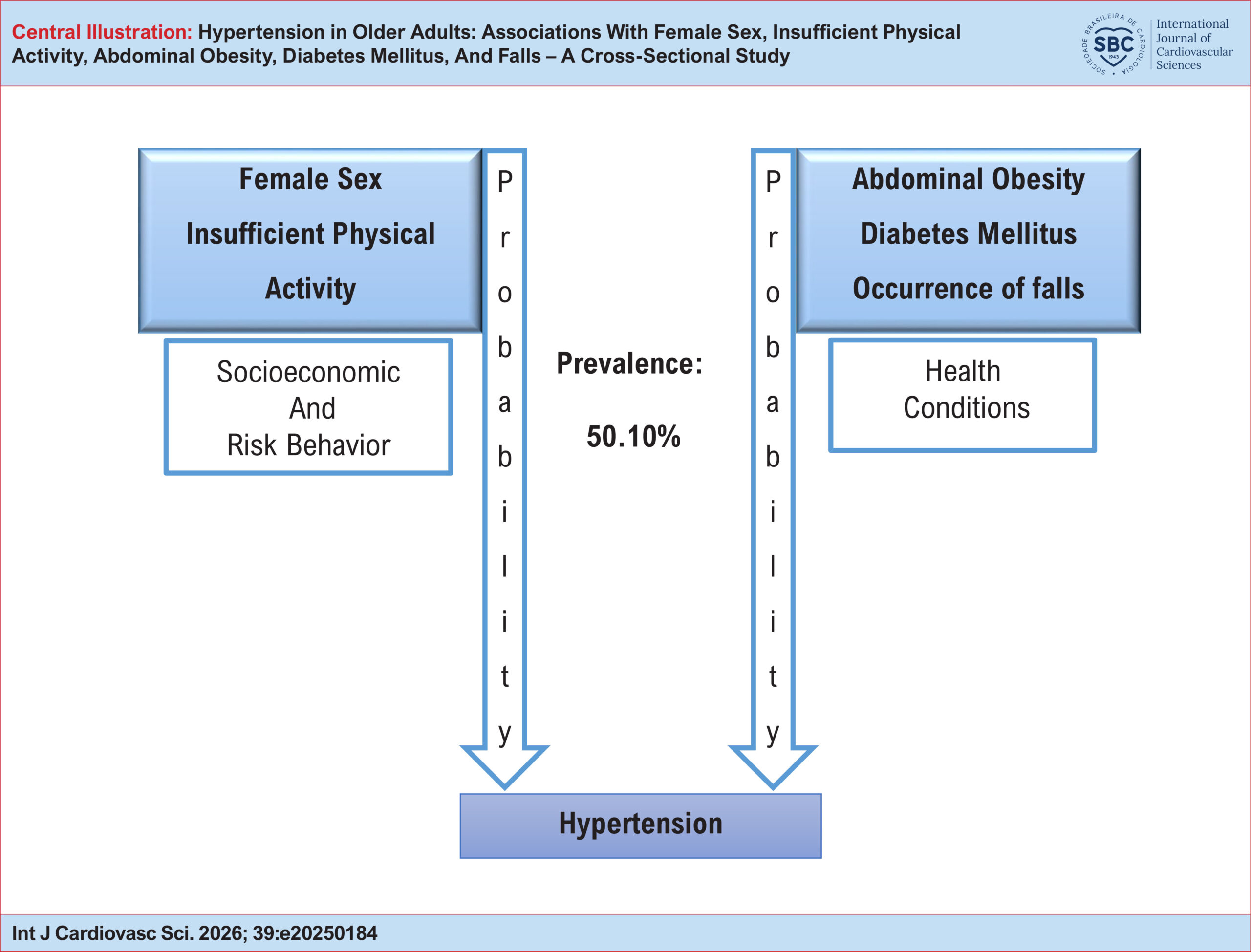
The prevalence of SAH was 59.1% (men: 50.0%; women: 65.4%). An increased likelihood of SAH was associated with female sex (PR: 1.33; 95% CI: 1.05–1.68), insufficient physical activity (PR: 1.24; 95% CI: 1.01–1.54), abdominal obesity (PR: 1.40; 95% CI: 1.09–1.79), diabetes mellitus (PR: 1.30; 95% CI: 1.03–1.64), and falls (PR: 1.37; 95% CI: 1.07–1.74).

Conclusion:

A high prevalence of SAH was identified, particularly among women and those with insufficient physical activity, abdominal obesity, diabetes mellitus, and a history of falls.

  • aging
  • Arterial Pressure
  • Epidemiology
  • Public Health
Read Full Article
Creative Commons Attribution (CC BY) Creative Commons license
10/07/2026 DOI: 10.36660/ijcs.20250184 Views 2
ABC
Editorial

Genetic Evidence Supports a Causal Role for Smoking in Cardiac Arrest

José S. L. Patané et al. Fernando R. Giugni

[…]

  • Air Pollution
  • Heart Arrest
  • Mendelian Randomization Analysis
  • Public Health
  • Tobacco Use Disorder
Read Full Article
Creative Commons Attribution (CC BY) Creative Commons license
01/06/2026 DOI: 10.36660/abc.20260238i Views 2
ABC
Editorial

Datasus: An Essential Tool for Public Health in Brazil

Marcia Koike

Since its creation in 1991, the Information Technology Department of the Unified Health System (DATASUS) has implemented information systems and IT support necessary for the planning, operation, and control of institutions linked to the SUS. Furthermore, DATASUS provides information that can assist in analyzing the health situation, making evidence-based decisions and developing health programs.

Measuring the population’s health status began with recording mortality and survival data evolving epidemiological and morbidity information. Currently, data on morbidity, disability, access to services, quality of care, living conditions, and environmental factors are used to create Health Indicators essential for quantifying and evaluating health information.

[…]

  • Cardiovascular Diseases
  • Public Health
  • Unified Health System
Read Full Article
Creative Commons Attribution (CC BY) Creative Commons license
14/04/2025 DOI: 10.36660/abc.20250123i Views 1
ABC
Editorial

Promotion of Healthy Diets to Address Cardiovascular Diseases in Brazil: The Importance of Nutritional Guidelines and Public Policies

Laís Ferreira Dias et al. Aline Martins de Carvalho

Cardiovascular diseases (CVD) represent a major public health issue in Brazil, being the leading cause of mortality in the country, with coronary artery disease highlighted as the main cause of death. According to the Global Burden of Disease data, 2021, dietary patterns were responsible for 12% of the attributable risk of total deaths from chronic non-communicable diseases in the general Brazilian population. These conditions cause systemic harm, not only impacting population mortality or reducing life expectancy but also leading to disability, creating dependency for individuals to carry out their daily activities.

In this context, the World Health Organization (WHO) advocates for public policies focused on health strategies and the regular updating of national dietary and nutrition guidelines, adapting to changes in dietary habits, food systems, and population health conditions.,

[…]

  • Cardiovascular Diseases
  • Disease Prevention
  • Food System
  • Public Health
Read Full Article
Creative Commons Attribution (CC BY) Creative Commons license
19/08/2024 DOI: 10.36660/abc.20240378i Views 2
Leisure Time Physical Activity and Incidence of Arterial Hypertension in ELSA-Brasil Participants
ABC
Original Article

Leisure Time Physical Activity and Incidence of Arterial Hypertension in ELSA-Brasil Participants

Tarcísio C. Souza et al. Sheila M. A. Matos Maria da C. C. de Almeida Maria J. M. Fonseca … Maria del Carmen B. Molina Rosane H. Griep Cristiano P. S. Pitanga Francisco J. G. Pitanga

Abstract

Background:

Evidence indicates that physical activity (PA) has a protective effect against chronic diseases, including high arterial hypertension (AH).

Objective:

This study investigated, longitudinally, the association between changes in leisure time physical activity (LTPA) and the incidence of hypertension in ELSA-Brasil participants.

Methods:

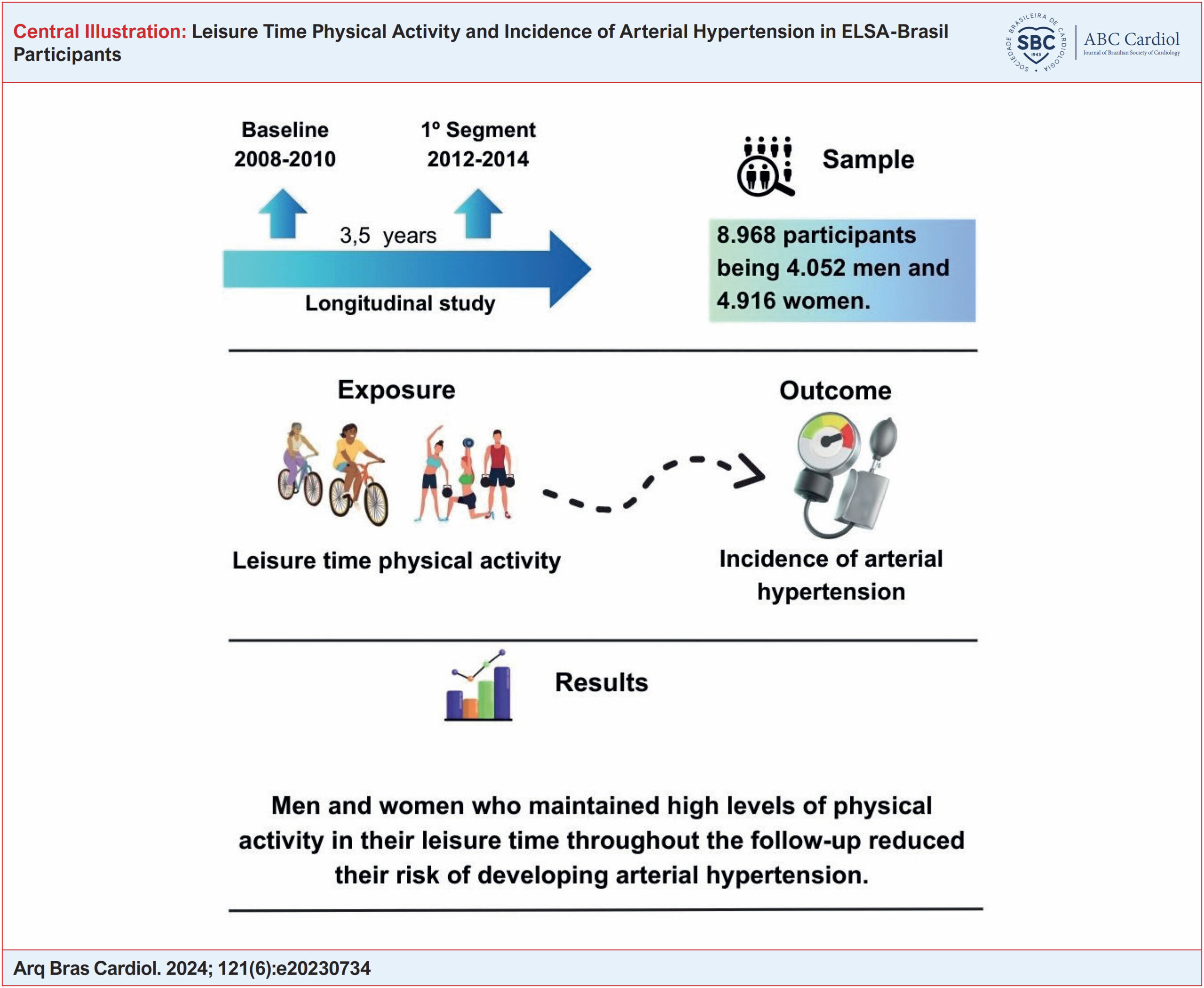
Data from 8,968 participants were analyzed at two different times (2008-2010 and 2012-2014). The International Physical Activity Questionnaire (IPAQ), long version, was used to assess LTPA. The association between LTPA and AH was tested using Poisson regression with relative risk (RR) estimation, with a significance level of 5% and a 95% confidence interval.

Results:

When the LTPA level variable was categorized as sufficient and insufficient, no statistically significant associations were found between LTPA and AH incidence as a function of changes in PA during follow-up. However, when the LTPA variable was categorized as inactive, little active, active, and very active, a statistically significant association was observed between LTPA and AH in participants classified as very physically active. The risk of AH was reduced by 35% among men RR 0.65 (95% CI 0.50-0.86) and by 66% among women RR 0.34 (95% CI 0.20-0.58) who maintained high levels of LTPA at both moments of follow-up.

Conclusion:

These results suggest that maintaining high levels of PA over time is associated with a lower risk of developing AH, highlighting the importance of PA in preventing this condition, for both men and women.

  • Cardiovascular Diseases
  • Epidemiology
  • Longitudinal Studies
  • Public Health
Read Full Article
Creative Commons Attribution (CC BY) Creative Commons license
02/08/2024 DOI: 10.36660/abc.20230734i Views 2
Figure 1
ABC
Research Letter

Excess Systolic Blood Pressure Associated with Fine Particulate Matter Air Pollution above the WHO Guidelines in Brazil

Pedro Rafael Vieira de Oliveira Salerno et al. Issam Motairek Luis Augusto Palma Dallan Brendan Bourges-Sevenier … Sanjay Rajagopalan Sadeer G. Al-Kindi

Introduction

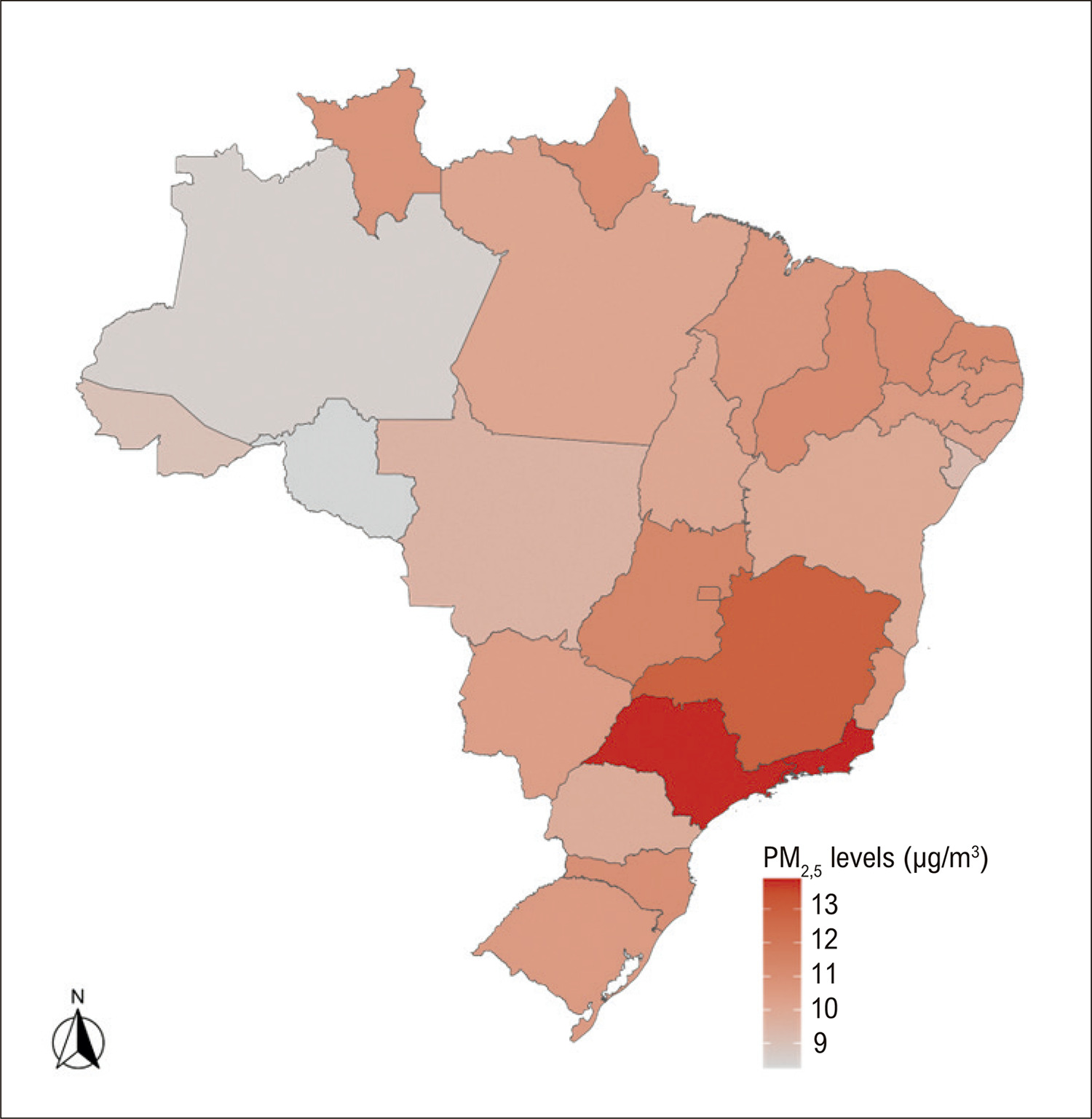
Cardiovascular disease remains the leading cause of mortality worldwide, and hypertension has been implicated as having the highest association of causation among all of the cardiovascular disease risk factors. Thus, unsurprisingly, hypertension is the main risk factor for death and the second major cause of disability-adjusted life years in Brazil, heavily impacting its population and national healthcare system. It is also directly linked to air pollution, especially fine particulate matter < 2.5 microns (PM 2.5 ), which has been identified as an independent risk factor for increased systolic blood pressure (SBP). In Brazil, as in most countries, the main source of exposure to air pollution in urban areas primarily results from the burning of fossil fuels via vehicular traffic and industrial power generation, while, in rural Brazil, air pollution mainly results from the burning of biomass as well as deforestation.

In Brazil, previous studies have been conducted investigating the effects of PM 2.5 exposure on blood pressure in outdoor workers who are most susceptible to ambient air pollution from vehicular emissions, such as traffic controllers, demonstrating the link between PM 2.5 concentration and increased SBP. , However, these studies tend to focus on metropolitan and urban regions. , Thus, due to Brazil’s large geographical size and regional diversity, there exists a substantial gap in knowledge in the less populated areas. In this study, we aimed to estimate the excess SBP attributable to PM 2.5 concentrations above the threshold of the World Health Organization (WHO) guidelines in Brazil, as well as in all its states and regions.

[…]

  • Air Pollution
  • Arterial Pressure
  • Environment
  • Public Health
Read Full Article
Creative Commons Attribution (CC BY) Creative Commons license
18/12/2023 DOI: 10.36660/abc.20230347 Views 2
ABC
Editorial

Physical Activity and Quality of Life in Children with Congenital Heart Diseases: A Public Health Issue

Silvana Vertematti

Physical activity is both a form of expression for children and a means for promoting their development. The fun derived from engaging in this activity is one of the main factors for promoting the social inclusion of children, in addition to ensuring their continued ability to perform movements. The physical, physiological, psychological, and social dividends physical activity brings to children and adolescents are unequivocal.

Physical activity is defined as any bodily movement produced by skeletal muscles and resulting in energy expenditure. Physical exercise is a planned physical activity. It is structured within a sports and social context, involves logical and organized repetitions, and is designed to maintain physical fitness. Fitness, in turn, is characterized by a set of physical attributes related to improving the child’s health and performance and can be measured by specific physical tests conducted by trained professionals.

[…]

  • Cardiovascular Diseases
  • Children
  • Congenital
  • Heart Defects
  • Physical activity
  • Public Health
  • Quality of life
Read Full Article
Creative Commons Attribution (CC BY) Creative Commons license
23/10/2023 DOI: 10.36660/abc.20230634 Views 1
Central Illustration
IJCS
Original Article

Impact of the COVID-19 Outbreak on Coronary Artery Bypass Grafting in Brazil

Felipy de Almeida Machado et al. Rui M. S. Almeida

Abstract

Background

The COVID-19 pandemic has disrupted the routine of emergency centers around the world, including in Brazil, where the crisis has affected the volume of major cardiac surgeries such as coronary artery bypass grafting.

Objective

To analyze the impact of the COVID-19 pandemic on the number of surgical procedures for coronary artery bypass grafting in Brazil.

Methods

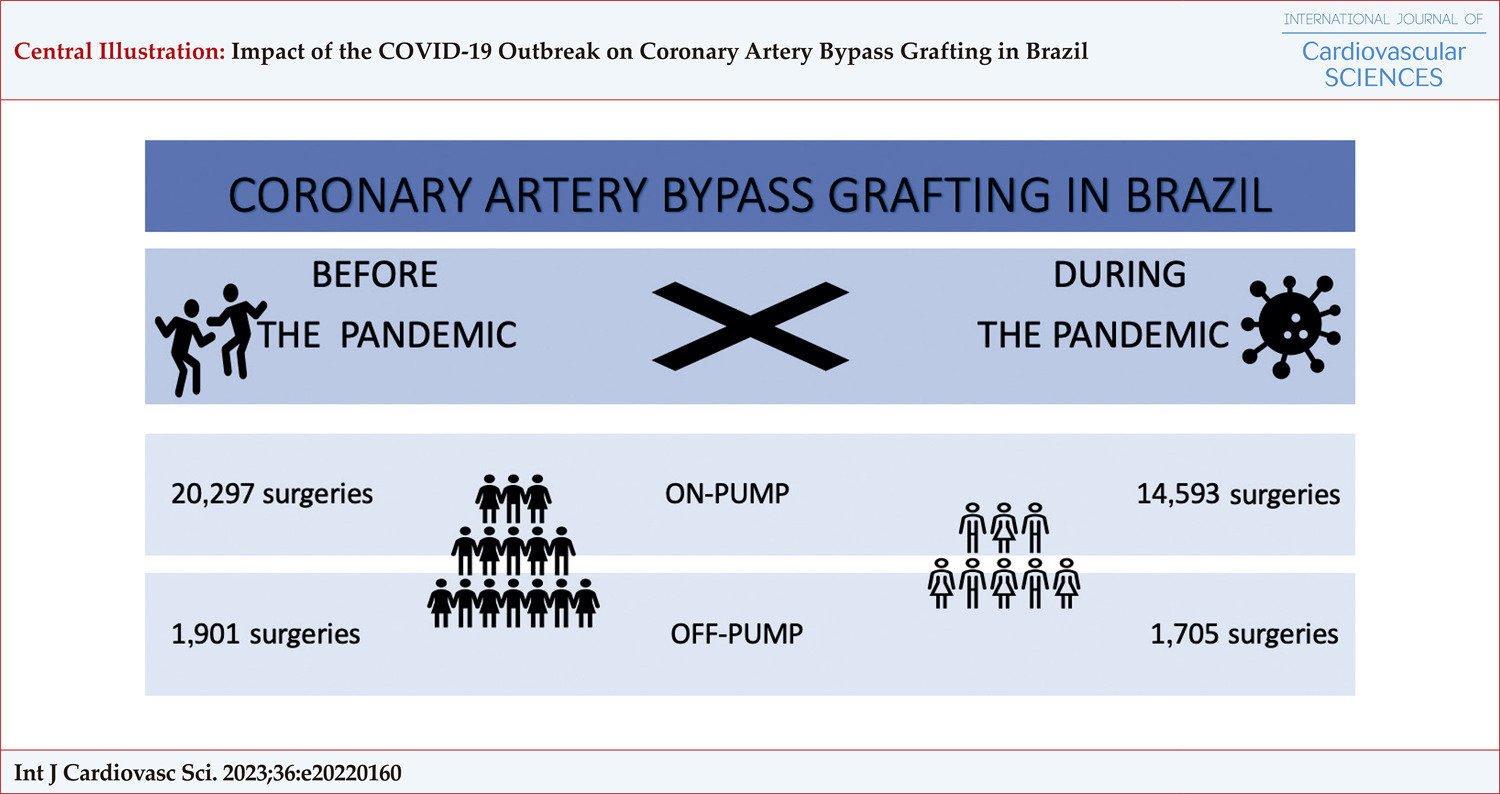
An ecological, cross-sectional, quantitative, and descriptive study was conducted. Data for the period from July 2018 to June 2019 and from July 2020 to June 2021 were collected from SIHSUS using DATASUS/Tabwin.

Results

A global reduction of 26.58% was observed in the analyzed population, with on-pump coronary artery bypass grafting decreasing by 28.10%, and off-pump coronary artery bypass grafting reduced by only 10.31%.

Conclusion

During the pandemic, there was a 26.58% reduction in the number of surgical procedures for myocardial revascularization in Brazil.

  • Cardiovascular Surgical Procedures
  • Coronary Disease
  • COVID-19
  • Myocardial Revascularization
  • Public Health
Read Full Article
Creative Commons Attribution (CC BY) Creative Commons license
17/07/2023 DOI: 10.36660/ijcs.20220160 Views 2
ABC
Editorial

The Clinical Impact of Cardiovascular Symptoms on Post-Acute COVID-19 Syndrome

Giovanni Possamai Dutra et al. Bruno Ferraz de Oliveira Gomes

The COVID-19 pandemic has intensely impacted people’s lives worldwide, generating, in addition to high mortality, high late morbidity, and negatively affecting health systems, remaining a significant global challenge today. In February 2023, World Health Organization records point to more than 756 million confirmed cases and approximately 6,845,000 deaths. Until the abovementioned month, approximately 36,961,000 cases were reported in Brazil, with about 698,000 deaths. Considering the substantial challenges related to comorbidity between heart disease and COVID-19, which go beyond the acute phase of the disease, further studies are needed to address the high burden of cardiopulmonary symptoms comprehensively. These investigations must be carefully planned, considering cost-effectiveness and clinical benefits for patients, to minimize inequalities in health care. In addition, it is essential to optimize social and mental care for patients. Cardiopulmonary involvement in COVID-19 continues to pose a major public health challenge. ,

The study by Kalil-Filho et al. included 480 survivors after hospitalization due to COVID-19 and evaluated the characteristics associated with the occurrence of cardiopulmonary symptoms and, especially, post-acute COVID-19 syndrome (PACS). It was a sample with a predominance of men, obese and with comorbidities such as hypertension, diabetes, and dyslipidemia. Almost a quarter of patients required intensive care admission, and only 12.2% required mechanical ventilation support. The prevalence of any of the symptoms was lower (32.1%) than that found in the literature, as well as PACS related to cardiopulmonary symptoms (16.3%). Notably, almost two-thirds of the population that underwent tomography (n=122) did not demonstrate pulmonary involvement. Thus, we observed that the analyzed population had a lower degree of severity related to COVID-19, justifying the lower prevalence of symptoms.

[…]

  • Cardiovascular Diseases
  • Comorbidity
  • COVID-19
  • Pandemics, Mortality
  • Public Health
  • Pulmonary Heart Disease
Read Full Article
Creative Commons Attribution (CC BY) Creative Commons license
16/06/2023 DOI: 10.36660/abc.20230282 Views 1
Figure 1
ABC
Original Article

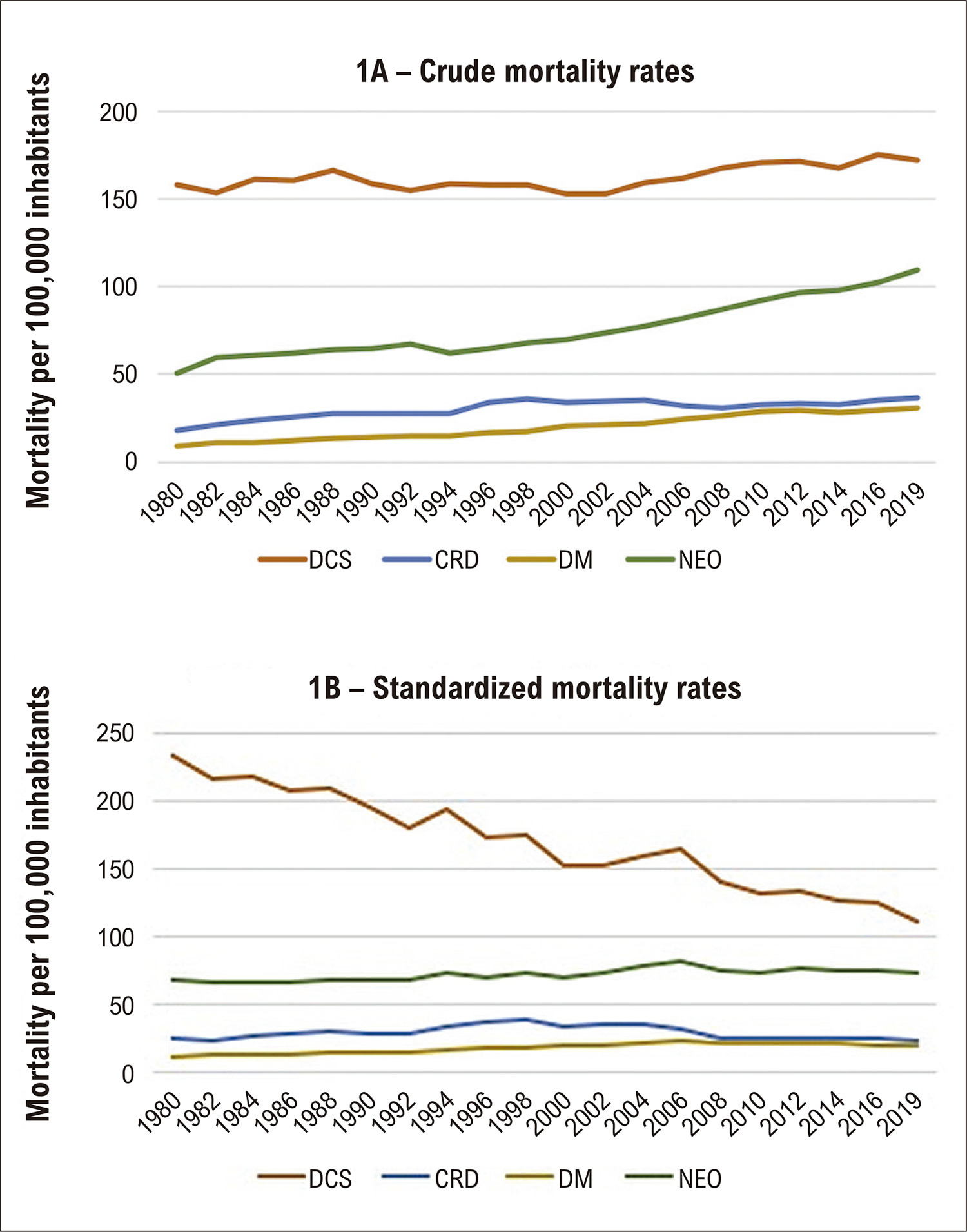
Association between Mortality from Chronic Noncommunicable Diseases and Human Development Index in Brazil between 1980 and 2019

Sandra Chagas da Costa Feliciano et al. Paolo Blanco Villela Gláucia Maria Moraes de Oliveira

Abstract

Background

Chronic noncommunicable diseases (CNCDs) caused more than 734,000 deaths (55% of all deaths) in Brazil in 2019, with an important socioeconomic impact.

Objectives

To analyze the mortality rates from CNCDs in Brazil from 1980 to 2019 and their association with socioeconomic indicators.

Method

This was a descriptive, time-series study of deaths from CNCDs in Brazil from 1980 to 2019. Data on the annual frequencies of deaths and on population were obtained from the Department of Informatics of the Brazilian Unified Health System. Crude and standardized mortality rates per 100,000 inhabitants were estimated using the direct method (Brazilian population in 2000). The quartiles of each CNCD were calculated, where a quartile change, due to an increase in mortality rate, was represented by a chromatic gradient. The Municipal Human Development Index (MHDI) of each Brazilian federative unit was extracted from the Atlas Brasil website and correlated with the rates of CNCD mortality.

Results

There was a reduction in mortality rates due to diseases of the circulatory system during the period, except in the Northeast Region. There was also an increase in mortality from neoplasia and diabetes, while the rates of chronic respiratory diseases showed little variation. There was an inverse correlation between the federative units with greater reduction in CNCD mortality rates and the MHDI.

Conclusions

The observed decrease in mortality due to diseases of the circulatory system may reflect an improvement in socioeconomic indicators in Brazil during the period. The increase in mortality rates due to neoplasms is probably related to the aging of the population. The higher mortality rates of diabetes seem to be associated with an increase in the prevalence of obesity in Brazilian women.

  • Development Indicators
  • Epidemiology
  • Health of the Disabled
  • Mortality
  • Non Communicable Diseases
  • Public Health
Read Full Article
Creative Commons Attribution (CC BY) Creative Commons license
21/04/2023 DOI: 10.36660/abc.20211009 Views 2
IJCS
Editorial

The Present and Future of the Cardioprotective Food Model for the Brazilian Population

Thais de Rezende Bessa Guerra

In recent decades, researchers have found important changes in the health pattern and food consumption of the Brazilian population. These changes have been associated with chronic non-communicable diseases, especially cardiovascular disease.

The Global Burden of Disease Study (2019), which analyzed data on chronic non-communicable diseases in 204 countries and territories between 1990 and 2019, estimated that cardiovascular disease, which is attributable to modifiable risk factors such as cholesterol level, is the main health care burden worldwide. High LDL cholesterol and its associated mortality remain a major threat to public health. The report recommends that national health systems focus on new approaches that can reverse these trends, since there is an urgent need to implement effective policies and interventions to achieve a 30% reduction in premature mortality from non-communicable diseases.

[…]

  • Cardiotonic Agents/administration and dosage
  • Cardiovascular Diseases/prevention and control
  • Diet
  • Diet, Food and Nutrition/habits
  • Epidemiology
  • Public Health
  • Quality of life
Read Full Article
Creative Commons Attribution (CC BY) Creative Commons license
10/03/2023 DOI: 10.36660/ijcs.20210254 Views 1
Figure 1
ABCHF
Editorial

New Universal Definition of Heart Failure: A New Vision for Treatment

Evandro Tinoco Mesquita et al. Ana Paula Chedid Lidia Ana Zytynski Moura

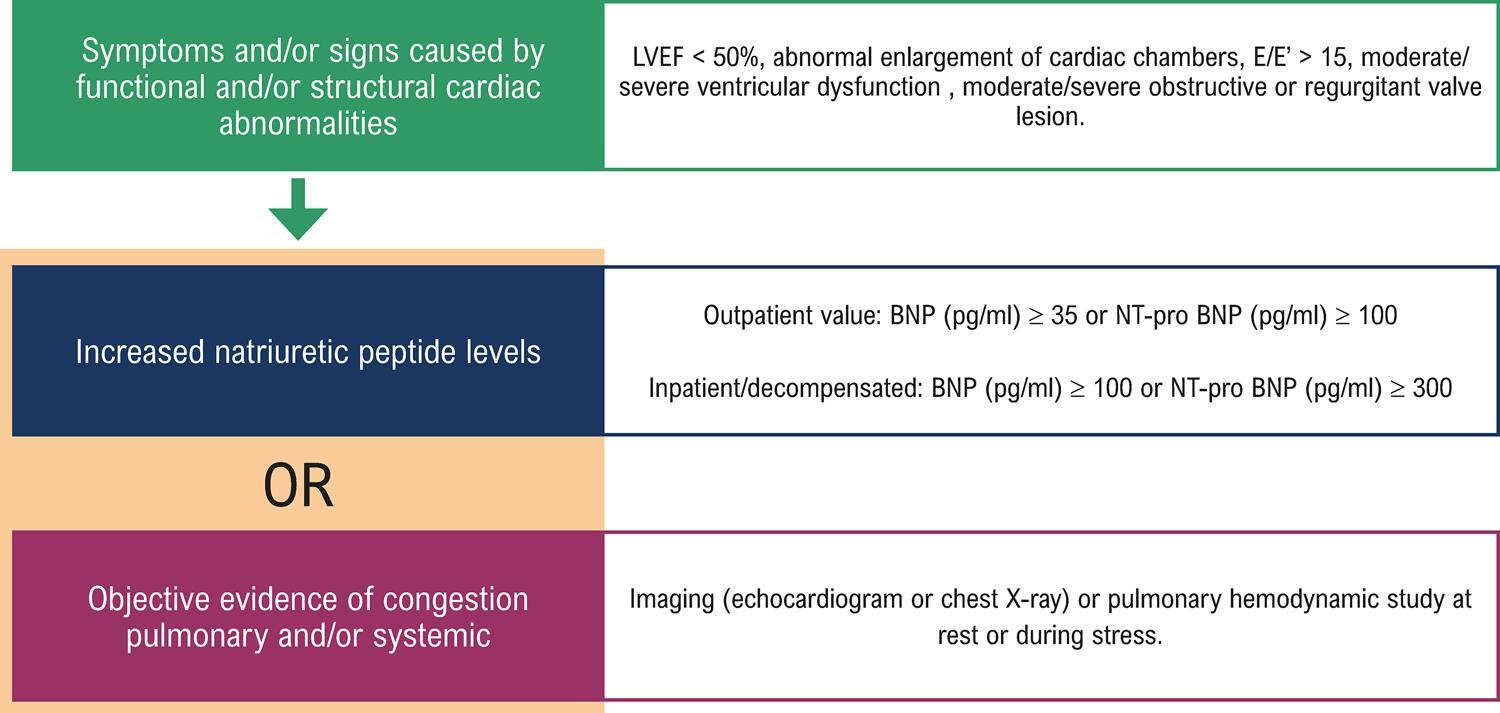
In March 2021, a new universal definition and classification for heart failure (HF) was published simultaneously in the Journal of Cardiac Failure and the European Journal of Heart Failure. This document was produced by the European, North American, and Japanese Heart Failure Societies and was endorsed by the Canadian, Indian, Chinese, Australian, and New Zealand HF Societies. The objectives of the publication were to provide a universal, simple, and comprehensive definition that can guarantee standardization in clinical research, guidelines, and treatment, as well as guidance for patients and public policy makers. It also proposed a revised classification based on left ventricular ejection fraction (LVEF) to guide therapy according to HF category, and, finally, to revise the HF stages, aiming at both prognosis and prevention.

HF has been defined in Cardiology textbooks as a clinical syndrome characterized by the heart’s inability to pump enough blood to meet the body’s metabolic demands. However, this pathophysiological profile is only found in advanced stages of HF. Definitions vary in the guidelines of different Societies and also diverge from textbooks, including the concept of signs and symptoms associated with hemodynamic and neurohormonal abnormalities, which are neither simple nor easily measurable.

[…]

  • Cardiomyopathies
  • Family Medicine
  • Heart Failure
  • Public Health
Read Full Article
Creative Commons Attribution (CC BY) Creative Commons license
12/04/2022 DOI: 10.36660/abchf.20220001 Views 2
ABC
Editorial

Prognosis of Coronary Artery Disease in Public Hospitals in Brazil: The ERICO Study and the Application of Knowledge in Public Health

Fatima Marinho

The group of cardiovascular diseases (CVD) includes the leading causes of death in Brazil and in all developing countries., Ischemic heart disease (IHD) or coronary artery disease (CAD) has been the leading cause of death for many years in the Brazilian population, with the exception of the year 2020, when the disease caused by the novel coronavirus (COVID-19) was the leading cause of death, followed by IHD. IHD was the main cause of years of life lost in the Brazilian population in 2016.

In 2017, the prevalence of CAD was estimated to be of 1.75% (2,500,000 individuals) in the Brazilian population over 20 years of age. The highest prevalence was found in the South and Southeast Regions, with a decreasing standardized mortality rate, but an increased prevalence, since 1990. With an estimated incidence of about 121,000 cases per year in 2017, CAD has been an important public health problem in Brazil.

[…]

  • Coronary Artery Disease
  • COVID-19
  • Epidemiology
  • Hospitals, Public
  • Mortality
  • Prognosis
  • Public Health
  • Risk Factors
Read Full Article
Creative Commons Attribution (CC BY) Creative Commons license
22/11/2021 DOI: 10.36660/abc.20210825 Views 1
IJCS
Editorial

Public Health Programs and Cardiovascular Diseases

Paolo Blanco Villela et al. Larissa Franco de Andrade

For decades, cardiovascular diseases, mainly coronary artery disease and stroke, have been the main cause of death in Brazil. In 2017, they accounted for 27.3% of all deaths in the country, with an age-standardized mortality rate of 178 per 100,000 inhabitants. In the same year, cerebrovascular diseases had an age-standardized mortality rate of 80 per 100,000 inhabitants. With respect to the burden of cardiovascular diseases, the number are even more concerning, with 1,602.4 disability-adjusted life years (DALYs) per 100,000 inhabitants for coronary disease and 1,145.3 DALYs per 100,000 inhabitants for stroke.

Although these numbers represent a decrease when compared with numbers in the year of 1990, the control of cardiovascular risk factors is clearly important. In this regard, in addition to the traditional risk factors, socioeconomical factors are known to play an important role in the development of these diseases. Investigators of the Prospective Urban Rural Epidemiologic (PURE) study evaluated socioeconomic status and educational attainment in adults aged between 35 and 70 years from 367 urban and 302 rural communities in 20 countries (five low-income countries, 11 middle-income and five low-income countries), with a total of 164,169 participants. The authors concluded that people with a lower level of education had higher mortality rates from cardiovascular events in all the countries. However, the authors discuss that these findings may be explained not only by the higher prevalence of risk factors, but also by the lower access to secondary prevention and medical management of chronic diseases such as hypertension and diabetes mellitus compared with people with higher level of education. This is in line with the study by Schultz et al., who demonstrated that even in high-income countries, factors like employment status, educational attainment, income level, and neighborhood socioeconomic factors are related to cardiovascular diseases. Thus, the authors consider the access to health services as part of a high-quality health care of low socioeconomic status populations. Therefore, it is possible to infer that, compared with absolute income, inequality levels are more stronger determinants of cardiovascular outcomes.

[…]

  • Cardiovascular Diseases
  • Hospitalization
  • Myocardial Infarction
  • Public Health
  • Socioeconomic Factors
  • Stroke
Read Full Article
Creative Commons Attribution (CC BY) Creative Commons license
01/11/2021 DOI: 10.36660/ijcs.20210196 Views 1
ABC
Editorial

The Importance of Recognizing the Co-Occurrence of Cardiometabolic Risk Factors in the Population to Establish Priorities in Public Policies

Helena Cramer Veiga Rey

Cardiometabolic disease (CMD) is the leading cause of morbidity and mortality around the globe. Metabolic syndrome (MS) is a collection of risk factors for metabolic disease, including elevated blood pressure, hypertension, hyperglycemia, dyslipidemia, and obesity. When these risk factors are present in combination, the likelihood of future cardiovascular issues increases more than when any of these risks is present alone.

MS has an estimated frequency between 20% and 25% in the adult population worldwide, and the prevalence increases with age.;

[…]

  • C-Reactive Protein
  • Carotid Intima-Media Thickness
  • Diabetes Mellitus
  • Hypertension
  • Metabolic Syndrome X
  • Morbimortality
  • Obesity
  • Public Health
  • Risk Factors
Read Full Article
Creative Commons Attribution (CC BY) Creative Commons license
26/07/2021 DOI: 10.36660/abc.20210511 Views 2
Figure 1
ABC
Original Article

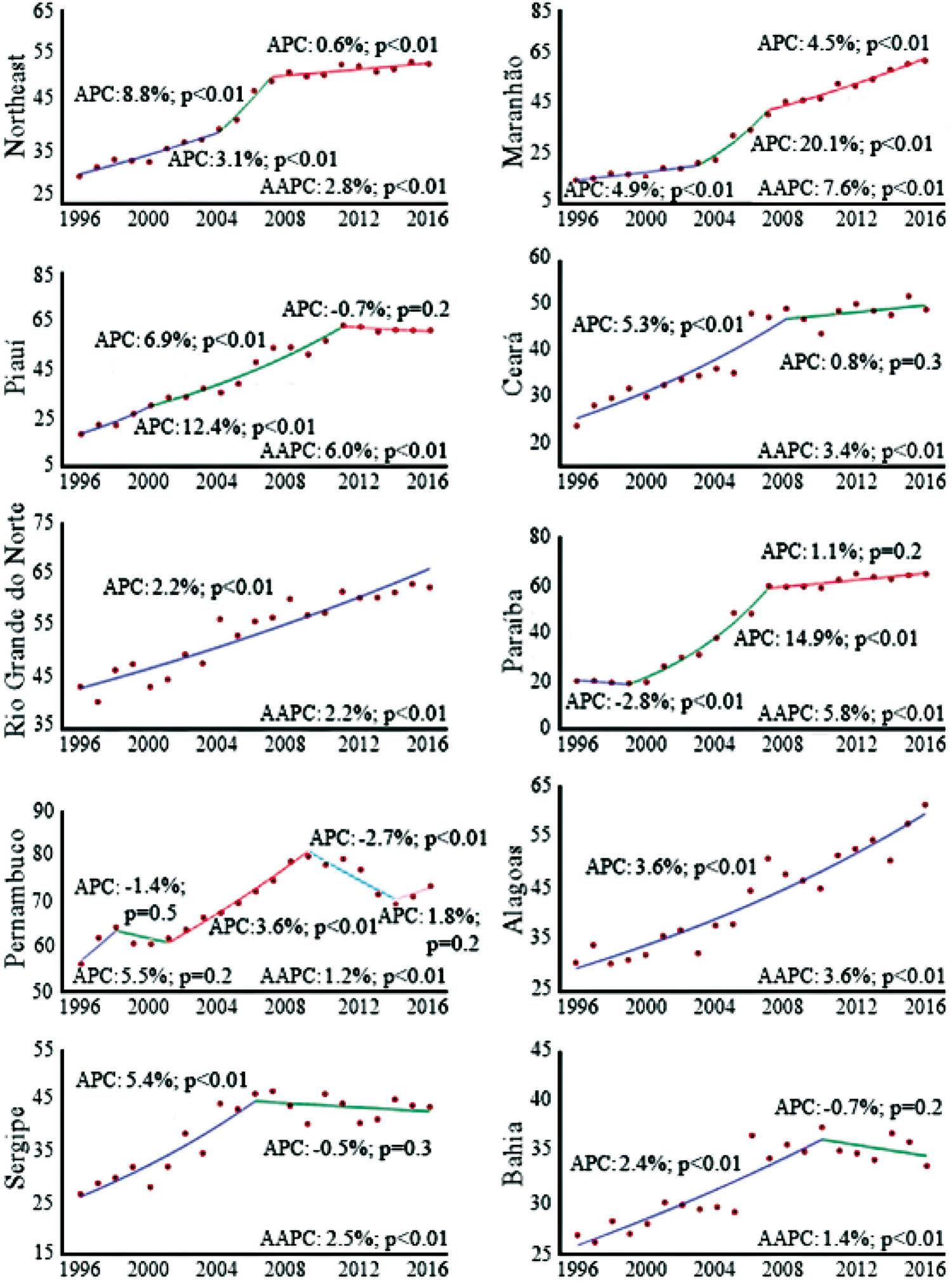
Temporal Trend of Mortality Due to Ischemic Heart Diseases in Northeastern Brazil (1996–2016): An Analysis According to Gender and Age Group

Gibson Barros de Almeida Santana et al. Thiago Cavalcanti Leal João Paulo Silva de Paiva Leonardo Feitosa da Silva … Lucas Gomes Santos Tatiana Farias de Oliveira Rodrigo da Rosa Mesquita Jéssica Alves Gomes Carlos Dornels Freire de Souza Amanda Karine Barros Ferreira Rodrigues

Abstract

Background

Ischemic heart disease (IHD) is the leading cause of death among cardiovascular diseases (CVD).

Objective

To describe the sociodemographic profile and analyze the trend in the mortality rate due to IHD, according to sex and by age group, in the states of the Northeast region of Brazil, from 1996 to 2016.

Methods

Ecological study involving IHD mortality in the northeastern states. Variables analyzed: sex, age, education, marital status, ICD-10 category and state of residence. Crude and standardized rates were calculated. Death data were collected from the Mortality Information System (SIM) and population data from the Brazilian Institute of Geography and Statistics (IBGE). In temporal analyzes the regression model by inflection points was used, with the calculation of annual percent change (APC) and average annual percent change of the period (AAPC). A 95% confidence interval and a significance level of 5% were considered.

Results

405916 deaths due to IHD were registered in the northeast region during the study period. The death profile is characterized by men (n=229006; 56,42%), elderly (n=301379; 74,25%), race/color brown (n=197936; 48,76%), elementary or <4 years at school (n=232599; 57,30%) and married (n=179599; 44,25%). There was an unusual highlight to the increase in the annual growth rate in the age group of adolescents (AAPC: 5,2%, p <0.01). The standardized regional mortality rate grew from 30,7 per 100,000 inhabitants in 1996 to 53.8 per 100,000 in 2016 (AAPC 2.8%; p<0.01). All nine states presented a statistically significant growth trend, with emphasis on Maranhão (AAPC 7,6%; p<0.01) and Piauí (AAPC 6,0%; p<0.01).

Conclusion

The prevalent observed profile was male, elderly, race/color brown, low education level and married. Mortality due to IHD presented an upward trend in all states, although with an uneven pattern among the federated units.

  • Deaths
  • Demography
  • Epidemiology
  • Myocardial Ischemia / mortality
  • Public Health
  • Socioeconomic Factors
  • Statistical Analysis
Read Full Article
Creative Commons Attribution (CC BY) Creative Commons license
26/07/2021 DOI: 10.36660/abc.20200222 Views 1
ABC
Editorial

Blood Pressure in Children. The Key Role of Physical Activity and Body Fatness

César A. Agostinis-Sobrinho et al. Katiane Vilan

High blood pressure is the leading global risk factor for chronic kidney disease and cardiovascular diseases and is the leading cause of premature death worldwide. The number of adults with high blood pressure increased from 594 million in 1975 to 1.13 billion in 2015. The World Health Organization (WHO) estimates 1 in 4 men and 1 in 5 women had hypertension and that by 2025, 1.56 billion adults will be living with hypertension.

Childhood raised blood pressure is becoming more common in the general pediatric population, representing a considerable public health challenge worldwide. Studies have suggested that childhood high blood pressure seems to track from childhood to adulthood and is associated with detrimental lifelong cardiovascular events. However, raised blood pressure is one of the most important preventable contributors to disease and death and is considered to be one of the major modifiable risk factors for cardiovascular disease with roots in childhood., Studies indicate that high blood pressure levels during childhood are a multifactorial condition. Genetics, age, gender, ethnicity, overweight/obesity, sodium and potassium intake, physical inactivity, and socioeconomic factors have been named as the main risk factors for hypertension.

[…]

  • Blood Arterial
  • Child
  • Exercise
  • Hypertension/heredity
  • Obesity
  • Overweight
  • Physical activity
  • Public Health
  • Risk Factors
  • Sedentarism
Read Full Article
Creative Commons Attribution (CC BY) Creative Commons license
17/05/2021 DOI: 10.36660/abc.20210117 Views 2
IJCS
Editorial

A Burden of Physical Inactivity in School-Age Students: The Early Beginning of Cardiometabolic Risk

Pedro Paulo da Silva Soares et al. Gabriel Dias Rodrigues

It is well-known that sedentarism has a close association with the risk of cardiovascular and metabolic diseases. The physical inactivity lifestyle contributes to the prevalence of obesity and hypertension in children, highlighting a big health problem since most individuals who were hypertensive and obese in childhood/adolescence become hypertensive and obese adults. On the other hand, physical exercise is a frontline non-pharmacological strategy to control and treat hypertension, as well as to prevent obesity, which should be encouraged among children/adolescents to reduce cardiometabolic risk in adulthood. In this context, the mapping of risk factors associated with hypertension at the early age should be considered a primary step to plan public policies for disease prevention and health promotion, reducing the burden on healthcare resources. Both obesity and high blood pressure have multifactorial causes, among them low levels of physical activity in adults, children, and adolescents. It is of utmost relevance to investigate the prevalence of physical activity levels in scholars, mainly in a country such as Brazil, with enormous disparities among regions.

In the current issue of the International Journal of Cardiovascular Sciences, Azevêdo et al. investigated physical activity levels, as well as the anthropometric and cardiovascular profile in school-age students attending public schools in the state of Sergipe, northeast of Brazil. The study reported high rates of physical inactivity for both boys and girls, and increased blood pressure in overweight school-age students. Regarding anthropometric profiles, intriguing data showed a high prevalence of low body weight in the age group from 16 to 17 years for both sexes. In contrast, a previous study found a high prevalence of overweight/obesity in school-age students in a city of the Brazilian South region, suggesting a discrepancy between the Brazilian South and Northeast regions that must be considered for Brazilian public policies in health promoting at the primary care level. From a practical perspective, physical education classes, as well as the public schools’ pedagogic programs, must work together for health promoting and health education, and physical activity should be encouraged to prevent cardiovascular risk starting from childhood to adult life.

[…]

  • Adolecents
  • Exercise
  • Metabolic Diseases
  • Physical activity
  • Public Health
  • Risk Factors
  • Sedentarism
  • students
Read Full Article
Creative Commons Attribution (CC BY) Creative Commons license
03/05/2021 DOI: 10.36660/ijcs.20210100 Views 2
IJCS
Original Article

Pre-hospital Care for Suspected Stroke Patients, Cared for by Mobile Emergency Care Units in Northern Minas Gerais

Lorenn Lages Gusmão et al. Israel Junior Borges do Nascimento Gabriel Almeida Silqueira Rocha João Antonio de Queiroz Oliveira … Geisiane Sousa Braga Machado Izabella de Oliveira Antunes Romeu Vale Sant’anna Breno Franco Silveira Fernandes Ubiratam Lopes Correia Antonio Luiz Pinho Ribeiro Milena S. Marcolino

Abstract

Background

Stroke management require rapid identification, assessment, and transport of patients to qualified health care centers. However, there is little description in the literature on the multiple challenges associated with the pre-hospital transport of suspected stroke patients.

Objective

To characterize the pre-hospital care provided to suspected stroke patients by the Brazilian Emergency Medical Service (SAMU in Portuguese), by means of a descriptive case study.

Methods

This is a descriptive study of a series of cases. Data from the SAMU regarding the responses to emergency calls from suspected stroke patients were collected. Independent reviewers confirmed the diagnostic hypothesis and all discordances were assessed using kappa statistics. Clinical data and transport times were described as frequency and proportion or central tendency and dispersion measures. Normality of continuous variable distribution was assessed using the Kolmogorov-Smirnov test. The Mann-Whitney U test was used for comparison of medians, with a 5% significance level.

Results

During the studied period, 556 suspected stroke patients were treated. The kappa index was 0.82 (95% CI 0.737 to 0.919) CI. In 74.7% of the cases, the symptom onset time was not recorded. The median time elapsed between the call for emergency services and the ambulance arrival was 18 minutes, and the median transport time was 38 minutes. A total of 34% of the patients were taken to referral hospitals for stroke.

Conclusion

This study revealed a low level of knowledge regarding the need to determine the exact time of symptom onset of suspected stroke patients. Also, the study showed the low rate of patients taken to referral hospitals. (Int J Cardiovasc Sci. 2021; [online].ahead print, PP.0-0)

  • Epidemiology
  • Health Policy
  • Health Programs and Plans
  • Preventive Health Services
  • Public Health
  • Stroke
Read Full Article
Creative Commons Attribution (CC BY) Creative Commons license
26/02/2021 DOI: 10.36660/ijcs.20190199 Views 1
Figure 1
ABC
Review Article

Pharmacogenomics and Cardiovascular Disease: Where are We and Where do We go from Here?

Ricardo Stein et al. Thaís Beuren Luis Ramudo Cela Filipe Ferrari

Introduction, the DNA and the Genes

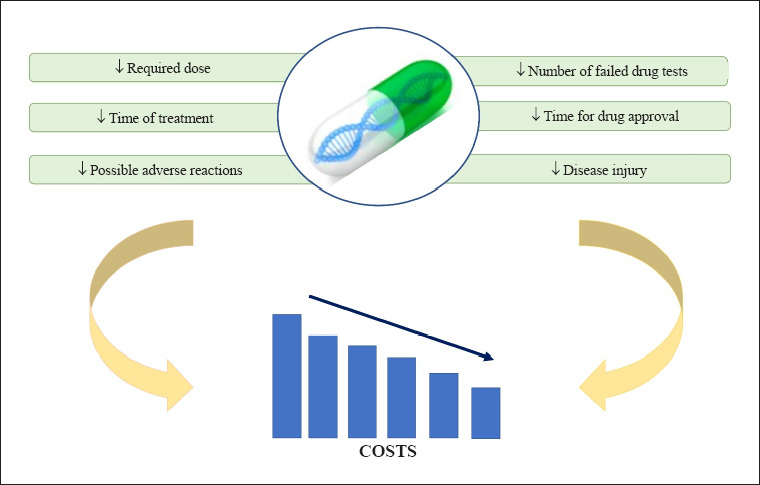
Pharmacogenomics (PGx) is the science of understanding the interaction between genes and drugs. The analysis of specific areas of the DNA provides information about a certain drug metabolism and about the expected response to a certain treatment. PGx also aims to reduce the incidence of adverse drug events (ADEs)., Many studies in this area have focused on the identification of genes that predispose to diseases, modulate drug response, affect drug concentration and correlate with adverse effects of patients exposed to different types of drugs, so the desired therapeutic benefit is achieved.

The causes of individual responses to a same drug dosage include age, genetic and immunological factors, comorbidities and interaction between active principles. Genetic variability may influence not only pharmacodynamics, but also pharmacokinetics, which studies the relationship of the absorption, metabolism and excretion of the drug to its systemic concentration.

[…]

  • Biotransformation
  • Cardiovascular Diseases
  • Drug Therapy/adverse effects
  • Genes
  • Genetic Profile
  • Genome
  • Heredity
  • Pharmacogenetics
  • Public Health
Read Full Article
Creative Commons Attribution (CC BY) Creative Commons license
23/10/2020 DOI: 10.36660/abc.20200151 Views 1
ABC
Editorial

Obesity, Overweight, Body Adiposity and Cardiovascular Risk in Children and Adolescents

Weimar Kunz Sebba Barroso et al. Ana Luiza Lima Souza

Obesity and overweight are considered a global public health problem and contribute strongly to several chronic non-communicable diseases (NCDs), including metabolic syndrome, diabetes mellitus (DM), cardiovascular diseases (CVD) and cancer. More than 1.9 billion overweight adults are estimated, representing 39% of the world population, and 13% of obese adults. The World Health Organization estimated, for 2019, more than 38 million overweight or obese children under the age of five. Childhood obesity is associated with higher chances of premature death, increased risk of high blood pressure, DM and cancer. Besides, obese children have early CVD markers, increased risk of fractures, breathing difficulties and insulin resistance.

Obesity, as an independent risk factor for cardiovascular diseases, is related to increased levels of apolipoproteins B (ApoB) and consequent endothelial dysfunction. The presence of obesity and dyslipidemia during childhood reflects the development of cardiovascular morbidities in adulthood.

[…]

  • Adolescent
  • Child
  • Diabetes Mellitus
  • Hypertension
  • Metabolic Synrome
  • Obesity
  • Overweight
  • Public Health
  • Risk Factors
Read Full Article
Creative Commons Attribution (CC BY) Creative Commons license
28/08/2020 DOI: 10.36660/abc.20200540 Views 1
ABC
Editorial

Short Editorial: Distinct Prognostic Competence between the Clinical and Anatomical Models in Acute Coronary Syndromes: Comparison by Type of Outcome

Roberto Coury Pedrosa

Cardiovascular events, especially acute myocardial infarction, are the main causes of death in Brazil. In some European countries (e.g., France, Portugal, Italy), the 30-day mortality rates due to infarction have declined in recent decades to as low as 3% to 5%. This reflects the organization of healthcare logistics, including pre-hospital care, unified protocols, training, central regulation, and commitment to care. In Brazil, the 30-day mortality rates vary from 3% to 5% in advanced centers and 30% in those where care does not apply the recommended guidelines. This disparity usually reflects a still deficient public healthcare system that lacks diagnostic flowcharts, institutional protocols, central regulation, or professionals who are able to interpret the diagnosis for infarction using an electrocardiogram (ECG). Unfortunately, we still find that many centers lack equipment in emergency sectors (defibrillator, intubation materials, ventilators, electrocardiographs, vasoactive drugs, cardiac monitors, temporary pacemakers, and fibrinolytic drugs) and coronary units, as well as the lack of qualified professionals to provide the best treatment.

The recognition that acute coronary syndromes (ACS) constitute a heterogeneous disease in relation to prognosis was fundamental for the correct identification of individuals at higher risk, who require more intensive intervention. It has been shown that not all patients with ACS belong to high or very high risk categories; there is a considerable percentage consisting of young patients without classic risk factors that can be adequately classified into intermediate or even low risk categories. Thus, it is important to identify those patients at higher risk who need more intensive treatment. Important clinical studies have contributed to the evolution of the approach to patients with ACS. – Currently, the emerging focus on the involvement of socioeconomic factors in cardiovascular risk has been constantly reported.

[…]

  • Acute coronary syndrome
  • Cardiovascular Diseases, mortality
  • Diagnostic Equipment
  • Myocardial Infarction
  • Organizationa and Administration
  • Percutaneous Coronary Intervention
  • Public Health
  • Risk Assessment
Read Full Article
Creative Commons Attribution (CC BY) Creative Commons license
28/08/2020 DOI: 10.36660/abc.20200758 Views 1

Could not load more articles. Please try again.

How to cite this article

EndNote RIS

Electronic Document Format (Vancouver)

Cesena FY. iCardio And Business Intelligence-Based Tools: Opportunities in Public Health. Arquivos Brasileiros de Cardiologia 2026;123(4):e20260419.

Electronic Document Format (ABNT)

Cesena, Fernando Yue. iCardio And Business Intelligence-Based Tools: Opportunities in Public Health. Arquivos Brasileiros de Cardiologia, v. 123, n. 4, e20260419, Jul. 2026.

Electronic Document Format (APA)

Cesena, F. Y. (2026). iCardio And Business Intelligence-Based Tools: Opportunities in Public Health. Arquivos Brasileiros de Cardiologia, 123(4), e20260419.

Electronic Document Format (ISO)

Cesena, Fernando Yue. iCardio And Business Intelligence-Based Tools: Opportunities in Public Health. Arquivos Brasileiros de Cardiologia [online]. 2026, vol. 123, n. 4, [cited 2026-10-14], e20260419. Available from: <https://journals.cardiol.br/en/article/icardio-and-business-intelligence-based-tools-opportunities-in-public-health/>. ISSN 0066-782X

EndNote RIS

Electronic Document Format (Vancouver)

Pedrosa RC. Artificial Intelligence Attack! The Rising Importance of Chagas Disease. Arquivos Brasileiros de Cardiologia 2026;123(5):e20260409.

Electronic Document Format (ABNT)

Pedrosa, Roberto Coury. Artificial Intelligence Attack! The Rising Importance of Chagas Disease. Arquivos Brasileiros de Cardiologia, v. 123, n. 5, e20260409, Jul. 2026.

Electronic Document Format (APA)

Pedrosa, R. C. (2026). Artificial Intelligence Attack! The Rising Importance of Chagas Disease. Arquivos Brasileiros de Cardiologia, 123(5), e20260409.

Electronic Document Format (ISO)

Pedrosa, Roberto Coury. Artificial Intelligence Attack! The Rising Importance of Chagas Disease. Arquivos Brasileiros de Cardiologia [online]. 2026, vol. 123, n. 5, [cited 2026-10-14], e20260409. Available from: <https://journals.cardiol.br/en/article/artificial-intelligence-attack-the-rising-importance-of-chagas-disease/>. ISSN 0066-782X

EndNote RIS

Electronic Document Format (Vancouver)

Silva EC, Valença Neto PF, Casotti CA, Almeida CB, Silva DJ, Meira SS, Roriz BC, et al. Hypertension in Older Adults: Associations With Female Sex, Insufficient Physical Activity, Abdominal Obesity, Diabetes Mellitus, And Falls – A Cross-Sectional Study. International Journal of Cardiovascular Sciences 2026;39:e20250184.

Electronic Document Format (ABNT)

Silva, Emylly Carlos da; Valença Neto, Paulo da Fonseca; Casotti, Cezar Augusto; Almeida, Claudio Bispo de; Silva, Débora Jesus da; Meira, Saulo Sacramento; Roriz, Beatriz Cardoso; Viana, Janayna Araújo; Viana, Vanessa Silva Souza; Ribeiro, Renata de Sá; Silva, Késia Chaves da; Novais, Dennis Gonçalves; Marques, Maiara Bernardes; Sallet, Lunalva Aurelio Pedroso; Santos, Lucas dos. Hypertension in Older Adults: Associations With Female Sex, Insufficient Physical Activity, Abdominal Obesity, Diabetes Mellitus, And Falls – A Cross-Sectional Study. International Journal of Cardiovascular Sciences, v. 39, e20250184, Jul. 2026.

Electronic Document Format (APA)

Silva, E. C. , Valença Neto, P. F., Casotti, C. A., Almeida, C. B. , Silva, D. J. , Meira, S. S., Roriz, B. C., Viana, J. A., Viana, V. S. S., Ribeiro, R. S., Silva, K. C. , Novais, D. G., Marques, M. B., Sallet, L. A. P., & Santos, L. (2026). Hypertension in Older Adults: Associations With Female Sex, Insufficient Physical Activity, Abdominal Obesity, Diabetes Mellitus, And Falls – A Cross-Sectional Study. International Journal of Cardiovascular Sciences, 39, e20250184.

Electronic Document Format (ISO)

Silva, Emylly Carlos da and Valença Neto, Paulo da Fonseca and Casotti, Cezar Augusto and Almeida, Claudio Bispo de and Silva, Débora Jesus da and Meira, Saulo Sacramento and Roriz, Beatriz Cardoso and Viana, Janayna Araújo and Viana, Vanessa Silva Souza and Ribeiro, Renata de Sá and Silva, Késia Chaves da and Novais, Dennis Gonçalves and Marques, Maiara Bernardes and Sallet, Lunalva Aurelio Pedroso and Santos, Lucas dos. Hypertension in Older Adults: Associations With Female Sex, Insufficient Physical Activity, Abdominal Obesity, Diabetes Mellitus, And Falls – A Cross-Sectional Study. International Journal of Cardiovascular Sciences [online]. 2026, vol. 39, [cited 2026-10-14], e20250184. Available from: <https://journals.cardiol.br/en/article/hypertension-in-older-adults-associations-with-female-sex-insufficient-physical-activity-abdominal-obesity-diabetes-mellitus-and-falls-a-cross-sectional-study/>. ISSN 2359-4802

EndNote RIS

Electronic Document Format (Vancouver)

Patané JSL, Giugni FR. Genetic Evidence Supports a Causal Role for Smoking in Cardiac Arrest. Arquivos Brasileiros de Cardiologia 2026;123(3):e20260238.

Electronic Document Format (ABNT)

Patané, José S. L.; Giugni, Fernando R.. Genetic Evidence Supports a Causal Role for Smoking in Cardiac Arrest. Arquivos Brasileiros de Cardiologia, v. 123, n. 3, e20260238, May. 2026.

Electronic Document Format (APA)

Patané, J. S. L., & Giugni, F. R. (2026). Genetic Evidence Supports a Causal Role for Smoking in Cardiac Arrest. Arquivos Brasileiros de Cardiologia, 123(3), e20260238.

Electronic Document Format (ISO)

Patané, José S. L. and Giugni, Fernando R.. Genetic Evidence Supports a Causal Role for Smoking in Cardiac Arrest. Arquivos Brasileiros de Cardiologia [online]. 2026, vol. 123, n. 3, [cited 2026-10-14], e20260238. Available from: <https://journals.cardiol.br/en/article/genetic-evidence-supports-a-causal-role-for-smoking-in-cardiac-arrest/>. ISSN 0066-782X

EndNote RIS

Electronic Document Format (Vancouver)

Koike M. Datasus: An Essential Tool for Public Health in Brazil. Arquivos Brasileiros de Cardiologia 2025;122(2):e20250123.

Electronic Document Format (ABNT)

Koike, Marcia. Datasus: An Essential Tool for Public Health in Brazil. Arquivos Brasileiros de Cardiologia, v. 122, n. 2, e20250123, Apr. 2025.

Electronic Document Format (APA)

Koike, M. (2025). Datasus: An Essential Tool for Public Health in Brazil. Arquivos Brasileiros de Cardiologia, 122(2), e20250123.

Electronic Document Format (ISO)

Koike, Marcia. Datasus: An Essential Tool for Public Health in Brazil. Arquivos Brasileiros de Cardiologia [online]. 2025, vol. 122, n. 2, [cited 2026-10-14], e20250123. Available from: <https://journals.cardiol.br/en/article/datasus-an-essential-tool-for-public-health-in-brazil/>. ISSN 0066-782X

EndNote RIS

Electronic Document Format (Vancouver)

Dias LF, Carvalho AM. Promotion of Healthy Diets to Address Cardiovascular Diseases in Brazil: The Importance of Nutritional Guidelines and Public Policies. Arquivos Brasileiros de Cardiologia 2024;121(7):e20240378.

Electronic Document Format (ABNT)

Dias, Laís Ferreira; Carvalho, Aline Martins de. Promotion of Healthy Diets to Address Cardiovascular Diseases in Brazil: The Importance of Nutritional Guidelines and Public Policies. Arquivos Brasileiros de Cardiologia, v. 121, n. 7, e20240378, Aug. 2024.

Electronic Document Format (APA)

Dias, L. F., & Carvalho, A. M. (2024). Promotion of Healthy Diets to Address Cardiovascular Diseases in Brazil: The Importance of Nutritional Guidelines and Public Policies. Arquivos Brasileiros de Cardiologia, 121(7), e20240378.

Electronic Document Format (ISO)

Dias, Laís Ferreira and Carvalho, Aline Martins de. Promotion of Healthy Diets to Address Cardiovascular Diseases in Brazil: The Importance of Nutritional Guidelines and Public Policies. Arquivos Brasileiros de Cardiologia [online]. 2024, vol. 121, n. 7, [cited 2026-10-14], e20240378. Available from: <https://journals.cardiol.br/en/article/promotion-of-healthy-diets-to-address-cardiovascular-diseases-in-brazil-the-importance-of-nutritional-guidelines-and-public-policies/>. ISSN 0066-782X

EndNote RIS

Electronic Document Format (Vancouver)

Souza TC, Matos SMA, Almeida MCC, Fonseca MJM, Molina MCB, Griep RH, Pitanga CPS, et al. Leisure Time Physical Activity and Incidence of Arterial Hypertension in ELSA-Brasil Participants. Arquivos Brasileiros de Cardiologia 2024;121(6):e20230734.

Electronic Document Format (ABNT)

Souza, Tarcísio C.; Matos, Sheila M. A.; Almeida, Maria da C. C. de; Fonseca, Maria J. M.; Molina, Maria del Carmen B.; Griep, Rosane H.; Pitanga, Cristiano P. S.; Pitanga, Francisco J. G.. Leisure Time Physical Activity and Incidence of Arterial Hypertension in ELSA-Brasil Participants. Arquivos Brasileiros de Cardiologia, v. 121, n. 6, e20230734, Aug. 2024.

Electronic Document Format (APA)

Souza, T. C., Matos, S. M. A., Almeida, M. C. C. , Fonseca, M. J. M., Molina, M. C. B., Griep, R. H., Pitanga, C. P. S., & Pitanga, F. J. G. (2024). Leisure Time Physical Activity and Incidence of Arterial Hypertension in ELSA-Brasil Participants. Arquivos Brasileiros de Cardiologia, 121(6), e20230734.

Electronic Document Format (ISO)

Souza, Tarcísio C. and Matos, Sheila M. A. and Almeida, Maria da C. C. de and Fonseca, Maria J. M. and Molina, Maria del Carmen B. and Griep, Rosane H. and Pitanga, Cristiano P. S. and Pitanga, Francisco J. G.. Leisure Time Physical Activity and Incidence of Arterial Hypertension in ELSA-Brasil Participants. Arquivos Brasileiros de Cardiologia [online]. 2024, vol. 121, n. 6, [cited 2026-10-14], e20230734. Available from: <https://journals.cardiol.br/en/article/leisure-time-physical-activity-and-incidence-of-arterial-hypertension-in-elsa-brasil-participants/>. ISSN 0066-782X

EndNote RIS

Electronic Document Format (Vancouver)

Salerno PRVO, Motairek I, Dallan LAP, Bourges-Sevenier B, Rajagopalan S, Al-Kindi SG. Excess Systolic Blood Pressure Associated with Fine Particulate Matter Air Pollution above the WHO Guidelines in Brazil. Arquivos Brasileiros de Cardiologia 2023;120(11):e20230347.

Electronic Document Format (ABNT)

Salerno, Pedro Rafael Vieira de Oliveira; Motairek, Issam; Dallan, Luis Augusto Palma; Bourges-Sevenier, Brendan; Rajagopalan, Sanjay; Al-Kindi, Sadeer G.. Excess Systolic Blood Pressure Associated with Fine Particulate Matter Air Pollution above the WHO Guidelines in Brazil. Arquivos Brasileiros de Cardiologia, v. 120, n. 11, e20230347, Dec. 2023.

Electronic Document Format (APA)

Salerno, P. R. V. O., Motairek, I., Dallan, L. A. P., Bourges-Sevenier, B., Rajagopalan, S., & Al-Kindi, S. G. (2023). Excess Systolic Blood Pressure Associated with Fine Particulate Matter Air Pollution above the WHO Guidelines in Brazil. Arquivos Brasileiros de Cardiologia, 120(11), e20230347.

Electronic Document Format (ISO)

Salerno, Pedro Rafael Vieira de Oliveira and Motairek, Issam and Dallan, Luis Augusto Palma and Bourges-Sevenier, Brendan and Rajagopalan, Sanjay and Al-Kindi, Sadeer G.. Excess Systolic Blood Pressure Associated with Fine Particulate Matter Air Pollution above the WHO Guidelines in Brazil. Arquivos Brasileiros de Cardiologia [online]. 2023, vol. 120, n. 11, [cited 2026-10-14], e20230347. Available from: <https://journals.cardiol.br/en/article/excess-systolic-blood-pressure-associated-with-fine-particulate-matter-air-pollution-above-the-who-guidelines-in-brazil/>. ISSN 0066-782X

EndNote RIS

Electronic Document Format (Vancouver)

Vertematti S. Physical Activity and Quality of Life in Children with Congenital Heart Diseases: A Public Health Issue. Arquivos Brasileiros de Cardiologia 2023;120(9):e20230634.

Electronic Document Format (ABNT)

Vertematti, Silvana. Physical Activity and Quality of Life in Children with Congenital Heart Diseases: A Public Health Issue. Arquivos Brasileiros de Cardiologia, v. 120, n. 9, e20230634, Oct. 2023.

Electronic Document Format (APA)

Vertematti, S. (2023). Physical Activity and Quality of Life in Children with Congenital Heart Diseases: A Public Health Issue. Arquivos Brasileiros de Cardiologia, 120(9), e20230634.

Electronic Document Format (ISO)

Vertematti, Silvana. Physical Activity and Quality of Life in Children with Congenital Heart Diseases: A Public Health Issue. Arquivos Brasileiros de Cardiologia [online]. 2023, vol. 120, n. 9, [cited 2026-10-14], e20230634. Available from: <https://journals.cardiol.br/en/article/physical-activity-and-quality-of-life-in-children-with-congenital-heart-diseases-a-public-health-issue/>. ISSN 0066-782X

EndNote RIS

Electronic Document Format (Vancouver)

Machado FA, Almeida RMS. Impact of the COVID-19 Outbreak on Coronary Artery Bypass Grafting in Brazil. International Journal of Cardiovascular Sciences 2023;36:e20220160.

Electronic Document Format (ABNT)

Machado, Felipy de Almeida; Almeida, Rui M. S.. Impact of the COVID-19 Outbreak on Coronary Artery Bypass Grafting in Brazil. International Journal of Cardiovascular Sciences, v. 36, e20220160, Jul. 2023.

Electronic Document Format (APA)

Machado, F. A., & Almeida, R. M. S. (2023). Impact of the COVID-19 Outbreak on Coronary Artery Bypass Grafting in Brazil. International Journal of Cardiovascular Sciences, 36, e20220160.

Electronic Document Format (ISO)

Machado, Felipy de Almeida and Almeida, Rui M. S.. Impact of the COVID-19 Outbreak on Coronary Artery Bypass Grafting in Brazil. International Journal of Cardiovascular Sciences [online]. 2023, vol. 36, [cited 2026-10-14], e20220160. Available from: <https://journals.cardiol.br/en/article/impact-of-the-covid-19-outbreak-on-coronary-artery-bypass-grafting-in-brazil/>. ISSN 2359-4802

EndNote RIS

Electronic Document Format (Vancouver)

Dutra GP, Gomes BFO. The Clinical Impact of Cardiovascular Symptoms on Post-Acute COVID-19 Syndrome. Arquivos Brasileiros de Cardiologia 2023;120(5):e20230282.

Electronic Document Format (ABNT)

Dutra, Giovanni Possamai; Gomes, Bruno Ferraz de Oliveira. The Clinical Impact of Cardiovascular Symptoms on Post-Acute COVID-19 Syndrome. Arquivos Brasileiros de Cardiologia, v. 120, n. 5, e20230282, Jun. 2023.

Electronic Document Format (APA)

Dutra, G. P., & Gomes, B. F. O. (2023). The Clinical Impact of Cardiovascular Symptoms on Post-Acute COVID-19 Syndrome. Arquivos Brasileiros de Cardiologia, 120(5), e20230282.

Electronic Document Format (ISO)

Dutra, Giovanni Possamai and Gomes, Bruno Ferraz de Oliveira. The Clinical Impact of Cardiovascular Symptoms on Post-Acute COVID-19 Syndrome. Arquivos Brasileiros de Cardiologia [online]. 2023, vol. 120, n. 5, [cited 2026-10-14], e20230282. Available from: <https://journals.cardiol.br/en/article/the-clinical-impact-of-cardiovascular-symptoms-on-post-acute-covid-19-syndrome/>. ISSN 0066-782X

EndNote RIS

Electronic Document Format (Vancouver)

Feliciano SCC, Villela PB, Oliveira GMM. Association between Mortality from Chronic Noncommunicable Diseases and Human Development Index in Brazil between 1980 and 2019. Arquivos Brasileiros de Cardiologia 2023;120(4):e20211009.

Electronic Document Format (ABNT)

Feliciano, Sandra Chagas da Costa; Villela, Paolo Blanco; Oliveira, Gláucia Maria Moraes de. Association between Mortality from Chronic Noncommunicable Diseases and Human Development Index in Brazil between 1980 and 2019. Arquivos Brasileiros de Cardiologia, v. 120, n. 4, e20211009, Apr. 2023.

Electronic Document Format (APA)

Feliciano, S. C. C., Villela, P. B., & Oliveira, G. M. M. (2023). Association between Mortality from Chronic Noncommunicable Diseases and Human Development Index in Brazil between 1980 and 2019. Arquivos Brasileiros de Cardiologia, 120(4), e20211009.

Electronic Document Format (ISO)

Feliciano, Sandra Chagas da Costa and Villela, Paolo Blanco and Oliveira, Gláucia Maria Moraes de. Association between Mortality from Chronic Noncommunicable Diseases and Human Development Index in Brazil between 1980 and 2019. Arquivos Brasileiros de Cardiologia [online]. 2023, vol. 120, n. 4, [cited 2026-10-14], e20211009. Available from: <https://journals.cardiol.br/en/article/association-between-mortality-from-chronic-noncommunicable-diseases-and-human-development-index-in-brazil-between-1980-and-2019/>. ISSN 0066-782X

EndNote RIS

Electronic Document Format (Vancouver)

Guerra TRB. The Present and Future of the Cardioprotective Food Model for the Brazilian Population. International Journal of Cardiovascular Sciences 2023;34(6):632-3.

Electronic Document Format (ABNT)

Guerra, Thais de Rezende Bessa. The Present and Future of the Cardioprotective Food Model for the Brazilian Population. International Journal of Cardiovascular Sciences, v. 34, n. 6, p. 632-633, Mar. 2023.

Electronic Document Format (APA)

Guerra, T. R. B. (2023). The Present and Future of the Cardioprotective Food Model for the Brazilian Population. International Journal of Cardiovascular Sciences, 34(6), 632-633.

Electronic Document Format (ISO)

Guerra, Thais de Rezende Bessa. The Present and Future of the Cardioprotective Food Model for the Brazilian Population. International Journal of Cardiovascular Sciences [online]. 2023, vol. 34, n. 6, [cited 2026-10-14], pp. 632-633. Available from: <https://journals.cardiol.br/en/article/the-present-and-future-of-the-cardioprotective-food-model-for-the-brazilian-population/>. ISSN 2359-4802

EndNote RIS

Electronic Document Format (Vancouver)

Mesquita ET, Chedid AP, Moura LAZ. New Universal Definition of Heart Failure: A New Vision for Treatment. ABC Heart Fail Cardiomyop 2022;2(1):1-3.

Electronic Document Format (ABNT)

Mesquita, Evandro Tinoco; Chedid, Ana Paula; Moura, Lidia Ana Zytynski. New Universal Definition of Heart Failure: A New Vision for Treatment. ABC Heart Fail Cardiomyop, v. 2, n. 1, p. 1-3, Apr. 2022.

Electronic Document Format (APA)

Mesquita, E. T., Chedid, A. P., & Moura, L. A. Z. (2022). New Universal Definition of Heart Failure: A New Vision for Treatment. ABC Heart Fail Cardiomyop, 2(1), 1-3.

Electronic Document Format (ISO)

Mesquita, Evandro Tinoco and Chedid, Ana Paula and Moura, Lidia Ana Zytynski. New Universal Definition of Heart Failure: A New Vision for Treatment. ABC Heart Fail Cardiomyop [online]. 2022, vol. 2, n. 1, [cited 2026-10-14], pp. 1-3. Available from: <https://journals.cardiol.br/en/article/new-universal-definition-of-heart-failure-a-new-vision-for-treatment/>

EndNote RIS

Electronic Document Format (Vancouver)

Marinho F. Prognosis of Coronary Artery Disease in Public Hospitals in Brazil: The ERICO Study and the Application of Knowledge in Public Health. Arquivos Brasileiros de Cardiologia 2021;117(5):986-7.

Electronic Document Format (ABNT)

Marinho, Fatima. Prognosis of Coronary Artery Disease in Public Hospitals in Brazil: The ERICO Study and the Application of Knowledge in Public Health. Arquivos Brasileiros de Cardiologia, v. 117, n. 5, p. 986-987, Nov. 2021.

Electronic Document Format (APA)

Marinho, F. (2021). Prognosis of Coronary Artery Disease in Public Hospitals in Brazil: The ERICO Study and the Application of Knowledge in Public Health. Arquivos Brasileiros de Cardiologia, 117(5), 986-987.

Electronic Document Format (ISO)

Marinho, Fatima. Prognosis of Coronary Artery Disease in Public Hospitals in Brazil: The ERICO Study and the Application of Knowledge in Public Health. Arquivos Brasileiros de Cardiologia [online]. 2021, vol. 117, n. 5, [cited 2026-10-14], pp. 986-987. Available from: <https://journals.cardiol.br/en/article/prognosis-of-coronary-artery-disease-in-public-hospitals-in-brazil-the-erico-study-and-the-application-of-knowledge-in-public-health/>. ISSN 0066-782X

EndNote RIS

Electronic Document Format (Vancouver)

Villela PB, Andrade LF. Public Health Programs and Cardiovascular Diseases. International Journal of Cardiovascular Sciences 2021;34(5 Supl 1):53-4.

Electronic Document Format (ABNT)

Villela, Paolo Blanco; Andrade, Larissa Franco de. Public Health Programs and Cardiovascular Diseases. International Journal of Cardiovascular Sciences, v. 34, n. 5 Supl 1, p. 53-54, Oct. 2021.

Electronic Document Format (APA)

Villela, P. B., & Andrade, L. F. (2021). Public Health Programs and Cardiovascular Diseases. International Journal of Cardiovascular Sciences, 34(5 Supl 1), 53-54.

Electronic Document Format (ISO)

Villela, Paolo Blanco and Andrade, Larissa Franco de. Public Health Programs and Cardiovascular Diseases. International Journal of Cardiovascular Sciences [online]. 2021, vol. 34, n. 5 Supl 1, [cited 2026-10-14], pp. 53-54. Available from: <https://journals.cardiol.br/en/article/public-health-programs-and-cardiovascular-diseases/>. ISSN 2359-4802

EndNote RIS

Electronic Document Format (Vancouver)

Rey HCV. The Importance of Recognizing the Co-Occurrence of Cardiometabolic Risk Factors in the Population to Establish Priorities in Public Policies. Arquivos Brasileiros de Cardiologia 2021;117(1):49-50.

Electronic Document Format (ABNT)

Rey, Helena Cramer Veiga. The Importance of Recognizing the Co-Occurrence of Cardiometabolic Risk Factors in the Population to Establish Priorities in Public Policies. Arquivos Brasileiros de Cardiologia, v. 117, n. 1, p. 49-50, Jul. 2021.

Electronic Document Format (APA)

Rey, H. C. V. (2021). The Importance of Recognizing the Co-Occurrence of Cardiometabolic Risk Factors in the Population to Establish Priorities in Public Policies. Arquivos Brasileiros de Cardiologia, 117(1), 49-50.

Electronic Document Format (ISO)

Rey, Helena Cramer Veiga. The Importance of Recognizing the Co-Occurrence of Cardiometabolic Risk Factors in the Population to Establish Priorities in Public Policies. Arquivos Brasileiros de Cardiologia [online]. 2021, vol. 117, n. 1, [cited 2026-10-14], pp. 49-50. Available from: <https://journals.cardiol.br/en/article/the-importance-of-recognizing-the-co-occurrence-of-cardiometabolic-risk-factors-in-the-population-to-establish-priorities-in-public-policies/>. ISSN 0066-782X

EndNote RIS

Electronic Document Format (Vancouver)

Santana GBA, Leal TC, Paiva JPS, Silva LF, Santos LG, Oliveira TF, Mesquita RR, et al. Temporal Trend of Mortality Due to Ischemic Heart Diseases in Northeastern Brazil (1996–2016): An Analysis According to Gender and Age Group. Arquivos Brasileiros de Cardiologia 2021;117(1):51-60.

Electronic Document Format (ABNT)

Santana, Gibson Barros de Almeida; Leal, Thiago Cavalcanti; Paiva, João Paulo Silva de; Silva, Leonardo Feitosa da; Santos, Lucas Gomes; Oliveira, Tatiana Farias de; Mesquita, Rodrigo da Rosa; Gomes, Jéssica Alves; Souza, Carlos Dornels Freire de; Rodrigues, Amanda Karine Barros Ferreira. Temporal Trend of Mortality Due to Ischemic Heart Diseases in Northeastern Brazil (1996–2016): An Analysis According to Gender and Age Group. Arquivos Brasileiros de Cardiologia, v. 117, n. 1, p. 51-60, Jul. 2021.

Electronic Document Format (APA)

Santana, G. B. A., Leal, T. C., Paiva, J. P. S. , Silva, L. F. , Santos, L. G., Oliveira, T. F. , Mesquita, R. R., Gomes, J. A., Souza, C. D. F. , & Rodrigues, A. K. B. F. (2021). Temporal Trend of Mortality Due to Ischemic Heart Diseases in Northeastern Brazil (1996–2016): An Analysis According to Gender and Age Group. Arquivos Brasileiros de Cardiologia, 117(1), 51-60.

Electronic Document Format (ISO)

Santana, Gibson Barros de Almeida and Leal, Thiago Cavalcanti and Paiva, João Paulo Silva de and Silva, Leonardo Feitosa da and Santos, Lucas Gomes and Oliveira, Tatiana Farias de and Mesquita, Rodrigo da Rosa and Gomes, Jéssica Alves and Souza, Carlos Dornels Freire de and Rodrigues, Amanda Karine Barros Ferreira. Temporal Trend of Mortality Due to Ischemic Heart Diseases in Northeastern Brazil (1996–2016): An Analysis According to Gender and Age Group. Arquivos Brasileiros de Cardiologia [online]. 2021, vol. 117, n. 1, [cited 2026-10-14], pp. 51-60. Available from: <https://journals.cardiol.br/en/article/temporal-trend-of-mortality-due-to-ischemic-heart-diseases-in-northeastern-brazil-1996-2016-an-analysis-according-to-gender-and-age-group/>. ISSN 0066-782X

EndNote RIS

Electronic Document Format (Vancouver)

Agostinis-Sobrinho CA, Vilan K. Blood Pressure in Children. The Key Role of Physical Activity and Body Fatness. Arquivos Brasileiros de Cardiologia 2021;116(5):957-8.

Electronic Document Format (ABNT)

Agostinis-Sobrinho, César A.; Vilan, Katiane. Blood Pressure in Children. The Key Role of Physical Activity and Body Fatness. Arquivos Brasileiros de Cardiologia, v. 116, n. 5, p. 957-958, May. 2021.

Electronic Document Format (APA)

Agostinis-Sobrinho, C. A., & Vilan, K. (2021). Blood Pressure in Children. The Key Role of Physical Activity and Body Fatness. Arquivos Brasileiros de Cardiologia, 116(5), 957-958.

Electronic Document Format (ISO)

Agostinis-Sobrinho, César A. and Vilan, Katiane. Blood Pressure in Children. The Key Role of Physical Activity and Body Fatness. Arquivos Brasileiros de Cardiologia [online]. 2021, vol. 116, n. 5, [cited 2026-10-14], pp. 957-958. Available from: <https://journals.cardiol.br/en/article/blood-pressure-in-children-the-key-role-of-physical-activity-and-body-fatness/>. ISSN 0066-782X

EndNote RIS

Electronic Document Format (Vancouver)

Soares PPS, Rodrigues GD. A Burden of Physical Inactivity in School-Age Students: The Early Beginning of Cardiometabolic Risk. International Journal of Cardiovascular Sciences 2021;34(3):262-3.

Electronic Document Format (ABNT)

Soares, Pedro Paulo da Silva; Rodrigues, Gabriel Dias. A Burden of Physical Inactivity in School-Age Students: The Early Beginning of Cardiometabolic Risk. International Journal of Cardiovascular Sciences, v. 34, n. 3, p. 262-263, May. 2021.

Electronic Document Format (APA)

Soares, P. P. S., & Rodrigues, G. D. (2021). A Burden of Physical Inactivity in School-Age Students: The Early Beginning of Cardiometabolic Risk. International Journal of Cardiovascular Sciences, 34(3), 262-263.

Electronic Document Format (ISO)

Soares, Pedro Paulo da Silva and Rodrigues, Gabriel Dias. A Burden of Physical Inactivity in School-Age Students: The Early Beginning of Cardiometabolic Risk. International Journal of Cardiovascular Sciences [online]. 2021, vol. 34, n. 3, [cited 2026-10-14], pp. 262-263. Available from: <https://journals.cardiol.br/en/article/a-burden-of-physical-inactivity-in-school-age-students-the-early-beginning-of-cardiometabolic-risk/>. ISSN 2359-4802

EndNote RIS

Electronic Document Format (Vancouver)

Gusmão LL, Nascimento IJB, Rocha GAS, Oliveira JAQ, Machado GSB, Antunes IO, Sant’anna RV, et al. Pre-hospital Care for Suspected Stroke Patients, Cared for by Mobile Emergency Care Units in Northern Minas Gerais. International Journal of Cardiovascular Sciences 2021;34(3):245-52.

Electronic Document Format (ABNT)

Gusmão, Lorenn Lages; Nascimento, Israel Junior Borges do; Rocha, Gabriel Almeida Silqueira; Oliveira, João Antonio de Queiroz; Machado, Geisiane Sousa Braga; Antunes, Izabella de Oliveira; Sant’anna, Romeu Vale; Fernandes, Breno Franco Silveira; Correia, Ubiratam Lopes; Ribeiro, Antonio Luiz Pinho; Marcolino, Milena S.. Pre-hospital Care for Suspected Stroke Patients, Cared for by Mobile Emergency Care Units in Northern Minas Gerais. International Journal of Cardiovascular Sciences, v. 34, n. 3, p. 245-252, Feb. 2021.

Electronic Document Format (APA)

Gusmão, L. L., Nascimento, I. J. B. , Rocha, G. A. S., Oliveira, J. A. Q., Machado, G. S. B., Antunes, I. O., Sant’anna, R. V., Fernandes, B. F. S., Correia, U. L., Ribeiro, A. L. P., & Marcolino, M. S. (2021). Pre-hospital Care for Suspected Stroke Patients, Cared for by Mobile Emergency Care Units in Northern Minas Gerais. International Journal of Cardiovascular Sciences, 34(3), 245-252.

Electronic Document Format (ISO)

Gusmão, Lorenn Lages and Nascimento, Israel Junior Borges do and Rocha, Gabriel Almeida Silqueira and Oliveira, João Antonio de Queiroz and Machado, Geisiane Sousa Braga and Antunes, Izabella de Oliveira and Sant’anna, Romeu Vale and Fernandes, Breno Franco Silveira and Correia, Ubiratam Lopes and Ribeiro, Antonio Luiz Pinho and Marcolino, Milena S.. Pre-hospital Care for Suspected Stroke Patients, Cared for by Mobile Emergency Care Units in Northern Minas Gerais. International Journal of Cardiovascular Sciences [online]. 2021, vol. 34, n. 3, [cited 2026-10-14], pp. 245-252. Available from: <https://journals.cardiol.br/en/article/pre-hospital-care-for-suspected-stroke-patients-cared-for-by-mobile-emergency-care-units-in-northern-minas-gerais/>. ISSN 2359-4802

EndNote RIS

Electronic Document Format (Vancouver)

Stein R, Beuren T, Cela LR, Ferrari F. Pharmacogenomics and Cardiovascular Disease: Where are We and Where do We go from Here?. Arquivos Brasileiros de Cardiologia 2020;115(4):690-70.

Electronic Document Format (ABNT)

Stein, Ricardo; Beuren, Thaís; Cela, Luis Ramudo; Ferrari, Filipe. Pharmacogenomics and Cardiovascular Disease: Where are We and Where do We go from Here?. Arquivos Brasileiros de Cardiologia, v. 115, n. 4, p. 690-700, Oct. 2020.

Electronic Document Format (APA)

Stein, R., Beuren, T., Cela, L. R., & Ferrari, F. (2020). Pharmacogenomics and Cardiovascular Disease: Where are We and Where do We go from Here?. Arquivos Brasileiros de Cardiologia, 115(4), 690-700.

Electronic Document Format (ISO)

Stein, Ricardo and Beuren, Thaís and Cela, Luis Ramudo and Ferrari, Filipe. Pharmacogenomics and Cardiovascular Disease: Where are We and Where do We go from Here?. Arquivos Brasileiros de Cardiologia [online]. 2020, vol. 115, n. 4, [cited 2026-10-14], pp. 690-700. Available from: <https://journals.cardiol.br/en/article/pharmacogenomics-and-cardiovascular-disease-where-are-we-and-where-do-we-go-from-here/>. ISSN 0066-782X

EndNote RIS

Electronic Document Format (Vancouver)

Barroso WKS, Souza ALL. Obesity, Overweight, Body Adiposity and Cardiovascular Risk in Children and Adolescents. Arquivos Brasileiros de Cardiologia 2020;115(2):172-3.

Electronic Document Format (ABNT)

Barroso, Weimar Kunz Sebba; Souza, Ana Luiza Lima. Obesity, Overweight, Body Adiposity and Cardiovascular Risk in Children and Adolescents. Arquivos Brasileiros de Cardiologia, v. 115, n. 2, p. 172-173, Aug. 2020.

Electronic Document Format (APA)

Barroso, W. K. S., & Souza, A. L. L. (2020). Obesity, Overweight, Body Adiposity and Cardiovascular Risk in Children and Adolescents. Arquivos Brasileiros de Cardiologia, 115(2), 172-173.

Electronic Document Format (ISO)

Barroso, Weimar Kunz Sebba and Souza, Ana Luiza Lima. Obesity, Overweight, Body Adiposity and Cardiovascular Risk in Children and Adolescents. Arquivos Brasileiros de Cardiologia [online]. 2020, vol. 115, n. 2, [cited 2026-10-14], pp. 172-173. Available from: <https://journals.cardiol.br/en/article/obesity-overweight-body-adiposity-and-cardiovascular-risk-in-children-and-adolescents/>. ISSN 0066-782X

EndNote RIS

Electronic Document Format (Vancouver)

Pedrosa RC. Short Editorial: Distinct Prognostic Competence between the Clinical and Anatomical Models in Acute Coronary Syndromes: Comparison by Type of Outcome. Arquivos Brasileiros de Cardiologia 2020;115(2):226-8.

Electronic Document Format (ABNT)

Pedrosa, Roberto Coury. Short Editorial: Distinct Prognostic Competence between the Clinical and Anatomical Models in Acute Coronary Syndromes: Comparison by Type of Outcome. Arquivos Brasileiros de Cardiologia, v. 115, n. 2, p. 226-228, Aug. 2020.

Electronic Document Format (APA)

Pedrosa, R. C. (2020). Short Editorial: Distinct Prognostic Competence between the Clinical and Anatomical Models in Acute Coronary Syndromes: Comparison by Type of Outcome. Arquivos Brasileiros de Cardiologia, 115(2), 226-228.

Electronic Document Format (ISO)

Pedrosa, Roberto Coury. Short Editorial: Distinct Prognostic Competence between the Clinical and Anatomical Models in Acute Coronary Syndromes: Comparison by Type of Outcome. Arquivos Brasileiros de Cardiologia [online]. 2020, vol. 115, n. 2, [cited 2026-10-14], pp. 226-228. Available from: <https://journals.cardiol.br/en/article/short-editorial-distinct-prognostic-competence-between-the-clinical-and-anatomical-models-in-acute-coronary-syndromes-comparison-by-type-of-outcome/>. ISSN 0066-782X

  • About ABC Family
  • Internal Regulation
  • Editorial Board
  • Brazilian Society of Cardiology (SBC)

Issues

SBC Guidelines

  • Videos
  • Podcasts
  • News