ABC Family Arquivos Brasileiros de Cardiologia International Journal of Cardiovascular Sciences ABC Heart Failure & Cardiomyopathy ABC Imagem Cardiovascular
Português English
ABC Family
Português English
  • About
    • About ABC Family
    • Internal Regulation
    • Editorial Board
    • Brazilian Society of Cardiology (SBC)
  • Issues
  • SBC Guidelines
  • Content
    • Videos
    • Podcasts
    • News
  • About
    • About ABC Family
    • Internal Regulation
    • Editorial Board
    • Brazilian Society of Cardiology (SBC)
  • Issues
  • SBC Guidelines
  • Content
    • Videos
    • Podcasts
    • News

ABC Family

  • ABC Family
  • Arquivos Brasileiros de Cardiologia
  • International Journal of Cardiovascular Sciences
  • ABC Heart Failure & Cardiomyopathy
  • ABC Imagem Cardiovascular
Search in

No content found.

Journals
Ordering
Article types
Others

  1. Home
  2. Keyword: Cardiovascular Diseases / epidemiology
Figure 1
IJCS
Original Article

Overview of Cardiovascular Disease Risk Factors in Adults in São Paulo, Brazil: Prevalence and Associated Factors in 2008 and 2015

Jaqueline L. Pereira et al. Michelle A de Castro Jean M. R. S. Leite Marcelo M. Rogero … Flavia M. Sarti Chester Luís Galvão César Moisés Goldbaum Regina M. Fisberg

Abstract

Background

Cardiovascular diseases (CVDs) are the main cause of morbidity and mortality in Brazil.

Objective

To provide population-based data on prevalence and factors associated with CVD risk factors.

Methods

Individuals aged ≥20 years from two editions of the cross-sectional Health Survey of São Paulo focusing on Nutrition (ISA-Nutrition), performed in Sao Paulo city in 2008 (n=590) and 2015 (n=610), were evaluated for: obesity, central obesity, waist/height ratio, high blood pressure (HBP), dyslipidemia, diabetes, and number of CVD risk factors ≥3. Prevalence was estimated according to complex survey procedures. Factors associated with cardiovascular risk factors were assessed using logistic regression, with statistical significance of p<0.05.

Results

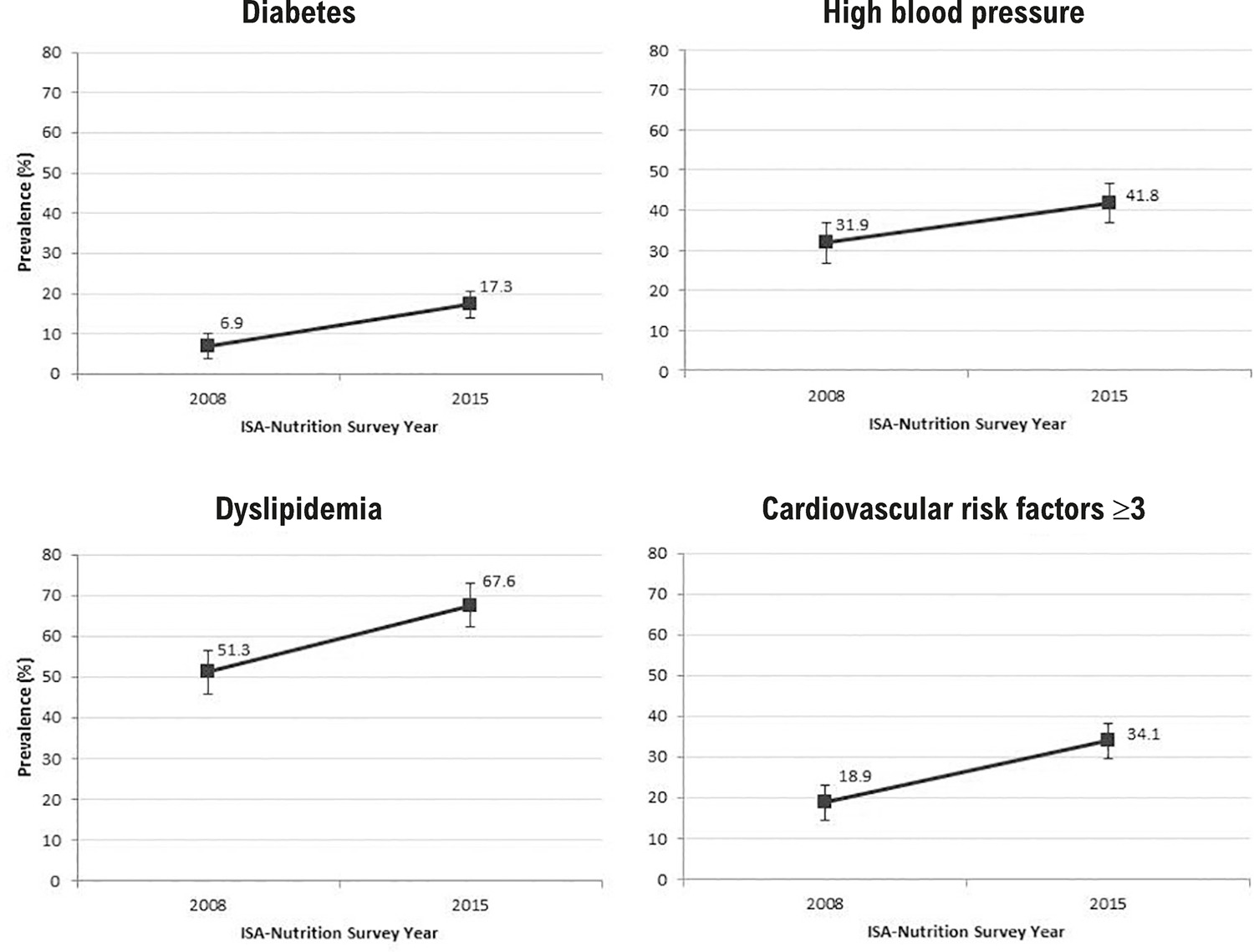
Obesity and older age were associated with higher odds of all cardiovascular risk factors investigated, except for dyslipidemia. HBP was positively associated with being Black/Brown and negatively associated with being physicaly active in leisure time. Women were more likely to have increased adiposity indicators and three or more cardiovascular risk factors than men. Those with higher education had lower chances of having diabetes, HBP and dyslipidemia, and those with higher income had higher chances of having three or more risk factors. Former smokers had higher odds of diabetes, obesity, and high waist/height ratio, and smokers had higher odds of high non-HDL cholesterol levels. From 2008 to 2015, there was an increase (p<0.001) in the prevalence of diabetes (6.9% to 17.3%), HBP (31.9% to 41.8%), dyslipidemia (51.3% to 67.6%), and number of CVD risk factors ≥3 (18.9% to 34.1%).

Conclusion

This study shows increasing prevalence of CVD risk factors in adult population in Sao Paulo and may support the definition of target groups and priority actions on CVD prevention and treatment.
  • Cardiovascular Diseases / epidemiology
  • Morbidity
  • Mortality
  • Prevalence
  • Risk Factors
  • Urban Health Services
Read Full Article
Creative Commons Attribution (CC BY) Creative Commons license
07/01/2022 DOI: 10.36660/ijcs.20210076
IJCS
Original Article

Influence of Factors Affecting Quality of Life on in-Hospital Cardiovascular Events of Patients with Acute Myocardial Infarction with and without ST-segment Elevation

Monique Tavares de Jesus et al. Ingrid Maria Novais Barros de Carvalho Costa Danielle Góes da Silva José Rodrigo Santos Silva … José Augusto Soares Barreto-Filho Marcos Antonio Almeida-Santos Joselina Luzia Meneses Oliveira Mirella Dornelas Batalha Moreira Buarque Fabrício Anjos de Andrade Antônio Carlos Sobral Sousa

Abstract

Background

Acute myocardial infarction (AMI), with and without ST-segment elevation (STEMI and NSTEMI, respectively), is the principal cause of cardiovascular morbidity and mortality in Brazil and around the world. Modifiable risk factors (RF) and quality of life (QOL) may correlate with the type of AMI.

Objective

To evaluate the influence of QOL and RF on the type of AMI and in-hospital cardiovascular events in STEMI and NSTEMI patients.

Methods

This was an observational, cross-sectional study. Patients with AMI attending four referral hospitals (three private and one public) for cardiovascular disease treatment were assessed for QOL using the Brazilian version of the 36-item short form survey. A p < 0.05 was considered statistically significant.

Results

We evaluated 480 volunteers; 51% were treated in one of the private hospitals. In total, 55.6% presented with STEMI, and 44.4% with NSTEMI. Patients from the public hospital were 8.56 times more likely to have STEMI compared to those from the private hospitals. There was a higher prevalence of smokers in STEMI (p < 0.028) patients. QOL was not associated with the type of AMI. A negative patient perception of the physical health and pain domains was observed. Although a significant difference between the physical and the mental health domains was not observed, individual domains were correlated with some in-hospital outcomes.

Conclusion

There was a higher prevalence of smokers among individuals with STEMI. Domains of QOL showed a statistically significant relationship with the occurrence of in-hospital cardiovascular events, with no difference between the types of AMI.

  • Cardiovascular Diseases / epidemiology
  • Coronary Acute, Syndrome
  • medication adherence
  • Myocardial Infarction
  • Risk Factors
Read Full Article
Creative Commons Attribution (CC BY) Creative Commons license
07/07/2021 DOI: 10.36660/ijcs.20190185
Figure 1
ABC
Original Article

Association between Serum Uric Acid and Pre-hypertension and Hypertension among Chinese Adults

Lijun Zhu et al. Xiaoyu Zhang Zhengmei Fang Yuelong Jin … Weiwei Chang Yan Chen Yingshui Yao

Abstract

Background

Uric acid (UA), the end product of purine nucleotide metabolism, participates in the processes of metabolic and cardiovascular diseases. Experimental evidence suggests it is an important mediator in the physiological response to blood pressure increase.

Objective

To evaluate the association between serum UA levels and pre-hypertension and hypertension in a Chinese population.

Methods

A cross-sectional study was conducted from March to September 2017, and 1,138 participants aged 35 to 75 were enrolled in this study, where 223 normotensive, 316 pre-hypertensive, and 599 hypertensive subjects were selected to evaluate the association between serum UA levels and hypertension. A p-value <0.05 was considered statistically significant.

Results

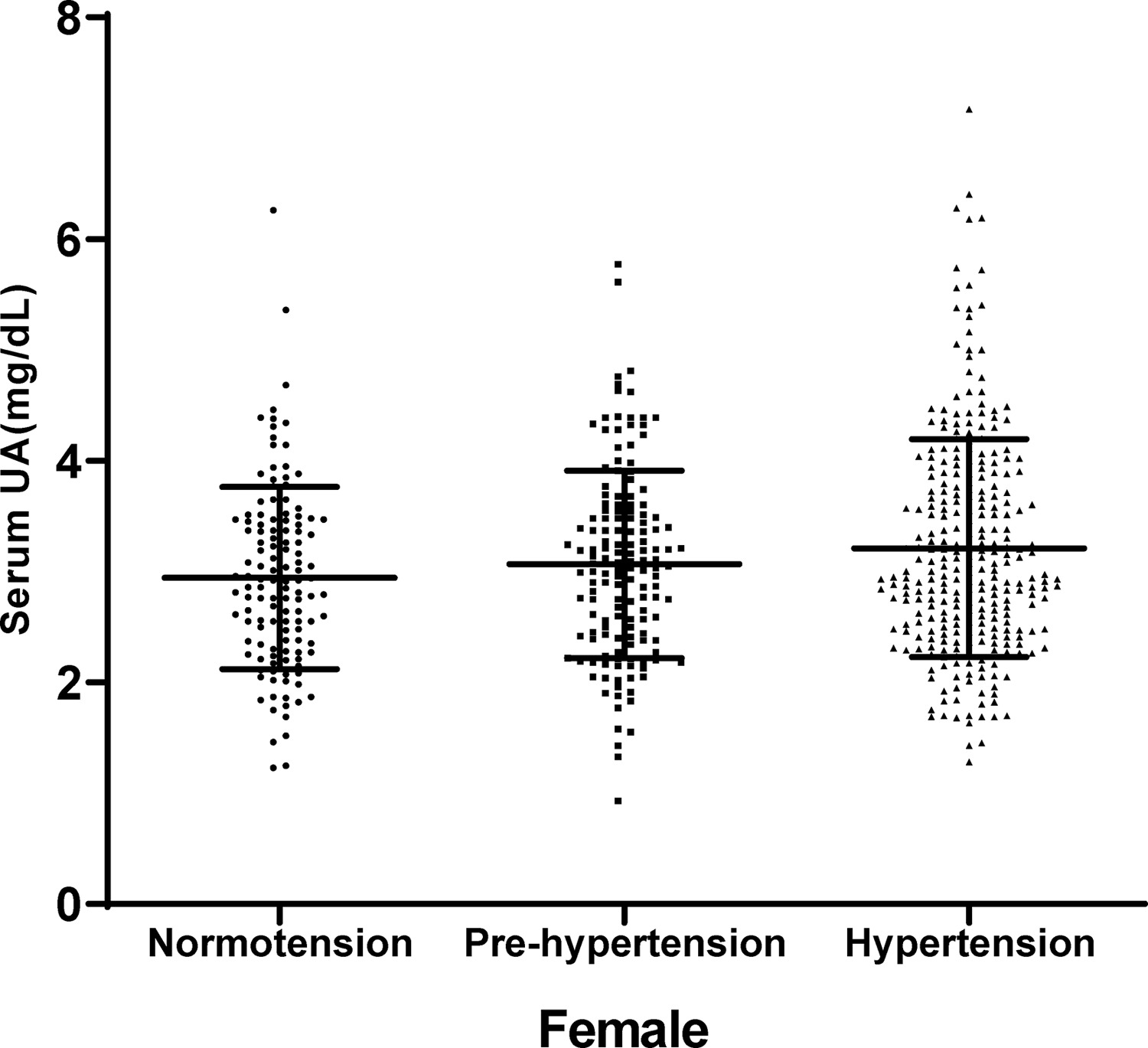
Serum UA levels were significantly higher in the pre-hypertension and hypertension group compared to the control group in the entire population (p<0.05 for all). Quantitative trait analysis indicated that serum UA levels were (2.92±0.81, 3.06±0.85, 3.22±0.98 mg/d) linearly increased in normotensive, pre-hypertensive and hypertensive females, with a p value of 0.008. Serum UA levels in the quartiles were positively correlated with DBP (p<0.05), particularly in females. After adjusting for age, gender, body mass index (BMI), glucose (GLU), total cholesterol (TC), triglycerides (TG), high-density lipoprotein cholesterol (HDL-c), the odds ratios (ORs) and 95% confidence intervals (CIs) of pre-hypertension from the lowest (referent) to the highest levels of serum UA were 1.718 (1.028–2.872), 1.018 (0.627–1.654) and 1.738 (1.003–3.010). Additionally, the second quartile of serum UA levels were significantly associated with hypertension, with an OR (95% CI) of 2.036 (1.256–3.298).

Conclusions

This study suggests that higher serum UA levels are positively associated with pre-hypertension and hypertension among Chinese adults.

  • Blood Arterial
  • Cardiovascular Diseases / epidemiology
  • Hypertension
  • Hyperuricemia
  • Risk Factors
  • uric acid
Read Full Article
Creative Commons Attribution (CC BY) Creative Commons license
14/06/2021 DOI: 10.36660/abc.20200098 Views 1
ABC
Editorial

Rediscovering Brazil: How We Prevent and Treat Cardiovascular Disease

Letícia Rodrigues Costa et al. Eduardo Vasconcelos Passos Odilson Marcos Silvestre

In Brazil, cardiovascular diseases (CVD) represent 27% of total deaths. These are mainly due to coronary heart disease (32%), stroke (28%) and heart failure (18%). , Although CVD are the leading cause of death in all five Brazilian regions, the percentage of deaths from CVD is higher in the more developed regions, i.e., South and Southeast.

Preventing cardiovascular disease is preventing deaths from heart attack, stroke and heart failure. In addition to non-pharmacological measures, pharmacological measures are effective and should be applied following the stratification of cardiovascular risk and use of evidence-based drugs. Among subjects with high cardiovascular risk, i.e., those with the greatest chance of cardiovascular events in the next ten years, using pharmacological therapies saves lives. Optimized medical therapy promotes a 36% reduction in mortality, 27% reduction of death/myocardial infarction/stroke and improves the quality of life of patients with heart disease. However, despite the efficacy established and proven in clinical trials, in real life the adherence to therapy is low, even in developed countries, with about 40% of patients receiving optimized therapy after 5 years of diagnosis.

[…]

  • Cardiovascular Diseases / epidemiology
  • Cardiovascular Diseases, mortality
  • Cardiovascular Diseases/complications
  • Morbimortality
  • Myocardial Infarction
  • Prevention and Control
  • Risk Factors
  • Stroke
Read Full Article
Creative Commons Attribution (CC BY) Creative Commons license
03/02/2021 DOI: 10.36660/abc.20201295 Views 1
ABC
Review Article

The Year in Cardiology 2018: ABC Cardiol and RPC at a glance

Ricardo Fontes-Carvalho et al. Glaucia Maria Moraes de Oliveira Lino Gonçalves Carlos Eduardo Rochitte

Coronary artery disease

In 2018, Rev Port Cardiol reported the 15-year results of the Portuguese Registry of Acute Coronary Syndromes (PorACS). This is a multi-center, continuous, and ongoing registry which has already involved more than 45,000 events, from 45 centers. It is one of the largest national registries in this field, which is only exceeded by the SWEDEHEART and the MINAP registries. This article provides very important information about the epidemiology and evolution of ACS treatment. First, it demonstrates that the clinical profile of ACS patients changed little over the years, and the proportion of ST-elevation myocardial infarction (STEMI) remained stable (45%). More importantly, over the years, there has been a major improvement in the overall quality of ACS care. For example, more than 85% of STEMI patients in Portugal now receive reperfusion therapy, which is mainly performed by primary PCI (only 5.2% underwent thrombolysis). This improvement in ACS care led to a remarkable reduction of in-hospital mortality, which decreased from 6.7% in 2002 to 2.5% in 2016. Therefore, the cardiovascular community must be acknowledged for this striking achievement. Nevertheless, the work is not finished, and this study also shows important gaps in ACS care that should be addressed. Unfortunately, time-to-reperfusion has not improved sufficiently, and there is an urgent need to improve both the “patient-delay” and “system-delay” times.

In another interesting article published in 2018, Pereira H. et al. evaluated the determinants of this “patient-delay” time in the Portuguese health system in 994 patients with suspected STEMI. Although most healthcare systems focus their performance measures in the evaluation of “door-to-balloon times”, it is important to understand and address the reasons for this “patient-delay time”, which means the time from symptom onset to the first medical contact. The investigators observed that patient-delay time was too long (about 120 minutes) and identified five predictors of increased patient-delay: 1) age > 75 years; 2) symptom onset between 0:00 and 8:00 a.m.; 3) attending a primary care unit before first medical contact; 4) not calling the national medical emergency number; and 5) self-transport to the emergency department. Therefore, this article provides important information to plan more effective patient-directed campaigns that can decrease patient-delay time and improve STEMI management and prognosis.

[…]

  • Cardiomyopathies
  • Cardiovascular Diseases / epidemiology
  • Cardiovascular Diseases/prevention and control
  • Heart Valve Diseases
  • Periodicals/trends
  • Scientific and Technical Activities/trends
Read Full Article
Creative Commons Attribution (CC BY) Creative Commons license
01/02/2019 DOI: 10.5935/abc.20190015 Views 1
Figure 1
ABC
Original Article

Ideal Cardiovascular Health and Job Strain: A Cross-Sectional Study from the Amazon Basin

Davi Dantas Muniz et al. Kamile Santos Siqueira Cristina Toledo Cornell Miguel Morita Fernandes-Silva … Pascoal Torres Muniz Odilson Marcos Silvestre

Abstract

Background:

Ideal Cardiovascular (CV) Health is characterized by four ideal lifestyle parameters and absence of cardiovascular risk factors. The prevalence of ideal CV health in the Amazon Basin and the influence of job strain on CV health in this setting are uncertain.

Objective:

To evaluate the prevalence of ideal CV health and its relationship with job strain in a secluded area from a developing country.

Methods:

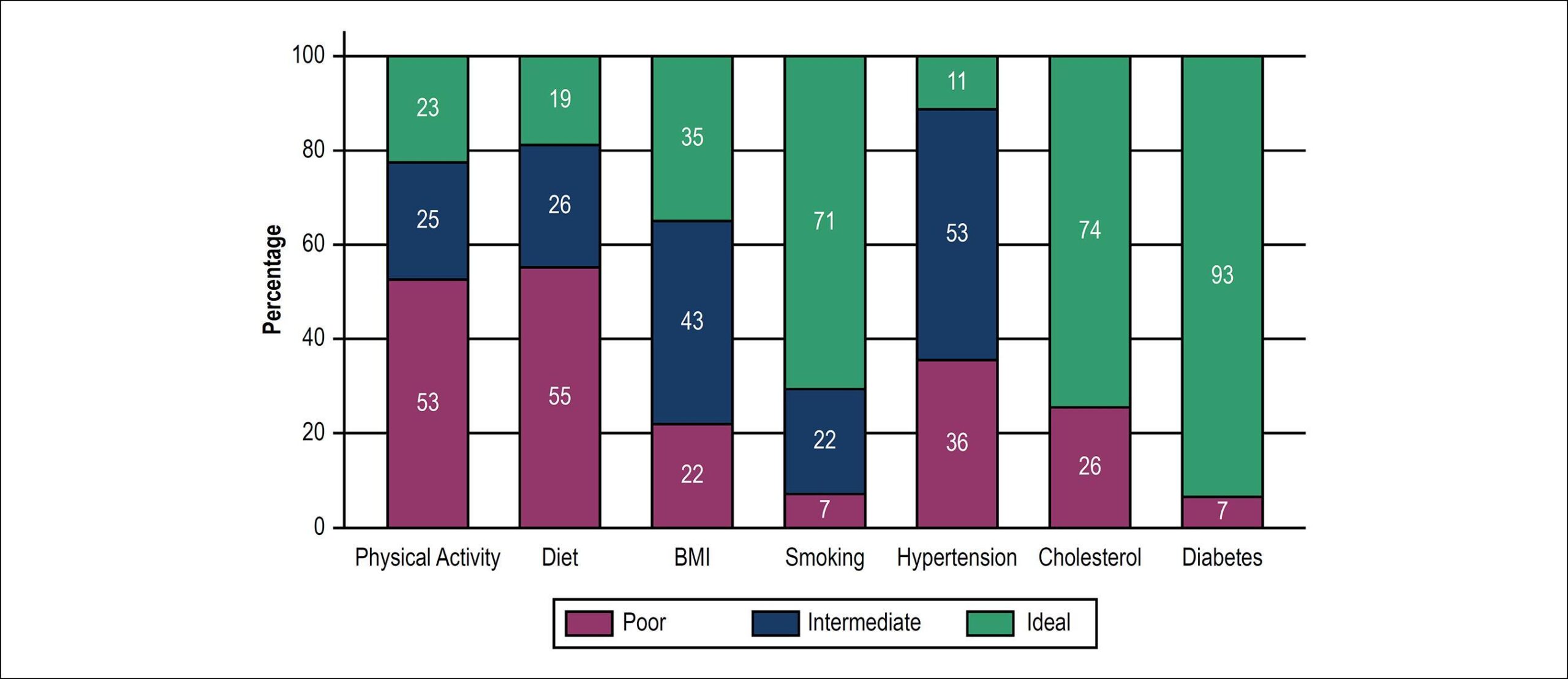
Job strain was evaluated in 478 employees from an university in the Amazon Basin by a questionnaire that classified participants as passive, active, low or high strain, according to the demand-control model. CV health was evaluated using the American Heart Association 7 health factors (diet, physical activity, body mass index (BMI), smoking, hypertension, diabetes and hypercholesterolemia). Participants were classified as having ideal, intermediate or poor CV health. The level of significance was set at p < 0.05.

Results:

The mean age was 44.3 ± 12 years, 65% were men, and 35% were faculty. No participant fulfilled the criteria for ideal CV health. Intermediate CV health was found in 44 (9%) and poor in 434 (91%) individuals. Considering low strain as a reference group, individuals classified as high strain, active and passive had a non-significant (p > 0.05) increase in the chances of having poor CV health. When adjusting for possible confounders, high job strain was associated with poor BMI (> 30 kg/m2), (OR 2.11, 95%CI 1.06-4.22; p = 0.034) and poor diet (OR 2.31, 95% CI 1.29-4.13; p = 0.005).

Conclusion:

Job strain was not associated with cardiovascular health, but high job strain was related to obesity and poor diet. Given the high prevalence of poor CV health and lack of participants with ideal CV health, policies focusing on health education and lifestyle interventions are paramount to this population.

  • Amazonian Ecosystem
  • Cardiovascular Diseases / epidemiology
  • Eating Disorders
  • Obesity
  • Prevention and Control
  • Risk Factors
  • Stress,Psychological
Read Full Article
Creative Commons Attribution (CC BY) Creative Commons license
07/01/2019 DOI: 10.5935/abc.20190005
ABC
Original Article

Cardiovascular Risk in Xavante Indigenous Population

Luana Padua Soares et al. Amaury Lelis Dal Fabbro Anderson Soares Silva Daniela Saes Sartorelli … Luciana Ferreira Franco Patrícia Chamadoira Kuhn Regina Santiago Moises João Paulo Botelho Vieira-Filho Laércio Joel Franco

Abstract

Background:

The prevalence of cardiovascular risk factors is little known in Brazilian indigenous populations. In the last two decades, important changes have occurred in the lifestyle and epidemiological profile of the Xavante people.

Objective:

to assess the prevalence of cardiovascular risk factors in Xavante adults in São Marcos and Sangradouro/Volta Grande reserves, in the state of Mato Grosso, Brazil.

Methods:

Cross-sectional study carried out with 925 Xavante people aged ≥ 20 years between 2008 and 2012. The following indicators were assessed: triglycerides (TG), total, LDL and HDL-cholesterol, Castelli index I and II, TG/HDL-cholesterol ratio, apo B / Apo A1 ratio, Framingham risk score, C-reactive protein, body mass index (BMI), waist circumference (WC), hypertriglyceridemic waist (HW), glycemia and blood pressure. Kolmogorov-Smirnov, Student’s t test and Chi-square test (χ2) were used for statistical analysis, and significance level was set at 5%.

Results:

High prevalence of elevated cardiovascular risk was observed in men and women according to HDL-cholesterol (66.2% and 86.2%, respectively), TG (53.2% and 51.5%), TG/HDL-cholesterol ratio (60.0% and 49.1%), C-reactive protein (44.1% and 48.1%), BMI (81.3% and 81.7%), WC (59.1% and 96.2%), HW (38.0% and 50,6%) and glycemia (46.8% and 70.2%). Individuals aged 40 to 59 years had the highest cardiovascular risk.

Conclusions:

The Xavante have a high cardiovascular risk according to several indicators evaluated. The present analysis of cardiovascular risk factors provides support for the development of preventive measures and early treatment, in attempt to minimize the impact of cardiovascular diseases on this population.

  • Adult
  • Cardiovascular Diseases / epidemiology
  • Dyslipidemias
  • Indigenous Population
  • Obesity
  • Risk Factors
Read Full Article
Creative Commons Attribution (CC BY) Creative Commons license
01/06/2018 DOI: 10.5935/abc.20180090
Figure 1
IJCS
Editorial

Relationship between Social Factors and Cardiovascular Diseases

Claudio Tinoco Mesquita

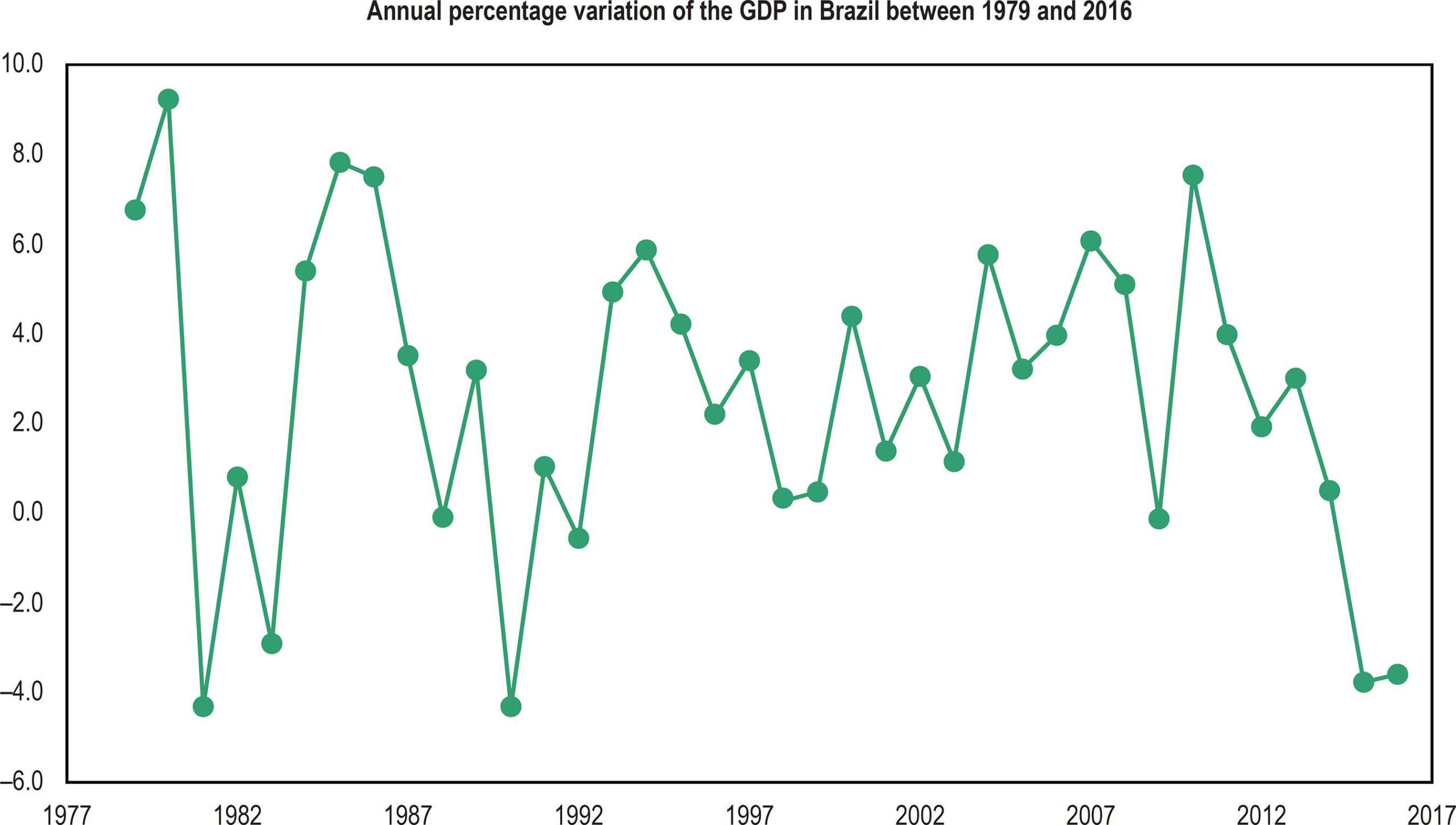
For decades, western countries have witnessed cardiovascular diseases leading the statistics for cause of death. In Brazil, diseases of the circulatory system (DCS) represent a major cause of death, accounting, in 2011, for 28.6% of all mortality causes.

[…]

  • Cardiovascular Diseases / epidemiology
  • Cardiovascular Diseases, mortality
  • Cardiovascular Diseases/prevention and control
  • Myocardial Ischemia
  • Risk Factors
  • Socioeconomic Factors
Read Full Article
Creative Commons Attribution (CC BY) Creative Commons license
01/01/2018 DOI: 10.5935/2359-4802.20180007
Figure 1
ABC
Original Article

Degree of Agreement between Cardiovascular Risk Stratification Tools

Guilherme Thomé Garcia et al. Ana Maria Nunes de Faria Stamm Ariel Córdova Rosa Antônio Carlos Marasciulo … Rodrigo Conill Marasciulo Cristian Battistella Alexandre Augusto de Costa Remor

Abstract

Background:

Cardiovascular disease (CVD) is the leading cause of morbidity and mortality in Brazil, and primary prevention care may be guided by risk stratification tools. The Framingham (FRS) and QRISK-2 (QRS) risk scores estimate 10-year overall cardiovascular risk in asymptomatic individuals, but the instrument of choice may lead to different therapeutic strategies.

Objective:

To evaluate the degree of agreement between FRS and QRS in 10-year overall cardiovascular risk stratification in disease-free individuals.

Methods:

Cross-sectional, observational, descriptive and analytical study in a convenience sample of 74 individuals attending the outpatient care service of a university hospital in Brazil between January 2014 and January 2015. After application of FRS and QRS, patients were classified in low/moderate risk (< 20%) or high risk (≥ 20%).

Results:

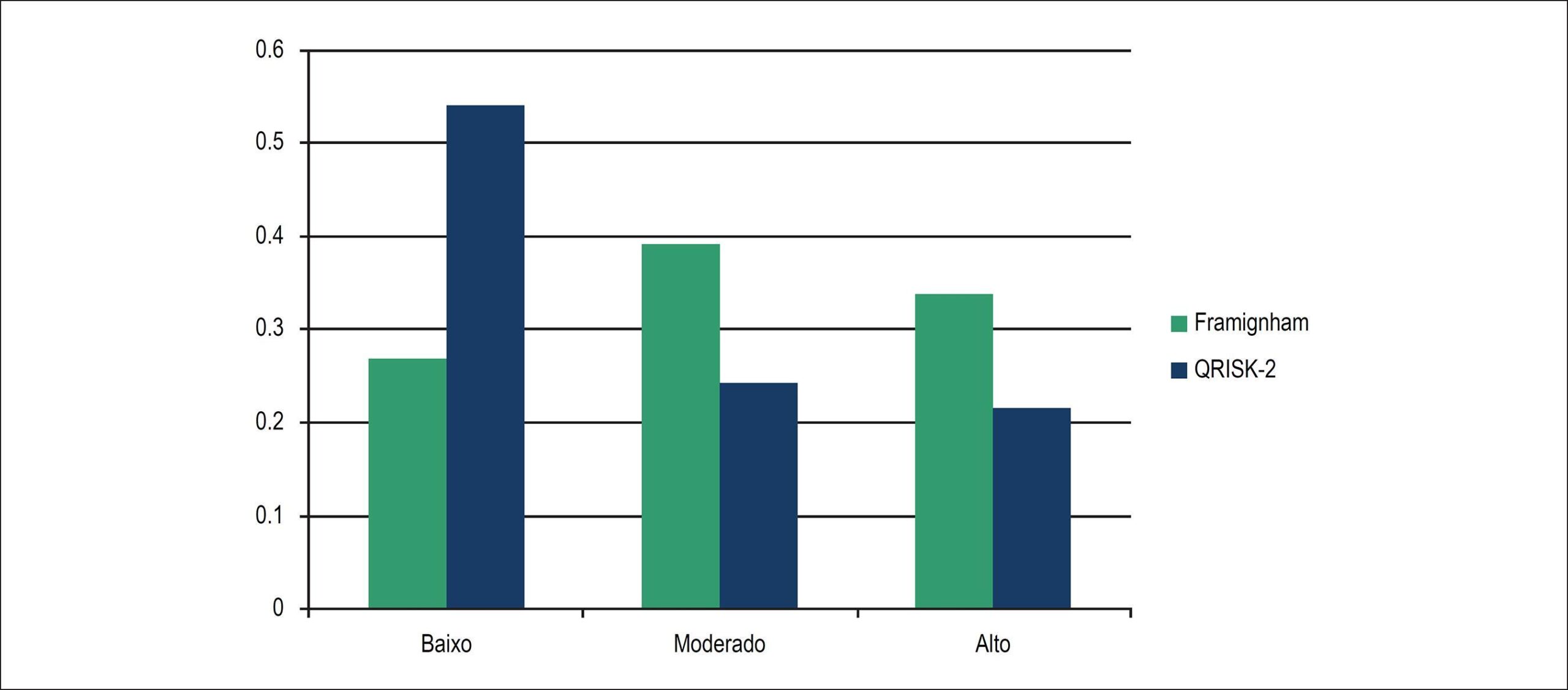
The proportion of individuals classified as at high risk was higher in FRS than in QRS (33.7% vs 21.6%). A synergic effect of male gender with systemic arterial hypertension was observed in both tools, and with for geriatric age group in QRS (p < 0.05) in high-risk stratum. The Kappa index was 0.519 (95%CI = 0.386-0.652; p < 0.001) between both instruments.

Conclusion:

There was a moderate agreement between FRS and QRS in estimating 10-year overall cardiovascular risk. The risk scores used in this study can identify synergism between variables, and their behavior is influenced by the population in which it was derived. It is important to recognize the need for calibrating risk scores for the Brazilian population.

  • Cardiovascular Diseases / epidemiology
  • Cardiovascular Diseases / morbidity
  • Cardiovascular Diseases, mortality
  • Period Analysis
  • Risk Assessment
Read Full Article
Creative Commons Attribution (CC BY) Creative Commons license
01/05/2017 DOI: 10.5935/abc.20170057
ABC
Editorial

Gramado Declaration: The Impact of 20 Years of Cardiovascular Prevention

Aloyzio Achutti et al. Ricardo Stein Lúcia Pellanda Bruce B. Duncan

From May 1st to 10th, 1997, the First Brazilian Seminar on Cardiovascular Epidemiology, was held in the city of Gramado (RS), in the manner in which the World Federation of Cardiology has been promoting in various parts of the world since 1968 with The title Ten-Day International Didactic Seminars on Cardiovascular Epidemiology and Prevention.

The initiative came from the Scientific Advisory Board of the Faculty of Medicine of the Universidade Federal of Rio Grande do Sul (UFRGS) and the Cardiology Clinical Department and of the Committe de Epidemiology and Public Health of the Sociedade Brasileira de Cardiologia (SBC), under the auspices of the Coordination of Higher Education for Personal Development (CAPES), the World Heart Federation (at that time still called the International Society and Federation of Cardiology) and the Inter-American Heart Foundation.

[…]

  • Cardiovascular Diseases / epidemiology
  • Cardiovascular Diseases / prevention & control
  • Cardiovascular Diseases / trends
Read Full Article
Creative Commons Attribution (CC BY) Creative Commons license
01/03/2017 DOI: 10.5935/abc.20170040
IJCS
Editorial

Are my Values Different from Yours? The Value of Coronary Artery Disease Invasive Care in Brazil

Alexandre Siciliano Colafranceschi

Coronary Artery Disease (CAD) has been consistently associated with the leading cause of death and disability in most western industrialized countries since the mid-1950s. Although it still has a major impact on the health of society in these countries, CAD rates have considerably decreased in recent decades.

There are significant differences in the prevalence of CAD, as different world regions face varying stages of this epidemic. An epidemiological transition model for cardiovascular disease describes a series of stages starting from a population profile with low life expectancy and cardiovascular diseases mainly due to infectious diseases and malnutrition, which is a pattern commonly observed in developing countries. As the economic and public health development improves the population’s nutrition and decreases infectious disease rates, life expectancy increases, and the pattern and rates of cardiovascular disease are changed. In the last phase, commonly seen in high-income countries, life expectancy increases, and degenerative cardiovascular diseases at advanced age predominate. Variable rates of incidence, prevalence, and mortality reflect the different levels of risk factors, other concurrent causes of death, and the availability of resources to fight cardiovascular disease.

[…]

  • Balloon, Coronary
  • Cardiovascular Diseases / epidemiology
  • Coronary Artery Disease
  • Minimally Invasive Procedures Angioplasty
Read Full Article
Creative Commons Attribution (CC BY) Creative Commons license
01/01/2017 DOI: 10.5935/2359-4802.20170074
Figure 1
ABC
Original Article

Trends in Mortality Rate from Cardiovascular Disease in Brazil, 1980-2012

Antonio de Padua Mansur et al. Desidério Favarato

Abstract

Background:

Studies have questioned the downward trend in mortality from cardiovascular diseases (CVD) in Brazil in recent years.

Objective:

to analyze recent trends in mortality from ischemic heart disease (IHD) and stroke in the Brazilian population.

Methods:

Mortality and population data were obtained from the Brazilian Institute of Geography and Statistics and the Ministry of Health. Risk of death was adjusted by the direct method, using as reference the world population of 2000. We analyzed trends in mortality from CVD, IHD and stroke in women and men in the periods of 1980-2006 and 2007-2012.

Results:

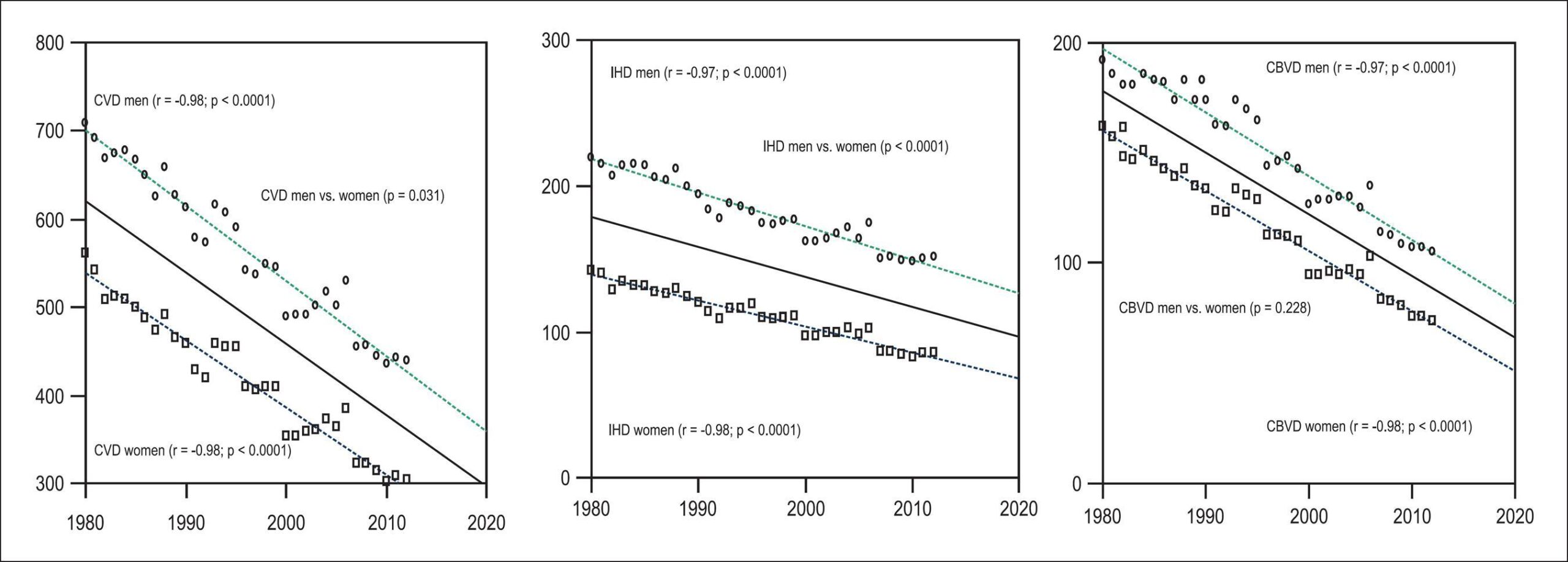
there was a decrease in CVD mortality and stroke in women and men for both periods (p < 0.001). Annual mortality variations for periods 1980-2006 and 2007-2012 were, respectively: CVD (total): -1.5% and -0.8%; CVD men: -1.4% and -0.6%; CVD women: -1.7% and -1.0%; DIC (men): -1.1% and 0.1%; stroke (men): -1.7% and -1.4%; DIC (women): -1.5% and 0.4%; stroke (women): -2.0% and -1.9%. From 1980 to 2006, there was a decrease in IHD mortality in men and women (p < 0.001), but from 2007 to 2012, changes in IHD mortality were not significant in men [y = 151 + 0.04 (R2 = 0.02; p = 0.779)] and women [y = 88-0.54 (R2 = 0.24; p = 0.320).

Conclusion:

Trend in mortality from IHD stopped falling in Brazil from 2007 to 2012.

  • Brain Ischemia
  • Cardiovascular Diseases / epidemiology
  • Mortality/trends
  • Myocardial Ischemia
Read Full Article
Creative Commons Attribution (CC BY) Creative Commons license
24/05/2016 DOI: 10.5935/abc.20160077 Views 1
Graph 1
ABC
Original Article

Mortality from Cardiovascular Diseases in the Elderly: Comparative Analysis of Two Five-year Periods

Grasiela Piuvezam et al. Wilton Rodrigues Medeiros Andressa Vellasco Costa Felipe Fonseca Emerenciano … Renata Cristina Santos Danilo Silveira Seabra

Background:

Cardiovascular diseases are the leading cause of death in Brazil. The better understanding of the spatial and temporal distribution of mortality from cardiovascular diseases in the Brazilian elderly population is essential to support more appropriate health actions for each region of the country.

Objective:

To describe and to compare geospatially the rates of mortality from cardiovascular disease in elderly individuals living in Brazil by gender in two 5-year periods: 1996 to 2000 and 2006 to 2010.

Methods:

This is an ecological study, for which rates of mortality were obtained from DATASUS and the population rates from the Brazilian Institute of Geography and Statistics (Instituto Brasileiro de Geografia e Estatística). An average mortality rate for cardiovascular disease in elderly by gender was calculated for each period. The spatial autocorrelation was evaluated by TerraView 4.2.0 through global Moran index and the formation of clusters by the index of local Moran-LISA.

Results:

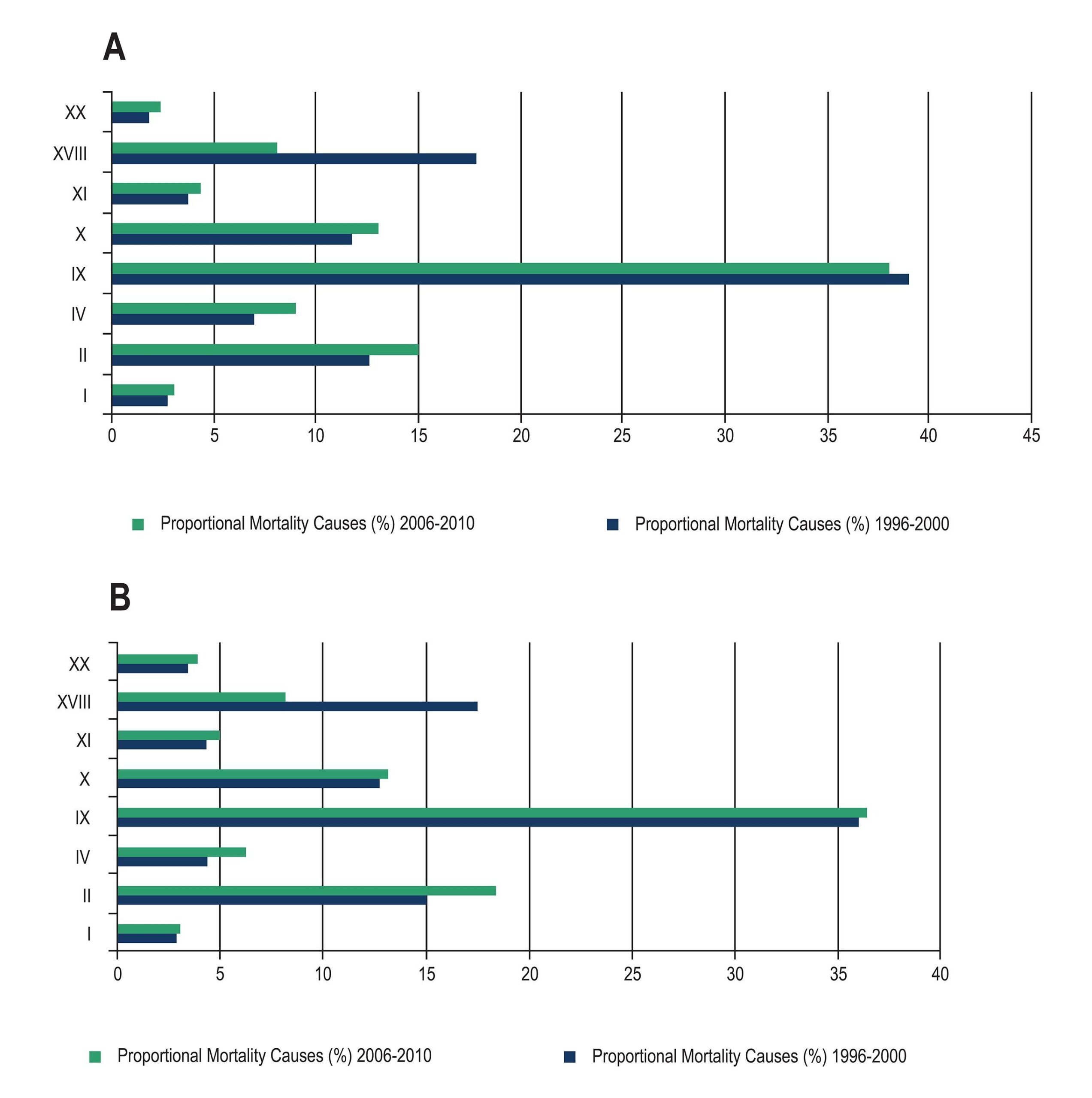
There was an increase, in the second 5-year period, in the mortality rates in the Northeast and North regions, parallel to a decrease in the South, South-East and Midwest regions. Moreover, there was the formation of clusters with high mortality rates in the second period in Roraima among females, and in Ceará, Pernambuco and Roraima among males.

Conclusion:

The increase in mortality rates in the North and Northeast regions is probably related to the changing profile of mortality and improvement in the quality of information, a result of the increase in surveillance and health care measures in these regions.

  • Aged
  • Cardiovascular Diseases / epidemiology
  • Cardiovascular Diseases, mortality
  • Comparative Study
Read Full Article
Creative Commons Attribution (CC BY) Creative Commons license
18/08/2015 DOI: 10.5935/abc.20150096
ABC
Editorial

Trajectories of Cardiovascular Health: Life Course Epidemiology in Brazil

Lucia Campos Pellanda

Cardiovascular epidemiology has advanced enormously in the study of risk factors for atherosclerosis, as evidenced by publications in Arquivos Brasileiros de Cardiologia (ABC) in the last years – .

Based on this information, it is possible to explore new hypotheses and, therefore, new frontiers for prevention. The different perspectives for the study of these risk factors include the life course epidemiology. This perspective considers that the onset of the disease may occur long before the establishment of traditional risk factors in adulthood. Thus, health and diseases can be considered as a result of long-term effects of exposure to different factors throughout the various stages of life, including intrauterine life, childhood, adolescence and adulthood.

[…]

  • Cardiovascular Diseases / epidemiology
  • Life change events
  • Periodicals as Topic
  • Risk Factors
Read Full Article
Creative Commons Attribution (CC BY) Creative Commons license
01/05/2014 DOI: 10.5935/abc.20140065

How to cite this article

EndNote RIS

Electronic Document Format (Vancouver)

Pereira JL, Castro MA, Leite JMRS, Rogero MM, Sarti FM, César CLG, Goldbaum M, et al. Overview of Cardiovascular Disease Risk Factors in Adults in São Paulo, Brazil: Prevalence and Associated Factors in 2008 and 2015. International Journal of Cardiovascular Sciences 2022;35(2):230-42.

Electronic Document Format (ABNT)

Pereira, Jaqueline L.; Castro, Michelle A de; Leite, Jean M. R. S.; Rogero, Marcelo M.; Sarti, Flavia M.; César, Chester Luís Galvão; Goldbaum, Moisés; Fisberg, Regina M.. Overview of Cardiovascular Disease Risk Factors in Adults in São Paulo, Brazil: Prevalence and Associated Factors in 2008 and 2015. International Journal of Cardiovascular Sciences, v. 35, n. 2, p. 230-242, Jan. 2022.

Electronic Document Format (APA)

Pereira, J. L., Castro, M. A. , Leite, J. M. R. S., Rogero, M. M., Sarti, F. M., César, C. L. G., Goldbaum, M., & Fisberg, R. M. (2022). Overview of Cardiovascular Disease Risk Factors in Adults in São Paulo, Brazil: Prevalence and Associated Factors in 2008 and 2015. International Journal of Cardiovascular Sciences, 35(2), 230-242.

Electronic Document Format (ISO)

Pereira, Jaqueline L. and Castro, Michelle A de and Leite, Jean M. R. S. and Rogero, Marcelo M. and Sarti, Flavia M. and César, Chester Luís Galvão and Goldbaum, Moisés and Fisberg, Regina M.. Overview of Cardiovascular Disease Risk Factors in Adults in São Paulo, Brazil: Prevalence and Associated Factors in 2008 and 2015. International Journal of Cardiovascular Sciences [online]. 2022, vol. 35, n. 2, [cited 2026-10-14], pp. 230-242. Available from: <https://journals.cardiol.br/en/article/overview-of-cardiovascular-disease-risk-factors-in-adults-in-sao-paulo-brazil-prevalence-and-associated-factors-in-2008-and-2015/>. ISSN 2359-4802

EndNote RIS

Electronic Document Format (Vancouver)

Jesus MT, Costa IMNBC, Silva DG, Silva JRS, Barreto-Filho JAS, Almeida-Santos MA, Oliveira JLM, et al. Influence of Factors Affecting Quality of Life on in-Hospital Cardiovascular Events of Patients with Acute Myocardial Infarction with and without ST-segment Elevation. International Journal of Cardiovascular Sciences 2021;34(5 Supl 1):68-77.

Electronic Document Format (ABNT)

Jesus, Monique Tavares de; Costa, Ingrid Maria Novais Barros de Carvalho; Silva, Danielle Góes da; Silva, José Rodrigo Santos; Barreto-Filho, José Augusto Soares; Almeida-Santos, Marcos Antonio; Oliveira, Joselina Luzia Meneses; Buarque, Mirella Dornelas Batalha Moreira; Andrade, Fabrício Anjos de; Sousa, Antônio Carlos Sobral. Influence of Factors Affecting Quality of Life on in-Hospital Cardiovascular Events of Patients with Acute Myocardial Infarction with and without ST-segment Elevation. International Journal of Cardiovascular Sciences, v. 34, n. 5 Supl 1, p. 68-77, Jul. 2021.

Electronic Document Format (APA)

Jesus, M. T. , Costa, I. M. N. B. C., Silva, D. G. , Silva, J. R. S., Barreto-Filho, J. A. S., Almeida-Santos, M. A., Oliveira, J. L. M., Buarque, M. D. B. M., Andrade, F. A. , & Sousa, A. C. S. (2021). Influence of Factors Affecting Quality of Life on in-Hospital Cardiovascular Events of Patients with Acute Myocardial Infarction with and without ST-segment Elevation. International Journal of Cardiovascular Sciences, 34(5 Supl 1), 68-77.

Electronic Document Format (ISO)

Jesus, Monique Tavares de and Costa, Ingrid Maria Novais Barros de Carvalho and Silva, Danielle Góes da and Silva, José Rodrigo Santos and Barreto-Filho, José Augusto Soares and Almeida-Santos, Marcos Antonio and Oliveira, Joselina Luzia Meneses and Buarque, Mirella Dornelas Batalha Moreira and Andrade, Fabrício Anjos de and Sousa, Antônio Carlos Sobral. Influence of Factors Affecting Quality of Life on in-Hospital Cardiovascular Events of Patients with Acute Myocardial Infarction with and without ST-segment Elevation. International Journal of Cardiovascular Sciences [online]. 2021, vol. 34, n. 5 Supl 1, [cited 2026-10-14], pp. 68-77. Available from: <https://journals.cardiol.br/en/article/influence-of-factors-affecting-quality-of-life-on-in-hospital-cardiovascular-events-of-patients-with-acute-myocardial-infarction-with-and-without-st-segment-elevation/>. ISSN 2359-4802

EndNote RIS

Electronic Document Format (Vancouver)

Zhu L, Zhang X, Fang Z, Jin Y, Chang W, Chen Y, Yao Y, et al. Association between Serum Uric Acid and Pre-hypertension and Hypertension among Chinese Adults. Arquivos Brasileiros de Cardiologia 2021;116(6):1072-8.

Electronic Document Format (ABNT)

Zhu, Lijun; Zhang, Xiaoyu; Fang, Zhengmei; Jin, Yuelong; Chang, Weiwei; Chen, Yan; Yao, Yingshui. Association between Serum Uric Acid and Pre-hypertension and Hypertension among Chinese Adults. Arquivos Brasileiros de Cardiologia, v. 116, n. 6, p. 1072-1078, Jun. 2021.

Electronic Document Format (APA)

Zhu, L., Zhang, X., Fang, Z., Jin, Y., Chang, W., Chen, Y., & Yao, Y. (2021). Association between Serum Uric Acid and Pre-hypertension and Hypertension among Chinese Adults. Arquivos Brasileiros de Cardiologia, 116(6), 1072-1078.

Electronic Document Format (ISO)

Zhu, Lijun and Zhang, Xiaoyu and Fang, Zhengmei and Jin, Yuelong and Chang, Weiwei and Chen, Yan and Yao, Yingshui. Association between Serum Uric Acid and Pre-hypertension and Hypertension among Chinese Adults. Arquivos Brasileiros de Cardiologia [online]. 2021, vol. 116, n. 6, [cited 2026-10-14], pp. 1072-1078. Available from: <https://journals.cardiol.br/en/article/association-between-serum-uric-acid-and-pre-hypertension-and-hypertension-among-chinese-adults/>. ISSN 0066-782X

EndNote RIS

Electronic Document Format (Vancouver)

Costa LR, Passos EV, Silvestre OM. Rediscovering Brazil: How We Prevent and Treat Cardiovascular Disease. Arquivos Brasileiros de Cardiologia 2021;116(1):117-8.

Electronic Document Format (ABNT)

Costa, Letícia Rodrigues; Passos, Eduardo Vasconcelos; Silvestre, Odilson Marcos. Rediscovering Brazil: How We Prevent and Treat Cardiovascular Disease. Arquivos Brasileiros de Cardiologia, v. 116, n. 1, p. 117-118, Feb. 2021.

Electronic Document Format (APA)

Costa, L. R., Passos, E. V., & Silvestre, O. M. (2021). Rediscovering Brazil: How We Prevent and Treat Cardiovascular Disease. Arquivos Brasileiros de Cardiologia, 116(1), 117-118.

Electronic Document Format (ISO)

Costa, Letícia Rodrigues and Passos, Eduardo Vasconcelos and Silvestre, Odilson Marcos. Rediscovering Brazil: How We Prevent and Treat Cardiovascular Disease. Arquivos Brasileiros de Cardiologia [online]. 2021, vol. 116, n. 1, [cited 2026-10-14], pp. 117-118. Available from: <https://journals.cardiol.br/en/article/rediscovering-brazil-how-we-prevent-and-treat-cardiovascular-disease/>. ISSN 0066-782X

EndNote RIS

Electronic Document Format (Vancouver)

Fontes-Carvalho R, Oliveira GMM, Gonçalves L, Rochitte CE. The Year in Cardiology 2018: ABC Cardiol and RPC at a glance. Arquivos Brasileiros de Cardiologia 2019;112(2):193-200.

Electronic Document Format (ABNT)

Fontes-Carvalho, Ricardo; Oliveira, Glaucia Maria Moraes de; Gonçalves, Lino; Rochitte, Carlos Eduardo. The Year in Cardiology 2018: ABC Cardiol and RPC at a glance. Arquivos Brasileiros de Cardiologia, v. 112, n. 2, p. 193-200, Jan. 2019.

Electronic Document Format (APA)

Fontes-Carvalho, R., Oliveira, G. M. M. , Gonçalves, L., & Rochitte, C. E. (2019). The Year in Cardiology 2018: ABC Cardiol and RPC at a glance. Arquivos Brasileiros de Cardiologia, 112(2), 193-200.

Electronic Document Format (ISO)

Fontes-Carvalho, Ricardo and Oliveira, Glaucia Maria Moraes de and Gonçalves, Lino and Rochitte, Carlos Eduardo. The Year in Cardiology 2018: ABC Cardiol and RPC at a glance. Arquivos Brasileiros de Cardiologia [online]. 2019, vol. 112, n. 2, [cited 2026-10-14], pp. 193-200. Available from: <https://journals.cardiol.br/en/article/the-year-in-cardiology-2018-abc-cardiol-and-rpc-at-a-glance/>. ISSN 0066-782X

EndNote RIS

Electronic Document Format (Vancouver)

Muniz DD, Siqueira KS, Cornell CT, Fernandes-Silva MM, Muniz PT, Silvestre OM. Ideal Cardiovascular Health and Job Strain: A Cross-Sectional Study from the Amazon Basin. Arquivos Brasileiros de Cardiologia 2019;112(3):260-8.

Electronic Document Format (ABNT)

Muniz, Davi Dantas; Siqueira, Kamile Santos; Cornell, Cristina Toledo; Fernandes-Silva, Miguel Morita; Muniz, Pascoal Torres; Silvestre, Odilson Marcos. Ideal Cardiovascular Health and Job Strain: A Cross-Sectional Study from the Amazon Basin. Arquivos Brasileiros de Cardiologia, v. 112, n. 3, p. 260-268, Jan. 2019.

Electronic Document Format (APA)

Muniz, D. D., Siqueira, K. S., Cornell, C. T., Fernandes-Silva, M. M., Muniz, P. T., & Silvestre, O. M. (2019). Ideal Cardiovascular Health and Job Strain: A Cross-Sectional Study from the Amazon Basin. Arquivos Brasileiros de Cardiologia, 112(3), 260-268.

Electronic Document Format (ISO)

Muniz, Davi Dantas and Siqueira, Kamile Santos and Cornell, Cristina Toledo and Fernandes-Silva, Miguel Morita and Muniz, Pascoal Torres and Silvestre, Odilson Marcos. Ideal Cardiovascular Health and Job Strain: A Cross-Sectional Study from the Amazon Basin. Arquivos Brasileiros de Cardiologia [online]. 2019, vol. 112, n. 3, [cited 2026-10-14], pp. 260-268. Available from: <https://journals.cardiol.br/en/article/ideal-cardiovascular-health-and-job-strain-a-cross-sectional-study-from-the-amazon-basin/>. ISSN 0066-782X

EndNote RIS

Electronic Document Format (Vancouver)

Soares LP, Fabbro ALD, Silva AS, Sartorelli DS, Franco LF, Kuhn PC, Moises RS, et al. Cardiovascular Risk in Xavante Indigenous Population. Arquivos Brasileiros de Cardiologia 2018;110(6):542-50.

Electronic Document Format (ABNT)

Soares, Luana Padua; Fabbro, Amaury Lelis Dal; Silva, Anderson Soares; Sartorelli, Daniela Saes; Franco, Luciana Ferreira; Kuhn, Patrícia Chamadoira; Moises, Regina Santiago; Vieira-Filho, João Paulo Botelho; Franco, Laércio Joel. Cardiovascular Risk in Xavante Indigenous Population. Arquivos Brasileiros de Cardiologia, v. 110, n. 6, p. 542-550, May. 2018.

Electronic Document Format (APA)

Soares, L. P., Fabbro, A. L. D., Silva, A. S., Sartorelli, D. S., Franco, L. F., Kuhn, P. C., Moises, R. S., Vieira-Filho, J. P. B., & Franco, L. J. (2018). Cardiovascular Risk in Xavante Indigenous Population. Arquivos Brasileiros de Cardiologia, 110(6), 542-550.

Electronic Document Format (ISO)

Soares, Luana Padua and Fabbro, Amaury Lelis Dal and Silva, Anderson Soares and Sartorelli, Daniela Saes and Franco, Luciana Ferreira and Kuhn, Patrícia Chamadoira and Moises, Regina Santiago and Vieira-Filho, João Paulo Botelho and Franco, Laércio Joel. Cardiovascular Risk in Xavante Indigenous Population. Arquivos Brasileiros de Cardiologia [online]. 2018, vol. 110, n. 6, [cited 2026-10-14], pp. 542-550. Available from: <https://journals.cardiol.br/en/article/cardiovascular-risk-in-xavante-indigenous-population/>. ISSN 0066-782X

EndNote RIS

Electronic Document Format (Vancouver)

Mesquita CT. Relationship between Social Factors and Cardiovascular Diseases. International Journal of Cardiovascular Sciences 2018;31(2):87-9.

Electronic Document Format (ABNT)

Mesquita, Claudio Tinoco. Relationship between Social Factors and Cardiovascular Diseases. International Journal of Cardiovascular Sciences, v. 31, n. 2, p. 87-89, Dec. 2017.

Electronic Document Format (APA)

Mesquita, C. T. (2018). Relationship between Social Factors and Cardiovascular Diseases. International Journal of Cardiovascular Sciences, 31(2), 87-89.

Electronic Document Format (ISO)

Mesquita, Claudio Tinoco. Relationship between Social Factors and Cardiovascular Diseases. International Journal of Cardiovascular Sciences [online]. 2018, vol. 31, n. 2, [cited 2026-10-14], pp. 87-89. Available from: <https://journals.cardiol.br/en/article/relationship-between-social-factors-and-cardiovascular-diseases/>. ISSN 2359-4802

EndNote RIS

Electronic Document Format (Vancouver)

Garcia GT, Stamm AMNF, Rosa AC, Marasciulo AC, Marasciulo RC, Battistella C, Remor AAC, et al. Degree of Agreement between Cardiovascular Risk Stratification Tools. Arquivos Brasileiros de Cardiologia 2017;108(5):427-35.

Electronic Document Format (ABNT)

Garcia, Guilherme Thomé; Stamm, Ana Maria Nunes de Faria; Rosa, Ariel Córdova; Marasciulo, Antônio Carlos; Marasciulo, Rodrigo Conill; Battistella, Cristian; Remor, Alexandre Augusto de Costa. Degree of Agreement between Cardiovascular Risk Stratification Tools. Arquivos Brasileiros de Cardiologia, v. 108, n. 5, p. 427-435, Apr. 2017.

Electronic Document Format (APA)

Garcia, G. T., Stamm, A. M. N. F., Rosa, A. C., Marasciulo, A. C., Marasciulo, R. C., Battistella, C., & Remor, A. A. C. (2017). Degree of Agreement between Cardiovascular Risk Stratification Tools. Arquivos Brasileiros de Cardiologia, 108(5), 427-435.

Electronic Document Format (ISO)

Garcia, Guilherme Thomé and Stamm, Ana Maria Nunes de Faria and Rosa, Ariel Córdova and Marasciulo, Antônio Carlos and Marasciulo, Rodrigo Conill and Battistella, Cristian and Remor, Alexandre Augusto de Costa. Degree of Agreement between Cardiovascular Risk Stratification Tools. Arquivos Brasileiros de Cardiologia [online]. 2017, vol. 108, n. 5, [cited 2026-10-14], pp. 427-435. Available from: <https://journals.cardiol.br/en/article/degree-of-agreement-between-cardiovascular-risk-stratification-tools/>. ISSN 0066-782X

EndNote RIS

Electronic Document Format (Vancouver)

Achutti A, Stein R, Pellanda L, Duncan BB. Gramado Declaration: The Impact of 20 Years of Cardiovascular Prevention. Arquivos Brasileiros de Cardiologia 2017;108(3):193-4.

Electronic Document Format (ABNT)

Achutti, Aloyzio; Stein, Ricardo; Pellanda, Lúcia; Duncan, Bruce B.. Gramado Declaration: The Impact of 20 Years of Cardiovascular Prevention. Arquivos Brasileiros de Cardiologia, v. 108, n. 3, p. 193-194, Feb. 2017.

Electronic Document Format (APA)

Achutti, A., Stein, R., Pellanda, L., & Duncan, B. B. (2017). Gramado Declaration: The Impact of 20 Years of Cardiovascular Prevention. Arquivos Brasileiros de Cardiologia, 108(3), 193-194.

Electronic Document Format (ISO)

Achutti, Aloyzio and Stein, Ricardo and Pellanda, Lúcia and Duncan, Bruce B.. Gramado Declaration: The Impact of 20 Years of Cardiovascular Prevention. Arquivos Brasileiros de Cardiologia [online]. 2017, vol. 108, n. 3, [cited 2026-10-14], pp. 193-194. Available from: <https://journals.cardiol.br/en/article/gramado-declaration-the-impact-of-20-years-of-cardiovascular-prevention/>. ISSN 0066-782X

EndNote RIS

Electronic Document Format (Vancouver)

Colafranceschi AS. Are my Values Different from Yours? The Value of Coronary Artery Disease Invasive Care in Brazil. International Journal of Cardiovascular Sciences 2017;30(5):369-72.

Electronic Document Format (ABNT)

Colafranceschi, Alexandre Siciliano. Are my Values Different from Yours? The Value of Coronary Artery Disease Invasive Care in Brazil. International Journal of Cardiovascular Sciences, v. 30, n. 5, p. 369-372, Dec. 2016.

Electronic Document Format (APA)

Colafranceschi, A. S. (2017). Are my Values Different from Yours? The Value of Coronary Artery Disease Invasive Care in Brazil. International Journal of Cardiovascular Sciences, 30(5), 369-372.

Electronic Document Format (ISO)

Colafranceschi, Alexandre Siciliano. Are my Values Different from Yours? The Value of Coronary Artery Disease Invasive Care in Brazil. International Journal of Cardiovascular Sciences [online]. 2017, vol. 30, n. 5, [cited 2026-10-14], pp. 369-372. Available from: <https://journals.cardiol.br/en/article/are-my-values-different-from-yours-the-value-of-coronary-artery-disease-invasive-care-in-brazil/>. ISSN 2359-4802

EndNote RIS

Electronic Document Format (Vancouver)

Mansur AP, Favarato D. Trends in Mortality Rate from Cardiovascular Disease in Brazil, 1980-2012. Arquivos Brasileiros de Cardiologia 2016;107(1):20-5.

Electronic Document Format (ABNT)

Mansur, Antonio de Padua; Favarato, Desidério. Trends in Mortality Rate from Cardiovascular Disease in Brazil, 1980-2012. Arquivos Brasileiros de Cardiologia, v. 107, n. 1, p. 20-25, May. 2016.

Electronic Document Format (APA)

Mansur, A. P., & Favarato, D. (2016). Trends in Mortality Rate from Cardiovascular Disease in Brazil, 1980-2012. Arquivos Brasileiros de Cardiologia, 107(1), 20-25.

Electronic Document Format (ISO)

Mansur, Antonio de Padua and Favarato, Desidério. Trends in Mortality Rate from Cardiovascular Disease in Brazil, 1980-2012. Arquivos Brasileiros de Cardiologia [online]. 2016, vol. 107, n. 1, [cited 2026-10-14], pp. 20-25. Available from: <https://journals.cardiol.br/en/article/trends-in-mortality-rate-from-cardiovascular-disease-in-brazil-1980-2012/>. ISSN 0066-782X

EndNote RIS

Electronic Document Format (Vancouver)

Piuvezam G, Medeiros WR, Costa AV, Emerenciano FF, Santos RC, Seabra DS. Mortality from Cardiovascular Diseases in the Elderly: Comparative Analysis of Two Five-year Periods. Arquivos Brasileiros de Cardiologia 2015;105(4):371-80.

Electronic Document Format (ABNT)

Piuvezam, Grasiela; Medeiros, Wilton Rodrigues; Costa, Andressa Vellasco; Emerenciano, Felipe Fonseca; Santos, Renata Cristina; Seabra, Danilo Silveira. Mortality from Cardiovascular Diseases in the Elderly: Comparative Analysis of Two Five-year Periods. Arquivos Brasileiros de Cardiologia, v. 105, n. 4, p. 371-380, Aug. 2015.

Electronic Document Format (APA)

Piuvezam, G., Medeiros, W. R., Costa, A. V., Emerenciano, F. F., Santos, R. C., & Seabra, D. S. (2015). Mortality from Cardiovascular Diseases in the Elderly: Comparative Analysis of Two Five-year Periods. Arquivos Brasileiros de Cardiologia, 105(4), 371-380.

Electronic Document Format (ISO)

Piuvezam, Grasiela and Medeiros, Wilton Rodrigues and Costa, Andressa Vellasco and Emerenciano, Felipe Fonseca and Santos, Renata Cristina and Seabra, Danilo Silveira. Mortality from Cardiovascular Diseases in the Elderly: Comparative Analysis of Two Five-year Periods. Arquivos Brasileiros de Cardiologia [online]. 2015, vol. 105, n. 4, [cited 2026-10-14], pp. 371-380. Available from: <https://journals.cardiol.br/en/article/mortality-from-cardiovascular-diseases-in-the-elderly-comparative-analysis-of-two-five-year-periods/>. ISSN 0066-782X

EndNote RIS

Electronic Document Format (Vancouver)

Pellanda LC. Trajectories of Cardiovascular Health: Life Course Epidemiology in Brazil. Arquivos Brasileiros de Cardiologia 2014;102(5):418-9.

Electronic Document Format (ABNT)

Pellanda, Lucia Campos. Trajectories of Cardiovascular Health: Life Course Epidemiology in Brazil. Arquivos Brasileiros de Cardiologia, v. 102, n. 5, p. 418-419, Apr. 2014.

Electronic Document Format (APA)

Pellanda, L. C. (2014). Trajectories of Cardiovascular Health: Life Course Epidemiology in Brazil. Arquivos Brasileiros de Cardiologia, 102(5), 418-419.

Electronic Document Format (ISO)

Pellanda, Lucia Campos. Trajectories of Cardiovascular Health: Life Course Epidemiology in Brazil. Arquivos Brasileiros de Cardiologia [online]. 2014, vol. 102, n. 5, [cited 2026-10-14], pp. 418-419. Available from: <https://journals.cardiol.br/en/article/trajectories-of-cardiovascular-health-life-course-epidemiology-in-brazil/>. ISSN 0066-782X

  • About ABC Family
  • Internal Regulation
  • Editorial Board
  • Brazilian Society of Cardiology (SBC)

Issues

SBC Guidelines

  • Videos
  • Podcasts
  • News