ABC Family Arquivos Brasileiros de Cardiologia International Journal of Cardiovascular Sciences ABC Heart Failure & Cardiomyopathy ABC Imagem Cardiovascular
Português English
ABC Family
Português English
  • About
    • About ABC Family
    • Internal Regulation
    • Editorial Board
    • Brazilian Society of Cardiology (SBC)
  • Issues
  • SBC Guidelines
  • Content
    • Videos
    • Podcasts
    • News
  • About
    • About ABC Family
    • Internal Regulation
    • Editorial Board
    • Brazilian Society of Cardiology (SBC)
  • Issues
  • SBC Guidelines
  • Content
    • Videos
    • Podcasts
    • News

ABC Family

  • ABC Family
  • Arquivos Brasileiros de Cardiologia
  • International Journal of Cardiovascular Sciences
  • ABC Heart Failure & Cardiomyopathy
  • ABC Imagem Cardiovascular
Search in

No content found.

Journals
Ordering
Article types
Others

  1. Home
  2. Keyword: Statins
ABC
Editorial

Cost-Effectiveness of Using the Coronary Calcium Score to Guide Therapeutic Decisions in Primary Prevention in the Brazilian Population

Ilan Gottlieb

Cardiovascular diseases (CVD) statistics never fail to impress even the most hardened and experienced physician. One-third of deaths worldwide are still due to cardiovascular causes (85% of those are myocardial infarction and stroke), and 75% occur in mid-to-low income countries., Half the people who died of myocardial infarction never had symptoms before the tragic event, and most never had the diagnosis of coronary artery disease. Despite our best efforts, the prevalence of ischemic heart disease (IHD) has been steadily rising for the last 30 years worldwide due to population aging, but even if we standardize by age, the prevalence has been stable, and notwithstanding fallen. This fact highlights the importance of lifestyle changes that allow for a healthier heart and the need to focus on implementing existing cost-effective policies and interventions.

Coronary calcification is almost always a marker of atherosclerosis. The coronary calcium score (CCS) is a number that quantifies coronary calcification as a surrogate for total coronary atherosclerotic burden. Even though calcification results from plaque healing, higher-risk plaques tend to have proportionately greater non-calcified components; CCS has been proven to be a strong predictor of CVD and IHD events in multiple large, solid, population-based studies.

[…]

  • Atherosclerosis
  • Cardiovascular Diseases/prevention and control
  • Coronary Artery Disease
  • Cost-Benefit Analysis
  • Myocardial Infarction
  • Plaque, Atherosclerotic
  • Risk Factors
  • Statins
  • Stroke
Read Full Article
Creative Commons Attribution (CC BY) Creative Commons license
10/06/2022 DOI: 10.36660/abc.20220293 Views 2
ABC
Letter to the Editor

Statin Use Improves Cardiometabolic Protection Promoted By Physical Training in an Aquatic Environment: A Randomized Clinical Trial

Carla Paixão Miranda et al. Fernando Botoni Manoel Rocha

Reply

On 09/29/21 we received notification of a Letter to the Editor of the Arquivos Brasileiros de Cardiologia journal with some criticisms to our article entitled “Statin Use Improves Cardiometabolic Protection Promoted By Physical Training in an Aquatic Environment: A Randomized Clinical Trial”. We would like to thank the editors for the opportunity to respond and would like to clarify some points mentioned in the aforementioned Letter, which, according to our understanding, has serious problems in the interpretation of the scientific methodology processes used in our article.

The authors of the Letter report that a healthy control group was not added to the study. In fact, it was not and we report below the reasons why we made this methodological decision. The objective of the study was to analyze the influence of simvastatin use on the lipid profile adaptations resulting from aerobic and resistance training in aquatic environments in elderly women with dyslipidemia. Considering that the literature is already vast concerning studies of physical training interventions with a healthy population and evaluation of lipid parameters, the focus of our experiment was to study their effects on individuals with dyslipidemia, thus bringing a new result focused on those who need therapeutic interventions the most, aiming at improving the lipid profile. In this context, we did not see the justification for the inclusion of a healthy group. Another reason is the complete lack of intention to compare the effects of using a lipid-lowering medication in healthy individuals versus dyslipidemia patients. Therefore, we did not find any justification for the use of this medication in a healthy population.

[…]

  • Aquatic Environment
  • Diabetes Mellitus
  • Exercise
  • Hypertension
  • Metabolica Syndome/complications
  • Physical activity
  • Statins
Read Full Article
Creative Commons Attribution (CC BY) Creative Commons license
13/05/2022 DOI: 10.36660/abc.20210746 Views 2
ABC
Editorial

For which HIV Patients Aspirin and Statins are Good?

Théo Pezel et al. Layde R. Paim Otávio R. Coelho-Filho

While advances in antiretroviral treatment have revolutionized the prognosis of human immunodeficiency (HIV)-infected patients, cardiovascular complications remain the leading cause of death in these patients mainly due to an increased cardiovascular risk compared to the general population. Cardiovascular prevention programs have highlighted the importance of controlling traditional risk factors in risk evaluation strategies. However, HIV-infected individuals at low cardiovascular risk have a considerable residual cardiovascular risk for events that may justify additional preventive treatment. Indeed, compared with non-HIV-infected individuals, inflammation levels are higher in HIV-infected patients, even those with viral control, and this inflammation is an important factor in the genesis of atherosclerosis. Therefore, effective cardiovascular prevention strategies targeting HIV population are needed. In the therapeutic arsenal of cardiovascular prevention, aspirin and statins are the cornerstones of the management of HIV-infected patients. Both drugs have pleiotropic effects, including immunomodulatory, anti-thrombogenic, and anti-inflammatory effects, that improve endothelial function and prevent the progression of carotid thickening in these patients. However, the prescription of aspirin and statins in HIV-infected patients remains largely suboptimal, with only 50% of patients adequately treated. Although several studies have investigated the effects of statins and aspirin in decreasing inflammation, the results of these studies are contradictory.,

In this issue of the Arquivos Brasileiros de Cardiologia, Santos Jr et al. report the effect of the use of a combination of atorvastatin and aspirin for six months regarding the endothelial function improvement and carotid thickness in a cohort of 38 patients with HIV infection with viral control. Improvement in endothelial function was assessed using the brachial artery flow-mediated dilation. The authors have shown a relationship between treatment response and age; a stronger response was observed in individuals older than 40 years. This result may be explained by the fact that probably older individuals had a longer exposure to inflammation caused by HIV. Several studies have shown that these same patients also have a higher cardiovascular risk due to chronic inflammation. Therefore, this study supports the prescription of a combination of atorvastatin and aspirin for the primary prevention of cardiovascular events in HIV-infected patients, particularly for those over 40 years of age. In addition, some of the findings of this study suggest that HIV-positive women may have a better response to this drug combination than men. Considering that the currently used triple therapy has a significant effect on inflammation, a mechanism intrinsically linked to the progression of atherosclerosis could explain the greater response in women than in men.

[…]

  • Anti-HIV Agents/therapeutic use
  • Aspirin
  • Atherosclerosis
  • Cardiovascular Diseases/complications
  • Endothelium
  • HIV
  • HIV Infection
  • Mortality
  • Risk Factors
  • Statins
Read Full Article
Creative Commons Attribution (CC BY) Creative Commons license
06/09/2021 DOI: 10.36660/abc.20210560
Figure 1
ABC
Original Article

Association between Statin Therapy and Lower Incidence of Hyperglycemia in Patients Hospitalized with Acute Coronary Syndromes

Remo Holanda de Mendonça Furtado et al. Paulo Rizzo Genestreti Talia F. Dalçóquio Luciano Moreira Baracioli … Felipe Galego Lima André Franci Roberto R. C. V. Giraldez Fernando R. Menezes Aline Gehlen Ferrari Viviane Moreira Lima Cesar A. C. Pereira Carlos Alberto Kenji Nakashima Rocio Salsoso Lucas Colombo Godoy José C. Nicolau

Abstract

Background

Increased risk of new-onset diabetes with statins challenges the long-term safety of this drug class. However, few reports have analyzed this issue during acute coronary syndromes (ACS).

Objective

To explore the association between early initiation of statin therapy and blood glucose levels in patients admitted with ACS.

Methods

This was a retrospective analysis of patients hospitalized with ACS. Statin-naïve patients were included and divided according to their use or not of statins within the first 24 hours of hospitalization. The primary endpoint was incidence of in-hospital hyperglycemia (defined as peak blood glucose > 200 mg/dL). Multivariable linear and logistic regression models were used to adjust for confounders, and a propensity-score matching model was developed to further compare both groups of interest. A p-value of less than 0.05 was considered statistically significant.

Results

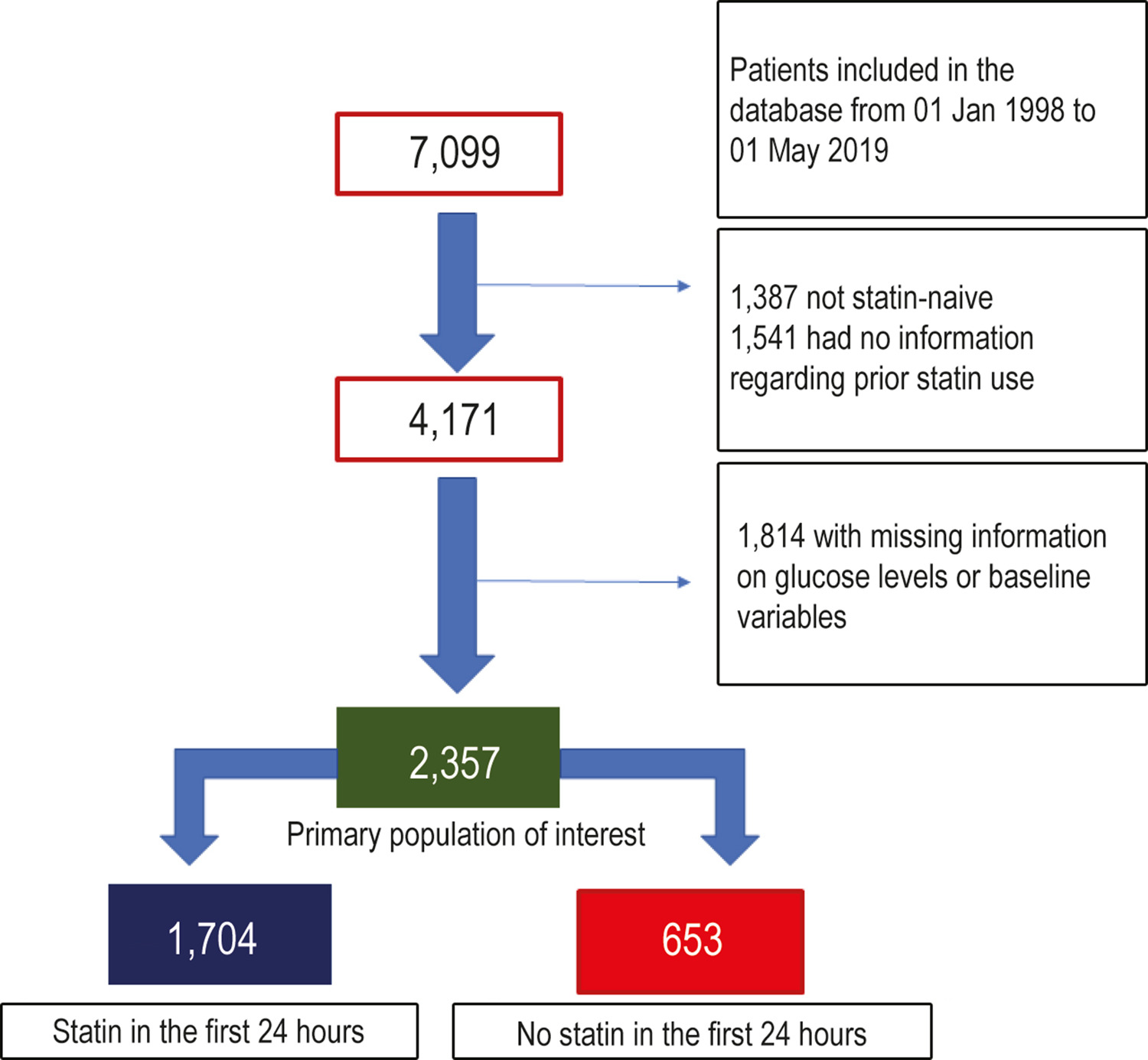
A total of 2,357 patients were included, 1,704 of them allocated in the statin group and 653 in the non-statin group. After adjustments, statin use in the first 24 hours was associated with a lower incidence of in-hospital hyperglycemia (adjusted OR=0.61, 95% CI 0.46-0.80; p < 0.001) and lower need for insulin therapy (adjusted OR = 0.56, 95% CI 0.41-0.76; p < 0.001). These associations remained similar in the propensity-score matching models, as well as after several sensitivity analyses, such as after excluding patients who developed cardiogenic shock, severe infection or who died during index-hospitalization.

Conclusions

Among statin-naïve patients admitted with ACS, early statin therapy was independently associated with lower incidence of in-hospital hyperglycemia. (Arq Bras Cardiol. 2021; 116(2):285-294)

  • Acute coronary syndrome
  • Blood Glucose
  • Hidroxymethylglutaryl-CoA-Reductase Inhibition
  • Myocardial Infarction
  • Statins
Read Full Article
Creative Commons Attribution (CC BY) Creative Commons license
01/03/2021 DOI: 10.36660/abc.20200128
Figure 1
IJCS
Case Report

Acute Coronary Disease in very Young Patient: A Reality!

Erivelton Nascimento et al. Ana Luisa Freitas e Pena Mello Ludmila Souza da Cunha Marcelo Ferreira Villela

Introduction

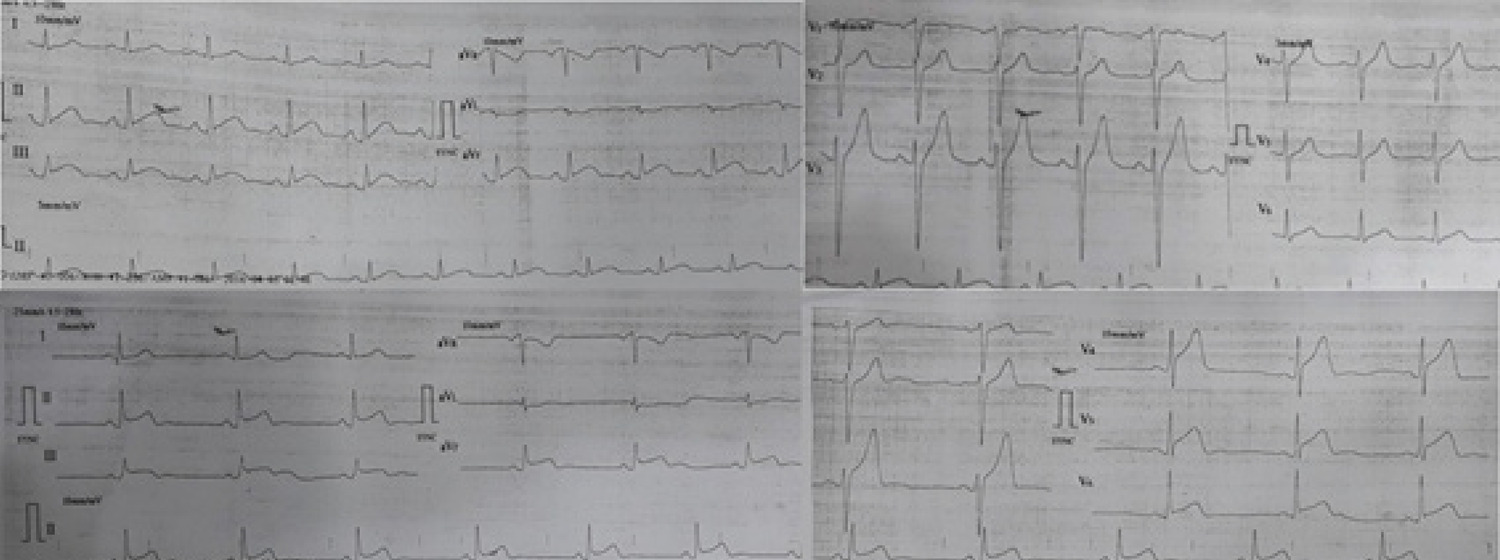
Acute cardiovascular events such as acute myocardial infarction (AMI) are uncommon in young individuals. Additionally, it is known that different factors may be involved in the occurrence of AMI. Here, we report a case of acute myocardial infarction due to severe coronary lesion in a very young patient.

[…]

  • Artery Coronary Diseases
  • Atherosclerosis
  • Enoxaparin
  • Hereditity
  • Hyperlipidemias
  • Myocardial Infarction
  • Platelets/treatment
  • Statins
  • Street Drugs
  • young
Read Full Article
Creative Commons Attribution (CC BY) Creative Commons license
23/11/2020 DOI: 10.36660/ijcs.20200010 Views 1
ABC
Letter to the Editor

Do Not Treat Children with Statins

David M. Diamond et al. Uffe Ravnskov Michel de Lorgeril

In their meta-analysis Radaelli et al. conclude that statin treatment is efficient in lowering lipids in children with familial hypercholesterolemia (FH) and suggest that long-term trials should be performed to establish long-term safety. We would warn against their recommendation for several reasons.

As we have shown in a recent paper, there is much evidence that high LDL-cholesterol (LDL-C) is not the cause of premature coronary heart disease in FH; it is most likely inborn abnormal coagulation factors, and only a small minority among those with FH inherits these factors. On average, people with FH live just as long as other people because high LDL-C protects against cancer and infectious diseases. Furthermore, to treat children with statins may ultimately cause them harm because cholesterol is necessary for the developing brain and is an essential precursor for metabolic co-factors and hormones, including vitamin D and all sex steroids.

[…]

  • Children
  • Hydroxymethylglutaryl CoA Reductase
  • Hypercholesterolemia Type II/genetics
  • Inhibitors
  • Meta-Analysis
  • Statins
Read Full Article
Creative Commons Attribution (CC BY) Creative Commons license
01/03/2019 DOI: 10.5935/abc.20190034
Figure 1
ABC
Original Article

Statin Treatments And Dosages In Children With Familial Hypercholesterolemia: Meta-Analysis

Graciane Radaelli et al. Grasiele Sausen Claudia Ciceri Cesa Francisco de Souza Santos … Vera Lucia Portal Jeruza Lavanholi Neyeloff Lucia Campos Pellanda

Abstract

Background:

Children with familial hypercholesterolemia may develop early endothelial damage leading to a high risk for the development of cardiovascular disease (CVD). Statins have been shown to be effective in lowering LDL cholesterol levels and cardiovascular events in adults. The effect of statin treatment in the pediatric population is not clearly demonstrated.

Objective:

To systematically review the literature to evaluate the effects of different statins and dosages in total cholesterol levels in children and adolescents with familial hypercholesterolemia. We also aimed to evaluate statin safety in this group.

Methods:

PubMed, EMBASE, Bireme, Web of Science, Cochrane Library, SciELO and LILACS databases, were searched for articles published from inception until February 2016. Two independent reviewers performed the quality assessment of the included studies. We performed a meta-analysis with random effects and inverse variance, and subgroup analyses were performed.

Results:

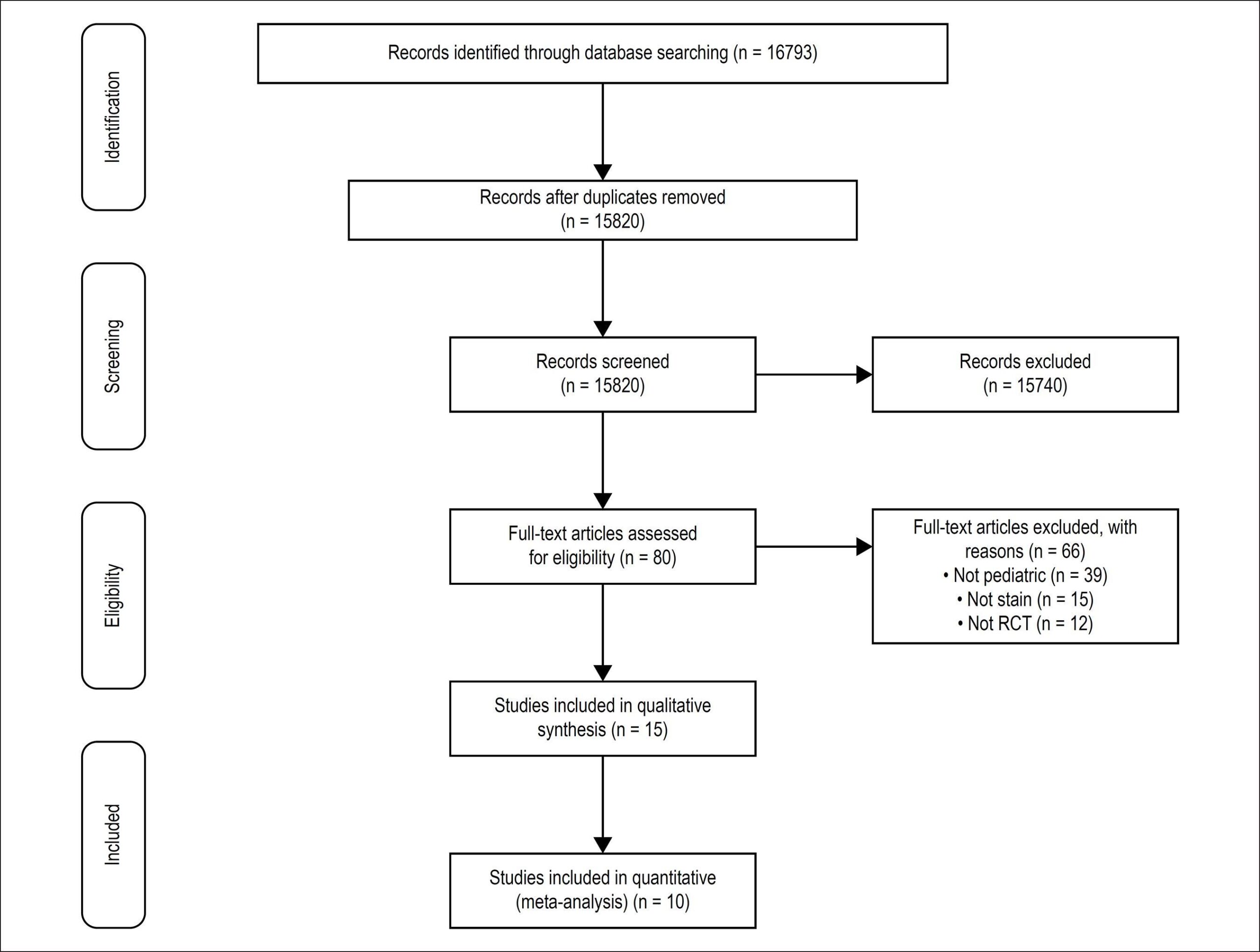
Ten trials involving a total of 1543 patients met the inclusion criteria. Our study showed reductions in cholesterol levels according to the intensity of statin doses (high, intermediate and low): (-104.61 mg/dl, -67.60 mg/dl, -56.96 mg/dl) and in the low-density lipoprotein cholesterol level: [-105.03 mg/dl (95% CI -115.76, -94.30), I2 19.2%], [-67.85 mg/dl (95% CI -83.36, -52.35), I2 99.8%], [-58.97 mg/dl (95% CI -67.83, -50.11), I2 93.8%. The duration of statin therapy in the studies ranged from 8 to 104 weeks, precluding conclusions about long-term effects.

Conclusion:

Statin treatment is efficient in lowering lipids in children with FH. There is need of large, long-term and randomized controlled trials to establish the long-term safety of statins.

  • Children
  • Hydroxymethylglutaryl-CoA Reductase Inhibitors
  • Hypercholesterolemia Type II/genetic
  • Meta-Analysis
  • Statins
Read Full Article
Creative Commons Attribution (CC BY) Creative Commons license
18/10/2018 DOI: 10.5935/abc.20180180 Views 2
Efficacy of atorvastatin when not administered daily
ABC
Artigo Original

Efficacy of atorvastatin when not administered daily

Antonio Edmond Ghattas et al. João Pimenta

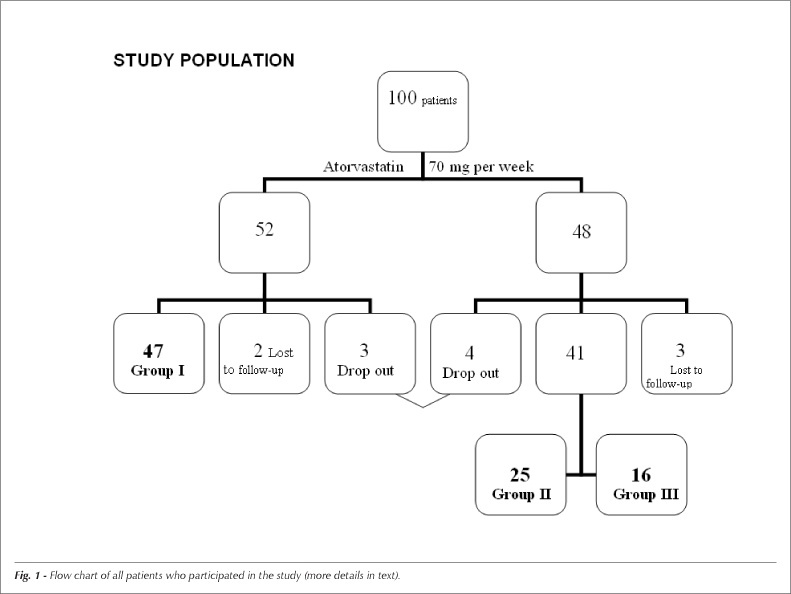
BACKGROUND: Statins are widely used because they reduce cardiac events. Although they are indicated for daily use, some doctorsgive prescriptions for every other day, mainly with the purpose of reducing costs. OBJECTIVE: To evaluate the efficacy of atorvastatin, when not administered everyday, on LDL-cholesterol (LDL-C) levels, and also to evaluate cost reduction. METHODS: A total of 100 patients with hypercholesterolemia in primary (PP) and secondary prevention (SP) were assessed. After a 12-week diet period, atorvastatin was initiated at a dose of 10 mg per day. After six weeks, LDL-C was determined, and if the levels were <80 or <104 mg/dL for SP and PP, respectively, two atorvastatin doses were subtracted per week. If LDL-C remained <80 or <104 mg/dL, a further reduction to three times a week was allowed, and the last determination was performed after six more weeks. The percentage variation in costs was the parameter to evaluate the saving. RESULTS: In 47 out of the 52 patients of this group, a reduction by 32% in LDL-C was observed, and daily atorvastatin was maintained. Forty one patients remained throughout the study and had their weekly dosage reduced. In 25 patients the medication was administered three times a week, and in 16, five times a week, with reductions of 42.4% and 46.1% in LDL-C, respectively. As regards costs, one of the groups had their monthly expense reduced from R$ 106.65 to R$ 74.65, and the other group from R$ 106.65 to R$ 53.33. CONCLUSION: The results suggest that atorvastatin may be administered on a non-daily basis. A cost reduction between 30% and 50% was also observed.

  • Atorvastatin
  • Cholesterol
  • Hypercholesterolemia
  • Statins
Read Full Article
Creative Commons Attribution (CC BY) Creative Commons license
07/12/2007 DOI: 10.1590/S0066-782X2007001700008
ABC
Artigo de Pesquisa

Mechanisms of rhabdomyolysis with statins

Maria Eliane Campos Magalhães

Rhabdomyolysis is uncommon, but is a serious side-effect observed following statin use. The occurrence of fatal rhabdomyolysis reported in the USA since the introduction of statins in the market in the late eighties was very rare (0,15 cases per million patients treated per year). However, myopathy, defined as muscle symptoms associated with CK elevation is much more common (1-5%). Mechanism of statin-induced myopathy is not fully understood. Several hypotheses have been proposed: decreased cellular levels of isoprenoids and ubiquinone, increased rates of apoptosis, changes in chloride channels impairing cell-membrane hyperpolarization, and changes in the cell-membrane permeability. Interactions with other drugs, and preexisting metabolic alterations may predispose to myopathy.

  • Rhabdomyolysis
  • Statins
Read Full Article
Creative Commons Attribution (CC BY) Creative Commons license
02/01/2006 DOI: 10.1590/S0066-782X2005002400011
ABC
Artigo de Pesquisa

Special recommendations for lipid-lowering treatment: efficacy and safety

Tania Leme da Rocha Martinez et al. Helena Maria do Nascimento

Pharmacologic lipid-lowering interventions should be monitored periodically to assess efficacy and safety parameters. Statins are usually well-tolerated drugs and major side effects include increased serum liver and muscle enzymes (AST, ALT, CK). Treatment should be stopped or diminished in case of significant increase of AST or ALT (> 3x ULN), or CK (> 10x ULN). Other lipid lowering agents may also produce hepatotoxicity or myositis, especially in association with statins (fibrates and nicotinic acid) or in presence of metabolic abnormalities (thyroid, liver or renal disorders). Nicotinic acid can also increase glucose and uric acid plasma levels. Laboratory tests might be performed prior to hypolipidemic drug treatment and should be repeated every three months during the first year and then at 6-mo intervals. Shorter intervals should be recommended in individual cases.

  • hepatotoxicity
  • Safety
  • Statins
Read Full Article
Creative Commons Attribution (CC BY) Creative Commons license
02/01/2006 DOI: 10.1590/S0066-782X2005002400002 Views 1
ABC
Artigo de Pesquisa

Combination of drugs: statins and fibrates

Hermes Toros Xavier

Monotherapy for the treatment of dyslipidemias is commonly insufficient to achieve all lipid targets recommended by current guidelines. Therefore, the use of combined treatment has emerged as a new option in many cases in the last few years. A review of 36 studies in which the combination of statins with fibrates was used revealed 29 cases of rhabdomyolysis with a prevalence of 0,12% in the risk of myopathy. Combination of a statin with genfibrozil appeared to cause more rhabdomyolysis than with newest fibrates (especially when compared with fenofibrate or bezafibrate). Advanced age, diabetes, females, concomitant medications, renal insufficiency, excess in alcohol intake, exercises, trauma and surgery were all associated with higher rates of adverse effects.

  • fibrates
  • Rhabdomyolysis
  • Statins
Read Full Article
Creative Commons Attribution (CC BY) Creative Commons license
02/01/2006 DOI: 10.1590/S0066-782X2005002400009
ABC
Artigo de Pesquisa

Hypolipidemic treatment under special conditions: posttransplant and/or immunosupressive therapy

Maria Cristina de Oliveira Izar

There are limited data regarding the use of hypolipidemic agents concomitantly with immunosuppressive drugs. Best evidence is provided for the use of statins and cyclosporine. In terms of pharmacodynamics, these two drugs have different substrates. In respect to pharmacokinetics, statins usually do not modify serum concentrations of cyclosporine, however when combined with any statin a careful monitoring of cyclosporine levels is recommended, due to a narrow therapeutic window of the immunosupressive agent. Conversely, cyclosporine does affect the area under the curve for many statins, by inhibiting the CYP450 3A4, thus increasing systemic exposure to statins. Pravastatin appears to be the safest compound, once it is glucuronized. The area under the curve for the other statins (simvastatin, lovastatin, atorvastatin, cerivastatin, and rosuvastatin) can be increased in variable degrees according to the site of metabolization, liver extraction by OATP-C transporter, biliary secretion, renal excretion, and drug extrusion by the MDR system.

  • cyclosporine
  • immunosuppressive therapy
  • renal transplantation
  • Statins
Read Full Article
Creative Commons Attribution (CC BY) Creative Commons license
02/01/2006 DOI: 10.1590/S0066-782X2005002400013
ABC
Artigo de Pesquisa

Hypolipidemic therapy in special situations: hypothyroidism and liver disease

Fernando H. Y. Cesena et al. Hermes Toros Xavier Protásio L. da Luz

Hypothiroidism is common in the elderly, especially among women. It should be suspected in the presence of classic signals and symptoms, and can be detected by an elevation of serum thyroid stimulating hormone (TSH). Lipid abnormalities in the presence of subclinical hypothiroidsm are of minor importance. However, the importance of specific treatment (hormone replacement) increases with the magnitude of thyroid disturbance. Some hypolipidemic agents can aggravate prior liver disease, however, recent studies have shown that statins might be useful in the presence of steatohepatitis. Some associations of hypolipidemic drugs can increase liver enzymes, and careful monitoring is recommended.

  • Hypothyroidism
  • Liver Disease
  • Statins
Read Full Article
Creative Commons Attribution (CC BY) Creative Commons license
02/01/2006 DOI: 10.1590/S0066-782X2005002400008 Views 2
ABC
Artigo de Pesquisa

Combination of drugs: statins and niacin

Jairo Lins Borges

Combination of statins with niacin appears to be an attractive association, in the presence of mixed dyslipidemia with low HDL-c levels, when monotherapy is insufficient to achieve target lipid levels. Clinical benefits were observed by the combination of statins with niacin in the FATS, HATS and ARBITER 2 trials, showing attenuation of atherosclerosis development and/or reduction in coronary events following favorable lipid changes. In general, this combination can be well-tolerated. Recommendations for appropriate monitoring of liver and muscle enzymes are important to reduce the rate of side effects. In addition, careful titration of each drug is recommended.

  • dyslipidemia
  • niacin
  • Statins
Read Full Article
Creative Commons Attribution (CC BY) Creative Commons license
02/01/2006 DOI: 10.1590/S0066-782X2005002400010 Views 2
ABC
Artigo de Pesquisa

Statins in chronic renal disease

Soraia R. C. Ferreira et al. Aloísio M. Rocha José Francisco K. Saraiva

Hypertriglyceridemia and low HDL-c are common features in patients with chronic renal failure. Cardiovascular mortality is substantially increased in the presence of chronic renal disease (10-20 times higher). There is evidence from clinical trials with statins suggesting their protective role in the progression of renal disease. In addition, reduced rates of non-fatal myocardial infarction and cardiac mortality were seen after renal transplant in patients receiving fluvastatin. However, a recent study with atorvastatin failed to demonstrate reduction in cardiovascular morbidity and mortality among diabetic patients on hemodyalisis therapy. Ongoing trials will define the precise role of statins in this subset of patients.

  • dyslipidemia
  • end stage renal disease
  • Statins
Read Full Article
Creative Commons Attribution (CC BY) Creative Commons license
02/01/2006 DOI: 10.1590/S0066-782X2005002400012 Views 1
ABC
Artigo de Pesquisa

Pharmacokinetics of statins

Francisco Antonio Helfenstein Fonseca

Statins are lipid lowering agents that promote their effects on plasma lipids through the inhibition of HMG-CoA reductase, a crucial enzyme in the cascade of cholesterol synthesis, leading to reduction of tissue cholesterol pool and consequently, to an upregulation of the LDL receptor expression. There are considerable differences among statins regarding some pharmacokinetic properties, such as the coefficient of hydrophilicity, via liver metabolism (especially regarding P450 cytochrome and isoenzymes), plasma half-life and efficacy of serum lipid changes. They may also differ regarding interactions with other drugs that share the same pathway of metabolism. Recently, many pleiotropic effects have been reported with these drugs, such as anti-inflammatory properties, improvement in endothelial function and benefits on hemostasis.

  • drug interactions
  • pharmacokinetics
  • Statins
Read Full Article
Creative Commons Attribution (CC BY) Creative Commons license
02/01/2006 DOI: 10.1590/S0066-782X2005002400003
Comparison of the effect of two HMG CoA reductase inhibitors on LDL susceptibility to oxidation
ABC
Original Article

Comparison of the effect of two HMG CoA reductase inhibitors on LDL susceptibility to oxidation

Vera Lúcia Portal et al. Emílio H. Moriguchi José Luiz da Costa Vieira Sadi Schio … Eduardo T. Mastalir Fabiana Buffé Eleni Borges Bortolini Ricardo Santalucia Brüch Rubem Rodrigues

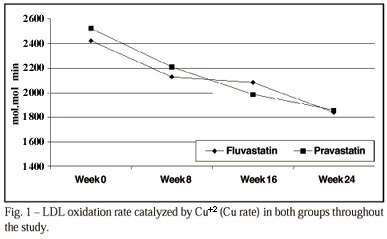
OBJECTIVE: To study the differences between fluvastatin and pravastatin regarding LDL susceptibility to oxidation, plasma levels of total cholesterol (TC), HDL-C, LDL-C and triglycerides (TG) in hypercholesterolemic patients with established coronary heart disease (CHD). METHODS: A double-blind randomized parallel study was conducted that included 41 hypercholesterolemic outpatients with CHD treated at the Instituto de Cardiologia do Rio Grande do Sul. The inclusion criteria were LDL-C above 100 mg/dL and triglycerides below 400 mg/dL based on 2 measures. After 4 weeks on a low cholesterol diet, those patients that fullfilled the inclusion criteria were randomized into 2 groups: the fluvastatin group (fluvastatin 40 mg/day) and the pravastatin group (pravastatin 20 mg/day), for 24 weeks of treatment. LDL susceptibility to oxidation was analyzed with copper-induced production of conjugated dienes (Cu2+) and water-soluble free radical initiator azo-bis (2′-2’amidinopropanil) HCl (AAPH). Spectroscopy nuclear magnetic resonance was used for determination of lipids. RESULTS: After 24 weeks of drug therapy, fluvastatin and pravastatin significantly reduced LDL susceptibility to oxidation as demonstrated by the reduced rate of oxidation (azo and Cu) and by prolonged azo-induced lag time (azo lag). The TC, LDL-C, and TG reduced significantly and HDL-C increased significantly. No differences between the drugs were observed. CONCLUSION: In hypercholesterolemic patients with CHD, both fluvastatin and pravastatin reduced LDL susceptibility to oxidation.

  • Hypercholesterolemia
  • LDL oxidation
  • Statins
Read Full Article
Creative Commons Attribution (CC BY) Creative Commons license
02/04/2003 DOI: 10.1590/S0066-782X2003000200004
Prescription and adherence to statins of patients with coronary artery disease and hypercholesterolemia
ABC
Original Article

Prescription and adherence to statins of patients with coronary artery disease and hypercholesterolemia

Antonio P. Mansur et al. André P. L. Mattar Cristiane E. Tsubo Danielle T. Simão … Fábio R. Yoshi Kuang Daci

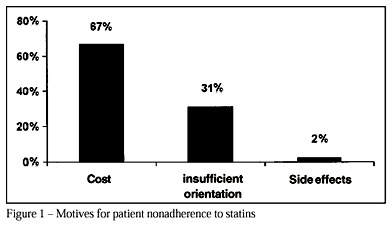
OBJECTIVE: Statins have proved to be safe and effective in the secondary prevention of coronary artery disease, but the level of prescription and the reasons for nonadherence to treatment in many coronariopathy treatment centers has not been determined. The purpose of this study was to identify reasons for nonadherence to statin therapy. METHODS: We analyzed 207 consecutive patients with coronary artery disease and hypercholesterolemia (total cholesterol > or = 200mg/dL or LDL – cholesterol > or = 130mg/dL). Patients’ average age was 61.7±10 year; 111 (53.6%) male were and 94 (46.6%) were female. We analyzed the level of prescription and adherence to treatment with statins. RESULTS: Statins were prescribed for 139 (67%) patients, but only 85 (41%) used the drug. In spite of being indicated, statins were not prescribed in 68 (33%) patients. Of 54 (26%) patients, nonadherent to statins, 67% did not use the drug due to its high cost, 31% due to the lack of instruction, and only 2% due to side effects. Total cholesterol (260.3±42.2 vs 226.4±51.9; p<0.0001) and LDL cholesterol (174.6±38.1 vs 149.6±36.1; p<0.0001) were lower in patients on medication. HDL-cholesterol increased from 37.6±9.6 to 41.5±12.9mg/dL (p=0.02), and triglycerides were not modified in patients using statins. CONCLUSION: The prescription of statins in patients with coronary artery disease and dyslipidemia is high; however, its adherence is far from satisfactory, due to the high cost of the medication. Reduction in total cholesterol and LDL cholesterol levels did not reach the targets recommended by the Brazilian Consensus on Dyslipidemia.

  • adherence
  • Coronary Artery Disease
  • Hypercholesterolemia
  • Statins
Read Full Article
Creative Commons Attribution (CC BY) Creative Commons license
08/01/2002 DOI: 10.1590/S0066-782X2001000200002 Views 1

How to cite this article

EndNote RIS

Electronic Document Format (Vancouver)

Gottlieb I. Cost-Effectiveness of Using the Coronary Calcium Score to Guide Therapeutic Decisions in Primary Prevention in the Brazilian Population. Arquivos Brasileiros de Cardiologia 2022;118(6):1132-3.

Electronic Document Format (ABNT)

Gottlieb, Ilan. Cost-Effectiveness of Using the Coronary Calcium Score to Guide Therapeutic Decisions in Primary Prevention in the Brazilian Population. Arquivos Brasileiros de Cardiologia, v. 118, n. 6, p. 1132-1133, Jun. 2022.

Electronic Document Format (APA)

Gottlieb, I. (2022). Cost-Effectiveness of Using the Coronary Calcium Score to Guide Therapeutic Decisions in Primary Prevention in the Brazilian Population. Arquivos Brasileiros de Cardiologia, 118(6), 1132-1133.

Electronic Document Format (ISO)

Gottlieb, Ilan. Cost-Effectiveness of Using the Coronary Calcium Score to Guide Therapeutic Decisions in Primary Prevention in the Brazilian Population. Arquivos Brasileiros de Cardiologia [online]. 2022, vol. 118, n. 6, [cited 2026-10-14], pp. 1132-1133. Available from: <https://journals.cardiol.br/en/article/cost-effectiveness-of-using-the-coronary-calcium-score-to-guide-therapeutic-decisions-in-primary-prevention-in-the-brazilian-population/>. ISSN 0066-782X

EndNote RIS

Electronic Document Format (Vancouver)

Miranda CP, Botoni F, Rocha M. Statin Use Improves Cardiometabolic Protection Promoted By Physical Training in an Aquatic Environment: A Randomized Clinical Trial. Arquivos Brasileiros de Cardiologia 2022;118(5):1002-4.

Electronic Document Format (ABNT)

Miranda, Carla Paixão; Botoni, Fernando; Rocha, Manoel. Statin Use Improves Cardiometabolic Protection Promoted By Physical Training in an Aquatic Environment: A Randomized Clinical Trial. Arquivos Brasileiros de Cardiologia, v. 118, n. 5, p. 1002-1004, May. 2022.

Electronic Document Format (APA)

Miranda, C. P., Botoni, F., & Rocha, M. (2022). Statin Use Improves Cardiometabolic Protection Promoted By Physical Training in an Aquatic Environment: A Randomized Clinical Trial. Arquivos Brasileiros de Cardiologia, 118(5), 1002-1004.

Electronic Document Format (ISO)

Miranda, Carla Paixão and Botoni, Fernando and Rocha, Manoel. Statin Use Improves Cardiometabolic Protection Promoted By Physical Training in an Aquatic Environment: A Randomized Clinical Trial. Arquivos Brasileiros de Cardiologia [online]. 2022, vol. 118, n. 5, [cited 2026-10-14], pp. 1002-1004. Available from: <https://journals.cardiol.br/en/article/statin-use-improves-cardiometabolic-protection-promoted-by-physical-training-in-an-aquatic-environment-a-randomized-clinical-trial/>. ISSN 0066-782X

EndNote RIS

Electronic Document Format (Vancouver)

Pezel T, Paim LR, Coelho-Filho OR. For which HIV Patients Aspirin and Statins are Good?. Arquivos Brasileiros de Cardiologia 2021;117(2):376-7.

Electronic Document Format (ABNT)

Pezel, Théo; Paim, Layde R.; Coelho-Filho, Otávio R.. For which HIV Patients Aspirin and Statins are Good?. Arquivos Brasileiros de Cardiologia, v. 117, n. 2, p. 376-377, Sep. 2021.

Electronic Document Format (APA)

Pezel, T., Paim, L. R., & Coelho-Filho, O. R. (2021). For which HIV Patients Aspirin and Statins are Good?. Arquivos Brasileiros de Cardiologia, 117(2), 376-377.

Electronic Document Format (ISO)

Pezel, Théo and Paim, Layde R. and Coelho-Filho, Otávio R.. For which HIV Patients Aspirin and Statins are Good?. Arquivos Brasileiros de Cardiologia [online]. 2021, vol. 117, n. 2, [cited 2026-10-14], pp. 376-377. Available from: <https://journals.cardiol.br/en/article/for-which-hiv-patients-aspirin-and-statins-are-good/>. ISSN 0066-782X

EndNote RIS

Electronic Document Format (Vancouver)

Furtado RHM, Genestreti PR, Dalçóquio TF, Baracioli LM, Lima FG, Franci A, Giraldez RRCV, et al. Association between Statin Therapy and Lower Incidence of Hyperglycemia in Patients Hospitalized with Acute Coronary Syndromes. Arquivos Brasileiros de Cardiologia 2021;116(2):285-94.

Electronic Document Format (ABNT)

Furtado, Remo Holanda de Mendonça; Genestreti, Paulo Rizzo; Dalçóquio, Talia F.; Baracioli, Luciano Moreira; Lima, Felipe Galego; Franci, André; Giraldez, Roberto R. C. V.; Menezes, Fernando R.; Ferrari, Aline Gehlen; Lima, Viviane Moreira; Pereira, Cesar A. C.; Nakashima, Carlos Alberto Kenji; Salsoso, Rocio; Godoy, Lucas Colombo; Nicolau, José C.. Association between Statin Therapy and Lower Incidence of Hyperglycemia in Patients Hospitalized with Acute Coronary Syndromes. Arquivos Brasileiros de Cardiologia, v. 116, n. 2, p. 285-294, Feb. 2021.

Electronic Document Format (APA)

Furtado, R. H. M., Genestreti, P. R., Dalçóquio, T. F., Baracioli, L. M., Lima, F. G., Franci, A., Giraldez, R. R. C. V., Menezes, F. R., Ferrari, A. G., Lima, V. M., Pereira, C. A. C., Nakashima, C. A. K., Salsoso, R., Godoy, L. C., & Nicolau, J. C. (2021). Association between Statin Therapy and Lower Incidence of Hyperglycemia in Patients Hospitalized with Acute Coronary Syndromes. Arquivos Brasileiros de Cardiologia, 116(2), 285-294.

Electronic Document Format (ISO)

Furtado, Remo Holanda de Mendonça and Genestreti, Paulo Rizzo and Dalçóquio, Talia F. and Baracioli, Luciano Moreira and Lima, Felipe Galego and Franci, André and Giraldez, Roberto R. C. V. and Menezes, Fernando R. and Ferrari, Aline Gehlen and Lima, Viviane Moreira and Pereira, Cesar A. C. and Nakashima, Carlos Alberto Kenji and Salsoso, Rocio and Godoy, Lucas Colombo and Nicolau, José C.. Association between Statin Therapy and Lower Incidence of Hyperglycemia in Patients Hospitalized with Acute Coronary Syndromes. Arquivos Brasileiros de Cardiologia [online]. 2021, vol. 116, n. 2, [cited 2026-10-14], pp. 285-294. Available from: <https://journals.cardiol.br/en/article/association-between-statin-therapy-and-lower-incidence-of-hyperglycemia-in-patients-hospitalized-with-acute-coronary-syndromes/>. ISSN 0066-782X

EndNote RIS

Electronic Document Format (Vancouver)

Nascimento E, Mello ALFP, Cunha LS, Villela MF. Acute Coronary Disease in very Young Patient: A Reality!. International Journal of Cardiovascular Sciences 2020;34(5 Supl 1):150-3.

Electronic Document Format (ABNT)

Nascimento, Erivelton; Mello, Ana Luisa Freitas e Pena; Cunha, Ludmila Souza da; Villela, Marcelo Ferreira. Acute Coronary Disease in very Young Patient: A Reality!. International Journal of Cardiovascular Sciences, v. 34, n. 5 Supl 1, p. 150-153, Nov. 2020.

Electronic Document Format (APA)

Nascimento, E., Mello, A. L. F. P., Cunha, L. S. , & Villela, M. F. (2020). Acute Coronary Disease in very Young Patient: A Reality!. International Journal of Cardiovascular Sciences, 34(5 Supl 1), 150-153.

Electronic Document Format (ISO)

Nascimento, Erivelton and Mello, Ana Luisa Freitas e Pena and Cunha, Ludmila Souza da and Villela, Marcelo Ferreira. Acute Coronary Disease in very Young Patient: A Reality!. International Journal of Cardiovascular Sciences [online]. 2020, vol. 34, n. 5 Supl 1, [cited 2026-10-14], pp. 150-153. Available from: <https://journals.cardiol.br/en/article/acute-coronary-disease-in-very-young-patient-a-reality/>. ISSN 2359-4802

EndNote RIS

Electronic Document Format (Vancouver)

Diamond DM, Ravnskov U, Lorgeril M. Do Not Treat Children with Statins. Arquivos Brasileiros de Cardiologia 2019;112(3):324-5.

Electronic Document Format (ABNT)

Diamond, David M.; Ravnskov, Uffe; Lorgeril, Michel de. Do Not Treat Children with Statins. Arquivos Brasileiros de Cardiologia, v. 112, n. 3, p. 324-325, Feb. 2019.

Electronic Document Format (APA)

Diamond, D. M., Ravnskov, U., & Lorgeril, M. (2019). Do Not Treat Children with Statins. Arquivos Brasileiros de Cardiologia, 112(3), 324-325.

Electronic Document Format (ISO)

Diamond, David M. and Ravnskov, Uffe and Lorgeril, Michel de. Do Not Treat Children with Statins. Arquivos Brasileiros de Cardiologia [online]. 2019, vol. 112, n. 3, [cited 2026-10-14], pp. 324-325. Available from: <https://journals.cardiol.br/en/article/do-not-treat-children-with-statins/>. ISSN 0066-782X

EndNote RIS

Electronic Document Format (Vancouver)

Radaelli G, Sausen G, Cesa CC, Santos FS, Portal VL, Neyeloff JL, Pellanda LC, et al. Statin Treatments And Dosages In Children With Familial Hypercholesterolemia: Meta-Analysis. Arquivos Brasileiros de Cardiologia 2018;111(6):810-21.

Electronic Document Format (ABNT)

Radaelli, Graciane; Sausen, Grasiele; Cesa, Claudia Ciceri; Santos, Francisco de Souza; Portal, Vera Lucia; Neyeloff, Jeruza Lavanholi; Pellanda, Lucia Campos. Statin Treatments And Dosages In Children With Familial Hypercholesterolemia: Meta-Analysis. Arquivos Brasileiros de Cardiologia, v. 111, n. 6, p. 810-821, Oct. 2018.

Electronic Document Format (APA)

Radaelli, G., Sausen, G., Cesa, C. C., Santos, F. S., Portal, V. L., Neyeloff, J. L., & Pellanda, L. C. (2018). Statin Treatments And Dosages In Children With Familial Hypercholesterolemia: Meta-Analysis. Arquivos Brasileiros de Cardiologia, 111(6), 810-821.

Electronic Document Format (ISO)

Radaelli, Graciane and Sausen, Grasiele and Cesa, Claudia Ciceri and Santos, Francisco de Souza and Portal, Vera Lucia and Neyeloff, Jeruza Lavanholi and Pellanda, Lucia Campos. Statin Treatments And Dosages In Children With Familial Hypercholesterolemia: Meta-Analysis. Arquivos Brasileiros de Cardiologia [online]. 2018, vol. 111, n. 6, [cited 2026-10-14], pp. 810-821. Available from: <https://journals.cardiol.br/en/article/statin-treatments-and-dosages-in-children-with-familial-hypercholesterolemia-meta-analysis/>. ISSN 0066-782X

EndNote RIS

Electronic Document Format (Vancouver)

Ghattas AE, Pimenta J. Efficacy of atorvastatin when not administered daily. Arquivos Brasileiros de Cardiologia 2007;89(5):325-32.

Electronic Document Format (ABNT)

Ghattas, Antonio Edmond; Pimenta, João. Efficacy of atorvastatin when not administered daily. Arquivos Brasileiros de Cardiologia, v. 89, n. 5, p. 325-332, Dec. 2007.

Electronic Document Format (APA)

Ghattas, A. E., & Pimenta, J. (2007). Efficacy of atorvastatin when not administered daily. Arquivos Brasileiros de Cardiologia, 89(5), 325-332.

Electronic Document Format (ISO)

Ghattas, Antonio Edmond and Pimenta, João. Efficacy of atorvastatin when not administered daily. Arquivos Brasileiros de Cardiologia [online]. 2007, vol. 89, n. 5, [cited 2026-10-14], pp. 325-332. Available from: <https://journals.cardiol.br/en/article/efficacy-of-atorvastatin-when-not-administered-daily/>. ISSN 0066-782X

EndNote RIS

Electronic Document Format (Vancouver)

Magalhães MEC. Mechanisms of rhabdomyolysis with statins. Arquivos Brasileiros de Cardiologia 2006;85(suppl 5):42-4.

Electronic Document Format (ABNT)

Magalhães, Maria Eliane Campos. Mechanisms of rhabdomyolysis with statins. Arquivos Brasileiros de Cardiologia, v. 85, n. suppl 5, p. 42-44, Jan. 2006.

Electronic Document Format (APA)

Magalhães, M. E. C. (2006). Mechanisms of rhabdomyolysis with statins. Arquivos Brasileiros de Cardiologia, 85(suppl 5), 42-44.

Electronic Document Format (ISO)

Magalhães, Maria Eliane Campos. Mechanisms of rhabdomyolysis with statins. Arquivos Brasileiros de Cardiologia [online]. 2006, vol. 85, n. suppl 5, [cited 2026-10-14], pp. 42-44. Available from: <https://journals.cardiol.br/en/article/mechanisms-of-rhabdomyolysis-with-statins/>. ISSN 0066-782X

EndNote RIS

Electronic Document Format (Vancouver)

Martinez TLR, Nascimento HM. Special recommendations for lipid-lowering treatment: efficacy and safety. Arquivos Brasileiros de Cardiologia 2006;85(suppl 5):6-8.

Electronic Document Format (ABNT)

Martinez, Tania Leme da Rocha; Nascimento, Helena Maria do. Special recommendations for lipid-lowering treatment: efficacy and safety. Arquivos Brasileiros de Cardiologia, v. 85, n. suppl 5, p. 6-8, Jan. 2006.

Electronic Document Format (APA)

Martinez, T. L. R., & Nascimento, H. M. (2006). Special recommendations for lipid-lowering treatment: efficacy and safety. Arquivos Brasileiros de Cardiologia, 85(suppl 5), 6-8.

Electronic Document Format (ISO)

Martinez, Tania Leme da Rocha and Nascimento, Helena Maria do. Special recommendations for lipid-lowering treatment: efficacy and safety. Arquivos Brasileiros de Cardiologia [online]. 2006, vol. 85, n. suppl 5, [cited 2026-10-14], pp. 6-8. Available from: <https://journals.cardiol.br/en/article/special-recommendations-for-lipid-lowering-treatment-efficacy-and-safety/>. ISSN 0066-782X

EndNote RIS

Electronic Document Format (Vancouver)

Xavier HT. Combination of drugs: statins and fibrates. Arquivos Brasileiros de Cardiologia 2006;85(suppl 5):34-5.

Electronic Document Format (ABNT)

Xavier, Hermes Toros. Combination of drugs: statins and fibrates. Arquivos Brasileiros de Cardiologia, v. 85, n. suppl 5, p. 34-35, Jan. 2006.

Electronic Document Format (APA)

Xavier, H. T. (2006). Combination of drugs: statins and fibrates. Arquivos Brasileiros de Cardiologia, 85(suppl 5), 34-35.

Electronic Document Format (ISO)

Xavier, Hermes Toros. Combination of drugs: statins and fibrates. Arquivos Brasileiros de Cardiologia [online]. 2006, vol. 85, n. suppl 5, [cited 2026-10-14], pp. 34-35. Available from: <https://journals.cardiol.br/en/article/combination-of-drugs-statins-and-fibrates/>. ISSN 0066-782X

EndNote RIS

Electronic Document Format (Vancouver)

Izar MCO. Hypolipidemic treatment under special conditions: posttransplant and/or immunosupressive therapy. Arquivos Brasileiros de Cardiologia 2006;85(suppl 5):50-7.

Electronic Document Format (ABNT)

Izar, Maria Cristina de Oliveira. Hypolipidemic treatment under special conditions: posttransplant and/or immunosupressive therapy. Arquivos Brasileiros de Cardiologia, v. 85, n. suppl 5, p. 50-57, Jan. 2006.

Electronic Document Format (APA)

Izar, M. C. O. (2006). Hypolipidemic treatment under special conditions: posttransplant and/or immunosupressive therapy. Arquivos Brasileiros de Cardiologia, 85(suppl 5), 50-57.

Electronic Document Format (ISO)

Izar, Maria Cristina de Oliveira. Hypolipidemic treatment under special conditions: posttransplant and/or immunosupressive therapy. Arquivos Brasileiros de Cardiologia [online]. 2006, vol. 85, n. suppl 5, [cited 2026-10-14], pp. 50-57. Available from: <https://journals.cardiol.br/article/hypolipidemic-treatment-under-special-conditions-posttransplant-and-or-immunosupressive-therapy/>. ISSN 0066-782X

EndNote RIS

Electronic Document Format (Vancouver)

Cesena FHY, Xavier HT, Luz PL. Hypolipidemic therapy in special situations: hypothyroidism and liver disease. Arquivos Brasileiros de Cardiologia 2006;85(suppl 5):28-33.

Electronic Document Format (ABNT)

Cesena, Fernando H. Y.; Xavier, Hermes Toros; Luz, Protásio L. da. Hypolipidemic therapy in special situations: hypothyroidism and liver disease. Arquivos Brasileiros de Cardiologia, v. 85, n. suppl 5, p. 28-33, Jan. 2006.

Electronic Document Format (APA)

Cesena, F. H. Y., Xavier, H. T., & Luz, P. L. (2006). Hypolipidemic therapy in special situations: hypothyroidism and liver disease. Arquivos Brasileiros de Cardiologia, 85(suppl 5), 28-33.

Electronic Document Format (ISO)

Cesena, Fernando H. Y. and Xavier, Hermes Toros and Luz, Protásio L. da. Hypolipidemic therapy in special situations: hypothyroidism and liver disease. Arquivos Brasileiros de Cardiologia [online]. 2006, vol. 85, n. suppl 5, [cited 2026-10-14], pp. 28-33. Available from: <https://journals.cardiol.br/en/article/hypolipidemic-therapy-in-special-situations-hypothyroidism-and-liver-disease/>. ISSN 0066-782X

EndNote RIS

Electronic Document Format (Vancouver)

Borges JL. Combination of drugs: statins and niacin. Arquivos Brasileiros de Cardiologia 2006;85(suppl 5):36-41.

Electronic Document Format (ABNT)

Borges, Jairo Lins. Combination of drugs: statins and niacin. Arquivos Brasileiros de Cardiologia, v. 85, n. suppl 5, p. 36-41, Jan. 2006.

Electronic Document Format (APA)

Borges, J. L. (2006). Combination of drugs: statins and niacin. Arquivos Brasileiros de Cardiologia, 85(suppl 5), 36-41.

Electronic Document Format (ISO)

Borges, Jairo Lins. Combination of drugs: statins and niacin. Arquivos Brasileiros de Cardiologia [online]. 2006, vol. 85, n. suppl 5, [cited 2026-10-14], pp. 36-41. Available from: <https://journals.cardiol.br/en/article/combination-of-drugs-statins-and-niacin/>. ISSN 0066-782X

EndNote RIS

Electronic Document Format (Vancouver)

Ferreira SRC, Rocha AM, Saraiva JFK. Statins in chronic renal disease. Arquivos Brasileiros de Cardiologia 2006;85(suppl 5):45-9.

Electronic Document Format (ABNT)

Ferreira, Soraia R. C.; Rocha, Aloísio M.; Saraiva, José Francisco K.. Statins in chronic renal disease. Arquivos Brasileiros de Cardiologia, v. 85, n. suppl 5, p. 45-49, Jan. 2006.

Electronic Document Format (APA)

Ferreira, S. R. C., Rocha, A. M., & Saraiva, J. F. K. (2006). Statins in chronic renal disease. Arquivos Brasileiros de Cardiologia, 85(suppl 5), 45-49.

Electronic Document Format (ISO)

Ferreira, Soraia R. C. and Rocha, Aloísio M. and Saraiva, José Francisco K.. Statins in chronic renal disease. Arquivos Brasileiros de Cardiologia [online]. 2006, vol. 85, n. suppl 5, [cited 2026-10-14], pp. 45-49. Available from: <https://journals.cardiol.br/en/article/statins-in-chronic-renal-disease/>. ISSN 0066-782X

EndNote RIS

Electronic Document Format (Vancouver)

Fonseca FAH. Pharmacokinetics of statins. Arquivos Brasileiros de Cardiologia 2006;85(suppl 5):9-14.

Electronic Document Format (ABNT)

Fonseca, Francisco Antonio Helfenstein. Pharmacokinetics of statins. Arquivos Brasileiros de Cardiologia, v. 85, n. suppl 5, p. 9-14, Jan. 2006.

Electronic Document Format (APA)

Fonseca, F. A. H. (2006). Pharmacokinetics of statins. Arquivos Brasileiros de Cardiologia, 85(suppl 5), 9-14.

Electronic Document Format (ISO)

Fonseca, Francisco Antonio Helfenstein. Pharmacokinetics of statins. Arquivos Brasileiros de Cardiologia [online]. 2006, vol. 85, n. suppl 5, [cited 2026-10-14], pp. 9-14. Available from: <https://journals.cardiol.br/en/article/pharmacokinetics-of-statins/>. ISSN 0066-782X

EndNote RIS

Electronic Document Format (Vancouver)

Portal VL, Moriguchi EH, Vieira JLC, Schio S, Mastalir ET, Buffé F, Bortolini EB, et al. Comparison of the effect of two HMG CoA reductase inhibitors on LDL susceptibility to oxidation. Arquivos Brasileiros de Cardiologia 2003;80(2):156-61.

Electronic Document Format (ABNT)

Portal, Vera Lúcia; Moriguchi, Emílio H.; Vieira, José Luiz da Costa; Schio, Sadi; Mastalir, Eduardo T.; Buffé, Fabiana; Bortolini, Eleni Borges; Brüch, Ricardo Santalucia; Rodrigues, Rubem. Comparison of the effect of two HMG CoA reductase inhibitors on LDL susceptibility to oxidation. Arquivos Brasileiros de Cardiologia, v. 80, n. 2, p. 156-161, Apr. 2003.

Electronic Document Format (APA)

Portal, V. L., Moriguchi, E. H., Vieira, J. L. C., Schio, S., Mastalir, E. T., Buffé, F., Bortolini, E. B., Brüch, R. S., & Rodrigues, R. (2003). Comparison of the effect of two HMG CoA reductase inhibitors on LDL susceptibility to oxidation. Arquivos Brasileiros de Cardiologia, 80(2), 156-161.

Electronic Document Format (ISO)

Portal, Vera Lúcia and Moriguchi, Emílio H. and Vieira, José Luiz da Costa and Schio, Sadi and Mastalir, Eduardo T. and Buffé, Fabiana and Bortolini, Eleni Borges and Brüch, Ricardo Santalucia and Rodrigues, Rubem. Comparison of the effect of two HMG CoA reductase inhibitors on LDL susceptibility to oxidation. Arquivos Brasileiros de Cardiologia [online]. 2003, vol. 80, n. 2, [cited 2026-10-14], pp. 156-161. Available from: <https://journals.cardiol.br/en/article/comparison-of-the-effect-of-two-hmg-coa-reductase-inhibitors-on-ldl-susceptibility-to-oxidation/>. ISSN 0066-782X

EndNote RIS

Electronic Document Format (Vancouver)

Mansur AP, Mattar APL, Tsubo CE, Simão DT, Yoshi FR, Daci K. Prescription and adherence to statins of patients with coronary artery disease and hypercholesterolemia. Arquivos Brasileiros de Cardiologia 2002;76(2):115-8.

Electronic Document Format (ABNT)

Mansur, Antonio P.; Mattar, André P. L.; Tsubo, Cristiane E.; Simão, Danielle T.; Yoshi, Fábio R.; Daci, Kuang. Prescription and adherence to statins of patients with coronary artery disease and hypercholesterolemia. Arquivos Brasileiros de Cardiologia, v. 76, n. 2, p. 115-118, Jan. 2002.

Electronic Document Format (APA)

Mansur, A. P., Mattar, A. P. L., Tsubo, C. E., Simão, D. T., Yoshi, F. R., & Daci, K. (2002). Prescription and adherence to statins of patients with coronary artery disease and hypercholesterolemia. Arquivos Brasileiros de Cardiologia, 76(2), 115-118.

Electronic Document Format (ISO)

Mansur, Antonio P. and Mattar, André P. L. and Tsubo, Cristiane E. and Simão, Danielle T. and Yoshi, Fábio R. and Daci, Kuang. Prescription and adherence to statins of patients with coronary artery disease and hypercholesterolemia. Arquivos Brasileiros de Cardiologia [online]. 2002, vol. 76, n. 2, [cited 2026-10-14], pp. 115-118. Available from: <https://journals.cardiol.br/en/article/prescription-and-adherence-to-statins-of-patients-with-coronary-artery-disease-and-hypercholesterolemia/>. ISSN 0066-782X

  • About ABC Family
  • Internal Regulation
  • Editorial Board
  • Brazilian Society of Cardiology (SBC)

Issues

SBC Guidelines

  • Videos
  • Podcasts
  • News